WCAG 2.2 AA Accessibility Standards for School Digital Displays: Complete Compliance Guide
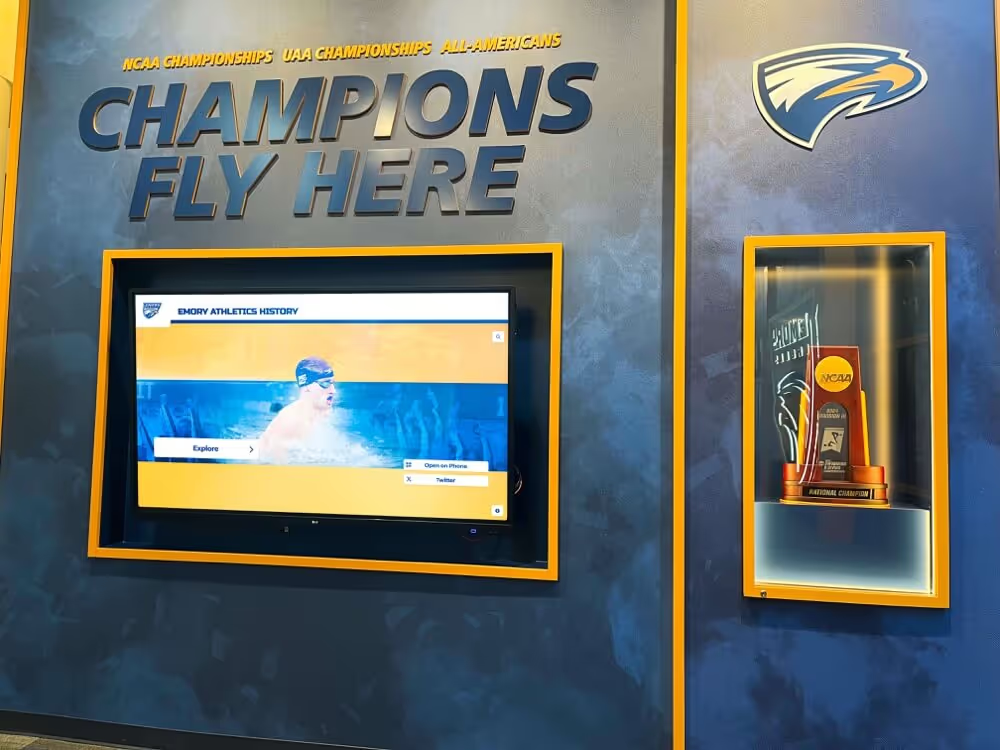
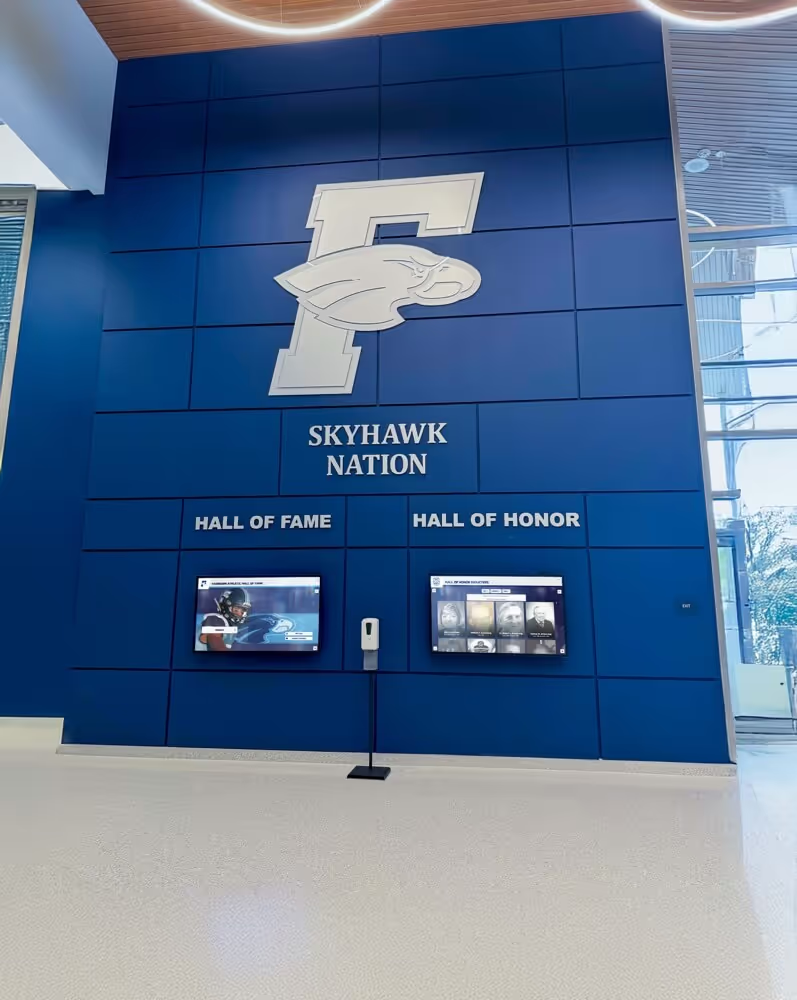
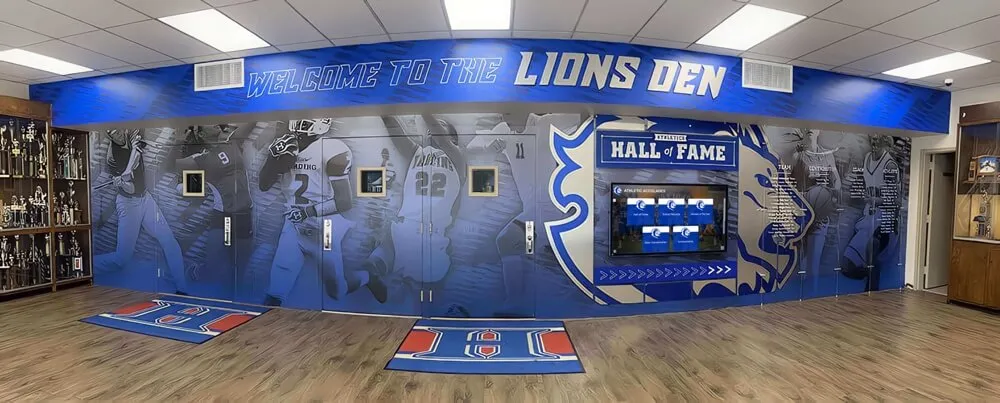
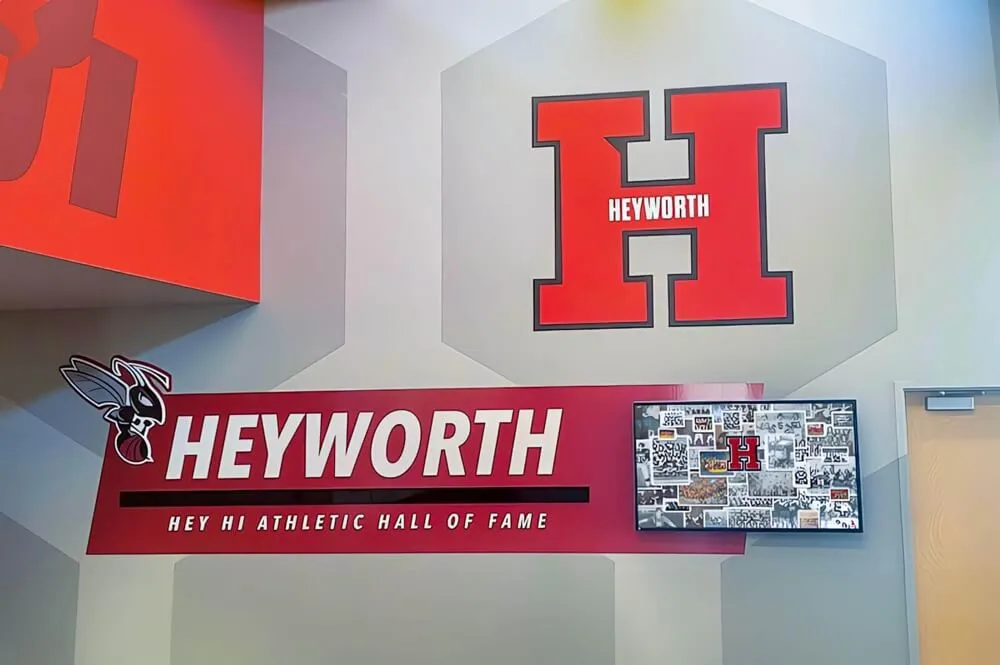
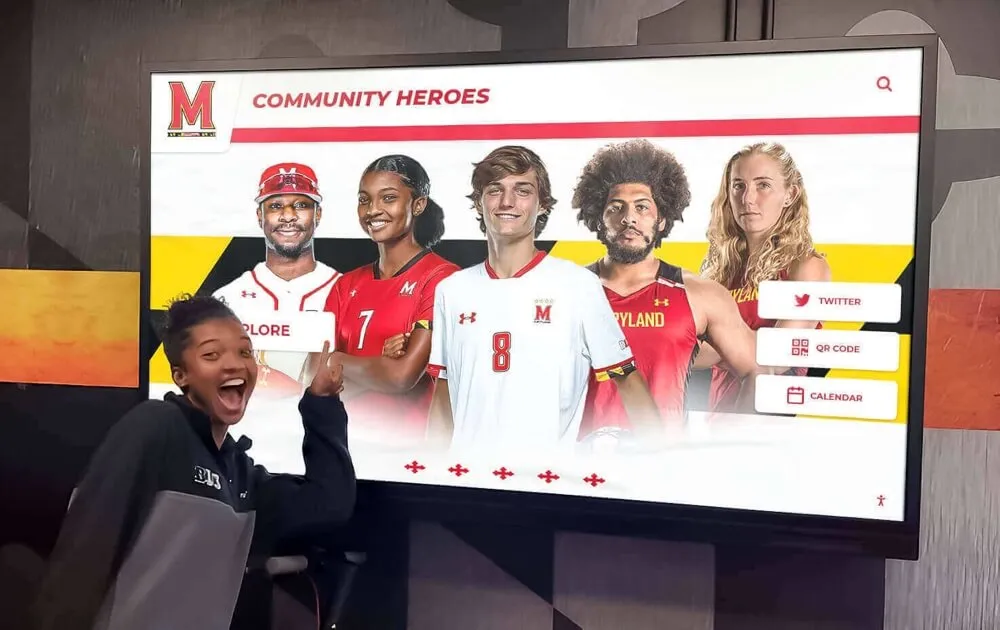
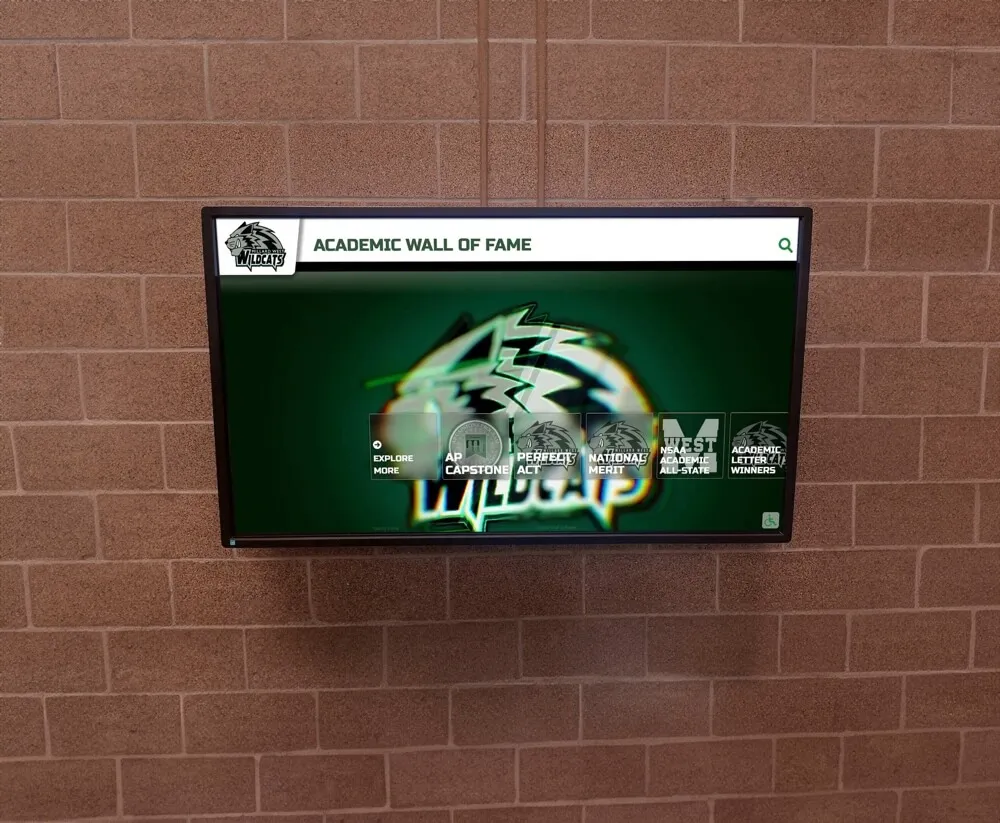
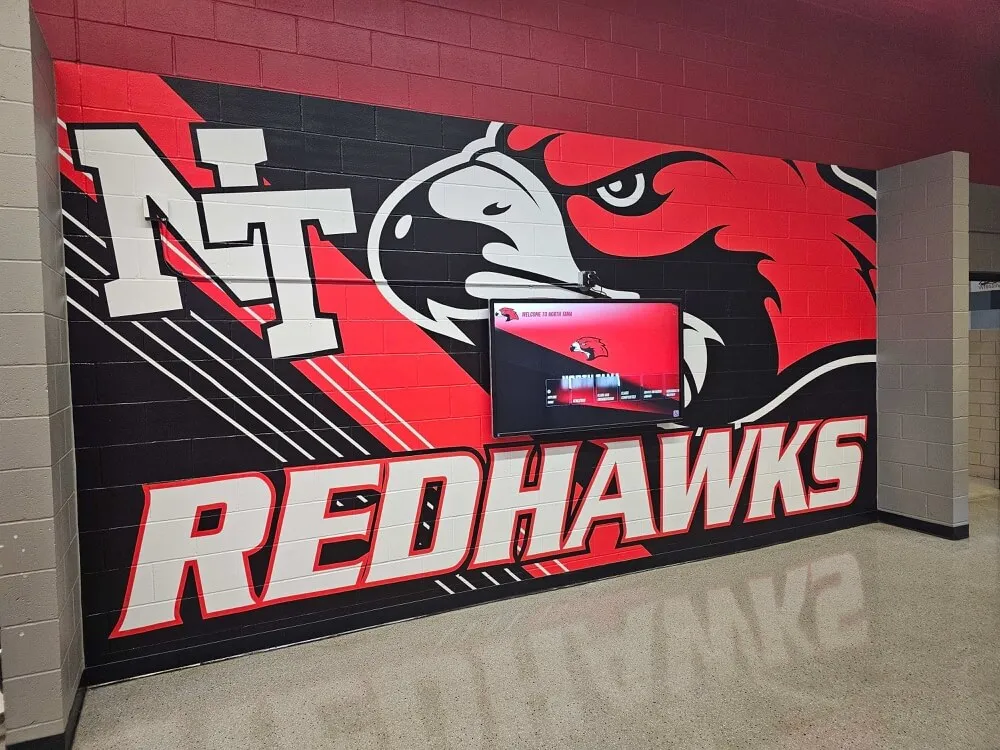
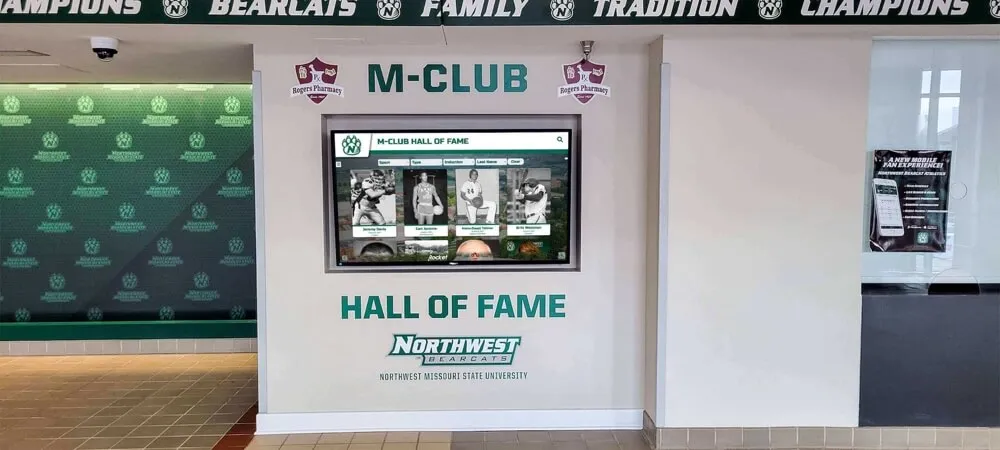
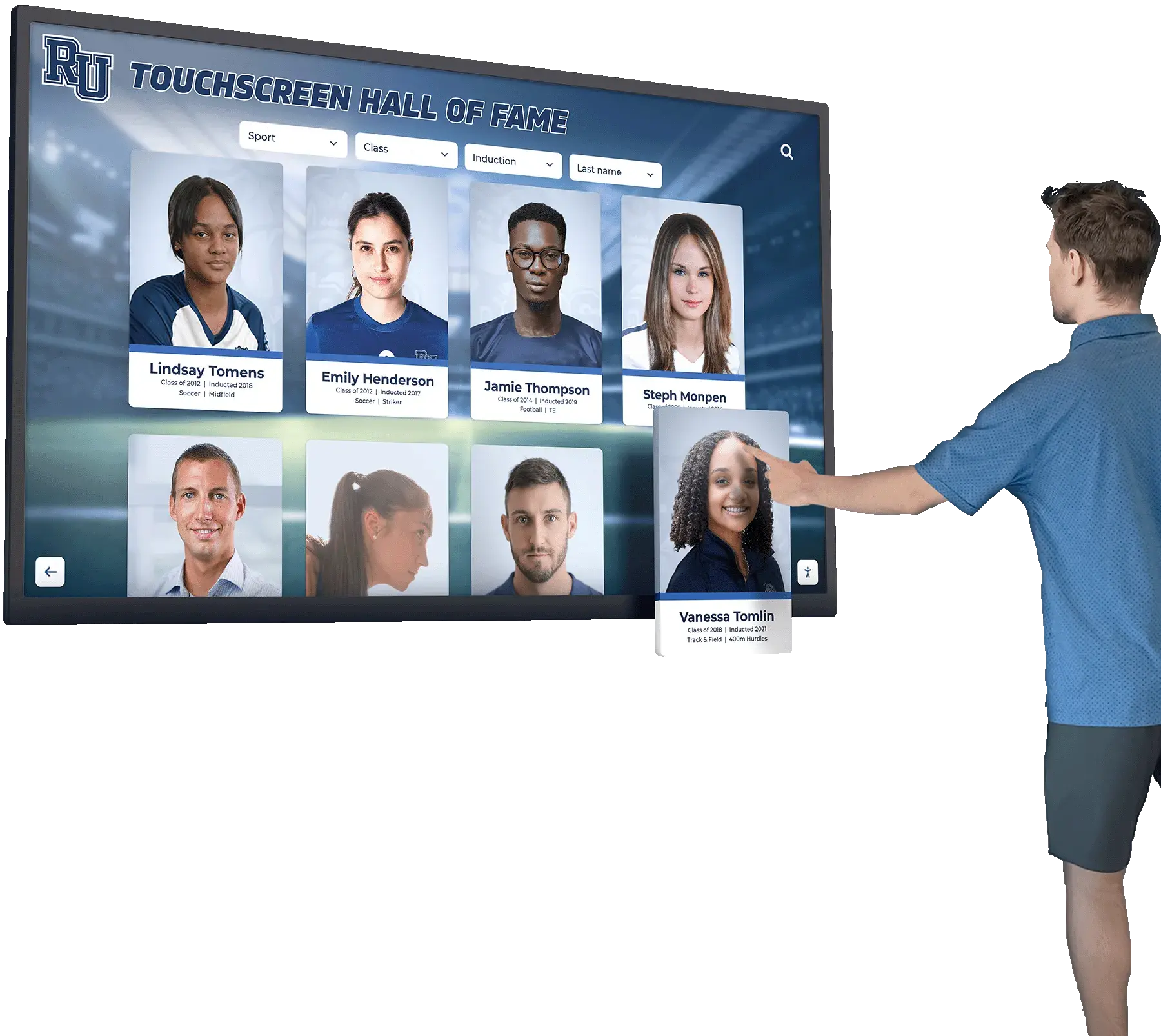
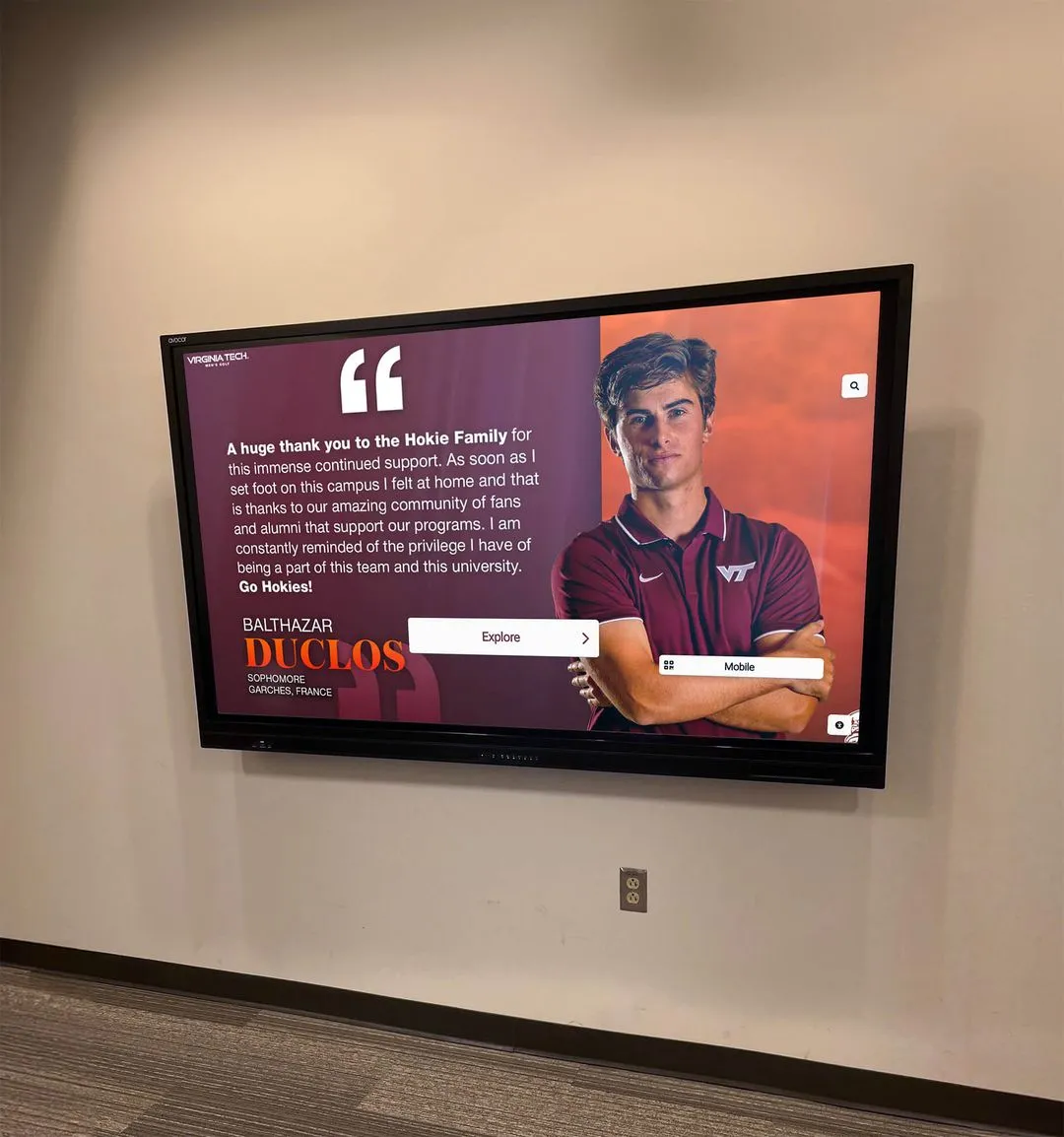
Schools invest substantial resources in digital recognition displays—interactive touchscreens showcasing athletic records, academic achievements, alumni profiles, and institutional history. These installations create engaging experiences for students, families, and visitors while preserving achievements that physical trophy cases cannot accommodate. Yet many institutions overlook a fundamental requirement that affects every person interacting with these systems: accessibility.
Read More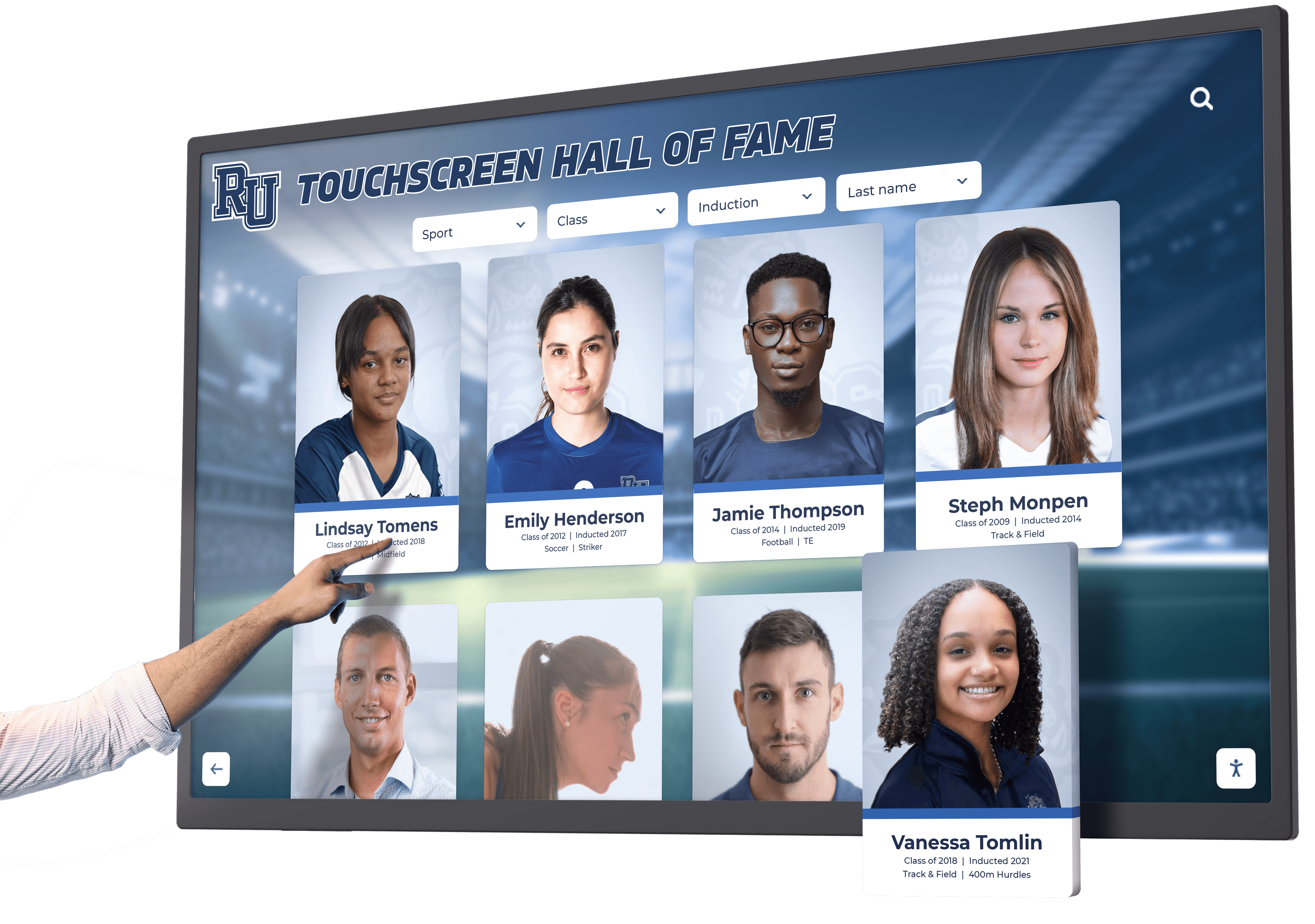
WCAG 2.2 AA Accessible Touchscreens: Why Accessibility Compliance Matters for Schools
Schools and universities installing digital recognition displays face a requirement many administrators initially overlook: accessibility compliance. Federal law mandates that educational institutions provide equal access to information and technology for all students, staff, alumni, and visitors—including individuals with visual, auditory, motor, or cognitive disabilities. The Web Content Accessibility Guidelines (WCAG) 2.2 AA standard represents the recognized benchmark for digital accessibility, establishing technical requirements that ensure your touchscreen displays serve every member of your community without barriers.
Read More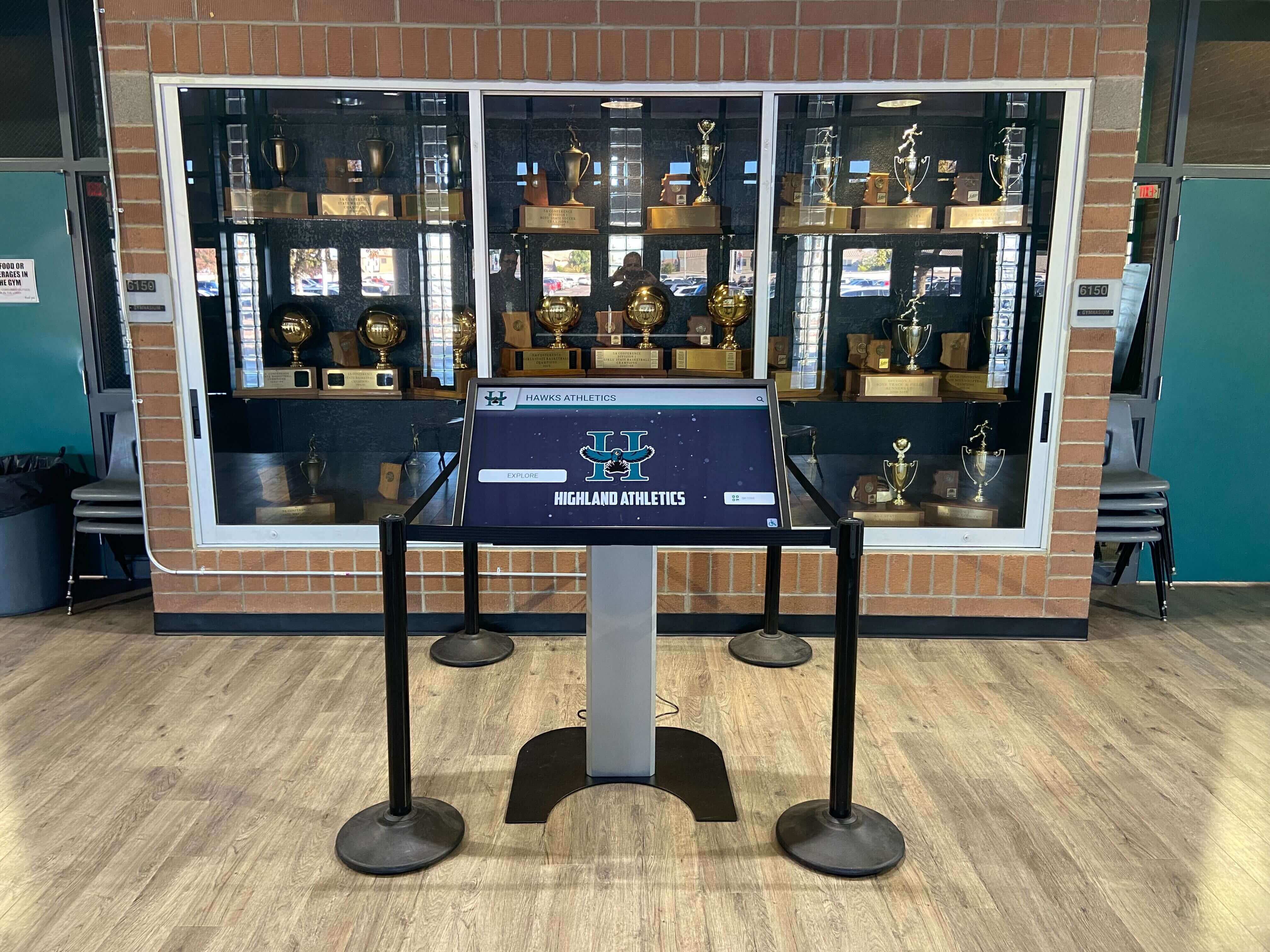
Digital Hall of Fame Guide: Complete Implementation Blueprint for Athletic Directors & Administrators in 2026
Athletic directors across the country face the same frustrating reality: traditional trophy cases overflow with decades of achievements while countless records and accomplishments remain unrecognized due to physical space limitations. Plaques fall off walls. Vinyl names fade and peel. Championship teams from five years ago get removed to make room for recent winners. The athletes who built program foundations gradually disappear from institutional memory because physical recognition systems simply cannot scale to honor everyone who deserves permanent celebration.
Read More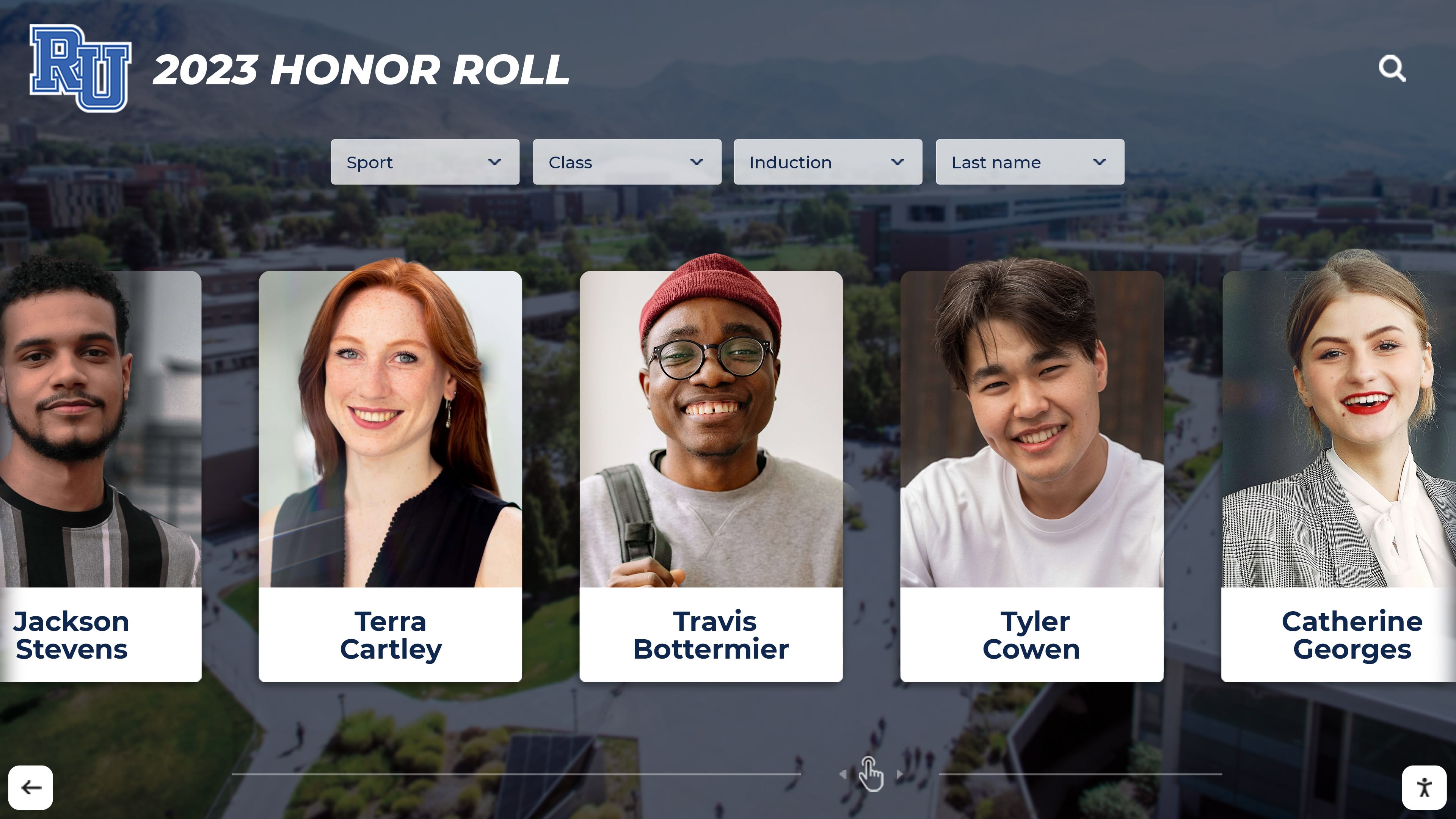
High School Perfect Attendance Digital Showcase Wall: Auto-Ranking Recognition That Never Erases History
Perfect attendance represents sustained commitment—students showing up every single day, rain or snow, motivated or tired, facing obstacles yet choosing to be present. This achievement deserves more than a paper certificate filed in a drawer or a name on a bulletin board that gets taken down at year-end. High schools need permanent recognition systems that preserve every perfect attendance streak, auto-rank across years, update in real-time, comply with ADA requirements, and make every student’s dedication permanently visible to peers, families, and future graduating classes.
Read More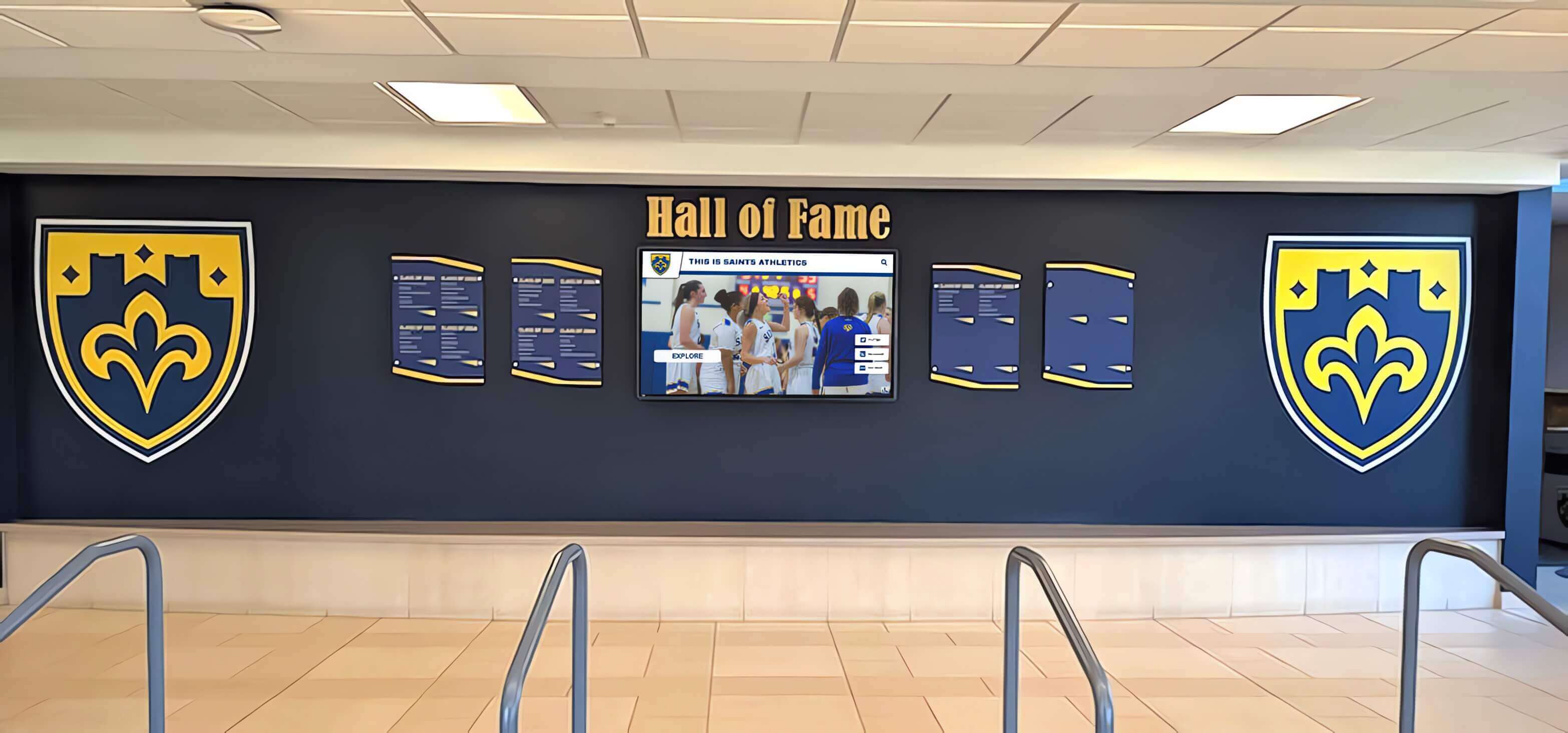
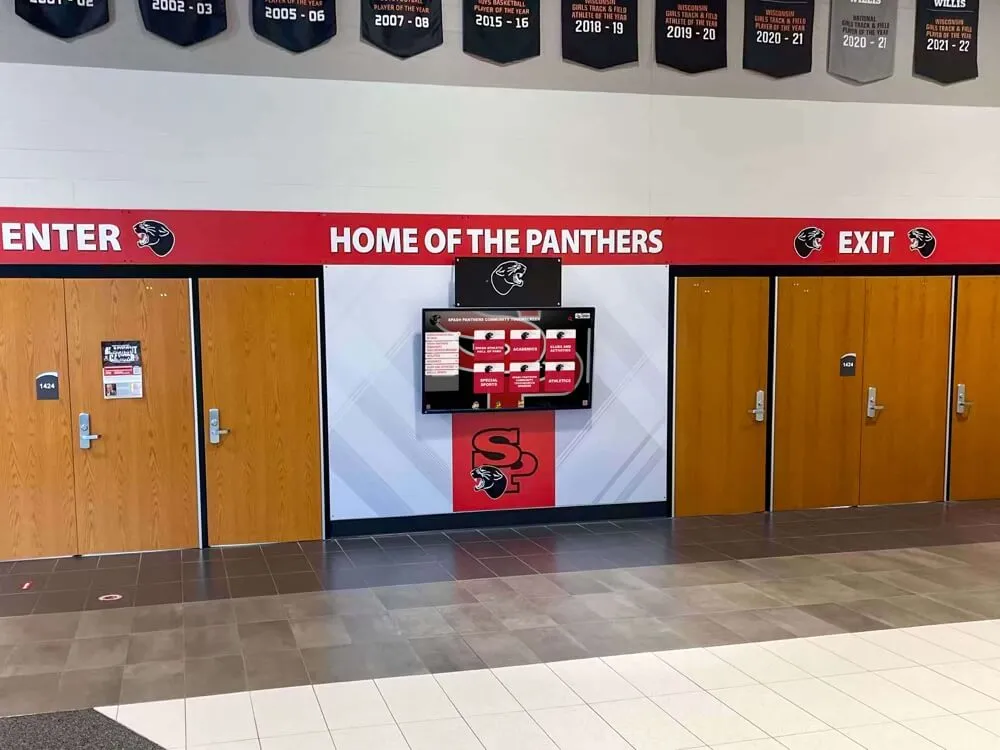
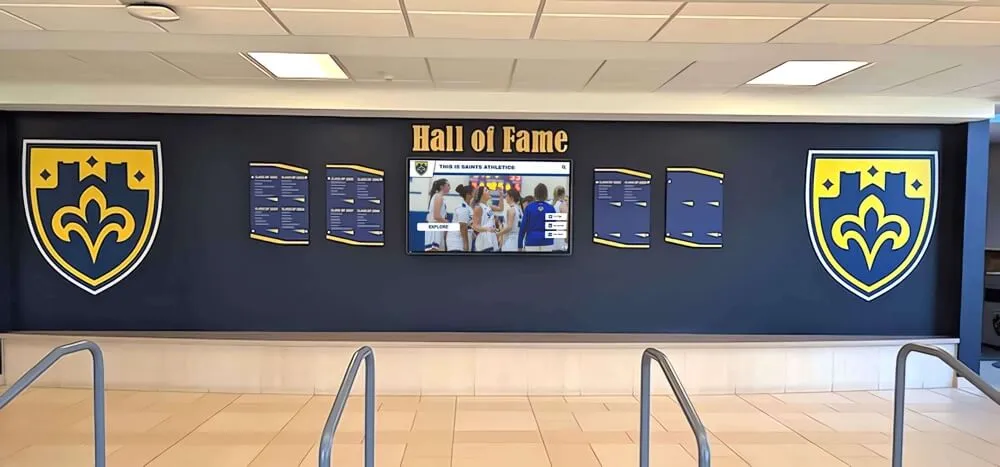
High School Wall of Fame: Complete Guide to Digital Recognition Systems That Preserve Athletic Excellence
High schools invest decades building athletic traditions through championship seasons, record-breaking performances, and exceptional student-athletes who bring pride to their communities. Yet the traditional methods used to honor these achievements—vinyl record boards requiring manual updates, static plaques consuming limited wall space, trophy cases that overflow with hardware—create frustration for athletic directors tasked with keeping recognition current while managing constrained budgets and facility limitations.
Read More
Public Library Digital Archive Collections: Complete Guide to Interactive Displays That Preserve Community History
Public libraries serve as guardians of community memory, preserving photographs documenting neighborhood development, newspapers chronicling local events across decades, municipal records capturing civic history, family genealogies connecting residents to their roots, and rare documents that define regional identity. Yet the traditional methods used to store and share these collections—climate-controlled archive rooms requiring staff supervision, static displays showing limited selections, digital files accessible only through library computers, or fragile originals that deteriorate with each handling—create barriers between communities and their own histories.
Read More