



Choosing the right yearbook theme sets the foundation for your entire annual publication—it shapes design decisions, influences section organization, guides photography direction, and creates the unifying thread connecting hundreds of pages documenting a school year. The best themes capture your school’s unique identity while resonating emotionally with students, creating publications that feel meaningful in the present moment and remain cherished decades later.
Yearbook advisors, student editors, and committee members face critical decisions early in production cycles: Which themes feel fresh without being trendy? How do we balance universal appeal with school-specific identity? Should we pursue ambitious conceptual themes or reliable classic approaches? What themes work across diverse grade levels and student interests? How can our theme support rather than constrain content development?
Preserving School Memories Beyond the Yearbook
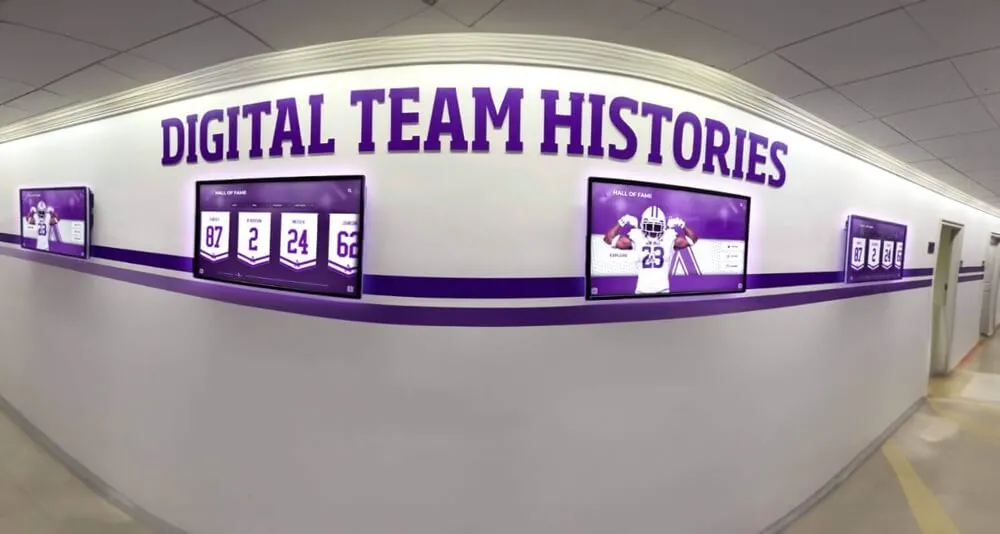
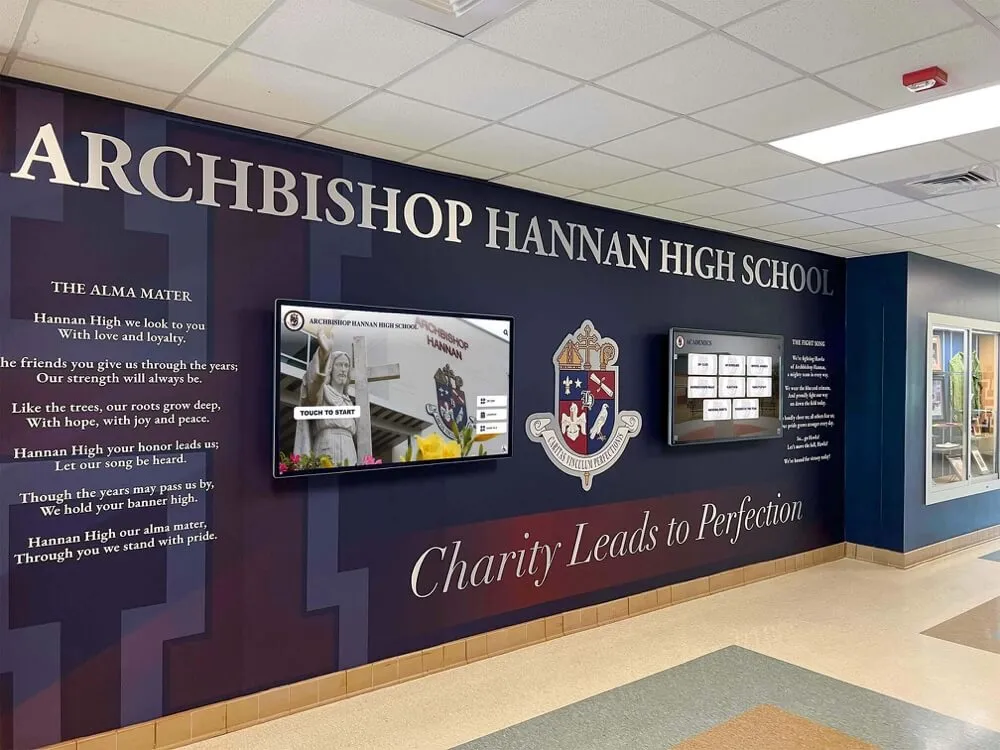
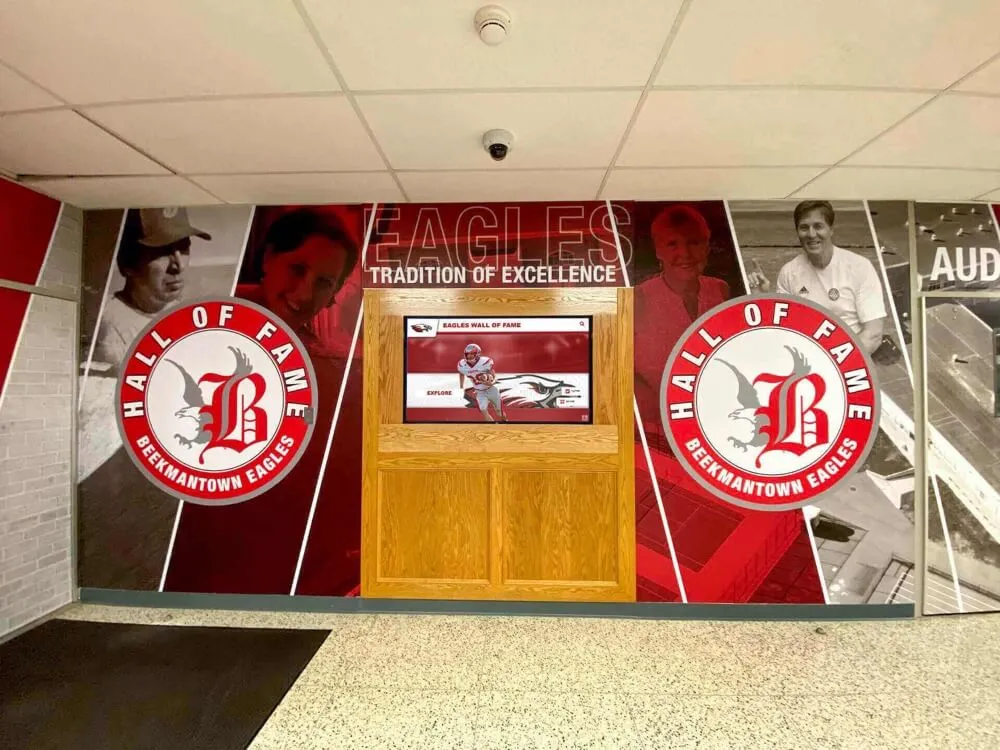
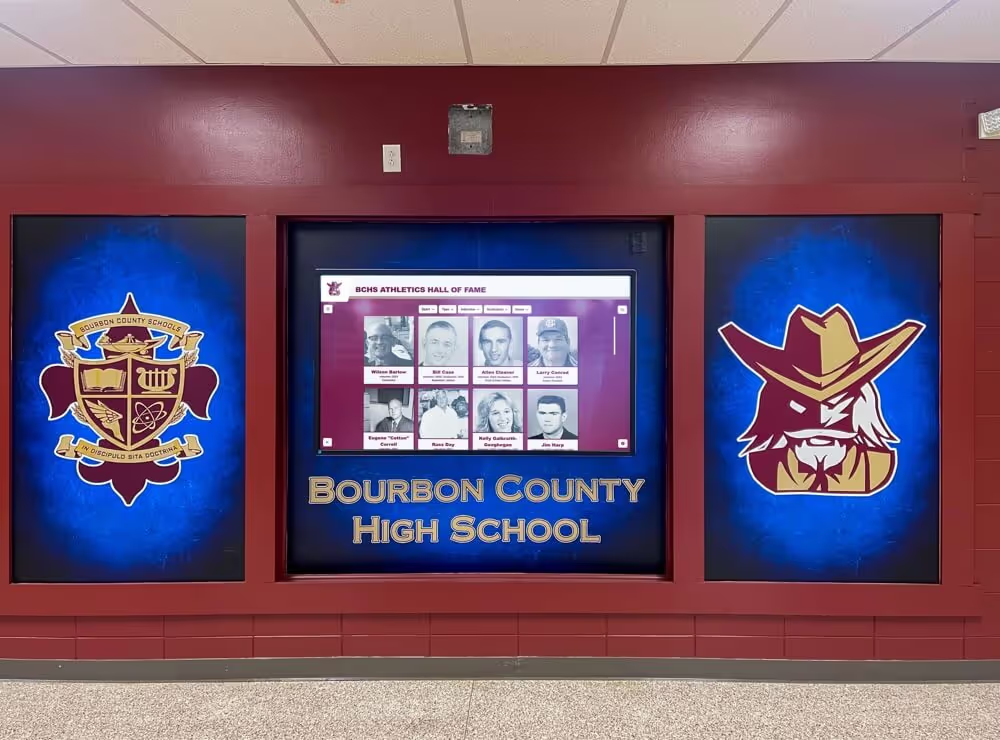
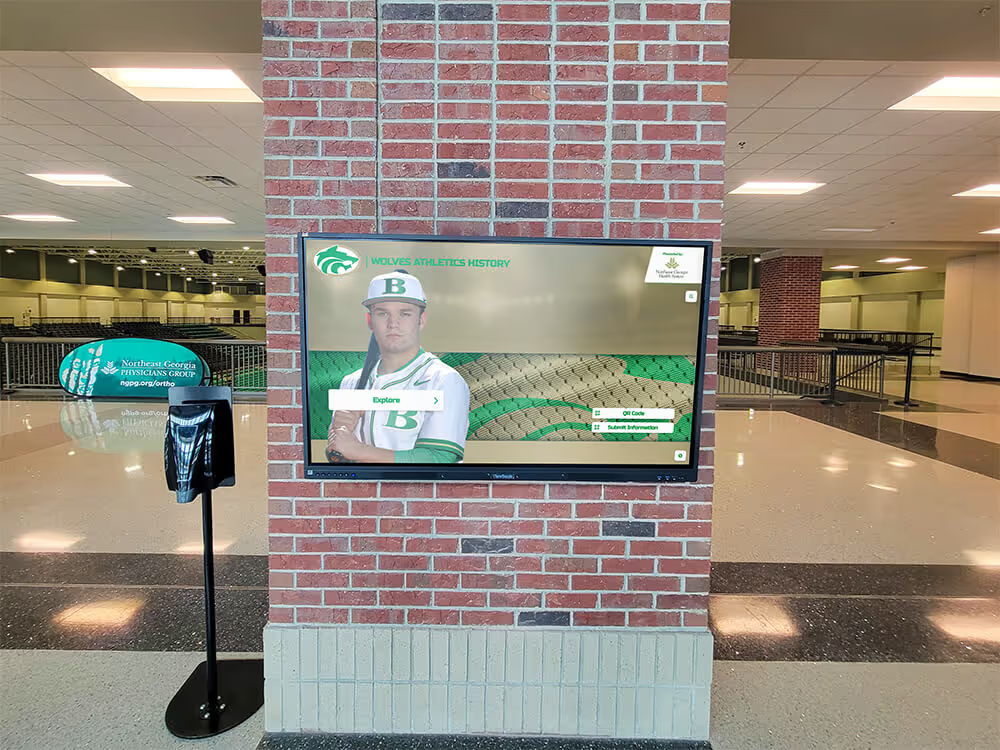
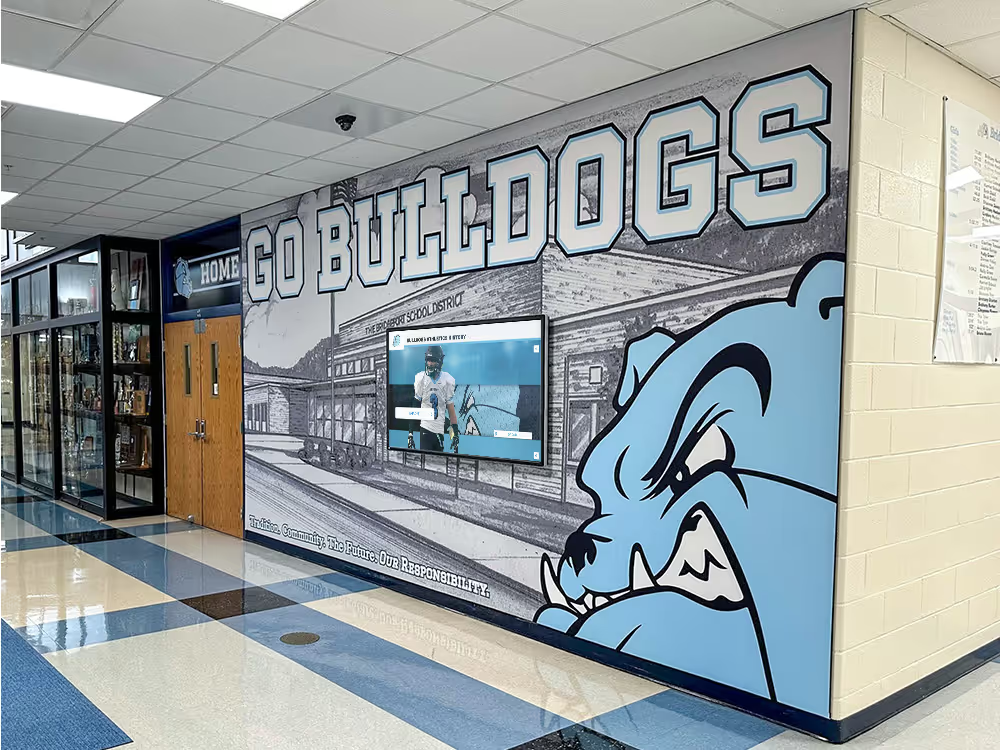
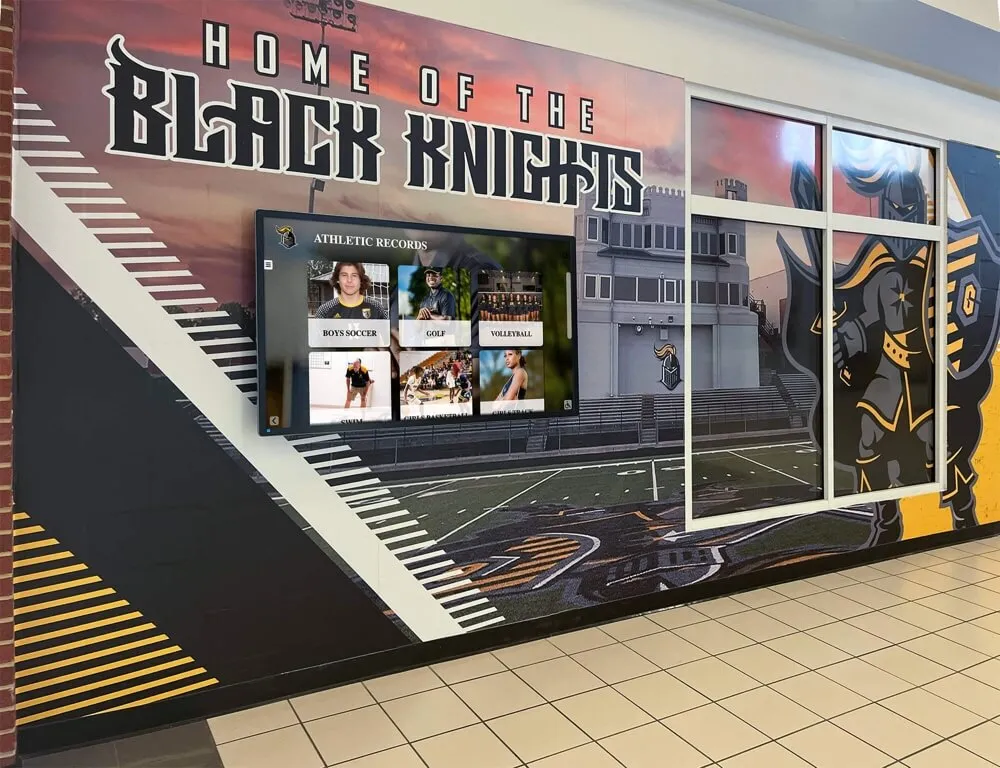
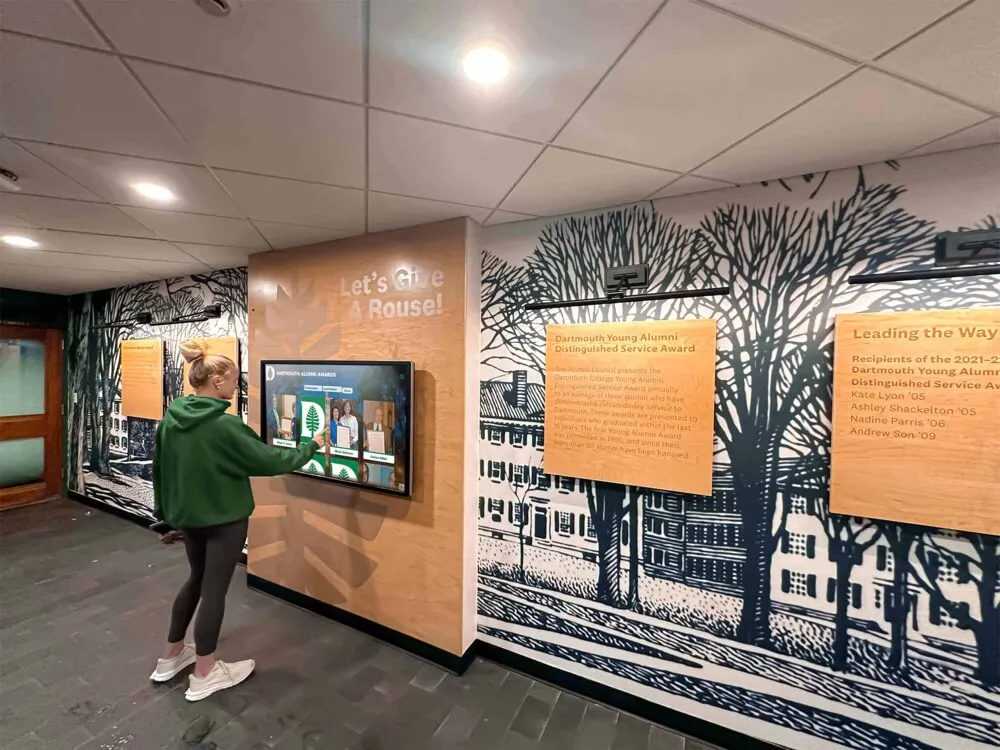
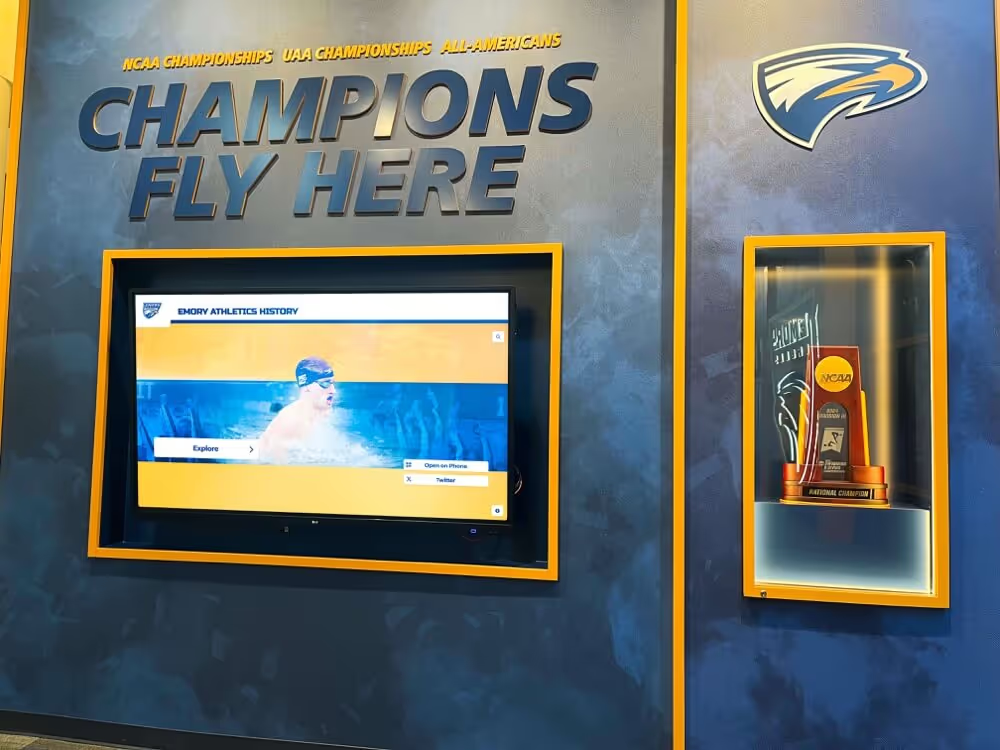
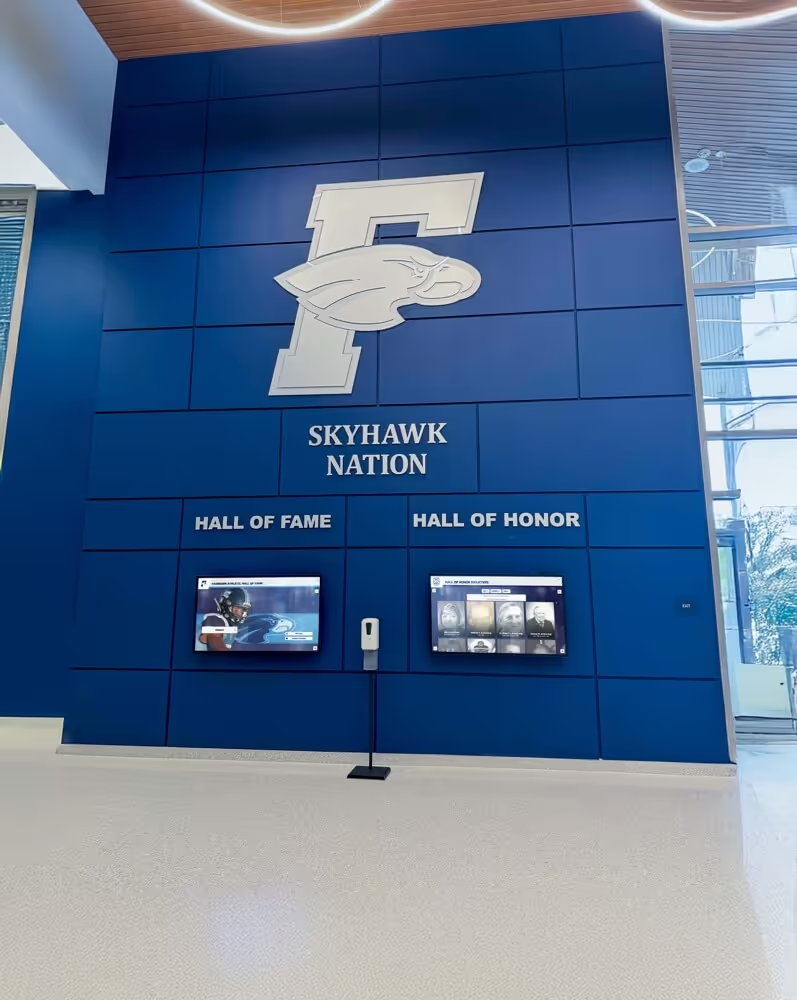
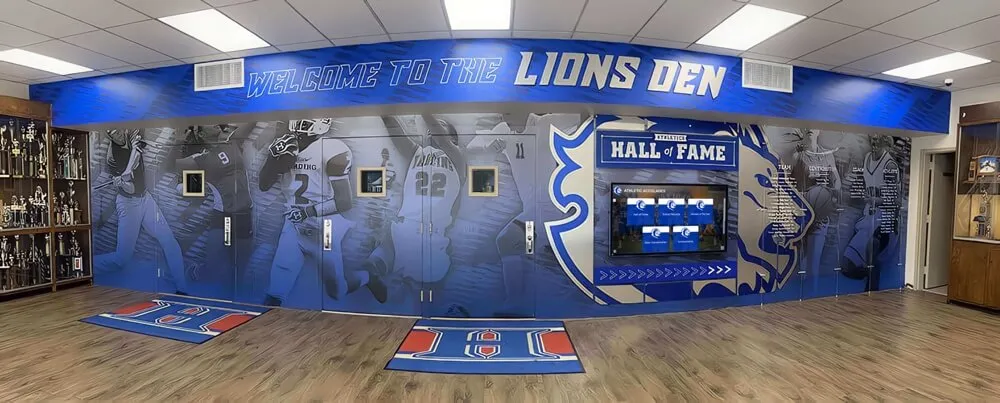
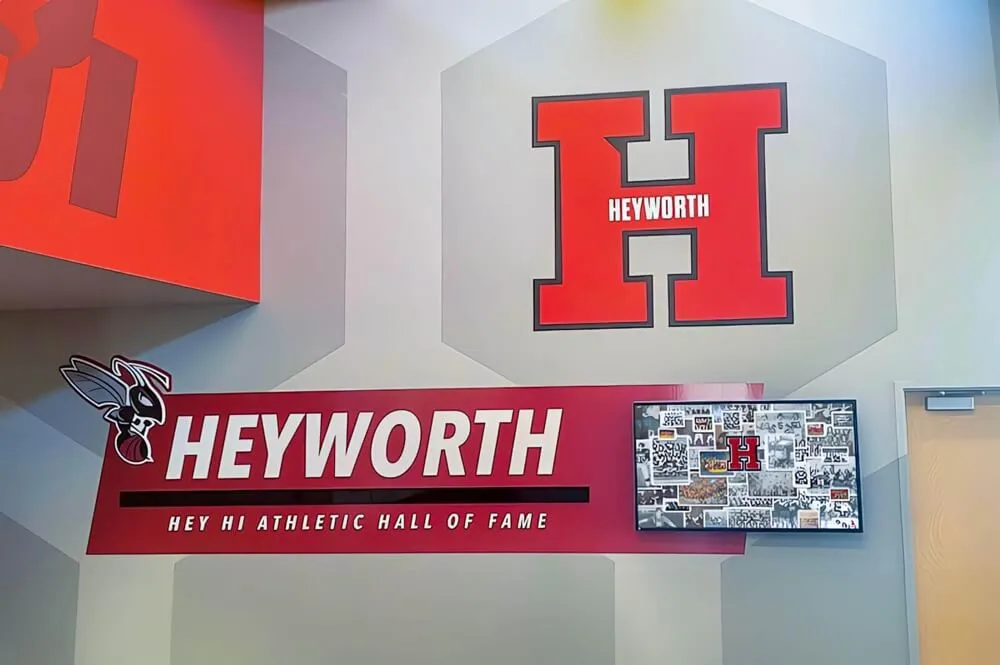
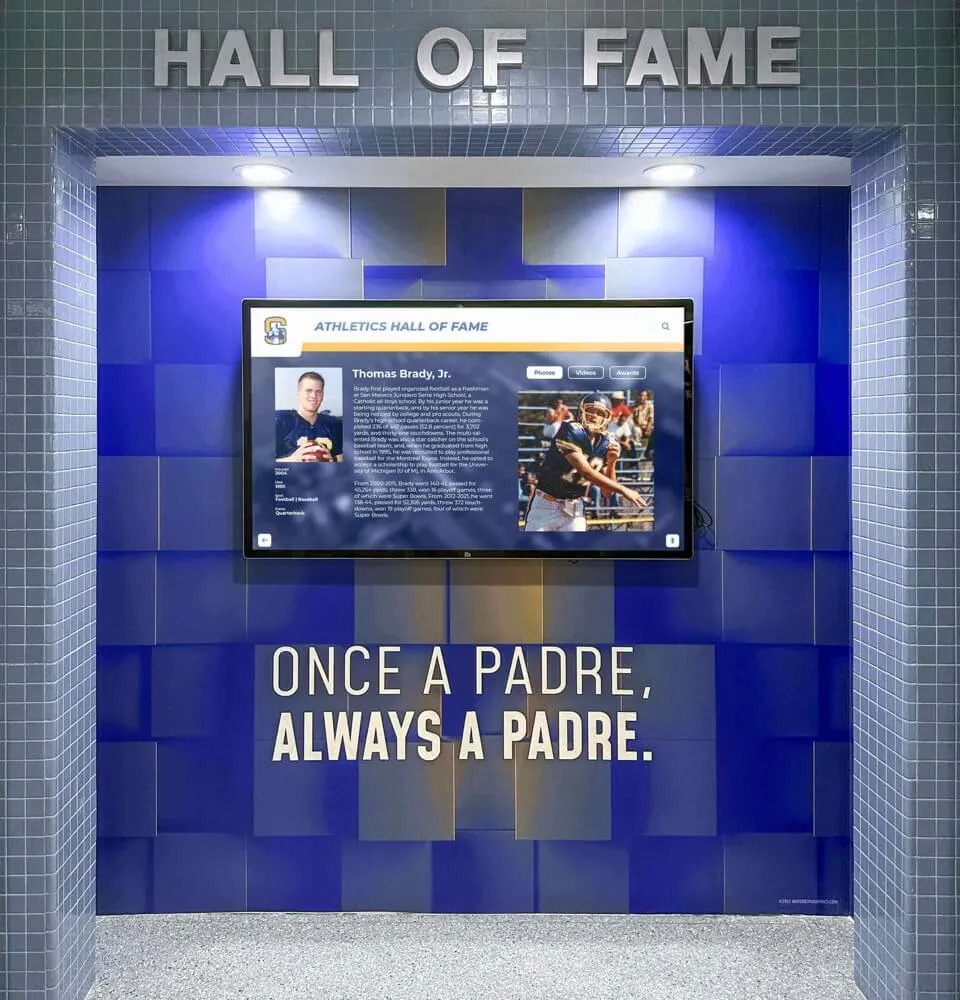
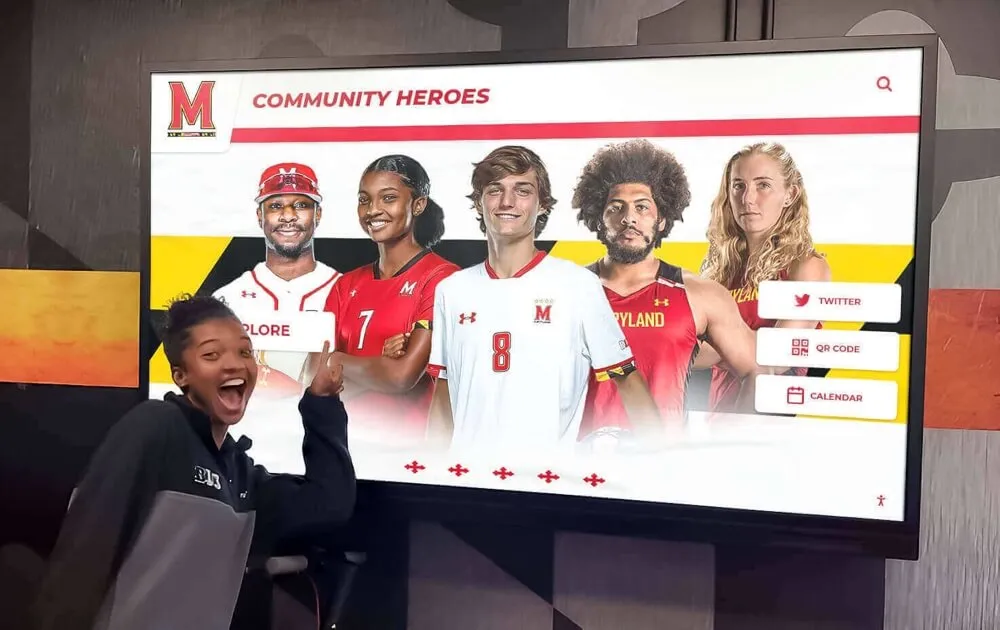
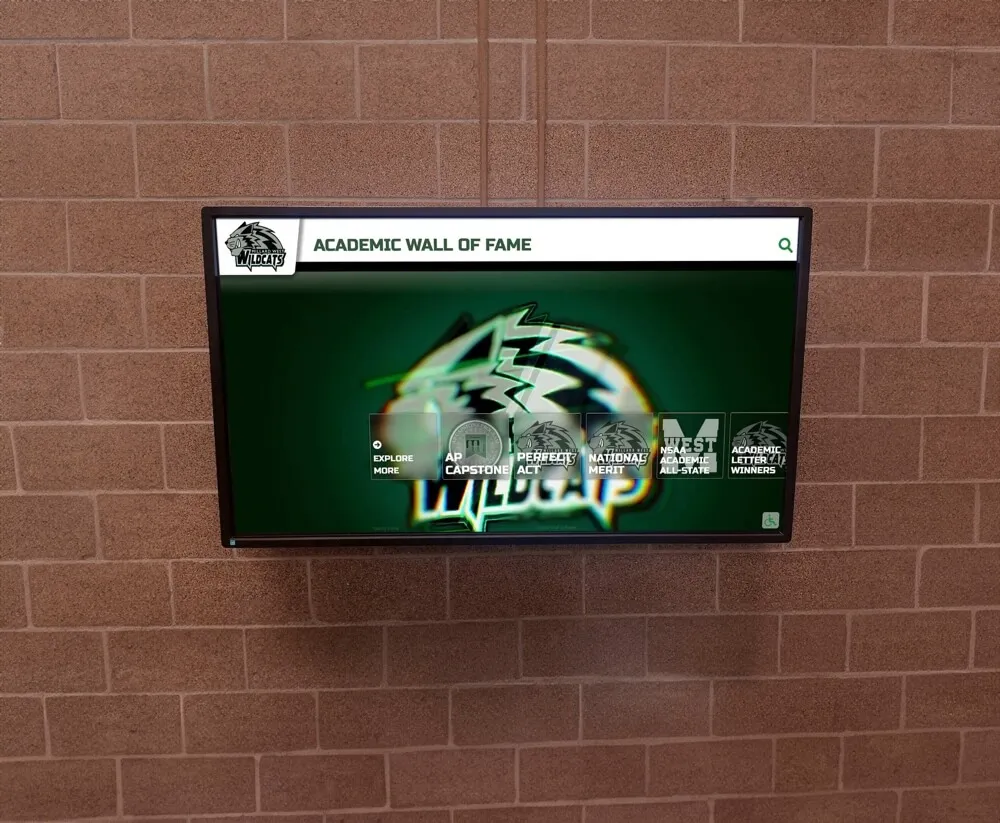
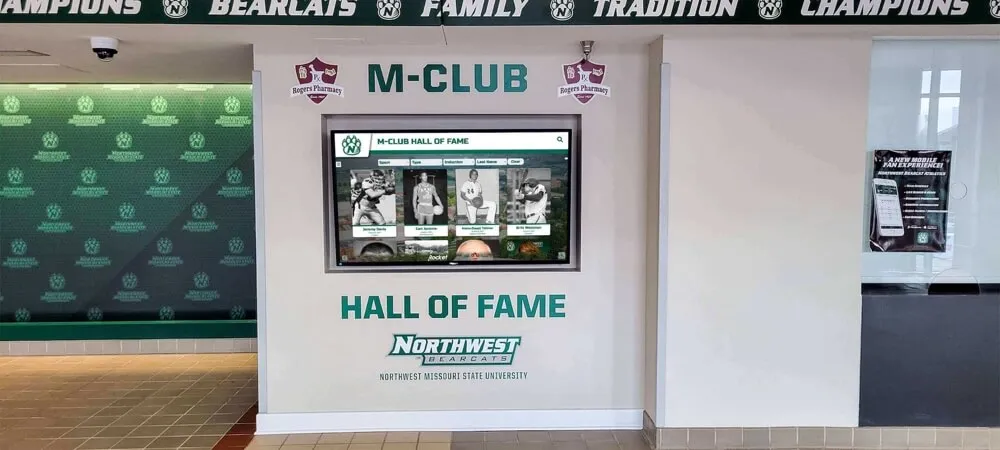
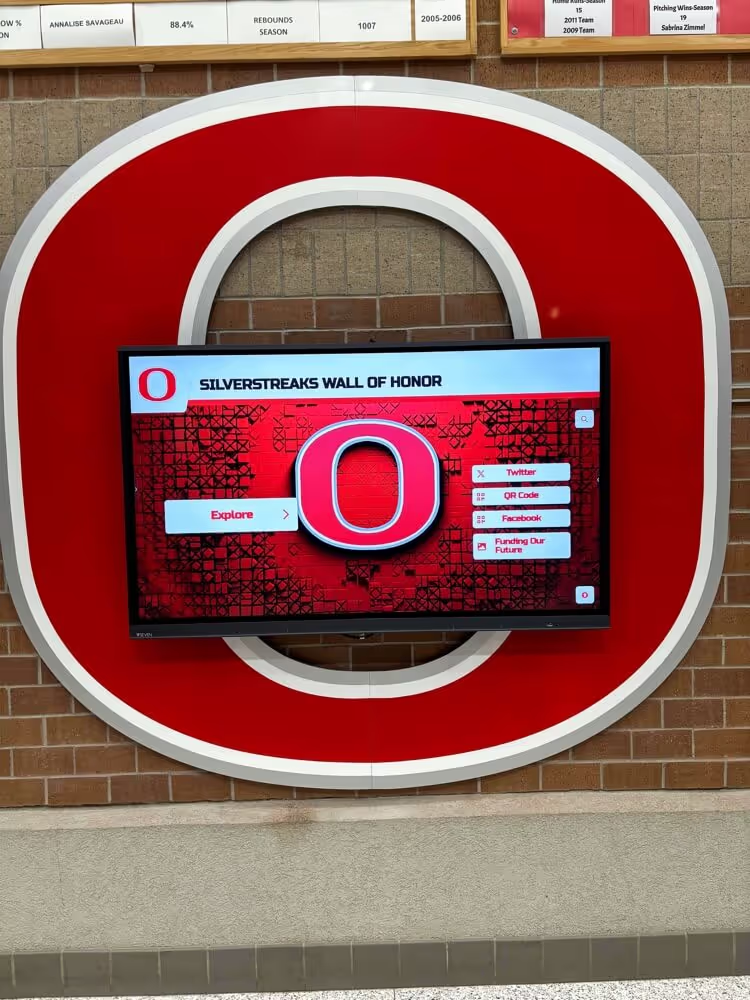
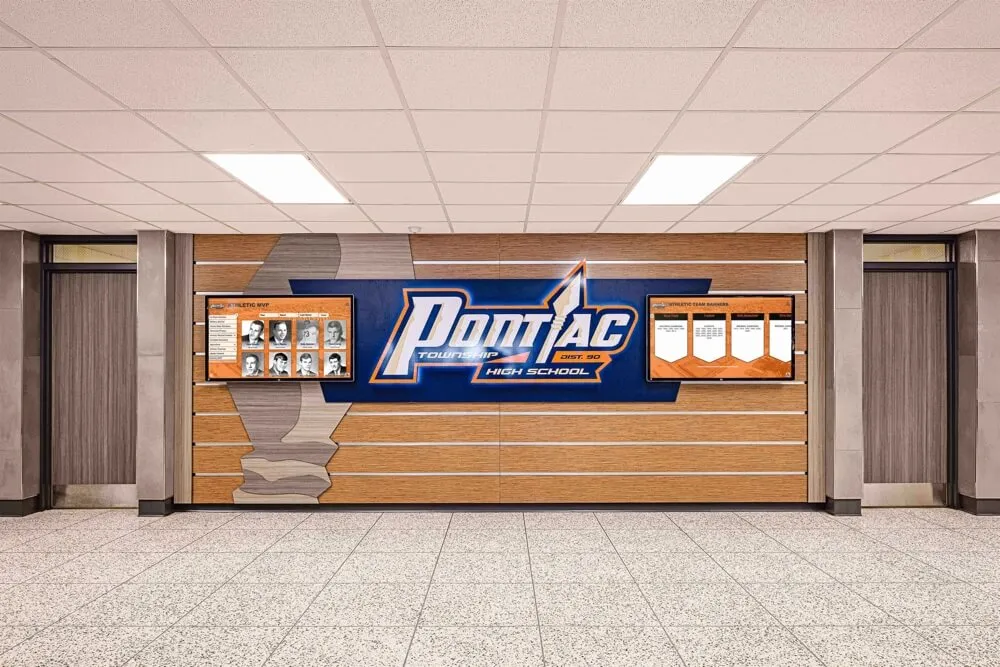
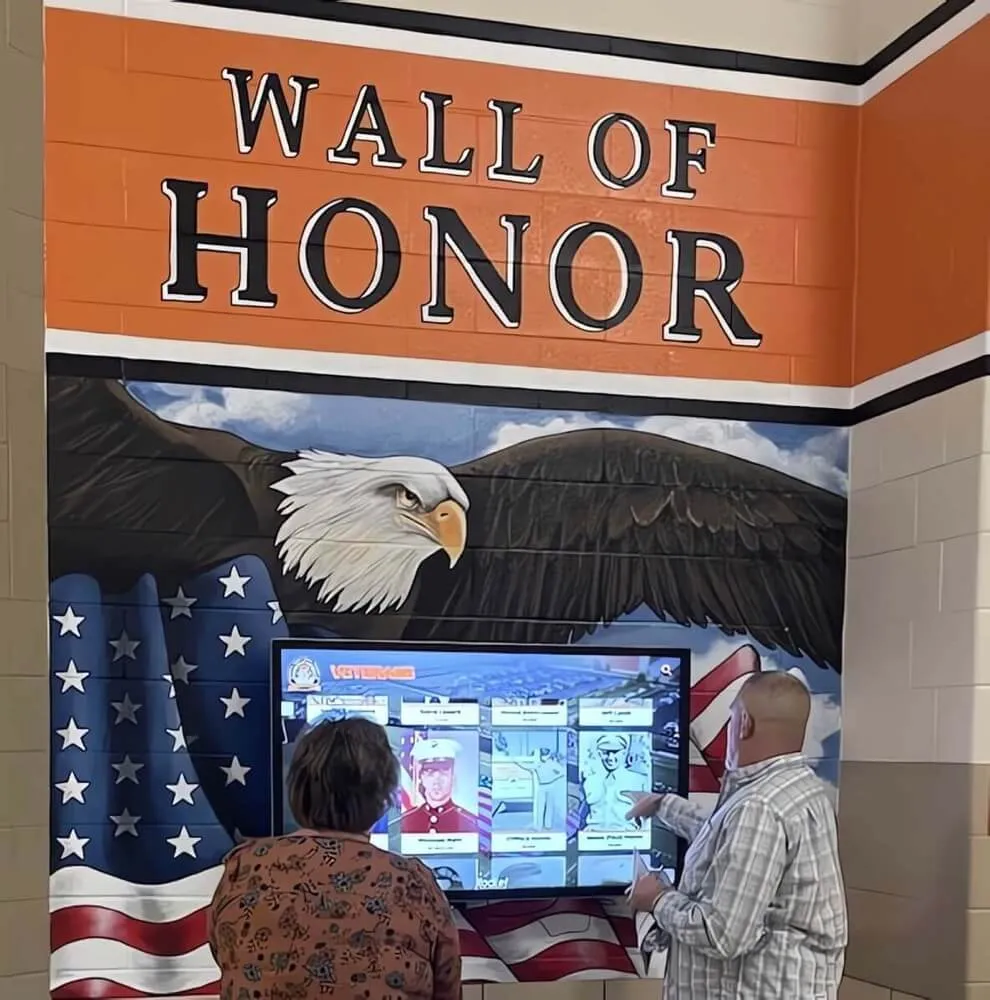
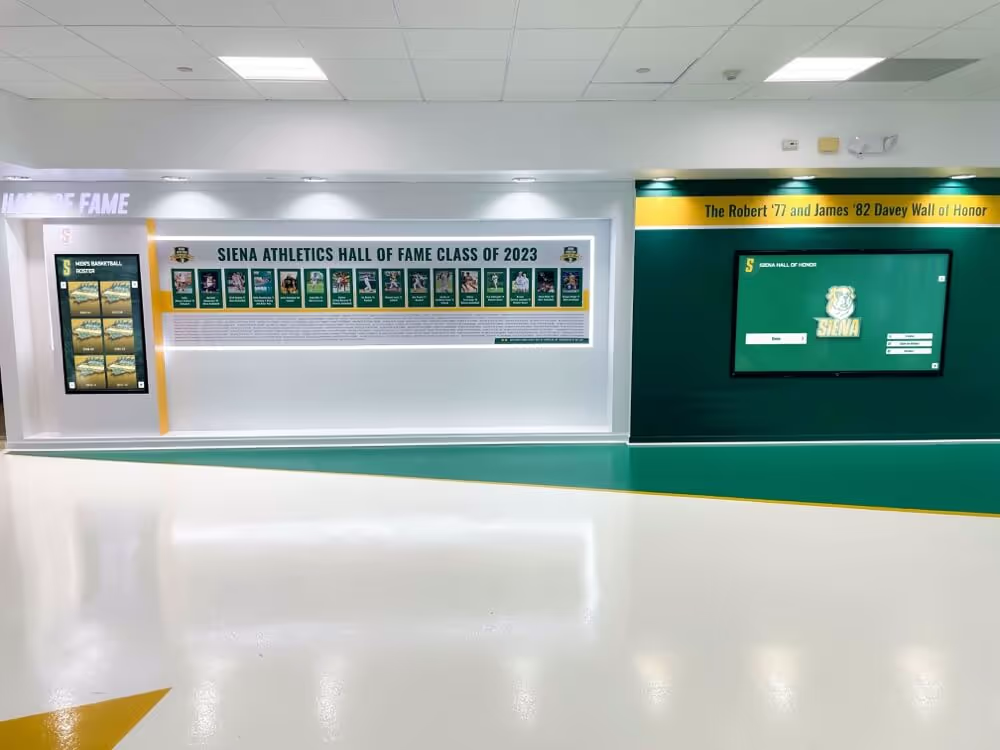
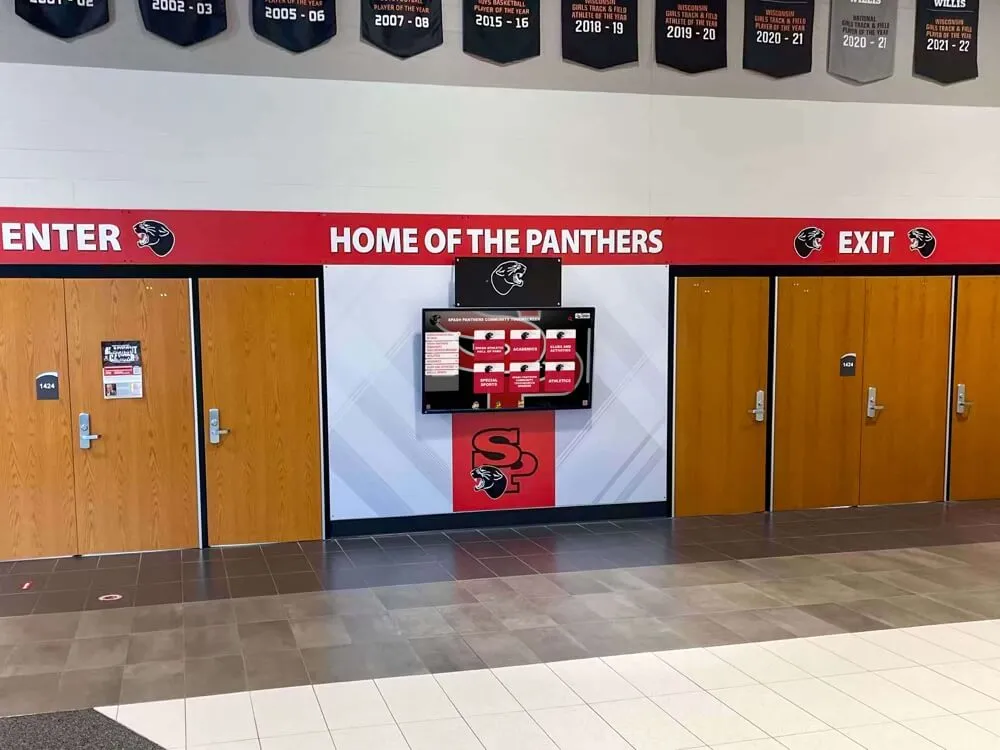
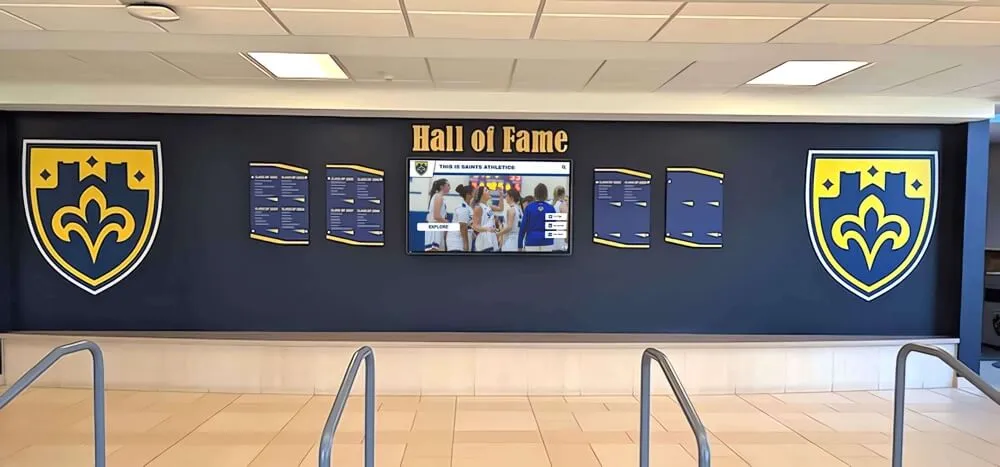
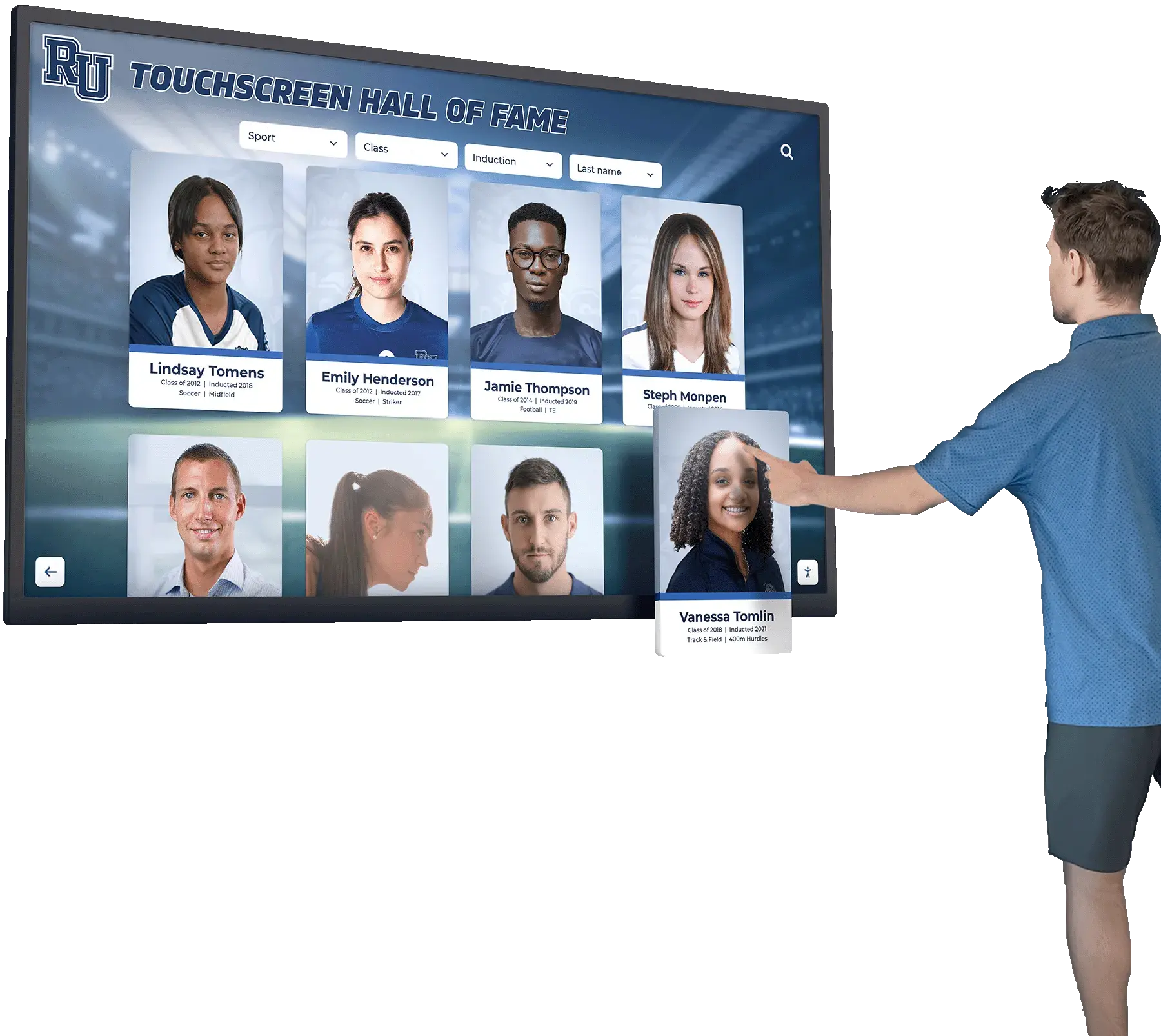
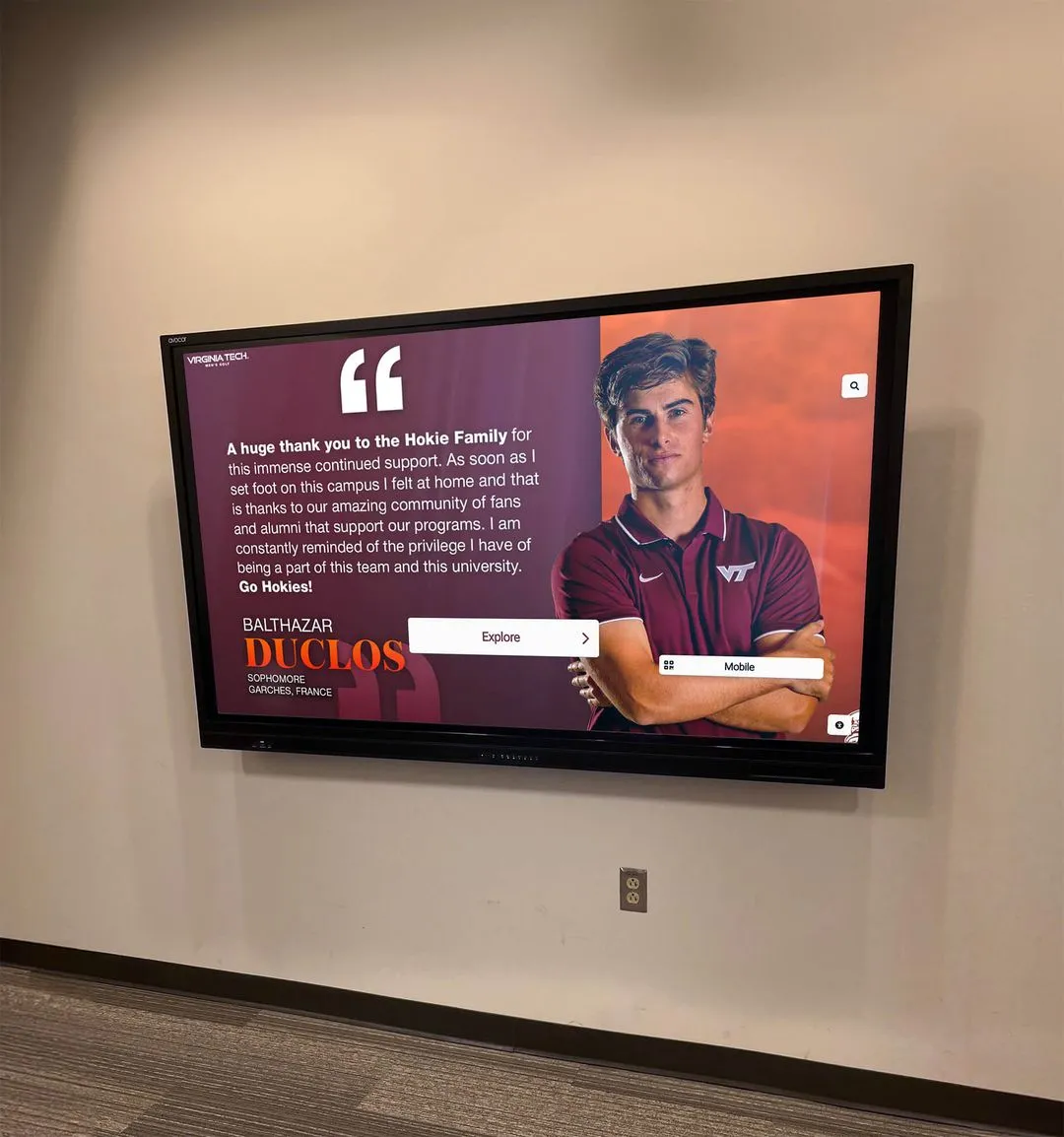
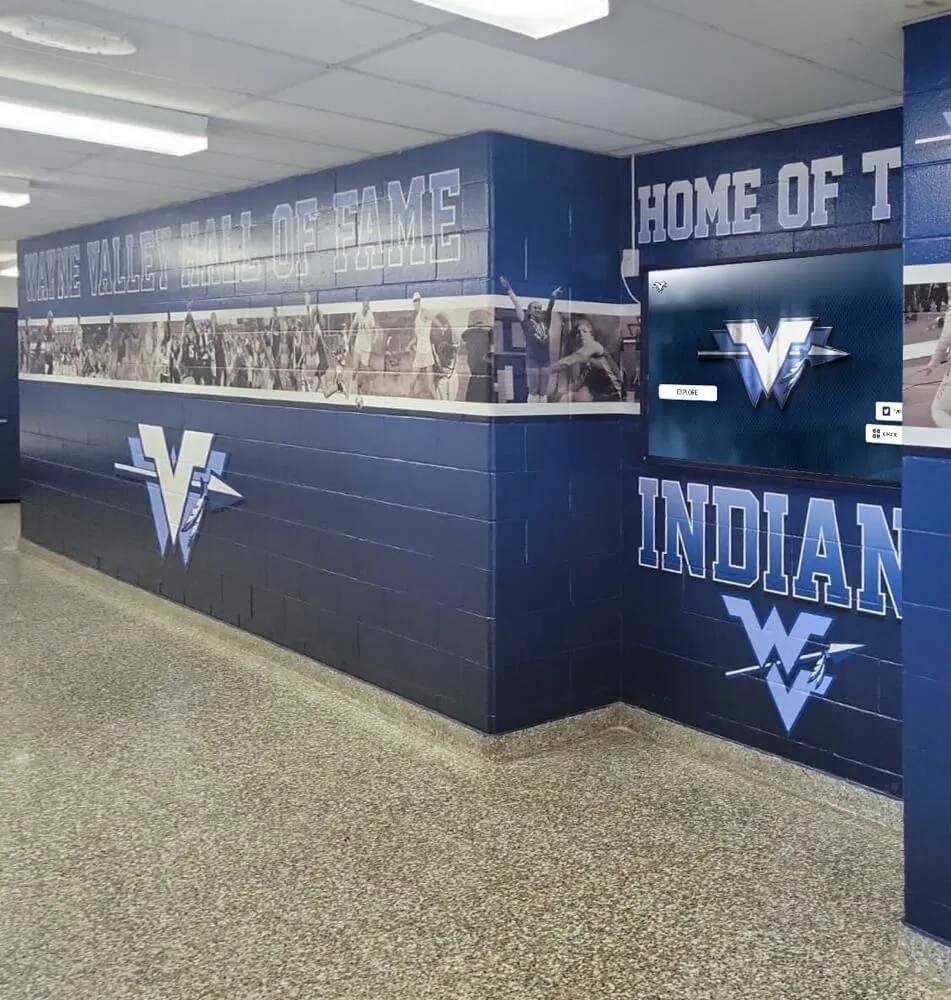
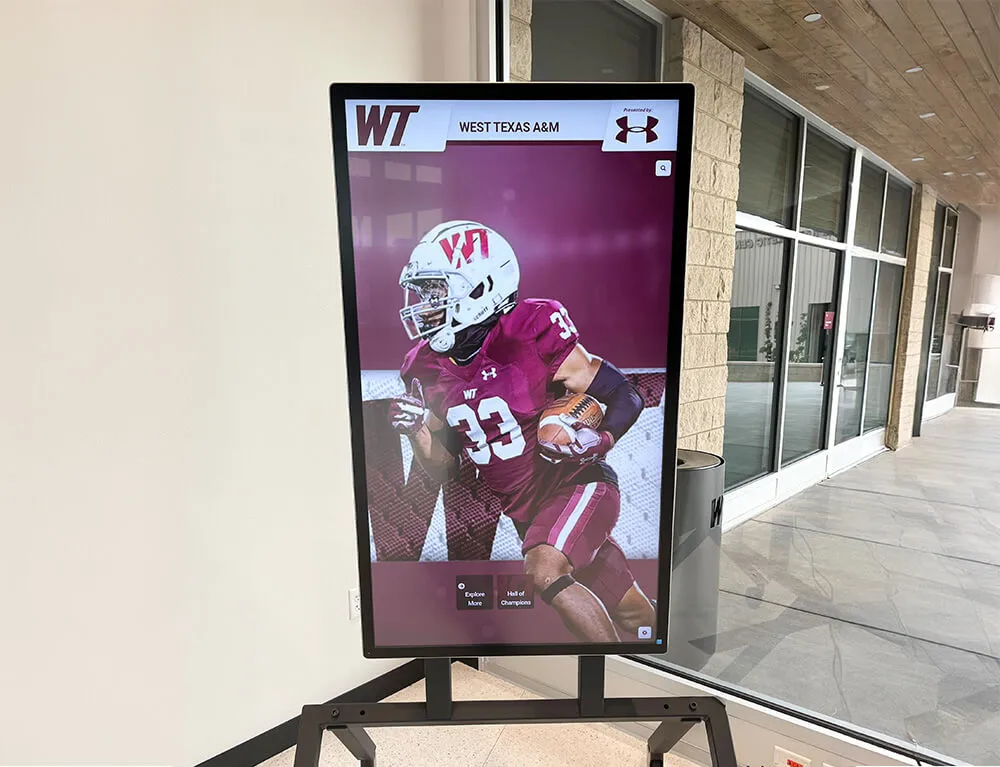
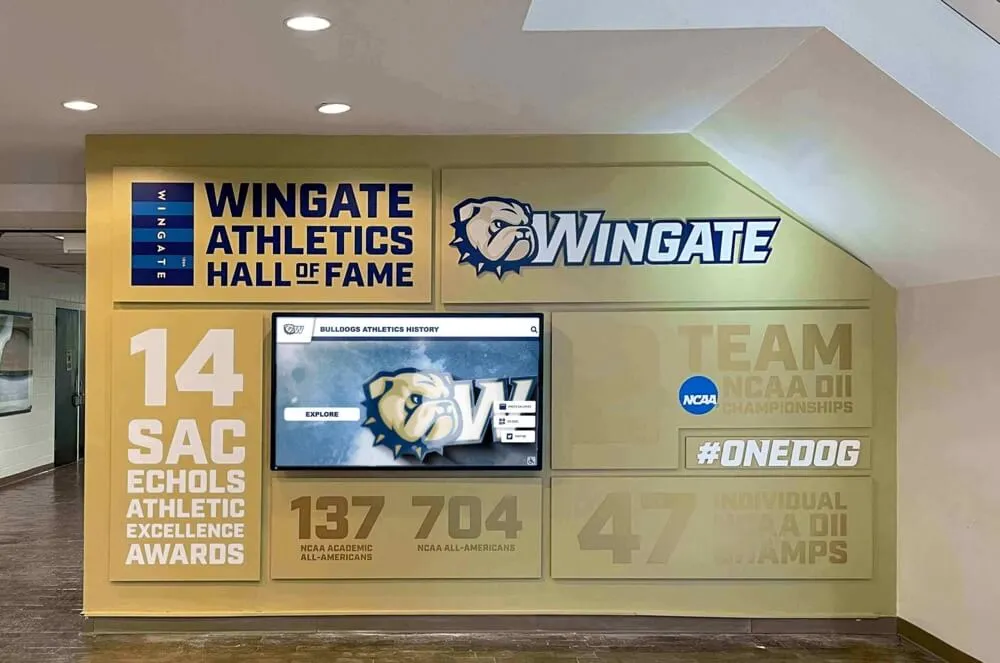
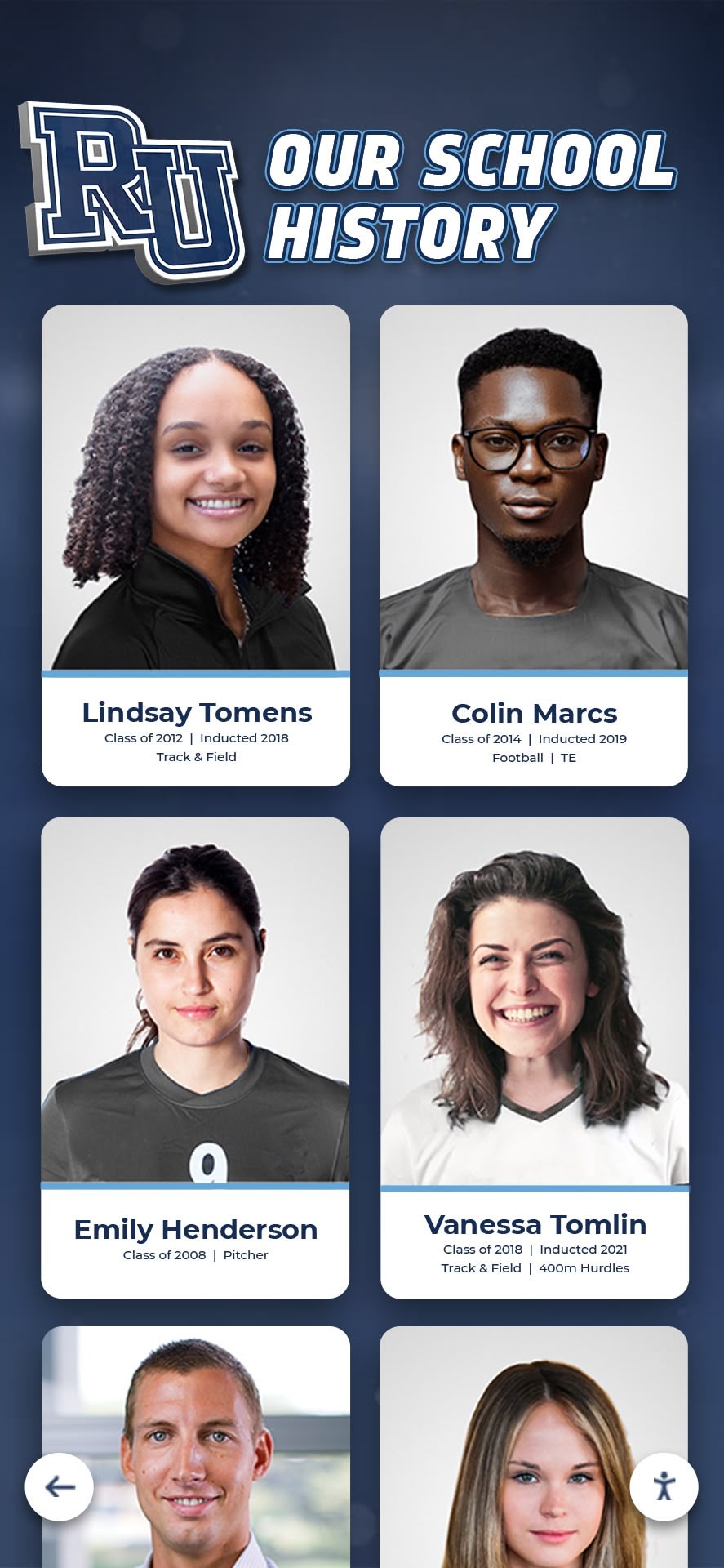
While yearbooks capture annual snapshots of school life, many schools now complement print publications with comprehensive digital recognition systems that preserve achievements, tell ongoing stories, and keep memories accessible year-round. Modern platforms enable schools to document student accomplishments through searchable databases, showcase achievements through dynamic displays, connect current students with alumni legacy, and create engagement opportunities impossible with static publications. Solutions like Rocket Alumni Solutions provide schools with interactive displays and digital archives that extend the yearbook's mission of recognition and memory preservation into always-accessible, continuously updated platforms celebrating student excellence across all dimensions of school life.
Understanding What Makes Yearbook Themes Effective
Before exploring specific theme ideas, understanding the characteristics separating memorable themes from forgettable ones helps guide selection decisions.
Core Elements of Strong Yearbook Themes
Successful yearbook themes share identifiable qualities regardless of specific concepts:
Universal Relevance Across Student Experiences
The strongest themes connect with diverse student populations rather than reflecting narrow interests or activities. Themes should resonate with athletes and artists, honor students and service leaders, freshmen and seniors. Avoid themes centered exclusively on specific activities, interests, or demographics that exclude significant student segments. A sports-centric theme alienates non-athletes; an academic focus marginalizes students whose strengths lie elsewhere.
Flexibility Supporting Diverse Content
Practical themes accommodate the full range of yearbook content—academics, athletics, arts, activities, student life, and community. Overly specific conceptual themes create awkward fits forcing contrived connections between theme and content. If section editors struggle explaining how their content relates to the theme, you’ve chosen something too narrow or abstract.
Visual Identity That Translates Across Mediums
Strong themes provide clear visual direction for covers, section dividers, page backgrounds, and graphic elements while remaining flexible enough for creative interpretation. Themes should inspire design rather than dictating rigid templates. Visual execution makes abstract themes concrete, helping students and audiences understand unifying concepts.
Emotional Resonance and Memory Connection
The most beloved yearbooks trigger emotional responses—pride, nostalgia, belonging, inspiration. Consider how your theme connects to feelings students associate with their school experience. Themes emphasizing growth, achievement, community, and shared experience typically resonate more deeply than clever concepts lacking emotional depth.
Clarity and Immediate Comprehension
Students, parents, and communities should grasp your theme without extensive explanation. If understanding requires reading the editor’s letter explaining the concept, you risk losing audiences before they engage with content. The best themes feel self-evident once revealed while still offering surprising depth upon exploration.
Themes to Approach with Caution
Certain theme categories frequently prove problematic despite initial appeal:
Technology and Social Media References
Themes built around specific platforms, apps, or tech trends date publications immediately. What feels current during production often appears embarrassingly outdated within months. Technology evolves rapidly; yearbooks become time capsules. Specific platform references risk feeling irrelevant to future audiences while potentially excluding students without access to referenced technologies.
Slang and Trending Language
Current slang terms lose meaning remarkably quickly. Language-based themes may confuse rather than connect with audiences even a few years later. Regional slang assumes universal understanding that doesn’t exist. What sounds clever to theme committees may read as forced or incomprehensible to broader audiences.
Overly Complex Conceptual Abstractions
Themes requiring philosophical understanding or abstract thinking to appreciate rarely work for general yearbook audiences. Publications serve diverse readers including younger siblings, parents, grandparents, and community members who expect straightforward documentation rather than conceptual art projects.
Single-Event Focused Themes
Themes centered on specific school events or moments—homecoming, a championship, a facility opening—create imbalanced publications where most content feels tangentially related. School years contain countless significant moments and experiences; themes should honor this diversity rather than privileging single occurrences.
Classic Yearbook Theme Categories That Endure
Certain theme approaches prove consistently effective across decades and diverse school contexts.
Journey and Growth Themes
Themes emphasizing progression, development, and transformation resonate because they mirror students’ fundamental school experience—growing, learning, and changing.
“The Journey” / “Our Path” / “The Road Ahead”
Journey themes work across all grade levels and activities. Academic learning is a journey. Athletic improvement follows progressive paths. Artistic development requires sustained growth. Social maturation involves navigating relationships. Journey metaphors accommodate literally every yearbook section naturally while providing clear visual direction through path, road, and progression imagery.
Implementation approaches include chronological organization showing fall-to-spring progression, thematic sections representing different journey stages (“Starting Out,” “Gaining Momentum,” “Reaching Destinations”), and individual “journey stories” profiling students with diverse experiences throughout the publication.
“Becoming” / “Evolving” / “Transforming”
Growth themes emphasize change and development across the school year. These work particularly well for schools undergoing transitions—new facilities, merged programs, leadership changes, or significant anniversaries. Growth themes celebrate both individual student development and collective institutional progress.
Visual elements might include before-and-after comparisons, timeline graphics showing progression, metamorphosis imagery, and photography emphasizing development across seasons.
Legacy and Tradition Themes
Themes connecting present students to institutional history and future impact create powerful continuity while honoring school identity.
“Building Our Legacy” / “Honoring Tradition”
Legacy themes work exceptionally well for schools with strong histories or celebrating milestone anniversaries. These themes position students as contributors to ongoing institutional narratives rather than isolated annual cohorts. Legacy frameworks naturally incorporate historical comparisons, alumni connections, and tradition celebrations while documenting contemporary achievements.
Content opportunities include “Then and Now” features comparing historical and current photos, alumni spotlights connecting graduates to current programs, tradition explanations documenting annual events’ origins and evolution, and historical timeline features showing institutional development.
Many schools implementing legacy themes discover opportunities to enhance print yearbooks with complementary digital recognition systems. Digital halls of fame provide platforms for expanded historical content connecting yearbook documentation to comprehensive institutional memory preservation.
“Making History” / “Writing Our Story”
Story-focused themes position students as active authors rather than passive subjects. Every student contributes to collective narrative through choices, achievements, and daily participation. Story themes provide natural frameworks for profiling diverse student experiences while emphasizing agency—students don’t just attend school, they create its character.
Section organization might include “chapters” representing different story elements, “character profiles” highlighting individual students, “plot twists” documenting unexpected moments, and “epilogue” sections looking forward to futures.
Unity and Community Themes
Themes emphasizing collective identity and shared experience strengthen school culture while celebrating diversity.
“Together” / “United” / “One Community”
Unity themes prove timeless because schools fundamentally represent communities where diverse individuals connect through shared experience. These themes work across all activities and interests—athletic teams unite around common goals, academic classes unite learners, artistic ensembles unite performers, service projects unite volunteers around missions.
Unity themes naturally incorporate diversity celebration. “Together” doesn’t mean identical; it means respecting differences while building collective identity. Visual approaches might emphasize connection points—hands joining, diverse faces unified through design elements, collaborative activities, and group celebrations.
“Our School, Our Story, Our Family”
Family metaphors resonate because they emphasize belonging, mutual support, and unconditional acceptance. School families include students, staff, parents, and communities all invested in student success. Family themes naturally honor relationships—friendships, mentorships, team bonds, and supportive connections defining school experience beyond academics and activities.
Content opportunities include relationship spotlights, group profiles emphasizing connection, “family traditions” features, and recognition of community supporters acting as extended family.
Achievement and Excellence Themes
Themes celebrating accomplishment and aspiration inspire while documenting success across all achievement dimensions.
“Reaching New Heights” / “Rising to Excellence”
Achievement themes work because schools exist to develop student potential. Every student reaches personal heights—not necessarily championships or perfect scores, but individual progress markers deserving recognition. Achievement themes avoid elitism when broadly defined to include academic, athletic, artistic, service, leadership, and personal growth accomplishments.
Visual elements might use elevation imagery—mountains, stairs, skyward perspectives—representing upward progress. Photography can emphasize striving, victory moments, concentration during effort, and celebration of success.
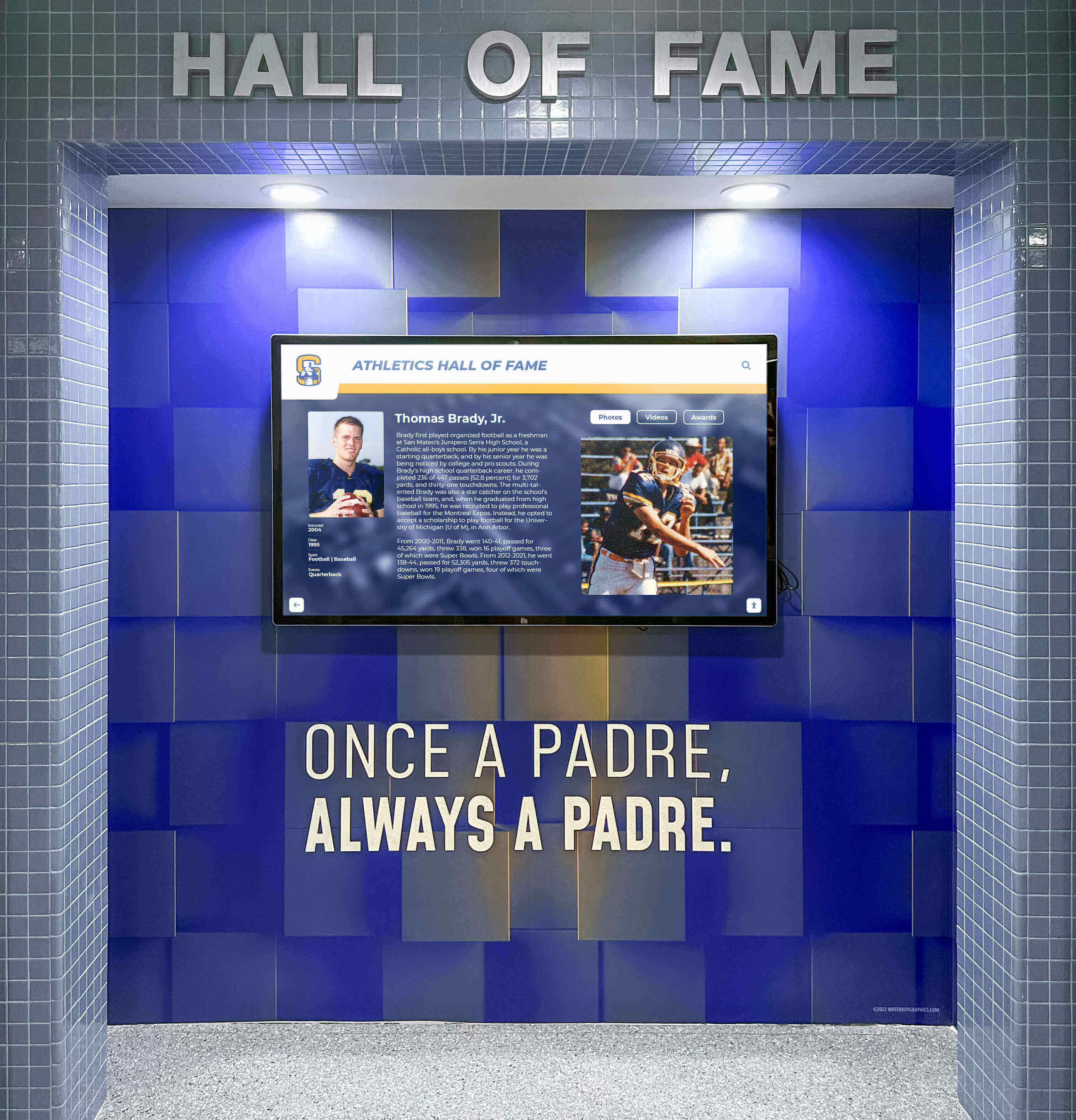
Schools emphasizing achievement often implement comprehensive recognition programs extending yearbook documentation throughout the year via digital displays celebrating student excellence across all domains.
“Champions” / “Excellence in All We Do”
Championship themes must carefully balance competitive achievement with inclusive definitions. Everyone champions something—kindness, creativity, perseverance, service. Effective championship themes celebrate diverse excellence rather than exclusively honoring conventional competitive success.
Content should profile champions across all activities and interests. Feature the math competition winner alongside the student who champions peer inclusion. Recognize athletic champions and artistic excellence equally. Highlight academic all-Americans alongside championship teams.
Contemporary and Trending Theme Ideas
While avoiding themes that date quickly, some contemporary concepts feel fresh without being fleeting.
Celebration and Joy Themes
Post-pandemic, themes emphasizing celebration and positive energy resonate strongly as schools rediscover normal rhythms and full engagement.
“Celebrate” / “Pure Joy” / “Living Our Best Life”
Celebration themes acknowledge that school should be fundamentally joyful—learning excites curiosity, competition creates thrilling moments, performances generate excitement, friendships spark happiness, and shared experiences build treasured memories. These themes give permission for exuberance and authentic enthusiasm.
Photography should capture genuine emotion—laughter, excitement, concentration that transforms into triumph, proud moments, and energetic activity. Avoid forced smiles; seek authentic joy expressions.
“This Is Us” / “Authentically [School Name]”
Authenticity themes celebrate genuine school identity rather than aspirational images. These themes honor quirky traditions, embrace imperfections, acknowledge diverse experiences, and document real school culture. “This Is Us” themes work well for schools seeking to move past generic yearbook formulas toward publications capturing true institutional character.
Content opportunities include candid photography, student voice sections with unfiltered perspectives, tradition explanations written by participants, and “real moments” features documenting everyday school life beyond staged events.
Connection and Belonging Themes
Themes emphasizing relationships and inclusion respond to students’ fundamental needs for acceptance and connection.
“Find Your Place” / “Where We Belong”
Belonging themes acknowledge schools’ critical role providing community where students discover acceptance, develop identity, and build relationships. These themes naturally showcase diverse activities and interests as various “places” students find connection. Belonging themes celebrate that different students find community in different spaces—some on athletic fields, others in art studios, libraries, service projects, or friend groups.
Content might organize around “finding your place” stories, profile diverse friend groups and communities, feature clubs and activities as belonging spaces, and document school traditions creating shared identity.
“Connected” / “Building Bridges” / “Stronger Together”
Connection themes work well for schools prioritizing inclusion, diversity celebration, and relationship building. Bridge metaphors emphasize connections across differences—grade levels, social groups, interests, and backgrounds. These themes document how schools bring diverse individuals together through shared purpose and mutual respect.
Visual approaches might emphasize linking elements, group activities requiring collaboration, diverse faces unified through design, and physical connection points where students gather.
Innovation and Future-Forward Themes
Forward-looking themes position students as future leaders while celebrating current creativity and innovation.
“Innovate” / “Creating Tomorrow”
Innovation themes celebrate creativity, problem-solving, and forward thinking across all activities. Innovation isn’t exclusively technological—it includes artistic creativity, athletic strategy evolution, new approaches to community service, and personal growth breakthroughs. Innovation themes work especially well for schools emphasizing STEM, entrepreneurship, or creative programs.
Content opportunities include student project showcases, innovation spotlights profiling creative problem-solvers, “first-time” features documenting new initiatives, and future vision sections where students describe aspirations.
“Dream” / “Imagine” / “Endless Possibilities”
Aspiration themes position school years as foundation for unlimited futures. While grounded in present documentation, these themes look forward to potential students develop through education. Dream themes naturally incorporate goal-setting conversations, future plans, and inspirational messaging while celebrating current achievement as progress toward aspirations.
School-Specific Theme Approaches
The most meaningful themes often grow from unique school characteristics rather than generic concepts.
Location-Based Themes
Schools with distinctive settings can leverage geography for themes rich with meaning and visual opportunity.
Regional Identity Themes
Schools in distinctive regions might embrace location as theme foundation. Coastal schools might explore nautical metaphors—“Setting Sail,” “Navigating Our Course,” “Tides of Change.” Mountain-area schools could use elevation themes—“Summit,” “Ascending,” “Peak Experiences.” Urban schools might embrace city energy—“Pulse,” “Urban Rhythm,” “City Lights.” Rural schools could highlight natural cycles—“Seasons,” “Harvest,” “Growing Strong.”
Location themes only work when geography genuinely shapes school identity. Forced location references feel artificial if setting doesn’t significantly influence student experience.
School History and Heritage Themes
Schools celebrating anniversaries or possessing rich histories might build themes around heritage. Historical preservation themes honor past while documenting present, positioning current students as latest chapter in continuing stories. These work particularly well for centennial or sesquicentennial years but apply whenever schools emphasize tradition.
Heritage themes benefit from historical research revealing forgotten stories, archived photograph integration, alumni perspective inclusion, and explicit connections between past traditions and current practices.
Mascot and School Symbol Themes
Strong mascot identity or distinctive school symbols provide ready-made theme frameworks.
Mascot Characteristic Themes
Schools with meaningful mascots can build themes around animal or symbol characteristics. Eagle mascots might explore themes like “Soaring,” “Taking Flight,” or “Vision.” Wolf mascots could embrace “Pack,” “Strength,” or “Running Together.” Knight mascots enable “Quest,” “Courage,” or “Honor” themes. These work when mascot characteristics genuinely align with desired messaging and school culture.
Color and Visual Identity Themes
Distinctive school colors might inspire theme directions. “True Blue,” “Forever Green,” “Red Hot Year,” or “Golden Moments” can work when color identity feels deeply meaningful rather than arbitrary. Color themes require strong visual execution making color symbolic significance clear rather than simply decorative.
Current Year Themes
Occasionally, specific year characteristics provide theme opportunities.
Milestone and Anniversary Themes
Major anniversaries—50th, 75th, 100th—naturally suggest heritage and celebration themes. Facility openings, program launches, or significant institutional changes might inspire transformation themes. However, ensure themes serve all students rather than privileging administrative priorities. A new building matters to yearbook themes only if students experience it as genuinely transformative to their school experience.
Numerical and Wordplay Themes
Some years enable creative wordplay—“2020 Vision,” “Making It Count” (2026), or “Rising to Eight” (for 2028). These can feel clever but risk seeming forced if wordplay doesn’t connect to meaningful concepts. Wordplay works best as enhancement to substantive themes rather than themes themselves.
Developing Your Theme Selection Process
Systematic approaches to theme selection produce better results than rushed decisions.
Building Your Theme Committee
Effective selection involves diverse perspectives ensuring themes resonate broadly:
Student Leadership
Yearbook editors and staff should drive theme selection since they’ll implement concepts throughout production. Student committee members represent diverse interests—athletics, arts, academics, activities—ensuring themes work across all sections. Including representatives from different grade levels prevents senior-centric themes that exclude underclassmen perspectives.
Faculty and Administrative Input
Yearbook advisors provide crucial guidance about practical feasibility, historical context, and institutional appropriateness. Administrative input ensures themes align with school missions and avoid unintended problematic implications. However, adults should guide rather than dictate—yearbooks belong primarily to students.
Community Feedback Opportunities
Consider gathering input through surveys, focus groups, or social media polls. While committees make final decisions, community input reveals which potential themes resonate most broadly. Testing theme concepts with diverse students prevents committee echo chambers.
Theme Brainstorming and Evaluation
Structured processes produce stronger themes than waiting for inspiration:
Collaborative Brainstorming Sessions
Dedicate focused time to generating theme possibilities without immediate judgment. Encourage quantity over quality initially—every idea matters during brainstorming. Use prompts like “What defines our school?” “What words describe this year?” “What metaphors represent our experience?” Record all suggestions for later evaluation.
Evaluation Criteria Application
Once you’ve generated possibilities, evaluate each against criteria:
- Does this theme include all students and activities?
- Can we develop visual identity effectively?
- Will this feel meaningful in ten years?
- Can all section editors connect content to this theme naturally?
- Does this capture something authentic about our school?
- Can we execute this theme with our resources?
Rank themes by how many criteria they satisfy strongly.

Feasibility Assessment
Before finalizing themes, assess practical execution requirements. Can you source appropriate photography? Do you have design skills needed for visual implementation? Will your printer handle requested special effects? Can you afford materials? Beautiful theme concepts prove frustrating if they exceed practical capabilities.
Testing and Finalizing Themes
Before committing fully, validate theme strength:
Mock-Up Development
Create sample layouts showing cover concepts, section dividers, and typical spread designs. Mock-ups reveal whether themes translate effectively from abstract concepts to concrete visual execution. They help committees spot problems before investing entire production cycles.
Section Editor Feedback
Share theme finalists with section editors requesting honest feedback about content fit. If editors struggle imagining how themes apply to their sections, themes likely need refinement or replacement. Section success depends on editors feeling excited about themes rather than constrained.
Final Selection and Documentation
Once you’ve selected themes, document vision clearly. Create theme statements explaining concept, visual direction, and implementation approach. Develop style guides establishing consistent application across sections. Clear documentation ensures everyone interprets themes consistently.
Implementing Themes Throughout Your Yearbook
Strong themes require thoughtful execution throughout publications.
Cover Design Integration
Covers represent first and most lasting theme impressions:
Visual Theme Introduction
Covers should make themes immediately apparent through imagery, typography, color, and design elements. Avoid generic designs requiring title reading to understand themes. Visual execution should communicate theme concepts independently.
Memorable Typography
Theme titles deserve distinctive typographic treatment becoming visual signatures. Typography should reflect theme character—bold and strong for achievement themes, flowing and connected for unity themes, dynamic and energetic for celebration themes.
Endsheet Enhancement
Don’t neglect endsheets—prime real estate for theme development. Opening endsheets might introduce themes conceptually while closing endsheets reflect on theme fulfillment. Consider using endsheets for student quote collections, photo montages, or visual metaphors extending theme messaging.
Section Organization and Division
Thoughtful section structure reinforces themes:
Theme-Based Section Naming
Replace generic section labels (“Sports,” “Academics,” “Activities”) with theme-integrated alternatives. Journey themes might use “Pathways,” “Destinations,” and “Explorations.” Unity themes could employ “Building Together,” “Celebrating Together,” “Learning Together.” Creative section names strengthen theme consistency while adding interest.
Consistent Divider Design
Section dividers provide regular theme reinforcement opportunities. Establish consistent design templates using theme imagery, color palettes, and typographic treatments while varying specific content. Dividers might feature theme-related quotes, representative photography, or visual metaphors extending theme development.
Navigation and Organizational Flow
Consider whether theme suggests particular organizational approaches. Chronological organization works naturally for journey and growth themes. Thematic clustering might serve community themes better than traditional activity-based organization. Let themes influence structure when appropriate.

Page-Level Theme Integration
Extend themes throughout publications without overwhelming content:
Recurring Visual Elements
Establish subtle recurring design elements connecting pages visually. These might include consistent corner graphics, recurring color patterns, repeated typographic treatments, or signature design flourishes. Consistency creates cohesion without requiring every page to scream theme explicitly.
Photography Style Consistency
Theme should influence photography direction. Unity themes benefit from group photography and connecting composition. Individual achievement themes might emphasize close-ups capturing determination and triumph. Journey themes could favor sequential images showing progression. Provide photographers with clear direction ensuring visual consistency.
Copy Integration
Good writing weaves themes naturally into copy without forced connections. Headlines might reference theme language subtly. Captions can include theme-related phrasing. Feature story angles might explore theme concepts through student experiences. Integration should feel organic rather than contrived.
Extending Recognition Beyond the Yearbook
While yearbooks document annual highlights, many schools now implement complementary systems providing year-round recognition and memory preservation.
Digital Recognition Platforms
Modern schools increasingly supplement print yearbooks with digital platforms offering expanded capabilities:
Unlimited Recognition Capacity
Unlike yearbooks with fixed page counts requiring selective coverage, digital platforms accommodate comprehensive recognition. Schools can document every achievement, honor every participant, and preserve every significant moment without space constraints forcing difficult choices about inclusion.
Searchable Achievement Archives
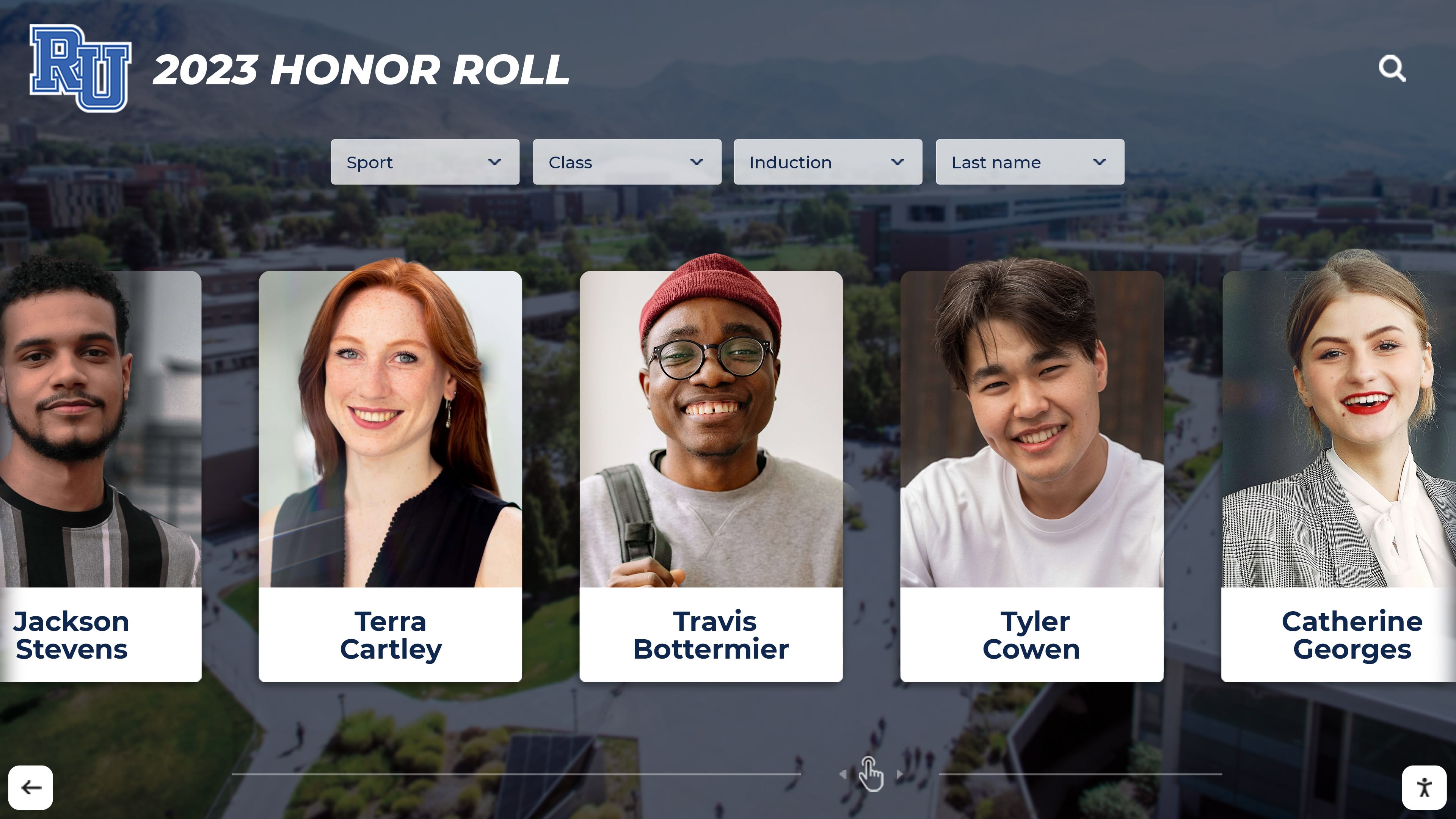
Digital systems enable students, families, and alumni to search personal recognition instantly across years. Parents can locate their children’s achievements immediately. Alumni can revisit their accomplishments decades later. Searchable databases transform static documentation into actively used resources generating ongoing engagement.
Multimedia Storytelling
Digital platforms enable video integration, audio recordings, extensive photo galleries, and interactive elements impossible in print. Game highlights, performance recordings, speech excerpts, and animated content bring achievements to life in ways print cannot match.
Real-Time Updates
Rather than documenting achievements months after occurrence, digital systems enable immediate recognition when enthusiasm remains highest. Students receive acknowledgment promptly rather than waiting for year-end publication distribution.
Solutions like Rocket Alumni Solutions provide schools with comprehensive digital recognition platforms that preserve memories continuously, create interactive displays celebrating achievement, and build searchable archives ensuring no accomplishment gets forgotten—extending yearbook missions of memory preservation and recognition into always-accessible year-round systems.
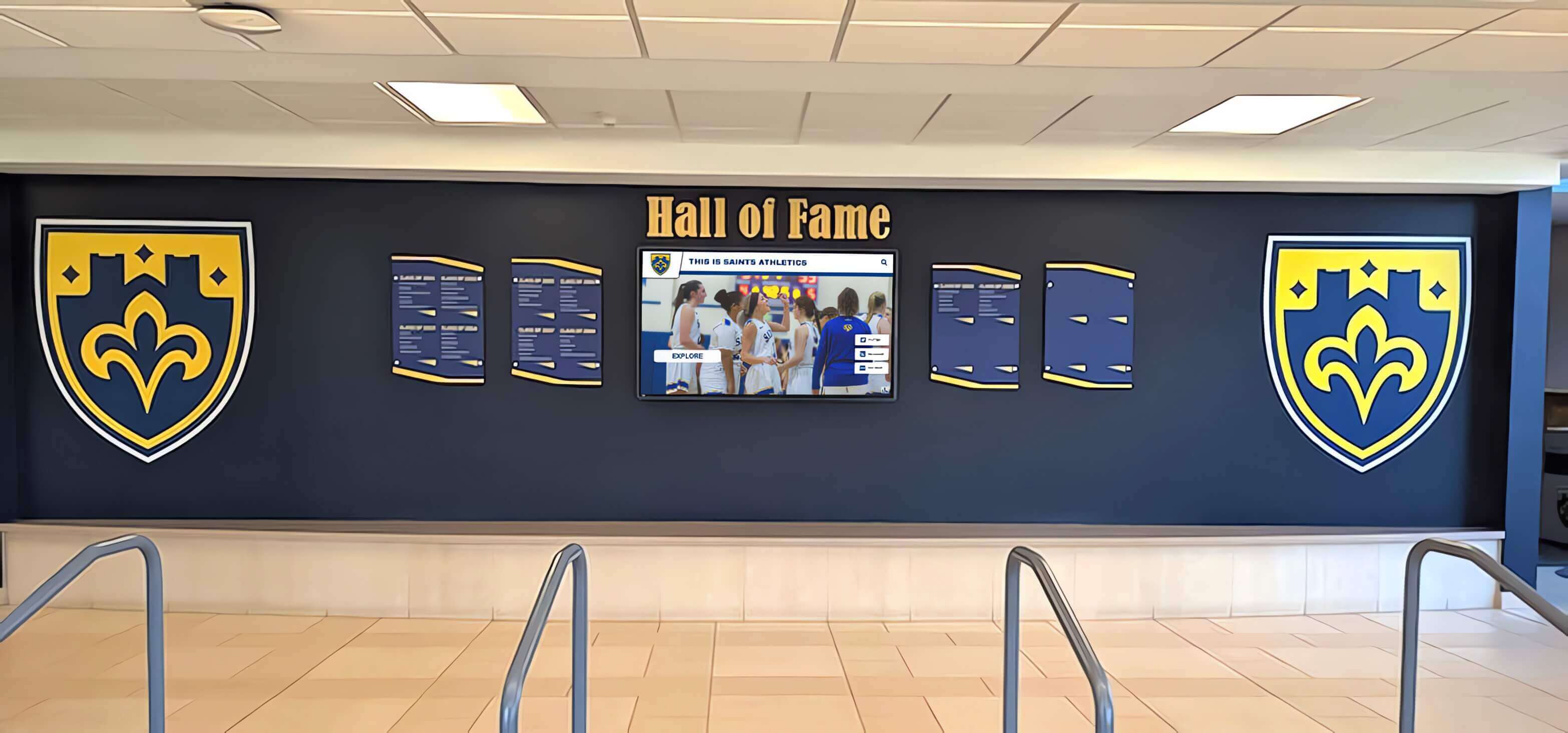
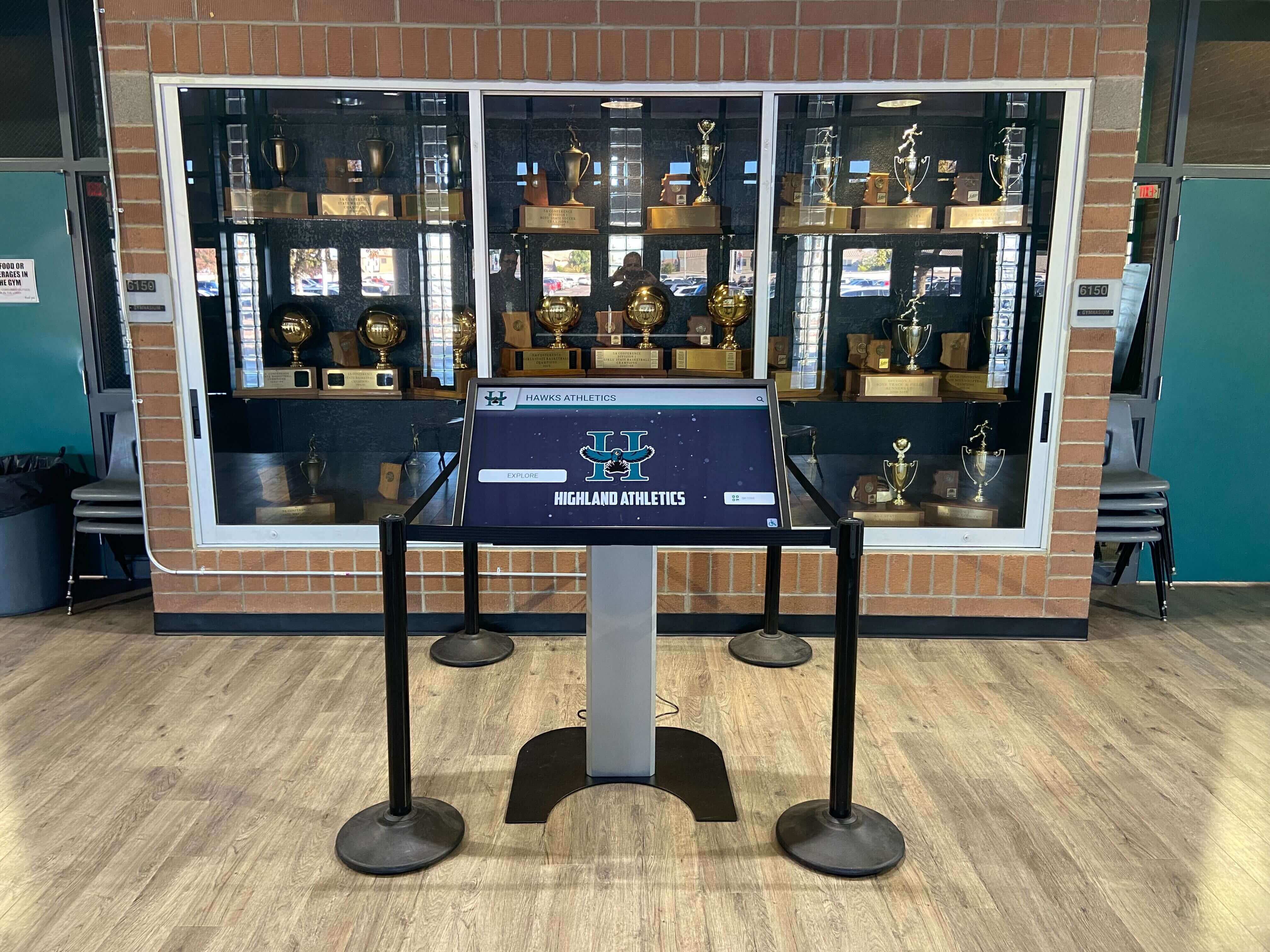
Interactive Campus Displays
Physical touchscreen displays placed strategically throughout campuses provide visible celebration of student achievement:
High-Traffic Location Placement
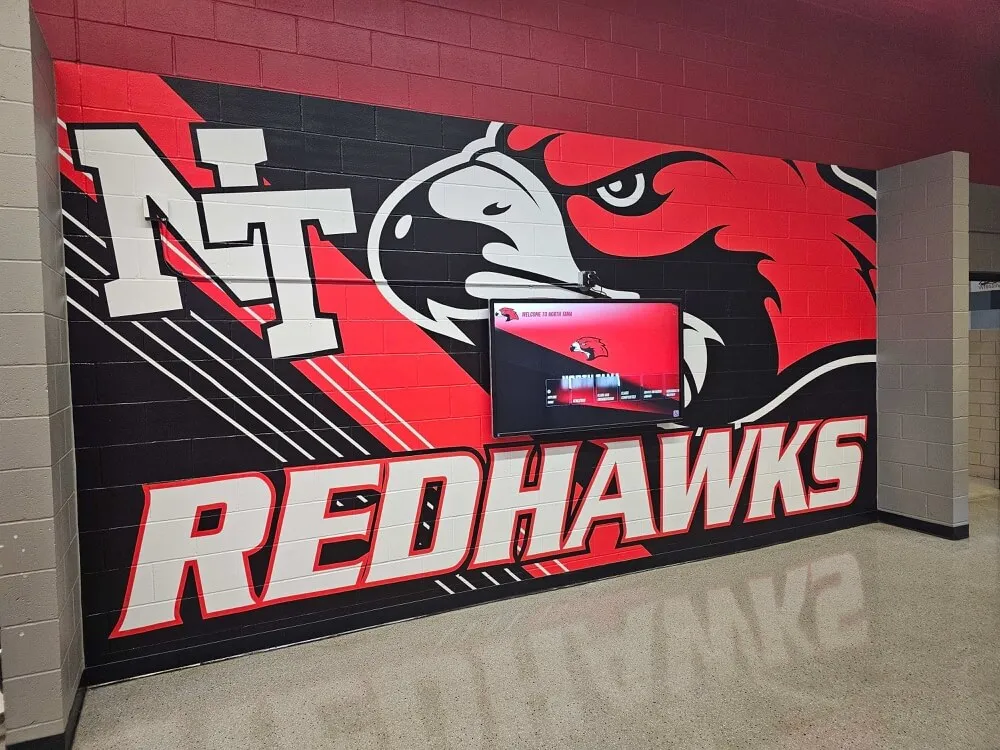
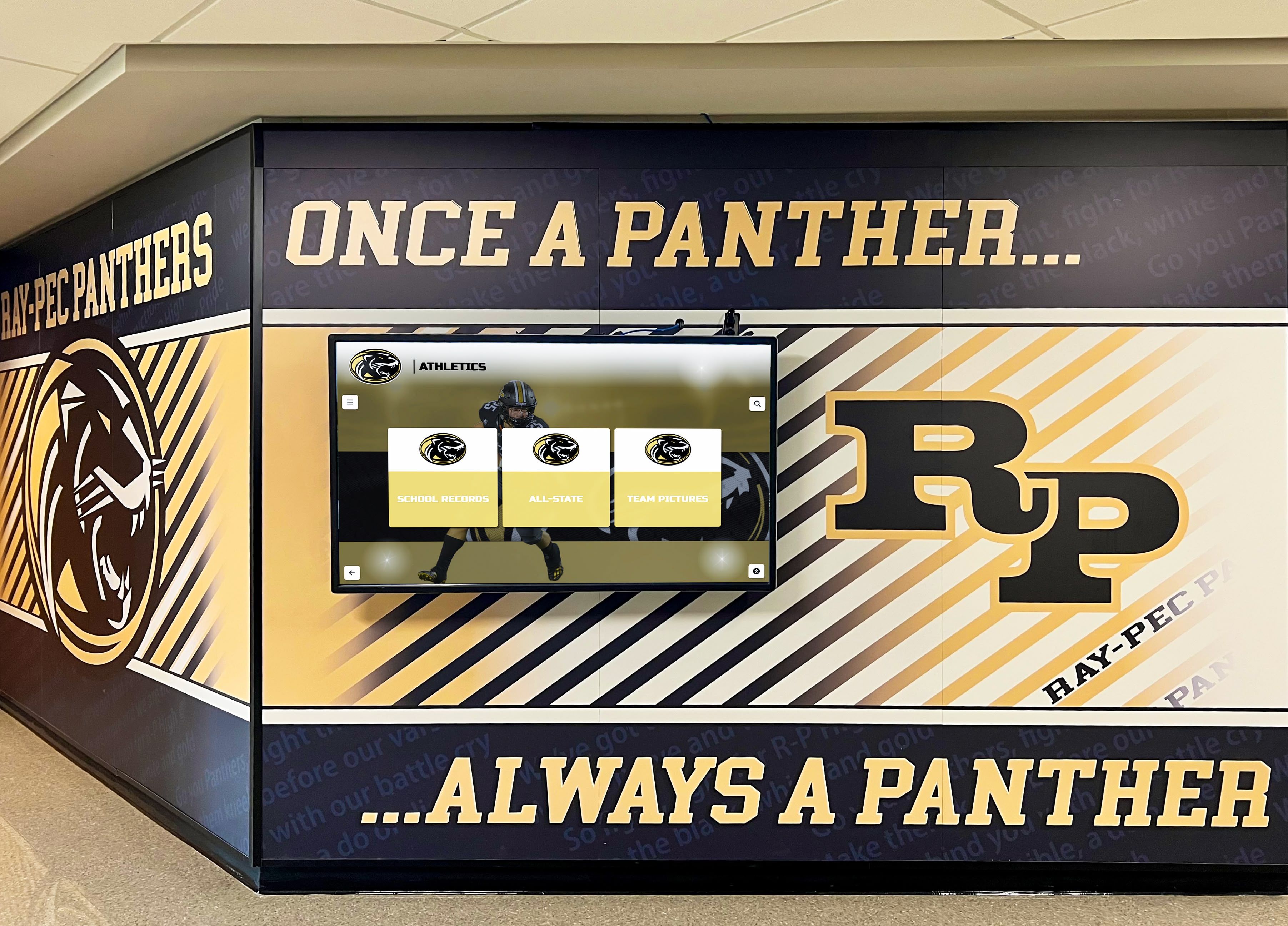
Installing displays in main lobbies, athletic facilities, performing arts centers, and library spaces ensures maximum visibility. These displays become campus focal points where students, visitors, and families naturally gather.
Rotating Content Highlighting
Display systems can showcase recent achievements prominently while maintaining comprehensive archives. Feature students of the month, championship teams, honor roll recipients, and other accomplishments rotating regularly ensuring diverse recognition.
Interactive Exploration
Touchscreen functionality enables visitors to browse content actively. Alumni can search their names and relive achievements. Current students can explore athletic records, academic honors, and program histories. Interactive engagement creates deeper connection than static displays.
Making Your Yearbook Theme Memorable
The most successful yearbook themes share qualities that make them endure in memory and maintain relevance years after publication.
Authenticity Over Cleverness
Themes resonating most powerfully reflect genuine school identity and student experience rather than chasing creative novelty. Authentic themes feel true to your particular students in your specific community during this unique year. They capture something real rather than manufacturing artificial unifying concepts.
Ask whether your theme honestly represents student experience. Would students reading your yearbook ten years from now recognize their school year in theme execution? Does theme feel like genuine documentation or forced creative exercise?
Balance Between Universal and Unique
The best themes strike balance between timeless concepts with universal resonance and unique characteristics distinguishing your publication from generic yearbooks. Journey themes feel universal, but “Our Path” theme execution should reflect your school’s particular journey in distinctive ways.
Avoid themes so unique they feel exclusionary to outsiders but so generic they could apply to any school anywhere. Find the intersection where broad concepts gain specificity through your particular execution.
Student Ownership and Voice
Yearbooks succeed when students feel authentic ownership of publications rather than viewing them as advisor-driven products. Themes should emerge from student perspective and get executed through student vision. Adult guidance matters, but publications belong to students—their voices, their perspectives, their memories.
Encourage genuine student input throughout theme development and execution. The best themes feel like student work rather than professional publications coincidentally about students.
Visual Cohesion Without Monotony
Strong theme execution creates visual consistency linking pages while avoiding repetitive monotony. Establish flexible design frameworks allowing creative interpretation rather than rigid templates producing cookie-cutter layouts. Consistent visual language should unite publications without constraining creativity.
The goal is cohesion—recognizable theme presence throughout—not uniformity where every page looks identical. Allow section editors creative freedom within established parameters.
Conclusion: Creating Yearbooks That Honor School Stories
Yearbook themes provide more than decorative frameworks—they offer philosophical lenses through which schools document and understand annual experiences. Strong themes help diverse students see themselves in publications, create emotional resonance that makes yearbooks treasured keepsakes, provide practical frameworks guiding content and design decisions, distinguish publications as unique rather than generic, and establish unifying vision bringing coherence to comprehensive documentation.
The yearbook theme ideas explored here represent starting points rather than definitive answers. Your ideal theme grows from your particular school’s identity, your specific student body’s character, your unique traditions and culture, this distinctive year’s memorable moments, and your yearbook team’s creative vision.
As you develop themes, remember that yearbooks serve crucial roles preserving institutional memory, honoring student achievement, documenting school culture, connecting current students to legacy, and creating tangible records that remain meaningful decades later. These purposes transcend any particular theme—they represent yearbook’s enduring mission regardless of conceptual frameworks chosen for individual volumes.
Whether you choose timeless journey metaphors or bold contemporary concepts, whether you embrace school-specific approaches or universal themes, success depends on authentic execution reflecting genuine student experience. The best yearbook themes feel inevitable in retrospect—perfect choices capturing something essential about schools and years they document.
Your yearbook tells your school’s story. Choose themes that honor that story’s significance, respect its complexity, celebrate its diversity, and preserve its meaning for generations who’ll treasure these memories long after final bells ring.
Ready to extend your school’s recognition and memory preservation beyond annual yearbook publication? Discover how modern digital recognition systems create year-round celebration of student achievement, preserve comprehensive institutional history, and build searchable archives ensuring every accomplishment receives the lasting recognition it deserves.