



Wrestling state championships represent the pinnacle of high school wrestling achievement, where months of grueling training, weight management, and competitive preparation culminate in intense tournament battles determining individual weight class champions and team supremacy. These championships create defining moments in young athletes’ lives—matches won and lost on single points, overtime victories against rivals, championship rounds watched by packed gymnasiums, and podium moments forever marking wrestlers as state champions. The tournament structure itself—with its complex qualification systems, multiple weight classes, bracket formats, and scoring mechanisms—reflects wrestling’s unique character as simultaneously an individual and team sport.
Athletic directors, wrestling coaches, and school administrators face important recognition challenges as programs accumulate state championships, place-winners, and individual titlists across decades. How do schools permanently honor individual state champions from different weight classes and eras? What systems effectively display both individual wrestling achievements and team championship seasons? How can programs showcase wrestling excellence comprehensively without consuming limited trophy case space or requiring constant manual updates as new champions emerge each season?
Modern Recognition for Wrestling State Champions
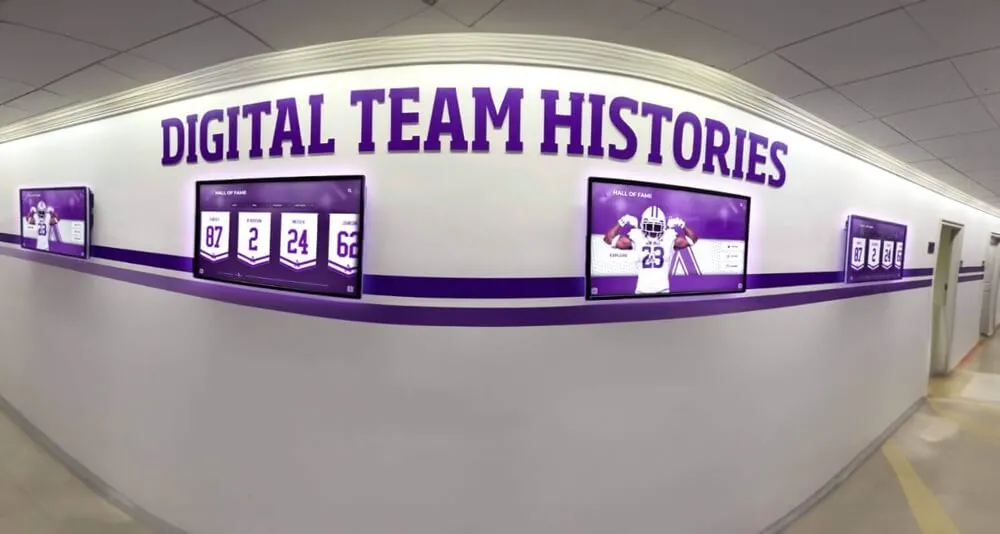
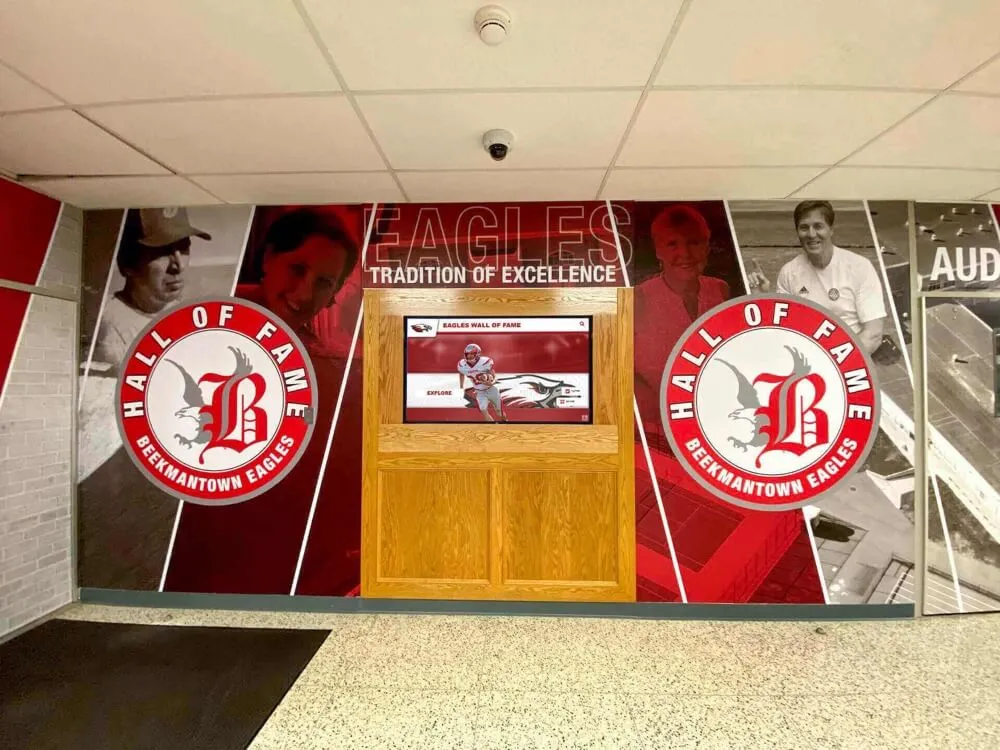
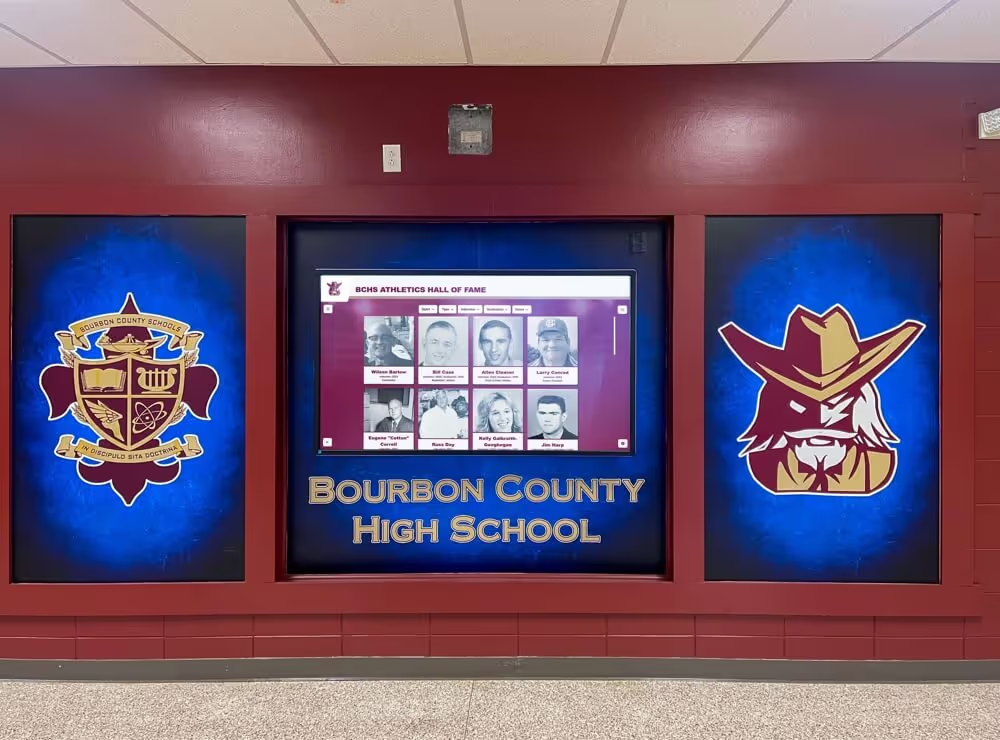
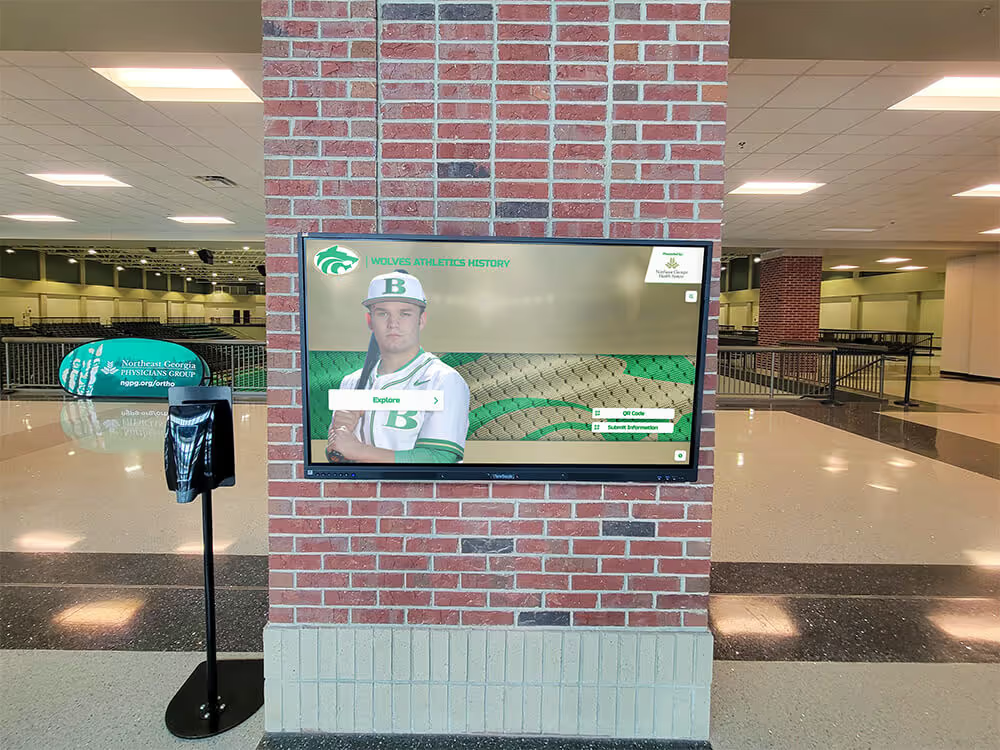
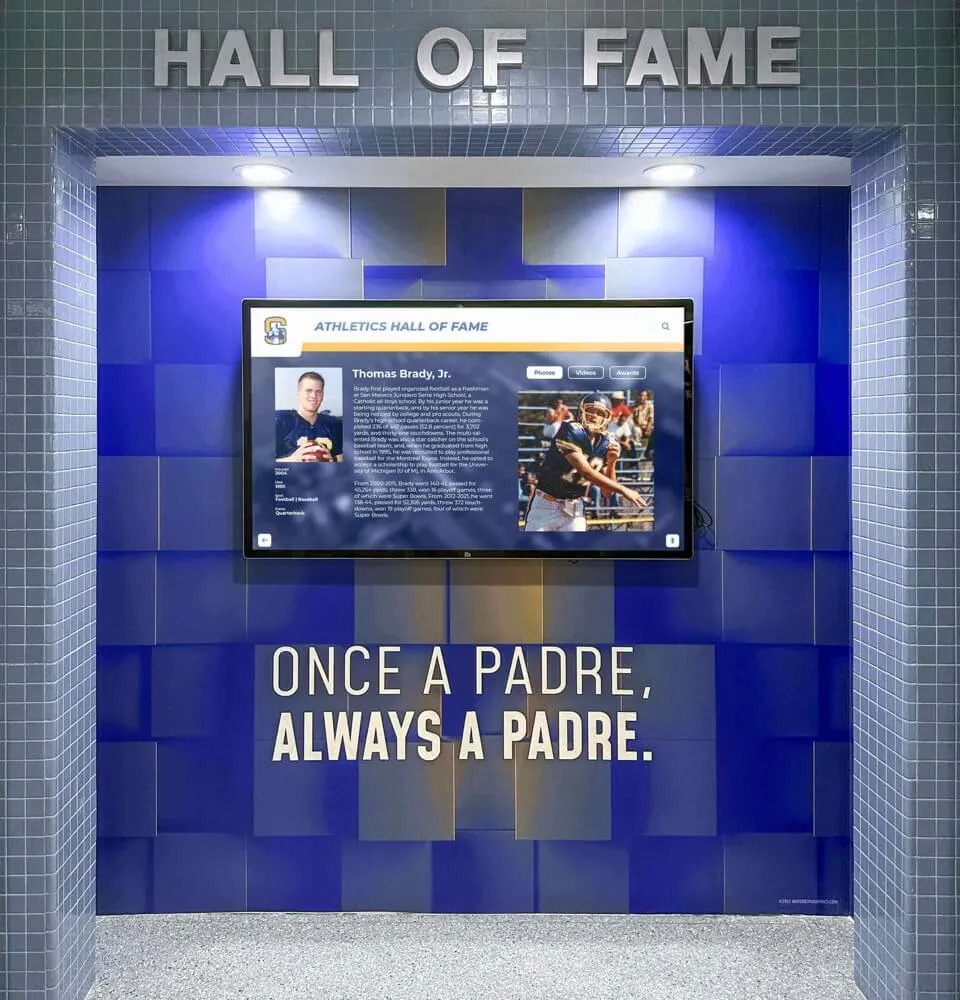
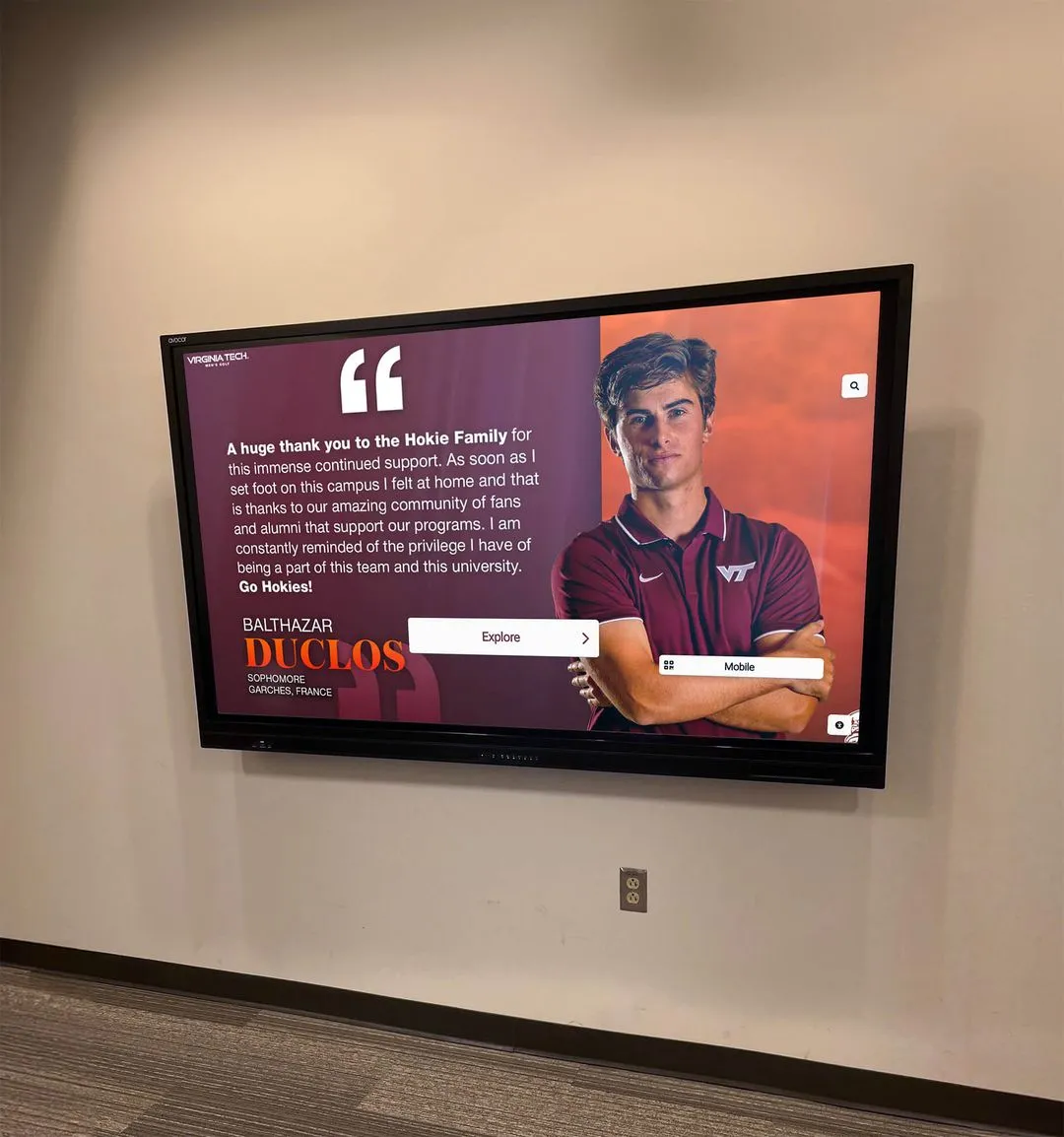
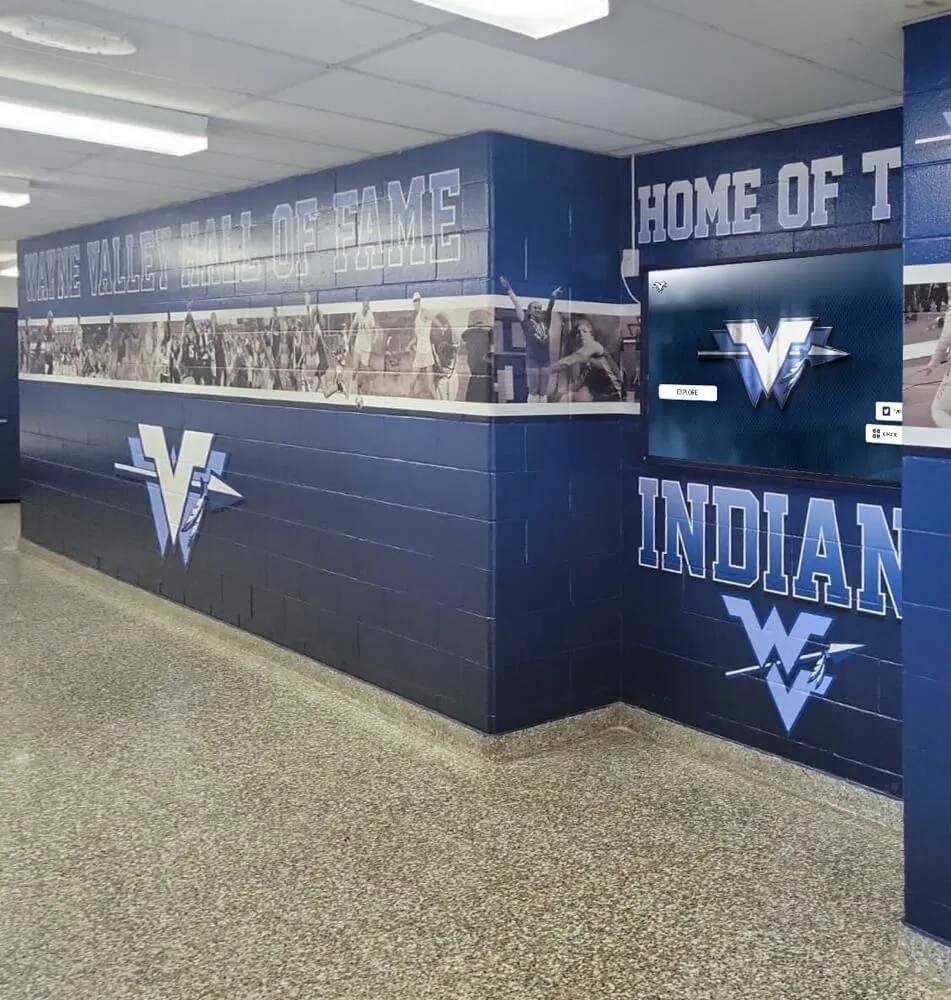
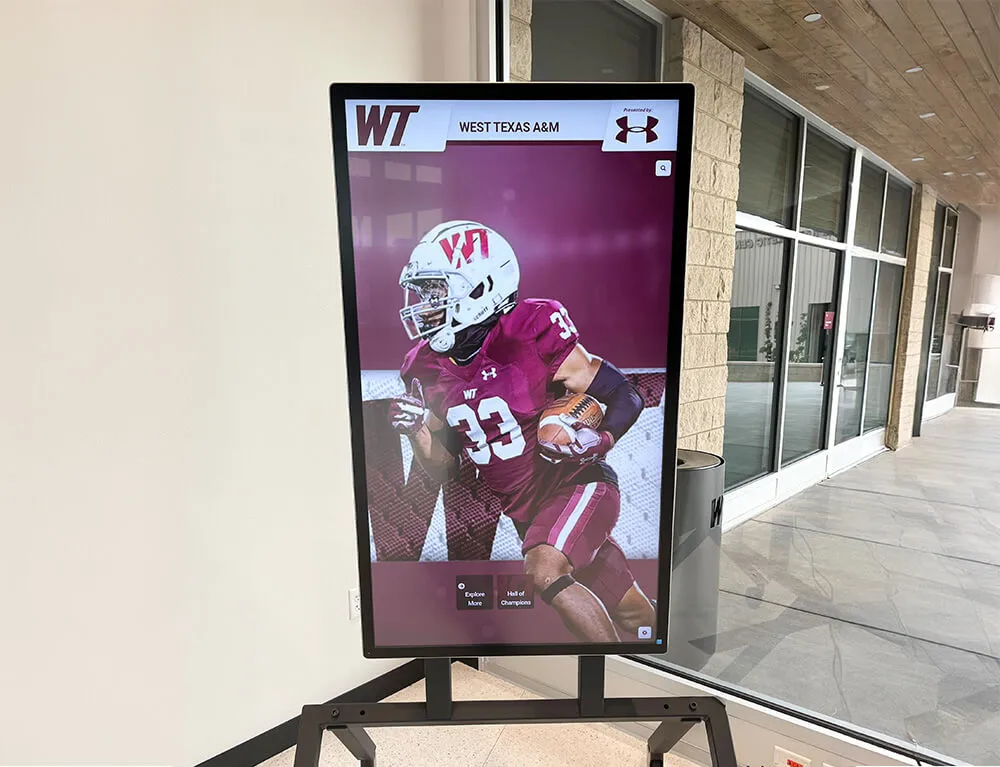
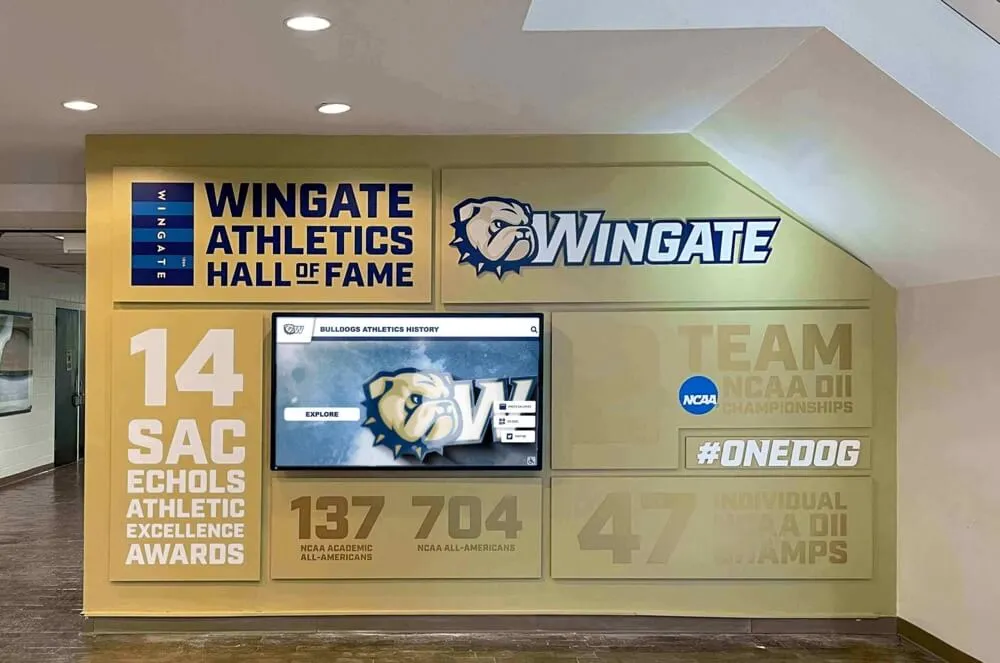
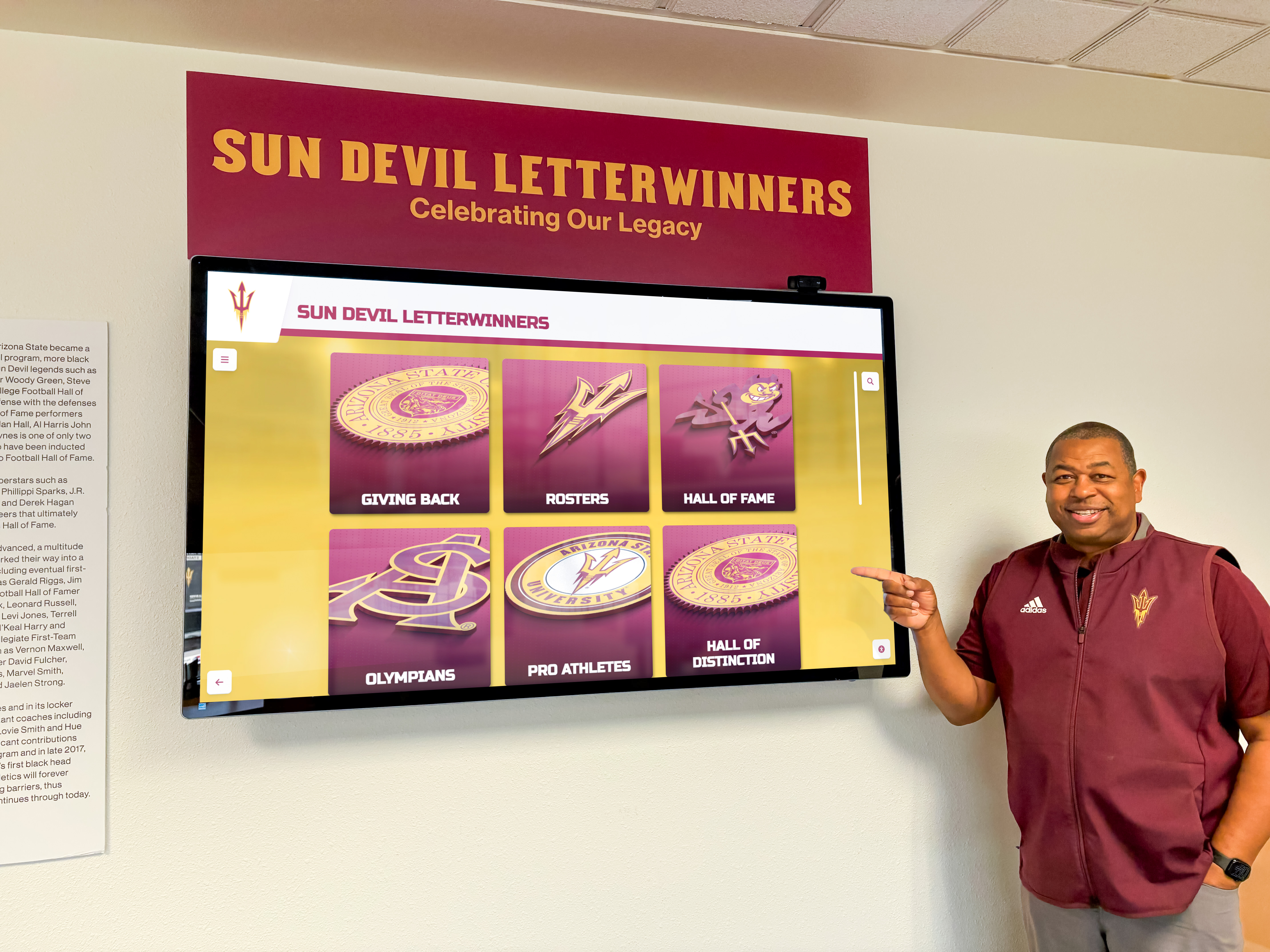
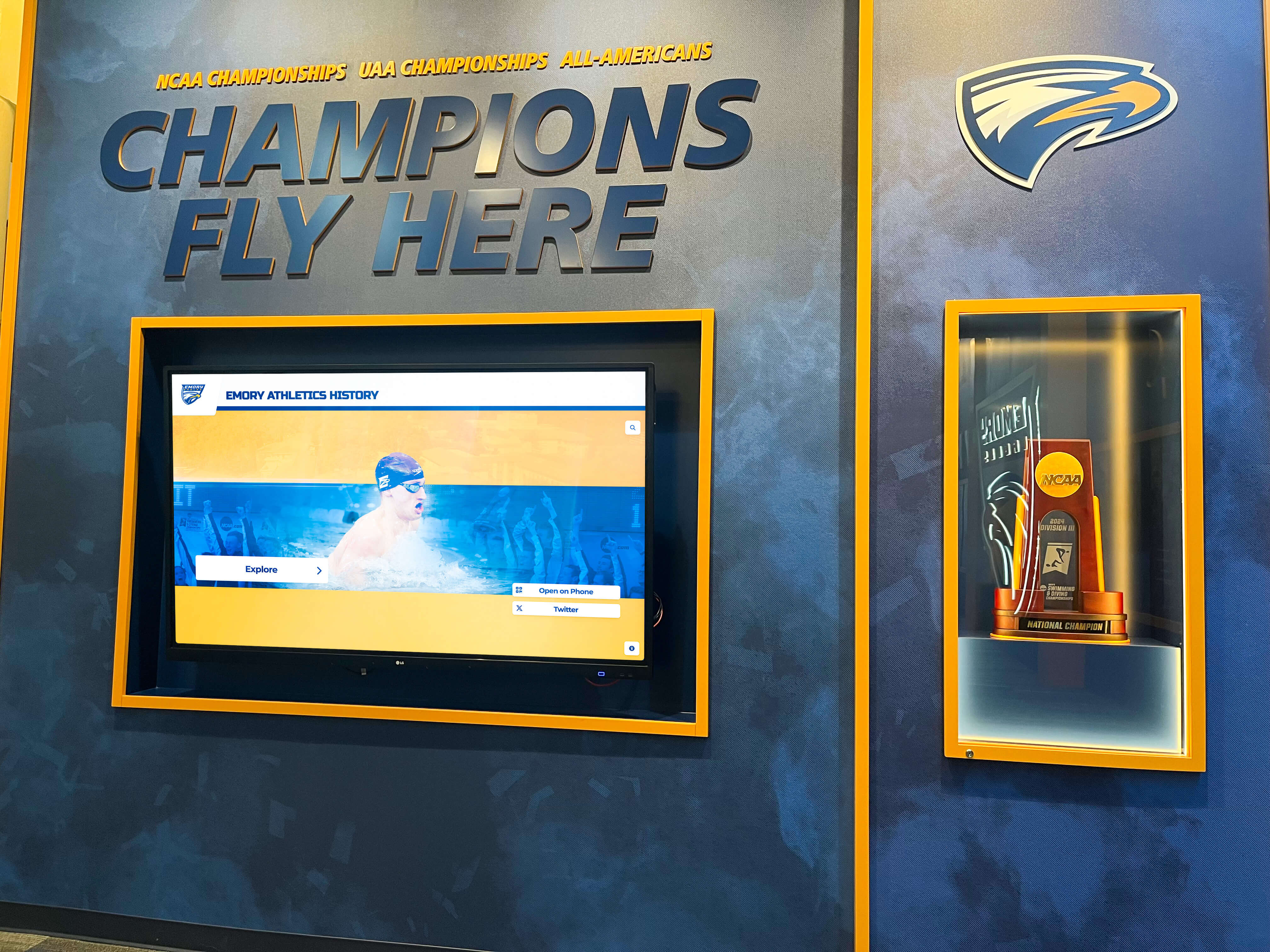
Wrestling programs accumulate impressive achievement records—individual state champions across multiple weight classes, team state titles, place-winners, season records, and career milestones. Traditional plaques and trophy cases quickly reach capacity limitations, forcing difficult decisions about which achievements receive permanent visibility. Digital wrestling record boards solve these challenges by providing unlimited capacity for wrestlers across all weight classes and eras, automatic ranking and record-keeping features, comprehensive team and individual statistics, multimedia capability including match photos and video highlights, and instant remote updates eliminating vinyl changes or plaque ordering. Solutions like Rocket Alumni Solutions enable wrestling programs to honor every state champion, place-winner, and record-holder permanently while maintaining professional displays that inspire current wrestlers and preserve program history for future generations.
Understanding State Wrestling Tournament Structure
State wrestling championships follow systematic structures that have evolved over decades to ensure fair competition while crowning legitimate champions across multiple weight classes.
Weight Class Systems and Evolution
Wrestling competitions organize competitors into weight classes ensuring athletes of similar size compete against each other. This classification system—unique among high school sports—creates multiple simultaneous championship races within single tournaments.
Standard High School Weight Classes
Most states currently utilize either 14 or 15 weight class systems:
- Traditional 14-Class System: 106, 113, 120, 126, 132, 138, 145, 152, 160, 170, 182, 195, 220, 285 pounds
- 15-Class System: Some states add a 113-pound class or modify upper weight divisions
- Girls Wrestling Classes: Emerging women’s wrestling programs often use modified weight class structures reflecting physiological differences
Weight class structures have evolved significantly over recent decades. Earlier eras featured different weight divisions—creating challenges when comparing historical wrestlers across different classification systems. Wrestling programs maintaining comprehensive historical records must account for these structural changes when documenting all-time achievements.
Weight Certification and Management
State athletic associations implement strict weight certification protocols preventing dangerous weight cutting practices:
- Minimum Weight Certifications: Wrestlers establish minimum competition weights based on body composition testing
- Descent Plans: Athletes document gradual weight loss schedules rather than rapid unhealthy cutting
- Weigh-In Procedures: Official weigh-ins occur within specific timeframes before competitions
- Two-Pound Growth Allowance: Many states permit gradual weight allowances throughout seasons
These regulations protect wrestler health while maintaining competitive equity—ensuring championships reflect athletic skill rather than extreme weight manipulation advantages.
Qualification Systems and Advancement Paths
State championship tournaments don’t include every wrestler. Athletes must qualify through hierarchical advancement systems.
District and Regional Tournaments
Most states implement multi-tiered qualification structures:
District Championships represent initial qualification rounds where schools within geographic regions compete. Top finishers—typically the top 2-4 wrestlers per weight class depending on state size—advance to regional competitions. District tournaments eliminate roughly half to two-thirds of competitors from championship advancement.
Regional Championships bring together district qualifiers from larger geographic areas. Similar to districts, top finishers per weight class advance to state championships. Regional competitions typically occur one to two weeks before state finals, allowing wrestlers recovery time while maintaining competitive sharpness.
Automatic Qualifications may exist for returning state champions or place-winners, though many states require all competitors to advance through standard qualification paths maintaining consistent competitive standards.
State Tournament Field Sizes
Final state championship fields vary by state population and classification systems:
- Large State Formats: States like California, Texas, and Pennsylvania may qualify 16-32 wrestlers per weight class creating massive tournaments
- Medium State Structures: States with moderate populations typically qualify 8-16 wrestlers per class
- Small State Systems: Less populated states may qualify 4-8 wrestlers ensuring manageable tournament operations
Field sizes significantly affect championship difficulty. Winning state titles in large states requiring five to six victories over two days represents substantially greater achievement than states with smaller fields—context important when evaluating historical wrestlers and comparing across eras or states.
Resources on state wrestling tournament formats provide detailed comparisons of different state championship structures.
Tournament Bracket Formats and Match Progression
State championships employ specific bracket structures determining match sequences and advancement patterns.
Championship Brackets
Most states use standard tournament bracket formats:
Double-Elimination Modified Brackets represent the most common format. Wrestlers compete in a true double-elimination structure through semifinal rounds. Wrestlers losing in championship semifinals drop to consolation semifinals with opportunity to place third or fourth. This format ensures every wrestler loses twice before elimination—except championship finalists who need only one loss.
Round-Robin Pools see use in some smaller state tournaments. All wrestlers in weight classes compete against each other once, with records determining final placements. This format ensures maximum matches but becomes impractical with larger fields due to time constraints.
True Double-Elimination Brackets where championship finals may include a “wrestle-back” if the undefeated wrestler loses—requiring the victor to defeat the previously undefeated wrestler twice—occur in some states though many consider this format unnecessarily prolonging tournaments.
Match Scheduling and Timing
State tournaments typically span two to three days:
- Day One: Opening rounds and quarterfinals determining semifinalists
- Day Two Morning: Semifinals and consolation rounds determining finalists and place-winners
- Day Two Evening: Championship finals and placement matches (3rd through 6th or 8th place)
This compressed schedule creates intense physical and mental demands. Top wrestlers may compete four to six matches over 36 hours—each requiring maximum physical exertion and tactical execution. Championship-level conditioning and mental toughness prove as important as technical skill in determining tournament outcomes.
Individual Wrestling State Championships
Individual weight class titles represent wrestling’s most coveted achievements—personal glory earned through direct one-on-one competition where outcomes depend entirely on individual performance.
Path to Individual State Titles
Championship runs require navigating multiple victories against progressively elite competition.
Early Tournament Rounds
Opening matches typically pit higher-seeded wrestlers against lower-seeded qualifiers from different regions. Seeding based on season records and previous tournament results attempts to prevent top wrestlers from meeting until later rounds—though upsets regularly occur when tournament pressure affects established competitors.
Quarterfinal and Semifinal Matches
As brackets narrow, competition intensity escalates dramatically. Quarterfinal rounds typically feature eight remaining wrestlers per class—all legitimate title contenders who survived opening rounds. Semifinal matchups between four remaining wrestlers often prove the tournament’s most competitive matches as similarly skilled athletes battle for championship round berths.
Many wrestling observers note that semifinal matches sometimes exceed finals in competitive quality. Finals may feature one clearly superior wrestler, while semifinals pair evenly matched athletes creating dramatic contests.
Championship Finals
Championship matches receive special prominence—often scheduled for evening sessions before packed crowds. Finals may occur in main arena centers with elevated platforms increasing visibility. This stage pressure—competing in literal spotlights before thousands—adds psychological dimensions to physical and technical challenges.
Championship matches can end through various outcomes:
- Decision Victories: Winner accumulates more points through takedowns, escapes, reversals, and near-falls
- Major Decisions: Victory margins exceeding 8 points demonstrate dominant performances
- Technical Falls: 15-point margins end matches immediately showcasing complete superiority
- Pins/Falls: Holding opponent’s shoulders to mat for one second represents ultimate wrestling victory
Multiple state titles from single weight classes represent rare achievement. Wrestlers maintaining competitive dominance across multiple years—often while moving up weight classes as bodies mature—earn special recognition as program legends.
Scoring Systems and Match Outcomes
Wrestling employs unique scoring systems rewarding offensive action and dominant positions.
Basic Scoring Elements
- Takedowns (2 points): Taking opponent from standing to mat in controlled position
- Escapes (1 point): Breaking free from bottom position to neutral standing
- Reversals (2 points): Moving from bottom controlled position to top control
- Near-Falls (2-4 points): Holding opponent’s back exposed to mat near pinning position
- Riding Time (1 point): Controlling opponent from top position for cumulative time advantage
Technical Superiority
Matches end immediately when point differentials reach specific thresholds—rewarding dominant performances:
- Technical Fall (15 points): Match ends when one wrestler leads by 15 points
- Mercy Rule Variations: Some states implement additional stopping points for lopsided matches
Overtime Procedures
Championship matches tied at regulation end proceed to overtime periods determining winners:
- Sudden Victory: First wrestler scoring any points wins immediately
- Tiebreaker Periods: If sudden victory proves scoreless, wrestlers alternate starting from top and bottom positions attempting to score
- Ultimate Tiebreaker: Rare scenarios may proceed to riding time calculations or referee decisions
Overtime championship finals create legendary moments—sudden victory takedowns, dramatic escapes, or championship-deciding riding time advantages building program lore.
Guidance on high school wrestling rankings and records helps programs systematically track individual achievements.
Celebrating Individual State Champions
Schools must determine how to honor individual wrestling state champions permanently.
Traditional Recognition Approaches
Conventional methods include:
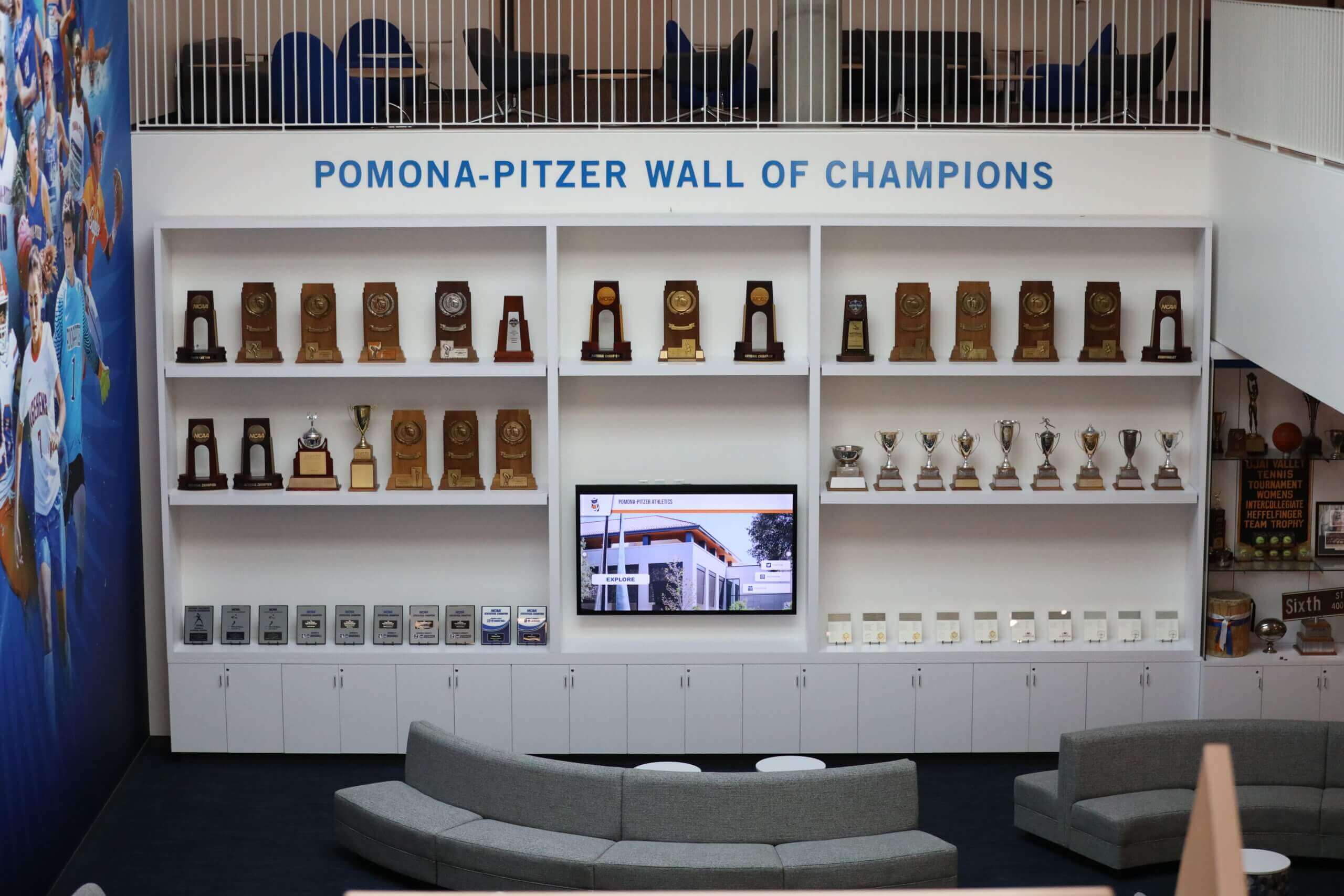
- Championship Plaques: Individual plaques mounted in gymnasiums or hallways listing champion, year, and weight class
- Trophy Case Displays: Medals, brackets, or photographs commemorating individual titles
- Team Photo Composites: Group photographs showing state qualifiers or champions by season
- Gym Banner Recognition: Fabric banners listing state champions chronologically or by weight class
Recognition System Limitations
Traditional approaches face practical constraints:
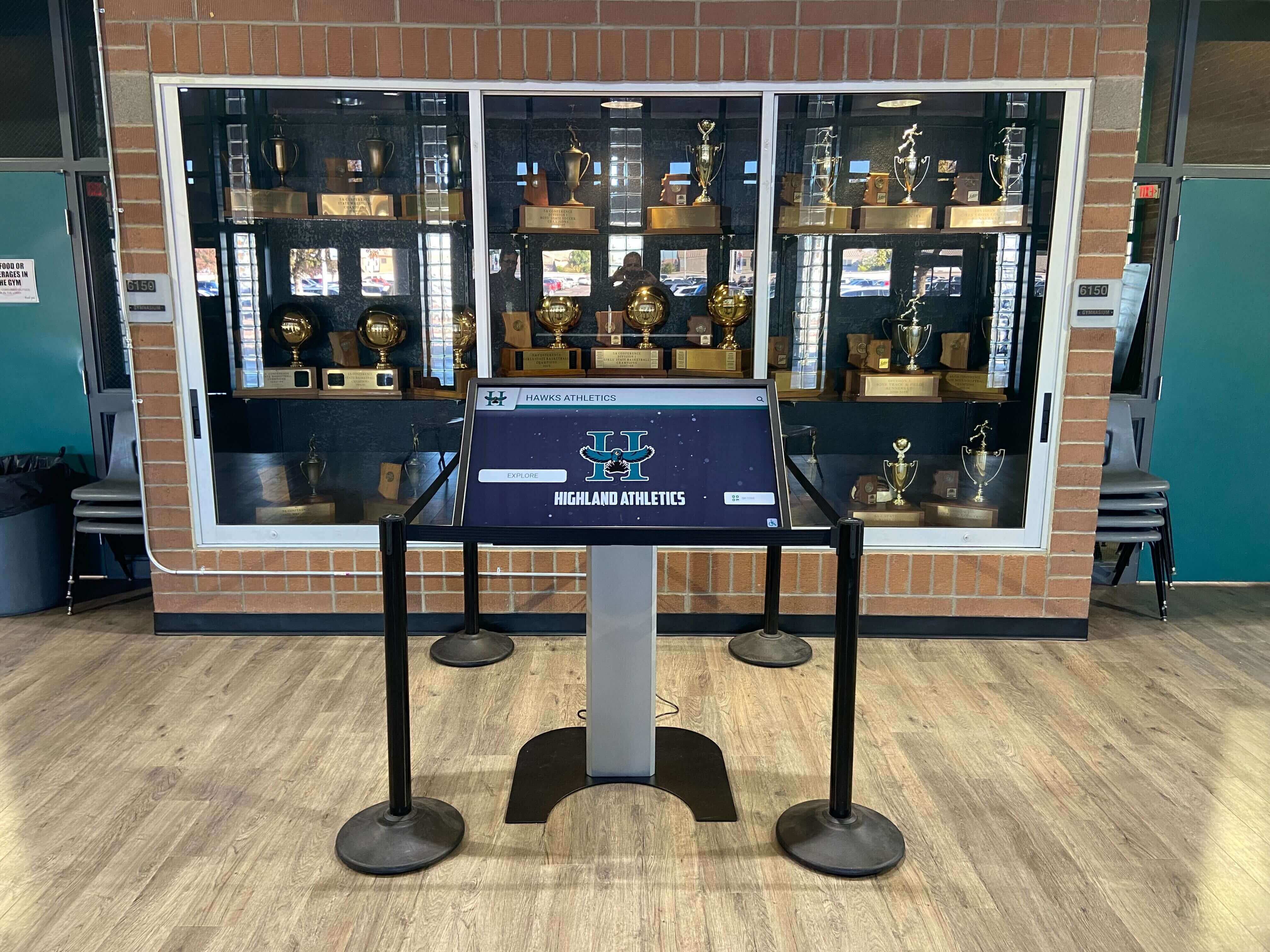
- Finite Space: Trophy cases and wall space eventually reach capacity requiring selective recognition
- Update Difficulty: Adding new champions requires physical installation, vendor coordination, and associated costs
- Limited Information: Physical plaques accommodate only basic information—names, years, weight classes
- No Multimedia: Traditional formats cannot display match photos, statistics, or video highlights
Modern Digital Recognition Systems
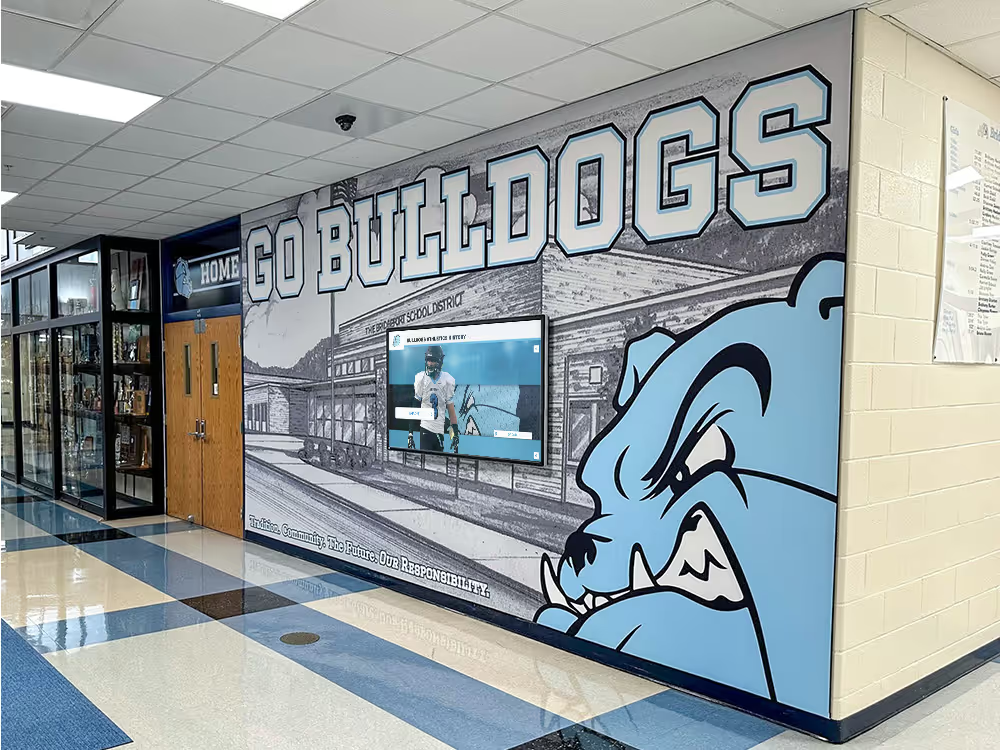
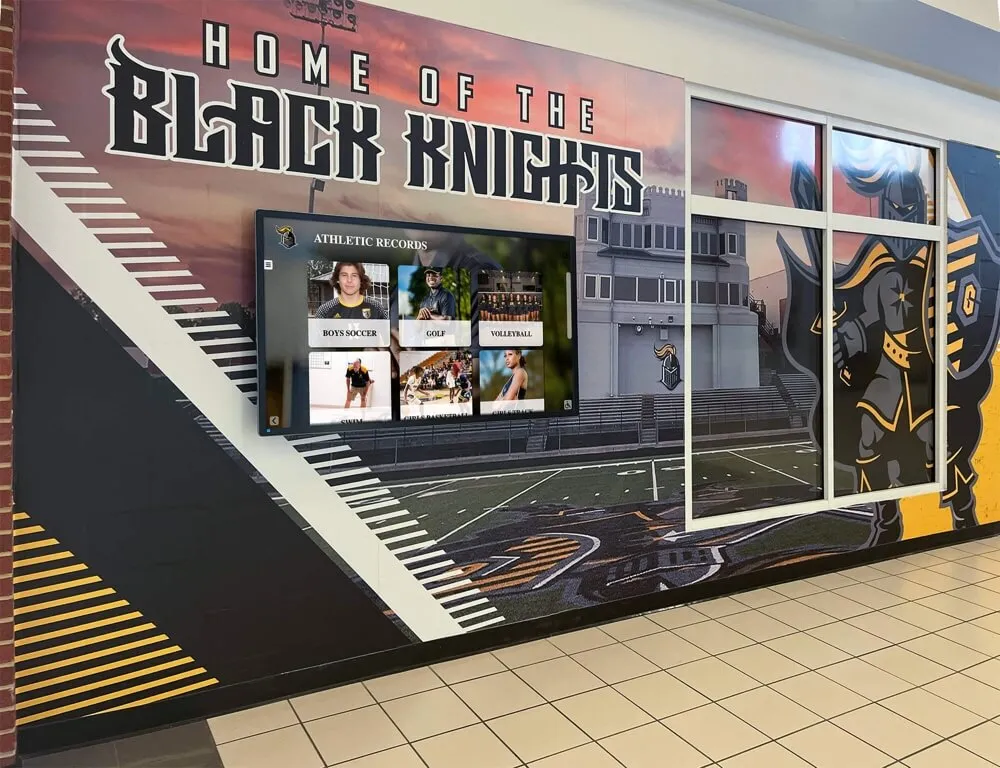
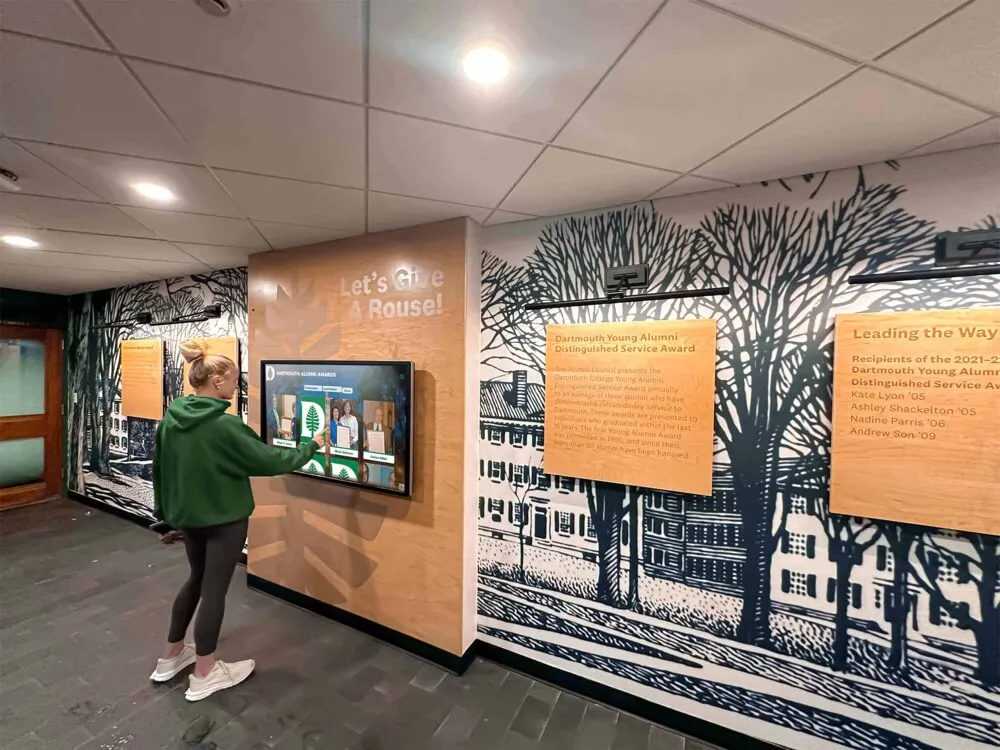
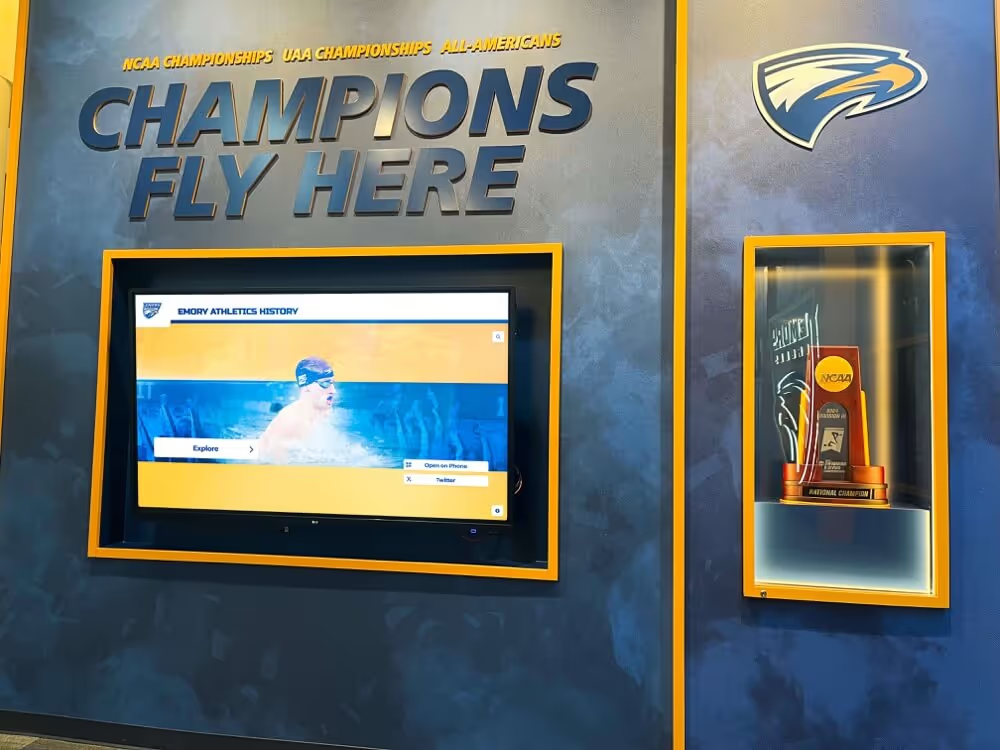
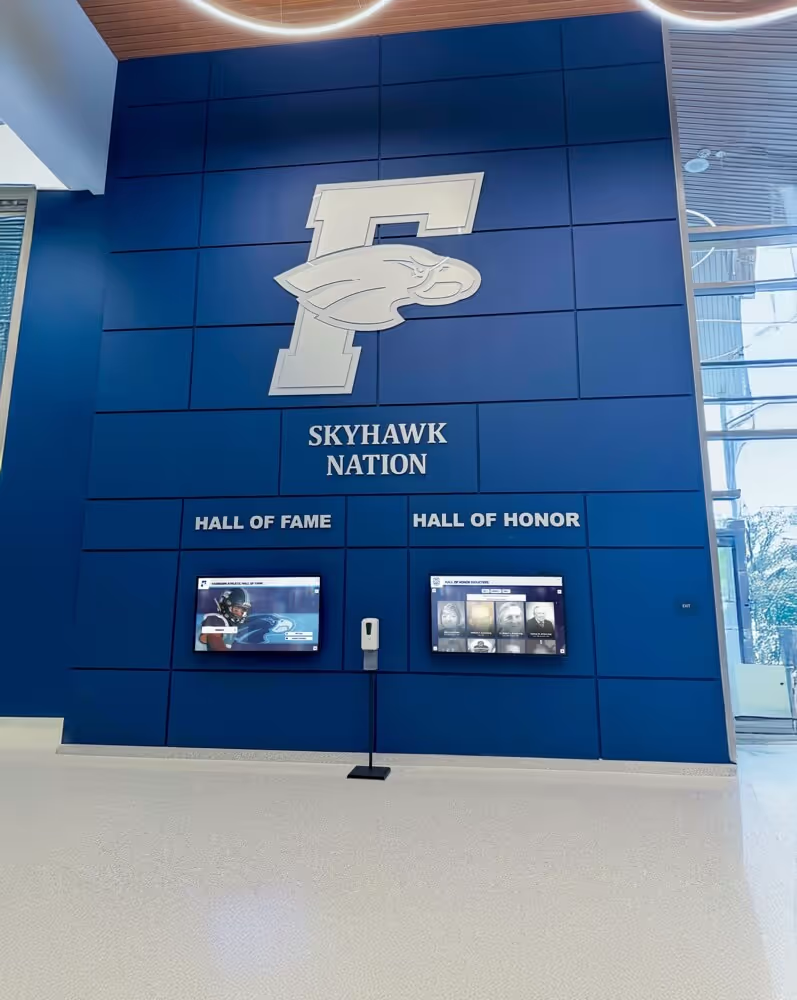
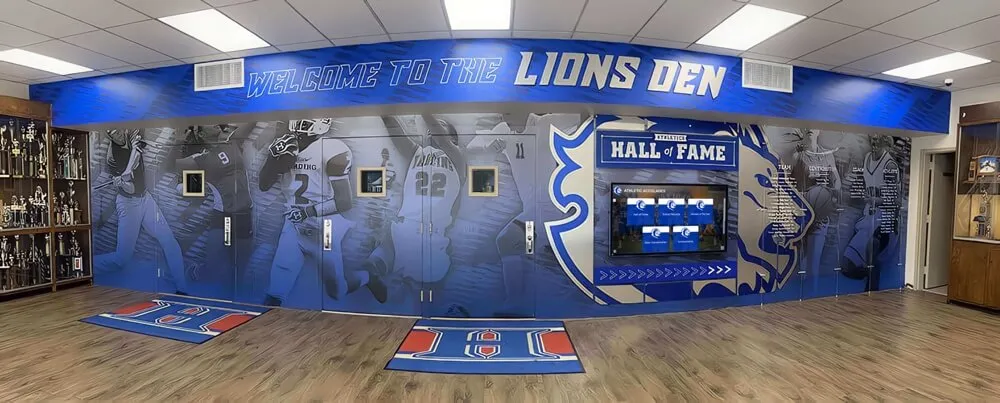
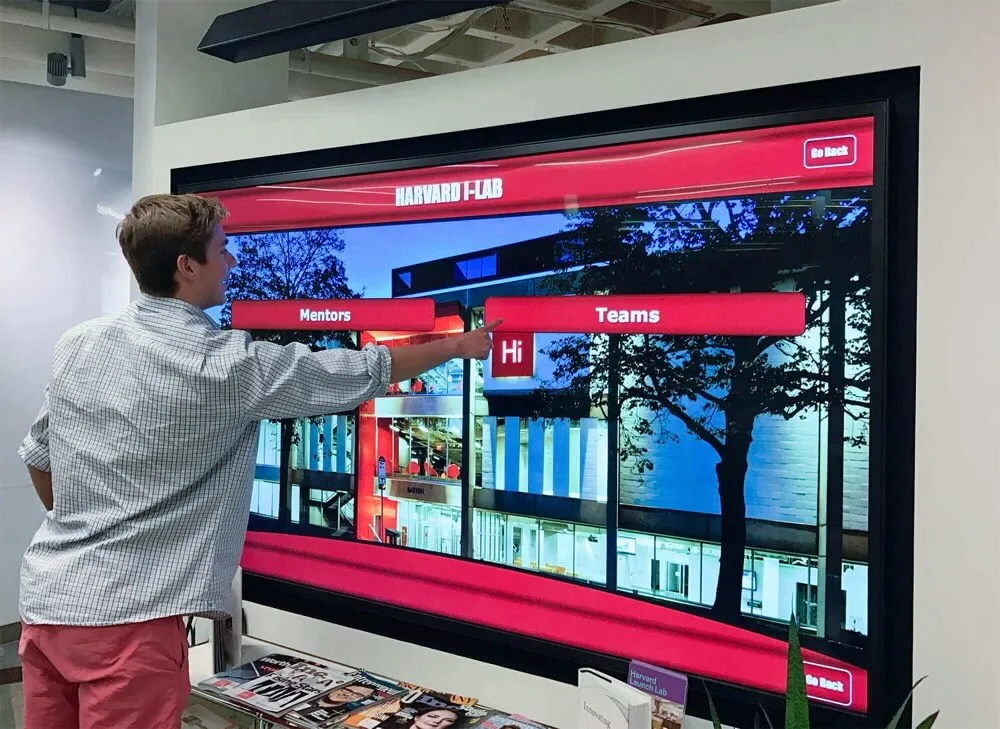
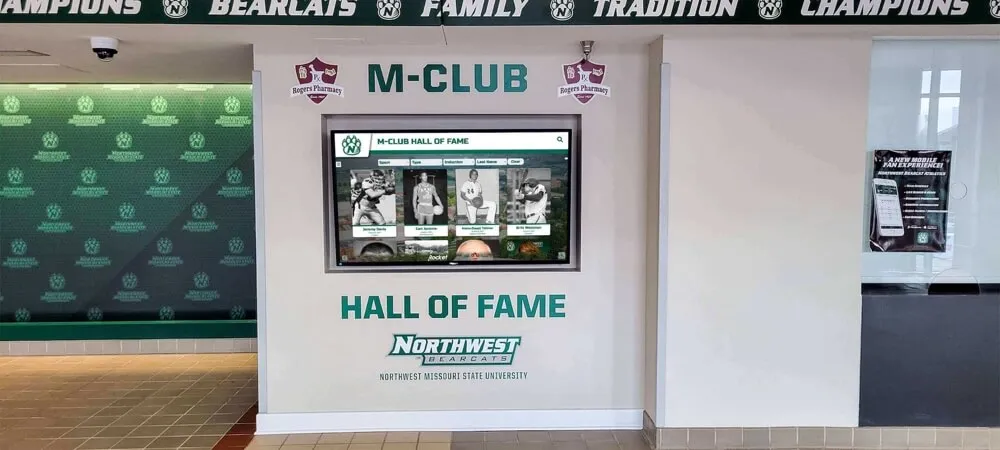
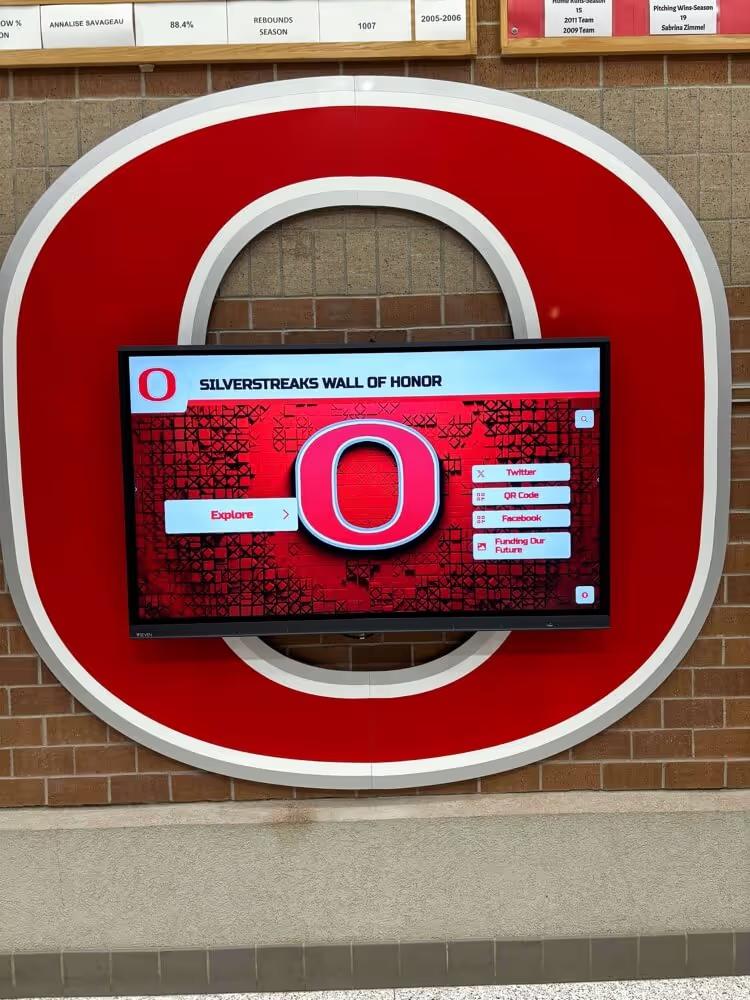
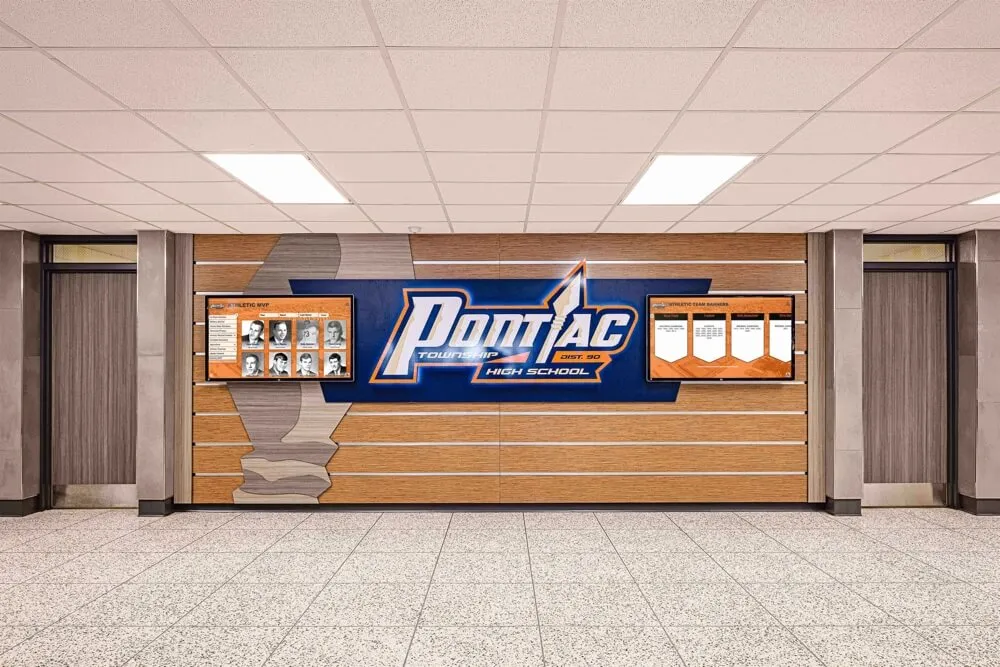
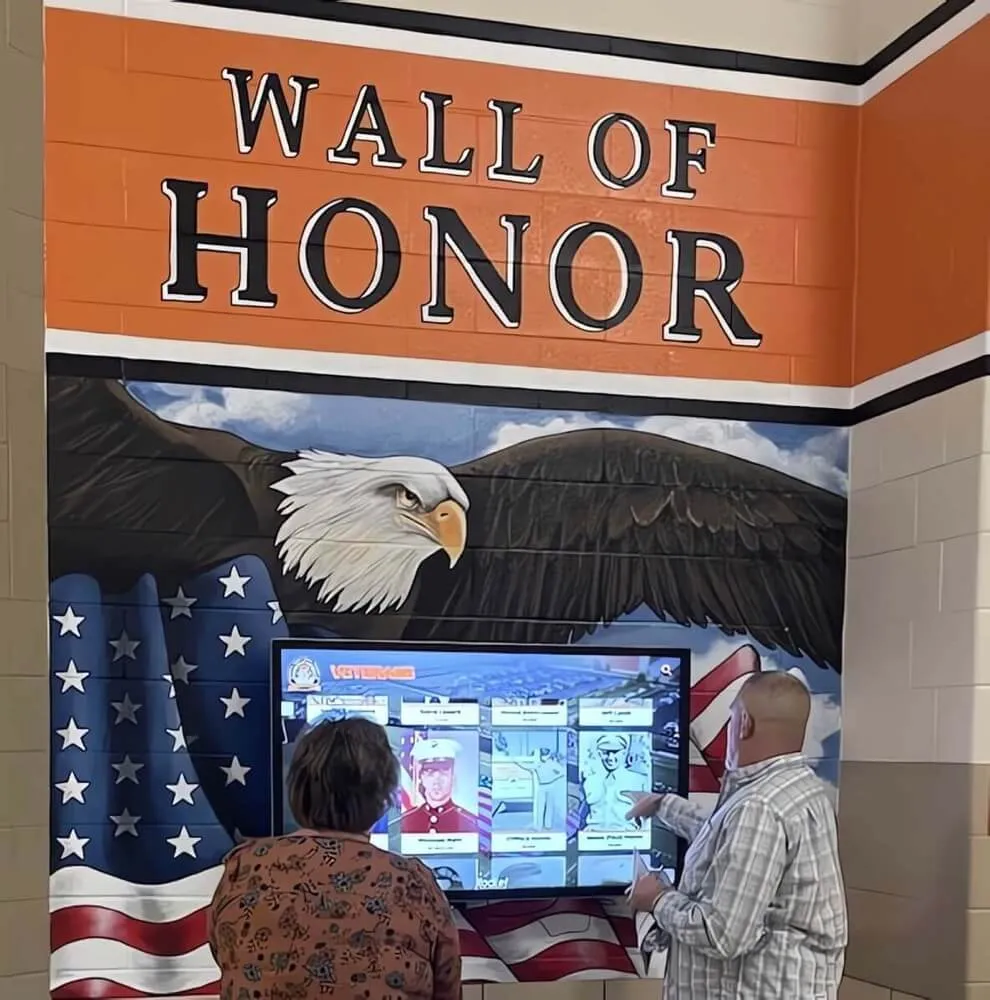
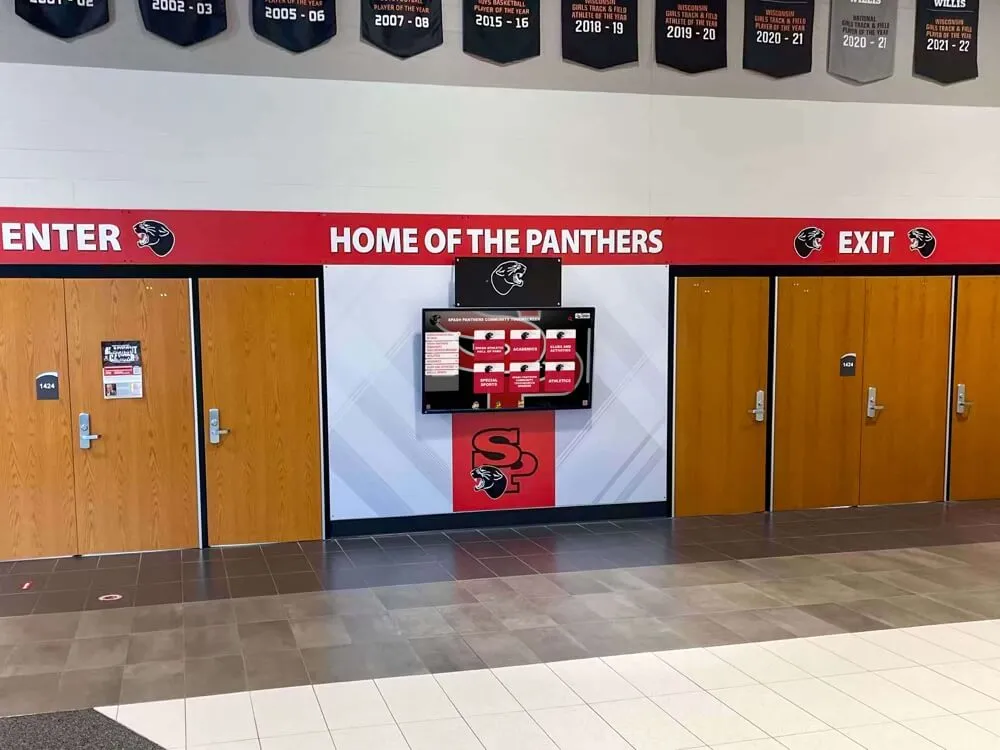
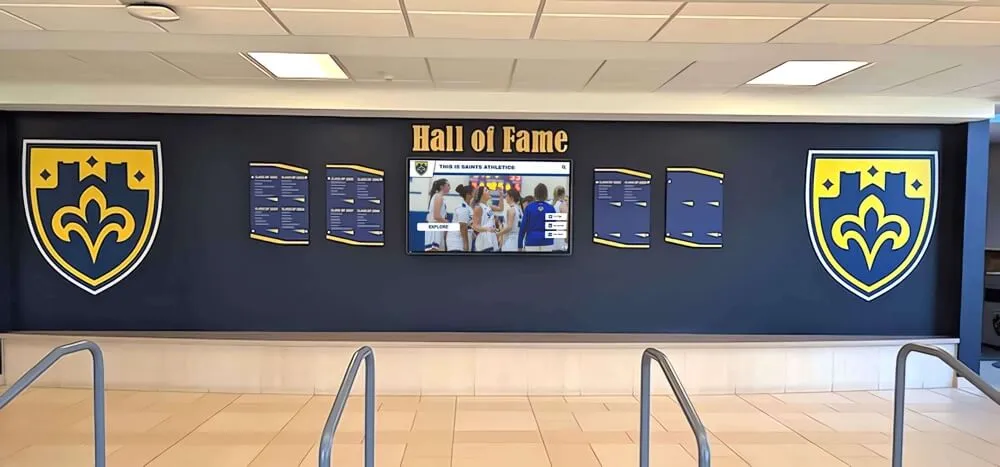
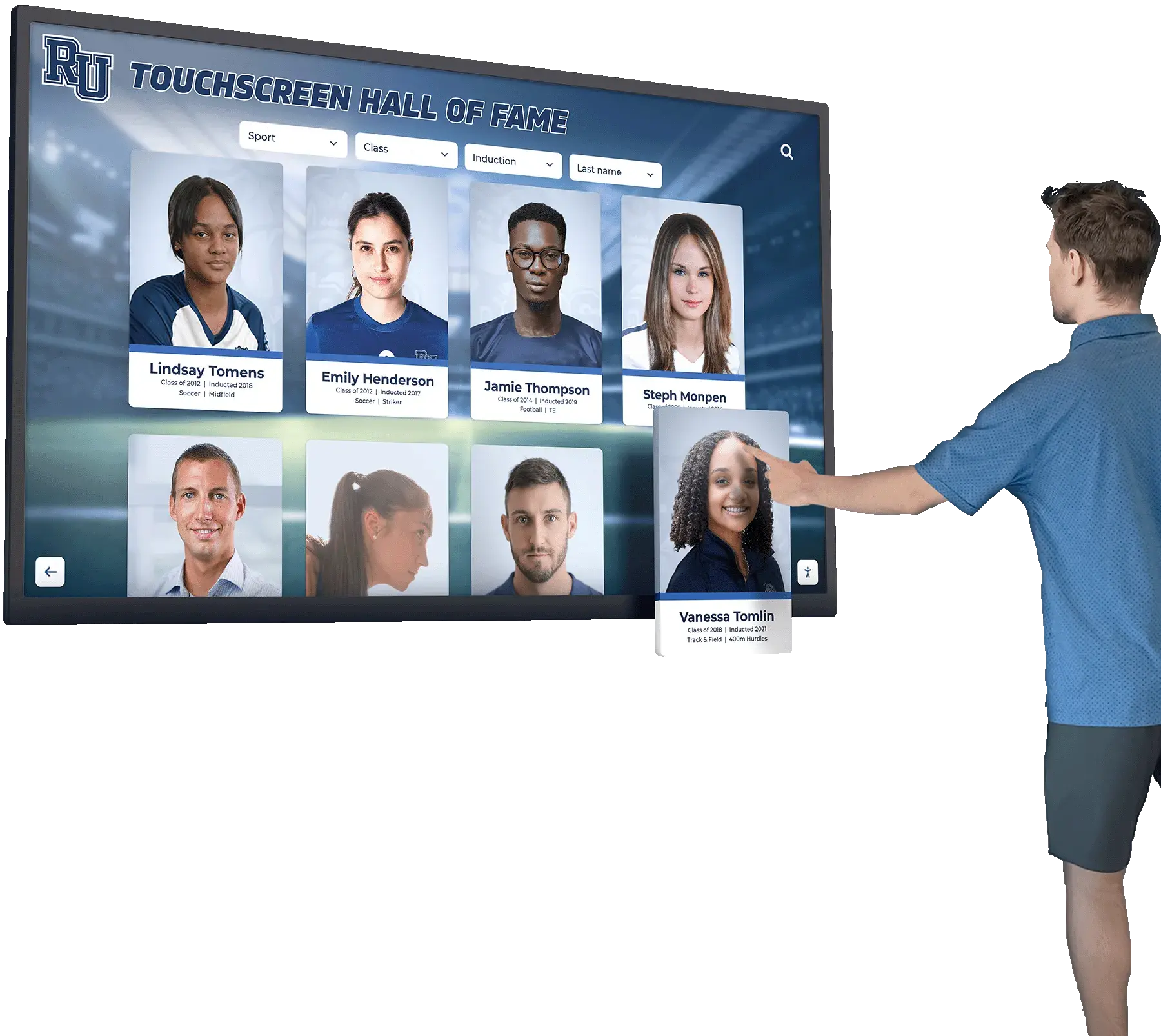
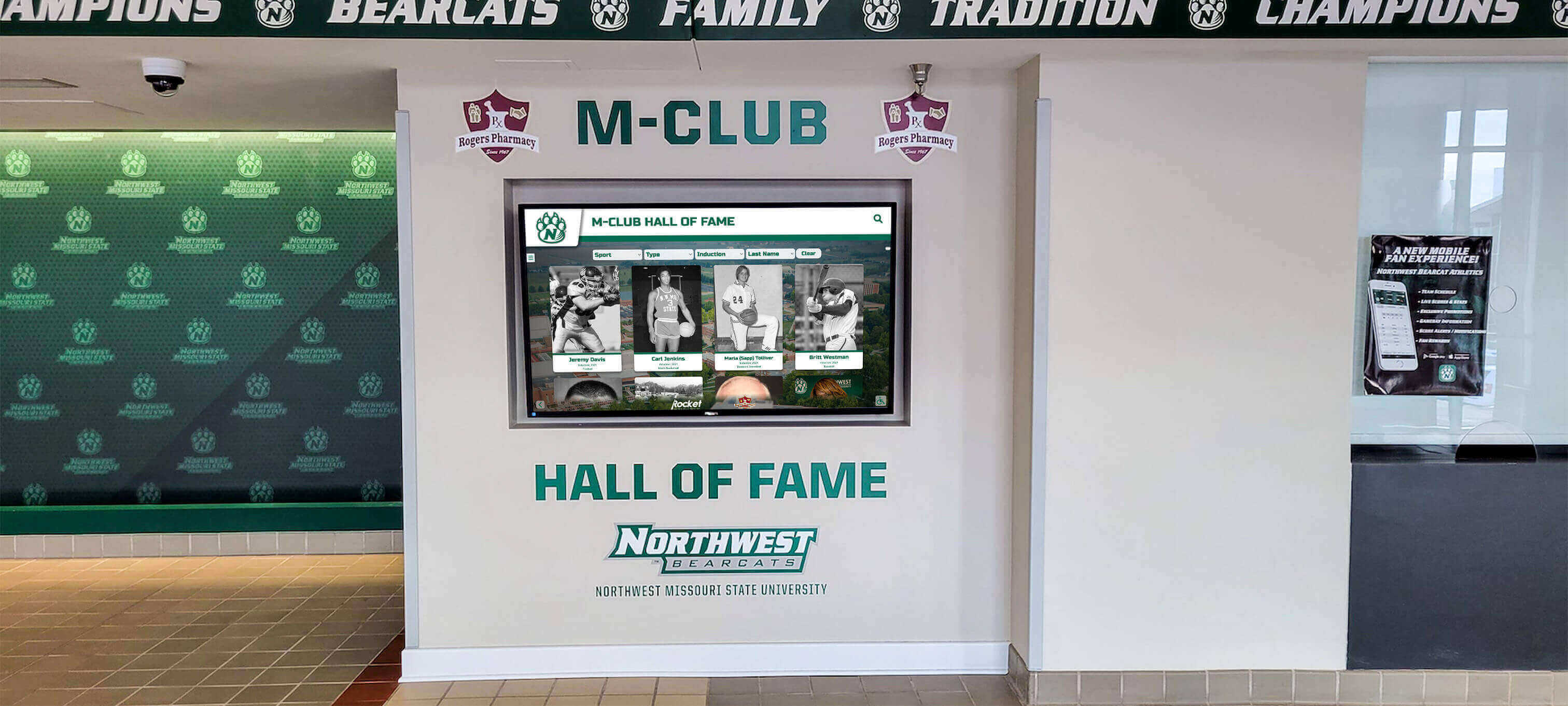
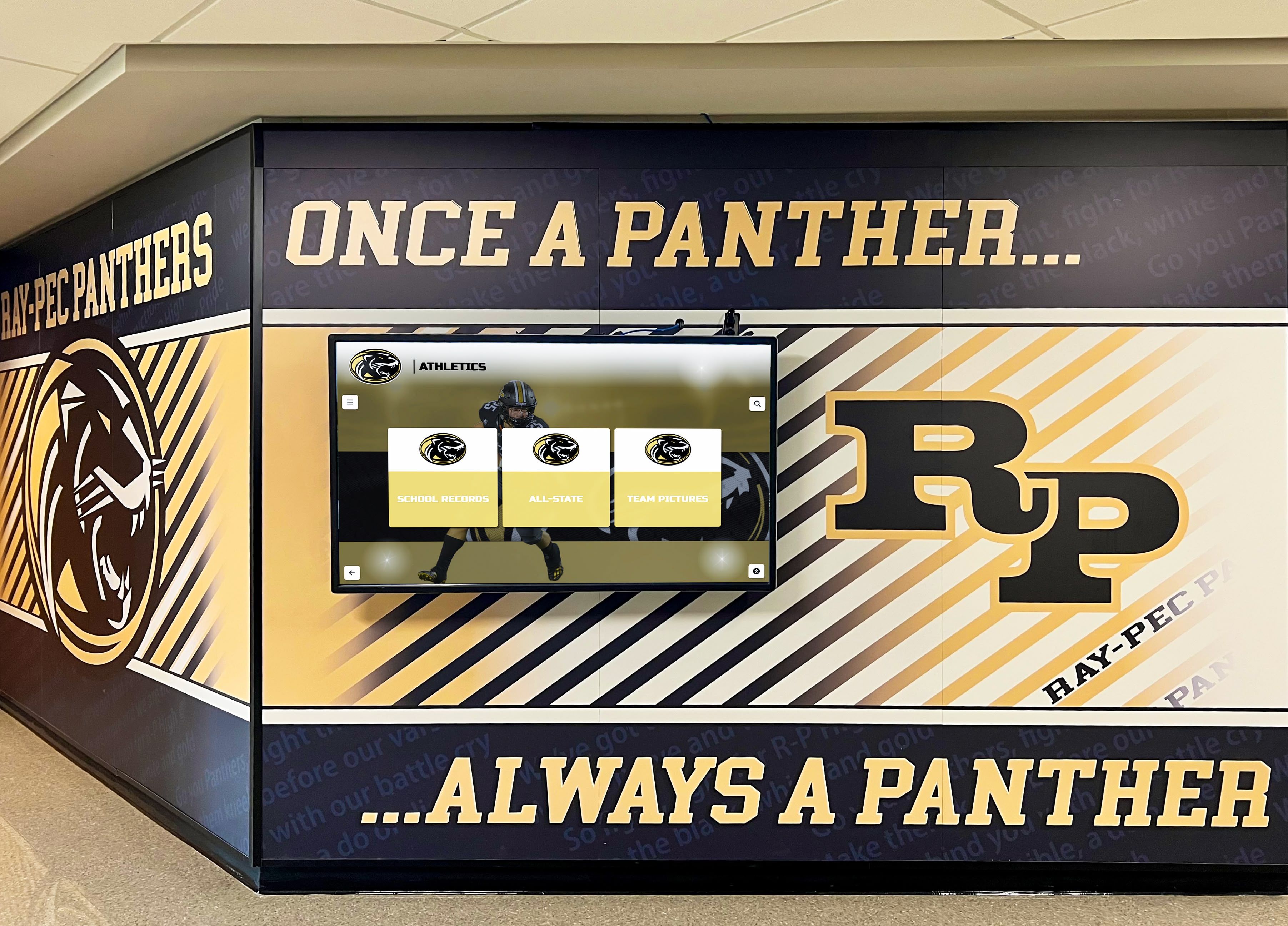
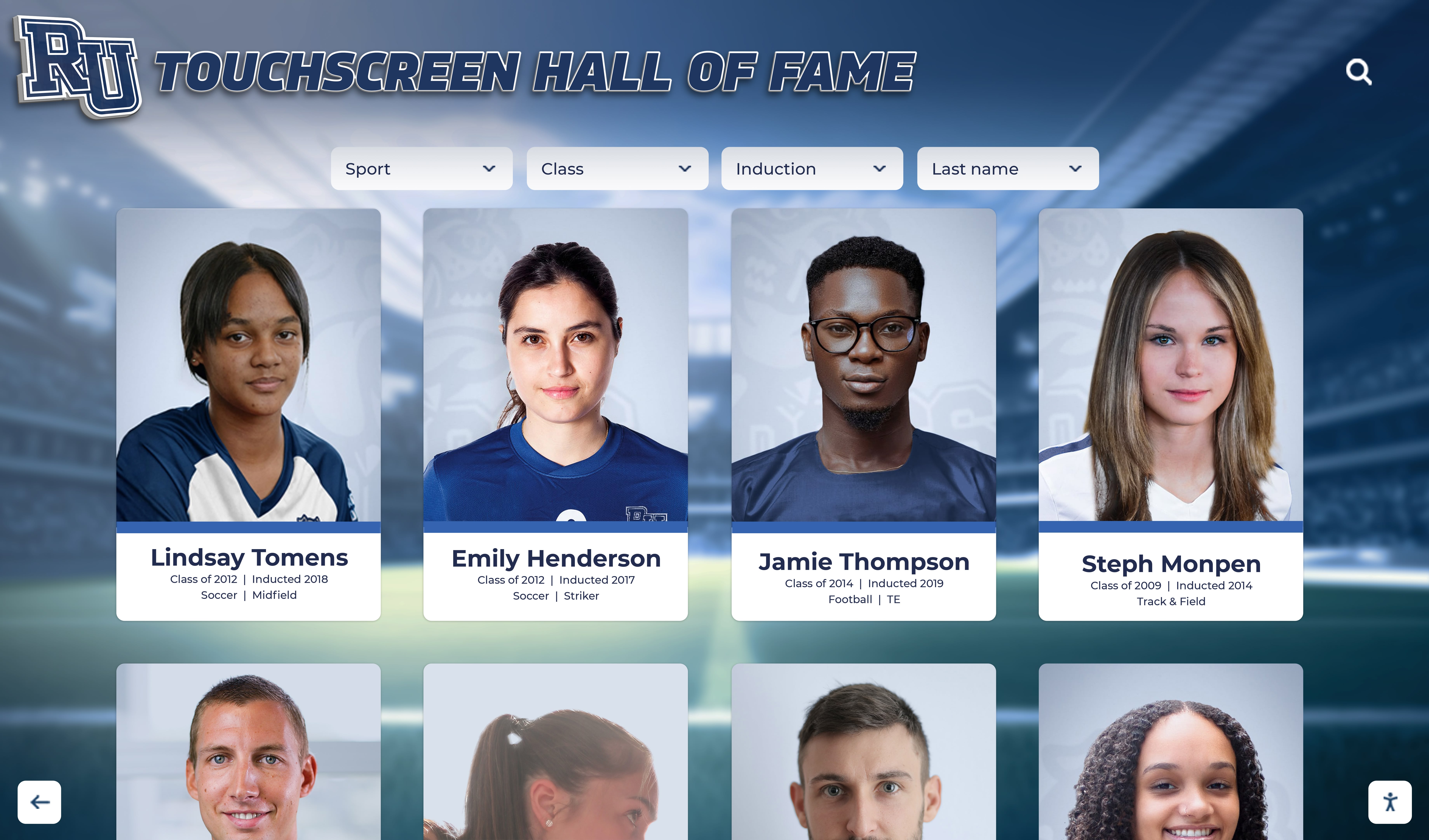
Interactive digital displays transform wrestling recognition by eliminating traditional limitations. Digital wrestling record boards accommodate unlimited state champions across all weight classes and eras, automatically rank wrestlers by career wins, pins, and tournament achievements, display comprehensive statistics including season records and career milestones, incorporate match photographs and video highlights bringing championships to life, update instantly via remote access eliminating physical installation requirements, and provide searchable databases allowing exploration by year, weight class, or wrestler name.
Solutions like digital trophy cases for wrestling programs enable comprehensive recognition honoring every achievement while maintaining professional displays.
Team Wrestling State Championships
While individual titles capture headlines, team championships represent collective excellence requiring depth across all weight classes.
Team Championship Scoring Systems
Team titles are determined through cumulative scoring across all individual matches within tournaments.
Tournament Team Points
Teams accumulate points based on individual wrestler performance throughout tournaments:
- Advancement Points: Points awarded for winning matches at each tournament stage
- Placement Points: Bonus points for final tournament placements (champion, runner-up, 3rd-8th place)
- Bonus Points: Additional points for pins, technical falls, and major decisions
- Participation Points: Some states award points simply for qualifying wrestlers
Scoring systems vary by state but universally reward both individual excellence and roster depth. Teams cannot win championships with only few elite wrestlers—success requires competitive wrestlers across multiple weight classes accumulating points through consistent advancement.
Championship Match Formats
Some states determine team championships through dual meet tournaments rather than individual tournament point totals:
Traditional Dual Meet Championships feature top qualifying teams competing in dual meet formats where teams field wrestlers in each weight class competing head-to-head. Match outcomes (wins, pins, major decisions) determine team scores with highest cumulative score winning championship. This format emphasizes direct team competition but may not crown the objectively strongest team if bracket draws favor certain programs.
Point Total Championships award team titles based on cumulative individual tournament success. Teams never directly compete but rankings emerge from individual performances. This format objectively measures program depth but lacks dramatic team-versus-team championship match atmosphere.
Building Championship-Caliber Programs
Team championships require systematic program development across multiple dimensions.
Roster Depth Development
Championship teams rarely dominate through individual superstars alone. Successful programs develop competitive wrestlers across all weight classes—requiring comprehensive youth program pipelines feeding high school rosters, effective coaching at all experience levels developing technical skills, strength and conditioning programs optimizing athletic performance, and competitive practice environments where wrestlers improve through quality daily competition.
Weight Class Management
Strategic weight class assignments significantly impact team championship chances. Coaches must balance individual wrestler preferences against optimal team lineup configurations—sometimes asking wrestlers to compete at non-preferred weights for team benefit. These decisions create team-first culture while requiring sensitivity to individual athlete development needs.
Dual Meet Strategy vs. Tournament Preparation
Teams targeting dual meet championships emphasize different preparation than those pursuing tournament-based team titles. Dual meet success requires depth preventing opponent bonus points and ability to win close matches. Tournament success demands peak performance during championship weekends and ability to wrestle multiple matches across compressed timeframes.
Resources on athletic banquet planning help programs celebrate team achievements through formal recognition events.
Recognizing Team Championship Seasons
Schools must document and celebrate team championship achievements appropriately.
Team Championship Displays
Traditional recognition includes:
- Championship Banners: Fabric banners hung from gymnasium rafters listing team championship years
- Team Photographs: Framed photographs showing championship team rosters, coaches, and scores
- Trophy Displays: Large team championship trophies displayed prominently in cases
- Gymnasium Wall Plaques: Permanent plaques commemorating championship seasons with rosters
Comprehensive Team Recognition
Effective celebration honors multiple contributors:
- Starting Lineup Recognition: Wrestlers who competed at each weight class during championships
- Full Roster Inclusion: Reserve wrestlers whose practice contributions enabled championship preparation
- Coaching Staff Acknowledgment: Head coaches and assistants whose leadership guided championship runs
- Support Personnel: Athletic trainers, strength coaches, and program supporters enabling success
Digital recognition systems provide capacity for comprehensive team championship documentation including complete rosters across championship seasons, detailed tournament brackets and results showing championship paths, team scoring breakdowns demonstrating point accumulation, and multimedia content like championship match photos and celebration videos.
State Championship Classification Systems
Most states organize championships across multiple classification divisions based on school enrollment sizes, creating parallel championship structures.
Multi-Class Championship Formats
Classification systems attempt to create competitive equity preventing large schools from overwhelming smaller programs.
Common Classification Structures
- Single Classification: Some less populated states conduct single-class championships where all schools compete together regardless of size
- Two-Class Systems: Divide schools into large and small enrollment categories creating two championship tournaments
- Three-Class Structures: Small, medium, and large school divisions providing more enrollment-appropriate competition
- Four-Plus Classification: Large states may utilize four, five, or even six classifications creating extensive parallel championship structures
Classification Determination Factors
State athletic associations assign schools to classifications based on:
- Student Enrollment: Total school enrollment or male enrollment specifically
- Competitive Success: Some states implement competitive balance factors moving successful programs up classifications
- School Choice: Limited systems allow schools to opt up to higher classifications voluntarily
- Multiplier Factors: Private schools may face enrollment multipliers accounting for perceived recruiting advantages
Classification Championship Legitimacy
Wrestling communities debate whether championships across different classifications hold equal prestige. Large classification titles typically require defeating larger fields of elite wrestlers, while small school championships may feature fewer but still highly competitive athletes. Effective recognition systems acknowledge classification context while honoring all state championships appropriately.
Interstate Championship Comparisons
Comparing wrestling achievements across different states proves challenging due to structural variations.
State-Specific Factors Affecting Championship Difficulty
- State Population: Larger states produce deeper talent pools increasing championship difficulty
- Wrestling Tradition: States with strong wrestling cultures (Iowa, Pennsylvania, Ohio, New Jersey) feature more developed programs increasing competition
- Field Sizes: Tournament structures qualifying 32 wrestlers per class create longer championship paths than states qualifying only 8
- Tournament Formats: Double elimination versus single elimination, wrestle-back provisions, and overtime rules affect championship outcomes
Recognition systems should provide contextual information helping viewers understand achievement significance within specific competitive landscapes—perhaps noting field sizes, state population, or historical program strength.
Resources on Iowa high school state wrestling traditions illustrate how different states approach championship competitions.
Notable State Championship Achievements and Records
Certain wrestling achievements transcend individual titles representing extraordinary sustained excellence.
Multiple-Time State Champions
Wrestlers winning multiple individual state titles join elite groups of program legends.
Multi-Title Achievement Significance
Winning single state championships requires exceptional skill, preparation, and tournament execution. Repeating championships across multiple years—while bodies mature, competition evolves, and targets appear on wrestlers’ backs—demonstrates rare sustained excellence. Four-time state champions represent the pinnacle of high school wrestling achievement, having navigated four separate championship gauntlets across entire high school careers.
Challenges of Repeat Championships
Multiple-title pursuits face unique obstacles:
- Physical Maturation: Growing bodies require moving up weight classes where new competition awaits
- Increased Attention: Defending champions receive opponents’ best efforts as defeating champions builds reputations
- Pressure and Expectations: Mental stress of maintaining championship status affects some wrestlers
- Training Monotony: Sustaining maximum effort across multiple seasons proves mentally challenging
Programs should specially recognize multiple-state champions through distinguished placement in recognition displays—perhaps dedicated sections for two-time, three-time, and four-time champions creating aspirational tiers current wrestlers pursue.

Career Achievement Records
Beyond championships, career statistical achievements merit permanent recognition.
Career Win Records
Wrestlers accumulating exceptional career victory totals demonstrate sustained excellence across entire high school careers. Programs should track and display career wins leaders—typically wrestlers with 100+ career victories representing four years of consistent success.
Career Pin Records
Pinning opponents represents wrestling’s ultimate individual victory. Career pin totals demonstrate both technical excellence and aggressive wrestling style. Top programs may produce wrestlers with 50+ career pins—extraordinary achievement reflecting dominant performances.
Undefeated Seasons
Wrestlers completing seasons without losses achieve perfect records rare in sport’s competitive nature. Undefeated seasons capped by state championships represent particularly special achievements meriting special recognition.
Tournament Championship Records
Some wrestlers dominate tournament competitions throughout careers—winning numerous invitational tournaments beyond state championships. Tracking tournament championship totals provides additional achievement dimension beyond state titles alone.
Team Dynasty Recognition
Sustained team success across multiple seasons merits celebration as program-building achievement.
Championship Runs
Programs winning multiple consecutive team championships achieve dynasty status rare in high school athletics. Sustained success requires consistent coaching excellence, strong youth program development, and community wrestling culture supporting multi-generational participation. Back-to-back championships prove difficult; three-peat achievements represent exceptional program excellence.
Dual Meet Winning Streaks
Teams compiling long dual meet winning streaks—perhaps 50+ consecutive victories—demonstrate sustained competitive superiority worthy of recognition alongside championship seasons.
State Qualifier Production
Programs consistently advancing numerous wrestlers to state championships—perhaps qualifying 10+ wrestlers annually—demonstrate remarkable program depth deserving documentation as program excellence measure.
Implementing Comprehensive Wrestling Recognition Systems
Wrestling programs need systematic approaches to permanently honoring achievements across individual titles, team championships, career records, and historical legacy.
Content to Include in Wrestling Recognition Displays
Comprehensive systems should document multiple achievement categories:
Individual State Champions
For each individual champion, displays should include:
- Full name and graduation year
- Weight class and classification at time of championship
- Championship year(s) and tournament bracket information
- Season record and notable tournament results
- High-quality action photographs from matches
- Brief biographical information and post-wrestling pursuits
- Career statistics and additional achievements
Team Championships
Team championship recognition should feature:
- Championship season year and classification
- Complete team roster with weight class assignments
- Team tournament results and scoring breakdown
- Coaching staff recognition
- Team photographs from championship events
- Season record and notable dual meet victories
Career Achievement Records
Record boards should prominently display:
- Career wins leaders (all-time and by era)
- Career pins leaders
- Single-season records (wins, pins, tournament championships)
- Undefeated season achievements
- Multiple-time state champions listing
- State tournament place-winners by weight class
Historical Context
Provide context helping viewers understand wrestling program evolution:
- Program founding and early history
- Coaching history and tenures
- Facility evolution and improvements
- Notable program milestones
- Conference and regional achievements
Digital Display Advantages for Wrestling Programs
Interactive digital recognition systems provide specific advantages for wrestling program recognition needs.
Automatic Record Rankings
As new wrestlers achieve success, digital systems can automatically update ranking displays showing career wins leaders, pins leaders, and other statistical categories. This automation eliminates manual updates while ensuring current wrestlers see updated rankings recognizing their achievements in real-time.
Weight Class Organization
Digital interfaces enable easy filtering and organization by weight class—allowing viewers to explore champions from specific weight classes across program history. This organization proves particularly valuable in wrestling where weight class context significantly affects achievement interpretation.
Video Integration
Digital platforms can incorporate match video highlights—perhaps championship finals or signature performances—bringing wrestling achievements to life emotionally beyond static photographs. Video content creates powerful inspiration for current wrestlers while preserving historical matches that would otherwise exist only in memory.
Searchable Databases
Large wrestling programs with decades of history may honor hundreds of state qualifiers and dozens of champions. Searchable databases enable viewers to quickly locate specific wrestlers, years, or weight classes rather than manually scanning extensive plaque lists.
Remote Updates
Coaches or athletic directors can update wrestling recognition displays immediately after tournaments—adding new state champions, updating season records, or correcting information—without requiring physical access to displays or vendor scheduling.
Solutions like Rocket Alumni Solutions provide specialized platforms designed for comprehensive athletic recognition including wrestling-specific organizational features.
Physical Display Location Considerations
Strategic placement maximizes wrestling recognition impact.
Wrestling Room or Practice Facility
Displays located in wrestling practice facilities create daily inspiration for current wrestlers. Athletes see historical achievements regularly while training—providing motivation and connecting them to program legacy.
Main Gymnasium or Arena
High-visibility locations in main gymnasiums ensure broader community awareness—including other sport athletes, students, faculty, and visiting teams. Prominent placement communicates institutional commitment to honoring wrestling excellence.
School Hallway or Main Entrance
Entry displays welcome visitors while demonstrating school athletic pride. General student populations gain awareness of wrestling achievements they might otherwise never encounter.
Athletic Hall of Fame Integration
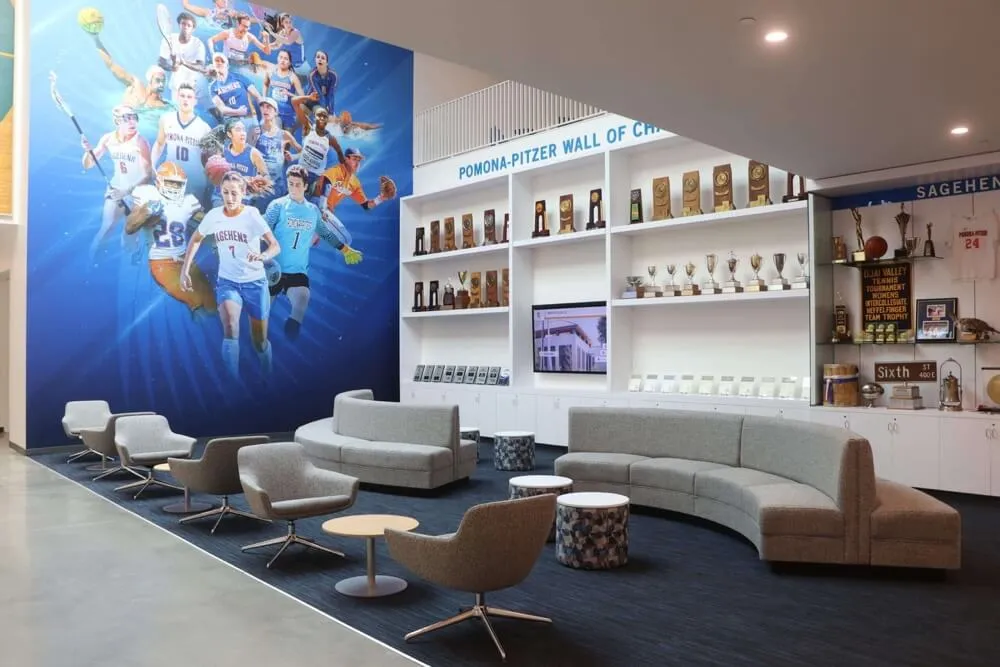
Wrestling recognition integrated within comprehensive athletic halls of fame ensures wrestling receives appropriate recognition alongside other sports while benefiting from centralized high-visibility display locations.
Resources on replacing expensive gym banners with digital alternatives help wrestling programs modernize recognition displays.
State Championship Ceremony and Celebration
Tournament championships represent the culminating moments, but thoughtful post-tournament celebration extends recognition impact.
Post-Tournament Recognition Events
Schools should formally celebrate state championship achievements through organized recognition.
Championship Celebration Assemblies
School-wide assemblies following championships allow entire student bodies to celebrate wrestling achievements. Assemblies might include championship wrestler introductions, championship match video highlights, coach remarks, and student body recognition demonstrating school pride.
Athletic Banquets
End-of-season banquets provide formal settings for comprehensive season recognition including state champions, place-winners, season award recipients, senior recognition, and coach presentations summarizing season achievements.
Community Recognition
Some communities organize additional celebrations:
- City Council Recognitions: Official proclamations honoring championship achievements
- Chamber of Commerce Events: Local business community celebrations
- Parade Celebrations: Championship parades for significant team or individual achievements
- Restaurant or Business Sponsorships: Local businesses hosting celebration meals
Permanent Facility Recognition
Physical facility updates create lasting championship commemorations.
Championship Banners
Traditional gymnasium banners remain popular championship recognition. Quality fabric banners listing championship years create visual impact while honoring team achievements permanently.
Updated Display Installations
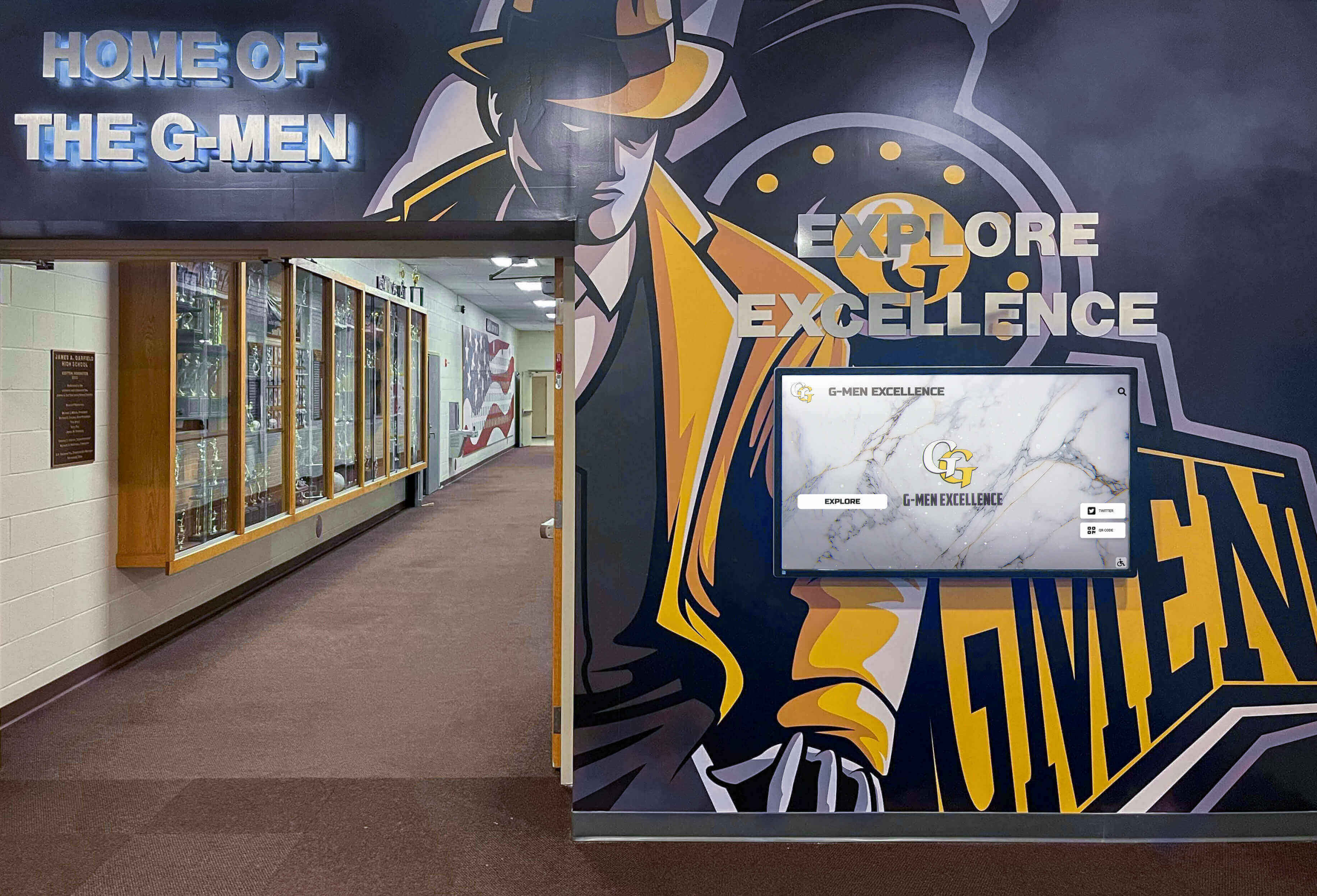
Championships provide natural occasions for unveiling new or updated recognition displays—creating ceremony moments while demonstrating institutional commitment to honoring achievement.
Facility Naming Opportunities
Extraordinary coaching careers or sustained program excellence may merit facility naming—perhaps designating wrestling rooms or competition venues after legendary coaches or championship eras.
Media Documentation and Publicity
Maximizing championship publicity extends recognition impact while building program profile.
Press Release Distribution
Schools should prepare comprehensive press releases documenting championship achievements with coach quotes, wrestler profiles, statistical achievements, and championship match summaries. Distribution to local media outlets, state wrestling publications, and online platforms amplifies recognition.
Social Media Campaigns
Systematic social media content extends championship celebration:
- Championship announcement posts with photographs and results
- Individual wrestler highlight posts throughout following weeks
- Video content including match highlights and celebration footage
- Historical comparison content placing achievements in program context
Program Website Updates
School athletic websites should prominently feature championship content including complete results, photographs, wrestler profiles, season summaries, and historical context showing championship tradition.
Future of Wrestling State Championships
Understanding emerging trends helps programs and recognition systems adapt to evolving competitive landscapes.
Girls Wrestling Growth
Girls wrestling represents the fastest-growing high school sport, with increasing numbers of states sanctioning official girls wrestling championships separate from traditional boys competitions.
Separate Championship Structures
States increasingly conduct dedicated girls wrestling state championships with modified weight classes and separate tournament brackets. This recognition of girls wrestling as distinct sport creates new championship opportunities and recognition needs.
Combined vs. Separate Recognition
Schools must determine whether girls wrestling champions receive recognition within existing wrestling displays or separate dedicated recognition systems. Best practices suggest integrated recognition honoring all program wrestlers equally while noting championship categories.
Participation Explosion
Girls wrestling participation continues rapid expansion. Programs should implement recognition systems scalable to accommodate growing numbers of female state champions as sport popularity increases.
Technology Integration in Competitions
Championship tournaments increasingly leverage technology for enhanced operations and viewer experience.
Live Streaming
Most state championships now feature live streaming enabling remote viewing by alumni, families, and wrestling communities unable to attend physically. This expanded access increases championship visibility while creating archival video valuable for recognition displays.
Real-Time Bracket Updates
Digital bracket systems provide instant tournament updates accessible via websites and mobile applications. Fans track match results, bracket progression, and team scoring in real-time.
Video Review Systems
Some championship tournaments implement video review capabilities for contested calls—improving officiating accuracy while adding review dimensions to championship matches.
Enhanced Data and Analytics
Modern wrestling increasingly emphasizes statistical analysis and performance metrics.
Advanced Statistics Tracking
Beyond basic wins and losses, modern systems track detailed performance metrics including takedown percentages, escape rates, riding time efficiency, and situation-specific success rates. These analytics provide richer achievement documentation for recognition displays.
Performance Benchmarking
Statistical databases enable comparing current wrestlers against historical program performers—identifying records under threat and contextualizing current achievements within broader program history.
Preserving Wrestling Program History
Systematic historical preservation ensures program legacy documentation for current and future generations.
Archival Best Practices
Wrestling programs should implement structured archival systems.
Document Collection and Organization
- Tournament Brackets and Results: Save complete state tournament brackets showing all matches
- Season Statistics: Maintain comprehensive season records including dual meet results and tournament placements
- Photographs: Systematically collect and organize action photographs, team photos, and ceremony images
- Media Coverage: Archive newspaper articles, online coverage, and video content
- Wrestler Biographical Information: Document post-high school pursuits, college careers, and life achievements
Digital Archiving
Physical documents deteriorate and occupy space. Digital archiving protects historical materials while enabling easier access and sharing. Schools should scan historical documents, photographs, and media coverage creating searchable digital archives.
Historical Research for Legacy Recognition
Programs seeking to honor historical wrestlers may need detective work reconstructing incomplete records.
Source Materials
- School Archives: Yearbooks, athletic department records, and institutional archives
- Local Media: Historical newspaper microfilm and digital archives
- Athletic Association Records: State association archives maintaining tournament results
- Alumni Outreach: Direct contact with historical wrestlers and coaches gathering firsthand accounts
- Oral Histories: Video interviews with program legends preserving stories and context
Many schools discover incomplete historical records—particularly for eras predating systematic documentation. Honest acknowledgment of documentation limitations demonstrates integrity while honoring available information appropriately.
Resources on best ways to showcase athletic achievement awards digitally provide frameworks for comprehensive athletic recognition.
Building Championship Culture Through Recognition
Visible wrestling recognition creates cultural impact extending beyond retrospective honor.
Current Wrestler Inspiration
State championship displays serve forward-looking purposes inspiring current wrestlers toward excellence.
Standard-Setting
Championship recognition demonstrates achievement levels meriting pursuit. Young wrestlers see specific accomplishments—state titles, place-winner finishes, career win totals—creating tangible goals.
Connection to Tradition
Understanding program history builds pride and commitment. Wrestlers gain appreciation for those who came before while feeling responsibility to continue excellence traditions.
Pathway Visibility
Recognition displays show routes to achievement—perhaps revealing that state champions typically accumulate 100+ career wins, maintain specific season records, or dominate specific tournaments building toward championship readiness.
Alumni Engagement and Program Support
Wrestling recognition strengthens alumni connections supporting program advancement.
Emotional Connection Maintenance
Recognition demonstrates institutional appreciation—keeping former wrestlers emotionally invested in programs. Digital systems enabling remote access allow alumni worldwide to explore program history and current achievements maintaining engagement across distances and decades.
Mentorship Development
Recognition creates natural frameworks for alumni mentorship of current wrestlers. Program legends may share training insights, mental preparation strategies, or life lessons—building intergenerational connections enriching current athlete development.
Fundraising Platform
Athletic recognition often catalyzes financial support. Alumni whose achievements receive proper honor frequently become program donors—supporting facility improvements, equipment purchases, or program operations enabling continued excellence.
Recruiting Impact
Championship tradition provides recruiting advantages.
Program Prestige Signals
Prospective wrestlers evaluate programs partially through demonstrated tradition. Comprehensive championship recognition provides tangible evidence of program quality while creating aspirational identification with excellence.
Cultural Evidence
Recognition demonstrates program values—commitment to honoring achievement, respect for legacy, and investment in celebrating excellence. These cultural signals influence recruitment decisions as families assess program fit.
Conclusion: Honoring Wrestling Excellence Comprehensively
Wrestling state championships represent pinnacle achievements earned through exceptional dedication, physical conditioning, technical mastery, mental toughness, and competitive execution under intense pressure. Individual weight class titles, team championships, place-winner recognition, and career achievement records deserve permanent commemoration honoring wrestlers appropriately while inspiring current athletes and preserving program legacy.
Traditional recognition approaches—plaques, trophy cases, gymnasium banners—provide tangible presence but face inherent limitations including finite display space forcing selective recognition, difficult and expensive updates requiring physical installation, minimal information capacity preventing comprehensive storytelling, and inability to incorporate multimedia content bringing achievements to life emotionally.
Modern digital wrestling record boards eliminate these constraints while providing enhanced capabilities specifically valuable for wrestling programs. Unlimited capacity accommodates every state champion, place-winner, and career record-holder across all weight classes and eras without space limitations. Automatic ranking and organizational features enable filtering by weight class, year, or achievement category making comprehensive information discoverable. Rich multimedia integration incorporates match photographs, video highlights, detailed statistics, and biographical narratives creating engaging recognition. Instant remote updates allow immediate championship recognition without physical access requirements or vendor scheduling. Searchable databases enable quick location of specific wrestlers, teams, or achievements within extensive program histories.
Wrestling programs ready to implement or modernize recognition systems should explore comprehensive digital recognition solutions purpose-built for athletic achievement. These specialized platforms understand wrestling’s unique recognition needs—weight class organization, dual individual and team achievement tracking, career statistical rankings, and tournament bracket documentation—while providing intuitive management requiring no technical expertise.
State championships create defining moments in young wrestlers’ lives—achievements remembered decades later as sources of pride and self-confidence. Proper recognition ensures these accomplishments receive lasting acknowledgment they deserve while building championship culture inspiring future generations toward wrestling excellence. When programs invest systematically in comprehensive recognition honoring every achievement across program history, they create environments where excellence flourishes, tradition strengthens, and every wrestler’s legacy receives permanent celebration matching the dedication and sacrifice required to reach championship podiums.
Your wrestling program has produced state champions, place-winners, career record-holders, and championship teams whose achievements shaped countless lives and built community pride. Modern recognition systems ensure these accomplishments receive the comprehensive, professional, and inspiring celebration they genuinely deserve—preserving program history, inspiring current wrestlers, and building wrestling tradition for generations to come.