




Wrestling stands as one of the oldest and most demanding combat sports, requiring athletes to master a complex arsenal of offensive and defensive techniques. For high school wrestlers developing their skills, understanding fundamental wrestling moves—takedowns that initiate control, pins that end matches decisively, and escapes that deny opponents scoring opportunities—forms the foundation for competitive success. These core techniques represent more than isolated skills; they create tactical systems enabling wrestlers to control match flow, accumulate points strategically, and respond effectively to opponents’ attacks across all weight classes and competition levels.
The importance of proper wrestling technique extends beyond individual match outcomes. Schools with strong wrestling programs recognize that technical mastery separates good wrestlers from great ones, championship contenders from early-round exits. Coaches spend countless practice hours drilling these fundamental moves until they become instinctive reactions executed under the intense pressure of tournament competition. For wrestlers serious about improving their performance, understanding not just how to execute these moves but when and why they work creates the competitive edge that defines successful careers on the mat.
Celebrating Wrestling Excellence Through Recognition
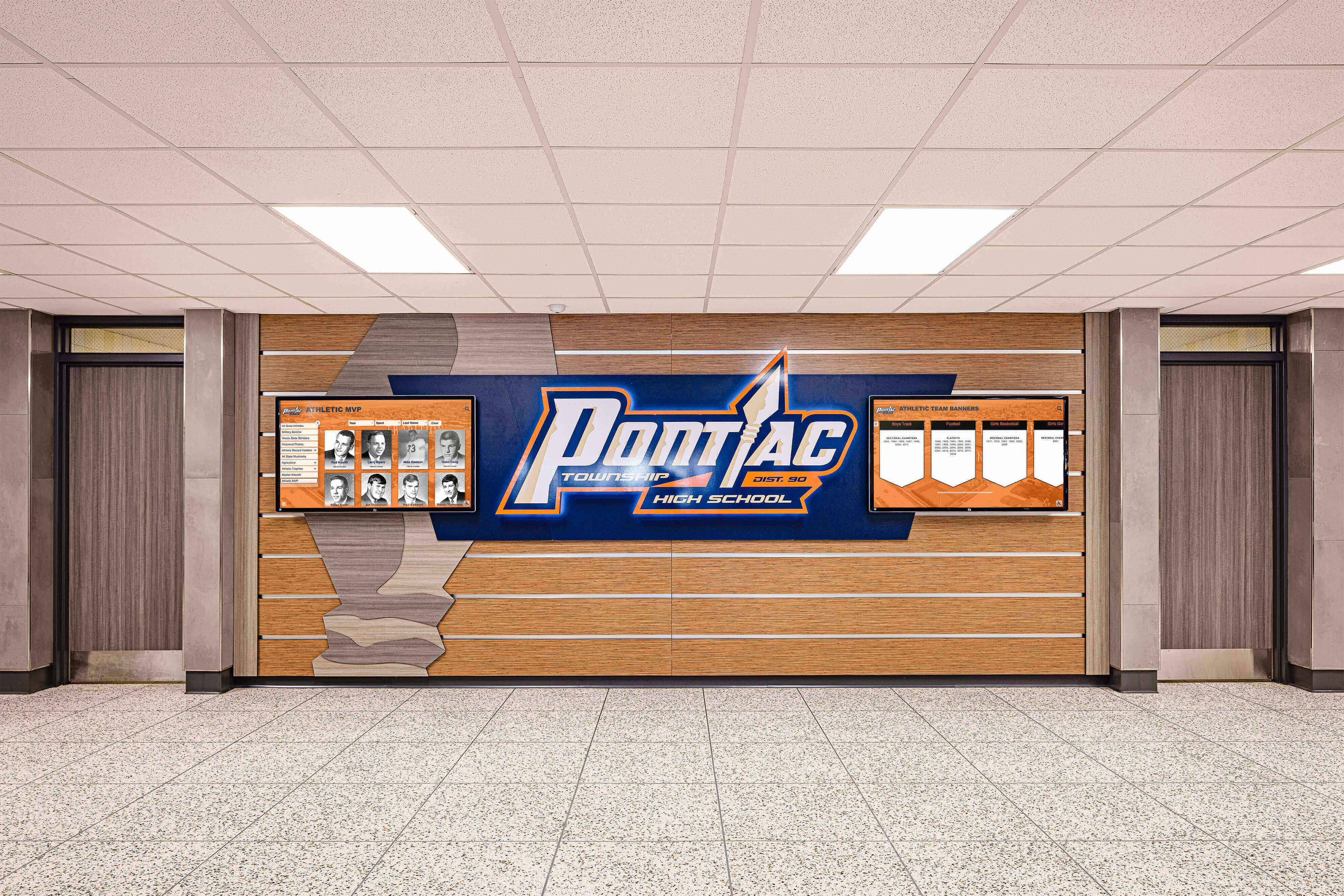
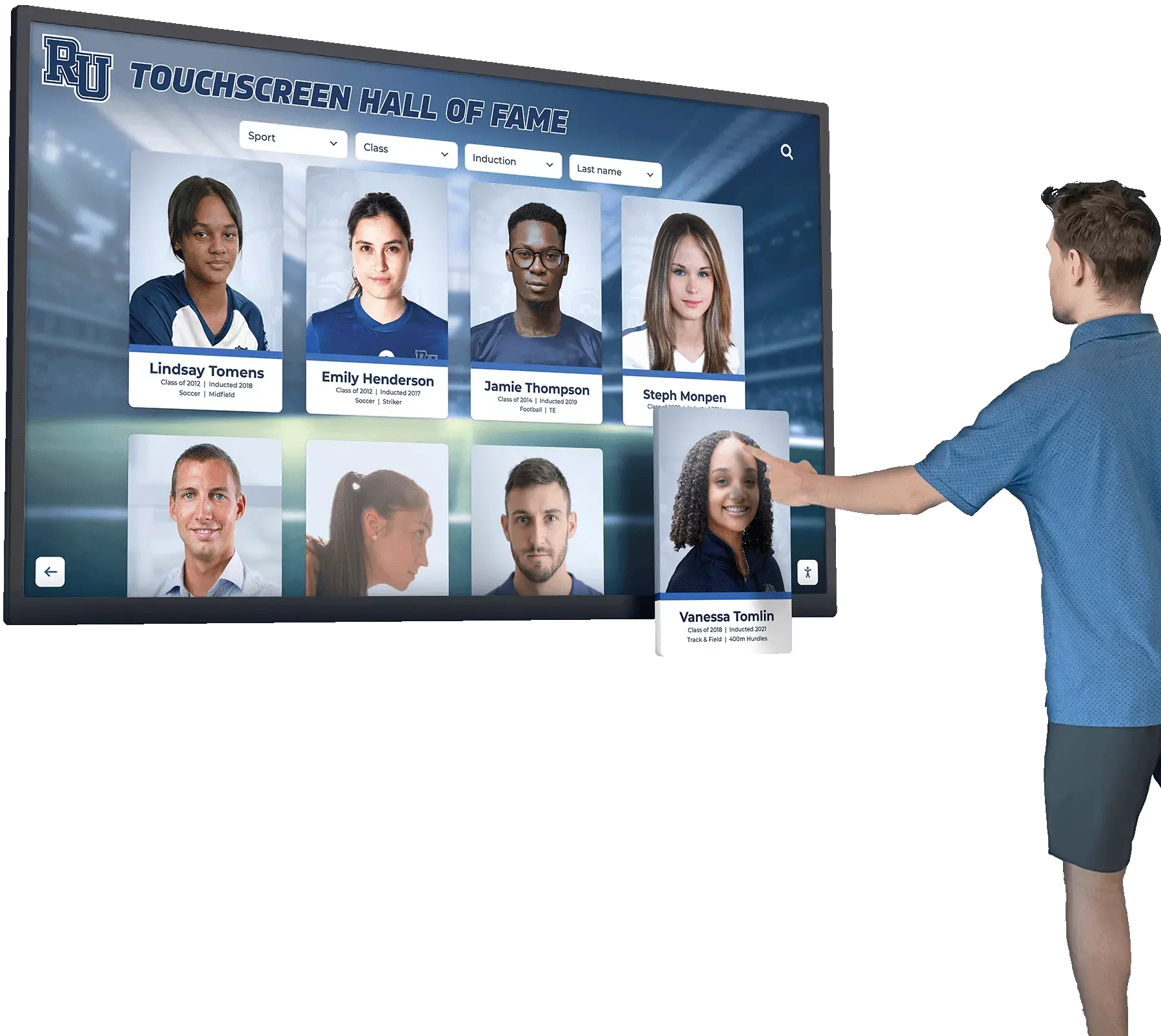
High school wrestling programs build proud traditions celebrating athletes who master these fundamental techniques and achieve competitive excellence. Digital recognition solutions enable schools to permanently showcase wrestling champions, record holders, and technique specialists who exemplify program standards. Rocket Alumni Solutions provides wrestling programs with interactive digital displays that highlight most pins in a season, fastest takedowns, escape percentages, and championship achievements—creating lasting tributes to technical mastery while motivating current wrestlers to develop the skills that earn permanent recognition.
Understanding Wrestling Scoring and Match Objectives
Before examining specific wrestling moves, understanding how techniques translate to points clarifies why certain moves hold greater strategic value than others.
Points-Based Scoring System
Wrestling matches use a points accumulation system where various techniques earn specific point values:
Takedown (2 points): Taking an opponent from a neutral standing position to the mat while establishing control. The wrestler executing the takedown gains top position and 2 points.
Escape (1 point): When the bottom wrestler breaks free from the top wrestler’s control and returns to a neutral standing position. The escaping wrestler earns 1 point.
Reversal (2 points): When the bottom wrestler not only escapes but simultaneously takes the top wrestler down, reversing positions. This awards 2 points since the wrestler gains control rather than merely returning to neutral.
Near Fall (2-3 points): Turning an opponent to their back where both shoulders are within approximately four inches of the mat. Holding this position for 2-5 seconds earns 2 points; maintaining it beyond 5 seconds awards 3 points (or 4 points in some scoring systems).
Penalty Points (1-2 points): Awarded to opponents when wrestlers commit illegal holds, stalling, or unsportsmanlike conduct. These can accumulate across a match, making discipline essential.
Understanding this scoring framework explains why takedowns receive such emphasis—they not only score points but establish the dominant top position where near falls and riding time become possible.
Match-Ending Moves: The Pin (Fall)
While accumulating points determines many match outcomes, the pin represents wrestling’s ultimate objective—total dominance requiring no score calculation.
Pin Definition: Holding both of an opponent’s shoulders flat against the mat simultaneously for a continuous count (typically one second at high school level). The moment both shoulders touch the mat and remain there for the required time, the match ends immediately with victory awarded to the pinning wrestler regardless of point differential.
Pins create dramatic match finishes, demoralize opponents, and provide the most decisive victories possible. Wrestlers who consistently pin opponents demonstrate superior positioning, control, and finishing ability that defines championship programs. Programs celebrating wrestling excellence often specifically recognize pin leaders, fastest pins, and clutch championship pins when showcasing student athlete achievements in digital recognition displays.
Essential Wrestling Takedowns
Takedowns establish control from neutral positions and represent the most frequently used scoring technique in wrestling. Mastering diverse takedown options enables wrestlers to adapt to different opponent styles, defensive strategies, and tactical situations.
Single-Leg Takedown
The single-leg takedown ranks among wrestling’s most fundamental and versatile attacks, effective across all skill levels from youth programs through college competition.
Execution Technique:
- Setup and Penetration: From a proper stance, quickly drop your level by bending your knees (not your waist) while stepping forward with your lead foot between opponent’s feet
- Leg Capture: Wrap both arms around one of the opponent’s legs, clasping hands behind their knee or thigh while driving your head into their hip
- Lifting or Driving: Either lift the captured leg while maintaining forward pressure, or drive forward and sideways to compromise their balance
- Finish: Continue driving until the opponent’s back or buttocks contact the mat, then immediately establish top control position
Strategic Applications: Single-leg attacks work effectively against taller opponents since the technique focuses on controlling a single limb rather than requiring reach around their torso. The move also provides excellent chain wrestling opportunities—if the initial single-leg fails, wrestlers can transition to double-legs, ankle picks, or other attacks without fully disengaging.
Common Mistakes to Avoid: Reaching for the leg without proper penetration step, standing upright before securing control, failing to keep head pressure against opponent’s hip, or releasing hands before establishing full control.
Double-Leg Takedown
The double-leg takedown generates explosive power by controlling both opponent legs simultaneously, creating high-percentage scoring opportunities particularly effective against opponents with wide stances.
Execution Technique:
- Level Change and Penetration: Drop level sharply while explosively stepping forward, shooting your lead leg deep between opponent’s legs
- Leg Capture: Wrap both arms around both of the opponent’s legs just above or behind their knees, clasping hands behind their legs
- Head Position: Drive your head into their abdomen or chest, using it as a third point of contact and control
- Lift and Drive: Either lift both legs while driving forward, or drive forward and slightly upward to eliminate their base
- Finish: Continue driving until opponent contacts the mat, maintaining leg control while transitioning to top position
Strategic Applications: Double-legs excel against aggressive opponents who pressure forward, as their momentum aids your penetration. The technique also creates difficulty for opponents attempting to sprawl defensively since controlling both legs limits their defensive mobility.
Building comprehensive wrestling programs requires not just teaching individual techniques but creating systematic development approaches. Athletic departments developing strong school pride and athletic culture recognize that wrestling success reflects dedication to fundamental skill mastery celebrated through permanent recognition displays.
High-Crotch Takedown
The high-crotch combines elements of single-leg and double-leg techniques, creating a powerful middle-distance attack particularly effective for wrestlers with strong upper body control.
Execution Technique:
- Penetration: Step deep between opponent’s legs while dropping level, similar to single-leg setup
- Arm Position: Drive your inside arm (arm nearest the leg you’re attacking) high between their legs, with your shoulder against their inner thigh
- Outside Arm Control: Your outside arm wraps around their leg or controls their body
- Elevation: Lift the leg while driving your shoulder upward into their inner thigh, elevating that leg significantly
- Finish: Turn the corner by pivoting your hips and driving the elevated leg across your body while driving forward to complete the takedown
Strategic Applications: High-crotch attacks create excellent setups for subsequent moves if the initial attack fails. Wrestlers can easily transition to single-legs, double-legs, or ankle picks from high-crotch positions, making this an ideal technique for chain wrestling sequences.
Fireman’s Carry
The fireman’s carry provides an effective option when opponents maintain upright posture or resist leg attacks, using leverage rather than pure strength to achieve takedowns.
Execution Technique:
- Arm Control: Secure control of opponent’s wrist with one hand while your other arm reaches across their body
- Penetration Step: Step in front of your opponent, placing your lead leg between their feet
- Shoulder Position: Lower your hips and position your shoulder against their armpit or chest
- Lifting Motion: Pull their controlled arm across your shoulders while loading their weight onto your back by driving your hips below theirs
- Throw: Straighten your legs explosively while pulling their arm and rotating your torso, flipping them over your shoulder to the mat
- Control: Maintain wrist control throughout the throw to prevent opponent from posting hands and to establish immediate top position
Strategic Applications: Fireman’s carries excel in tie-up situations where both wrestlers have upper body contact, providing scoring opportunities without requiring the deep penetration that leg attacks demand. The technique also works effectively in scramble situations where traditional takedown entries prove difficult.
Ankle Pick
The ankle pick represents a finesse technique requiring excellent timing and hand speed but minimal physical exertion, making it valuable late in matches when fatigue affects explosive power.
Execution Technique:
- Setup: Use head movement, hand fighting, or level changes to cause opponent to step forward or post their lead foot
- Hand Speed: Quickly reach down and grasp opponent’s ankle with one or both hands the moment their foot posts
- Elevation: Pull ankle upward and toward you while simultaneously driving forward with your shoulder against their knee or thigh
- Balance Disruption: The combination of elevating their ankle while driving their knee backward eliminates their base
- Finish: Continue driving forward as they fall backward, maintaining ankle control until establishing top position
Strategic Applications: Ankle picks excel against taller opponents who wrestle upright, opponents who consistently lead with the same leg, or in situations where deep penetration isn’t available. The technique requires less physical commitment than leg attacks, allowing quick recovery if the attempt fails.
Recognition programs celebrating technical excellence often highlight wrestlers who master diverse takedown arsenals. Programs utilizing modern digital recognition platforms can showcase takedown specialists, track technical achievement categories, and create permanent records of wrestlers who exemplify technical mastery across multiple skill areas.

Pinning Combinations and Techniques
While takedowns score points and establish position, pins end matches decisively. Understanding effective pinning combinations transforms top position control into match-winning conclusions.
Half Nelson
The half nelson represents one of wrestling’s most fundamental and high-percentage pinning techniques, taught to beginners but used effectively through the highest competition levels.
Execution Technique:
- Starting Position: Establish control from top position, preferably with opponent flat on their stomach
- Arm Insertion: Slide one arm under opponent’s armpit, driving your forearm and hand against the back of their neck
- Head Control: Your palm cups the back of their head, applying downward pressure toward the mat
- Hip Position: Position your hips perpendicular to their body, with your weight driving into their side
- Rolling Motion: Use the leverage created by your arm against their neck to roll them toward their back
- Shoulder Pressure: Once on their back, continue driving with your half nelson arm while using your body weight to pressure their shoulders toward the mat
Finishing Variations: Wrestlers can use half nelson pressure alone or combine it with leg control (near-side cradle), opposite arm control, or body pressure depending on opponent’s defensive reactions.
Cradle Variations
Cradles create devastating pinning combinations by controlling both an opponent’s head and leg, folding their body into compressed positions that expose their shoulders to the mat.
Near-Side Cradle:
- Lock hands around opponent’s head and their near-side leg (the leg closest to you)
- Pull head and knee together, creating a “C” shape with their body
- Roll opponent toward their back while maintaining tight pressure keeping head and knee connected
- Once on their back, continue squeezing while driving shoulder pressure downward
Far-Side Cradle:
- Reach across opponent’s body to control their far leg while controlling their head with your other arm
- Lock hands connecting head to far leg
- Roll opponent away from you and over their shoulder, using the cradle to turn them to their back
- This variation often surprises opponents since the turn happens in an unexpected direction
Strategic Applications: Cradles work particularly well when opponents attempt to turtle (position themselves on hands and knees with defensive posture), when breaking opponents down from referee’s position, or when opponents sprawl on takedown attempts. The compressed body position cradles create severely limits opponents’ ability to bridge or escape.
Arm Bar Series
Arm bars isolate an opponent’s arm, creating leverage that forces their shoulders toward the mat while limiting their defensive capabilities.
Execution Technique:
- Arm Isolation: Control opponent’s wrist with both hands while positioning your chest across their shoulder
- Arm Extension: Extend their arm away from their body, preferably perpendicular to their torso
- Pressure Application: Drive your chest weight onto their extended arm while walking your legs toward their head
- Shoulder Rotation: The pressure on their extended arm forces their shoulder to rotate, turning them toward their back
- Pinning Pressure: Once turned, use one arm to maintain arm control while using your free arm and body weight to pressure their shoulders to the mat
Combination Attacks: Experienced wrestlers rarely finish with arm bar pressure alone. Instead, they use arm bars to initiate shoulder rotation, then transition to half nelsons, cradles, or other finishing holds once opponent’s defensive structure breaks down.
Tight Waist and Half Series
This fundamental top position series creates multiple pinning threats through systematic pressure and positioning rather than explosive movements.
Execution Technique:
- Tight Waist: Wrap one arm tightly around opponent’s waist with your chest on their back
- Half Nelson: Insert your other arm under their armpit for half nelson control
- Breaking Down: Use combined pressure to flatten opponent from hands and knees to their stomach
- Hip Position: Position your hips to their side, not directly behind them
- Turning: Use half nelson leverage to begin rolling opponent toward their back while maintaining tight waist control
- Adjustment: As opponent defends, transition between tight waist, half nelson, and other arm positions to maintain offensive pressure
Strategic Value: This series teaches systematic top position wrestling rather than relying on single explosive movements. Wrestlers learn to maintain constant offensive pressure, adjust to defensive reactions, and create pinning opportunities through positional dominance.
Championship wrestling programs recognize athletes who demonstrate pinning excellence. Schools implementing comprehensive recognition display solutions can permanently showcase season pin leaders, career pin records, and championship-winning pins that define program traditions.
Essential Escape Techniques
While offensive skills earn points and create winning positions, defensive wrestling—particularly escape ability—prevents opponents from accumulating points and maintains competitive positioning throughout matches.
Stand-Up Escape
The stand-up represents the most fundamental and widely taught escape technique, effective across all age groups and skill levels when executed with proper mechanics.
Execution Technique:
- Base Position: From bottom position, establish solid base with one knee up and one foot flat (referee’s position)
- Hip Movement: Explosively rise to your feet by driving off your down knee and posted foot
- Hand Position: As you stand, keep one hand controlling the mat for balance while your other hand controls opponent’s hands around your waist
- Hip Clearance: Once standing, drop your hips and create separation from opponent’s locked hands around your waist
- Hand Fighting: Strip opponent’s hands apart by peeling their fingers or driving their arms downward
- Separation: Turn to face opponent once hands are broken, establishing neutral position and earning 1 point
Common Mistakes: Standing too upright (making hip position vulnerable to opponent’s lift), failing to establish firm base before rising, allowing opponent to lock hands before standing fully, or turning to face opponent before breaking their grip.
Strategic Timing: Initiate stand-up escapes immediately when the whistle starts the period (catching opponents off-guard), when opponents begin releasing pressure slightly, or when you’ve created defensive position that limits their re-attack options.
Sit-Out and Turn-In
The sit-out creates escape opportunities through sudden direction changes that catch opponents off-balance, particularly effective against opponents maintaining high, loose control positions.
Execution Technique:
- Initial Movement: From bottom position, quickly shift your hips backward while sitting toward one side
- Leg Extension: Extend your legs out from under you as you sit, creating a seated position facing sideways
- Hand Posting: Post your outside hand on the mat for base while your inside hand controls opponent’s wrist or arm
- Hip Rotation: Rotate your hips and shoulders away from opponent, creating separation
- Turn-In: Continue rotating until you face opponent, simultaneously breaking their grip
- Stand or Scramble: Complete escape by standing to neutral or scrambling to advantageous position
Combination Options: If the initial sit-out fails to create separation, wrestlers can chain to different escapes, transition to switch techniques, or attempt to turn into opponent for reversal opportunities rather than simple escapes.
Switch Technique
The switch transforms defensive bottom position into offensive reversals, earning 2 points instead of the single point escapes provide—crucial in close matches.
Execution Technique:
- Hip Position: From bottom position, shift hips backward and sideways toward the side you’ll switch to
- Inside Step: Step your inside leg (the leg nearest your switching direction) across and behind opponent’s near leg
- Hip Drop: Sit your hips to the mat on the side you’re switching to
- Arm Control: Simultaneously reach back with your inside arm, wrapping it around opponent’s waist
- Shoulder Rotation: Rotate your shoulders and hips toward opponent, positioning yourself behind them
- Position Reversal: Drive forward with your newly established top position, earning 2 points for the reversal
Strategic Applications: Switches work exceptionally well when opponents maintain loose, high control positions or when they’re driving forward with momentum you can redirect. The technique requires excellent timing and hip flexibility but provides high reward through reversal points plus top position advantages.
Peterson Roll (Granby Roll)
The Peterson or Granby roll provides advanced escape and reversal opportunities through dynamic rolling motion that creates separation or position reversal.
Execution Technique:
- Initiation: From bottom position, post your outside hand on the mat and begin rolling toward that side
- Head Tuck: Tuck your chin to your chest, rolling across your shoulders rather than over your head
- Hip Drive: Drive your hips over your shoulders as you roll, creating space between you and opponent
- Leg Position: Keep legs active throughout the roll, either kicking over for separation or hooking opponent’s leg for reversal
- Completion: Come out of the roll either separated (earning escape point) or behind opponent (earning reversal)
Skill Level Requirements: Peterson rolls require significant mat time and body awareness to execute safely and effectively. Beginning wrestlers should master stand-ups, sit-outs, and switches before attempting rolling techniques. Advanced wrestlers use Peterson rolls to create highlight-reel escapes and reversals that demonstrate superior technical skills.
Programs celebrating comprehensive athletic achievement recognize that defensive skills matter as much as offensive capabilities. When showcasing scholar athletes and technical specialists, digital recognition platforms can highlight escape percentages, reversal specialists, and defensive excellence categories alongside traditional offensive statistics.
Drilling and Practice Methodology for Skill Development
Understanding wrestling moves theoretically differs significantly from executing them instinctively under match pressure. Systematic practice methodology transforms technical knowledge into competitive capability.
Repetition-Based Drilling
Wrestling coaches universally emphasize “drilling makes skill”—the principle that countless repetitions build muscle memory enabling technique execution without conscious thought.
Structured Drilling Approaches:
Single Technique Repetition: Dedicate entire practice segments to repeating one specific move (example: 50 double-leg penetration steps) to perfect execution mechanics before adding resistance or live drilling.
Chain Drilling: Practice transitioning between related techniques (single-leg to ankle pick to double-leg) to develop flowing attacks when initial moves face defensive resistance.
Position-Specific Drilling: Focus exclusively on one wrestling position for extended periods (dedicated sessions on bottom position escapes, top position breakdowns, or neutral position setups).
Situational Drilling: Create specific match scenarios (down by 2 points with 30 seconds remaining in bottom position) and repeatedly drill appropriate responses building decision-making alongside technical execution.
Live Wrestling and Sparring
While drilling builds technical foundations, live wrestling develops timing, strategic decision-making, and the ability to execute techniques against fully resisting opponents.
Live Wrestling Variations:
Positional Sparring: Begin from specific positions (one wrestler in top position, other on bottom) and wrestle live for designated time periods. This provides more repetitions from specific positions than full live matches where wrestlers might spend limited time in targeted positions.
Controlled Intensity: Vary sparring intensity from 50% (technical drilling with light resistance) to 100% (full competition intensity) depending on practice objectives, athlete conditioning levels, and injury prevention considerations.
Timed Rounds: Structure live wrestling in tournament-style rounds (example: three 2-minute periods with 30-second rest) to build match conditioning while developing technical skills under fatigue.
Video Analysis and Mental Rehearsal
Modern wrestling programs increasingly utilize video review to accelerate technical development and strategic understanding.
Video Analysis Applications:
- Record practice sessions reviewing individual technique execution, identifying mechanical errors coaches and athletes miss during live action
- Study match footage analyzing successful techniques, identifying defensive weaknesses opponents exploit, and developing match-specific strategy
- Watch elite wrestlers demonstrating techniques at championship levels, providing mental models for proper execution
- Compare personal technique execution against championship-level demonstrations, identifying specific areas requiring improvement
Programs investing in comprehensive athlete development often integrate practice methodology insights with recognition systems. Digital displays showcasing interactive athletic content can feature technique libraries, showcase practice intensity leaders, or highlight athletes demonstrating commitment to skill development that exemplifies program values.
Conditioning Requirements for Technique Execution
Even perfectly understood techniques fail during competition if conditioning proves inadequate. Wrestling’s continuous intense exertion demands exceptional cardiovascular capacity, muscular endurance, and explosive power.
Wrestling-Specific Conditioning Components
Explosive Power Development: Wrestling techniques—particularly takedowns and escapes—require sudden explosive movements. Plyometric exercises (box jumps, medicine ball throws, explosive pull-ups) develop fast-twitch muscle recruitment patterns essential for explosive wrestling movements.
Grip and Forearm Endurance: Maintaining grips during matches, controlling opponents, and executing techniques all demand exceptional grip strength and forearm endurance. Specific training includes towel pull-ups, rope climbing, farmer’s carries, and grip-specific implements.
Core Strength and Stability: Wrestling techniques generate power through core rotation, require core stability during scrambles, and depend on core strength for bridging and defensive positions. Comprehensive core development includes rotational exercises, anti-rotation holds, and wrestling-specific movements like bridging drills.
Cardiovascular Conditioning: Six-minute high school matches demand sustained high-intensity effort. Interval training matching wrestling’s work-to-rest ratios (high-intensity bursts followed by brief recovery) prepares athletes for competition demands better than steady-state cardio.
Weight Management and Performance
Wrestling’s weight class system creates unique nutritional and weight management considerations affecting technique execution and competitive performance.
Healthy Weight Management Principles:
- Maintain hydration throughout training cycles; dehydration significantly impairs technique execution, decision-making, and injury resistance
- Lose weight gradually through sustainable nutritional adjustments rather than rapid “cutting” that compromises performance and health
- Time any necessary weight reduction to minimize impact on technique practice, strength development, and match performance
- Consult with nutritionists, athletic trainers, and medical professionals rather than following dangerous weight-cutting practices that remain unfortunately common in wrestling culture
Athletic programs demonstrating comprehensive commitment to athlete welfare increasingly showcase not just competitive results but holistic development. Recognition platforms can celebrate student athletes who exemplify program values including proper conditioning, healthy weight management, and balanced athletic development alongside competitive achievement categories.
Strategic Applications in Match Situations
Mastering individual techniques provides the foundation, but championship-level wrestling requires understanding when and how to deploy specific moves based on match context, opponent tendencies, and tactical situations.
Score Management and Technique Selection
Strategic wrestlers adjust offensive and defensive approaches based on current match score and time remaining.
When Leading: Wrestlers ahead on points often emphasize:
- Defensive positioning and escape techniques if stuck on bottom rather than risky reversal attempts
- Controlling pace through tie-ups and positional wrestling rather than explosive takedown attempts that create scramble situations
- Top position control and riding time rather than forcing pinning combinations that might expose them to opponent’s reversals
When Trailing: Wrestlers behind on points typically:
- Attempt higher-risk, higher-reward techniques (aggressive takedown attempts, reversal efforts over simple escapes)
- Increase match pace and create scramble situations where unexpected scoring can occur
- Force action rather than allowing opponents to control pace and run clock
In Tie Situations: Close matches often:
- Emphasize fundamental, high-percentage techniques over risky specialty moves
- Focus on position battles, particularly securing choice of top/bottom/neutral in subsequent periods
- Avoid unnecessary risks (overextending on attacks, attempting low-percentage throws) that create counter-attack opportunities
Opponent-Specific Tactical Adjustments
Effective wrestlers study opponent tendencies and adjust technique selection accordingly.
Against Tall Opponents:
- Favor single-leg attacks and ankle picks over double-legs requiring reaching high to control both legs
- Use low finishes and trips rather than high lifts
- Attack when opponents stand upright rather than when they’re in proper stance
Against Short, Stocky Opponents:
- Utilize snap-downs and front headlocks to control their head and prevent deep penetration
- Favor throws and upper body techniques (fireman’s carry, headlocks) over leg attacks into their low center of gravity
- Maintain distance and hand control to prevent them from getting deep penetration on their attacks
Against Aggressive Opponents:
- Counter their forward pressure with redirecting techniques (ankle picks as they step forward, double-legs using their momentum)
- Use their aggression against them through counter wrestling rather than matching their pace
- Remain patient waiting for opportunities their aggression creates rather than forcing action
Wrestling programs developing tactical sophistication alongside technical skills create more complete competitive athletes. Recognition displays can highlight not just athletic achievement but strategic intelligence, showcasing program traditions and team culture that value wrestling intelligence alongside physical dominance.
Common Technical Mistakes and Corrections
Even wrestlers who understand techniques theoretically often develop execution errors that limit effectiveness. Identifying and correcting these common mistakes accelerates development.
Takedown Execution Errors
Poor Level Change: Many wrestlers reach for opponent’s legs without properly lowering their level first, telegraphing attacks and failing to penetrate defensive positions. Correction: Practice penetration steps without attempting the takedown, focusing on explosive level changes that drop hips below opponent’s while maintaining upright chest position.
Head Position Mistakes: Keeping heads to the wrong side during takedowns (outside rather than inside) eliminates leverage and creates defensive vulnerabilities. Correction: Drill head position separately, ensuring head drives into opponent’s hip or chest (inside position) rather than outside their body.
Inadequate Follow-Through: Starting takedowns aggressively but failing to drive through until opponent’s back contacts mat allows opponents to scramble free. Correction: Practice continued driving motion until complete control establishes, making “finish the move” a practice emphasis point.
Pinning Combination Errors
Insufficient Hip Positioning: Attempting to turn opponents while positioned directly behind them (rather than perpendicular) eliminates the leverage pinning combinations require. Correction: Emphasize hip position before attempting turns, ensuring body position creates proper mechanical advantage.
Loose Technique: Maintaining gaps between your body and opponent’s body during pinning attempts allows space for opponent’s defensive movements. Correction: Drill “eliminating space” as a principle, keeping chest pressure tight against opponent throughout pinning sequences.
Single-Threat Attacks: Attempting one pinning technique without following up or transitioning when opponents defend allows them to simply wait out your attack. Correction: Practice chain wrestling from top position, flowing between half nelsons, cradles, and arm bars based on defensive reactions.
Escape Technique Errors
Passive Bottom Wrestling: Waiting in bottom position for opportunities rather than immediately attacking escapes concedes control to top wrestler. Correction: Develop “first move mentality” where escape attempts begin the instant the whistle sounds, never giving opponents time to establish dominant control.
Poor Base Maintenance: Attempting to stand while off-balance or without proper base allows opponents to easily return you to mat. Correction: Drill establishing solid base before initiating stand-up movements, ensuring one foot posts flat and provides stable launching point.
Incomplete Escapes: Breaking opponent’s grip or creating separation but failing to turn and face them, allowing them to re-establish control. Correction: Practice complete escape sequences that don’t end until achieving full neutral position and referee awards the escape point.
Comprehensive wrestling programs address technical development systematically. Digital recognition platforms enable programs to celebrate both competitive achievements and development milestones, showcasing improvement trajectories alongside championship victories to motivate athletes at all skill levels.
Building Long-Term Technical Development
Wrestling excellence develops over years, not weeks. Understanding long-term technical progression helps athletes and coaches maintain perspective while building comprehensive skill sets.
Youth Wrestling Foundation (Elementary/Middle School)
Early wrestling years should emphasize:
- Fundamental Movement Patterns: Proper stance, motion, level changes, and penetration steps before adding complex techniques
- Basic Technique Introduction: Simple takedowns (double-leg, single-leg), basic pinning combinations (half nelson), and fundamental escapes (stand-up)
- Position Familiarity: Experiencing all wrestling positions (neutral, top, bottom) through games and drills building comfort with physical contact and mat wrestling
- Love of Competition: Creating positive competitive experiences that build confidence and enthusiasm for the sport’s challenges
High School Development (9th-12th Grade)
High school wrestling builds on youth foundations while adding:
- Expanded Technique Arsenal: Learning variations of fundamental techniques plus specialty moves (ankle picks, fireman’s carries, advanced pinning combinations)
- Strategic Understanding: Developing match awareness, score management, and tactical adjustments based on opponent styles and match situations
- Conditioning and Strength: Systematic strength and conditioning programs supporting technique execution under match fatigue
- Mental Toughness: Building psychological resilience, competitive confidence, and ability to perform under championship pressure
Advanced Technique Mastery (Club/Post-Season)
Wrestlers pursuing excellence beyond high school season often:
- Specialize in Signature Moves: Develop 2-3 techniques to championship-level execution that become reliable point-scoring weapons
- Study Advanced Positions: Master complex positions (funk positions, scrambles, advanced counter techniques) that separate good wrestlers from elite competitors
- Compete Extensively: Seek frequent high-level competition against diverse opponents to test techniques and gain experience under pressure
- Integrate Coaching Feedback: Work with specialized coaches and training partners who provide technical refinement beyond generalist coaching
Programs celebrating long-term athlete development recognize that wrestling careers span years. Modern recognition platforms can track athlete progression from freshman debuts through senior championships, creating narrative arcs that inspire younger wrestlers while honoring sustained excellence.
Creating Program Culture Around Technical Excellence
Championship wrestling programs don’t just teach techniques—they build cultures where technical mastery, continuous improvement, and disciplined development become program identity.
Establishing Technical Standards
Successful programs define clear technical expectations:
- Document fundamental techniques every wrestler must demonstrate to varsity-level proficiency
- Create progression systems where wrestlers advance through skill levels (fundamental, intermediate, advanced) based on demonstrated capability
- Recognize technical achievement through position battles, varsity placement, and formal acknowledgment systems
- Hold all wrestlers accountable to technical execution standards regardless of natural talent or physical advantages
Celebrating Wrestling Intelligence
Programs emphasizing not just physical dominance but wrestling IQ:
- Review match film as teams, discussing tactical decisions and strategic adjustments
- Recognize wrestlers who demonstrate excellent match management, strategic thinking, or tactical adjustments beyond mere physical execution
- Create mentorship systems where experienced wrestlers teach techniques to younger athletes, reinforcing their own understanding while building program culture
- Showcase wrestling knowledge through technique demonstrations, practice leadership, and strategic contributions beyond individual competitive success
Permanent Recognition of Wrestling Excellence
Wrestling programs with rich traditions understand that recognition systems motivate current athletes while honoring past excellence. Digital recognition platforms enable comprehensive celebration of wrestling achievement including:
- Career statistical leaders: Most wins, highest pin total, best winning percentage, most takedowns, highest escape percentage
- Season achievement records: Undefeated seasons, championship placements, tournament victories, team contribution awards
- Technical excellence recognition: Fastest pins, most reversals, most back points, defensive specialists
- Program tradition displays: Hall of fame inductees, state qualifiers and placers, conference champions, team championship celebrations
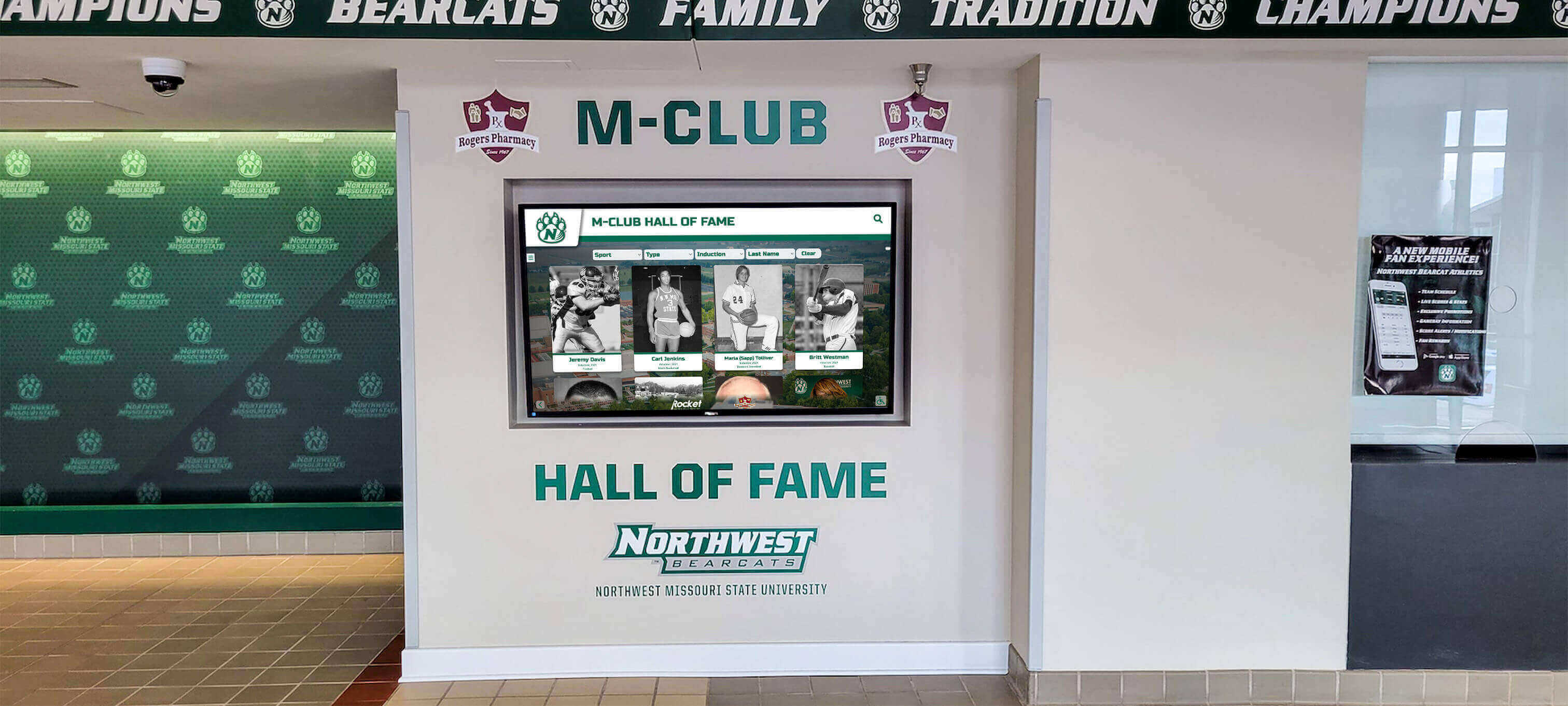
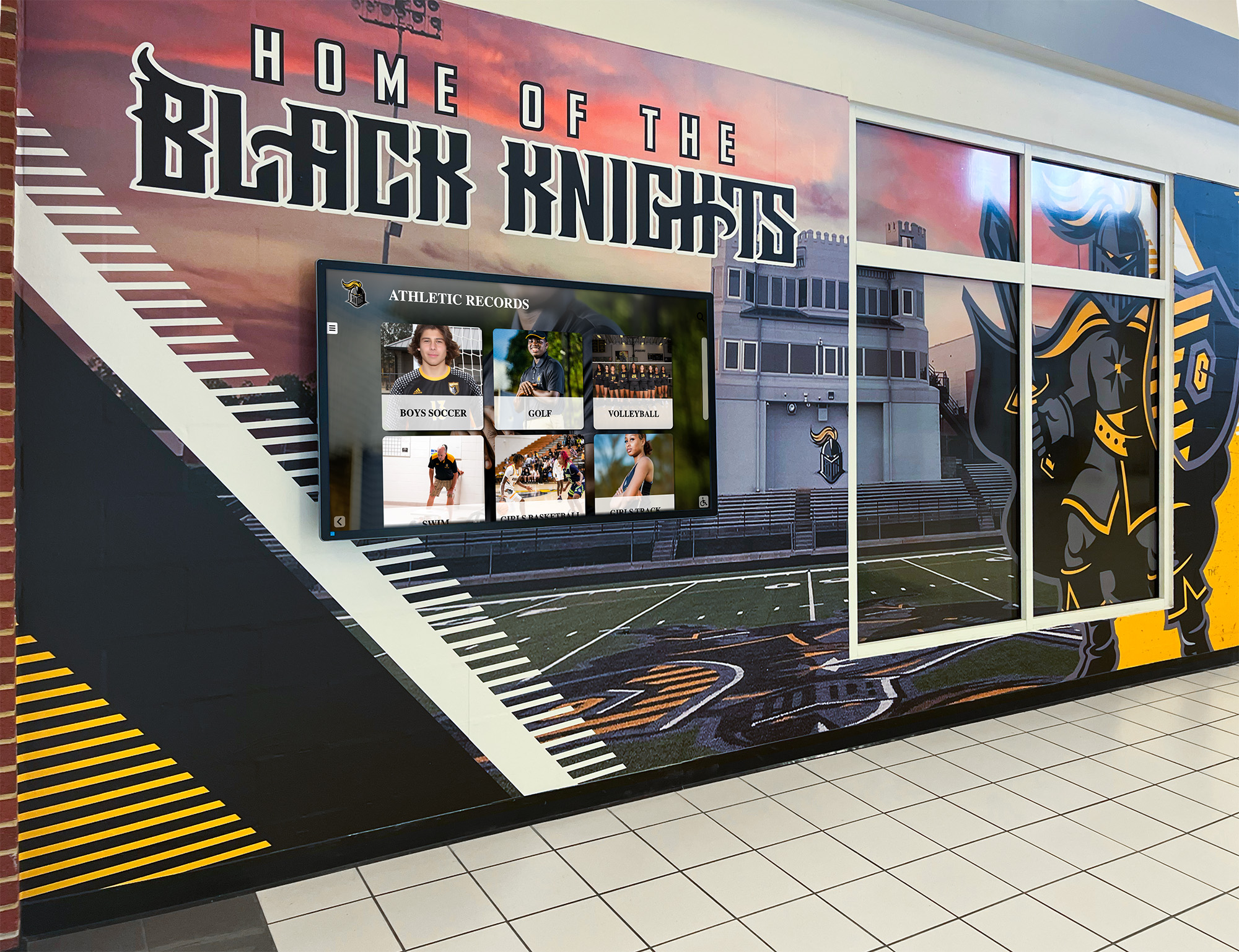
Rocket Alumni Solutions specializes in helping wrestling programs create interactive digital displays that permanently showcase these achievements through touchscreen platforms enabling visitors to explore wrestler profiles, search records by category and year, view photos and videos of championship moments, and experience program history in engaging formats impossible with static plaques or trophy cases.
These recognition systems serve dual purposes: motivating current wrestlers by showcasing the achievements they aspire to match and honoring alumni whose technical mastery and competitive excellence built program traditions worthy of permanent celebration.
Conclusion: From Fundamental Techniques to Championship Performance
Mastering wrestling moves—the takedowns that score points and establish control, the pins that end matches decisively, and the escapes that deny opponents scoring opportunities—forms the foundation every successful wrestler builds upon. Yet techniques alone prove insufficient without understanding their strategic applications, practicing them to instinctive execution under match pressure, and developing the conditioning that enables sustained technique performance throughout grueling competition schedules.
High school wrestlers committed to improvement must approach technical development systematically. This means dedicating countless practice hours to drilling fundamentals until they become second nature, studying strategic applications that guide when and how to deploy specific techniques, analyzing both personal performance and elite wrestlers’ demonstrations to refine execution, and maintaining the physical conditioning and mental toughness that championship wrestling demands.
For wrestling programs, celebrating athletes who exemplify this commitment to technical mastery reinforces program culture while inspiring future wrestlers. Modern digital recognition platforms create permanent tributes to technical specialists, championship performers, and athletes whose fundamental excellence and sustained development define program traditions. These recognition systems honor the countless hours on the mat that transform basic wrestling moves into championship performances worthy of lasting celebration.
Whether you’re a beginning wrestler learning your first double-leg takedown, an experienced competitor developing advanced pinning combinations, or a coach building comprehensive technical development systems, understanding that wrestling excellence develops through sustained commitment to fundamental mastery, strategic intelligence, and relentless competitive drive creates the foundation for success at every level of this demanding, rewarding sport.































