



Wrestling programs build champions through daily battles on the mat, grueling conditioning sessions, weight management discipline, and mental toughness that defines the sport. End-of-season awards ceremonies represent more than trophy distribution—they validate months of sacrifice, acknowledge diverse contribution types, and establish program traditions that motivate future wrestlers. For coaches, athletic directors, and booster clubs planning wrestling banquets, selecting the right awards ensures every athlete receives meaningful recognition while celebrating the exceptional grit wrestling demands.
This comprehensive guide presents unique wrestling awards ideas spanning technical excellence, character recognition, competitive achievement, and contribution categories specific to wrestling culture. Whether managing youth programs building fundamentals, high school teams competing for state championships, or club programs developing elite wrestlers, these award categories help create recognition systems that honor wrestling’s distinctive challenges while building program tradition and wrestler development.
Why Wrestling-Specific Awards Matter
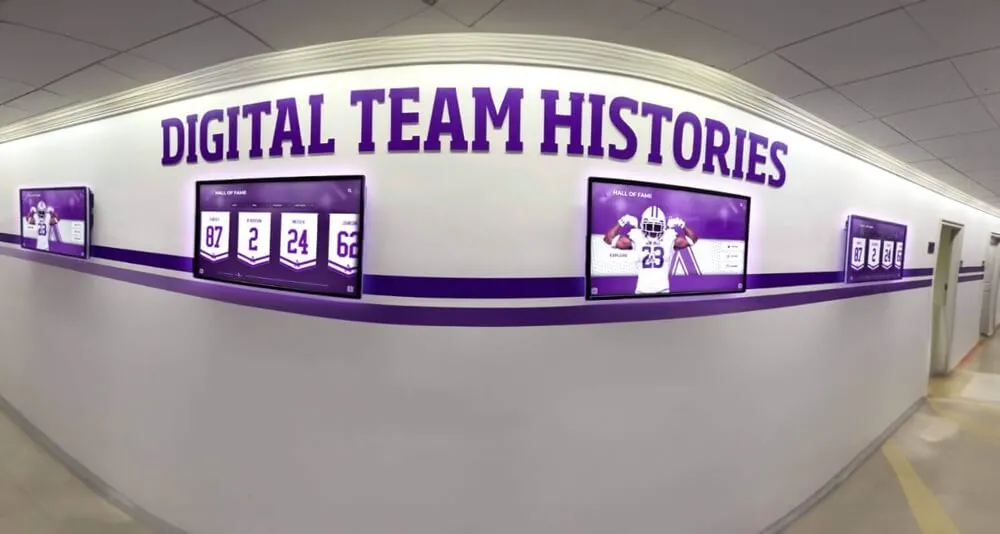
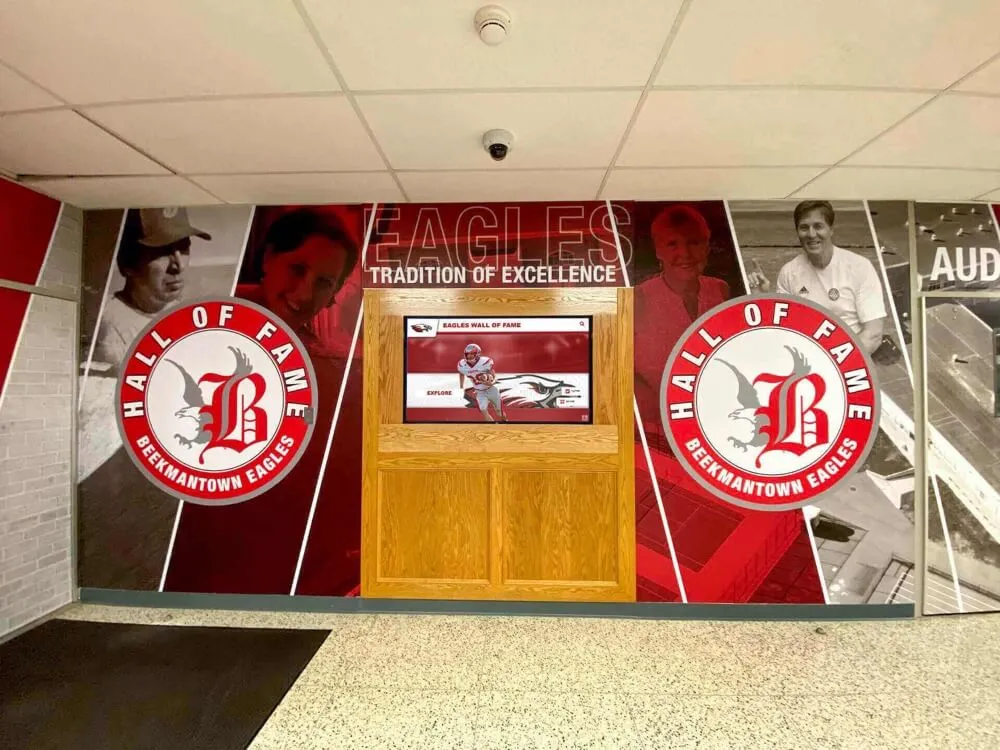
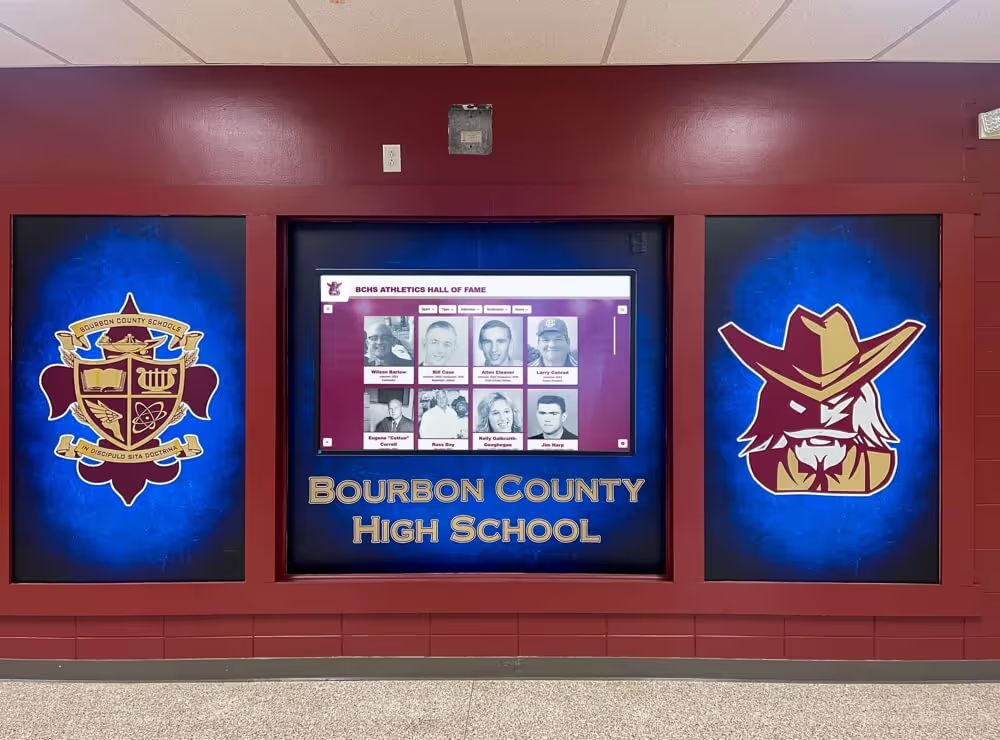
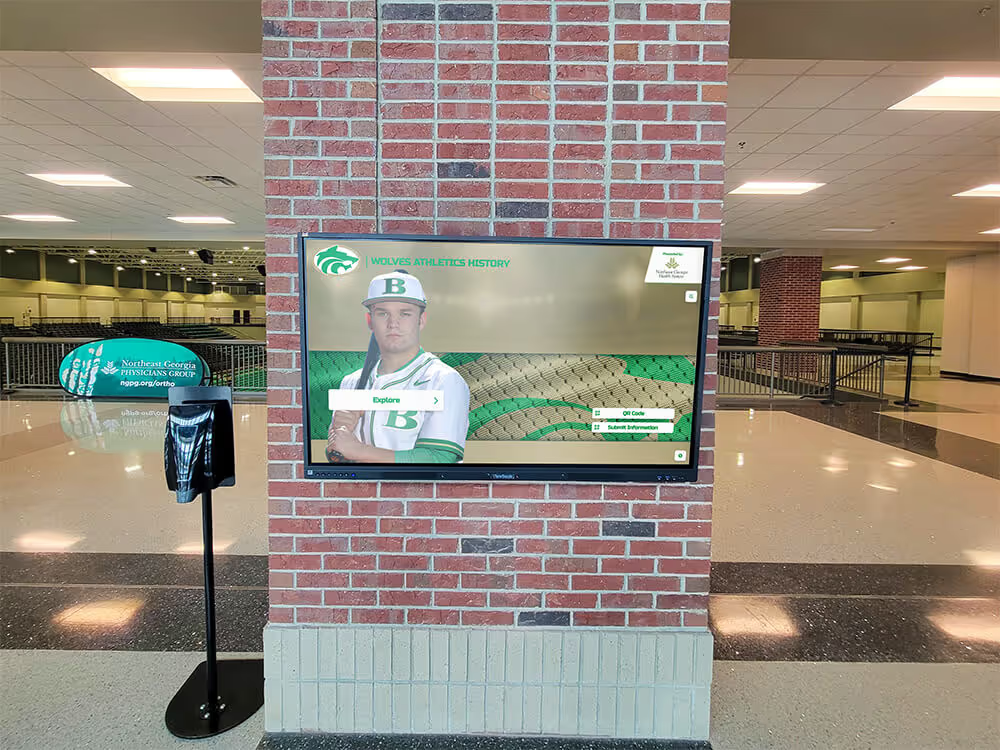
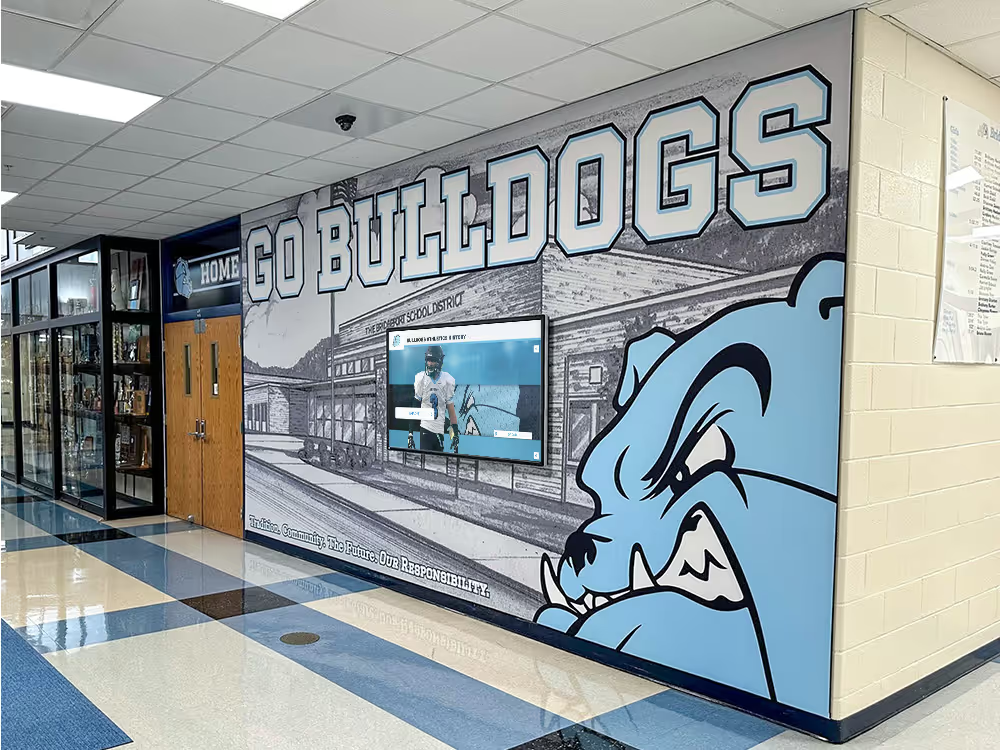
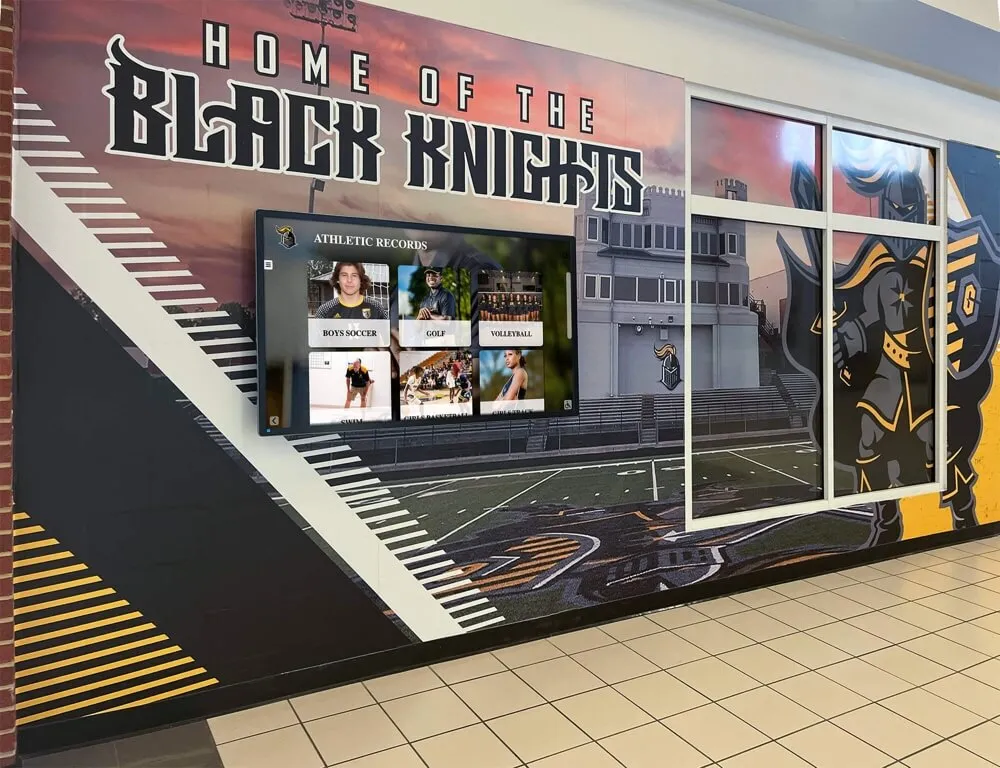
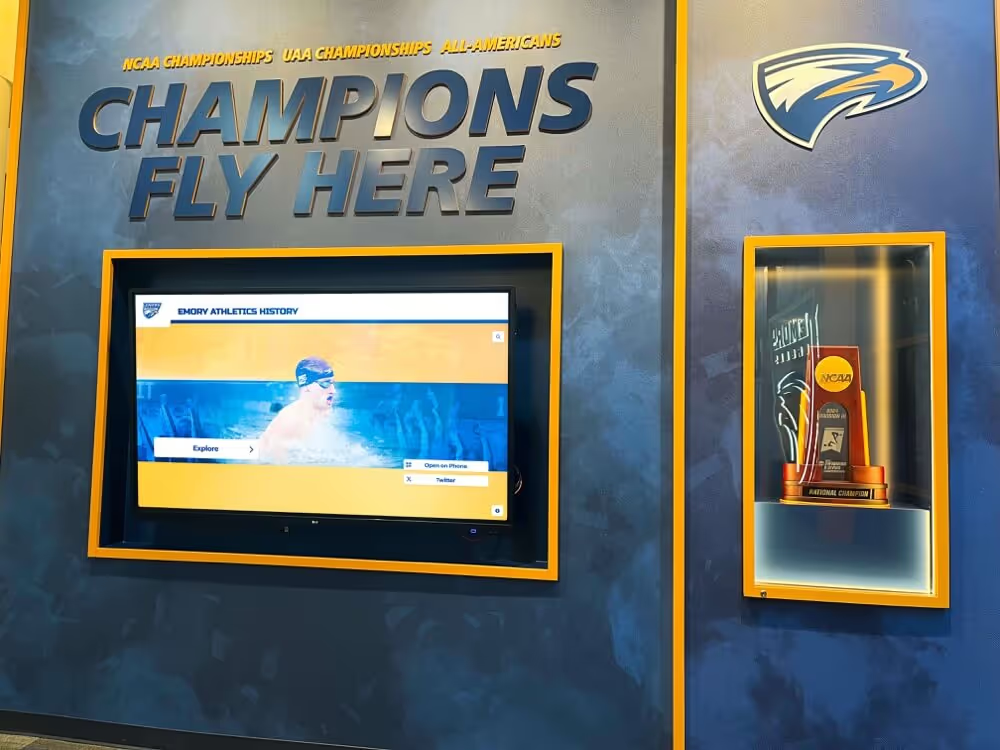
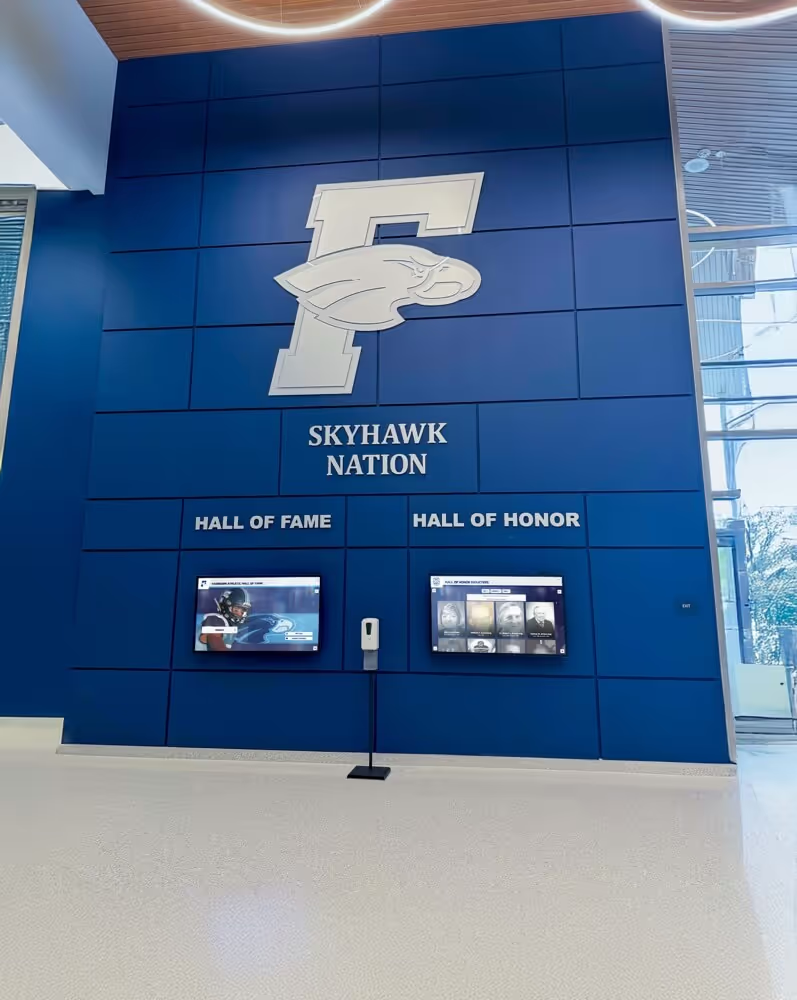
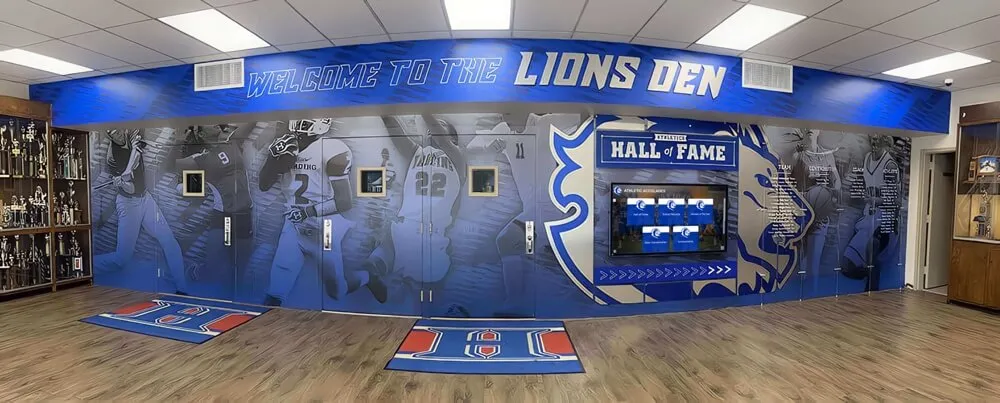
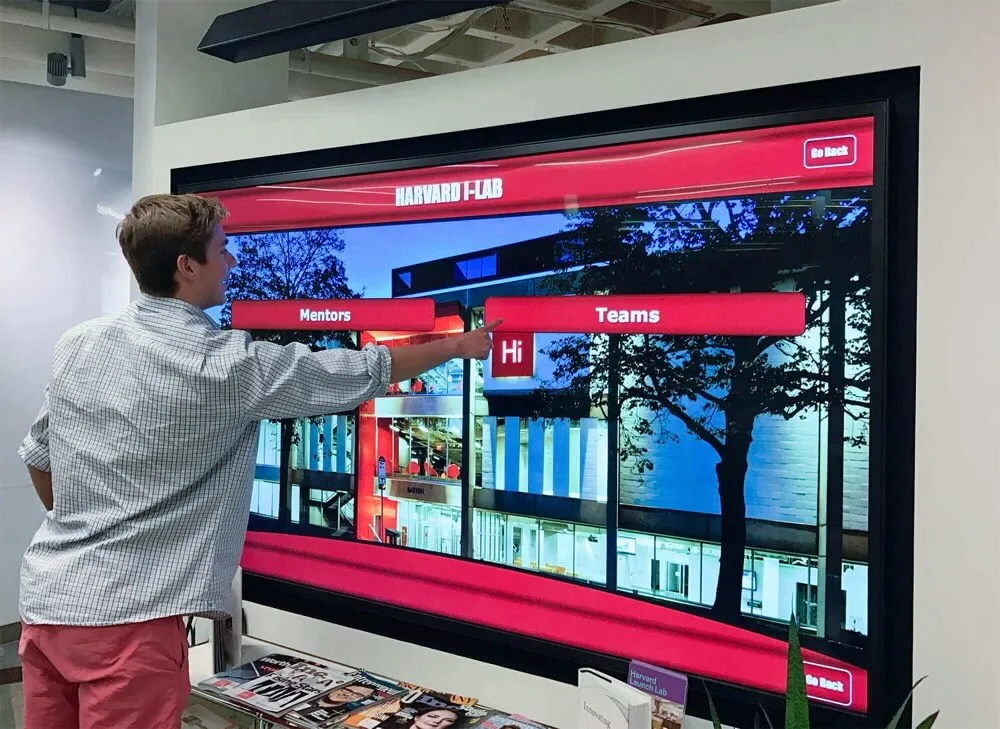
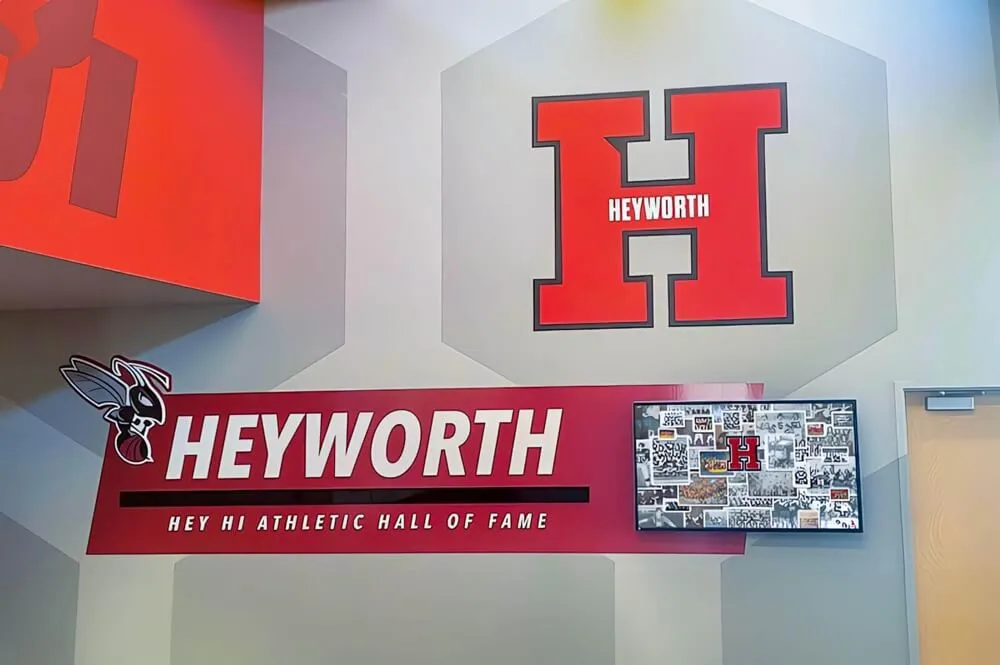
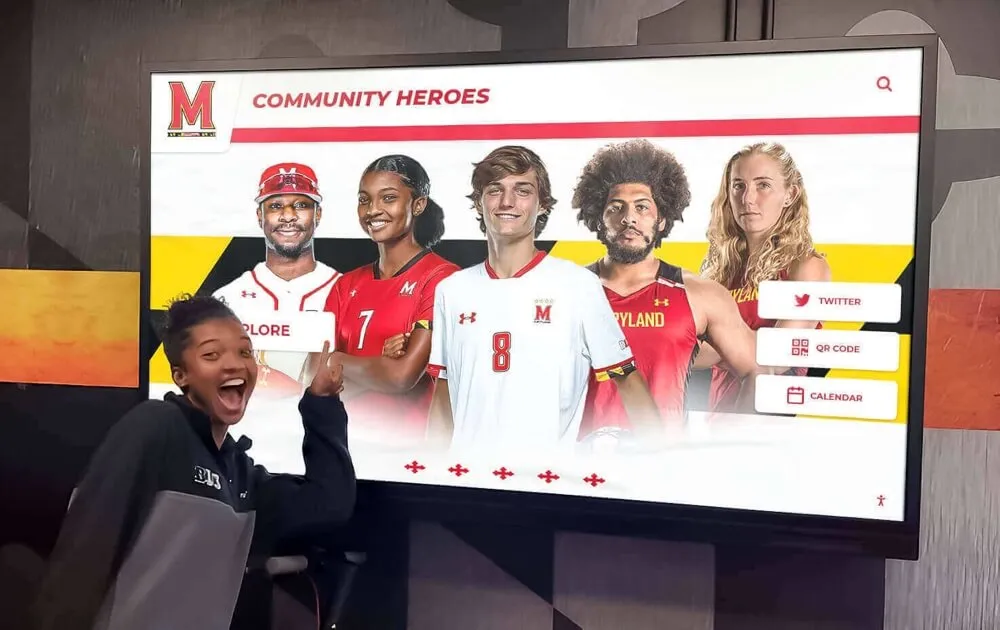
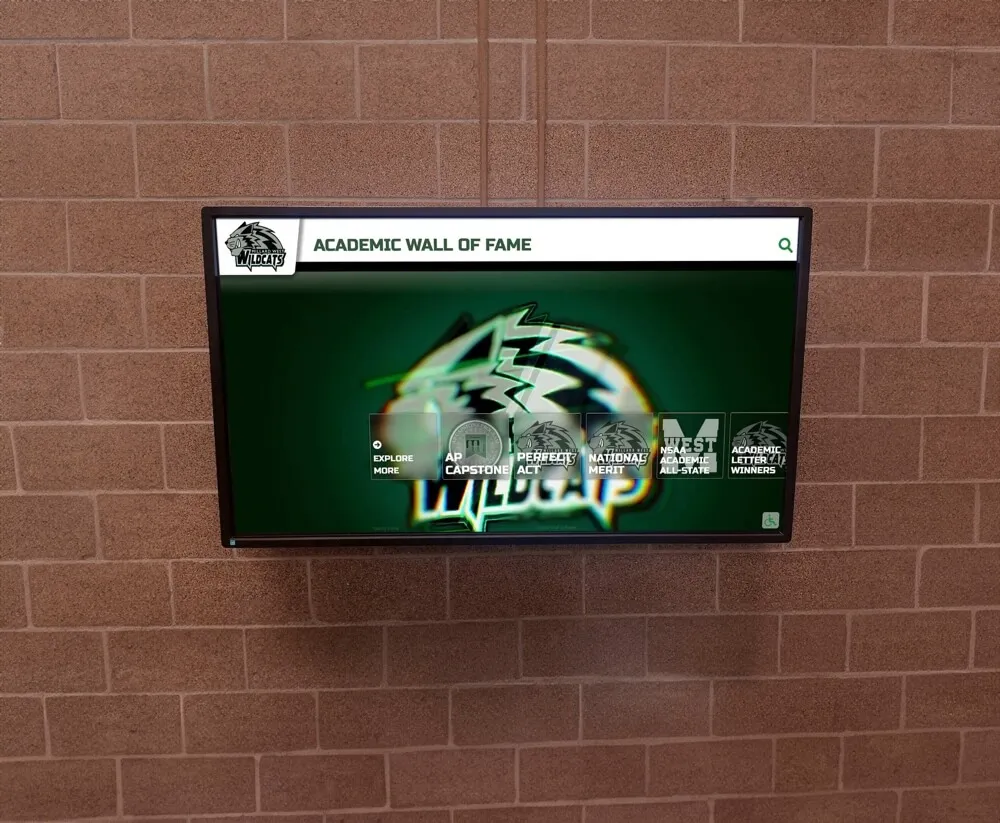
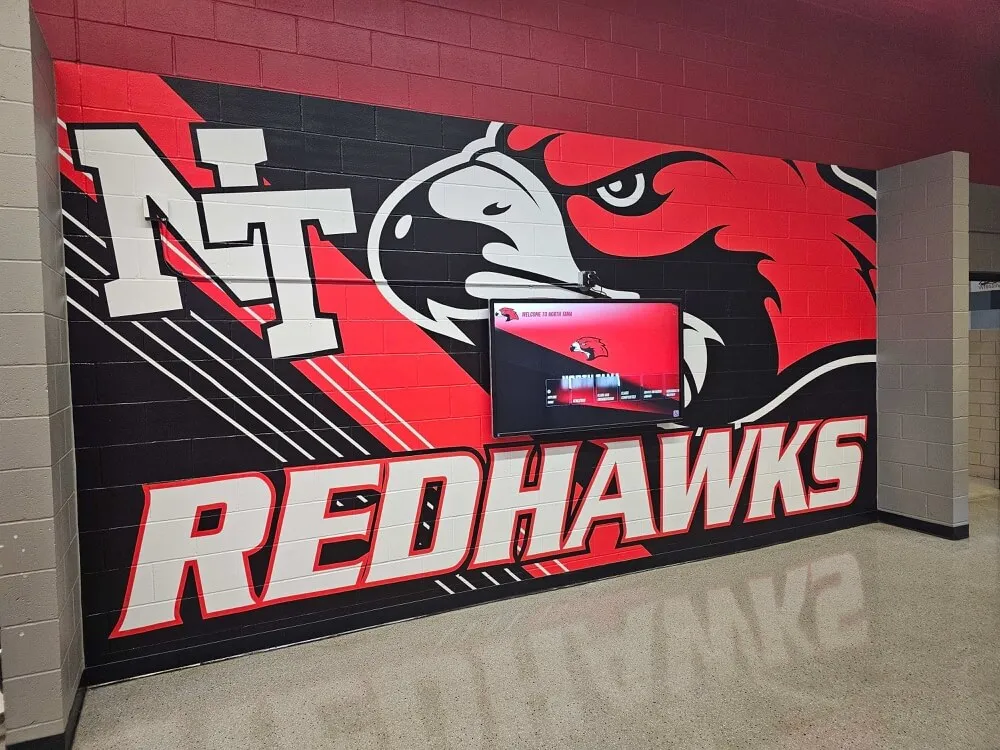
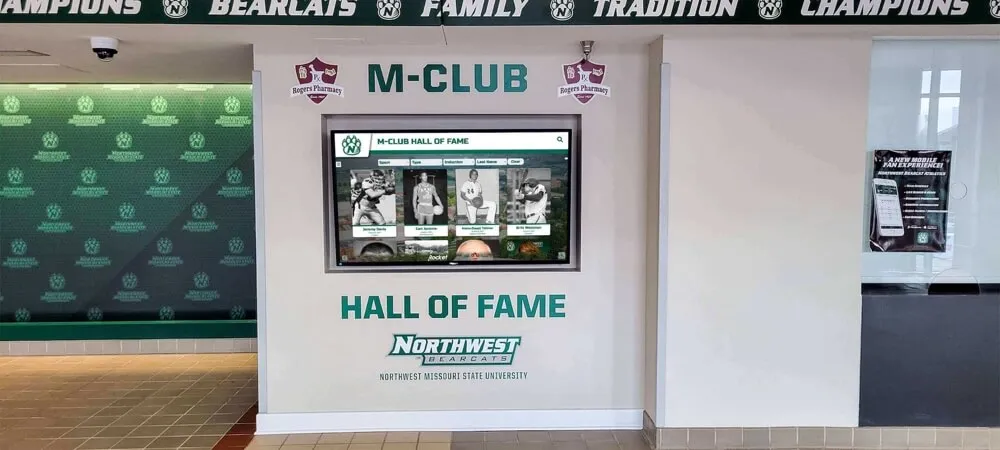
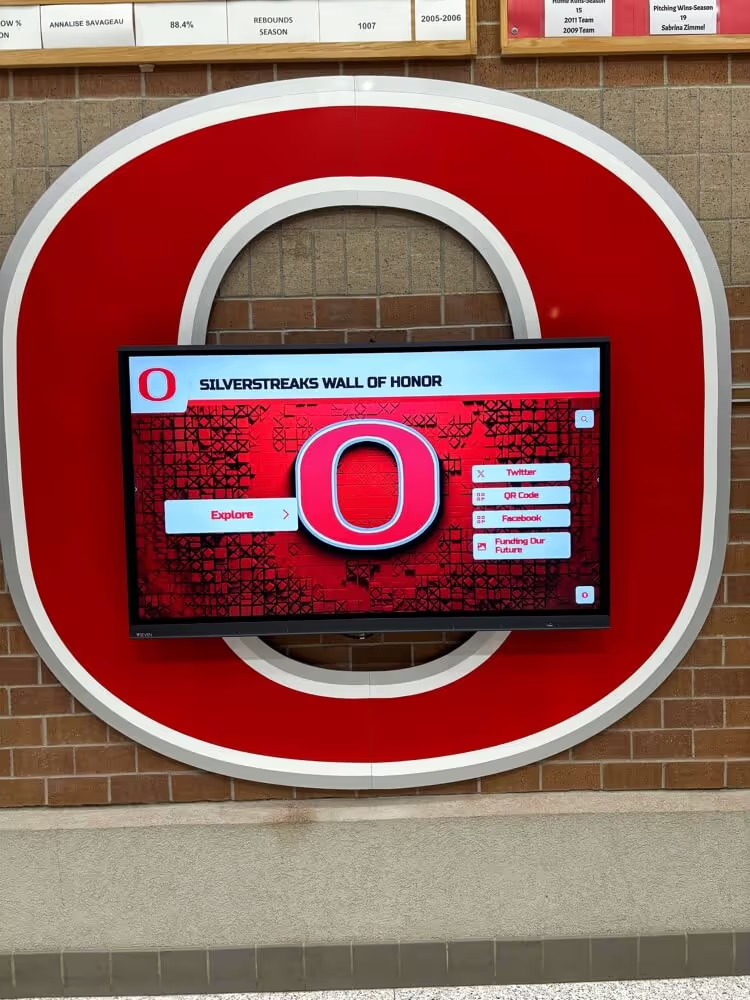
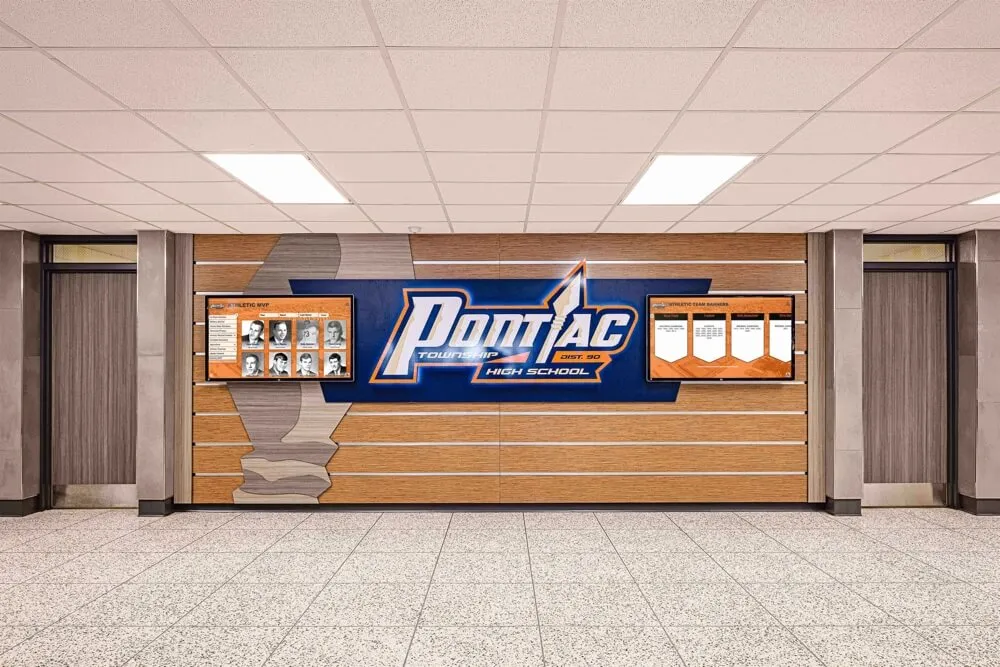
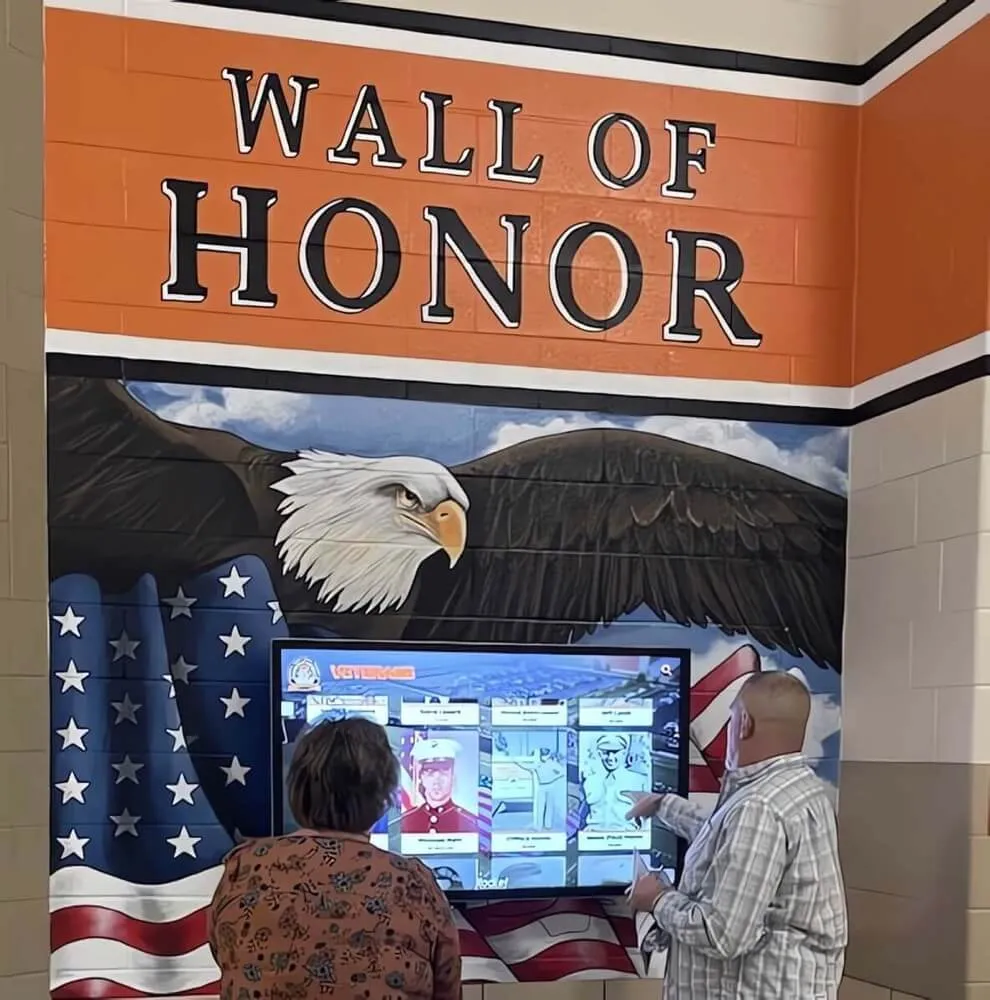
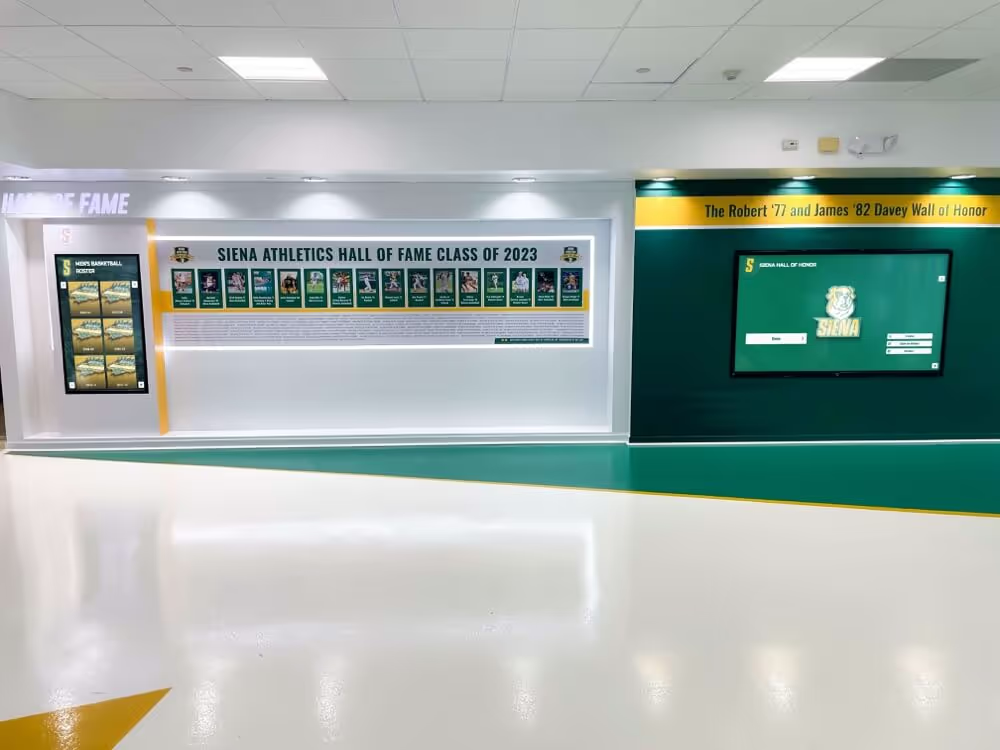
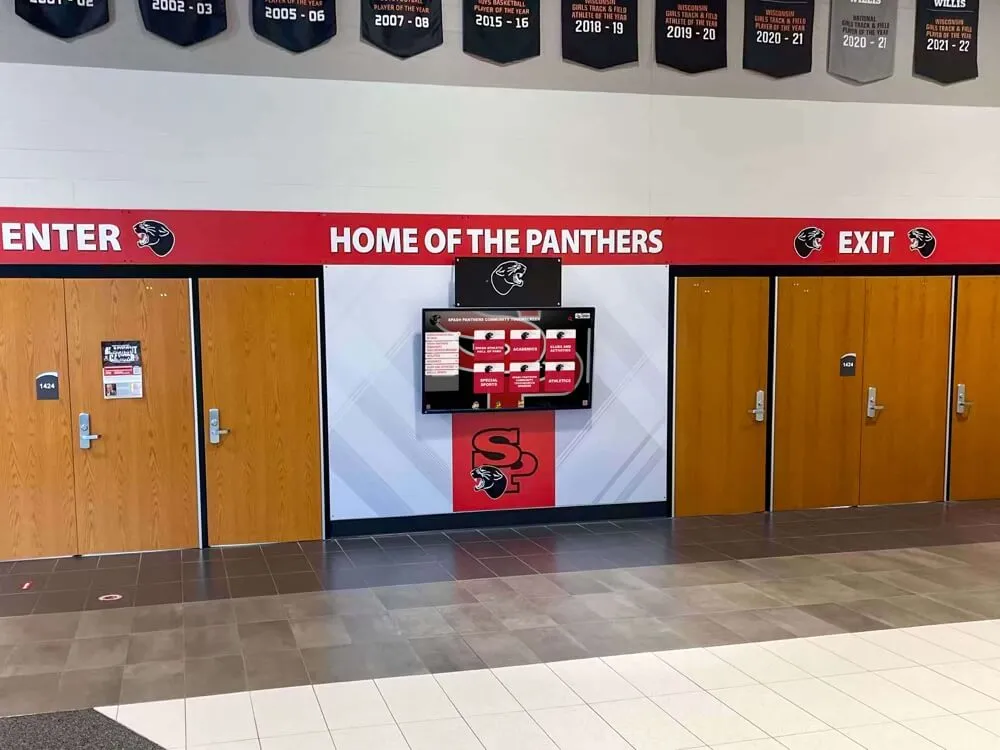
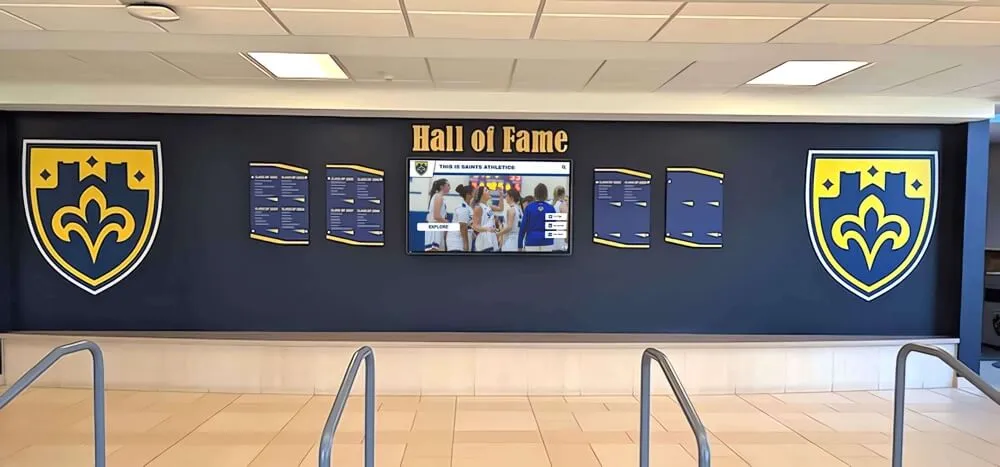
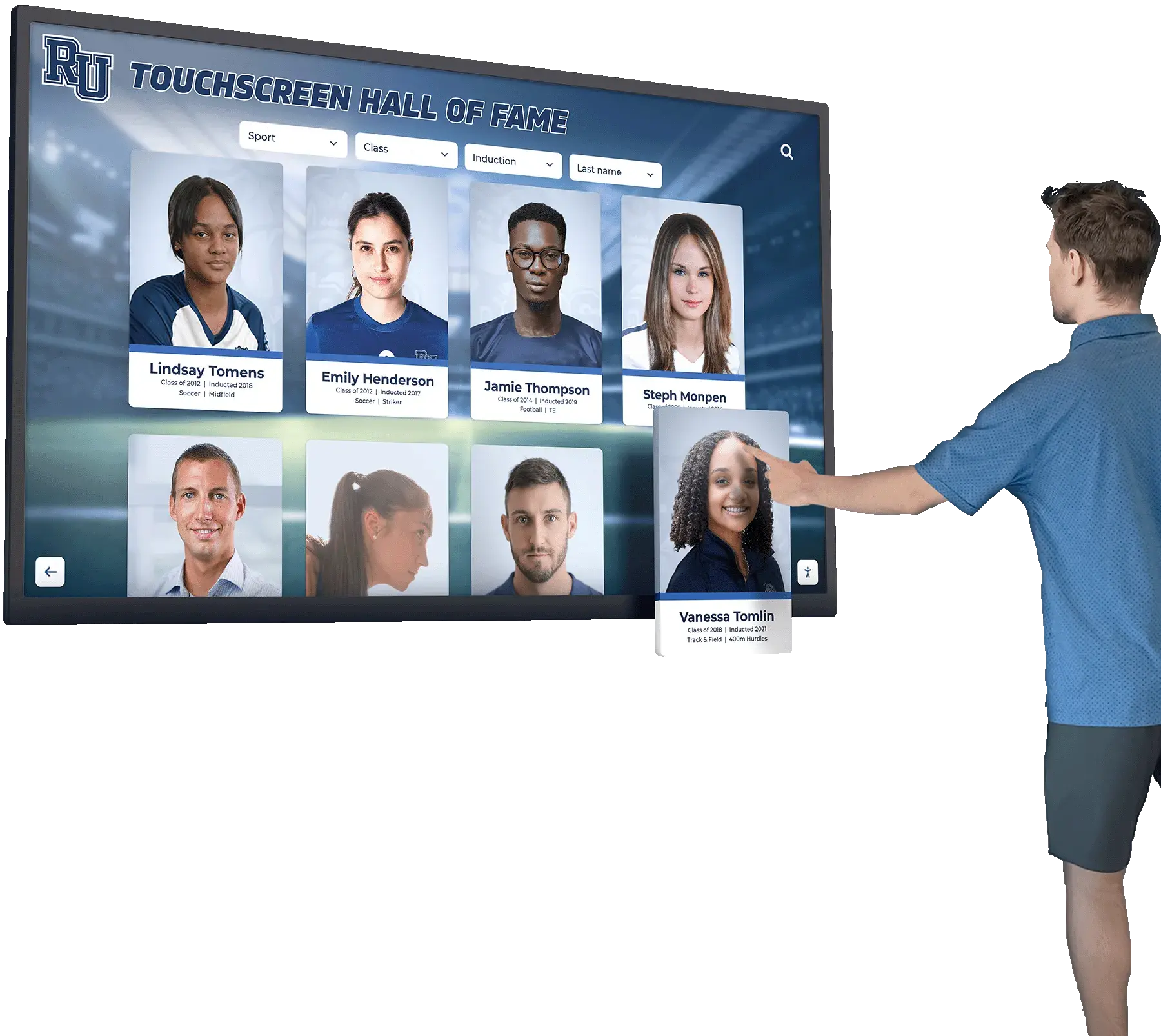
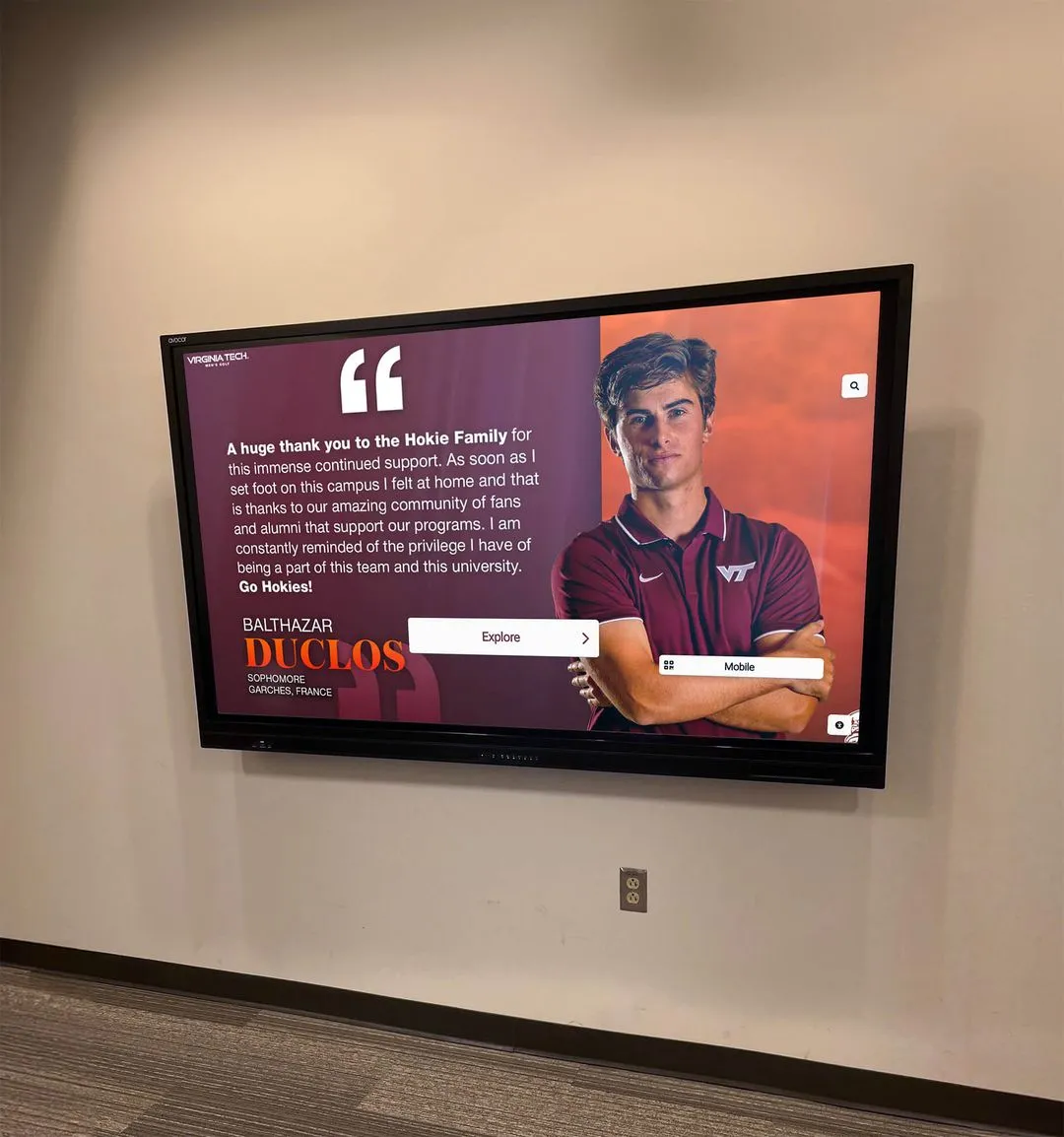
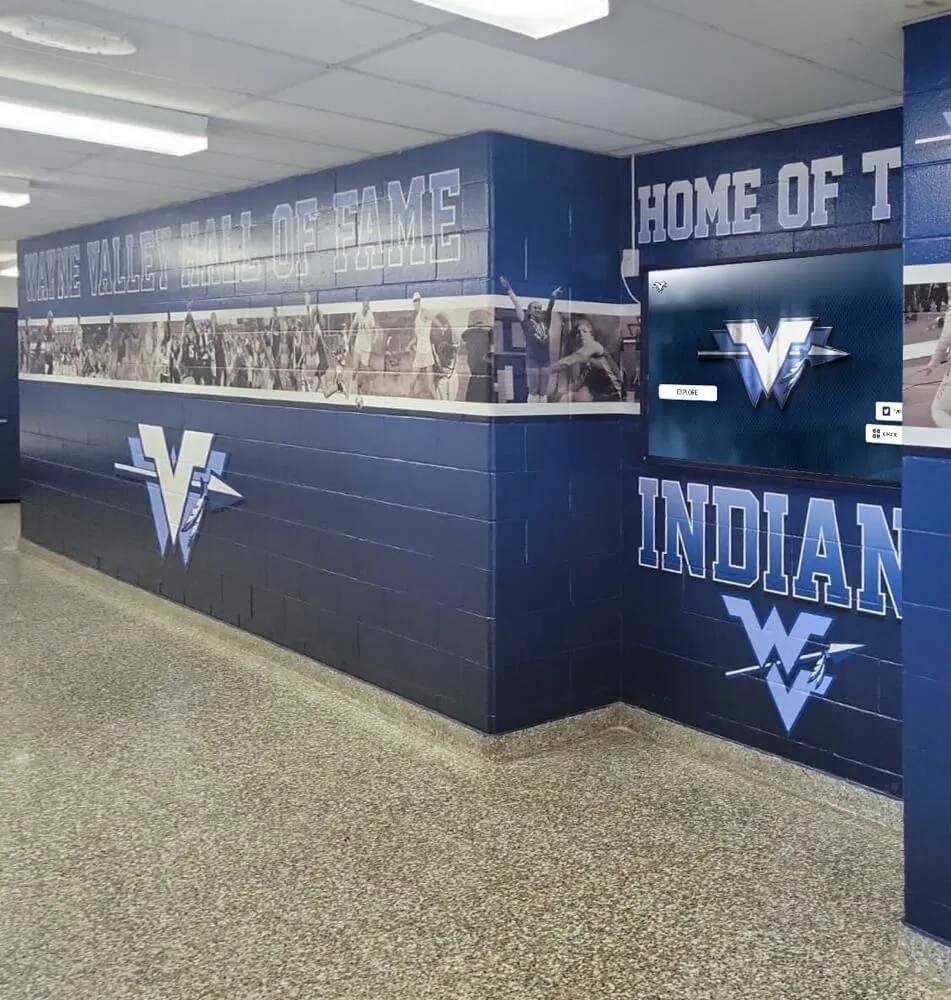
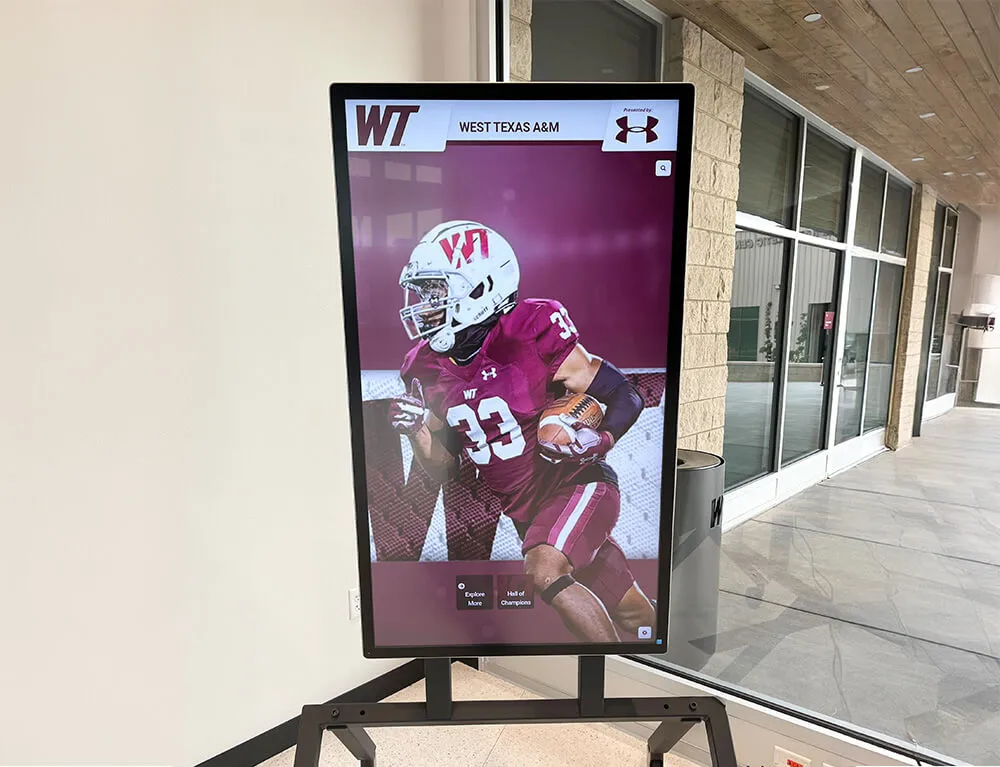
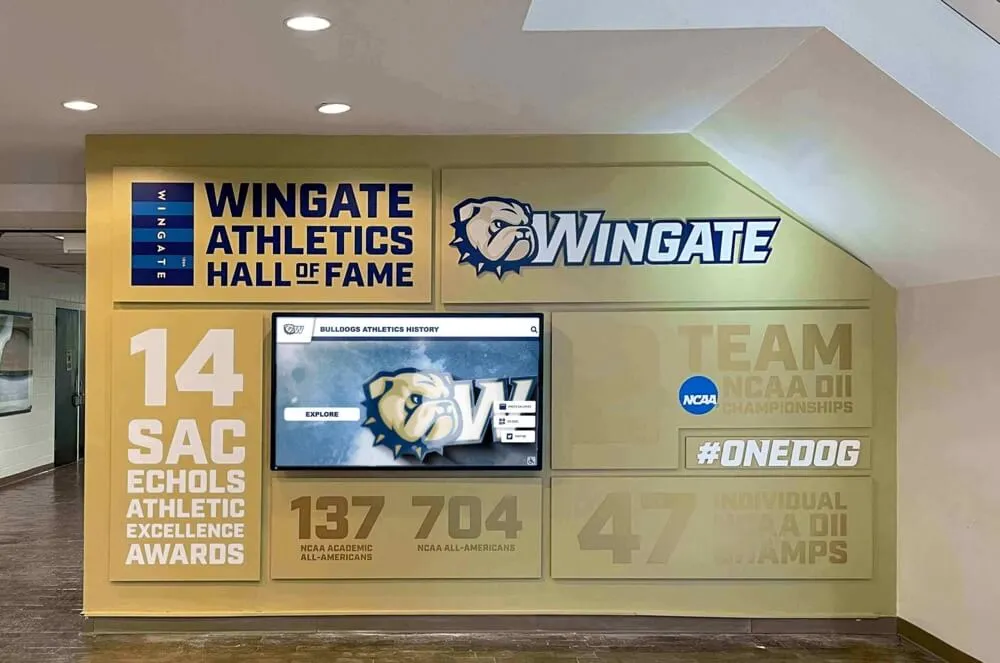
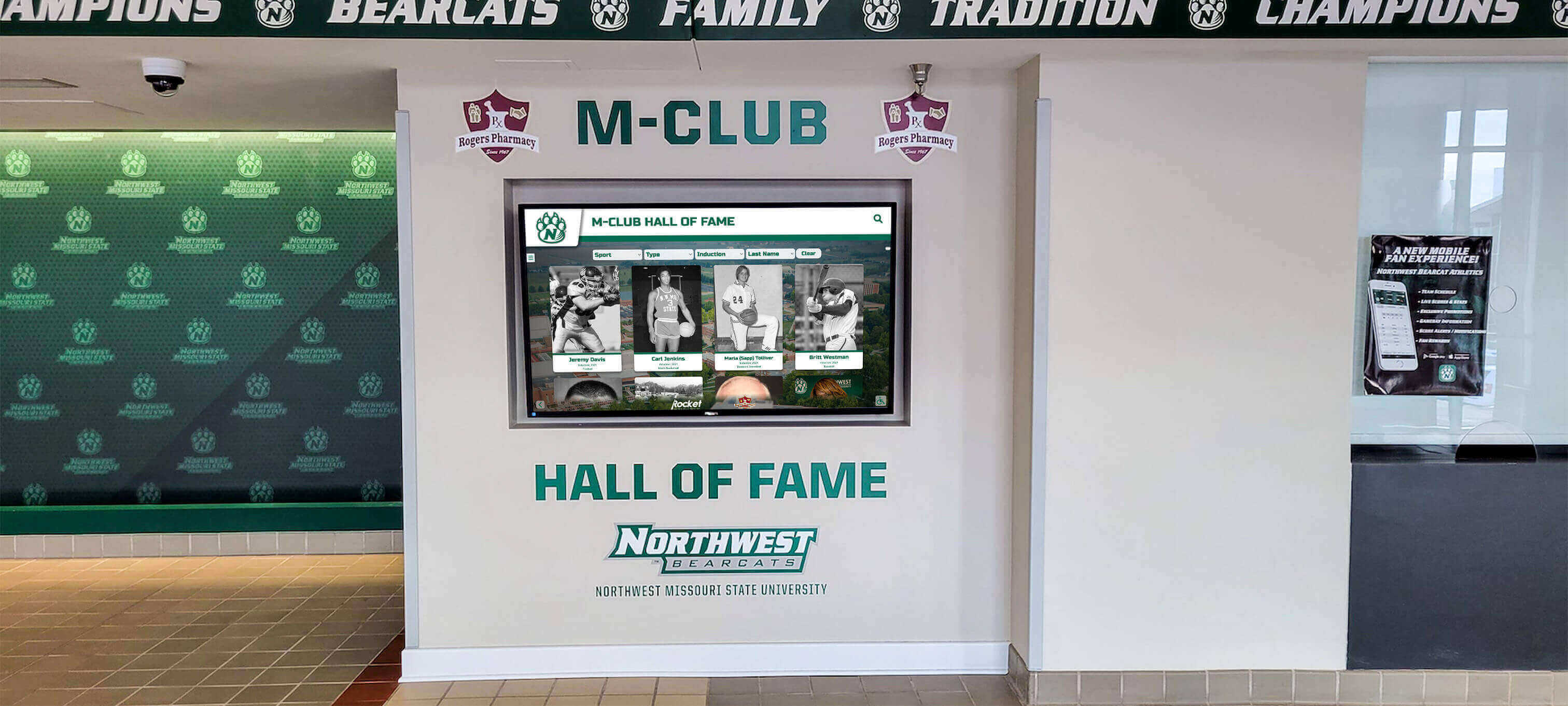
Wrestling differs fundamentally from team sports—success depends on individual performance, weight management discipline, technical mastery, and psychological resilience unique to combat sports. Generic sports awards miss wrestling's distinctive achievement types: pins that end matches instantly, escapes demonstrating technical superiority, takedowns controlling opponents, and near-fall points requiring dominant positioning. Digital recognition solutions like Rocket Alumni Solutions enable wrestling programs to create permanent celebration of wrestler accomplishments that extends recognition beyond brief banquet moments while preserving program history showcasing champions, record holders, and award winners across decades.
Technical Excellence Awards
Technical awards recognize mastery of wrestling’s fundamental skills and moves, celebrating wrestlers whose technique, positioning, and execution excellence drive competitive success.
Most Pins Award
The pin represents wrestling’s ultimate objective—controlling an opponent so completely that both shoulders touch the mat simultaneously. The most pins award honors the wrestler who accumulated the highest pin total across the season, recognizing offensive dominance, positioning superiority, and finishing ability that ends matches decisively.
Selection Criteria: Track pins across all competition formats including dual meets, tournaments, and championship matches. Consider pin rate (pins per match) alongside total quantity for fairness across wrestlers with varying match totals.
Fastest Pin Recognition
While accumulating pins matters, lightning-fast pins demonstrate exceptional offensive explosiveness and technical mastery. This award celebrates the wrestler recording the fastest pin time of the season, honoring the devastating combination of setup, execution, and control that ends matches in seconds.
What Makes It Special: Fast pins electrify crowds, demoralize opponents, and demonstrate offensive dominance. Highlighting this achievement recognizes not just winning, but winning with authority.
Takedown Leader Award
Matches begin with takedowns, and controlling the initial contact determines match momentum. The takedown leader award recognizes the wrestler recording the most takedowns across the season, celebrating the shot techniques, penetration steps, and finish ability central to wrestling success.
Recognition Value: Takedown specialists control where matches happen—on the feet or on the mat. This technical skill requires perfect timing, explosive level changes, and relentless pressure that breaks opponent defenses.
Escape Artist Recognition
When opponents gain control, great wrestlers escape immediately, refusing to concede riding time or near-fall points. The escape artist award honors the wrestler with the highest escape percentage or total escapes, recognizing the technical ability, flexibility, and determination required to return to neutral positions.
Why It Matters: Escapes prevent point accumulation and demonstrate that opponents can’t hold dominant positions. This defensive technical skill proves as important as offensive capabilities.
Reversal Master Award
Reversals transform defensive positions into offensive advantages, swinging match momentum instantly. This award celebrates the wrestler accumulating the most reversals, recognizing the awareness, timing, and explosive technique required to turn opponents and gain control from bottom positions.
Technical Significance: Great reversals combine defensive positioning, explosive hip movement, and precise timing. This advanced skill separates technical wrestlers from those relying solely on strength or conditioning.
Understanding comprehensive approaches to winter sports recognition helps wrestling programs design award systems celebrating achievements unique to combat sports while building team culture and tradition.
Most Technical Falls Award
Technical falls end matches when wrestlers build insurmountable point leads through sustained dominance. This award recognizes the wrestler who accumulated the most technical falls through superior technique, conditioning, and relentless offensive pressure that overwhelms opponents.
Achievement Level: Technical falls require 15-point advantages at high school level, demonstrating complete match control across multiple scoring exchanges. This award celebrates systematic dominance.
Competitive Achievement Awards
Performance-based awards recognize match success, tournament excellence, and competitive accomplishments that define winning wrestling programs.
Most Valuable Wrestler (MVW)
The MVW award honors the wrestler whose overall contributions—competitive record, leadership, match performance, and team impact—proved most valuable to program success. This prestigious recognition considers dual meet performance, tournament placement, clutch victories, and influence on team culture.
Selection Approach: Evaluate comprehensive contribution beyond win-loss records. The true MVW often delivers in high-pressure situations, elevates teammates through leadership, and represents program values on and off the mat.
Best Win-Loss Record
Winning matters, and this straightforward award recognizes the wrestler compiling the best overall record across all competition. Consistent winning requires technical skill, conditioning, mental toughness, and preparation that produces victories against varied opponents and competition levels.
Recognition Standards: Consider overall records and winning percentages. A wrestler finishing 35-2 demonstrates exceptional consistency deserving clear acknowledgment.
Tournament Champion Recognition
Tournament success defines wrestling programs, and this award honors wrestlers who captured tournament championships—whether invitational titles, conference championships, sectional victories, or state placements. Tournament champions prove they can win multiple matches across grueling competition days.
Achievement Context: Specify which tournament earned recognition. State qualifiers, regional champions, and invitational winners each deserve appropriate celebration.
Most Improved Wrestler Award
Wrestling rewards dedication and technical development, and the most improved wrestler award celebrates athletes demonstrating remarkable progress from season start to finish. This recognition validates countless hours drilling technique, improving conditioning, and developing match strategy.
Measuring Improvement: Track measurable progress in win rates, competitive level, tournament placement, or technical skill execution. The best most improved winners show transformation visible to everyone who watches them compete.
Clutch Performer Recognition
Championship matches and crucial dual meet bouts create pressure that separates good wrestlers from great ones. This award honors the wrestler who consistently delivered victories in high-stakes situations—overtime wins, come-from-behind victories, or matches deciding dual meet outcomes.
Selection Criteria: Review season tape identifying wrestlers who performed best when stakes were highest, particularly in close matches during championship tournaments or decisive dual meet competitions.
Information on athletic hall of fame programs demonstrates how wrestling programs can create permanent recognition systems celebrating competitive excellence across program history.
Character and Mental Toughness Awards
Wrestling builds character through adversity, and awards recognizing mental strength, determination, and positive character teach that how wrestlers compete matters as much as competitive results.
Mental Toughness Award
Wrestling demands psychological resilience unique among high school sports—weight cutting, individual accountability, public losses, and physical pain test wrestlers mentally every season. The mental toughness award honors the wrestler who demonstrated exceptional psychological strength overcoming adversity, maintaining competitive focus, and persevering through challenges.
What to Recognize: Consider wrestlers who battled through injuries, maintained dedication despite difficult seasons, showed resilience after tough losses, or displayed exceptional composure during high-pressure matches.
Iron Warrior Award
Some wrestlers embody durability and availability, competing through minor injuries, making weight consistently, and attending every practice and competition. The iron warrior award recognizes athletes who demonstrated exceptional toughness, never missing competitions, and maintaining competitive intensity regardless of physical discomfort.
Recognition Value: This award validates wrestlers who refuse to quit, compete through pain, and demonstrate the physical toughness wrestling demands while maintaining safety boundaries.
Sportsmanship Award
Wrestling combines fierce competition with profound respect for opponents who endure identical physical and mental challenges. The sportsmanship award celebrates wrestlers competing with integrity, treating opponents respectfully, accepting referee decisions gracefully, and representing programs with class.
Selection Process: Consider input from officials, opponent coaches, and tournament directors who observe behavior across multiple competitions. True sportsmanship shows most clearly during difficult losses or controversial calls.
Team Captain’s Award
Team captains guide programs through daily leadership, and this award honors formal or informal leaders whose influence extends beyond individual competitive records. Great wrestling captains set weight room intensity, maintain practice standards, mentor younger wrestlers, and embody program values.
Leadership Qualities: Recognize captains demonstrating both vocal and lead-by-example leadership, maintaining positive attitudes during tough seasons while holding teammates accountable to program expectations.
Most Coachable Wrestler
Receptiveness to coaching accelerates technical development, and the most coachable wrestler award celebrates athletes who accept instruction positively, implement feedback quickly, and maintain enthusiasm for learning. Coachable wrestlers maximize their potential while making coaching more effective.
Observable Traits: Look for wrestlers who actively ask for technique feedback, implement corrections between periods, study match film seriously, and approach practices as learning opportunities rather than endurance tests.
Heart and Soul Award
Some wrestlers define programs through passion, commitment, and love for the sport that shines through every practice and match. The heart and soul award honors athletes whose dedication, energy, and wrestling passion embody program culture and inspire teammates.
Resources on end-of-year award ceremonies provide frameworks for creating meaningful wrestling banquets that appropriately celebrate athlete character alongside competitive achievement.
Weight Management and Conditioning Awards
Wrestling’s unique demands around weight cutting and conditioning create award opportunities recognizing discipline and physical preparation distinctive to the sport.
Weight Management Excellence
Making weight consistently requires discipline, planning, and self-control that defines wrestling culture. This award honors the wrestler who maintained weight requirements throughout the season with consistency, made weight at every competition, and demonstrated the nutritional discipline and body composition management wrestling demands.
Recognition Purpose: Weight management represents sacrifice and discipline separate from competitive skill. Acknowledging this commitment validates a challenging aspect of wrestling that the public often overlooks.
Conditioning Champion Award
Wrestling matches demand explosive bursts and sustained endurance across six-minute battles that feel infinitely longer. The conditioning champion award recognizes the wrestler demonstrating superior fitness, stamina, and ability to maintain intensity through third periods when opponents fade.
Evaluation Methods: Observe which wrestlers maintain offensive pressure throughout entire matches, dominate third periods, and rarely appear exhausted. Consider fitness testing results from practices when identifying conditioning excellence.
Strength Gains Recognition
Mat strength determines positioning battles and finish ability, and significant strength improvements translate directly to competitive advantage. This award celebrates the wrestler demonstrating the greatest measurable strength gains through dedicated weight room work and systematic training.
Measurement Approach: Track strength improvements through documented lifts, periodized programming benchmarks, or coach-administered testing protocols. Quantifiable gains provide objective recognition criteria.
Practice Warrior Award
Practices build champions, and the practice warrior award recognizes the wrestler whose practice intensity, focus, and effort set team standards. Great practice warriors compete as hard during drilling as during matches, helping every practice partner improve through quality repetitions.
Selection Value: This award validates wrestlers who may not compile impressive competitive records but contribute enormously to program success by elevating daily practice quality for all teammates.
Position and Weight Class Awards
Wrestling’s weight class structure creates natural award categories recognizing excellence at specific competitive divisions.
Lightweight Excellence (106-132 lbs)
Lower weight classes require technical precision compensating for size and strength limitations. This award honors the wrestler demonstrating the greatest excellence among lightweight competitors, recognizing technical skill and competitive success at the program’s smallest weight classes.
Middleweight Dominance (138-160 lbs)
Middle weight classes typically feature the deepest competition and most balanced matchups. This award celebrates the wrestler achieving the greatest success in these competitive divisions where matches often come down to technical execution and conditioning.
Heavyweight Excellence (170-285 lbs)
Upper weight classes demand power, leverage technique, and mat strength. This award recognizes the wrestler demonstrating the greatest achievement among the program’s larger competitors, celebrating the specific skills required for success at heavier divisions.
Implementation Note: Programs may adjust weight class groupings based on their roster composition and state classification systems, creating awards that acknowledge excellence at weight divisions where they actually compete.
Information on school record board displays demonstrates how wrestling programs can create permanent tracking systems for weight class records, career statistics, and technical achievement milestones.
Team Contribution Awards
Wrestling emphasizes individual performance, but team scoring determines dual meet outcomes, and contribution awards recognize wrestlers supporting collective success.
Team Points Leader
Dual meets score cumulative points across weight classes, and the team points leader award honors the wrestler accumulating the most team points through pins (6 points), major decisions (4 points), and decisions (3 points). This recognizes contribution to team dual meet success.
Calculation Method: Track points scored for the team across all dual meet competitions. A wrestler who consistently pins opponents may outscore teammates with better records but closer victories.
Dual Meet MVP
Dual meets create specific pressure—each match influences team momentum and scoring. This award honors the wrestler whose dual meet performance proved most valuable to team victories, particularly in close competitions where individual results determined match outcomes.
Tournament Team Score Contributor
Team tournaments reward consistent performance across weight classes, and this award recognizes the wrestler whose tournament placements contributed most significantly to team scoring at invitationals, conference championships, or regional competitions.
Backup Wrestler Award
Wrestling programs need depth across weight classes, and backup wrestlers who prepare seriously, compete when called upon, and support starters without starting positions deserve recognition. This award honors reserve wrestlers demonstrating commitment despite limited competition opportunities.
Recognition Value: Backup wrestlers make programs better by pushing starters during practices, providing competition coverage, and maintaining positive attitudes. This award validates their contribution.
Practice Squad Excellence
Every wrestler serves as a practice partner, and some excel at helping teammates prepare through quality drilling, live wrestling intensity, and technique repetition. This award recognizes the wrestler who contributed most effectively to teammates’ development through outstanding practice partnership.
Academic Excellence Awards
Student-athletes balance classroom responsibilities with demanding wrestling schedules, and academic awards recognize excellence in both arenas while validating time management and prioritization.
Scholar-Wrestler Award
The scholar-wrestler award honors the wrestler maintaining the highest GPA while competing at varsity level, celebrating academic excellence alongside athletic achievement. This recognition acknowledges that success in wrestling shouldn’t compromise educational priorities.
Standard Requirements: Most programs set minimum GPA thresholds (commonly 3.5 or higher) ensuring that recognized wrestlers demonstrate genuine academic excellence rather than merely acceptable performance.
Academic All-Conference
Many wrestling conferences honor student-athletes maintaining high academic standards while competing, and academic all-conference recognition celebrates this dual excellence. These selections acknowledge that education matters as much as competitive success.
Academic Improvement Recognition
Academic growth deserves acknowledgment, and this award celebrates wrestlers demonstrating significant GPA improvement across the season. Academic progress often correlates with maturity, improved time management, and developing organizational skills.
Motivation Value: This award particularly impacts underclassmen establishing academic habits while validating that improvement matters regardless of starting point, encouraging wrestlers to prioritize education.
Guidance on athletic and academic recognition systems provides frameworks for wrestling programs celebrating dual achievement in classrooms and on wrestling mats.
Special Recognition Categories
Some wrestling contributions defy standard categories, and special awards enable programs to honor unique circumstances, remarkable stories, and extraordinary commitment deserving acknowledgment.
Comeback Wrestler Award
Wrestling features frequent injuries from the sport’s physical demands, and the comeback wrestler award recognizes athletes returning from significant injuries, surgeries, or extended absences to make meaningful competitive contributions. Comeback stories inspire entire programs.
Storytelling Opportunity: Use award presentation to share the recipient’s recovery journey, rehabilitation process, and mental toughness required to return to competition at high levels.
Rookie of the Year Award
First-year wrestlers face steep learning curves mastering technique, conditioning, and competition psychology, and the rookie of the year award recognizes the newcomer demonstrating exceptional performance, rapid skill development, and competitive promise suggesting continued growth.
Multi-Year Varsity Letter Award
Wrestling programs track career achievement, and special recognition for wrestlers earning varsity letters across multiple years (particularly four-year letter winners) celebrates sustained commitment, consistent performance, and dedication to programs across entire high school careers.
Senior Recognition: Four-year letter winners represent program continuity and commitment deserving special acknowledgment at season-ending banquets, particularly during senior recognition ceremonies.
Coach’s Award
Sometimes coaches identify wrestlers whose contributions transcend specific categories, and the coach’s award provides flexibility to honor athletes embodying program values, demonstrating exceptional character, or making impacts statistics don’t capture.
Selection Discretion: Reserve coach’s awards for genuinely special circumstances rather than routine recognition, maintaining significance through selective presentation to wrestlers truly exemplifying program ideals.
Mat Room Leadership Award
Leadership in wrestling programs happens daily in mat rooms during grueling practices, and this award honors the wrestler whose practice leadership, technical mentorship of younger wrestlers, and mat room presence elevated entire team preparation and culture.
Information about recognizing wrestling coaching excellence demonstrates the comprehensive recognition culture successful wrestling programs create, honoring both athletes and coaching staff who build championship teams.
Tournament-Specific Awards
Major tournaments create opportunities for special recognition celebrating excellence during season-defining competitions.
Conference Champion Recognition
Conference championships represent the season’s first major team competition, and conference champion awards honor wrestlers capturing individual weight class titles at conference tournaments, celebrating excellence against league opponents.
Team Context: When programs qualify multiple conference champions, this collective success deserves special acknowledgment as evidence of program strength and competitive depth across weight classes.
Sectional/Regional Qualifier Award
Advancing to championship tournament levels requires sustained excellence throughout qualification rounds, and this award honors all wrestlers who qualified for sectional, regional, or state tournaments by meeting performance standards throughout the season.
State Medal Winner Recognition
State tournament medal winners (typically top 6 or top 8 finishers depending on classification) achieve rare distinction, and special awards honoring state placers acknowledges extraordinary accomplishment requiring elite skill, conditioning, and competitive performance.
Achievement Level: State medals represent the pinnacle of high school wrestling achievement in most programs. These wrestlers deserve recognition separate from standard season awards given the accomplishment magnitude.
Most Outstanding Match Performance
Sometimes individual matches define entire seasons—overtime victories in championship finals, come-from-behind wins, or dominant performances against highly ranked opponents. This award honors the season’s single most outstanding match performance regardless of tournament or competition level.
Selection Approach: Review season highlights identifying the match that best combined technical excellence, competitive pressure, stakes, and performance level. Coach consensus typically identifies standout candidates.
Understanding comprehensive state tournament coverage helps programs contextualize achievement levels and create recognition systems that appropriately celebrate tournament success.
Implementing Effective Wrestling Award Programs
Selecting award categories represents only part of effective recognition—successful programs require thoughtful planning, clear criteria, appropriate presentation, and permanent documentation.
Establishing Clear Award Criteria
Define Selection Standards: Communicate how winners will be selected for each award at season start. Statistical awards should specify whether recognition is based on totals, percentages, or averages. Subjective awards need evaluation frameworks preventing selection bias.
Balance Objectivity and Judgment: Some awards rely entirely on statistics providing objective measures (most pins, best record). Others require coach observation and judgment (mental toughness, heart and soul). Quality programs include both types ensuring diverse contribution forms receive recognition.
Wrestling-Specific Metrics: Ensure criteria reflect wrestling’s unique achievement types—pins, technical falls, escapes, reversals, takedowns—rather than generic sports metrics. Wrestling awards should celebrate what makes the sport distinctive.
Maintain Transparency: Share award criteria with wrestlers and families early in seasons, enabling everyone to understand recognition standards and how recipients are selected. Transparency builds credibility and prevents award selection questions.
Award Selection Process Best Practices
Coaching Staff Collaboration: Gather input from all coaches—head coach, assistants, and volunteer coaches—rather than single coach decisions for subjective awards. Multiple perspectives reduce bias while ensuring comprehensive wrestler evaluation.
Wrestler Input for Peer Awards: Consider team voting for peer-selected awards like Teammate of the Year or Most Coachable. Peer recognition often holds special meaning because teammates understand daily contributions and practice-room dedication best.
Statistical Verification: Maintain accurate statistics throughout seasons ensuring performance-based awards reflect actual achievement rather than perception or memory. Track Wrestler software or manual statistical records provide verification.
Distribution Review: Before finalizing selections, review whether recognition distributes appropriately across the roster and weight classes. If awards concentrate on few wrestlers, consider whether evaluation captured the full range of contributions.
Senior Consideration: While awards should reward genuine achievement, programs often ensure senior wrestlers receive recognition honoring their cumulative commitment, particularly in close award decisions between similar achievement levels.
Resources on athletic recognition best practices provide frameworks that wrestling programs can adapt for creating fair, meaningful recognition systems celebrating diverse accomplishment types.
Award Presentation Strategies
Season-Ending Banquets: Traditional team banquets provide formal settings for major award presentation. These events celebrate seasons while enabling families to participate in recognition moments and hear about wrestler accomplishments throughout the year.
Presentation Order: Build toward most prestigious awards, presenting fun or creative awards early, team contribution awards mid-ceremony, and major individual honors toward the end, maintaining engagement and anticipation throughout the event.
Personalized Descriptions: Provide specific examples explaining why recipients earned recognition rather than generic praise. Personal detail increases meaning and demonstrates thoughtful selection—describe specific matches, moments, or accomplishments justifying each award.
Photo and Video Documentation: Photograph each award presentation creating memories while generating content for program promotion and social media. Consider video recording entire ceremonies preserving events permanently for wrestlers and families.
Physical Award Quality: Invest in quality trophies, plaques, or medals communicating that recognition matters. Well-designed physical awards become keepsakes wrestlers treasure for years, particularly state tournament medals and major achievement awards.
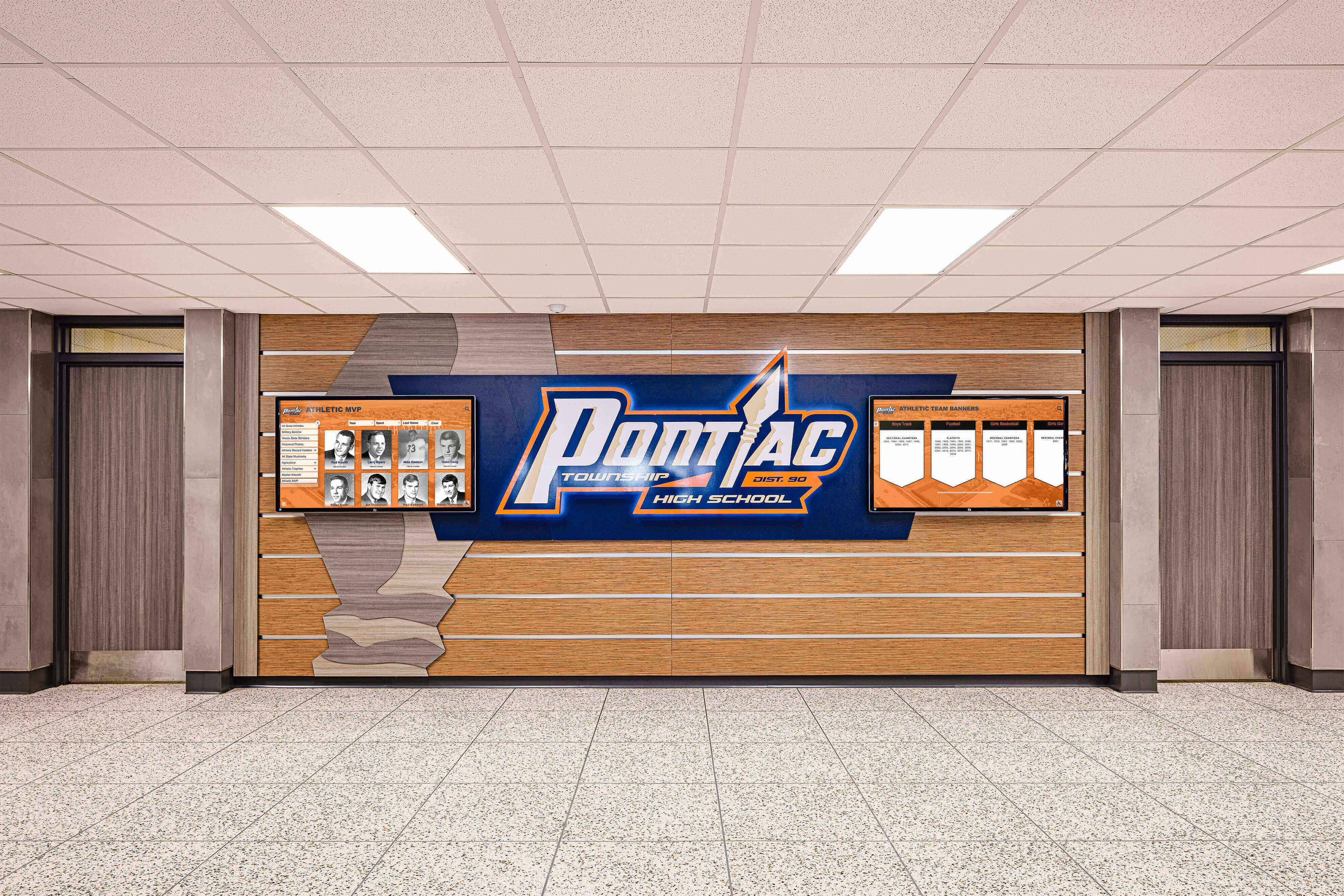
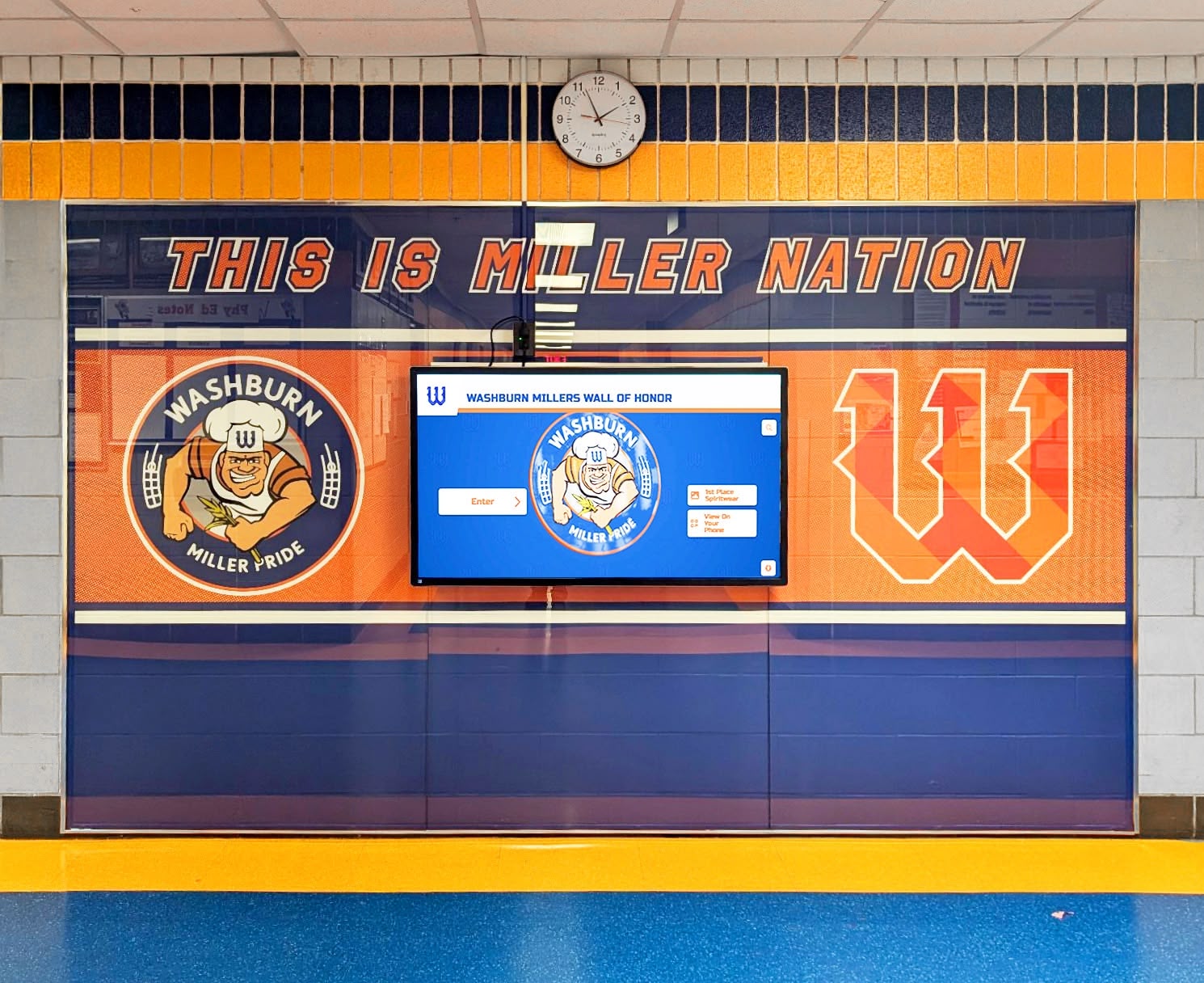
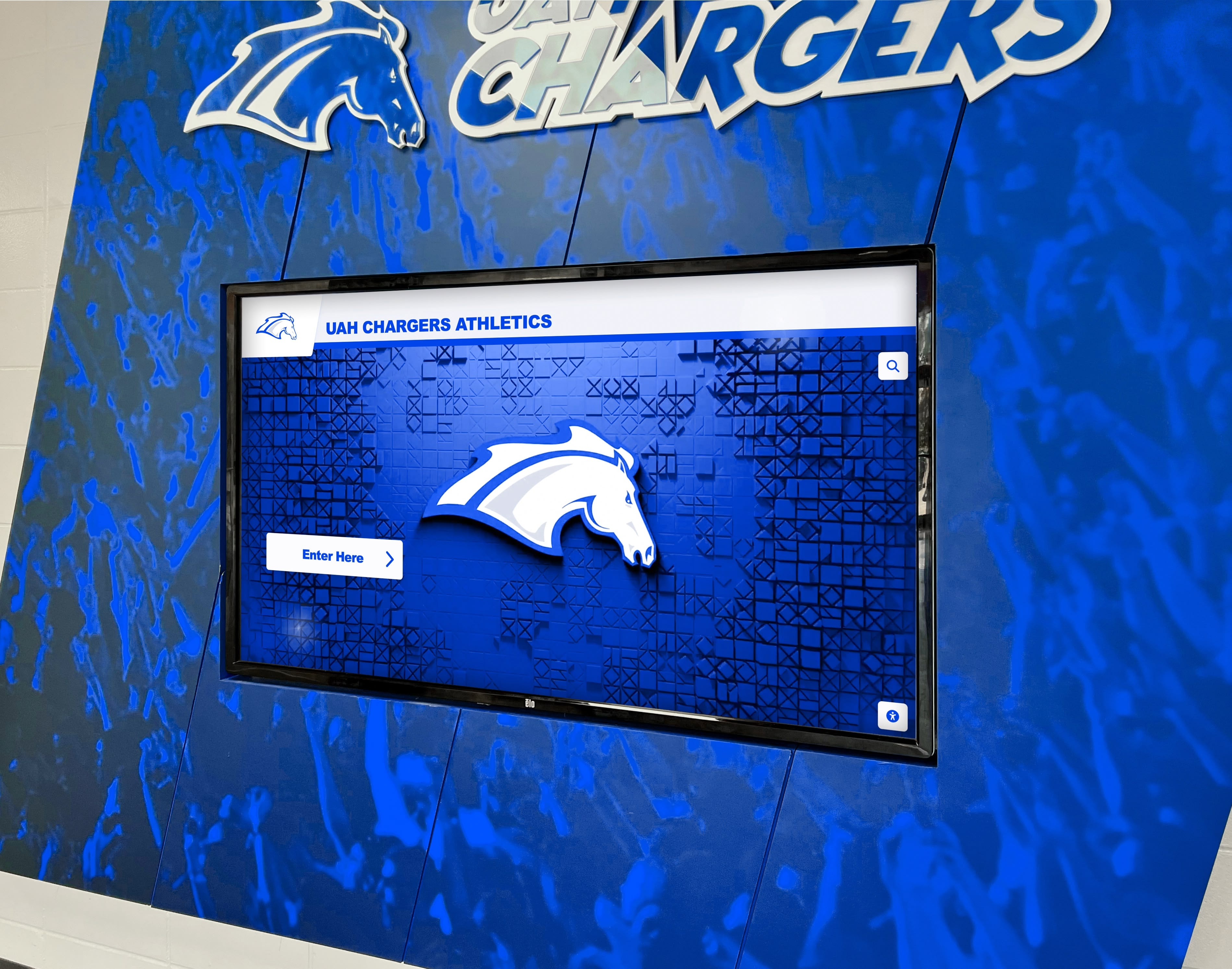
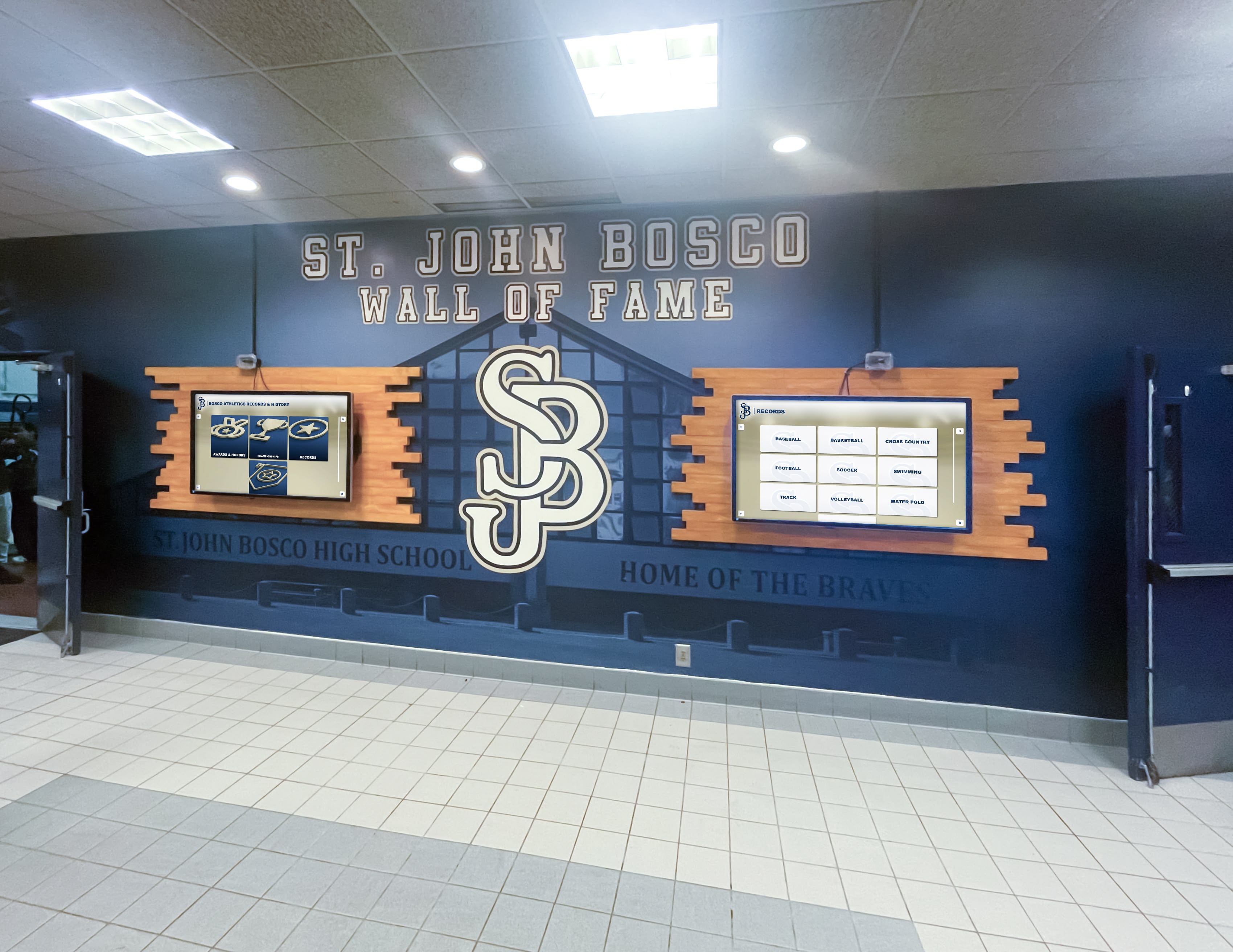
Digital Recognition Archives: Create permanent recognition through Rocket Alumni Solutions displaying award winners year after year, ensuring accomplishments receive ongoing visibility extending far beyond brief banquet moments while building program history.
Digital Recognition Systems for Wrestling Programs
Technology enables wrestling programs to create comprehensive, permanent recognition extending far beyond traditional trophy cases and brief banquet presentations.
Benefits of Digital Wrestling Recognition
Unlimited Recognition Capacity: Digital platforms accommodate awards for unlimited wrestlers across unlimited categories without physical space constraints limiting who receives acknowledgment or how much information displays about each recipient.
Multimedia Storytelling: Beyond names and records, digital recognition includes match highlights, season statistics, weight class histories, action photos, and comprehensive wrestler profiles creating engaging narratives around accomplishments that static plaques cannot provide.
Technical Statistics Display: Wrestling’s technical nature—pins, escapes, reversals, takedowns, technical falls—requires detailed statistical presentation that digital systems handle effectively through sortable, searchable databases showcasing achievement across multiple dimensions.
Weight Class Historical Records: Track and display weight class records across program history—fastest pins, most takedowns in a season, best records, state qualifiers—creating permanent record books that motivate current wrestlers to pursue historical benchmarks.
Easy Content Updates: Web-based management systems enable quick updates adding new award recipients, updating wrestler profiles, posting tournament results, and maintaining current recognition content as seasons progress without physical plaque production delays.
Historical Archives: Digital systems preserve program history, enabling future wrestlers and families to explore past award winners, conference champions, and state qualifiers while connecting current recognition to decades of program tradition.
Family Accessibility: Online extensions enable remote access by extended families, alumni, and community members who cannot attend banquets but want to celebrate wrestler achievements and explore program history.
Solutions like Rocket Alumni Solutions provide purpose-built platforms designed specifically for athletic recognition, offering functionality traditional approaches cannot match while creating permanent celebration of wrestling accomplishments.
Implementing Digital Wrestling Recognition
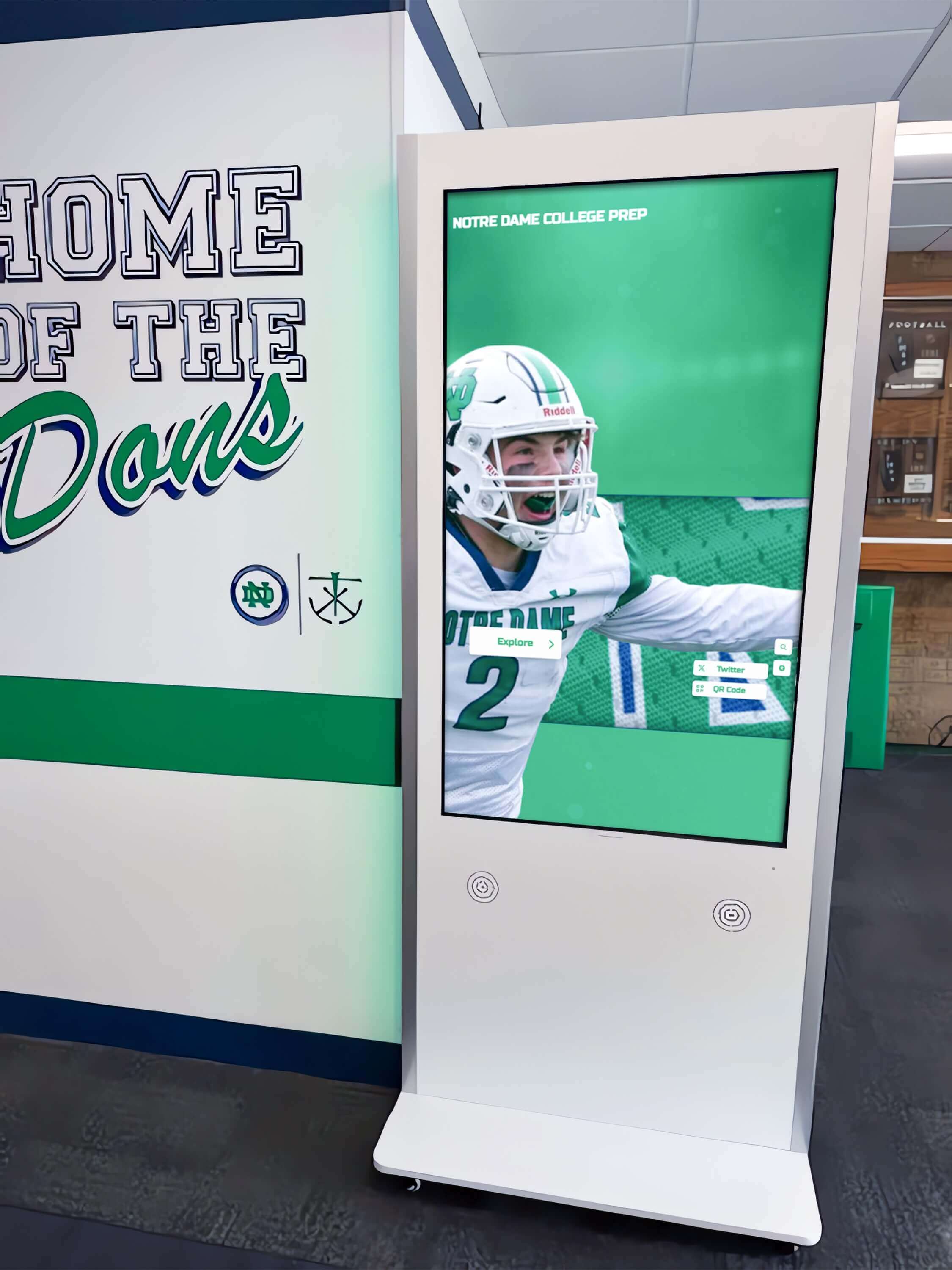
Strategic Display Placement: Position touchscreen displays in gymnasium lobbies, wrestling room entrances, main school entryways, or athletic building common areas ensuring regular wrestler, family, and visitor engagement with recognition content throughout the year.
Comprehensive Profile Development: Create detailed wrestler profiles including photos, weight class history, season records, career statistics, award information, tournament placements, and achievements rather than basic name listings that miss storytelling opportunities.
Weight Class Organization: Structure recognition content by weight classes, enabling easy exploration of historical achievements at specific divisions while showcasing program depth across the entire lineup from 106 to heavyweight.
Regular Content Updates: Establish processes for consistently adding new award recipients, posting tournament results, updating season statistics, and maintaining information ensuring recognition remains current and relevant throughout and after seasons.
Integration with Physical Awards: Use digital systems to complement rather than replace physical trophies and medals, providing lasting visibility extending beyond items stored at homes while maintaining traditional recognition wrestlers can physically possess.
Record Board Integration: Connect award recognition to digital record boards tracking all-time statistical achievements, career records, and program milestones, creating comprehensive historical documentation celebrating wrestling excellence across generations.
Tournament Results Archiving: Maintain complete historical tournament results—conference tournaments, invitationals, sectionals, state championships—creating searchable databases preserving competitive history that paper archives cannot match for accessibility and exploration.
Alumni Engagement: Enable former wrestlers to explore current team recognition, compare modern achievements to historical benchmarks, and maintain connections to programs even decades after graduation through accessible digital platforms.
Understanding major tournament structures helps programs design recognition systems that appropriately celebrate achievement levels and maintain historical context for competitive accomplishments.
Age-Appropriate Award Program Design
Different age groups benefit from recognition approaches matched to developmental stages, competitive levels, and the unique demands of wrestling at various ages.
Youth Wrestling Programs (Ages 8-12)
Participation Emphasis: Recognize all participants celebrating involvement, learning, and fundamental skill development rather than competitive outcomes. Youth wrestling primarily teaches basic technique and develops love for the sport.
Technique Focus: Award categories should emphasize technical skill development—best stance, best penetration step, best pinning combination—rather than winning records, teaching that mastering fundamentals matters most.
Weight Management Caution: Avoid recognition tied to weight cutting or weight management at youth levels. Young wrestlers should not receive awards encouraging unhealthy relationships with weight or nutrition.
Fun Award Categories: Include creative awards making recognition enjoyable—Best Wrestling Name, Most Enthusiastic Practice Partner, Best Warmup Leader—alongside basic participation recognition keeping the sport fun.
Middle School Wrestling (Ages 12-14)
Mixed Recognition Types: Balance participation recognition with emerging performance-based awards as competitive differentiation becomes appropriate and wrestlers develop distinct skill and commitment levels.
Improvement Focus: Emphasize awards acknowledging growth and technical development particularly as physical maturation creates temporary performance disparities between early and late developers that have nothing to do with effort or technique.
Character Emphasis: Maintain strong focus on sportsmanship, mental toughness, and character recognition as wrestlers navigate social challenges of early adolescence while handling the sport’s physical and psychological demands.
Team Contribution: Continue prioritizing team achievement and contribution over individual statistical accomplishment, teaching that success requires collective effort and mutual support through difficult seasons.
High School Wrestling (Ages 14-18)
Performance Recognition: Include substantial performance-based awards recognizing competitive excellence, statistical achievement, and tournament success as wrestlers develop specialized techniques and defined competitive identities.
Leadership Awards: Acknowledge formal and informal leadership as older wrestlers mentor younger teammates, shape program culture, and demonstrate the maturity and commitment that defines successful wrestling programs.
College Preparation: Recognize achievements supporting college athletic recruitment—academic excellence, state tournament qualification, conference championships, and leadership positions that college coaches value in prospective student-athletes.
Permanent Recognition: Create lasting acknowledgment through programs like Rocket Alumni Solutions maintaining historical archives celebrating athletic accomplishments wrestlers can reference during college recruitment or throughout their lives.
Budget Planning for Wrestling Award Programs
Understanding financial requirements helps wrestling programs create sustainable recognition delivering maximum impact within available resources.
Award Program Cost Components
Physical Award Items: Trophies, medals, plaques, certificates, and other tangible recognition items wrestlers receive. Costs vary significantly based on quality, quantity, and award types selected—from basic participation certificates to elaborate championship trophies.
Banquet Expenses: Venue rental, catering, decorations, printed programs, and ceremony-related costs. Event scale significantly influences budget requirements, with options ranging from simple school cafeteria gatherings to formal restaurant banquets.
Digital Recognition Investment: Initial costs for display hardware, software platforms, installation, and content development plus ongoing subscription fees for maintenance, updates, and technical support. Digital recognition requires higher upfront investment but provides long-term value.
Administrative Time: Staff or volunteer hours for award selection, event planning, content development, program coordination, and statistical record maintenance throughout seasons.
Cost-Effective Award Strategies
Tiered Recognition Approach: Provide elaborate trophies for major awards (MVW, state qualifiers, conference champions) while using quality certificates for broader recognition categories, balancing impact and budget constraints effectively.
Booster Club Support: Engage booster organizations in funding awards programs through sponsorships, fundraisers, or direct financial support. Wrestling boosters often prioritize recognition funding given the sport’s challenging demands.
Business Sponsorships: Seek local business sponsors covering award costs in exchange for recognition at banquets, in programs, and on digital displays. Businesses appreciate association with programs teaching work ethic and discipline.
Bulk Purchasing: Order awards in larger quantities or establish relationships with trophy suppliers securing volume discounts reducing per-item costs. Consistent annual relationships often yield better pricing.
Digital Investment Value: While digital recognition requires higher initial investment, elimination of recurring physical plaque production costs plus unlimited recognition capacity provides exceptional long-term value for programs tracking achievements across decades.
Parent Volunteers: Utilize parent volunteers for banquet planning, setup, coordination, and execution reducing paid staff requirements while building community engagement around programs and creating ownership among wrestling families.
Create Lasting Recognition for Your Wrestling Program
Transform how your wrestling program celebrates athletes by implementing digital recognition that permanently honors season awards, technical achievements, tournament success, and weight class records. Rocket Alumni Solutions enables wrestling programs to create comprehensive wrestler profiles featuring awards, statistics, match highlights, photos, and achievements that remain accessible for decades—ensuring recognition extends far beyond brief banquet moments while building program tradition and honoring the unique demands of wrestling.
Common Wrestling Awards Program Challenges
Recognizing frequent problems helps programs avoid issues that undermine recognition effectiveness and wrestler motivation.
Challenge: Awards Concentrating on State Qualifiers
Recognition programs sometimes overwhelmingly focus on wrestlers who qualify for state tournaments while overlooking wrestlers who competed hard, improved dramatically, or contributed significantly despite not advancing to championship levels.
Solution: Implement diverse award categories ensuring various contribution types receive recognition—technical awards, improvement awards, character recognition—creating opportunities for wrestlers across all competitive levels to earn acknowledgment through appropriate achievement.
Challenge: Weight Class Equity Issues
Programs sometimes unintentionally favor certain weight classes in recognition when competitive depth or coaching attention concentrates at specific divisions, leaving wrestlers at other weights feeling overlooked regardless of their achievement levels.
Solution: Create weight class-specific awards ensuring recognition opportunities exist across the entire lineup from 106 to heavyweight. Track recipient distribution ensuring awards reach wrestlers at all weight divisions rather than clustering at program strength weights.
Challenge: Subjective Award Selection Bias
When subjective awards lack clear criteria, selection may appear based on coach favorites or seniority rather than genuine merit, undermining credibility and creating perceptions of unfairness that damage program culture.
Solution: Establish evaluation rubrics for subjective awards, gather input from all coaching staff, and maintain transparency about selection processes. Document reasoning for selections enabling explanation if questioned by wrestlers or parents.
Challenge: Lengthy, Poorly Attended Banquets
Disorganized ceremonies with excessive speeches and poor pacing diminish recognition impact regardless of award significance, causing families to leave early or wrestlers to skip entirely despite being honored.
Solution: Plan ceremonies carefully maintaining 90-minute maximum durations, limit administrative speeches, focus events on honoring wrestlers rather than organizational messaging, and schedule to maximize attendance during convenient times avoiding conflicts.
Challenge: Awards Forgotten After Presentation
Recognition limited to brief banquet moments without lasting documentation loses impact as accomplishments fade from memory within months, particularly for underclassmen whose future accomplishments may overshadow earlier recognition.
Solution: Create permanent recognition through physical displays, digital platforms, or program archives ensuring achievements receive ongoing visibility. Photograph all presentations and maintain comprehensive award recipient records accessible for historical reference.
Conclusion: Building Wrestling Recognition Programs That Matter
Effective wrestling awards programs transcend ceremonial formalities to become meaningful experiences validating wrestler sacrifice, celebrating wrestling’s unique challenges, and establishing traditions that motivate future generations. When thoughtfully designed with clear criteria, wrestling-specific categories, fair selection, and appropriate presentation, recognition programs profoundly influence wrestler motivation, program culture, and sustained excellence.
The most successful wrestling awards share several characteristics: celebrating diverse achievement ensuring various wrestler contributions receive acknowledgment beyond competitive records; establishing transparent criteria maintaining credibility and fairness throughout selection processes; recognizing wrestling-specific accomplishments that reflect the sport’s distinctive demands—pins, technical falls, escapes, weight management, mental toughness; providing meaningful presentation experiences that appropriately honor recipients in front of teammates and families; and creating permanent documentation ensuring accomplishments receive lasting visibility extending beyond brief ceremony moments.
Wrestling differs fundamentally from other high school sports through its individual accountability, physical demands, weight management requirements, and psychological challenges that make recognition particularly meaningful. Wrestlers endure months of discipline, sacrifice, and dedication that teammates in other sports never face. Appropriate recognition validates this unique commitment while teaching that effort matters, technical excellence deserves celebration, character counts as much as competitive success, and every wrestler’s contribution to program success holds genuine value.
Digital recognition solutions like Rocket Alumni Solutions enable wrestling programs to create comprehensive, permanent celebration of wrestler accomplishments extending recognition beyond annual banquets. These platforms provide unlimited capacity for honoring athletes across all weight classes and achievement levels, enable rich multimedia storytelling bringing wrestling accomplishments to life through match highlights and detailed statistics, facilitate easy updates keeping recognition current as seasons progress, and create engaging experiences encouraging exploration of program history connecting current teams to decades of wrestling tradition.
Whether programs develop youth wrestlers learning fundamental techniques or compete for state championships with elite high school athletes, commitment to comprehensive, fair, meaningful wrestler recognition creates positive cultures where athletes feel valued, motivated to improve, and connected to programs supporting their growth. By implementing thoughtful awards programs using the ideas presented in this guide, wrestling programs demonstrate that sacrifice matters, achievement deserves permanent celebration, character and mental toughness count as much as competitive records, and every wrestler’s contribution to team and individual success has genuine value—lessons extending far beyond wrestling mats into lifelong attitudes about discipline, perseverance, excellence, and overcoming adversity.