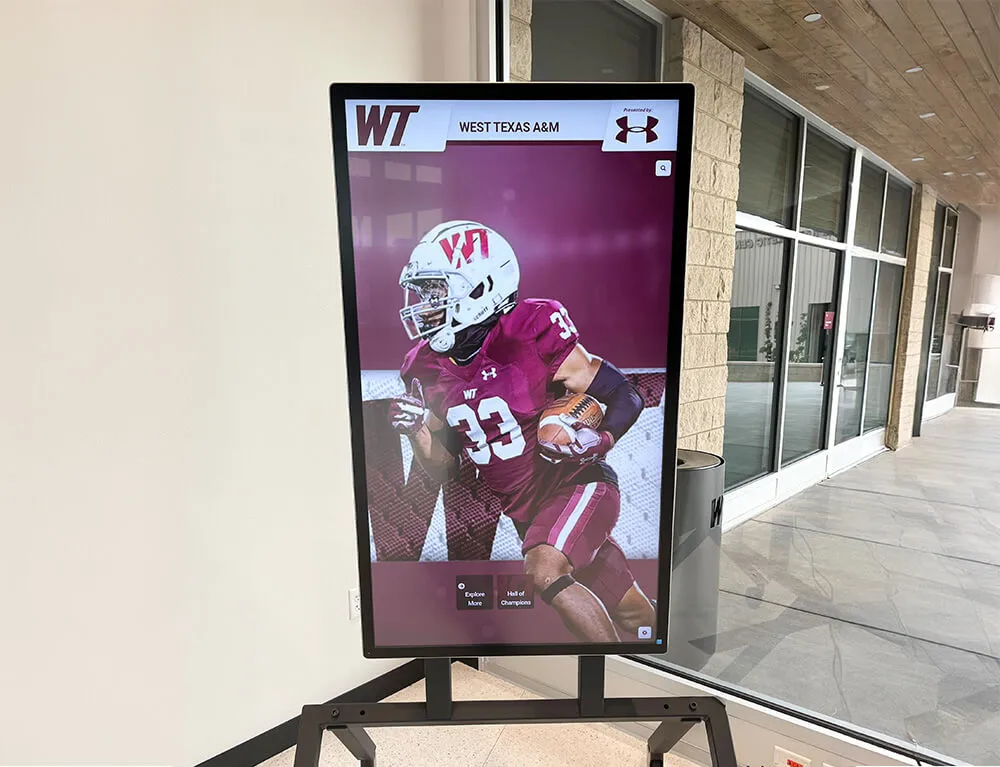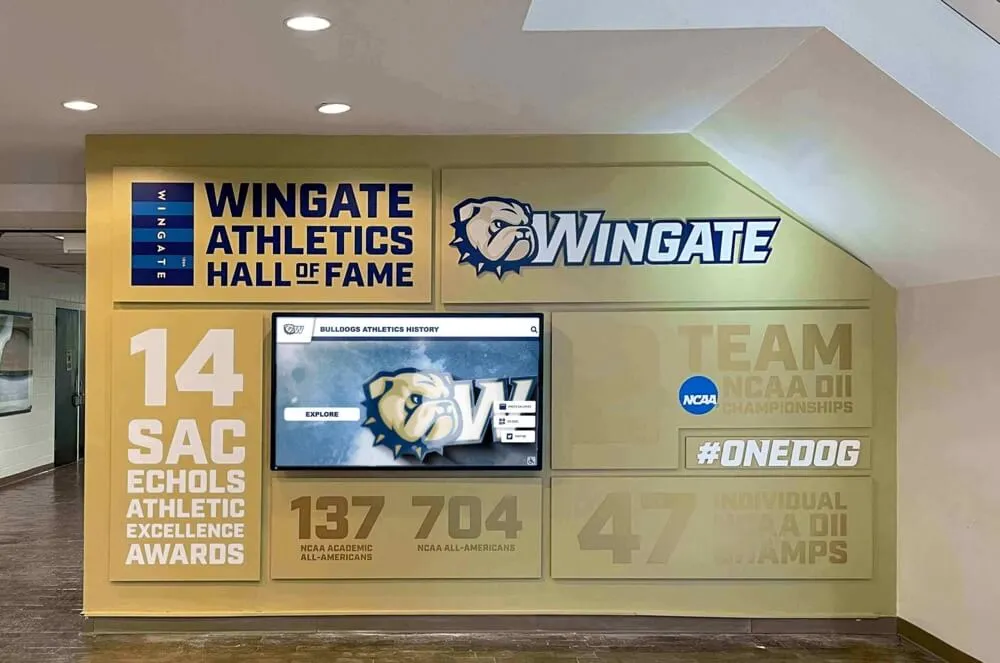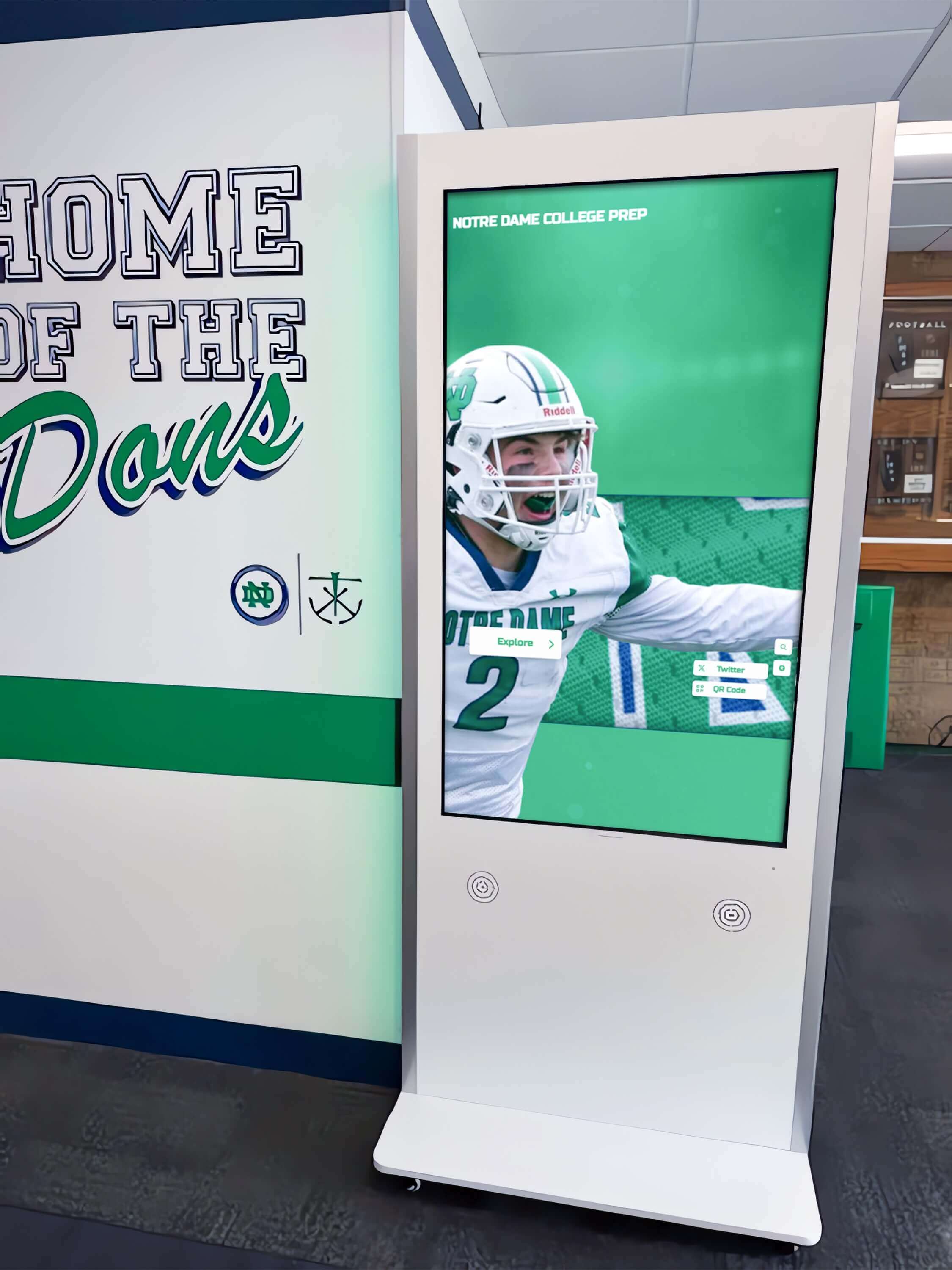




Wisconsin high school football playoffs represent the pinnacle of competitive achievement for student-athletes throughout the Badger State. Each fall, hundreds of teams across seven divisions compete through rigorous regular seasons, regional playoff rounds, and state quarterfinals to earn the opportunity to play for championships at Camp Randall Stadium in Madison—home of the University of Wisconsin Badgers. From powerhouse programs in Milwaukee and Green Bay to dedicated small-town teams that unite rural communities, the WIAA football playoff system creates opportunities for schools of all sizes to pursue championship glory.
Understanding Wisconsin’s playoff structure, qualification pathways, and recognition traditions helps schools, athletic directors, coaches, and communities properly celebrate playoff achievements while preserving program history for future generations. Whether your program consistently competes for state titles or celebrates occasional playoff appearances as significant milestones, proper recognition ensures student-athletes receive appropriate honor for accomplishments that distinguish them among thousands of competitors statewide.
Why Wisconsin Playoff Recognition Matters
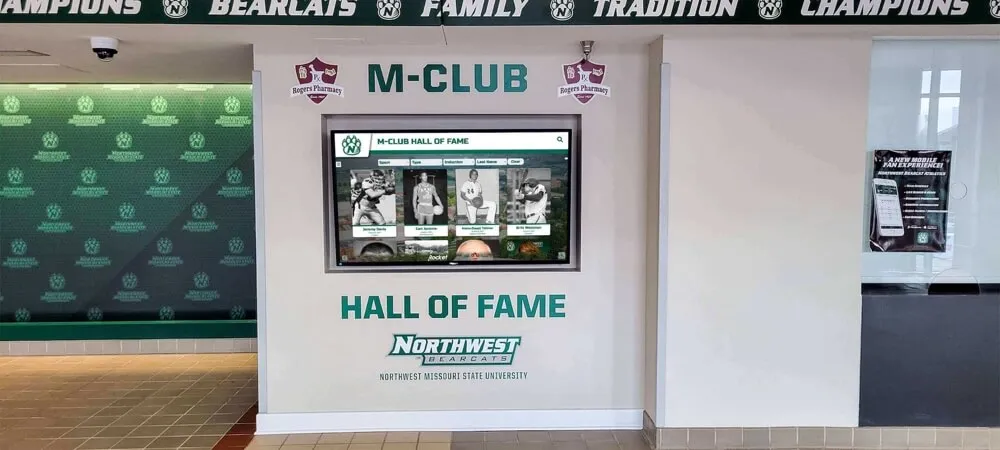
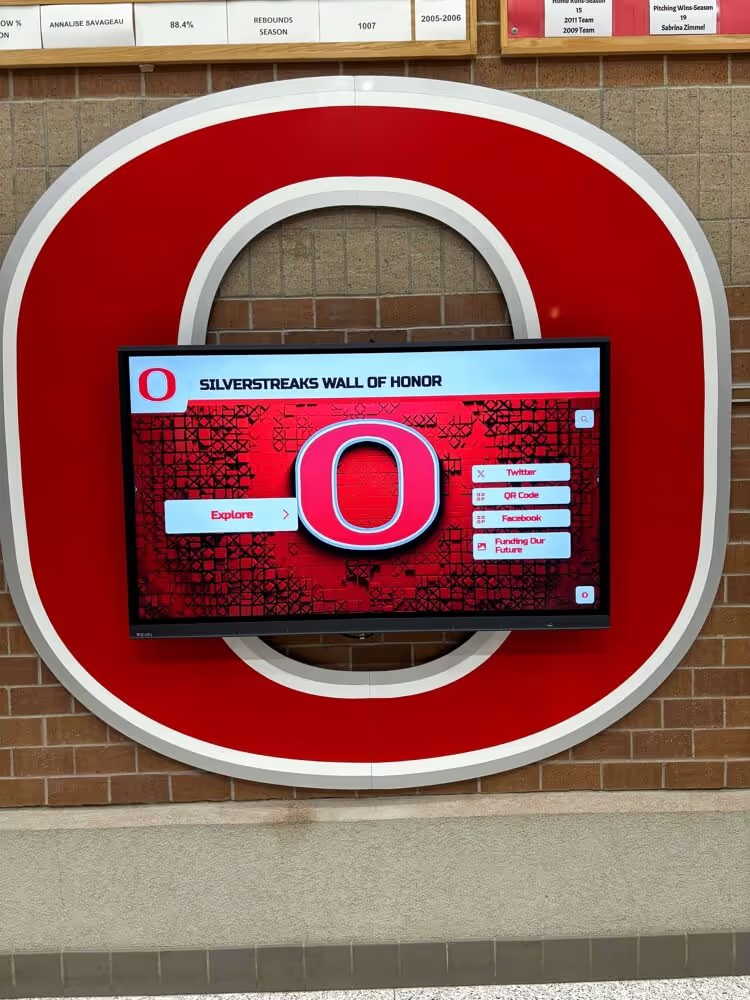
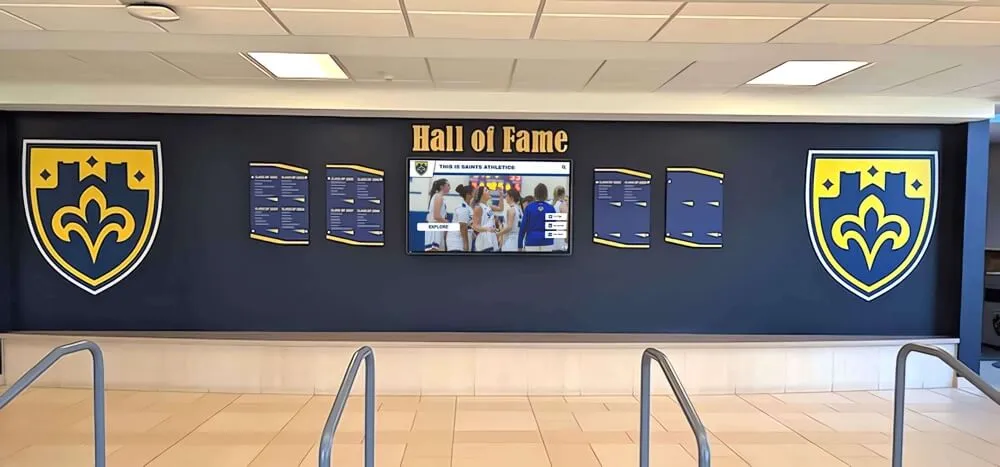
Wisconsin's football playoff system creates multiple tiers of achievement worth celebrating—playoff qualification, Level 2 and Level 3 victories, semifinal appearances, and state championships at iconic Camp Randall Stadium. Each level represents significant accomplishment requiring dedication, skill, and teamwork that shapes student-athletes for life. Schools that systematically recognize playoff achievements inspire current teams, strengthen school pride, engage alumni communities, and preserve athletic traditions that define institutional identity. Digital recognition solutions like Rocket Alumni Solutions enable Wisconsin schools to create comprehensive playoff recognition systems that honor championship teams, document playoff history, and celebrate individual contributions to postseason success.
Understanding the WIAA Football Playoff System
Before implementing recognition programs, understanding Wisconsin’s unique playoff structure helps schools identify which achievements merit celebration and how to contextualize accomplishments within the competitive landscape.
Division Structure and School Distribution
The Wisconsin Interscholastic Athletic Association organizes football into seven divisions based on school enrollment, ensuring competitive balance and championship opportunities for schools of all sizes.
Division 1: The 64 largest schools in Wisconsin compete in Division 1, representing metropolitan powerhouses from Milwaukee, Madison, Green Bay, and other urban areas. These programs typically feature the largest rosters, most extensive facilities, and highest competitive intensity.
Divisions 2-7: The remaining schools are distributed across Divisions 2 through 7 in descending enrollment order. Division 7 includes Wisconsin’s smallest football programs, often from rural communities where football represents central cultural traditions. These classifications showcase how small schools compete with equal intensity despite limited resources compared to larger programs.
This division system ensures every Wisconsin school competes against similarly-sized institutions, making championship achievements meaningful across all enrollment levels. A Division 7 state championship represents equal accomplishment to a Division 1 title—both demonstrate excellence within their competitive contexts.
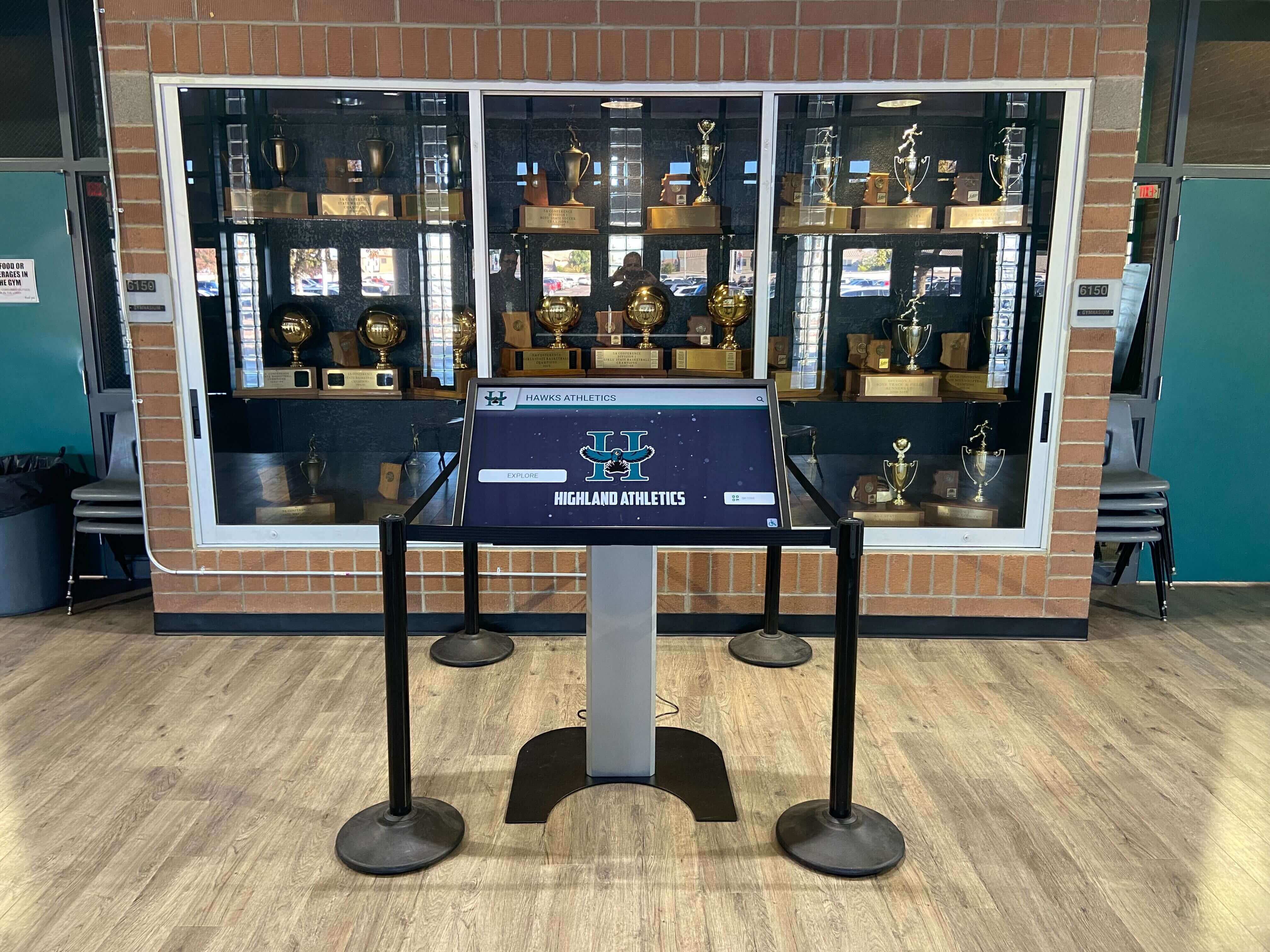
Playoff Qualification and Regional Structure
Wisconsin’s playoff format emphasizes regular-season performance and uses a sophisticated point system to determine which teams qualify for postseason competition.
WIAA Point System: Unlike states with universal playoff participation, Wisconsin uses a competitive point system where teams earn points through victories against opponents in their own division and larger divisions. Wins against larger-division opponents earn bonus points, encouraging teams to schedule challenging non-conference opponents. This system rewards both winning and strength of schedule.
32-Team Playoff Fields: Each division qualifies 32 teams for playoffs—the top 32 point-earning teams advance to postseason competition. This selective qualification means playoff appearances themselves represent significant achievements worthy of recognition, distinguishing programs among all division competitors.
Regional Seeding: The 32 playoff teams are seeded 1-32 based on accumulated points, with higher seeds earning home-field advantage through early rounds. Bracket matchups pit 1 vs. 32, 2 vs. 31, continuing through the field to create balanced competition where higher seeds face lower-seeded opponents.
Five Playoff Levels: Wisconsin’s playoff structure includes five elimination rounds—Level 1 (first round), Level 2 (second round), Level 3 (quarterfinals), Level 4 (semifinals), and Level 5 (state championship). Teams must win five consecutive games to claim state championships, making Wisconsin’s playoff path among the most challenging in high school football.
Resources on fall sports championships explore how football playoff achievements fit within broader athletic recognition systems celebrating accomplishments across all fall sports including volleyball, cross country, and soccer.
State Championship Games at Camp Randall Stadium
Wisconsin’s tradition of hosting state championship games at Camp Randall Stadium creates exceptional experiences distinguishing these championships from most states.
Division Championship Weekends: All seven division championship games occur across three days in mid-November at Camp Randall Stadium, creating a championship festival atmosphere. Playing on the same field where Badgers compete in Big Ten Conference games adds ceremony and significance to championship experiences.
Historic Venue Tradition: Camp Randall Stadium, opened in 1917, represents over a century of football tradition. High school state championships have been played at this iconic venue for decades, creating multi-generational memories where current players follow in footsteps of parents and grandparents who competed on the same field.
Championship Atmosphere: Playing in a stadium seating over 80,000 creates memorable championship experiences for student-athletes, families, and communities. The venue, pageantry, and tradition surrounding Camp Randall championships distinguish Wisconsin’s state championship experience as among the most special in high school football.
Historical Significance: Teams winning championships at Camp Randall join historical traditions connecting current success to decades of Wisconsin football excellence. Schools should document venue history and significance when recognizing championships, helping current and future generations understand the special nature of these achievements.
Wisconsin Football Playoff Achievement Levels
Effective recognition programs celebrate multiple playoff achievement tiers, ensuring student-athletes receive appropriate honor for various accomplishments throughout Wisconsin’s playoff structure.
Playoff Qualification Recognition
Simply qualifying for Wisconsin’s selective 32-team playoff fields represents significant achievement distinguishing programs from those falling short of postseason competition.
Qualification Significance: Making playoffs demonstrates consistent performance throughout nine-game regular seasons, accumulating sufficient points to rank among division’s top 32 programs. For many schools, playoff qualification represents rare accomplishments deserving recognition and celebration.
Point System Excellence: Teams qualifying for playoffs succeeded within Wisconsin’s sophisticated point system that rewards both victories and strength of schedule. Recognition should acknowledge the strategic scheduling and consistent performance required to accumulate qualifying points.
Program Consistency: Schools making consecutive playoff appearances demonstrate sustained excellence rather than single-season success. Recognizing consecutive playoff qualifications highlights program culture, coaching consistency, and sustained commitment to excellence spanning multiple seasons and rosters.
First-Time Qualifiers: Programs earning first playoff berths in school history or ending multi-year playoff droughts achieved transformative milestones representing program building and elevation. These breakthrough achievements deserve prominent recognition celebrating program transformation from struggle to playoff qualification.
Resources on fall high school sports provide comprehensive perspectives on seasonal athletic recognition including playoff qualification across multiple fall sports beyond football.
Level 2 and Level 3 (Quarterfinal) Advancement
Teams advancing beyond first-round Level 1 games demonstrate playoff competitiveness, with Level 3 appearances placing programs among division elite.
Level 2 Victory Significance: Winning Level 1 games and advancing to Level 2 shows teams can succeed in playoff environments where competition intensifies. These victories earn recognition as programs demonstrate postseason competitiveness beyond simply qualifying.
Quarterfinal Elite Status: Reaching Level 3 quarterfinals places programs among the elite eight teams in their division—the top 25% of playoff qualifiers. This exclusive achievement deserves recognition comparable to championship appearances for programs where quarterfinal advancement represents peak success.
Home Playoff Games: Higher-seeded teams earning home-field advantage for Level 1 and Level 2 games achieved regular-season excellence deserving recognition. Playing playoff games at home demonstrates program quality throughout regular seasons, not just postseason performance.
Road Playoff Victories: Lower-seeded teams winning road playoff games overcame disadvantages to advance, demonstrating character, preparation, and resilience. These upset victories often represent defining program moments deserving special recognition and celebration.
Semifinal Appearances and State Championship Games
Level 4 semifinals and Level 5 championship games represent ultimate achievements in Wisconsin high school football.
Semifinal Final Four Status: Reaching semifinals places teams among division’s final four programs from 64+ competitors. Only four teams from potentially 100+ schools reach semifinals, making these appearances significant program milestones worth prominent recognition.
Championship Game Finalists: Teams reaching Level 5 championship games achieved finalist status—placing among the final two programs competing for state titles. Finalist recognition appropriately honors exceptional seasons even when championships prove elusive.
Undefeated Playoff Runs: Teams winning championships with perfect 5-0 playoff records demonstrated sustained dominance throughout complete playoff journeys. These flawless championship runs deserve special recognition celebrating consistent excellence across five consecutive high-stakes games.
Multiple Championship Appearances: Programs reaching multiple championship games within short timeframes demonstrate sustained program excellence rather than isolated successful seasons. Dynasty-level success deserves comprehensive recognition celebrating sustained competitive achievement.
Solutions like state championship rings and recognition explore tangible ways to commemorate championship achievements while documenting these accomplishments through permanent displays.
State Championship Recognition and Celebration
State championships represent ultimate achievement, deserving the most comprehensive recognition celebrating complete championship seasons.
Complete Championship Documentation: Championship seasons merit comprehensive recognition including complete team rosters with positions and jersey numbers, complete coaching staff including assistants and support personnel, complete season schedule with all scores, detailed Level 1-5 playoff bracket with all results, championship game recap with highlights, team and individual photos, statistical leaders across all categories, all-state and all-conference selections, and post-season individual honors including player of the year awards.
Camp Randall Stadium Significance: Championship recognition should emphasize the special nature of winning titles at Camp Randall Stadium, documenting venue history, tradition, and significance. Highlighting this unique venue adds context helping current and future generations understand championship accomplishment magnitude.
Multiple Championship Recognition: Programs winning multiple state championships across different eras demonstrate sustained institutional commitment to football excellence. Recognition systems should clearly present championship progression across decades, celebrating individual titles while showcasing sustained program quality.
Championship Team Legacies: Beyond statistics and results, championship recognition should capture team identity, defining moments, challenges overcome, and legacy impact on programs and communities. These narrative elements make recognition meaningful and memorable beyond basic factual documentation.
Individual Playoff Achievement Recognition
Beyond team accomplishments, individual student-athletes achieve personal milestones during playoff runs deserving specific recognition alongside team celebrations.
All-State Recognition from Playoff Teams
Playoff success and individual recognition correlate closely, with athletes from successful playoff teams frequently earning all-state honors from coaches and media organizations.
Playoff Performance Context: When recognizing all-state athletes, including team playoff success provides meaningful context. “All-State linebacker who led defense during semifinal run” or “All-State quarterback whose playoff performances propelled team to state championship” tells more complete achievement stories than simple all-state designation.
Multiple Honor Combinations: Athletes earning both team playoff success and individual all-state recognition achieved dual excellence—personal performance distinguishing them statewide while contributing to team advancement. These combinations represent peak achievement deserving special recognition celebrating both individual and team dimensions.
Conference Recognition: All-conference selections from playoff teams deserve recognition within playoff contexts, demonstrating how individual excellence contributed to team postseason qualification and advancement.
Resources on championship banner traditions explore how traditional gymnasium displays complement comprehensive digital recognition systems celebrating both team and individual achievements.
Playoff Statistical Leaders and Records
Playoff performances create statistical achievements and records deserving documentation separate from regular-season statistics.
Single-Game Playoff Records: Exceptional individual playoff game performances—rushing yards, passing yards, tackles, interceptions—often represent career highlights and memorable community moments. These signature performances deserve recognition documenting when, against whom, and in what playoff context they occurred.
Career Playoff Statistics: For programs with sustained playoff success, cumulative career playoff statistics demonstrate excellence in high-pressure competitive circumstances. Career playoff touchdown leaders, career playoff rushing leaders, and career playoff defensive statistics merit tracking and recognition for players who excelled when stakes were highest.
Playoff Milestone Performances: Athletes achieving milestone performances during playoffs—100-yard rushing games, 200-yard passing games, multiple touchdown performances, double-digit tackle games—deserve recognition highlighting playoff excellence specifically rather than combining with regular-season achievements.
Championship Game MVP Recognition: Outstanding performers in state championship games deserve special recognition beyond team championship celebration. Championship game MVPs, whether from winning or runner-up teams, demonstrated exceptional performance on Wisconsin’s biggest high school football stage.
Multi-Year Playoff Contributors
Athletes contributing to playoff success across multiple seasons demonstrate sustained excellence and program commitment deserving special recognition.
Consecutive Playoff Participation: Athletes participating in playoff runs across multiple varsity seasons represent program stability and sustained excellence. Four-year varsity athletes who contributed to playoff teams throughout careers demonstrate commitment and consistent performance worth celebrating.
Multiple Championship Teams: Athletes fortunate enough to contribute to multiple championship or deep playoff runs achieved rare distinction. Being part of multiple championship teams or consecutive semifinal appearances places athletes in exclusive company worth special recognition celebrating extraordinary career playoff success.
Senior Leadership Through Playoffs: Senior leaders guiding teams through playoff pressure deserve recognition beyond statistical contributions. Captains, team leaders, and seniors providing crucial leadership during postseason runs played essential roles in team success deserving acknowledgment.

Traditional vs. Digital Playoff Recognition Systems
Wisconsin schools face decisions about how to display and preserve playoff achievements, with options ranging from traditional banners and trophies to modern digital recognition platforms.
Traditional Playoff Recognition Approaches
Traditional recognition maintains powerful symbolic permanence resonating with communities who value tangible tributes to playoff success.
Championship Banners: Gymnasium banners displaying championship years, divisions, and scores create highly visible recognition celebrating ultimate success. Banners hanging prominently above competition spaces inspire current athletes while reminding communities of historical excellence.
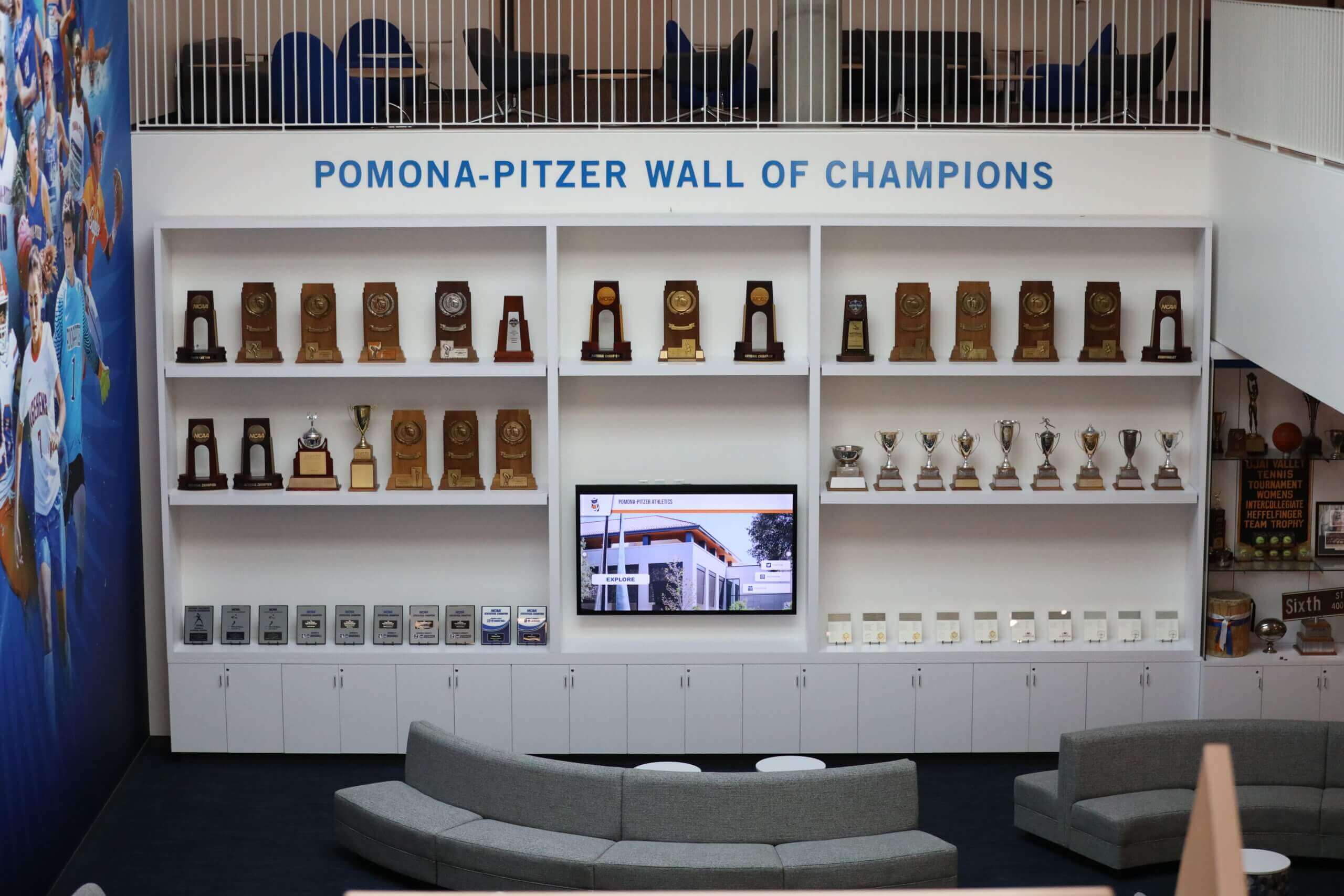
Trophy Display Cases: Championship trophies represent tangible symbols of achievement families and communities value. Dedicated trophy cases displaying state championship hardware, playoff trophies, and individual awards create focal points demonstrating program success.
Physical Plaques: Wall-mounted plaque systems listing championship teams, playoff teams, or individual playoff performers create permanent recognition documenting program history. Traditional plaques communicate lasting institutional commitment to honoring achievement.
Limitations of Traditional Recognition: Despite symbolic value, traditional displays face practical constraints including finite wall and case space limiting comprehensive recognition, difficulty and expense updating with new achievements, minimal content capacity beyond basic information, single-location visibility restricting access, and deterioration over time requiring maintenance or replacement.
These limitations explain why many Wisconsin schools supplement traditional displays with modern alternatives offering greater capacity and flexibility while maintaining traditional elements that communities value.
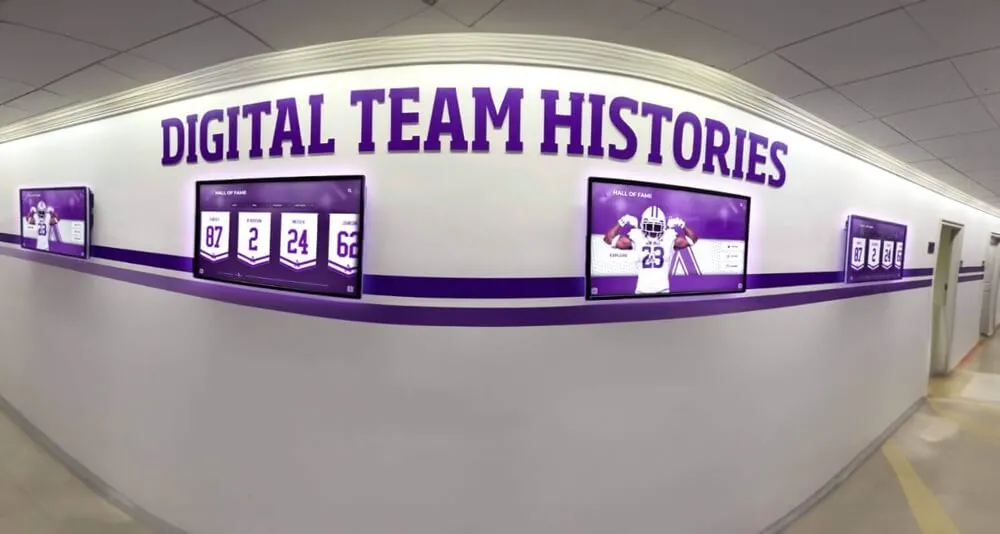
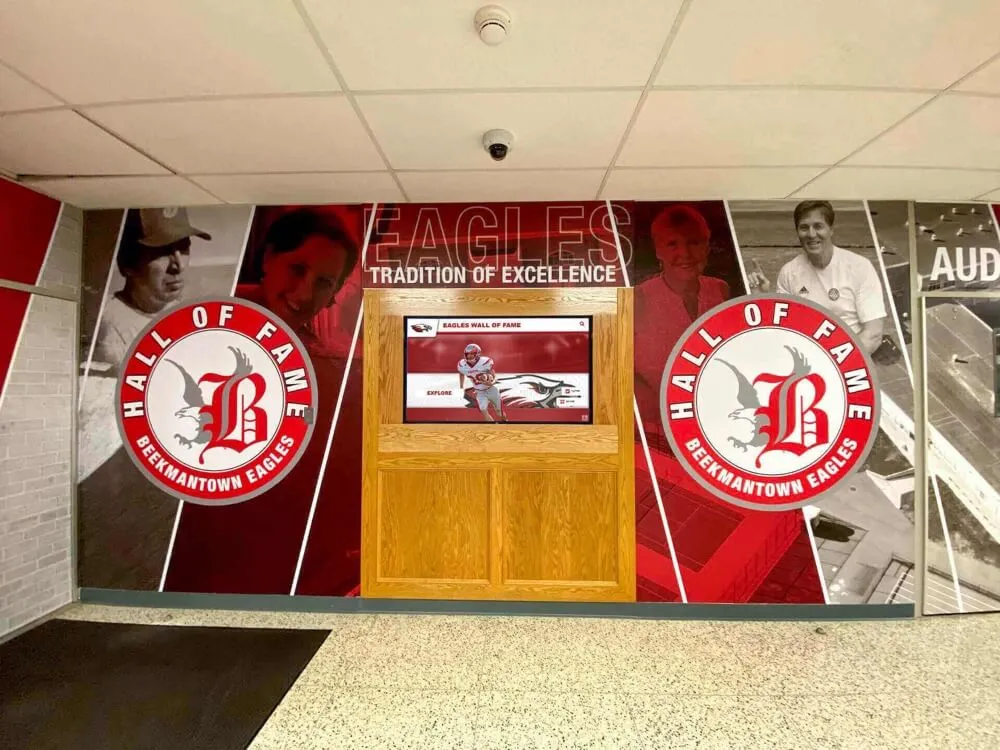
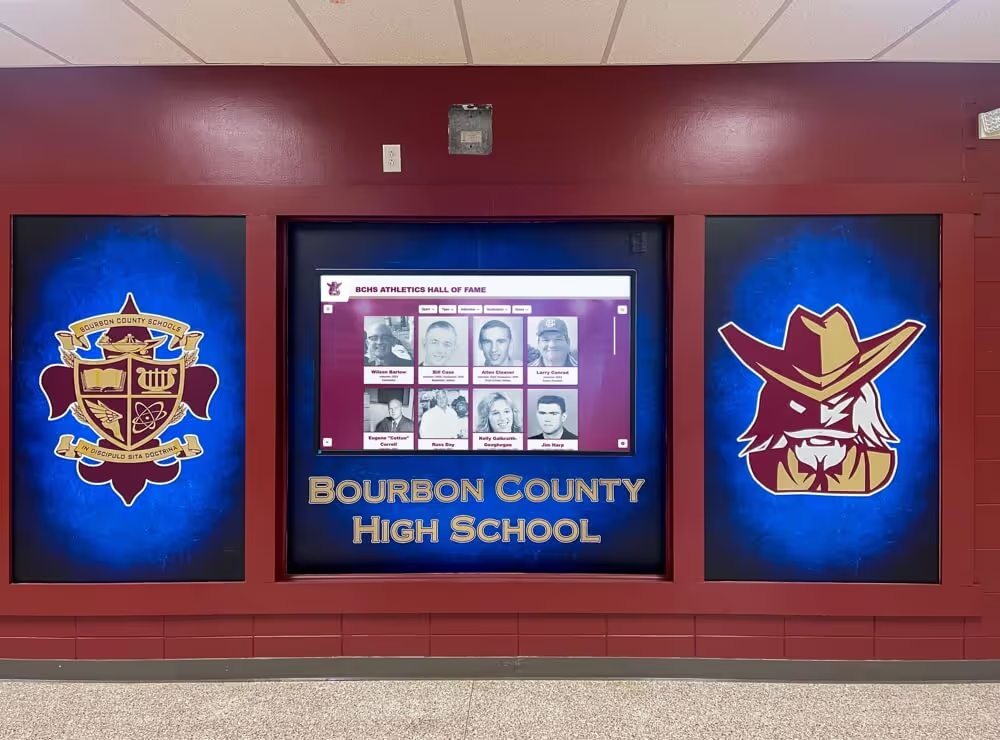
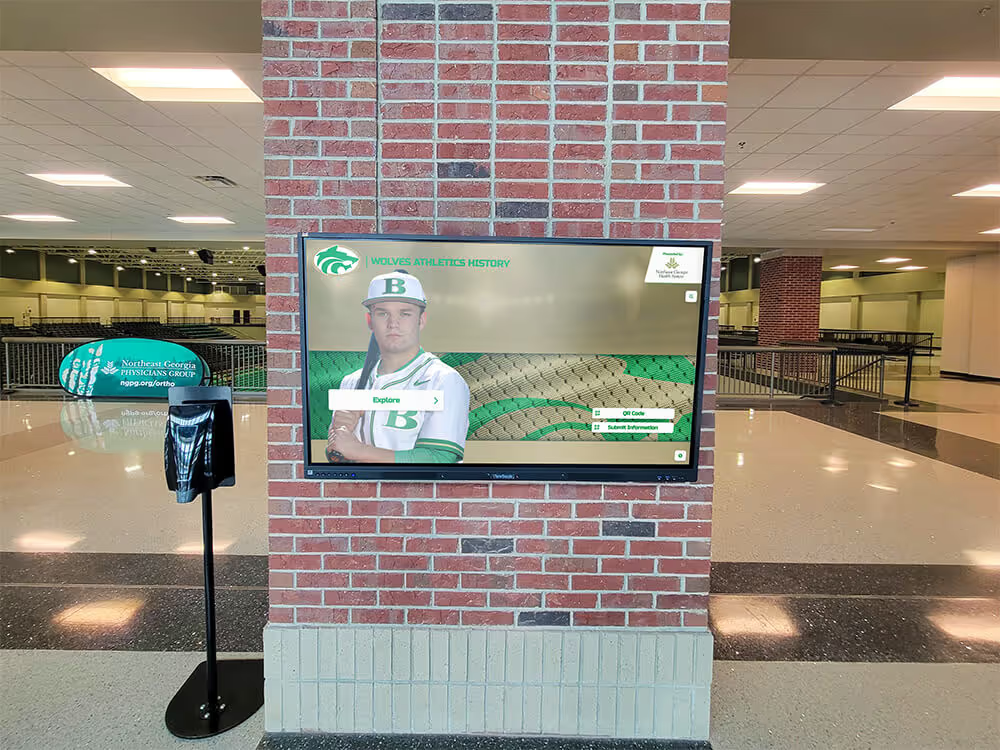
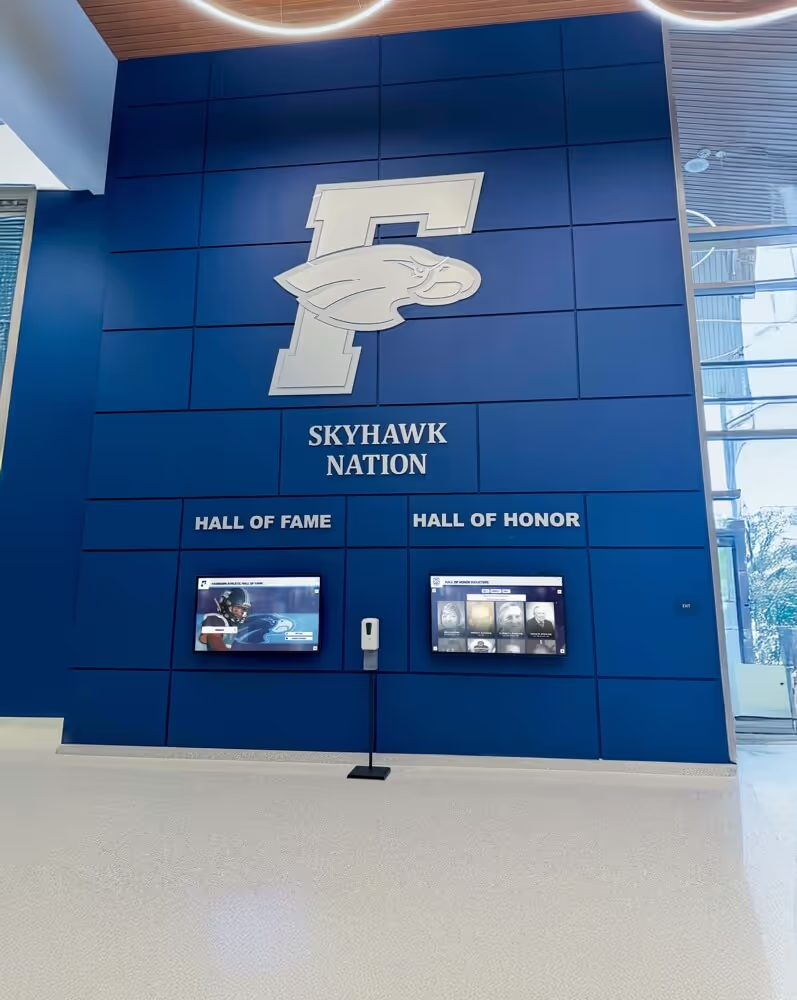
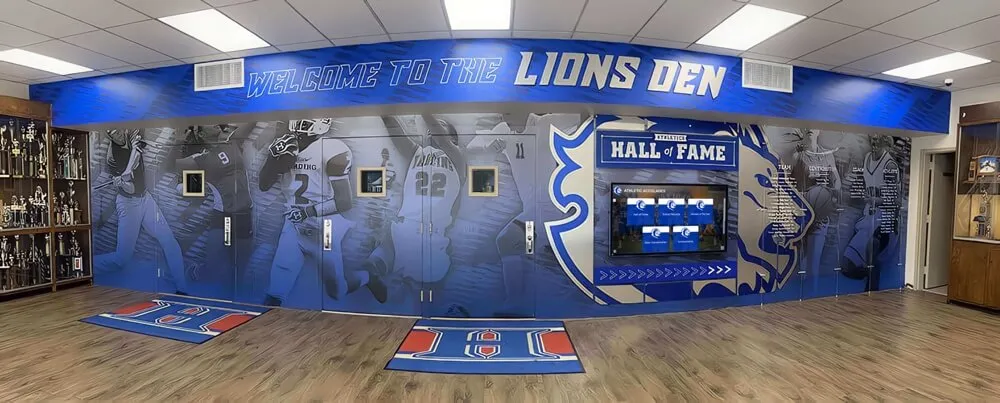
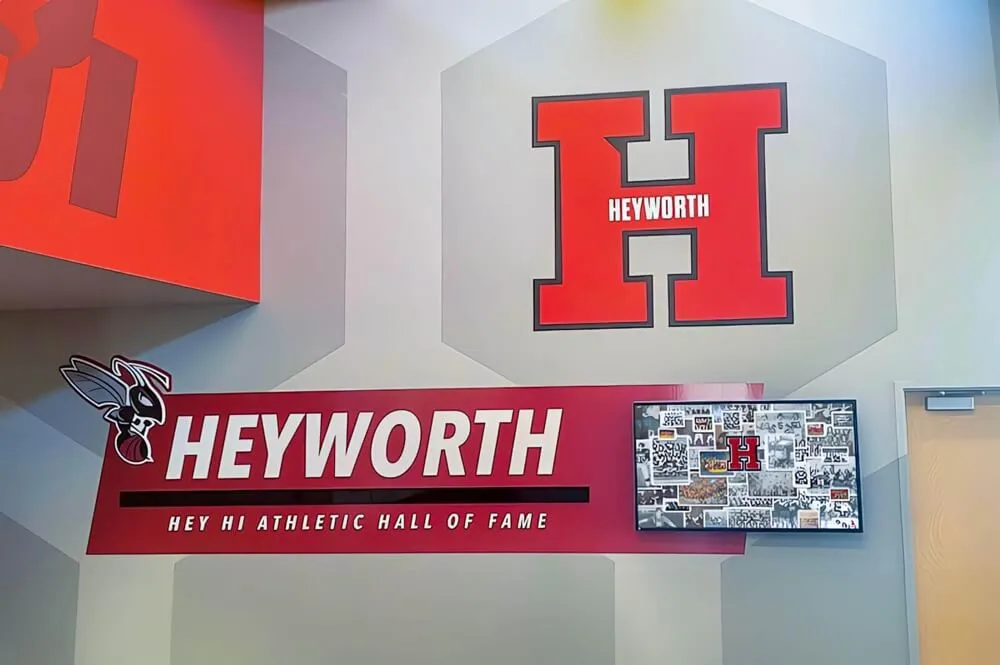
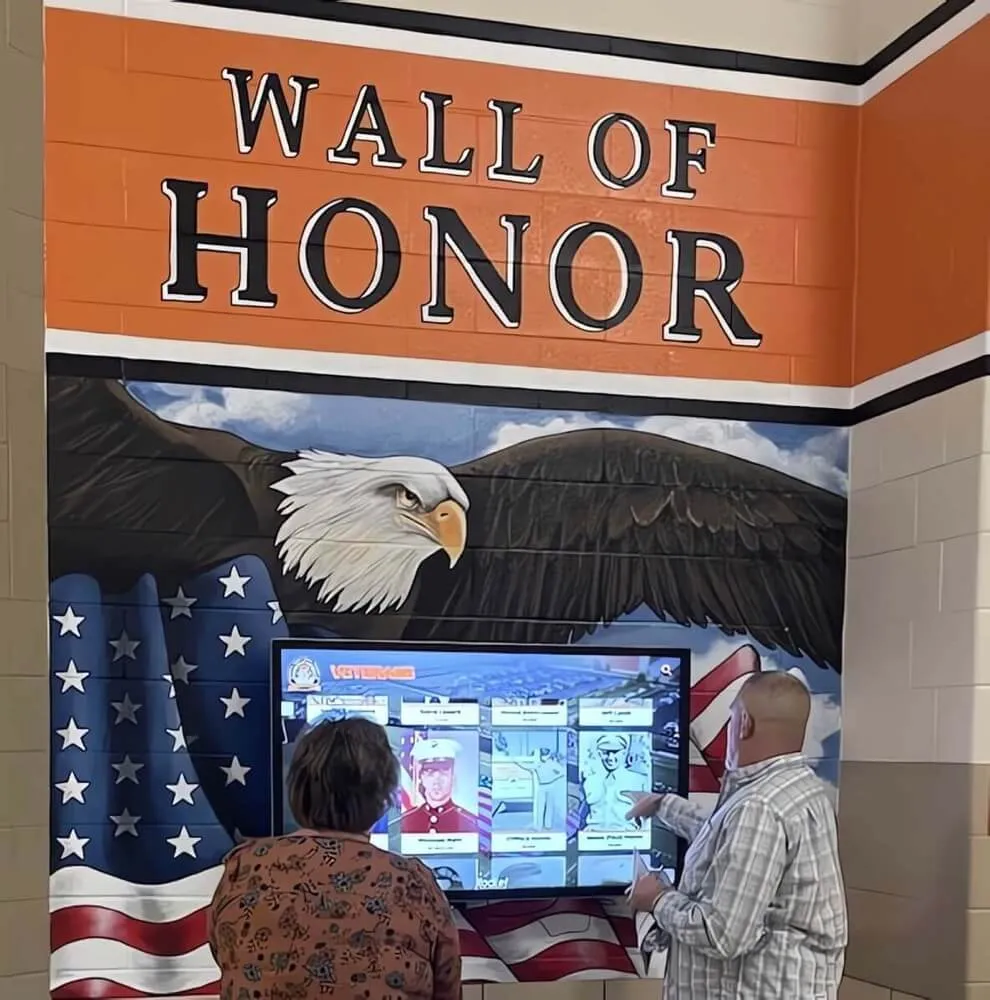
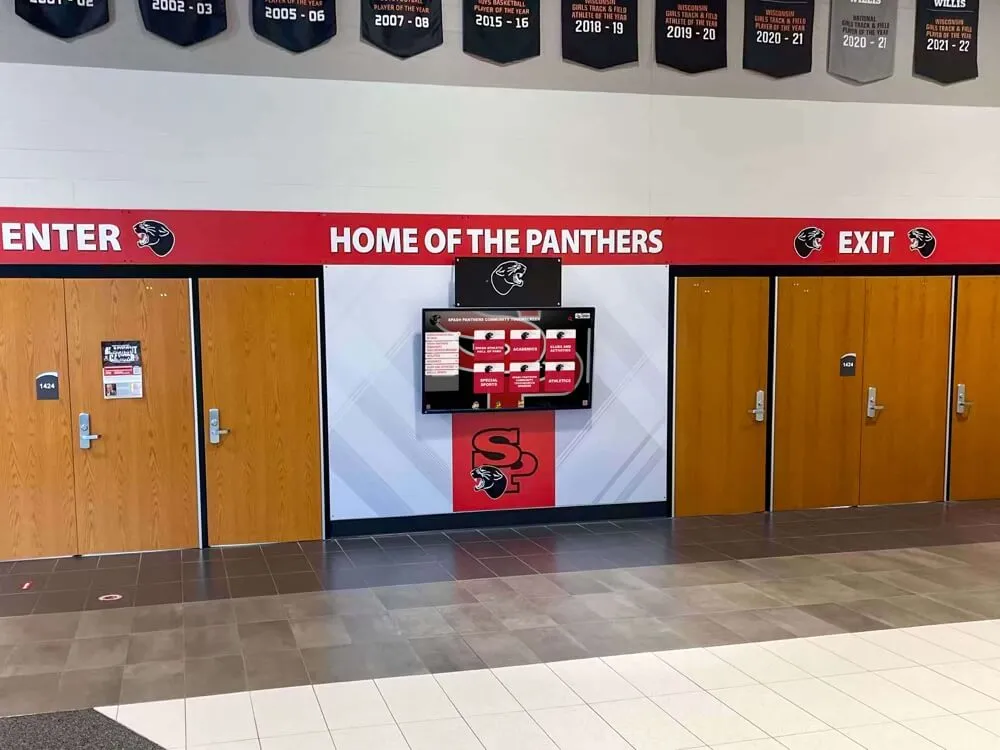
Digital Interactive Playoff Recognition
Digital recognition platforms address traditional limitations while providing capabilities impossible with physical displays.
Unlimited Recognition Capacity: Digital systems accommodate comprehensive playoff history without space constraints. Schools can recognize every playoff team, quarterfinal appearance, and significant playoff achievement across program history without difficult prioritization decisions forced by physical space limitations.
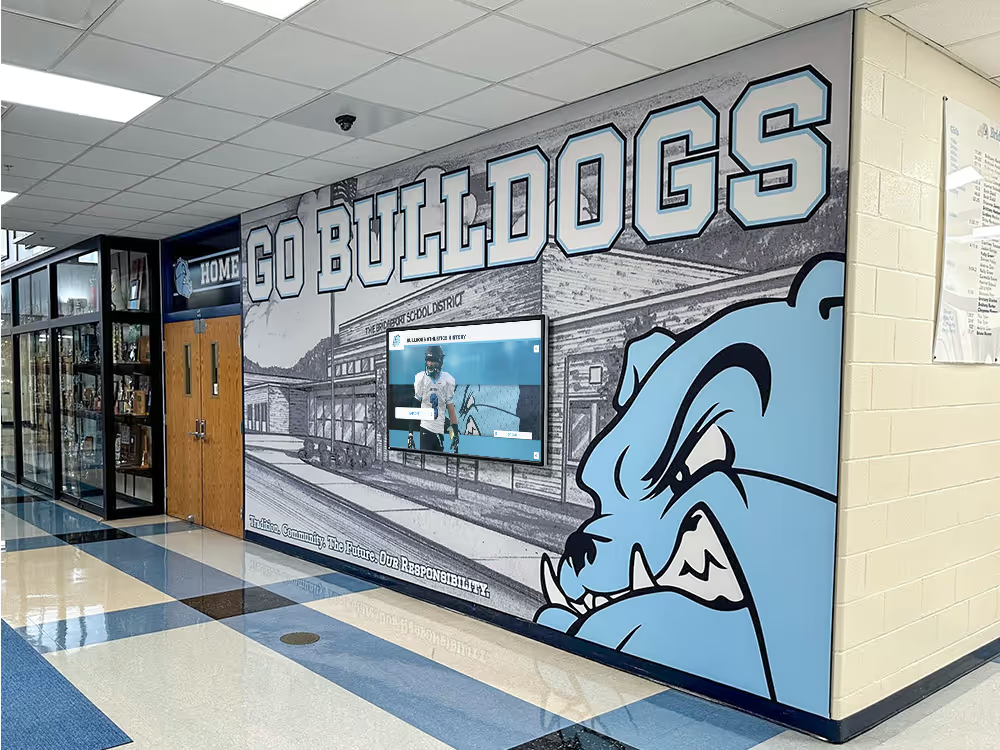
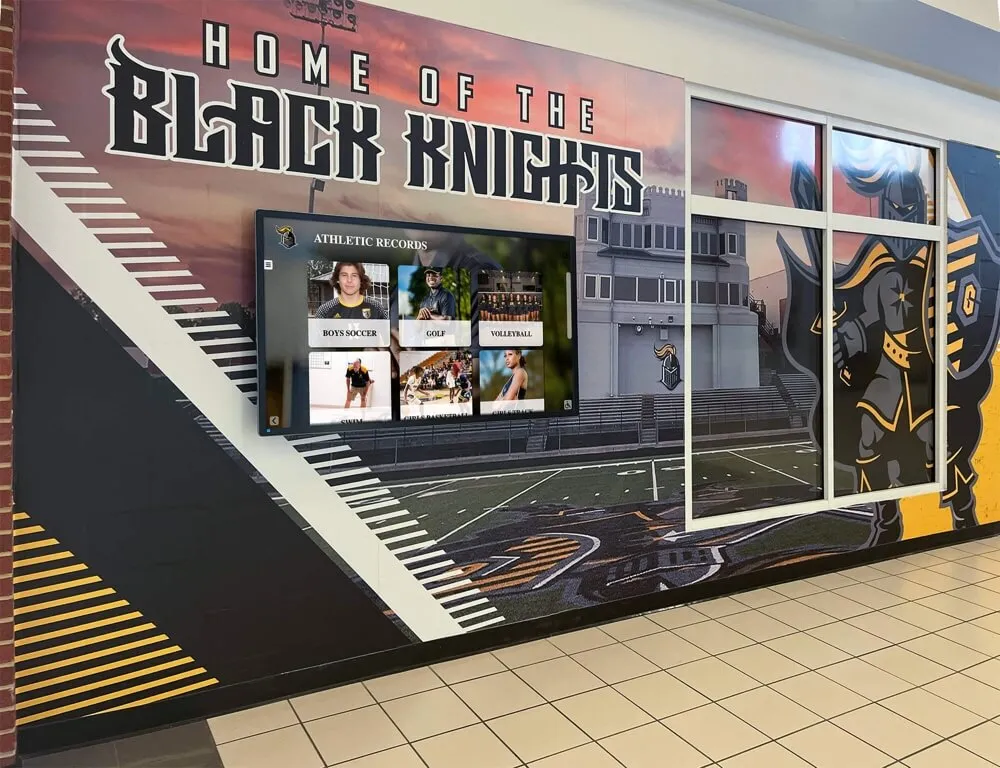
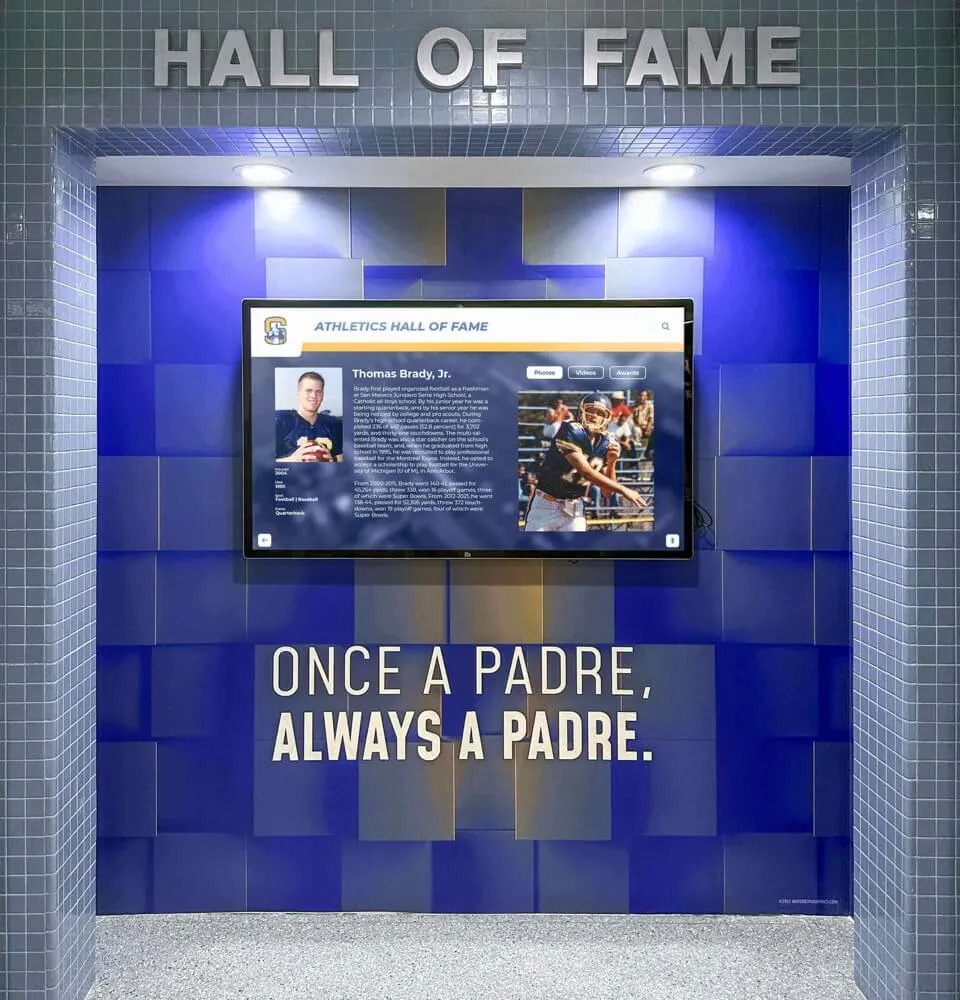
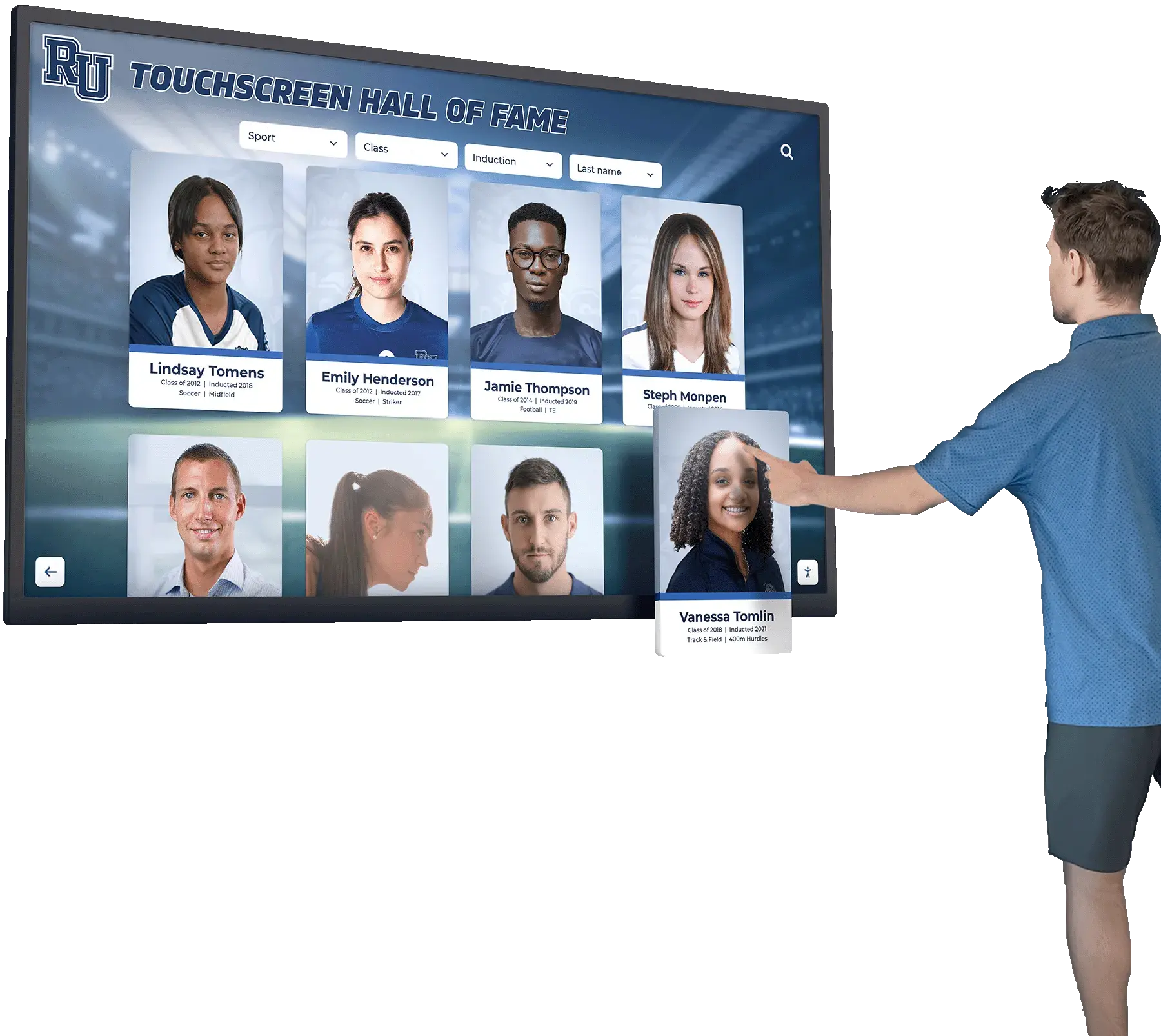
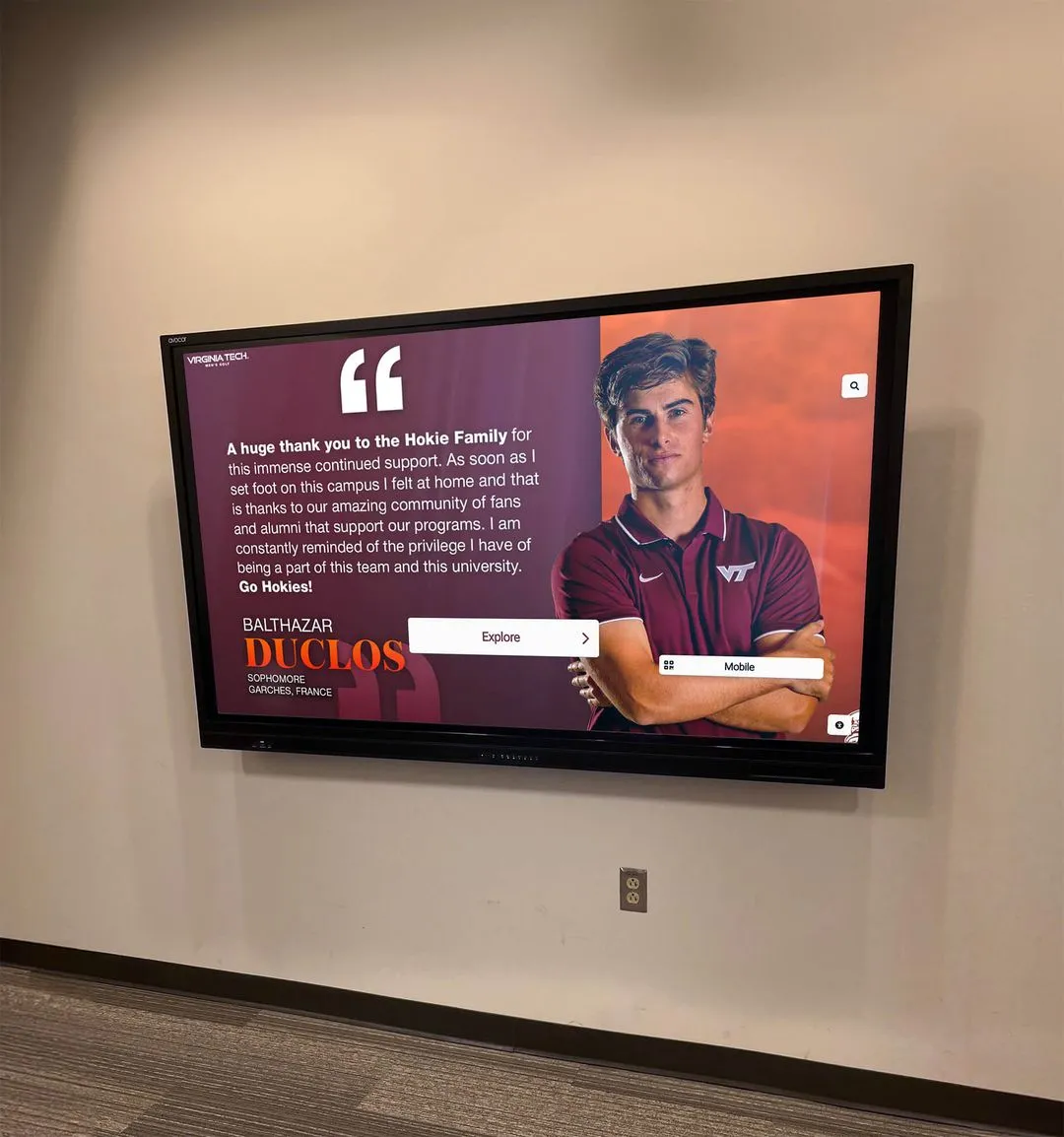
Rich Multimedia Storytelling: Digital displays integrate game photos showing teams competing, highlight video from playoff games, complete statistical breakdowns, player interviews and reflections, game recaps and championship narratives, and historical context connecting current and past success. This multimedia approach creates engaging experiences static banners cannot provide.
Instant Updates: When teams advance through playoff levels or win championships, digital displays update immediately through content management systems. Updates requiring weeks for banner production and installation with traditional approaches happen within hours through simple uploads requiring no technical expertise.
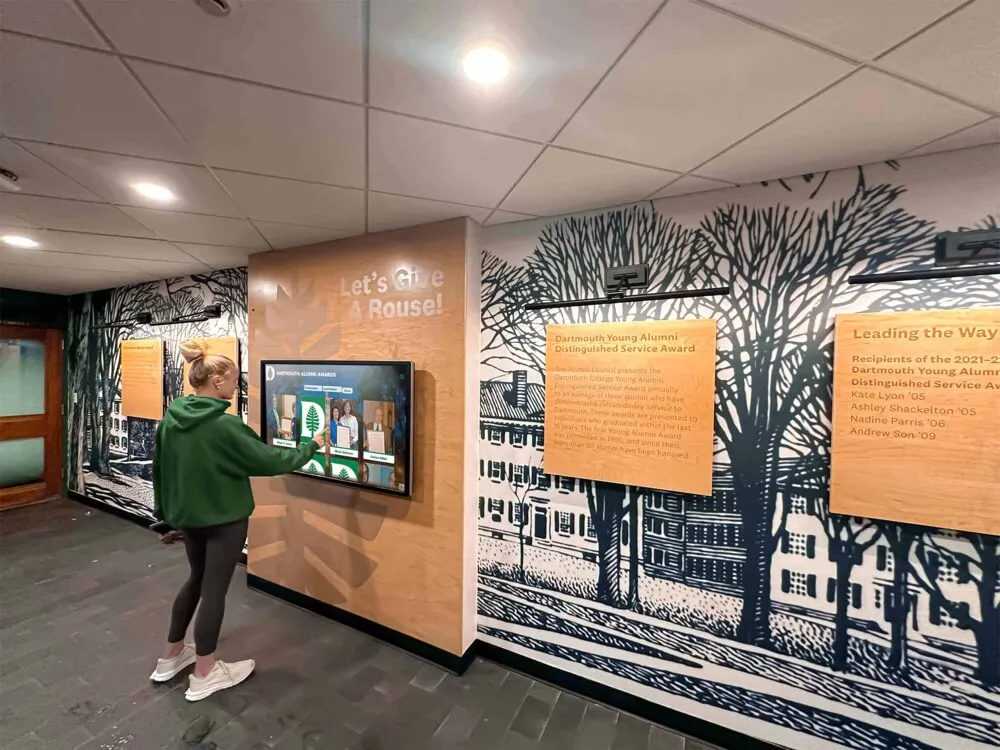
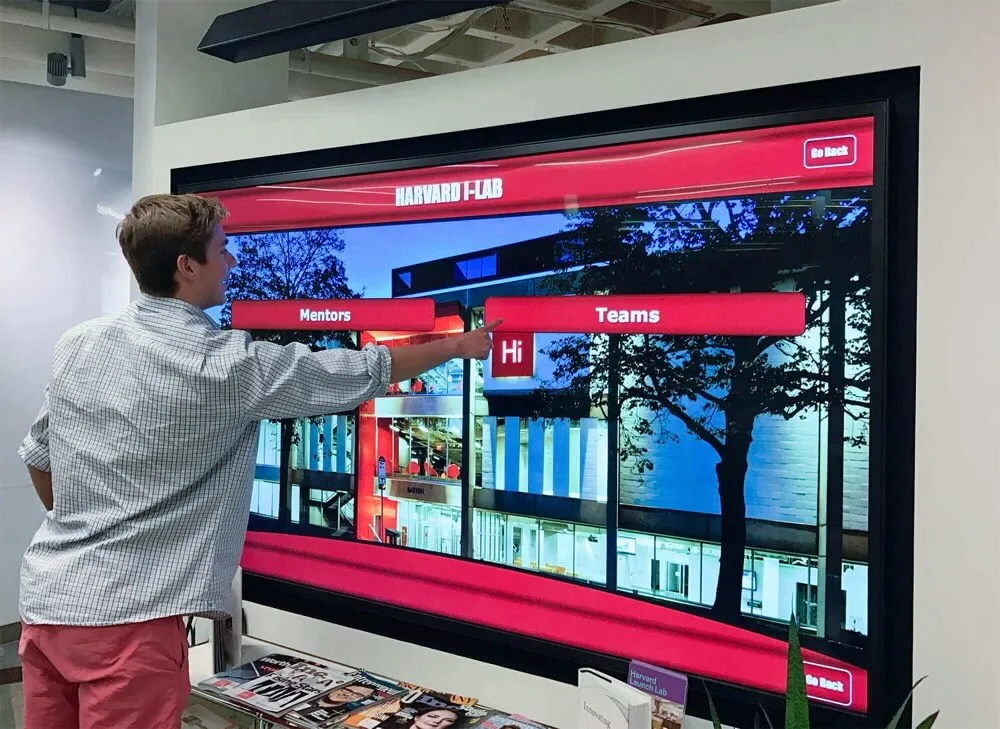
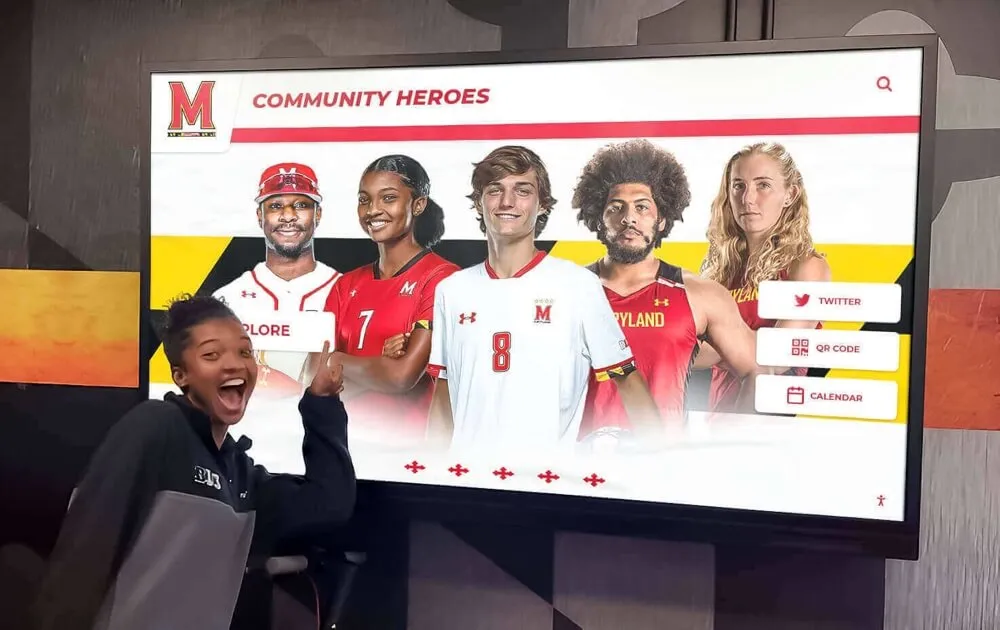
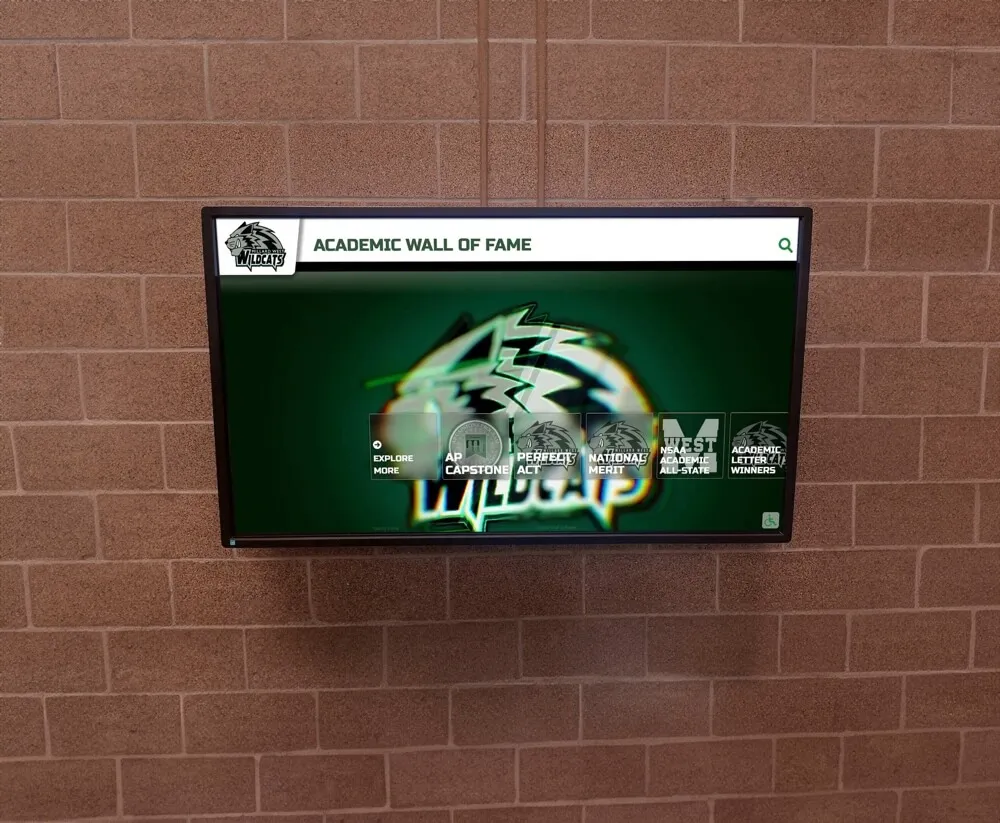
Interactive Exploration: Digital systems allow users to search playoff history by year, browse by playoff level or achievement, filter by division or opponent, and compare statistics across different eras. This interactivity makes extensive playoff databases navigable and personally relevant.
Remote Accessibility: Many digital recognition systems provide web access enabling worldwide exploration beyond physical campus visitors. Alumni can access playoff recognition from anywhere, prospective families can research program history during school selection, and current students can explore on personal devices.
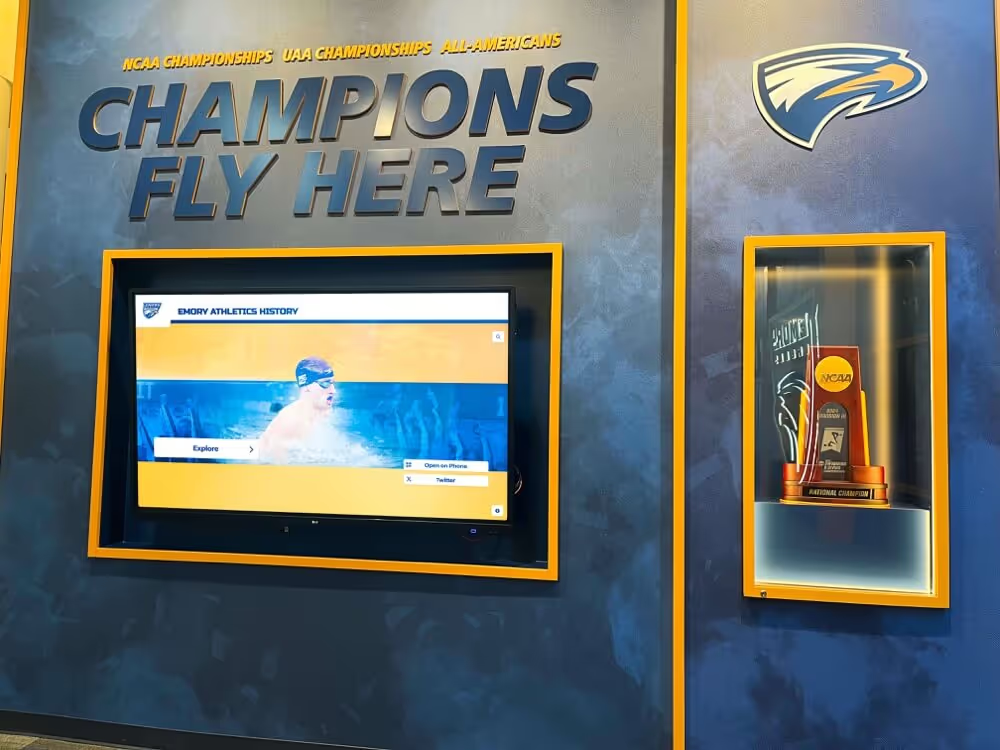
Solutions like state championship display systems demonstrate how digital platforms effectively celebrate football excellence across multiple dimensions while remaining manageable for non-technical staff.
Hybrid Recognition Strategies
Many successful programs implement hybrid approaches combining traditional and digital elements to satisfy diverse stakeholder preferences while maximizing both impact and functionality.
Selective Traditional Display: Maintain traditional championship banners for state titles and recent playoff appearances, preserving ceremonial significance and creating focal points commanding respect. Physical displays honor tradition while creating visually impressive recognition in competition venues.
Comprehensive Digital Documentation: Supplement selective traditional displays with comprehensive digital systems documenting complete playoff history including all playoff appearances, Level 2-5 advancement, individual playoff achievements, statistical records, and multimedia content.
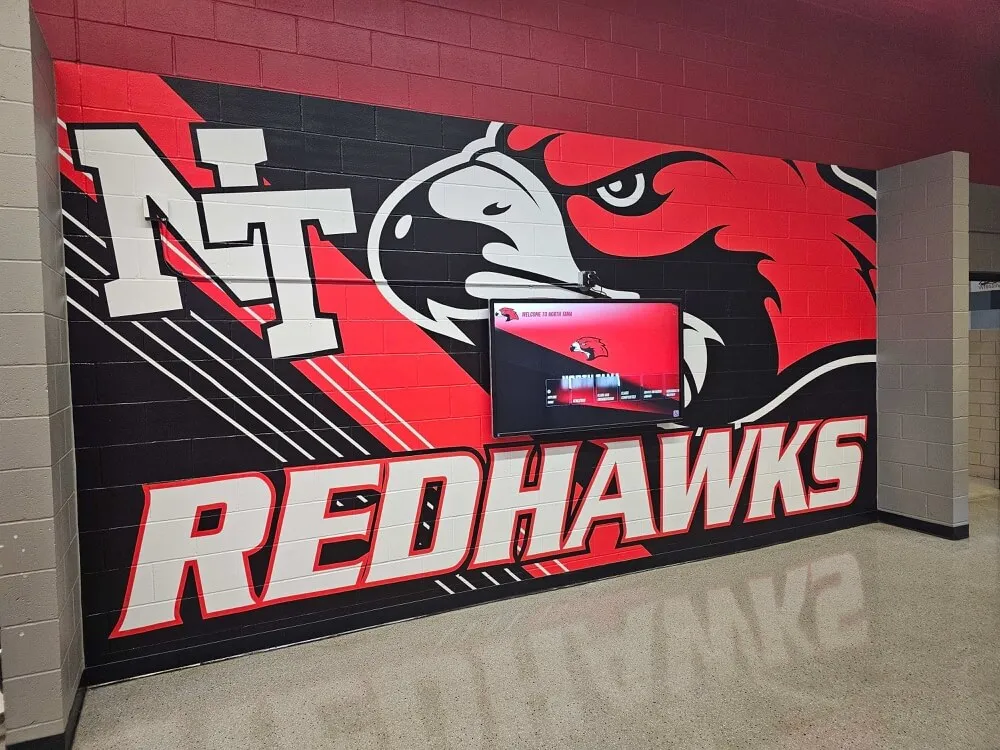
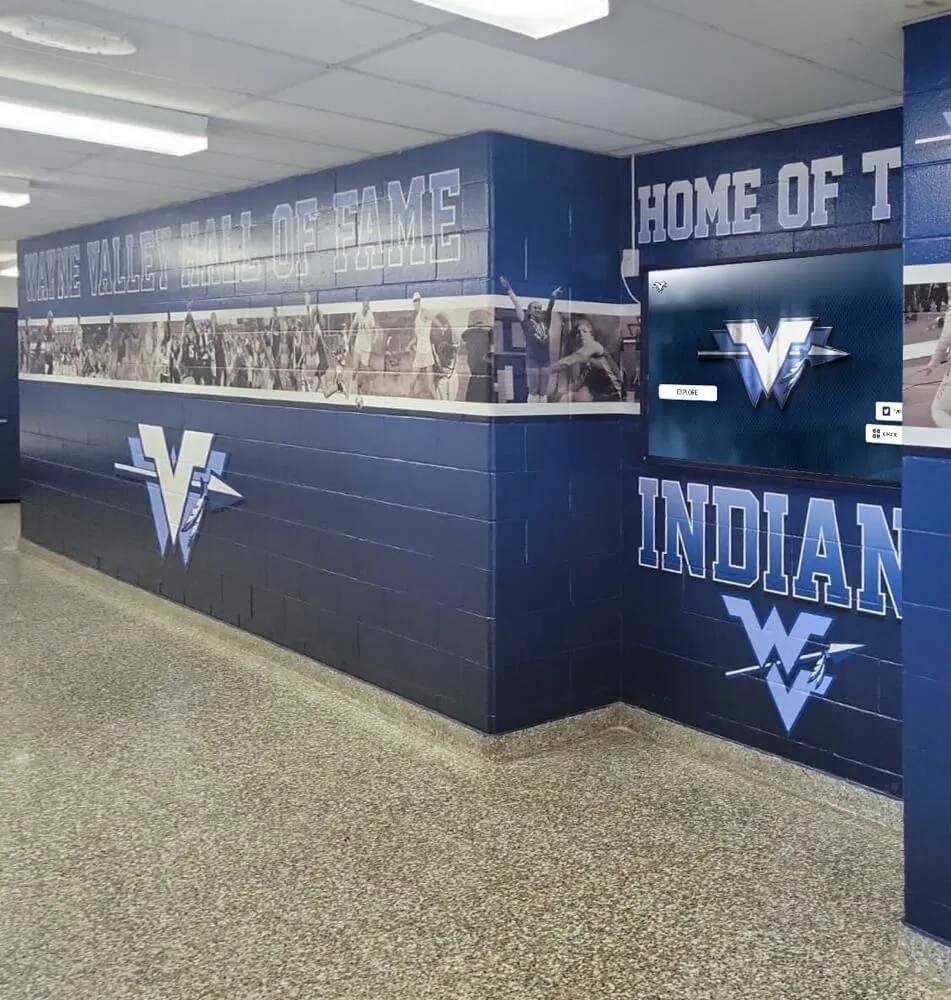
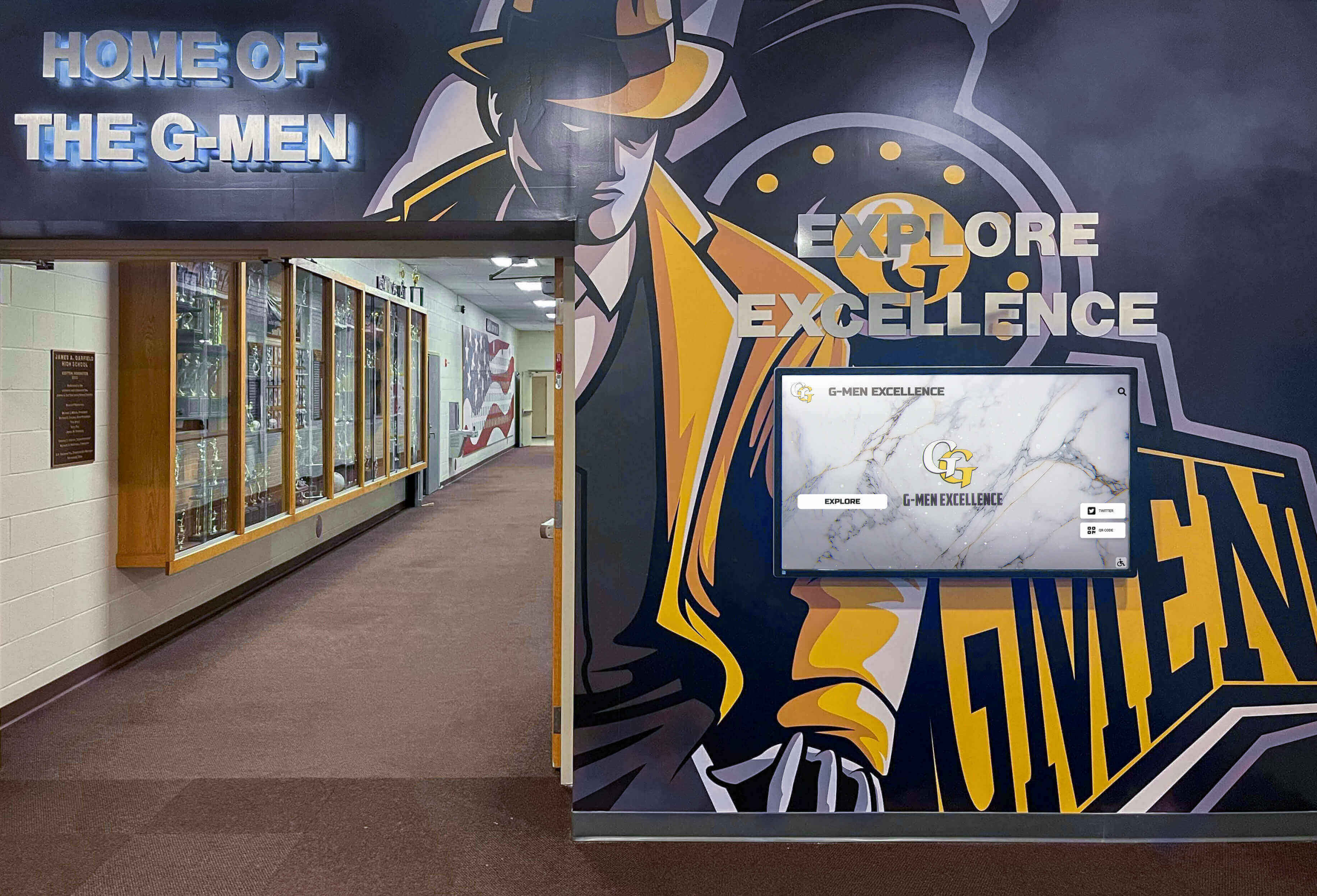
Integrated Presentation: Combine approaches through traditional trophy cases with QR codes linking to detailed digital content, digital screens adjacent to championship banners, web-based access extending recognition beyond campus, and mobile applications providing portable exploration.
Athletic Banquet Integration: Recognition systems support annual athletic banquets where playoff teams receive traditional awards while comprehensive digital platforms document achievements permanently. This integration connects ceremonial traditions with lasting documentation.
Resources on athletic banquet planning explore how recognition programs integrate with annual celebration events honoring seasonal achievements including playoff success.
Implementing Comprehensive Playoff Recognition Programs
Moving from concept to operational recognition requires systematic planning addressing content development, technical implementation, stakeholder engagement, and ongoing maintenance.
Planning and Goal Setting
Program Assessment: Begin by inventorying current playoff recognition including existing banners, trophies, and physical displays, available space for new or expanded recognition, historical playoff records and documentation, and gaps in recognition coverage by era or achievement type.
Stakeholder Consultation: Gather perspectives from football coaches about playoff traditions and key achievements, athletic directors about recognition priorities and budget, alumni about their playoff experiences and preferences, booster clubs about funding and support, and current players about what recognition they find meaningful and motivating.
Clear Objective Definition: Establish what your recognition program aims to accomplish including preserving complete program playoff history, inspiring current teams through visible playoff success, engaging alumni through recognition of their contributions, supporting recruiting by demonstrating program quality, or building community pride around football traditions.
Different objectives suggest different implementation approaches and content priorities, making clear goal definition essential for effective planning.
Content Development and Historical Research
Creating comprehensive playoff recognition requires significant historical research often underestimated during initial planning.
Historical Record Compilation: Gather complete playoff history through yearbook review documenting playoff seasons, newspaper archive searches for game coverage, WIAA record verification for official results, coach and administrator interviews preserving institutional memory, and alumni consultations providing personal documentation and photographs.
Photo and Media Collection: High-quality visual content enhances recognition significantly including game action photos showing teams competing, team photos from playoff seasons, championship celebration photos at Camp Randall Stadium, facility and venue photos across eras, and video footage when available for recent seasons.
Narrative Development: Beyond statistics and results, compelling narratives make recognition meaningful including championship season stories and key moments, player and coach reflections on playoff experiences, context about playoff run significance within program history, and connections between past and present playoff success.
This content development represents substantial work. Realistic timeline expectations—often 6-12 months for comprehensive historical recognition—prevent rushed efforts compromising quality.
Budget and Funding Strategies
Understanding costs and exploring diverse funding sources makes playoff recognition implementation feasible within typical school budgets.
Traditional System Costs: Championship banners typically cost $150-$400 each, trophy cases range from $2,000-$8,000 depending on size and quality, and physical plaque systems cost $50-$150 per plaque plus mounting infrastructure. Total traditional recognition costs vary widely based on scope but typically range $5,000-$20,000 for comprehensive displays.
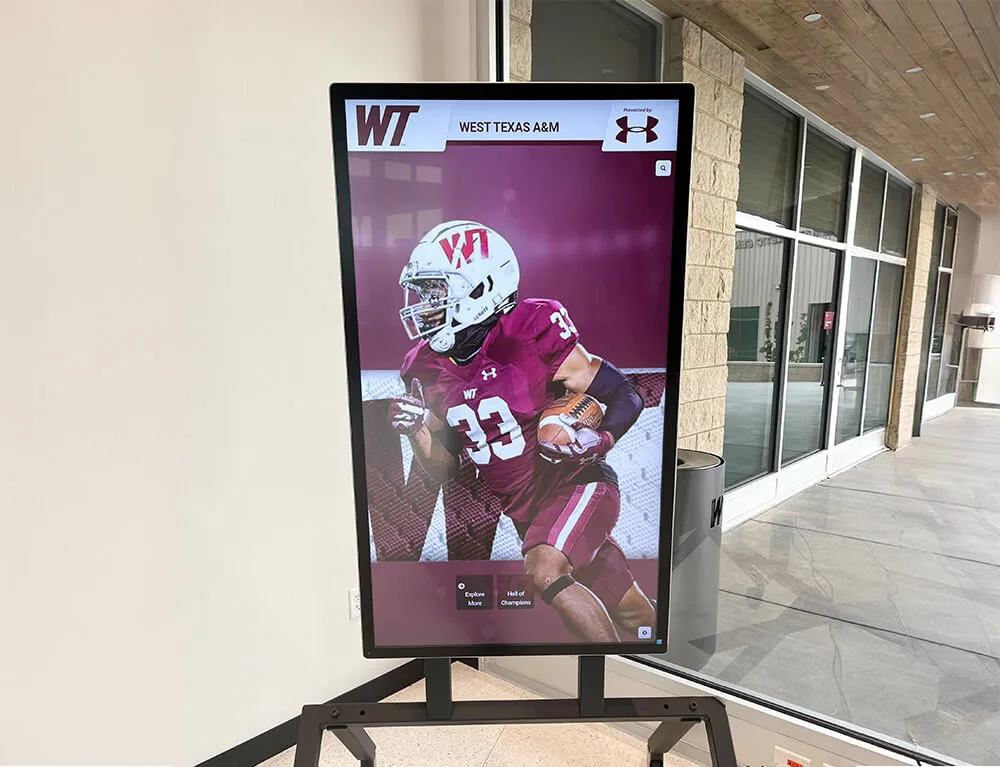
Digital System Investment: Digital recognition requires higher initial investment including commercial-grade touchscreen hardware, software platform licensing, content development, and professional installation. While initially more expensive, unlimited capacity and easy updates often prove more cost-effective long-term for programs with extensive playoff traditions.
Funding Sources: Schools successfully fund recognition through football booster clubs and support organizations, alumni giving campaigns targeting former playoff participants, memorial gifts honoring deceased coaches or players, corporate sponsorships with appropriate recognition, and phased implementation spreading costs across multiple budget cycles.
Many programs discover former playoff participants enthusiastically support recognition preserving their achievements, viewing contributions as investments in their own legacies and program traditions they helped build.
Resources on booster club structures and fundraising provide frameworks for organizing supporter groups that can fund comprehensive recognition programs celebrating athletic achievements.
Best Practices for Sustained Recognition Programs
Long-term success requires approaches ensuring playoff recognition remains current, accurate, and meaningful across coaching changes and administrative transitions.
Systematic Season-End Updates
Establish processes ensuring new playoff achievements receive timely recognition maintaining program currency and relevance.
Post-Season Documentation: Immediately following playoff seasons, collect complete team rosters and statistics, coaching staff information, playoff bracket results and scores, game photos and videos, statistical leaders and achievements, and player reflections while memories remain fresh.
Recognition Timeline: Implement systematic recognition schedules including immediate digital updates after playoff rounds, traditional banner production during off-season, championship celebration events in spring or fall, and annual recognition program reviews ensuring comprehensiveness.
Quality Control: Before publishing or installing new recognition, verify factual accuracy of all information, ensure photo quality meets display standards, confirm proper spelling of all names, validate statistical accuracy, and obtain necessary approvals from athletic directors or administrators.
Equitable Recognition Across Eras
Comprehensive programs balance celebrating recent success with honoring historical achievements, ensuring all playoff participants receive appropriate recognition regardless of when they competed.
Historical Completion Projects: Dedicate resources to researching and recognizing historical playoff teams through volunteer research efforts, student research projects providing academic credit, alumni assistance gathering information from their eras, and phased implementation gradually expanding historical coverage.
Balanced Visibility: Ensure recognition systems provide comparable treatment for historical and recent teams rather than exclusively emphasizing current achievements. Alumni visiting campuses should find their playoff contributions recognized alongside current successes, maintaining connections across generations.
Integration with Broader Athletic Recognition
Playoff recognition proves most effective integrated within comprehensive systems celebrating diverse athletic achievements.
Multi-Sport Recognition: Recognition platforms should accommodate playoff and championship achievements across all sports—volleyball state tournaments, basketball playoffs, baseball state series, hockey tournaments—creating consistent experiences while enabling sport-specific organization.
Academic Integration: The best playoff performers often excel academically as well. Including academic information—honor roll status, academic all-state designations, National Honor Society membership—presents student-athletes as complete scholar-athletes rather than exclusively emphasizing athletic performance.
Character Recognition: Playoff success requires leadership, sportsmanship, perseverance, and teamwork worth recognizing beyond statistics. Creating recognition categories for playoff team captains, sportsmanship recognition, and players overcoming adversity demonstrates programs value character alongside competitive achievement.
Leveraging Playoff Recognition for Program Development
Strategic playoff recognition supports broader objectives beyond simply honoring past achievements.
Recruiting and Program Reputation
Visible playoff success influences prospective athlete decisions and program reputation throughout communities and regions.
Prospective Family Impressions: Families evaluating high schools form impressions based on visible evidence of program quality and competitive success. Comprehensive playoff recognition demonstrates program excellence and championship culture appealing to athletically talented families.
Competitive Differentiation: In competitive recruiting environments, playoff recognition differentiates programs. Schools demonstrating consistent playoff success through visible recognition systems communicate program quality distinguishing them from programs lacking similar documentation.
Media Coverage: Comprehensive playoff recognition often generates additional media attention celebrating both current achievements and recognition program quality. This coverage provides positive community visibility while reinforcing program reputation.
Alumni Engagement and Community Pride
Playoff recognition creates natural connection points maintaining relationships with former participants while building community-wide pride.
Alumni Connection: Former playoff participants maintain strong emotional connections to postseason experiences that shaped their development. When schools visibly honor these contributions through permanent recognition, alumni feel valued and maintain engaged relationships.
Reunion Facilitation: Playoff recognition creates focal points for team reunions, anniversary celebrations around championship teams, homecoming features for playoff participants, and connections facilitating former teammate gatherings.
Community Identity: In many Wisconsin communities, high school football represents cultural centerpieces, with playoff success creating shared community experiences and pride. Recognition programs preserving these memories strengthen school-community bonds.
Resources on school lobby design explore how athletic recognition displays integrate into welcoming entrance spaces that celebrate school pride and achievement for all visitors.
Special Recognition Categories and Considerations
Beyond team playoff success, additional recognition categories celebrate specific dimensions of playoff excellence.
Coaching Excellence in Playoff Success
Coaches who consistently lead teams to playoff success demonstrate expertise, program building, and leadership deserving specific recognition.
Career Playoff Victories: Track coaches’ career playoff wins and winning percentages, recognizing sustained playoff success across seasons and rosters. Coaches reaching milestone playoff victory totals—10, 25, 50 playoff wins—achieved sustained excellence distinguishing them among Wisconsin coaching peers.
Multiple Championships: Coaches winning multiple state championships demonstrated exceptional program building, sustained excellence, and ability to consistently compete at championship levels. These accomplishments reflect coaching quality and sustained commitment to competitive excellence.
Division Transitions: Coaches leading programs to playoff success across different divisions as enrollments changed demonstrated adaptability and sustained excellence despite competitive circumstance changes.
Playoff Milestone Recognition
Individual and team playoff milestones create special recognition opportunities celebrating rare achievements.
Perfect Playoff Records: Teams winning championships with perfect 5-0 playoff records achieved rare distinction demonstrating sustained dominance throughout complete playoff journeys. Undefeated championship seasons deserve special recognition celebrating consistent excellence.
Comeback Victories: Playoff victories featuring dramatic comebacks from significant deficits demonstrate character, resilience, and mental toughness worth celebrating. These memorable wins often define seasons and careers.
Rivalry Playoff Matchups: When traditional rivals meet in playoff games, these matchups create intensified drama and memorable moments. Playoff victories over rivals deserve special recognition acknowledging additional significance these games carry.
Long Playoff Droughts and Breakthrough Success
For programs experiencing long playoff absences or breakthrough playoff achievements, these milestones deserve special recognition celebrating program transformation.
First Playoff Appearances: Schools making first-ever playoff appearances or ending multi-decade playoff absences achieved meaningful milestones representing program building. These breakthrough achievements deserve recognition celebrating the journey from struggle to playoff qualification.
First Championships: Programs winning first state championships in school history achieved transformative success redefining program expectations. These watershed moments deserve prominent recognition celebrating program elevation to championship level.
Classification Success: When schools make playoffs after transitioning between divisions due to enrollment changes, these achievements demonstrate program adaptability and sustained excellence despite competitive circumstance changes.
Measuring Recognition Program Impact
Effective recognition programs include assessment mechanisms demonstrating value and guiding continuous improvement.
Quantitative Metrics
Recognition Completeness: Track percentage of playoff seasons documented in recognition systems, average profile completeness for playoff teams, historical coverage depth across program eras, and media content availability for different seasons.
Engagement Metrics: For digital systems, monitor total interactions with playoff content, average time spent exploring playoff recognition, most-viewed playoff teams and seasons, search patterns revealing visitor interests, and social media sharing extending recognition reach.
Program Participation: Assess whether comprehensive recognition correlates with increased football program participation, improved player retention across seasons, enhanced recruiting success, and broader community engagement.
Qualitative Assessment
Stakeholder Feedback: Regularly gather perspectives from current players about recognition awareness and motivational impact, alumni about recognition satisfaction and engagement, families about what playoff recognition means, coaches about how recognition supports culture building, and community members about pride and connection to program.
Cultural Indicators: Observe whether recognition programs contribute to enhanced school spirit around football, increased attendance at playoff games, improved media coverage, stronger booster organization engagement, and sustained community support transcending individual seasons.
Conclusion: Preserving Wisconsin Football Excellence Through Comprehensive Recognition
Wisconsin’s high school football playoffs create achievement opportunities across seven divisions, ensuring schools of all sizes can pursue meaningful championships while competing against similarly-sized programs. From selective playoff qualification through 32-team fields to elite state championship games at historic Camp Randall Stadium, the WIAA playoff system generates multiple achievement levels deserving systematic recognition and celebration.
Comprehensive playoff recognition accomplishes multiple objectives—preserving program history for future generations, inspiring current teams through visible playoff success models, engaging alumni communities around shared postseason experiences, demonstrating program quality to prospective athletes and families, and building school pride around competitive excellence that distinguishes institutions and communities.
Whether through traditional championship banners and trophy displays, modern digital recognition platforms, or hybrid approaches combining both, schools implementing systematic playoff recognition demonstrate commitment to honoring student-athlete achievement, maintaining institutional memory, and celebrating football traditions that define Wisconsin communities from metropolitan powerhouses to dedicated small-town programs where Friday night lights represent cultural centerpieces.
The most successful recognition programs share common characteristics including comprehensive historical documentation across program eras, systematic updates ensuring current relevance, equitable recognition across achievement levels, integration with broader athletic recognition systems, and sustained operational commitment maintaining quality across coaching and administrative transitions.
For Wisconsin schools ready to implement or enhance playoff recognition, solutions like Rocket Alumni Solutions provide purpose-built platforms designed specifically for comprehensive athletic recognition. These systems combine intuitive content management enabling easy seasonal updates, engaging interactive displays creating memorable visitor experiences, unlimited capacity accommodating extensive playoff traditions, professional presentation reflecting playoff achievement significance, and reliable performance ensuring recognition remains accessible and inspiring.
Wisconsin high school football playoffs represent more than competitive tournaments—they create defining experiences shaping student-athletes, uniting communities, and building traditions connecting generations. Comprehensive recognition ensures these achievements receive appropriate honor while inspiring future teams to write their own playoff success stories in the rich tradition of Wisconsin high school football excellence. Every playoff team, quarterfinal appearance, and state title at Camp Randall Stadium deserves recognition preserving these accomplishments for communities, participants, and generations who will never witness the games but deserve to understand the excellence that defines your program’s competitive legacy.