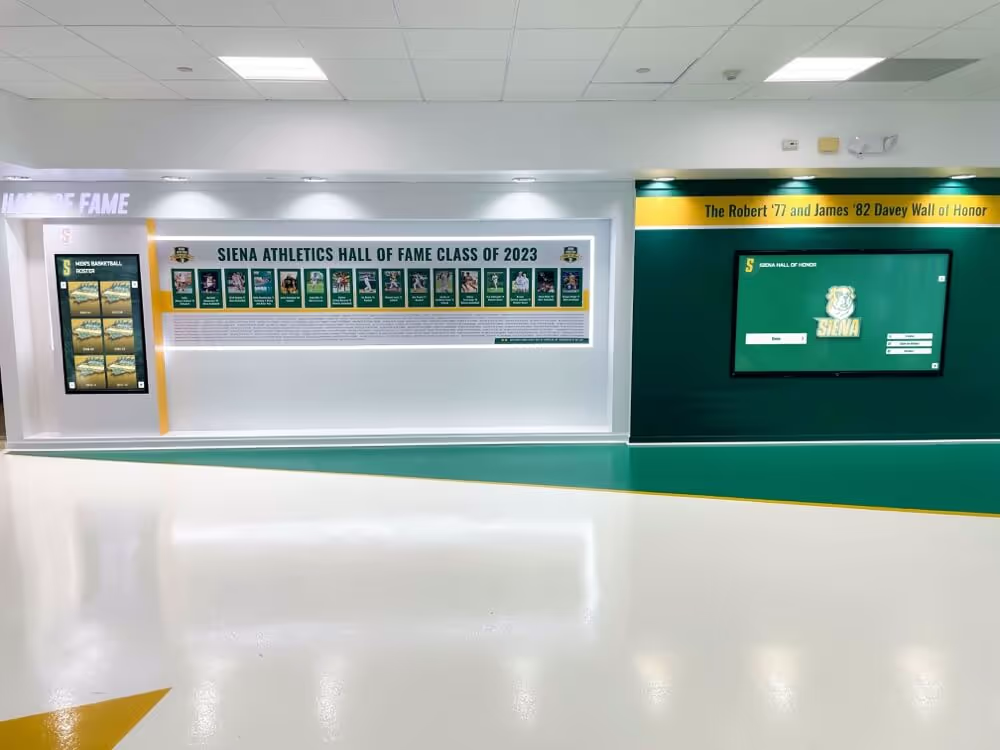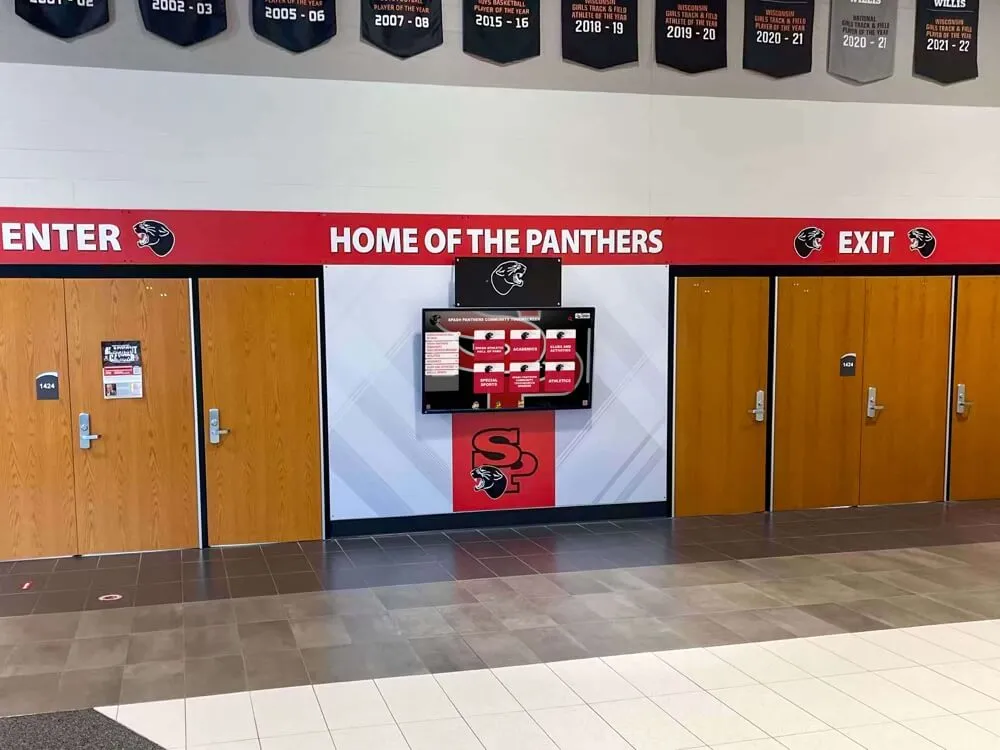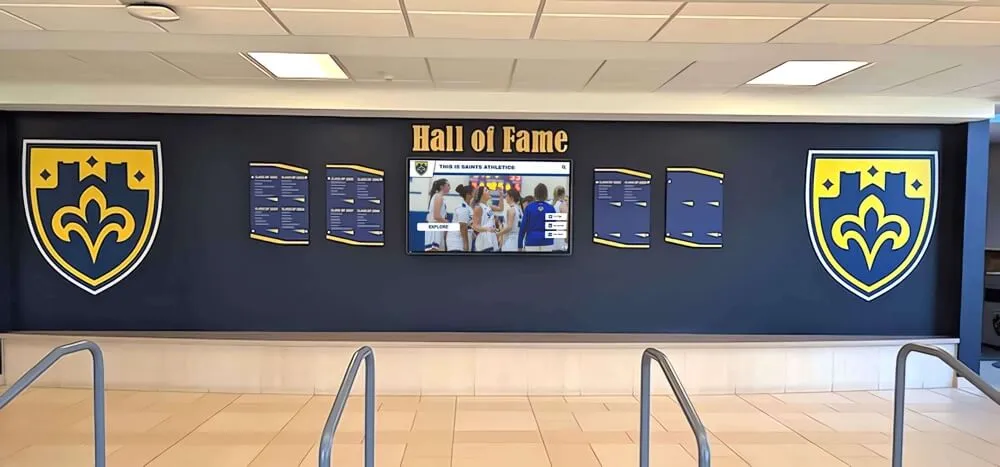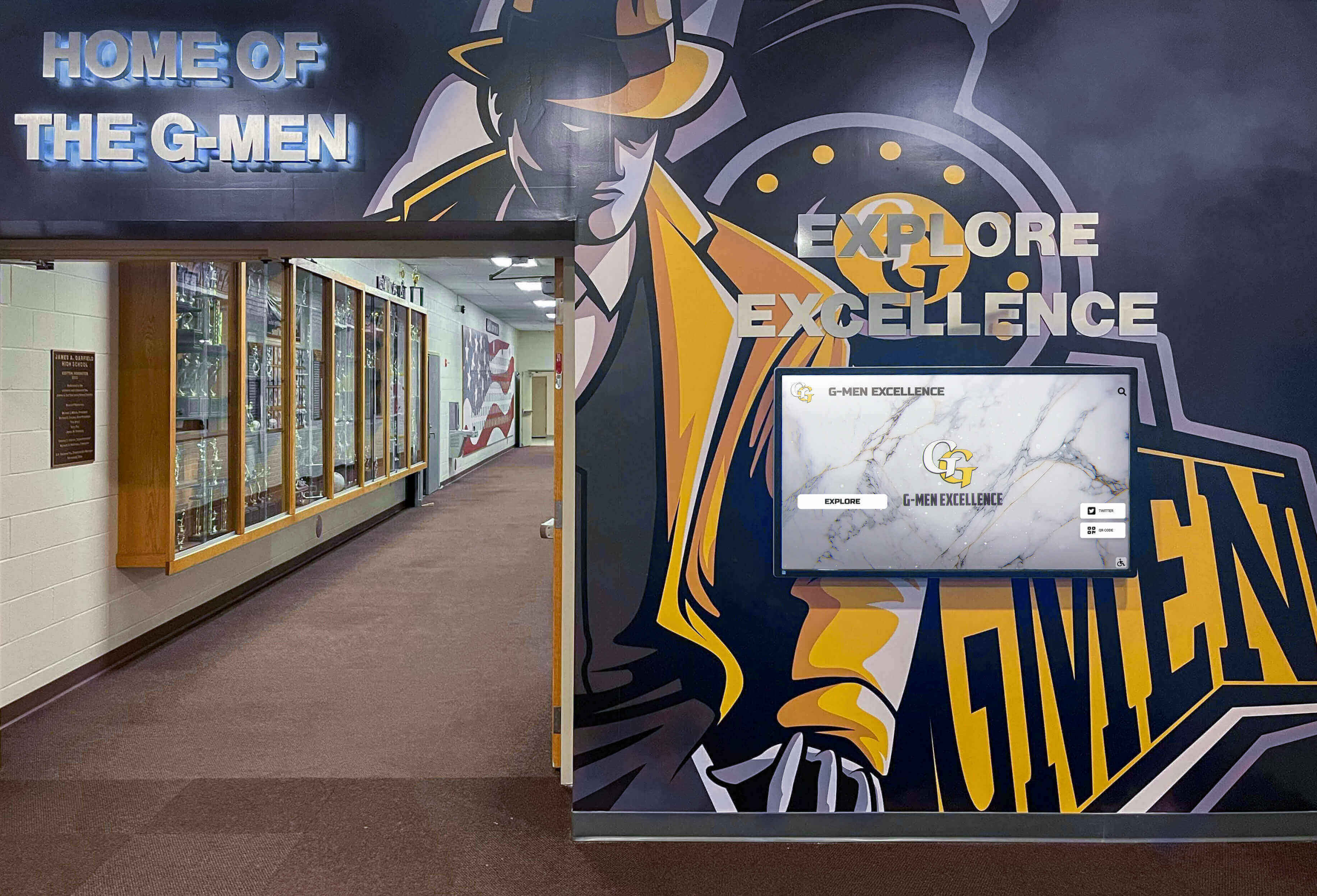




Small to medium public high schools face a persistent challenge: how do you celebrate every student achievement when space is limited, budgets are tight, and staff already handles multiple responsibilities? Traditional trophy cases fill quickly. Wall space disappears. Plaques collect in storage. Athletic directors teaching three classes can’t spend hours updating vinyl records. The practical result means most achievements never receive the permanent recognition students deserve.
Digital recognition displays solve these specific challenges facing smaller schools. Unlike enterprise systems requiring dedicated IT staff or expensive traditional displays consuming limited wall space, purpose-built platforms provide affordable ways to honor unlimited achievements without ongoing labor costs or capacity constraints. The question isn’t whether small schools need better recognition—it’s whether solutions exist that work within real-world constraints of limited budgets, minimal technical resources, and time-strapped staff.
Recognition That Works for Smaller School Realities
Small to medium public high schools operate under different constraints than large districts with dedicated technology departments and substantial capital budgets. Staff members wear multiple hats—athletic directors coach teams, activities coordinators teach full course loads, administrators handle district responsibilities. Technology solutions must work reliably without constant attention. Investments must serve schools for years, not require replacement cycles schools can't afford. Digital record boards from Rocket Alumni Solutions address these specific needs through cloud-based systems requiring no on-site servers, simple content management accessible to non-technical staff, one-time hardware investments with no per-student licensing fees, unlimited capacity eliminating space constraints, and remote updates taking minutes instead of hours. Schools serving 300-1200 students gain the same capabilities larger districts enjoy—comprehensive recognition honoring every achievement while working within budgets and staffing realities smaller schools face. Book a demo to see how the platform adapts to smaller school needs.
The Small School Recognition Challenge
Small to medium public high schools—serving between 300 and 1200 students—occupy a difficult middle ground. They offer enough activities that recognition needs are substantial: varsity sports across multiple seasons, academic competitions, fine arts programs, service projects, and leadership positions. Yet they lack the resources larger districts deploy toward recognition systems.
Space Limitations Hit Harder
Physical space constraints affect smaller schools disproportionately. A school with 500 students might field 12-15 varsity teams plus academic and arts programs. Each program accumulates championships, individual achievements, and records worthy of celebration. Traditional trophy cases fill within a decade. Wall space in hallways, gymnasiums, and commons areas runs out faster than achievement accumulation stops.
Difficult decisions follow. Which trophies get displayed? Which plaques go to storage? Schools end up honoring recent achievements while historical excellence disappears from view. The unintended message suggests only current accomplishments matter—undermining recognition’s purpose of creating lasting institutional memory.

Budget Constraints Demand Value
Small district budgets face competing demands. Academic program needs, facility maintenance, technology infrastructure, and staffing costs consume most resources. Recognition investments must demonstrate clear value while fitting within tight capital equipment budgets.
Traditional recognition creates ongoing costs. New trophy cases cost $3,000-$8,000 and require wall modifications. Individual plaques run $50-$150 each—multiplied by dozens of achievements annually. Vinyl record updates for athletic records cost $200-$500 per sport for materials and labor. These expenses recur constantly, creating budget pressure without expanding recognition capacity.
Digital recognition systems face different cost structures. Higher initial investments—typically $15,000-$25,000 for comprehensive installations—raise understandable concerns. However, these systems eliminate ongoing plaque costs, vinyl updates, and trophy case additions. They provide unlimited capacity and instant updates. Schools serving students for 50+ years benefit from amortized investments delivering value across decades without recurring expenses.
Staffing Realities Create Time Constraints
Small schools ask few staff members to handle many responsibilities. The athletic director teaches physical education classes, coaches two sports, and manages facilities. The activities coordinator runs student council while teaching full-time. The principal handles district-level administration alongside building leadership. Technology coordinators support entire districts from central offices.
Recognition maintenance competes with core responsibilities. Updating vinyl records requires measuring, ordering, removing old records, applying new vinyl—hours of work multiplied across sports. Creating new plaques involves design work, vendor coordination, payment processing, and installation. Trophy case rearrangement to accommodate new achievements takes time nobody has available.
Solutions must work within these realities. Content management requiring technical expertise doesn’t work when staff members lack training. Systems needing constant attention fail when nobody has time for maintenance. Platforms demanding on-site server management collapse without dedicated IT personnel. Small schools need recognition solutions that genuinely require minimal ongoing attention from already-busy staff.
Why Digital Record Boards Work for Smaller Schools
Digital recognition displays address the specific constraints smaller schools face through capabilities matching their operational realities.
Unlimited Capacity Solves Space Problems
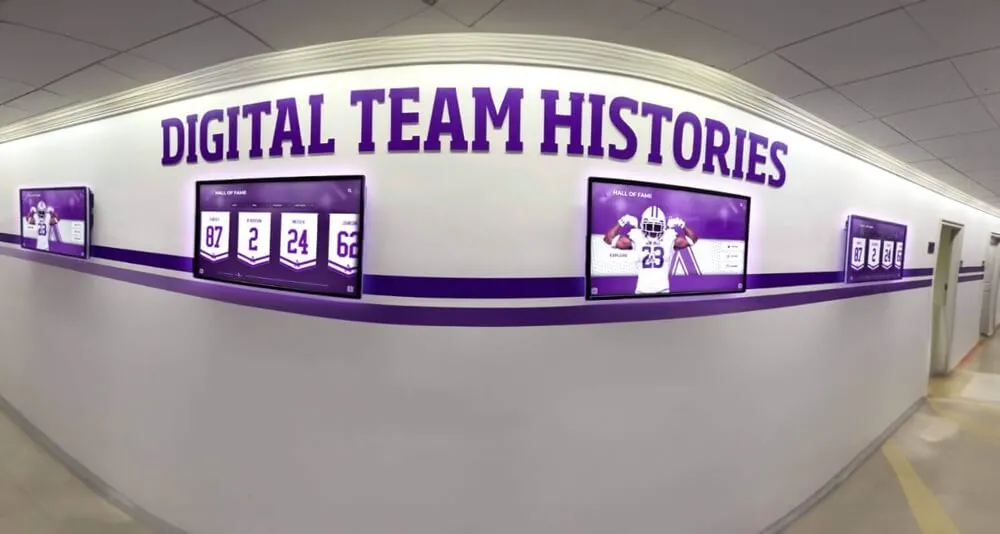
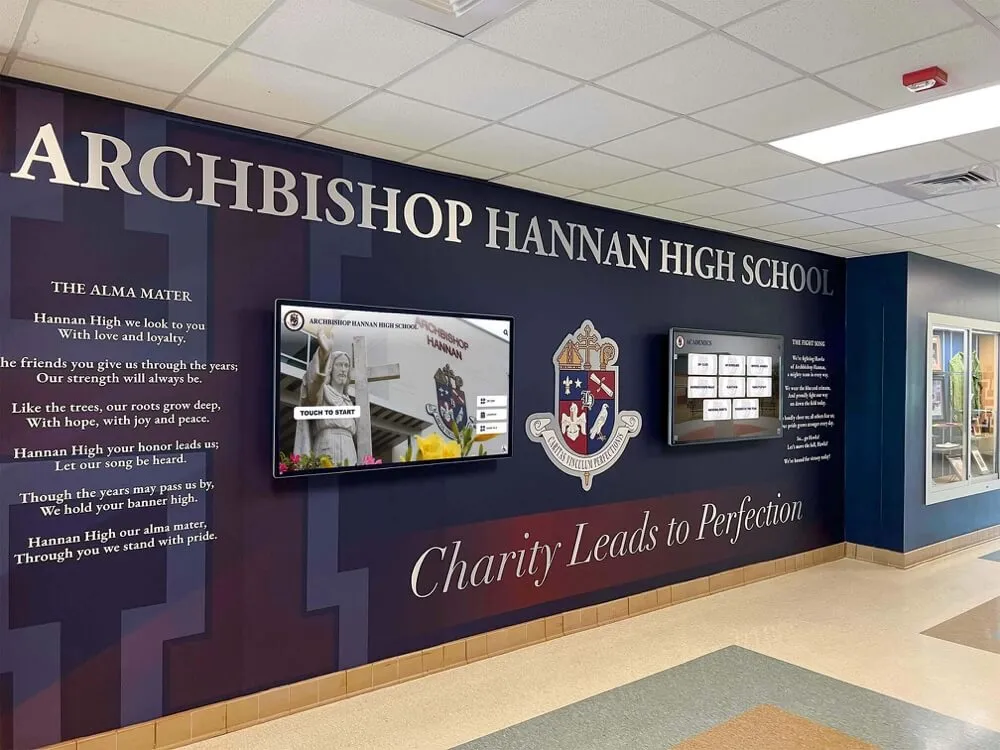
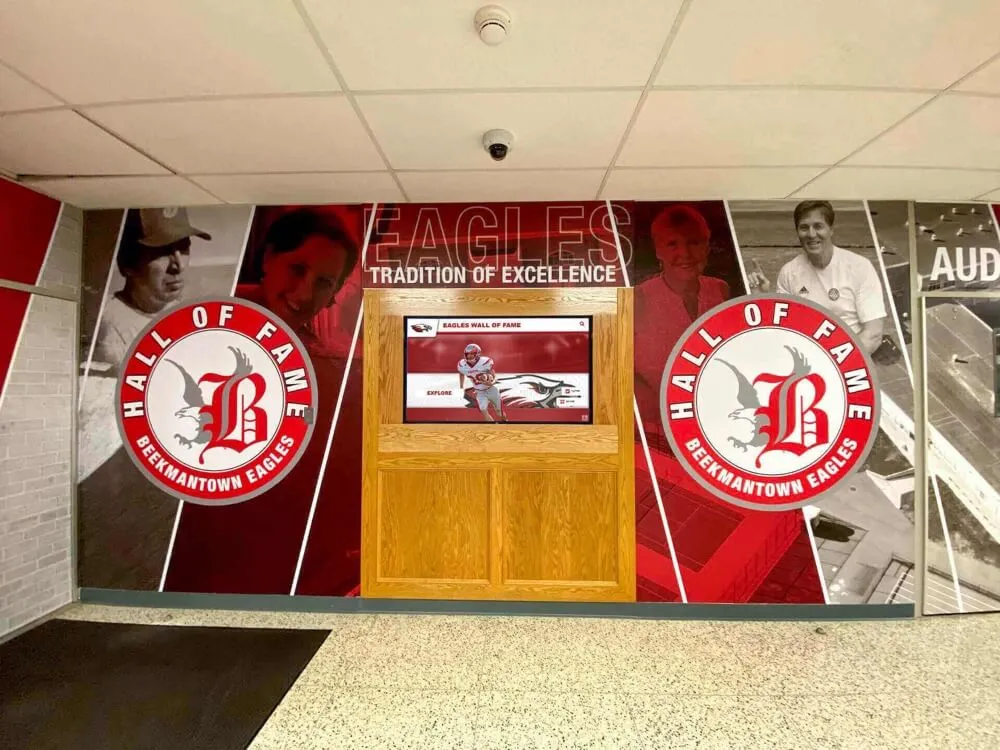
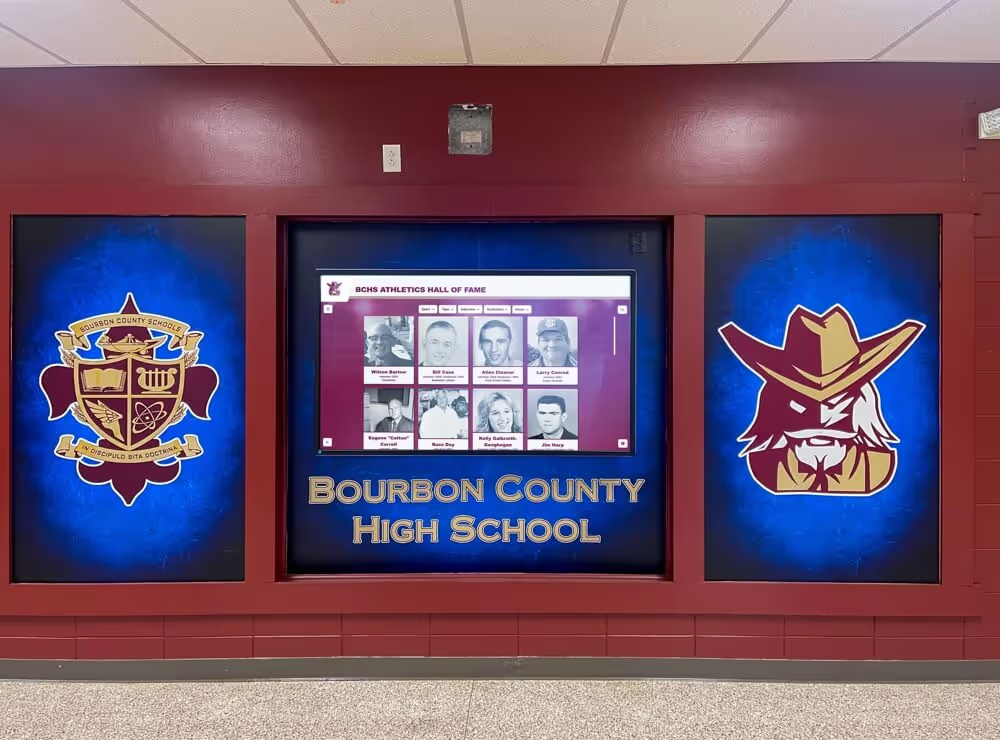
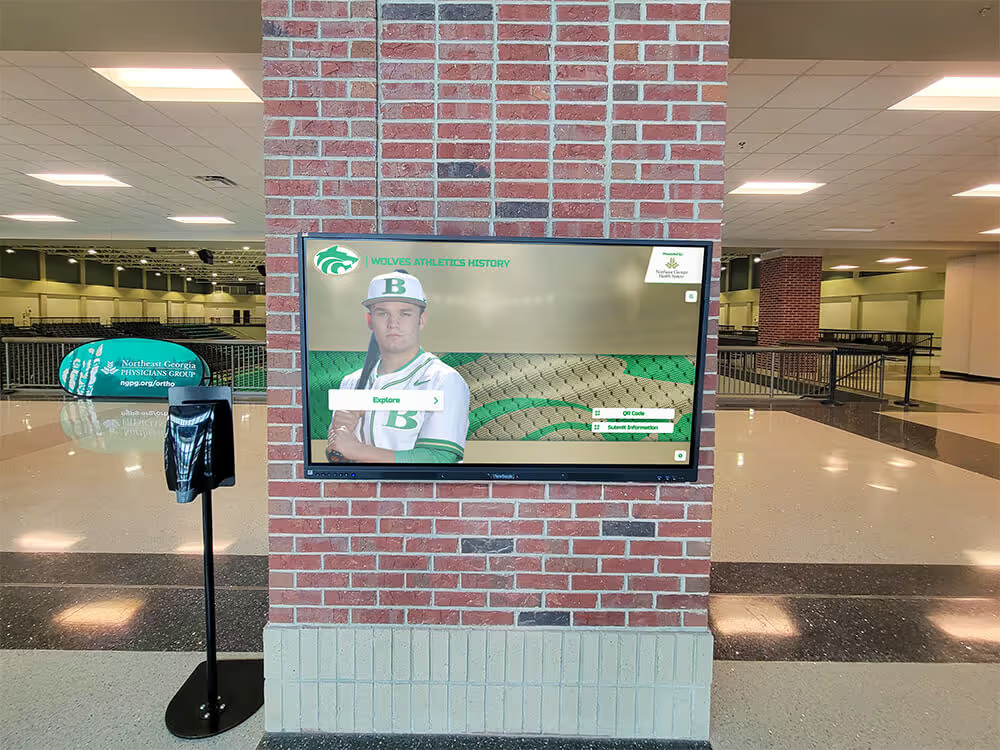
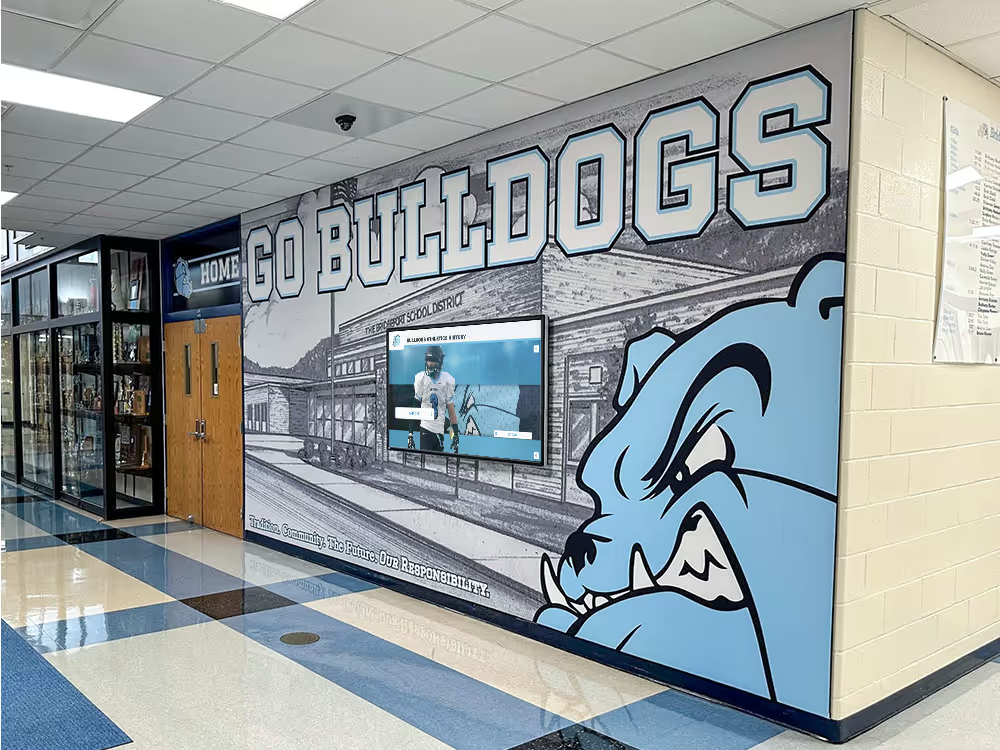
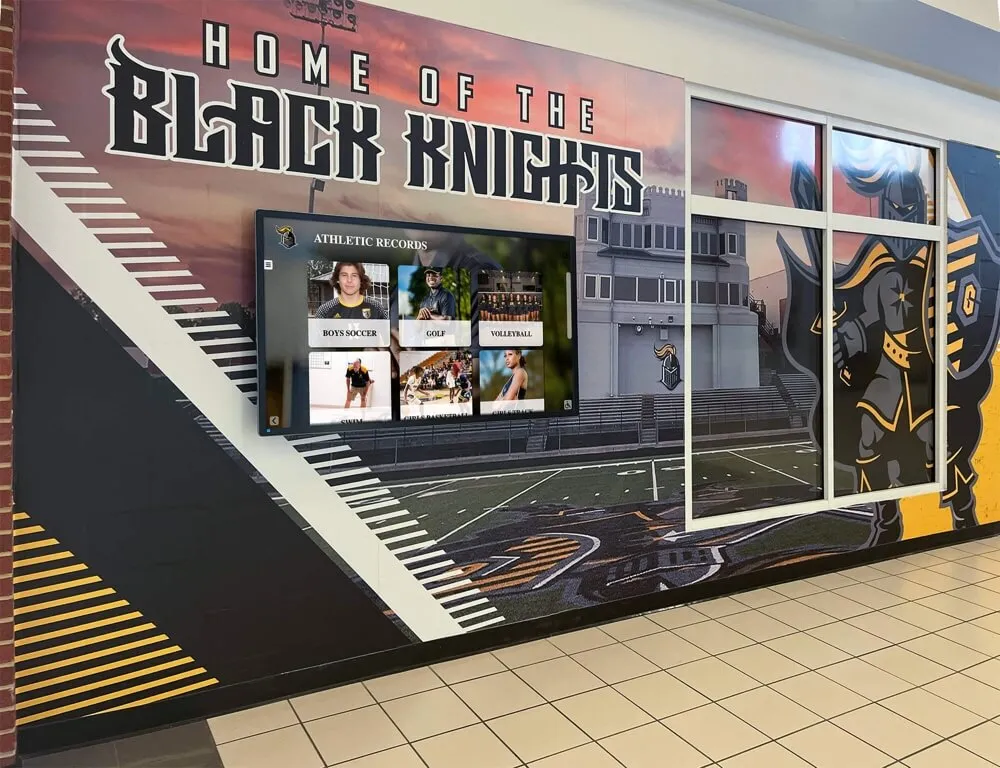
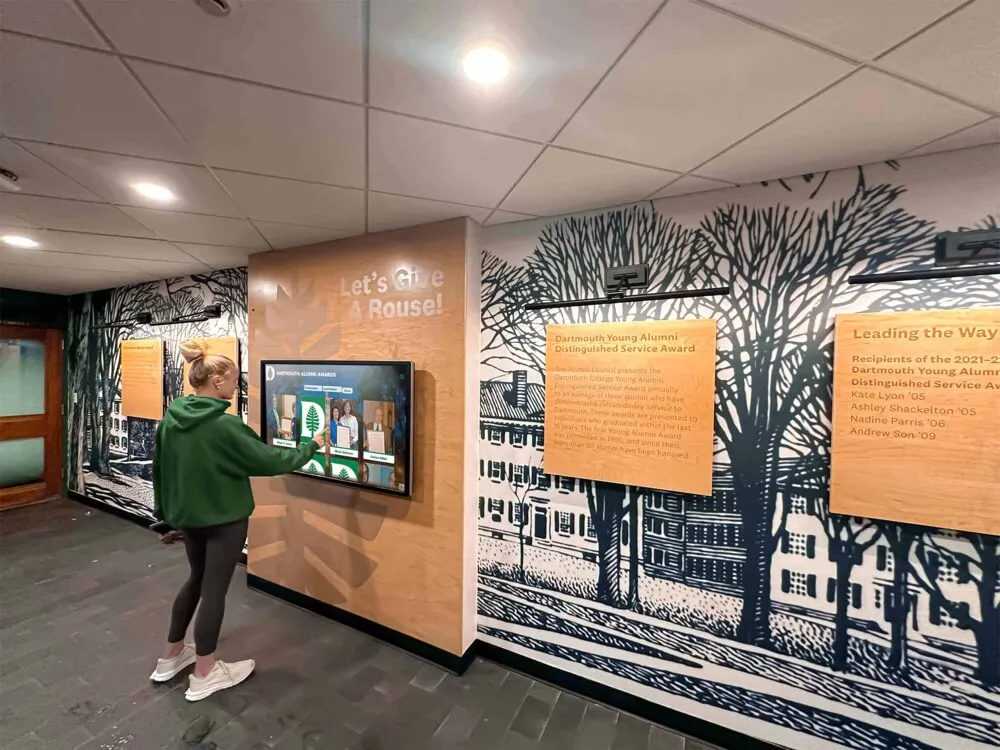
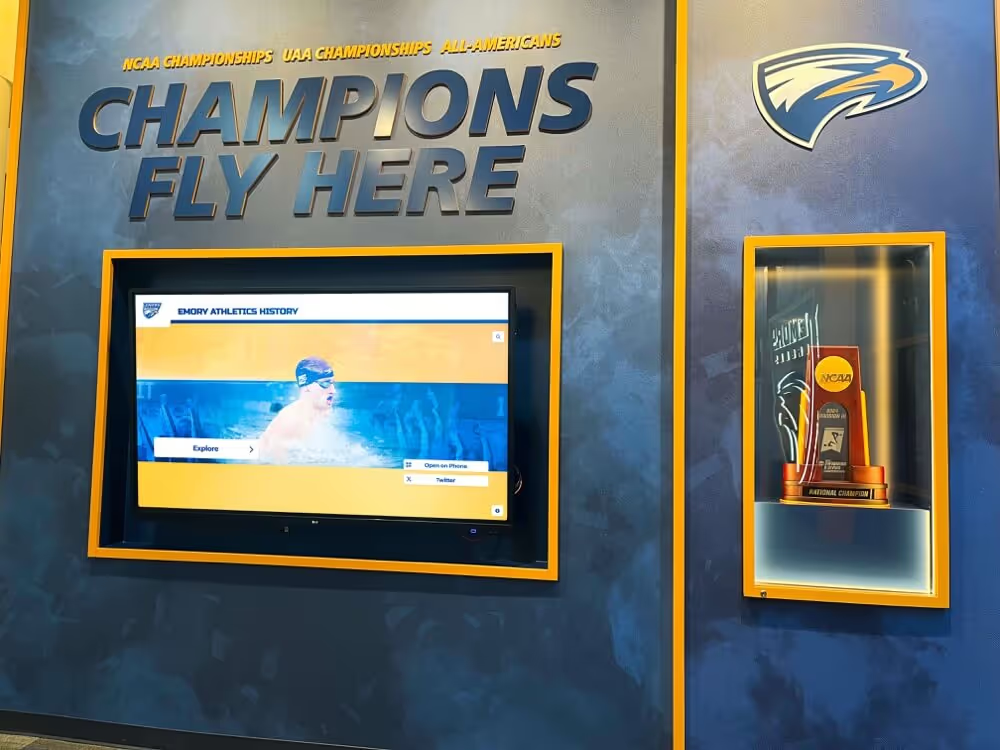
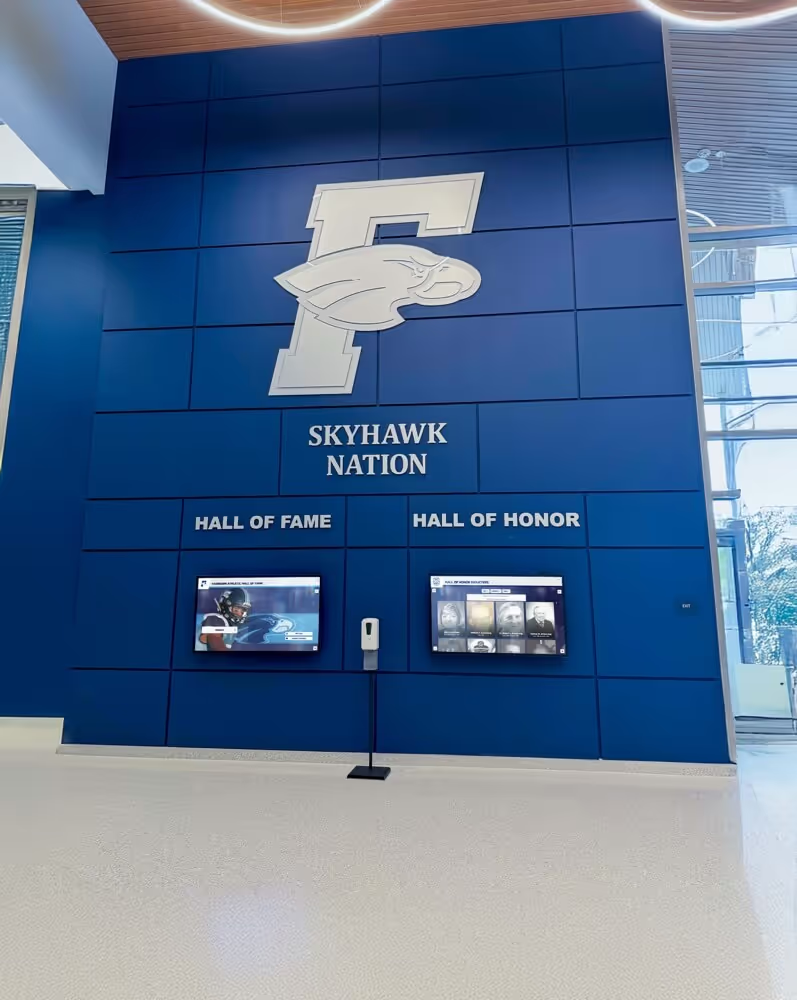
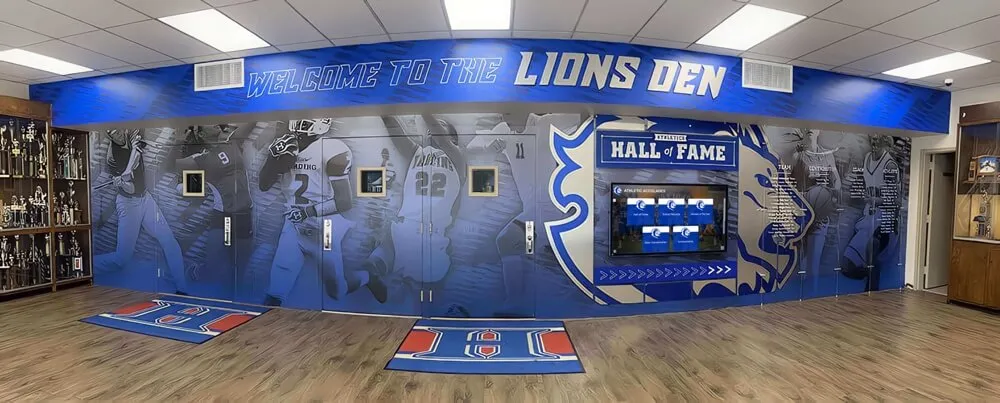
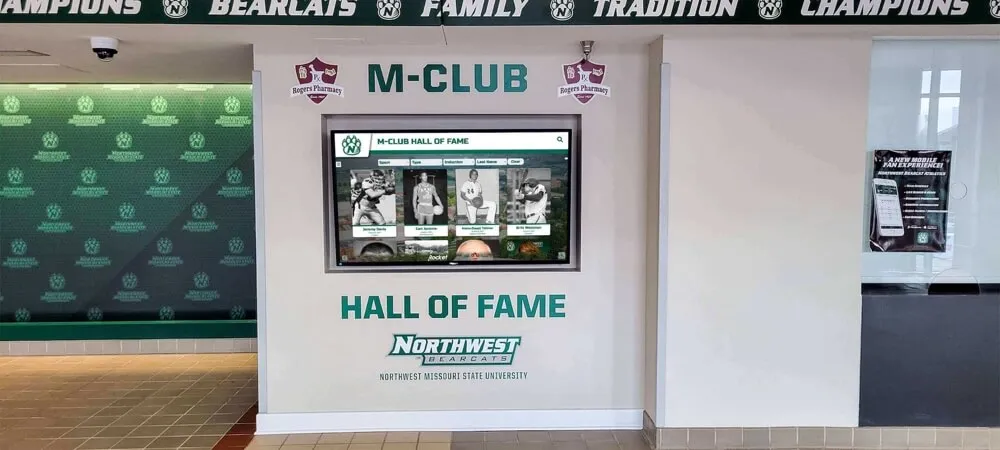
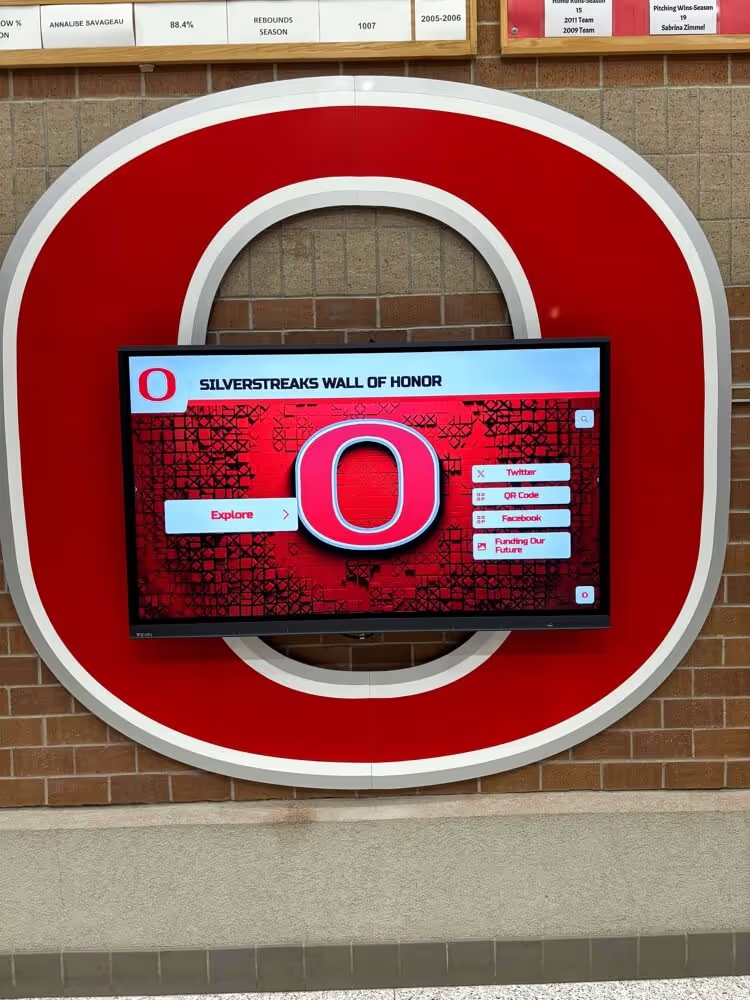
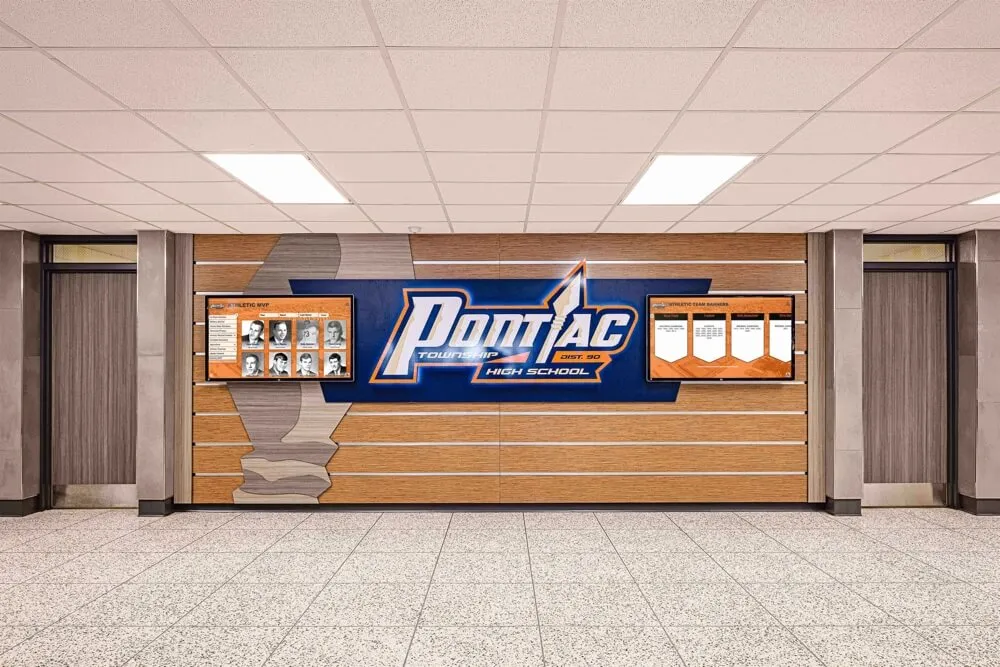
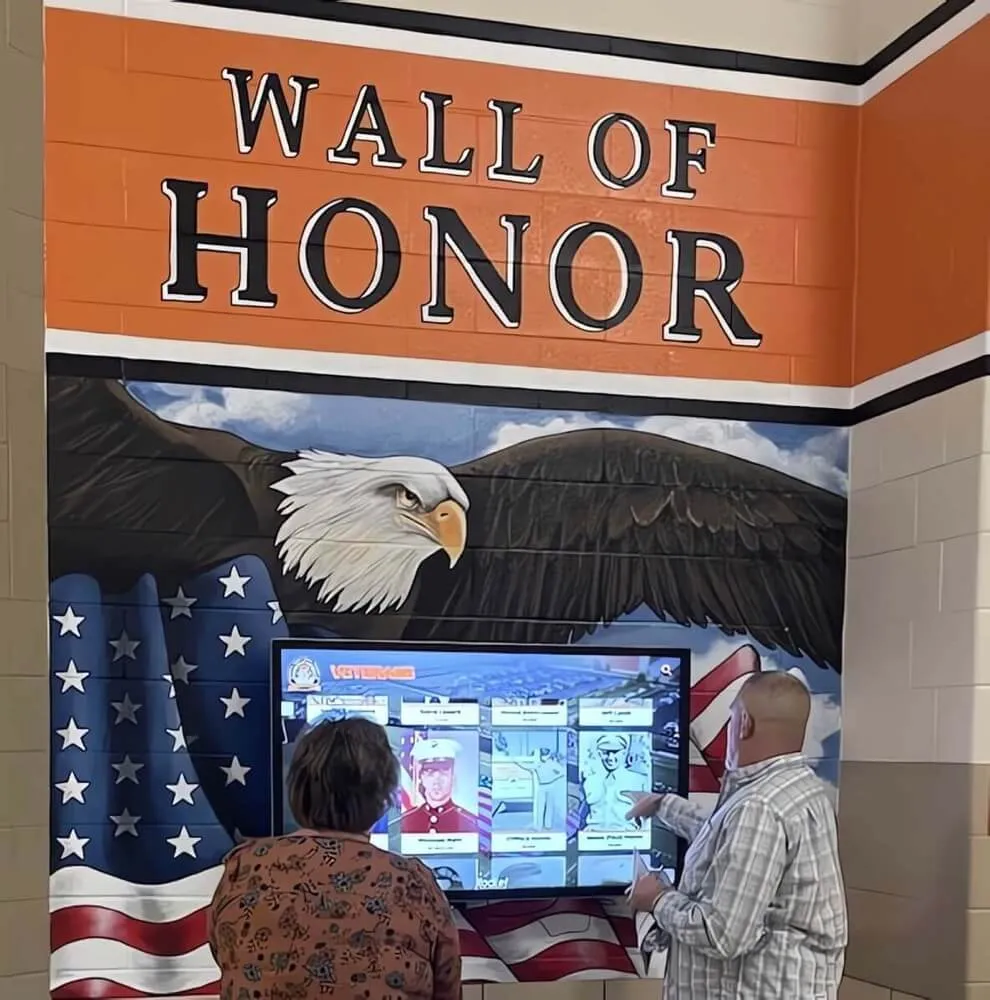
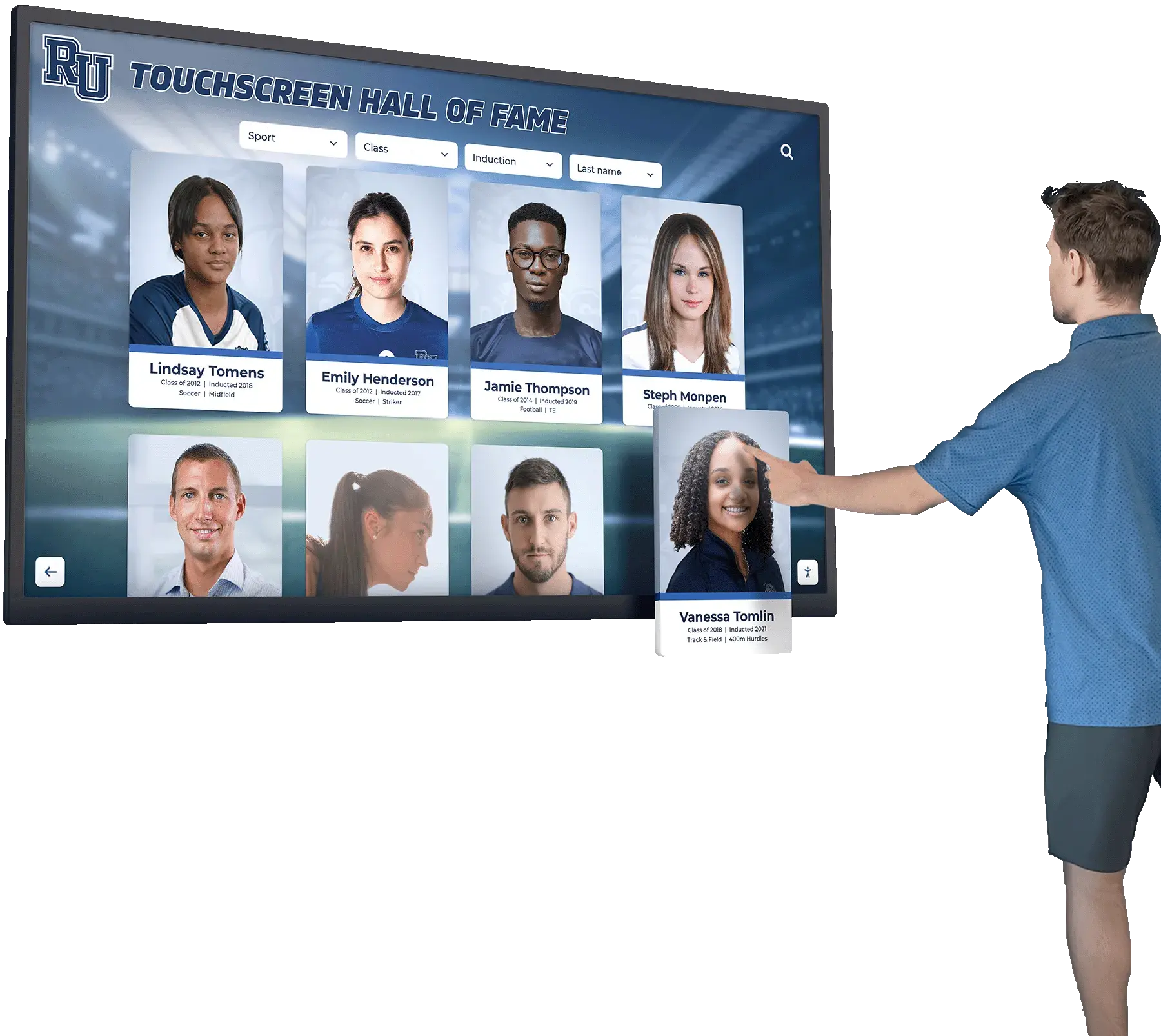
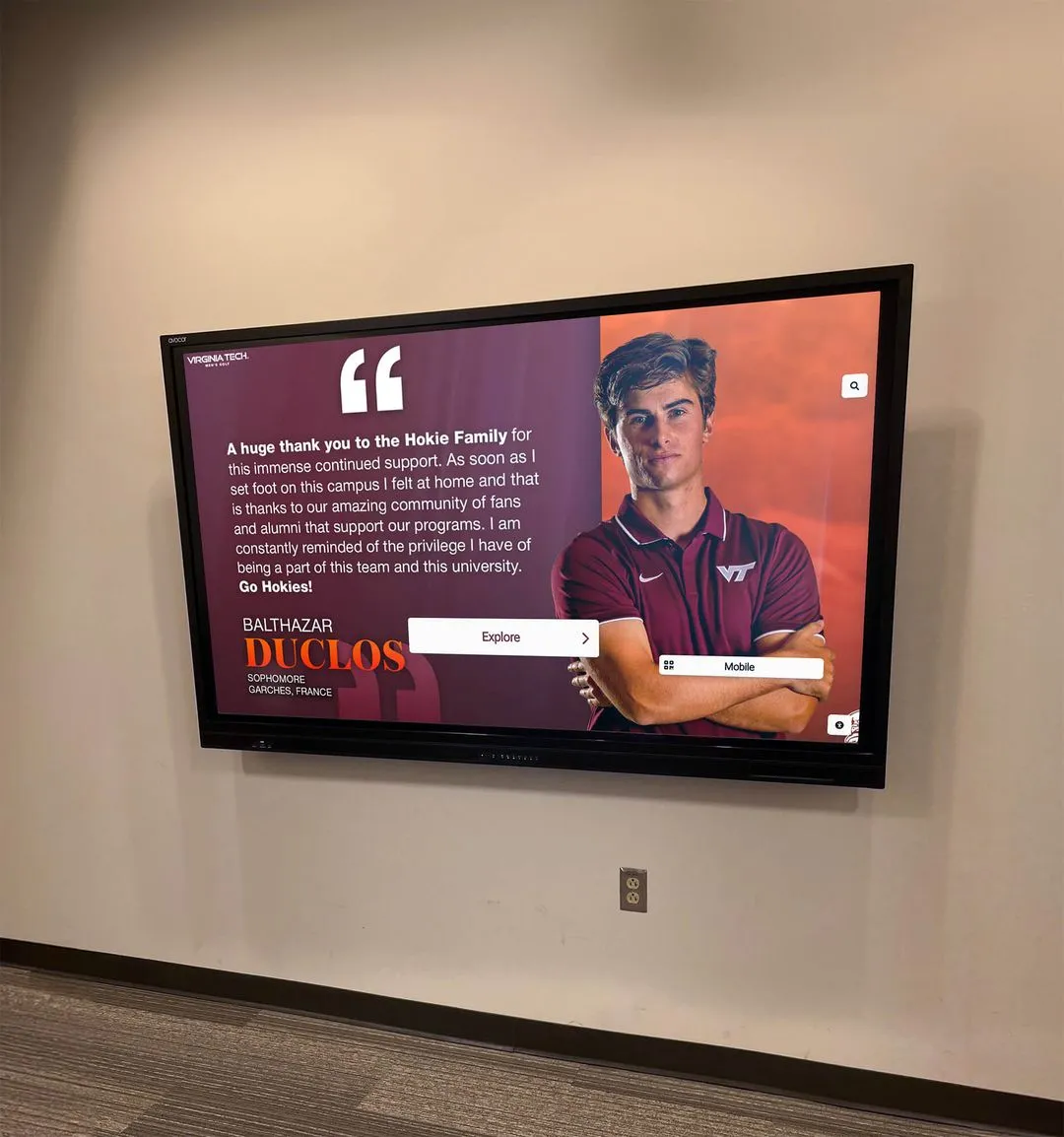
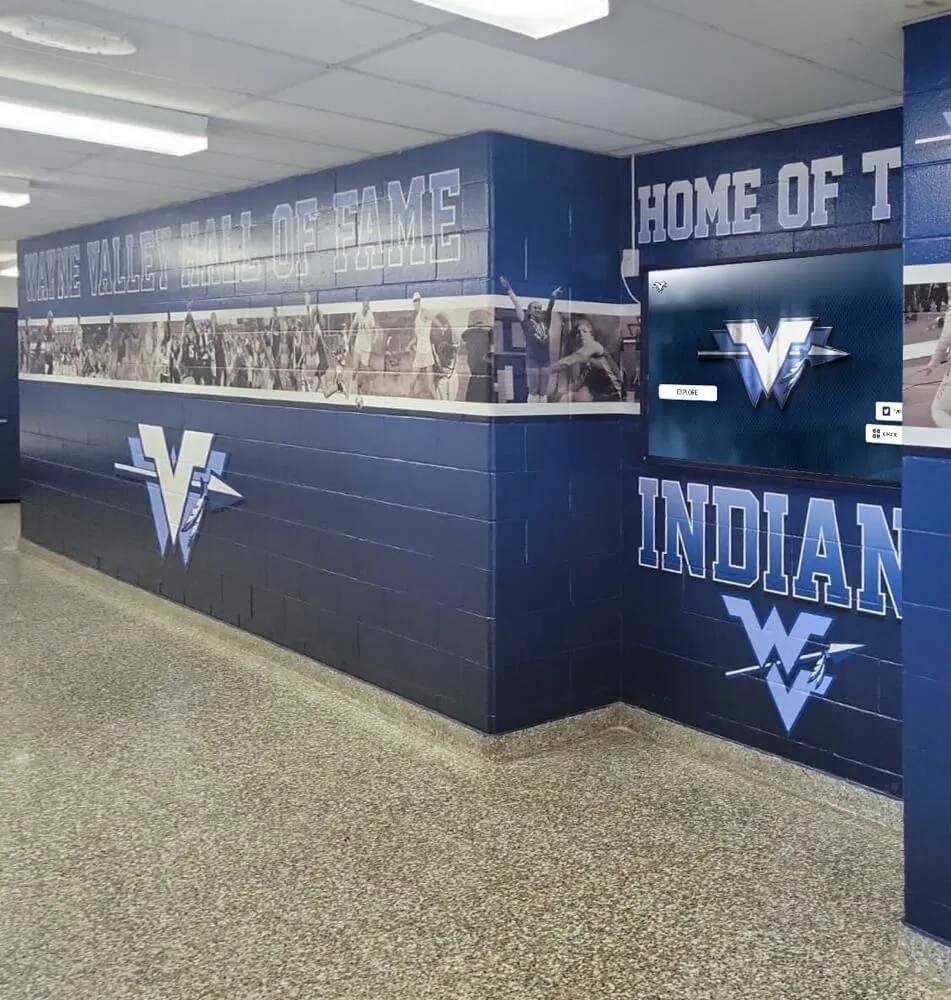
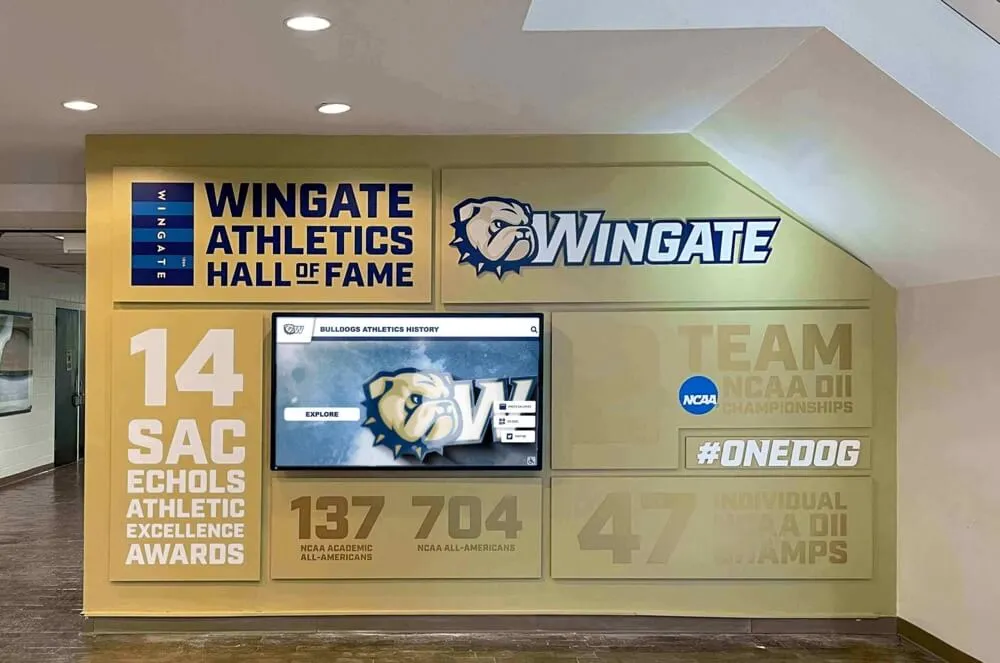
Digital systems eliminate physical space as a limiting factor. A single 55-inch touchscreen display showcases unlimited achievements—every athletic record across all sports, academic competition results spanning decades, fine arts accomplishments, service project recognitions, and alumni highlights. Content capacity measured in thousands of profiles replaces physical capacity measured in linear feet of wall space.
This unlimited capacity transforms recognition strategy. Schools can honor comprehensive achievement instead of selecting subsets based on display space availability. Every state qualifier receives recognition, not just champions. Individual records across all sports get documented, not just marquee programs. Academic achievements from spelling bees to science fairs receive equal prominence alongside athletics. Student recognition programs expand dramatically when space stops constraining who gets celebrated.
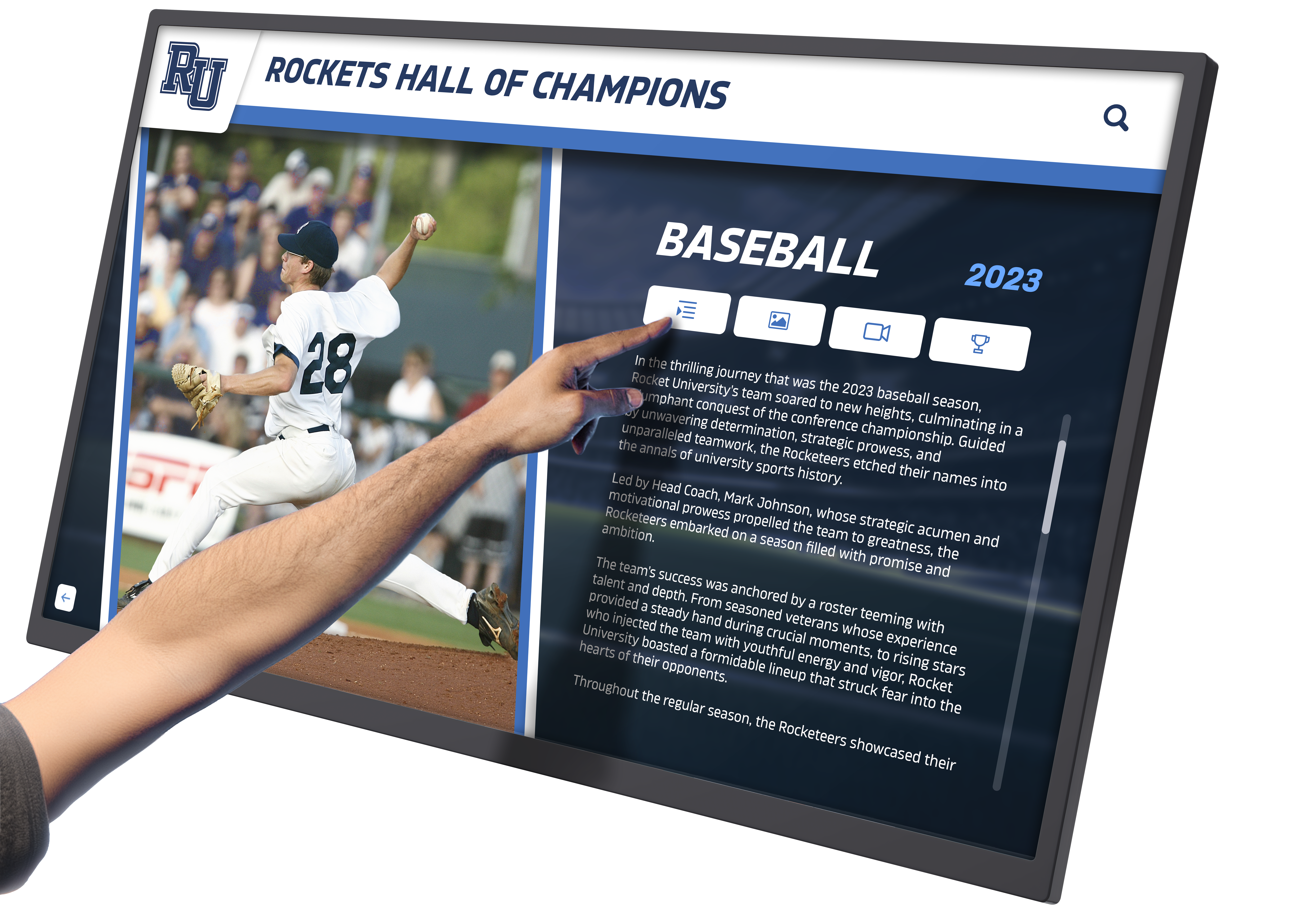
The practical impact matters for school culture. Students in all activities—not just traditional recognition recipients—see their accomplishments permanently honored. Athletes in smaller sports receive equal recognition alongside football and basketball stars. Academic competitors earn visibility matching athletic achievements. This comprehensive inclusion builds broader school pride by celebrating diverse excellence instead of narrow subsets.
Cloud-Based Architecture Eliminates IT Burden
Rocket Alumni Solutions operates entirely through cloud infrastructure. Schools access content management through standard web browsers from any device. Updates happen through secure cloud systems. No on-site servers require maintenance. No local software needs installation or updates. No dedicated IT staff must troubleshoot technical issues.
This architecture matches small school technology realities. District technology coordinators supporting multiple buildings can’t provide building-level daily support. Schools can’t employ dedicated server administrators. Staff members need systems that simply work without requiring technical intervention. Cloud platforms deliver this reliability—professional infrastructure teams maintain backend systems while schools focus on content, not technology management.
Security and backup happen automatically. Cloud platforms implement enterprise-grade security protocols schools couldn’t afford independently. Automatic backups prevent content loss from hardware failures. Software updates deploy without school intervention. Schools gain enterprise capabilities through shared infrastructure costs rather than individual investments.
Simple Content Management Anyone Can Handle
Effective digital recognition requires frequent content updates—new records, recent achievements, updated statistics. These updates must happen quickly by busy staff members who aren’t technology experts. Complex content management systems fail this requirement. Platforms requiring coding knowledge, design skills, or extensive training create bottlenecks where content becomes outdated because nobody has time or expertise to maintain it.
Rocket’s content management prioritizes simplicity. Form-based profile creation walks users through adding achievements step by step. Drag-and-drop photo uploading requires no special skills. Pre-built templates ensure consistent professional appearance without design work. Preview capabilities let staff verify content before publishing. The entire process mirrors social media platforms—if someone can post to Facebook, they can manage digital recognition content.
This simplicity enables delegation. Athletic directors can manage sports records during planning periods. Student aides can enter data under supervision. Parent volunteers can help digitize historical content. Multiple people with appropriate permissions can contribute simultaneously. Content management distributes across willing participants instead of bottlenecking through single overworked coordinators.
One-Time Investment vs. Ongoing Costs
Small school budget planning benefits from predictable costs. Digital record board investments follow one-time capital equipment purchase patterns. Initial costs cover hardware (displays, mounting systems, computing components), software platform licensing, professional installation, initial content development, and staff training. After installation, ongoing costs remain minimal—typically annual platform support fees covering software updates and technical assistance.
This cost structure contrasts favorably with traditional recognition’s ongoing expenses. Consider typical recognition costs over ten years:
Traditional Recognition Ten-Year Costs:
- Trophy case additions: $15,000-$30,000 for new cases as capacity fills
- Individual plaques: $8,000-$15,000 for 150-300 achievements at $50-$100 each
- Vinyl record updates: $10,000-$20,000 for multiple sports updated regularly
- Installation labor: $3,000-$5,000 for mounting and hanging work
- Total Traditional Costs: $36,000-$70,000 over ten years
Digital Recognition Ten-Year Costs:
- Initial system: $18,000-$25,000 for complete installation
- Annual platform support: $3,000-$6,000 over ten years at $300-$600 annually
- Total Digital Costs: $21,000-$31,000 over ten years
The financial case strengthens when considering capability differences. Traditional recognition requires space constraints and selection decisions while digital systems honor unlimited achievements. Traditional updates demand hours of labor while digital updates take minutes remotely. Traditional systems communicate passively while digital displays enable interactive exploration engaging visitors actively.
Remote Management Saves Time
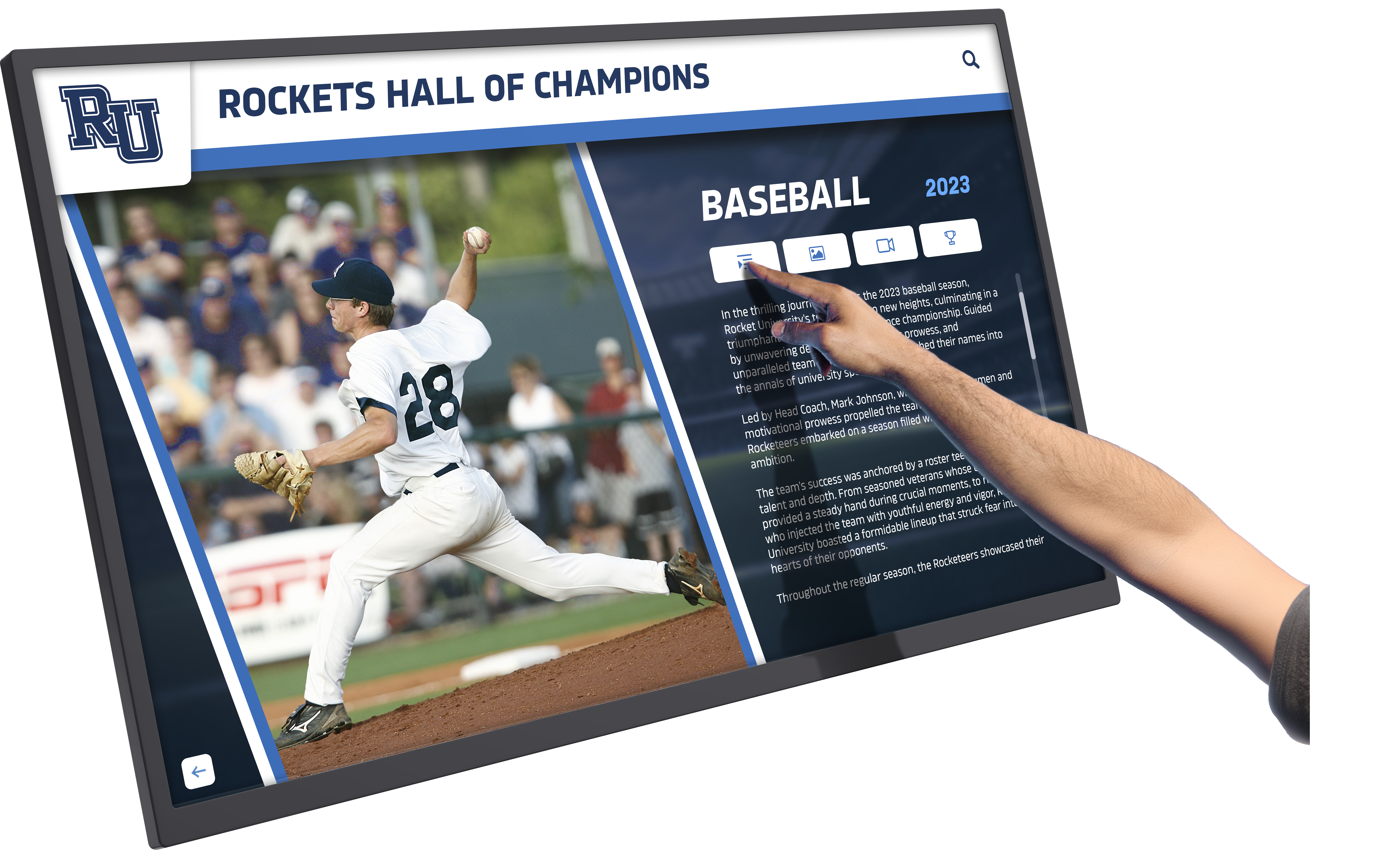
The time savings from remote content management provide value difficult to overstate for time-strapped small school staff. Traditional recognition updates require physical presence—traveling to displays, measuring spaces, applying vinyl, mounting plaques, rearranging trophy cases. Each update demands 30 minutes to several hours depending on complexity.
Digital updates happen from anywhere with internet access. Athletic directors update records from home after evening games. Administrators add achievements from district offices. Staff members make changes during planning periods from their classrooms. Location independence eliminates travel time and scheduling complexities coordinating physical access to display locations.
Update speed matches small school needs. Record-breaking performances get added within minutes while they’re still news. Championship results post the same evening teams return home. Academic achievements get recognized immediately instead of waiting weeks for plaque delivery. This immediacy enhances recognition impact—celebrations happen while accomplishments remain fresh rather than months later when excitement has faded.
The cumulative time savings add up substantially. Staff members spending 40-60 hours annually on recognition updates reduce that commitment to 10-15 hours—meaningful reclaimed time that can focus on direct student support or other priorities always competing for attention.
Features Specifically Valuable for Smaller Schools
Certain platform capabilities provide disproportionate value for small to medium public high schools compared to larger institutions.
Automatic Record Ranking and Updates
Athletic programs track records across multiple sports—career scoring leaders, single-season achievements, individual game performances, relay team times. Maintaining these records manually demands constant attention. New performances require checking whether they break records, updating displays if they do, and adjusting rankings as athletes climb all-time lists.
Rocket’s automatic ranking features eliminate this administrative burden. The system maintains record lists automatically. When staff enters new performance data, the platform compares it against existing records, updates rankings if performances qualify, and adjusts displays immediately. Record boards stay current without manual verification or list maintenance.
This automation matters more for smaller schools where single staff members handle entire athletic programs. One person can’t manually track records across 12-15 sports while coaching and teaching. Automatic systems handle the bookkeeping, letting staff focus on recognizing achievements rather than maintaining spreadsheets and manually updating displays.
Multi-Sport Template Consistency
Small school athletic directors manage diverse sports from football to golf, wrestling to swimming. Each sport tracks different statistics—touchdowns and interceptions in football, goals and assists in soccer, times in track, pins in wrestling. Creating consistent professional displays across these different data types challenges schools without graphic design resources.
Pre-built sport-specific templates solve this challenge. Rocket provides templates for common sports that automatically format appropriate statistics professionally. Football templates emphasize scoring and defensive statistics. Track templates highlight times and distances with appropriate formatting. Wrestling templates display weight classes and match records. Schools select templates matching their sports rather than designing custom layouts from scratch.
Template consistency creates professional appearance across all programs. Smaller sports receive equally polished recognition as marquee programs. Visitors exploring displays see consistent quality whether viewing football championships or cross country achievements. This consistent professionalism elevates all programs—important for building comprehensive school pride rather than just celebrating traditional high-profile sports.
Historical Content Preservation
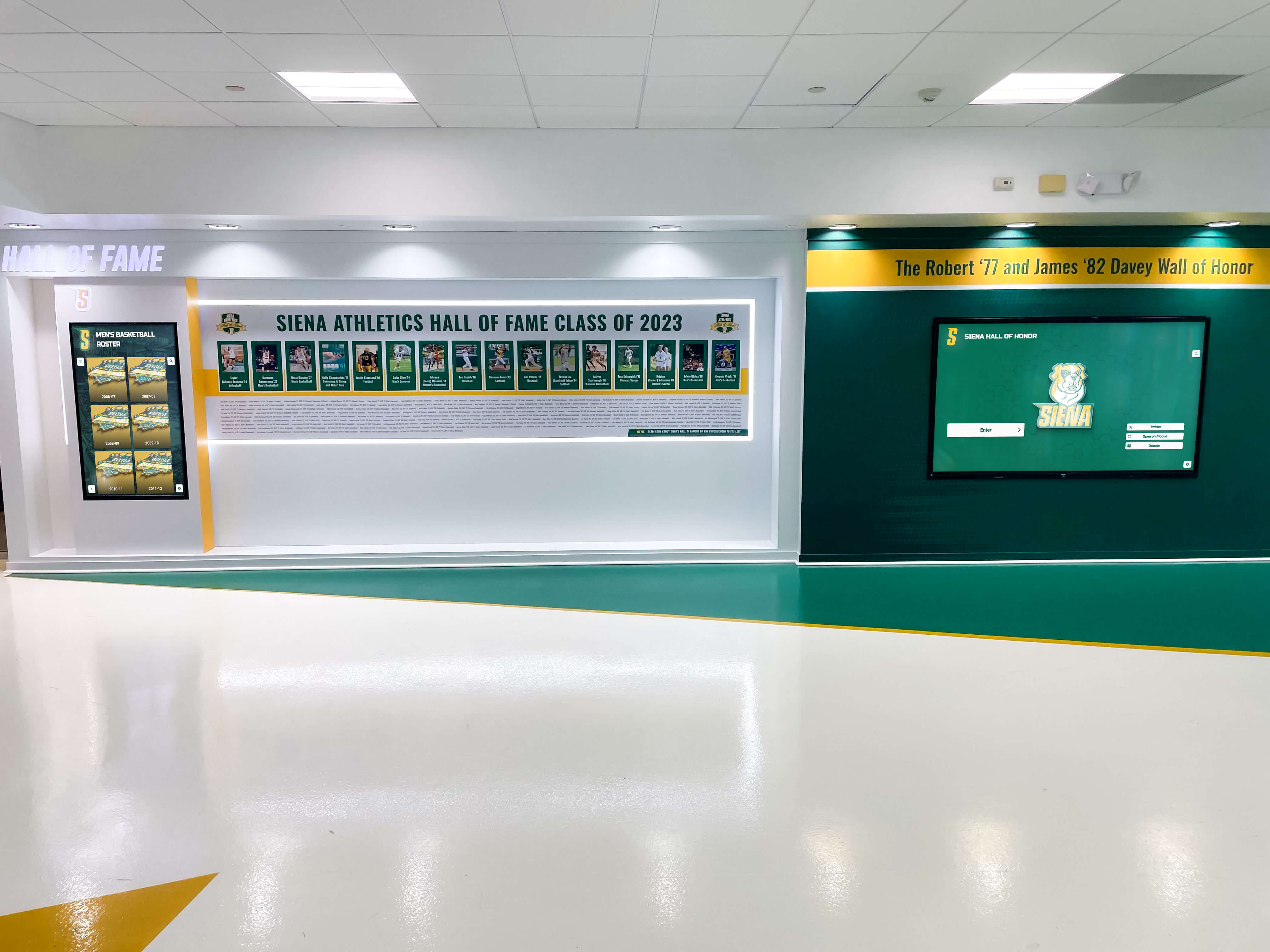
Small schools often possess rich histories spanning 50-100+ years. Championships won decades ago, legendary athletes from previous generations, and institutional traditions matter for community identity. Yet historical content often exists only in physical artifacts—old yearbooks in basements, trophies in storage, newspaper clippings in file cabinets, memories in alumni minds.
Digital platforms enable systematic historical preservation. Schools can document past achievements as staff time and resources allow. Old yearbooks get scanned, creating searchable digital archives. Alumni submit memories and photos from their eras. Community members contribute historical materials during special projects. The platform accommodates unlimited historical content alongside current achievements.
This preservation capability particularly benefits smaller communities where schools serve as cultural anchors. Displaying histories spanning generations reinforces institutional continuity. Alumni visiting schools decades after graduation find their achievements still honored. Community members explore historical teams and individuals through interactive displays. The past remains present rather than disappearing as physical artifacts deteriorate or get lost.
Projects digitizing historical content also create authentic engagement opportunities. Student groups can research and document school history as service learning projects. Alumni associations can coordinate contribution campaigns during reunion events. Parent volunteers can help with scanning and data entry. School history preservation efforts build community connections while creating valuable content for displays.
Accessibility and Inclusion Features
Digital displays serve diverse audiences including students, families, alumni, and community visitors with varying abilities. Smaller schools—often facing limited budgets for accessibility improvements—benefit significantly from platforms incorporating universal design principles.
Modern recognition platforms include text-to-speech capabilities enabling visually impaired visitors to hear content read aloud. Adjustable text sizing accommodates various vision needs. High-contrast display modes improve readability for users with specific visual requirements. Touch targets sized appropriately work for users with limited fine motor control. These accessibility features ensure recognition serves entire communities rather than excluding visitors with disabilities.
Inclusion extends beyond disability accommodation. Multi-language capabilities enable content display in languages reflecting school community demographics. Search functionality helps visitors with limited school knowledge find specific content. Intuitive navigation prevents technology anxiety excluding less tech-savvy community members—important in smaller communities with diverse comfort levels with digital systems.
Accessibility compliance efforts align with broader educational equity goals while ensuring recognition systems serve everyone in school communities.
Implementation Considerations for Small Schools
Successfully deploying digital recognition systems requires addressing practical implementation factors within small school contexts.
Budget Planning and Funding Approaches
Initial investment costs for digital recognition systems—typically $15,000-$25,000—represent significant expenditures for small school budgets. Strategic funding approaches can make these investments achievable:
Capital Equipment Budgets: Many districts maintain capital equipment funds for technology and facility improvements. Digital recognition systems qualify as capital equipment with multi-year lifespans, fitting these budget categories appropriately.
Booster Club Partnerships: Athletic booster club fundraising can support recognition systems benefiting athletic programs directly. Clubs view these investments as permanent improvements enhancing facilities for years.
Alumni Association Support: Alumni groups often seek meaningful ways to support schools. Recognition systems honoring past graduates alongside current students create natural partnership opportunities.
Grant Funding: Education technology grants frequently support innovative recognition and engagement tools. Small districts competing for grants can emphasize how digital systems serve equity goals by honoring all students comprehensively.
Multi-Year Implementation: Schools can implement systems in phases—installing initial displays in priority locations, then expanding to additional areas as budgets allow. The platform scales affordably as schools add displays without duplicating software costs.
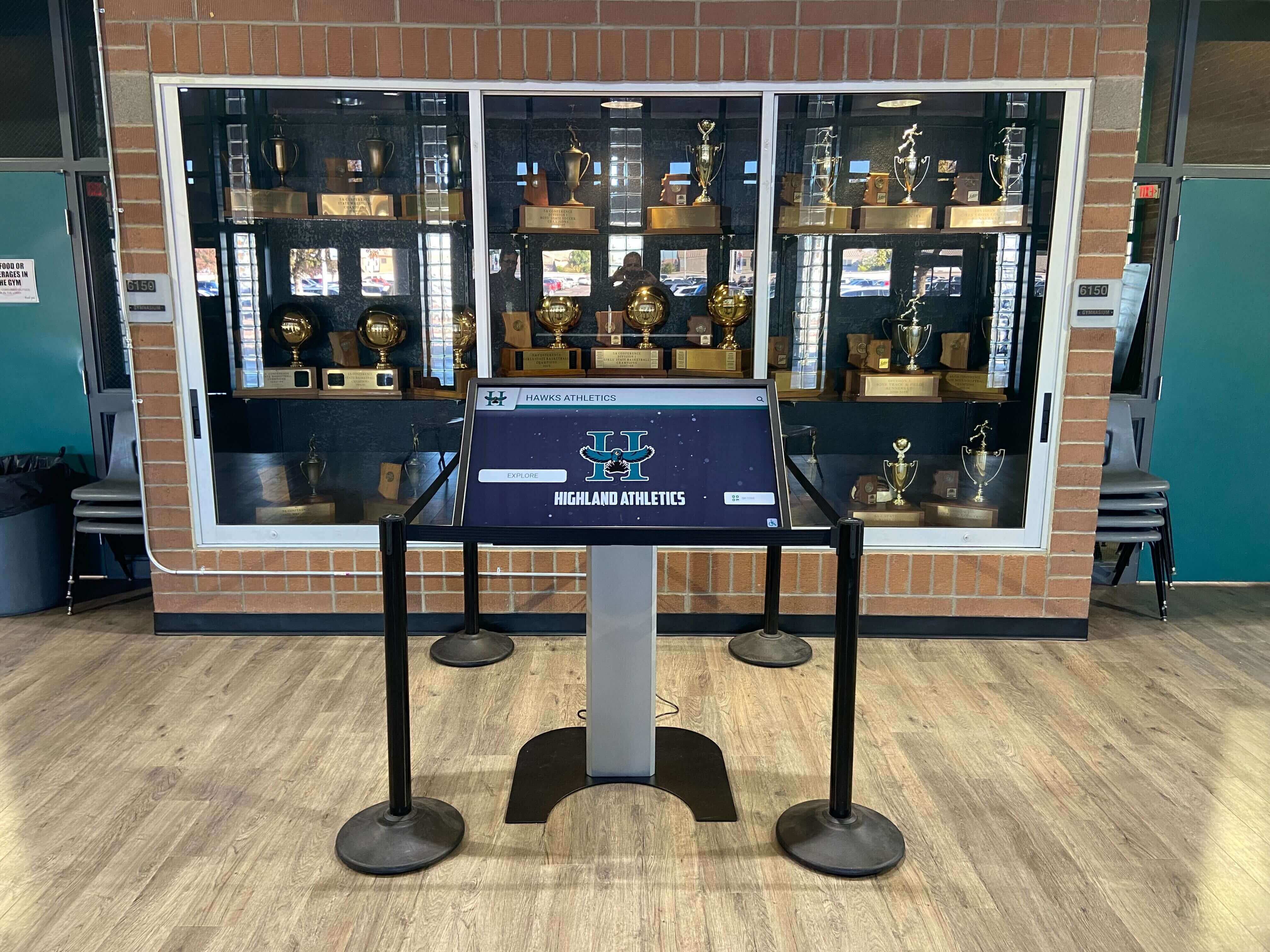
Installation and Technical Requirements
Digital recognition systems require modest technical infrastructure readily available in most modern schools:
Network Connectivity: Displays need reliable internet connections for content updates and cloud platform access. Wired Ethernet provides optimal reliability, though quality WiFi networks work acceptably. Most schools possess adequate network infrastructure in hallways and common areas where displays typically install.
Electrical Power: Standard 120V electrical outlets power displays and computing components. Installations typically occur in areas with existing electrical service. Minor electrical work—adding outlets or running conduit for clean appearances—remains affordable compared to total system costs.
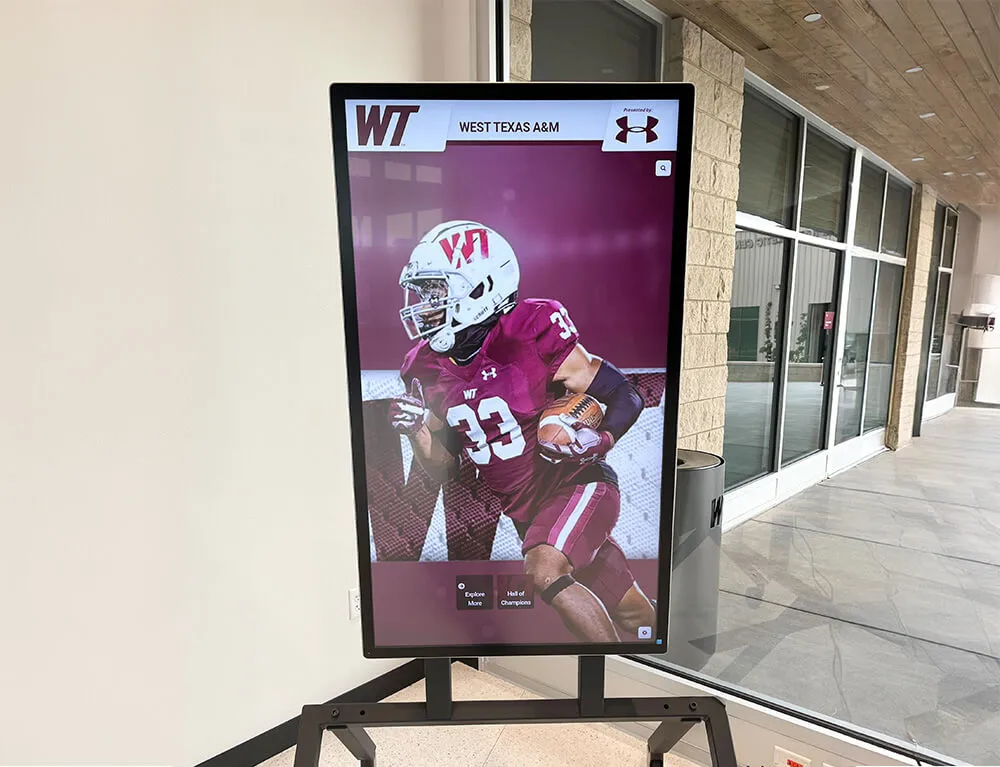
Physical Mounting: Displays mount on walls using standard TV mounting brackets or install within freestanding kiosks. Wall mounting requires basic carpentry skills and consideration of wall composition (brick, drywall, concrete block). Professional installers handle mounting as part of system deployment, ensuring secure installations meeting safety requirements.
Computing Hardware: Modern digital recognition uses compact computing devices—mini PCs or integrated display computers—rather than full desktop systems. These components install discretely behind displays or within kiosks, maintaining clean appearances without visible wiring or bulky equipment.
Small school facilities managers or maintenance staff can typically handle ongoing needs like display cleaning or minor adjustments. Technical support for software issues happens remotely through cloud platform providers, eliminating needs for on-site technical expertise.
Staff Training and Adoption
Technology implementations succeed or fail based on user adoption. Systems requiring extensive training or creating frustration fail regardless of capabilities. Small schools particularly need solutions staff members embrace rather than resist—additional burdens don’t work when everyone already juggles multiple responsibilities.
Effective training focuses on core tasks staff members will perform regularly:
Initial Platform Orientation: 60-90 minute sessions introduce staff to content management systems, covering how to log in, navigate interfaces, and understand basic organization. Hands-on practice with sandbox accounts lets staff explore without fear of mistakes.
Adding Achievement Content: Focused training on creating profiles for individual achievements—entering names, dates, accomplishments, uploading photos, and previewing before publishing. Staff practice adding several sample achievements gaining confidence in basic content creation.
Updating Athletic Records: For athletic directors and coaches, specific training on entering performance data, understanding how automatic ranking works, and verifying record updates display correctly.
Ongoing Reference Resources: Video tutorials, step-by-step guides, and quick reference cards staff can consult independently when performing infrequent tasks or troubleshooting simple issues.
Small schools benefit from identifying multiple staff members receiving training rather than depending on single individuals. Cross-training creates redundancy preventing content management from stopping when key people are unavailable—common occurrence in schools where staff members handle many responsibilities.
Content Development Strategies
Launching digital recognition systems with comprehensive content maximizes initial impact. Yet developing extensive content competes with limited staff time. Strategic approaches balance thorough content development with realistic resource constraints:
Phased Content Development: Start with current and recent achievements—past 5-10 years of athletic records, recent academic accomplishments, current team rosters. Initial displays showcase relevant contemporary content while establishing system value. Historical content development proceeds as time allows without delaying system launch.
Community Contribution Campaigns: Engage alumni, parents, and community members in content development. Alumni associations can organize history projects during reunions. Parent volunteers can help with data entry and photo scanning. Community engagement through recognition projects builds participation while addressing content creation needs.
Student Involvement: Incorporate content development into student learning experiences. Student aides can enter data as work-study projects. History classes can research and document school historical achievements. Technology classes can practice digital media skills through content creation. These approaches develop content while creating authentic learning opportunities.
Prioritized Content Areas: Focus initial content development on highest-traffic areas and most-viewed content. Athletic records typically generate most viewing in gymnasium displays. Recent championships and notable alumni interest visitors in entrance displays. Developing high-value content first creates immediate engagement while less-viewed content develops over time.
The Competitive Advantage Digital Recognition Provides
Small schools compete with larger districts for student enrollment, community support, and athletic talent. Comprehensive recognition systems create advantages in these competitive dynamics.
Enrollment and Family Engagement
Families evaluating school options consider many factors—academic quality, program offerings, facility conditions, school culture. Recognition systems communicate important messages about school values and community pride. Prospective families touring facilities see schools valuing student achievement enough to invest in celebrating it permanently. This visible commitment to recognition signals broader attention to student experience and school culture.
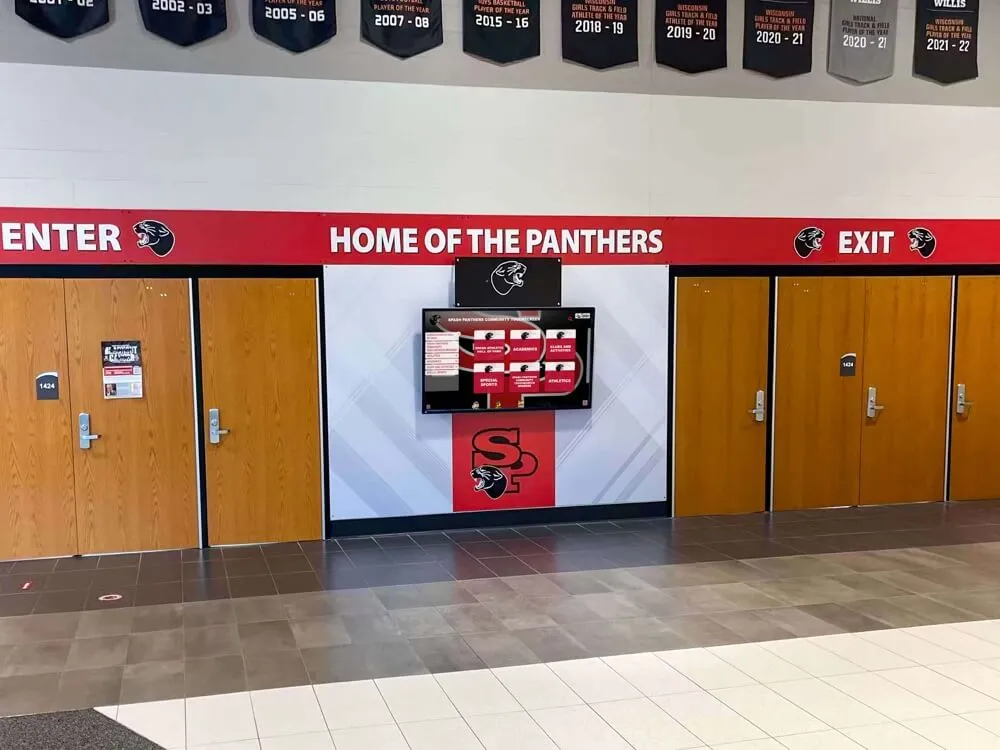
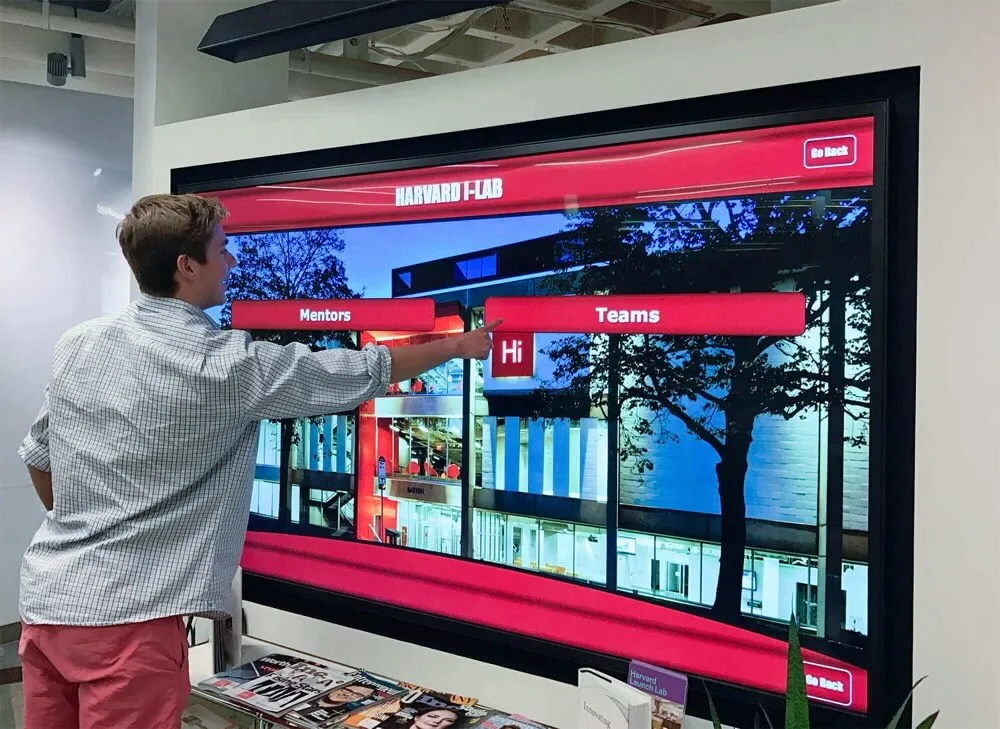
Interactive displays engage visiting families actively rather than passive viewing of static trophy cases. Children exploring displays during tours create positive first impressions. Parents appreciate schools using modern technology effectively. The engagement itself—families interacting with displays discussing achievements together—creates more memorable tour experiences than walking past traditional displays.
Small schools competing against larger districts benefit particularly from recognition systems making schools appear more substantial than enrollment numbers suggest. Comprehensive achievement displays spanning decades showcase deep traditions and excellence despite smaller size. This helps counter perceptions that small schools offer limited opportunities or lack competitive programs.
Athletic Recruitment and Retention
Competitive athletic programs attract students choosing schools partially based on sports opportunities. Athletes evaluating programs want to see evidence of competitive excellence, development pathways to higher levels, and cultures valuing athletic achievement. Recognition displays showcasing athletic achievement provide this evidence visually during facility tours and recruiting visits.
Digital displays enable targeted athlete recruitment communication. Displays can showcase specific programs athletes are considering—detailed records, championship histories, college placement information, and individual success stories. This program-specific information helps athletes envision themselves within programs and understand development opportunities available.
Current student-athletes see permanent recognition awaiting their achievements. This creates aspiration—visible goals inspiring athletes to chase records and championships knowing their excellence will receive lasting celebration. The motivational value of visible recognition shouldn’t be underestimated for building competitive programs despite smaller school disadvantages like limited enrollment pools and resource constraints.
Community Pride and Alumni Connection
Small communities often identify closely with schools serving as focal points for community life. Athletic events, school performances, and student achievements become community news and conversation topics. Recognition systems strengthen these community connections by celebrating shared institutional pride.
Alumni visiting communities frequently stop by schools—attending games, participating in events, showing their own children their alma maters. Digital recognition systems enable alumni to find themselves in school records even decades after graduation. This personal connection creates emotional engagement that passive displays showing only recent achievements can’t replicate. Alumni who find themselves honored—even for modest achievements from 30 years ago—develop stronger ongoing connections to schools and communities.
Community members exploring recognition displays during school events see comprehensive evidence of institutional excellence spanning generations. This builds community pride in schools while demonstrating effective use of public resources—important factors for levy support and bond issue approval when schools need community backing for funding initiatives.
Realistic Expectations and Ongoing Success
Digital recognition systems provide powerful capabilities for small schools, but success requires realistic expectations and sustained attention.
Systems Require Ongoing Content Maintenance
Digital displays don’t magically maintain themselves. They require regular content additions as achievements occur, periodic content reviews ensuring accuracy, occasional design updates keeping displays fresh, and planned expansions as historical content gets developed. Small schools must commit to ongoing content management even though platforms make it easier than traditional approaches.
Successful schools establish regular content management routines. Athletic directors add records after each season. Activities coordinators update accomplishments monthly. Administrators review displays quarterly ensuring currency and accuracy. These routines prevent content from becoming stale while distributing work across manageable increments rather than overwhelming periodic catch-up efforts.
Hardware Maintenance and Eventual Replacement
Digital displays are durable commercial equipment, but they’re not permanent. Displays typically last 7-10 years of daily operation before requiring replacement. Computing components may need updating after 5-7 years as software requirements increase. Schools should plan for eventual hardware refresh cycles rather than treating installations as permanent one-time investments.
However, these replacement costs compare favorably to ongoing traditional recognition expenses. Hardware replacement every 7-10 years costs less than accumulated plaque purchases, trophy case additions, and vinyl updates over the same periods. The platform investment—content and software—persists across hardware generations, maintaining value while physical components get refreshed.
Technical Support Relationships Matter
Even simple cloud-based systems occasionally need technical support. Login issues occur. Content displays unexpectedly. Interface questions arise. Small schools benefit from responsive technical support that solves problems quickly rather than leaving displays non-functional for extended periods.
Evaluating platforms involves assessing support quality, not just feature checklists. How quickly do providers respond to support requests? Can schools reach actual people rather than only submitting tickets? Do providers offer phone support for urgent issues? These support factors matter more for smaller schools lacking internal technical expertise to troubleshoot independently.
Making the Decision
Small to medium public high schools considering digital recognition systems should evaluate several decision factors:
Current Recognition Adequacy: Do existing systems honor achievements comprehensively? Are space limitations forcing difficult decisions about what gets recognized? Are manual update requirements consuming excessive staff time? If current approaches work adequately, continue using them. Digital systems solve specific problems—ensure those problems exist before investing in solutions.
Budget Reality Assessment: Can schools afford initial investments within capital equipment budgets or through identified funding sources? While long-term costs favor digital recognition, initial expenses are real. Schools should pursue digital systems when funding is genuinely available, not hope funding materializes after commitments.
Staff Capacity Evaluation: Do schools have staff members willing to manage content even using simplified systems? Digital platforms reduce effort dramatically, but they don’t eliminate it entirely. Someone must commit to regular content maintenance. Without that commitment, displays become outdated quickly, undermining their value.
Strategic Alignment: Do recognition improvements align with broader school goals around culture, pride, and community engagement? Recognition systems should serve larger strategic purposes, not just solve immediate space problems. When recognition aligns with school priorities, investments make strategic sense.
For schools where these factors align positively—current recognition has clear limitations, budgets accommodate investments, staff members will embrace platforms, and improvements serve strategic goals—digital recognition systems provide excellent solutions to genuine problems. The capabilities specifically address small school constraints around space, budget, and staff time while delivering comprehensive recognition improving school culture.
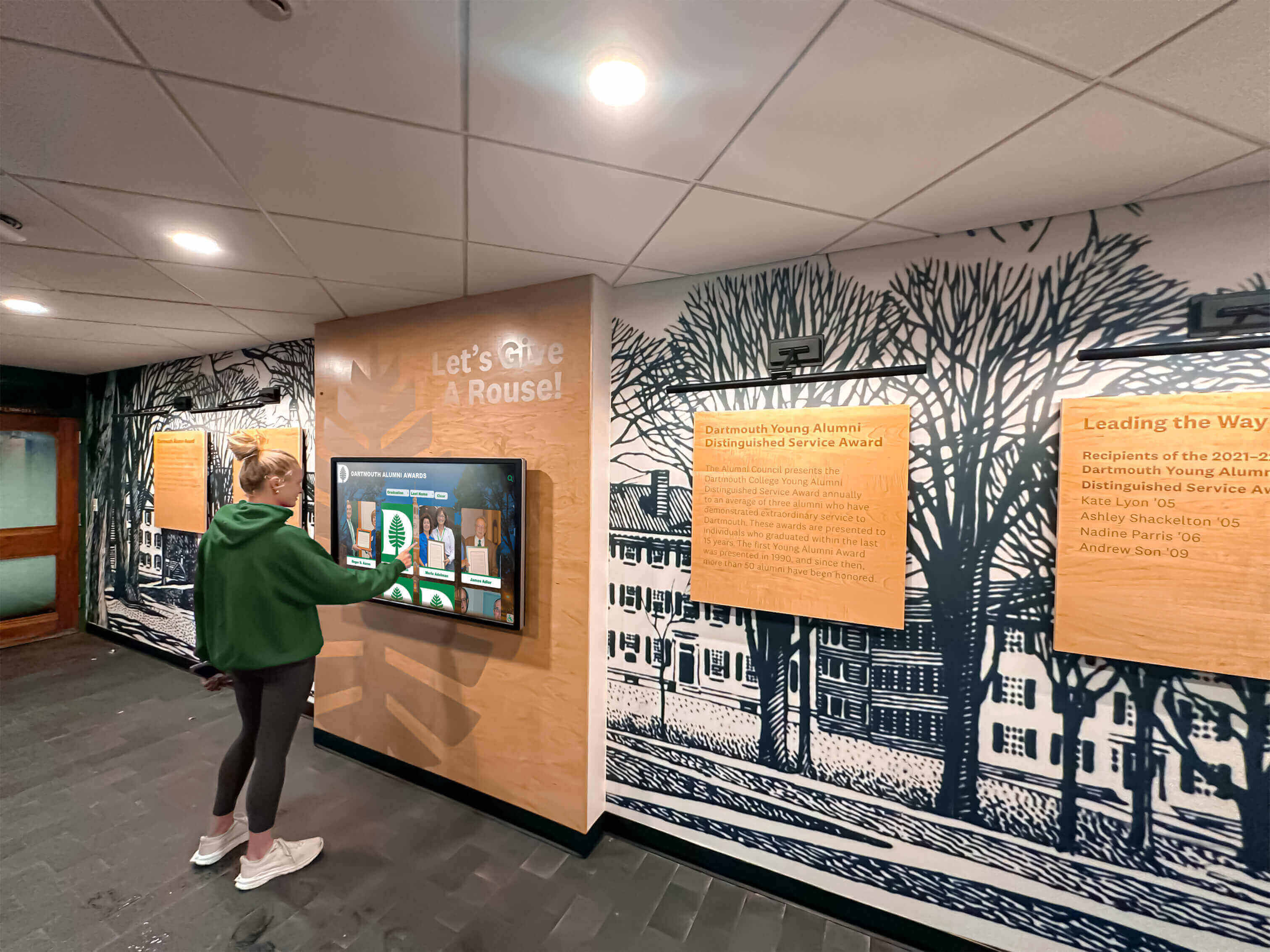
Small Schools, Big Recognition
School size doesn’t limit what students achieve. Small and medium public high schools produce state champions, academic excellence, arts accomplishments, and community service deserving celebration. What size does limit is recognition capacity using traditional approaches—trophy cases fill, wall space runs out, budgets constraint ongoing plaque purchases, and busy staff members lack time for manual display updates.
Digital recognition systems level this particular playing field. Schools serving 300 students gain the same unlimited recognition capacity as districts with 3,000 students. The technology democratizes comprehensive recognition—making it accessible to schools previously limited by physical and financial constraints. Every achievement receives permanent honor regardless of school size, program prominence, or display space availability.
This matters for school culture and community pride. When all students see their accomplishments valued enough for lasting celebration, they understand schools genuinely care about diverse excellence. When communities see comprehensive achievement displays spanning generations, they recognize institutions worthy of continued support. When families evaluating schools observe modern recognition systems honoring every contribution, they see schools preparing students for contemporary rather than outdated futures.
Small to medium public high schools deserve recognition systems matching their commitment to student success. Digital platforms provide these capabilities affordably and sustainably within real-world constraints of limited budgets, minimal staffing, and practical operational realities. The question isn’t whether smaller schools need better recognition—they clearly do. The question is whether solutions exist that genuinely work for smaller schools. They do.
Ready to explore how digital recognition can work within your small school’s specific needs and constraints? Talk to our team to discuss budget-conscious implementations designed specifically for schools like yours—honoring every achievement without exceeding limited resources or demanding time staff members simply don’t have available.