



Every year, thousands of high school athletes reach a defining moment in their academic and athletic careers when they sign a letter of intent to compete at the collegiate level. This formal commitment represents years of dedication, countless hours of training, academic achievement, and the culmination of the college recruitment process. For student athletes and their families, understanding what a letter of intent entails—its binding nature, different types, signing periods, and celebration traditions—proves essential for navigating this significant milestone successfully.
Athletic directors, coaches, parents, and student athletes frequently have questions about letters of intent: What exactly does signing mean? What’s the difference between a National Letter of Intent and other commitment types? When are the official signing periods? What happens if circumstances change after signing? How do schools properly recognize these achievements? What display traditions honor student athletes’ commitments while building program culture and inspiring younger athletes?
Modern Athletic Commitment Recognition
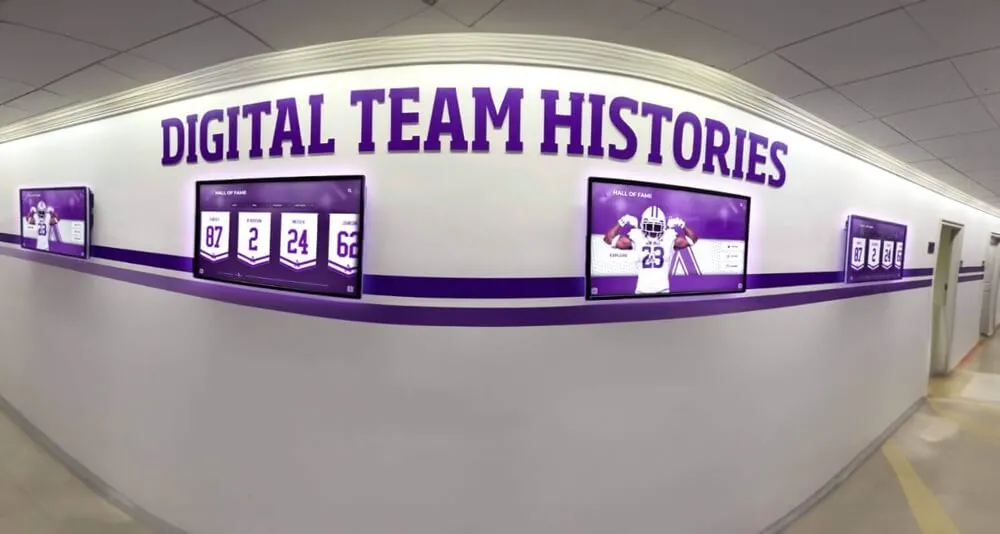
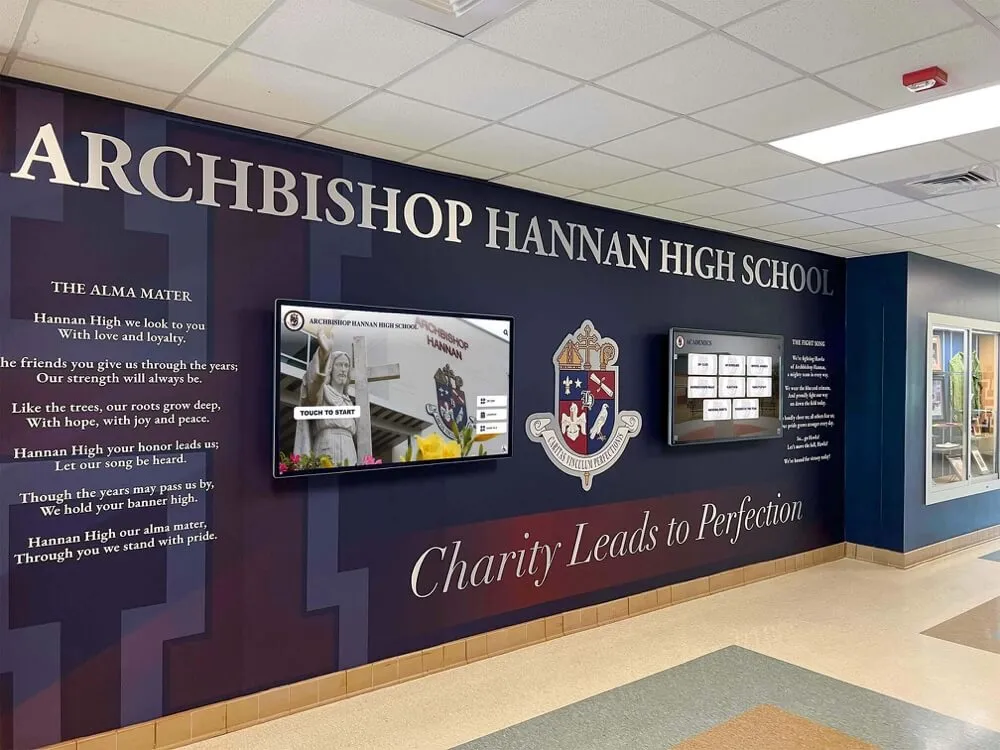
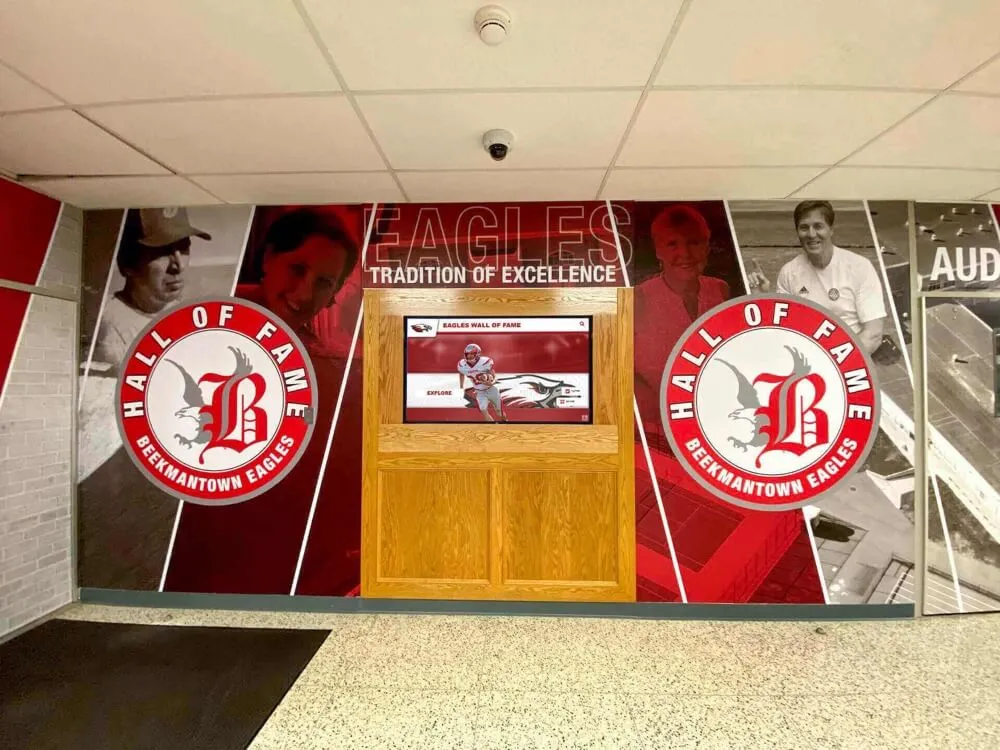
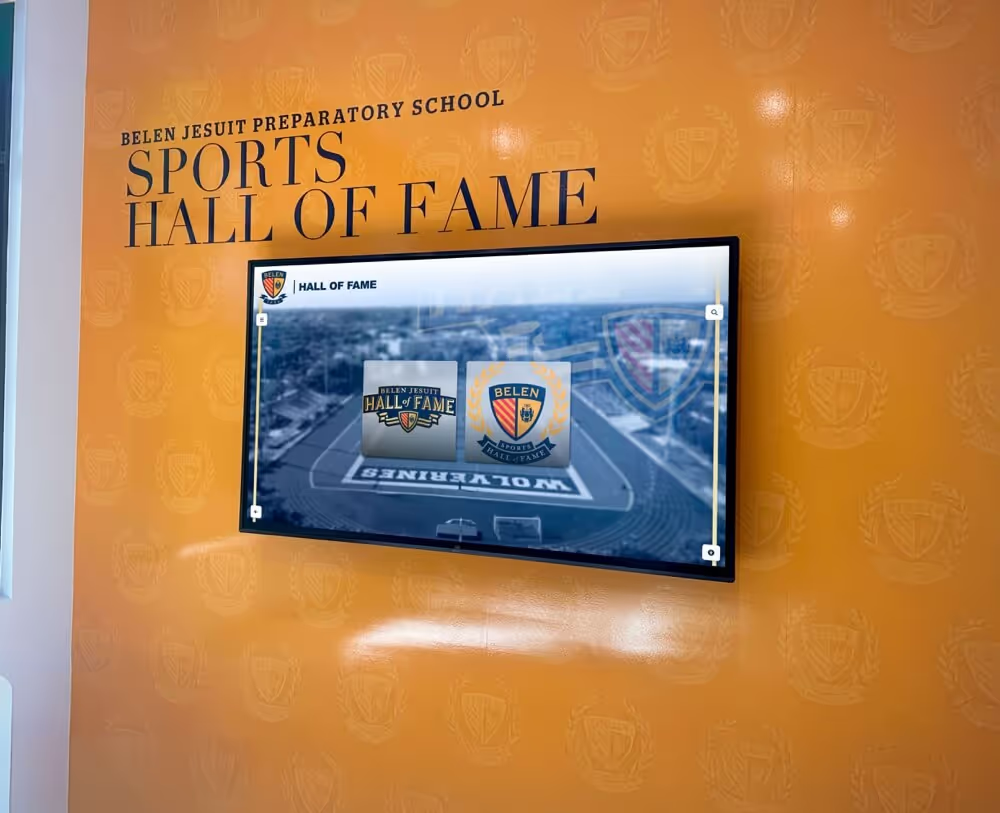
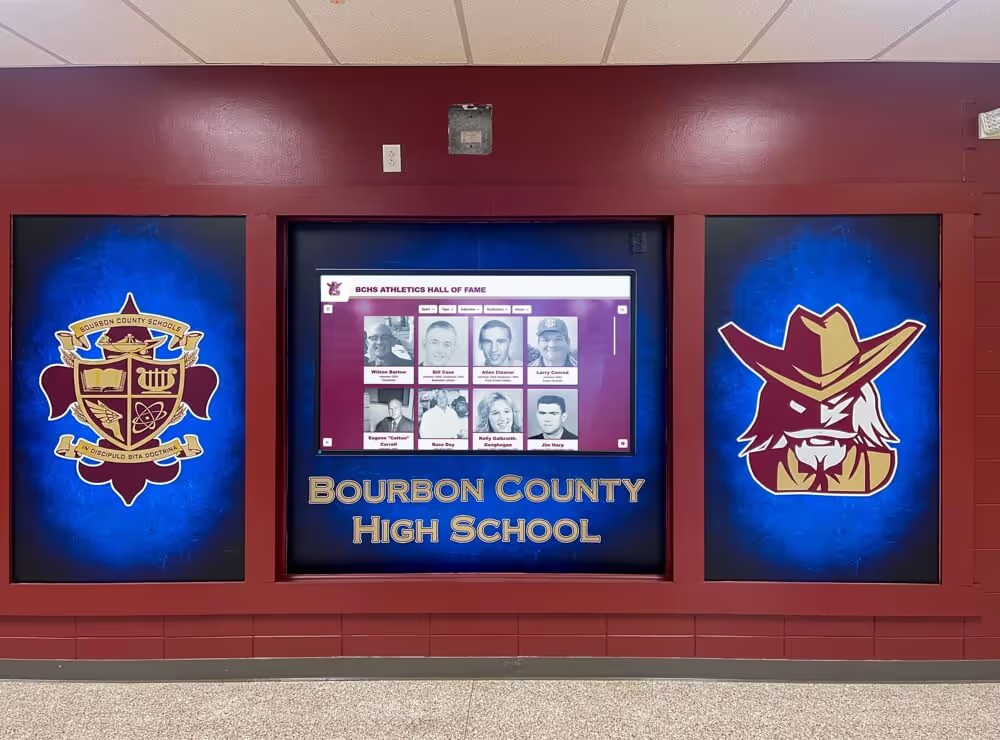
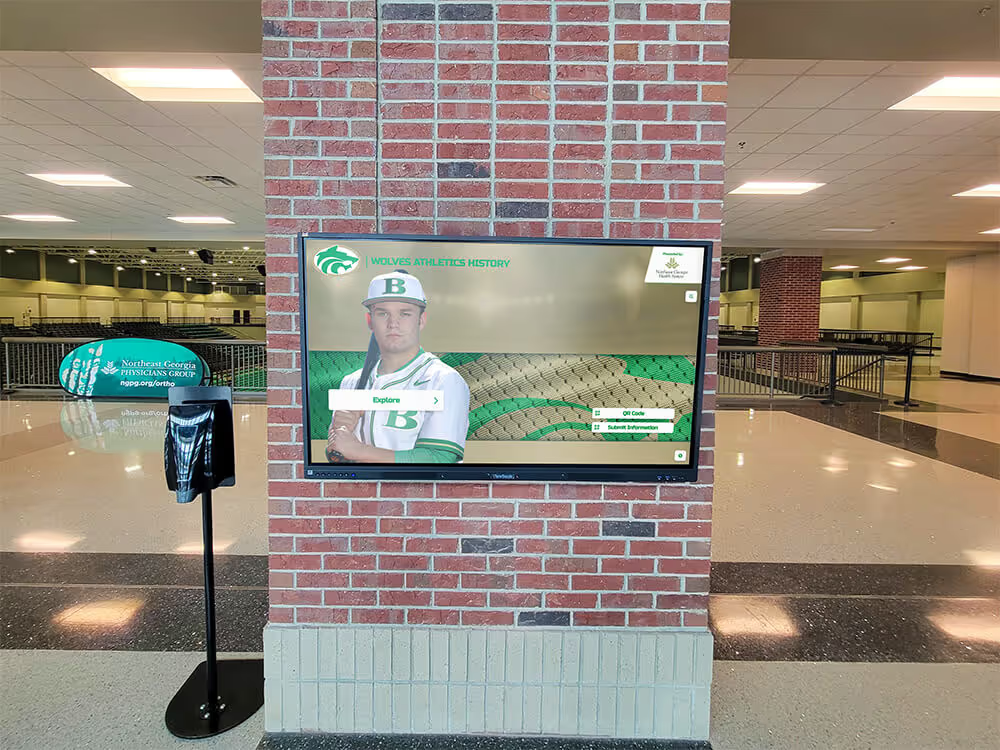
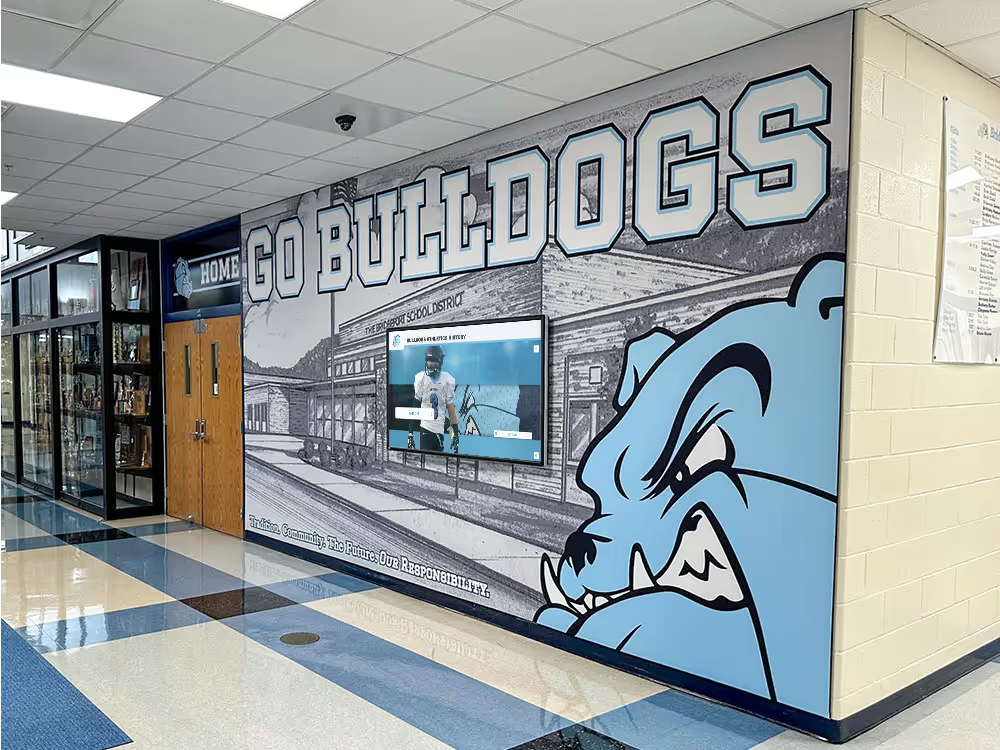
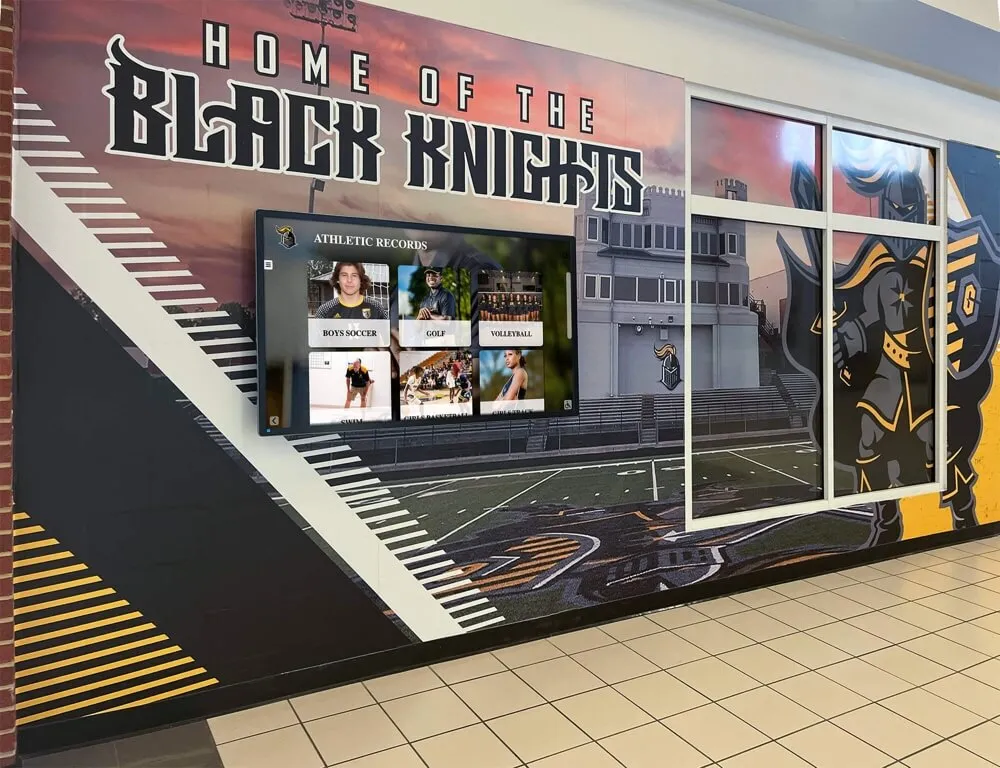
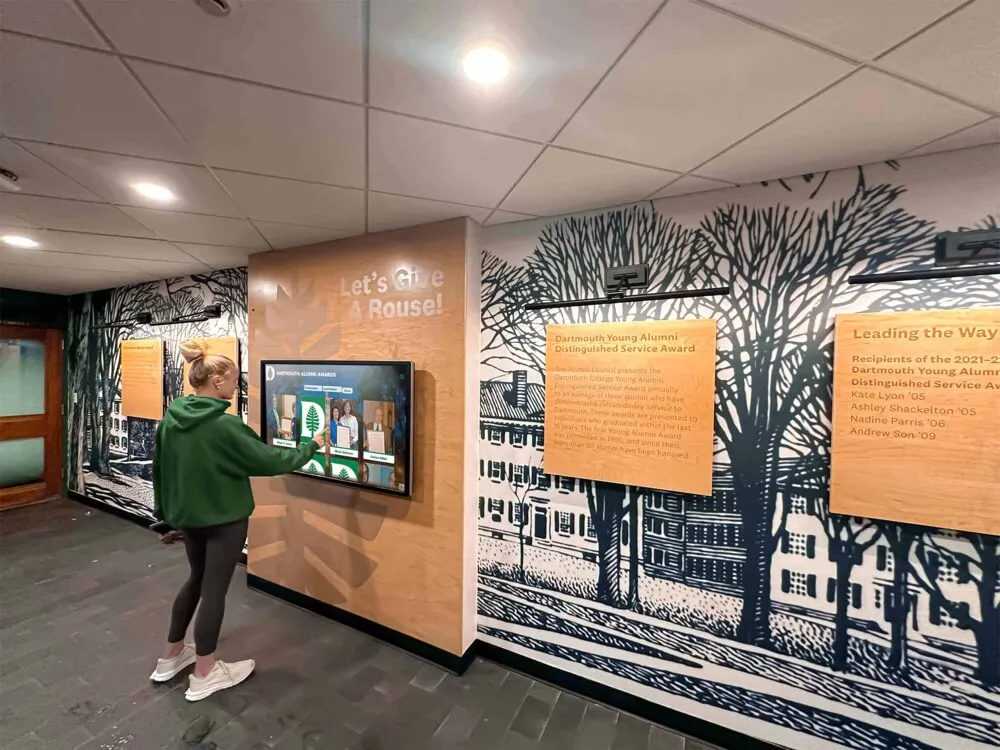
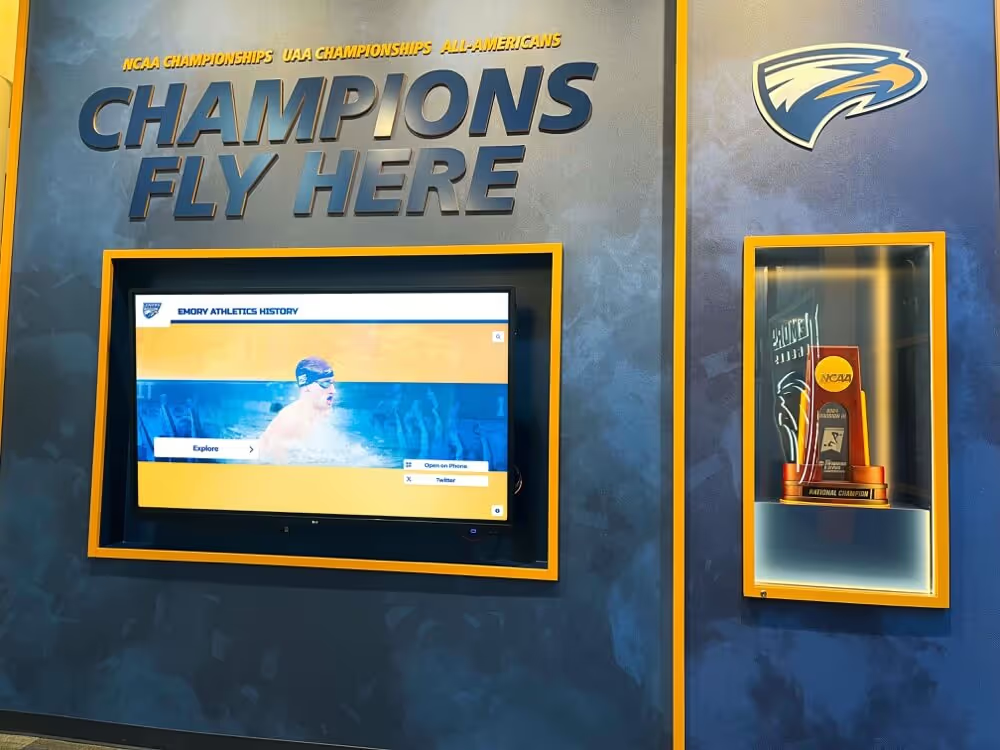
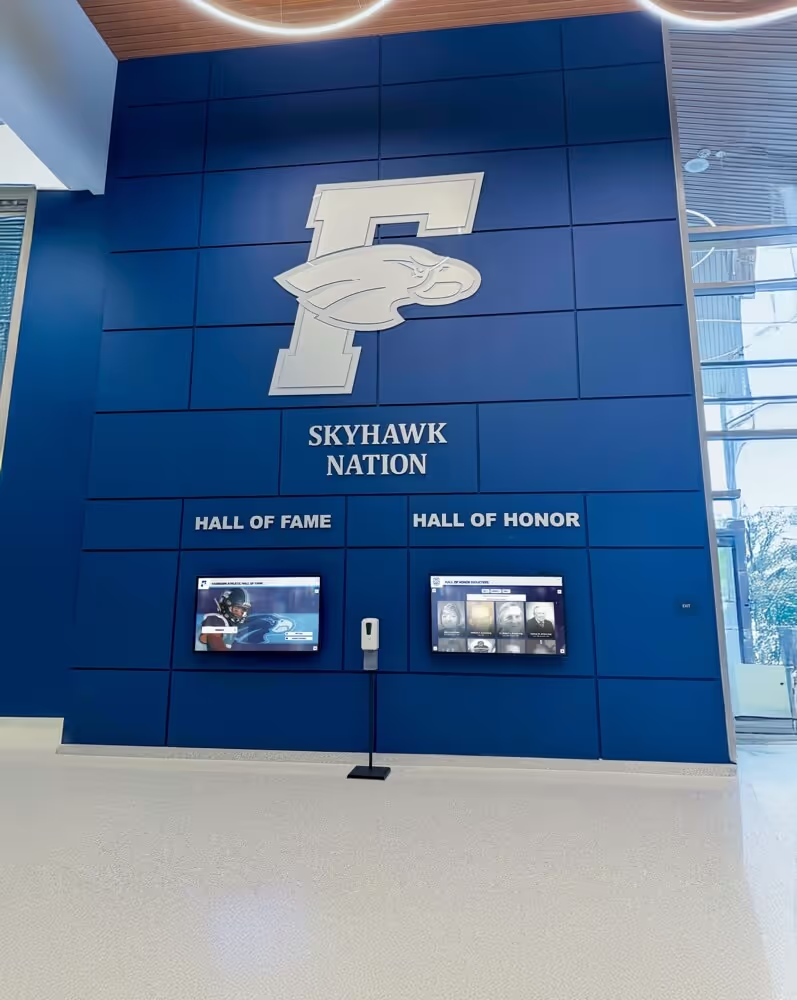
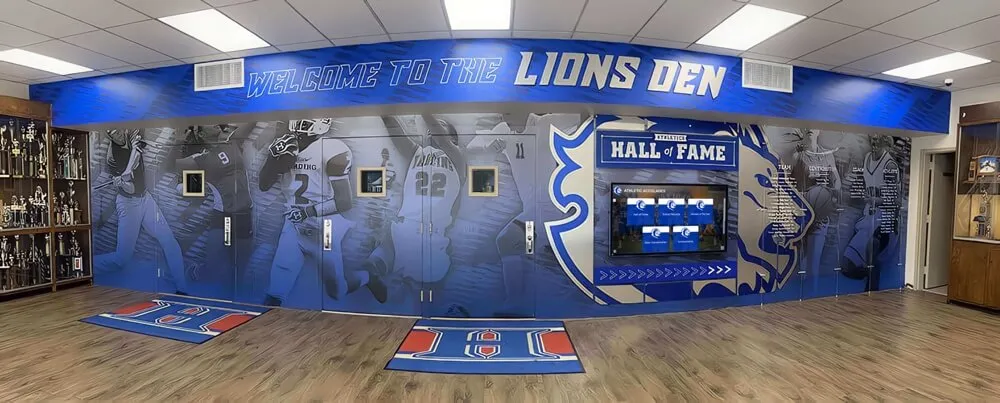
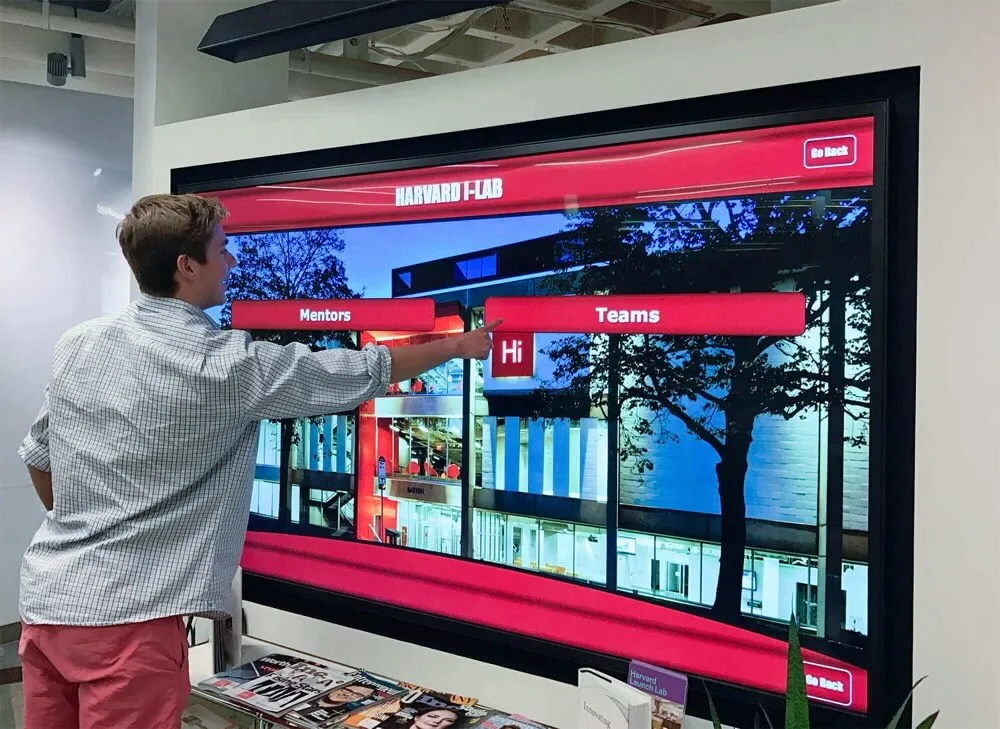
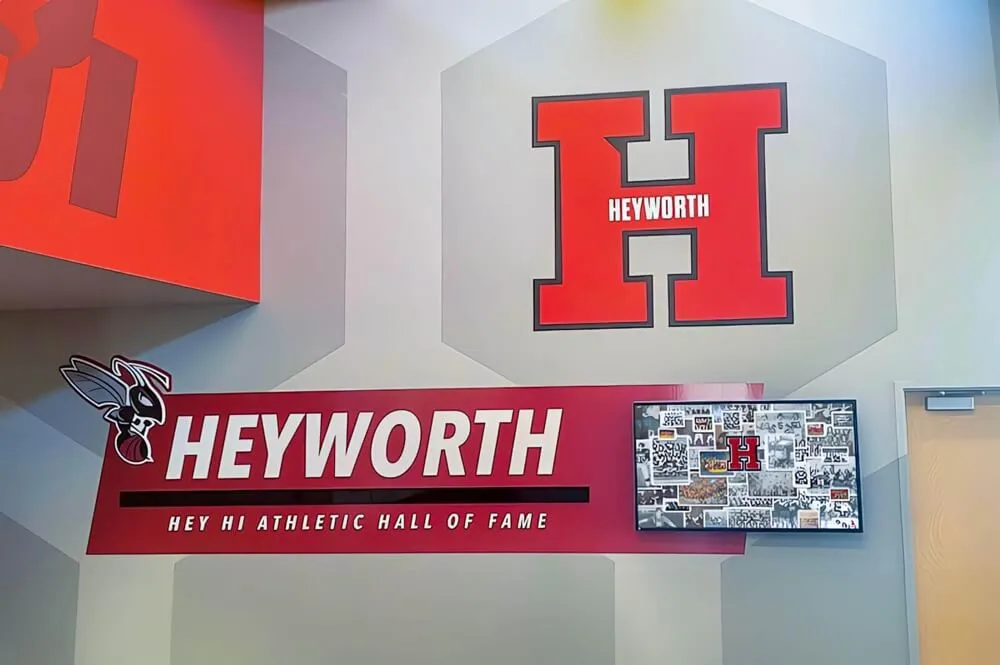
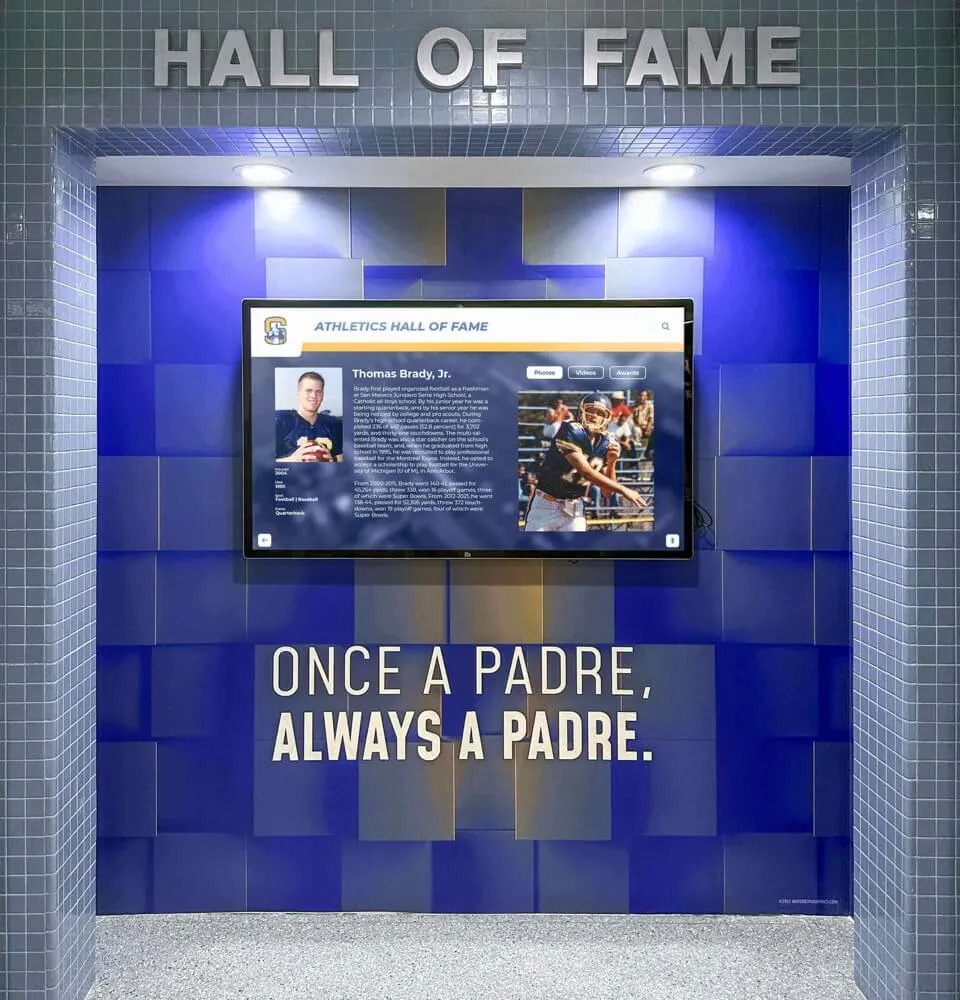
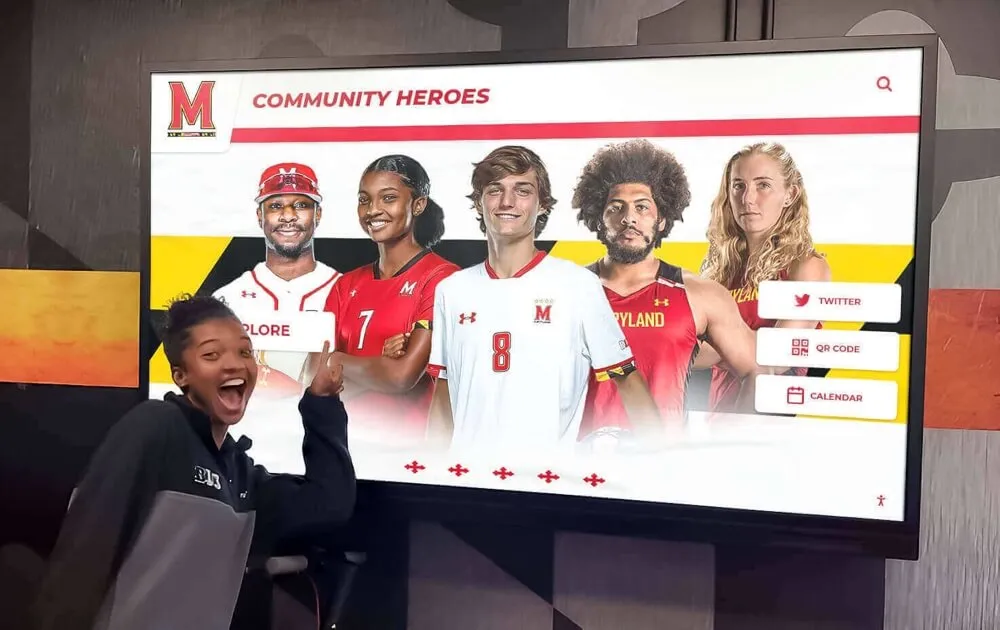
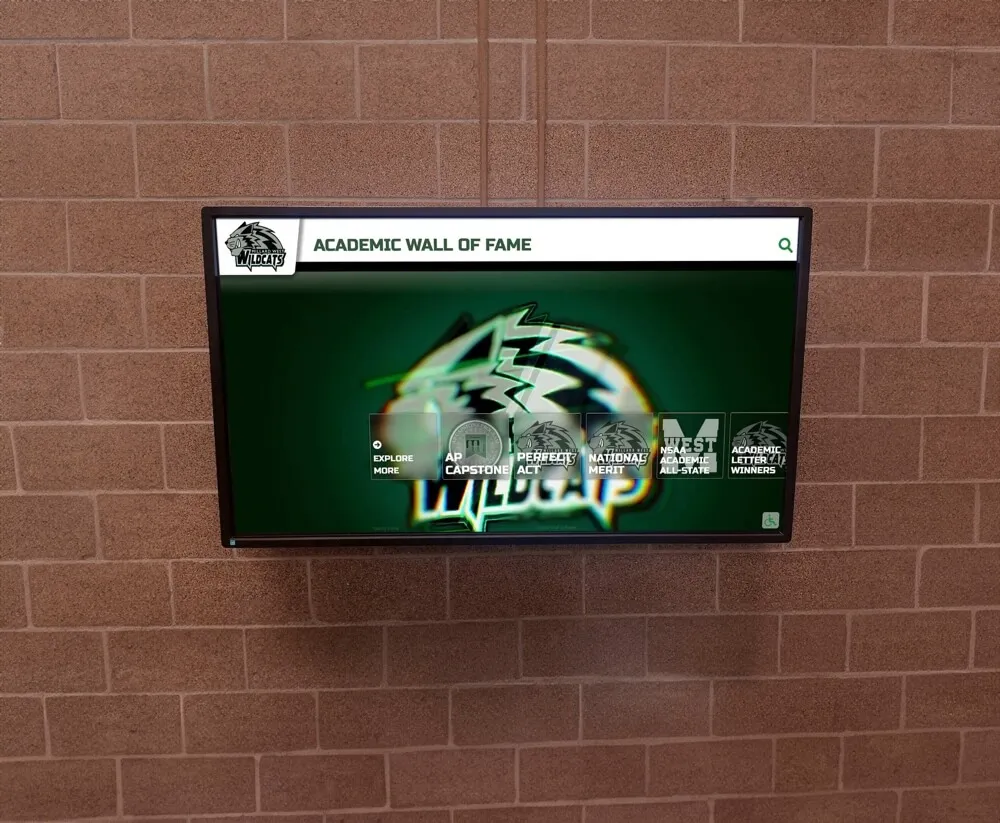
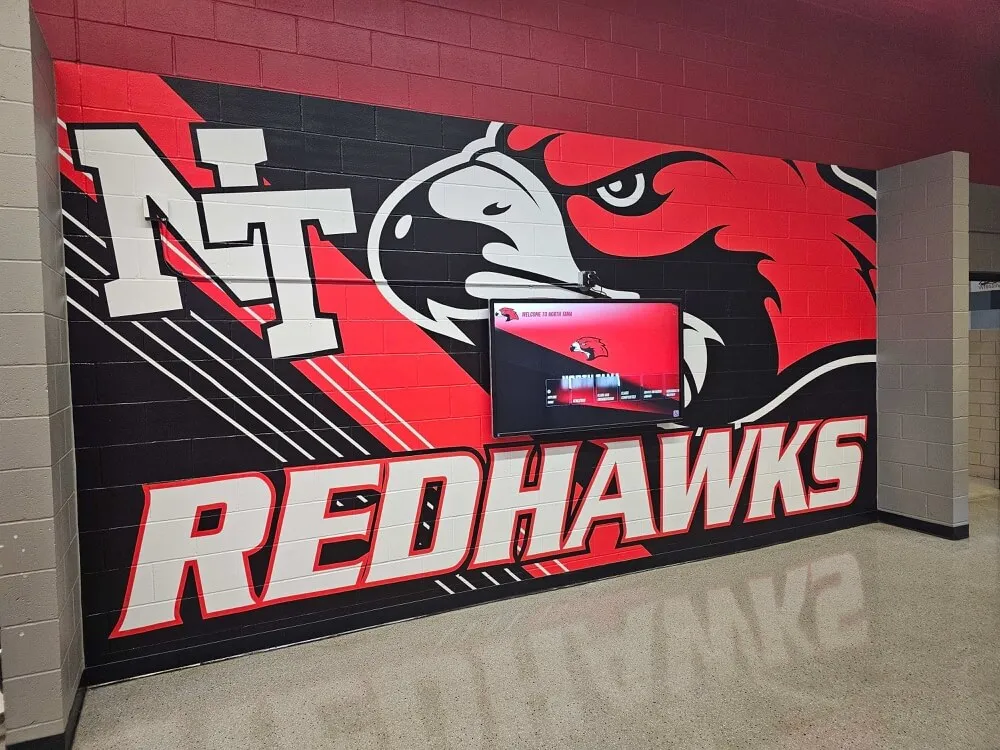
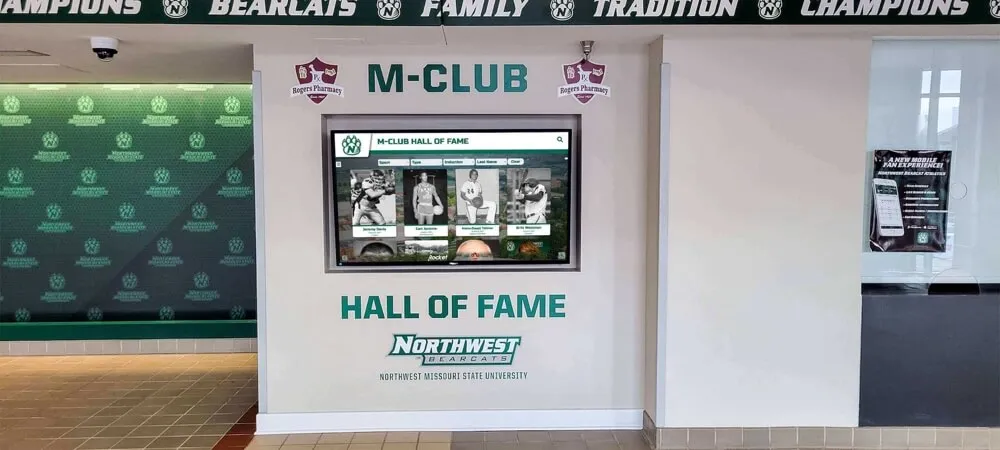
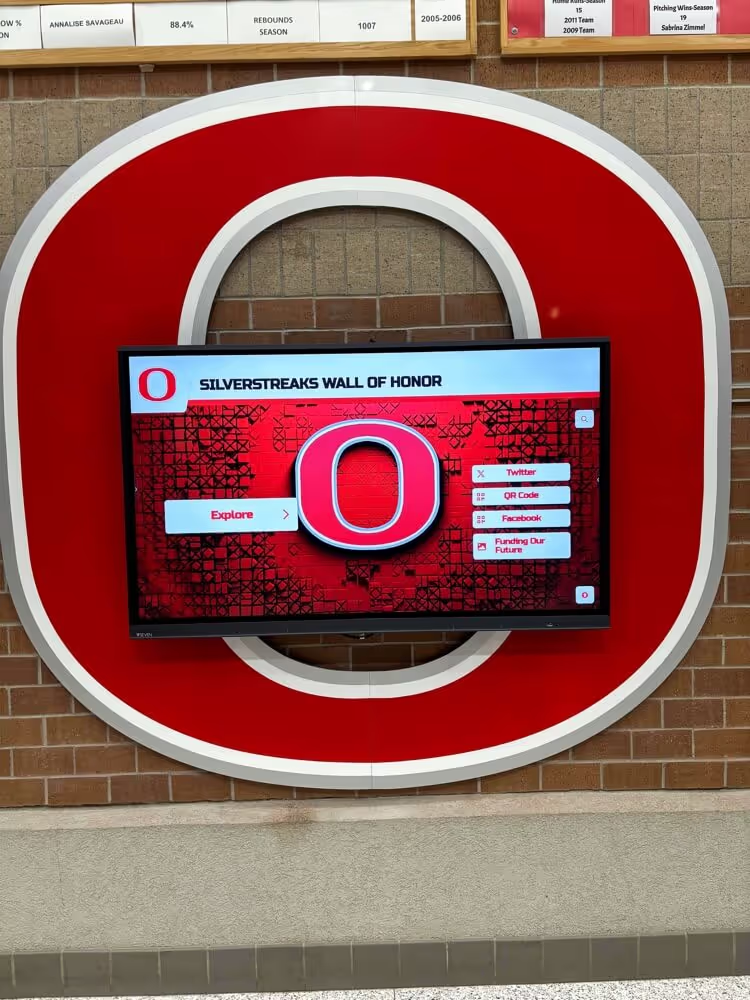
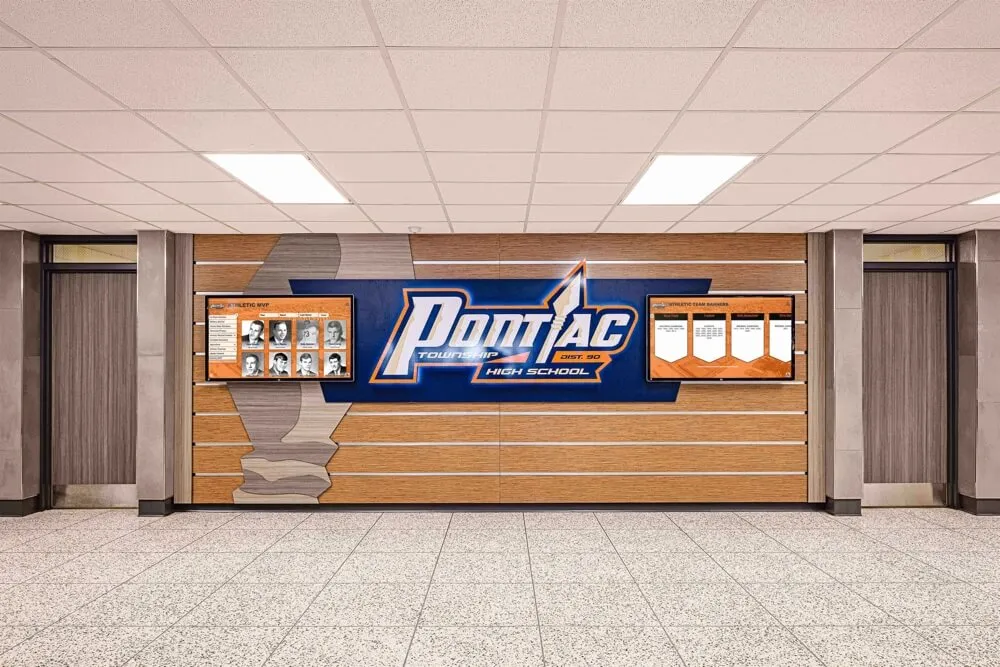
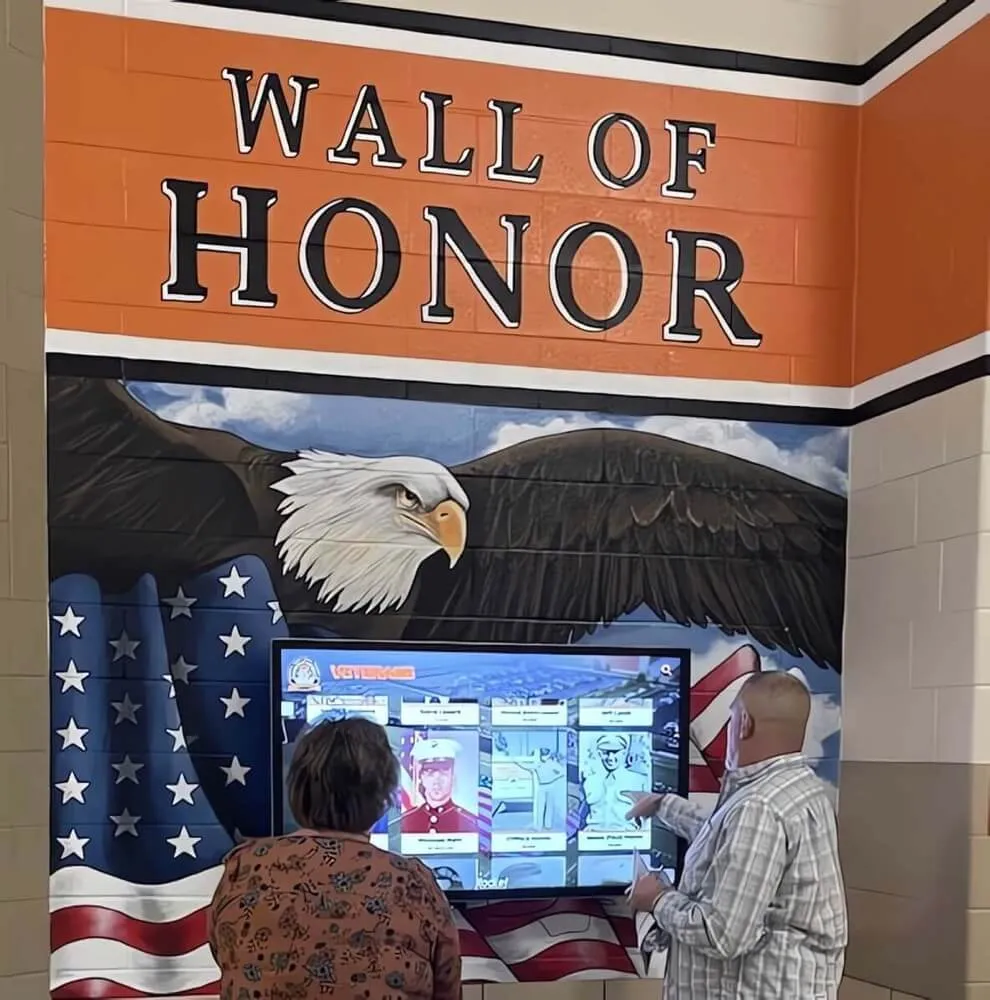
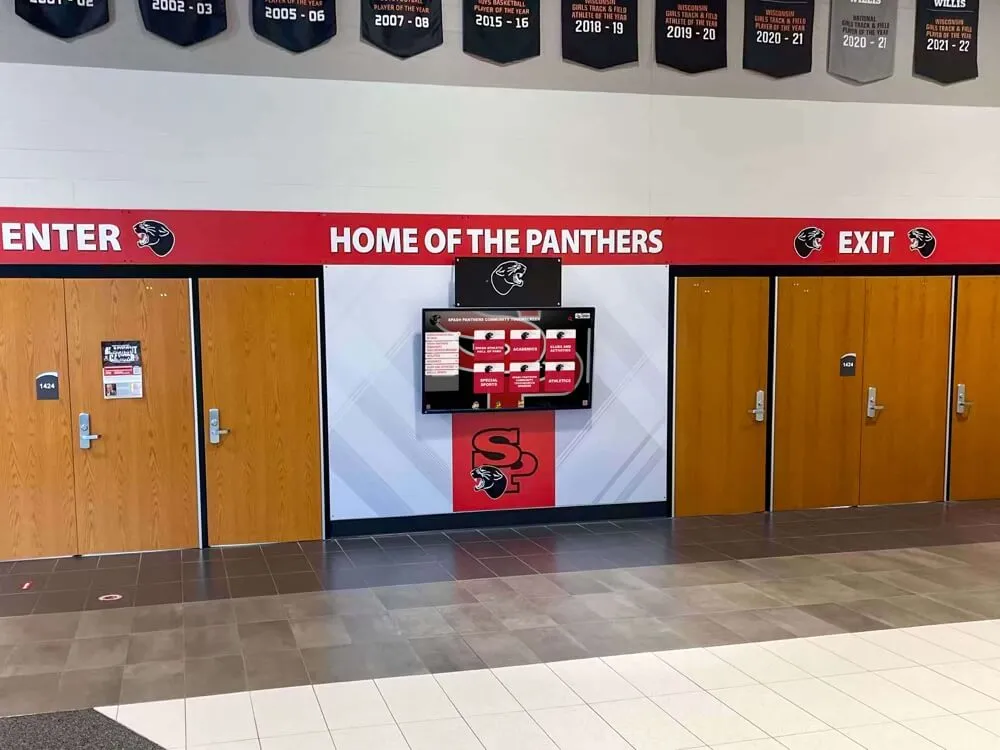
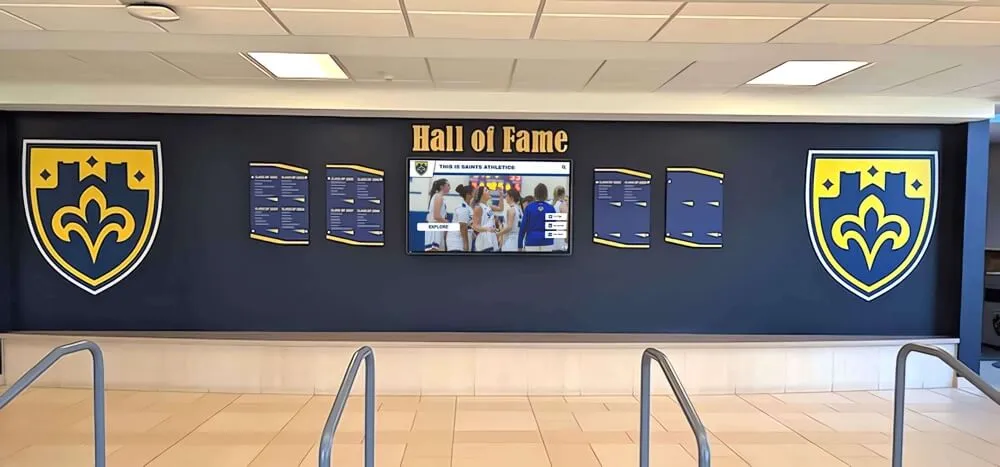
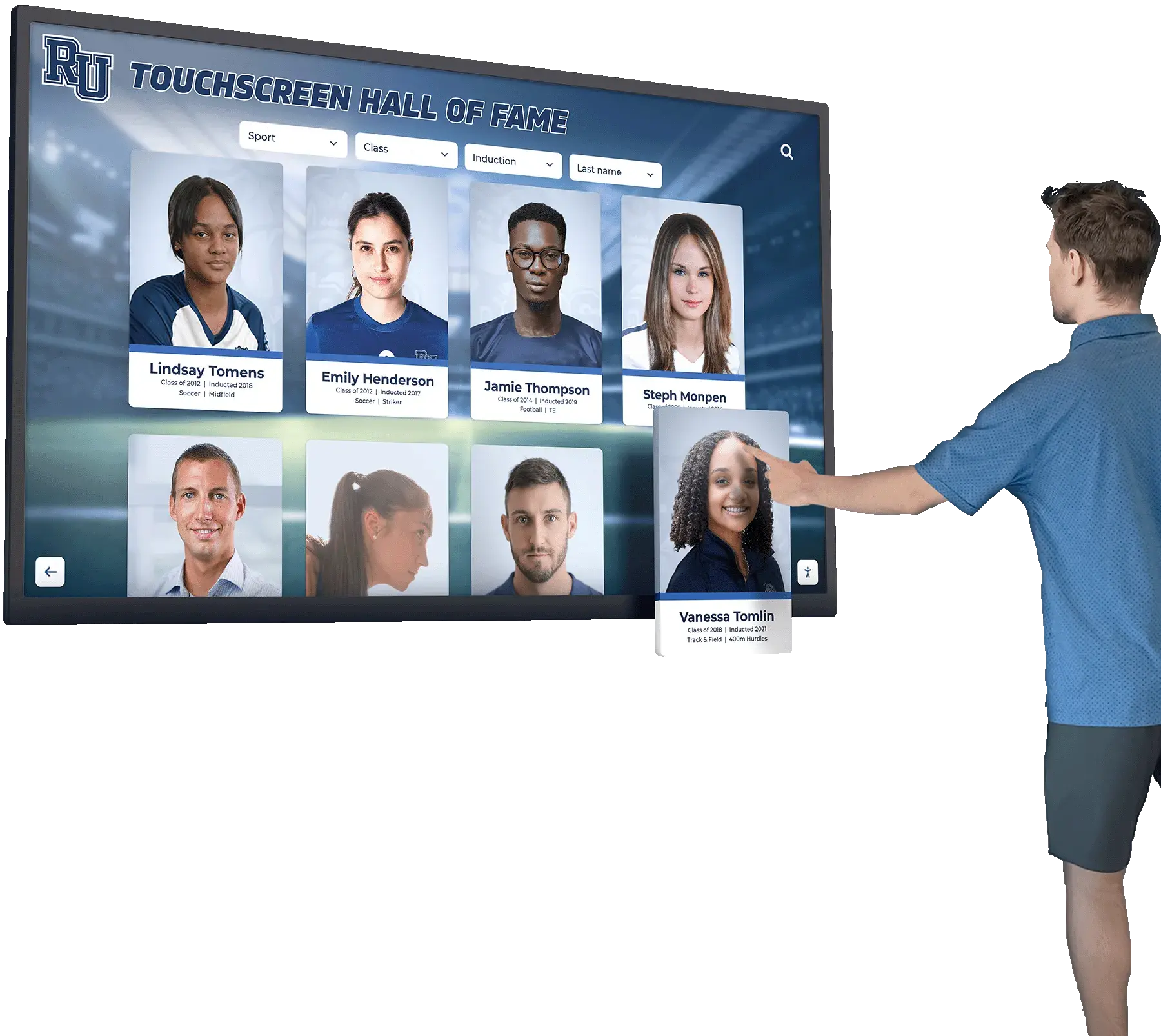
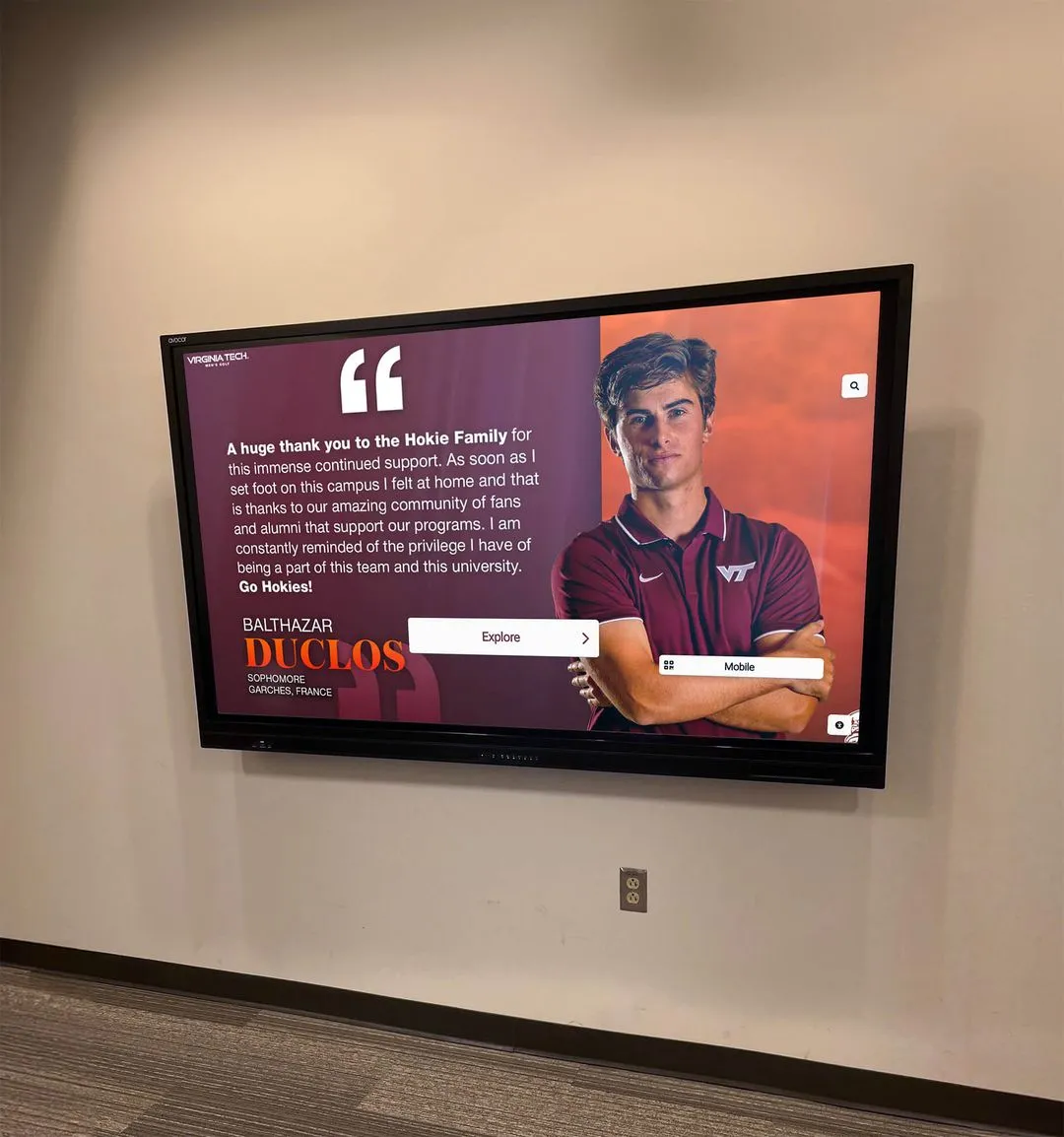
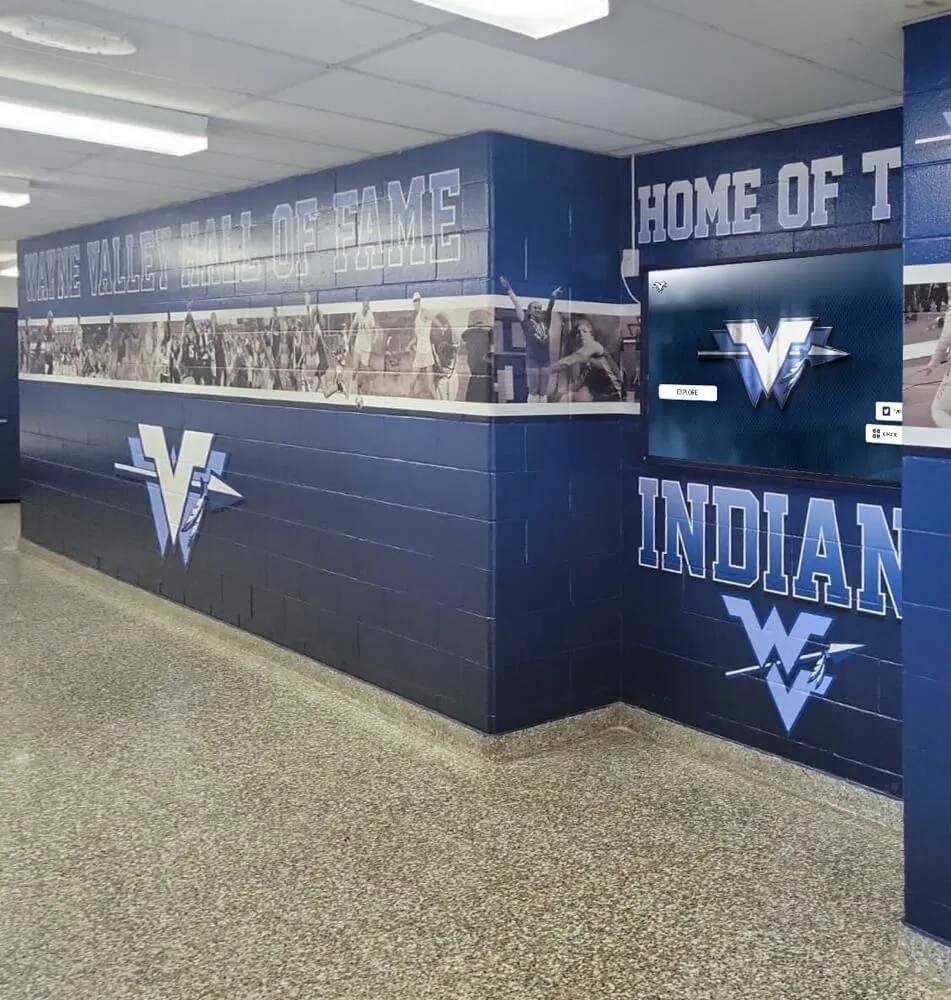
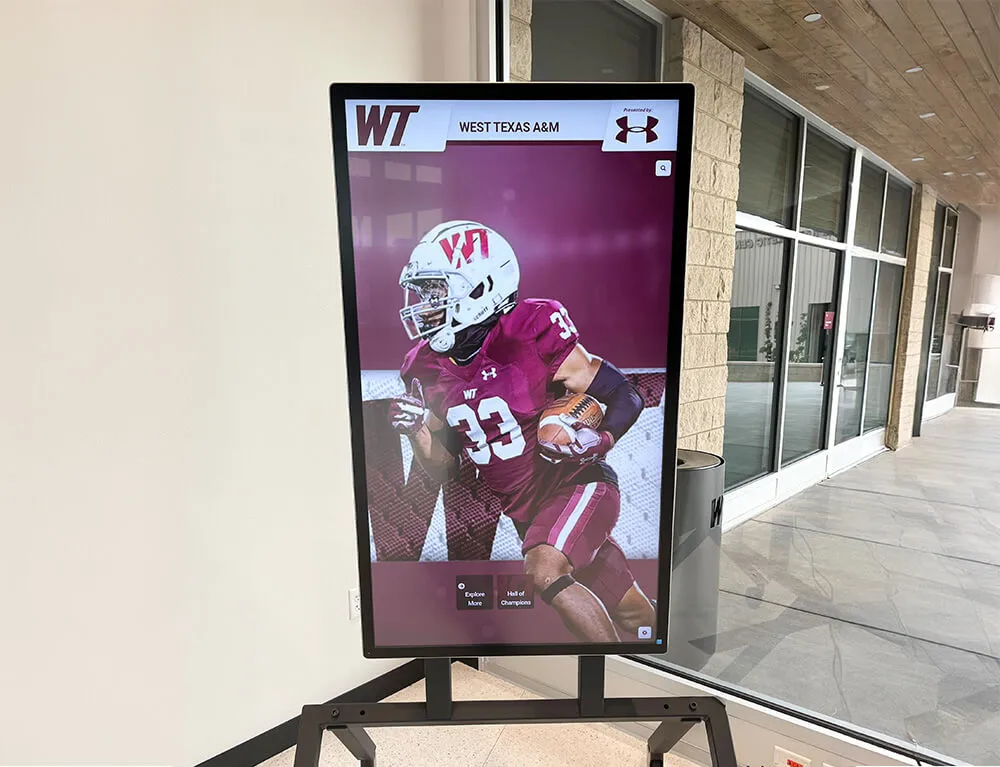
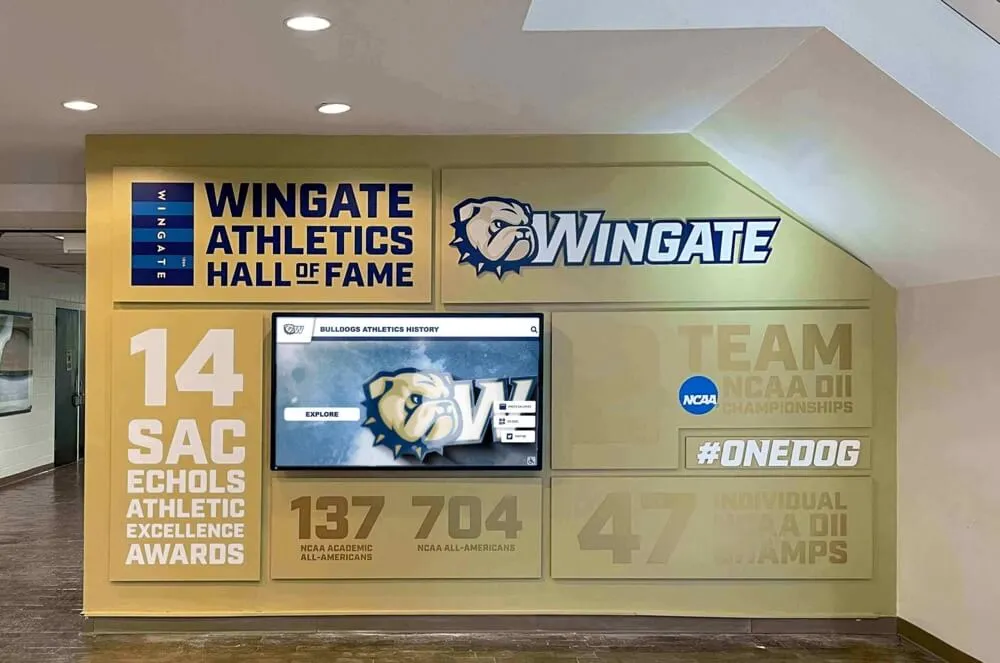
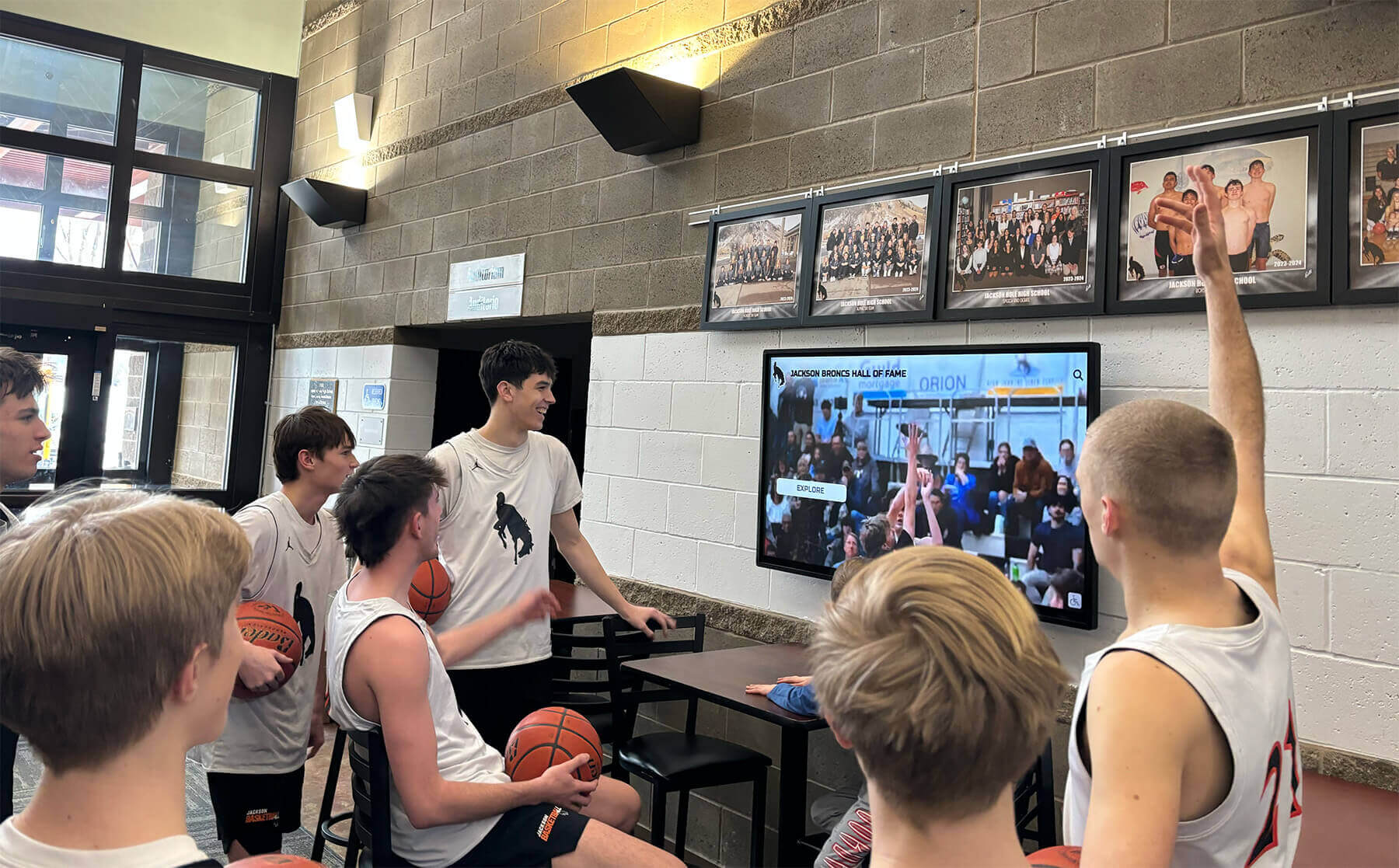
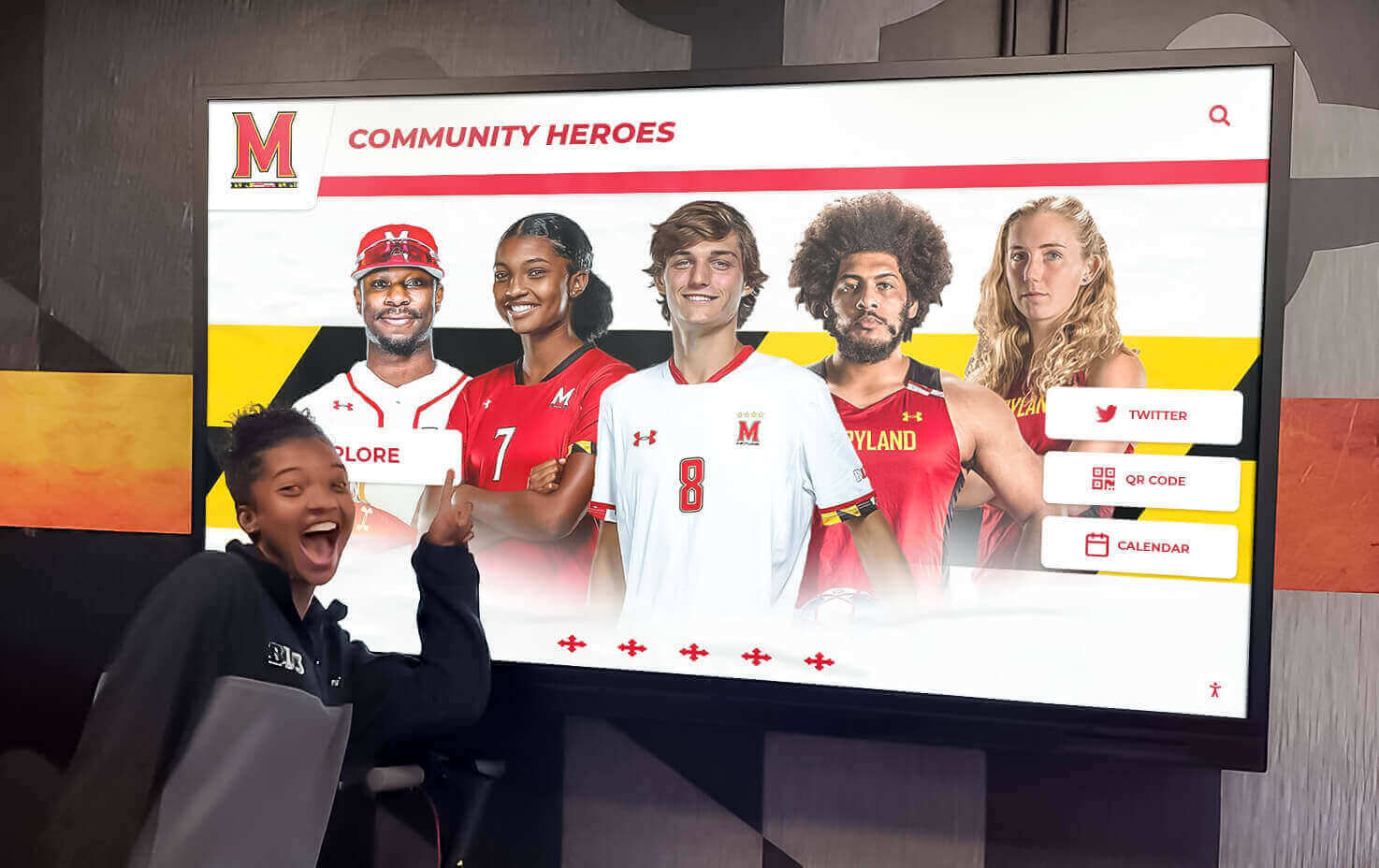
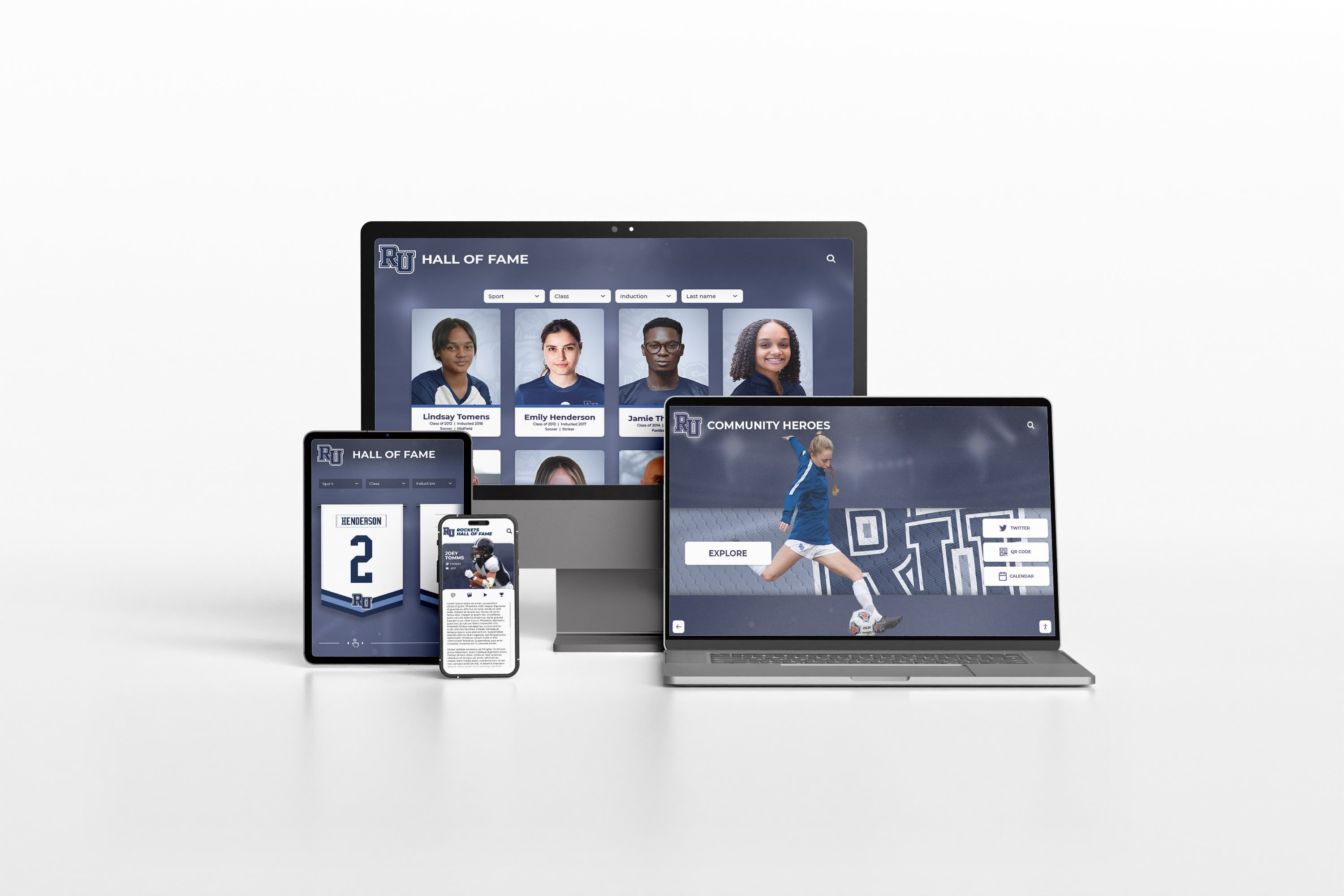
Traditional letter of intent celebrations using simple announcements or static photo displays capture only a single moment of multi-year athletic journeys. Modern digital recognition platforms enable schools to commemorate commitments comprehensively—documenting recruitment journeys, showcasing signing day moments, tracking collegiate careers, and preserving these achievements as permanent institutional history. Solutions like Rocket Alumni Solutions provide purpose-built systems specifically designed for athletic recognition, allowing schools to create engaging multimedia profiles of committed athletes, update content instantly as athletic careers progress, and build lasting displays that celebrate student achievement while inspiring future generations of athletes toward excellence.
Understanding the Letter of Intent
A letter of intent represents a formal agreement between a student athlete and a college or university regarding athletic participation and financial aid.
What Exactly Is a Letter of Intent?
The National Letter of Intent (NLI) is a binding agreement administered by the NCAA Eligibility Center in which a prospective student-athlete agrees to attend a specific Division I or Division II institution for one academic year in exchange for athletically-related financial aid from that institution.
Key Characteristics of the National Letter of Intent:
- Binding Commitment: Once signed, the student athlete commits to attend the institution for a minimum of one academic year
- Scholarship Agreement: The institution commits to providing athletic financial aid for one academic year (with potential for renewal)
- Recruiting Closure: Other institutions must cease recruiting the athlete once they sign
- Official Document: Administered through the National Letter of Intent program with specific rules and timelines
- Multi-Party Agreement: Requires signatures from the student athlete, parent or guardian (if athlete is under 21), and institution representative
The binding nature distinguishes an NLI from informal verbal commitments or non-binding written agreements. Signing creates legal obligations for both parties with specific conditions for release.
Who Can Sign a National Letter of Intent?
Not all student athletes or institutions participate in the NLI program:
- Division I and II Athletes: NLI program primarily serves NCAA Division I and Division II sports
- Division III Exception: Division III schools do not participate in NLI because they cannot offer athletic scholarships
- NAIA Institutions: Many NAIA schools participate in a similar binding letter program through the NAIA National Letter of Intent
- Junior Colleges: NJCAA member institutions typically use their own letter of intent system
Each competitive level and athletic association maintains specific signing procedures, timelines, and requirements appropriate to their governance structure and financial aid regulations.
Types of Commitment Documents
Student athletes encounter several commitment types depending on competitive level, sport, and timing:
National Letter of Intent (NLI)
The most formal and binding commitment document:
- Creates one-year attendance obligation at the signed institution
- Guarantees athletically-related financial aid for minimum one academic year
- Stops all recruiting contact from other NLI member institutions
- Contains specific penalty provisions if athlete does not enroll or releases are requested
- Must be signed during designated signing periods for specific sports
Financial Aid Agreement
A document outlining athletic scholarship terms without NLI binding provisions:
- Details specific scholarship amount, duration, and renewal conditions
- Does not stop recruiting from other institutions
- May be used by Division III schools or institutions outside NLI system
- Can be modified more easily than NLI agreements
- Still represents commitment but with different legal implications
Verbal Commitment
Non-binding agreement between athlete and institution:
- Represents athlete’s intention to attend without legal obligation
- Allows athletes to announce commitments before official signing periods
- Does not stop recruiting from other institutions
- Can be changed without penalty (though may affect relationships)
- Common in sports with late signing periods or early recruitment cycles
Resources on athletic recognition programs demonstrate how schools celebrate athletic commitments through comprehensive displays.
National Letter of Intent Signing Periods
The NLI program establishes specific signing periods varying by sport, ensuring fairness and preventing premature pressure on young athletes.
Football Signing Periods
Football maintains multiple signing opportunities:
Early Signing Period (December)
- Begins first Wednesday of December, lasts three days
- Allows committed athletes to sign before senior season concludes
- Reduces recruiting uncertainty for athletes and programs
- Has become the predominant signing period with majority of FBS recruits signing early
- Frees athletes from recruiting pressure during second semester
Regular Signing Period (February)
- Begins first Wednesday of February, lasts through April 1st
- Traditional signing period before early period was established
- Serves athletes who wait to make decisions, receive late offers, or reconsider commitments
- Provides opportunity for athletes transferring from junior colleges
- Accommodates players completing eligibility requirements
Basketball Signing Periods
Basketball uses two distinct signing windows:
Early Signing Period (November)
- Begins second Wednesday of November
- Lasts one week
- Allows committed players to finalize decisions before season starts
- Popular with athletes who completed official visits during previous spring and summer
Regular Signing Period (April-May)
- Begins second Wednesday of April
- Remains open until May 15th
- Accommodates late bloomers, transfers, and athletes awaiting academic eligibility
- Provides opportunity following high school season completion
Other Sports Signing Periods
Most other sports share common signing windows:
Early Signing Period (November)
- Second Wednesday of November through one week
- Covers most NCAA Division I and II sports except football and basketball
- Includes sports such as soccer, baseball, softball, volleyball, track and field, tennis, golf, swimming, lacrosse, and others
Regular Signing Period (April-August)
- Begins second Wednesday of April
- Extends through August 1st for most sports
- Provides extended window accommodating various sport seasons and recruitment timelines
- Allows flexibility for athletes making late decisions or receiving scholarship offers after early period
Understanding signing period timing helps families plan appropriately, ensuring athletes meet deadlines while making fully informed decisions about collegiate athletic futures.
The Letter of Intent Signing Process
Successful navigation of the signing process requires understanding required steps, necessary documents, and proper procedures.
Pre-Signing Requirements
Before signing day arrives, several prerequisites must be satisfied:
NCAA Eligibility Center Registration
All Division I and II athletes must register with the NCAA Eligibility Center:
- Create account at eligibilitycenter.org
- Submit academic transcripts documenting core course completion
- Provide standardized test scores (SAT or ACT)
- Complete amateurism questionnaire certifying NCAA amateur status
- Pay registration fee (fee waivers available based on financial need)
- Obtain eligibility determination before signing NLI
Academic Requirements
Athletes must meet minimum academic standards:
- Core Course Requirements: Complete 16 core courses for Division I or 16 for Division II
- GPA Standards: Achieve minimum grade point average in core courses (sliding scale based on test scores)
- Test Scores: Meet minimum SAT/ACT scores (sliding scale based on GPA)
- Graduation: Graduate from high school or complete equivalent education
Academic requirements vary slightly between Division I, Division II, NAIA, and NJCAA—consulting with high school counselors ensures understanding of specific applicable standards.
Official Visits and Recruitment Compliance
Complete recruitment process within NCAA rules:
- Schedule official visits (limited to five paid visits across all schools)
- Communicate with coaches during designated contact periods
- Avoid prohibited inducements or benefits
- Document all contacts maintaining compliance with recruiting regulations
- Consult high school athletic directors about eligibility questions
Signing Day Procedures
Actual signing involves specific steps ensuring legal validity:
Required Signatures
Valid NLI requires three signatures:
- Student Athlete Signature: Athlete signs acknowledging commitment and understanding of binding nature
- Parent/Guardian Signature: Required if athlete is under 21 years old at signing time
- Institutional Representative Signature: Athletic director, compliance officer, or designated official signs on behalf of institution
All three signatures must appear on the same document for validity.
Document Submission
After signing, proper submission ensures official processing:
- Institution submits signed NLI to Eligibility Center within 14 days
- Athlete receives copy for personal records
- High school may request copy for compliance documentation
- Submission confirms official commitment and triggers recruiting restrictions
Financial Aid Agreement
Concurrent with NLI, athletes receive and sign separate financial aid agreement:
- Details specific scholarship amount (full, partial, or specific dollar value)
- Outlines duration (typically one year with renewal contingent on meeting requirements)
- Specifies conditions for renewal or non-renewal
- Explains appeal processes if scholarship is reduced or eliminated
- Separate document from NLI but often signed simultaneously
Resources on high school end-of-year awards show how schools recognize athletic achievements including college commitments.
What Happens After Signing
Post-signing responsibilities ensure smooth transition to collegiate athletics:
Maintaining Eligibility
Athletes must preserve NCAA eligibility after signing:
- Complete remaining high school coursework with required grades
- Graduate from high school meeting NCAA core course requirements
- Maintain amateur status avoiding prohibited compensation
- Avoid violations of recruiting rules or NCAA regulations
- Submit final transcripts to NCAA Eligibility Center
Failure to maintain eligibility after signing can void NLI or delay collegiate enrollment.
Communication with Coaches
Ongoing contact with coaching staff:
- Regular updates about academic progress, athletic training, injury prevention
- Discussion of summer workout programs, conditioning expectations
- Information about campus arrival timing, reporting dates
- Coordination of housing assignments, roommate selection
- Questions about majors, academic support, class registration
Preparing for Collegiate Athletics
Summer preparation before freshman year:
- Participate in recommended strength and conditioning programs
- Complete required medical examinations and immunizations
- Attend orientation sessions for incoming student-athletes
- Review academic requirements and select courses
- Arrange financial aid finalization and payment plans
Letter of Intent Rules and Release Provisions
Understanding binding nature and limited release options helps families make informed decisions.
Binding Commitment Terms
The NLI creates specific obligations:
One-Year Attendance Requirement
Athletes commit to attend the signing institution for minimum one academic year:
- Must enroll full-time for fall semester/quarter
- Continue enrollment through spring semester completing academic year
- Participate in athletic program as team member
- May not compete for another institution during that year
Penalty for Non-Enrollment
Athletes who sign but do not enroll face consequences:
- Lose one year of collegiate athletic eligibility
- Must complete full academic year at another institution before competing
- Cannot compete at any NCAA institution during penalty year
- Penalty applies even if athlete attends junior college or NAIA institution
These penalties create strong incentive for careful decision-making before signing.
Release from Letter of Intent
Limited circumstances allow release from NLI obligations:
Coaching Change
Most common release request basis:
- Head coach who recruited athlete leaves before athlete enrolls
- Institution must grant hearing but is not required to approve release
- Some institutions grant automatic release for coaching changes
- Others evaluate case-by-case considering specific circumstances
- Released athletes may sign with other institutions without penalty
Complete Release
Athlete requests release from commitment:
- Must submit written release request to signing institution
- Institution has sole authority to grant or deny (no appeal to NLI program)
- If granted, athlete free to sign with another institution without penalty
- If denied, athlete must attend signing institution or face one-year penalty
- Denial decisions cannot be appealed beyond institutional level
Partial Release
Institution releases athlete from commitment but imposes conditions:
- Prohibits athlete from signing with specific institutions (often conference rivals)
- May restrict recruitment contact with certain schools
- Creates limited free agency rather than complete release
- Athletes must carefully consider whether partial release restrictions are acceptable
Release decisions are entirely at institutional discretion—no governing body mandates releases even when circumstances seem to warrant them.
Resources on senior night ideas demonstrate how schools celebrate athletic milestones throughout student athlete careers.
Celebrating Letter of Intent Signings
Schools create memorable recognition events honoring student athletes’ commitments and celebrating their achievements.
Planning Signing Day Ceremonies
Effective ceremonies balance formality with celebration:
School-Based Signing Ceremonies
Many high schools organize formal signing events:
- Timing: Scheduled during school day allowing classmate attendance or after school for family participation
- Location: School gymnasium, cafeteria, library, or athletic facilities
- Setup: Signing table with institutional materials (pennants, apparel, promotional items)
- Attendees: Athletes, families, teammates, coaches, school administrators, local media
- Program Elements: Introduction of each athlete, sport and institution announcement, signing of documents, photo opportunities
Individual Recognition Approaches
Schools may recognize signers individually throughout signing periods:
- Morning announcements celebrating commitments as they occur
- Social media posts highlighting each athlete with photos and institutional logos
- Athletic department displays updating with each new commitment
- Local newspaper press releases announcing commitments
- School website features profiling committed athletes
Combined Signing Day Events
Some schools organize single events recognizing all signers:
- Typically held after regular signing period closes ensuring all athletes included
- Creates community celebration rather than individual recognition
- Reduces repetitive ceremony burden on school resources
- Provides opportunity for group photos, team recognition
- Demonstrates program-wide commitment to collegiate athletics
Recognition Display Traditions
Visual recognition extends celebration beyond signing day ceremonies:
Physical Display Methods
Traditional recognition includes various physical displays:
- Commitment Banners: Printed banners featuring athlete photos, names, sports, and destination institutions hung in gymnasiums or hallways
- Trophy Case Displays: Dedicated space in trophy cases for signed LOIs, commitment photos, and institutional promotional materials
- Photo Boards: Bulletin boards displaying signing day photos, newspaper clippings, and congratulatory messages
- Letter Jacket Recognition: Special patches or recognition on varsity letter jackets noting collegiate commitments
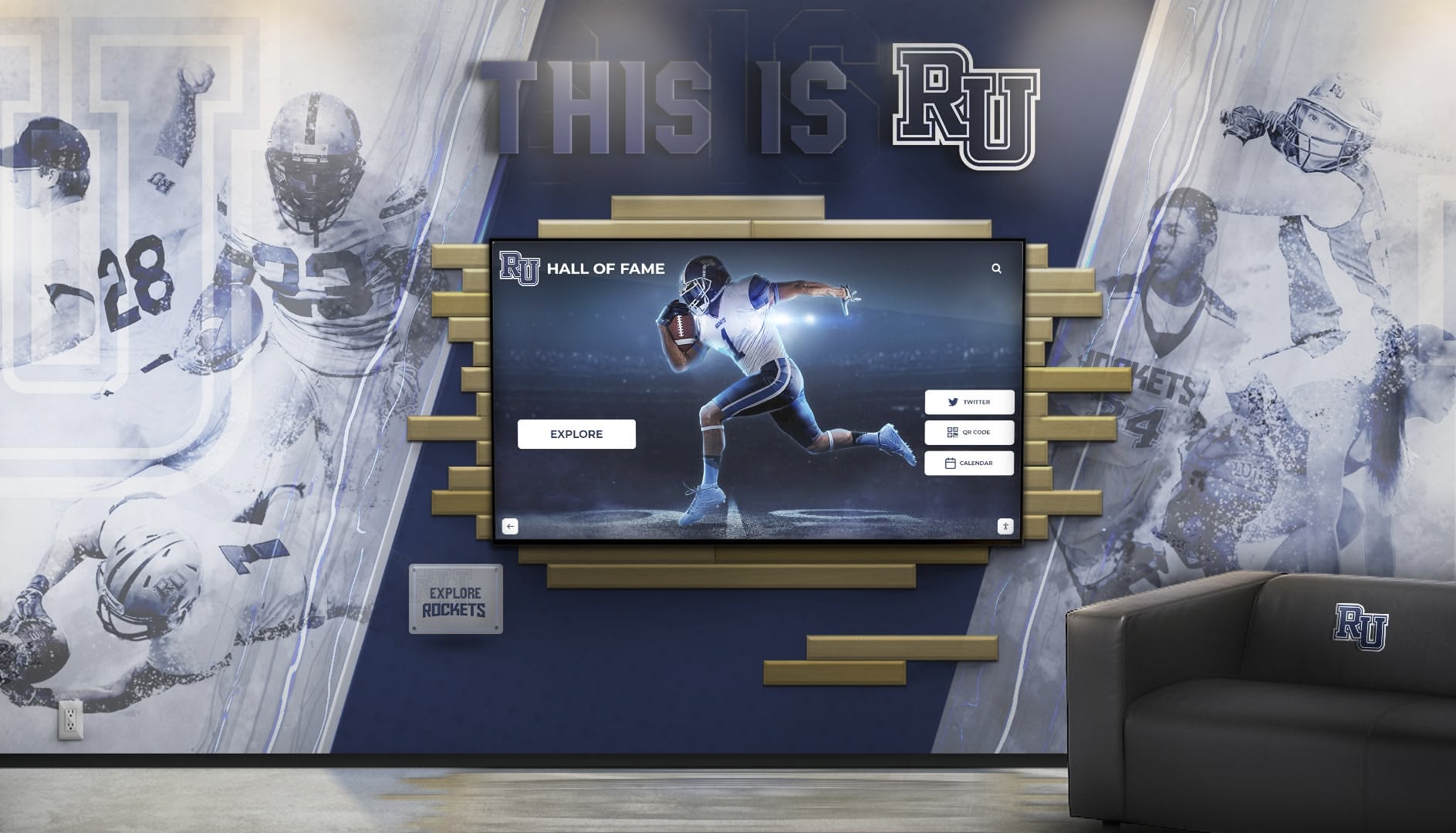
Digital Recognition Platforms
Modern schools increasingly use digital displays offering enhanced capabilities:
- Unlimited Capacity: Accommodate all committed athletes without physical space constraints limiting recognition
- Rich Content: Display comprehensive athlete profiles including sport statistics, academic achievements, recruitment journey documentation
- Video Integration: Include signing ceremony videos, highlight reels, congratulatory messages from coaches and teammates
- Instant Updates: Add new commitments immediately without waiting for physical display production
- Global Access: Web-based platforms allow alumni, extended family, and community members worldwide to celebrate achievements
Solutions like Rocket Alumni Solutions provide comprehensive platforms specifically designed for athletic recognition, enabling schools to create engaging multimedia displays that preserve commitment moments permanently while inspiring younger athletes.
Social Media Recognition
Schools leverage social media for immediate celebration:
- Instagram posts featuring signing photos with institutional branding and athlete tagging
- Twitter announcements with sport emoji, institution handle tags, conference recognition
- Facebook posts enabling community congratulations through comments and shares
- YouTube videos documenting signing ceremonies and athlete interviews
- TikTok content showing behind-scenes signing day moments and celebrations
Building Letter of Intent Traditions
Consistent recognition traditions strengthen program culture:
Annual Signing Day Events
Establish predictable traditions:
- Same location and format creating institutional ritual
- Scheduled timing (first Friday after early signing period, for example)
- Traditional program elements (school song, alma mater, coach remarks)
- Consistent photo backdrop maintaining visual branding
- Standardized commemorative items (signed basketballs, photo frames, engraved plaques)
Historical Documentation
Preserve commitment history systematically:
- Maintain comprehensive database of all committed athletes by year, sport, and institution
- Archive signing ceremony photos and videos
- Track collegiate athletic careers and post-eligibility achievements
- Compile statistics showing program’s collegiate placement success
- Create longitudinal displays showing decades of athletic development
Alumni Connection
Link current commitments to program alumni:
- Feature former athletes who attended same colleges as current signers
- Invite collegiate athletes back for signing day sharing experiences
- Create mentorship connections between committed athletes and alumni
- Display collegiate success of program alumni alongside current commitments
- Build narrative demonstrating program’s history of developing collegiate-level athletes
Resources on sport end-of-year awards offer frameworks for celebrating athletic achievements throughout the year.
Letter of Intent by Sport
Different sports have unique recruitment patterns, scholarship structures, and commitment considerations.
Football Commitments
Football features intense recruitment with large recruiting classes:
Scholarship Structure
- Division I FBS programs offer up to 85 full scholarships
- Division I FCS programs offer up to 63 scholarships (often divided among more athletes)
- Division II programs allowed 36 scholarships
- Highly competitive recruitment for available positions
Recruitment Timing
- Many athletes commit verbally during junior year or early senior year
- Official NLI signing occurs during December early period or February regular period
- Junior college transfers often sign in February
- Walk-on opportunities available beyond scholarship signing
Position-Specific Considerations
- Elite skill positions (quarterbacks, running backs, receivers) typically sign early
- Offensive and defensive line positions may see later recruitment
- Specialists (kickers, punters, long snappers) often have limited scholarship opportunities
- Academic qualifications critical given number of recruits competing for roster spots
Basketball Commitments
Basketball recruitment focuses on smaller class sizes with high-profile nature:
Scholarship Availability
- Division I programs offer 13 scholarships maximum
- Division II programs allowed 10 scholarships
- Competitive recruitment with fewer available positions than football
- Transfer portal adds complexity with experienced players competing for scholarships
Recruitment Intensity
- Elite prospects commit during sophomore or junior years
- AAU circuit serves as primary recruitment showcase
- Five-star recruits generate significant media attention
- Coaching relationships critical given small roster sizes
International Recruitment
- Increasing number of international student-athletes
- Pathway programs and prep schools common for international prospects
- Eligibility certification more complex requiring transcript evaluation
Baseball and Softball Commitments
Baseball and softball present unique scholarship challenges:
Partial Scholarship System
- Division I baseball offers 11.7 scholarships typically divided among 25-35 roster players
- Division I softball offers 12 scholarships for 18-25 players
- Most athletes receive partial scholarships requiring family financial contribution
- Academic aid and need-based aid often supplement athletic scholarships
Junior College Pathway
- Many athletes begin at junior colleges developing skills before four-year institutions
- Junior college route provides cost-effective development opportunity
- Two-year programs offer showcase opportunity for late-developing athletes
- Transfer timing aligned with four-year program needs
Academic Excellence Importance
- Academic scholarships supplement partial athletic aid
- Strong grades expand institutional options beyond athletic considerations
- Need-based financial aid fills gaps for families qualifying
- Academic profile determines total aid package viability
Other Sports Considerations
Soccer, volleyball, track and field, swimming, and other sports each have distinct patterns:
Soccer
- Women’s soccer offers 14 Division I scholarships; men’s soccer offers 9.9
- Club soccer primary recruitment showcase
- International competition significant factor
- Many programs use partial scholarships requiring need-based aid supplement
Volleyball
- Women’s volleyball offers 12 Division I scholarships
- Club volleyball serves as primary recruitment pathway
- Smaller roster sizes create intense competition
- Academic profile important given partial scholarship prevalence
Track and Field / Cross Country
- Combined scholarship equivalency for track, cross country, and indoor track
- Division I offers 12.6 scholarships for men, 18 for women
- Partial scholarships standard requiring academic aid supplement
- Walk-on opportunities common for distance runners and field event athletes
Resources on letterman jacket traditions show how schools recognize athletic excellence through various recognition traditions.
Alternative Paths to Collegiate Athletics
Not all collegiate athletes sign National Letters of Intent—several alternative pathways exist.
Division III Athletic Recruitment
Division III schools cannot offer athletic scholarships creating different process:
No National Letter of Intent
- Division III not part of NLI program
- Commitments based on admission acceptance and enrollment decisions
- Financial aid based on academic merit and need, not athletic ability
- Athletes choose schools based on academic fit, coaching staff, and program quality
Recruitment Process
- Coaches identify prospects through camps, showcases, coach recommendations
- Official visits allowed following junior year completion
- Admission requirements primary factor in recruitment
- Athletes may apply early decision increasing admission likelihood
- Verbal commitments common but non-binding until enrollment
Academic Focus
- Academic profile determines admission, not athletic ability alone
- Strong academic performers receive institutional merit scholarships
- Need-based aid available based on family financial circumstances
- Total aid package may equal or exceed Division I/II athletic scholarships for academic achievers
Walk-On Opportunities
Many collegiate athletes participate without scholarship offers:
Preferred Walk-Ons
- Recruited by coaching staff but offered no scholarship
- Guaranteed roster spot but no financial aid commitment
- May receive scholarship in later years if available
- Common at high-profile programs where scholarship competition intense
True Walk-Ons
- Not recruited but attend institution and try out for team
- Must make team through competitive tryout process
- Earn roster spots through performance demonstrating commitment
- Scholarship opportunities possible if athletes excel
Walk-On to Scholarship Path
Many athletes convert walk-on status to scholarship:
- Prove value through work ethic, development, performance
- Earn scholarship when positions become available through graduation, transfer, medical exceptions
- May receive partial scholarship expanding to full scholarship over career
- Demonstrates commitment and perseverance valued by coaches
Junior College and Transfer Pathways
Two-year colleges serve as development pathway for many athletes:
NJCAA Programs
- National Junior College Athletic Association governs two-year institution athletics
- Offer athletic scholarships with separate letter of intent system
- Provide development opportunity for late-blooming athletes
- Academic support helping athletes achieve four-year institution admission requirements
Transfer to Four-Year Programs
- Successful junior college athletes transfer to Division I, II, or NAIA programs
- Must meet NCAA transfer eligibility requirements
- Coordinate transcript evaluation ensuring credit transfer
- Sign NLI when accepting four-year institution scholarship offers
Academic Development Focus
- Complete associate degrees or transfer-required coursework
- Improve academic profiles qualifying for more selective institutions
- Develop athletic skills competing at high level
- Mature personally preparing for rigorous four-year institution expectations
Common Letter of Intent Questions and Concerns
Families navigating the commitment process frequently have specific questions:
Can Athletes Change Their Minds After Signing?
Before Signing
- Verbal commitments are non-binding—athletes can change decisions without penalty
- No obligation exists until NLI is signed
- Athletes should carefully evaluate all options before signing
- “De-committing” from verbal commitment affects relationships but carries no formal penalty
After Signing NLI
- NLI is legally binding—changing minds creates complications
- Must request release from signing institution
- Institution has sole authority to grant or deny release
- If release denied, athlete must attend or sit out year of eligibility
- Release requests should include clear reasoning and be submitted formally
What If Athletic Scholarship Is Reduced or Canceled?
One-Year Guarantee
- NLI guarantees athletically-related financial aid for one academic year
- Cannot be reduced or canceled during that year based on athletic performance
- May be reduced for disciplinary reasons or academic failure
Renewal Decisions
- Scholarships renewed annually, not guaranteed for four years
- Coaching staff decisions based on performance, attitude, academics, team needs
- Non-renewal must follow institutional and NCAA appeal procedures
- Athletes have right to finish degree even if scholarship not renewed
Mid-Year Reduction
- Very rare and typically involves serious misconduct or academic failure
- Detailed due process required
- Athletes have appeal rights through institutional and NCAA channels
How Do Academic Requirements Affect Signing?
Eligibility Standards
- Must meet NCAA core course GPA requirements
- Minimum test scores on sliding scale with GPA
- Complete 16 core courses before graduation
- Failure to meet standards voids NLI and prevents enrollment
Maintaining Eligibility Post-Signing
- Continue achieving required grades in remaining coursework
- Graduate from high school meeting all requirements
- Submit final transcripts for NCAA final certification
- Academic failure after signing can prevent enrollment or delay participation
What About International Student Athletes?
Additional Requirements
- Complete academic credential evaluation converting international transcripts to US equivalents
- Meet English language proficiency requirements
- Obtain student visa (F-1 for college athletics)
- Navigate different eligibility certification timeline
- Consider cultural adjustment factors in institutional selection
Timeline Considerations
- Credential evaluation takes several months
- Visa processing adds time to enrollment preparation
- Earlier recruitment initiation necessary accounting for additional steps
- Communication with compliance offices essential throughout process
Resources on Dean’s List recognition demonstrate how schools celebrate academic excellence alongside athletic achievement.
Benefits of Comprehensive Letter of Intent Recognition
Schools implementing systematic commitment recognition realize multiple institutional benefits beyond honoring individual athletes.
Inspiring Younger Athletes
Visible celebration of collegiate commitments creates powerful motivation:
- Pathway Visibility: Young athletes see concrete progression from youth sports through high school to collegiate opportunities
- Goal Setting: Commitments demonstrate achievable aspirations inspiring long-term athletic development
- Program Culture: Regular collegiate placements build expectation that dedication leads to opportunity
- Skill Development: Featured athletes exemplify work ethic, academic commitment, and athletic excellence necessary for collegiate level
- Dream Cultivation: Early exposure to collegiate possibilities encourages youth participation and sustained commitment
Many coaches report that prominent commitment displays generate regular conversations with younger athletes about recruitment process, college options, and development pathways—informal mentoring moments reinforcing program values.
Building Program Reputation
Strong collegiate placement track records enhance athletic program perception:
Recruitment Advantage
- Prospective athletes attracted to programs with collegiate placement history
- Families value programs demonstrating pathway to college opportunities
- Documented success differentiates competitive programs in recruitment
- College coaches recognize programs producing college-ready athletes
Community Support
- Parents appreciate programs supporting athletes beyond high school
- Community pride in local athletes’ achievements increases program support
- Booster clubs motivated by visible collegiate success outcomes
- District administrators recognize program value extending beyond wins and losses
Media Attention
- Collegiate commitments generate positive local media coverage
- Multiple signings demonstrate program strength attracting media features
- Recognition extends school visibility beyond athletic events
- Positive coverage supports overall school reputation and community perception
Preserving Athletic Heritage
Systematic documentation of commitments creates valuable institutional history:
Historical Record
- Database tracking all committed athletes by year, sport, institution, outcomes
- Documentation preventing loss of information as coaches and administrators change
- Longitudinal data demonstrating program development and success patterns
- Research capability examining which institutions program athletes attend most frequently
Alumni Connection
- Committed athletes become alumni ambassadors sharing collegiate experiences
- Digital platforms facilitate ongoing engagement as athletic careers progress
- Success stories inspire current athletes while maintaining alumni connections
- Recognition demonstrates institutional commitment to athlete development beyond high school
Tradition Building
- Consistent commitment recognition creates predictable institutional tradition
- Annual ceremonies provide community gathering opportunities
- Historical displays showing decades of collegiate placement build program legacy
- Traditions differentiate programs creating unique identity and culture
Solutions like Rocket Alumni Solutions enable schools to create comprehensive commitment recognition systems that preserve signing moments, track athletic careers, and build engaging displays celebrating student achievement.
Making Informed Letter of Intent Decisions
The commitment process requires careful evaluation ensuring decisions align with athletic, academic, and personal goals.
Key Decision Factors
Athletes and families should thoroughly evaluate multiple dimensions:
Athletic Fit
- Playing time opportunities and roster depth at commitment position
- Coaching staff philosophy, stability, and relationship with athlete
- Program competitive level and conference strength
- Training facilities, resources, and support staff quality
- Redshirt policies and typical career progression patterns
Academic Considerations
- Institutional academic reputation and program strength in intended major
- Academic support services for student-athletes
- Graduation rates for athletes in specific sports
- Class sizes, faculty accessibility, and academic environment
- Graduate school preparation if athlete has advanced degree aspirations
Financial Reality
- Total scholarship amount (full, partial, specific value)
- Duration of scholarship commitment and renewal likelihood
- Additional costs beyond scholarship (fees, housing, books, personal expenses)
- Academic scholarships supplementing athletic aid
- Family financial contribution required
Cultural and Personal Factors
- Distance from home and family visitation practicality
- Campus culture, size, and social environment
- Geographic location and climate preferences
- Diversity, inclusion, and belonging opportunities
- Overall institutional fit with athlete’s personality and values
Questions to Ask Coaches
Direct conversations with coaching staff provide critical information:
About the Program
- What role do you see me playing freshman year? Long-term?
- What is the typical athletic career progression for my position?
- How many athletes at my position are currently on roster?
- What is your coaching philosophy regarding player development?
- How do you balance athletic and academic demands?
About Scholarship and Support
- What is the specific scholarship amount, and for how long is it guaranteed?
- What are renewal criteria for continued scholarship support?
- What happens if I’m injured—does my scholarship continue?
- What academic support services are available for student-athletes?
- What is the four-year graduation rate for athletes in our sport?
About Culture and Expectations
- What are typical daily and weekly time commitments during season? Off-season?
- What strength and conditioning expectations exist for incoming freshmen?
- How do you handle playing time decisions?
- What is your approach to redshirting athletes?
- Can I speak with current athletes about their experiences?
Red Flags and Warning Signs
Certain situations warrant careful consideration or additional investigation:
Coaching Instability
- Recent coaching changes or rumors of imminent changes
- High assistant coach turnover suggesting program issues
- Conflicts between coaching staff members visible during visits
- Significant roster turnover suggesting athletes transferring out
Unclear Scholarship Terms
- Vague scholarship amount descriptions or reluctance to specify exact value
- Promises of “increase after freshman year” without written documentation
- Pressure to sign before scholarship terms are clearly documented
- Scholarship offers significantly below expected value without clear explanation
Pressure Tactics
- Demands to sign immediately with threats of offer withdrawal
- Discouragement from taking official visits to other institutions
- Negative comments about other programs recruiting athlete
- Isolation from parents during critical decision conversations
Poor Communication
- Difficulty reaching coaches with questions or concerns
- Conflicting information from different staff members
- Promises made during recruitment that differ from written agreements
- Limited transparency about roster depth or playing time projections
Resources on valedictorian recognition show how schools celebrate academic excellence supporting well-rounded student-athlete development.
The Future of Athletic Commitment Recognition
Understanding emerging trends helps schools plan forward-looking recognition programs:
Enhanced Digital Documentation
Modern platforms enable comprehensive commitment documentation:
- Video Integration: Signing ceremony recordings, commitment announcements, athlete interviews
- Social Media Aggregation: Compiled social media posts, reactions, and community congratulations
- Timeline Narratives: Visual representation of recruitment journey from early interest through signing
- Statistic Integration: High school career statistics, achievements, and honors documentation
- Multi-Year Tracking: Ongoing updates showing collegiate career progression and achievements
Data Analytics
Schools increasingly use data understanding commitment patterns:
- Track which colleges historically recruit from specific programs
- Analyze relationship between high school achievement metrics and collegiate placement
- Identify sport-specific patterns informing program development
- Document academic preparation effectiveness supporting collegiate success
- Share data helping younger athletes understand pathway requirements
Interactive Recognition Experiences
Emerging technologies create enhanced engagement:
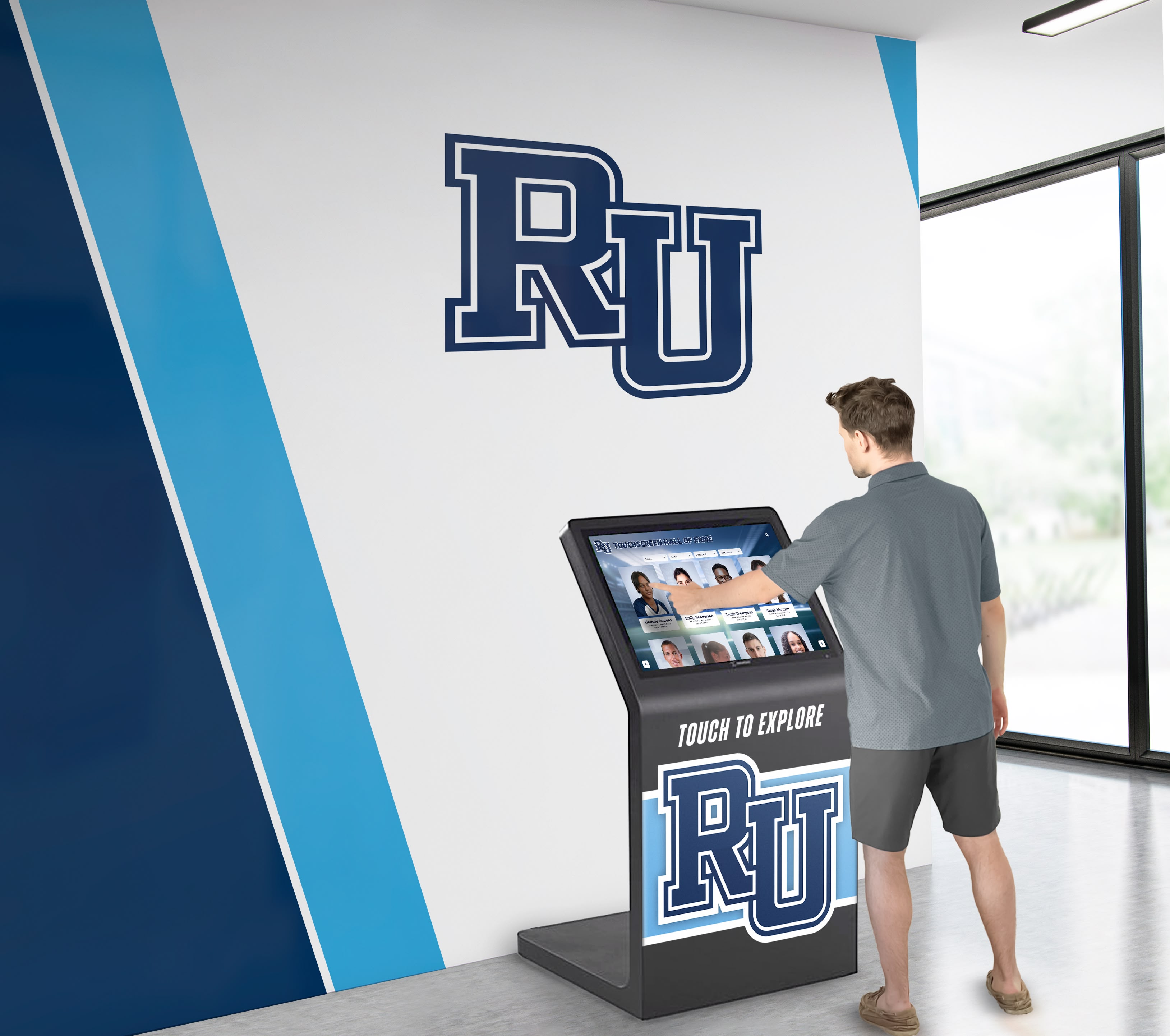
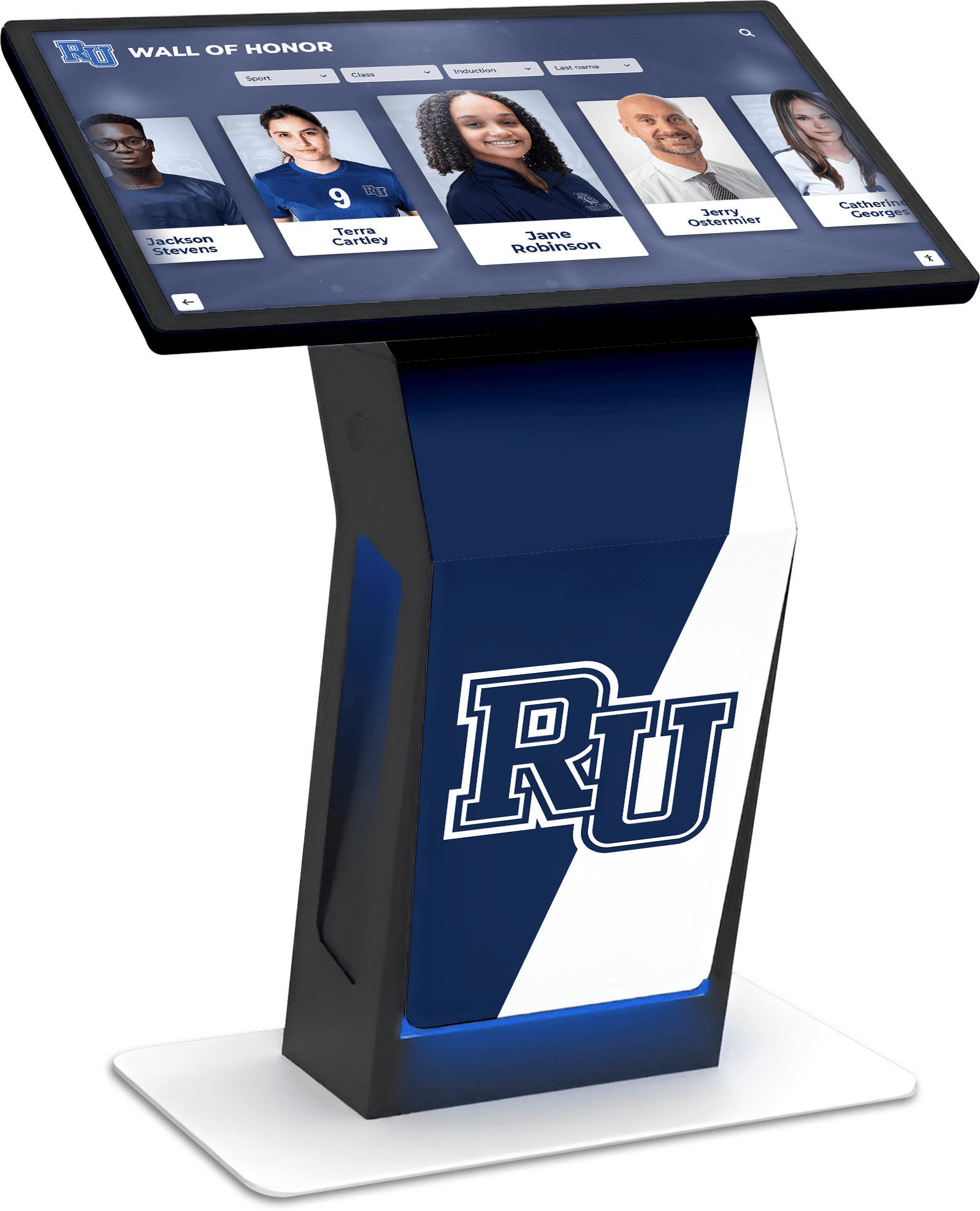
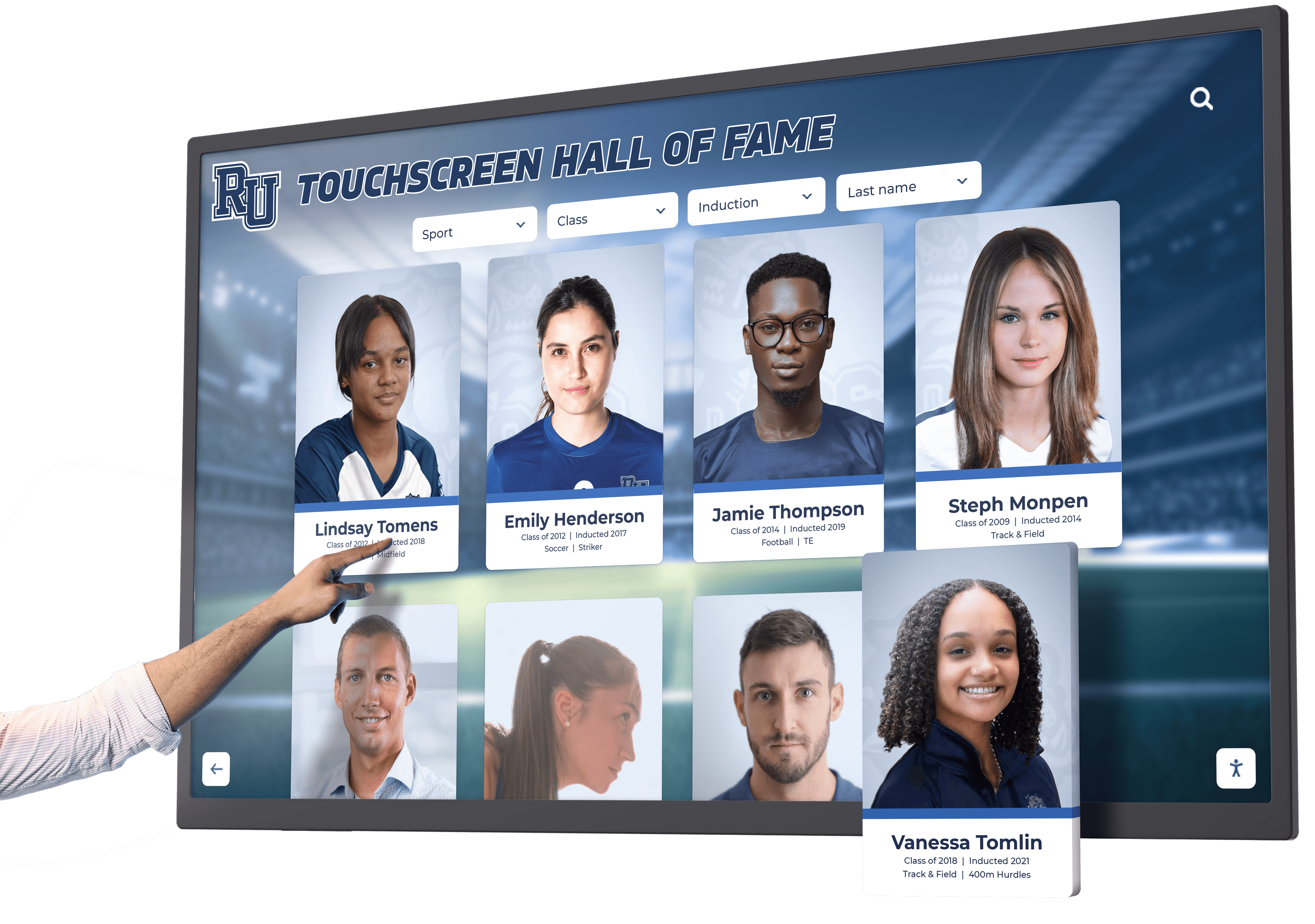
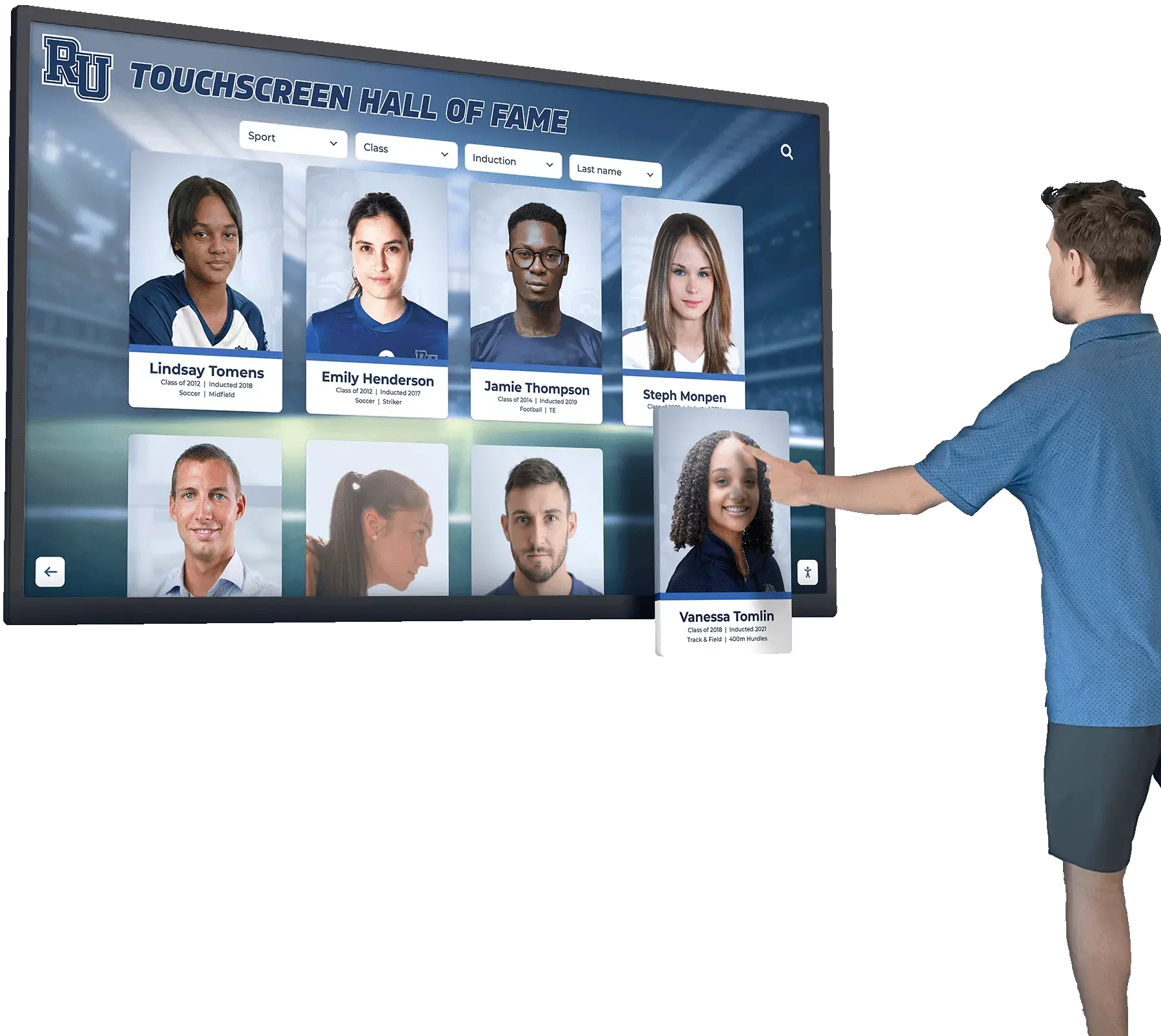
Touchscreen Displays
Interactive kiosks in athletic facilities enable:
- Self-guided exploration of committed athlete profiles
- Search capabilities finding athletes by sport, year, or destination institution
- Video playback of signing ceremonies and highlight reels
- Alumni updates showing post-signing collegiate achievements
- QR code access enabling smartphone viewing of detailed content
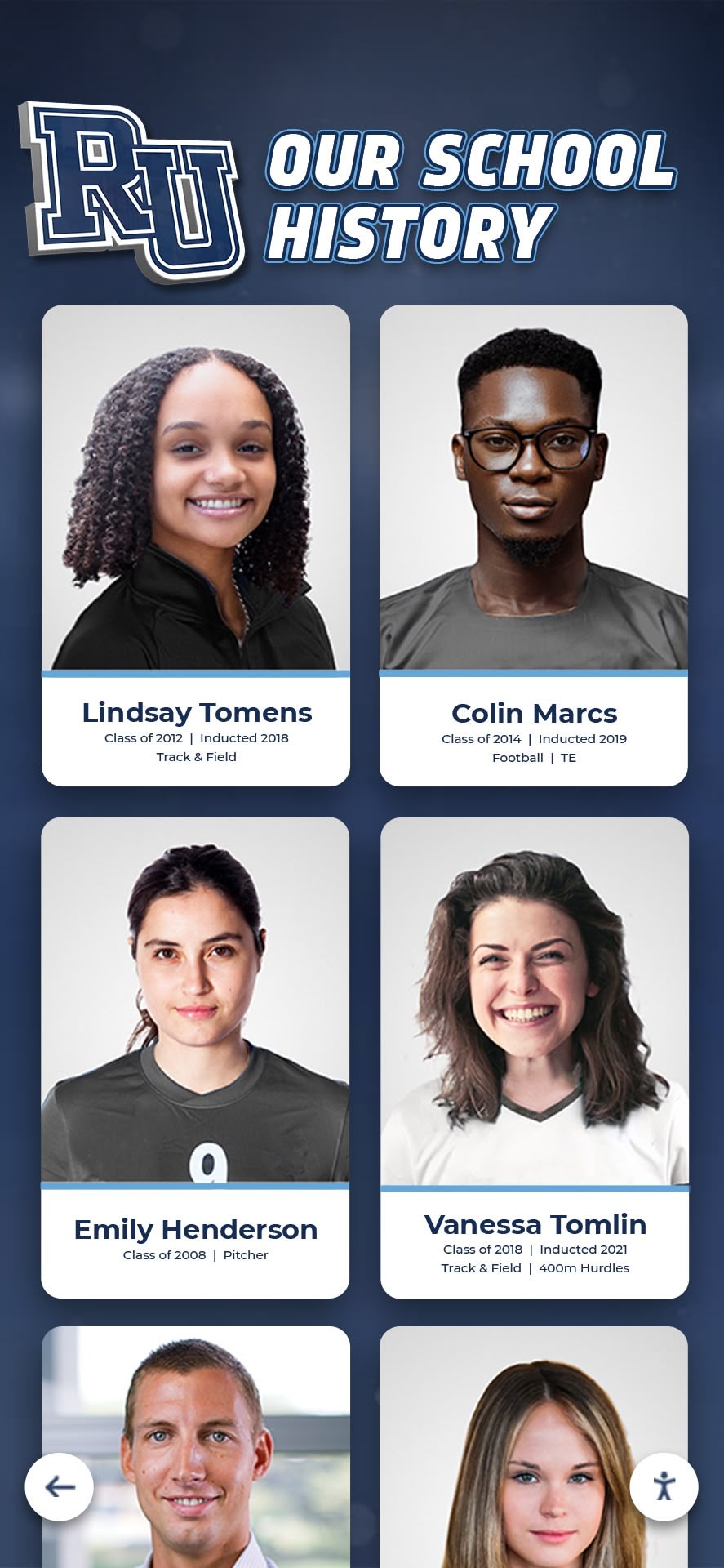
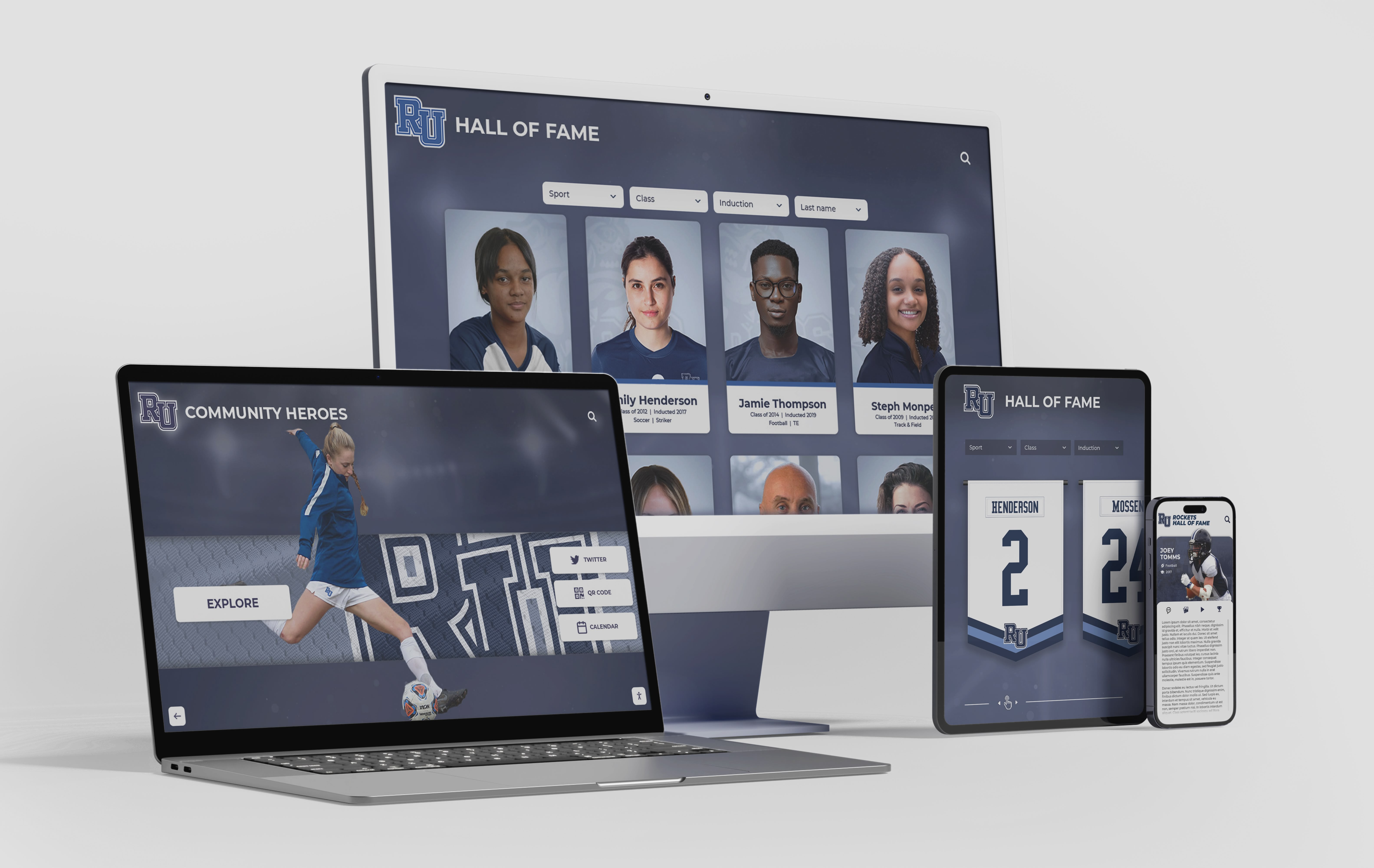
Mobile Integration
Web-based platforms extend recognition beyond physical facilities:
- Global access for extended family, alumni, and community members
- Social sharing enabling athletes to distribute recognition broadly
- Real-time updates as commitments occur eliminating display delay
- Push notifications alerting community to new commitments
- Archive access enabling historical research and program analysis
Augmented Reality Features
Cutting-edge implementations explore immersive experiences:
- Smartphone overlay of historic commitment moments in physical spaces
- Virtual trophy rooms accessible remotely
- Interactive timelines showing program evolution and commitment history
- 3D visualization of signing day moments
Comprehensive Athletic Journey Documentation
Forward-thinking programs document complete athletic narratives:
- Youth sports participation and development milestones
- High school career statistics, awards, and achievements
- Recruitment journey including official visits and scholarship offers
- Commitment announcement and signing day celebration
- Collegiate career progression including statistics, honors, championships
- Post-collegiate achievements and life outcomes
Comprehensive documentation creates valuable institutional memory demonstrating program impact while providing inspiring narratives for current and future athletes.
Celebrating Achievement While Inspiring Excellence
Letter of intent signing represents remarkable achievement deserving celebration—years of athletic dedication, academic commitment, family support, and coaching guidance culminating in opportunity to compete at collegiate level. Understanding the commitment process, making informed decisions, and creating meaningful recognition ensure these moments receive appropriate acknowledgment while inspiring younger athletes toward similar excellence.
The most effective letter of intent recognition programs share key characteristics: comprehensive understanding of signing requirements and timelines enabling informed decisions, memorable ceremonies honoring athletes appropriately while including families and communities, engaging displays making commitments visible to current athletes and broader communities, systematic documentation preserving institutional athletic history, integration with overall athletic recognition culture and values, and modern platforms enabling rich multimedia presentation and global accessibility.
When schools invest systematically in commitment recognition, benefits extend far beyond individual athlete honor. Younger athletes witness concrete examples of athletic pathways creating motivation toward collegiate goals. Families appreciate program commitment to athlete development beyond high school competition. Communities develop pride in local athletic achievement. Program reputation strengthens in recruitment competition. Institutional memory preserves athletic heritage that otherwise disappears over time.
Ready to create comprehensive letter of intent recognition for your athletic program? Modern digital recognition solutions purpose-built for educational institutions enable athletic directors and administrators to celebrate unlimited commitments through engaging multimedia displays, update content instantly as signing days occur and careers progress, provide global accessibility through web-based platforms extending recognition beyond facility boundaries, capture comprehensive athlete stories from high school achievement through collegiate success, and ensure sustainable long-term operation through intuitive systems designed for educational workflows.
Your student athletes have worked tirelessly developing skills, maintaining academic excellence, and earning opportunities to compete at the collegiate level. Modern recognition programs ensure these achievements receive celebration that inspires younger athletes toward excellence, preserves program history, strengthens community connections, and builds athletic traditions that elevate your entire school community.
Letter of intent signing represents more than athletic commitment—it’s validation of holistic student-athlete development combining athletic excellence, academic achievement, character growth, and family support. When schools recognize commitments through engaging, accessible, sustainable systems, they create environments where athletic excellence flourishes and every achievement receives the permanent acknowledgment it genuinely deserves.
Discover how digital recognition platforms can transform your school’s letter of intent celebrations into comprehensive documentation of athletic achievement that preserves history, inspires excellence, and strengthens your entire athletic program community.