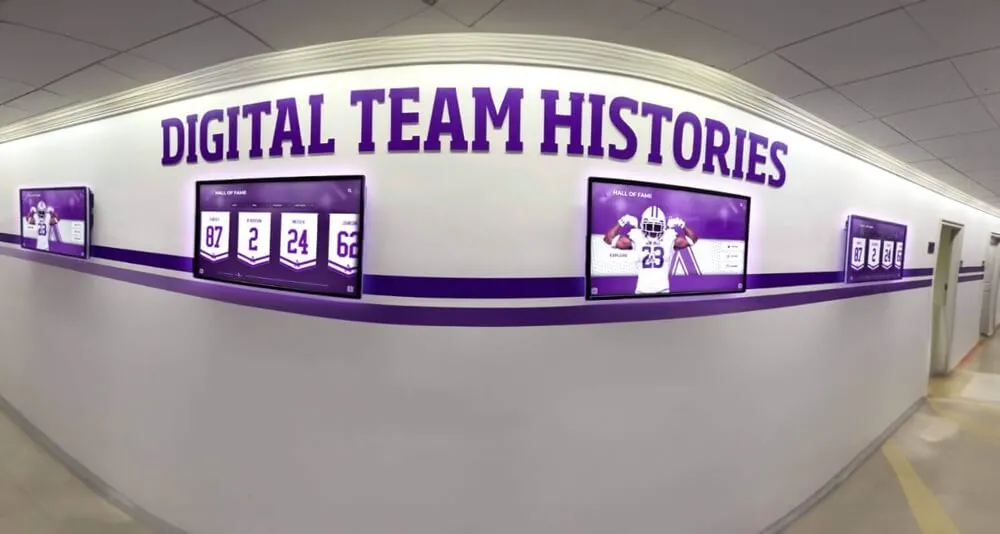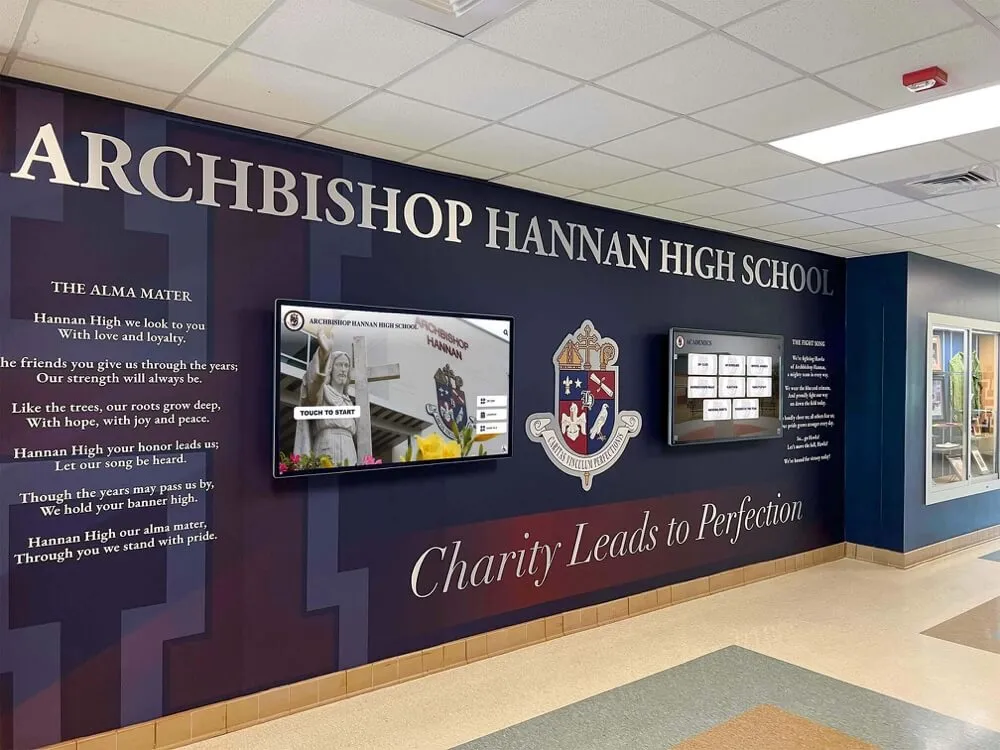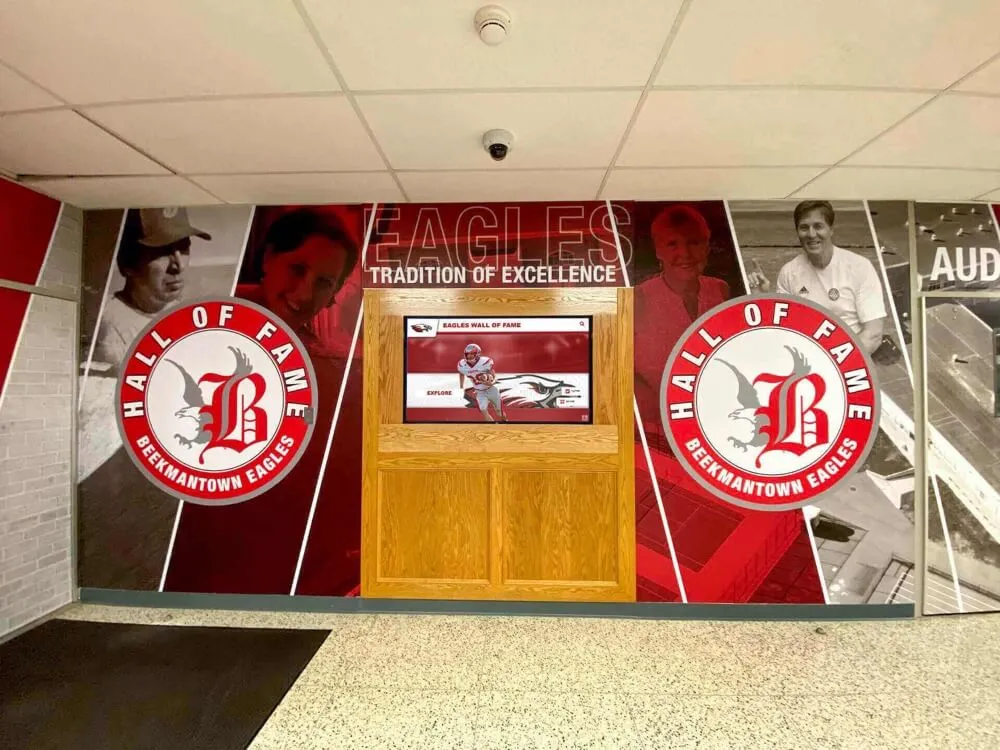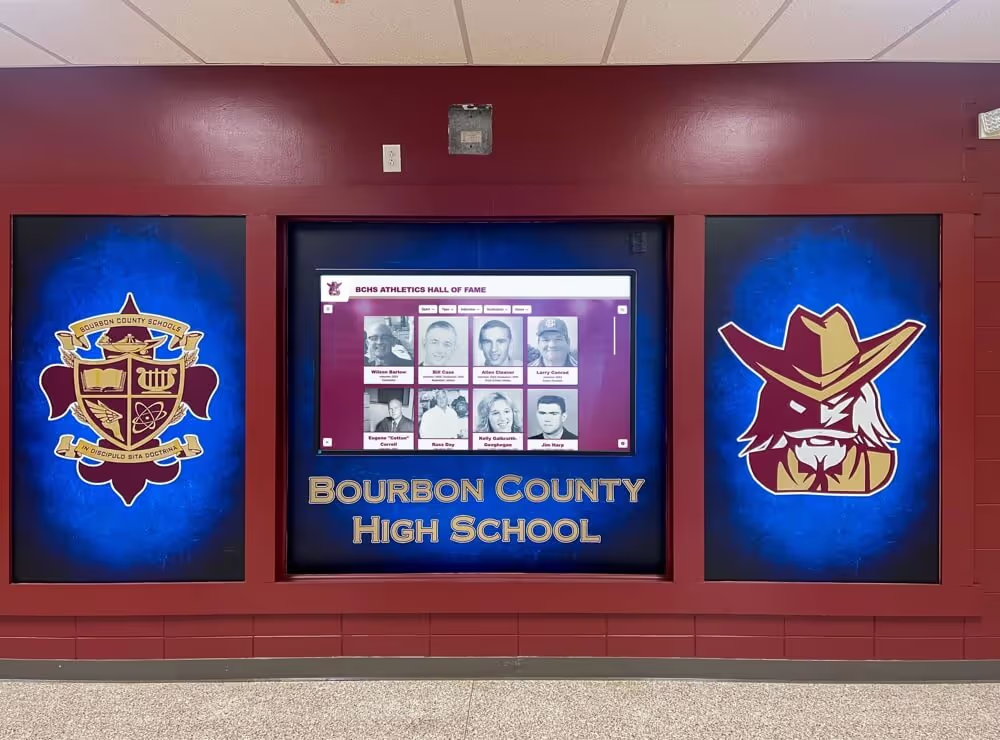




Athletic directors face an impossible choice every season: which champion gets removed from the wall to make room for new achievements? Traditional trophy cases overflow, vinyl banners crowd gymnasiums, and manual record boards require hours of updates after every meet. Worse, once a name comes off the wall, that history disappears—often permanently.
A digital hall of fame eliminates these constraints entirely. It’s an always-on recognition platform that automatically updates, reranks, and preserves all-time athletic achievements without ever erasing anyone’s legacy. Unlike static plaques that force you to choose between champions, digital recognition displays track unlimited entries across every sport while maintaining ADA compliance and remote update capabilities.
Intent: Define
This guide explains what a digital hall of fame is, how it transforms athletic recognition programs, and why more institutions are adopting interactive displays that honor every achievement without space limitations or manual maintenance burdens.
The Core Problem Traditional Recognition Creates
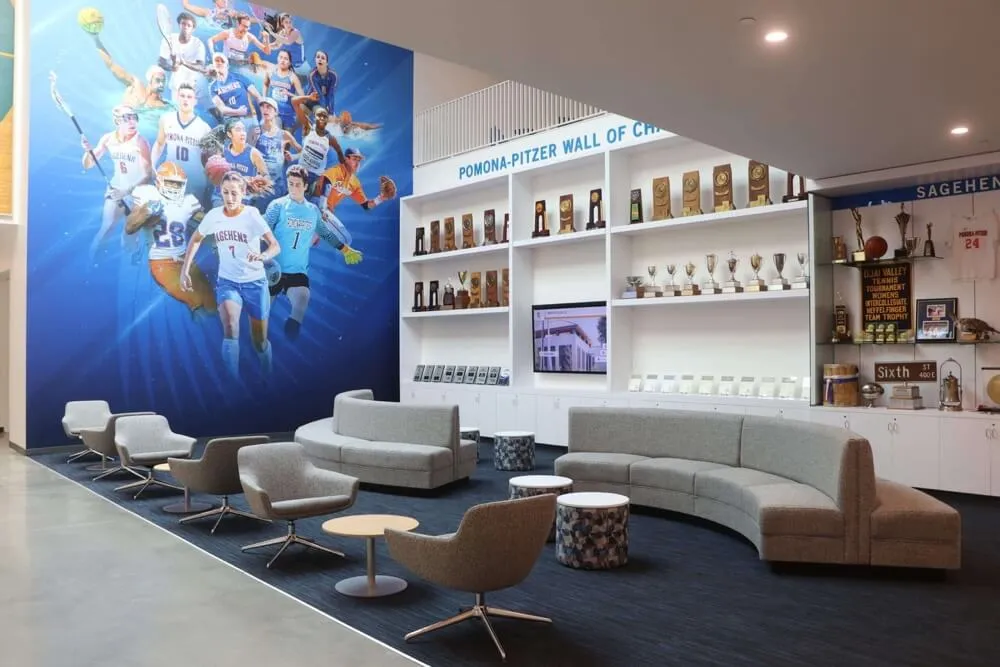
Physical trophy cases and vinyl record boards create a zero-sum recognition environment. Every new champion means removing someone else's achievement. Athletic directors spend hours updating manual boards after competitions. Historical records get lost when names come off walls. ADA compliance becomes nearly impossible with plaques mounted seven feet high. Multi-sport programs struggle to showcase achievements fairly across all teams.
Digital halls of fame solve these fundamental limitations by providing unlimited recognition capacity, instant remote updates, comprehensive historical preservation, ADA-compliant accessibility, and fair representation across all sports and achievement types.
What Exactly is a Digital Hall of Fame?
A digital hall of fame is an interactive recognition system that displays athletic records, achievements, and honoree profiles through touchscreen displays and web-accessible platforms. Rather than physical plaques limited by wall space, digital systems store unlimited records in cloud-based databases that users explore through intuitive search and filtering interfaces.
The system operates on three core components:
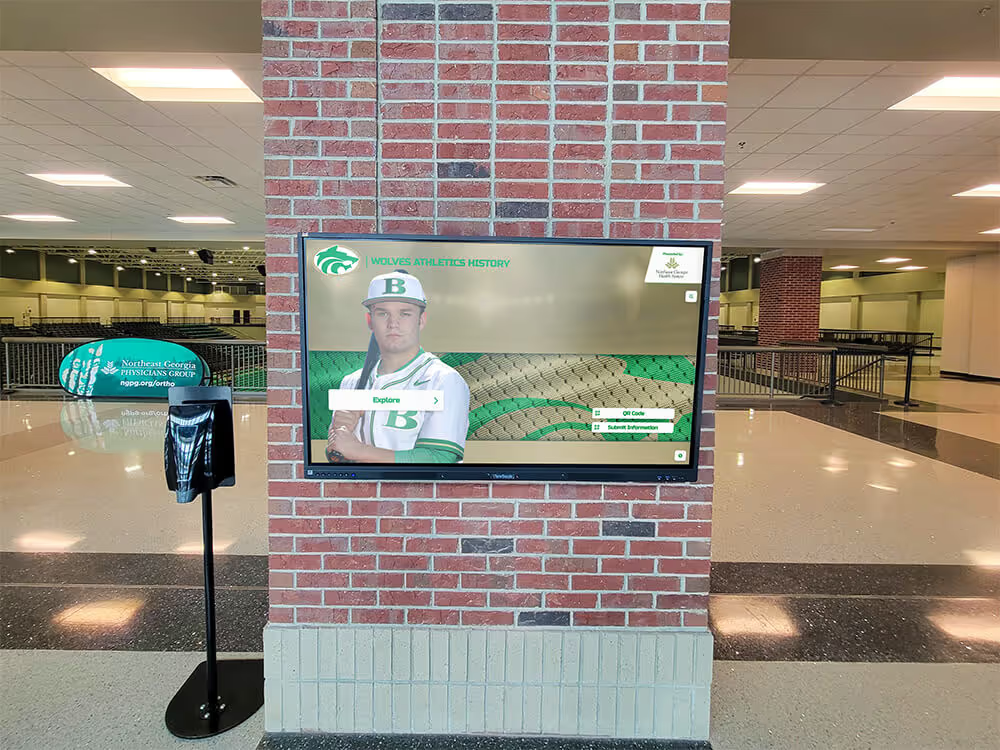
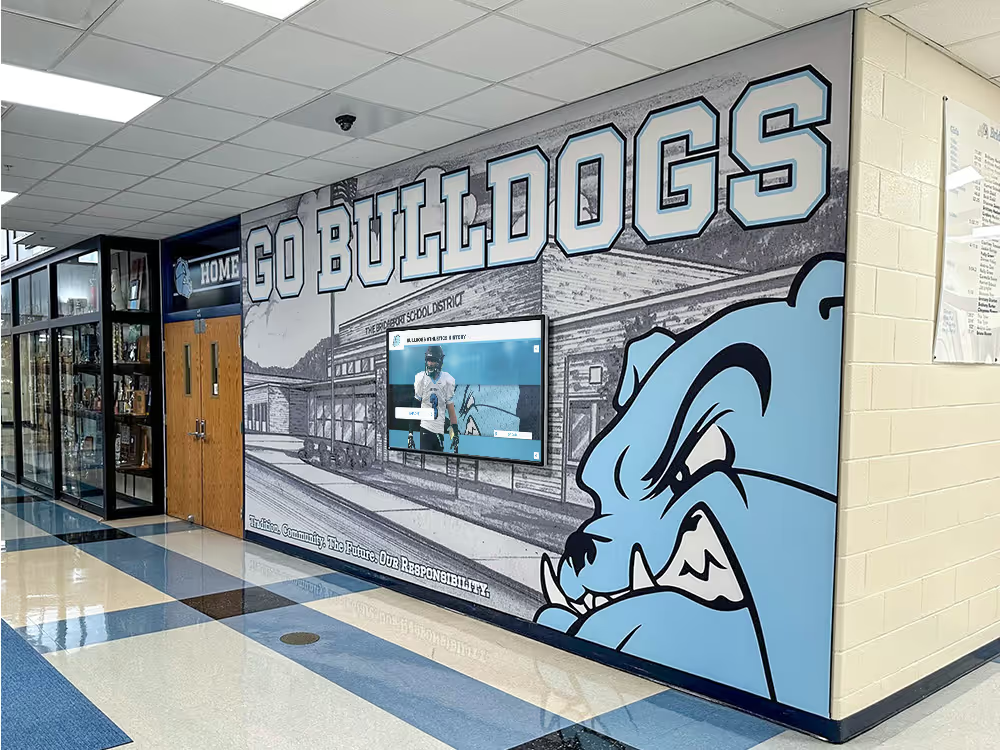
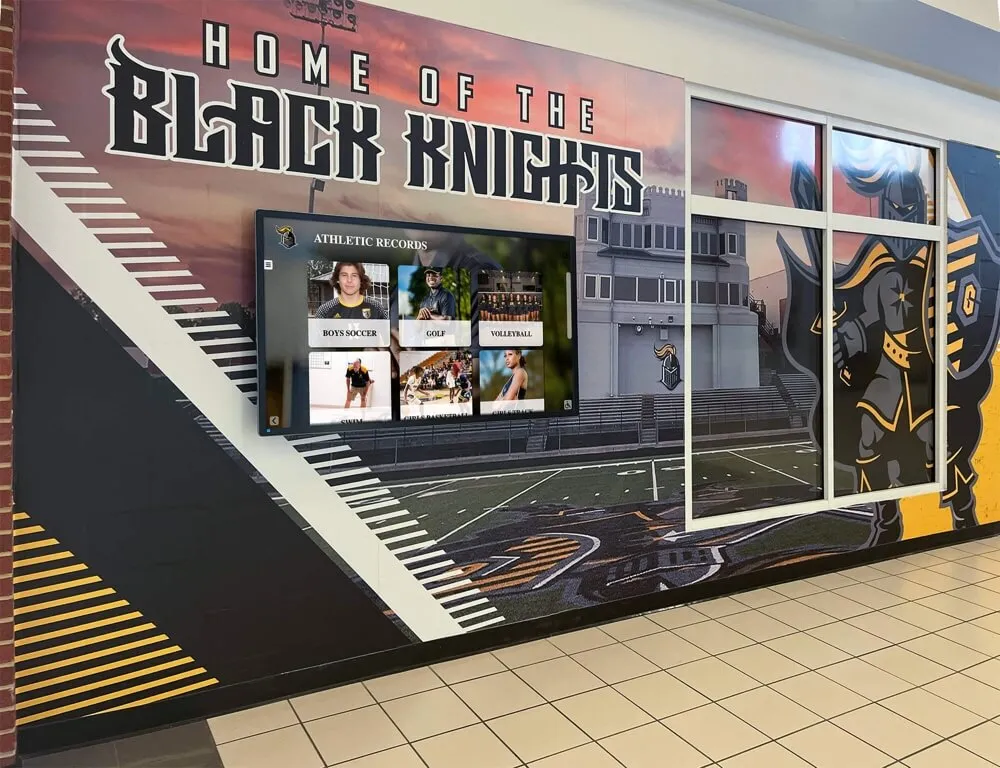
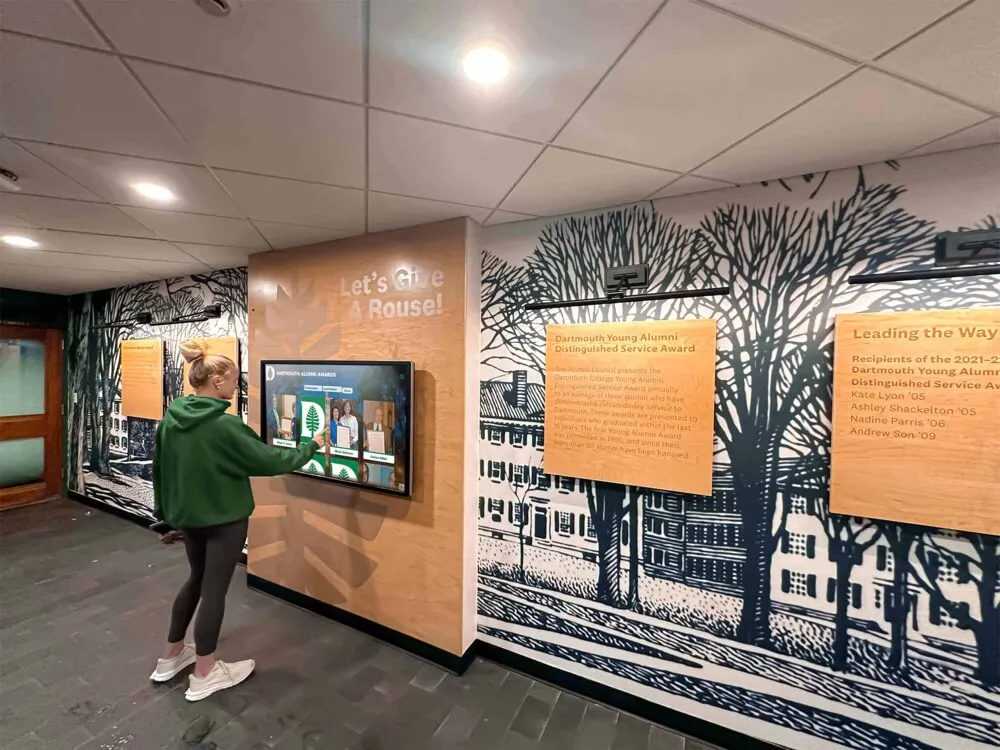
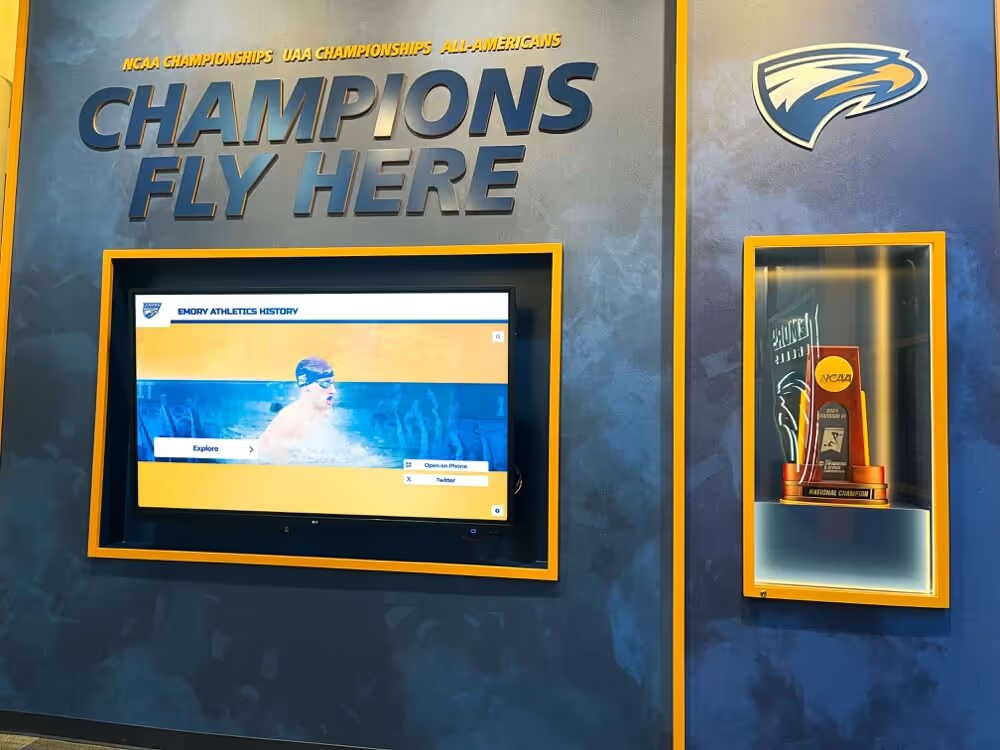
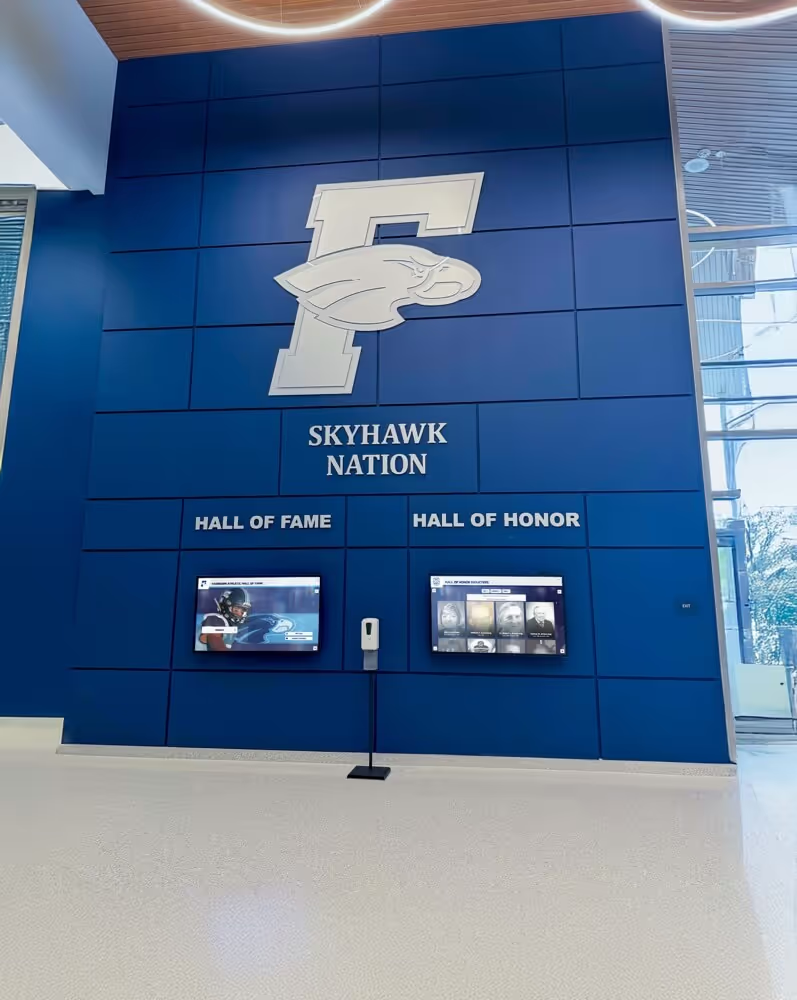
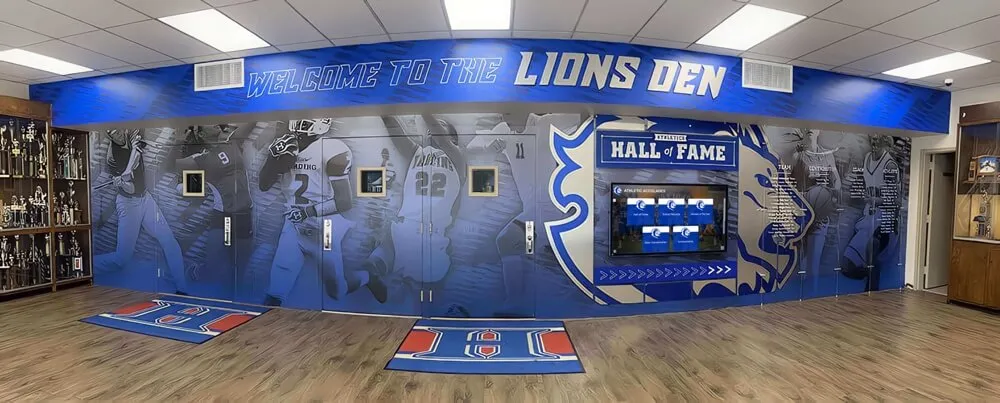
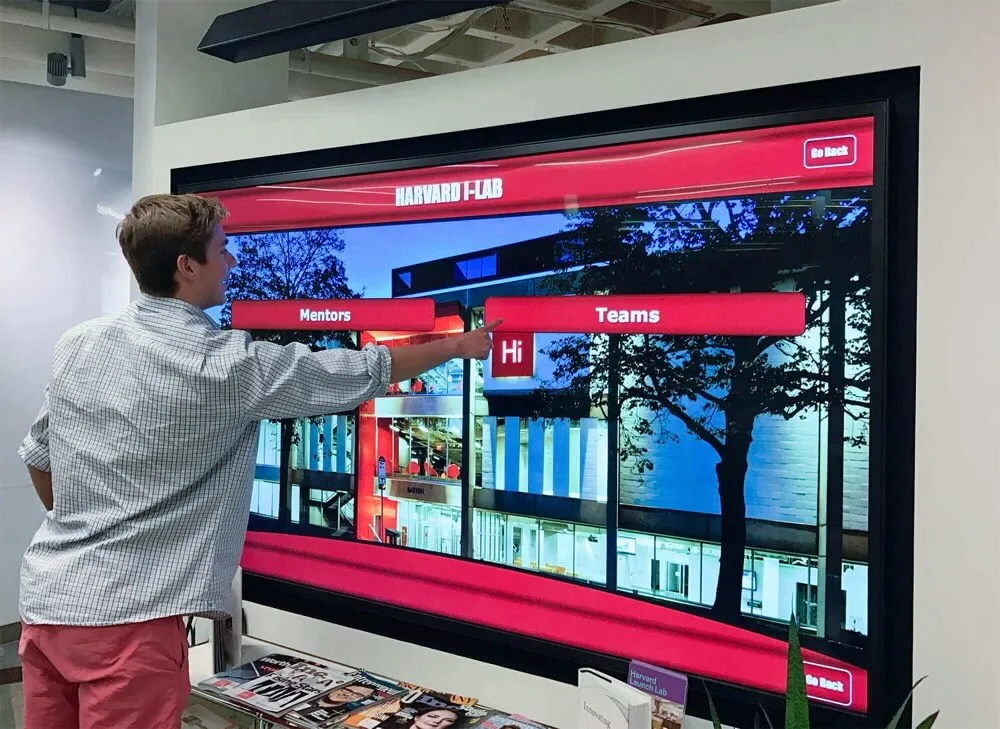
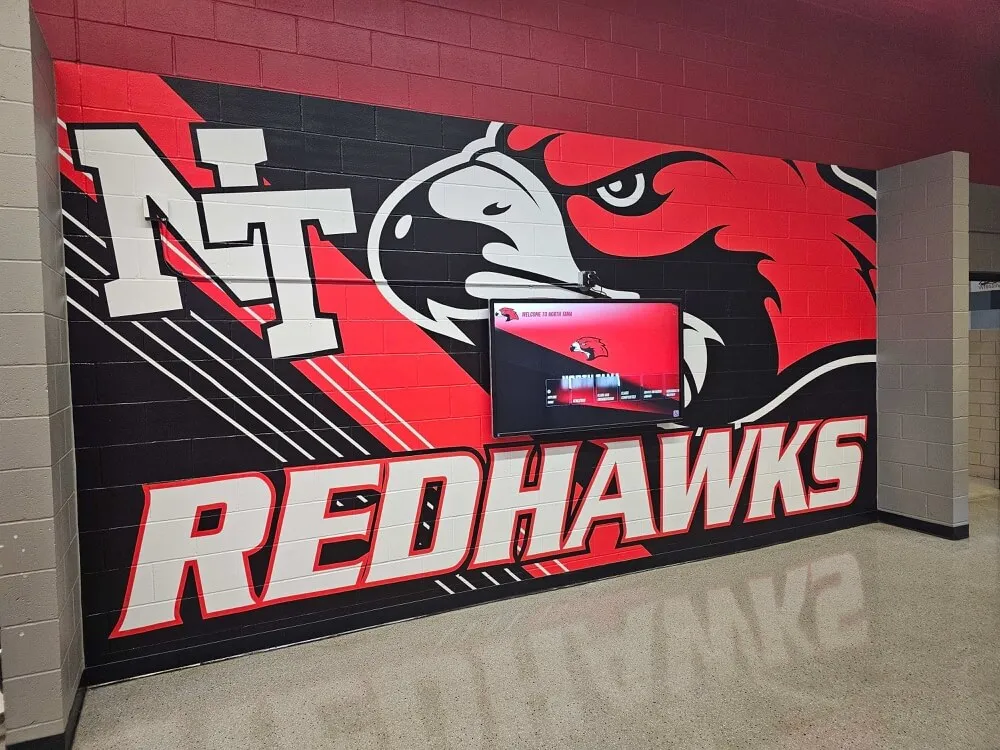
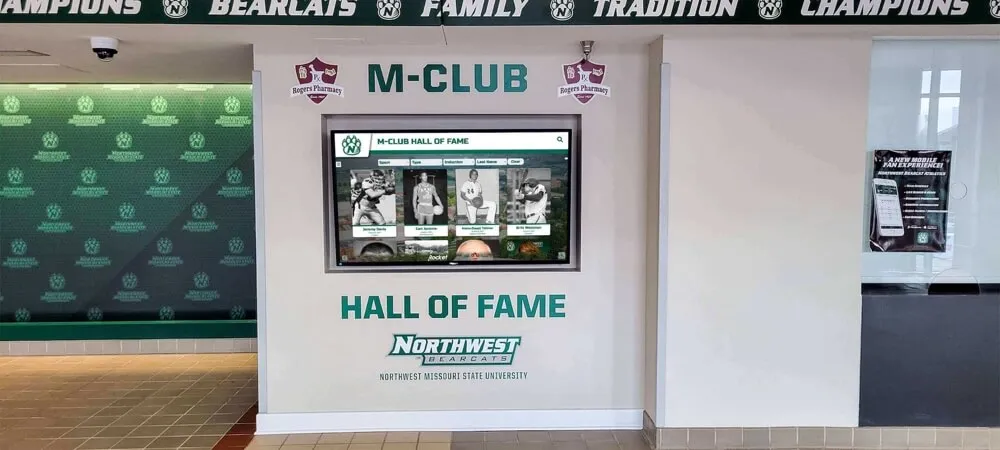
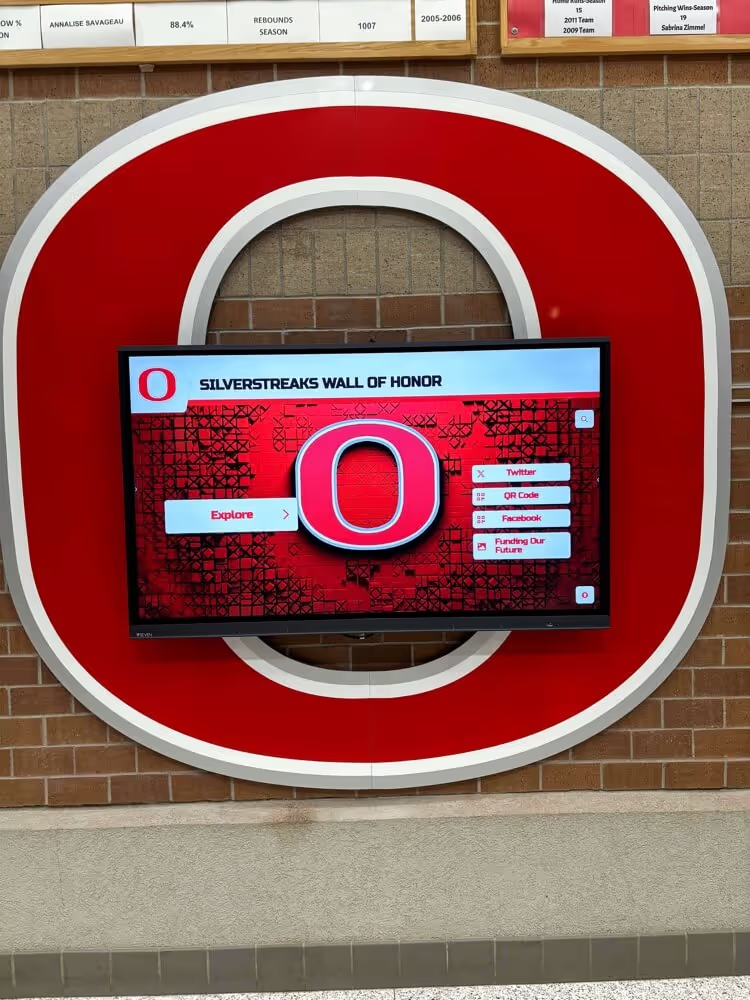
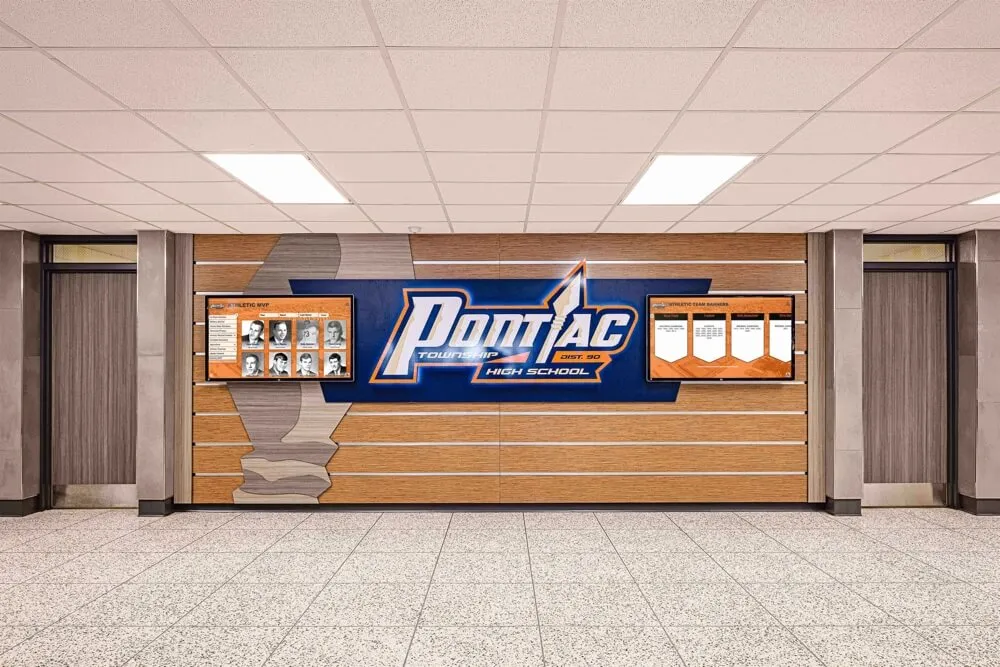
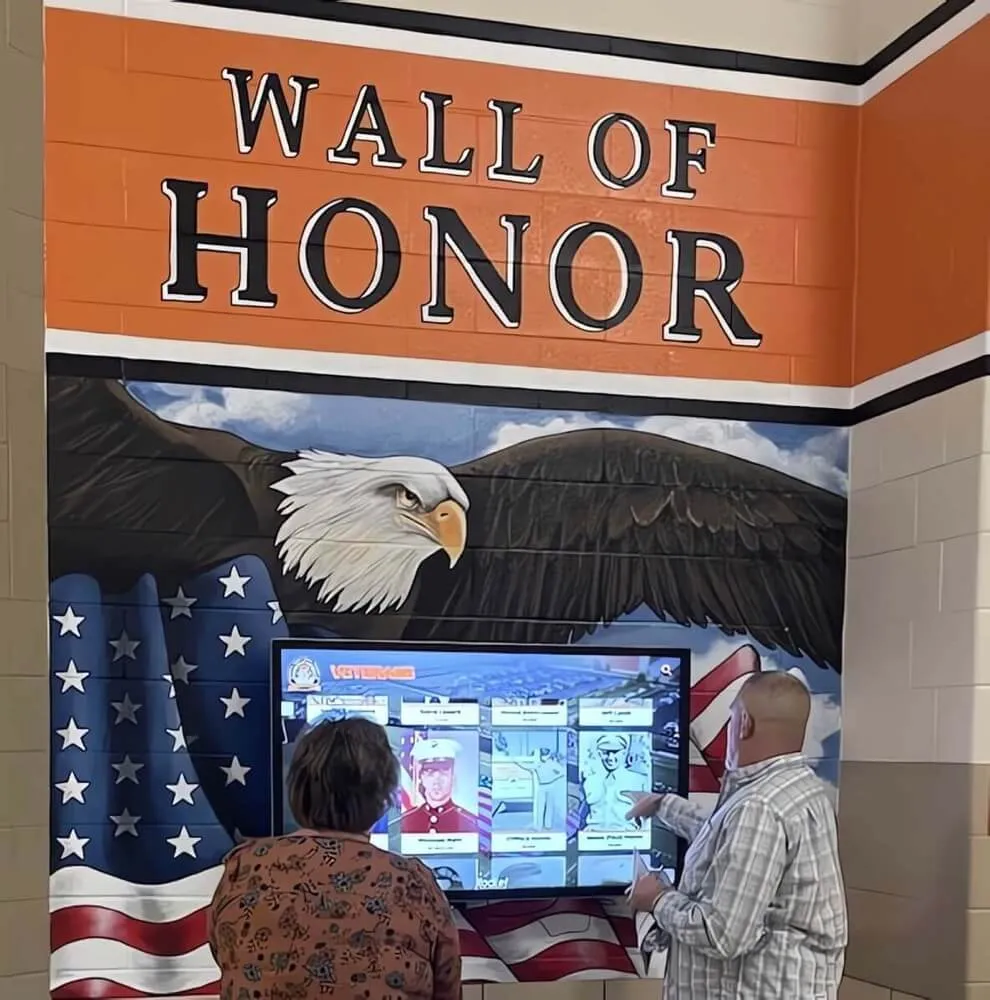
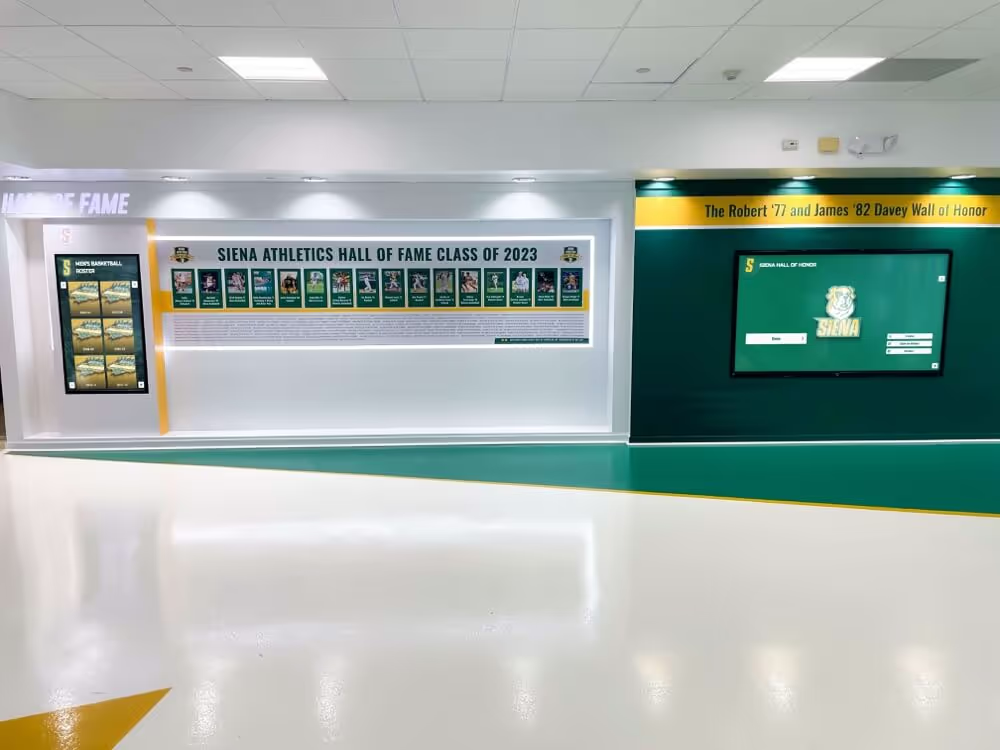
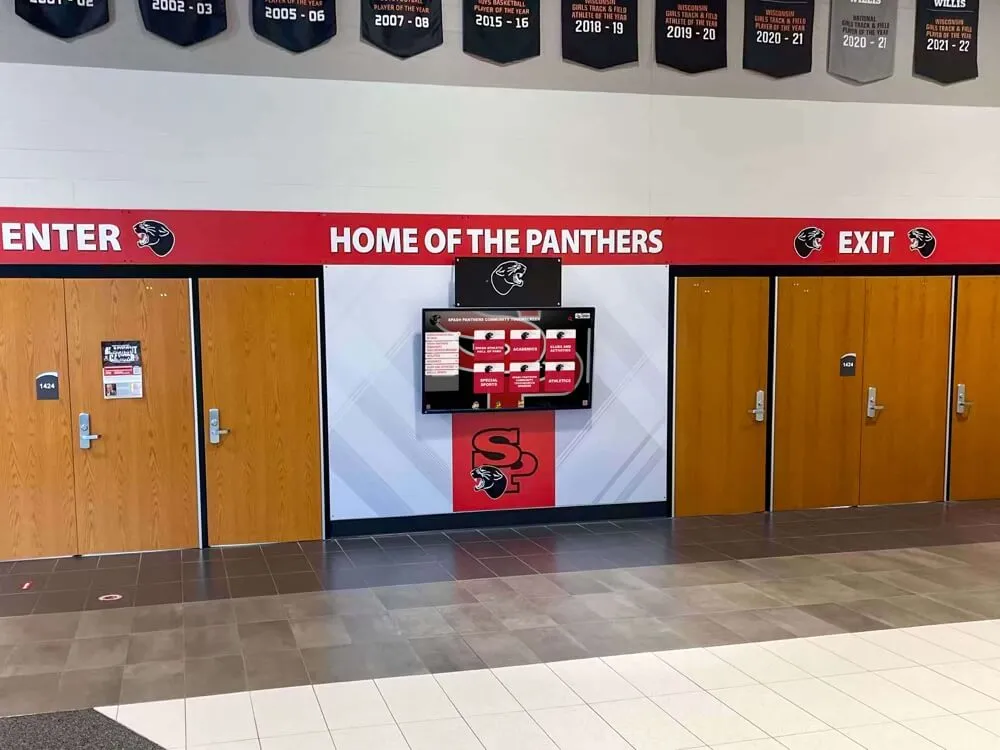
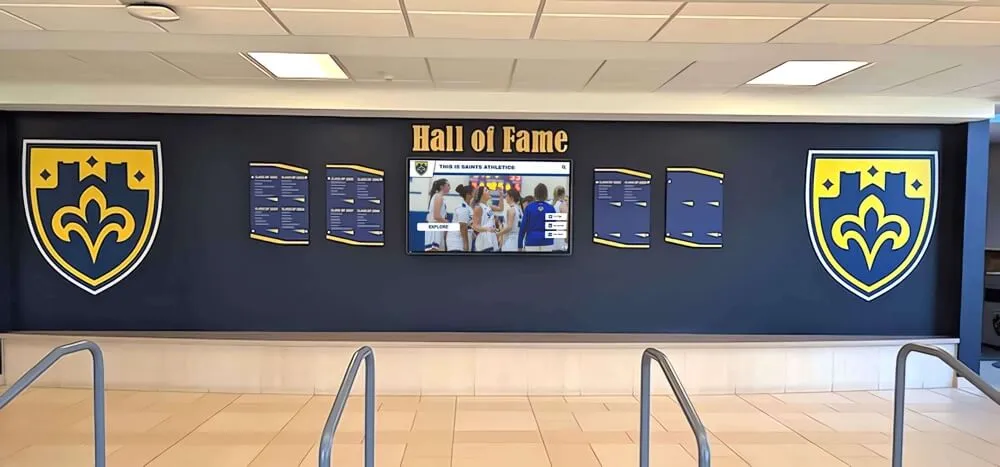
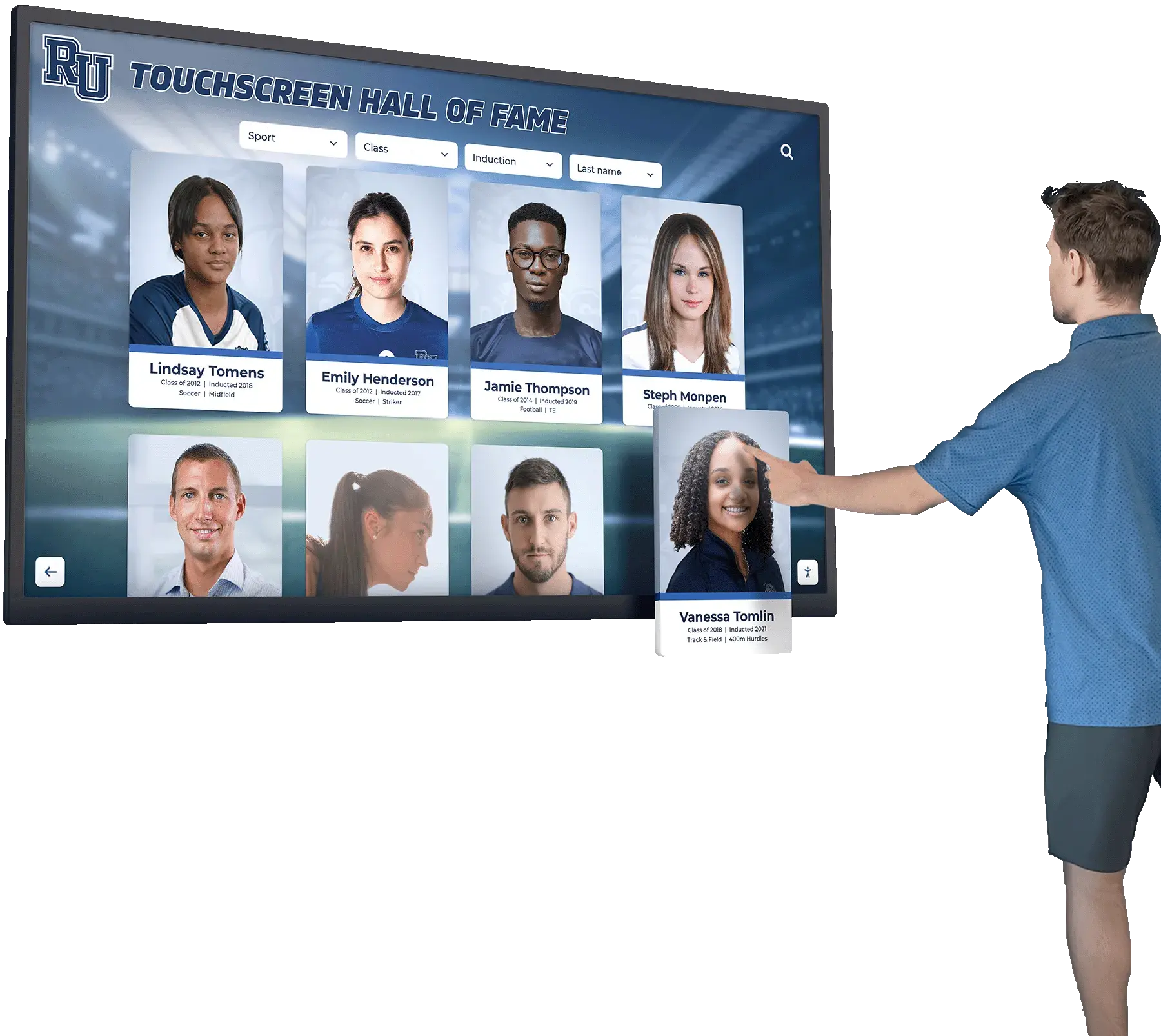
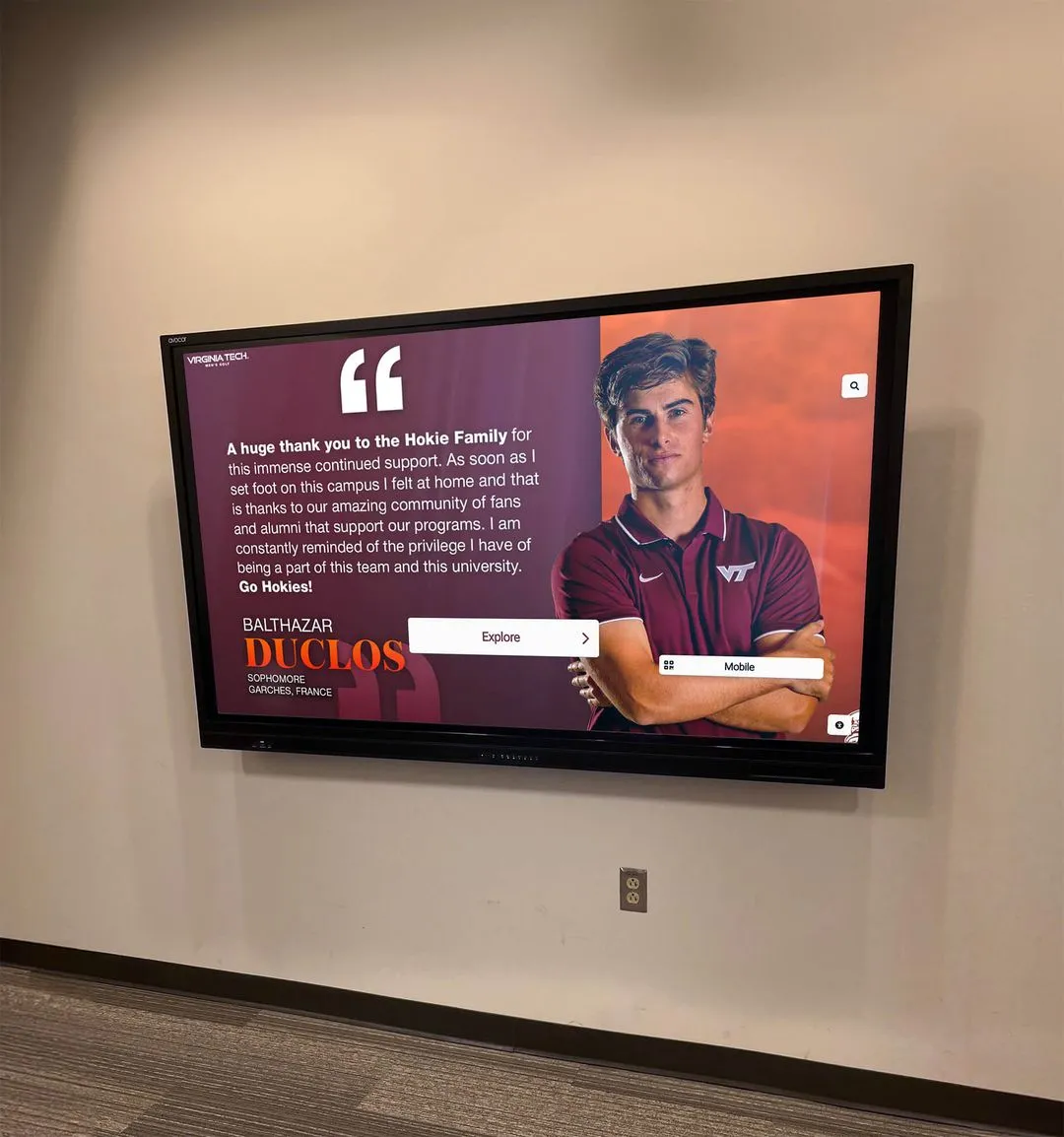
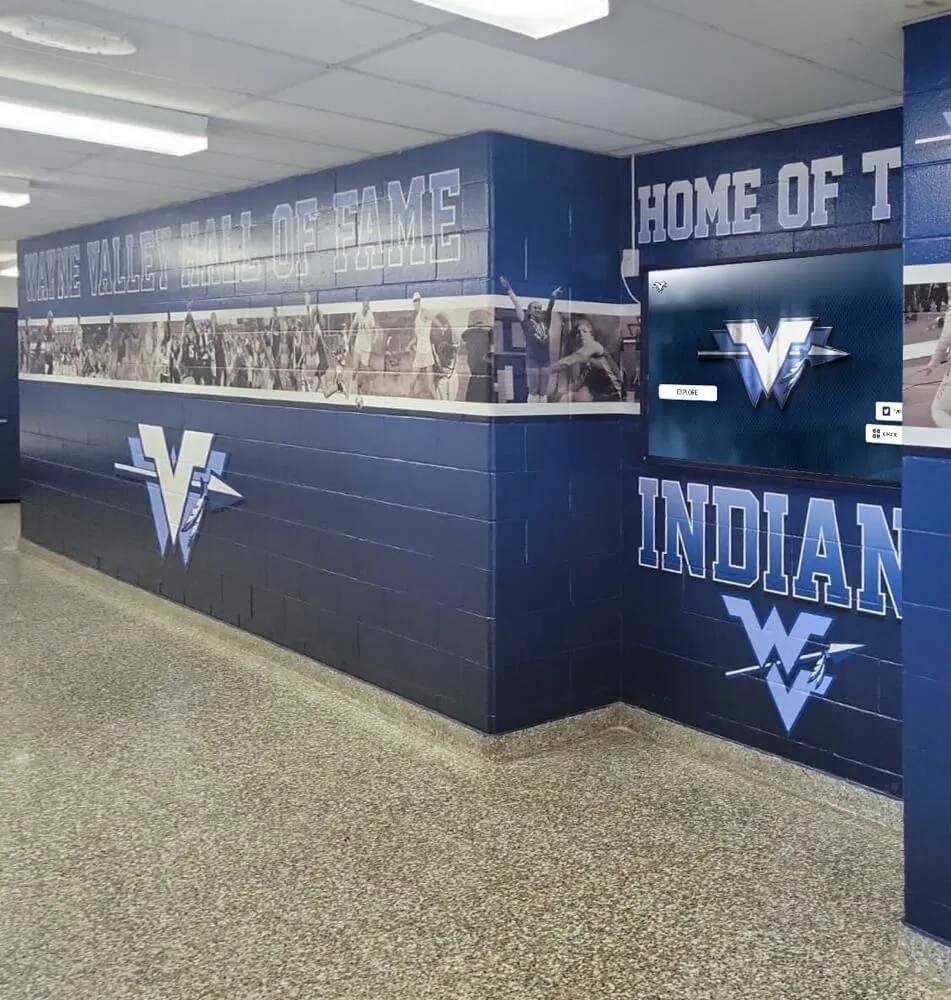
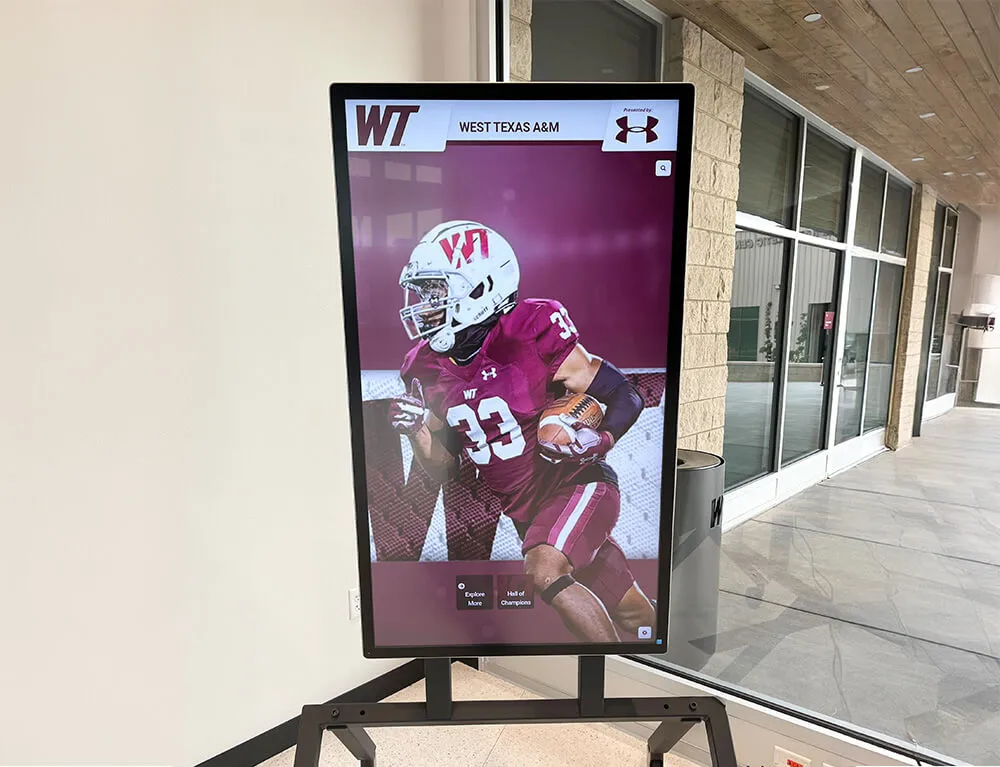
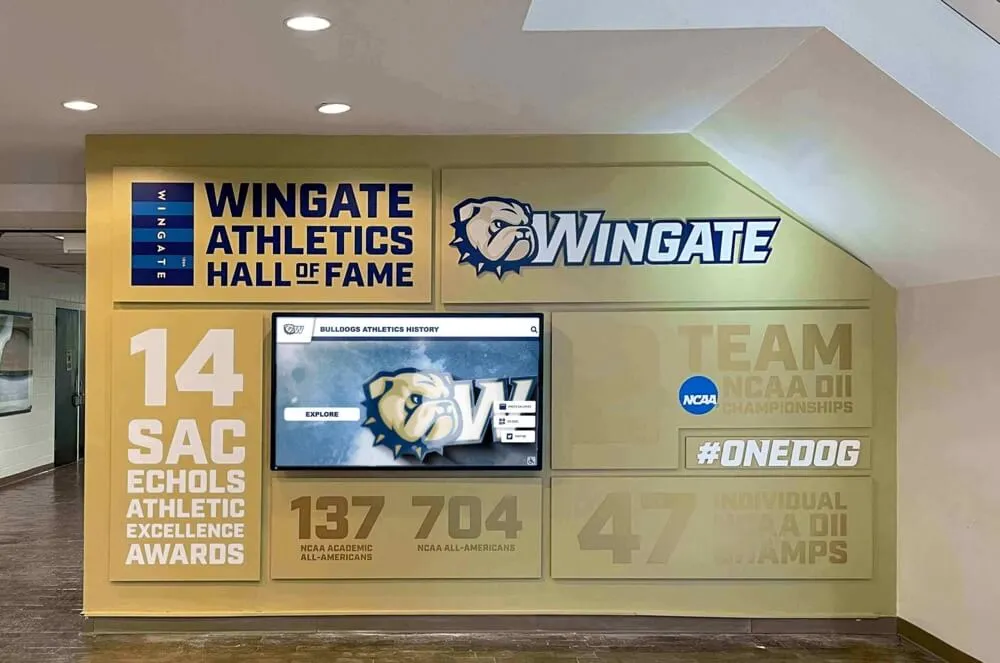
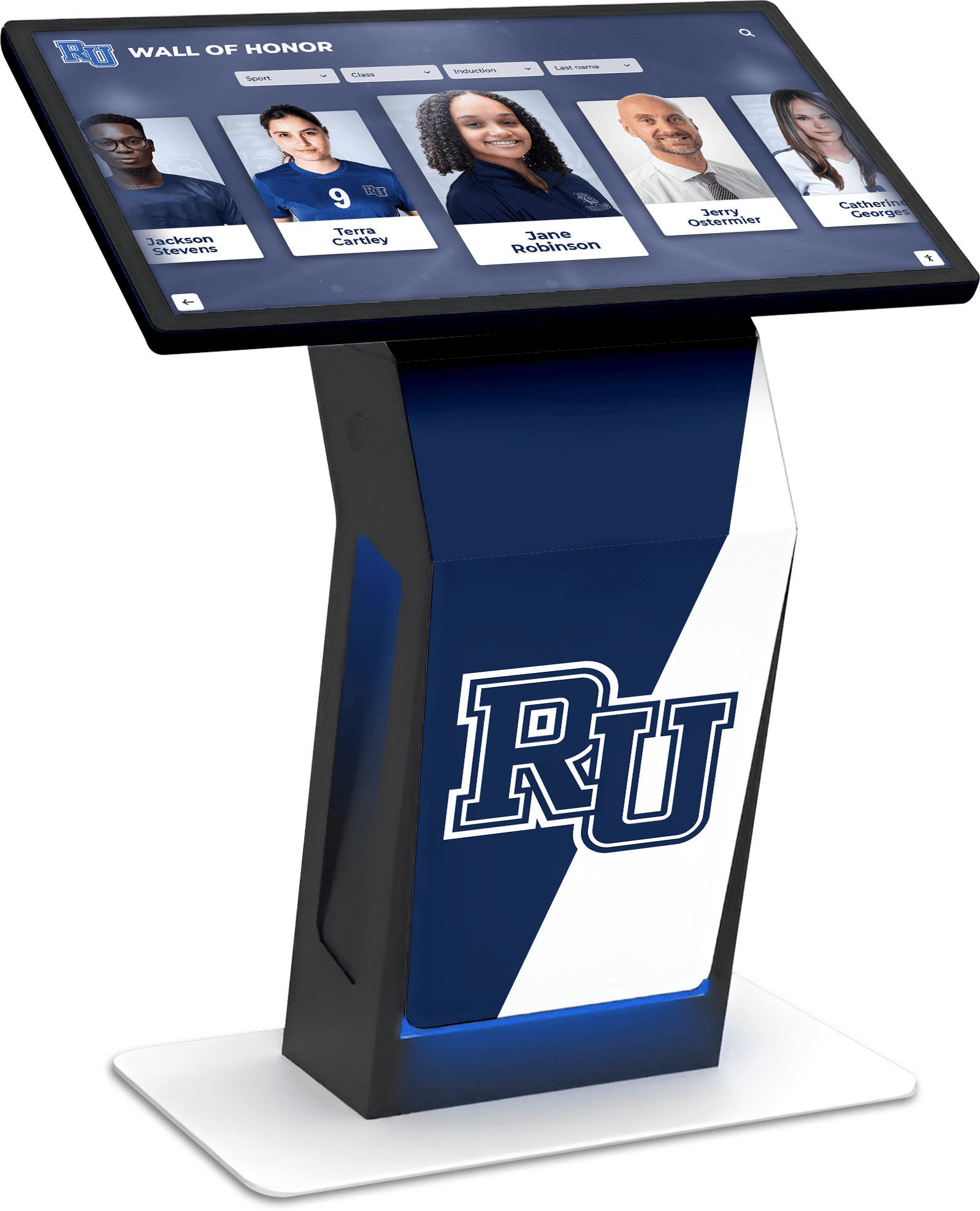
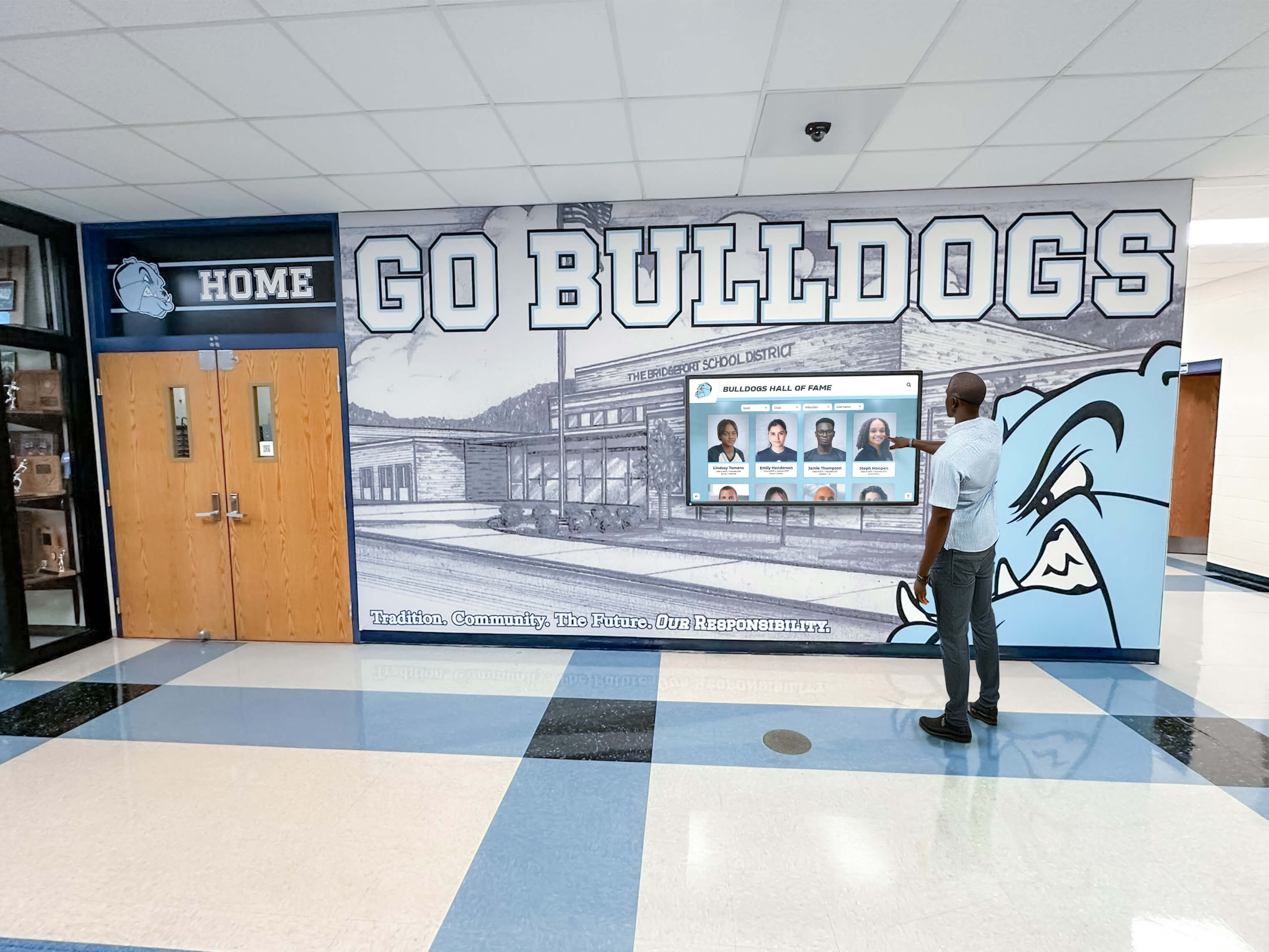
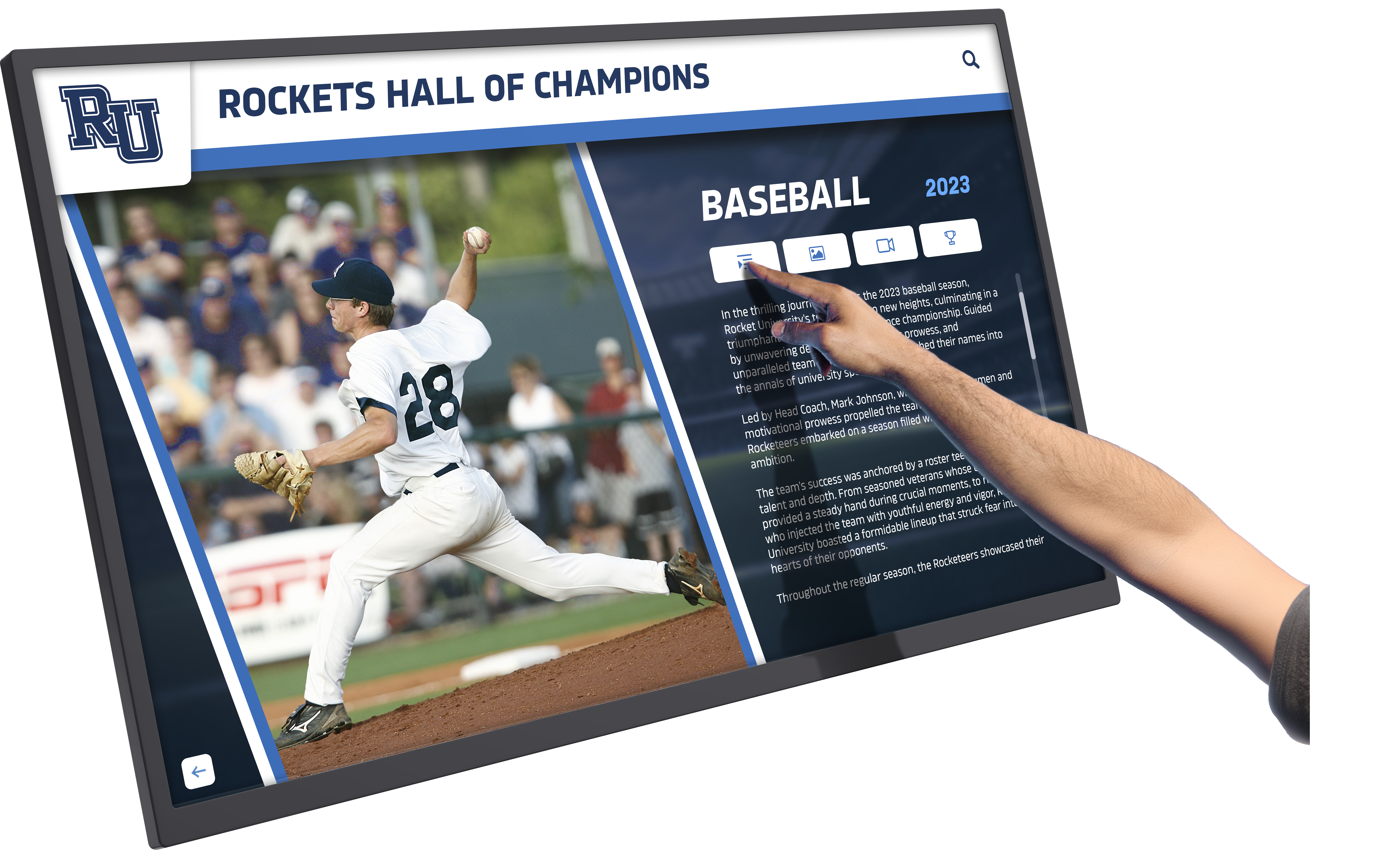
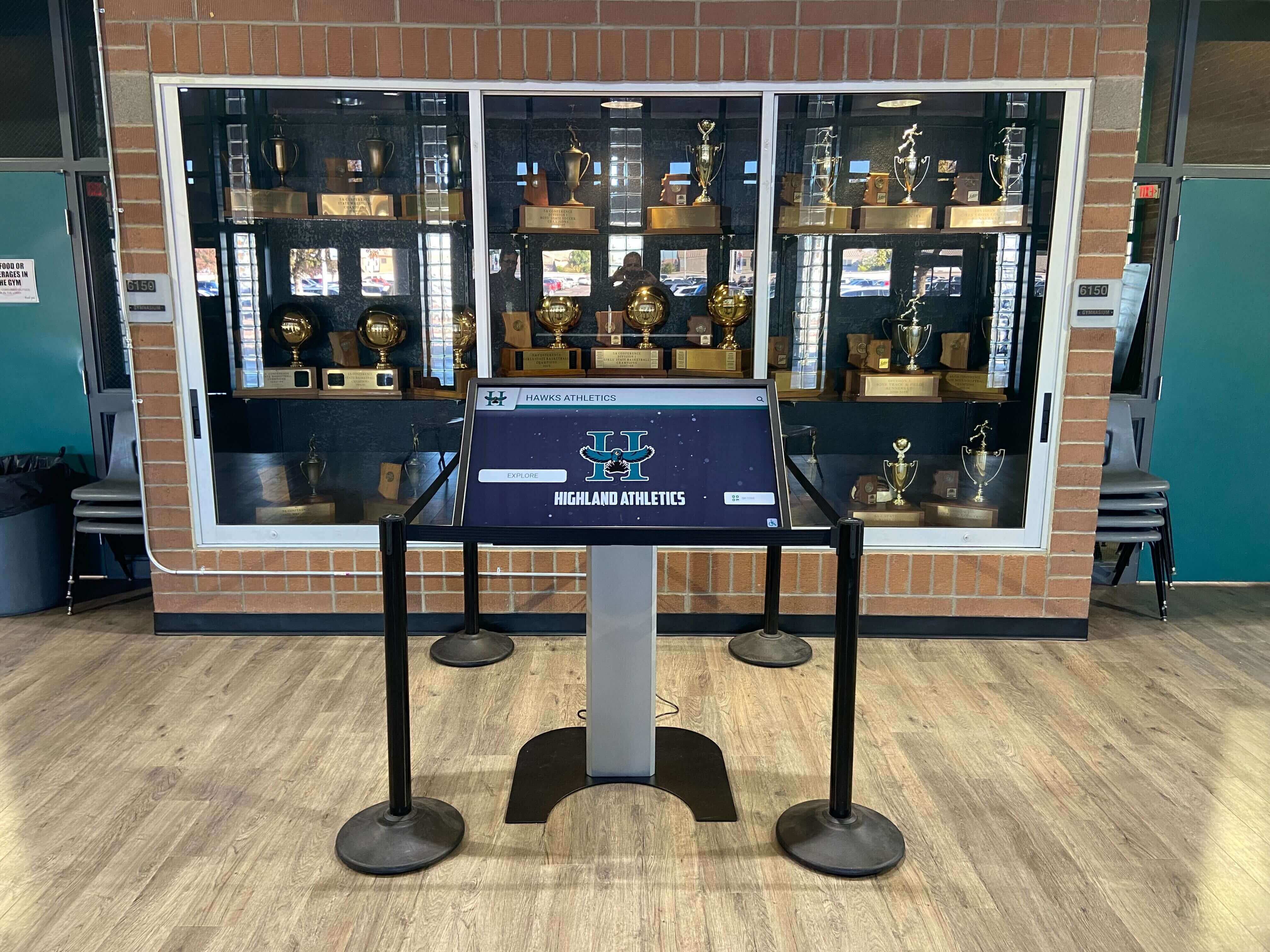
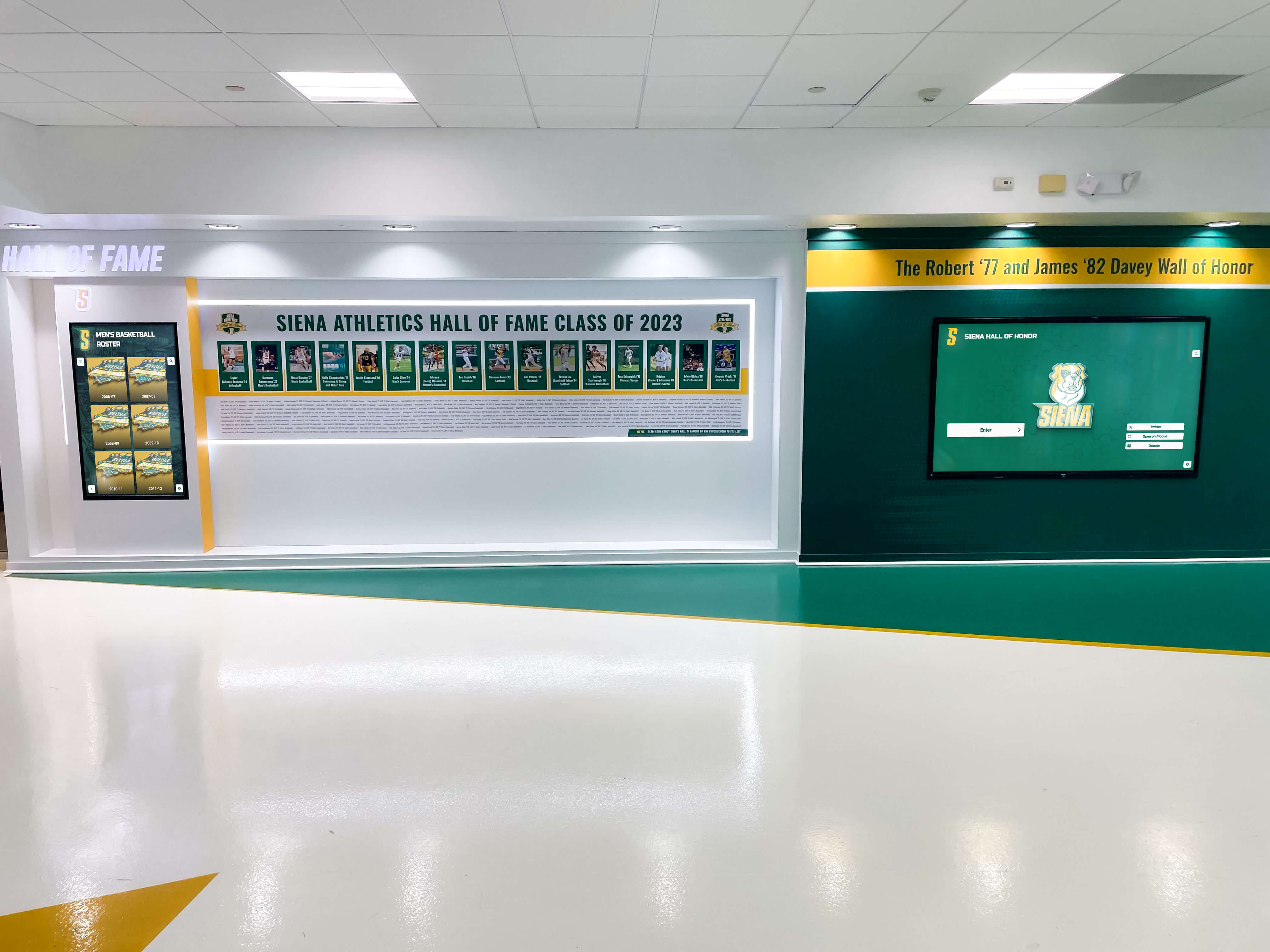
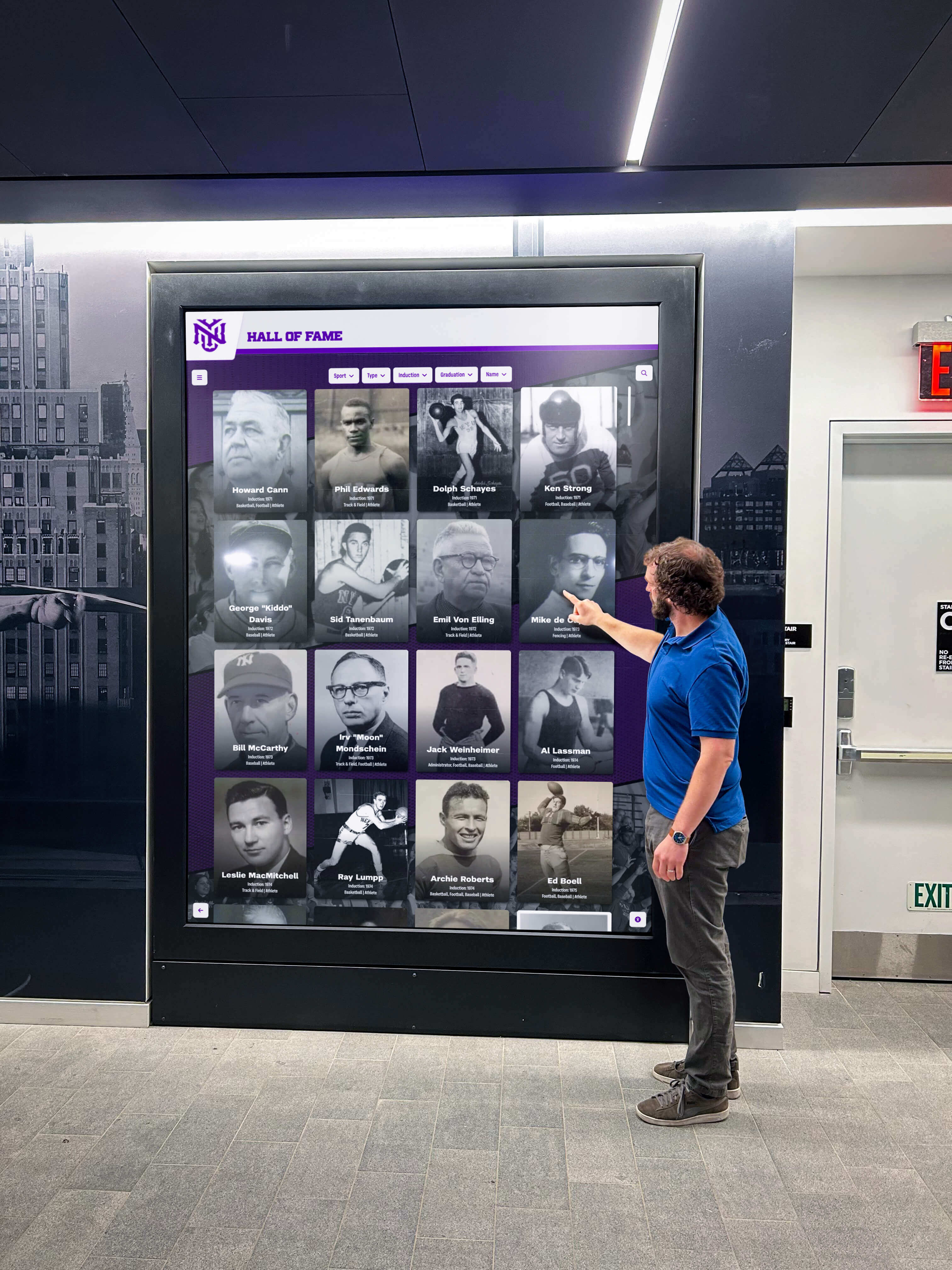
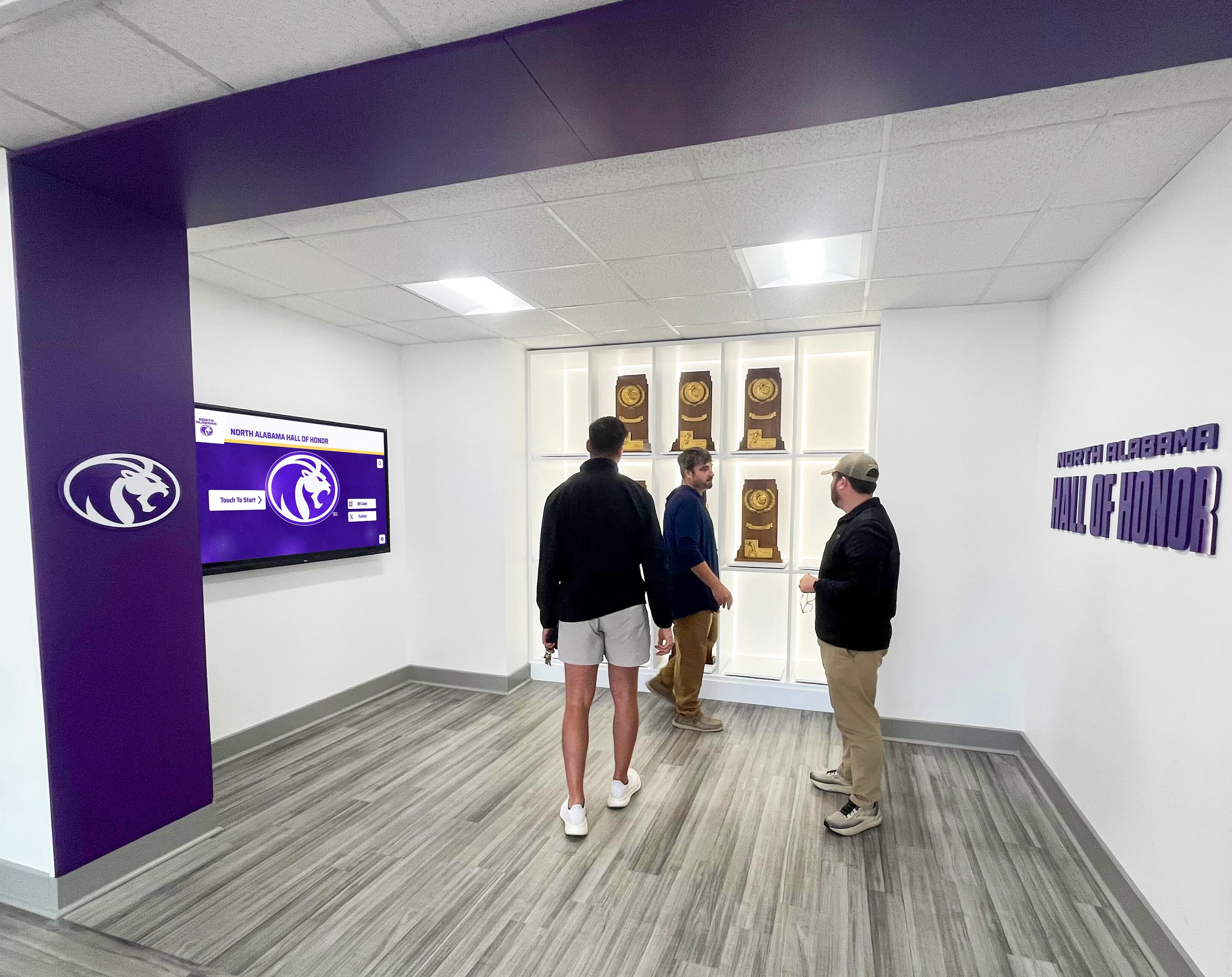
Interactive Touchscreen Displays: Commercial-grade monitors mounted in high-traffic areas—field house lobbies, athletic hallways, training facilities, and main entrances—allow visitors to browse records, view photos and videos, and discover achievement histories through touch interaction.
Cloud-Based Content Management: Athletic directors and coaches update records instantly through web dashboards accessible from any device. Add championship results from the tournament venue, update records immediately after competitions, and manage content remotely without physical access to displays.
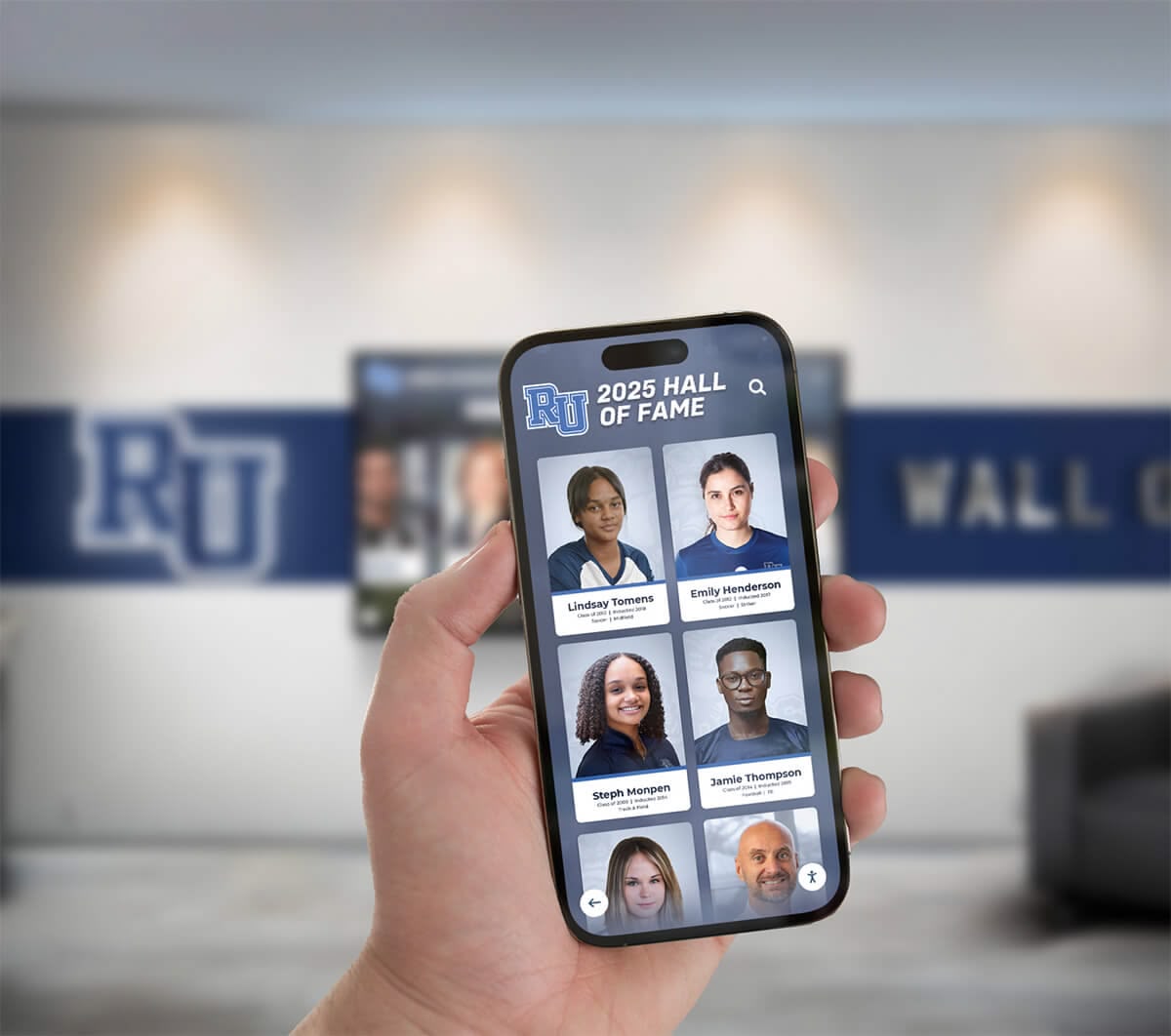
Web-Accessible Platforms: Online versions extend recognition beyond facility visitors, enabling alumni to explore achievements from anywhere, recruits to research program excellence during decision processes, and community members to engage with athletic history regardless of geography.
How Digital Halls of Fame Work: The Technical Architecture
Understanding the underlying technology helps clarify why digital recognition systems deliver capabilities impossible with traditional displays.
Display Hardware Components
Physical installations typically utilize commercial-grade touchscreen monitors ranging from 43 to 75 inches, mounted in portrait or landscape orientation depending on content layout and available space. These displays connect to compact media players or integrated computing systems that run the recognition software continuously.
Professional installations include:
- Commercial-Grade Touchscreens: Built for 16-24 hour daily operation, unlike consumer televisions designed for intermittent use
- Protective Enclosures: Tempered glass and rugged frames prevent damage in high-traffic environments
- Network Connectivity: Ethernet or WiFi connections enable remote updates and content synchronization
- Power Management: Scheduled on/off times reduce energy costs during facility closures
- Mounting Systems: Wall mounts, floor-standing kiosks, or custom enclosures integrated into existing architecture
Solutions like Rocket Alumni Solutions provide hardware specifications, installation guidance, and network configuration support to ensure reliable operation across diverse facility environments.
Software Platform Architecture
The software powering digital halls of fame determines functionality, user experience, and long-term flexibility. Purpose-built recognition platforms deliver capabilities generic digital signage cannot match.
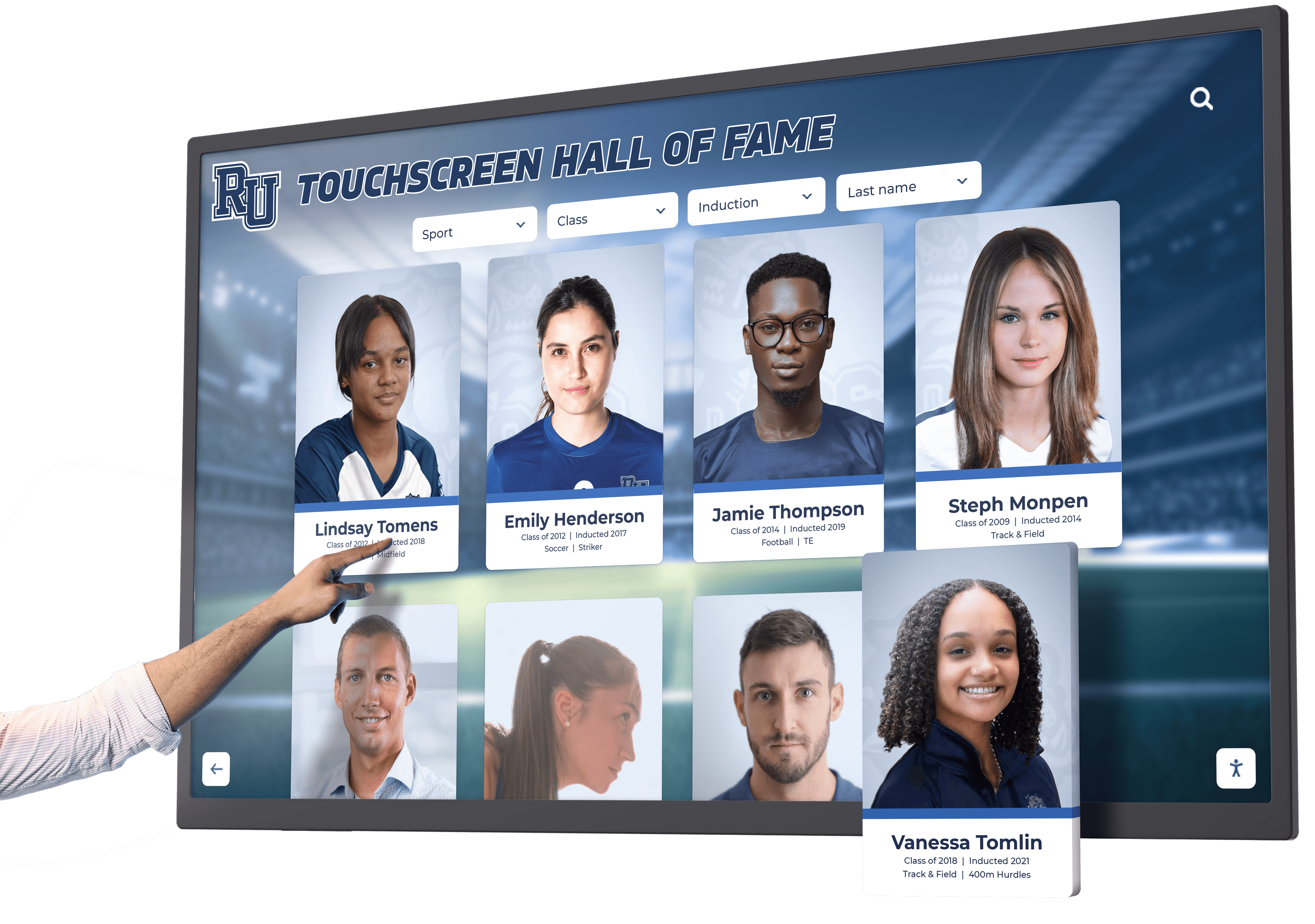
Database Management: All records, profiles, photos, videos, and historical data store in structured databases supporting complex queries. Search for all state champions from the 1990s, filter records by sport and gender, or find every athlete who lettered in multiple sports—queries that physical displays cannot accommodate.
Content Management Interface: Web-based dashboards allow authorized users to add honorees, update records, upload media, organize categories, and publish content instantly. Intuitive workflows require no technical expertise, enabling coaches and administrators to maintain recognition programs without IT assistance.
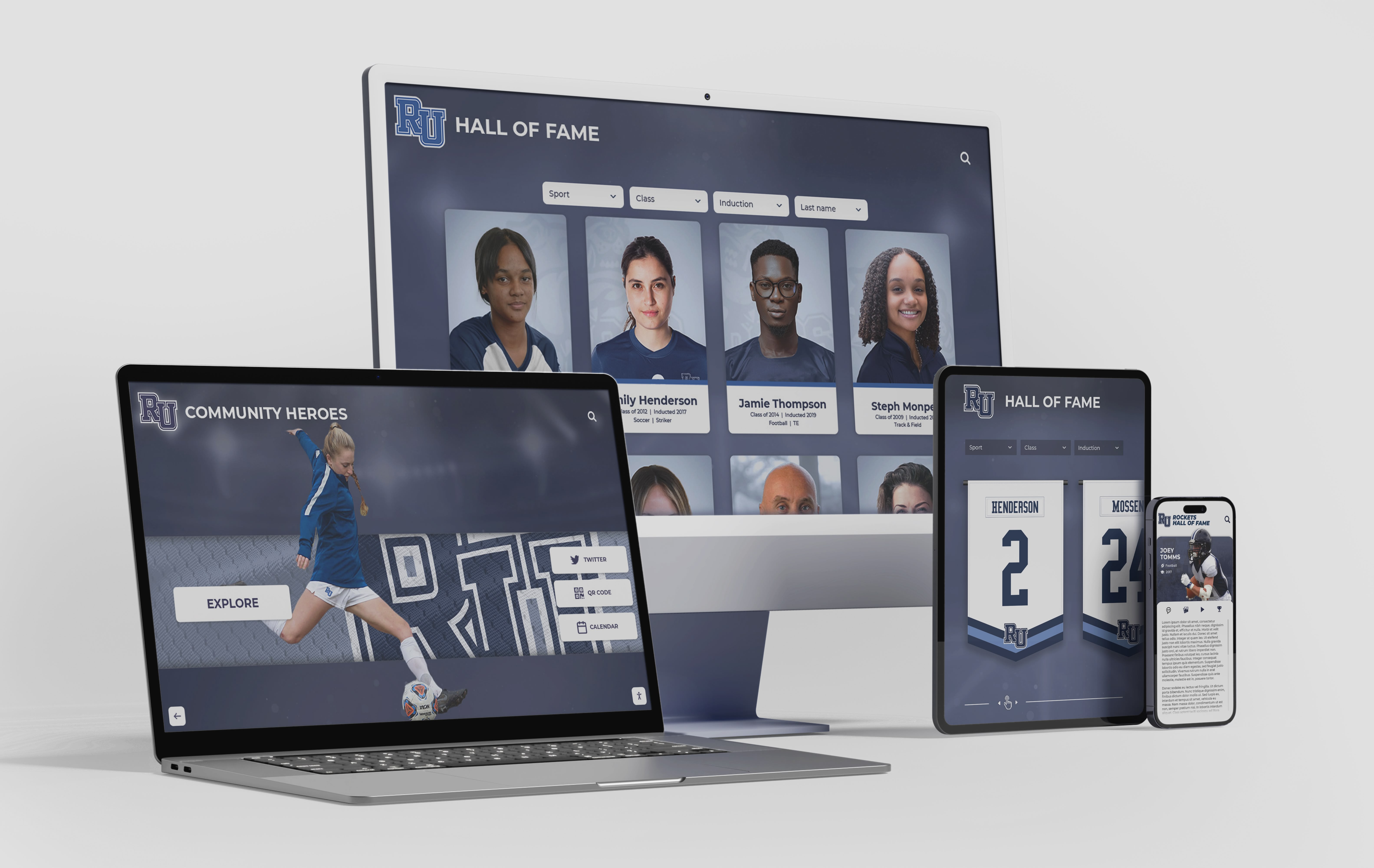
Display Rendering Engine: Software optimizes content presentation for different screen sizes and orientations, ensuring professional appearance across all devices from smartphones to 75-inch displays. Responsive design adapts layouts automatically as content grows.
Auto-Ranking Functionality: Digital record boards automatically rerank all-time lists when new achievements occur. Add a new 100-meter dash time, and the system instantly positions it correctly among historical performances, adjusting all subsequent rankings without manual intervention.
Analytics and Engagement Tracking: Monitor which records generate most interest, track search patterns revealing community priorities, and measure engagement duration demonstrating content effectiveness. Data informs content strategy and justifies recognition program investments.
Cloud Infrastructure and Remote Management
Modern digital halls of fame leverage cloud computing for operational advantages impossible with local-only systems.
Centralized Content Repository: All content lives in cloud storage accessible from anywhere with internet connectivity. Update records from the away game bus, add championship results from the tournament venue, or manage content from home—location becomes irrelevant.
Automatic Synchronization: Multiple displays across different facilities pull content from the same source, ensuring consistency without manual coordination. Update once, and all locations reflect changes instantly.
Remote Troubleshooting: Technical support teams can diagnose and resolve issues remotely without site visits, minimizing downtime and reducing support costs.
Automatic Backups: Cloud-based systems maintain continuous backups preventing catastrophic data loss from hardware failures, facility damage, or human error.
Software Updates: Platforms receive feature enhancements and security updates automatically without requiring manual installations or service interruptions.
Organizations implementing interactive touchscreen software benefit from cloud architecture that reduces technical burdens while increasing reliability and functionality.
The Founding Story: Why Digital Record Boards Exist
Rocket Alumni Solutions founder Chase McKee set his high school chin-up record as a freshman—35 consecutive pull-ups that stood unmatched throughout his entire athletic career. Years later, returning to his alma mater, Chase discovered his record had vanished from the weight room wall. New names covered old vinyl. His achievement was simply erased to make space for more recent champions.
That moment crystallized a fundamental flaw in traditional recognition: physical displays force institutions to choose which achievements deserve remembrance. Someone’s excellence always gets deleted to accommodate new success.
Chase built Rocket Alumni Solutions to solve this problem permanently. Digital record boards preserve every achievement forever. Nobody’s legacy disappears. Unlimited capacity means every champion remains honored regardless of how many new records follow. History accumulates rather than erasing.
This founding principle drives every feature Rocket develops: never erase history again.
Core Features That Define Digital Halls of Fame
Digital recognition systems deliver specific capabilities that distinguish them from traditional displays and generic alternatives.
Unlimited Recognition Capacity
Physical constraints disappear entirely. Track 10,000 entries per sport without space concerns. Honor every all-conference athlete, every team captain, every championship participant—not just the top three due to wall limitations. Comprehensive recognition demonstrates that every contribution matters, fostering inclusive athletic cultures.
Athletic programs implementing digital record boards report that unlimited capacity transforms recognition philosophy from selective honor to comprehensive celebration.
Auto-Ranking and Instant Updates
New performances automatically position correctly within historical rankings. A junior breaks the school’s 400-meter record, and the system instantly reranks all sprint times, pushing previous leaders down one position without manual editing. This automation eliminates hours of manual updates and prevents errors that undermine credibility.
Weight room leaderboards update immediately after strength testing sessions. Swimming splits refresh during meets. Track timing integrates automatically. Coaches schedule content publication for specific dates, automating seasonal recognition without ongoing administration.
Rich Multimedia Integration
Static plaques display names and numbers. Digital halls of fame tell complete stories through multiple media formats:
High-Resolution Photography: Action shots, team photos, candid moments, and professional portraits bring achievements to life visually
Video Content: Championship highlights, interview clips, career retrospectives, and historical footage create emotional connections impossible with text alone
Interactive Timelines: Chronological visualization of program evolution, dynasty periods, and individual career progressions
Statistical Deep-Dives: Complete performance histories, season-by-season statistics, and career progression graphs
Document Archives: Championship certificates, newspaper articles, program covers, and historical records preserving institutional memory
Audio Integration: Oral histories from coaching legends, play-by-play recordings, and athlete interviews capturing voices before memories fade
Organizations implementing comprehensive digital archives preserve institutional history far more effectively than physical displays permit.
ADA Compliance and Universal Accessibility
Physical trophy cases create accessibility barriers. Plaques mounted seven feet high exclude visitors using wheelchairs. Small engraved text challenges those with visual impairments. Static displays offer nothing for screen reader users.
Digital halls of fame provide:
- Screen Reader Support: Complete navigation and content access for blind and low-vision users
- Adjustable Text Sizes: Users control font scaling matching individual needs
- High-Contrast Modes: Enhanced visibility for users with visual processing differences
- Keyboard Navigation: Full functionality without requiring touch or mouse interaction
- Alternative Text: Descriptions of all images ensuring equivalent information access
- Closed Captioning: Text alternatives for video and audio content
ADA compliance isn’t optional—it’s legal requirement and moral imperative. Purpose-built platforms like Rocket Alumni Solutions build accessibility features into core architecture rather than bolting them on as afterthoughts.
Advanced Search and Discovery Tools
Physical displays force sequential browsing. Digital systems enable targeted discovery:
Full-Text Search: Find specific athletes instantly by typing names rather than scanning hundreds of plaques
Smart Filtering: Show only state champions, display records from specific decades, filter by gender or sport
Alphabetical Directories: Browse systematically through complete honoree lists
Related Content Recommendations: Discover teammates, competitors from the same era, or athletes with similar achievements
Featured Content Rotation: Highlight specific honorees for anniversaries, reunions, or seasonal relevance
Popular Profiles: Surface most-viewed records revealing community interests
QR Code Access: Enable smartphone exploration of specific profiles from physical locations
Interactive search transforms casual viewing into active exploration. Students spend 5-10 minutes discovering family connections, researching program history, and exploring achievement patterns—engagement impossible with static plaques.
Who Uses Digital Halls of Fame: Target Audiences and Applications
Digital recognition systems serve diverse institutions with varying recognition needs and priorities.
High School Athletic Programs
Most common implementation focuses on comprehensive athletic recognition:
- Varsity Records: All-time performance lists across every sport
- Championship Recognition: Team titles, tournament victories, state qualifications
- Individual Achievements: All-state selections, record holders, scholarship recipients
- Coaching Legacies: Career milestones, championship runs, distinguished service
- Program History: Decade-by-decade evolution, memorable seasons, dynasty periods
Small schools particularly benefit from digital systems enabling comprehensive recognition despite limited facility space and budgets that prevent extensive physical trophy installations.
Universities and Colleges
Higher education athletic programs require more sophisticated capabilities:
- Multiple Facility Installations: Field houses, stadiums, training centers, and academic buildings
- Conference and National Championships: NCAA tournament history, conference title runs
- Olympic and Professional Athletes: Tracking alumni who reached elite competition levels
- Academic Excellence: Student-athlete academic achievements, Academic All-American recognition
- Donor Recognition: Integrating athletic and advancement initiatives honoring major gift supporters
Universities implementing college athletic recognition systems create recruitment advantages demonstrating program excellence to prospective student-athletes.
Youth and Club Sports Organizations
Travel teams, club programs, and recreational leagues adapt digital recognition for their contexts:
- Tournament Results: National championships, regional qualifications, showcase performances
- Alumni Tracking: Following athletes to college and professional levels
- Team Records: Single-season achievements, tournament runs, undefeated seasons
- Individual Milestones: Scoring leaders, assists records, career statistics
- Program Growth: Documenting organizational evolution and expansion
Club sports organizations implementing digital recognition displays strengthen retention and recruitment by demonstrating commitment to player development and recognition.
Corporate and Professional Environments
Recognition extends beyond educational athletics:
- Sales Achievement: Top performers, quota attainment, customer satisfaction leaders
- Service Milestones: Anniversary recognition, tenure celebrations, retirement honors
- Innovation Recognition: Patent holders, process improvements, cost-saving initiatives
- Safety Records: Incident-free periods, safety leadership, compliance excellence
Corporate environments implementing employee recognition programs report improved retention, morale, and performance culture alignment.
Community Organizations and Nonprofits
Churches, libraries, museums, and civic groups utilize digital recognition for:
- Volunteer Recognition: Service hours, project leadership, sustained commitment
- Donor Acknowledgment: Major gifts, capital campaigns, endowment contributors
- Program Participation: Youth achievements, community service, educational milestones
- Historical Preservation: Organizational timelines, founder recognition, legacy documentation
Benefits That Drive Digital Hall of Fame Adoption
Organizations transition from traditional displays to digital recognition for specific, measurable advantages.
Eliminating Update Burden and Manual Labor
Athletic directors report spending 3-5 hours updating manual record boards after major competitions. Measure athletes, calculate rankings, order vinyl, schedule installation, coordinate with facilities—repetitive tasks consuming valuable time.
Digital systems reduce updates to minutes. Log in from anywhere, enter new results, publish instantly. Auto-ranking calculates positions automatically. Multiple users update simultaneously without coordination conflicts. Remote access eliminates facility visits.
Districts with multiple buildings synchronize recognition across all locations from single content source, maintaining consistency without duplicating effort at each site.
Preserving History Permanently
Traditional displays force impossible choices about which achievements remain visible. Digital systems preserve everything forever. Today’s freshman record holder joins the all-time list alongside athletes from 1950s. Nobody gets erased. Complete history remains accessible regardless of how many new champions follow.
This permanence delivers psychological benefits beyond aesthetics. Athletes compete knowing their achievements will remain honored indefinitely, not temporarily until someone surpasses them or space constraints force removal.
Historical preservation also supports institutional memory during leadership transitions. New coaches and administrators access complete program histories instantly rather than piecing together fragmented knowledge from long-tenured staff about to retire.
Strengthening Alumni Engagement
Graduates visit campus less frequently as years pass and life circumstances evolve. Digital halls of fame accessible online maintain connections despite geographic distance. Alumni explore achievements from home offices, share profiles on social media, and introduce children to family athletic legacies—engagement sustaining emotional bonds.
Schools report alumni discovering teammates through digital archives, leading to reunion organizing, giving initiatives, and mentorship programs connecting graduates with current students. Recognition becomes relationship infrastructure rather than static commemoration.
Improving Recruitment Outcomes
Prospective student-athletes research programs extensively during recruitment. Digital halls of fame demonstrate commitment to honoring excellence, provide evidence of competitive traditions, and showcase pathways from high school to college athletics.
Recruits exploring online recognition see themselves in that legacy, visualizing their names joining championship lists and record boards. This psychological projection influences commitment decisions when choosing between academically and athletically comparable programs.
Coaches use digital displays during facility tours, allowing recruits to explore achievements interactively rather than walking past static plaques. Extended engagement time creates stronger impressions than brief glances at physical trophies.
Enhancing Game Day Atmosphere
Digital displays in concession areas, lobbies, and main entrances activate during events, showcasing current athletes, highlighting relevant records, and celebrating championship anniversaries. Dynamic content creates energy and tradition awareness that static displays cannot match.
Pre-game content rotations feature athletes competing that day, emphasizing their pursuit of records or championships. Post-game updates immediately honor new achievements while crowds remain on-site, maximizing celebration impact.
Schools implementing touchscreen displays in athletic facilities report improved game day experiences and stronger home field advantages as visiting teams witness comprehensive excellence documentation.
Demonstrating Multi-Sport Equity
Title IX compliance and equity principles require fair recognition across all sports regardless of revenue generation or spectator attendance. Traditional trophy cases disproportionately showcase revenue sports due to larger trophy collections and more frequent championships.
Digital systems track identical statistics across all programs, ensuring equivalent recognition regardless of sport. Swimming receives the same profile depth as football. Tennis gets equal display prominence as basketball. Every athlete sees their sport valued equally through comprehensive digital documentation.
Athletic directors implementing equitable recognition systems reduce participation gaps and improve program culture by demonstrating institutional commitment to all athletes.
Digital Halls of Fame vs. Traditional Recognition: Direct Comparison
Understanding practical differences helps decision-makers evaluate whether digital systems justify investment for their specific circumstances.
Recognition Capacity
Traditional Physical Displays: Limited by wall space, trophy case dimensions, and facility architecture. Typical high school trophy case accommodates 50-200 plaques before overflow forces difficult decisions about removal priorities.
Digital Halls of Fame: Unlimited capacity constrained only by database storage (effectively infinite for recognition purposes). Track 10,000+ entries per sport without space concerns or capacity planning.
Advantage: Digital systems eliminate forced choices between deserving champions.
Update Process and Timeline
Traditional Physical Displays: Order engraving (3-7 days), schedule installation (coordination with facilities), physical mounting (1-2 hours on-site), repeat for every update. Annual comprehensive updates require weeks of planning and coordination.
Digital Halls of Fame: Log into web dashboard (30 seconds), enter new information (2-5 minutes), publish instantly (immediate). Updates complete in minutes from any location without physical access requirements.
Advantage: Digital systems reduce update burden from hours to minutes while enabling real-time recognition.
Cost Structure Over Time
Traditional Physical Displays: High initial installation ($5,000-$15,000 for trophy cases), ongoing material costs ($20-$50 per plaque), regular engraving expenses ($200-$500 per update cycle), replacement costs when systems fill ($10,000-$25,000 for expansion), and labor expenses for coordination and installation.
Digital Halls of Fame: Initial investment ($12,000-$35,000 for complete system including quality hardware), minimal ongoing costs ($1,500-$5,000 annually for software and support), no per-update charges, and fixed costs regardless of recognition volume.
Advantage: Digital systems deliver lower total cost of ownership over 5-10 year periods despite higher initial investment, particularly for programs with frequent updates and growing recognition needs.
Historical Preservation
Traditional Physical Displays: Limited capacity forces periodic removal of older achievements. Removed plaques often end up in storage boxes, rarely retrieved and eventually discarded during facility renovations or staff transitions. Institutional memory erodes as physical artifacts disappear.
Digital Halls of Fame: Complete permanent archives preserving all achievements indefinitely. Cloud-based storage ensures data survives facility damage, hardware failures, or staff turnover. Historical records remain accessible and searchable regardless of age.
Advantage: Digital systems preserve institutional memory comprehensively rather than selectively.
Engagement and Interactivity
Traditional Physical Displays: Passive viewing, sequential browsing, minimal engagement duration (average 15-30 seconds per visitor). Static presentation provides no interaction, search, filtering, or discovery pathways beyond physical proximity.
Digital Halls of Fame: Active exploration, targeted search, custom filtering, multimedia content, and extended engagement (average 3-7 minutes per session). Visitors discover connections, explore related achievements, and create personal narratives through self-directed browsing.
Advantage: Digital systems generate 10-15x longer engagement duration through interactive discovery.
Accessibility and Inclusion
Traditional Physical Displays: Mounted heights exclude wheelchair users, small text challenges vision-impaired visitors, no screen reader support, sequential organization only, and physical location requirements limit audience to on-site visitors.
Digital Halls of Fame: ADA-compliant interfaces, adjustable text sizing, screen reader compatibility, multiple organization methods, and web accessibility enabling global engagement regardless of geography or physical abilities.
Advantage: Digital systems provide equitable access to all community members regardless of abilities or location.
Content Richness and Storytelling
Traditional Physical Displays: Names, dates, and achievements engraved on plaques. Limited context about significance, minimal storytelling capacity, and no multimedia integration. Visitors learn what happened but not why it mattered or how excellence developed.
Digital Halls of Fame: Photos, videos, interviews, career timelines, statistical progressions, related achievements, and comprehensive narratives bringing excellence to life. Multimedia storytelling creates emotional connections impossible with engraved text.
Advantage: Digital systems transform recognition from acknowledgment into inspiration through rich storytelling.
Implementation Process: From Decision to Launch
Understanding typical deployment timelines and requirements helps organizations plan effectively and set realistic expectations.
Phase 1: Assessment and Planning (Weeks 1-2)
Initial planning establishes foundation for successful implementation:
Needs Assessment: Define recognition priorities (athletic records, championships, individual honors, coaching legacies), identify target audiences (current students, alumni, recruits, community), and determine success metrics (engagement, recruitment impact, alumni connections).
Content Audit: Inventory existing recognition (trophy contents, plaque lists, record boards, yearbooks, archives), identify historical gaps requiring research, and assess content accessibility (digital records, physical archives, oral histories).
Budget Development: Determine available funding (operating budgets, booster support, grant opportunities), calculate total investment (hardware, software, content development, installation), and plan phased implementation if appropriate.
Location Selection: Identify high-traffic installation sites (main lobbies, athletic hallways, field houses, training facilities), assess infrastructure requirements (power, network, mounting), and plan visibility optimization.
Phase 2: Platform and Vendor Selection (Weeks 2-4)
Technology decisions determine long-term functionality and satisfaction:
Platform Evaluation: Compare purpose-built recognition systems (Rocket Alumni Solutions, competitors) against generic alternatives (digital signage, custom development), assess feature alignment with identified needs, and evaluate long-term vendor viability and support quality.
Hardware Specifications: Select appropriate display sizes (43"-75" depending on space and viewing distance), determine orientation (portrait for record lists, landscape for multimedia content), and specify mounting approaches (wall mounts, floor kiosks, custom enclosures).
Contract Negotiation: Finalize pricing and payment terms, clarify support and maintenance inclusions, establish implementation timelines and milestones, and define success criteria and performance expectations.
Phase 3: Content Development Strategy (Weeks 3-6)
Content quality determines user engagement and recognition impact:
Profile Standards: Define information requirements for different honoree types (athletes, teams, coaches, supporters), establish multimedia expectations (photo quality, video length, document formats), and create consistency guidelines ensuring professional appearance.
Historical Research: Organize existing records and archives, conduct interviews with coaches and alumni, digitize yearbooks and historical documents, and verify facts through multiple sources preventing errors that undermine credibility.
Initial Content Creation: Develop template profiles demonstrating desired format and depth, create batch content for recent years where records are readily available, and plan gradual expansion into deeper history through ongoing research projects.
Ongoing Update Workflow: Assign content management responsibilities, establish publication schedules and approval processes, and train multiple staff members ensuring continuity during turnover or absences.
Phase 4: Technical Installation (Weeks 6-8)
Physical deployment requires coordination across multiple stakeholders:
Infrastructure Preparation: Verify network connectivity at installation locations, ensure adequate power availability and circuit capacity, and coordinate with facilities teams for mounting and access.
Hardware Installation: Mount displays securely following manufacturer specifications, connect media players and configure network settings, and test touchscreen functionality and remote management capabilities.
Software Configuration: Customize branding matching institutional identity, configure content categories and organizational structure, and establish user accounts with appropriate permission levels.
Quality Assurance: Test all functionality comprehensively before launch, verify remote update capabilities and content synchronization, and ensure ADA compliance across all features.
Phase 5: Staff Training and Launch Preparation (Weeks 8-10)
User adoption depends on confident, well-trained content managers:
Content Management Training: Teach profile creation and editing workflows, demonstrate multimedia upload and formatting, and practice search configuration and featured content management.
Update Process Documentation: Create reference guides for common tasks, document troubleshooting procedures for typical issues, and establish support escalation paths for technical problems.
Launch Event Planning: Coordinate unveiling ceremony timing, prepare promotional materials and communications, and organize stakeholder engagement (athletes, alumni, boosters, community).
Phase 6: Public Launch and Initial Operations (Week 10+)
Successful launches generate enthusiasm and establish usage patterns:
Soft Launch: Enable access for testing and feedback gathering, monitor initial usage patterns and technical performance, and make adjustments based on early user experience.
Official Launch Event: Host ceremony highlighting new recognition capabilities, demonstrate search and discovery features, and celebrate select honorees emphasizing comprehensive preservation.
Promotional Campaign: Announce launch through all communication channels, encourage exploration through social media and email campaigns, and feature select profiles generating initial traffic and engagement.
Phase 7: Ongoing Operations and Expansion (Continuous)
Long-term success requires sustained attention and continuous improvement:
Regular Content Updates: Add new achievements as they occur, expand historical coverage through ongoing research, and refresh featured content maintaining visitor interest.
Engagement Monitoring: Track usage analytics identifying popular content and discovery patterns, gather stakeholder feedback informing improvements, and measure impact on recruitment, alumni engagement, and institutional culture.
Continuous Improvement: Request platform feature enhancements addressing emerging needs, expand content depth for high-interest profiles, and consider additional installation locations as budgets permit.
Organizations implementing comprehensive digital recognition strategies maintain momentum long after initial launches through systematic planning and sustained commitment.
Cost Considerations: Investment Requirements and Budget Planning
Transparent pricing information helps organizations assess feasibility and secure appropriate funding.
Initial Investment Components
Software Platform Licensing: $4,000-$15,000 depending on institution size, feature requirements, and customization needs. Purpose-built platforms include content management systems, mobile-responsive web access, analytics dashboards, and ongoing feature enhancements.
Display Hardware (if including physical touchscreens): $3,000-$10,000 per location depending on screen size (43"-75"), touchscreen technology (infrared, capacitive, optical), mounting approach (wall mount, floor kiosk, custom enclosure), and commercial-grade durability specifications.
Installation Services: $1,000-$5,000 per location covering professional mounting, network configuration, power installation if needed, initial setup and testing, and quality assurance verification.
Content Development: $2,000-$10,000 for initial profile creation depending on historical depth, multimedia requirements, research needs, and staff versus outsourced effort distribution. Organizations with organized existing records reduce costs significantly.
Training and Support: $500-$2,000 covering staff training, documentation development, launch assistance, and initial technical support ensuring confident operation.
Total Typical Investment: $12,000-$35,000 for comprehensive single-display installations including quality commercial-grade hardware and full-service implementation. Web-only systems without physical displays typically cost $6,000-$15,000.
Ongoing Operational Costs
Software Maintenance and Updates: $1,500-$5,000 annually covering cloud hosting, continuous backups, security updates, feature enhancements, and technical support. Purpose-built platforms include improvements automatically without additional fees.
Content Management Time: Variable depending on update frequency and staff efficiency. Schools report 1-3 hours monthly for regular updates once systems are established, compared to 5-10 hours with manual record boards.
Hardware Replacement: Commercial displays last 5-7 years with continuous operation. Plan for eventual hardware refreshes, though software platforms migrate to new displays seamlessly without content reconstruction.
Funding Strategies and Sources
Operating Budgets: Athletic department technology allocations, facilities improvement funds, or institutional advancement budgets depending on recognition scope and organizational priorities.
Booster and Alumni Contributions: Recognition systems often attract supporter funding as tangible investments honoring legacies. Frame proposals emphasizing permanent preservation of excellence and comprehensive historical documentation.
Grant Opportunities: Some foundations fund educational technology, historical preservation, or accessibility improvements that digital recognition systems address directly.
Capital Campaigns: Include recognition system investments in broader facility improvement campaigns, positioning as essential infrastructure supporting athletic excellence.
Phased Implementation: Begin with single high-visibility installation demonstrating value and generating momentum for subsequent expansion across additional locations.
Common Questions Organizations Ask About Digital Halls of Fame
How difficult is content management for non-technical staff?
Purpose-built platforms like Rocket Alumni Solutions design interfaces specifically for athletic directors and coaches who manage teams, not databases. Cloud-based dashboards feel similar to posting on social media—intuitive workflows, drag-and-drop media uploads, and immediate previews before publishing. Most users become confident within 15-30 minutes of initial training. Generic digital signage adapted for recognition typically requires more technical expertise and creates frustration for non-technical administrators.
What happens when hardware needs replacement after 5-7 years?
Software platforms separate from display hardware, meaning content and systems migrate to new displays seamlessly when equipment reaches end of life. Organizations replace screens without losing any historical content or recreating profiles. This separation prevents the catastrophic losses that occur when proprietary systems lock content to specific hardware that becomes obsolete.
Can we start with one display and expand later?
Most organizations begin with single installations in highest-traffic locations, expanding to additional facilities as budgets allow and community enthusiasm builds. Additional displays typically cost less than initial investments since licensing, content development, and training extend across multiple locations without duplication.
How do we handle athletes who don’t want recognition?
Respect individual preferences while maintaining comprehensive historical documentation. Some platforms allow profile visibility controls, making specific honorees searchable but not featured prominently. Balance institutional historical preservation obligations with reasonable privacy concerns through thoughtful policy development.
What about recognition for coaches, trainers, and support staff?
Digital systems accommodate diverse recognition categories beyond athletes. Many programs honor distinguished coaches, longtime trainers, volunteer contributors, and administrative supporters. Unlimited capacity enables comprehensive recognition across all excellence types rather than athletes exclusively.
How do recruits and alumni find our digital hall of fame online?
Web-accessible versions typically live on institutional athletic websites, often at obvious URLs like athletics.schoolname.edu/hall-of-fame. Promote through social media, email communications, recruiting materials, and search engine optimization ensuring discoverability. Some platforms provide dedicated mobile apps for enhanced engagement.
Does this eliminate need for physical trophies entirely?
Digital recognition complements rather than completely replaces physical trophies in most implementations. Schools typically maintain select championship trophies for symbolic and traditional value while using digital systems for comprehensive record documentation and broader recognition. The combination honors tradition while solving capacity and maintenance limitations.
What happens if internet connectivity fails at the facility?
Quality platforms support offline functionality during connectivity interruptions, displaying cached content until connection restores. Regular synchronization ensures displays show current content, and automatic recovery when connectivity returns prevents disruption visibility to casual viewers.
Measuring Success: Analytics and Impact Assessment
Tracking specific metrics demonstrates value and informs continuous improvement:
Engagement Metrics: Total visitors, average session duration (target: 3-5 minutes), profiles viewed per session (target: 4-7), return visitor rate (target: 15-25%), and search usage versus browsing patterns revealing discovery preferences.
Content Performance: Most-viewed profiles identifying community interests, video completion rates measuring multimedia effectiveness, popular search terms informing content expansion priorities, and geographic distribution showing alumni engagement patterns.
Institutional Impact: Recruit feedback during campus visits, alumni engagement increases measured through advancement office interactions, donation pattern correlations with recognition visibility, and media coverage generated by comprehensive historical documentation.
Operational Efficiency: Time saved versus manual updates (typical: 5-10 hours monthly), error reduction in published content, staff satisfaction with content management workflows, and technical reliability measurements.
Organizations implementing robust analytics frameworks justify continued investment and demonstrate value to skeptical stakeholders through objective data rather than subjective impressions.
Future Developments: Where Digital Recognition Technology is Heading
Emerging capabilities will enhance digital halls of fame in coming years:
Artificial Intelligence Integration: Automated profile generation from existing records, intelligent content recommendations based on visitor interests, natural language search enabling conversational queries, and predictive analytics identifying engagement opportunities.
Augmented Reality Experiences: Smartphone apps overlaying digital content onto physical spaces, allowing users to point devices at trophy cases or championship banners to access comprehensive digital profiles, statistics, and multimedia content.
Voice-Activated Navigation: Hands-free interaction through voice commands supporting accessibility and enabling natural exploration. “Show me all state champions from the 1980s” or “Find athletes who lettered in three sports” become simple spoken queries.
Enhanced Personalization: Systems recognizing individual visitors and customizing content display based on connections—alumni automatically seeing classmates and teammates, parents viewing children’s teams, and recruits exploring programs matching their positions and interests.
Virtual Reality Environments: Immersive 3D halls of fame accessible remotely through VR headsets, enabling distant alumni to explore as if physically present and creating engaging recruitment experiences for geographically dispersed prospects.
Blockchain Verification: Tamper-proof achievement authentication creating portable digital credentials that athletes control and share throughout careers, following them across educational institutions and professional opportunities.
Organizations partnering with platforms investing in innovation position themselves to adopt emerging capabilities as they mature without requiring complete system replacements.
Schedule a Zoom Demo: See Digital Record Boards in Action
Rocket Alumni Solutions has eliminated the recognition capacity constraints forcing impossible choices about which champions remain honored. Digital record boards preserve every achievement permanently while automatically updating and reranking as new excellence occurs.
Book a live demonstration to see how interactive touchscreen displays transform recognition programs. Explore auto-ranking functionality, multimedia integration, remote management capabilities, and ADA-compliant accessibility. Discuss specific implementation scenarios for your athletic program and review installation examples from similar institutions.
Athletic directors implementing digital halls of fame report dramatic improvements in recognition comprehensiveness, update efficiency, alumni engagement, and recruitment impact while reducing long-term costs compared to traditional trophy cases requiring constant expansion and manual maintenance.
Never erase history again. Schedule your demonstration to discover how digital record boards honor every achievement appropriately while creating engagement experiences impossible with static physical displays.
Book a digital record board demo and explore recognition technology specifically designed for athletic programs committed to comprehensive excellence celebration without space limitations or manual update burdens.