



An All-American athlete stands among the most elite competitors in their sport—a designation reserved for those who demonstrate exceptional performance, skill, and achievement at the highest levels of competition. Whether in high school, college, or professional contexts, earning All-American status represents reaching the pinnacle of athletic excellence within a national competitive framework. These athletes don’t just excel within their schools, conferences, or states—they stand out among the best across the entire country.
For schools and athletic programs, All-American athletes represent more than individual achievement. These elite performers validate program quality, inspire teammates and younger athletes, attract prospective recruits and families, and create lasting legacies that define institutional athletic excellence across generations. Yet many programs struggle to recognize All-American achievements with the prominence these honors deserve, relegating elite national recognition to the same static displays housing routine participation certificates.
Why All-American Recognition Demands Elite Display Solutions
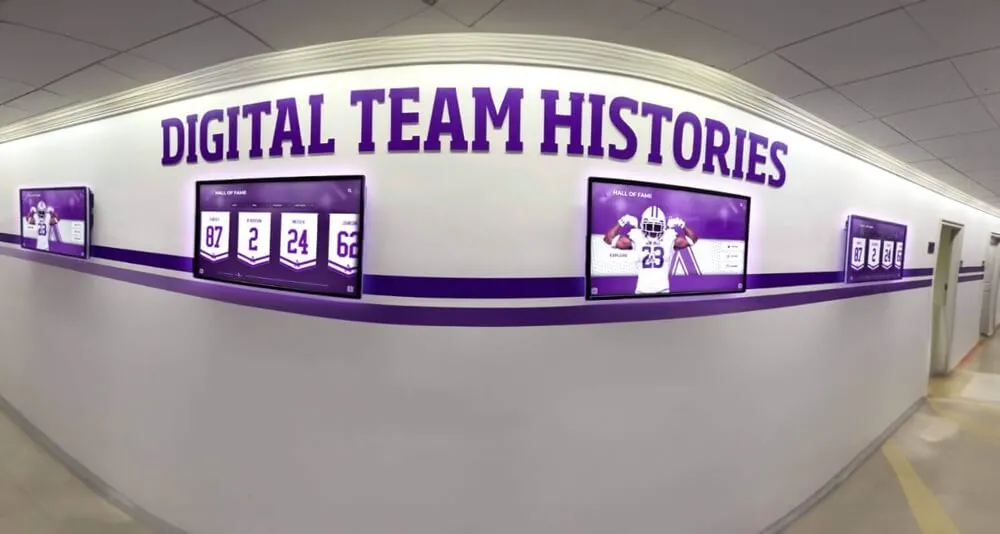
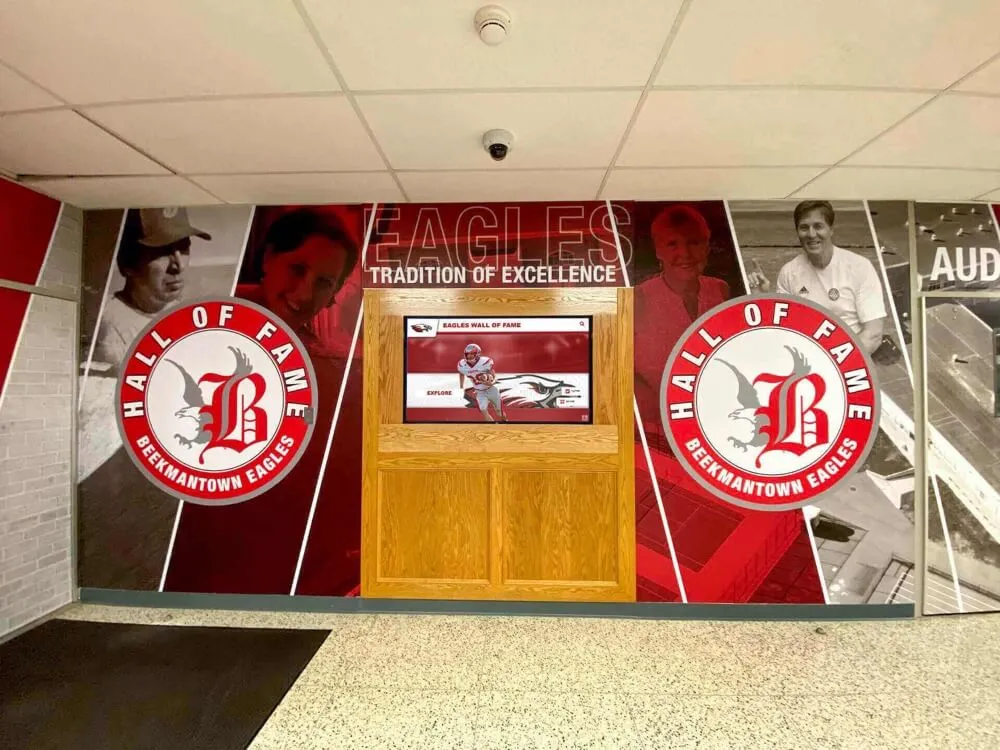
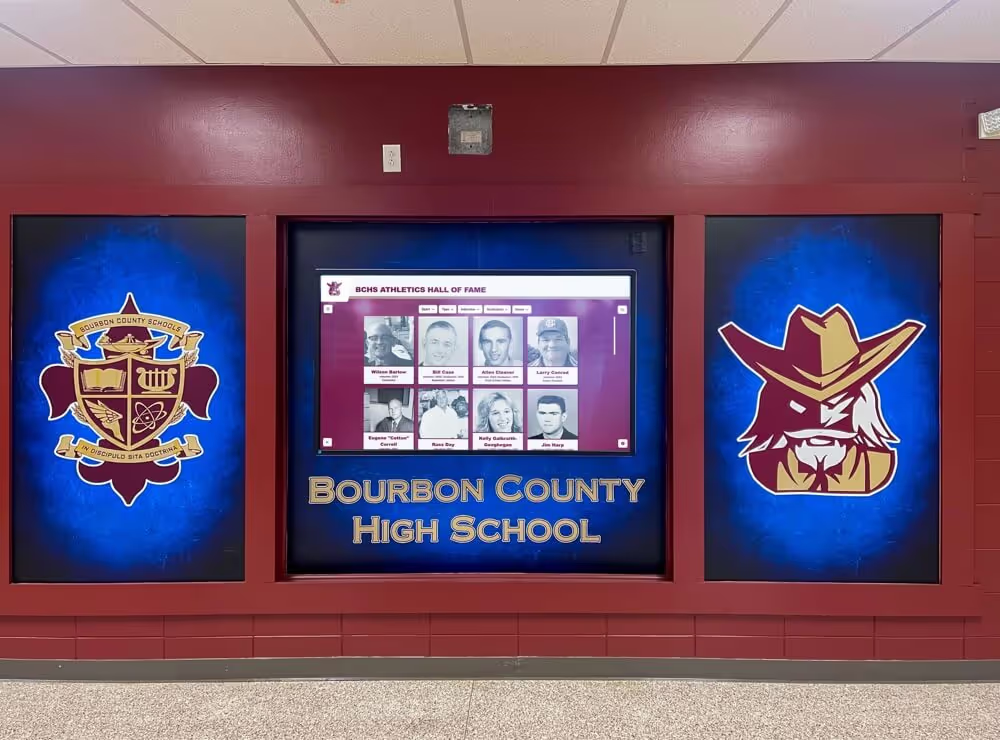
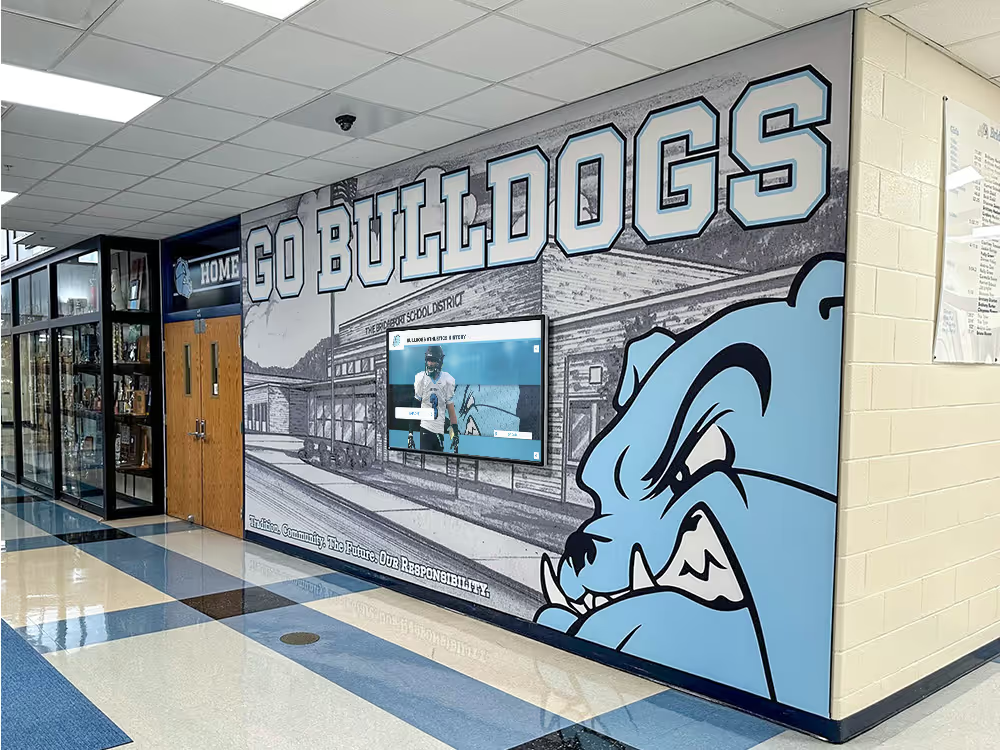
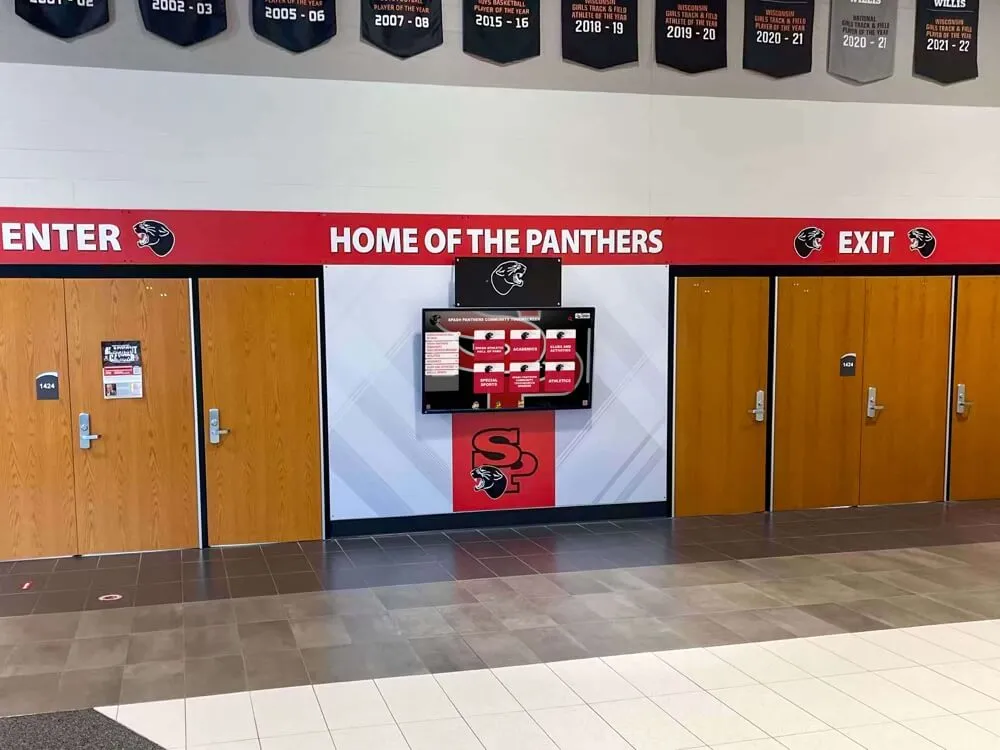
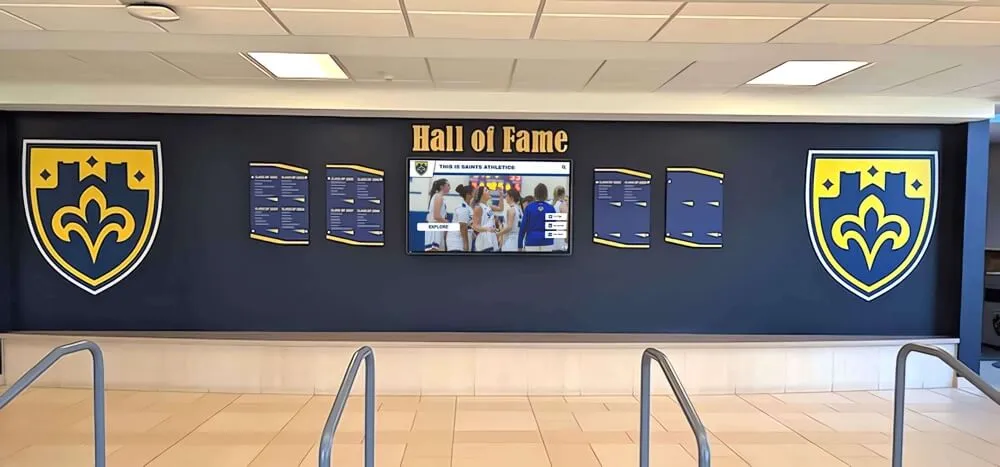
All-American athletes achieve distinction that less than 1% of competitors reach—national recognition that transcends local or regional excellence. This rarity demands recognition systems capable of showcasing comprehensive achievement details, preserving legacies permanently across decades, and engaging audiences through rich multimedia storytelling. Traditional static displays—cramped trophy cases, outdated bulletin boards, vinyl banners requiring replacement—can’t accommodate unlimited All-Americans or provide the depth these achievements deserve. Digital record boards designed specifically for athletic recognition solve these challenges through auto-ranking that organizes All-Americans chronologically without manual intervention, unlimited capacity ensuring every All-American from 1970 through 2026 receives equal permanent recognition, and remote updates that add new honorees within hours rather than waiting months for plaque production.
Defining All-American Status: What Makes an Athlete All-American?
The term “All-American” originated in collegiate athletics but has expanded to encompass elite recognition across multiple competitive levels and organizational contexts. Understanding what All-American status represents requires examining selection processes, competitive contexts, and the rarity that makes this designation genuinely elite.
Collegiate All-American Recognition
At the college level, All-American status represents the highest individual honor an athlete can achieve during their competitive season. Multiple organizations administer All-American programs across different sports, each with specific selection criteria and prestige levels.
NCAA Sports Recognition: For NCAA-sponsored championships, All-American status typically comes through performance at national championship events. A swimmer who finishes in the top eight at the NCAA Championships earns All-American honors. A track athlete placing in the top eight at the NCAA Outdoor Championships receives the designation. A wrestler reaching the medal rounds at the NCAA Wrestling Championships becomes an All-American. This performance-based selection provides objective criteria tied directly to championship competition against the nation’s best.

Coaches Association All-American Teams: Many sports feature All-American teams selected by national coaches associations. The American Football Coaches Association (AFCA), National Association of Basketball Coaches (NABC), and sport-specific coaching organizations publish annual All-American teams recognizing the season’s most outstanding players based on statistical performance, team success, and expert evaluation. These selections often include multiple teams—First Team, Second Team, Third Team—enabling recognition for more athletes while maintaining clear distinctions based on achievement level.
Media All-American Selections: National sports media organizations including the Associated Press, major networks, and sport-specific publications create All-American teams based on journalist observations, statistical analysis, and consultation with coaches throughout seasons. While not always “official,” media All-American selections carry significant credibility and recognition value, particularly in high-profile sports receiving extensive national coverage.
Academic All-American Programs: The College Sports Information Directors of America (CoSIDA) administers Academic All-American programs recognizing student-athletes who excel both athletically and academically. Athletes must maintain minimum 3.30 GPAs while demonstrating athletic distinction to earn this honor celebrating dual excellence. Academic All-Americans represent complete student-athletes who succeeded in classrooms and competition simultaneously—a particularly meaningful achievement deserving prominent recognition.
Schools implementing comprehensive digital recognition systems can showcase all All-American designations—athletic, academic, and specialty awards—within integrated platforms that tell complete athlete stories rather than fragmenting recognition across disconnected displays.
High School All-American Programs
While less standardized than collegiate recognition, high school All-American programs provide elite recognition for prep athletes demonstrating exceptional performance and potential.
National Organization All-American Teams: Organizations like the National High School Coaches Association, MaxPreps, USA Today, and sport-specific governing bodies publish high school All-American teams recognizing the nation’s top prep athletes annually. Selection processes vary but typically combine statistical performance, championship achievements, recruiting rankings, and expert evaluation to identify elite high school talent.
Showcase Event All-Americans: Many sports feature elite showcase events where selected athletes compete and earn All-American recognition. The Under Armour All-America Game for football, McDonald’s All-American Game for basketball, and similar events in other sports bring together the nation’s top high school athletes for competitions showcasing elite talent while bestowing All-American status on participants.
Tournament and Championship All-Americans: Some national high school tournaments and championships designate tournament All-Americans or All-Tournament Teams recognizing outstanding performance during specific elite competitions. While more limited in scope than season-long All-American selections, these honors acknowledge exceptional performance against national-level competition.
High schools producing All-American athletes benefit from recognition systems that properly contextualize these achievements within program history while highlighting the exceptional nature of national recognition that transcends state or regional honors. Athletic hall of fame displays enable schools to distinguish All-American recognition from all-state, all-conference, or school-specific awards through proper categorization and prominence.
Professional and Elite Amateur All-American Recognition
Beyond scholastic athletics, All-American concepts extend to professional and elite amateur contexts where national recognition acknowledges top performers.
Minor League and Developmental Recognition: Professional developmental leagues sometimes designate All-Star or All-League teams functionally equivalent to All-American recognition within their competitive contexts. Minor league baseball All-Star selections, developmental soccer league Team of the Year selections, and similar honors recognize elite performance within specific professional development systems.
National Team and International Competition: Athletes representing the United States in international competitions—Olympic teams, World Championship rosters, Pan-American Games participants—sometimes receive All-American recognition acknowledging their status representing the nation at the highest competitive levels internationally.
The Rarity and Prestige of All-American Status
Understanding what percentage of athletes achieve All-American recognition provides context for why this honor deserves elite recognition treatment.
Statistical Rarity Across Competitive Levels
The mathematics of All-American selection demonstrate genuine exclusivity distinguishing these athletes from peers.
NCAA Division I Statistics: Consider NCAA Division I football where approximately 350 schools field teams with 85 scholarship athletes each, totaling roughly 30,000 scholarship football players. Major All-American teams (AP, AFCA, Sporting News) typically recognize 44 athletes (22 on offense, 22 on defense) on First Team rosters with additional Second and Third Teams. Even accounting for multiple All-American teams from different organizations, fewer than 500 athletes—less than 2% of Division I football players—earn All-American recognition annually. Similar ratios apply across other NCAA sports where national championships or national team selections provide All-American pathways.
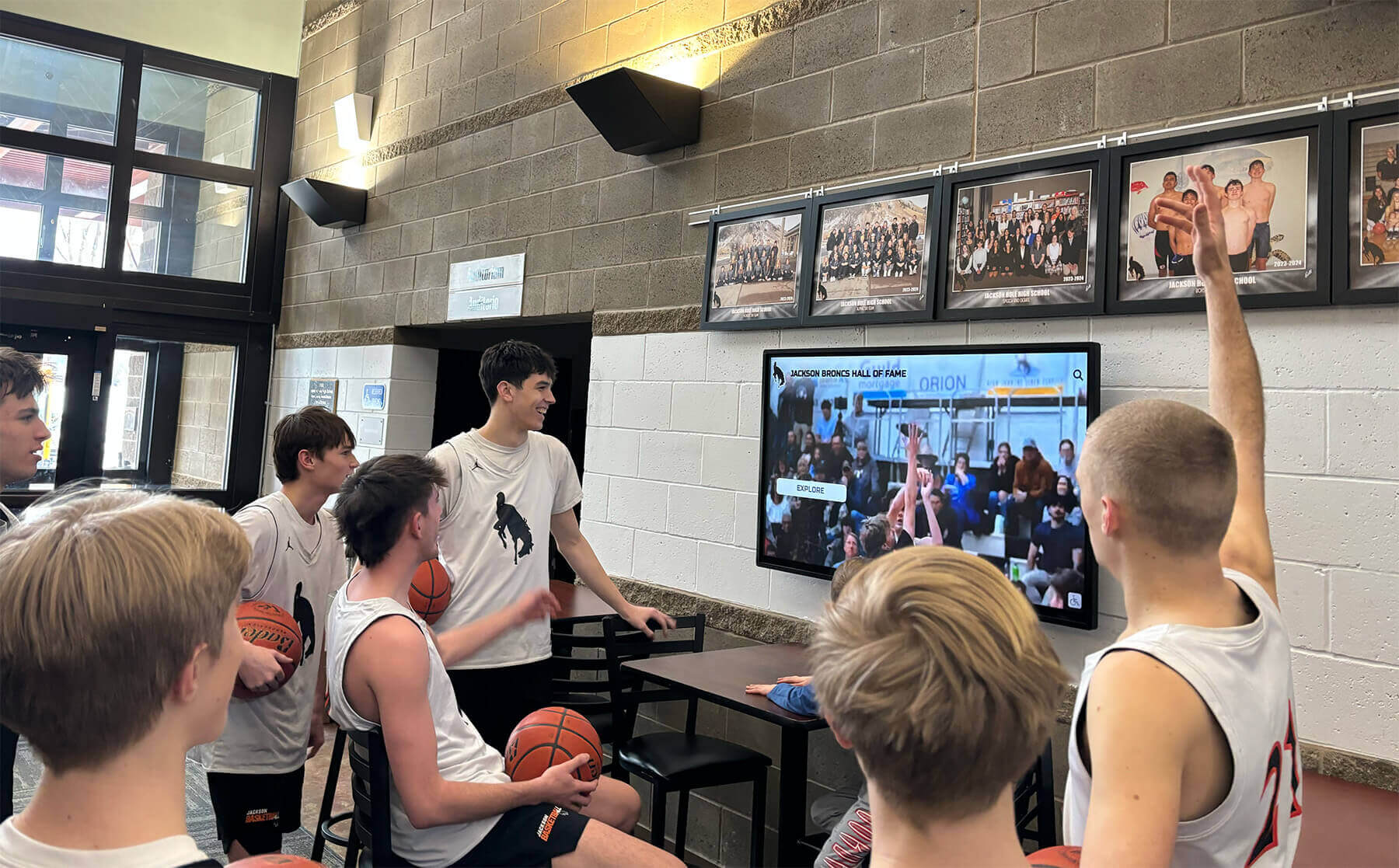
High School National Recognition: The rarity proves even more pronounced at the high school level. With approximately 1.1 million high school football players nationally, organizations selecting 100-person All-American teams recognize just 0.009% of participants. Even accounting for multiple All-American teams from different organizations, fewer than 500-1,000 high school football players earn legitimate All-American recognition annually—making this achievement extraordinarily rare.
Performance Requirements: All-American selection demands sustained elite performance, not single exceptional games or statistics inflated against weak competition. All-Americans typically compete successfully against the strongest opponents, perform consistently across full seasons, demonstrate measurable excellence through statistics or championship results, and earn recognition from expert evaluators who assess talent professionally.
This combination of rarity, competitive excellence, and expert validation makes All-American status fundamentally different from participation awards, team selections, or regional honors that many more athletes achieve.
Lifetime Impact of All-American Recognition
All-American achievement creates lasting impact extending far beyond athletic seasons when recognition occurred.
College Recruiting Advantages: High school All-Americans receive recruiting attention from elite college programs seeking proven national-level talent. The designation serves as objective validation that athletes competed successfully against top competition—information college coaches value when evaluating prospects.
Resume and Professional Credibility: All-American achievement appears on resumes, job applications, and professional profiles throughout careers, communicating excellence, competitive success, and distinction to employers across industries. The achievement signals traits employers value—dedication, performance under pressure, ability to excel among elite competition.
Alumni Pride and Institutional Connection: All-Americans often maintain stronger connections to institutions where they achieved this distinction than athletes who competed without reaching this recognition level. Schools that recognize All-Americans prominently create touchpoints maintaining these connections across decades, supporting alumni engagement and potential philanthropic relationships.
Resources on donor recognition and alumni engagement explore how proper recognition of elite achievement including All-American status strengthens long-term institutional relationships that extend far beyond athletic careers.
Different Levels and Types of All-American Recognition
All-American designation includes multiple levels and categories that schools benefit from understanding and properly distinguishing within recognition systems.
Team Designations and Hierarchy
Most All-American programs include multiple team levels acknowledging different achievement tiers while enabling recognition for more athletes.
First Team All-American: The highest designation representing the absolute best performers nationally. First Team All-Americans typically demonstrate statistical dominance, championship success, and unanimous or near-unanimous expert recognition as elite athletes. This designation carries greatest prestige and often influences professional draft positions, scholarship offers, and long-term athletic opportunities.
Second Team and Third Team All-Americans: Recognizing outstanding athletes who competed at near-elite levels without quite reaching First Team distinction. These selections acknowledge exceptional performance while maintaining meaningful differentiation from First Team honors. Second and Third Team All-Americans still represent national elite status—athletes performing among the top few percent nationally despite not reaching the absolute pinnacle.
Honorable Mention All-American: Some organizations provide Honorable Mention recognition for athletes deserving national acknowledgment without selection to First, Second, or Third Teams. While less prestigious than team selections, Honorable Mention still represents national-level recognition distinguishing these athletes from regional or conference-only honorees.

Schools implementing comprehensive recognition should display team designations clearly so audiences understand achievement levels while celebrating all national recognition appropriately. Digital platforms enable filtering by team level while maintaining searchable access to complete All-American rosters across all designation levels and years.
Sport-Specific All-American Variations
Different sports feature unique All-American traditions and selection processes worth understanding for proper recognition context.
Position-Based All-American Teams: Football All-American teams designate specific positions—quarterback, running back, wide receiver, offensive line positions, defensive positions, and specialists. Basketball All-American teams sometimes distinguish guards, forwards, and centers. Proper recognition should include position information providing context about specific athletic excellence rather than generic “All-American” listings.
Event-Specific All-Americans in Track and Field: Track and field recognizes All-Americans by specific events rather than overall team selections. An athlete might earn All-American honors in the 100-meter dash, another in the high jump, and another in the discus throw. Comprehensive recognition should specify events where athletes achieved All-American status rather than providing generic track All-American designation.
Individual Championship All-Americans: Sports including wrestling, gymnastics, and diving often award All-American status to athletes reaching specific championship rounds or finish positions. A wrestler reaching the quarterfinals at national championships earns All-American recognition. A diver finishing in the top eight receives the honor. These performance thresholds provide clear, objective All-American criteria tied directly to national championship results.
Team Performance All-Americans: Some sports grant All-American recognition to athletes whose teams achieve national championship status or reach elite national competition levels. While less individually focused than other All-American paths, team-based All-American honors still represent national-level achievement worth celebrating appropriately.
Understanding sport-specific All-American contexts ensures recognition systems present achievements accurately while educating audiences about what All-American status represents within each athletic discipline.
The Recognition Gap: Why All-American Athletes Deserve Elite Display Treatment
Despite achieving the highest individual honors available, All-American athletes often receive inadequate recognition that fails to match achievement magnitude or provide appropriate visibility.
Traditional Recognition Limitations
Walk through most athletic facilities and you’ll notice a troubling pattern: team championships dominate visible recognition while individual national honors receive minimal permanent acknowledgment.
Space Constraints Force Impossible Choices: Traditional trophy cases, plaque walls, and banner displays require physical space—a finite resource forcing athletic departments to prioritize what receives permanent recognition. When space limitations demand difficult decisions, team championships and school records typically win, leaving All-American achievements acknowledged through temporary displays, brief announcements, or certificates filed away and forgotten.
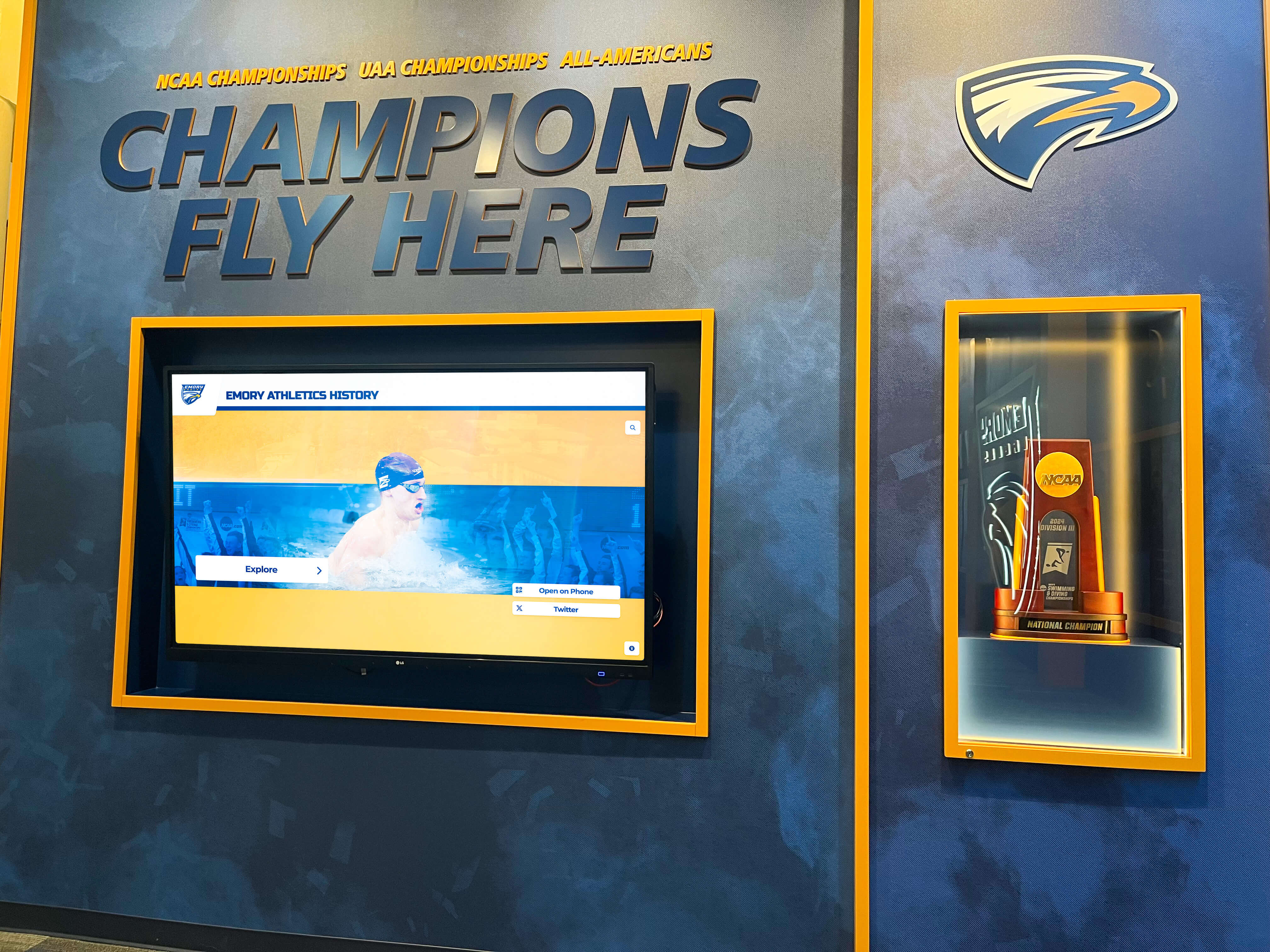
A successful program graduating five All-Americans annually across multiple sports produces 50 All-Americans per decade. Over 30 years, that represents 150 athletes deserving permanent recognition. Traditional plaque systems accommodating this volume require extensive wall space that simply doesn’t exist in most facilities, forcing either incomplete recognition or expensive facility renovations creating additional display capacity.
Manual Updates Create Frustrating Delays: When athletes earn All-American recognition, traditional displays require weeks or months between achievement and visible acknowledgment. Plaque ordering, production, engraving, and installation consumes time that diminishes recognition impact. Athletes announced as All-Americans in March might not see their recognition displayed until the following academic year—long after the achievement moment has passed and motivational impact has faded.
Static Displays Provide Insufficient Detail: Physical plaques typically include only basic information—athlete name, sport, year, and perhaps team designation. This limited format fails to tell complete stories about how athletes achieved All-American status, what statistical excellence supported selection, or what these achievements meant within broader athletic careers. Static displays can’t provide the depth and context that All-American recognition deserves.
Why All-Americans Deserve Digital Record Board Recognition
Purpose-built digital record boards specifically designed for athletic achievement solve every limitation traditional displays create while providing capabilities impossible through physical plaques or banners.
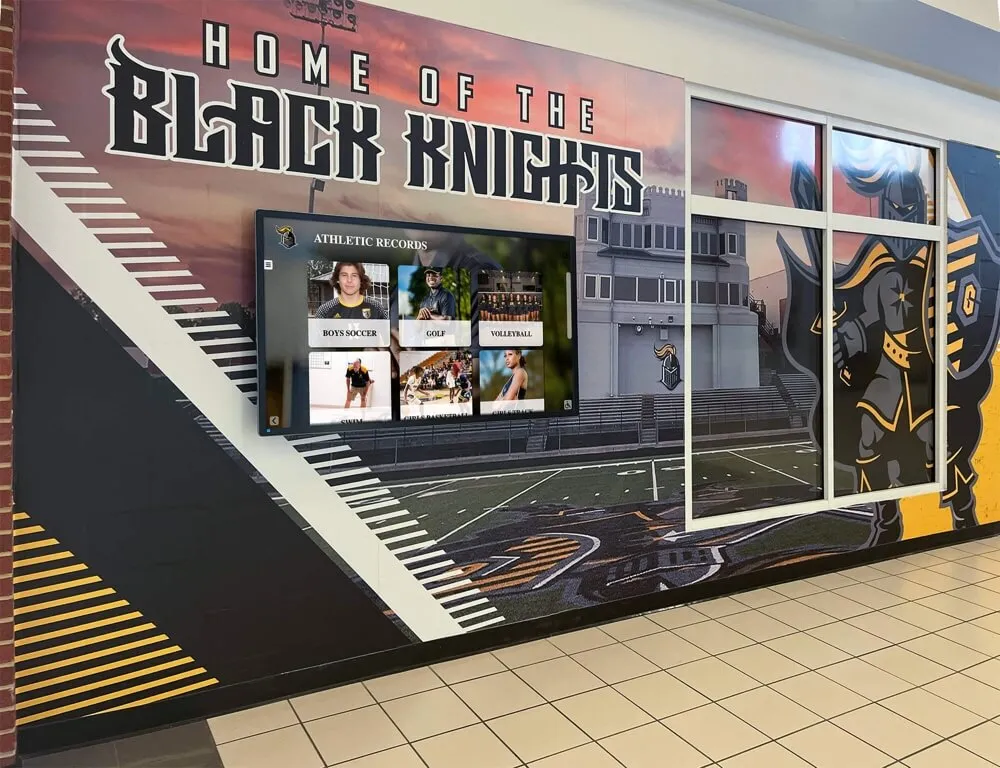
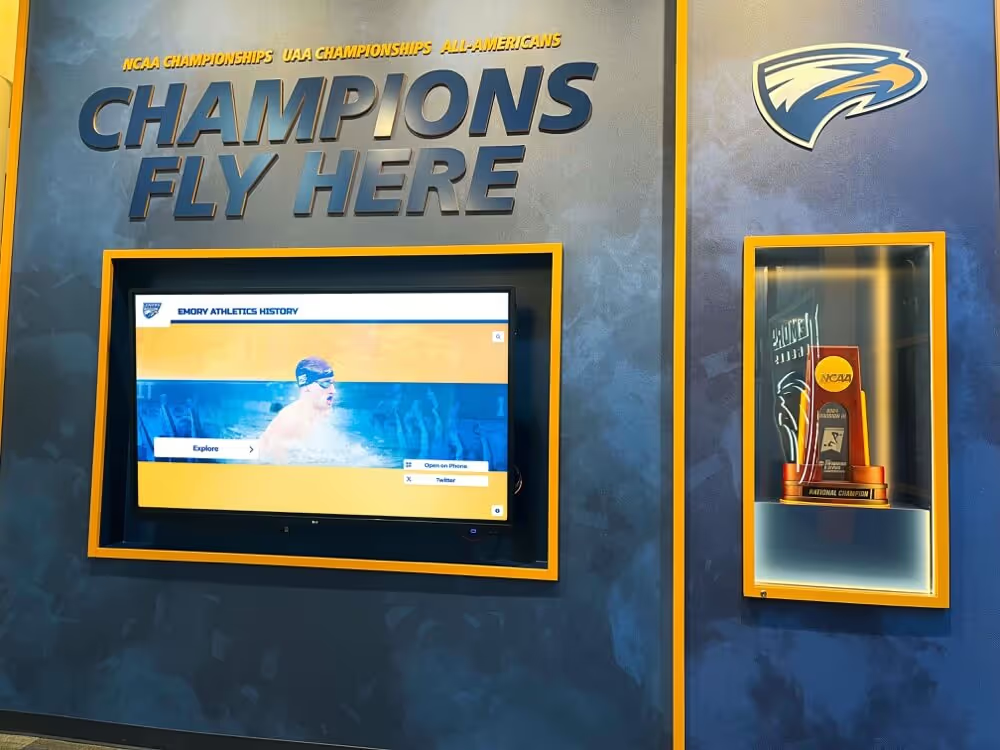
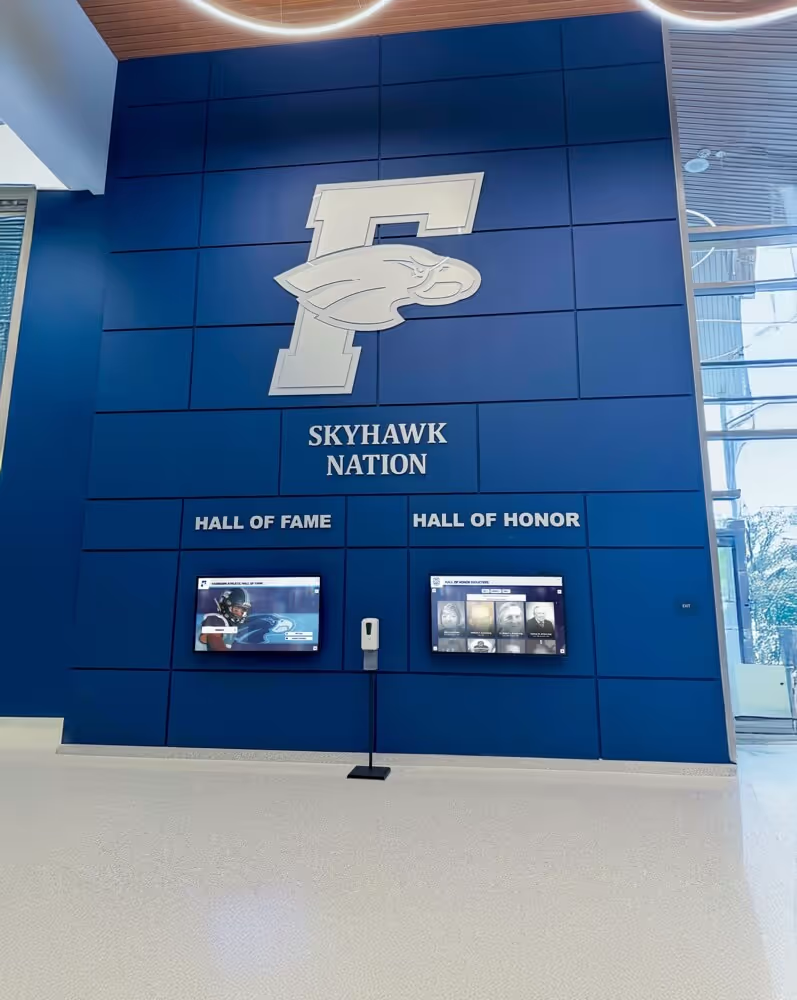
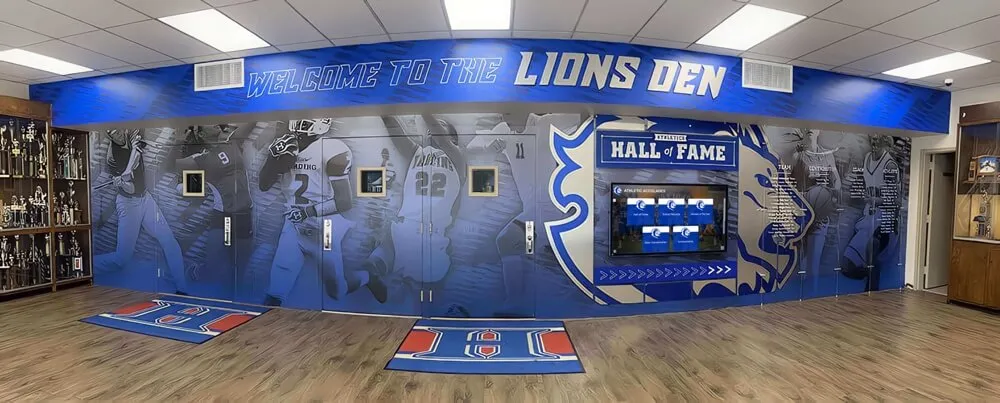
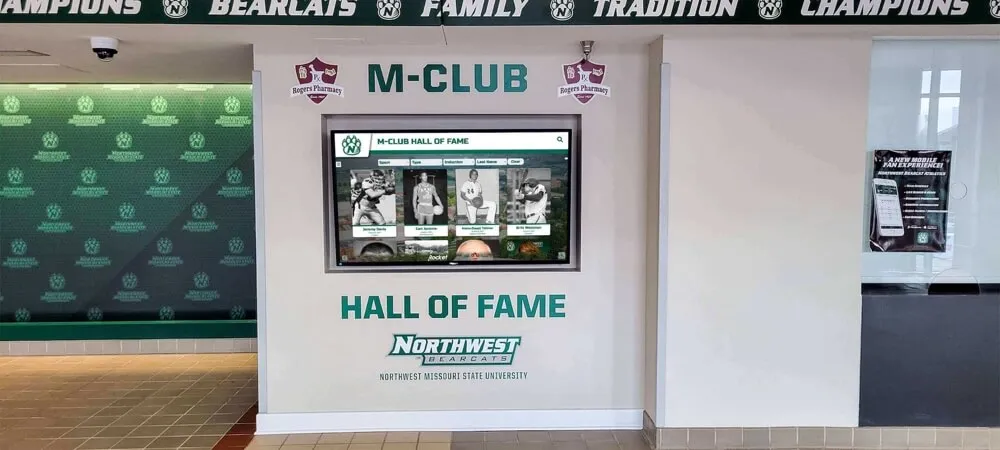
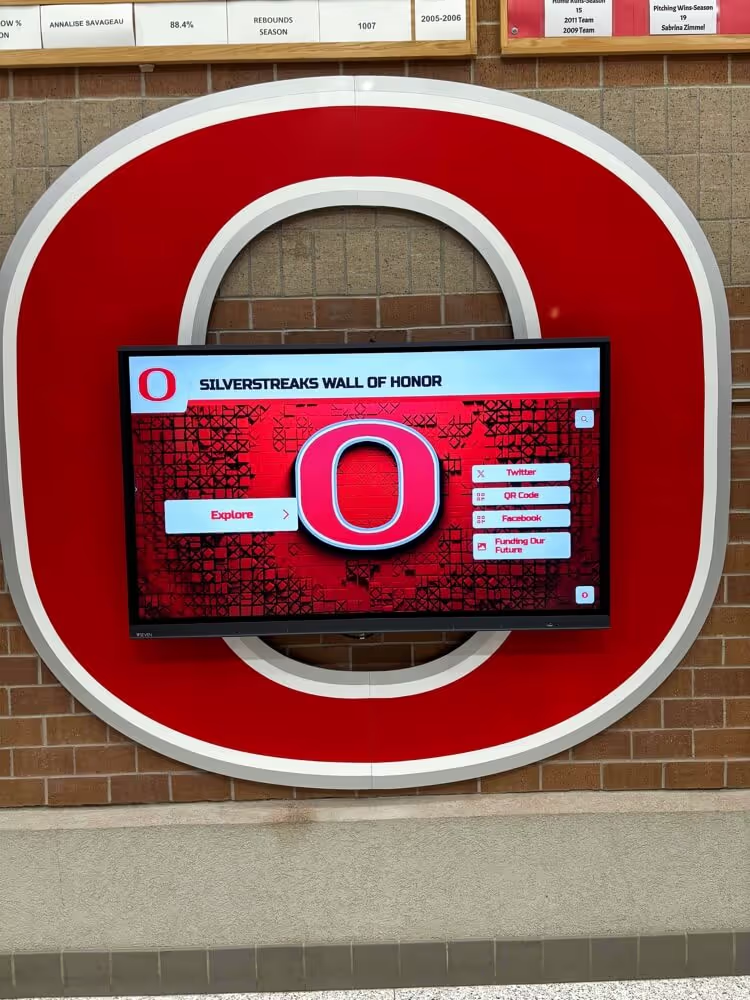
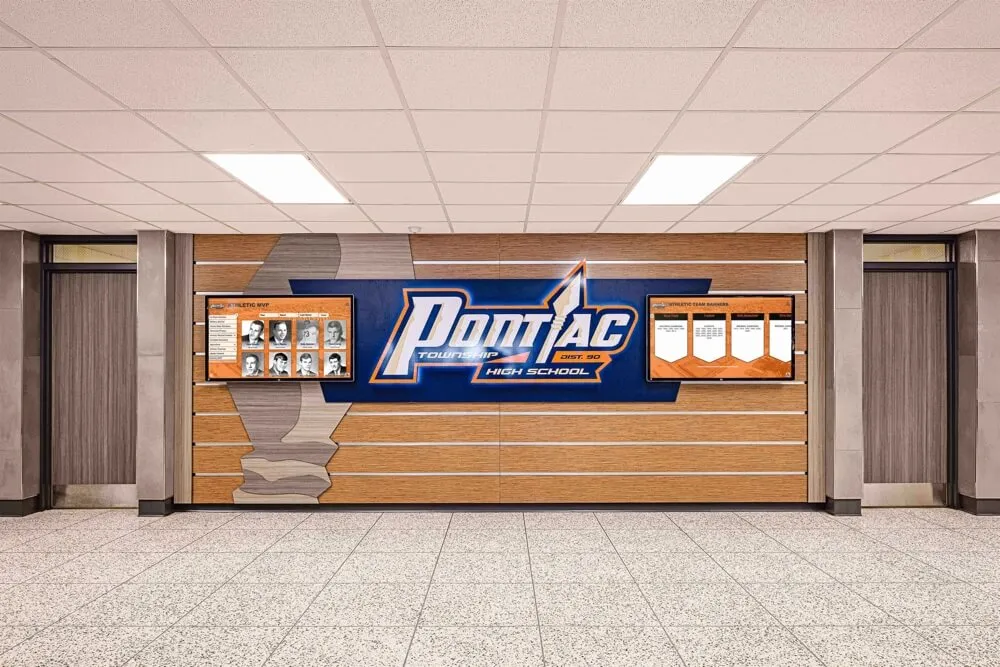
Unlimited Recognition Capacity: Digital systems accommodate comprehensive All-American recognition across unlimited athletes, sports, years, and decades. Schools can recognize every All-American from program history—whether 50 athletes or 500—without space constraints forcing prioritization or athlete exclusion. This unlimited capacity ensures complete institutional memory preserving every elite achievement rather than fragmenting recognition by displaying some All-Americans while omitting others due to physical space limitations.
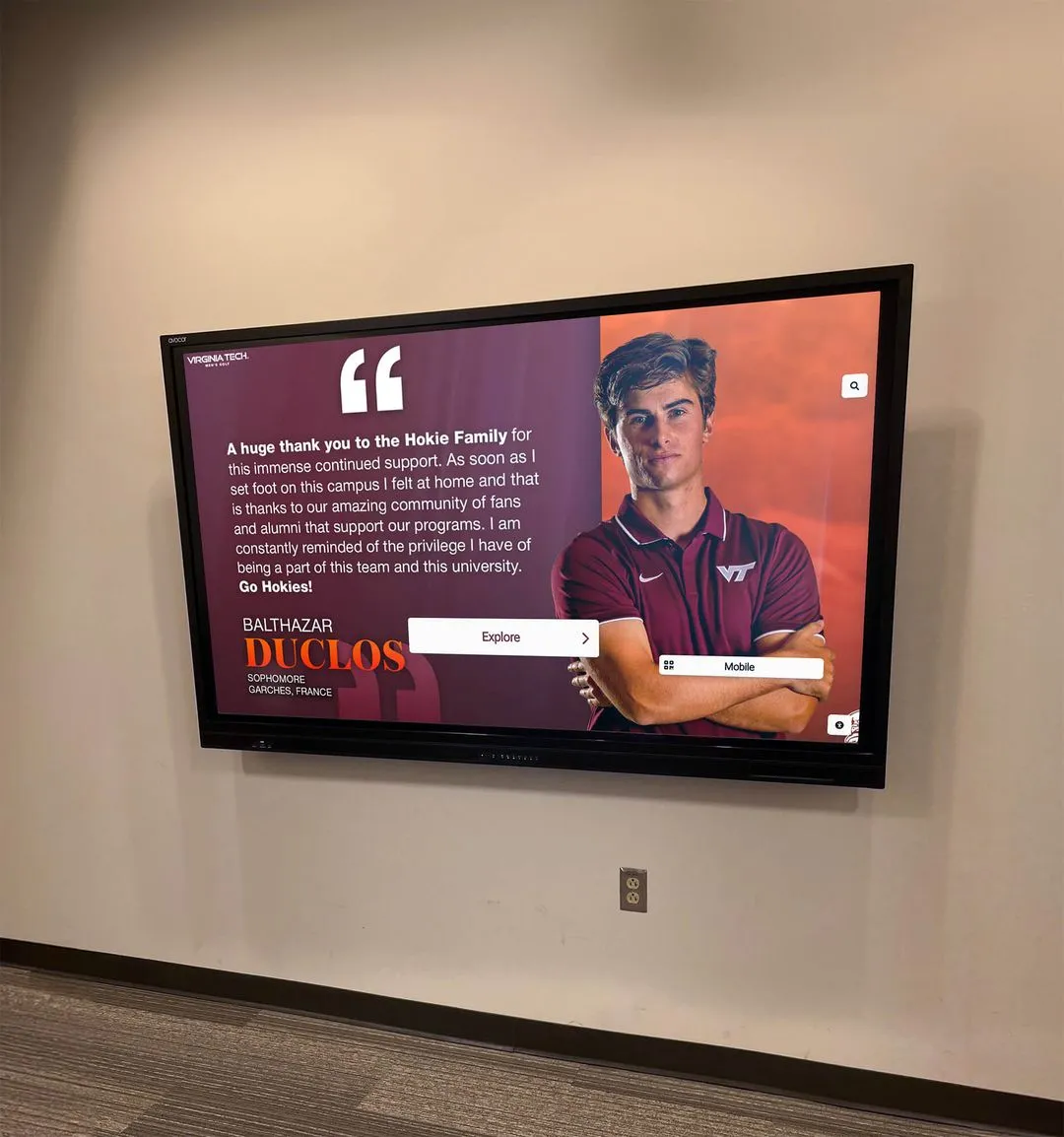
Rich Multimedia Profiles: Digital platforms support comprehensive athlete profiles including high-resolution action photographs, complete achievement details and statistics, All-American team designations and selection organizations, career highlights and additional honors, college athletic careers and post-graduation success, and video content when available.
This depth creates engaging recognition that holds visitor attention while providing current athletes with detailed role models demonstrating paths to All-American achievement through concrete examples rather than generic inspiration.
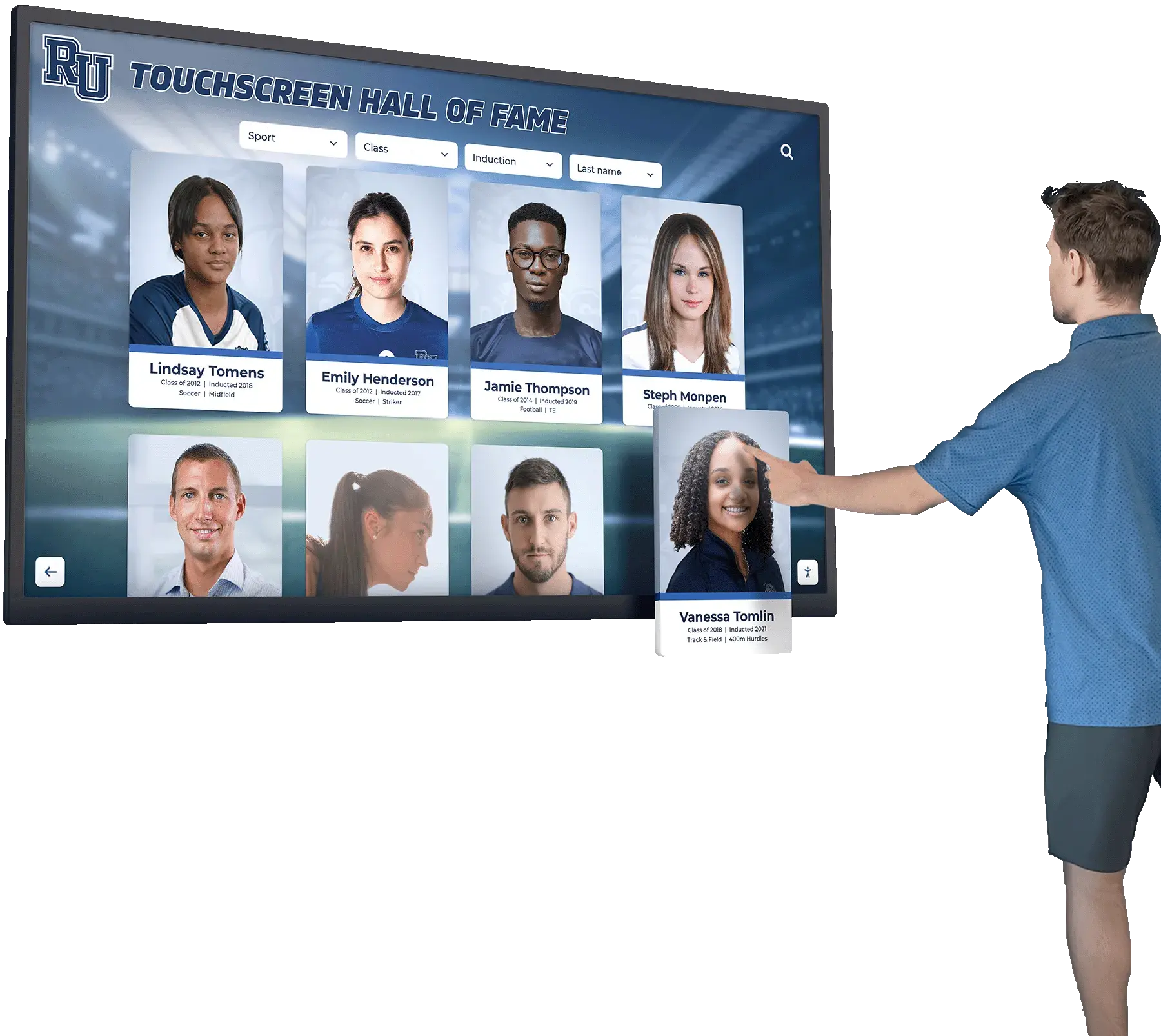
Auto-Ranking Maintains Organization Automatically: Digital record boards automatically sort All-Americans chronologically, by sport, by team designation, or through customized filters without requiring manual reorganization each time new athletes join. This automation eliminates administrative burden while ensuring visitors always encounter properly structured, current information rather than outdated displays requiring constant manual intervention to maintain accuracy.
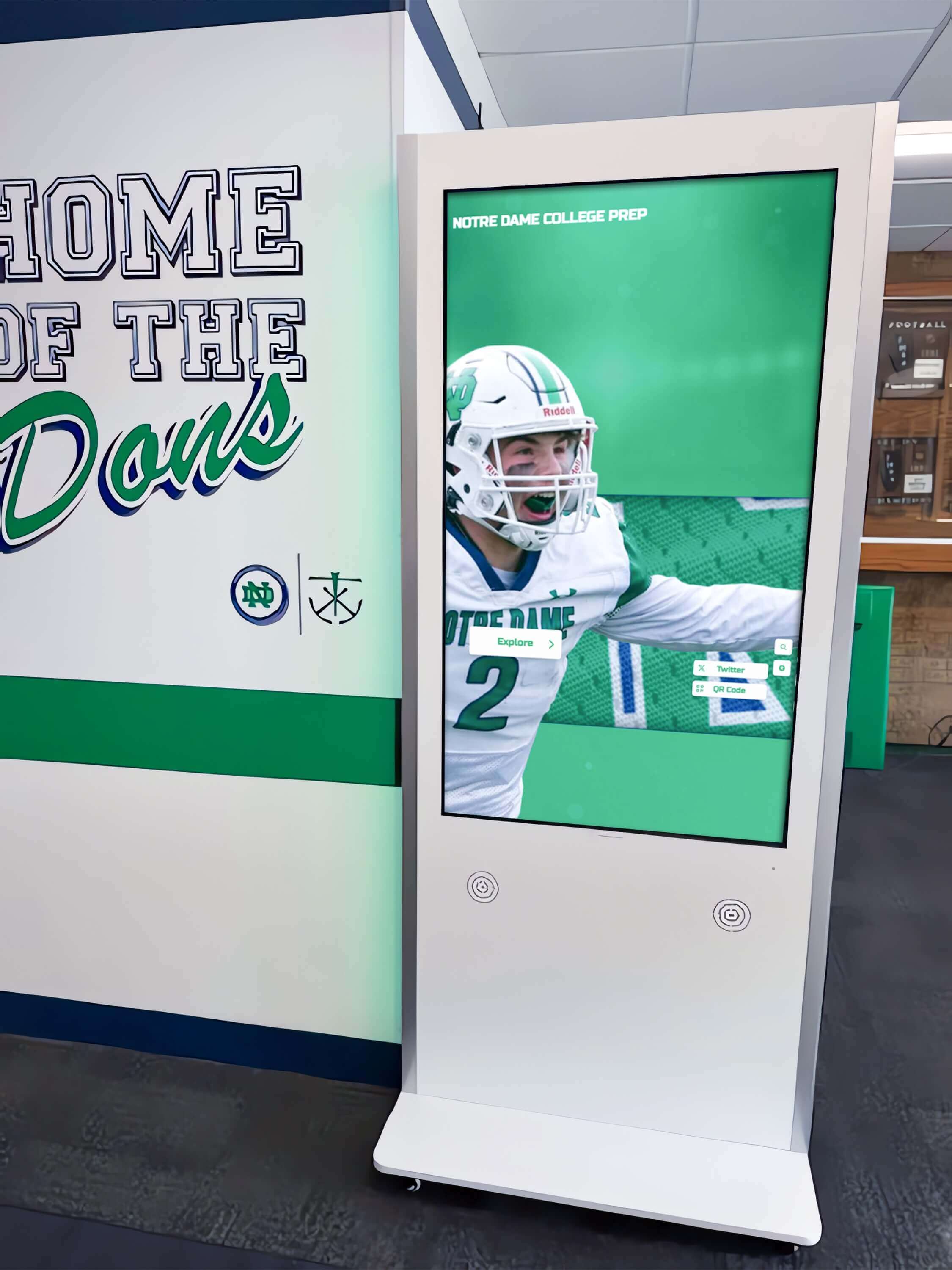
Remote Content Management: When athletes earn All-American recognition, athletic staff can photograph the athlete, upload achievement details, and publish recognition to displays across campus within hours—creating timely celebration while excitement remains current and relevant. This rapid turnaround contrasts sharply with traditional plaques requiring extended production timelines that make recognition feel like afterthought rather than immediate celebration.
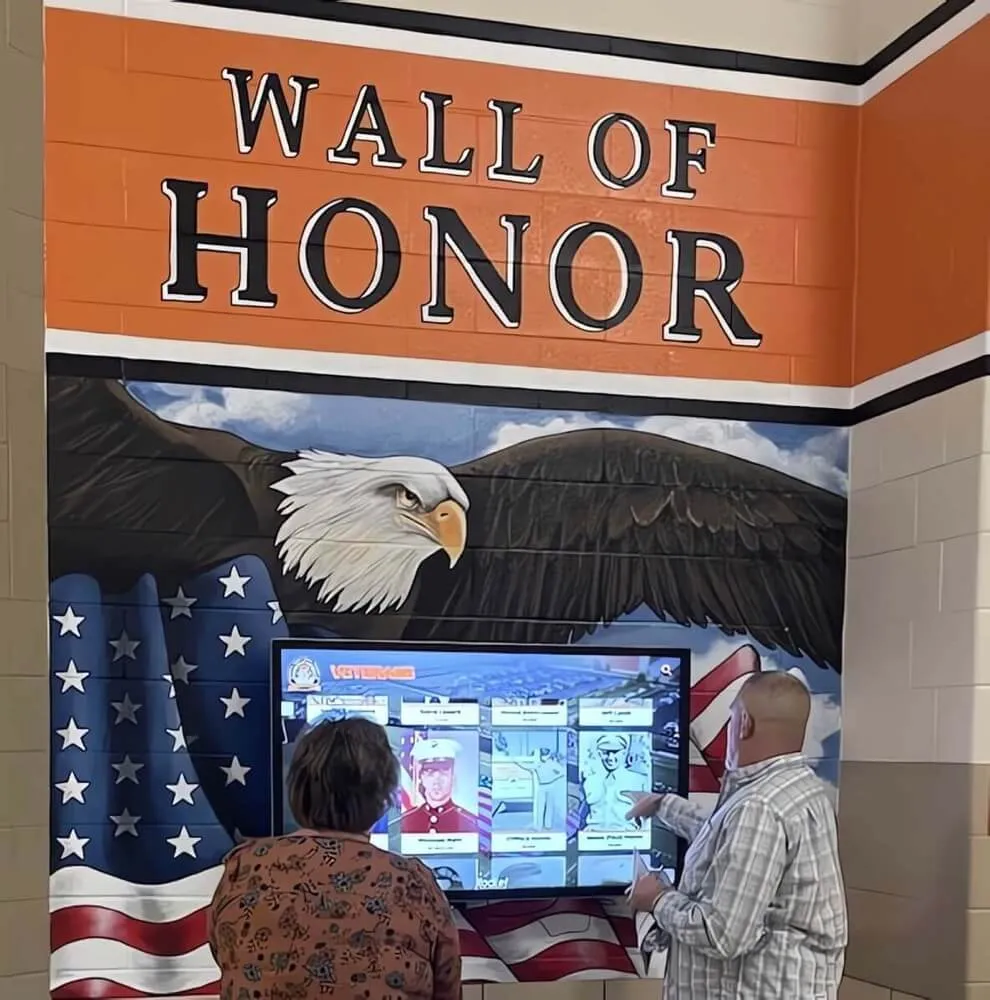
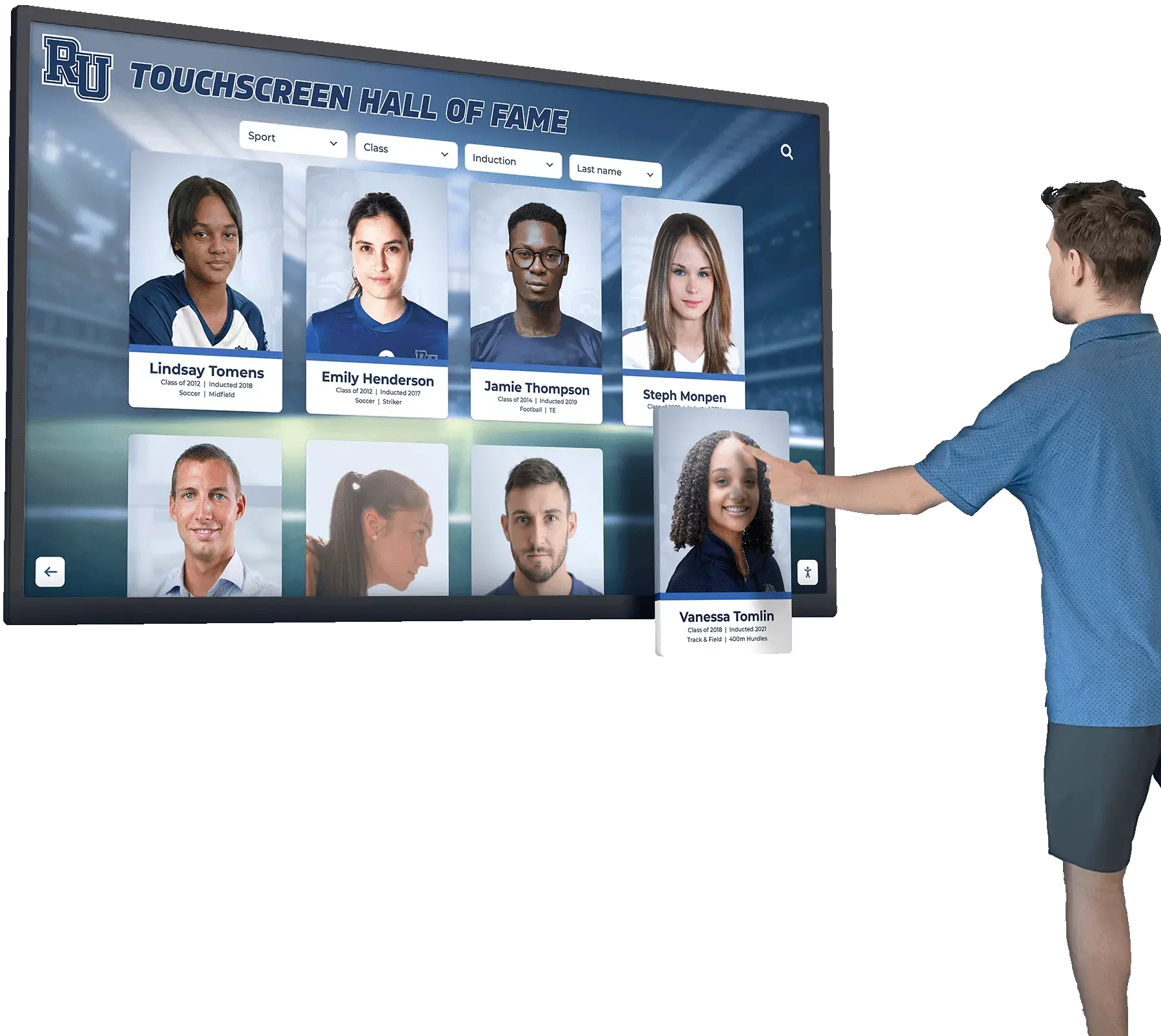
Searchable and Discoverable: Interactive displays allow users to search by athlete name, graduation year, sport, or achievement type, facilitating personalized exploration. An alumnus visiting can instantly find their own All-American recognition from decades earlier. Prospective families researching your program can explore All-American traditions across all sports. Students can discover whether relatives or neighbors earned All-American honors. This accessibility makes recognition more engaging and personally relevant than static displays requiring visitors to scan long lists searching for specific names.
Solutions like Rocket Alumni Solutions provide purpose-built digital record board platforms specifically designed for comprehensive athletic and academic recognition including All-American achievements, team championships, record holders, and hall of fame inductees in single integrated systems.
How Schools Recognize All-American Athletes Effectively
Effective All-American recognition requires systematic approaches addressing identification, content development, display implementation, and ongoing maintenance.
Establishing Comprehensive All-American Documentation
Before implementing recognition displays, schools benefit from documenting complete All-American history across all sports, years, and recognition organizations.
Historical Research Initiatives: Comprehensive All-American rosters often don’t exist in accessible formats, requiring systematic research through yearbook archives documenting achievements, newspaper archives capturing contemporary coverage, athletic media guide collections preserving historical records, and alumni outreach gathering information from athletes themselves.
This research typically requires months of dedicated effort but creates invaluable institutional memory preserving achievements that might otherwise disappear as staff changes and institutional memory fades.
Verification and Validation: Not all claimed All-American honors represent legitimate national recognition. Schools should verify All-American status through confirming selection organizations and their credibility, distinguishing genuine All-American recognition from regional or specialty awards, documenting specific team designations (First Team, Second Team, etc.), and recording achievement years and relevant performance details.
This verification ensures recognition maintains integrity and avoids inflating achievement significance by misrepresenting regional honors as national All-American status.
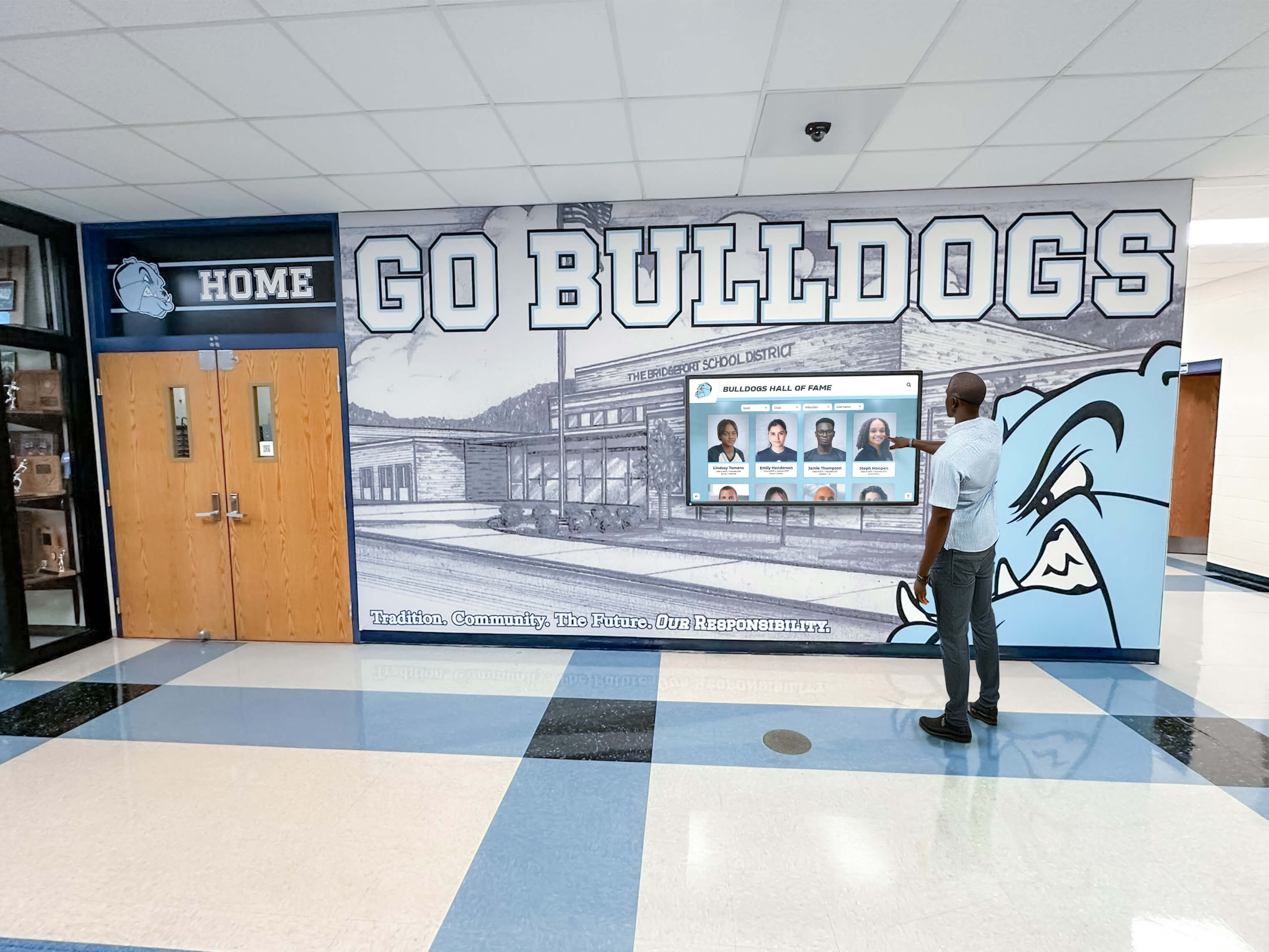
Sport-Specific Considerations: Different sports feature unique All-American contexts requiring proper documentation including position or event specifications, performance statistics supporting All-American selection, championship achievements or tournament performance, and academic All-American designation when applicable.
Comprehensive documentation ensures recognition tells complete stories rather than providing minimal information that fails to contextualize achievement magnitude.
Creating Engaging All-American Profiles
Moving beyond simple name-sport-year listings, effective All-American recognition includes rich profiles that engage audiences and inspire current athletes.
Essential Profile Components: Comprehensive All-American profiles typically include high-quality athlete photographs from competitive seasons, complete names with proper spelling and preferred formats, sport and position or event with team context, years competed and graduation or class year, All-American designation level and selecting organization, relevant performance statistics and achievements, additional honors including all-conference, all-state, or academic recognition, college athletic destination and continuing career, and athlete reflections about their experiences when available.
Storytelling Elements: Beyond factual information, engaging profiles include narrative elements such as achievement context explaining how athletes earned All-American status, overcoming adversity or injury stories demonstrating resilience, team success context showing individual achievement contribution, and leadership examples highlighting character alongside athletic performance.
These storytelling elements transform lists into compelling narratives that hold attention while modeling complete athlete development—not just competitive performance.
Visual Quality Standards: All-American recognition deserves professional presentation through high-resolution action photography, proper image editing and color correction, consistent visual styling maintaining institutional branding, and quality control ensuring every profile meets professional standards.
Visual quality communicates that schools take recognition seriously and respect honored athletes enough to present their achievements professionally.
Integrating All-American Recognition with Comprehensive Athletic Programs
The most effective recognition systems integrate All-American achievements within comprehensive athletic recognition platforms that celebrate excellence across multiple dimensions.
Combining Individual and Team Achievement Recognition
Digital record boards excel at presenting complete athletic stories connecting individual All-American achievements with team championships, conference titles, and school records.
Unified Athlete Profiles: When an All-American quarterback also led the team to a state championship while setting school passing records, comprehensive profiles present all achievements together rather than fragmenting recognition across disconnected displays. This integrated approach tells complete stories about athletic excellence across individual and team contexts.
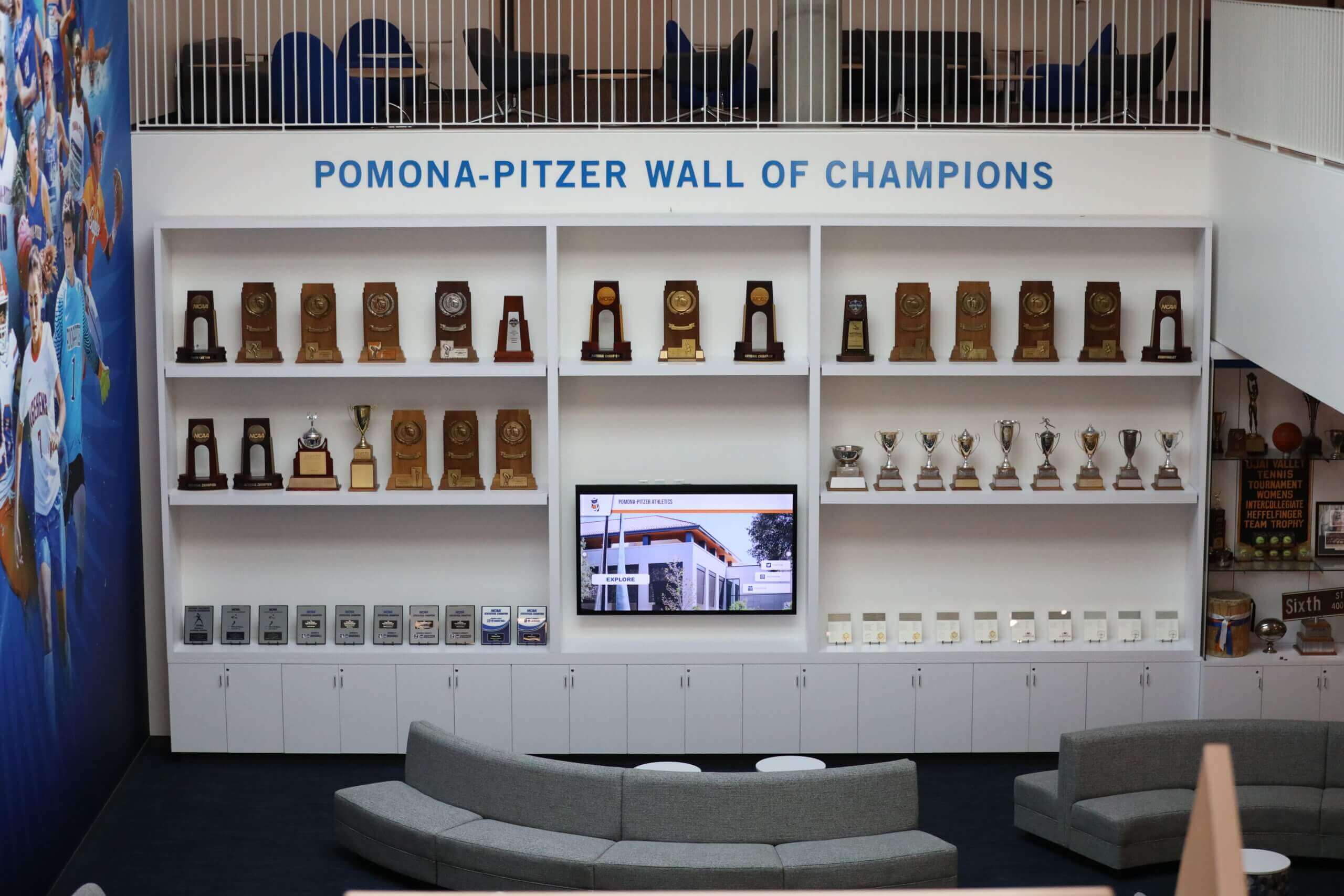
Multi-Sport All-Americans: Athletes earning All-American recognition in multiple sports represent exceptional versatility deserving special acknowledgment. Digital systems enable creating multi-sport athlete showcases highlighting rare dual-sport or tri-sport All-American achievements while maintaining individual sport profile integrity.
Cross-Referenced Recognition: Effective systems cross-reference related achievements—linking All-Americans to championship teams they competed on, connecting record-setting performances to All-American seasons, and showing progression from first varsity participation through All-American achievement.
Resources on comprehensive athletic recognition explore strategies for creating integrated systems that celebrate diverse achievements including All-American status, academic excellence, leadership, and character alongside purely athletic performance.
Highlighting Academic All-Americans Separately and Prominently
Academic All-Americans achieve dual excellence—athletic performance and academic achievement simultaneously—deserving recognition distinguishing this combination from purely athletic All-American status.
Dedicated Academic All-American Sections: While integrating academic and athletic achievement within individual profiles, effective recognition systems also create dedicated academic All-American showcases emphasizing that schools value this dual excellence particularly. These sections celebrate student-athletes who succeeded in classrooms and competition simultaneously, modeling complete student development that educational athletics should prioritize.
GPA and Major Information: Academic All-American recognition should include specific academic achievement details including cumulative GPA when privacy allows, academic major demonstrating intellectual interests, academic honors like Dean’s List or Honor Society membership, and post-graduation academic pursuits including graduate school attendance.
This detail provides concrete evidence of academic excellence rather than generic “Academic All-American” designation without supporting context.
Career Outcome Connections: Following and updating what Academic All-Americans accomplish after athletics demonstrates that combining academic and athletic excellence creates long-term opportunities beyond sports. When former Academic All-Americans succeed in professional careers, graduate from medical or law schools, or achieve notable accomplishments, updating their recognition profiles shows current student-athletes that academic commitment pays lasting dividends.
Solutions enabling Academic All-American recognition provide schools with platforms specifically designed to celebrate this dual excellence through rich multimedia profiles, automatic organization, and unlimited capacity ensuring every scholar-athlete receives appropriate honor.
Connecting All-American Achievement to Program Development
Strategic All-American recognition supports broader athletic program objectives including recruiting, retention, and community engagement.
Recruiting Impact: Prospective athletes and families evaluate programs partly through visible evidence of elite achievement and development success. Comprehensive All-American recognition demonstrates that programs develop talent to national-level excellence—powerful recruiting messages that distinguish programs from competitors making similar verbal promises without tangible proof.
Current Athlete Motivation: When student-athletes see All-American recognition throughout facilities, they understand that individual national-level excellence receives celebration not just team championships. This motivation influences training commitment, performance standards, and aspiration levels that can elevate entire program competitiveness.
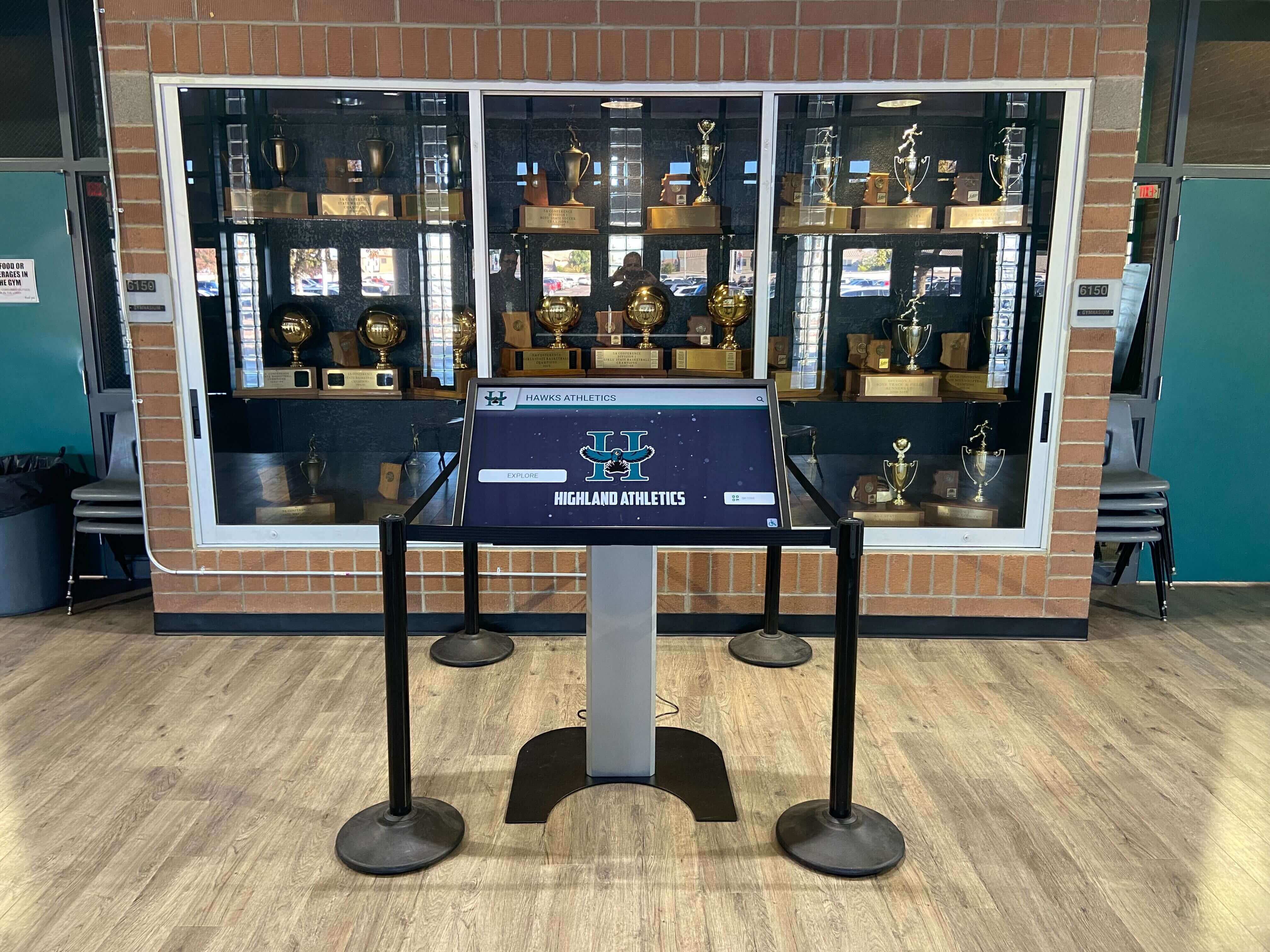
Alumni Engagement: All-Americans often maintain stronger connections to programs where they achieved this distinction than athletes who competed without reaching national recognition. Schools that recognize All-Americans prominently create touchpoints maintaining these connections across decades, supporting alumni engagement that enhances program resources, networking opportunities for current athletes, and potential philanthropic relationships.
Community Pride: All-American athletes generate community-wide pride extending beyond campus boundaries. Local media coverage, family celebration, and community recognition amplify when schools implement comprehensive recognition programs that honor these achievements appropriately and maintain visible institutional pride in elite accomplishment.
Measuring All-American Recognition Program Success
Effective recognition programs include assessment mechanisms demonstrating value while identifying improvement opportunities.
Quantitative Success Indicators
Recognition Completeness: Track percentage of verified All-Americans included in recognition systems, average profile completeness with full statistics and biographical information, historical coverage depth across decades, and equity across all sports preventing high-profile program dominance.
Usage and Engagement: For digital systems, monitor total interactions with All-American content, average engagement time per session, most-viewed athletes and sports, search patterns revealing visitor interests, and social sharing frequency when platforms include sharing capabilities.
Program Growth: Measure annual additions of new All-Americans to recognition, historical athletes added through ongoing research, content enhancements updating existing profiles, and recognition expansion incorporating additional achievement categories.
Qualitative Impact Assessment
Stakeholder Feedback: Regularly gather perspectives from current athletes about recognition awareness and motivational impact, prospective recruits during campus visits about how recognition influences program perceptions, coaches regarding whether recognition affects recruiting success and athlete development, alumni about their recognition experiences and connection to programs, and families about what recognition means and how it influences program support.
Behavioral Observations: Notice whether prospective families mention All-American recognition during tours, alumni seek out their recognition when visiting campus, students spend time engaging with recognition displays, local media references recognition in program coverage, and community members discuss All-American traditions with pride.
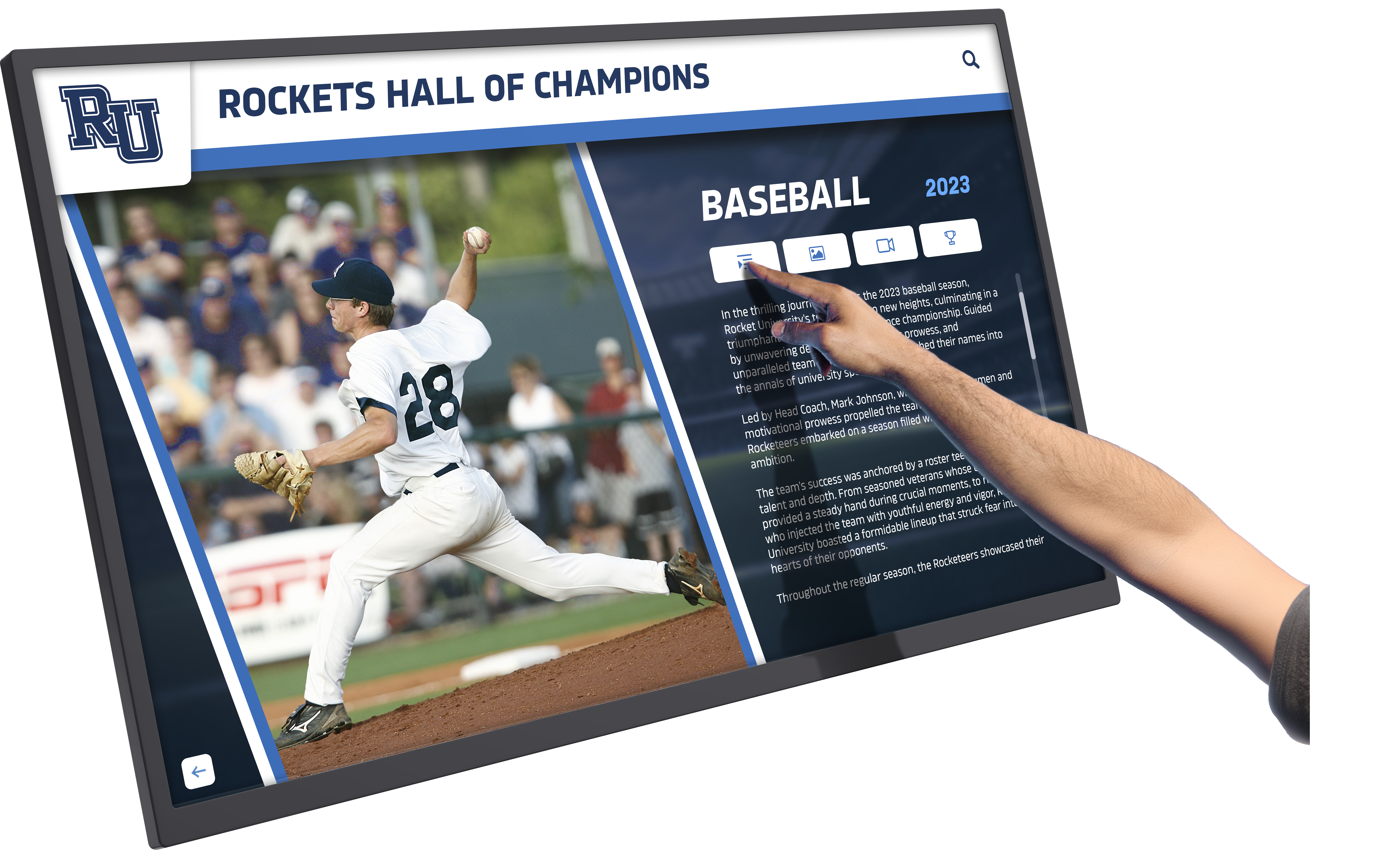
Cultural Impact: Assess whether recognition contributes to observable increases in school pride and spirit around athletics, athletic program participation and retention rates, alumni engagement and support for programs, media coverage highlighting program excellence, and community connection to athletic traditions.
Resources on athletic program recognition strategies provide frameworks for measuring recognition program effectiveness through both quantitative metrics and qualitative stakeholder feedback.
Common Questions About All-American Athletes
Schools, athletes, and families frequently ask similar questions about All-American status and recognition that deserve clear answers.
Can High School Athletes Become All-Americans?
Yes. Multiple organizations including MaxPreps, USA Today, National High School Coaches Association, and sport-specific governing bodies publish high school All-American teams annually. Additionally, elite showcase events like the Under Armour All-America Game, McDonald’s All-American Game, and similar competitions in other sports select participants who earn All-American recognition through participation. High school All-American status represents genuine national elite recognition, though selection processes are less standardized than collegiate programs where national championships provide clear performance thresholds.
How Do Athletes Get Selected as All-Americans?
Selection processes vary by sport, competitive level, and organizing body but generally fall into several categories. Performance-based selection occurs when athletes achieve specific results at national championships—finishing in top eight at NCAA Championships, reaching medal rounds at national wrestling tournaments, or meeting performance standards at national track meets. Voting selection happens when coaches, media, or expert panels vote on season-long performance based on statistics, team success, and competitive achievements. Some programs combine both approaches, using performance thresholds as initial filters then voting among qualified candidates to determine final All-American rosters.
Do All-Americans Receive Physical Awards?
Most All-American programs provide certificates or plaques acknowledging the honor. Some organizations provide more elaborate recognition including commemorative rings, crystal awards, or apparel marking All-American achievement. However, the designation itself—the title “All-American” and what it represents—carries more significance than physical awards. Many athletes display All-American certificates prominently in homes throughout their lives, valuing the achievement recognition more than any physical trophy could represent.
How Long Does All-American Status Last?
All-American designation is permanent—once earned, athletes remain All-Americans throughout their lives even after competitive careers end. The honor recognizes achievement during specific seasons or years, but the recognition never expires or gets revoked except in rare cases involving eligibility violations or other serious infractions. This permanence is why proper recognition matters—All-American status represents lifetime achievement deserving permanent institutional acknowledgment that honors athletes decades after their competitive careers conclude.
Implementing Elite All-American Recognition in Your Program
Schools ready to launch or enhance All-American recognition benefit from systematic implementation approaches addressing practical considerations.
Planning All-American Recognition Programs
Scope Definition: Begin by clarifying exactly which athletes and achievements your recognition will include. Will you recognize only NCAA or national organization All-Americans, or also include media All-American selections? Will Academic All-Americans receive equal prominence alongside athletic All-Americans? How far back historically will you extend recognition? These scope decisions fundamentally shape implementation requirements and budget needs.
Location Selection: All-American recognition requires prominent placement in high-traffic areas where students, families, recruits, and visitors naturally congregate. Ideal locations include athletic facility main entrances that every visitor encounters, weight rooms and training areas where student-athletes spend significant time, team meeting rooms and locker areas, and administrative office lobbies where recruits visit during recruitment.
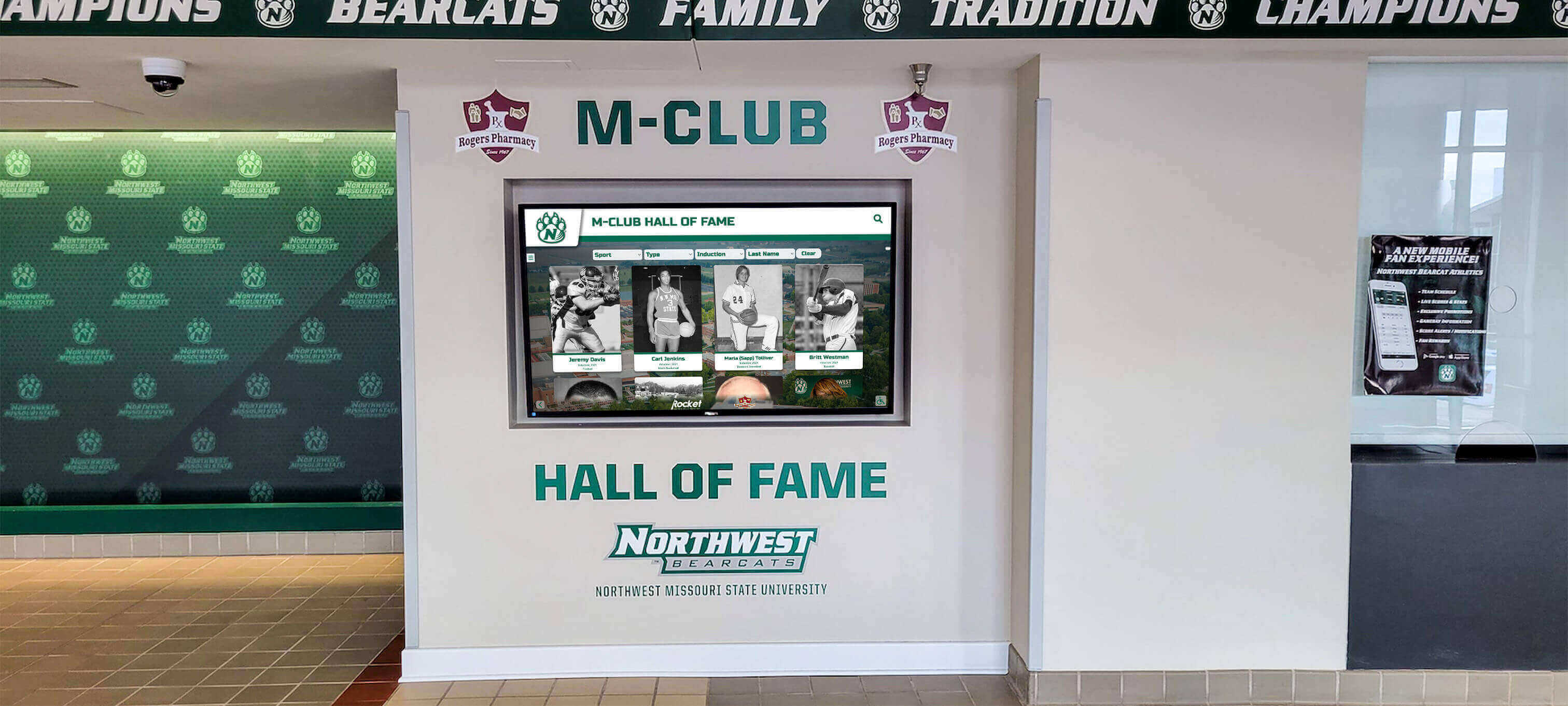
Strategic placement ensures recognition reaches intended audiences rather than occupying low-traffic areas where impact remains minimal regardless of content quality.
Content Development: Creating comprehensive All-American profiles requires significant effort including historical research compiling complete All-American rosters, photo collection gathering images for each athlete, biographical information development creating engaging profiles, statistical compilation providing achievement context, and verification processes ensuring accuracy and credibility.
Schools should allocate sufficient time—often 6-12 months for comprehensive historical recognition—rather than rushing implementation with incomplete or low-quality content that undermines program credibility.
Budget Considerations for All-American Recognition
Digital Record Board Investment: Purpose-built digital recognition systems designed specifically for athletic achievement typically require initial investment of $10,000-$30,000 including commercial-grade touchscreen hardware, software licensing for purpose-built recognition platforms, professional installation and mounting, initial content development and migration, and staff training on content management systems.
Annual ongoing costs include software licensing and cloud hosting ($1,500-$5,000), content management and updates (staff time or contracted services), and technical support when needed.
Traditional Display Alternatives: Schools preferring traditional physical displays face different cost structures including initial plaque wall installation ($3,000-$10,000), ongoing costs per new plaque as athletes earn recognition ($50-$150 each), periodic display updates and maintenance, and eventual capacity limits requiring facility expansion or display replacement.
Funding Strategies: Successfully funding recognition programs often involves athletic booster clubs and support organizations, alumni contributions particularly from former All-Americans, memorial donations honoring deceased athletes or coaches, corporate sponsorships with appropriate recognition, and phased implementation spreading costs across multiple budget cycles.
Many schools discover that All-American athletes enthusiastically support recognition programs that will honor their achievements, viewing contributions as investments in their own permanent legacies.
Maintaining All-American Recognition Long-Term
Successful programs require ongoing attention ensuring recognition remains current, accurate, and engaging.
Systematic Update Processes: Establish clear procedures for monitoring All-American announcements across sports and organizations, promptly collecting information and photos from new honorees, quickly creating and publishing recognition content, and celebrating new additions through announcements and events.
Regular updates ensure recognition stays relevant to current students rather than becoming historical artifacts that gradually lose connection to active programs.
Quality Maintenance: Periodically audit recognition content for factual accuracy of achievements and statistics, proper spelling and formatting of names, functional links and multimedia in digital systems, and physical condition of traditional displays.
Recognition Expansion: Over time, consider expanding beyond basic All-American recognition to include all-conference selections showing progression to national recognition, Academic All-Americans alongside athletic All-Americans, historical context showing All-American traditions across decades, and career outcomes demonstrating long-term success of All-American athletes.
Conclusion: Honoring Elite Achievement Appropriately
All-American athletes achieve distinction that less than 1% of competitors reach—national recognition transcending regional or state-level excellence. These elite student-athletes demonstrate exceptional skill, sustained performance against top competition, and achievement validated by expert organizations administering national recognition programs. All-American status represents the pinnacle of individual athletic achievement available during scholastic and collegiate careers.
Schools and athletic programs that recognize All-Americans appropriately communicate powerful messages about institutional values: that individual excellence receives celebration alongside team championships, that elite achievement deserves elite recognition treatment, that national distinction transcends local pride, and that student-athlete accomplishments create lasting legacies worthy of permanent institutional memory.
Traditional recognition approaches—cramped trophy cases, static plaques, temporary announcements—can’t provide the comprehensive, engaging, permanent recognition that All-American achievement deserves. These athletes performed at national elite levels competing against the best in their sport. Their recognition should reflect this magnitude through systems providing unlimited capacity for complete historical recognition, rich multimedia profiles telling comprehensive achievement stories, auto-ranking maintaining proper organization automatically, and remote updates enabling timely celebration of new All-Americans.
Purpose-built digital record boards specifically designed for athletic recognition solve every limitation traditional displays create. Schools implementing these systems honor every All-American across all sports, years, and decades without space constraints forcing impossible prioritization choices. Athletes receive recognition featuring detailed achievement context rather than minimal name-sport-year listings. Programs demonstrate commitment to celebrating individual excellence with same prominence traditionally reserved exclusively for team championships.
Rocket Alumni Solutions provides purpose-built platforms designed specifically for comprehensive athletic and academic recognition including All-American achievements. These systems address unique needs of athletic programs through user-friendly interfaces enabling staff to add new All-Americans within hours rather than waiting months for plaque production, unlimited capacity ensuring every All-American from 1970 through 2026 receives equal permanent recognition, auto-ranking that organizes athletes chronologically by sport and achievement level without manual intervention, and ADA-compliant touchscreen displays creating engaging experiences for all visitors.
Ready to transform how your program celebrates All-American excellence? Book a demo to explore how digital record boards create recognition experiences that honor every elite athlete while inspiring current and future student-athletes to pursue their highest potential in pursuit of All-American achievement—the pinnacle of scholastic and collegiate athletic excellence.