



Few high school traditions carry the symbolic weight of earning a varsity letter—that coveted chenille patch sewn onto letterman jackets, proudly displayed by student-athletes who meet rigorous performance standards in their chosen sports. Walk through any high school hallway and you’ll spot these distinctive jackets, their sleeves adorned with bars, pins, and patches telling stories of athletic dedication, competitive achievement, and membership in an exclusive tradition dating back over 150 years.
But what exactly is a varsity letter? How did this recognition tradition begin, what does it take to earn one, and how are schools modernizing the way they honor letter winners? This comprehensive guide explores the history, significance, earning requirements, and contemporary recognition methods for varsity letters—one of American high school athletics’ most enduring traditions.
Understanding the Varsity Letter Tradition
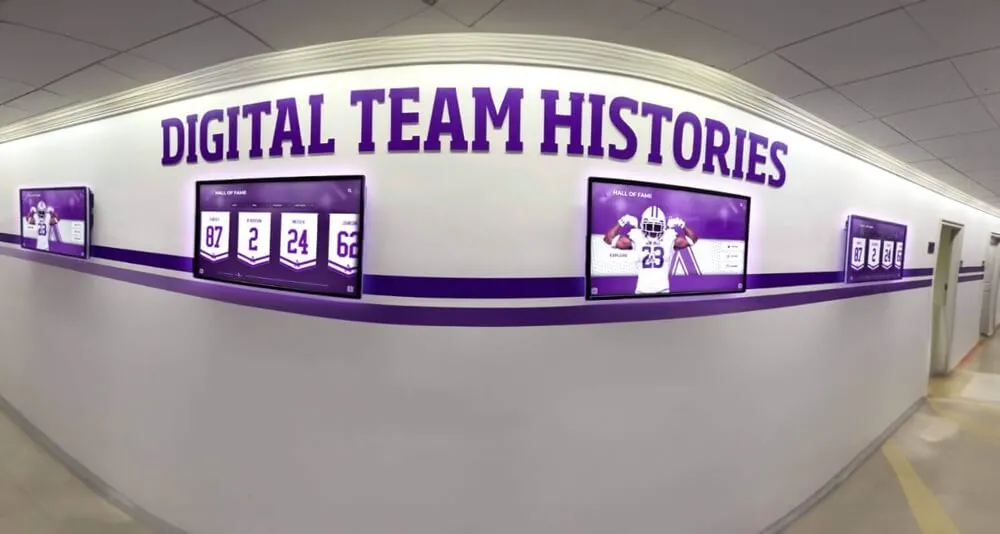
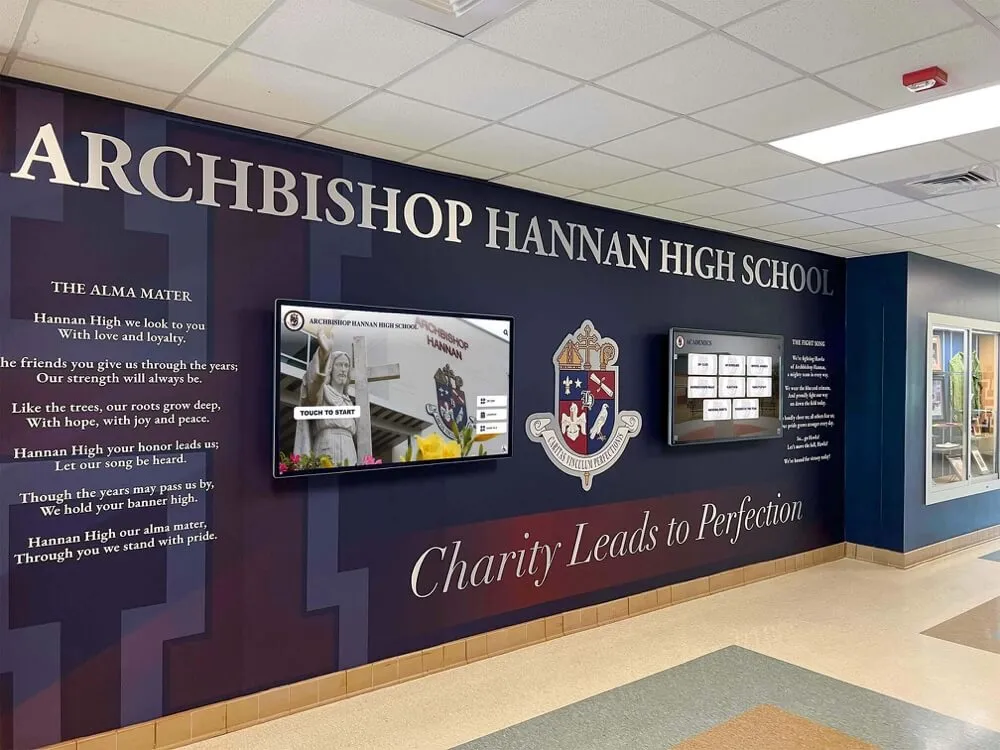
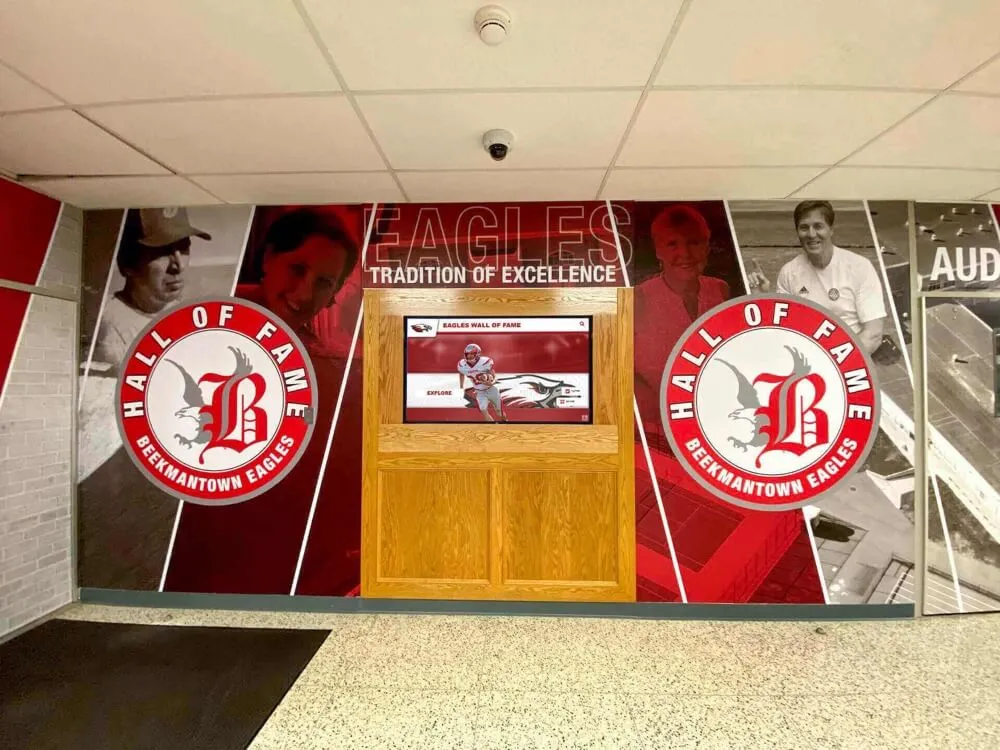
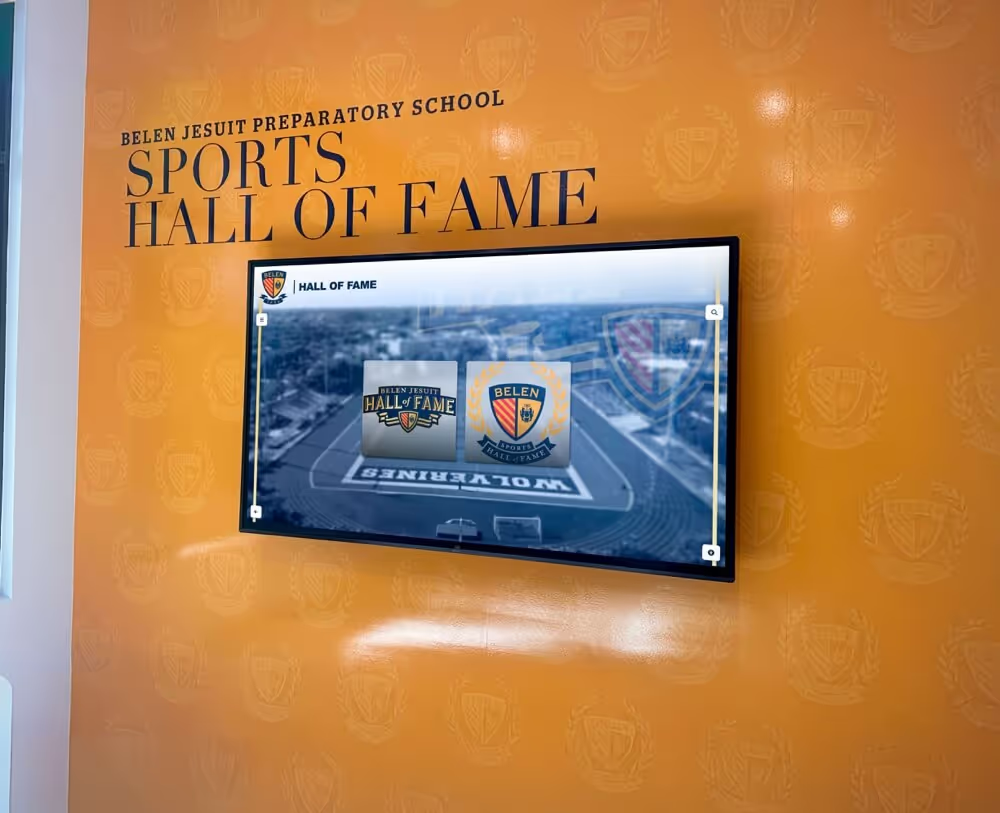
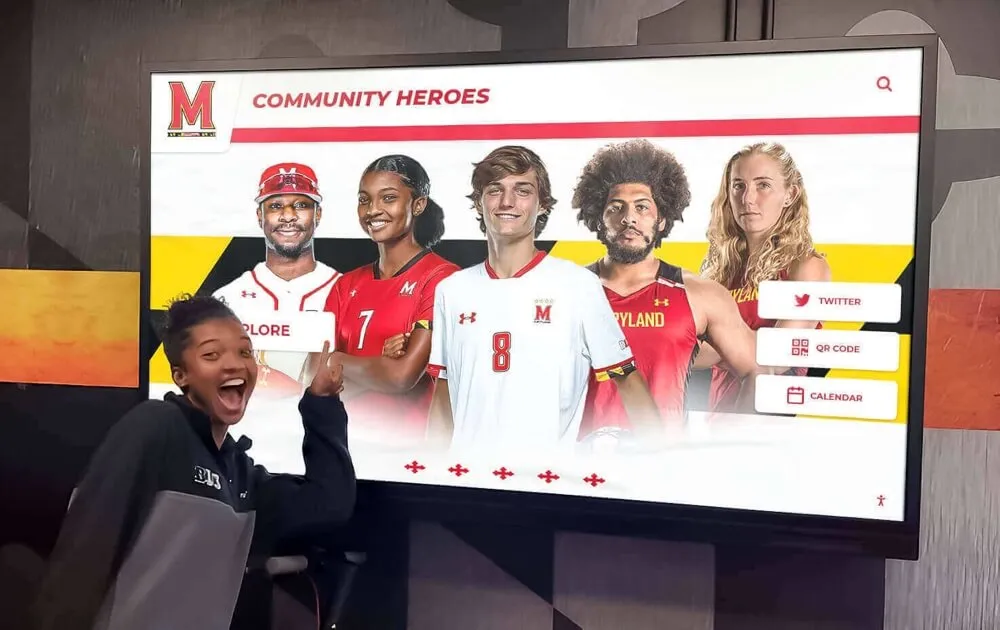
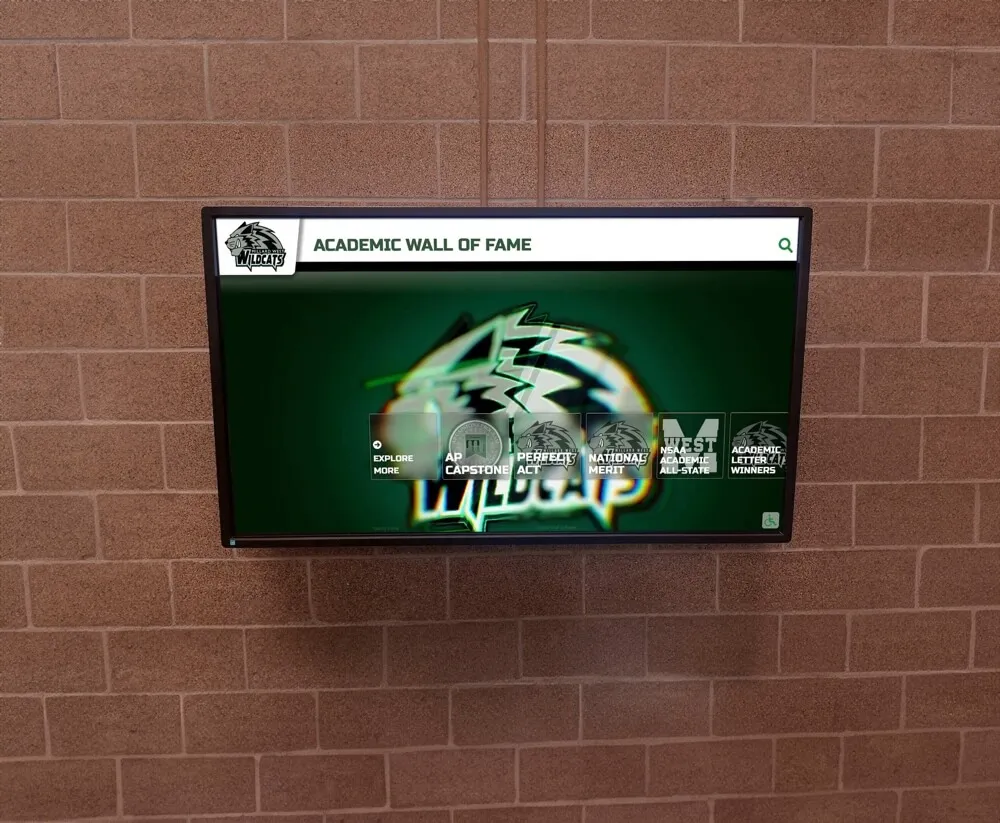
A varsity letter (also called a letterman award or athletic letter) is formal recognition schools award to students who demonstrate exceptional performance and commitment in varsity-level athletics, academics, or activities. Traditionally represented by a large chenille letter—usually the first letter of the school's name—sewn onto a wool jacket, the varsity letter signifies achievement, dedication, and membership in an elite group of student-athletes who meet demanding performance standards. Modern schools complement traditional jacket letters with digital recognition displays showcasing letter winners across decades, creating permanent celebration of this prestigious achievement.
The History of Varsity Letters: From Harvard to High Schools Nationwide
The varsity letter tradition traces its origins to 1865 at Harvard University, when the baseball team received the first athletic letters in American collegiate history. Understanding this rich heritage helps appreciate why varsity letters remain such valued recognition over 160 years later.
The Birth of Athletic Letters at Harvard (1865)
The concept of awarding letters for athletic achievement began at Harvard University in 1865, making it one of America’s oldest continuous athletic traditions. The Harvard baseball team became the first squad to receive distinguishing letters—a large “H”—for their uniforms, creating visible identification during competition while establishing precedent for athletic recognition that would spread nationwide.
These early letters served practical purposes beyond recognition—they helped spectators identify team members during games while creating team unity through distinctive uniform elements. The prestige associated with wearing the Harvard “H” quickly made these letters highly coveted symbols of athletic excellence and institutional pride.
Expansion to Other Sports and Institutions
Following Harvard’s pioneering example, other Ivy League institutions and prestigious colleges rapidly adopted letter awards throughout the late 1800s. Each school awarded its distinctive initial—Yale’s “Y,” Princeton’s “P,” Penn’s “P”—creating the foundation for what would become standard athletic recognition practice across American education.
By the early 1900s, high schools nationwide had embraced the varsity letter tradition, adapting collegiate practices to secondary education contexts. Small town high schools in rural communities and large urban institutions alike established letter standards, created distinctive school letters, and began the tradition of sewing earned letters onto wool jackets—the iconic “letterman jacket” that remains recognizable today.
The Evolution of Letterman Jackets
The letterman jacket itself evolved alongside the letter tradition. Originally simple wool garments in school colors with leather sleeves, these jackets became canvases displaying athletic accomplishments through:
Chenille Letters: Large fabric letters (typically 6-8 inches) in contrasting school colors representing the primary achievement—usually the school’s initial.
Sport Patches: Smaller patches indicating specific sports in which students lettered—footballs, basketballs, track spikes, or other sport symbols.
Bars and Pins: Additional bars added to letters for each subsequent year earning varsity status, plus metal pins recognizing championships, captain positions, or special achievements.
Graduation Year: Often displayed on the jacket sleeve or front, indicating the student’s graduating class.
This visual storytelling tradition transformed letterman jackets into wearable résumés of athletic achievement, immediately communicating dedication and accomplishment to anyone familiar with the tradition.
Cultural Significance in American Education
Beyond simple recognition, varsity letters achieved profound cultural significance in American high schools. They represented:
Social Status and Prestige: Letter winners often enjoyed elevated social standing, with letterman jackets serving as visible markers of achievement and dedication.
School Pride and Identity: Wearing school letters demonstrated institutional loyalty and pride, connecting letter winners to broader school traditions.
Rite of Passage: Earning a letter marked transition from ordinary student to recognized athlete, creating memorable milestone experiences.
Lifetime Memories: Many letter winners preserve their jackets for decades, with some families passing down letterman jackets through generations as cherished heirlooms.
This deep cultural integration explains why varsity letter traditions persist even as recognition methods modernize and expand beyond traditional physical awards.
Resources on athletic achievement traditions explore how letter awards evolved to include academic excellence alongside athletic achievement.
Types of Varsity Letters: Beyond Athletic Achievement
While varsity letters originated in athletics, many schools expanded recognition to acknowledge excellence in diverse activities, creating comprehensive letter systems celebrating various achievement forms.
Athletic Letters
Athletic letters remain the most common and traditional type, awarded for:
Team Sports Performance: Meeting participation, performance, and commitment standards in sports including football, basketball, baseball, softball, soccer, volleyball, track and field, swimming, wrestling, tennis, and countless others.
Individual Sports Excellence: Achieving qualifying times, distances, or competition results in sports like cross country, golf, swimming, track events, or wrestling.
Team Contribution Beyond Statistics: Some programs recognize athletes who demonstrate exceptional leadership, work ethic, or team contribution even if statistical achievements fall short of typical thresholds.
Multi-Year Awards: Additional recognition (bars, stars, or chevrons added to letters) for students earning letters across multiple seasons or years.
Understanding comprehensive approaches to end-of-season athletic recognition helps programs integrate letter awards into broader celebration of athletic accomplishment.

Academic Letters
Many schools established academic letter programs recognizing scholarly excellence through:
Grade Point Average Achievement: Awards for maintaining specific GPAs (commonly 3.5, 3.75, or 4.0) across semesters or full academic years.
Honor Roll Recognition: Letters awarded to students achieving honor roll status for sustained periods.
Subject-Specific Excellence: Recognition for outstanding achievement in particular academic disciplines—science, mathematics, English, foreign languages, or social studies.
Academic Competition Success: Letters for students excelling in academic competitions including debate, speech, quiz bowl, math competitions, or science olympiads.
Academic letters demonstrate that schools value intellectual achievement alongside athletic excellence, creating balanced recognition systems celebrating diverse forms of excellence.
Fine Arts and Activity Letters
Comprehensive letter programs extend recognition to:
Music Programs: Letters for exceptional participation and achievement in band, choir, orchestra, or other musical ensembles.
Theater and Drama: Recognition for significant roles, technical contributions, or sustained participation in theatrical productions.
Debate and Forensics: Letters for competitive success or substantial participation in debate, speech, or forensics programs.
Publications and Media: Awards for dedication to school newspapers, yearbooks, literary magazines, or broadcast media programs.
Service Organizations: Some schools letter students demonstrating exceptional commitment to service clubs, student government, or community service initiatives.
This expansion creates inclusive recognition systems ensuring students excelling in non-athletic areas receive acknowledgment equal to athletic letter winners.
Guidance on comprehensive student recognition programs demonstrates how schools can celebrate diverse achievement through coordinated letter systems.
Standard Requirements to Earn a Varsity Letter
While specific requirements vary between schools, sports, and activity types, common standards ensure letter awards represent genuine achievement rather than simple participation.
Athletic Letter Requirements by Sport Type
Different sports establish appropriate standards based on their unique characteristics, competition structures, and participation patterns.
Team Sports (Football, Basketball, Soccer, etc.)
Playing Time Thresholds: Many programs require specific participation levels—playing in certain percentages of quarters/halves, accumulating minimum minutes across seasons, or participating in threshold numbers of games.
Full Season Participation: Completing the entire season including practices, games, and team obligations without excessive absences or disciplinary issues.
Practice Attendance: Maintaining strong practice attendance records demonstrating commitment beyond game participation.
Coach Evaluation: Subjective assessment of effort, attitude, coachability, and team contribution that may override pure statistical thresholds in exceptional circumstances.
Sportsmanship Standards: Maintaining appropriate conduct avoiding major disciplinary incidents, technical fouls, or ejections that would disqualify letter eligibility.
Example Standards: A basketball program might require playing in 60% of quarters or accumulating 200 minutes of game time across the season while maintaining good standing and completing all team obligations.
Individual Sports (Track, Swimming, Wrestling, Golf, Tennis)
Performance Benchmarks: Achieving specific times, distances, places, or scores demonstrating competitive-level performance rather than simple participation.
Competition Participation: Competing in minimum numbers of meets, tournaments, or matches throughout seasons.
Conference/Regional Qualification: Some programs require advancing to conference championships, sectional meets, or state qualifiers to earn letters.
Improvement Standards: Recognizing athletes who demonstrate substantial improvement even if absolute performance falls short of typical benchmarks.
Full Season Commitment: Completing entire seasons including all practices and meets without dropping out or substantial unexcused absences.
Example Standards: A track program might require hitting specific time standards (such as breaking 5:00 in the 1600m or 25:00 in cross country 5K), competing in 75% of meets, or placing top-three at conference championships.
Academic Letter Requirements
Academic letters typically require sustained excellence across extended periods:
GPA Thresholds: Maintaining minimum grade point averages—commonly 3.5, 3.75, or 4.0 on 4.0 scales—across full semesters or academic years.
Duration Requirements: Some programs require achieving academic standards across multiple grading periods or full academic years rather than single semesters.
No Grade Minimums: Standards preventing letter awards if students receive grades below certain thresholds (such as no grades below B) even if overall GPA meets requirements.
Course Rigor Consideration: Some schools weight letters toward students taking challenging coursework—honors classes, Advanced Placement, or International Baccalaureate programs.
Character Standards: Maintaining behavioral expectations avoiding significant disciplinary incidents that might disqualify academic recognition eligibility.
Resources on academic excellence recognition explore various systems schools use to celebrate scholarly achievement beyond traditional letter programs.
Activity and Fine Arts Letter Requirements
Non-athletic and non-academic letters establish appropriate standards for their contexts:
Participation Duration: Completing full seasons, productions, or program years demonstrating sustained commitment rather than brief involvement.
Performance Contributions: Meeting participation expectations for rehearsals, practices, performances, or publications.
Leadership and Initiative: Demonstrating leadership roles, taking initiative beyond minimum requirements, or mentoring newer participants.
Quality Standards: Meeting performance quality expectations appropriate to activity type—musical proficiency, writing quality, debate performance, or technical skill.
Character and Conduct: Maintaining appropriate behavior representing programs positively without disciplinary issues or conduct violations.
Multi-Year Letter Recognition
Many schools provide additional recognition for students earning letters across multiple years:
Letter Bars: Metal or fabric bars added to letters for each additional year earning varsity status—one bar for second year, two bars for third year, three bars for fourth year.
Specialty Pins: Recognition pins for specific achievements—team captain pins, championship pins, record-setting performance pins, or most valuable player pins.
Senior Recognition: Special acknowledgment for four-year letter winners who demonstrated sustained excellence across entire high school careers.
Certificate Awards: Formal certificates documenting letter achievements that students can preserve beyond physical letters that might eventually wear out or be lost.
The Process of Earning and Receiving Your Varsity Letter
Understanding the letter award process helps students work toward this goal while knowing what to expect when they achieve letter status.
Meeting Eligibility Requirements Throughout the Season
Know Your Standards: Letter candidates should understand specific requirements at season start—coaches typically communicate standards during pre-season meetings or through written documentation.
Track Your Progress: Monitor your performance, participation, and standing throughout seasons. Keep personal records of games played, minutes accumulated, performances achieved, or grades earned.
Communicate with Coaches: Check with coaches or advisors about your progress if uncertain whether you’re meeting standards. Most coaches willingly discuss letter eligibility with dedicated athletes.
Maintain Academic Eligibility: Remember that maintaining athletic eligibility through academic standards is prerequisite for letter consideration—academic failure typically prevents letter awards regardless of athletic performance.
Demonstrate Complete Commitment: Understand that letters recognize comprehensive commitment including practice attendance, positive attitude, team contribution, and character alongside performance statistics.
Letter Award Ceremonies and Presentations
Schools typically present letters through formal ceremonies creating memorable recognition experiences:
End-of-Season Banquets: Most programs host banquets or recognition ceremonies following season completion where coaches announce letter recipients and present awards.
Award Assembly Programs: Some schools hold all-sports assemblies or recognition programs celebrating letter winners across all sports simultaneously.
Individual Presentations: Smaller programs might present letters informally during final practices or team meetings rather than formal ceremonies.
Parent Attendance: Many schools invite families to letter ceremonies, creating shared celebration moments and allowing parents to witness recognition their students earned.
Certificate Presentations: Schools typically provide formal certificates documenting letter awards alongside or instead of physical chenille letters.
Understanding best practices for athletic award ceremonies helps programs create meaningful recognition experiences for letter winners.
Obtaining and Displaying Your Letter
After earning recognition, students face decisions about obtaining and displaying letters:
Jacket Purchase: Students typically purchase letterman jackets from school-designated vendors or through athletic departments. Jackets often cost $100-300 depending on quality and customization.
Letter Application: Students (or professional services) sew earned letters onto jacket left chest area. Additional patches, pins, and bars are added to sleeves or letter itself.
Alternative Display Options: Students not purchasing jackets might frame letters, display them in bedrooms, or preserve them in memory boxes rather than wearing them.
Care and Maintenance: Letterman jackets require careful cleaning and storage to preserve their appearance and longevity across years of wear.
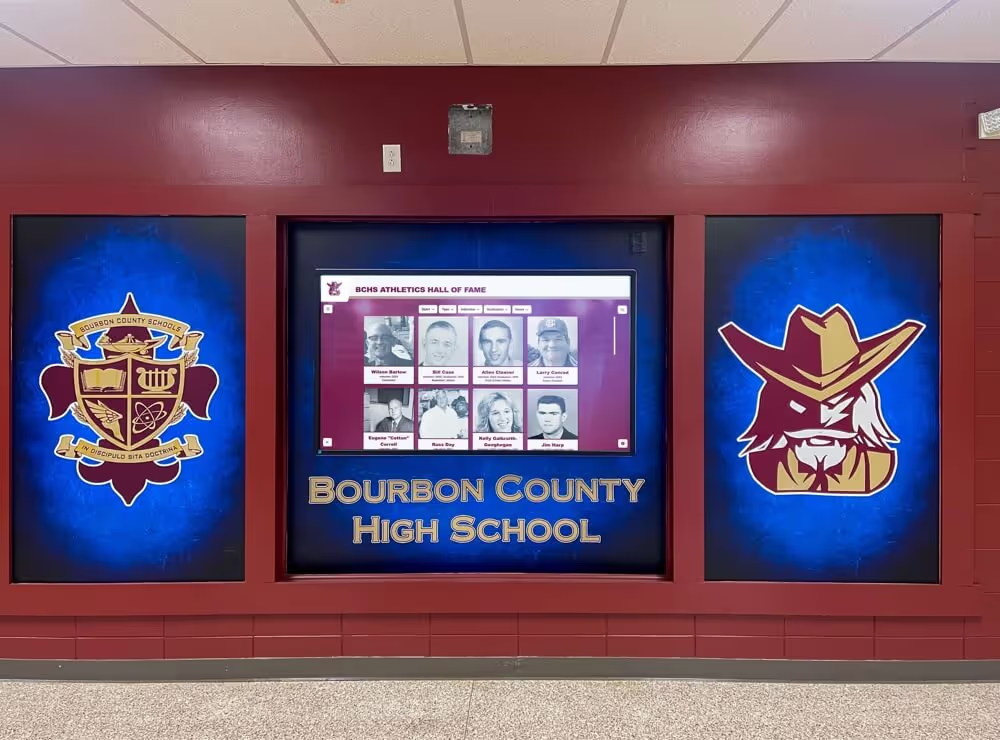
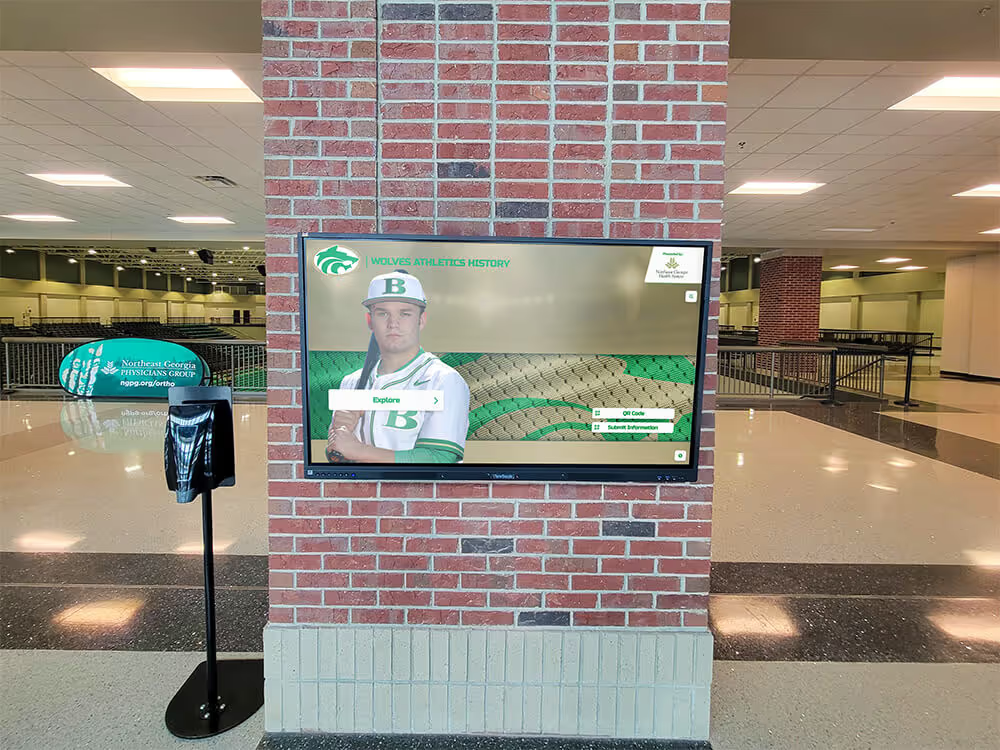
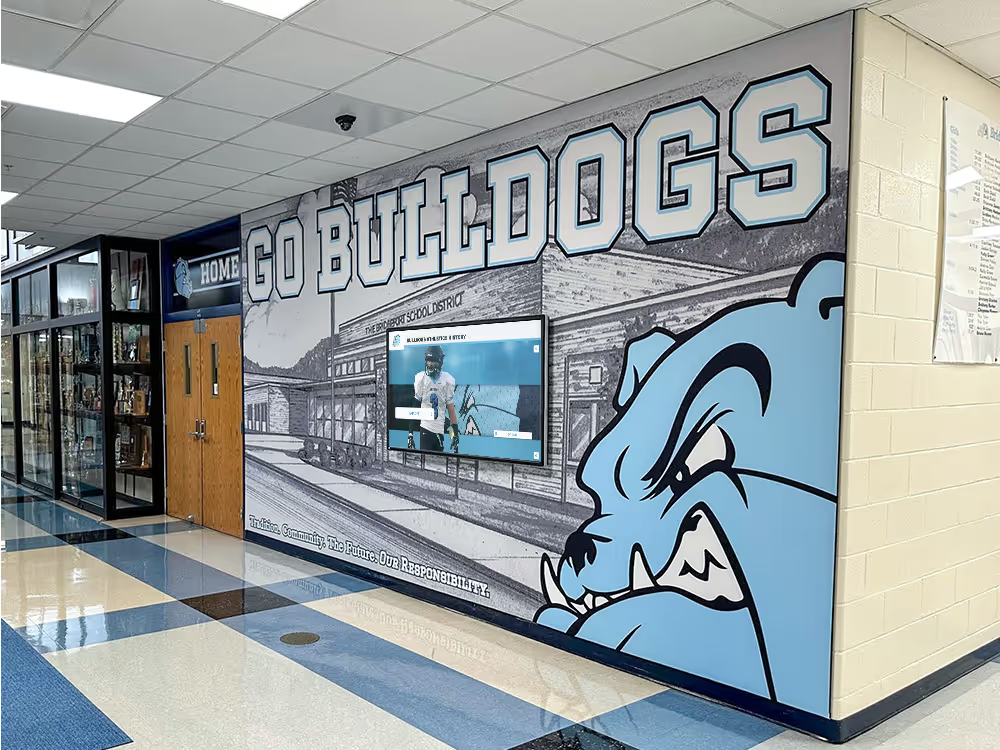
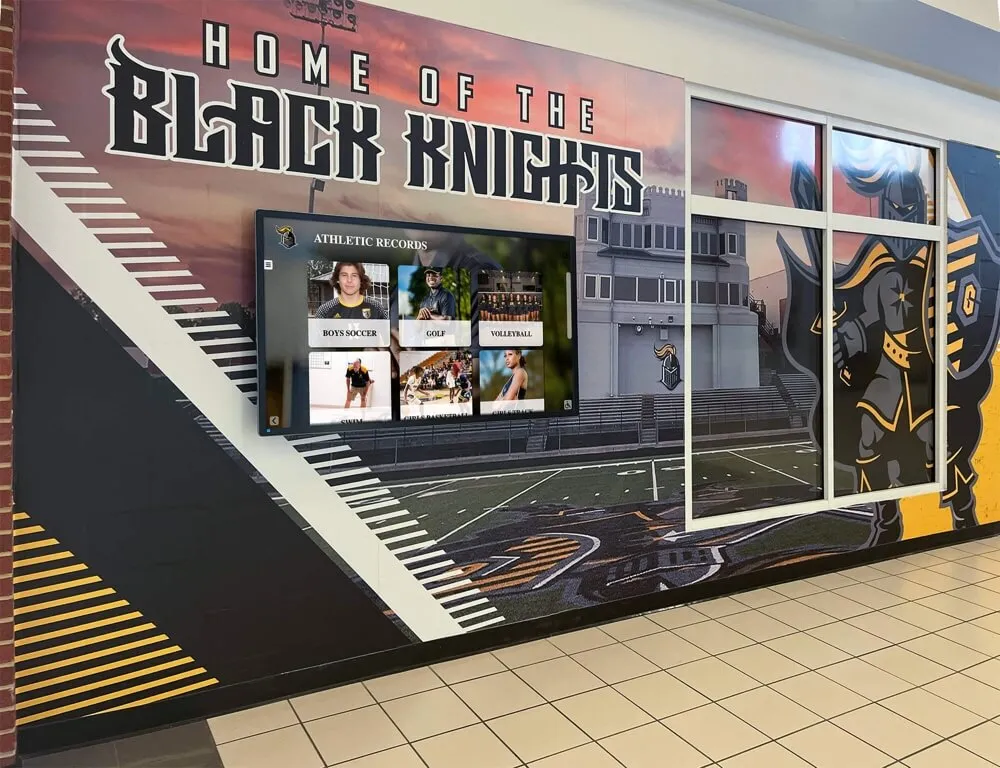
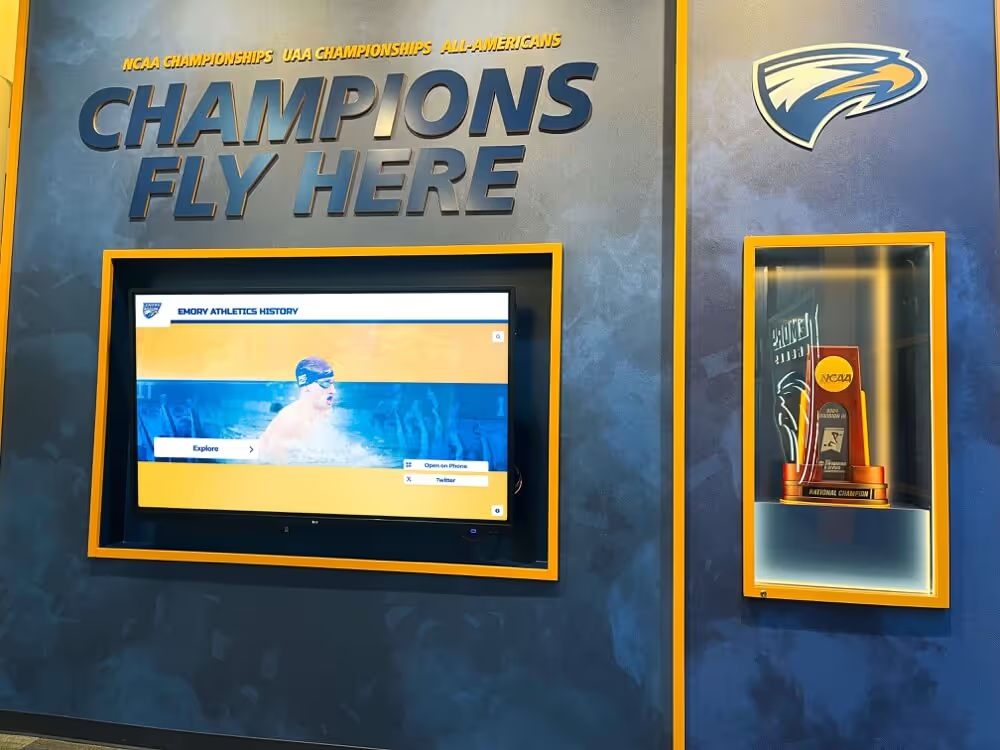
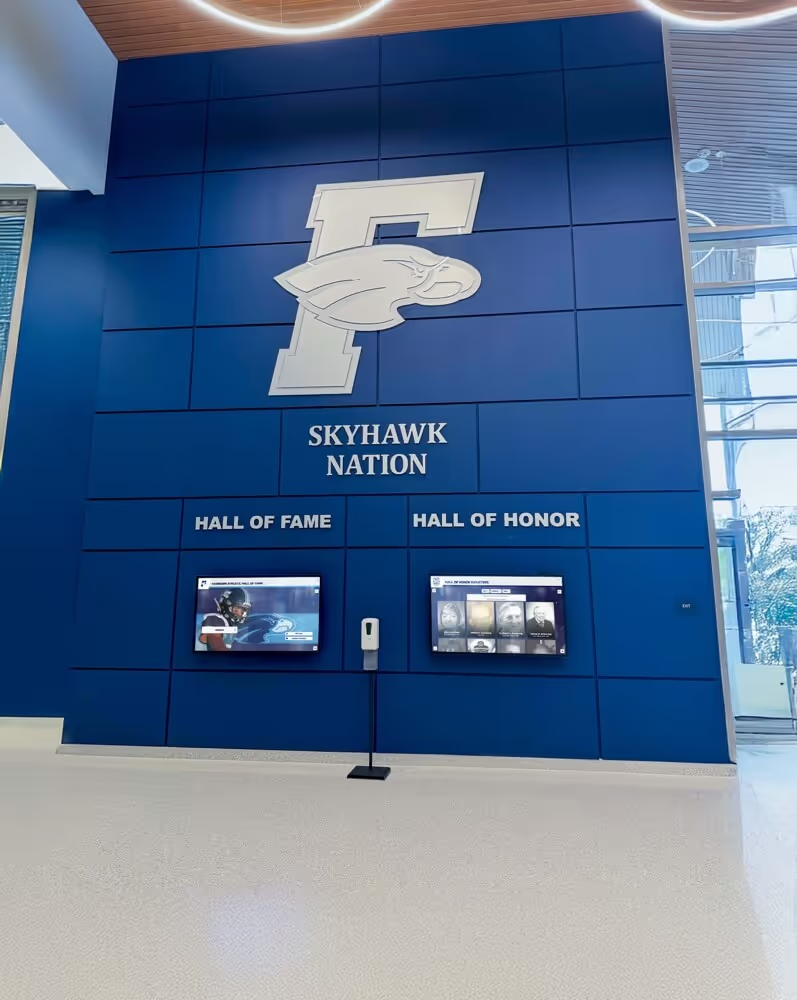
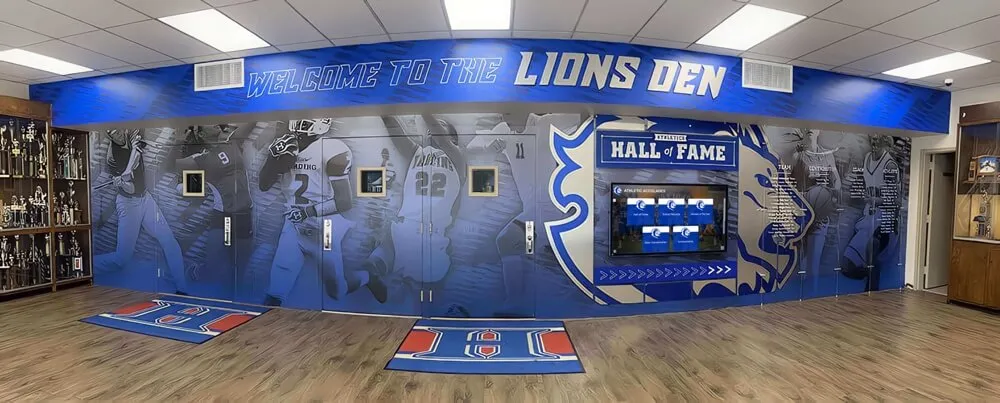
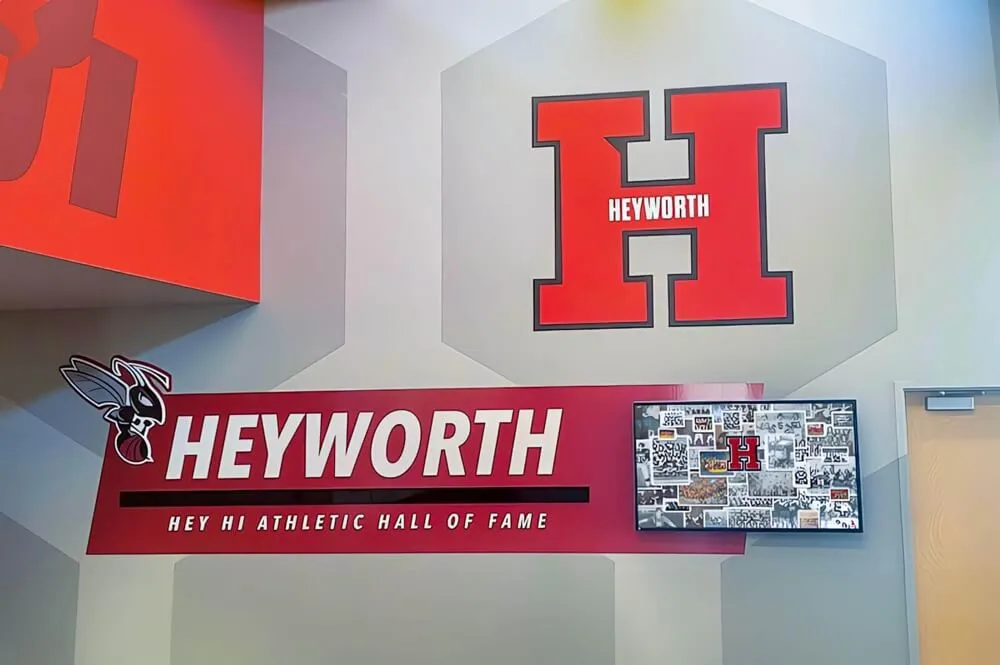
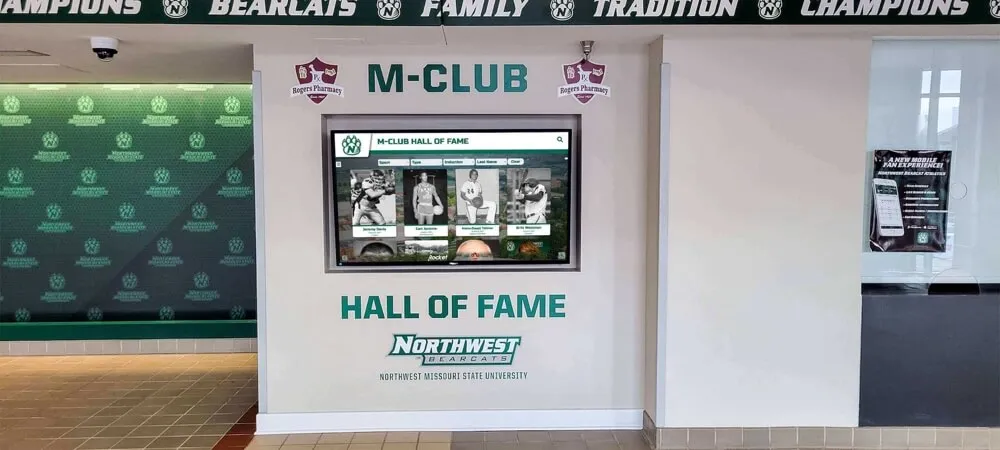
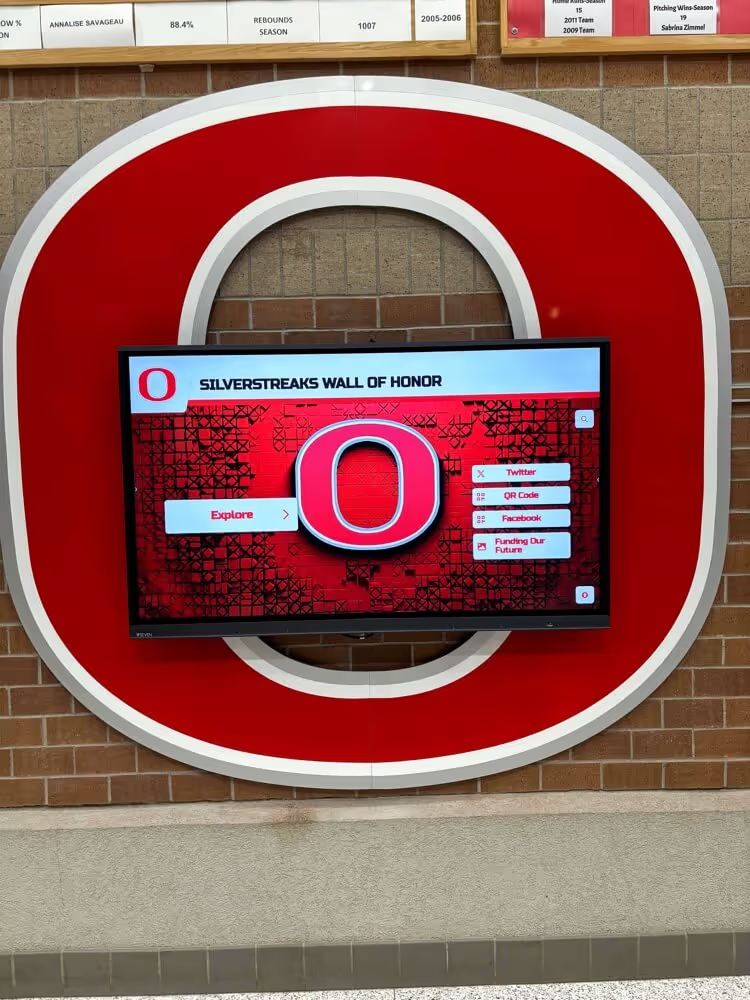
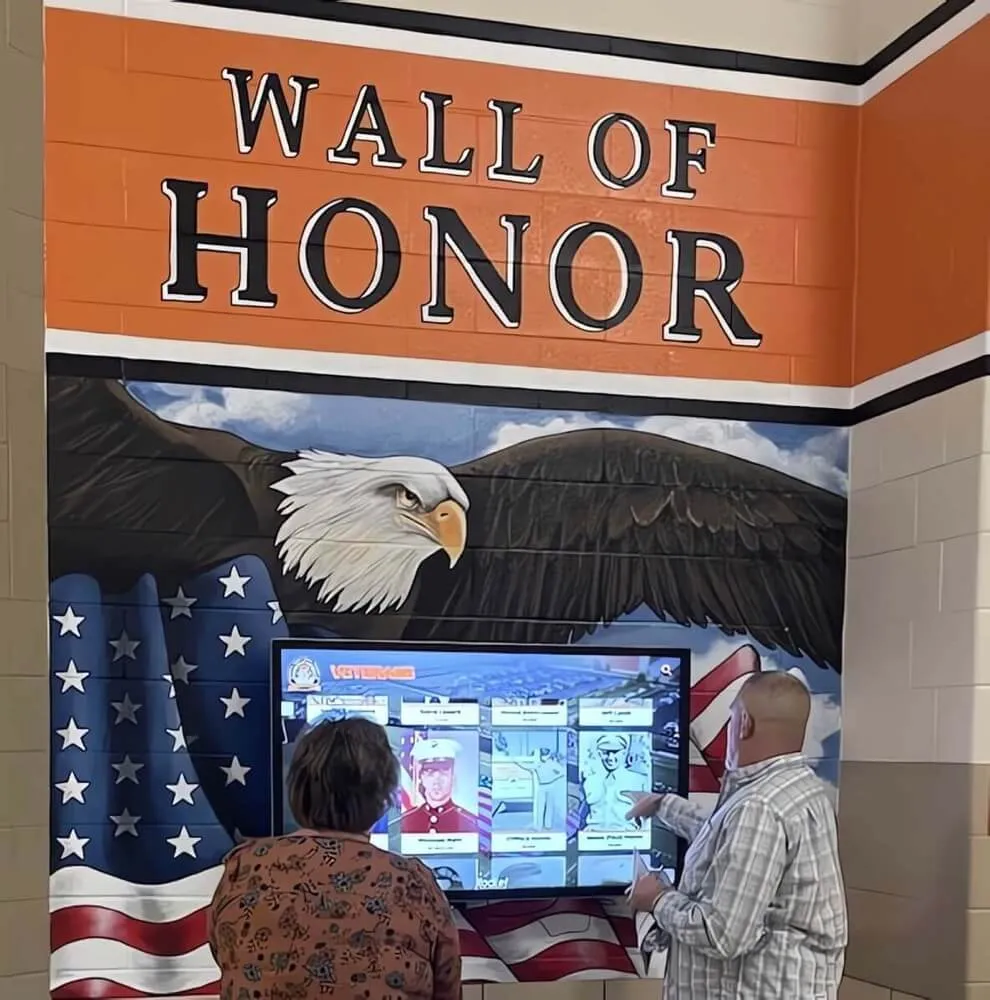
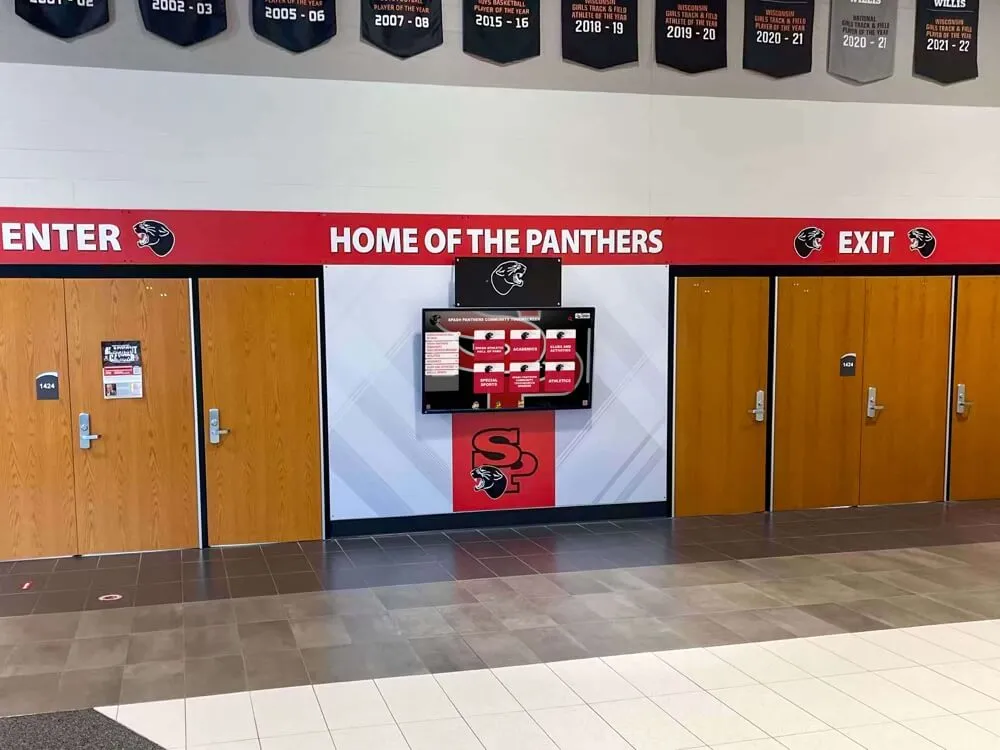
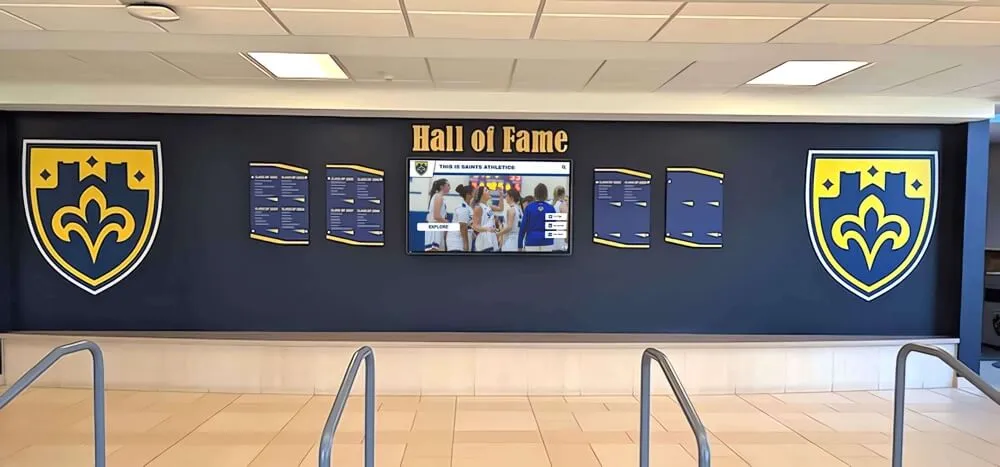
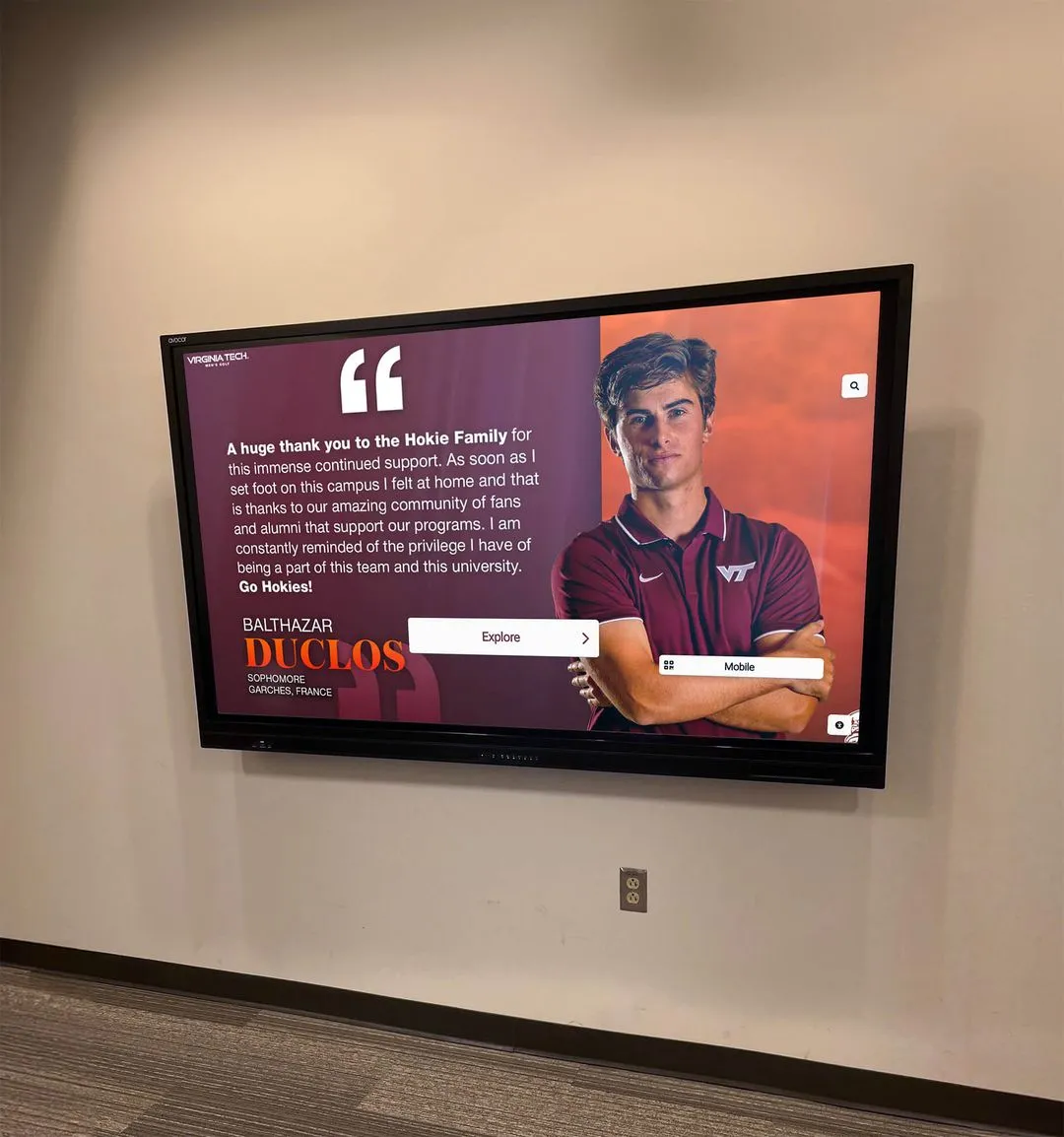
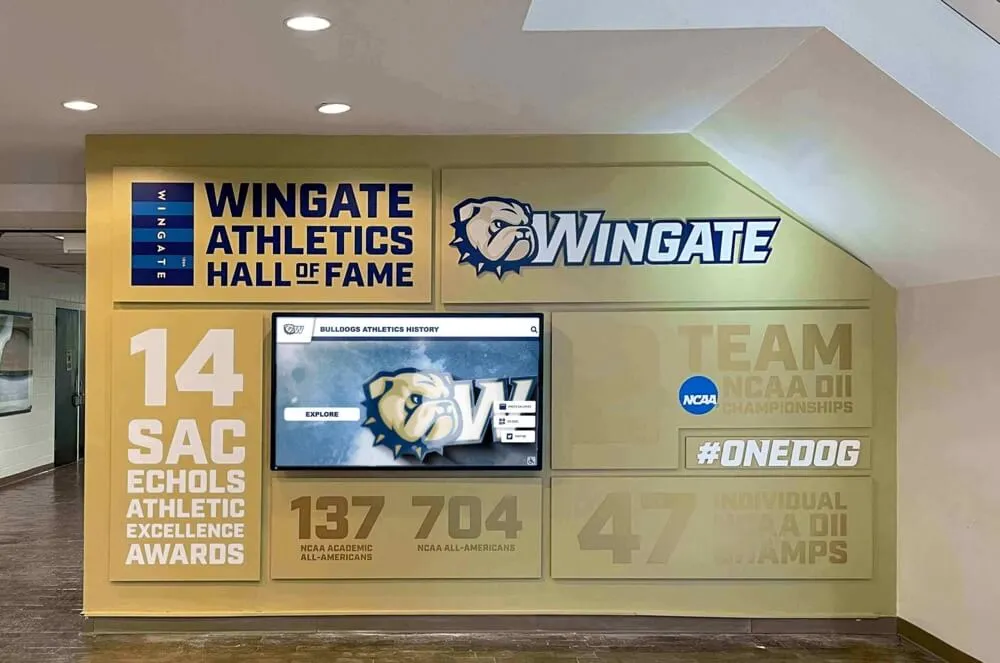
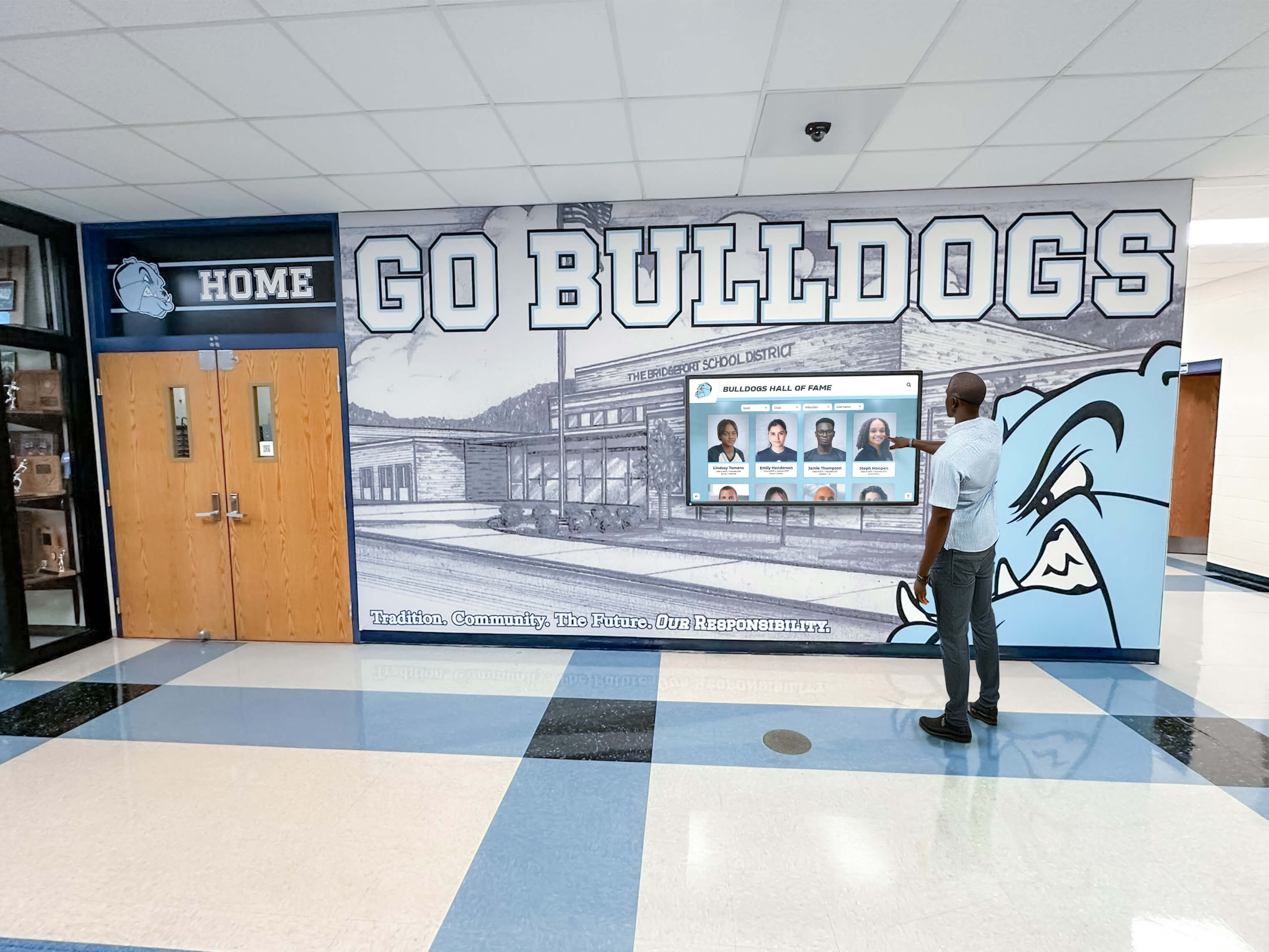
Digital Recognition: Modern schools complement physical letters with digital recognition displays showcasing letter winners permanently in school facilities.
Modern Recognition: Digital Walls of Fame for Letter Winners
While physical letters and jackets remain treasured traditions, contemporary schools increasingly supplement these with digital recognition providing advantages traditional methods cannot match.
Benefits of Digital Letter Winner Recognition
Digital displays offer schools multiple advantages for celebrating letter recipients:
Unlimited Recognition Capacity: Digital systems accommodate unlimited letter winners across unlimited years without physical space constraints limiting who receives acknowledgment.
Comprehensive Profiles: Beyond names and sports, digital recognition includes photos, statistics, achievements, graduation years, and biographical information creating engaging profiles.
Easy Content Updates: Web-based management allows quick updates adding new letter winners each season while maintaining accurate historical records.
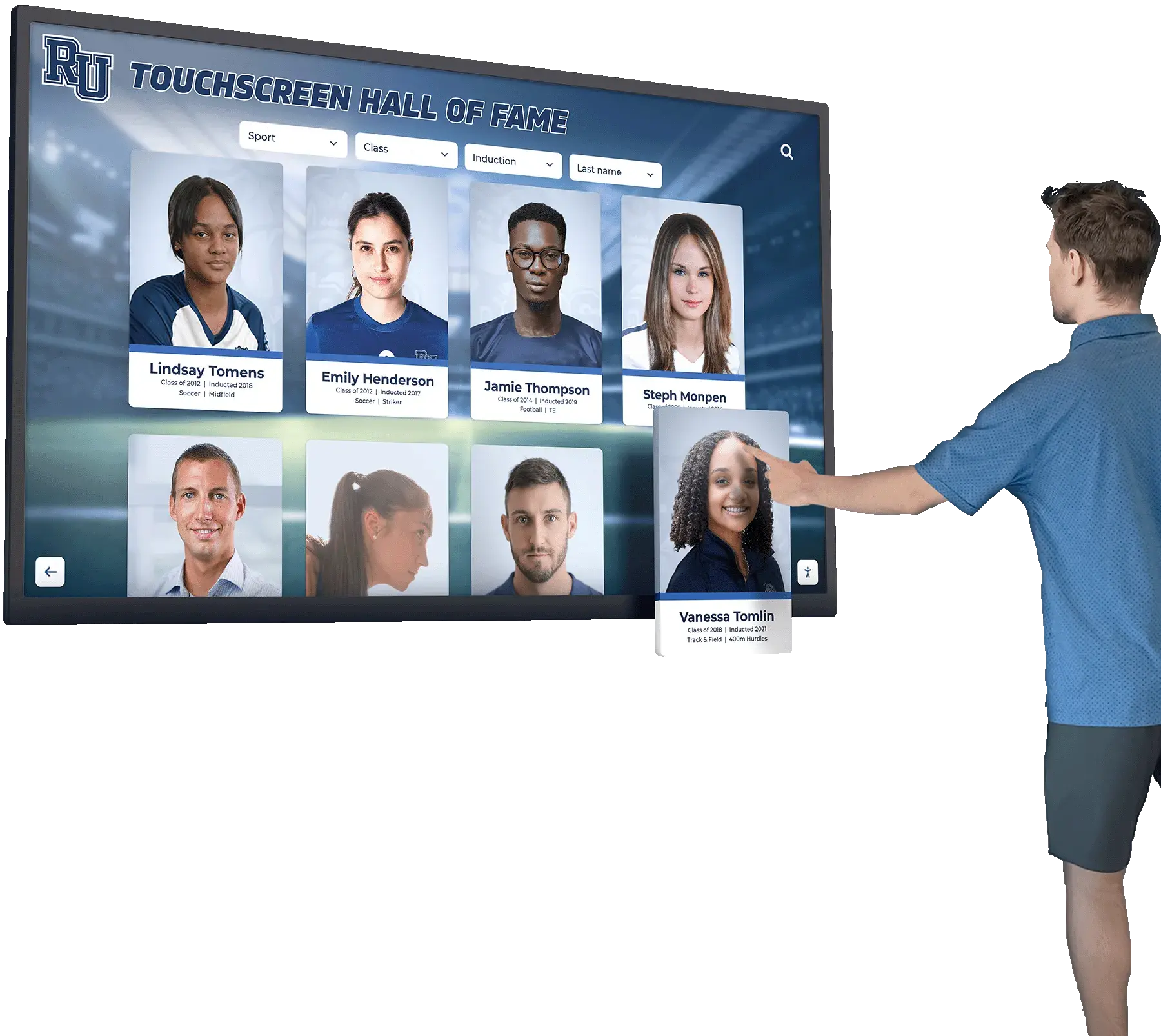
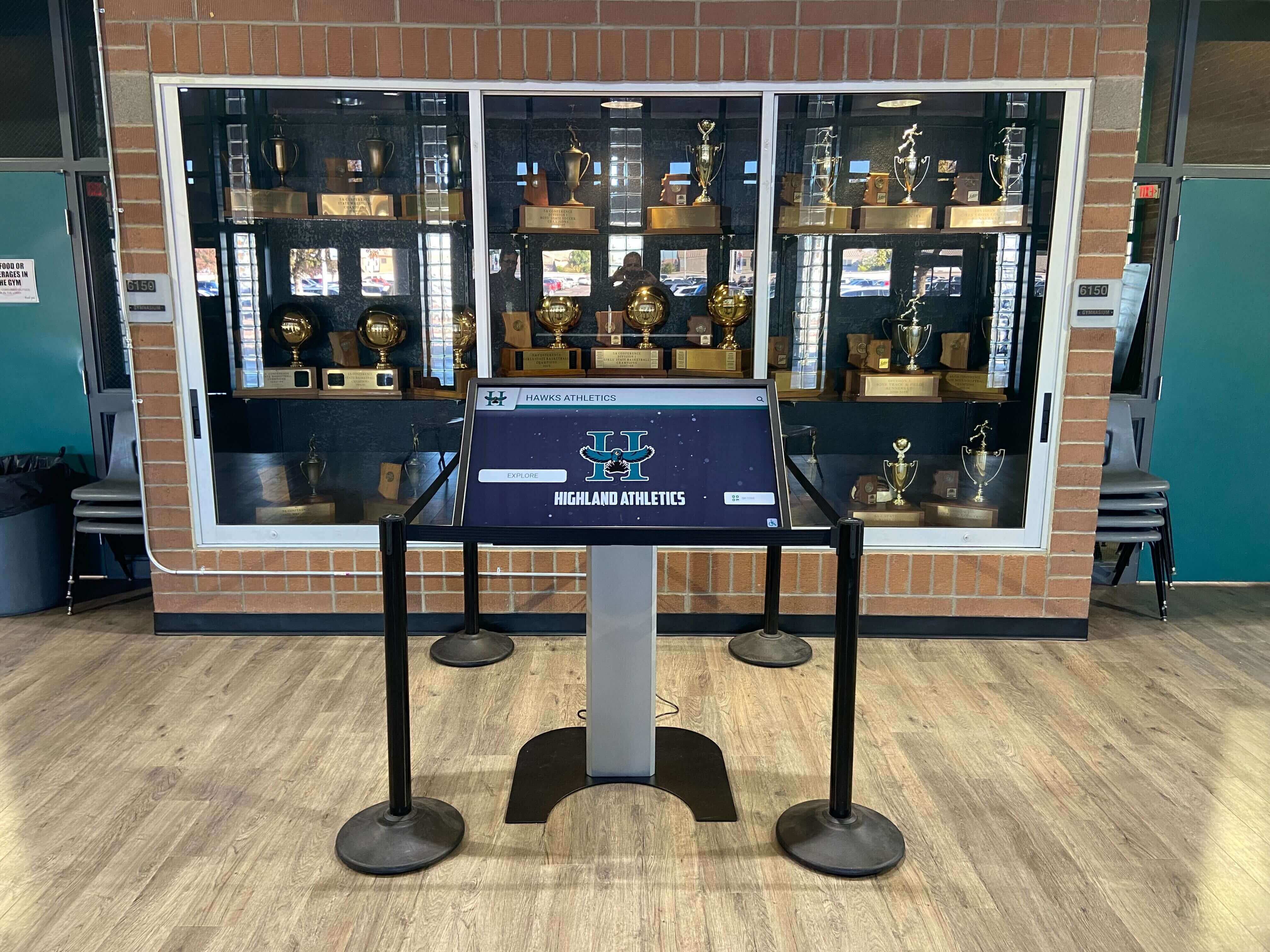
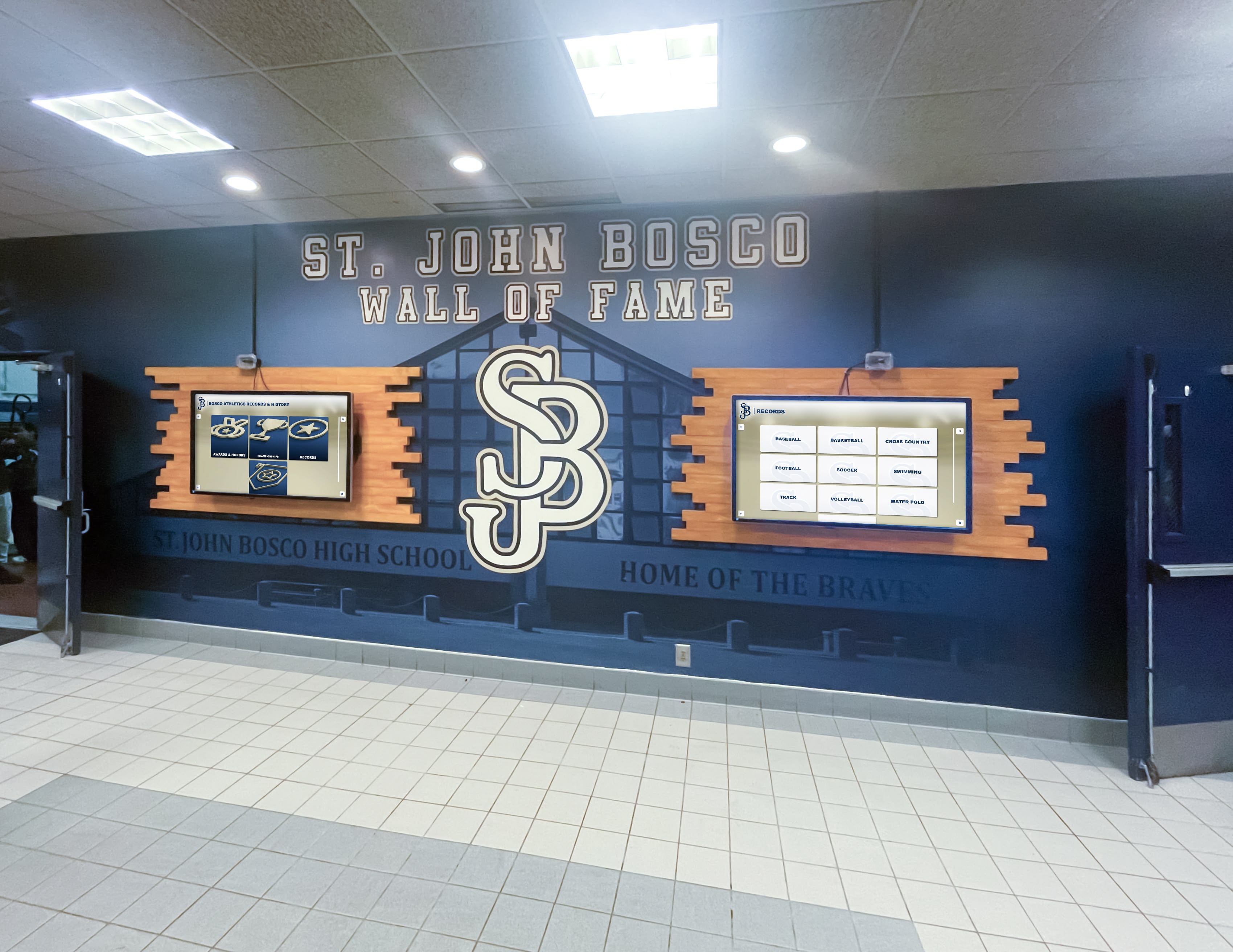
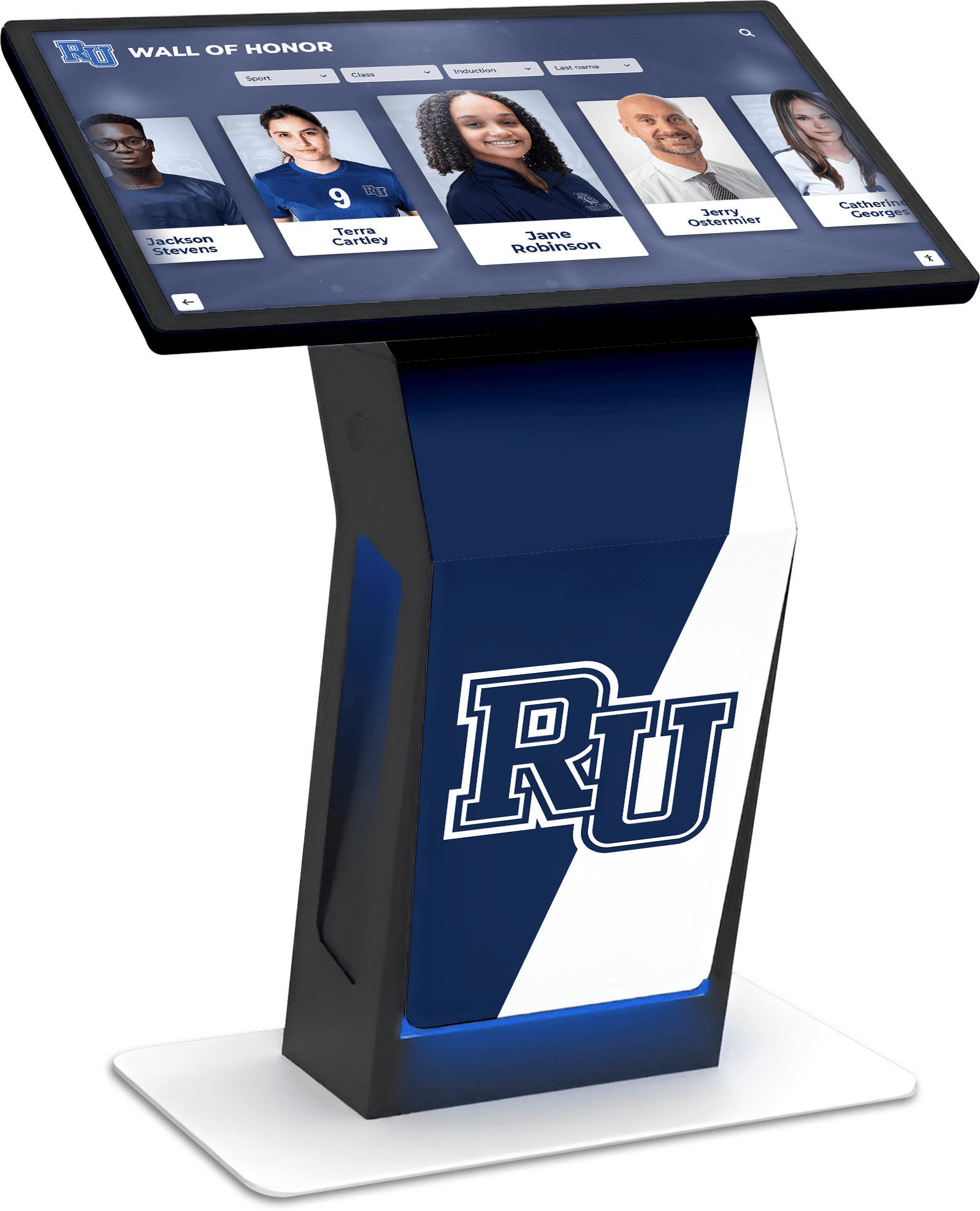
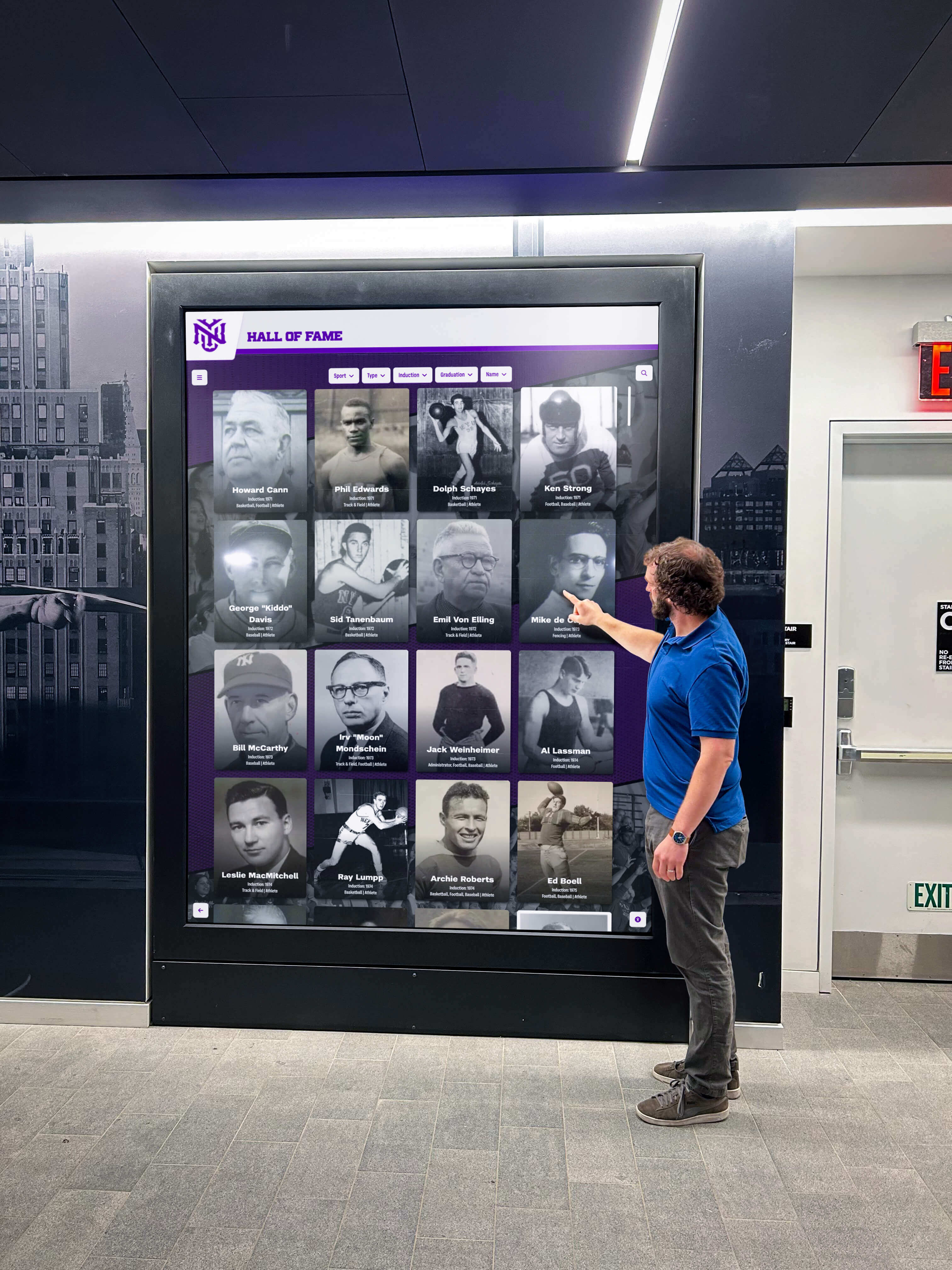
Interactive Exploration: Touchscreen displays enable visitors to search letter winners by sport, year, name, or achievement type, creating engaging experiences.
Permanent Accessibility: Digital recognition remains visible and accessible permanently rather than fading from memory when jackets wear out or students graduate.
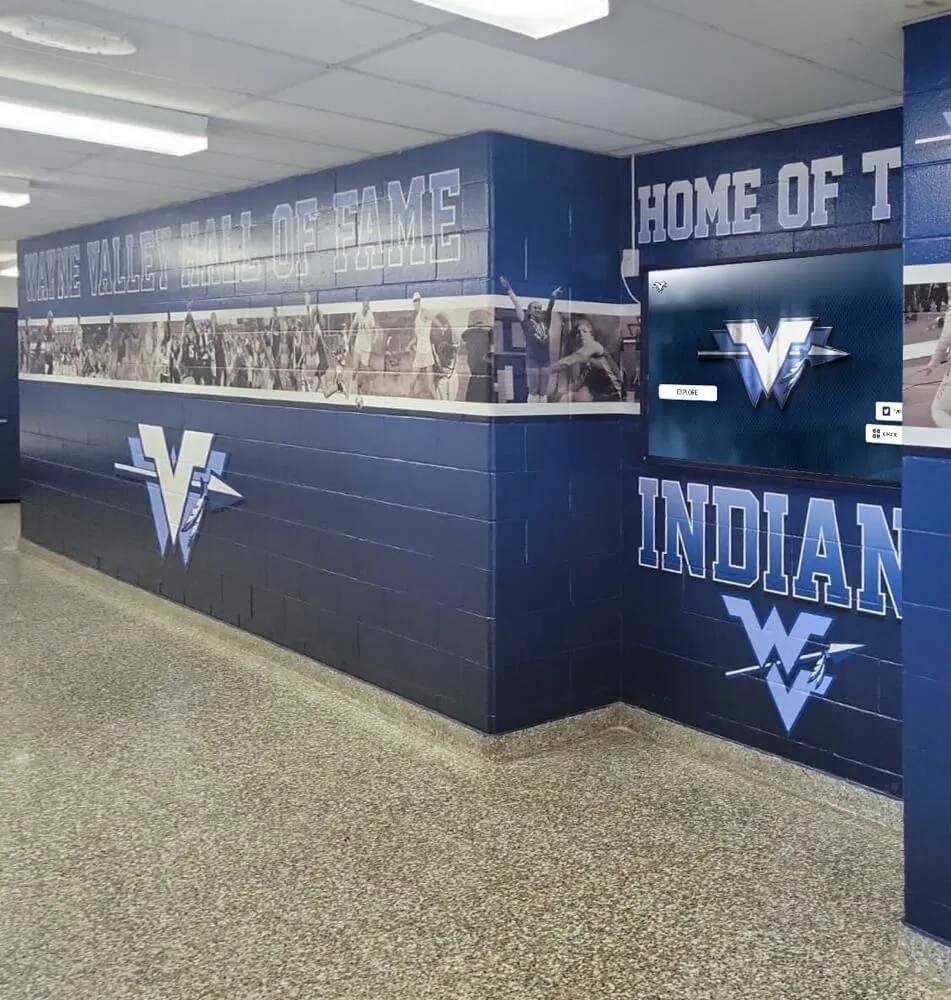
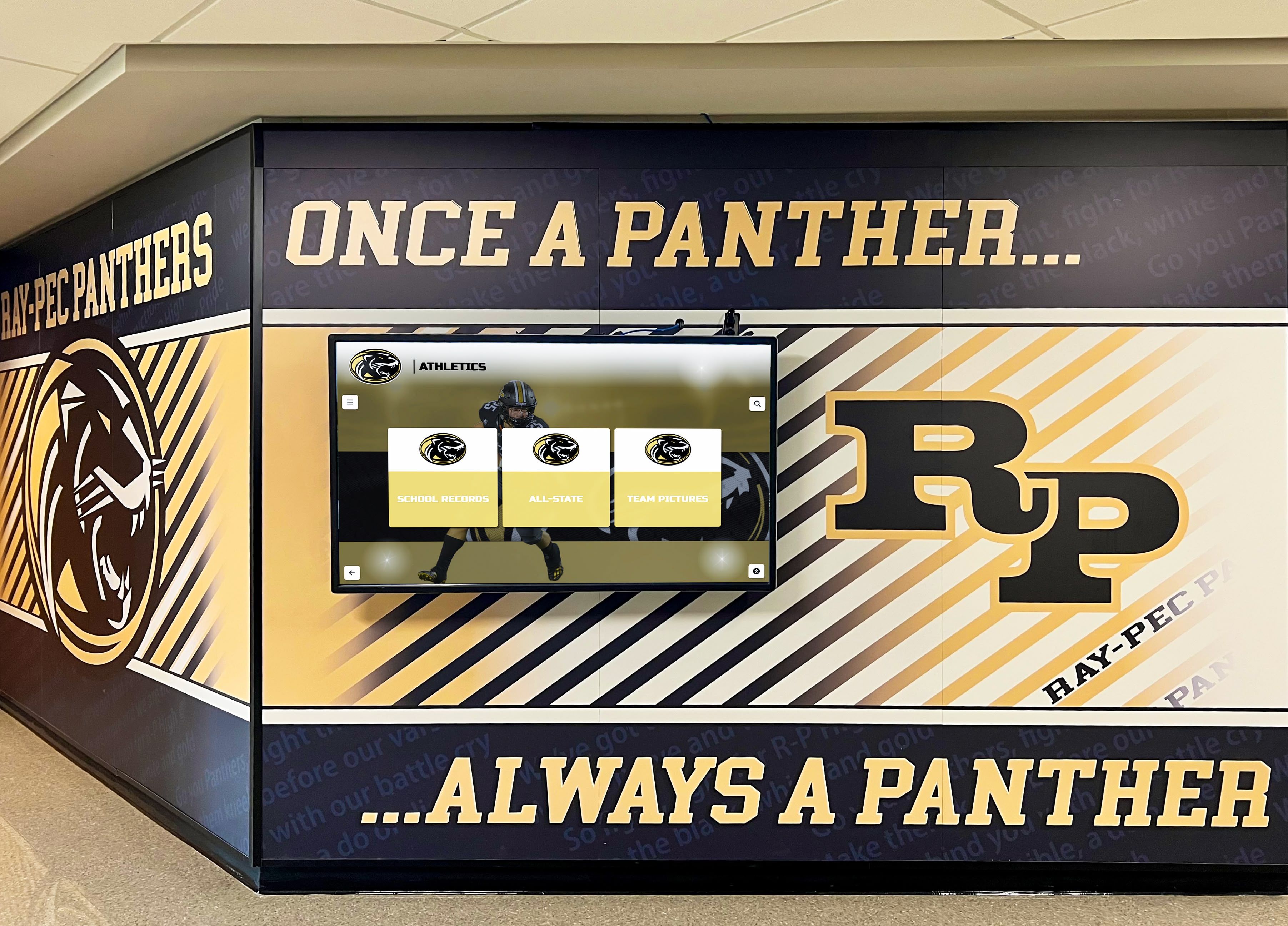
Multi-Location Display: Digital content displays simultaneously in multiple locations—gymnasium lobbies, main school entrances, athletic facilities, and online platforms.
Alumni Engagement: Letter winners from decades past can access digital recognition long after graduation, maintaining connections to schools and fellow letter winners.
Solutions like Rocket Alumni Solutions enable schools to create comprehensive digital walls of fame specifically designed for showcasing letter winners alongside other athletic achievements.
Implementing Digital Letter Recognition Systems
Schools considering digital recognition should understand implementation essentials:
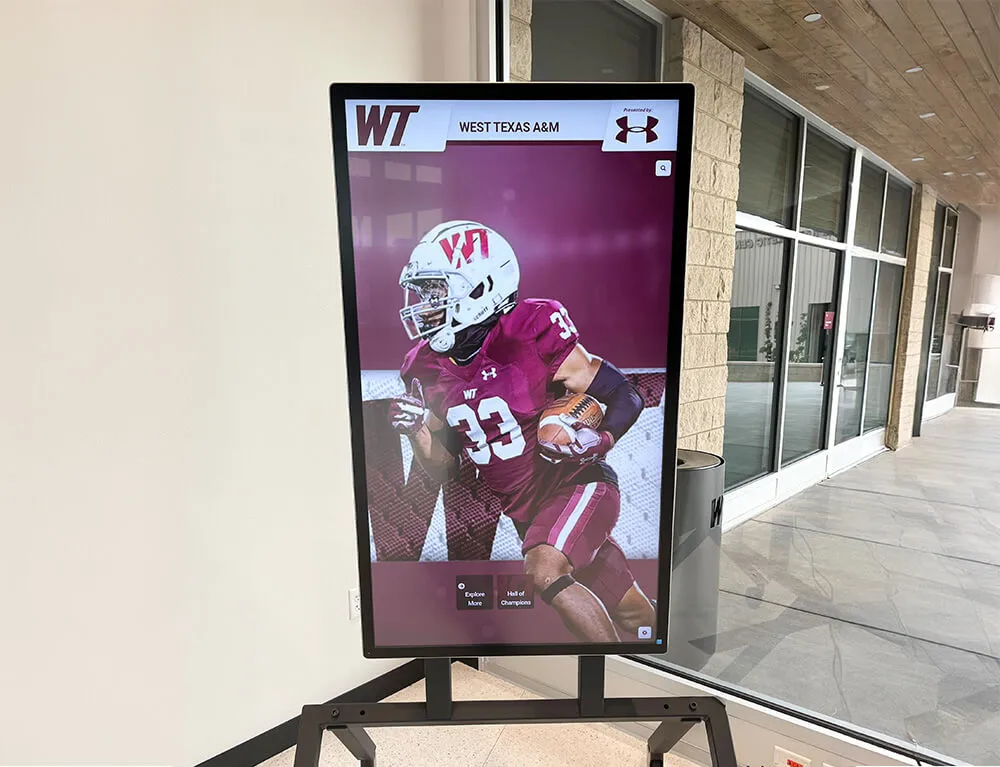
Strategic Display Placement: Position touchscreen displays where letter winners, students, families, and visitors naturally gather—gymnasium entrances, main lobbies, or athletic building common areas.
Comprehensive Historical Data: Compile letter winner records from past years creating complete historical archives. This research phase might require reviewing old yearbooks, contacting alumni, or consulting coaches who remember past letter recipients.
Rich Content Development: Create detailed profiles including photos (historical and current), sports participated in, achievement highlights, graduation years, and personal statements when available.
Regular Updates: Establish processes ensuring new letter winners are added promptly following each season, keeping recognition current and relevant.
Integration with Other Recognition: Connect letter winner recognition to related content—team championships, individual records, hall of fame inductees, or academic achievement creating comprehensive celebration systems.
Alumni Access Features: Provide online extensions enabling letter winners who have graduated to access their recognition remotely, share with family and friends, and maintain connections to schools.
Resources on implementing digital athletic displays guide schools through planning, budgeting, and launching digital recognition systems.
Balancing Traditional and Digital Recognition
The most effective approach combines traditional physical letters with modern digital recognition:
Maintain Traditional Ceremonies: Continue presenting physical letters at banquets or assemblies preserving the ceremonial aspect students anticipate and remember.
Provide Physical Awards: Ensure students still receive tangible recognition they can wear or display personally beyond digital profiles.
Add Digital Permanence: Supplement traditional recognition with digital displays creating lasting visibility extending far beyond brief ceremony moments.
Create Comprehensive Systems: Use digital platforms to showcase letter winners alongside related achievements—championship teams, record performances, hall of fame inductees—creating complete athletic history archives.
Enable Easy Discovery: Digital search and browsing features allow anyone to explore letter winners by various criteria, creating engagement traditional static displays cannot provide.
This balanced approach honors tradition while leveraging technology’s advantages for creating more comprehensive, accessible, permanent recognition of letter winner achievement.
Create Lasting Recognition for Your Letter Winners
Transform how your school celebrates varsity letter winners by implementing digital recognition that permanently honors athletic, academic, and activity achievements. Rocket Alumni Solutions enables schools to create comprehensive letter winner profiles featuring photos, accomplishments, and achievements that remain accessible for decades—ensuring recognition extends far beyond physical letters while building program tradition and institutional pride.
The Significance and Value of Earning a Varsity Letter
Understanding what makes varsity letters meaningful helps appreciate why this tradition persists and why students work so hard to earn recognition.
Personal Achievement and Validation
For individual students, earning a letter represents:
Concrete Recognition of Effort: Letters validate months or years of early morning practices, physical conditioning, skill development, and competitive commitment.
Achievement of Challenging Standards: Meeting rigorous letter requirements demonstrates capability to accomplish difficult goals requiring sustained effort over extended periods.
Membership in Select Group: Letter winners join exclusive communities of students who achieved standards many attempt but not all reach.
Tangible Success Symbol: Unlike grades or test scores, letters provide visible, wearable symbols of achievement students can display proudly.
Confidence Building: Earning recognition through dedication and performance builds self-confidence extending beyond athletics into academics and life.
Social and Cultural Significance
Beyond personal meaning, letters carry broader social value:
Peer Recognition and Respect: Fellow students recognize and respect letter winners, understanding the dedication required to earn prestigious recognition.
School Pride Contribution: Letter winners embody school excellence, contributing to institutional reputation and pride through their achievements.
Role Model Status: Younger students view letter winners as role models, aspiring to similar achievement and emulating their dedication.
Shared Identity: Letter winners bond over shared experiences, challenges overcome, and standards met, creating lasting friendships and connections.
Family Pride: Parents and families take tremendous pride in students earning letters, viewing recognition as validation of their support and students’ hard work.
Understanding how athletic achievement impacts school culture demonstrates letter programs’ broader influence beyond individual recognition.
Long-Term Benefits and Life Lessons
The value of earning letters extends far beyond high school years:
College Application Enhancement: Varsity letters demonstrate sustained commitment, competitive achievement, and time management skills college admissions officers value.
Leadership Development: Earning letters often involves developing leadership skills, teamwork capabilities, and work ethic applicable throughout life.
Lifetime Memories: Most letter winners remember earning recognition decades later, with many preserving letters or jackets as cherished mementos.
Work Ethic Foundation: The dedication required to earn letters teaches work habits and persistence that benefit students in careers and personal pursuits.
Character Development: Working toward challenging standards builds character traits including discipline, resilience, goal orientation, and ability to delay gratification.
These lasting benefits explain why schools maintain letter traditions and why students value earning recognition so highly.
Common Questions About Varsity Letters
Students and families frequently ask these questions about letter awards and requirements:
Can Freshmen Earn Varsity Letters?
Yes, most schools allow freshmen to letter if they compete at varsity level and meet established requirements. Some particularly talented freshmen earn letters their first year, though this remains relatively uncommon as most varsity roster spots go to more experienced upperclassmen.
Some programs establish higher standards for underclassmen compared to seniors, ensuring younger athletes demonstrate truly exceptional performance to letter early in high school careers.
Do You Need to Play Varsity to Earn a Letter?
Yes, varsity letters specifically recognize varsity-level participation and performance. Junior varsity and freshman team participants typically receive different recognition—JV letters, certificates, or awards—rather than full varsity letters.
This distinction maintains the prestige and selectivity that makes varsity letters meaningful recognition reserved for students meeting highest competitive standards.
Can You Earn Multiple Letters?
Absolutely. Multi-sport athletes commonly earn letters in several sports across high school careers. Each sport typically awards its own letter, and three-sport athletes might accumulate multiple letters sewn onto their letterman jackets.
Additionally, students can earn both athletic and academic letters, or letters combining athletics with fine arts or activity recognition, creating comprehensive display of diverse achievements.
What Happens to Letters After High School?
Students maintain ownership of earned letters and jackets, keeping them as personal mementos. Many people preserve letterman jackets for decades, with some eventually passing them down to children or donating them to school archives.
Digital recognition through permanent hall of fame displays ensures letter winner accomplishments remain acknowledged even after physical letters fade or are lost.
Are Academic Letters as Prestigious as Athletic Letters?
While athletic letters traditionally received greater recognition, quality academic letter programs establishing rigorous standards earn equivalent respect. Schools that balance recognition across achievement types—celebrating academic excellence alongside athletic achievement—create cultures where diverse accomplishments receive appropriate acknowledgment.
The most effective schools ensure academic, artistic, and activity letters carry genuine prestige through selective standards and prominent recognition equal to athletic counterparts.
Conclusion: The Enduring Legacy of Varsity Letters
Over 160 years after Harvard baseball players first received athletic letters, the varsity letter tradition remains one of American education’s most recognizable and valued recognition systems. These distinctive chenille patches represent far more than mere participation—they symbolize dedication, achievement, perseverance, and membership in exclusive communities of students who met challenging standards through sustained effort.
While the fundamental tradition endures, recognition methods evolve. Physical letters and iconic letterman jackets continue connecting current students to generations of letter winners before them, creating tangible recognition students wear proudly throughout high school years and preserve for lifetimes. Simultaneously, digital recognition systems like Rocket Alumni Solutions enable schools to create permanent, accessible, comprehensive celebration of letter winners that extends visibility far beyond traditional methods while building institutional history showcasing decades of student achievement.
Understanding what varsity letters represent—the rigorous requirements students must meet, the dedication required to earn recognition, and the lasting value letters provide—helps appreciate why this tradition remains central to American high school culture. For students working toward earning letters, the journey teaches invaluable lessons about goal-setting, perseverance, and satisfaction that comes from achieving challenging objectives through sustained commitment.
Whether celebrated through traditional chenille and wool or modern digital displays, varsity letters continue fulfilling their original purpose: recognizing exceptional student achievement while inspiring future generations to pursue the excellence required to join the distinguished ranks of letter winners.