



High school student-athletes across America pursue a recognition symbol that has defined athletic achievement for over 150 years—the varsity letter. This distinctive chenille patch represents far more than a simple award. It signifies dedication through countless practice hours, competitive achievement earning playing time at the highest level, commitment to team success above individual glory, and membership in a selective athletic community that extends across generations. For many athletes, earning that first varsity letter ranks among their most memorable high school accomplishments, validated by the iconic letter jacket tradition recognizing their achievement publicly.
Yet despite varsity letters’ ubiquity across American high school athletic culture, many students, parents, and even some educators don’t fully understand what distinguishes varsity-level competition from junior varsity programs, what specific criteria determine letter eligibility, how recognition systems work across different sports and schools, or why this particular form of athletic honor carries such lasting significance for recipients decades after their playing careers conclude.
This comprehensive guide explains everything about varsity letters—their historical origins and cultural significance, specific eligibility requirements and earning criteria across different sports, the letter jacket tradition and recognition customs, modern approaches to preserving and displaying letterman achievements, and how digital recognition systems enable schools to honor unlimited letter winners across all sports and decades.
Varsity Letters and Modern Athletic Recognition
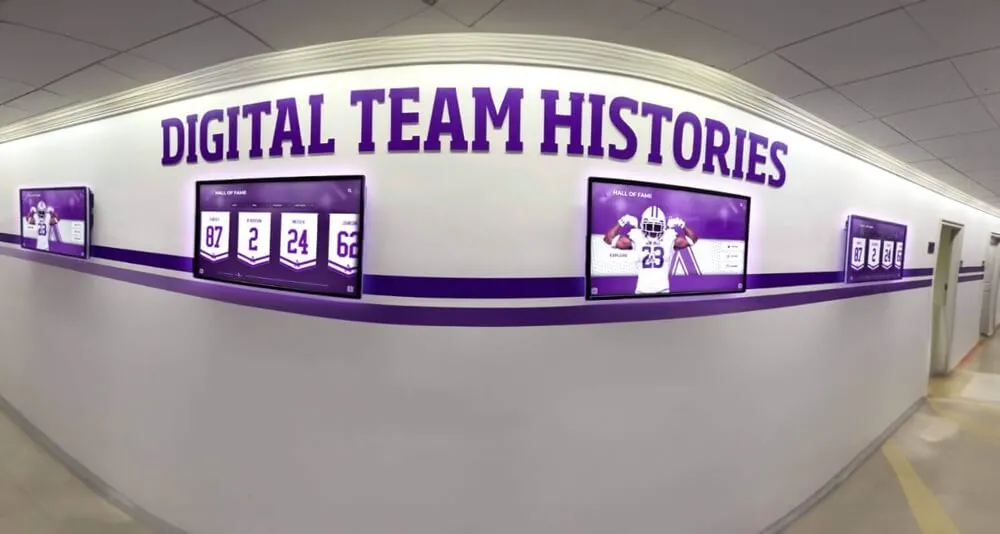
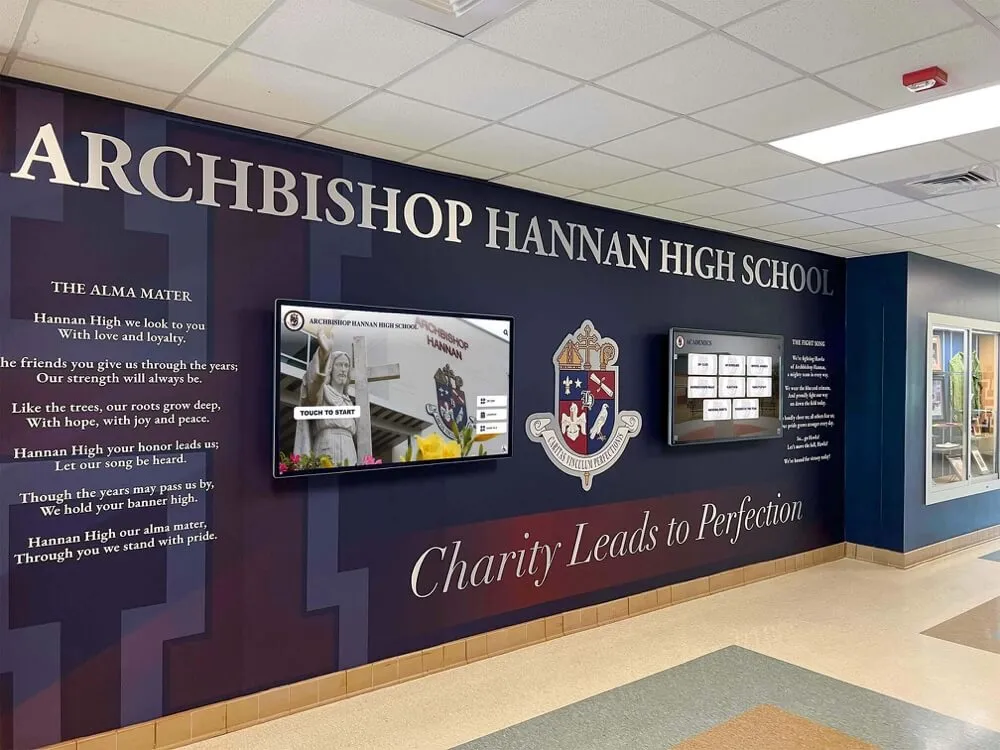
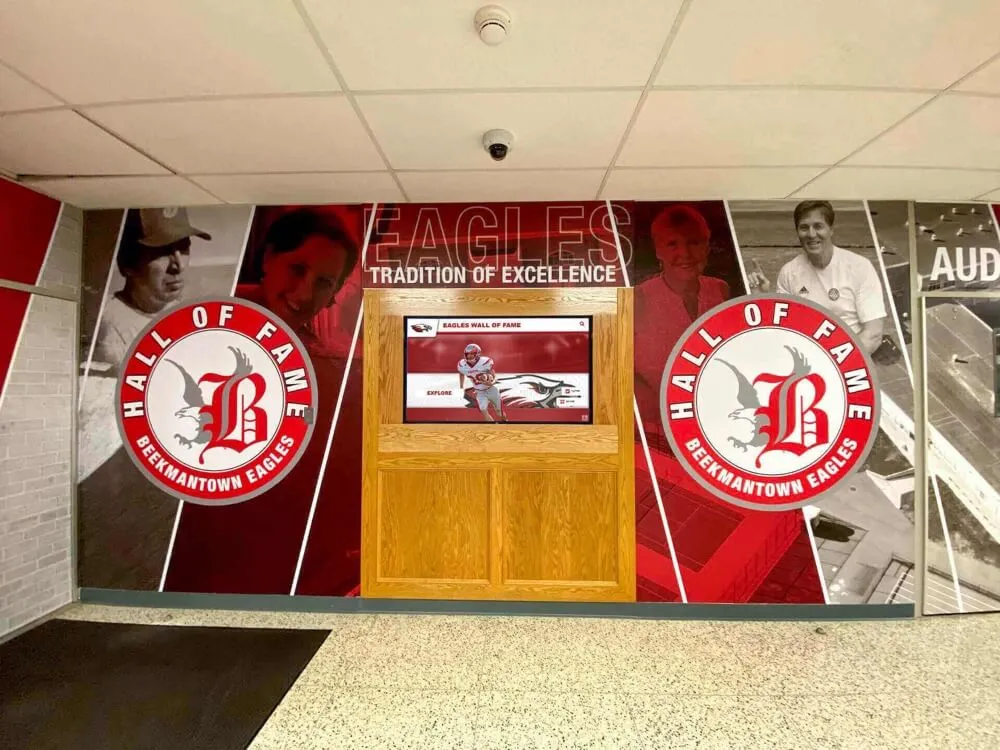
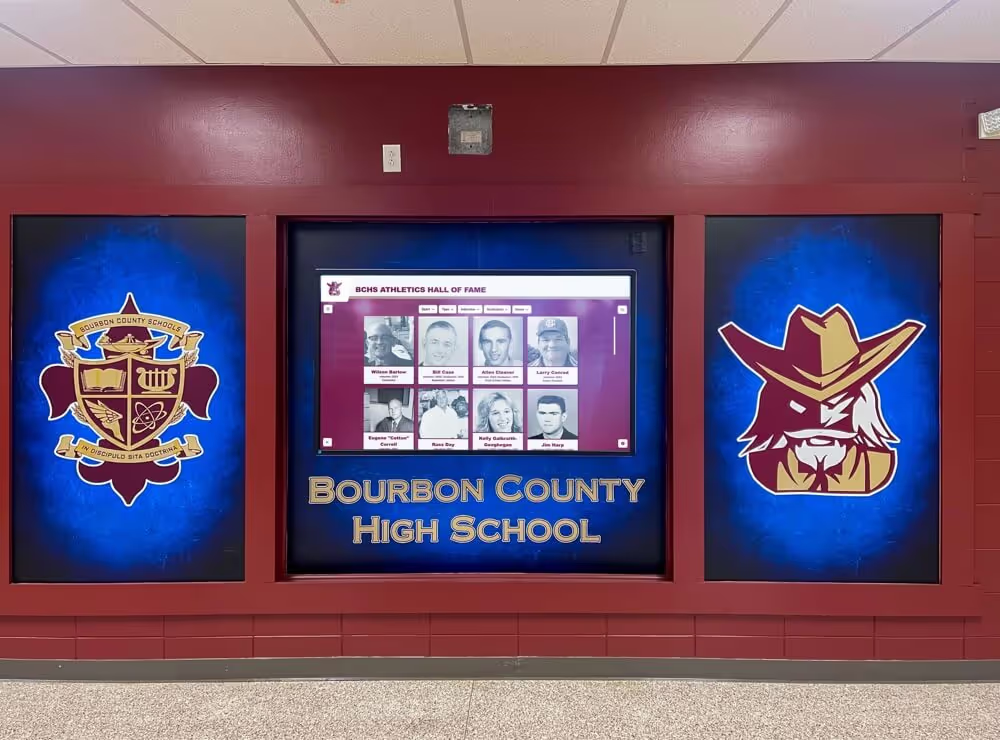
Traditional varsity letter recognition centered on physical chenille patches sewn onto letter jackets—tangible awards athletes could wear during high school years. However, these physical honors face practical limitations including finite display space forcing schools to choose which letter winners receive visible recognition, worn or stored jackets losing their recognition function after graduation, and institutional difficulty comprehensively honoring decades of athletic achievement. Modern digital athletic recognition platforms solve these challenges by showcasing unlimited letter winners across all sports and eras, enabling searchable databases where alumni can rediscover their achievements, and creating engaging displays inspiring current athletes through visible athletic tradition. Solutions like Rocket Alumni Solutions provide purpose-built systems designed specifically for educational athletic programs, preserving letter winner history while creating modern recognition that honors every athlete's achievements permanently.
The History and Meaning of Varsity Letters
Understanding varsity letters’ significance requires examining their historical development and the cultural traditions that have sustained this recognition form across more than a century of American education.
The Origins of Athletic Letter Awards
The varsity letter tradition traces its origins to 1865 when Harvard University began awarding the letter “H” to standout baseball players. This simple recognition approach—distinctive fabric letters sewn onto uniforms or other garments—quickly spread throughout American collegiate athletics as universities adopted their own institutional letters. By the early 20th century, the practice had migrated from colleges to high schools, where it became deeply embedded in American athletic culture.
The term “varsity” itself derives from “university,” initially distinguishing college-level athletic teams from preparatory school or amateur athletic clubs. When high schools adopted similar athletic structures in the late 19th and early 20th centuries, they maintained the “varsity” designation for their top competitive teams, creating a linguistic connection to collegiate athletics that signaled serious competitive status.

The distinctive chenille letter patch—typically 5-7 inches tall and created from soft, raised fabric—became standardized during the early 20th century. These patches were designed to be sewn onto wool letter sweaters initially, then evolved into the iconic letter jacket format that emerged in the 1930s and became standard recognition through the 1980s and 1990s.
Why Varsity Letters Carry Lasting Significance
For many student-athletes, varsity letters represent defining achievements of their high school experience carrying meaning far beyond athletic contexts:
Validation of Athletic Ability: Earning a varsity letter confirms athletic skill sufficient to compete at the highest level within a school’s athletic program. This validation matters particularly for students whose identities center strongly around athletic participation and performance.
Recognition of Dedication: Varsity letters acknowledge not just natural talent but sustained commitment—attending every practice, maintaining academic eligibility, prioritizing team obligations over competing social opportunities, and persevering through injuries, losses, and setbacks that cause others to quit.
Membership in Selective Communities: Letter winners join exclusive groups of athletes who achieved similar recognition, creating bonds with teammates and extending connections to alumni letter winners from earlier decades who share similar athletic experiences.
Lasting School Connection: Unlike many high school activities that fade from memory after graduation, varsity letters create permanent connections to schools and athletic programs that alumni carry throughout their lives. Decades later, former athletes readily recall the season they earned their first letter, the coaches who influenced their development, and teammates who shared their athletic journey.
Understanding what makes varsity letters meaningful helps schools create recognition approaches that honor these accomplishments appropriately while preserving athletic heritage for future generations. Resources on high school letterman jackets provide additional context about traditional recognition customs and their evolution.
What Distinguishes Varsity from Junior Varsity Competition
Before understanding varsity letter eligibility, students and parents must grasp the fundamental difference between varsity and junior varsity (JV) athletic programs.
Varsity as the Highest Competitive Level
Varsity teams represent a school’s top competitive level in any sport—the athletes selected to compete in the most challenging contests against the strongest opponents. Varsity teams typically feature the most skilled athletes with the greatest experience, maturity, and competitive readiness to succeed at the highest level their school’s athletic conference or league demands.
Competition Structure: Varsity teams compete in official league or conference schedules that determine playoff eligibility, championship qualification, and state tournament participation. These games, matches, or meets carry consequences for team standings and postseason opportunities that junior varsity competitions typically don’t affect.
Coaching and Resources: Schools typically assign their most experienced coaches to varsity programs, provide the best facilities and practice times, and allocate the largest portions of athletic budgets to varsity team needs. This resource prioritization reflects varsity teams’ role representing schools in highest-stakes competitions.

Elevated Expectations: Varsity athletes face higher performance standards, increased time commitments, stricter behavioral expectations, and greater pressure managing athletic and academic responsibilities simultaneously. These elevated demands reflect the more serious competitive nature of varsity participation.
Junior Varsity as Developmental Programs
Junior varsity programs serve primarily developmental purposes rather than representing schools’ highest competitive level. JV teams provide competitive opportunities for younger athletes not yet ready for varsity competition, allow athletes in highly competitive programs to develop skills while awaiting varsity opportunities, and enable broader athletic participation beyond limited varsity roster spots.
Competition Characteristics: JV games typically emphasize skill development and competitive experience over winning at all costs. Coaches often prioritize playing time distribution ensuring all roster members receive substantial game experience rather than concentrating minutes among top performers.
Pathway to Varsity: Most JV athletes aspire to earn eventual varsity roster spots. JV participation provides critical preparation—developing fundamental skills, learning team systems and strategies, building physical conditioning and strength, and demonstrating commitment that influences future varsity selection decisions.
Some schools maintain freshman teams as an additional developmental level below JV, creating three-tiered athletic structures that enable age-appropriate competition while preparing athletes for eventual varsity participation.
Varsity Letter Eligibility Requirements and Earning Criteria
While the basic concept sounds simple—compete on varsity teams to earn varsity letters—specific eligibility criteria vary significantly across schools, sports, and conferences, creating complexity that confuses students and parents alike.
Common Eligibility Standards Across Schools
Most high schools establish baseline requirements that athletes must satisfy before earning letter recognition:
Minimum Participation Thresholds: Schools typically require specific participation levels demonstrating meaningful varsity contribution rather than awarding letters merely for roster membership. Common standards include playing in a minimum number of games or quarters, competing in a specific percentage of meets or competitions, accumulating minimum playing time across a season, or participating from season start through championship events.
These participation minimums prevent situations where athletes earn letters despite limited actual competitive involvement. For example, a football program might require playing in at least half of varsity games, while a track program could require competing in a minimum number of varsity meets throughout the season.
Season Completion: Most schools require athletes to remain in good standing through complete seasons to earn letters. Athletes who quit mid-season, are dismissed for disciplinary reasons, or become academically ineligible typically forfeit letter eligibility even if they met participation minimums before leaving programs.
Academic Eligibility Maintenance: Varsity letters recognize comprehensive student-athlete success, not purely athletic achievement isolated from academic responsibilities. Schools typically require athletes to maintain academic eligibility throughout seasons—meeting minimum GPA requirements, avoiding failing grades in any courses, and remaining on track for graduation according to academic progress standards.
Sportsmanship and Conduct Standards: Letter recognition often includes behavioral expectations requiring athletes to demonstrate appropriate sportsmanship, represent schools positively, avoid serious disciplinary incidents, and follow team rules and athletic department codes of conduct. Significant violations may disqualify otherwise eligible athletes from letter recognition.
Sport-Specific Letter Requirements
Beyond schoolwide standards, individual sports often establish additional criteria reflecting their unique competitive structures:
Team Sports: Football, basketball, soccer, volleyball, and similar team sports typically base letter eligibility on playing time metrics—quarters or halves played, minutes on field or court, or percentage of total game time. Some programs also credit special teams participation, practice squad contributions, or specific positional requirements.
Individual Sports: Track and field, swimming, wrestling, tennis, and golf programs may establish letters based on scoring points in meets, achieving qualifying times or marks, placing at specific competition levels, or competing in varsity events throughout seasons regardless of placement results.
Performance Standards: Some programs include performance benchmarks beyond participation minimums—achieving all-conference recognition, reaching state championship qualification standards, breaking school records, or demonstrating measurable improvement across seasons.
Resources on athletic recognition programs explore comprehensive approaches schools use for honoring diverse achievements across athletic and academic domains.
Special Circumstances and Athletic Director Discretion
Most letter policies acknowledge that rigid application of standard requirements may not appropriately recognize all deserving situations:
Injury Considerations: Athletes suffering season-ending injuries after meeting early-season participation minimums may receive letters recognizing their contributions before injury and their continued team commitment during recovery and rehabilitation.
Medical Hardships: Serious illnesses or family emergencies preventing season completion may result in athletic directors awarding letters based on athletes’ intentions and circumstances beyond their control rather than strict participation totals.
Manager and Support Roles: Many programs award letters to student managers, statisticians, trainers, and other support personnel who make essential contributions to program success despite not competing athletically. These letters acknowledge valuable service and program commitment equal to competitive participation.
Senior Recognition: Some schools have policies ensuring senior athletes who have dedicated multiple years to programs earn letters even if final seasons don’t meet standard participation minimums due to injury, position depth, or other circumstances. This senior recognition honors sustained commitment across high school careers.
The Varsity Letter Jacket Tradition
For much of the 20th century, earning varsity letters culminated in the iconic letter jacket—a tangible, wearable symbol of athletic achievement that became deeply embedded in American high school culture.
Understanding Letter Jacket Design and Symbolism
Traditional varsity letter jackets follow recognizable design conventions established across decades:
Core Design Elements: Classic letter jackets feature wool bodies in school colors, leather sleeves creating the distinctive two-tone appearance, snap-button closures rather than zippers, striped ribbing at cuffs, collar, and waistband, and interior pockets bearing school or manufacturer labels.
The letter jacket’s defining feature is the large chenille letter—typically the school’s initial—sewn prominently on the jacket front. Athletes earn the right to wear the base letter through their first varsity letter eligibility, then add additional embellishments representing continued athletic participation and achievement.
Personalization Elements: Beyond the base letter, jackets typically display sport-specific patches identifying which athletic programs athletes participated in, bars or stripes indicating multiple seasons or years of letter recognition, special pins or patches recognizing championships, conference titles, or individual honors, graduation year on sleeves identifying athletes’ class, and name embroidery personalizing jackets to individual owners.
The Social and Cultural Role of Letter Jackets
Letter jackets served multiple social functions within high school culture during their peak popularity from roughly the 1950s through the 1990s:
Visible Status Markers: Wearing letter jackets provided immediate visual identification of athletic achievement and program participation. In many schools, letter jackets conferred social status and recognition that extended beyond athletic contexts into broader school social hierarchies.
Community and Belonging: Letter jacket owners shared visible membership in exclusive athletic communities. Seeing other students wearing letter jackets created bonds and connections based on shared athletic experiences and the common achievement of earning letter recognition.
School Spirit and Identity: Letter jackets served as school branding, displaying colors and letters that advertised school affiliation publicly. Athletes wearing their letter jackets to community events, school functions, and even in opposing school territories demonstrated school pride and athletic program strength.
Lasting Mementos: Unlike many high school artifacts that lose relevance after graduation, letter jackets remained meaningful throughout recipients’ lives. Alumni frequently preserved their letter jackets as treasured keepsakes evoking powerful memories of athletic experiences, friendships, and formative high school years.
The Decline of Letter Jacket Culture
While varsity letters remain important recognition, the letter jacket tradition has diminished significantly since the late 1990s for several practical and cultural reasons:
High Cost: Quality letter jackets typically cost $200-$500 when fully customized, representing substantial expenses for families—particularly those with multiple athletes or limited discretionary income. This cost barrier prevented many deserving athletes from obtaining the traditional recognition symbol.
Style Evolution: Fashion preferences shifted away from bulky wool jackets toward more casual athletic wear. Many contemporary students find traditional letter jackets old-fashioned or uncomfortable compared to modern hoodies, athletic jackets, and other alternatives.
Limited Wearability: Letter jackets serve limited practical purposes beyond symbolic value. The warm wool construction makes them uncomfortable in many climates, their distinctive appearance limits wearing contexts primarily to school-related settings, and their specialized nature means they’re rarely worn after high school conclusion.
Recognition Alternatives: Schools increasingly offer recognition alternatives including lower-cost letter patches that athletes can display however they choose, letter certificates providing formal achievement documentation, blankets or other memorabilia serving keepsake functions, and digital recognition creating lasting institutional honor without requiring physical award purchases.
Despite declining letter jacket culture, varsity letters themselves retain their significance as athletic achievement markers requiring schools to develop recognition approaches honoring letter winners appropriately while addressing contemporary practical and financial realities.
Modern Approaches to Varsity Letter Recognition and Display
As letter jacket traditions decline, schools face new questions about how to honor varsity letter achievements visibly while creating recognition that serves contemporary educational goals effectively.
Traditional Physical Recognition Methods
Many schools continue using conventional display approaches while acknowledging their inherent limitations:
Letter Winner Plaques: Wall-mounted plaques listing letter winner names by sport and graduating year provide permanent institutional recognition. However, physical plaques face capacity constraints—wall space fills within years requiring difficult decisions about whether to remove earlier inductees or discontinue adding new letter winners, updates require ongoing plaque production and installation coordination consuming staff time and budget, and static displays provide only minimal information beyond basic name and year listings.
Trophy Case Recognition: Some schools incorporate letter winner recognition into athletic trophy displays. While visually prominent, trophy cases share the same space limitations as wall plaques and compete for finite display area with championship trophies, team photos, and other athletic artifacts.
Gymnasium or Field House Displays: Athletic facility walls offer larger canvases for letter winner recognition through vinyl banners, painted murals, or comprehensive plaque installations. These facility-specific displays provide appropriate recognition contexts where athletes train and compete, but limit visibility to building users rather than broader school communities.

Traditional physical recognition approaches all encounter the fundamental challenge that physical space is finite while athletic achievement is unlimited. Schools with decades or centuries of athletic tradition eventually fill available display space, forcing impossible choices between comprehensive recognition honoring all letter winners and selective approaches leaving most athletes without visible institutional acknowledgment.
Digital Recognition Platforms Solving Physical Limitations
Modern technology enables schools to honor unlimited letter winners comprehensively without physical space constraints limiting recognition capacity.
Unlimited Recognition Capacity: Digital platforms eliminate space limitations entirely. Schools can recognize every letter winner across all sports, every season, and every year of institutional history without worrying about wall space exhaustion. This unlimited capacity ensures equitable recognition where every athlete receives appropriate institutional honor regardless of when they competed or which sports they played.
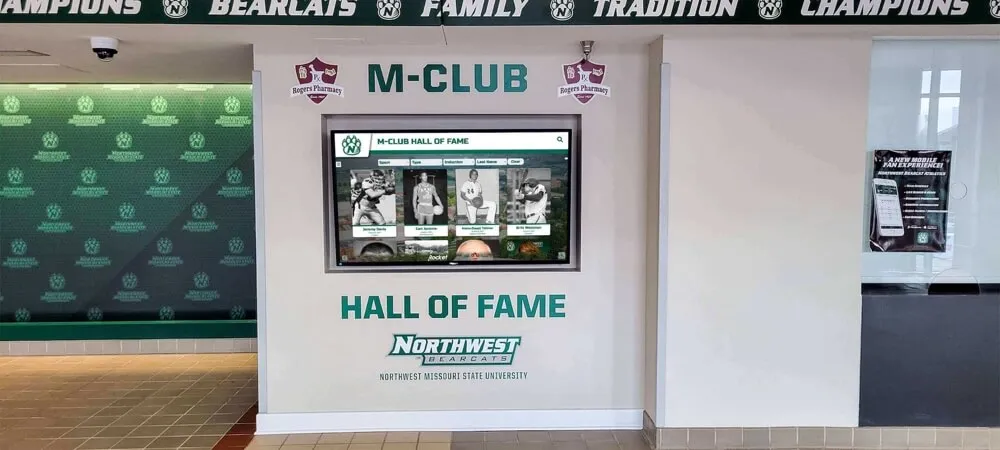
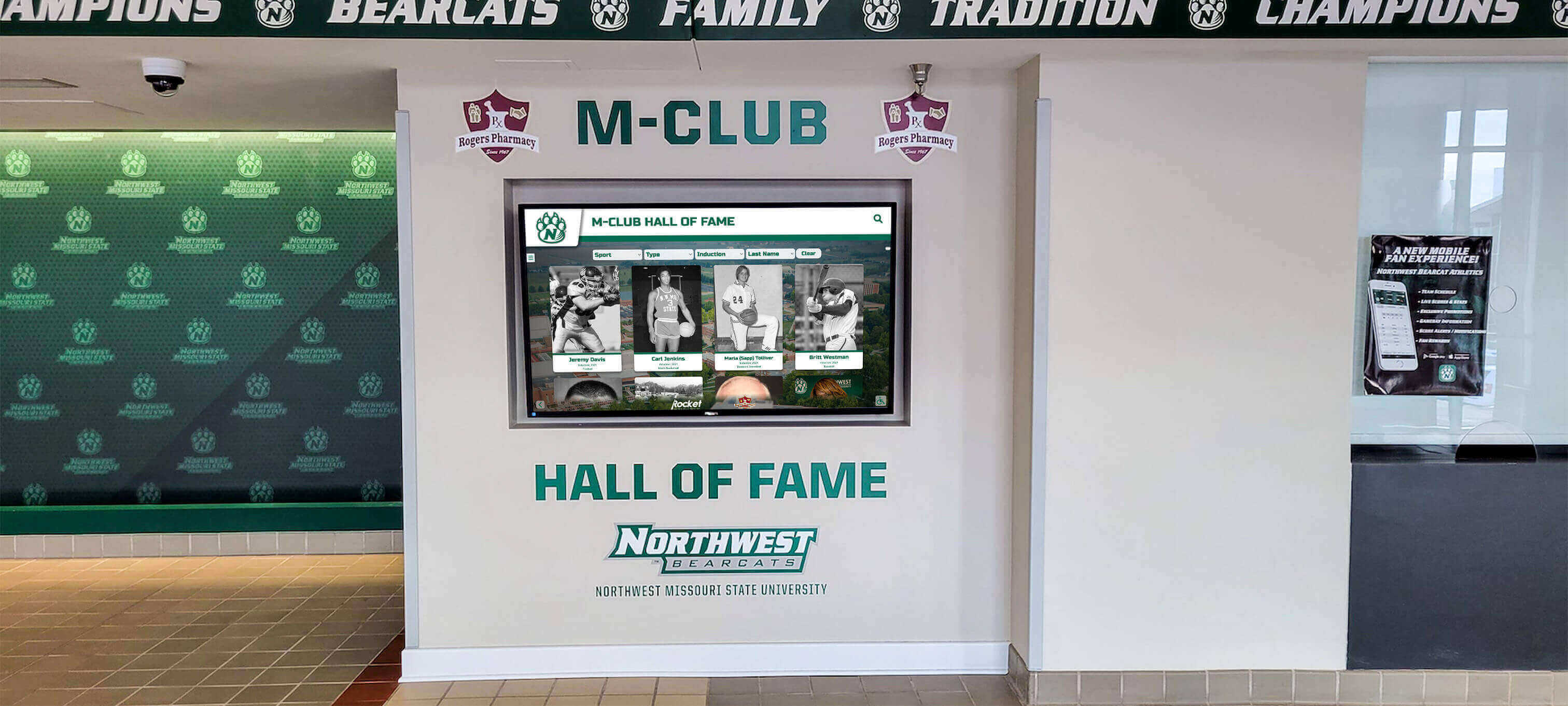
Rich Multimedia Profiles: Digital systems enable recognition far beyond simple name listings. Comprehensive athlete profiles can include high-resolution photographs from competitive seasons, detailed athletic statistics and achievement records, biographical information and post-graduation updates, team roster connections and coach information, and searchable databases enabling exploration by sport, year, name, or achievement type.
Remote Accessibility: Web-based platforms extend recognition beyond physical school locations. Alumni living anywhere worldwide can access digital recognition discovering their achievements and sharing them with family members, prospective students and families can research athletic program history and tradition during recruitment, media representatives can access athletic information for feature stories without facility visits, and current students can explore athletic heritage building program pride and motivation.
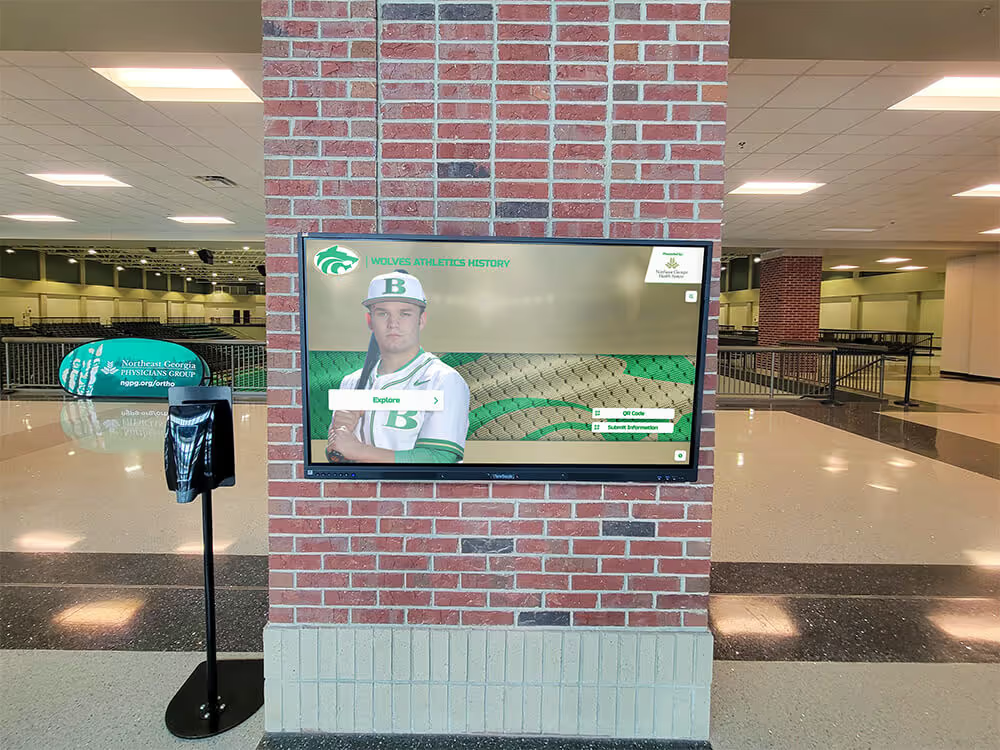
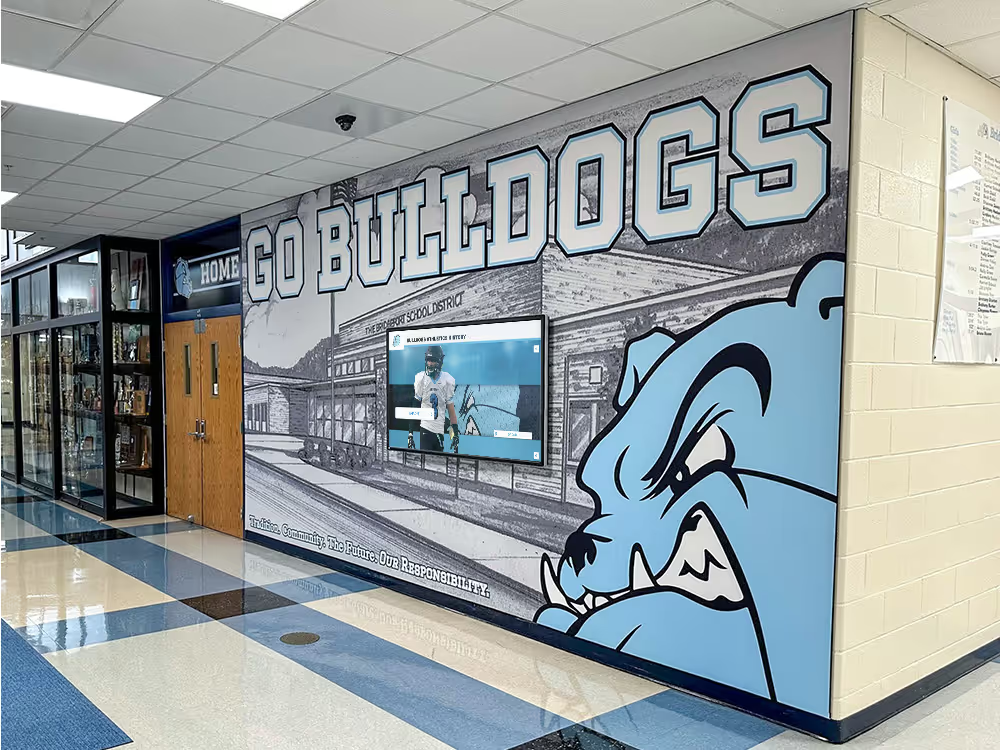
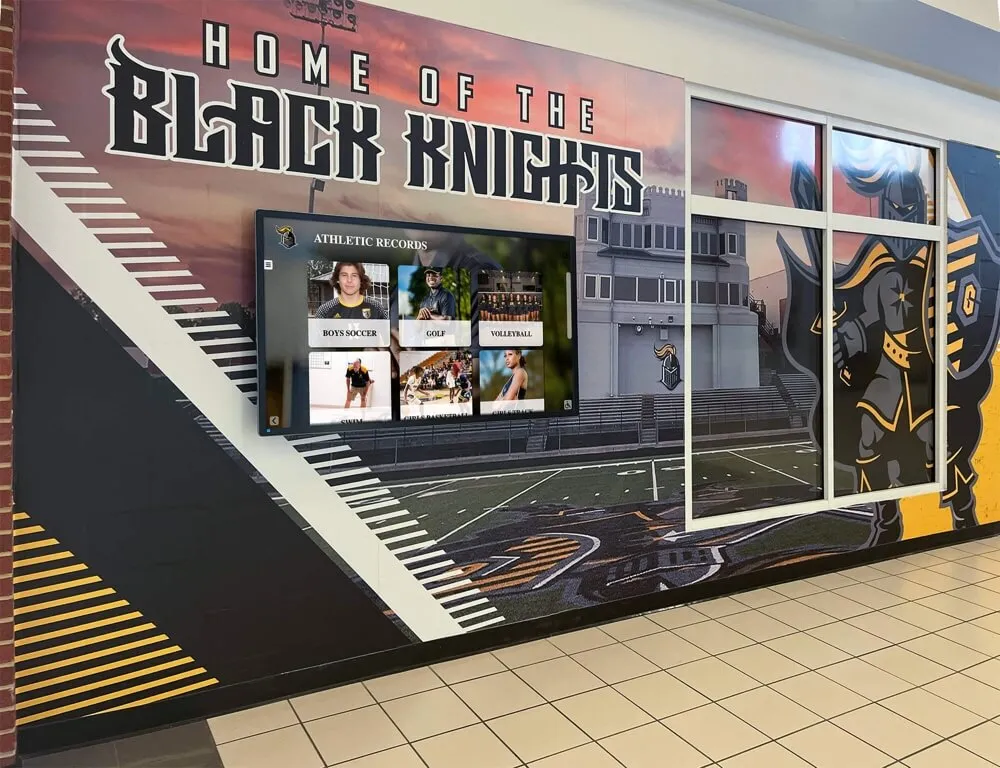
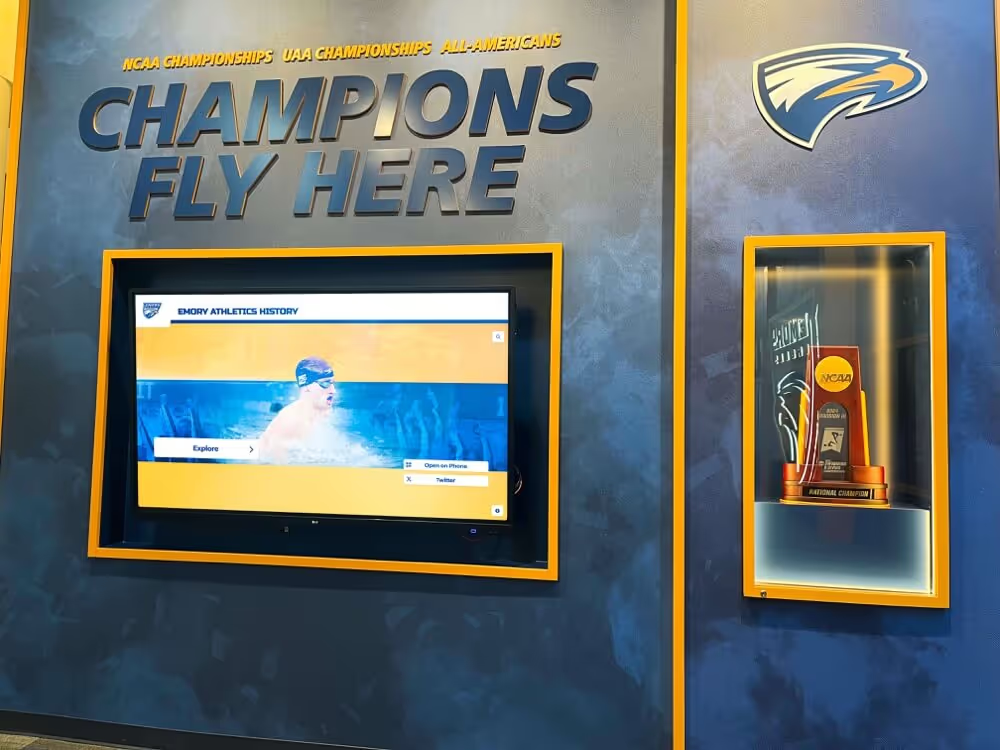
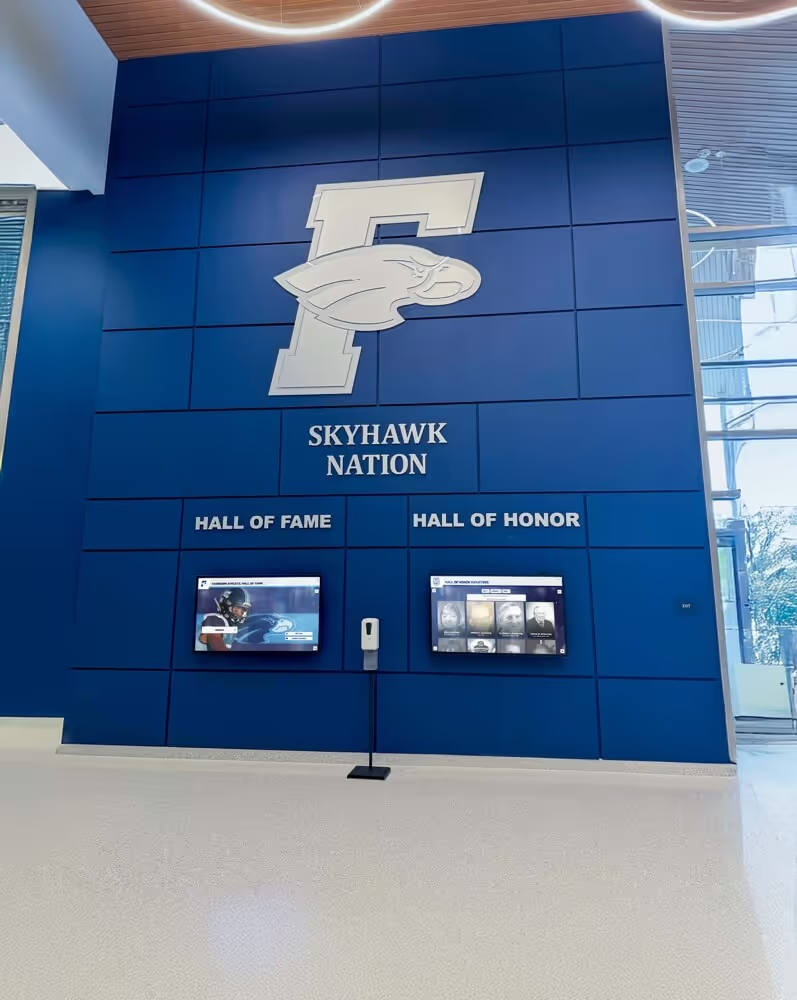
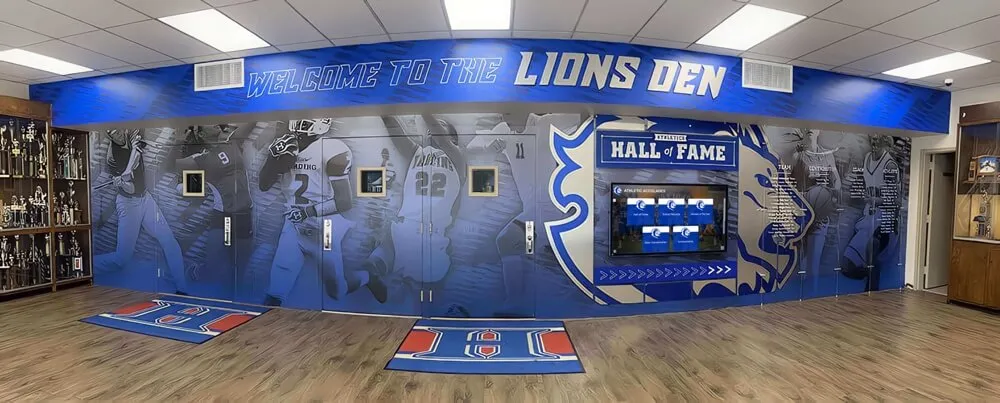
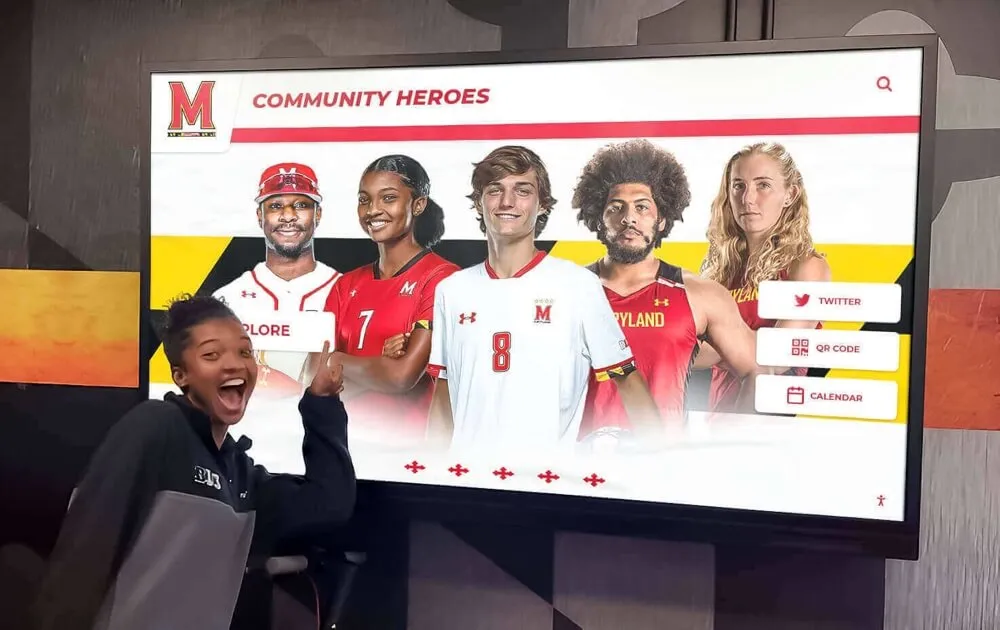
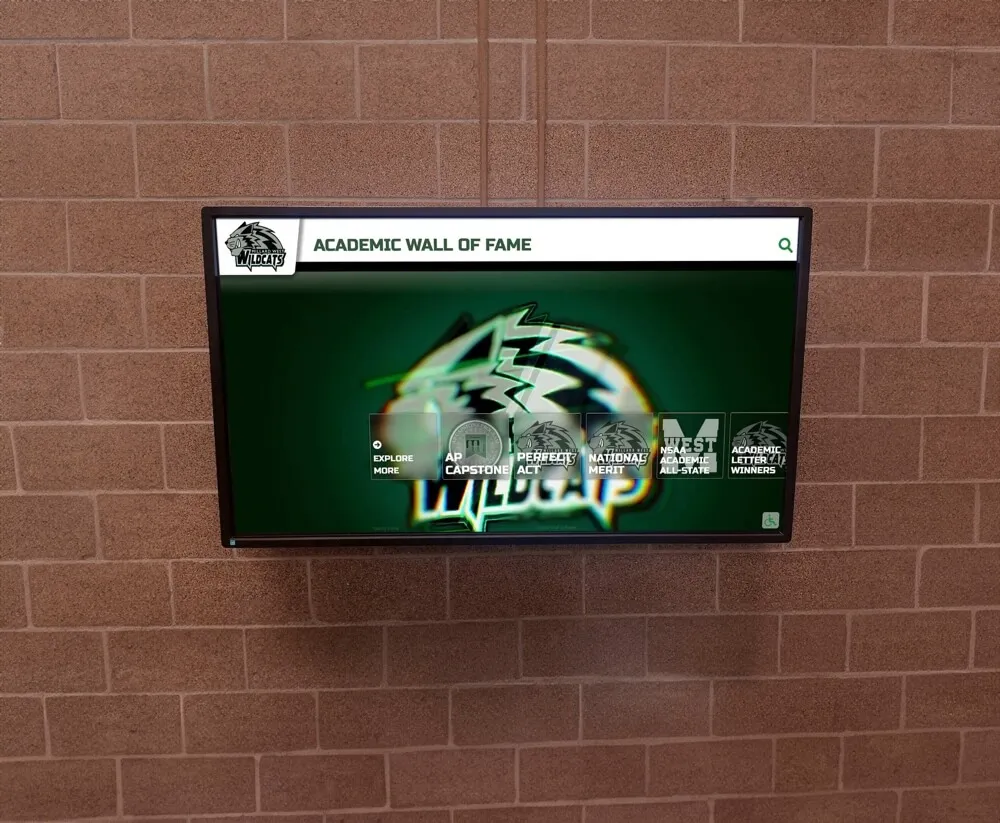
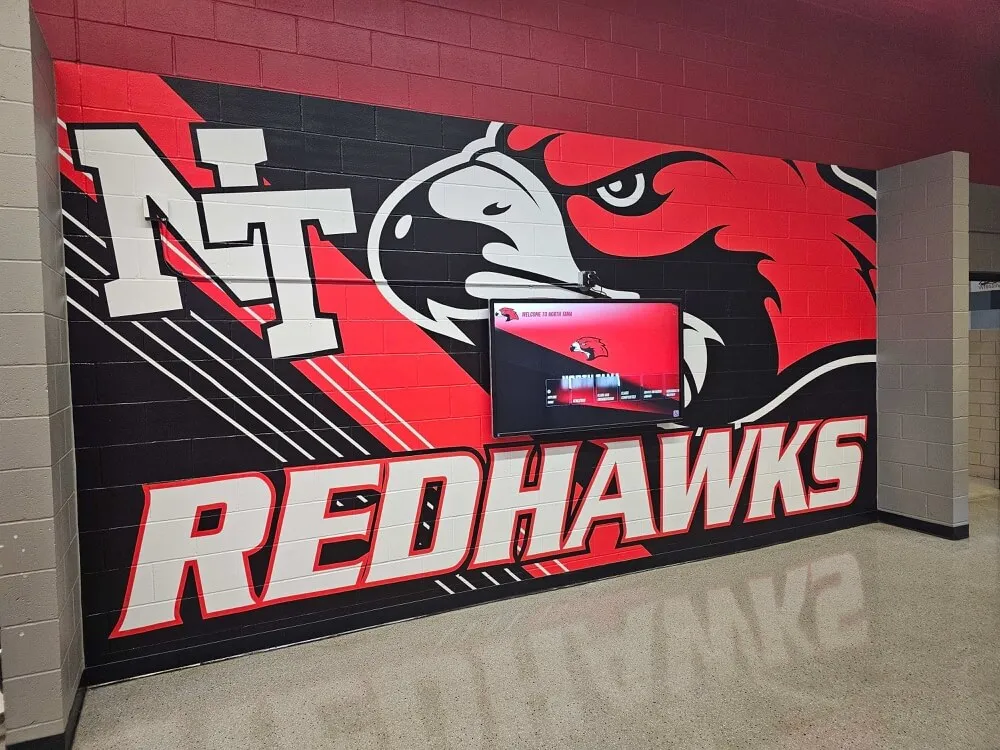
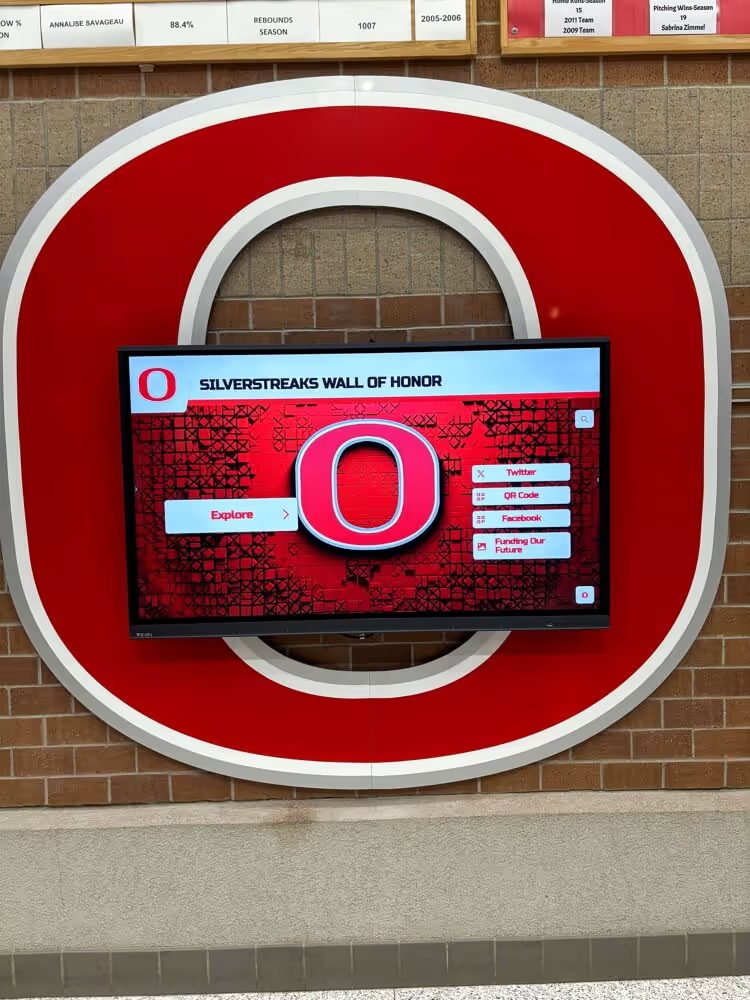
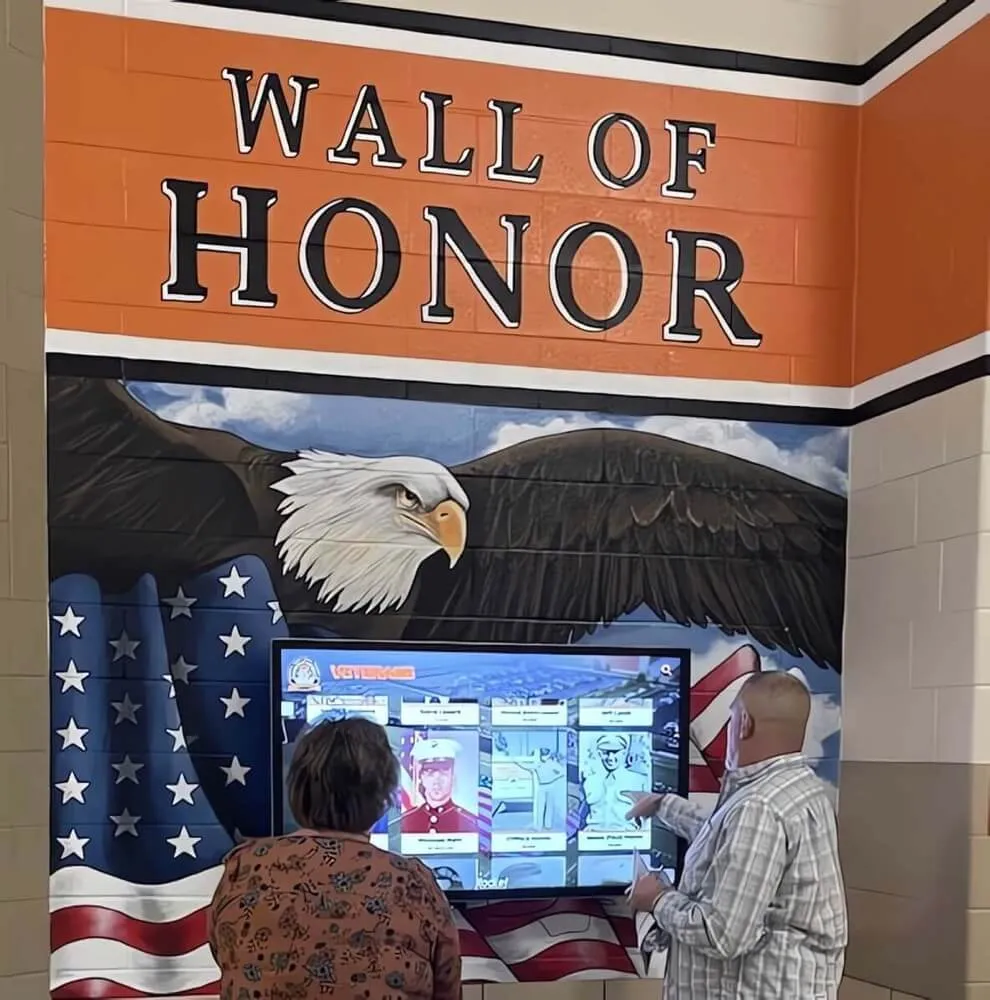
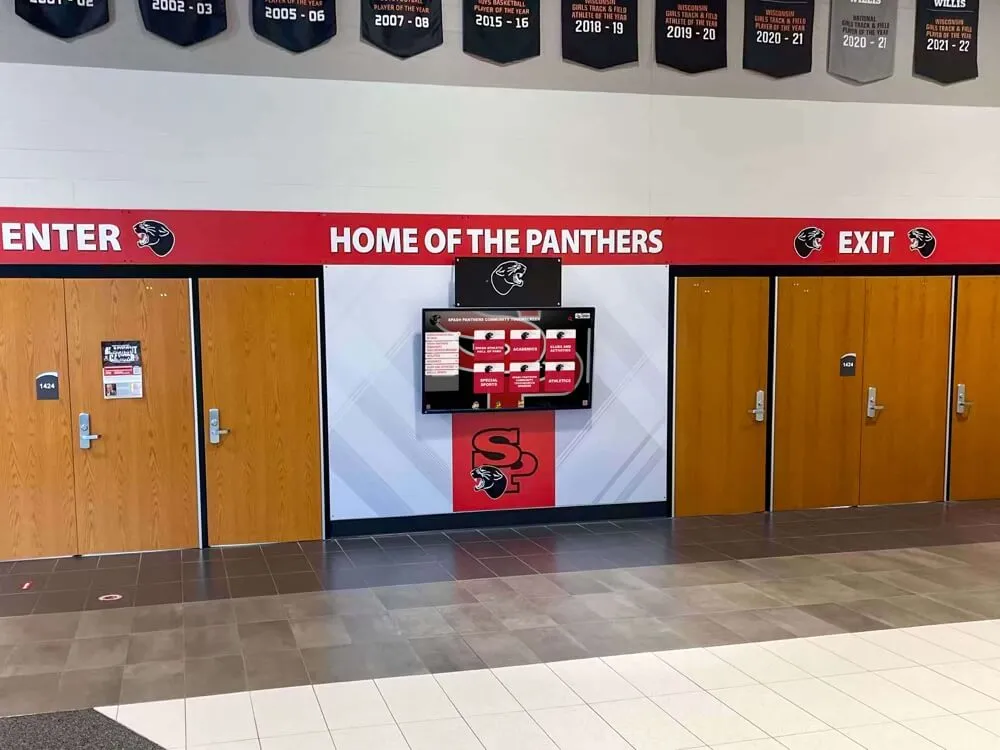
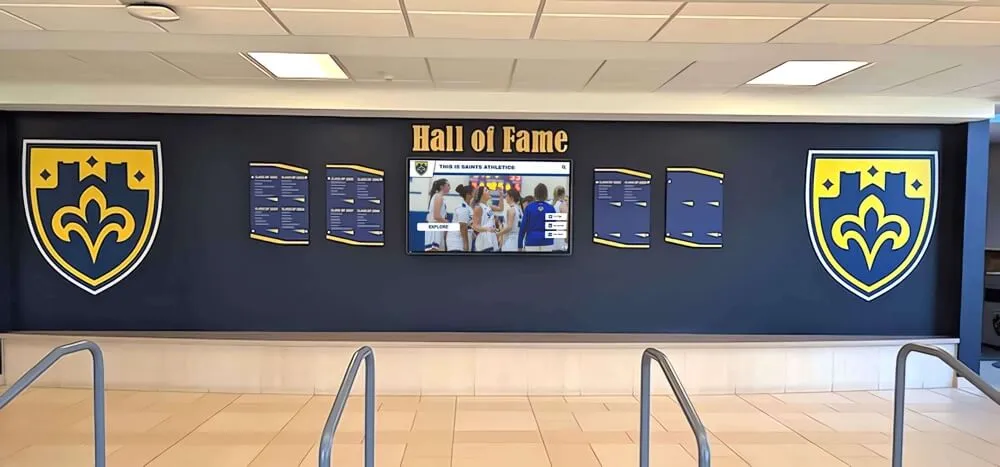
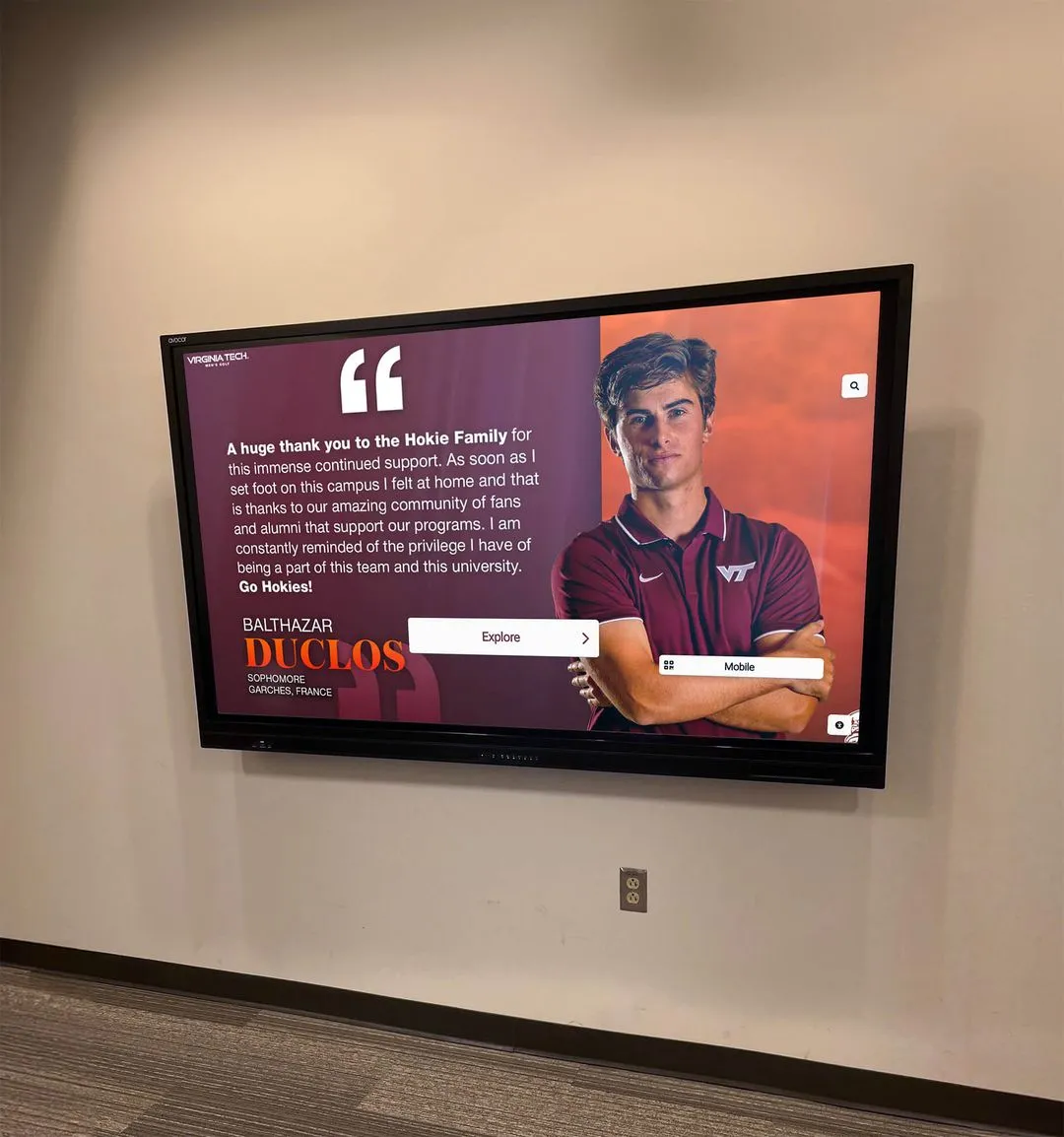
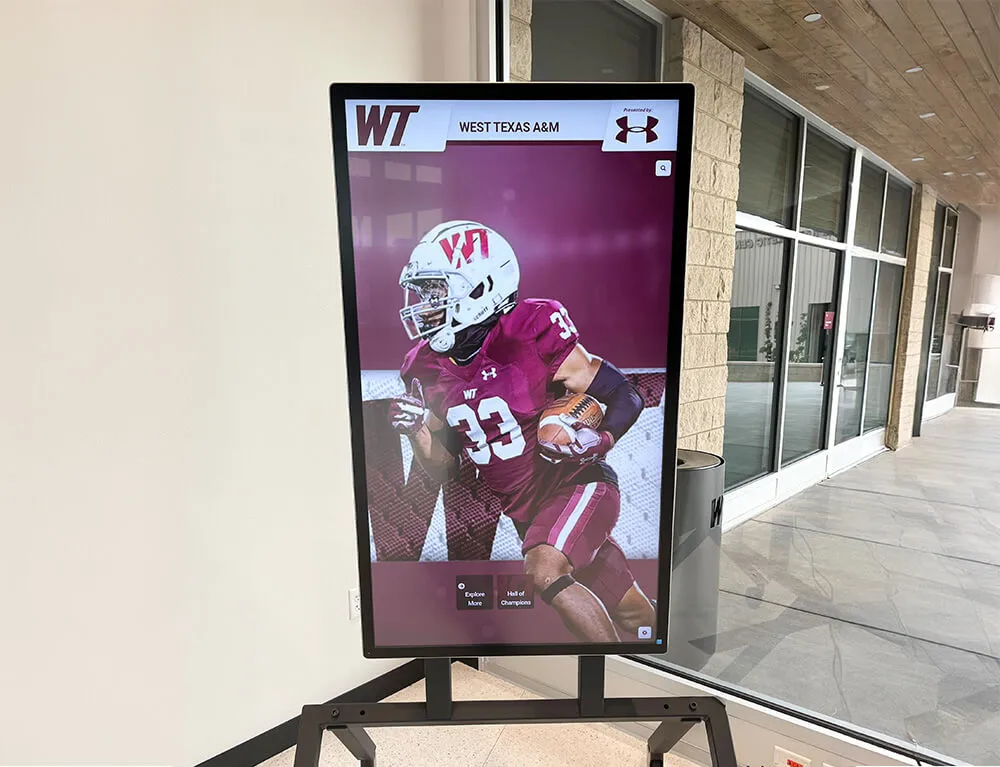
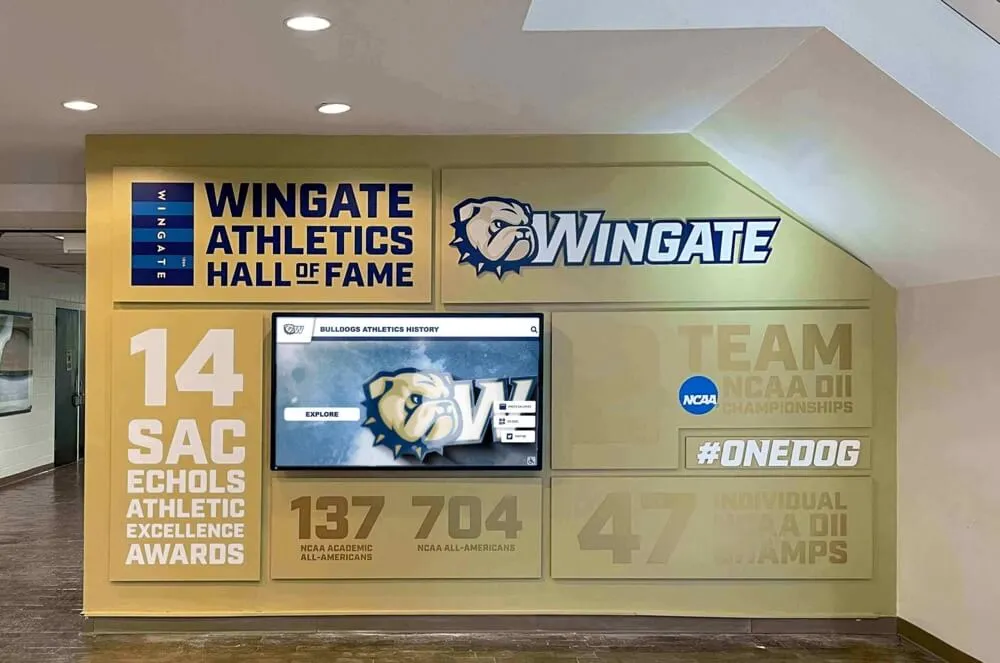
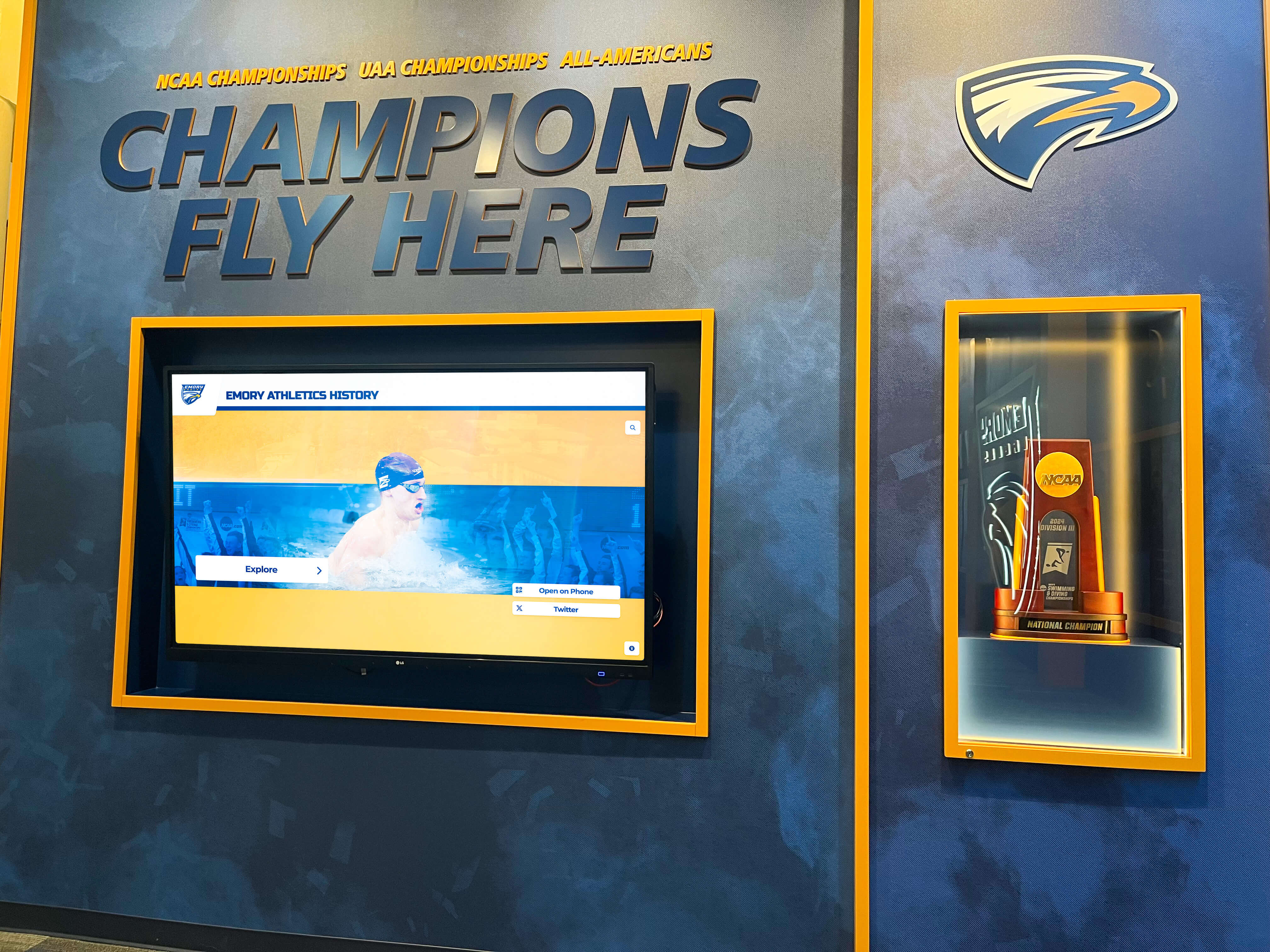
Interactive Engagement: Modern displays enable interactive exploration impossible with static plaques. Touchscreen interfaces let visitors search for specific athletes or teams, filter by sport or decade revealing participation patterns, discover related athletes like teammates or family members across generations, and explore championship achievements and record-breaking performances.
Solutions like Rocket Alumni Solutions provide purpose-built platforms designed specifically for educational athletic programs. These systems enable non-technical athletic directors and activities coordinators to manage content confidently, showcase unlimited letter winners through engaging searchable displays, preserve athletic heritage permanently regardless of physical award condition, and create recognition accessible to alumni worldwide while inspiring current athletes through visible tradition.

Combining Traditional and Digital Recognition Approaches
Many schools implement hybrid strategies balancing tradition with technological advantages:
Physical Entry Recognition: Installing wall plaques or displays listing current year letter winners maintains tangible in-building recognition while using digital systems for comprehensive historical preservation eliminating capacity constraints.
QR Code Integration: Adding QR codes to physical displays enables visitors to access rich digital content through their smartphones—scanning codes from traditional plaques to explore detailed athlete profiles, team histories, championship information, and multimedia content impossible to display physically.
Ceremony Tradition with Digital Preservation: Maintaining traditional letter award ceremonies honoring recipients publicly while digitally documenting each ceremony creates lasting recognition extending beyond physical award distribution.
These hybrid approaches honor traditional expectations and rituals while leveraging modern technology to solve practical limitations and create more comprehensive, accessible, and engaging long-term recognition than either approach achieves independently. Resources on digitizing varsity letters provide additional implementation guidance for schools transitioning to digital systems.
Why Varsity Letter Recognition Matters for Athletic Programs
Beyond honoring individual athletes, effective varsity letter recognition systems serve broader educational and athletic program purposes that benefit schools comprehensively.
Inspiring Current Athletes Through Visible Tradition
Prominent letter winner recognition creates powerful motivation for current student-athletes:
Achievement Visibility: When schools comprehensively showcase letter winners, current athletes see clear evidence that hard work and dedication receive lasting institutional recognition. This visibility creates aspirational goals motivating athletes to pursue varsity participation and letter eligibility.
Program Heritage Connection: Understanding athletic program history and tradition builds pride and commitment. Athletes who see decades of letter winners from their sports understand they’re participating in something larger than themselves—athletic traditions extending across generations creating legacy and continuity.
Standard Setting: Letter winner displays demonstrate achievement levels meriting pursuit. Young athletes see specific accomplishments—championships, records, honors—that previous generations achieved, creating concrete goals guiding their athletic development rather than abstract encouragement lacking specific direction.
Character Modeling: Comprehensive recognition showcasing letter winners’ complete profiles including post-graduation achievements demonstrates that athletic success often correlates with broader life success, reinforcing messages about character, work ethic, and persistence that coaches emphasize during athletic participation.

Strengthening Alumni Connections and Engagement
Effective letter winner recognition creates valuable alumni engagement opportunities supporting broader institutional advancement:
Emotional Connection Maintenance: Alumni who see their athletic achievements recognized maintain stronger emotional connections to schools and athletic programs. This ongoing connection increases likelihood of continued engagement through attendance at athletic events, participation in alumni activities, and support for school initiatives.
Discovery and Reminiscence: Digital recognition platforms enable alumni to rediscover their athletic accomplishments decades later, share achievements with children and grandchildren who never witnessed their competitive careers, reconnect with teammates discovering what former athletic partners accomplished after graduation, and remember coaches and programs that shaped their character and development.
Advancement Infrastructure: Athletic recognition often catalyzes philanthropic support. Alumni who feel their contributions were appropriately honored show increased willingness to support facilities improvements, program enhancements, and capital campaigns—particularly those focused on athletic recognition or facilities where they competed.
Recruitment Marketing: Visible comprehensive recognition demonstrates institutional commitment to honoring athlete contributions. Prospective student-athletes and families notice letter winner displays during facility tours, interpreting them as evidence that schools value athletic participation appropriately and will recognize their future achievements permanently.
Preserving Institutional Athletic Memory
Athletic programs develop across decades creating rich histories that deserve preservation:
Historical Documentation: Letter winner recognition creates systematic documentation of athletic participation and achievement that might otherwise be lost. Official records often become incomplete over time, yearbooks deteriorate, and institutional memory fades as coaches and administrators retire, making formal recognition systems essential for preserving athletic heritage.
Comparative Context: Comprehensive records enable fascinating historical analysis—tracking how programs developed over time, identifying dominant eras or exceptional athlete classes, documenting evolution in participation rates and achievement levels, and recognizing pioneering athletes who established programs or competed when opportunities were limited.
Educational Resources: Athletic history provides valuable educational content for current students learning about school heritage, community members researching local history, journalists writing features about programs or notable alumni, and researchers studying athletic program development or educational history.
Resources on academic recognition programs demonstrate how systematic recognition across both athletic and academic domains creates comprehensive institutional memory preserving diverse student achievement.
Implementing Effective Varsity Letter Recognition Systems
Schools seeking to establish or improve letter winner recognition should follow systematic approaches ensuring successful implementation that serves institutional goals effectively.
Establishing Clear Letter Award Policies
Transparent eligibility criteria prevent confusion and ensure equitable recognition:
Written Policy Documentation: Create formal written policies specifying minimum participation requirements for each sport, academic eligibility standards, sportsmanship and conduct expectations, procedures for special circumstances or athletic director discretion, and timelines for letter award determination and distribution.
Clear documentation ensures consistency across different coaches and sports, provides reference resources for athletes and parents understanding requirements, protects schools legally against allegations of arbitrary or discriminatory recognition decisions, and maintains institutional continuity when coaching or administrative transitions occur.
Stakeholder Communication: Communicate policies clearly to all relevant audiences through coach distribution at season starts, student-athlete handbooks including letter requirements, parent meetings explaining recognition systems, and athletic department websites publishing policies publicly.
Digitizing Historical Letter Winner Records
Schools with decades of athletic tradition should systematically preserve letter winner information:
Source Material Collection: Gather information from athletic department files and records, yearbook archives identifying team rosters and letter winners, retired coach and alumni knowledge filling gaps in official records, and school newspaper archives documenting seasons and achievements.
Data Standardization: Establish consistent fields for all letter winners including full names with verified spelling, graduation year, sports and seasons letters were earned, and additional achievements or biographical details when available.
Phased Implementation: Prioritize recent decades where records are most complete and alumni connections strongest, then systematically expand backward addressing historical eras as resources permit, acknowledging that earlier periods may yield incomplete information requiring honest representation of archival limitations.

Selecting Appropriate Display Solutions
Choose recognition approaches matching institutional needs, resources, and goals:
Physical Display Considerations: Evaluate available wall space and traffic patterns, assess budget for ongoing plaque production and installation, consider aesthetic integration with facility design, and acknowledge capacity limitations requiring eventual supplementation or replacement.
Digital Platform Evaluation: Assess content management system usability for non-technical staff, evaluate multimedia capabilities supporting rich athlete profiles, confirm web accessibility enabling global alumni access, review ongoing subscription and support costs, and ensure system scalability accommodating unlimited future growth.
Integration Strategies: Consider hybrid approaches balancing physical presence with digital advantages, implement QR codes connecting physical displays to digital content, and coordinate recognition with facility improvements or renovation projects.
Resources on best hall of fame tools provide comparative frameworks for evaluating recognition solutions across diverse institutional contexts.
The Future of Varsity Letter Recognition
While the varsity letter tradition has endured for over 150 years, recognition approaches continue evolving alongside educational and technological change.
Emerging Recognition Trends
Contemporary developments shaping varsity letter traditions include:
Inclusive Achievement Recognition: Expanding beyond traditional competitive athletics to recognize club sports participation, unified sports programs for athletes with intellectual disabilities, esports competition increasingly recognized as legitimate school activities, and recreational athletics leadership like intramural program management.
Equity-Focused Policies: Reviewing letter requirements ensuring they don’t inadvertently disadvantage athletes in specific sports, positions, or circumstances, providing cost-free recognition alternatives for families who cannot afford letter jackets, and ensuring equal visibility for male and female athletes and individual versus team sports.
Digital-First Recognition: Younger generations accustomed to digital interaction may prefer web-based recognition they can share through social media over physical awards, creating opportunities for athletic programs to meet contemporary student preferences while solving traditional recognition limitations simultaneously.
Sustainable Recognition: Environmental consciousness prompting evaluation of physical award production, packaging, and eventual disposal, potentially accelerating shifts toward digital recognition with minimal physical resource consumption.
Maintaining Tradition While Embracing Innovation
The most successful recognition approaches honor varsity letter traditions’ cultural significance while addressing contemporary practical realities:
Schools should preserve core letter award ceremonies maintaining ritual and celebration, continue offering physical recognition options for students and families who value tangible awards, implement digital systems ensuring comprehensive permanent recognition beyond physical limitations, create flexible policies accommodating diverse athletic participation types, and maintain clear transparent criteria ensuring equitable recognition across all sports and student populations.
Varsity letters represent more than athletic recognition—they symbolize dedication, achievement, community belonging, and lasting school connections that shape student identities and alumni engagement for decades. Schools that honor this tradition appropriately while embracing modern recognition approaches create environments where athletic excellence flourishes and every athlete’s contribution receives the permanent acknowledgment it deserves.

Honoring Every Athletic Achievement
Understanding what varsity letters represent—both their historical significance and contemporary relevance—enables schools to create recognition systems serving multiple essential purposes simultaneously: honoring individual athlete achievements appropriately, preserving institutional athletic heritage across generations, inspiring current athletes through visible examples of excellence, strengthening alumni connections supporting broader advancement goals, and demonstrating institutional values celebrating dedication, character, and sustained effort.
Whether your school maintains traditional letter jacket customs, has transitioned to alternative recognition approaches, or seeks to modernize systems while honoring athletic tradition, the fundamental goal remains unchanged—ensuring every athlete who earns varsity letter eligibility receives recognition that appropriately celebrates their achievement while contributing to institutional athletic legacy.
Modern digital recognition platforms enable schools to accomplish this goal comprehensively without the physical limitations constraining traditional approaches. By showcasing unlimited letter winners through engaging searchable displays, preserving athletic heritage permanently accessible to worldwide alumni, managing content simply through intuitive platforms requiring no technical expertise, and creating recognition inspiring current athletes while honoring every predecessor’s contributions, schools transform varsity letter recognition from static plaques with inherent capacity limits into dynamic systems serving entire athletic communities effectively.
Your athletic programs have produced generations of dedicated student-athletes whose varsity letter achievements deserve recognition that honors their accomplishments appropriately, preserves their contributions to institutional heritage, and inspires future generations of athletes pursuing similar excellence. The question isn’t whether varsity letters remain meaningful in contemporary education—they absolutely do—but rather how schools can most effectively recognize these achievements in ways serving both historical tradition and modern institutional needs.
Ready to explore how your school can honor every varsity letter winner across all sports and decades through modern recognition solutions? Book a demo to discover platforms designed specifically for educational athletic programs seeking to celebrate achievement comprehensively while preserving tradition and creating engaging recognition serving entire school communities.