



The title of valedictorian represents the highest academic honor a high school or college can bestow upon a graduating student. For over a century, valedictorians have stood before their peers at commencement ceremonies, delivering addresses that mark the transition from one educational chapter to the next while representing the culmination of years of dedicated scholarship. Yet despite the honor’s prominence in American education, many students, parents, and even educators hold misconceptions about what it takes to earn valedictorian status, how schools determine who receives the distinction, and what the recognition means in an era of changing educational priorities and college admissions practices.
Understanding what a valedictorian is—and what the title represents—requires examining not just GPA thresholds and class rank calculations but also the evolving selection criteria schools employ, the controversies surrounding traditional valedictorian systems, and how modern educational institutions balance honoring exceptional individual achievement with recognizing diverse forms of excellence. This comprehensive guide explores every dimension of valedictorian status, providing practical information for students pursuing the distinction, guidance for schools designing equitable selection systems, and context for understanding how this traditional honor fits within contemporary academic culture.
Valedictorian at a Glance
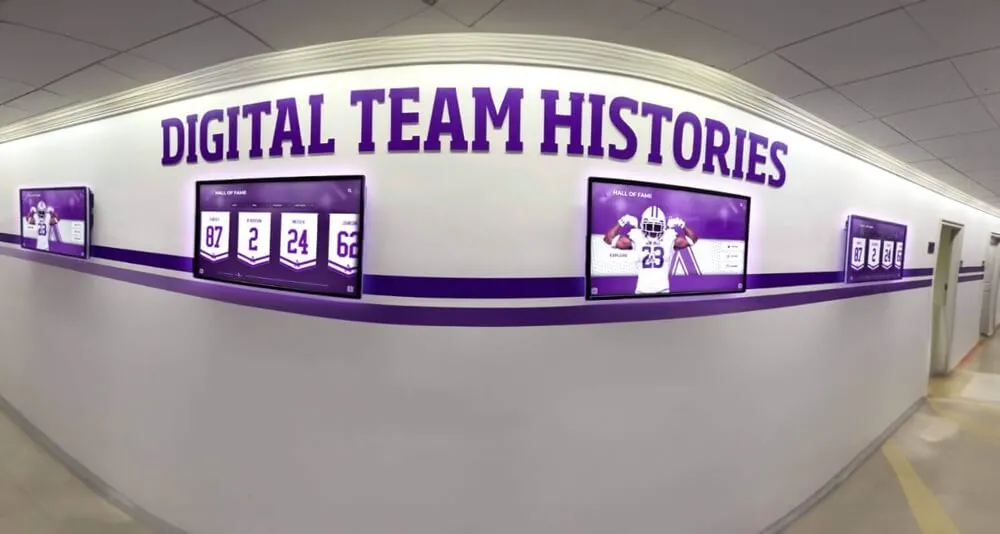
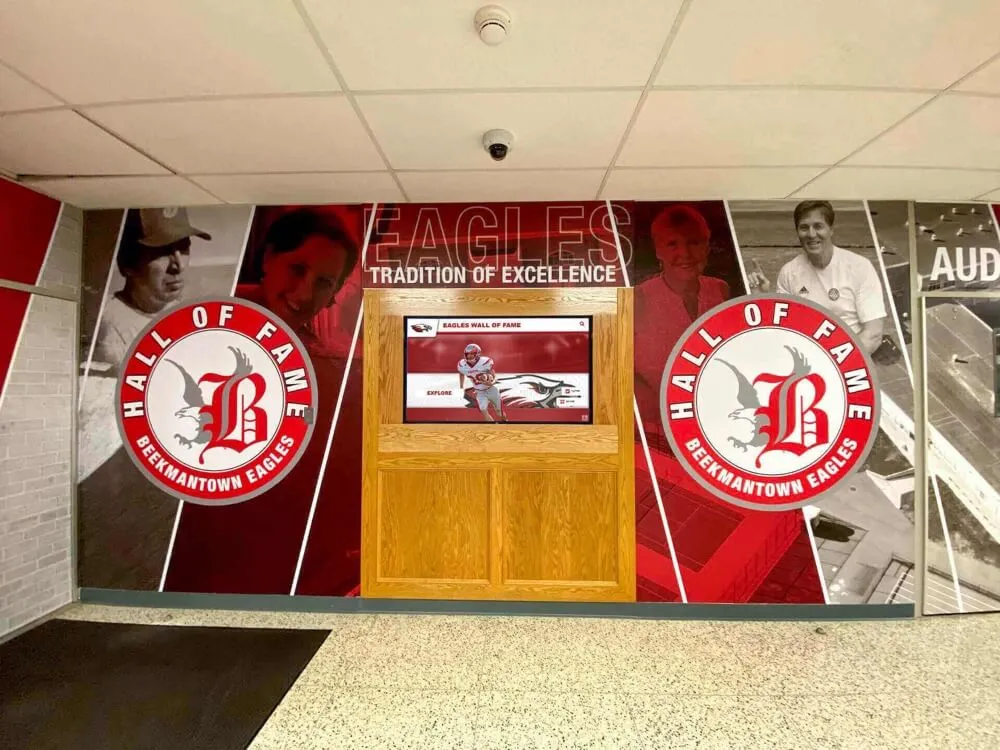
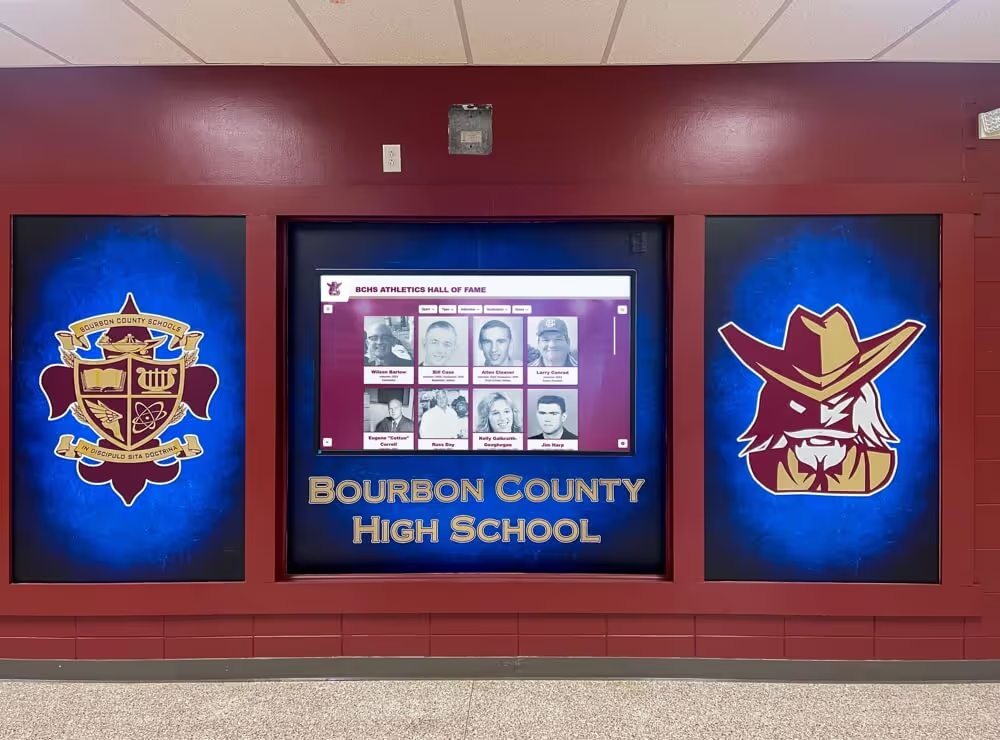
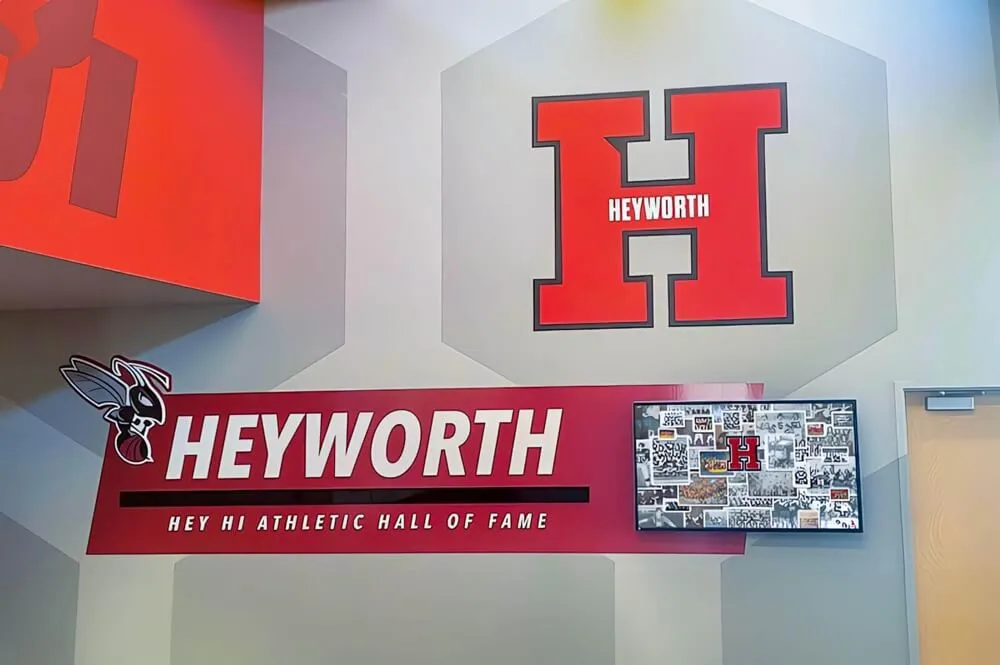
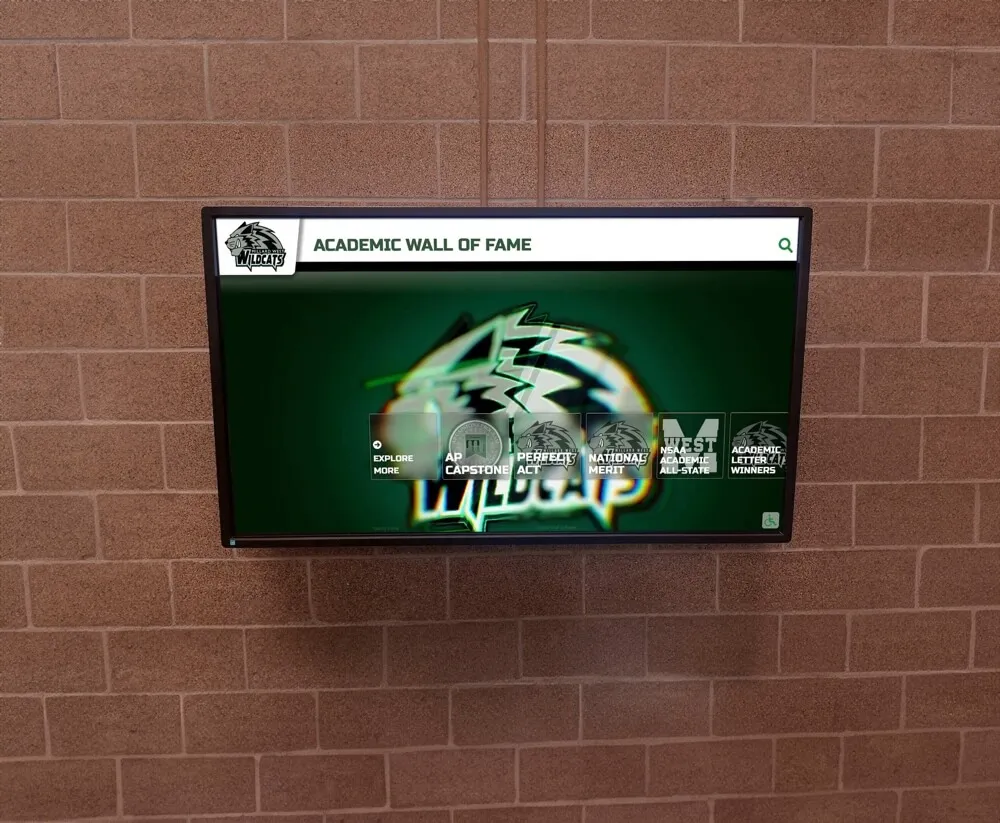
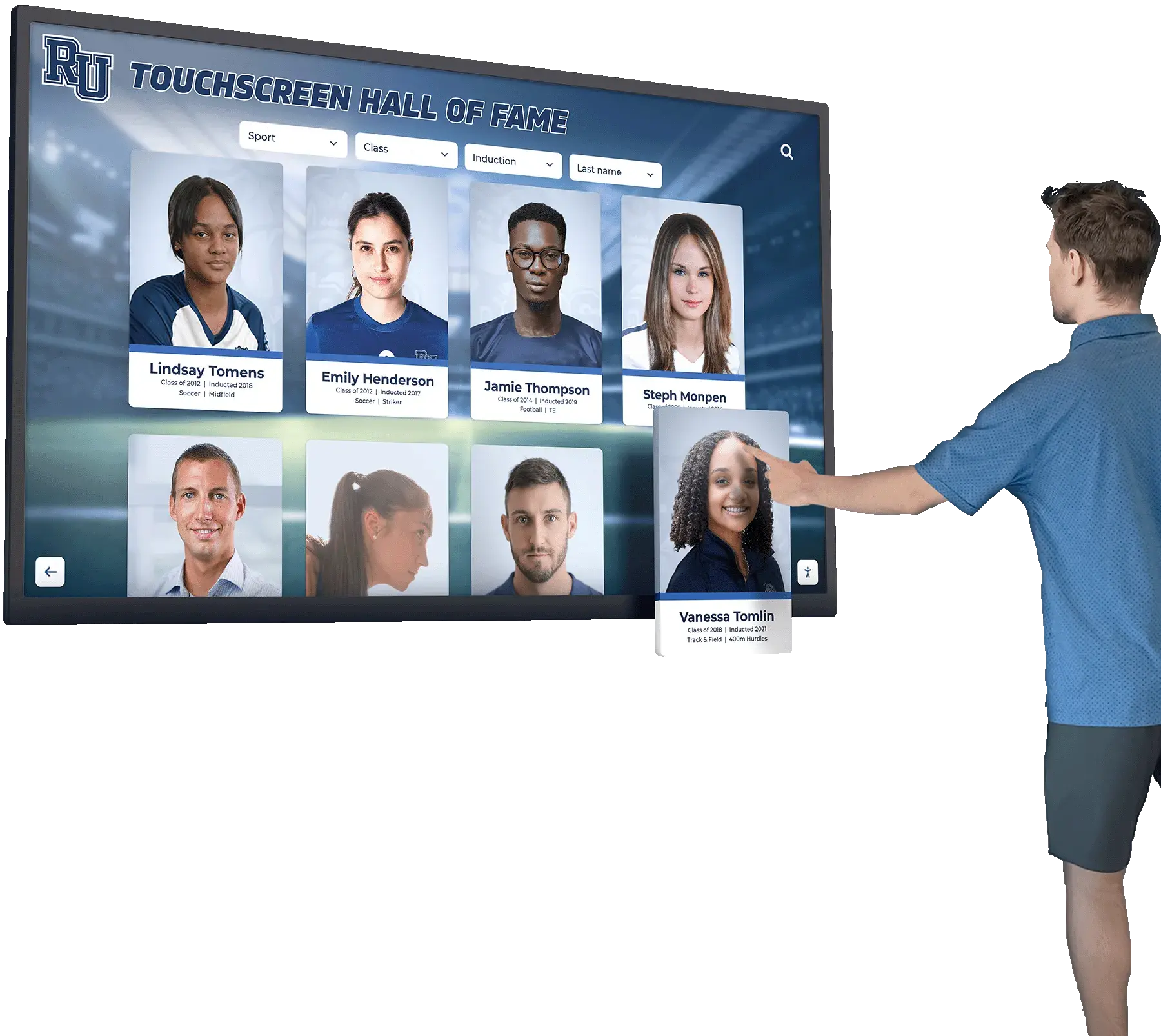
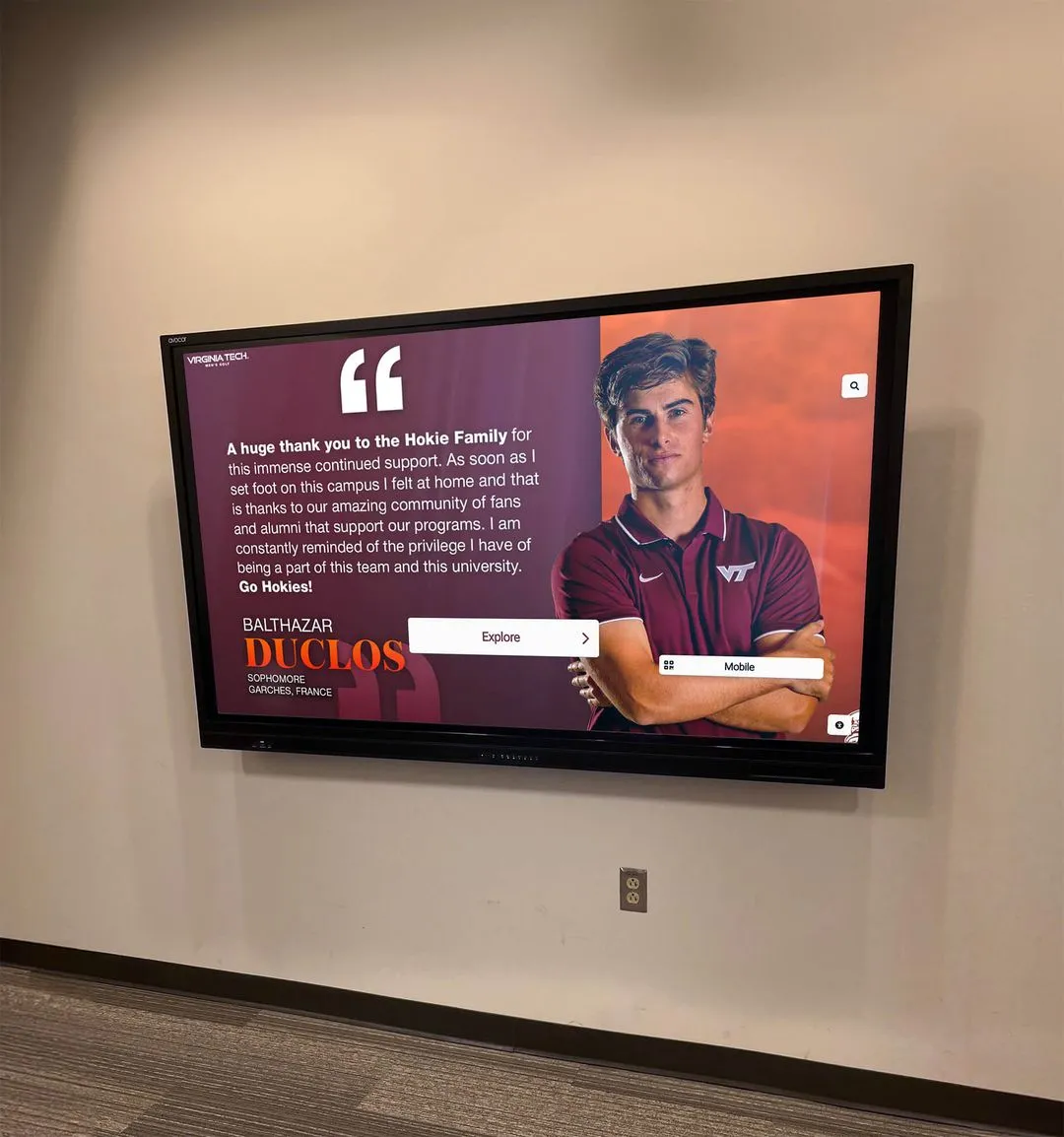
A valedictorian is the graduating student with the highest academic achievement in their class, traditionally determined by grade point average (GPA) or weighted GPA. The valedictorian typically delivers a farewell address at graduation and represents the academic pinnacle of their graduating class. Modern schools implement varying selection criteria, with some naming multiple valedictorians, others eliminating the designation entirely, and many developing nuanced systems that balance objective metrics with holistic achievement recognition. Recognition of valedictorians and other top scholars increasingly utilizes comprehensive academic recognition programs that celebrate excellence while preserving these achievements for school communities.
Defining Valedictorian: Etymology and Traditional Meaning
The term “valedictorian” derives from the Latin phrase “vale dicere,” meaning “to say farewell.” This etymology captures the role’s original purpose: delivering a valedictory address—a farewell speech—to fellow graduates at commencement ceremonies. The tradition originated in American colleges during the colonial period and gradually expanded to secondary schools throughout the 19th and 20th centuries, becoming a fixture of graduation ceremonies across the United States and influencing educational traditions in other countries.

In traditional practice, schools designated a single valedictorian—the graduating student with the absolute highest academic achievement as measured by grade point average. This student earned the right to speak at graduation, representing their class while reflecting on shared experiences and looking toward the future. The honor carried both ceremonial significance and practical implications, often influencing college admissions, scholarship opportunities, and community recognition of academic excellence.
The Salutatorian: Second-Highest Academic Honor
Alongside the valedictorian, many schools also recognize a salutatorian—typically the student with the second-highest GPA in the graduating class. The term derives from Latin “salutare,” meaning “to greet,” reflecting this student’s traditional role of delivering a salutatory address or welcoming remarks at commencement, often preceding the valedictorian’s farewell speech.
While less universally recognized than valedictorian status, salutatorian designation represents extraordinary academic achievement and earns similar respect, scholarship consideration, and recognition. Some colleges and programs specifically track and recruit both valedictorians and salutatorians, recognizing that the margin separating first and second rank often proves infinitesimally small—sometimes mere hundredths of a grade point.
Traditional Valedictorian Requirements and Selection Criteria
Understanding traditional valedictorian selection begins with examining the quantitative metrics most schools have historically employed to determine academic standing and class rank.
Grade Point Average: The Primary Determinant
Grade point average serves as the foundational metric for valedictorian selection in most traditional systems. GPA represents a calculated average of all grades a student earns throughout high school, typically spanning four years and encompassing all courses toward graduation requirements.
The standard GPA scale operates on a 4.0 system where:
- A = 4.0 points
- B = 3.0 points
- C = 2.0 points
- D = 1.0 point
- F = 0.0 points
Plus and minus grades typically adjust these values by 0.3 points (though some schools don’t use plus/minus distinctions). Under this unweighted system, a student earning straight A’s across all courses would achieve a perfect 4.0 GPA—traditionally the threshold for valedictorian consideration in schools using unweighted calculations.
Weighted vs. Unweighted GPA Systems
The proliferation of Advanced Placement, International Baccalaureate, honors, and dual enrollment courses during recent decades complicated simple GPA-based valedictorian selection. Schools increasingly adopted weighted GPA systems that assign additional grade points for rigorous coursework, recognizing that a student earning an A in AP Calculus demonstrated greater achievement than one earning an A in standard-level mathematics.
Weighted GPA systems typically add 0.5 to 1.0 additional points for honors courses and 1.0 to 1.5 points for AP or IB courses. Under common weighted scales:
- Regular course A = 4.0 points
- Honors course A = 4.5 or 5.0 points
- AP/IB course A = 5.0 or 5.5 points
This weighting enables GPAs exceeding the traditional 4.0 ceiling—students taking rigorous course loads can achieve 4.5, 5.0, or even higher weighted GPAs. Schools using weighted systems for valedictorian selection specifically reward students who challenged themselves with demanding coursework rather than potentially gaming the system by taking easier classes to maintain perfect grades.
The weighted approach aims to prevent situations where students avoid rigorous courses to protect unweighted GPAs—a perverse incentive undermining educational goals of intellectual challenge and college preparation. However, weighted systems introduce their own complexities and potential inequities, particularly when schools offer unequal access to advanced coursework.

Class Rank Calculation Methods
Class rank represents a student’s academic standing relative to peers, typically expressed as a specific rank (1st, 2nd, 3rd) or percentile (top 1%, top 5%, top 10%). Valedictorian designation traditionally goes to the student ranked exactly first in their graduating class—though as we’ll explore, many schools now recognize multiple first-place students when GPAs are identical or extremely close.
Schools calculate class rank using cumulative GPA, but specific methodologies vary considerably:
All courses included: Some schools factor every course into class rank calculations, including electives, physical education, and non-academic classes. This comprehensive approach can disadvantage students taking additional electives or participating in arts and career-technical programs that might not offer weighted grades.
Core academic courses only: Other schools calculate rank using only core academic subjects—English, mathematics, science, social studies, and world languages. This approach aims to measure pure academic achievement while preventing non-academic coursework from influencing rankings.
Minimum course level requirements: Some schools establish thresholds requiring students to complete specified numbers of honors or AP courses to qualify for valedictorian consideration, preventing students from achieving top rank through exclusively standard-level coursework regardless of GPA.
Semester-by-semester vs. cumulative calculations: Schools differ in whether they update rank calculations after each semester or only through complete academic years, and whether freshman grades carry equal weight to senior year performance.
Additional Eligibility Requirements
Beyond GPA and rank, many schools impose supplementary requirements students must satisfy to qualify for valedictorian designation:
Minimum enrollment duration: Most schools require students spend a minimum time period enrolled—often all four years of high school—to qualify for valedictorian consideration. This prevents students who transfer in for senior year from immediately claiming top rank while ensuring honored students participated fully in the school’s academic program.
Course completion requirements: Schools may mandate completion of specific coursework beyond graduation minimums, such as four years of core subjects, minimum numbers of advanced courses, or particular sequence completions demonstrating comprehensive academic engagement.
Conduct and citizenship standards: Some schools impose behavioral requirements, disqualifying students with significant disciplinary violations from valedictorian consideration regardless of academic performance. These conduct standards prove controversial, with critics arguing academic achievement should remain separate from behavior management.
Attendance thresholds: Certain schools establish minimum attendance requirements, disqualifying students with excessive absences from top honors. While intended to reward consistent engagement, attendance requirements can disadvantage students facing illness, family responsibilities, or circumstances beyond their control.
Speech capability and willingness: Since valedictorian traditionally involves delivering a commencement address, some schools require honored students be willing and able to speak publicly. This becomes complex when top-ranked students have legitimate public speaking anxieties or when multiple students share top rank but only one speech slot exists.
Modern Variations in Valedictorian Selection and Recognition
Traditional single-valedictorian systems based purely on GPA or class rank face increasing criticism and modification as schools grapple with equity concerns, competitive culture, and recognition that single metrics inadequately capture the full spectrum of academic excellence. Contemporary approaches to valedictorian designation vary enormously across American high schools.
Multiple Valedictorians: Recognizing Ties and Near-Ties
Many schools now designate multiple valedictorians rather than forcing selection of a single student when several graduates achieve virtually identical academic records. This approach addresses scenarios where two, three, or even a dozen students finish with perfect or near-perfect GPAs separated by infinitesimal margins—differences that often reflect grading randomness or course availability rather than meaningful achievement distinctions.
The multiple valedictorian approach proves particularly common in schools with:
- Weighted GPA systems where numerous students achieve perfect weighted GPAs by taking maximum available advanced courses
- Grade inflation environments where high percentages of students earn straight A’s throughout high school
- Small graduating classes where several students may share identical rank
- Commitments to collaborative culture rather than competitive academic environments
Critics argue that naming multiple valedictorians dilutes the distinction’s meaning and eliminates its competitive edge, potentially reducing motivation for students to excel beyond peers. Proponents counter that recognizing all students achieving extraordinary academic excellence represents fairness while reducing unhealthy competition over meaningless GPA fractions. Schools implementing digital recognition displays can easily accommodate multiple valedictorians without space constraints limiting traditional plaque-based recognition.

Latin Honors Systems: Broader Recognition Tiers
As alternative to or supplement for single valedictorian designation, many schools implement Latin honors systems recognizing broader groups of top academic achievers through tiered distinctions:
Summa Cum Laude (with highest praise) typically recognizes students in the top 1-5% of the graduating class or those achieving specified GPA thresholds—often 4.0 unweighted or 4.5+ weighted.
Magna Cum Laude (with great praise) honors students in the next tier, perhaps top 5-10% or GPA ranges of 3.85-3.99 unweighted or 4.25-4.49 weighted.
Cum Laude (with praise) extends recognition to top 10-20% or students meeting defined strong GPA standards demonstrating consistent academic excellence.
Latin honors systems enable schools to recognize numerous outstanding students rather than creating winner-takes-all competitions for single valedictorian spots. This broader recognition approach acknowledges that many students achieve remarkable academic excellence worthy of formal distinction, reducing pressure while maintaining meaningful standards.
Holistic Selection Approaches Beyond Pure GPA
Progressive schools increasingly implement holistic valedictorian selection considering factors beyond pure grade point average. These comprehensive approaches might evaluate:
Academic rigor and challenge-seeking: Weighting decisions to take difficult courses and intellectual risks rather than grade-maximizing through easier paths
Academic leadership and contribution: Participation in academic competitions, research projects, tutoring programs, or other activities demonstrating intellectual engagement beyond coursework
Character and values alignment: Assessing whether students embody institutional values, demonstrate integrity, and represent the school community appropriately as ceremonial speakers
Well-rounded excellence: Recognizing students balancing academics with significant contributions to arts, athletics, service, or leadership rather than purely academic focus
Improvement and growth trajectories: Considering students demonstrating remarkable academic growth rather than only absolute achievement, particularly students overcoming challenges or disadvantaged starting positions
Holistic approaches prove controversial, introducing subjectivity many argue undermines the valedictorian designation’s objectivity and measurability. Supporters contend that reducing students to single numerical metrics fundamentally misrepresents education’s complexity while potentially rewarding grade obsession over genuine learning and character development.
Eliminating Valedictorian Designations Entirely
A growing number of high schools—particularly elite private schools and progressive public districts—have eliminated valedictorian and class rank designations entirely. These schools argue that:
Single metrics inadequately represent excellence: Students demonstrate achievement through countless dimensions that GPA cannot capture, making designation of a single “best” student arbitrary and reductive.
Competitive culture undermines collaboration: Class rank competition creates environments where students view peers as rivals rather than collaborators, potentially discouraging study groups, tutoring, and intellectual community.
Gaming and strategic behavior: Students make course selection decisions strategically to maximize GPA rather than pursuing authentic intellectual interests or appropriate challenge levels.
Unearned advantages compound: Students with access to more weighted courses, private tutoring, and resource advantages accumulate competitive edges unrelated to merit or effort.
College admissions changes reduce significance: As selective colleges eliminate or de-emphasize class rank in admissions, the practical benefits of valedictorian status diminish while competitive costs remain.
Schools eliminating valedictorian designations typically implement alternative recognition systems celebrating diverse achievements through multiple categories, ensuring varied students experience meaningful honor without winner-takes-all competition. Modern academic recognition technology enables comprehensive recognition approaches that honor excellence across numerous dimensions simultaneously.
Controversies and Criticisms of Traditional Valedictorian Systems
While valedictorian designation enjoys deep roots in American educational tradition, the practice faces substantial contemporary criticism around equity, educational philosophy, and unintended consequences.
Grade Inflation and GPA Compression
As average GPAs have risen dramatically across American high schools over recent decades, distinguishing among top students grows increasingly difficult. Grade inflation—where higher percentages of students earn A’s and fewer receive C’s or below—creates compressed achievement ranges at the top of class rankings.
In schools where 20, 30, or more students achieve perfect or near-perfect GPAs, valedictorian selection often comes down to infinitesimal differences—hundredths of grade points separating first place from twentieth. These minute distinctions may reflect factors having little to do with genuine achievement differences: which semester a student took physical education, whether one teacher grades fractionally harder than colleagues, or pure chance in borderline grading decisions.

This compression undermines the meritocratic principle theoretically underlying valedictorian systems—the belief that the designation identifies genuinely superior academic achievement rather than statistical noise within grade inflation.
Course Access Inequities and Weighted GPA Problems
Weighted GPA systems intended to reward rigorous coursework create new equity problems when students have unequal access to advanced courses. Students attending schools with robust AP and IB programs can accumulate numerous weighted grades, while peers at schools offering limited advanced options face structural disadvantages in weighted GPA competitions regardless of talent or effort.
Within schools, course enrollment caps, prerequisite requirements, and scheduling constraints mean not all students have equal opportunities to take maximum weighted course loads. Students whose families understand the GPA weighting game gain advantages over peers without strategic guidance, while students needing to work or care for family members may lack schedule flexibility to load up on weighted courses even when eligible.
These access disparities mean weighted GPA systems don’t purely measure academic achievement but also substantially reflect educational opportunity differences—advantages often correlating with family income, parent education, and other privilege markers.
Strategic Course Selection and Gaming
Valedictorian competition can incentivize strategic behaviors undermining genuine education. Students and families aware of how GPA calculations work might:
Avoid interesting but unweighted electives: Dropping arts, career-technical programs, or other passions to maximize weighted course percentages
Select easier AP courses strategically: Choosing AP classes with reputations for easier grading rather than subjects matching genuine interests or appropriate challenge levels
Drop courses mid-semester: Withdrawing from challenging classes when grades appear lower than desired, potentially leaving incomplete understanding of important subjects
Resist intellectual risk-taking: Avoiding courses or projects where outcomes seem uncertain, preferring safe paths to grade maximization over genuine intellectual exploration
View peers as competitors rather than community: Treating classmates as rivals in zero-sum ranking games rather than collaborators in shared learning
These strategic behaviors represent rational responses to incentive structures schools create through valedictorian systems, yet they fundamentally undermine educational goals of intellectual curiosity, appropriate challenge-seeking, and collaborative learning communities.
Mental Health and Stress Impacts
Research increasingly documents the psychological costs of intense academic competition and achievement pressure, particularly in high-performing schools and communities. Students pursuing valedictorian status report:
Chronic stress and anxiety: Constant pressure to maintain perfect grades across all courses while managing challenging course loads
Sleep deprivation: Sacrificing health for extra study hours, assignment perfection, and involvement in résumé-building activities
Perfectionism and fear of failure: Developing unhealthy relationships with achievement where anything less than perfection feels catastrophic
Identity overfocus on achievement: Deriving self-worth primarily from academic standing and performance rather than developing multidimensional identity
Social isolation: Prioritizing academic work over relationships and social development, or experiencing tension with peers in competitive environments
Some valedictorians later reflect that the achievement came at unsustainable psychological costs, contributing to burnout, anxiety disorders, or difficulty adjusting to college environments where they no longer occupy singular top positions. Schools must balance recognizing excellence with avoiding systems that generate unhealthy stress and achievement obsession.
Equity Concerns Across Student Populations
Valedictorian systems can disadvantage particular student populations through structural mechanisms:
English language learners: Students developing English proficiency while excelling academically may earn lower grades in language-intensive courses regardless of content mastery, facing GPA disadvantages from circumstances beyond their control.
Students with disabilities: Those with learning disabilities or requiring accommodations might face subtle grading biases or structural barriers in certain advanced courses, limiting their ability to compete for top rank despite extraordinary effort and achievement relative to baseline.
Transfer students: Students changing schools mid-career—often due to family mobility, housing instability, or other challenging circumstances—face difficulty competing for valedictorian status with peers who attended the same school throughout, both through formal eligibility requirements and practical GPA calculation issues.
Students with family responsibilities: Those needing to work substantially to support families, care for siblings, or manage household responsibilities may lack time flexibility to maintain perfect grades across maximum weighted course loads despite comparable academic capability.
Students from under-resourced middle schools: Those arriving at high school without strong academic preparation through no fault of their own face substantial challenges competing with peers who had extensive educational advantages, even when demonstrating remarkable growth and achievement relative to starting points.
These equity concerns don’t necessarily argue for eliminating recognition of exceptional achievement but suggest that schools should consider whether single-metric valedictorian systems adequately identify genuine excellence or instead substantially reflect accumulated advantages and circumstances beyond students’ control.
The Valedictorian Speech: Purpose, Content, and Modern Considerations
For traditional valedictorian honorees, delivering the valedictory address represents both privilege and pressure—a final public representation of their class before the school community.

Traditional Speech Elements and Expectations
Valedictorian speeches traditionally incorporate several key elements:
Reflection on shared experiences: Acknowledging the collective journey the graduating class traveled together—challenges overcome, memorable moments, inside jokes, and defining experiences creating class identity
Gratitude and acknowledgment: Thanking teachers, staff, administrators, parents, and families for support and guidance enabling the graduates’ achievement and growth
Inspiration and forward focus: Encouraging classmates as they transition to next chapters, highlighting possibilities ahead while acknowledging uncertainties and challenges they’ll face
Brief and accessible: Most commencement programs limit speeches to 5-10 minutes, requiring concise messaging that holds attention spans during lengthy ceremonies
Appropriate humor: Light moments and humor connecting with audiences while maintaining ceremonial dignity appropriate to formal occasions
Universal themes beyond personal achievement: Focusing on collective experience, shared values, and broader life lessons rather than primarily discussing the speaker’s individual accomplishments
Modern Speech Challenges and Controversies
Contemporary valedictorian speeches occasionally generate controversy when:
Political or social issue advocacy: Students address contentious topics or advocate positions that portions of school communities find inappropriate for neutral ceremonial contexts
Religious content: Speakers incorporate religious messages or prayers in public school contexts, raising establishment clause questions and concerns about inclusivity
Criticism of school policies or practices: Valedictorians use platforms to criticize institutional decisions, educational approaches, or specific personnel—protected student expression potentially creating uncomfortable dynamics
Profanity or inappropriate content: Rare instances where students include language or references school communities consider inappropriate for family audiences
Schools typically establish review processes where administrators preview speeches before commencement, creating tension between student expression rights and institutional interests in appropriate ceremony content. Some schools require advance submission and approval, while others provide only general content guidelines trusting student judgment.
When multiple valedictorians exist but ceremony logistics permit only one or limited speeches, schools face difficult selection decisions—sometimes rotating speaking opportunities, having co-valedictorians deliver joint addresses, or implementing separate selection processes choosing speakers based on criteria beyond pure academic rank.
Alternatives to Traditional Valedictorian Speeches
Schools eliminating single valedictorian designations or seeking more inclusive commencement programming implement various alternatives:
Multiple student speakers representing diverse perspectives: Rather than single valedictorian addresses, ceremonies feature several students selected through application processes evaluating speaking ability and message quality rather than pure GPA
Panel or dialogue formats: Multiple students engage in moderated conversations about their experiences, enabling varied voices and perspectives
Class-selected speakers: Graduating classes vote on peers they believe will deliver meaningful messages regardless of academic rank
Pre-recorded student montages: Video presentations featuring numerous students sharing brief reflections, enabling broader participation than live time constraints allow
Student speaker competition: Open competitions where any interested graduate can submit proposed speeches with selection based on content quality and delivery capability rather than GPA
These alternatives aim to separate ceremonial speaking roles from pure academic achievement recognition, enabling selection of the most effective communicators while honoring top academic performers through other means.
Impact of Valedictorian Status: College Admissions, Scholarships, and Beyond
Students often pursue valedictorian designation believing it provides significant advantages for college admissions and scholarship opportunities. Understanding the actual impact helps set realistic expectations while recognizing legitimate benefits the honor provides.
College Admissions Considerations
Elite college admissions offices regularly encounter applications from students claiming valedictorian or salutatorian status—frequently more applicants than could mathematically exist given the number of high schools. This oversupply reflects both the prevalence of multiple valedictorian designations and occasional misrepresentation.
Selective college perspectives: Top-tier universities typically receive applications from thousands of valedictorians annually, meaning the designation alone provides minimal differentiation. Admissions officers focus on achievement context—the rigor of courses taken, strength of curriculum within the school’s offerings, standardized test scores, extracurricular accomplishments, recommendations, and essays—rather than titles alone.
A valedictorian from a high school offering limited advanced courses may face disadvantages compared to a student ranked 15th at a renowned preparatory school with extraordinary academic programs. Context matters substantially more than rank itself.
Holistic admissions reduce rank emphasis: As more colleges adopt holistic admissions evaluating applicants comprehensively rather than primarily through statistics, class rank and valedictorian designation carry less weight than in previous decades. Many selective institutions no longer require or emphasize class rank in applications, recognizing the metric’s limitations and inconsistencies across high schools.
State university systems: Public universities in many states use formulaic admissions processes where class rank percentiles trigger automatic admission or scholarship consideration. Valedictorian status can provide clear advantages in these systems, particularly for honors programs and merit scholarship eligibility.

Scholarship Opportunities and Financial Benefits
Valedictorian designation more clearly provides advantages for merit scholarship consideration:
Automatic qualification: Many colleges offer guaranteed scholarships to valedictorians meeting minimum standardized test score thresholds, providing significant financial benefits particularly at public universities recruiting high-achieving in-state students
Private scholarships: Numerous community organizations, businesses, and foundations specifically target valedictorians for scholarship awards, valuing the designation as convenient achievement proxy
Full-ride competitive scholarships: Some institutions offer prestigious full-tuition or full-ride scholarships where valedictorian status provides competitive advantages during selection processes, though not guarantees
State merit programs: Several states operate merit scholarship programs where valedictorian designation contributes to eligibility or award calculation formulas
The financial value of these opportunities can prove substantial—potentially tens of thousands of dollars over four undergraduate years. For families where college affordability presents challenges, pursuing valedictorian status specifically for scholarship access represents rational strategic behavior potentially influencing college choice options significantly.
Career and Long-Term Impact
Research examining long-term outcomes for valedictorians presents nuanced findings:
Strong general achievement: Valedictorians as a group demonstrate above-average college graduation rates, professional success measures, and income achievement compared to general population averages
Not guaranteed extraordinary success: Valedictorians don’t disproportionately become the most extraordinary innovators, leaders, or high-impact individuals. Research suggests that top rank in high school predicts reliable competence and achievement but not necessarily breakthrough success, transformative leadership, or exceptional creativity
Potential drawbacks of perfectionism: Some research suggests valedictorians’ achievement strategies—risk aversion, perfectionism, playing by established rules—can limit adaptability and entrepreneurial success in contexts rewarding innovation, risk-taking, and norm-challenging
Individual variation dominates averages: Individual differences in personality, opportunity, motivation, and circumstances far outweigh any systematic valedictorian advantage in adult outcomes
The evidence suggests valedictorian achievement reflects capability, discipline, and work ethic that predict general success but doesn’t identify a special category of individuals destined for extraordinary achievement. This finding reinforces arguments that schools should recognize academic excellence through valedictorian honors while avoiding excessive competition or treating the designation as definitive achievement measure.
Modern Recognition Strategies for Valedictorians and Top Scholars
Schools effectively honoring valedictorians and top academic achievers increasingly implement comprehensive recognition approaches that celebrate excellence sustainably while integrating with broader school culture and values.
Comprehensive Academic Recognition Systems
Rather than isolated valedictorian recognition, effective modern approaches create integrated systems celebrating academic achievement across multiple dimensions:
Multiple honor tiers: Latin honors systems, honor roll designations, departmental awards, and competition achievements recognized alongside valedictorian/salutatorian status
Diverse achievement categories: Recognition for improvement, overcoming challenges, specific subject excellence, research accomplishments, and character alongside pure GPA achievement
Historical documentation: Complete records preserving decades of academic achievement, enabling current students to explore institutional tradition while providing alumni lasting recognition
Multimedia profiles: Rich storytelling through photos, biographical information, college destinations, career updates, and personal reflections that humanize achievements beyond statistics
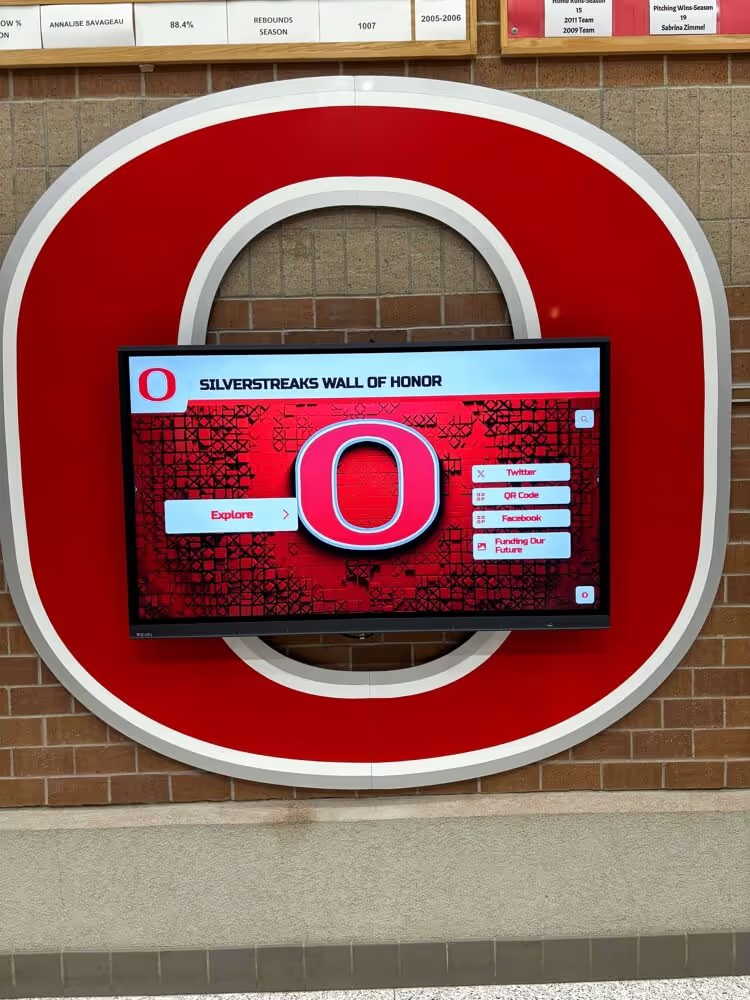
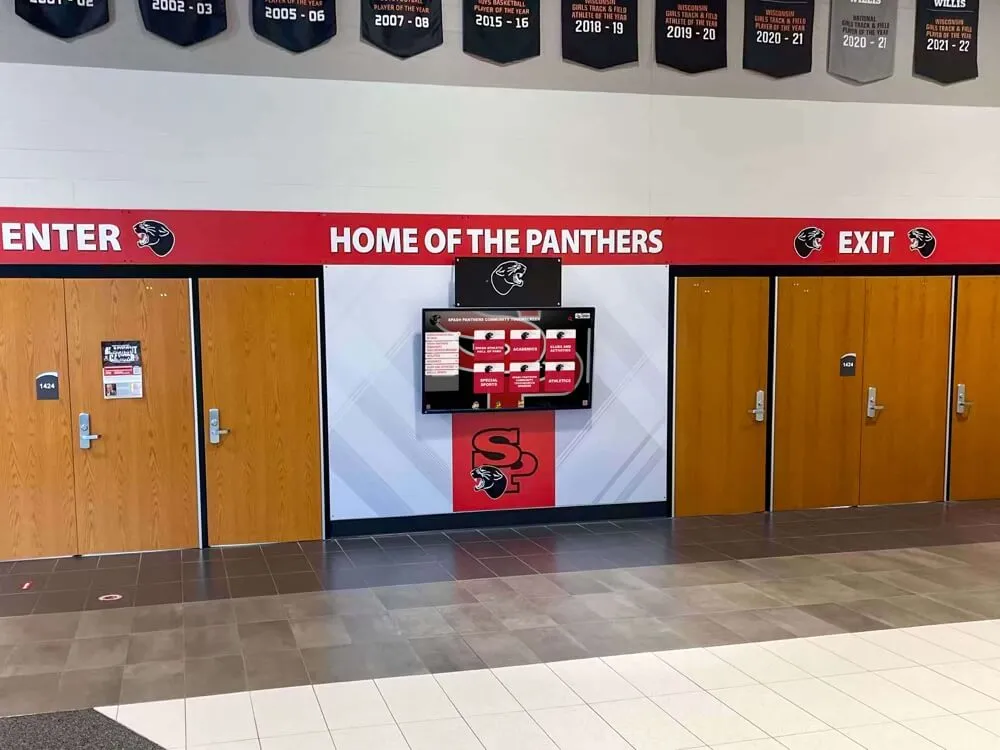
Schools implementing digital academic recognition displays can accommodate comprehensive recognition without space constraints, celebrating every valedictorian across decades while providing engaging interactive exploration that inspires current students.
Balancing Competition and Collaboration
Effective recognition strategies honor individual excellence while maintaining healthy collaborative school cultures:
Emphasize absolute standards over rank competition: Focus on students meeting meaningful achievement thresholds rather than purely relative rankings against peers
Recognize collaborative achievements: Honor group projects, peer tutoring, study group leadership, and other collaborative academic contributions
Provide feedback and growth focus: Help students understand achievement as continuous improvement rather than fixed judgments
Connect recognition to values and mission: Frame academic honor as alignment with institutional values of learning, curiosity, integrity, and growth rather than pure competitive success
Ensure visibility for diverse achievement types: Balance academic recognition with equally prominent honor for arts, athletics, service, leadership, and character to communicate comprehensive value systems
Creating Meaningful Ceremonies and Celebrations
Recognition effectiveness depends partly on how schools celebrate and communicate achievements:
Dedicated academic recognition events: Honor assemblies, awards ceremonies, or recognition dinners specifically celebrating academic achievement with substance matching athletic recognition
Family inclusion: Involving families in celebration creates shared pride and demonstrates institutional appreciation for home support enabling student success
Peer nomination and involvement: Including classmate recognition and peer testimony adds meaning beyond adult-conferred honors
Connections to alumni networks: Linking current valedictorians with alumni who earned similar recognition creates mentorship and community continuity
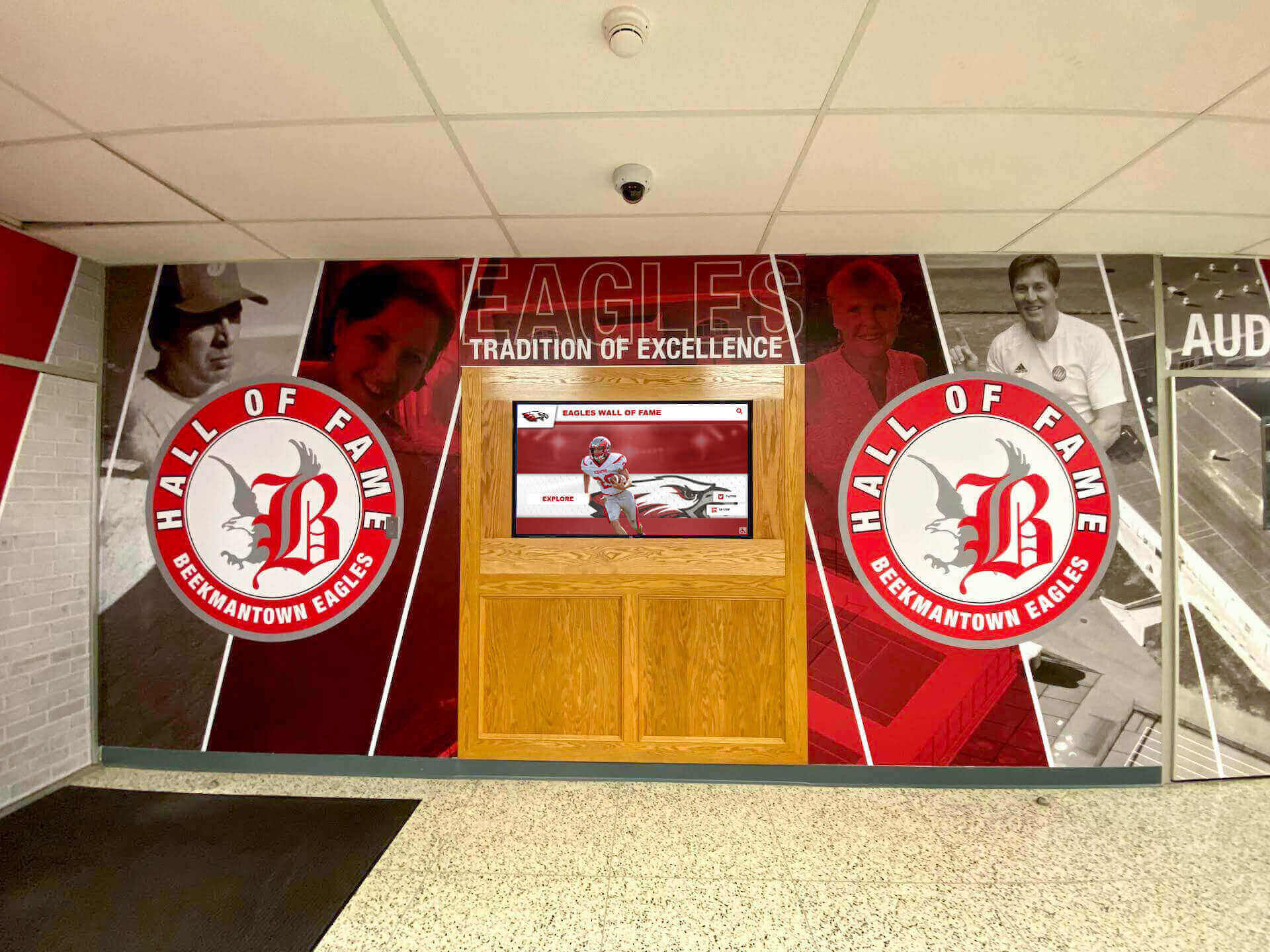
Multi-channel communication: Recognizing achievement through school communications, social media, community newspapers, and digital displays ensures broad awareness beyond immediate school community
Solutions like Rocket Alumni Solutions provide purpose-built platforms specifically designed for comprehensive academic recognition, enabling schools to honor valedictorians alongside National Merit Scholars, honor roll students, competition winners, and other achievers through unified, engaging systems that preserve achievement permanently while inspiring current students.
Transparent Communication of Selection Criteria
Student and family trust in valedictorian recognition requires clear, transparent communication about selection:
Published criteria and policies: Detailed explanation of how schools calculate GPA, determine class rank, weight courses, and select valedictorians available in student handbooks and online
Advance notice of methodology changes: Schools changing valedictorian selection criteria should communicate changes before they affect current students rather than surprising students with unexpected policy shifts
Clear timeline communication: Students should understand when rank calculations occur, when valedictorian designation happens, and what processes exist for questioning calculations or addressing concerns
Explanation of rationale: Schools should articulate why they use specific valedictorian selection approaches, helping students and families understand educational philosophy and values underlying recognition systems
Equitable access information: Clear communication about how to access weighted courses, prerequisites for advanced classes, and policies ensuring fair opportunity to compete for top academic honors
Transparency builds trust while enabling students to make informed decisions about coursework and academic planning. It also creates accountability ensuring schools implement stated policies consistently and fairly.
Advice for Students Pursuing Valedictorian Status
For students aspiring to earn valedictorian recognition, strategic planning combined with genuine learning commitment creates the strongest foundation for success while maintaining personal wellbeing.
Start Strong and Build Consistency
Valedictorian status typically requires exceptional performance throughout high school rather than late-stage improvement alone:
Freshman year matters: Despite common belief that only junior and senior grades count substantially, valedictorian calculations typically include all high school coursework. Strong freshman performance establishes foundation and GPA cushion.
Avoid early missteps: Single low grades freshman year can prove difficult to overcome across four-year averages, particularly in weighted systems where recovering from B’s in advanced courses requires numerous subsequent perfect grades.
Build study skills early: Establishing effective time management, organization, note-taking, and study strategies as freshmen creates habits enabling success in increasingly challenging later coursework.
Understand your school’s specific calculations: Learn exactly which courses count, how weighting works, and what GPA methodology your school uses rather than assuming approaches match general practice.
Choose Appropriate Rigor Without Overextension
Balancing challenge with sustainable success requires careful course selection:
Take rigorous courses aligned with capability: Challenge yourself through honors and AP courses in areas where you have genuine interest and appropriate preparation, not simply because maximum weighting exists.
Consider prerequisite preparation: Ensure you have strong foundations before advancing to higher-level courses. An A in honors chemistry with solid understanding serves you better than a B in AP chemistry where you struggled constantly.
Balance course load sustainability: Loading up on maximum possible weighted courses creates unsustainable stress potentially backfiring through burnout or declining grades. Consider overall schedule manageability including extracurriculars, work, and personal life.
Don’t sacrifice genuine interests entirely: Include some courses you’re passionate about even if unweighted, maintaining intellectual curiosity and personal development rather than pure GPA optimization.
Strategic scheduling across years: Distribute challenging courses across four years rather than clustering excessively in single years where overload risks performance decline.
Develop Genuine Learning Rather Than Pure Grade Focus
Paradoxically, students too focused on grades often undermine both learning and achievement:
Master concepts rather than memorize minimally: Deep understanding supports long-term retention for cumulative courses, standardized tests, and future coursework while enabling genuine learning satisfaction.
Engage actively in class: Participation, question-asking, and intellectual engagement improve learning while building teacher relationships that influence recommendations and occasional grade borderline decisions.
Seek help proactively: Ask questions when confused, attend office hours, join study groups, and access tutoring before small confusions become major gaps undermining performance.
View assessment as feedback: Treat tests and assignments as learning opportunities rather than pure evaluation, using performance to identify areas needing additional work.
Connect material to broader interests: Finding personal relevance in coursework increases motivation while supporting deeper processing that aids retention and performance.
Students developing genuine learning approach typically achieve stronger academic results than those focused purely on grade maximization while building foundations for college success and lifelong intellectual growth.
Maintain Balance and Wellbeing
Sustainable academic excellence requires attention to physical and mental health:
Prioritize sleep: Research consistently demonstrates that sleep deprivation significantly impairs learning, memory consolidation, and academic performance. Regular adequate sleep serves academics better than sacrificing rest for additional study hours.
Maintain social connections: Friendships and social support contribute to mental health, stress management, and overall wellbeing essential for sustained high performance.
Include physical activity: Regular exercise reduces stress, improves mood and cognition, and supports overall health enabling academic focus.
Preserve interests and passions: Continuing activities you genuinely enjoy prevents burnout while developing well-rounded identity beyond pure academics.
Recognize achievement perspective: Valedictorian status represents one form of honor among many possible achievements and life paths. While worthy of pursuit if important to you, don’t let it define your entire self-worth or sacrifice wellbeing for singular focus.
Seek help for concerning stress: If academic pressure creates significant anxiety, depression symptoms, or concerning thoughts, consult counselors, parents, or mental health professionals. No academic honor justifies compromising mental health.

Implementing Fair and Effective Valedictorian Systems: Guidance for Schools
Educational leaders designing or evaluating valedictorian policies should consider multiple dimensions of effectiveness, equity, and alignment with institutional mission.
Clarifying Institutional Goals and Values
Before determining valedictorian approach, schools should articulate what they aim to achieve:
Recognition goals: Do you primarily seek to honor exceptional individual achievement, motivate broader student excellence, provide college admission advantages, maintain tradition, or achieve some combination?
Cultural values: Does your institution prioritize individual competition or collaborative learning culture? How do valedictorian systems align with stated values?
Educational philosophy: What does academic excellence mean in your context? Does single-metric ranking adequately represent that vision?
Equity commitments: How do various valedictorian approaches affect students from different backgrounds, with different circumstances, or facing different challenges?
Practical considerations: What resources exist for recognition? What ceremony formats work for your community? How do college destinations and scholarship systems of your students interact with valedictorian status?
Clear goal articulation enables policy decisions serving institutional priorities rather than continuing practices simply through inertia or tradition.
Designing Transparent and Equitable Selection Systems
If maintaining valedictorian designation, implement selection systems that students and families understand and perceive as fair:
Published detailed methodology: Specify exactly how GPA calculates, which courses count, how weighting works, what happens with transfer credits, and how ties are resolved.
Equitable course access: Ensure all students have genuine opportunities to take weighted courses through sufficient sections, flexible scheduling, elimination of unnecessary prerequisites, and removal of financial barriers.
Multiple pathways to recognition: Consider Latin honors or other tiered systems ensuring numerous students experience meaningful recognition rather than winner-takes-all competition.
Regular review and adjustment: Evaluate whether current systems produce intended outcomes and adjust when unintended consequences or inequities emerge.
Stakeholder input: Involve students, families, faculty, and community members in policy development and review rather than purely administrative decisions.
Integrating with Comprehensive Recognition Culture
Position valedictorian designation within broader recognition frameworks:
Balance academic and other recognition: Ensure academic achievement receives visibility, resources, and ceremony substance comparable to athletic and other accomplishment recognition.
Recognize diverse academic excellence forms: Complement valedictorian designation with honors for subject-specific achievement, improvement, competition success, character, and other dimensions.
Use technology for comprehensive recognition: Implement digital recognition systems enabling unlimited sustainable recognition across all achievement categories without space constraints.
Preserve historical recognition: Maintain complete records honoring all valedictorians across institutional history, demonstrating tradition continuity and providing current students with inspirational models.
Create alumni connections: Link current students with alumni valedictorians for mentorship, networking, and demonstration of long-term achievement pathways.
Supporting Student Wellbeing Alongside Achievement
Recognition systems should motivate excellence without creating unhealthy stress or competition:
Emphasize growth and learning: Frame achievement as continuous improvement and intellectual development rather than fixed rankings and zero-sum competition.
Provide counseling and support: Ensure counselors help students manage achievement pressure, make appropriate course selections, and maintain healthy perspectives on academic recognition.
Monitor stress and wellbeing: Implement systems tracking student mental health and intervening when academic pressure creates concerning symptoms.
Model balanced values: Communicate through words and actions that schools value students holistically beyond academic statistics, supporting development of multidimensional identity.
Limit unhealthy competition: Avoid publicizing rank frequently or creating unnecessary competitive dynamics while maintaining appropriate achievement recognition.
The Future of Valedictorian Recognition in American Education
As American education continues evolving, valedictorian practices will likely undergo further transformation reflecting changing educational priorities, technology capabilities, and cultural values.
Trends Toward More Comprehensive Recognition
Many indicators suggest movement toward broader recognition approaches:
Multiple valedictorians becoming norm: As more schools designate multiple students sharing top achievement, the single valedictorian model may fade as dominant practice.
Holistic achievement recognition: Increasing emphasis on comprehensive student development beyond pure academic metrics may reduce focus on single-dimension valedictorian ranking.
Mastery and competency-based systems: As schools move toward mastery-based learning rather than traditional grading, GPA-based valedictorian selection becomes less feasible, potentially accelerating alternative recognition approaches.
Technology enabling unlimited recognition: Digital platforms removing space constraints make recognizing numerous top achievers practically feasible where physical limitations previously forced selectivity.
Continued Debate and Diversity of Approaches
Rather than converging toward single uniform practice, American schools will likely maintain diverse valedictorian approaches reflecting different community values, student populations, and educational philosophies:
Traditional single valedictorian: Many schools, particularly in communities valuing competition and clear achievement ranking, will maintain classic approaches.
Multiple recognition systems: Others will continue expanding toward naming numerous valedictorians or implementing comprehensive tiered honor systems.
Complete elimination: Progressive schools may increasingly eliminate class rank and valedictorian entirely, focusing recognition on diverse achievement categories without singular top student designation.
Hybrid approaches: Many schools will develop customized systems blending traditional elements with modern modifications attempting to balance various goals and values.
This diversity reflects American education’s decentralized nature and varying community priorities—uniform practice seems neither likely nor necessarily desirable given legitimate philosophical differences about recognition purposes and methods.
Technology’s Role in Future Recognition
Advancing technology will enable increasingly sophisticated recognition approaches:
Comprehensive digital recognition: Platforms allowing unlimited sustainable recognition of valedictorians and other achievers across decades with rich multimedia profiles and interactive exploration.
Data analytics for equity: Systems helping schools analyze whether recognition practices produce equitable outcomes across student populations and identify unintended biases.
Personalized recognition experiences: Technology enabling students to explore historical achievement relevant to their interests, discovering role models and pathways aligned with personal goals.
Global accessibility: Web-based recognition ensuring anyone anywhere can explore and celebrate student achievement rather than limiting recognition to on-campus physical displays.
Solutions like Rocket Alumni Solutions provide purpose-built platforms specifically designed for educational recognition needs, enabling schools to honor valedictorians alongside comprehensive academic and athletic achievement through engaging systems that serve current students while preserving institutional history permanently.
Conclusion: Valedictorian Recognition in Context
Valedictorian status represents extraordinary academic achievement worthy of recognition and celebration—students who earn the distinction have demonstrated years of sustained excellence, intellectual capability, and dedication deserving of honor. Understanding what valedictorian means—both traditional definitions and modern variations—helps students pursuing the distinction make informed decisions while enabling schools to design recognition systems aligned with institutional values and educational goals.
Yet valedictorian designation represents only one of countless valuable achievements and paths students might pursue. Academic achievement, athletic excellence, artistic accomplishment, character development, leadership capability, service contribution, personal growth, and overcoming challenges all constitute meaningful achievements deserving recognition. The most effective schools create recognition cultures celebrating diverse forms of excellence, ensuring varied students experience meaningful acknowledgment while maintaining appropriate standards and inspiration toward continued growth.
Modern recognition technology enables this comprehensive approach by eliminating physical space constraints that historically forced selectivity about which achievements and students received permanent honor. Digital recognition systems allow schools to celebrate every valedictorian across institutional history while simultaneously honoring salutatorians, honor roll students, competition winners, scholarship recipients, and countless other achievers through engaging platforms that inspire current students while preserving achievement for alumni and posterity.
Key Principles for Effective Valedictorian Recognition:
- Establish clear, transparent selection criteria that students and families understand and perceive as fair
- Consider whether single valedictorian designation or broader recognition approaches better serve institutional goals
- Ensure equitable access to opportunities needed to compete for top academic honors
- Balance recognition of excellence with maintenance of collaborative learning culture and student wellbeing
- Position valedictorian honor within comprehensive recognition systems celebrating diverse achievement forms
- Use modern technology to sustainably recognize all valedictorians across institutional history without space limitations
- Connect current students with alumni valedictorians for mentorship and pathway modeling
- Regularly review recognition practices ensuring they produce intended outcomes without unintended negative consequences
- Communicate genuine value for students holistically beyond single achievement metrics or designations
Whether your school maintains traditional single valedictorian selection, recognizes multiple top students, implements Latin honors systems, or has moved to alternative recognition approaches entirely, the fundamental goal remains constant: honoring exceptional student achievement in ways that inspire continued excellence, reflect institutional values, support student development, and create inclusive communities where diverse contributions receive appropriate celebration.
For schools seeking to enhance how they recognize valedictorians and other top academic achievers, modern digital recognition solutions provide comprehensive platforms that address traditional recognition limitations while enabling engaging, sustainable celebration of academic excellence. These systems honor the past while serving the present and future, ensuring that every student’s achievement receives the lasting recognition it deserves.
Ready to transform how your school celebrates valedictorians and academic achievement? Explore how comprehensive digital recognition displays create engaging experiences honoring top scholars while inspiring current students toward excellence and preserving your institution’s academic tradition for generations to come.