



Merit scholarships represent one of the most rewarding acknowledgments of academic achievement, athletic ability, artistic talent, or leadership excellence that students can receive. Unlike need-based financial aid that focuses on family income and economic circumstances, merit scholarships specifically recognize outstanding accomplishment, exceptional capability, or distinctive characteristics that colleges and organizations value highly. For high-achieving students and families planning college financing, understanding merit scholarships opens pathways to substantial educational funding based purely on demonstrated excellence rather than financial need.
Every year, colleges, universities, private organizations, corporations, and community foundations award billions of dollars in merit-based scholarships to students who distinguish themselves through academic performance, standardized test scores, athletic prowess, artistic achievement, leadership positions, community service, or specialized talents. These competitive awards range from small one-time grants covering textbooks to full-ride packages paying complete tuition, room, and board for four years—transforming college affordability for students who invest effort building impressive qualifications.
Yet despite their prevalence and value, merit scholarships often confuse students and families who struggle to understand eligibility requirements, identify relevant opportunities, craft competitive applications, and differentiate merit awards from need-based aid programs that follow entirely different qualification processes. This comprehensive guide clarifies what merit scholarships truly are, how they function, who qualifies, where to find them, and how both students and schools can celebrate these prestigious achievements through modern recognition approaches.
Why Merit Scholarships Matter More Than Ever
College costs continue rising faster than inflation, making affordability the primary concern for most families evaluating higher education options. Merit scholarships provide crucial funding that makes college accessible for middle- and upper-income families who earn too much to qualify for substantial need-based aid but still face challenging college costs. Beyond financial benefits, merit scholarships validate years of academic effort, recognize diverse excellence forms, encourage continued high achievement, and provide competitive advantages in college admissions.
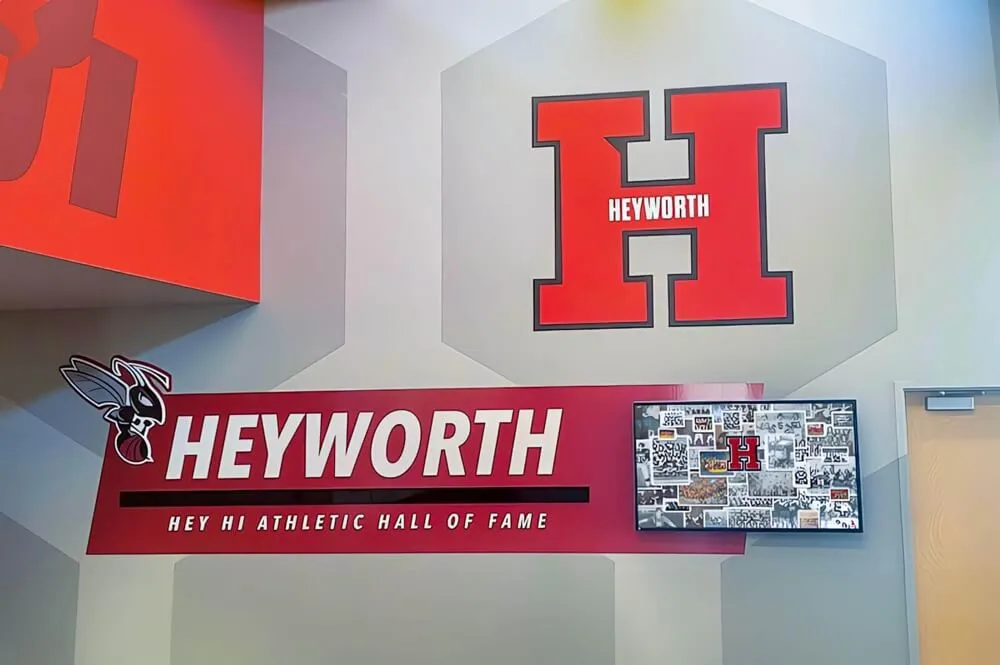
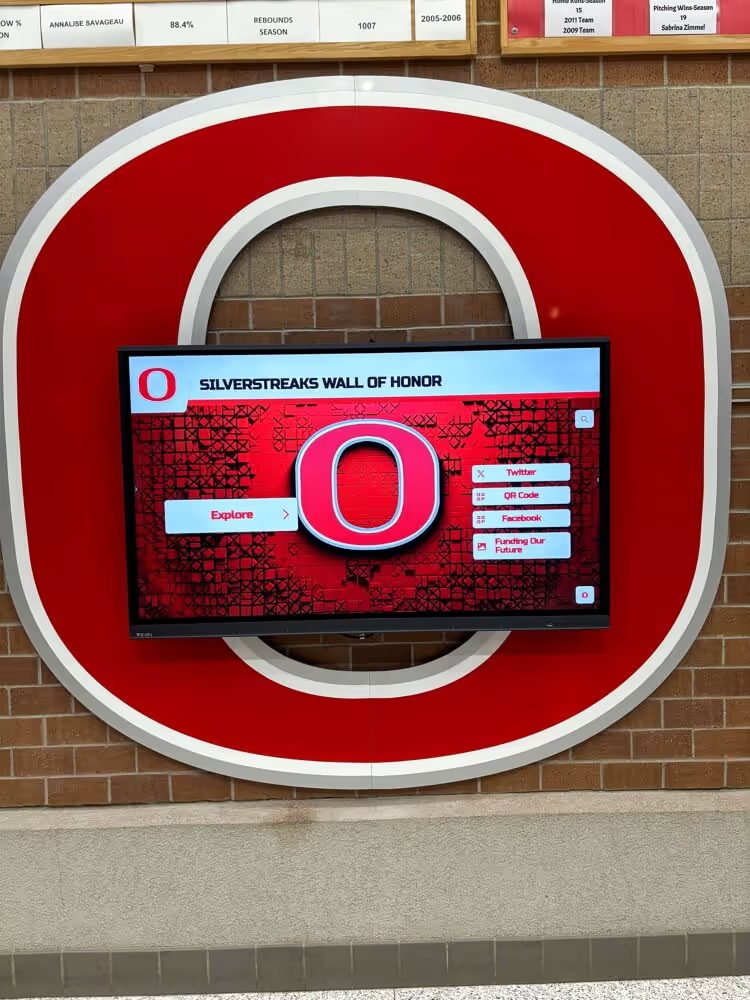
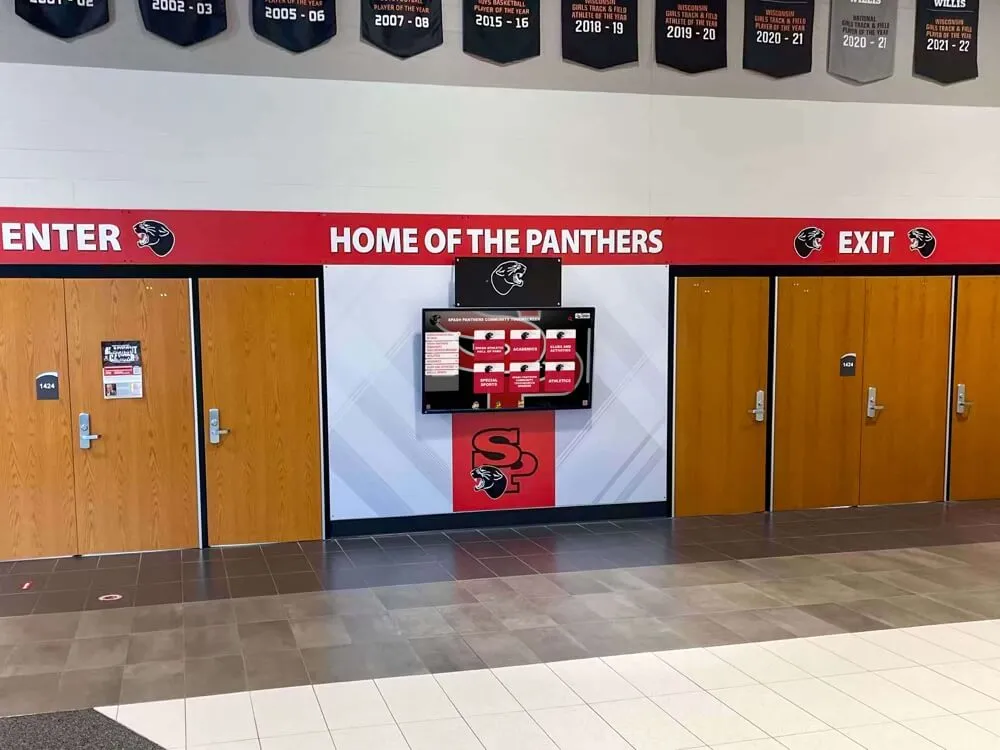
Schools that award merit scholarships increasingly celebrate recipients through prominent recognition displays that honor academic excellence while inspiring younger students. Solutions like Rocket Alumni Solutions enable institutions to showcase scholarship winners through interactive digital displays featuring recipient profiles, award details, achievement stories, and college destinations—creating permanent recognition that celebrates academic success with visibility matching athletic accomplishments.
Understanding Merit Scholarships: Core Definition and Characteristics
Before exploring specific merit scholarship types and application strategies, establishing a clear definition helps students distinguish merit-based awards from other financial aid categories.
The Essential Merit Scholarship Definition
A merit scholarship is financial assistance awarded primarily based on academic achievement, exceptional talent, demonstrated ability, or other outstanding characteristics rather than financial need. Merit scholarships recognize what students have accomplished or demonstrated rather than what their families can afford to pay for college.

Key Merit Scholarship Characteristics:
Merit scholarships share several defining features distinguishing them from need-based financial aid:
- Achievement-Based Selection: Recipients earn awards through demonstrated excellence in academics, athletics, arts, leadership, or specialized domains rather than through financial circumstances
- Competitive Processes: Most merit scholarships involve competition where applicants must distinguish themselves from peer candidates competing for limited awards
- Renewable Potential: Many institutional merit scholarships renew annually for four years if recipients maintain specified GPA requirements and enrollment status
- No Financial Documentation: Unlike need-based aid requiring FAFSA completion and family financial disclosure, most merit scholarships don’t consider financial need in selection decisions
- Institutional Recruiting Tools: Colleges use merit scholarships strategically to attract high-achieving students who strengthen institutional profiles and academic reputations
The fundamental principle underlying all merit scholarships: financial support follows demonstrated excellence, capability, or distinguished characteristics that sponsoring organizations wish to recognize and reward.
How Merit Scholarships Differ From Need-Based Financial Aid
Many families confuse merit scholarships with need-based aid programs that follow completely different qualification principles and application processes.
Need-Based Financial Aid Fundamentals:
Need-based aid—including Pell Grants, subsidized federal loans, work-study programs, and institutional need-based grants—focuses exclusively on family financial circumstances determined through FAFSA or CSS Profile applications. Selection criteria emphasize Expected Family Contribution (EFC), family income, household size, siblings in college, and assets. Awards aim to bridge gaps between college costs and what families can reasonably afford, with highest awards going to families demonstrating greatest financial need.
Students from wealthy families typically receive minimal or no need-based aid regardless of academic qualifications, while students from low-income families may receive substantial need-based support even with modest academic credentials.
Merit-Based Scholarship Contrasts:
Merit scholarships reverse this formula entirely. A student from a high-income family can receive full merit scholarship coverage based purely on academic excellence, athletic recruitment, or exceptional talent without any financial need consideration. Conversely, a student from a low-income family with average academic credentials likely receives minimal merit scholarship support despite significant financial need.
According to the National Center for Education Statistics, approximately 23% of undergraduate students receive merit-based aid compared to 47% receiving need-based assistance. Some fortunate students receive both merit scholarships and need-based aid, maximizing total financial support through excellence and demonstrated need.
Understanding this distinction helps families develop realistic expectations about likely financial aid packages and target appropriate scholarship opportunities matching their qualification profiles.
Common Merit Scholarship Award Amounts and Structures
Merit scholarships exist across a wide value spectrum from modest awards covering books to comprehensive packages eliminating all college costs.

Typical Merit Scholarship Categories:
Nominal Awards ($250-$2,000): Smaller merit scholarships from community organizations, local businesses, service clubs, and professional associations. While individually modest, accumulating multiple small scholarships can generate substantial total support. These often require only single-year applications rather than renewable awards.
Moderate Institutional Scholarships ($2,500-$10,000 annually): Mid-tier merit awards from colleges recognizing strong academic performance, solid test scores, or noteworthy accomplishments. Most competitive public and private universities offer these to students in roughly the top 25% of admitted student academic profiles. Many renew annually with continued strong performance.
Significant Merit Scholarships ($10,000-$20,000 annually): Substantial awards for students in approximately the top 10-15% of institutional applicant pools. These often carry distinguished names, provide meaningful recognition beyond financial value, and substantially reduce net college costs.
Full-Tuition Scholarships ($20,000-$60,000+ annually): Highly competitive awards covering complete tuition costs for students representing top 5% of applicants or who possess exceptional specialized talents. Often require separate applications, interviews, and competitive selection processes beyond standard admissions.
Full-Ride Scholarships (Complete Cost Coverage): The most prestigious merit awards covering tuition, room, board, fees, and sometimes additional stipends for study abroad or research. Examples include National Merit full scholarships, university presidential scholarships, and elite athletic scholarships. These extraordinarily competitive awards typically go to fewer than 1% of applicants.
Resources on academic recognition programs provide frameworks for how institutions celebrate these achievement levels through comprehensive recognition systems.
Major Merit Scholarship Categories and Types
Merit scholarships come in numerous forms based on what qualifications or characteristics they recognize and reward.
Academic Merit Scholarships
Academic scholarships represent the largest merit scholarship category, recognizing intellectual achievement through grades, test scores, and academic accomplishment.
GPA-Based Scholarships
Many institutional merit scholarships use minimum GPA thresholds as primary qualification criteria. Typical structures include automatic consideration for students with 3.8+ unweighted GPAs, tiered scholarship amounts corresponding to GPA levels (3.5-3.69, 3.7-3.89, 3.9-4.0), and consideration of weighted GPAs reflecting rigorous coursework difficulty.
The strongest academic merit scholarships look beyond simple GPA numbers to consider curriculum rigor, upward grade trends, class rank percentiles, and academic awards or distinctions that provide achievement context.
Test Score Merit Awards
Standardized test performance heavily influences academic merit scholarship qualification, particularly at universities that continue requiring SAT or ACT scores for admission.
Common test-based qualification models include minimum score thresholds (ACT 28+, SAT 1300+) for scholarship consideration, tiered award amounts increasing with score levels, and automatic scholarship qualification at specific score cutoffs. Some universities publish detailed charts showing guaranteed merit scholarship amounts corresponding to specific GPA and test score combinations.
The highest ACT and SAT score recognition programs demonstrate how schools celebrate exceptional standardized testing achievement alongside merit scholarship awards.

National Merit Scholarships
The National Merit Scholarship Program represents one of the most prestigious academic competitions in American education. Students enter by taking the PSAT/NMSQT during junior year. Approximately 50,000 high scorers become Commended Students, 16,000 advance to Semifinalist status, and roughly 15,000 finalists compete for 7,500 National Merit Scholarships.
National Merit awards include $2,500 National Merit Scholarships funded by the organization, corporate-sponsored scholarships for finalists meeting specific criteria, and college-sponsored scholarships from universities recruiting National Merit scholars. Many colleges offer full-tuition or full-ride packages to National Merit Finalists who designate their institution as first choice.
Advanced Placement and International Baccalaureate Recognition
Students demonstrating exceptional performance in rigorous AP or IB coursework may qualify for merit scholarships recognizing academic challenge-seeking and college-readiness. Colleges value students who earn AP Scholar distinctions, achieve high IB Diploma scores, or accumulate numerous college credits through AP exam performance.
Resources on AP Scholar recognition explore how schools celebrate advanced coursework achievement that strengthens merit scholarship applications.
Athletic Merit Scholarships
Athletic scholarships represent a major merit category where exceptional sports talent rather than academic achievement drives selection.
NCAA Division I and II Athletic Scholarships
NCAA Division I programs in revenue sports like football and basketball offer full-ride athletic scholarships covering tuition, room, board, fees, and books for recruited student-athletes. Division I equivalency sports and Division II programs provide partial scholarships divided among roster members.
Athletic scholarships are highly competitive, with roughly 2% of high school athletes receiving any athletic scholarship support and less than 1% earning full rides. Recruitment begins years before college enrollment, with coaches evaluating prospects, attending showcases, and offering athletic scholarships to top talent.
Athletic merit scholarships carry performance expectations including maintaining athletic eligibility, participating in demanding practice and competition schedules, adhering to team rules and conduct standards, and potentially losing scholarships for injuries, performance declines, or behavioral issues.
NAIA and NJCAA Athletic Awards
Beyond NCAA institutions, NAIA colleges and junior colleges offer athletic scholarships recruiting talented student-athletes. NAIA combines academic and athletic merit for some awards. Junior college athletic scholarships provide development pathways for athletes who may transfer to four-year programs after improving skills or academic credentials.
Talent-Based Merit Scholarships
Exceptional abilities beyond academics and athletics create additional merit scholarship pathways.
Performing Arts Scholarships
Students with distinguished talents in music, theater, dance, or visual arts compete for performing arts merit scholarships requiring auditions or portfolio submissions demonstrating exceptional artistic capability. Conservatories, arts-focused universities, and comprehensive institutions with strong arts programs offer these competitive awards.
Debate and Forensics Scholarships
Accomplished debaters and speech competitors may earn merit scholarships from universities with competitive debate programs seeking national championship contenders. Top debaters can receive substantial scholarship packages recognizing their competitive success and intellectual argumentation skills.
STEM and Robotics Awards
Students demonstrating exceptional science, technology, engineering, or mathematics capabilities through competition success, research accomplishments, or project excellence may qualify for STEM-focused merit scholarships. Programs like National Science Foundation awards, engineering scholarships, and computer science recruitment packages target high-achieving STEM students.

Leadership and Service Merit Scholarships
Character-based qualities and demonstrated leadership create another important merit scholarship category.
Community Service Recognition
Students with extensive documented volunteer service may qualify for merit scholarships recognizing commitment to community contribution. Organizations like Prudential Spirit of Community Awards, Coca-Cola Scholars, and various community foundations offer competitive scholarships honoring exceptional youth service.
Leadership Position Scholarships
Holding significant leadership roles—student government president, club founder, Eagle Scout, team captain—strengthens applications for leadership merit scholarships. These awards recognize students who demonstrated initiative, organized others, created positive change, or held responsible positions requiring maturity and capability.
Resources on student achievement recognition demonstrate comprehensive approaches to celebrating the diverse accomplishments that merit scholarship programs value.
Merit Scholarship Eligibility: Who Qualifies and How
Understanding qualification criteria helps students assess realistic scholarship prospects and target appropriate opportunities.
Academic Qualification Benchmarks
Most academic merit scholarships establish minimum thresholds for consideration along with competitive standards for actual awards.
GPA Requirements
Typical academic merit scholarship GPA expectations include minimum 3.0 GPA for basic eligibility consideration, 3.5+ GPA for moderate award competitiveness, 3.8+ unweighted GPA for substantial scholarship consideration, and 3.9-4.0 GPA for the most competitive full-tuition opportunities.
Many universities use weighted GPAs recognizing students who challenged themselves with honors, AP, or IB coursework rather than seeking easy grades in standard classes. A 3.7 unweighted GPA earned through rigorous courses may prove more competitive than a 4.0 GPA from less challenging coursework.
Standardized Test Score Expectations
For test-optional institutions, standardized scores become less critical for merit scholarship consideration. However, test-required schools often use scores heavily in merit determination with benchmarks like minimum ACT 24 or SAT 1160 for initial consideration, ACT 28+ or SAT 1300+ for moderate scholarship competitiveness, ACT 32+ or SAT 1430+ for substantial awards, and ACT 34+ or SAT 1500+ for the most prestigious merit scholarships.
High test scores can compensate for slightly lower GPAs in some institutional merit formulas, while exceptional GPAs may offset modest test performance when institutions emphasize academic rigor and sustained achievement.
Class Rank Considerations
Some merit scholarships use class rank percentiles as qualification factors. Top 10% class rank typically indicates strong merit scholarship competitiveness, top 5% suggests qualification for substantial awards, and valedictorian or salutatorian status strengthens applications for the most prestigious opportunities.
Schools no longer ranking students create challenges for scholarships requiring rank documentation. In these cases, institutions may rely more heavily on GPA and test scores or use school profile documents indicating how a student’s GPA compares to typical class performance.
Beyond Numbers: Holistic Merit Factors
The strongest merit scholarships consider achievement dimensions beyond simple statistics.
Curriculum Rigor and Academic Challenge-Seeking
Colleges recognize students who pursued maximum available course rigor through honors, AP, IB, dual enrollment, or advanced electives rather than choosing easier paths to higher grades. Transcript review reveals whether students challenged themselves academically—a characteristic colleges value highly when awarding merit scholarships intended to attract intellectually engaged students.
Upward Academic Trends
Students demonstrating significant academic improvement across high school may qualify for merit consideration even with overall GPAs below typical thresholds. Sustained grade improvement from 3.2 freshman year to 3.9 senior year suggests developing capability, maturity growth, and achievement potential that some scholarship programs value highly.

Distinguished Academic Accomplishments
Specific achievements strengthen merit scholarship applications including National Honor Society membership, subject-specific honor societies (Mu Alpha Theta for mathematics, National English Honor Society, etc.), academic competition success in science fairs, math contests, or knowledge bowls, research publications or presentation opportunities, and advanced certifications or credentials demonstrating specialized expertise.
Leadership Roles and Extracurricular Involvement
While some merit scholarships focus purely on academic metrics, many holistic programs consider leadership positions held, sustained extracurricular commitment across years, founded organizations or initiated projects, elected positions or appointed leadership roles, and community impact through service or advocacy.
These qualitative factors often differentiate candidates with similar academic statistics, with scholarships awarded to students demonstrating well-rounded excellence beyond classroom achievement alone.
Finding Merit Scholarships: Strategic Search Approaches
Thousands of merit scholarships exist, but successful scholarship acquisition requires systematic search strategies identifying relevant opportunities matching individual profiles.
Institutional Merit Scholarships
Colleges and universities provide the largest merit scholarship source with most competitive institutions offering automatic merit consideration through standard admissions applications.
Automatic Consideration Programs
Many universities provide automatic merit scholarship consideration for all admitted students meeting specified criteria without requiring separate applications. These institutions review admission applications identifying students qualifying for tiered merit awards based on published formulas considering GPA, test scores, and sometimes class rank or curriculum rigor.
Students should research whether target institutions offer automatic merit consideration versus requiring separate scholarship applications with additional essays, recommendations, or interviews. Understanding application requirements prevents missing merit opportunities due to procedural oversights.
Competitive University Scholarships
Beyond automatic awards, most universities offer additional competitive merit scholarships requiring supplemental applications, essays addressing specific prompts, faculty or alumni interviews for finalists, demonstration of particular talents or interests, and completion of separate application deadlines often preceding regular admission dates.
The most prestigious institutional scholarships—full-ride opportunities, named endowed awards, honors college scholarships—typically require these separate applications with substantially higher qualification standards and more intensive evaluation processes than automatic merit programs.
Resources about digital showcase platforms for scholarship recipients demonstrate how institutions celebrate these competitive academic awards prominently.
External Scholarship Organizations
Beyond institutional awards, thousands of organizations offer merit scholarships through national competitions, professional associations, corporate philanthropy programs, and community foundations.
National Merit Scholarship Programs
Major national scholarship competitions include Coca-Cola Scholars Program (150 winners receive $20,000 awards from 90,000+ applicants), Horatio Alger Scholarships recognizing students overcoming adversity, Gates Scholarship for exceptional minority students from low-income backgrounds, Jack Kent Cooke Foundation Scholarships for top academic achievers with financial need, and Davidson Fellows rewarding extraordinary accomplishments in STEM, literature, music, or philosophy.
These highly competitive programs require extensive applications, substantial essays, recommendations, and in many cases finalist interviews. Application timelines often begin junior year or early senior year with deadlines months before college admission decisions.
Professional Association Scholarships
Industry groups and professional associations offer merit scholarships to students pursuing specific career fields. Engineering societies provide scholarships for future engineers, medical associations support pre-med students, business organizations fund aspiring entrepreneurs, education foundations assist future teachers, and journalism groups support student journalists.
Students should research associations related to intended college majors or career interests, as these specialized scholarships often face less competition than broad national programs while offering substantial awards.
Corporate and Employer Scholarships
Many corporations offer merit scholarships as community investment or to recruit future talent including Fortune 500 company scholarship programs, employer scholarships for children of employees, and corporate-sponsored scholarships honoring academic excellence in communities where businesses operate.

Community and Local Scholarship Opportunities
Local scholarships from community foundations, service organizations, businesses, and civic groups often provide excellent value despite smaller individual awards.
Community Foundation Programs
Most cities and regions have community foundations administering dozens or hundreds of scholarship programs funded by local donors. These foundations typically offer single application portals where students complete one comprehensive application considered for multiple scholarship opportunities automatically.
Local scholarships face smaller applicant pools than national programs, improving odds significantly. A local Rotary Club scholarship receiving 50 applications offers much better probability than national programs receiving tens of thousands of submissions.
Service Organization Awards
Kiwanis, Lions Clubs, Elks Lodges, American Legion posts, and similar service organizations typically offer merit scholarships to students in their communities. These modest awards ($500-$2,500) accumulate meaningfully when students apply to multiple opportunities systematically.
High School Specific Scholarships
Many high schools facilitate local scholarship programs where community members endow awards specifically for graduates of particular schools. School counselors typically coordinate these opportunities, hosting scholarship information nights and distributing application materials during spring semester senior year.
Resources on celebrating college commitment and National Signing Day events demonstrate how schools honor scholarship recipients publicly.
Applying for Merit Scholarships: Strategic Approaches
Finding relevant scholarships represents only the first step—successful applications require strategic positioning, compelling narratives, and attention to selection criteria.
Building a Competitive Merit Profile
Students serious about merit scholarship success should begin profile development early in high school rather than scrambling senior year.
Academic Foundation Development
Establish strong academic credentials through challenging yourself with most rigorous available coursework, maintaining consistent high GPA across all subject areas rather than focusing narrowly, preparing systematically for PSAT, SAT, and ACT tests rather than hoping for luck, pursuing academic competitions and intellectual challenges beyond classroom requirements, and developing subject-specific expertise demonstrating genuine intellectual passion.
Starting this foundation freshman year creates four-year track records that scholarship committees value far more than brief senior year excellence suggesting last-minute positioning.
Documenting Achievement Systematically
Maintain organized records of all accomplishments, awards, honors, leadership positions, community service hours, competition placements, special projects, and significant experiences throughout high school. This documentation becomes invaluable when completing applications requiring comprehensive activity lists and achievement descriptions.
Students who track accomplishments continuously avoid the desperate senior year scramble trying to remember everything they did freshman year or searching for details about awards they can barely recall.
Crafting Compelling Scholarship Applications
Merit scholarship applications compete for committee attention among hundreds or thousands of similar submissions. Differentiation requires strategic communication.
Essay Excellence and Personal Narrative
Scholarship essays represent opportunities to distinguish applications through powerful personal storytelling that goes beyond statistics committees already know from transcripts and test scores.
Effective Scholarship Essay Strategies:
Connect personal experiences to broader themes scholarship programs value, demonstrate genuine passion and authentic voice rather than writing what you think committees want to hear, provide specific details and concrete examples rather than vague generalities, explain how scholarship support enables specific goals or opportunities otherwise unattainable, address prompt questions directly while showcasing distinctive perspectives, and proofread meticulously eliminating any errors suggesting carelessness.
The strongest essays reveal character, values, aspirations, and perspectives that make applicants memorable as individuals rather than interchangeable statistics.
Strategic Recommendation Letter Development
Powerful recommendation letters from teachers, counselors, coaches, or mentors who know students well strengthen merit applications substantially.
Optimizing Recommendations:
Select recommenders who know you well personally beyond just teaching you in class, provide recommenders with comprehensive information about your accomplishments and aspirations, ask well in advance respecting recommenders’ time and allowing thoughtful letter development, follow up politely to ensure timely submission without annoying repeated requests, and express genuine gratitude for recommenders’ time and support.
Generic recommendations describing students in vague terms add minimal value. Specific examples of your intellectual curiosity, leadership capability, or character strengths create powerful supporting evidence for merit selection.

Application Organization and Timeline Management
With dozens of potential scholarship opportunities, organization prevents missed deadlines and rushed applications that reduce success probability.
Scholarship Application Best Practices:
Create comprehensive spreadsheet tracking scholarship names, deadlines, required materials, essay prompts, and application status. Start applications months before deadlines rather than rushing last-minute submissions. Reuse and adapt strong essays rather than starting from scratch for every application. Submit applications days early avoiding last-minute technical problems or deadline confusion. Keep copies of all submitted materials for records and potential follow-up.
Resources on high school end-of-year awards provide context for the achievement timelines that merit scholarship applications should document comprehensively.
Celebrating Merit Scholarship Recipients: Modern Recognition Approaches
Beyond financial benefits, merit scholarships provide prestigious recognition deserving prominent celebration that honors recipient achievement while inspiring younger students.
The Recognition Gap in Scholarship Celebration
Despite their significance, scholarship recipients often receive minimal lasting recognition compared to athletic achievements dominating school displays.
Traditional Recognition Limitations:
Brief assembly announcements where names are read quickly with minimal context, paper certificates distributed privately without public celebration, temporary bulletin board displays showing only current year recipients, limited space in trophy cases already filled with athletic awards, and family pride without corresponding community acknowledgment or institutional recognition.
This recognition disparity sends unintended messages about what schools truly value. When athletic recognition dominates visible displays while academic scholarship achievements receive minimal acknowledgment, students naturally draw conclusions about institutional priorities regardless of stated values.
Digital Recognition Solutions for Scholarship Excellence
Modern interactive display technology enables schools to celebrate scholarship recipients with visibility and permanence matching their achievements’ significance.
Comprehensive Scholarship Recognition Features:
Digital platforms like Rocket Alumni Solutions transform scholarship celebration through unlimited recognition capacity accommodating all recipients without physical space constraints, rich multimedia content including recipient photos, scholarship details, award amounts, and college destinations, searchable databases enabling exploration by graduation year, scholarship type, or college attended, permanent accessibility preserving complete scholarship history rather than replacing recognition annually, and web-based access extending celebration beyond campus to families and communities worldwide.
Strategic display placement in main school entrances, counseling offices, libraries, and administrative areas ensures scholarship recognition receives visibility comparable to athletic accomplishments while inspiring college-bound students planning their own applications.
Resources on comprehensive academic recognition approaches and honor roll programs provide frameworks applicable to scholarship celebration initiatives.

Content Elements for Compelling Scholarship Recognition:
Effective scholarship recipient profiles include recipient name, graduation year, and high school photo, specific scholarship names and sponsoring organizations, college or university destination, intended major or field of study, award amount or value when appropriate to share, academic statistics like GPA and test scores when privacy allows, brief statements about academic goals or career aspirations, teacher recommendations highlighting specific strengths, and community service or leadership accomplishments demonstrating well-rounded excellence.
This comprehensive recognition creates inspirational models for younger students while providing scholarship organizations evidence of recipient quality that may encourage continued program support.
Scholarship Recognition Program Implementation
Schools implementing systematic scholarship celebration should consider several strategic approaches.
Recognition Program Elements:
Establish processes for gathering scholarship information from students and families systematically, create standardized profile templates ensuring consistent high-quality recognition across recipients, photograph scholarship recipients professionally during senior year or awards ceremonies, coordinate with counselors to track all merit scholarships received by graduating classes, promote scholarship recognition through multiple channels including social media, newsletters, and website features, and host annual scholarship celebration ceremonies honoring recipients and their families.
Comprehensive programs recognize not just full-ride scholarships but accumulate total scholarship dollars earned by entire graduating classes—celebrating collective achievement demonstrating program quality while acknowledging every recipient regardless of award size.
Resources on celebrating college commitments digitally provide implementation frameworks for scholarship recognition initiatives.
Merit Scholarship Myths and Common Misconceptions
Several persistent myths about merit scholarships create confusion and potentially discourage qualified students from pursuing available opportunities.
Myth: Merit Scholarships Are Only for Perfect Students
Reality: While the most competitive merit scholarships require exceptional credentials approaching perfection, thousands of merit opportunities exist for students across the academic spectrum. A 3.5 GPA student can qualify for numerous merit scholarships even without 4.0 perfection. Many programs specifically target solid students rather than only academic superstars, recognizing well-rounded achievement deserves support even without stratospheric statistics.
Myth: You Must Have Financial Need to Receive Scholarships
Reality: Merit scholarships explicitly ignore financial need in selection decisions. Wealthy families whose students demonstrate exceptional achievement receive merit awards equal to those earned by middle- or low-income students with identical qualifications. Some students receive both merit scholarships and need-based aid, but merit selection occurs independently from financial circumstances.
Myth: Merit Scholarships Cover Complete College Costs
Reality: While full-ride merit scholarships exist, they represent rare exceptions rather than typical awards. Most merit scholarships provide partial support ranging from $1,000 to $15,000 annually—meaningful amounts that substantially reduce family costs but don’t eliminate them entirely. Students should expect merit scholarships to ease rather than eliminate college financing responsibilities for most families.

Myth: Athletic Scholarships Are Easier to Earn Than Academic Awards
Reality: Athletic scholarships prove extraordinarily competitive with roughly 2% of high school athletes receiving any athletic scholarship support and less than 1% earning full rides. Academic merit scholarships reach far more students than athletic awards, with approximately 23% of undergraduates receiving some merit-based aid. For students with strong academics but average athletic ability, academic merit pathways offer substantially better scholarship prospects than athletic recruitment.
Myth: Private Scholarships Are Better Than Institutional Awards
Reality: While external private scholarships receive substantial attention, institutional merit scholarships from colleges themselves typically provide larger total awards with better renewal prospects. A $2,000 renewable institutional scholarship worth $8,000 over four years often exceeds five small private scholarships requiring new applications annually without renewal guarantees. Students should prioritize institutional merit opportunities before extensive external scholarship chasing.
Maximizing Merit Scholarship Success: Strategic Action Plan
Students and families serious about merit scholarship success should implement systematic approaches beginning early in high school.
Freshman and Sophomore Years: Foundation Building
Early high school establishes the academic foundation determining merit scholarship competitiveness later.
Academic Priority Actions:
Enroll in the most rigorous courses your schedule can accommodate while maintaining strong grades, develop consistent study habits and organizational systems supporting academic success, identify academic strengths and potential subject-specific excellence areas, begin building relationships with teachers who may write strong future recommendations, and explore academic competitions, honor societies, and intellectual enrichment opportunities beyond classroom requirements.
Initial College and Career Exploration:
Research potential college majors and career fields that interest you, attend college fairs or information sessions to learn about institutional characteristics, begin informal investigation of colleges known for generous merit scholarships, and identify potential scholarship categories—academic, talent-based, career-specific—that might match your developing profile.
Junior Year: Acceleration and Positioning
Junior year represents the critical scholarship positioning period requiring intensive focus.
Academic Excellence Priorities:
Maintain or improve GPA recognizing that junior year grades receive heaviest weight in admissions and scholarship decisions, take PSAT in fall to compete for National Merit recognition, prepare systematically for SAT and/or ACT tests with goal of achieving merit-competitive scores, consider retesting if initial scores fall below target levels, and pursue academic competitions, honors programs, or advanced research demonstrating intellectual engagement.
Scholarship Research and Planning:
Begin systematic scholarship searches identifying institutional merit programs at target colleges, research major external scholarship competitions with upcoming deadlines, meet with school counselors to discuss merit scholarship strategies and college lists, attend financial aid information sessions learning about merit versus need-based aid differences, and develop comprehensive activity lists documenting all high school accomplishments and leadership.
Resources on Dean’s List achievement provide context for the academic excellence standards merit scholarships recognize.
Senior Year: Application Execution
Senior year requires organized execution of scholarship application strategies developed earlier.
Fall Semester Priorities:
Complete college applications early ensuring consideration for merit scholarships with priority deadlines, finish and submit major scholarship applications well before deadlines, request recommendation letters from teachers who know you well, continue strong academic performance maintaining GPA and demonstrating continued excellence, and apply to realistic college lists including institutions where your credentials fall in the top 25% of admitted students increasing merit award probability.
Spring Semester Actions:
Complete all remaining scholarship applications, participate in scholarship ceremonies and recognition events celebrating your achievements, carefully review financial aid packages comparing merit award amounts across institutions, negotiate with colleges when appropriate if competitor institutions offered stronger merit packages, and notify scholarship organizations of your college decision enabling them to publicize recipient success.

Celebrating Academic Excellence Through Recognition
Merit scholarships represent more than financial support—they validate years of academic dedication, intellectual curiosity, and achievement-oriented behavior deserving prominent recognition that honors excellence while inspiring peers. When schools invest in comprehensive scholarship recognition through modern digital displays, they create cultures where academic achievement receives celebration matching its importance and significance.
Solutions like Rocket Alumni Solutions provide purpose-built platforms specifically designed for educational recognition, enabling institutions to showcase scholarship recipients through engaging interactive displays featuring comprehensive profiles, unlimited capacity accommodating complete scholarship histories, web accessibility extending recognition globally beyond campus visitors, intuitive content management allowing non-technical staff to maintain current recognition, and proven approaches helping schools build academic excellence cultures where scholarship success receives appropriate celebration.
Your scholarship recipients achieved remarkable academic excellence earning competitive awards recognizing their intellectual capabilities and sustained achievement. Modern recognition programs ensure these accomplishments receive the lasting acknowledgment that inspires continued excellence, honors diverse academic talents, validates years of dedicated effort, creates institutional pride in academic programs, and builds school communities where all students understand that scholarly achievement matters profoundly and creates tangible opportunities transforming educational futures.
Merit scholarships open doors to college affordability while recognizing academic excellence, exceptional talents, and distinguished characteristics that make students valuable additions to campus communities. By understanding what merit scholarships are, how they differ from need-based aid, who qualifies, where to find them, and how to apply strategically, students position themselves to earn substantial financial support based purely on demonstrated achievement rather than family financial circumstances. The recognition and validation merit scholarships provide extend far beyond dollar amounts—they affirm that excellence matters, effort produces results, and outstanding accomplishment deserves meaningful acknowledgment from institutions and communities that value achievement and reward those who pursue their highest potential.