



Every fall, high schools and colleges across America transform their campuses into celebratory hubs centered around one defining tradition: the homecoming game. Students paint their faces in school colors, alumni travel hundreds of miles to return to their alma mater, and entire communities gather to cheer for their teams. Yet for those new to American schools or communities, the question often arises: what exactly is a homecoming game, and why does it hold such cultural significance?
The homecoming game represents far more than a single athletic contest. It serves as an institutional anchor point bringing together current students, alumni, families, and community members in collective celebration of school identity, athletic tradition, and shared history. Understanding homecoming’s origins, traditions, and cultural importance provides insight into American educational athletics and community building practices that have endured for over a century.
Preserving Homecoming History Through Digital Recognition
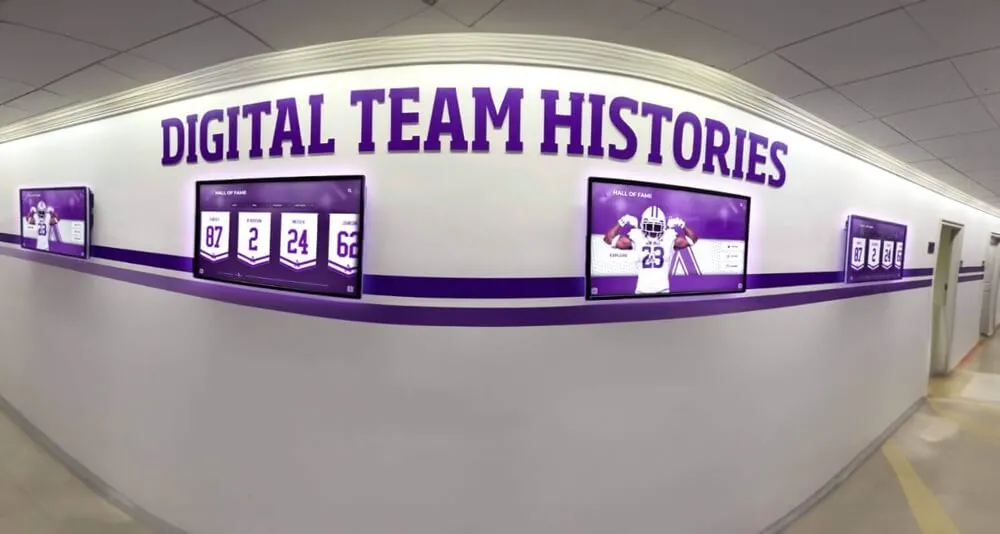
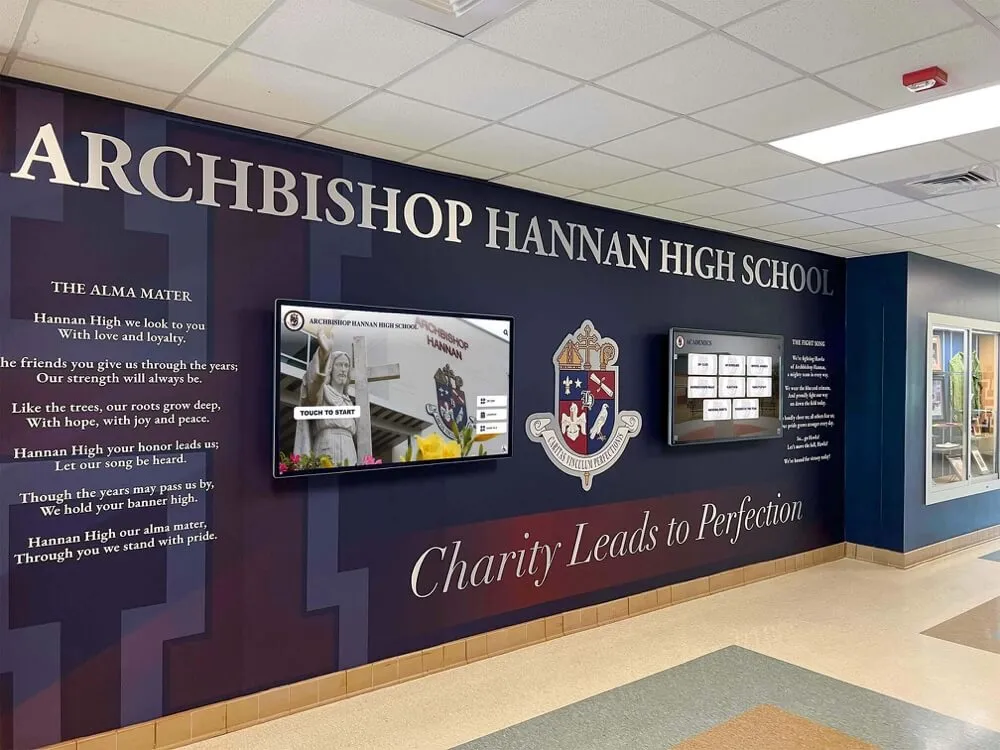
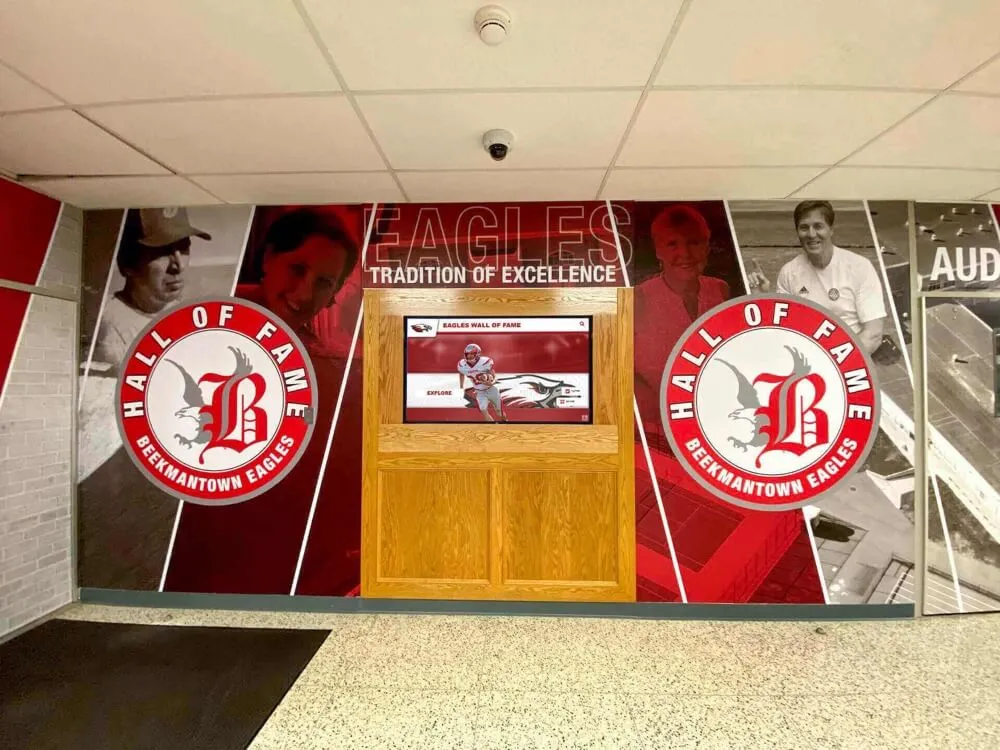
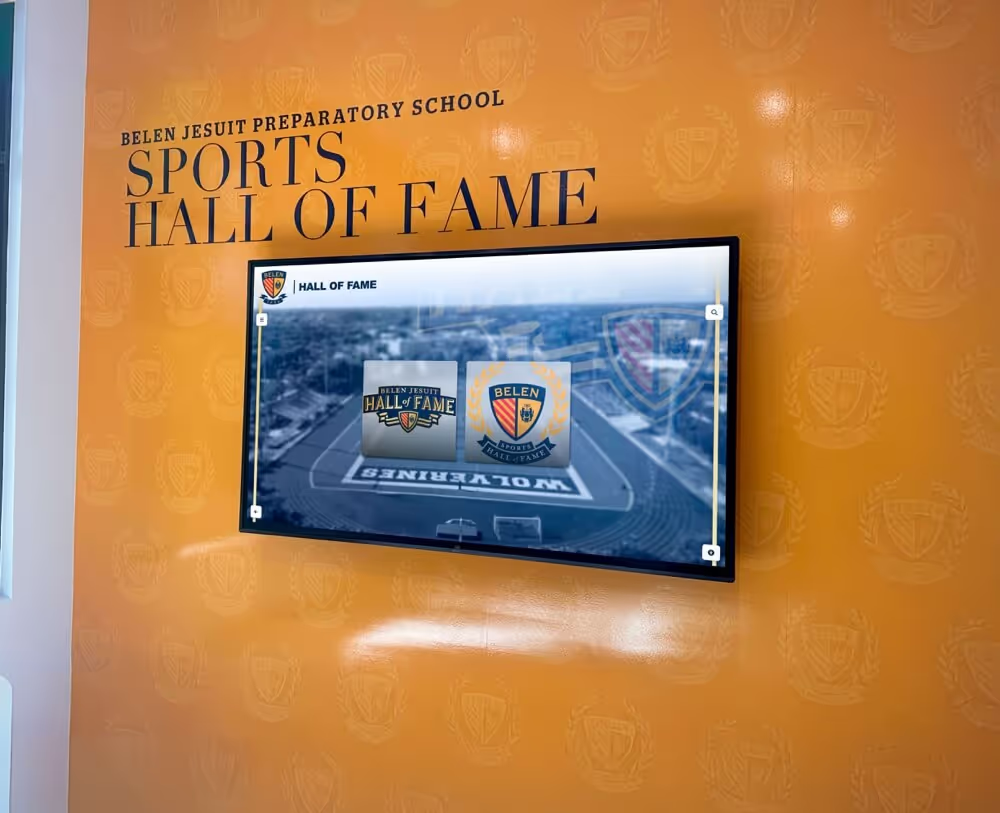
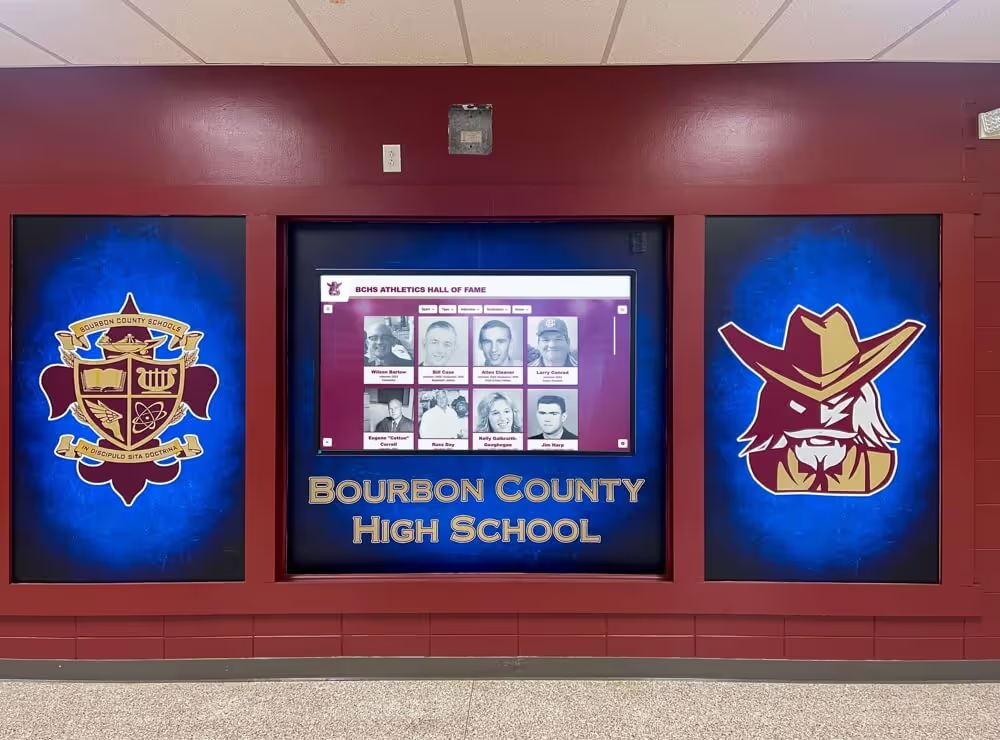
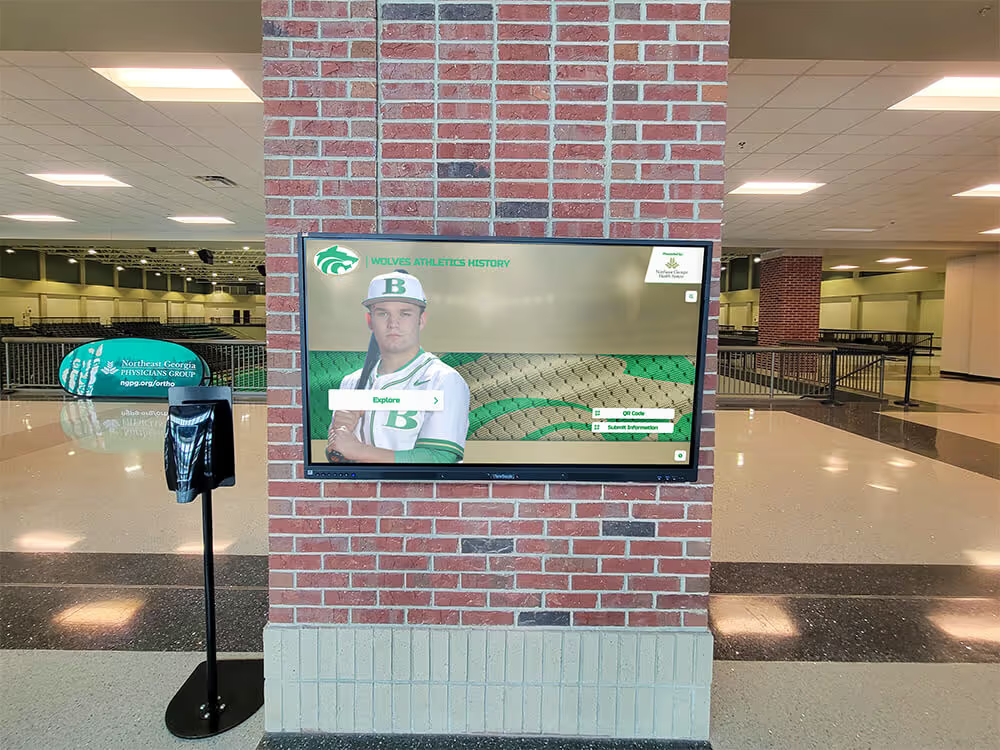
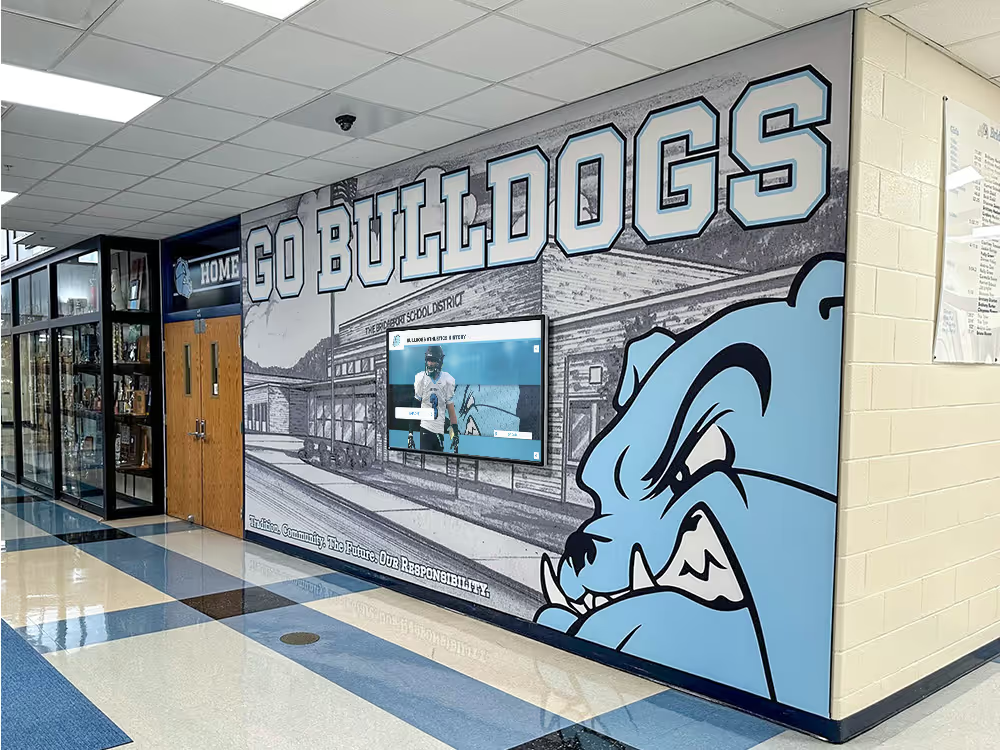
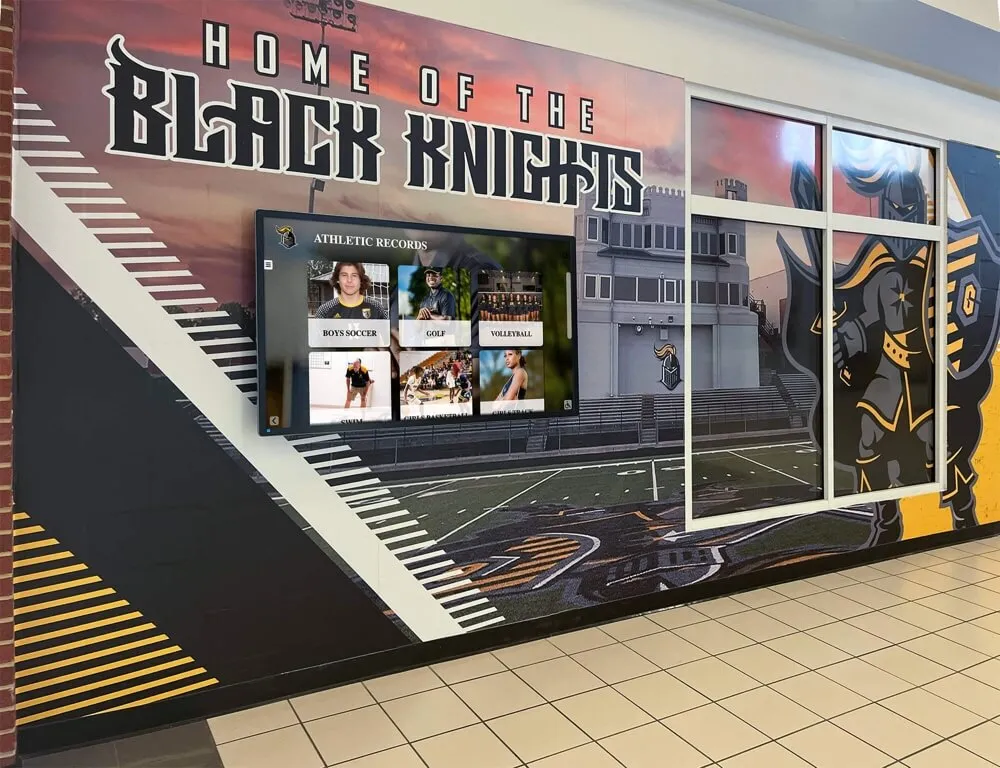
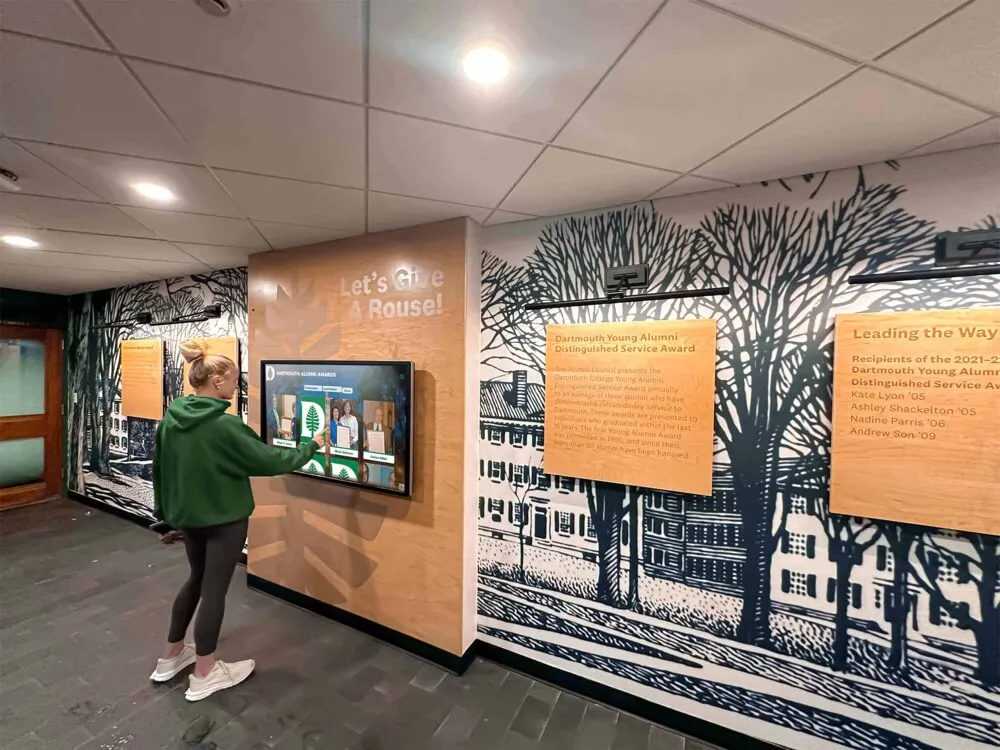
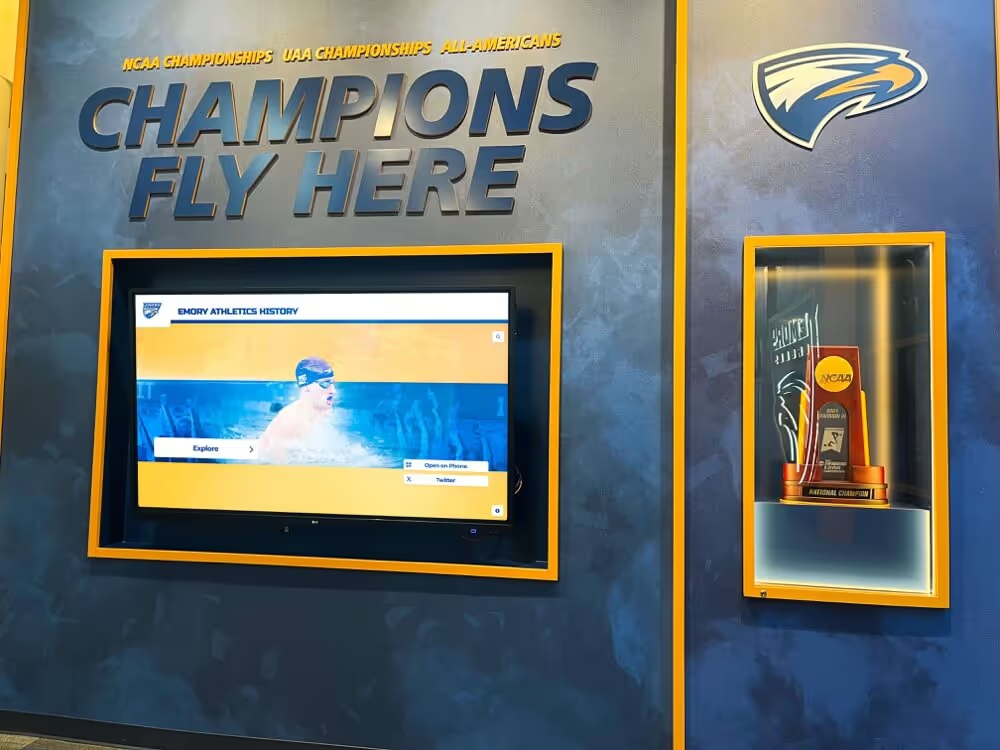
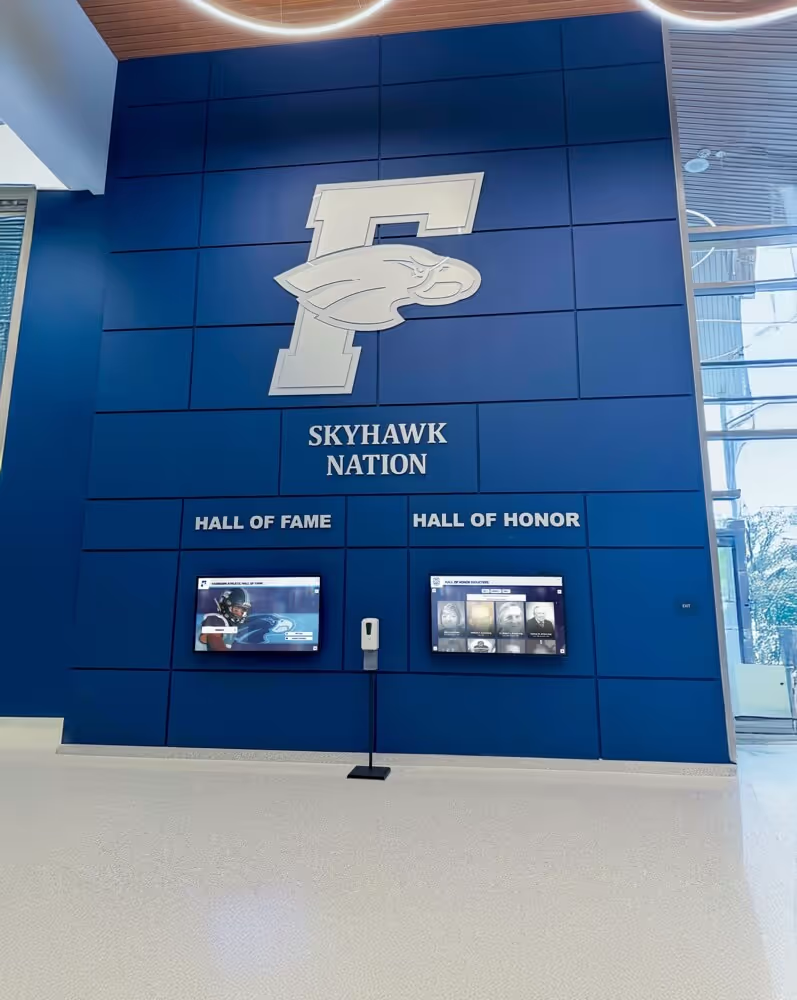
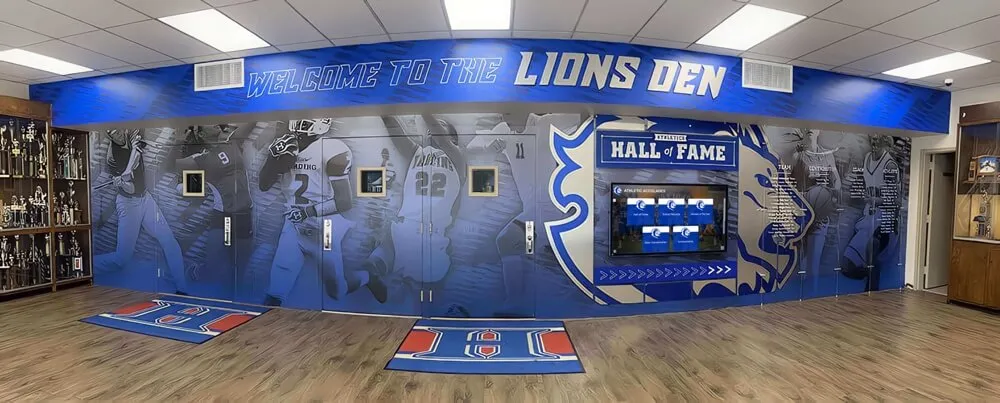
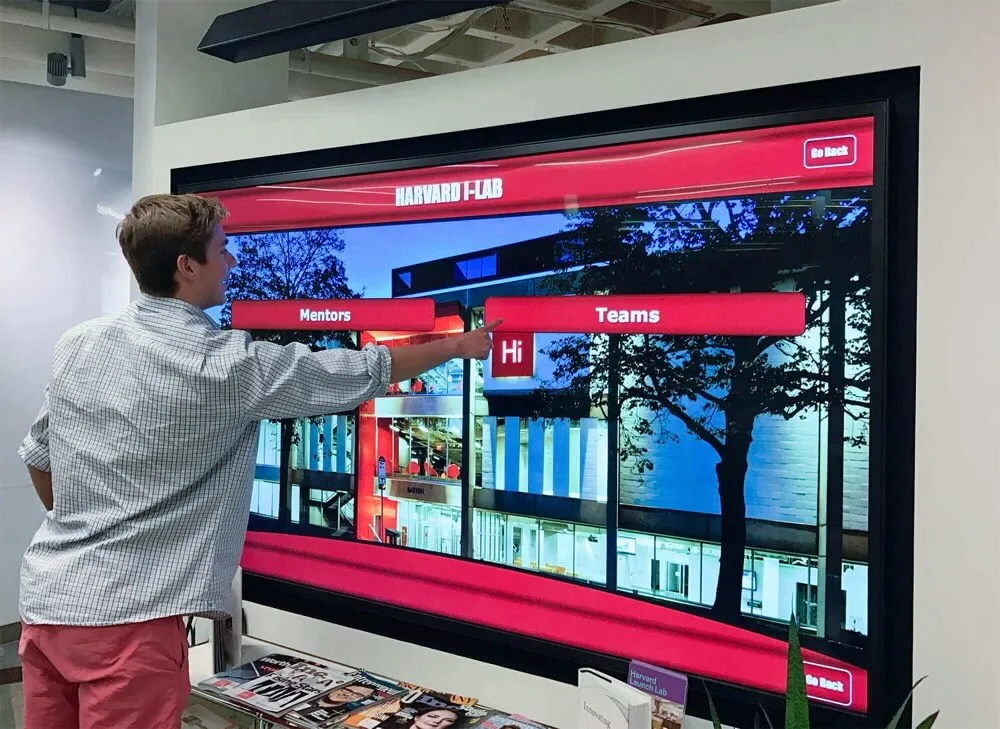
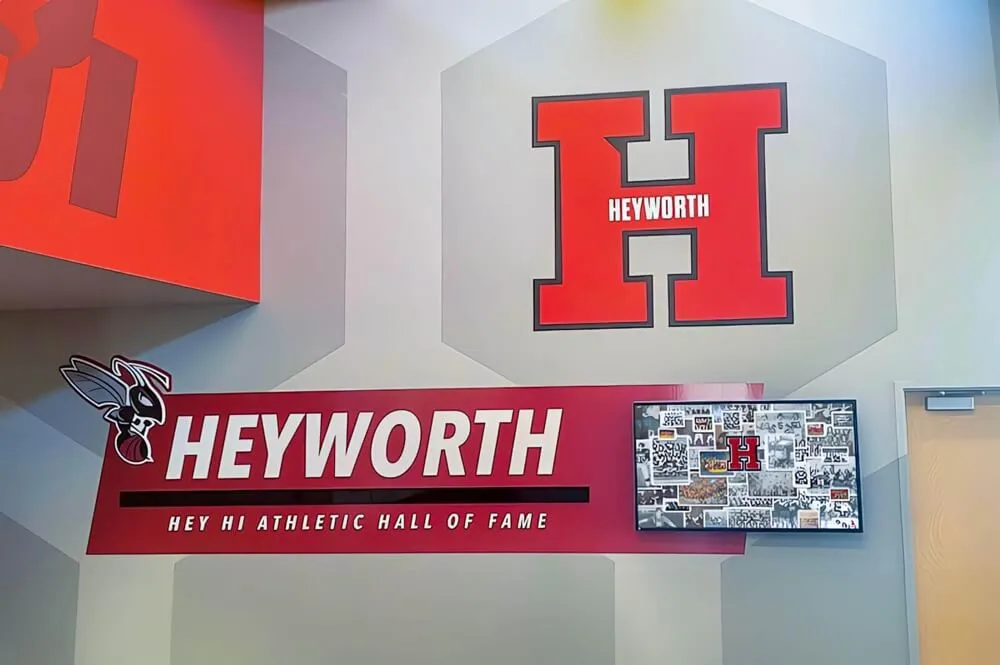
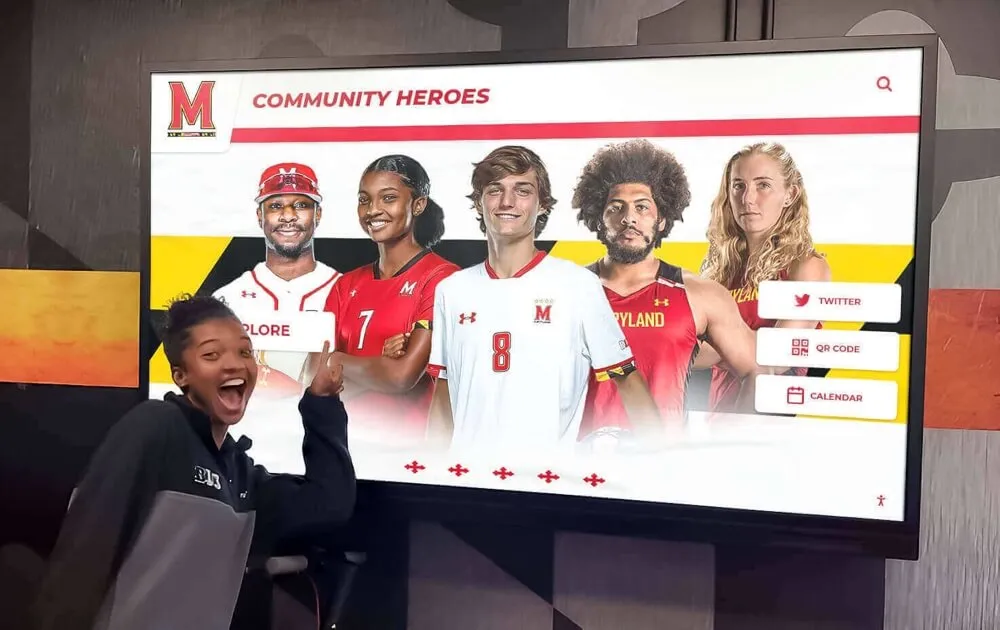
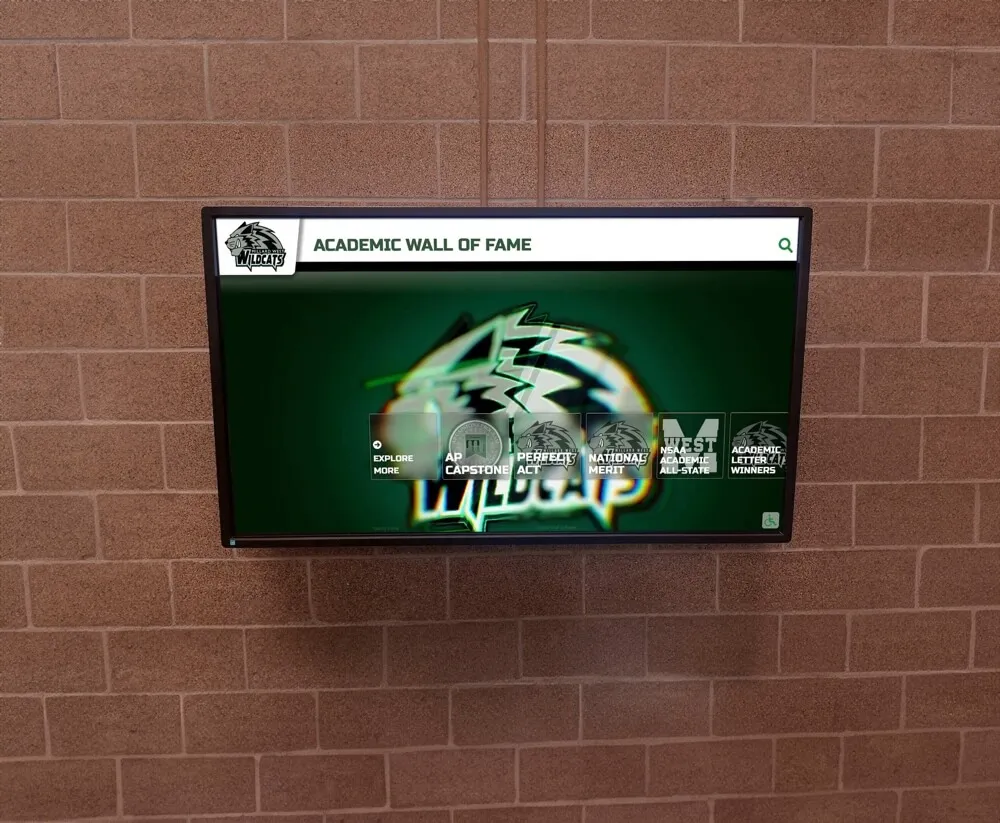
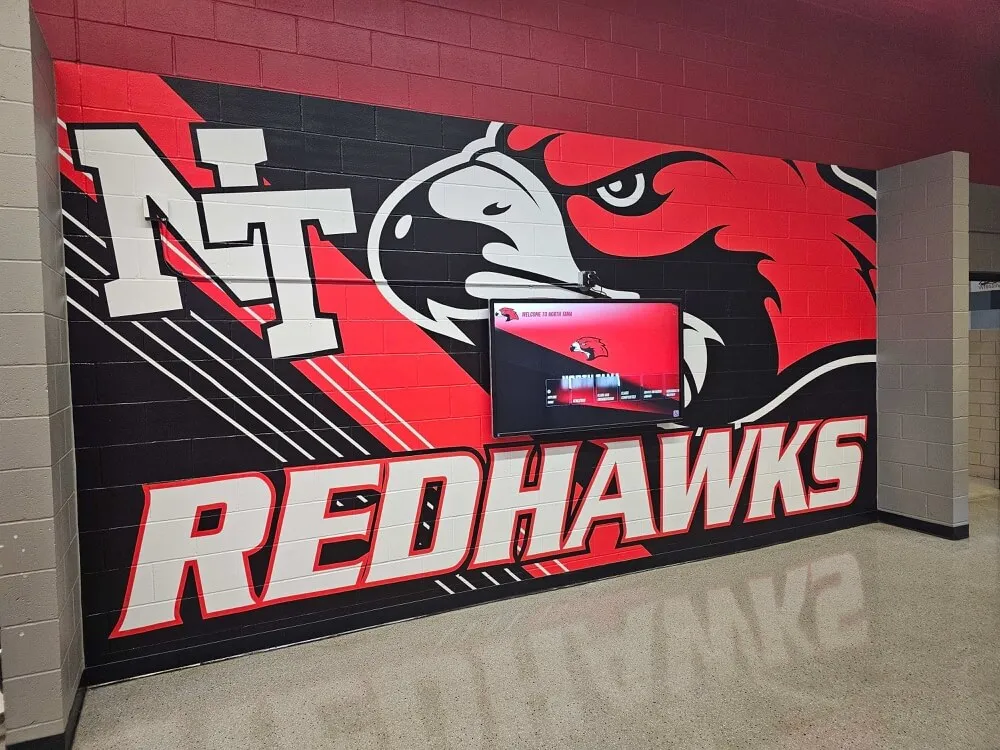
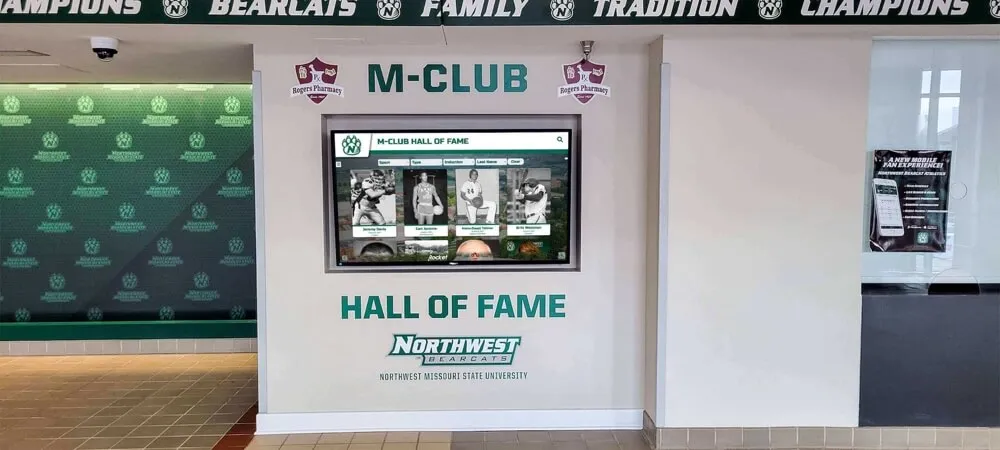
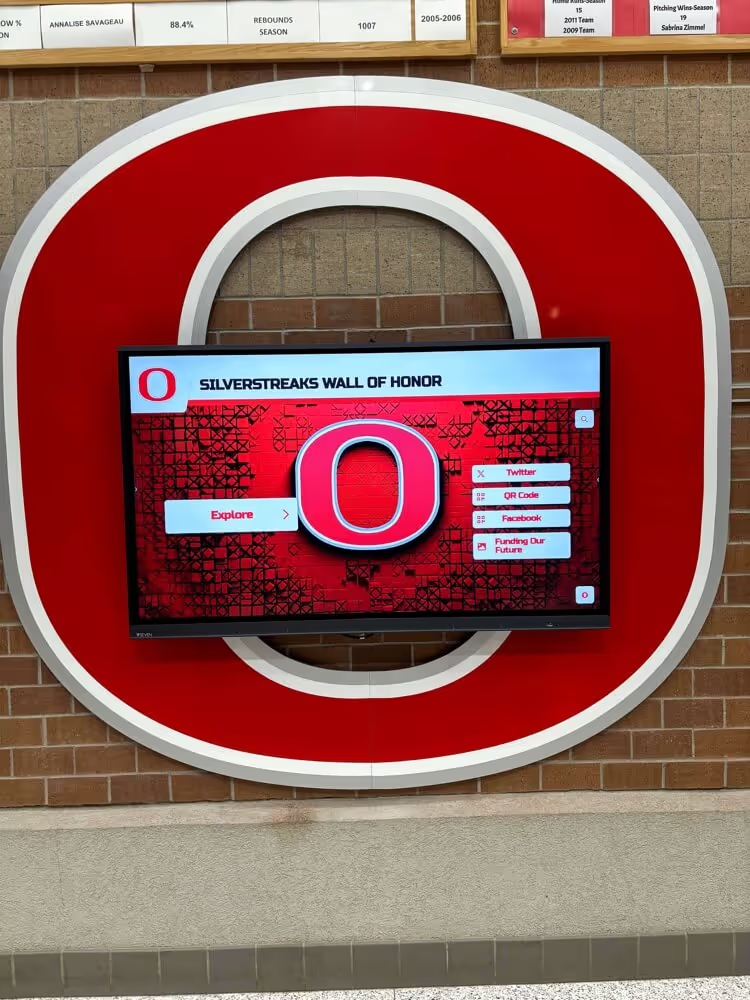
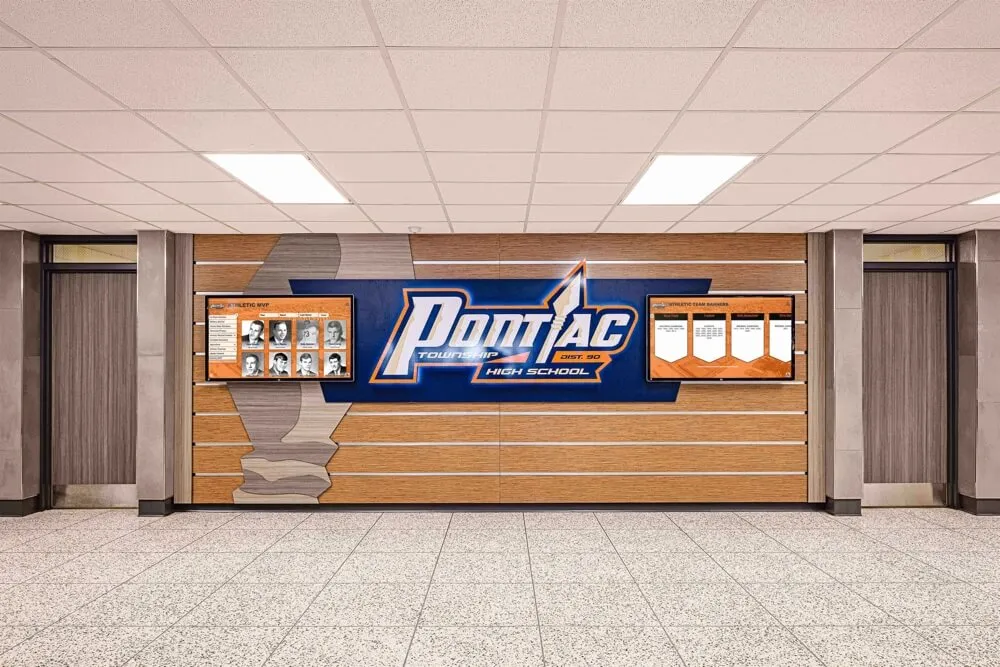
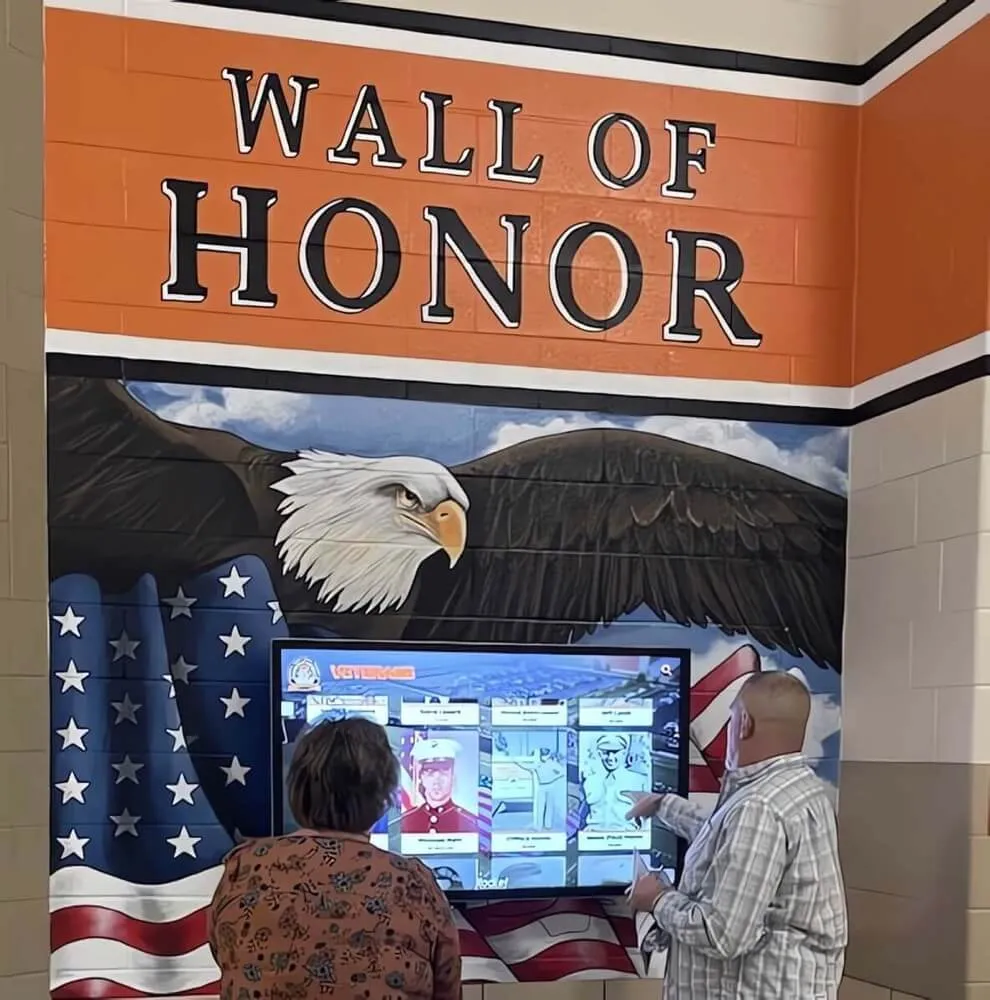
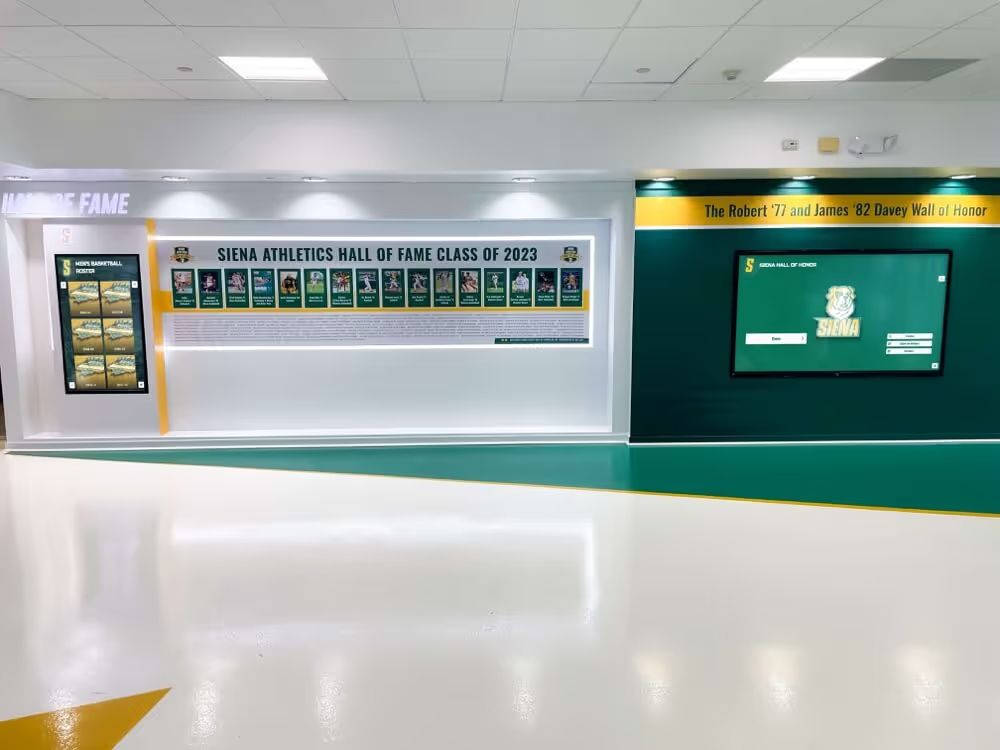
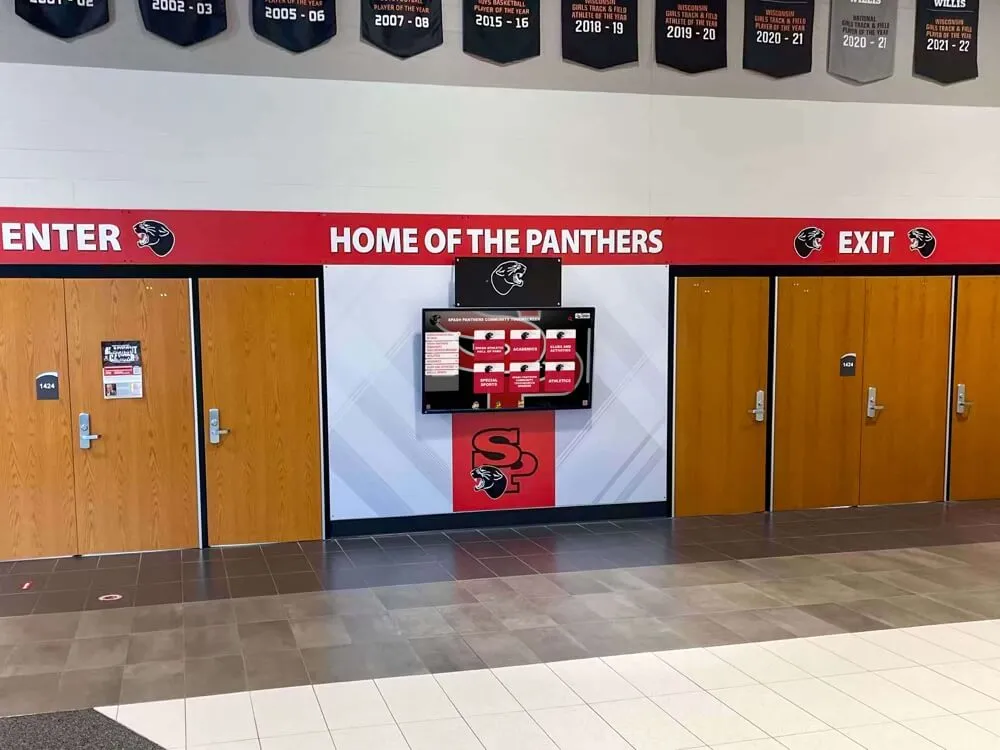
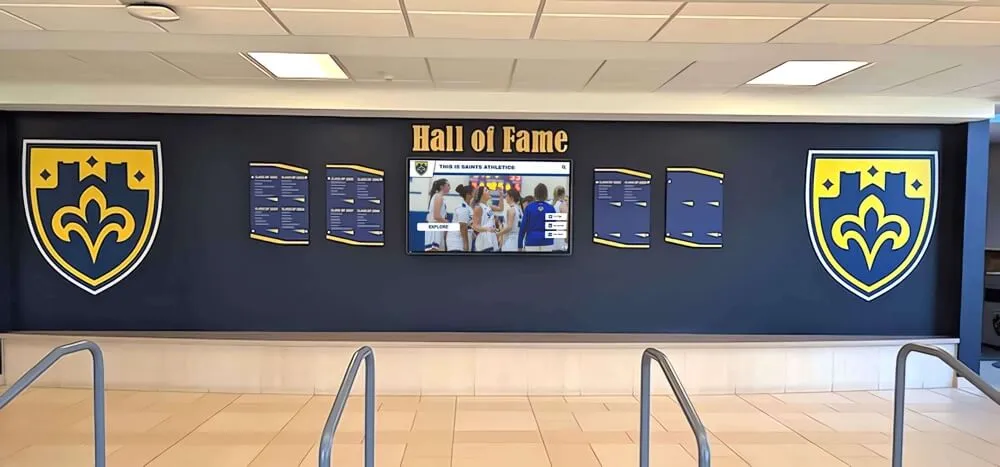
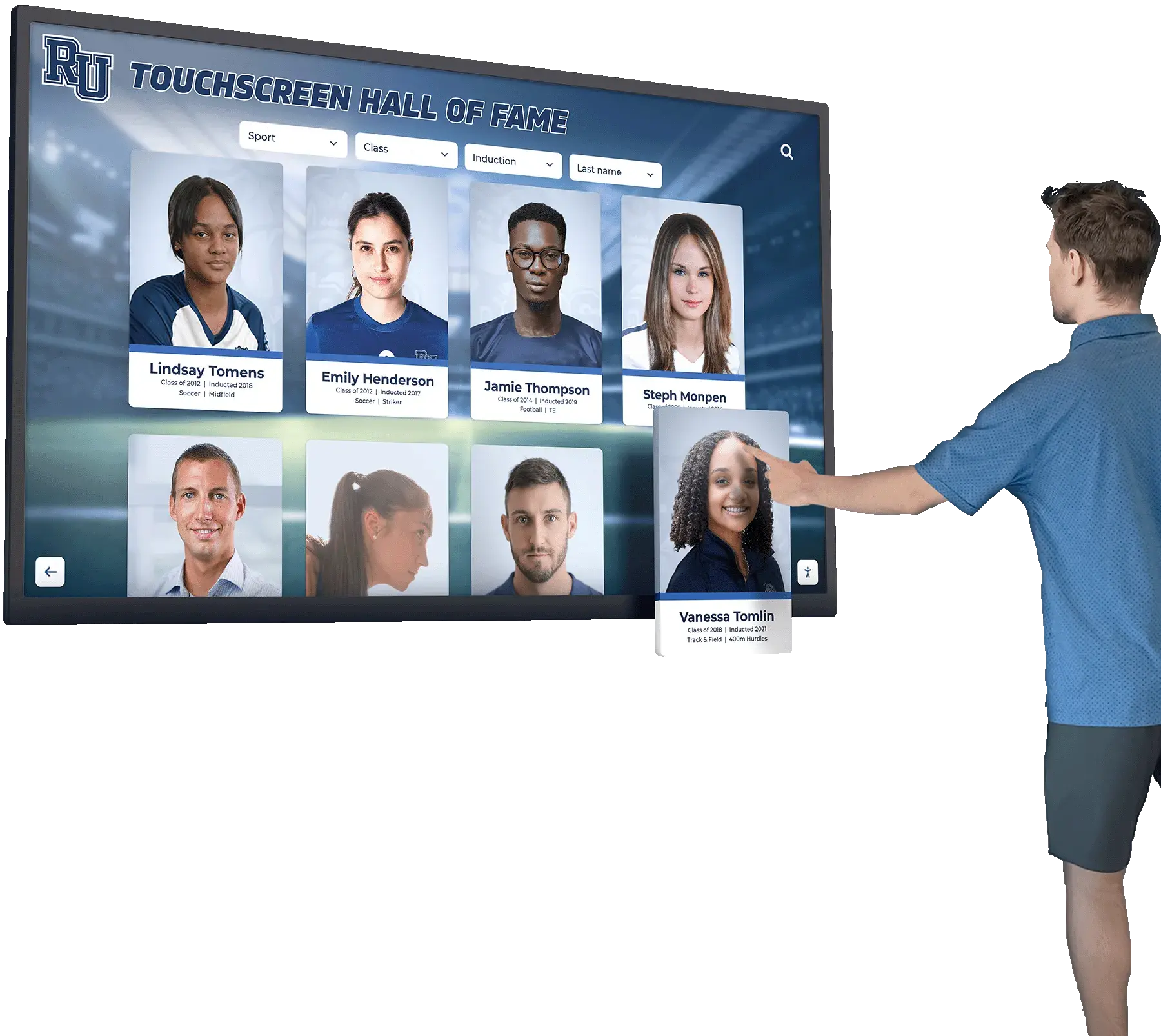
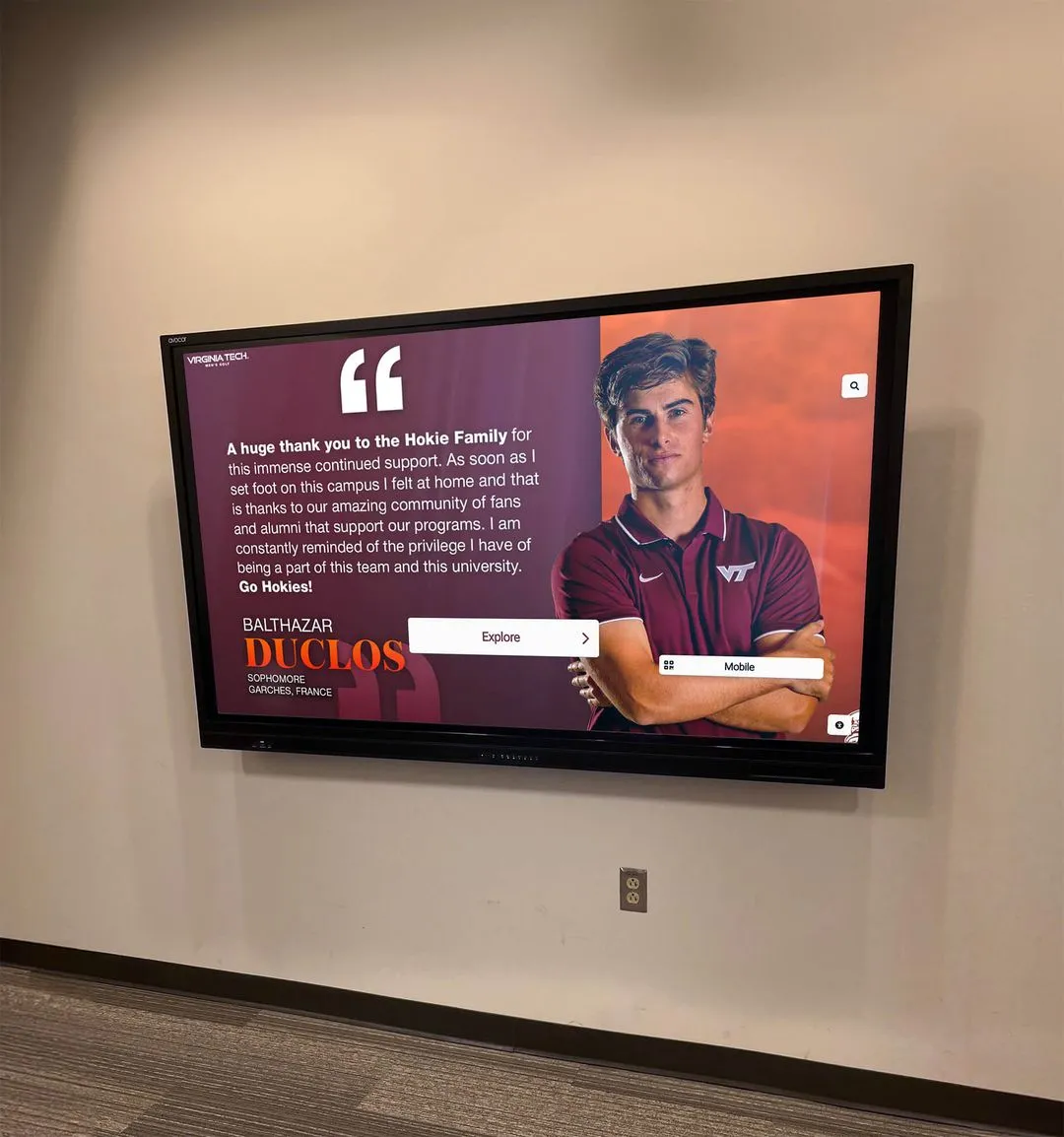
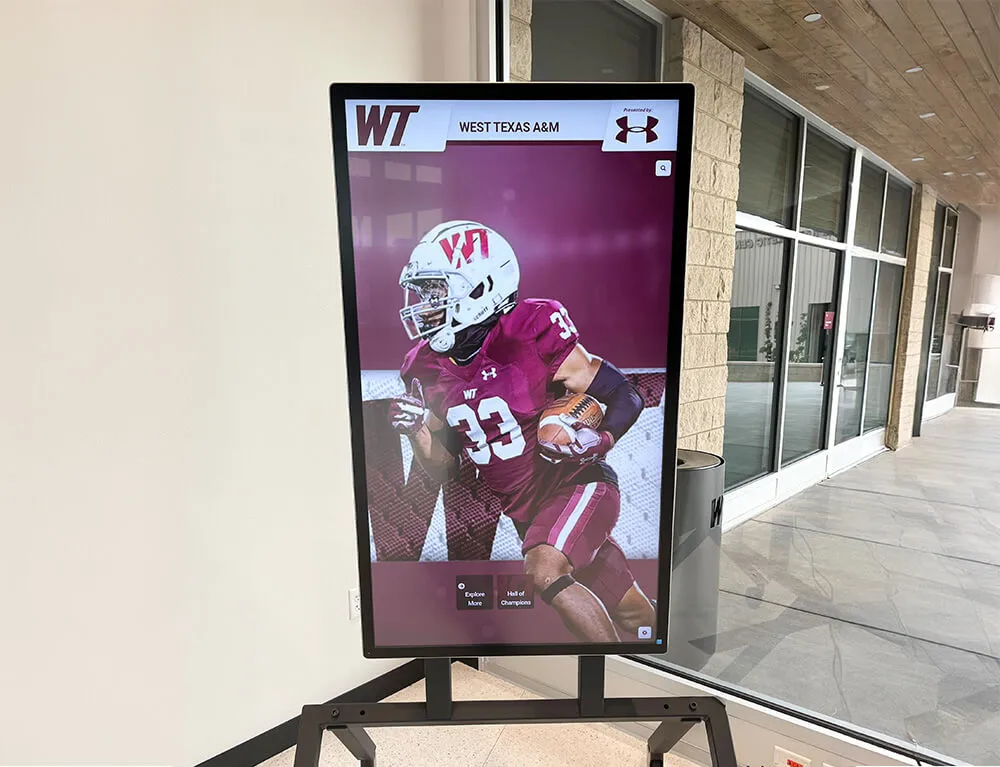
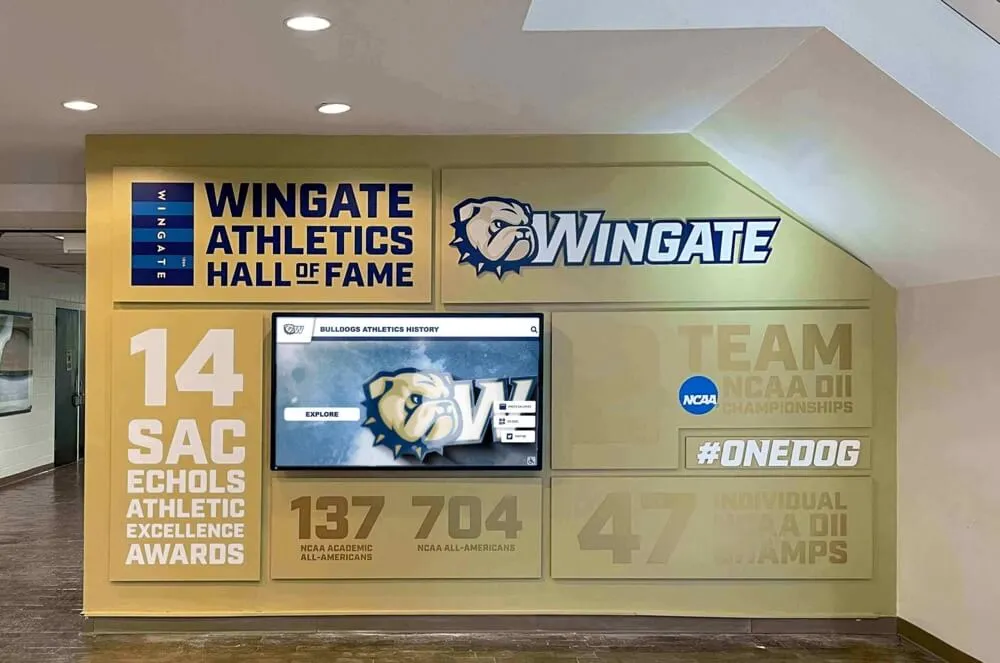
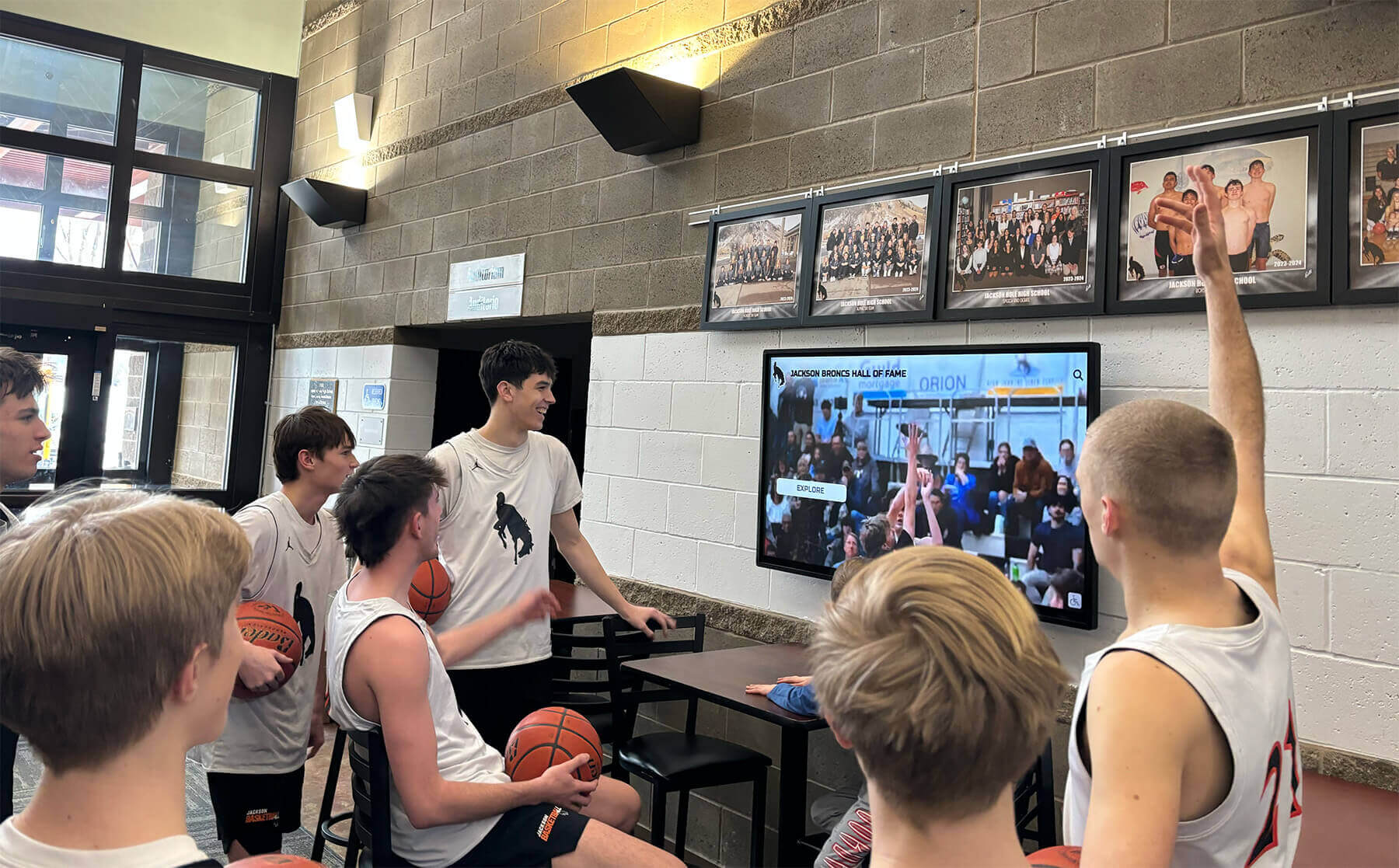
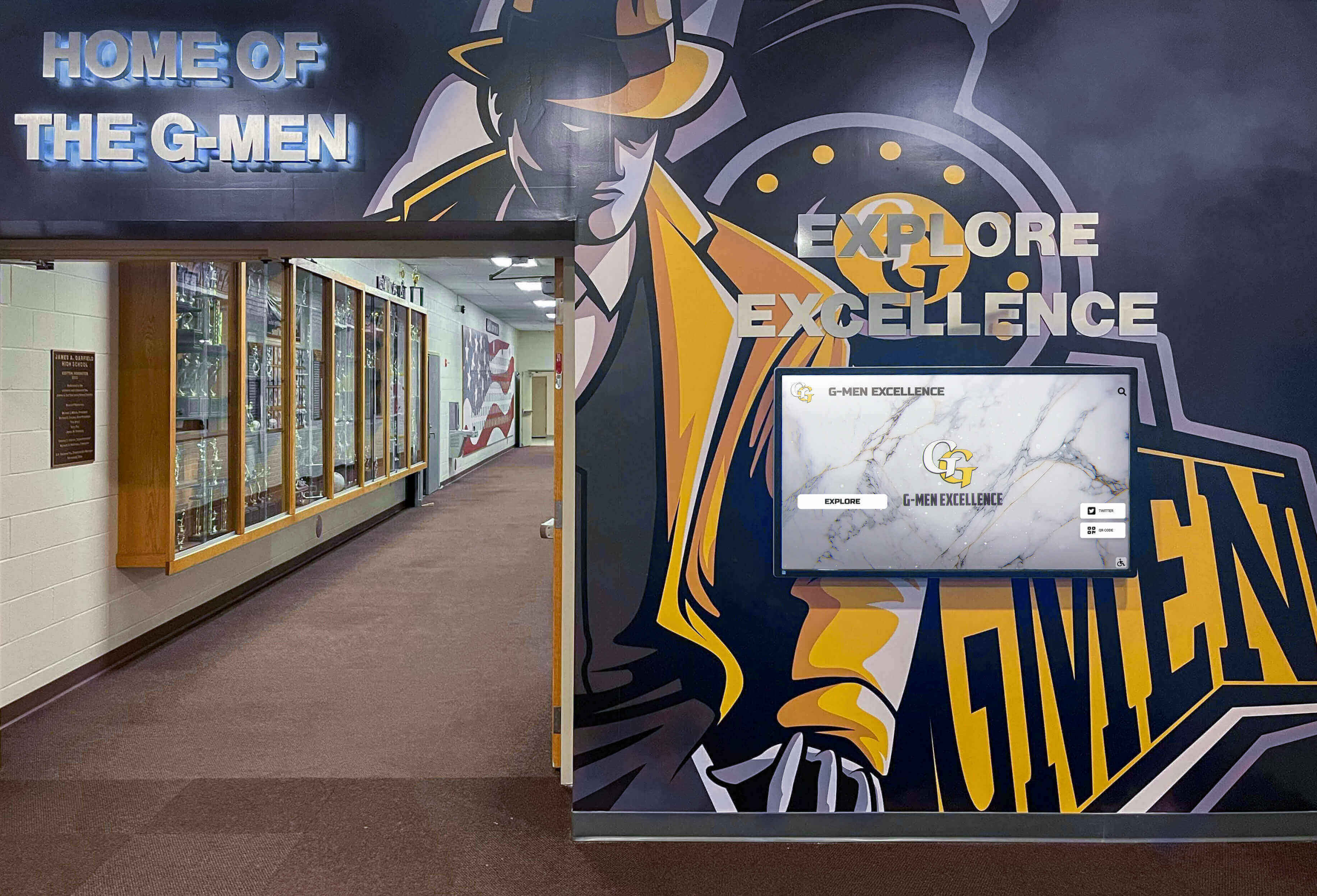
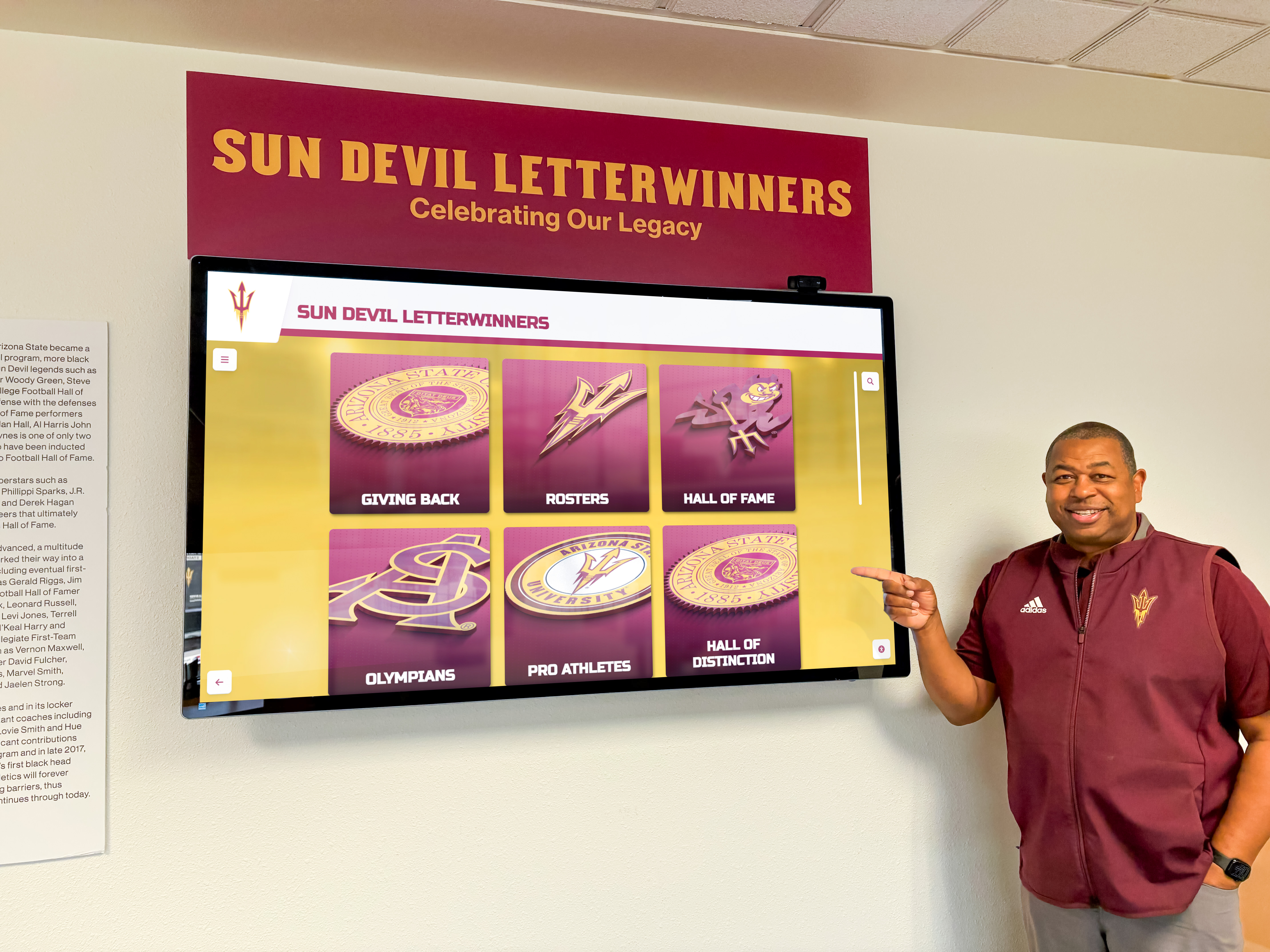
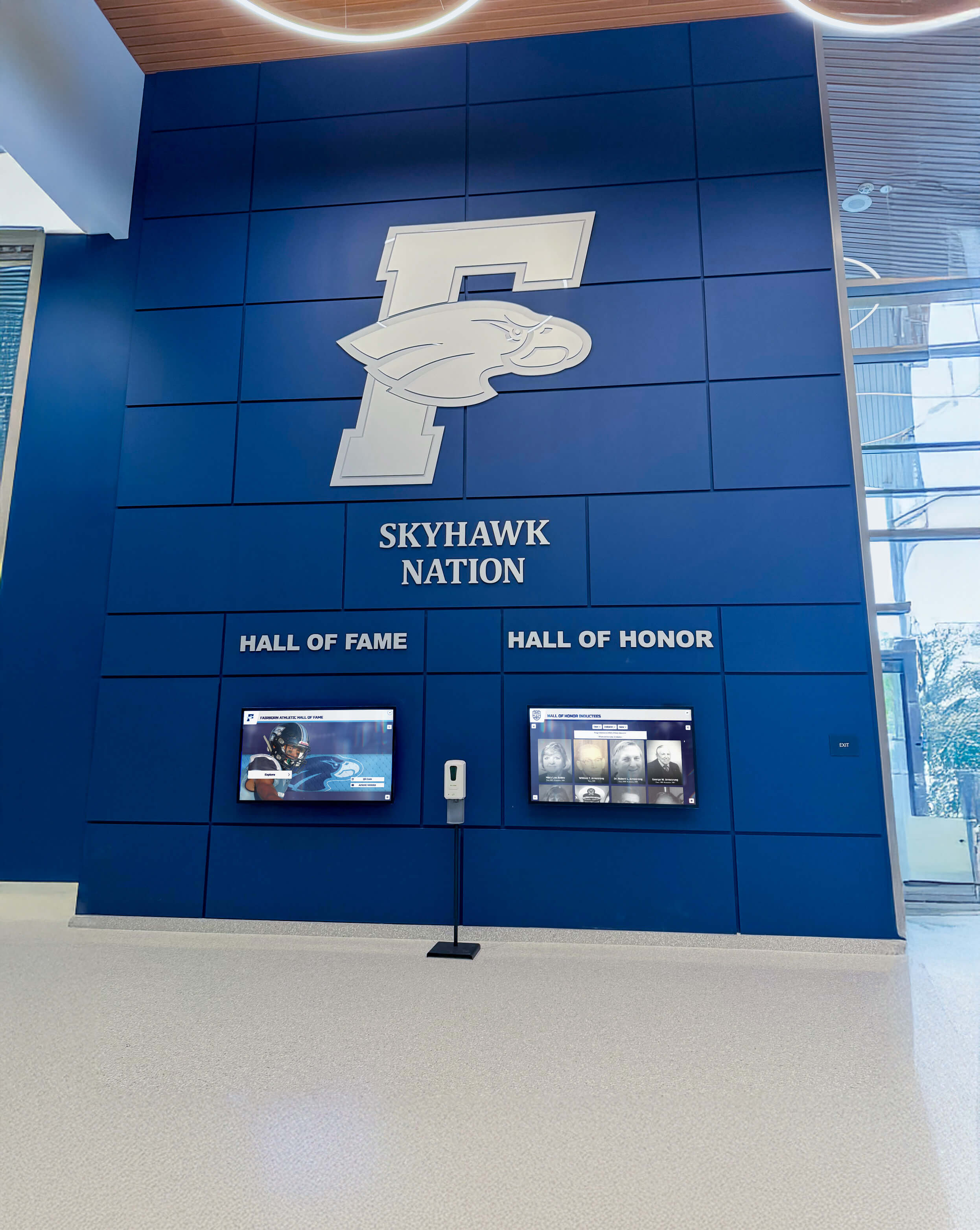
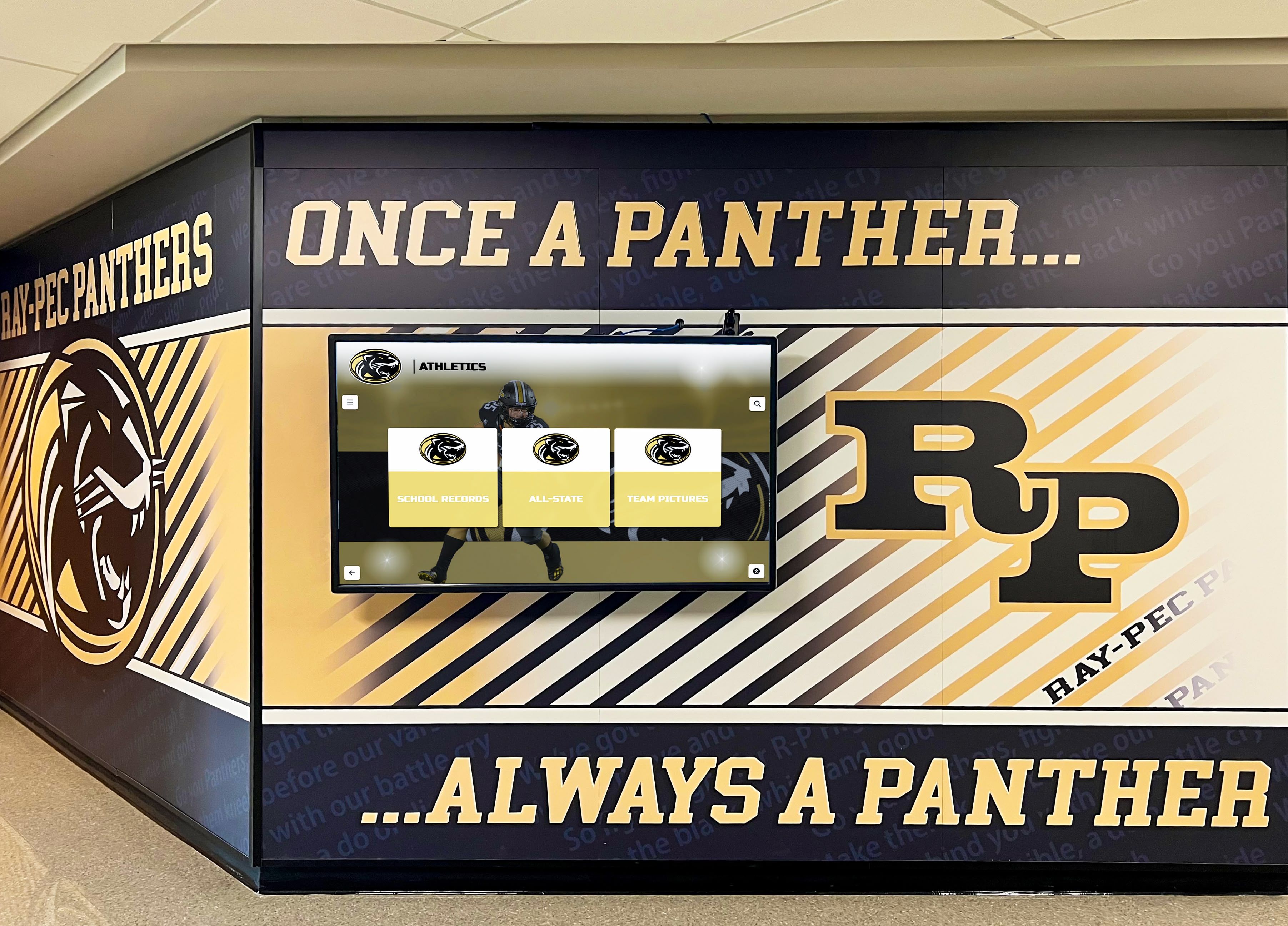
Homecoming games create memorable moments worthy of permanent recognition—championship victories, record-breaking performances, spirited celebrations, and alumni reunions. Traditional methods of documenting these events through printed programs or static displays quickly become outdated and difficult to maintain. Modern digital recognition platforms solve these challenges by preserving homecoming history through interactive displays showcasing game highlights, past homecoming royalty, alumni achievements, and school traditions. Solutions like Rocket Alumni Solutions enable schools to create comprehensive digital archives documenting homecoming traditions while engaging current students and returning alumni with touchscreen displays featuring photos, videos, statistics, and interactive timelines celebrating decades of school pride and athletic excellence.
The Origins and History of Homecoming
Understanding homecoming’s cultural significance requires examining its historical roots and evolution across American education.
Early University Traditions
The homecoming tradition originated at American universities in the early twentieth century. The University of Missouri claims the first documented homecoming event in 1911, when athletic director Chester Brewer invited alumni to “come home” for a football game against the University of Kansas. The event aimed to reinvigorate school spirit and reconnect alumni with their alma mater during a period of institutional growth.
Other universities quickly adopted similar traditions. The University of Illinois held homecoming celebrations beginning in 1910, though they didn’t use the specific term “homecoming” initially. Baylor University documented alumni return events in 1909. These early celebrations established core elements that persist today: football games as central events, alumni reunions, campus decorations, parades, and community festivals.
The timing proved strategic. Fall football season provided natural scheduling opportunities when weather remained favorable and academic years were newly underway. Football’s growing popularity as America’s premier collegiate sport made games compelling draws for alumni. The festivities created emotional connections between graduates and institutions, fostering lifelong engagement that benefited universities through continued support, donations, and advocacy.
Expansion to High Schools
By the 1920s and 1930s, homecoming traditions expanded from universities to high schools across the United States. Smaller schools adapted celebrations to match their resources and communities. High school homecoming typically featured similar elements scaled appropriately: football games, spirit weeks, dances, parades, and recognition of alumni.
High school homecoming developed distinctive characteristics differentiating it from college celebrations. The tradition of selecting homecoming courts—groups of students nominated to represent school spirit culminating in crowning of homecoming kings and queens—became standard at high schools. Homecoming court traditions evolved into major components of high school celebrations, creating memorable experiences for selected students while building school-wide excitement.
Community involvement intensified at the high school level. Smaller towns often center entire community activities around high school athletic events, making homecoming weekend major civic celebrations rather than purely school functions.
What Happens During a Homecoming Game
The homecoming game itself serves as the centerpiece event anchoring a week of celebrations and traditions.
Pre-Game Activities and Spirit Week
Most schools don’t confine homecoming to a single game day. The week leading to the homecoming game features coordinated activities building anticipation and participation:
Spirit Week Daily Themes
Schools designate each weekday with dress-up themes encouraging student participation in school spirit activities. Common themes include:
- Class Color Day: Different grade levels wear assigned colors competing for most spirited participation
- Twin Day: Students dress identically with friends showcasing creativity
- Decades Day: Participants dress in styles from different historical eras
- School Spirit Day: Everyone wears school colors, mascot apparel, and team merchandise
- Pajama Day: Students attend class in sleepwear creating relaxed festive atmosphere
These daily themes create visible manifestations of school unity and excitement throughout the week. Hallways fill with colorful costumes and creative interpretations generating energy that builds toward the weekend game.
Pep Rallies and School Assemblies
Most schools hold special assemblies or pep rallies during homecoming week. These gatherings feature:
- Introduction of homecoming court candidates and announcement of royalty
- Recognition of fall sports teams and athletic achievements
- Performance by cheerleaders, dance teams, and pep bands
- Student contests, games, and competitions building excitement
- Coach speeches and athlete interviews previewing the homecoming game
Pep rallies serve important functions beyond simple entertainment. They unite the entire student body in collective experience, build anticipation for the game, recognize student achievement across multiple domains, and create memorable moments that strengthen school culture and tradition.
Campus and Community Decorations
Visual transformations signal homecoming’s special status. Schools decorate buildings, hallways, and athletic facilities with:
- Banners featuring school colors, mascots, and motivational messages
- Window paintings by students displaying creativity and school spirit
- Hallway decorations often organized as competitions between grade levels
- Yard signs throughout communities showing local support
- Elaborate entrance decorations welcoming returning alumni
These decorations create festive atmospheres while providing creative outlets for student expression and friendly competition between classes.
The Game Day Experience
Homecoming game day represents the culmination of week-long preparation and the focal point of celebration.
Pre-Game Ceremonies
Homecoming games typically begin with special ceremonies differentiating them from standard athletic contests:
- Alumni Recognition: Acknowledgment of returning graduates, sometimes including recognition of milestone reunion years
- Homecoming Court Presentation: Introduction of court members to assembled crowds
- Coronation Ceremony: Crowning of homecoming king and queen, often during halftime
- National Anthem Performance: Often featuring alumni or special school ensembles
- Special Honorary Activities: Recognition of retiring coaches, athletic hall of fame inductees, or community contributors
These ceremonies extend game duration but add significance differentiating homecoming from ordinary contests.
Enhanced Fan Experience
Homecoming games typically draw significantly larger crowds than regular season contests. Schools enhance fan experiences through:
- Expanded Concessions: Additional food vendors and special menu items
- Entertainment Options: Face painting stations, photo booths, and activity areas for families
- Alumni Hospitality Areas: Designated spaces where graduates can gather and reconnect
- Enhanced Student Sections: Organized cheering sections with coordinated chants and activities
- Special Recognition Moments: Timeout activities celebrating school history and traditions
Atmosphere differs markedly from typical games. The combination of larger crowds, returning alumni, special ceremonies, and heightened school spirit creates unique energy making homecoming games memorable even when athletic competition itself proves unexceptional.
The Athletic Contest
Despite all surrounding festivities, an actual competitive game occurs. Football remains the traditional homecoming sport at most American high schools and colleges, though schools without football programs sometimes designate basketball, soccer, or other fall sports as homecoming events.
Schools typically schedule homecoming games strategically:
- Winnable Opponents: Athletic directors often select opponents expected to provide competitive but favorable matchups
- Conference Games: Some schools schedule important conference contests as homecoming capitalizing on enhanced attendance
- Rivalry Considerations: Occasional homecoming scheduling against rivals intensifies already meaningful contests
Game outcomes matter to participants and fans, but homecoming’s success doesn’t depend solely on winning. The broader celebration, alumni connections, and community gathering prove meaningful regardless of athletic results.
Homecoming Court and Royalty Traditions
The homecoming court represents one of homecoming’s most distinctive and sometimes controversial elements.
Selection Processes
Schools employ various methods for determining homecoming courts:
Peer Nomination and Voting
Most schools use democratic processes where students nominate and vote for court representatives. Common approaches include:
- Grade-Level Representatives: Each class nominates candidates with final court including representatives from multiple grades
- Senior-Only Courts: Limiting court membership to seniors as recognition of their final homecoming
- Activity-Based Nominations: Some schools require nominees demonstrate involvement in athletics, academics, arts, or service
- Open Nominations: Any student meeting basic eligibility (academic standing, discipline record) can be nominated

Voting procedures vary. Some schools conduct school-wide votes determining entire courts. Others use hybrid systems where peer voting selects court finalists with separate processes determining kings and queens from court members.
Evolving Inclusivity Practices
Traditional homecoming courts followed rigid gender binary structures with separate king and queen titles. Contemporary schools increasingly adopt inclusive practices:
- Gender-neutral courts and titles allowing any student to compete for any position
- “Homecoming Royalty” terminology replacing gendered king/queen language
- Multiple representative categories beyond traditional binary options
- Recognition of diverse student populations and identities
These evolutions reflect broader cultural changes while maintaining homecoming’s recognition function.
Court Activities and Recognition
Selected court members participate in various homecoming week activities:
- Special Dress Days: Court members often wear coordinated attire or identifying sashes during spirit week
- Community Appearances: Court representatives sometimes visit elementary schools, community events, or local businesses
- Game Day Ceremonies: Presentation during pre-game or halftime with formal coronation of king and queen
- Photo Opportunities: Professional photography sessions and publicity featuring court members
- Post-Game Attendance: Court members typically attend homecoming dances as honored guests
For selected students, homecoming court provides memorable recognition and leadership visibility within school communities.
The Homecoming Dance
Most schools follow homecoming games with formal or semi-formal dances, creating complete weekend celebrations.
Dance Traditions and Formats
Homecoming dances occupy a distinctive place among school social events:
Formality Level
Homecoming typically falls between casual school dances and formal proms on the dress code spectrum. Common attire includes:
- Semi-Formal Standards: Dresses and suits rather than tuxedos and gowns required for prom
- School Spirit Elements: Some students incorporate school colors or themed accessories
- Comfortable Expectations: Less rigid than prom allowing greater individual expression
Scheduling and Structure
Schools schedule dances either immediately following homecoming games (evening dances) or the following evening, depending on game timing and facility availability. Dances typically run 3-4 hours featuring:
- DJ or live band providing music spanning multiple genres
- Photo opportunities with professional photographers or themed backdrops
- Refreshments and social spaces beyond dance floor
- Chaperoned environments ensuring appropriate behavior
Attendance Patterns
Homecoming dances generally draw broader participation than proms. The less formal nature, lower cost, and earlier timing in school years make homecoming more accessible. Students attend with dates, friend groups, or independently depending on personal preference and school culture.
Social Significance for Students
For many students, homecoming dances represent important social milestones:
- First Formal Dance: Often the first semi-formal dance experience for underclassmen
- Social Connection: Opportunity to socialize with peers across grade levels outside regular school structure
- School Tradition Participation: Engagement in institutional ritual creating shared memory
- Personal Expression: Opportunity for self-expression through fashion choices and social interactions
While not universally beloved—some students choose not to attend—homecoming dances remain significant traditions for many participants creating lasting high school memories.
Alumni Engagement and Homecoming
Homecoming’s original purpose—welcoming alumni home—remains central to celebrations, particularly at schools with strong alumni networks.
Alumni Return Programming
Schools develop specific programming targeting returning graduates:
Reunion Coordination
Many schools coordinate class reunions with homecoming weekends. Benefits include:
- Shared infrastructure reducing reunion planning burden for individual classes
- Natural gathering point around familiar school traditions and settings
- Opportunity for multiple reunion classes gathering simultaneously
- Access to school facilities and resources supporting reunion activities
Milestone years—10th, 25th, 50th reunions—often schedule deliberately around homecoming capitalizing on existing programming and maximizing attendance from geographically dispersed classmates.
Campus Tours and Facility Showcases
Schools open facilities for returning alumni offering:
- Guided tours highlighting building improvements and new construction
- Access to renovated athletic facilities, academic buildings, and technology upgrades
- Opportunities to revisit classrooms, libraries, and gathering spaces filled with personal memories
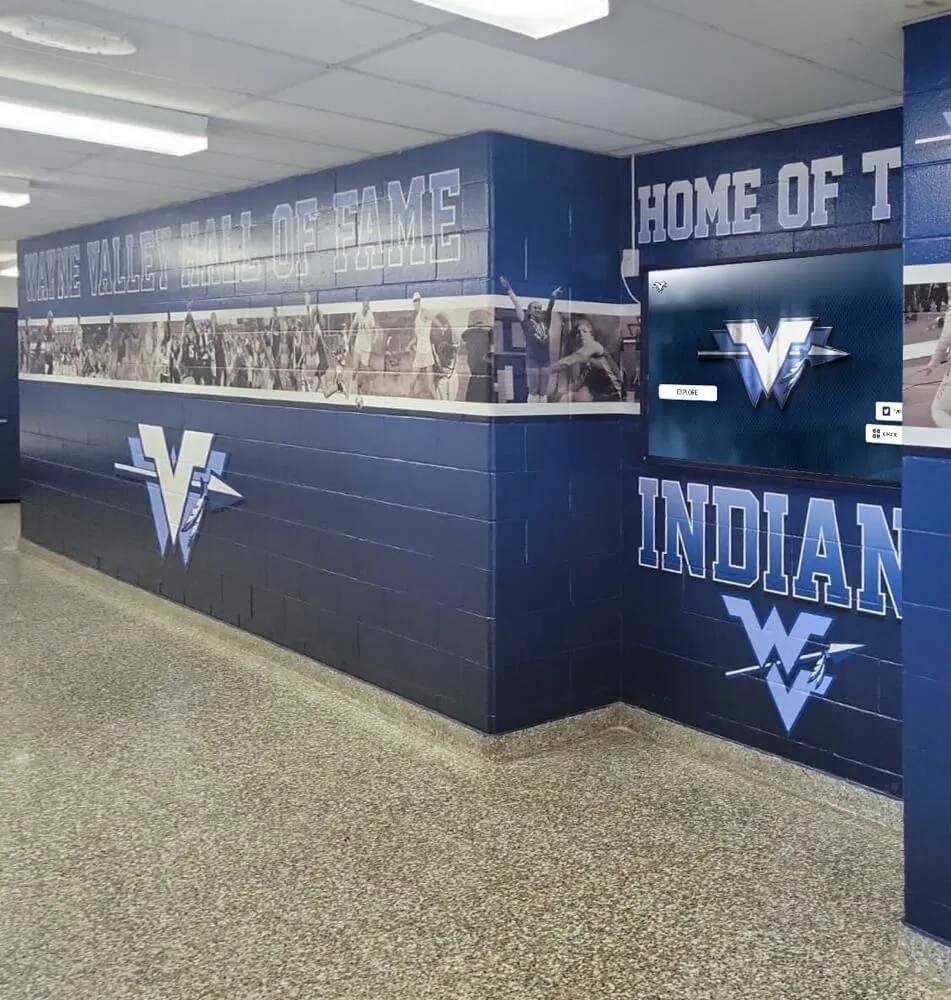
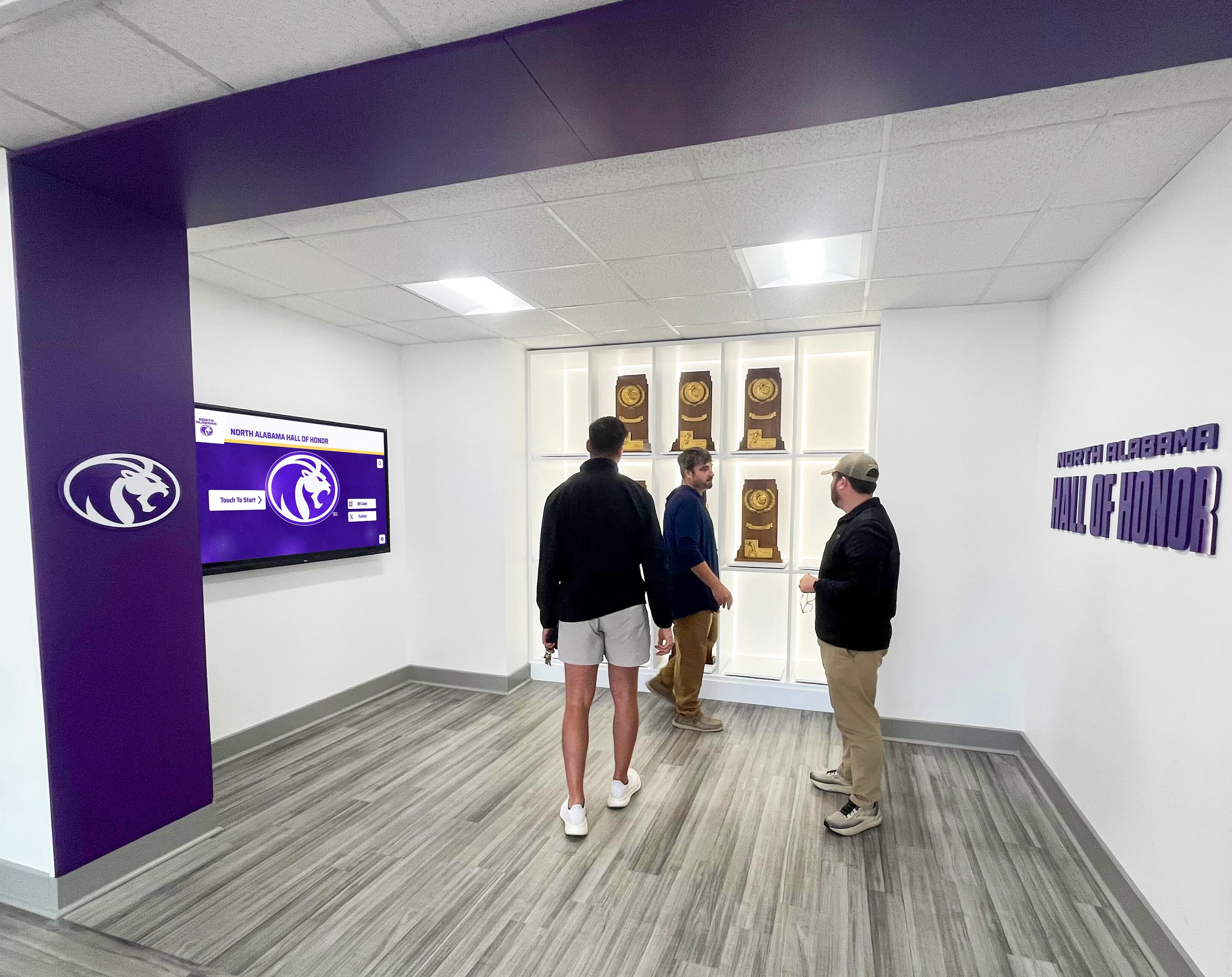
- Digital displays and exhibits documenting school history and achievements
These tours serve dual purposes: reconnecting alumni emotionally while also demonstrating school progress encouraging continued support and investment.
Recognition Events
Homecoming provides natural occasions for formal alumni recognition:
- Athletic hall of fame inductions honoring distinguished former athletes
- Distinguished alumni awards celebrating professional or community achievements
- Service recognition acknowledging alumni volunteer contributions
- Scholarship announcements funded by alumni donations supporting current students
These recognition events strengthen alumni identity while modeling success and engagement for current students.
Digital Recognition Systems Connecting Alumni
Modern schools leverage technology creating year-round alumni engagement extending beyond annual homecoming visits:
Interactive Digital Displays
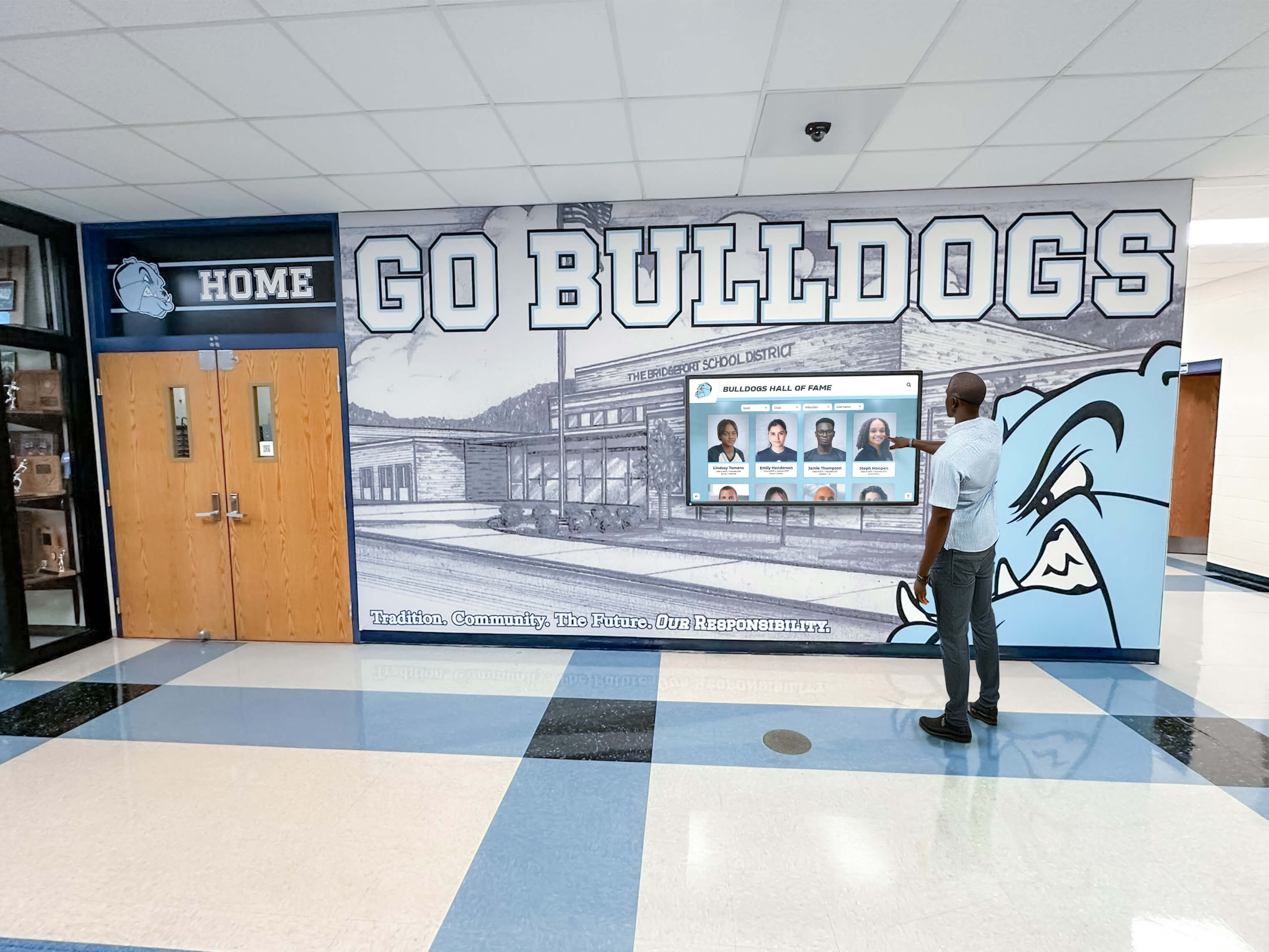
Schools install touchscreen displays in high-traffic locations enabling alumni to:
- Browse comprehensive databases documenting school history and alumni achievements
- View photos and videos from their graduation years and athletic careers
- Explore current student accomplishments and school developments
- Access digital yearbooks and historical archives
- Submit updated contact information and personal news
These systems transform occasional homecoming visits into ongoing connection points. Alumni can explore school history remotely while physical installations provide engagement opportunities during facility visits.
Online Alumni Communities
Digital platforms complement physical homecoming celebrations by:
- Providing year-round communication channels between alumni and schools
- Facilitating reunion planning and homecoming attendance coordination
- Sharing school news, student achievements, and institutional updates
- Creating searchable directories helping alumni reconnect with classmates
- Documenting comprehensive institutional history accessible anytime, anywhere
Resources on connecting with alumni demonstrate how schools build sustained engagement beyond single annual events.
Regional and Cultural Variations
While homecoming follows general patterns across American schools, regional differences and local traditions create distinctive celebrations.
Geographic Differences
Southern Traditions
Southern states often elevate homecoming to especially prominent cultural events:
- Mums and garters: elaborate corsages and accessories worn during homecoming week
- Larger parade productions involving entire communities
- Strong emphasis on football reflecting regional sports culture
- Integration with church and community organizations beyond school functions
Midwest Celebrations
Midwestern homecoming often emphasizes:
- Bonfire traditions as pre-game rallies
- Community fish fries or barbeques as fundraising and gathering events
- Cold-weather adaptations with indoor activities complementing outdoor games
- Agricultural fair integrations in rural communities
Regional Sport Variations
While football dominates nationally, regional differences appear:
- Northern schools sometimes center homecoming around basketball given winter football limitations
- California schools might feature soccer or water polo reflecting local sport popularity
- Texas high school football programs create especially elaborate homecoming productions given the sport’s cultural centrality
School Size Adaptations
Homecoming traditions scale according to institutional resources:
Large School Productions
Schools with thousands of students create elaborate celebrations:
- Week-long events with multiple daily activities
- Professional-quality parades with decorated floats
- Large-scale pep rallies filling gymnasiums or stadiums
- Extensive court competitions with preliminary rounds
- Semi-formal dances accommodating hundreds of attendees
Small School Celebrations
Rural schools with limited student populations adapt accordingly:
- Combined junior-senior high celebrations maximizing participation
- Community-centered events bringing together multiple generations
- Simplified but meaningful recognition traditions
- Focus on inclusive participation rather than competitive selection
- Creative low-cost alternatives to expensive productions
Regardless of scale, homecoming serves similar functions: building school pride, connecting alumni, celebrating community, and creating memorable traditions for participants.
The Cultural Significance of Homecoming
Beyond specific activities, homecoming serves important cultural functions within American education and community life.
Building School Identity and Pride
Homecoming creates concentrated moments when school identity becomes visible and celebrated:
- Tradition Continuity: Annual repetition creates institutional memory connecting current students with decades of predecessors
- Collective Participation: Whole-school involvement in coordinated activities builds unity
- Public Display: Community attendance demonstrates investment in educational institutions
- Identity Markers: School colors, mascots, and traditions become meaningful identity symbols
These functions prove especially important in contemporary contexts where student connection to physical schools faces competition from digital distractions and alternative activities.
Community Building and Social Connection
Homecoming bridges divides creating inclusive community experiences:
- Cross-Generational Gathering: Students, parents, alumni, and community members unite around shared institutional affiliation
- Economic Impact: Local businesses benefit from increased activity around homecoming weekends
- Civic Pride: School success and celebration reflect positively on entire communities
- Social Capital Development: Connections formed during homecoming strengthen broader community networks
In smaller towns especially, homecoming represents major civic events transcending pure school functions.
Rites of Passage and Memory Creation
For students, homecoming provides developmentally significant experiences:
- Leadership Opportunities: Planning committees, court participation, and event coordination develop organizational skills
- Social Navigation: Dances and public events provide safe contexts for exploring social relationships
- Identity Formation: Participation in collective traditions helps adolescents develop group identity
- Memory Anchors: Distinctive celebrations create lasting memories marking high school experiences
The memories created during homecoming often endure long after specific academic content fades, forming significant parts of personal high school narratives shared decades later.
Modern Homecoming Challenges and Evolutions
Contemporary schools navigate various challenges while maintaining homecoming traditions:
Inclusivity and Equity Concerns
Schools increasingly examine traditional practices through equity lenses:
Court Selection Fairness
Traditional popularity contests sometimes favor students from specific demographics or social groups. Schools address concerns through:
- Application-based selection considering leadership, service, and achievement beyond pure popularity
- Multiple court categories recognizing diverse student populations
- Elimination of courts entirely at some schools focusing on collective celebration
- Staff nomination processes ensuring deserving students receive consideration regardless of peer social status
Financial Accessibility
Homecoming costs can create participation barriers. Schools implement strategies including:
- Dress code flexibility allowing creative expression within budget constraints
- Ticket pricing structures ensuring dances remain accessible
- Alternative activities for students who cannot or choose not to attend expensive events
- School-sponsored attire loan programs reducing financial barriers
Tradition vs. Modernization Balance
Schools navigate tensions between preserving meaningful traditions and adapting to contemporary values:
- Maintaining recognizable homecoming elements providing continuity and nostalgia
- Updating problematic traditions that conflict with modern inclusivity values
- Incorporating technology enhancing rather than replacing human connection
- Respecting diverse student interests while maintaining collective school experiences
Resources on building school pride offer frameworks balancing tradition with innovation.
Safety and Supervision Requirements
Contemporary homecoming requires careful attention to student safety:
- Enhanced security measures at games and dances
- Strict substance abuse policies and monitoring
- Transportation safety programs preventing impaired driving
- Digital citizenship expectations managing social media behavior
- Mental health awareness regarding social pressure and exclusion concerns
These necessary precautions sometimes create tensions with desired festive atmospheres requiring thoughtful administrative balance.
Preserving and Celebrating Homecoming History
Schools benefit from systematically documenting homecoming traditions creating institutional memory and enhancing future celebrations.
Traditional Documentation Methods
Conventional approaches include:
- Yearbook Coverage: Dedicated sections documenting homecoming events annually
- Photo Archives: Collections of physical photographs from ceremonies and celebrations
- Program Collections: Saved game programs, dance tickets, and printed materials
- Trophy Cases: Physical displays recognizing homecoming royalty and championships
- Local Media Archives: Newspaper clippings documenting community coverage
While valuable, traditional methods face limitations: physical deterioration, limited accessibility, space constraints, and difficulty updating or expanding documentation.

Digital Documentation Advantages
Modern digital platforms transform homecoming documentation through:
Comprehensive Multimedia Archives
Digital systems accommodate unlimited photos, videos, and documents without physical space constraints. Schools can preserve:
- Complete photo galleries from every homecoming spanning decades
- Video recordings of coronation ceremonies, pep rallies, and games
- Scanned historical programs and promotional materials
- Audio recordings of band performances and crowd celebrations
- Statistical data tracking attendance, participation, and outcomes over time
Interactive Exploration
Digital recognition platforms enable engaging interaction with homecoming history:
- Searchable databases allowing users to find specific years, individuals, or events
- Timeline visualizations showing tradition evolution across decades
- Comparative features enabling side-by-side viewing of different eras
- Personal tagging allowing alumni to identify themselves and classmates
- Comment and story-sharing capabilities building rich contextual histories
Global Accessibility
Web-based platforms eliminate geographic barriers:
- Alumni anywhere can explore homecoming memories without facility visits
- Current students research school history building connection to traditions
- Prospective families investigate school culture during enrollment consideration
- Community members access institutional history demonstrating civic engagement
- Media researchers gather information for feature stories and historical articles
Solutions like digital recognition displays transform static homecoming documentation into dynamic interactive experiences connecting current students with rich institutional traditions.
Planning Successful Homecoming Events
Effective homecoming requires systematic planning addressing logistics, programming, and community engagement.
Timeline Development
Successful schools begin homecoming planning months in advance:
Early Planning (3-4 Months Prior)
- Form planning committees including students, staff, and community representatives
- Set homecoming dates coordinating with athletic schedules and facility availability
- Establish budgets and identify funding sources
- Confirm major contracts (entertainment, photographers, vendors)
- Develop preliminary activity schedules and promotion plans
Mid-Range Preparation (6-8 Weeks Prior)
- Finalize spirit week themes and daily activity schedules
- Complete court nomination and voting procedures
- Coordinate parade participants and route logistics if applicable
- Arrange alumni outreach and reunion coordination
- Develop comprehensive marketing and communication strategies
Final Preparations (2-4 Weeks Prior)
- Execute intensive promotional campaigns maximizing participation
- Finalize game day logistics including ceremonies and halftime activities
- Complete dance planning including decorations, music, and supervision
- Confirm all vendor contracts and delivery schedules
- Train student leaders and adult supervisors for specific responsibilities
Committee Structure
Effective planning distributes responsibilities across specialized committees:
- Spirit Week Committee: Plans daily themes, activities, and decorations
- Game Day Committee: Coordinates athletic event logistics and ceremonies
- Dance Committee: Manages venue, entertainment, decorations, and supervision
- Court Committee: Oversees nomination, voting, and recognition processes
- Alumni Relations: Manages graduate outreach, reunion coordination, and recognition events
- Marketing Committee: Handles promotional materials, social media, and community communication
- Budget Committee: Manages finances, fundraising, and expenditure tracking
Clear committee structures prevent both responsibility gaps and redundant efforts.
Homecoming’s Enduring Appeal
Despite evolving cultural contexts and contemporary challenges, homecoming traditions persist across American educational institutions for compelling reasons.
The tradition addresses fundamental human needs: belonging to communities larger than ourselves, connecting present experiences to historical continuity, celebrating collective achievement and identity, maintaining relationships across geographic distance and time passage, and creating memorable moments marking life transitions.
For schools, homecoming provides concentrated opportunities to build institutional culture, engage alumni in ongoing institutional support, demonstrate community value and relevance, create positive publicity and public relations, and strengthen student connection to educational experiences.
The specific activities—football games, court ceremonies, dances, parades—may evolve reflecting changing values and contexts. Yet homecoming’s core functions remain constant: welcoming people home to places and communities that shaped them, celebrating shared identity and tradition, and creating experiences connecting diverse individuals through institutional affiliation.
Ready to transform how your school documents and celebrates homecoming traditions? Digital recognition platforms enable schools to preserve homecoming history comprehensively through unlimited photo and video archives, engage alumni year-round through interactive displays accessible globally, showcase current celebrations inspiring future participation, document tradition evolution creating rich institutional memory, and connect generations through shared exploration of school history.
Your homecoming celebrations represent significant investments of time, energy, and resources creating memorable experiences for students and alumni. Modern recognition systems ensure these moments receive permanent documentation that honors participants, inspires future classes, strengthens alumni connections, and preserves institutional traditions that define your school’s identity for decades to come.
Schedule a demo to discover how digital recognition platforms can help your school celebrate homecoming traditions while building lasting connections between current students, alumni, and your entire school community.