



Every spring, high schools across America prepare for graduation ceremonies where two students typically receive special recognition above all others: the valedictorian and the salutatorian. While most people understand that the valedictorian represents the highest academic achiever, confusion often surrounds the salutatorian designation. What exactly does salutatorian mean? How do schools determine who receives this honor? And perhaps most importantly, how can institutions properly celebrate this remarkable academic achievement?
The salutatorian represents the student with the second-highest academic ranking in a graduating class—a distinction requiring years of sustained excellence, challenging coursework, and unwavering dedication to scholarly achievement. Far from being a “runner-up” or consolation prize, the salutatorian honor recognizes exceptional academic performance that places students among the very top of their peer group, often distinguishing itself from the valedictorian position by fractions of grade point percentage.
Understanding the salutatorian role matters for several reasons: students and families need clarity about this prestigious honor and what it represents, schools must establish transparent criteria and fair selection processes, and institutions should implement recognition programs that appropriately celebrate both valedictorians and salutatorians as the academic elite they represent. This comprehensive guide examines every dimension of the salutatorian distinction—from its Latin origins and selection methodology to modern recognition approaches honoring these outstanding scholars appropriately.
Why Salutatorian Recognition Matters
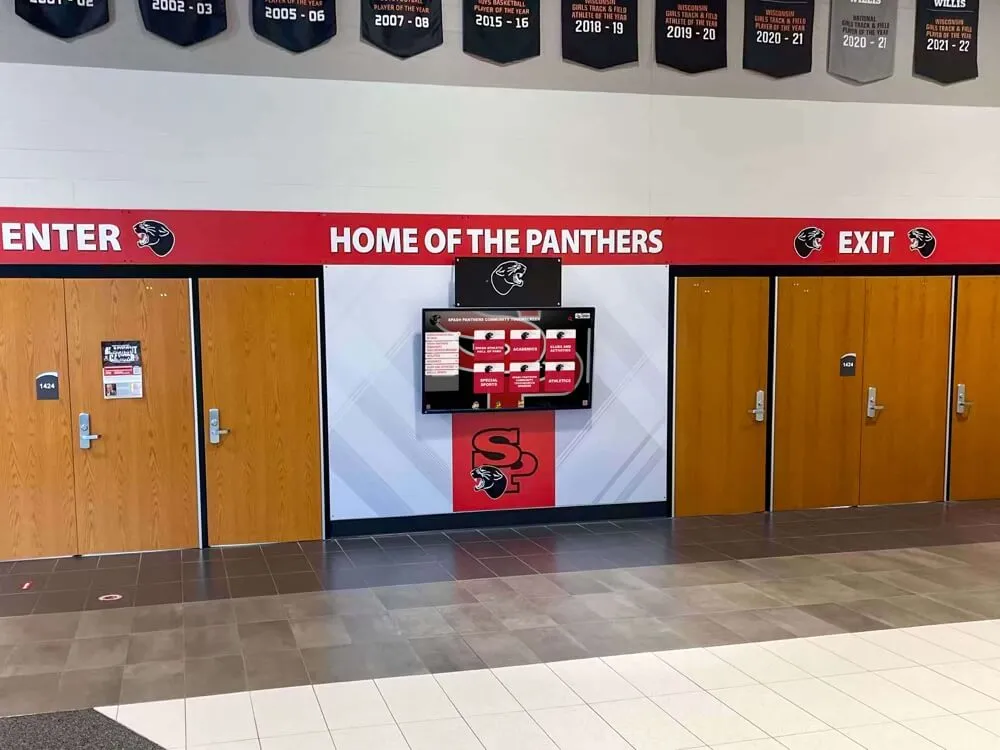
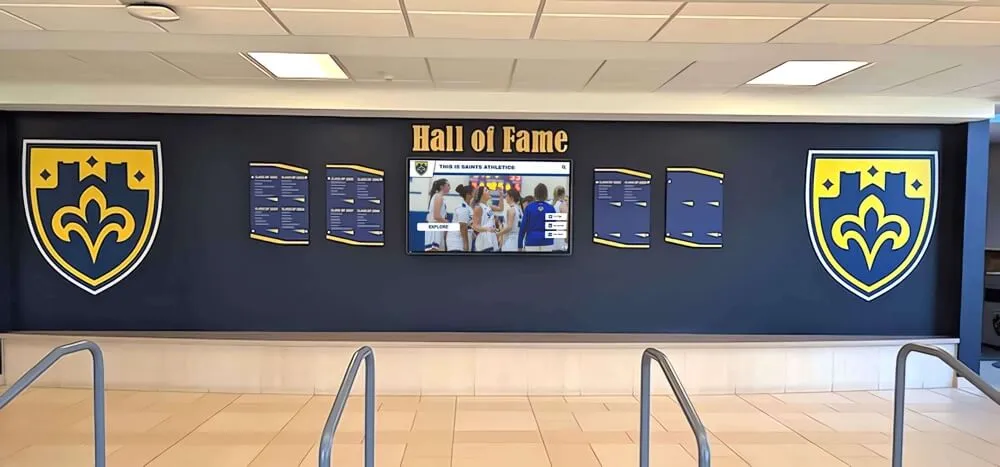
The salutatorian honor represents years of academic excellence, yet many schools provide minimal lasting recognition beyond brief graduation ceremony mentions. Modern recognition programs create permanent, engaging displays celebrating both valedictorians and salutatorians appropriately. Digital recognition solutions like Rocket Alumni Solutions enable schools to honor unlimited academic achievers through interactive displays that inspire current students while preserving institutional academic legacy permanently.
Salutatorian Definition: Understanding the Latin Origins
The term “salutatorian” derives from the Latin word salutare, meaning “to greet” or “to welcome.” Historically, the salutatorian served as the opening speaker at graduation ceremonies, delivering welcoming remarks to assembled guests, families, and fellow graduates. This contrasted with the valedictorian—from vale dicere, meaning “to say farewell”—who traditionally delivered closing remarks bidding goodbye to the graduating class.

This linguistic distinction reflected the ceremonial roles these top academic achievers historically performed at commencement. While modern graduation ceremonies have evolved considerably—often featuring multiple speakers, keynote addresses from external guests, and varied program structures—the valedictorian and salutatorian designations endure as markers of supreme academic accomplishment rather than merely speaking assignments.
Modern Interpretation Beyond Speaking Roles
Today, most schools recognize valedictorians and salutatorians primarily as academic honors rather than guaranteed speaking positions. While many institutions still invite these top scholars to address their classmates during graduation, the designation itself carries significance independent of any ceremonial role. Students earn salutatorian recognition through sustained academic excellence throughout their high school careers, regardless of public speaking abilities or interest in delivering commencement addresses.
This evolution reflects broader educational trends valuing diverse talents and recognizing that supreme academic achievement doesn’t necessarily correlate with comfort addressing large audiences. Progressive schools separate the honor designation from mandatory speaking requirements, allowing salutatorians to decline speaking opportunities while retaining their well-earned academic recognition.
How Schools Determine the Salutatorian: Selection Criteria Explained
The fundamental criterion for salutatorian selection remains straightforward: the student with the second-highest cumulative grade point average in the graduating class receives this honor. However, the apparent simplicity masks considerable complexity in how schools calculate, weight, and compare academic performance across diverse student profiles.
GPA Calculation Methods and Their Impact
Schools employ various approaches to calculating grade point averages, each with significant implications for determining class rank and identifying valedictorians and salutatorians:
Unweighted GPA Systems: Some schools use unweighted 4.0 scales where all courses receive equal value regardless of difficulty level. An A in standard-level English counts identically to an A in Advanced Placement Literature. This approach promotes simplicity and prevents students from feeling pressured into advanced coursework beyond their readiness. However, it can discourage academic risk-taking when students realize that challenging themselves with rigorous courses might lower their overall GPA compared to easier alternatives.
Weighted GPA Systems: Many institutions implement weighted scales assigning additional value to honors, Advanced Placement, International Baccalaureate, or dual enrollment courses. A common approach adds 0.5 points for honors courses and 1.0 points for AP/IB classes, creating scales extending beyond 4.0. This methodology rewards students challenging themselves with rigorous coursework while acknowledging the greater difficulty inherent in advanced classes. Weighted systems typically produce valedictorians and salutatorians with GPAs exceeding 4.0, sometimes reaching 4.5 or higher.
Hybrid Approaches: Some schools maintain both weighted and unweighted GPAs for different purposes—reporting unweighted averages to colleges while using weighted calculations for internal class rank determination. This dual system attempts to balance accurate representation of achievement for external audiences with fair internal recognition encouraging challenging coursework.
The weighting methodology directly impacts who becomes valedictorian and salutatorian. In unweighted systems, students can achieve top rankings through standard-level courses if they maintain perfect grades. Weighted systems virtually require extensive AP, IB, or honors coursework to reach the highest ranks, as students in standard courses face mathematical impossibility of matching the GPAs achievable through weighted credits.
Cumulative vs. Core Academic Performance
Schools face decisions about which courses factor into GPA calculations determining class rank. Some institutions include all courses—academic subjects, electives, physical education, arts—creating comprehensive averages reflecting total school performance. Others calculate class rank using only core academic subjects like English, mathematics, science, social studies, and foreign language, excluding electives and non-academic courses.
This distinction significantly affects salutatorian determination. A student with perfect performance in challenging academic courses but lower grades in elective subjects might rank differently depending on calculation methodology. Schools adopting core-academic-only approaches argue that class rank should reflect performance in subjects most relevant to college readiness and intellectual achievement. Those including all courses contend that comprehensive approaches recognize well-rounded students excelling across their complete educational experience.
Progressive schools publish detailed policies explaining exactly which courses factor into class rank calculations, what weighting applies to different course levels, and how credits from various sources—transfer credits, summer courses, online programs, dual enrollment—receive treatment in GPA computations. This transparency ensures students, families, and staff understand precisely how academic standing determination occurs.
Handling Ties and Multiple Top Achievers
Increasingly rigorous academic competition means schools sometimes face situations where multiple students achieve identical highest or second-highest GPAs. How institutions handle these scenarios varies considerably:
Co-Salutatorian Designation: Some schools name multiple salutatorians when GPA ties occur at the second-highest ranking. If three students share identical second-highest averages, all three receive salutatorian recognition. This inclusive approach ensures every student achieving the requisite academic performance receives appropriate honor without forced distinctions between statistically identical accomplishments.
Extended Decimal Place Calculation: Other institutions calculate GPAs to additional decimal places—sometimes four or even six places beyond the decimal point—to identify differences between students whose rounded averages appear identical. This methodology often produces a single salutatorian but faces criticism for elevating minute, arguably insignificant performance differences to outsized importance in determining major honors. Resources discussing academic recognition programs explore various approaches schools adopt for handling close academic competition.
Alternative Tiebreaker Criteria: Some schools establish secondary tiebreaker criteria like highest individual course grade, performance in most rigorous courses, or earlier academic year performance when cumulative GPAs produce ties. These approaches require careful policy development ensuring fairness while maintaining focus on genuine academic excellence rather than arbitrary distinctions.
The rising trend toward co-salutatorian recognition reflects educational philosophy valuing inclusive celebration of achievement over forced competitive hierarchies when academic performance proves statistically equivalent. Modern schools increasingly recognize that distinguishing between students with 4.7834 versus 4.7832 GPAs serves little educational purpose and potentially creates unnecessary stress around minute performance variations.
Salutatorian vs. Valedictorian: Understanding the Distinction
While both honors recognize supreme academic achievement, important distinctions exist between salutatorian and valedictorian designations beyond simple ranking:
Academic Performance Differences
The valedictorian designation goes to the student with the absolute highest cumulative GPA in the graduating class, while the salutatorian holds the second-highest average. In practice, these differences often prove remarkably small—sometimes mere hundredths or even thousandths of grade points separating the two positions.
A valedictorian might finish with a 4.7845 weighted GPA while the salutatorian holds a 4.7823—a statistically trivial difference representing perhaps a single A- versus A+ in one course across four years of high school. This minimal separation underscores why both honors deserve equivalent recognition and celebration rather than treating the salutatorian designation as somehow inferior to valedictorian status.
In some cases, greater GPA separation exists between positions, particularly when valedictorians complete exceptional quantities of weighted coursework. A student might finish with a 4.85 GPA after taking seven AP courses annually while the salutatorian holds a 4.65 through a slightly less intensive schedule. Even this more substantial gap represents extraordinary academic accomplishment by both students, with the lower-ranked student still significantly outperforming 98-99% of their classmates.
Speaking Roles and Ceremonial Responsibilities
Traditional graduation ceremonies featured the salutatorian delivering opening welcoming remarks while the valedictorian provided closing farewell addresses. Contemporary practices vary significantly:
- Traditional Format: Some schools maintain historical speaking assignments with salutatorians addressing audiences first during commencement programs
- Shared Speaking: Many institutions allow both valedictorian and salutatorian to deliver full graduation speeches rather than limiting salutatorians to brief opening greetings
- Optional Participation: Progressive schools separate academic honor recognition from mandatory speaking requirements, offering top scholars opportunities to address classmates while respecting that some may prefer declining public speaking roles
- Alternative Recognition: Certain institutions feature neither or only one top scholar as a speaker, instead recognizing both through program listings, special seating, honor cords, or certificate presentations
Schools should clarify whether salutatorian designation includes speaking expectations or remains purely an academic honor independent of ceremonial responsibilities. Students earning this recognition deserve understanding of what the designation entails beyond the academic achievement it represents.
Scholarship and College Admission Implications
Both valedictorian and salutatorian designations significantly enhance college applications and scholarship opportunities, though valedictorian status sometimes receives slightly preferential treatment:
Scholarship Considerations: Some competitive scholarships specifically target valedictorians or weight valedictorian applicants more favorably than salutatorians. However, most merit-based scholarship programs recognize both designations as evidence of exceptional academic capability deserving equal consideration. The difference between first and second class rank typically matters far less to scholarship evaluators than the broader context of coursework rigor, standardized test performance, extracurricular involvement, and personal qualities.
College Admissions Impact: Selective colleges and universities recognize both valedictorian and salutatorian status as markers of supreme academic achievement. Admissions committees understand that minor GPA differences separating these positions often reflect course scheduling, teacher grading philosophies, or other factors bearing little relationship to true academic capability. A salutatorian from a highly competitive high school may represent more impressive accomplishment than a valedictorian from a less rigorous institution.
Long-term Significance: Beyond immediate college admission and scholarship decisions, research suggests minimal long-term career or life outcome differences between valedictorians and salutatorians. Both achieve excellent college performance, graduate at high rates, and pursue successful professional careers. The distinction matters most within the high school context recognizing exceptional achievement rather than predicting fundamentally different futures.
Schools should emphasize to students, families, and communities that salutatorian recognition represents extraordinary accomplishment deserving celebration equivalent to valedictorian honors rather than portraying the designation as somehow falling short of ultimate success. Discussions about recognizing academic excellence help frame appropriate perspectives on top academic honors.
The Path to Salutatorian: What It Takes to Earn This Honor
Becoming a salutatorian requires sustained excellence across multiple years, strategic academic planning, and consistent dedication to scholarly achievement. Understanding what this journey entails helps students aspiring to this honor while giving educators and families perspective on the accomplishment it represents.
Academic Requirements and Course Selection
Students reaching salutatorian status typically demonstrate several consistent patterns throughout their high school careers:
Rigorous Course Selection: Top-ranked students consistently choose the most challenging courses available within their schools’ offerings. This means enrolling in honors, Advanced Placement, International Baccalaureate, or dual enrollment courses across core academic subjects whenever possible. Salutatorians rarely take standard-level courses when advanced alternatives exist, understanding that both course difficulty and performance within those courses contribute to competitive class rankings.
Strategic Scheduling: Successful students balance academic rigor with realistic assessment of their capabilities. Rather than overloading schedules to the point of academic struggle, future salutatorians carefully plan course sequences allowing them to excel in demanding classes while maintaining overall GPA performance. This might mean spreading challenging courses across years rather than attempting excessive simultaneous advanced coursework.
Consistent Performance: A single semester of poor grades can significantly impact cumulative GPA calculations spanning four years. Salutatorians demonstrate remarkable consistency, maintaining high performance across all terms rather than showing dramatic fluctuations. This consistency requires sustained effort, effective time management, and prioritization of academic commitments throughout high school.

Early Academic Foundation: Class rank reflects cumulative performance including freshman year courses. Students aspiring to top academic honors must establish strong GPAs early rather than attempting to compensate for weaker early performance with later improvement. While upward grade trends certainly matter to colleges, cumulative ranking systems mean early academic missteps create mathematical challenges for reaching valedictorian or salutatorian positions.
Time Investment and Study Habits
The academic performance producing salutatorian recognition requires substantial time investment beyond normal classroom hours:
Study Time Commitment: Research on high-achieving students suggests those reaching top academic rankings typically invest 3-5 hours daily in homework, studying, and academic preparation beyond school hours. During particularly demanding periods—exam weeks, major project deadlines, AP test preparation—this commitment often expands significantly. Over four years, salutatorian-level achievement represents thousands of hours dedicated to academic work.
Effective Study Strategies: Top performers don’t simply work harder; they work smarter through evidence-based study techniques. This includes active learning approaches, distributed practice, elaborative interrogation, self-testing, and other methods proven more effective than passive rereading or highlighting. Salutatorians often develop sophisticated study systems allowing them to learn efficiently while managing demanding course loads.
Academic Support Systems: Many top students strategically utilize available resources—teacher office hours, tutoring services, study groups, online learning platforms—to strengthen understanding in challenging subjects. Recognizing when to seek help and effectively leveraging support systems represents a key characteristic distinguishing students who maintain top academic performance from those who struggle when encountering difficult material.
Schools supporting students pursuing top academic honors should provide resources and recognition programs that celebrate the dedication required while encouraging healthy approaches to academic excellence.
Balancing Academics with Extracurricular Activities
Contrary to stereotypes about single-minded grade focus, most salutatorians participate substantially in extracurricular activities, leadership positions, athletics, or community service. This involvement reflects both genuine personal interests and recognition that competitive college admissions require demonstrating capabilities beyond pure academic performance.
Strategic Activity Selection: Top students typically choose extracurricular commitments aligned with their genuine interests and potential college majors rather than attempting to participate superficially in every available activity. This focused approach allows meaningful involvement and leadership development while protecting the study time necessary for maintaining top academic performance.
Time Management Skills: Successfully balancing rigorous academics with significant extracurricular involvement requires exceptional time management, prioritization, and organizational capabilities. Salutatorians generally develop sophisticated systems for tracking commitments, planning ahead for busy periods, and efficiently completing academic work to create space for other activities.
Sacrifices and Trade-offs: Reaching salutatorian status inevitably involves sacrifices—social opportunities foregone to complete assignments, sleep reduced during demanding academic periods, leisure time minimized to accommodate study commitments. Recognizing and validating these trade-offs helps schools, families, and communities appropriately appreciate what salutatorian achievement represents.
Recognizing Salutatorians: Best Practices for Schools
Schools bear responsibility for appropriately celebrating salutatorians alongside valedictorians rather than treating second-highest academic ranking as somehow less worthy of recognition. Several best practices ensure these outstanding scholars receive acknowledgment commensurate with their extraordinary accomplishments.
Graduation Ceremony Recognition
Commencement represents the most visible opportunity for honoring valedictorians and salutatorians before full school communities, families, and peers:
Equal Ceremony Prominence: Both valedictorian and salutatorian should receive equivalent recognition during graduation programs. This includes comparable speaking time if student addresses occur, equivalent mention in printed programs, similar introduction language emphasizing exceptional achievement rather than hierarchical ranking, and equal participation in honor cord, medal, or certificate presentations.
Avoiding “Runner-up” Language: Schools should carefully examine ceremony scripts, program descriptions, and introduction remarks to eliminate language inadvertently positioning salutatorians as “runners-up,” “second-place finishers,” or those who “nearly” achieved valedictorian status. Such framing significantly undermines recognition of the extraordinary accomplishment salutatorian designation represents.
Family Recognition Opportunities: Consider ways to honor families supporting students throughout their academic journeys. This might include special reserved seating for immediate families of valedictorians and salutatorians, recognition in ceremony remarks acknowledging parental support, or small receptions following graduation honoring top academic achievers and their families.

Senior Year Acknowledgment: Don’t limit recognition to graduation day itself. Throughout senior year, schools should acknowledge valedictorians and salutatorians through senior awards ceremonies, scholarship presentations, National Honor Society events, and other gatherings celebrating academic achievement. Multiple recognition opportunities reinforce the significance of these honors beyond single ceremony mentions. Guidelines for building school pride often emphasize celebrating academic achievement prominently.
Permanent Recognition Displays
Beyond graduation ceremony acknowledgment, schools should implement lasting recognition ensuring salutatorians receive ongoing visibility as exemplars of academic excellence:
Traditional Approaches: Many schools maintain physical displays—plaques, engraved nameplates, framed photographs—honoring valedictorians and salutatorians across graduating classes. These permanent installations typically reside in prominent locations like main entrances, administrative hallways, libraries, or dedicated academic recognition areas. Traditional displays effectively create lasting tributes but face challenges with space constraints, update difficulties, and limited information beyond basic names and years.
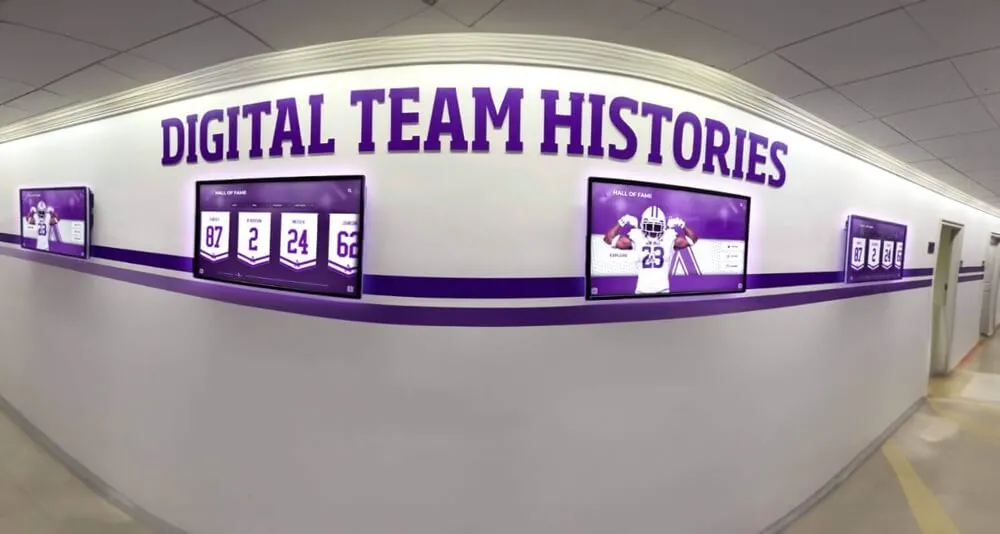
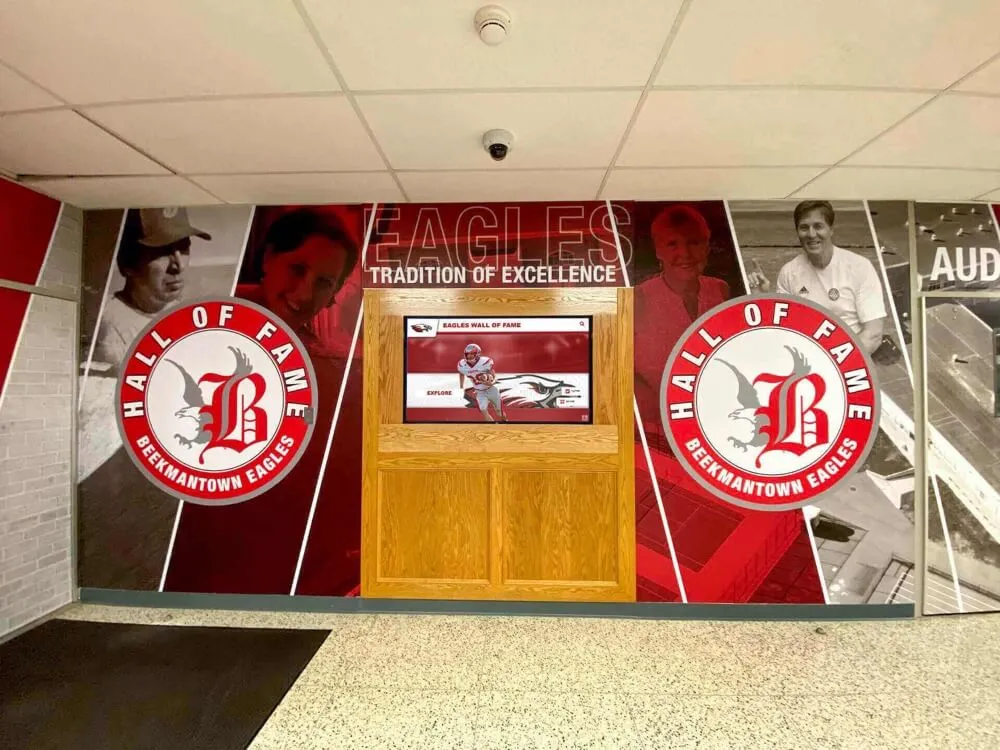
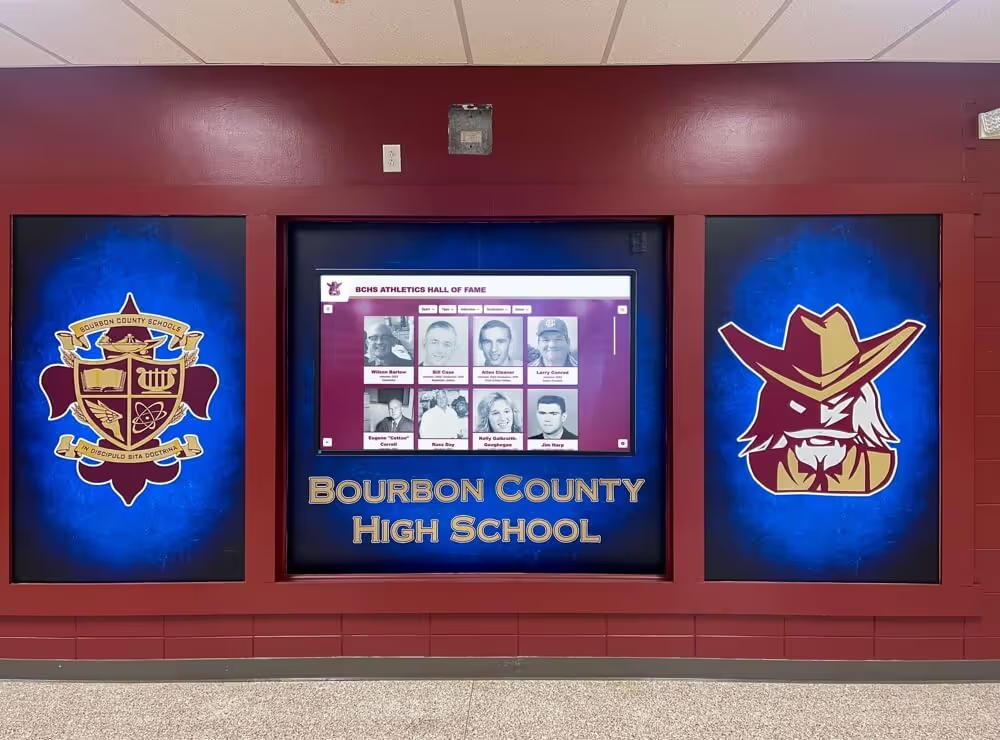
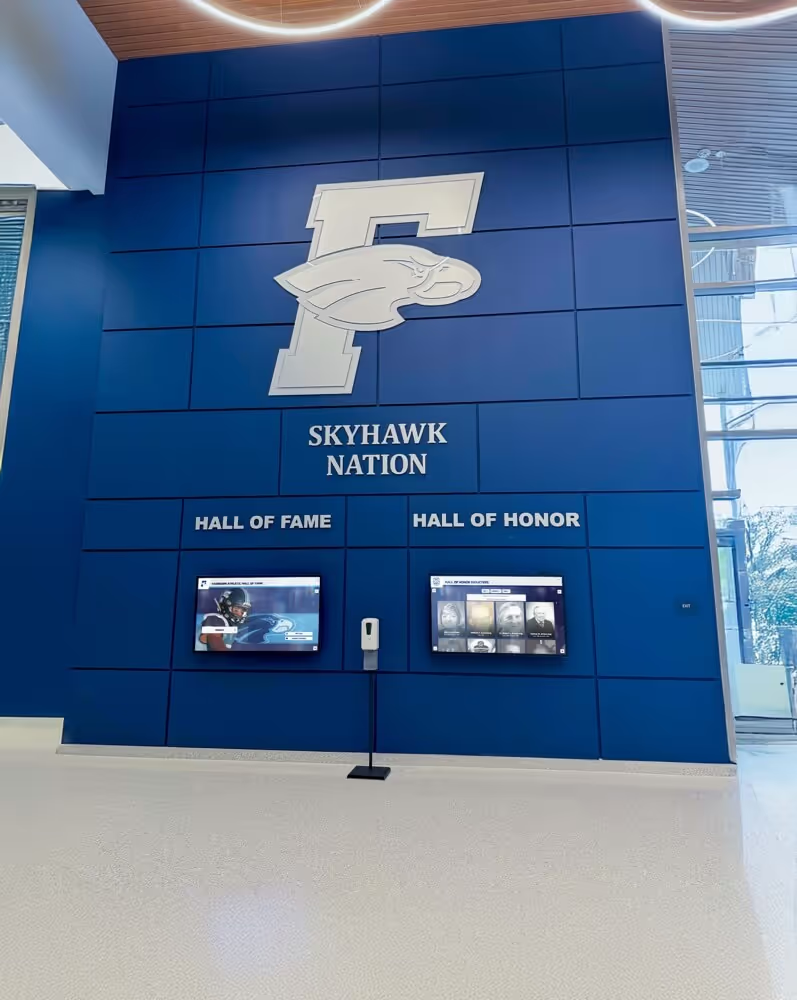
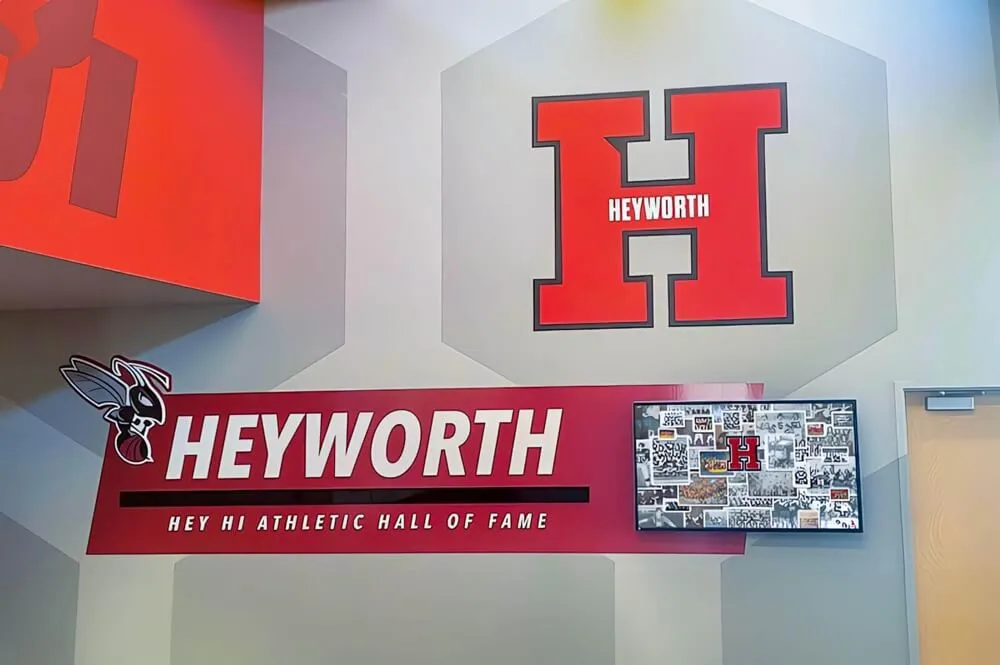
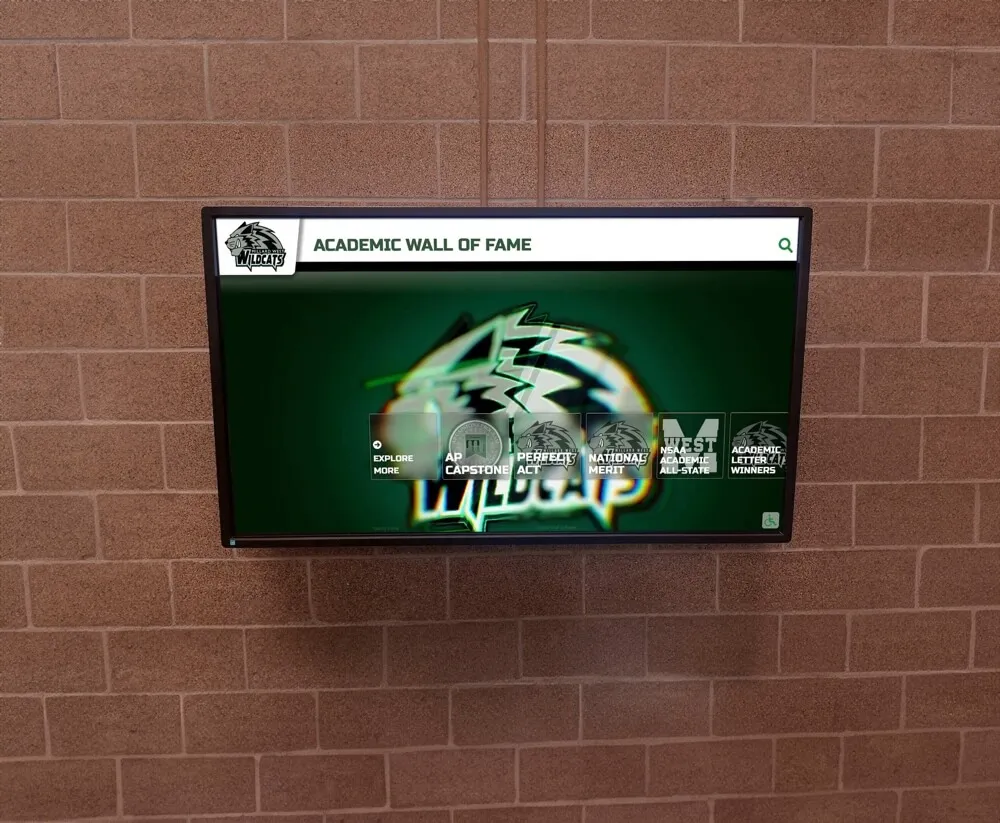
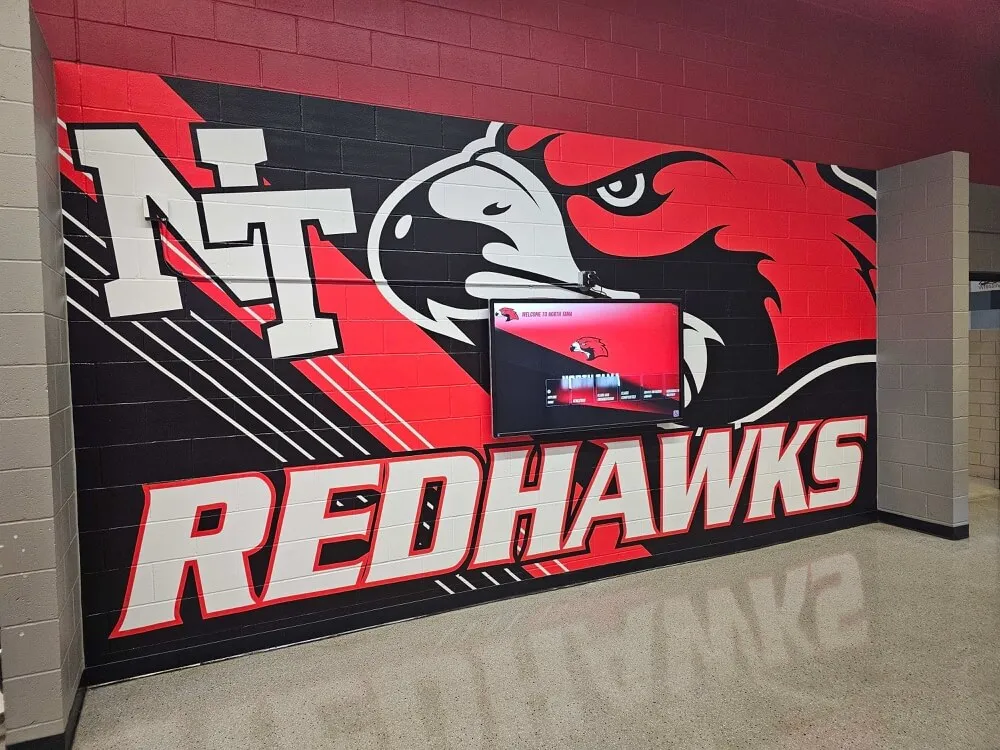
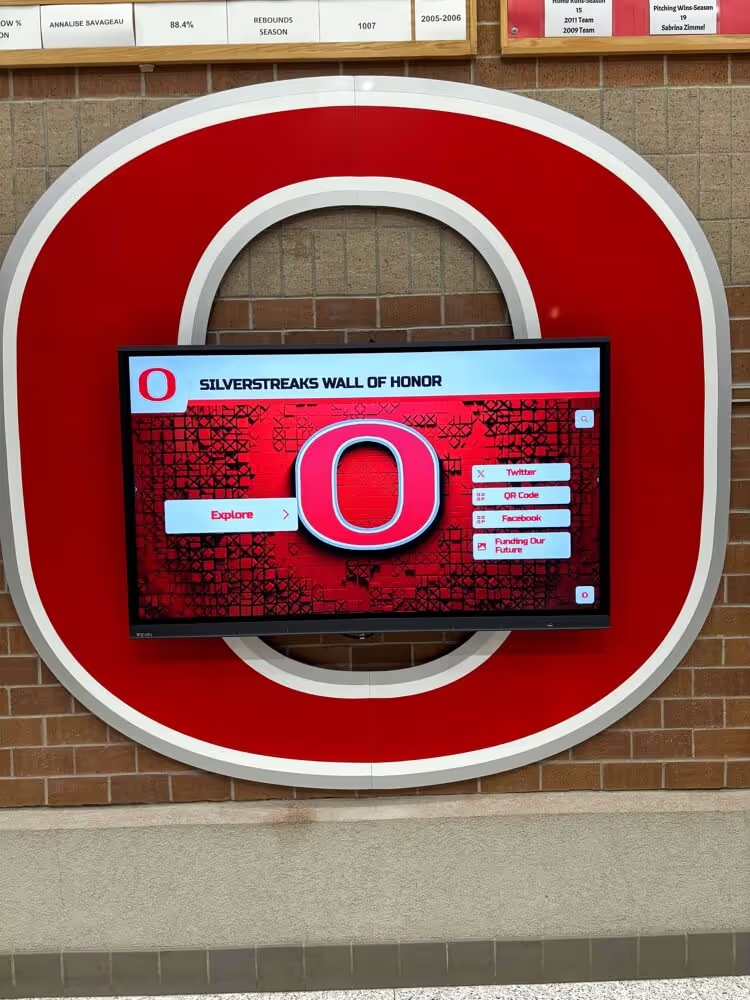
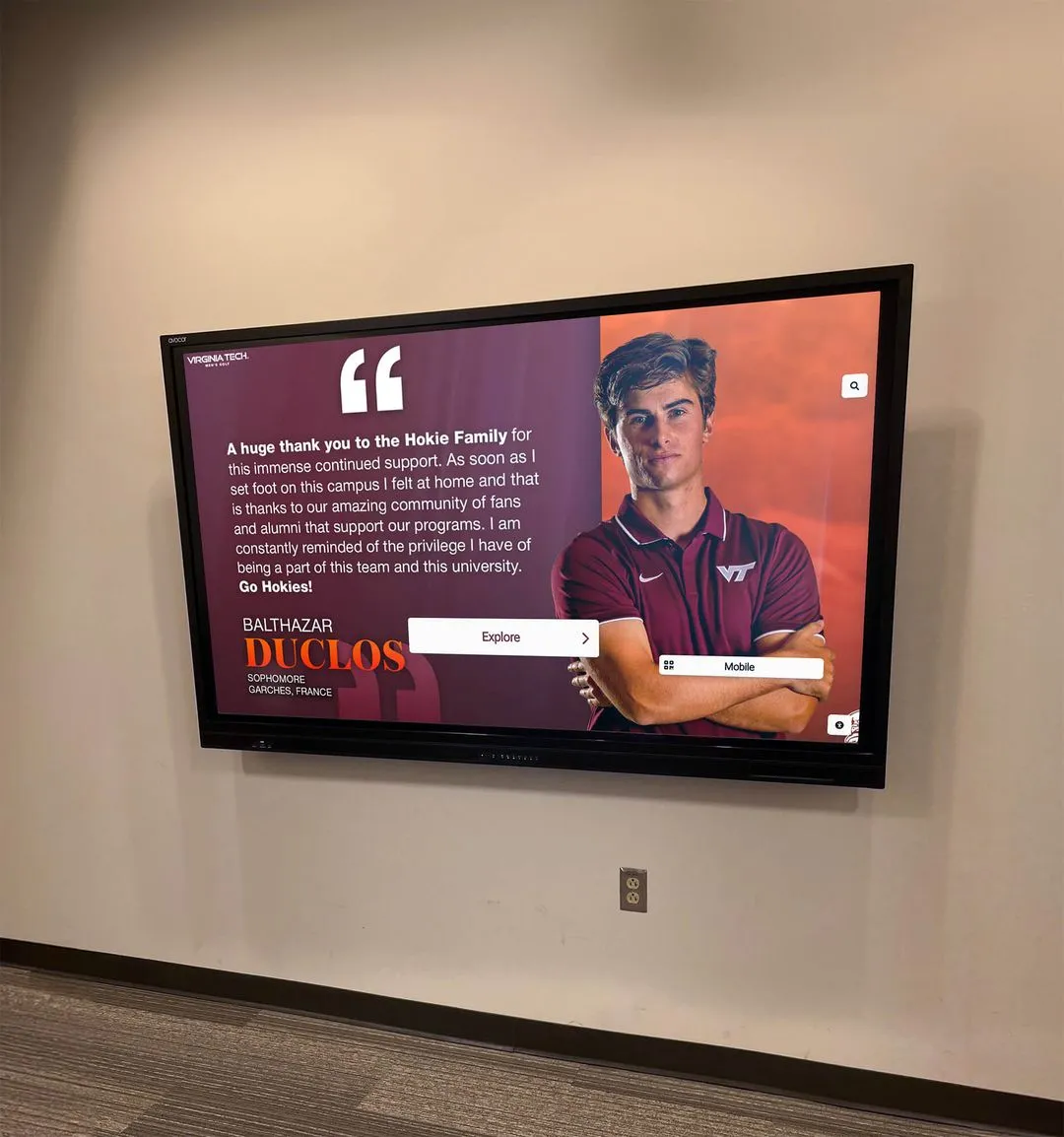
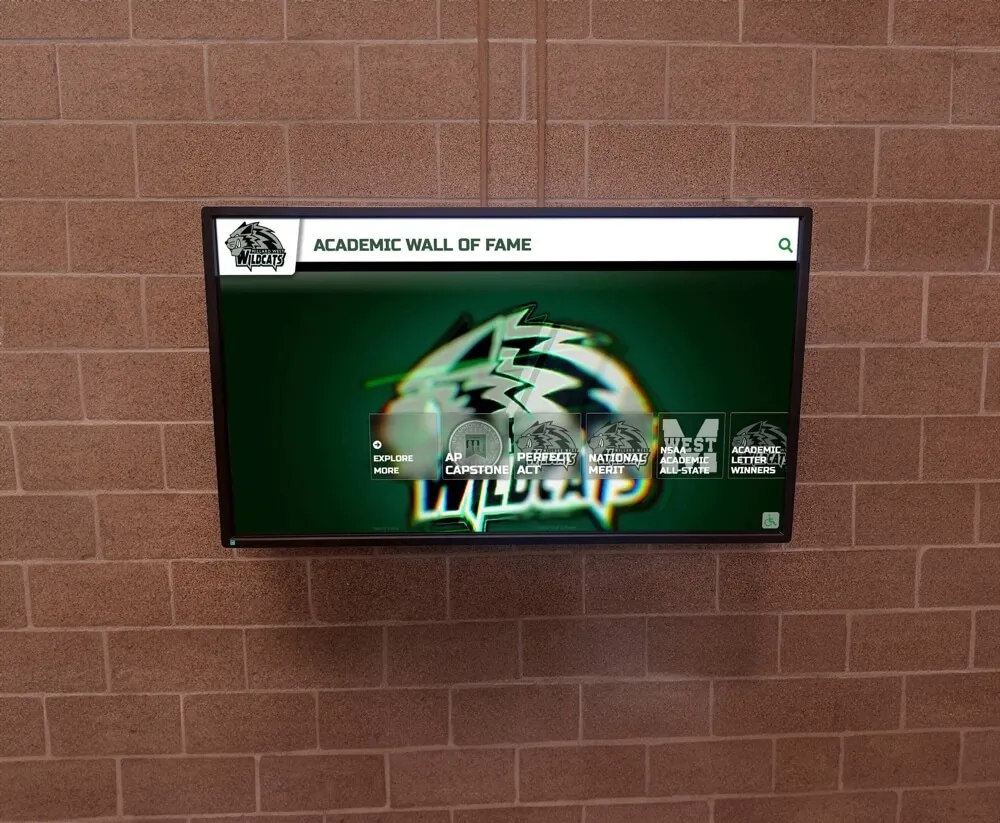
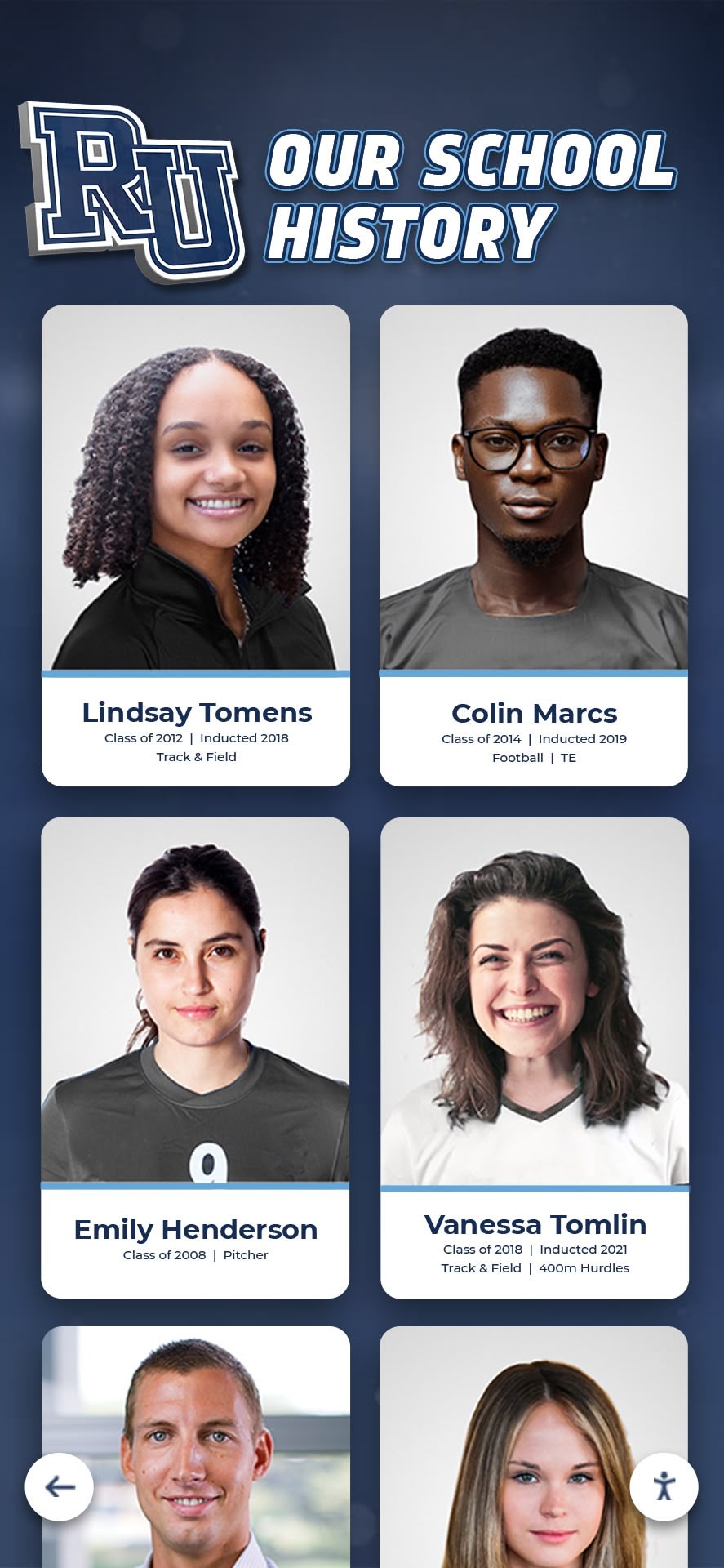
Digital Recognition Solutions: Modern schools increasingly adopt interactive digital displays providing comprehensive, engaging recognition for academic achievers including valedictorians and salutatorians. Platforms like Rocket Alumni Solutions create permanent digital records featuring student photographs, achievement details, future plans, quotes, and rich contextual information impossible to present through traditional static displays.
Digital recognition offers several advantages for honoring salutatorians:
- Unlimited Capacity: Space constraints don’t limit how many scholars receive recognition or how much information displays provide about each honoree
- Easy Updates: Adding new graduating class achievements requires simple content uploads rather than physical installation of new plaques
- Rich Multimedia: Digital platforms incorporate photographs, videos, quotes, achievement details, and contextual information creating engaging recognition experiences
- Search and Filter Functions: Students can easily locate specific scholars, explore historical trends, or filter by graduation year through intuitive interfaces
- Consistent Accessibility: Unlike physical displays potentially located in limited-access areas, digital recognition can appear on multiple screens throughout campuses and remain accessible through web-based interfaces from anywhere
Balanced Recognition Approach: The most effective programs combine traditional and digital elements, using physical displays to create tangible permanence while leveraging digital platforms for comprehensive, engaging content. This hybrid approach honors traditions valued by school communities while embracing technology enabling richer recognition experiences. Examples of effective academic recognition displays demonstrate how schools successfully integrate multiple recognition methods.
Creating Inspirational Recognition Content
Effective salutatorian recognition extends beyond simply listing names and graduation years to creating content inspiring current students while appropriately celebrating scholars’ accomplishments:
Detailed Achievement Profiles: Include information about courses taken, academic activities, competition participation, scholarship awards, and college plans that provide context for the accomplishment while creating aspirational models for younger students. Comprehensive profiles transform recognition from simple name listings into rich stories demonstrating various paths toward academic excellence.
Student Quotes and Reflections: Feature brief statements from salutatorians discussing their academic journeys, challenges overcome, strategies that helped them succeed, advice for younger students, or reflections on what the honor means to them. These personal perspectives humanize achievement while providing authentic peer guidance for students pursuing similar excellence.
Teacher and Counselor Recognition: Academic success rarely occurs in isolation. Consider including brief comments from teachers, counselors, or administrators who supported students’ journeys to salutatorian recognition. This acknowledges the collaborative nature of educational achievement while honoring educators who contribute to students’ success.
Longitudinal Tracking: When possible, update salutatorian profiles with information about college graduation, advanced degrees earned, career accomplishments, or community contributions. This long-term perspective demonstrates the lasting value of academic excellence while helping current students envision possibilities beyond high school. Schools implementing alumni engagement strategies often maintain ongoing connections with former academic honorees.
Common Questions and Misconceptions About Salutatorians
Several frequent questions and misunderstandings surround salutatorian designation, requiring clarification for students, families, and broader school communities.
Do All Schools Name Salutatorians?
Not all educational institutions designate salutatorians alongside valedictorians. Practices vary significantly:
Traditional Programs: Most traditional public and private high schools continue naming both valedictorians and salutatorians as top academic honors for each graduating class. This represents the most common approach reflecting longstanding educational customs.
Valedictorian-Only Recognition: Some schools recognize only valedictorians rather than designating second-highest academic ranking. This approach sometimes reflects philosophical objections to competitive academic hierarchies or concerns about distinguishing between students with statistically similar performance.
Multiple Honor Recognition: Other institutions name larger groups of top academic achievers—such as top 1% or top 5% of class—rather than singling out specific first and second positions. These schools often use designations like “summa cum laude,” “magna cum laude,” and “cum laude” analogous to college honors systems rather than strict valedictorian/salutatorian rankings.
Elimination of Class Rank: A growing number of competitive high schools have eliminated class rank entirely, including valedictorian and salutatorian designations. These schools argue that ranking creates unhealthy competition, disadvantages students in rigorous academic programs compared to those in less challenging schools, and provides limited meaningful information about student capabilities. Instead, they focus recognition on broader academic excellence categories and individual achievement milestones.
Students and families should understand their specific schools’ policies regarding academic ranking and top scholar recognition to avoid confusion about available honors and how institutions determine them.
Can There Be Multiple Salutatorians?
Yes, schools frequently name multiple salutatorians when several students tie for second-highest GPA in the graduating class. This situation occurs increasingly often as academic competition intensifies and more students complete highly rigorous course loads producing similar top-level performance.
Co-Salutatorian Recognition: Most schools embracing inclusive recognition approaches name all students achieving the second-highest GPA as co-salutatorians rather than attempting to force artificial distinctions between statistically identical accomplishments. A graduating class might include one valedictorian with the sole highest GPA and four co-salutatorians sharing the second-highest average. All four co-salutatorians receive equivalent recognition and honor.
Extended Decimal Calculations: Some institutions calculate GPAs to additional decimal places specifically to identify single salutatorians even when rounded GPAs appear identical. This methodology proves controversial, with critics arguing that distinguishing between 4.7834 and 4.7832 averages elevates trivial performance differences to inappropriate significance while supporters contend that objective mathematical ranking provides the fairest determination system.
Schools should clearly communicate their policies regarding ties to ensure students, families, and staff understand how situations involving multiple top achievers receive treatment.
Is Salutatorian Recognition Less Valuable Than Valedictorian?
Absolutely not. While valedictorian designation technically represents the single highest academic ranking, the actual performance difference between valedictorians and salutatorians often proves statistically insignificant. Both honors represent exceptional academic achievement placing students among the very elite of their graduating classes.
Perception Challenges: Unfortunately, societal emphasis on “first place” achievements sometimes creates perceptions that salutatorians represent “runners-up” who fell short of ultimate success. This perspective fundamentally mischaracterizes what salutatorian recognition represents—extraordinary accomplishment deserving celebration equivalent to valedictorian honors rather than somehow lesser acknowledgment.
College and Scholarship Recognition: Selective colleges and competitive scholarship programs recognize both designations as evidence of supreme academic capability. Admissions committees understand that minor GPA differences separating these positions typically reflect factors largely unrelated to true academic ability or college readiness. Research examining long-term outcomes finds negligible differences between valedictorians and salutatorians in college performance, graduation rates, or career success.
Celebrating Both Honors Equally: Schools, families, and communities should actively work to celebrate both valedictorian and salutatorian recognitions as equivalent honors representing the absolute top tier of academic achievement. Recognition programs should provide equal prominence, ceremony acknowledgment, permanent displays, and celebratory attention to both designations rather than treating salutatorian status as secondary recognition.
Educational discussions about celebrating diverse academic achievements emphasize the importance of recognizing varied forms of excellence without creating counterproductive hierarchies among extraordinary accomplishments.
Modern Trends in Academic Recognition and Class Ranking
Educational institutions continuously evolve their approaches to recognizing academic achievement, with several significant trends affecting how schools handle valedictorian and salutatorian designations:
Movement Away From Class Rank
Many competitive high schools—particularly private institutions and public schools in affluent areas—have eliminated traditional class rank reporting including valedictorian and salutatorian designations. This trend reflects several concerns:
Reducing Competitive Pressure: Educators worry that intense competition for top class rankings creates unhealthy academic environments where students prioritize grades above genuine learning, avoid challenging courses that might lower GPAs, or experience excessive stress from constant performance pressure. Eliminating rankings attempts to shift focus toward individual growth and authentic intellectual engagement.
Addressing Contextual Limitations: Class rank provides little meaningful information without understanding school context. A student ranked 50th in an elite preparatory school with exceptional academic rigor might demonstrate superior college readiness compared to a valedictorian from a less challenging institution. Eliminating ranking reduces oversimplified comparisons while encouraging more nuanced achievement evaluation.
Alternative Recognition Approaches: Schools moving away from traditional ranking often implement alternative recognition systems celebrating academic excellence without rigid hierarchies. This might include Latin honors designations (summa/magna/cum laude), academic excellence categories recognizing top percentage of class, or individualized achievement portfolios highlighting unique accomplishments rather than comparative rankings.
Increased Co-Valedictorian and Co-Salutatorian Naming
Schools maintaining traditional ranking increasingly name multiple valedictorians and salutatorians when students achieve identical top GPAs. This inclusive approach reflects educational philosophy valuing collaborative success over forced competitive hierarchies:
Celebrating All Top Achievers: When five students finish with identical highest GPAs, all five receive co-valedictorian recognition rather than schools attempting to identify artificial distinguishing criteria. This approach ensures every student achieving requisite performance receives appropriate honor while avoiding counterproductive distinctions between statistically equivalent accomplishments.
Reflecting Academic Intensity: The growing frequency of ties at top class rankings often reflects increased academic rigor, more students completing challenging course loads, and rising overall achievement levels. Rather than problems requiring solution, multiple top achievers represent positive indicators of strong school academic cultures producing numerous exceptional scholars.
Weighted vs. Unweighted Debates Continue
Ongoing discussion surrounds whether schools should use weighted GPAs rewarding rigorous coursework or unweighted systems treating all courses equivalently. This debate directly impacts who becomes valedictorian and salutatorian:
Arguments for Weighted Systems: Proponents contend that weighted GPAs encourage students to challenge themselves with advanced coursework by ensuring rigorous classes receive appropriate recognition. Without weighting, students might avoid AP, IB, or honors courses to protect GPAs through easier alternatives—decisions ultimately disadvantaging them in college preparation despite potentially helping class ranking.
Arguments for Unweighted Approaches: Critics argue weighted systems create excessive competitive pressure, disadvantage students with limited access to advanced courses, and produce inflated GPAs difficult to interpret meaningfully. They advocate unweighted calculations as simpler, more transparent, and less susceptible to gaming through strategic course selection focused on GPA manipulation rather than genuine learning.
Hybrid Solutions: Many schools maintain both weighted and unweighted GPAs, using weighted calculations for internal ranking while reporting unweighted averages to colleges. This compromise attempts to encourage challenging coursework through internal recognition while providing colleges standardized performance metrics for admission decisions.
Schools navigating these complex issues benefit from examining how other institutions successfully recognize academic excellence. Resources discussing modern recognition approaches provide frameworks for developing effective programs balancing various concerns.
Creating Lasting Legacy: Digital Recognition for Academic Honors
Traditional recognition approaches—plaques, certificates, brief ceremony acknowledgments—fail to capture the full significance of academic honors like salutatorian designation or create engaging experiences inspiring future students. Modern digital recognition platforms address these limitations while enabling schools to celebrate academic achievement with prominence matching athletic recognition.

The Challenge of Limited Academic Visibility
Walk through most high schools and an uncomfortable reality becomes apparent: athletic recognition dominates visible displays while academic achievements receive minimal permanent acknowledgment. Trophy cases overflow with decades of athletic accomplishments. Championship banners crowd gymnasiums. Yet academic excellence—including prestigious salutatorian honors representing years of sustained scholarly dedication—often receives only temporary recognition through paper certificates filed away and forgotten.
This recognition imbalance sends unintended but powerful messages about institutional values. When students observe prominent athletic celebration but minimal academic visibility, they naturally draw conclusions about which achievements truly matter to their schools and communities. Comprehensive recognition programs ensure both athletic and academic accomplishments receive appropriate permanent acknowledgment.
Digital Displays: Engaging, Comprehensive Academic Recognition
Modern digital recognition systems like Rocket Alumni Solutions enable schools to honor unlimited academic achievers through engaging interactive displays that transform how institutions celebrate scholarly excellence:
Unlimited Recognition Capacity: Digital platforms eliminate space constraints limiting traditional displays. A single touchscreen can showcase comprehensive profiles for unlimited salutatorians, valedictorians, honor roll students, academic competition winners, scholarship recipients, and other academic achievers across decades of graduating classes. Schools never face impossible choices about which accomplishments deserve recognition because space limitations don’t restrict digital recognition capacity.
Rich, Engaging Content: Digital recognition extends far beyond name listings to include high-resolution photographs, detailed achievement descriptions, student quotes, college destinations, career paths, and contextual information impossible to present through static plaques. This comprehensive content creates inspirational experiences for current students while appropriately celebrating scholars’ accomplishments.
Easy Updates and Maintenance: Adding new graduating classes’ salutatorians requires simple content uploads rather than coordinating physical plaque installation, engraving, or mounting. Schools maintain current recognition without ongoing maintenance challenges inherent in traditional approaches. Updates occur immediately, ensuring recognition remains timely and relevant.
Interactive Exploration: Touchscreen interfaces allow students to actively explore academic achievement rather than passively viewing static displays. Visitors can search for specific scholars, filter by graduation year or achievement type, read detailed profiles, and discover inspiring stories about paths toward academic excellence. This interactive engagement generates significantly greater impact than traditional passive observation of unchanging plaques.
Prominent, Accessible Placement: Digital displays can reside in high-traffic locations like main entrances, cafeterias, libraries, or hallways where entire school communities regularly encounter academic recognition. Web-based accessibility extends recognition beyond physical school boundaries, allowing families, alumni, and broader communities to celebrate achievements from anywhere. Strategies for displaying school achievements demonstrate effective implementation approaches.
Implementing Comprehensive Academic Recognition Programs
Schools developing modern recognition systems should follow several best practices ensuring programs effectively celebrate salutatorians alongside other academic achievers:
Balance Athletic and Academic Recognition: Ensure academic accomplishments receive visibility equivalent to athletic achievements. If trophy cases prominently display decades of athletic championships, digital or traditional displays should provide comparable prominence to academic honors including salutatorian recognition across graduating classes.
Establish Clear, Transparent Criteria: Publish detailed explanations of how schools determine salutatorians and other academic honors. Transparency about GPA calculation methods, weighting systems, courses included in rankings, and tiebreaker approaches ensures students, families, and communities understand recognition criteria while preventing confusion or perceived unfairness.
Create Multiple Recognition Categories: Implement diverse academic honor categories ensuring varied students experience acknowledgment through different forms of excellence. Beyond valedictorian and salutatorian recognition, celebrate honor roll achievement, subject-specific awards, academic competition success, improvement recognition, and character-based acknowledgment. Multiple pathways enable students with varied strengths to earn meaningful recognition.
Involve School Communities: Engage students, families, faculty, and alumni in developing recognition programs. Gather input about what forms of achievement deserve celebration, how recognition should occur, what content displays should include, and how to balance various priorities. Community involvement builds support while ensuring programs reflect institutional values.
Measure and Communicate Impact: Track metrics demonstrating recognition program effectiveness—student engagement with displays, survey responses about program value, enrollment trends in rigorous courses, or qualitative feedback from honored students. Sharing impact data with school communities builds ongoing support while identifying improvement opportunities. Research on building school cultures emphasizes the importance of visible recognition programs.
Conclusion: Celebrating the Excellence Salutatorian Recognition Represents
The salutatorian honor recognizes extraordinary academic achievement resulting from years of sustained dedication, rigorous coursework, and unwavering commitment to scholarly excellence. Far from representing “second place” or consolation recognition, salutatorian designation places students among the absolute elite of their graduating classes—often distinguished from valedictorians by statistically trivial performance differences while demonstrating academic capabilities equivalent to top scholars.
Schools bear responsibility for implementing recognition programs that appropriately celebrate salutatorians alongside valedictorians, creating permanent, visible acknowledgment commensurate with the remarkable accomplishments these honors represent. Whether through traditional plaques, modern digital displays, or hybrid approaches combining both methods, effective recognition inspires current students by showcasing paths toward academic excellence while preserving institutional legacy honoring exceptional scholars across generations.
As educational institutions continue evolving their approaches to academic recognition—navigating debates about class ranking, weighting systems, and appropriate competitive frameworks—the fundamental importance of celebrating sustained academic achievement remains constant. Salutatorians deserve recognition acknowledging not just their final class rankings but the complete journeys producing these honors: the challenging courses completed, obstacles overcome, sacrifices made, and years of dedication demonstrating intellectual courage and scholarly commitment.
By implementing thoughtful, comprehensive recognition programs that honor salutatorians appropriately, schools send powerful messages about institutional values while creating cultures where academic excellence receives celebration matching its significance within educational missions. These recognition programs inspire future scholars, strengthen school pride, and ensure that every student achieving this prestigious honor receives the lasting acknowledgment their remarkable accomplishment deserves.
Ready to transform how your school recognizes academic excellence? Discover how Rocket Alumni Solutions creates engaging digital recognition displays celebrating valedictorians, salutatorians, and all academic achievers through interactive touchscreen systems that inspire current students while preserving your institution’s scholarly legacy permanently.