



Water polo combines the endurance of swimming, the strategy of basketball, and the physicality of contact sports into one of the most demanding athletic competitions in both high school and collegiate athletics. For athletes new to the sport, parents trying to understand what they’re watching, and coaches developing comprehensive programs, understanding water polo rules—from the seven-position system and scoring mechanics to the complex foul structure and possession strategies—provides the foundation necessary to appreciate this dynamic aquatic sport. These rules create a fast-paced game requiring constant movement, tactical awareness, and exceptional conditioning across four periods of intense competition.
The complexity of water polo rules reflects the sport’s unique environment. Unlike land-based team sports, water polo athletes must maintain vertical positioning in deep water without touching the pool bottom while simultaneously handling the ball, defending opponents, and executing plays. This creates rule structures addressing challenges specific to aquatic competition: what constitutes illegal contact underwater where referees have limited visibility, how to manage substitutions without interrupting fluid gameplay, and how to balance offensive opportunities against defensive strategies in an environment where players can approach from 360 degrees. Understanding these rules transforms what might appear as chaotic splashing into a sophisticated tactical contest where positioning, timing, and rule knowledge create competitive advantages.
Recognizing Water Polo Excellence Through Digital Recognition
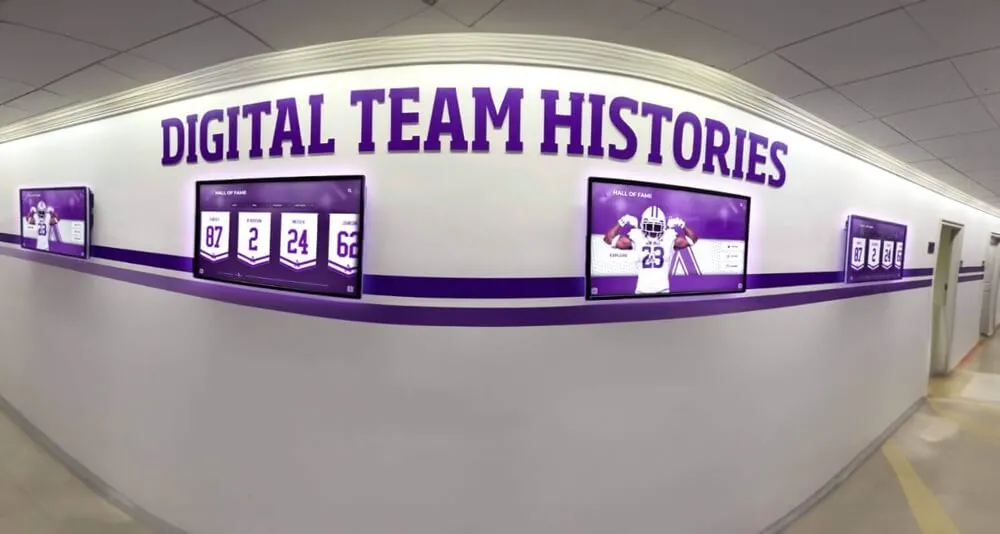
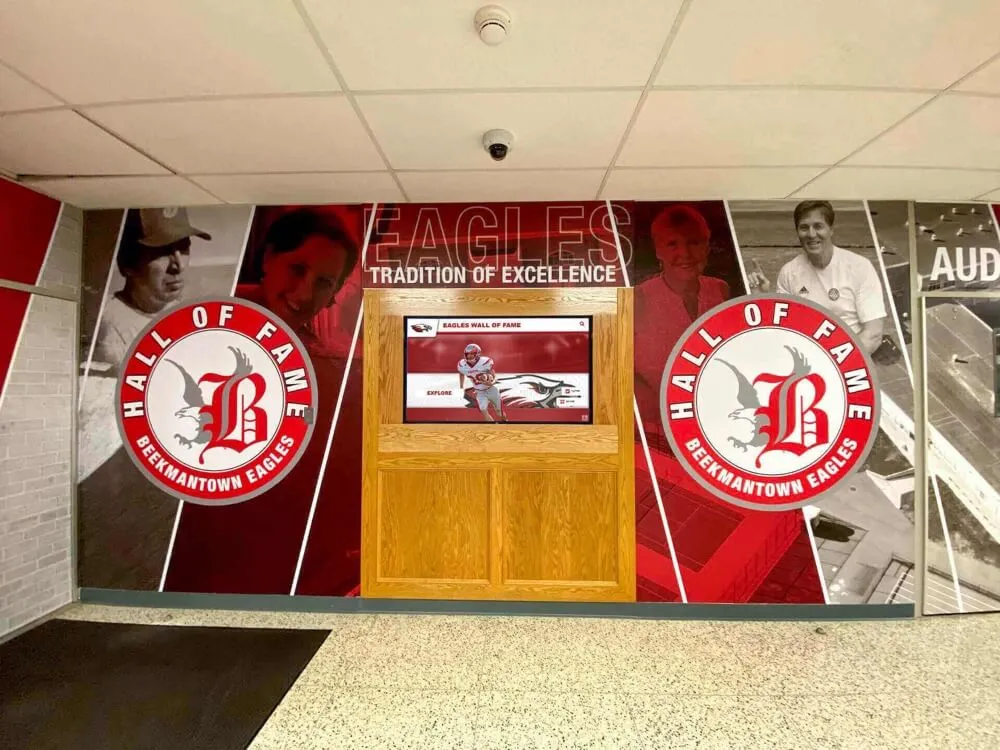
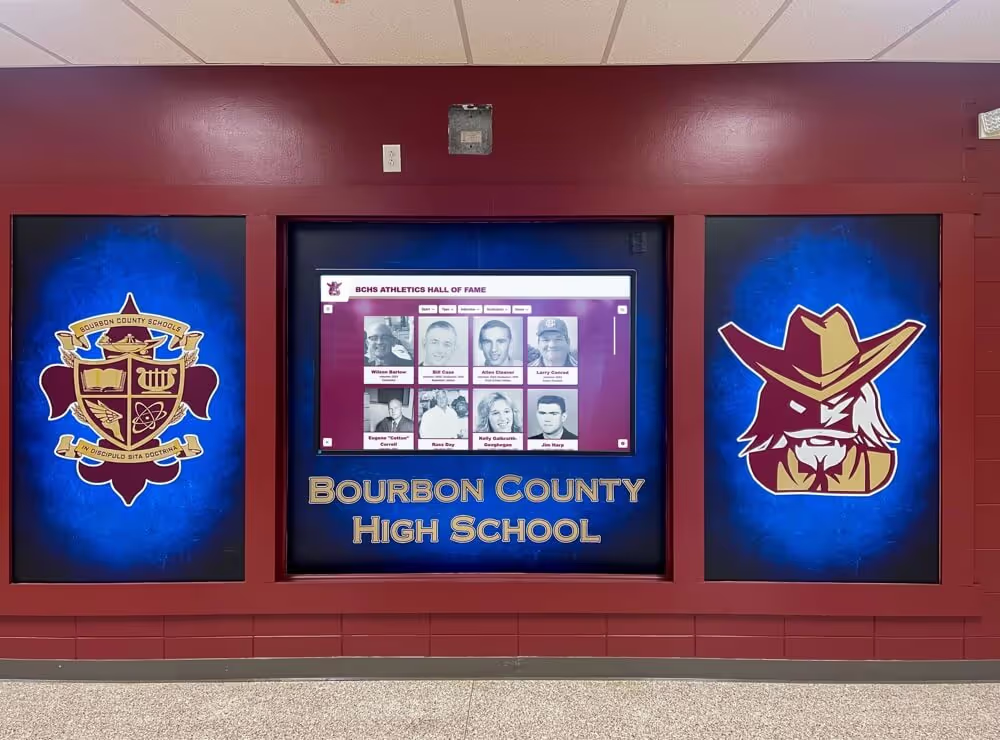
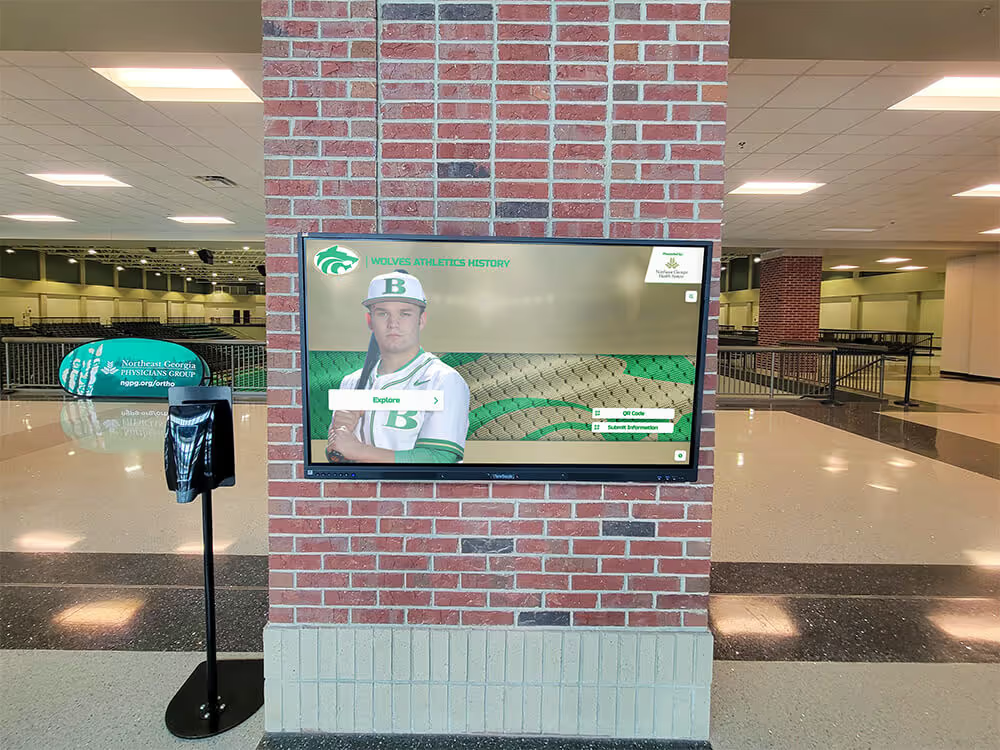
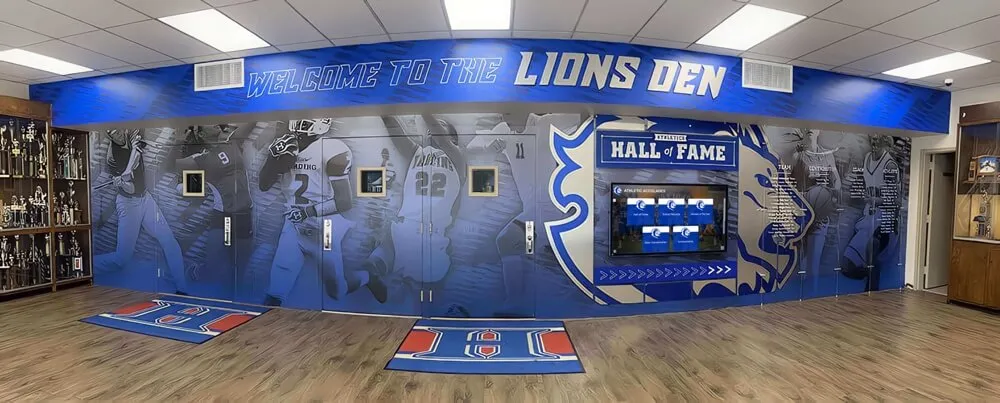
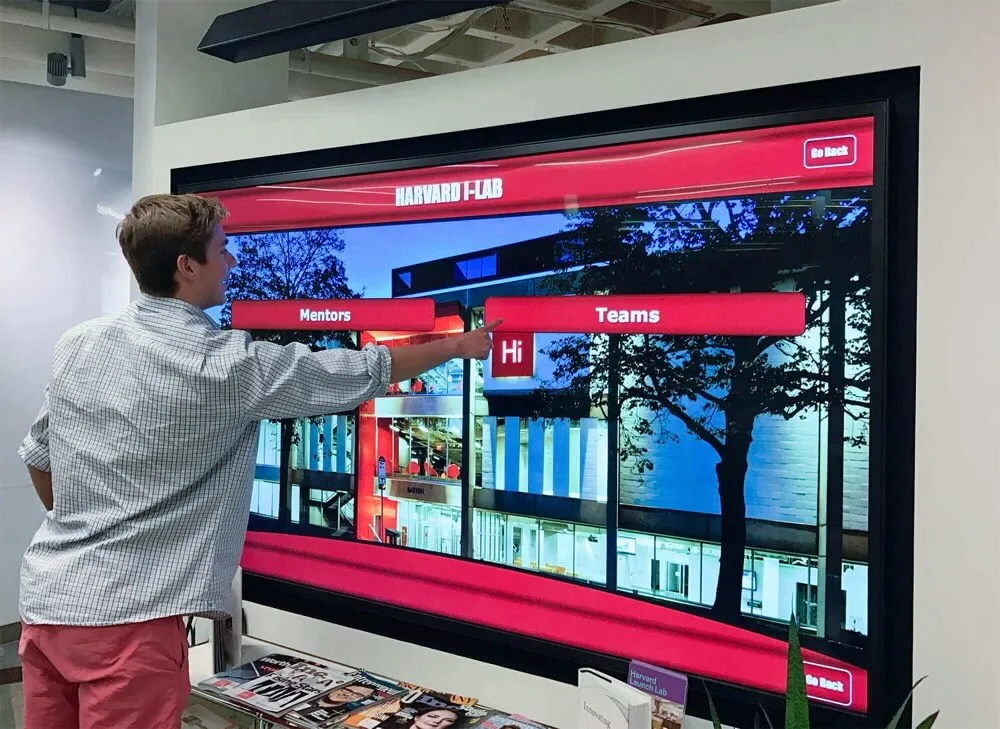
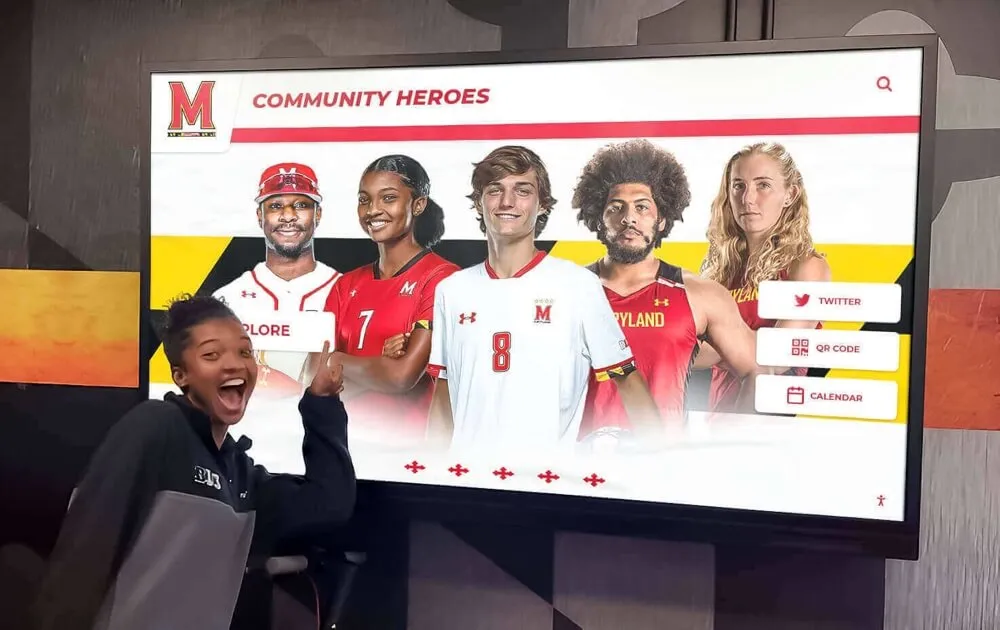
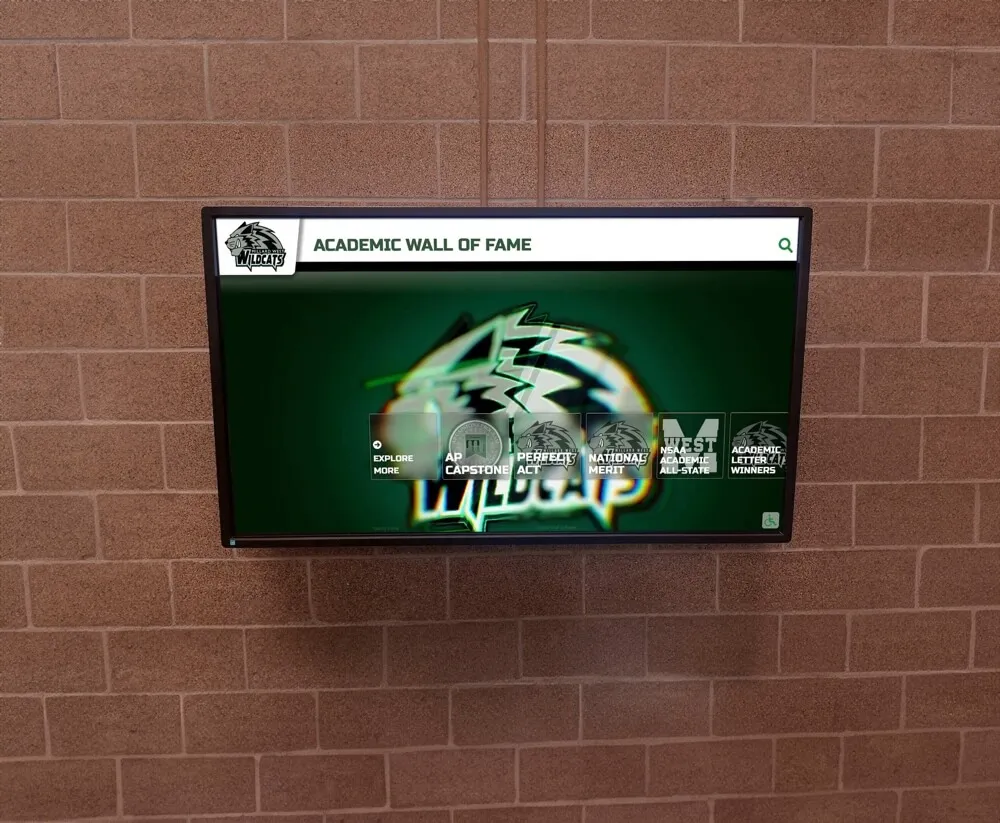
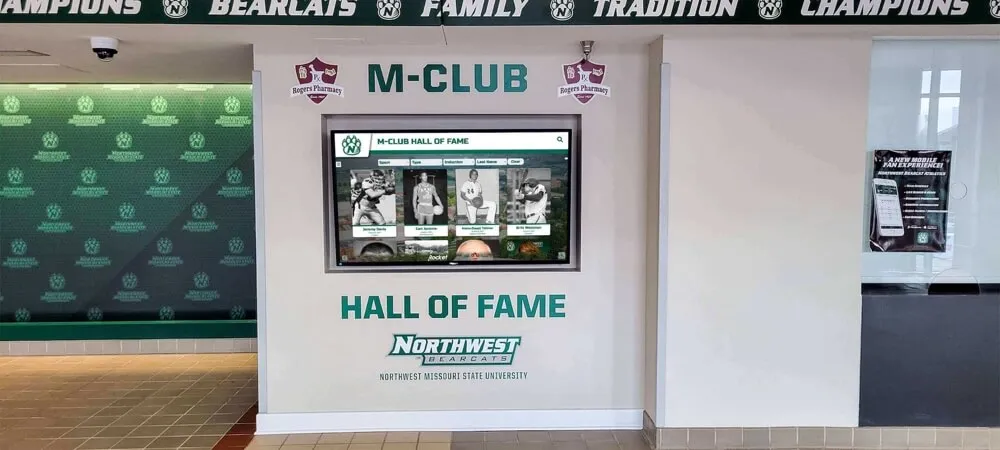
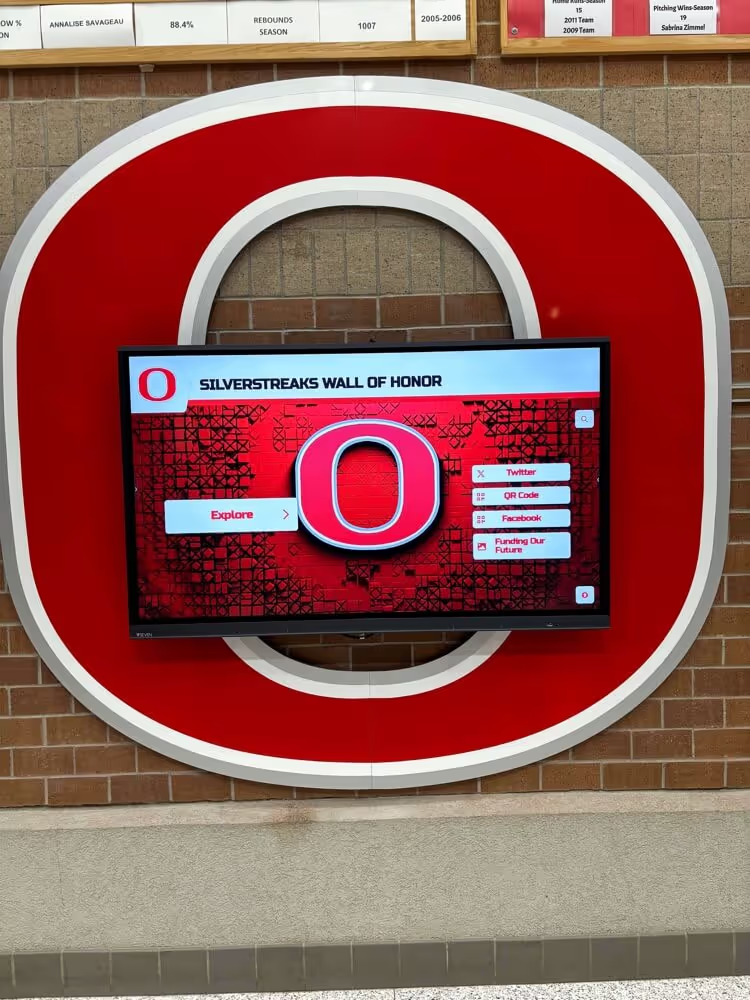
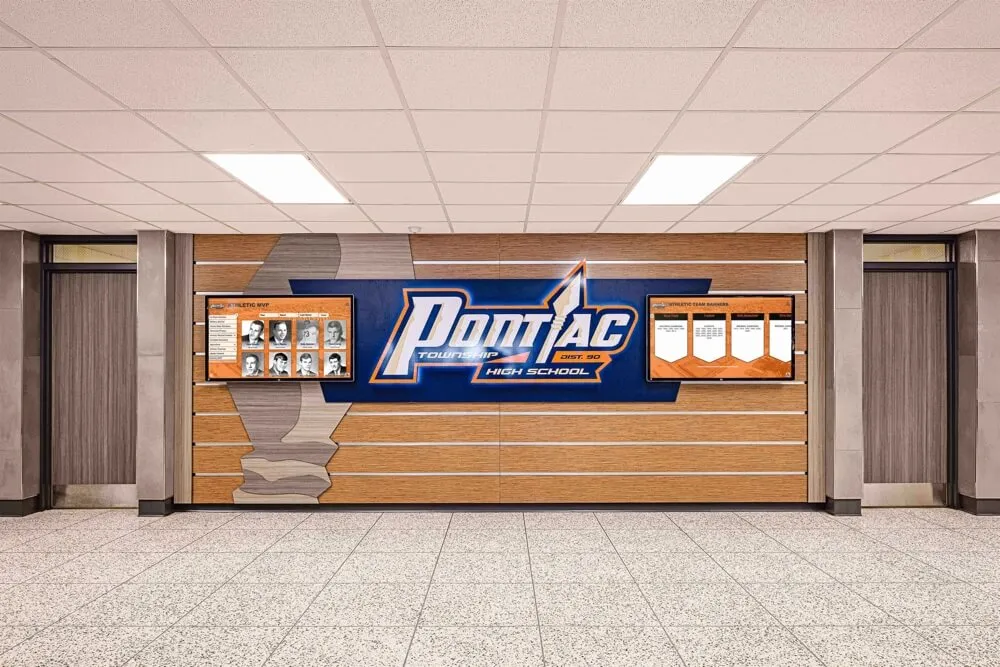
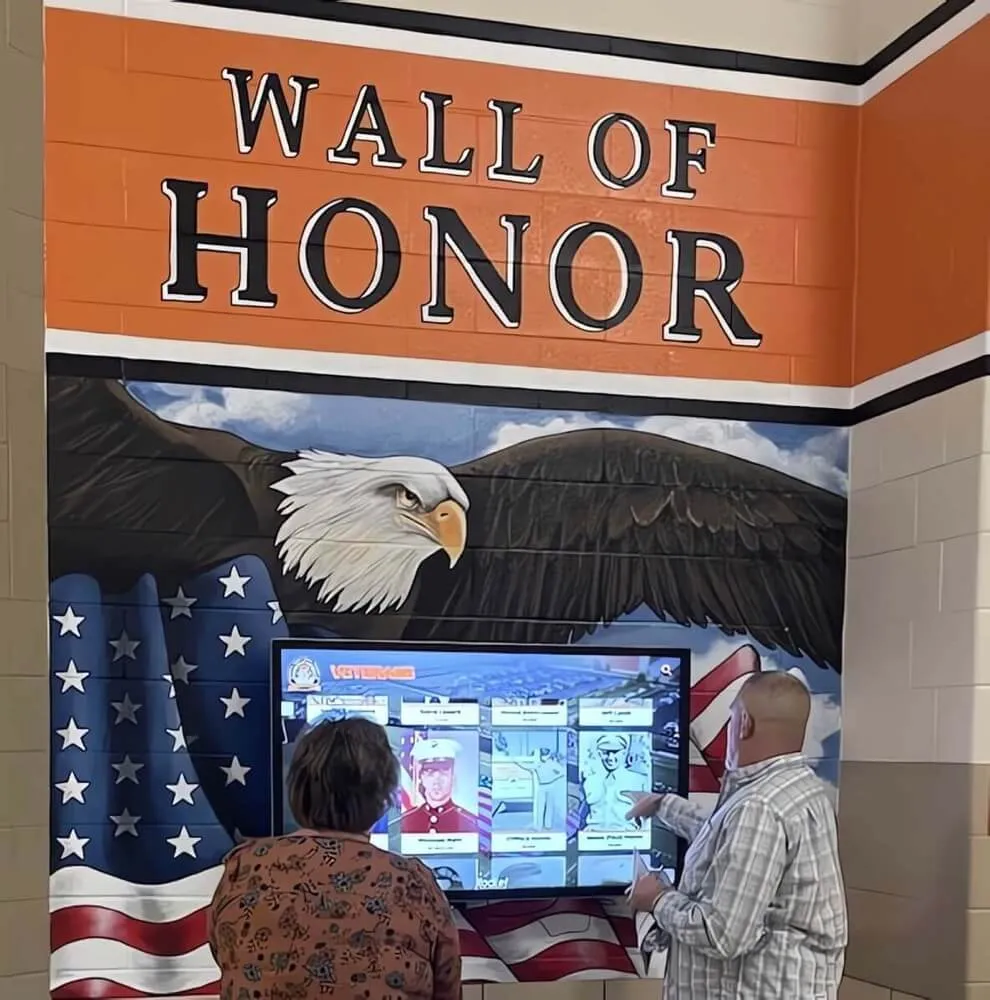
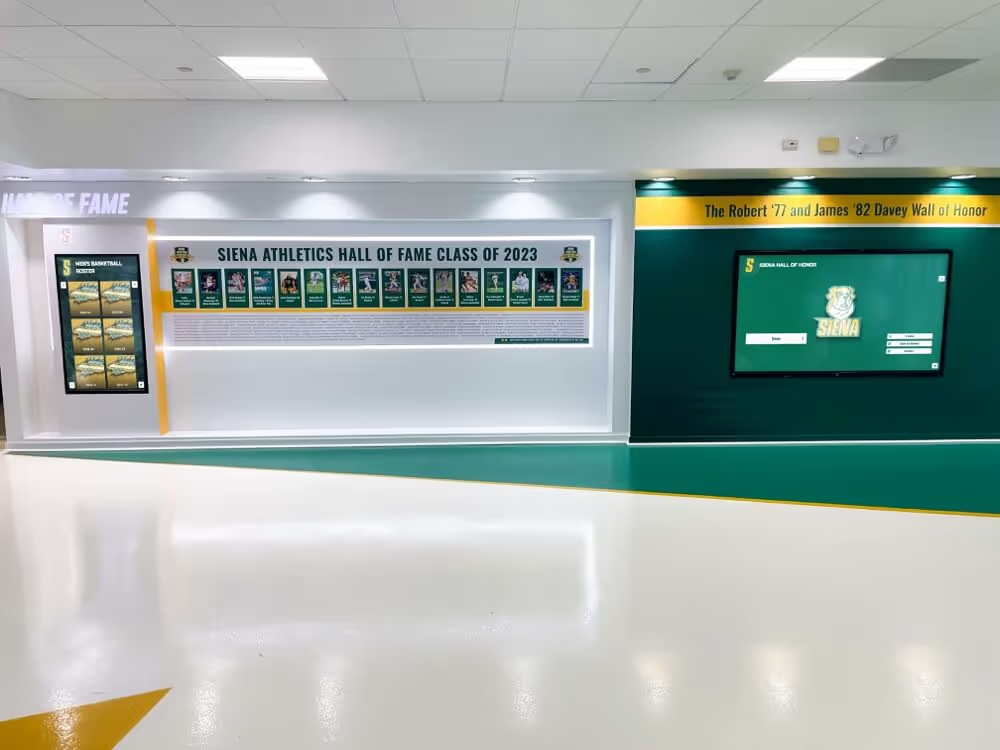
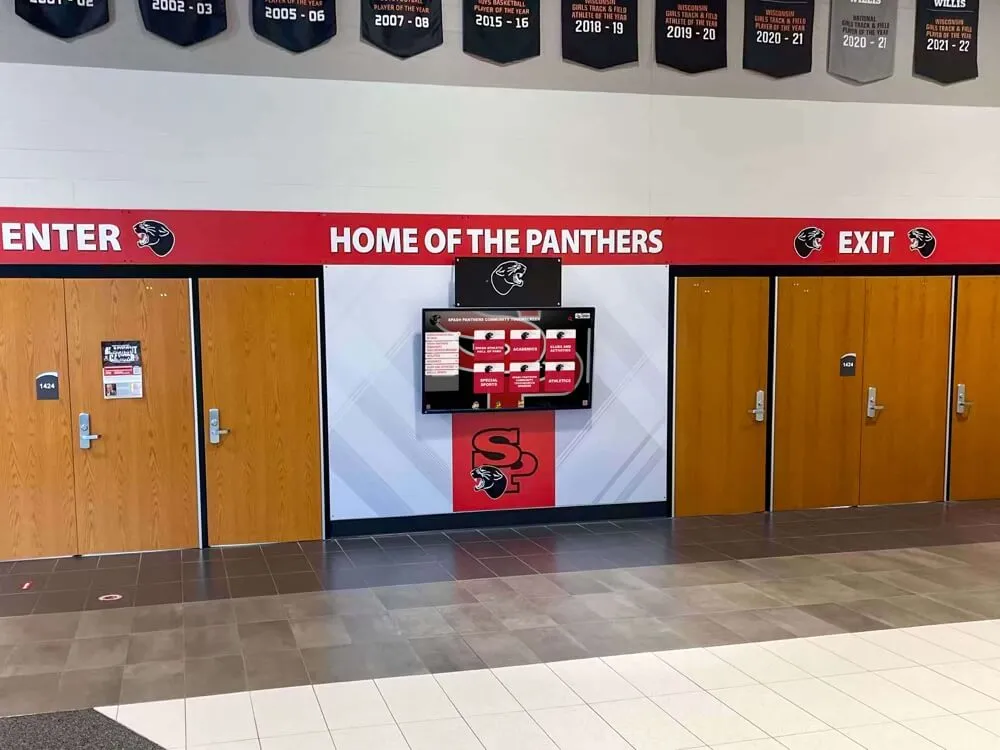
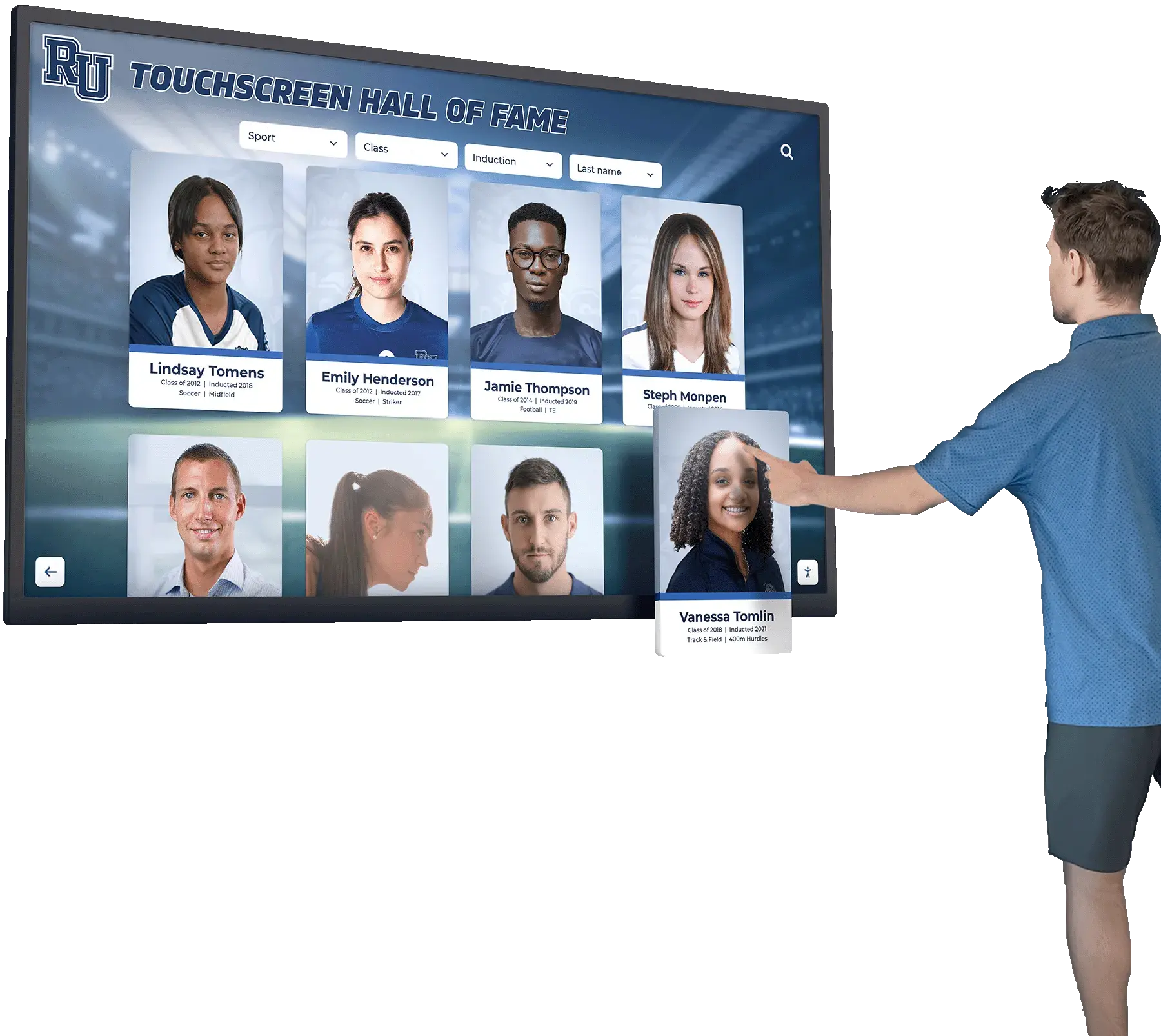
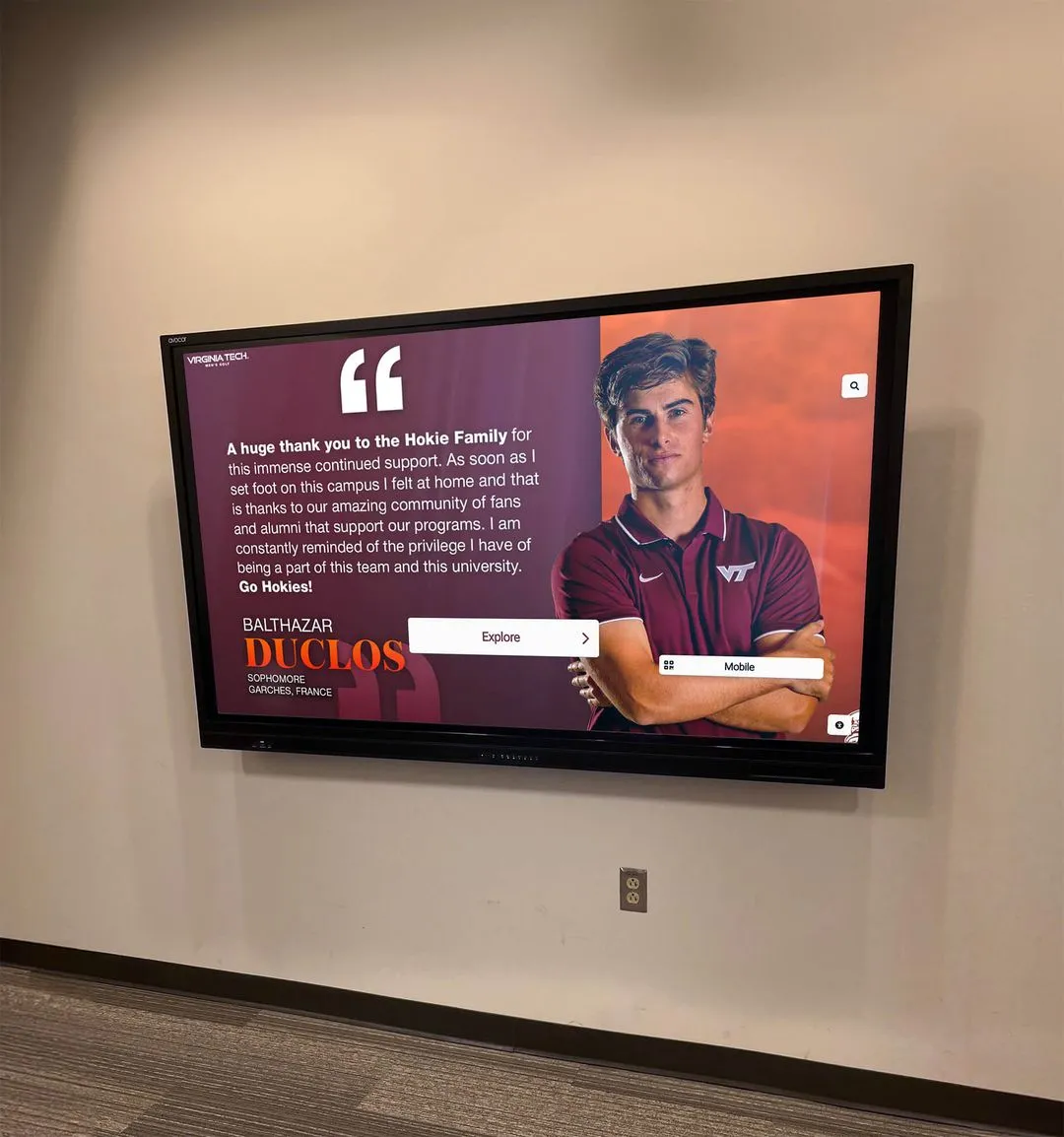
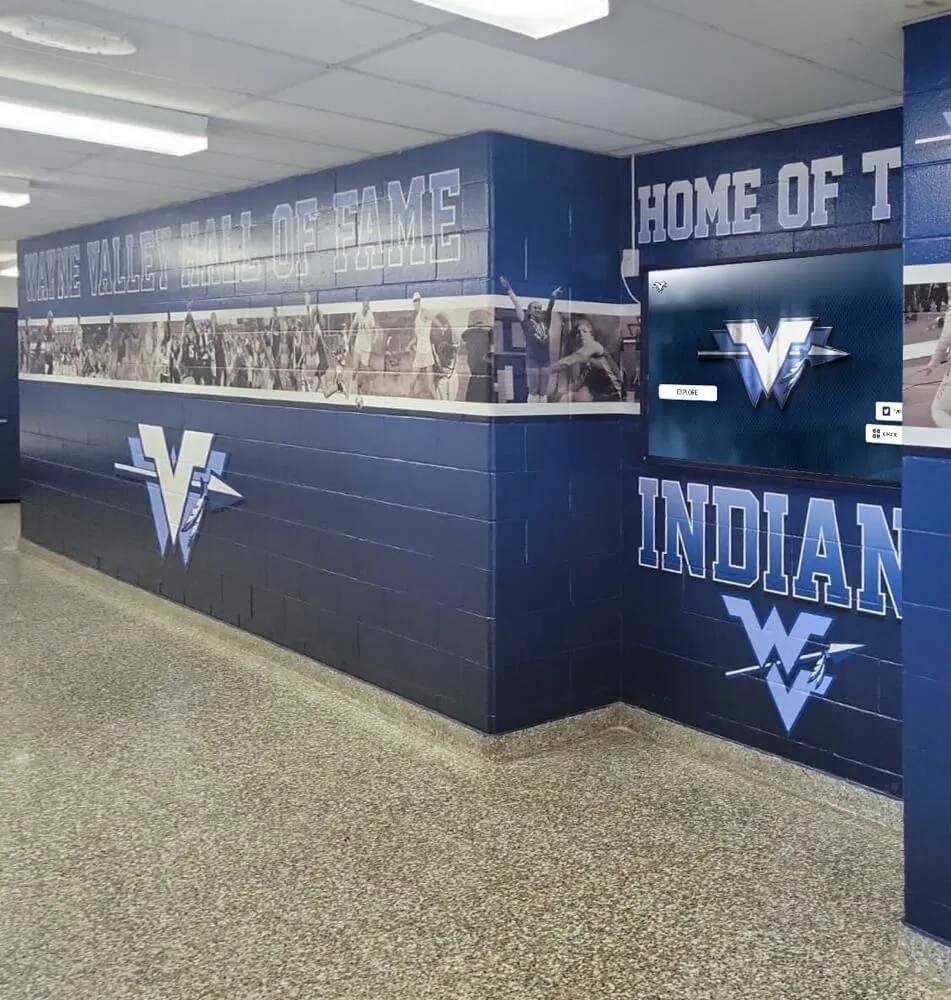
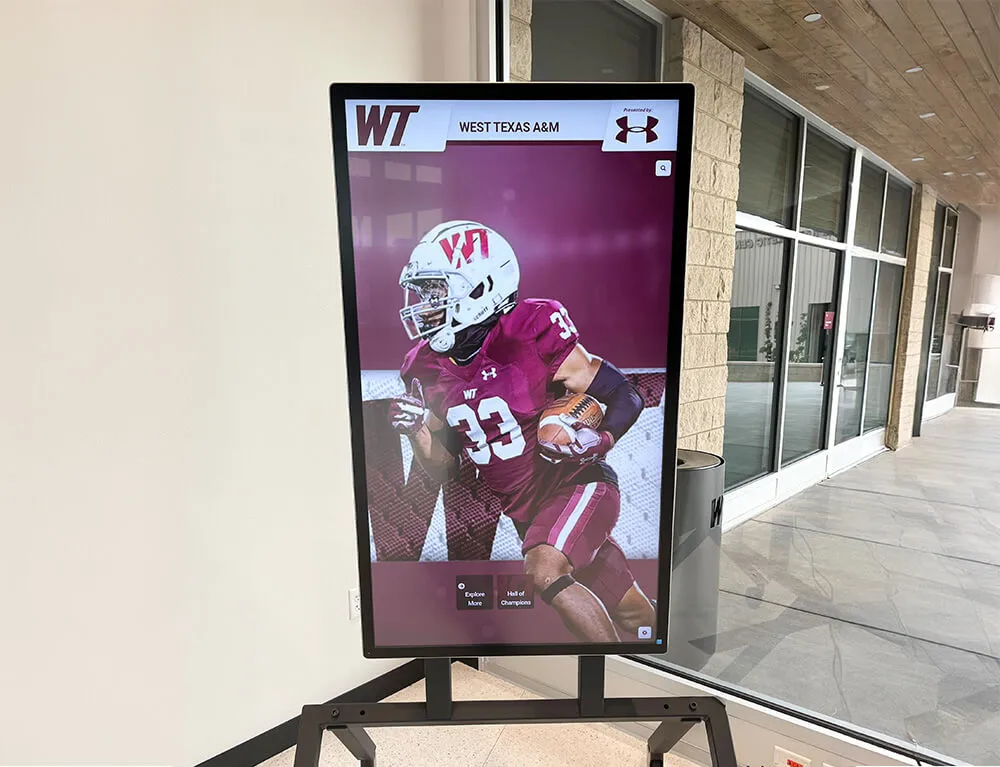
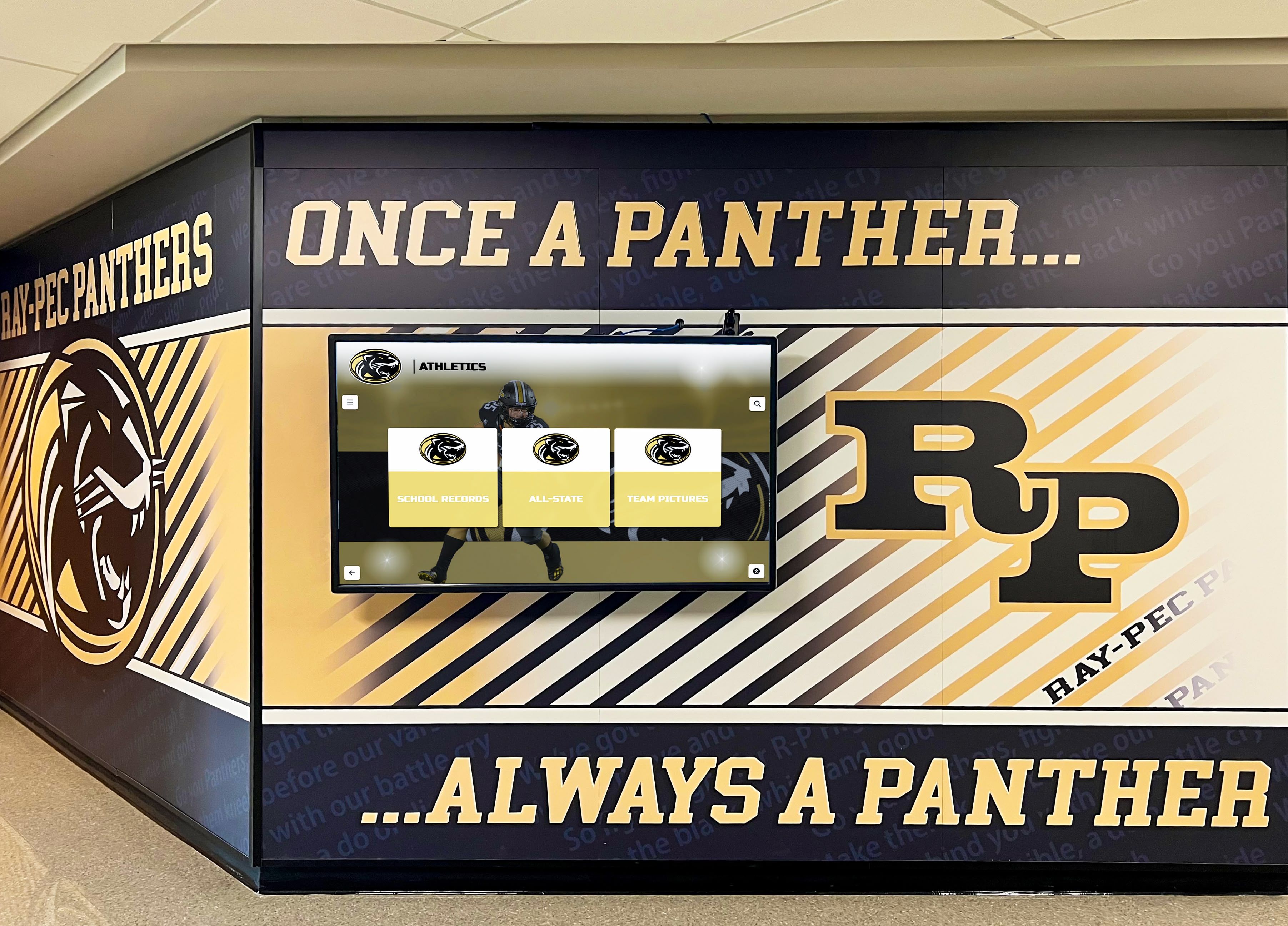
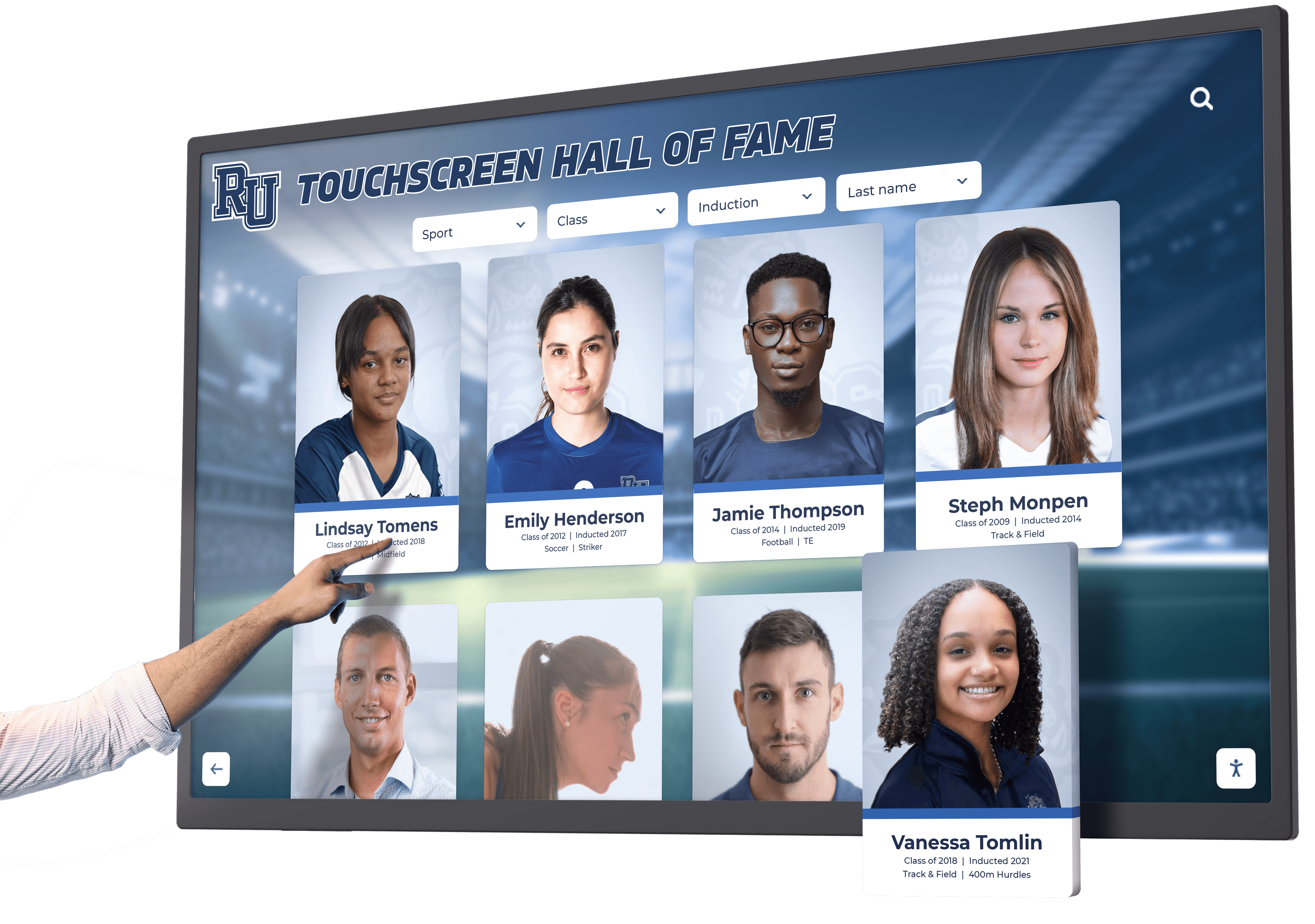
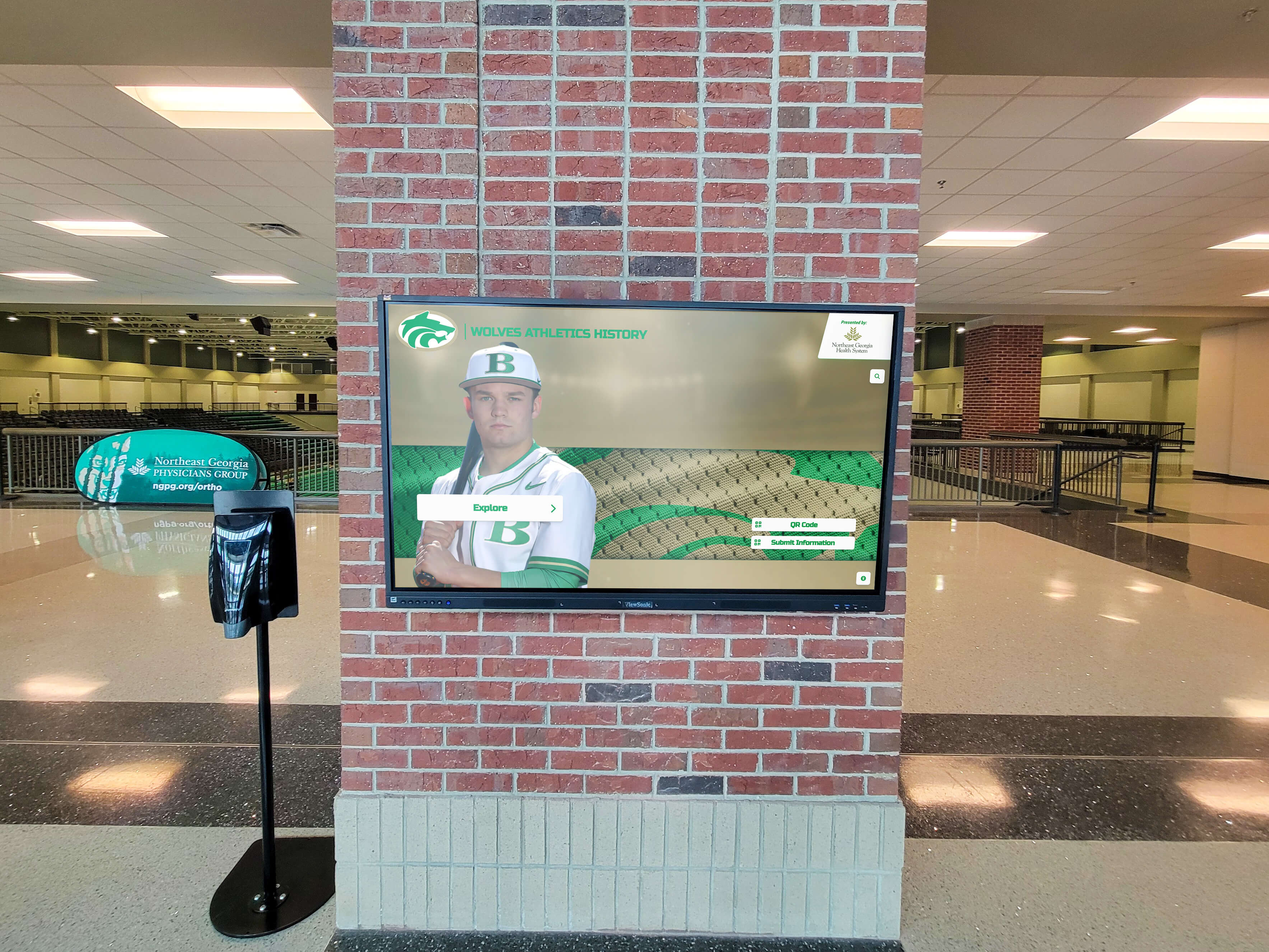
High school and collegiate water polo programs build proud traditions celebrating athletes who master complex rules and achieve competitive excellence in one of the most demanding aquatic sports. Digital recognition solutions enable schools to permanently showcase water polo champions, scoring leaders, defensive specialists, and program milestones. Rocket Alumni Solutions provides aquatic programs with interactive digital displays that highlight goals scored, saves made, exclusion records, championship achievements, and all-time program statistics—creating lasting tributes to athletic excellence while preserving water polo history for current athletes and future generations.
Understanding Water Polo Game Structure and Timing
Before diving into specific positions and rules, understanding the basic game structure clarifies how matches flow and why timing plays such a critical role in water polo strategy.
Quarters and Game Duration
Water polo matches divide into four quarters, with timing varying by competition level:
High School Water Polo: Four 6-minute quarters with running time during play and stopped time during dead balls (fouls, goals, timeouts). Total match time typically ranges 45-60 minutes including stoppages.
Collegiate Water Polo: Four 8-minute quarters with stopped time (clock stops on every whistle), resulting in matches lasting 60-90 minutes from start to finish.
International/Professional: Four 8-minute quarters with stopped time, following FINA (Fédération Internationale de Natation) regulations.
Between each quarter, teams receive a 2-minute rest period where players can receive coaching, hydrate, and recover. At halftime (between the second and third quarters), teams typically receive a 5-minute break and switch sides of the pool, similar to basketball’s halftime structure.
Shot Clock and Possession Rules
Water polo employs a 30-second shot clock system creating constant offensive pressure and preventing stalling tactics:
Shot Clock Mechanics: When a team gains possession, a 30-second countdown begins. The offensive team must attempt a shot that either enters the goal, hits the goal frame (posts or crossbar), or is touched by the goalkeeper before the shot clock expires. If the shot clock expires without a qualifying shot attempt, possession transfers to the opposing team.
Shot Clock Reset: The clock resets to 30 seconds whenever: possession changes teams, a goal is scored, the ball hits the goal frame, a penalty shot is awarded, or an exclusion foul occurs. The clock does not reset on ordinary fouls that result in free throws unless possession changes.
This shot clock system creates the rapid offensive pace characteristic of water polo, where teams cycle through 15-20 possessions per quarter, demanding both tactical planning and quick decision-making under time pressure.
Team Composition and Substitutions
Each water polo team fields seven players simultaneously: six field players plus one goalkeeper. Teams typically carry rosters of 13-15 players, allowing frequent substitutions to manage the intense physical demands.
Substitution Rules: Water polo allows unlimited substitutions during dead ball situations (after goals, during timeouts, between quarters, after exclusion fouls). Substitutions occur at the team’s designated re-entry area, marked at the halfway point on each side of the pool. Players must exit the water completely before substitutes can enter, preventing teams from gaining numerical advantages during substitution sequences.
This substitution flexibility enables coaches to employ specialized units for different situations—offensive specialists for attack possessions, defensive specialists for critical stops, and fresh players to maintain the high-intensity pace throughout matches.
Water Polo Positions: The Seven-Player System
Water polo employs a structured seven-position system balancing offensive threats, defensive coverage, and specialized roles that create the tactical framework for gameplay.
Center Forward (Also Called “Hole Set” or “2-Meter Offense”)
The center forward position represents water polo’s most physically demanding role, positioned directly in front of the opponent’s goal approximately 2-4 meters from the cage.
Primary Responsibilities:
- Establishing position with back to goal, creating scoring opportunities for themselves and perimeter shooters
- Drawing exclusion fouls from defensive players through physical positioning battles
- Screening the goalkeeper’s vision and redirecting shots from perimeter players
- Executing close-range power shots when receiving entry passes
Physical Requirements: Center forwards typically combine exceptional upper body strength (for maintaining position against physical defending), quick rotational ability (for turning to shoot), and the capacity to absorb constant physical contact while treading water for extended periods.
The center forward creates offensive focal points similar to a basketball post player, with much of the offense flowing through their positioning and ability to occupy defensive attention.
Center Back (Also Called “Hole Defender” or “2-Meter Defender”)
The center back defends the center forward, engaging in constant physical battles to prevent easy scoring opportunities from the most dangerous position.
Primary Responsibilities:
- Preventing the center forward from establishing preferred position
- Denying entry passes to the center forward
- Contesting close-range shots when the center forward receives the ball
- Avoiding exclusion fouls despite intense physical contact
Defensive Techniques: Center backs employ various legal defensive tactics—swimming through the center forward to disrupt positioning, maintaining a hand on the opponent’s hip to track movement, and timing drives to intercept entry passes. The position requires exceptional awareness to play physical defense without committing exclusion fouls that create 6-on-5 advantages.
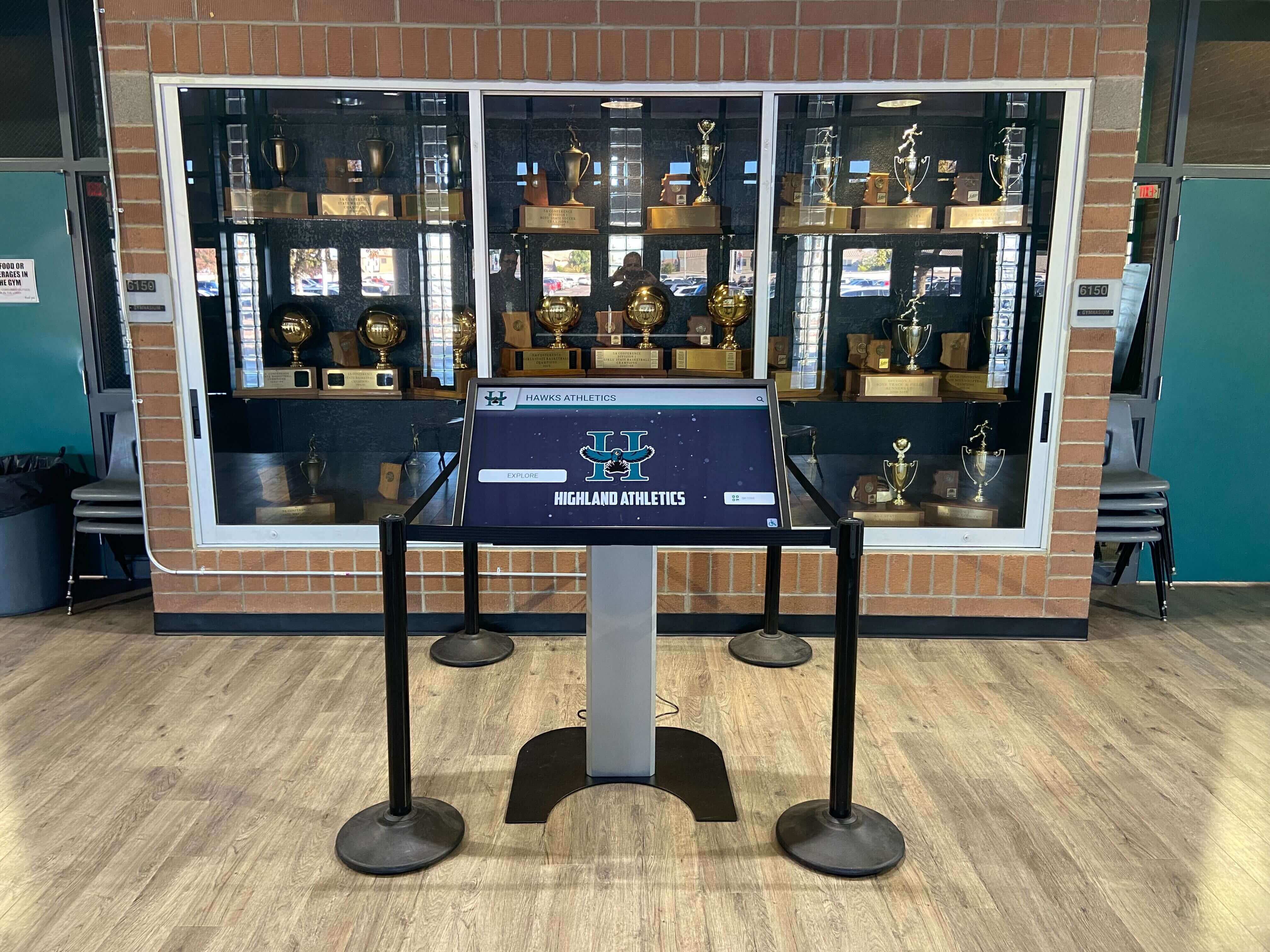
Programs developing strong defensive traditions often specifically recognize defensive specialists through searchable sports record databases that track blocks, steals, and defensive metrics alongside traditional offensive statistics.
Wings (Left and Right)
Wing positions operate along the perimeter on both sides of the pool, providing crucial spacing and shooting threats from the 4-6 meter range.
Primary Responsibilities:
- Creating width to stretch defensive coverage
- Executing drive attacks toward the goal when defensive gaps appear
- Shooting from perimeter positions, particularly on quick ball movement sequences
- Providing passing outlets to relieve defensive pressure
Strategic Role: Wings often possess the quickest swimming speed on the team, enabling them to exploit defensive breakdowns through drives and to transition quickly from defense to counterattack opportunities. Strong wing players create difficult defensive decisions—defenders must respect their shooting range while preventing drives, creating spacing that opens opportunities for the center forward.
Flats (Left and Right, Also Called “Points”)
Flat positions operate at the top of the offensive formation, typically 6-7 meters from goal, serving as primary ball handlers and offensive directors.
Primary Responsibilities:
- Initiating offensive sets and directing ball movement
- Reading defensive positioning to identify attacking opportunities
- Executing long-range shots, particularly when defenders drop to help on the center forward
- Managing shot clock awareness and ensuring productive possessions
Offensive Quarterbacking: Flats function similarly to point guards in basketball, possessing the vision and decision-making to orchestrate offensive sequences. They typically handle significant ball-touching responsibilities, making their passing accuracy and shooting consistency critical to offensive efficiency.
Point (Also Called “Top”)
Some systems use a single point position at the top of the offensive set rather than two flats, creating a slightly different spacing dynamic. This player serves as the primary ball handler and initiates most offensive actions from the 7-meter range.
Goalkeeper
The goalkeeper represents the only player allowed to touch the pool bottom (in areas where the pool is shallow enough), stand on the pool bottom, touch the ball with two hands simultaneously, and strike the ball with a clenched fist.
Primary Responsibilities:
- Stopping all shot attempts on goal
- Directing defensive positioning and calling out offensive threats
- Initiating counterattacks with quick outlet passes after saves
- Managing defensive communication throughout possessions
Specialized Skills: Water polo goalkeepers require exceptional reflexes, vertical jumping ability (to reach high shots while treading water), and explosive lateral movement. Their positioning must account for screening by the center forward, quick passing sequences, and shots arriving from 360 degrees around the goal.
Athletic programs recognizing comprehensive achievement often highlight goalkeeper save percentages, shutouts, and season records alongside field player statistics when creating digital athletic recognition displays that celebrate program history.

Water Polo Scoring System
Understanding how goals are scored and what constitutes valid scoring attempts clarifies the offensive objectives driving gameplay strategy.
Goal Scoring Basics
Goal Value: Each goal scores one point regardless of shooting distance or situation. Unlike basketball’s variable point system or hockey’s limited special situations, water polo maintains a simple one-point-per-goal structure throughout regulation play.
Valid Goals: A goal is scored when the entire ball crosses completely over the goal line, between the posts, and under the crossbar. Goals can be scored through:
- Direct shots from field players
- Deflections off defensive players or the goalkeeper
- Redirects or tip-ins from offensive players
- Penalty shots (addressed in the fouls section)
Invalid Goals: Goals do not count if:
- Any offensive player touches the pool bottom before or during the shot
- The ball is struck with a closed fist (except by the goalkeeper)
- An offensive foul occurs prior to the ball crossing the goal line
- The shot clock had expired before the shot release
Goal Dimensions and Distance Context
Water polo goals measure 3 meters wide by 0.9 meters tall (approximately 10 feet wide by 3 feet tall), positioned with the lower crossbar at the water surface. This relatively small target, combined with the goalkeeper’s positioning and the shooting challenges created by treading water, makes goal scoring significantly more difficult than in many land-based sports.
Common Shooting Ranges:
- Close Range (0-2 meters): Primarily center forward position shots, attempted after establishing position or following offensive rebounds
- Mid Range (2-5 meters): Wing drives and perimeter shots from advantageous positions, representing the majority of scoring attempts
- Long Range (5-7+ meters): Shots from flat and point positions, typically on power plays or when the defense collapses inside
Shooting percentages vary considerably by range and situation, with close-range shots converting at 40-60%, mid-range attempts at 20-35%, and long-range shots at 10-20% depending on competition level.
Overtime and Shootout Procedures
When regulation ends in a tie, the procedure for determining winners varies by competition level and tournament rules:
Overtime Periods: Most competitions employ two 3-minute overtime periods. If still tied after both overtime periods, the match proceeds to a shootout.
Shootout Format: Each team selects five players who attempt penalty shots alternately. The team scoring the most shootout goals wins. If still tied after five rounds, shootout continues in sudden-death format until one team scores and the other misses.
This shootout format creates dramatic conclusions to closely contested matches, where goalkeeper performance and shooter composure under pressure determine championship outcomes.
Programs celebrating water polo traditions often preserve championship victories, overtime heroics, and tournament achievements through digital trophy case displays that permanently honor historic team accomplishments.
Water Polo Fouls: Ordinary vs. Exclusion vs. Penalty
Water polo’s foul system creates the most complex and consequential rule structure in the sport, with three distinct foul categories carrying very different penalties.
Ordinary Fouls (Minor Fouls)
Ordinary fouls represent less severe infractions that stop play but do not remove players or award penalty shots.
Common Ordinary Fouls:
- Starting before the referee’s whistle (false start)
- Touching the ball with two hands simultaneously (except goalkeeper)
- Pushing off the pool bottom or wall (except goalkeeper in some areas)
- Taking the ball underwater when tackled
- Stalling or delaying the game
- Hitting the ball with a closed fist (except goalkeeper)
- Pushing off an opponent to gain advantage
- Splashing water in an opponent’s face intentionally
Penalty for Ordinary Fouls: The opposing team receives a free throw from the spot of the foul. The player who committed the foul must give the ball handler 2 meters of space before attempting to defend again. Play resumes immediately when the fouled team is ready, creating quick-restart opportunities to catch defenses unprepared.
Exclusion Fouls (Major Fouls)
Exclusion fouls represent more serious infractions resulting in temporary removal of the offending player, creating a 6-on-5 player advantage for the opposing team.
Common Exclusion Fouls:
- Holding, sinking, or pulling back an opponent not holding the ball
- Interfering with a free throw
- Intentionally splashing water in an opponent’s face
- Showing disrespect to officials through gestures or comments
- Committing an ordinary foul within the 5-meter area to prevent a probable goal
- Leaving the team re-entry area when not substituting
Penalty for Exclusion Fouls: The offending player must leave the field of play and remain in their designated exclusion area for 20 seconds of actual playing time OR until a goal is scored OR until their team regains possession, whichever occurs first. During this exclusion period, their team plays with only six field players against seven opponents, creating a significant power play advantage.
Strategic Impact: The 6-on-5 power play represents water polo’s most important tactical situation. Teams with excluded players typically employ zone defensive schemes to protect against the numerical disadvantage, while teams with the extra player run set offensive plays designed to create open shooting opportunities. Conversion rates on 6-on-5 advantages typically range from 40-70% depending on the team’s offensive execution and opposition defensive system.
Penalty Fouls (Penalty Shots)
Penalty fouls represent the most serious infractions, awarding the fouled team a penalty shot—an uncontested one-on-one opportunity between a designated shooter and the goalkeeper from the 5-meter line.
Actions Resulting in Penalty Shots:
- Committing an exclusion foul to prevent a probable goal
- Goalkeeper or defensive player deliberately pulling down the goal to prevent a score
- Defensive player other than goalkeeper interfering with a shot inside the 5-meter area
- Any player interfering with a penalty throw
Penalty Shot Procedure:
- The designated shooter positions at the 5-meter line with the ball
- All other players must position outside the 5-meter area
- On the referee’s whistle, the shooter may approach and shoot in one continuous motion
- The goalkeeper may move laterally but cannot advance beyond the goal line before the shot
Penalty shots convert at approximately 60-80% depending on competition level, making them extremely valuable scoring opportunities that often determine close match outcomes.
Understanding foul rules and managing personal fouls becomes critical for player management. Just as basketball players must avoid foul trouble, water polo athletes who accumulate three personal exclusion fouls face automatic ejection from the match with no substitution allowed for the final exclusion period.
Offensive Strategies and Gameplay Tactics
Water polo offense balances patient ball movement to create high-percentage shooting opportunities against shot clock pressure demanding decisive action within 30 seconds.
Motion Offense and Ball Movement
Effective water polo offense employs constant motion both on and off the ball, creating defensive rotations that open shooting lanes.
Key Offensive Concepts:
- Spacing: Maintaining proper distances between offensive players (typically 3-4 meters) prevents defensive players from guarding multiple threats simultaneously
- Ball Reversal: Swinging the ball from one side of the pool to the other forces defensive rotation and creates brief openings
- Backside Action: While the ball moves on one side, weak-side players relocate to create passing lanes and shooting threats
- Pick and Roll: Similar to basketball, offensive players set screens (legal contact) on defenders to free ball handlers for drives or shots
Power Play Offense (6-on-5)
When the offensive team holds a one-player advantage following an exclusion foul, they employ specific set plays maximizing the numerical superiority.
Common 6-on-5 Formations:
- Umbrella Formation: Four perimeter players plus center forward and one additional wing, creating balanced spacing
- 3-3 Formation: Three perimeter players and three inside players, generating more inside scoring threats
- 4-2 Formation: Four perimeter shooters with two inside players, emphasizing perimeter shooting
Teams typically practice 10-15 set power play configurations, calling specific plays through hand signals or verbal codes to execute practiced passing sequences that create open shots within 10-15 seconds.
Counterattack Opportunities
Fast-break transitions from defense to offense create water polo’s highest-percentage scoring opportunities, similar to basketball’s fast break.
Counterattack Triggers:
- Goalkeeper saves leading to quick outlet passes before defense sets
- Defensive steals in advantageous positions
- Opponent turnovers in their offensive end
Speed of transition determines counterattack success. Teams that complete the defensive-to-offensive transition in under 5 seconds often create odd-man advantages (3-on-2, 4-on-3) resulting in high-quality shooting opportunities before the defense establishes structure.
High-performing programs often track fast-break points, transition efficiency, and power play conversion rates as key performance metrics displayed on digital athletic achievement displays highlighting program success factors.
Defensive Strategies and Systems
Water polo defense balances aggressive pressure to force turnovers against disciplined positioning to prevent exclusion fouls and easy scoring opportunities.
Man-to-Man Defense
Standard even-strength defense (7-on-7) typically employs man-to-man principles where each defensive player assumes responsibility for a specific offensive player.
Defensive Positioning Principles:
- Ball Pressure: The defender guarding the ball carrier maintains active hand pressure without fouling, forcing difficult passes
- Help Side Defense: Defenders away from the ball position between their assigned player and the goal, ready to help on drives
- Center Defense: The center back engages in constant physical battle with the center forward, denying position and entry passes
- Weak Side Rotation: When the ball moves, defenders must rotate to maintain proper help positions
Zone Defense (Primarily 6-on-5 Situations)
When defending with one player excluded, teams employ zone defensive schemes to protect goal despite numerical disadvantage.
Common Zone Formations:
- Box and One: Four defenders form a box around the goal with one defender pressuring the ball
- M Defense: Defenders align in an M-shaped formation, covering passing lanes and shooting areas
- Drop Defense: All six defenders position inside the 5-meter area, protecting against drives and close shots while conceding perimeter shooting opportunities
Effective zone defense on 6-on-5 disadvantages requires exceptional communication, disciplined positioning, and shot-blocking commitment from multiple defenders.
Pressing and Trapping Tactics
Aggressive teams may employ full-pool press defenses to disrupt offensive initiation and force turnovers in deep water.
Press Defense Goals:
- Forcing opponents to use excessive time advancing the ball past half pool
- Creating ball-handling errors leading to turnovers
- Inducing rushed offensive decisions due to shot clock pressure
Press defenses risk allowing offensive players to beat initial pressure and create advantageous positions closer to goal, requiring excellent communication and recovery swimming when initial pressure fails.
Programs developing comprehensive water polo traditions recognize both offensive and defensive excellence through digital recognition platforms that preserve complete performance histories for athletes excelling in all facets of the game.
Swimming Pool Requirements and Equipment Specifications
Water polo’s unique environment creates specific facility requirements ensuring safe, regulation competition.
Pool Dimensions and Depth
Official water polo competition requires pools meeting specific dimensional standards:
Pool Length and Width:
- Men’s Competition: 30 meters long by 20 meters wide (minimum)
- Women’s Competition: 25 meters long by 20 meters wide (minimum)
- High School: Often 25 yards by 25 yards, adapted from standard lap pools
Water Depth: Competition pools must maintain minimum depth of 1.8 meters (approximately 6 feet) throughout the playing area, ensuring players cannot touch the pool bottom during play. This depth requirement fundamentally shapes the sport’s physical demands, as all movement occurs while treading water.
Goal Specifications
Water polo goals must meet specific size and positioning requirements:
Goal Dimensions: 3 meters wide by 0.9 meters tall, with the bottom crossbar positioned at water surface level and the vertical posts rising 0.9 meters above the water.
Goal Construction: Goals typically feature white painted posts and crossbar with netting extending backward and downward to catch balls, similar to ice hockey nets. Goals must be securely anchored to prevent displacement during physical play near the cage.
Ball Specifications
Water polo balls differ from standard balls in several important characteristics:
Size and Weight:
- Men’s Ball: 68-71 cm circumference, 400-450 grams
- Women’s Ball: 65-67 cm circumference, 400-450 grams
Construction: Water polo balls feature textured, grippy surfaces enabling one-handed control despite water conditions. The ball must float and maintain proper inflation throughout matches despite constant water exposure and forceful shooting.
Playing Caps and Numbering
Players wear specialized caps serving both identification and safety purposes:
Cap Colors: Teams wear contrasting cap colors (traditionally white vs. blue, though other contrasting colors are permissible). Goalkeepers wear red caps regardless of team, clearly identifying them to referees and players.
Numbering System: Field players wear caps numbered 2-13, while goalkeepers wear #1. The numbering serves both identification during play and roster management during substitutions.
Safety Features: Modern caps include protective ear guards reducing injury risk from ball impacts and opponent contact around the head during physical play.
Building Water Polo Program Traditions
Strong water polo programs combine competitive success with recognition traditions that honor achievement and preserve program history for future generations.
Recording and Celebrating Individual Achievement
Water polo’s diverse statistical categories enable comprehensive recognition beyond simple goal-scoring totals:
Individual Statistics Worth Tracking:
- Career and season goals scored
- Goalkeeper save percentages and shutouts
- Assists leaders (passes directly leading to goals)
- Exclusion drawn (fouls that create power play advantages)
- Defensive statistics (steals, blocks, caused turnovers)
- Power play conversion rates
- Penalty shot success rates
Programs utilizing modern recognition wall solutions can showcase comprehensive achievement across multiple statistical categories while maintaining easily updated displays as new records emerge.
Team Accomplishments and Championship Recognition
Beyond individual statistics, team achievements create the foundation for program pride:
Championship Recognition: Conference championships, state titles, regional appearances, and national tournament participation represent milestones deserving permanent commemoration.
Season Records: Team statistics like goals scored, defensive records (fewest goals allowed), winning streaks, and tournament victories document program excellence across multiple seasons.
All-Conference and All-American Honors: Individual players earning conference recognition, all-state honors, or All-American status through exceptional performance merit permanent recognition highlighting their contributions to program prestige.
Athletic departments maintaining comprehensive historical records through digital recognition displays create connection between current athletes and program history, demonstrating long-term tradition and sustained excellence.
Creating Culture Through Historical Awareness
When current athletes see names of program legends prominently displayed, understand the records they’re chasing, and recognize the championship banners they’re trying to add to, it creates competitive culture and program continuity.
Benefits of Visible Historical Recognition:
- Current players develop awareness of program standards and excellence benchmarks
- Alumni maintain connection to the program seeing their achievements permanently honored
- Recruits recognize program tradition and competitive history when evaluating schools
- Community support strengthens when achievements are visibly celebrated
Digital recognition platforms enable schools to showcase extensive water polo history without space limitations of traditional plaques and banners, displaying decades of achievement through searchable, interactive formats that engage viewers while preserving complete program records.
Preparing Athletes for Water Polo Success
Understanding rules represents only part of water polo preparation. Physical conditioning, tactical awareness, and mental preparation separate recreational participation from competitive excellence.
Essential Physical Conditioning
Water polo demands exceptional cardiovascular endurance combined with explosive power:
Conditioning Requirements:
- Swimming endurance for continuous 6-8 minute quarters without fatigue
- Leg strength and stamina for constant treading water (players never touch bottom)
- Upper body power for throwing, shooting, and physical positioning
- Core strength for rotational shooting and maintaining vertical body position
Training programs typically combine pool-based conditioning (distance swimming, sprint intervals, treading drills) with land-based strength development (weight training, plyometrics, core work) creating the comprehensive fitness water polo demands.
Rule Knowledge as Competitive Advantage
Athletes who deeply understand rules gain advantages over less-informed opponents:
Strategic Rule Applications:
- Drawing exclusion fouls through skilled positioning without actual fouling
- Understanding free throw restart rules to create quick-strike opportunities
- Knowing shot clock situations to make appropriate offensive decisions
- Recognizing when defensive fouls are “worth it” tactically vs. when they create dangerous situations
Coaches who invest time teaching comprehensive rule knowledge alongside physical skills develop smarter, more competitive athletes capable of exploiting rule-based advantages.
Mental Preparation and Game Awareness
Water polo’s combination of physical intensity, rapid decision-making, and complex tactical situations creates significant mental demands:
Mental Skills for Success:
- Shot clock awareness throughout every possession
- Reading defensive positioning to identify attacking opportunities
- Managing emotions despite physical contact and referee decisions
- Maintaining focus during exclusion periods (whether excluded or on power play)
Programs developing championship-caliber athletes emphasize mental preparation alongside physical development, recognizing that water polo success requires both physical excellence and tactical intelligence.
Schools committed to comprehensive athlete development often recognize academic achievement alongside athletic excellence through integrated recognition platforms celebrating student-athletes excelling in both competition and classroom.
Water Polo Competition Structure and Advancement
Understanding the broader competitive landscape helps athletes, parents, and programs recognize achievement within context of the overall sport structure.
High School Water Polo Organization
High school water polo organization varies significantly by region, with strongest participation in California, Texas, Florida, and other states with established aquatic sports traditions:
Season Structure: Most high school programs compete during fall or spring seasons, with championship tournaments occurring at conference, section, regional, and state levels depending on state organization.
Divisions and Classifications: Like other sports, water polo programs typically compete within divisions based on school enrollment, creating competitive balance and championship opportunities across various school sizes.
Collegiate Water Polo
College water polo spans NCAA Division I, II, and III plus club and intramural levels:
Division I Water Polo: The highest competitive level features programs like USC, UCLA, Stanford, California, and other powerhouses with extensive resources, scholarship opportunities, and national championship aspirations.
Conference Championships: Collegiate programs compete for conference titles within organizations like the Mountain Pacific Sports Federation (MPSF), Western Water Polo Association (WWPA), and others before advancing to NCAA championship tournaments.
Championship Format: NCAA water polo championships employ tournament formats where regular season performance determines seeding, followed by single-elimination or modified double-elimination competition culminating in national championship matches.
International Competition and Olympic Development
Water polo’s Olympic status creates pathways for elite athletes beyond collegiate competition:
USA Water Polo: The national governing body organizes youth, junior, senior, and masters programs, national team trials, and international competition participation.
Olympic Qualification: National teams compete through continental championships and world championships to qualify for Olympic Games, where water polo has featured since 1900 for men and 2000 for women.
Understanding these competitive pathways helps programs position their achievements appropriately and creates aspirational goals for developing athletes targeting collegiate and international opportunities.
Conclusion: Mastering Water Polo Rules for Competitive Success
Water polo rules create the framework for one of athletics’ most demanding and dynamic competitions, combining swimming endurance, strategic thinking, physical toughness, and tactical awareness into a sophisticated team sport. From the seven-position system balancing offensive threats and defensive coverage, to the complex three-tier foul structure creating power plays and penalty situations, to the 30-second shot clock forcing constant offensive action—these rules shape every aspect of how the game flows and how teams compete for victory. For athletes learning the sport, understanding these rules transforms confusion into clarity, enabling them to read the game, make smart decisions, and contribute effectively to team success.
The best water polo programs combine competitive excellence with comprehensive recognition traditions that honor achievement and preserve history. When schools document individual scoring leaders, defensive specialists, championship teams, and program milestones through permanent displays, they create connection between generations of athletes while establishing the competitive culture that drives sustained success. Modern digital recognition platforms enable programs to showcase extensive water polo history without space limitations, displaying complete records through interactive formats that engage current athletes, honor alumni contributions, and demonstrate program tradition to recruits evaluating where to compete.
Whether you’re an athlete mastering position-specific responsibilities, a parent understanding what to watch during matches, a coach developing comprehensive programs, or an athletic director building aquatic sports traditions, knowledge of water polo rules provides the foundation for appreciation and success in this demanding sport. As programs continue developing competitive teams and recognizing excellence, those investing in both athletic development and appropriate recognition infrastructure create water polo traditions that inspire current participants while honoring past achievements.
Celebrate Your Water Polo Program's Excellence
Preserve your water polo program's achievements, individual records, and championship history with interactive digital displays that honor past success while inspiring current athletes. Rocket Alumni Solutions provides schools with comprehensive recognition platforms showcasing scoring leaders, defensive specialists, championship teams, and all-time program records through engaging digital formats that maintain lasting connections with your aquatic sports tradition.