



Volunteers provide the backbone for countless schools, nonprofits, athletic programs, and community organizations—dedicating time, expertise, and passion without financial compensation. Effective volunteer recognition transforms these generous contributions into sustained engagement, builds organizational culture celebrating service, and inspires continued commitment from individuals who make missions possible. For administrators, development directors, and program managers, thoughtful recognition strategies ensure volunteers feel genuinely valued while creating systems that acknowledge contributions meaningfully beyond generic thank-you emails.
Organizations that excel at volunteer recognition understand a fundamental truth: people continue giving time to organizations that honor their service authentically. Recognition isn’t an optional add-on or budget afterthought—it’s strategic investment in volunteer retention, program sustainability, and organizational culture. Whether managing parent volunteers supporting school activities, community members assisting nonprofit programs, or alumni mentoring current students, recognition approaches must balance genuine appreciation with scalable systems honoring diverse contribution types.
Why Strategic Volunteer Recognition Matters
Volunteer recognition extends far beyond politeness—it directly impacts retention rates, recruitment success, and program effectiveness. Research consistently shows that acknowledged volunteers remain engaged longer, contribute more hours, and recruit additional supporters more actively than those receiving minimal recognition. Modern recognition solutions like Rocket Alumni Solutions enable organizations to create permanent displays celebrating volunteer contributions through interactive digital platforms that preserve legacy, showcase community impact, and maintain visibility for supporters who make programs thrive year after year.
Personal Recognition Approaches That Create Meaningful Connections
The most impactful recognition feels personal rather than formulaic, acknowledging individual volunteers’ specific contributions while demonstrating genuine understanding of their unique impact.
Personalized Thank-You Notes and Messages
Handwritten notes remain powerful despite digital communication dominance. A thoughtfully written card acknowledging specific contributions—mentioning particular projects, noting observable impacts, or referencing memorable moments—demonstrates attention and genuine appreciation that mass emails never replicate.
Implementation Strategy: Maintain volunteer contribution logs tracking specific activities and impacts, enabling personalized acknowledgment referencing concrete details. Notes from program beneficiaries (students, participants, community members) carry exceptional weight, creating direct connections between volunteers and mission impact.
Individual Recognition Conversations
Dedicated one-on-one conversations with significant volunteers provide opportunities to express gratitude directly, understand motivations, gather feedback, and strengthen personal relationships. These conversations validate contributions while providing insights improving volunteer programs.
Recognition Value: Face-to-face acknowledgment from organizational leaders signals that volunteer time matters enough to warrant protected calendar space. These conversations often reveal volunteer interests enabling better role matching and engagement opportunities.
Spotlight Features and Volunteer Stories
Dedicated spotlight features—whether in newsletters, social media, organizational communications, or website profiles—celebrate individual volunteers while showcasing diverse contribution types to broader communities. Well-crafted volunteer stories humanize programs, inspire additional volunteers, and validate individuals’ service significance.
Content Approach: Interview volunteers about motivations, memorable experiences, and observed impacts. Share stories highlighting different volunteer roles, demonstrating that all contribution types matter regardless of time commitment or visibility level.
Birthday and Milestone Recognition
Acknowledging volunteers’ personal milestones—birthdays, work anniversaries, life celebrations—demonstrates that organizations view volunteers as valued individuals rather than interchangeable labor sources. These touches create emotional connections strengthening long-term engagement.
Systems Tip: Maintain volunteer birthday and anniversary databases enabling automatic reminders. Small gestures—birthday cards, milestone acknowledgment emails, anniversary recognition—require minimal resources while delivering outsized relational impact.
Understanding comprehensive recognition program best practices helps organizations design systematic approaches honoring volunteers consistently while building cultures where appreciation becomes embedded in organizational DNA.
Group Recognition Events and Celebrations
Collective recognition events bring volunteer communities together, create shared celebration experiences, and provide platforms for organizational leaders to express appreciation publicly.
Annual Volunteer Recognition Banquets
Dedicated appreciation dinners or receptions honor volunteers collectively while creating memorable experiences celebrating service. These events combine individual acknowledgment with community building, enabling volunteers to connect with peers sharing similar commitment.
Event Elements: Include formal recognition moments acknowledging specific volunteers or milestone achievements, share impact stories illustrating collective volunteer contributions, provide quality food and atmosphere demonstrating investment in volunteers’ experience, and create opportunities for volunteers to interact with beneficiaries directly witnessing their impact.
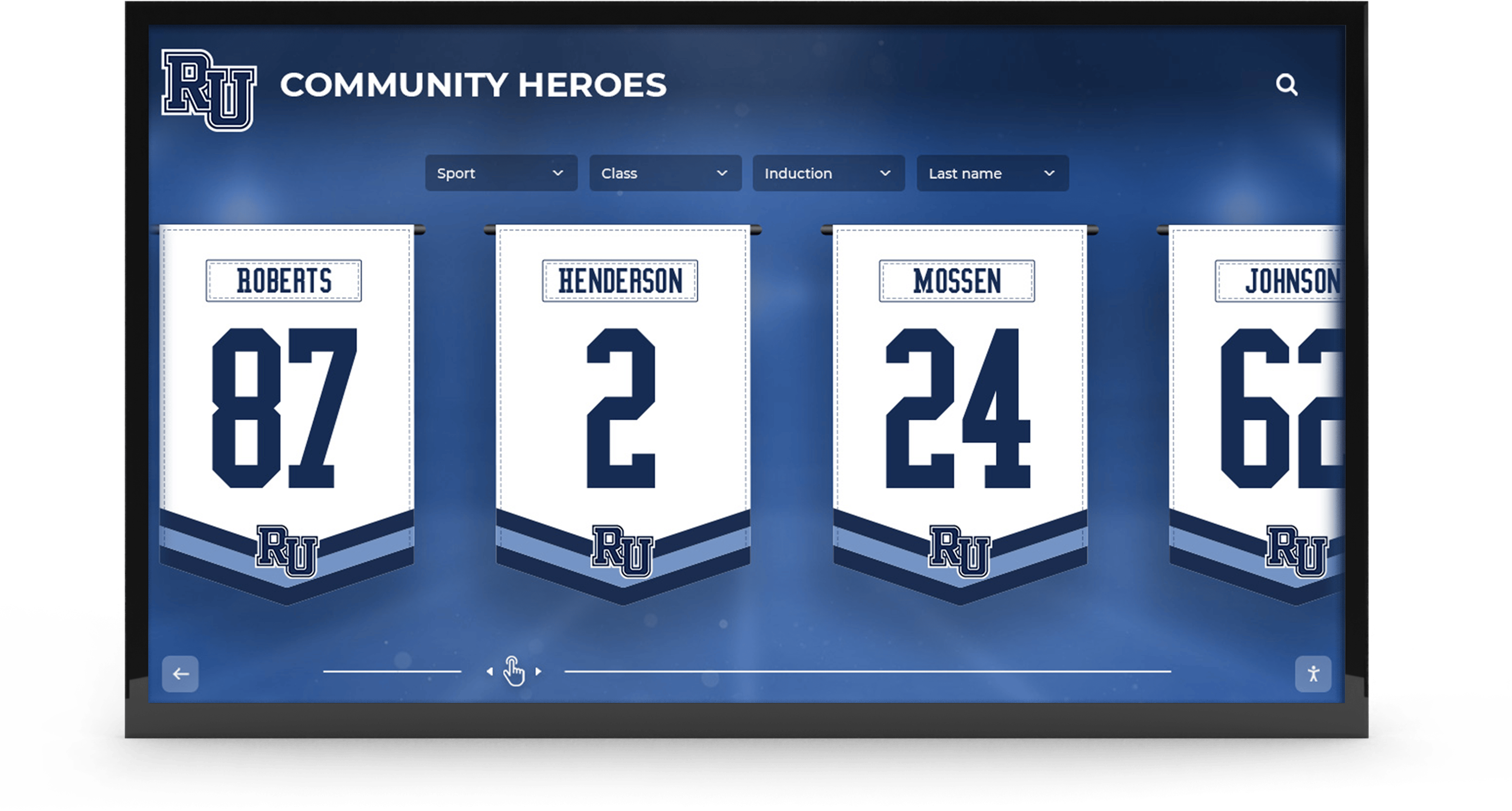
Appreciation Luncheons and Receptions
More casual gathering formats—coffee receptions, appreciation luncheons, volunteer socials—provide recognition opportunities requiring less formal planning while maintaining meaningful acknowledgment. These relaxed settings often facilitate better conversation and relationship building than structured banquets.
Planning Approach: Schedule during times accommodating volunteer availability (consider retirees preferring daytime events versus working professionals needing evening options). Include brief recognition segments alongside informal socializing enabling organic community building.
Volunteer Appreciation Week Activities
Dedicating an entire week to volunteer celebration creates extended recognition opportunities showcasing diverse volunteer roles while building sustained organizational focus on appreciation. Multiple smaller events throughout the week reach volunteers who can’t attend single large gatherings.
Week Framework: Plan daily recognition activities—volunteer breakfast Monday, social media spotlight features Tuesday, handwritten note delivery Wednesday, special appreciation assembly Thursday, volunteer social Friday. Varied formats ensure multiple touchpoints honoring different volunteers through their preferred recognition styles.
Recognition Within Existing Events
Integrating volunteer acknowledgment into regular organizational events—annual meetings, fundraising galas, program showcases, community gatherings—ensures recognition receives visibility beyond isolated appreciation events. Public acknowledgment during well-attended functions elevates volunteer status while demonstrating organizational values to broader audiences.
Examining donor wall approaches for nonprofits reveals strategies translating equally well to volunteer recognition, creating permanent displays honoring sustained service alongside financial contributions.
Awards and Formal Recognition Programs
Structured award programs create recognition systems acknowledging exceptional service, milestone achievements, and diverse contribution types while establishing clear volunteer value signals.
Volunteer of the Year Awards
Flagship awards recognizing outstanding volunteer contributions provide prestigious acknowledgment for individuals demonstrating exceptional dedication, impact, or service excellence. These awards create aspirational recognition inspiring increased engagement while celebrating extraordinary commitment.
Selection Criteria: Establish clear evaluation frameworks considering hours contributed, impact significance, leadership demonstration, program innovation, or values embodiment. Transparent criteria ensure fairness while communicating organizational priorities regarding volunteer contributions.
Milestone Service Awards
Service milestone recognition—one year, five years, ten years, lifetime achievement—honors sustained commitment over time, validating long-term volunteers whose cumulative impact often exceeds flashier short-term contributions. Milestone programs demonstrate that organizations remember and value ongoing dedication.
Award Structure: Create tiered recognition systems with increasing prestige—certificates for one-year service, engraved items for five years, prominent display inclusion for decade-plus volunteers. Physical awards create tangible acknowledgment volunteers can display proudly.

Category-Specific Awards
Recognition programs honoring excellence within specific volunteer categories—most hours contributed, greatest impact, exceptional mentorship, innovative programming, outstanding youth volunteer—ensure diverse contribution types receive appropriate acknowledgment. Category awards prevent single volunteer types dominating recognition while celebrating varied service expressions.
Category Development: Analyze volunteer role diversity within your organization, creating award categories reflecting actual contribution variety. Ensure categories feel equally prestigious rather than creating first-tier and second-tier award perceptions.
Peer-Nominated Recognition
Volunteer-nominated awards where peers identify deserving colleagues for recognition create powerful acknowledgment from those understanding contributions most intimately. Peer recognition often feels more meaningful than administrative selection since fellow volunteers witness daily commitment and impact directly.
Nomination Process: Establish simple nomination systems enabling volunteers to recognize peers through brief submissions explaining recognition rationale. Share nomination highlights publicly, celebrating both nominees and individuals who took time acknowledging others.
Exploring digital recognition displays and online showcases demonstrates how technology enables organizations to maintain permanent, accessible recognition that honors volunteers continuously rather than limiting acknowledgment to annual events.
Permanent Recognition Displays and Installations
Physical and digital recognition displays create lasting tributes honoring volunteer contributions while maintaining visibility that reinforces organizational appreciation values continuously.
Traditional Recognition Walls and Plaques
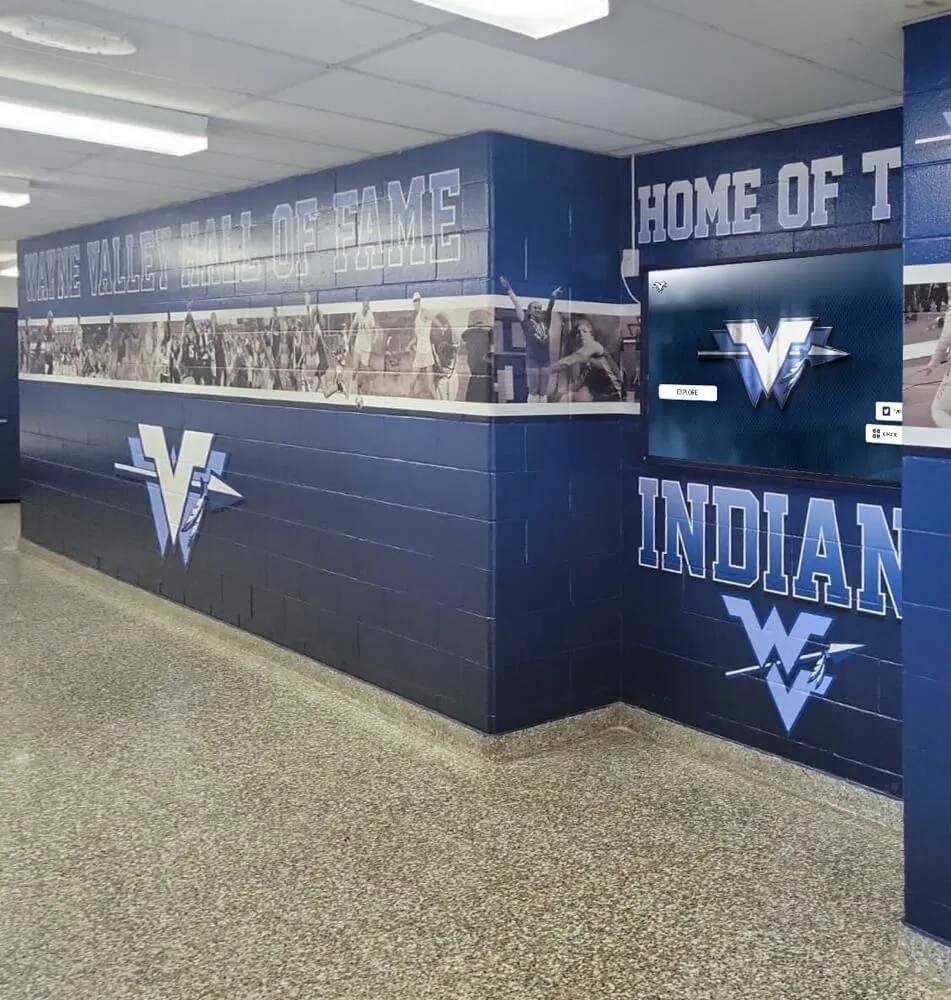
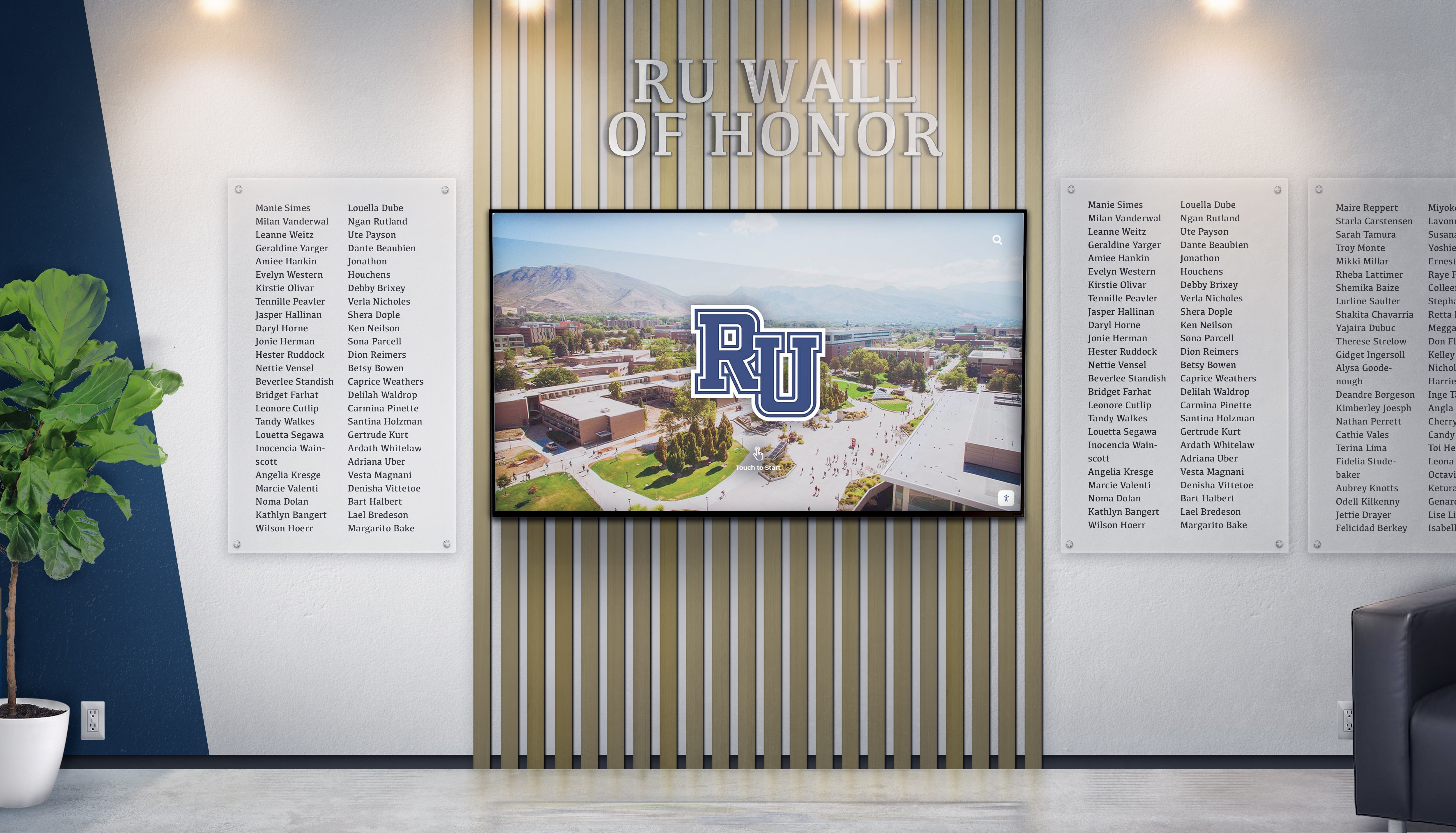
Dedicated recognition walls featuring volunteer names, service years, or contribution descriptions provide permanent tribute in organizational spaces. These visible displays signal to visitors, staff, and community members that volunteer service receives honored status within organizational culture.
Display Design: Consider tiered systems distinguishing milestone levels (bronze, silver, gold, platinum) based on years served or hours contributed. Quality materials and professional installation demonstrate that volunteer recognition warrants genuine investment.
Digital Recognition Displays
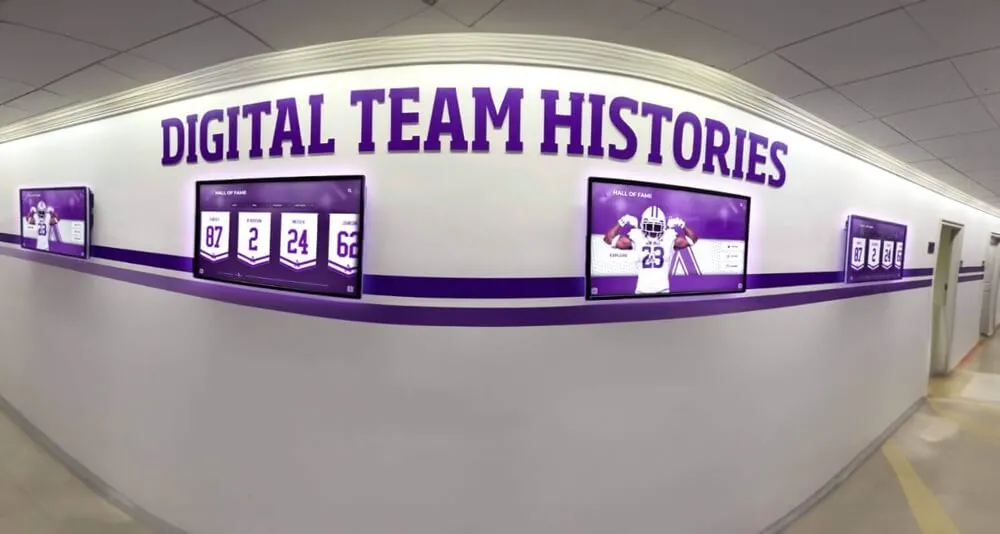
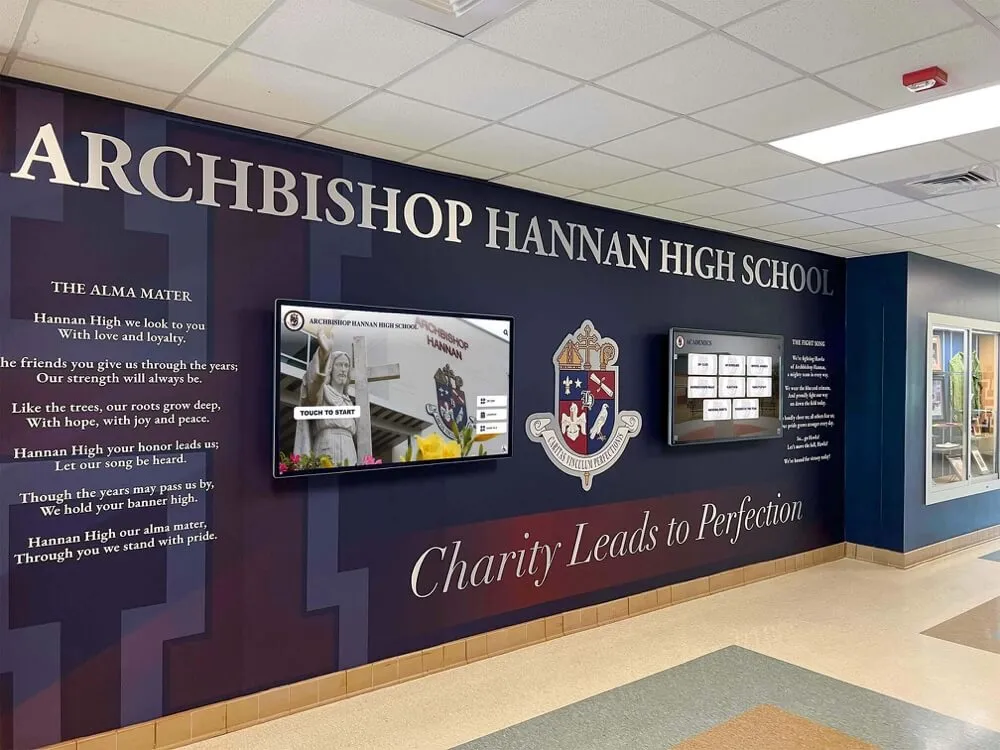
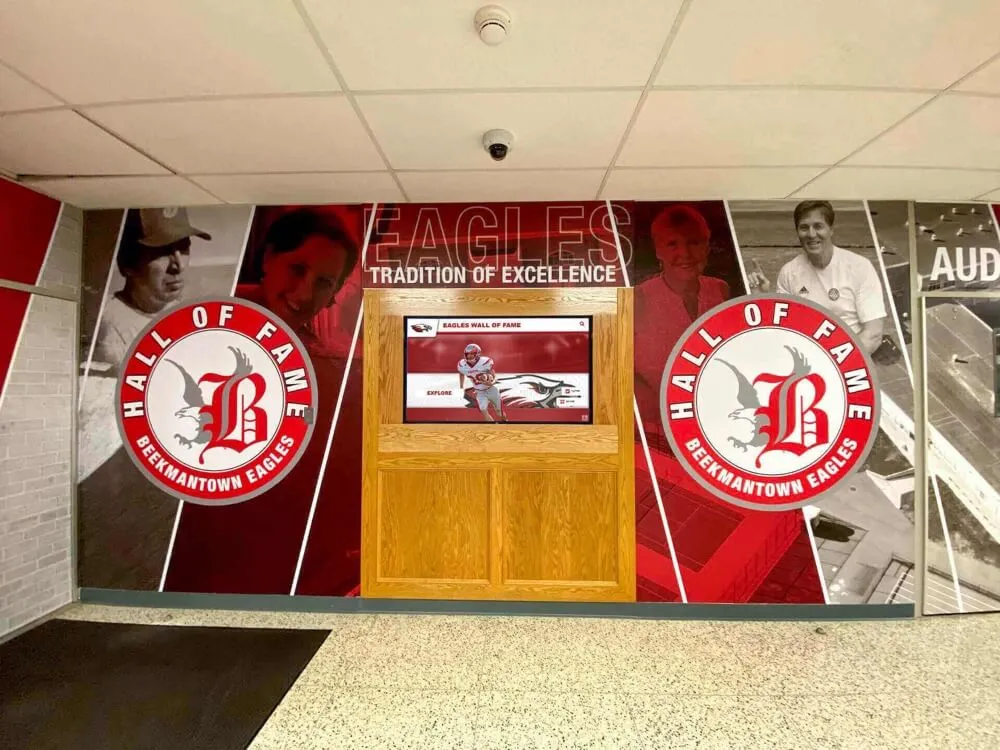
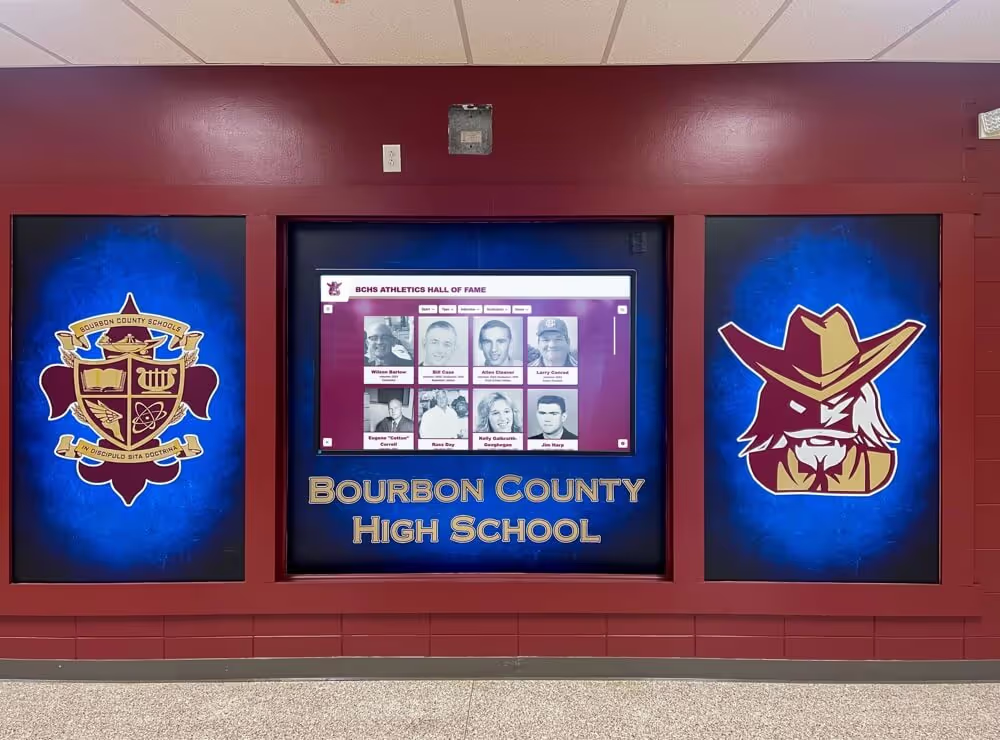
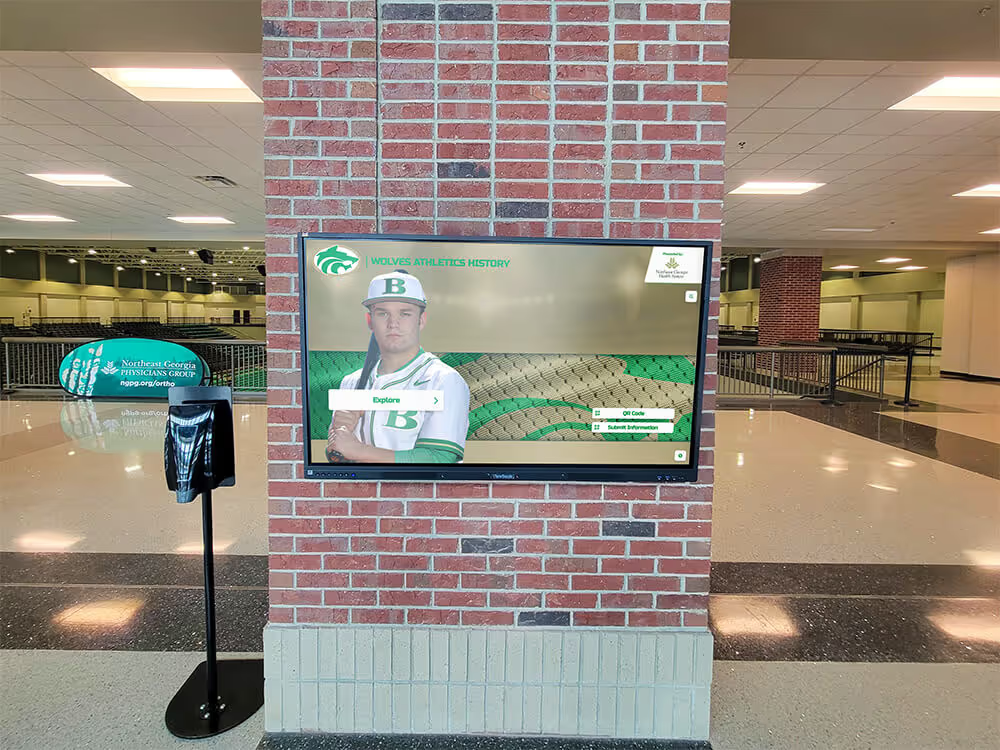
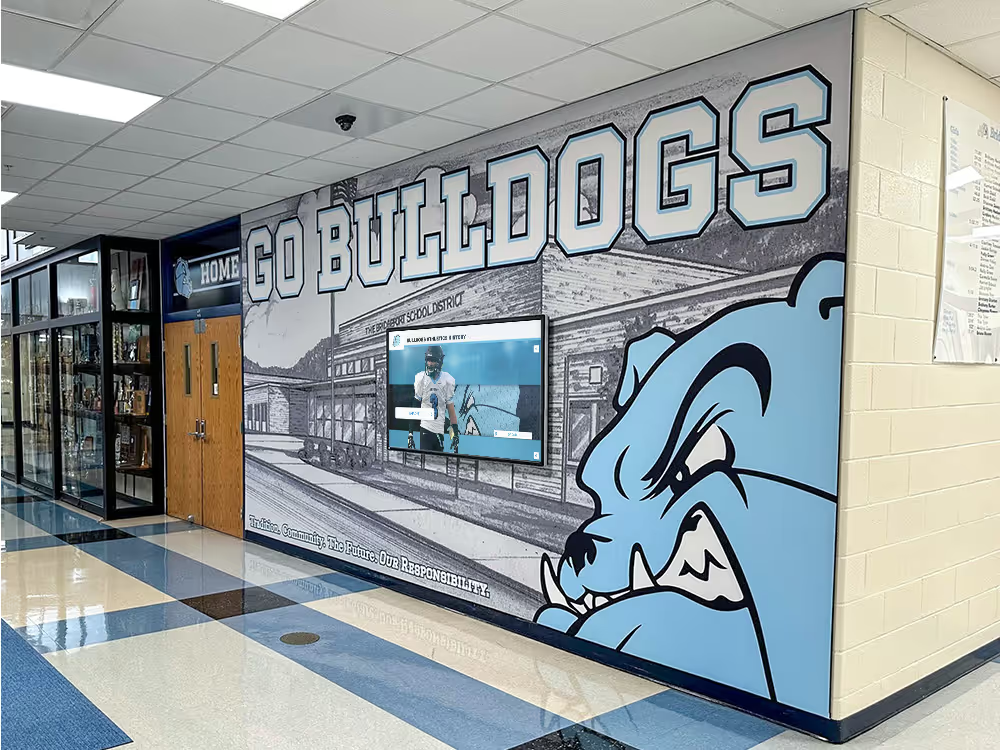
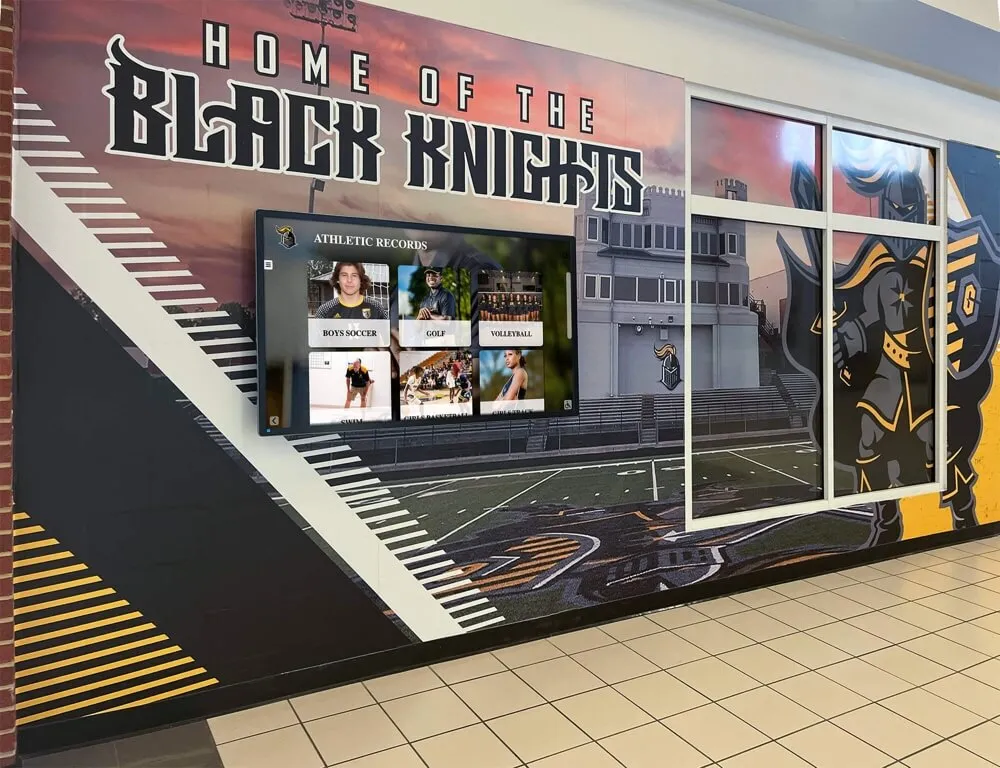
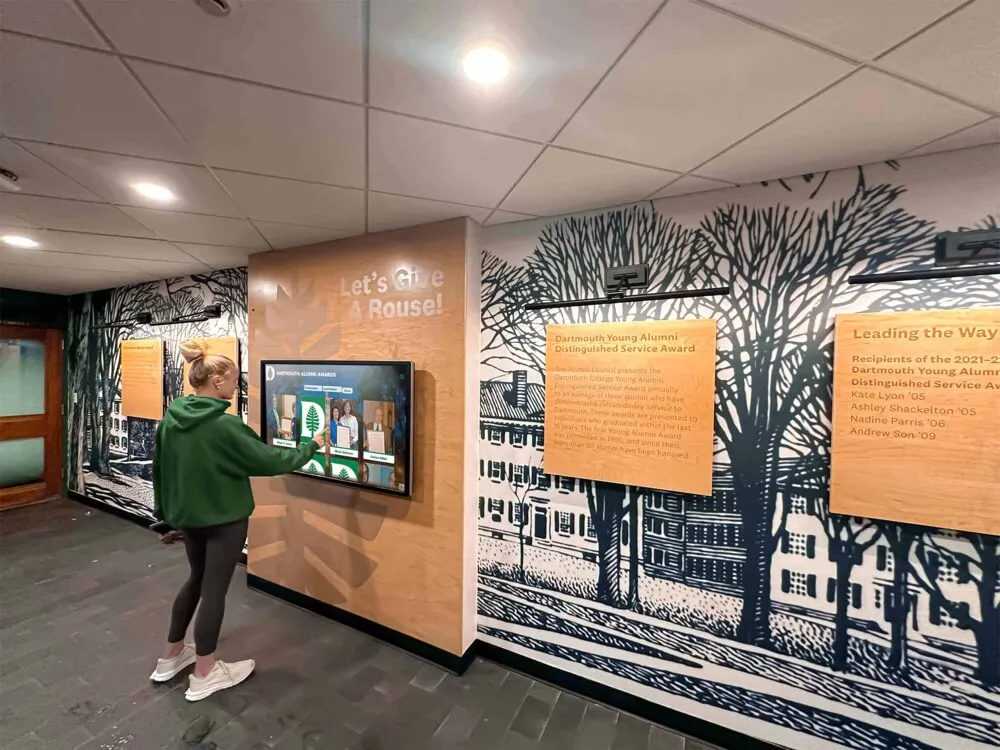
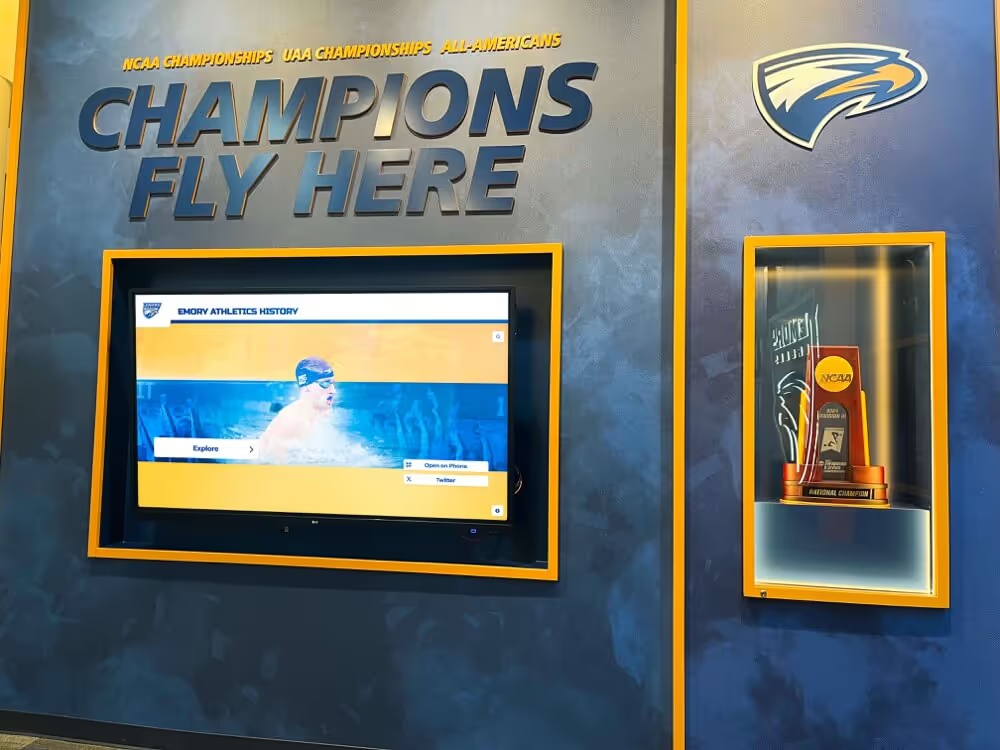
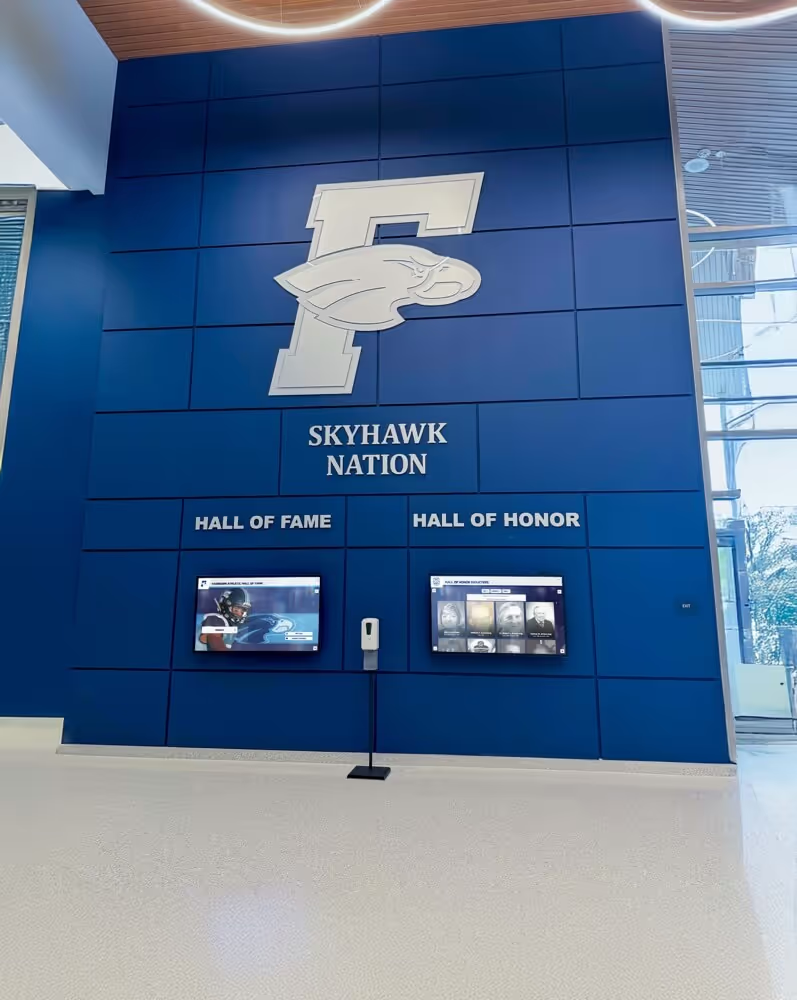
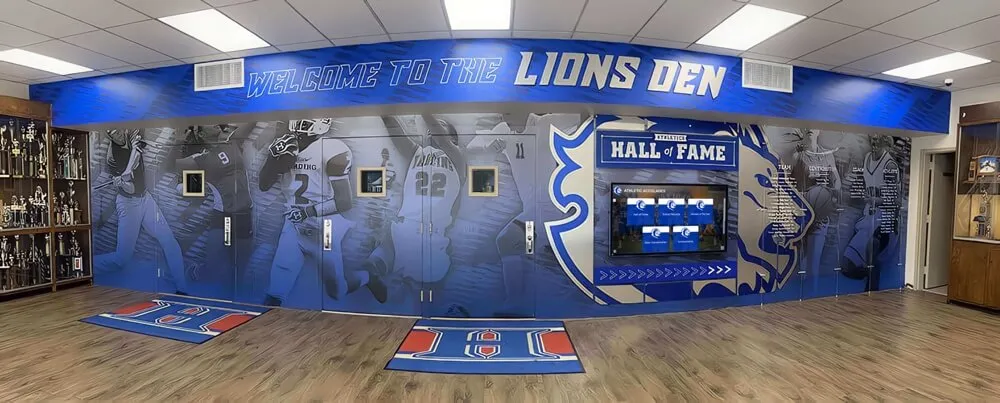
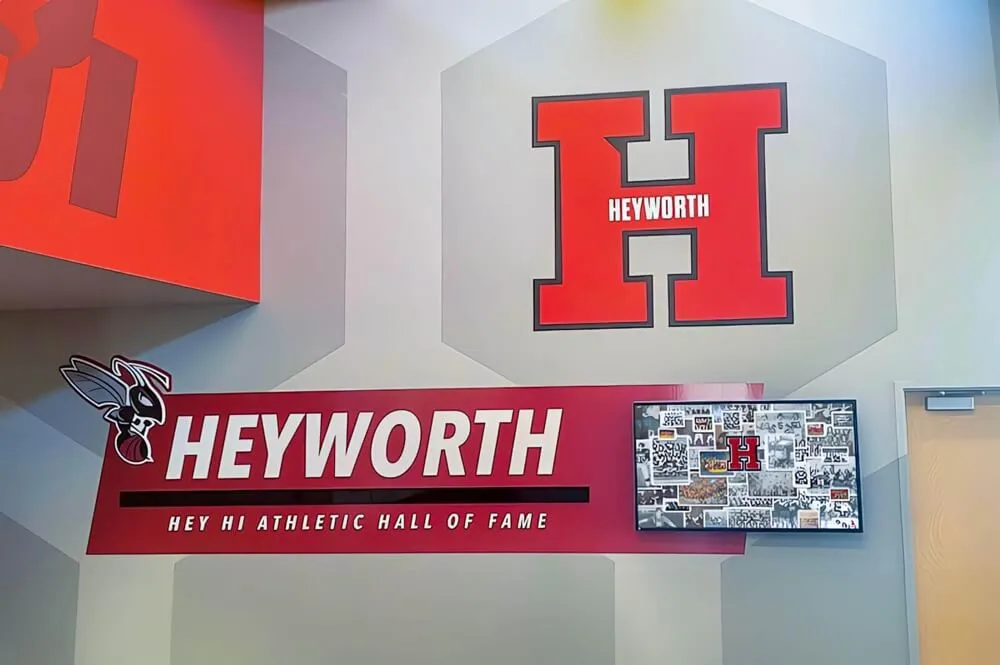
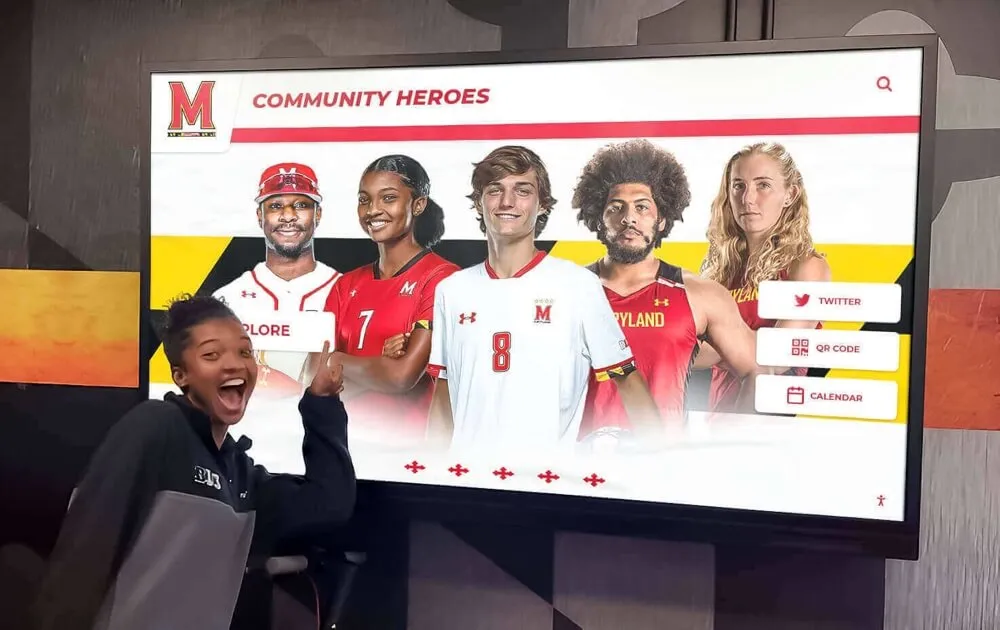
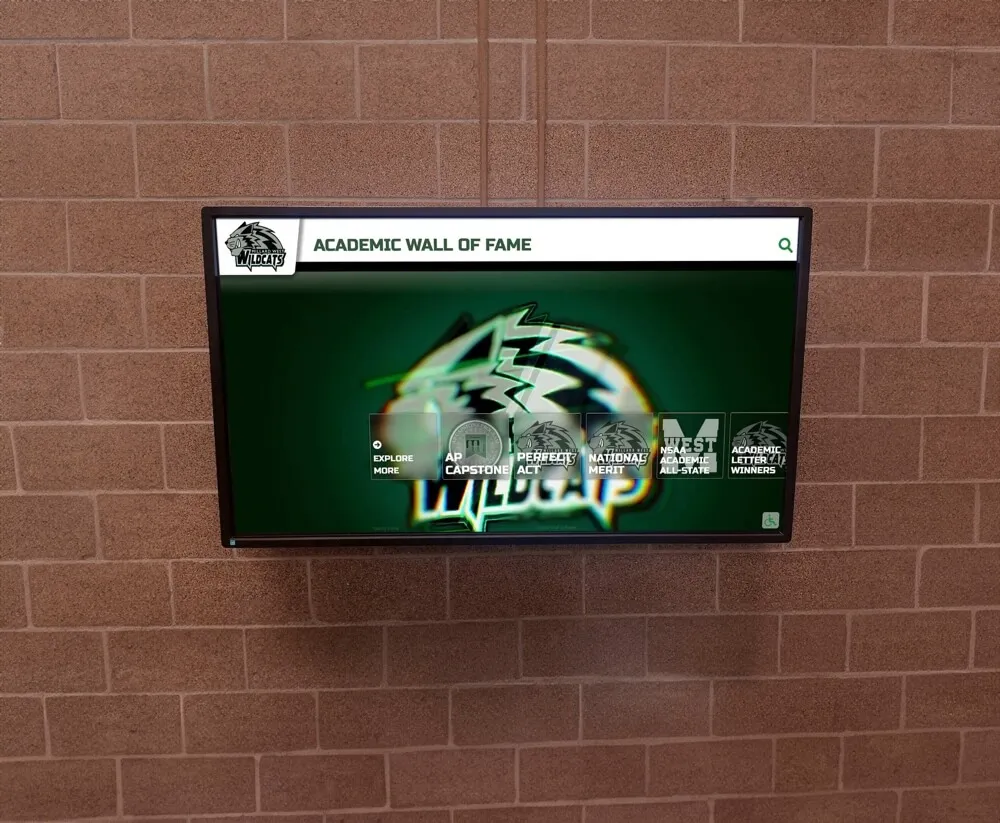
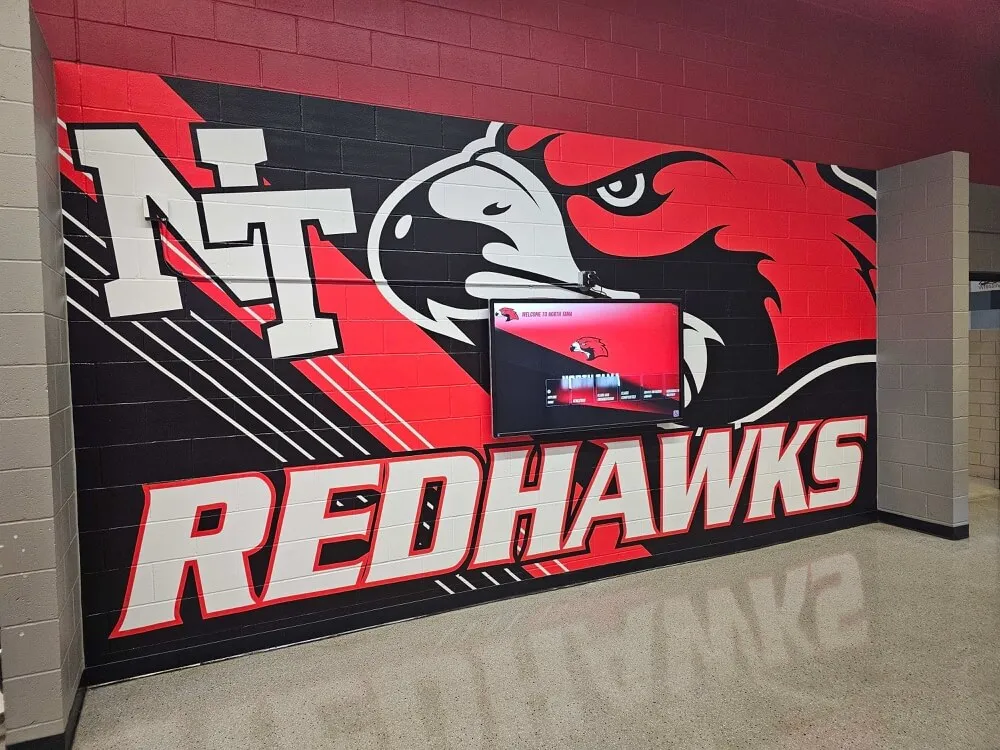
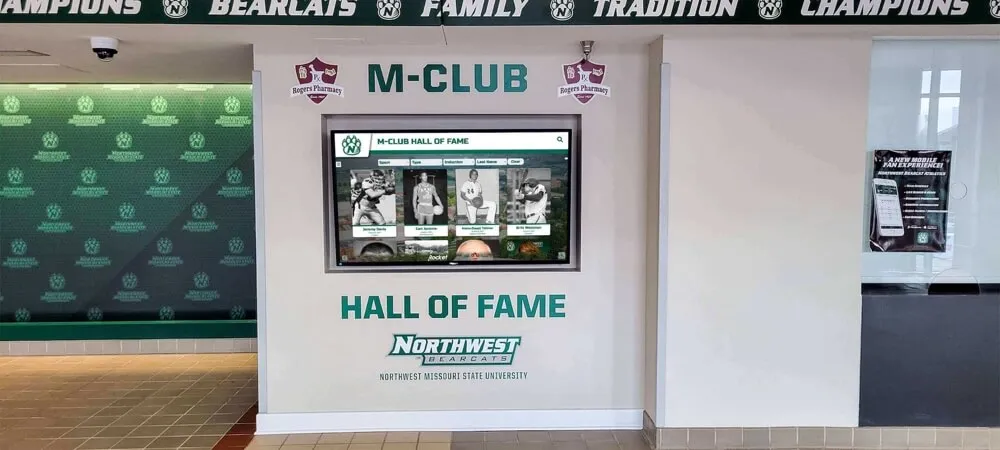
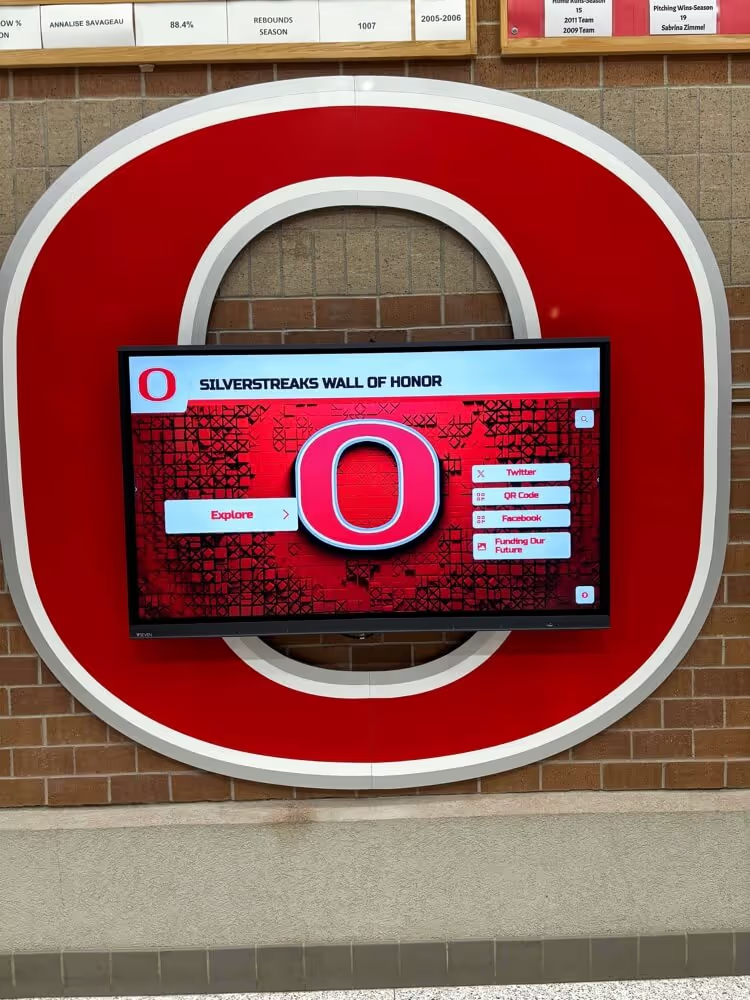
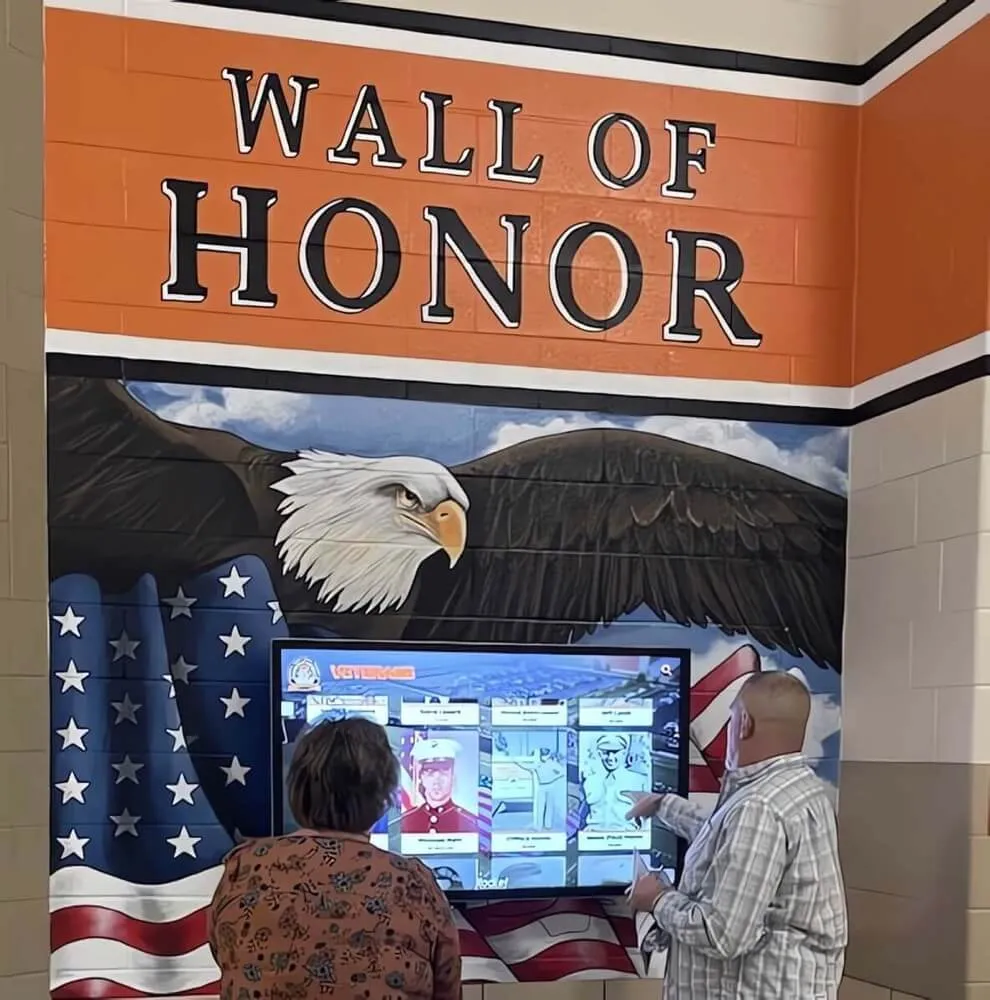
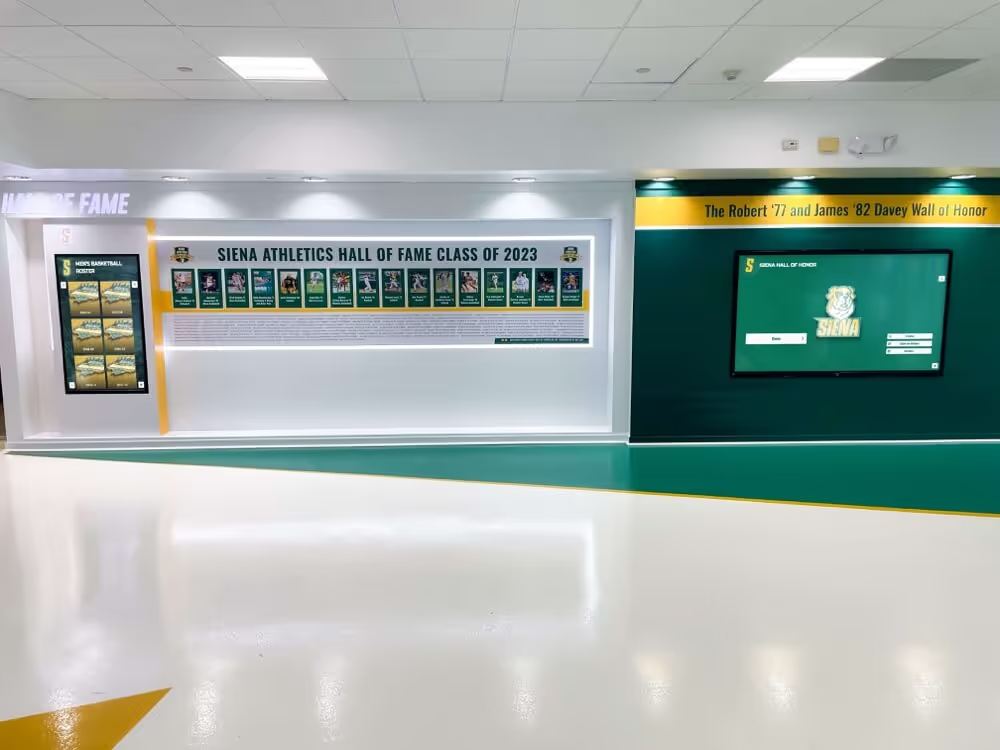
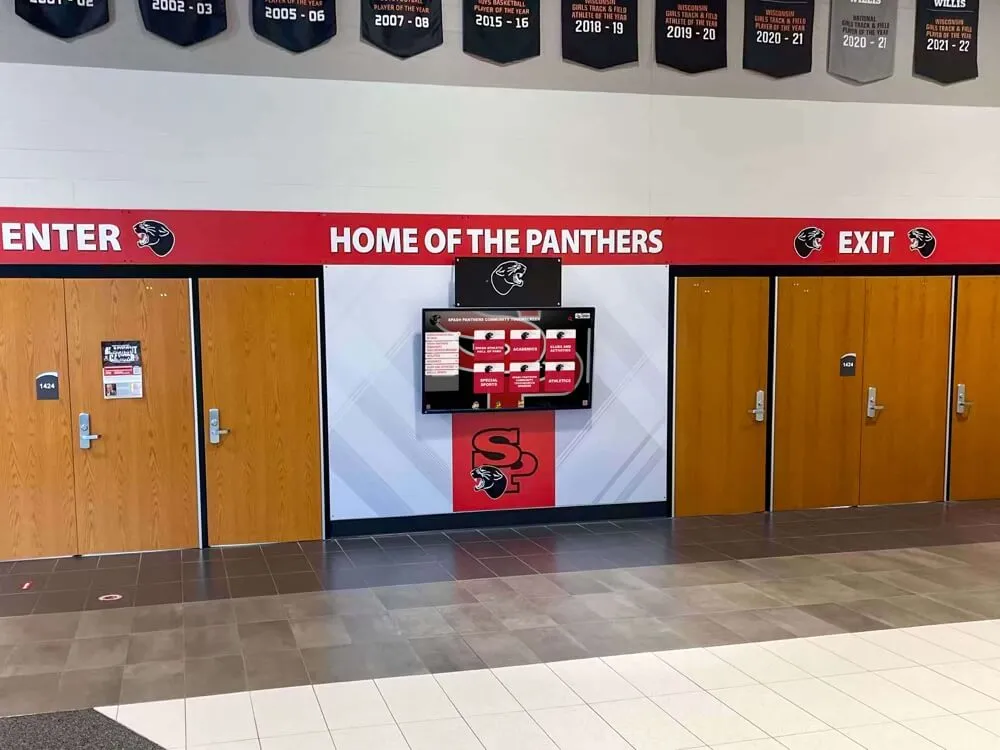
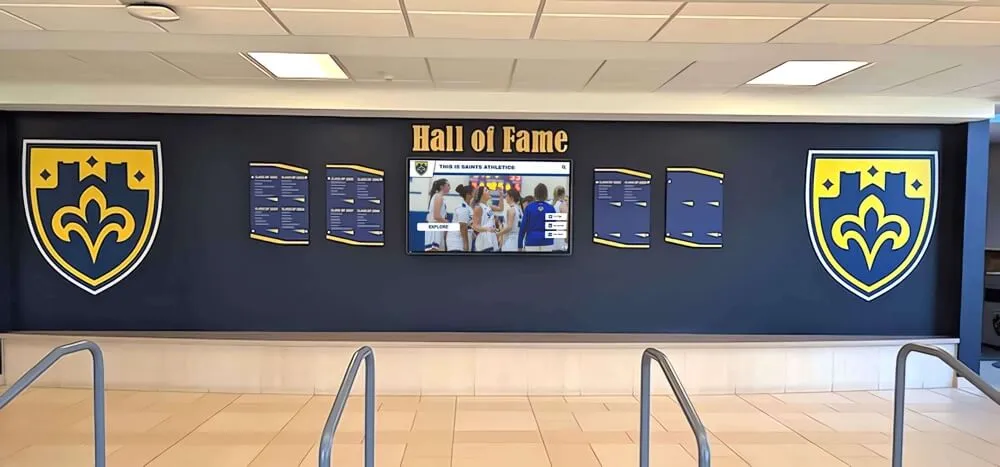
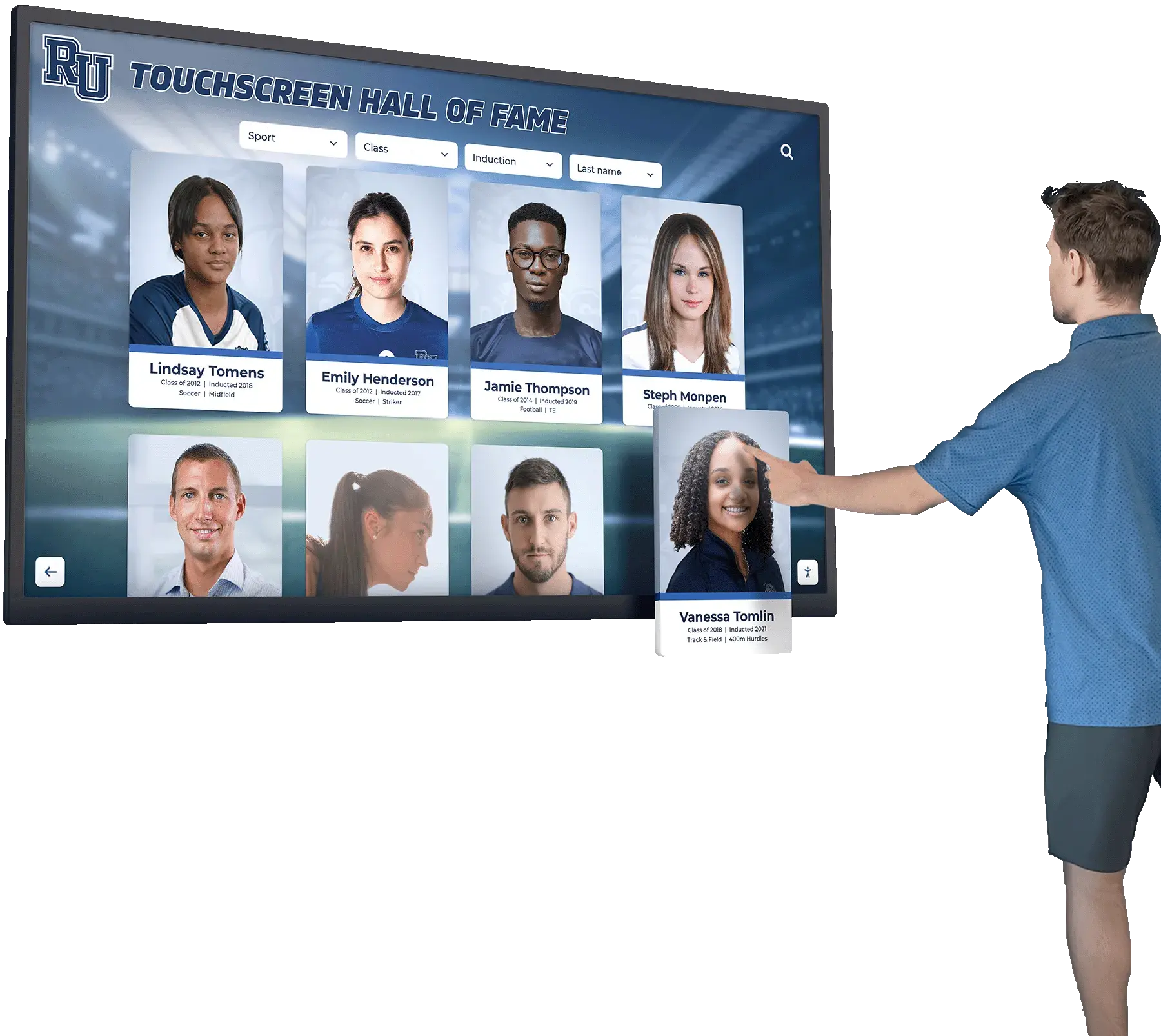
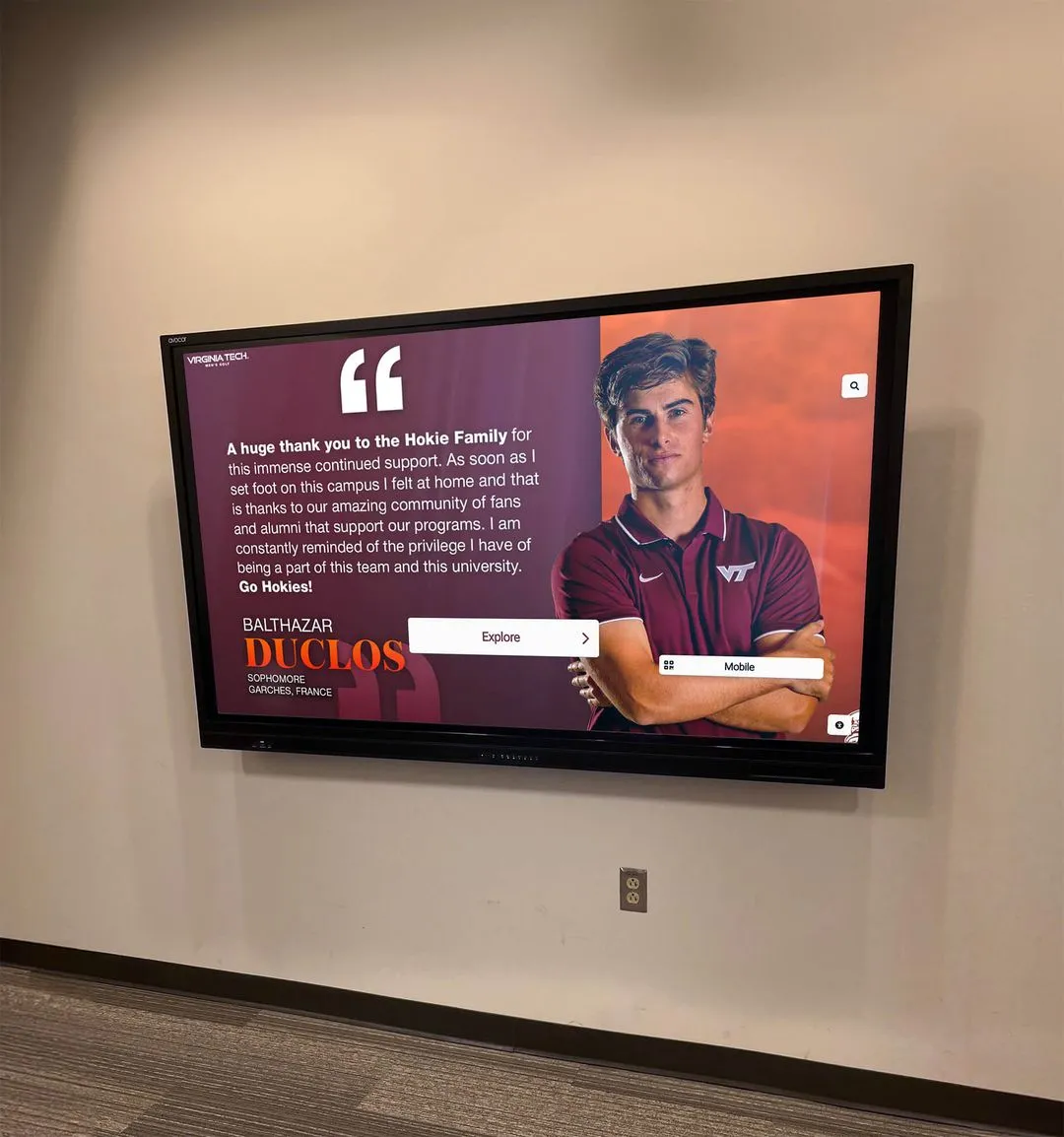
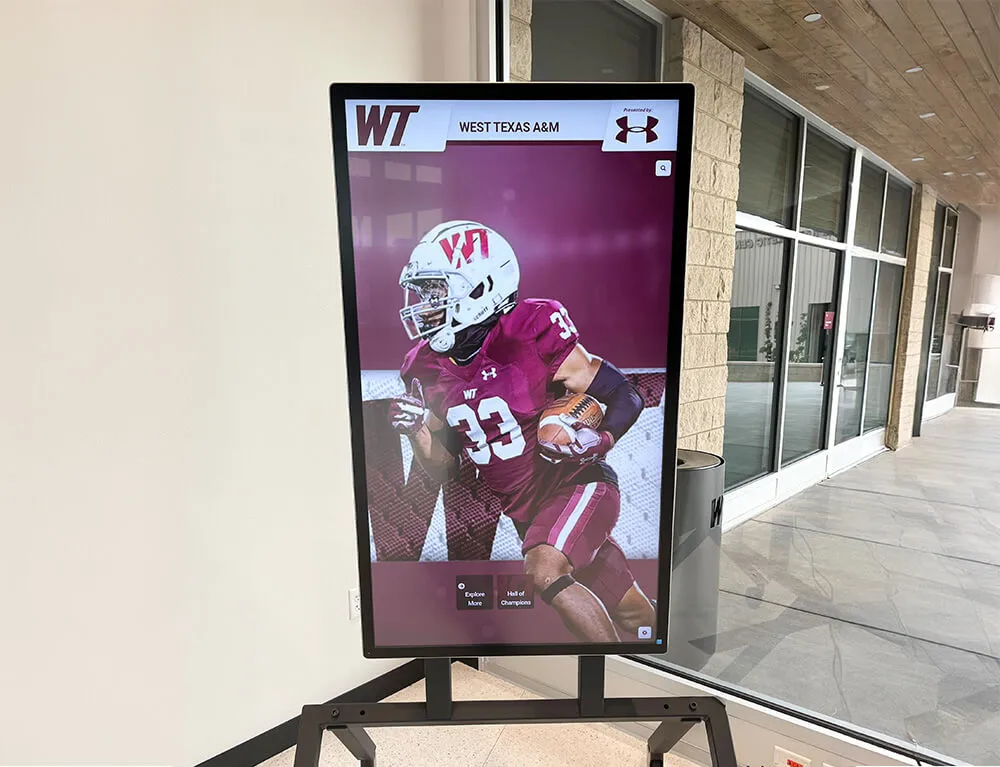
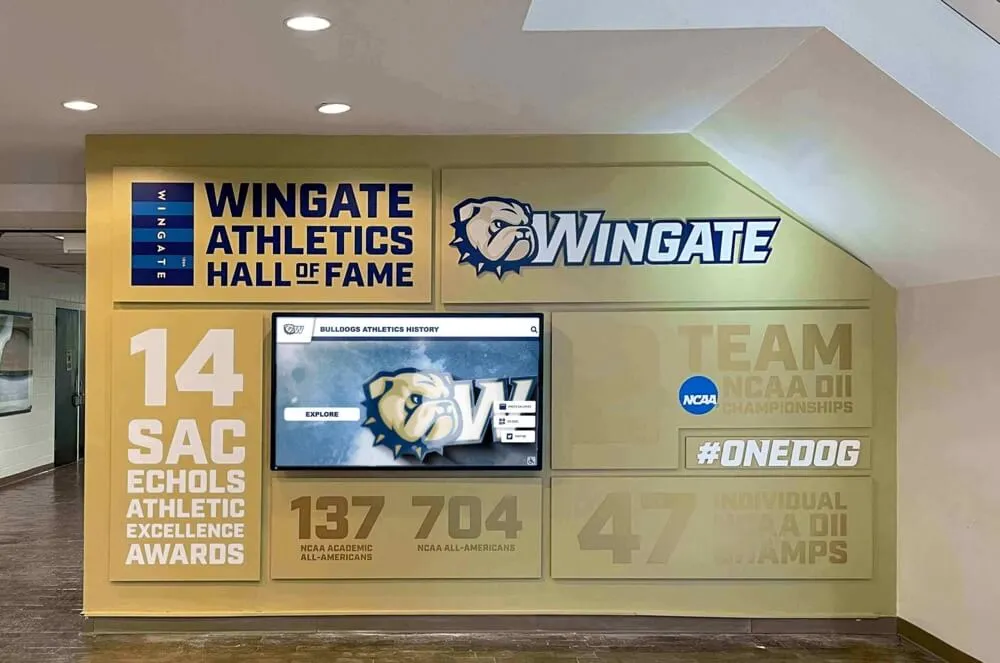
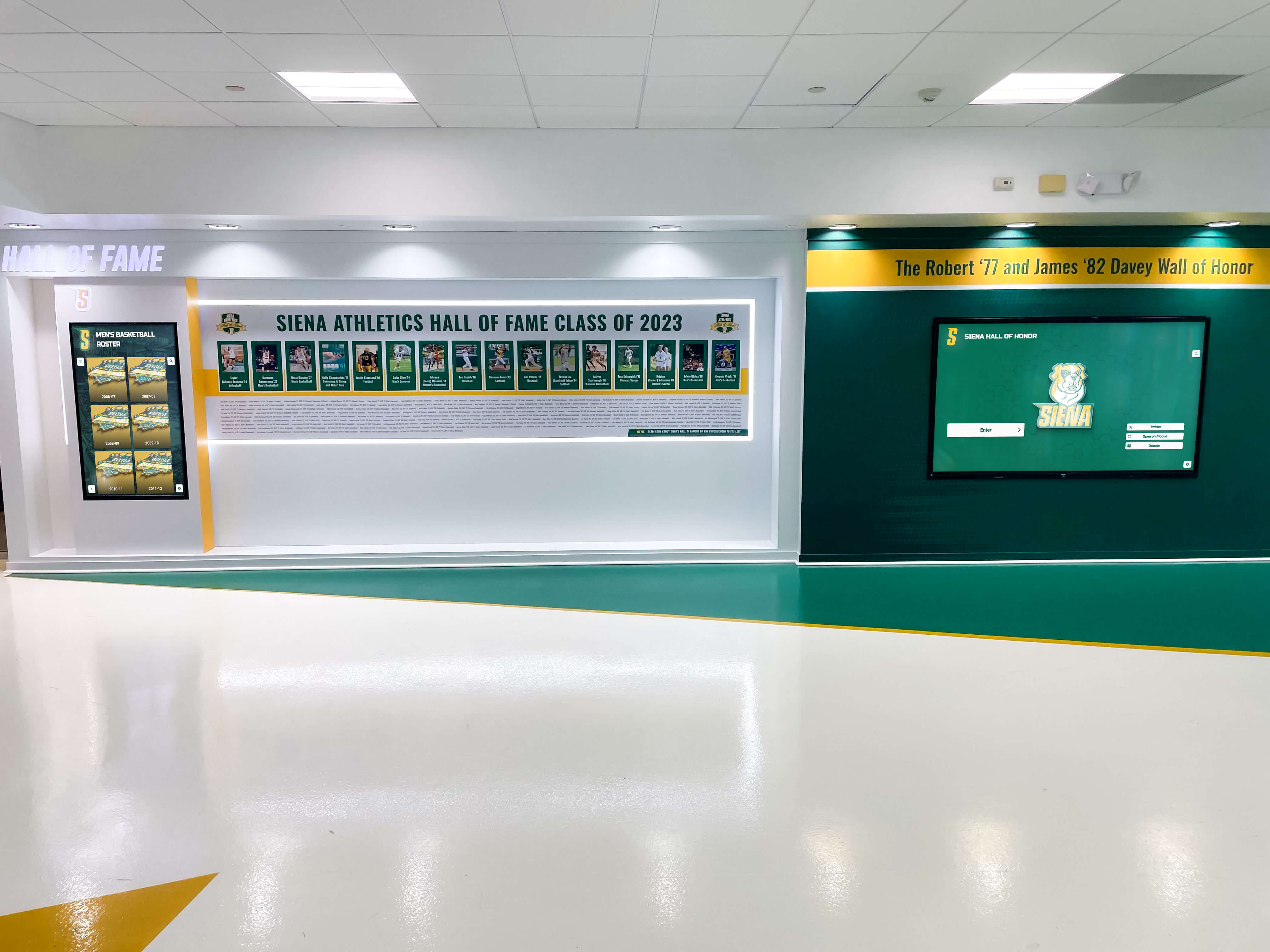
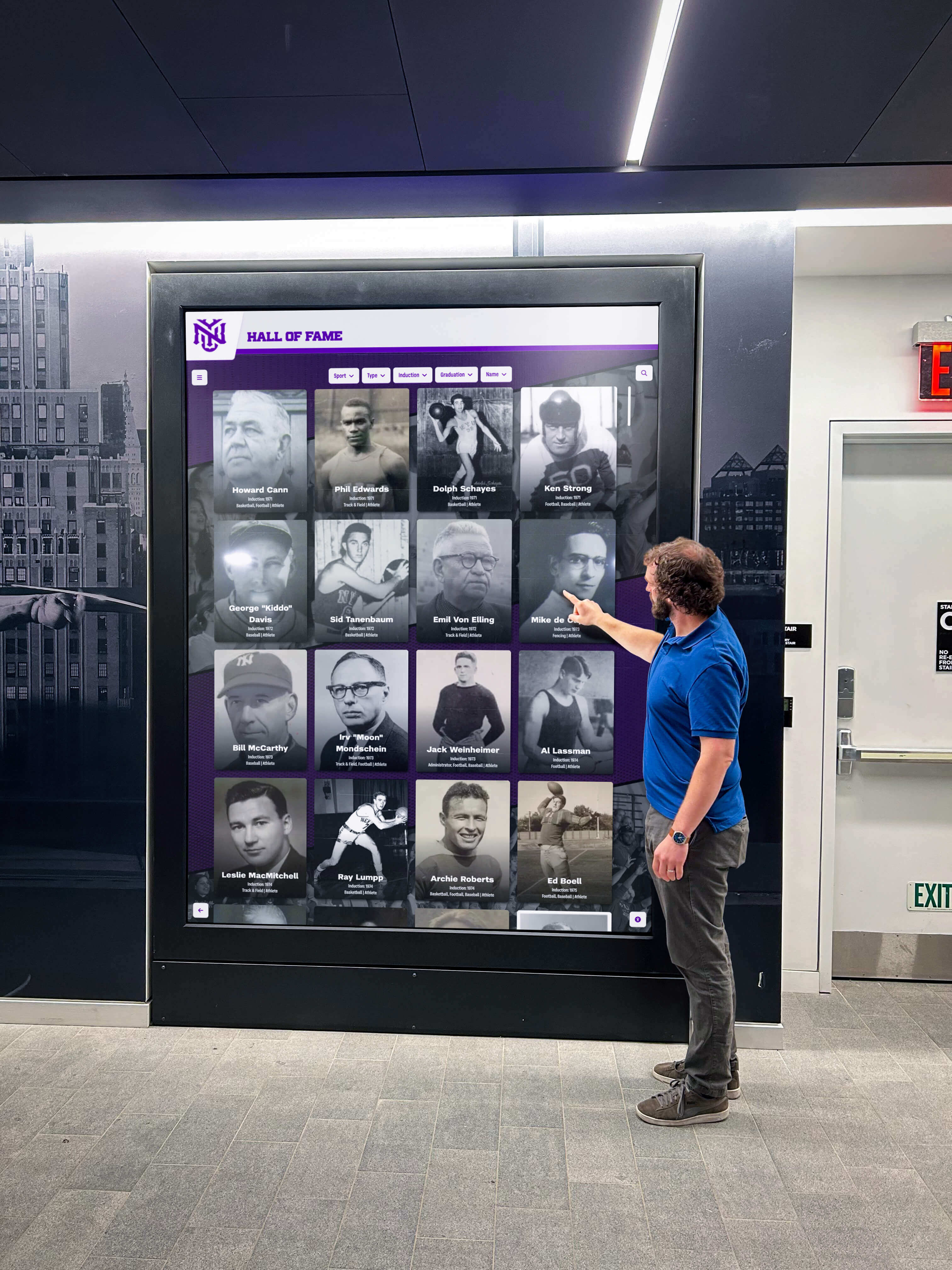
Interactive digital displays enable dynamic volunteer recognition updating easily to include new volunteers, showcase rotating profiles, display contribution statistics, and present multimedia content celebrating service. Digital systems accommodate growing volunteer bases without physical space limitations while offering engagement features static plaques can’t match.
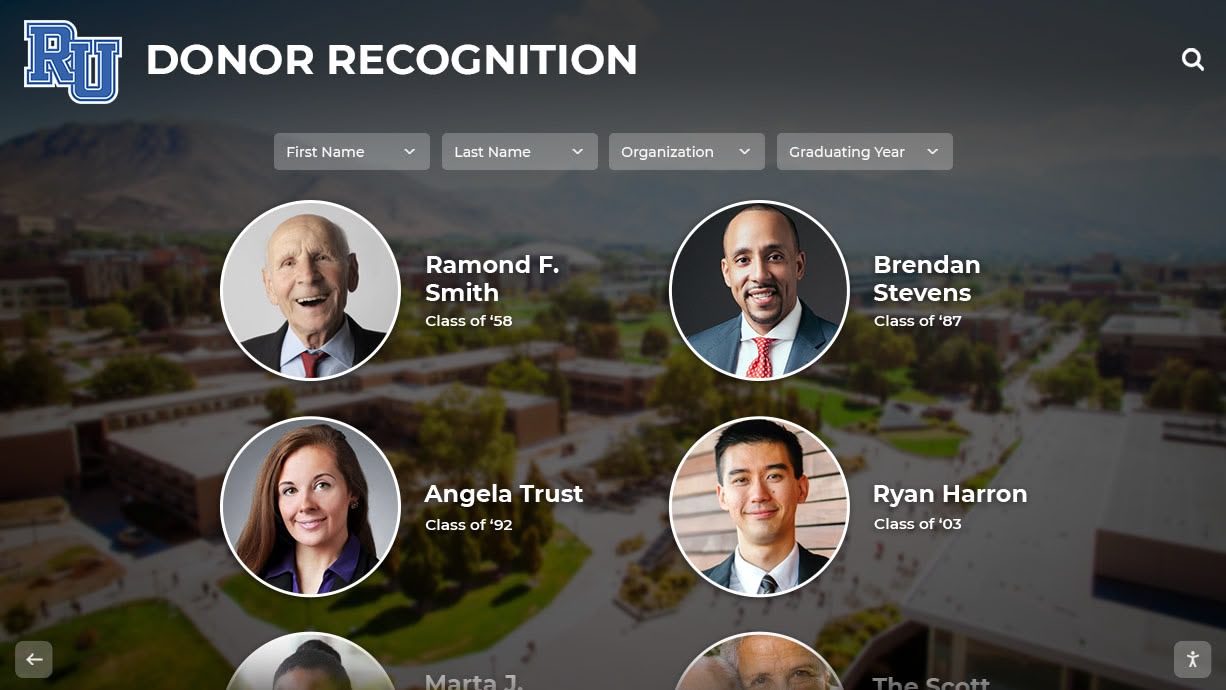
Technology Advantages: Digital displays allow searchable databases enabling visitors to find specific volunteers, video testimonials from volunteers and beneficiaries, photo galleries documenting volunteer activities, and real-time contribution tracking showcasing cumulative community impact.
Dedicated Volunteer Recognition Spaces
Naming specific areas—volunteer lounges, volunteer workrooms, volunteer appreciation gardens—for significant contributors or volunteer programs generally creates permanent legacy acknowledgment while providing functional spaces supporting volunteer work. Named spaces demonstrate volunteer importance through dedicated organizational real estate.
Space Considerations: Ensure named spaces receive quality design and maintenance reflecting honor intended. Poorly maintained recognition spaces send contradictory messages about volunteer value.
Brick Campaigns and Legacy Installations
Engraved brick walkways, memorial benches, recognition gardens, or commemorative installations enable volunteers (or organizations on their behalf) to create permanent markers honoring service. These tangible installations outlast digital systems while creating physical community gathering spaces celebrating collective volunteer impact.
Organizations examining National Honor Society student showcases can adapt similar recognition approaches honoring student volunteers’ service contributions alongside academic achievements.
Creative and Unexpected Recognition Approaches
Innovative recognition methods surprise volunteers with acknowledgment creativity while demonstrating organizational thoughtfulness beyond standard appreciation templates.
Surprise Recognition Moments
Unexpected appreciation—surprise party celebrations, flash mob thank-yous, unannounced recognition during regular activities—creates memorable experiences through surprise element alone. These moments often resonate more deeply than anticipated formal events because spontaneity communicates authentic gratitude.
Implementation Idea: Organize surprise volunteer appreciation gatherings during regular volunteer shifts, bringing organizational leadership to volunteer work sites for impromptu thank-you presentations rather than requiring volunteers to attend separate recognition events.
Skills-Based Recognition Opportunities
Honoring volunteers by leveraging their professional expertise for organizational benefit—inviting volunteers to lead workshops, requesting strategic advice, appointing volunteers to advisory committees—demonstrates recognition through empowerment and influence rather than only ceremonial acknowledgment.
Value Proposition: This approach validates both volunteer time contributions and professional capabilities, creating deeper engagement while providing organizational benefits beyond volunteer labor.
Volunteer Impact Reports
Creating personalized impact reports showing individual volunteers’ contribution statistics—hours served, people helped, programs supported, measurable outcomes influenced—provides concrete acknowledgment demonstrating that organizations track and value specific contributions rather than viewing volunteers as undifferentiated service pool.
Report Content: Include quantified impacts (students tutored, meals served, funds raised), qualitative testimonials from beneficiaries, photo documentation of volunteer activities, and organizational messaging connecting individual contributions to mission achievement.
Recognition Through Mission Advancement
Some volunteers value mission progress more than personal acknowledgment. For these individuals, recognition through demonstrable program improvements, expanded services, or increased beneficiary impact provides the most meaningful appreciation. Communicating how volunteer contributions enabled specific mission advances honors service-oriented motivations directly.
Schools developing spirit week community-building traditions can incorporate volunteer recognition elements celebrating parent and community volunteers who support school culture and student activities throughout the year.
Digital and Social Media Recognition
Online platforms enable broad recognition reach while creating shareable content that volunteers can preserve and share with personal networks, extending appreciation impact.
Social Media Volunteer Spotlights
Regular volunteer spotlight posts on organizational social media channels—featuring individual volunteers, highlighting contribution stories, sharing impact testimonials—provide public recognition while showcasing volunteer programs to broader audiences. Social media acknowledgment offers volunteers shareable content they can distribute through personal networks.
Content Strategy: Create consistent posting schedules (weekly volunteer spotlights, monthly volunteer anniversaries) establishing recognition rhythm. Use volunteer-approved photos and quotes ensuring authentic representation respecting privacy preferences.
Organizational Newsletter Features
Dedicated newsletter sections honoring volunteers, sharing service stories, announcing awards, or providing program updates keep volunteer recognition visible to organizational stakeholders while creating documented appreciation records volunteers receive directly.
Newsletter Integration: Balance individual volunteer features with collective contribution celebration, ensuring diverse volunteer types receive representation over newsletter cycles. Include calls to action encouraging readers to volunteer themselves, leveraging recognition content for recruitment.
Video Recognition Messages
Short video messages from organizational leaders, beneficiaries, or fellow volunteers expressing appreciation create personal, emotional acknowledgment with lasting impact. Videos feel more intimate than written communication while creating content volunteers can save and revisit.
Production Approach: Simple smartphone-recorded messages often feel more authentic than professionally produced videos. Focus on genuine emotion and specific contribution acknowledgment rather than production polish.
Virtual Recognition Platforms
Digital volunteer management systems often include recognition features—digital badges, achievement tracking, leaderboards, peer endorsements—gamifying appreciation while creating systematic recognition infrastructure. These platforms work particularly well for organizations with distributed volunteer bases lacking regular in-person interaction.
Resources on veterans memorials in schools demonstrate how educational institutions create permanent tributes honoring service—approaches equally applicable to recognizing civilian volunteer contributions to school missions.
Recognition That Supports Continued Engagement
The most strategic recognition doesn’t just acknowledge past service—it actively supports continued volunteer engagement and deeper organizational involvement.
Professional Development Opportunities
Offering volunteers access to training, conferences, skill-building workshops, or educational resources demonstrates investment in volunteer growth beyond extracting labor. Development opportunities honor volunteers by enhancing capabilities they can apply across life contexts.
Program Value: Professional development recognition works particularly well for career-stage volunteers seeking skill advancement or career transition support. Organizations benefit from increasingly capable volunteer workforce while volunteers gain tangible value from service.
Leadership Advancement Pathways
Creating clear volunteer leadership progression—from entry roles to project leadership to advisory board positions—provides recognition through increased responsibility and influence. Leadership opportunities honor outstanding volunteers while developing organizational capacity.
Pathway Design: Establish transparent criteria for leadership advancement, ensuring volunteers understand how exceptional service leads to expanded roles. Formalized pathways prevent favoritism perceptions while encouraging volunteer development.
Preference and Priority Access
Recognizing long-term or high-impact volunteers through preference access—early event registration, priority program enrollment, special organizational opportunities—provides functional benefits demonstrating elevated status without requiring budget resources.
Implementation Examples: Reserve event seating for volunteer veterans, provide volunteers first access to new programs or facilities, invite volunteers to exclusive organizational previews or behind-the-scenes experiences.
Voice and Influence Opportunities
Honoring volunteers by genuinely seeking their input on organizational decisions, program design, and strategic direction demonstrates respect for accumulated experience and institutional knowledge. Meaningful inclusion in organizational conversations provides recognition through empowerment rather than ceremonial acknowledgment alone.
Examining approaches for recognizing outstanding students reveals parallel strategies schools can apply honoring student volunteers who contribute service hours alongside academic excellence.
Budget-Conscious Recognition Strategies
Meaningful volunteer appreciation doesn’t require significant budgets—thoughtfulness and consistency often matter more than resource investment.
Time-Based Recognition Requiring Minimal Funding
Many powerful recognition approaches cost primarily time rather than money: handwritten notes, one-on-one conversations, public acknowledgment during meetings, personalized emails, social media features, or verbal appreciation. These low-cost methods often resonate as deeply as expensive programs when executed with genuine care.
Resource Allocation: Invest staff time in recognition planning and execution, treating volunteer appreciation as strategic priority rather than optional extra. Systematic low-cost recognition often exceeds impact of sporadic expensive gestures.
Donated and In-Kind Recognition Resources
Many recognition resources can be secured through donations or partnerships: restaurants donating appreciation event meals, printers providing discounted plaques, venues offering free event space, or vendors contributing door prizes. Community businesses often support volunteer recognition when approached with partnership opportunities.
Partnership Development: Frame recognition support requests as community investment benefiting shared interests. Recognize donors publicly during appreciation events, creating reciprocal acknowledgment relationships.
Volunteer-Created Recognition Elements
Engage creative volunteers or program beneficiaries in recognition preparation—students creating appreciation art, volunteers designing recognition displays, beneficiaries writing thank-you cards. This approach reduces costs while creating authentic, meaningful recognition artifacts.
Recognition Through Mission Connection
The most budget-friendly recognition costs nothing: connecting volunteers directly with mission impact through beneficiary testimonials, impact data sharing, or facilitated interaction with program participants. For mission-driven volunteers, witnessing results of their contributions provides profound appreciation requiring no financial investment.
Sports programs developing baseball senior night celebrations can extend recognition to parent volunteers who supported players throughout athletic careers, acknowledging family contributions alongside athlete achievements.
Creating Comprehensive Volunteer Recognition Programs
The most effective recognition combines multiple approaches into cohesive programs honoring volunteers consistently across contribution stages and service types.
Recognition Program Framework Development
Systematic programs establish recognition standards ensuring all volunteers receive appropriate acknowledgment: entry-level recognition for new volunteers (welcome messages, orientation acknowledgment), ongoing appreciation for active volunteers (regular thank-yous, periodic recognition), milestone celebration for veteran volunteers (service anniversaries, cumulative contribution acknowledgment), and exceptional achievement recognition for outstanding contributions.
Program Design: Map volunteer journey stages, identifying natural recognition touchpoints at each phase. Create recognition calendars ensuring appreciation occurs regularly rather than clustering around single annual events.
Volunteer Recognition Committees
Dedicated committees focused on volunteer appreciation planning, event execution, and recognition system management ensure appreciation receives consistent organizational attention. Committees often generate creative ideas while distributing recognition workload across multiple contributors.
Committee Composition: Include diverse stakeholder representation—staff members, current volunteers, past volunteers, beneficiaries—ensuring varied perspectives shape recognition approaches. Volunteer participation on recognition committees provides meta-recognition through trusted inclusion.
Recognition Tracking Systems
Systematic databases tracking volunteer hours, contributions, milestones, preferences, and past recognition received enable personalized, timely, appropriate acknowledgment while preventing volunteer oversight. Tracking systems identify recognition opportunities automatically rather than relying on memory or manual monitoring.
System Features: Record volunteer start dates for anniversary recognition, track cumulative hours for milestone awards, note individual preferences regarding public versus private acknowledgment, document past recognition ensuring variety, and flag volunteers approaching significant milestones.
Recognition Feedback and Improvement
Regularly soliciting volunteer feedback regarding recognition preferences, program effectiveness, and appreciation meaningfulness ensures recognition evolves matching volunteer values rather than reflecting organizational assumptions. What constitutes meaningful recognition varies significantly across individual volunteers and demographic groups.
Assessment Methods: Conduct periodic volunteer surveys assessing recognition program satisfaction, interview departing volunteers about appreciation experiences, analyze recognition event attendance patterns identifying preferred formats, and test recognition innovations through pilot programs before full implementation.
Conclusion: Recognition as Strategic Investment
Volunteer recognition represents far more than courtesy—it’s strategic organizational investment directly influencing volunteer retention, recruitment success, program sustainability, and mission achievement capacity. Organizations treating recognition as foundational rather than optional build volunteer communities characterized by deep engagement, sustained commitment, and powerful advocacy.
The most effective recognition balances personal and systematic approaches: individual acknowledgment demonstrating genuine appreciation for specific contributions alongside scalable programs ensuring consistent recognition across all volunteers. Technology solutions enable organizations to maintain permanent recognition displays, create accessible volunteer legacy archives, and build engagement platforms celebrating service continuously rather than limiting acknowledgment to isolated moments.
Modern recognition platforms like Rocket Alumni Solutions provide schools, nonprofits, and community organizations with interactive displays and digital systems honoring volunteer contributions through dynamic content, searchable databases, and always-accessible platforms ensuring service receives visibility proportional to its organizational importance. These solutions create recognition infrastructure celebrating volunteers who make missions possible while inspiring future service through visible appreciation.
Meaningful volunteer recognition transforms service into celebration, contribution into community, and appreciation into sustained engagement—building organizational cultures where volunteers feel genuinely valued, appropriately honored, and deeply connected to missions they help advance through generous gift of time, expertise, and commitment.