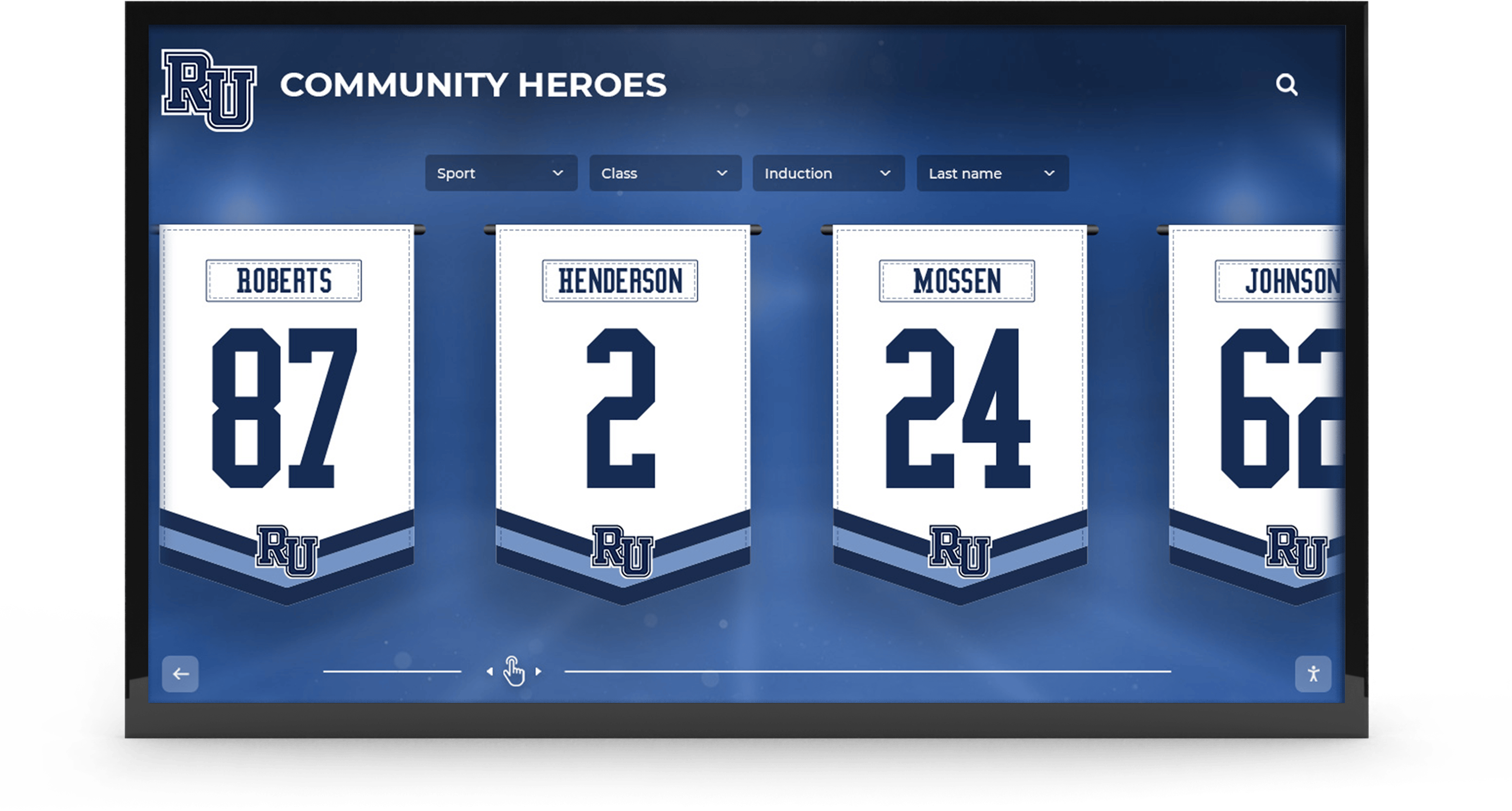




School and community volunteers power countless programs—from classroom assistance and library support to athletic booster clubs, event coordination, fundraising campaigns, and student mentorship. These dedicated individuals donate hundreds of hours annually, often juggling volunteer commitments alongside full-time careers and family responsibilities. Yet recognition for these essential contributions frequently remains minimal—perhaps a brief thank-you at year-end or occasional email acknowledgment that fails to match the magnitude of their service.
Thoughtfully planned volunteer appreciation parties transform recognition from perfunctory gesture into meaningful celebration that honors volunteers’ extraordinary dedication while strengthening organizational culture. The most effective appreciation events combine genuine gratitude with creative elements making volunteers feel truly valued, memorable experiences that reinforce community bonds, practical recognition addressing volunteers’ actual preferences, and lasting tributes ensuring contributions receive permanent visibility extending far beyond single evening celebrations.
Why Volunteer Appreciation Parties Matter
Comprehensive volunteer appreciation serves vital organizational functions beyond simple courtesy. Recognition events validate the demanding work volunteers contribute, inspire continued service by demonstrating genuine gratitude, attract new volunteers through visible appreciation culture, strengthen retention by making volunteers feel valued, build positive community culture centered on service, and create lasting connections between volunteers, organizations, and missions. Modern solutions like Rocket Alumni Solutions enable organizations to complement appreciation events with permanent digital recognition displays showcasing volunteer contributions year-round, creating sustainable appreciation cultures that honor service continuously rather than limiting recognition to occasional celebrations.
Understanding What Volunteers Actually Value in Appreciation Events
Before planning elaborate parties, understanding volunteers’ genuine preferences ensures recognition resonates authentically rather than missing the mark through well-intentioned but ineffective approaches.
The Gratitude Volunteers Seek
Research on volunteer motivation and satisfaction reveals that volunteers primarily seek authentic acknowledgment that their contributions matter and make genuine differences. Elaborate events without sincere gratitude feel hollow, while simple celebrations expressing authentic appreciation create profound emotional impact.
Specific recognition proves more meaningful than generic appreciation. Volunteers want to hear about particular projects they supported, specific students they helped, tangible outcomes their service enabled, or unique contributions only they could provide. Detailed acknowledgment demonstrates that organizations genuinely notice and value individual efforts rather than viewing volunteers as interchangeable labor sources.
Peer recognition carries special weight. When fellow volunteers, program beneficiaries, staff members, or organizational leadership publicly acknowledge specific contributions, recognition feels more authentic than administrator-scripted appreciation. Creating opportunities for organic testimonials and peer acknowledgment strengthens appreciation event impact significantly.

What Volunteers Don’t Want
Understanding appreciation pitfalls helps organizations avoid common mistakes undermining recognition effectiveness:
Mandatory attendance transforms appreciation into obligation. When volunteers must attend events to receive recognition or feel pressured by organizational expectations, parties become burdens rather than celebrations. Voluntary participation respecting volunteers’ time constraints demonstrates genuine appreciation more effectively than guilt-driven attendance requirements.
Performative recognition lacking authentic support rings hollow. Volunteers notice contradictions between appreciation rhetoric and daily realities—inadequate resources, poor communication, lack of training, or dismissive treatment of volunteer input. Recognition events cannot compensate for unsupportive operational practices. Authentic appreciation requires backing symbolic celebrations with substantive respect and support throughout volunteer experiences.
Generic one-size-fits-all approaches fail to acknowledge individual preferences and contribution diversity. Some volunteers value public recognition while others prefer private appreciation. Extroverted volunteers might enjoy large social events while introverts favor small gatherings or individual acknowledgment. Effective appreciation offers varied recognition options respecting individual differences rather than mandating uniform celebration participation.
Last-minute rushed events signal that appreciation represents afterthought rather than priority. Volunteers recognize when recognition feels like obligatory checkbox exercise rather than genuine gratitude. Thoughtful planning demonstrating authentic investment in celebration quality communicates that volunteer appreciation matters enough to warrant genuine effort.
Resources on broader volunteer recognition approaches provide additional context for building comprehensive appreciation cultures extending beyond individual events.
Creative Volunteer Appreciation Party Themes and Concepts
Themed celebrations create memorable experiences while providing natural frameworks for event planning and recognition activities.
Seasonal and Holiday-Themed Celebrations
Spring Garden Party Appreciation
Spring-themed volunteer celebrations leverage pleasant weather for outdoor events featuring garden party atmosphics with floral decorations and outdoor seating, fresh seasonal refreshments highlighting spring produce, garden-inspired recognition awards or gifts, nature-based activities providing relaxed social opportunities, and springtime symbolism connecting renewal to volunteers’ rejuvenating impact on programs.
Spring timing aligns well with end-of-school-year recognition for educational volunteers while avoiding summer schedule conflicts. Garden themes work particularly well for outdoor education volunteers, environmental program supporters, or school beautification teams whose service directly connects to nature and growth metaphors.
Harvest and Thanksgiving Appreciation
Fall harvest themes provide natural gratitude frameworks particularly appropriate for volunteer recognition. Consider autumn harvest décor emphasizing abundance and gratitude, seasonal food highlighting fall flavors and comfort foods, thanksgiving-focused activities expressing specific appreciations, harvest metaphors connecting volunteers’ planted efforts to organizational fruits, and autumn timing enabling year-end recognition before holiday busyness.
Harvest themes resonate particularly well for booster club volunteers whose fundraising and support activities directly produce tangible program outcomes, creating natural connections between volunteer contributions and organizational harvest.
Winter Wonderland or Holiday Celebration
Winter and holiday themes create festive atmospheres appropriate for year-end appreciation. Consider winter wonderland décor creating magical environments, holiday refreshments featuring seasonal favorites, gift exchanges or appreciation token distribution, reflection activities reviewing year accomplishments, and festive timing enabling family inclusion when appropriate.
Winter timing works well for organizations wanting comprehensive year-end recognition before volunteers’ holiday commitments and potential January program transitions. However, be mindful of diverse holiday traditions, ensuring celebrations remain inclusive rather than assuming uniform religious or cultural observances.
Recognition and Awards-Focused Themes
Hall of Fame Induction Ceremony
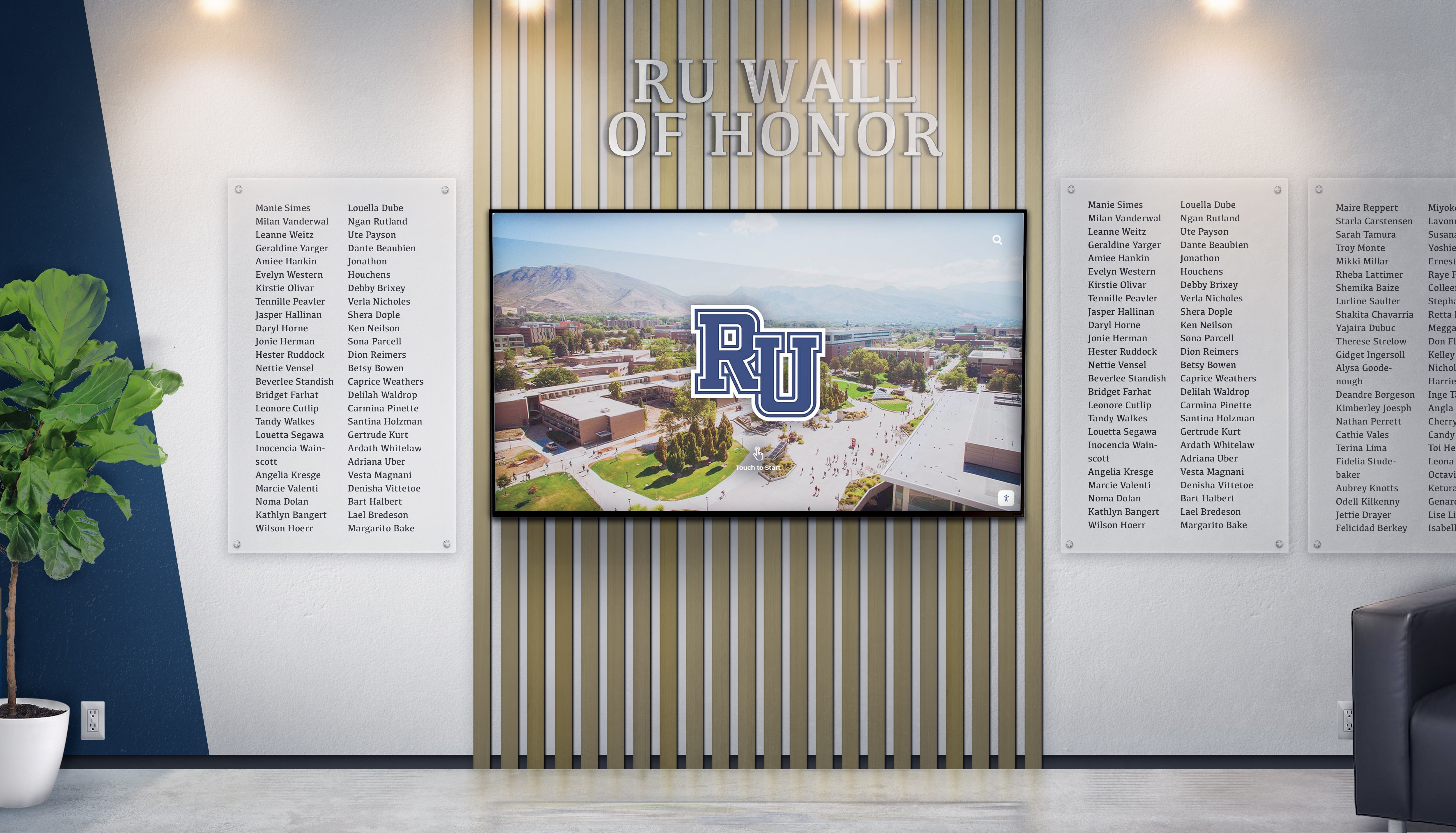
Formal hall of fame themes elevate volunteer appreciation to prestigious recognition levels. Consider creating formal induction ceremonies honoring volunteers, establishing volunteer hall of fame with ongoing recognition, designing digital recognition displays showcasing honored volunteers permanently, developing selection criteria and nomination processes, and incorporating formal elements communicating recognition significance.
Hall of fame approaches work particularly well for organizations with long volunteer histories, enabling recognition of both current volunteers and historical contributors whose service shaped organizational character. Permanent displays ensure ongoing visibility extending far beyond single celebration events.
Academy Awards or Red Carpet Theme
Hollywood-inspired themes add glamour and fun while enabling creative category-based recognition. Consider red carpet entrances creating special volunteer experiences, award categories recognizing diverse contribution types, Oscar-style acceptance speeches or video tributes, glamorous decorations elevating event atmosphere, and playful celebrity treatment making volunteers feel genuinely valued.
Award categories might include “Best Supporting Volunteer” for behind-scenes contributors, “Outstanding Achievement in Dedication” for long-serving volunteers, “Breakout Volunteer of the Year” for impressive new contributors, “Lifetime Achievement Award” for extraordinary long-term service, or program-specific categories reflecting organizational priorities and volunteer role diversity.
Sports Championship Celebration
Athletic championship themes leverage sports metaphors connecting volunteer contributions to team success. Consider championship trophy displays and sports décor, team jersey or uniform elements personalizing recognition, championship ring or medal presentation to volunteers, sports highlight reels celebrating volunteer accomplishments, and competitive team elements if appropriate for volunteer community culture.
Sports themes prove particularly effective for athletic program volunteers, booster club supporters, or organizations where many volunteers have sports backgrounds or interests. However, ensure themes remain inclusive for volunteers without sports connections.
Community and Cultural Celebration Themes
International Food Festival
Multicultural food themes celebrate volunteer diversity while providing engaging social experiences. Consider potluck format encouraging volunteer participation and cultural sharing, international food stations representing volunteer backgrounds, cultural performances or demonstrations, recognition of volunteer diversity and unique perspectives, and inclusive atmosphere honoring all volunteer contributions regardless of background.
Food-focused events naturally facilitate conversation and relationship building while acknowledging that volunteer communities often include diverse cultural backgrounds deserving celebration and recognition as organizational strengths.
Local Hometown Heroes Theme
Community hero themes connect volunteer recognition to broader civic contributions. Consider local hero designations honoring community impact, hometown decorations celebrating local pride and character, community leader testimonials acknowledging volunteer importance, partnership recognition linking volunteers to broader community fabric, and civic service emphasis positioning volunteering as essential citizenship.
Hometown hero approaches work well for community-based organizations, civic groups, or programs where volunteers serve neighbors and local populations. This framing elevates volunteer service beyond organizational benefit to community-wide contribution deserving public recognition.
Decades or Throwback Theme
Nostalgic decade themes create fun atmospheres while enabling historical reflection on program evolution and volunteer contributions over time. Consider specific decade focus with period-appropriate music, décor, and refreshments, throwback photo displays showing program history, recognition of long-serving volunteers spanning multiple eras, historical timeline highlighting volunteer contributions to organizational development, and nostalgic activities celebrating shared memories.
Throwback themes particularly resonate with organizations having long histories where current volunteers include multi-generation families or individuals who’ve contributed across decades. Historical reflection helps newer volunteers understand organizational legacy while honoring long-term contributors who’ve witnessed and shaped program evolution.
Essential Elements of Effective Volunteer Appreciation Parties
Regardless of theme, certain core elements separate genuinely meaningful appreciation events from forgettable gatherings volunteers attend out of obligation rather than genuine enjoyment.
Authentic Personal Recognition
Individual Acknowledgment Opportunities
Comprehensive appreciation ensures all volunteers receive specific recognition rather than generic group acknowledgment leaving individuals feeling anonymous and undervalued. Consider individual recognition moments during programs, personalized certificates or awards citing specific contributions, photo displays or slideshow featuring all volunteers, small group recognition for team-based volunteer efforts, and opportunities for peer recognition and testimonials.
Even large volunteer groups deserve individual acknowledgment. Strategic planning enables personal recognition without creating marathon ceremonies—rotating spotlights, simultaneous small-group recognitions, creative display approaches showcasing all volunteers, or extended celebration periods enabling comprehensive acknowledgment without overwhelming single events.
Contribution-Specific Appreciation
Generic thank-you statements fail to convey authentic understanding of volunteers’ actual work and unique contributions. Effective recognition demonstrates detailed knowledge of specific efforts including particular projects volunteers supported, quantifiable impacts volunteers enabled, challenges volunteers overcame, innovations volunteers implemented, or unique expertise volunteers contributed that others could not replicate.
This specificity requires preparation—gathering information about individual volunteer contributions, collecting impact data and success stories, soliciting testimonials from program beneficiaries, and documenting volunteer achievements throughout year rather than scrambling for recognition details at event planning time.
Meaningful Gifts and Tokens
Practical and Appreciated Recognition Items
Gift selection significantly influences appreciation effectiveness. Consider items volunteers will actually use rather than token gestures destined for closet storage, personalized elements reflecting individual interests or contributions, quality over quantity in gift selection, practical items addressing volunteers’ expressed preferences, or charitable donations in volunteers’ names if appropriate to volunteer values.
Survey volunteers about preferred appreciation gifts rather than assuming preferences. Some volunteers treasure personalized awards while others prefer practical items, experiences, or charitable donations. Respecting diverse preferences demonstrates genuine appreciation more effectively than imposing uniform gift approaches.
Experience-Based Recognition
Experiential appreciation often proves more memorable than physical gifts. Consider special access or behind-scenes opportunities volunteers typically don’t receive, tickets to organizational events or external activities volunteers might enjoy, dining or entertainment experiences shared among volunteer groups, recognition at major events providing visibility and status, or continuing education opportunities aligned with volunteer interests.
Experience-based recognition creates lasting memories while often costing less than elaborate physical gifts. Shared experiences strengthen volunteer community bonds while providing genuine enjoyment volunteers value highly.
Entertainment and Engagement Activities
Volunteer Testimony and Storytelling
Sharing volunteer stories creates emotional connection while publicly acknowledging contributions. Consider volunteer recognition speeches or acceptance statements, video testimonials from program beneficiaries describing volunteer impact, photo montages or slideshows documenting volunteer contributions throughout year, story circles where volunteers share memorable experiences, or roasts and toasts balancing humor with heartfelt appreciation.
Storytelling humanizes contributions while enabling volunteers to see their work through beneficiaries’ and colleagues’ perspectives. These authentic moments often prove more meaningful than formal awards or speeches.
Interactive Celebration Activities
Passive events where volunteers sit through lengthy programs often prove less engaging than interactive celebrations. Consider social games building community among volunteers, creative activities like photo booths or memory boards, small group conversation opportunities rather than exclusively large-group formats, volunteer talent showcases if appropriate to group culture, or participatory elements where volunteers contribute to event experience.
Interactive activities respect volunteers’ social preferences while creating more memorable experiences than speeches and presentations alone.
Food and Hospitality Excellence
Quality Refreshments and Accommodations
Food quality significantly influences event perception. Consider catered or high-quality refreshments rather than minimal snacks, dietary accommodation respecting restrictions and preferences, comfortable seating and appropriate venue temperature, thoughtful timing respecting volunteers’ schedules and commitments, and hospitality details communicating that volunteer comfort matters.
Food need not be elaborate or expensive, but quality and thoughtfulness demonstrate genuine appreciation. Volunteers notice when organizations invest in their comfort versus minimal effort satisfying basic expectations.
Inclusive Dining Approaches
Ensure refreshment selections accommodate diverse dietary needs including vegetarian and vegan options, allergen-free alternatives for common restrictions, cultural food preferences reflecting volunteer diversity, clearly labeled dishes identifying ingredients and allergens, and advance dietary information collection enabling appropriate planning.
Dietary inclusion demonstrates respect for all volunteers while preventing situations where some volunteers cannot participate fully in meal aspects of celebrations.
Planning and Executing Successful Volunteer Appreciation Parties
Strategic planning transforms conceptual party ideas into smoothly executed events volunteers genuinely enjoy and remember.
Timeline and Planning Committee Development
Establishing Planning Timeline
Successful appreciation events require adequate planning time. Consider beginning planning 8-12 weeks before events for major celebrations, forming planning committees distributing responsibilities, creating detailed timelines with clear milestones and deadlines, building buffer time for unexpected challenges, and maintaining flexibility for adjustments based on emerging information.
Rushed planning inevitably creates problems—limited venue availability, volunteer scheduling conflicts, inadequate time for personalized recognition preparation, or logistical oversights diminishing event quality. Early planning enables thoughtful execution demonstrating genuine appreciation investment.
Building Diverse Planning Committees
Planning committees should include diverse perspectives ensuring events resonate with varied volunteer populations. Include volunteers themselves providing authentic perspective, program staff understanding organizational context and constraints, administrators ensuring alignment with broader organizational priorities, beneficiaries offering recipient perspectives on volunteer impact, and community partners contributing external viewpoints.
Diverse committees prevent oversights while ensuring recognition approaches reflect actual volunteer preferences rather than planners’ assumptions about effective appreciation.
Budget Development and Resource Allocation
Realistic Budget Planning
Effective appreciation need not require lavish spending, but realistic budgets prevent compromising event quality through inadequate resources. Consider venue and facility costs including setup and cleanup, food and beverage expenses accommodating expected attendance, recognition gifts and awards for all volunteers, decorations and event materials creating desired atmosphere, entertainment or program elements, and contingency funds for unexpected expenses.
Transparent budgeting helps organizations allocate sufficient resources while identifying cost-saving opportunities that maintain quality. Underfunded events often disappoint volunteers and planners alike when budget constraints undermine intended recognition impact.
Creative Funding Approaches
Organizations with limited budgets can explore alternative funding including donor or sponsor support for appreciation events, in-kind contributions from community partners or vendors, volunteer committee fundraising specifically for appreciation initiatives, partnerships with booster clubs or parent organizations supporting volunteer recognition, or creative low-cost approaches delivering authentic appreciation within constraints.
Budget limitations need not prevent meaningful recognition. Authentic gratitude, personal acknowledgment, and thoughtful planning often matter more than expensive venues or elaborate gifts.
Logistics and Operational Planning
Venue Selection and Setup
Appropriate venue selection influences event success significantly. Consider capacity accommodating expected attendance comfortably, accessibility ensuring all volunteers can participate regardless of mobility limitations, location convenience minimizing volunteer travel burdens, parking availability and accessibility, audio-visual capabilities supporting planned program elements, and ambiance appropriate to celebration tone and theme.
Visit venues personally before committing to ensure spaces match needs and expectations. Photos alone often misrepresent spaces or overlook important limitations affecting event quality.
Communication and Invitation Strategy
Clear communication ensures volunteers know about events and can plan attendance. Consider save-the-date notices providing early planning information, formal invitations with all essential details and RSVP mechanisms, multiple communication channels reaching volunteers through preferred methods, reminder communications as events approach, and post-event thank-you acknowledgments of attendance and participation.
Communication should convey genuine appreciation and celebration purpose rather than reading like mandatory meeting notifications. Language and tone signal whether organizations genuinely value volunteers or view appreciation as obligatory exercise.
Program Flow and Timing
Efficient Program Structure
Event programs should balance recognition thoroughness with respect for volunteers’ time. Consider welcome and opening remarks setting appreciative tone, structured recognition segments acknowledging all volunteers, guest speakers or testimonials providing external perspective, volunteer response opportunities enabling acceptance statements or reflections, social time for relationship building and conversation, and closing elements wrapping celebrations meaningfully.
Avoid marathon programs exhausting volunteers’ patience. Concise, well-paced events respecting volunteers’ time demonstrate appreciation more effectively than lengthy programs implying volunteer time holds little value.
Flexibility for Spontaneity
While structure provides necessary framework, allow flexibility for organic moments including unplanned testimonials or recognitions, spontaneous stories or acknowledgments, volunteer interaction and networking, photo opportunities and memory creation, and authentic emotional expressions transcending planned programming.
Over-scripted events can feel sterile and performative. Balancing structure with spontaneity enables authentic appreciation moments creating lasting emotional impact.
Creating Lasting Recognition Beyond Single Events
While appreciation parties provide important recognition moments, the most effective volunteer recognition includes permanent tributes ensuring contributions receive ongoing visibility extending far beyond single evening celebrations.
Permanent Recognition Displays
Physical Recognition Installations
Traditional recognition approaches include dedicated volunteer recognition walls or plaques in high-traffic areas, honor roll displays listing volunteers by contribution level or tenure, photo galleries showcasing volunteers in action throughout programs, legacy recognition for volunteers reaching significant service milestones, and commemorative installations honoring volunteer impact permanently.
Physical displays communicate that volunteer appreciation extends beyond occasional events to permanent organizational values deserving continuous visibility.
Digital Recognition Systems
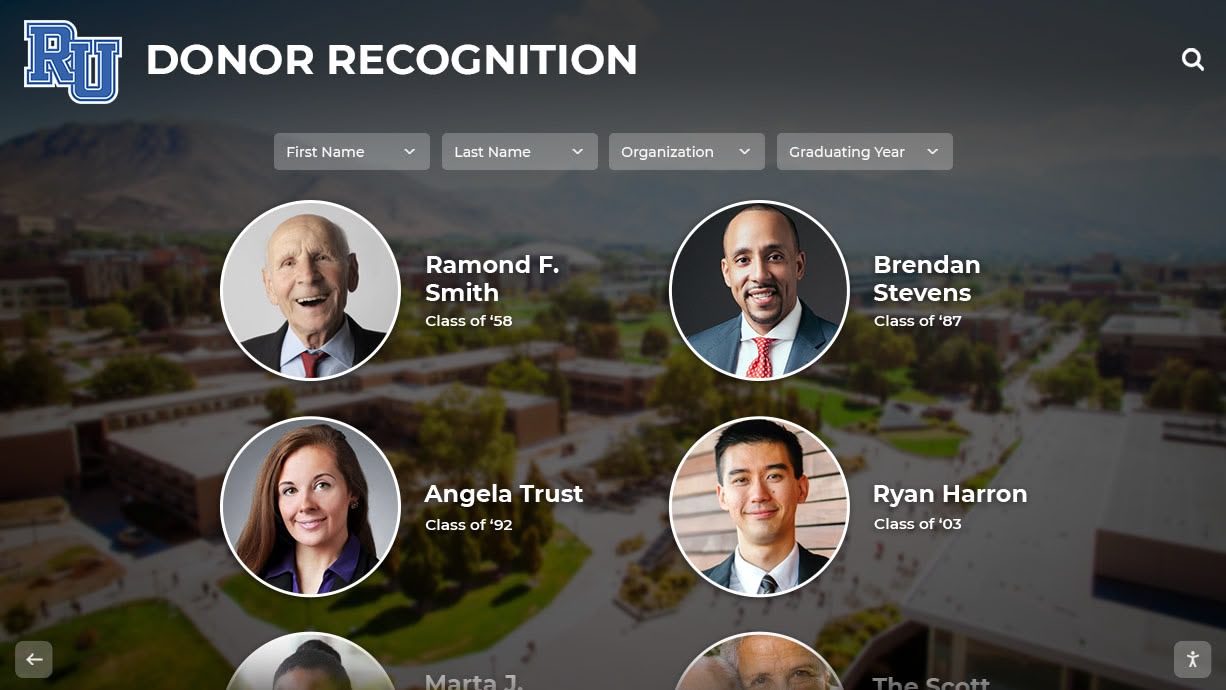
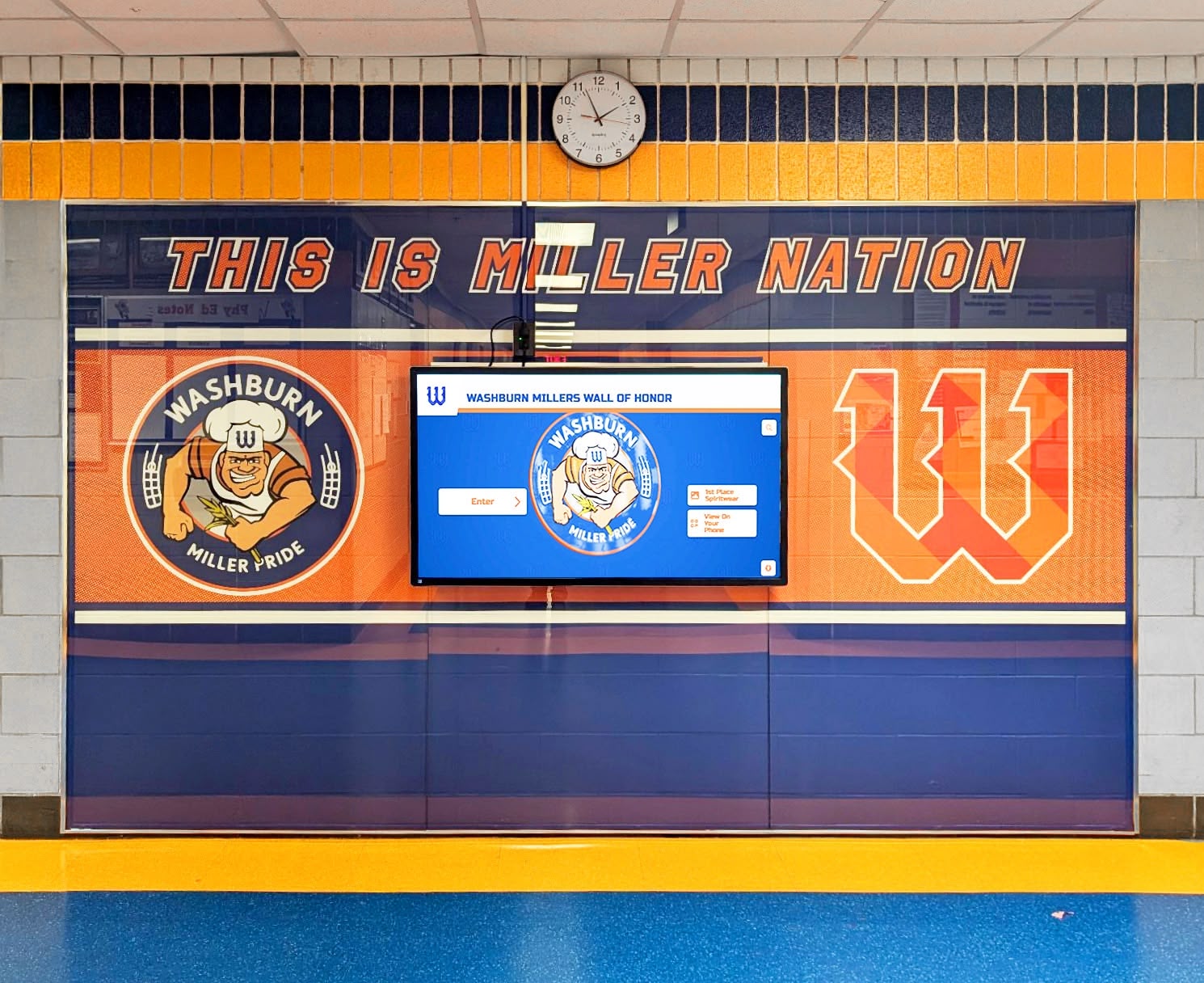
Modern digital recognition platforms offer significant advantages over static physical displays including unlimited capacity accommodating comprehensive volunteer recognition without space constraints, easy updates maintaining current volunteer information and adding new contributors, multimedia integration enabling photos, videos, and detailed volunteer profiles, searchable databases allowing community members to discover specific volunteers, and extended accessibility through online platforms reaching beyond physical campus visitors.
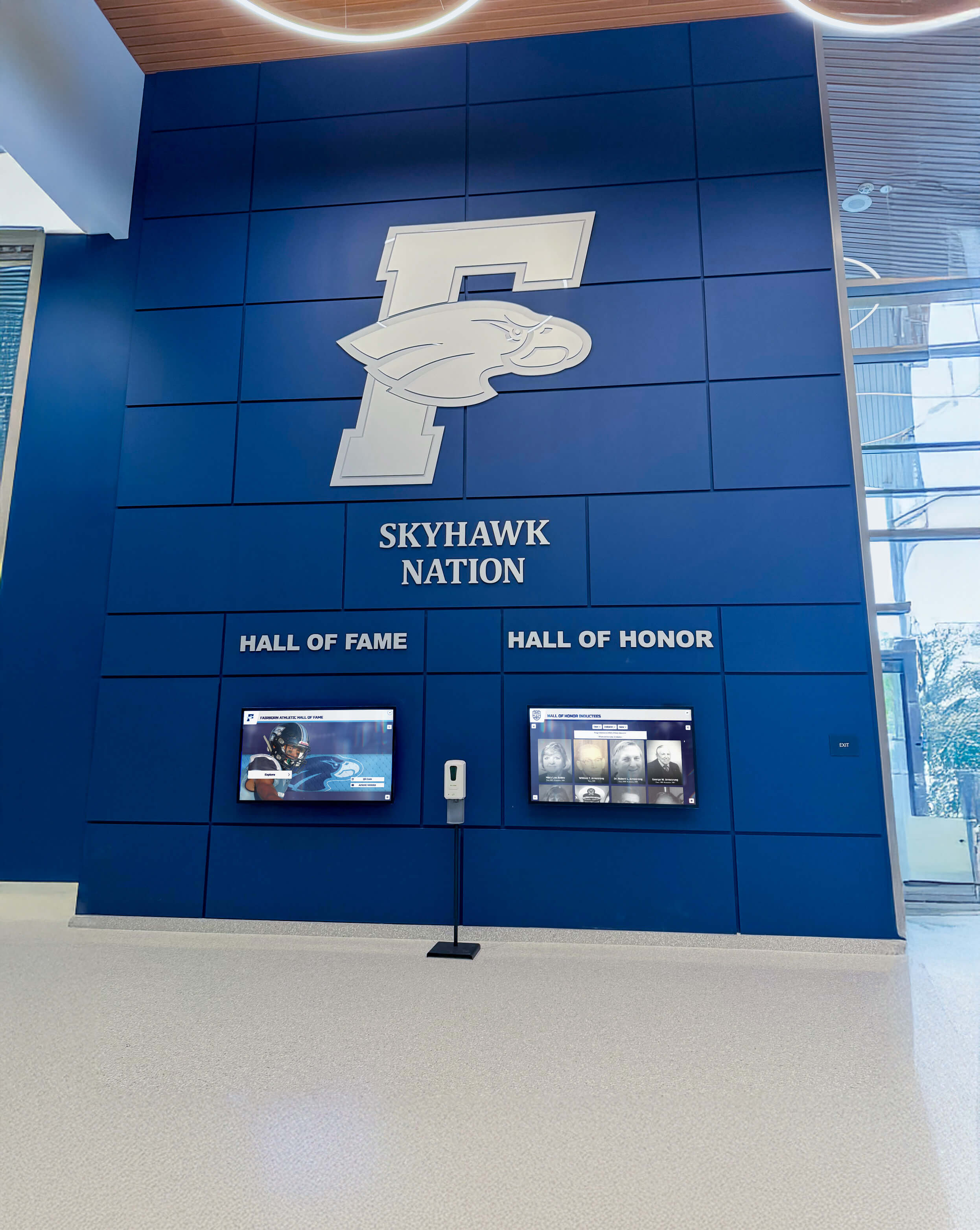
Solutions like digital recognition displays enable organizations to create comprehensive volunteer tributes showcasing contributions, documenting impact stories, preserving volunteer legacies, and maintaining permanent appreciation extending far beyond single celebration events.
Volunteer Legacy Programs
Service Milestone Recognition
Systematic milestone acknowledgment throughout volunteer tenure demonstrates sustained appreciation. Consider recognition at significant service intervals such as one year of service, three years marking commitment depth, five years celebrating substantial contributions, ten years honoring long-term dedication, and fifteen-plus years recognizing extraordinary sustained service.
Milestone recognition should escalate appropriately with significance—early milestones might receive certificates and acknowledgment while major milestones deserve more substantial recognition including permanent display additions, special celebration events, or commemorative gifts honoring extraordinary dedication.
Lifetime Achievement Awards
Volunteers dedicating substantial portions of lives to organizational service deserve recognition matching contribution magnitude. Consider establishing lifetime achievement award categories, creating permanent tributes honoring extraordinary volunteer legacies, organizing special recognition events celebrating career volunteer contributions, and documenting lifetime achievement stories preserving volunteer histories.
Lifetime achievement recognition particularly matters for volunteers retiring after years or decades of service. Comprehensive tributes honoring complete volunteer careers demonstrate genuine appreciation while preserving institutional memory ensuring future generations understand who built programs they inherit.
Integration with Broader Recognition Culture
Year-Round Recognition Systems
Effective volunteer appreciation extends beyond annual events to continuous recognition including monthly volunteer spotlight features, regular social media appreciation campaigns, newsletter highlights showcasing volunteer contributions, real-time recognition during programs and events, and ongoing display updates maintaining current volunteer acknowledgment.
Continuous recognition creates appreciation cultures rather than limiting acknowledgment to designated celebration periods. Volunteers who feel genuinely valued throughout engagement prove more likely to sustain service and recommend opportunities to others.
Connection to Organizational Communications
Integrate volunteer recognition into all organizational communications including annual reports highlighting volunteer contributions and impact, fundraising materials positioning volunteers as essential organizational assets, recruitment communications showcasing appreciation culture, program updates acknowledging volunteer enablement, and external communications raising community awareness of volunteer importance.
Comprehensive communication integration positions volunteer appreciation as core organizational value rather than occasional gesture, strengthening recruitment and retention while building public awareness of volunteer community contributions.
Addressing Common Volunteer Appreciation Challenges
Organizations implementing appreciation events encounter predictable obstacles that strategic approaches address effectively, ensuring recognition achieves intended impacts despite resource constraints or logistical complexities.
Budget Limitations
Cost-Effective Appreciation Strategies
Meaningful appreciation need not require substantial budgets. Consider potluck or volunteer-contributed refreshments reducing catering costs, donated venue spaces from community partners or volunteers, DIY decorations and recognition materials, student or volunteer-created entertainment and programs, and focused investment in personalized recognition over elaborate production.
Authentic gratitude and personal acknowledgment often resonate more powerfully than expensive elaborate parties. Volunteers typically value genuine appreciation more than event budget sizes.
Alternative Funding Sources
Organizations can explore diverse funding approaches including sponsorship from businesses supporting volunteer programs, grants specifically designated for volunteer recognition and engagement, fundraising campaigns dedicated to appreciation initiatives, in-kind contributions from vendors or community partners, and volunteer committee self-funding through modest member contributions.
Creative resourcefulness enables quality appreciation within budget constraints while demonstrating organizational commitment to honoring volunteers despite resource limitations.
Scheduling and Attendance Challenges
Optimal Timing Selection
Event timing significantly influences volunteer attendance. Consider avoiding major holidays and school vacation periods, coordinating with program calendars minimizing conflicts, offering multiple event options accommodating different schedules, surveying volunteers about preferred timing, and communicating well in advance enabling volunteer planning.
Even thoughtfully planned events face scheduling conflicts for some volunteers. Accept that comprehensive participation proves impossible while ensuring available options enable maximum reasonable attendance.
Virtual and Hybrid Event Options
Organizations can expand accessibility through virtual or hybrid celebration formats including livestreamed recognition programs enabling remote participation, recorded events available for later viewing by unavailable volunteers, virtual recognition components complementing in-person celebrations, online appreciation activities reaching geographically distributed volunteers, and digital recognition platforms accessible anytime regardless of event attendance.
Hybrid approaches acknowledge modern volunteer community diversity while ensuring recognition reaches all deserving volunteers despite scheduling constraints or geographic limitations.
Ensuring Equitable Recognition
Comprehensive Volunteer Inclusion
Effective appreciation ensures all volunteers receive acknowledgment regardless of contribution visibility or role prominence. Consider systematic processes ensuring complete volunteer roster coverage, diverse recognition categories valuing varied contribution types, specific acknowledgment of behind-scenes volunteers often overlooked, equal treatment across programs and volunteer roles, and audit processes identifying recognition gaps requiring remediation.
Inadvertent volunteer oversights undermine appreciation effectiveness while creating resentment among overlooked contributors. Systematic inclusion processes prevent equity problems while ensuring comprehensive recognition.
Balancing Individual and Group Recognition
Organizations should balance individual acknowledgment with team recognition including individual spotlights highlighting specific volunteer contributions, team recognition celebrating collaborative accomplishments, program-based acknowledgment honoring volunteer groups, organizational-level appreciation celebrating collective volunteer community impact, and flexible approaches respecting individual recognition preferences.
Some volunteers value individual spotlight attention while others prefer team acknowledgment. Offering varied recognition approaches accommodates diverse preferences while ensuring comprehensive appreciation.
Measuring Volunteer Appreciation Impact
Assessment demonstrates appreciation program effectiveness while identifying improvement opportunities ensuring recognition continues serving intended purposes effectively.
Volunteer Feedback Collection
Post-Event Surveys and Evaluation
Systematic feedback reveals whether appreciation resonates with volunteers. Consider brief post-event surveys assessing volunteer satisfaction, open-ended questions gathering specific feedback and suggestions, anonymous response options encouraging honest critique, regular feedback collection enabling trend analysis over time, and feedback integration into future planning improving subsequent events.
Volunteer input proves invaluable for understanding appreciation effectiveness from recipient perspectives rather than relying solely on organizer assumptions about successful recognition.
Retention and Engagement Metrics
Measuring Recognition Impact on Volunteer Commitment
Appreciation programs should positively influence volunteer retention and engagement. Track volunteer return rates after appreciation events, service hour trends following recognition initiatives, new volunteer recruitment through appreciation culture visibility, volunteer satisfaction scores over time, and volunteer referral rates indicating whether satisfied volunteers recruit others.
While many factors influence volunteer retention, effective appreciation contributes to positive volunteer experiences encouraging sustained service and organizational advocacy.
Long-Term Cultural Assessment
Evaluating Appreciation Culture Development
Organizations should assess whether appreciation events contribute to lasting cultural shifts including organizational reputation as volunteer-supportive, staff attitudes and behaviors toward volunteers, integration of recognition into regular operations, volunteer community sense of belonging and value, and sustainability of appreciation practices over leadership changes.
Appreciation events should build toward permanent cultural transformation rather than representing isolated recognition bursts. Cultural assessment reveals whether recognition efforts achieve lasting impacts beyond temporary satisfaction spikes.
Conclusion: Building Cultures of Authentic Volunteer Appreciation
Volunteer appreciation parties represent more than feel-good events—they constitute strategic investments in organizational culture, volunteer retention, and program sustainability delivering returns far exceeding costs. Volunteers dedicating countless hours to organizational missions deserve recognition matching their contribution significance. Organizations implementing thoughtful appreciation celebrations strengthen volunteer commitment, enhance recruitment effectiveness, build positive cultures, and create lasting connections between volunteers, programs, and communities served.
Effective appreciation requires more than occasional events or token gestures. Sustainable recognition combines meaningful celebration events that honor volunteers authentically, personal acknowledgment reflecting individual contributions and preferences, practical support demonstrating respect for volunteers’ time and expertise, lasting tributes extending recognition beyond single occasions, and leadership commitment backing symbolic appreciation with substantive volunteer support throughout engagement experiences.
The most successful volunteer appreciation approaches share common characteristics including authentic gratitude expressed through specific acknowledgment, inclusive recognition ensuring all volunteers receive appropriate appreciation, creative celebration concepts creating memorable experiences, strategic planning demonstrating genuine investment in event quality, permanent recognition systems preserving volunteer legacies, and continuous improvement based on volunteer feedback and assessment data.
Every volunteer dedicating themselves to organizational missions deserves appreciation honoring their commitment. Every organization benefits from cultures celebrating volunteer excellence while attracting and retaining quality supporters. Every community gains from stronger connections between programs and volunteers who sustain them. Comprehensive volunteer appreciation makes these outcomes achievable for organizations committed to valuing the extraordinary individuals powering missions through generous service.
Ready to transform volunteer recognition through permanent digital displays complementing appreciation events? Discover how Rocket Alumni Solutions delivers purpose-built platforms specifically designed for volunteer recognition, combining engaging displays with intuitive management systems that showcase volunteer contributions year-round, preserve volunteer legacies permanently, and strengthen appreciation cultures extending far beyond single celebration events. Learn more about effective volunteer recognition strategies and creating lasting tribute systems that honor dedicated volunteers who make extraordinary differences in schools and communities.































