



Volunteer appreciation certificates fail for one reason: they look like they were printed in five minutes and the volunteer knows it. A certificate that ends up framed on a wall — or photographed and shared with family — comes down to design decisions made long before anyone signs their name at the bottom. Schools that invest thirty minutes in a well-built template get hundreds of moments of genuine recognition in return. The ones that grab a generic template from a free download site get polite smiles and certificates filed away in a drawer.
This guide covers what separates display-worthy volunteer appreciation certificate templates from forgettable ones, the specific elements every school certificate needs, wording that lands with sincerity, and how to extend certificate recognition beyond a single ceremony into year-round visibility.
Certificates Start the Conversation — Digital Recognition Sustains It
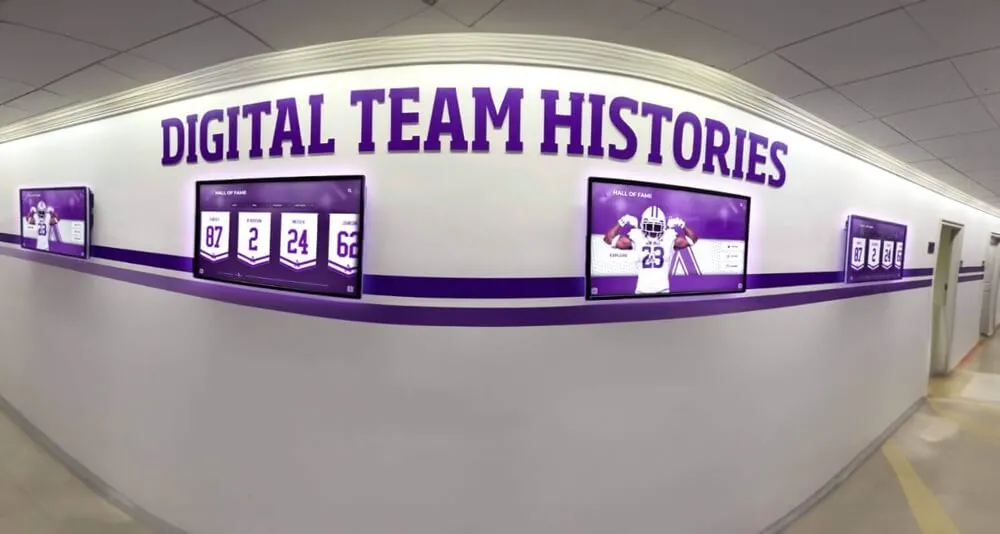
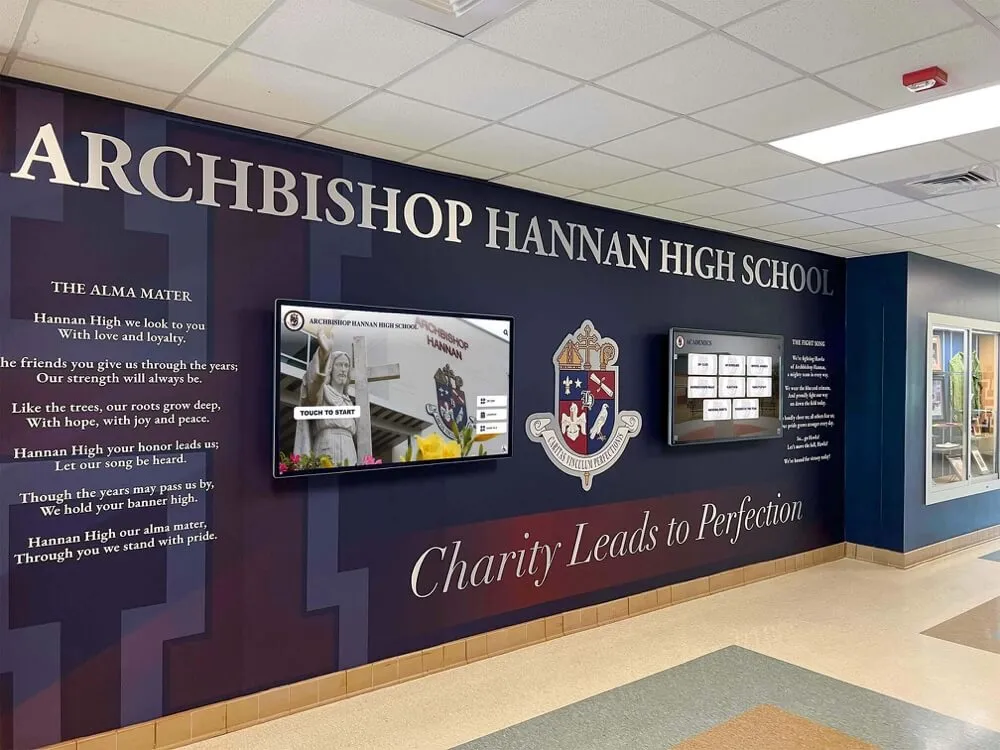
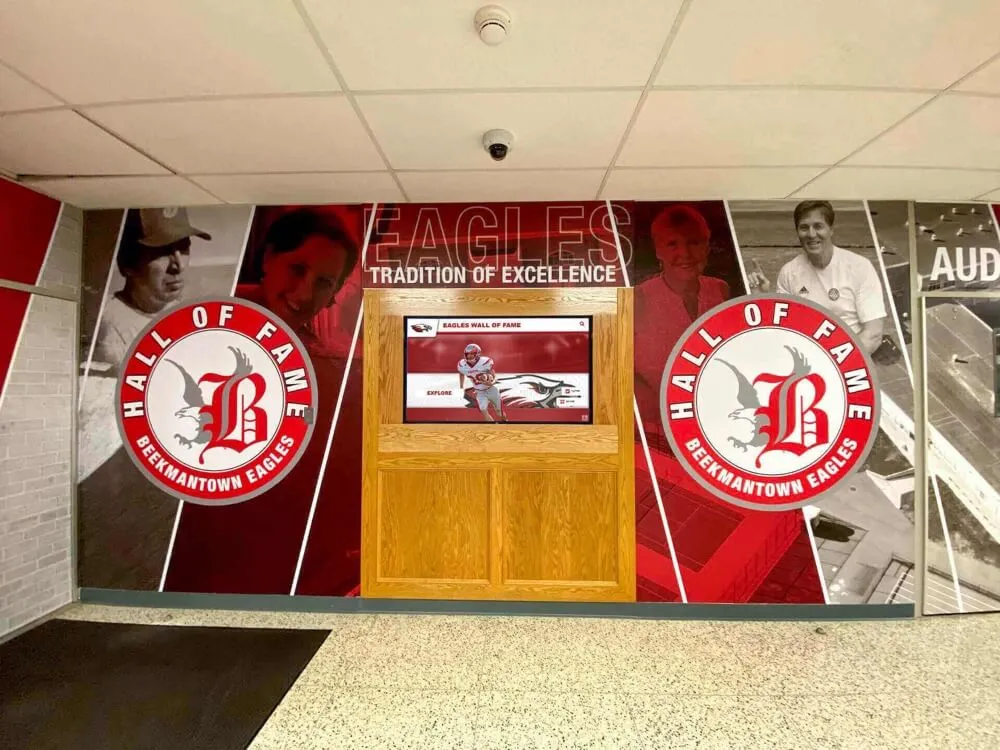
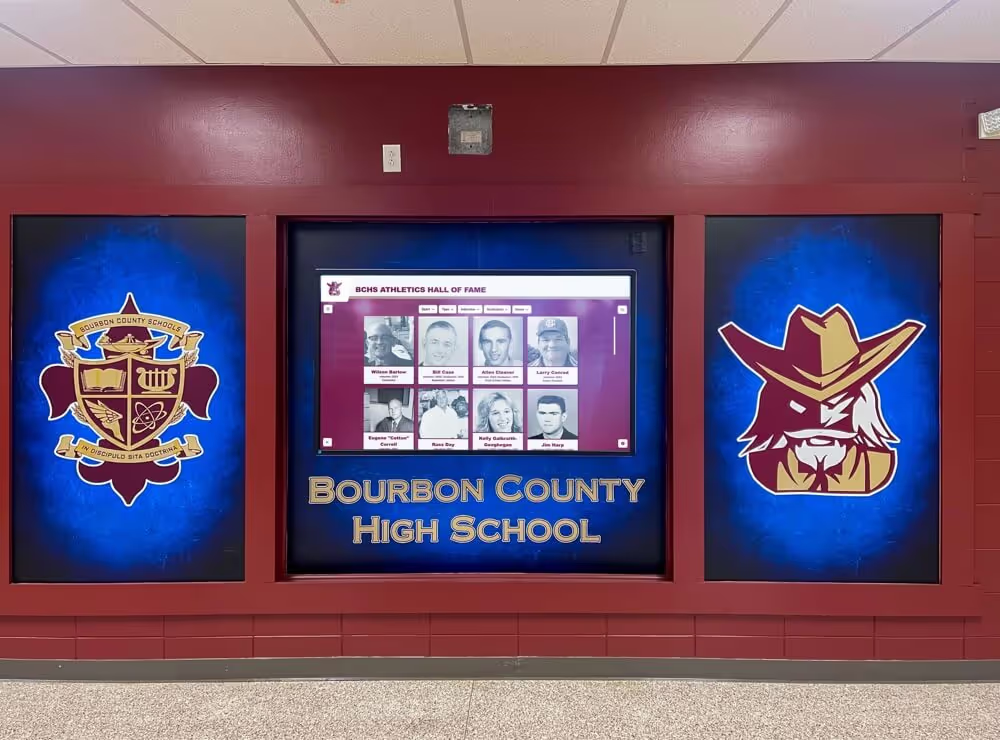
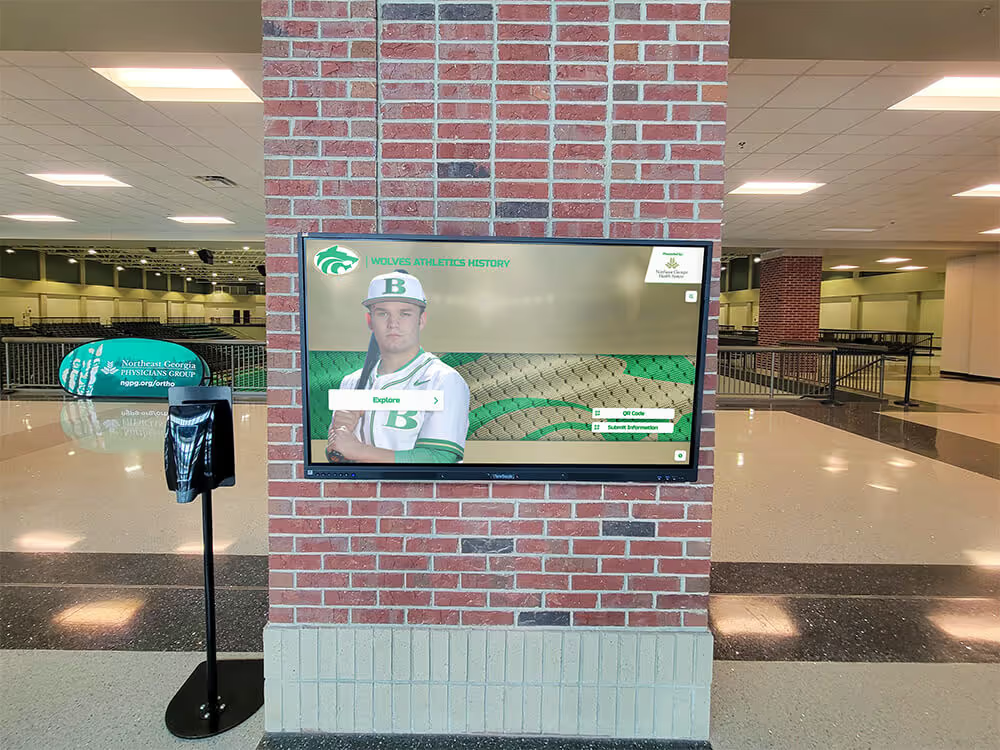
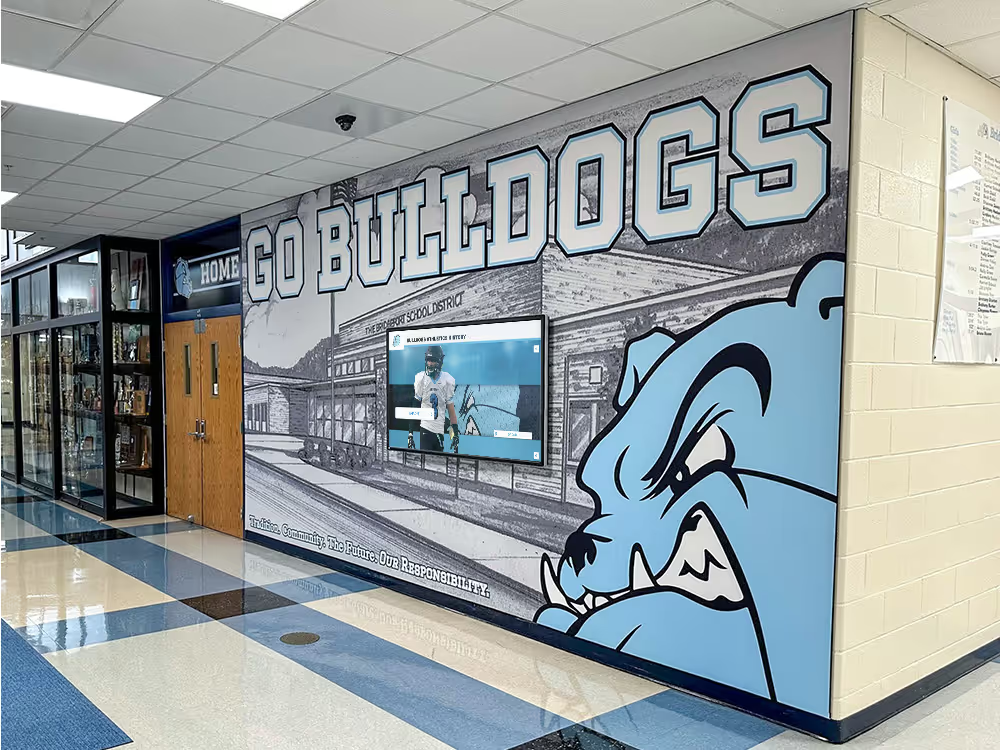
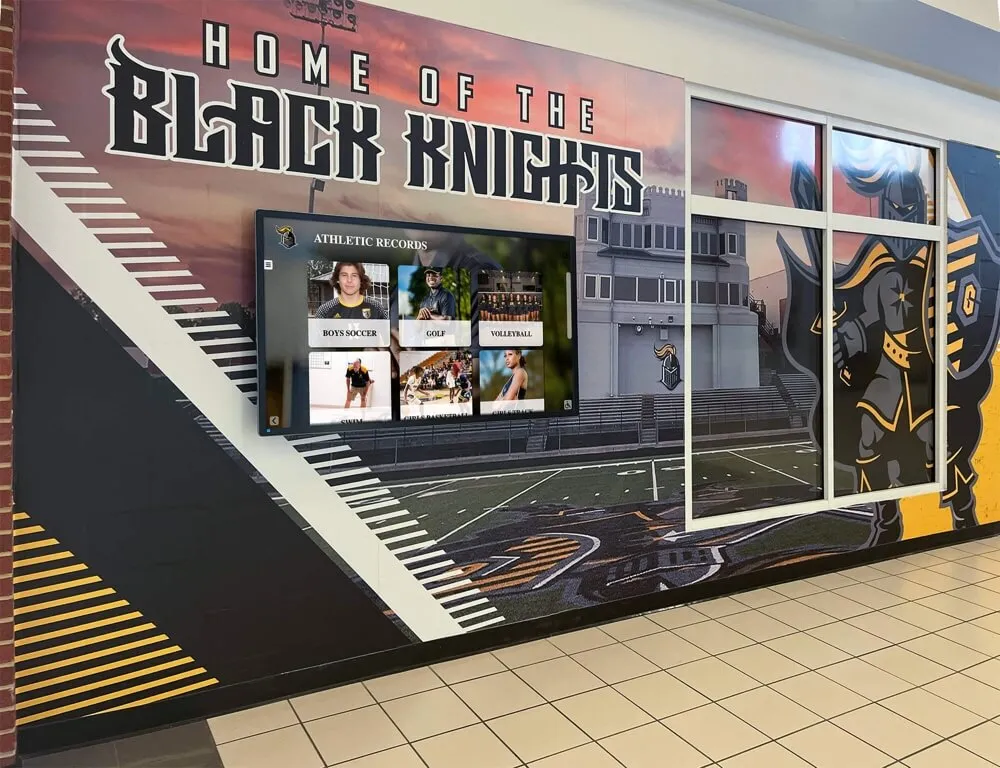
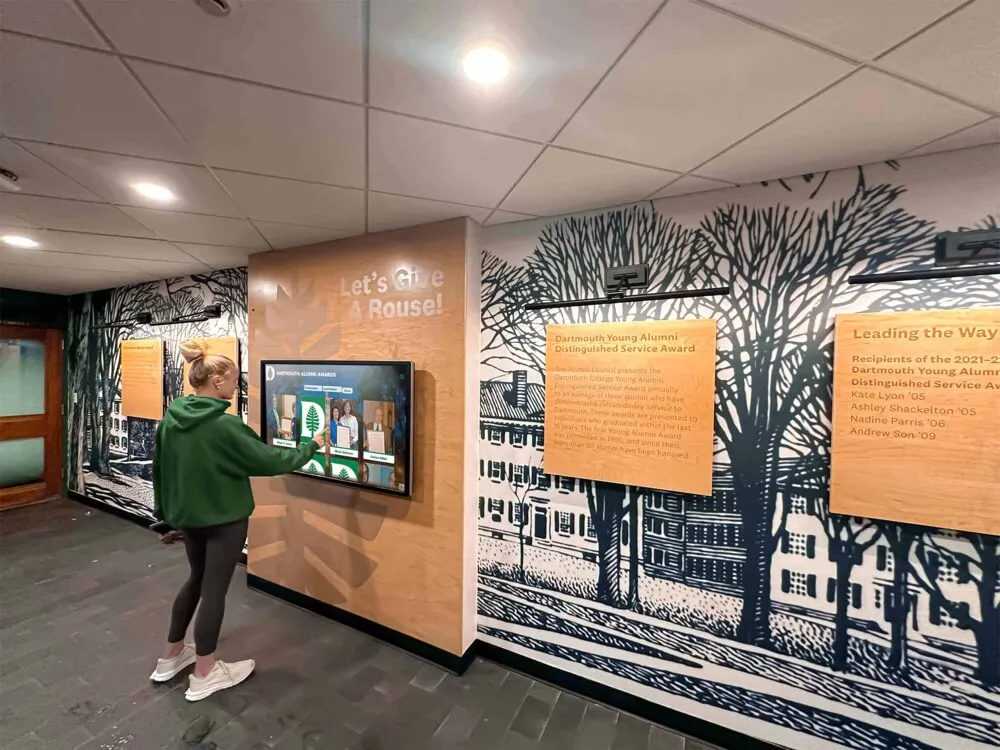
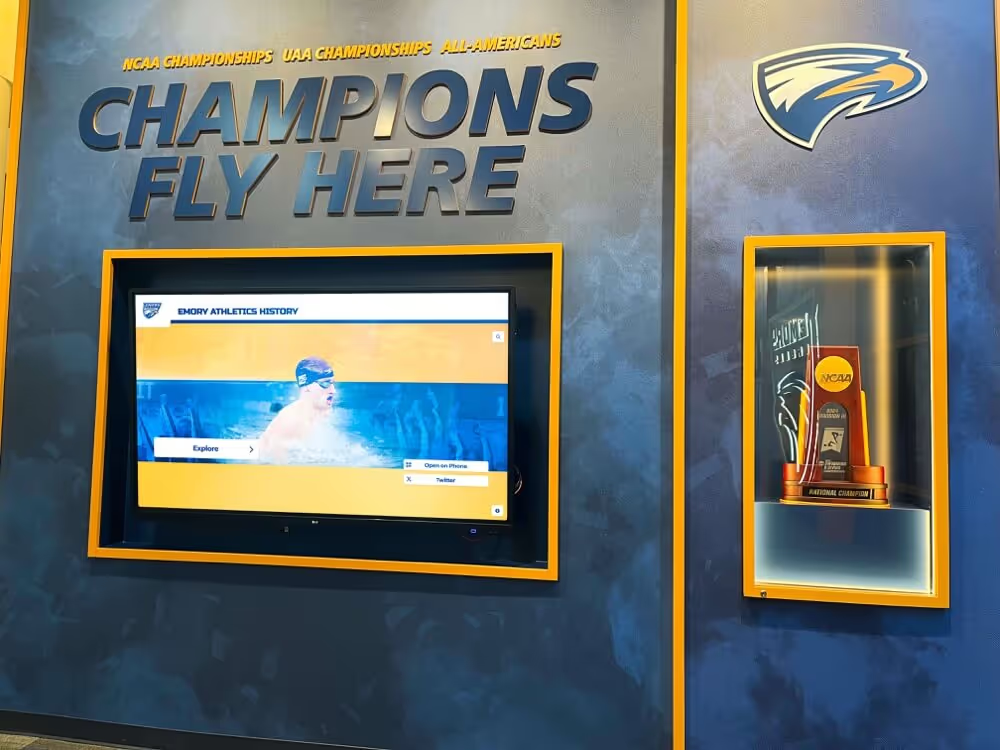
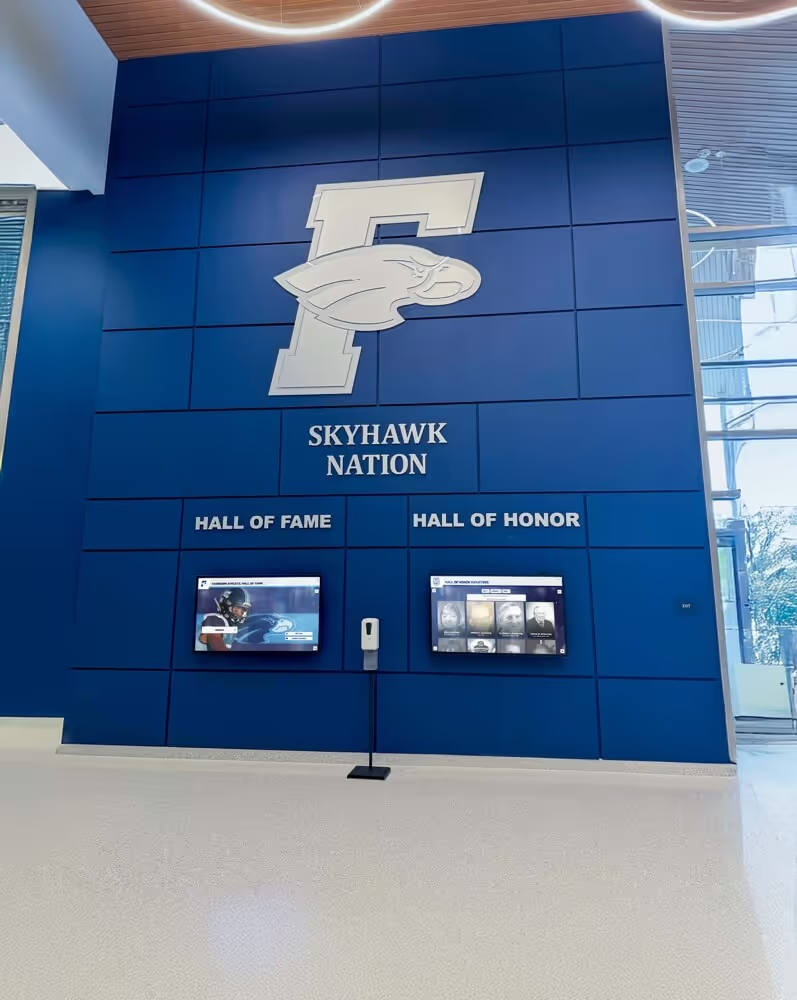
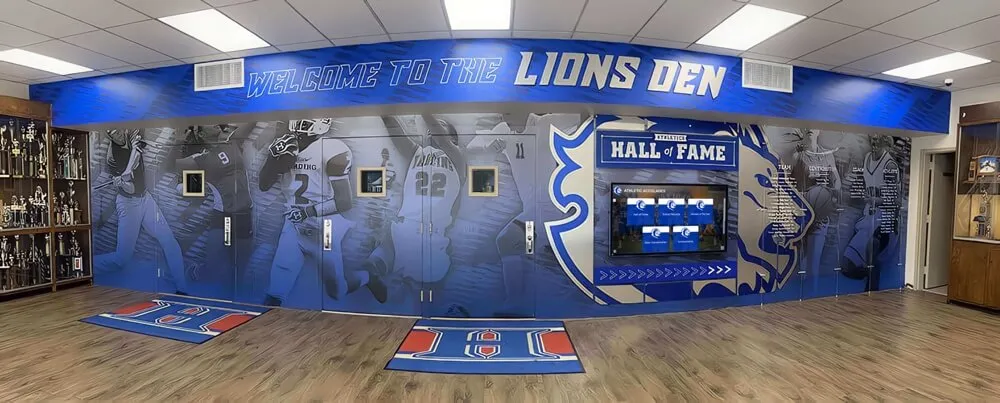
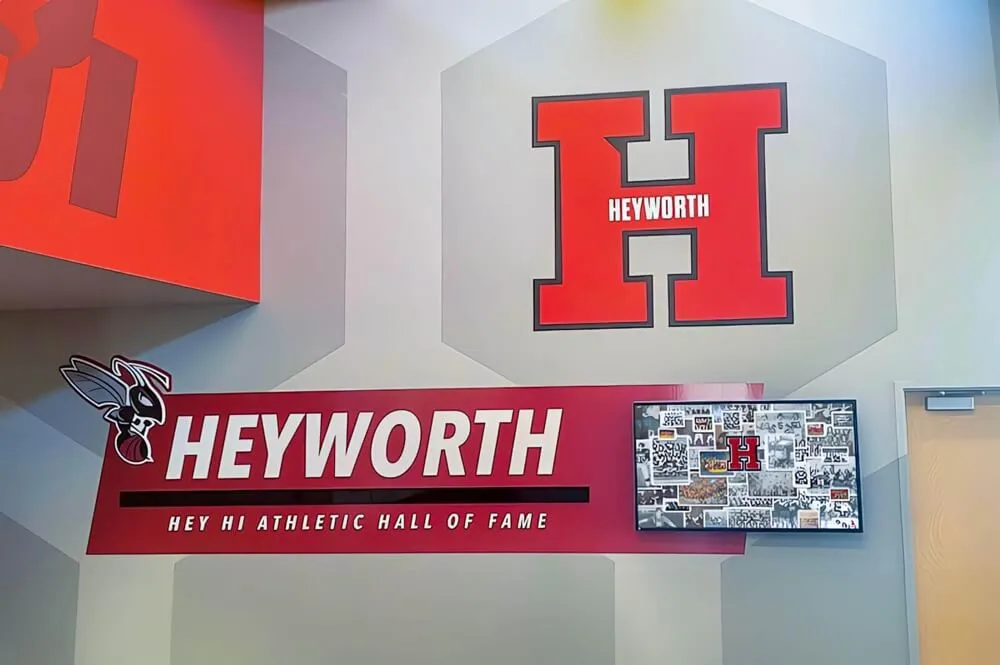
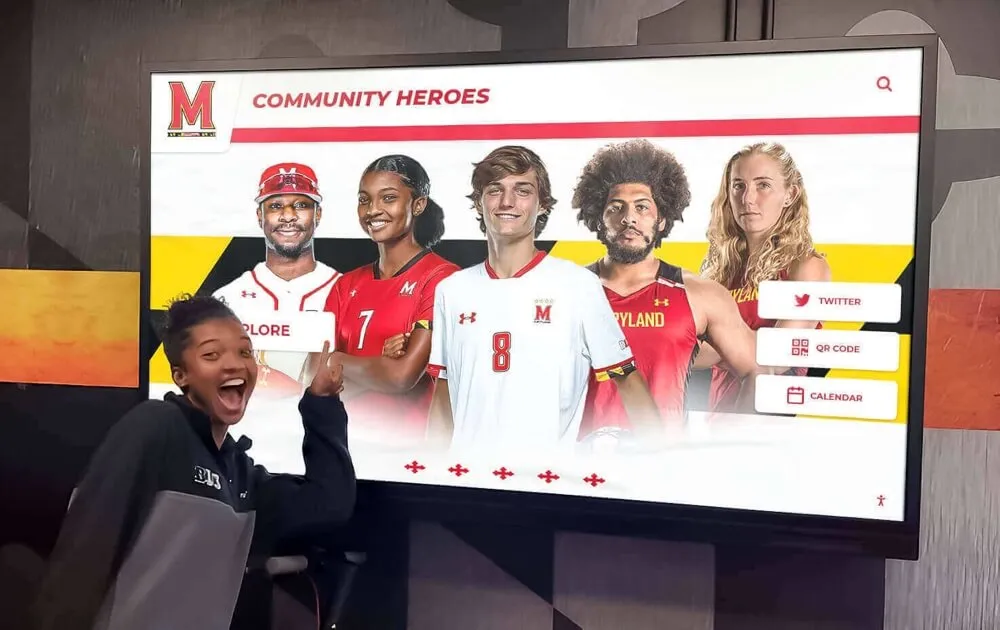
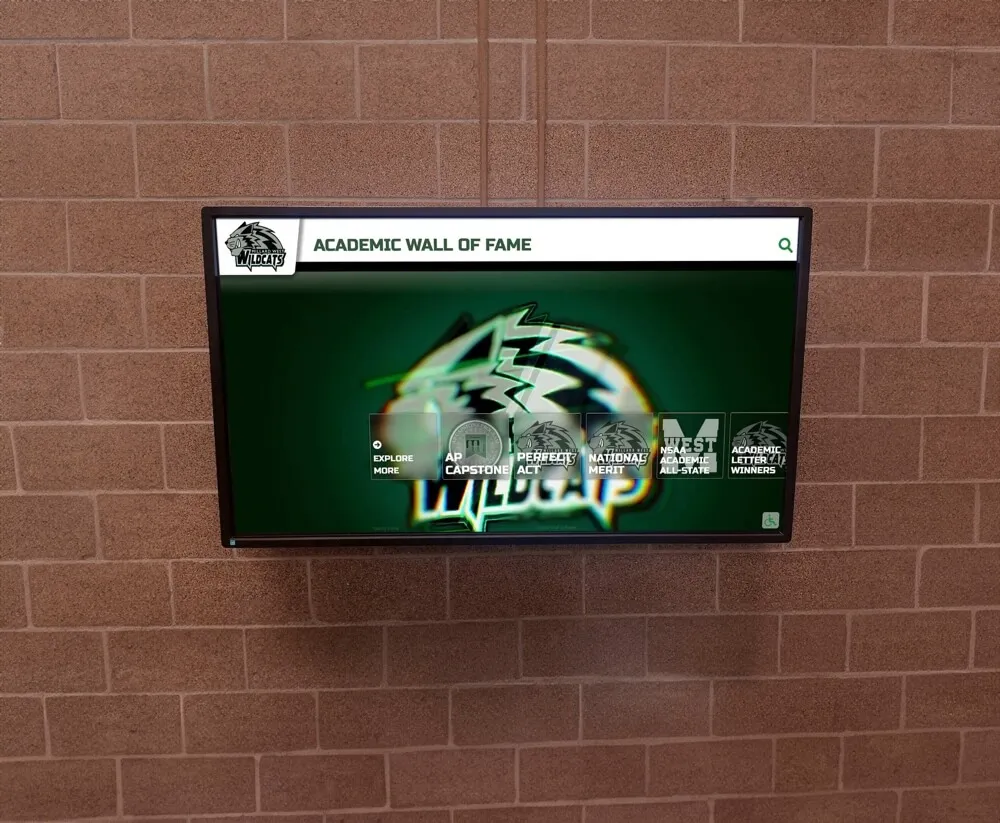
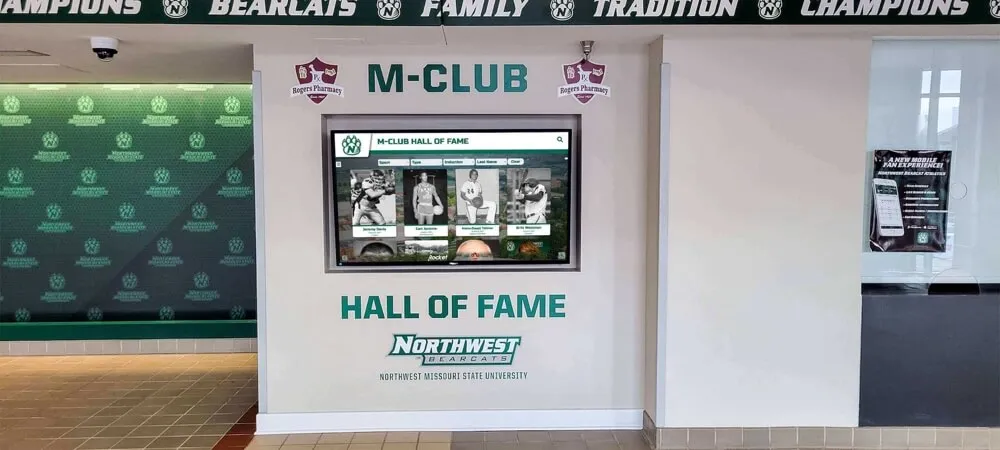
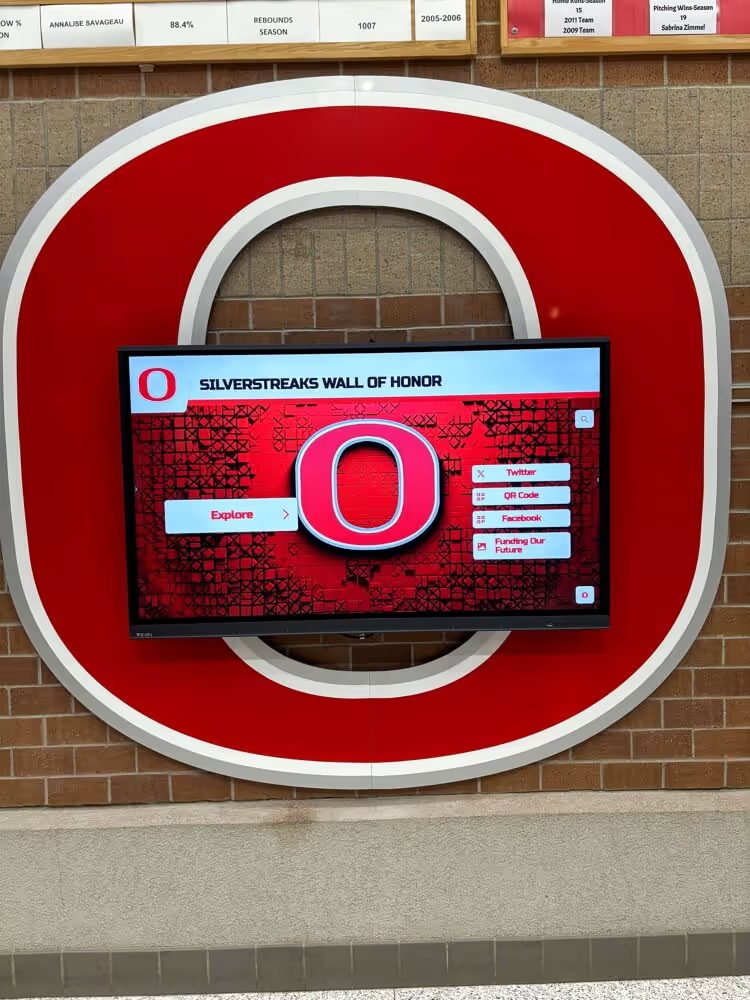
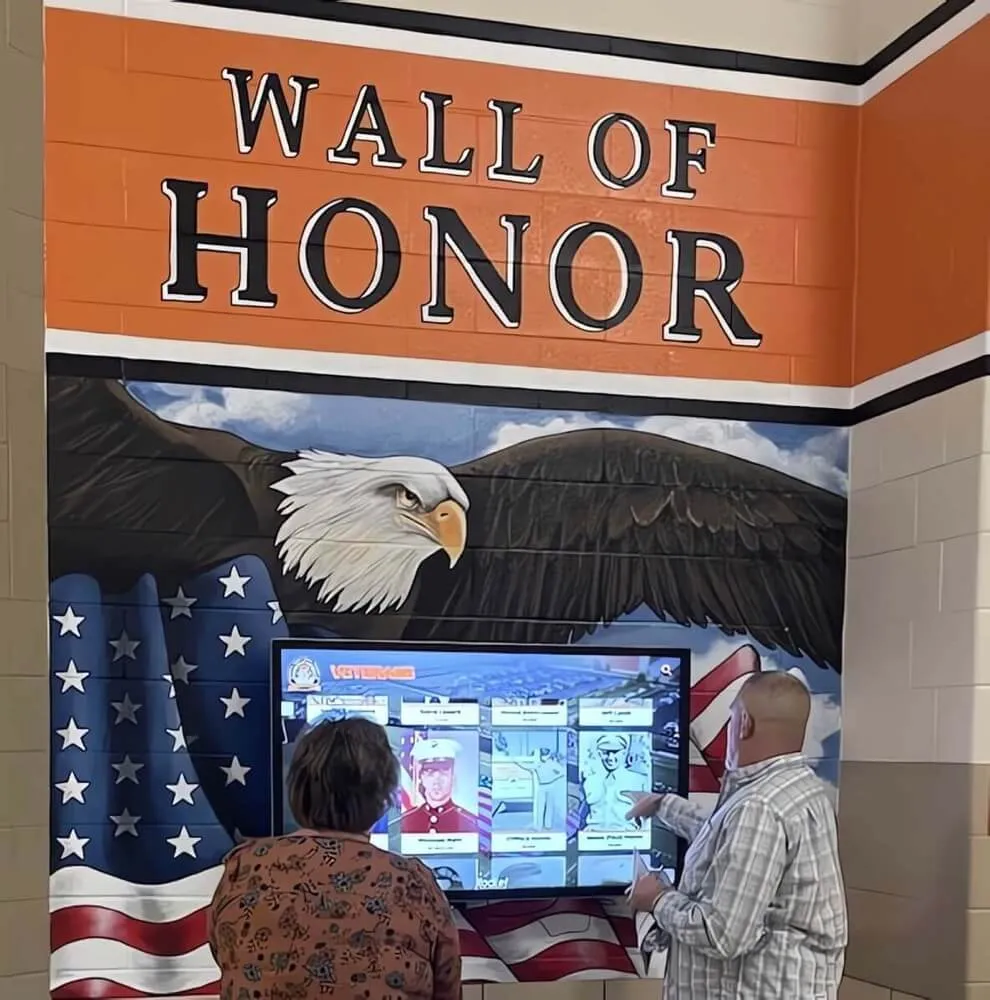
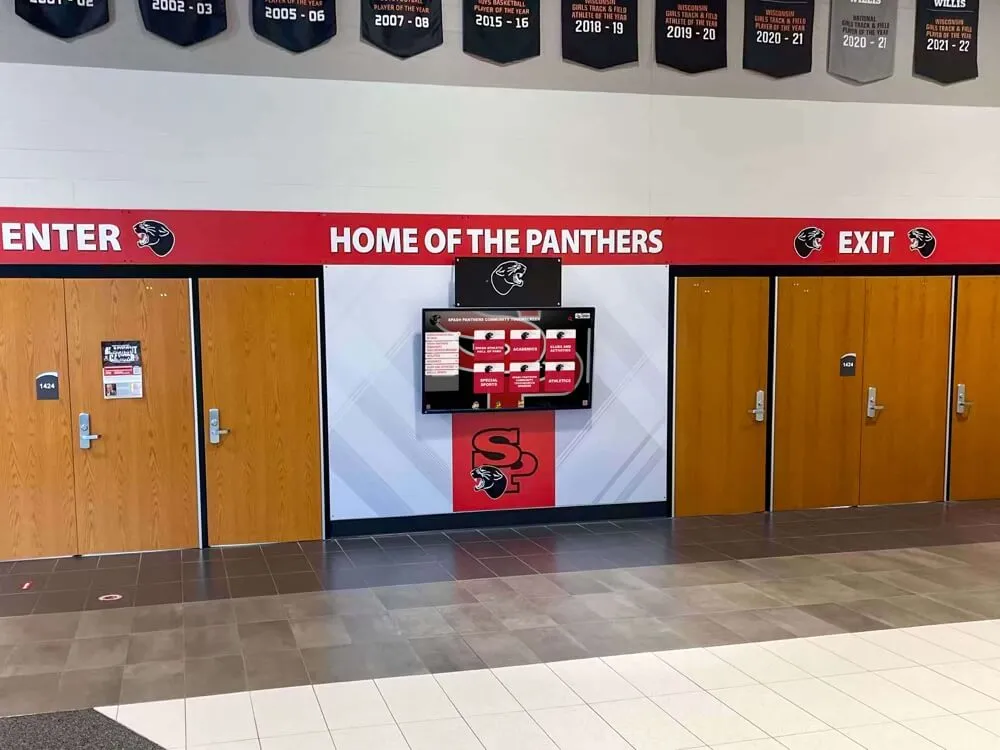
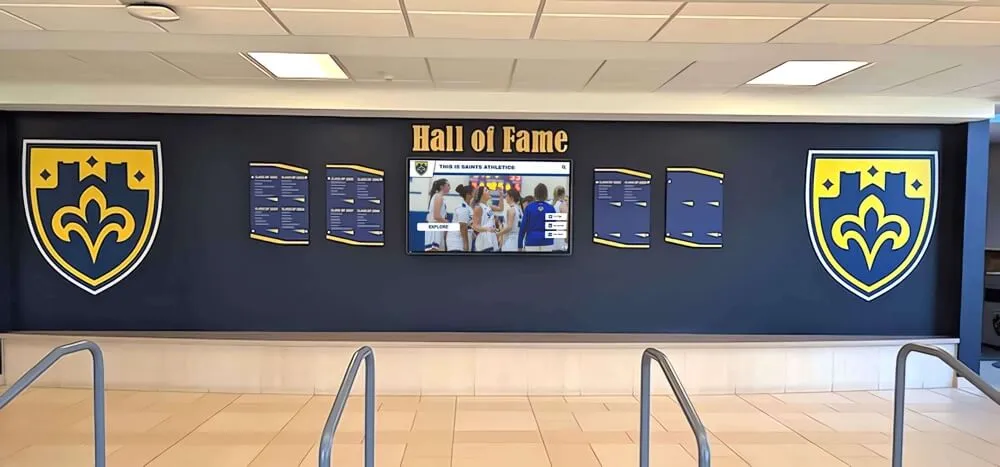
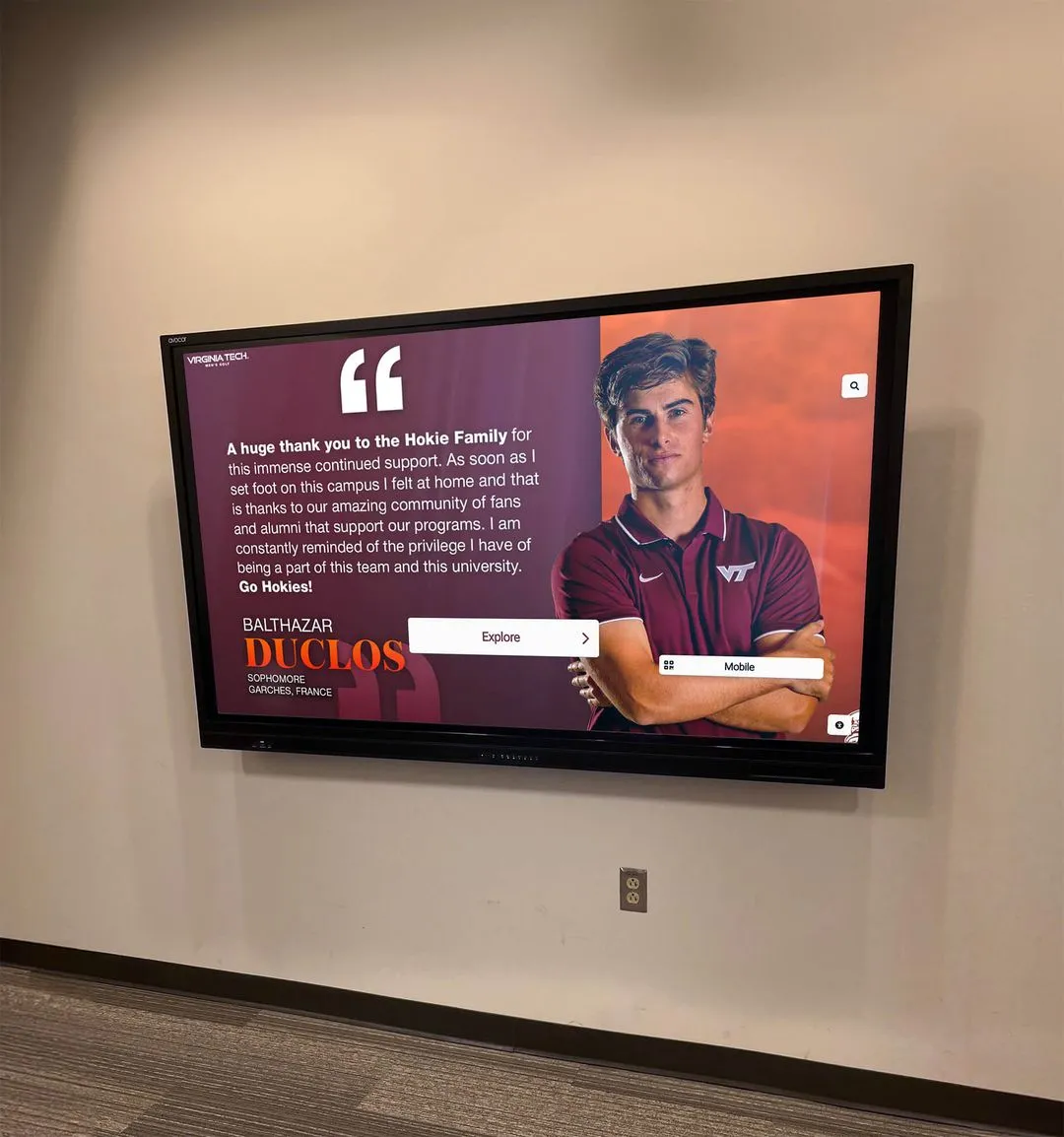
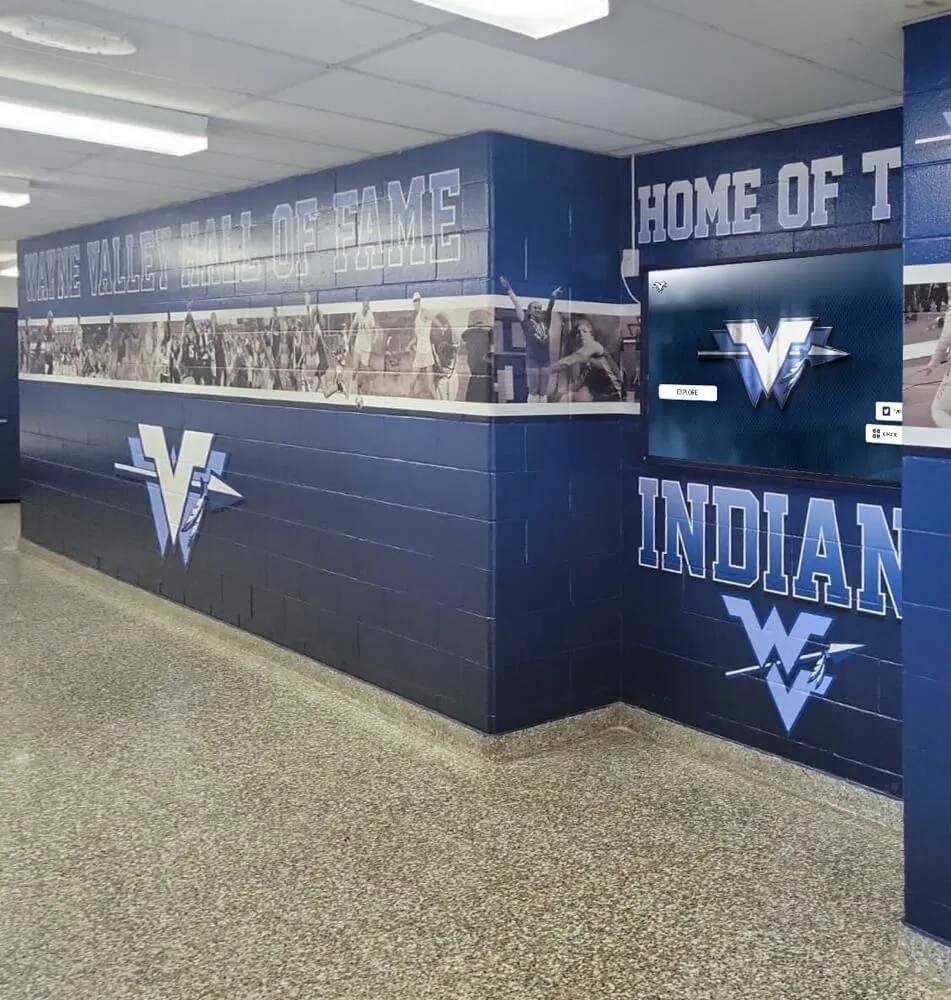
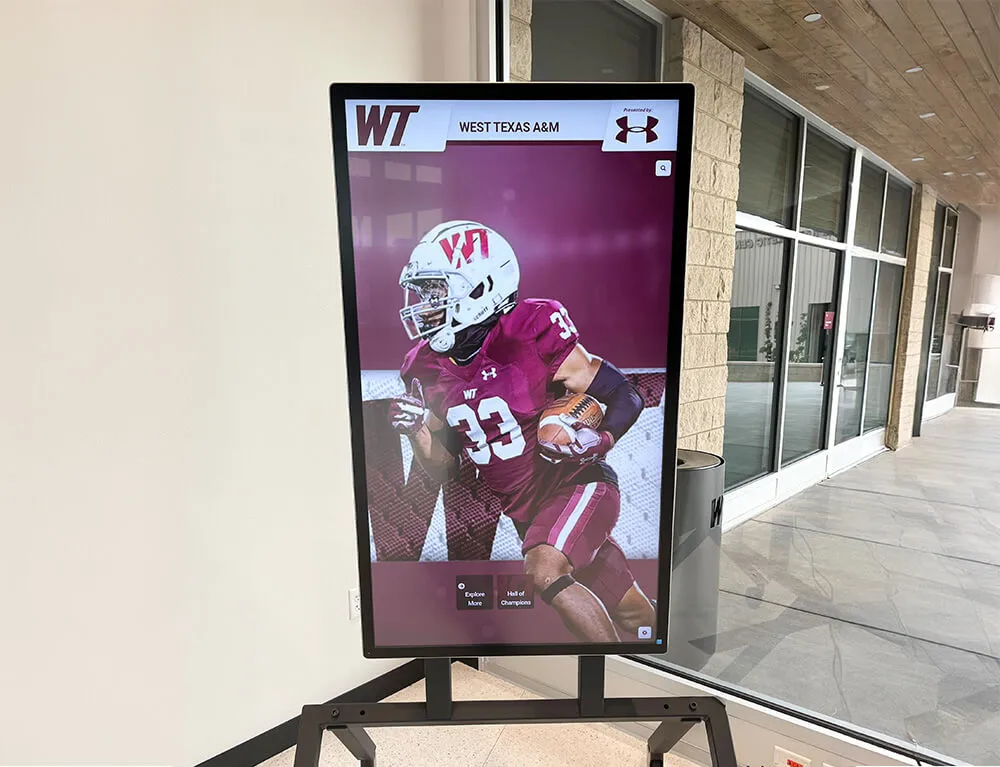
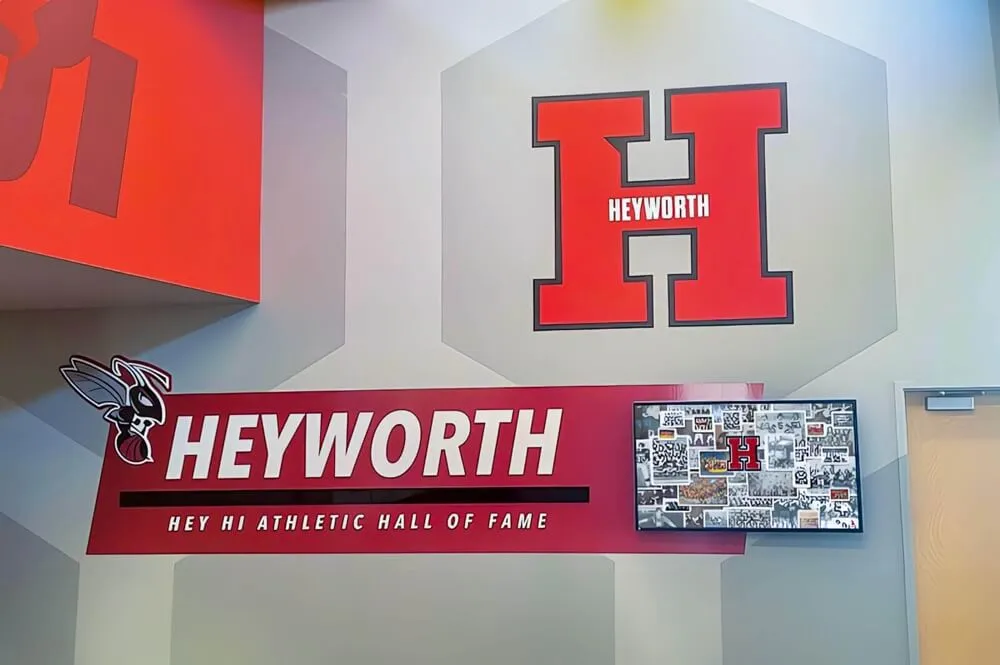
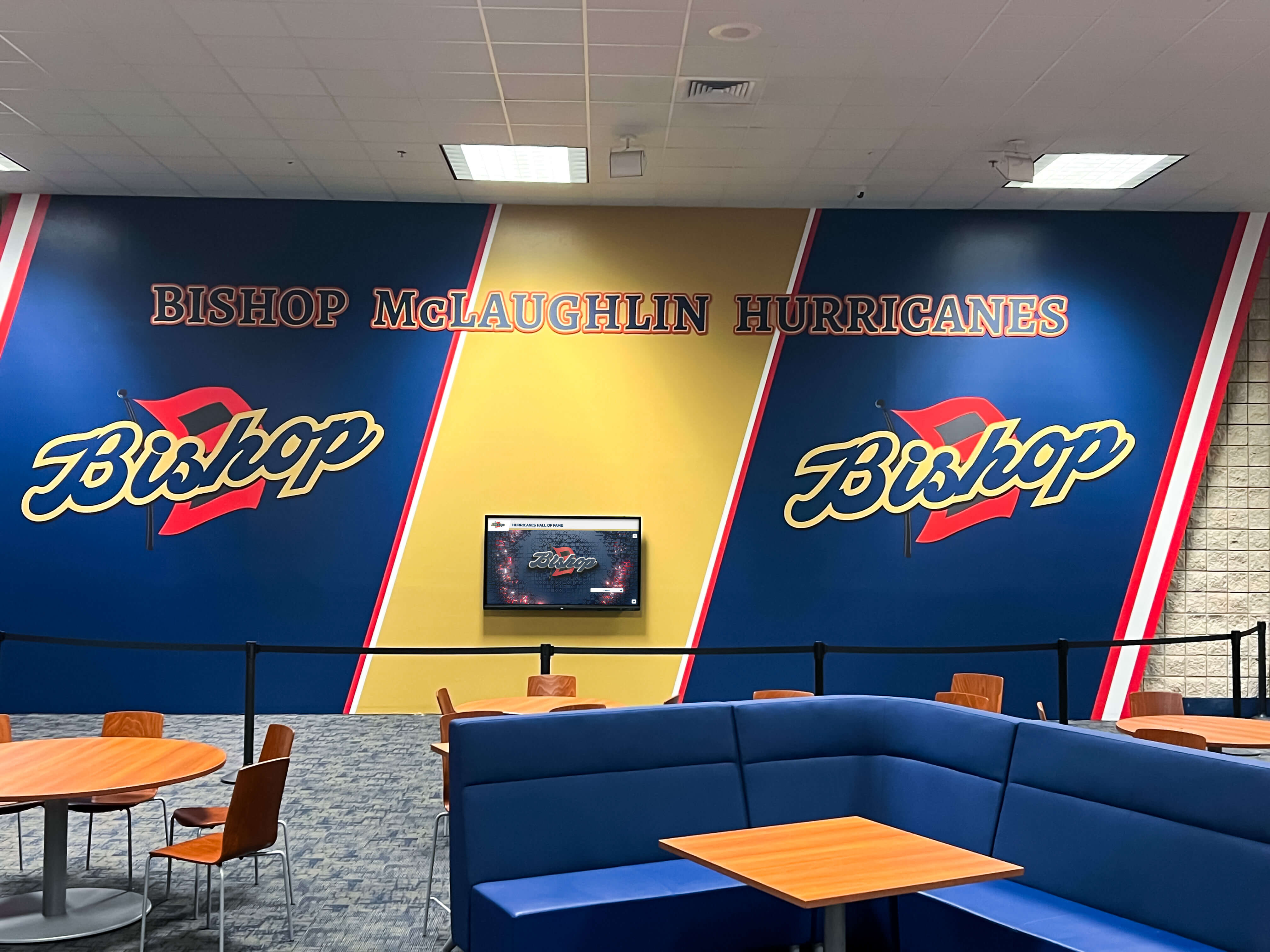
A certificate handed at a ceremony is a moment. A volunteer's name on a digital recognition wall in the school lobby is a permanent record. Rocket Alumni Solutions builds interactive recognition platforms that archive volunteer honorees alongside athletic and academic recipients — keeping service visible to students, staff, and visitors year-round, long after the certificate ceremony ends.
Why Most Volunteer Appreciation Certificates Miss the Mark
Walk into any school’s front office and you’ll find a copy machine that has printed thousands of certificates. Most of those certificates share the same problems: a clip-art border, a generic serif font, text that reads “in recognition of your service,” and a printed-but-not-original signature. Nothing about the document communicates that anyone thought carefully about the recipient.
The volunteers who donate time to booster clubs, reading programs, athletic events, and mentorship initiatives bring real value to school communities. Recognition that feels hasty signals the opposite of what schools intend. The employee recognition programs guide from Best Touchscreen documents the same dynamic in professional settings: generic recognition actively undermines the relationship between institutions and the people who give their time. Schools face the same dynamic with volunteers.
The fix does not require a graphic designer or expensive printing. It requires a deliberate template built around the right structural elements and a brief personalization step before each certificate prints.

The 8 Essential Elements of a Volunteer Appreciation Certificate Template
A certificate that volunteers actually display includes every element below. Omitting any of them weakens the document’s authority and perceived sincerity.
1. School Name, Mascot, and Official Seal
The institution’s name should appear at the top in a typeface that matches official school stationery or signage. Schools that have an official seal or crest should include it — the seal signals institutional authority in a way that a mascot illustration alone does not. Both can appear; place the seal in a prominent position and the mascot as a supporting design element.
2. The Recipient’s Full Legal Name
Print the recipient’s name in a larger font than surrounding text — ideally 24–32 point in a script or display typeface. This is the focal point of the certificate. Misspelling a volunteer’s name is the single fastest way to transform a meaningful gesture into an insulting one. Build a name-verification step into your distribution workflow before any batch of certificates prints.
3. Specific Language That Describes the Service
“In recognition of your volunteer service” tells the recipient nothing they did not already know. Specificity is what separates an appreciated certificate from a generic one. Name the program, the role, or the contribution:
- “For 80 hours of dedicated service supporting the Lincoln High School Athletic Boosters during the 2025–2026 school year”
- “In recognition of your leadership as a Library Reading Circle volunteer for Grades 2–4, September through May 2026”
- “For serving as a game-day volunteer at six varsity home football games, managing concessions and ensuring a welcoming experience for 1,200+ attendees”
The specificity tells the volunteer you noticed what they actually did — and that message carries more weight than any graphic element on the page.
4. Total Hours or Scope of Service
When verifiable, include documented service hours. A certificate acknowledging 40 hours carries measurably more weight than one that doesn’t quantify the contribution. Many schools track volunteer hours through a simple sign-in sheet or digital log. That data, when reflected on the certificate, validates both the program’s organization and the volunteer’s investment.
5. Program or Department Name
Name the program receiving volunteer support alongside the school name. “Lincoln High School Athletic Department” reads differently — and more specifically — than just “Lincoln High School.” This is especially important when a school has multiple volunteer programs and issues certificates for each.
6. Original Signatures with Titles
Two signatures carry more institutional weight than one. The principal or head of school provides administrative authority; the athletic director, department chair, or program coordinator provides programmatic authority. Both should sign in ink on the final document or use a scanned original signature that was actually created for this specific certificate — not a pre-printed generic signature.
7. Date and Academic Year
Include both the specific award date and the academic year served. “Presented May 22, 2026 — 2025–2026 School Year” gives the certificate a timestamp that makes it a historical record, not just a plaque.
8. Certificate Number or Registry Reference
This element is underused and undervalued. A discreet reference number — “Certificate No. 2026-VOL-047” — signals that the school maintains a registry of recognized volunteers. It elevates the certificate from a printout to a document with provenance. Schools that archive volunteer recognition in a permanent digital system can make this registry searchable, so honorees and their families can verify the record decades later.
Template Styles for Different Volunteer Contexts
Not every volunteer context calls for the same certificate format. Schools typically need three or four template variants to cover the range of recognition scenarios they encounter each year.
Booster Club and Athletic Event Volunteers
These certificates benefit from athletic program colors and mascot imagery. A border using the school’s official palette, a sport-specific graphic element (a silhouette of the sport, a trophy icon), and language referencing the specific team or event gives the certificate character that a generic template cannot match. The recognition plaque ideas and wording guide from Touchwall covers design principles that apply equally to plaques and printed certificates — particularly around wording hierarchy and layout balance.
Academic Program and Classroom Volunteers
Literacy volunteers, tutoring program supporters, and science fair organizers represent a different audience than sports boosters. Academic certificate templates should use cleaner, more formal typography and emphasize the program’s educational mission. Consider including the name of the teacher or program coordinator who benefited from the volunteer’s support alongside the principal’s signature.
Mentorship and College Preparation Volunteers
Volunteers who give their time to mock interview programs, college application workshops, or career exploration panels often come from alumni networks or the local professional community. These volunteers respond well to certificates that acknowledge the specific expertise they brought — not just hours donated, but professional knowledge shared. The school awards for students guide from Awards Display explores how recognition specificity translates across different audience types.
Long-Term or Multi-Year Volunteers
Volunteers who return year after year deserve a visually distinct certificate that acknowledges longevity. A gold foil seal, an additional line noting cumulative years of service, or a “Distinguished Volunteer” designation communicates that this is not a first-year certificate — it’s an advanced recognition.
Wording Templates That Land With Sincerity
The language on a volunteer appreciation certificate should accomplish three things: name the service, express genuine institutional gratitude, and frame the contribution as meaningful to students. These templates are starting points — fill in the program-specific details before printing.
General service template:
[School Name] gratefully recognizes [Volunteer Full Name] for [X hours/months/semesters] of dedicated volunteer service supporting [Program Name] during the [Academic Year] school year. Your generosity of time and commitment to our students reflects the spirit of community that defines [School Name]. Presented with sincere appreciation.
Athletic event volunteer:
This certificate is presented to [Volunteer Full Name] in grateful recognition of your service as a volunteer for [Team/Program Name] during the [Academic Year] season. Your support at [specific role: game-day operations, concessions, travel coordination, etc.] made each event possible and reflected the standards this program holds for every student athlete and family.
Long-term distinguished volunteer:
[School Name] proudly honors [Volunteer Full Name] as a Distinguished Volunteer in recognition of [X] consecutive years of service to [Program Name]. Your sustained commitment to our school community has contributed directly to the experience of hundreds of students and stands as a model for engaged, sustained community service.

Design Principles That Make Certificates Worth Framing
A certificate that volunteers frame shares specific design characteristics that distinguish it from one they quietly recycle.
Use school brand colors — not generic blue and gold. Every school has official hex codes or at minimum defined primary and secondary colors. A certificate printed in those specific colors reads as institutional and deliberate. A certificate printed in approximate-but-slightly-off colors reads as a template.
Match the font weight to the occasion. Script fonts for the recipient’s name, a clean serif for body text, and a bold sans-serif for the school name create a visual hierarchy that guides the eye naturally from institution to recipient to the nature of the recognition. Avoid using more than three typefaces on a single certificate.
White space is not wasted space. Certificates that pack text into every available corner feel low-quality. Generous margins, breathing room around the recipient’s name, and a clear visual hierarchy make the document feel considered rather than rushed.
Print on quality stock. A 60 lb. matte or 80 lb. cardstock prints significantly better than standard copy paper and holds up to framing. For distinguished volunteer awards, a textured certificate paper with a deckled edge adds physical weight that communicates the occasion’s importance before the recipient reads a single word.
The honor roll digital recognition guide from Hall of Fame Wall covers parallel principles for permanent display recognition — the same rules that govern what looks credible on a wall apply to what volunteers choose to frame at home.
Beyond the Paper: Extending Certificate Recognition Digitally
A certificate’s physical life ends when a volunteer tucks it into a filing cabinet or hangs it in a home office where only family sees it. Schools that think systematically about recognition extend that moment into permanent, public visibility.
The most effective approach connects certificate issuance to a digital recognition system. When a volunteer receives a certificate, their name, service record, and recognition year are simultaneously entered into a searchable digital registry accessible on touchscreen displays throughout the school. Students who walk past the lobby screen see volunteer honorees alongside athletes and academic award recipients — the full community of people who have contributed to the school’s culture.
Modernizing recognition walls covers how schools are transitioning from static plaques to interactive displays that accommodate every recognition category — including volunteers who have historically been excluded from hallway-visible honors.
This digital extension solves a problem that physical certificates cannot: visibility to the school community at large. When a parent volunteers 60 hours supporting the drama department, their certificate lives at home. When that same volunteer appears on the school’s interactive recognition display, every student, teacher, and visitor who passes through the lobby sees the contribution acknowledged. That public visibility is the signal that community service carries institutional weight.

Building a Systematic Volunteer Recognition Program Around Certificates
Certificate templates are tools. Their impact depends entirely on the program structure that deploys them.
Schools with effective volunteer recognition programs share several operational characteristics:
Recognition happens on a defined schedule. Whether annually at a spring ceremony, semi-annually at semester end, or quarterly for ongoing programs, volunteers should know when recognition will occur. Predictable schedules allow volunteers to arrange attendance and allow schools to build ceremony-worthy presentation events rather than ad hoc certificate distribution.
A committee reviews nominations. A three-person nomination committee — typically including the principal or vice principal, the volunteer coordinator, and a department chair — reviews service records and approves certificate recipients. Committee review prevents both oversight (a deserving volunteer missed) and inconsistency (dramatically different standards applied to different programs). The end-of-year awards ceremony ideas guide from Digital Yearbook covers how school award ceremonies can be structured to give every recognition category appropriate weight.
Service hours are documented in real time, not reconstructed at year end. Schools that track volunteer hours through a digital sign-in system — even a simple Google Form that populates a shared spreadsheet — can pull accurate data when certificates are prepared. Programs that rely on volunteers self-reporting at year end consistently produce inaccurate records that undermine the certificate’s credibility.
Family notification happens before the ceremony. Sending a brief note to the volunteer’s household a week before the ceremony saying “We’re proud to honor [Name] for their service at [Program]” increases attendance at recognition events and gives families time to arrange schedules. Recognition that families witness together carries lasting social weight that individual certificate delivery cannot replicate.
Digital records archive every honoree permanently. Scanning certificates and entering recipient data into a permanent recognition database ensures that a volunteer recognized in 2026 is still findable in 2036. Schools that have operated volunteer recognition programs for decades rarely have complete records for their earliest honorees — digital systems prevent that gap from compounding. The national philanthropy day celebration guide documents how schools and nonprofits use annual recognition events to reinforce giving culture — the same principles apply to building a sustained volunteer culture through visible, archived recognition.

Connecting Certificates to a Larger Recognition Ecosystem
Volunteer appreciation certificates are the entry point — the moment a school communicates individual gratitude to a specific person. They work best when they connect to a larger recognition infrastructure that makes service visible at the institutional level, not just the personal one.
Schools that build recognition ecosystems — where athletic achievement, academic accomplishment, and community service all receive visible, permanent acknowledgment in shared spaces — create environments where contribution feels valued by design rather than as an afterthought. Students who grow up in those environments understand that service to the community is something their school explicitly honors, not just encourages.
Certificates start that conversation. Digital recognition walls sustain it year-round, across generations of students and volunteers who collectively built the community those hallways represent.
Build a Recognition System Worthy of Your Volunteers
Certificates honor individuals in a moment. Digital recognition walls honor them in perpetuity — visible to every student, parent, and visitor who walks through your school. Rocket Alumni Solutions designs and installs interactive recognition platforms that bring volunteer honorees into the same permanent display as athletic and academic champions. Schedule a consultation to see what a comprehensive recognition system looks like for your school.