



Volleyball senior night marks a significant milestone—the final home match where graduating athletes take the court one last time before family, friends, and teammates who’ve shared their journey. For athletic directors and coaches, these ceremonies represent more than tradition; they create lasting memories that honor years of dedication while strengthening program culture. Planning meaningful volleyball senior night celebrations requires thoughtful preparation, creative execution, and recognition approaches that make every graduating athlete feel genuinely valued.
This comprehensive guide presents volleyball-specific senior night ideas spanning pre-ceremony preparation, creative ceremony elements, family engagement strategies, and permanent recognition systems. Whether managing small programs with handful of seniors or large varsity teams with substantial graduating classes, these approaches help create celebrations that athletes remember for years while demonstrating your program’s commitment to honoring individual contributions beyond statistics and playing time.
Why Volleyball Senior Night Deserves Special Planning
Volleyball's unique team dynamics—six players on court requiring constant communication, rotation systems ensuring all positions contribute, and fast-paced rallies demanding collective effort—create bonds that make senior night particularly emotional. These ceremonies acknowledge not just athletic achievement but the relationships, growth, and memories created through countless practices, tournaments, and team-building experiences. Solutions like Rocket Alumni Solutions enable volleyball programs to extend recognition beyond single-night ceremonies through digital displays that permanently honor senior athletes' careers, statistics, and contributions.
Pre-Ceremony Planning Essentials
Successful volleyball senior night ceremonies begin weeks before the actual event. Early planning ensures comprehensive preparation while reducing last-minute stress that compromises celebration quality.
Develop Comprehensive Senior Profile Materials
Rather than limiting recognition to brief introductions, create detailed senior profiles documenting complete volleyball careers. Collect:
- Photos from freshman year through senior season showing progression
- Complete career statistics including kills, digs, assists, blocks, and aces
- Tournament highlights and championship contributions
- Personal statements about what volleyball meant to them
- Future plans including college commitments or career aspirations
- Favorite memories from their time in the program
- Messages from teammates describing each senior’s impact
Start gathering this information at season’s beginning, distributing questionnaires to seniors and requesting photos from families. This phased approach distributes workload while ensuring comprehensive content for each athlete’s profile rather than scrambling weeks before senior night.
Create Individual Senior Video Tributes
Video tributes transform ceremonies into emotional celebrations highlighting each senior’s unique journey. Effective volleyball senior videos include:
Career Progression Footage: Show development from tentative freshmen to confident seniors through practice and game clips spanning their years. This progression demonstrates growth while triggering memories for athletes and families.
Position-Specific Highlights: Feature each senior’s contributions in their primary role—setters orchestrating offense, middle blockers dominating at the net, outside hitters delivering kills, liberos diving for digs, defensive specialists making crucial saves.
Behind-the-Scenes Moments: Include footage from team dinners, bus rides, warm-ups, and celebrations that reveal personality beyond competitive performance. These authentic moments often resonate more than game highlights.
Teammate and Coach Testimonials: Record brief interviews where teammates share what each senior meant to team chemistry while coaches discuss character development and leadership contributions.
Music Selection: Allow seniors to select songs with personal significance for their videos. Music choices reflect individuality while making each tribute uniquely theirs.
Student videographers, parent volunteers, or booster club members can handle production, making quality videos achievable even for programs with limited budgets. Keep videos between 60-90 seconds maintaining ceremony pacing while providing sufficient time for meaningful storytelling.
Design Volleyball-Specific Recognition Displays
Volleyball generates unique recognition opportunities through position specialization, statistical categories, and team traditions specific to the sport. Create displays featuring:
Position Excellence Recognition: Highlight seniors’ careers through position-specific achievements—setters’ career assists, hitters’ kill totals and efficiency ratings, defensive specialists’ dig counts, blockers’ total blocks and solo blocks.
Rotation Recognition: For programs rotating players through all positions, showcase versatility by documenting seniors’ contributions across multiple roles rather than single-position statistics.
Tournament Performance Highlights: Feature seniors’ contributions during conference tournaments, regional playoffs, or state championship runs—the high-pressure moments that define seasons and create lasting memories.
Team Milestone Contributions: Recognize seniors who were part of program milestones like championship seasons, record-breaking team performances, or historic winning streaks.
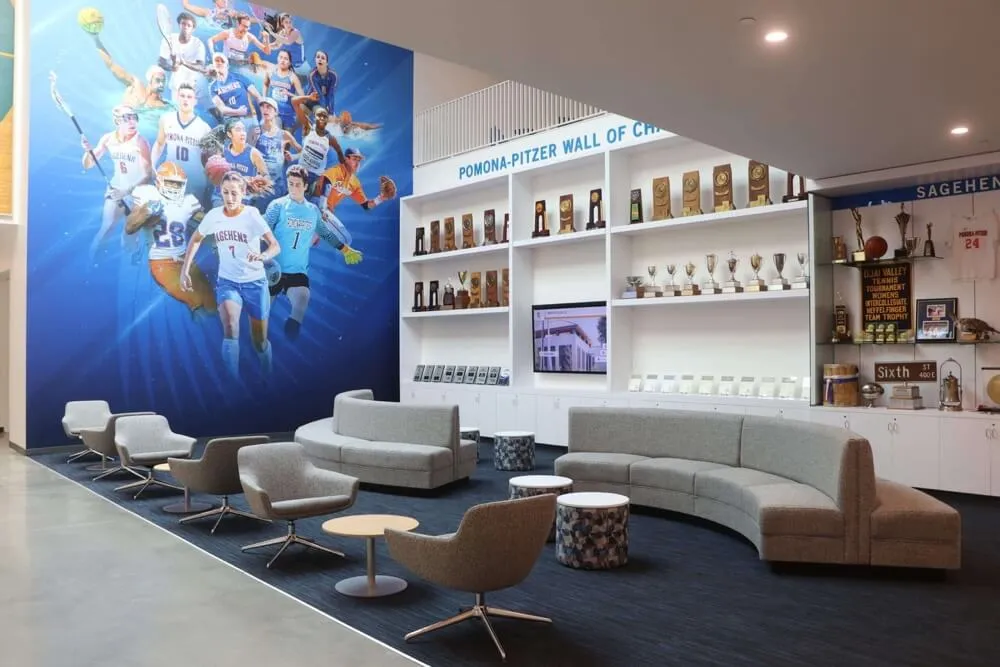
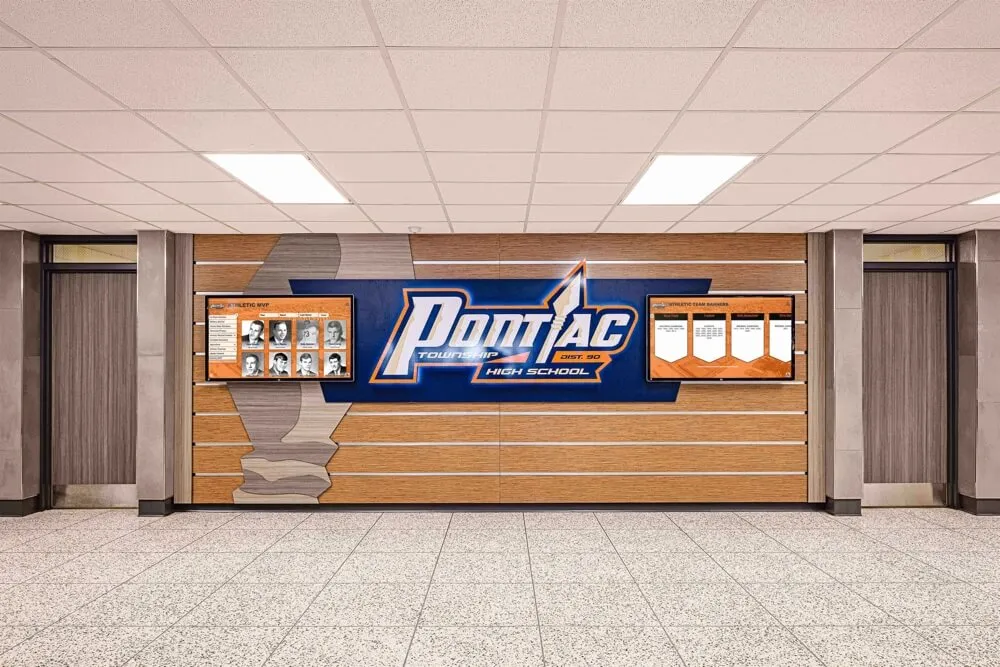
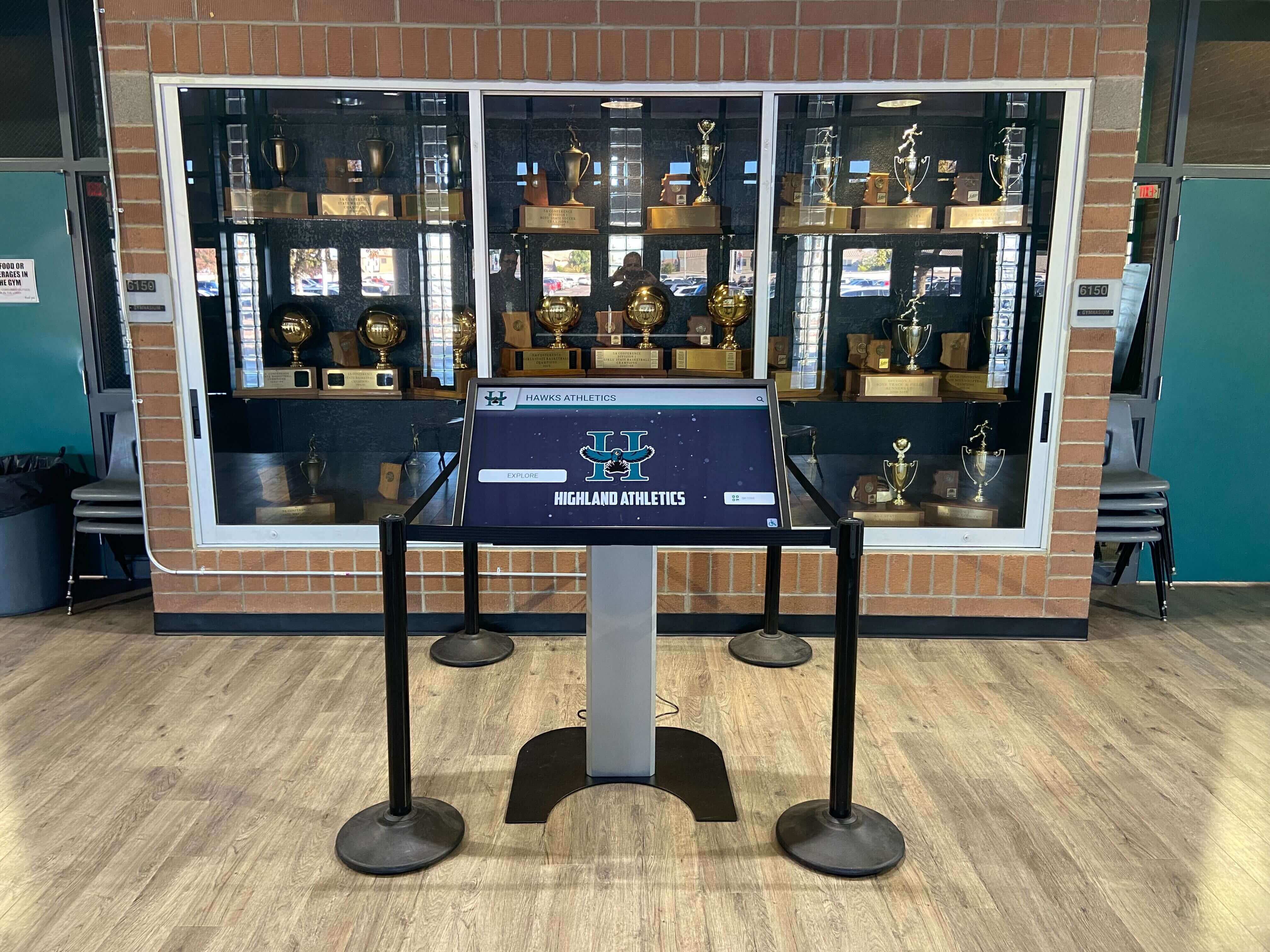
Digital recognition systems enable volleyball programs to create permanent displays celebrating senior achievements beyond what traditional trophy cases accommodate. These systems ensure every senior receives comprehensive recognition regardless of playing time while maintaining year-round visibility.
Coordinate Team-Wide Senior Appreciation Activities
Build senior week excitement through team activities celebrating the graduating class:
Senior Practice Day: Dedicate one practice where seniors run drills, call plays, and direct activities. This role reversal creates fun memories while acknowledging seniors’ program knowledge and leadership.
Underclassmen Senior Gifts: Have younger players create small gifts or memory books for seniors—handwritten notes expressing appreciation, photo collages from shared experiences, or team-signed items seniors can keep.
Senior Locker Decorations: Designate underclassmen to decorate senior lockers with photos, inspirational messages, and personal touches that greet seniors when arriving for their final home match.
Team Senior Breakfast or Lunch: Organize casual team meal in the days preceding senior night where conversations flow naturally and athletes share favorite memories without formal ceremony structure.
These activities complement public ceremony recognition by providing intimate moments where genuine emotions and authentic appreciation emerge naturally among teammates who’ve trained together for years.
Creative Ceremony Execution Ideas
The ceremony itself represents senior night’s centerpiece—the public recognition validating years of commitment before family, friends, and volleyball community members who supported these athletes throughout their careers.
Implement Personalized Introduction Approaches
Move beyond standard biographical announcements by incorporating personal elements making each senior’s introduction memorable:
Senior-Written Scripts: Allow seniors to write their own introduction content rather than coaches or announcers crafting generic biographies. Self-written introductions enable seniors to share what truly mattered—specific teammates who became sisters, coaches who changed their perspective, moments that defined their experience.
Parent Escort with Personal Touch: As parents escort seniors onto the court, have announcers share brief stories about each family’s volleyball journey—sacrifices made driving to tournaments, support through injuries, or family volleyball traditions.
Position Demonstration: As each senior is introduced, have them demonstrate signature skill—setters deliver perfect set, hitters execute powerful kill, liberos make spectacular dig. This active recognition beats passive standing while highlighting individual excellence.
Senior Message to Team: Provide each senior opportunity to address teammates briefly—thanking specific individuals, sharing advice for younger players, expressing what the program meant to their development.
Many programs find that volleyball senior celebrations work best when balancing structure with authenticity, maintaining ceremony flow while allowing genuine emotion and personality to emerge.
Feature Volleyball-Specific Recognition Elements
Incorporate elements unique to volleyball culture and tradition:
Jersey Presentation: Present seniors with framed jerseys featuring their number and name. These keepsakes become treasured mementos displayed in homes or college dorm rooms for years.
Volleyball Signed by Team: Provide each senior with volleyball signed by all teammates, coaches, and support staff. These personal messages create tangible memories seniors can revisit long after graduation.
Position Legacy Recognition: Acknowledge lineage of players at each position—“This senior continues the tradition of outstanding setters including [previous program setters]"—connecting current seniors to program history.
Rotation Formation Recognition: Have team form specific rotation alignment on court with seniors in their primary positions, then freeze that formation for photos capturing the unit they played within throughout senior season.
Net Ceremony: Create symbolic moment where seniors and parents walk under or through net together, representing journey from youth volleyball through high school career completion.
Incorporate Multimedia Presentations
Visual elements enhance emotional impact while entertaining attendees during ceremony components:
Photo Slideshows: Display continuous slideshow featuring seniors throughout their careers—youth volleyball beginnings, freshman year tryouts, tournament victories, team bonding moments, senior season highlights.
Career Statistics Graphics: Create professional-looking graphics displaying each senior’s career statistics, records, and achievements. Display these during introductions providing context for accomplishments.
Video Board Tributes: If your facility has video board capabilities, show individual senior videos during ceremony or compile into comprehensive senior class tribute video.
Social Media Integration: Display live social media feed showing congratulatory messages from community members, alumni, or extended family unable to attend in person. This broadens participation while demonstrating community support.
QR Code Access: Provide QR codes linking to comprehensive senior profiles, full-length videos, or photo galleries families can access from phones during or after ceremonies. This extends recognition beyond what time constraints allow during physical ceremonies.
Resources on senior athlete celebrations demonstrate how multimedia integration creates engaging experiences while documenting memories families treasure for years.
Plan Strategic Ceremony Timing
Volleyball senior night timing significantly impacts atmosphere and attendance:
Pre-Match vs. Between-Match Timing: Most programs conduct senior night before first set, capitalizing on full attendance and focusing attention entirely on recognition before competition begins. However, between-match ceremonies (after JV before varsity) work when programs want JV players participating while giving senior varsity athletes time to compose emotions before competing.
Length Management: Target 15-20 minute ceremonies—long enough for meaningful recognition, short enough maintaining audience attention and avoiding extensive delays before competition.
Match Opponent Considerations: When possible, schedule senior night against conference rival or traditional opponent ensuring strong attendance and competitive atmosphere. Avoid scheduling against programs with difficult travel that might result in late starts or weather-related complications.
Multiple Team Coordination: Programs with JV and varsity seniors should determine whether to conduct one combined ceremony or separate recognitions. Combined ceremonies honor all athletes equally while separate ceremonies provide age-appropriate recognition matching competitive levels.
Underclassmen Participation: Position underclassmen around court perimeter forming honor corridor, holding banners, or creating human tunnel seniors walk through during introductions. This involvement builds team unity while demonstrating respect for graduating teammates.
Family and Community Engagement Strategies
Volleyball senior night celebrates families as much as athletes—recognizing years of tournament travel, equipment investments, emotional support through injuries or playing time challenges, and unconditional encouragement that sustained athletes through demanding schedules.
Create Meaningful Parent Recognition Moments
Parents sacrifice significantly supporting volleyball careers, and senior night provides opportunities acknowledging those contributions:
Parent Introduction: As each senior is introduced, announce parents by name and briefly acknowledge specific ways they supported the program—booster club leadership, tournament hosting, team meal coordination, transportation assistance.
Flower or Gift Presentation: Have seniors present flowers, small gifts, or handwritten thank you notes to parents during introductions. This role reversal where athletes thank supporters creates particularly emotional moments.
Parent Speeches or Messages: Consider allowing one or two senior parents to share brief remarks about what the program meant to their families or what they’ll miss most about volleyball season rhythms.
Family Photo Opportunities: Designate professional photographer or skilled volunteer to capture quality family photos on court—seniors with parents, siblings, grandparents, or complete extended families. Provide digital copies after the event through cloud sharing.
Parent Timeline Recognition: For parents who’ve had multiple children in the program, acknowledge their cumulative years supporting volleyball—“Celebrating the Smith family’s 12 years with our program as their youngest graduates”—honoring sustained commitment.
Facilitate Alumni Connections
Create opportunities connecting graduating seniors with program alumni:
Alumni Attendance: Invite recent graduates who played with current seniors or notable program alumni to attend senior night. Their presence demonstrates program family extends beyond graduation.
Alumni Messages: Collect video messages from former players offering congratulations, sharing what playing in the program meant to their development, or providing advice for life after high school volleyball.
Mentorship Connections: Facilitate introductions between seniors and alumni pursuing similar college programs, career paths, or interests. These connections provide guidance navigating post-high school transitions.
Program Legacy Recognition: Acknowledge seniors joining ranks of program alumni, emphasizing they’re now part of decades-long tradition of athletes who represented the school through volleyball.
Understanding comprehensive approaches to athletic recognition programs helps volleyball programs design recognition systems that strengthen alumni engagement while celebrating current athletes.
Engage Broader Volleyball Community
Extend participation beyond immediate team and families:
Youth Program Involvement: Invite youth volleyball players to attend, participate in honor formations, or present gifts to seniors. This connects program levels while inspiring younger players showing what senior recognition looks like.
Opponent Participation: Some programs arrange brief opponent involvement—opposing coach offering congratulatory words, opponent team forming honor line seniors walk through, or simple handshake line acknowledging shared volleyball respect.
Community Recognition: Invite school administrators, board members, or community leaders to attend and briefly address importance of athletics in student development. This validates program value while demonstrating institutional support.
Social Media Engagement: Livestream ceremony via school social media enabling extended family, alumni, or community members unable to attend in person to participate virtually. Archive video for permanent access.
Media Coverage: Contact local media outlets inviting coverage. Newspaper features or local sports reporters attending and publishing stories extend recognition beyond attendees while building program visibility.
Post-Ceremony Recognition and Permanent Honors
Senior night recognition shouldn’t conclude when ceremonies end. Thoughtful follow-up and permanent recognition systems extend impact while maintaining connections with graduating athletes.
Implement Digital Senior Recognition Systems
Technology enables volleyball programs to create comprehensive, lasting recognition extending beyond physical ceremony limitations:
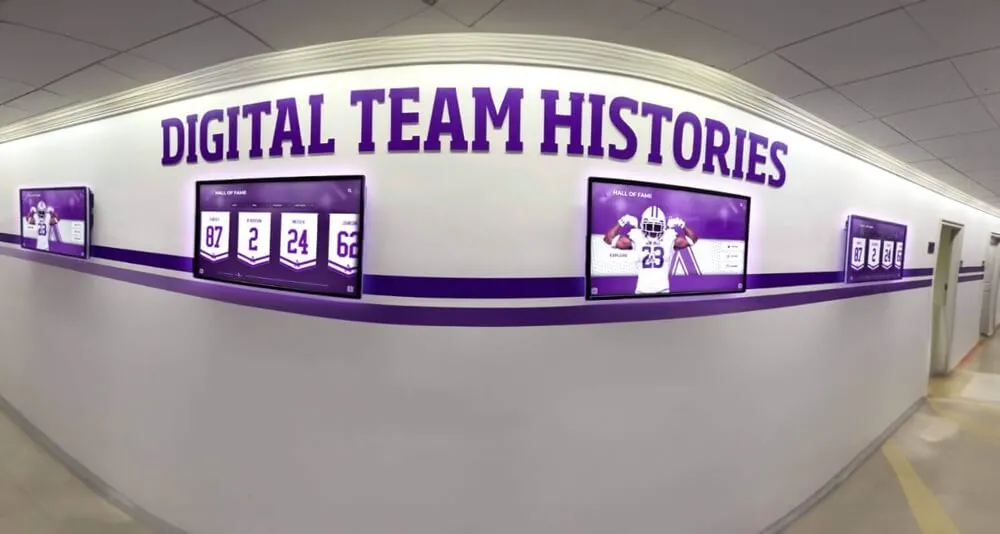
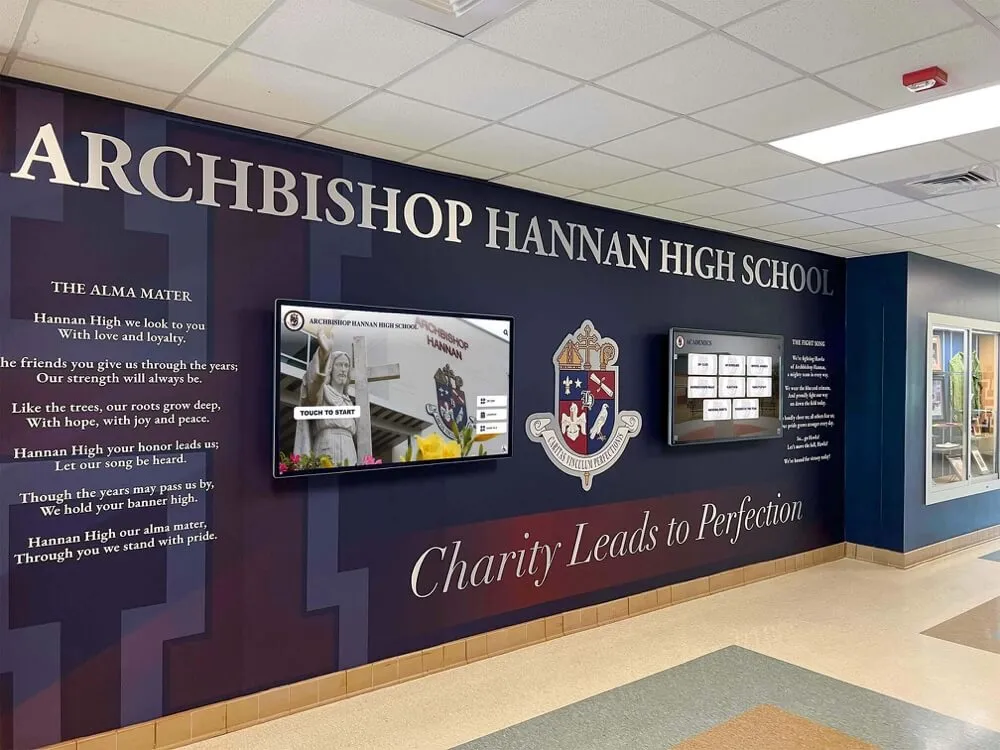
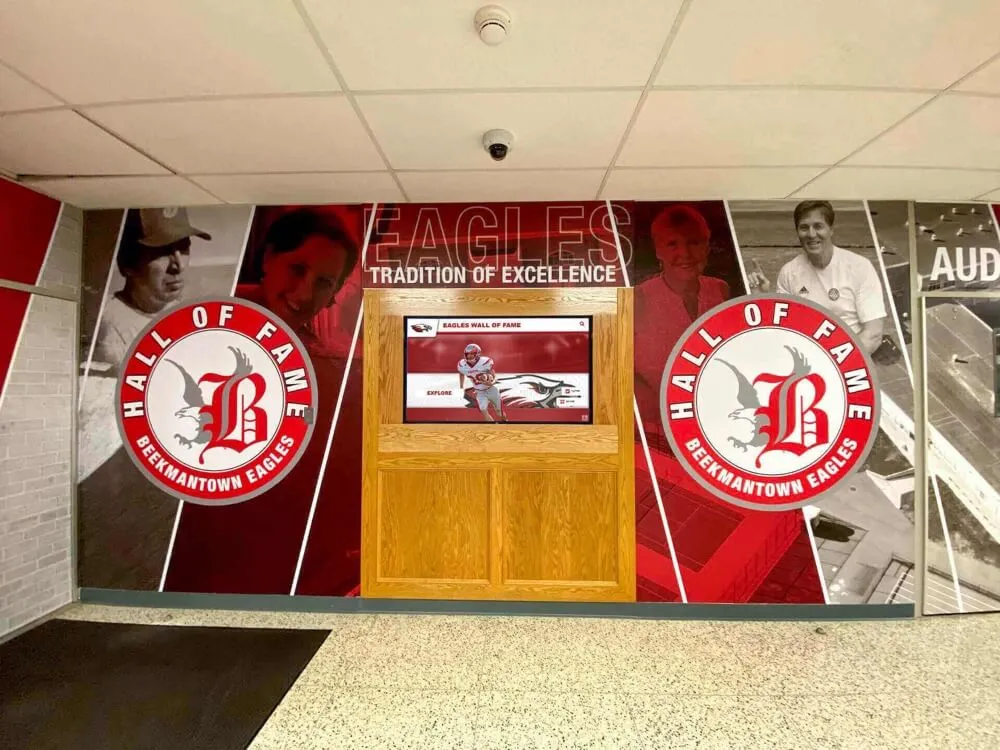
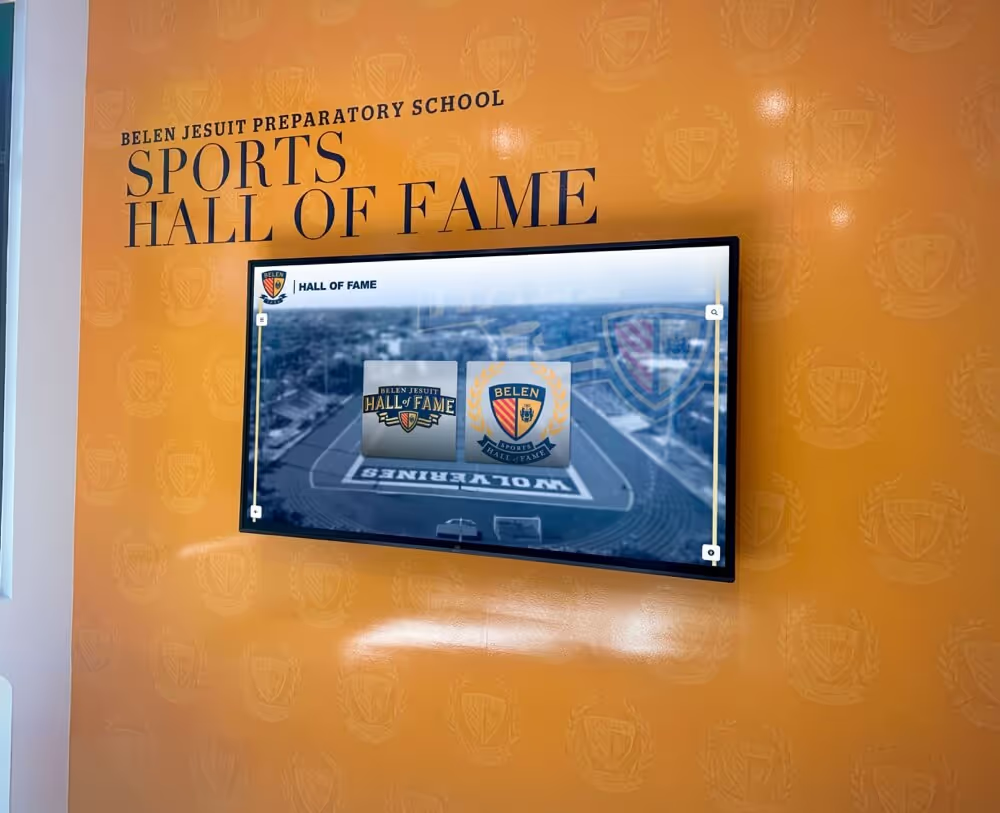
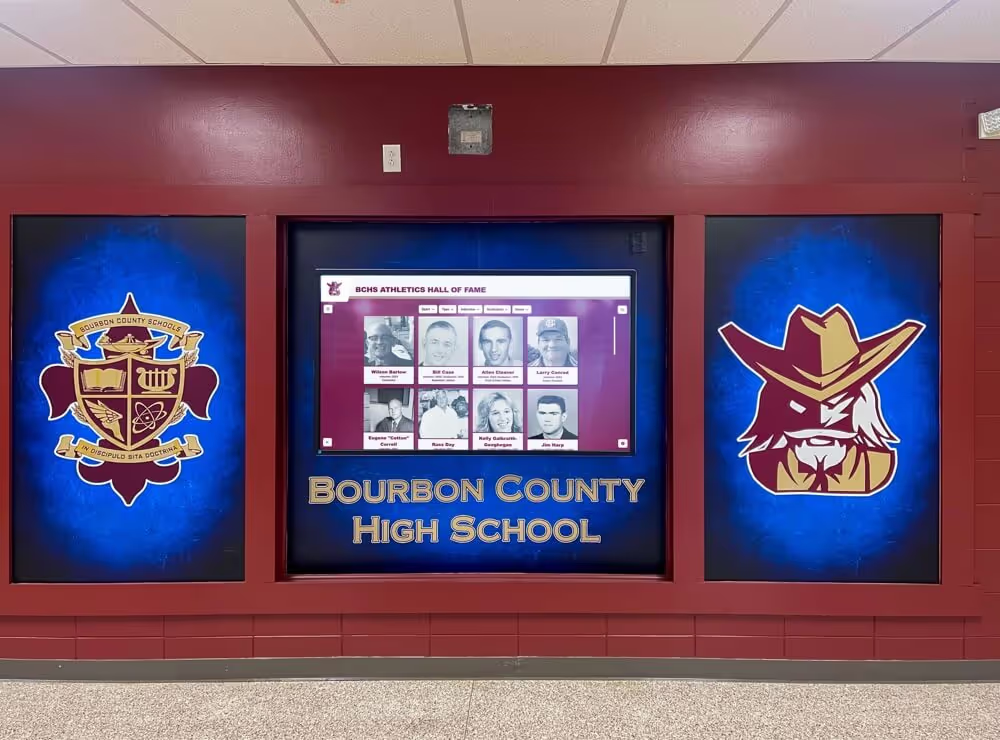
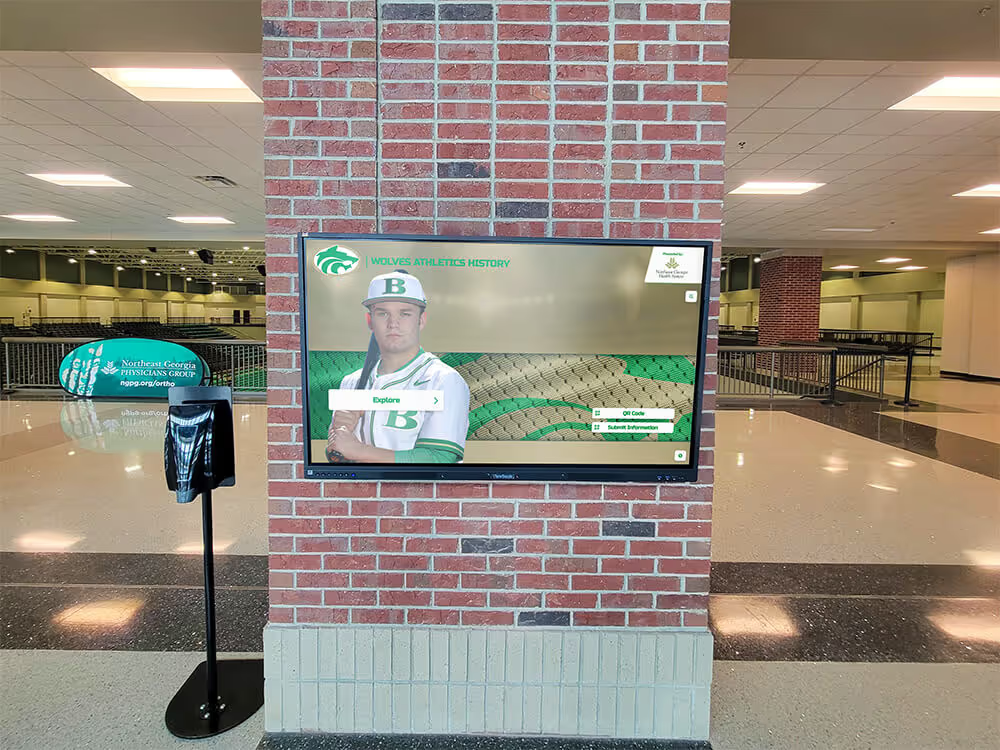
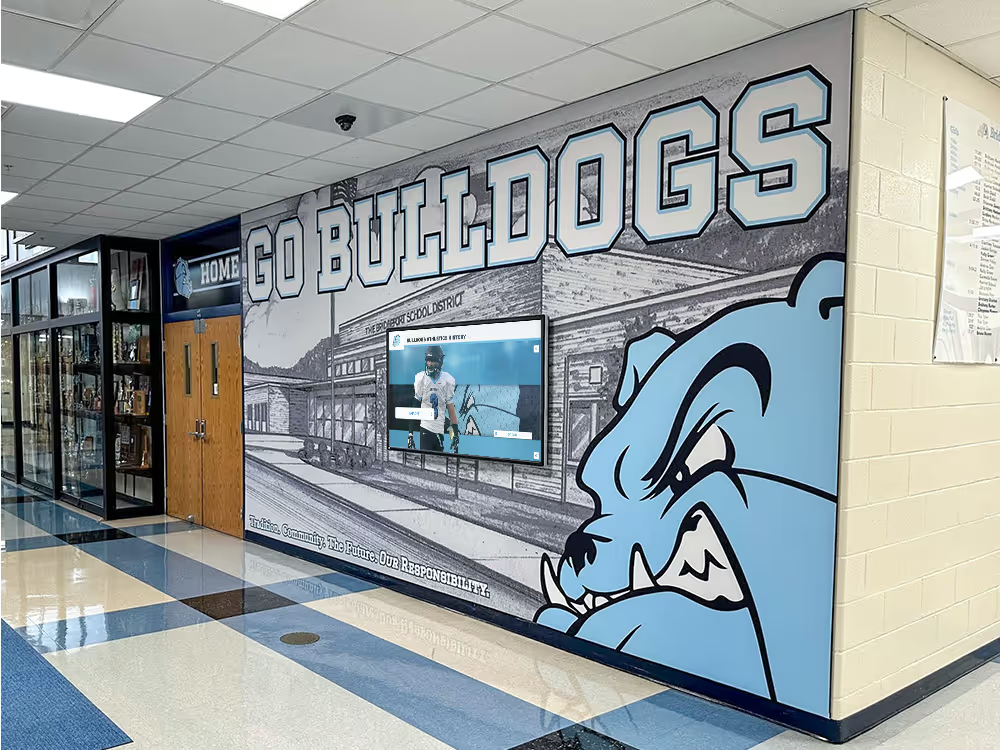
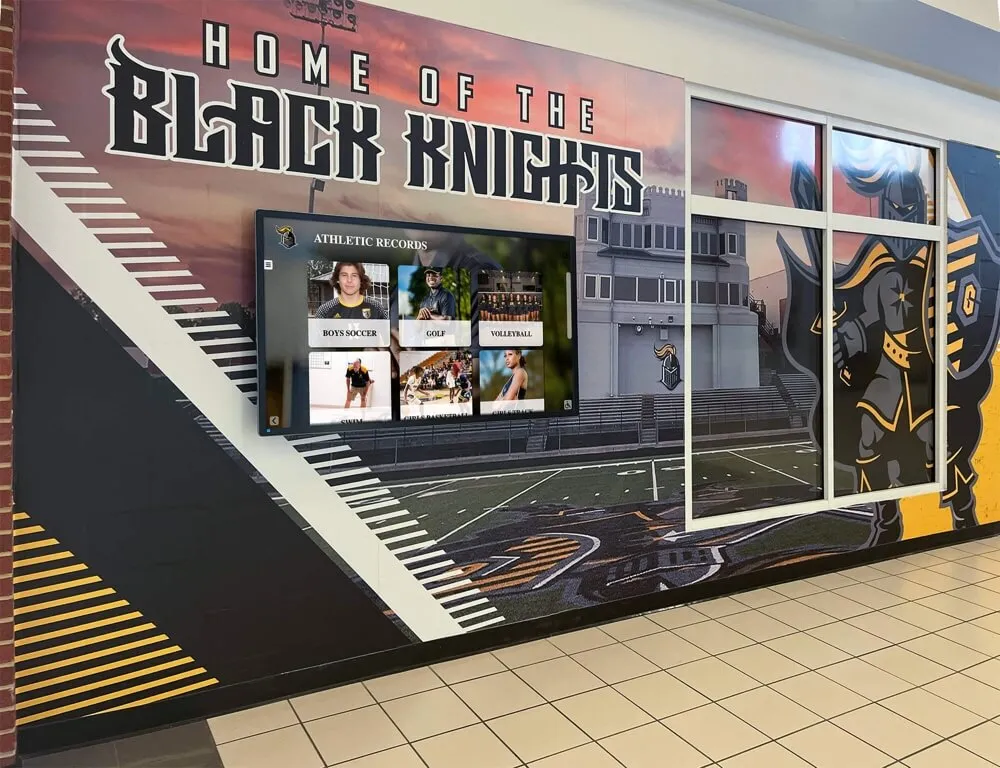
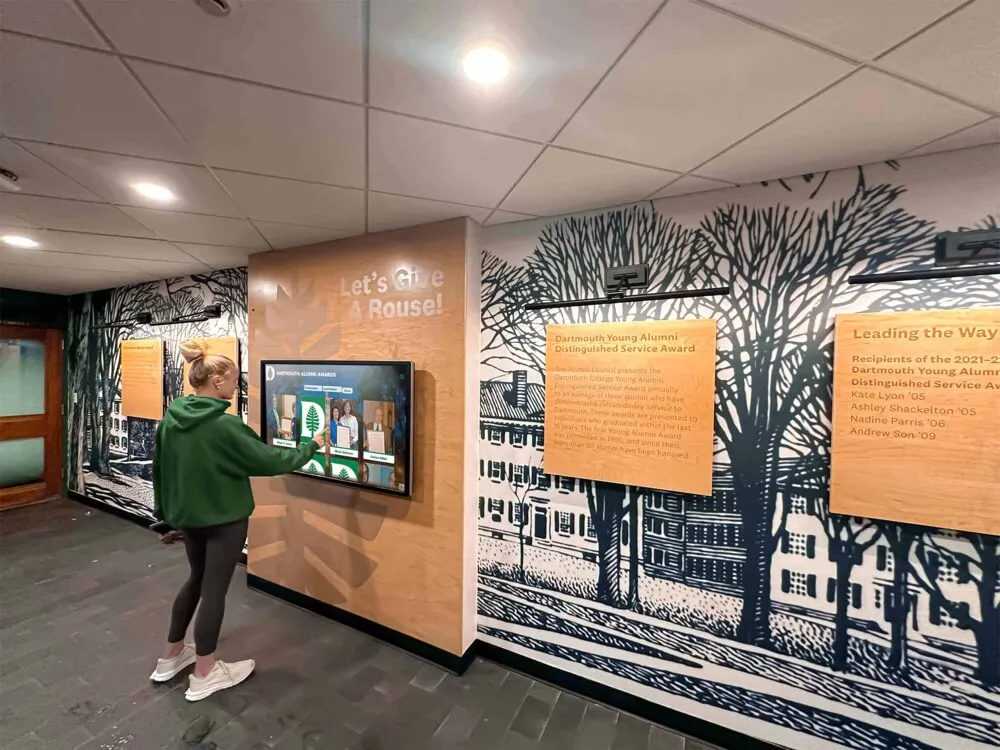
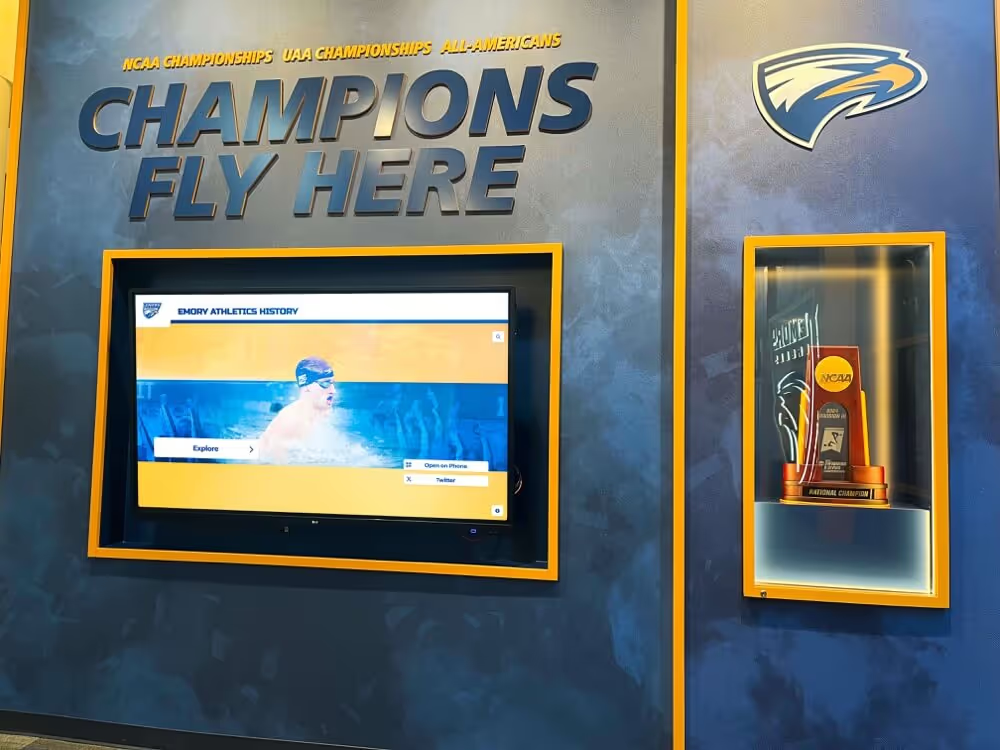
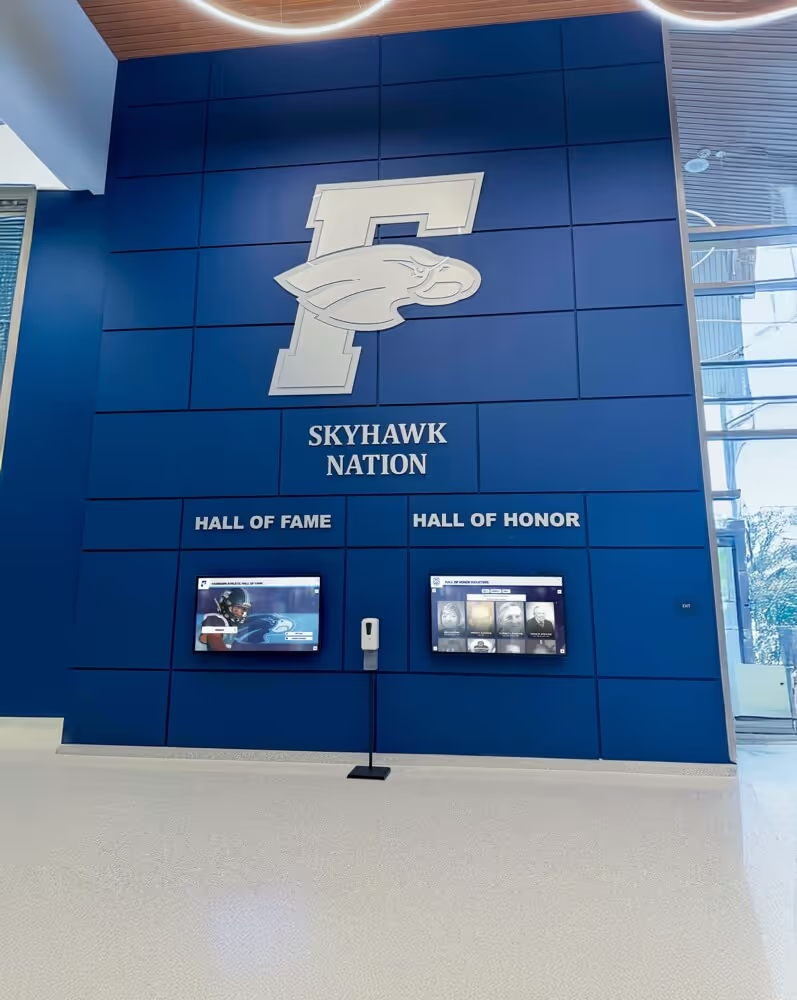
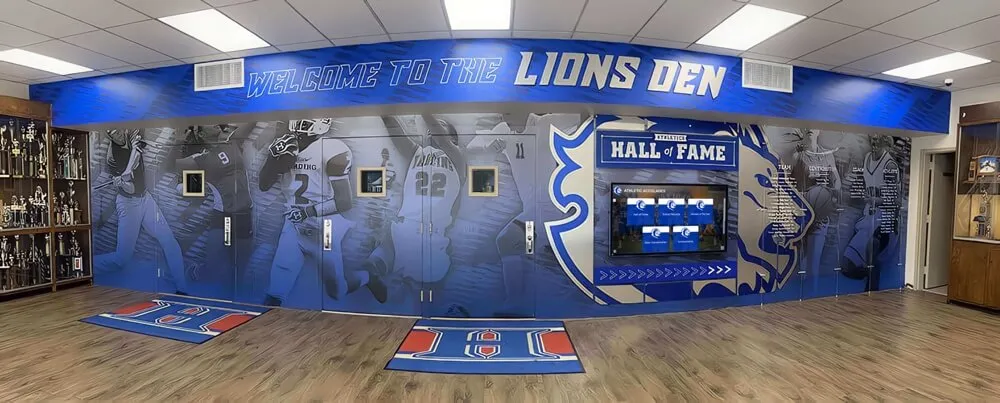
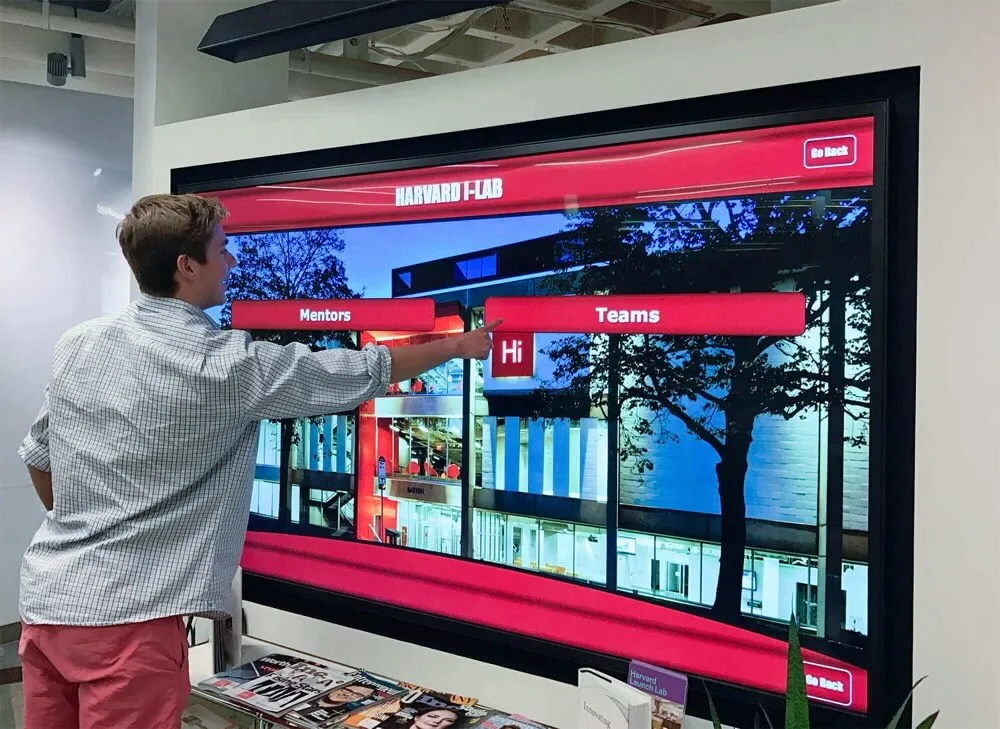
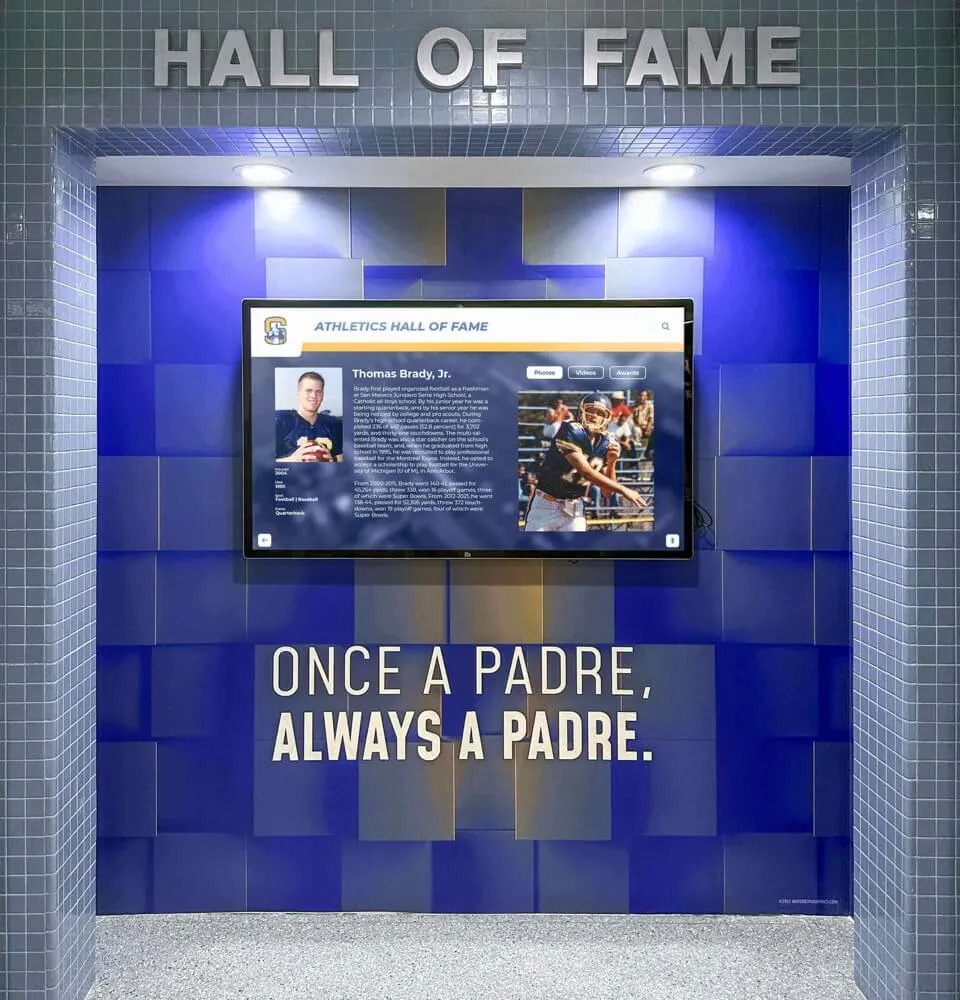
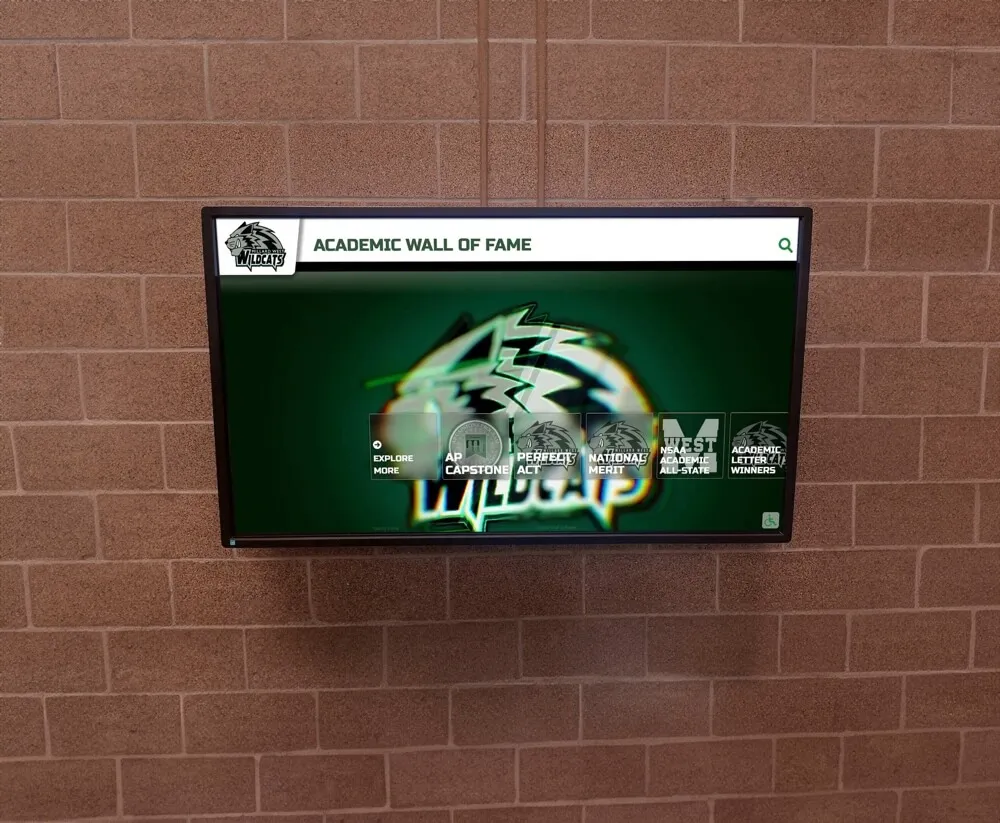
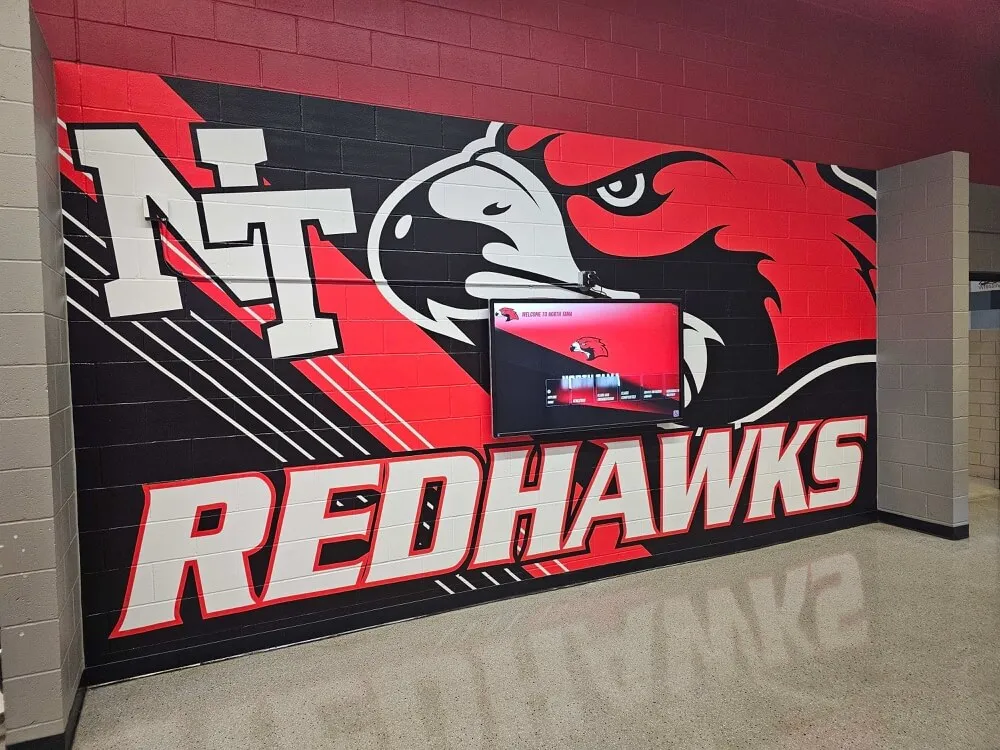
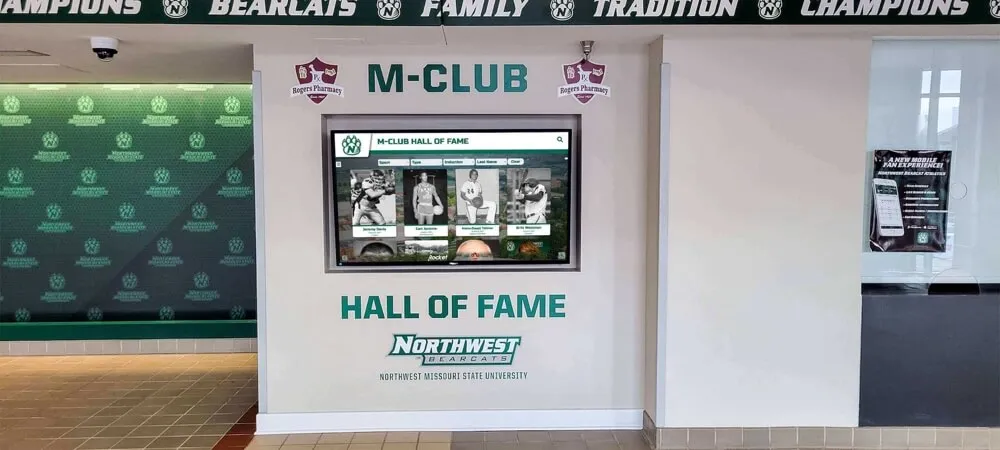
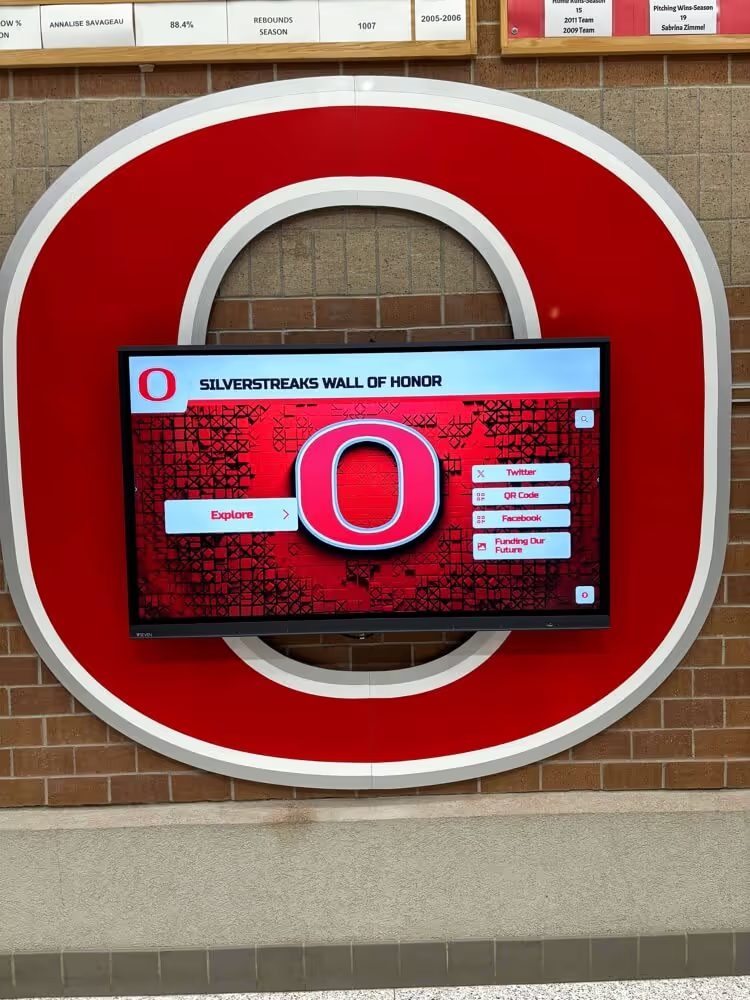
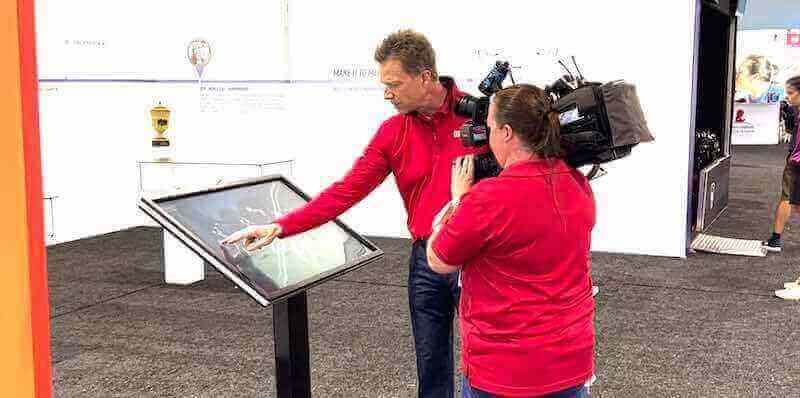
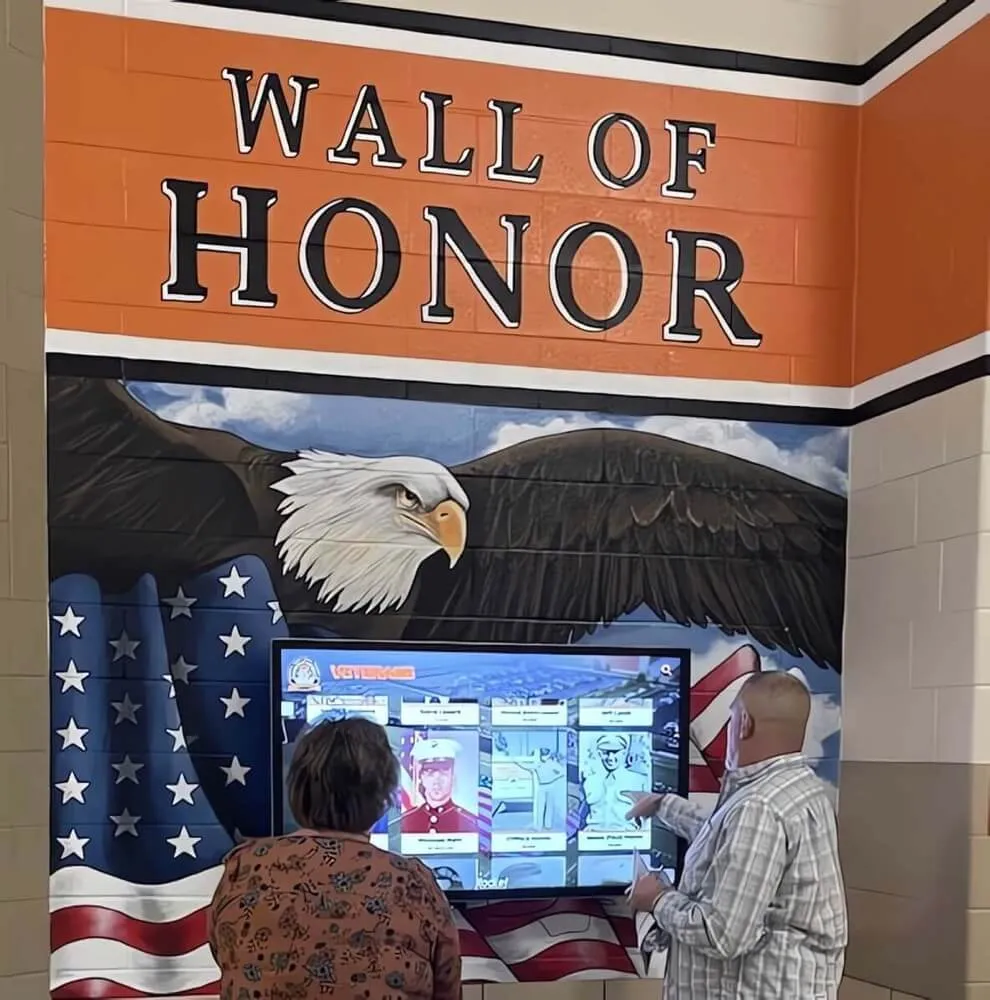
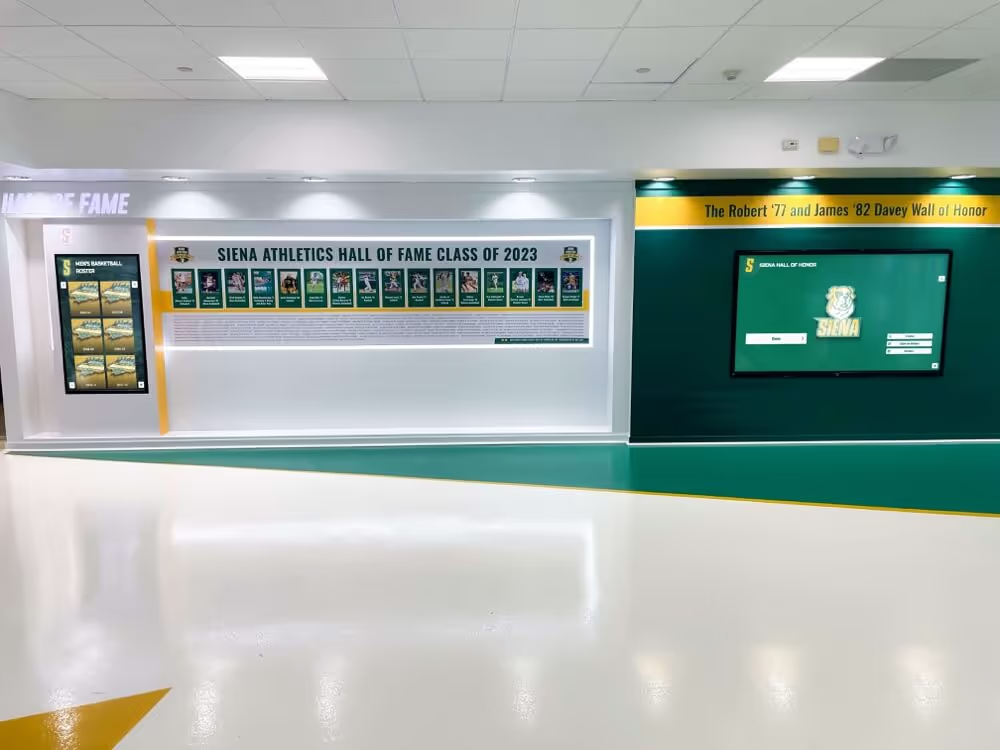
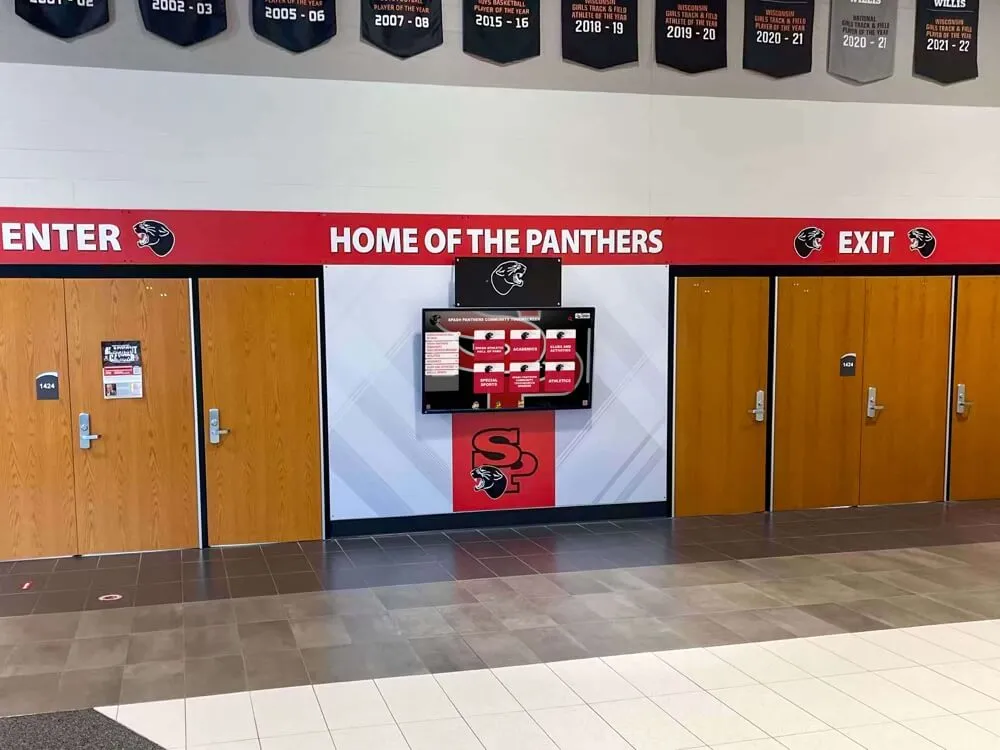
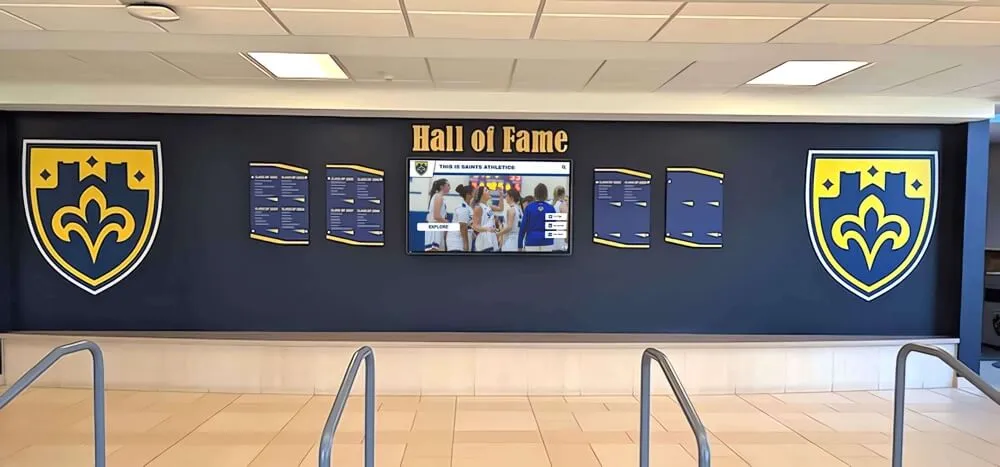
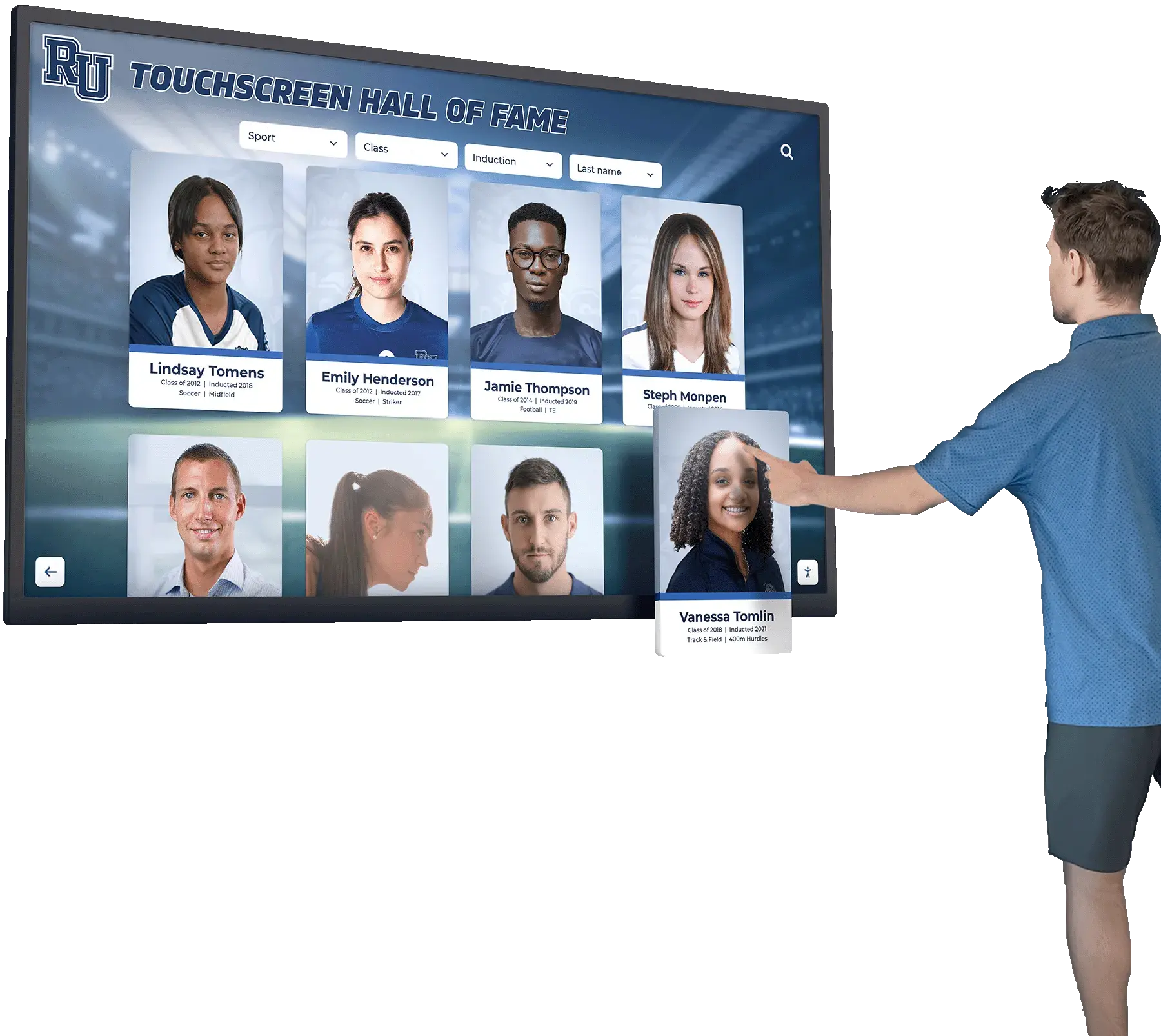
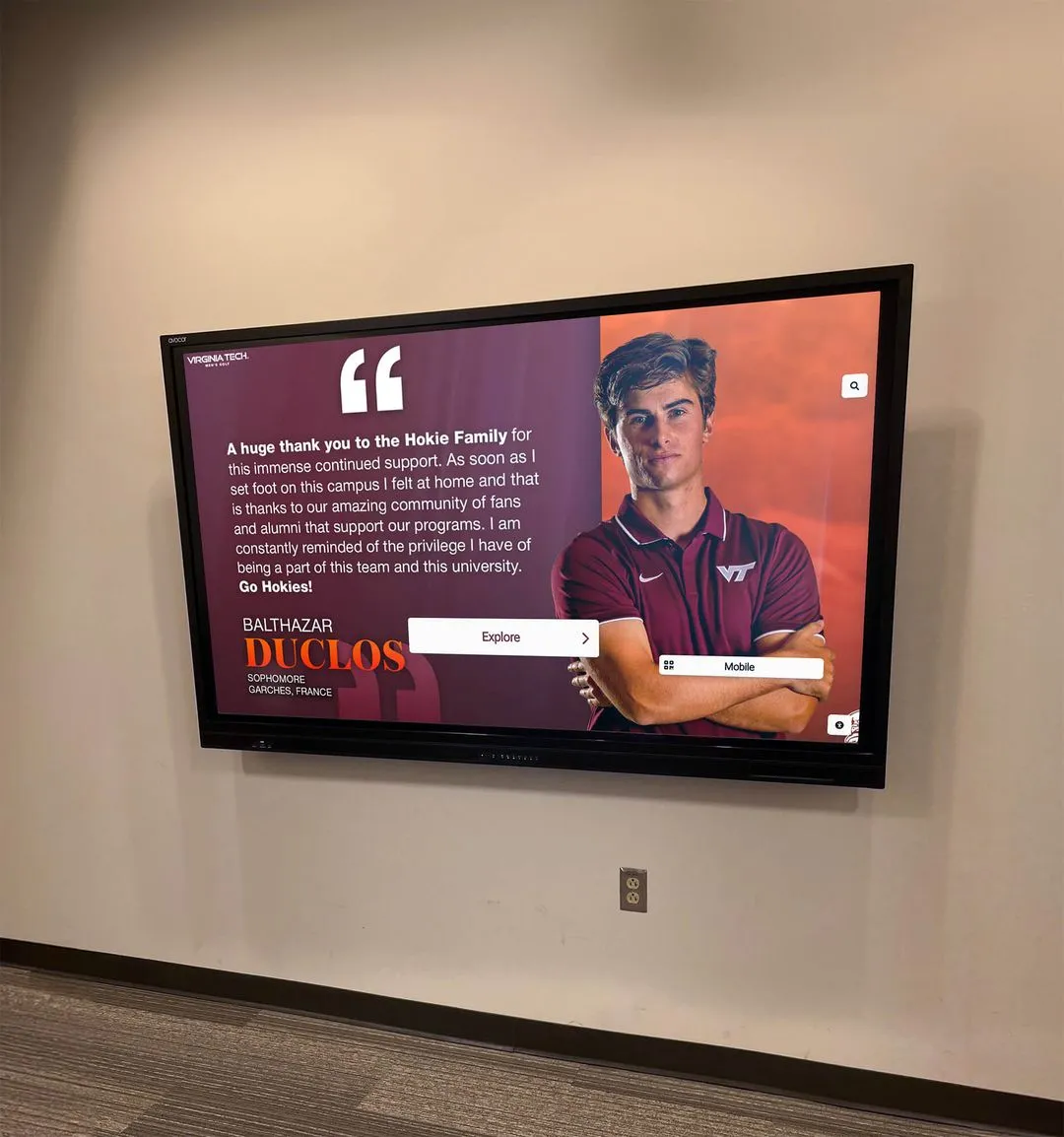
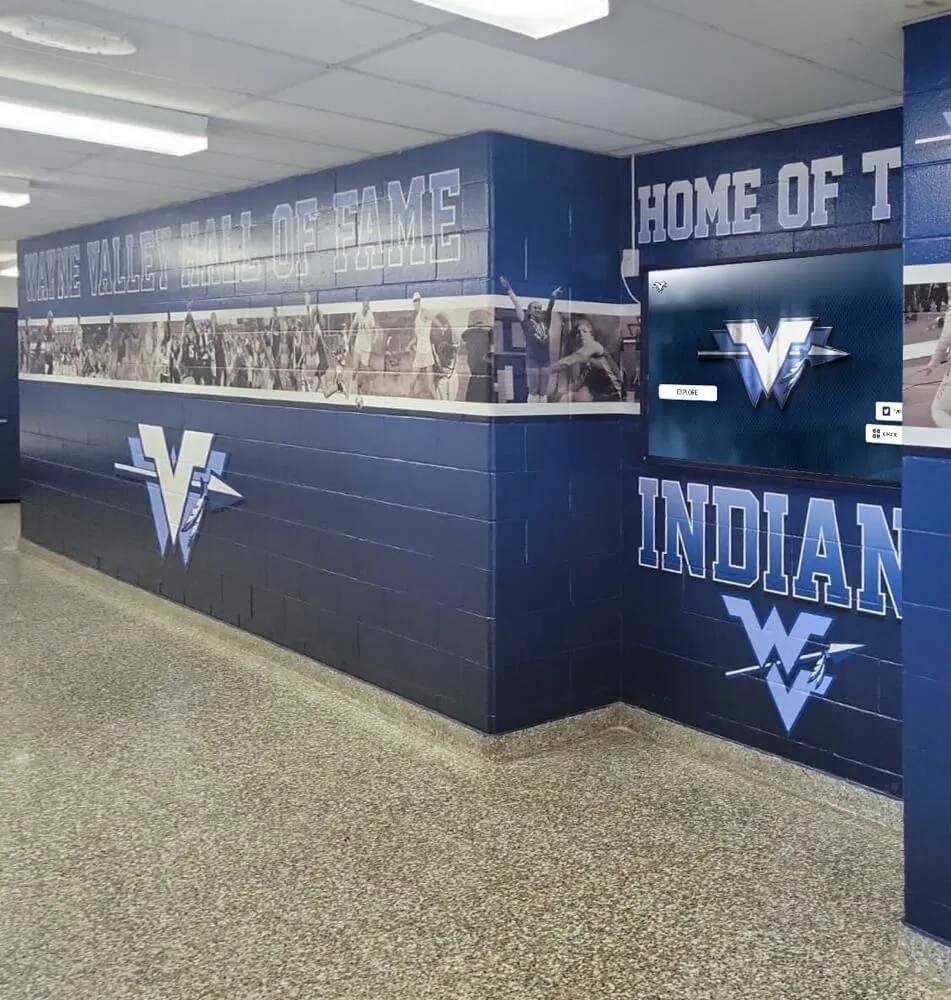
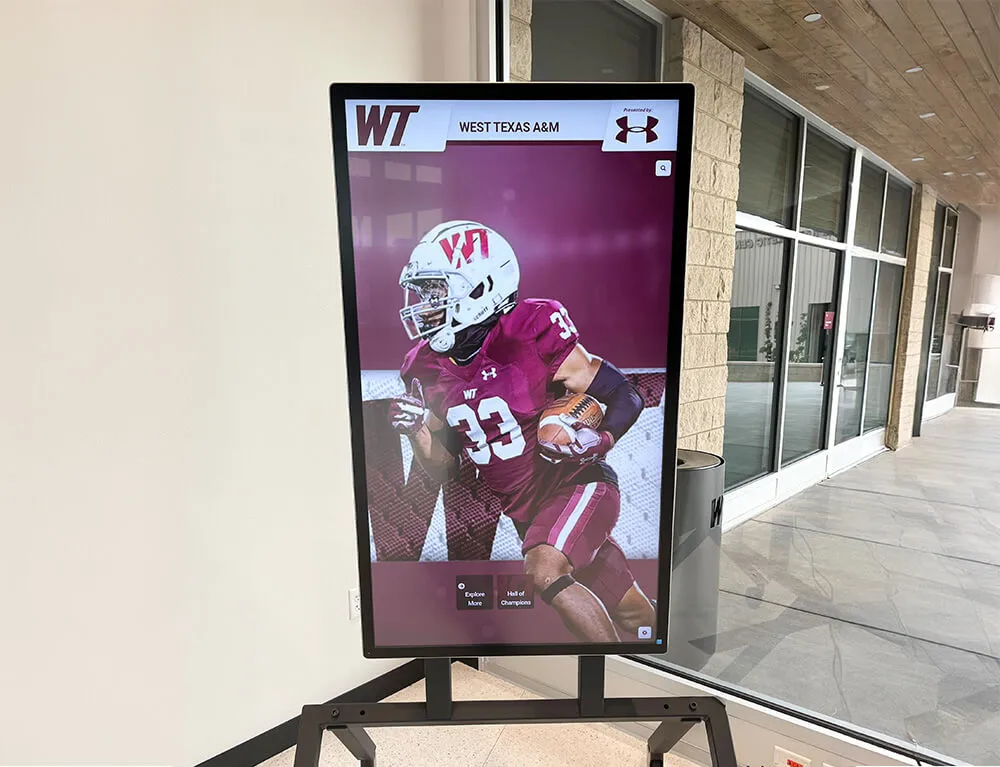
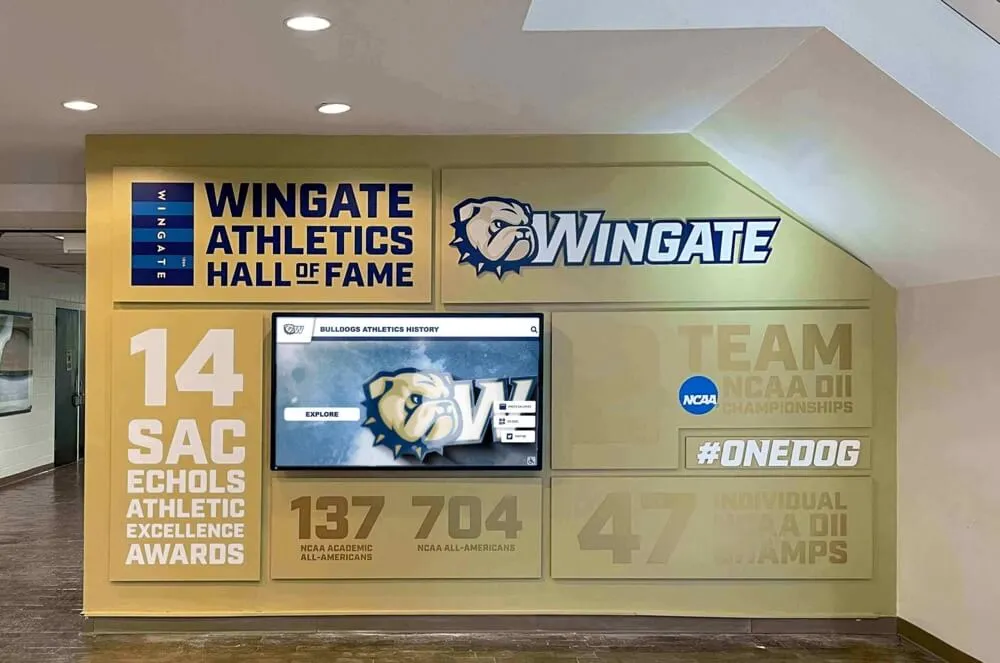
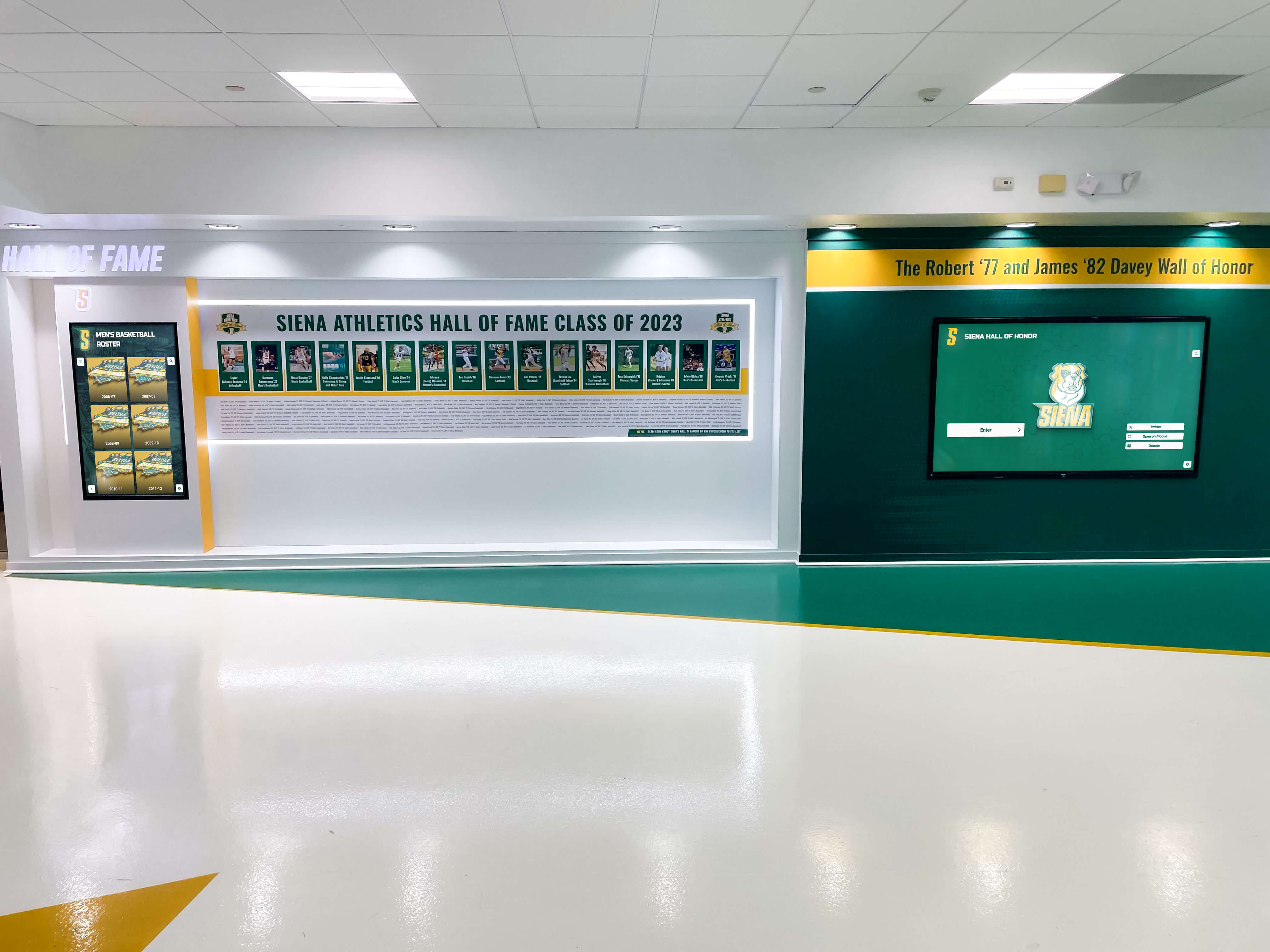
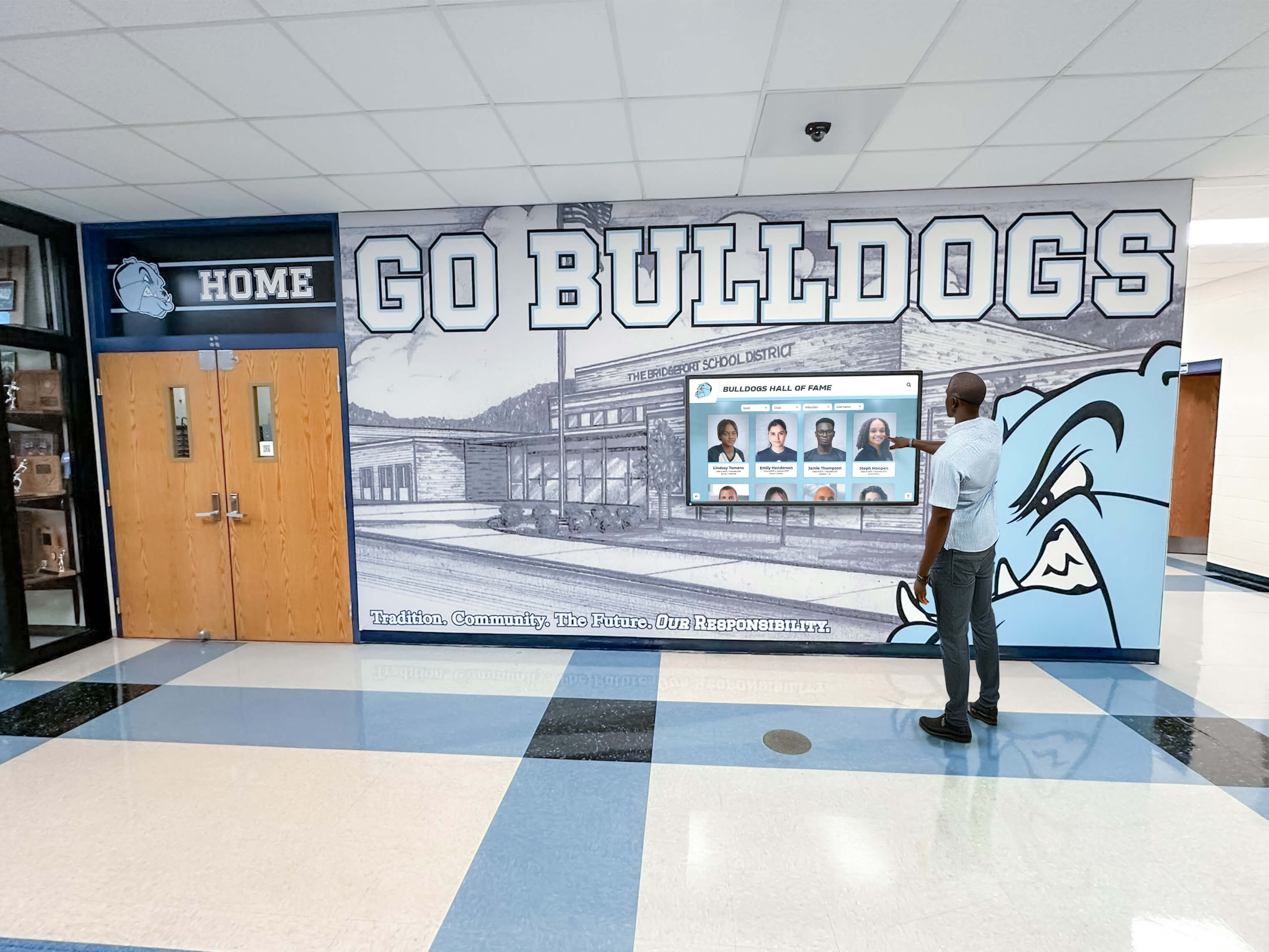
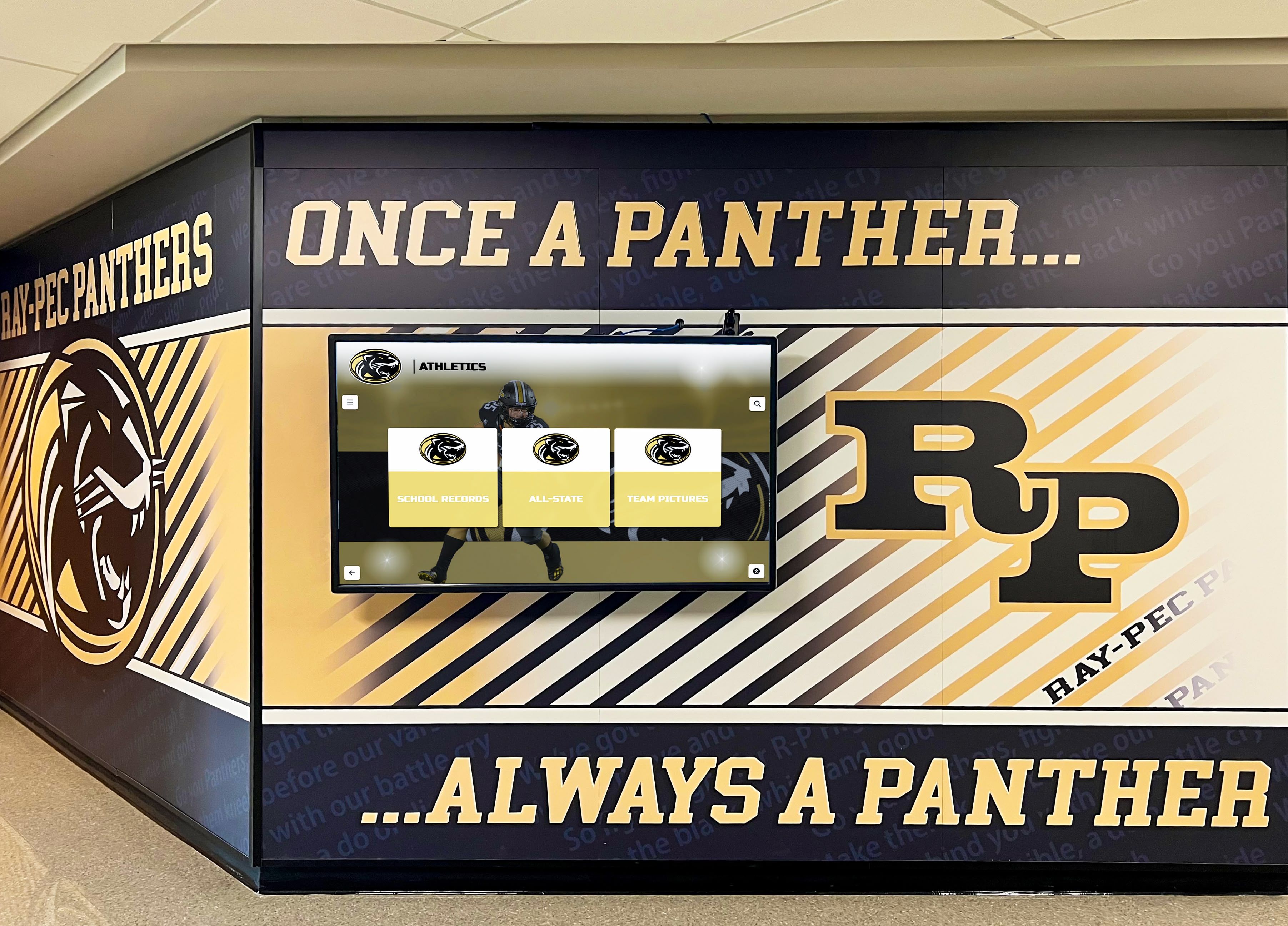
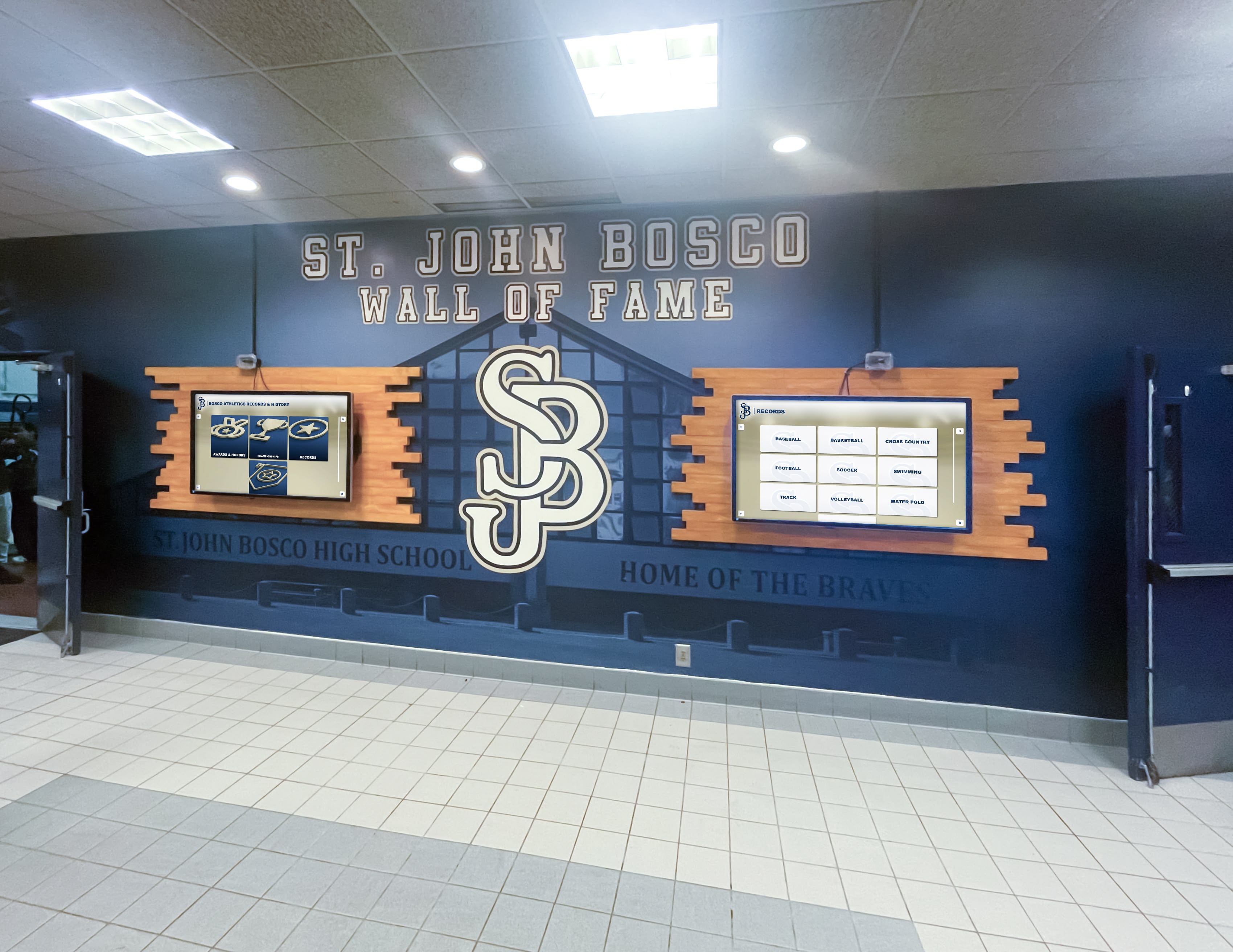
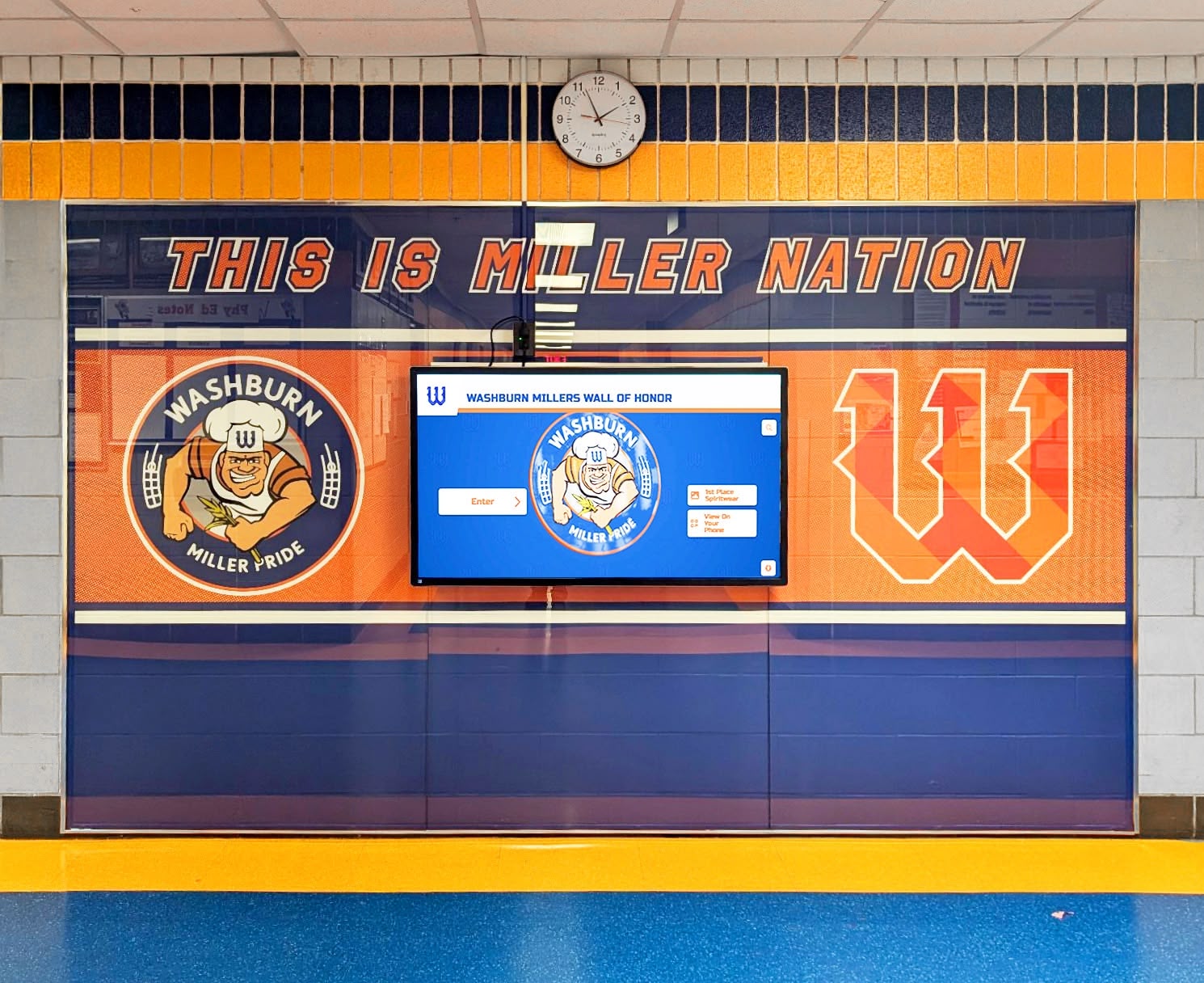
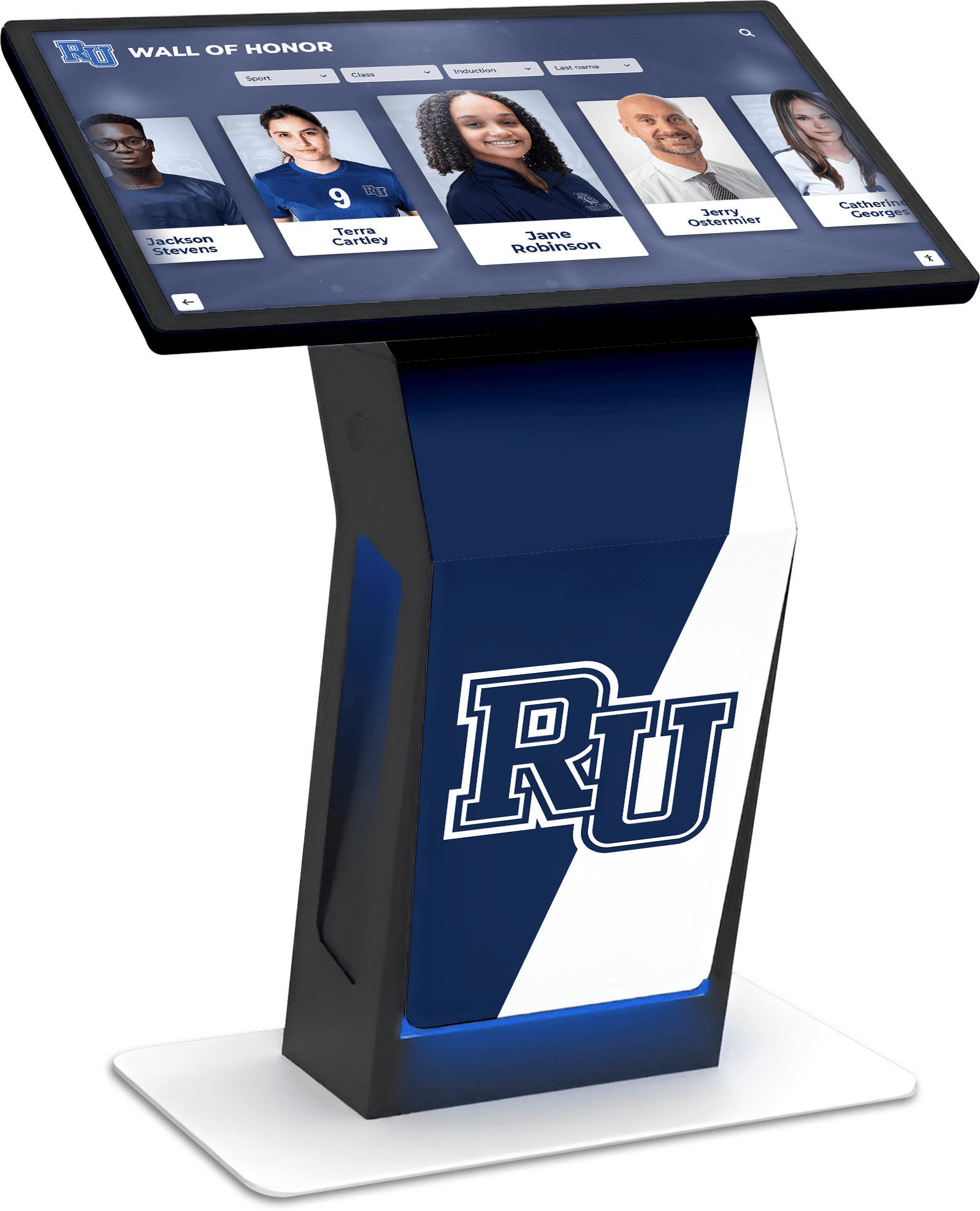
Interactive Touchscreen Displays: Digital recognition displays installed in gymnasiums or school lobbies provide permanent platforms showcasing senior profiles featuring statistics, photos, achievements, and personal statements.
Unlimited Recognition Capacity: Unlike physical plaques limited by wall space, digital systems accommodate unlimited seniors across unlimited seasons, ensuring every graduate receives equal comprehensive recognition regardless of playing time or statistical production.
Multimedia Integration: Digital platforms include video highlights, photo galleries, career statistics, and interactive elements traditional recognition methods cannot provide.
Easy Updates: Web-based management enables quick additions of new senior classes, updating information, or correcting details without physical reinstallation or manufacturing costs.
Remote Family Access: Online extensions allow extended family, alumni, or community members to explore senior recognition from anywhere, broadening impact beyond physical installation locations.
Programs implementing solutions like Rocket Alumni Solutions create year-round senior recognition continually honoring graduating athletes rather than limiting acknowledgment to brief ceremony moments. These systems build permanent digital archives celebrating every senior class in program history while enabling current seniors to see their predecessors’ accomplishments, connecting them to sustained program tradition.
Create Senior Memory Books
Compile comprehensive memory books or digital portfolios documenting each senior’s volleyball career:
Content Elements: Include team photos from all years, individual action shots, career statistics, tournament brackets from significant competitions, news clippings, teammate messages, coach evaluations, and space for senior night ceremony signatures.
Physical vs. Digital Options: Physical memory books become treasured keepsakes displayed in homes. Digital portfolios cost less while enabling easy sharing with extended family and inclusion of video content.
Presentation Timing: Present during senior night ceremony, end-of-season banquets, or final team gathering. Allow time for teammates to sign physical books or contribute messages to digital versions.
Alumni Contributions: Request brief messages from program alumni, particularly those who played with or mentored current seniors, adding cross-generational perspective.
Preservation Quality: For physical books, invest in quality binding and archival materials ensuring longevity. For digital versions, use formats and platforms with sustained accessibility rather than proprietary systems that may become obsolete.
Maintain Post-Graduation Connections
Senior night marks transition rather than conclusion, and thoughtful programs maintain relationships with graduating athletes:
Contact Information Collection: Gather personal email addresses, phone numbers, and social media accounts before school accounts expire. Maintain alumni database enabling ongoing communication.
End-of-Season Individual Meetings: Schedule one-on-one meetings with each senior after season concludes to discuss their experience, gather program feedback, offer support for future plans, and reinforce open invitation for continued connection.
First-Year Check-Ins: Reach out to graduates during their first post-high school year checking on adjustment to college, new teams, or work commitments. These connections demonstrate genuine care extending beyond athletes’ usefulness to current program needs.
Alumni Event Invitations: Invite recent graduates to return for current team events, alumni matches, or program celebrations keeping them engaged with volleyball family even after graduation.
Success Celebration: When alumni achieve notable accomplishments—college team success, academic honors, career milestones—acknowledge these through program communications and digital recognition updates celebrating continued achievement.
Guidance on student athlete recognition demonstrates how volleyball programs can create comprehensive systems ensuring lasting connections with graduating athletes while maintaining program alumni networks.
Special Considerations for Diverse Senior Situations
Not all seniors experience volleyball careers identically, and thoughtful programs adjust recognition approaches ensuring every graduating athlete feels equally valued regardless of playing time, role, or career trajectory.
Recognizing Non-Starters and Role Players
Volleyball’s rotation systems and specialized positions mean some athletes contribute primarily through practice intensity, bench energy, or limited game appearances. These players deserve recognition equal to starters:
Equal Ceremony Time: Ensure every senior receives identical introduction length and ceremony attention regardless of varsity minutes played. Stars shouldn’t receive extended recognition while role players get abbreviated acknowledgment.
Contribution-Based Recognition: Highlight specific ways each athlete contributed—practice competitiveness that prepared starters, positive attitude maintaining team morale, mastery of specific skills that elevated practice quality, leadership in team activities beyond court performance.
Value Beyond Statistics: Acknowledge that team success requires complete roster commitment. Reserve players enable starters to rest during practice, provide scout team opposition preparing teammates for opponents, and maintain culture through consistent presence and positive energy.
Personal Growth Recognition: Highlight character development, maturity gains, or personal challenges overcome rather than only athletic achievement. Seniors who developed from immature freshmen to responsible leaders deserve recognition equal to statistical performers.
Honoring Injured or Medically Retired Seniors
Seniors whose careers ended due to injury or medical retirement require sensitive, thoughtful recognition:
Full Participation: Include injured athletes in all ceremony elements—introductions, video tributes, gifts, photos—treating them identically to healthy competing seniors.
Acknowledge Unique Sacrifice: Recognize the particular pain of careers ended prematurely and honor the mental toughness required remaining engaged with teams despite inability to compete.
Highlight Non-Playing Contributions: Emphasize how injured seniors contributed through assistant coaching, statistical tracking, film analysis, equipment management, or team morale maintenance despite not competing.
Future-Focused Recognition: Frame recognition around post-volleyball plans and how lessons learned through injury experience—resilience, perspective, adapting to adversity—will serve them beyond athletics.
Avoid Diminishing Language: Never position injured seniors as lesser or use phrases like “would have been great if not for injury.” Celebrate what they accomplished and contributed rather than dwelling on unrealized potential.
Celebrating Senior Managers and Support Staff
Senior night should extend beyond competing athletes to include senior managers, statisticians, equipment managers, videographers, and other support staff who dedicated comparable time and commitment:
Equal Ceremony Recognition: Include senior support staff in ceremony introductions providing equal spotlight alongside competing athletes.
Role-Specific Acknowledgment: Recognize specific contributions—the manager who organized all travel logistics, the statistician whose meticulous tracking maintained program records, the videographer whose film enabled opponent scouting.
Video Tributes for Staff: Create video tributes for senior support staff similar to player videos, acknowledging their journeys and contributions to program success.
Team Integration: Ensure senior support staff receive same gifts, recognition materials, and ceremony treatment as competing athletes, demonstrating the program values all contributions regardless of on-court participation.
Resources on comprehensive recognition programs provide frameworks ensuring volleyball programs honor diverse contributions equitably.
Budget Planning for Volleyball Senior Night
Understanding cost components and creative funding strategies enables programs to create memorable celebrations within available resources.
Essential Expense Categories
Physical Gifts and Keepsakes: Flowers for seniors and parents, framed photos or jerseys, signed volleyballs, memory books, or commemorative items ($15-30 per senior typically).
Ceremony Production Elements: Professional photography, videography services, printing programs with senior information, ceremony decorations ($300-800 depending on scope).
Technical Requirements: Audio system rentals if facilities lack adequate equipment, video board content production, display printing ($100-500).
Digital Recognition Investment: Touchscreen displays and content management platforms ($15,000-40,000 initial investment, enabling unlimited ongoing senior recognition without recurring physical plaque costs).
Reception or Event Elements: Post-ceremony gatherings with refreshments, senior week meals, or special event components ($200-600 depending on attendance and scope).
Cost-Effective Celebration Strategies
Booster Club Funding: Engage booster organizations in sponsoring senior night expenses through designated fundraising or general budget allocation.
Parent Contributions: Consider optional parent contributions pooled to enhance celebration quality—professional videography, upgraded gifts, enhanced ceremony production—while maintaining baseline free recognition.
Business Sponsorships: Seek local business sponsors covering specific elements—printing company sponsoring programs, restaurant catering post-ceremony reception, photography business providing ceremony documentation—in exchange for recognition and promotion.
Volunteer Talent: Utilize parent, teacher, or community volunteer talents—amateur photographers, graphic designers, videographers, decorators—reducing professional service costs while building community engagement.
Tiered Recognition Approach: Provide elaborate presentation for major ceremony elements while using simple quality materials for broader recognition components, balancing impact with budget realities.
Senior Class Fundraising: Consider senior-specific fundraising activities throughout season—concession sales, merchandise, car washes—designated for senior night enhancements enabling the class to partially fund their own celebration.
Create Lasting Recognition Beyond Single-Night Ceremonies
Transform how your volleyball program celebrates senior athletes by implementing digital recognition that permanently honors graduating players' careers, statistics, and contributions. Rocket Alumni Solutions enables athletic programs to create comprehensive senior profiles featuring achievements, photos, statistics, and personal stories that remain accessible for decades—ensuring recognition extends far beyond brief ceremony moments while building program tradition and honoring every senior equally.
Creative Volleyball-Specific Senior Night Ideas
Beyond standard ceremony elements, volleyball culture enables unique recognition approaches celebrating sport-specific traditions and player contributions.
Position Legacy Ceremonies
Volleyball’s specialized positions create opportunities for position-based recognition:
Setter Legacy Acknowledgment: Recognize the senior setter as continuing a lineage of program setters, displaying career assist statistics alongside previous notable setters. Present ceremonial volleyball representing passing leadership to underclassmen setters.
Libero Recognition: Honor the unique role defensive specialists and liberos play—wearing different colored jerseys, serving as backrow specialists, making highlight-reel digs. Recognize career dig totals and defensive excellence that enabled front row offensive success.
Middle Blocker Dominance: Celebrate seniors who commanded the net, displaying block statistics and emphasizing how their rim protection frustrated opponents throughout careers.
Outside Hitter Production: Acknowledge the offensive workhorses who carried scoring loads, recognizing kill totals, hitting efficiency, and clutch performances when teams needed points most.
Right Side Specialists: Honor the underappreciated right side hitters who balanced offenses, provided backrow defense, and executed in high-pressure situations.
Team Tradition Integration
Incorporate program-specific traditions into senior night ceremonies:
Banner or Pennant Signing: Have seniors sign team banners, championship pennants, or facility murals creating permanent marks on program spaces.
Tradition Passing: If your program has symbolic traditions—team captains’ armband, motivational object passed between classes, pre-match ritual element—create ceremony moment where seniors officially pass these to underclassmen successors.
Program History Connection: Display timeline showing graduating seniors’ place in program history—what the program record was when they arrived, how it changed during their tenure, championships won, records broken.
Retired Number Consideration: For truly exceptional careers, consider retiring jersey numbers—a rare honor demonstrating the senior’s exceptional impact on program history that elevates ceremony significance.
Understanding approaches to athletic tradition recognition helps volleyball programs design ceremonies that connect graduating athletes to sustained program legacies.
Match Day Special Elements
Integrate recognition into match experience itself:
Senior-Only Warm-Ups: Allow seniors to take court for warm-ups in special commemorative jerseys before changing into game uniforms, giving them distinct recognition during pre-match period.
Ceremonial First Serve: Have each senior perform ceremonial first serve before match begins, creating symbolic final serve from their home court.
Underclassmen Tribute Performance: Have younger team members perform coordinated cheer, chant, or presentation honoring seniors, demonstrating appreciation from athletes who will continue building on foundations seniors established.
Post-Match Senior Set: After competitive match concludes, if time permits, have seniors play brief exhibition set—serious or lighthearted—giving them additional court time and creating final on-court memories.
Senior-Attended Reception: Host post-match dessert reception exclusively for seniors, parents, and invited guests providing intimate celebration opportunity after public ceremony and competition conclude.
Administrative Planning Checklist
Systematic preparation ensures comprehensive ceremony execution without last-minute complications compromising celebration quality.
8-10 Weeks Before Senior Night
- Confirm senior night match date with athletic director and opponent
- Determine which seniors participate (varsity, JV, combined)
- Distribute senior information questionnaires and photo requests to families
- Assign planning responsibilities to coaches, boosters, or parent volunteers
- Reserve ceremony elements—photographer, videographer, special equipment
- Begin budget planning and identify funding sources
6-8 Weeks Before
- Start compiling senior profile materials from submitted information
- Begin video tribute production if creating individual videos
- Design and order ceremony elements—programs, commemorative items, gifts
- Plan ceremony structure determining element order and timing
- Coordinate with facilities management regarding setup requirements
- Start promotional planning—social media, school communications, community outreach
4-6 Weeks Before
- Finalize senior introduction scripts or announcement content
- Complete video tribute production
- Confirm all ceremony participants—parents, escort youth players, speakers
- Test technical elements—audio system, video board, presentation equipment
- Order flowers, gifts, and recognition materials
- Coordinate with game management staff regarding ceremony timing
2-4 Weeks Before
- Conduct ceremony rehearsal with seniors and participants
- Finalize and submit programs for printing
- Confirm parent escort participation and address any special family situations
- Increase promotional activities building community awareness and attendance
- Create social media content calendar for senior week
- Verify all logistics with facilities, game operations, and support staff
Week of Senior Night
- Execute senior week appreciation activities if planned
- Post daily senior spotlight social media content
- Conduct final ceremony run-through
- Set up displays, decorations, and recognition materials
- Brief all ceremony participants on timing and responsibilities
- Prepare contingency plans for weather or technical issues
Day of Senior Night
- Arrive early for setup and technical testing
- Coordinate pre-ceremony family time or photos
- Test audio/visual elements thoroughly
- Brief ceremony participants on final procedures
- Document ceremony through photos and video
- Execute ceremony according to plan
- Celebrate seniors’ final home competition
Resources on recognition program planning provide comprehensive frameworks ensuring volleyball programs create memorable senior night celebrations through systematic preparation.
Conclusion: Creating Volleyball Senior Nights That Matter
Volleyball senior night ceremonies represent far more than checking ceremonial obligations. These celebrations provide final opportunities demonstrating what your program values, how it honors commitment, and whether it genuinely cares about developing people beyond developing athletes. Programs investing thought, creativity, and authentic care into senior recognition create ceremonies athletes remember for lifetimes while modeling for younger players the culture of appreciation they’ll eventually experience when their turn arrives.
The most meaningful volleyball senior nights balance tradition with personalization—maintaining ceremony elements that connect senior classes across decades while ensuring each individual athlete feels uniquely recognized. Whether your program implements elaborate multi-day celebrations or focused single-ceremony recognition, the critical element remains authentic appreciation making every senior feel valued for their specific contributions regardless of playing time, statistical production, or competitive achievement.
As you plan volleyball senior night celebrations for your program, consider which ideas from this guide align with your program culture, available resources, and senior class composition. Start planning early enough avoiding rushed preparation that compromises quality. Involve seniors in planning processes giving them agency in their own recognition. Engage families meaningfully acknowledging their sacrifices supporting athletic careers. And most importantly, approach ceremony design with genuine intention to honor the commitment these athletes made to your program and teammates.
For programs seeking to extend senior recognition beyond single-night ceremonies, digital recognition solutions like Rocket Alumni Solutions enable permanent celebration of every senior class in program history. These systems ensure recognition continues long after ceremony applause fades, creating lasting archives that honor athletic dedication while strengthening program tradition and alumni connection for generations to come.
Volleyball senior night done thoughtfully creates memories that last lifetimes. Invest the planning time and creative energy these ceremonies deserve, and you’ll create experiences that athletes, families, and communities remember as highlights of athletic careers—moments when programs demonstrated they genuinely valued the people who made those programs possible.