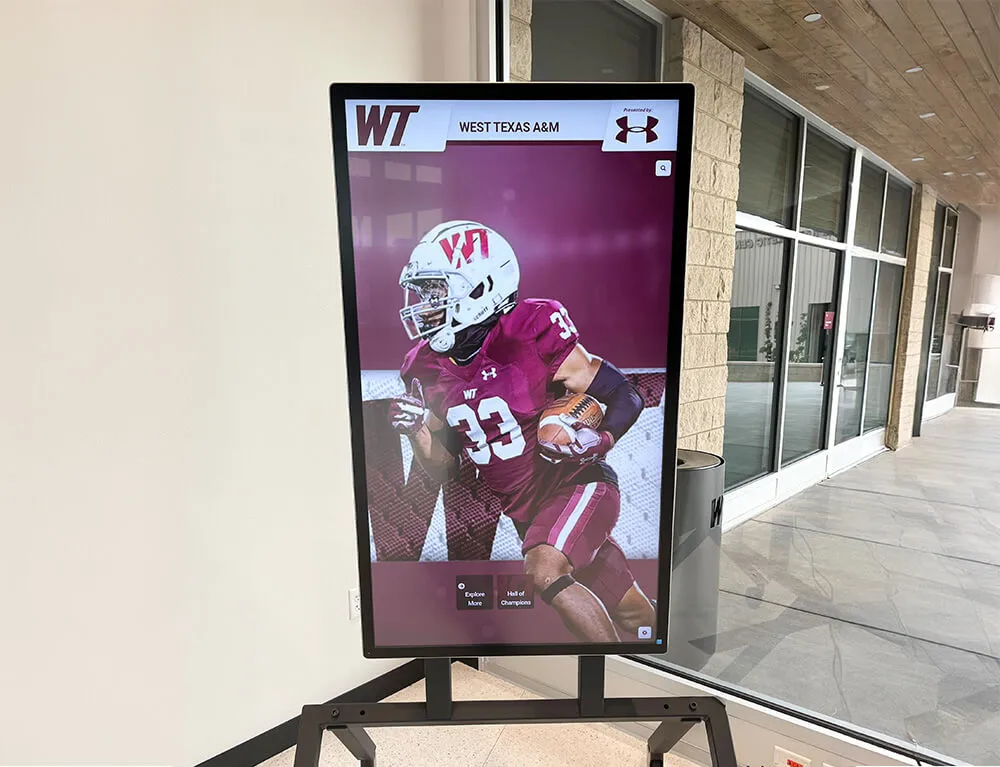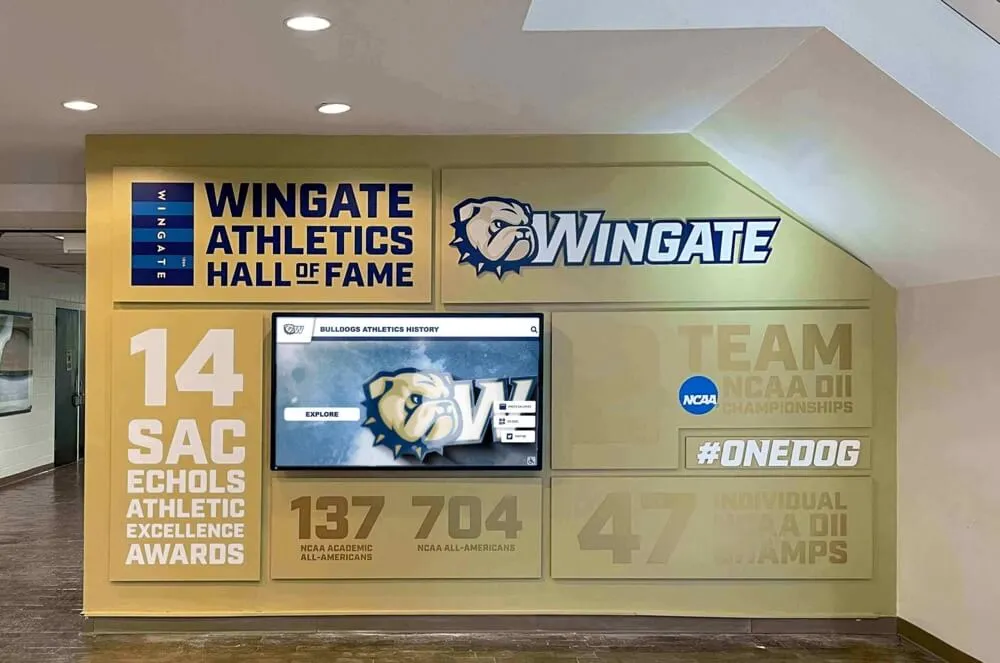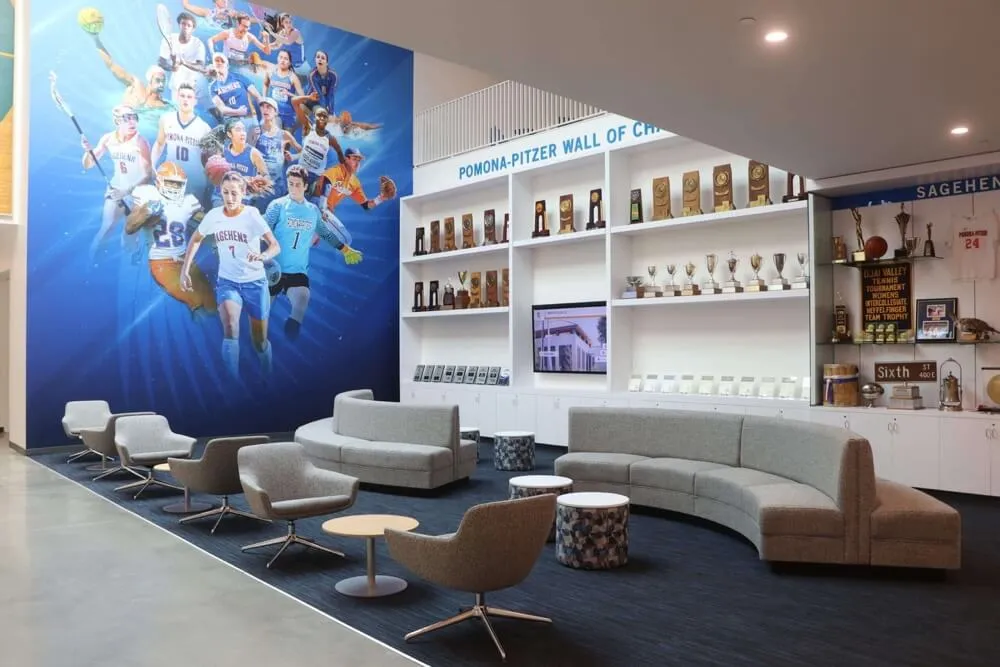




Championship banners hanging in gymnasiums tell only partial stories about the dedication, technical excellence, and competitive rigor behind varsity cheerleading success. While many observers still mistakenly view cheerleading as sideline entertainment rather than serious athletics, competitive cheer programs operate within sophisticated competition systems requiring year-round training, precise technical execution, and team synchronization matching any other varsity sport in complexity and physical demand.
Understanding how varsity cheerleading competition systems function—from local qualifiers through national championship events—helps athletic directors, coaches, and school communities properly recognize the significant achievements these programs attain. For schools building comprehensive athletic recognition programs, competitive cheerleading accomplishments deserve equivalent visibility and celebration alongside traditional sports championships, championship brackets, and individual athletic records.
This comprehensive guide explores varsity cheerleading competition structures, qualification processes, scoring systems, division classifications, and championship pathways. Whether your school fields its first competitive cheer squad or maintains established programs competing at national levels, you’ll discover how these competition systems work and how digital recognition solutions enable lasting celebration of competitive cheerleading achievements that extend visibility beyond brief championship moments.
Understanding Varsity Cheerleading as Competitive Sport
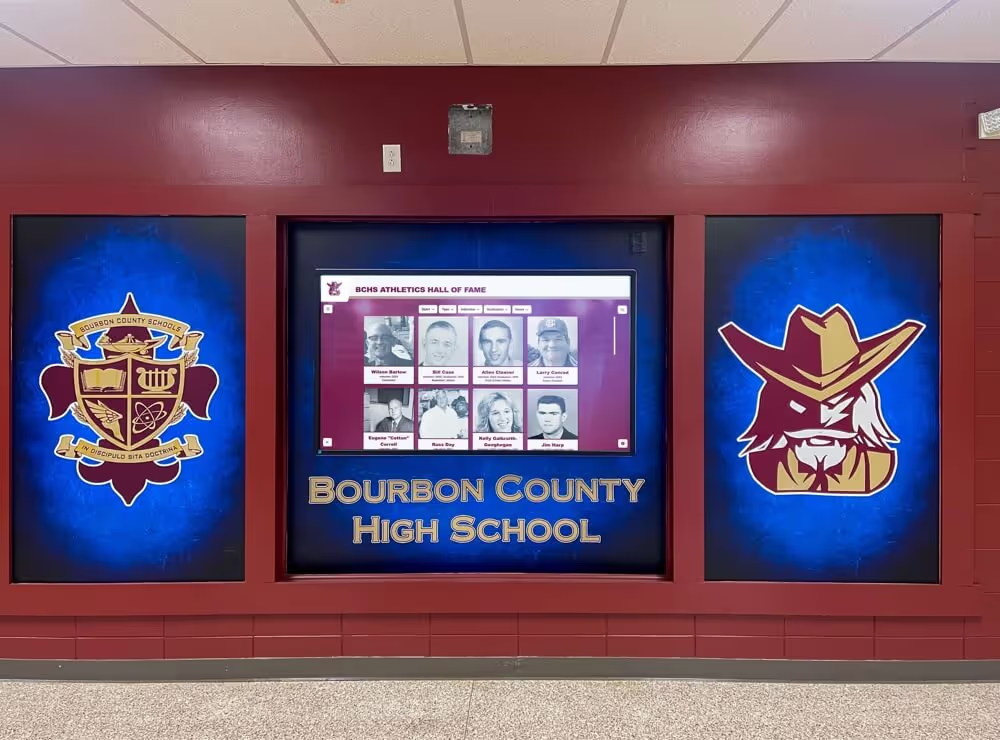
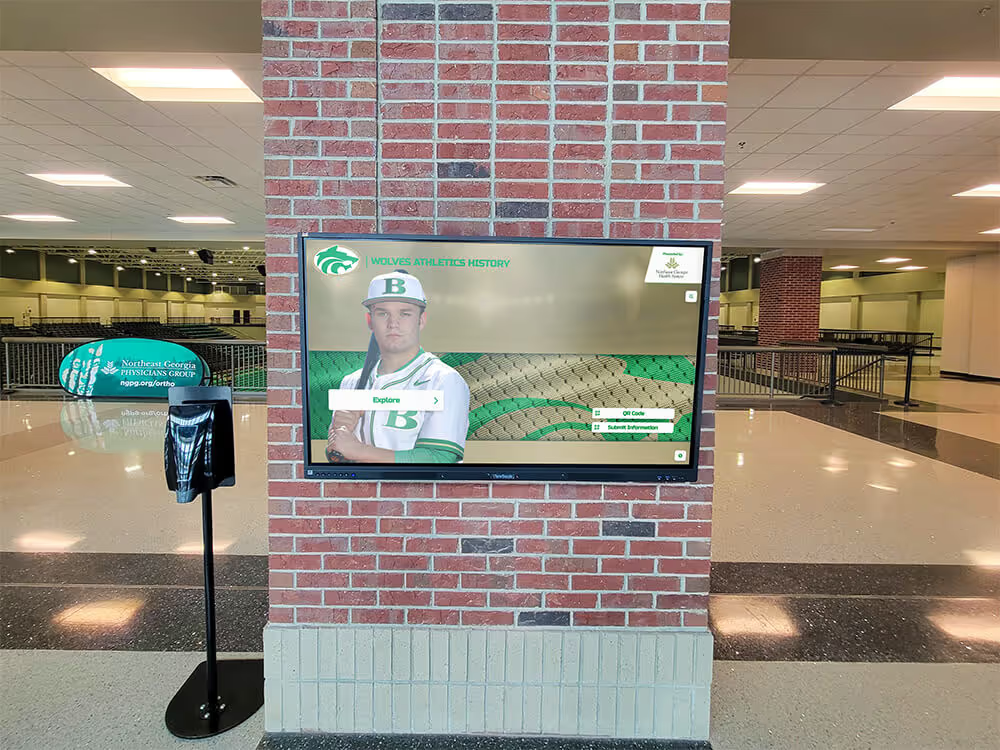
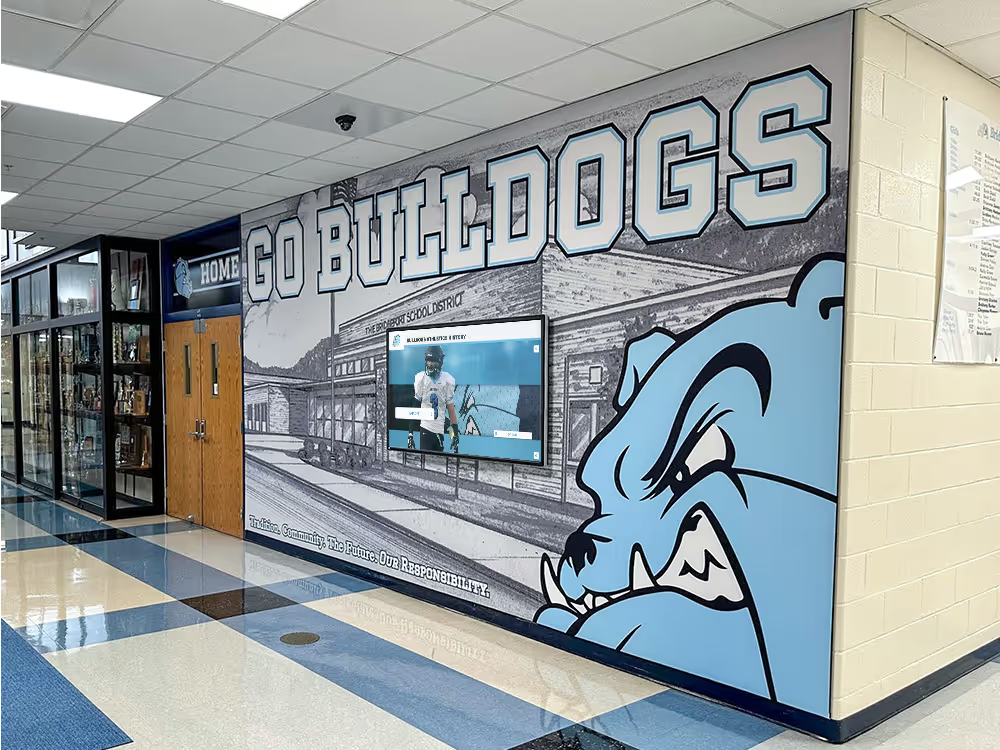
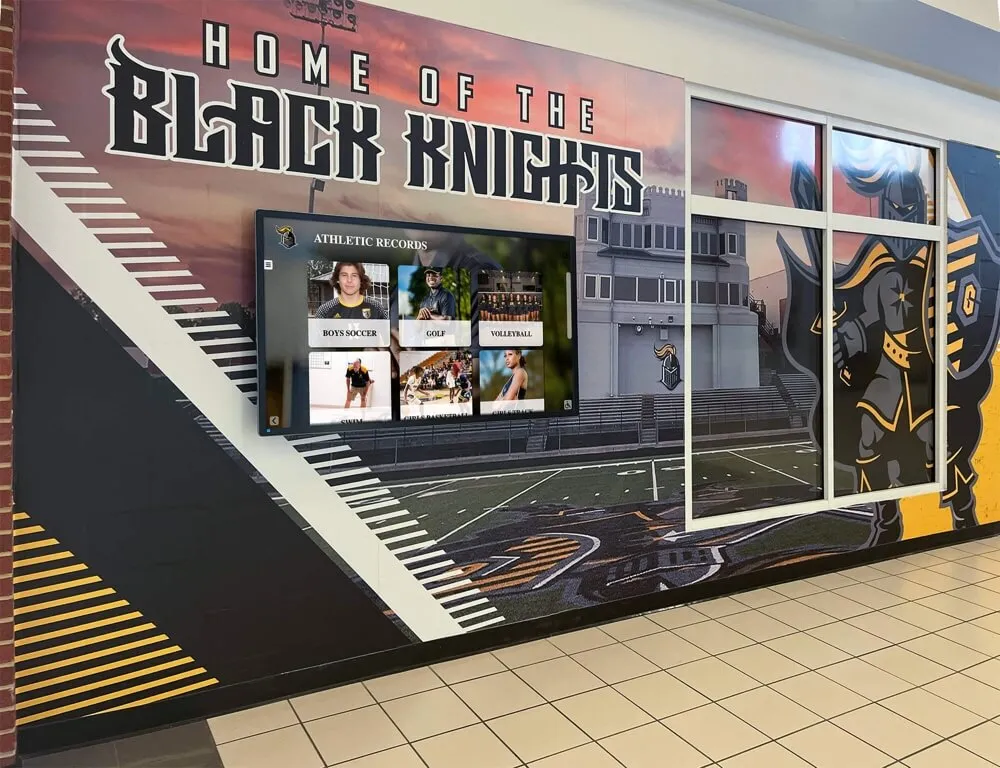
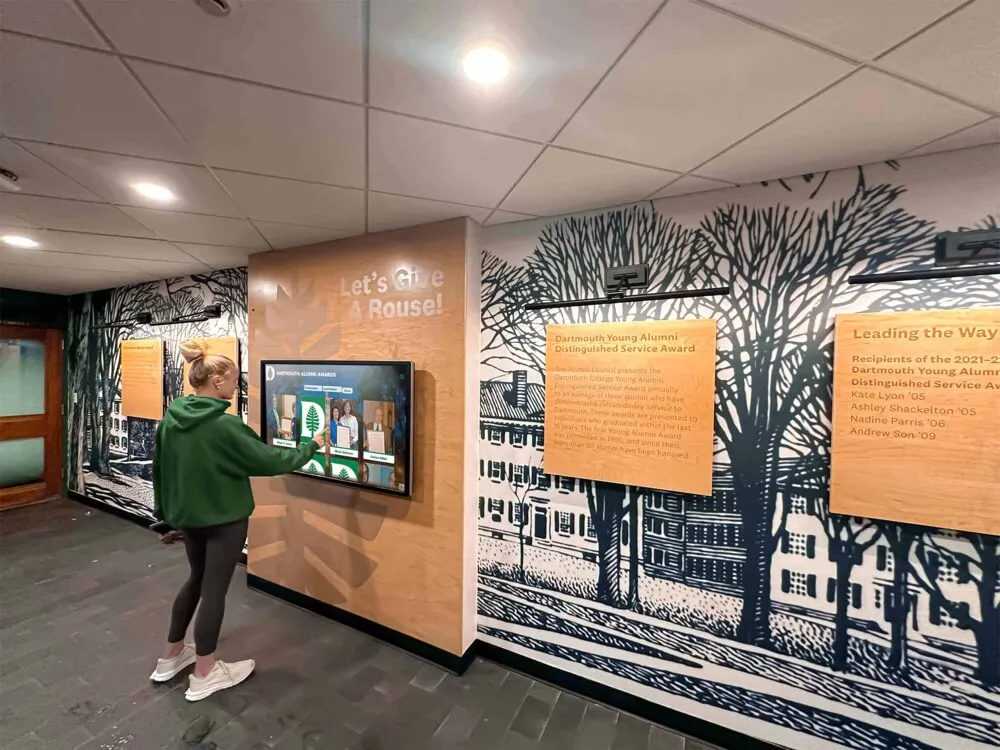
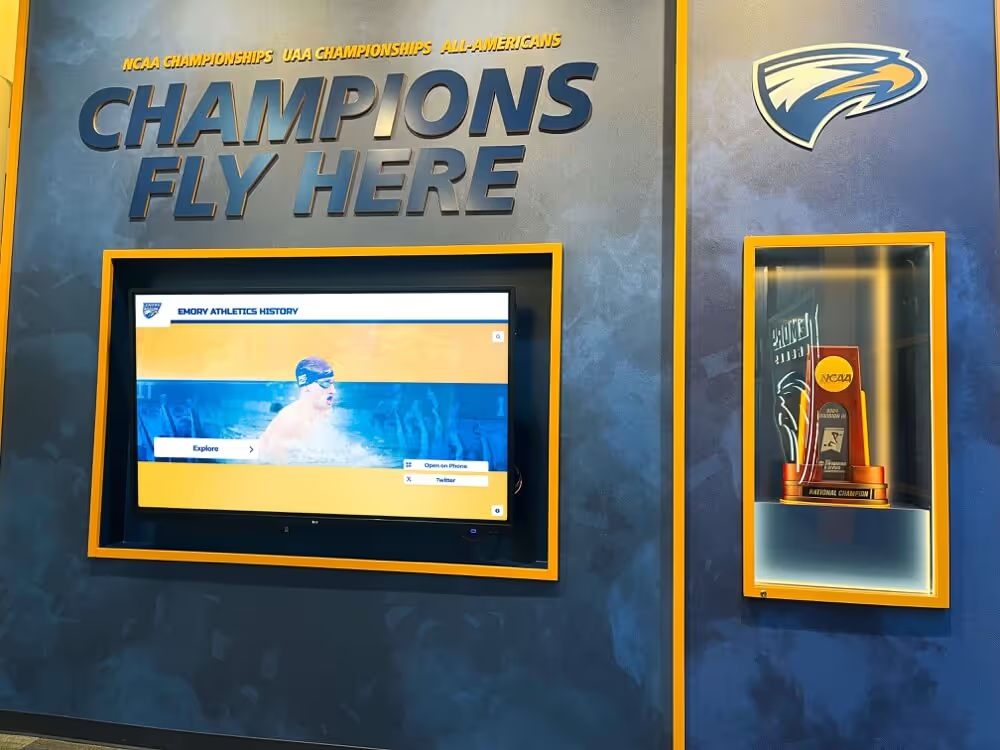
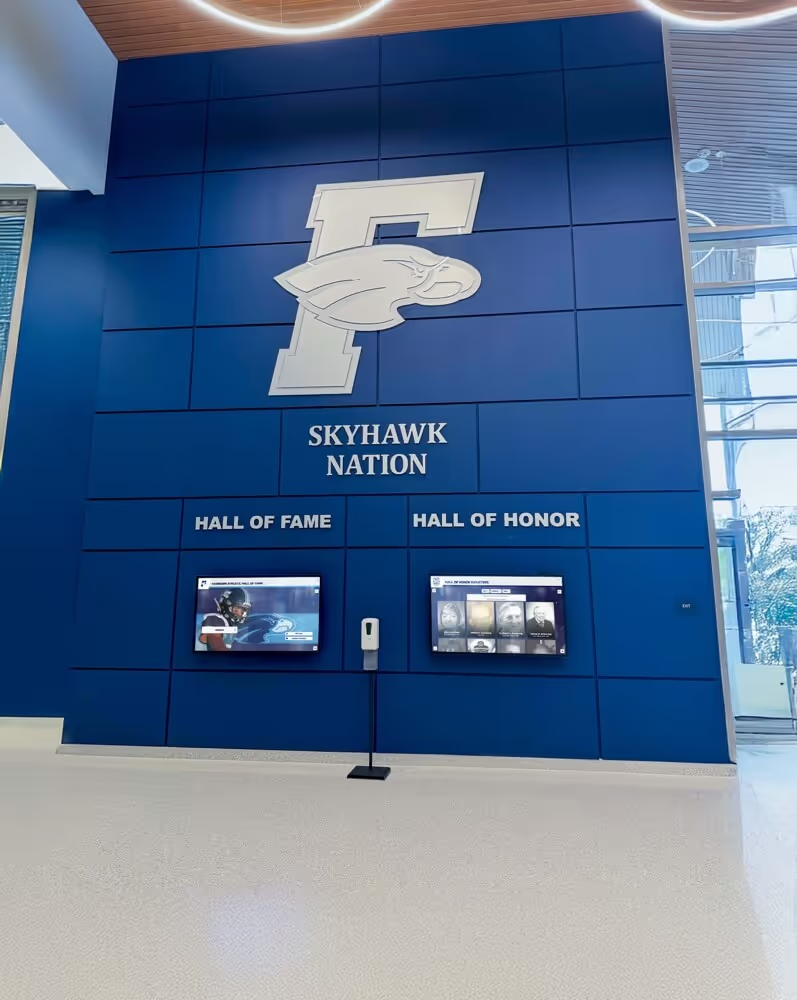
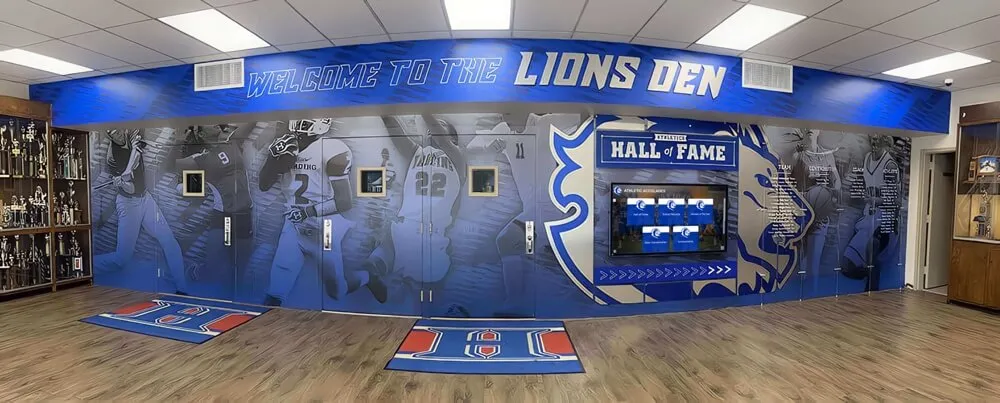
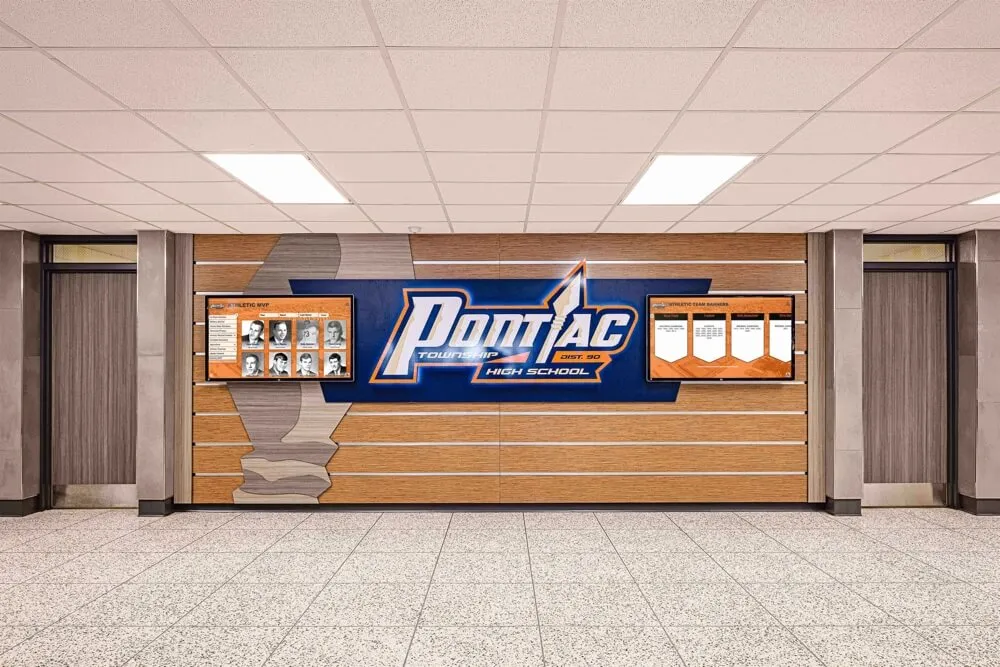
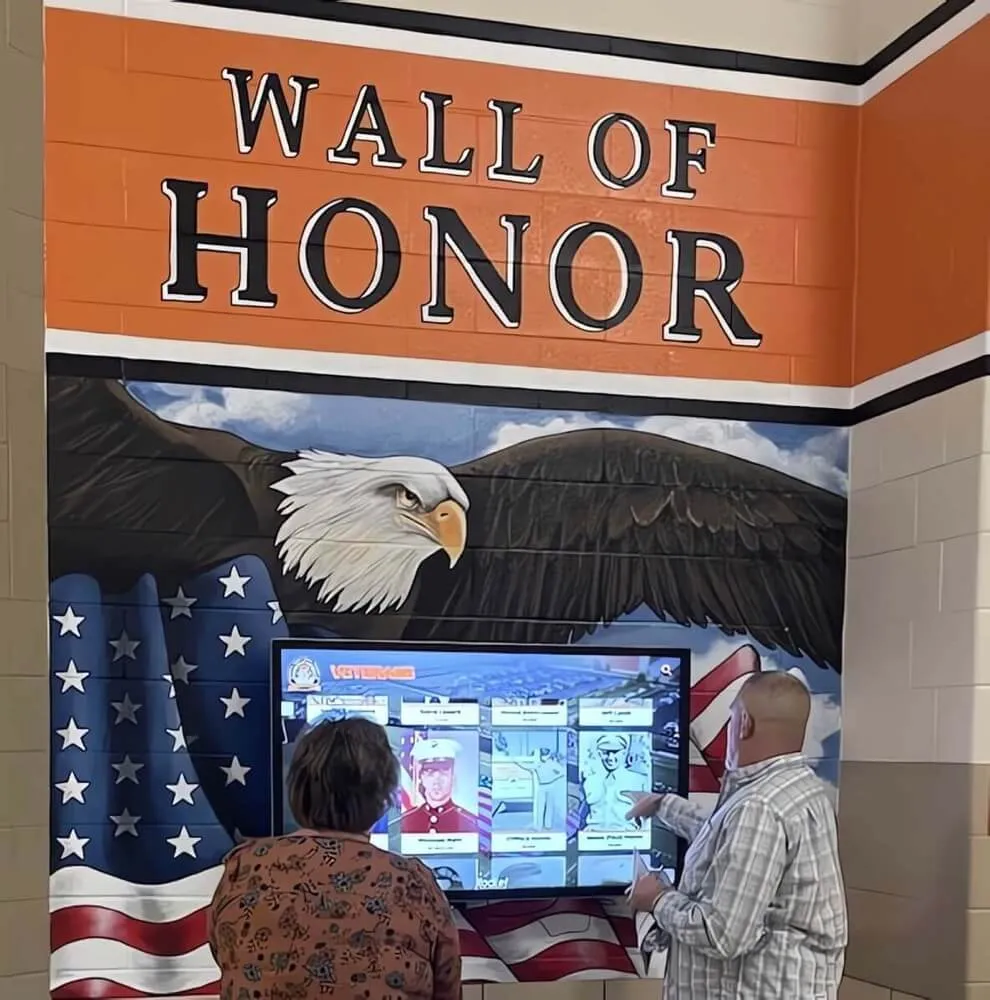
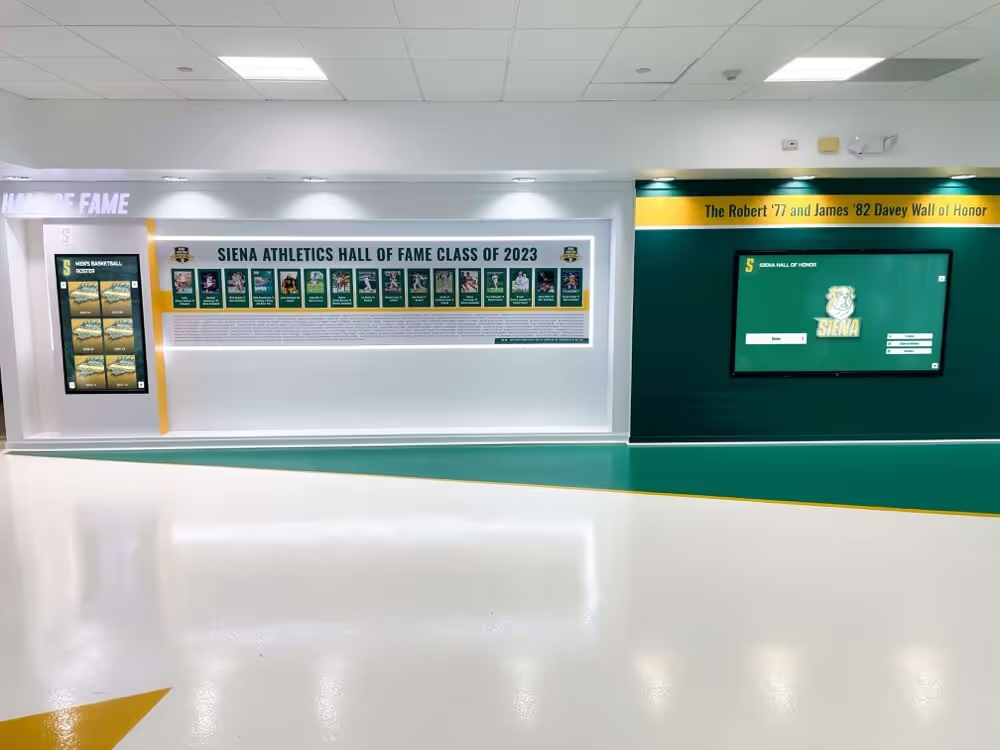
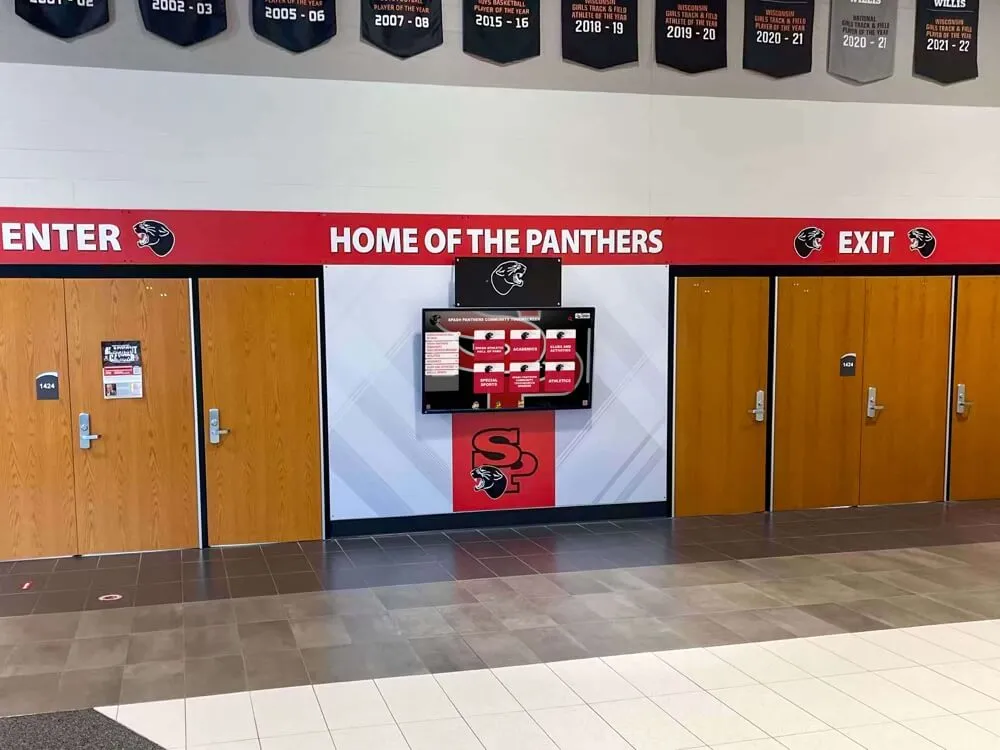
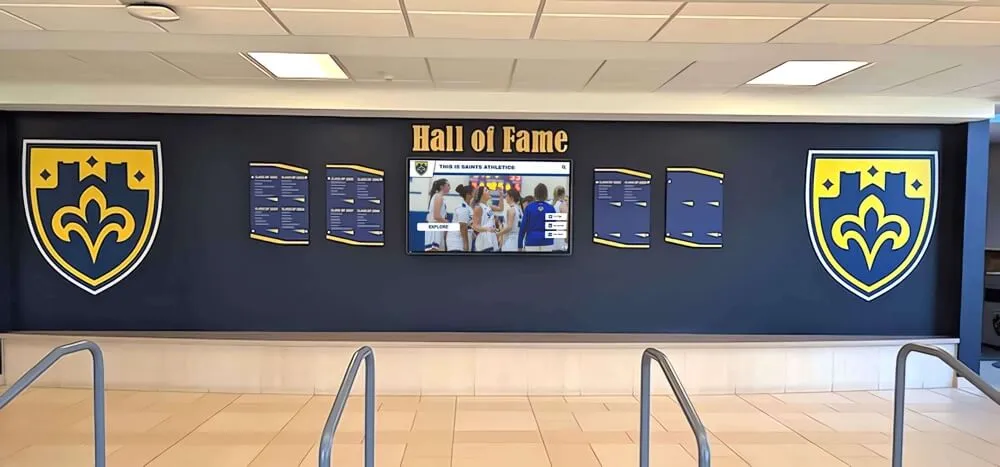
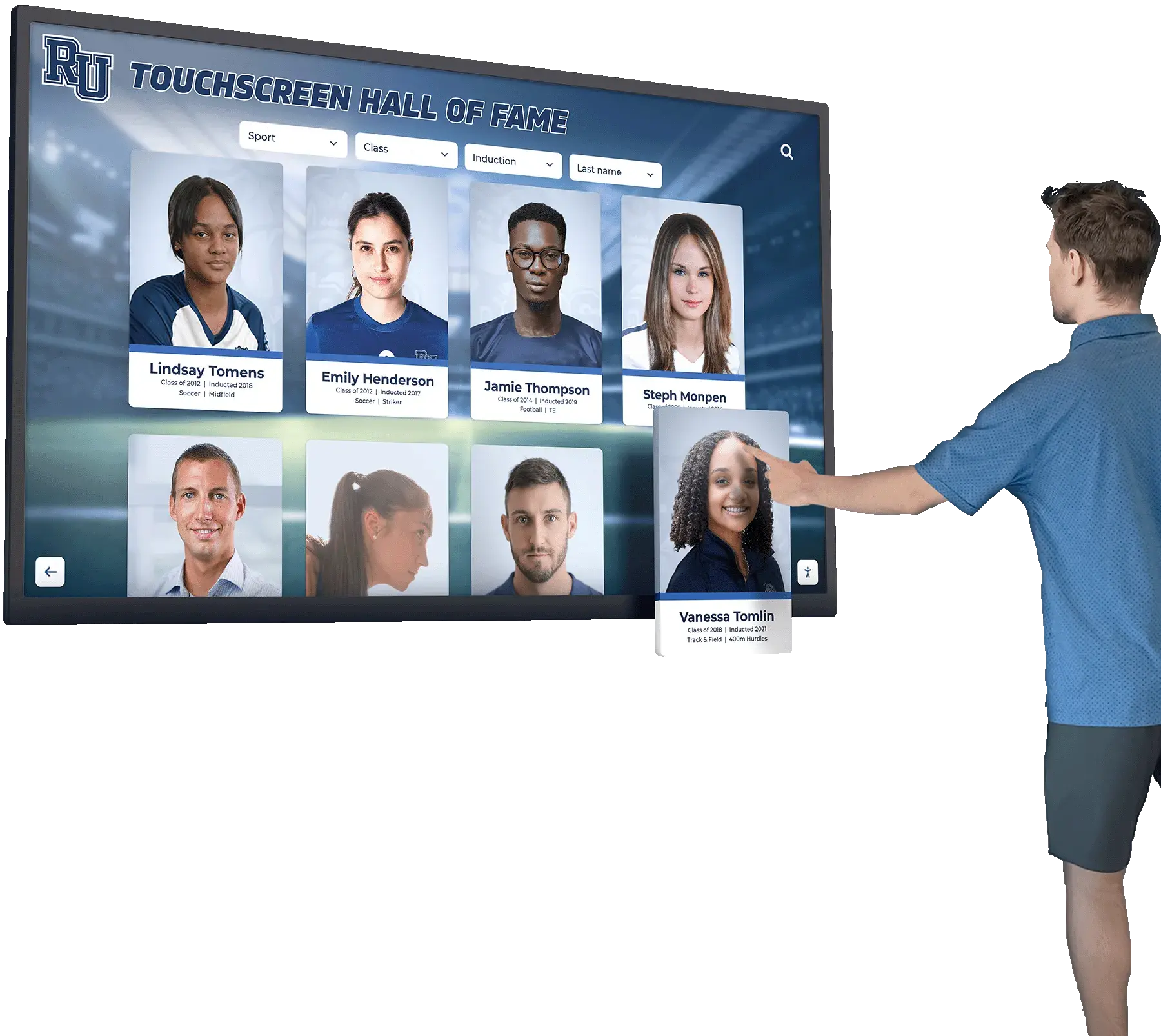
Competitive cheerleading has evolved dramatically over recent decades from simple sideline support into sophisticated athletic competition requiring elite tumbling skills, complex stunting sequences, synchronized choreography, and dynamic routines judged on technical execution, difficulty, creativity, and performance quality. Modern varsity cheerleading competition demands the same year-round commitment, specialized coaching, and dedicated training that schools provide for traditional sports programs—a reality that schools should reflect in their athletic recognition systems through solutions like Rocket Alumni Solutions that showcase competitive cheer accomplishments with equivalent prominence to other varsity sports achievements.
The Competitive Cheerleading Landscape
Before exploring specific competition processes and qualification requirements, understanding the broader competitive cheerleading ecosystem provides context for how various competition opportunities fit together.
Major Competition Organizations and Sanctioning Bodies
Multiple organizations sanction cheerleading competitions, each with distinct rules, judging standards, division structures, and championship pathways:
USA Cheer: Serves as the national governing body for cheerleading in the United States, establishing safety standards, coach credentialing requirements, and competition guidelines adopted by many state athletic associations and competition organizers. USA Cheer promotes uniformity and athlete safety across competitive cheerleading.
National Cheer Association (NCA): One of the oldest and most prestigious competition organizations, NCA hosts regional competitions and the NCA National High School Cheerleading Championship in Dallas, Texas—among the most sought-after championship titles in competitive cheerleading.
Universal Cheerleaders Association (UCA): Affiliated with Varsity Spirit, UCA conducts extensive camp programs and hosts the UCA National High School Cheerleading Championship in Orlando, Florida, attracting top programs from across the country competing for national recognition.
American Association of Cheerleading Coaches and Administrators (AACCA): Focuses on safety education, coach training, and establishing competition safety standards that protect athlete welfare while enabling progression of cheerleading skills and difficulty.
State Athletic Associations: Many states now recognize competitive cheerleading as official varsity sport, conducting state championship competitions through high school athletic associations using standardized rules and judging criteria ensuring fair competition across all member schools.
Regional Competition Companies: Numerous regional competition organizers host local and regional events providing competition opportunities and serving as qualification pathways for larger championship competitions. Organizations like Jamz, Spirit Sports, and Cheersport conduct extensive competition schedules.
Understanding which organizations sanction competitions in your area helps teams select appropriate competitive pathways aligning with their skill levels, competitive goals, and desired championship opportunities.
Competitive Cheer vs. Sideline Cheer Distinctions
Competitive cheerleading differs fundamentally from traditional sideline cheerleading in purpose, training, and athletic demands:
Purpose and Performance Context: Sideline cheer supports other athletic programs by leading crowd engagement at football games, basketball games, and other sporting events. Competitive cheer performs standalone athletic routines in competition venues where cheerleading itself represents the primary event being judged and scored.
Routine Structure and Requirements: Sideline cheer emphasizes crowd-leading elements—chants, cheers, signs, and spirited audience interaction. Competitive routines incorporate advanced tumbling, complex multi-level stunts, intricate basket tosses, synchronized jumps, and choreographed dance elements executed in tightly-timed 2.5-minute performances demonstrating technical skill and athletic difficulty.
Training and Preparation: Many programs maintain separate competitive and sideline squads requiring different skill sets, though some teams incorporate the same athletes in both capacities. Competitive preparation requires extensive dedicated practice time perfecting routines, building strength for stunting, and developing tumbling skills that sideline responsibilities don’t necessarily demand.
Safety and Risk Management: Competitive routines push athletic boundaries with advanced skills requiring rigorous safety protocols, specialized training progressions, and coaching expertise ensuring athlete safety while developing elite-level skills. Competitive cheer involves higher inherent risks than sideline activities, necessitating comprehensive safety education and proper training infrastructure.
Season Structure: Traditional sideline cheer follows football and basketball seasons, while competitive seasons typically run from summer preparation through national championship competitions in late winter or early spring, requiring nearly year-round athletic commitment.
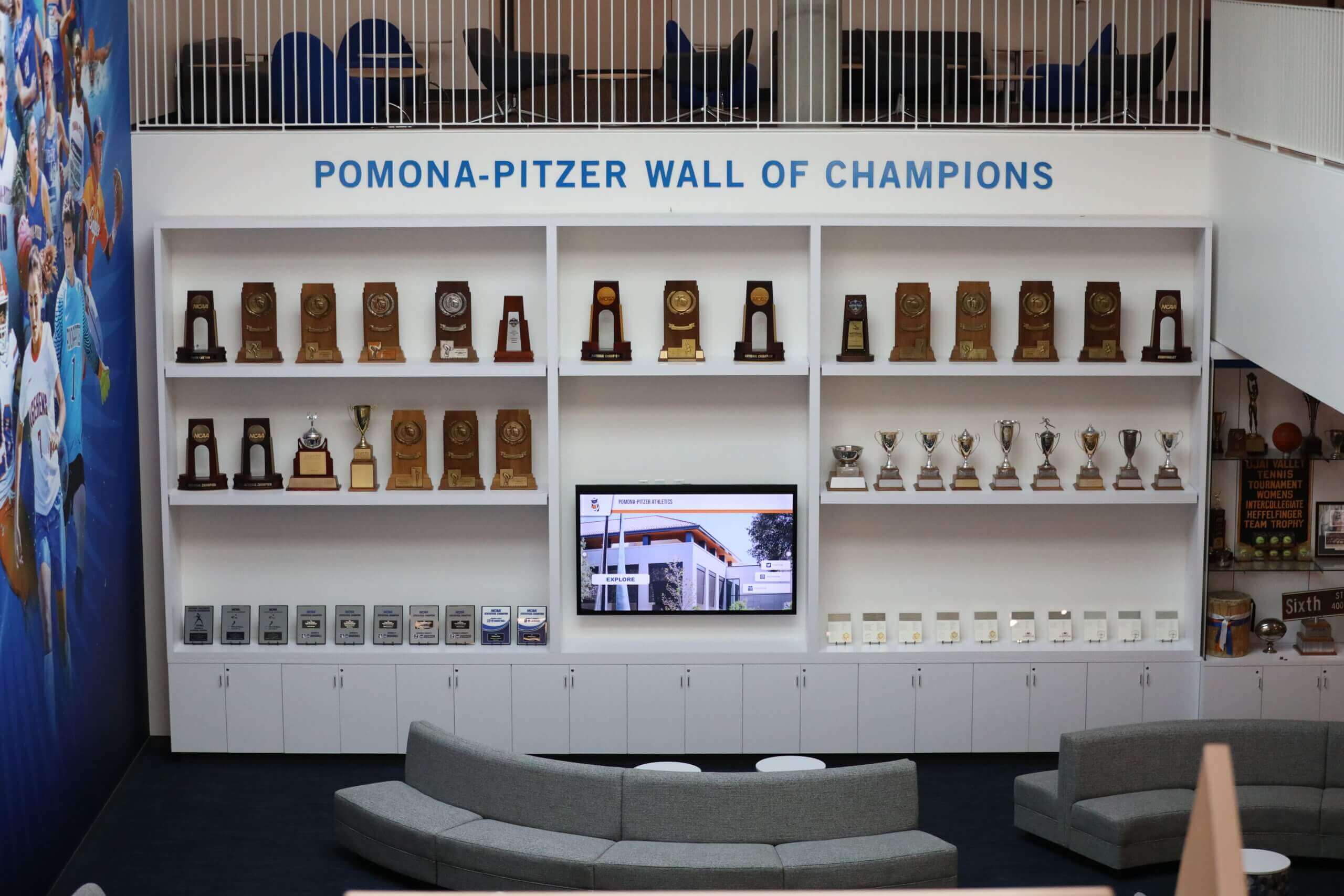
Schools should recognize competitive cheerleading accomplishments with equivalent prominence to other athletic championships, acknowledging the distinct athletic demands these programs require. Resources on comprehensive athletic recognition demonstrate how schools celebrate diverse athletic achievements including competitive cheer championships.
Division Classifications in Competitive Cheerleading
Competition divisions separate teams based on size, skill level, and school classification ensuring fair competition among programs with similar resources and capabilities:
School Size Classifications: Similar to other high school sports, cheerleading competitions often separate schools by enrollment categories—small school, medium school, large school divisions—recognizing that larger schools typically field bigger squads with deeper talent pools than smaller programs.
Skill-Based Divisions: Some competition systems classify teams by demonstrated skill level rather than school size alone. Novice, intermediate, advanced, and elite divisions group teams by their technical capabilities, allowing programs to compete against others with similar skill development regardless of school enrollment.
Squad Size Categories: Division definitions may specify minimum and maximum team sizes—small squad (12-16 athletes), medium squad (17-24), large squad (25+)—since team size significantly impacts routine difficulty, stunt possibilities, and overall visual effect. Size restrictions ensure competitive equity within divisions.
Coed vs. All-Girl Divisions: Most competitions separate coed teams (including male athletes) from all-girl squads, recognizing that male athlete participation enables different stunting possibilities, higher throws, and distinct technical elements that create competitive advantages when mixed-gender teams compete against all-female squads.
Game Day vs. Traditional Competition Divisions: Some competitions separate “game day” divisions mimicking sideline performances from traditional competitive divisions focused on exhibition routines, acknowledging these distinct performance styles require different skill emphases and routine structures.
Understanding division structures helps teams enter appropriate competitive categories where they can compete fairly against programs with comparable resources, skill levels, and athlete pools while pursuing realistic championship opportunities.
Qualification Processes for Championship Competitions
Pathways to major cheerleading championships typically require successful performance at qualifying competitions rather than automatic entry for all interested programs.
Regional and Local Qualifier Competitions
Most championship events require qualification through regional or local preliminary competitions that serve as gateways to larger championship opportunities:
Qualifying Bids: Major championships like NCA and UCA Nationals award qualifying bids to top-performing teams at designated regional competitions. Bid distribution varies—some events award “paid bids” covering team travel costs, while others provide “at-large bids” allowing competition entry without financial assistance.
Score Threshold Requirements: Many qualification systems establish minimum score requirements teams must achieve at regional competitions to earn championship eligibility. Score thresholds ensure only teams demonstrating sufficient technical proficiency advance to championship levels where competition quality remains high.
Regional Championship Structure: Geographic regions conduct preliminary competitions where teams compete for limited advancement spots to national championships. Regional performance directly determines which programs earn national championship opportunities, making these competitions critically important for teams with championship aspirations.
Bid Allocation Systems: Championship organizers distribute qualifying bids strategically across regional competitions, with larger competitions or more competitive regions typically receiving more bid allocations than smaller regional events. Understanding regional bid availability helps teams select strategic competition schedules maximizing qualification opportunities.
Video Submission Alternatives: Some championship qualifications accept video submissions as alternatives to live regional competition participation, enabling geographically isolated teams or programs unable to attend designated qualifier events to pursue championship opportunities through recorded routine submissions evaluated by official judges.
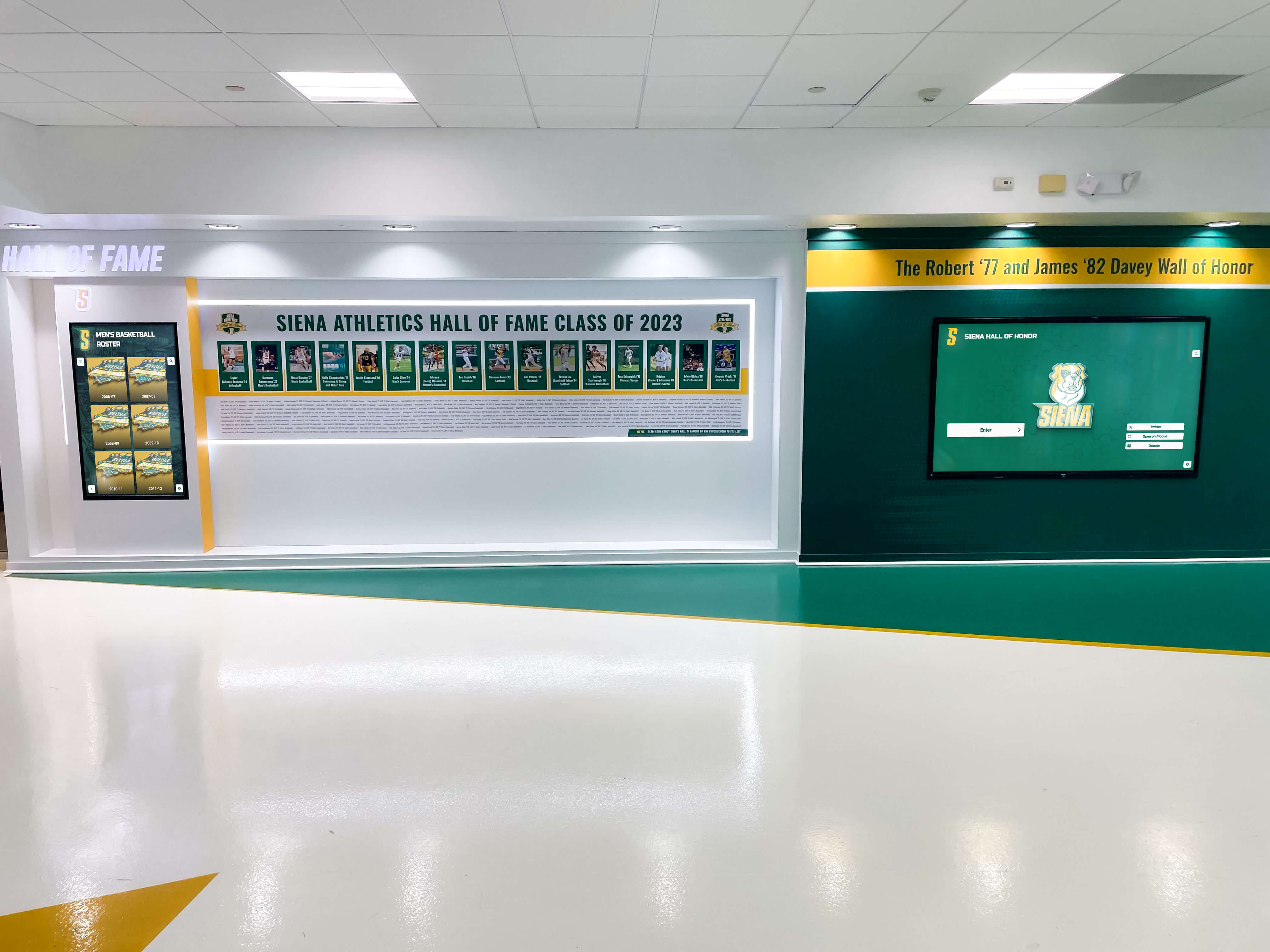
Guidance on championship bracket displays demonstrates how schools can showcase qualification achievements and championship progression through digital recognition systems that maintain visibility for these accomplishments year-round.
State Athletic Association Championships
States recognizing competitive cheerleading as official varsity sport conduct championship competitions through high school athletic associations using standardized qualification processes:
Regular Season Competition Requirements: Many state championships require teams to compete in minimum numbers of regular season sanctioned competitions to establish competitive records and performance scores used for seeding championship brackets or determining automatic qualification eligibility.
District or Sectional Preliminary Rounds: Large states often conduct district or sectional preliminary competitions preceding state finals, with only top finishers from each geographic section advancing to state championship rounds. This tiered structure manages large numbers of participating schools while maintaining manageable championship field sizes.
Performance Standard Qualifiers: Some state systems establish objective performance standards—minimum scores, required difficulty elements, technical execution thresholds—teams must demonstrate to earn state championship eligibility regardless of head-to-head competition results. Standards-based qualification rewards technical excellence over purely comparative rankings.
Automatic Qualifiers and At-Large Bids: State championship structures may provide automatic qualification for conference champions or top-ranked teams while reserving at-large berths for additional high-performing programs that didn’t win automatic qualification but demonstrated championship-caliber performance during regular seasons.
Safety Certification Requirements: State athletic associations typically mandate coach safety certifications, roster verification, participation eligibility documentation, and facility safety compliance before allowing teams to compete in state championship competitions, ensuring athlete welfare receives priority attention throughout competitive seasons.
Understanding state-specific qualification processes helps programs plan competitive schedules strategically, ensuring teams complete necessary requirements to maintain championship eligibility while managing athlete workloads and avoiding overcompetition that increases injury risk.
National Championship Qualification Pathways
Earning national championship opportunities represents significant accomplishment requiring exceptional performance at qualifying competitions throughout competitive seasons:
Tiered Bid Systems: Major national championships utilize tiered bid categories reflecting team performance quality at qualifying events. “Full Paid Bids” cover complete team costs including travel, lodging, and competition fees. “Partial Paid Bids” provide substantial but incomplete financial assistance. “At-Large Bids” grant competition entry without financial support, requiring programs to fund their own championship participation.
Multiple Bid Accumulation: High-performing teams may earn multiple bids throughout competitive seasons by attending various qualifying competitions and consistently achieving top placements. However, most championship rules limit each program to redeeming single bids regardless of multiple qualifications earned, ensuring bid distribution spreads championship opportunities across more programs.
Bid Acceptance Deadlines: Qualified teams face deadlines for formally accepting championship bids and confirming participation. Programs unable to attend championships or choosing not to participate must decline bids by specified deadlines, allowing bid redistribution to next-eligible teams ensuring championship fields fill completely.
Division-Specific Qualification: National championships maintain separate qualification systems for different competitive divisions, with each division awarding independent bid allocations ensuring teams compete against others in their appropriate skill and size classifications throughout qualifying processes and championship competition itself.
Qualification Performance Requirements: Beyond earning formal bids, championship organizers may establish minimum performance standards—technical difficulty requirements, safety violation limits, deduction thresholds—that teams must maintain throughout qualifying competitions and preliminary championship rounds to advance through championship brackets toward finals.
Resources on recognizing athletic milestones provide frameworks for celebrating national championship qualifications that represent extraordinary accomplishments worthy of lasting recognition alongside other premier athletic achievements.
Competition Day: Format, Judging, and Scoring
Understanding how competitions actually function—from arrival through awards ceremonies—helps schools and families appreciate the competitive experience and achievement significance.
Competition Day Schedule and Flow
Cheerleading competitions follow structured schedules managing dozens or hundreds of teams competing across multiple divisions throughout full-day or multi-day events:
Check-In and Credential Verification: Teams arrive at designated check-in times providing roster verification, coach credentials, music submission, and signed liability waivers. Competition officials inspect uniforms for safety compliance and verify all athletes meet eligibility requirements before allowing team participation.
Warm-Up Periods: Scheduled warm-up times provide teams structured opportunities to practice routines in performance spaces, test sound systems, adjust to performance floor surfaces, and complete final preparations. Warm-up schedules assign specific time windows preventing overcrowding while ensuring all teams receive equivalent preparation opportunities.
Performance Order and Scheduling: Computer-generated random draws typically determine performance order within divisions, preventing strategic timing advantages or disadvantages. Large competitions publish detailed performance schedules enabling teams to plan arrival timing while allowing family members to attend specific performances without remaining at venues throughout entire competition days.
Regulation Performance Windows: Teams perform regulation 2.5-minute routines (timing varies slightly across organizations) within designated performance areas marked by boundary lines. Timing penalties apply for routines running over allowed durations, while stepping outside performance boundaries incurs spatial violation deductions.
Immediate Feedback and Scoring: Modern competition technology enables rapid score calculation and immediate performance feedback, with teams typically receiving preliminary scores within minutes of completing routines. Score sheets detail deductions and judge commentary providing educational feedback helping programs understand specific areas requiring improvement.
Finals and Championship Rounds: Top-scoring teams from preliminary rounds advance to finals sessions competing again for final rankings and championship titles. Finals performances may use preliminary scores combined with finals routine scores, or competitions may reset to zero for finals rounds where only finals performances determine final placements.
Understanding competition flow helps families and school communities appreciate the intense schedule demands, pressure-filled performance environments, and logistical complexity competitive teams navigate throughout championship seasons.
Judging Criteria and Scoring Systems
Competition scoring evaluates multiple performance dimensions through standardized judging rubrics ensuring objective assessment across technical execution, difficulty, creativity, and performance quality:
Technical Execution Assessment: Judges evaluate fundamental skill execution—synchronization precision, body alignment, clean lines, landing control, completion of required elements—assigning technical execution scores reflecting how well teams perform intended skills regardless of difficulty level. Perfect technical execution scores require flawless performance across entire routines.
Difficulty and Composition Scoring: Separate difficulty scores reward risk-taking and advanced skills including elite tumbling (standing fulls, layouts), complex multi-level pyramids, intricate stunt sequences, and creative transitions. Difficulty scoring incentivizes continuous skill progression while balancing risk management and safety considerations.
Stunt Evaluation Categories: Judging specifically evaluates stunting elements including stunt technique and execution, creativity and innovation in stunt sequencing, appropriate difficulty progression, smooth transitions between stunt sections, and proper safety techniques including controlled dismounts and secure catches.
Tumbling Scoring Components: Tumbling receives dedicated evaluation examining individual tumbling skill execution, synchronized group tumbling precision, appropriate skill difficulty for division level, proper technique throughout tumbling passes, and effective use of tumbling throughout routines rather than isolated tumbling sections.
Jump and Motion Technique: Judges assess cheerleading-specific skills including jump height, body positions, synchronization across team, arm motion sharpness and precision, and appropriate stylistic elements consistent with cheerleading traditions distinguishing cheer from dance or gymnastics.
Overall Impression and Showmanship: Performance quality scores evaluate energy level, crowd engagement (where appropriate), routine pacing and flow, entertainment value, costume appropriateness, and overall performance polish reflecting months of preparation and team cohesion.
Safety Violation Deductions: Competitions impose significant score penalties for safety violations including illegal stunts, improper spotting, dangerous skill attempts, or rule infractions prioritizing athlete safety above performance outcomes. Multiple safety violations can disqualify teams from competition.
Scoring transparency enables objective assessment reducing judging bias while providing educational feedback helping programs identify specific improvement areas as they develop competitive skills across seasons.
Common Routine Requirements and Restrictions
Competition rules establish specific routine requirements ensuring fair competition while maintaining athlete safety across all participating programs:
Time Limits: Most competitions impose 2.5-minute maximum routine durations (some allow 2 minutes 30 seconds to 3 minutes depending on division and organization). Time penalties apply for routines exceeding maximum durations, incentivizing precise routine choreography and execution timing.
Music Requirements: Original music compositions or licensed competition music must accompany routines, with explicit lyrics prohibited in high school divisions maintaining age-appropriate performance content. Teams submit music in advance ensuring technical compatibility with competition sound systems.
Skill Restrictions by Division: Lower divisions prohibit certain advanced skills—basket tosses, extended stunts, twisting tumbling—until teams demonstrate prerequisite proficiency qualifying them for higher divisions where advanced skills are permitted. Progressive skill allowances encourage safe development progressions.
Choreography Content Rules: Routines must maintain appropriate content standards prohibiting suggestive choreography, inappropriate gestures, or offensive themes ensuring competitive cheerleading maintains family-friendly status and appropriate representation of educational institutions.
Prop Limitations: Most competitions severely restrict or completely prohibit props, signs, poms, and additional materials beyond basic uniforms ensuring routines focus on athletic skill rather than theatrical production elements. Any allowed props face strict size and usage limitations.
Athlete Positioning Requirements: Rules specify minimum numbers of athletes who must participate in tumbling sections, stunting sequences, and various routine elements ensuring entire squads demonstrate required skills rather than featuring only specialized athletes performing difficult elements while others remain inactive.
Understanding requirement details helps programs choreograph competition-legal routines maximizing scoring potential while avoiding preventable deductions from rule violations that undermine months of preparation efforts.
Division-Specific Competition Structures
Different competitive divisions maintain distinct requirements, skill expectations, and championship structures reflecting varied athlete capabilities and program development levels.
Small School and Large School Divisions
School enrollment classifications create competitive equity ensuring programs compete against others with similar resource availability and athlete recruitment pools:
Enrollment Cutoff Standards: State associations and competition organizations establish enrollment thresholds defining small, medium, and large school classifications. Common divisions separate schools under 500 students, 500-1500 students, and over 1500 students, though specific cutoffs vary across competitive systems.
Squad Size Correlations: Larger schools typically field bigger squads providing more athletes for complex pyramids, synchronized sections, and visual impact. Division structures account for these size advantages ensuring smaller programs with 12-16 athletes don’t compete directly against large school programs fielding 30-athlete teams.
Resource and Facility Differences: Large schools often maintain dedicated cheerleading facilities, full-time specialized coaches, and substantial program budgets enabling extensive competition schedules and training opportunities. Small school classifications acknowledge resource disparities providing realistic championship opportunities for programs without access to large-school advantages.
Talent Concentration Factors: Larger enrollment pools provide statistical advantages in athlete recruitment and retention, increasing likelihood of finding athletes with elite tumbling backgrounds, gymnastics experience, or exceptional athletic talent. Separate divisions prevent small schools from competing against programs with inherent talent recruitment advantages.
Appropriate division classification ensures all programs—regardless of size—can pursue realistic competitive success and championship opportunities when they demonstrate excellence within their classification capabilities.
Skill Level Progressions and Elite Divisions
Ability-based divisions classify teams by demonstrated skill proficiency rather than institutional characteristics alone:
Novice and Intermediate Divisions: Beginning competitive programs or teams without extensive elite skill training compete in novice or intermediate divisions with reduced difficulty requirements, restricted advanced skills, and modified judging criteria emphasizing fundamental execution over advanced difficulty.
Advanced Divisions: Teams demonstrating consistent advanced skill execution including standing tumbling, extended stunts, and complex pyramids compete in advanced divisions where difficulty expectations increase while maintaining appropriate safety parameters for developing programs.
Elite and Premier Divisions: Top programs fielding multiple athletes with elite tumbling skills (fulls, layouts), demonstrating advanced stunting mastery, and consistently achieving top scores compete in elite divisions representing highest competitive levels where championship titles carry maximum prestige and national recognition.
Skill Restriction Enforcement: Lower divisions maintain specific prohibited skill lists ensuring programs don’t attempt skills beyond appropriate training levels. Progressive skill allowances as teams advance through divisions encourage proper development progressions prioritizing long-term athlete safety over short-term competitive advantages from premature advanced skill attempts.
Programs should compete in appropriate skill divisions reflecting actual team capabilities rather than inflating division placement pursuing perceived prestige from elite division participation when team skills don’t match division difficulty standards.
All-Girl vs. Coed Competition Divisions
Gender composition creates distinct competitive categories acknowledging different physical capabilities and stunting possibilities across team makeups:
All-Girl Division Characteristics: Female-only teams perform routines adapted to all-female athlete capabilities, with stunting limited to what female bases can safely execute without male athlete assistance. All-girl divisions often feature synchronized sections and choreography highlighting these divisions’ distinct aesthetic and technical characteristics.
Coed Division Advantages: Teams including male athletes gain significant stunting advantages—higher basket tosses, extended stunt capabilities, additional strength for challenging skills—creating competitive disparities when coed teams compete against all-girl programs. Separate divisions ensure fair competition recognizing these inherent physical differences.
Male Athlete Participation Rules: Coed divisions typically establish minimum male athlete participation requirements ensuring teams classified as coed actually utilize male athletes throughout routines rather than fielding predominantly female teams with token male participation solely for classification advantages.
Scoring Adjustments: Judging criteria for coed divisions often reflect higher difficulty expectations given male athlete capabilities, while all-girl scoring appropriately recognizes difficulty relative to female athlete physical capabilities creating different competitive standards across gender classifications.
Understanding these division distinctions helps schools field teams in appropriate categories while properly celebrating accomplishments knowing championship wins reflect fair competition against teams with equivalent composition and capabilities.
Major National Championships and Prestigious Competitions
Several championship events represent pinnacle competitive opportunities where elite programs pursue national recognition and premier championship titles.
UCA National High School Cheerleading Championship
The UCA Nationals in Orlando, Florida rank among most prestigious high school cheerleading championships attracting top programs nationally:
Competition takes place at ESPN Wide World of Sports Complex providing premier facilities and potential ESPN broadcast coverage exposing winning programs to national audiences. Multiple days of competition accommodate hundreds of teams across numerous divisions representing geographic regions nationwide.
Qualification requires earning bids at designated UCA regional competitions throughout fall and winter seasons, with bid distribution favoring consistently high-performing programs. Championship divisions separate teams by size, gender composition, and state/national team classification.
UCA National Championship titles carry significant prestige within competitive cheerleading communities, with winning programs earning national recognition that enhances program reputations attracting talented athletes and demonstrating coaching excellence.
NCA High School Nationals Championship
NCA Nationals held in Dallas represents the original major national championship with decades of history and tradition in competitive cheerleading:
NCA maintains rigorous qualification standards ensuring only elite programs earn championship berths, with qualifying bids awarded at designated NCA competitions throughout competitive seasons. Championship competition structure includes preliminary rounds, semifinals, and finals determining ultimate national champions across each competitive division.
The championship’s Dallas location and association with NCA’s extensive camp system creates special significance for programs that have participated in NCA training throughout program development. National championship recognition from NCA carries substantial weight in competitive cheerleading community acknowledgment of program excellence.
State High School Athletic Association Championships
State championships sanctioned through official athletic associations carry special significance for schools where cheerleading receives full varsity sport recognition:
State titles often hold greater meaning for local communities than national championships, representing culmination of seasons where teams competed against familiar state rivals throughout regular seasons. State championship recognition receives prominent coverage in local media and school communities celebrating state-level athletic excellence.
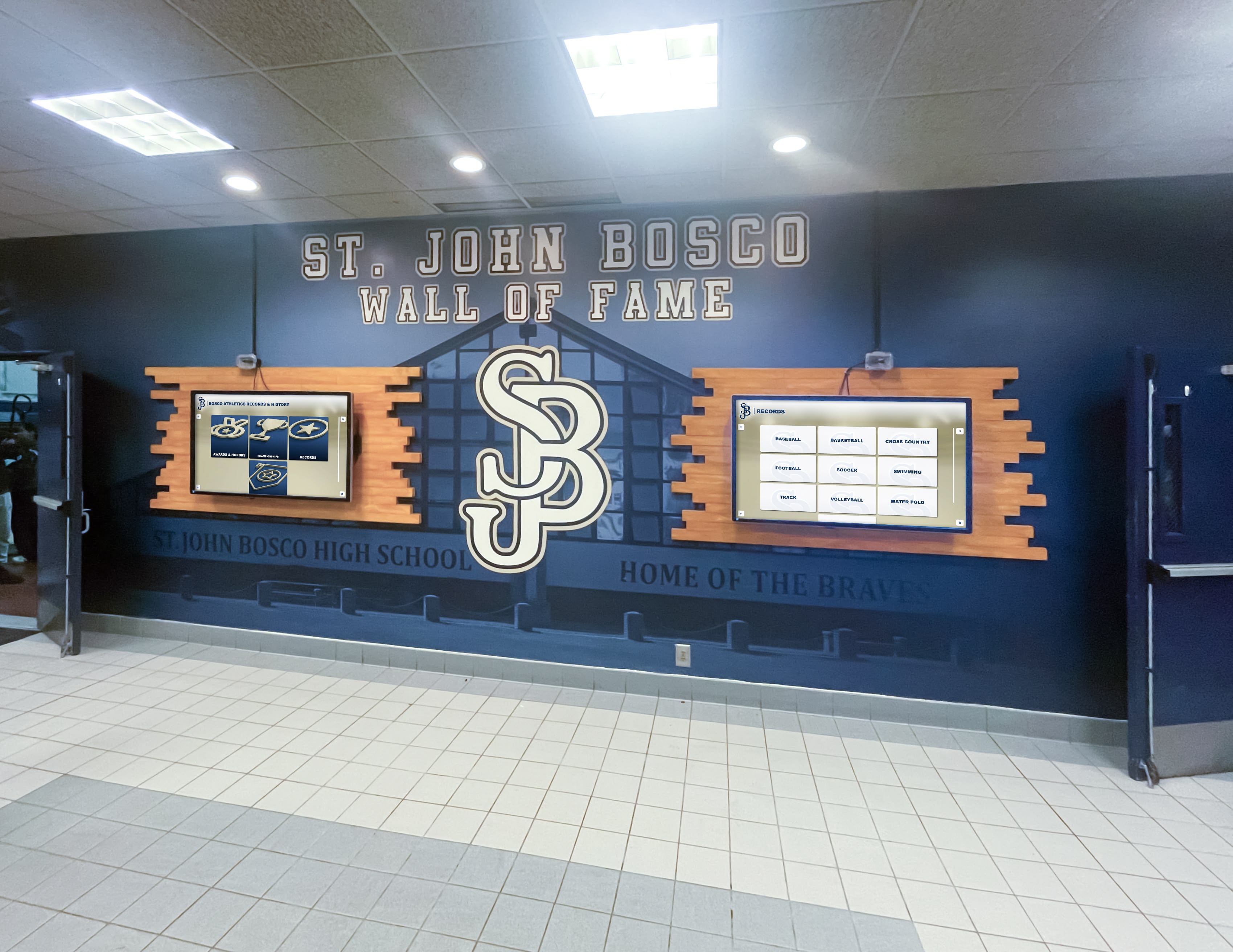
Official state association championships establish competitive cheerleading’s legitimacy as varsity sport equivalent to football, basketball, and other traditional athletics. State championship banners hang in gymnasiums alongside other sport championships, state tournament brackets receive prominent display, and state champion recognition appears in school record books documenting athletic excellence across all sports programs.
Resources on athletic achievement recognition demonstrate frameworks for celebrating championship accomplishments ensuring competitive cheerleading receives equivalent prominence to traditional sport recognition.
Celebrating and Recognizing Cheerleading Achievements
Championship trophies stored in coaches’ offices or brief announcements during morning announcements fail to adequately honor the significant accomplishments competitive cheerleading programs achieve through months of dedicated training and competitive excellence.
Establishing Competitive Cheer in Athletic Recognition Programs
Schools should integrate cheerleading achievements into comprehensive athletic recognition systems alongside all other varsity sport accomplishments:
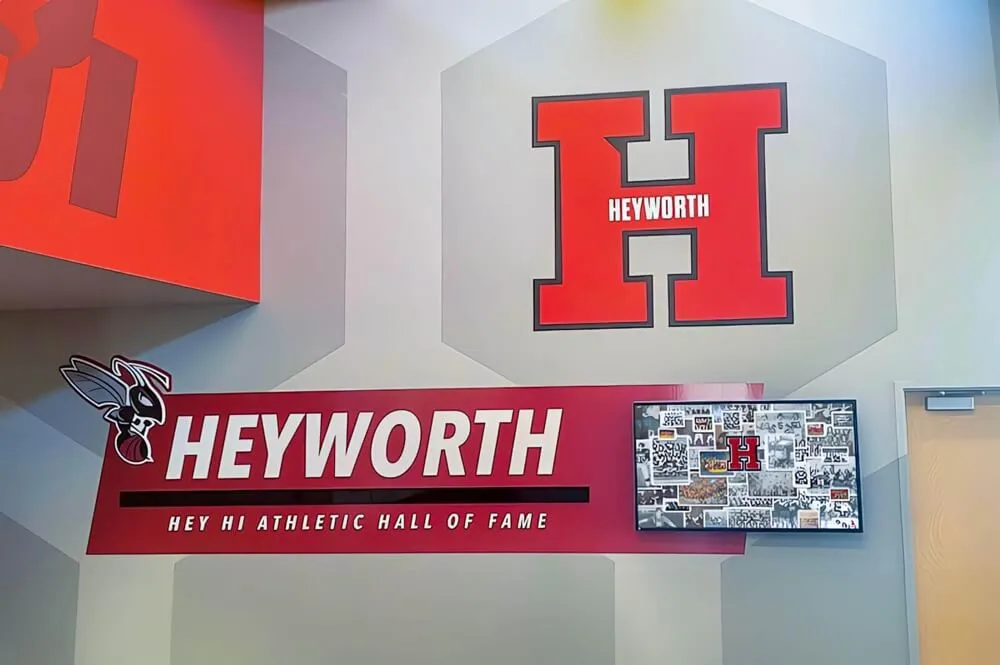
Championship Banner Display: Competition championships deserve prominent gymnasium banner recognition equivalent to basketball, volleyball, and other sport championships. State titles, national qualifications, and major competition victories warrant permanent visual celebration acknowledging these significant athletic accomplishments.
Athletic Award Ceremonies: Include competitive cheerleading in all-sports athletic award banquets, athletic hall of fame inductions, and varsity letter recognition ensuring cheer athletes receive equivalent acknowledgment to other sport participants. Competitive cheer demands identical dedication and athletic commitment warranting equal recognition.
Record Board Integration: Schools maintaining digital record boards showcasing athletic records should include competitive cheerleading accomplishments—highest competition scores, championship titles, qualification achievements, and individual athlete recognition for elite skills demonstrated in competition.
Athletic Hall of Fame Eligibility: Competitive cheerleaders achieving exceptional accomplishments—multiple state championships, national championship participation, all-American recognition—deserve athletic hall of fame consideration alongside athletes from traditional sports programs. Excellence deserves recognition regardless of sport.
Understanding athletic director approaches to comprehensive sports recognition helps establish equitable systems celebrating all athletic achievements including competitive cheerleading excellence.
Digital Recognition Solutions for Competitive Cheer
Modern digital recognition platforms enable comprehensive cheerleading celebration matching the dynamic, visual nature of competitive performances:
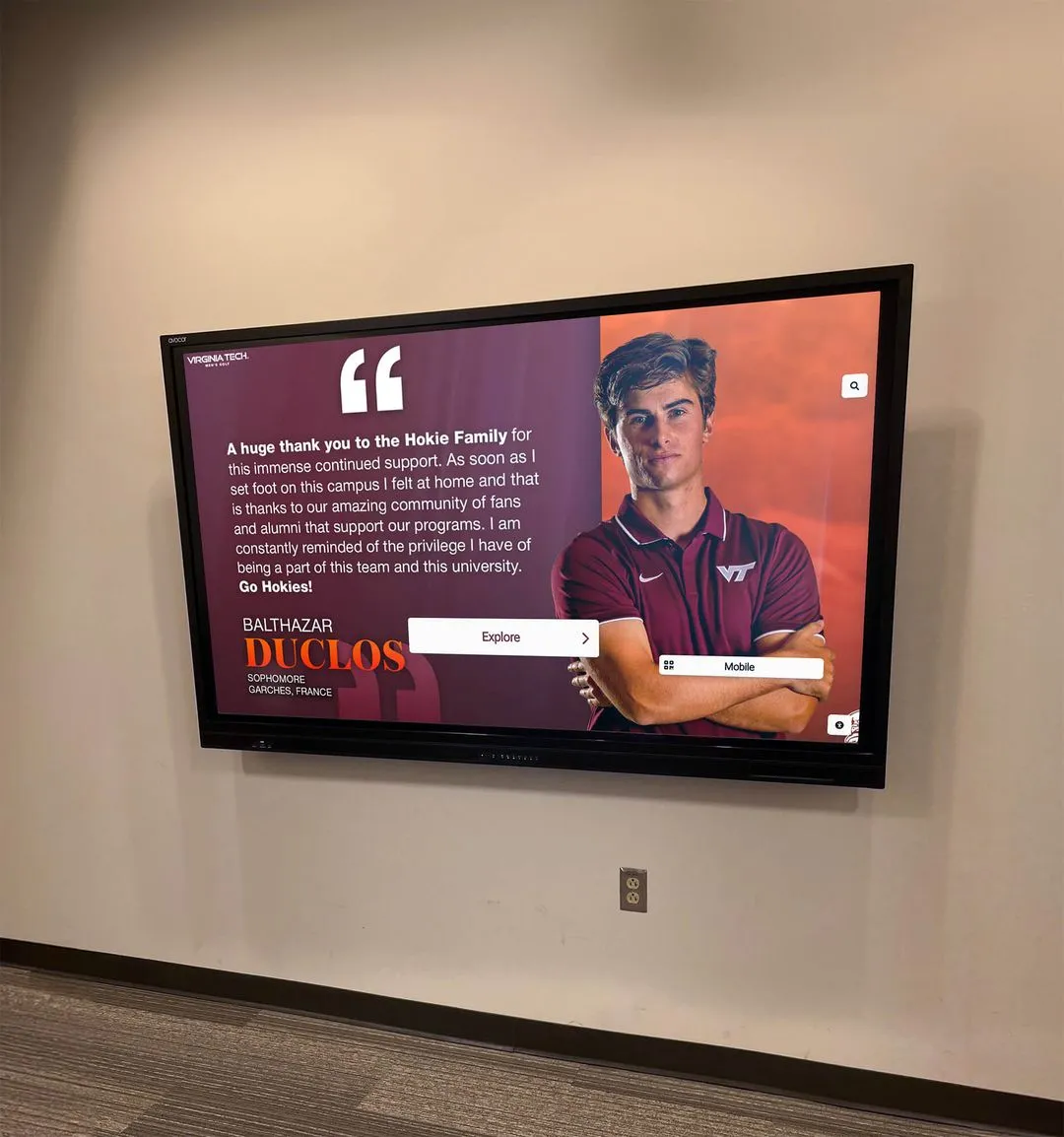
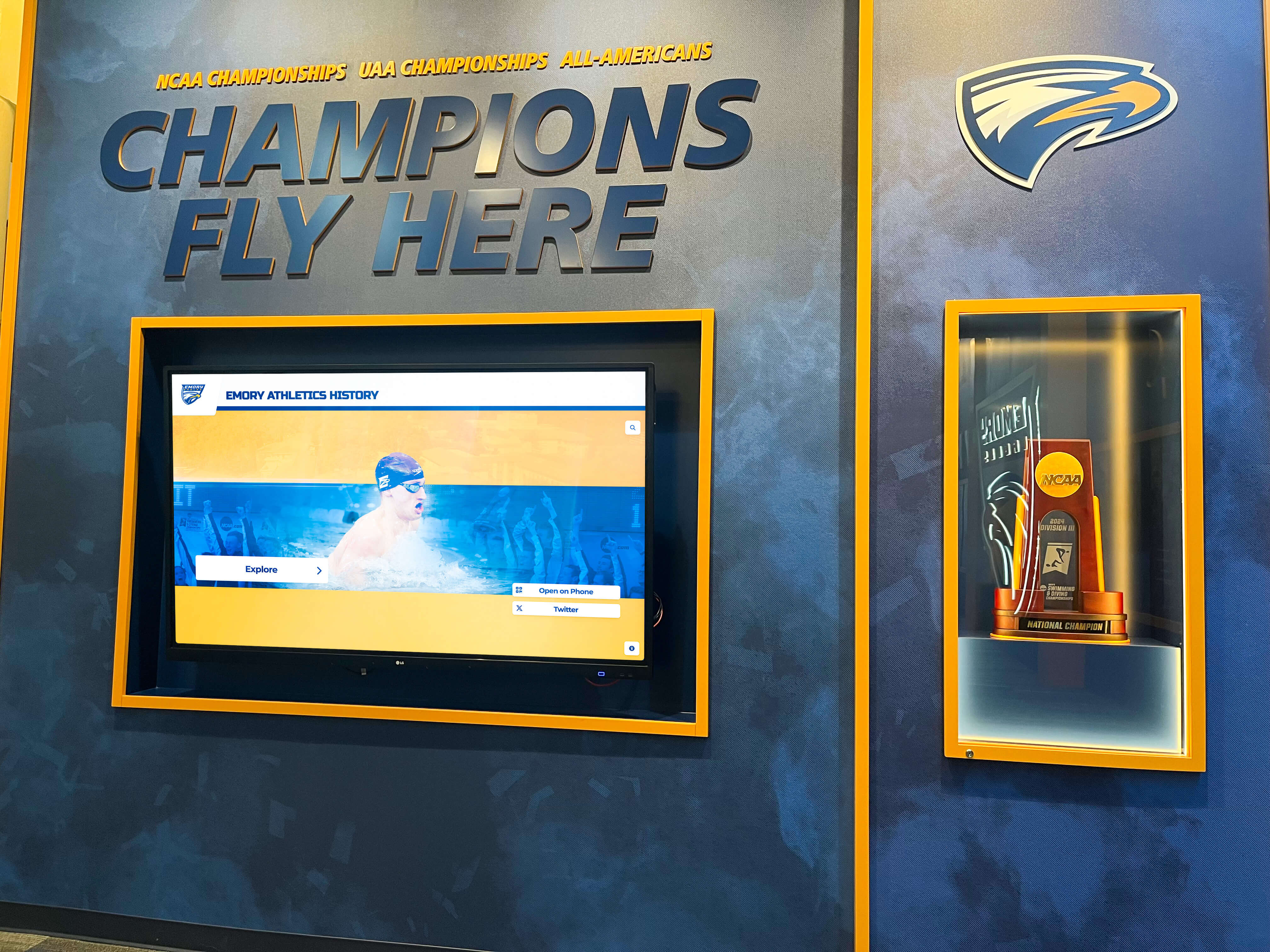
Multimedia Achievement Displays: Digital systems incorporate competition videos, performance photos, routine highlights, and athlete profiles creating engaging presentations that static trophy cases or traditional plaques cannot match. Showcase championship routines through embedded video enabling ongoing celebration of competitive excellence.
Season-Long Competition Tracking: Document entire competitive seasons including qualifier results, score progressions, skill development milestones, and championship pathways telling complete achievement stories rather than only celebrating final championship outcomes.
Individual Athlete Recognition: Highlight individual cheerleader accomplishments—tumbling progression milestones, leadership positions, all-star team selections, scholarship recipients—ensuring recognition extends beyond team championships to celebrate individual development and excellence within competitive programs.
Historical Archive Building: Digital platforms maintain permanent records of competitive achievements across decades, preserving program history and enabling alumni to revisit their competitive experiences years after graduation. Historical context demonstrates program traditions inspiring current athletes.
Accessible Remote Viewing: Web-based companion platforms extend recognition visibility beyond physical school displays, enabling extended families, alumni, and broader communities to explore competitive achievements from anywhere demonstrating school pride in cheer program excellence.
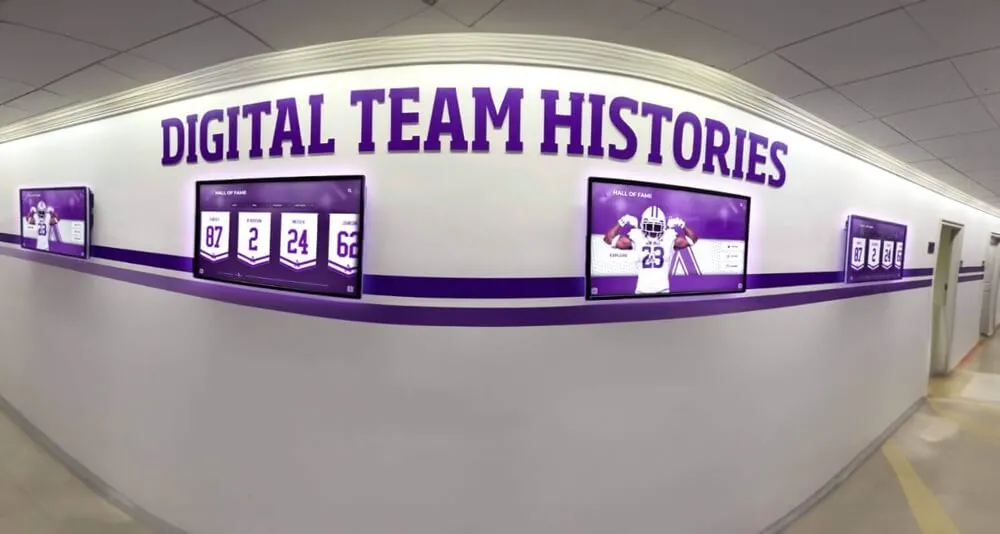
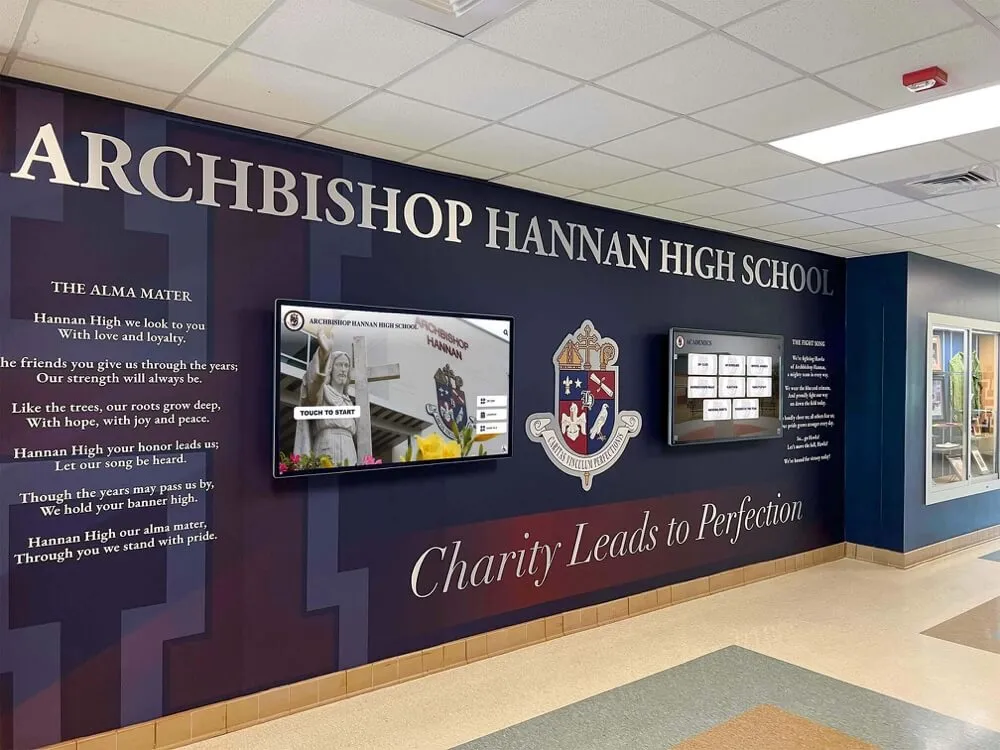
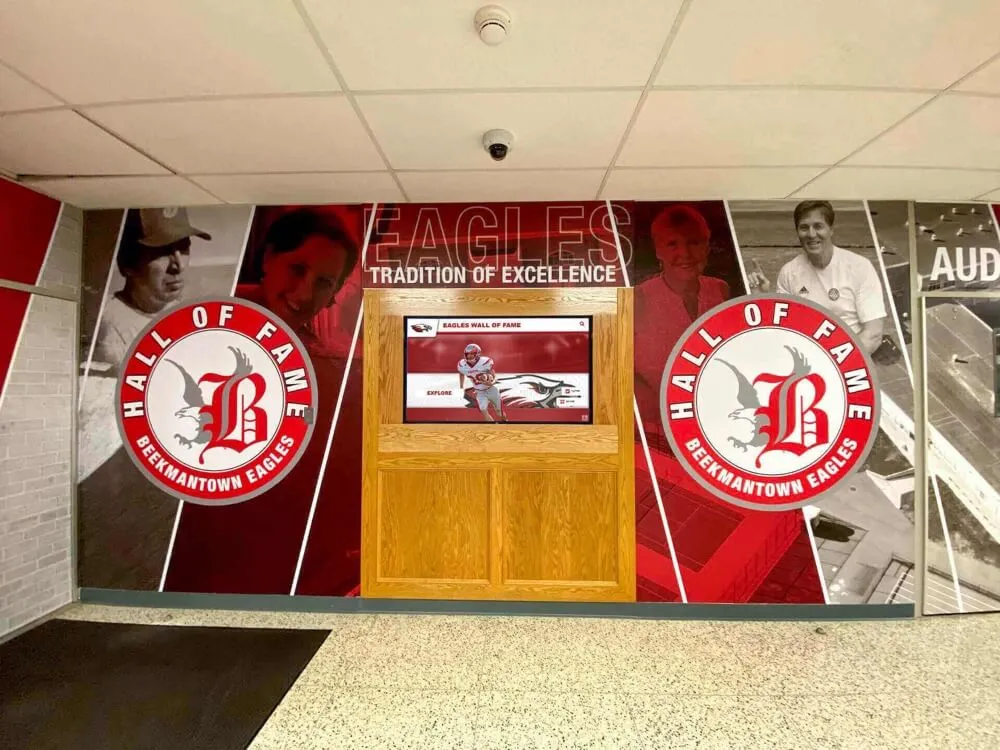
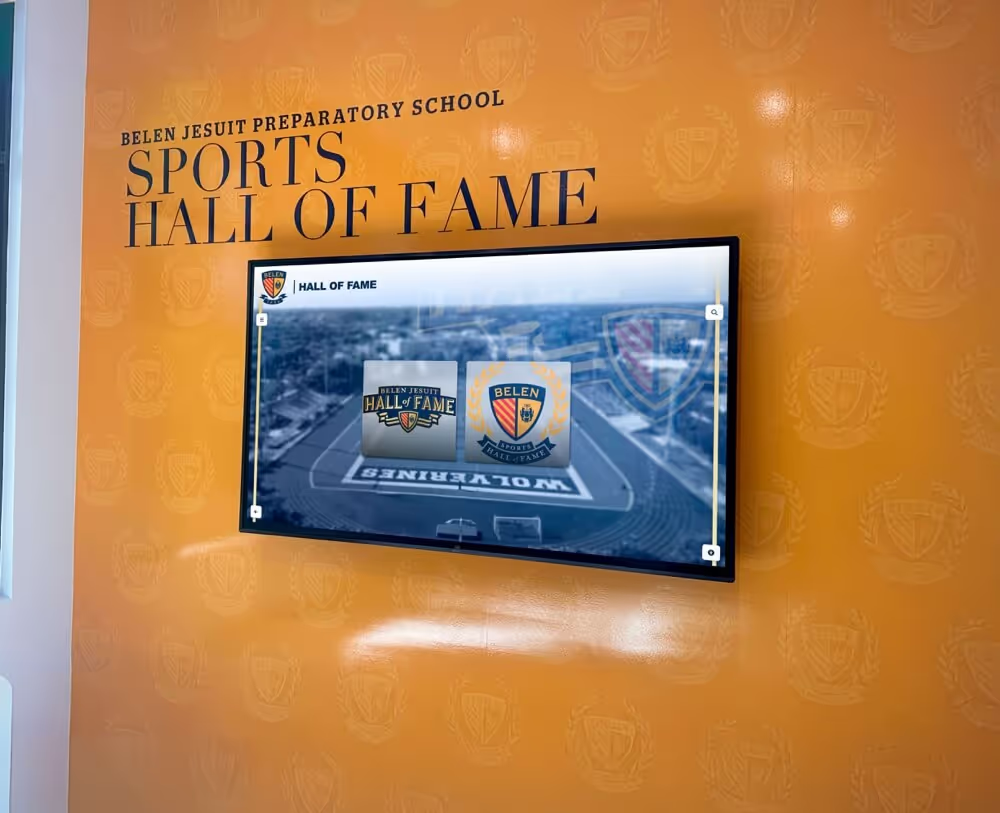
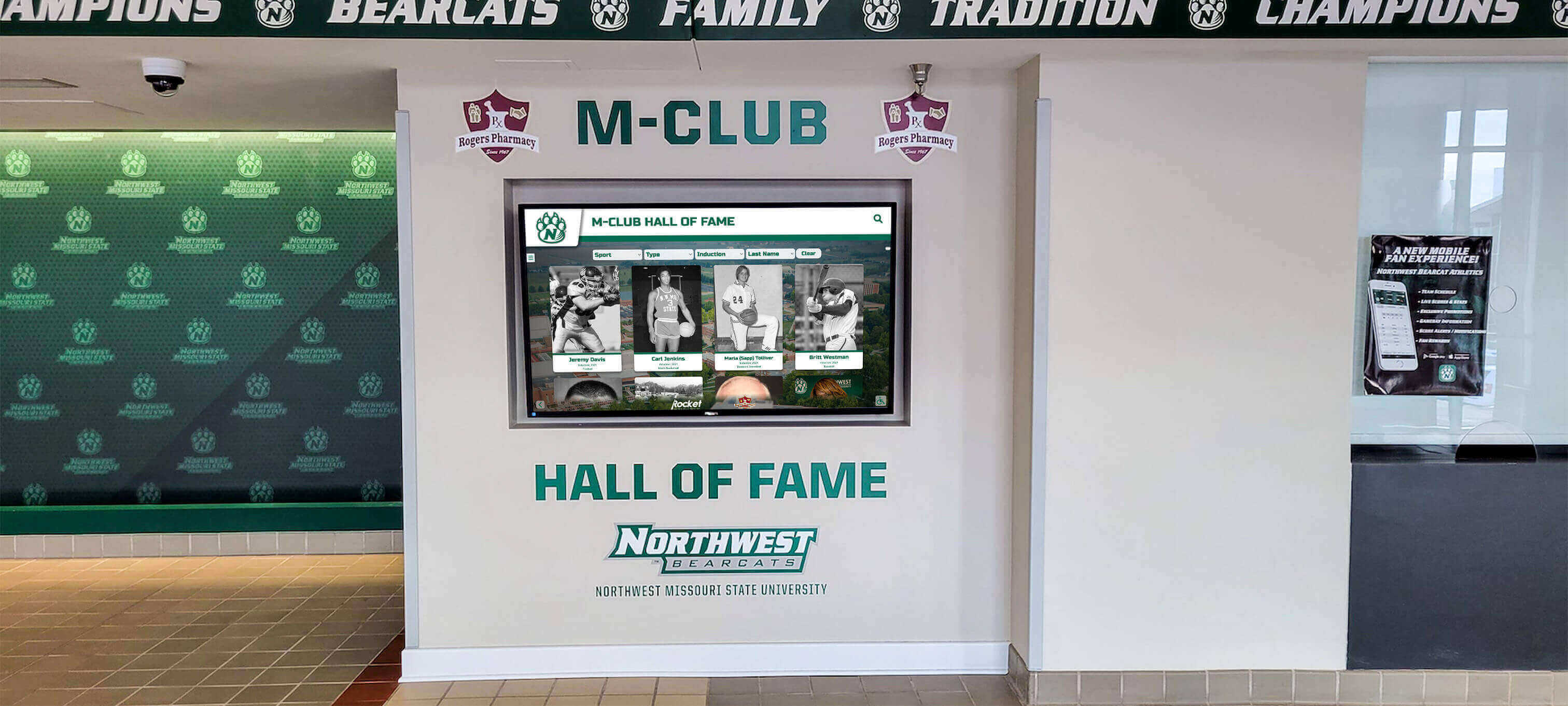
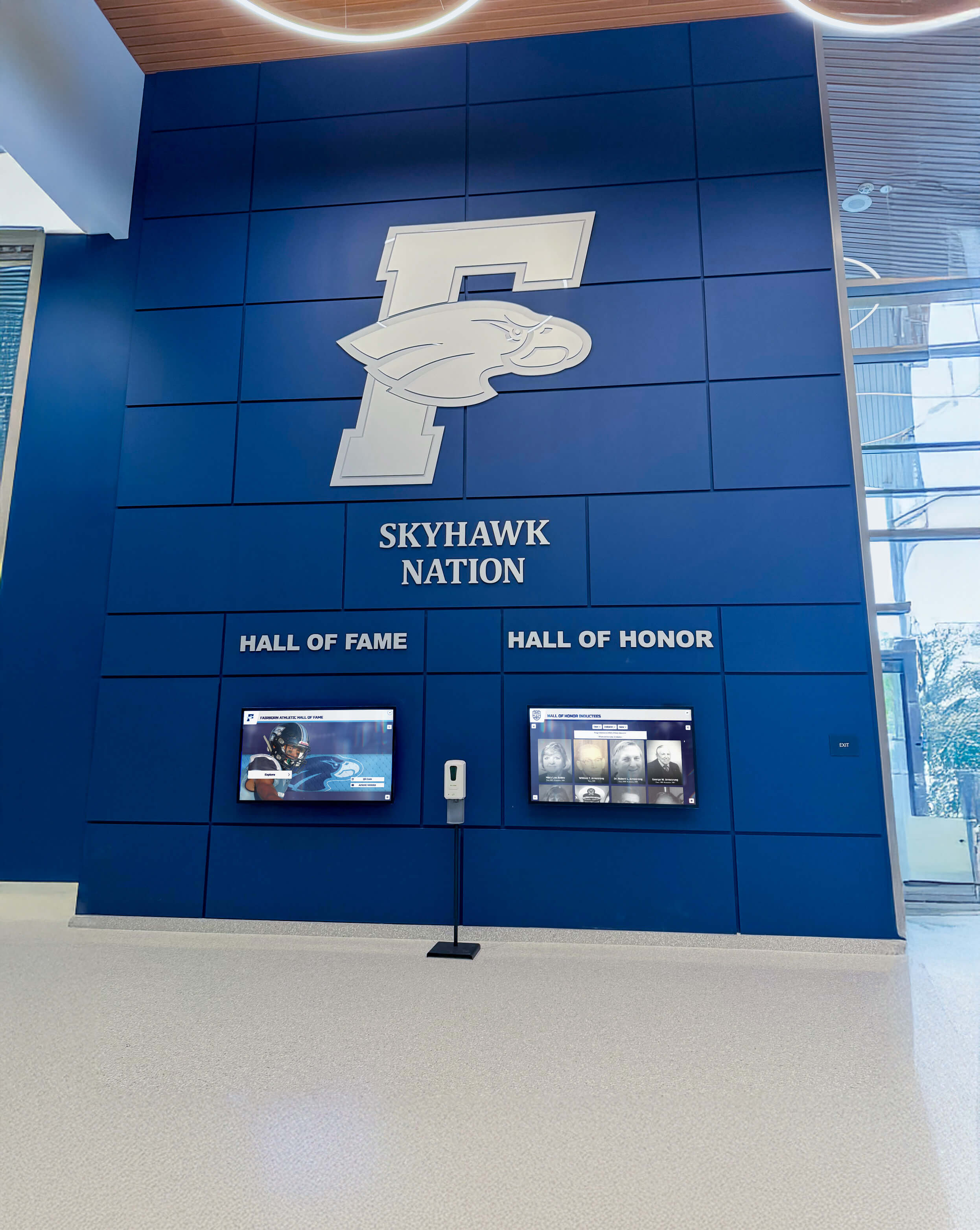
Solutions like Rocket Alumni Solutions provide specialized platforms designed for educational athletic recognition, offering intuitive management requiring no technical expertise while creating impressive displays celebrating competitive cheerleading alongside all school athletic achievements.
Building School Spirit Through Cheer Recognition
Prominent cheerleading recognition builds broader school spirit demonstrating institutional values that celebrate diverse athletic accomplishments:
Visible cheerleading achievement celebration educates school communities about competitive cheer’s athletic legitimacy, helping overcome lingering misconceptions that cheerleading represents entertainment rather than serious athletics requiring dedication and skill development matching any traditional sport.
Recognition demonstrates school commitment to supporting all athletic programs equitably, signaling to potential athletes that cheerleading receives equivalent respect and resources as football, basketball, and other traditionally prominent sports programs.
Comprehensive recognition builds competitive program recruitment, attracting talented athletes who observe school’s genuine appreciation for cheerleading excellence rather than relegating cheer to secondary status behind traditional sports programs.
Resources on building school pride demonstrate how celebrating diverse accomplishments including competitive cheerleading strengthens overall school culture and community engagement.
Training, Safety, and Program Development
Competitive cheerleading success requires systematic training programs, comprehensive safety protocols, and long-term athlete development strategies building skills progressively across multiple seasons.
Year-Round Training Requirements
Elite competitive programs maintain training schedules extending far beyond traditional athletic seasons:
Summer Conditioning and Skill Development: Competitive teams begin season preparation during summer months focusing on strength training, flexibility development, fundamental skill review, and introduction of new skills planned for upcoming competitive seasons. Summer training establishes fitness baselines enabling safe progression into advanced skills during fall preparation.
Fall Competition Preparation: Intensive routine choreography, skill refinement, team synchronization, and competition preparation dominate fall training as teams prepare for early-season qualifiers and establish competitive foundations for championship pursuits.
Competition Season Focus: Winter months emphasize routine perfection, competition performance practice, mental preparation for pressure situations, and continuous refinement based on judge feedback from early competitions informing adjustments improving championship performance quality.
Spring Skill Progression: Post-championship seasons provide opportunities for individual skill development, experimental choreography testing, tryout preparation, and foundational work on advanced skills planned for following season without competition pressure enabling safer learning environments.
Year-round commitment requirements make competitive cheerleading among most demanding athletic programs schools offer, warranting recognition acknowledging this extraordinary dedication level these athletes demonstrate.
Safety Education and Injury Prevention
Comprehensive safety programs protect athlete welfare while enabling progression toward advanced skills:

Coach Certification Requirements: Competitive programs should employ coaches with current safety certifications from recognized organizations like AACCA or USA Cheer demonstrating knowledge of proper spotting techniques, skill progression standards, and emergency response protocols.
Proper Progression Sequences: Athletes should master foundational skills completely before attempting advanced progressions, with coaches evaluating readiness through objective skill assessment rather than rushing advancement to meet competitive timelines. Proper progressions prevent injuries from premature advanced skill attempts.
Facility and Equipment Standards: Adequate training facilities including spring floors, landing mats, proper ceiling heights, and appropriate equipment enable safe skill development. Programs attempting advanced skills in inadequate facilities increase injury risk unnecessarily.
Strength and Conditioning Programs: Dedicated conditioning focusing on core strength, shoulder stability, leg power, and flexibility development provides physical preparation necessary for safely executing advanced stunting and tumbling skills reducing injury likelihood.
Emergency Action Plans: Documented emergency protocols including athletic trainer access, emergency contact procedures, and staff response training ensure prompt appropriate medical attention when injuries occur despite prevention efforts.
Safety emphasis shouldn’t hinder skill development but rather enable sustainable long-term progression protecting athlete welfare while building championship-caliber programs.
Building Competitive Programs From Foundations
Developing successful competitive programs requires strategic multi-year planning rather than expecting immediate championship results:
Establishing Foundational Skill Development: Beginning programs should prioritize fundamental skill mastery across all team members rather than attempting advanced difficulty beyond current capabilities. Solid fundamental foundations enable safer faster progression in subsequent seasons.
Progressive Difficulty Advancement: Plan multi-year skill progression roadmaps identifying target skills for each season, ensuring realistic advancement pacing that builds capabilities systematically rather than attempting unsustainable jumps in difficulty level.
Competitive Division Appropriate Selection: Compete in divisions matching current team skill levels rather than entering elite divisions prematurely pursuing perceived prestige. Successful competition at appropriate levels builds confidence and momentum supporting continued program growth.
Recruiting and Retention Strategies: Develop feeder programs introducing cheerleading at youth levels, maintain positive team cultures retaining experienced athletes across multiple seasons, and actively recruit athletic students who may not have considered cheerleading but possess relevant gymnastics or athletic backgrounds.
Community Education and Support Building: Educate school communities about competitive cheerleading’s athletic demands and accomplishments, building support networks including booster organizations, administrator advocacy, and community recognition that provide resources and encouragement sustaining program development.
Understanding athletic program development principles helps schools build sustainable competitive programs achieving long-term success rather than short-lived competitive participation.
Financial Considerations and Program Funding
Competitive cheerleading involves substantial costs including competition fees, travel expenses, coaching, uniforms, and training facility needs requiring strategic funding approaches.
Competition and Travel Cost Planning
Competitive season expenses exceed many other high school sports due to extensive competition schedules and distant championship locations:
Competition Entry Fees: Teams pay entry fees at each competition ranging from hundreds to thousands of dollars depending on competition prestige and division. Multiple qualifying competitions plus championship events create substantial cumulative registration costs throughout seasons.
Travel and Lodging Expenses: Major championships located in Orlando, Dallas, or other distant cities require multi-day travel including transportation, hotel accommodations, and meals for 20-30 athletes plus coaches and chaperones. Travel costs often exceed competition fees themselves particularly for programs distant from championship venues.
Uniform and Competition Apparel: Competitive uniforms designed for performance rather than sideline use involve significant costs, with many programs investing thousands in custom uniforms, practice wear, warm-ups, and competition accessories ensuring teams present professional polished appearances.
Music and Choreography Fees: Professional choreographers and custom music production represent additional expenses ensuring routines meet competition requirements while showcasing team strengths and maximizing scoring potential through expert composition.
Coaching and Training Costs: Competitive programs require specialized coaching expertise commanding higher compensation than volunteer sideline cheer coaching. Many programs employ professional coaches with competitive cheerleading backgrounds and current safety certifications essential for elite program development.
Fundraising and Financial Support Strategies
Sustainable competitive programs require diverse funding sources beyond school athletic budget allocations:
Booster Club Partnerships: Active booster organizations provide critical financial support through fundraising events, sponsorship solicitation, and direct financial contributions supplementing school budget limitations. Guidance on booster fundraising offers frameworks for building effective support organizations.
Business Sponsorships: Local business partnerships provide financial support in exchange for recognition at competitions, on team apparel, and through school promotional materials benefiting both programs and community businesses supporting youth athletics.
Fundraising Event Planning: Car washes, restaurant fundraising nights, product sales, and community events engage team members in funding efforts while building community awareness of competitive program accomplishments and financial needs.
Grant Opportunities: Some programs successfully pursue grant funding from youth sports foundations, educational grants supporting athletic programs, or corporate giving programs supporting community youth development initiatives.
Alumni Donor Networks: Establishing alumni engagement through recognition programs creates donor pipelines where former cheerleaders contribute financially supporting programs that shaped their high school experiences. Digital recognition platforms highlighting alumni accomplishments strengthen these donor relationship foundations.
Understanding realistic financial requirements and developing diverse sustainable funding enables competitive programs to maintain excellence without unsustainable financial burdens on individual athlete families or school athletic budgets.
Future Trends in Competitive Cheerleading
Competitive cheerleading continues evolving with emerging trends shaping how teams train, compete, and achieve recognition for their accomplishments.
Increased State Athletic Association Recognition
Growing numbers of states officially recognize competitive cheerleading as varsity sport through high school athletic associations:
This official recognition brings competitive cheer under state athletic governance receiving equivalent status to football, basketball, and other traditional sports. State association oversight establishes standardized safety requirements, coach credentialing standards, and competitive regulations ensuring athlete protection and program quality across all member schools.
Official varsity status typically includes competitive cheer in state championship structures, all-state team selections, and athletic recognition programs ensuring cheerleaders receive equivalent acknowledgment to other varsity athletes. This legitimacy advancement represents significant progress for competitive cheerleading recognition.
Advanced Safety Technology and Training
Technology improves safety education and injury prevention in competitive cheerleading training:
Video analysis tools enable coaches to review skill execution in slow motion, identifying technique deficiencies or safety concerns invisible during real-time observation. Detailed video review supports targeted coaching feedback improving skill execution while preventing injury-causing technique flaws.
Force measurement platforms and motion capture technology provide objective data about landing forces, stunt mechanics, and movement patterns informing training modifications reducing injury risk while optimizing performance efficiency.
Virtual reality training applications enable mental skill practice and routine visualization supporting performance preparation while providing supplemental training opportunities requiring no physical exertion or injury risk.
Digital Recognition Platform Evolution
Modern recognition technology transforms how schools celebrate and preserve competitive cheerleading achievements:

Cloud-based recognition platforms enable instant achievement updates, with schools adding championship results, competition scores, and athlete accomplishments in real-time ensuring recognition remains current throughout competitive seasons rather than waiting for annual updates.
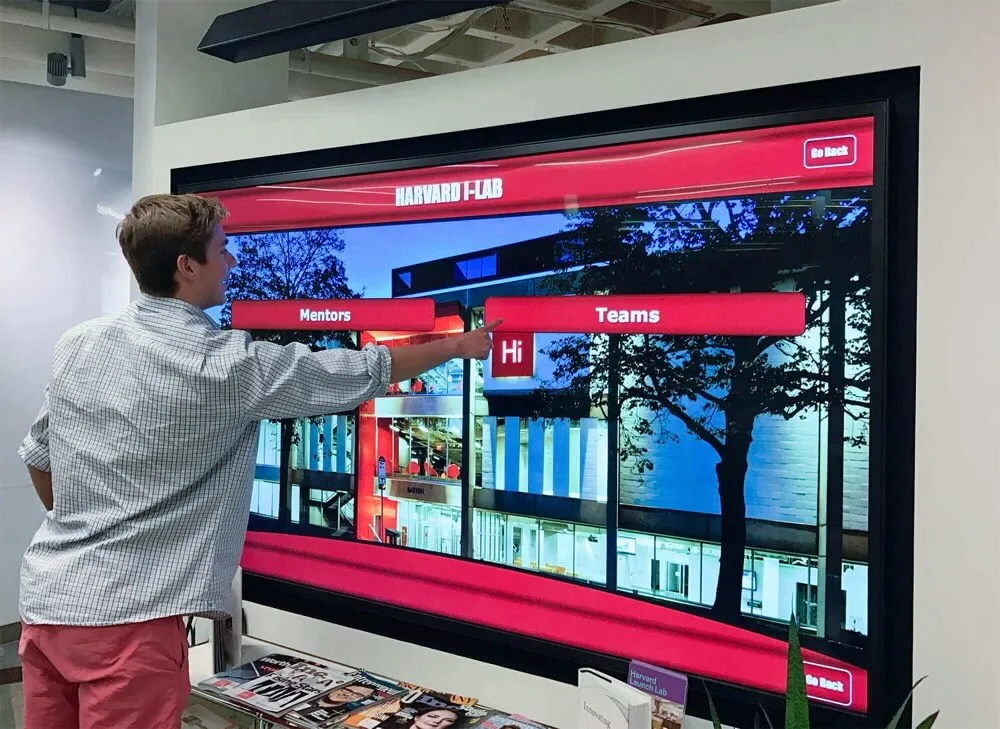
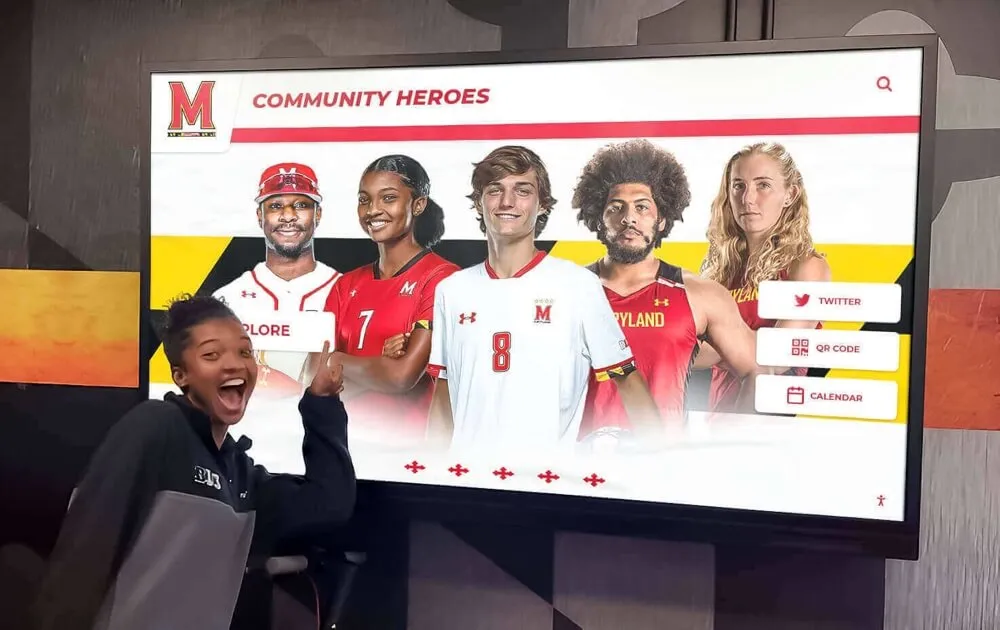
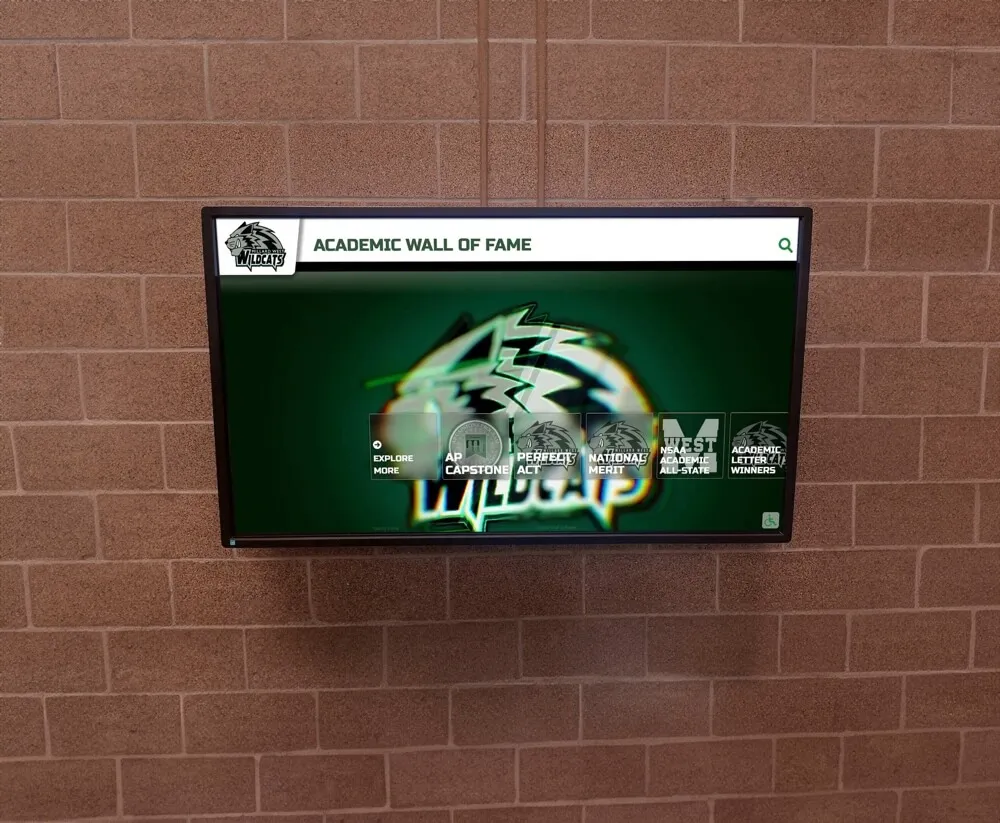
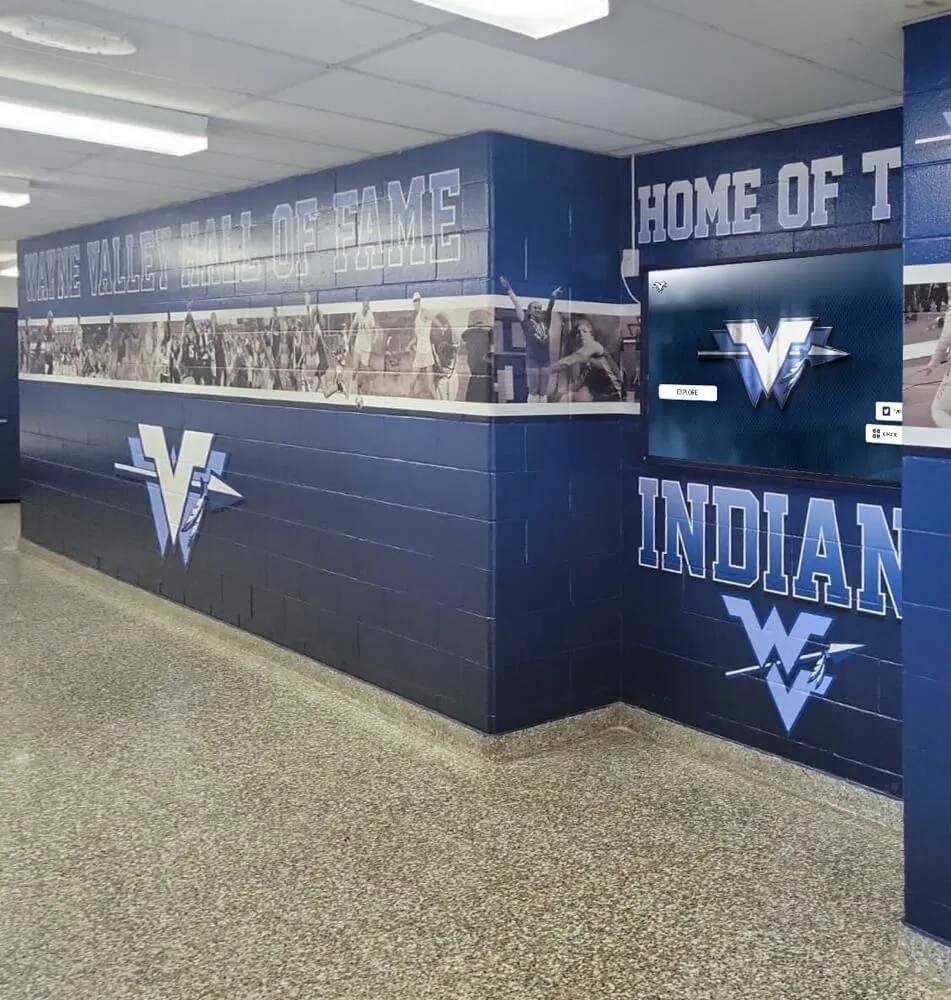
Interactive displays incorporate competition video, athlete profiles, historical archives, and searchable databases creating engaging exploration experiences far exceeding static trophy cases or traditional recognition plaques.
Web accessibility extends recognition visibility globally, enabling alumni to revisit their competitive achievements, prospective students to explore program success, and extended families to celebrate accomplishments regardless of geographic distance from schools.
Analytics capabilities reveal which achievements generate greatest community engagement, informing schools about content that resonates most powerfully with audiences and demonstrating recognition program value through measurable engagement data.
Celebrate Your Competitive Cheerleading Excellence
Transform how your school recognizes competitive cheerleading achievements by implementing digital recognition that permanently honors championship titles, qualification accomplishments, and athlete excellence. Rocket Alumni Solutions enables athletic programs to create comprehensive displays featuring competition videos, athlete profiles, historical achievements, and multimedia storytelling that static trophy cases cannot match—ensuring competitive cheer receives recognition equivalent to all other varsity sports while inspiring current athletes toward their own championship pursuits.
Conclusion: Recognizing Competitive Cheerleading Excellence
Varsity cheerleading competition represents sophisticated athletic competition requiring technical mastery, physical excellence, and competitive mental toughness matching any traditional sport in demands and achievement significance. Understanding qualification processes, competition structures, scoring systems, and championship pathways helps schools, families, and communities properly appreciate the extraordinary accomplishments competitive cheerleading programs achieve through dedication and excellence.
Schools should integrate competitive cheerleading fully into comprehensive athletic recognition systems, celebrating championships, qualification achievements, and individual athlete excellence with equivalent prominence to football state titles, basketball championships, and other traditional sport accomplishments. Competitive cheer athletes demonstrate identical commitment and excellence warranting equal recognition and celebration.
Modern digital recognition solutions like Rocket Alumni Solutions enable schools to create comprehensive, engaging cheerleading celebration incorporating competition videos, athlete profiles, championship documentation, and historical archives that bring achievements to life far beyond traditional trophy cases or static plaques. These platforms ensure competitive cheerleading receives recognition matching program excellence while inspiring current athletes and preserving program history for future generations.
By understanding competitive cheerleading’s structure and implementing appropriate recognition systems, schools demonstrate genuine commitment to supporting all athletic programs equitably—celebrating excellence wherever it occurs and acknowledging that championship-caliber achievement deserves lasting recognition regardless of sport. Your competitive cheerleading program’s accomplishments deserve celebration that matches their significance, creating permanent visibility honoring the dedication these exceptional athletes demonstrate pursuing competitive excellence.