



Every spring, high schools across America celebrate their highest academic achievers by recognizing valedictorians and salutatorians during graduation ceremonies. These honored students deliver speeches, receive special acknowledgment, and represent years of academic dedication. Yet despite their prominence in graduation traditions, confusion persists about exactly what distinguishes a valedictorian from a salutatorian, how schools determine these honors, and why these designations matter beyond the graduation stage.
For students pursuing academic excellence, families supporting their efforts, and school administrators designing recognition programs, understanding valedictorian and salutatorian honors provides crucial context for academic goal-setting, fair selection processes, and meaningful celebration of scholarly achievement. This comprehensive guide clarifies the distinctions between these top academic honors while exploring how schools can extend recognition beyond traditional methods to create lasting celebration of academic excellence.
Recognizing Academic Excellence That Lasts
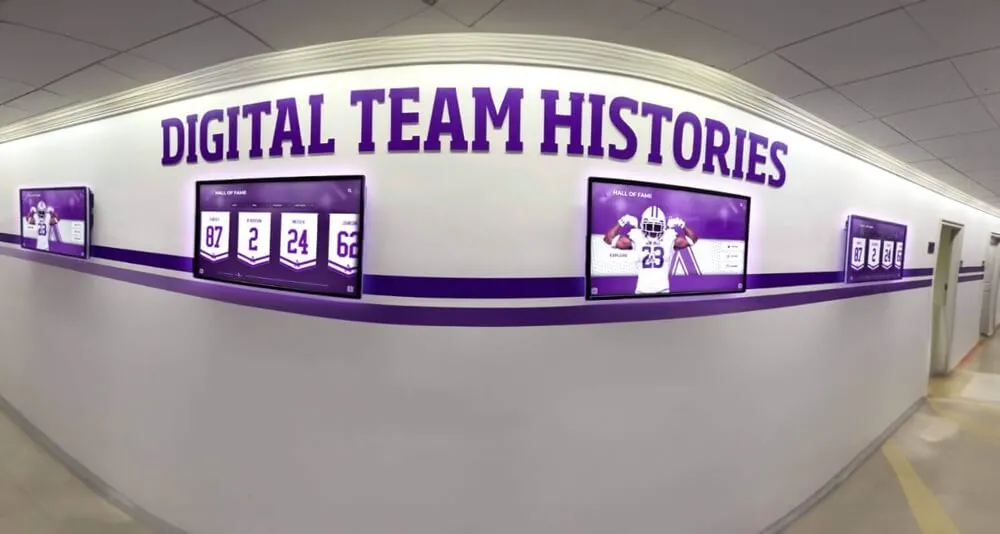
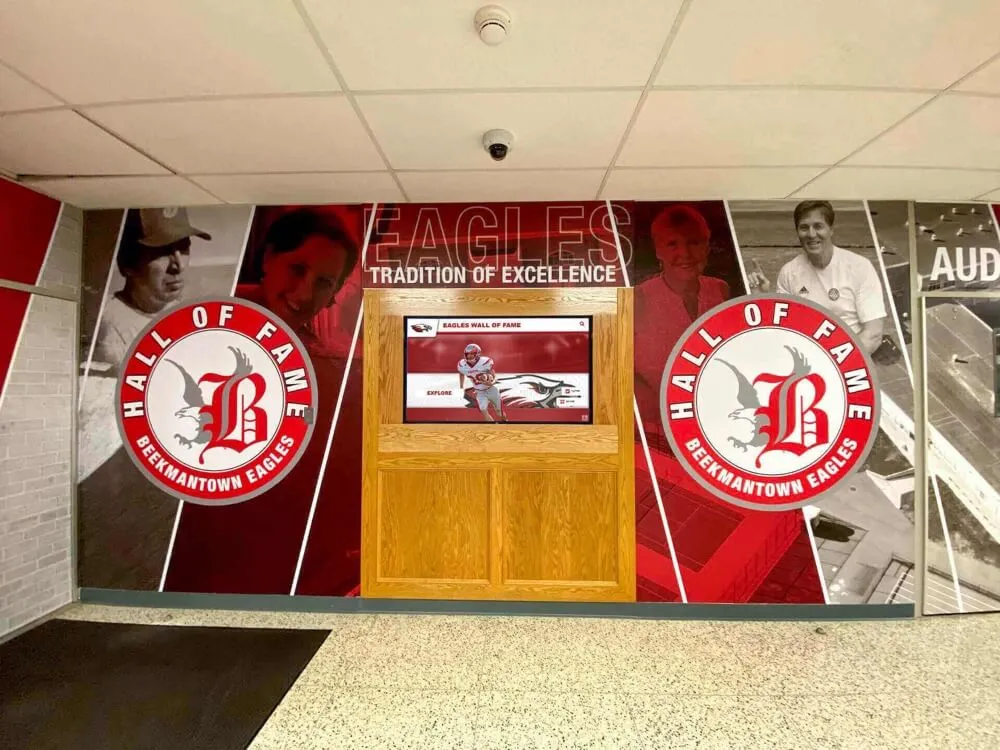
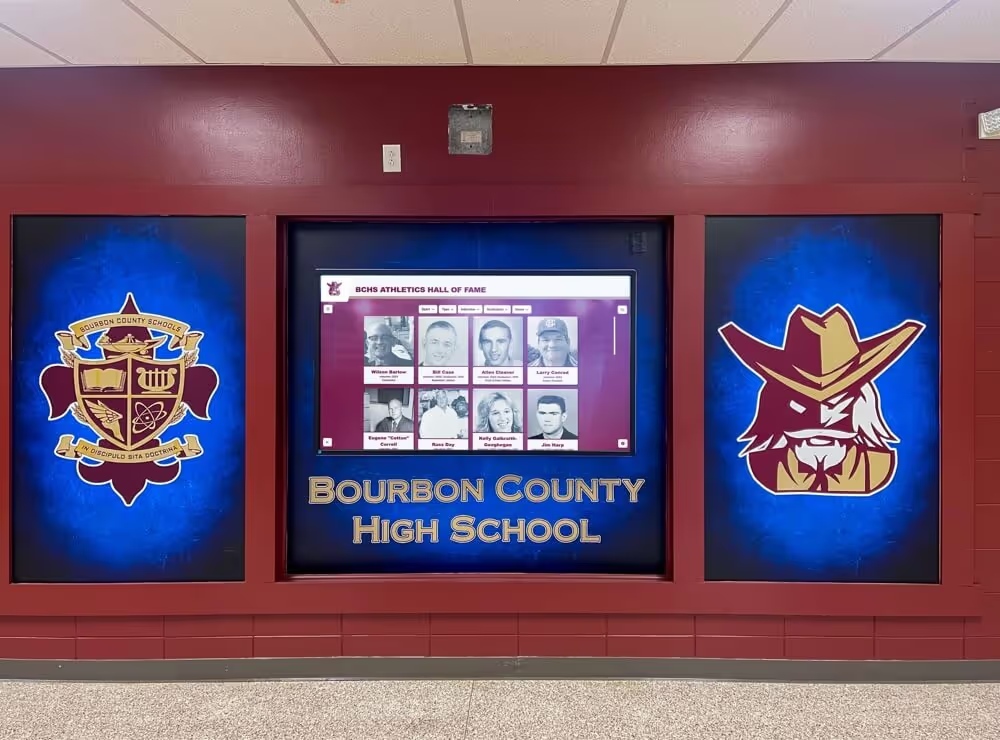
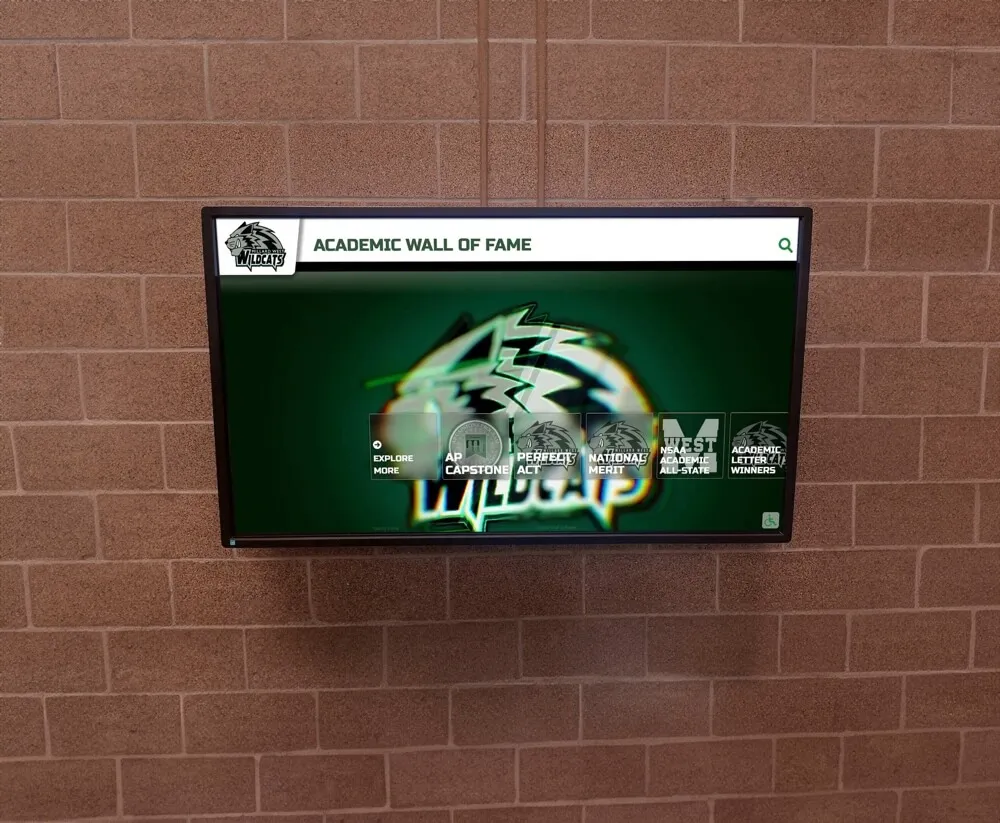
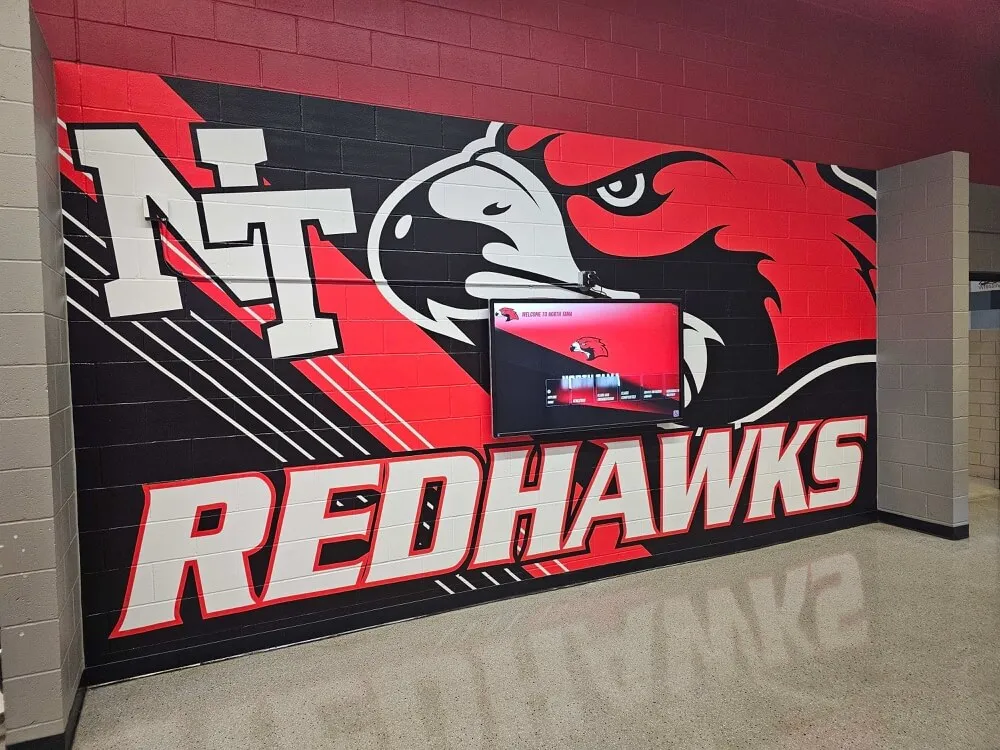
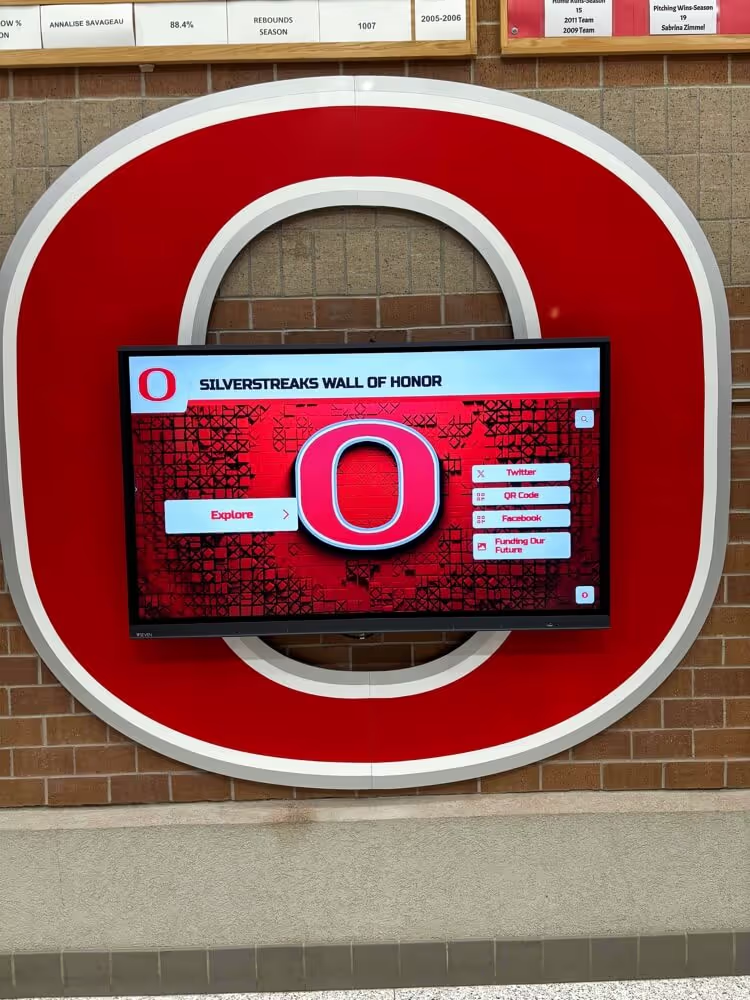
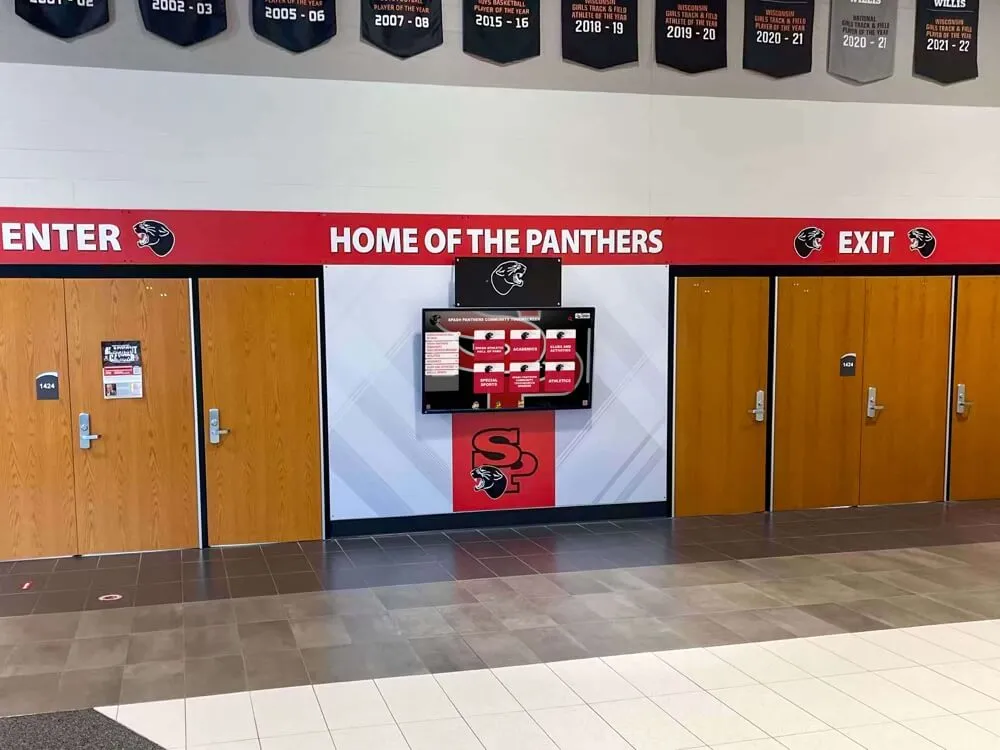
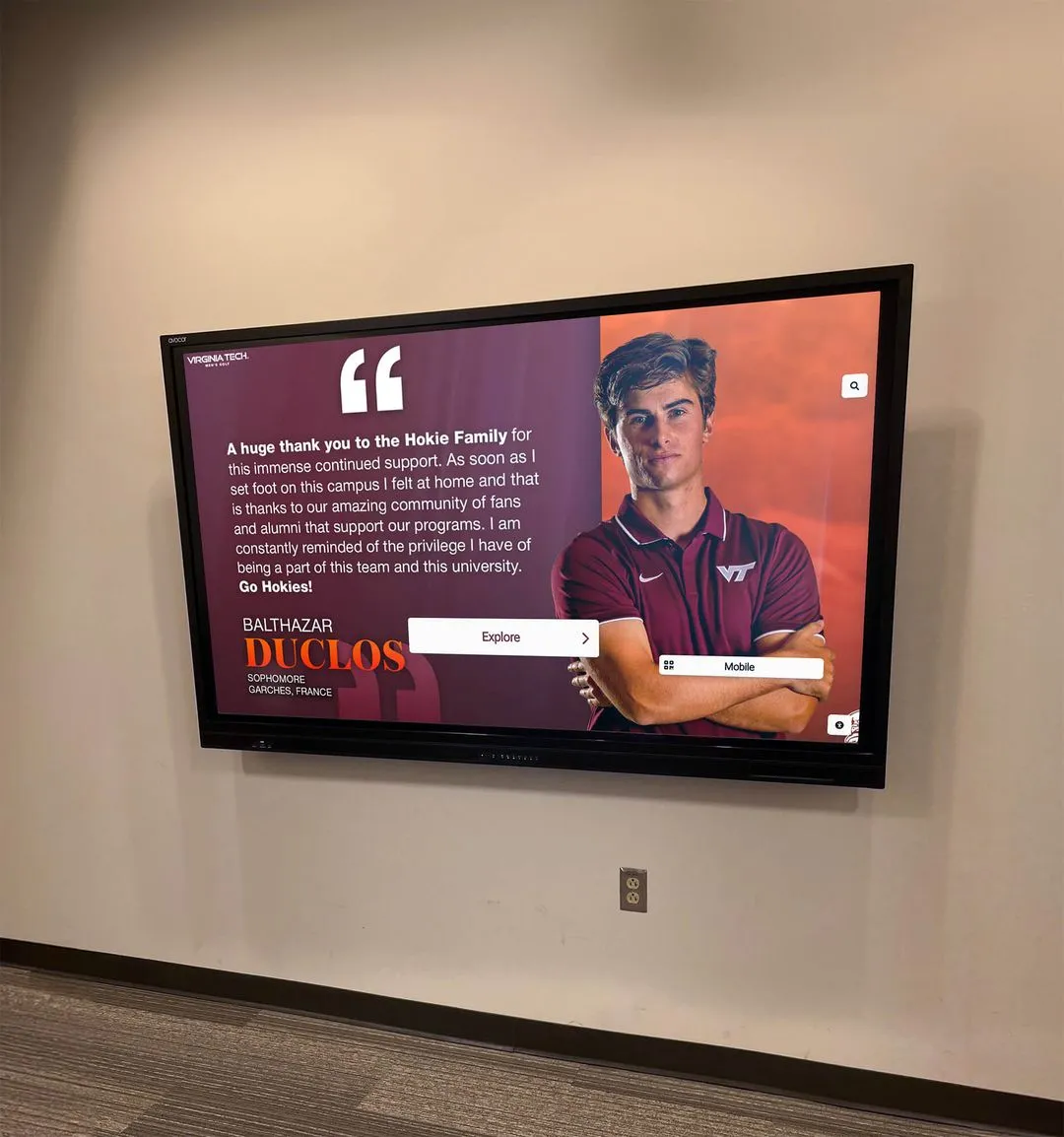
Valedictorian and salutatorian honors represent the pinnacle of high school academic achievement, typically based on cumulative grade point average rankings. Modern digital record board solutions enable schools to permanently showcase these achievements alongside comprehensive academic records, creating interactive displays that celebrate valedictorians, salutatorians, and all graduating class members. Solutions like Rocket Alumni Solutions provide purpose-built platforms specifically designed for educational recognition, offering schools the capability to honor top academic achievers through engaging displays featuring student profiles, achievement details, and searchable databases preserving academic heritage indefinitely.
Understanding Valedictorian: The Top Academic Honor
The term “valedictorian” derives from the Latin “vale dicere,” meaning “to say farewell”—reflecting the tradition of having the highest-ranking student deliver a farewell address at graduation. Today, valedictorian designation represents the most prestigious academic honor a high school can bestow upon a graduating senior.
Defining the Valedictorian Role
A valedictorian is the student who achieves the highest cumulative grade point average in the graduating class across their entire high school career. This designation recognizes sustained academic excellence over four years rather than performance in a single year or semester.
Traditional Valedictorian Characteristics:
- Highest GPA: Maintains the top cumulative GPA among all graduating seniors
- Graduation Speech: Typically delivers a speech at the graduation ceremony
- Academic Distinction: Represents the pinnacle of academic achievement for that class
- Leadership Recognition: Often seen as an academic role model within the school community
- College Application Advantage: This distinction carries weight in competitive college admissions and scholarship applications

The valedictorian designation carries significant prestige within school communities. These students demonstrate exceptional consistency across diverse subjects, maintaining excellence in mathematics, sciences, humanities, languages, and electives throughout their high school careers. Unlike single-event achievements like standardized test scores or competition victories, valedictorian status reflects sustained commitment to academic excellence over extended timeframes.
How Schools Calculate Valedictorian Status
Determining valedictorian status involves careful GPA calculation following institutional policies that can vary significantly between schools. Understanding these calculation methods helps students, families, and educators recognize both the achievement’s significance and the systems producing these honors.
Weighted vs. Unweighted GPA Systems
Schools employ different GPA calculation approaches that substantially impact valedictorian determination:
Weighted GPA Systems: Add extra grade points for Advanced Placement (AP), International Baccalaureate (IB), honors, or dual enrollment courses. A typical weighted scale awards 5.0 for an A in AP courses versus 4.0 for regular courses. This approach rewards students challenging themselves with rigorous coursework.
Unweighted GPA Systems: Treat all courses equally regardless of difficulty level, maintaining a standard 4.0 maximum scale. An A in AP Calculus receives the same 4.0 as an A in standard Math—emphasizing grade achievement over course difficulty.
Hybrid Systems: Some schools calculate both weighted and unweighted GPAs, using weighted GPA for valedictorian determination but reporting both calculations on transcripts.
The system schools employ significantly affects valedictorian outcomes. Weighted systems tend to recognize students pursuing maximum academic rigor, while unweighted systems may reward students achieving perfect grades in less challenging coursework. Neither approach is inherently superior—each reflects different institutional values regarding academic recognition.
Course Inclusion Considerations
Schools must determine which courses factor into valedictorian GPA calculations, addressing questions like:
- Do electives count equally with core academic subjects?
- Are physical education, health, or fine arts courses included?
- How are pass/fail courses handled?
- Do summer school or credit recovery courses affect rankings?
- Are online or correspondence courses included in GPA calculations?
These seemingly technical decisions carry meaningful implications for which students ultimately achieve top academic honors. Transparent policies established early in students’ high school careers ensure fairness and allow informed academic planning.

Understanding how schools track and display academic excellence throughout students’ careers connects to broader questions about comprehensive academic recognition programs that celebrate achievement at all levels.
Understanding Salutatorian: The Second Highest Honor
While valedictorian status receives primary attention, salutatorian recognition represents equally impressive academic accomplishment deserving substantial celebration and recognition.
Defining the Salutatorian Role
A salutatorian is the student achieving the second-highest cumulative grade point average in the graduating class. The term derives from Latin “salutatorius,” meaning “pertaining to greeting”—reflecting the tradition of having this student deliver the welcoming address or opening remarks at graduation ceremonies.
Salutatorian Recognition Elements:
- Second Highest GPA: Maintains the second-highest cumulative GPA in the graduating class
- Graduation Address: Often delivers the opening or welcoming speech at graduation
- Academic Excellence: Demonstrates outstanding scholarly achievement across high school career
- Distinguished Recognition: Receives formal acknowledgment of exceptional academic performance
- Competitive Achievement: In large graduating classes, salutatorian status may represent finishing ahead of hundreds of classmates
The margin between valedictorian and salutatorian can be remarkably small—sometimes just hundredths of GPA points separating these honors. In many cases, salutatorians demonstrate equivalent academic capability and work ethic as valedictorians, with infinitesimal GPA differences determining final rankings.
The Academic Significance of Salutatorian Status
Salutatorian recognition represents extraordinary achievement that merits celebration equal in significance to valedictorian honors. Consider the competitive context: in a graduating class of 400 students, the salutatorian has academically outperformed 398 classmates—an accomplishment requiring sustained excellence, intellectual capability, and dedicated effort over four years.
College Admissions Perspective
From college admissions and scholarship viewpoints, differences between valedictorian and salutatorian status are often negligible. Competitive universities recognize both designations as indicators of top-tier academic performance. Scholarship committees understand that minute GPA differences separating these honors rarely reflect meaningful distinctions in intellectual capability or college readiness.
Students achieving salutatorian status demonstrate the same sustained academic excellence, time management, intellectual engagement, and achievement orientation that characterizes valedictorians. The specific ranking—whether first or second—matters far less than the demonstration of exceptional scholarly commitment both designations represent.

Internal School Recognition
Within school communities, both valedictorian and salutatorian students serve as academic role models inspiring peers while demonstrating that sustained excellence is achievable through dedicated effort. Schools benefit from celebrating both honors prominently, avoiding hierarchical messaging that diminishes salutatorian achievement simply because another student achieved marginally higher GPA.
Comprehensive approaches to recognizing top academic performers connect to broader institutional commitments toward celebrating diverse academic excellence across student populations.
Key Differences Between Valedictorian and Salutatorian
While both honors represent extraordinary academic achievement, several distinctions characterize these top recognitions:
Ranking Position
Valedictorian: Achieves the absolute highest cumulative GPA in the graduating class—ranked #1 academically.
Salutatorian: Achieves the second-highest cumulative GPA in the graduating class—ranked #2 academically.
This ranking difference represents the fundamental distinction between these honors, with final rankings often determined by minimal GPA variations.
Speech Traditions
Valedictorian Speech: Traditionally delivers the farewell address during graduation—typically the final or near-final speech before diploma presentation. Valedictorian speeches often reflect on shared high school experiences, celebrate class achievements, acknowledge challenges overcome, and offer inspiring messages for future endeavors.
Salutatorian Speech: Traditionally delivers the welcoming or opening address early in the graduation ceremony. Salutatorian speeches typically greet attendees, recognize administrators and faculty, thank families and supporters, and set a positive tone for the ceremony.
However, speech assignments vary considerably among schools. Some institutions allow both students to deliver speeches, others feature only the valedictorian, and some schools have moved away from academic ranking-based speaker selection entirely—instead choosing speakers through application processes emphasizing communication skills and message quality.
Recognition and Awards
Both valedictorian and salutatorian designations typically include:
- Special recognition during graduation ceremonies
- Notation on transcripts and diplomas
- Featured acknowledgment in graduation programs
- School and community newspaper recognition
- Special awards, medals, or cords distinguishing their achievement
- Permanent inclusion in school records and archives
While valedictorian recognition may receive slightly more emphasis in some contexts, schools committed to comprehensive academic celebration ensure both honors receive prominent, equitable acknowledgment befitting their significance.

Historical Preservation
Schools increasingly recognize the importance of permanently preserving valedictorian and salutatorian recognition beyond graduation day acknowledgment. Digital recognition platforms enable institutions to build comprehensive historical records documenting these top academic honors across decades, allowing current students to explore academic excellence traditions, enabling alumni to rediscover their own recognition years later, and creating institutional memory celebrating scholarly achievement as prominently as athletic accomplishments.
Resources exploring how schools preserve and showcase academic achievements demonstrate emerging best practices for honoring top scholars.
Common Valedictorian and Salutatorian Selection Challenges
Determining top academic honors involves navigating complex scenarios that test even well-designed selection systems. Understanding common challenges helps schools establish fair, transparent processes while managing community expectations.
Multiple Students With Identical GPAs
Perhaps the most common valedictorian/salutatorian challenge occurs when multiple students achieve identical top GPAs—particularly in schools using unweighted systems or when several students complete identical course schedules with perfect grades.
Resolution Approaches:
Multiple Valedictorians: Many schools now recognize all students achieving the highest GPA as co-valedictorians rather than attempting artificial differentiation. This approach acknowledges that minute calculation differences shouldn’t diminish equally exceptional achievement.
Extended Decimal Places: Some schools calculate GPAs to additional decimal places (hundredths or thousandths) to break ties. While this establishes clear rankings, critics argue that differences this small don’t reflect meaningful distinctions in achievement.
Additional Criteria: Schools may consider factors beyond GPA such as standardized test scores, number of AP courses completed, or class difficulty indices. However, introducing secondary criteria raises fairness questions and complicates already complex selection processes.
Shared Recognition: Rather than designating one valedictorian over multiple qualified students, schools may have co-valedictorians share speaking duties or rotate year-to-year whose speech comes last in ceremony order.
The trend toward recognizing multiple valedictorians reflects growing acknowledgment that extremely small GPA differences don’t justify creating artificial hierarchies among exceptionally accomplished students.
Transfer Students and Class Rank
Students transferring into schools during high school create complications for class ranking systems:
- Should GPA calculations include only coursework completed at the current school, or incorporate grades from previous institutions?
- How are courses from previous schools weighted if grading scales differ?
- Do transfer students qualify for valedictorian/salutatorian honors, or only students completing full four years at the institution?
Schools must establish clear policies addressing these scenarios, balancing fairness to long-enrolled students against inclusivity for transfer students who may have faced circumstances requiring school changes. Many institutions now specify that valedictorian/salutatorian eligibility requires attendance for a minimum number of semesters—often six or seven semesters of high school.
Course Availability and Scheduling Constraints
Not all students have equal access to the most rigorous courses affecting GPA calculations, particularly in weighted systems. Common equity concerns include:
- Advanced courses with limited enrollment preventing interested students from participating
- Scheduling conflicts forcing students to choose between equally rigorous options
- Prerequisite requirements limiting access to AP courses for students starting high school less prepared
- Varying rigor levels across different AP subjects affecting weighted GPA calculations
- Access differences between school buildings if districts operate multiple high schools with varying course offerings
These structural inequities complicate the notion that valedictorian/salutatorian rankings purely reflect individual achievement rather than also reflecting opportunity access differences.

Grade Inflation and Course Rigor Questions
Weighted GPA systems attempt to reward students pursuing rigorous coursework, but implementation challenges persist:
- Are all weighted courses genuinely equivalent in difficulty?
- Do grade distributions in AP versus regular courses reflect actual difficulty differences?
- Should schools weight courses differently based on subject area or teacher rigor?
- How should schools handle courses with extremely high average grades that may indicate grade inflation?
These questions lack perfect answers, requiring schools to balance recognizing academic rigor against maintaining fair, understandable systems.
Evolving Approaches to Academic Recognition
Many schools are reconsidering traditional valedictorian and salutatorian systems in response to concerns about competitive pressure, equity issues, and limitations of ranking-based recognition.
The Movement Away From Class Rank
An increasing number of high schools have eliminated class ranking entirely, including valedictorian and salutatorian designations. Arguments supporting this shift include:
Reducing Unhealthy Competition: Traditional ranking systems can foster excessive competition among high-achieving students, prioritizing GPA maximization over genuine learning, encouraging strategic course selection based on grading ease rather than interest, creating stress and anxiety around grade fluctuations, and potentially damaging peer relationships when students view classmates as competitors rather than collaborators.
Recognizing Multiple Pathways to Excellence: Class ranking systems inherently create single-dimension measures of success, potentially undervaluing students demonstrating excellence through leadership, creativity, athletic achievement, community service, or other dimensions beyond pure academic performance. Eliminating rankings allows more comprehensive celebration of diverse talents.
College Admissions Evolution: Many selective colleges have adapted admissions processes to evaluate students holistically without requiring class rank information. As fewer colleges require rank reporting, some high schools question whether maintaining these systems serves students’ best interests.
Equity Considerations: Class ranking systems may disadvantage students facing obstacles like limited course access, family responsibilities affecting study time, learning differences requiring different educational approaches, or English language learner status affecting early high school performance.
Alternative Recognition Systems
Schools moving away from traditional valedictorian/salutatorian systems often implement alternative approaches celebrating academic excellence:
Latin Honors Systems: Rather than recognizing only the top two students, schools award Latin honors (summa cum laude, magna cum laude, cum laude) to all students achieving specified GPA thresholds—typically recognizing the top 15-20% of graduating classes through tiered honors.
Multiple Academic Excellence Awards: Instead of single valedictorian recognition, schools present various academic achievement awards recognizing excellence across different dimensions—highest GPA in specific subjects, most rigorous course load completion, greatest academic improvement, or excellence combining academics with service or leadership.
Collective Class Recognition: Some schools emphasize collective graduating class achievements rather than individual rankings—celebrating class-wide GPA averages, college acceptance rates, scholarship totals, or community service hours.
Student-Selected Speakers: Rather than automatically designating valedictorian as graduation speaker, schools may use application processes where interested students submit speech proposals with selection based on message quality and presentation skills rather than GPA rankings.
These evolving approaches reflect broader educational conversations about how recognition systems can celebrate excellence while minimizing unintended negative consequences of competitive ranking systems.
Permanent Recognition: Honoring Academic Excellence Beyond Graduation Day
While graduation ceremonies provide important moments celebrating valedictorians and salutatorians, these achievements deserve recognition extending beyond single events. Schools increasingly implement permanent recognition systems ensuring top academic honors remain visible within school communities indefinitely.
The Digital Record Board Advantage for Academic Recognition
Modern digital record board solutions transform how schools preserve and display academic achievement histories. These interactive platforms offer capabilities impossible with traditional static recognition methods:
Comprehensive Academic Archives: Digital systems accommodate unlimited valedictorian and salutatorian profiles spanning decades without physical space constraints limiting traditional plaque or trophy case recognition. Schools can showcase every top academic achiever since the system’s implementation—building complete institutional academic heritage records.
Rich Multimedia Content: Digital platforms enable high-resolution student photographs creating personal connection, detailed achievement narratives providing context beyond simple names and years, searchable databases allowing exploration by name, year, or achievement level, and integration with graduation speeches or other memorable content from recognition ceremonies.
Perpetual Accessibility: Unlike printed programs or yearbooks that become increasingly difficult to access over time, digital recognition platforms maintain permanent accessibility. Alumni returning to campus decades later can find their own valedictorian or salutatorian recognition, parents can show their children their own high school achievements, and current students can explore academic excellence traditions spanning school history.
Equitable Visibility: Digital record boards can showcase valedictorians and salutatorians alongside comprehensive academic recognition programs—honor roll recipients, subject-specific achievement awards, academic competition winners, and scholarship recipients. This comprehensive approach ensures top academic honors receive appropriate prominence while celebrating diverse academic excellence across student populations.

Strategic Implementation of Academic Recognition Displays
Schools implementing digital recognition for valedictorians and salutatorians should consider strategic approaches maximizing impact:
Prominent Placement: Position academic recognition displays in high-visibility locations including main entrances where all visitors encounter academic achievement celebration, counseling areas where academic planning conversations occur, libraries emphasizing scholarly pursuits, and college planning spaces where top academic achievement models inspire college preparation.
Comprehensive Historical Development: Begin with current and recent graduates, then systematically add historical valedictorians and salutatorians during summer months when other demands are lighter. This phased approach builds comprehensive archives without overwhelming staff while creating increasingly valuable historical resources over time.
Integration With Broader Recognition: Connect valedictorian and salutatorian recognition to comprehensive academic achievement celebration including honor roll systems, subject-specific awards, and other academic excellence dimensions. This integration demonstrates institutional commitment to recognizing academic achievement as prominently as athletic accomplishments.
Regular Update Protocols: Establish systematic processes ensuring new valedictorians and salutatorians are added promptly following each graduation. Designate specific staff responsibility for content creation and system updates, ensuring recognition programs operate sustainably across years regardless of personnel changes.
Solutions like Rocket Alumni Solutions provide schools with turnkey platforms specifically designed for educational recognition, offering intuitive content management requiring minimal technical expertise, engaging interactive interfaces encouraging exploration, unlimited capacity accommodating comprehensive recognition without constraints, and ongoing support ensuring successful long-term program operation.
Resources exploring complete digital hall of fame approaches provide frameworks applicable to academic recognition program development.
Advice for Students Pursuing Top Academic Honors
For students aspiring to valedictorian or salutatorian status, understanding the journey and maintaining healthy perspective helps pursue excellence without sacrificing wellbeing.
Starting Early and Maintaining Consistency
Valedictorian and salutatorian determinations reflect cumulative performance across entire high school careers. Students should understand that every semester contributes to final GPA calculations—freshman year grades matter equally to senior year performance.
Strategic Planning from Day One: Research your school’s specific GPA calculation policies early in freshman year. Understand whether the system is weighted or unweighted, which courses factor into calculations, and what opportunities exist for rigorous coursework. This knowledge enables informed course selection aligned with academic goals.
Consistent Excellence Over Perfectionism: Sustained strong performance across years proves more important than perfect grades in every single course. Students achieving valedictorian or salutatorian status typically maintain excellent grades throughout high school rather than having perfect transcripts. Focus on consistent strong performance rather than paralyzing perfectionism.
Balancing Rigor With Genuine Interest
Course Selection Strategy: In weighted GPA systems, taking maximum rigorous courses provides ranking advantages. However, students should balance strategic course selection with genuine intellectual interests and realistic workload management. Taking six AP courses in subjects you find tedious or overwhelming rarely serves long-term wellbeing even if theoretically advantageous for GPA maximization.
Authentic Learning: Pursue courses genuinely interesting to you rather than exclusively strategic selections. Colleges value authentic intellectual engagement more than obviously calculated course choices. Moreover, genuine interest in subjects typically produces better learning outcomes and higher grades than forcing yourself through courses selected purely for weighted GPA benefits.
Maintaining Perspective and Wellbeing
Recognition Isn’t Identity: While valedictorian and salutatorian honors represent meaningful achievements, they don’t define individual worth or determine life success. Many extraordinarily successful individuals never achieved top academic rankings, while some valedictorians face unexpected challenges after high school. Pursue academic excellence because learning matters to you—not because external validation defines your value.
Balanced Development: Don’t sacrifice other developmental dimensions—social relationships, physical health, extracurricular exploration, family connections—exclusively pursuing top academic ranking. Colleges seek well-rounded individuals, and life success depends far more on social-emotional development, resilience, creativity, and character than on whether you finished first or fifth in your graduating class.
Gracious Achievement: If you do achieve valedictorian or salutatorian honors, accept recognition graciously while acknowledging peers who also demonstrated excellence. Remember that your achievement doesn’t diminish classmates’ accomplishments, and minute GPA differences separating top students rarely reflect meaningful distinctions in capability or future potential.

Guidance for Schools Administering Academic Honors
For administrators and counselors managing valedictorian and salutatorian recognition systems, clear policies and thoughtful implementation ensure fair, meaningful programs.
Establishing Clear, Transparent Policies
Early Communication: Publish detailed policies regarding valedictorian and salutatorian determination in student handbooks distributed at high school entry. Clear early communication allows informed academic planning while preventing later disputes about unexpected policy applications.
Policy Components to Document:
- Specific GPA calculation method (weighted, unweighted, or hybrid)
- Which courses factor into calculations and any excluded categories
- How transfer coursework is handled
- Procedures for breaking ties if multiple students have identical top GPAs
- Eligibility requirements (enrollment duration, discipline considerations)
- Timeline for final rank calculation and announcement
Accessible Explanations: Ensure policies are written in clear, jargon-free language accessible to students and families. Consider providing calculation examples illustrating how different scenarios would affect rankings.
Managing Tie-Breaking Situations
Establish tie-breaking procedures before situations arise rather than creating ad-hoc policies when multiple students achieve identical GPAs:
- Determine whether you’ll recognize multiple co-valedictorians/salutatorians or attempt to differentiate
- If differentiating, specify exactly what secondary criteria will be applied and in what order
- Consider whether you’ll calculate GPAs to additional decimal places
- Decide how speech opportunities will be allocated if multiple students share top honors
Whatever approach you choose, apply it consistently and communicate it clearly to avoid perceptions of unfair treatment.
Supporting All Top Achievers Equitably
Ensure recognition systems don’t create excessive hierarchy among top students. While valedictorian status carries special distinction, students ranked 2nd, 3rd, 4th, or 5th often demonstrate nearly identical achievement deserving equitable celebration.
Consider approaches like comprehensive Latin honors systems recognizing broader groups of high achievers, featuring multiple top students in graduation programs and recognition displays, avoiding excessive valedictorian emphasis that implicitly diminishes salutatorian and other top scholars, and celebrating diverse dimensions of excellence beyond pure GPA rankings.
Regular Policy Review and Adjustment
Academic ranking systems require periodic review ensuring they continue serving intended purposes without unintended negative consequences:
- Annually review whether current policies operate fairly across diverse student populations
- Gather feedback from students, families, and staff regarding policy strengths and challenges
- Monitor whether ranking systems create excessive stress or unhealthy competition
- Consider whether evolving educational philosophies and college admissions practices warrant policy adjustments
- Stay informed about how peer institutions approach academic recognition
Policy adjustments should be implemented with substantial notice—ideally affecting incoming freshman classes rather than changing rules mid-way through students’ high school careers.
The Future of Academic Recognition in High Schools
As educational philosophies evolve and schools wrestle with competitive academic cultures, traditional valedictorian and salutatorian systems continue generating thoughtful debate about how academic excellence is best recognized and celebrated.
Trend Toward Comprehensive Recognition
The movement away from single-dimension ranking systems toward comprehensive recognition celebrating diverse forms of excellence appears likely to continue. This shift reflects broader understanding that:
- Intelligence and capability manifest in multiple forms beyond traditional academic performance
- Sustainable excellence requires balanced development across intellectual, social, emotional, and physical dimensions
- Recognition systems should motivate excellence while minimizing unhealthy competition and stress
- Schools serve students best by celebrating achievements across domains rather than elevating single measures above all others
However, valedictorian and salutatorian recognition remains deeply embedded in American high school culture. Many school communities value these traditions and resist elimination of honors carrying significant heritage and meaning for alumni, families, and institutions themselves.
Technology Enabling Better Recognition Systems
Digital recognition platforms enable schools to maintain traditional valedictorian and salutatorian honors while simultaneously expanding recognition to celebrate broader academic excellence. Unlike physical space limitations forcing schools to choose whose achievements receive visibility, digital systems accommodate comprehensive recognition including top academic honors receiving appropriate prominence, honor roll systems celebrating broader achievement, subject-specific recognition across disciplines, improvement awards acknowledging growth trajectories, and special accomplishment recognition for competitions, research, or creative work.
This comprehensive approach allows schools to honor tradition while embracing more inclusive recognition philosophies—maintaining valedictorian and salutatorian designations valued by communities while ensuring these honors exist within broader celebration contexts rather than representing exclusive academic recognition.
Resources exploring innovative academic recognition approaches demonstrate how schools are evolving celebration systems.
Celebrating Excellence That Inspires Future Achievement
Valedictorian and salutatorian honors represent remarkable academic achievement deserving celebration matching their significance. Whether schools maintain traditional single-designation systems, recognize multiple top achievers, or implement alternative recognition approaches, the core purpose remains constant: honoring sustained excellence, inspiring future students, and communicating institutional commitment to celebrating scholarly achievement.
The most effective recognition systems balance appropriate celebration of exceptional individual achievement against comprehensive acknowledgment of diverse excellence across student populations, honor tradition while remaining open to thoughtful evolution, utilize technology to overcome physical limitations of static recognition methods, maintain clear transparency in selection processes building community trust, and extend beyond graduation day moments to create lasting institutional memory.
For the students achieving these honors, valedictorian and salutatorian designations represent meaningful validation of years spent pursuing intellectual growth and academic excellence. For schools, these recognitions provide opportunities to communicate values, inspire continuing students, and build institutional pride in academic traditions. For communities, celebrating top scholars sends powerful messages that learning matters, effort produces recognition, and education remains society’s pathway to opportunity and advancement.
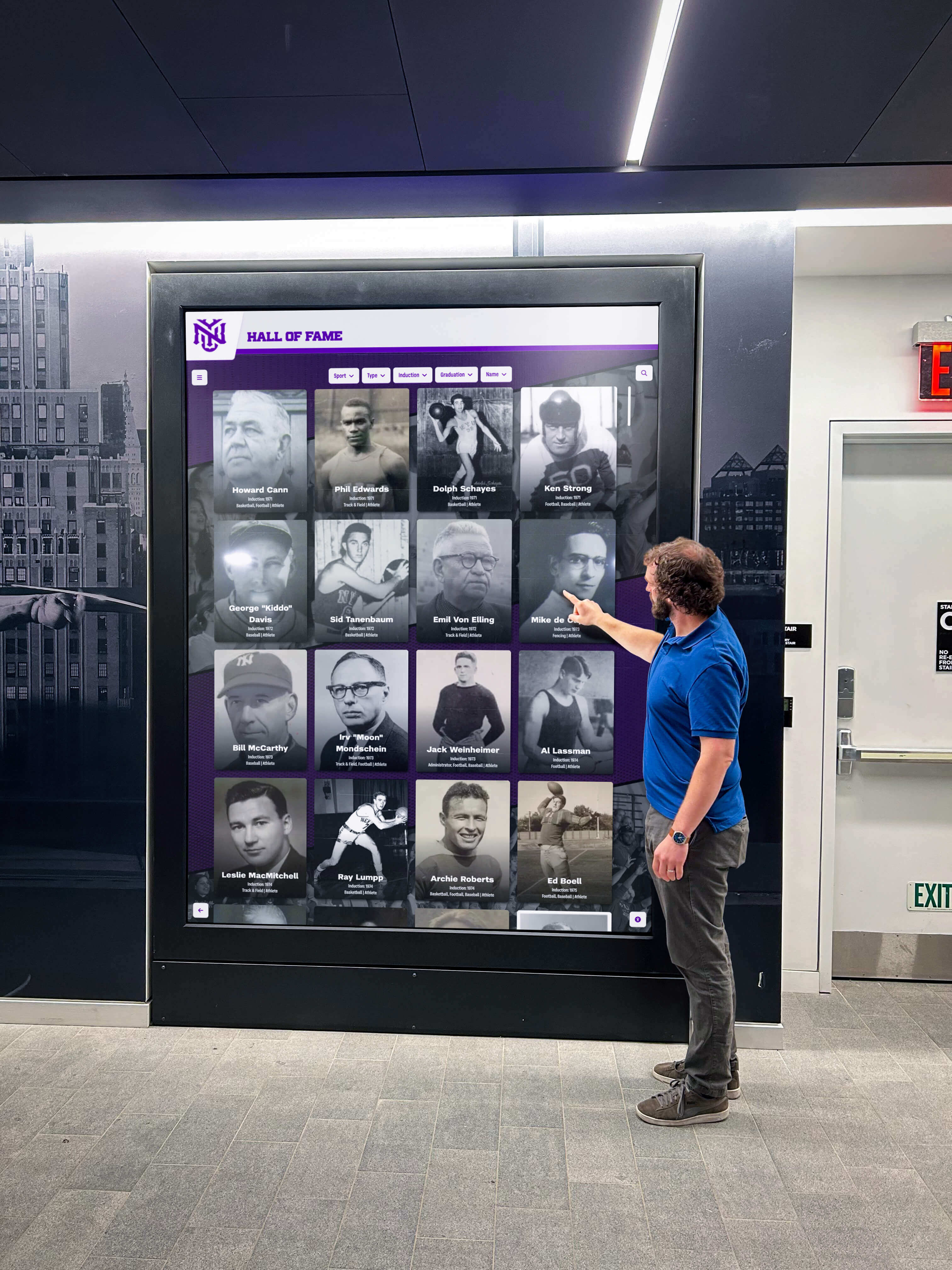
As your school considers how to recognize valedictorians, salutatorians, and academic excellence broadly, explore how digital record board solutions can transform recognition from fleeting ceremony moments into permanent, engaging celebration visible throughout school communities. Solutions like Rocket Alumni Solutions provide comprehensive platforms enabling schools to honor top academic achievers while celebrating diverse student accomplishments through interactive displays that build institutional pride, inspire current students, and create lasting connections between schools and the scholars they celebrate.
Ready to transform how your school celebrates academic excellence? Discover how digital record board solutions can help your institution permanently honor valedictorians, salutatorians, and all graduating class members through engaging recognition displays that preserve academic heritage for generations to come.