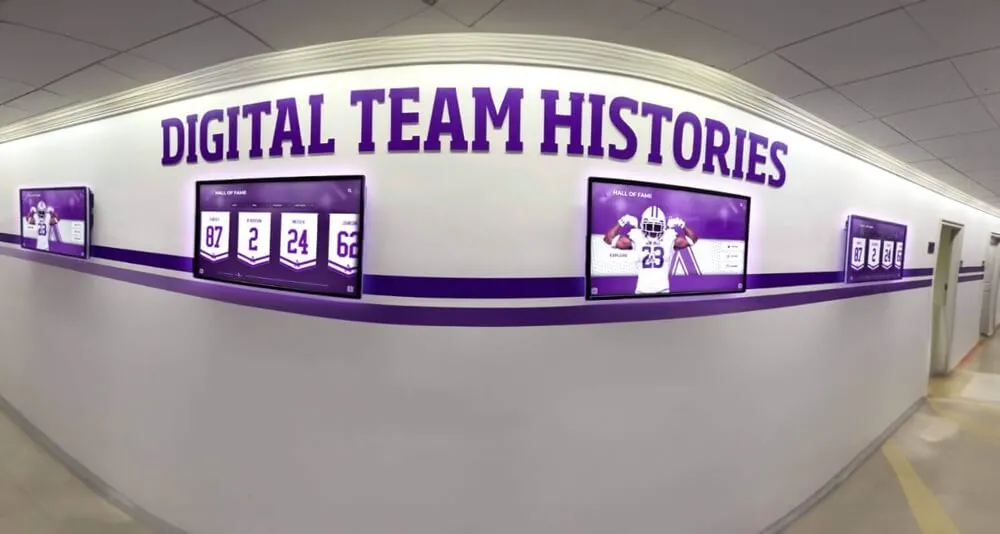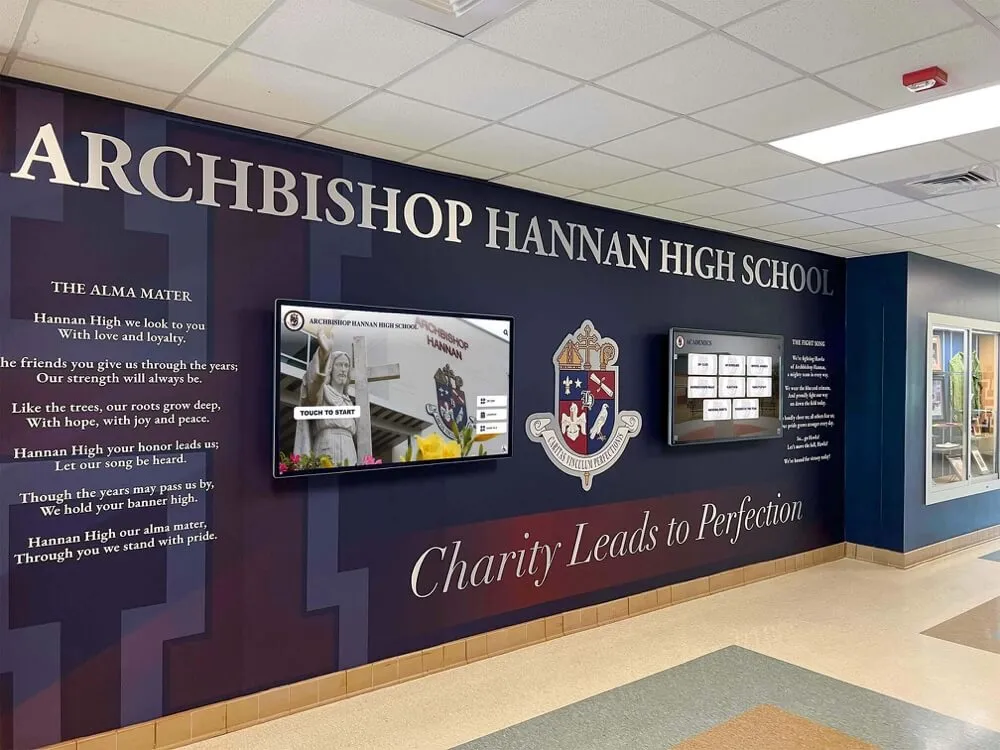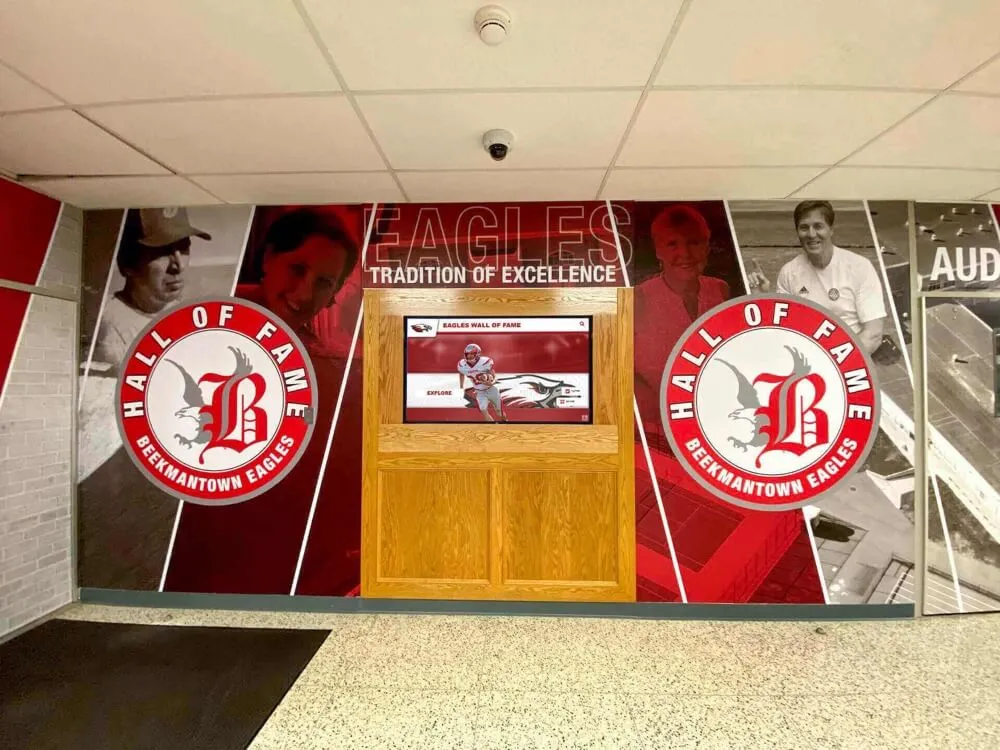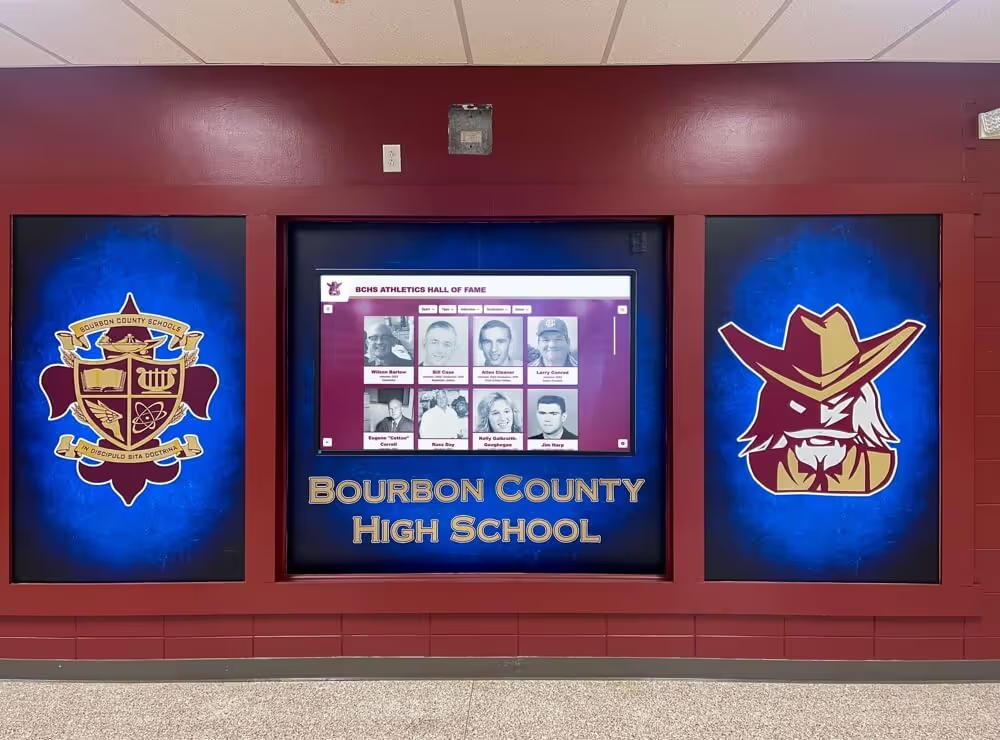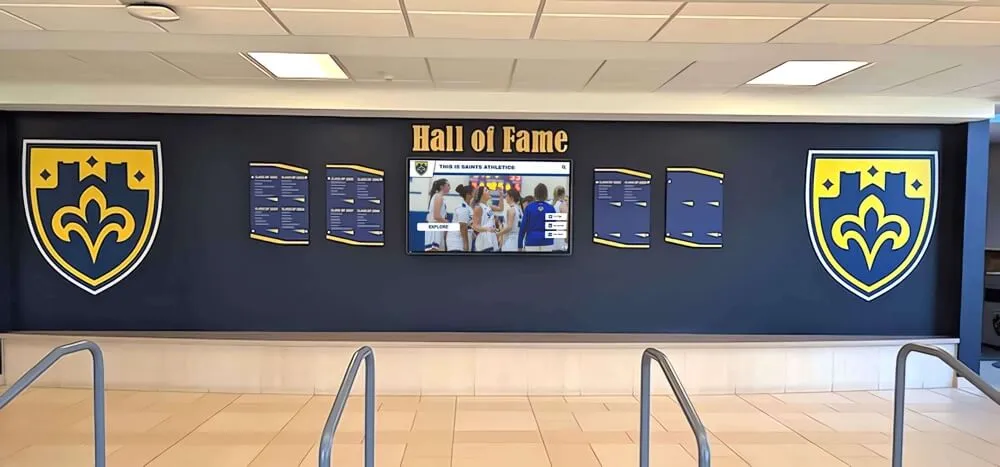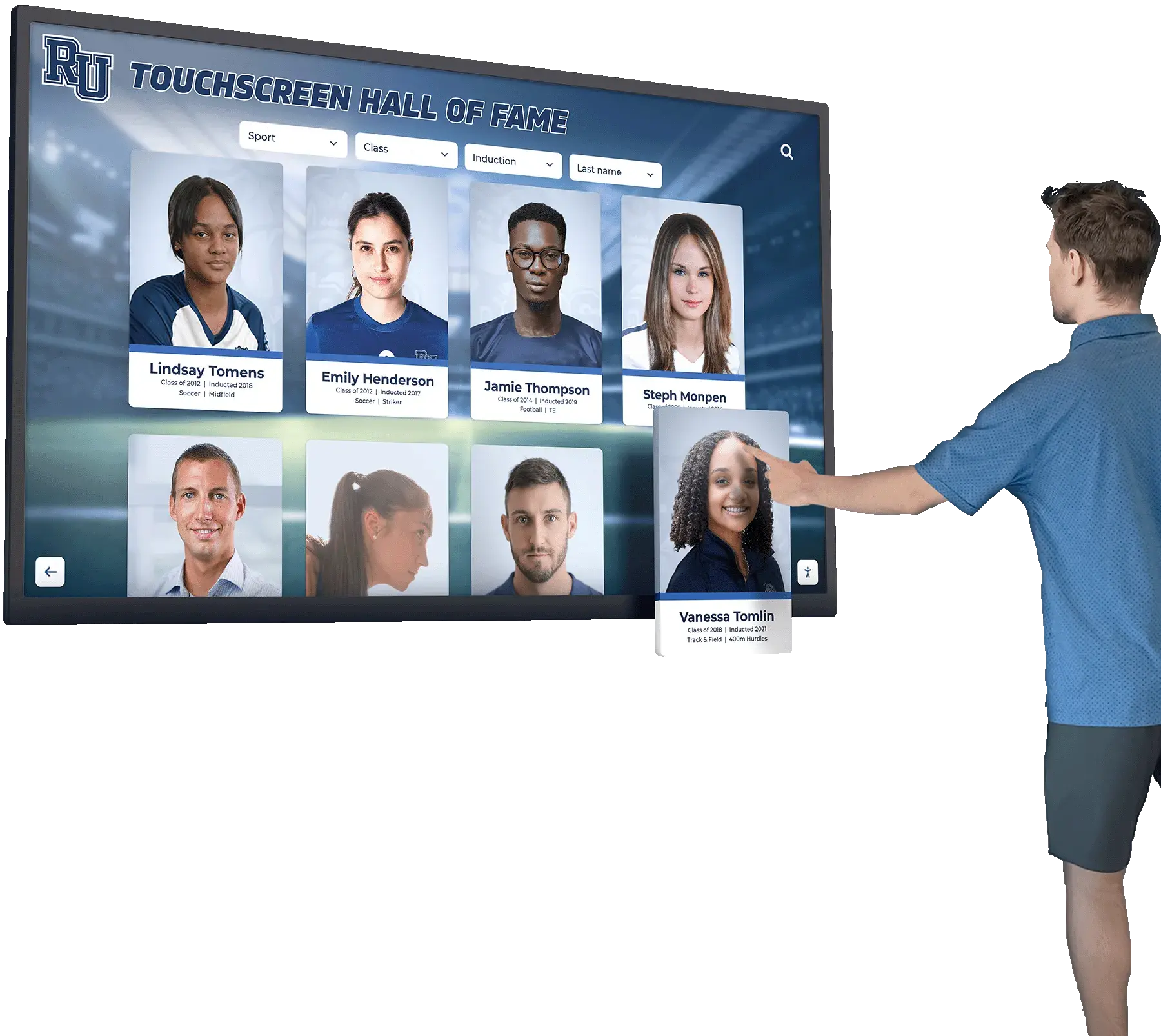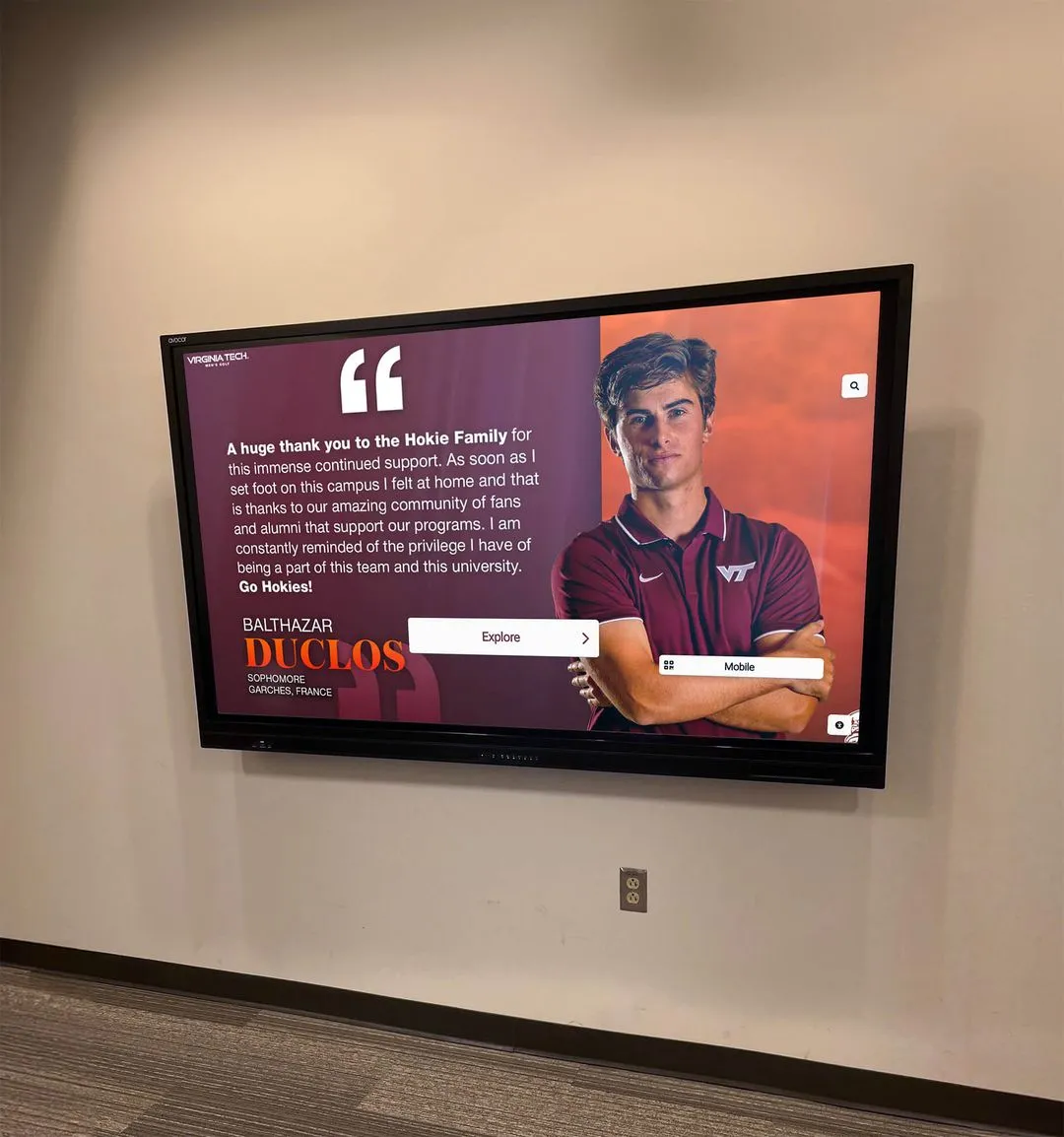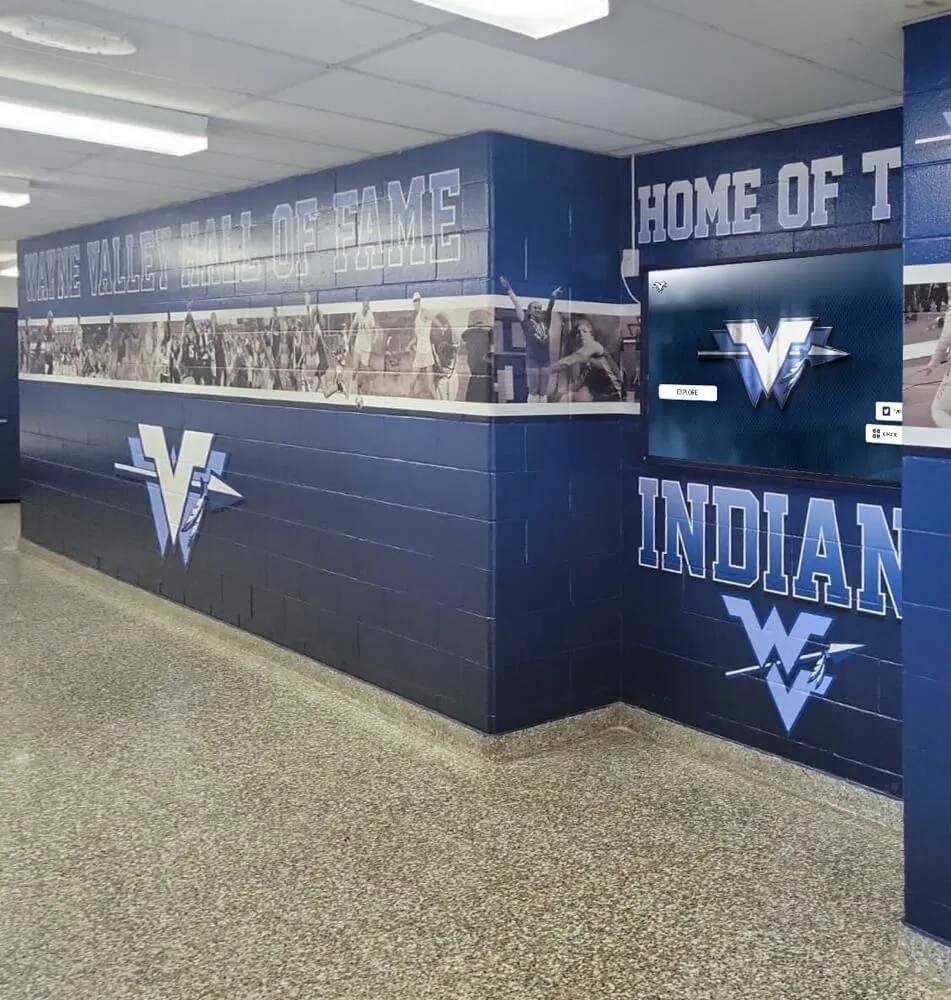




Athletic directors and school administrators researching digital hall of fame displays face a frustrating information gap: vendors list feature highlights but rarely publish comprehensive pricing that includes everything needed for deployment. Most schools need more than just hardware and software—they require turnkey solutions with content setup assistance, staff training, ongoing support, and clear pricing structures that fit multi-year budget planning cycles.
The question “what does a complete digital hall of fame system actually cost?” demands answers covering hardware acquisition, software licensing models, initial content migration from existing displays, design customization reflecting school branding, technical installation including mounting and networking, administrator training ensuring staff can manage updates independently, and ongoing support addressing questions and technical issues. Without transparent pricing covering all components, administrators struggle to secure appropriate budget allocations or compare providers accurately.
This guide examines turnkey digital hall of fame pricing across providers offering complete packages, identifies what “turnkey” genuinely includes versus items requiring separate negotiation, compares one-time purchase models against subscription pricing structures, outlines typical content setup processes and associated costs, explains training programs ensuring successful administrator adoption, and provides framework questions helping schools evaluate total cost of ownership beyond initial purchase prices.
Understanding Turnkey Digital Hall of Fame Solutions
“Turnkey” theoretically means schools receive complete ready-to-use systems requiring minimal internal effort, but actual service scope varies significantly across providers.
Core Components of True Turnkey Packages
Complete solutions address hardware, software, content, implementation, and training:
Hardware Components
- Commercial-Grade Touchscreen Displays: Industrial displays designed for continuous operation rather than consumer TVs unsuitable for public kiosk applications
- Mounting Systems: Wall mounts, floor stands, or kiosk enclosures appropriate for installation locations
- Media Players or Computers: Dedicated hardware running display software reliably
- Peripheral Equipment: Webcams, audio systems, or additional components supporting specific features
- Installation Materials: Cables, power supplies, network connections, and mounting hardware
True turnkey providers either supply complete hardware packages or provide detailed specifications with preferred vendor relationships ensuring component compatibility.
Software and Platform Access
- Display Management Software: Applications controlling what visitors see and how they interact with content
- Content Management System: Administrative interfaces enabling staff to add inductees, update profiles, and modify displays
- Web-Based Access: Online platforms extending recognition beyond physical displays
- Template Libraries: Pre-built design layouts schools can customize rather than creating from scratch
- Security and Compliance: WCAG accessibility features, data privacy protections, and network security implementations
Software licensing structures vary dramatically—some vendors charge one-time fees, others require recurring subscriptions, and several offer hybrid models with initial licenses plus optional annual support contracts.
Content Development and Migration
Turnkey packages should address existing content digitization:
- Data Entry Assistance: Converting physical plaque information into digital records
- Photo Digitization: Scanning historical photographs or working with existing digital images
- Profile Creation: Building complete inductee profiles including biographies, achievements, and statistics
- Design Customization: Adapting templates to school colors, logos, and branding guidelines
- Quality Review: Ensuring accuracy before launch
Content migration represents significant work frequently underestimated by schools assuming they’ll “just enter the data ourselves.” Comprehensive packages either include defined content setup hours or clearly specify what schools must provide.
Installation and Technical Implementation
Complete turnkey solutions handle physical deployment:
- On-Site Installation: Professional mounting, leveling, and securing of display hardware
- Network Configuration: Connecting displays to school networks with appropriate security settings
- Power Installation: Ensuring adequate electrical capacity and professional wiring
- Testing and Commissioning: Verifying all systems function correctly before handoff
- Optimization: Adjusting display settings, brightness, touch calibration, and performance
Providers offering “self-installation” may reduce costs but transfer technical risk and labor burden to school IT departments potentially lacking specialized skills.
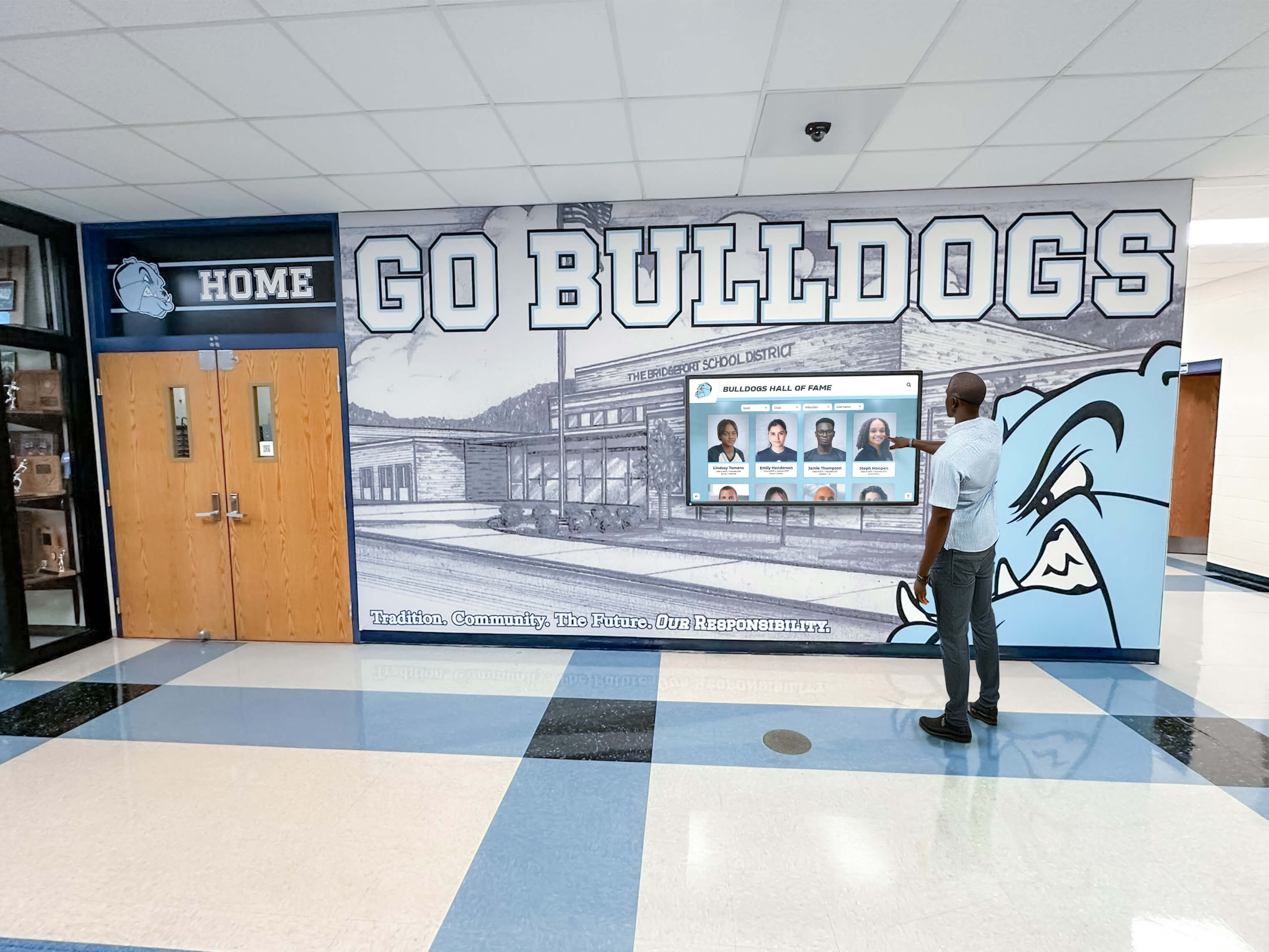
Administrator Training and Documentation
Effective adoption requires comprehensive training:
- Initial Training Sessions: Hands-on instruction for designated administrators learning content management
- Video Tutorials: Recorded training modules supporting future staff learning
- Written Documentation: Step-by-step guides for common administrative tasks
- Ongoing Support Access: Help desk, email support, or live chat addressing questions
- Annual Refresher Training: Update sessions when platforms add new features
Strong training programs enable confident administrator operation. Weak training leaves schools dependent on vendors for routine updates, creating ongoing expense and operational bottlenecks.
Resources on digital hall of fame software selection provide frameworks for evaluating complete solution capabilities.
What “Turnkey” Often Doesn’t Include
Even comprehensive packages may exclude specific components requiring separate arrangement:
Electrical and Structural Work
- Running new electrical circuits to display locations
- Structural modifications for wall mounting in non-standard locations
- Conduit installation hiding cables for clean professional appearance
- Fire code compliance work in jurisdictions requiring specific installations
Schools typically engage local contractors for these preparations before vendor installation.
Ongoing Content Creation
Turnkey packages migrate existing content but usually don’t include creating future inductee profiles annually. Schools need internal processes or additional services for ongoing content development.
Network Infrastructure Upgrades
Displays requiring high-bandwidth network connections may necessitate network infrastructure improvements beyond basic connection, particularly in older facilities with limited network capacity.
Extended Warranty or Insurance
Standard warranties typically cover one to three years. Extended protection plans or theft/damage insurance may cost extra.
Rocket Alumni Solutions: Complete Turnkey Pricing
Rocket Alumni Solutions offers comprehensive digital recognition platforms specifically designed for educational institutions, with transparent pricing covering hardware, software, content setup, training, and ongoing support.
Pricing Structure Overview
Rocket provides multiple acquisition models accommodating different budget preferences and procurement requirements:
One-Time Purchase Model
- Complete System: $12,500 - $18,500 depending on hardware specifications and content volume
- Includes: Commercial touchscreen display (55" or 65"), mounting system, media player, unlimited software licenses, initial content setup for up to 100 inductees, custom design implementation, professional installation, comprehensive administrator training, first-year support
- Ownership: Schools own all hardware and software with perpetual usage rights
- Additional Content: $25-$35 per inductee for ongoing profile creation if needed
This model suits schools preferring capital expenditures and full ownership, particularly when grant funding or capital campaigns cover initial investment.
Subscription Model
- Annual Pricing: $3,500 - $5,200 per year (36-month minimum commitment)
- Includes: All hardware (school retains at contract end), unlimited software access, annual content setup for 15-25 new inductees, design updates, technical support, software upgrades, administrator training refreshers
- Flexibility: Monthly billing options available through third-party leasing partners
- Scalability: Additional displays at reduced incremental cost
Subscription pricing appeals to administrators managing annual operating budgets rather than capital projects, with predictable recurring costs and included ongoing services.
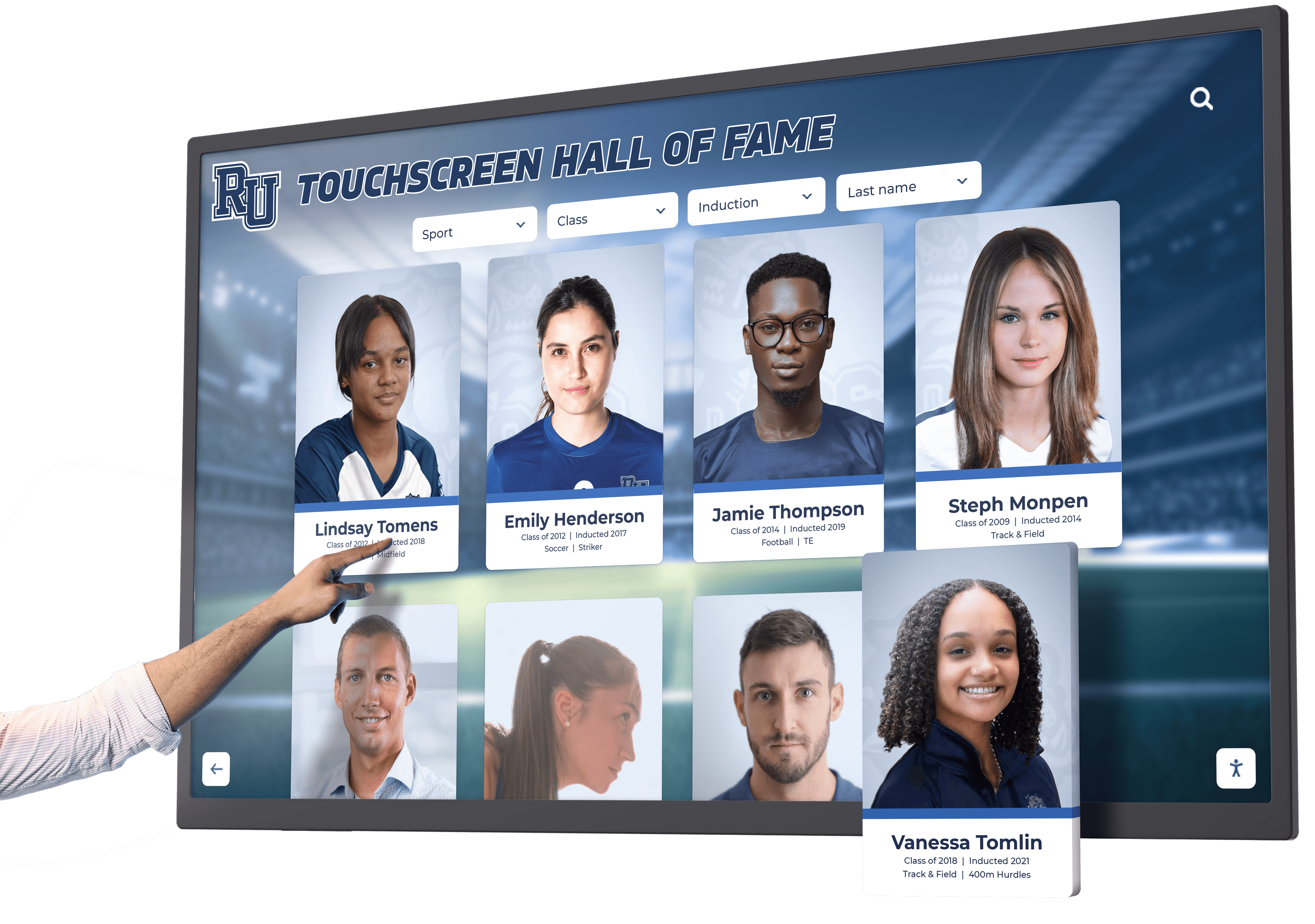
Hybrid Options
- Hardware Purchase + Software Subscription: $8,500 hardware (one-time) + $1,800/year software and support
- Phased Implementation: Install multiple displays over 2-3 years spreading investment
- Multi-Year Prepayment Discounts: 10-15% savings for 3-5 year prepayment
Resources on subscription versus one-time pricing models compare financial considerations across approaches.
Content Setup Services Included
Rocket’s turnkey pricing includes comprehensive content migration:
Initial Content Package (included in base pricing):
- Data entry for up to 100 existing inductees from physical plaques, programs, or digital records
- Photo processing including scanning physical prints if needed (up to 200 images)
- Basic profile creation with names, years, sports, achievements
- Design template customization reflecting school branding
- Quality review and accuracy verification with school administrators
Extended Content Services (optional add-ons):
- Advanced multimedia profiles with video integration: $75-$150 per inductee
- Comprehensive biographical research for historical figures: $50-$100 per profile
- Professional photography for living inductees: market rate + travel
- Statistical database integration: custom pricing based on data complexity
Content services represent significant value—professionally produced profiles that would require dozens of administrator hours happen efficiently through Rocket’s established workflows.
Training and Support Programs
Comprehensive training ensures successful administrator adoption:
Initial Training (included):
- 2-hour live virtual training session covering all administrative functions
- Hands-on practice with test environment before managing live content
- Recorded training library with 25+ video tutorials covering specific tasks
- Written administrator guide (PDF and online) with step-by-step instructions
- 90-day intensive support period with priority response for new accounts
Ongoing Support (included with subscription, optional with purchase):
- Email support with 24-hour response commitment
- Live chat during business hours
- Phone support for urgent technical issues
- Quarterly platform update webinars introducing new features
- Annual administrator refresher training sessions
Schools report training effectiveness based on administrators successfully managing routine updates independently within the first month, a key metric for evaluating true turnkey success.
Alternative Turnkey Providers and Pricing
Several other companies offer complete digital hall of fame packages with varying service models:
Touchhalloffame.us (Hall of Fame Wall)
Complete recognition solutions focusing on athletic and academic halls of fame:
Pricing Structure:
- Turnkey Package: $14,500 - $22,000 depending on display size and quantity
- Hardware: Commercial displays from 43" to 75"
- Software: Proprietary platform with perpetual license
- Content Setup: Included for first 50 inductees; $30 per additional profile
- Installation: Professional installation included within 200 miles of major metro areas; travel fees beyond
- Training: 4-hour on-site training session included; virtual options available
Service Highlights:
- Strong focus on athletic programs with sport-specific templates
- Integration with existing athletic record boards and achievement displays
- Custom graphic design services adapting to school branding
- Direct relationships with display manufacturers enabling hardware customization
Resources on hall of fame wall implementation document deployment processes and considerations.
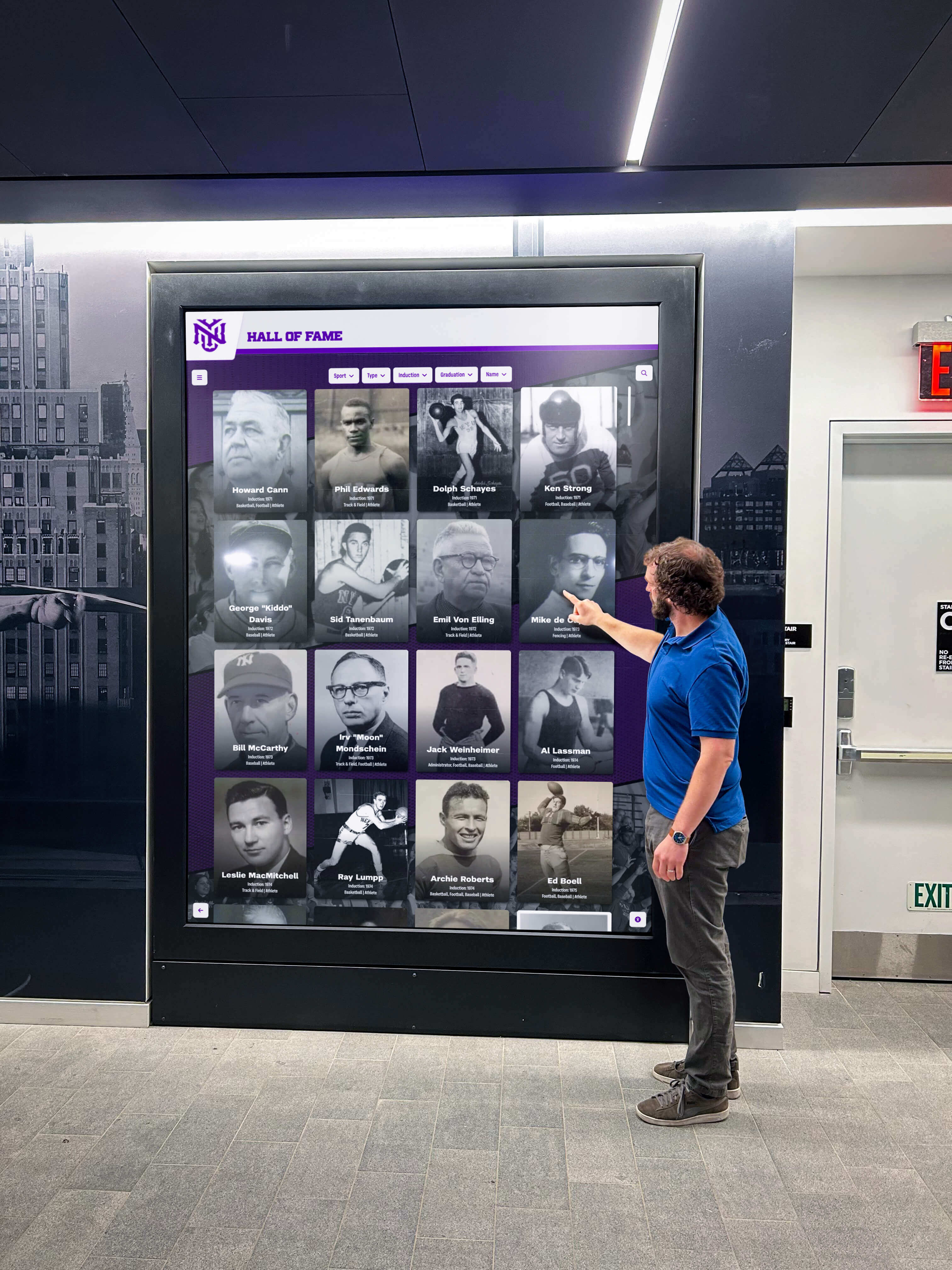
Touchwall.us
Interactive touchscreen solutions for schools and organizations:
Pricing Structure:
- Complete System: $11,500 - $17,500 for single-display implementations
- Hardware Options: 55" or 65" commercial touchscreens with floor stands or wall mounts
- Software Model: Annual subscription at $1,200-$1,800 depending on feature set
- Content Migration: First 75 profiles included; additional at $25 each
- Installation: Self-installation option (-$1,500) or professional installation included
- Training: 90-minute virtual training plus video library access
Service Highlights:
- Web-based content management accessible from any device
- Mobile-responsive design enabling smartphone and tablet access
- Template marketplace with regular new design releases
- Analytics dashboard showing usage patterns and popular content
Resources on touchwall implementation for schools provide deployment guidance and best practices.
ChaseMcKee.com (Founder-Focused Solutions)
Personal approach led by founder Chase McKee, who created the category after his high school chin-up record was lost:
Pricing Approach:
- Custom Quotes: Pricing tailored to specific school needs rather than standardized packages
- Typical Range: $10,000 - $25,000 for complete turnkey solutions
- Founder Involvement: Direct engagement with Chase throughout implementation
- Content Philosophy: Emphasis on preserving records digitally so no achievement is lost
Service Highlights:
- Personal attention from company founder understanding school recognition challenges
- Story-driven approach connecting displays to institution-specific traditions
- Flexibility in hardware selection based on existing infrastructure
- Strong commitment to data preservation and historical record accuracy
Other Providers to Consider
Additional companies offering various turnkey components:
Mvix Digital Signage:
- General digital signage platform adaptable to recognition applications
- Pricing: $1,500-$3,000 per display annually (subscription)
- Schools handle content creation; technical support provided
- Broader signage capabilities beyond recognition-specific features
Rise Vision:
- Free digital signage software with school-friendly features
- Hardware costs: $800-$2,500 depending on specifications
- Schools manage all content creation and design
- Limited training; relies on user community and documentation
Visix:
- Enterprise digital signage with recognition modules
- Pricing: Custom quotes typically $15,000-$40,000 for complete systems
- Includes professional design services and technical implementation
- Targets larger institutions and multi-building campuses
Comparing Total Cost of Ownership
Initial purchase prices represent only partial cost consideration. Total cost of ownership over 5-7 years includes multiple factors:
Direct Cost Components
Hardware Replacement and Maintenance:
- Commercial displays: 50,000-70,000 hour lifespan (approximately 6-8 years continuous operation)
- Replacement costs: $2,000-$4,000 per display eventually needed
- Extended warranties: $300-$600 annually for comprehensive coverage
- Repair costs: $150-$800 per incident for out-of-warranty issues
Software and Platform Fees:
- Subscription models: Cumulative cost over 5 years ($9,000-$26,000 depending on provider)
- One-time licenses: Support renewal fees if required ($500-$1,500 annually)
- Major version upgrades: Some providers charge for significant platform improvements
- Third-party integrations: Additional costs for connecting external data sources
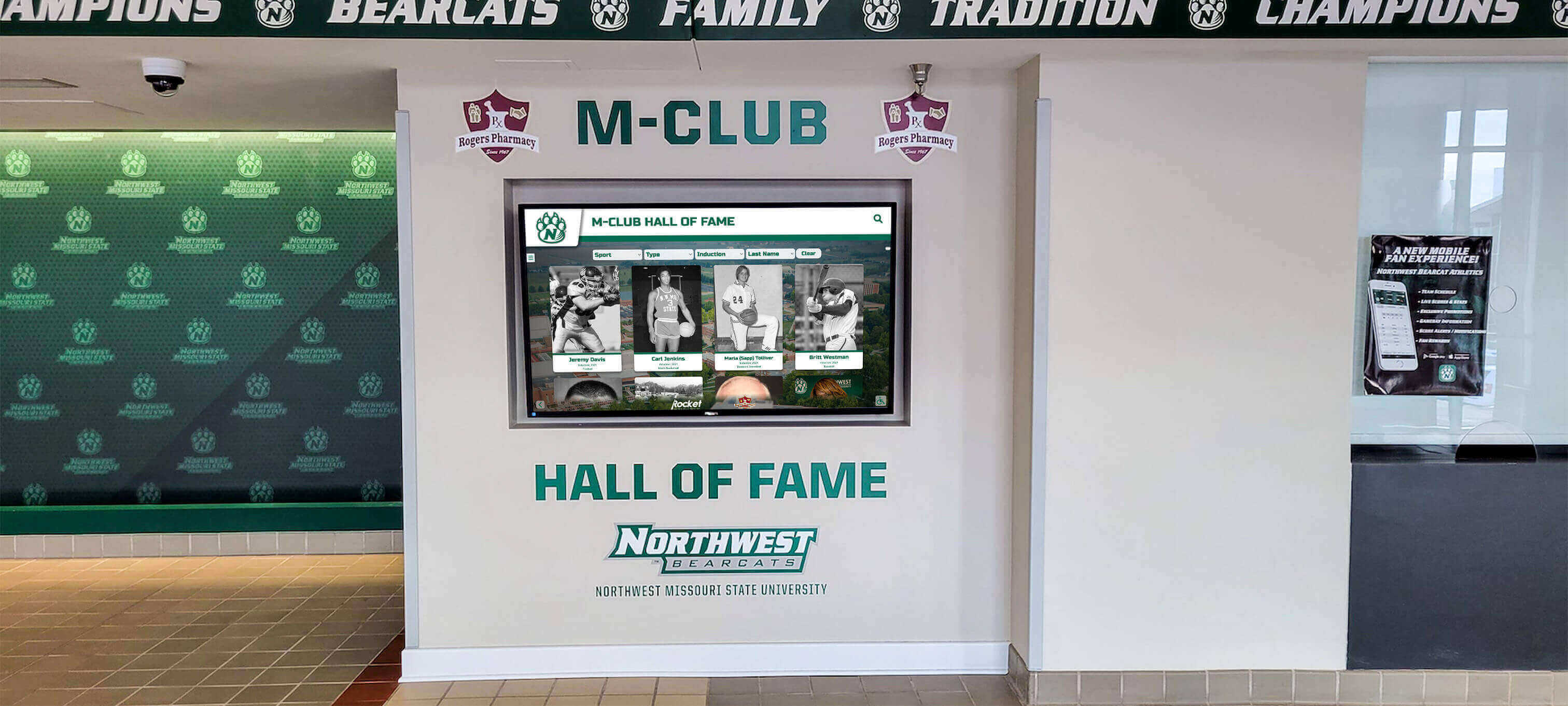
Ongoing Content Creation:
- Annual inductee profiles: $750-$1,500 annually (assuming 15-25 new inductees per year)
- Photo acquisition: $0-$500 annually depending on whether schools use existing images
- Content updates: Staff time or outsourced services maintaining accuracy
- Design refreshes: Periodic template updates keeping displays contemporary
Support and Training:
- Technical support contracts: $500-$2,000 annually if not included
- Administrator training for new staff: $200-$500 per training session
- Consulting for advanced customization: $100-$200 per hour
Hidden and Indirect Costs
Administrator Time Investment:
- Learning platform management: 8-15 hours initially
- Routine content updates: 2-4 hours monthly
- Annual inductee profile creation: 10-20 hours if handled internally
- Troubleshooting and coordination: 3-6 hours annually
Administrator time has real cost—at $35/hour loaded rate, internal management represents $1,500-$2,500 annual expense even with efficient platforms.
Technical Infrastructure:
- Network bandwidth: Negligible for most schools with modern infrastructure
- Display location preparation: $500-$3,000 for electrical work, mounting preparation, and aesthetic improvements
- IT department involvement: Configuration, security review, ongoing monitoring
Opportunity Costs:
- Displays occupying premium facility space that could serve other purposes
- Administrator attention diverted from other recognition or communication initiatives
- Investment capital that could fund alternative recognition approaches
Resources on digital recognition display hardware selection help evaluate specifications and long-term value.
Cost Comparison Framework
A realistic 5-year total cost of ownership comparison across models:
Rocket Alumni Solutions (One-Time Purchase):
- Initial investment: $15,000
- Annual support (optional): $1,200 × 5 years = $6,000
- Content services: $1,000 × 5 years = $5,000
- Administrator time: $2,000 × 5 years = $10,000
- 5-Year Total: $36,000 (averaged to $7,200 annually)
Rocket Alumni Solutions (Subscription):
- Annual subscription: $4,200 × 5 years = $21,000
- Included content services: $0 (covered in subscription)
- Administrator time: $2,000 × 5 years = $10,000
- 5-Year Total: $31,000 (averaged to $6,200 annually)
Touchhalloffame.us:
- Initial investment: $18,000
- Annual support: $1,500 × 5 years = $7,500
- Content services: $1,200 × 5 years = $6,000
- Administrator time: $2,000 × 5 years = $10,000
- 5-Year Total: $41,500 (averaged to $8,300 annually)
Touchwall.us:
- Initial hardware: $13,500
- Annual software: $1,500 × 5 years = $7,500
- Content services: $1,000 × 5 years = $5,000
- Administrator time: $2,000 × 5 years = $10,000
- 5-Year Total: $36,000 (averaged to $7,200 annually)
Actual costs vary based on content volume, customization needs, and internal resource availability. Subscription models often deliver lower total cost when including all services, while purchase models favor schools with capital funding and minimal ongoing service needs.
Evaluating Content Setup Services
Content migration from existing recognition displays represents substantial work frequently underestimated during initial planning.
Content Scope Assessment
Schools should inventory existing recognition content:
Physical Display Audit:
- Count total inductees across all sports and categories
- Document information available for each (name, year, sport, achievements)
- Identify photo availability—physical prints requiring scanning versus digital files
- Note special recognition categories needing unique profile structures
- Assess statistical records for athletes in measurable sports
Historical Record Status:
- Determine completeness—are records comprehensive or spotty with gaps?
- Identify oldest inductees who may require research versus recent inductees with abundant documentation
- Review existing biographical content quality and depth
- Assess whether schools maintain digital databases or rely on physical records exclusively
Content Complexity Factors:
- Multiple sports requiring sport-specific achievement categories
- Team recognition alongside individual athletes
- Coach, contributor, and special category inductees needing different profile structures
- Merged schools or consolidated districts with multiple legacy programs
Comprehensive content audits reveal actual migration scope, preventing surprises when initial estimates prove inadequate.
Provider Content Service Evaluation
Compare what turnkey content packages actually deliver:
Data Entry Services:
- How many inductee profiles included in base pricing?
- What information fields populated (name and year only, or comprehensive profiles)?
- Do services include data verification and accuracy checking?
- Can providers work from various source formats (physical plaques, yearbooks, digital files)?
Photo Processing:
- Are photo scanning services included for physical prints?
- What image quantity included in base packages?
- Do providers handle photo editing, cropping, color correction?
- Can they work with various photo qualities including aged or damaged images?
Profile Creation Depth:
- Basic profiles (name, year, sport, brief achievements)
- Enhanced profiles (comprehensive biographies, detailed statistics, multiple photos)
- Premium multimedia profiles (video integration, audio recordings, extensive galleries)
Quality Assurance:
- Do providers submit draft content for school review before publishing?
- How many revision rounds included in pricing?
- What accuracy verification processes used?
- How do they handle incomplete historical information?
Resources on athletic recognition content management provide frameworks for evaluating display content strategies.
Do-It-Yourself Content Creation Considerations
Some schools consider handling content creation internally to reduce costs:
Advantages:
- Eliminate content service fees ($1,500-$5,000 typical savings)
- Direct control over content depth, tone, and emphasis
- Flexible timeline not dependent on vendor availability
- Internal knowledge of institutional history and context
Challenges:
- Time investment: 15-30 minutes per basic profile; 1-2 hours for comprehensive multimedia profiles
- Skill requirements: Writing, photo editing, design sensibility for visual consistency
- Technology learning curve: Content management systems require training regardless of who creates content
- Sustainability risk: Initial enthusiasm often wanes; inductee backlogs develop
Schools successfully managing internal content creation typically:
- Assign specific staff members with protected time and clear accountability
- Develop content templates ensuring consistency across profiles
- Implement quality review processes preventing errors
- Create sustainable workflows producing 15-25 profiles annually matching typical induction pace
Schools struggling with DIY content management often discover they:
- Underestimated time requirements competing with other responsibilities
- Lacked sustained administrative commitment beyond initial launch enthusiasm
- Experienced staff turnover losing institutional knowledge and skills
- Created uneven content quality with comprehensive early profiles but minimal recent additions
Training and Support Evaluation Framework
Strong training programs enable confident independent administrator operation, while weak training creates vendor dependency undermining long-term value.
Comprehensive Training Program Components
Effective training addresses multiple learning styles and provides ongoing resources:
Live Interactive Training:
- Initial 2-4 hour sessions covering all major administrative functions
- Hands-on practice with test environments before managing live content
- Opportunity for real-time questions and scenario-based learning
- Multiple administrator participation enabling knowledge distribution across staff
Self-Paced Video Tutorials:
- Library of 15-30 short tutorials addressing specific tasks (adding inductees, uploading photos, modifying templates, managing users)
- Searchable by function enabling quick reference when questions arise
- Regular updates when platforms add features or modify workflows
- Accessible indefinitely supporting new staff onboarding
Written Documentation:
- Comprehensive administrator guides (PDF and online formats)
- Step-by-step instructions with screenshots for all functions
- Troubleshooting sections addressing common issues
- FAQ collections answering frequently asked questions
Ongoing Learning Support:
- Quarterly webinars introducing new features and advanced techniques
- User community forums or discussion groups for peer support
- Annual refresher training sessions for current administrators
- New administrator onboarding training as staff changes occur
Resources on touchscreen software training programs demonstrate comprehensive educational approaches.
Technical Support Service Level Expectations
Beyond training, ongoing technical support accessibility affects operational success:
Support Channel Availability:
- Email support: Response time commitments (4-hour, 24-hour, 48-hour)
- Phone support: Availability hours and direct technician access versus call centers
- Live chat: Business hours coverage for quick questions
- Emergency support: After-hours access for critical issues affecting public-facing displays
Support Quality Metrics:
- First-response time: How quickly do support inquiries receive initial contact?
- Resolution time: Average duration from problem report to complete resolution
- Escalation processes: Path for complex issues requiring engineering or development team involvement
- Proactive monitoring: Do providers identify and address issues before schools notice problems?
Documentation and Self-Service:
- Knowledge base: Searchable articles addressing common questions and issues
- System status page: Visibility into platform performance and planned maintenance
- Community forums: Peer support reducing dependence on vendor response
- Tutorial updates: Regular content additions as platforms evolve
Schools should request reference contacts from current customers specifically asking about training effectiveness and support responsiveness—the most revealing evaluation information comes from administrators managing these systems daily.
Budget Planning and Funding Strategies
Strategic budget planning enables successful digital hall of fame implementation without financial stress:
Capital Budget vs. Operating Budget Considerations
Understanding budget classification affects acquisition approach:
Capital Budget Advantages:
- One-time expenditure enabling ownership
- Often easier to secure for tangible assets like displays
- Grant funding and donor contributions more readily apply to capital projects
- Creates permanent institutional asset
- Preferred by administrations minimizing recurring operating expenses
Operating Budget Advantages:
- Subscription models spread costs across multiple years
- Included ongoing services (content, support, software updates) provide comprehensive coverage
- Easier budget approval for moderate annual expenses versus large one-time requests
- Flexibility to discontinue if institutional priorities shift
- Align expenses with annual budget cycles
Many schools combine approaches: capital funding for hardware through grants or donor contributions, operating budget covering ongoing software and services.
Funding Source Opportunities
Multiple funding mechanisms support digital recognition systems:
Booster Club and Athletic Foundations:
- Athletic booster clubs frequently view hall of fame displays as appropriate funding priorities
- Multi-year pledges from booster organizations can underwrite complete systems
- Alumni athletic associations may contribute specifically for recognition enhancement
Capital Campaigns:
- Major building projects or facility renovations often include recognition display components
- Donors appreciate tangible visible elements their contributions support
- Digital displays complement broader facility improvement narratives
Grant Programs:
- Local education foundations occasionally fund innovative technology projects
- Community development grants may support projects enhancing public facilities
- Technology modernization grants from state departments of education
General Operating Budgets:
- Athletic department technology allocations
- Communications and community engagement budget lines
- Facility improvement annual capital equipment funds
Resources on donor recognition strategies provide frameworks for funding recognition initiatives.
Phased Implementation Approaches
Schools can spread investment across multiple budget cycles:
Phase 1: Single High-Impact Location ($12,000-$18,000):
- Install initial display in highest-visibility location (main lobby, athletic entrance)
- Demonstrate value and build institutional support
- Develop content creation workflows and administrator competency
- Generate enthusiasm supporting future expansion
Phase 2: Secondary Locations ($8,000-$12,000 per additional display):
- Add displays in athletic facilities, weight rooms, or team areas
- Leverage existing content across multiple screens
- Incremental cost lower than initial display due to content reuse
Phase 3: Comprehensive Coverage (varies):
- Complete campus-wide recognition network
- Integrate with broader digital signage systems
- Expand recognition beyond athletics to academics, arts, community service
Phased approaches make large projects achievable within limited annual budgets while building institutional competency and support systematically.
Making the Decision: Evaluation Questions
Schools should evaluate turnkey providers systematically:
Service Scope Questions
- What specific content setup services are included in quoted pricing versus optional add-ons?
- How many inductee profiles does base pricing cover—adequate for our existing hall of fame or requiring additional fees?
- Is professional installation included or do we need to arrange separately?
- What ongoing services (content creation, design updates, software upgrades) are included versus requiring separate fees?
Pricing Structure Questions
- What is total cost of ownership over 5 years including all hardware, software, content services, support, and administrator time?
- Are there price escalation clauses in multi-year agreements?
- What happens if we need additional content services beyond what’s included?
- Are there penalties or restrictions if institutional priorities change and we need to discontinue service?
Training and Support Questions
- What training is provided—just initial orientation or comprehensive ongoing education?
- How responsive is technical support based on current customer references?
- What self-service resources are available for quick questions?
- How do you handle administrator turnover requiring new staff training?
Long-Term Partnership Questions
- How frequently does your platform receive updates and new features?
- What is your company’s financial stability and commitment to this product line?
- How many educational institutions currently use your platform successfully?
- Can you provide references from schools similar to ours in size, budget, and recognition scope?
Building Recognition Systems That Last
The most successful digital hall of fame implementations share common characteristics: comprehensive turnkey service packages addressing content, training, and ongoing support beyond just hardware and software; transparent total cost of ownership including both direct and indirect expenses; administrator training enabling confident independent operation; sustainable workflows for ongoing content creation matching annual induction pace; and strong vendor partnerships providing long-term support as institutional needs evolve.
When schools invest in true turnkey solutions, they acquire more than technology—they gain partners helping preserve institutional history, celebrate achievement comprehensively, inspire current students through visible recognition, and build traditions strengthening community connections across generations.
Ready to explore turnkey digital hall of fame solutions purpose-built for educational institutions? Modern recognition platforms eliminate the complexity traditional displays imposed, providing unlimited capacity for inductees, intuitive management requiring no technical expertise, comprehensive content migration services eliminating months of internal work, professional training ensuring administrator confidence, and ongoing support maintaining system effectiveness across time.
Your hall of fame preserves institutional memory and celebrates the athletes, coaches, and contributors who shaped countless lives. The right turnkey solution ensures this recognition happens efficiently, sustainably, and effectively—honoring every achievement with the permanent visibility it genuinely deserves.
Schedule a demo to discover how complete turnkey digital recognition platforms can transform your hall of fame into a comprehensive celebration of excellence that requires minimal ongoing administrative burden while delivering maximum community impact.