



Schools accumulate trophies faster than they plan for space to display them. A volleyball team brings home the regional championship. The debate team wins state. Football secures another conference title. Within a few seasons, trophy cases overflow with achievements stacked three deep, newer awards blocking older ones from view, and significant accomplishments relegated to storage closets because display space ran out years ago.
Athletic directors and school administrators researching trophy display cases face a fundamental capacity problem. Traditional cases work beautifully—until they don’t. The question isn’t whether to recognize achievements but how to build recognition systems that accommodate growth without constant expansion, honor excellence without creating visibility hierarchies, and preserve complete program history without physical limitations determining what communities remember.
Intent: Compare Traditional Trophy Cases vs. Modern Digital Recognition
This guide examines trophy display case selection from a capacity planning and long-term sustainability perspective. Schools evaluating display options need transparent comparisons between traditional physical cases, modern digital recognition systems like Rocket Alumni Solutions' digital record boards, and hybrid approaches combining both elements. We'll cover space requirements, cost comparisons, maintenance considerations, ADA compliance requirements, and decision frameworks helping you choose solutions matching institutional needs and budget realities.
Understanding Traditional Trophy Display Case Options
Before exploring modern alternatives, understanding traditional trophy case categories helps establish baseline expectations for cost, capacity, and installation requirements.
Wall-Mounted Trophy Display Cases
Wall-mounted cases maximize floor space while creating focal points in hallways, gyms, and common areas where students pass daily.
Standard Dimensions and Capacity: Wall-mounted trophy cases typically range from 4 to 8 feet wide and 3 to 5 feet tall, with depths between 8 and 16 inches. A standard 6-foot by 4-foot case with adjustable shelving holds approximately 30-50 trophies depending on trophy size and shelf configuration. Schools planning recognition for multiple sports across multiple seasons quickly discover that three to five cases become necessary—and even that capacity fills within a decade for active athletic programs.
Construction Materials: Quality matters significantly for longevity and appearance. Aluminum frame cases with tempered glass cost $1,200-$2,500 installed. Wood frame cases with glass doors range $1,800-$4,000 depending on wood species and finish quality. Cheaper particle board cases deteriorate within 5-7 years, while solid hardwood and aluminum cases last 20+ years with proper maintenance.
Lighting Options: Interior lighting transforms trophy visibility but adds $200-$600 per case for LED strip installation with proper electrical connections. Schools installing cases without lighting discover that trophies become invisible in poorly lit hallways—defeating recognition purposes.
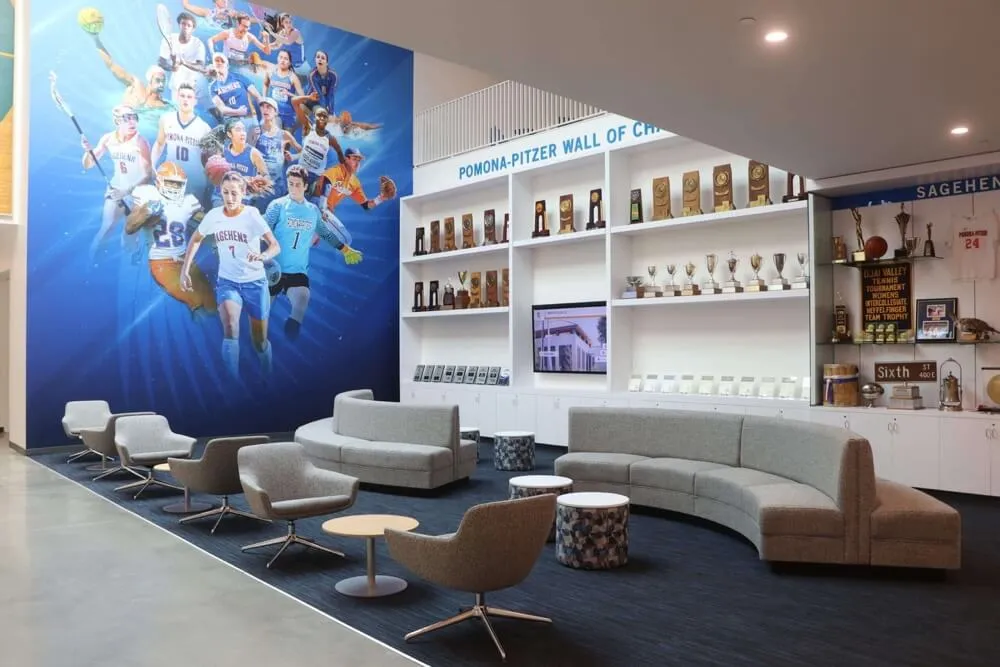
Security Features: Locking mechanisms protect valuable awards while preventing unauthorized access. Standard keyed locks prove adequate for most schools. High-security installations in areas with vandalism concerns may warrant electronic locks or alarm-integrated systems adding $300-$800 per case.
Freestanding Trophy Display Cabinets
Freestanding trophy cabinets work well for lobby installations, media centers, and athletic department offices requiring flexible positioning.
Capacity and Footprint: Freestanding units range from compact 3-foot models holding 20-30 trophies to large 8-foot showpiece cabinets accommodating 80-100 awards. Floor space requirements include 2-3 feet of clearance around all sides for comfortable viewing, meaning a 6-foot cabinet claims roughly 100 square feet of room space when accounting for proper traffic flow.
Price Range by Quality: Budget freestanding cases start around $800-$1,200 for basic particle board construction with acrylic panels. Mid-range solid wood cabinets with glass shelves and lighting run $2,500-$5,000. Premium museum-quality cases with climate control, specialty lighting, and custom finishes cost $6,000-$12,000.
Mobility Considerations: Some schools prefer caster-mounted cabinets enabling repositioning for events, facility renovations, or seasonal displays. Locking casters add $150-$300 to cabinet costs while providing flexibility impossible with wall-mounted installations.
Custom-Built Trophy Display Solutions
Schools with specific architectural requirements or unique recognition visions often commission custom-built displays integrating with existing facility aesthetics.
Design Integration: Custom solutions allow perfect color matching with school branding, integration with existing millwork and architectural elements, unusual dimensions fitting specific wall spaces, and incorporation of school mascots, logos, or historical imagery. This customization comes at premium pricing—typically 40-100% more than comparable standard cases.
Lead Times and Installation: Custom trophy cases require 8-16 week production timelines from design approval to installation. Complex installations involving structural modifications, electrical work, or specialized mounting systems may extend timelines to 4-6 months and require coordination between multiple contractors.

The Capacity Planning Problem Every School Faces
Regardless of trophy case type, all traditional approaches encounter the same fundamental constraint—finite physical space that fills faster than administrators anticipate.
Calculating Your Long-Term Trophy Accumulation
Schools serious about capacity planning need realistic projections about achievement accumulation rates across all programs deserving recognition.
Multi-Sport Program Mathematics: Consider a mid-sized high school fielding 15 varsity sports plus middle school programs. Each varsity sport generates 3-5 significant trophies annually from conference championships, tournament placements, invitational victories, and sportsmanship awards. Middle school programs add another 2-3 trophies per sport. Total annual accumulation: 60-90 trophies requiring display space. Over 10 years, that’s 600-900 trophies competing for recognition.
Beyond Athletics Recognition Needs: Comprehensive school pride extends beyond athletics to academic competitions, fine arts achievements, service organizations, and special recognitions. Debate trophies, band competition awards, robotics accomplishments, DECA business awards, National Honor Society recognition, and community service honors all merit visibility. Schools honoring comprehensive achievement easily double or triple trophy accumulation projections.
The Visibility Hierarchy Problem: As cases fill, administrators face uncomfortable decisions. Recent championships displace older achievements. High-profile sports get prime placement while smaller programs accept less visible positions. Individual awards move to storage while team trophies maintain display positions. These forced choices undermine recognition equity and create situations where significant accomplishments become invisible not because they lack importance but because physical space ran out.
Resources on state championship trophy case planning provide frameworks for calculating recognition capacity needs while ensuring all deserving achievements receive appropriate visibility.
The Expansion Cycle and Associated Costs
Schools starting with adequate trophy case capacity discover that “adequate” becomes “insufficient” within 5-7 years, triggering expensive expansion cycles.
Initial Installation Costs: A school installing three quality wall-mounted cases with lighting and professional installation invests $6,000-$10,000. This initial outlay seems reasonable—until the cases fill and expansion becomes necessary.
Expansion Challenges: Adding more cases encounters several obstacles including limited wall space in high-traffic areas where recognition creates maximum impact, architectural constraints limiting mounting options, electrical limitations requiring additional wiring for lighting, aesthetic disruption as newer cases don’t match original installations, and incremental costs of $2,500-$4,000 per additional case.
The Storage Warehouse Phenomenon: Eventually, schools run out of practical expansion space. Older trophies move to administrative offices, storage closets, or athletic department back rooms. Programs that once displayed 20 years of achievement now show only the most recent 5-7 years. Heritage vanishes not through intentional erasure but through capacity limitations.
ADA Compliance and Accessibility Requirements
Modern trophy display case planning must address accessibility requirements ensuring all community members can engage with recognition regardless of physical abilities.
Legal Requirements for Educational Institutions
Schools receiving federal funding must comply with Americans with Disabilities Act (ADA) standards for physical accessibility. Trophy cases represent program communication and fall under requirements for equally effective communication access.
Viewing Height Standards: Display cases should position primary content between 15 and 48 inches from floor level to ensure wheelchair users can view recognition without strain. Cases extending above 48 inches should place essential content lower, using upper areas for less critical display elements. Many traditional trophy cases violate these standards by placing significant trophies on top shelves visible only to standing visitors.
Approach and Maneuvering Space: ADA standards require 30-by-48-inch clear floor space in front of displays for wheelchair approach. Freestanding cases require sufficient circulation space around all viewable sides. Narrow hallway installations must maintain minimum 36-inch corridor width for wheelchair passage while allowing simultaneous viewing access.
Touch and Interaction Considerations: While traditional trophy cases typically require only viewing access, interactive elements like touchscreens or reading materials must be positioned within 15-48 inch reach ranges and operable with one hand without tight grasping, pinching, or wrist twisting.
Schools implementing comprehensive digital recognition solutions face strict accessibility requirements. Resources on WCAG accessibility compliance detail technical standards ensuring digital displays meet both ADA physical access and WCAG 2.2 AA digital accessibility requirements.
Designing for Universal Access
Beyond minimum legal compliance, thoughtful design creates recognition experiences serving diverse community members including visual impairments, mobility limitations, cognitive differences, and height variations from elementary students to adult visitors.
Multi-Modal Recognition: Combining visual trophy displays with accessible text descriptions, QR codes linking to audio descriptions or expanded content, large-print information cards or labels, and digital access points allowing exploration without physical travel creates comprehensive recognition reaching broader audiences.
Lighting for Visual Accessibility: Proper lighting dramatically improves accessibility for visitors with low vision. LED strip lighting with 3000-4000K color temperature provides clear visibility without creating harsh glare on glass surfaces. Adjustable brightness controls accommodate different vision needs and ambient lighting conditions.
Modern Digital Trophy Case Alternatives
Traditional physical trophy cases solve recognition needs until capacity limits force difficult choices. Digital recognition displays eliminate space constraints while expanding what recognition can include beyond static trophies.
Digital Record Boards and Interactive Recognition Displays
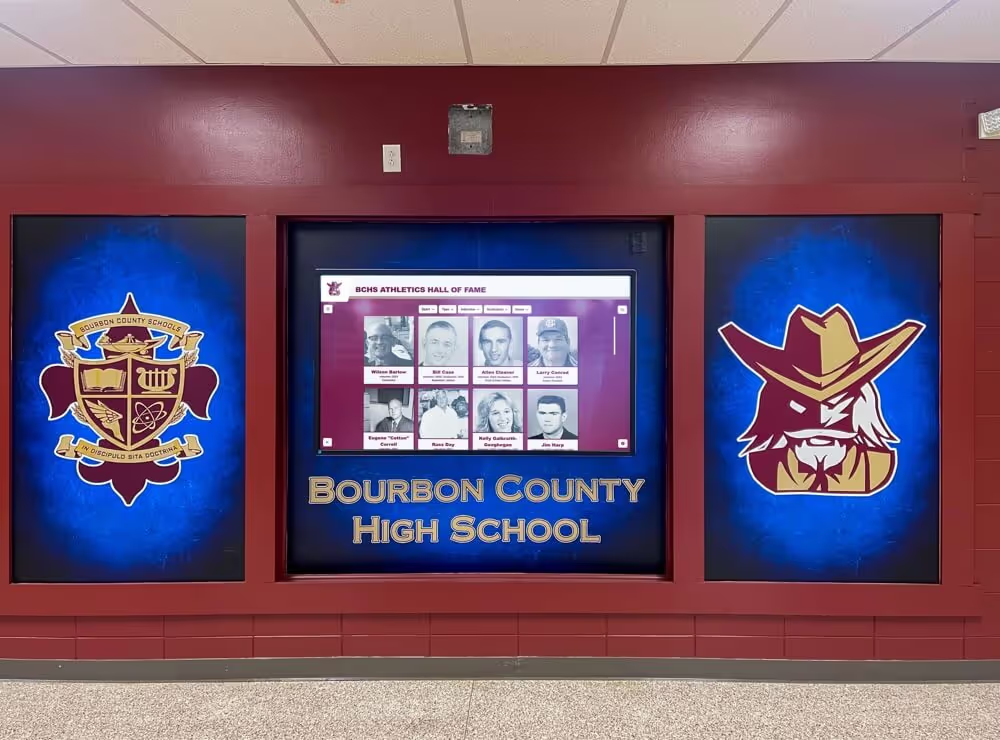
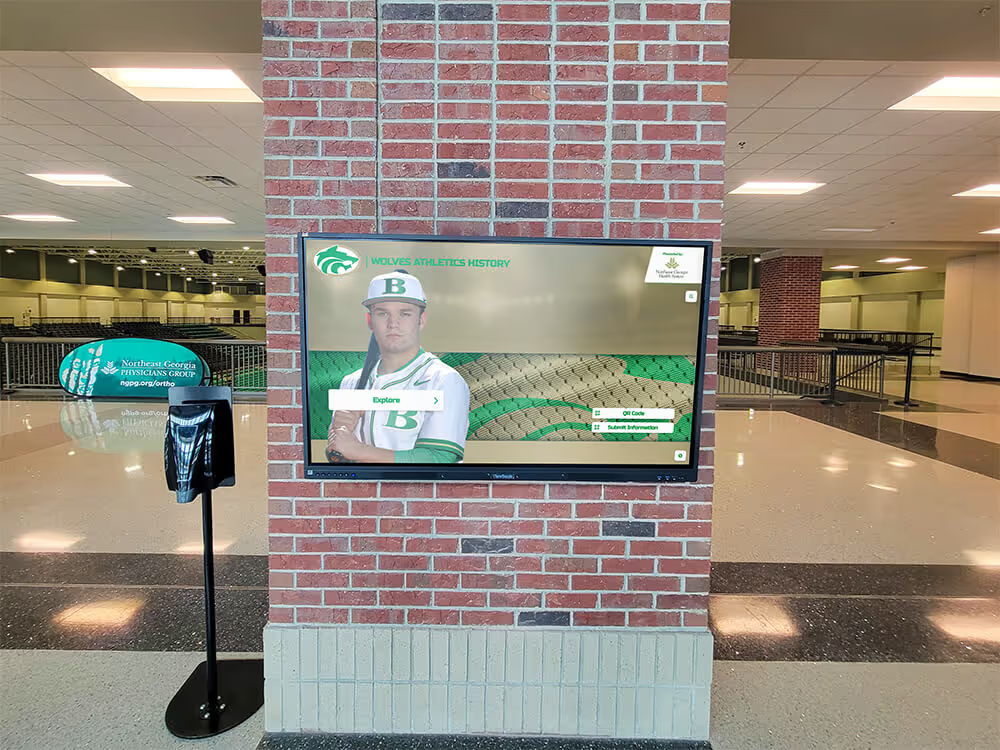
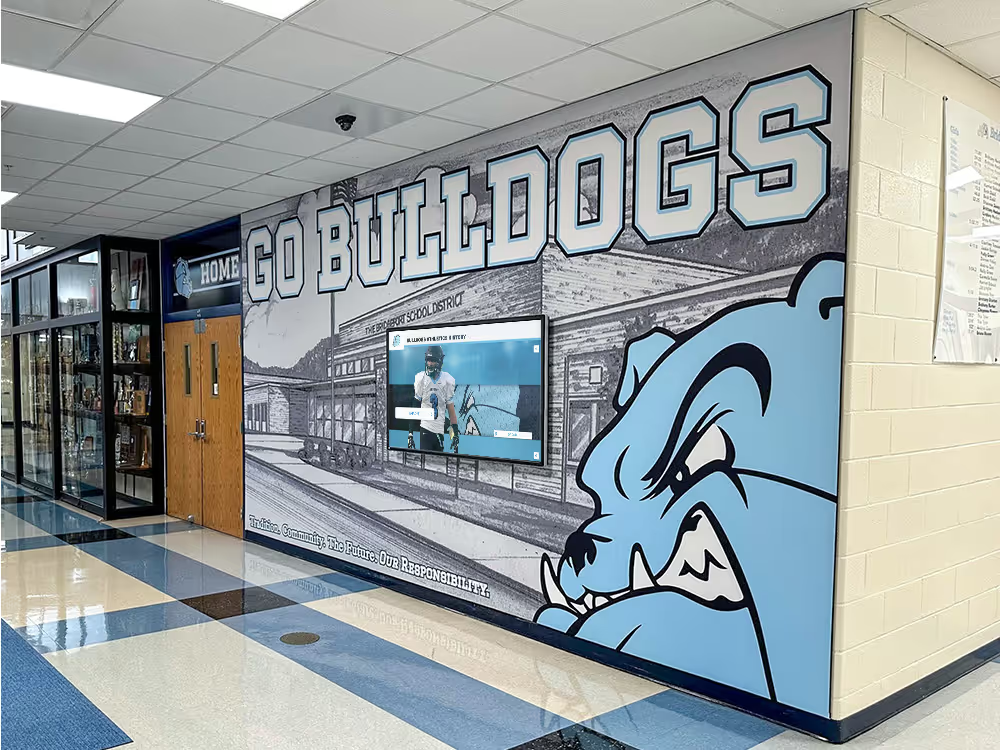
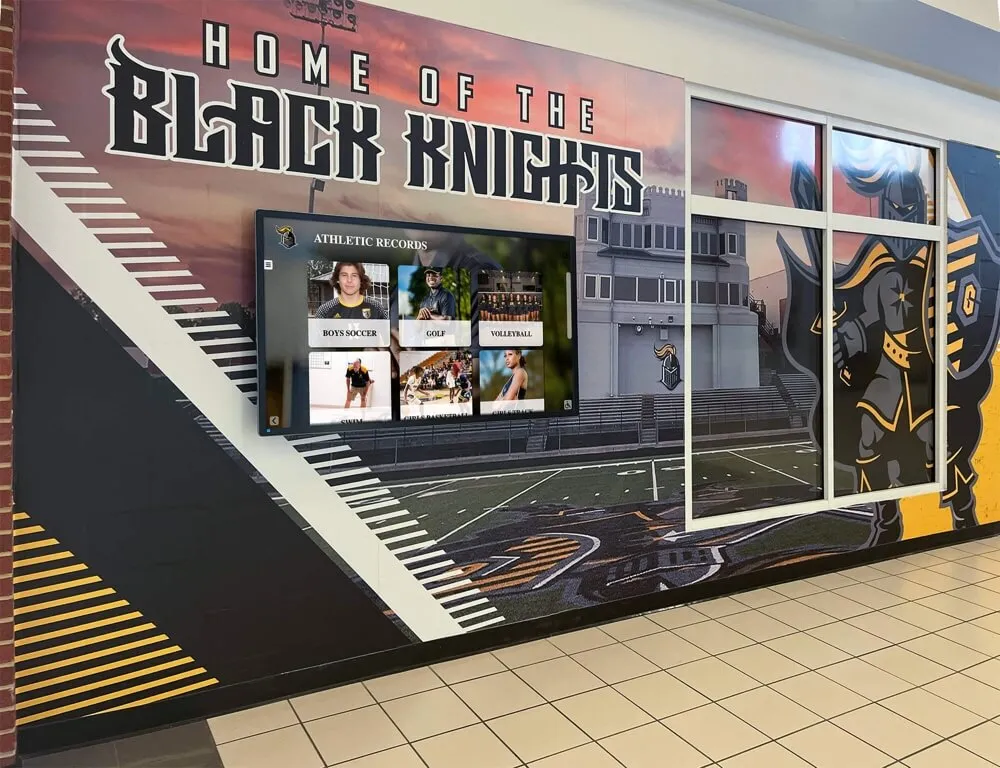
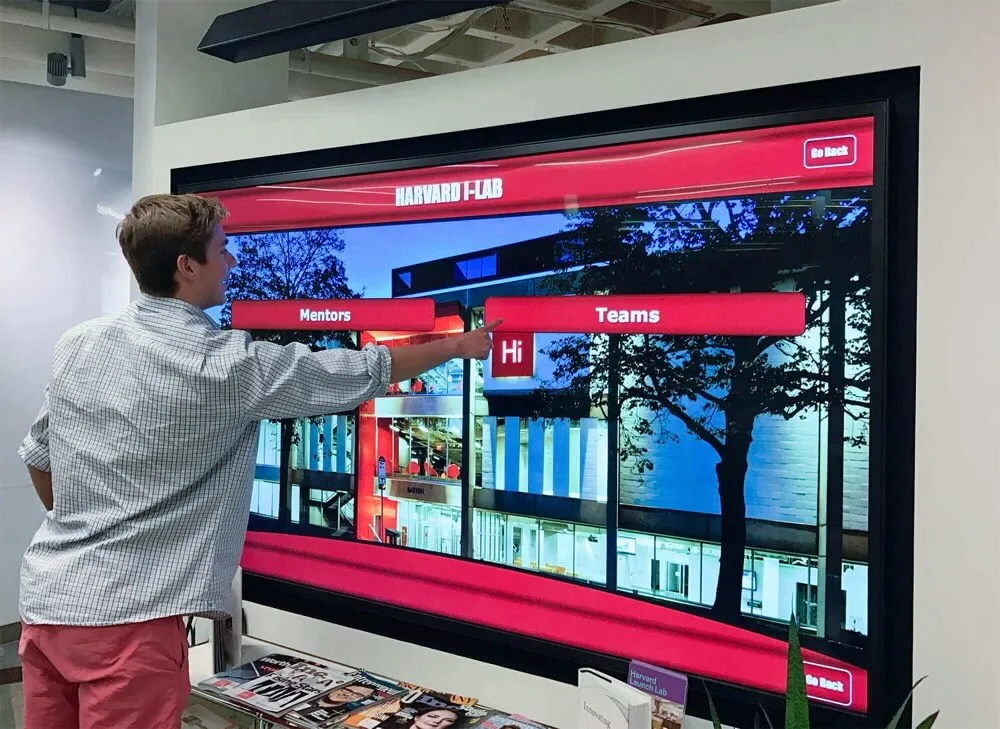
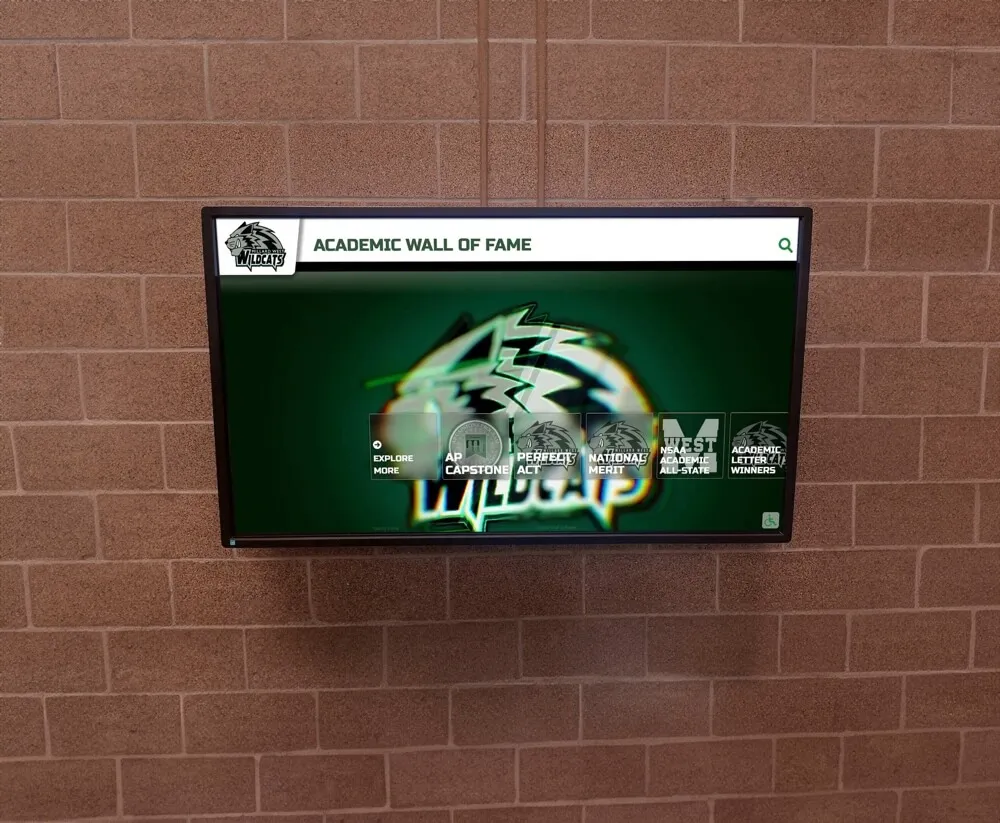
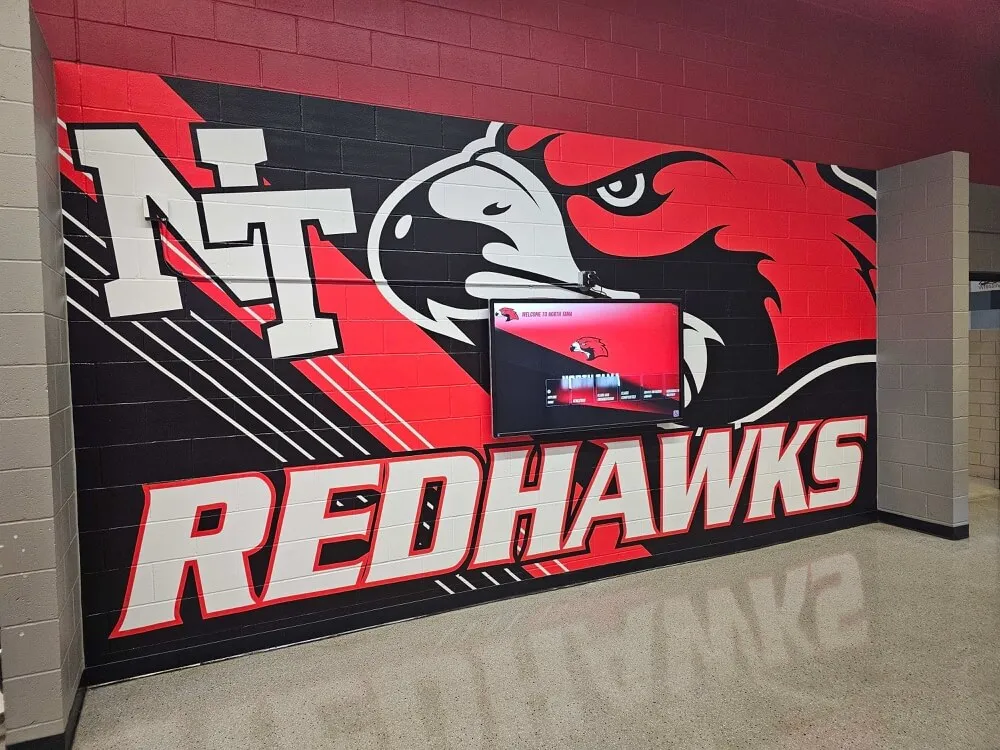
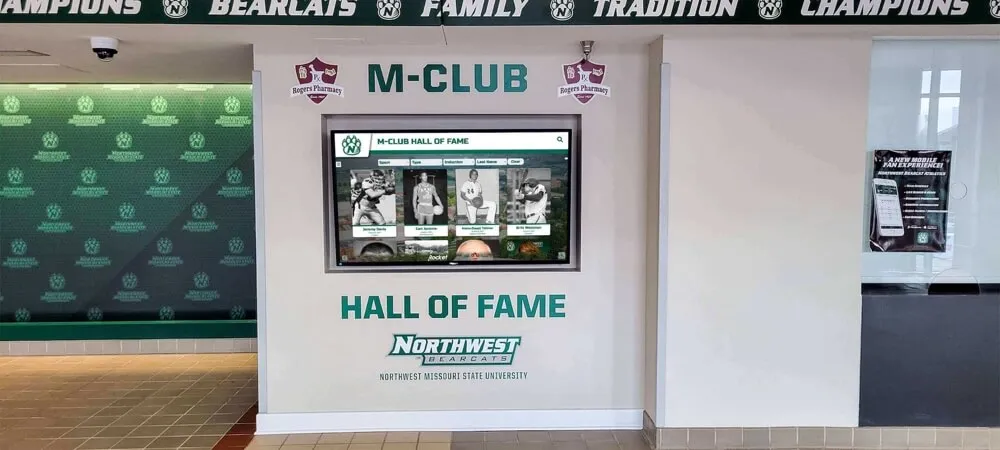
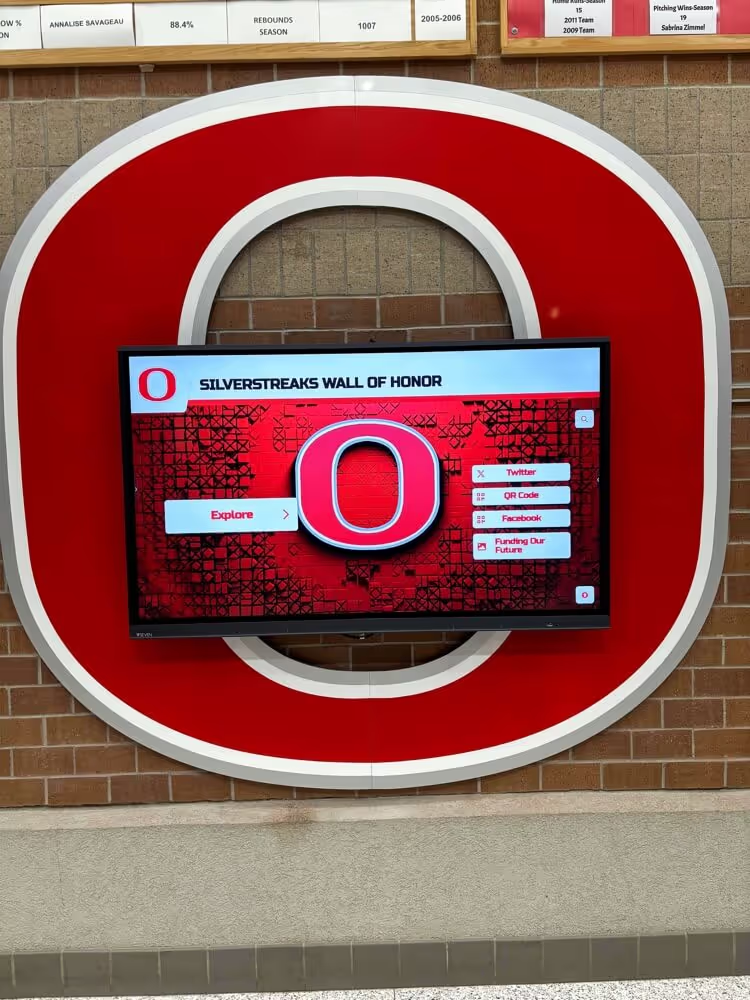
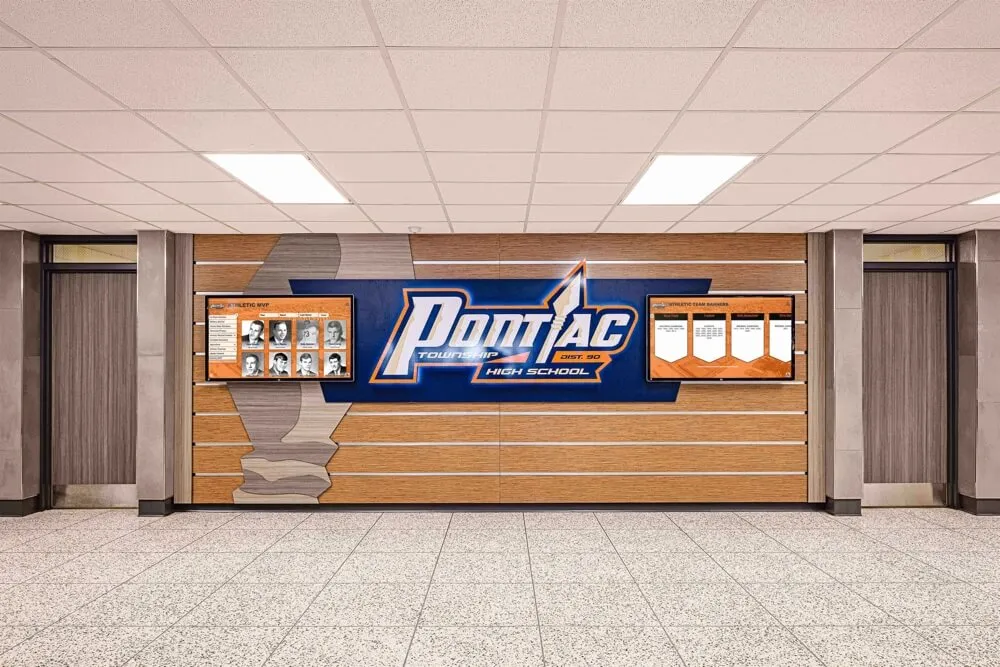
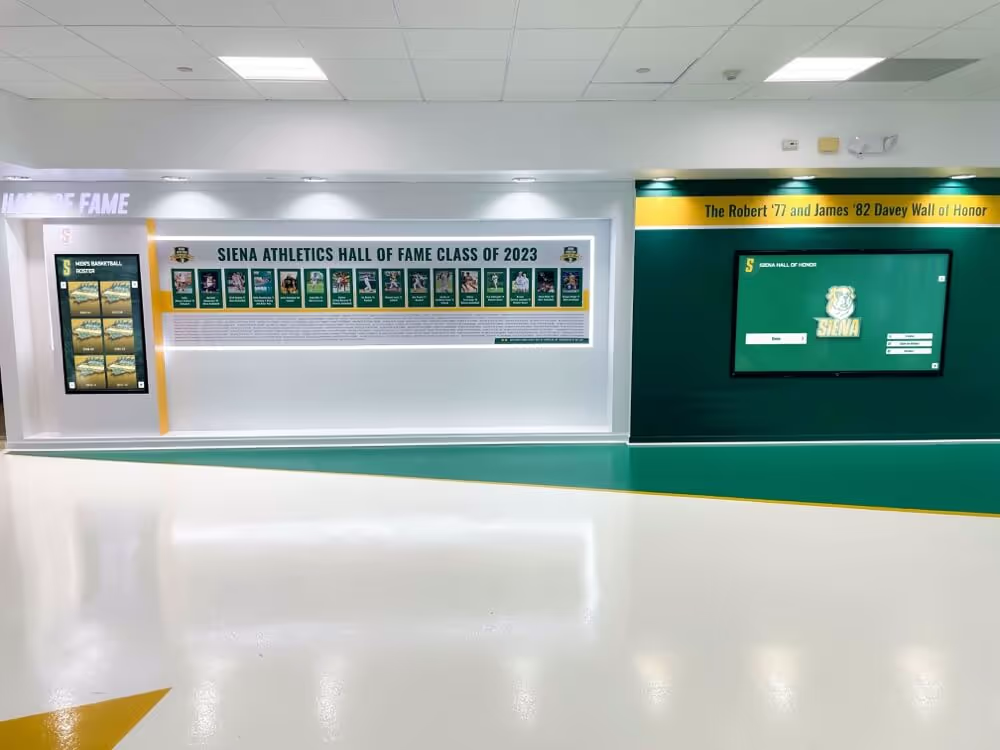
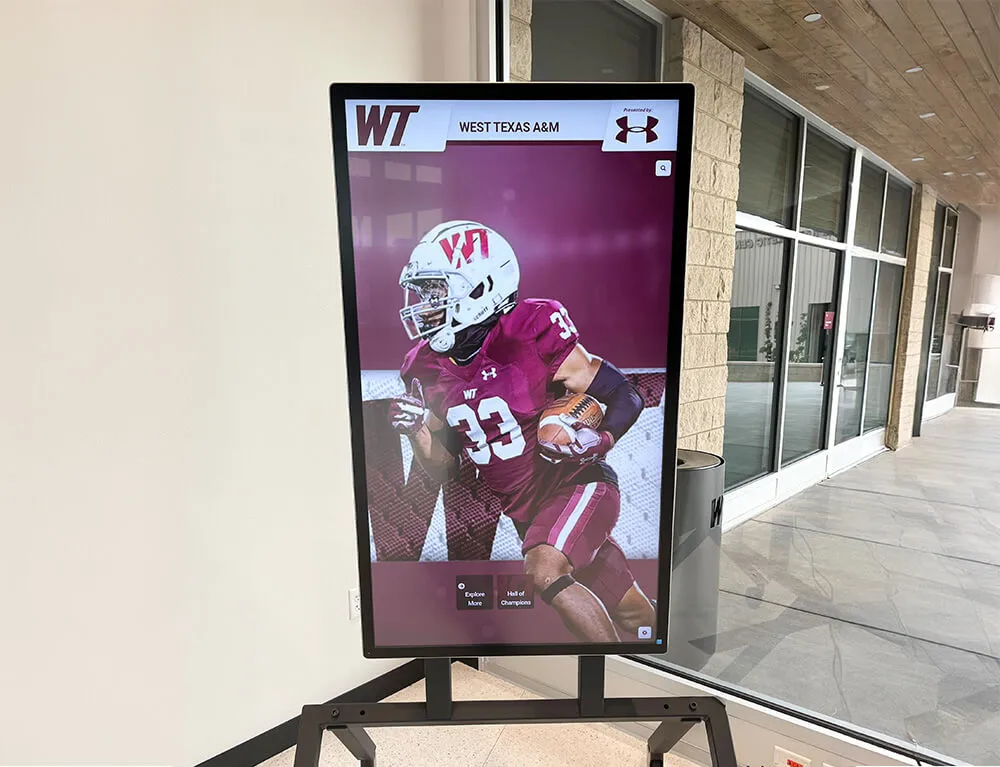
Digital record boards transform how schools showcase athletic achievement by replacing physical space limitations with unlimited recognition capacity and rich multimedia storytelling.
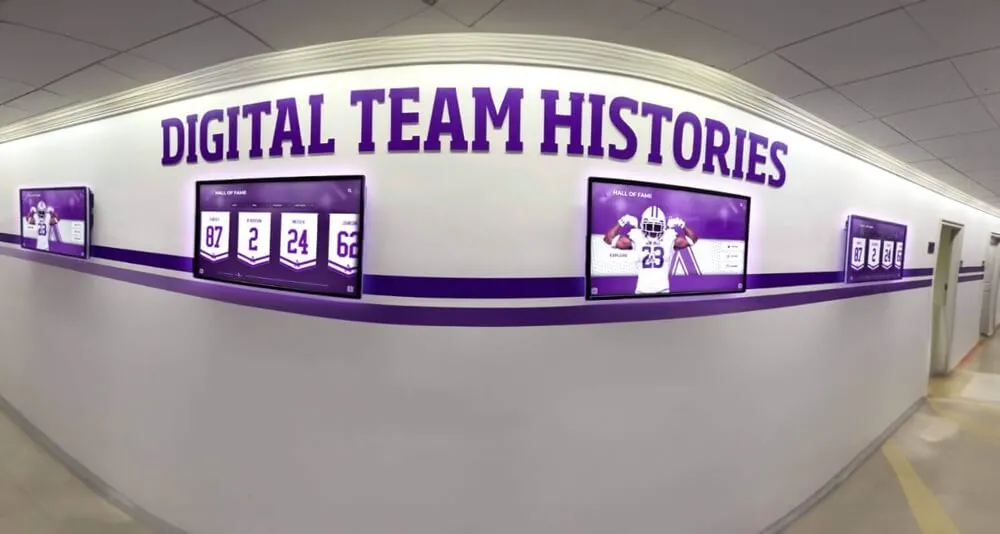
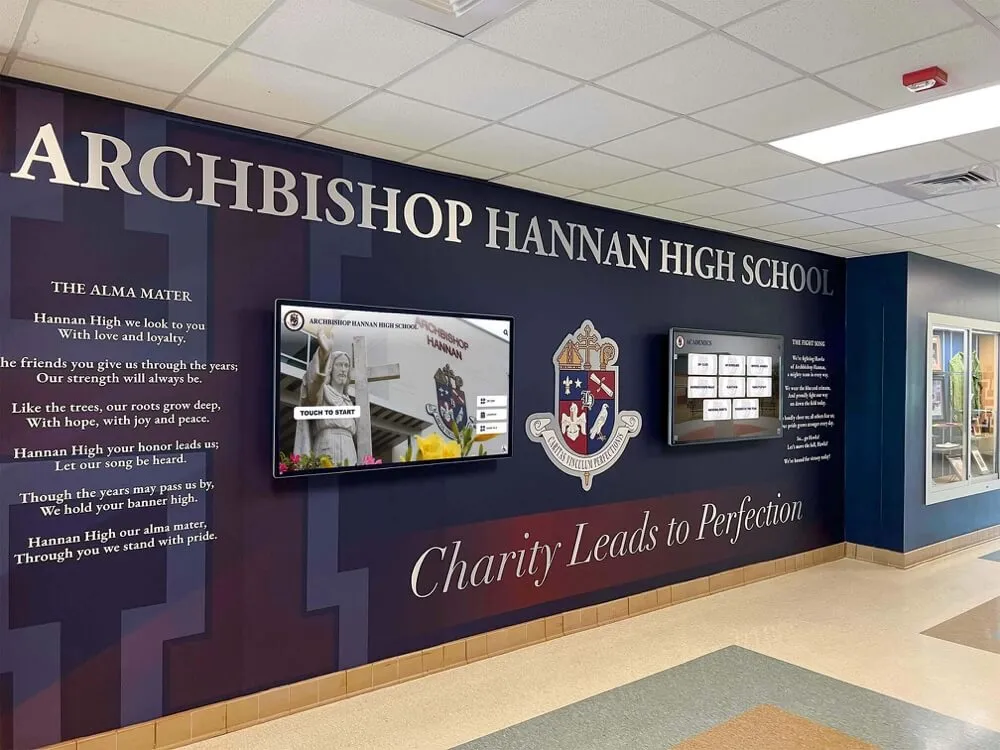
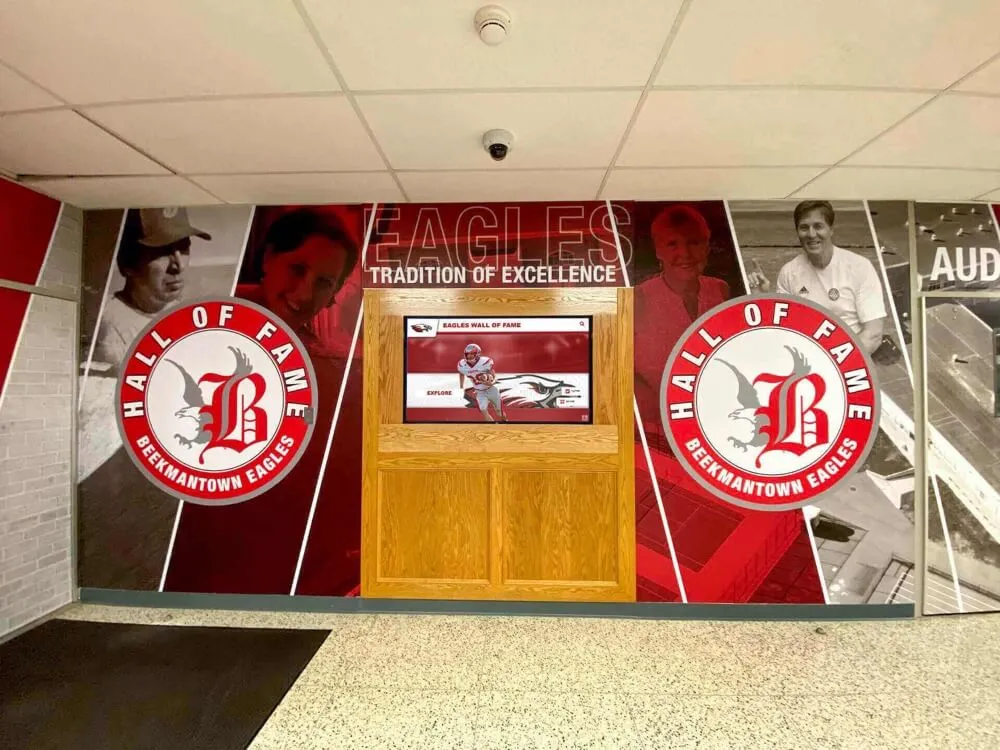
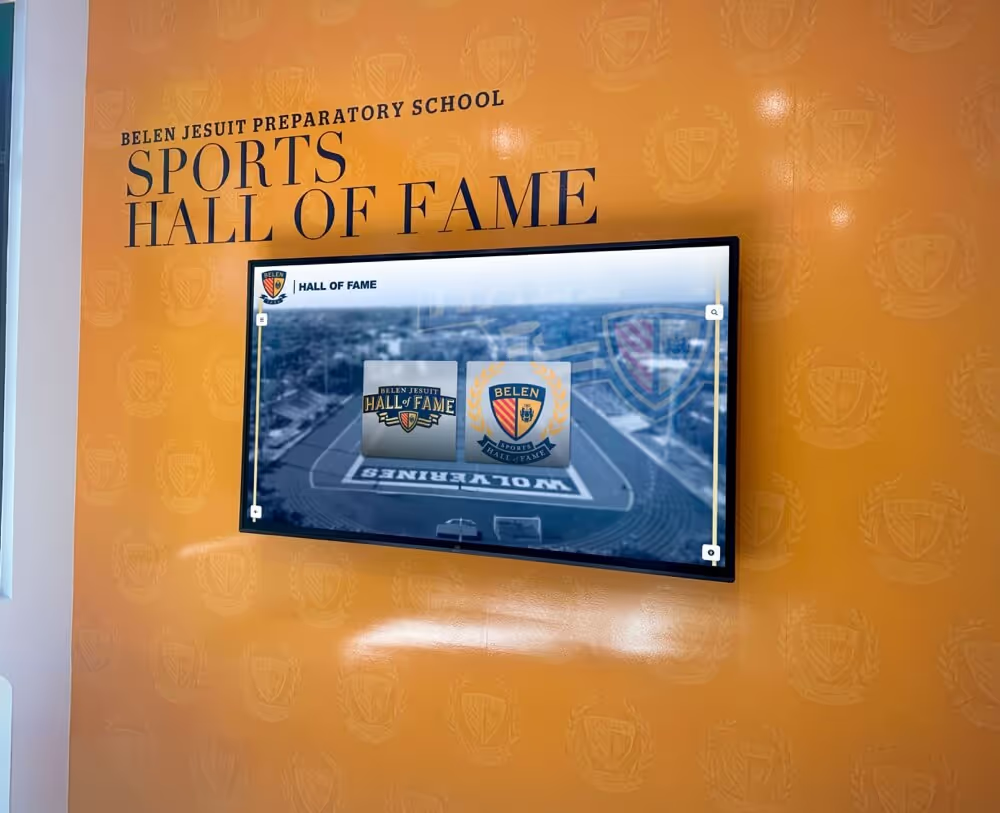
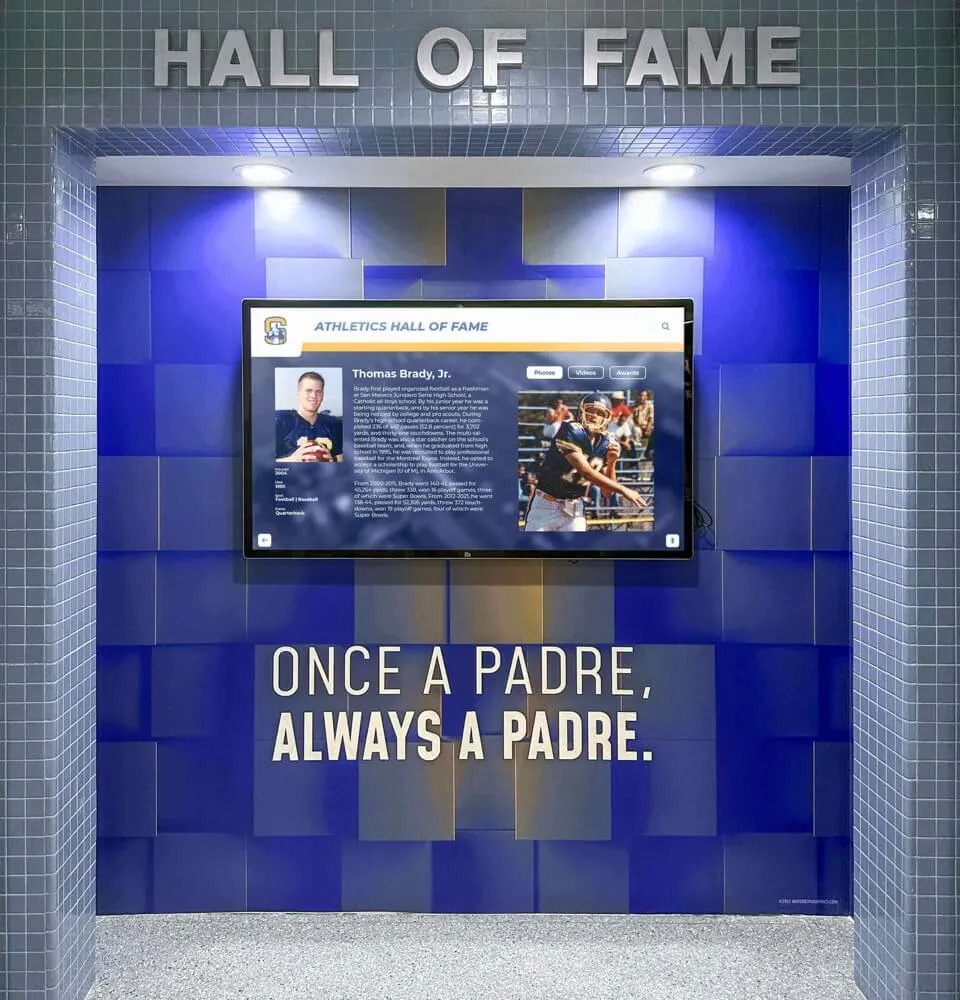
Unlimited Recognition Capacity: A single touchscreen display running digital recognition software accommodates comprehensive documentation of every championship, record, milestone, and significant achievement across decades of program history. Rather than choosing which 50 trophies fit in a case, schools showcase 500 championships, 1,000 individual records, and complete team histories without space limitations determining what communities remember.
This capacity transformation matters for long-term recognition sustainability. While traditional cases fill within a decade, digital systems grow infinitely—adding new championships each season without displacing older achievements, expanding recognition categories without physical renovations, and preserving complete program heritage without storage warehouse problems.
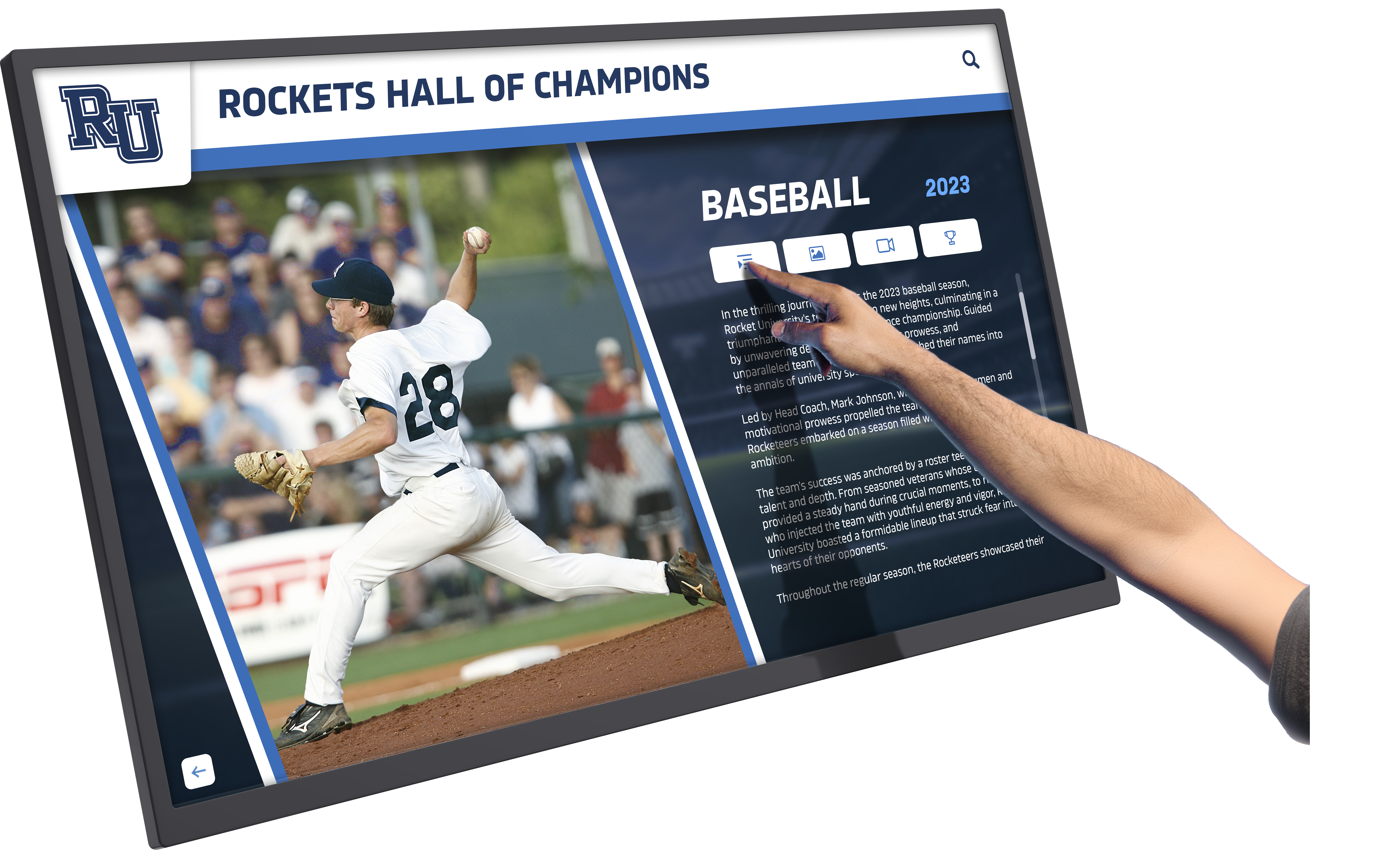
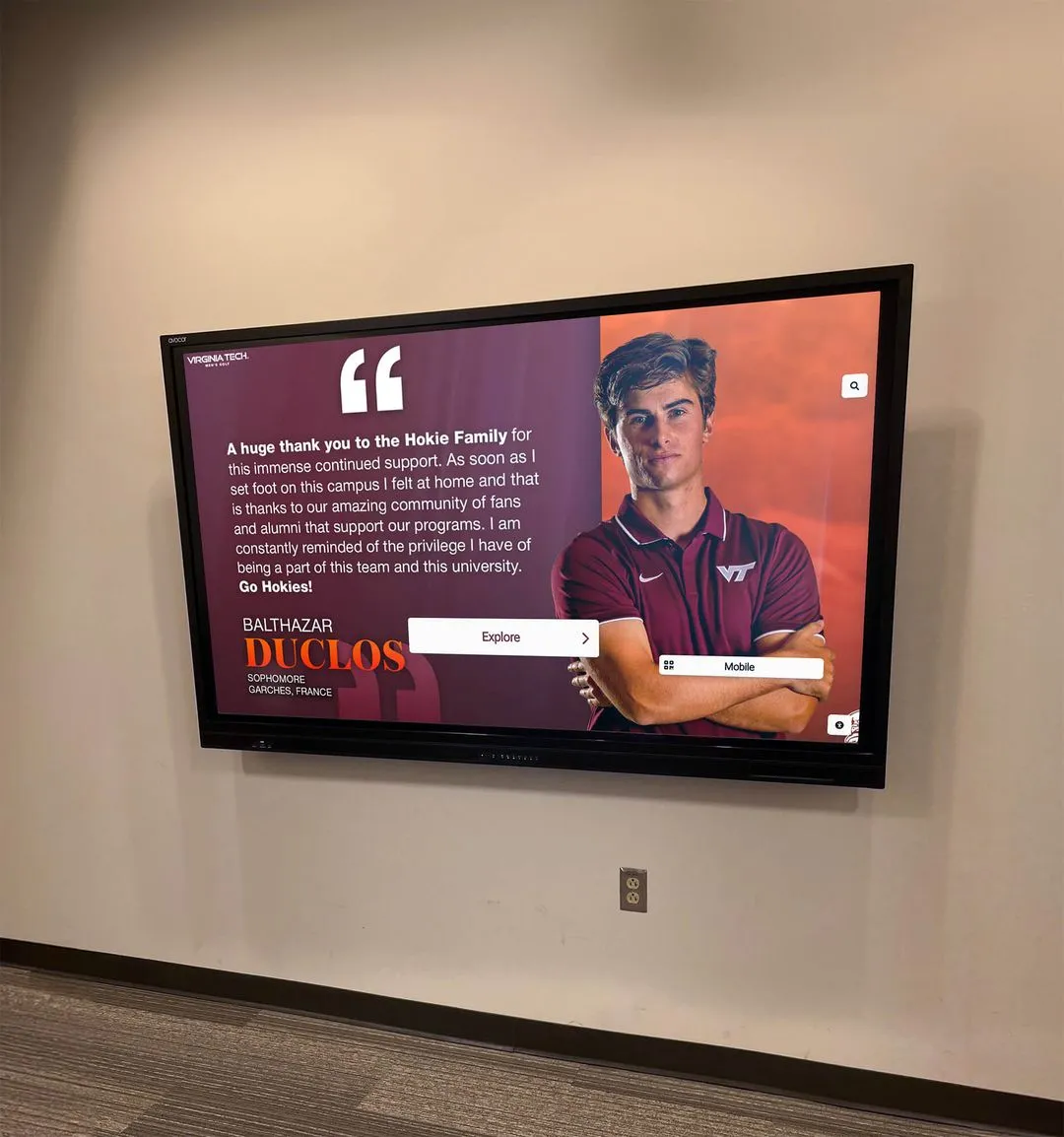
Rich Multimedia Storytelling: Physical trophies communicate that teams won championships—and nothing more. Digital recognition adds comprehensive context including championship game highlight video, team roster with individual photos, season statistics and tournament progression, coach reflections about season significance, newspaper articles covering championship victory, and photo galleries documenting tournament journey.
This depth transforms recognition from simple acknowledgment into rich storytelling preserving experiences, emotions, and context that static trophies cannot capture. Schools implementing solutions like interactive display technology for recognition spaces report dramatically increased community engagement compared to traditional trophy cases.
Instant Updates Through Cloud-Based Management: When teams win new championships, athletic directors log into cloud-based content management systems and update recognition within minutes. No waiting for plaque production, no contractor installation scheduling, no disruption to school operations—just immediate recognition reflecting current achievements.
This update speed particularly benefits programs tracking records across seasons. When a track athlete breaks a 20-year-old school record, updating digital record boards takes 60 seconds through web interface rather than weeks waiting for physical record board updates requiring vinyl replacement or engraved plate production.
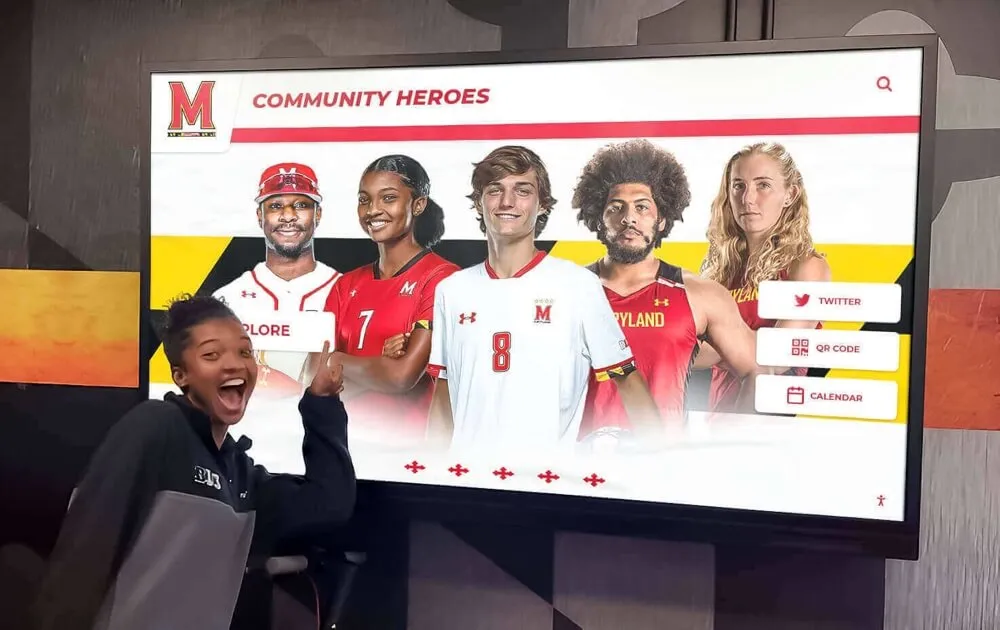
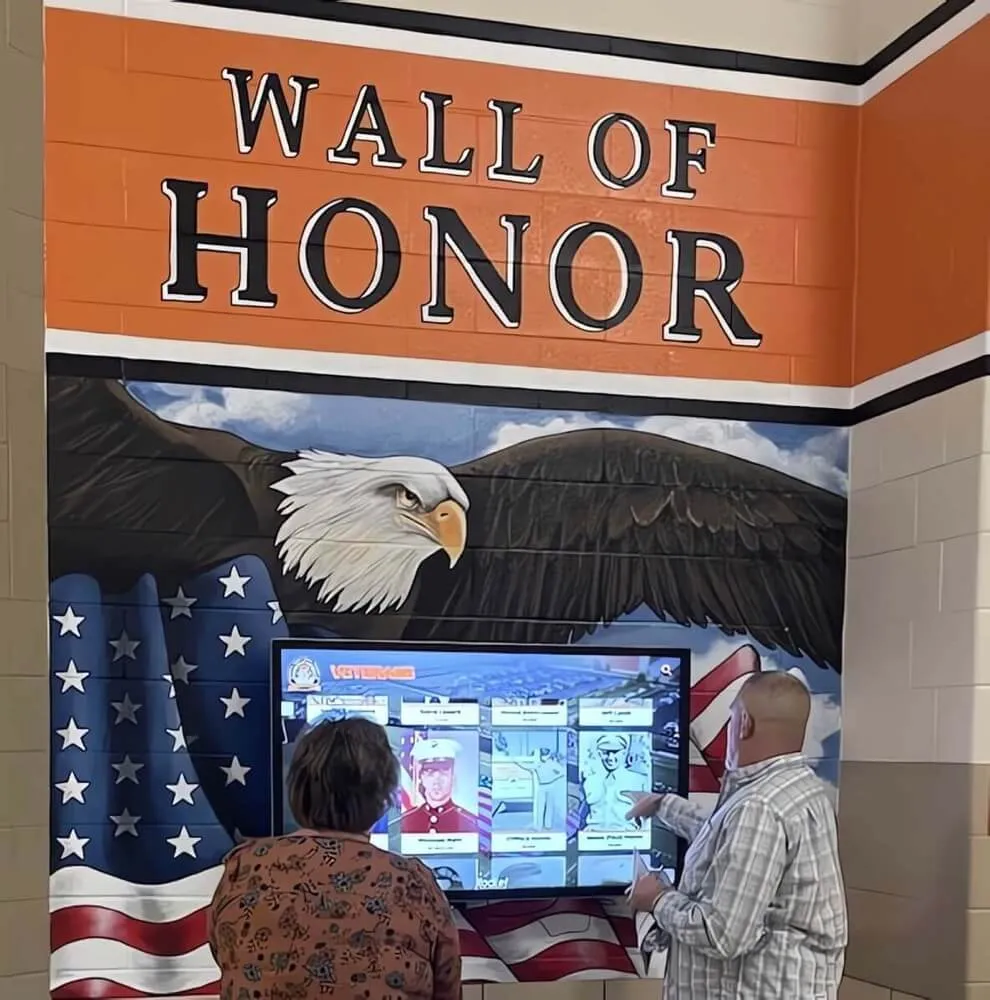
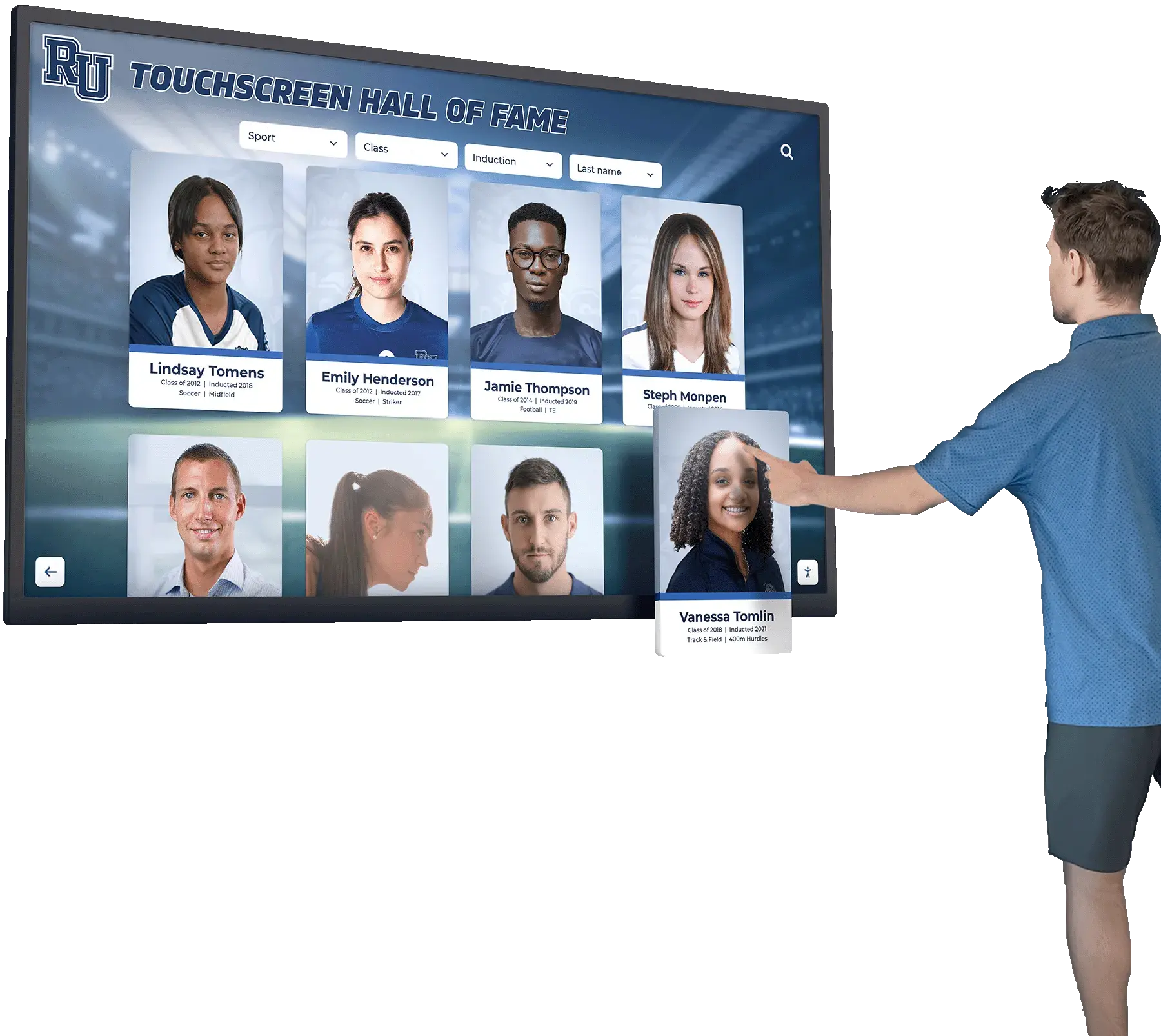
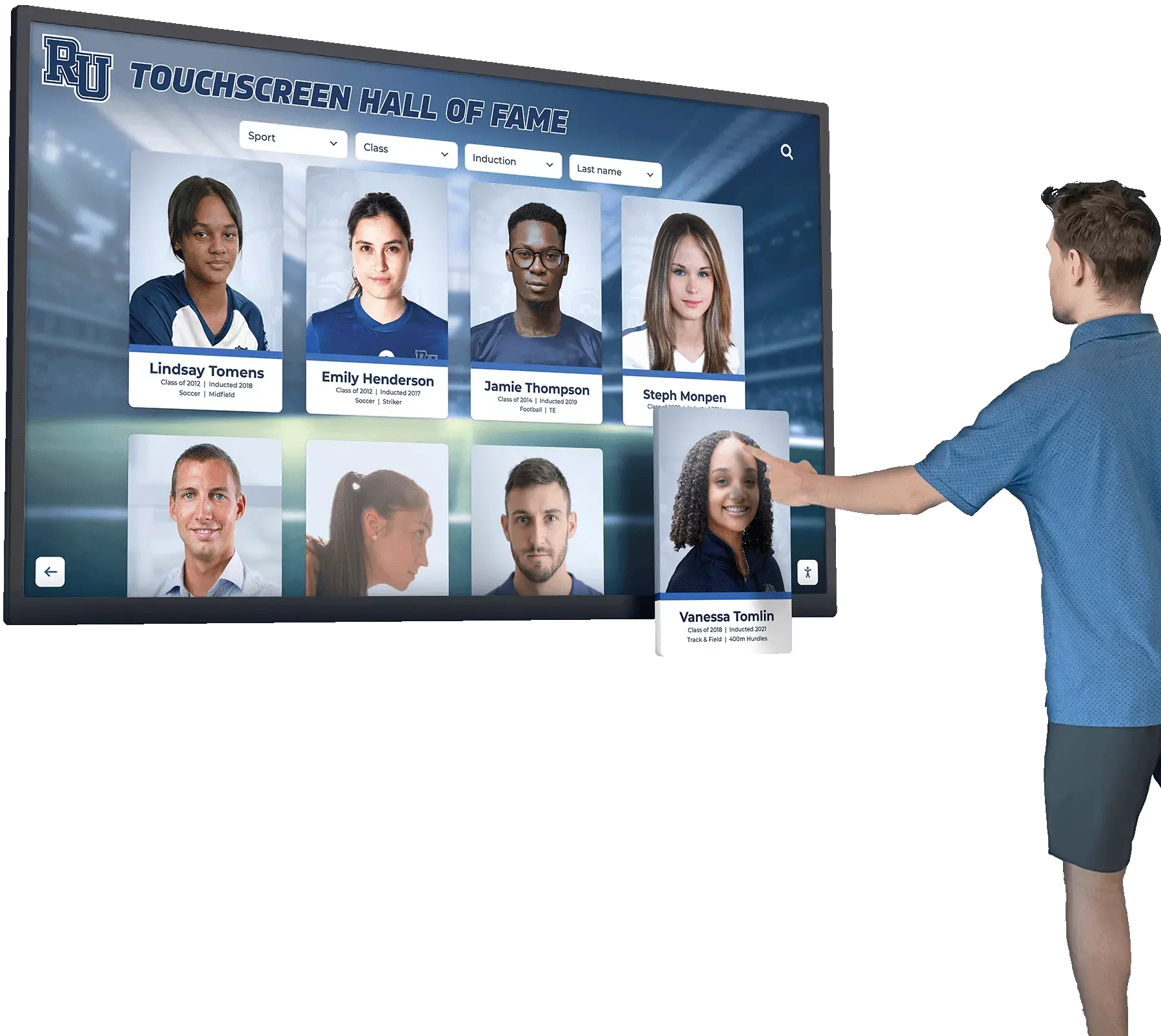
Search and Personalized Discovery: Interactive displays allow visitors to explore recognition matching personal interests. A prospective soccer player can instantly filter all soccer championships, view complete team rosters across different eras, and explore individual records relevant to their position. Alumni returning for reunions can search graduation year or teammate names, immediately finding personal connections to school history.
These discovery features make comprehensive recognition accessible rather than overwhelming. While physical displays showing 50 years of achievements become cluttered and hard to navigate, digital systems present identical content through intuitive browsing that reveals relevance based on individual interest.
Cost Comparison: Traditional vs. Digital Recognition Systems
Understanding total cost of ownership over 10-20 year timeframes reveals that digital recognition often proves more cost-effective than traditional trophy cases despite higher initial investment.
Traditional Trophy Case Total Costs: Initial installation of three quality wall-mounted cases: $9,000. First expansion adding two additional cases (Year 6): $5,500. Second expansion adding two more cases (Year 12): $6,000 accounting for inflation. Ongoing maintenance, lighting replacement, glass repair over 15 years: $1,800. Trophy purchases for all achievements: $18,000 at average $60 per trophy. Total 15-year cost: $40,300 for seven cases displaying approximately 150-200 trophies at any given time with older achievements moved to storage.
Digital Recognition System Total Costs: One commercial-grade 55-inch touchscreen display with mounting hardware: $3,500. Digital record board software (Rocket Alumni Solutions) annual subscription: $2,000-$3,000 (total 15-year cost: $36,000-$45,000). Professional installation including electrical and mounting: $1,500. Content development for historical achievement digitization: $3,000-$5,000. Total 15-year cost: $44,000-$55,000 for unlimited recognition capacity accommodating comprehensive program history without space constraints.
At first glance, digital systems cost slightly more—but capacity differences reveal dramatic value disparities. Digital solutions provide 5-10 times recognition capacity, eliminate ongoing trophy purchase costs for new achievements, enable rich multimedia impossible with physical displays, and offer remote web access extending recognition globally.
Schools prioritizing comprehensive recognition increasingly view traditional cases as creating artificial scarcity that contradicts recognition goals, while digital systems align capacity with ambition.
Implementation Considerations for Digital Trophy Cases
Moving from traditional trophy cases to digital recognition requires addressing technical infrastructure, content development, and change management with stakeholders accustomed to physical displays.
Hardware Requirements: Commercial-grade touchscreen displays designed for continuous operation prove essential for reliable long-term performance. Consumer televisions fail within 1-3 years under daily institutional use. Professional displays with commercial panel ratings, protective glass preventing screen damage, integrated media players eliminating external hardware, and warranty coverage specifically for commercial applications cost $2,500-$5,000 but deliver 7-10 year operational life.
Screen size matters for viewing distance and content visibility. 55-inch displays work well for locations where viewers approach within 6-8 feet. 65-inch or larger displays prove necessary for lobby installations where viewing distances exceed 10 feet. Proper sizing ensures text remains legible and photos display with appropriate impact.
Network Infrastructure: Digital displays require reliable network connectivity for content updates and cloud-based management. Wired Ethernet connections provide most reliable performance. Locations without nearby network ports may require wireless connectivity or network cabling installation adding $500-$1,500 to project costs depending on distance to nearest network access point.
Content Development and Historical Digitization: Transforming decades of athletic achievement into digital recognition requires systematic content development including comprehensive achievement research through records review, photography digitization scanning historic team photos, writing profiles documenting championship seasons, video digitization converting VHS and DVD footage, and data entry organizing information in structured formats.
Schools implementing comprehensive digital recognition typically invest 40-80 hours in historical content development. Many choose to launch with recent achievements (5-10 years) while systematically adding historical content over 1-2 years, creating manageable implementation timelines rather than requiring complete digitization before launch.
Resources on digital hall of fame implementation provide detailed project planning frameworks including timeline development, content strategies, and phased rollout approaches reducing implementation complexity.
Hybrid Approaches: Combining Traditional and Digital Recognition
Schools need not choose between traditional trophy cases and digital displays. Hybrid strategies preserve ceremonial significance of physical trophies while leveraging digital capacity and storytelling.
Strategic Trophy Case Placement for Highest-Honor Recognition
Reserve limited physical trophy case space for most prestigious achievements establishing selective hierarchy of recognition.
Championship-Only Physical Display: Display state championship trophies, national competition victories, and historic milestone awards in prominent physical cases while documenting all additional achievements—conference championships, tournament placements, invitational victories, individual records—through comprehensive digital systems. This approach maintains special ceremonial significance for highest achievements while solving capacity problems for broader recognition needs.
Rotating Physical Displays: Some schools maintain traditional trophy cases but establish rotation schedules showcasing different sports, time periods, or achievement types throughout the year. Football and basketball achievements display during fall and winter. Spring sport recognition rotates in March through June. Historical decade displays celebrate 10, 25, or 50-year anniversaries of significant championships.
Rotating displays require storage systems for trophies not currently visible and coordinated scheduling ensuring changes happen reliably. While addressing visibility challenges, rotation doesn’t solve fundamental capacity limitations—just distributes limited space across more achievements over time.
Digital Displays as Comprehensive Achievement Archive
Position digital recognition systems as complete historical archives documenting everything physical cases cannot accommodate.
“Trophy Case Plus” Positioning: Market digital displays as extensions rather than replacements—“See the championship trophy here, explore complete season history on the digital display.” QR codes on physical trophy cases link to detailed digital content about displayed championships, creating integrated experiences combining physical and digital elements.
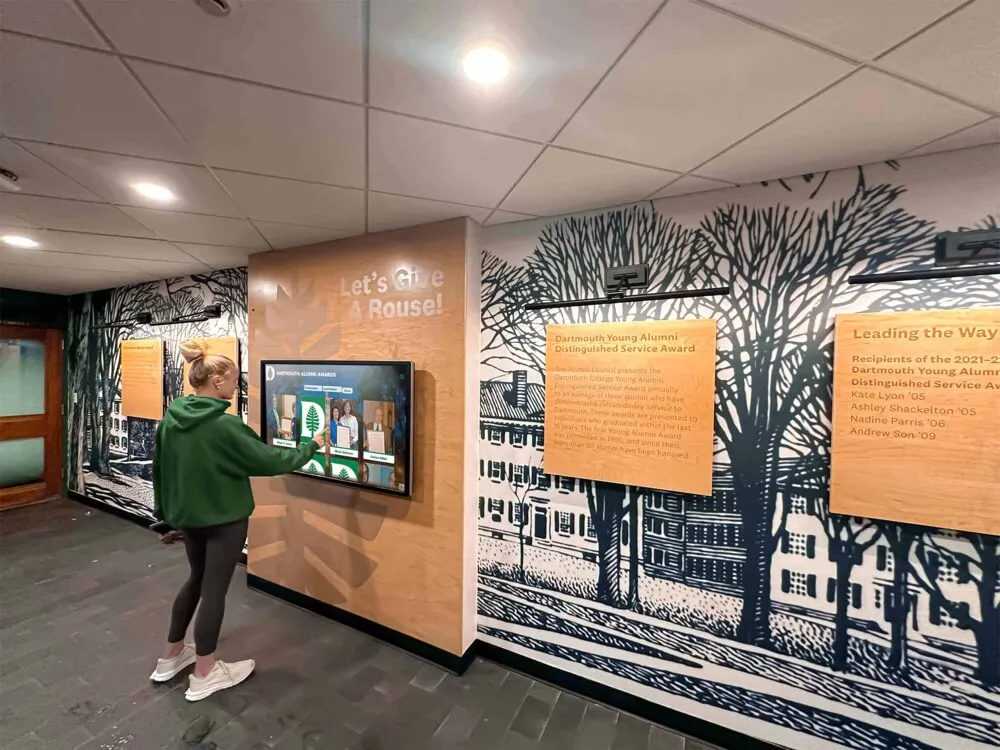
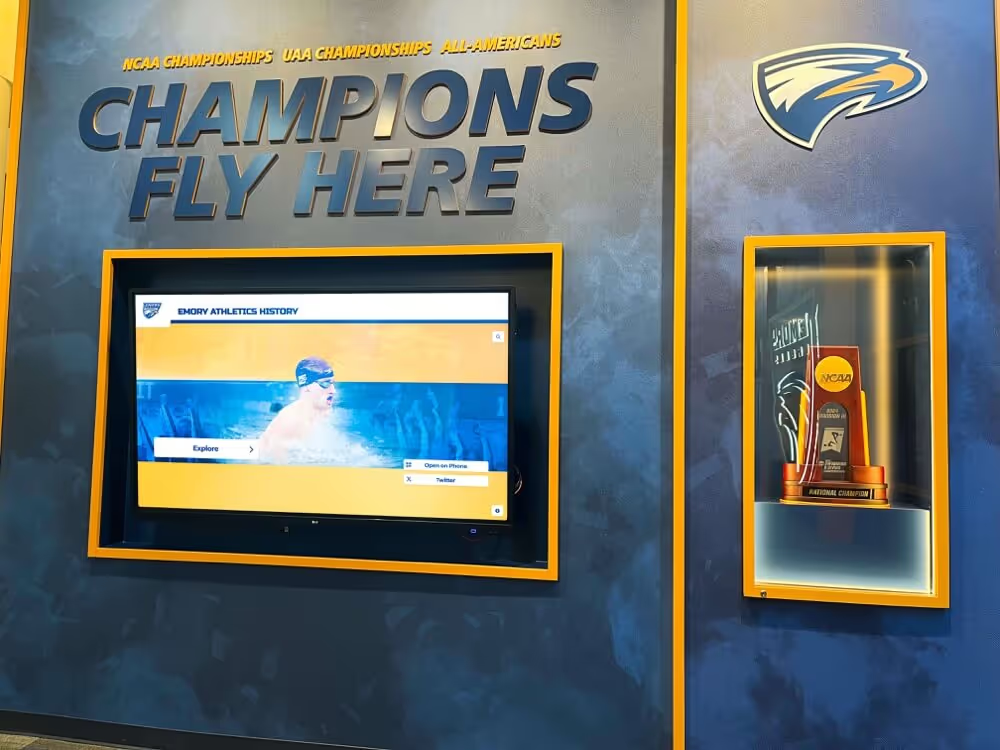
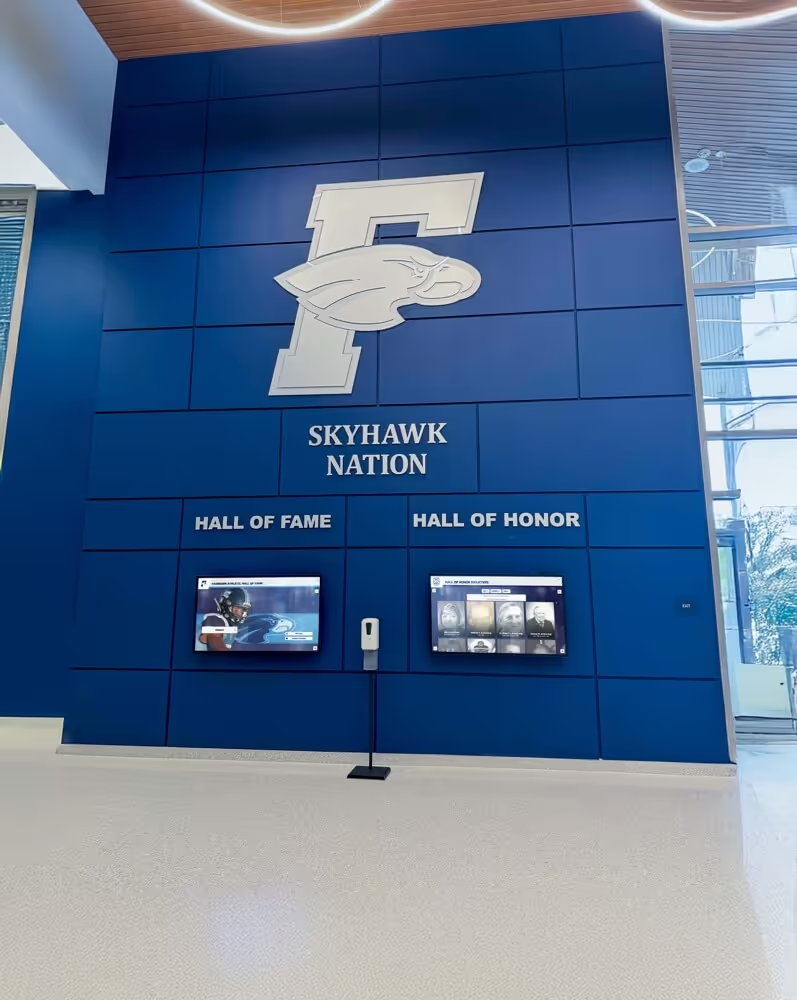
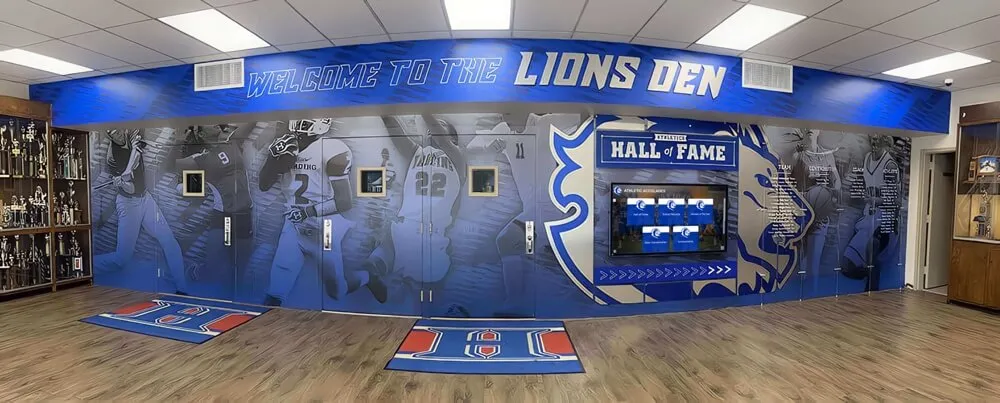
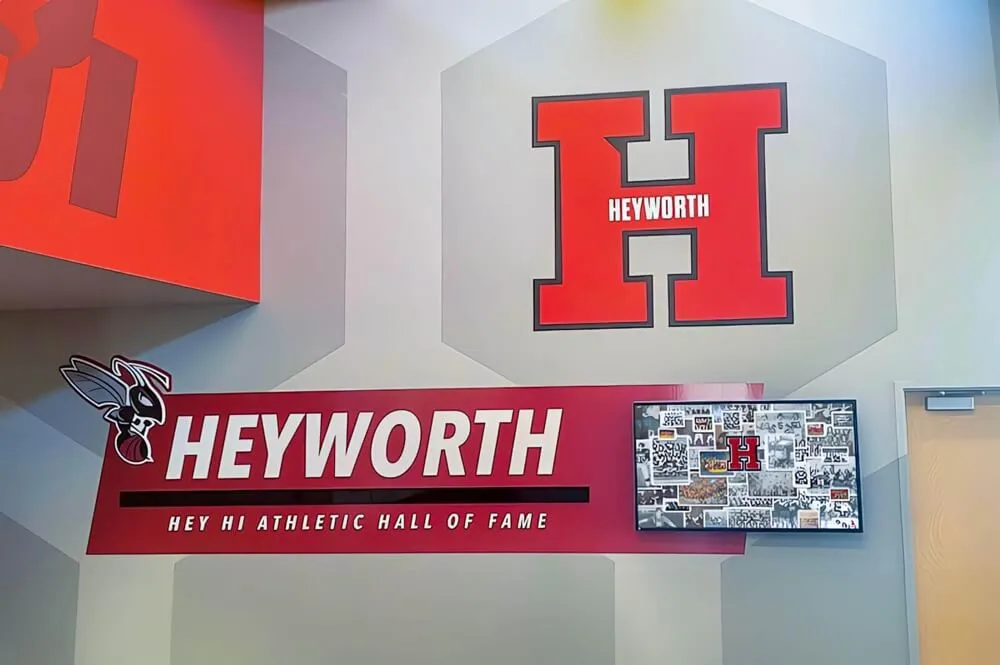
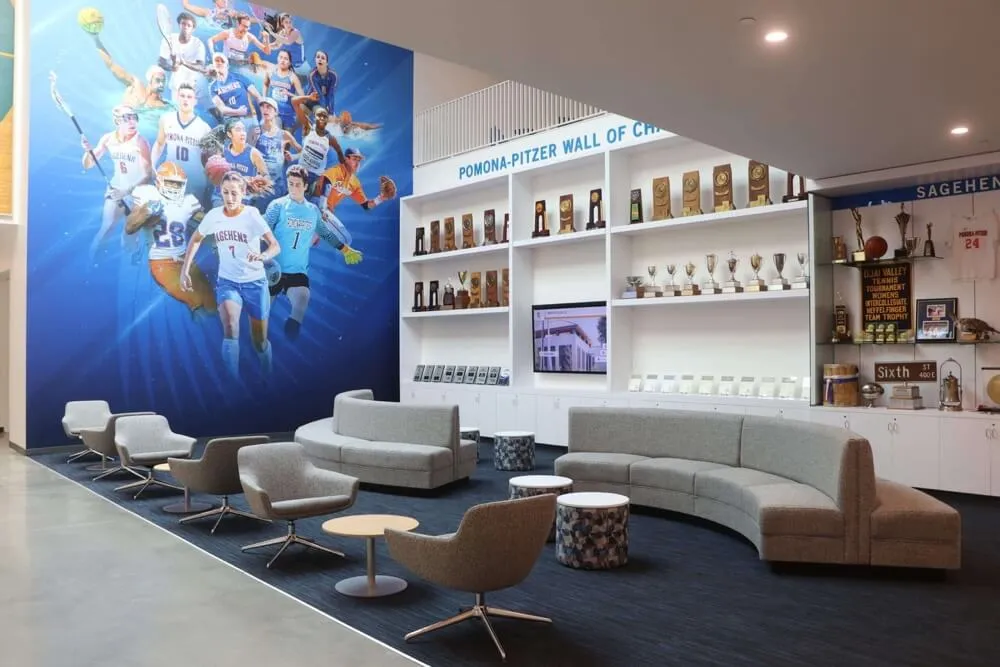
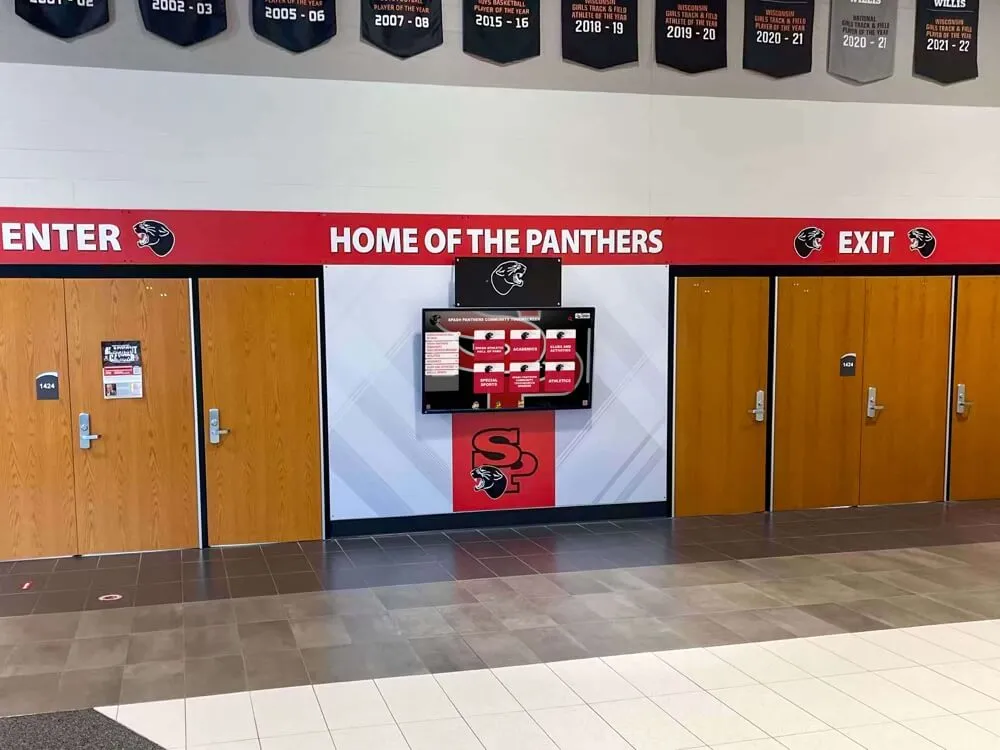
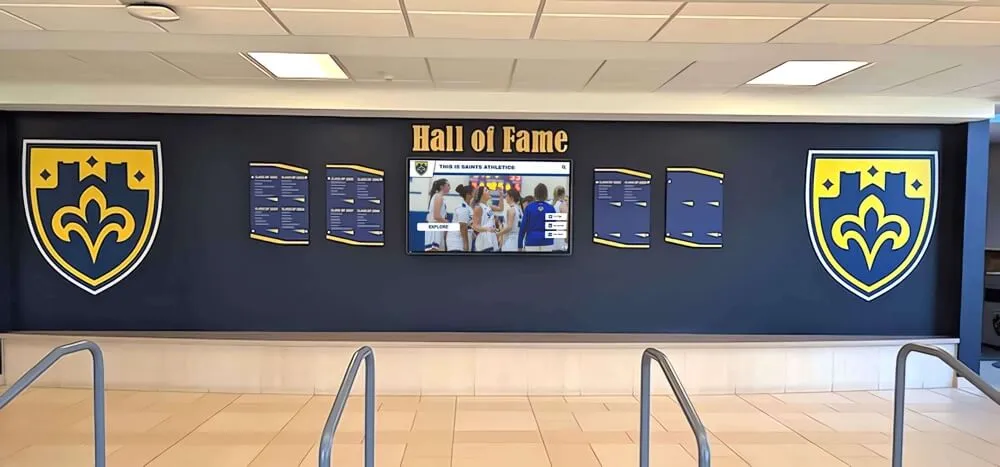
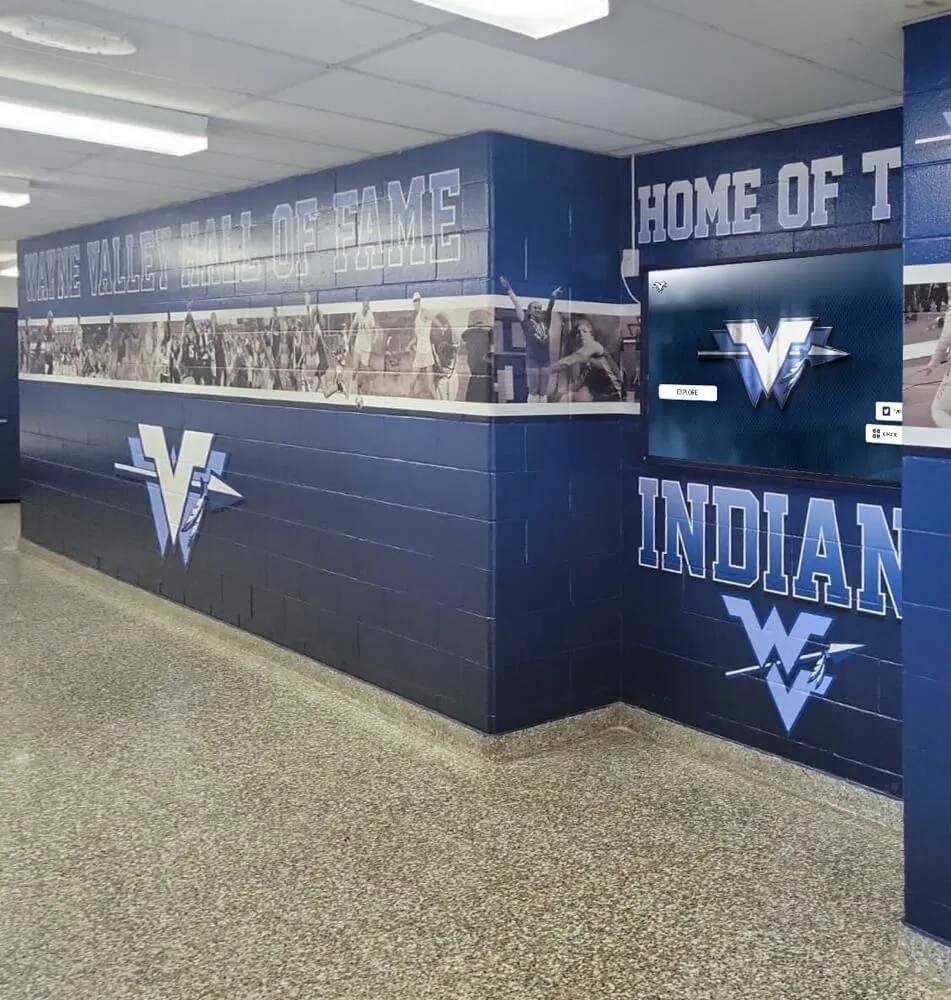
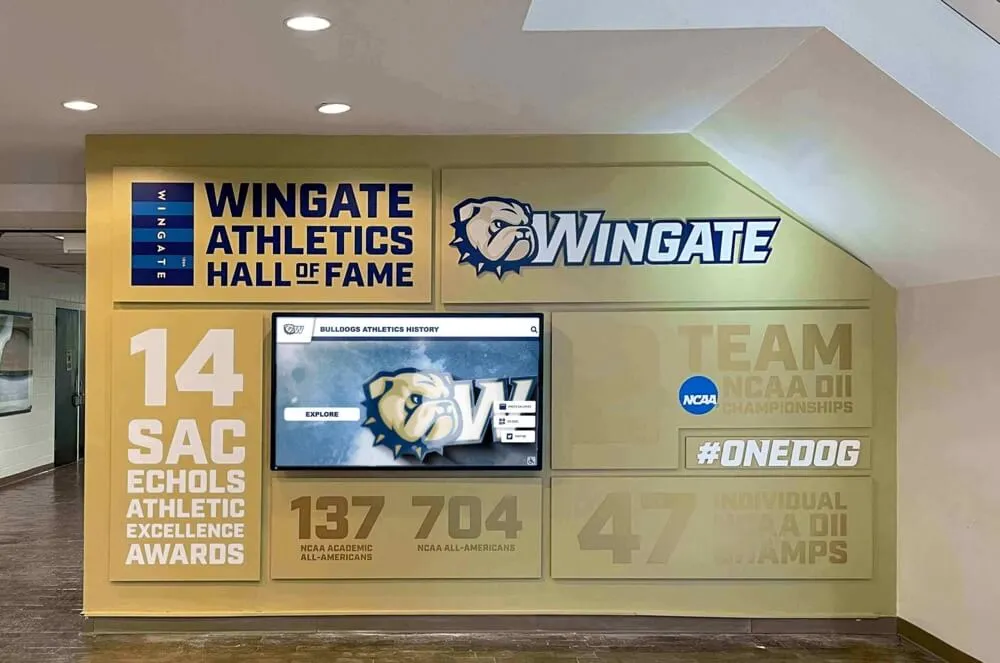
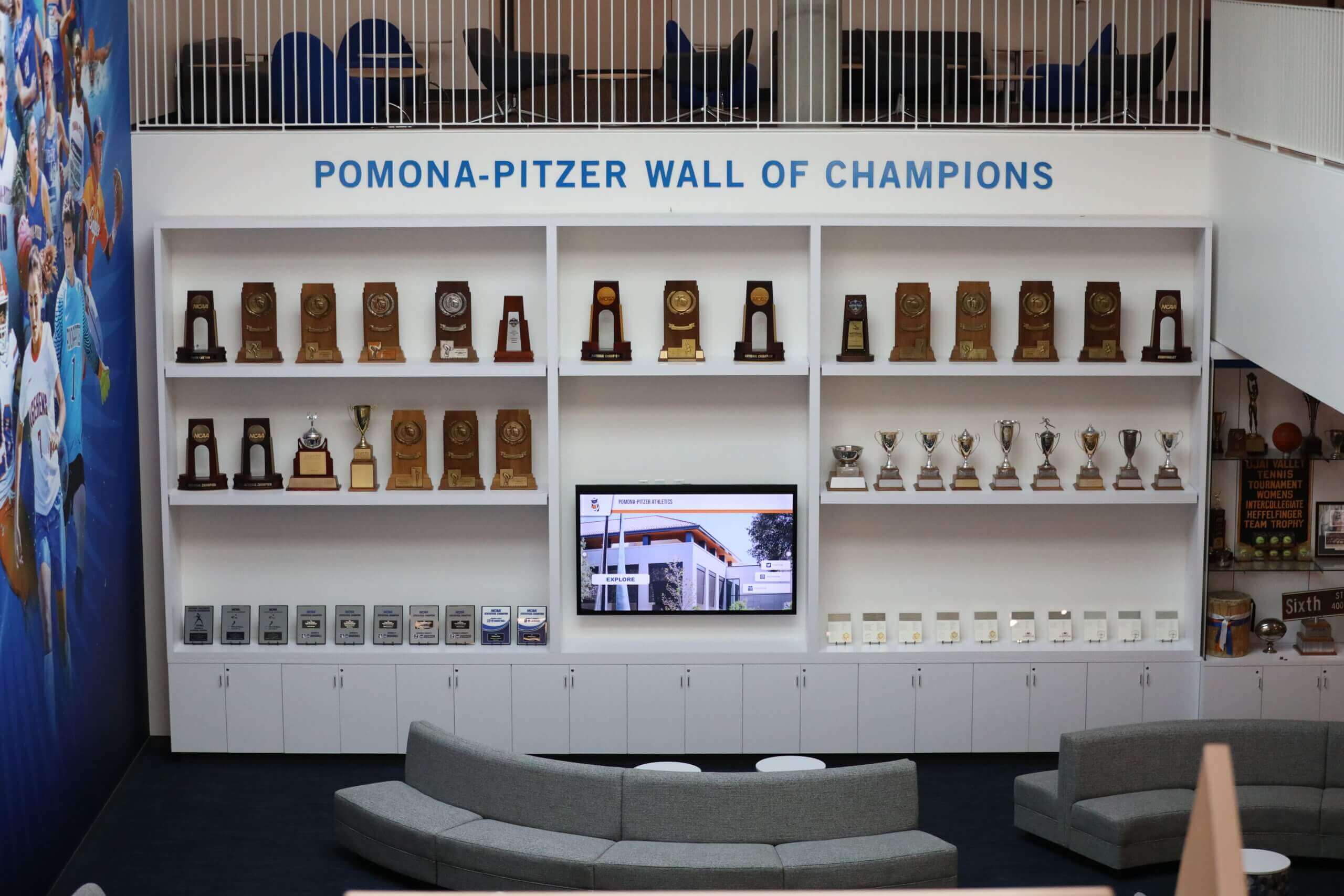
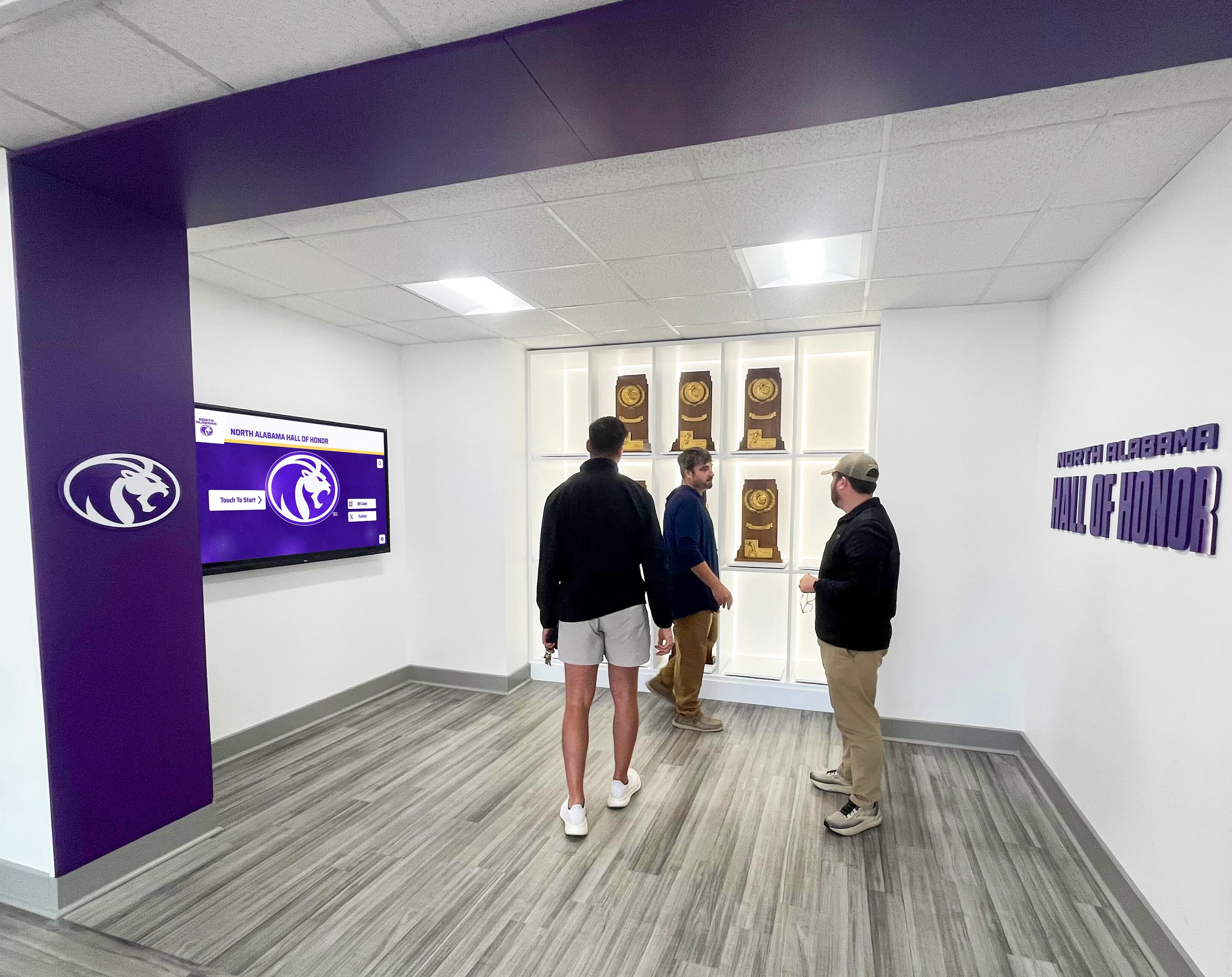
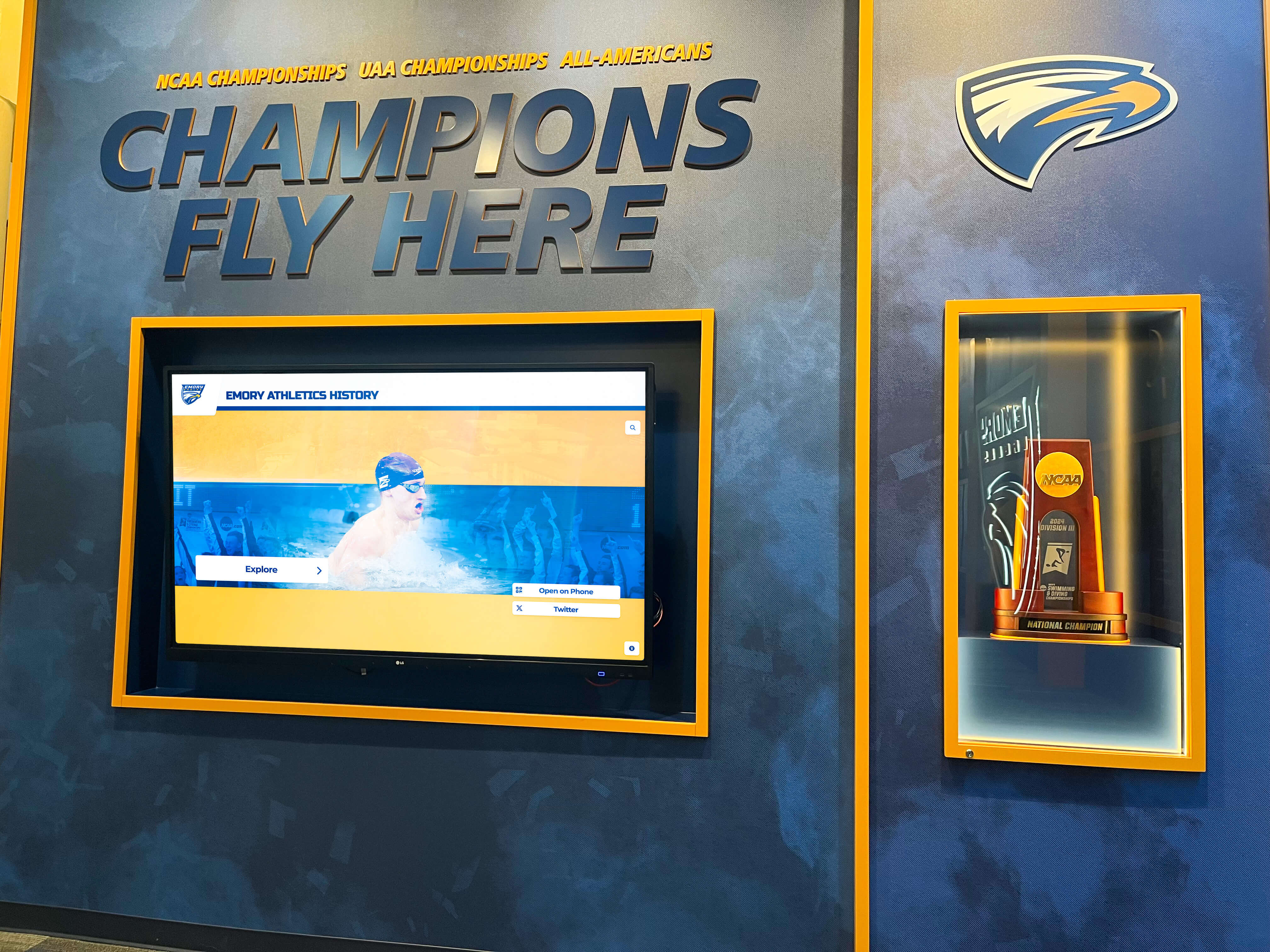
Walk-Up Kiosks Adjacent to Trophy Cases: Install touchscreen displays immediately beside traditional trophy cases, creating unified recognition zones. Physical cases showcase current season highlights and championship hardware while adjacent digital displays provide comprehensive historical context, detailed statistics, multimedia stories, and searchable archives.
This adjacency creates natural traffic flow where visitors admiring physical trophies naturally extend engagement through digital exploration—increasing time spent with recognition content and deepening community connection to program heritage.
Beyond Athletics: Comprehensive Achievement Recognition
While athletic trophies drive most display case purchases, comprehensive school pride requires recognition systems accommodating diverse achievement across academic, artistic, service, and leadership domains.
Academic Competition Recognition
Debate tournaments, math competitions, robotics challenges, science olympiad, quiz bowl championships, and DECA business competitions generate substantial trophies meriting visibility equal to athletic achievements.
Traditional trophy case competition between athletics and academics creates institutional tension—particularly at schools where academic achievement is foundational to mission and identity. Separate academic trophy cases isolate recognition, reinforcing divisions rather than celebrating comprehensive excellence. Resources on academic awards display systems explore integrated recognition approaches honoring diverse achievement within unified systems.
Digital recognition platforms eliminate forced competition for limited display space. Athletics, academics, arts, and service all receive comprehensive recognition within unified systems celebrating institutional excellence across all domains simultaneously. This integration particularly matters for college-preparatory schools where academic distinction proves equally or more significant than athletic achievement.
Fine Arts and Performing Arts Achievement
Band competitions, choir festivals, theater productions, art exhibitions, and music solo/ensemble events produce rich achievement histories often underrepresented in traditional trophy displays dominated by athletics.
Performance Documentation Advantages: Digital platforms excel at fine arts recognition through performance video documentation showcasing actual artistic excellence, photo galleries from productions and exhibitions, program materials documenting performance details, and written reflections from directors and student artists. These multimedia elements communicate artistic achievement more effectively than physical trophies—transforming recognition from generic acknowledgment into rich documentation preserving artistic excellence.
Schools implementing comprehensive arts recognition report improved recruitment, stronger community perception of program quality, and enhanced alumni engagement from former student artists who see their contributions honored with seriousness matching athletic recognition.
Service and Leadership Recognition
Community service hours, service organization participation, student government leadership, and character awards represent values-driven achievements schools want to celebrate—but these accomplishments rarely generate trophies suitable for traditional case displays.
Digital platforms enable recognition of service excellence through documentation of community impact projects, photo galleries showing service activities, statistics quantifying cumulative contribution hours, profiles of service leaders and organizational officers, and written reflections about experiences and growth. Formats on honor roll and academic recognition displays demonstrate approaches for recognizing achievement that doesn’t produce physical trophies but merits institutional celebration.
This comprehensive recognition communicates institutional values—demonstrating that schools honor diverse contributions and multiple forms of excellence rather than privileging only competitive achievement producing physical hardware.
Decision Framework: Choosing Your Trophy Display Strategy
Schools evaluating trophy display options benefit from systematic decision frameworks addressing institutional priorities, budget realities, facility constraints, and long-term recognition goals.
Priority Assessment Questions
What recognition capacity do you need? Calculate realistic 10-year achievement accumulation across all programs deserving visibility. If projections exceed 100-150 significant trophies, traditional cases require multiple units and eventual expansion. Digital systems provide unlimited capacity from initial implementation.
How important is long-term cost management? Budget-constrained schools should compare total cost of ownership over 10-15 year timeframes rather than focusing solely on initial purchase price. Digital systems cost more upfront but eliminate ongoing trophy purchases and expansion costs.
What accessibility standards must you meet? Schools requiring strict ADA and WCAG compliance need solutions meeting both physical and digital accessibility requirements. Digital platforms from providers like Rocket Alumni Solutions deliver WCAG 2.2 AA compliant interfaces ensuring equitable access for visitors with disabilities.
How much do multimedia storytelling capabilities matter? If preserving rich context about achievements—team photos, game footage, newspaper coverage, personal reflections—proves important for your recognition goals, digital platforms deliver storytelling depth impossible with physical trophy displays. Schools prioritizing simple acknowledgment may find traditional cases sufficient.
What stakeholder preferences influence decisions? Engage coaches, booster clubs, alumni, and community members about recognition preferences. Some constituencies maintain strong attachment to traditional physical trophies and resist digital alternatives. Others embrace technology and appreciate expanded capacity and multimedia features.
Budget Allocation Strategies
Phased Implementation: Schools cannot afford comprehensive digital systems immediately but recognize long-term value can implement phased approaches starting with one strategic display location, developing content systematically over 12-24 months, adding additional display points as budget allows, and gradually reducing reliance on physical trophy case expansion.
This phased strategy enables schools to begin digital transformation while spreading costs across multiple budget cycles and building internal expertise gradually rather than requiring comprehensive implementation immediately.
Grant Funding and Booster Support: Trophy display upgrades typically qualify for booster club fundraising, alumni giving campaigns, capital improvement bonds, facilities enhancement grants, and corporate sponsorship partnerships. Presenting recognition upgrades as comprehensive facility improvements rather than simple trophy case purchases often unlocks funding sources unavailable for routine equipment purchases.
ROI Through Reduced Trophy Spending: Digital recognition dramatically reduces ongoing trophy purchase requirements. Rather than buying trophies for every achievement to ensure proper recognition, schools need fewer physical awards because digital documentation provides comprehensive acknowledgment. A school spending $3,000-$5,000 annually on trophy purchases can redirect substantial portions toward digital recognition subscriptions delivering dramatically more capacity and functionality.
Maintenance and Long-Term Operations
Trophy display selections should consider ongoing maintenance requirements, operational complexity, and long-term sustainability beyond initial installation.
Traditional Trophy Case Maintenance
Physical trophy cases require regular upkeep maintaining appearance and protecting displayed awards.
Cleaning and Appearance: Glass cases accumulate fingerprints, dust, and smudges requiring weekly cleaning for maintained appearance. Facility staff need appropriate cleaning supplies avoiding glass scratching or frame damage. Interior dusting prevents trophy tarnishing and maintains professional presentation. Schools neglecting regular maintenance discover that impressive new displays look shabby and unkempt within two years.
Security and Lock Maintenance: Locking mechanisms require occasional lubrication and eventual replacement as keys get lost and locks wear through repeated use. Budgeting $50-$150 annually for lock maintenance, key duplication, and occasional replacement prevents security frustrations.
Lighting Replacement: LED strip lighting lasts 7-10 years under typical institutional use before requiring replacement. Fluorescent lighting requires bulb replacement every 2-3 years. Budget $100-$200 per case for lighting maintenance across 10-year ownership.
Digital Display Operations
Digital recognition systems require different maintenance focusing on software updates, content management, and hardware longevity.
Software Updates and Security: Cloud-based digital recognition platforms provide automatic software updates maintaining current functionality, security patches, and feature enhancements without requiring school IT staff involvement. This hands-off maintenance contrasts sharply with locally-installed software requiring manual updates and potential compatibility problems.
Content Management Responsibilities: Someone must manage ongoing content updates—adding new achievements, updating records as they fall, maintaining accuracy in athlete information, and periodically refreshing featured content maintaining interest. Most schools assign athletic directors or communications staff 2-4 hours monthly for content management. Platforms with intuitive interfaces minimize training requirements and operational complexity.
Hardware Longevity and Replacement: Commercial-grade touchscreen displays last 7-10 years with proper care before requiring replacement. Budgeting $300-$500 annually as hardware replacement reserve creates managed refresh cycles preventing sudden large capital expenses when displays eventually fail.
Conclusion: Building Recognition Systems That Scale With Success
Trophy display case selection represents strategic facility decisions with decade-long implications for how schools honor achievement, preserve heritage, and inspire excellence. Traditional physical trophy cases deliver undeniable ceremonial power—the weight and presence of championship hardware creates emotional impact digital representations cannot fully replicate.
Yet capacity constraints force uncomfortable realities. Schools cannot display every deserving achievement when physical space limits recognition. Older accomplishments vanish into storage not because they lost significance but because newer trophies needed space. Programs with 50 years of excellence show only the most recent decade because cases filled long ago.
Digital recognition platforms like Rocket Alumni Solutions’ touchscreen displays solve fundamental capacity problems while expanding what recognition communicates. Unlimited space accommodates comprehensive documentation without forced exclusions. Rich multimedia tells complete stories preserving context physical trophies cannot capture. Instant updates maintain currency reflecting latest achievements within minutes rather than weeks. Universal accessibility through web access extends recognition globally beyond physical campus visitors.
For schools beginning trophy display planning, the clearest path combines strategic approaches honoring tradition while embracing sustainable capacity:
Preserve selective physical trophy displays for highest-honor achievements—state championships, historic milestones, and most prestigious recognitions maintaining ceremonial significance through tangible presence.
Implement comprehensive digital recognition systems documenting complete program history across all sports, achievement levels, and time periods without space limitations determining institutional memory.
Design integrated experiences where physical displays and digital platforms complement rather than compete—QR codes connecting trophies to rich digital stories, adjacent placement creating unified recognition zones, and consistent branding establishing cohesive institutional recognition identity.
The trophy display case you choose today determines not just how you honor current achievement but whether you’ll preserve complete program heritage for decades to come. Schools investing in recognition systems built for growth rather than constrained by space create institutional cultures where every deserving achievement receives lasting acknowledgment—inspiring present excellence while preserving past distinction for generations yet to come.
Schedule a demo of Rocket Alumni Solutions to explore how digital recognition transforms trophy display limitations into unlimited recognition capacity honoring every achievement without compromise.