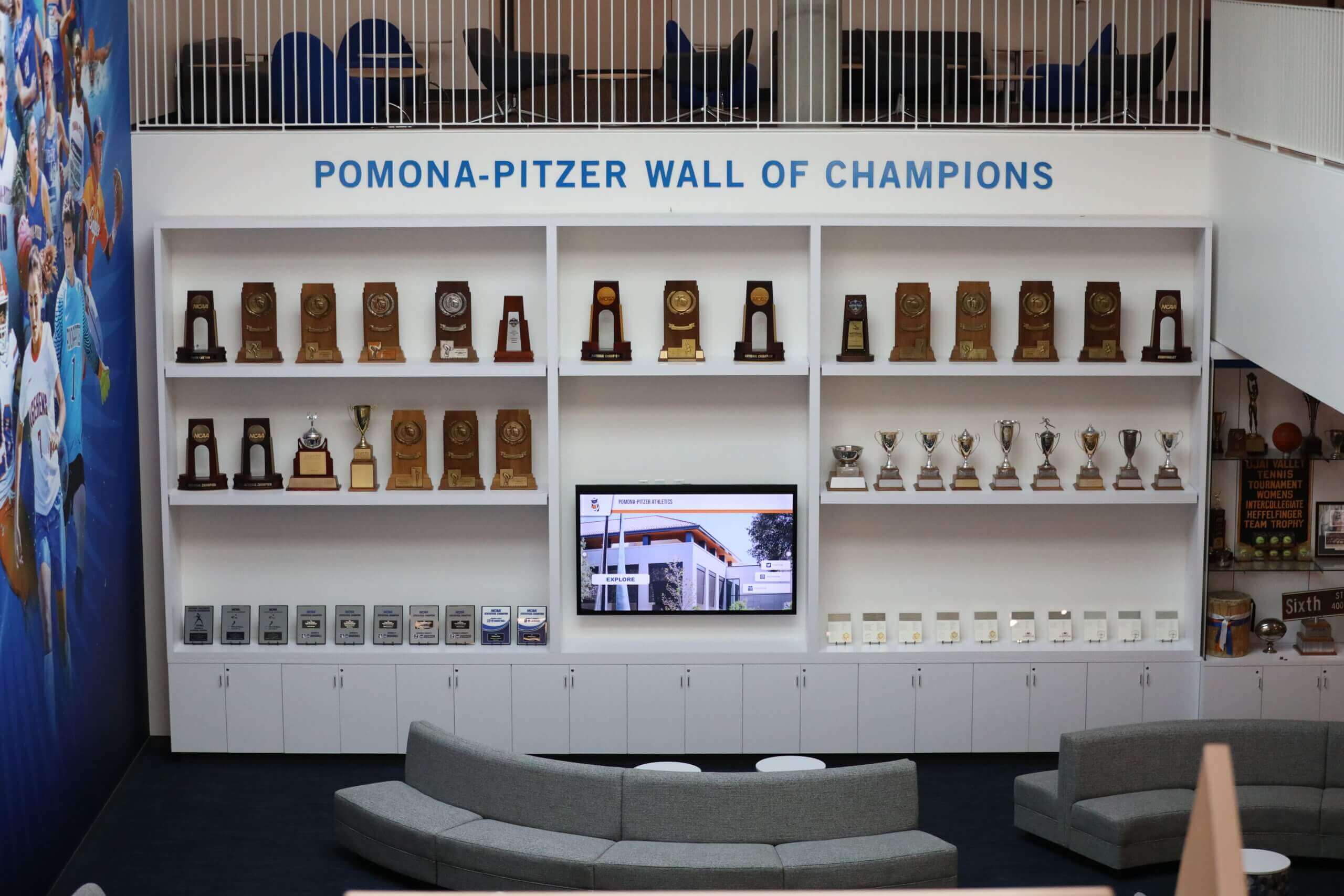




Schools searching for trophy cases face what appears to be a straightforward facilities purchase—find a glass display case, install it in a high-traffic area, and fill it with trophies, plaques, and championship memorabilia. Yet beneath this simple concept lie complex decisions affecting budgets, space utilization, maintenance workloads, and ultimately how effectively schools recognize athletic achievement for decades to come. Athletic directors and administrators evaluating trophy cases for sale quickly discover significant variation in quality, capacity, cost, and long-term value across options ranging from budget steel-frame models to custom hardwood installations costing tens of thousands of dollars.
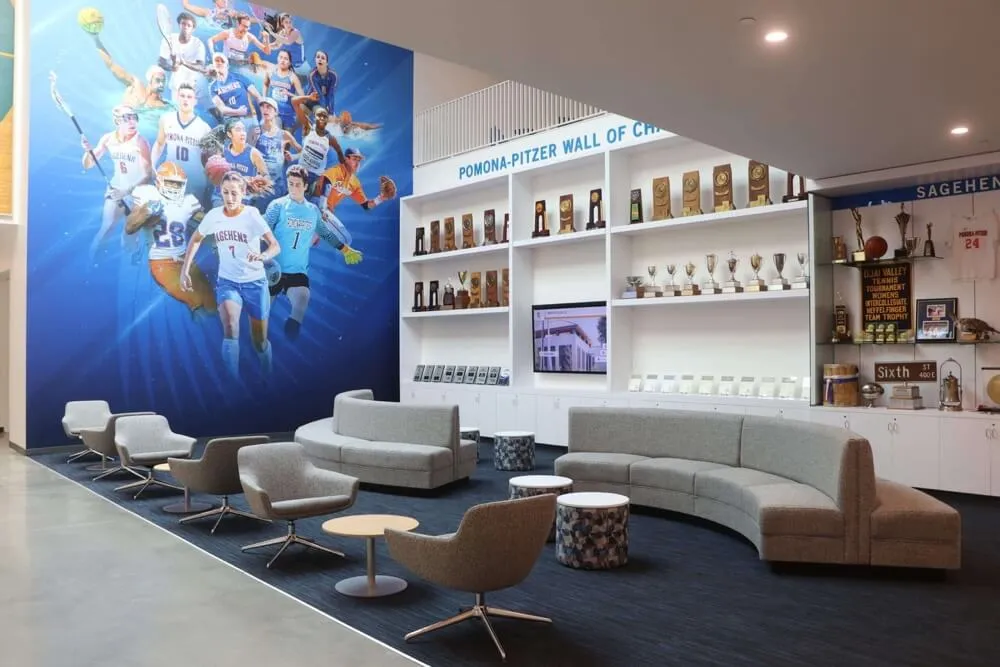
The trophy case purchasing decision carries weight beyond initial price tags. These installations occupy premium hallway and lobby real estate for 20-30 years. They shape how schools honor athletic excellence, preserve program history, and inspire current athletes. Poorly chosen cases create ongoing frustrations—insufficient capacity forcing removal of older achievements, dated aesthetics clashing with facility updates, maintenance headaches from damaged locks or cloudy acrylic, accessibility barriers preventing universal engagement, and inflexibility when recognition needs evolve beyond traditional trophy display formats.
Modern Athletic Recognition Beyond Traditional Trophy Cases
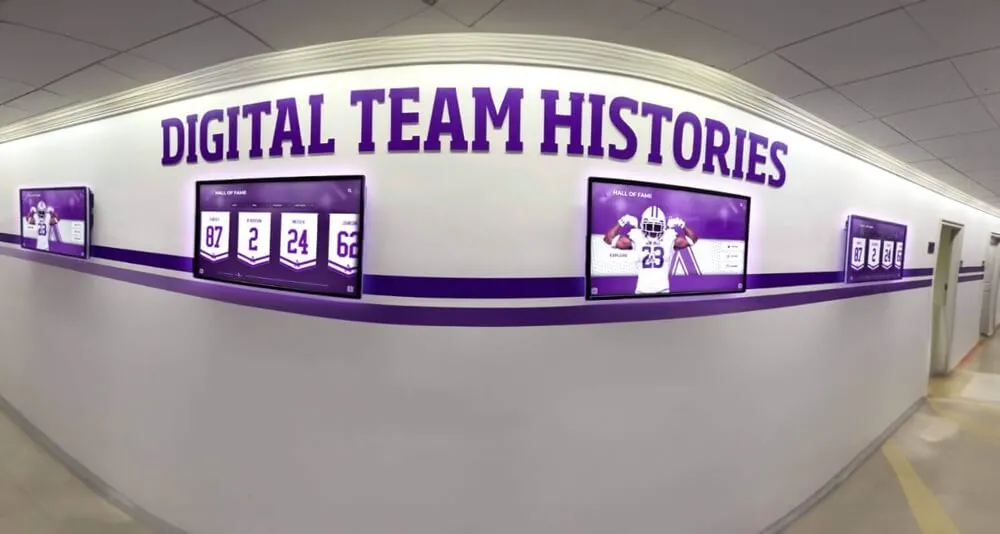
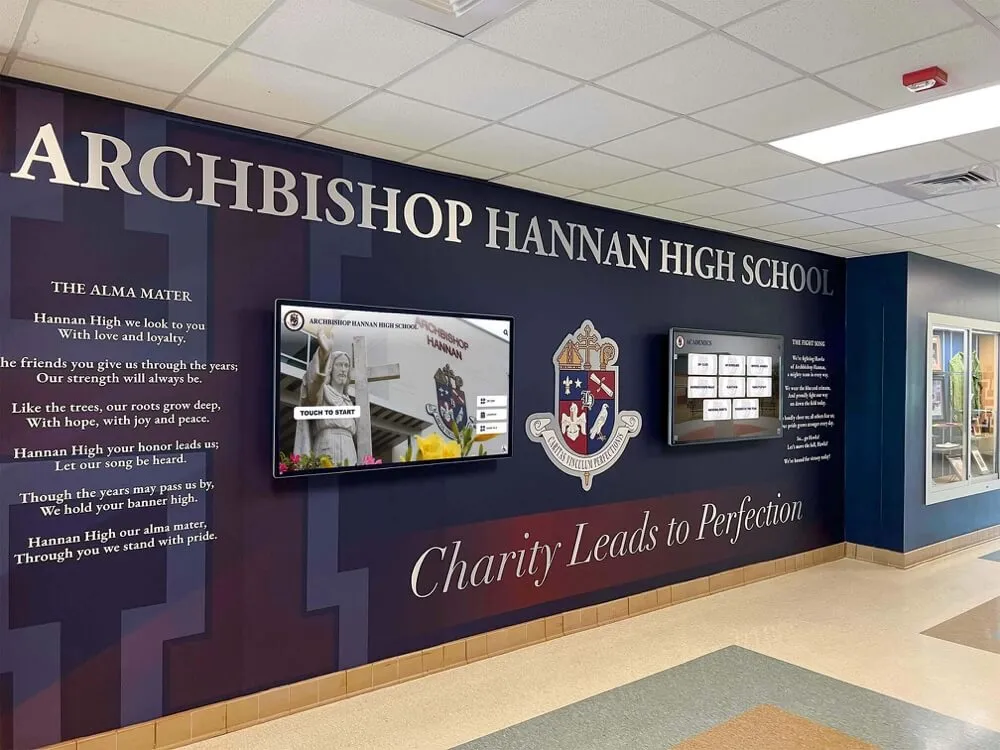
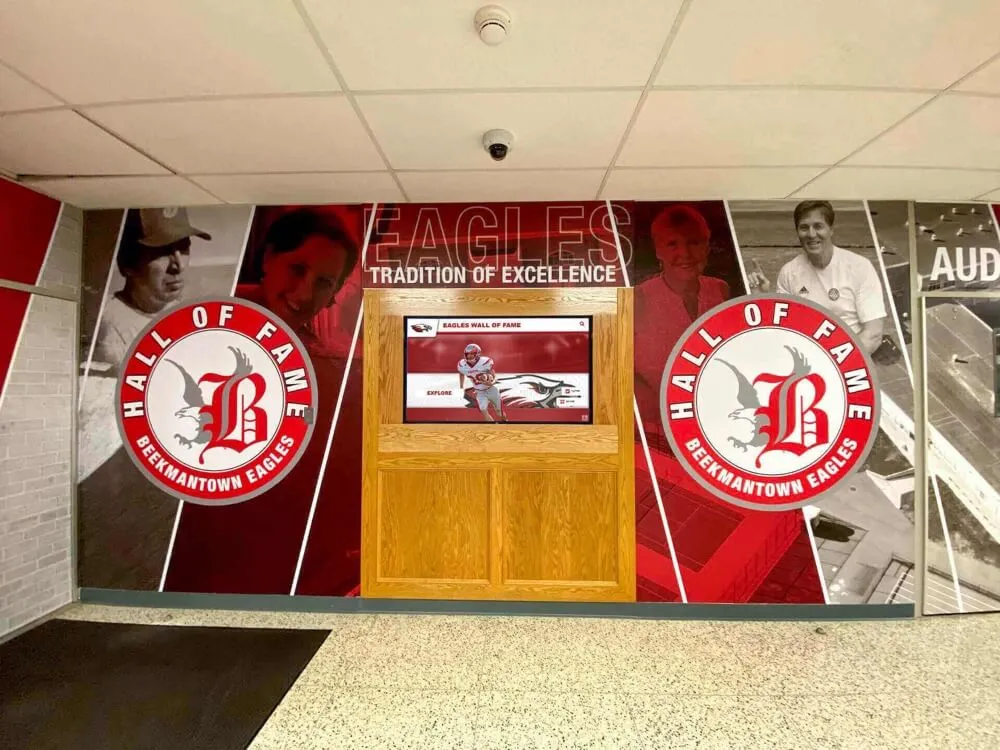
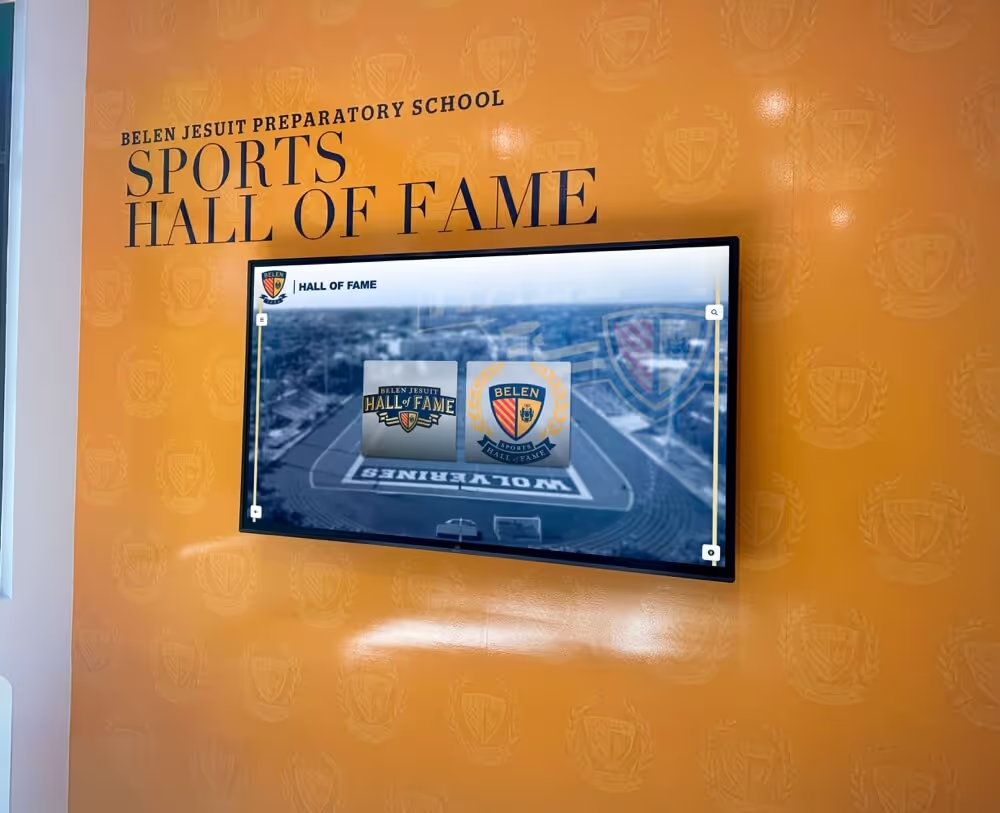
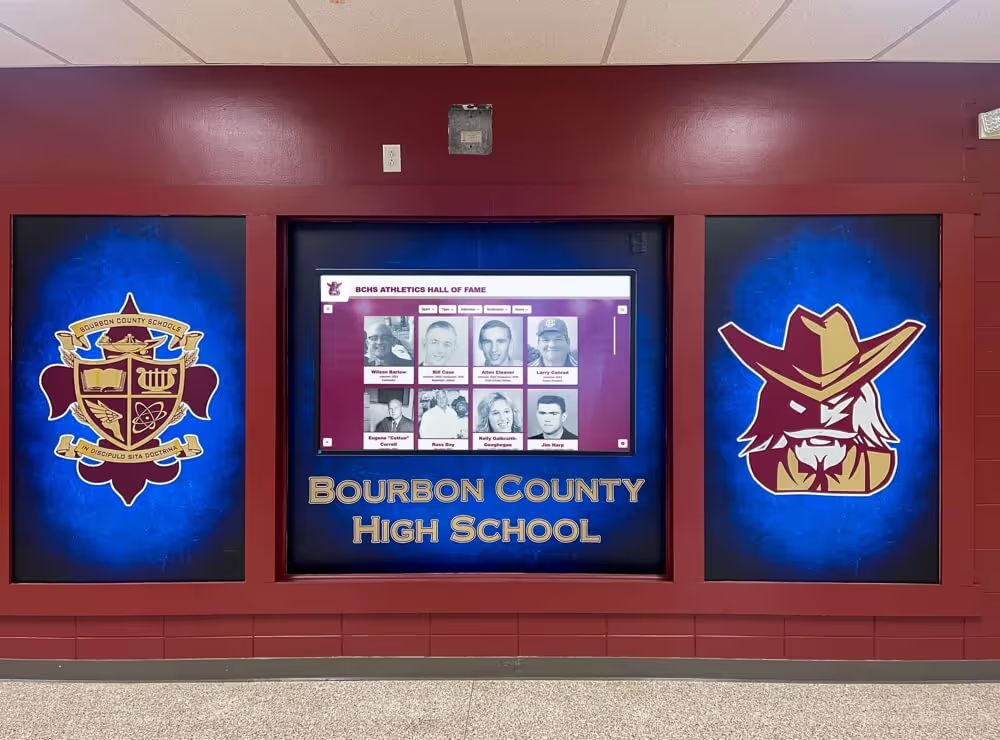
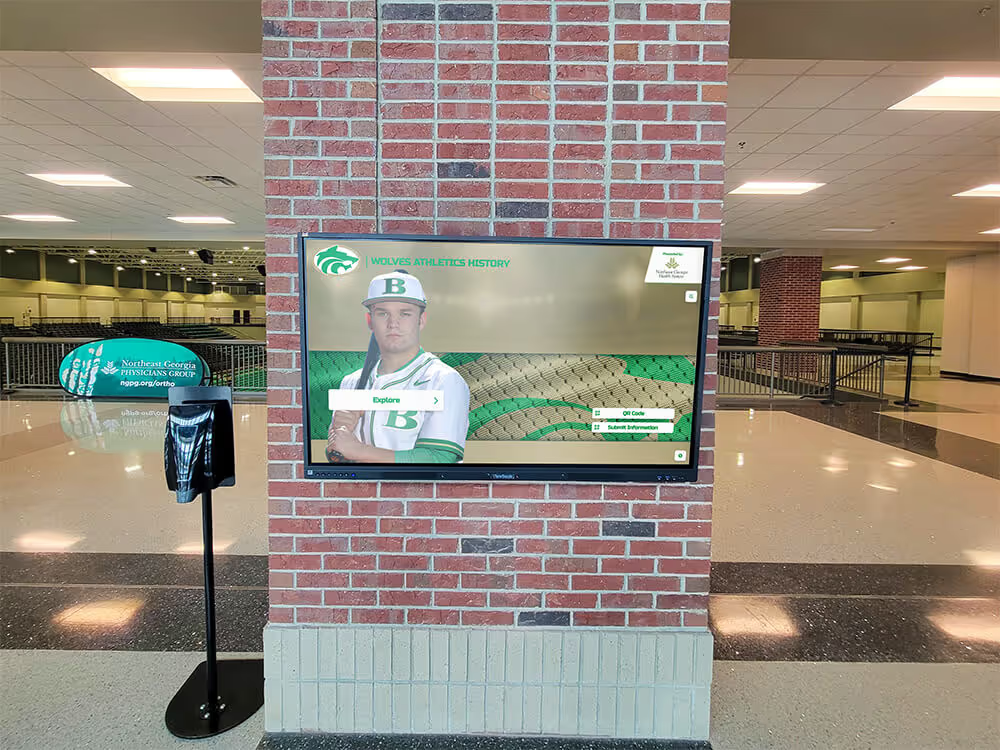
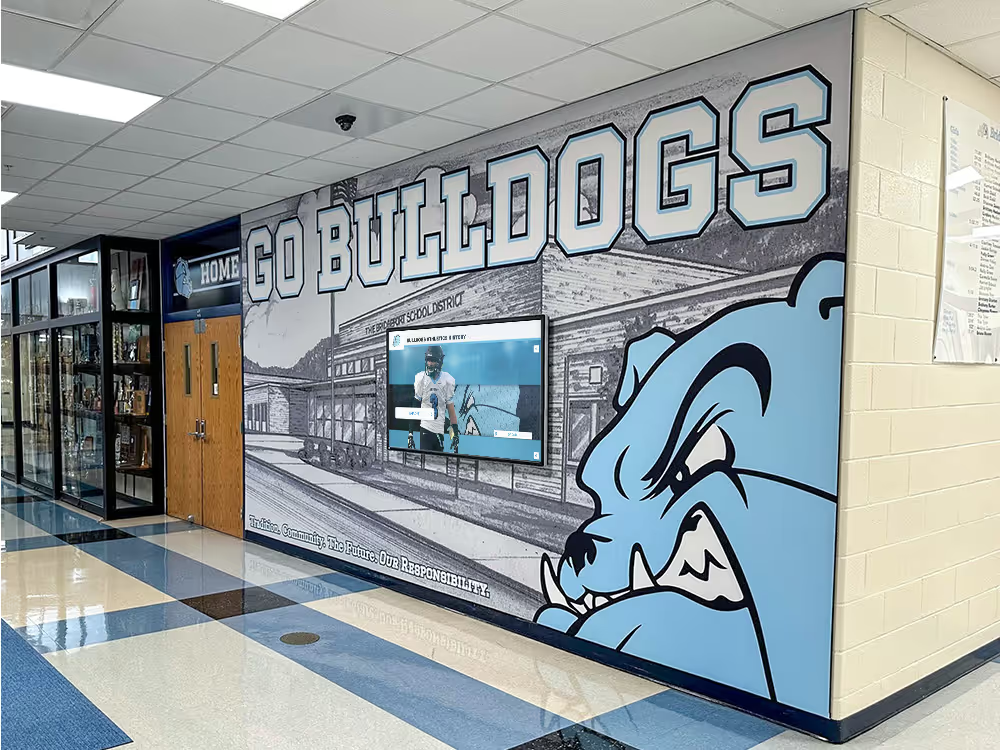
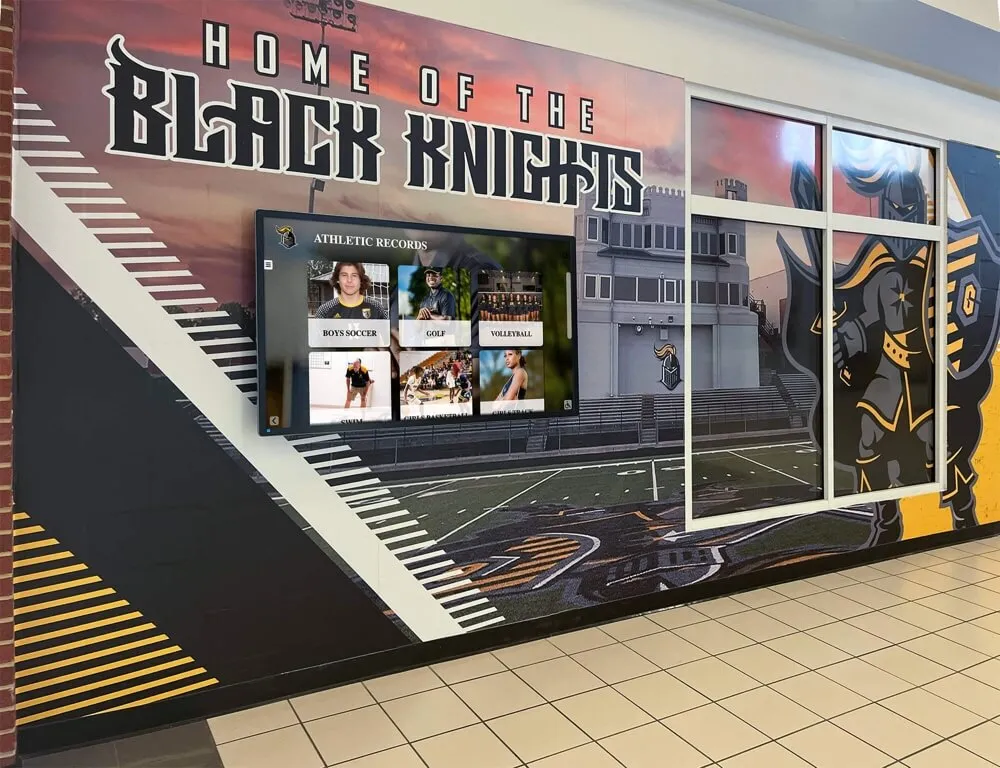
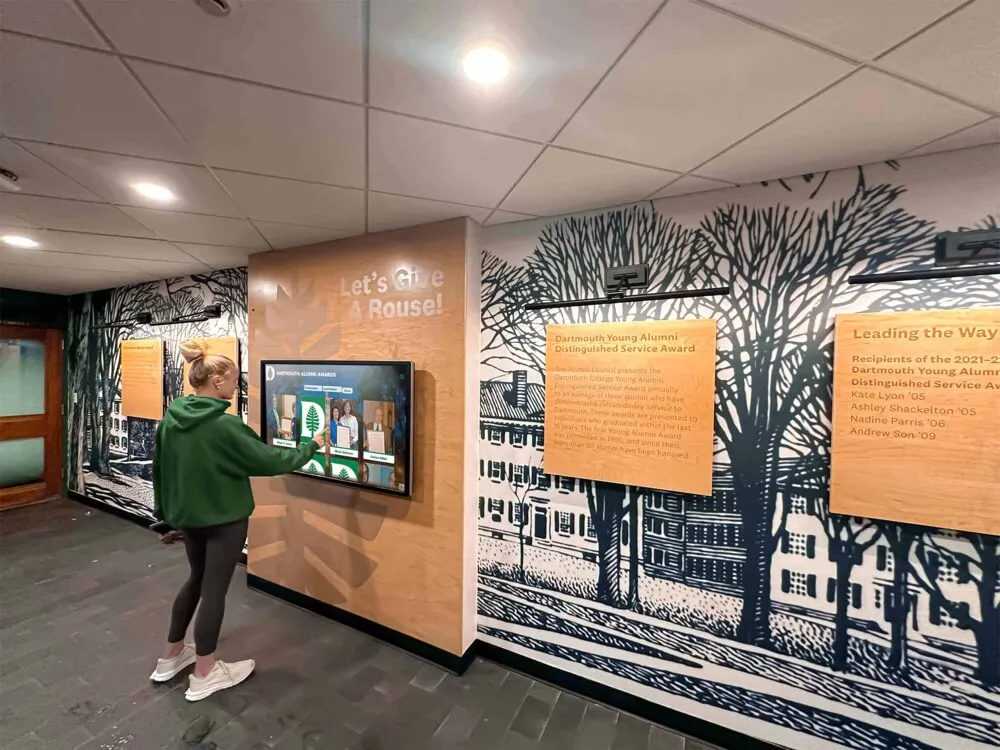
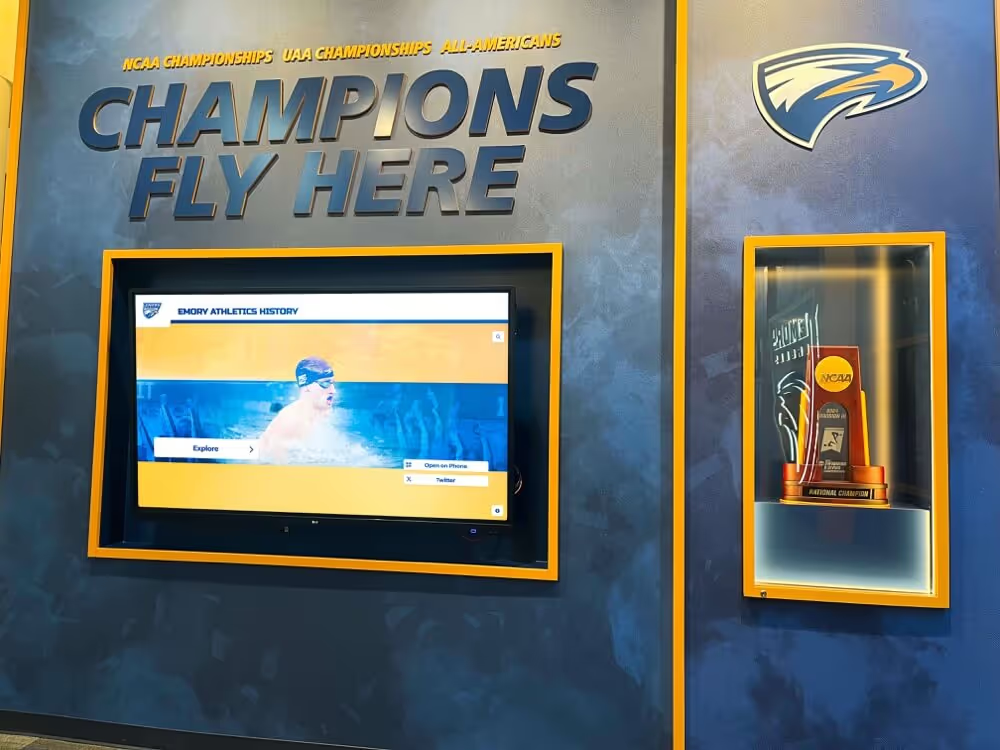
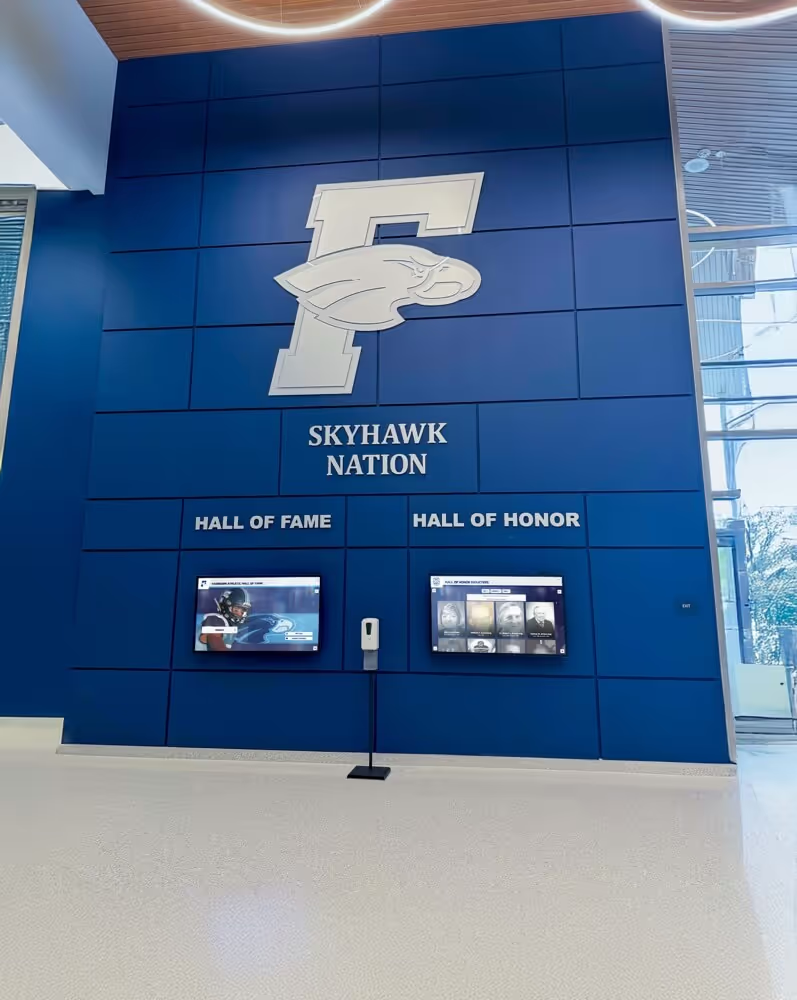
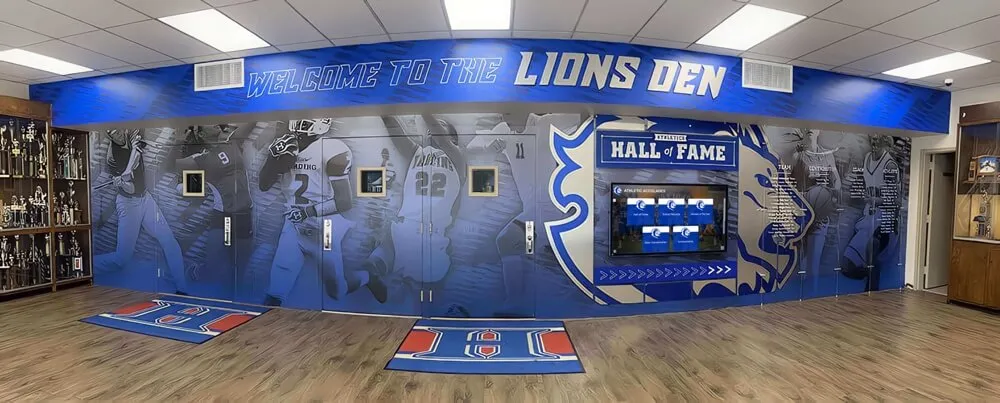
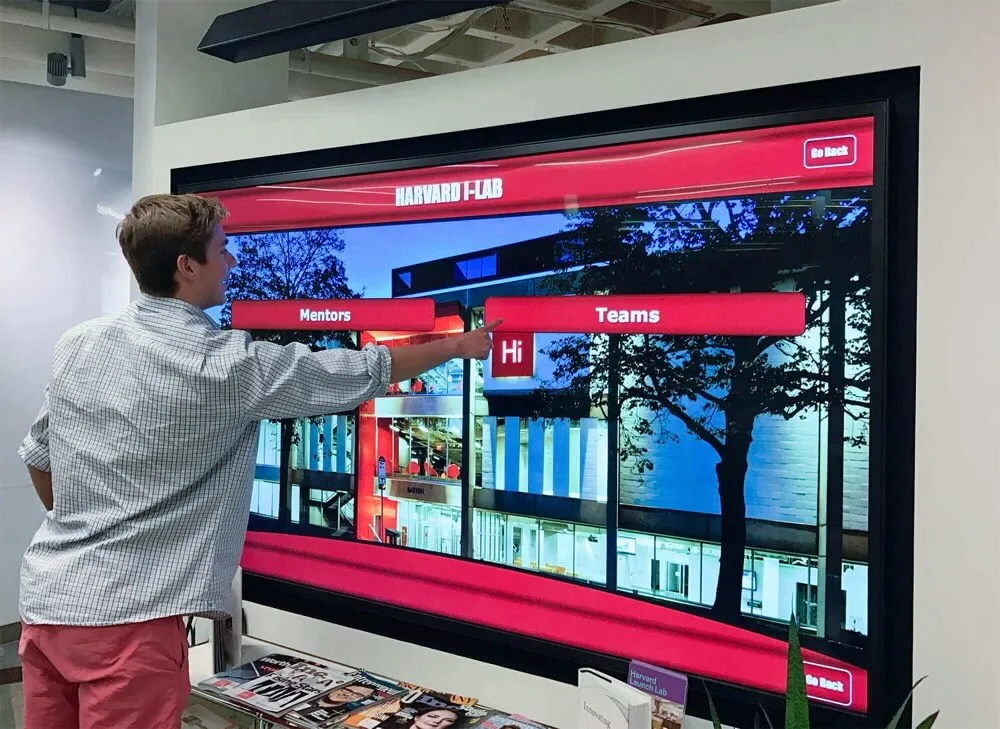
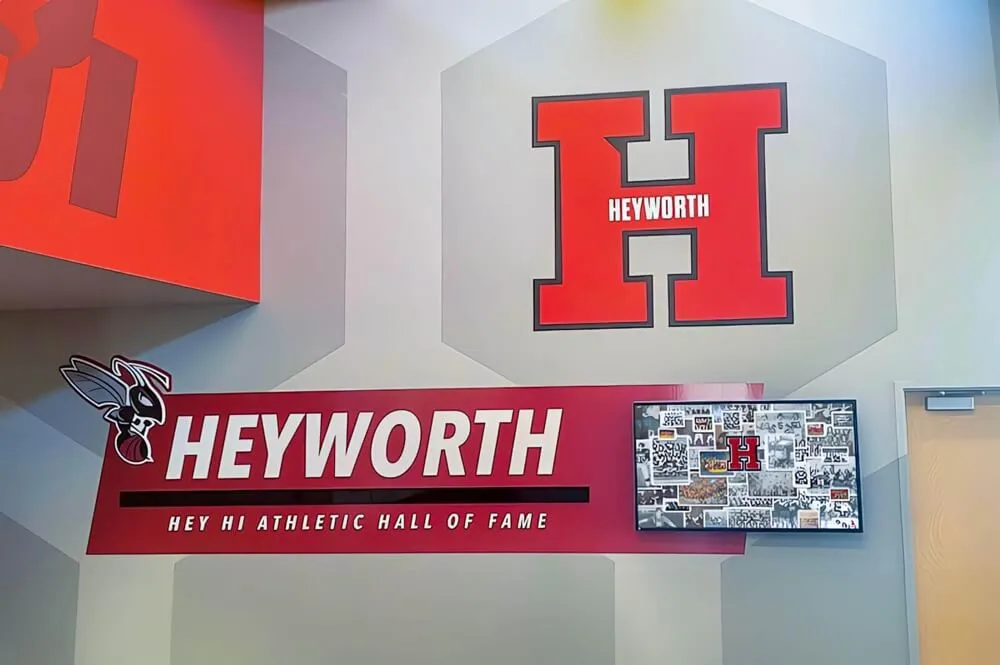
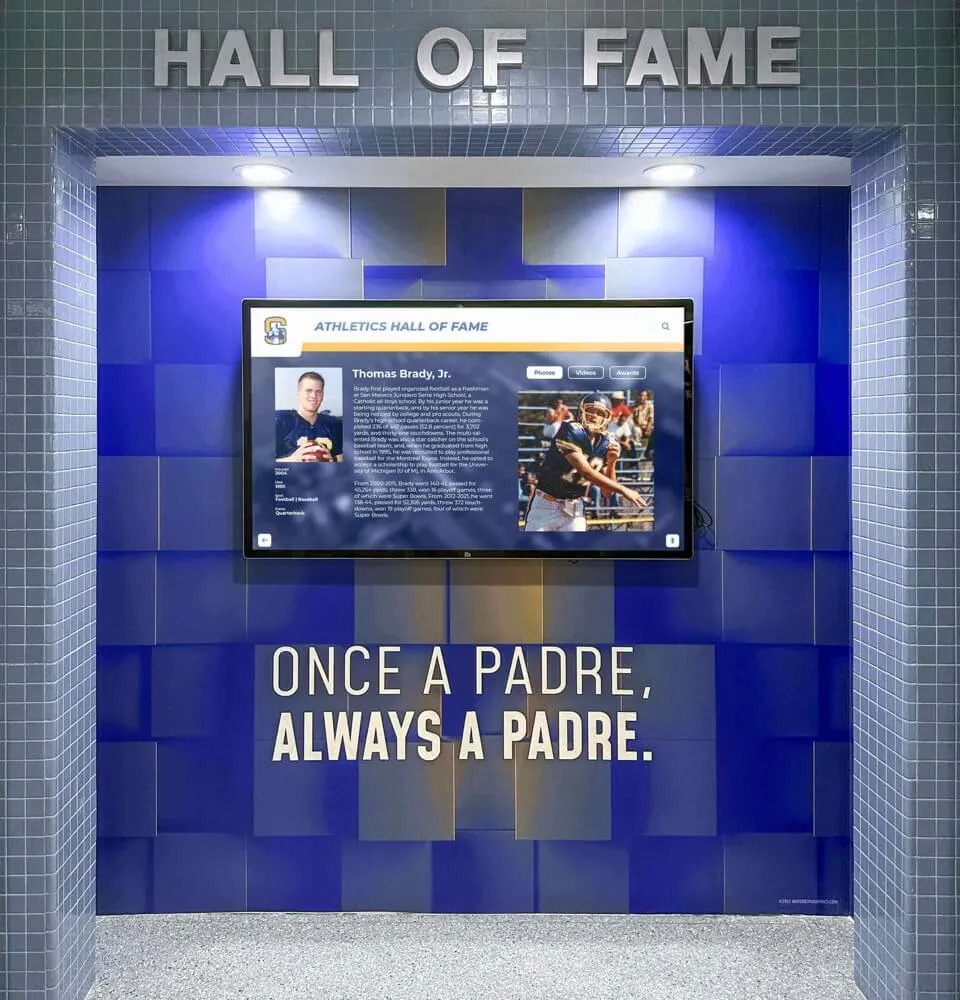
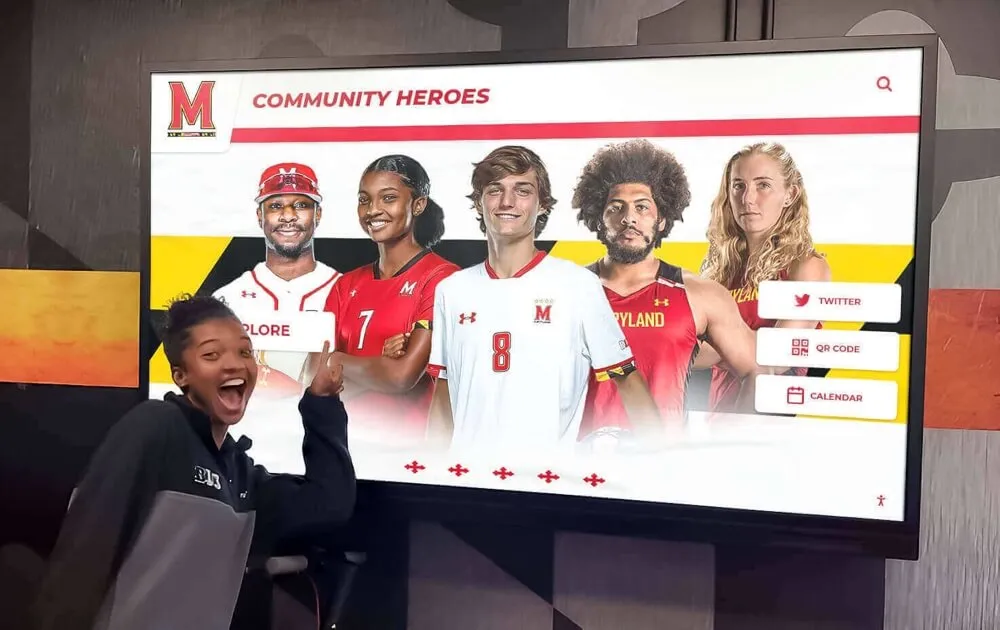
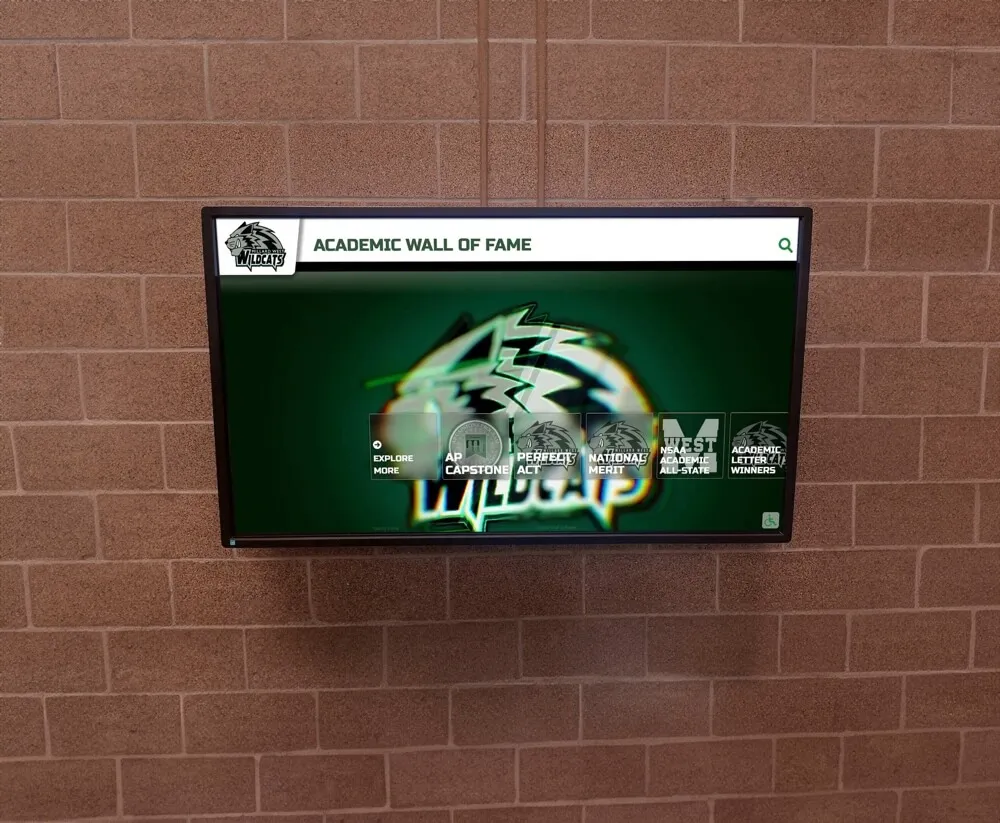
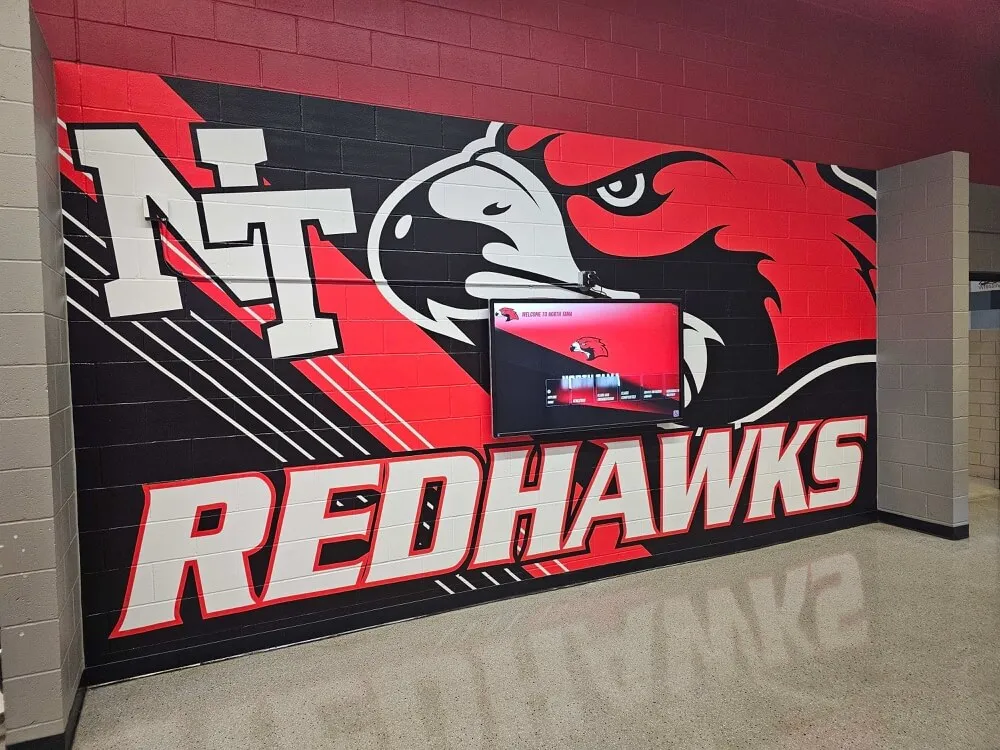
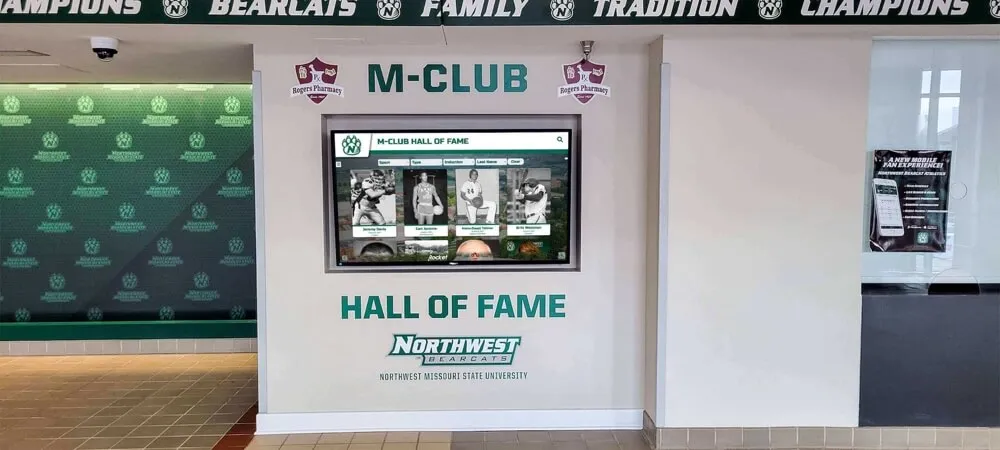
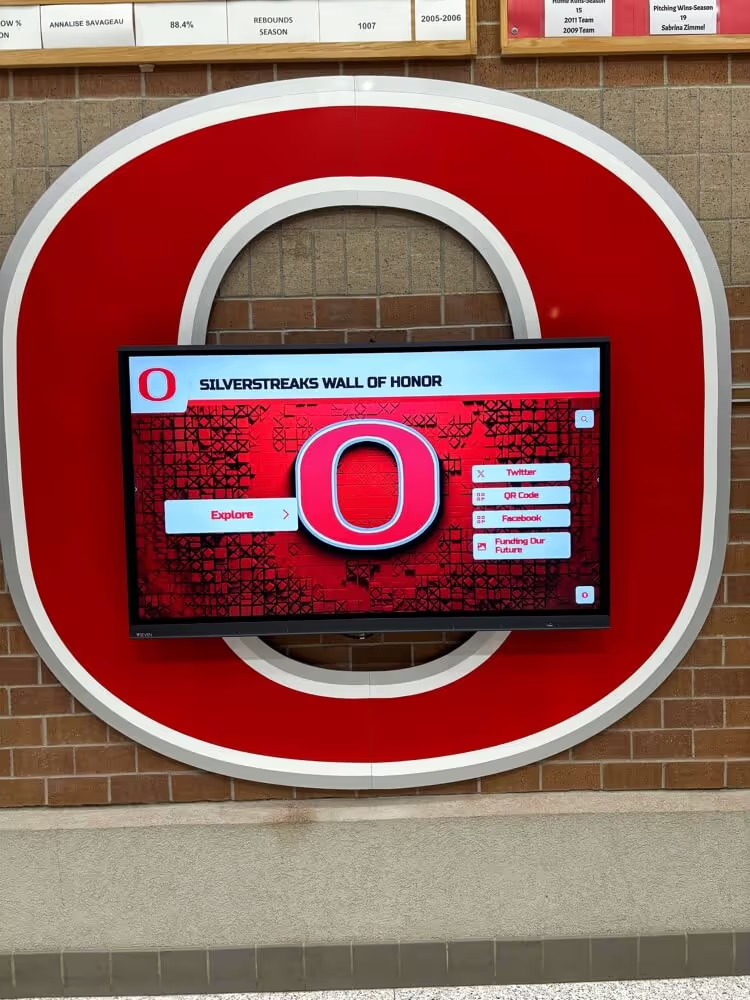
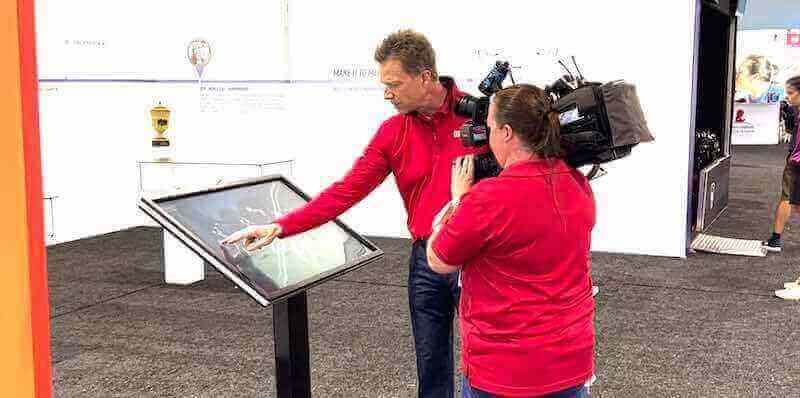
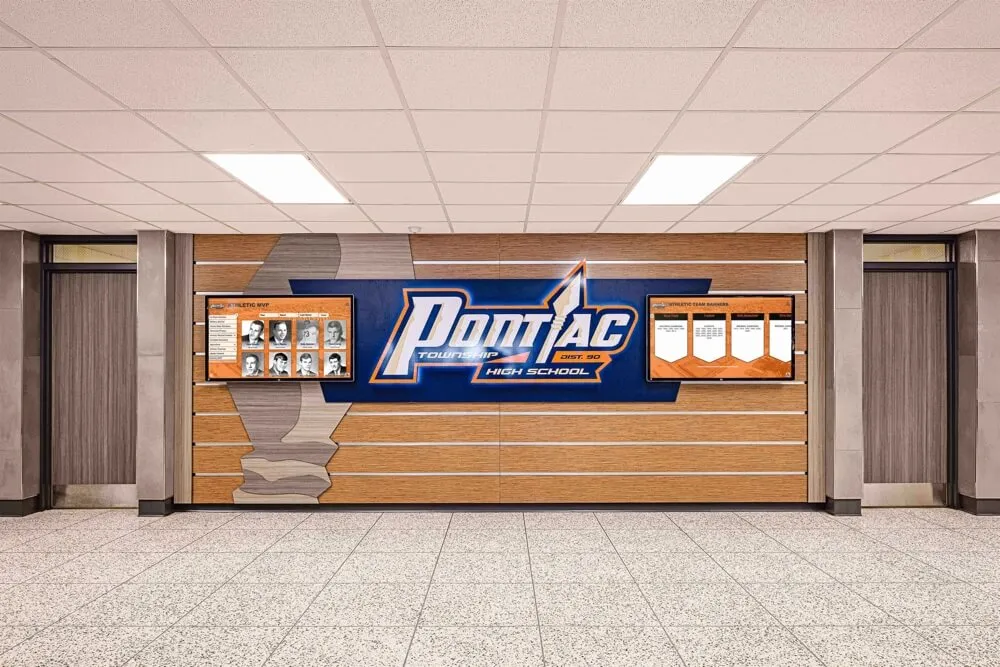
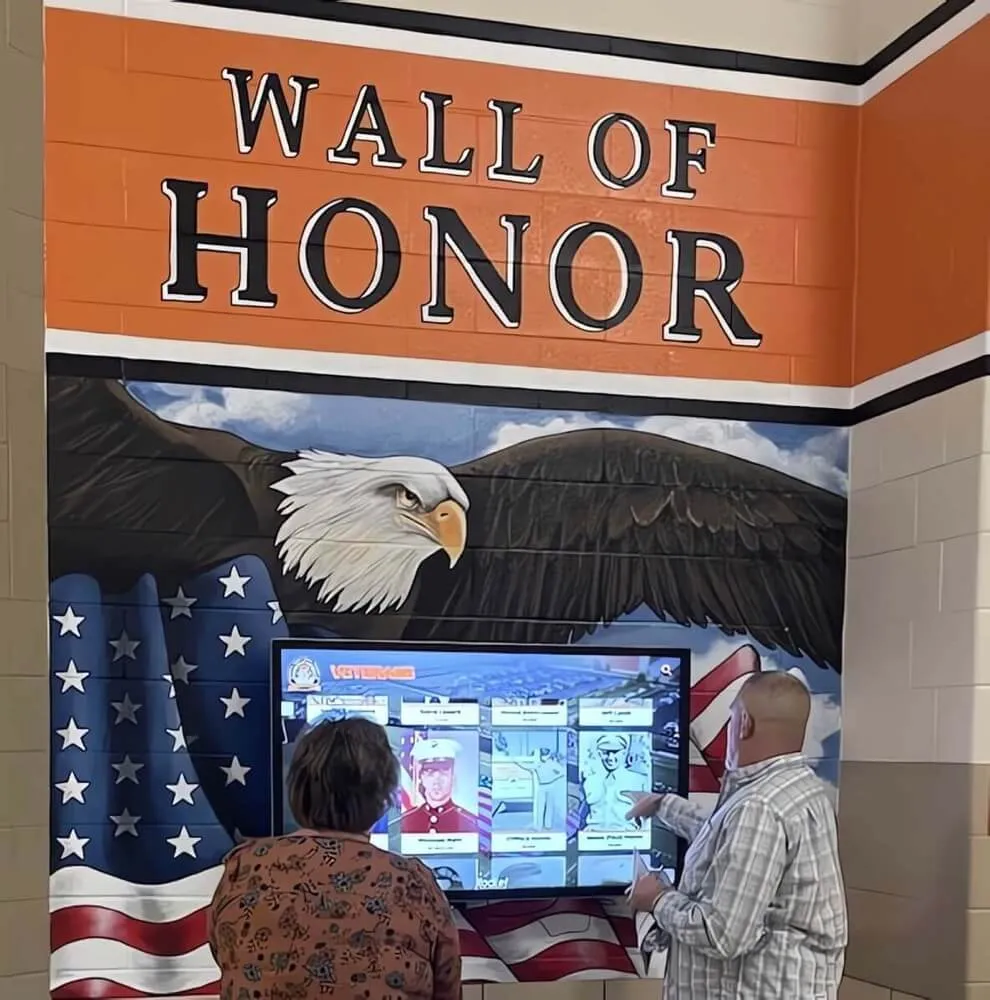
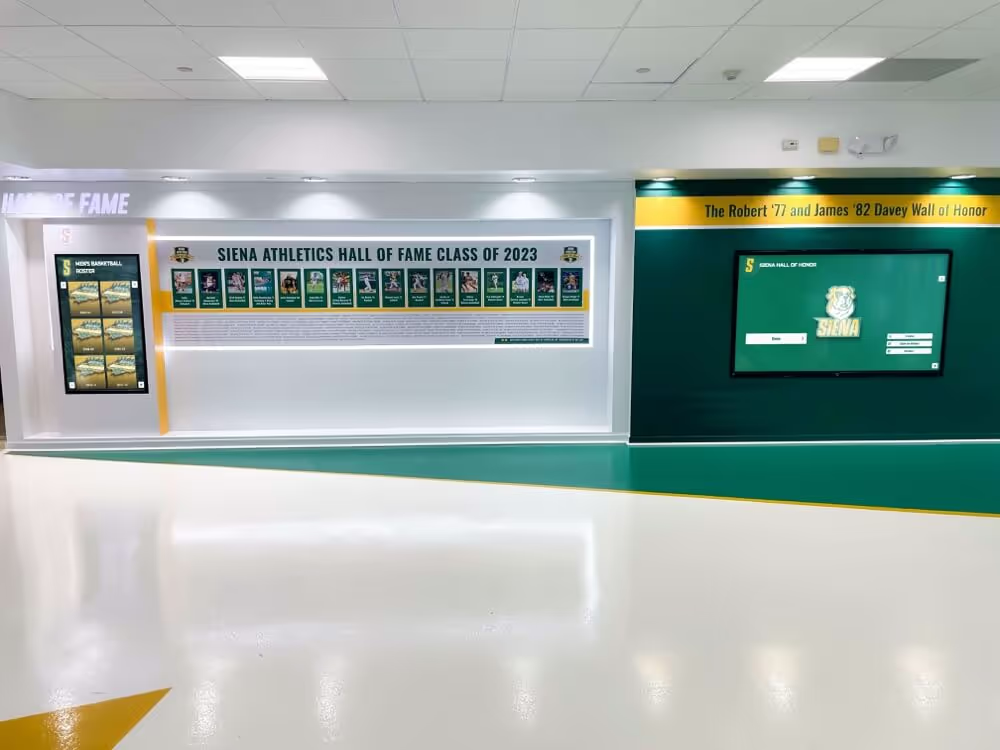
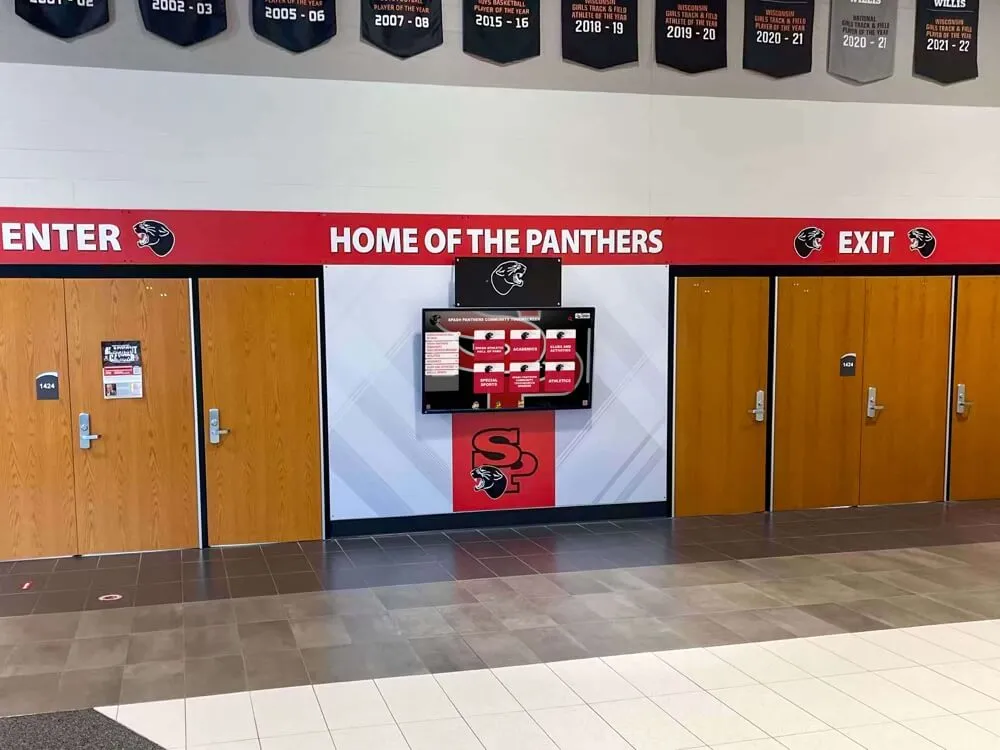
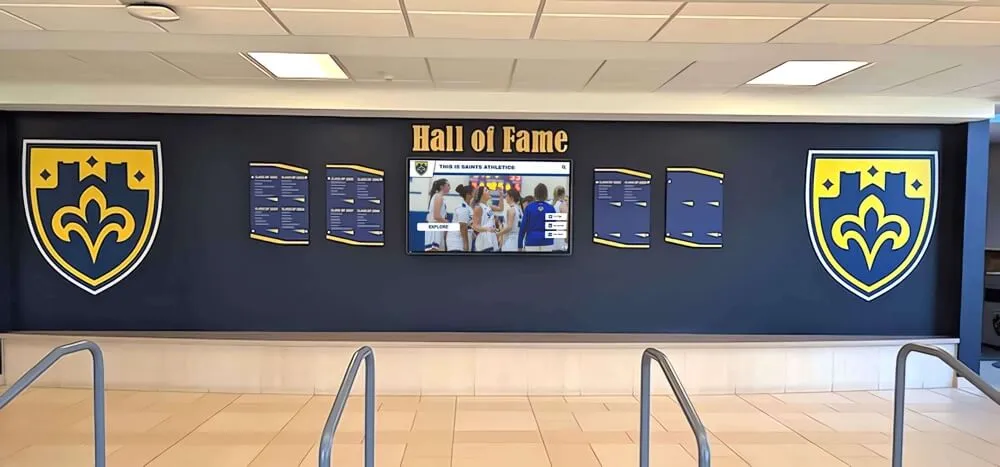
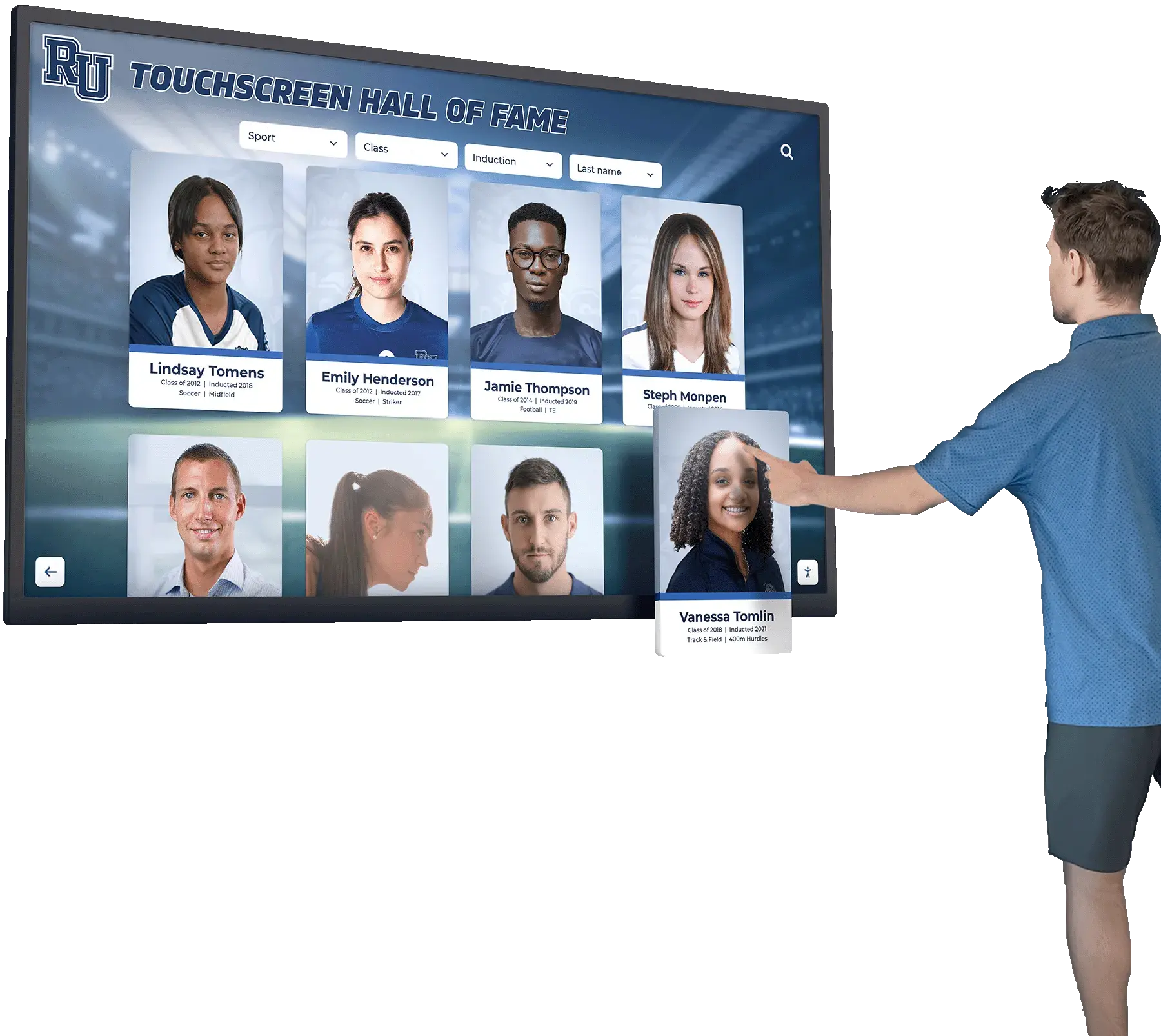
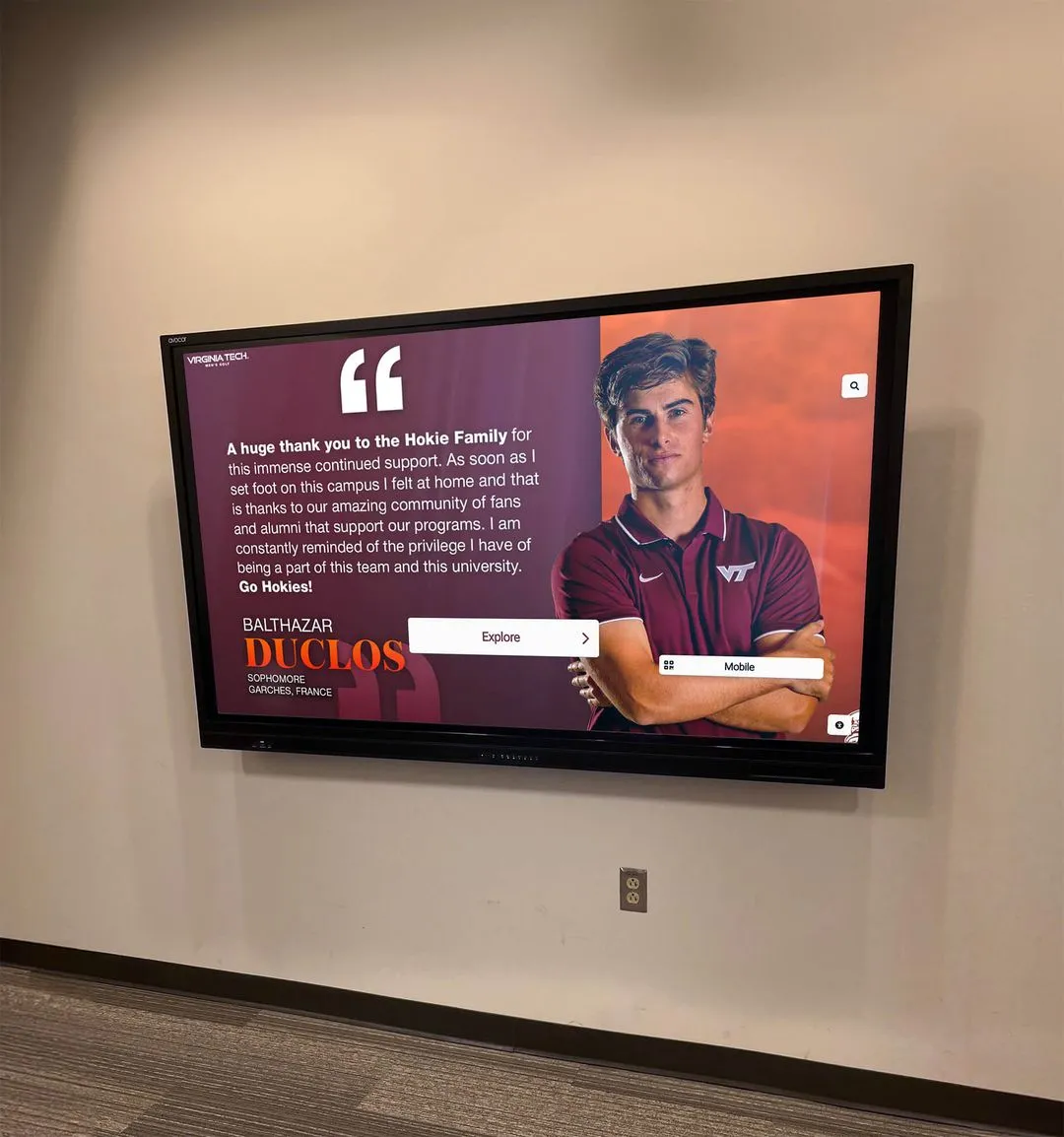
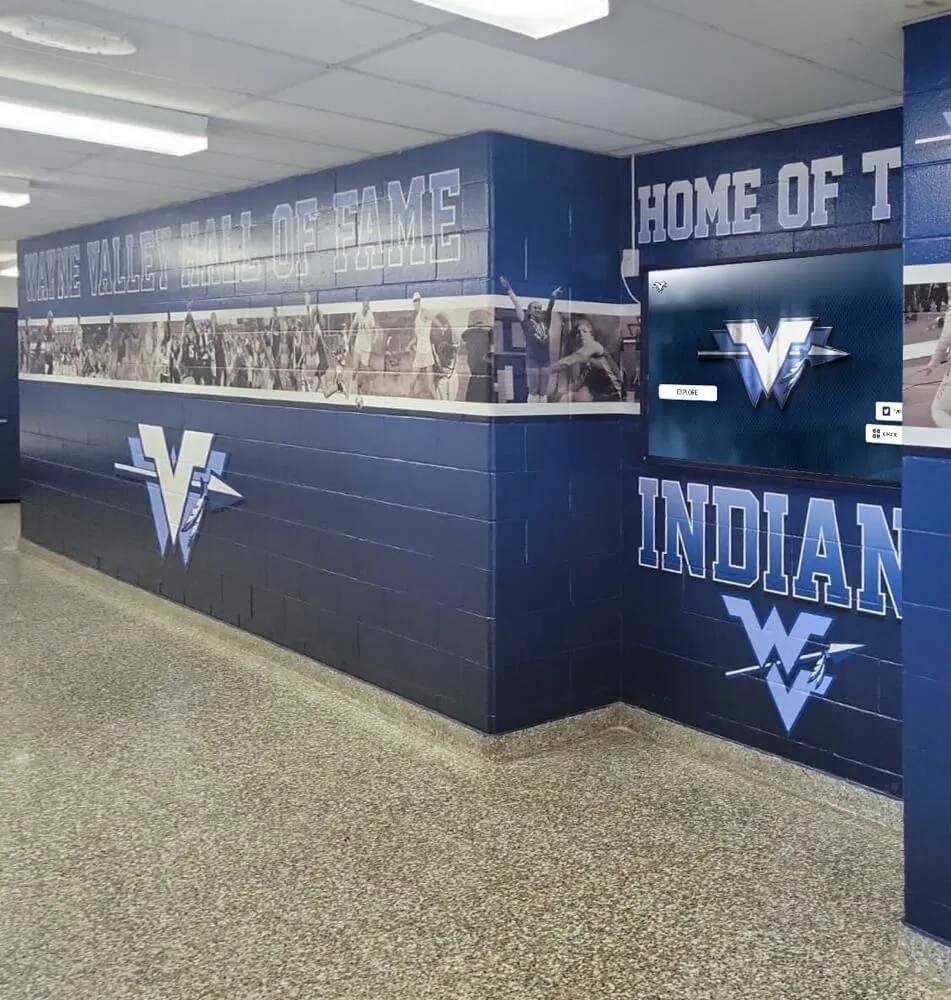
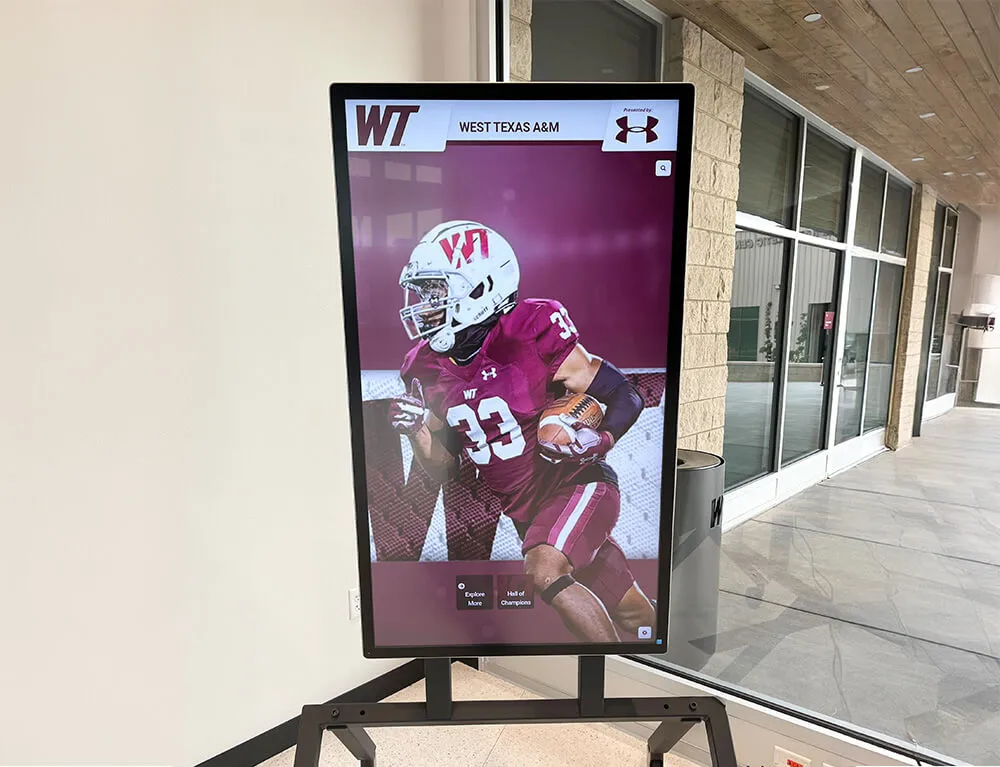
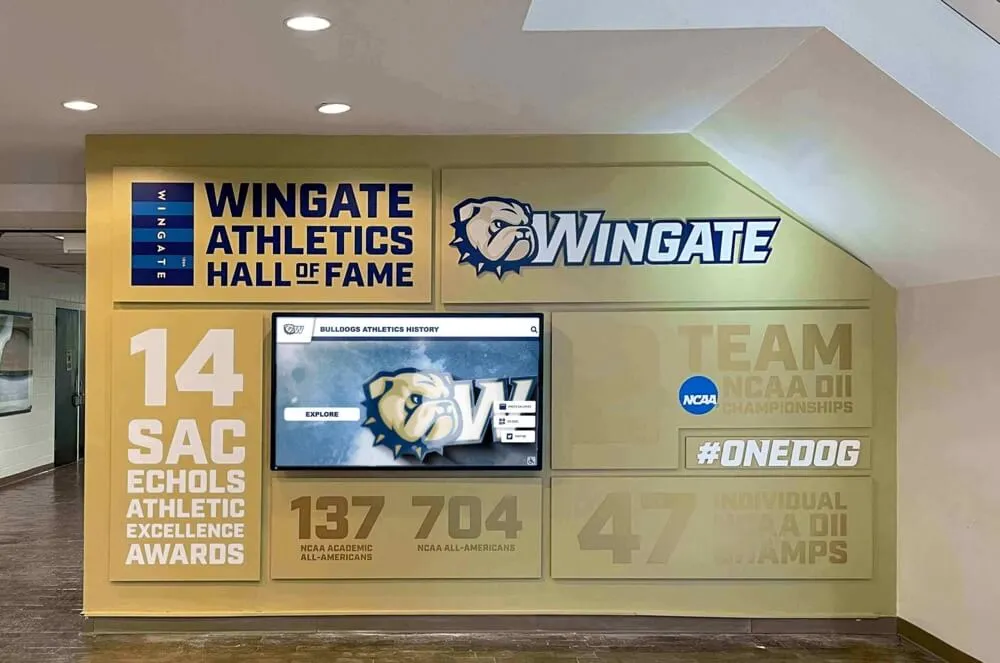
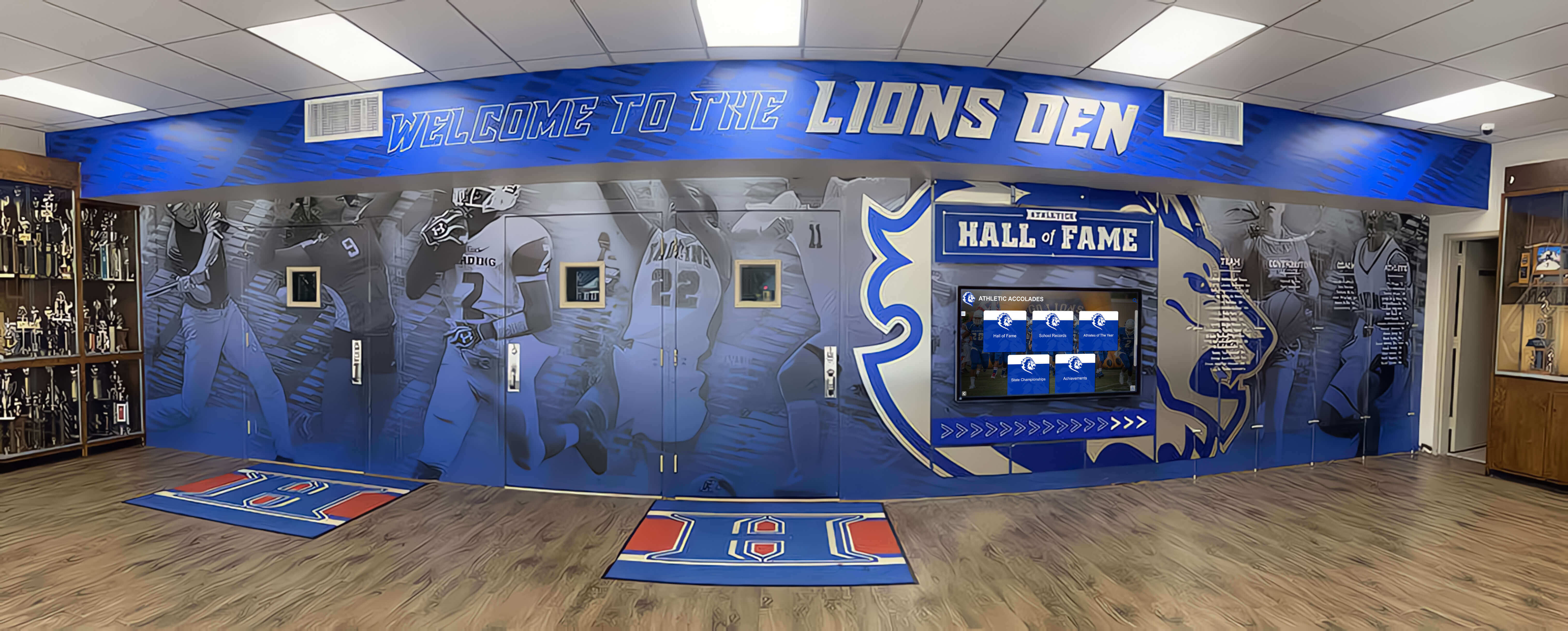
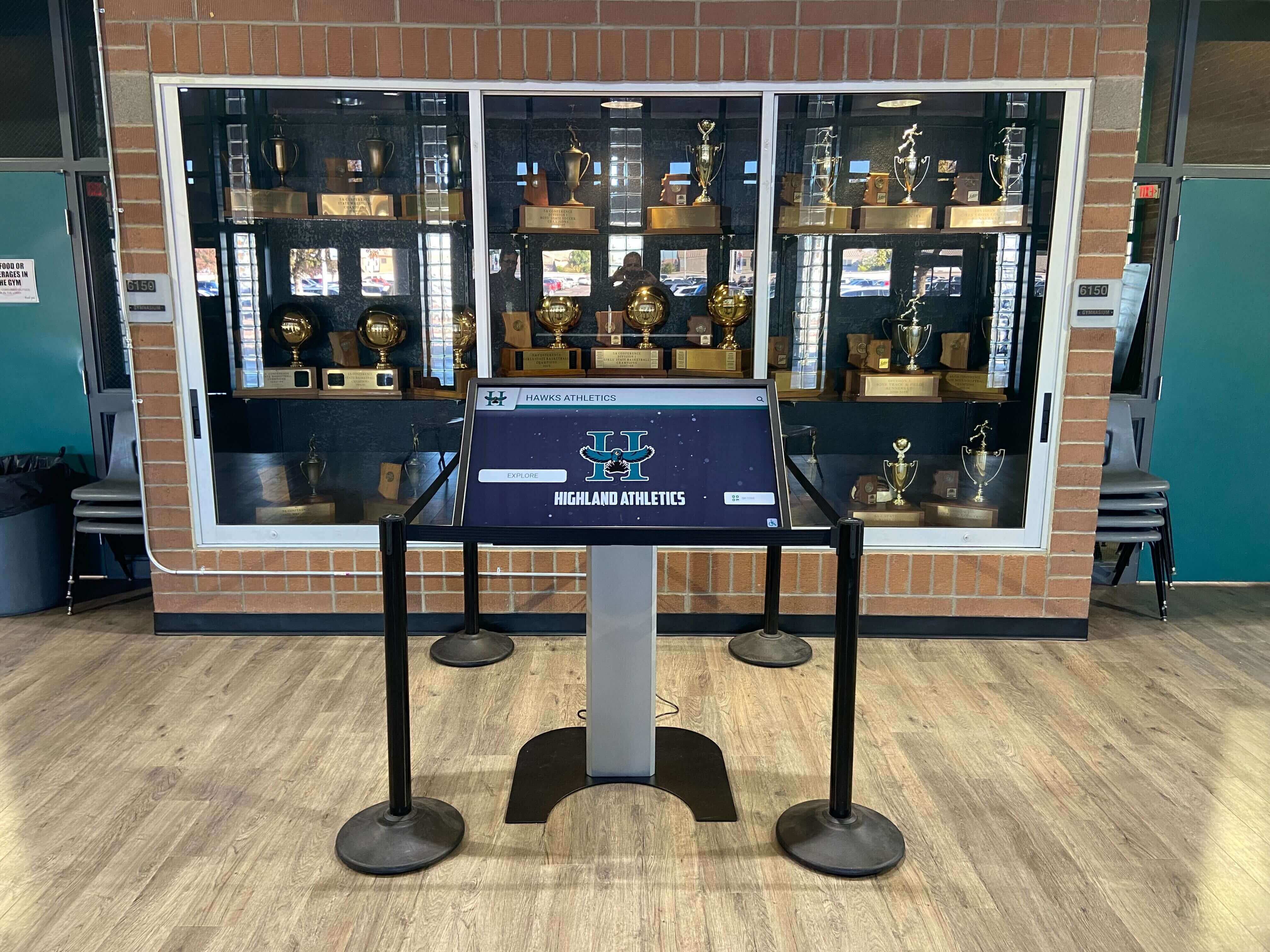
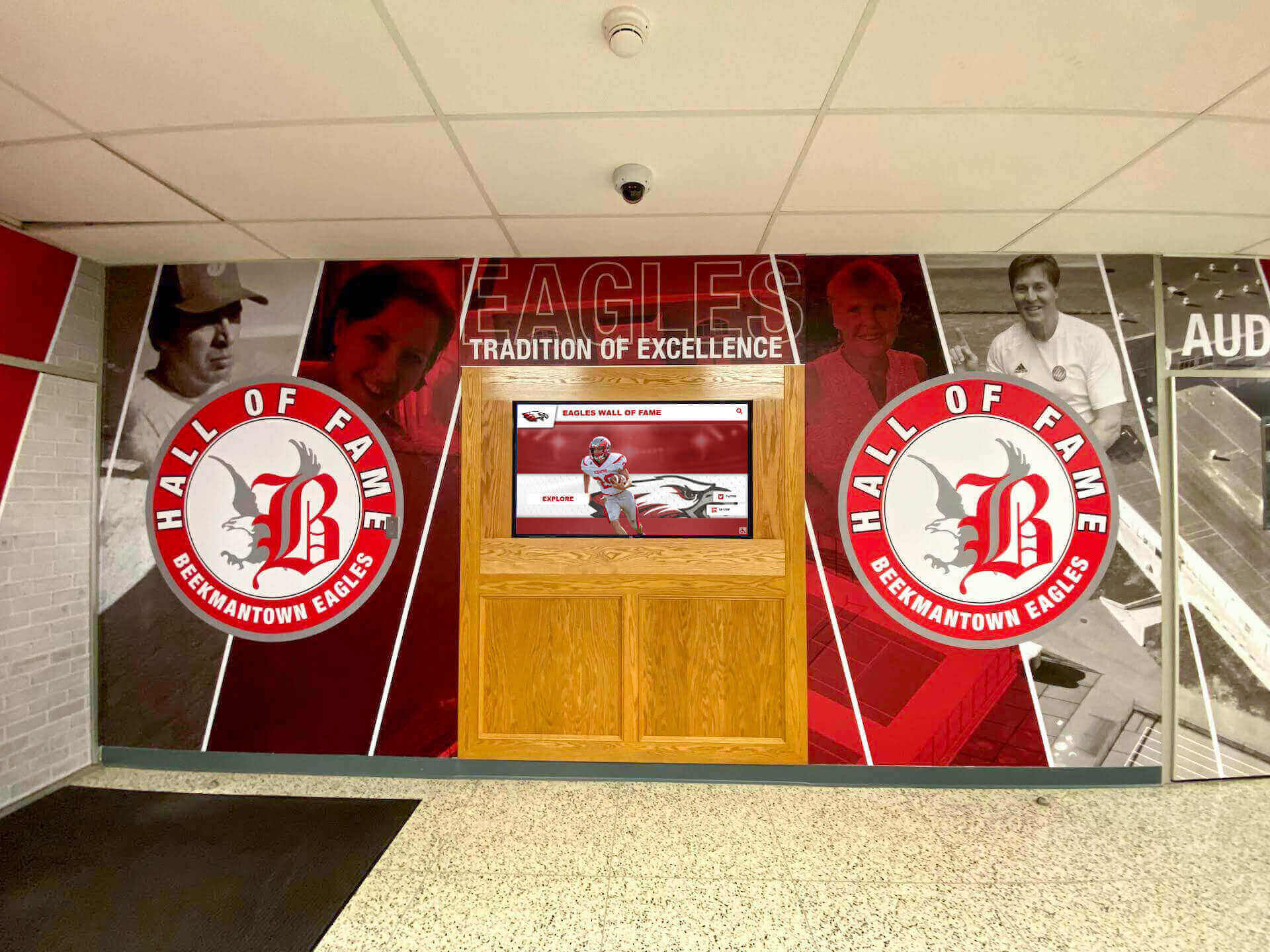
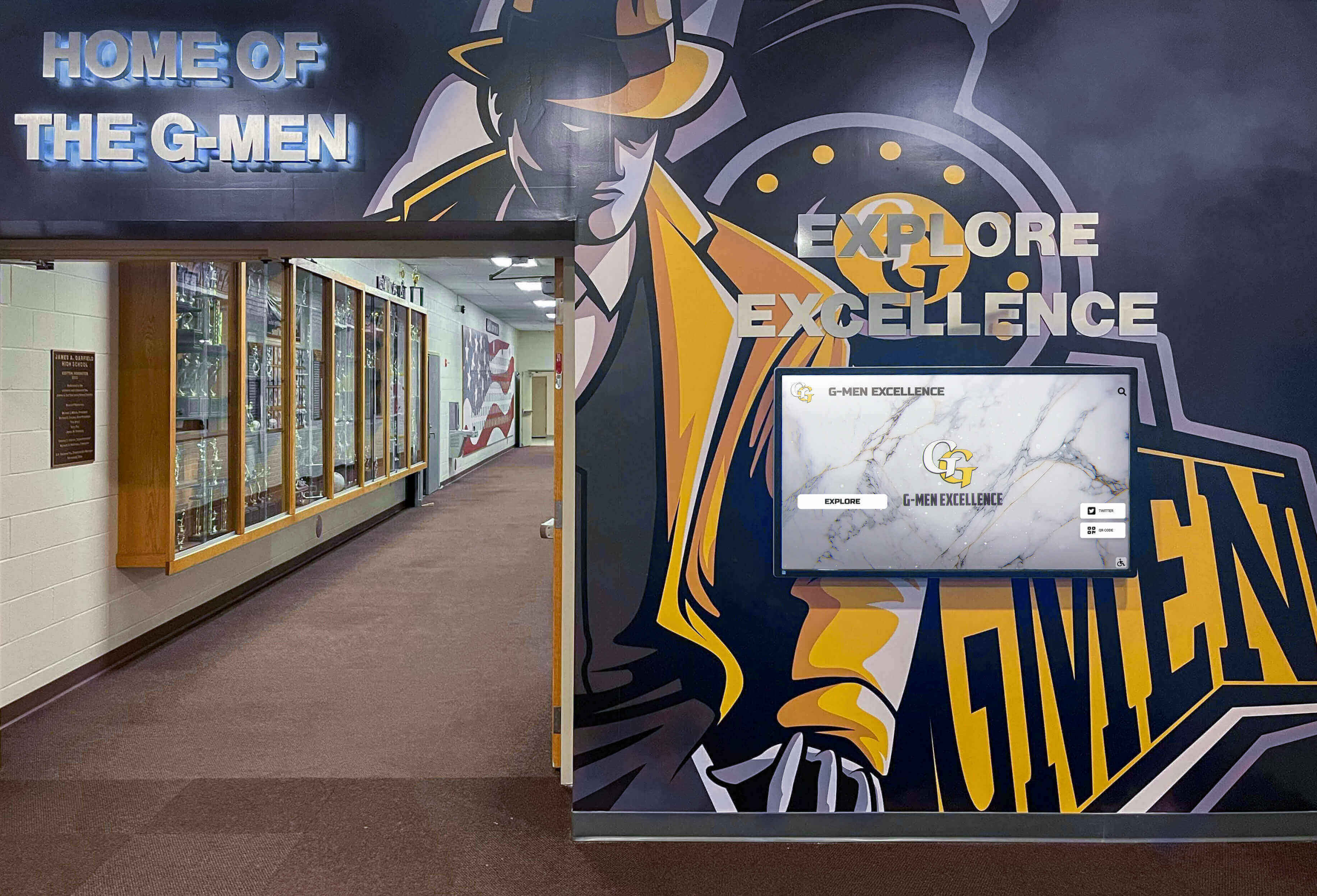
Schools exploring trophy cases for sale face an emerging question: should they invest in physical display cases at all? Traditional trophy cases create inherent limitations—finite physical capacity forcing selective recognition, constant manual rearrangement as new achievements arrive, inability to display multimedia content, accessibility barriers for digital-native students, and static displays unable to showcase updated records or current season standings. Digital athletic recognition systems eliminate these constraints while providing unlimited achievement capacity, instant remote updates, searchable databases spanning decades, multimedia athlete profiles, ADA-compliant accessibility, and web access enabling alumni worldwide to explore program history. Solutions like Rocket Alumni Solutions deliver purpose-built digital record boards designed specifically for schools, offering professional recognition displays that preserve every achievement permanently while eliminating the space constraints, maintenance burdens, and capacity limitations of traditional trophy cases.
Understanding Traditional Trophy Case Options
Schools evaluating trophy cases for sale encounter diverse options spanning quality levels, materials, sizes, and price points that significantly impact long-term satisfaction and total cost of ownership.
Basic Trophy Case Construction Types
Fundamental construction approaches determine durability, aesthetics, security, and maintenance requirements over decades of use.
Steel-Frame Construction Cases
Budget-conscious schools often consider steel-frame trophy cases as affordable entry points:
- Typical price range: $800-$2,500 for standard 6-8 foot cases
- Construction features: Powder-coated steel frames with tempered glass or acrylic panels
- Common configurations: Wall-mounted or floor-standing units with adjustable shelving
- Lighting options: Optional fluorescent or LED illumination (adds $200-$600)
- Security: Basic lock systems with sliding or hinged door access
Steel cases offer cost advantages but present limitations. Paint finishes chip over time exposing bare metal. Less substantial construction feels lightweight compared to wood alternatives. Limited customization options mean schools accept standard sizes and configurations rather than installations designed for specific spaces. Institutional appearance lacks the warmth of wood cases but suits utilitarian facilities where budget considerations outweigh aesthetics.
Hardwood Trophy Cases
Premium installations utilize hardwood construction delivering superior aesthetics and durability:
- Typical price range: $3,500-$12,000 for quality 8-10 foot cases
- Wood options: Oak, maple, cherry, or walnut finished to match school trim and doors
- Glass specifications: Tempered glass panels (safer than acrylic which scratches and yellows)
- Custom features: Built-in lighting, mirrored backs, custom trophy mounts, adjustable shelving
- Security upgrades: Keyed locks, sliding mechanisms, security glass options
Hardwood cases justify higher costs through longevity and appearance. Quality oak or maple cases remain attractive for 30+ years when properly maintained. Custom finishing matches existing school woodwork creating cohesive facility aesthetics. Substantial construction provides security protecting valuable trophies and memorabilia. However, premium cases consume significant capital budgets—a 12-foot custom hardwood installation may exceed $15,000 before installation costs.
Modular Display Systems
Some manufacturers offer modular trophy case systems providing configuration flexibility:
- Expandable design: Additional sections connect as recognition needs grow
- Mixed materials: Aluminum extrusion frames with wood or laminate panels
- Reconfiguration capability: Shelving heights and depths adjust without case replacement
- Technology integration: Some systems accommodate digital screens alongside physical displays
Modular approaches address capacity concerns allowing incremental expansion. Initial installations remain budget-conscious while providing growth paths. However, modular aesthetics often appear more commercial than custom installations, and long-term expansion costs may exceed single comprehensive installations when considering repeated installation labor.
Critical Capacity Planning Considerations
The most common trophy case purchasing mistake involves underestimating long-term capacity requirements, resulting in overcrowded displays or difficult decisions removing older achievements.
Calculating Actual Space Requirements
Athletic directors must project future needs rather than simply housing current trophy collections:
Annual Achievement Accumulation Rates
Typical comprehensive athletic programs generate significant recognition needs annually:
- Team championship trophies: 8-15 varsity sports potentially winning conference, district, or state championships
- Individual awards: All-conference plaques, all-state recognition, academic honors
- Season MVP and special awards: Team-specific recognition for outstanding athletes
- Record-breaking achievements: Individual and team records warranting permanent display
- Coaching milestones: Career victory markers, hall of fame inductions, special recognition
A competitive athletic program easily accumulates 20-40 recognition items annually warranting trophy case display. Over a 20-year trophy case lifespan, this represents 400-800 items competing for limited display space—far exceeding typical case capacity of 50-100 items displayed legibly.
Multi-Sport Program Complexities
Schools supporting comprehensive athletic programs face competing recognition demands:
Fall sports conclude seasons in November generating immediate recognition needs. Winter sports add achievements through March. Spring sports accumulate honors through June. Without clear rotation policies or massive trophy case installations, something must be removed to accommodate new achievements. Many athletic directors face uncomfortable decisions removing state championship trophies from the 1990s to display recent conference honors—undermining the permanence that makes recognition meaningful.
Resources on athletic recognition display planning provide frameworks for comprehensive program needs assessment.
The Trophy Case Rotation Problem
Most schools eventually implement rotation systems where achievements cycle through display periods:
- Recent achievement emphasis: Display last 3-5 years prominently, archive older items
- Championship-only policies: Limit displays to conference championships or higher achievements
- Seasonal rotation: Rotate sport-specific displays matching current athletic seasons
- Storage challenges: Archived trophies consume storage space or deteriorate in less-ideal conditions
Rotation systems create philosophical problems. Recognition supposedly honors permanent achievement, yet rotation communicates that some accomplishments become less important over time. Athletes whose achievements get rotated to storage question whether their excellence truly matters to institutions. Parents notice when their student’s all-state plaque disappears from displays while other athletes remain visible.
Hidden Costs Beyond Purchase Price
The sticker price of trophy cases for sale represents only initial cost. Total ownership includes substantial ongoing expenses many administrators overlook during purchasing decisions.
Installation and Facility Modification Costs
Trophy cases rarely represent drop-in installations—they require facility work adding significant expense.
Professional Installation Requirements
Large trophy cases demand professional installation ensuring structural safety and proper anchoring:
- Wall-mounted cases: Require locating wall studs, proper anchoring to support 200-400 pound loads, electrical work for lighting
- Floor-standing installations: Need floor anchoring preventing tip-over hazards, possible flooring modification, ADA clearance verification
- Installation labor costs: Professional installation typically runs $400-$1,200 depending on case size and complexity
Schools attempting DIY installation risk improper anchoring creating safety hazards. Inadequately supported wall-mounted cases may pull free from drywall. Improperly balanced floor cases create tip-over risks. Professional installation eliminates these risks but adds 15-30% to trophy case costs.
Electrical Work for Lighting Systems
Properly illuminated trophy cases require electrical modifications:
- New circuit installation: Dedicated circuits prevent overloading existing hallway lighting circuits
- Switch placement: Convenient switch locations for turning display lighting on/off
- Timer systems: Automatic lighting control reducing energy waste and extending bulb life
- Electrical code compliance: Work meeting local electrical codes requiring licensed electricians
Electrical work easily adds $300-$800 to trophy case installations in locations lacking nearby power sources. Schools installing multiple cases or large custom installations may face electrical costs exceeding case purchase prices.
Facility Protection and Restoration
Installing trophy cases in finished spaces creates facility impact:
- Drywall repair: Wall penetrations for mounting or electrical work require professional finishing
- Paint matching: Touch-up painting matching existing wall colors
- Flooring protection: Preventing damage during installation and heavy case positioning
- Trim work: Custom trim pieces integrating cases with existing architectural details
These costs vary based on installation complexity but frequently add $200-$600 to project totals.
Maintenance, Repair, and Replacement Expenses
Trophy cases require ongoing maintenance consuming both budget and staff time over decades of use.
Routine Cleaning and Maintenance
Glass display cases demand regular cleaning maintaining appearance:
- Glass cleaning frequency: Weekly cleaning for cases in high-visibility locations
- Interior dusting: Monthly interior cleaning preventing dust accumulation on trophies
- Hardware maintenance: Annual lock lubrication and hardware tightening
- Lighting maintenance: Bulb replacement, ballast repair, LED driver replacement
Custodial staff allocate 15-30 minutes weekly per trophy case for proper maintenance. Over 20-year case lifespans, this represents 260-520 hours of labor—equivalent to $4,000-$8,000 in staff time at $15/hour custodial rates. Few administrators account for this when comparing trophy case costs to digital alternatives requiring no physical cleaning.
Common Repair Needs
Physical trophy cases experience predictable damage requiring repair:
- Lock replacement: Sticky locks or lost keys necessitate lock replacement ($150-$400 per lock)
- Glass replacement: Cracked panels from impact or vandalism ($300-$800 per large panel)
- Hinge and track repair: Sliding door mechanisms wear requiring replacement ($200-$500)
- Lighting system repairs: Ballast failure, fixture damage, or rewiring needs ($150-$600)
- Structural repairs: Frame damage, shelf support failure, or mounting problems ($300-$1,200)
Well-maintained trophy cases typically require $200-$600 in repairs over each decade of use. Poorly maintained or low-quality cases may need substantially more frequent intervention.
Eventual Replacement Necessity
Trophy cases don’t last forever. Eventually, replacement becomes necessary:
- Aesthetic obsolescence: Cases appear dated as facility aesthetics evolve (15-25 years)
- Structural deterioration: Frame weakness, glass crazing, or hardware failure (20-30 years)
- Capacity exhaustion: Recognition needs outgrow available display space (10-20 years)
- Facility renovations: Building updates render existing cases incompatible with new designs
Schools should budget for trophy case replacement every 20-30 years—meaning initial purchases represent only the first of multiple investments in the same display function over a school’s lifetime.
Accessibility and Compliance Considerations
Modern recognition displays must serve all community members regardless of physical capabilities—requirements traditional trophy cases often fail to meet.
ADA Compliance Requirements
Americans with Disabilities Act standards apply to trophy case installations creating legal obligations:
Mounting Height Restrictions
Display cases must position content within accessible viewing ranges:
- Maximum height: Important display elements should not exceed 54 inches from floor for forward approach viewing
- Minimum height: Bottom shelves visible to wheelchair users (approximately 15 inches minimum)
- Protruding object rules: Wall-mounted cases projecting into walkways must comply with protrusion limits
Traditional trophy cases typically display tallest trophies on upper shelves—precisely where accessibility standards prove most restrictive. Schools face difficult choices: comply with height limits restricting what can be displayed, or install cases that violate accessibility standards.
Pathway and Clearance Requirements
Floor-standing trophy cases impact hallway clearances:
- Minimum passage width: ADA requires 36-inch minimum clear width in hallways
- Protruding objects: Floor cases cannot reduce passages below minimums
- Turning radius: Wheelchair turning spaces require 60-inch diameter clearance
Large trophy cases in smaller hallways may violate clearance requirements creating compliance problems discovered during facility inspections or complaints.
Universal Design Limitations
Beyond legal requirements, traditional trophy cases create practical accessibility barriers affecting engagement:
Physical Access Restrictions
Static physical displays inherently exclude remote access:
- Alumni access: Graduates living elsewhere cannot view their achievements without visiting campus
- Evening and weekend access: Locked buildings prevent community access outside school hours
- Pandemic or emergency closures: Building closures eliminate all trophy case access
Schools increasingly recognize that recognition displays serving only individuals physically present in buildings miss opportunities for broader engagement with alumni, community supporters, and current families who cannot regularly visit campuses.
Information Accessibility Barriers
Trophy cases provide limited context and information:
- Small text: Trophy engraving and plaque text often too small for distance reading or vision-impaired individuals
- No search capability: Finding specific athletes or achievements requires examining every display item
- Static information: Trophies show only what’s engraved—no extended athlete profiles, statistics, or multimedia
- Language limitations: Physical engravings cannot provide multi-language support
These limitations mean trophy cases serve primarily able-bodied, physically-present viewers willing to stand close to cases reading small text—a narrow subset of potential audiences for athletic achievement recognition.
Resources on accessible recognition displays provide detailed guidance on creating universally accessible recognition systems.
The Digital Alternative: Modern Recognition Systems
Schools evaluating trophy cases for sale should consider whether traditional physical displays represent the best approach to recognition—or whether digital platforms deliver superior long-term value.
Digital Record Boards vs Traditional Trophy Cases
Direct comparison reveals significant advantages digital systems provide:
Capacity and Scalability
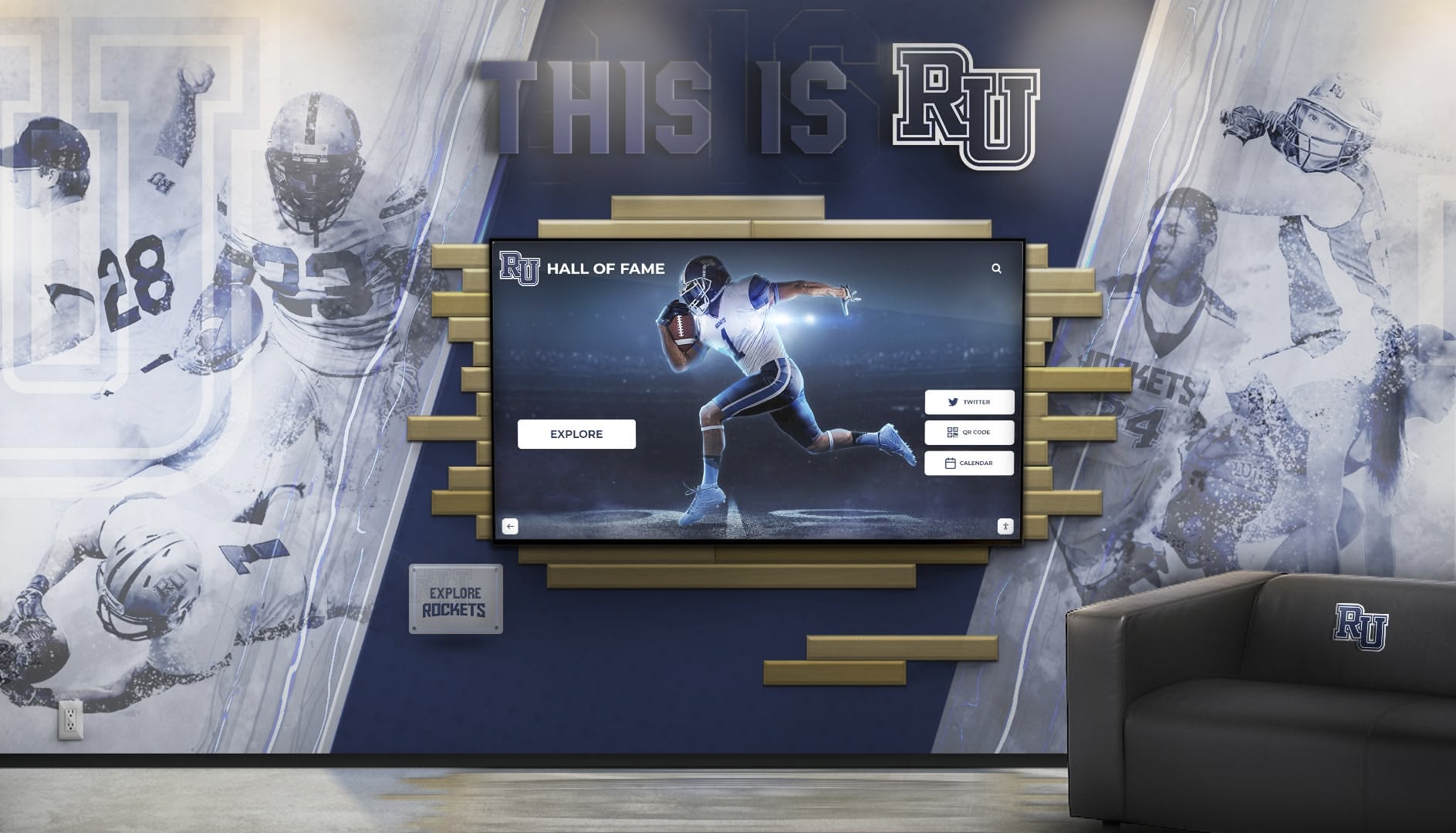
Digital platforms eliminate physical space constraints:
- Unlimited capacity: Digital databases store thousands of achievements without additional hardware
- No removal necessary: New achievements add without displacing older recognition
- Comprehensive history: Systems preserve complete program histories rather than selective highlights
- Multi-sport equity: Every sport receives equal recognition opportunity regardless of trophy sizes
Traditional trophy cases force zero-sum competition for limited space. Digital systems eliminate this constraint entirely—every achievement receives permanent recognition regardless of when it occurred or how many others came before.
Update Speed and Flexibility
Digital platforms provide instant content updates:
- Remote updates: Changes made from any internet-connected device in minutes
- No physical access: Updates don’t require unlocking cases, rearranging shelves, or facility access
- Real-time information: Current season records, standings, and statistics update continuously
- Multimedia content: Photos, videos, statistics, and narratives impossible in trophy cases
Updating traditional trophy cases requires physical campus access, case keys, manual rearrangement, and often professional engraving or plaque ordering. Digital updates happen remotely in minutes rather than weeks or months required for physical additions.
Accessibility and Engagement
Modern recognition platforms serve diverse audiences:
- Web access: Alumni worldwide view achievements from anywhere with internet access
- Mobile optimization: Smartphone-friendly interfaces enable convenient exploration
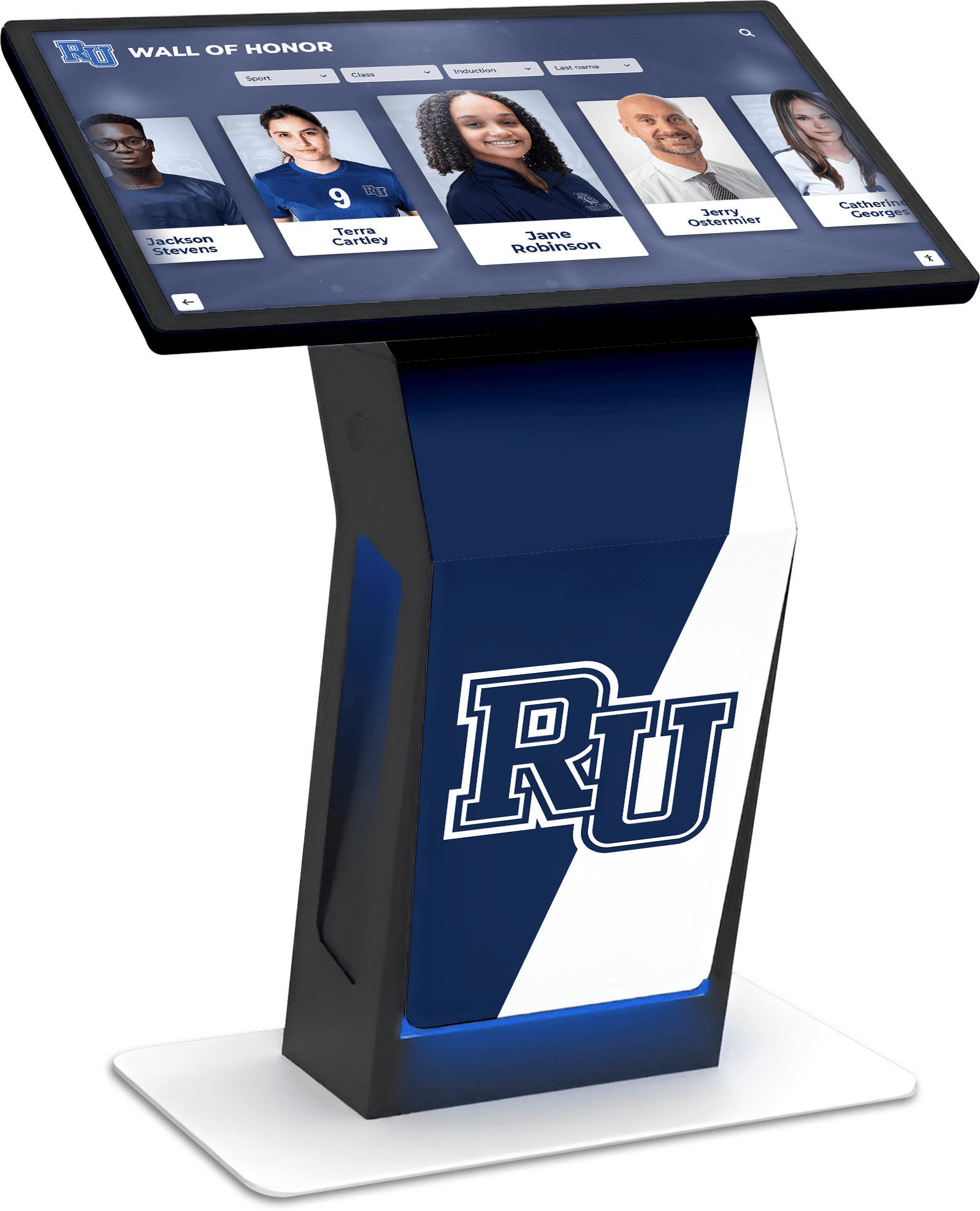
- Search functionality: Find specific athletes, sports, or achievements instantly
- ADA compliance: Screen readers, keyboard navigation, and visual accessibility built-in
- Multi-language support: Content available in multiple languages serving diverse communities
Digital platforms transform recognition from passive hallway displays serving only physically-present viewers to engaging systems accessible anytime, anywhere, to anyone.
Cost Comparison: Trophy Cases vs Digital Systems
Total cost of ownership analysis reveals digital platforms often cost less than traditional trophy cases over time.
Initial Investment Comparison
Digital record board implementations typically cost:
- Basic digital displays: $4,000-$8,000 for 43-55" displays with mounting and basic content
- Comprehensive systems: $8,000-$15,000 for larger displays with extensive historical content migration
- Premium installations: $15,000-$25,000 for multiple displays or extensive custom design integration
These ranges align with or slightly exceed quality hardwood trophy cases but provide vastly superior capability and capacity.
Long-Term Cost Analysis
Over 20-year comparison periods, digital systems deliver compelling cost advantages:
Traditional Trophy Case 20-Year Costs:
- Initial purchase and installation: $5,000-$12,000
- Ongoing maintenance and cleaning: $4,000-$8,000 (labor)
- Repairs and parts replacement: $1,000-$3,000
- Eventual replacement or expansion: $5,000-$12,000
- Total 20-year cost: $15,000-$35,000
Digital Record Board 20-Year Costs:
- Initial purchase and installation: $8,000-$15,000
- Annual software/hosting: $600-$1,200/year × 20 = $12,000-$24,000
- Minimal maintenance: $500-$1,500 (occasional repairs)
- Total 20-year cost: $20,500-$40,500
While digital systems may show higher total costs in some scenarios, they deliver exponentially greater capability, capacity, accessibility, and engagement justifying modest cost premiums.
Hidden Value Factors
Digital systems provide value traditional trophy cases cannot:
- Staff time savings: Remote updates eliminate hours spent physically rearranging displays
- Storage elimination: No need for trophy storage rooms housing rotated items
- Flexibility value: Ability to change content purposes as institutional needs evolve
- Engagement metrics: Analytics showing who views content and what they explore
- Fundraising integration: Digital displays support donor recognition and development efforts
These qualitative advantages create real value even when not easily quantified in cost spreadsheets.
Key Questions Before Purchasing Trophy Cases
Schools seriously considering trophy cases for sale should answer critical questions ensuring purchases align with long-term needs.
Strategic Recognition Questions
What is the intended recognition purpose?
Different purposes suggest different solutions:
- Permanent historical archive: Digital systems better preserve complete histories
- Motivation for current athletes: Interactive displays better engage digital-native students
- Community celebration: Accessible systems reach broader audiences
- Limited recent achievements: Small physical cases may suffice temporarily
Clarity about fundamental recognition purposes prevents purchasing expensive trophy cases that don’t actually serve intended goals effectively.
How will capacity needs evolve over time?
Honest projection prevents premature capacity exhaustion:
- Program growth plans: Expanding sport offerings increase recognition needs
- Historical backfill intentions: Plans to recognize past achievements retroactively require significant capacity
- Facility renovation timelines: Upcoming building projects may render current installations obsolete
Schools planning sport additions, historical recognition projects, or facility renovations should consider whether trophy case investments make strategic sense given upcoming changes.
Practical Implementation Questions
What is available budget including installation and setup?
Total project costs exceed case purchase prices:
- Installation labor and materials: Add 20-40% to case costs
- Content preparation: Historical research, engraving, or plaque ordering
- Facility modifications: Electrical, structural, or finish work required
Schools with $5,000 budgets shouldn’t purchase $4,800 trophy cases—installation and setup costs will exceed remaining budget creating incomplete projects.
Who will maintain displays long-term?
Sustainable recognition requires ongoing stewardship:
- Content updates: Who adds new achievements and retires outdated items?
- Physical maintenance: Who cleans, repairs, and manages keys?
- Strategic oversight: Who ensures displays continue serving recognition purposes effectively?
Trophy cases without designated stewards deteriorate into cluttered, outdated displays that undermine rather than enhance recognition purposes.
Resources on back-to-school recognition planning provide frameworks for comprehensive recognition program planning.
Making the Right Choice for Your School
Schools evaluating trophy cases for sale face more than a simple purchasing decision—they’re choosing how their institutions will recognize athletic excellence, preserve competitive history, and inspire future athletes for decades to come.
Traditional trophy cases serve specific needs well. Small programs with limited recognition needs, schools with strong preferences for physical artifact displays, institutions with abundant hallway space, and communities valuing traditional aesthetic approaches may find quality trophy cases deliver satisfactory value.
However, most schools discover that traditional trophy cases create more problems than they solve. Finite capacity forces difficult removal decisions. Manual maintenance consumes staff time. Physical access limitations exclude remote community engagement. Inability to display multimedia content reduces recognition to names and dates. Accessibility barriers prevent universal participation. Long-term replacement cycles create recurring capital expenses.
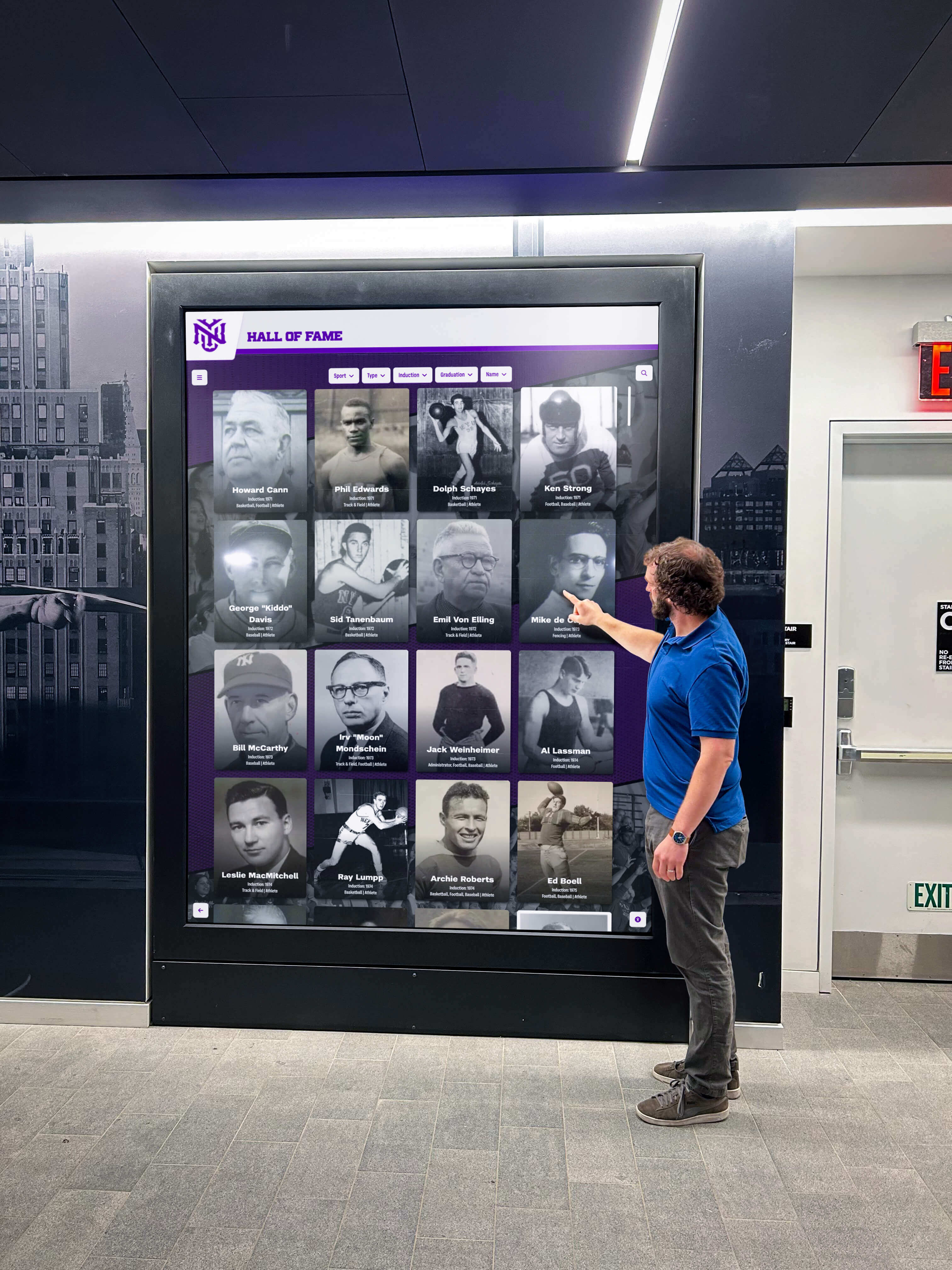
Digital athletic recognition platforms eliminate these limitations while providing capabilities traditional trophy cases cannot match. Unlimited capacity ensures every achievement receives permanent recognition. Instant remote updates happen in minutes rather than requiring physical campus access and manual rearrangement. Web accessibility enables alumni worldwide to explore program history. Multimedia content creates rich athlete profiles impossible in physical displays. ADA compliance ensures universal access. Analytics reveal how communities engage with recognition content. Integration with donor recognition and school design creates cohesive comprehensive systems.
The question schools should ask isn’t “Which trophy case should we buy?” but rather “How should we recognize athletic excellence most effectively given available technology, community expectations, and long-term institutional needs?” For most schools, that answer increasingly points toward digital platforms that honor every achievement permanently while delivering engagement, accessibility, and value traditional trophy cases cannot provide.
Athletic directors and administrators ready to explore modern recognition solutions should examine how digital record boards preserve complete athletic histories, celebrate every achievement, and inspire excellence without the space constraints, maintenance burdens, and capacity limitations of traditional trophy cases.
Schedule Your Digital Record Board Demo
Ready to explore recognition solutions that honor every achievement permanently without trophy case space limitations? Schedule a live demo with Rocket Alumni Solutions to see how digital record boards eliminate capacity constraints while providing unlimited recognition for athletic excellence across all sports and eras. Discover purpose-built systems designed specifically for schools—delivering professional displays, intuitive management tools, comprehensive athlete profiles, and instant remote updates that preserve your program’s complete competitive history permanently. See how schools nationwide are moving beyond traditional trophy cases to recognition platforms that truly honor every champion.