



Track meets bring organized chaos to athletic facilities each spring—athletes warming up across infield spaces, officials coordinating heat sheets and starting blocks, coaches tracking split times while parents navigate unfamiliar terminology trying to understand when and where their athlete competes. Understanding track meet events transforms confusion into informed engagement, helping athletes prepare strategically, parents follow competitions meaningfully, and coaches communicate expectations effectively.
Track and field encompasses more event variety than most sports—sprints requiring explosive speed, distance races demanding endurance strategy, technical hurdle events combining speed with precision clearance, relay teamwork coordinating seamless handoffs, jumping events mixing power with technique, and throwing competitions blending strength with form. Each event category operates under specific rules, scoring systems, and strategic considerations that athletes must understand to compete effectively.
Preserving Track and Field Achievement Records
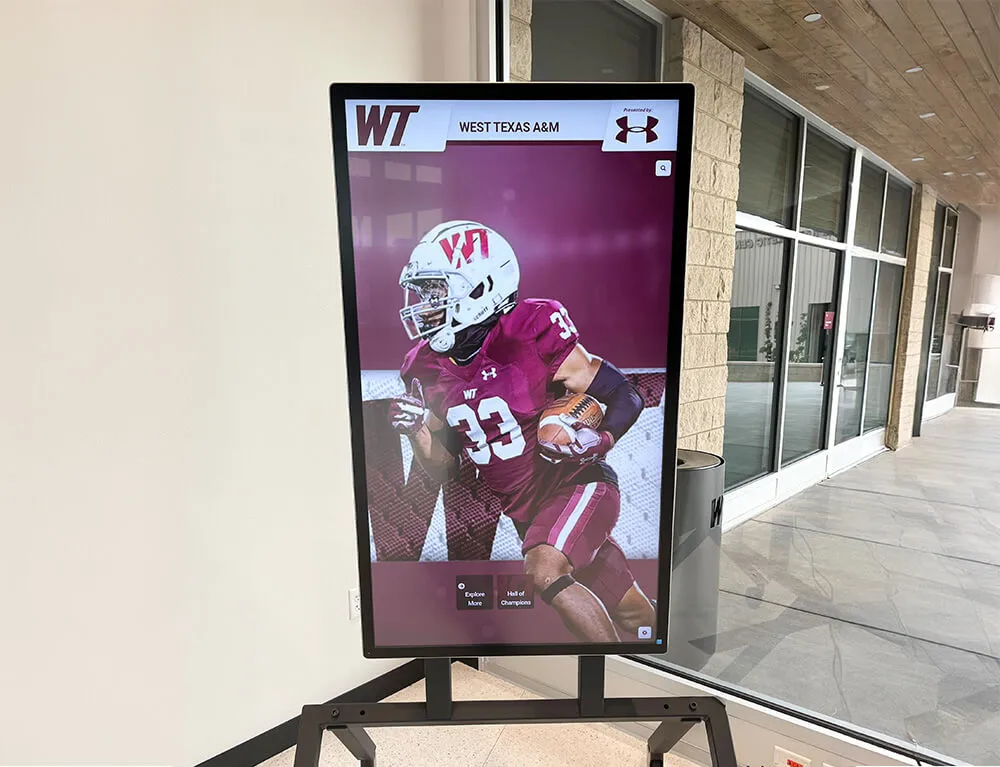
Track and field generates measurable performance data every meet—precise times, exact distances, specific heights. Unlike subjective sports, track records provide objective achievement benchmarks that should never be lost to time or manual record-keeping failures. Modern digital athletic record board systems automatically preserve, rank, and display track and field achievements across all events, maintaining complete historical databases while showcasing current season leaders on dynamic displays visible to athletes, families, and community members. Solutions like Rocket Alumni Solutions provide purpose-built platforms designed specifically for tracking athletic records, enabling coaches to update performances instantly after meets while creating permanent digital recognition celebrating excellence across sprints, distance, hurdles, jumps, throws, and relay events.
Understanding Track Meet Event Categories
Track meets organize events into distinct categories based on performance type and venue location on the track and field complex.
Running Events vs. Field Events
The fundamental division separates running-based competitions from technical field events:
Track Events include all running competitions conducted on the oval track—sprints, middle distance races, long distance events, hurdles, and relays. Track events produce time-based results measured in seconds and hundredths, with faster times winning competitions. Athletes compete in assigned lanes for shorter distances, while longer races allow strategic positioning after initial stagger starts or break to inside lanes.
Field Events encompass jumping and throwing competitions conducted in designated field areas—long jump, triple jump, high jump, pole vault, shot put, discus, javelin, and hammer throw. Field events produce distance or height measurements, with greater distances or heights winning. Athletes typically receive multiple attempts (usually three to six depending on event and competition format), with best performance counting for final placement.

Championship vs. Invitational Meet Formats
Competition structure affects event offerings and advancement systems:
Championship Meets (conference championships, district meets, regional qualifiers, state championships) determine season-ending honors and advancement to next competitive levels. Championship formats typically include preliminary rounds, semifinals, and finals in running events, with field event finals featuring top qualifiers from preliminary rounds. Only specified numbers of athletes advance based on placement or qualifying standards.
Invitational Meets provide mid-season competition opportunities for teams from multiple schools without elimination advancement. Invitational formats vary widely—some mirror championship structures with prelims and finals, while others run straight finals in all events. Large invitationals may divide events into varsity and junior varsity sections or organize heats by seed times rather than qualifying rounds.
Sprint Events: Speed Over Short Distances
Sprint events test pure speed, explosive power, and technical acceleration through precisely measured short-distance races.
100 Meter Dash
The 100 meter dash represents track and field’s premier pure speed event, contested on the straightaway with athletes assigned to lanes from start to finish.
Event Rules and Format
Athletes start from crouch positions in starting blocks positioned behind a starting line marked across all lanes. Runners must remain stationary in set position until the starter’s gun fires. False starts—leaving blocks before the gun—result in disqualification after one false start per race (rules vary by governing body, with some allowing one false start for the field before individual disqualification).
Runners must stay in assigned lanes for the entire 100 meters. Stepping on or crossing lane lines can result in disqualification if it impedes another competitor or provides advantage. Photo finish technology determines placements when finishes appear close, measuring to the hundredth of a second based on when torsos (not heads, arms, or legs) cross the finish line.
Training and Strategy Considerations
Success in the 100m demands explosive starting block acceleration combined with maximum velocity maintenance. The race breaks into distinct phases: reaction time to the gun (typically 0.12-0.20 seconds for elite sprinters), drive phase accelerating from blocks (roughly 30 meters), transition to upright sprinting mechanics (30-60 meters), and maximum velocity maintenance (final 40 meters).
Athletes focus training on block starts with proper shin angles and powerful first-step mechanics, acceleration technique emphasizing forward lean and powerful ground contact, maximum velocity sprinting mechanics with optimal stride frequency and length, and race-specific conditioning maintaining speed over 100 meters without deceleration.
200 Meter Dash
The 200m combines pure speed with curve running technique and speed endurance, contested around one turn and down the straightaway.
Event Rules and Format
Races start on the curve with staggered starting positions ensuring all runners travel equal 200-meter distances despite different lane radii. Athletes must remain in assigned lanes from start to finish. Starting blocks allow powerful acceleration identical to 100m dash mechanics.
The stagger creates psychological challenges—runners in outside lanes start substantially ahead of inside lane competitors, making it difficult to judge relative position during the race. Lane assignments typically reflect seeding based on previous performances, with faster runners receiving middle lanes (lanes 3-6) providing optimal curve radius and competitive sight lines.
Training and Strategy Considerations
The 200m requires maintaining near-maximum sprint speed longer than the 100m while managing curve running mechanics. Successful 200m runners develop curve acceleration leaning into the turn while maintaining lane position, transition mechanics shifting from curve to straightaway without losing momentum, and speed endurance extending maximum velocity phase beyond 100m distance.
Strategy involves powerful acceleration through the curve despite inability to see competitors clearly, aggressive straightaway transition accelerating rather than coasting into position, and late-race drive fighting natural deceleration in final 50 meters when lactic acid accumulates and form deteriorates.
400 Meter Dash
The 400m represents track’s most physically demanding sprint—one full lap around the track requiring speed, strength, and tactical pacing to survive the final 100 meters when oxygen debt creates severe muscular fatigue.
Event Rules and Format
Athletes start in staggered positions with assigned lanes for the entire lap. The starting stagger ensures equal distance traveled despite varying lane radii. Runners receive starting blocks and must remain in lanes throughout the race.
The 400m tests speed endurance more than pure speed. Unlike the 100m and 200m where athletes maintain near-maximum velocity, the 400m requires pacing judgment—running fast enough to achieve competitive times while conserving sufficient energy to fight through the final 100m “pain cave” where lactic acid accumulation challenges even the fittest athletes.
Training and Strategy Considerations
Successful 400m runners balance aggressive pace with sustainable effort distribution. Common strategic approaches include negative splitting (running second 200m faster than first 200m, though rarely achieved at elite levels), even splitting (maintaining consistent pace for both halves), and controlled aggression (fast start establishing position followed by managed deceleration fighting for minimal slowdown).
Training emphasizes speed endurance through 300m and 500m repeats at goal pace, lactic acid tolerance via shorter sprints with incomplete recovery, and race-specific simulation runs practicing different pacing strategies to identify optimal individual approaches. Many programs recognize 400m excellence through creative sports awards celebrating this demanding event.
Middle Distance and Distance Events
Distance events shift emphasis from pure speed to aerobic capacity, pacing strategy, and tactical positioning.
800 Meter Run
The 800m straddles middle distance and sprint worlds—two laps around the track demanding both speed and endurance with tactical racing adding complexity.
Event Rules and Format
Most 800m races start with runners in lanes for the first turn (approximately 100 meters), after which a break line allows athletes to cut to the inside lane. Some smaller meets run section 800m races entirely in lanes, while championship events with large fields may use waterfall starts with athletes breaking immediately.
The break to inside lane creates critical tactical moments—runners must establish position quickly to avoid being boxed behind slower competitors while avoiding wasted energy fighting for position too aggressively too early.
Training and Strategy Considerations
The 800m requires speed sufficient to close final laps competitively combined with aerobic capacity sustaining hard effort for two minutes. Training balances interval work developing speed (400m and 600m repeats), tempo runs building aerobic capacity, and race-pace simulation practicing different tactical approaches.
Strategic considerations include starting position and break timing (aggressive break to front versus settling into pack), mid-race positioning (holding inside lane versus wider running for freedom), and kick timing (when to initiate final acceleration given individual closing speed versus sustained pace strength).
1600 Meter Run (Mile)
The 1600m (or mile—1609 meters) serves as the standard four-lap distance race at most high school and collegiate track meets.
Event Rules and Format
Distance races typically employ waterfall starts or section starts with all runners breaking to inside lane immediately or after a short initial distance in stagger positions. Athletes may pass freely and run any position on the track, though running extra distance in outside lanes wastes energy on longer races.
Pack running and drafting create tactical elements absent from sprint events. Runners may tuck behind competitors to reduce wind resistance (legal and expected in distance racing), follow pace of leaders to avoid mental effort of pacing themselves, or position strategically to control race tempo.
Training and Strategy Considerations
The 1600m demands aerobic capacity as the primary limiter while maintaining sufficient speed to respond to surges and finish effectively. Training builds aerobic base through longer sustained runs, develops speed via 400m, 800m, and 1000m intervals, and practices race-specific tactics through simulation workouts.
Race strategies vary based on individual strengths: front-runners may lead from start to establish hard pace favoring endurance over kick, tactical runners sit with pack conserving energy for late kick, while surgers attack mid-race testing competitors’ responses and potentially breaking field apart before final sprint.
3200 Meter Run (Two Mile)
The 3200m (or two-mile—3218 meters) represents standard long-distance events at high school level—eight laps testing sustained effort management.
Event Rules and Format
The 3200m employs similar formats to the 1600m—waterfall or section starts with immediate or quick break to pack running. Lapped runners must yield to leaders, staying in outer lanes when leaders approach.
Mental toughness becomes increasingly important as race distance extends. Athletes must maintain focus and effort through discomfort for sustained periods, manage pacing without over-reliance on competitors (who may employ different strategies), and respond tactically to moves and surges while preserving enough energy for strong finishes.
Training and Strategy Considerations
Training for the 3200m emphasizes aerobic capacity development through sustained threshold runs, long intervals building race-specific pace tolerance (800m, 1000m, and 1200m repeats), and mental conditioning via tempo workouts simulating race discomfort.
Pacing discipline proves crucial—starting conservatively and running even or negative splits typically produces better results than aggressive early pace followed by fade. Distance running success often receives special recognition through team bonding initiatives celebrating the dedication required for distance training.

Hurdle Events: Speed Meets Technical Precision
Hurdle races combine sprinting speed with technical clearance skills, rhythm maintenance, and spatial awareness.
110 Meter High Hurdles (100m for Women)
High hurdles represent the most technical sprint event—ten barriers spaced along the straightaway requiring explosive speed between hurdles and efficient clearance technique.
Event Rules and Format
Hurdle heights and spacing vary by gender and age division. Standard high school hurdles measure 39 inches for boys’ 110m hurdles and 33 inches for girls’ 100m hurdles. Spacing between hurdles creates rhythm patterns—most male hurdlers take three steps between barriers, while female hurdlers use various patterns depending on stride length and speed.
Knocking down hurdles carries no penalty provided athletes stay in assigned lanes and don’t deliberately interfere with competitors. However, hitting hurdles disrupts rhythm, slows times, and risks falling or injury. Athletes must clear all ten hurdles to avoid disqualification.
Training and Strategy Considerations
High hurdle success requires sprint speed comparable to flat sprinters combined with technical clearance efficiency minimizing time spent in air and distance traveled over barriers. Training emphasizes sprint development through flat running, hurdle clearance technique via drill progressions, and rhythm maintenance through hurdle interval workouts.
Lead leg mechanics focus on aggressive knee drive attacking the barrier with toe pulled toward shin, while trail leg clears efficiently with knee lifted and rotated to the side. Three-step rhythm between barriers demands precise stride length and explosive ground contact maintaining speed while preparing for next clearance.
300 Meter Intermediate Hurdles (400m Hurdles)
Intermediate hurdles combine hurdle technique with speed endurance—eight barriers (high school) or ten barriers (college) spaced around track requiring pacing strategy alongside technical skill.
Event Rules and Format
High school runs 300m intermediate hurdles, while college and international competition uses 400m hurdles. Barrier heights measure lower than high hurdles—36 inches for high school boys, 30 inches for high school girls. The longer distance and lower heights shift emphasis from pure speed to sustainable pace and rhythm maintenance through fatigue.
Athletes must navigate hurdles while running the curve on the backstretch, adding complexity to clearance technique and stride patterns. Many hurdlers alternate lead legs around curves to maintain balance and efficiency, though some athletes clear all hurdles with same lead leg accepting wider path around turns.
Training and Strategy Considerations
The 300m/400m hurdles demand speed endurance similar to flat 400m combined with technical efficiency sustaining good clearance form through fatigue. Training balances sprint endurance development, hurdle technique work, and race-specific simulation practicing different pacing approaches.
Strategic considerations include hurdle rhythm patterns (varying step counts between barriers based on fatigue), energy conservation via efficient clearance minimizing vertical displacement, and late-race technical discipline maintaining clearance form despite accumulating lactic acid challenging mechanics.
Relay Events: Team Speed and Precision Handoffs
Relay events combine individual speed with team coordination, transforming track into collaborative competitions.
4x100 Meter Relay
The 4x100m relay showcases pure team speed—four athletes each running 100 meters with three baton exchanges requiring precision timing and technique.
Event Rules and Format
Teams run in assigned lanes for the entire race. Baton exchanges must occur within designated 20-meter exchange zones marked on the track. Dropping the baton requires the athlete who dropped it to retrieve it. Exchanging outside the zone results in disqualification.
Two exchange techniques dominate: the downsweep (incoming runner places baton down into waiting hand of outgoing runner) and the upsweep (incoming runner pushes baton up into waiting hand). Most teams use upsweep exchanges allowing blind handoffs where outgoing runners never look back, maximizing acceleration out of exchange zones.
Training and Strategy Considerations
Successful 4x100m teams perfect exchange timing and technique through countless repetitions. Outgoing runners begin accelerating before exchange zones, timing their starts so incoming runners catch them at maximum controllable speed within the zone. Exchange zone positioning matters—teams want handoffs occurring as late in zone as safely possible, maximizing distance covered by faster accelerating outgoing runner versus decelerating incoming runner.
Team order strategy typically places team’s fastest runner on anchor leg (fourth runner) for championship positioning, but some teams optimize based on curve running ability (second and third legs run curves) or exchange technique proficiency.
4x400 Meter Relay
The 4x400m relay combines speed endurance with team strategy—four runners each completing 400m with three exchanges.
Event Rules and Format
First leg runs in lanes around first turn until break line (approximately 500m into the race). Subsequent legs break to inside lane immediately after receiving baton. Exchanges occur in standard zones without the precision timing of 4x100m exchanges—runners typically slow somewhat to ensure clean visual handoffs.
The three-lap gap between runners creates strategic considerations. Coaches must decide runner order balancing individual 400m ability with race situations—putting strongest runner on anchor versus using them earlier to establish position.
Training and Strategy Considerations
The 4x400m tests team depth in the 400m event—four athletes all capable of racing competitively at the quarter-mile distance. Training mirrors individual 400m preparation while adding relay exchange practice and race simulation.
Strategic decisions include runner order optimization (strongest first to establish lead, strongest last for comeback potential, or balanced distribution), pacing approaches for each leg (first runner may go out harder to establish position while anchor runner must respond to race situation regardless of planned pace), and whether athletes run their relay leg differently than individual 400m races given team tactical circumstances.
Many programs celebrate relay success and team achievements through hall of fame recognition honoring both individual and team excellence.
Jumping Events: Height and Distance Competition
Jumping events test explosive power, technical precision, and tactical strategy across four distinct disciplines.
Long Jump
The long jump combines sprint speed on the approach with explosive takeoff power and efficient flight technique producing maximum horizontal distance.
Event Rules and Format
Athletes sprint down a runway accelerating to maximum controllable speed before launching from a takeoff board embedded in runway surface. Jumps measure from the front edge of takeoff board to the nearest mark made in the landing pit by any body part. Stepping over the board before takeoff results in a foul—no distance recorded for that attempt.
Competitors receive three attempts in preliminary rounds, with top performers advancing to finals receiving three additional attempts. Best jump from all attempts counts for final placement. Ties break by second-best jump, then third-best if needed.
Training and Strategy Considerations
Long jump success requires sprint speed generating horizontal velocity combined with explosive single-leg power translating horizontal speed into upward lift without losing forward momentum. Athletes must hit the takeoff board consistently without fouling while maintaining maximum approach speed.
Approach run training emphasizes consistent stride patterns enabling accurate board contact, sprint mechanics generating maximum controllable speed, and penultimate step technique creating vertical lift for optimal takeoff angle. Flight techniques vary—hang style extending body in flight, hitch-kick style running in air to maintain forward rotation, and stride technique emphasizing reach toward pit.
Triple Jump
The triple jump extends long jump concepts through three sequential phases—hop, step, jump—requiring rhythm coordination and explosive power sustainability.
Event Rules and Format
Athletes complete three phases after approach run: hop (landing on same foot as takeoff), step (landing on opposite foot), and jump (final two-foot landing in pit). Measuring occurs from board to nearest landing mark. Fouling on the board or stepping outside designated zones during any phase nullifies the attempt.
The three phases create unique technical demands. Athletes must generate explosive power three consecutive times while maintaining forward momentum and rhythm, balance hop and step distances against jump distance (sacrificing too much on early phases leaves insufficient energy for final jump; conserving too much on early phases wastes distance-generating opportunities), and execute technique precisely despite accumulating fatigue and ground contact forces.
Training and Strategy Considerations
Triple jump training develops single-leg explosive power sustaining repeated takeoffs, rhythm coordination through phase drills, and approach consistency hitting the board at full speed. Phase distribution matters—elite triple jumpers typically achieve ratios near 35% hop, 30% step, 35% jump, though individual athletes optimize based on strength profiles.
Common technical challenges include maintaining horizontal velocity through phases (tendency to bound too high wastes energy and slows forward progression), balancing phase distances optimally, and sustaining technical precision through final jump despite fatigue from first two phases.
High Jump
The high jump tests vertical power, technical precision, and tactical bar height strategy as athletes clear progressively higher bars using back-first Fosbury Flop technique.
Event Rules and Format
Competition begins at specified opening height with bar raised in predetermined increments (typically 2 inches in high school competition). Athletes declare which heights they will attempt and may pass any height, though three consecutive misses at any height eliminate competitors regardless of previous clearances.
Successful jumps require clearing the bar without knocking it off standards. Runners may approach from any angle and distance. Most modern jumpers use Fosbury Flop technique—curved approach generating centrifugal rotation enabling back-first clearance over bar.
Training and Strategy Considerations
High jump combines explosive leg power with technical precision and tactical strategy. Athletes must generate maximum vertical power from single-leg takeoff while executing precise approach mechanics positioning body optimally relative to bar.
Approach technique emphasizes curved run creating centripetal acceleration and body lean, penultimate step plant converting horizontal speed to vertical lift, and bar clearance mechanics arching back over bar while driving hips upward. Tactical considerations include opening height selection (starting low ensures marks versus conserving energy by passing heights), pass strategy (passing heights to save attempts while risking elimination if missing later heights), and attempt conservation (balancing aggressive height increases against successful clearance probability).
Pole Vault
The pole vault combines sprinting speed, gymnastic inversion skills, and explosive upper body power as athletes use flexible poles to clear bars positioned at extreme heights.
Event Rules and Format
Athletes sprint down runway carrying flexible fiberglass poles, plant pole in vaulting box embedded at runway end, swing upward using pole’s bend and recoil for upward energy, invert vertically while executing pull-turn-push mechanics, and clear bar while pushing off pole before releasing.
Competition format mirrors high jump—athletes declare heights, may pass at any point, and three consecutive misses eliminate competitors. Pole vault typically features the highest bars relative to athlete standing height of any track and field event, with elite high school vaulters clearing bars 13-15 feet high.
Event Rules and Format
Pole vault demands unique skill set combining sprint speed on approach, technical pole plant timing, explosive upper-body pull inverting body, and bar clearance technique while managing pole release. Athletes select pole stiffness based on body weight and skill level—stiffer poles store more energy but require more strength and speed to bend effectively.
Training requires specialized facilities and coaching given technical complexity and safety requirements. Approach mechanics emphasize sprint speed carrying increasingly longer/stiffer poles, plant timing hitting precise takeoff point at full speed, swing initiation driving trail leg upward while maintaining pole grip, inversion technique pulling body vertical while rock-backing, and bar clearance push-off generating final upward energy.
Throwing Events: Power and Technical Precision
Throwing events reward explosive strength applied through precise technical patterns producing maximum implement distance.
Shot Put
Shot put combines raw strength with explosive power and technical precision as athletes throw heavy iron balls using specialized rotation or glide techniques.
Event Rules and Format
Athletes throw iron shots weighing 12 pounds (high school boys) or 4 kilograms (high school girls) from 7-foot diameter concrete throwing circles. Throws must land within 34.92-degree sector marked from circle center. Athletes may not step outside circle or touch circle’s top or outside during throw—foul rules strictly enforced.
Two primary techniques dominate: the glide (linear movement across circle building momentum) and the spin (rotational technique similar to discus generating angular velocity). Athletes receive three throws in preliminaries with top competitors advancing for three additional finals attempts. Longest throw wins regardless of when achieved.
Training and Strategy Considerations
Shot put success requires explosive power generated through legs and hips transferred efficiently through torso rotation into arm extension. Strength training builds absolute power capacity, technical drilling perfects movement patterns, and implements work applies power through correct mechanics.
Glide technique emphasizes linear drive across circle, hip torque rotating against blocked front side, and explosive chest-shoulder-arm extension launching shot. Spin technique generates centrifugal force through rotation requiring precise timing to release shot at optimal angle and position. Understanding hall of fame criteria helps programs appropriately recognize throwing achievements.
Discus Throw
The discus throw combines rotational power with release timing precision as athletes spin across circle launching flat circular implements.
Event Rules and Format
Throwers spin 1.6 kilogram discus (high school boys) or 1 kilogram (high school girls) from 8-foot 2.5-inch diameter circles. Throws must land within sector lines extending from circle center. Athletes complete one-and-a-half rotations across circle building momentum before explosive release. Stepping outside circle during or after throw until implement lands results in foul.
The discus requires release timing precision—slight variations in release point send discus significantly offline despite good power application. Wind conditions dramatically affect distances, creating tactical considerations around attempt timing when conditions are favorable.
Training and Strategy Considerations
Discus throwing demands rotational power generation through full-body coordination, release point precision controlling discus flight path, and rhythm maintenance through complex multi-turn movement pattern.
Technical emphasis includes wind-up mechanics initiating movement with controlled tension, orbital path maintenance keeping discus moving in smooth arc through turns, power position achievement at back of circle with optimal weight distribution and torque potential, and explosive delivery blocking front side while whipping throwing arm through release.
Javelin Throw
Javelin combines sprint approach speed with overhead throwing power and release angle precision launching spear-like implements.
Event Rules and Format
Athletes throw regulation javelins (600 grams for girls, 800 grams for boys at high school level) using running approach ending in crossover plant step and explosive overhead delivery. Throws must land point-first within sector lines to count. Athletes may not turn back toward throwing arc until javelin lands.
Unlike rotational throws, javelin uses linear momentum built through sprint approach transferred into overhead throw. Approach length typically ranges 100-120 feet with athletes carrying javelin overhead while building controlled speed before final delivery steps.
Training and Strategy Considerations
Javelin throwing requires sprint speed generating approach momentum, crossover mechanics transitioning linear speed to rotational torque, and explosive overhead delivery at optimal release angle (approximately 35-40 degrees for maximum distance).
Technical progression emphasizes approach rhythm building controllable speed while maintaining javelin position, crossover step pattern creating hip-shoulder separation and torque potential, delivery mechanics blocking front side while accelerating throwing arm overhead, and release precision achieving optimal angle and clean spin.
Hammer Throw
The hammer throw (primarily contested at college and elite levels rather than high school) generates maximum centrifugal force through three or four full-body rotations before releasing 16-pound ball attached to wire handle.
Event Rules and Format
Throwers spin inside enclosed 7-foot diameter cage for safety, completing multiple full rotations building momentum before releasing hammer to land within designated sector. The throwing implement consists of metal ball, wire, and handle which athlete grips during rotation.
Hammer throw is less common at high school level due to facility and safety requirements, but where contested it showcases raw power generation through rotational mechanics sustained through multiple turns.
Training and Strategy Considerations
Hammer throwing demands rotational balance maintaining control through multiple high-speed turns, progressive acceleration increasing speed each rotation without losing position or balance, and explosive release timing at optimal velocity and angle.
Athletes must develop tremendous core strength and balance sustaining rotational forces without being pulled off-balance by centrifugal force. The complex technical pattern requires extensive specialized coaching typically available only at larger programs or club training environments.

Combined Events: Multi-Discipline Competition
Combined events test versatility across multiple track and field disciplines competed over one or two days.
Decathlon (Men)
The decathlon comprises ten events contested over two days: Day 1—100m, long jump, shot put, high jump, 400m; Day 2—110m hurdles, discus, pole vault, javelin, 1500m.
Athletes receive points for performances in each event based on scoring tables converting times, distances, and heights into point values. Total points across all ten events determine final placements. The decathlon crowns the “world’s greatest athlete” at Olympic Games given the comprehensive physical demands.
Heptathlon (Women)
The heptathlon includes seven events over two days: Day 1—100m hurdles, high jump, shot put, 200m; Day 2—long jump, javelin, 800m.
Like decathlon, scoring uses point tables converting individual event performances into cumulative totals. Combined events reward versatility and consistency across diverse physical demands rather than specialization in single event types.
Understanding Track Meet Scoring and Competition Formats
Track meets employ various scoring systems and competition structures depending on meet type and purpose.
Dual Meet Scoring
Traditional dual meets between two teams typically award 5 points for first place, 3 points for second, 1 point for third in each event. Relay events often receive double scoring (10-6-2 or similar). Team with most cumulative points wins the meet.
Invitational and Championship Scoring
Large invitational meets may score deeper into placements (8-6-4-2-1 or 10-8-6-4-2-1) recognizing more athletes. Championship meets often score top six or eight places. Some meets score individual points that don’t contribute to team totals, simply recognizing individual excellence.
Qualifying and Advancement Systems
Championship track meets use qualifying standards and advancement systems progressively narrowing fields:
Preliminary Rounds (Prelims) divide large fields into heat sections with fastest times across all heats advancing to semifinals or finals based on time regardless of heat placement.
Semifinals further narrow fields when preliminary entries exceed final heat capacity. Top finishers plus fastest times advance to finals.
Finals determine final placements and championship recognition. Sprint finals typically include 8 competitors, while distance finals may include 12-15 runners. Field event finals provide all competitors with three attempts, then allow top performers additional attempts.
Preparing for Track Meet Success
Athletes, parents, and coaches each play important roles in meet preparation and competition-day execution.
For Athletes: Physical and Mental Preparation
Track meet success requires preparation extending beyond workout training:
Meet Week Training Adjustments - Reduce training volume during meet week while maintaining intensity in short focused sessions. Avoid trying new workouts or adding volume close to competition. Prioritize recovery via sleep, hydration, and nutrition.
Equipment Preparation - Ensure proper spikes for your events (sprint spikes for speed events, distance spikes for longer races, long jump spikes with heel support). Break in new spikes during practice—never race in unworn footwear. Prepare backup equipment and uniforms.
Mental Preparation - Visualize successful race execution or field event attempts. Review race plans and pacing strategies. Identify key competitors and seed positions. Prepare mentally for varying weather conditions and competition circumstances.
Warm-Up Protocols - Follow systematic progressive warm-up routines moving from general cardiovascular activity through dynamic flexibility and event-specific preparation. Allow adequate time—rush warm-ups increase injury risk and compromise performance.
For Parents: Supporting Competition-Day Experience
Parents create positive competitive environments through informed supportive engagement:
Understanding Schedule and Timing - Arrive early allowing athletes adequate warm-up time without rushing. Track meets run long with frequent delays—prepare for extended days with uncertain event timing. Check for preliminary schedule updates via coaches or meet management.
Appropriate Spectator Conduct - Cheer encouragement without coaching from stands (trust coaches to provide technical feedback). Avoid negative commentary about officials, competitors, or coaching decisions. Respect competition rules—some areas restrict spectator access during events.
Post-Competition Support - Recognize effort and attitude regardless of results. Avoid immediate technical critique—athletes need supportive presence after disappointment more than analysis. Save performance review for later after emotional intensity subsides and athlete initiates conversation.
Weather and Logistics Preparation - Bring appropriate clothing for variable weather (spring track experiences rapid temperature swings, unexpected wind, and occasional rain). Prepare food and hydration for athletes between events—many venues lack food options or restrict outside food. Understand facility layout locating restrooms, team areas, and spectator zones.
For Coaches: Meet Management and Athlete Development
Coaches optimize team performance through strategic meet management:
Entry Strategy - Balance athlete development opportunities against competitive placements. Some athletes benefit from challenging events building experience, while others need confidence-building situations. Avoid over-entering athletes in too many events risking exhaustion or performance decline.
Competition Schedule Management - Create individual athlete schedules showing event times, warm-up windows, and recovery periods. Identify conflicts where athletes compete in multiple events within short timeframes requiring adjusted warm-up protocols or strategic event focus.
Race Plan Communication - Provide clear tactical guidance specific to competition fields and conditions. Identify key competitors and strategic approaches. Establish pacing targets or effort guidelines appropriate to meet importance and athlete development stage.
In-Meet Coaching - Deliver concise focused feedback between attempts or rounds. Avoid overwhelming athletes with technical corrections during competition—emphasize one key cue or strategic adjustment. Provide perspective helping athletes manage disappointment or maintain focus amid success.
Post-Meet Analysis and Recognition - Review meet results systematically identifying breakthrough performances, personal records, and strategic execution successes deserving recognition regardless of placing. Modern digital recognition systems enable immediate celebration of achievements visible to entire school communities.
Preserving Track and Field Achievement History
Track and field generates precise measurable data every competition—times recorded to hundredths of seconds, distances measured to quarter inches, heights documented exactly. This objective performance data deserves permanent preservation celebrating current excellence while maintaining historical context.
Traditional record boards using painted vinyl or engraved plaques face inherent limitations—finite space forcing selective display of top performers only, manual update requirements creating delays between performance and recognition, inability to show performance trends or multiple years of data, and eventual loss of historical information as records get replaced and old displays discarded.
Digital athletic record board systems solve these challenges by providing unlimited database capacity preserving every performance forever, automatic ranking systems constantly updating leaderboards as new marks are achieved, rich historical data showing performance progression across seasons and decades, and accessible web platforms enabling athletes, families, and alumni to explore achievements from anywhere. Solutions like Rocket Alumni Solutions provide purpose-built platforms designed specifically for tracking athletic records across all track and field events, automatically calculating rankings by event, gender, and class year while creating engaging recognition displays celebrating achievements throughout facilities and online.
The comprehensive nature of track meets—athletes competing across sprints, distance, hurdles, relays, jumps, and throws—creates complex record-keeping requirements that digital systems manage effortlessly. Rather than coaches manually comparing handwritten performance lists or maintaining complicated spreadsheets, modern platforms instantly update rankings as coaches enter meet results, automatically identify school records and personal records, and generate recognition displays showcasing current season leaders alongside all-time greats.
Celebrating Track and Field Excellence Year-Round
Track season intensity concentrates into short spring windows, but achievement recognition should extend throughout the year maintaining athlete motivation and community awareness.
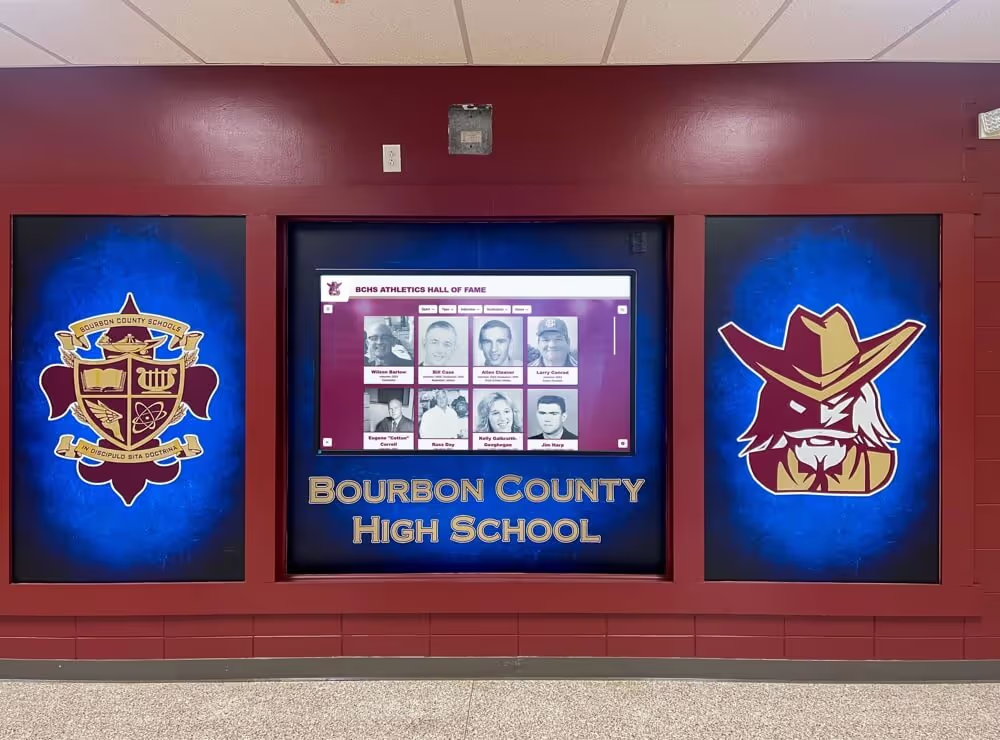
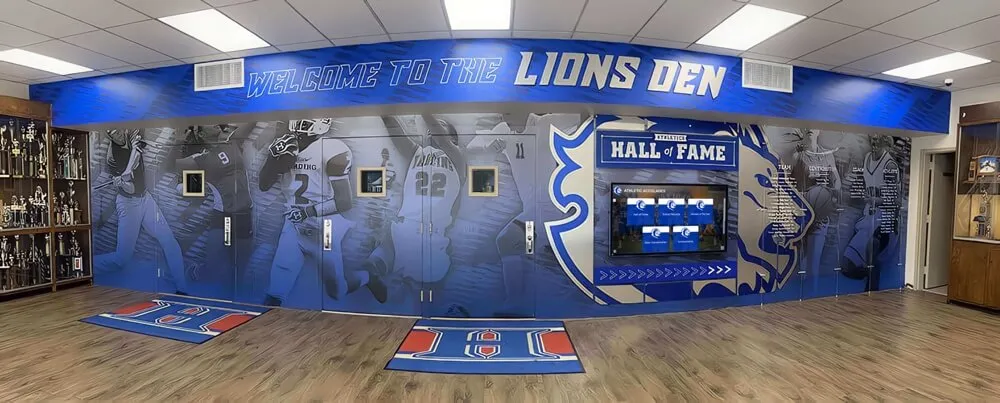
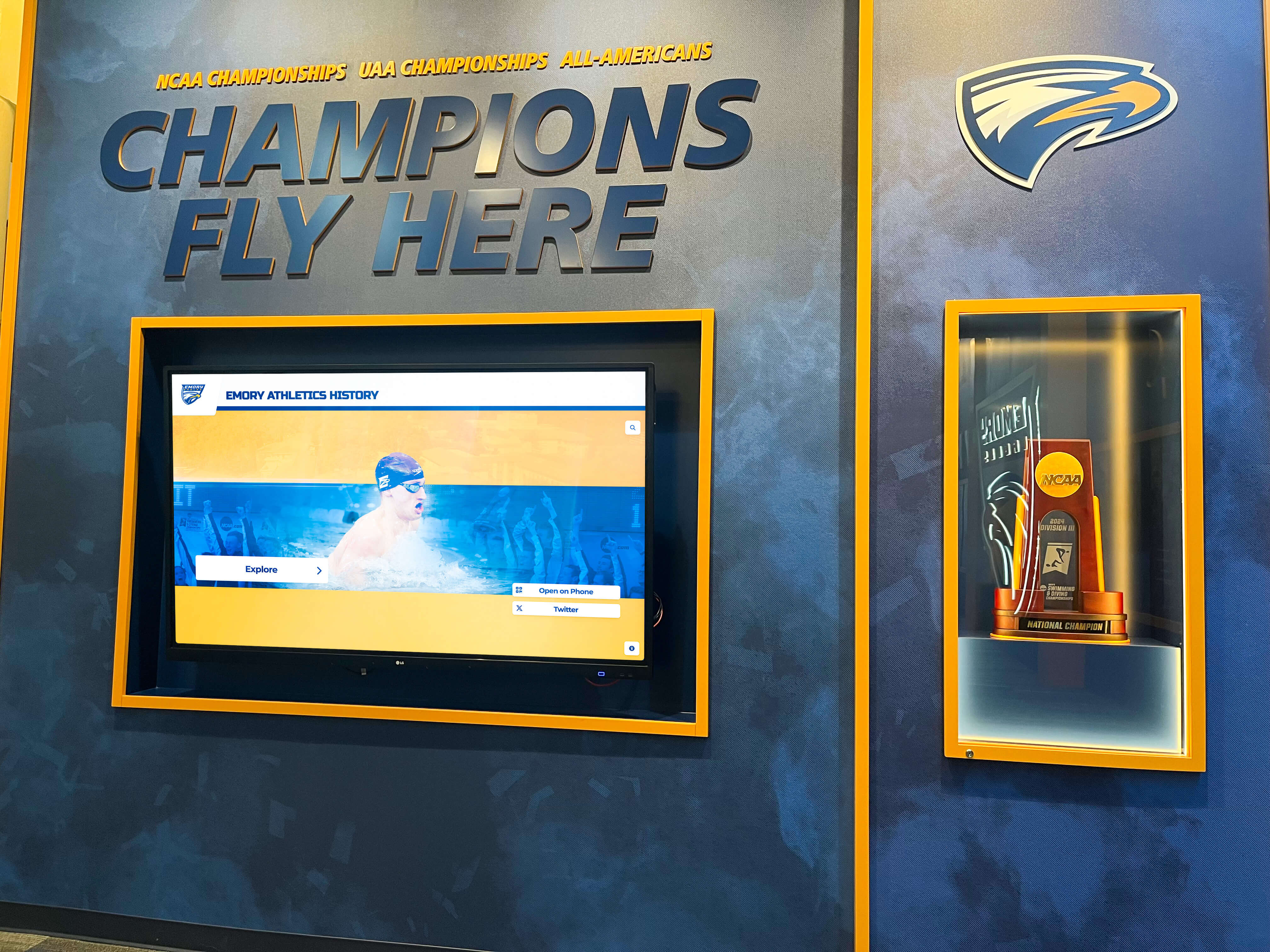
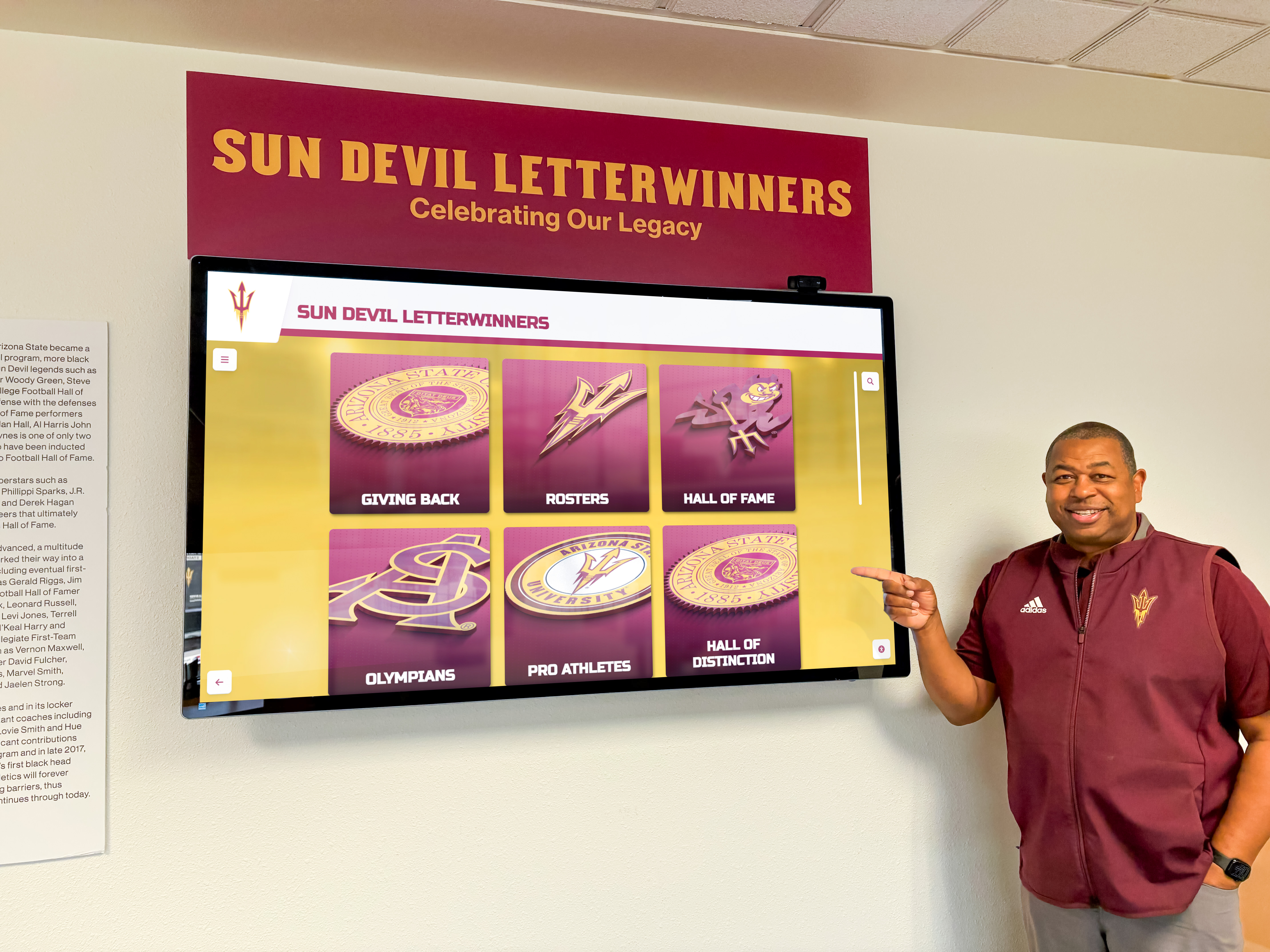
Physical displays in training facilities, school hallways, and athletic lobbies create constant visibility for track and field excellence. Interactive touchscreen displays enable athletes, families, and visitors to explore records by event, search for specific athletes, view seasonal progression, and understand historical context for current performances.
Digital archive systems preserve complete meet history including heat sheets, race results, season progression data, and championship performances that would otherwise exist only as printed paper or forgotten files. Alumni returning years or decades later can explore their competitive history, see how their performances rank in current all-time lists, and share achievements with families who may have never seen documented results.
Recognition extends beyond top record holders to celebrate excellence across all performance levels. Digital platforms can showcase most improved athletes, breakthrough performances relative to previous personal bests, athletes achieving multiple event excellence, and relay team accomplishments alongside individual achievements. This comprehensive recognition philosophy honors the diverse excellence that track and field produces rather than exclusively celebrating absolute fastest or farthest performances.
Modern recognition systems also address accessibility requirements ensuring all community members can engage with athletic achievement content. WCAG 2.2 AA compliant touchscreen displays provide inclusive experiences through proper contrast ratios, text sizing, alternative input methods, and assistive technology compatibility.
Building Track and Field Program Culture Through Recognition
Track and field programs thrive when athletes feel valued across all events and achievement levels. Recognition systems celebrating excellence comprehensively rather than exclusively honoring a narrow elite create inclusive cultures where throwers feel equally valued to sprinters, where mid-distance runners receive recognition alongside record-breaking stars, and where personal achievement growth matters as much as absolute competitive performance.
Digital platforms enable this comprehensive recognition at scales impossible with physical displays constrained by space limitations. Programs can maintain all-time top-25 lists for every event, celebrate seasonal top performers, recognize personal record achievements, honor multi-event versatility, and preserve complete historical databases without physical space constraints.
These systems also facilitate important connections between current athletes and program alumni. An athlete discovering they broke a school record held for 15 years gains motivation from understanding historical significance. Alumni seeing current athletes approaching their marks from decades past reconnect with programs and school communities. Best touchscreen displays for schools create these intergenerational connections through accessible platforms serving current communities while preserving institutional athletic memory.
Conclusion: Understanding Enhances Track and Field Experience
Track meets present organized complexity—dozens of events with distinct rules, strategies, and technical demands creating simultaneous competitions across track and field spaces. Understanding this structure transforms meets from confusing spectacles into engaging competitions where athletes, parents, and coaches participate knowledgeably.
Athletes who understand event rules, strategic approaches, and training requirements prepare effectively and compete confidently. Parents who grasp competition formats, timing systems, and meet progression support athletes appropriately while enjoying informed spectator experiences. Coaches who manage entries strategically, communicate race plans clearly, and provide focused competition feedback develop athletes while building successful programs.
The measurable objective nature of track and field creates natural recognition opportunities when programs implement systems preserving achievements permanently and celebrating excellence comprehensively. Modern digital platforms transform how schools track athletic records, recognize diverse achievement, and connect current athletes with program history—ensuring every personal record, every breakthrough performance, and every school record receives the permanent recognition athletes deserve.
Ready to preserve your track and field program’s achievements with a modern digital record board system? Schedule a demo with Rocket Alumni Solutions to explore how purpose-built platforms can automatically track, rank, and display performance across all track meet events while creating engaging recognition experiences celebrating athletic excellence throughout your school community.