



Track and field records high school programs maintain represent some of the most precise and objective measures of athletic excellence across all sports. Unlike subjective team sport statistics, track and field performances come down to tenths or hundredths of seconds, exact distances measured to the inch, and heights cleared that cannot be disputed. These measurable achievements create clear benchmarks that inspire athletes to push physical limits while preserving decades of competitive history that connects current runners, throwers, and jumpers to program legends who came before them.
High school track and field presents unique record-keeping challenges that set it apart from other athletic programs. The sport encompasses multiple disciplines—sprints, distance races, hurdles, relays, jumps, throws, and multi-event competitions—each requiring separate record tracking across boys’ and girls’ teams, indoor and outdoor seasons, and various event configurations. Athletic directors and coaches managing comprehensive track records must balance historical preservation with accessibility, ensuring that current athletes can easily discover what standards define program excellence while maintaining accurate documentation of every record holder throughout decades of competition.
Why Track and Field Record Systems Matter
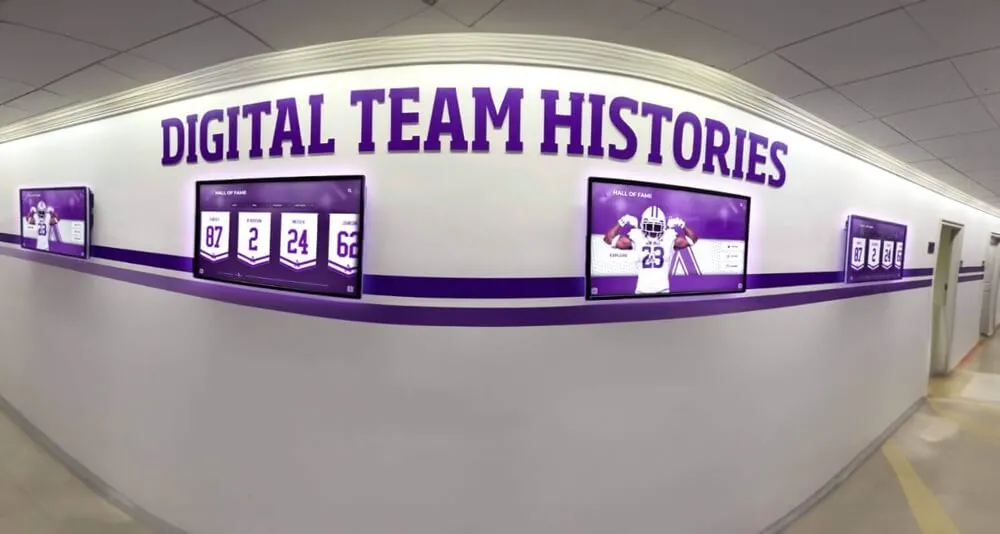
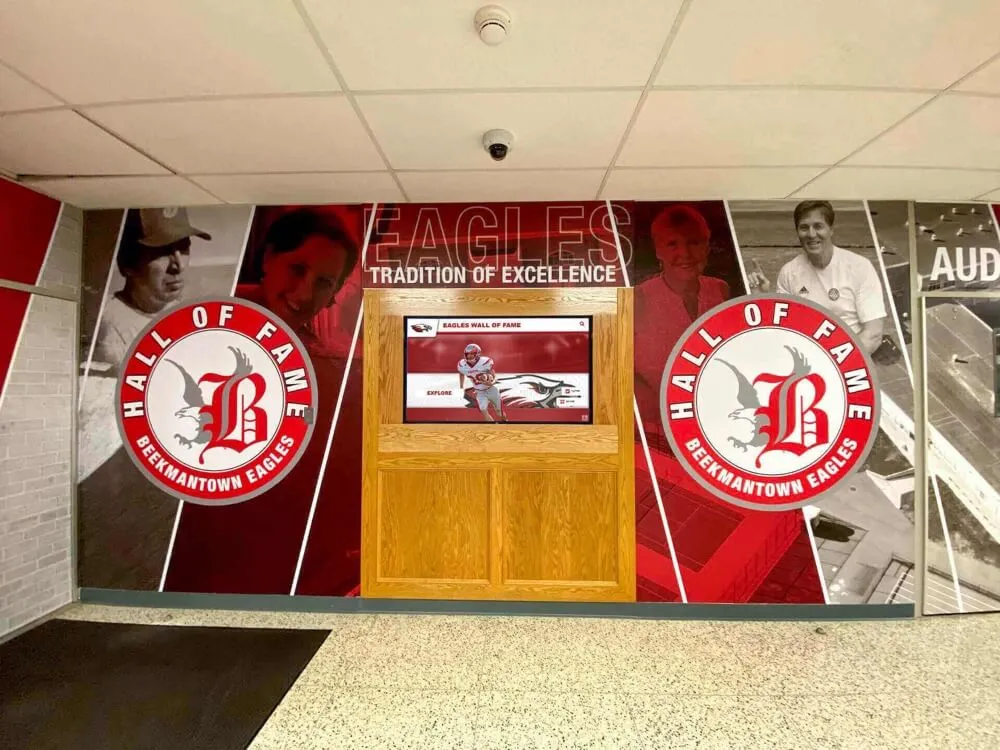
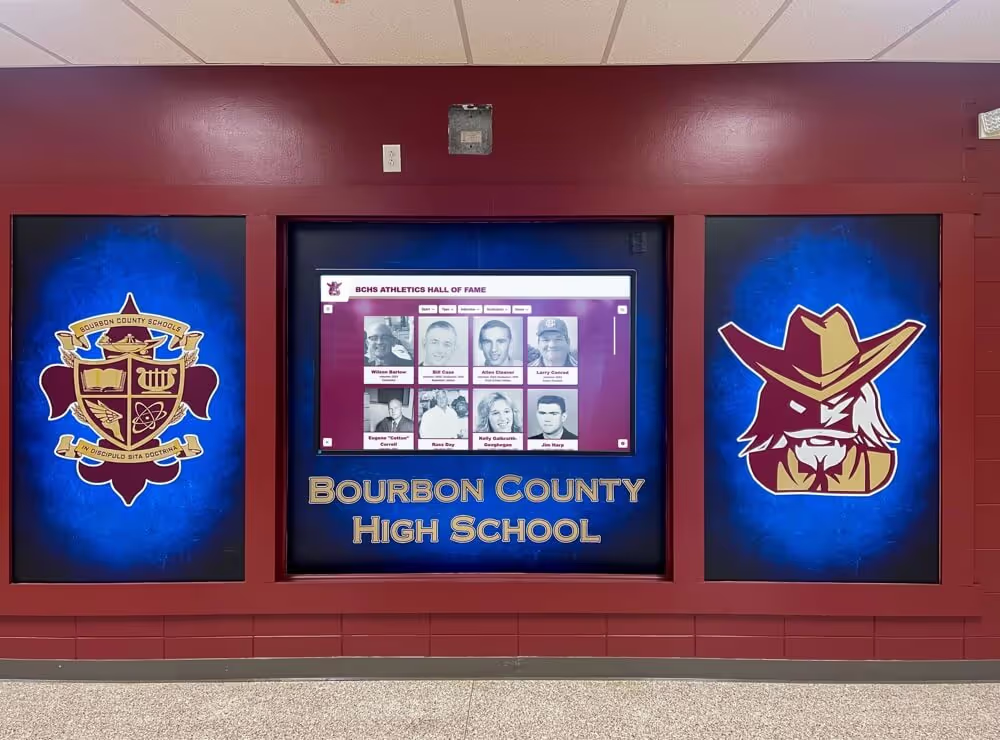
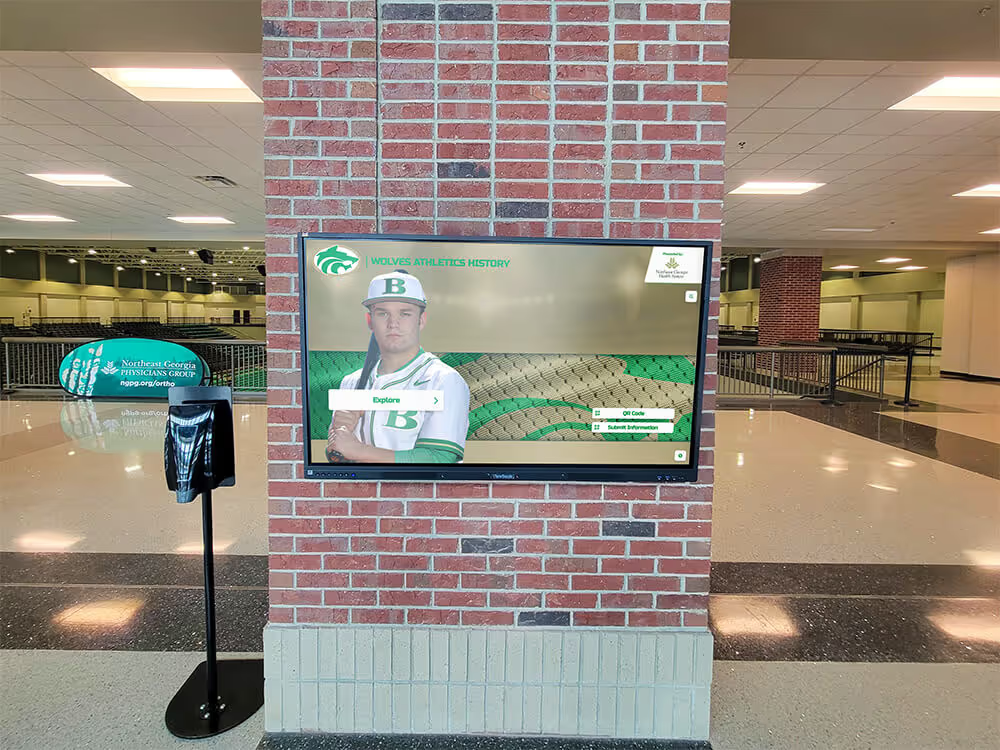
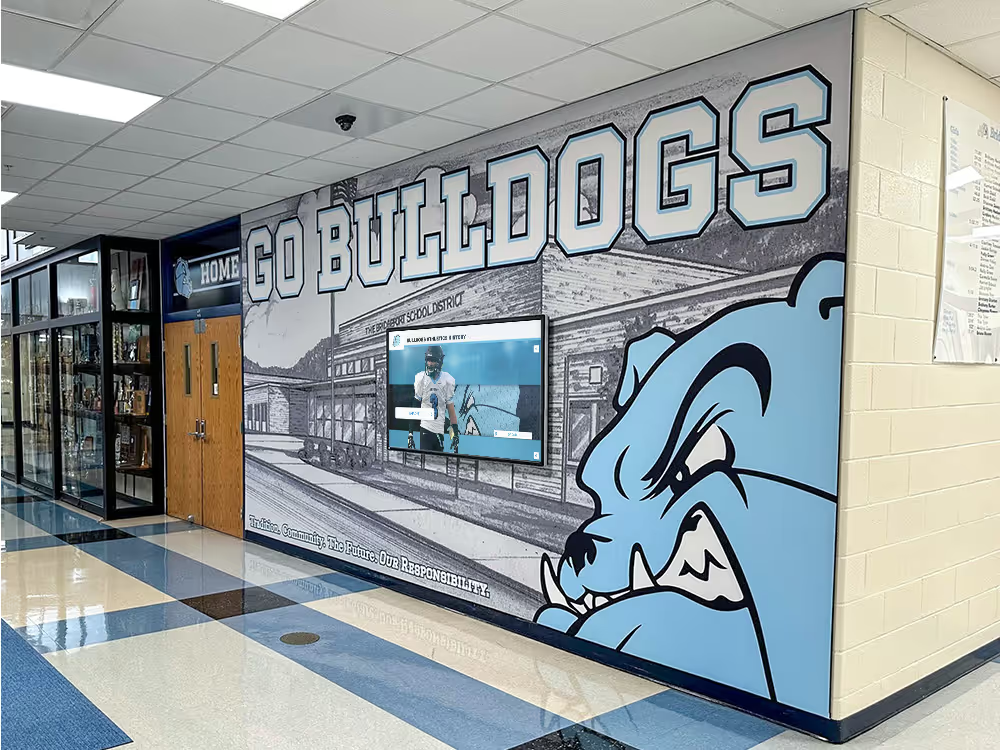
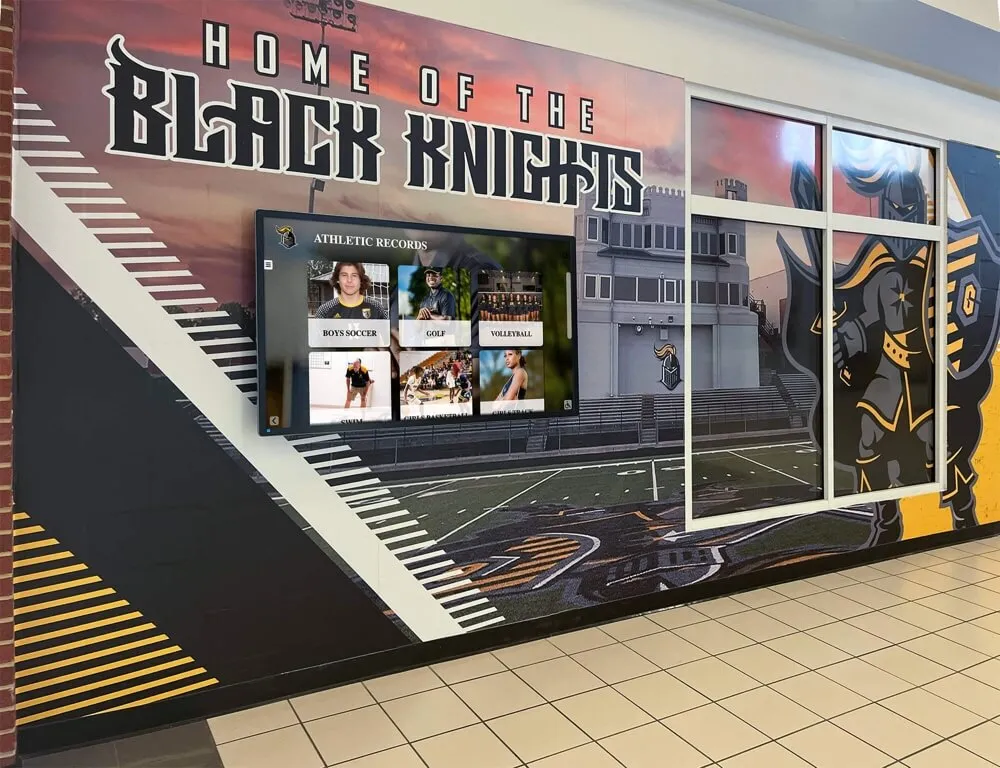
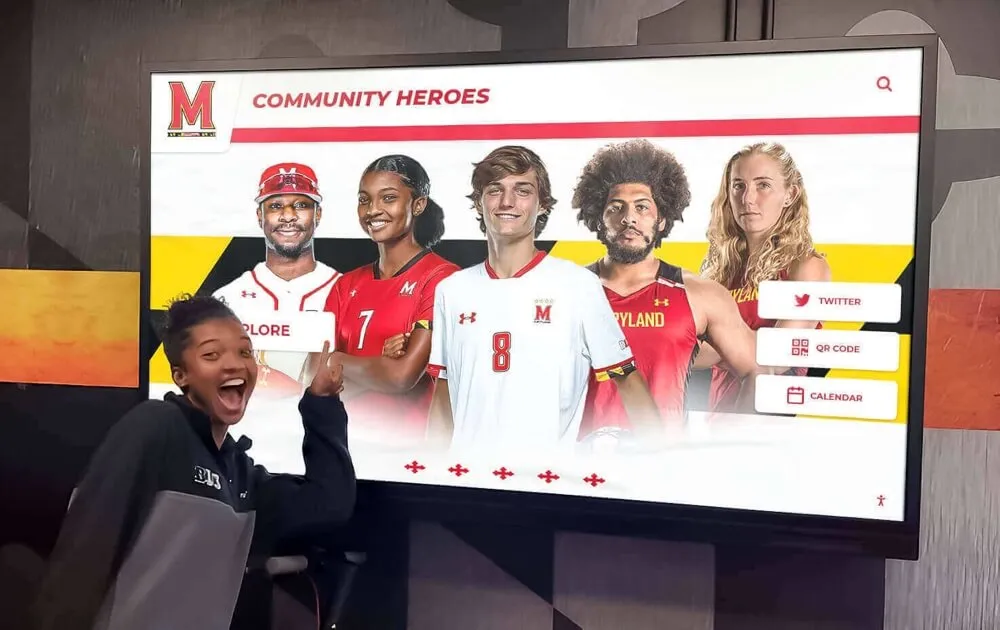
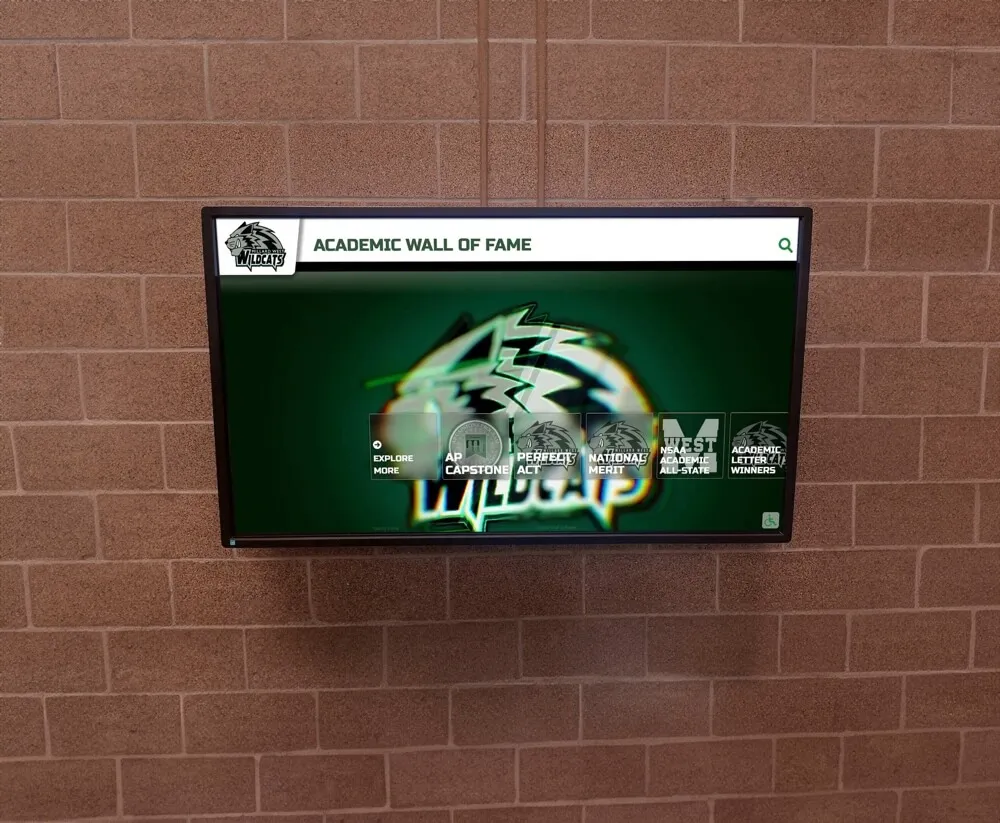
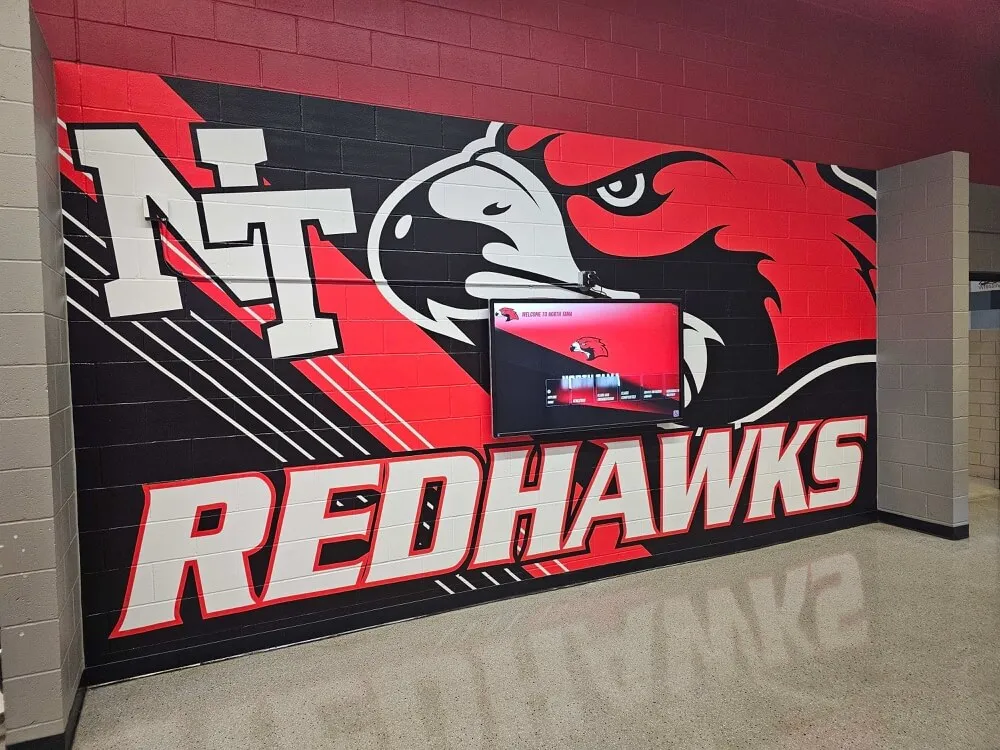
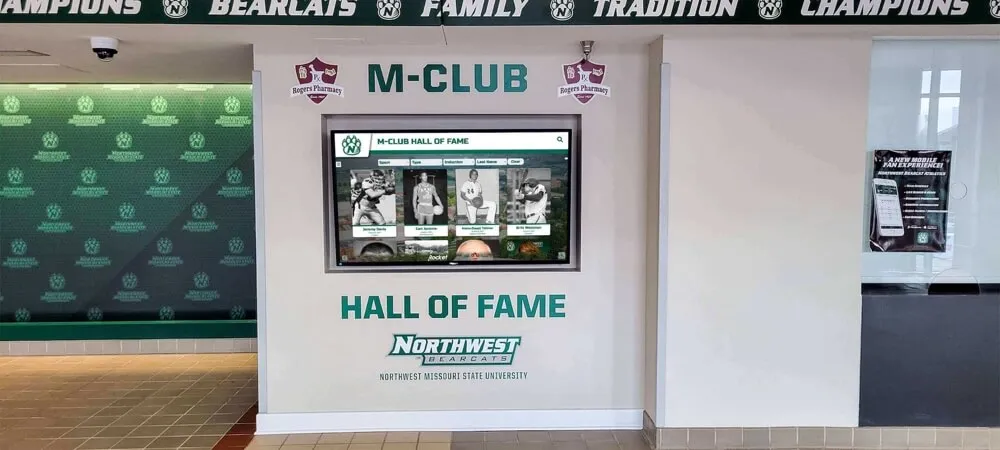
Comprehensive track and field record systems serve critical functions beyond simple documentation. They establish concrete performance targets giving athletes specific times and distances to chase rather than vague improvement goals, preserve competitive history showing program evolution across different coaching eras and training approaches, motivate current athletes through visible recognition of what exceptional performance looks like, provide recruiting tools demonstrating program competitiveness and development success, and create alumni connection points as former record holders maintain interest in whether their marks still stand decades later. Modern digital record board solutions enable programs to track unlimited events and performances while creating engaging displays that keep achievements visible throughout athletic facilities.
Understanding Track and Field Record Categories
Comprehensive high school track programs track dozens of distinct record categories reflecting the sport’s diverse event structure and competitive formats.
Sprint and Hurdle Records
Sprint events form the foundation of track competition, with athletes pursuing records across multiple distances and configurations.
Short Sprints (100m, 200m): These explosive events showcase pure speed and acceleration. Programs track records separately by gender, with times typically ranging from low 10-seconds for elite male 100m runners to mid 24-seconds for top female 200m performances. Indoor season variations at 55m or 60m require separate record tracking due to different race dynamics and timing systems.
Quarter-Mile Events (400m): The 400m combines speed with tactical pacing and lactic acid tolerance. Record times demand both explosive power and sustained speed endurance. Indoor 400m races may occur on smaller tracks requiring more turns, potentially affecting times compared to outdoor standard tracks.
Hurdle Events: Hurdles add technical complexity requiring speed combined with rhythm and clearance technique. High schools typically compete in 110m hurdles (boys), 100m hurdles (girls), and 300m/400m hurdles for both genders. Each event requires separate records as they demand different skill sets—sprint hurdles emphasizing explosive speed and quick clearances, while longer hurdles test sustained speed-endurance combined with technical consistency.
Programs should track both hand-timed and fully automatic timing (FAT) records separately, as FAT times run approximately 0.24 seconds slower than hand-times for the same performance. Clear documentation prevents confusion when comparing historical hand-timed records with modern electronic results.
Distance Running Records
Distance events extend from middle-distance races through long-distance endurance competitions, each requiring distinct training approaches and physiological capabilities.
Middle Distance (800m, 1500m/Mile): These events combine aerobic capacity with tactical racing skills. The 800m straddles the line between sprint and endurance, while the 1500m/mile requires sustained aerobic power. Top high school times approach 1:50 for boys’ 800m and 4:00 for boys’ mile, with girls’ records typically 8-12 seconds slower.
Long Distance (3000m, 3200m, 5000m): Distance races test pure endurance and mental toughness. The 3200m (approximately two miles) serves as the standard high school distance championship event. Some programs also track 5000m records for athletes competing in open meets or cross-country season track equivalents.
Steeplechase: High schools with steeplechase programs track these specialized distance races featuring barriers and water jumps. The 2000m steeplechase is common at the high school level, requiring both endurance and technical barrier clearance skills distinct from flat distance running.
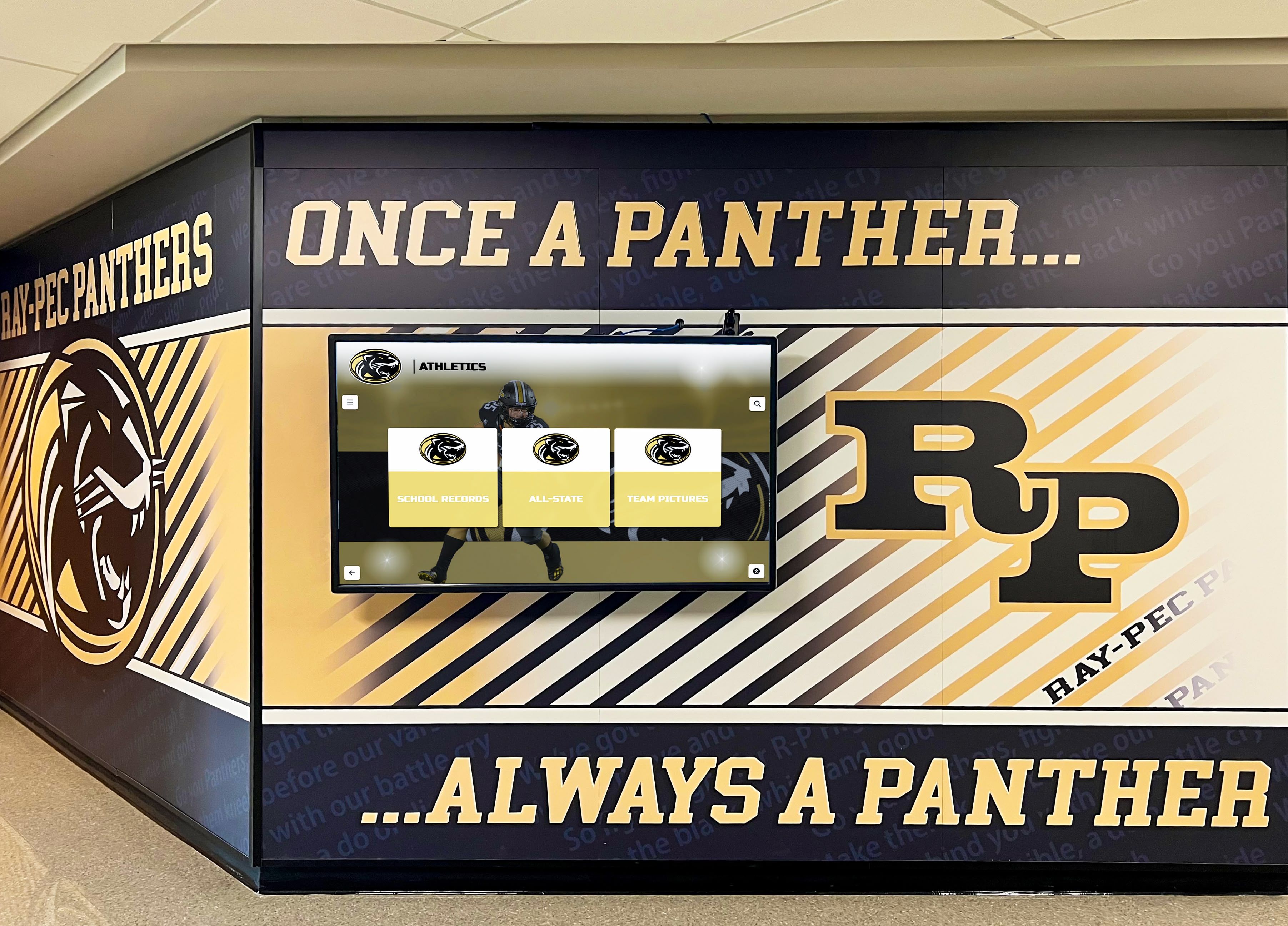
Modern approaches to student athlete achievement showcases enable comprehensive documentation of distance running progressions across multiple seasons.
Relay Records
Relay events celebrate team coordination and collective speed, requiring strategic runner selection and precise handoff execution.
Sprint Relays: The 4x100m relay demands explosive speed and flawless baton exchanges within tight passing zones. Timing differences between legs can indicate handoff quality—great exchanges add significant time advantages. The 4x200m relay extends this dynamic to longer sprint distances, often featuring different athlete combinations than 4x100m teams.
Distance Relays: The 4x400m relay combines individual quarter-mile excellence with team tactics—determining leg order, matching runner strengths to race positions, and managing pace strategies. Some programs also track 4x800m relay records, particularly in states where this event appears in championship meets.
Mixed Distance Relays: Sprint medley relays (SMR) and distance medley relays (DMR) feature different leg distances requiring diverse athlete types on single teams. These specialty relays showcase program depth by combining sprinters and distance runners in collaborative efforts.
Recording relay achievements should include individual split times when available, allowing recognition of exceptional leg performances within record-setting relay teams. This granular data preservation helps coaches understand which lineup combinations and leg strategies produce optimal results.
Jumping Event Records
Field events add dimensionality to track programs, with jumping events testing explosive power, speed application, and technical execution.
Horizontal Jumps (Long Jump, Triple Jump): Long jump combines sprint speed with takeoff timing and flight technique. Elite high school performances exceed 24 feet for boys and 19 feet for girls. Triple jump adds complexity through the hop-step-jump sequence, with top performances reaching beyond 48 feet for boys. Wind readings affect jump validity—performances with wind assistance exceeding +2.0 m/s are typically marked separately or excluded from record consideration.
Vertical Jumps (High Jump, Pole Vault): High jump showcases technical mastery and explosive vertical power, with top performances clearing 7 feet for boys and 5'8" for girls. Pole vault represents track and field’s most technical event, combining sprint speed, gymnastics-level body control, and precise energy transfer through the pole. Elite high school vaulters clear 16+ feet for boys and 13+ feet for girls.
Jump records should document competition venue conditions—indoor versus outdoor, wind conditions for horizontal jumps, and runway surface specifications. Indoor high jump and pole vault records may differ from outdoor marks due to facility variations and atmospheric conditions.
Throwing Event Records
Throwing events emphasize power, technique, and implement-specific skills across four main disciplines.
Shot Put: This fundamental throwing event requires explosive power translated through precise technique. Boys compete with 12-pound shots while girls throw 4-kilogram (8.8-pound) implements. Top high school performances exceed 65 feet for boys and 47 feet for girls.
Discus: The discus demands rotational power combined with technical precision for optimal release angles and spin rates. Boys throw 1.6kg discus while girls compete with 1kg implements. Elite performances reach 190+ feet for boys and 150+ feet for girls.
Javelin: Javelin combines run-up speed with precise release mechanics and optimal trajectory angles. Implement specifications vary—boys throw 800g javelins while girls use 600g models. Top throws exceed 210 feet for boys and 155 feet for girls.
Hammer Throw: While less common in high school programs due to safety requirements and facility needs, hammer throw programs track this specialized rotational event separately. The hammer demands unique technique distinct from other throws.
Throwing records should always specify implement specifications, as different weight or dimension standards would invalidate comparisons. Some states allow modified implement weights for younger age groups, requiring additional record category differentiation.
Resources on high school team recognition provide parallel frameworks for celebrating collective achievements applicable to relay teams and squad milestones.

Record Tracking Systems and Documentation
Accurate record keeping requires systematic approaches ensuring data integrity while remaining manageable for busy coaching staffs.
Establishing Clear Record Criteria
Programs must define exactly which performances qualify as official school records to prevent confusion and disputes.
Timing and Measurement Standards: Specify whether records require fully automatic timing or accept hand-times with conversion adjustments. Define which measuring equipment meets standards for field events—certified tapes, electronic measurement systems, or official meet equipment. Establish whether records must occur at sanctioned meets or accept performances from time trials and informal competitions.
Venue and Conditions: Determine whether records differentiate between home and away venues, as track surface variations can significantly impact times. Decide whether altitude considerations apply for programs that compete at varying elevations. Establish how wind conditions affect record validity for sprints and horizontal jumps.
Competition Level: Clarify whether records require varsity competition or accept freshman/JV performances. Some programs track separate varsity and overall program records, recognizing that phenomenal freshman performances may exceed some varsity marks.
Historical Verification: For records dating back decades, establish documentation standards. Some historical performances may lack complete verification but deserve recognition based on available evidence like meet results, newspaper reports, or yearbook documentation. Clear policies determine how programs handle incomplete historical records.
Seasonal Record Management
Track and field’s dual-season structure requires careful organization differentiating indoor and outdoor achievements.
Indoor Season Considerations: Indoor tracks typically measure 200m compared to outdoor 400m ovals, affecting race dynamics and times. Some indoor events like 60m dash, 60m hurdles, or mile have no outdoor equivalents, requiring separate record categories. Field event spaces may limit run-up distances or circle sizes, potentially affecting jump and throw distances compared to outdoor performances.
Outdoor Season Records: Standard outdoor competitions occur on 400m tracks with full-length field event areas. Weather conditions—temperature, humidity, altitude, wind—affect outdoor performances more than climate-controlled indoor venues. Programs should clearly label which season each record represents.
All-Time Records: Some programs track “all-time” records representing the best mark regardless of season, while maintaining separate seasonal records. This approach recognizes absolute performance while preserving season-specific achievements.
Meet Type Differentiation: Programs may distinguish between regular season performances, conference championships, sectional/regional meets, and state championship performances. Some schools designate state meet performances as “gold standard” records given the heightened competition and championship atmosphere.
Database Systems and Software Tools
Modern record keeping benefits significantly from digital systems that automate calculations and prevent data loss.
Athletic Management Platforms: Dedicated track and field management software like Athletic.net, MileSplit, or DirectAthletics provide comprehensive results tracking with automatic record comparisons. These platforms track seasonal progressions, generate comparative statistics, maintain historical databases, and often integrate timing systems for immediate result uploads.
Spreadsheet Systems: Schools without specialized software can create robust tracking through well-designed spreadsheets featuring separate sheets for event categories, formulas identifying record holders automatically, conditional formatting highlighting performances approaching records, and cell protection preventing accidental data modification.
Cloud Storage and Backup: Regardless of system choice, cloud-based storage ensures records remain accessible and protected through automatic backup preventing data loss, multi-device access enabling updates from any location, version history tracking all changes, and permission controls limiting who can modify sensitive information.
Integration with Timing Systems: Modern fully automatic timing systems can export results directly to record databases, eliminating manual entry errors. Integration streamlines post-meet updates while ensuring timing data accuracy.
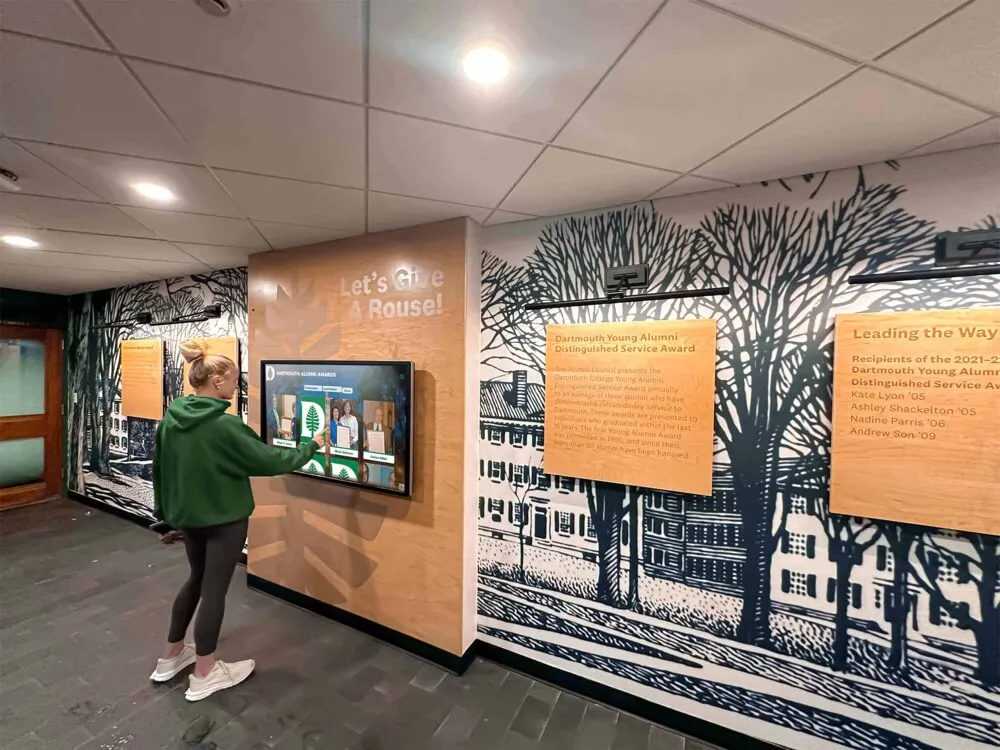
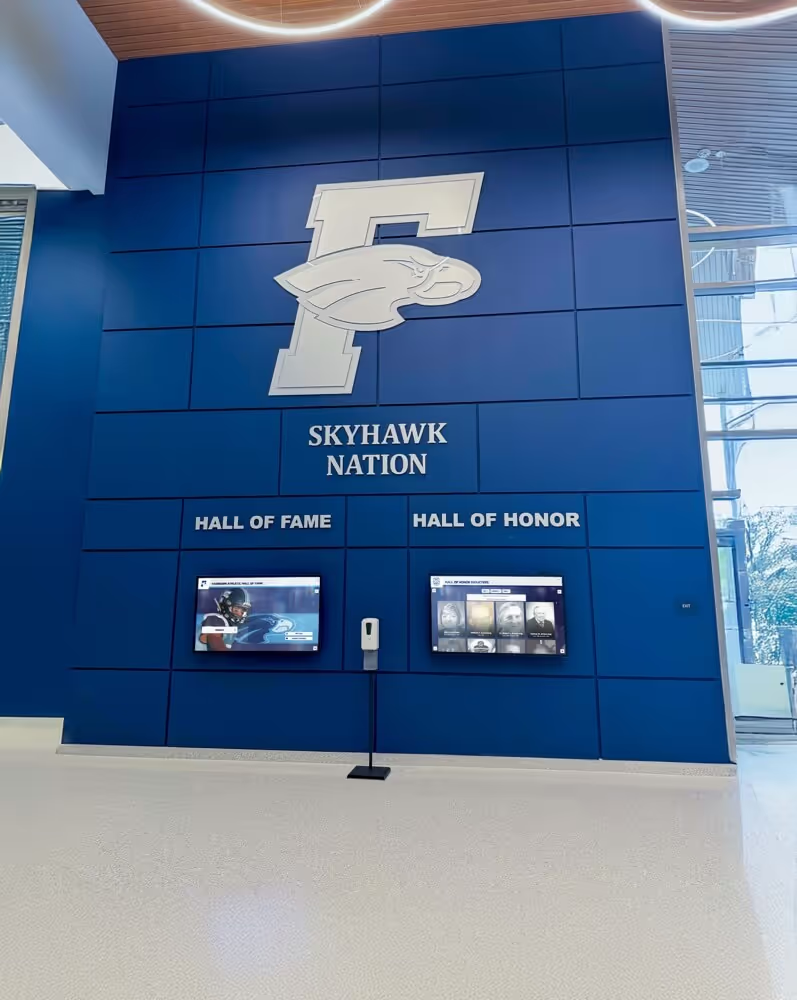
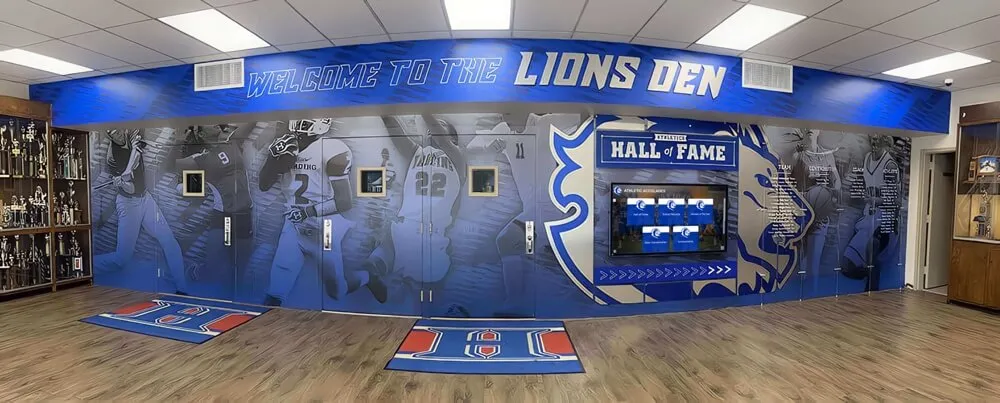
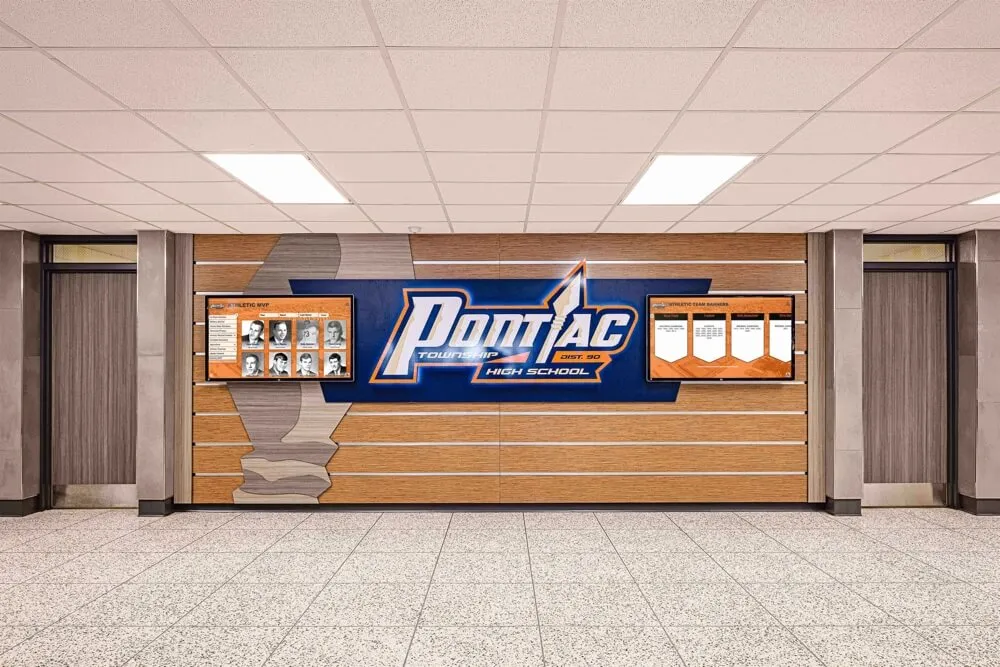
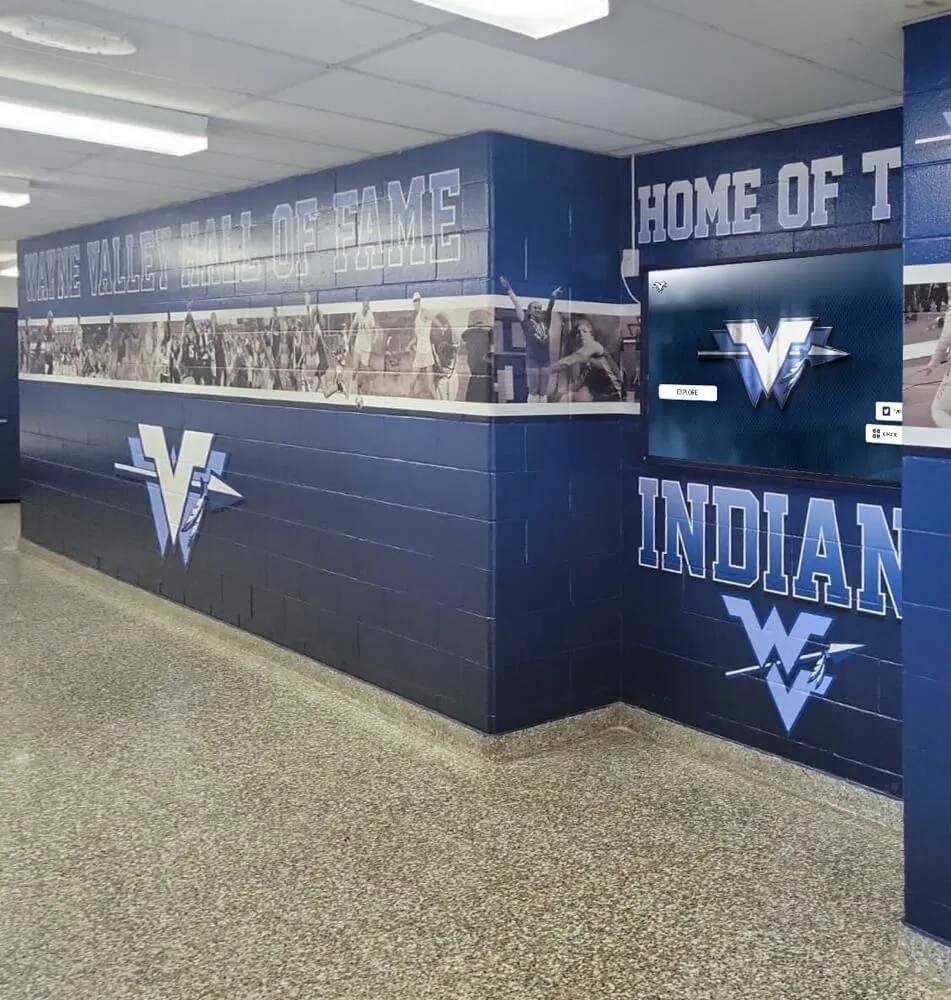
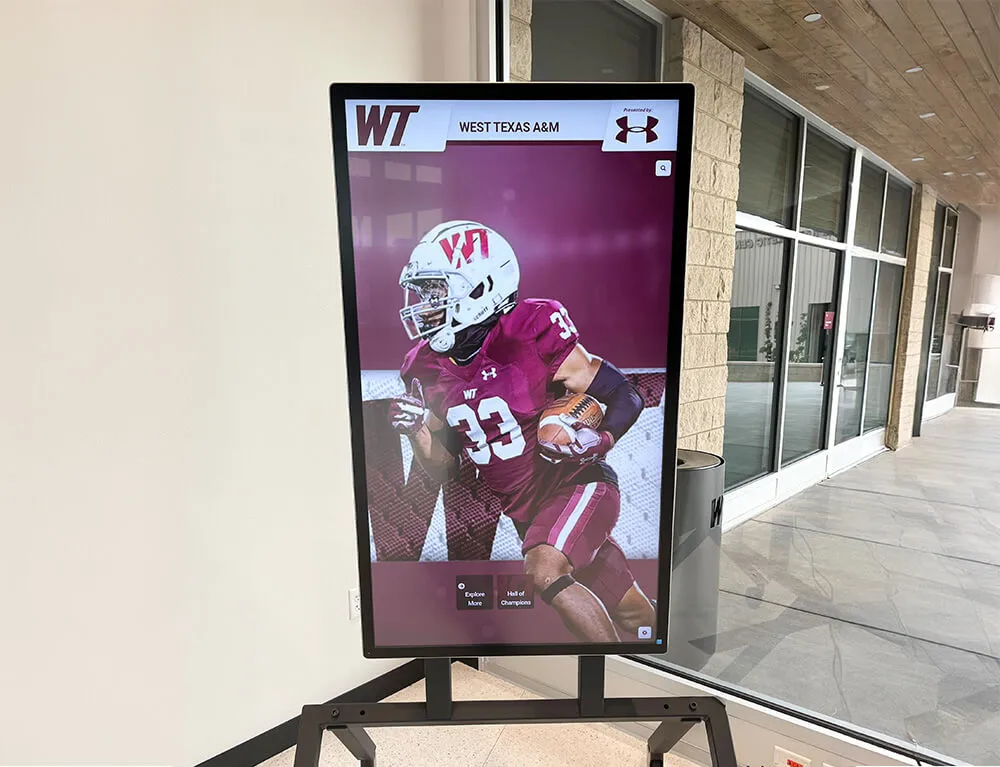
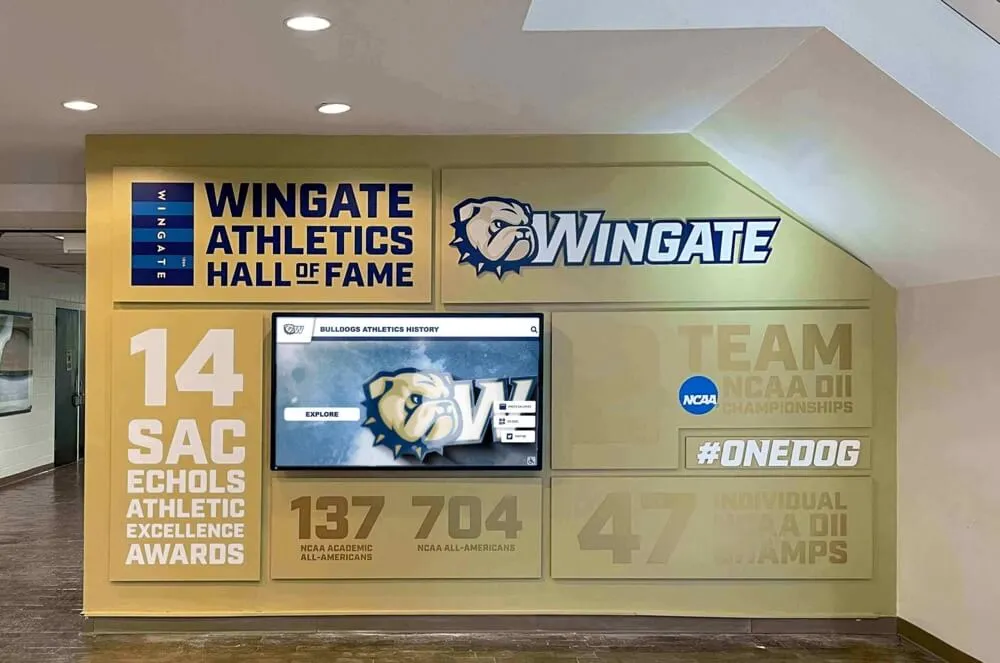
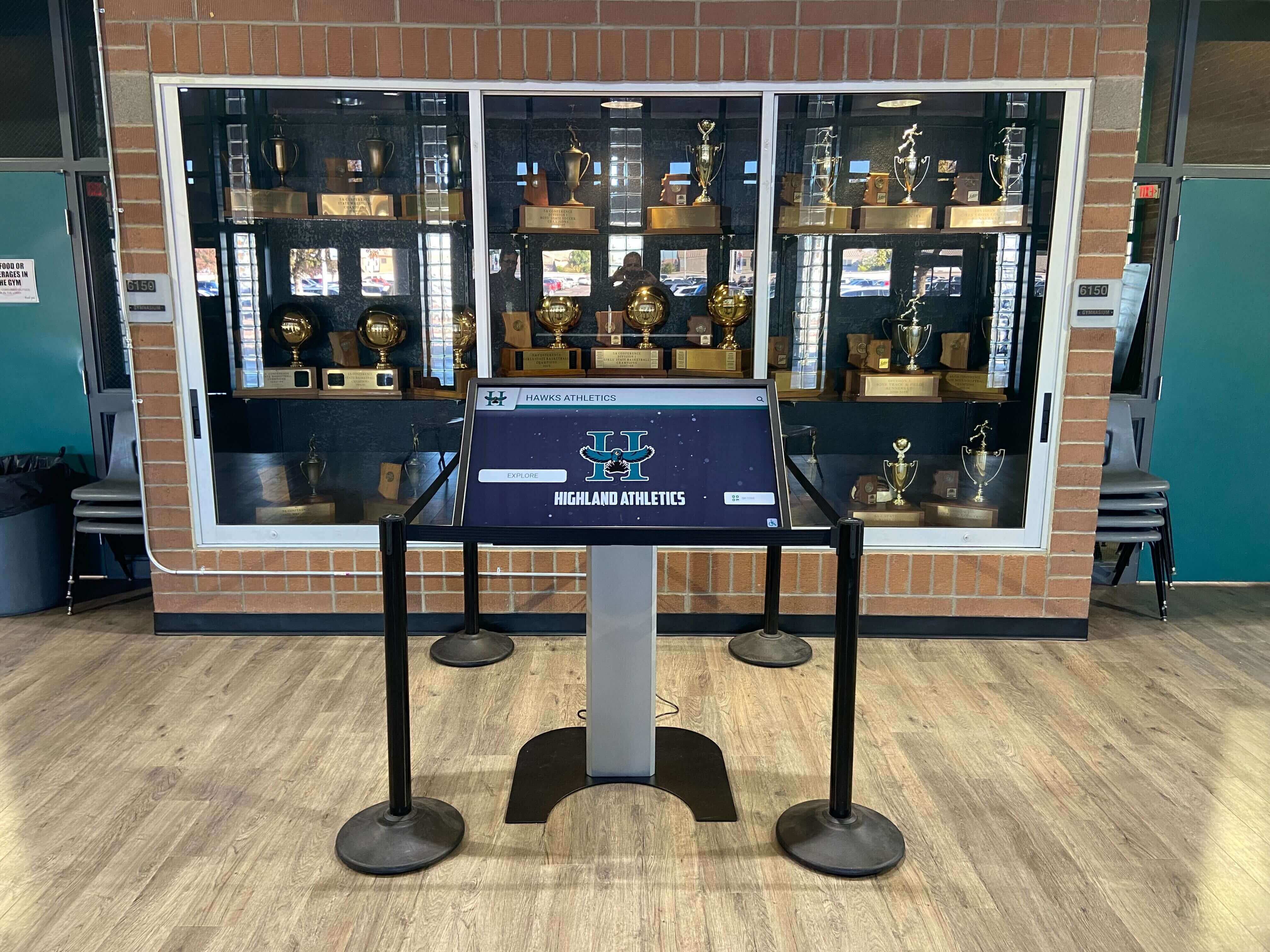
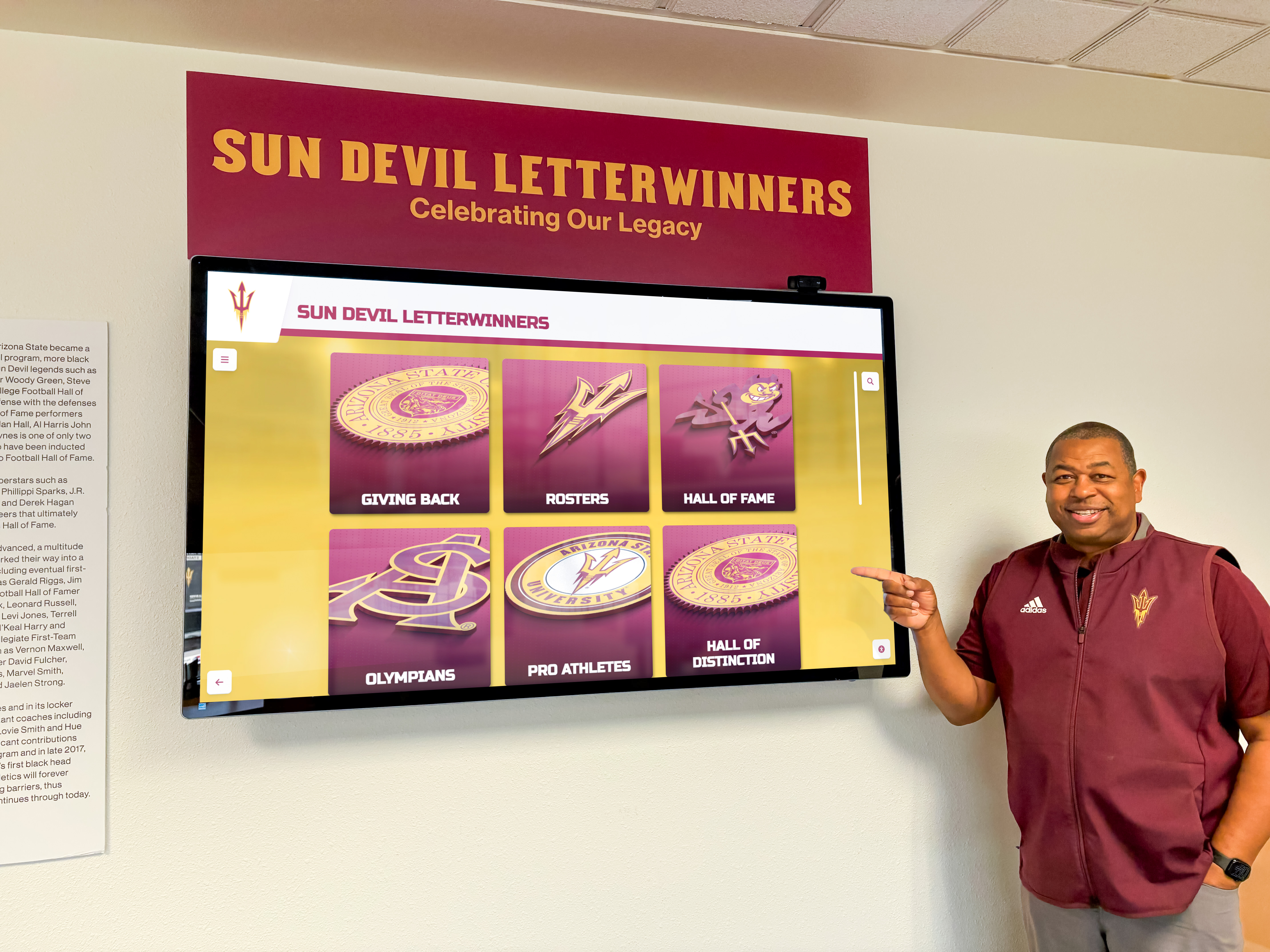
Programs developing comprehensive athletic recognition approaches often combine record tracking with broader initiatives. Touchscreen display solutions enable integration of track records with other athletic achievements in unified recognition systems.
Traditional vs. Digital Record Display Solutions
How schools choose to display track and field records significantly impacts their visibility and motivational influence on current athletes.
Traditional Physical Display Limitations
Physical record boards have served track programs for generations but present significant constraints as programs grow and records accumulate.
Painted Stadium Walls: Many programs paint records directly on field house or stadium walls adjacent to tracks. While visible and permanent, painted records require complete repainting when new marks are set—expensive, weather-dependent, and often delayed. Limited wall space forces difficult decisions about which records receive display priority.
Locker Room Boards: Wooden or metal boards mounted in team areas provide daily exposure to performance standards. However, update challenges remain—new plaques require ordering and installation with associated costs and delays. As athletes set records, adding recognition becomes a procurement challenge rather than immediate celebration.
Program Banners: Vinyl or fabric banners displaying records offer colorful designs and moderate costs. However, materials deteriorate over years—fading from UV exposure, peeling in temperature extremes, and sustaining damage in active athletic environments. Complete replacement becomes necessary periodically.
Trophy Case Plaques: Engraved plaques in trophy cases provide formal recognition with prestigious presentation. Yet fixed layouts limit expansion capacity, updates require expensive engraving services, and space constraints eventually force removal of older recognition to accommodate recent achievements—literally erasing program history to make room for new records.
Digital Display Advantages for Track Records
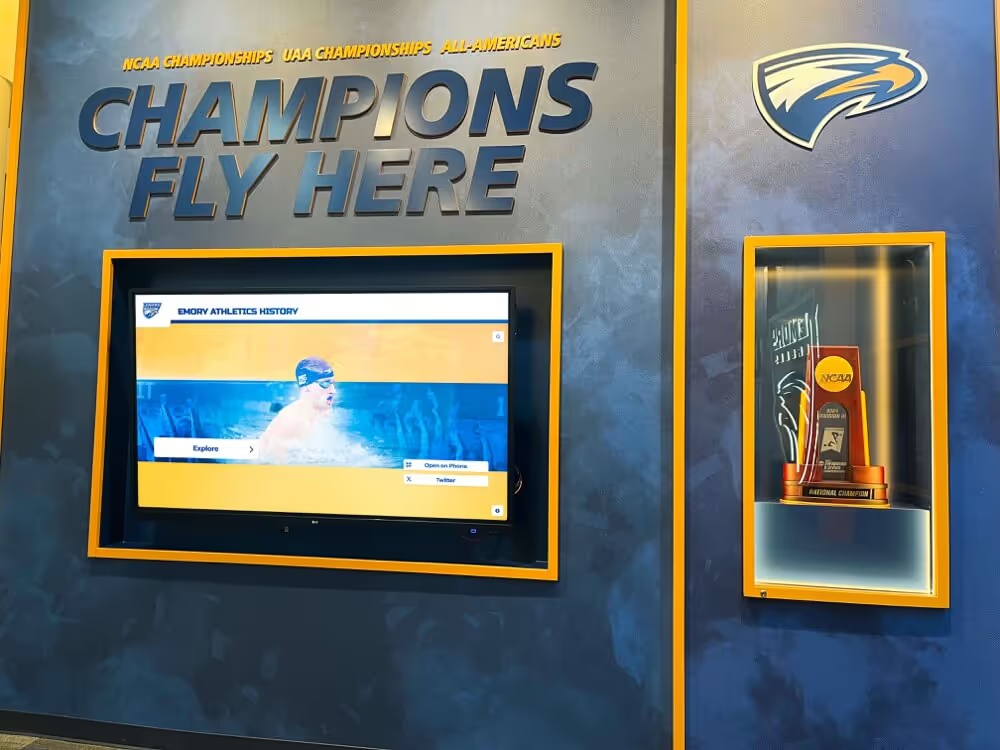
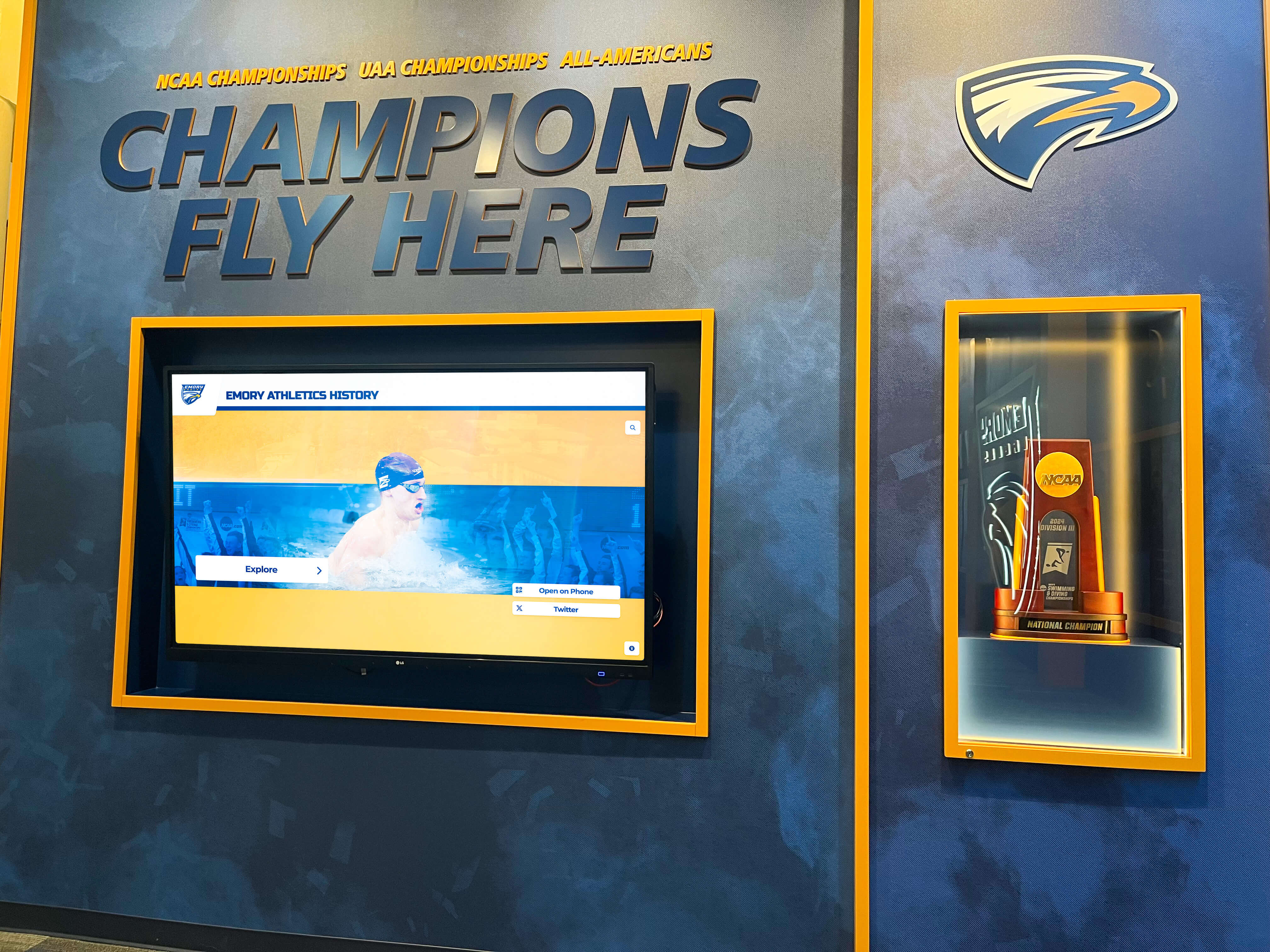
Modern digital record boards address traditional limitations while adding capabilities impossible with physical displays.
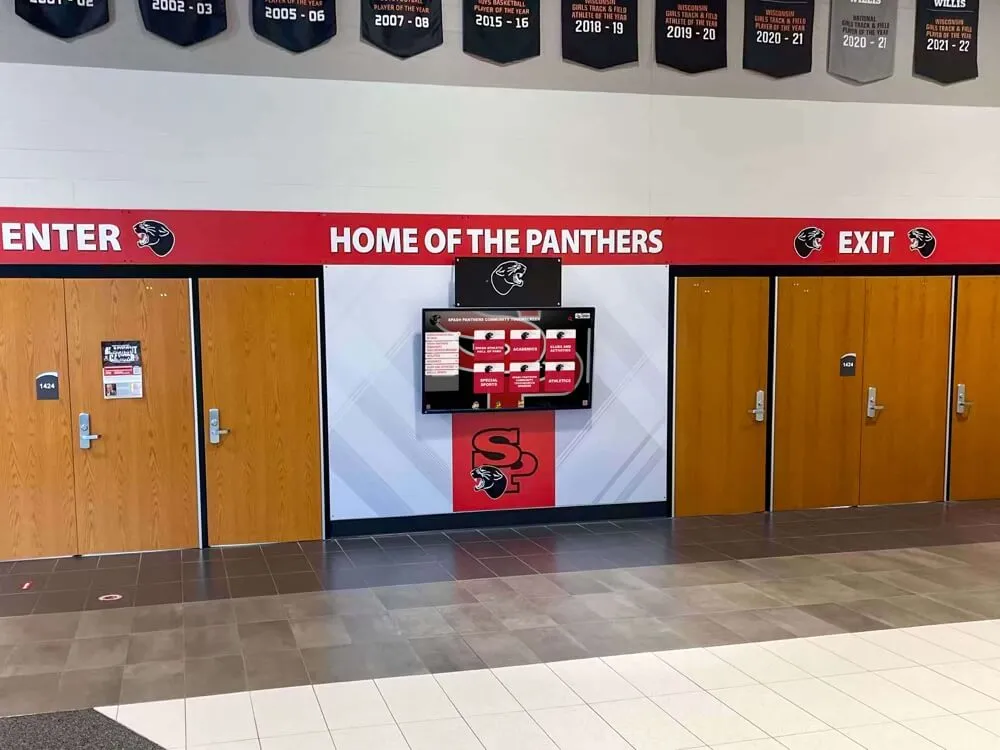
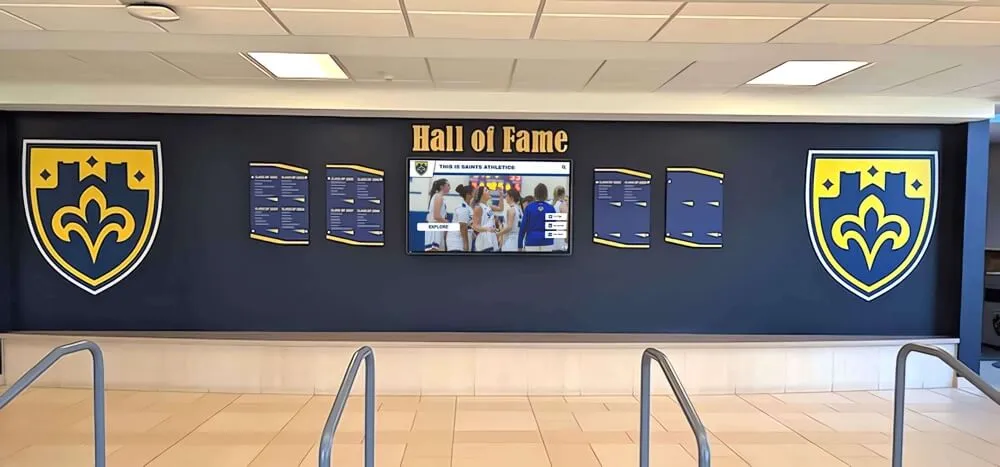
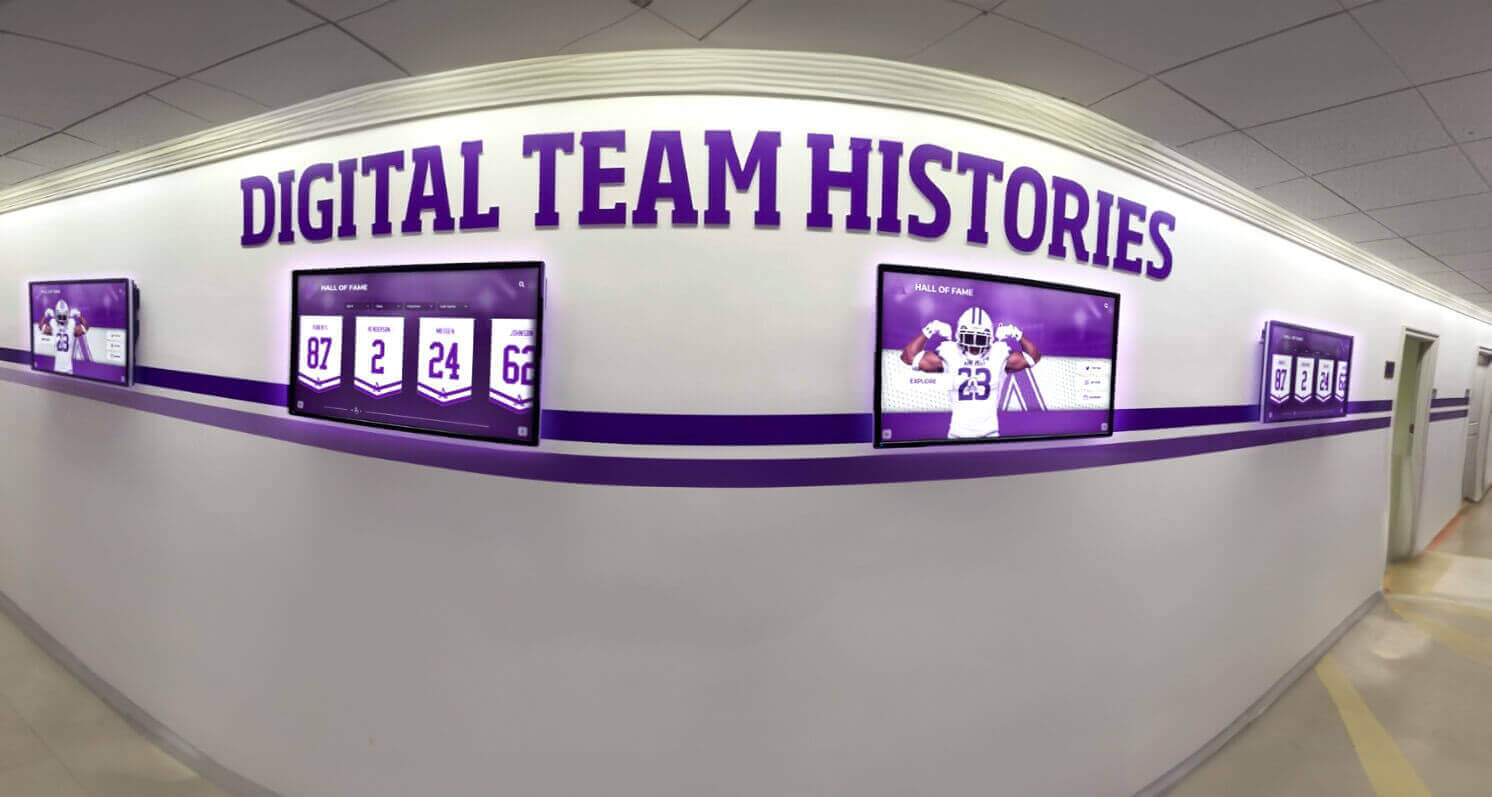
Unlimited Record Capacity: Digital platforms accommodate every record across all events, genders, and seasons without space constraints. Programs can display complete historical records showing not just current holders but all-time top ten performances, record progression histories showing how marks improved over decades, and season-by-season top performances creating comprehensive competitive context.
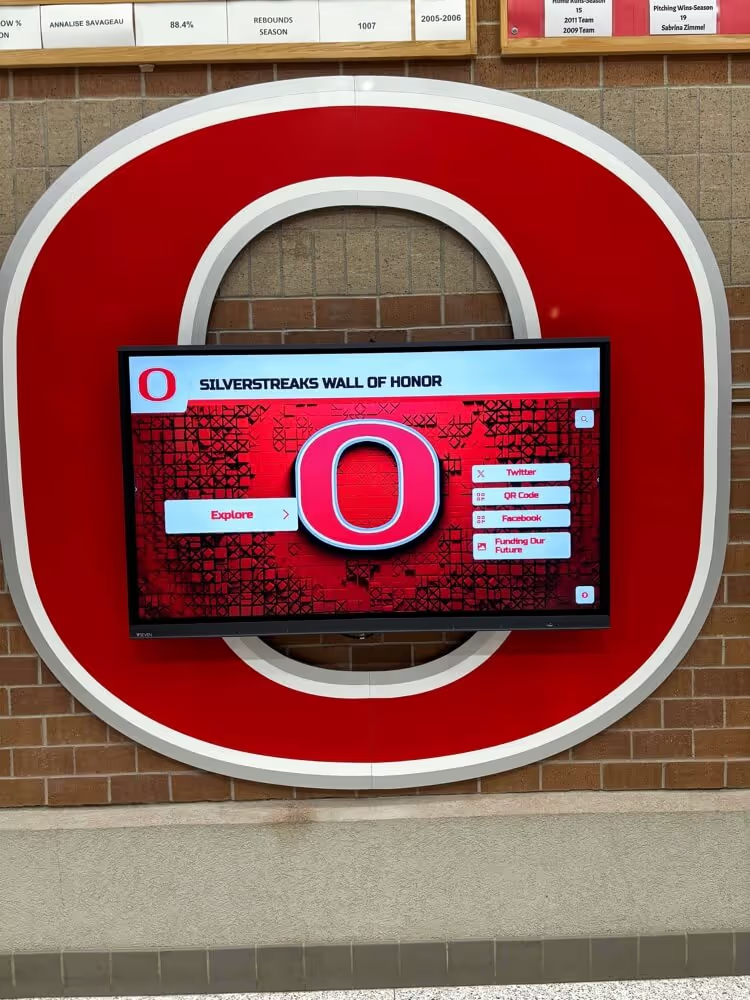
Instant Updates Without Physical Materials: When athletes break records during meets, coaches or athletic directors simply update digital systems through content management interfaces—no waiting for banner printing, plaque engraving, or painter scheduling. Records update immediately, enabling celebration while achievement excitement remains fresh rather than weeks later when materials arrive.
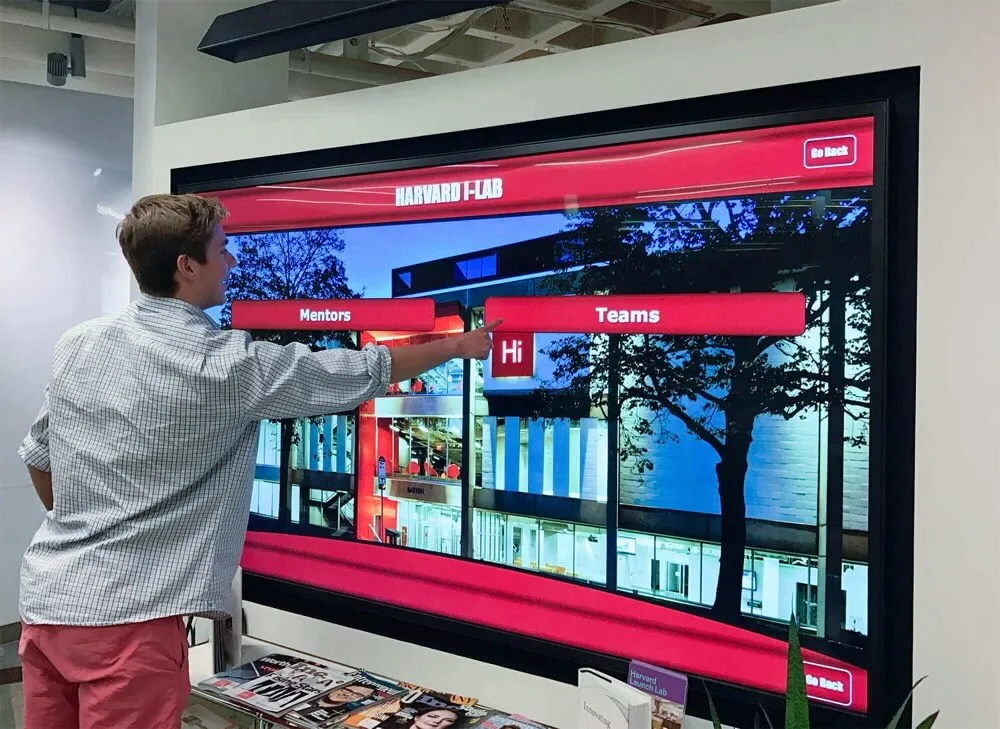
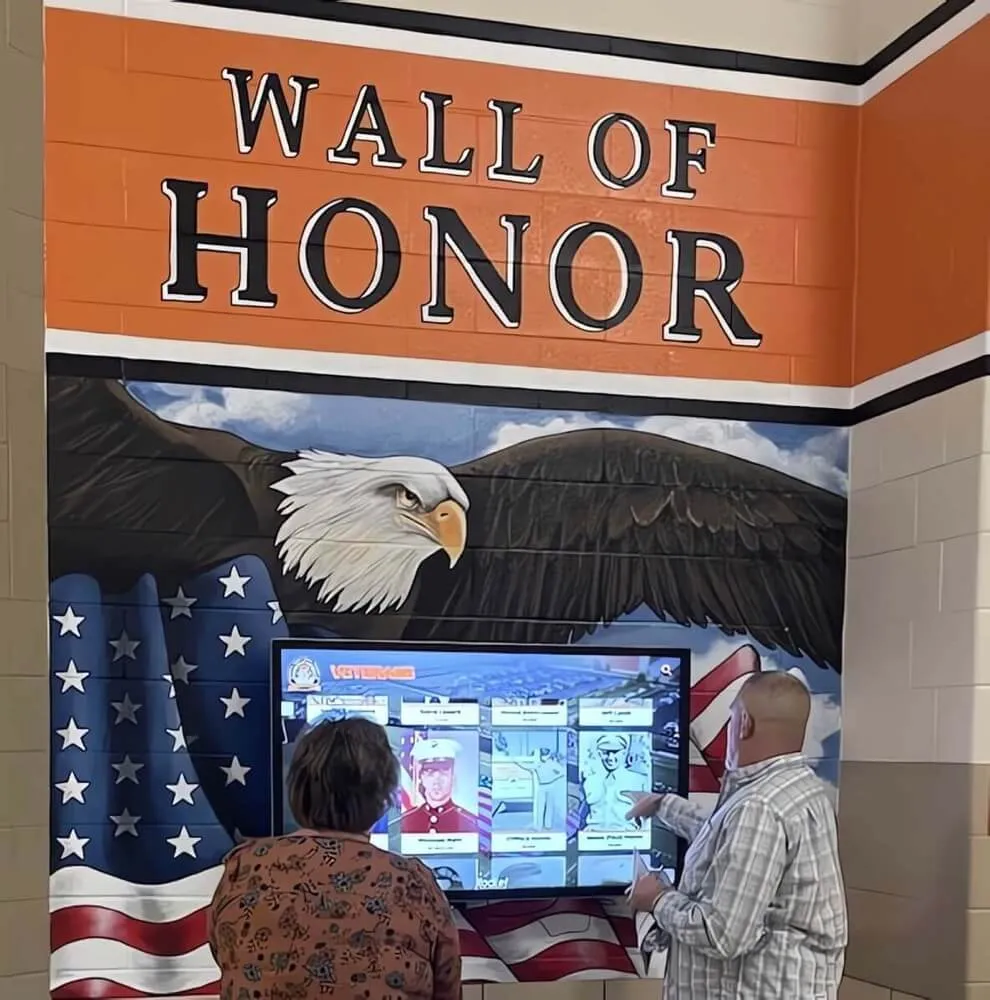
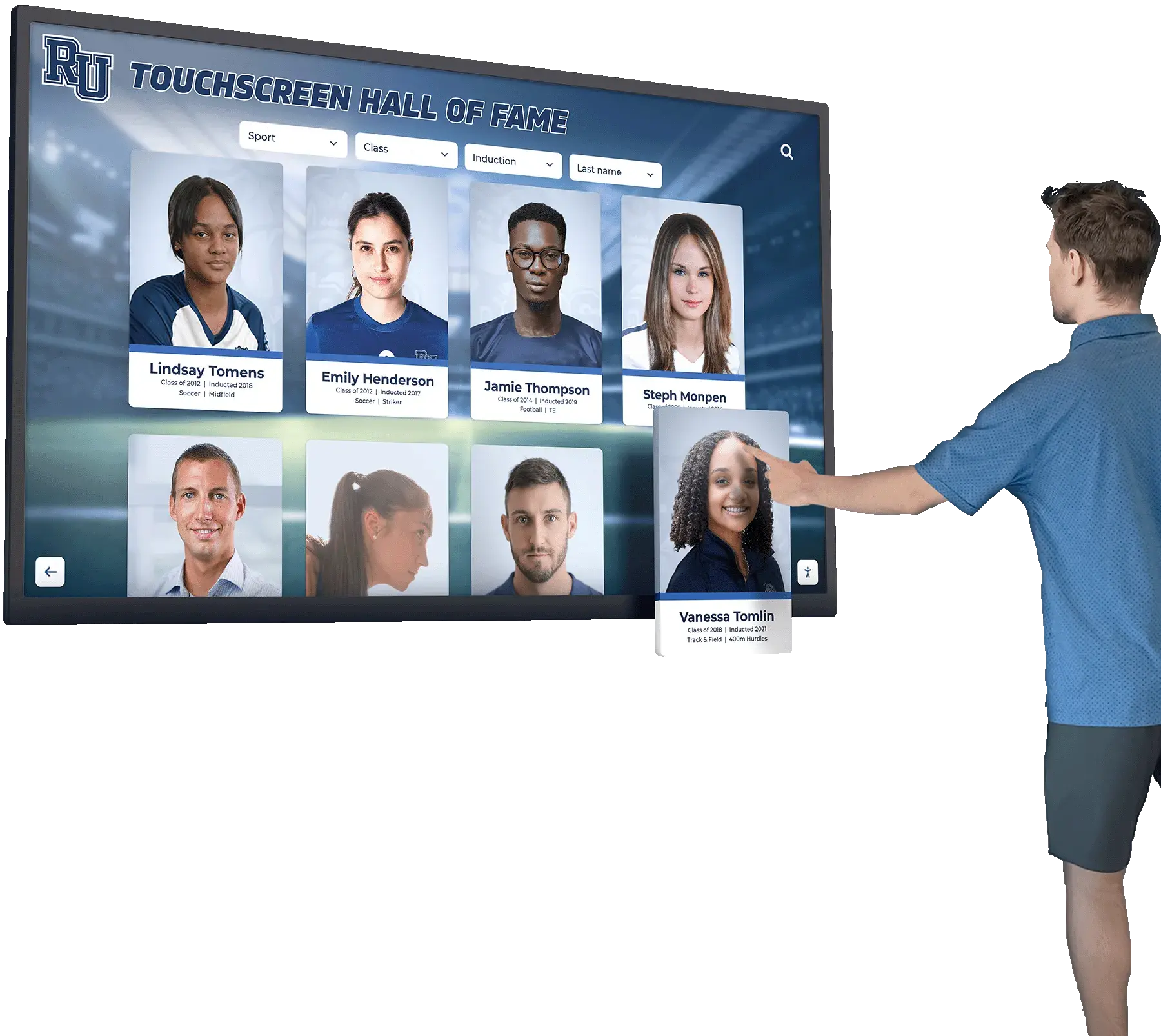
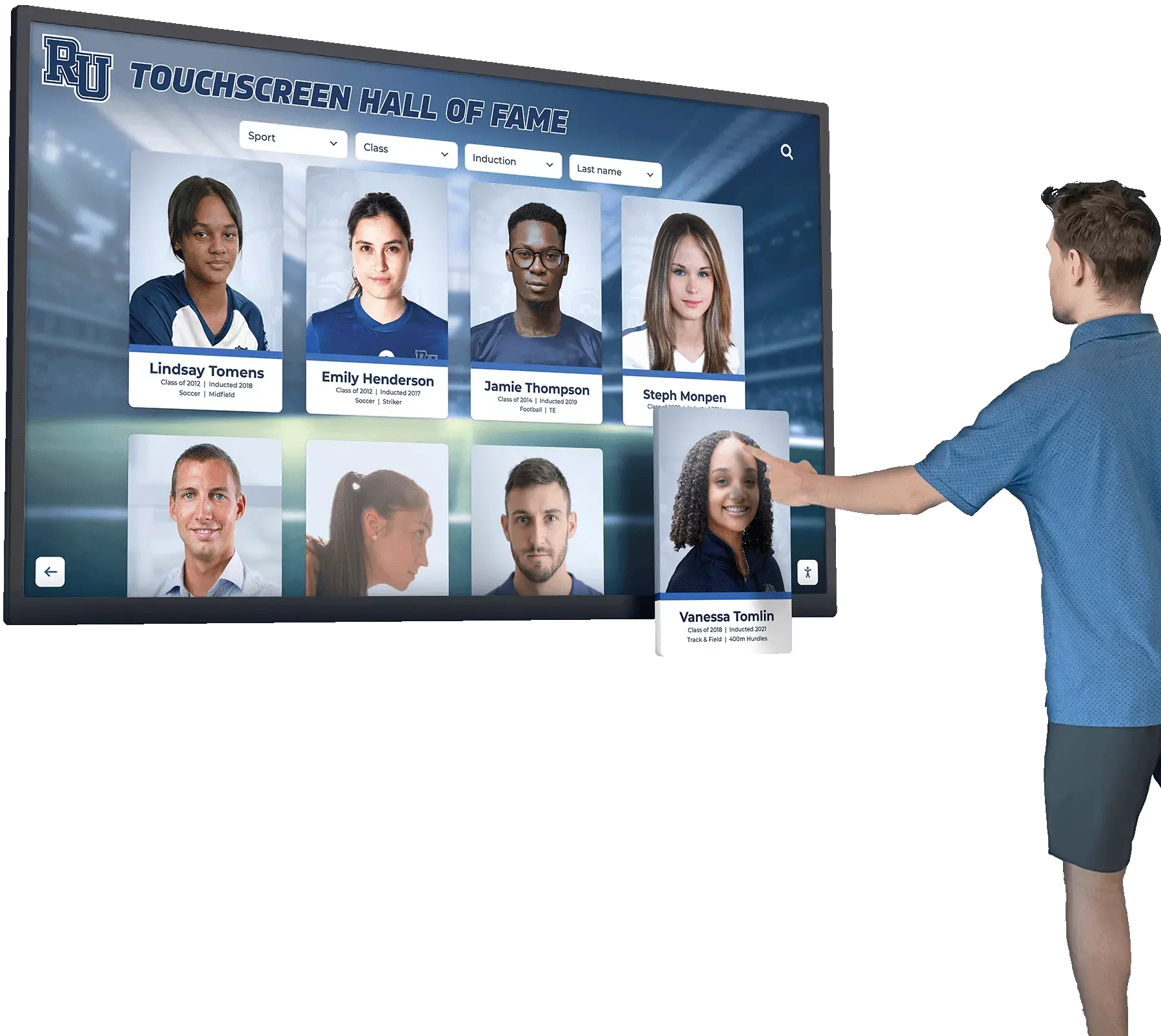
Event-Specific Organization: Interactive displays allow users to navigate by event type, season, gender, or athlete name. This organization makes specific record discovery effortless compared to scanning physical boards trying to locate particular events within cluttered displays showing all records simultaneously.
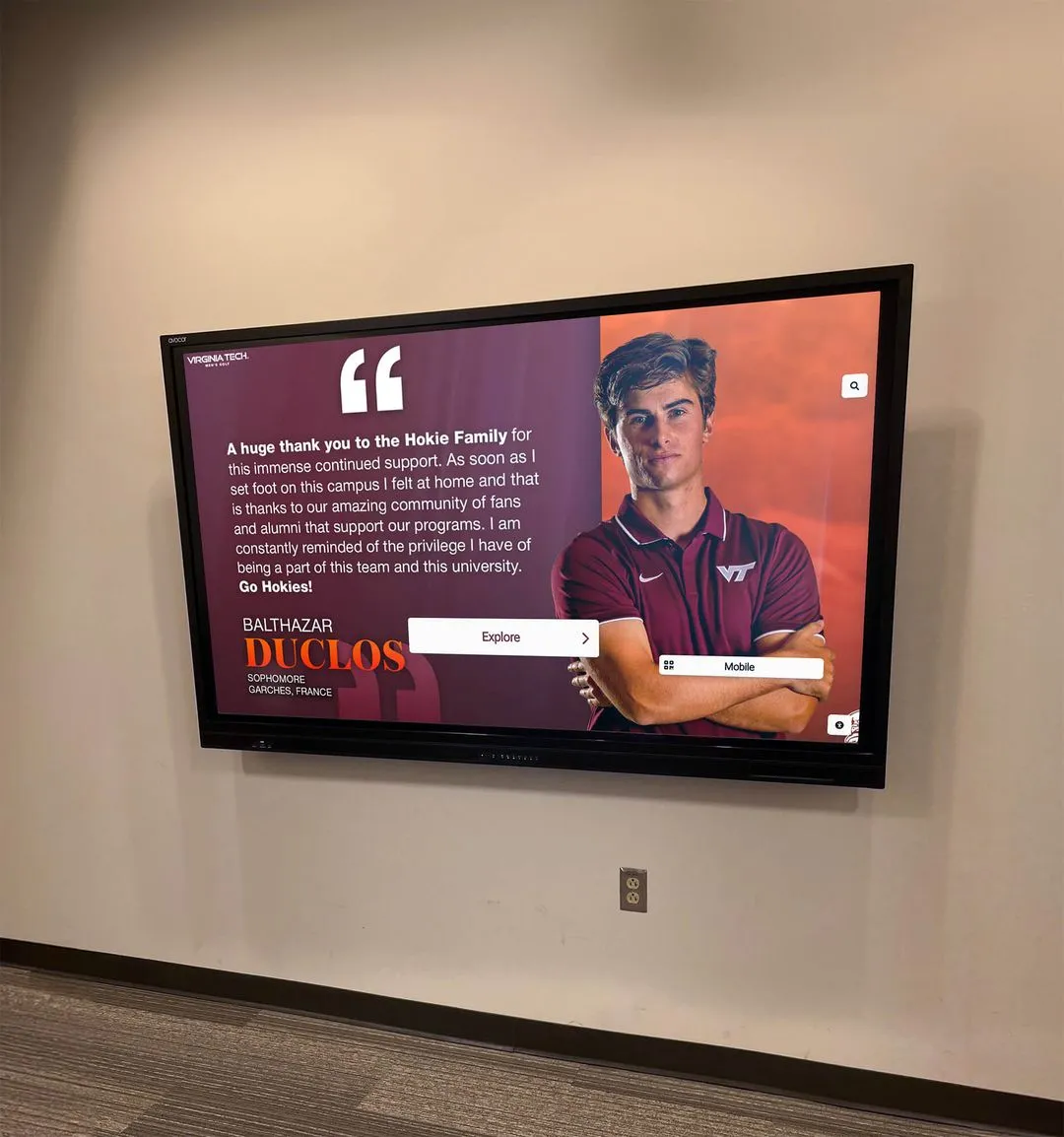
Performance Context and Statistics: Digital systems display rich context impossible on physical boards including progressive splits for distance races, comparative rankings showing where times rank nationally or statewide, weather and wind conditions for relevant events, meet information indicating where records occurred, and photos or videos documenting record-breaking performances.
Motivation Through Accessibility: Athletes can interact with digital displays exploring how their current performances compare to records, calculating what improvement margins would break marks, reviewing technique through videos of record holders, and understanding training approaches through athlete profiles—creating self-directed motivation more powerful than passive viewing of static lists.
Systems designed for ongoing student recognition apply parallel principles to track achievement display—maintaining current information while preserving historical contributions.

Implementing Comprehensive Digital Record Systems
Schools transitioning to digital track record displays should follow strategic implementation approaches ensuring successful launches and sustained engagement.
Content Development and Migration
Successful digital systems launch with complete, accurate content requiring upfront research and data entry efforts.
Historical Record Research: Many programs lack complete historical documentation due to inconsistent record keeping across different coaching eras. Content development involves reviewing athletic archives and file cabinets, searching yearbook records and team photos, scanning local newspaper archives for meet results, interviewing long-tenured coaches about remembered performances, and consulting state athletic association records for championship meet results.
Verification and Accuracy: Before publishing records digitally, verify performances through multiple sources when possible. Cross-reference timing systems (confirming hand-time versus FAT differentiation), validate meet conditions and venues, confirm athlete names and graduation years, and check that implements and competition rules matched current standards.
Data Standardization: Ensure consistent formatting across all records including metric versus imperial measurements, time format specifications (minutes:seconds.hundredths), wind readings where applicable, meet name and date, and athlete information (full names, class years). Standardization enables accurate comparisons and professional presentation.
Phased Rollouts: Schools may launch digital systems with current records while gradually researching and adding historical depth. This approach provides immediate value while distributing research workload across time rather than requiring complete historical compilation before launch.
Strategic Display Placement
Digital record boards function most effectively when positioned where athletes, students, and visitors naturally gather or pass through regularly.
Field House Lobbies: Main entrances to track and field facilities provide high visibility for athletes arriving for practice, spectators attending meets, prospective athletes visiting during recruitment, and alumni returning for competitions. These locations ensure maximum exposure to diverse audiences.
Locker Room Hallways: Areas athletes pass daily traveling to and from practice create regular exposure reinforcing performance standards. Proximity to training spaces strengthens connections between record boards and daily preparation activities.
Weight Room and Training Areas: Displaying records near strength and conditioning facilities reminds athletes that their training work directly connects to record-breaking performances. This placement reinforces how preparation activities translate to competitive results.
Main Gymnasium Lobbies: Schools whose track teams share athletic facilities with other sports benefit from integrated displays showing achievements across all programs. Track records alongside basketball, volleyball, and other sport achievements demonstrate comprehensive athletic excellence.
Content Management Training
Digital systems require ongoing content updates as athletes set new records throughout seasons. Proper training ensures smooth operations.
Administrator Training: Athletic directors, assistant athletic directors, or designated staff need clear instruction on accessing content management systems, updating records when broken, adding new athletes and performances, managing media (photos/videos), and troubleshooting common technical issues.
Coach Involvement: Head coaches should understand how to submit performance updates, verify record accuracy in their events, contribute athlete photos and accomplishments, and suggest content improvements. Coach engagement ensures systems remain current and comprehensive.
Student Athlete Participation: Some programs involve student leaders in content management as learning opportunities. Student managers, team captains, or athletes interested in sports media can assist with routine updates, photo documentation, and social media integration under staff supervision.
Approaches to recognition display management demonstrate systematic content development applicable to athletic achievement showcases.
Celebrating Record-Breaking Performances
When athletes achieve new school records, thoughtful recognition ceremonies create memorable moments validating exceptional efforts while inspiring teammates.
Immediate Recognition During Competitions
Record-breaking performances deserve acknowledgment as they happen, maximizing emotional impact and community celebration.
Public Address Announcements: When meet officials confirm new school records, immediate announcements via public address systems notify spectators, teammates, and competitors. These moments create memorable celebrations elevating the entire meet atmosphere.
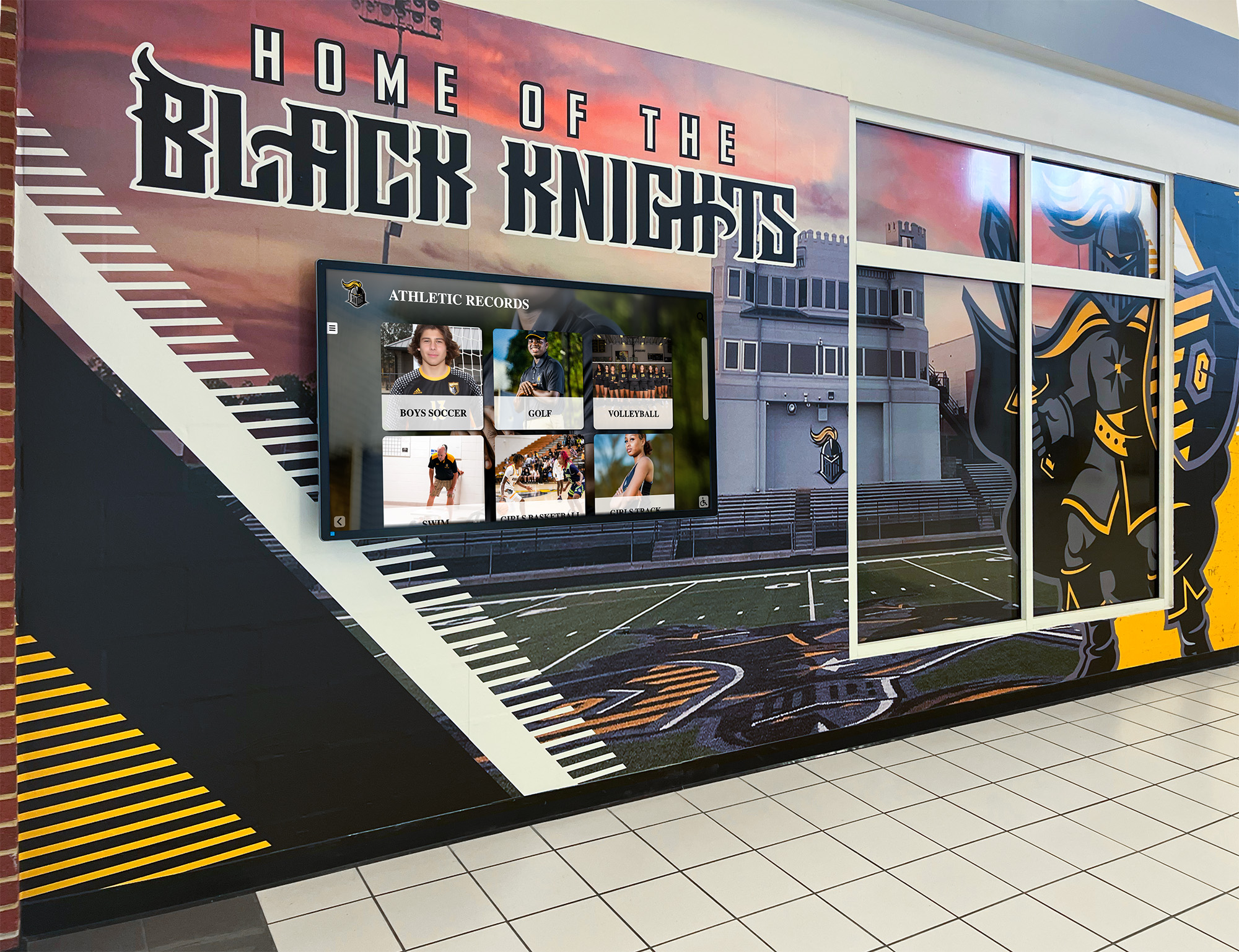
Digital Board Updates: Schools with digital displays in stadiums or field houses can update record boards immediately following verification, showing the athlete’s name appearing in record listings while still competing. This real-time recognition provides powerful validation.
Social Media Sharing: Coaches or team managers should post record achievements to school athletic social media accounts during meets, including performance details, athlete photos, and contextual information. Immediate social sharing extends celebration beyond meet attendees to broader school and alumni communities.
Team Celebrations: Coaches should gather teams immediately after record performances for group recognition—applause, congratulations, and team photos celebrating the achievement together. These collective moments strengthen team culture while honoring individual excellence.
Formal Recognition and Awards
Beyond immediate celebration, formal recognition provides lasting acknowledgment of record-breaking achievements.
Record-Breaker Awards: Programs should establish traditions of presenting certificates, plaques, or commemorative items to athletes who set new school records. Physical awards provide tangible recognition athletes keep permanently as career accomplishment reminders.
Season-Ending Banquets: Athletic banquets offer formal settings for recognizing record breakers before assembled teams, families, and boosters. Coaches can describe record significance, share performance stories, and present awards while celebration audiences applaud achievements.
Facility Recognition: Some programs name portions of facilities after exceptional record holders—a specific lane, a section of throws area, or a high jump apron. While reserved for truly transcendent achievements, facility naming provides permanent daily reminders of legendary performances.
Media Recognition: Notify local media outlets when athletes set records, particularly if performances rank among state or national leaders. Media coverage extends recognition beyond school communities while showcasing program excellence.
Systematic approaches to celebrating school traditions can inform recognition strategies for athletic milestones.
Motivating Current Athletes Through Visible Records
Record displays serve dual purposes—honoring past achievements while inspiring current competitors to pursue new milestones.
Creating Performance Target Awareness
When athletes see exactly what times, distances, or heights define program excellence, they gain concrete training objectives.
Personal Goal Setting: Coaches should encourage athletes to study records in their events, comparing current personal bests to school standards. This comparison helps athletes set realistic yet challenging goals—perhaps aiming to crack the all-time top ten before pursuing outright records.
Season Progression Tracking: Digital displays showing record progressions across seasons help athletes understand typical improvement timelines. Seeing that record holders often improved significantly between freshman and senior years demonstrates that dedication produces results over time rather than requiring immediate dominance.
Achievable Milestones: Not every athlete will break school records, but record boards provide broader context for achievement. Rankings showing all-time top 10 or top 25 performances give more athletes realistic goals worthy of celebration even if outright records remain out of reach.
Team Culture and Competitive Environment
Record boards shape team culture by communicating what excellence means within specific programs.
Respect for History: Visible records teach current athletes about program legends who established standards they now chase. This historical awareness builds appreciation for those who came before while connecting current competitors to longer program narratives.
Healthy Competition: Teammates competing in same events naturally compare their performances to each other and to school records. This internal competition, when fostered positively by coaching, raises overall performance levels as athletes push each other toward higher standards.
Multi-Event Recognition: Comprehensive record boards showing all events communicate that programs value diverse forms of excellence—not just sprinters or distance runners, but throwers, jumpers, and hurdlers equally. This inclusive recognition strengthens program culture across event groups.
Broader frameworks for achievement recognition demonstrate how schools motivate excellence across multiple domains.
Integrating Records with Broader Recognition Programs
Track and field records connect naturally to comprehensive athletic recognition systems celebrating multiple achievement dimensions.
Hall of Fame and All-State Recognition
Many high school athletic halls of fame use records as selection criteria, creating natural connections between record boards and formal inductions.
Record Holders as Automatic Candidates: Schools might establish that athletes holding five or more school records receive automatic hall of fame consideration, recognizing sustained competitive excellence across events or years. Single-event dominance over extended periods similarly merits consideration.
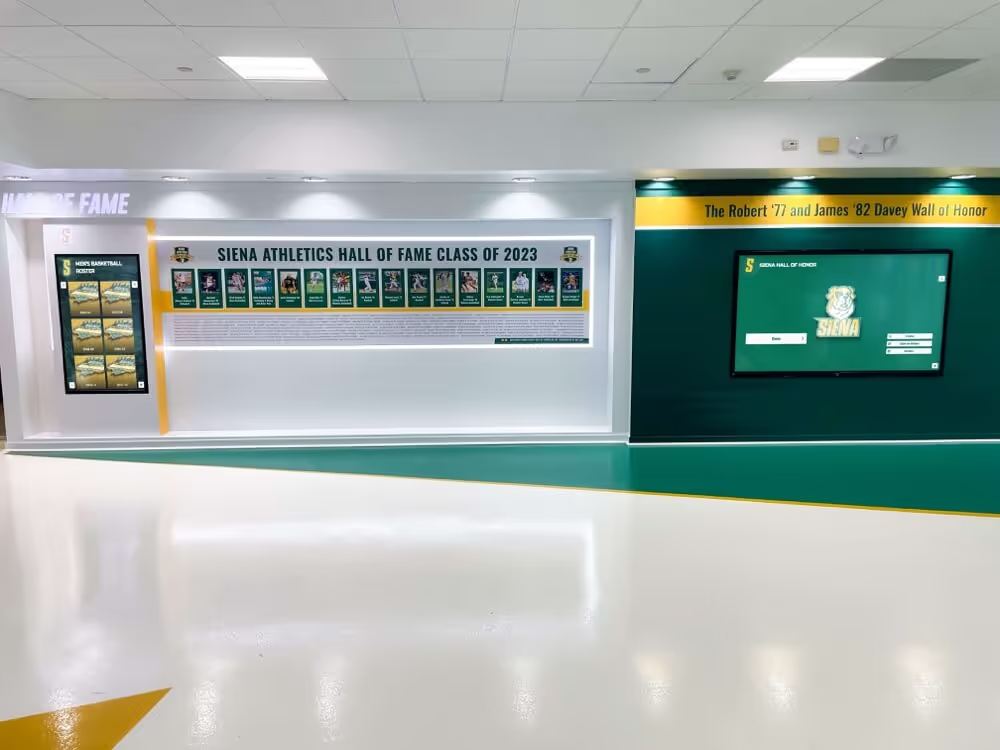
Integrated Display Systems: Digital platforms enable seamless navigation between record displays and hall of fame profiles. Users exploring sprint records can link to hall of fame pages for record-holding inductees, while inductee profiles highlight all records held during competitive careers.
All-State and All-Conference Honors: Comprehensive displays integrate individual records with team honors like all-conference selection, all-state recognition, state championship qualifications, and special awards. This integration shows that programs value diverse achievement forms—individual records, team success, and competitive honors—equally.
Multi-Sport Athlete Recognition
Track and field attracts multi-sport athletes who excel across different competitive contexts, deserving integrated recognition.
Cross-Sport Achievement Displays: Digital systems can identify and highlight athletes who set track records while also earning recognition in basketball, football, soccer, or other sports. These multi-sport profiles demonstrate exceptional overall athleticism beyond single-sport specialization.
Season Transition Narratives: Some programs feature content showing how skills transfer between sports—football players who excel in shot put and discus, basketball athletes who dominate high jump and long jump, or soccer players who compete in distance events. These connections interest younger multi-sport athletes considering event selection.
Alumni Engagement and Legacy Building
Track and field records create natural engagement points for alumni maintaining program connections decades after graduation.
Record Longevity Tracking: Programs can celebrate records that stand for extended periods—10-year records, 25-year records, or marks set in different decades that still stand today. Recognizing longevity honors both original record holders and current athletes who continue chasing established standards.
“Where Are They Now” Features: Digital displays can include updates about former record holders—college athletic careers, professional accomplishments, family milestones, or continued running involvement. These updates maintain relationships while showing current athletes potential post-high-school pathways.
Record Progression Histories: Displaying how specific event records evolved across decades creates fascinating historical narratives—showing how training methods, track surfaces, timing technology, and competitive depth influenced performance standards over time.
Resources on alumni engagement spaces provide frameworks applicable to athletic program alumni initiatives.
State and National Record Context
Exceptional high school track performances deserve recognition beyond local programs when they rank among broader competitive contexts.
State Record Recognition
State high school athletic associations maintain official state records representing the fastest times and greatest distances achieved within each state’s competitive history.
State Record Achievement: When athletes set state records, programs should provide special recognition reflecting the rarity and significance of these achievements. State records rank among the highest honors in high school athletics, often standing for years or decades before being broken.
State Rankings and Context: Programs can enhance local record displays with state ranking context—showing where school records rank among current statewide leaders or all-time state performances. This context helps athletes understand how school standards compare to broader competitive landscapes.
State Meet Qualifications: Some programs distinguish between regular season records and state championship meet performances, recognizing that executing peak performances under championship pressure represents additional achievement beyond regular season marks.
National Recognition and Rankings
National high school track rankings maintained by organizations like DyeStat, MileSplit, and Track & Field News provide broader competitive context for exceptional performances.
Nationally Ranked Performances: Athletes whose marks rank among national leaders deserve special recognition within school displays. National rankings appear in athlete profiles, record listings highlight “Nationally Ranked” designations, and special features explore training approaches that produced nationally competitive results.
All-American Standards: Organizations like the National Scholastic Athletics Foundation maintain “All-American” performance standards representing nationally elite levels. Athletes achieving All-American marks receive special recognition within school systems.
Historical National Context: Schools can display fascinating comparisons showing how current school records compare to national records or national performance standards across different eras. These comparisons provide context about absolute performance quality beyond local or state rankings.
Addressing Common Record Keeping Challenges
Track programs face specific challenges in maintaining accurate, comprehensive record systems across decades of competition and changing technologies.
Hand-Time vs. FAT Conversions
The transition from hand-timing to fully automatic timing created record-keeping complications that programs must address clearly.
Conversion Standards: Many programs apply 0.24-second conversions to hand-timed records when comparing to FAT performances, recognizing that manual timing consistently produces faster times than electronic systems for identical performances. Clear policies establish whether hand-time records remain separate or receive conversions for comparison purposes.
Technology Transition Dates: Programs should document when FAT became standard, ensuring viewers understand which records represent electronic times versus hand-times. This transparency prevents confusion about apparent performance declines when actually comparing apples to oranges.
Indoor vs. Outdoor Record Differentiation
Track and field’s dual-season structure requires clear organization preventing confusion between season types.
Separate Season Records: Maintaining distinct indoor and outdoor records for events contested in both seasons recognizes different competitive conditions and track configurations. Indoor 400m times often run slower than outdoor due to tighter turns on smaller tracks, while climate control affects performance compared to outdoor weather variables.
Season-Specific Events: Some events appear only in one season—60m dash and 60m hurdles indoors, while steeplechase and some longer distances occur only outdoors. Clear seasonal organization ensures these events receive appropriate recognition without creating confusion.
Co-Ed Record Organization
Programs must decide how to organize records for girls’ and boys’ teams, addressing both practical functionality and equity considerations.
Separate Gender Records: Most programs maintain separate boys’ and girls’ records given physiological performance differences between biological males and females. This approach ensures appropriate recognition for top performers in each category.
Display Organization: Digital systems can organize records multiple ways—showing boys’ and girls’ records side-by-side for direct comparison, providing separate navigation for each gender, or displaying combined lists with clear gender indicators. Flexible organization accommodates different user preferences.
Emerging Considerations: Schools should work with state athletic associations and legal counsel to address evolving questions about transgender athlete record eligibility, ensuring approaches comply with applicable regulations while treating all athletes respectfully.
Cost Considerations and Implementation Strategies
Understanding costs and funding approaches helps programs make realistic decisions about record display systems.
Traditional Display Costs
Physical record boards accumulate substantial costs through initial production and recurring updates:
- Painted wall boards: $1,500-$4,000 initial creation, $500-$1,500 per update
- Engraved metal boards: $2,000-$5,000 initial installation, $200-$400 per plaque for updates
- Vinyl banners: $500-$1,500 production, complete replacement every 3-5 years
- Trophy case plaques: $50-$150 per plaque, limited by available space
Over 10 years, traditional systems accumulate $5,000-$15,000 in recurring costs while maintaining limited capacity and requiring continuous material replacement.
Digital System Investment
Digital record board systems require larger upfront investments but provide superior capabilities with minimal recurring costs:
- Commercial touchscreen display: $3,000-$8,000 depending on size
- Digital signage software platform: $1,000-$3,000 annually
- Professional installation: $1,000-$2,000
- Initial content development: $1,500-$3,000 for comprehensive historical research
- Total initial investment: $6,500-$16,000
Annual costs include software subscriptions ($1,000-$3,000) and minimal content update staff time. Digital systems typically achieve cost parity with traditional approaches within 5-7 years while providing unlimited capacity, instant updates, multimedia capabilities, and interactive engagement impossible with physical displays.
Funding Approaches
Schools successfully fund digital recognition through various strategies:
Athletic Booster Fundraising: Booster organizations often enthusiastically support projects that honor student-athletes. Digital record boards provide visible, permanent recognition that demonstrates how donor contributions create lasting program improvements.
Alumni Campaigns: Former track athletes appreciate comprehensive record preservation and often support initiatives ensuring their achievements remain visible. Alumni-focused fundraising emphasizing historical preservation and current athlete motivation can generate significant support.
Phased Implementation: Schools can start with single displays in high-traffic locations, prove value and impact, secure additional funding for expansion, and gradually build comprehensive systems across facilities. Phased approaches reduce initial investment barriers.
Grant Opportunities: Some school foundations, local businesses, or athletic equipment companies provide grants or sponsorships for athletic facility improvements including recognition displays.
Guidance on comprehensive recognition programs provides parallel funding and implementation strategies.
Conclusion: Preserving Excellence Through Comprehensive Record Recognition
Track and field records high school programs maintain represent more than statistics—they document decades of competitive excellence, inspire current athletes through visible performance standards, preserve program history across coaching eras and generations, and create alumni connection points maintaining engagement long after graduation. Effective record keeping and display systems ensure these achievements receive appropriate recognition while establishing frameworks that motivate future athletes toward similar accomplishments.
The evolution from painted stadium walls and engraved plaques to interactive digital displays reflects broader changes in how schools approach athletic recognition. Modern digital solutions address traditional limitations—space constraints forcing difficult prioritization, update delays diminishing celebration impact, deteriorating materials requiring expensive replacement, and inability to provide performance context beyond simple times and distances—while adding capabilities impossible with physical displays.
Comprehensive digital record boards accommodate unlimited events and performances across both genders and seasons. They update instantly when athletes set new marks, enabling immediate celebration rather than delayed recognition weeks later when materials arrive. Interactive exploration lets current athletes compare themselves to records, study record holders’ progressions, and set personal goals based on clear performance standards. Multimedia integration tells complete achievement stories through photos, videos, and detailed performance data. And remote accessibility extends recognition beyond physical locations to wherever alumni and community members access content.
Whether programs track sprint records measured in hundredths of seconds, distance achievements spanning grueling championship runs, relay teams requiring perfect coordination, or field event marks demanding technical mastery and explosive power, digital platforms accommodate every achievement while maintaining professional presentation that honors excellence appropriately.
Track and field builds more than physical capabilities—it develops mental toughness, teaches goal-setting and progressive improvement, creates lifelong fitness foundations, and instills values of dedicated preparation producing measurable results. Comprehensive record recognition ensures these contributions receive proper acknowledgment while inspiring continued excellence in a sport that has captivated competitors and spectators for over a century.
Programs ready to implement or enhance track and field record recognition should explore solutions designed specifically for schools. Rocket Alumni Solutions offers intuitive digital record board systems that combine comprehensive event tracking, engaging interactive displays, unlimited historical capacity, and reliable performance enabling programs to celebrate every achievement while establishing clear standards that inspire future record breakers. These platforms ensure track and field excellence receives the lasting recognition it deserves.