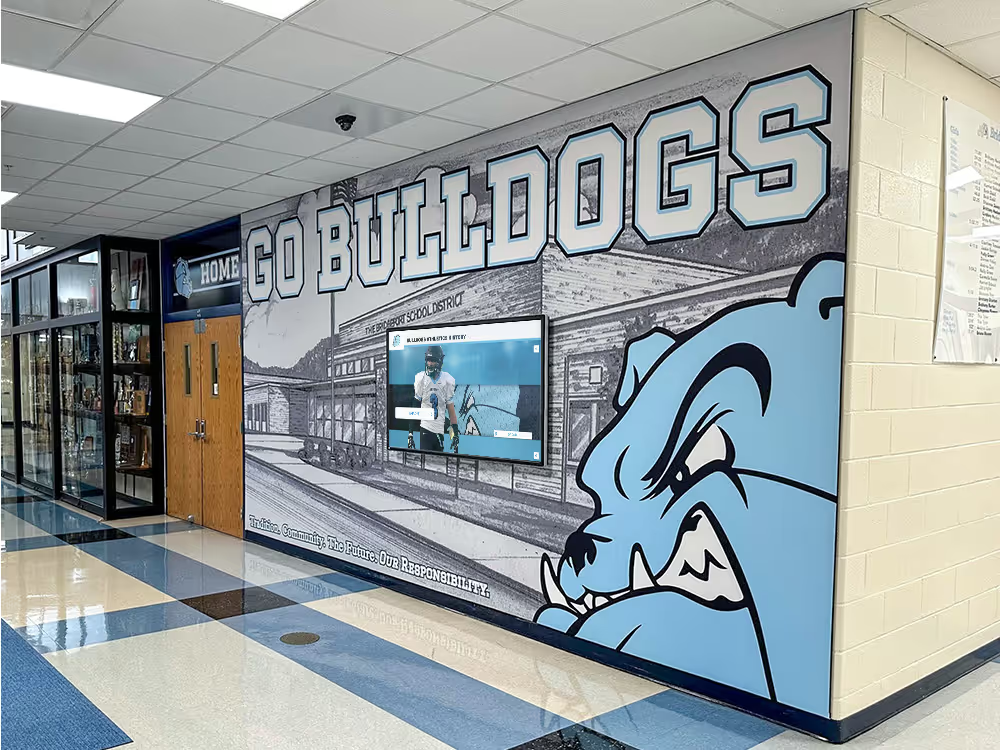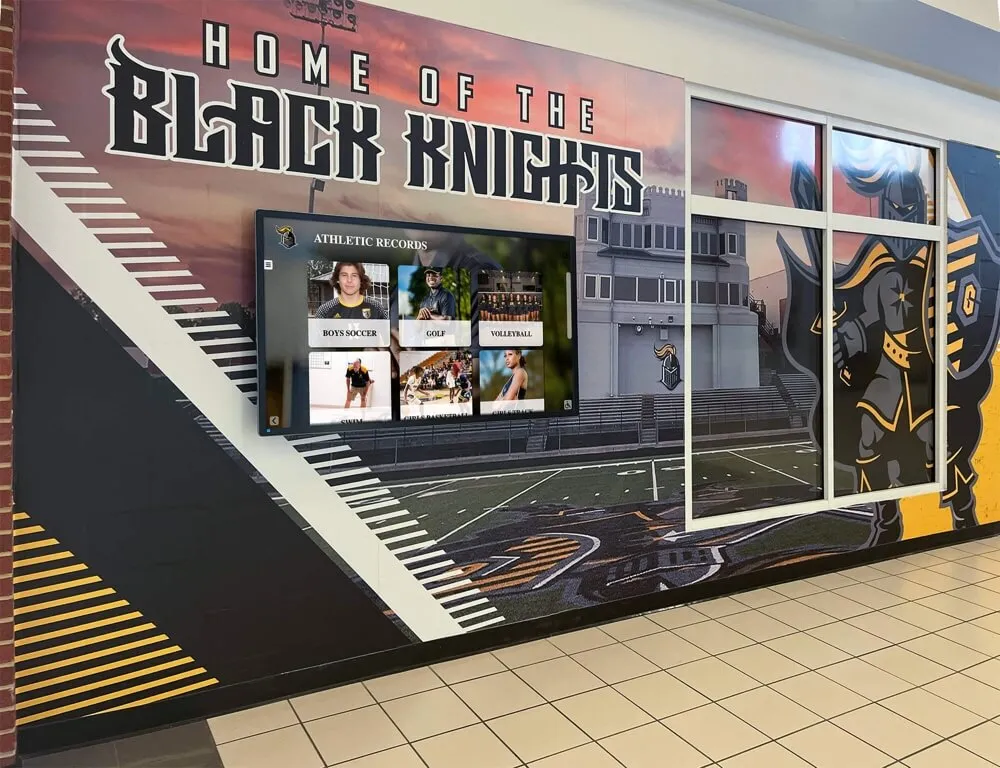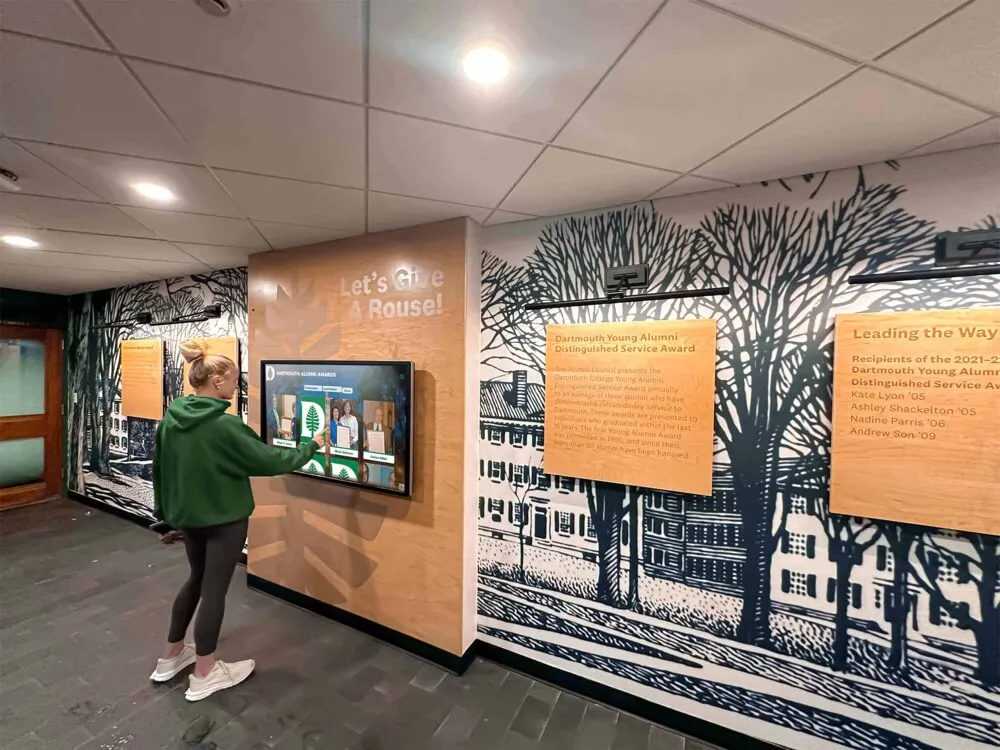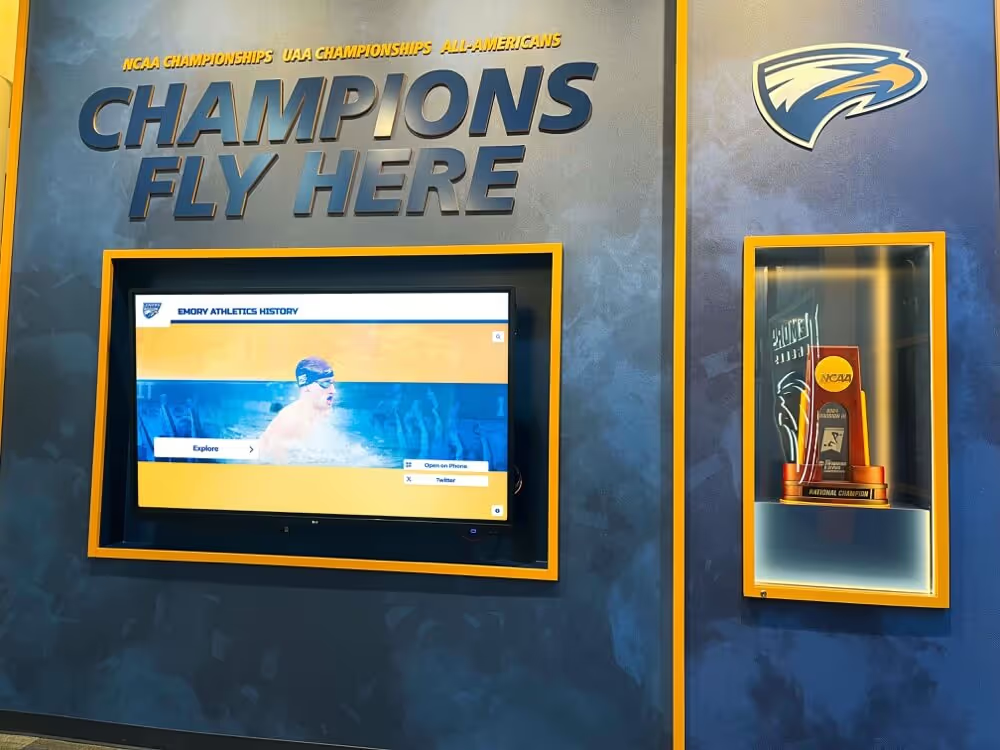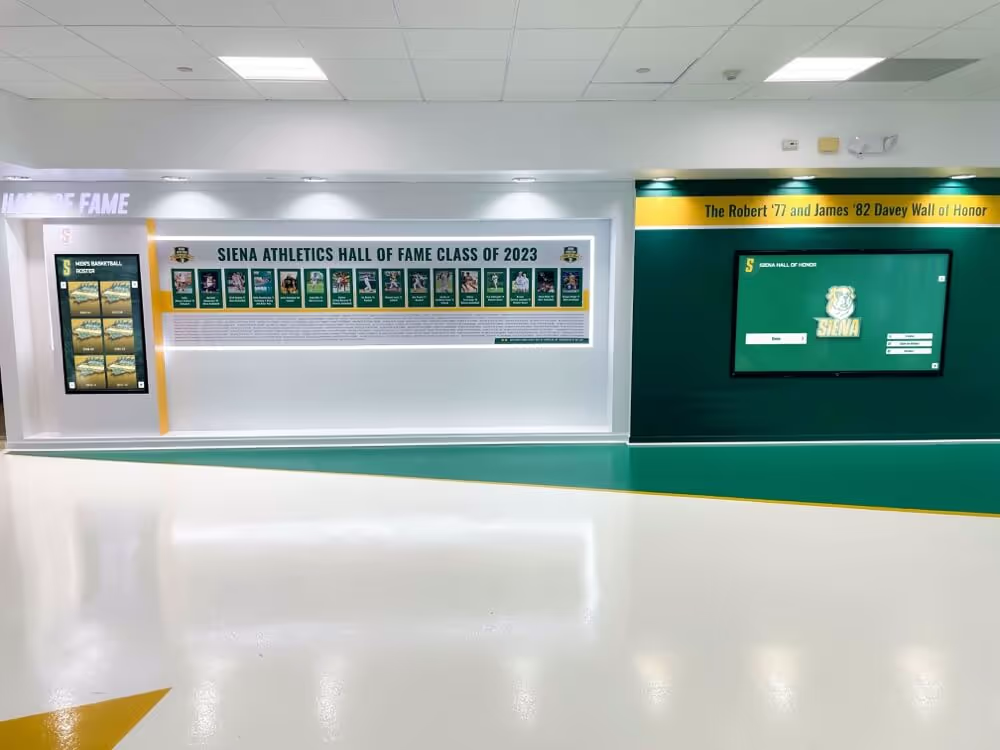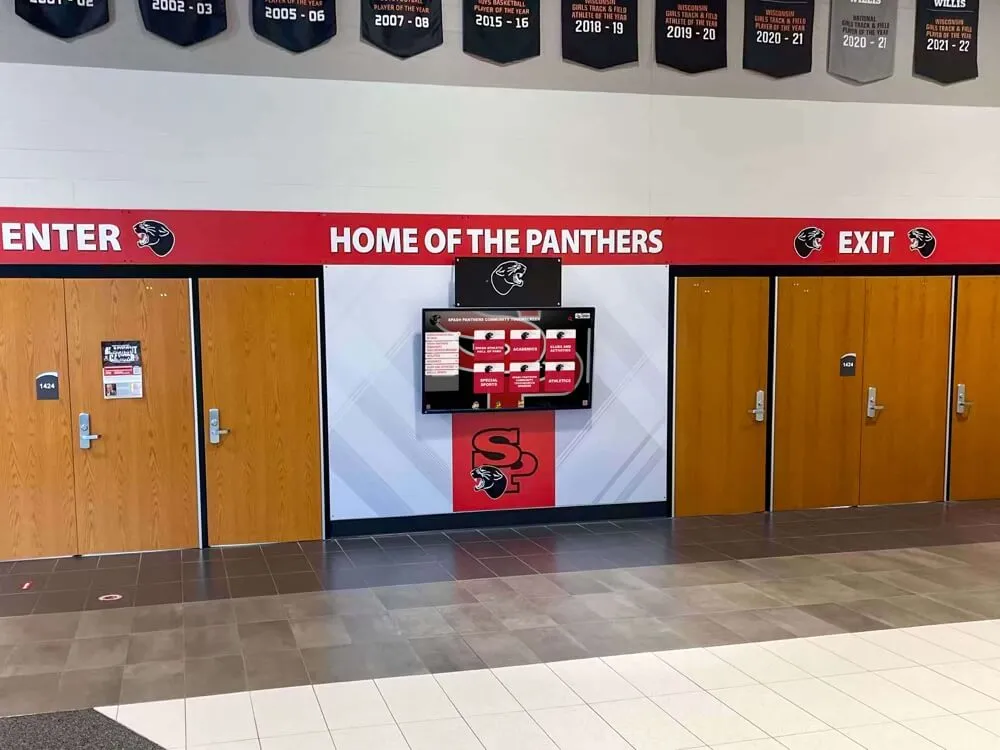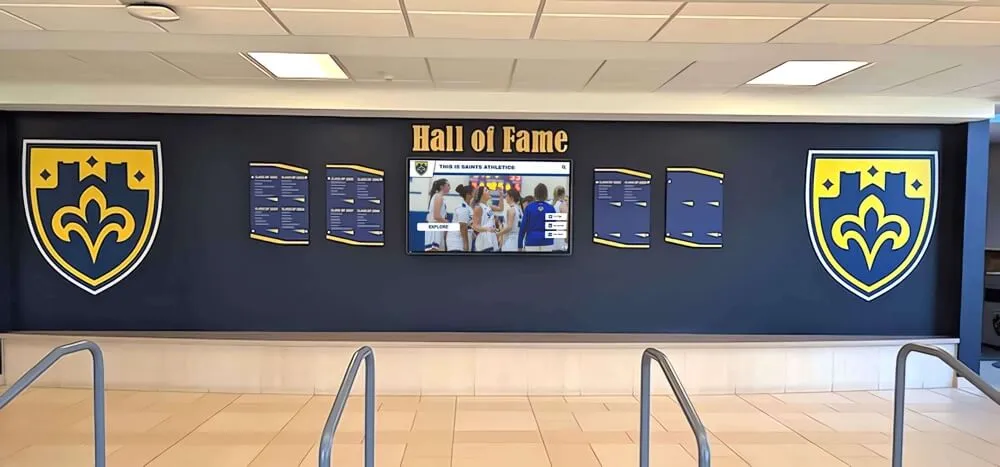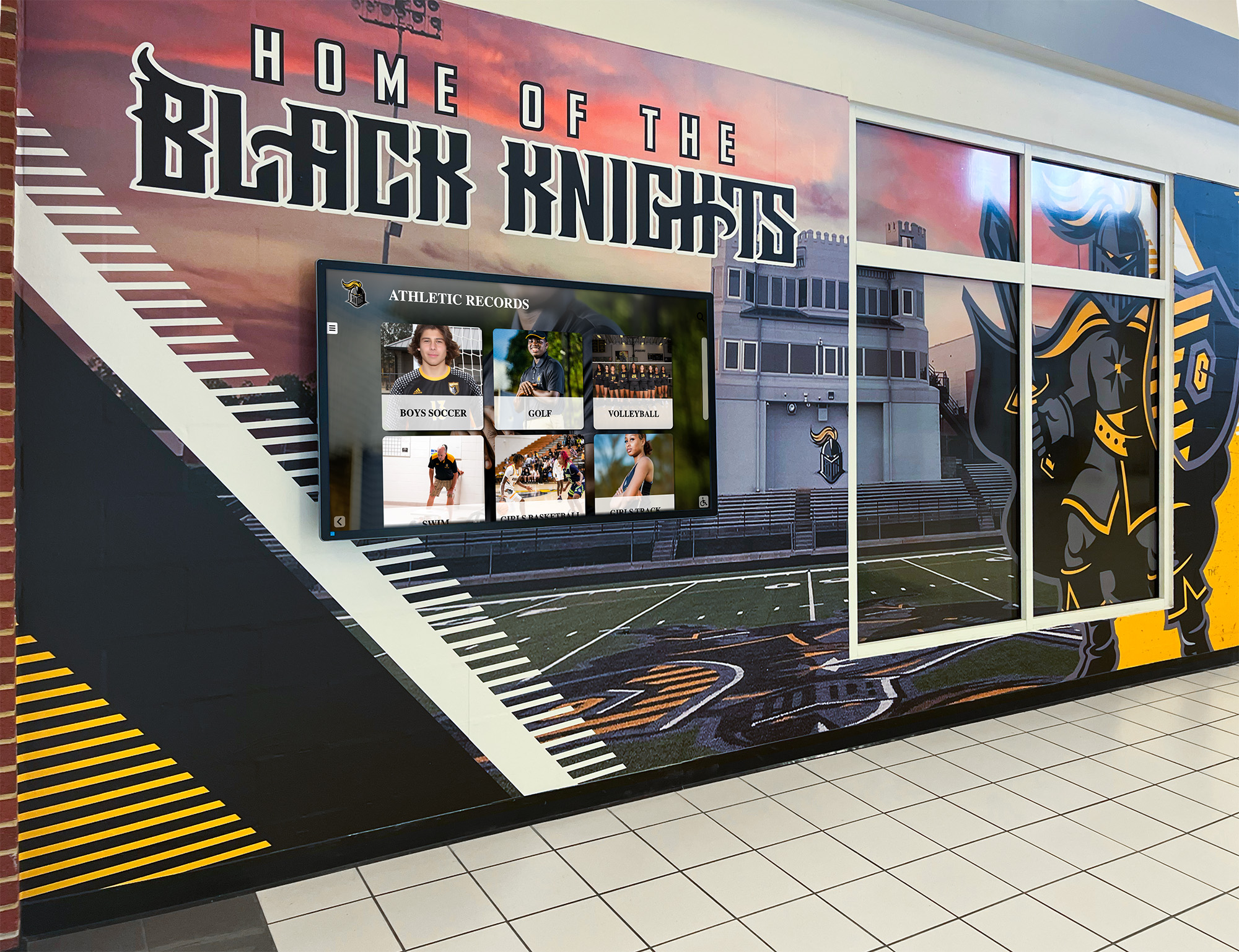




Track and field programs accumulate rich competitive histories spanning decades—countless athletes pushing physical limits, breaking school records, and achieving personal excellence across running, jumping, and throwing events. Yet in many schools, these remarkable achievements remain hidden in dusty record books, forgotten file cabinets, or outdated displays that fail to inspire current athletes or honor past champions appropriately. Effective track and field record boards transform this hidden history into visible inspiration, creating permanent recognition that celebrates athletic excellence while motivating future generations to pursue their own record-breaking performances.
Unlike team sports where championships and win-loss records dominate historical narratives, track and field excellence manifests through individual achievement across dozens of distinct events—sprints, distance runs, hurdles, relays, high jump, long jump, triple jump, pole vault, shot put, discus, and javelin. This diversity creates unique display challenges: How do you organize and present records across so many different events without creating overwhelming clutter? Which records deserve prominent recognition—school records only, or conference and state qualifiers too? How do you balance honoring historical achievements with keeping displays current as new athletes break records? What design approaches make complex statistical information accessible and inspiring rather than confusing?
Modern Solutions for Track and Field Recognition
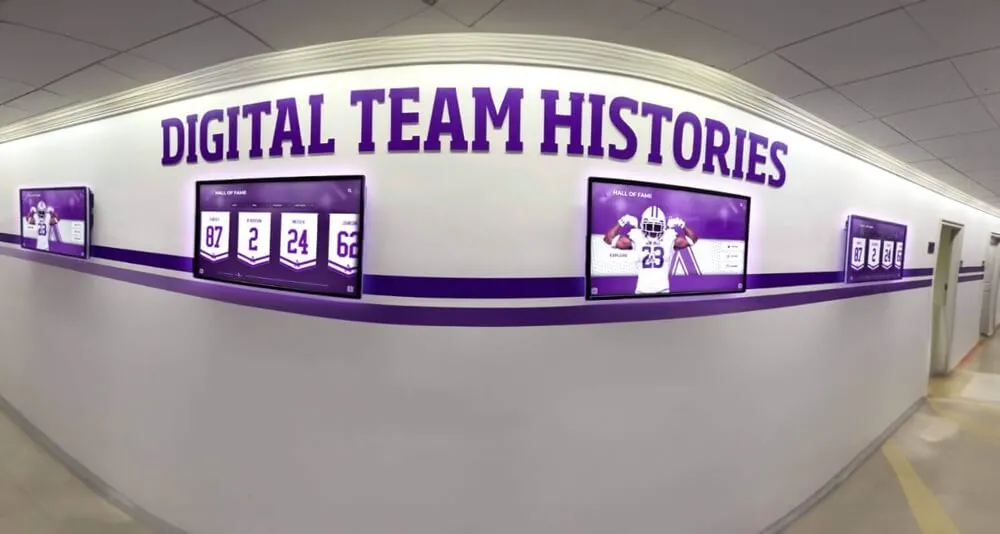
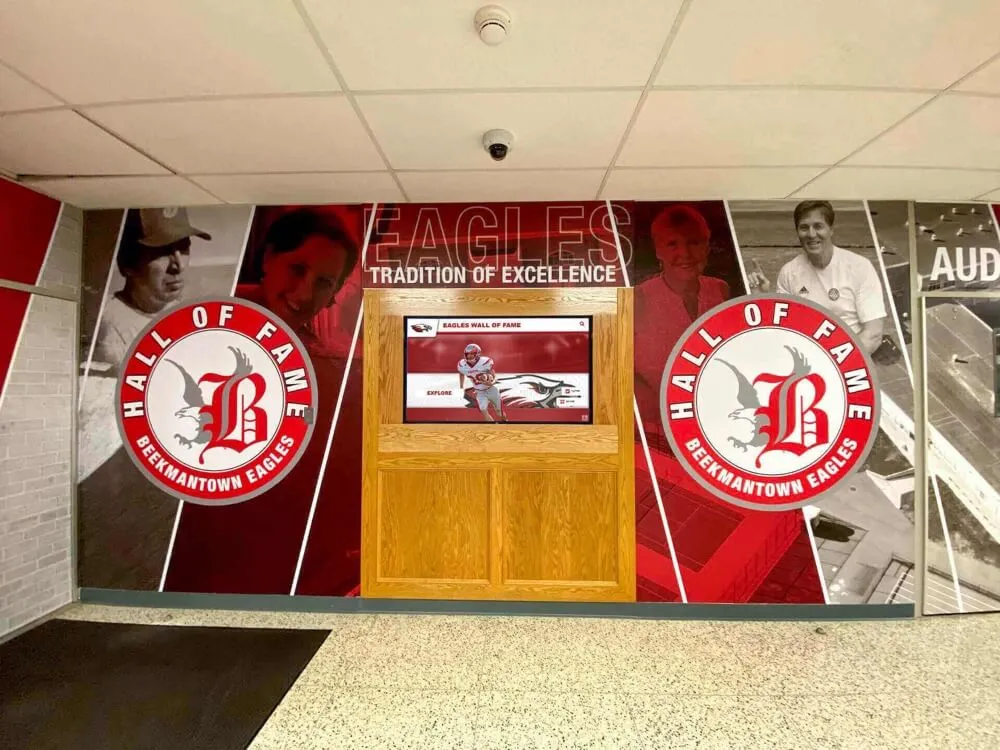
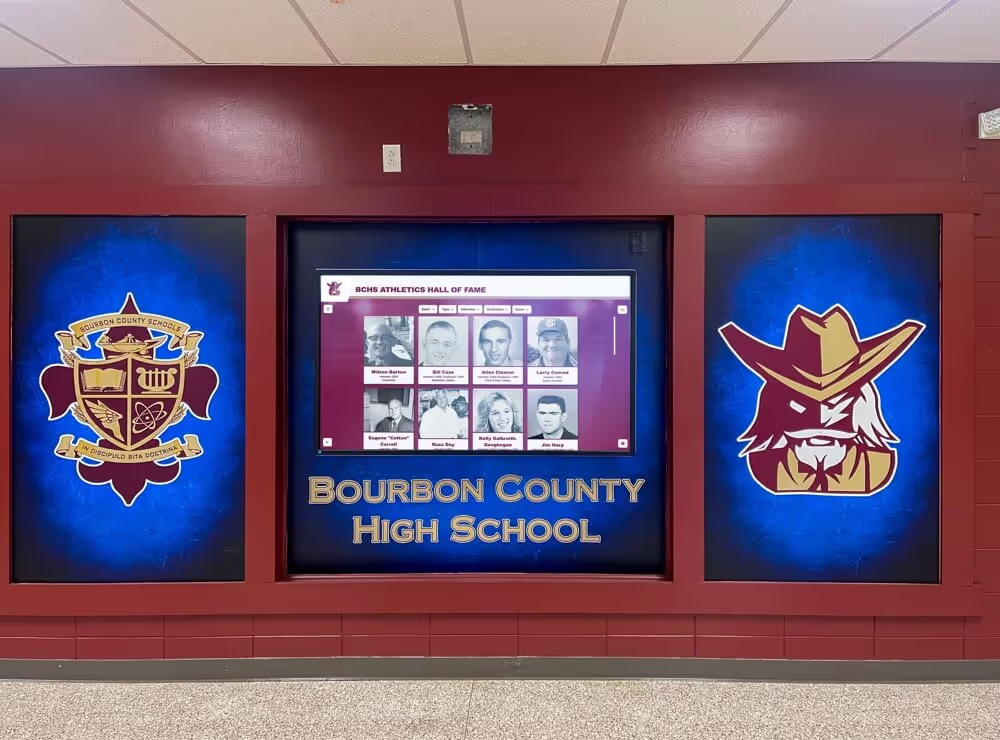
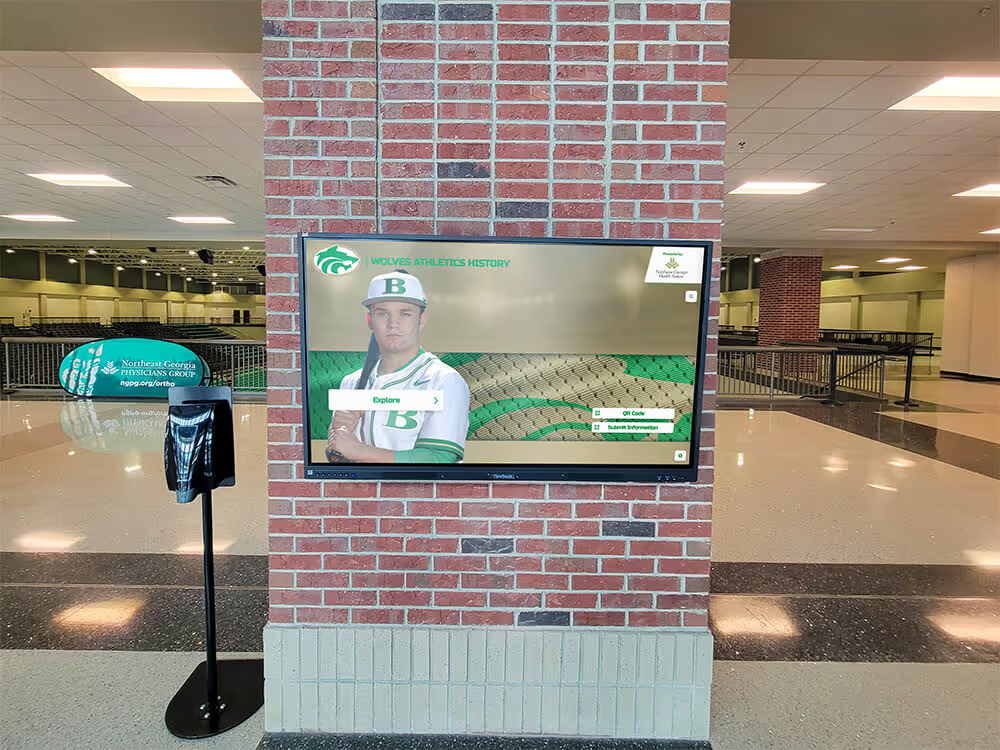
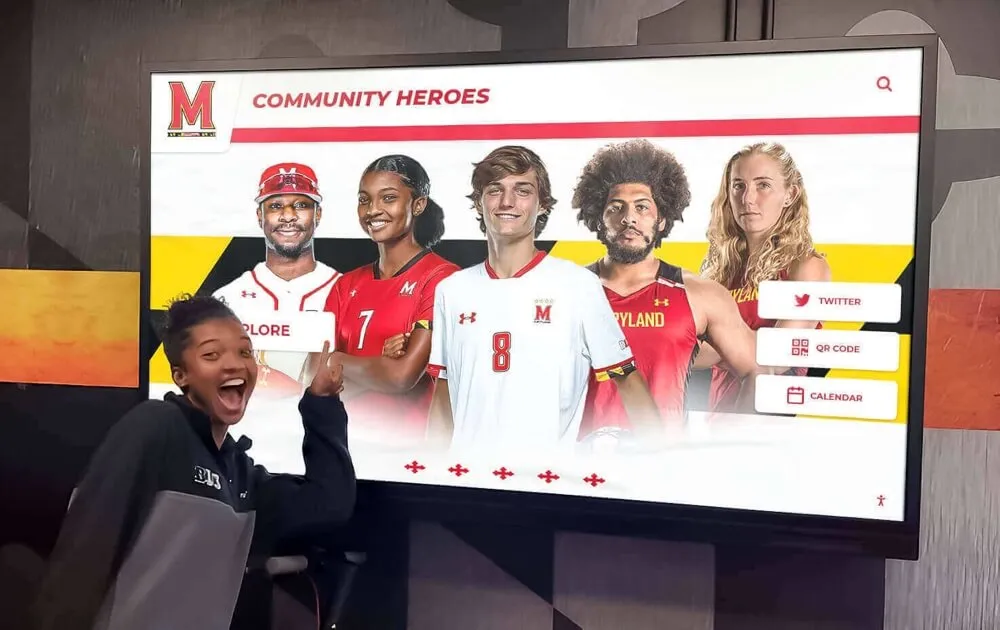
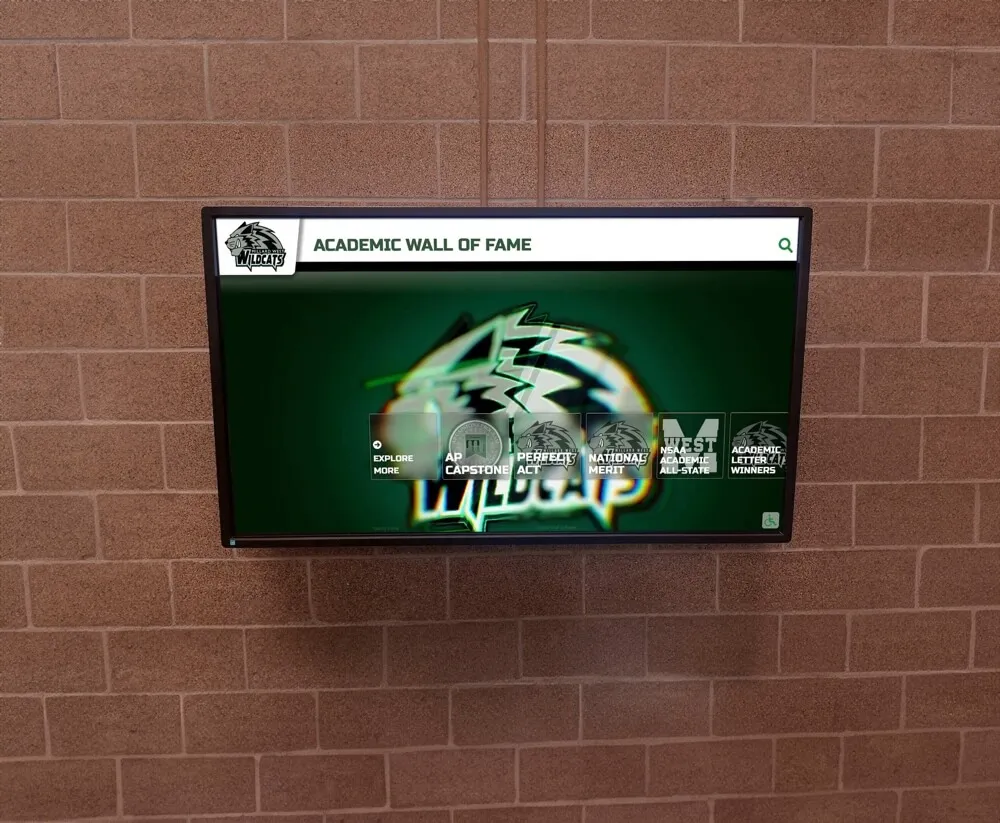
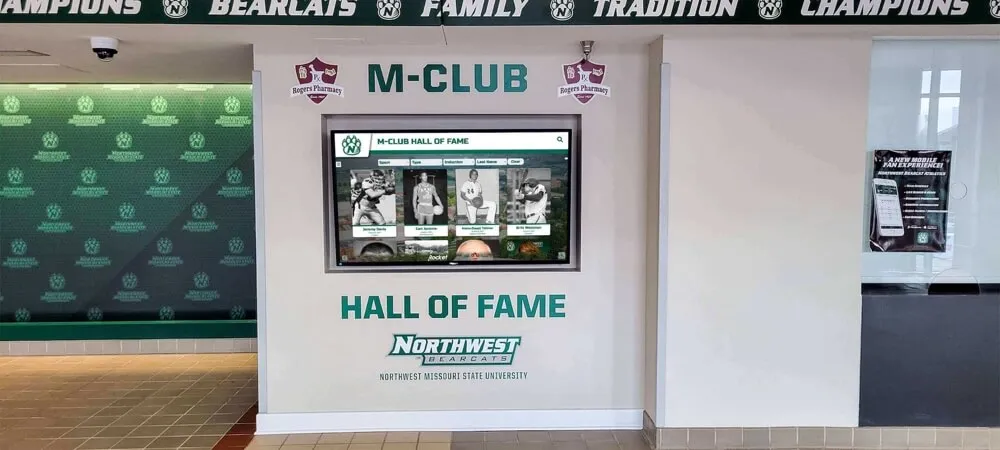
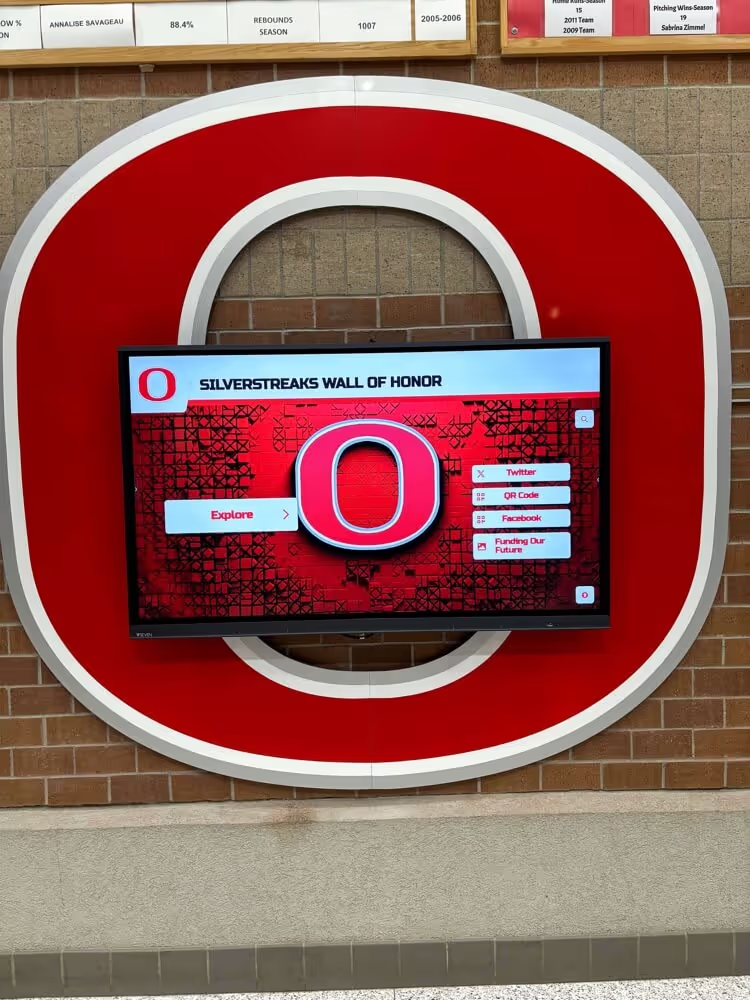
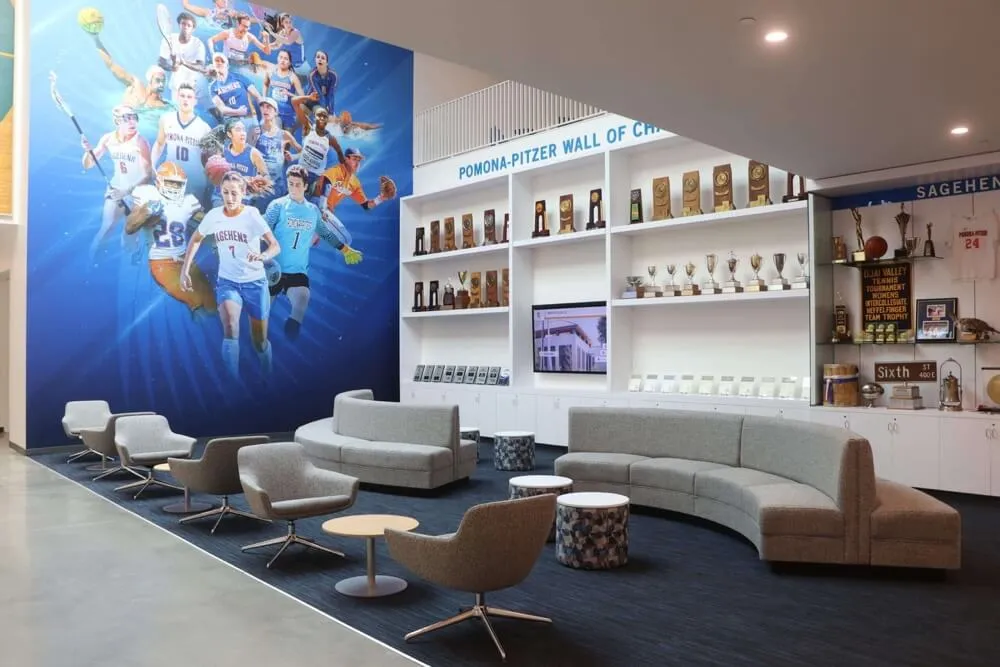
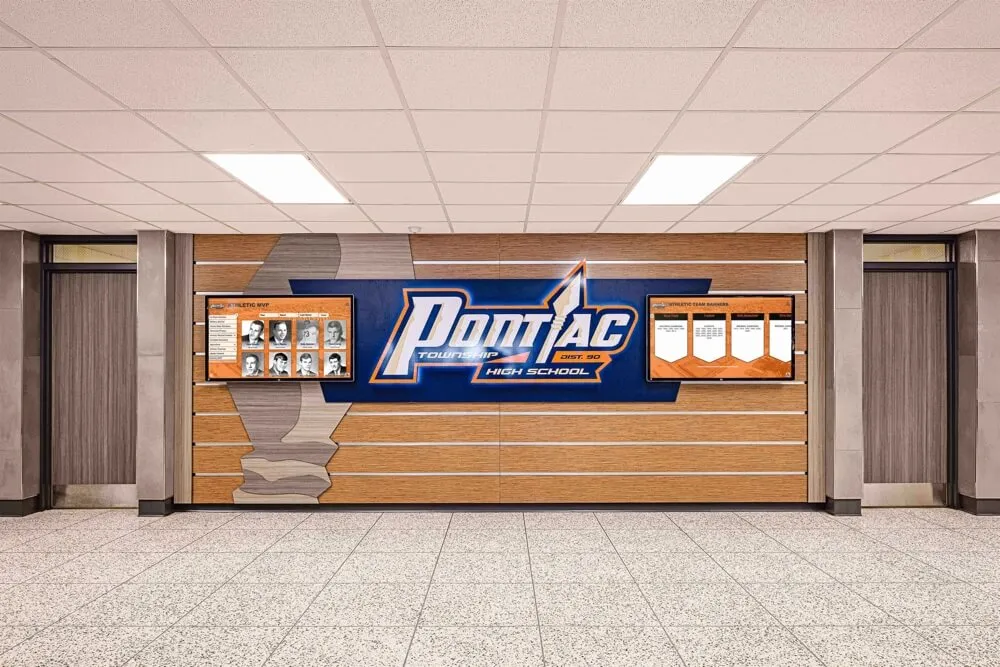
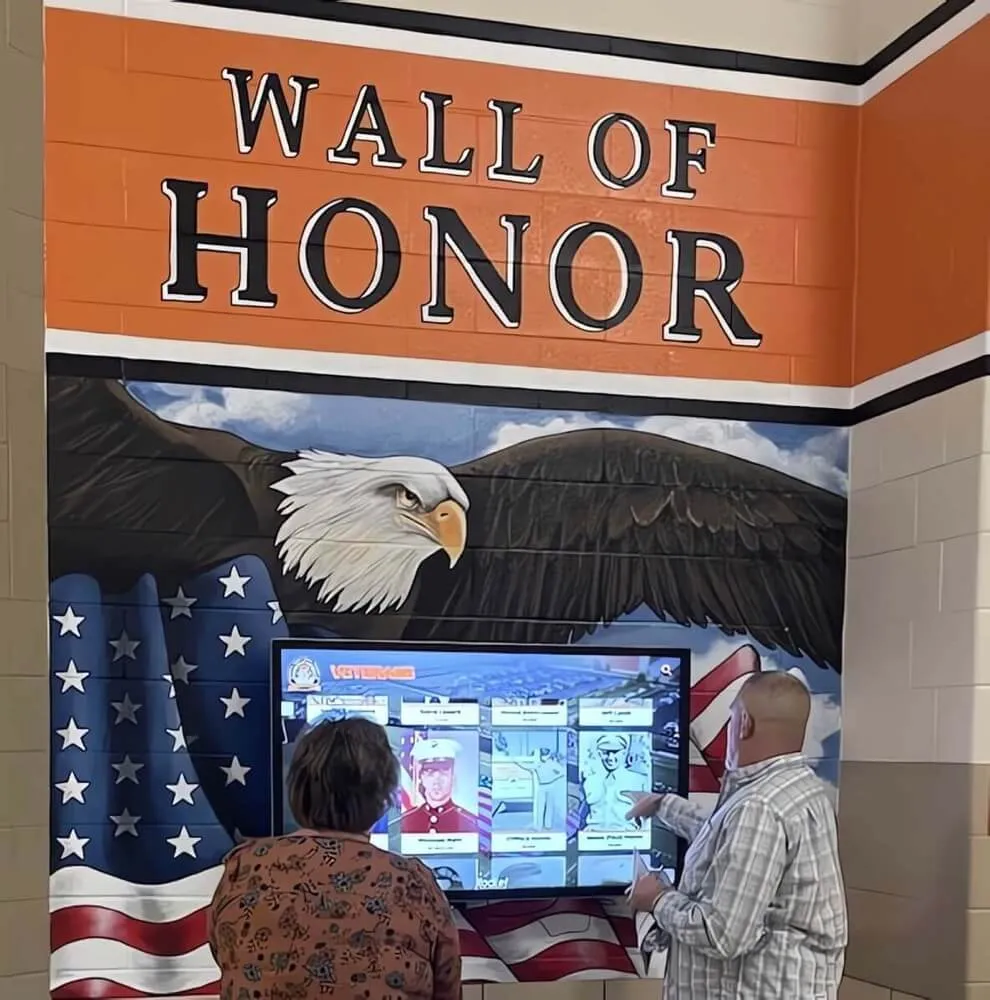
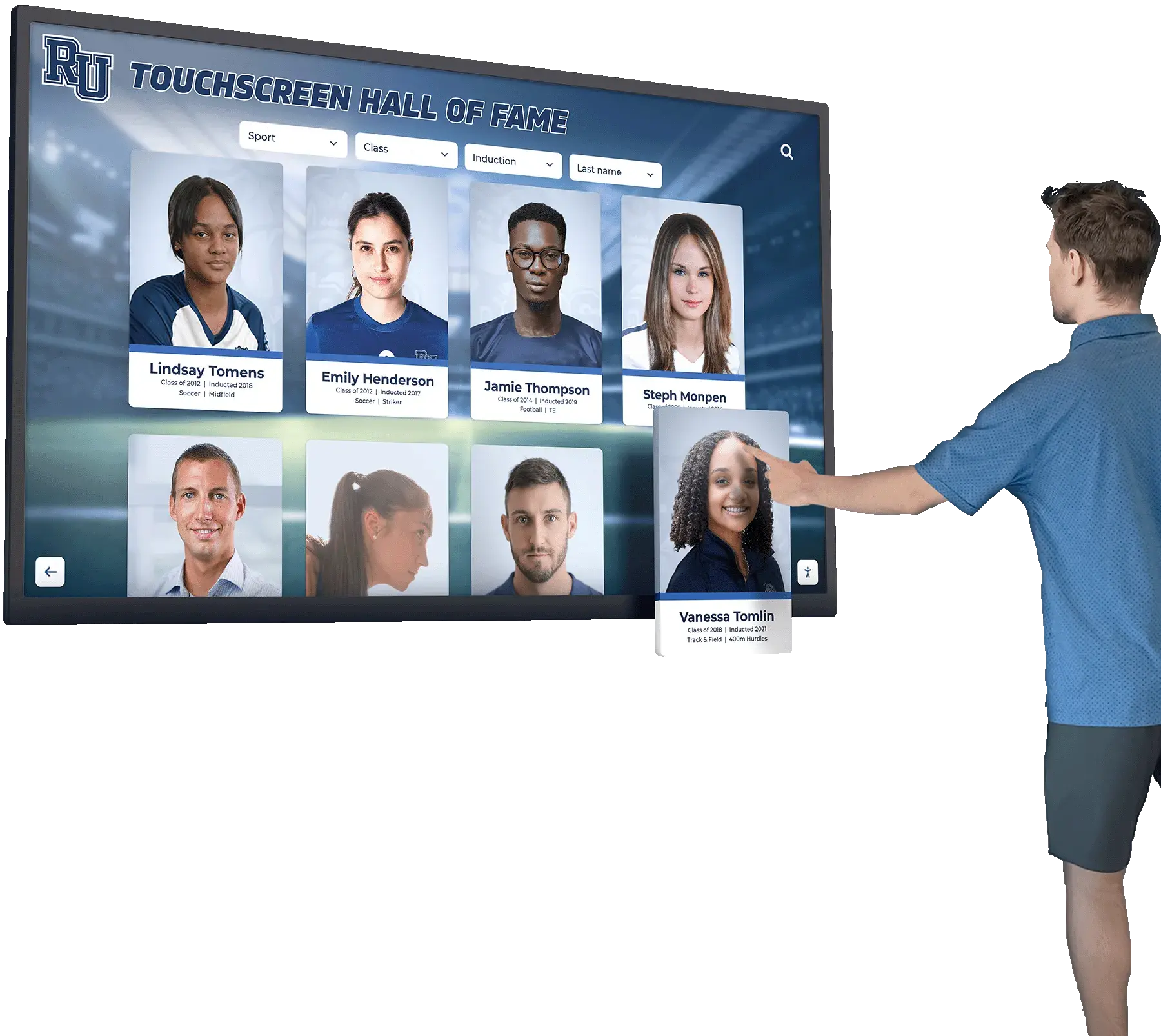
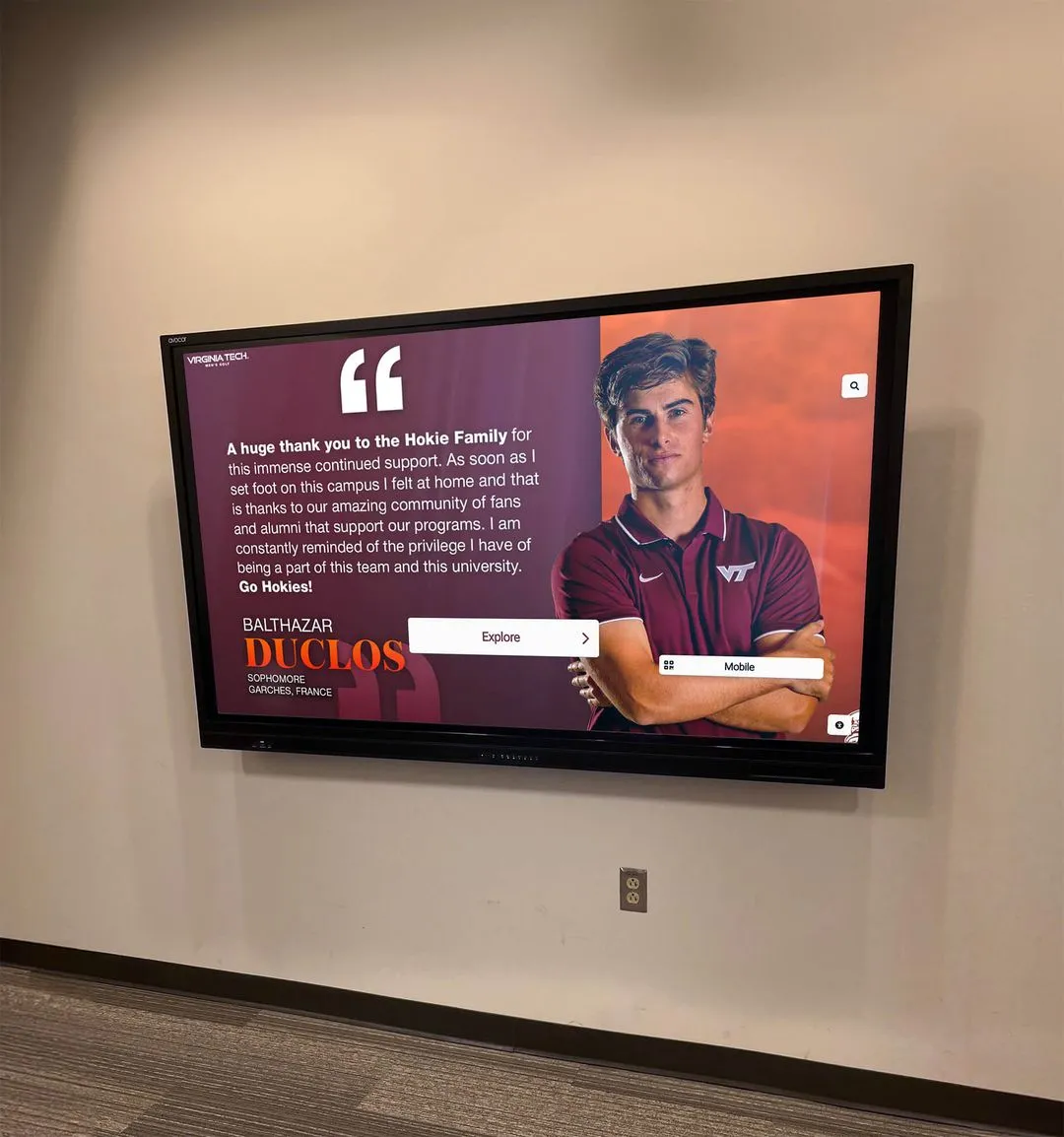
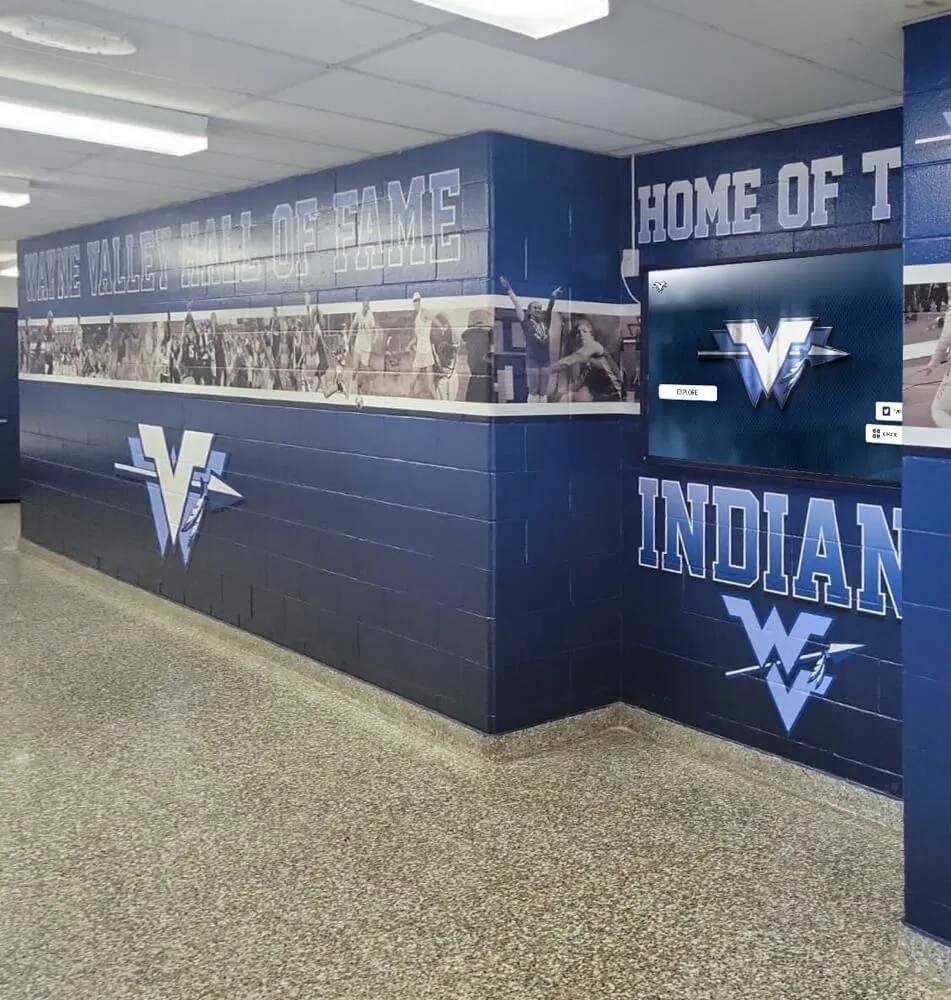
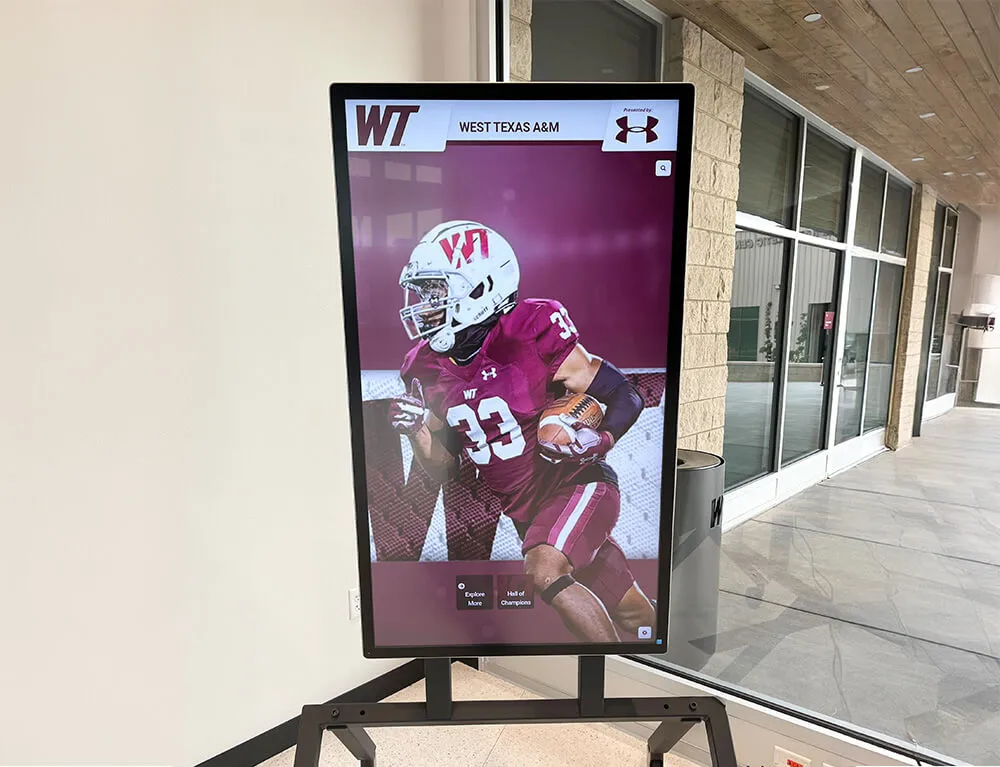
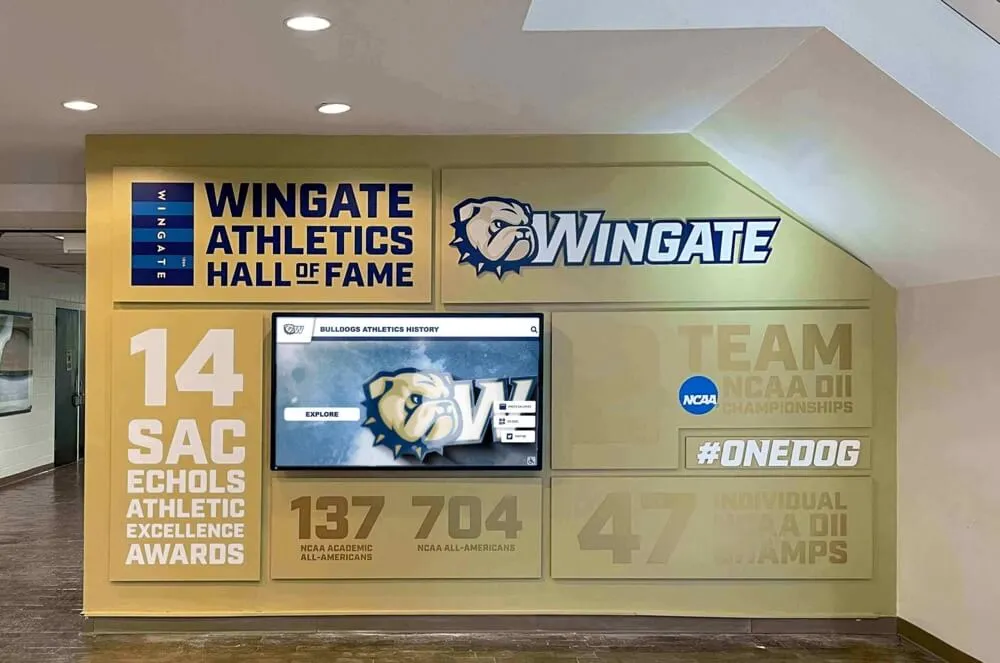
Traditional static record boards struggle with track and field's complexity—limited space, expensive updates, and difficulty showcasing the full scope of athletic achievement across multiple decades and dozens of events. Digital recognition systems solve these challenges while expanding what's possible. Schools can display unlimited records without space constraints, update achievements instantly when records fall, showcase athlete photos and performance videos, organize information by event, year, or athlete, and preserve complete program histories accessible to current athletes and alumni alike. Platforms like Rocket Alumni Solutions enable comprehensive track and field recognition that honors every record holder while inspiring the next generation of athletic excellence.
Understanding Track and Field Record Display Challenges
Before designing effective record boards, athletic directors must appreciate why track and field recognition differs fundamentally from other sports and requires thoughtful planning.
The Complexity of Multiple Event Categories
Track and field encompasses more individual events than any other high school sport, creating organizational challenges for record displays.
Event Diversity and Categorization
A comprehensive high school track and field program typically includes separate records for boys and girls across numerous events. Running events alone include sprints (100m, 200m, 400m), middle distance (800m, 1600m), distance (3200m), and hurdles (100m/110m high hurdles, 300m/400m intermediate hurdles). Field events span jumps (high jump, long jump, triple jump, pole vault) and throws (shot put, discus, javelin). Relay events add another category with 4x100m, 4x200m, 4x400m, and 4x800m teams.
This diversity means that while a football or basketball program might maintain twenty to thirty distinct records (team records, individual season records, career records), track and field programs often track over one hundred separate record categories when accounting for boys and girls divisions across all events.

Seasonal and Historical Variations
Track and field records also present historical challenges. Events have changed over time—many older programs show records in yards (100-yard dash, 440-yard dash, mile) rather than meters, making direct comparisons difficult. Timing technology has evolved from hand-timing to fully automated systems, creating accuracy differences between eras. Field event measurement standards and equipment specifications have changed, affecting javelin, pole vault, and other records.
Effective record boards must acknowledge these historical variations while presenting information clearly. Some schools maintain separate “hand-timed” and “fully-automated timing” records for running events, ensuring historical athletes receive appropriate recognition while acknowledging different measurement standards.
Balancing Comprehensive Recognition with Visual Clarity
The sheer volume of track and field records creates tension between comprehensive recognition and clean, accessible presentation.
The Space Challenge with Traditional Displays
Static physical record boards face severe space limitations. A traditional plaque-style board listing all boys and girls track and field records might require fifteen to twenty square feet of wall space just to display names, times, and dates across all events. Adding additional context—athlete photos, achievement details, runner-up marks—quickly becomes impractical without dedicating entire hallway sections exclusively to track records.
This space limitation forces difficult decisions: Should schools display only current record holders, omitting historical context? Should they rotate which events receive prominent display? Should track records compete for limited space with other sports and school recognition needs?
Many schools discover that traditional approaches simply cannot accommodate comprehensive track and field recognition without creating cluttered, overwhelming displays that paradoxically reduce rather than enhance the perceived significance of athletic achievements.

Information Architecture Challenges
Beyond physical space, track and field records present information architecture challenges. How should records be organized for easy access and understanding? Alphabetically by event? Separated by track versus field events? Organized by record date? Grouped by gender?
Different stakeholders have different needs. Current athletes typically want to quickly find the record for their specific events to understand what marks they’re chasing. Coaches reviewing program history might want chronological organization showing how records have progressed. Alumni visiting campus might want to locate their own achievements or see how their era compared to current marks. Parents and community members may simply want to understand which athletes hold the most impressive achievements overall.
Effective record board design considers these varied use cases, creating intuitive organization that serves multiple audiences simultaneously. Schools implementing comprehensive athletic recognition approaches discover that clear information architecture proves as important as the content itself.
Traditional Track and Field Record Board Design Approaches
Despite digital innovations, many schools continue implementing traditional physical record boards. Understanding effective traditional approaches provides foundation for any recognition system.
Permanent Plaque and Engraved Board Systems
Classic engraved record boards offer timeless aesthetics and permanent recognition that requires no power source or technical maintenance.
Material and Finish Selection
Traditional record boards typically use durable materials designed for decades of service. Bronze or brass plaques provide traditional elegance and weather resistance for outdoor installations near tracks and field event areas. Aluminum offers lightweight durability with easier engraving at lower cost. Acrylic panels create contemporary looks with excellent weather resistance and customizable colors matching school branding.
The material choice affects both aesthetic impact and practical considerations like maintenance requirements, replacement costs when records change, and installation location suitability for indoor versus outdoor environments.
Layout and Organization Strategies
Effective traditional boards use clear visual hierarchy separating event categories and making individual records easily locatable:
Event Grouping: Organizing by event type (sprints, distance, hurdles, jumps, throws) with clear section headers helps visitors quickly navigate to relevant records.
Tabular Presentation: Grid layouts with columns for event, record holder name, mark, and date provide clean, scannable information architecture that accommodates updates as records fall.
Visual Emphasis: Using larger fonts or distinctive styling for actual record marks (times, distances, heights) helps these numbers—the most important information—stand out from supporting details.
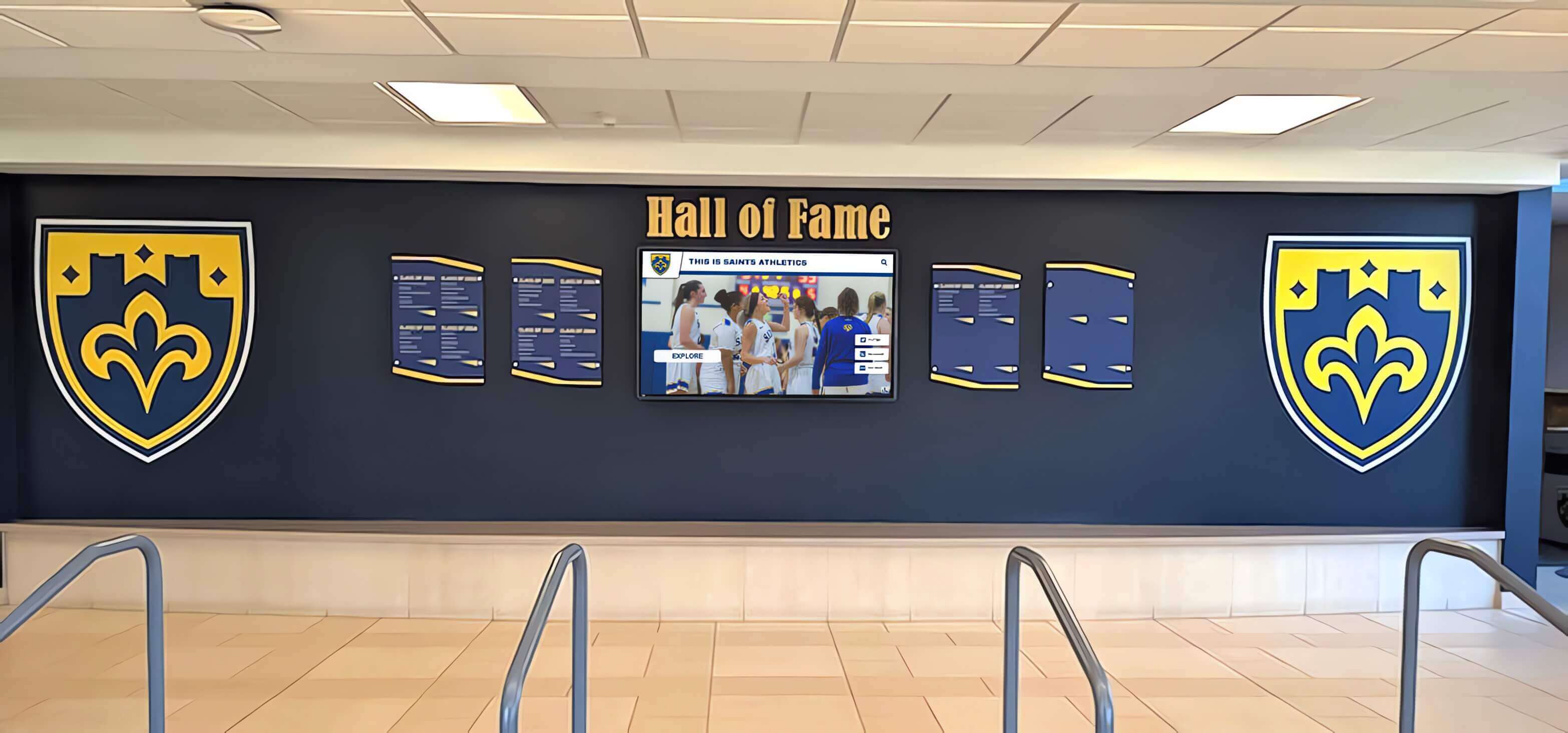
Traditional boards prove most successful when designers accept inherent limitations and design accordingly rather than attempting comprehensive displays that exceed practical space constraints.
Rotating Panel and Update-Friendly Designs
Recognizing that track and field records change regularly, some traditional board designs incorporate update mechanisms making modifications less expensive and complex.
Replaceable Insert Systems
Smart traditional designs separate permanent framework from individual record listings. Schools install permanent header panels identifying “TRACK AND FIELD RECORDS” and event category sections, then use replaceable inserts for actual record information. This allows updating individual records without replacing entire boards.
Insert approaches include magnetic panels enabling easy swapping when records change, frame-and-plate systems where individual record plaques slide into permanent frames, and vinyl or print inserts that can be replaced economically by printing updated versions.
These systems reduce long-term costs while maintaining traditional aesthetic appeal. When records stand for many years, they look identical to permanently engraved boards. When records fall, schools can update specific events for a fraction of the cost required for entirely new boards.
Digital-Traditional Hybrid Approaches
Some schools combine traditional permanent elements with digital updates. For example, a beautifully designed traditional board might list event categories and provide historical context, while integrated digital screens display current records that update automatically. This preserves traditional aesthetics while solving the update challenge that makes purely static boards impractical for many programs.
Schools exploring ways to enhance team recognition across all athletics often find that hybrid approaches balance tradition with functionality effectively.
Digital Track and Field Record Board Solutions
Modern digital systems fundamentally reimagine what track and field record recognition can accomplish, overcoming traditional limitations while adding capabilities impossible with static displays.
Advantages of Digital Record Display Systems
Digital platforms provide transformative benefits specifically valuable for track and field’s complexity and frequent record updates.
Unlimited Capacity and Comprehensive Coverage
Digital systems eliminate space constraints entirely. Schools can display every record in program history across all events, gender divisions, and eras without worrying about wall space. This enables recognition approaches impossible with physical boards:
- Complete Record Books: Displaying not just current record holders but top-ten all-time performances in each event
- Historical Timelines: Showing how records have progressed over decades, honoring every athlete who ever held each record
- Multi-Category Recognition: Including not just school records but also conference records, state qualifiers, all-league selections, and personal records for current athletes
- Related Achievements: Adding team accomplishments like conference championships, state meet performances, and season highlights alongside individual records
This comprehensive approach ensures every deserving athlete receives recognition rather than limiting honor to only current record holders.
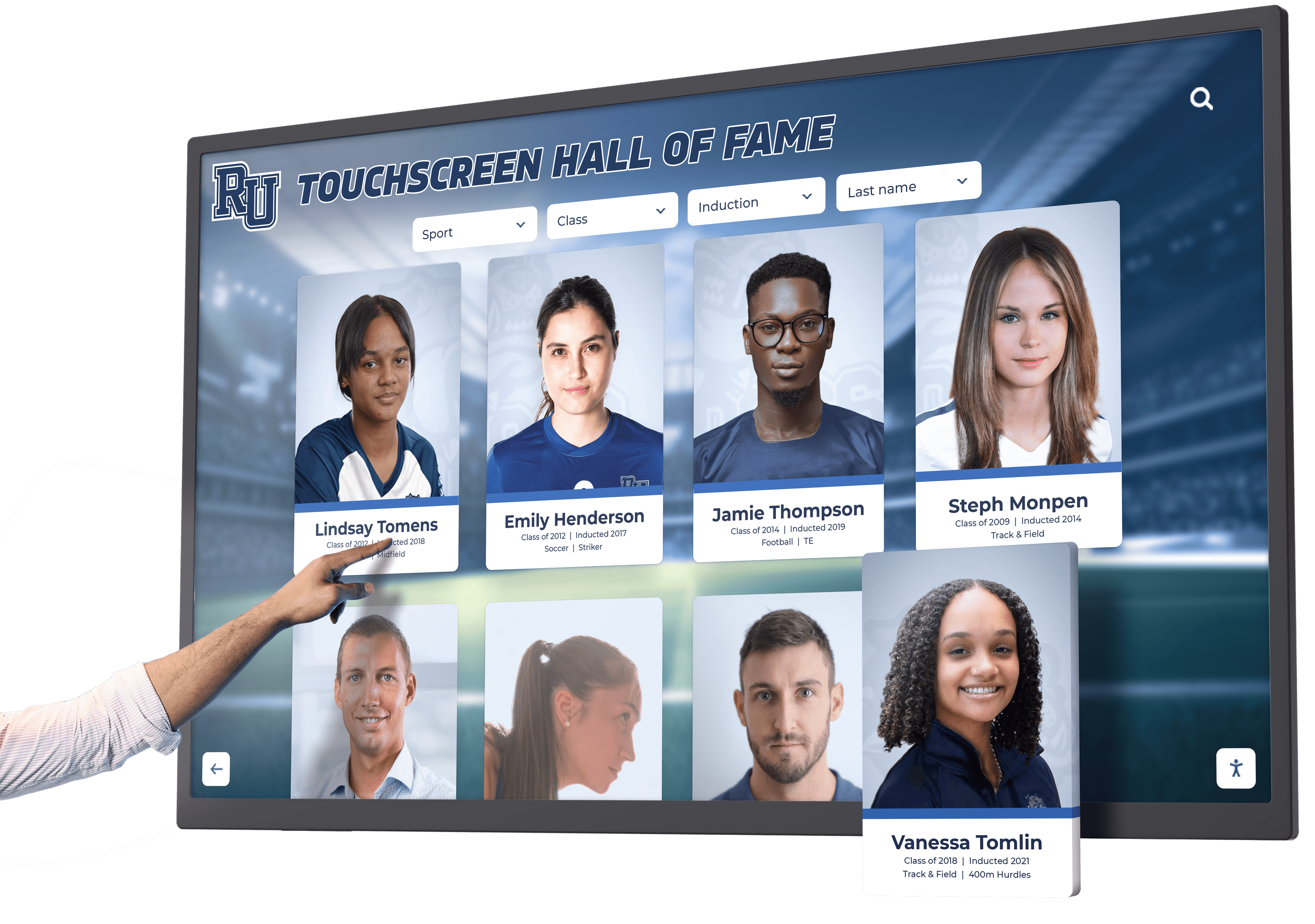
Multimedia Storytelling Capabilities
Beyond listing names and numbers, digital displays bring records to life through rich media:
Athlete Photographs: Showing record holders in action captures athletic excellence visually, creating emotional connections that pure statistics cannot provide.
Video Highlights: Displaying video clips of record-setting performances when available allows current athletes to witness great achievements rather than just reading about them.
Performance Context: Adding details about when and where records occurred—championship meets, weather conditions, competition details—tells complete stories rather than isolated statistics.
Athlete Profiles: Including brief biographies, post-high school athletic careers, and current whereabouts for alumni helps current students see record holders as real people rather than just names on boards.
These multimedia elements transform record boards from statistical archives into inspiring celebrations of athletic excellence that resonate emotionally with athletes, parents, and communities.
Organization and Navigation in Digital Systems
Digital platforms enable sophisticated organization that serves different users seeking different information.
Multi-Dimensional Filtering and Sorting
Unlike static boards locked into single organizational schemes, digital systems allow users to organize the same record data multiple ways:
- By Event: Quickly viewing all records for specific events athletes participate in
- By Year: Seeing which records fell in particular seasons or eras
- By Athlete: Finding all records held by specific individuals
- By Gender: Filtering between boys and girls records
- By Category: Separating running events, field events, and relays
This flexibility means that coaches preparing athletes for specific events can quickly show relevant records, while alumni visiting campus can easily locate their own achievements regardless of which event they competed in.
Search Functionality
Digital record boards can include search capabilities allowing anyone to quickly locate specific athletes, events, or time periods without scrolling through comprehensive lists. This proves particularly valuable for large programs with extensive historical records spanning many decades.
Contextual Information and Comparisons
Digital systems can automatically provide useful context. When displaying a current record, systems might show the previous record and how long it stood, indicate where the current school record ranks within conference or state-level competition, or display the progression of records over time showing how marks have improved across program history.
Schools developing comprehensive athletic facility designs increasingly integrate digital record displays as central elements creating engaging athletic environments.
Update Efficiency and Real-Time Recognition
Digital record boards solve one of traditional displays’ most significant problems: the delay between achievements and recognition.
Immediate Updates When Records Fall
With traditional boards, records broken during season often go unrecognized for months while schools wait for engraving updates or budget for new plaques. Digital systems enable instant updates—coaches or athletic staff can add new records immediately after verification, ensuring athletes receive proper recognition while accomplishment excitement remains fresh.
This immediacy proves particularly meaningful for track and field where records might fall several times in a single season as athletes progressively improve performances. Digital systems can recognize each improvement immediately rather than waiting until season’s end to update displays once.
Simplified Maintenance Workflow
Maintaining accurate digital record boards requires significantly less effort than physical board updates. Rather than coordinating with engraving companies, waiting weeks for new plaques, and physically installing updates, authorized staff simply log into content management systems and update record information directly.
Many digital systems also include verification workflows where coaches submit record updates that athletic directors review and approve before publication, ensuring accuracy while distributing maintenance responsibility appropriately.

Content Strategy for Effective Record Boards
Beyond choosing display formats, schools must decide what information to include and how to present it for maximum impact.
Determining What Records to Display
Track and field programs can recognize many achievement levels beyond just school records.
School Records as Foundation
The core of any record board should clearly identify current school records for all events—these represent the ultimate standard athletes strive to surpass. School records deserve prominent, easy-to-locate display as the primary content.
However, limiting displays exclusively to school records means many excellent athletes receive no recognition despite outstanding achievements that fell just short of record-breaking performances.
Conference and Regional Recognition
Many programs also recognize athletes who achieved conference records, set meet records at invitational competitions, or qualified for state championship meets. These achievements, while not school records, represent exceptional accomplishment deserving recognition.
This expanded recognition serves important equity purposes. In programs with extremely longstanding records that may not fall for decades, current athletes need achievable excellence markers beyond impossible-to-reach school records set by legendary athletes from past eras.
Era-Based and Conditional Records
Some schools maintain “era records” recognizing the best performances within specific time periods (decade records, for example). Others track conditional records like “best wind-legal performance” for events where wind assistance affects official record eligibility.
These additional categories provide recognition opportunities while maintaining appropriate distinction from all-time school records.
Providing Historical Context and Storytelling
Raw statistics alone—names, marks, and dates—tell incomplete stories. Effective record boards add context that makes achievements meaningful.
Historical Progression Narratives
Showing how records have improved over time illustrates program development and honors all athletes who ever held records, not just current record holders. Digital displays can show timeline visualizations making these progressions clear and engaging.
For example, displaying the history of the boys 100-meter record might show: “First record: John Smith, 11.8 (hand-timed), 1967; Improved to 11.2 by Tom Jones, 1982; First sub-11: Mike Johnson, 10.9 (FAT), 1995; Current record: David Williams, 10.4, 2024.”
This approach celebrates multiple generations of athletes rather than implying only current record holders matter.
Achievement Context and Competition Details
Adding details about when and where records occurred enhances appreciation for achievements. “Set at State Championship Meet,” “Broke 20-year-old record,” or “Only athlete to qualify for State in event” provides meaningful context beyond basic statistics.
For particularly significant records, schools might include brief narratives explaining special circumstances: “Record stood for 32 years before being broken in 2023” or “First athlete in school history to break 15 feet in pole vault.”
Programs focused on academic and athletic recognition understand that context and storytelling transform statistical displays into meaningful celebrations of individual excellence.
Organizing Information for Different Audiences
Effective record displays consider that different stakeholders seek different information.
Current Athletes: Finding Personal Targets
Athletes competing in specific events primarily want to quickly identify records in their events to understand performance targets. Clear event organization and search functionality help athletes easily locate relevant information.
Coaches often use record displays during practice, showing athletes the school records they’re working toward and explaining how current training aims to develop record-breaking performances.
Alumni and Historical Interest
Alumni visiting campus want to locate their own achievements and see how they compare to current athletes. Name-based search and historical views organized by era help alumni engage with displays meaningfully.
Some schools discover that comprehensive digital record systems drive alumni engagement as former athletes return to campus specifically to see their achievements recognized or show their own children and grandchildren their names on record boards.
Parents and Community Members
Community members may be less familiar with track and field specifics but appreciate outstanding achievement. For these audiences, highlighting particularly impressive or longstanding records with additional context helps communicate significance.
“Marcus Thompson’s school record of 14.2 in the 110-meter hurdles has stood for 28 years” immediately communicates exceptional, enduring excellence to any audience, regardless of track and field knowledge.
Design Principles for Maximum Impact
Whether implementing traditional or digital record boards, fundamental design principles maximize aesthetic appeal and functional effectiveness.
Visual Hierarchy and Information Organization
Clear visual design helps visitors quickly understand what they’re viewing and locate relevant information.
Primary Information Emphasis
The most important information—event names and current record marks—should be most visually prominent through larger fonts, bold styling, or contrasting colors. Supporting information like record holder names and dates should be visible but secondary in visual hierarchy.
This ensures visitors scanning displays quickly identify “100 Meters: 10.4 seconds” before processing that David Williams set the record in 2024.
Consistent Formatting Standards
Maintaining consistent presentation across all events creates professional appearance and improves scannability. This includes standardizing how times are presented (10.4 vs 10.40), how distances are shown (47'3" vs 47-3), how athlete names appear (first and last vs last, first), and how dates are formatted.
Consistency seems trivial but significantly impacts perceived professionalism and usability, particularly in track and field where dozens of records appear together.
Incorporating School Branding and Identity
Record boards should clearly represent specific schools rather than appearing generic.
School Colors and Visual Identity
Effective boards incorporate official school colors, mascot imagery, and design elements consistent with broader school branding. This creates immediate visual connection between athletic achievements and school identity.
For digital displays, this might include school logo overlays, color schemes matching school branding, and design elements echoing other school signage and visual identity components.
Photographic and Environmental Context
Including images of school athletic facilities, team photos, or action shots from track meets grounds record boards in specific institutional contexts rather than appearing like generic statistical databases.
This approach strengthens emotional connections—athletes see not just abstract numbers but achievements connected to familiar places, teammates, and experiences.
Accessibility and Inclusive Design
Record boards should be accessible to all community members including those with visual impairments or other accessibility needs.
Physical Accessibility Considerations
For physical boards, this means installing displays at appropriate heights for all visitors including those using wheelchairs, ensuring adequate lighting for easy reading, providing sufficient color contrast for legibility, and using font sizes large enough for comfortable reading from reasonable distances.
Digital Accessibility Features
Digital systems should include screen reader compatibility for visually impaired visitors, keyboard navigation alternatives to touch-only controls, and adjustable text sizing for users with different visual needs.
Schools implementing comprehensive recognition systems recognize that accessible design ensures all community members can engage with athletic achievement regardless of individual abilities.
Strategic Placement and Installation Considerations
Where record boards are located significantly impacts their effectiveness and audience reach.
Indoor Versus Outdoor Installation
Each installation location offers distinct advantages and challenges.
Indoor Athletic Facility Placement
Installing record boards inside field houses, gymnasiums, or athletic hallways ensures year-round accessibility and protection from weather. These locations typically receive high traffic from student athletes, coaches, and sports program stakeholders.
Indoor placements work particularly well for:
- High-traffic hallways connecting locker rooms to practice facilities where athletes pass daily
- Lobby areas in athletic buildings where visitors gather before events
- Weight rooms and training facilities where athletes spend significant time
- Adjacent to coaches’ offices where they’re convenient for recruiting visits and team meetings
Indoor locations protect displays from weather-related deterioration and typically provide better viewing environments with controlled lighting and climate.
Outdoor Track and Field Venue Installation
Placing record boards at actual track and field competition venues creates powerful connections between achievements and the locations where they occurred. Athletes warming up before practices and competitions see the records they’re pursuing in the exact environment where they’ll attempt to break them.
Outdoor installations require weather-resistant materials and designs. Digital displays need appropriate protection from sun exposure, precipitation, and temperature extremes. Traditional engraved boards should use materials like bronze, aluminum, or sealed wood that withstand outdoor conditions.
The trade-off is that outdoor boards primarily reach track team members rather than broader school populations who may rarely visit track facilities.
Combining Multiple Display Locations
Many successful programs install record boards in multiple locations serving different purposes.
Primary Comprehensive Display
A main comprehensive record board—typically indoors in a prominent athletic facility location—serves as the authoritative complete record archive. This display includes all events, historical information, and detailed content.
Event-Specific Displays at Competition Venues
Supplementary outdoor displays at the track might show only running event records, while a display near field event areas highlights jumping and throwing records. These focused displays provide relevant inspiration without overwhelming complexity.
Digital Displays in High-Traffic Locations
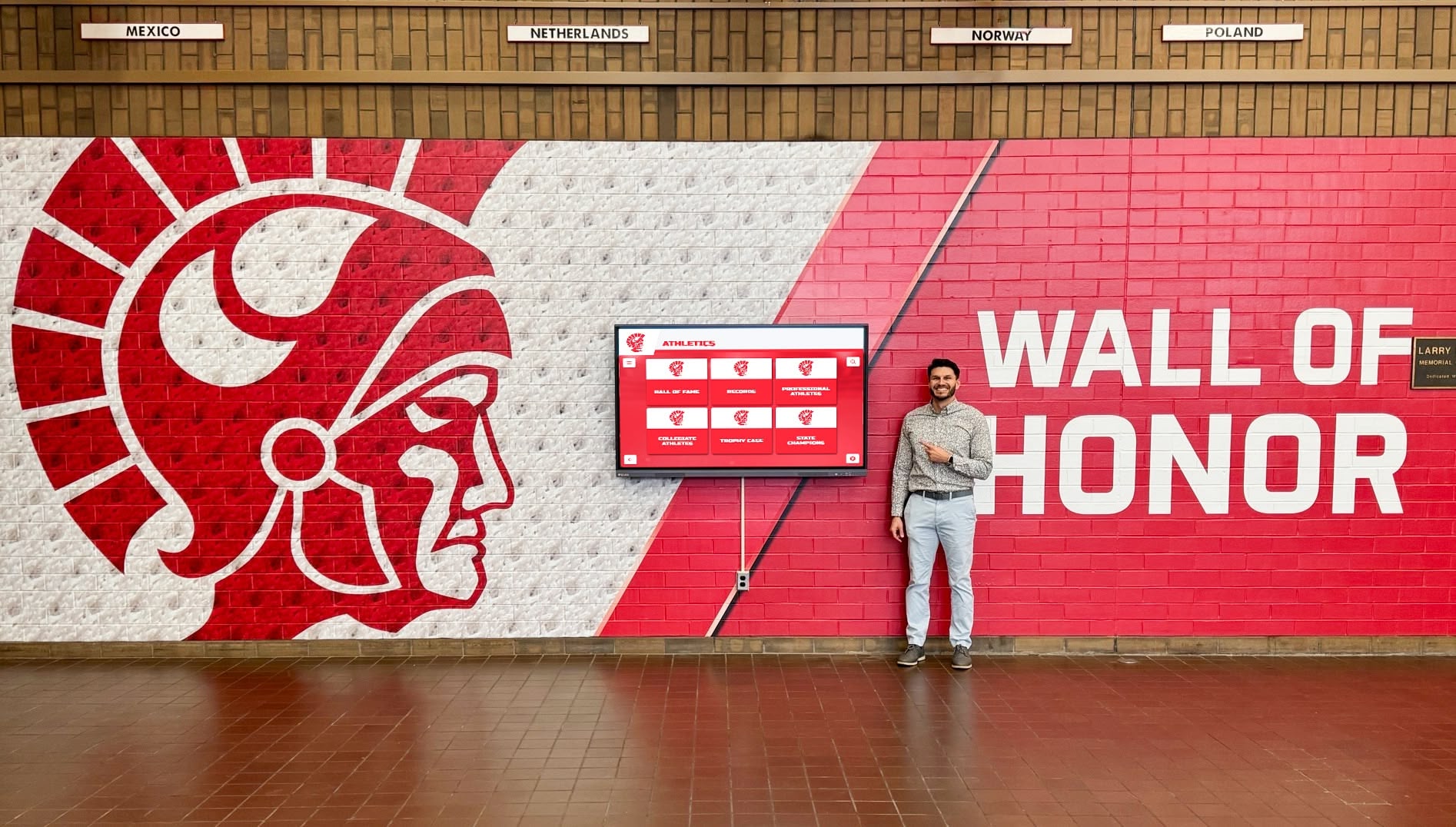
Digital screens in main school lobbies or cafeterias can rotate through track and field records along with other athletic recognition, exposing broader school populations to track achievements even if they never visit athletic facilities.
This multi-location approach maximizes reach across different audiences while avoiding duplication costs through thoughtful content distribution matching each location’s specific use case.
Integration with Broader Athletic Recognition Systems
Track and field record boards prove most effective when integrated within comprehensive athletic recognition rather than existing as isolated displays.
Connecting to Multi-Sport Recognition
Schools recognizing excellence across all athletic programs create more equitable and comprehensive celebration than fragmented sport-by-sport displays.
Unified Athletic Hall of Fame Systems
Digital platforms can integrate track and field records within broader athletic halls of fame recognizing championship teams, all-conference athletes, and outstanding achievements across all sports. Athletes who excel in multiple sports receive unified recognition rather than having their accomplishments scattered across disconnected displays.
This integration proves particularly valuable for track and field athletes who often compete in multiple sports—showcasing their complete athletic careers rather than just their track achievements in isolation.
Consistent Recognition Standards
Integrating track and field within broader systems ensures consistent recognition standards. If football players receive detailed profiles with photos and achievement summaries, track athletes deserve equivalent treatment rather than bare-bones listings of names and times.
Programs developing digital trophy case systems discover that comprehensive platforms celebrating all sports prove more effective than fragmented recognition approaches.
Balancing Team and Individual Recognition
Track and field includes both individual achievements and team accomplishments deserving recognition.
Individual Records as Primary Focus
Unlike team sports where collective championships often receive more emphasis than individual statistics, track and field naturally emphasizes individual achievement. Record boards rightfully focus on individual event records as primary content.
Team Accomplishments as Context
However, team achievements—conference championships, state meet placements, dual meet records—provide important context showing program quality beyond individual excellence. Effective displays include both individual records and team accomplishments, typically giving individual records more prominent placement while ensuring team success receives appropriate recognition.
Relay Team Recognition
Relay events present interesting challenges falling between individual and team categories. Relay records should list all four athletes who contributed to record-setting performances, honoring team achievement while recognizing specific individuals.
Some programs also recognize relay teams that achieved outstanding performances even if they didn’t set school records—conference champion relays or state qualifying teams, for example.
Academic and Character Recognition Integration
The most comprehensive recognition systems celebrate students’ complete excellence rather than athletics alone.
Scholar-Athlete Recognition
Many track and field athletes excel academically as well as athletically. Integrated recognition systems can highlight athletes who achieved both athletic and academic excellence—holding school records while maintaining exceptional grades or earning academic all-conference honors.
This balanced recognition reinforces institutional values celebrating well-rounded student development rather than athletic achievement isolated from academic and character growth.
Post-High School Achievement Updates
Digital systems enable ongoing updates celebrating how athletes’ high school excellence launched successful college athletic careers or other post-secondary achievements. This shows current athletes that records represent not just momentary success but foundations for continued growth.
Schools implementing comprehensive student recognition programs discover that integrated approaches celebrating diverse forms of excellence prove more meaningful than athletics-only recognition.
Maintenance, Updates, and Long-Term Management
Effective record boards require systematic maintenance ensuring accuracy, currency, and continued impact over time.
Establishing Update Protocols and Responsibilities
Clear processes ensure records receive timely updates when achievements occur.
Verification and Documentation Procedures
Schools should establish formal verification processes before adding records to official displays. This typically includes requiring meet results documentation showing official times/distances, confirmation that performances meet eligibility standards (wind readings for sprints and jumps, for example), and verification that athletes met academic and conduct requirements for recognition.
Implementing verification prevents errors while creating documentation trails supporting historical accuracy.
Designated Responsibility Assignment
Specific staff members should have clear responsibility for maintaining record boards. This might be athletic directors, head track coaches, or athletic program assistants. Without clear assignment, updates fall through cracks as everyone assumes someone else will handle them.
Digital systems simplify this by enabling role-based access where coaches can submit updates that athletic directors review and approve before publication.
Regular Accuracy Audits
Even with good update procedures, periodic comprehensive reviews ensure ongoing accuracy. Schools should annually review all records comparing display information against authoritative record books, checking that statistical formatting remains consistent, and verifying that athlete names and dates are correct.
These audits catch accumulated errors before they multiply or become permanent parts of institutional records.
Balancing Historical Preservation with Current Emphasis
Record boards should honor history while keeping current athletes engaged.
Maintaining Historical Records
As records fall, schools must decide how to handle replaced records. Simply deleting previous record holders erases institutional memory and disrespects athletes whose achievements, while surpassed, represented excellence in their eras.
Digital systems easily maintain complete historical records showing all former record holders alongside current marks. Traditional boards face harder choices—some maintain “all-time top performers” lists showing multiple athletes rather than single current records, while others photograph old boards before updates, preserving images in archives.
Highlighting Recent Achievements
While honoring history, displays should clearly emphasize current records and recent accomplishments. Athletes care most about the standards they’re currently chasing. Burying current records within extensive historical content reduces motivational impact.
Effective designs use visual hierarchy making current records immediately apparent while keeping historical information accessible to those specifically seeking it.
Technology Obsolescence and Future-Proofing
Digital systems require consideration of long-term technology viability.
Platform Selection and Vendor Stability
Schools investing in digital record boards should evaluate vendor stability and product longevity. Systems from established providers with track records of continued support and regular updates prove safer investments than solutions from startups that may not exist in five years.
Content Portability and Data Ownership
Schools should ensure they own their content and can export record data if they change platforms. Proprietary systems that lock data into specific vendors create costly dependencies making future platform changes difficult.
Hardware Replacement Planning
Digital displays have finite lifespans—typically seven to fifteen years depending on usage and technology. Schools should budget for eventual hardware replacement, viewing initial investments as first phases in ongoing programs rather than one-time permanent solutions.
Planning for these realities upfront prevents digital recognition systems from becoming abandoned obsolete equipment when displays inevitably need replacement or platforms require updates.
Conclusion: Inspiring Excellence Through Meaningful Recognition
Track and field record boards serve purposes far beyond simple documentation of past achievements. When thoughtfully designed and professionally implemented, effective record displays honor athletic excellence appropriately, inspire current athletes toward record-breaking performances, preserve program history for future generations, strengthen program culture and tradition, and engage broader communities in celebrating student achievement.
The most successful track and field recognition systems share common characteristics: comprehensive coverage honoring all deserving athletes across all events, clear organization making information accessible to diverse audiences, professional presentation reflecting achievement significance, efficient update processes ensuring ongoing accuracy and currency, multimedia storytelling bringing achievements to life beyond statistics, and integration with broader recognition systems celebrating complete student excellence.
Modern digital solutions like those from Rocket Alumni Solutions overcome traditional record board limitations while expanding what’s possible. Unlimited digital capacity accommodates complete program histories without space constraints. Instant updates ensure immediate recognition when records fall. Rich multimedia capabilities showcase achievements through photos, videos, and detailed profiles impossible with static plaques. Sophisticated organization enables different stakeholders to find relevant information easily. Remote accessibility allows alumni to engage with program history regardless of physical proximity to campus.
Whether implementing traditional engraved boards, modern digital systems, or hybrid approaches combining both, core principles remain constant: accurate comprehensive record keeping honoring all deserving athletes, clear information architecture serving varied audience needs, professional presentation reflecting achievement significance, systematic maintenance ensuring ongoing currency, and meaningful integration with broader recognition ecosystems celebrating student excellence across athletics, academics, and character.
Track and field athletes dedicate years to pursuing record-breaking performances—countless training hours, physical challenges, and personal sacrifices pursuing excellence measured in tenths of seconds or fractions of inches. These athletes deserve recognition honoring their achievements appropriately while inspiring teammates and future generations. The record boards you implement today become permanent tributes to athletic excellence—visible reminders that dedication, talent, and perseverance produce achievements worth celebrating across generations.