



Track and field programs celebrate athletic diversity unmatched by any other high school sport—sprinters exploding from blocks, distance runners grinding through mile after grueling mile, jumpers defying gravity, throwers launching implements across fields, hurdlers combining speed with technical precision, and relay teams synchronizing handoffs at maximum velocity. This extraordinary range of disciplines means track awards programs require thoughtful design ensuring every event specialist receives appropriate recognition while celebrating the unique excellence each athlete demonstrates.
Championship medals hanging in athletes’ rooms tell incomplete stories about the progression, personal bests, technical mastery, and competitive dedication defining track and field success. For coaches and athletic directors building comprehensive recognition systems, understanding how to acknowledge diverse track accomplishments—from 100-meter dash victories to shot put state qualifiers, from freshman year personal record breakthroughs to senior season school record performances—creates programs where every athlete feels valued while maintaining standards that make recognition genuinely meaningful.
This comprehensive guide explores track and field awards across performance categories, event-specific recognition, character acknowledgment, improvement celebration, and team contribution. Whether your program fields small squads competing at conference meets or large rosters pursuing state championships across multiple event disciplines, these award ideas help create recognition systems motivating athletes while building program tradition through permanent celebration of track and field excellence.
Why Comprehensive Track and Field Recognition Matters
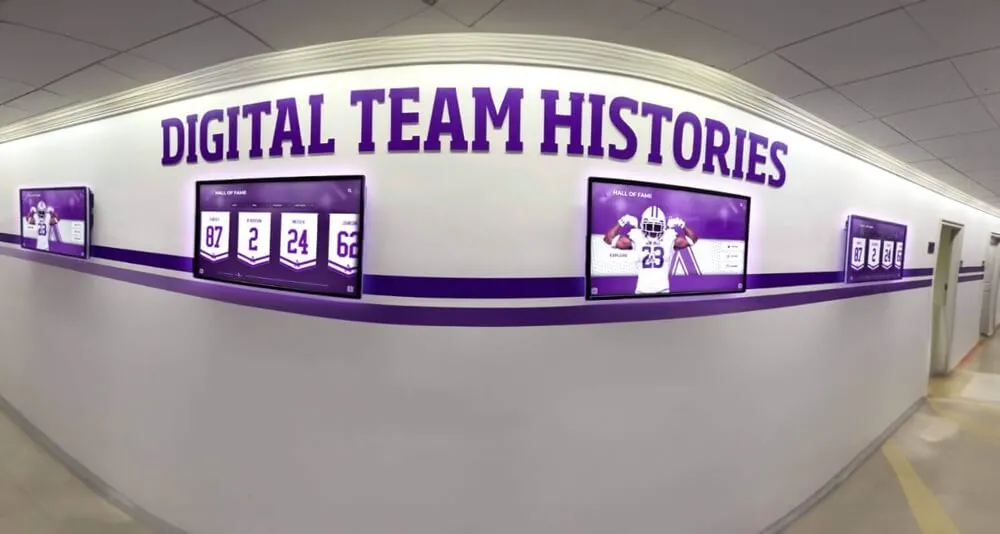
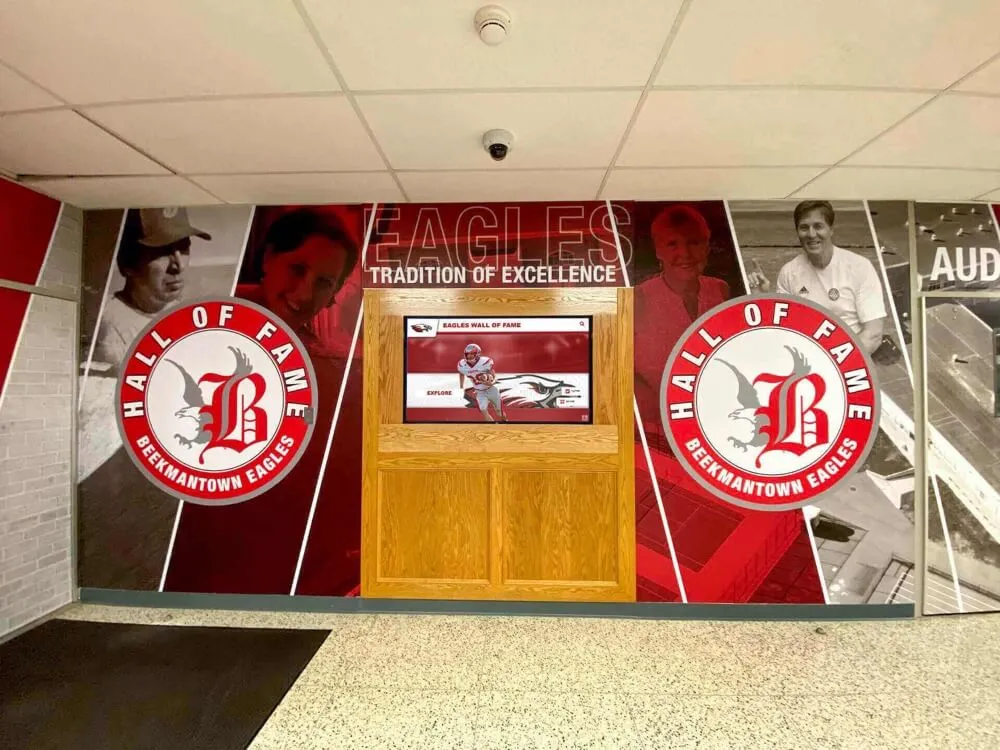
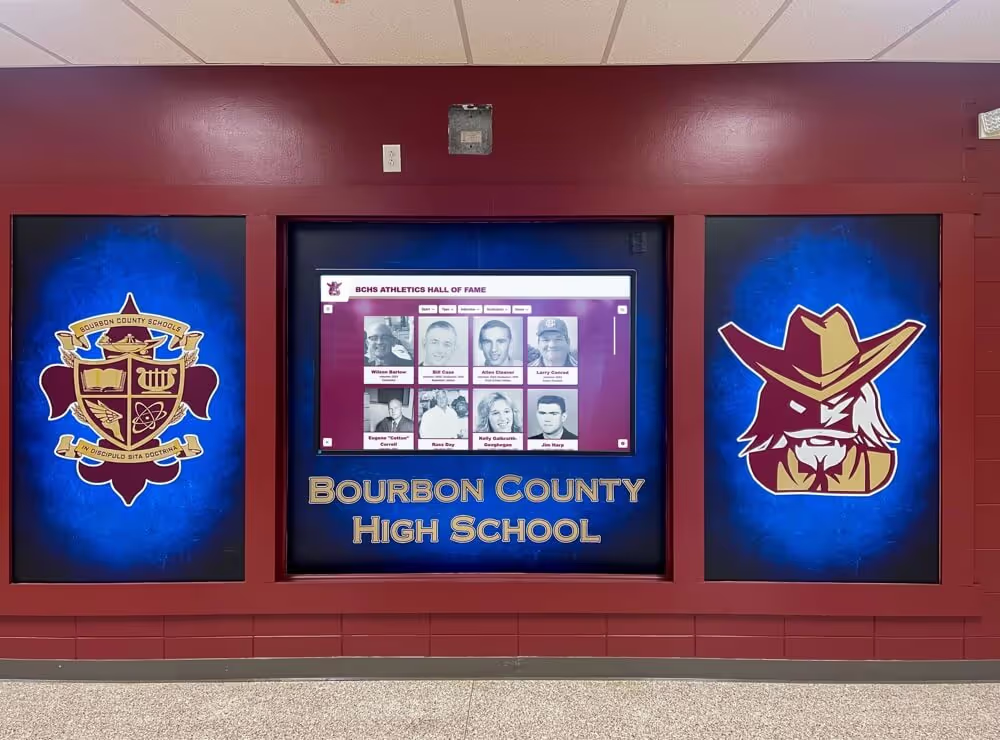
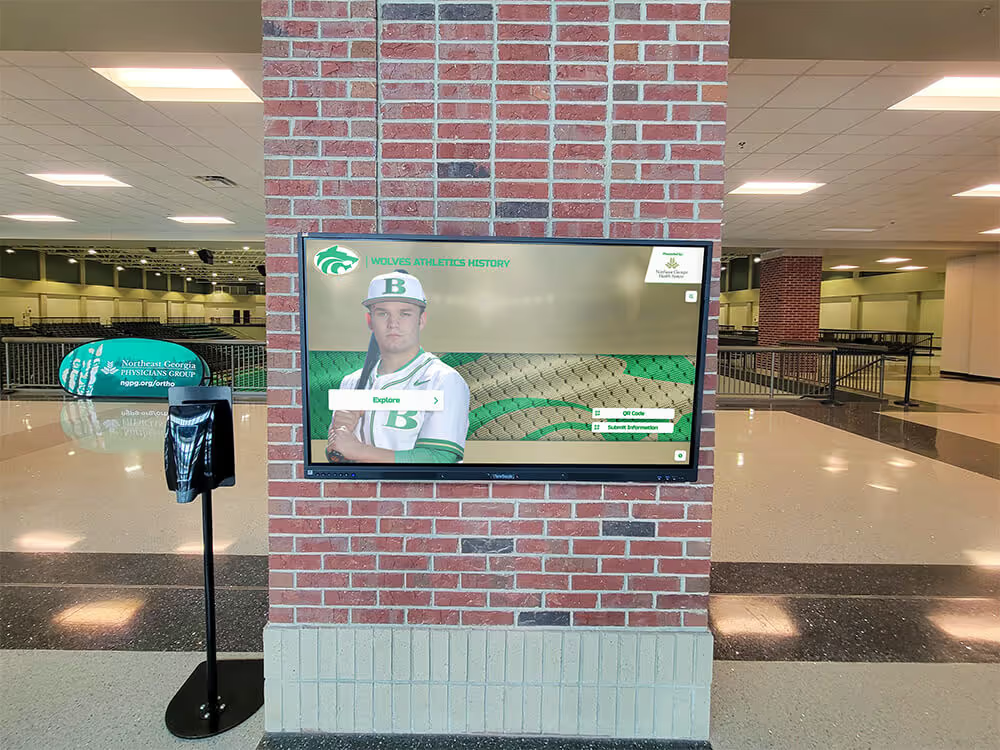
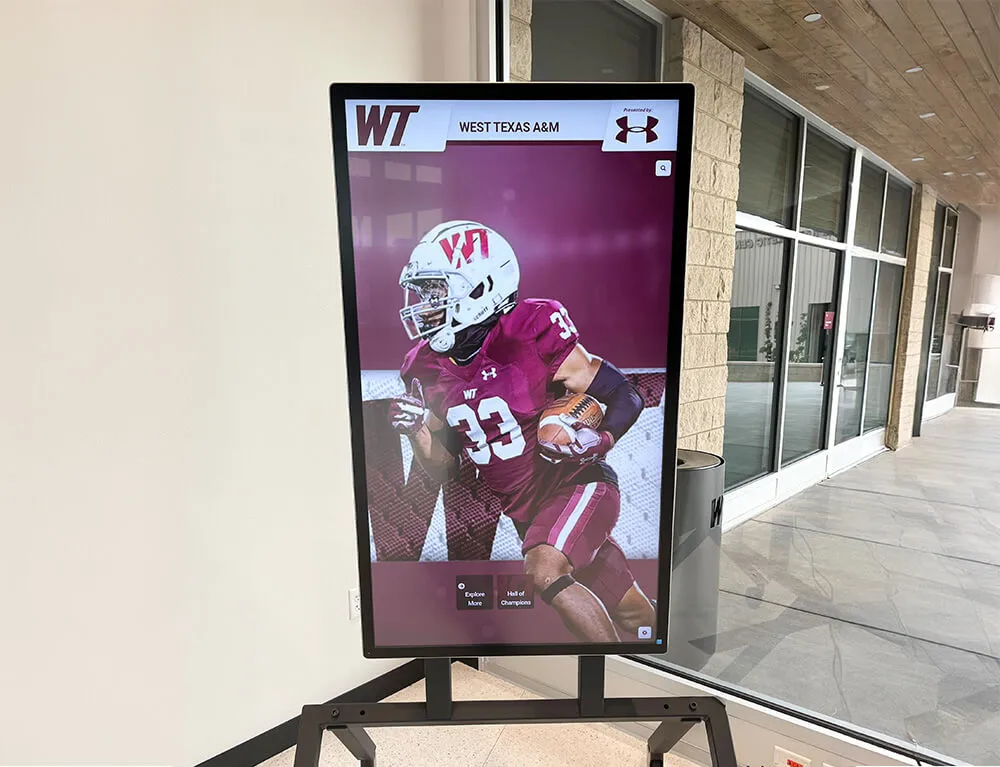
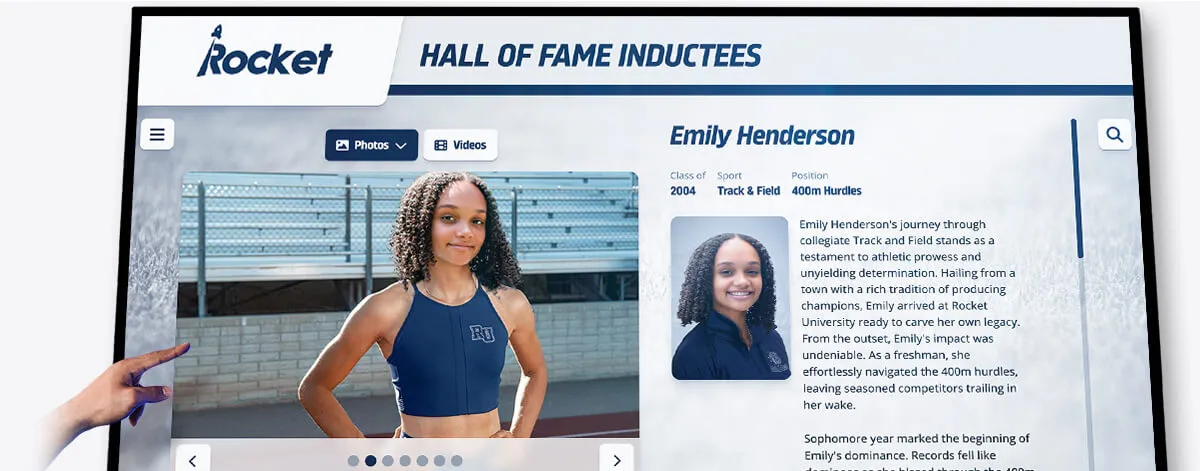
Track and field's multi-discipline structure means no single metric defines success—the 100-meter champion and 3200-meter distance runner demonstrate completely different athletic gifts requiring distinct training, physical capabilities, and mental approaches. Thoughtful awards programs acknowledge this diversity, ensuring sprinters, distance runners, jumpers, throwers, hurdlers, and relay specialists all receive appropriate recognition for their specialized excellence. Digital recognition solutions like Rocket Alumni Solutions enable track programs to create permanent celebration of diverse accomplishments that extends recognition beyond brief season-ending banquets while building comprehensive program history showcasing record progressions across decades.
Sprint Event Awards and Recognition
Sprint events demand explosive power, technical precision, and raw speed making sprint specialists among the most electrifying competitors in track and field competition.
100-Meter Dash Excellence
The 100-meter dash represents pure speed—ten seconds or less of absolute maximum velocity where hundredths of seconds separate victory from second place. The 100-meter champion typically earns recognition as the program’s fastest athlete, a distinction carrying special prestige acknowledging elite acceleration and top-end speed.
Recognition Criteria: Honor the athlete achieving the fastest 100-meter time during the season, whether in preliminaries, finals, or relay leadoff legs. Consider separate recognition for the conference champion, state qualifier, or athlete demonstrating greatest improvement in the event throughout the season.
200-Meter Dash Recognition
The 200-meter dash adds curve negotiation and speed endurance to raw sprinting ability, requiring athletes who maintain maximum velocity longer than pure 100-meter specialists. Top 200-meter performers combine acceleration, curve running technique, and sustainable speed through the race’s final straightaway.
Award Considerations: Recognize both the season’s fastest time and consistency across multiple meets. Athletes running sub-23 seconds (male) or sub-27 seconds (female) achieve elite status worthy of special acknowledgment particularly at high school levels.
400-Meter Dash Awards
The 400-meter dash brutally tests athletes through a full lap of controlled speed endurance where pacing strategy matters as much as raw velocity. The “quarter mile” separates sprinters from distance runners, demanding athletes who can sustain near-sprint pace for 50+ seconds while managing oxygen debt and lactic acid buildup.
Selection Standards: The 400-meter specialist award honors athletes demonstrating exceptional speed endurance, strategic pacing ability, and mental toughness to push through discomfort during the race’s final 100 meters. Consider recognizing the athlete with the best average 400-meter time across the season demonstrating consistent excellence rather than single exceptional performance.
4x100 and 4x400 Relay Excellence
Relay events emphasize teamwork, exchange precision, and collective speed making relay recognition essential in comprehensive track awards programs. Championship relay teams require not just four fast runners but athletes mastering exchange zones, handoff timing, and team synchronization executed under competitive pressure.
Team Recognition Approaches: Honor relay teams that break school records, qualify for state championships, or achieve top conference placements. Consider individual recognition for the most consistent relay performer or athlete demonstrating exceptional handoff technique enabling smooth exchanges maximizing team speed.
Understanding comprehensive approaches to athletic achievement awards helps track programs design recognition systems celebrating speed excellence across sprint disciplines while acknowledging the distinct skills each sprint event demands.
Distance Running Recognition and Awards
Distance events test endurance, mental toughness, and strategic racing ability through competitions lasting minutes rather than seconds, requiring completely different athletic capabilities than sprint specialists demonstrate.
800-Meter Run Excellence
The 800 meters occupies the challenging middle ground between sprinting and distance running, demanding athletes with both speed and endurance who can maintain controlled speed through two full laps. The “half mile” requires perfect pacing strategy avoiding the trap of starting too fast and dying over the final 200 meters.
Recognition Focus: Honor the athlete demonstrating best 800-meter performance while acknowledging that successful 800-meter racing requires exceptional tactical intelligence alongside physical capability. Consider recognizing the most improved 800-meter athlete as this event responds dramatically to proper training and race strategy development.
1600-Meter and 3200-Meter Distance Awards
The 1600-meter (mile) and 3200-meter (two mile) events showcase pure endurance athletics where mental toughness matters as much as aerobic capacity. Distance runners grinding through four or eight lap races demonstrate persistence and pain tolerance defining characteristics of championship distance running.
Award Categories: Recognize the season’s fastest times in each distance event while considering separate awards for the most consistent distance performer maintaining excellence across all season meets. Conference champions and state qualifiers in distance events deserve special recognition acknowledging the elite performance levels these accomplishments represent.
Cross Country to Track Transition Award
Many distance runners compete in both cross country and track seasons, with fall cross country fitness providing foundation for spring track excellence. Recognizing athletes who successfully transition between sports acknowledges the year-round dedication these endurance specialists demonstrate.
Selection Criteria: Honor the athlete demonstrating excellence in both cross country and track distance events, celebrating year-round commitment to endurance running and the training consistency required to maintain elite performance across both seasons.
Distance Running Work Ethic Recognition
Distance running success correlates directly with training volume and consistency, with top distance runners logging hundreds of miles during preparation cycles. Work ethic awards acknowledge the unglamorous daily training grind distance specialists embrace pursuing personal bests and championship performances.
Recognition Approach: Consider awards honoring the athlete logging the most training miles, maintaining perfect practice attendance, or demonstrating exceptional commitment to summer conditioning that establishes fitness foundations enabling competitive excellence during championship seasons.
Resources on student athlete recognition demonstrate frameworks for celebrating endurance excellence alongside the more visible sprint event accomplishments, ensuring distance runners receive equivalent acknowledgment for their specialized excellence.
Hurdle Event Recognition
Hurdle events combine sprinting speed with technical precision and coordination making hurdlers among the most skilled athletes in track competition.
110/100-Meter High Hurdles Excellence
High hurdles demand explosive speed combined with technical clearance ability, with races decided not just by sprinting speed but by minimal time spent clearing obstacles. Elite hurdlers maintain sprint rhythm between barriers while executing efficient clearance techniques that cost minimal velocity.
Award Criteria: Recognize the athlete achieving the fastest high hurdle time while considering separate acknowledgment for the athlete demonstrating most improved technique across the season. High hurdle mastery requires extensive technical development making improvement particularly noteworthy in this technical event.
300/400-Meter Intermediate Hurdles Awards
Intermediate hurdles add endurance dimensions to hurdle racing, combining 400-meter speed endurance with sustained clearance precision across longer distances. The 300 or 400-meter hurdles brutally test athletes through technical execution maintained despite accumulating fatigue.
Recognition Focus: Honor athletes excelling in intermediate hurdles while acknowledging the mental toughness required to maintain proper clearance form through the race’s final hurdles when fatigue tempts athletes to compromise technique risking hits or falls.
Hurdler Versatility Recognition
Some exceptional athletes excel in both sprint hurdles and intermediate hurdles, demonstrating remarkable technical mastery and speed endurance across multiple disciplines. Versatility awards celebrate athletes contributing to multiple events providing program depth.
Selection Approach: Consider recognizing the athlete scoring the most team points across combined hurdle events or the hurdler demonstrating excellence in both high hurdles and intermediate hurdles throughout the season.
Information on multi-sport athletic recognition provides frameworks for acknowledging versatility and multi-event excellence that hurdle specialists often demonstrate competing across multiple technical disciplines.
Jumping Event Awards and Recognition
Jumping events showcase explosive power, technical skill, and competitive courage as athletes launch their bodies through space pursuing maximum heights and distances.
High Jump Excellence Awards
The high jump combines technical clearance ability with explosive vertical power, with competitions creating dramatic tension as bars rise and athlete fields narrow. High jump champions demonstrate exceptional body control converting vertical power into efficient bar clearance.
Recognition Criteria: Honor the athlete achieving the greatest height cleared during the season while considering improvement recognition for jumpers demonstrating significant height progression across training cycles. School record holders deserve special permanent recognition through digital displays celebrating historic achievements.
Long Jump Recognition
The long jump demands sprinting speed combined with takeoff precision and flight technique extending horizontal distance. Championship long jumpers generate maximum approach velocity while executing perfect takeoff timing at the board avoiding fouls that erase outstanding jumps.
Award Considerations: Recognize the season’s longest jump while acknowledging consistency through average distance across all legal attempts rather than single exceptional performance. Fouling tendency should factor into overall long jump excellence assessment as technical precision matters alongside raw distance capability.
Triple Jump Achievement Recognition
The triple jump represents one of track and field’s most technical events, requiring precise phase transitions through hop, step, and jump while maintaining horizontal velocity. Triple jumpers demonstrate exceptional coordination and rhythm executing three distinct phases in continuous motion.
Selection Standards: Honor the athlete achieving the longest triple jump distance while recognizing the technical mastery this complex event demands. Consider separate recognition for the most technically sound triple jumper as observed by coaching staff regardless of absolute distance achieved.
Pole Vault Excellence Awards
Pole vaulting combines sprinting approach, technical plant execution, pole bend loading, and inverted extension timing making it track and field’s most equipment-dependent and technically complex event. Pole vaulters demonstrate remarkable courage planting poles at full speed and trusting technique to safely clear bars 12+ feet above ground.
Recognition Approach: Celebrate the athlete clearing the greatest height while acknowledging the extensive technical development and fearlessness pole vaulting requires. First-year vaulters achieving competitive heights deserve special recognition given pole vault’s steep learning curve and technical complexity.
Guidance on athletic hall of fame criteria demonstrates how schools establish permanent recognition for exceptional jumping event accomplishments that represent historic program achievements worthy of lasting celebration.
Throwing Event Recognition and Awards
Throwing events emphasize explosive power, technical precision, and implement-specific skills making throwers specialized athletes requiring distinct recognition from runners and jumpers.
Shot Put Excellence Awards
The shot put tests raw upper body strength combined with rotational power generation and technical release execution. Championship shot putters demonstrate explosive power transferring bodyweight momentum into the implement through precise release mechanics.
Award Criteria: Recognize the athlete achieving the longest shot put distance while considering weight room performance and strength development alongside competitive throws. Shot put success correlates highly with dedicated strength training deserving acknowledgment through work ethic or strength development recognition.
Discus Throw Recognition
The discus throw combines rotational speed, balance, and release timing launching implements across fields through efficient energy transfer from spinning motion into release velocity. Elite discus throwers execute smooth rotations building maximum angular velocity while maintaining balance through release.
Recognition Focus: Honor the season’s longest discus throw while acknowledging technical improvement as discus mastery requires extensive repetition developing consistent rotation mechanics. Consider recognizing the most improved discus thrower as this technical event responds dramatically to proper coaching and deliberate practice.
Javelin Excellence Awards
The javelin throw requires full-body coordination through approach sprinting, crossover steps, planting, and over-the-shoulder release executing sequential power transfer from legs through torso into arm. Championship javelin throwers combine approach speed with perfect release angle and implement rotation for maximum distance.
Selection Standards: Recognize the athlete achieving the longest javelin throw while celebrating the unique skill set javelin throwing demands. Javelin’s technical complexity and approach running requirements make it distinct from other throwing events warranting separate specific recognition.
Hammer Throw Recognition (Where Applicable)
Schools offering hammer throw competition showcase one of track’s most specialized events combining rotational speed with precise implement control through multiple spinning rotations. Hammer throwers demonstrate exceptional balance and timing building maximum velocity while maintaining control through release.
Award Approach: Honor hammer throw excellence where programs offer this event, acknowledging that hammer throwers often demonstrate the most dedicated specialization given the event’s limited competition opportunities and specialized technical requirements.
Overall Throwing Excellence Award
Some throwers excel across multiple throwing events, demonstrating versatile power production and technical adaptability. Recognizing combined throwing excellence celebrates athletes contributing points across multiple disciplines providing critical program depth.
Recognition Criteria: Consider aggregate distance awards combining shot put, discus, and javelin performances or point total awards reflecting placements across all throwing events throughout the season. Multi-event throwing excellence deserves special recognition acknowledging remarkable versatility.
Resources on athletic record boards demonstrate how track programs create permanent displays celebrating throwing event records alongside running and jumping accomplishments, ensuring throwers receive equivalent recognition prominence despite competing away from the main track where throwing rings and sectors often sit separated from running event visibility.
Character and Leadership Awards
Track and field builds character through individual accountability and team contribution making character-based recognition essential in comprehensive awards programs.
Team Captain Leadership Award
Track team captains lead diverse groups spanning sprinters, distance runners, jumpers, and throwers with completely different training demands and competitive experiences. Effective track captains bridge event specialty divisions building unified team culture despite athletes rarely competing directly against teammates.
Recognition Focus: Honor captains demonstrating exceptional leadership across the entire team roster rather than just within single event groups. Track leadership requires connecting athletes from different disciplines ensuring throwers feel equally valued to star sprinters and distance runners receive equivalent respect to jumping specialists.
Sportsmanship and Integrity Award
Track and field emphasizes individual integrity with athletes self-reporting fouls, honoring starting commands, and competing with respect for opponents and officials. Sportsmanship awards celebrate athletes consistently demonstrating ethical competition and respectful behavior across all season meets.
Selection Process: Consider input from meet officials, opponent coaches, and tournament directors who observe athlete behavior across various competitive contexts beyond home meets where familiarity might influence perceptions.
Most Supportive Teammate Recognition
Track athletes compete individually but win and lose as teams, with championship squads featuring athletes enthusiastically supporting teammates in unfamiliar events. The most supportive teammate award honors athletes who celebrate others’ successes, provide encouragement during struggles, and maintain positive energy across long meet days.
Award Approach: Consider peer voting for this recognition as teammates best understand who provides greatest support during competitions and maintains positive influence throughout challenging seasons.
Mental Toughness Award
Track and field tests mental fortitude through solo competition where no teammates share the starting line and disappointing performances receive immediate visible confirmation through posted times and distances. Mental toughness recognition honors athletes who persevere through adversity, maintain focus under pressure, and respond to setbacks with renewed determination.
Recognition Criteria: Evaluate athletes who consistently perform under championship pressure, bounce back quickly from poor performances, and maintain competitive confidence despite facing superior opponents or struggling through challenging seasons.
Practice Excellence Award
Track success requires consistent high-quality training execution across months of preparation where daily practice effort determines competitive capability far more than talent alone. Practice excellence awards acknowledge athletes maintaining maximum training intensity, following workout prescriptions precisely, and demonstrating professional preparation approaches.
Guidance on comprehensive recognition programs demonstrates how track programs create award categories ensuring character and leadership receive equivalent celebration to athletic performance accomplishments.
Improvement and Development Recognition
Improvement awards ensure athletes at all ability levels can earn recognition through measurable progress regardless of absolute performance levels.
Most Improved Athlete Award
Track and field’s measurable nature enables objective improvement tracking as athletes chase personal records throughout seasons. Most improved recognition celebrates athletes demonstrating greatest time drops, distance improvements, or height increases across competitive seasons.
Measurement Approach: Calculate improvement percentages rather than absolute time drops ensuring fair comparison across events. A sprinter dropping two seconds from their 400-meter time demonstrates greater improvement percentage than a distance runner shaving 30 seconds off a 3200-meter performance despite the larger absolute time difference.
Personal Record Achievement Recognition
Personal records represent individual excellence regardless of placement or competition level. PR recognition celebrates athletes who consistently improve throughout seasons, breaking personal barriers through dedicated training and competitive execution.
Award Categories: Consider recognition for athletes achieving the most personal records throughout the season or for athletes breaking longstanding personal barriers that resisted improvement through previous seasons. PR celebrations build motivation for athletes focused on self-improvement rather than head-to-head competition against superior opponents.
Event Conversion Success Award
Athletes transitioning between events—sprinters becoming hurdlers, distance runners attempting 800 meters, jumpers trying new disciplines—demonstrate versatility and willingness to fill team needs. Conversion success awards honor athletes who successfully master new events contributing points in unfamiliar disciplines.
Recognition Focus: Celebrate athletes who achieve scoring performances in new events or who demonstrate significant progress mastering technical skills required for successful event transitions. Event flexibility provides critical team depth particularly for smaller programs without specialized athletes for every discipline.
Freshman Development Recognition
First-year track athletes face steep learning curves mastering event techniques, understanding meet protocols, and developing competitive confidence. Freshman development awards acknowledge newcomers demonstrating exceptional progress building foundations for future excellence.
Selection Criteria: Recognize freshmen achieving the greatest improvement from early-season performances to championship meets or newcomers demonstrating exceptional competitive maturity and technical development beyond typical first-year capability.
Information on academic and athletic recognition provides frameworks for celebrating improvement across multiple dimensions ensuring developing athletes receive appropriate acknowledgment alongside established performers.
Team Contribution and Scoring Awards
Track meets score team points through individual placements making team contribution recognition essential for acknowledging how individual performances generate collective success.
Most Team Points Award
Team points represent objective measurement of competitive contribution with athletes earning points through top-eight finishes at scored meets. Points leaders demonstrate consistent excellence scoring across multiple meets throughout seasons.
Award Criteria: Recognize the athlete accumulating the most team points across the full season while considering separate recognition for championship meet scoring where pressure intensifies and competition quality increases. Point totals provide objective measures of competitive value enabling fair recognition across different event types.
Versatility and Multi-Event Excellence
Track’s multi-discipline structure enables versatile athletes to compete in multiple events, with some exceptional performers scoring points across three or four different disciplines. Versatility recognition celebrates athletes providing critical team depth through multi-event contributions.
Recognition Approach: Honor athletes who score team points in three or more different events or who achieve scoring performances across multiple event categories (running, jumping, throwing). Versatility provides enormous value particularly for smaller programs depending on athletes willing to fill multiple roster positions.
Relay Specialist Recognition
Relay events require athletes who excel in handoff execution, racing in exchange zones, and performing under team-dependent pressure. Relay specialists deserve recognition for mastering these unique skills that don’t translate directly to open event success.
Selection Standards: Consider recognizing the most consistent relay performer maintaining excellent handoff technique across all season relays or the athlete who demonstrates greatest improvement in relay racing versus individual event performance.
Unsung Contributor Award
Track teams need athletes willing to compete in non-preferred events, fill roster gaps, or contribute points in events where they lack specialized training. Unsung contributor recognition honors athletes prioritizing team needs over personal preferences or event specialization.
Award Focus: Celebrate athletes who consistently accept different event assignments, compete in unfamiliar disciplines to avoid forfeits, or fill necessary roster positions despite lacking natural talent for assigned events. Team-first attitudes deserve acknowledgment regardless of performance levels achieved.
Resources on comprehensive athletic recognition demonstrate how track programs create team contribution awards acknowledging diverse ways athletes generate value beyond individual performance excellence.
Conference, Regional, and State Achievement Recognition
Postseason qualification and championship performance represent pinnacle accomplishments deserving special recognition beyond regular season awards.
Conference Championship Recognition
Conference championships represent significant achievements demonstrating excellence against familiar local rivals competing throughout regular seasons. Conference champions earn bragging rights and establish program respect within their immediate competitive context.
Award Approach: Recognize individual event conference champions while celebrating overall team conference championships when achieved. Conference titles provide realistic championship opportunities for programs unable to compete with state powerhouses but achieving excellence within their immediate competitive circles.
Regional and Sectional Qualifier Awards
Advancing to regional or sectional championship meets represents significant achievement filtering fields to only top performers progressing toward state championships. Qualification demonstrates that athletes perform at elite levels within their geographic regions.
Recognition Criteria: Celebrate all regional qualifiers regardless of final placements at regional meets, acknowledging that qualification itself represents exceptional accomplishment. Consider separate recognition for regional champions or medalists achieving top placements at regional competitions.
State Championship Qualifier Recognition
State meet qualification represents extraordinary accomplishment with only a small percentage of high school track athletes earning opportunities to compete at state championships. State qualifiers deserve special permanent recognition celebrating historic achievements that define athletic careers.
Award Categories: Recognize all state qualifiers while providing additional special acknowledgment for state medalists, state champions, and state record setters achieving the highest competitive honors. State qualification deserves prominent display through digital recognition systems ensuring these accomplishments receive lasting visibility across program history.
All-State and All-Conference Selection
Conference and state all-star team selections honor athletes achieving top performances across competitive seasons. All-state recognition represents peer and coach acknowledgment of exceptional excellence worthy of lasting celebration.
Recognition Focus: Display all-state and all-conference selections prominently through digital recognition platforms ensuring these honors receive equivalent visibility to championship performances. All-star selections validate sustained excellence across full seasons rather than single exceptional performances.
Guidance on state championship recognition demonstrates how schools showcase postseason achievements building program tradition while inspiring current athletes pursuing their own championship opportunities.
School Record Recognition and Historic Achievement
School records represent the highest benchmark of program excellence establishing standards future athletes chase across generations.
Event Record Holders
Breaking school records represents transcendent achievement with record holders’ names displayed prominently in facilities inspiring future athletes. Record performances deserve special celebration through digital displays maintaining permanent visibility across decades.
Recognition Approach: Create comprehensive record boards displaying current record holders across all events with historical information showing record progression over time. Digital platforms enable easy updates when records fall while preserving historical record holder recognition showing performance evolution across program history.
All-Time Performance Rankings
Beyond single record holders, maintaining all-time performance rankings celebrating top ten performances in each event creates aspirational targets for developing athletes while honoring historic excellence across multiple generations.
Award Implementation: Develop top-ten all-time lists for each event displayed through digital recognition platforms enabling current athletes to see where their performances rank historically. All-time rankings create compelling narratives when current competitors approach or surpass performances from decades past.

Career Achievement Recognition
Multi-year excellence deserves special recognition celebrating athletes who maintained championship performance across three or four years of high school competition. Career achievement awards honor sustained excellence rather than single exceptional seasons.
Recognition Criteria: Consider recognition for athletes earning multiple individual state medals across their careers, accumulating exceptional career point totals, or maintaining sustained excellence across four years of varsity competition. Career recognition provides aspirational targets for underclassmen while appropriately honoring senior excellence.
Historic Milestone Achievements
Certain performances represent historic program milestones—first state champion, first sub-four-minute miler, first athlete clearing seven feet in high jump—deserving special permanent recognition beyond standard record holder acknowledgment.
Award Focus: Create special recognition categories for historic firsts and milestone performances ensuring these landmark achievements receive appropriate celebration commensurate with their significance in program history.
Solutions like Rocket Alumni Solutions provide specialized platforms designed for athletic recognition, enabling track programs to create comprehensive record displays with multimedia storytelling that static boards cannot match—incorporating performance videos, athlete profiles, and historical archives bringing record achievements to life while making updates simple when records fall.
Academic Excellence Recognition
Student-athletes balance classroom responsibilities with demanding training schedules making academic recognition essential in comprehensive awards programs.
Scholar-Athlete Awards
Track athletes maintaining high grade point averages while managing extensive training schedules demonstrate exceptional time management and commitment to dual excellence. Scholar-athlete recognition celebrates students excelling academically alongside their athletic commitments.
Recognition Standards: Establish minimum GPA thresholds (commonly 3.5 or higher) for scholar-athlete recognition ensuring academic excellence standards remain appropriately rigorous. Consider separate recognition for the highest GPA on the team celebrating exceptional academic performance.
Academic All-Conference and All-State
Many conferences and state associations honor student-athletes achieving both academic and athletic excellence through all-academic team selections. These honors deserve equivalent celebration to athletic all-star selections acknowledging dual achievement.
Award Approach: Display academic all-conference and all-state honorees prominently alongside athletic achievements demonstrating program values that prioritize comprehensive student development beyond pure athletic performance.
Most Improved GPA Recognition
Academic improvement deserves acknowledgment as students develop stronger study habits and time management skills. Academic improvement awards motivate underclassmen establishing academic foundations while validating that progress matters regardless of starting points.
Selection Criteria: Recognize athletes demonstrating greatest GPA improvement across competitive seasons or school years, celebrating academic development alongside athletic growth.
Information on academic recognition programs provides frameworks for integrating academic celebration into comprehensive recognition systems ensuring student-athletes receive acknowledgment for classroom excellence alongside track accomplishments.
Implementing Effective Track and Field Awards Programs
Creating meaningful recognition requires thoughtful planning beyond simply selecting award categories—successful programs need clear criteria, fair selection processes, and appropriate presentation.
Establishing Clear Award Criteria
Define Objective Standards: Statistical awards should specify whether recognition is based on single best performance, seasonal average, or aggregate scoring. Establish minimum performance standards where appropriate ensuring awards require genuine achievement rather than participation alone.
Balance Individual and Team Recognition: Track’s individual event structure must balance with team scoring dynamics. Quality programs recognize both individual excellence and team contribution ensuring athletes understand that personal achievement and collective success both matter.
Communicate Criteria Early: Share award categories and selection criteria at season start enabling athletes to understand what accomplishments earn recognition and how winners will be determined. Transparency builds credibility while motivating athletes pursuing specific recognition.
Avoid Recognition Inflation: While comprehensive acknowledgment matters, creating excessive awards or recognizing minimal accomplishment dilutes meaning. Balance inclusive participation recognition with selective achievement awards requiring genuine excellence.
Award Selection Process Best Practices
Coaching Staff Collaboration: Gather input from all coaching staff rather than single coach decisions for subjective awards. Multiple perspectives reduce bias while ensuring comprehensive evaluation across practices, meets, and training sessions.
Statistical Verification: Maintain accurate performance records throughout seasons ensuring performance-based awards reflect actual achievements rather than perception or memory. Designate someone to track statistics consistently across all season meets.
Peer Input for Character Awards: Consider team voting for peer-selected awards like Most Supportive Teammate or Best Leader. Peer recognition holds special meaning as teammates understand daily contributions that coaches might not fully observe.
Distribution Review: Before finalizing selections, review whether recognition distributes appropriately across event groups and roster. If awards concentrate heavily on sprinters while distance runners or field event athletes receive minimal recognition, reconsider whether evaluation captured full range of contributions.
Senior Consideration Balance: While awards should reward genuine achievement, programs often ensure senior contributors receive recognition honoring cumulative commitment, particularly in close decisions between seniors and underclassmen.
Award Presentation Strategies
Season-Ending Banquets: Track banquets provide formal settings for major award presentation celebrating seasons while enabling families to participate in recognition moments. Plan ceremonies maintaining appropriate length and pacing keeping audiences engaged.
Meet Recognition: Consider presenting certain awards during final home meets providing public recognition before larger school communities while creating special senior night or season finale celebration moments.
Individual Conversations: Supplement formal presentations with individual conversations explaining why athletes earned recognition and what their contributions meant to programs. Personal communication increases recognition meaning beyond ceremonial moments.
Quality Physical Awards: Invest in quality trophies, plaques, or medals communicating that recognition matters. Well-designed physical awards become keepsakes athletes treasure for years alongside their competition medals.
Digital Recognition Archives: Create permanent recognition through digital display systems displaying current award winners while maintaining historical records celebrating past recipients building program tradition visible across generations.
Budget Planning for Track Awards Programs
Understanding financial requirements helps programs create sustainable recognition delivering maximum impact within available resources.
Award Program Cost Components
Physical Award Items: Trophies, plaques, medals, certificates, and other tangible recognition items athletes receive. Costs vary significantly based on quality, quantity, and award types selected. Track’s multi-discipline structure often requires more diverse recognition than single-sport programs.
Banquet Expenses: Venue rental, catering, decorations, programs, and ceremony-related costs. Large track rosters create substantial banquet scale potentially involving 50-100 athletes plus families.
Digital Recognition Systems: Initial investment in display hardware, software platforms, installation, and content development plus ongoing subscription fees for maintenance and updates. Digital systems enable comprehensive event-by-event recognition traditional trophy cases cannot accommodate.
Record Board Updates: Costs for updating physical record boards when records fall or investment in digital record boards enabling instant updates without recurring physical plaque production expenses.
Cost-Effective Award Strategies
Tiered Recognition Approach: Provide elaborate trophies for major awards (MVP, state qualifiers, record holders) while using quality certificates for broader recognition categories, balancing impact and budget.
Booster Club Support: Engage booster organizations in funding awards programs through sponsorships, fundraisers, or direct financial support. Track boosters often include diverse supporter bases beyond parents given program size.
Business Sponsorships: Seek local business sponsors covering award costs in exchange for recognition at banquets, on programs, and through digital displays. Running stores, sports medicine clinics, and athletic equipment suppliers represent natural partnership opportunities.
Digital Investment Value: While digital recognition requires higher initial investment, elimination of recurring physical plaque production costs plus unlimited recognition capacity across all events and historical periods provides long-term value exceeding traditional approaches.
Event-Specific Recognition Rotation: Consider rotating emphasis on different event groups each season if budget constraints prevent comprehensive recognition annually, ensuring all event specialties receive focused celebration over multi-year cycles.
Create Permanent Track and Field Recognition
Transform how your track program celebrates athletic excellence by implementing digital recognition that permanently honors records, championships, and achievements across all event disciplines. Rocket Alumni Solutions enables track programs to create comprehensive displays featuring event-specific records, athlete profiles, performance progression charts, and multimedia storytelling that traditional record boards cannot match—ensuring every sprinter, distance runner, jumper, and thrower receives lasting recognition extending far beyond brief season-ending moments while building program tradition inspiring future athletes.
Digital Recognition Solutions for Track Programs
Technology enables track programs to create comprehensive recognition addressing the multi-discipline complexity traditional trophy cases struggle to accommodate effectively.
Benefits of Digital Track Recognition
Event-by-Event Organization: Digital platforms organize recognition by event discipline enabling easy exploration of sprint records separate from distance achievements, jumping event excellence independent of throwing accomplishments. Event-specific organization ensures every discipline receives appropriate visibility.
Unlimited Record Capacity: Track programs maintain records across 15-20 events for both male and female athletes creating extensive record sets traditional boards cannot fully display. Digital systems accommodate unlimited records without physical space constraints.
Performance Progression Visualization: Charts showing record progression over decades illustrate program development while creating compelling visual narratives when current athletes approach long-standing marks. Progression visualization adds context making current performances more meaningful.
Multimedia Integration: Incorporate race videos, jump sequences, throw technique footage, and athlete interviews creating engaging content that brings achievements to life beyond names and numbers. Video content particularly benefits technical events like hurdles, pole vault, and throws where watching performances provides appreciation static numbers cannot convey.
Easy Content Updates: Web-based management enables quick updates adding new records, award recipients, and championship results without physical plaque production delays or costs. Instant updates maintain current recognition throughout seasons rather than waiting for annual physical board updates.
Historical Archives: Digital platforms preserve complete program history enabling exploration of records from decades past, championship teams from previous generations, and athlete accomplishments across full program timelines. Historical depth builds tradition connecting current athletes to program legacy.
Implementing Digital Track Recognition
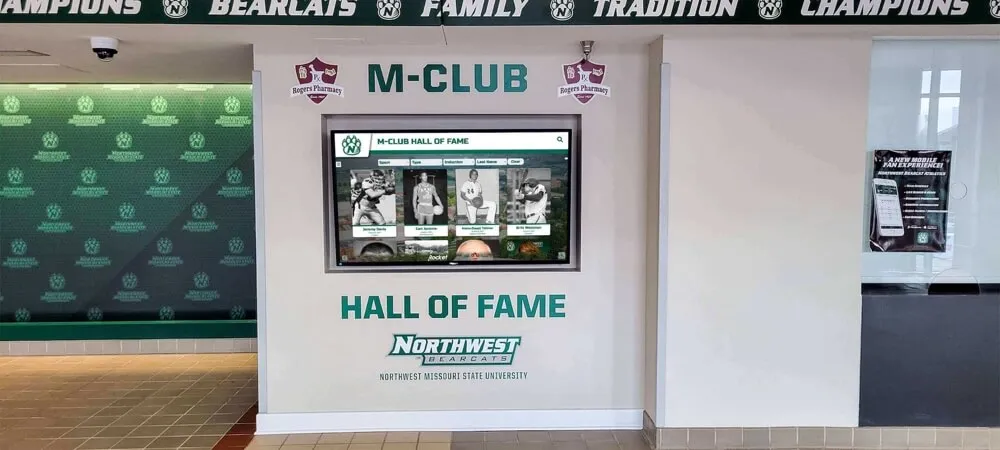
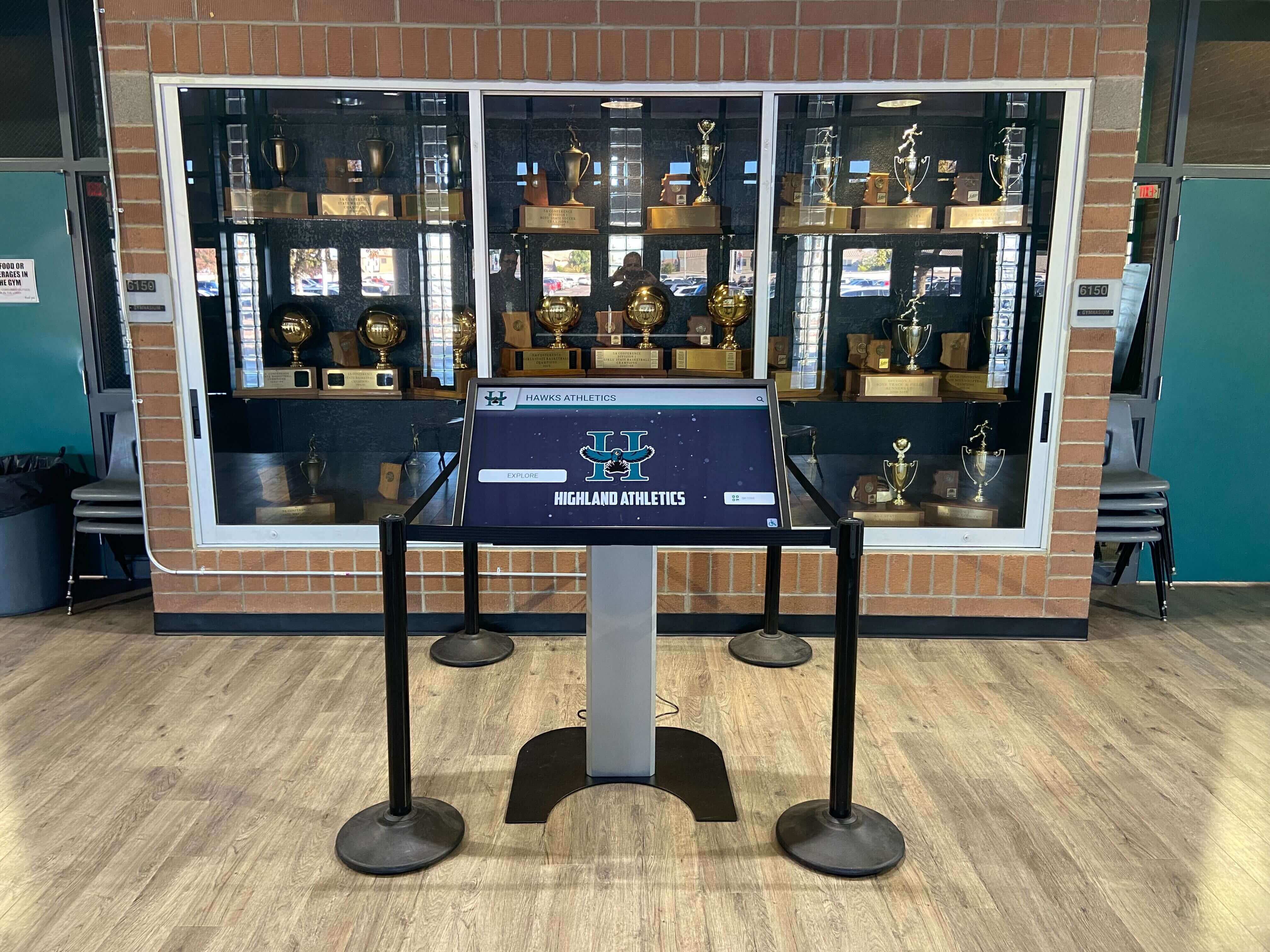
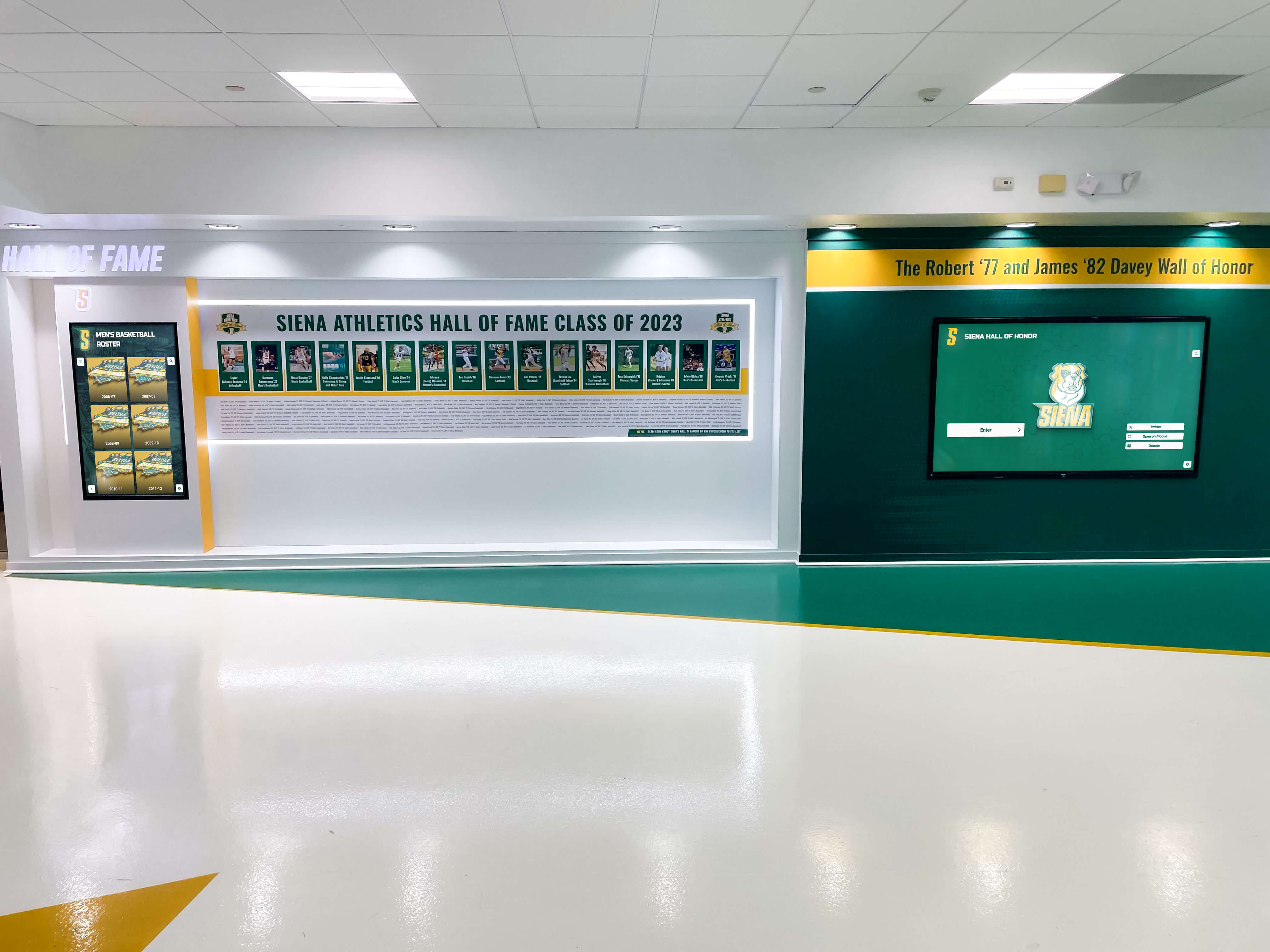
Strategic Display Placement: Position touchscreen displays in gymnasium lobbies, stadium press box areas, or athletic building entrances ensuring regular athlete, family, and visitor engagement with recognition content.
Comprehensive Record Board Design: Create event-specific record displays showing top-ten all-time performances, progression charts, record holder profiles, and historical context making record boards engaging exploration destinations rather than static information displays.
Award Winner Galleries: Develop galleries featuring annual award recipients with photos, accomplishments, and athlete statements ensuring awards receive lasting visibility beyond brief banquet moments.
Championship Documentation: Showcase conference championships, state qualifiers, and meet results through season-by-season archives preserving full competitive history that printed programs lose over time.
Athlete Profile Development: Create detailed profiles for record holders, state qualifiers, and award winners including multiple photos, career statistics, training insights, and personal reflections making recognition personal and engaging.
Integration with Live Results: Some advanced systems integrate with meet management software displaying live results during home meets creating real-time engagement while automatically archiving results into permanent recognition databases.
Resources on digital athletic displays demonstrate how track programs implement modern technology creating engaging comprehensive recognition addressing multi-discipline complexity while making record maintenance simple through intuitive management interfaces.
Common Track Awards Program Challenges
Understanding frequent problems helps programs avoid issues undermining recognition effectiveness and athlete motivation.
Challenge: Event Group Recognition Imbalance
Awards concentrating on sprinters or distance runners while overlooking jumpers and throwers create perceptions that certain event groups matter more than others, demoralizing underrecognized athletes.
Solution: Implement diverse award categories ensuring sprints, distance, hurdles, jumps, and throws all receive equivalent recognition opportunities. Track recipient distribution ensuring awards reach athletes across all event specialties rather than clustering in particular event groups.
Challenge: State Qualifier Focus Excluding Non-Qualifiers
Recognition systems emphasizing only state qualifiers or conference champions leave many dedicated athletes without acknowledgment despite significant improvement and consistent contribution.
Solution: Balance championship performance recognition with improvement awards, work ethic acknowledgment, and team contribution categories ensuring athletes at various performance levels can earn recognition through appropriate achievement relative to their capabilities.
Challenge: Field Event Visibility Deficits
Throwing rings and jumping pits located away from main track create visibility challenges with field event athletes competing away from main audience attention potentially translating to reduced recognition visibility.
Solution: Use digital recognition ensuring equal prominence for field event records and accomplishments. Intentionally highlight field event excellence during presentations and recognition ceremonies educating communities about diverse track disciplines.
Challenge: Individual vs. Team Recognition Balance
Track’s individual event structure can emphasize personal achievement over team contribution creating tension between individual excellence and collective success values.
Solution: Recognize both individual performance and team contribution through separate award categories. Emphasize point scoring and team placement alongside individual times and distances teaching that both personal excellence and team success matter.
Challenge: Records Remaining Unchanged for Decades
Long-standing records can become intimidating benchmarks discouraging rather than motivating current athletes particularly when records significantly exceed current performance capabilities.
Solution: Maintain all-time top-ten lists alongside single records showing current athletes where their performances rank historically. Celebrate current program records alongside all-time standards providing realistic aspirational targets matching current competitive environments.
Conclusion: Building Comprehensive Track Recognition
Effective track and field awards programs transcend simple fastest-runner or farthest-thrower recognition to become comprehensive systems celebrating the extraordinary athletic diversity track programs showcase. When thoughtfully designed with event-specific categories, balanced recognition across disciplines, clear criteria, and fair selection, recognition programs profoundly influence athlete motivation, program culture, and competitive tradition building excellence across generations.
The most successful track awards share several characteristics: celebrating diverse event disciplines ensuring sprinters, distance runners, hurdlers, jumpers, and throwers all receive appropriate acknowledgment; establishing transparent criteria maintaining credibility and fairness; balancing performance recognition with character, improvement, and contribution acknowledgment; providing meaningful presentation experiences appropriately honoring recipients; and creating permanent documentation ensuring accomplishments receive lasting visibility extending beyond brief ceremony moments.
Digital recognition solutions like Rocket Alumni Solutions enable track programs to create comprehensive permanent celebration of accomplishments across all event disciplines addressing multi-discipline complexity traditional recognition approaches struggle to accommodate effectively. These platforms provide unlimited capacity for honoring athletes across all events, enable rich multimedia storytelling bringing achievements to life through performance videos and progression charts, facilitate easy updates keeping recognition current throughout seasons, and create engaging experiences encouraging exploration of program history connecting current teams to decades of tradition.
Whether programs manage small squads competing at local meets or large rosters pursuing state championships, commitment to comprehensive fair meaningful athlete recognition creates positive cultures where every athlete feels valued regardless of event specialty, motivated to improve through visible acknowledgment of progress, and connected to programs supporting their development. By implementing thoughtful award programs using the frameworks presented in this guide, track programs demonstrate that excellence deserves celebration across every event discipline—sprinting, distance running, hurdling, jumping, and throwing—and that every athlete’s contribution to team success carries genuine value extending lessons far beyond track and field into lifelong attitudes about excellence, perseverance, and personal development.