



Track and field coaches face a unique recognition challenge—celebrating athletes across sprint, distance, jump, throw, hurdle, and relay events while ensuring every contributor receives acknowledgment for their specialized achievements. A sprinter’s explosive speed differs fundamentally from a distance runner’s endurance, just as a high jumper’s vertical technique contrasts with a shot putter’s power. Effective track and field awards programs honor these diverse excellence forms while building team cohesion across event specializations.
This comprehensive guide presents track and field awards ideas spanning performance categories, event-specific recognition, character awards, and team accomplishments. Whether managing youth development programs emphasizing participation or competitive high school teams pursuing conference championships, these award categories help create recognition systems ensuring every athlete—from record-breaking sprinters to dedicated relay alternates—receives appropriate acknowledgment for their contributions.
Why Track and Field Awards Matter
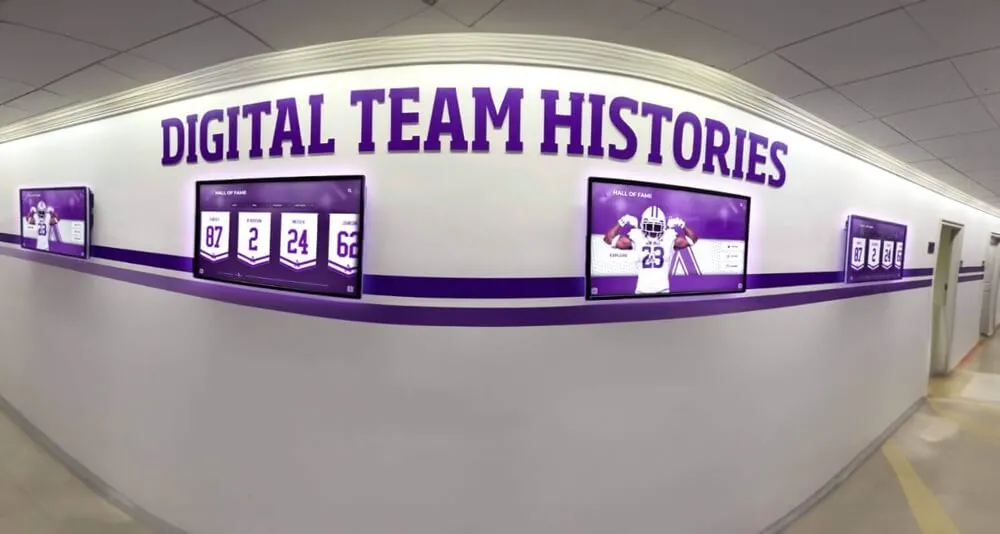
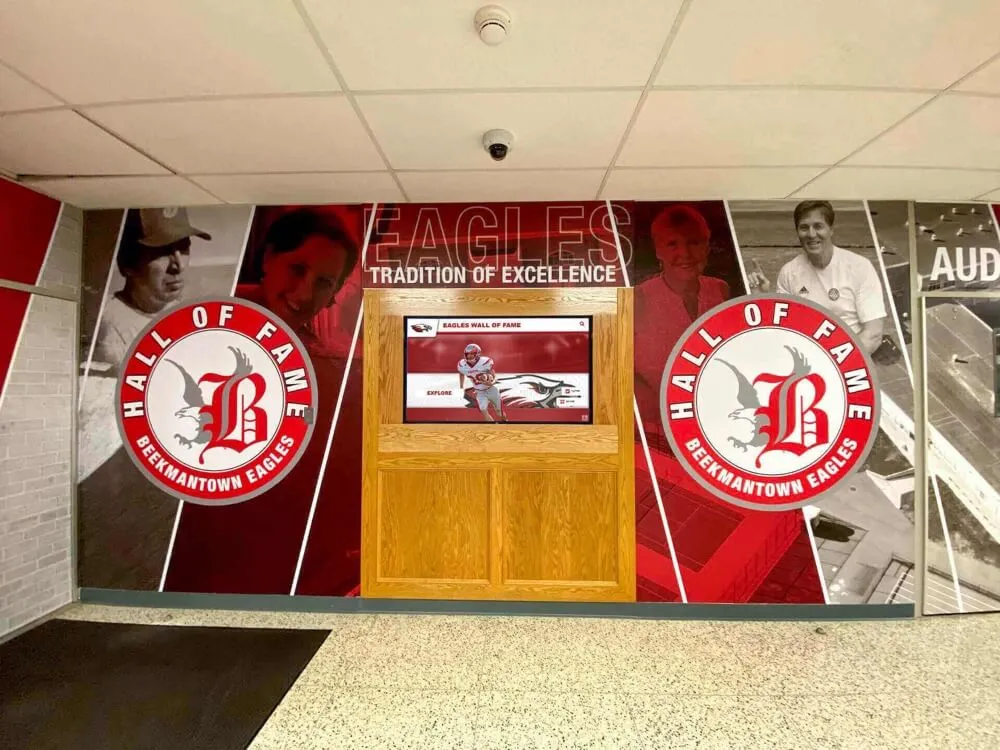
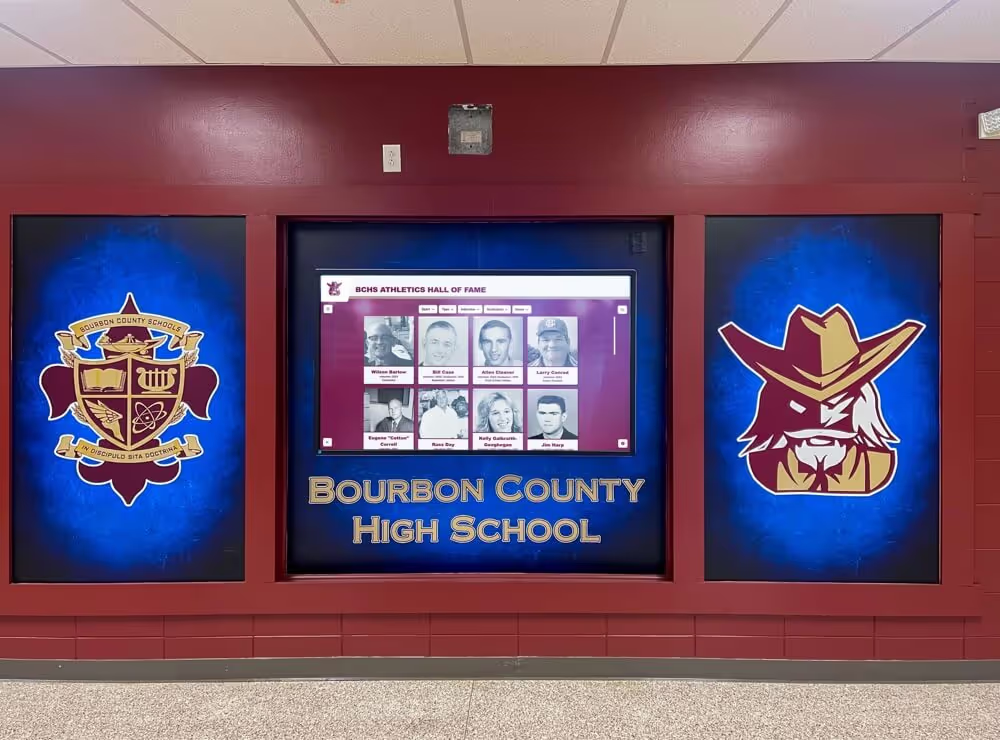
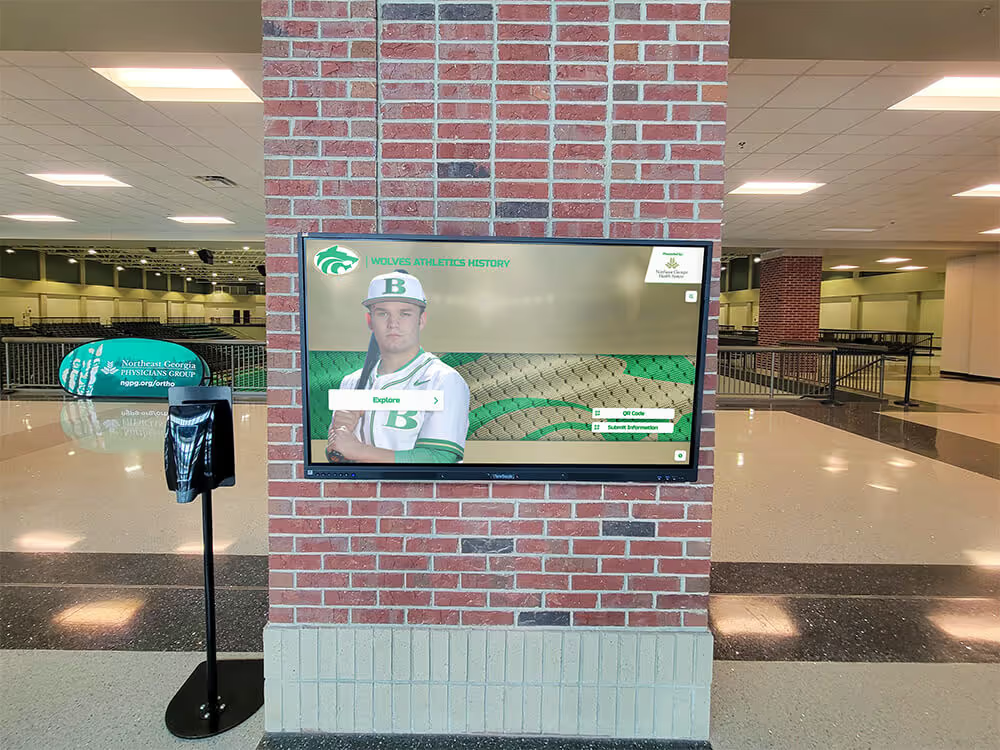
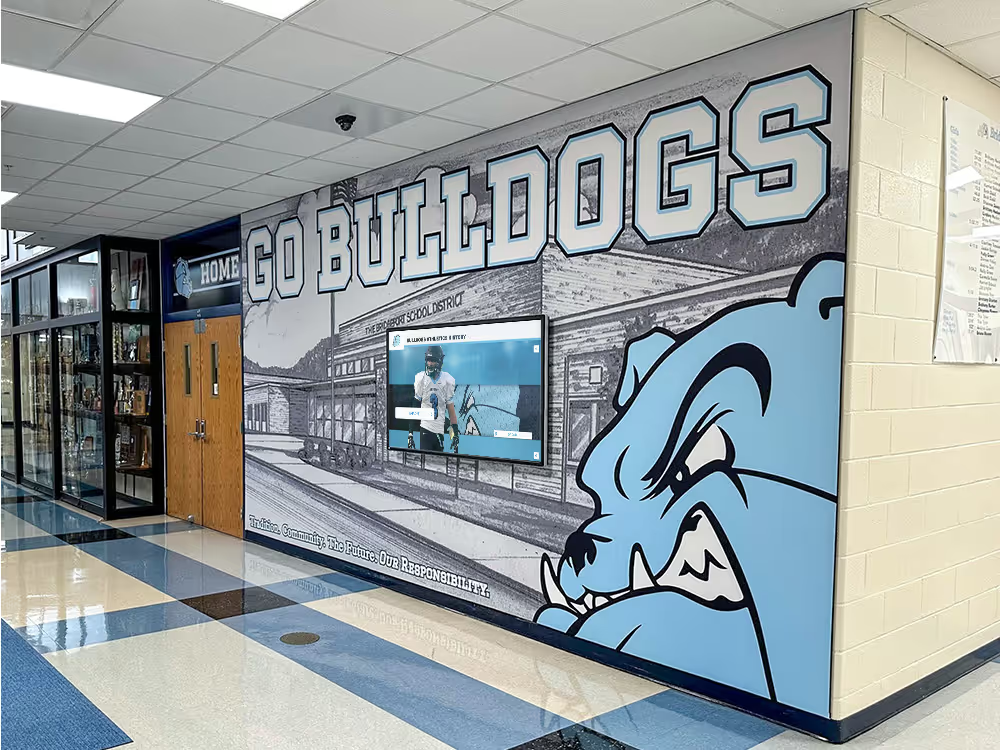
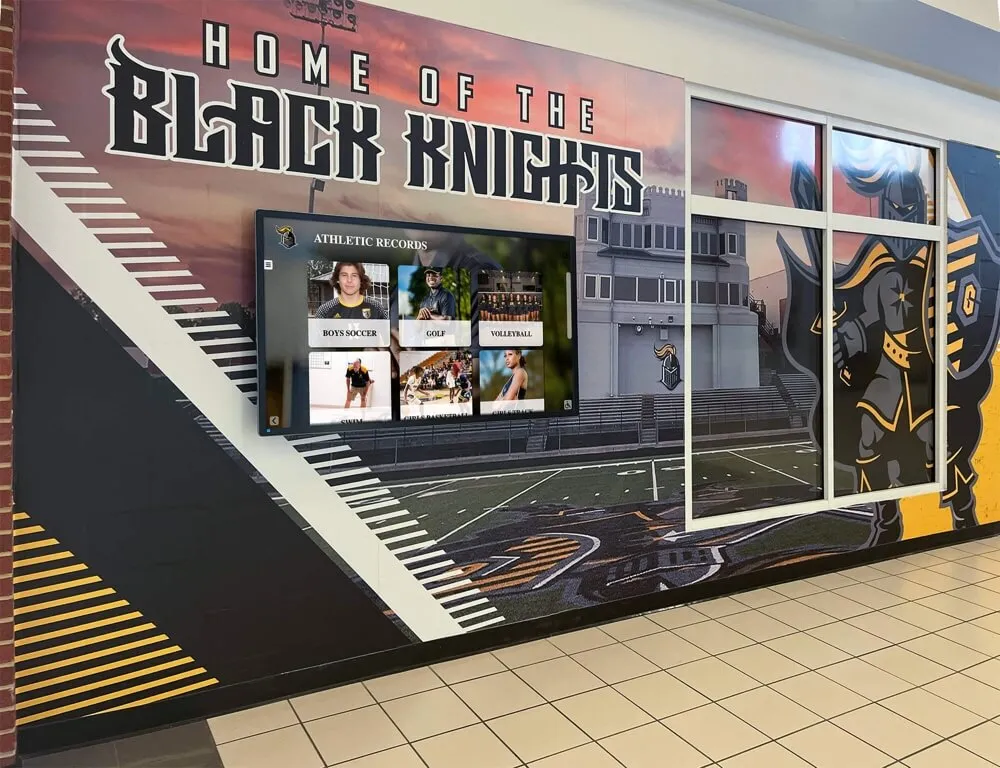
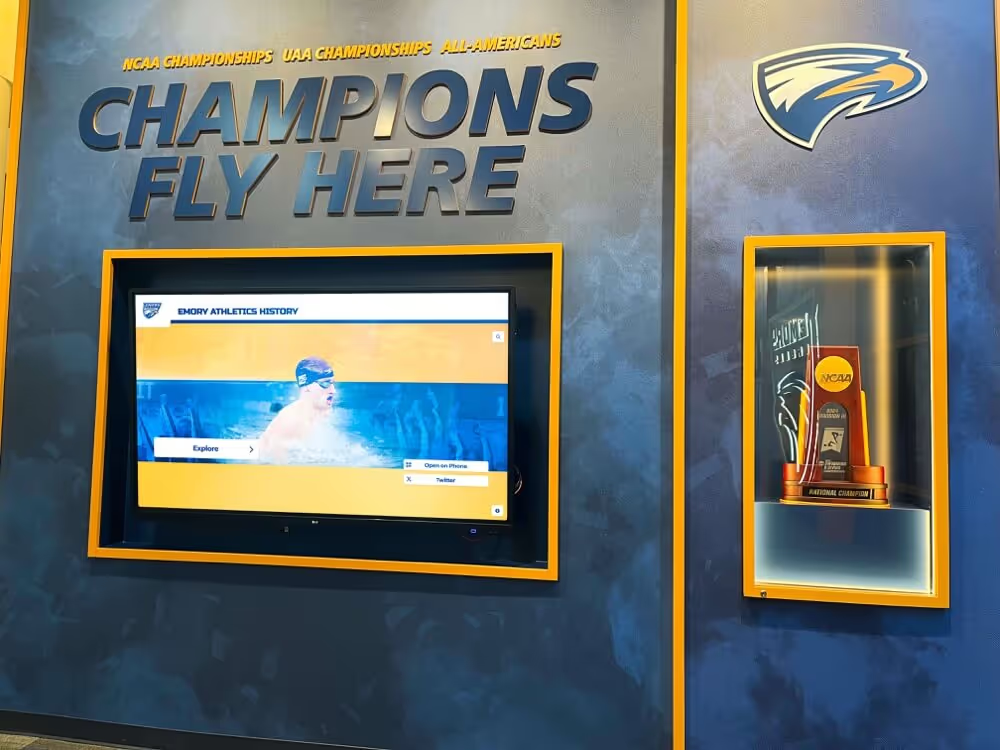
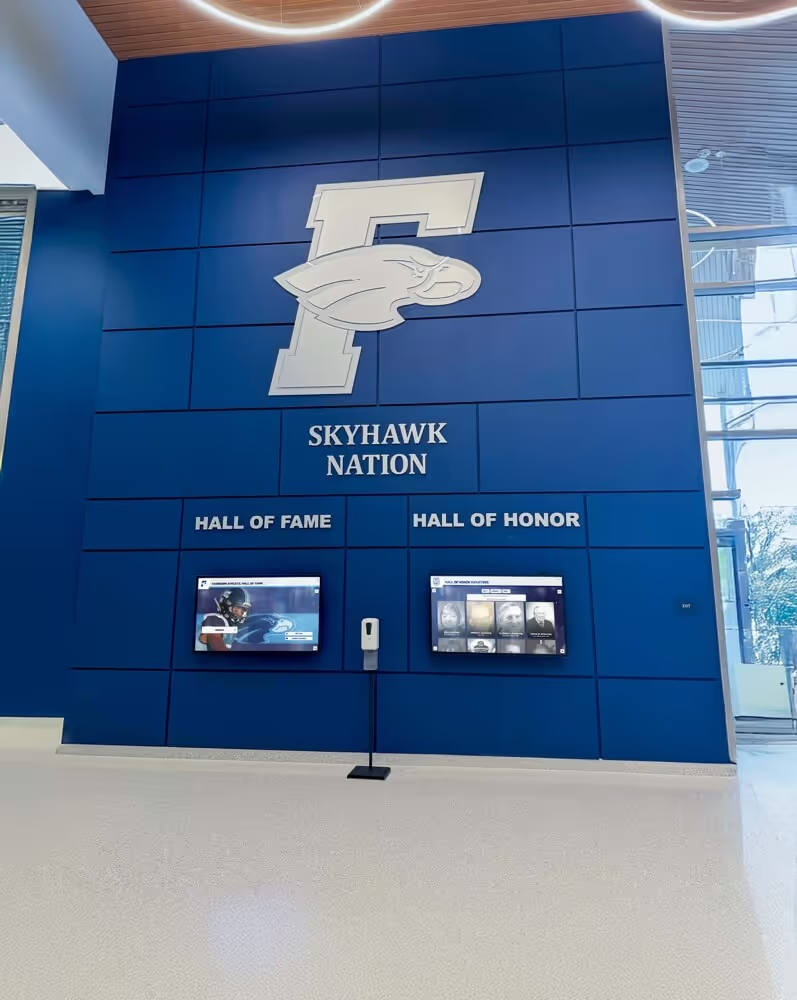
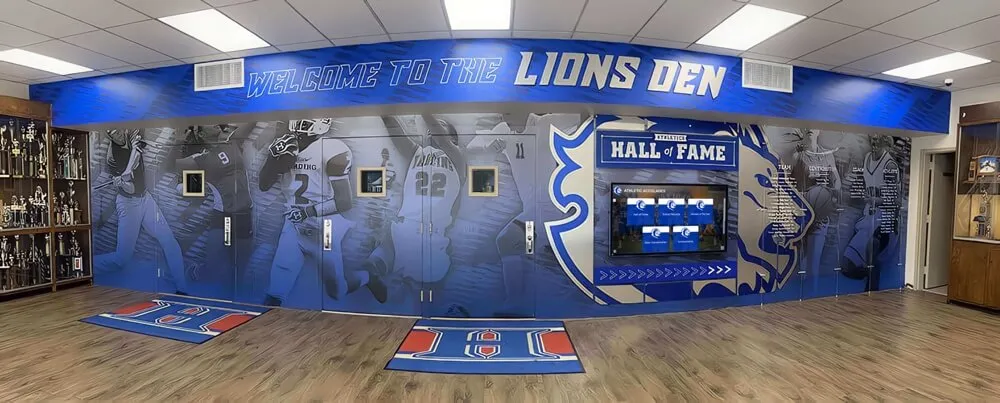
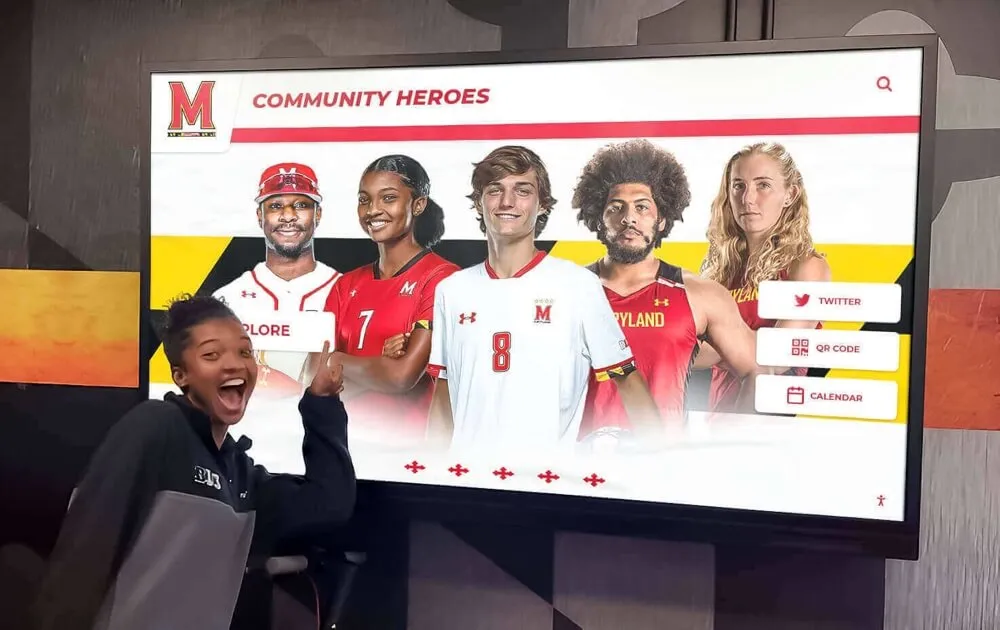
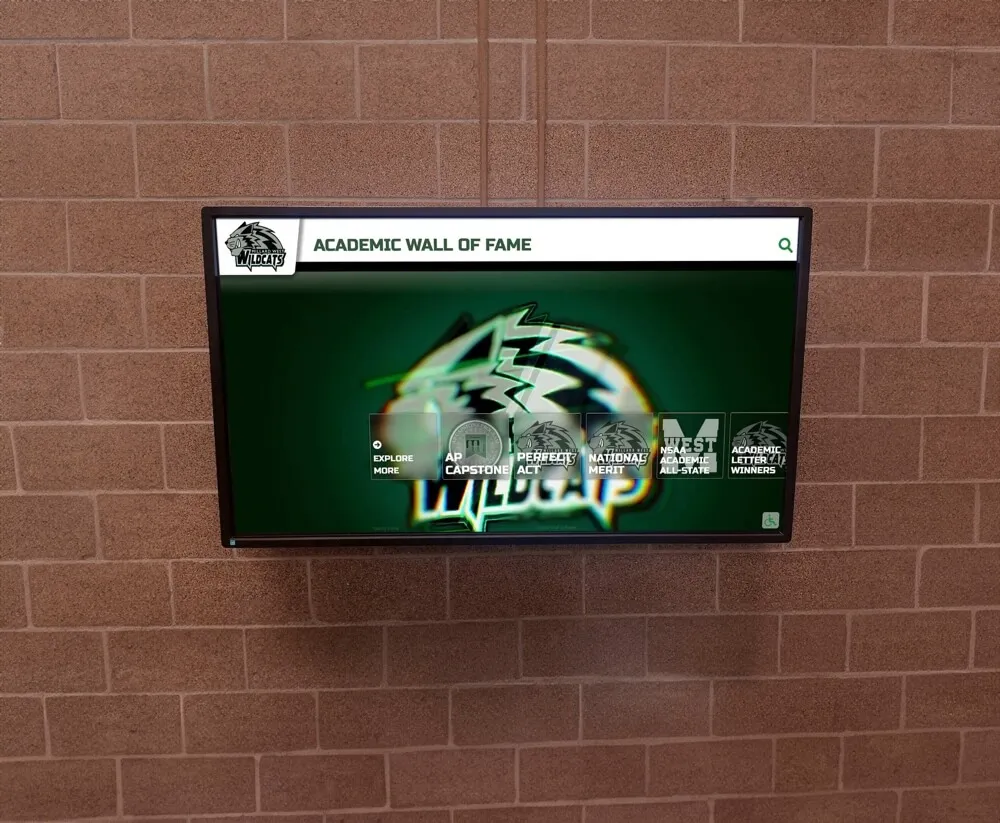
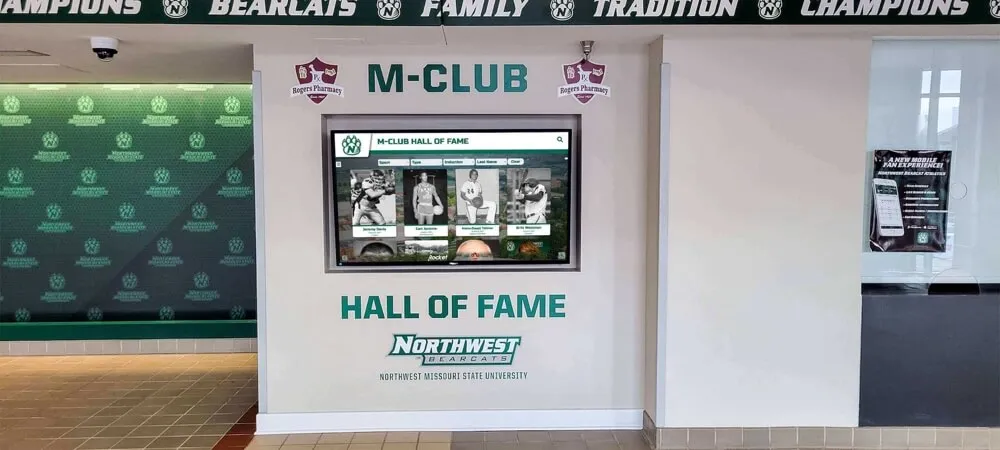
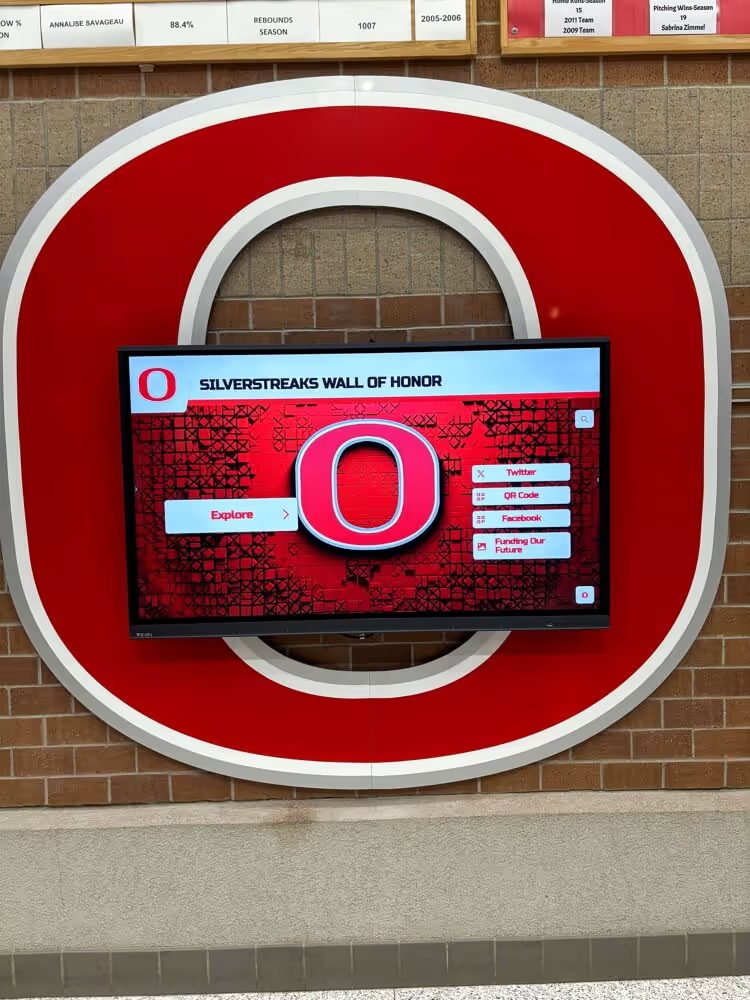
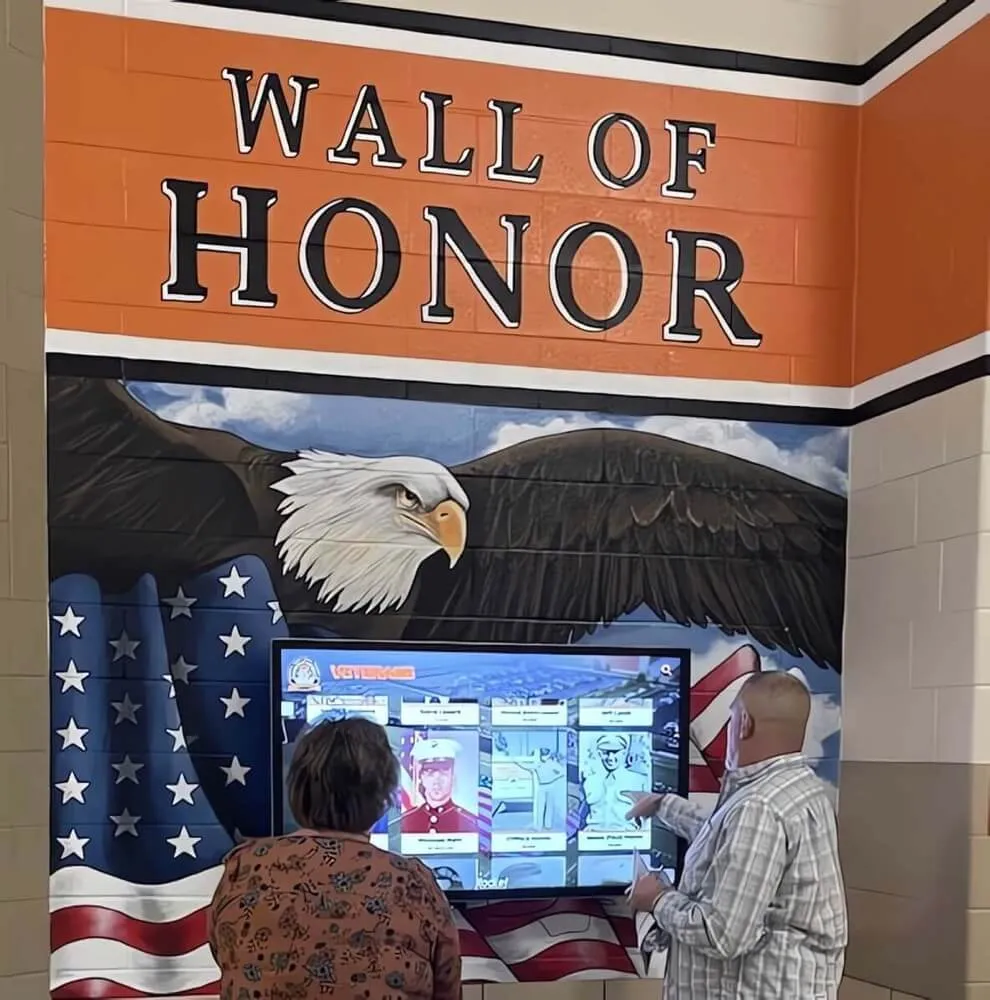
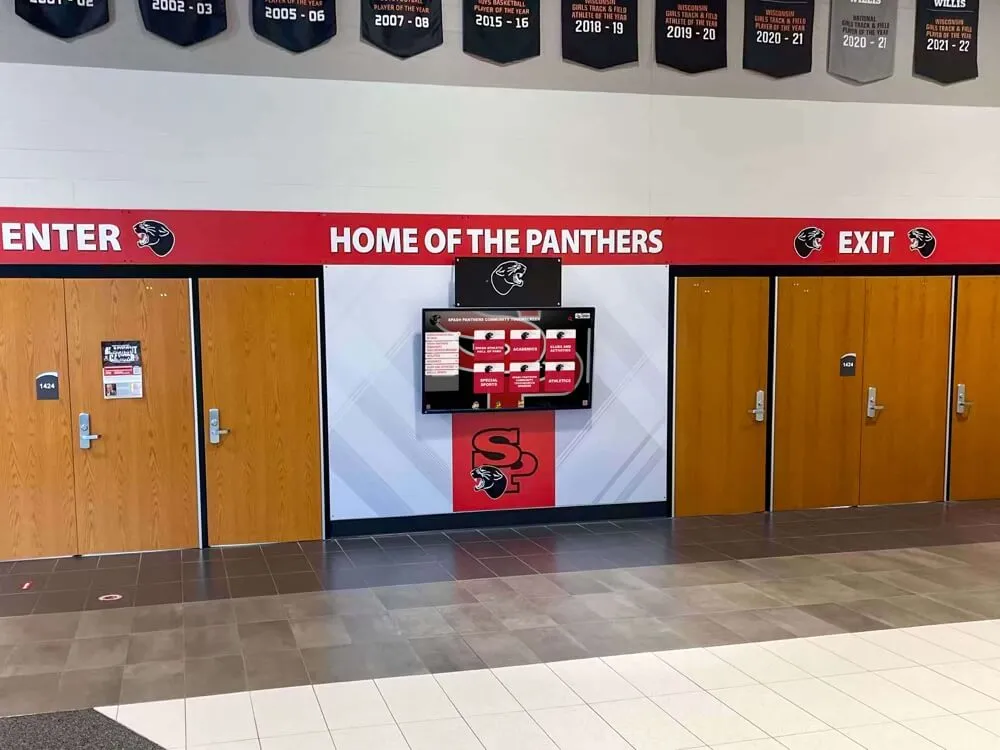
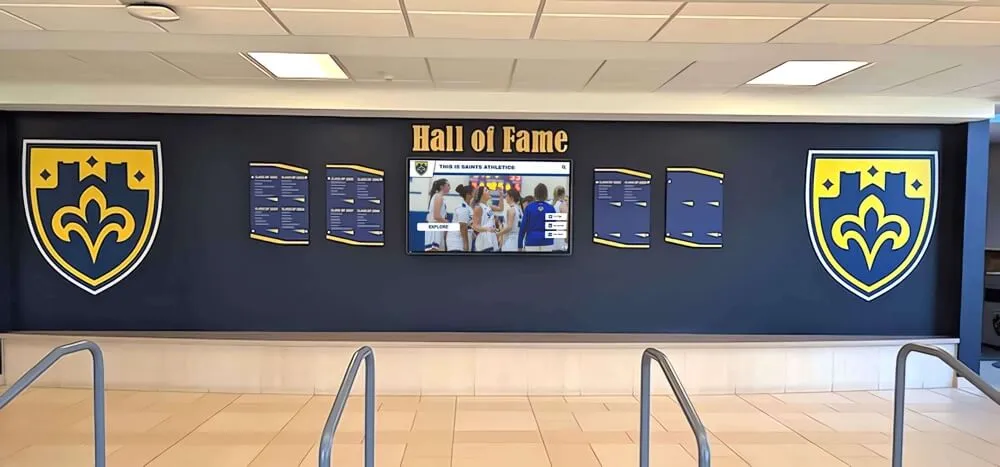
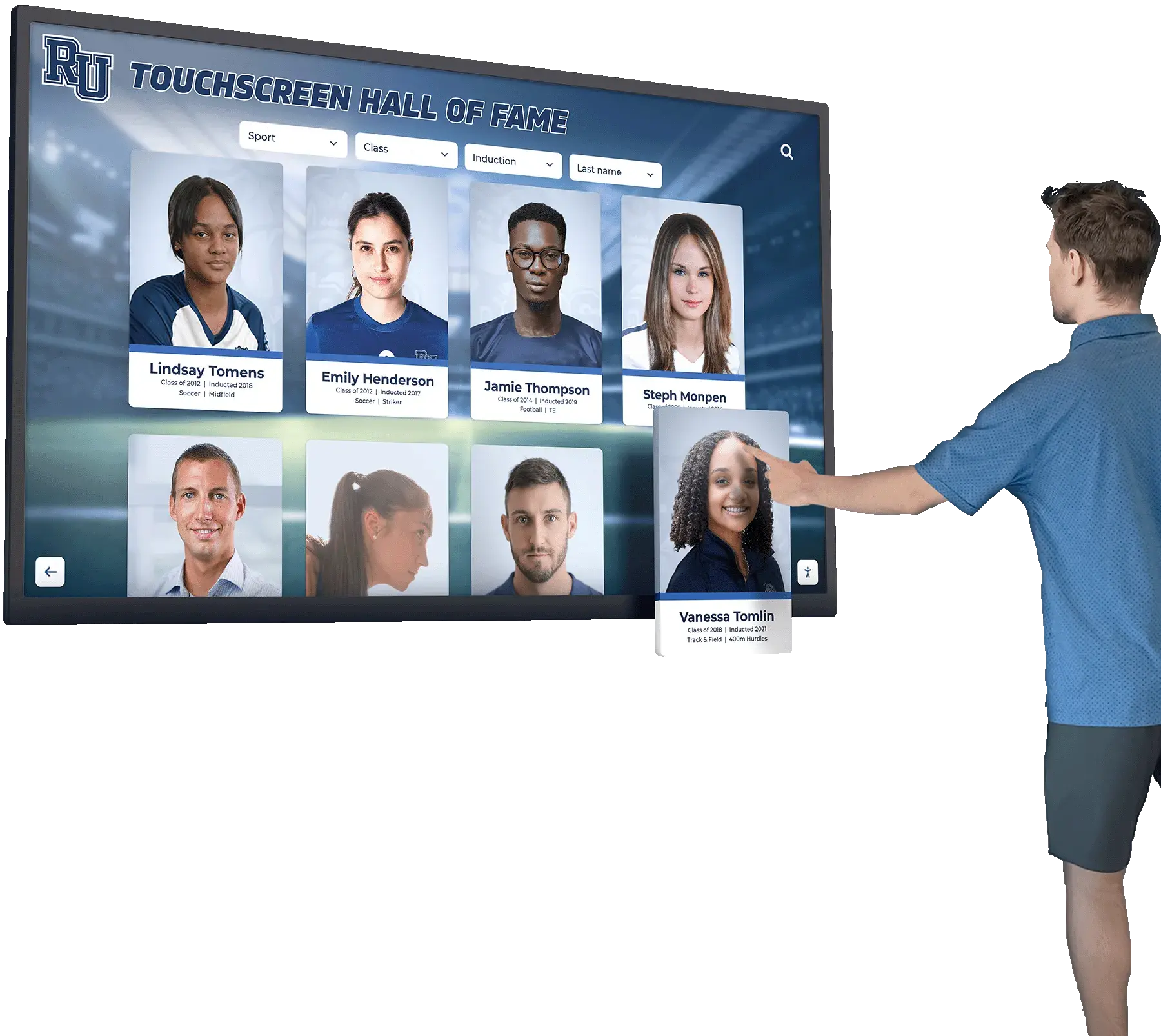
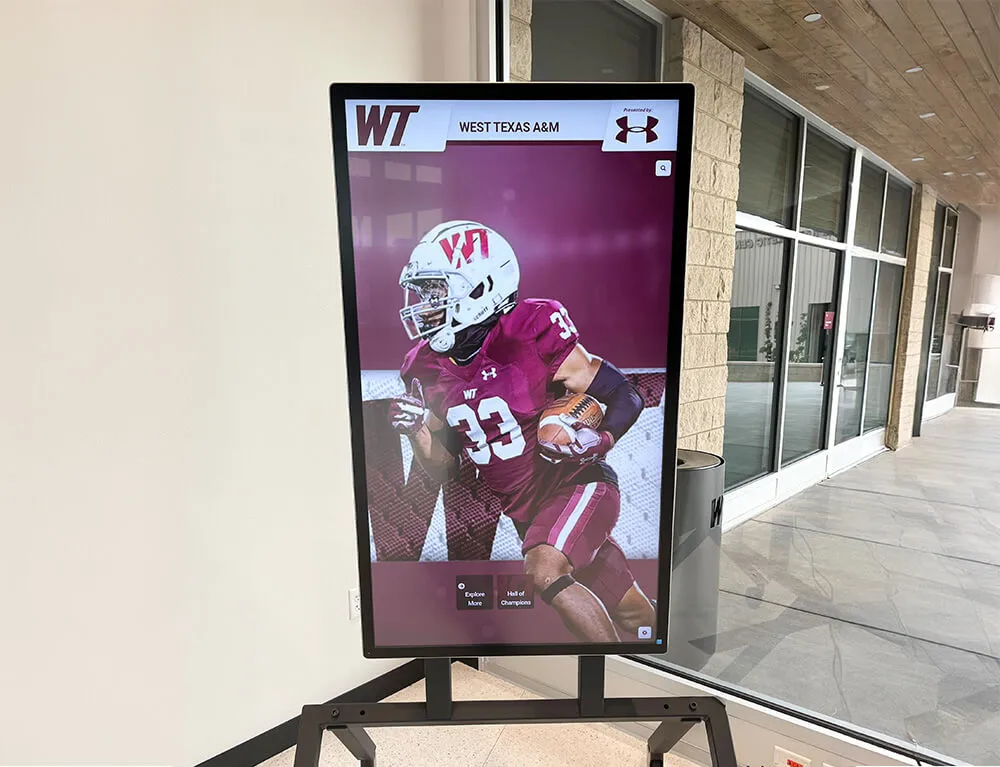
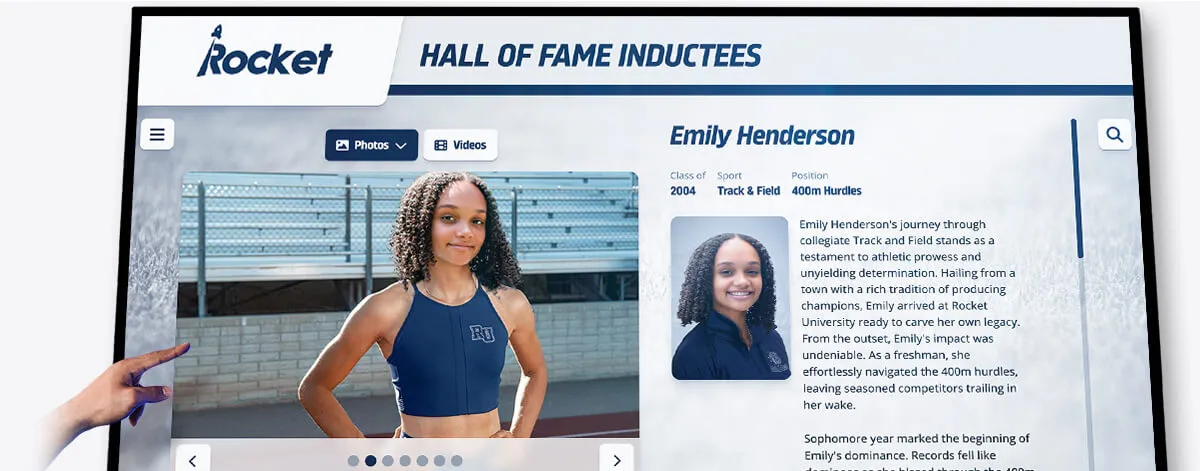
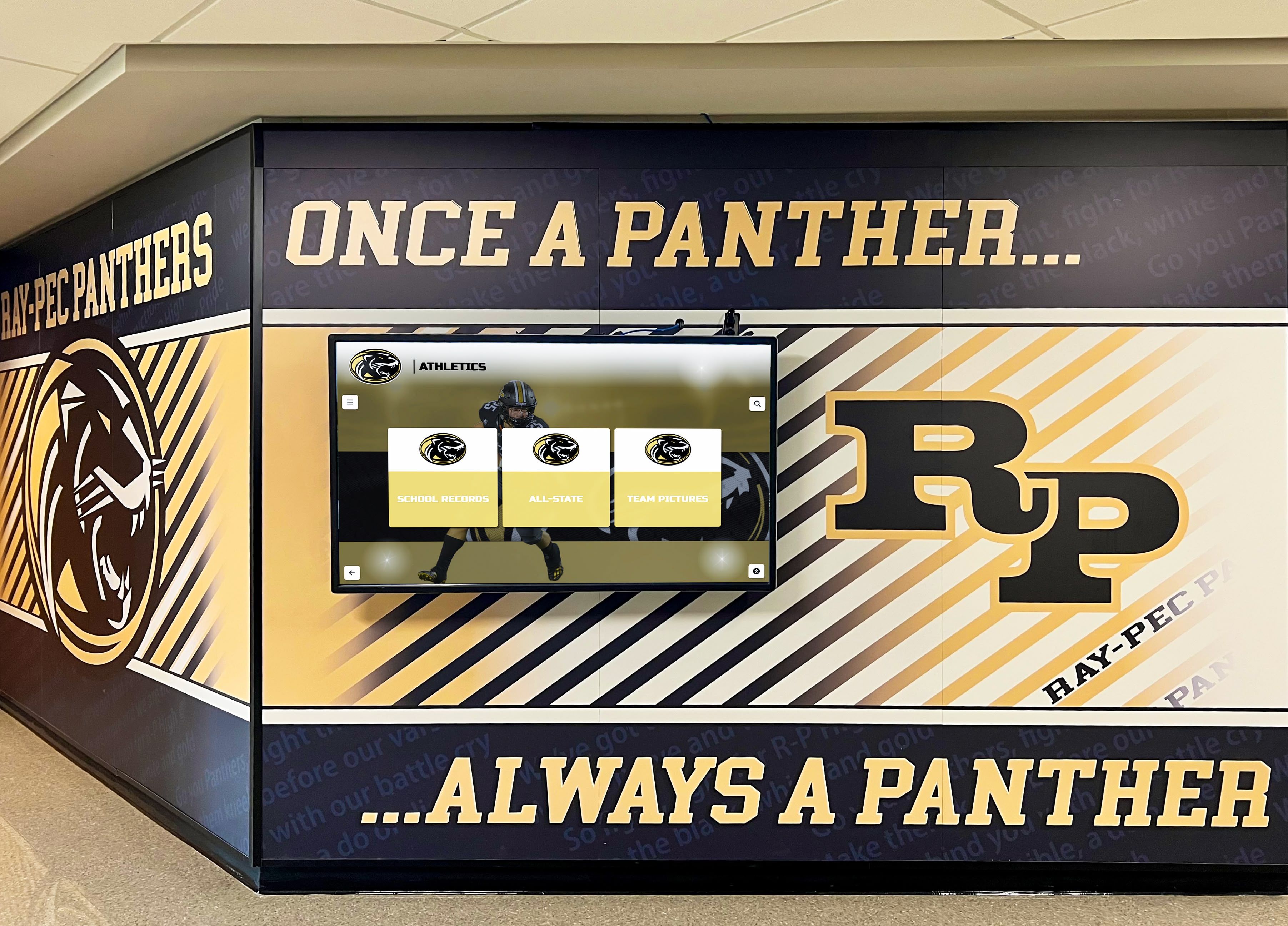
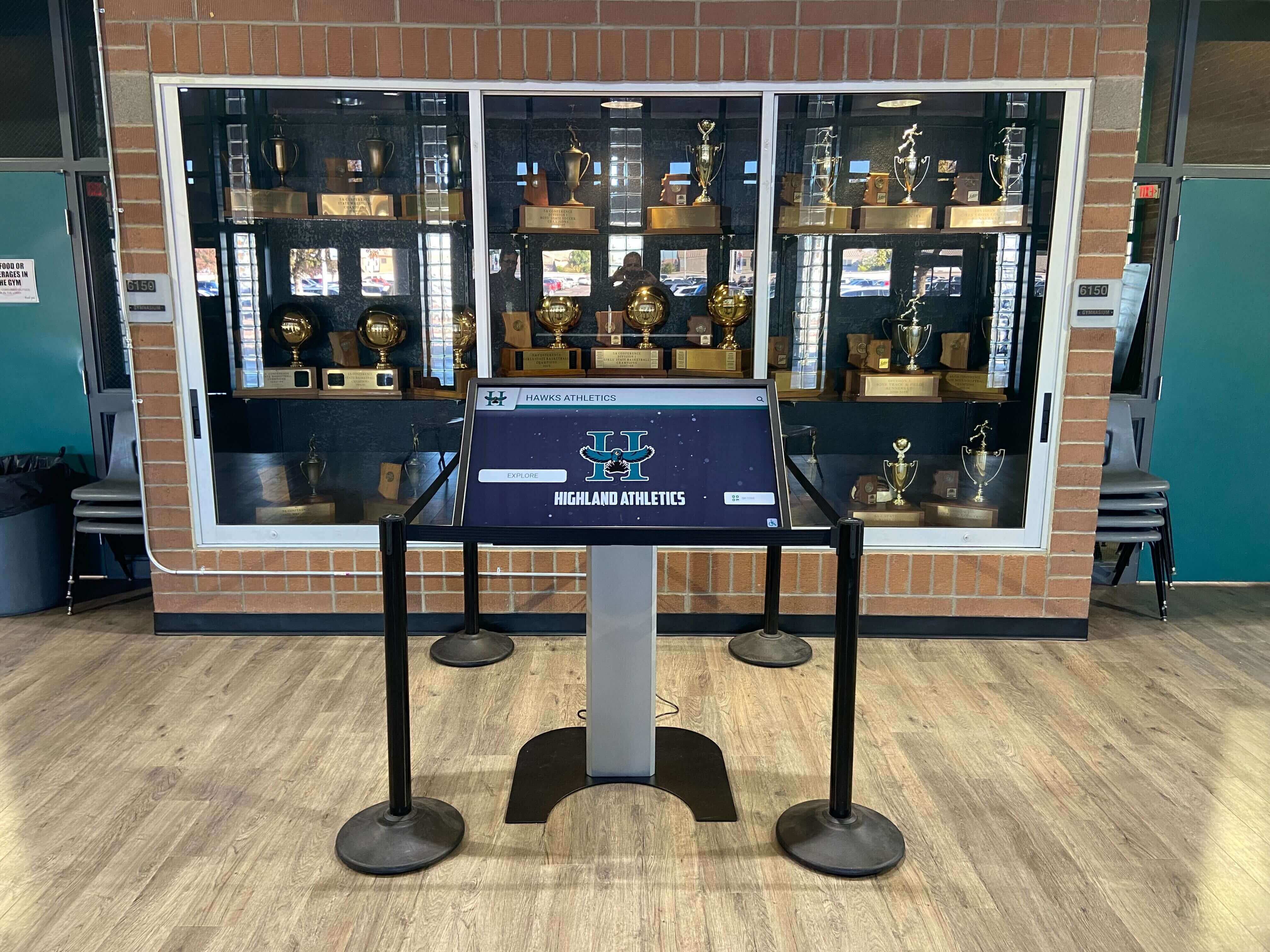
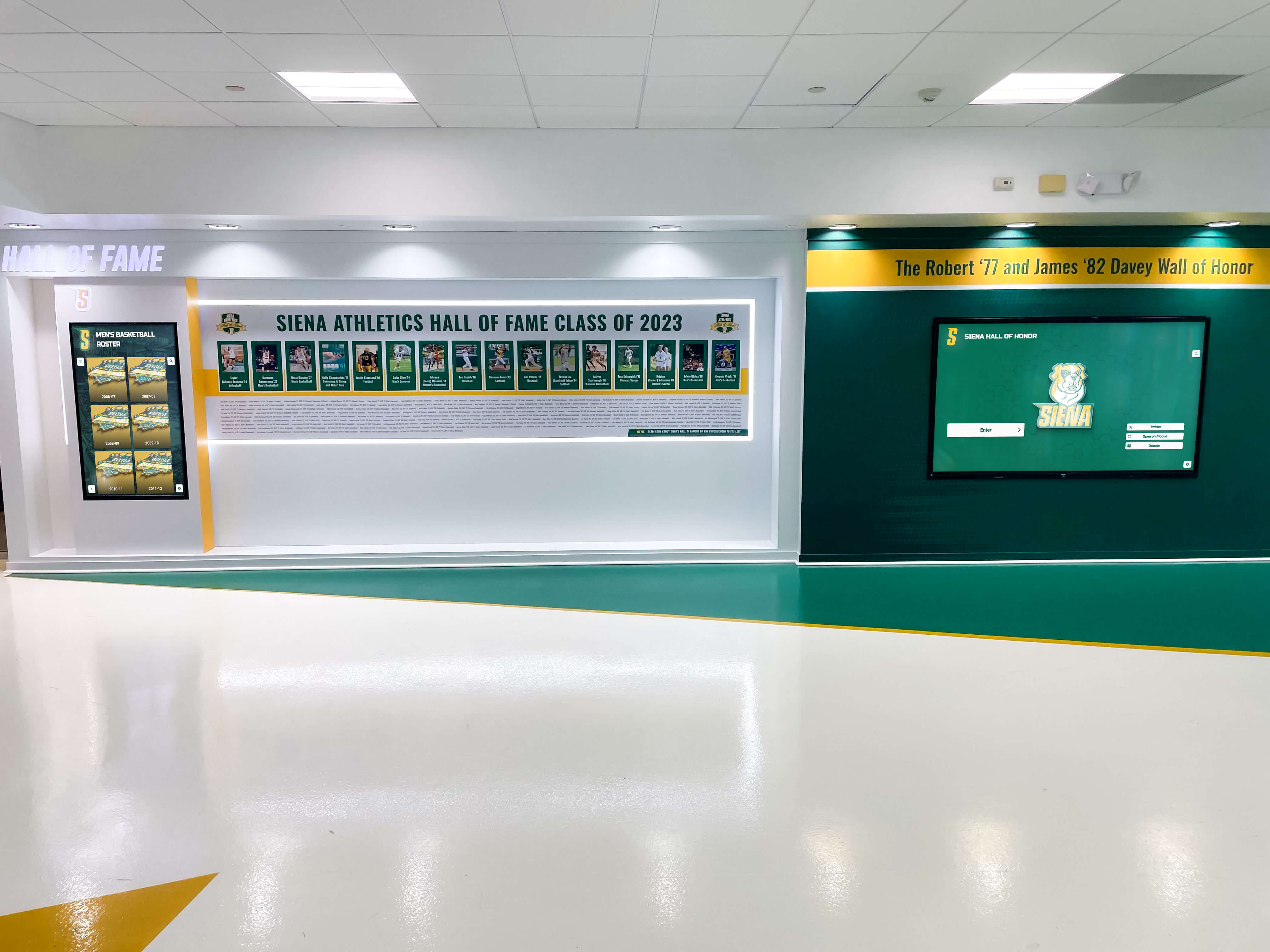
Track and field programs involve athletes competing in vastly different events, requiring distinct physical attributes and training approaches. Thoughtful awards programs acknowledge this diversity while celebrating collective team success. Recognition validates countless early morning practices, summer training blocks, and competitive efforts while motivating continued improvement. Digital recognition solutions like Rocket Alumni Solutions enable track programs to create permanent displays celebrating record performances, conference champions, and individual achievements—ensuring accomplishments receive visibility extending beyond brief banquet moments while preserving program history for future athletes.
Sprint Event Recognition Awards
Sprint events demand explosive power, technical precision, and competitive intensity over brief distances where hundredths of seconds determine outcomes.
100-Meter Dash Champion
The 100-meter dash represents pure speed, and this award honors the athlete achieving the fastest time in track’s glamour event. Elite sprinters combine explosive starts, maximum velocity acceleration, and technical form maintaining speed through the finish line.
Selection Approach: Recognize the fastest time achieved during the season, whether in regular competition, conference championships, or state meets. Consider separate recognition for different competition levels if program size justifies multiple categories.
200-Meter Excellence Award
The 200-meter event combines starting speed with curve running technique and speed endurance, and this award celebrates athletes mastering this technical sprint event requiring power throughout the turn and homestretch.
Recognition Context: Acknowledge that 200-meter specialists often differ from pure 100-meter sprinters, possessing unique ability to maintain velocity longer while executing curve mechanics effectively.
400-Meter Champion Recognition
The 400-meter demands speed endurance and race strategy, and this award honors athletes excelling in track’s most challenging sprint event. Elite 400-meter runners possess explosive speed combined with exceptional lactic acid tolerance and strategic pacing judgment.
Award Significance: Recognize this event’s unique difficulty—often called the “man maker” or “toughest event” in track. Winners demonstrate exceptional mental and physical toughness.

Sprint Relay Excellence
4x100 Relay Team Award: Honors the quartet executing flawless handoffs while combining individual speed into collective excellence. Great relay teams demonstrate technical precision in exchange zones alongside pure velocity.
4x400 Relay Team Recognition: Celebrates the endurance sprint relay requiring four athletes to execute tactically sound 400-meter legs while managing competitive positioning and energy distribution across the race.
Understanding comprehensive approaches to athletic awards recognition demonstrates how track programs can create systems honoring specialized event achievements while building unified team culture.
Distance Running Awards
Distance events reward endurance, mental toughness, strategic racing, and sustained effort over extended distances requiring different physiological capabilities than sprint events.
800-Meter Race Excellence
The 800-meter bridges middle distance and sprint worlds, and this award recognizes athletes mastering track’s most tactical event. Successful 800-meter runners combine speed, endurance, positioning savvy, and tactical intelligence executing race strategies across two demanding laps.
Tactical Recognition: Acknowledge that 800-meter success requires more than fitness—positioning decisions, surges, and kick timing prove equally important to competitive outcomes.
1600-Meter/Mile Champion
The metric mile represents middle-distance excellence, and this award honors athletes demonstrating sustained speed across four competitive laps requiring pacing discipline, surge responses, and finishing speed.
3200-Meter/Two-Mile Recognition
Distance excellence manifests in the 3200-meter event, and this award celebrates athletes possessing exceptional aerobic capacity, mental endurance, and competitive toughness across eight demanding laps.
Endurance Validation: Recognize the training commitment required for distance excellence—countless miles logged during summer training, tempo workouts, long runs, and interval sessions building the physiological foundation for competitive success.
Cross Country Excellence Award
Many track programs include fall cross country seasons, and this award honors athletes excelling in off-road distance racing requiring different skills than track competition—terrain adaptation, pack running, course strategy, and weather toughness.
Distance Relay Recognition
Distance Medley Relay Award: Celebrates teams executing races combining different distances (typically 1200-400-800-1600 meters), requiring versatile athletes capable of performing across middle-distance spectrum.
Resources on end-of-season sports awards provide frameworks for comprehensive recognition programs celebrating distance running alongside sprint and field events.
Hurdle Event Awards
Hurdles combine sprint speed with technical precision clearing barriers, requiring unique skill sets blending explosive power, rhythm maintenance, and obstacle clearance technique.
110-Meter/100-Meter High Hurdles Champion
High hurdles represent track’s most technically demanding sprint event, and this award honors athletes mastering barrier clearance while maintaining maximum velocity. Elite hurdlers execute flawless three-step rhythm between hurdles while clearing barriers efficiently.
Technical Recognition: Acknowledge the extensive technical skill development required—lead leg drive, trail leg clearance, sprint mechanics maintenance, and rhythm consistency across all ten hurdles.
300-Meter/400-Meter Hurdles Excellence
The 400-meter hurdles combines speed endurance with hurdle technique across ten barriers, and this award recognizes athletes excelling in track’s most exhausting event. Success requires sprint speed, hurdle clearance efficiency, lactic acid tolerance, and competitive toughness.
Intermediate Hurdle Recognition
For programs with developing hurdlers, intermediate hurdle awards acknowledge athletes mastering lower hurdles or shortened distances while building toward full event standards.
Jumping Event Recognition
Jumping events celebrate explosive power, technical precision, and vertical or horizontal distance achievements requiring specialized training distinct from running events.
High Jump Excellence Award
High jumpers demonstrate vertical explosion and technical precision, and this award honors athletes clearing the greatest heights. Elite high jumpers combine approach speed, plant mechanics, bar clearance technique, and landing control.
Height Achievement: Recognize milestone heights (school records, conference standards, state qualifying marks) providing context for clearance accomplishments.
Long Jump Champion Recognition
The long jump rewards explosive horizontal power, and this award celebrates athletes achieving greatest distances through powerful approach runs, precise takeoff execution, flight positioning, and landing technique.
Triple Jump Excellence
The triple jump—hop, step, jump—demands technical complexity and explosive power across three distinct phases, and this award recognizes athletes mastering this challenging event requiring rhythm, speed maintenance, and phase-specific technique.
Pole Vault Recognition Award
Pole vaulters combine speed, gymnastic ability, and technical precision executing complex movements, and this award honors athletes clearing greatest heights through approach speed, plant mechanics, swing technique, and bar clearance.
Specialized Recognition: Acknowledge pole vaulting’s unique technical demands and equipment specialization requiring dedicated coaching, facility access, and training commitment differentiating it from other track events.
Information on athletic achievement displays demonstrates how programs can showcase jumping event records and achievements through modern recognition systems.
Throwing Event Awards
Throws require power, technique, and explosive strength applied through specific movement patterns unique to shot put, discus, javelin, and hammer events.
Shot Put Champion Award
Shot put excellence combines raw strength with technical precision, and this award honors athletes achieving greatest distances through explosive delivery from the throwing circle. Elite shot putters master glide or spin technique while maximizing release velocity.
Power Recognition: Celebrate the strength development required for throwing success—countless weight room hours, technical drilling, and explosive power training building throwing capability.
Discus Throw Excellence
Discus throwing blends rotational power with release precision, and this award recognizes athletes spinning across the circle while delivering the discus at optimal angles achieving maximum distance.
Javelin Recognition Award
Javelin throwing demands approach speed combined with shoulder power and release mechanics, and this award celebrates athletes mastering the crossover approach and overhead throwing motion launching javelins to greatest distances.
Hammer Throw Champion
For programs offering hammer throw, this award honors athletes executing multiple rotations building speed before explosive release. Hammer throw requires unique technical skills, strength, and rotational control.
Multi-Event Recognition for Throwers
Throwing Pentathlon Award: Some programs create combined recognition for athletes competing across multiple throwing events, acknowledging versatility and overall throwing excellence rather than single event specialization.
All-Around and Multi-Event Awards
Some athletes compete across event categories or specialize in combined events requiring comprehensive skill development.
Decathlon/Heptathlon Excellence
Multi-event athletes demonstrate remarkable versatility competing in 7-10 events across two competition days, and this award honors overall points leaders in combined events requiring speed, endurance, power, and technical skill across running, jumping, and throwing disciplines.
Versatility Celebration: Recognize that multi-event athletes train for diverse physical capabilities rather than specializing, requiring exceptional time management, broad skill development, and mental toughness across multiple event demands.
Most Versatile Athlete Award
This recognition honors athletes contributing quality performances across multiple event categories—perhaps sprinting, jumping, and relays—demonstrating adaptability and team-first mentality filling competitive needs.
Iron Competitor Recognition
Track athletes competing in multiple events per meet demonstrate exceptional fitness and competitive toughness, and this award celebrates athletes consistently performing in three or more events per competition throughout the season.
Resources on senior recognition programs demonstrate how track programs can honor multi-event competitors alongside event specialists during end-of-season celebrations.
Performance Milestone Recognition
Achievement-based awards celebrate athletes reaching specific performance standards representing excellence levels in their events.
School Record Breaker Award
Athletes establishing new school records achieve permanent places in program history, and this recognition honors record-breaking performances regardless of event category. School records represent the pinnacle of program achievement.
Historical Context: When presenting school record awards, provide context about previous record holders and how long records stood, connecting current athletes to program tradition.
Conference Champion Recognition
Conference championships represent season-defining achievements, and this award celebrates athletes winning their events at conference meets through peak performance when stakes are highest.
State Qualifier Award
Advancing to state competition demonstrates elite performance level, and this recognition honors athletes achieving qualifying standards earning state meet participation regardless of final placement.
State Medalist Recognition
State meet medalists achieve exceptional success competing against the best athletes in their state, and this award celebrates top-six (or top-eight) finishes at state championships.
All-Conference Team Selection
Conference coaches typically select all-conference teams honoring top performers in each event, and programs should formally recognize athletes earning all-conference selection through consistent excellence.
Personal Record Achievement Award
Track and field offers objective performance measurement, and this award honors athletes achieving the greatest improvement in their primary event, celebrating the percentage or absolute improvement from season start to personal best performance.
Improvement Celebration: Personal record awards particularly motivate developing athletes, validating training commitment and demonstrating measurable progress even if absolute performances don’t yet match program leaders.
Character and Leadership Awards
Track success extends beyond performance times and distances to include character attributes, leadership qualities, and team contribution that don’t appear in meet results.
Team Captain’s Leadership Award
Team captains guide programs through daily leadership, and this award honors athletes demonstrating vocal and example-based leadership, maintaining positive attitudes, communicating coach expectations, and fostering team unity across diverse event groups.
Leadership Qualities: Great track captains bridge event specializations, ensuring sprinters, distance runners, jumpers, and throwers feel connected to unified team rather than separate event groups.
Most Coachable Athlete Recognition
Receptiveness to technical coaching accelerates improvement, and this award celebrates athletes implementing feedback quickly, maintaining positive responses to instruction, and demonstrating enthusiasm for skill development.
Best Teammate Award
Team chemistry matters even in individual sports, and this recognition honors athletes whose encouragement, support, and positive energy make them ideal teammates. These athletes celebrate others’ success and provide support during competitive struggles.
Peer Recognition Option: Consider team voting for best teammate award, as fellow athletes best understand who provides greatest support and positive influence during practices and meets.
Sportsmanship Excellence Award
Track competition requires respecting competitors, officials, and competitive venues, and this award celebrates athletes competing with integrity, congratulating opponents, and representing programs with class.
Heart and Soul Award
Some athletes define programs through passion and commitment, and this recognition honors competitors whose love for track and team shines through every practice and meet, embodying program values and culture.
Motivational Impact Award
Track teams need vocal encouragers who energize teammates during workouts and cheer loudly at meets, and this award recognizes athletes providing motivational support elevating team energy and competitive atmosphere.
Information on team recognition programs demonstrates how programs can balance performance recognition with character awards celebrating leadership and team contribution.
Effort and Dedication Awards
Commitment awards ensure athletes demonstrating exceptional work ethic and dedication receive recognition regardless of competitive outcomes.
Hardest Worker Award
Some athletes approach every practice with maximum intensity, and this recognition celebrates the competitor consistently demonstrating greatest effort in workouts, training sessions, and conditioning regardless of natural ability.
Practice Excellence: Acknowledge that champions are built in practice through daily commitment, and this award validates athletes who make practice sessions productive through their work ethic and focus.
Perfect Attendance Recognition
Availability and consistency matter, and this award honors athletes attending every practice, meet, and team function throughout the season, demonstrating reliability coaches depend on.
Most Improved Athlete Award
Track and field provides objective improvement measurement, and this recognition celebrates athletes demonstrating the greatest overall performance growth across the season through training commitment and skill development.
Improvement Metrics: Consider improvement percentages rather than absolute gains, ensuring recognition fairness across event types where improvement scales differ (seconds in sprints versus feet in throws).
Off-Season Training Award
Championship track athletes train year-round, and this recognition honors athletes demonstrating exceptional commitment to fall conditioning, winter training, and summer development programs building fitness and skill foundations.
Weight Room Excellence
Strength development supports performance across all track events, and this award recognizes athletes demonstrating greatest dedication to weight training, achieving significant strength gains, or providing weight room leadership.
Insights on building school pride through recognition demonstrate how comprehensive awards programs contribute to broader athletic culture and team spirit.
Academic Excellence Recognition
Student-athletes balance classroom and competition demands, and academic awards honor athletes excelling in both arenas while managing demanding training and competition schedules.
Scholar-Athlete Award
This recognition celebrates the athlete achieving the highest GPA while making significant athletic contributions, demonstrating exceptional time management and academic-athletic balance.
Academic Standards: Establish clear minimum GPA requirements (commonly 3.5 or higher) ensuring academic excellence standards remain rigorous and meaningful.
Academic All-Conference Selection
Conference academic honors recognize student-athletes maintaining high GPAs while competing at varsity levels, and programs should formally acknowledge athletes earning academic all-conference recognition.
Most Improved GPA Recognition
Academic growth deserves acknowledgment, and this award celebrates athletes demonstrating significant GPA improvement across seasons, validating developing organizational skills and academic commitment.
Resources on student recognition programs provide comprehensive frameworks for programs celebrating academic achievement alongside athletic excellence.
Special Recognition Categories
Certain contributions and circumstances deserve acknowledgment through special recognition awards addressing unique situations or extraordinary achievements.
Comeback Athlete Award
Returning from injury, illness, or personal challenge demonstrates resilience, and this award honors athletes overcoming adversity to make meaningful contributions after significant setbacks.
Storytelling Opportunity: Use award presentation to share the recipient’s journey, providing context making recognition particularly meaningful for athlete and audience.
Coach’s Award
Coaches sometimes identify athletes whose contributions transcend specific categories, and this discretionary award provides flexibility honoring athletes embodying program values or making impacts statistics don’t capture.
Selection Discretion: Reserve coach’s awards for genuinely special circumstances rather than routine recognition, maintaining significance through selective use.
Rookie of the Year Award
First-year athletes making immediate impacts deserve recognition, and this award honors newcomers demonstrating exceptional performance, attitude, or contribution during their inaugural seasons.
Senior Leadership Recognition
Senior athletes provide program continuity and mentorship, and this recognition honors graduating athletes for cumulative contributions across their careers, celebrating leadership, competitive achievements, and program commitment.
Spirit Award
Energy and enthusiasm contribute to team culture, and this recognition celebrates athletes bringing exceptional positivity, encouraging teammates vocally, and maintaining upbeat attitudes regardless of competitive circumstances.
Team Achievement Awards
While track involves individual events, team scoring and collective accomplishments create shared success requiring recognition alongside individual honors.
Team Conference Championship
Conference team championships represent collective excellence across all event categories, and this recognition honors every athlete who scored points contributing to team title.
Team Score Context: When presenting team championship recognition, highlight that success required contributions across sprints, distance, hurdles, jumps, and throws—emphasizing that diverse event excellence created team victory.
Team State Meet Qualification
Advancing to state competition as a team demonstrates program depth and broad competitive excellence, and this achievement deserves recognition for all team members regardless of individual qualification status.
Resources on wall of fame programs show how track programs can create permanent displays celebrating team achievements alongside individual honors.
Relay Team of the Year
Relay success requires chemistry and technical precision beyond individual speed, and this award honors the relay team achieving the greatest success through record times, championship victories, or perfect execution.
Team Points Leader Recognition
Team scoring determines meet outcomes, and this recognition honors the athlete accumulating the most team points across the season through consistent scoring performances in individual events and relays.
Meet Performance of the Year
Sometimes single meet performances stand out as season-defining moments, and this award recognizes the most impressive individual or team achievement during competition—perhaps record-breaking performances or clutch championship victories.
Create Permanent Recognition for Your Track Athletes
Transform how your track and field program celebrates athletes by implementing digital recognition that permanently honors season awards, record performances, and conference champions. Rocket Alumni Solutions enables athletic programs to create comprehensive athlete profiles featuring awards, personal records, event specializations, photos, and achievements—ensuring recognition extends beyond brief banquet moments while building program tradition and inspiring future athletes.
Implementing Effective Track and Field Awards Programs
Selecting award categories represents only part of successful recognition—effective programs require thoughtful planning, clear criteria, fair selection processes, and meaningful presentation.
Establishing Clear Award Criteria
Define Selection Standards: Communicate how winners will be selected at season start. Performance awards should specify whether recognition is based on season-best performances, average performances, or meet-specific achievements. Subjective awards need evaluation frameworks.
Balance Event Diversity: Ensure recognition distributes appropriately across sprint, distance, hurdle, jump, and throw events. Review whether one event category dominates awards, potentially undervaluing contributions in other specializations.
Set Minimum Performance Standards: Consider establishing minimum performance thresholds for certain awards ensuring recognition maintains credibility. For example, most improved awards might require minimum participation levels.
Document Selection Process: Maintain written criteria for all awards, creating transparency and consistency year over year. Clear documentation prevents selection disputes and ensures fairness.
Award Selection Best Practices
Coaching Staff Collaboration: Gather input from all coaching staff including event specialists rather than single coach decisions. Sprint, distance, and field event coaches offer specialized perspective on athlete performance in their areas.
Statistical Verification: Track meet results meticulously throughout seasons ensuring performance-based awards reflect actual achievement. Designate staff or volunteers to maintain accurate season performance databases.
Peer Input for Character Awards: Consider team voting for peer-selected awards like Best Teammate or Spirit Award. Athletes understand daily contributions teammates make better than coaching staff might observe.
Senior Recognition Balance: While awards should reward genuine achievement, programs often ensure senior contributors receive recognition for cumulative commitment, particularly when award decisions are close between athletes.
Distribution Review: Before finalizing selections, review whether recognition reaches athletes across event specializations and class years rather than concentrating on particular groups.
Award Presentation Planning
Banquet Timing: Schedule end-of-season banquets at times maximizing athlete and family attendance. Consider weeknight evenings or weekend afternoons avoiding conflicts with other major school events or holidays.
Ceremony Structure: Plan presentation order building toward most prestigious awards. Begin with fun or participation awards, progress through event-specific recognition, and conclude with major individual and team honors maintaining engagement.
Personalized Descriptions: Provide specific performance examples explaining why recipients earned recognition rather than generic praise. Detail creates meaning and demonstrates thoughtful selection.
Performance Context: When presenting performance awards, share relevant context—previous record marks, improvement percentages, or competitive circumstances—helping audiences appreciate achievement significance.
Physical Award Quality: Invest in quality trophies, plaques, or medals communicating that recognition matters to your program. Athletes treasure well-designed awards for years.
Multimedia Enhancement: Show race footage, photo slideshows, or performance compilations during presentations, creating entertainment while honoring recipients.
Creating Lasting Recognition
Photography Documentation: Photograph every award presentation creating memories while generating content for program promotion, team communications, and historical archives.
Social Media Celebration: Share award announcements through team social media channels, extending recognition reach to community members and alumni who couldn’t attend banquets.
Program Archives: Maintain award winner records year over year, building historical documentation connecting current athletes to program tradition and enabling future reference.
Digital Recognition Integration: Create permanent recognition through solutions like Rocket Alumni Solutions displaying award winners alongside school records, conference champions, and state qualifiers—ensuring accomplishments receive ongoing visibility extending beyond brief banquet moments.
Information on digital athletic recognition systems demonstrates how programs can implement comprehensive platforms celebrating awards alongside performance records and team history.
Budget Considerations for Track Awards Programs
Understanding financial requirements helps programs create sustainable recognition delivering maximum impact within available resources.
Cost Components
Physical Awards: Trophies, medals, plaques, certificates, and other tangible recognition items athletes receive. Costs vary based on quality, quantity, and award types selected.
Banquet Expenses: Venue rental, catering, decorations, printed programs, and audio-visual equipment. Event scale significantly influences budget requirements.
Digital Recognition Investment: Display hardware, software platforms, installation costs, content development, and ongoing subscription fees for maintenance and updates.
Program Materials: Printing costs for programs, certificates, award descriptions, and athlete recognition materials distributed during ceremonies.
Cost-Effective Strategies
Tiered Recognition Approach: Provide elaborate trophies for major awards (MVP, event champions, school records) while using quality certificates or smaller awards for broader recognition categories, balancing impact and budget.
Booster Club Support: Engage booster organizations in funding awards programs through sponsorships, fundraising events, or direct financial contributions.
Business Sponsorships: Seek local business sponsors covering award costs in exchange for recognition at banquets, in printed programs, and on digital displays.
Bulk Purchasing: Order awards quantities or establish relationships with trophy suppliers securing volume discounts reducing per-item costs.
Digital Long-Term Value: While digital recognition requires higher initial investment, elimination of recurring physical updates plus unlimited recognition capacity provides sustained value across years.
Volunteer Support: Utilize parent volunteers for banquet planning, setup, coordination, and execution reducing paid staff requirements while building community engagement.
Digital Recognition Systems for Track Programs
Technology enables track programs to create comprehensive, permanent recognition extending beyond traditional trophy cases and annual banquets.
Benefits of Digital Track Recognition
Event-Specific Organization: Digital platforms enable intuitive organization by event category—sprints, distance, hurdles, jumps, throws—allowing visitors to explore records and achievements in their interest areas.
Performance History Tracking: Maintain comprehensive databases tracking personal records, seasonal progression, and improvement rates across athlete careers—information valuable for athletes, parents, and college recruiters.
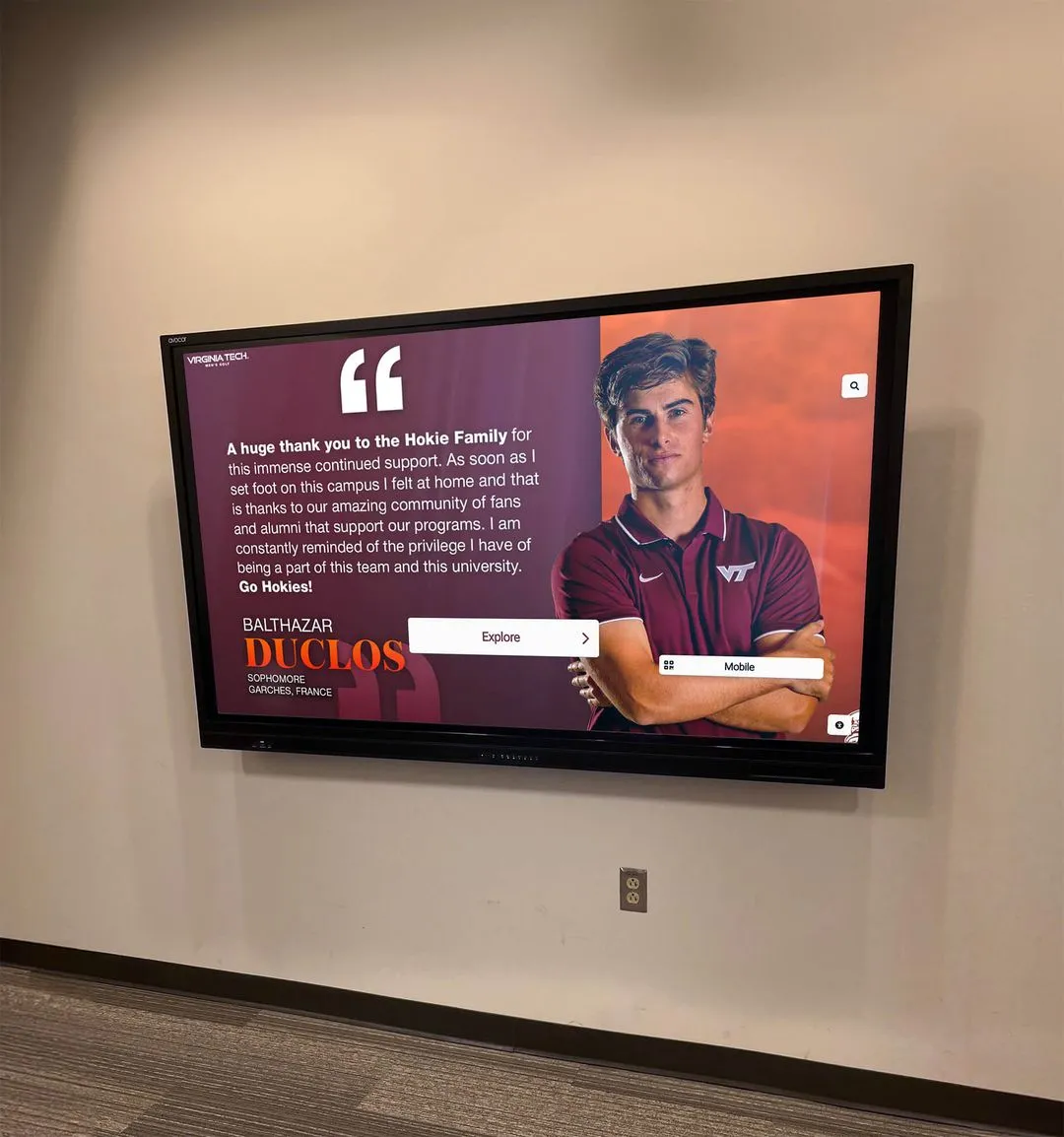
Multimedia Capabilities: Beyond names and times, digital recognition includes race videos, technique photos, photo finish images, and championship moments creating engaging storytelling around achievements.
Record Board Integration: Connect award recognition to performance record boards displaying all-time best marks, creating context showing how current athletes compare to program history.
Easy Updates: Web-based management enables quick additions of new award recipients, updated records, and current season information as meets occur throughout seasons.
Recruiting Advantage: Prospective athletes and families exploring programs encounter comprehensive documentation of how programs recognize excellence, demonstrating commitment to celebrating athlete achievement.
Solutions like Rocket Alumni Solutions provide purpose-built platforms designed specifically for track and field recognition, offering event-specific organization, automatic record ranking, and functionality traditional approaches cannot match.
Implementing Digital Track Recognition
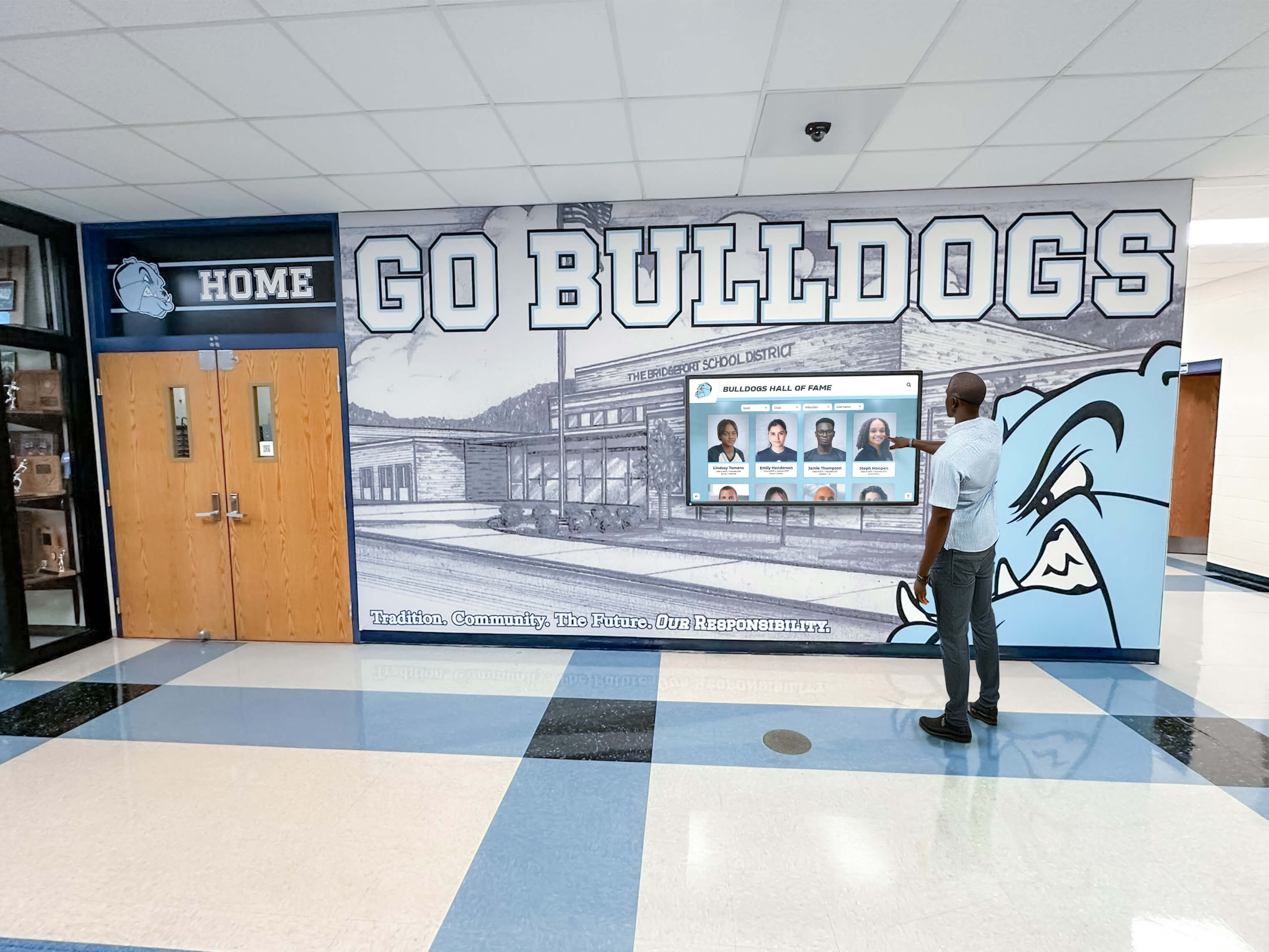
Strategic Display Placement: Position touchscreen displays in track facility common areas, school main entrances, or athletic building lobbies ensuring regular athlete, family, and visitor engagement with recognition content.
Comprehensive Athlete Profiles: Create detailed profiles including action photos, event specializations, personal records, award information, and seasonal performances rather than basic name listings.
Regular Season Updates: Establish processes for adding new meet results and updating personal records throughout seasons, keeping recognition current and relevant.
Historical Archives: Digitize historical records, past award winners, and program achievements creating complete archives connecting current teams to decades of tradition.
Mobile Access: Enable online access through team websites or mobile apps, allowing extended families, alumni, and community members to explore recognition content remotely.
Integration with Physical Recognition: Use digital systems to complement rather than replace physical trophies and medals, providing lasting visibility extending beyond items stored at athletes’ homes.
Resources on digital athletic displays demonstrate implementation approaches for comprehensive track and field recognition systems.
Age-Appropriate Award Program Design
Different age groups benefit from recognition approaches matched to developmental stages, competitive levels, and motivational needs.
Youth Track Programs (Ages 8-12)
Participation Emphasis: Recognize all participants celebrating involvement, learning, and fun rather than comparative achievement. Youth track primarily teaches fundamentals and passion for running, jumping, and throwing.
Effort Over Outcome: Focus awards on practicing skills, showing good sportsmanship, and demonstrating positive attitudes rather than winning or performance standards.
Frequent Recognition: Provide regular acknowledgment through practice awards, meet participation certificates, and small rewards rather than only season-end ceremonies.
Inclusive Categories: Create award categories ensuring every athlete receives some form of recognition, teaching that participation and effort matter more than competitive outcomes at this developmental stage.
Middle School Track (Ages 12-14)
Mixed Recognition Types: Balance participation recognition with emerging performance-based awards as competitive differentiation becomes appropriate and athletes develop distinct event strengths.
Improvement Focus: Emphasize awards acknowledging growth and personal record achievement, particularly as physical maturation creates temporary performance disparities between early and late developers.
Character Emphasis: Maintain strong focus on sportsmanship, teammate, and effort recognition as athletes navigate social challenges of early adolescence.
Event Exploration: Encourage multi-event participation through versatility awards rather than forcing early event specialization, allowing athletes to discover their best events.
High School Track Programs (Ages 14-18)
Performance Recognition: Include substantial performance-based awards recognizing event excellence, school records, conference championships, and state meet qualification as athletes develop specialized capabilities.
Leadership Awards: Acknowledge formal and informal leadership as older athletes mentor younger teammates and shape program culture through example and communication.
College Preparation: Recognize achievements supporting college athletic recruitment—all-conference selections, state meet performances, and academic excellence validating college potential.
Permanent Historical Recognition: Create lasting acknowledgment through digital platforms maintaining comprehensive archives celebrating competitive accomplishments athletes can reference during recruitment or throughout lives.
Understanding developmental needs helps programs design award systems providing appropriate recognition while supporting athlete growth at each stage.
Common Track Awards Program Challenges
Recognizing frequent problems helps programs avoid issues undermining recognition effectiveness and athlete motivation.
Challenge: Awards Concentrating on Elite Athletes
Recognition sometimes showers top performers with multiple awards while overlooking consistent contributors, relay alternates, or athletes who improve significantly but don’t reach elite standards.
Solution: Implement diverse award categories ensuring various contribution types receive acknowledgment—improvement, effort, character, versatility—alongside pure performance awards. Track recipient distribution ensuring recognition reaches athletes across performance levels.
Challenge: Event Category Bias
Programs sometimes overweight certain event types—perhaps distance or sprints—in award distribution based on coach backgrounds or program traditions, undervaluing excellence in other events.
Solution: Review award distribution ensuring equitable recognition across sprint, distance, hurdle, jump, and throw events. Consider event-specific awards guaranteeing all specializations receive appropriate acknowledgment.
Challenge: Lengthy, Disorganized Ceremonies
Poorly planned banquets with excessive duration, long speeches, and inadequate pacing diminish recognition impact regardless of award significance, causing families to leave early or disengage.
Solution: Plan ceremonies maintaining 90-120 minute maximum durations, limit speeches to essential remarks, focus events on honoring athletes rather than administrative messaging, and maintain engaging presentation pacing.
Challenge: Unclear Selection Criteria
When athletes don’t understand what awards recognize or how winners are selected, recognition feels arbitrary and fails to motivate pursuit of specific achievements or behaviors.
Solution: Communicate award criteria clearly at season start. Share criteria in team handbooks, post in locker rooms, or publish on team websites ensuring athletes know what accomplishments and attributes earn recognition.
Challenge: Recognition Limited to Banquet Night
Awards presented at banquets then stored at homes lose visibility within weeks, failing to build program tradition or provide lasting motivation for future athletes.
Solution: Create permanent recognition through physical displays, digital platforms, or program communications ensuring achievements receive ongoing visibility. Maintain award winner archives building program history across decades.
Conclusion: Building Meaningful Track and Field Recognition
Effective track and field awards programs transcend ceremonial formalities to become meaningful experiences validating athlete effort, celebrating diverse accomplishments across event specializations, and teaching important lessons about excellence, improvement, and character. When thoughtfully designed with clear criteria, event-balanced categories, fair selection, and appropriate presentation, recognition programs profoundly influence athlete motivation, team culture, and program tradition.
The most successful track awards programs share several characteristics: celebrating diverse achievement ensuring sprinters, distance runners, jumpers, throwers, and hurdlers all receive appropriate acknowledgment; establishing transparent criteria maintaining credibility and fairness; balancing performance recognition with character and effort awards; recognizing improvement alongside absolute achievement; providing meaningful presentation experiences honoring recipients appropriately; and creating permanent documentation ensuring accomplishments receive lasting visibility extending beyond brief ceremony moments.
Digital recognition solutions like Rocket Alumni Solutions enable track programs to create comprehensive, permanent celebration of athlete accomplishments extending recognition beyond annual banquets. These platforms provide unlimited capacity for honoring athletes across all events, enable rich multimedia storytelling bringing achievements to life through photos and videos, facilitate easy updates keeping recognition current throughout seasons, and create engaging experiences encouraging exploration of program history connecting current teams to decades of tradition and record-breaking performances.
Whether programs manage youth development emphasizing participation and skill-building or elite high school teams competing for state championships and producing college recruits, commitment to comprehensive, fair, meaningful athlete recognition creates positive cultures where competitors feel valued, motivated to improve, and connected to programs supporting their growth. By implementing thoughtful awards programs using the ideas presented in this guide, track and field coaches demonstrate that effort matters, achievement deserves celebration, character counts as much as performance times, and every athlete’s contribution to team success has genuine value—lessons extending far beyond track into lifelong attitudes about goal pursuit, resilience, and personal excellence.