



Track and field presents unique recognition challenges that set it apart from traditional team sports. With disciplines spanning sprints, distance events, hurdles, relays, jumps, and throws—each requiring distinct physical abilities and training approaches—coaches and athletic directors must create award systems that honor the full spectrum of athletic excellence. The athlete breaking school records in the 100-meter dash deserves recognition equal to the shot putter dominating their event, the distance runner showing remarkable improvement, and the versatile competitor scoring across multiple disciplines.
This comprehensive guide explores track and field awards categories spanning performance excellence, statistical achievement, character recognition, and specialized event honors. Whether managing youth development programs, competitive high school teams, or elite club organizations, these award frameworks help create recognition systems celebrating diverse contributions while maintaining standards that make acknowledgment genuinely meaningful.
Why Track and Field Awards Matter
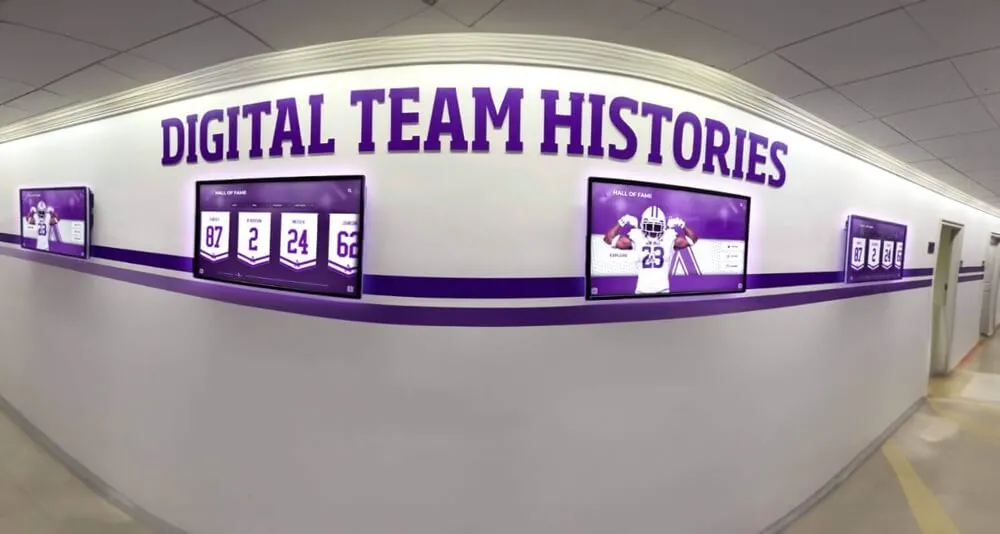
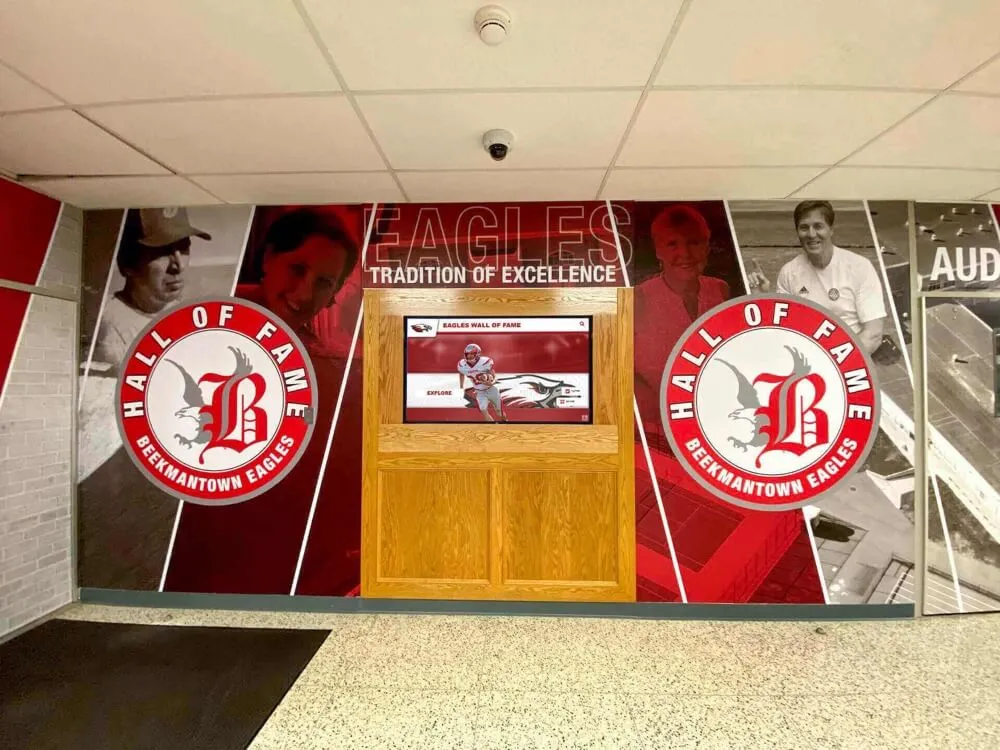
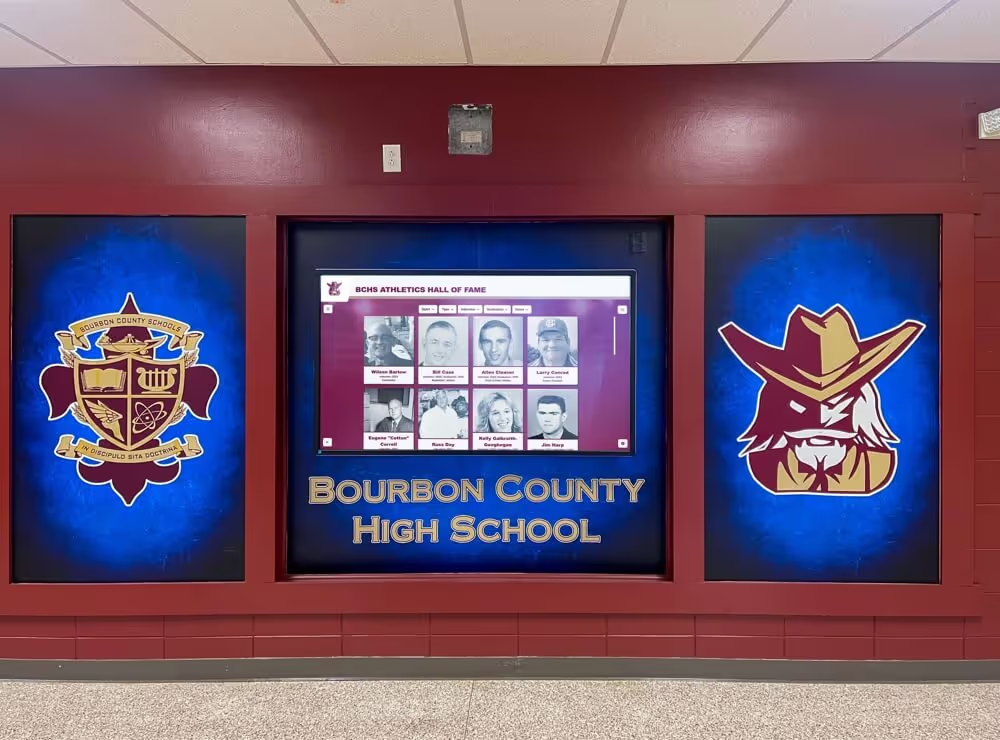
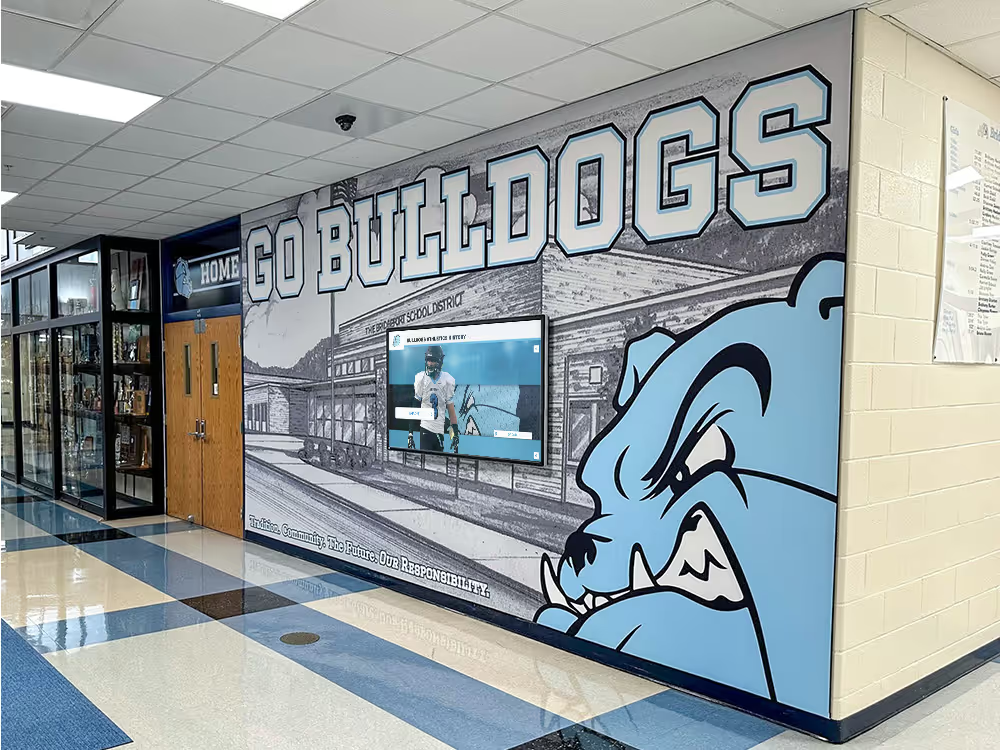
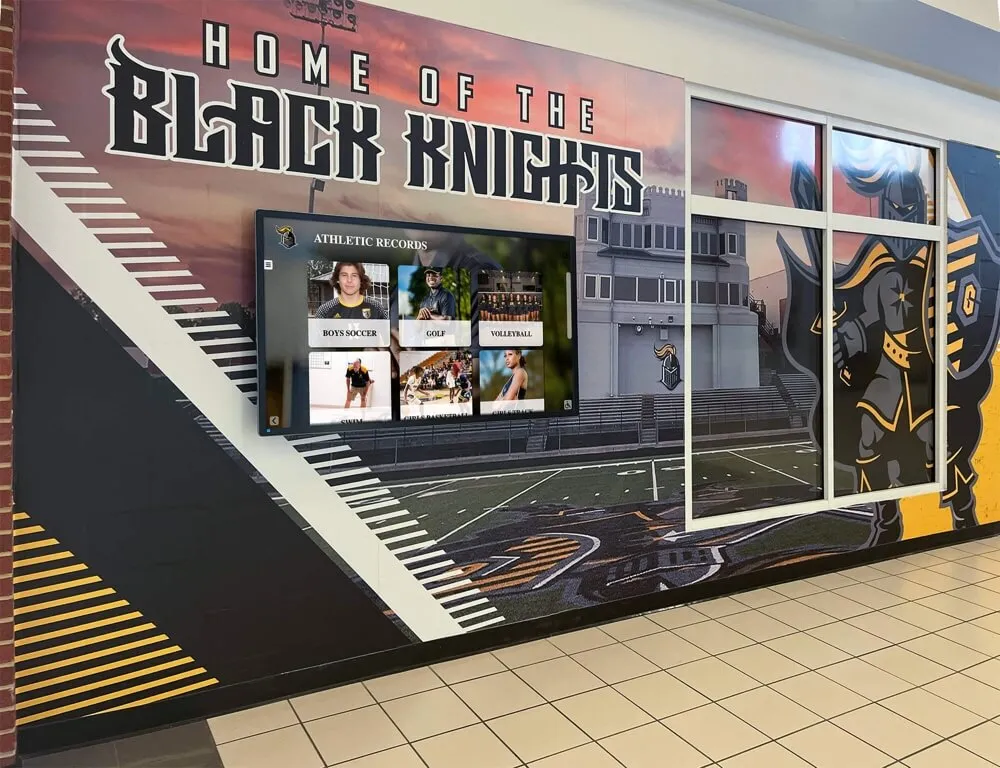
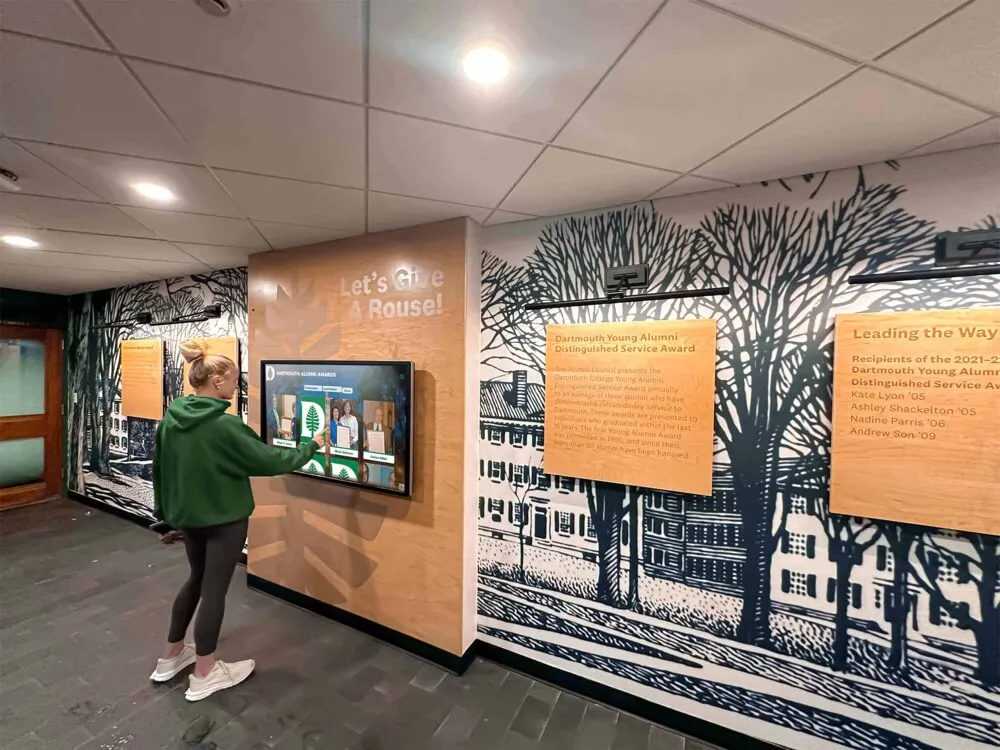
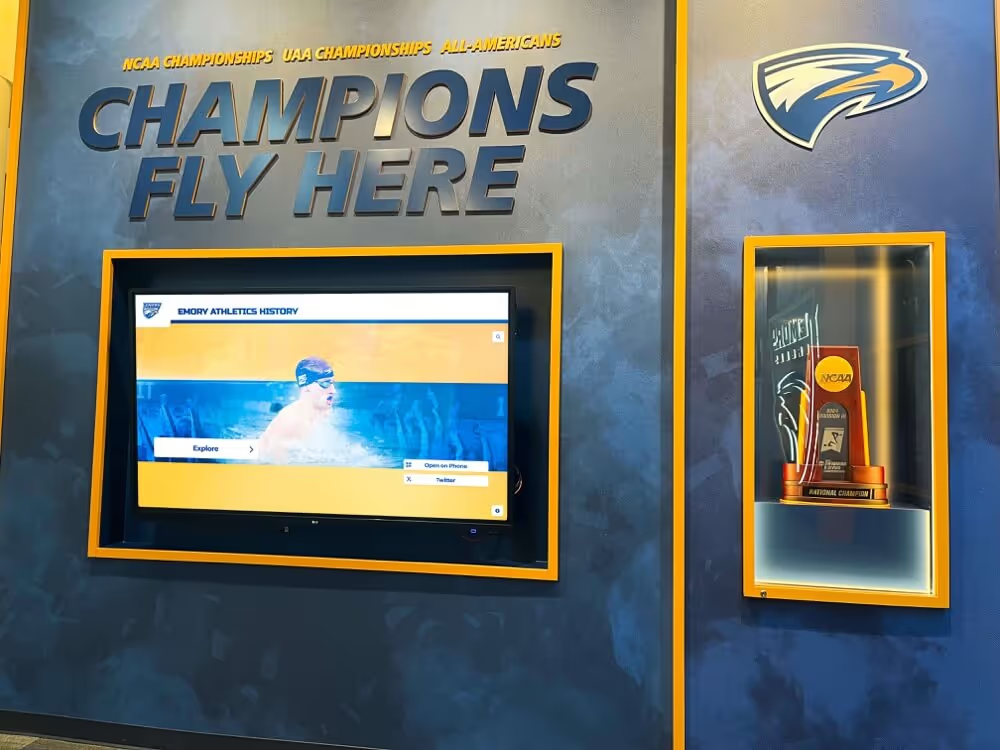
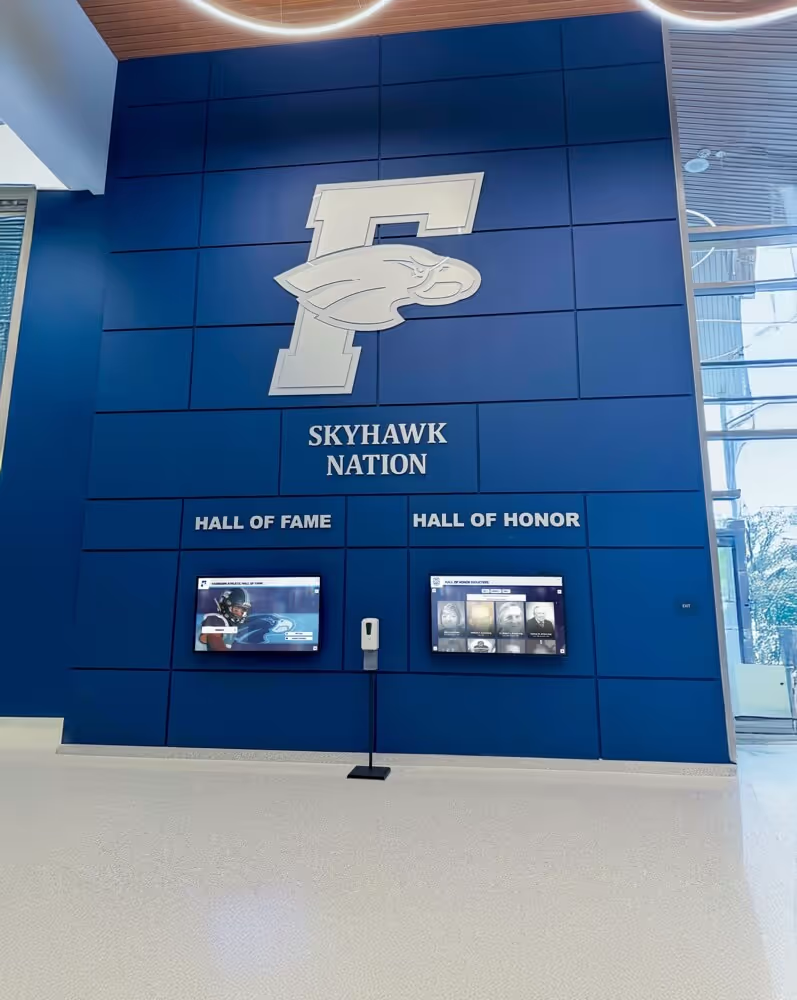
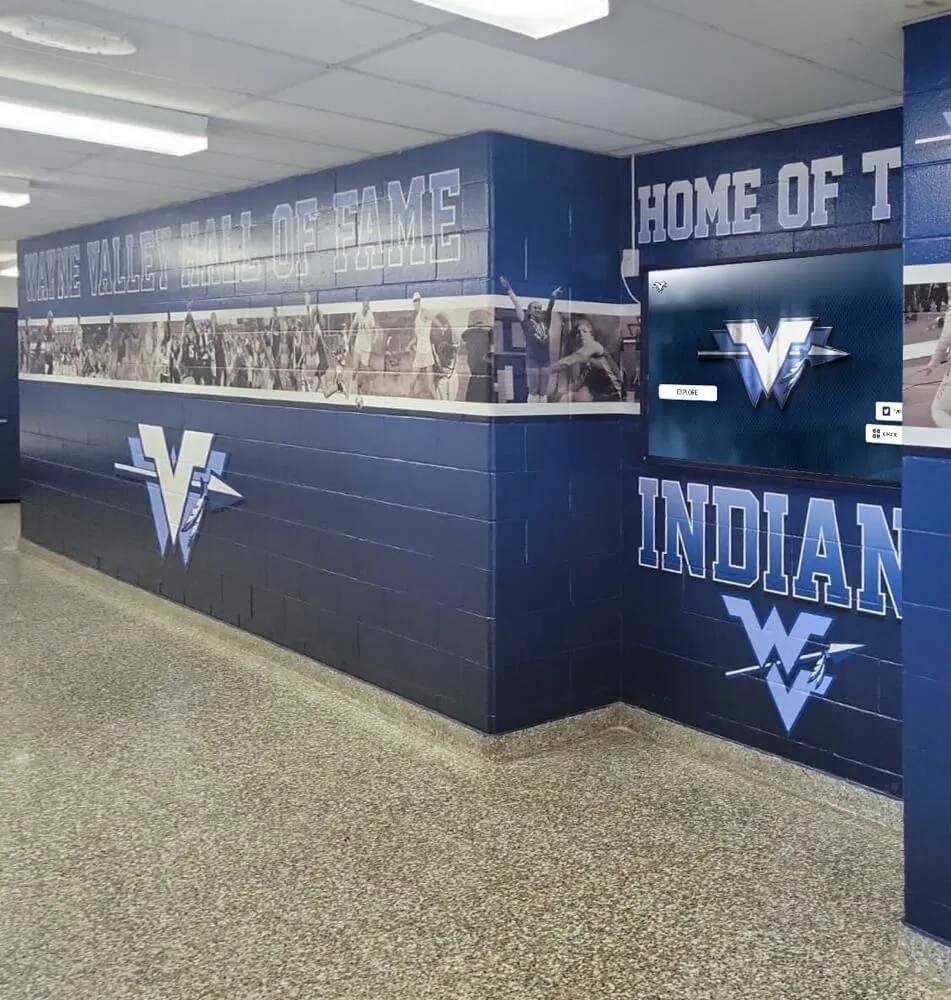
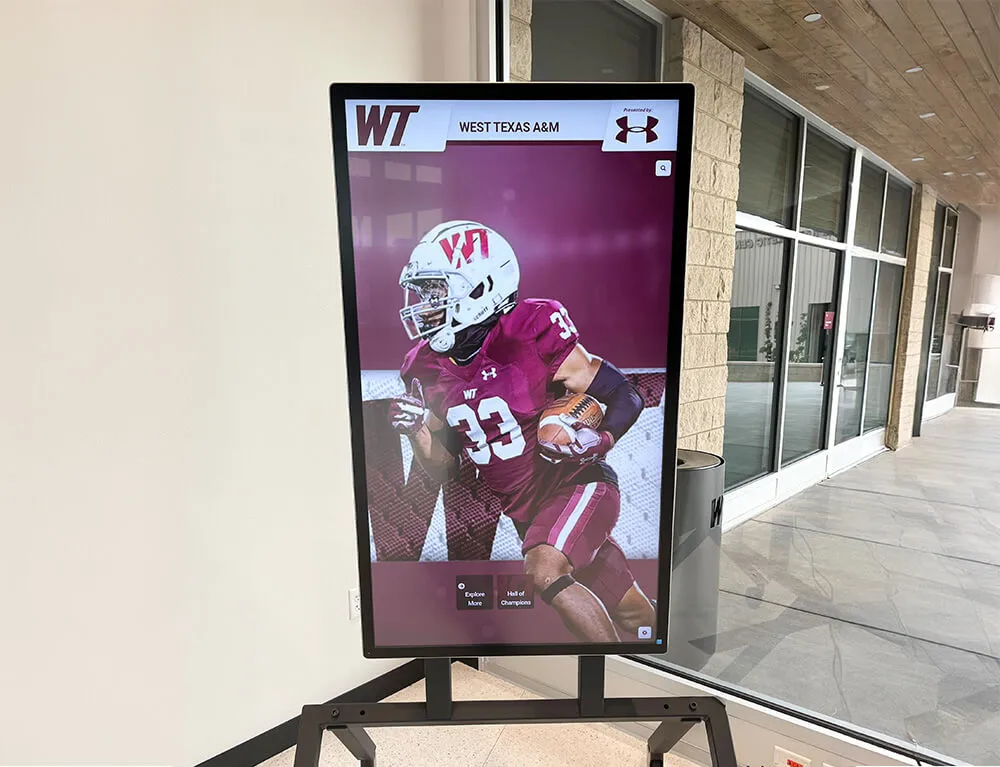
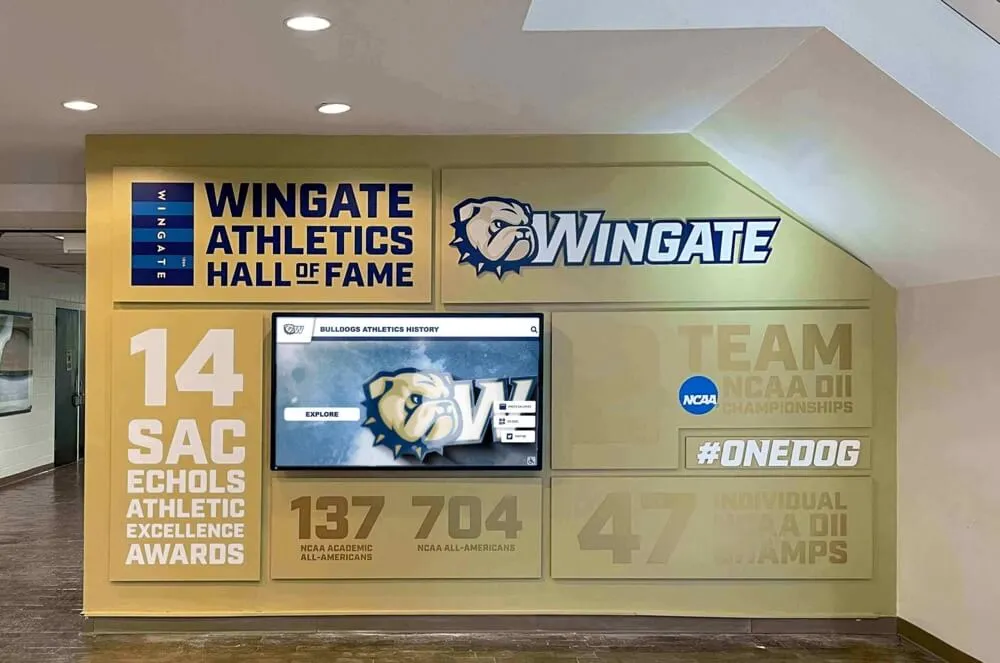
Unlike sports with uniform scoring systems and clear team outcomes, track and field success manifests through individual performances across vastly different events. Comprehensive awards programs acknowledge that sprinting speed, distance endurance, explosive power, technical precision, and competitive mental toughness all contribute to team success. Digital recognition solutions enable track programs to create permanent celebration of athlete accomplishments—documenting personal records, charting progression across seasons, and showcasing achievements that extend recognition beyond brief banquet moments while building program history spanning decades.
Sprint and Hurdle Event Awards
Sprint and hurdle events require explosive speed, technical precision, and competitive focus over brief but intense efforts that separate winners from competitors by hundredths of seconds.
Fastest Sprinter Award
The fastest sprinter award honors the athlete with the best time in the 100-meter dash—track and field’s marquee event testing pure speed. This recognition celebrates explosive acceleration, maximum velocity, and technical efficiency that produces elite sprint times.
Selection Criteria: Award based on season-best performance rather than average times. Elite sprinters peak for championship meets, and recognition should honor their fastest competitive performance regardless of when it occurred.
Hurdles Excellence Recognition
Hurdling combines speed, rhythm, flexibility, and technical precision. The hurdles excellence award recognizes athletes mastering this demanding discipline—whether 110-meter/100-meter highs or 400-meter intermediate hurdles.
Event Differentiation: Consider separate awards for high hurdles and 400-meter hurdles, as these events require different skill combinations. High hurdles emphasize explosive speed and quick stride patterns; 400-meter hurdles demand speed endurance and strategic pacing.

Middle Distance Champion
The 400-meter and 800-meter races occupy track’s challenging middle ground, requiring speed, stamina, tactical racing, and pain tolerance. Middle distance awards recognize athletes excelling in events too long for pure sprinters yet too fast for distance specialists.
Performance Focus: These events test lactic acid tolerance and mental toughness. Athletes who excel in middle distance events demonstrate unique physiological and psychological capabilities deserving specific recognition.
Relay Team MVP
Relay success requires seamless baton exchanges, strategic anchor leg selection, and chemistry between runners. The relay MVP award honors the athlete whose consistent performance and exchange precision proved most valuable to relay success.
Team Recognition: While individual events dominate track, relay awards acknowledge that team elements exist. Relay MVPs often combine strong individual times with reliable exchange skills and competitive temperament in team situations.
Understanding comprehensive approaches to athletic recognition helps track programs design systems celebrating diverse accomplishments while building competitive culture.
Distance Running Awards
Distance events from 1600 meters through 3200 meters and beyond require aerobic endurance, mental toughness, pacing strategy, and sustained effort over extended periods.
Distance Runner of the Year
This premier distance award recognizes the program’s top distance athlete across all long-distance events. Recipients typically demonstrate consistent excellence in the 1600m, 3200m, or both, combining physiological endurance with competitive mental toughness.
Evaluation Criteria: Consider season-best times, consistency across meets, championship performance, and versatility across multiple distance events when selecting recipients.
Cross Country Transition Excellence
For programs running cross country and spring track, the cross country transition award honors distance runners who successfully adapt training and racing from fall cross country to spring track distances.
Seasonal Continuity: This award acknowledges the year-round commitment distance runners make and recognizes that excellence spans seasons rather than existing in isolated spring tracks.
Most Improved Distance Runner
Distance running rewards consistent training more than many track events. The most improved distance runner award celebrates athletes making dramatic progress through dedicated mileage accumulation, tempo work, and interval training.
Measurable Progress: Track improvement through season-best time drops. Significant improvements might range from 30-second drops in 1600m times to 60+ second improvements in 3200m events, depending on athlete starting points.
Iron Distance Competitor
Distance racing requires exceptional mental toughness and physical resilience. The iron distance award recognizes athletes who consistently compete across multiple distance events per meet, accumulating significant weekly mileage through competitions and training.
Recognition Value: This award honors workload capacity and competitive willingness, validating athletes who serve team scoring needs by racing multiple events per meet despite physical demands.
Resources on student-athlete recognition demonstrate how track programs can document comprehensive achievements supporting future college recruitment and scholarship opportunities.
Field Event Awards
Field events require explosive power, technical precision, body control, and mental focus distinct from running events.
Best Jumper Award
Jumping events—high jump, long jump, triple jump, and pole vault—demand explosive power combined with technical mastery. The best jumper award recognizes the athlete achieving the most impressive jumping performance relative to event standards.
Multi-Discipline Consideration: Some athletes excel in multiple jumping events. Consider whether to award separately for vertical (high jump, pole vault) and horizontal (long jump, triple jump) events or create a single versatile jumper award.
Top Thrower Recognition
Throwing events—shot put, discus, javelin, and hammer (where offered)—require strength, technique, and coordinated power generation. The top thrower award honors the athlete with the most impressive throwing performance across offered events.
Event-Specific Excellence: Throwing implements have vastly different techniques. Consider separate awards for rotational throws (shot, discus, hammer) versus javelin, or recognize the single most impressive performance regardless of event.

Technical Excellence Award
Field events require years developing precise technical skills. The technical excellence award recognizes the athlete demonstrating the most refined form, approach consistency, and technical mastery in their event.
Beyond Distance: This award focuses on technical execution rather than pure results, acknowledging that beautiful technique sometimes exists in athletes still developing strength or speed necessary for elite results.
Field Event Versatility
Some athletes compete successfully across multiple field events, demonstrating diverse physical capabilities. The versatility award honors competitors scoring consistently in multiple field disciplines.
Scoring Value: Multi-event field athletes provide significant team scoring potential. This recognition validates strategic athletes who develop competence across disciplines rather than specializing narrowly.
Information on athletic achievement displays demonstrates how track programs can create permanent installations celebrating field event excellence alongside running achievements.
Combined Events and Versatility Awards
Some track athletes excel across multiple event types, demonstrating remarkable versatility and athletic adaptability.
Decathlon/Heptathlon Champion
Combined events test comprehensive athletic ability across running, jumping, and throwing disciplines. The decathlon/heptathlon award honors athletes competing in these grueling multi-event competitions requiring diverse physical capabilities.
Elite Recognition: Combined event competitors represent track’s most versatile athletes, often sacrificing event-specific excellence to develop competence across ten or seven disciplines. This deserves special recognition acknowledging the unique commitment required.
Pentathlon Award (Indoor Track)
Indoor track pentathlon competitions test five diverse skills. This award recognizes athletes excelling in this condensed multi-event format during indoor seasons.
Most Versatile Athlete
For programs not offering formal combined events, the versatility award recognizes athletes competing successfully across event categories—perhaps running sprints while also jumping or throwing.
Team Value: Versatile athletes provide strategic flexibility for meet scoring situations, enabling coaches to fill lineup needs across events. This adaptability deserves specific acknowledgment.
Point Scoring Champion
Track meets award team points based on event placements. The point scoring champion accumulated the most team points across the season through consistent placement across all competitions.
Comprehensive Contribution: This statistical award objectively recognizes which athlete contributed most to team success regardless of event specialization, valuing consistent scoring over occasional brilliance.
Guidance on college signing recognition provides frameworks for celebrating track athletes continuing their athletic careers at the collegiate level.
Statistical and Record-Breaking Awards
Track and field’s precise timing and measurement create clear statistical benchmarks enabling objective recognition categories.
School Record Breaker Award
Breaking program records represents the ultimate individual achievement. The record breaker award honors athletes surpassing longstanding marks, permanently etching their names in program history.
Historical Significance: When presenting record-breaking awards, provide context about the previous record—who held it, when it was set, and how long it stood. This historical framing increases recognition meaning.

Personal Record Achievement
Track’s measurable nature makes personal improvement clearly visible. The PR achievement award recognizes the athlete demonstrating the most significant personal record improvement across the season.
Measurable Growth: Calculate improvement percentages or absolute time/distance gains. Dramatic PR improvements might include multiple-second drops in race times or several-foot increases in jumping or throwing distances.
Conference Champion Recognition
Conference championships represent significant competitive achievements against regular competition. Conference champion awards honor athletes winning their events at conference meets regardless of absolute performance times.
Competitive Excellence: This award values competitive performance and championship mentality, recognizing that winning matters beyond pure statistical marks.
State Qualifier/Finalist Award
Advancing to state championships represents excellence relative to regional competition. State qualifier or finalist awards recognize athletes reaching championship meets regardless of final placements.
Achievement Milestone: For many programs, state qualification represents a rare accomplishment deserving specific recognition, marking athletes who reached elite competitive levels.
All-Time Top 10 Recognition
Create awards for athletes whose performances rank among program all-time top 10 lists in any event. This honors excellence relative to program history while creating achievable goals for developing athletes.
Historical Context: All-time lists connect current athletes to program legacy, demonstrating where their achievements rank across decades of competition.
Resources on hall of fame criteria help track programs establish frameworks for long-term recognition celebrating the most exceptional careers in program history.
Character and Leadership Awards
Track success extends beyond physical performance to include leadership, attitude, work ethic, and character development.
Captain’s Leadership Award
Team captains guide programs through daily example and communication. This award honors formal or informal leaders whose influence extends beyond individual performances to shape team culture and motivate teammates.
Leadership Qualities: Recognize captains who communicate effectively with coaches, mediate teammate conflicts, maintain positive attitudes during challenging competitions, and set standards through training commitment.
Most Coachable Athlete
Receptiveness to coaching accelerates development in technical events requiring refined skills. The most coachable award celebrates athletes who accept instruction positively, implement feedback quickly, and maintain enthusiasm for technical improvement.
Development Indicator: Coachability often predicts long-term success more than current performance levels. This award acknowledges athletes positioning themselves for sustained improvement.
Best Teammate Award
Team chemistry matters even in individual-focused sports. The best teammate award honors athletes whose encouragement, support, and positive energy make them ideal teammates despite track’s individual competition format.
Peer Recognition: Consider team voting for this award, as teammates best understand who provides greatest support and positive influence during practices and meets.
Hardest Worker Award
Track rewards training consistency. The hardest worker award recognizes athletes demonstrating exceptional practice commitment, voluntary extra training, and relentless work ethic regardless of current performance level.
Process Recognition: This award values effort and commitment over results, acknowledging that hard work deserves recognition even when genetic gifts or development timing haven’t yet produced elite performances.
Sportsmanship Award
Track teaches respect for competition, opponents, and officials. The sportsmanship award celebrates athletes competing with integrity, treating competitors respectfully, and representing programs with class.
Observable Criteria: Consider input from officials, opponent coaches, and meet directors who observe behavior across multiple competitions and diverse competitive situations.
Mental Toughness Award
Track presents numerous opportunities for discouragement—poor performances, near-misses on PRs, losing to competitors, failing to make relay teams. The mental toughness award honors athletes who maintain positive attitudes and competitive drive despite setbacks.
Resilience Recognition: This award acknowledges psychological strength—persisting through disappointment, maintaining confidence despite struggles, and supporting teammates even when experiencing personal competitive challenges.
Information on team captain responsibilities provides frameworks for developing leadership programs that support track captains in their roles guiding teams.
Academic and Scholar-Athlete Awards
Student-athletes balance classroom and competitive responsibilities, and academic awards recognize excellence in both arenas.
Scholar-Athlete Award
The scholar-athlete award honors athletes achieving the highest GPAs on teams while making significant athletic contributions. These athletes demonstrate exceptional time management balancing track training with academic excellence.
Dual Excellence: Set minimum performance standards for both academics (often 3.5+ GPA) and athletics (regular competition participation, scoring contributions) ensuring recipients excel in both arenas.
Academic All-Conference
Many conferences honor student-athletes maintaining high grade point averages while competing at varsity levels. Academic all-conference recognition celebrates this dual achievement through conference-level acknowledgment.
Most Improved GPA
Academic improvement deserves recognition equal to athletic improvement. This award celebrates athletes demonstrating significant GPA growth across seasons or school years.
Motivation Value: This award particularly motivates underclassmen establishing academic foundations while validating that improvement matters regardless of starting point.
Student-Athlete Balance Award
Track’s demanding training schedules create significant time management challenges. This award recognizes athletes most successfully balancing athletic commitment, academic excellence, extracurricular involvement, and family/social responsibilities.
Holistic Recognition: This honors the complete student experience rather than isolated athletic or academic performance, acknowledging that balance represents achievement itself.
Resources on academic recognition programs demonstrate how schools integrate athletic and academic achievement recognition through comprehensive display systems.
Special Recognition Awards
Some contributions defy standard categories, requiring flexible awards honoring unique circumstances and exceptional commitment.
Comeback Athlete Award
Overcoming significant injuries or extended absences demonstrates remarkable character. The comeback award recognizes athletes returning from adversity to make meaningful contributions.
Storytelling Opportunity: Use award presentation to share the recipient’s journey—the injury or challenge faced, rehabilitation process, and determination required to return. Context makes recognition particularly meaningful.
Most Improved Athlete
Track’s measurable nature makes improvement clearly visible. The most improved athlete award recognizes dramatic performance development across seasons, validating athletes making significant progress through dedicated training.
Calculation Methods: Measure improvement through PR drops (time) or gains (distance), improvement percentages, or scoring contribution increases from previous seasons.
Newcomer of the Year
First-year athletes making immediate impacts deserve specific recognition. The newcomer award honors freshman or first-year track athletes whose performances exceeded expectations and demonstrated significant potential.
Developmental Indicator: Newcomer excellence often predicts sustained program impact across remaining eligibility years, making this award valuable for highlighting emerging talent.
Iron Athlete Award
Some athletes demonstrate exceptional durability and availability. The iron athlete award recognizes competitors who consistently competed across seasons, rarely missing competitions due to injury or absence.
Consistency Value: Availability represents significant value. Coaches depend on iron athletes who show up, compete consistently, and provide reliable performances across full seasons.
Coach’s Award
The coach’s award provides flexibility to honor athletes whose contributions transcend specific categories—perhaps embodying program values, demonstrating exceptional character, or making impacts statistics don’t capture.
Selective Recognition: Reserve coach’s awards for genuinely special circumstances rather than routine recognition, maintaining significance through selective presentation.
Unsung Hero Award
Some athletes make teams better through contributions that don’t appear in results—setting up hurdles, organizing equipment, timing workouts, or mentoring younger athletes. The unsung hero award ensures these vital contributors receive acknowledgment.
Guidance on athletic recognition displays demonstrates how track programs can create comprehensive systems celebrating diverse achievement types beyond competitive performance.
Implementing Effective Track Awards Programs
Selecting award categories represents only part of effective recognition—successful programs require thoughtful planning, clear criteria, appropriate presentation, and permanent documentation.
Establishing Clear Award Criteria
Define Selection Standards: Communicate how winners will be selected for each award at season start. Statistical awards should specify whether recognition is based on season-best performances or consistency across meets. Subjective awards need evaluation frameworks.
Balance Objectivity and Judgment: Some awards rely entirely on times, distances, or points providing objective measures. Others require coach observation and judgment. Quality programs include both types ensuring diverse contribution forms receive recognition.
Maintain Transparency: Share award criteria with athletes and families early in seasons, enabling everyone to understand recognition standards and how recipients are selected. Transparency builds credibility and prevents selection controversies.
Avoid Award Inflation: While comprehensive recognition matters, creating excessive awards or recognizing minimal accomplishment dilutes meaning. Balance inclusive recognition with selective achievement awards requiring genuine accomplishment.
Award Selection Process Best Practices
Coaching Staff Collaboration: Gather input from all event coaches rather than relying on single coach decisions for subjective awards. Sprint coaches understand sprint excellence; distance coaches best evaluate distance achievements; field event coaches recognize technical mastery in their specialties.
Athlete Input for Peer Awards: Consider team voting for peer-selected awards like Best Teammate or Most Coachable. Peer recognition often holds special meaning because teammates understand daily contributions best.
Statistical Verification: Maintain accurate performance records throughout seasons ensuring performance-based awards reflect actual achievement rather than perception or memory. Designate statisticians to track results consistently.
Distribution Review: Before finalizing selections, review whether recognition distributes appropriately across event groups. If awards concentrate on certain event types, consider whether evaluation captured full range of contributions across sprints, distance, and field events.
Senior Consideration: While awards should reward genuine achievement, programs often ensure senior contributors receive recognition honoring their cumulative commitment, particularly in close award decisions.
Award Presentation Strategies
Ceremony Planning: Schedule banquets at times maximizing athlete and family attendance. Consider weeknight evenings or weekend afternoons, avoiding conflicts with major holidays or championship competitions.
Presentation Order: Build toward most prestigious awards, presenting fun or creative awards early, specialized event awards mid-ceremony, and major program honors toward the end maintaining engagement and anticipation.
Event Context: When presenting event-specific awards, provide context about the achievement—times relative to conference or state qualifying standards, improvement from previous seasons, or historical program rankings.
Photo and Video Documentation: Photograph each award presentation creating memories while generating content for program promotion and social media. Consider video recording entire ceremonies preserving events permanently.
Physical Award Quality: Invest in quality trophies, plaques, or medals communicating that recognition matters. Well-designed physical awards become keepsakes athletes treasure for years.
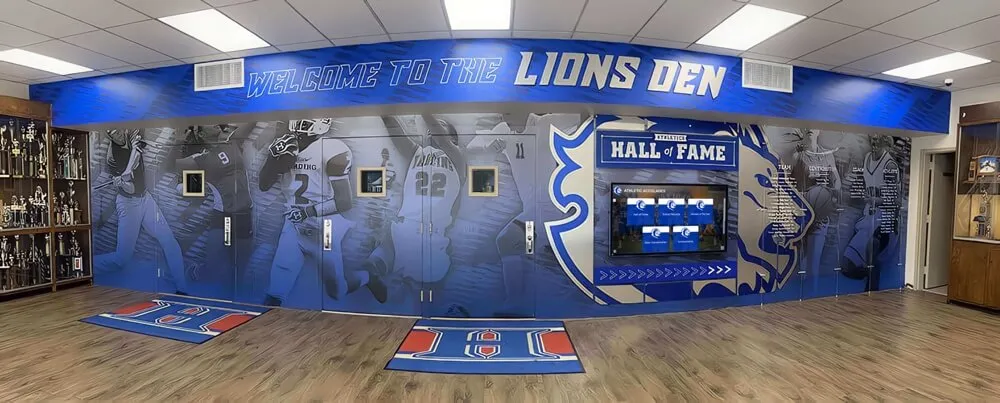
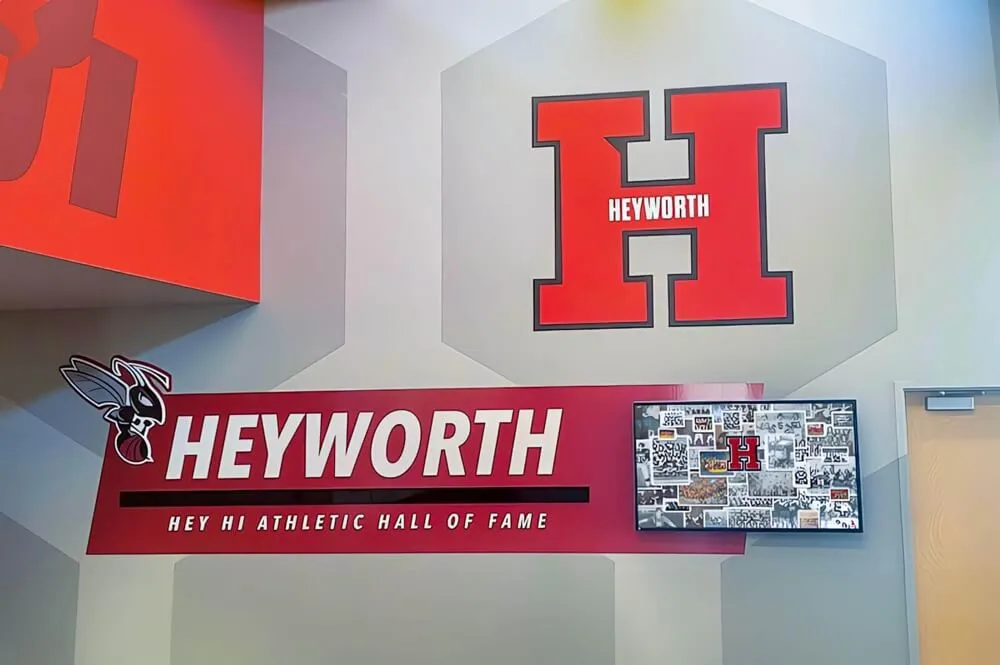
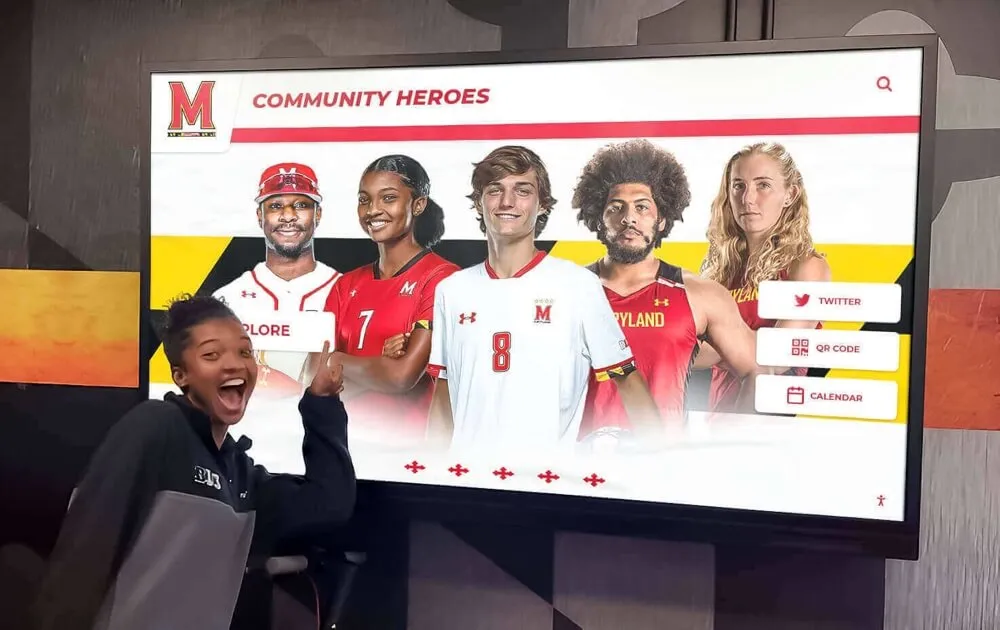
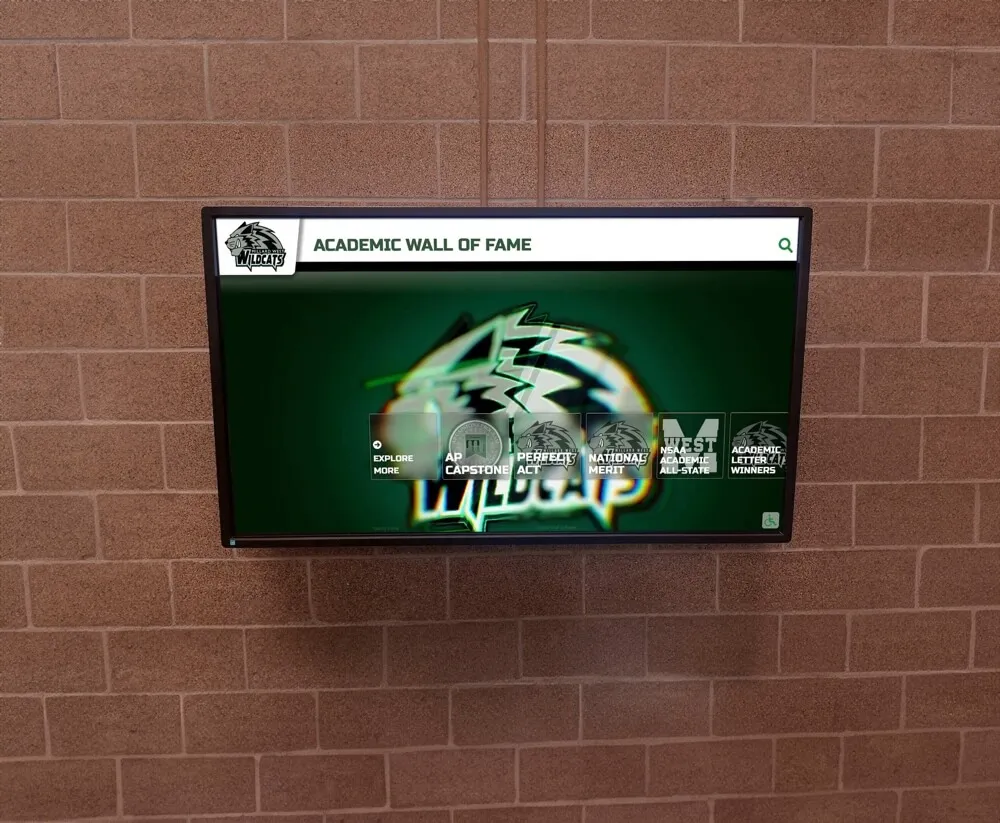
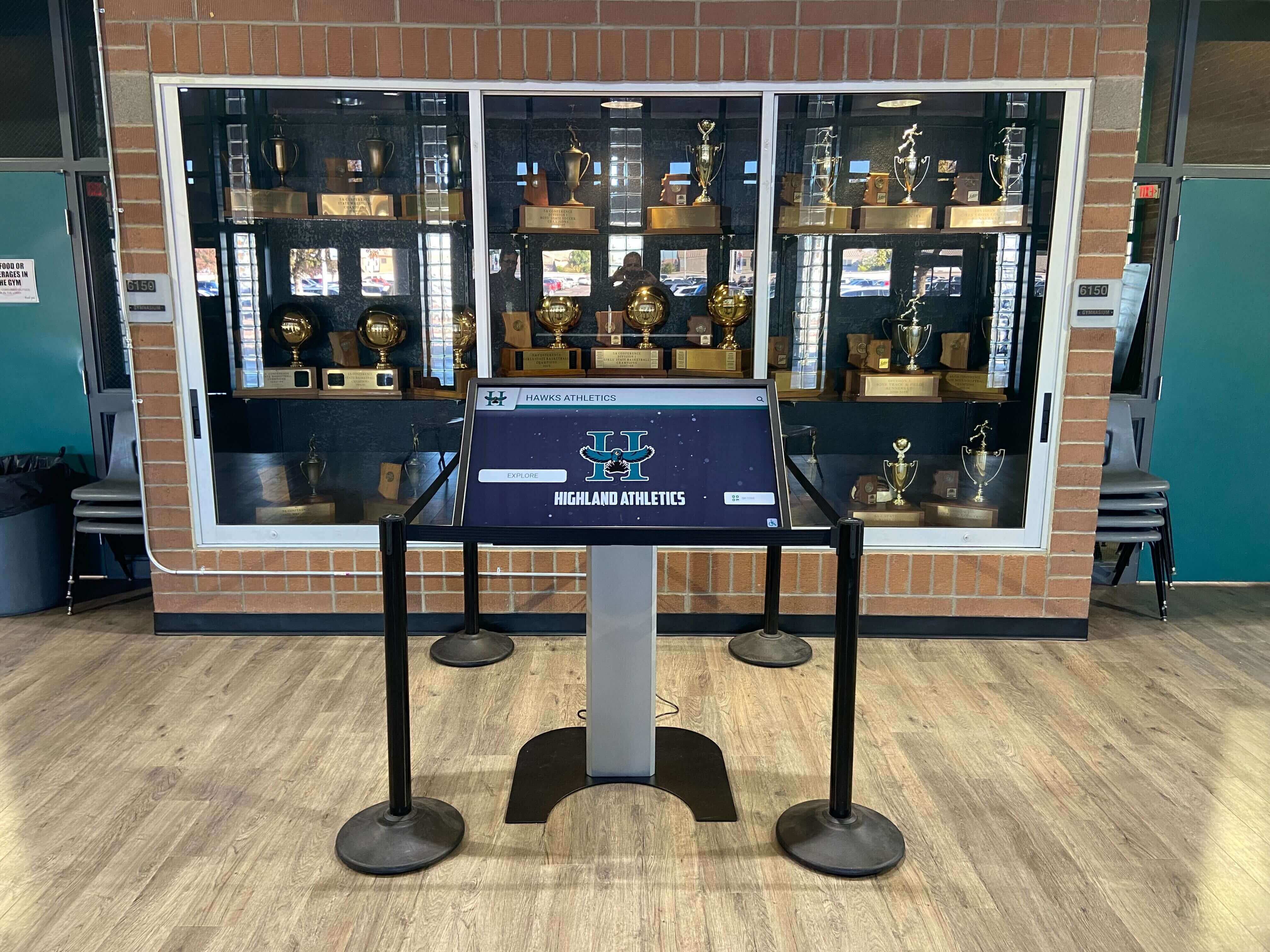
Digital Recognition Archives: Create permanent recognition through digital athletic displays documenting award winners year after year, ensuring accomplishments receive ongoing visibility extending far beyond brief banquet moments.
Budget Planning for Track Awards Programs
Understanding financial requirements helps programs create sustainable recognition delivering maximum impact within available resources.
Award Program Cost Components
Physical Award Items: Trophies, plaques, medals, certificates, and other tangible recognition items athletes receive. Costs vary significantly based on quality, quantity, and award types selected.
Banquet Expenses: Venue rental, catering, decorations, programs, and ceremony-related costs. Event scale significantly influences budget requirements.
Digital Recognition Investment: Initial costs for display hardware, software platforms, installation, and content development plus ongoing subscription fees for maintenance and updates.
Administrative Time: Staff or volunteer hours for award selection, event planning, content development, and program coordination.
Cost-Effective Award Strategies
Tiered Recognition Approach: Provide elaborate trophies for major awards while using quality certificates for broader recognition categories, balancing impact and budget.
Booster Club Support: Engage booster organizations in funding awards programs through sponsorships, fundraisers, or direct financial support.
Business Sponsorships: Seek local business sponsors covering award costs in exchange for recognition at banquets, in programs, and on digital displays.
Bulk Purchasing: Order awards in larger quantities or establish relationships with trophy suppliers securing volume discounts reducing per-item costs.
Digital Investment Value: While digital recognition requires higher initial investment, elimination of recurring physical plaque production costs plus unlimited recognition capacity provides long-term value.
Parent Volunteers: Utilize parent volunteers for banquet planning, setup, coordination, and execution reducing paid staff requirements while building community engagement.
Create Lasting Recognition for Your Track and Field Athletes
Transform how your track program celebrates athletes by implementing digital recognition that permanently honors season awards, personal records, event excellence, and championship achievements. Rocket Alumni Solutions enables athletic programs to create comprehensive athlete profiles featuring awards, performance statistics, photos, and accomplishments that remain accessible for decades—ensuring recognition extends far beyond brief banquet moments while building program tradition and inspiring future competitors.
Digital Recognition Systems for Track Programs
Technology enables track programs to create comprehensive, permanent recognition extending far beyond traditional trophy cases and annual banquets.
Benefits of Digital Track Recognition
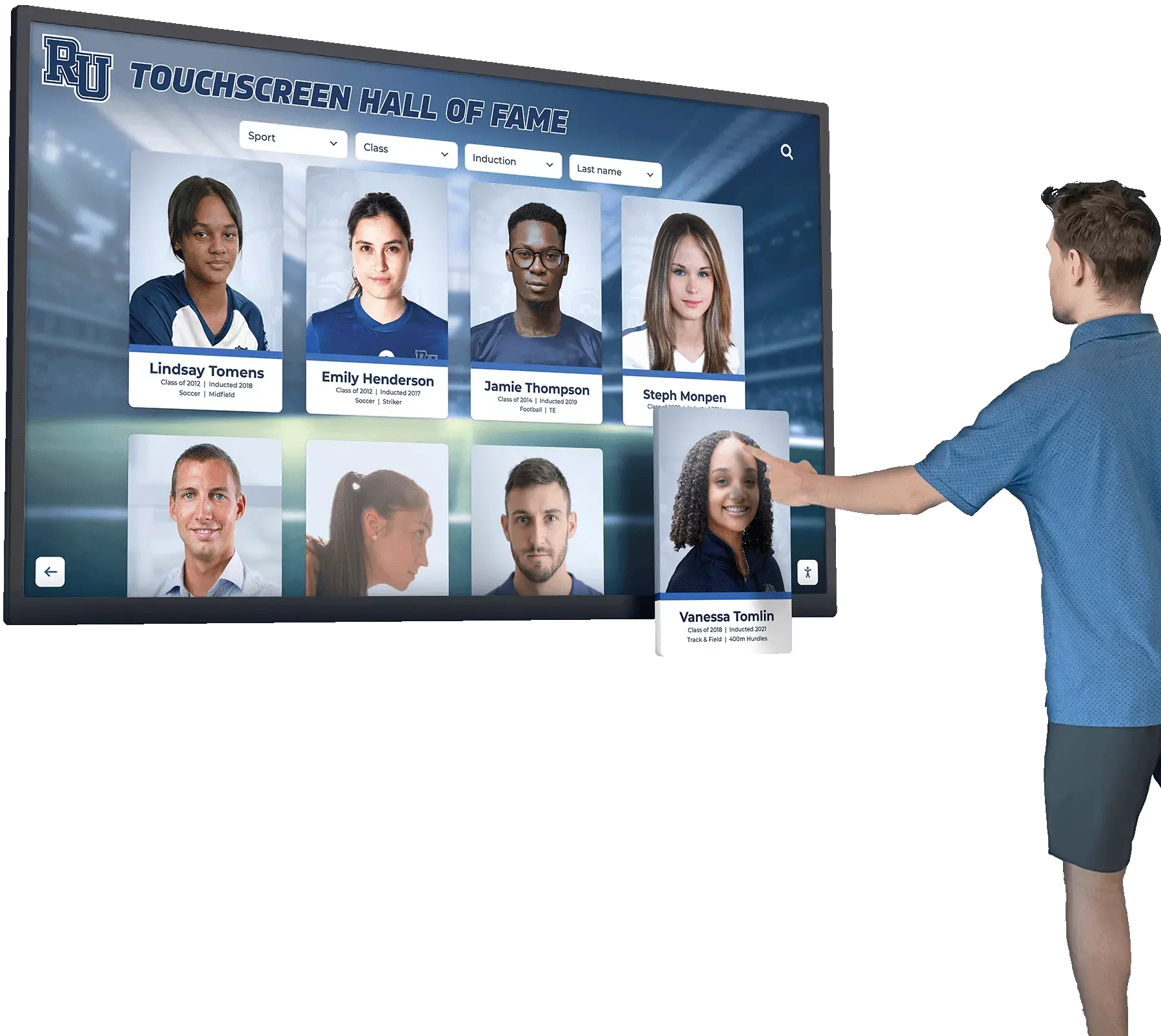
Unlimited Record Capacity: Digital platforms accommodate unlimited personal records, season bests, and all-time rankings across unlimited athletes and seasons without physical space constraints limiting who receives acknowledgment.
Performance Progression Tracking: Beyond single-season awards, digital systems chart athlete development across years—documenting freshman to senior improvement, visualizing training progression, and celebrating long-term growth.
Event-Specific Showcases: Create dedicated sections for each track discipline—sprint records, distance achievements, field event excellence, and relay accomplishments—providing comprehensive documentation across the program’s diverse event spectrum.
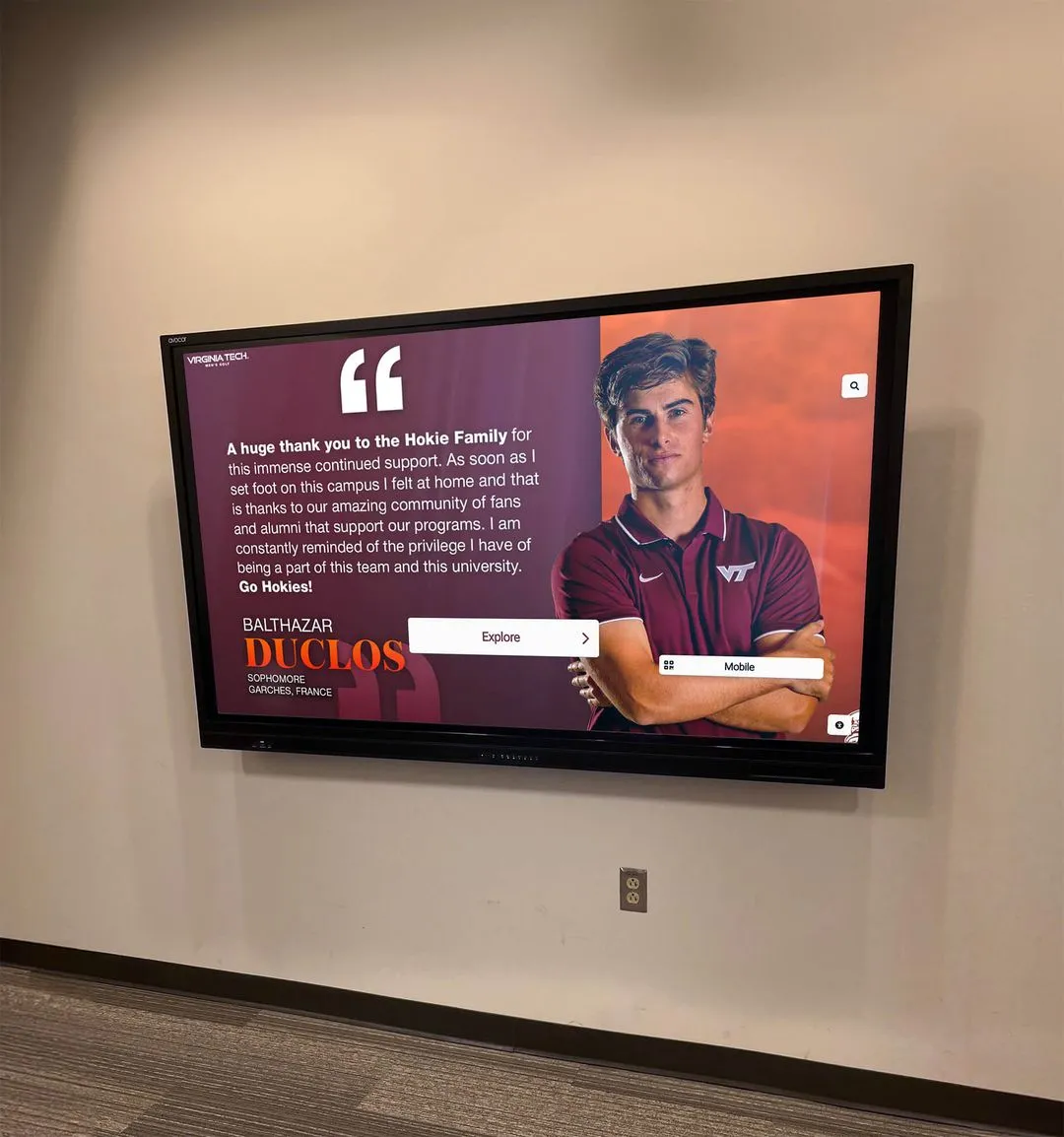
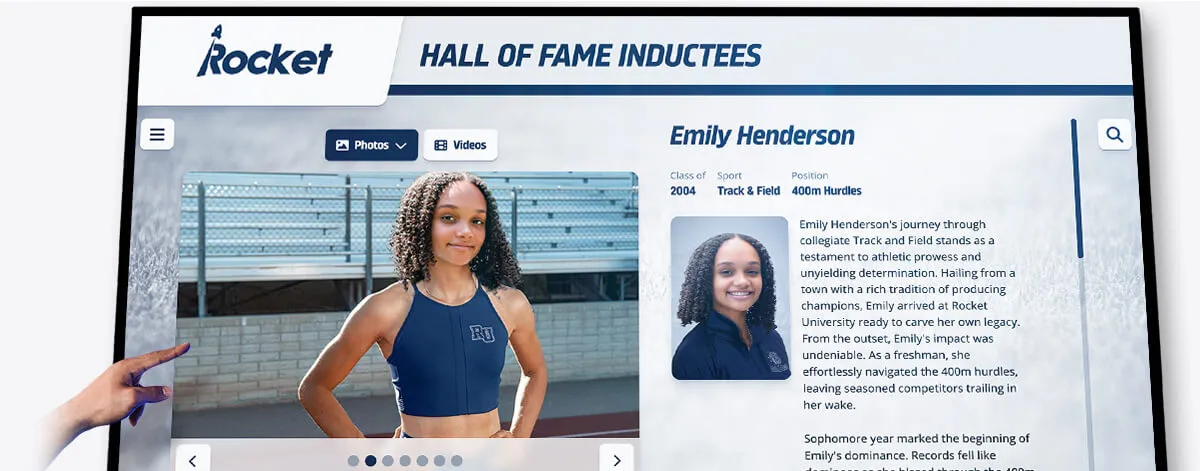
Multimedia Storytelling: Beyond names and times, digital recognition includes race videos, competition photos, training footage, and comprehensive athlete profiles creating engaging narratives around accomplishments.
Easy Content Updates: Web-based management systems enable quick updates adding new PRs, updating seasonal bests, and maintaining current recognition content as athletes improve throughout seasons.
Historical Archives: Digital systems preserve decades of program history, enabling current athletes and families to explore past award winners, compare performances across eras, and connect current achievements to program tradition.
Family Accessibility: Online extensions enable remote access by extended families, alumni, and community members who cannot attend meets or banquets but want to celebrate athlete achievements.
Recruiting Impact: Prospective athletes and families exploring programs encounter comprehensive documentation of how the program recognizes and celebrates contributions across all events, demonstrating commitment to honoring diverse athletic excellence.
Solutions like Rocket Alumni Solutions provide purpose-built platforms designed specifically for athletic recognition, offering functionality traditional approaches cannot match while creating permanent celebration of track and field accomplishments.
Implementing Digital Track Recognition
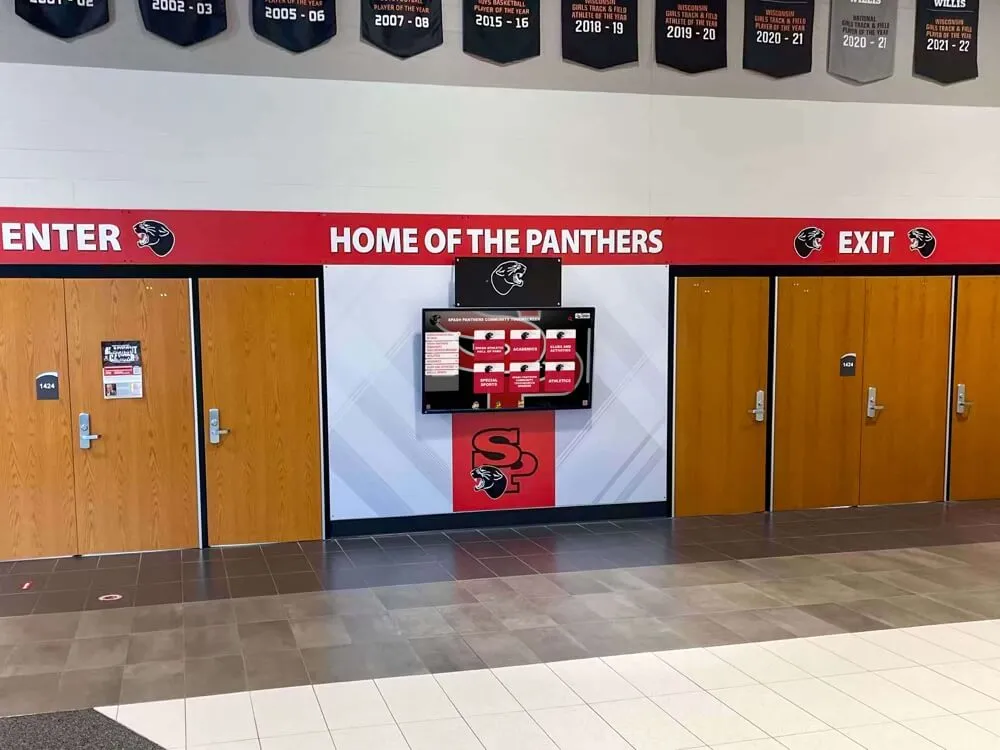
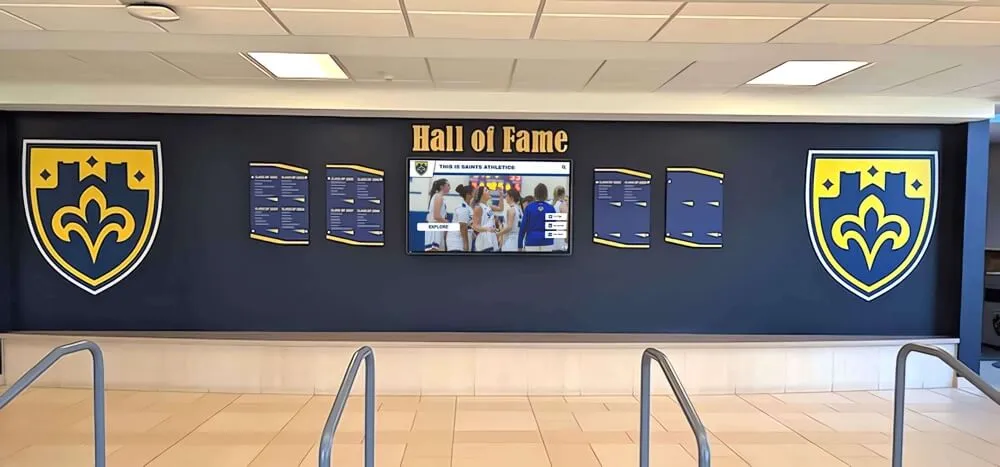
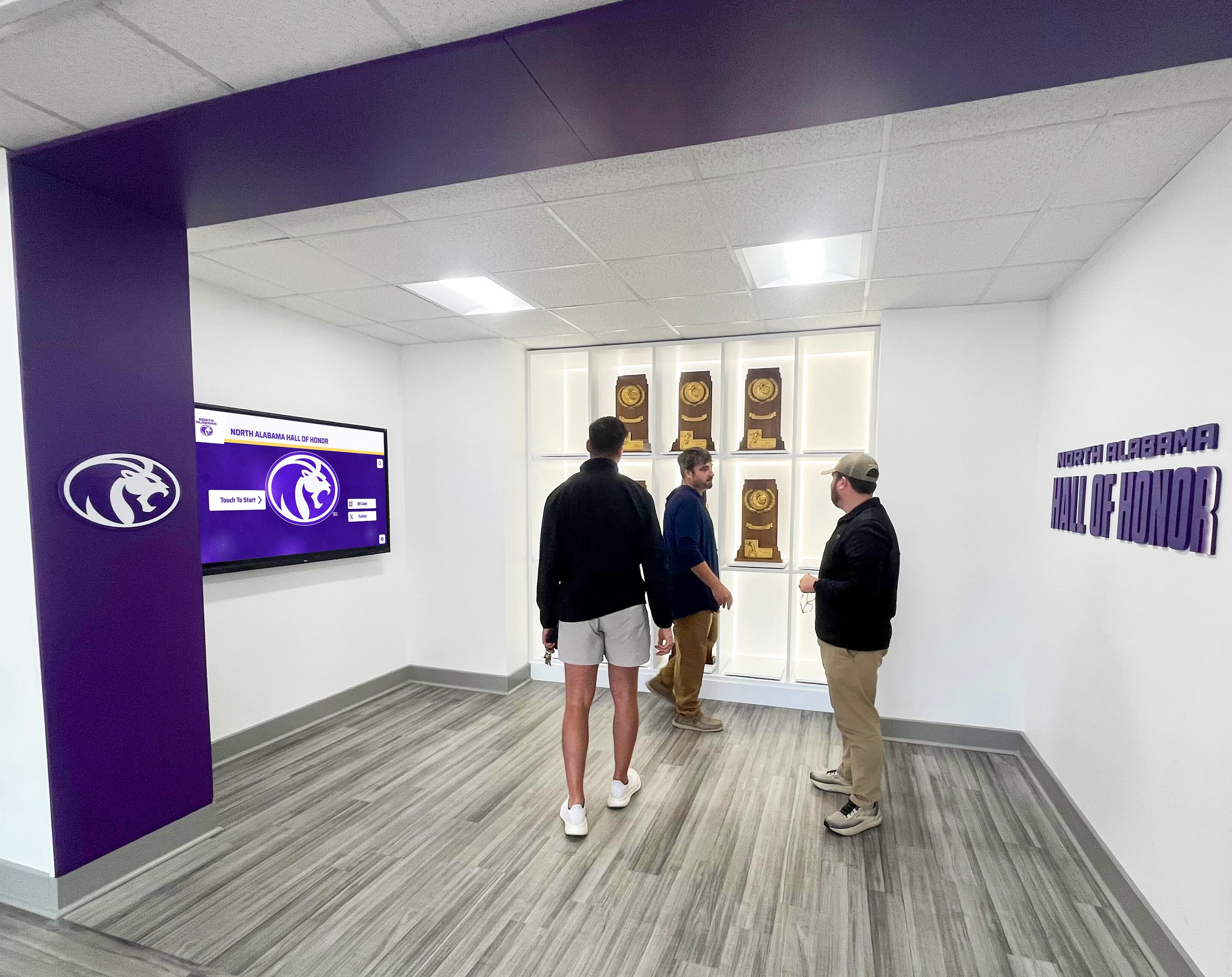
Strategic Display Placement: Position touchscreen displays in gymnasium lobbies, main school entrances, or athletic building common areas ensuring regular athlete, family, and visitor engagement with recognition content.
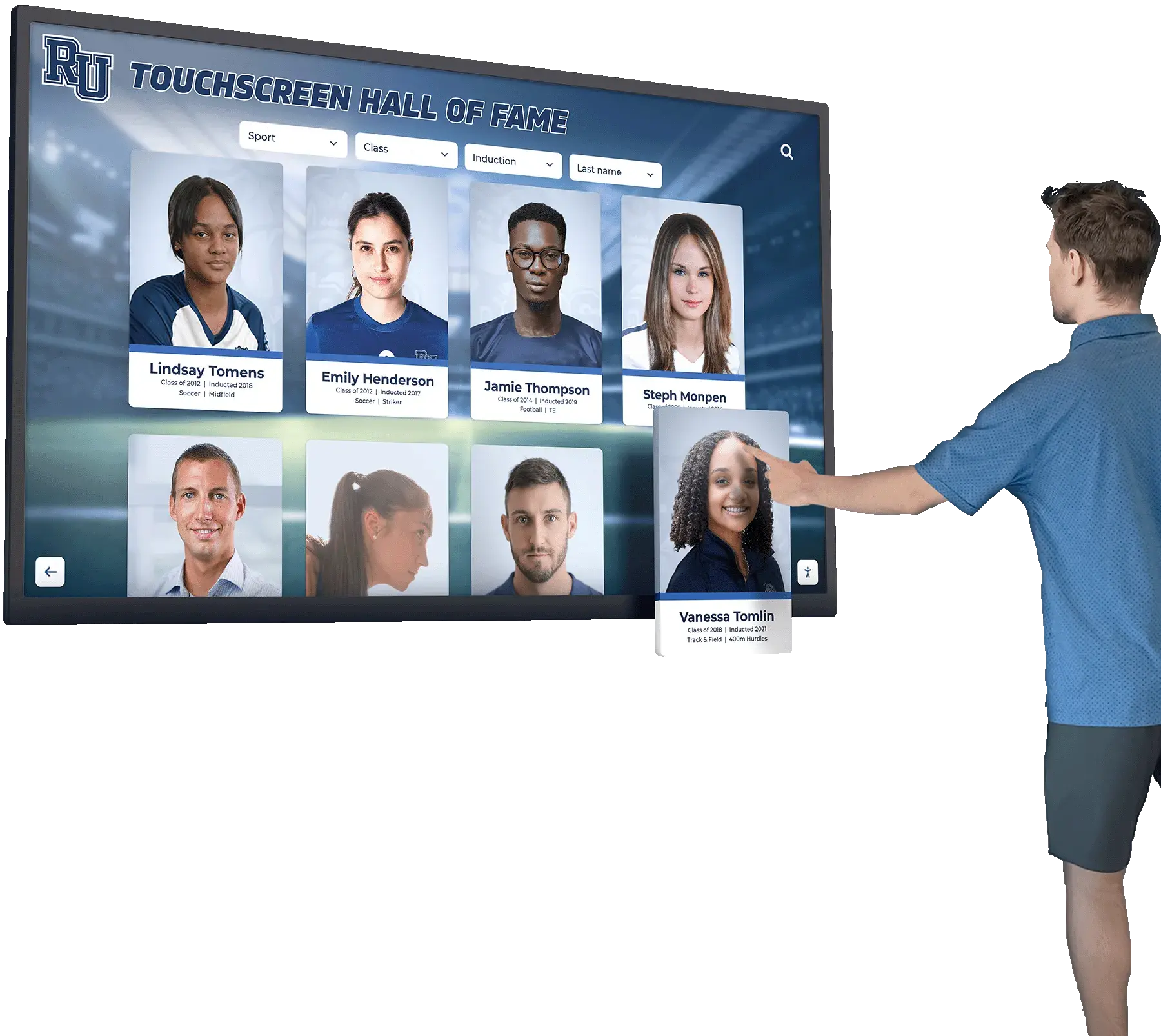
Comprehensive Profile Development: Create detailed athlete profiles including photos, award information, event specialties, personal records, season progression, and achievements rather than basic name listings.
Event-Based Organization: Structure content around track disciplines—sprints, distance, hurdles, relays, jumps, throws—enabling easy exploration of event-specific excellence while showcasing program depth across specialties.
Regular Content Updates: Establish processes for consistently adding new award recipients and updating performance data ensuring recognition remains current and relevant throughout and after seasons.
Integration with Physical Awards: Use digital systems to complement rather than replace physical trophies and certificates, providing lasting visibility extending beyond items stored at homes.
Record Board Integration: Link award recognition to comprehensive digital record boards tracking all-time performances across every event, connecting individual awards to broader program performance history.
Alumni Connection: Enable program alumni to access digital recognition exploring their own past achievements, comparing performances to current athletes, and maintaining ongoing connection to programs they competed for years or decades earlier.
Age-Appropriate Award Program Design
Different age groups benefit from recognition approaches matched to developmental stages, competitive levels, and motivational needs.
Youth Track (Ages 8-12)
Participation Emphasis: Recognize all participants celebrating involvement, learning, and fun rather than comparative achievement. Youth track primarily teaches fundamentals and develops love for athletics.
Effort Over Outcome: Focus awards on practicing skills, showing good sportsmanship, demonstrating positive attitudes, and completing events rather than winning or performance times.
Frequent Recognition: Provide regular acknowledgment through weekly practice awards and meet recognition rather than only season-end ceremonies.
Fun Award Categories: Include creative awards making recognition enjoyable—Best High Five, Most Enthusiastic Competitor, Best Team Spirit, Hardest Trier—alongside basic participation recognition.
Middle School Track (Ages 12-14)
Mixed Recognition Types: Balance participation recognition with emerging performance-based awards as competitive differentiation becomes appropriate and athletes develop distinct event specializations.
Improvement Focus: Emphasize awards acknowledging growth and development particularly as physical maturation creates temporary performance disparities between early and late developers.
Character Emphasis: Maintain strong focus on sportsmanship and character recognition as athletes navigate social challenges of early adolescence.
Event Exploration: Encourage trying multiple events through versatility awards, helping middle school athletes discover their best events rather than specializing prematurely.
High School Track (Ages 14-18)
Performance Recognition: Include substantial performance-based awards recognizing statistical achievement and competitive excellence as athletes develop specialized skills and defined event focuses.
Leadership Awards: Acknowledge formal and informal leadership as older athletes mentor younger teammates and shape program culture through example and communication.
College Preparation: Recognize achievements supporting college athletic recruitment—academic excellence, conference championships, state qualifications, and school records that appear in recruiting profiles.
Permanent Recognition: Create lasting acknowledgment through digital platforms maintaining historical archives celebrating athletic accomplishments athletes can reference during college recruitment or throughout lives.
Understanding developmental needs helps programs design award systems providing appropriate recognition while supporting athlete growth at each competitive stage.
Conclusion: Building Track Awards Programs That Matter
Effective track and field awards programs transcend ceremonial formalities to become meaningful experiences validating athlete effort, celebrating diverse accomplishments across the sport’s broad event spectrum, and teaching important lessons about excellence, improvement, and character. When thoughtfully designed with clear criteria, diverse categories spanning all event types, fair selection processes, and appropriate presentation, recognition programs profoundly influence athlete motivation, team culture, and program tradition.
The most successful track awards share several characteristics: celebrating diverse achievement ensuring various event disciplines receive equitable acknowledgment; establishing transparent criteria maintaining credibility and fairness; balancing performance recognition with character and effort acknowledgment; providing meaningful presentation experiences honoring recipients appropriately; and creating permanent documentation ensuring accomplishments receive lasting visibility extending beyond brief ceremony moments.
Track and field’s unique structure—combining individual competition across vastly different disciplines under a unified team scoring framework—requires especially thoughtful recognition design. Awards systems must honor sprinters and distance runners equally despite their events having nothing in common. Field event athletes deserve recognition equivalent to runners despite measuring success through distances rather than times. Versatile athletes scoring across multiple events merit acknowledgment equal to specialists dominating single disciplines. Character and leadership matter as much as performance outcomes.
Digital recognition solutions like Rocket Alumni Solutions enable track programs to create comprehensive, permanent celebration of athlete accomplishments extending recognition beyond annual banquets. These platforms provide unlimited capacity for honoring athletes across all events, enable rich multimedia storytelling bringing achievements to life through photos and videos, facilitate easy updates keeping recognition current as athletes improve throughout seasons, create engaging experiences encouraging exploration of program history, and connect current teams to decades of tradition spanning generations of competitors.
Whether programs manage youth development leagues emphasizing fundamentals and fun, competitive high school programs pursuing conference championships, or elite club teams preparing athletes for college competition, commitment to comprehensive, fair, meaningful athlete recognition creates positive cultures where athletes feel valued, motivated to improve, and connected to programs supporting their growth. By implementing thoughtful awards programs using the ideas presented in this guide, track and field programs demonstrate that effort matters, achievement across all events deserves celebration, character counts as much as times and distances, and every athlete’s contribution to team success has genuine value—lessons extending far beyond track into lifelong attitudes about goal-setting, perseverance, and personal excellence.
For programs seeking to extend track recognition beyond single-night ceremonies, digital athletic recognition systems enable permanent celebration of every award winner, personal record, and championship achievement in program history. These systems ensure that recognition continues long after banquet applause fades, creating lasting archives that honor athletic dedication while strengthening program tradition and inspiring future generations of track and field athletes to pursue excellence across the sport’s diverse and demanding disciplines.