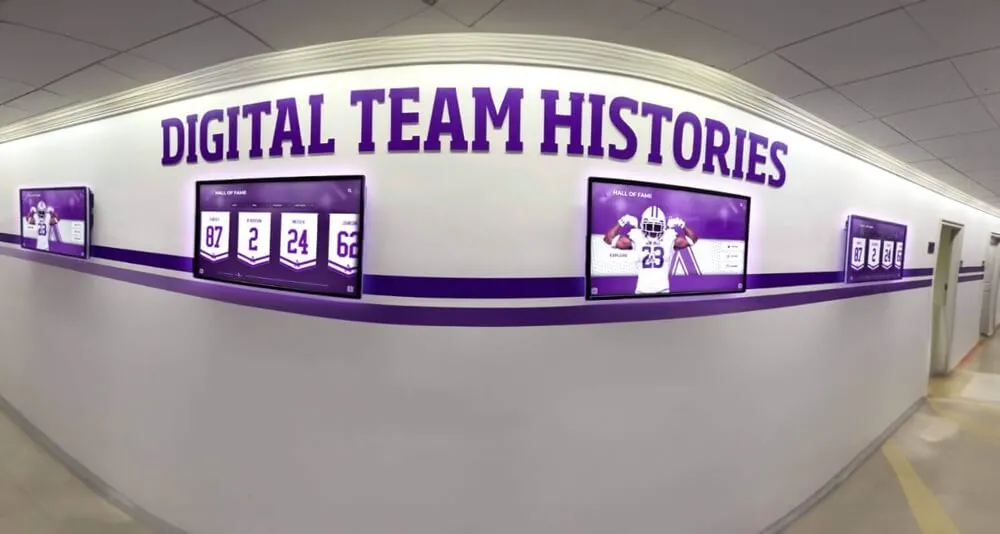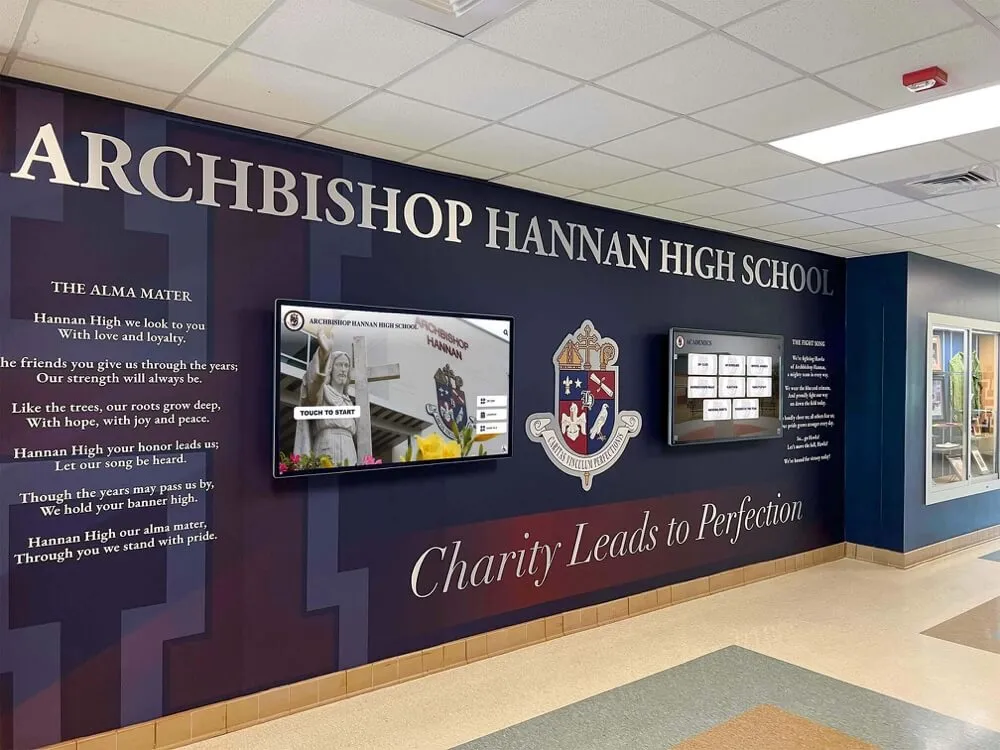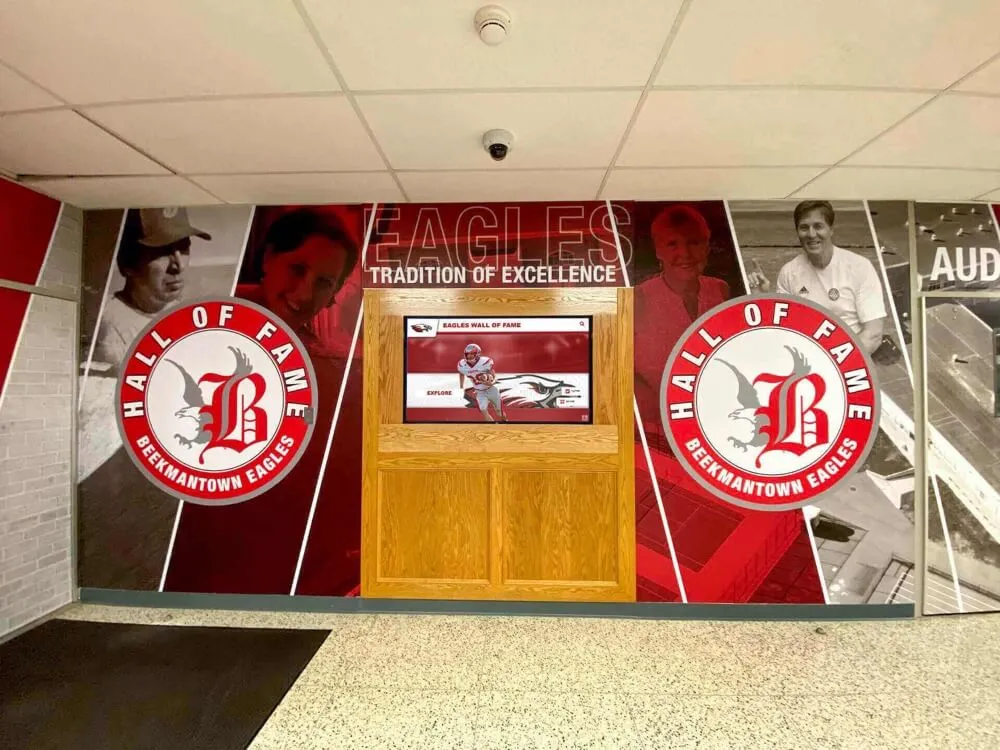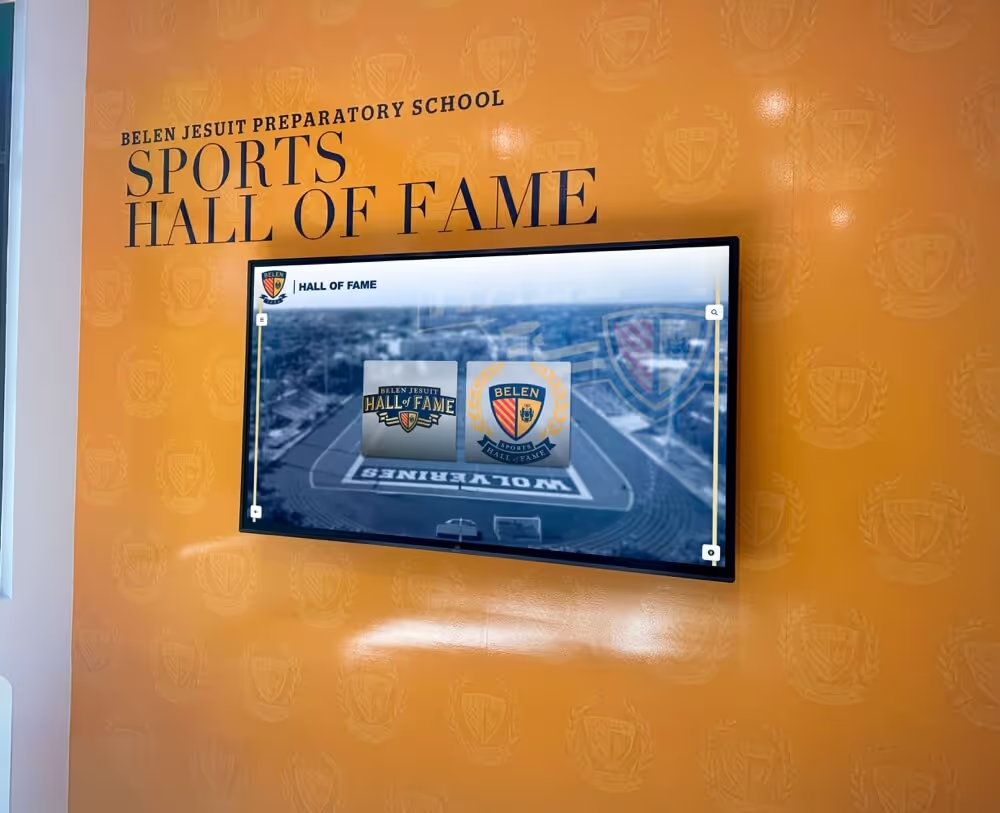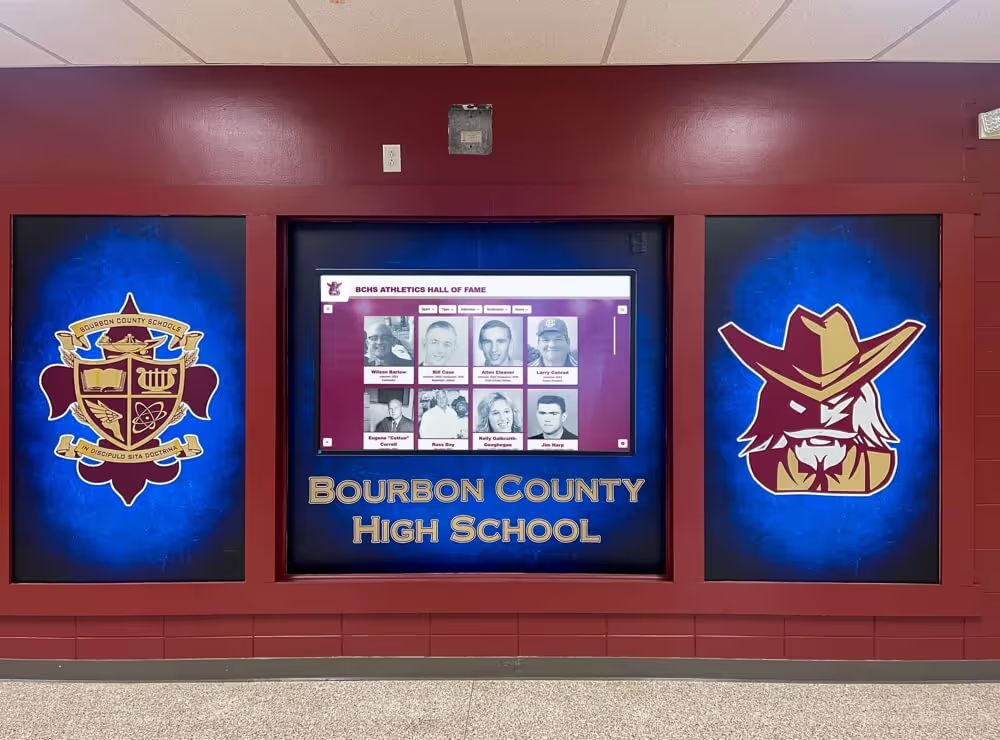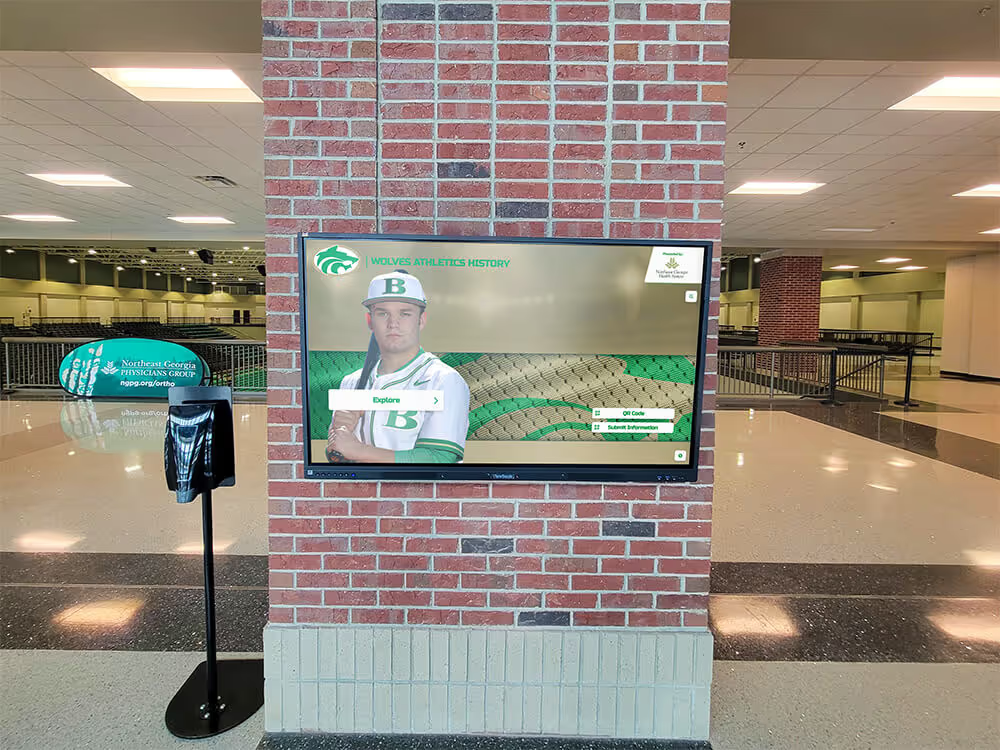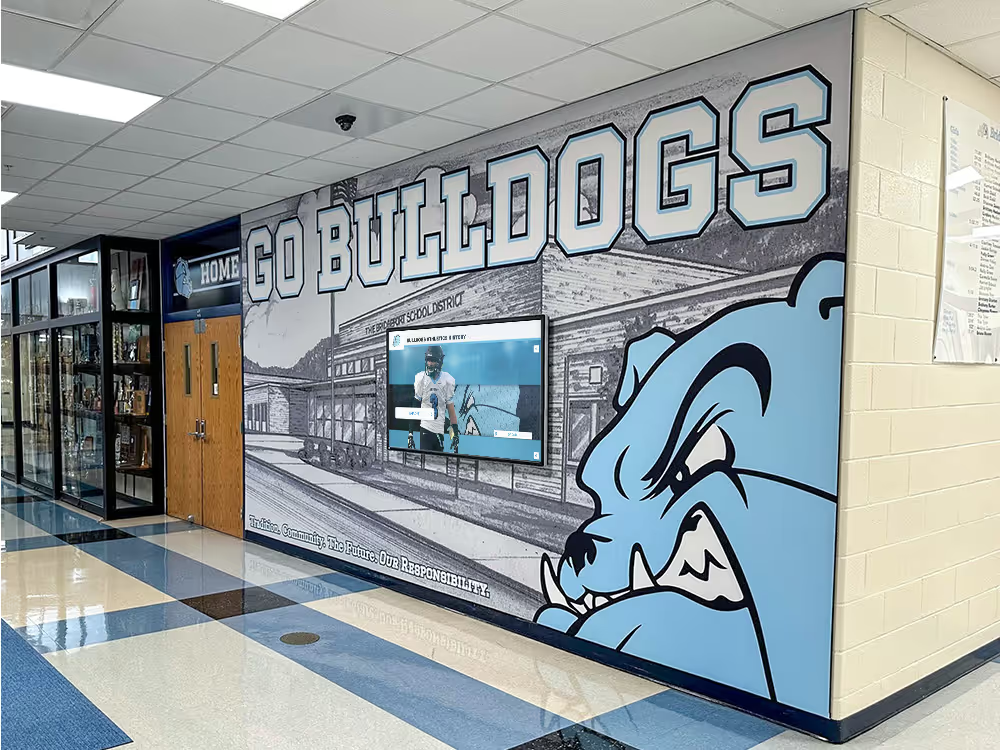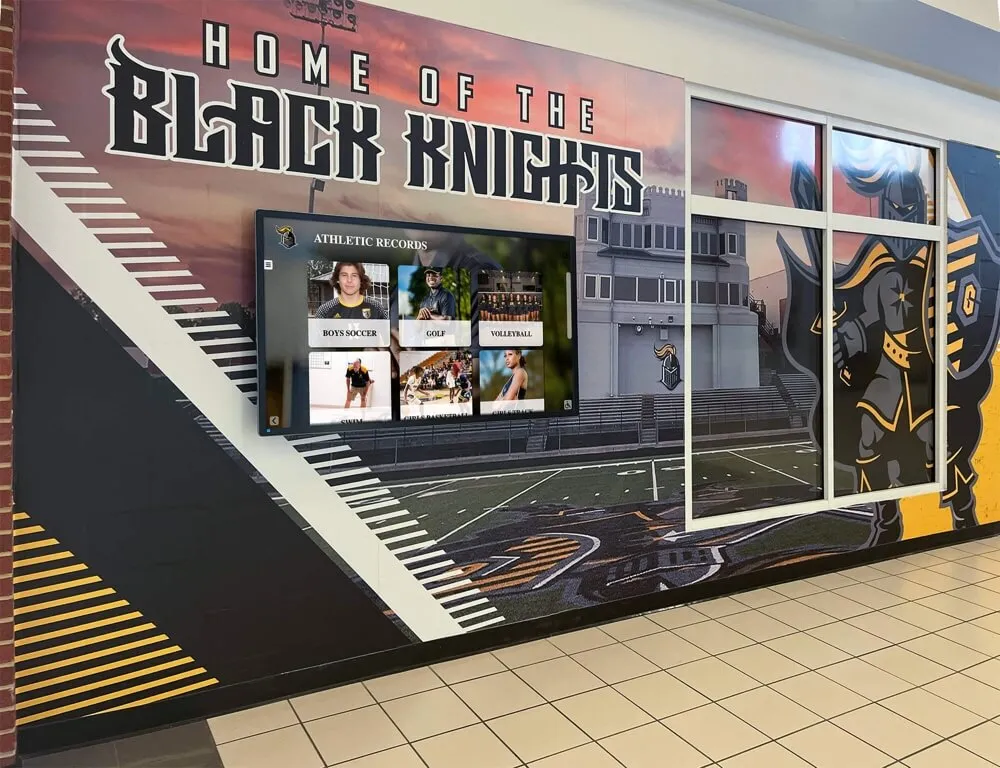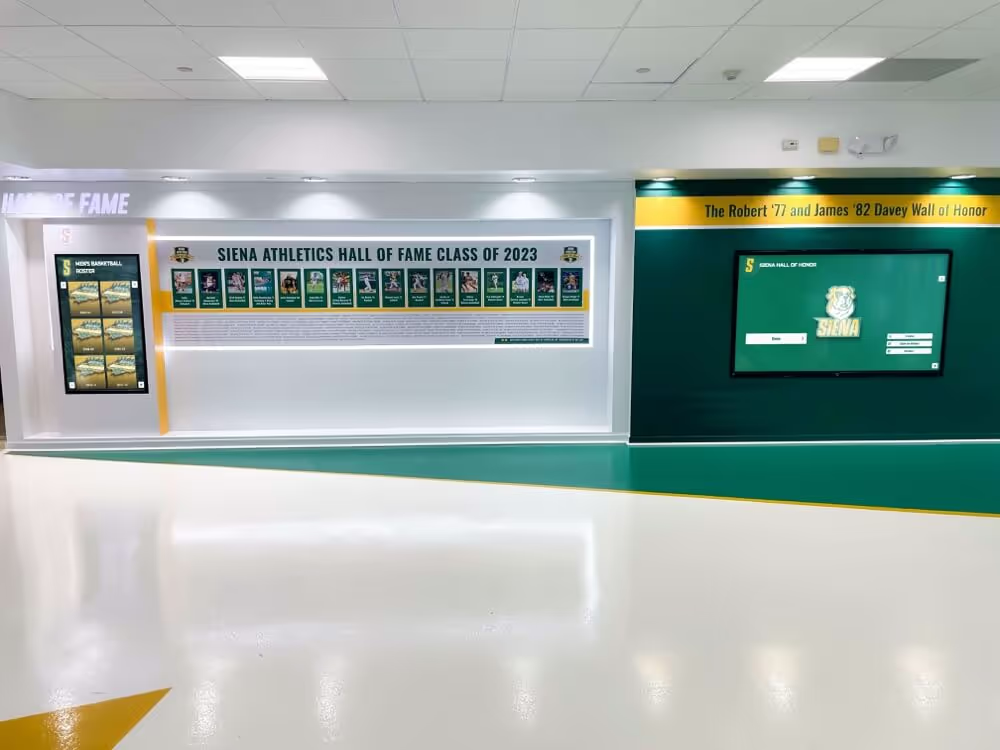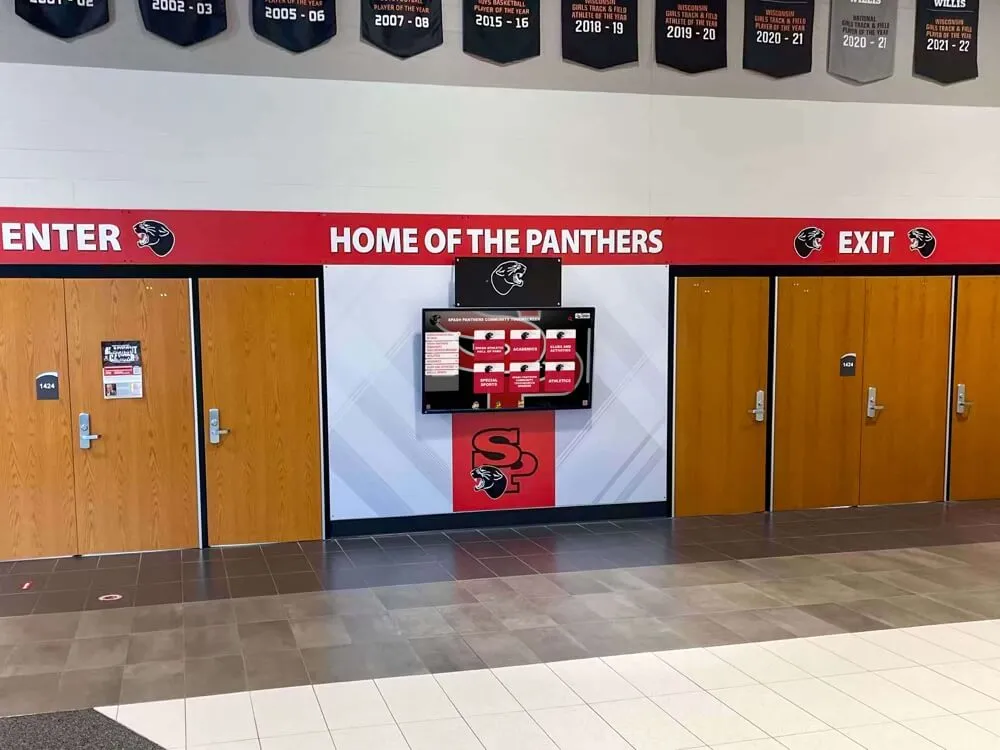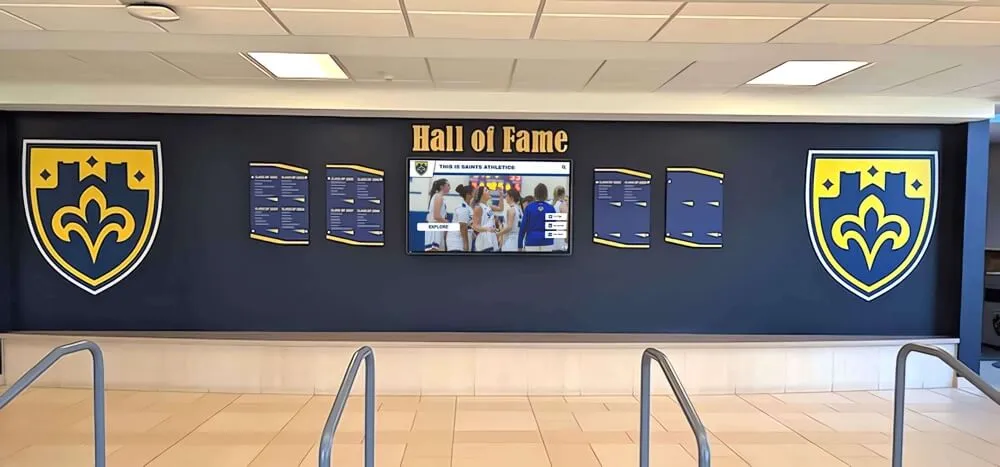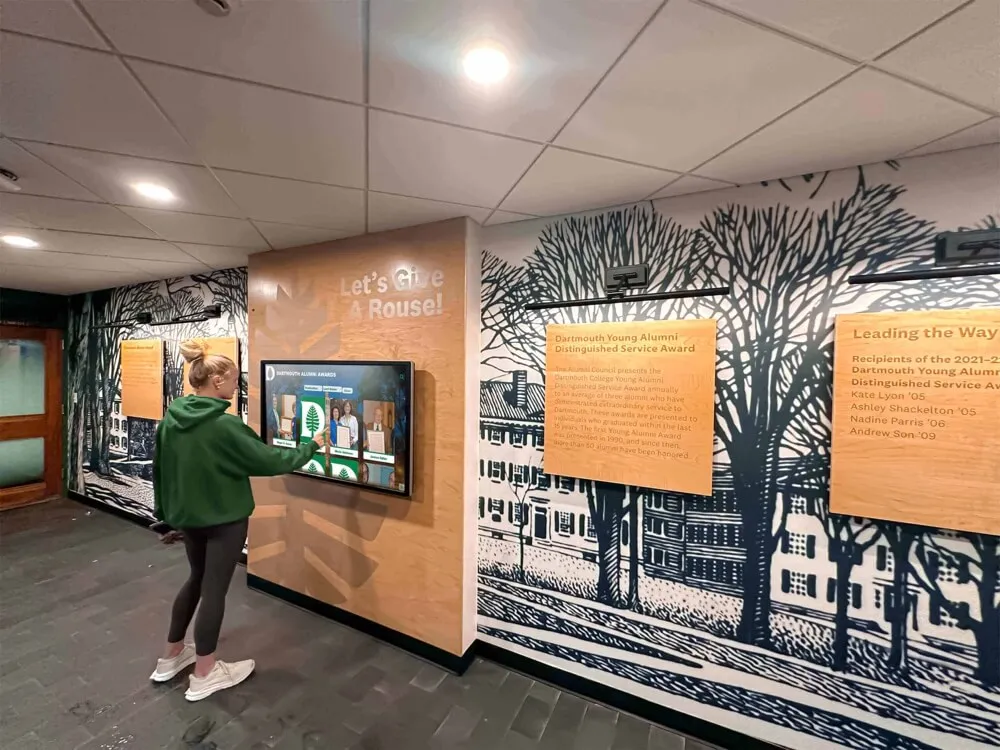




High school class reunions represent milestone opportunities for alumni to reconnect, celebrate shared history, and rediscover bonds forged during formative years. Traditional reunion formats—casual conversations over dinner, static displays of old yearbooks, and printed name tags—leave significant engagement potential unrealized. Attendees struggle to recall classmates, conversations stall for lack of shared context, and reunion coordinators miss opportunities to create memorable experiences that strengthen alumni connections and encourage ongoing engagement.
Touchscreen displays for high school class reunions transform these gatherings from pleasant social events into dynamic, interactive experiences that facilitate meaningful connections. These digital recognition systems combine intuitive technology, rich multimedia content, and strategic implementation to create reunion focal points that engage attendees, preserve memories permanently, and extend recognition impact far beyond a single evening. Schools and reunion committees implementing interactive displays consistently report enhanced attendee satisfaction, increased participation, and measurably stronger post-event alumni engagement.
Why Interactive Displays Transform High School Reunions
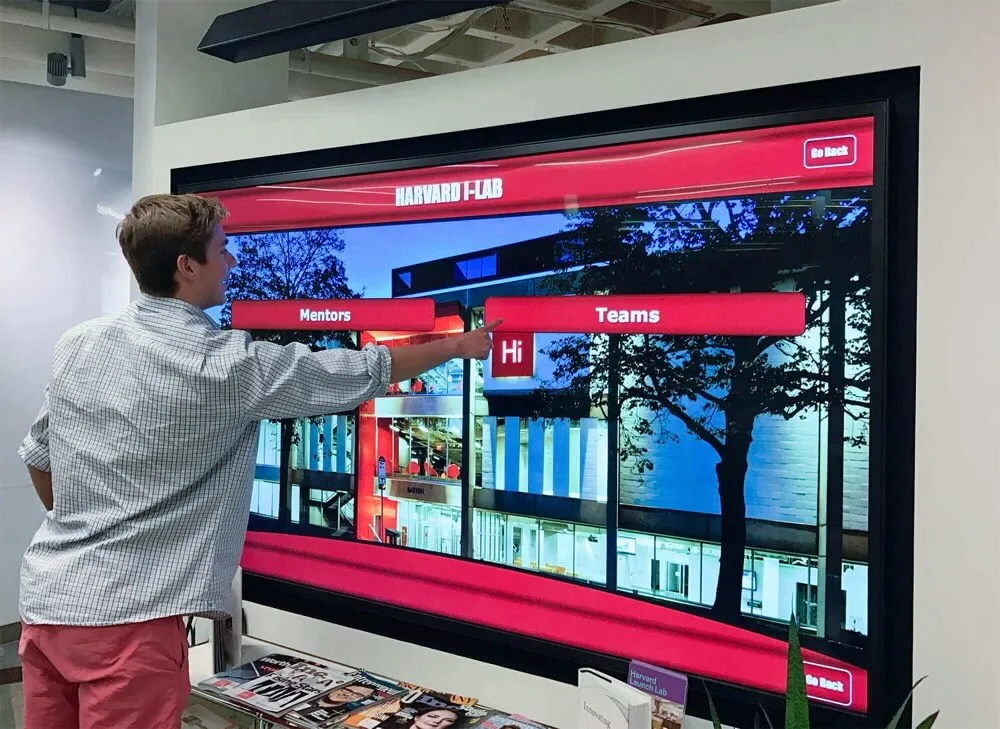
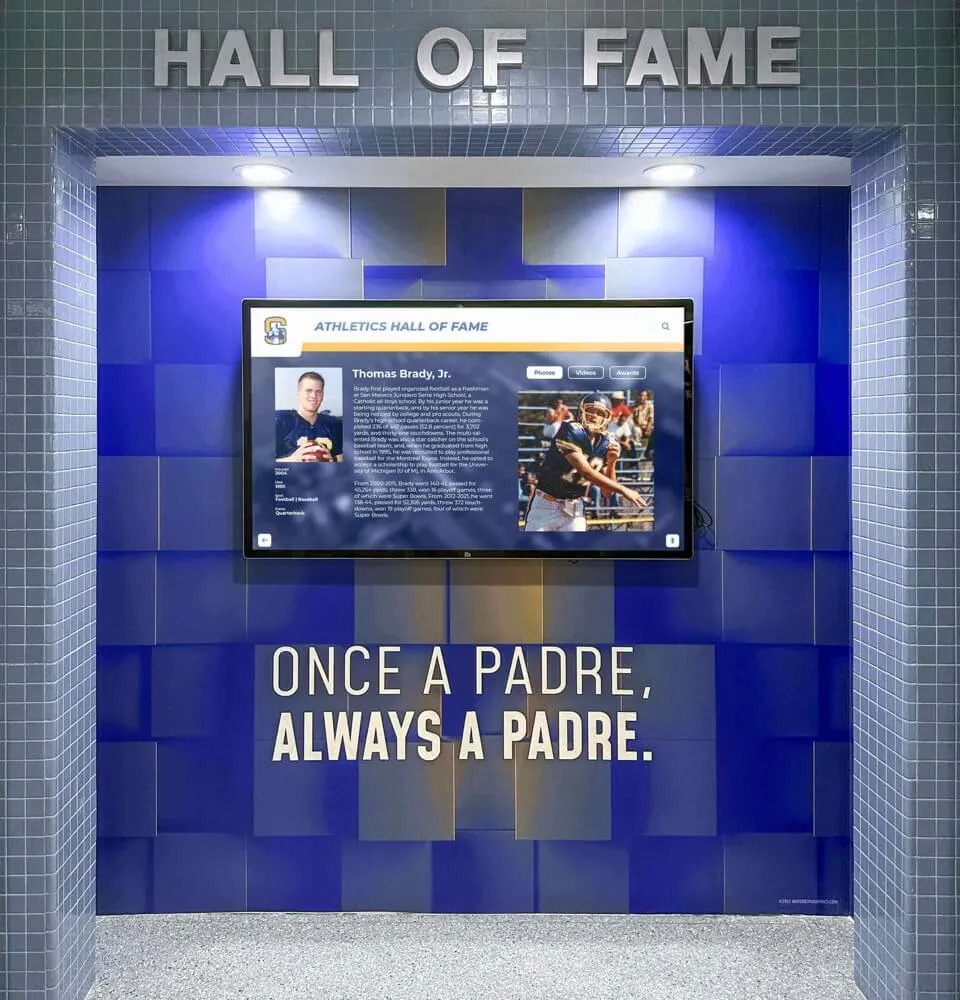
The integration of touchscreen technology at class reunions addresses fundamental limitations of traditional gathering formats while introducing capabilities that fundamentally change how alumni reconnect. Digital solutions like those from Rocket Alumni Solutions enable comprehensive storytelling, instant information access, unlimited content capacity, and engagement opportunities impossible with conventional reunion approaches.
The Class Reunion Recognition Challenge
Reunion organizers face persistent obstacles creating experiences that effectively engage diverse attendee populations and facilitate meaningful reconnection.
Traditional Reunion Format Limitations
Conventional class reunion approaches impose significant constraints on engagement potential:
Memory Gaps and Recognition Difficulties: Decades after graduation, alumni often struggle recognizing classmates whose appearances have changed significantly. Traditional name tags with maiden names help minimally, leaving attendees uncomfortable admitting they don’t recall former classmates and conversations awkward as participants strain to place familiar-looking faces.
Limited Shared Context: Beyond surface-level “what are you doing now” exchanges, conversations founder when participants lack detailed context about classmates’ high school achievements, activities, friend groups, or significant experiences that could provide natural conversation starting points and deeper connection opportunities.
Static Memory Display Limitations: Printed yearbook pages displayed on tables or bulletin boards provide minimal engagement. These passive displays accommodate only small content selections, require physical proximity to view, and offer no interactivity enabling alumni to explore personal interests or discover unexpected connections.
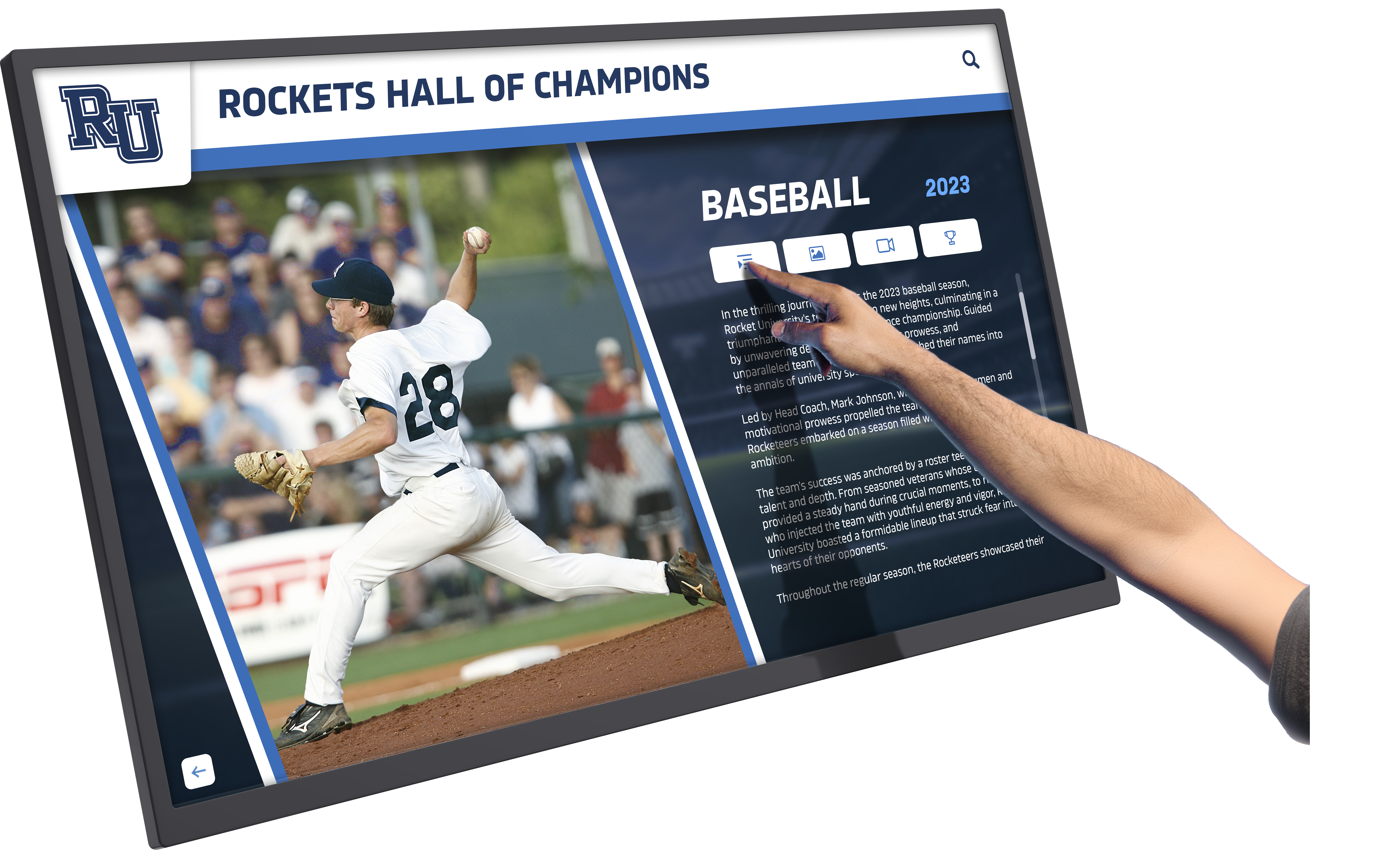
Geographic and Participation Barriers: Many deserving alumni cannot attend reunions due to geographic distance, financial constraints, health limitations, or schedule conflicts. Traditional in-person-only formats exclude these individuals from reunion experiences entirely, limiting community building and leaving absent classmates feeling disconnected from alma mater relationships.
Ephemeral Experience: Traditional reunions create memories that fade quickly after events conclude. Conversations, reconnections, and shared reminiscences dissipate without permanent documentation, and no ongoing engagement mechanism sustains connections between milestone reunion years.
Modern Alumni Expectations
Contemporary class reunion attendees expect experiences matching interactive technology they encounter daily:
Instant Information Access: Alumni accustomed to finding any information immediately through smartphones expect convenient access to classmate details, achievement histories, career information, and shared connection context rather than straining to recall decades-old memories.
Rich Visual Storytelling: Modern audiences expect comprehensive narratives with photos from high school years alongside current images, career trajectory documentation, and detailed context rather than minimal information providing insufficient reconnection foundation.
Self-Directed Exploration: Passive consumption no longer satisfies participants expecting to actively explore content, search for specific classmates, filter by interests or activities, and navigate intuitively through information at their own pace according to personal priorities.
Shareable Experiences: Digital natives expect seamless sharing capabilities enabling them to photograph discoveries, post to social networks, tag classmates, and extend reunion visibility beyond immediate attendees to broader personal networks.
Strategic Benefits of Reunion Touchscreen Displays
Organizations implementing interactive reunion technology discover advantages extending far beyond displaying old photographs.
Enhanced Attendee Engagement and Satisfaction
Interactive displays excel at facilitating personal discovery moments that enhance reunion experiences:
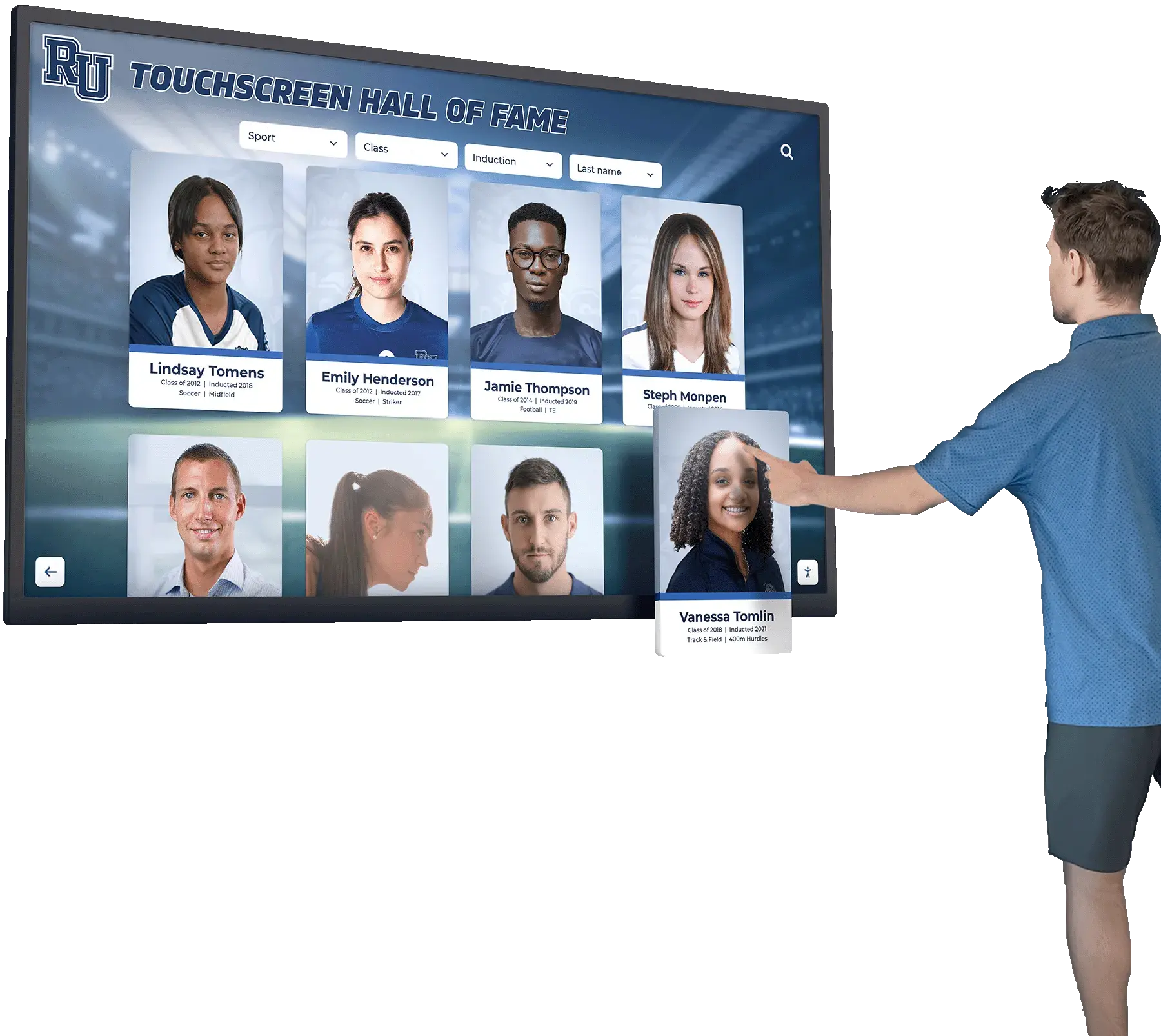
Rapid Classmate Identification: Search functionality enabling instant location of specific classmates by name, sport, club, or activity eliminates awkward recognition struggles. Alumni find themselves, friends, teammates, or romantic interests within seconds, creating immediate positive engagement and comfortable conversation starting points.
Relationship Rediscovery: Alumni exploring digital recognition systems frequently discover unexpected connections—former teammates pursuing similar careers, classmates living in the same cities, or activity partners they lost contact with—creating natural reconnection opportunities and strengthening event value.
Conversation Catalyst Creation: Detailed profiles showing high school activities, sports participation, academic achievements, and memorable moments provide rich conversation material. Attendees reference shared experiences, recall competitions, or discuss common interests discovered through display exploration, transforming surface-level exchanges into meaningful interactions.
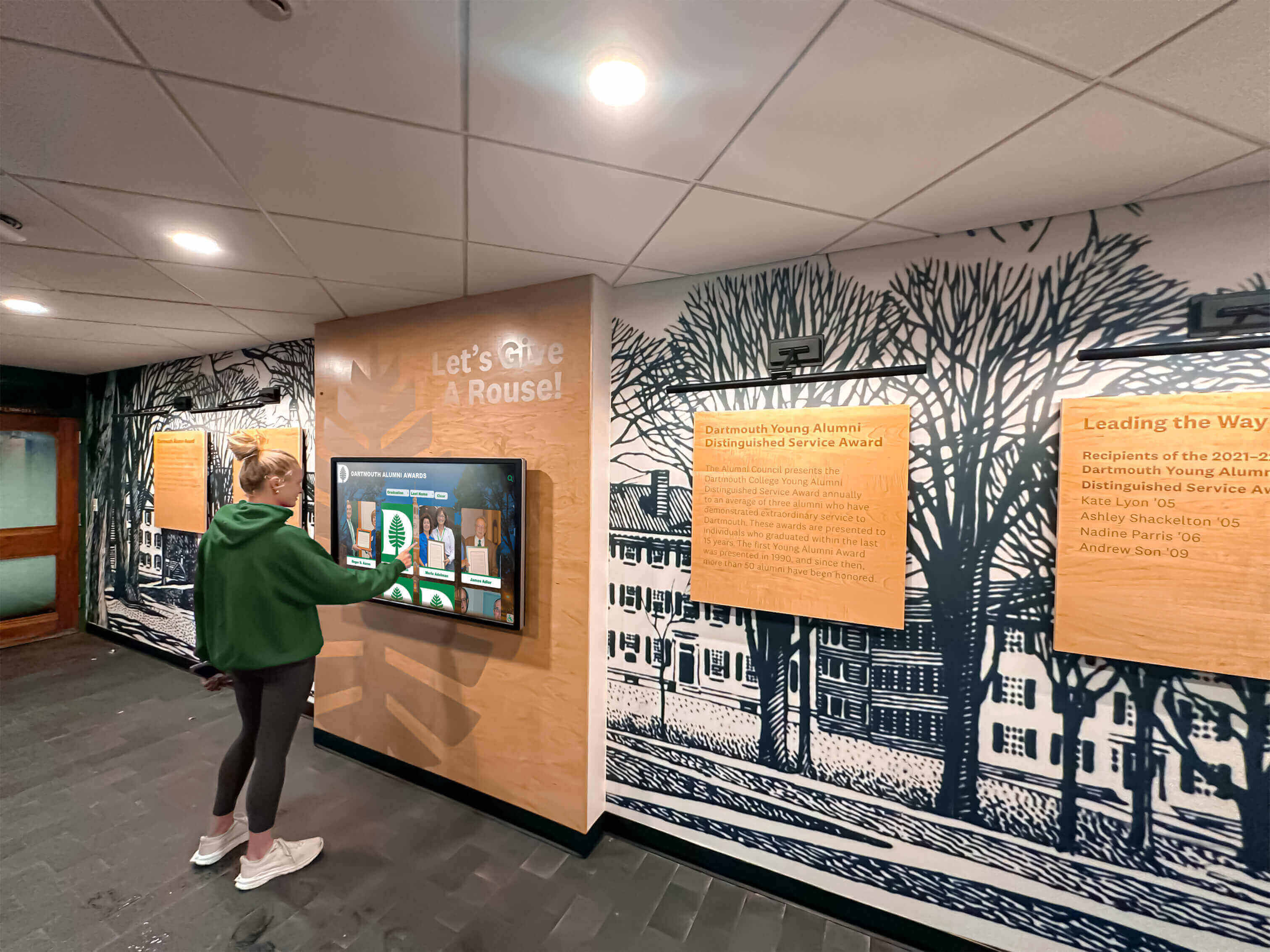
Inclusive Remote Participation: Web-accessible displays enable alumni unable to attend physically to explore reunion content remotely, submit updated information, and participate in virtual recognition. This inclusive approach strengthens community bonds across entire classes rather than only those attending specific events.
Research on digital reunion memory walls demonstrates how interactive technology creates focal points that naturally draw attendees together while facilitating authentic connections through shared discovery.
Comprehensive Memory Preservation
Permanent digital archives capture reunion content that traditional formats lose:
Multi-Generational Documentation: Digital systems preserve not just current reunion content but accumulate information across multiple reunion years. Alumni attending 10th, 25th, and 50th reunions discover how classmates evolved over decades, creating powerful longitudinal narratives impossible with single-event documentation.
Rich Multimedia Integration: Video messages from classmates, photo galleries spanning high school to present day, career achievement documentation, and personal reflection recordings create comprehensive recognition far exceeding what printed materials accommodate. Multimedia content provides authentic voices and visual storytelling that text-only approaches cannot match.
Continuous Updates and Additions: Unlike static printed materials finalized before events, digital displays accommodate real-time additions as alumni submit updated photos, share memories, or provide career information during reunions. This living archive quality creates ongoing engagement opportunities as content continuously expands.
Searchable Historical Archive: Alumni exploring displays years after reunions can search comprehensive databases finding specific classmates, reviewing career achievements, or discovering connections previously unknown. Permanent accessibility transforms single-event experiences into lasting resources supporting ongoing alumni community building.
Understanding how interactive displays preserve school history helps reunion organizers appreciate long-term value extending far beyond immediate event applications.
Measurable Engagement Improvements
Reunion committees implementing touchscreen displays consistently report quantifiable success metrics:
According to alumni engagement research, class reunions featuring interactive recognition technology experience average attendance increases of 15-25% as compelling technology draws curious alumni who might otherwise skip events. Post-event surveys reveal satisfaction scores 30-40% higher compared to traditional reunion formats, with attendees specifically citing interactive displays as highlights influencing their positive assessments.
Extended Event Interaction: Traditional reunions see attendees engaging with recognition content for average 2-3 minutes scanning printed materials briefly. Interactive displays increase average engagement to 15-25 minutes as alumni search databases, explore profiles, watch videos, and discover connections—substantially greater recognition impact translating into enhanced reunion experiences.
Social Media Amplification: Alumni photographing personal profiles, sharing classmate discoveries, and tagging friends on social networks extend reunion visibility to thousands of connections. This organic promotion generates awareness that drives future attendance while strengthening broader alumni community bonds beyond immediate reunion attendees.
Post-Event Engagement Continuation: Digital displays with ongoing web access enable continued exploration long after reunions conclude. Alumni return periodically to review content, show family members, or check for updated classmate information—sustained engagement impossible with traditional one-evening formats.
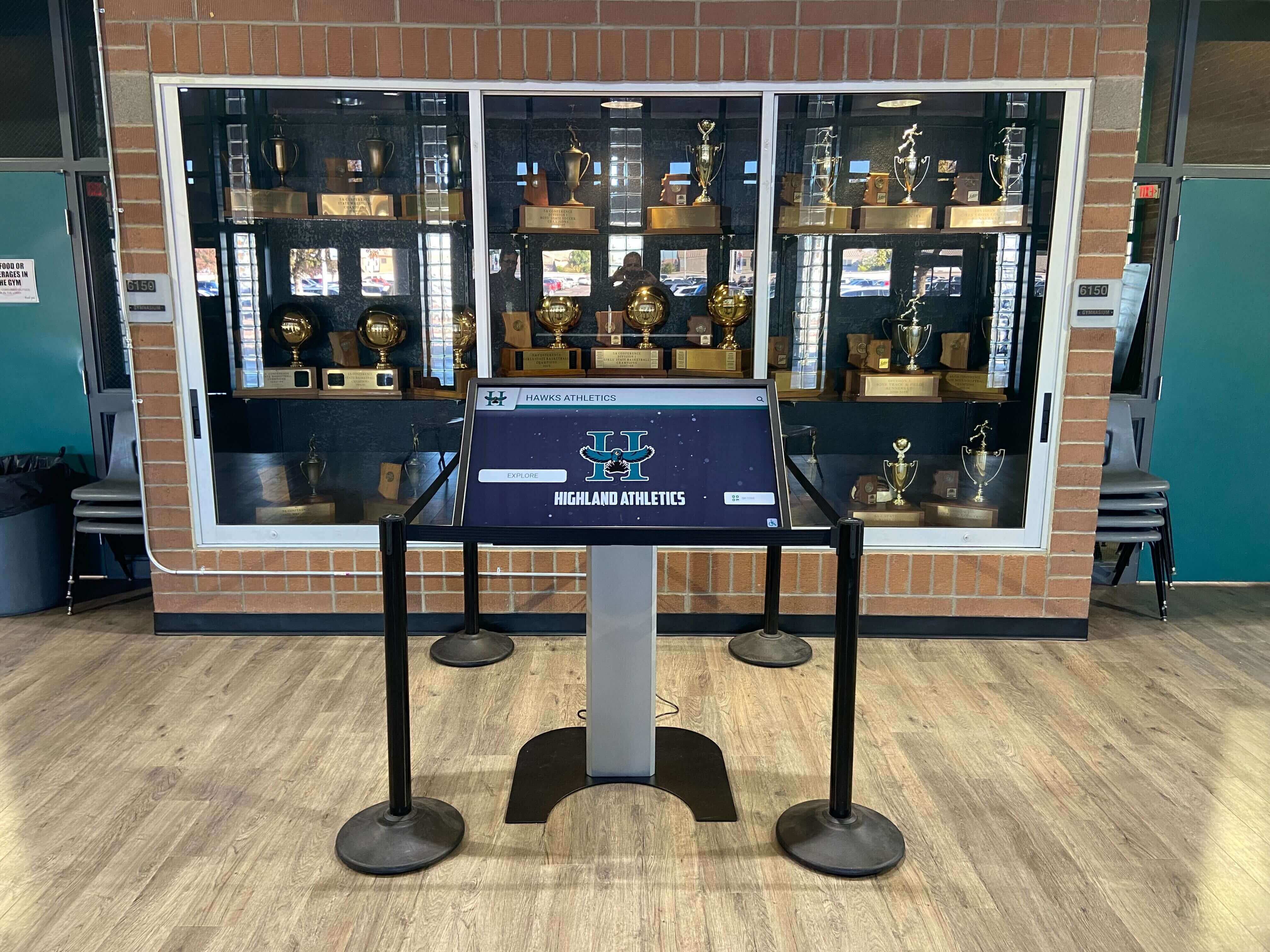
Alumni Network Strengthening: Recognition technology facilitates real connections translating into ongoing relationships. Post-reunion surveys reveal alumni who engage extensively with interactive displays are 45-60% more likely to maintain contact with rediscovered classmates compared to those attending traditional-format events without comprehensive recognition technology.
Strategic Institutional Benefits
Schools supporting reunion technology initiatives realize advantages extending beyond individual class events:
Enhanced School-Alumni Relationships: Institutions providing modern reunion technology demonstrate commitment to alumni engagement, strengthening institutional bonds. Alumni appreciate schools investing in their ongoing community building, translating into increased event attendance, volunteer participation, and philanthropic support.
Development and Fundraising Opportunities: Recognition displays seamlessly integrate donor acknowledgment with achievement celebration, demonstrating appropriate appreciation while encouraging future giving. Alumni feeling strong emotional connections during reunions respond more favorably to development outreach and campaign participation.
Recruitment and Marketing Value: Current students and prospective families observing vibrant alumni communities sustained through modern technology see tangible evidence of lasting institutional relationships. Strong alumni engagement becomes powerful recruitment differentiator demonstrating lifelong value extending beyond diplomas.
Longitudinal Data Collection: Interactive systems capture valuable information about alumni careers, achievements, geographic distribution, and professional networks. This data informs institutional planning, academic program development, and strategic positioning while supporting advancement operations and career services programming.
Insights into alumni engagement through interactive recognition displays demonstrate how technology investments deliver measurable institutional returns across multiple strategic priorities.
Essential Features of Reunion Touchscreen Systems
Effective interactive displays combine specific capabilities optimized for class reunion applications rather than simply showing digital photographs.
Intuitive Search and Navigation
Powerful discovery tools enable rapid access to relevant content:
Multi-Criteria Search: Comprehensive search across names (including maiden names), graduation years, sports, clubs, activities, academic programs, or awards enables precise discovery. Fuzzy matching accommodates spelling variations and partial information when alumni recall classmates imperfectly.
Activity-Based Filtering: Alumni browsing by specific sports teams, musical groups, academic clubs, or extracurricular activities quickly locate former teammates and activity partners. Activity-based organization naturally surfaces shared connection points facilitating reunion conversations.
Visual Gallery Browsing: Photo-centric interfaces enabling alumni to browse classmate images accommodate different exploration preferences. Many attendees prefer recognizing familiar faces visually rather than searching names they may not recall perfectly after decades.
“Then and Now” Comparisons: Side-by-side displays showing yearbook photos alongside current images help alumni recognize classmates whose appearances changed significantly. Visual comparisons bridge recognition gaps while celebrating how individuals evolved since graduation.
Saved Favorites and Sharing: Enabling visitors to bookmark specific profiles or create personal collections supports continued exploration. Alumni can easily compile lists of classmates they want to reconnect with, facilitating intentional follow-up after reunions conclude.
Comprehensive guidance on interactive touchscreen software features ensures reunion systems include discovery capabilities maximizing attendee exploration and satisfaction.
Rich Multimedia Content Integration
Compelling content transforms basic information into engaging narratives that resonate emotionally:
High School and Current Photography: Yearbook portraits displayed alongside professional current photos provide powerful visual narratives. Image galleries documenting life progression from student to accomplished professional create storylines that inspire current students while honoring alumni journeys.
Career Achievement Documentation: Professional accomplishments, career milestones, entrepreneurial ventures, creative works, patents, publications, or notable positions provide substance beyond basic “what I do now” information. Detailed achievement context facilitates meaningful conversations about professional paths and creates tangible evidence of class collective success.
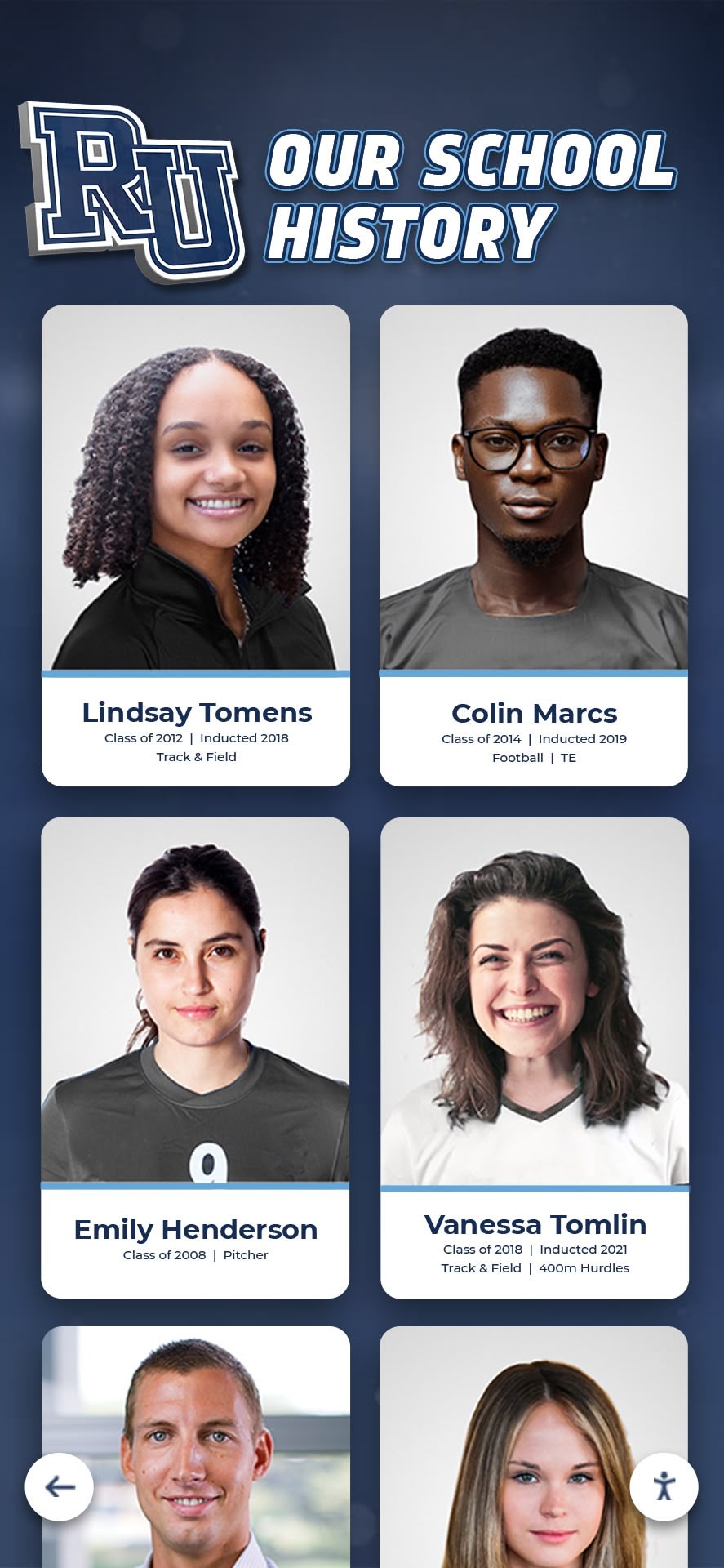
Video Message Integration: Recorded messages from alumni unable to attend physically bring authentic voices to reunion experiences. Video content sharing career reflections, favorite high school memories, or messages to classmates creates emotional connections impossible through text-only profiles.
Personal Reflection Essays: First-person narratives from alumni reflecting on formative high school experiences, influential teachers, or lasting friendships create authentic emotional resonance. These personal voices generate far more impact than third-person biographical summaries.
Family and Legacy Information: Multi-generational content showing alumni whose children or grandchildren now attend creates powerful legacy narratives. Family connections strengthen institutional bonds while demonstrating lasting relationships spanning generations.
Memorable Moment Documentation: Photos and descriptions of signature class events—championship victories, memorable performances, significant competitions, or unique experiences—evoke shared nostalgia that binds class communities together and stimulates reunion conversations.
Resources on creating compelling recognition content provide practical guidance for developing multimedia that maximizes emotional engagement and reunion value.
Social Sharing and Connection Facilitation
Social integration capabilities extend reunion impact beyond immediate event boundaries:
One-Touch Social Sharing: Simple buttons enabling instant posting to Facebook, LinkedIn, Instagram, or Twitter multiply recognition reach exponentially. Alumni frequently share personal profiles or classmate discoveries with family and broader personal networks, creating organic institutional promotion.
QR Code Profile Access: Unique QR codes for individual profiles enable easy sharing via text messages or emails. Alumni can immediately send profiles to spouses, children, or colleagues who might not attend reunions but appreciate understanding significant relationships.
Contact Information Exchange: Optional fields enabling alumni to share email addresses, phone numbers, LinkedIn profiles, or social media handles facilitate direct connection. Privacy-controlled sharing accommodates varying comfort levels while supporting relationship building for those desiring ongoing contact.
Classmate Messaging: Built-in communication enabling visitors to send messages to profiled alumni creates direct connection channels. Attendees discovering classmates they want to reconnect with can initiate contact immediately while positive reunion feelings remain strong.
Mobile Companion Access: Smartphone-optimized platforms enabling full database exploration from personal devices extend engagement beyond physical displays. Alumni browsing from home before or after reunions maintain ongoing connection to class community and recognition content.
Engagement Analytics and Insights
Data capture capabilities inform reunion planning optimization and demonstrate program value:
Usage Tracking: Monitoring attendee numbers, interaction duration, peak engagement times, and search patterns reveals how alumni engage with recognition technology. Usage data guides future content priorities and validates technology investment decisions.
Content Performance Analysis: Identifying most-viewed profiles, popular search terms, and successful content types informs development priorities. Understanding what resonates helps allocate resources toward highest-impact content creation for future reunion cycles.
Demographic Engagement Patterns: Analyzing engagement by graduation decade, activity participation, or geographic location reveals which alumni segments connect most strongly with recognition technology. Demographic insights enable targeted outreach encouraging broader participation.
Conversion to Ongoing Engagement: Tracking which alumni engaging with displays at reunions subsequently participate in other school activities, volunteer programs, or giving initiatives demonstrates recognition technology’s role in broader institutional relationship building.
Strategic Implementation for Reunion Success
Successful reunion touchscreen displays require thoughtful planning that prioritizes attendee experience rather than simply showcasing technology.
Pre-Event Content Development
Strategic preparation ensures recognition systems effectively engage reunion attendees:
Comprehensive Alumni Outreach: Systematic campaigns requesting updated information, current photos, career details, and personal reflections maximize content richness. Multiple communication channels—email, social media, phone calls, and reunion registration forms—reach diverse populations with varying communication preferences.
Volunteer Content Coordinators: Recruiting class members to serve as information gatherers leverages personal relationships and peer influence. Volunteer coordinators often succeed connecting with hard-to-reach classmates through informal networks that formal institutional outreach cannot access.
Historical Archive Integration: Incorporating yearbook content, newspaper clippings, sports records, activity rosters, and academic award documentation provides historical context. Archival material surfaces memories alumni forgot while demonstrating comprehensive research honoring entire class histories.
Balanced Representation: Ensuring recognition includes diverse achievement types—academic, athletic, artistic, service, and professional—creates inclusive experiences engaging entire classes rather than narrow high-achiever subsets. Representation quality directly impacts reunion satisfaction across diverse attendee populations.
Privacy and Consent Management: Establishing clear policies about information display, opt-out mechanisms, and contact information sharing respects alumni preferences. Privacy-conscious approaches build trust while accommodating legitimate concerns about public information sharing.
Practical frameworks for developing college history timelines translate effectively to reunion-specific content development ensuring comprehensive, engaging recognition.
Physical Setup and Event Integration
Strategic placement and promotion maximize touchscreen display impact:
High-Traffic Positioning: Locating displays prominently near registration areas, bar stations, photo backdrops, or central gathering spaces ensures visibility and accessibility. Prime positioning drives traffic while creating natural conversation gathering points throughout venues.
Multiple Display Stations: Deploying several touchscreen stations rather than single installations prevents bottlenecks and accommodates simultaneous exploration by multiple attendees. Distributed access maximizes engagement opportunities across entire reunion duration.
Dedicated Facilitators: Stationing volunteers or staff members near displays to assist with navigation, demonstrate features, and encourage participation increases usage significantly. Personal invitation and brief demonstrations overcome hesitation among alumni unfamiliar with touchscreen technology.
Complementary Printed Materials: Quick-reference guides explaining search tips, feature highlights, or interesting discoveries encourage self-directed exploration. Simple instructions reduce intimidation while showcasing display capabilities attendees might otherwise miss.
Photo Opportunity Integration: Positioning professional photographers or selfie stations near displays captures attendees engaging with technology. These images provide natural social media content while documenting recognition system success for post-event reporting.
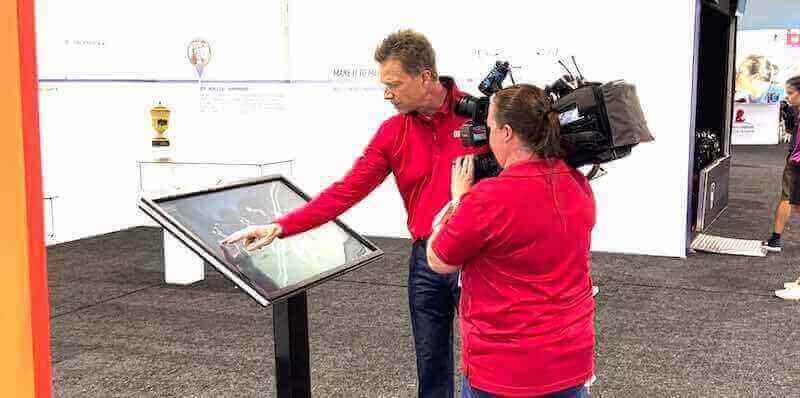
Event Program Promotion: Featuring displays prominently in printed programs, opening announcements, and master of ceremonies remarks generates awareness and encourages participation. Active promotion prevents displays from becoming overlooked background elements.
Post-Reunion Engagement Extension
Strategic follow-through extends reunion value beyond single events:
Permanent Web Access: Providing online versions enabling ongoing exploration maintains engagement between physical reunions. Alumni showing family members, connecting with discovered classmates, or simply browsing periodically sustain community bonds through continuous touchpoints.
Email Follow-Up Campaigns: Post-event communications highlighting popular profiles, sharing engagement statistics, and encouraging continued exploration reinforce positive reunion memories. Regular touchpoints maintain awareness and drive ongoing digital platform visits.
Continuous Content Updates: Enabling alumni to submit updated information, additional photos, or new achievements year-round keeps platforms dynamic. Living databases provide reasons for repeated engagement as classmates return to discover new content additions.
Integration with Class Communication: Linking recognition platforms to class newsletters, social media groups, or email distribution lists creates cohesive engagement ecosystems. Multiple touchpoints working together sustain stronger community bonds than isolated single-purpose platforms.
Multi-Reunion Continuity: Maintaining platforms across multiple reunion cycles builds comprehensive longitudinal narratives. Alumni attending both 25th and 35th reunions discover decade-spanning evolution creating powerful historical context impossible with single-event approaches.
Insights into high school reunion planning provide comprehensive frameworks for integrating recognition technology throughout complete reunion planning and follow-up cycles.
Overcoming Common Implementation Challenges
Reunion committees planning interactive displays frequently encounter similar obstacles that proven approaches address effectively.
Budget Constraints and Cost Concerns
Reunion committees operating with limited resources find practical implementation approaches:
Rental vs. Purchase Options: Short-term rentals for specific reunion events eliminate large capital investments while providing access to professional-grade equipment. Rental approaches work well for committees planning single events without ongoing display needs.
School Partnership Opportunities: Collaborating with institutions owning permanent recognition technology provides access to existing systems. Schools often welcome reunion integration on permanent displays while committees avoid independent technology acquisition.
Phased Investment Strategies: Starting with basic systems for initial reunions with expansion plans for future events spreads costs over time. Phased approaches enable budget-conscious implementations while demonstrating value justifying future investment.
Volunteer Labor Contributions: Leveraging classmate expertise for content development, technical setup, or platform management reduces professional service costs. Many classes include technology professionals, writers, or marketing experts willing to donate skills supporting reunion success.
Turnkey Platform Selection: Purpose-built solutions like Rocket Alumni Solutions requiring minimal customization reduce implementation costs compared to custom development projects. Specialized platforms deliver professional results at accessible price points.
Limited Alumni Participation and Information
Committees struggling with alumni response to information requests employ successful outreach strategies:
Peer-to-Peer Recruitment: Personal appeals from classmates carry more weight than formal institutional communications. Recruiting well-connected class members to directly contact friends and former teammates generates substantially higher response rates.
Simplified Submission Processes: Short online forms requesting only essential information with optional detailed fields reduce participation barriers. Many alumni willing to provide basic details hesitate when facing lengthy questionnaires demanding extensive information.
Progressive Information Gathering: Launching with available information while continuously adding submitted updates over time creates sustainable approaches. Perfect-at-launch expectations paralyze initiatives while iterative development delivers immediate value with continuous improvement.
Social Media Leveraging: Posts in class Facebook groups, Instagram stories, or LinkedIn networks reach alumni through platforms they already use daily. Social channel integration meets alumni where they naturally gather rather than requiring dedicated reunion website visits.
“Then and Now” Photo Campaigns: Requesting only updated photos alongside graduation-year images dramatically increases participation. Simple visual submissions require minimal effort while providing core content enabling effective recognition displays.
Technology Intimidation and Adoption Resistance
Addressing comfort concerns ensures broad participation across diverse attendee populations:
Intuitive Interface Design: Consumer-familiar navigation patterns, clear visual cues, and minimal text instructions reduce intimidation. Interfaces resembling smartphones or tablets that most alumni use daily feel immediately accessible rather than specialized technology requiring learning.
Demonstration and Tutorial Content: Brief video demonstrations shown during registration or early event moments familiarize attendees with capabilities. Quick tutorials transform abstract technology into concrete tools attendees understand and feel comfortable using.
Staff/Volunteer Assistance: Dedicated helpers enthusiastically demonstrating features and guiding initial searches overcome hesitation. Personal assistance particularly benefits older alumni less comfortable with touchscreen technology but eager to engage once shown basic navigation.
Graduated Complexity: Showcasing simple search-and-view functionality prominently while keeping advanced features accessible but non-prominent prevents overwhelming users. Progressive disclosure accommodates both basic users and power users without intimidating either group.
Non-Technology Alternative Access: Providing printed directories or basic photo displays alongside digital systems accommodates alumni preferring traditional formats. Multiple access methods ensure universal participation regardless of technology comfort levels.
Technology Selection and Specifications
Choosing appropriate reunion display technology ensures reliable operation, exceptional user experiences, and successful outcomes.
Hardware Considerations
Commercial-grade display hardware provides foundation for reliable reunion systems:
Display Specifications: Minimum 4K resolution ensures sharp text and photos essential for professional presentation and easy reading. Screen sizes between 43-65 inches suit typical reunion venue spaces while remaining portable for event-specific installations.
Touch Technology: Commercial-grade capacitive multi-touch technology provides responsive, reliable interaction matching smartphone/tablet experiences alumni expect. Resistive or infrared alternatives offer inferior responsiveness frustrating users and diminishing engagement.
Portability vs. Permanent Installation: Reunion-specific deployments benefit from mobile kiosk enclosures enabling transportation between venues and storage between events. Schools installing permanent displays in alumni gathering spaces support ongoing engagement beyond specific reunion occasions.
Brightness and Viewing Angles: High-brightness displays (400+ nits) remain visible in bright ballrooms or venues with substantial ambient lighting. Wide viewing angles (178°) ensure content visibility from multiple positions as groups gather around displays.
Audio Capabilities: Integrated speakers or audio output enabling video playback with clear sound enhances multimedia content impact. Headphone jacks accommodate simultaneous video viewing by multiple users without creating venue noise problems.
Resources on best touchscreen displays for schools provide detailed specifications guidance applicable to reunion-specific applications requiring professional presentation quality.
Software Platform Requirements
Robust recognition software should provide comprehensive capabilities optimized for reunion applications:
Intuitive Content Management: Cloud-based systems with straightforward interfaces enable reunion committee members to confidently add content, update information, and manage displays without technical expertise. Complex platforms requiring IT professionals for routine updates create unsustainable bottlenecks.
Flexible Content Structure: Customizable fields accommodating diverse information types—career details, family information, memorable moments, personal messages—enable recognition programs reflecting unique class cultures. Rigid templates force committees into predefined structures potentially misaligned with specific reunion needs.
Privacy and Access Controls: Granular permissions enabling public celebration alongside protected contact information respect varied alumni comfort levels. Opt-in/opt-out management ensures compliant information handling building trust with privacy-conscious participants.
Mobile and Web Integration: Responsive platforms delivering excellent experiences across touchscreens, smartphones, tablets, and desktop computers maximize accessibility. Multi-device optimization enables comprehensive engagement before, during, and after in-person reunion events.
Social Sharing Integration: Built-in social media posting, email sharing, and QR code generation extend recognition visibility beyond immediate display viewers. Easy sharing mechanisms amplify reunion impact through organic alumni network promotion.
Guidance on interactive touchscreen software selection informs technology decisions supporting reunion goals while avoiding unnecessary complexity or capability gaps.
Vendor Selection Criteria
Choosing qualified technology partners ensures successful implementations:
Alumni/Education Sector Experience: Vendors with proven track records at schools, universities, and alumni events understand specific recognition needs and appropriate content approaches. Education-focused providers deliver suitable solutions and support matching reunion contexts.
Turnkey Implementation Services: Full-service providers offering consultation, setup, training, and technical support ensure smooth deployments. DIY approaches often founder on unexpected technical complexity or missing capabilities discovered too late for correction.
Flexible Pricing Models: Vendors offering both purchase and rental options accommodate diverse budget realities and usage patterns. Pricing flexibility enables committees to select approaches matching their specific financial constraints and long-term needs.
Content Development Support: Providers assisting with design templates, content organization, and information presentation optimization deliver professional results exceeding what most volunteer committees achieve independently. Expert guidance elevates execution quality significantly.
Responsive Technical Support: Vendors providing accessible support during events—not just business hours—ensure technical issues don’t derail reunion experiences. Event-day responsiveness represents critical vendor selection criteria distinguishing professional from inadequate partners.
Solutions like Rocket Alumni Solutions specializing in educational recognition deliver purpose-built platforms, proven implementation processes, and comprehensive support ensuring reunion displays achieve engagement objectives without technical headaches or volunteer committee overwhelm.
Measuring Reunion Display Success
Establishing clear success metrics demonstrates technology value and informs continuous improvement for future reunions.
Quantitative Engagement Metrics
Measurable data reveals reunion technology effectiveness:
Display Interaction Volume: Tracking total interactions, unique users, and session duration provides baseline engagement metrics. High interaction numbers validate investment while low usage identifies improvement opportunities for future events.
Search and Navigation Patterns: Analyzing popular search terms, frequently accessed profiles, and common navigation paths reveals how attendees explore content. Usage patterns inform content organization optimization and feature prioritization for subsequent reunions.
Social Sharing Volume: Monitoring shares to social networks, QR code scans, and email forwards measures recognition visibility extension beyond direct attendees. Social amplification multiplication factors demonstrate broader impact exceeding venue-limited engagement.
Web Platform Traffic: For systems with ongoing web access, tracking post-reunion visits, geographic distribution, device types, and return visitor rates reveals sustained engagement. Continued access long after events demonstrates lasting value beyond single-evening applications.
Attendance Impact: Comparing reunion registration and attendance numbers before and after introducing interactive displays reveals whether technology innovation drives increased participation. Registration growth validates displays as attendance motivators worth continued investment.
Qualitative Impact Assessment
Non-numerical indicators reveal reunion technology value:
Attendee Testimonials: Soliciting feedback about display experiences, favorite discoveries, and technology impact reveals emotional responses and perceived value. Personal stories demonstrate human connection beyond usage statistics.
Committee Member Observations: Reunion organizer assessments about attendee engagement levels, conversation facilitation, and event energy provide valuable qualitative perspective. Planners witnessing displays in action offer informed judgments about effectiveness and worth.
Social Media Sentiment: Monitoring reunion-related social media posts, comments, and discussions reveals natural reactions and organic commentary. Unsolicited positive mentions demonstrate authentic appreciation exceeding polite survey responses.
Post-Reunion Relationship Building: Informal assessment of how many attendees maintain contact with rediscovered classmates indicates whether technology facilitated authentic connections. Lasting relationships represent ultimate reunion success metrics beyond immediate event metrics.
Future Trends in Reunion Recognition Technology
Understanding emerging capabilities helps committees make implementation decisions anticipating long-term needs.
Enhanced Personalization
Advanced technology increasingly customizes experiences for individual attendees:
Smart Recommendations: Systems analyzing interaction patterns can suggest classmates based on shared activities, mutual friends, or similar career paths—creating discovery experiences surfacing unexpected but relevant connections attendees might otherwise miss.
Customized Memory Collections: Enabling attendees to create personal reunion memory albums with favorite discoveries, classmate profiles, and meaningful photos provides personalized takeaways. Digital souvenirs extending beyond generic printed programs create lasting personal value.
Contextual Information Display: Systems recognizing individual attendees through check-in integration can highlight their specific teammates, club members, or close friends—automatically personalizing exploration starting points matching individual relationship networks.
Interactive Communication Features
Real-time engagement capabilities enhance during-event and post-event interaction:
Live Message Boards: Digital comment streams enabling attendees to post memories, share reactions, or ask classmate questions create dynamic conversation channels. Moderated boards facilitate venue-wide interaction supplementing face-to-face conversations.
Video Tribute Recording: On-site recording stations enabling attendees to capture video messages, memorable stories, or reflections preserve authentic voices. Curated video collections become treasured class archives gaining value as years pass.
Virtual Attendee Integration: Video conferencing integration enabling remote alumni to participate virtually creates inclusive experiences. Hybrid formats combining in-person and virtual participation expand community building beyond geography-constrained physical attendance.
Artificial Intelligence Integration
AI capabilities increasingly enhance recognition experiences:
Automated Photo Enhancement: Technology restoring and enhancing scanned yearbook photos improves historical image quality. Enhanced visuals enable better recognition while demonstrating respect for archival materials through professional presentation.
Natural Language Search: Conversational queries like “show me everyone who played soccer and now works in healthcare” improve discovery ease. Natural language processing accommodates intuitive exploration matching how people naturally think about connections.
Content Summarization: AI-assisted biography writing, achievement highlighting, and narrative generation reduce volunteer committee workload while maintaining quality consistency. Automated assistance makes comprehensive recognition feasible for committees with limited volunteer capacity.
Conclusion: Transforming Reunions Through Interactive Recognition
Touchscreen displays for high school class reunions represent strategic investment in community building that delivers measurable returns across attendee satisfaction, institutional alumni relations, and long-term engagement dimensions. Interactive recognition technology addresses every limitation of traditional reunion formats while introducing capabilities that fundamentally change how alumni reconnect with classmates and institutions.
Success requires more than technology deployment. Effective programs combine appropriate platforms with strategic content development, thoughtful event integration, volunteer coordination, and continuous optimization based on engagement data. Reunion committees viewing recognition technology as core engagement strategy rather than optional enhancement achieve greatest impact.
Organizations choosing specialized recognition platforms benefit from proven approaches, reunion-focused design, and comprehensive support ensuring displays achieve engagement objectives. Purpose-built solutions deliver turnkey results that generic technology adaptations struggle to match.
The reunion committees achieving greatest success recognize that interactive touchscreen displays serve broader relationship-building goals encompassing school connections, peer networks, giving programs, volunteer initiatives, and ongoing community engagement. Recognition systems function as visible, accessible reunion focal points complementing other class bonding efforts while providing measurable connection strengthening.
Every classmate has a story. Every reunion offers reconnection opportunity. Every class benefits from technology facilitating authentic engagement and lasting memories. Interactive touchscreen displays make comprehensive, engaging, memorable class reunions possible for committees committed to honoring shared history while building relationships that extend far beyond single celebration events.
Ready to transform your next class reunion with interactive recognition technology? Explore how Rocket Alumni Solutions delivers comprehensive digital recognition platforms designed specifically for educational institutions and alumni events seeking measurable engagement improvements without technical complexity. Schedule a Zoom demo to discover how touchscreen displays can elevate your reunion experience and strengthen your class community.
Sources: