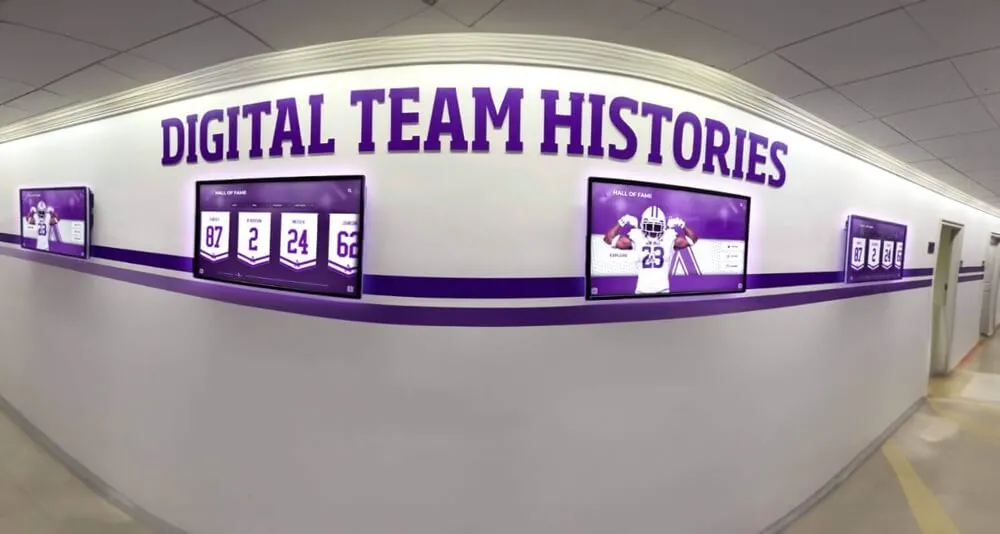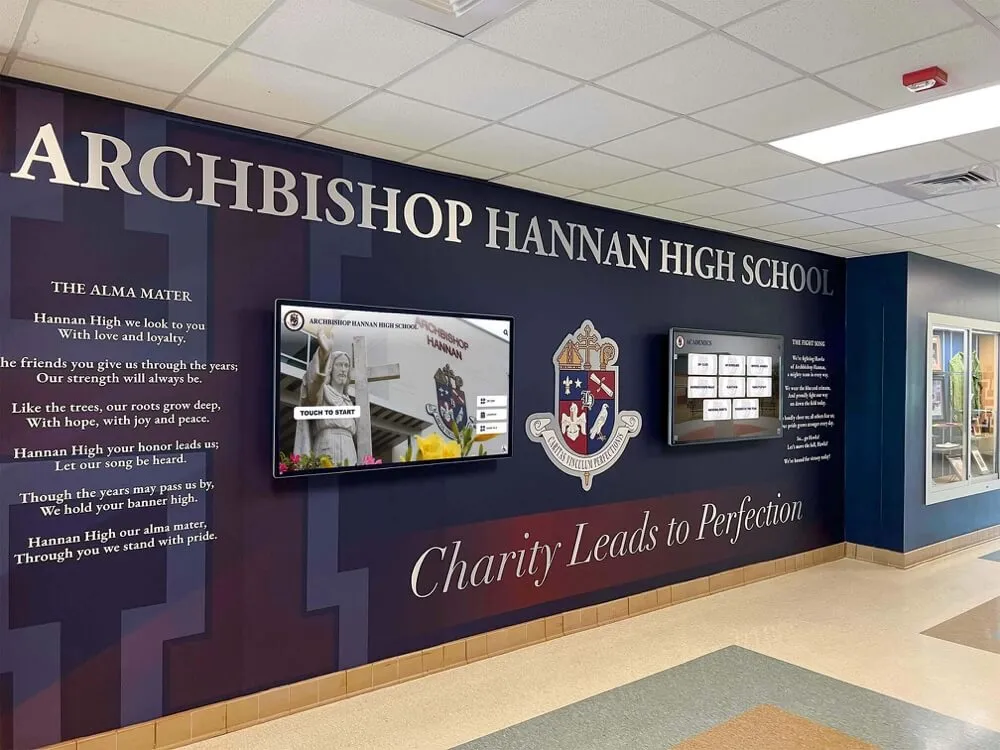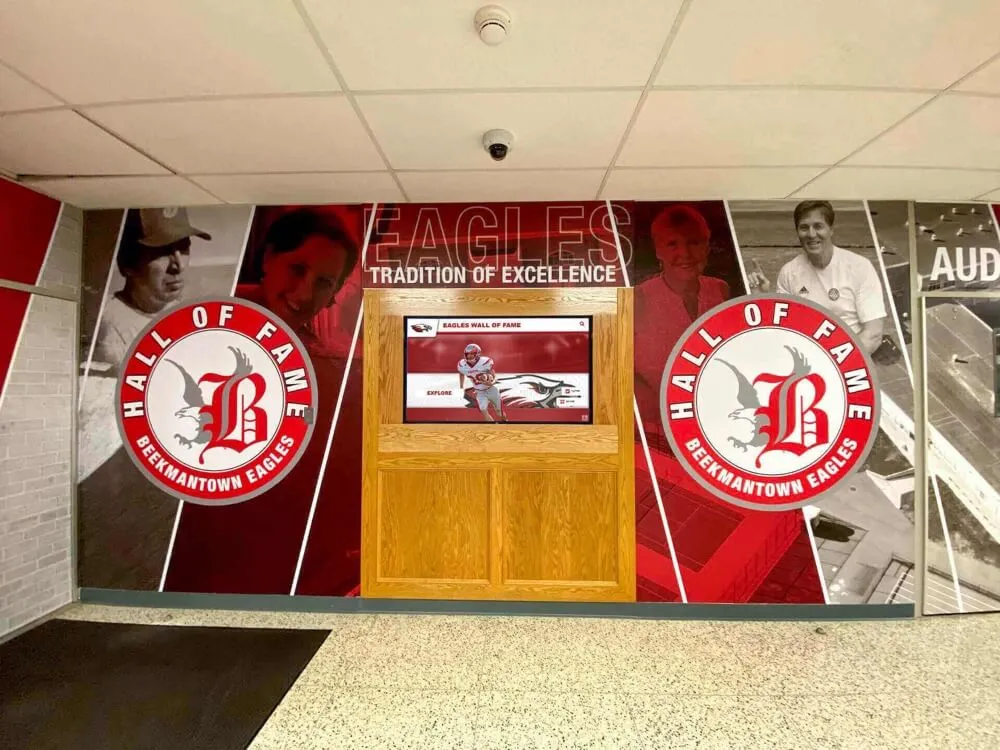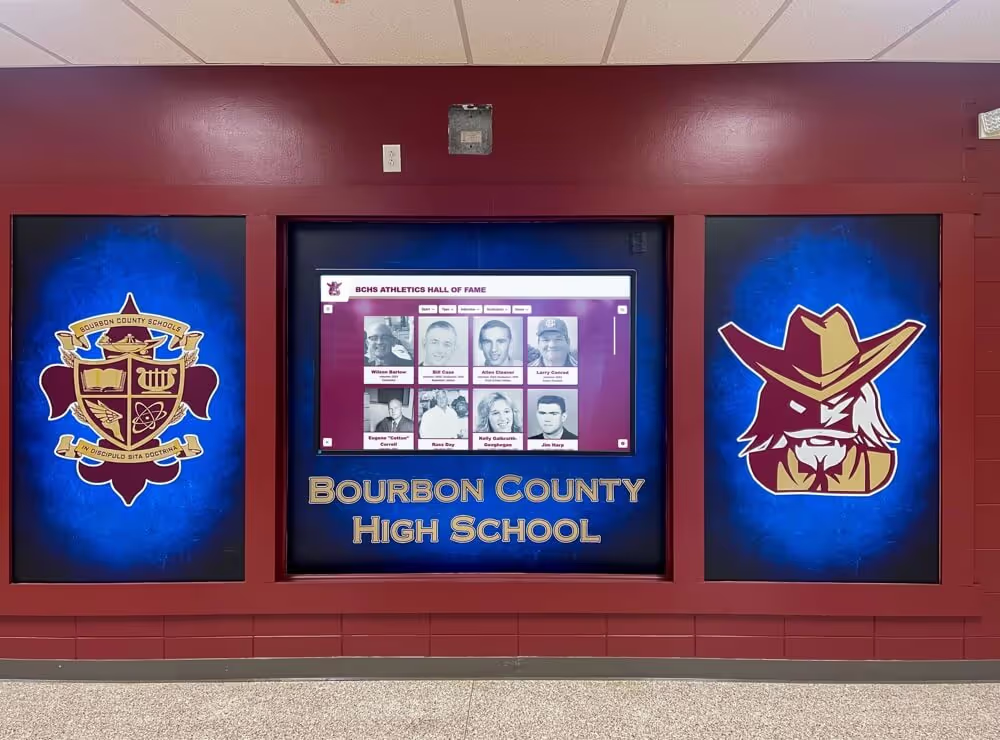




Teachers shape lives, inspire futures, and dedicate careers to student success—yet recognition for their contributions often remains limited to brief mentions in newsletters or annual appreciation luncheons. While these gestures hold value, they fail to provide the ongoing, visible acknowledgment that teaching excellence deserves. Schools nationwide are discovering that touch boards for teacher appreciation transform recognition from occasional events into permanent, interactive celebrations that honor educators comprehensively while strengthening school culture.
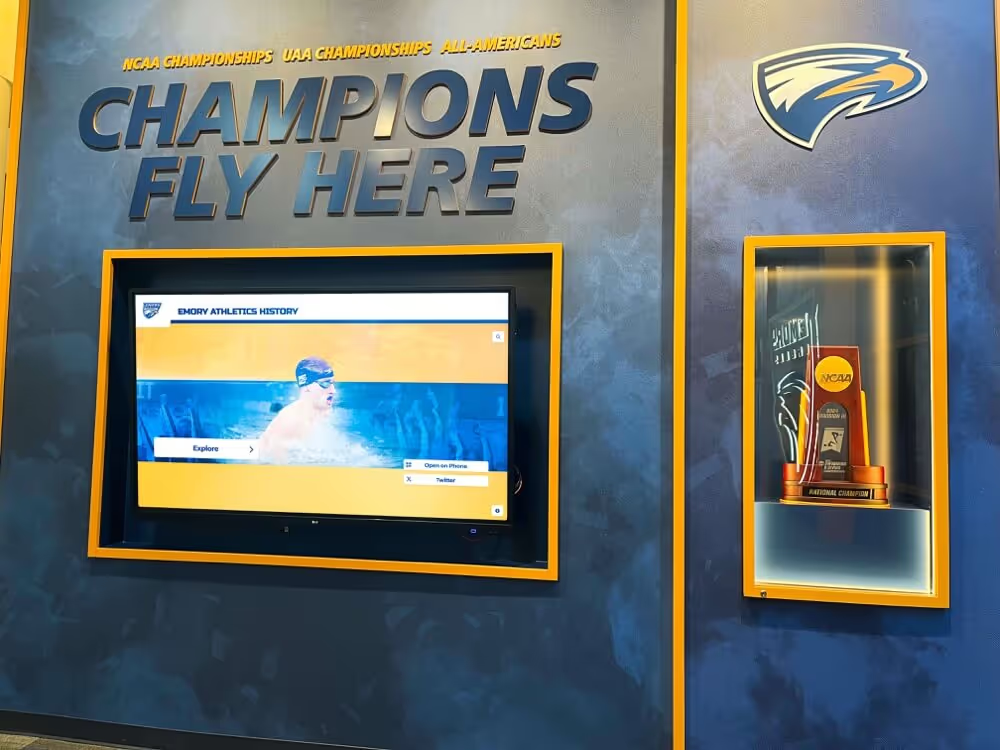
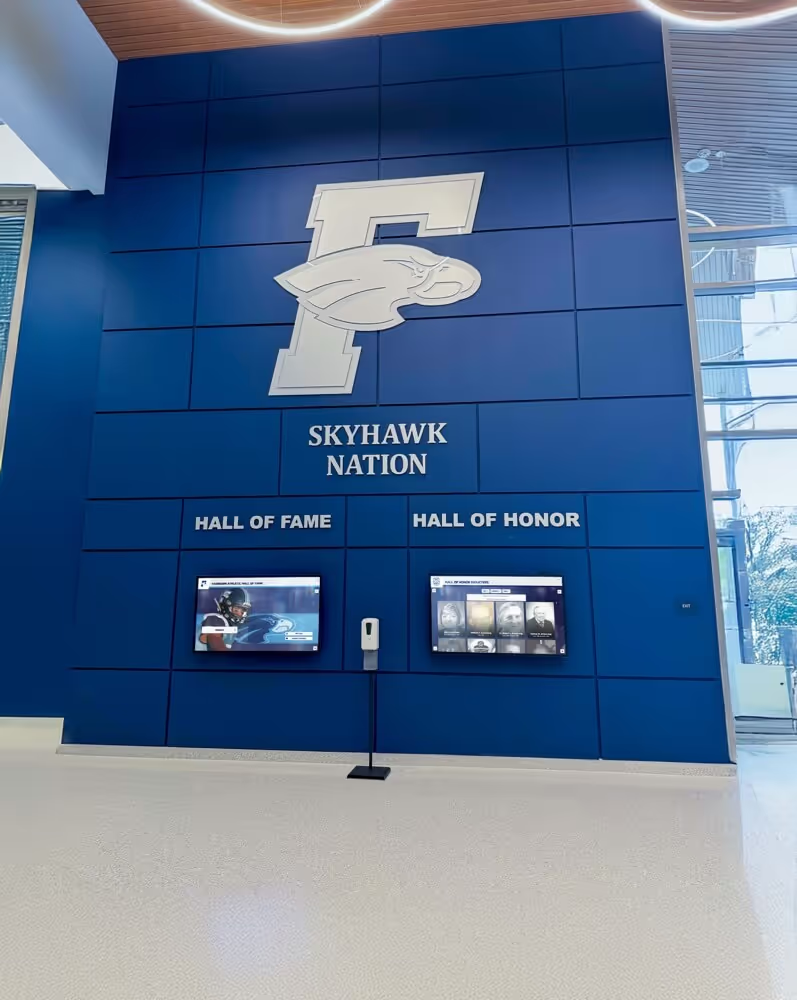
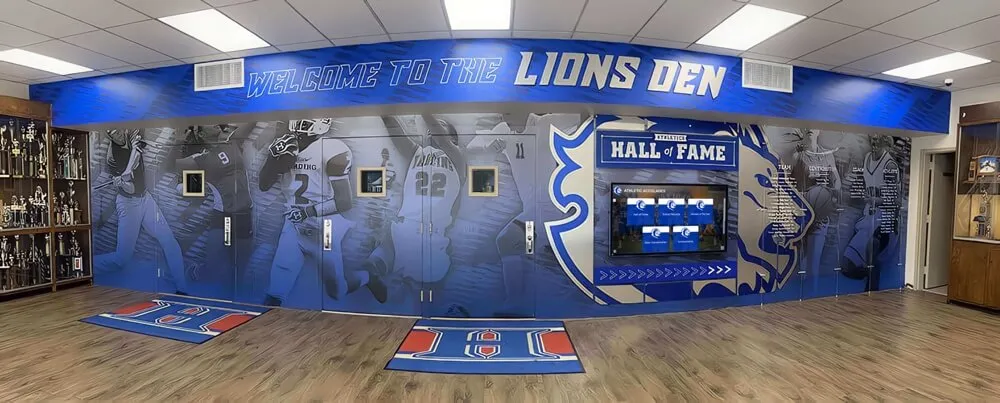
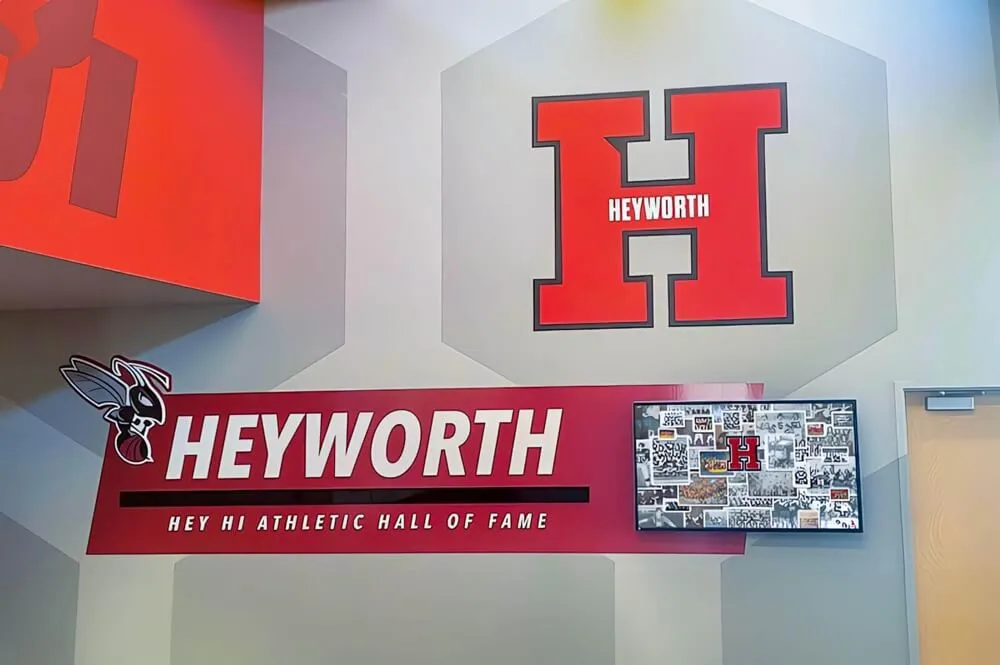
A touch board for teacher appreciation creates a dedicated digital recognition system specifically designed to celebrate teaching excellence through interactive displays. These systems showcase career milestones and achievements, student testimonials and appreciation messages, professional development accomplishments, classroom innovation and teaching excellence, years of service and dedication milestones, and comprehensive educator profiles accessible to entire school communities. The transformation from sporadic recognition to permanent visibility communicates genuine institutional commitment to honoring those who make educational excellence possible.
Why Teacher Appreciation Touch Boards Matter
Traditional teacher recognition approaches—plaques in administrative offices, brief announcements at faculty meetings, or annual appreciation events—provide limited visibility and impact. Teachers whose contributions deserve celebration receive minimal ongoing acknowledgment while students, families, and community members rarely see the full scope of educator excellence within their schools. Touch boards for teacher appreciation solve these visibility challenges by creating prominent, engaging displays that celebrate teaching contributions continuously rather than momentarily. Solutions like Rocket Alumni Solutions provide specialized platforms designed specifically for educational recognition needs, combining ease of content management with compelling presentation formats that honor educators appropriately.
The Teacher Recognition Gap in Education
Most educational institutions genuinely value their teachers yet struggle to recognize excellence adequately. The gap between appreciation and acknowledgment creates missed opportunities for culture building, staff retention, and community engagement.
Why Traditional Recognition Falls Short
Standard teacher appreciation approaches typically include appreciation week events once annually, service award plaques presented at retirement, occasional mentions in school communications, and sporadic classroom visits from administrators. While these gestures communicate appreciation, they lack the visibility, comprehensiveness, and ongoing nature that meaningful recognition requires.
Teachers working in classrooms every day remain largely invisible to broader school communities. Parents know their child’s current teacher but rarely understand the excellence across entire faculties. Students benefit from exceptional teaching without recognizing the dedication and innovation that creates their learning experiences. Community members supporting schools through taxes or donations seldom see the remarkable educators their investment supports.
This recognition gap contributes to teacher retention challenges documented across education. According to the National Center for Education Statistics, approximately 8% of teachers leave the profession annually, with lack of administrative support and insufficient recognition cited among contributing factors. Visible, ongoing recognition addresses these concerns by demonstrating genuine institutional commitment to honoring teaching excellence.
The Power of Visible Appreciation
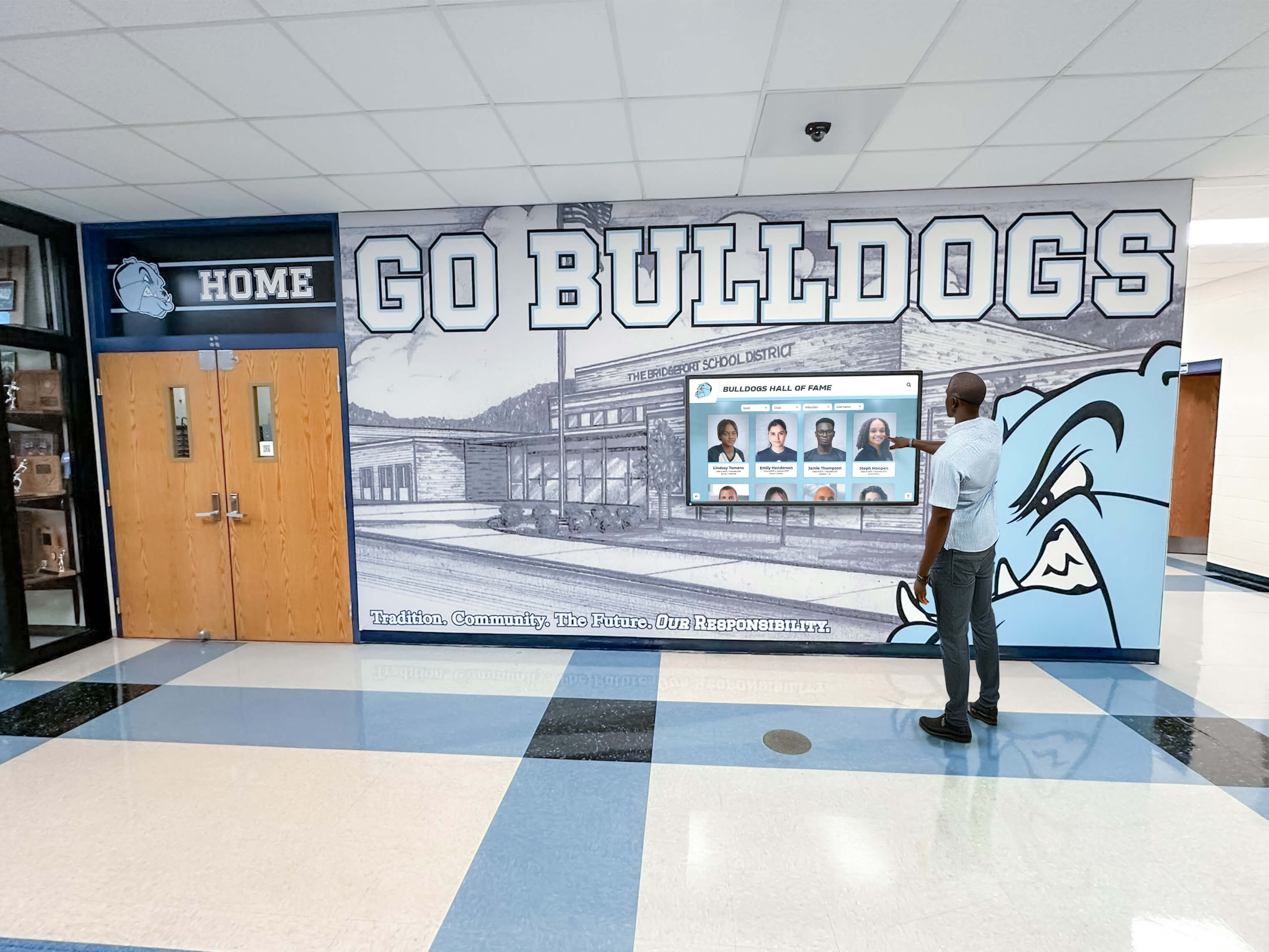
Recognition visibility amplifies impact substantially. When teacher achievements receive prominent display in high-traffic areas rather than remaining hidden in administrative offices, multiple positive outcomes occur including teachers feeling genuinely valued by their institutions, students seeing educator excellence modeled visibly, families understanding teaching quality in their schools, prospective teachers evaluating school culture favorably, and entire communities recognizing educational excellence in their districts.
Visible recognition communicates priorities. Schools prominently displaying academic achievement recognition alongside athletic success demonstrate commitment to comprehensive excellence rather than privileging particular activities. Touch boards for teacher appreciation signal that educators matter as much as any other institutional success.
Understanding Teacher Appreciation Touch Boards
Touch boards for teacher appreciation combine modern display technology with straightforward content management systems specifically designed to showcase educator excellence comprehensively and engagingly.
Core Components and Features
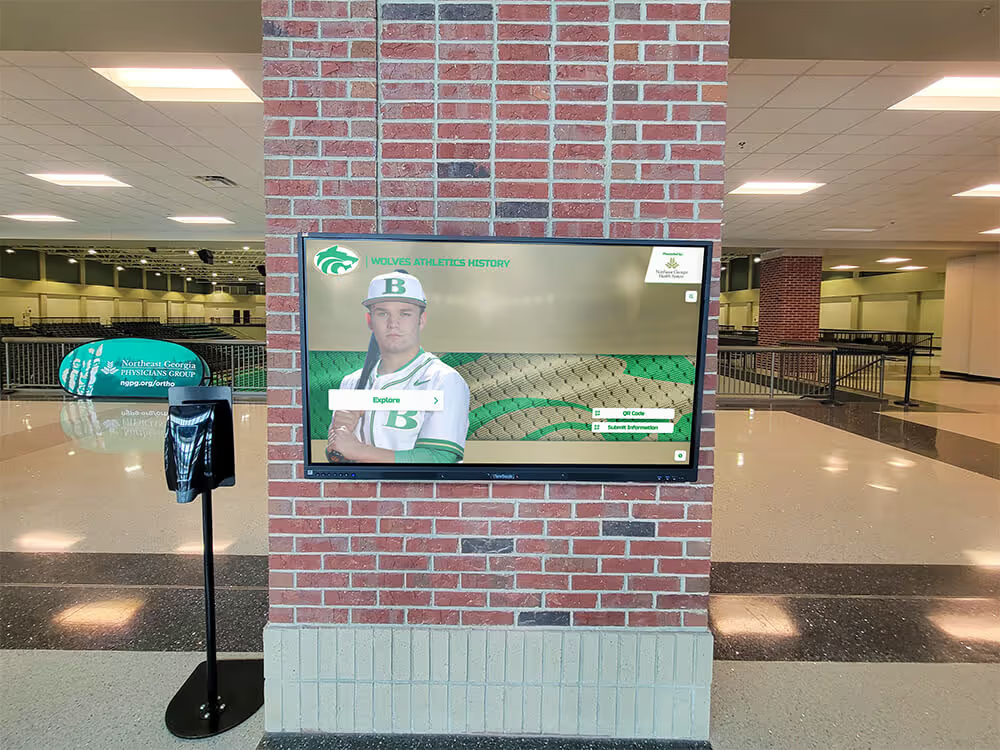
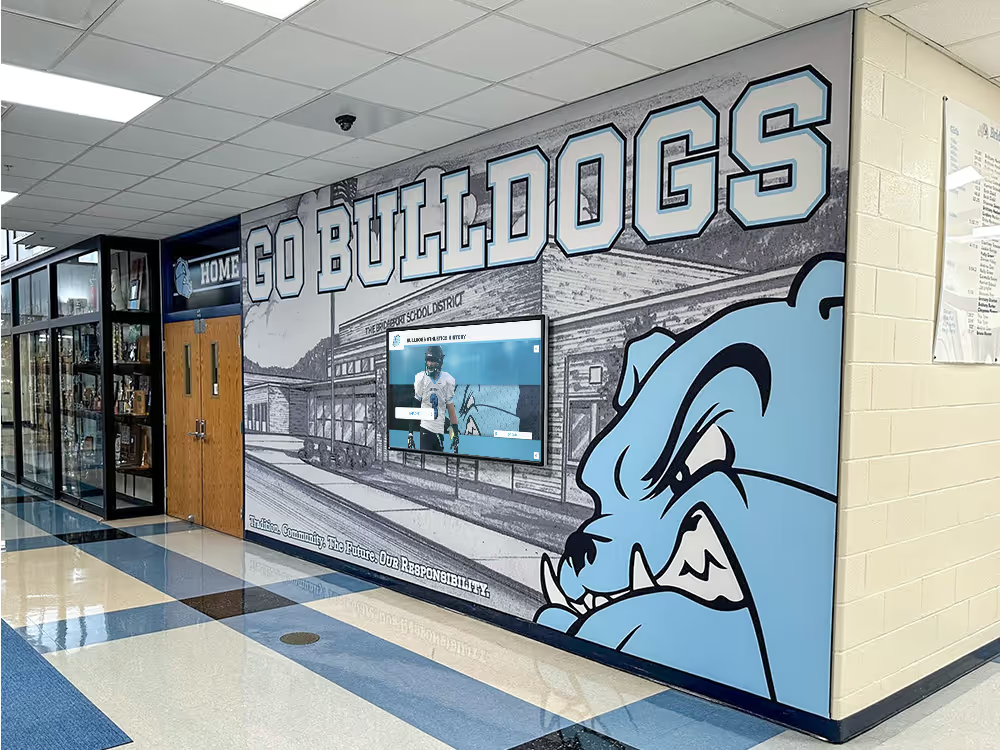
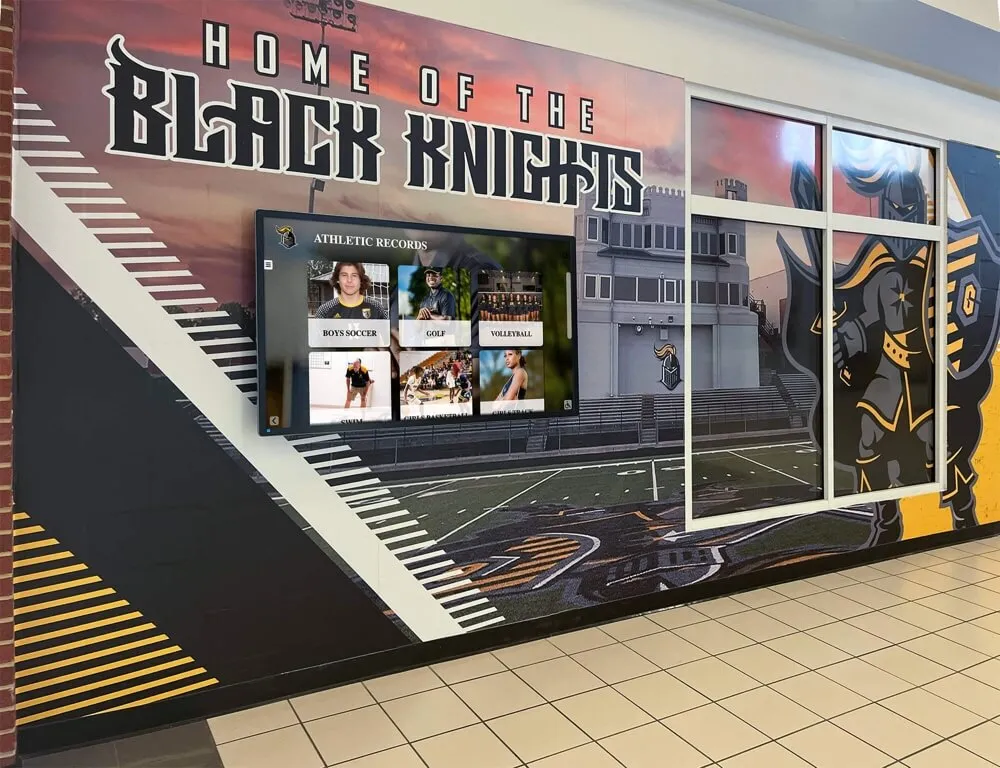
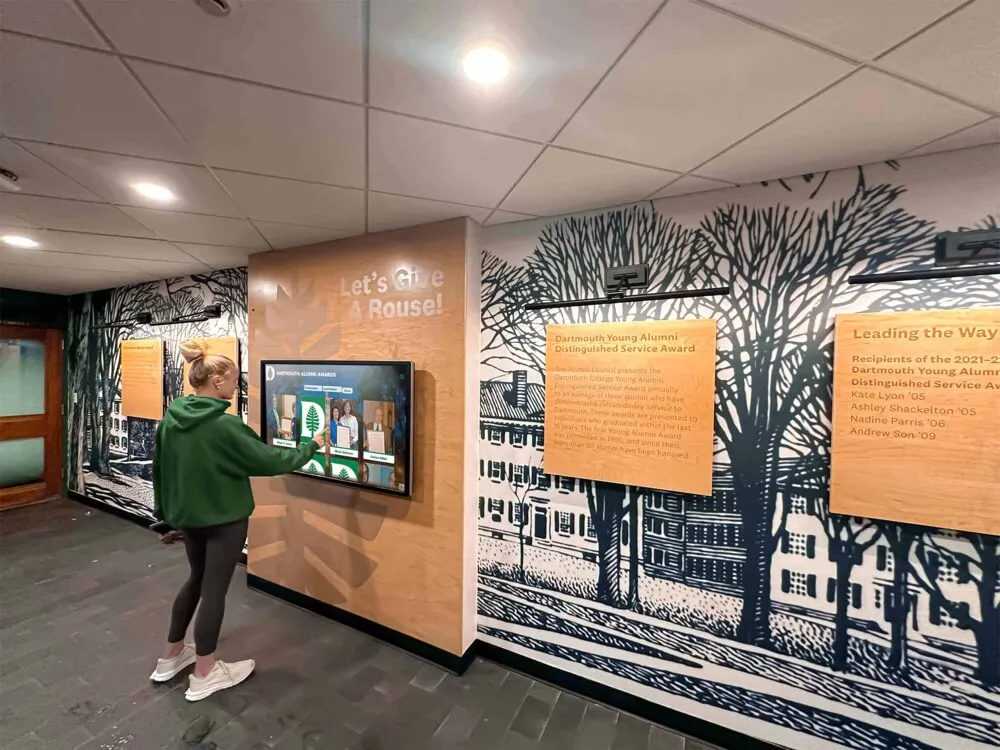
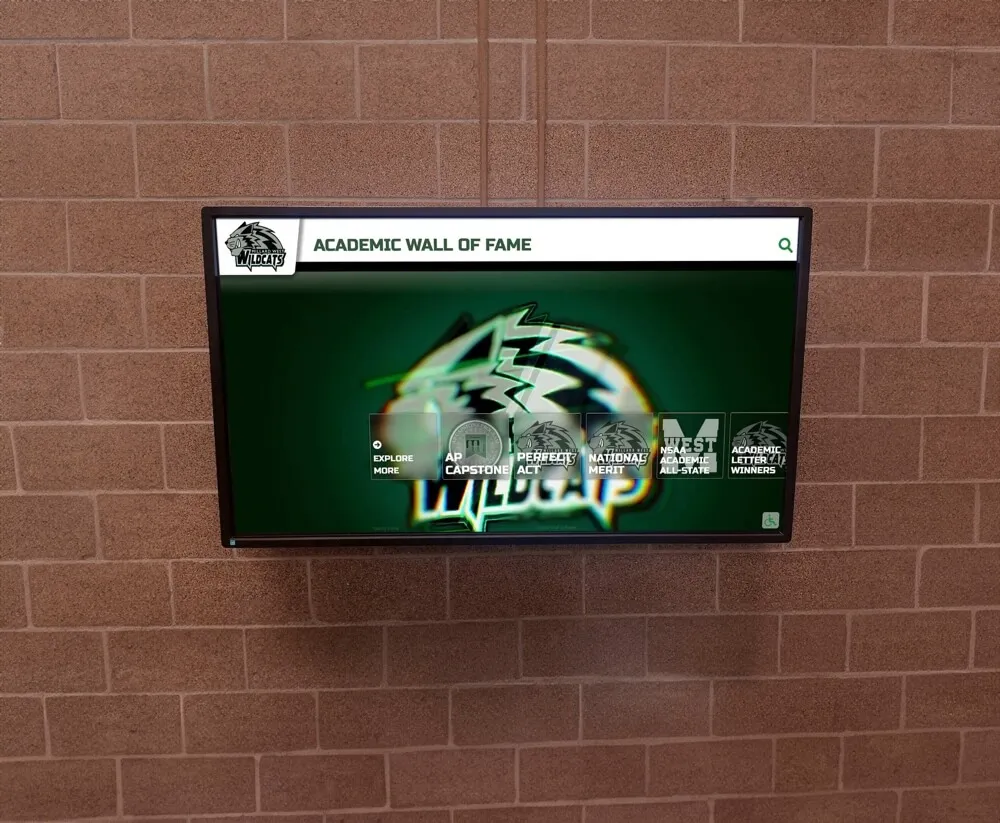
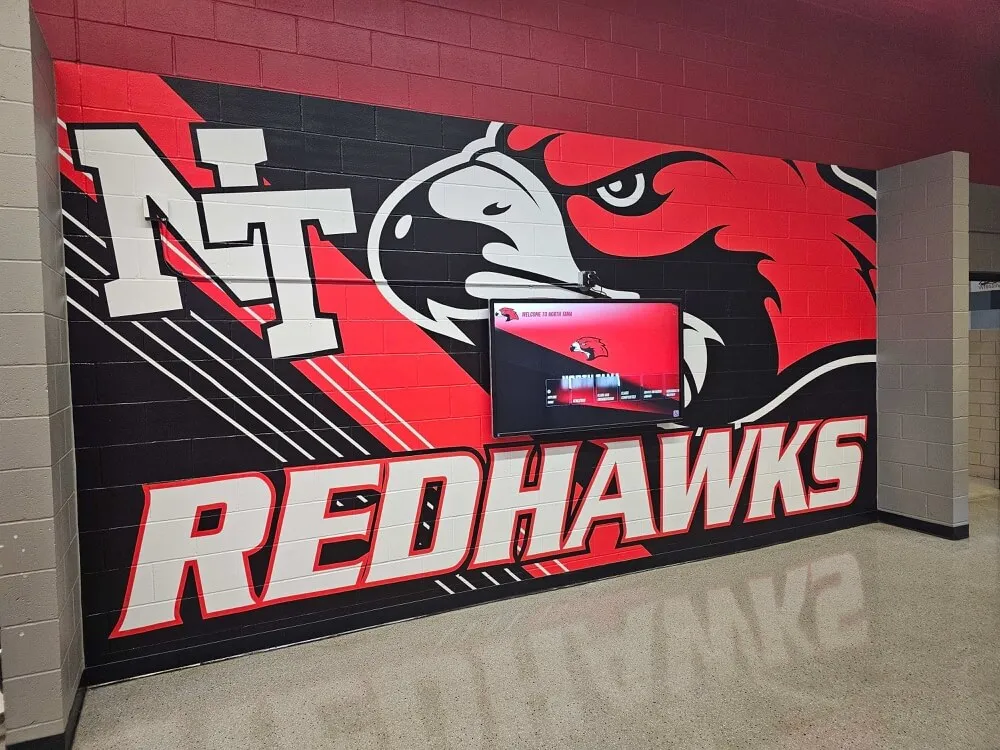
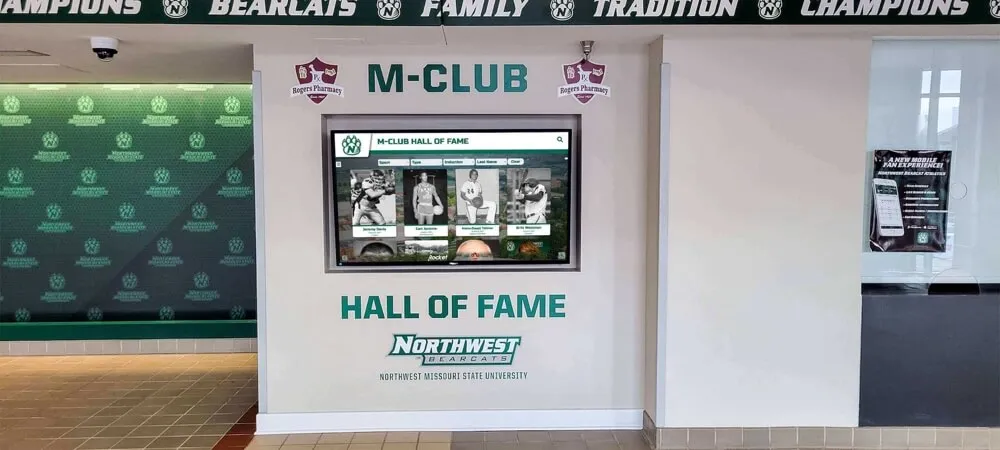
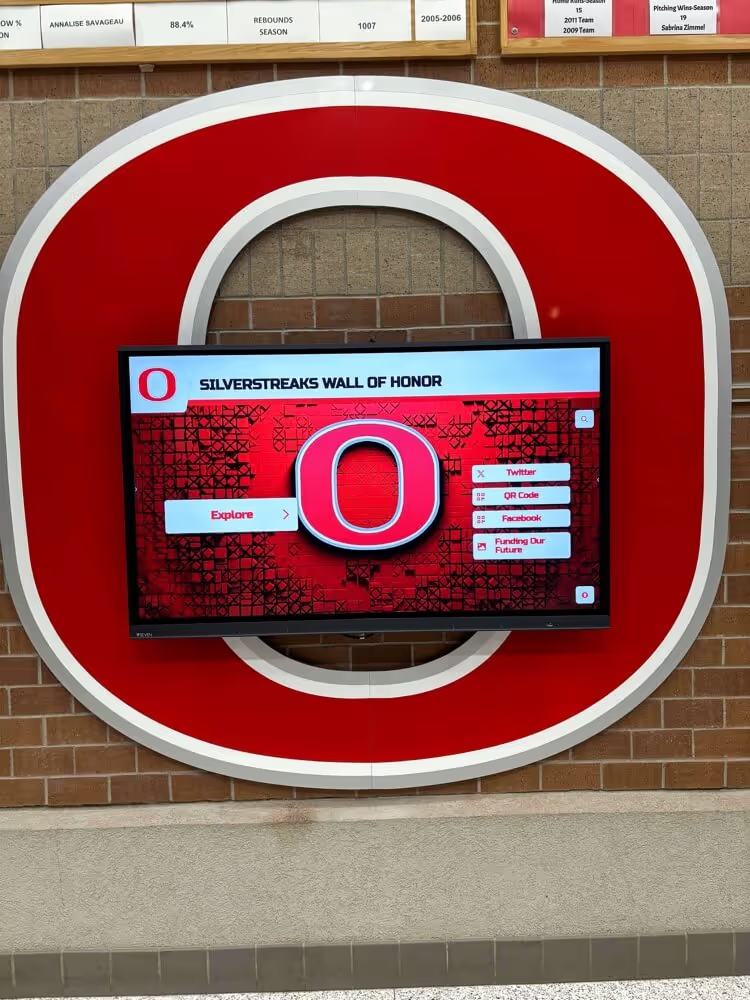
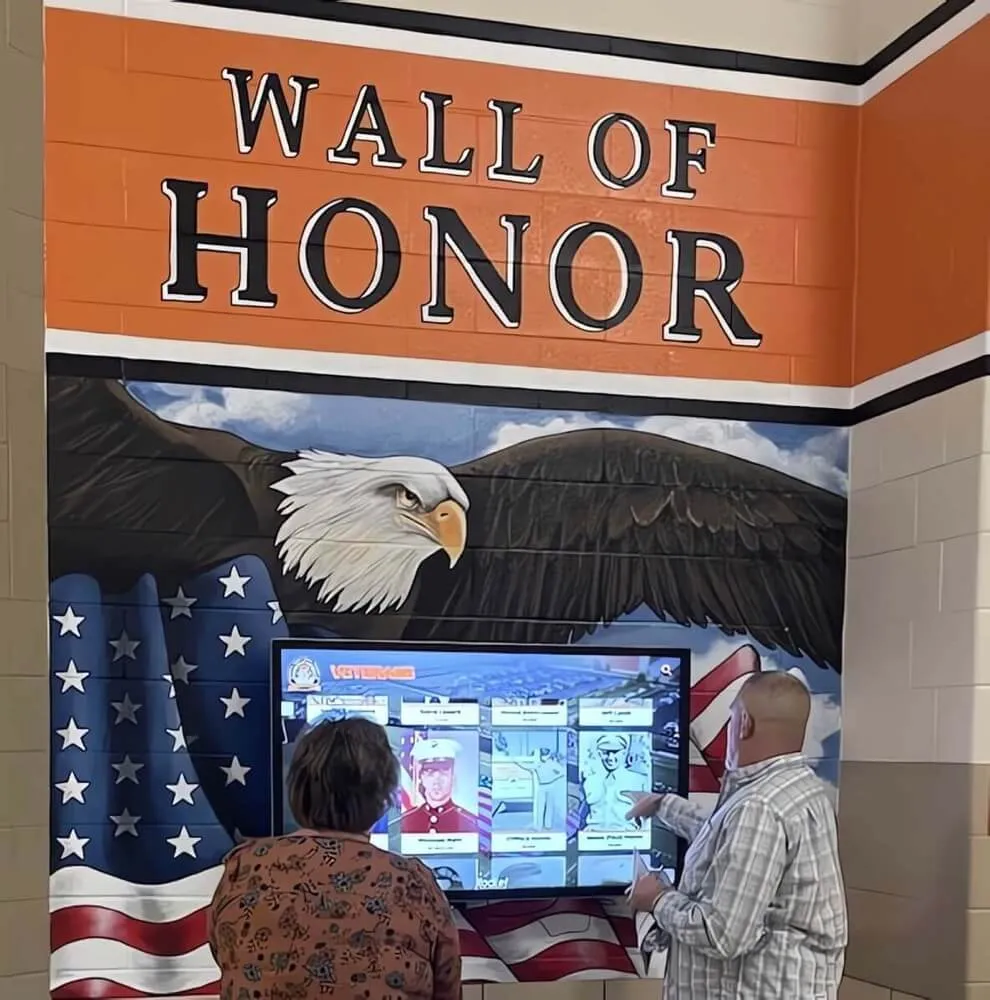
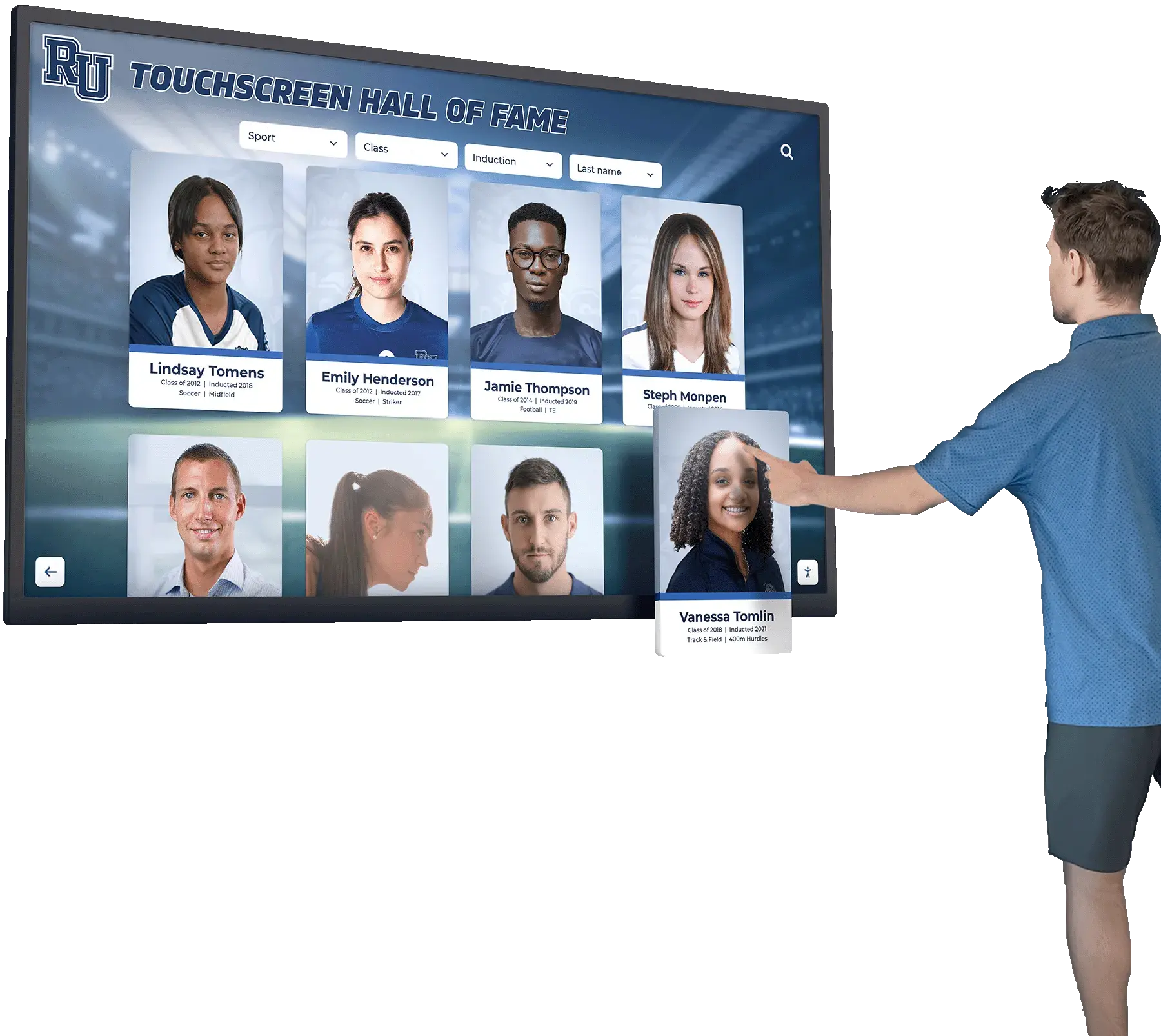
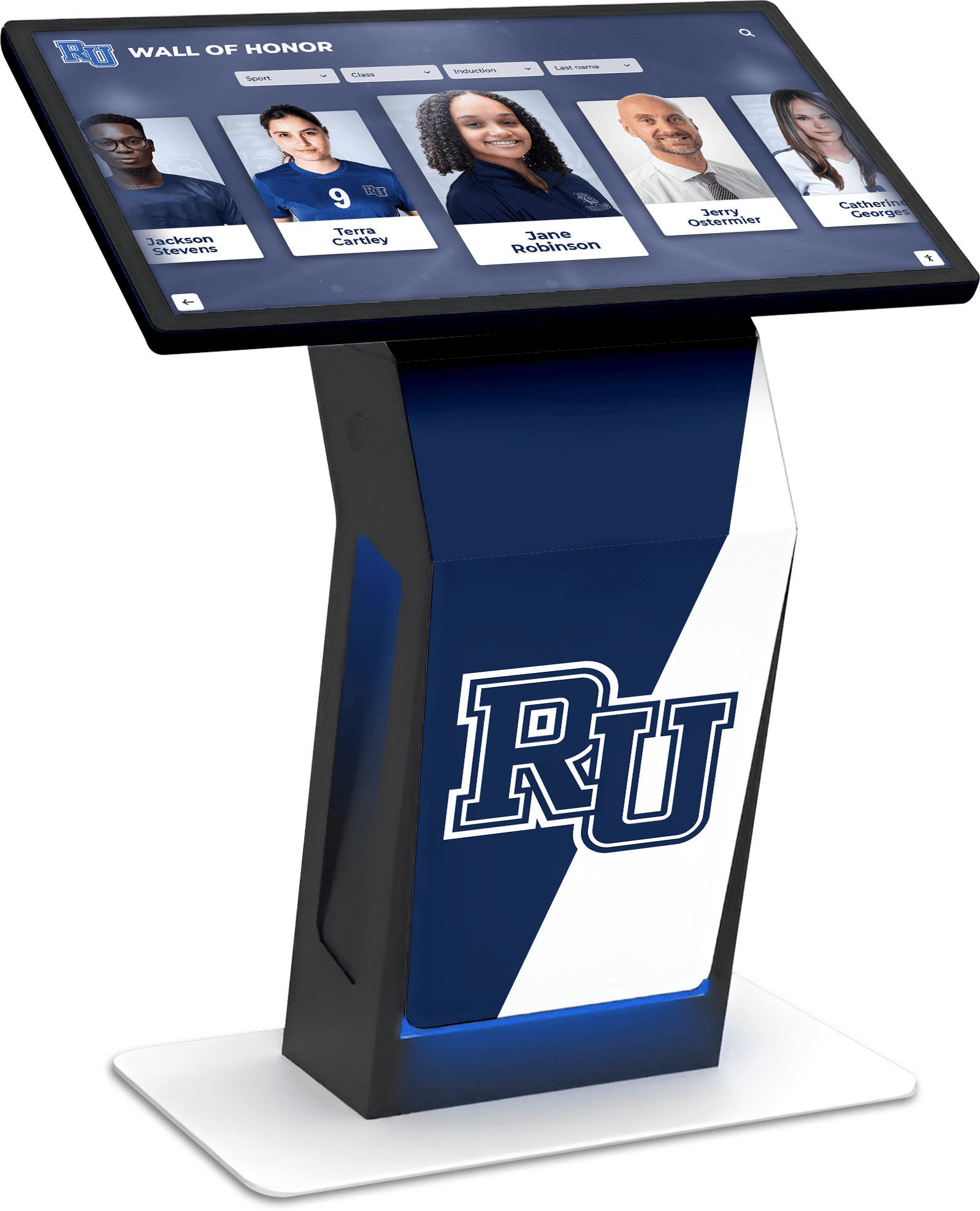
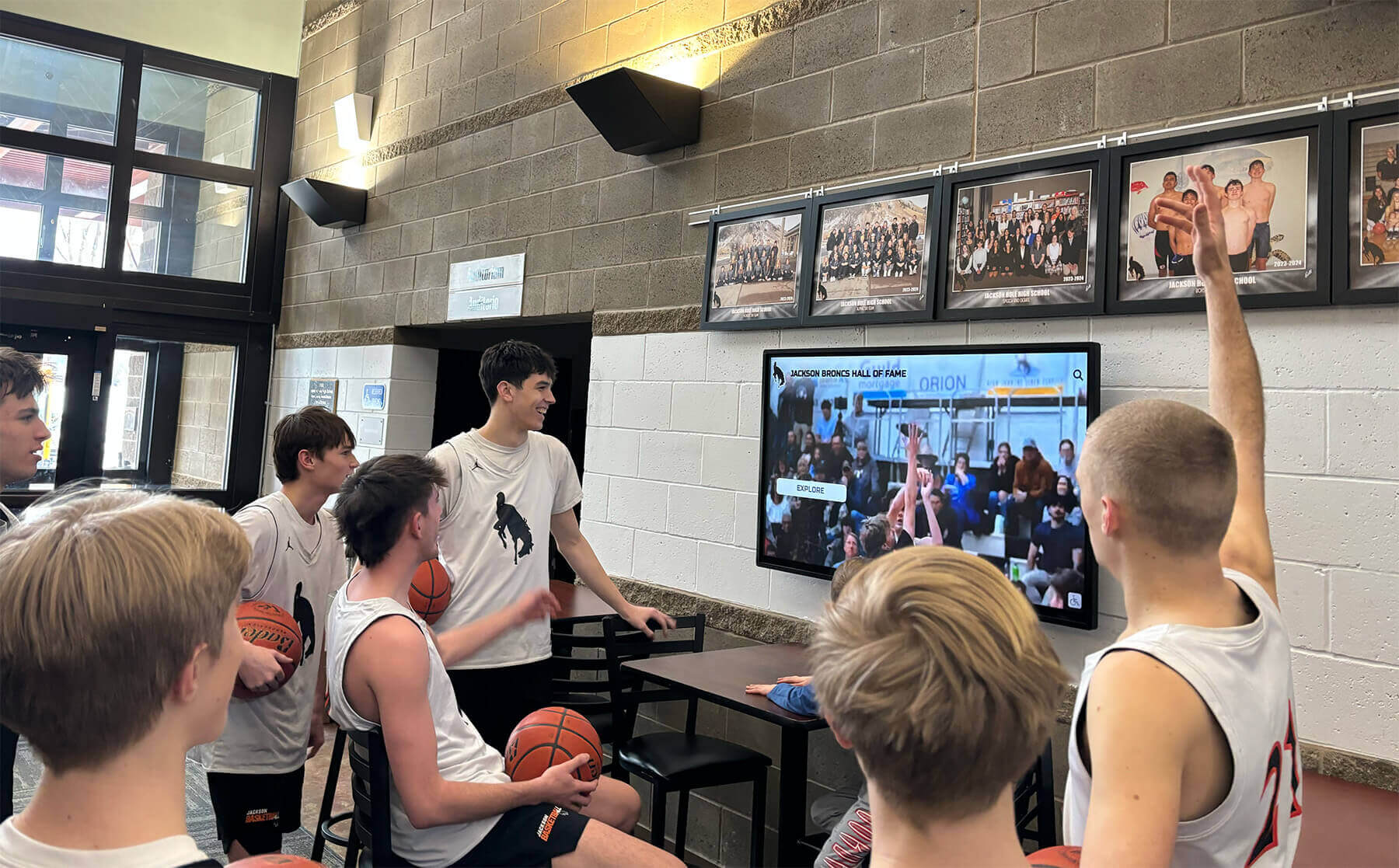
Interactive Touchscreen Displays: Physical touchscreen displays mounted in prominent school locations enable interactive exploration. Students, staff, and visitors can browse teacher profiles, search for specific educators, explore different departments or grade levels, view multimedia content including photos and videos, and read appreciation messages from students and families.
The interactive nature transforms passive viewing into active engagement. Visitors spend significantly more time exploring touch boards compared to reading static plaques, creating deeper connections with the recognized content.
Comprehensive Educator Profiles: Each teacher receives a complete digital profile showcasing professional backgrounds and educational credentials, years of service and career milestones, subject areas and grade levels taught, awards and recognition received, student testimonials and appreciation notes, classroom innovations and teaching approaches, professional development and continued learning, and personal interests making educators relatable as complete individuals.
These comprehensive profiles honor teachers holistically rather than reducing recognition to name and years of service alone.
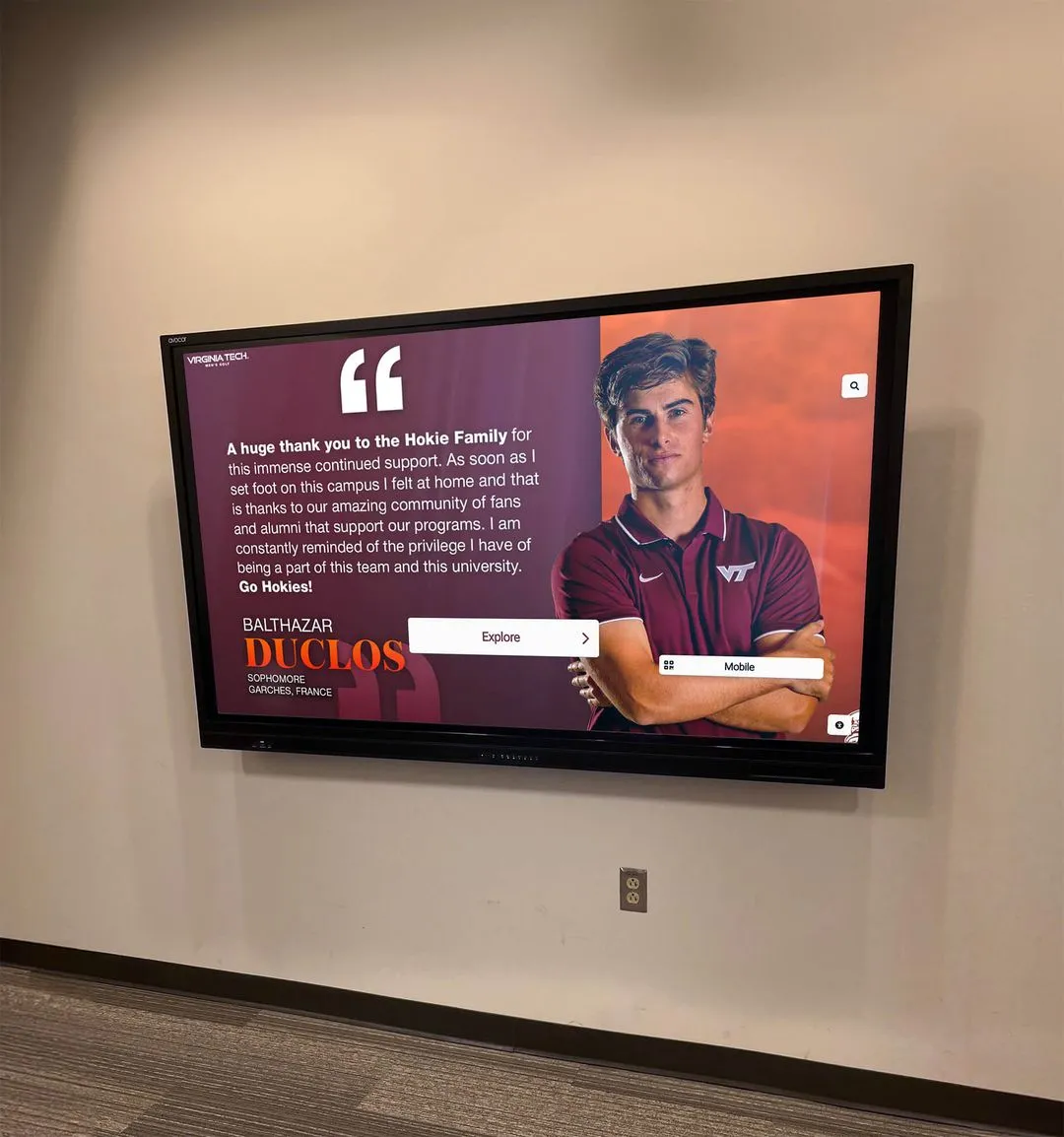
Student and Family Contributions: Touch boards excel when including voices from those most impacted by teaching excellence. Enable students to submit appreciation messages explaining how teachers influenced them, share favorite classroom memories or learning moments, recognize specific teaching approaches that helped them succeed, and express gratitude for teacher dedication. Family contributions add important perspectives on educational partnerships and home communication.
These authentic testimonials create emotional connections more powerful than administrative recognition alone while demonstrating tangible teaching impact on real students.
Easy Content Management: Purpose-built recognition platforms provide straightforward content management systems requiring no technical expertise. Administrators or designated staff can add new teacher profiles quickly, update information as achievements occur, upload photos and videos easily, moderate and publish student testimonials, and maintain current content without ongoing technical support needs.
Ease of management ensures touch boards remain current rather than becoming outdated displays that lose credibility and engagement.
Strategic Benefits of Teacher Appreciation Touch Boards
Schools implementing teacher appreciation touch boards discover numerous benefits extending beyond basic recognition to influence culture, retention, and community perception.
Enhanced Teacher Morale and Job Satisfaction
Visible recognition significantly impacts teacher morale and job satisfaction. When educators see themselves honored publicly with comprehensive profiles rather than buried mentions in newsletters, they feel genuinely valued by their institutions. Recognition visibility communicates that teaching excellence matters to leadership, students, and communities.
According to research on employee recognition published in the Journal of Applied Psychology, meaningful recognition correlates with increased job satisfaction, organizational commitment, and reduced turnover intentions. These findings apply directly to education where teacher retention challenges cost districts substantial resources in recruiting, hiring, and training replacement staff.
Touch boards provide ongoing recognition rather than single moments, creating sustained positive impact. Teachers pass displays regularly, seeing themselves and colleagues honored continuously rather than only during annual appreciation events.
Improved School Culture and Community
Prominent teacher recognition shapes entire school culture by modeling appreciation and excellence for students, demonstrating institutional values to families and communities, creating positive atmosphere around teaching as valued profession, building pride among all staff members, and strengthening overall community connections to schools.
Students who regularly see teachers honored develop greater respect for education and those providing it. This cultural shift influences classroom behavior, learning engagement, and academic outcomes when students recognize teaching as important work deserving respect and cooperation.
Strengthened Recruitment and Retention
Competitive teacher recruitment requires demonstrating attractive school cultures where educators receive recognition and support. Touch boards for teacher appreciation provide visible evidence of institutional commitment to honoring staff, creating powerful recruitment tools during candidate campus visits.
Prospective teachers evaluating multiple offers consider school culture factors heavily in final decisions. Those visiting campuses with prominent teacher recognition displays see concrete evidence that the school values educators genuinely rather than simply claiming commitment during interviews.
Retention benefits prove equally significant. Teachers working in environments where recognition is visible and ongoing develop stronger organizational commitment and loyalty. The psychological impact of seeing oneself recognized prominently—and regularly encountering that recognition—builds emotional connections to institutions that reduce likelihood of seeking positions elsewhere.
Enhanced Community Engagement and Support
Community support for schools strengthens when community members understand teaching excellence within their districts. Touch boards positioned in areas accessible during school events, parent conferences, or community meetings educate broader audiences about educator qualifications, dedication, and achievements.
When tax levies, bond issues, or other community support measures require public approval, voters who understand teaching quality through visible recognition displays respond more favorably to school funding needs. Recognition that demonstrates excellence justifies community investment in educational institutions.
Implementing Touch Board Teacher Appreciation Systems
Successful implementation requires systematic planning addressing technology selection, content development, and ongoing management.
Selecting Appropriate Technology and Platforms
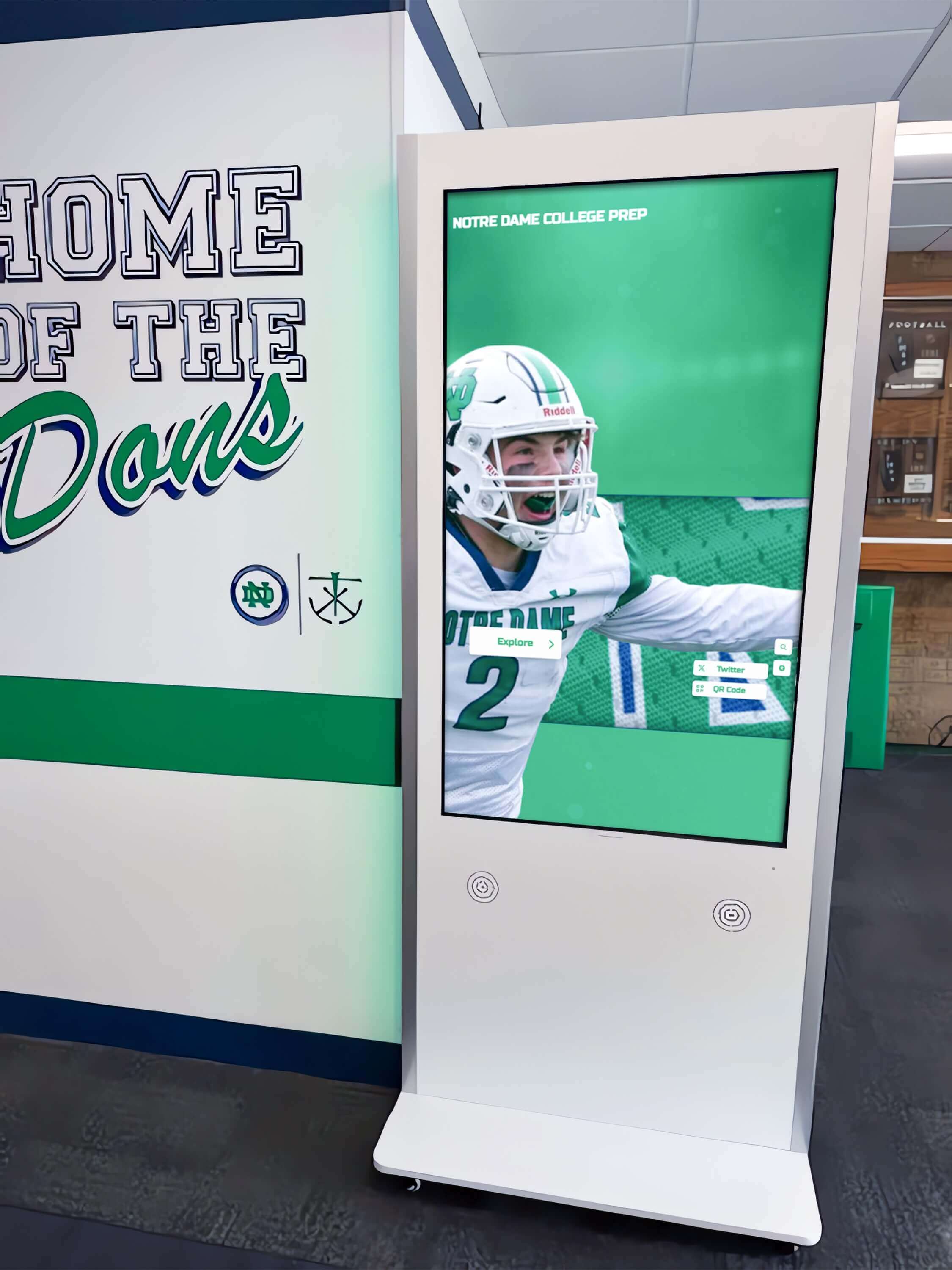
Choose touchscreen display systems and software platforms that match institutional needs and capabilities. Key selection criteria include display size appropriate for viewing distance and location (typically 43-55 inches for hallway installations), touchscreen responsiveness enabling smooth interaction, content management system simplicity for non-technical administrators, cloud-based access enabling remote content updates, professional design templates ensuring polished presentation, search and filtering capabilities for easy teacher discovery, multimedia support for photos and videos, and security features protecting sensitive information.
Purpose-built recognition platforms like Rocket Alumni Solutions provide features specifically designed for educational contexts rather than generic digital signage solutions requiring extensive customization.
Research available platforms through demonstrations addressing your specific recognition needs. Evaluate vendor support quality, long-term viability, and user references from similar institutions before making technology commitments.
Strategic Display Placement
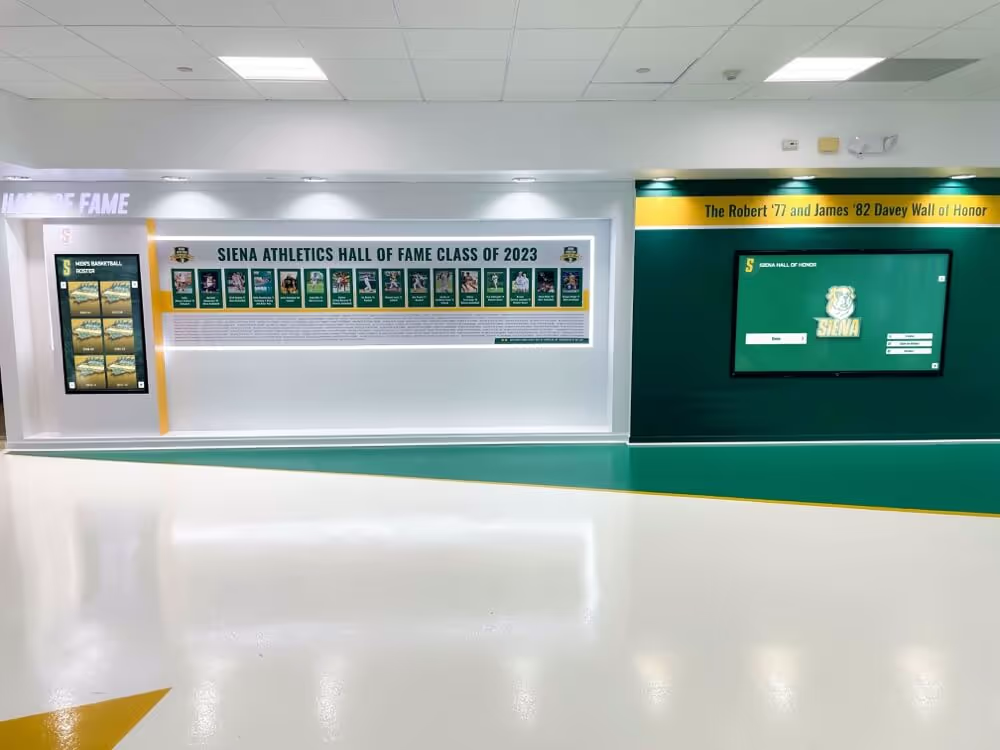
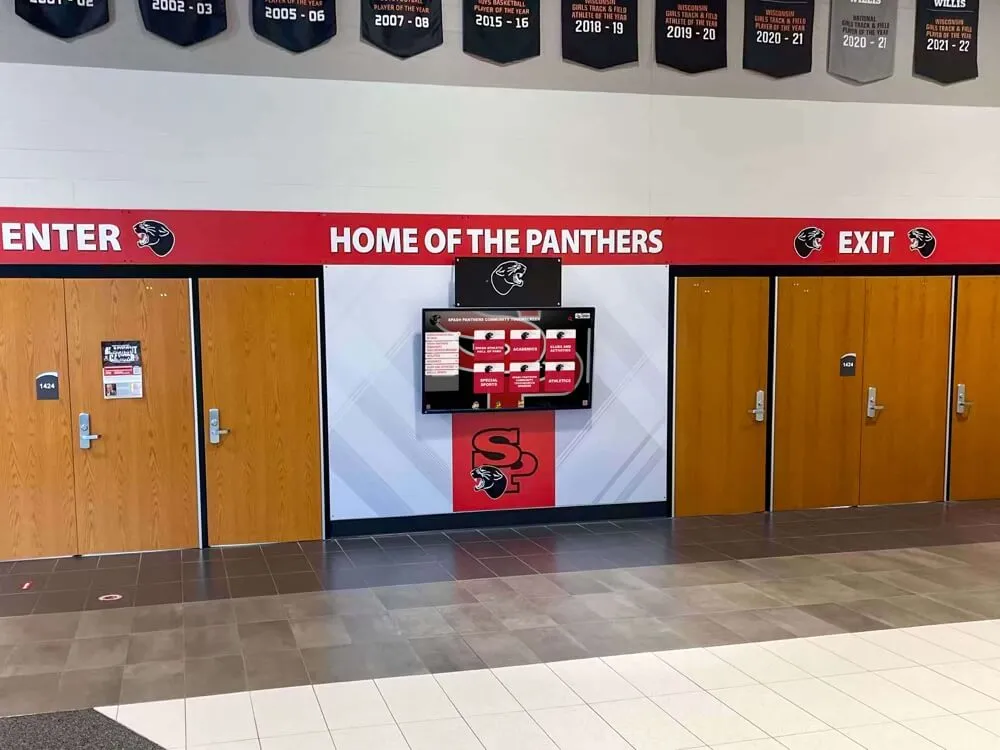
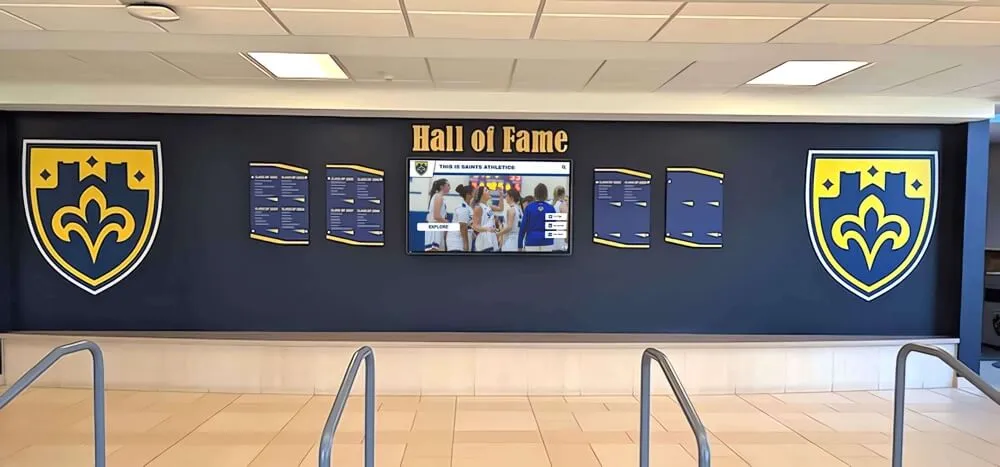
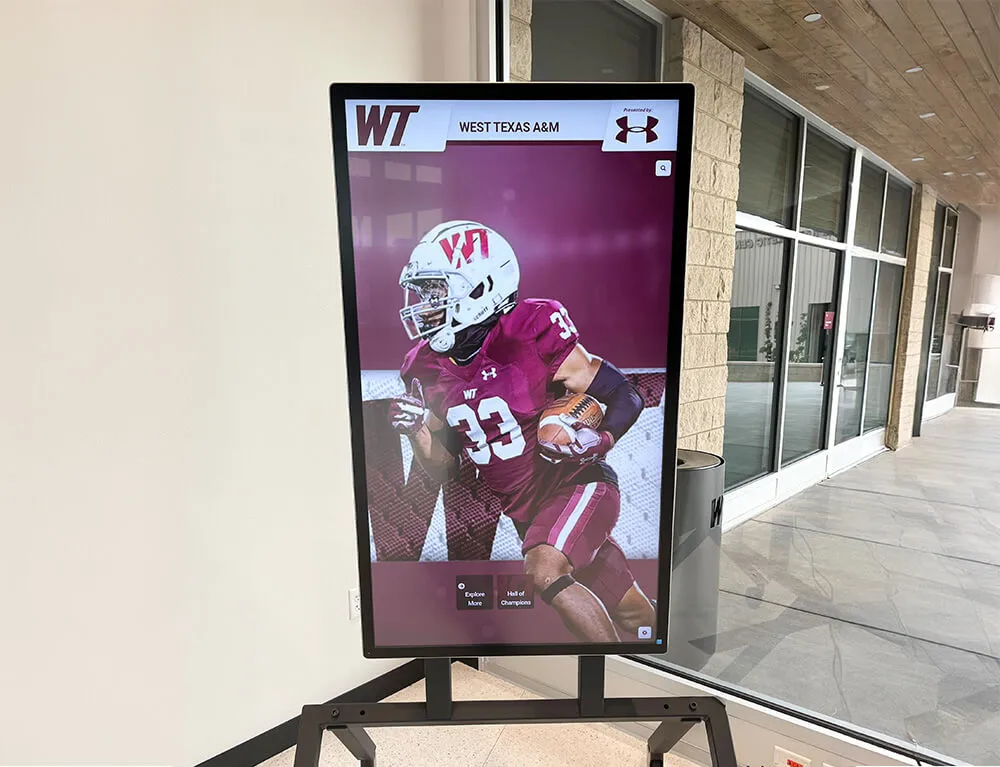
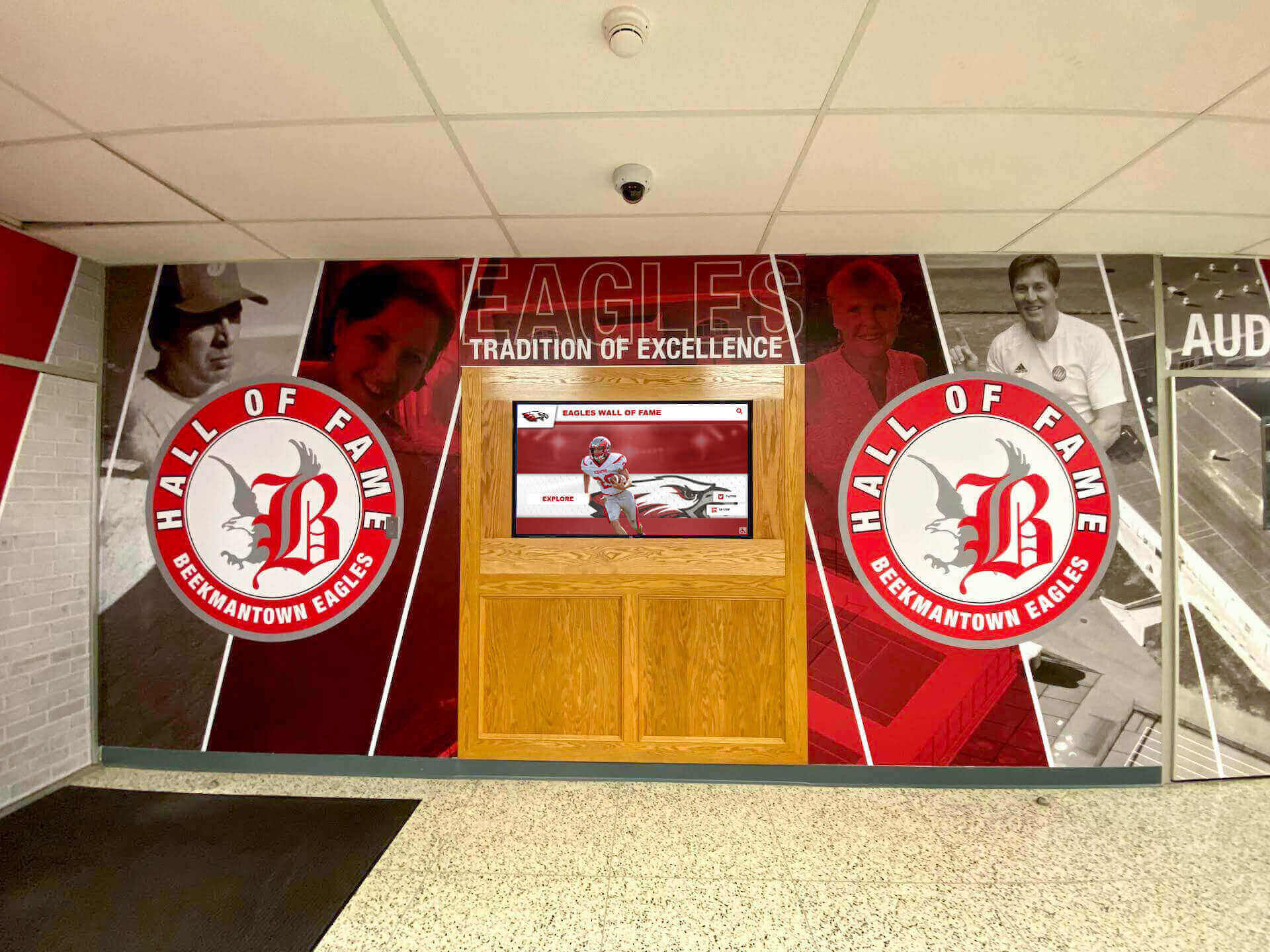
Location significantly impacts touch board effectiveness. Place displays in high-traffic areas where maximum visibility occurs including main entrance lobbies greeting all visitors, central hallways with heavy student traffic, faculty lounges where teachers themselves see recognition regularly, media center or library spaces where families visit, and near main offices where community members conduct business.
Multiple displays throughout larger buildings ensure comprehensive visibility rather than limiting recognition to single location that many community members never encounter. Some schools implement rotating content showing different departments or grade level teams on various displays while maintaining complete databases accessible through search functions.
Consider campus directory touchscreen displays that combine teacher recognition with wayfinding functionality, creating multiple user values from single installations.
Developing Comprehensive Teacher Profiles
Create teacher profiles that honor educators appropriately while remaining manageable to develop and maintain. Essential profile components include professional headshots presenting teachers professionally, current roles including subjects and grade levels, educational background and credentials, years of service celebrating longevity and experience, and brief biographical statements helping students and families connect personally.
Enhanced profile content adds significant value through career highlights and notable achievements, teaching philosophy statements, classroom innovation examples, professional development pursuits, student testimonials and appreciation messages, and photos showing teachers engaged in educational activities.
Develop profiles systematically rather than attempting completion simultaneously for entire faculties. Begin with current teachers in a single department or grade level, refine processes based on initial experience, then systematically expand to complete faculty coverage over several months. This phased approach maintains quality while spreading workload sustainably.
Gathering Student and Family Testimonials
Authentic voices from students and families create powerful recognition content. Implement systematic collection processes including end-of-year reflection prompts for students, QR codes linking to digital testimonial submission forms, parent conference feedback opportunities, graduation or moving-up ceremony reflection activities, and alumni outreach gathering perspectives on teacher impact over time.
Provide clear guidelines about appropriate testimonial content while encouraging specific examples of teaching impact. Generic statements like “great teacher” offer less value than specific examples: “Ms. Johnson stayed after school every Tuesday to help me understand algebra. Her patience and different teaching approaches helped me go from failing to getting a B+ and actually understanding math for the first time.”
Review testimonials for appropriateness before publication while maintaining authentic student voice. The goal remains showcasing genuine teacher impact rather than creating promotional content that feels manufactured.
Recognition Content Ideas for Teacher Appreciation Touch Boards
Diverse recognition content keeps displays engaging while honoring different dimensions of teaching excellence.
Career Milestones and Service Recognition
Celebrate significant teaching career milestones prominently including 5, 10, 15, 20+ year service anniversaries, career transitions from beginning teachers to master educators, grade level or subject area changes demonstrating versatility, leadership roles including department chairs or team leaders, and retirement recognition honoring complete careers.
Service recognition demonstrates institutional appreciation for dedication and longevity while modeling teaching as valued long-term profession for students considering educational careers.
Teaching Awards and Professional Recognition
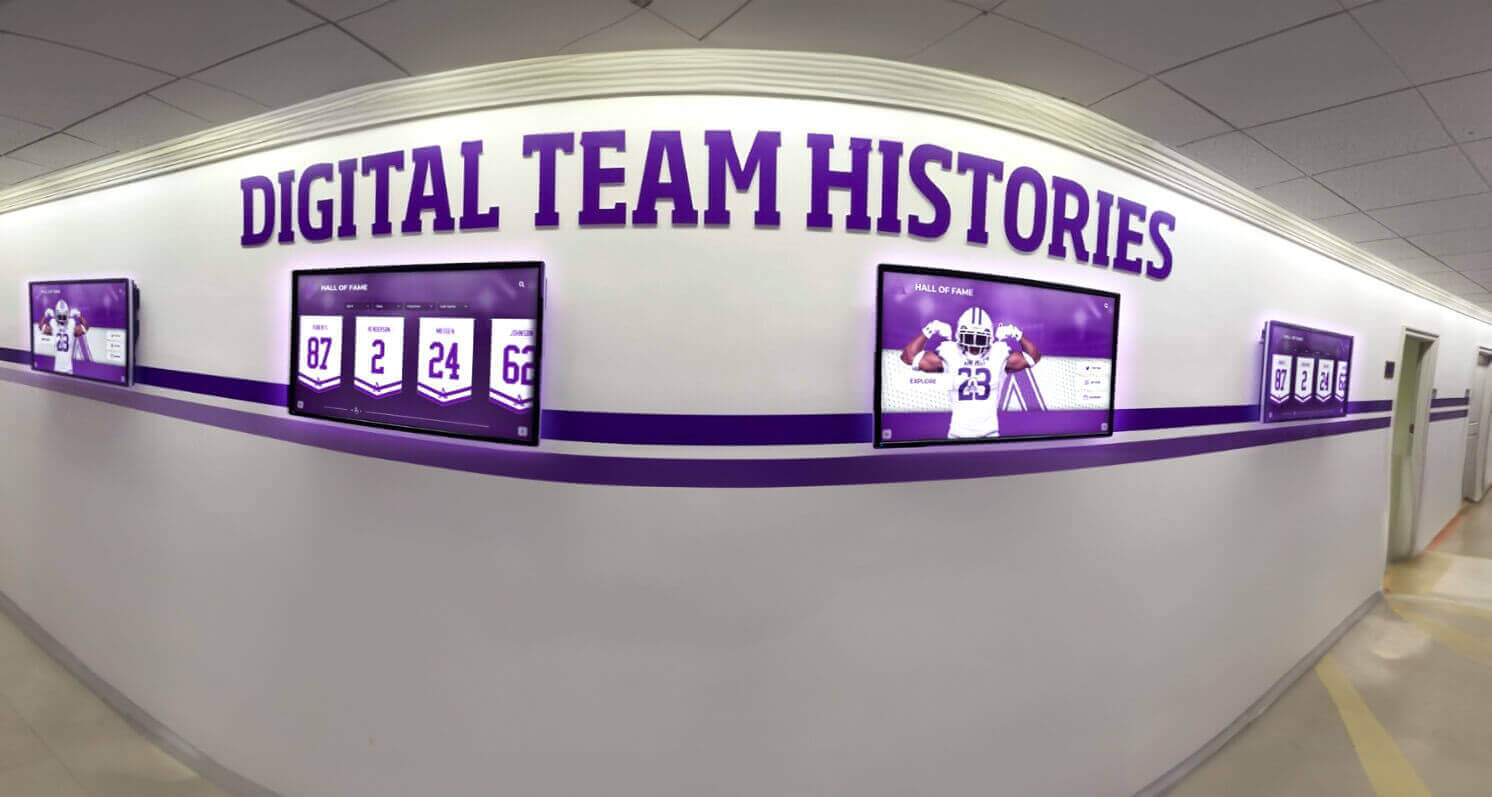
Highlight teaching awards and recognition from various sources including district teacher of the year awards, state or national teaching honors, grants or fellowships received, professional organization recognition, and community awards acknowledging educator contributions.
These external validations demonstrate teaching excellence to broader communities while creating pride within institutions fortunate to employ recognized educators. Schools implementing comprehensive teaching awards recognition programs create cultures valuing instructional excellence.
Classroom Innovation and Excellence
Showcase specific teaching innovations and excellent practices through classroom project highlights with photos and descriptions, creative teaching approaches benefiting student learning, technology integration examples, community partnership development, and curriculum development contributions.
These examples educate families and students about the creativity and dedication teachers invest in educational excellence while inspiring peer learning among faculty members seeing colleague innovations recognized.
Professional Development and Continued Learning
Honor teacher commitment to professional growth through advanced degree completion, specialized certifications earned, professional development workshops and conferences attended, leadership training completion, and specialized skills developed benefiting students.
Recognizing professional development communicates that continued learning matters in educational professions while demonstrating to families that teachers constantly improve their practice rather than remaining static in approaches.
Student Impact and Testimonials
Feature specific student testimonials illustrating teaching impact through academic breakthrough stories, confidence building examples, career inspiration narratives, support during difficult times, and learning approaches that made differences.
These authentic stories demonstrate tangible teaching impact while creating emotional connections that statistical achievements alone cannot generate. When prospective families explore touch boards and read numerous student testimonials about educator excellence, confidence in school quality increases substantially.
Retirement and Career Retrospectives
Create special recognition for retiring teachers including comprehensive career retrospectives, photo timelines showing decades of service, compilation of student testimonials from across career spans, highlights of major contributions and achievements, and legacy statements about teaching impact.
Retirement recognition honors individual educators while preserving institutional history. Future students exploring touch boards discover teachers who built program foundations, creating connections to school heritage and tradition.
Engaging Teachers in the Recognition Process
Successful teacher appreciation touch boards require faculty engagement and buy-in rather than implementation imposed by administration.
Building Faculty Support and Participation
Introduce teacher appreciation touch board concepts through faculty meetings emphasizing recognition goals, involve teacher representatives in planning and implementation, address privacy concerns and personal preferences transparently, provide clear processes for profile review and approval, and create opportunities for teacher input on recognition content and format.
Some teachers may feel uncomfortable with prominent recognition or public displays. Respect these preferences while encouraging participation by emphasizing professional aspects and student impact rather than personal details that create discomfort.
Encouraging Profile Updates and Maintenance
Create sustainable processes ensuring profiles remain current through annual update reminders at start of school years, simple update submission processes, designated contacts for profile questions or changes, recognition of new achievements promptly, and regular communication about profile value for recruitment and community relations.
Profiles receiving regular attention remain accurate and valuable while those becoming outdated lose credibility and effectiveness.
Facilitating Student Testimonial Opportunities
Integrate testimonial collection into regular school activities including end-of-year reflection assignments, advisory or homeroom activities, senior exit surveys or reflections, moving-up ceremonies between school levels, and special appreciation events during teacher appreciation week.
Systematic integration yields steady testimonial flow rather than relying on sporadic collection generating inconsistent results. Schools building robust student awards recognition programs often extend similar systematic approaches to teacher appreciation initiatives.
Combining Teacher Recognition with Broader School Recognition
Teacher appreciation touch boards work most effectively as components of comprehensive recognition systems celebrating excellence across school communities.
Integrated Recognition Approaches
Consider implementing unified recognition platforms showcasing teacher excellence, student achievement and awards, alumni accomplishments and contributions, staff recognition beyond teaching faculty, volunteer and community partner appreciation, and athletic and extracurricular success.
Integrated approaches provide comprehensive views of school excellence while demonstrating balanced institutional values that honor diverse contributions rather than privileging particular activities or roles. Schools implementing digital recognition walls create comprehensive celebration systems benefiting entire communities.
Balancing Recognition Priorities
Ensure teacher recognition receives appropriate prominence alongside other institutional recognition. In many schools, athletic achievement dominates recognition displays while teaching excellence receives minimal visibility. Balanced recognition communicates that academic instruction matters as much as competitive success.
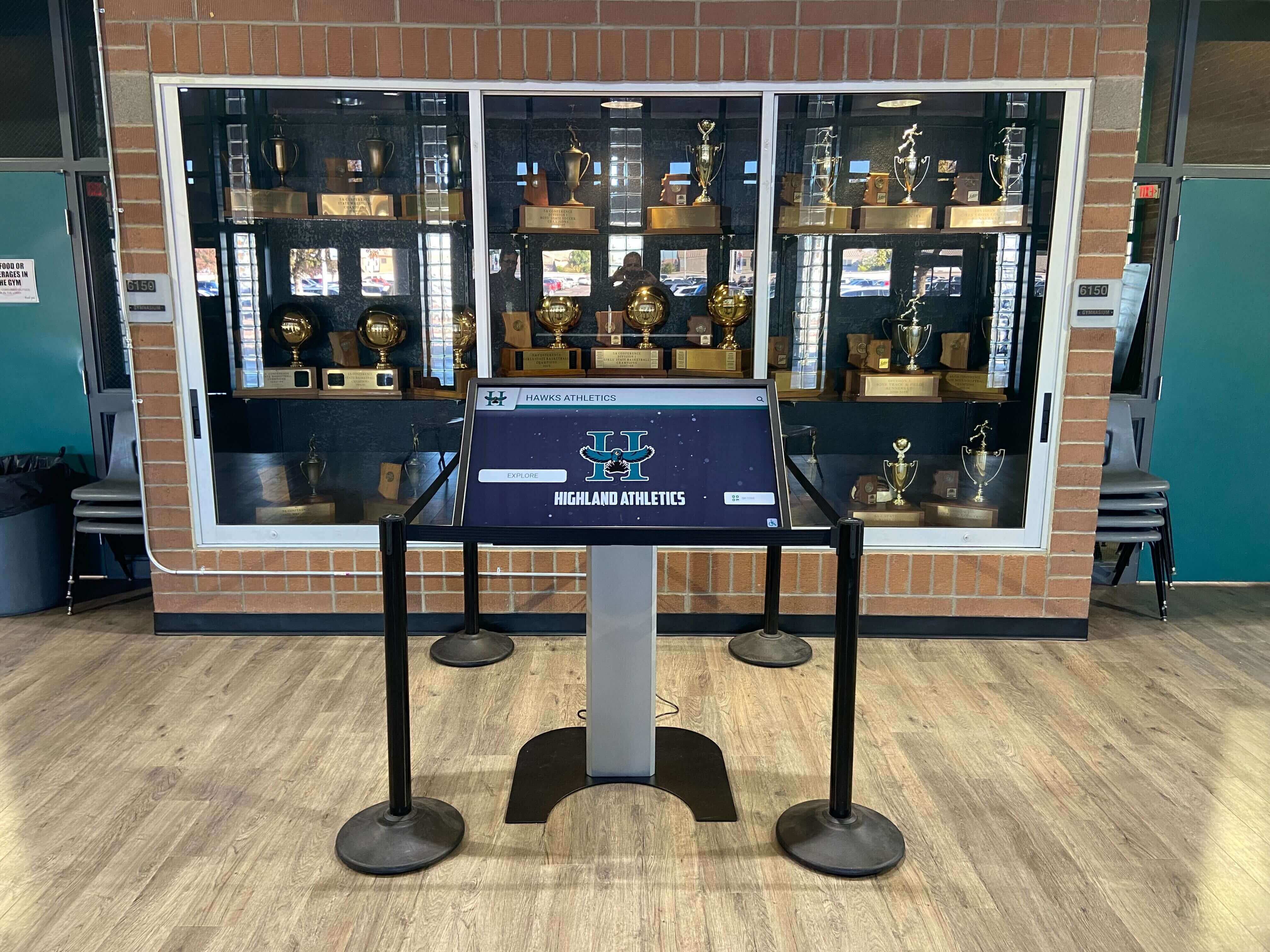
Physical placement matters significantly. Position teacher appreciation touch boards in locations with comparable visibility to athletic recognition displays, demonstrating through spatial decisions that teaching excellence holds equal importance to other forms of achievement.
Connecting Recognition to School Values
Align teacher recognition specifically with stated school values and mission. If school missions emphasize innovation, recognize innovative teaching practices prominently. If missions prioritize community connection, feature teachers’ community engagement. If missions stress academic excellence, showcase teachers’ professional credentials and continued learning.
This alignment strengthens institutional coherence while demonstrating that stated values genuinely guide operational decisions rather than remaining abstract aspirations disconnected from daily practice.
Measuring Impact and Success
Strategic institutions evaluate teacher appreciation touch board impact systematically, using data to refine approaches and demonstrate value.
Key Success Indicators
Track metrics revealing recognition program effectiveness including teacher satisfaction and morale surveys, staff retention rates and turnover statistics, faculty meeting feedback and suggestions, community perception surveys, and recruitment candidate feedback.
Qualitative indicators prove equally important. Observe whether teachers reference the displays positively in conversations, students demonstrate increased respect for educators, families express appreciation for learning about teaching excellence, and community members mention recognition displays when discussing school quality.
Gathering Faculty Feedback
Systematically collect teacher perspectives through annual surveys about recognition program effectiveness, focus groups exploring recognition preferences and suggestions, individual conversations during evaluation or check-in meetings, and informal observation of faculty responses to displays.
Teacher input guides program refinement ensuring recognition approaches genuinely resonate with educators rather than reflecting administrator assumptions about what teachers value.
Demonstrating Return on Investment
Document recognition program value for stakeholders including technology costs versus recruitment and retention savings, comparative analysis with other districts’ recognition approaches, recruitment candidate feedback during hiring processes, community support metrics during funding campaigns, and staff morale improvements correlating with recognition implementation.
While measuring recognition ROI precisely proves challenging, systematic documentation of multiple indicators demonstrates program value supporting continued investment and expansion.
Funding Teacher Appreciation Touch Board Systems
Implementation requires investment, but strategic funding approaches make projects achievable for districts with varied budget capacities.
Budget Planning Considerations
Typical teacher appreciation touch board investments include touchscreen display hardware ($2,000-$5,000 per installation), recognition platform software ($1,500-$8,000 annually depending on features), installation and mounting ($300-$1,000 per display), initial content development time, and ongoing content management time.
Small implementations featuring single displays with basic software may total $5,000-$10,000 while comprehensive multi-display systems with advanced features might require $15,000-$35,000+ investments. Consider phased implementations spreading costs across multiple years if single-year budgets prove prohibitive.
Creative Funding Strategies
Explore diverse funding sources beyond general operating budgets including PTA or PTO fundraising campaigns, alumni association donations, education foundation grants, corporate sponsorships with on-screen recognition, memorial gifts honoring retired or deceased educators, technology grant programs, and facilities improvement allocations.
Many communities enthusiastically support teacher recognition initiatives when asked, viewing investments as tangible ways to honor educators impacting students and families directly. The analysis of donor recognition displays for booster clubs provides frameworks applicable to teacher appreciation funding approaches.
Demonstrating Value to Funders
Help potential funders understand recognition program value through examples from other schools’ successful implementations, teacher retention research and cost savings from reduced turnover, recruitment competitive advantage documentation, community goodwill and support building benefits, and comprehensive return on investment analysis.
Clear value demonstration increases funding success rates while building lasting support for recognition program sustainability and expansion over time.
Common Implementation Challenges and Solutions
Even well-planned teacher appreciation touch board implementations encounter predictable challenges requiring proactive management.
Maintaining Current and Accurate Content
Challenge: Profiles become outdated as teachers gain new credentials, receive awards, or change roles, reducing display credibility and effectiveness.
Solution: Establish clear responsibility for profile maintenance, create annual update processes at school year start, implement simple update request systems for teachers, and conduct periodic comprehensive content reviews ensuring accuracy.
Privacy and Personal Preference Concerns
Challenge: Some teachers feel uncomfortable with public recognition or worry about personal information visibility.
Solution: Involve teachers in profile development and review, focus on professional accomplishments rather than personal details, provide opt-out options respecting individual preferences, and clearly communicate what information appears and where.
Technical Issues and Display Management
Challenge: Touchscreen displays may experience technical problems, software may require updates, and systems may need troubleshooting beyond typical administrator expertise.
Solution: Select vendors providing reliable technical support, establish clear support contact processes, train multiple staff members on basic troubleshooting, maintain backup content displays for when technical issues occur, and budget for ongoing technical support needs.
Engaging Reluctant Participants
Challenge: Some teachers may view recognition initiatives skeptically or decline participation in profile development.
Solution: Communicate recognition purposes and benefits clearly, involve teacher leaders as recognition champions, share examples from other schools generating enthusiasm, respect non-participation preferences while encouraging gradual engagement, and demonstrate genuine commitment through administrator participation and support.
Best Practices for Long-Term Success
Schools maintaining effective teacher appreciation touch boards over years implement practices ensuring sustained value and engagement.
Regular Content Refreshment
Update displays regularly with new content including recently received awards and recognition, updated testimonials from current students, seasonal or timely teaching highlights, rotating featured educator profiles, and connection to current school events or initiatives.
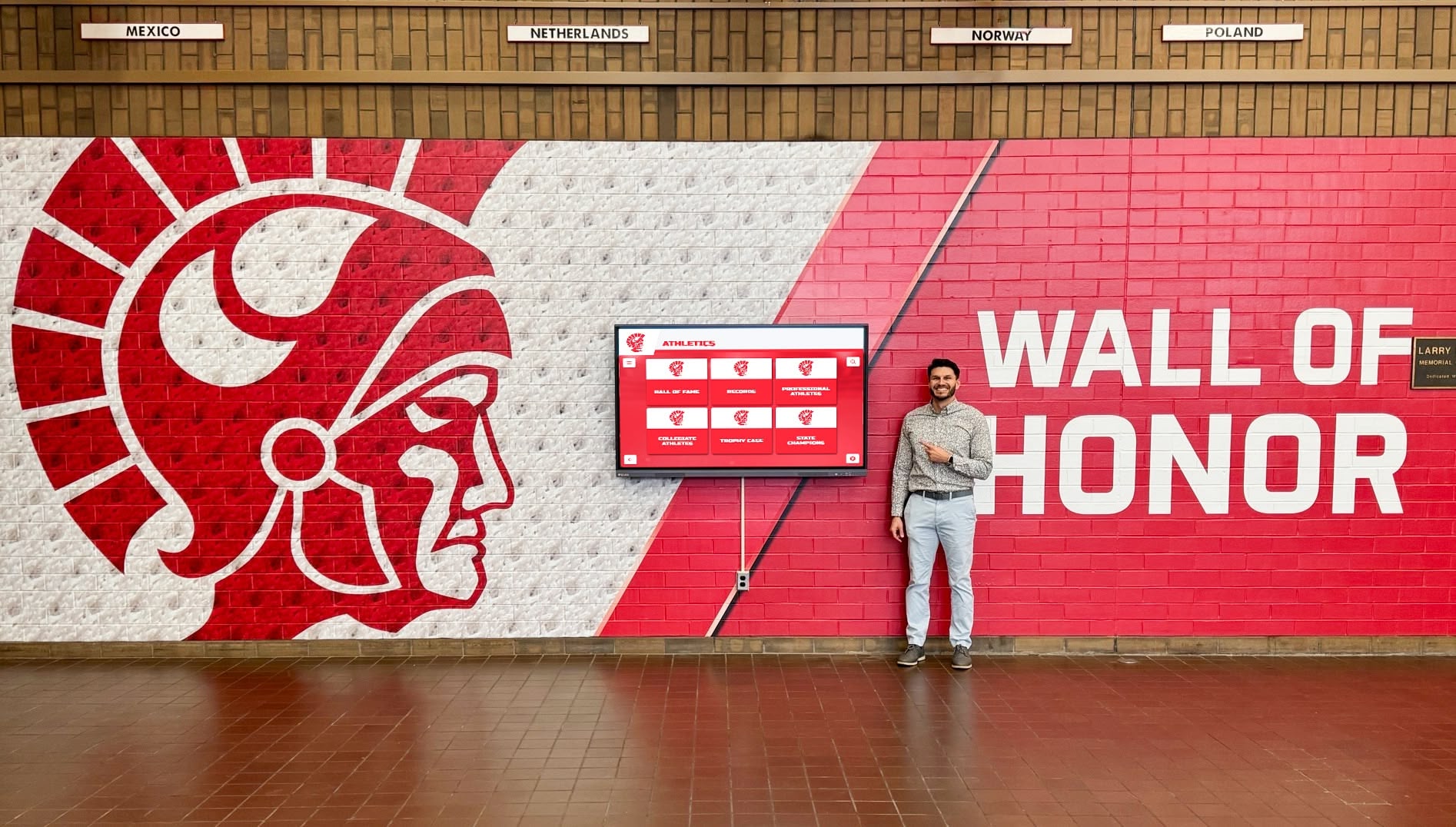
Regular refreshment keeps displays engaging for repeat viewers while demonstrating ongoing commitment to recognition rather than one-time initiatives losing momentum.
Integration with School Culture
Connect touch boards to broader culture initiatives through references during faculty meetings and professional development, integration with new teacher onboarding processes, inclusion in school tour talking points, connection to annual appreciation events and celebrations, and alignment with institutional strategic priorities around staff support.
Integration ensures recognition programs become cultural fabric rather than isolated technology installations existing separately from core institutional activities.
Celebrating Touch Board Launches
Generate initial awareness and enthusiasm through launch events including unveiling ceremonies with faculty attendance, student presentations about teacher impact, family and community open houses, media coverage in local news outlets, and social media promotion celebrating the recognition system.
Strong launches create momentum supporting long-term engagement while communicating institutional commitment to teacher recognition meaningfully.
Continuous Improvement Based on Feedback
Treat recognition systems as evolving initiatives requiring ongoing refinement rather than fixed implementations. Regularly gather and act on feedback about what works well worth continuing, what doesn’t work well requiring revision, what’s missing that stakeholders want added, and what innovations other schools have implemented successfully.
Continuous improvement demonstrates that recognition programs genuinely aim to honor teachers effectively rather than fulfilling administrative requirements without authentic commitment to meaningful appreciation.
The Future of Teacher Recognition
Digital recognition technology continues evolving with capabilities promising enhanced teacher appreciation in coming years.
Emerging Technology Applications
Future developments likely include artificial intelligence enabling natural language search, voice interaction for hands-free navigation, augmented reality features providing immersive experiences, personalized content based on viewer relationships to recognized teachers, and social media integration extending recognition beyond physical locations.
Schools implementing digital recognition systems now position themselves to adopt these enhancements as they mature without starting recognition programs from scratch years later.
Expanding Recognition Scope
Organizations discover broader applications for recognition technology beyond current teaching staff including retired educator recognition preserving institutional history, substitute teacher appreciation acknowledging often-overlooked contributions, support staff recognition honoring complete educational teams, volunteer appreciation for community support, and student mentorship program recognition celebrating those guiding learner development.
The platform created for teacher recognition becomes foundation for comprehensive institutional appreciation serving diverse purposes and audiences.
Honoring Those Who Shape Futures
Teachers dedicate careers to student success, invest countless hours beyond contract requirements, continuously improve their practice through professional learning, build caring relationships supporting young people’s growth, and create learning experiences that shape entire lives. Yet recognition for this essential work often remains limited to brief acknowledgments that fail to communicate the genuine appreciation educators deserve.
Touch boards for teacher appreciation transform recognition from occasional gestures into permanent, visible celebrations honoring teaching excellence comprehensively. These systems make educator achievements accessible to entire school communities, create ongoing recognition rather than momentary acknowledgment, demonstrate institutional commitment to valuing teaching as essential work, and strengthen school cultures around respect and appreciation for educational professionals.
The investment in teacher appreciation touch boards extends beyond technology purchases—it represents institutional commitment to honoring those whose work makes all other school achievements possible. Strong academic programs, successful athletic teams, thriving arts programs, and engaged student communities exist because dedicated teachers create the conditions enabling student success. Recognizing teaching excellence visibly and continuously communicates that schools understand this fundamental truth and genuinely appreciate those living it daily.
Essential Principles for Teacher Appreciation Touch Board Success:
- Position displays prominently in high-traffic locations demonstrating recognition priority
- Develop comprehensive teacher profiles honoring educators holistically
- Include authentic student and family testimonials illustrating teaching impact
- Maintain current, accurate content through systematic update processes
- Integrate recognition with broader school culture and values
- Engage teachers in profile development and review processes
- Balance teacher recognition with other forms of institutional recognition
- Measure impact systematically and refine approaches based on evidence
- Secure sustainable funding supporting long-term program viability
- Celebrate recognition initiatives generating awareness and engagement
Modern recognition technology provides excellent opportunities to honor teaching excellence appropriately and comprehensively. Solutions like Rocket Alumni Solutions offer purpose-built platforms specifically designed for educational recognition needs, combining straightforward content management with engaging presentation formats that celebrate educators effectively while serving institutional culture-building goals.
Schools investing in teacher appreciation touch boards discover that visible, ongoing recognition creates positive cycles where appreciated teachers demonstrate higher satisfaction and commitment, engaged students develop greater respect for educators and learning, supportive families strengthen school-community partnerships, and entire communities recognize educational excellence in their districts. This comprehensive culture shift represents among the most valuable outcomes educational leaders can create through relatively modest technology investments that honor those doing education’s most important work.
Ready to transform teacher appreciation from occasional events into ongoing celebration that honors educators comprehensively? Explore how digital recognition displays create meaningful teacher appreciation while strengthening school culture for entire communities.