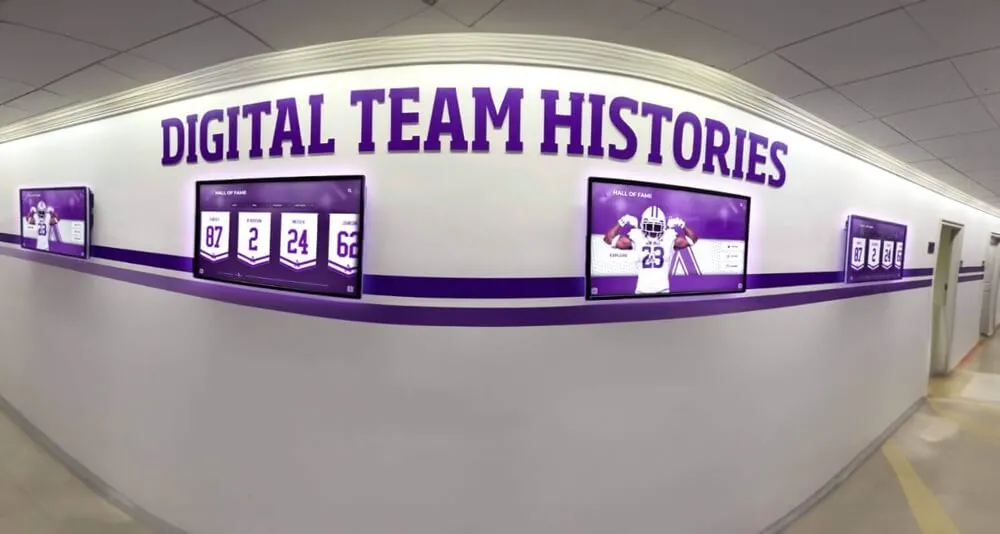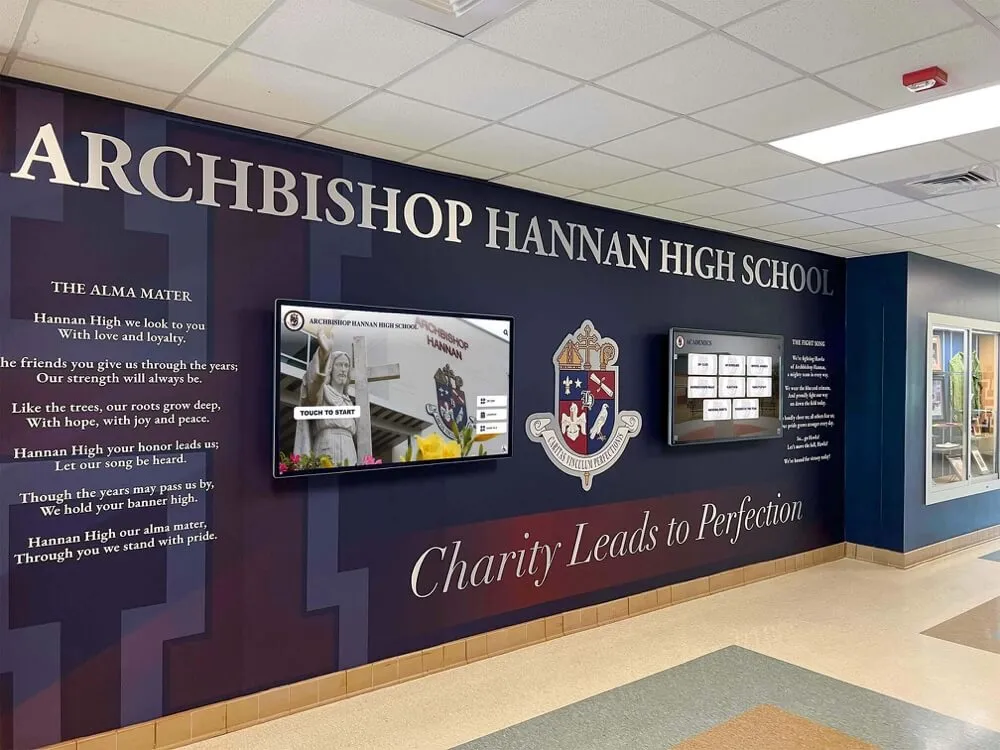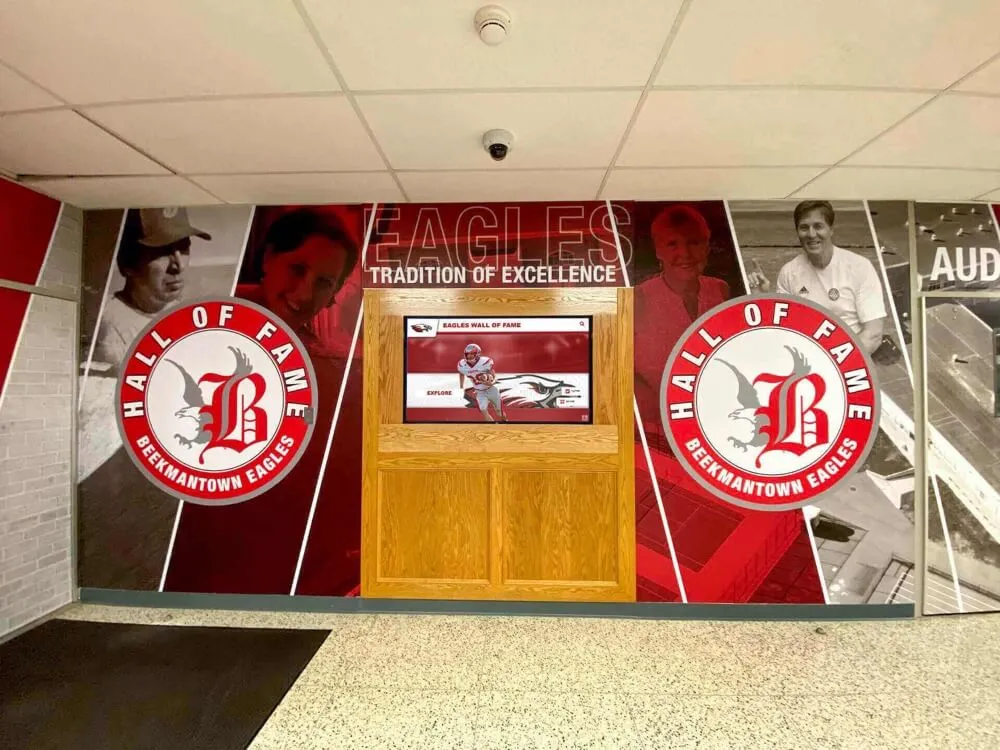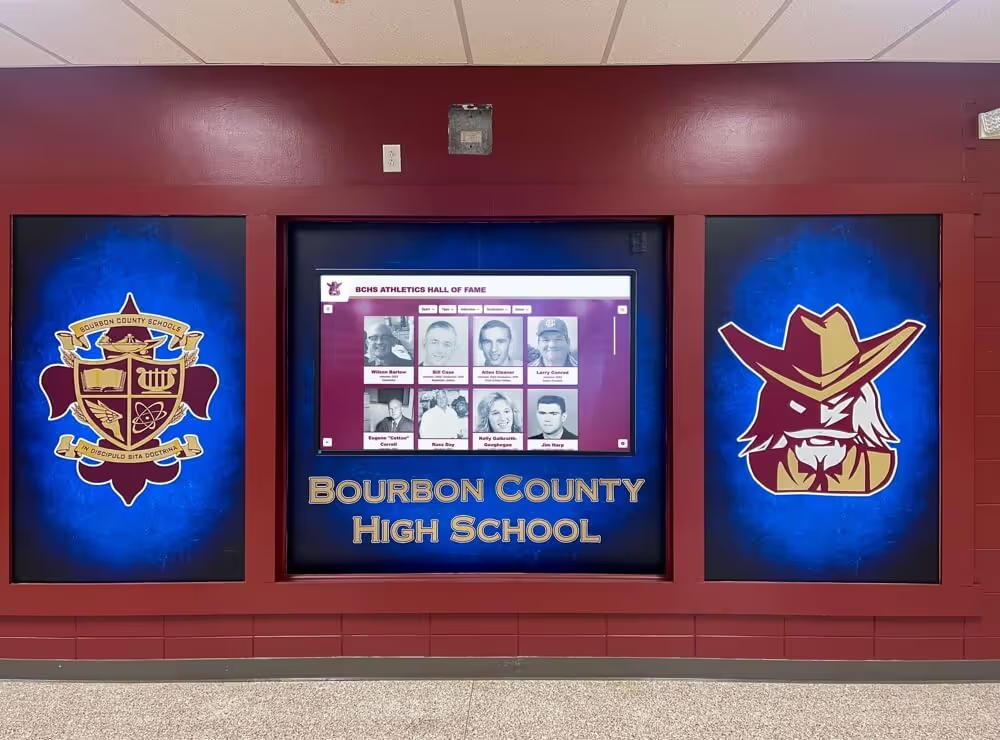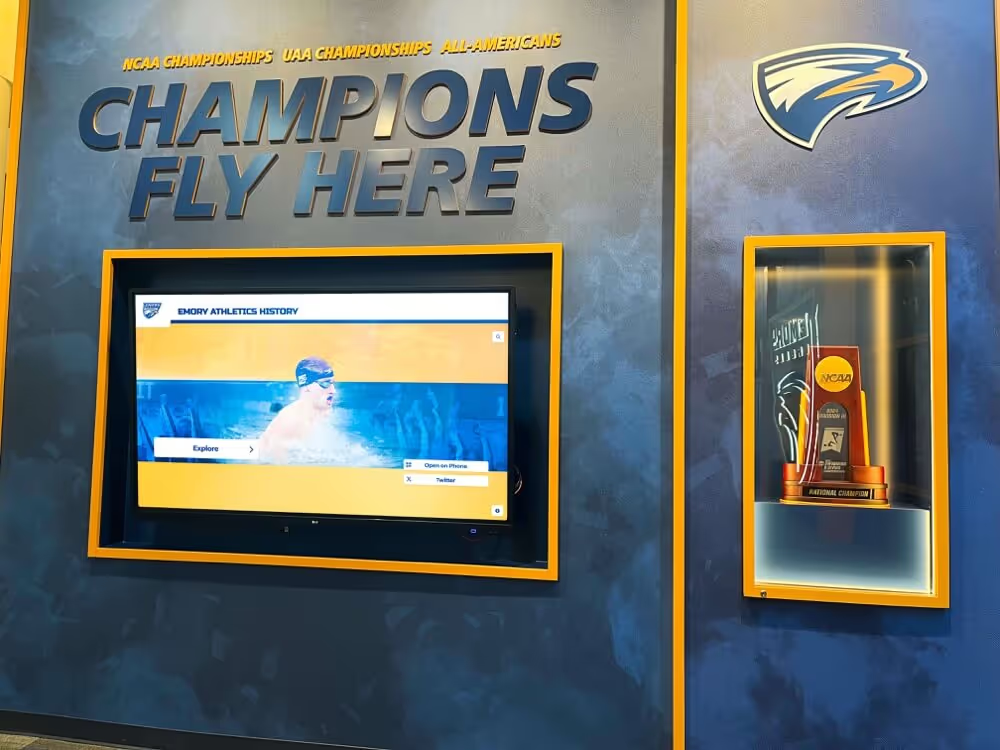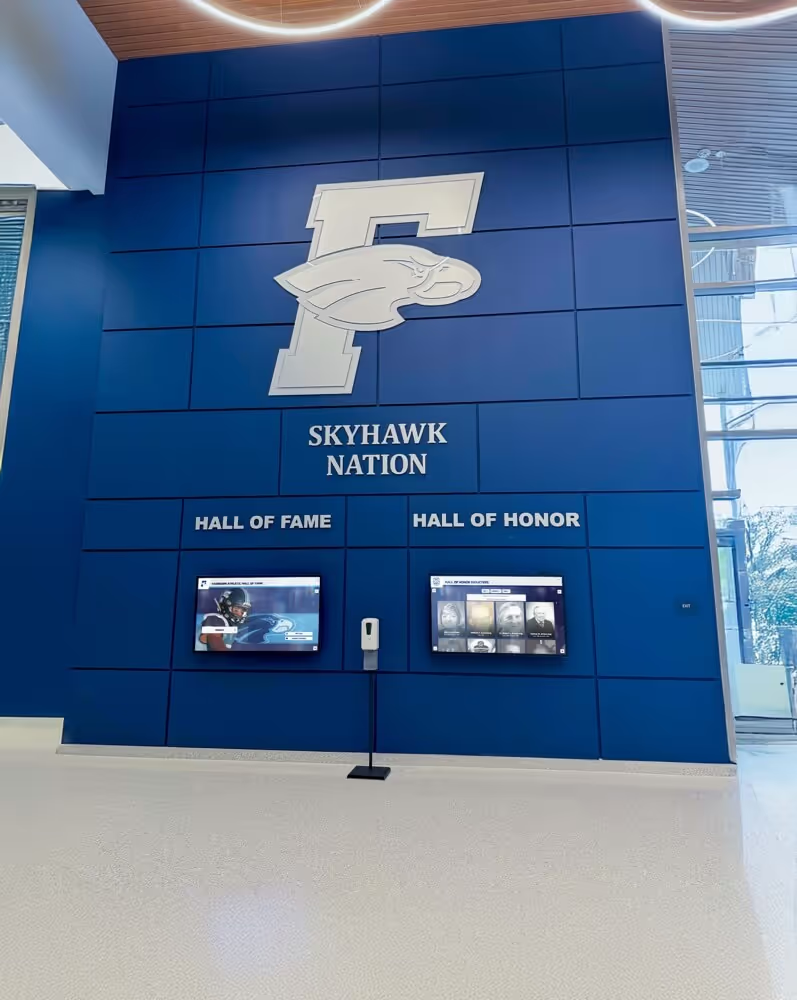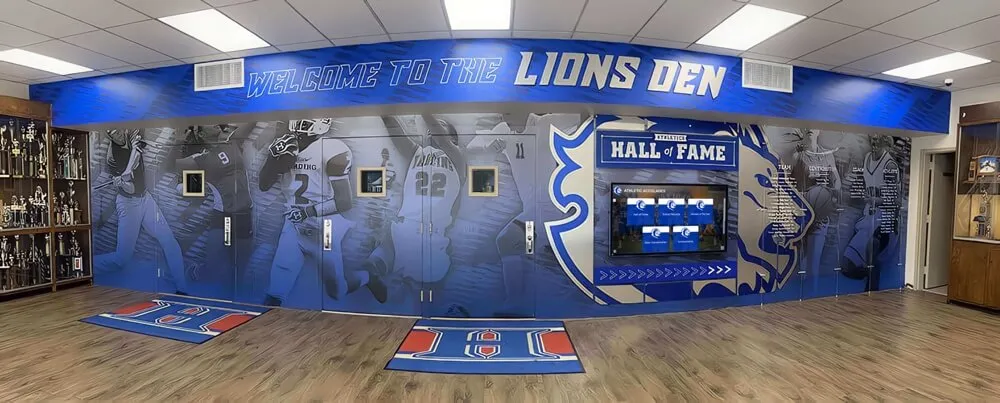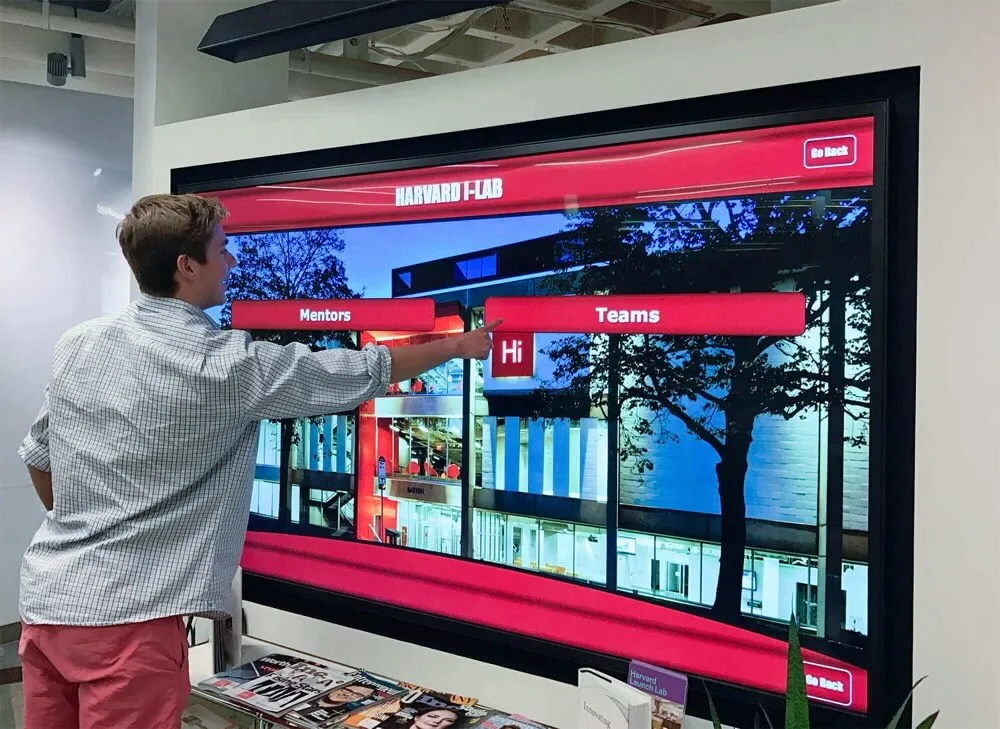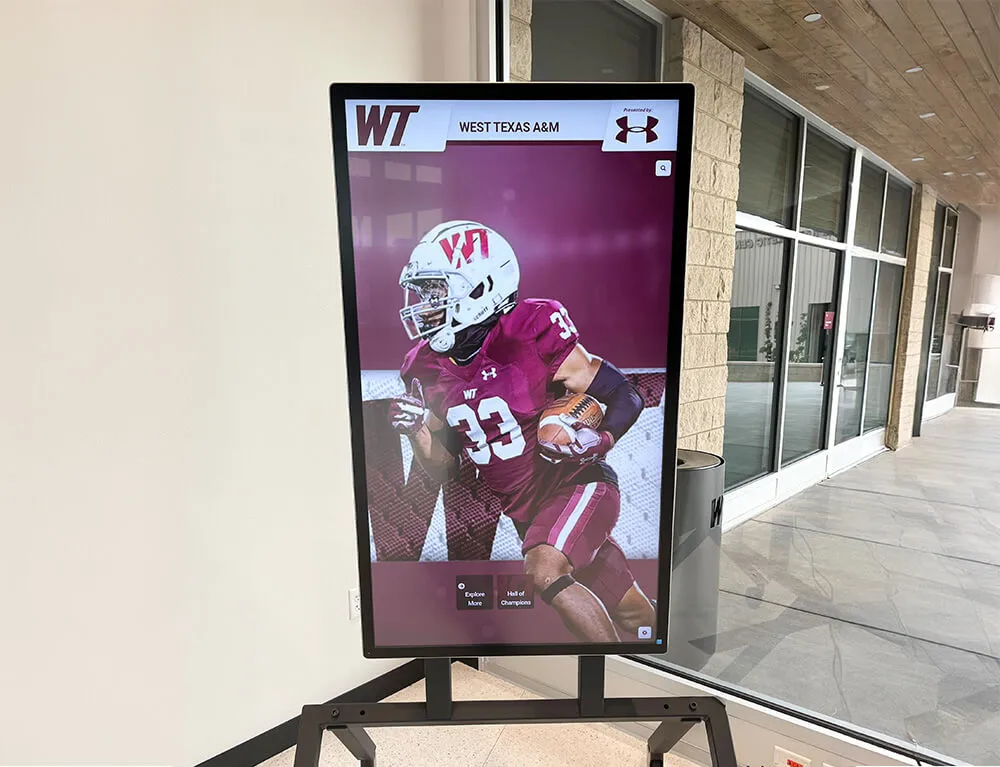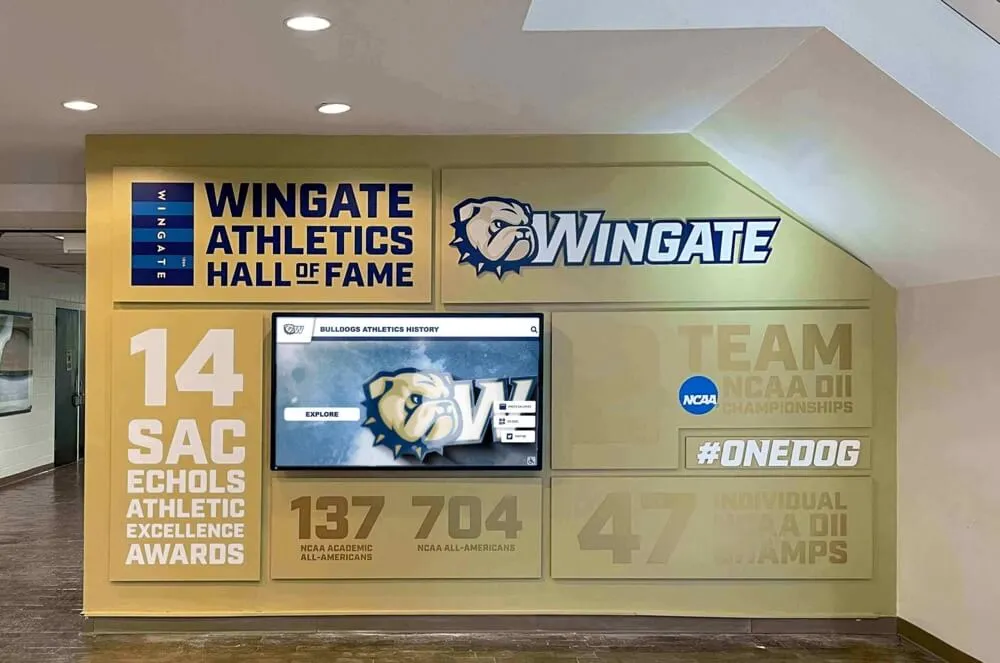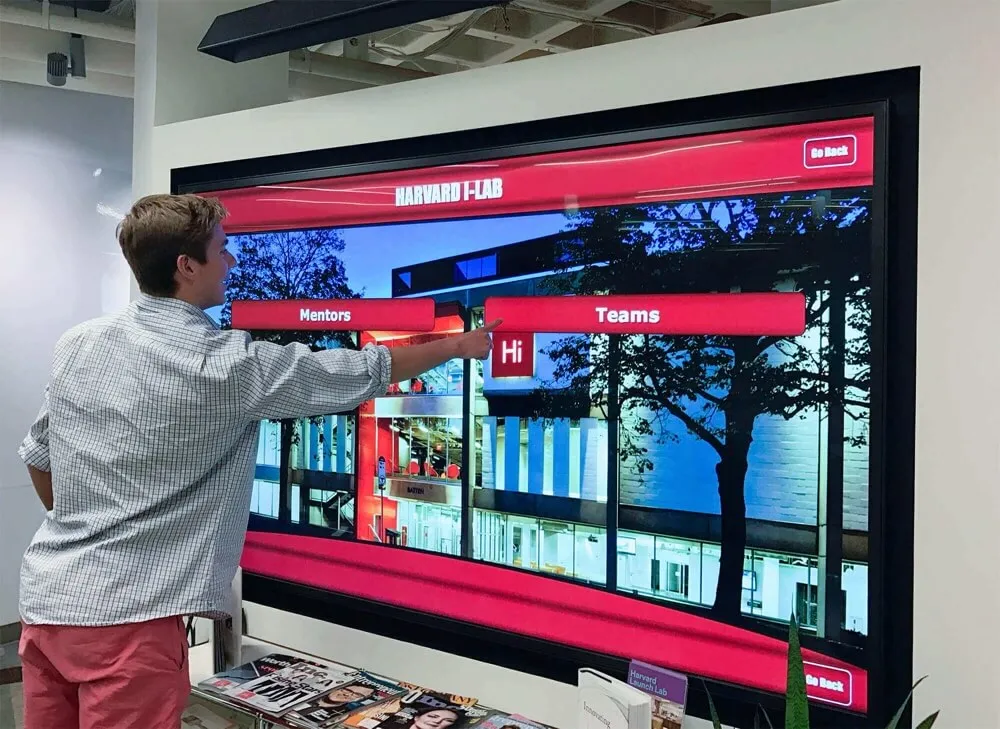




Sales professionals drive organizational revenue, close deals that fund business operations, and sustain companies through competitive markets—yet many organizations fail to provide recognition matching these critical contributions. While athletic achievements often occupy prominent lobby displays and academic honors receive dedicated showcase spaces, sales excellence frequently receives only brief acknowledgment through temporary email announcements or generic plaques quickly forgotten in storage closets.
This recognition gap creates measurable consequences: diminished motivation among top performers who feel undervalued, increased turnover when star salespeople accept offers from organizations demonstrating greater appreciation, recruitment challenges attracting competitive talent to companies lacking visible recognition culture, and missed opportunities to inspire developing sales professionals through accessible role model examples. Organizations implementing comprehensive top sales performer recognition display systems report significant improvements including enhanced retention rates, elevated team performance, stronger recruitment outcomes, and transformed sales cultures celebrating excellence appropriately.
Intent: Demonstrate
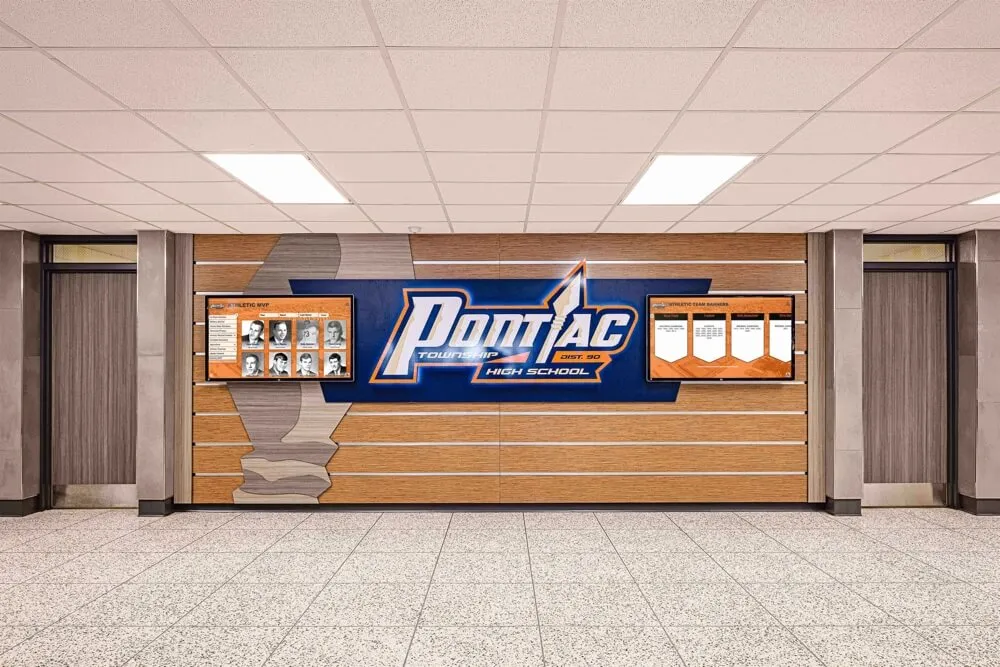
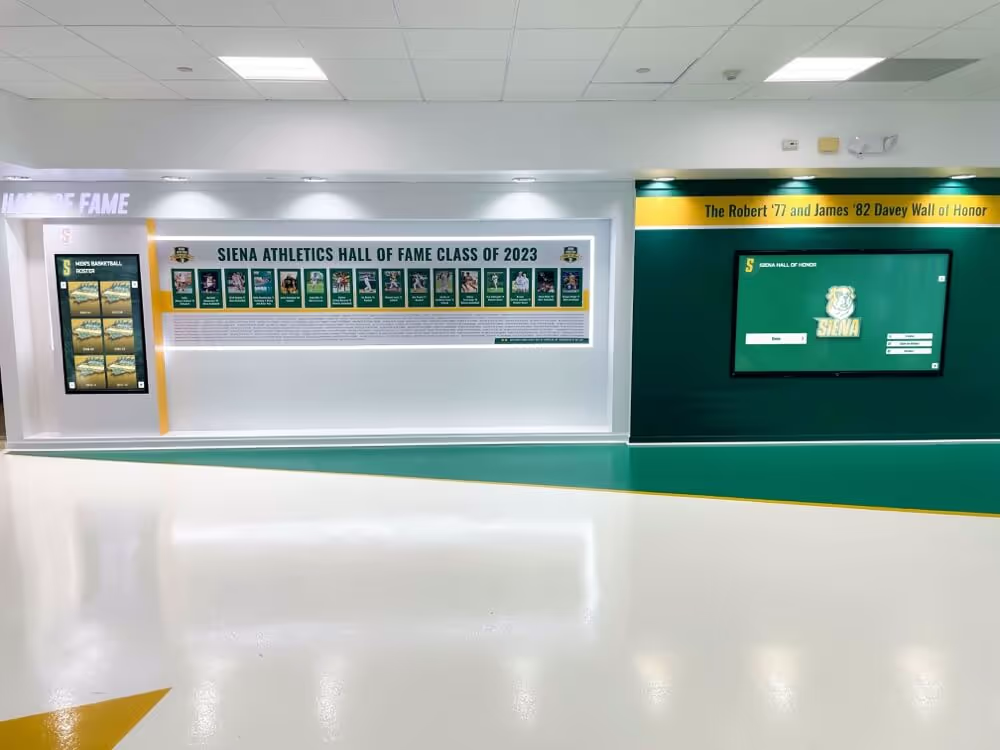
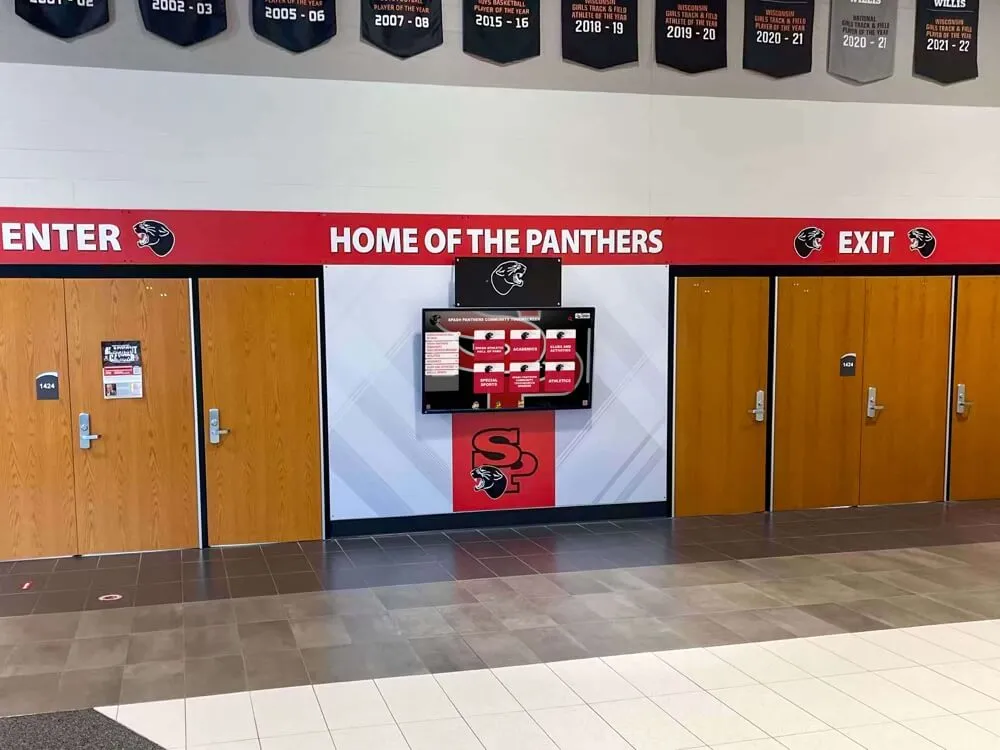
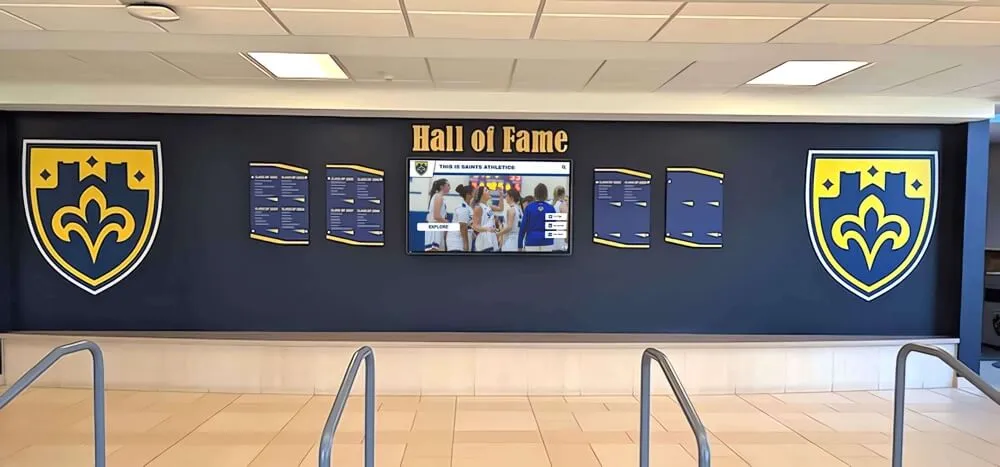
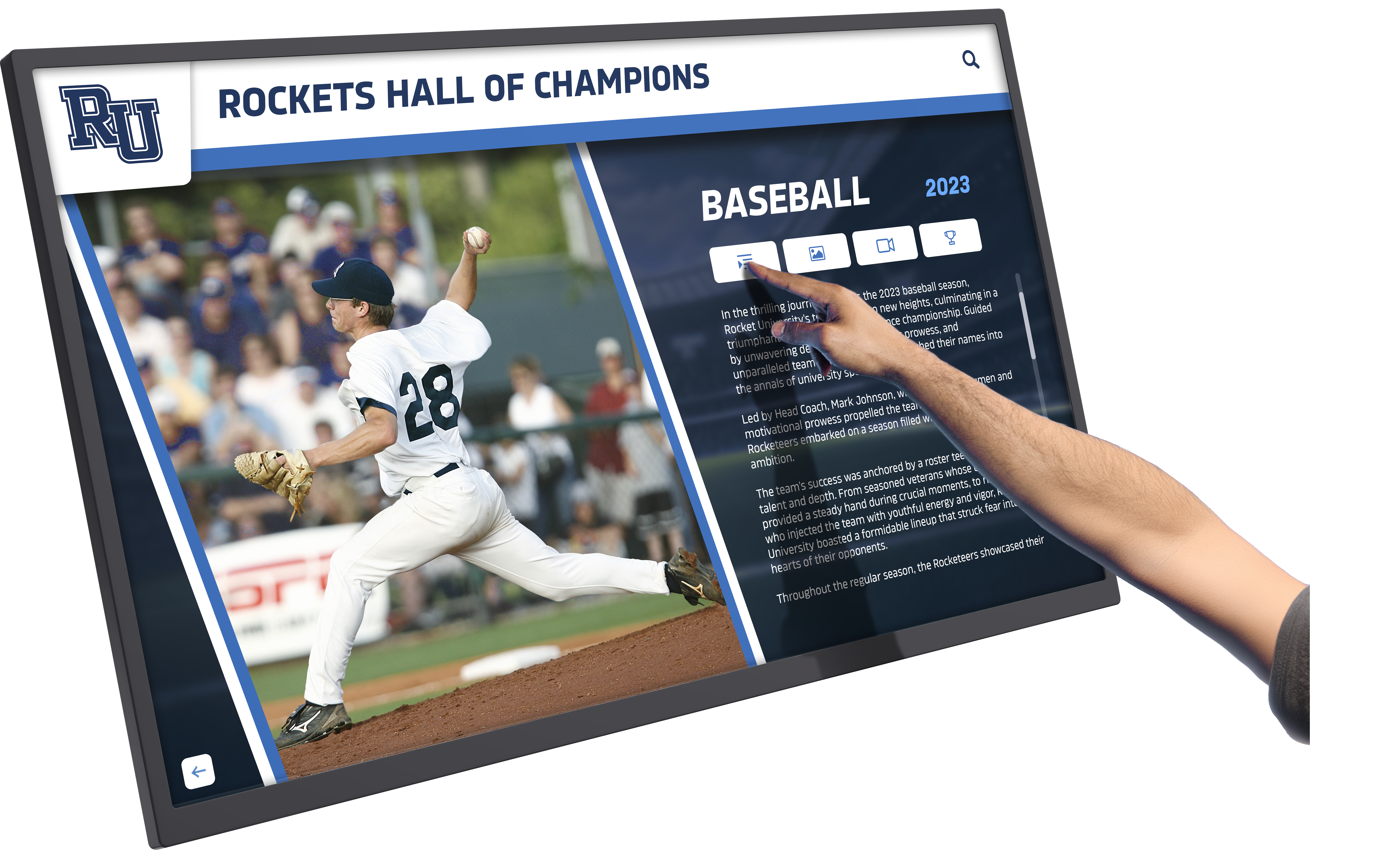
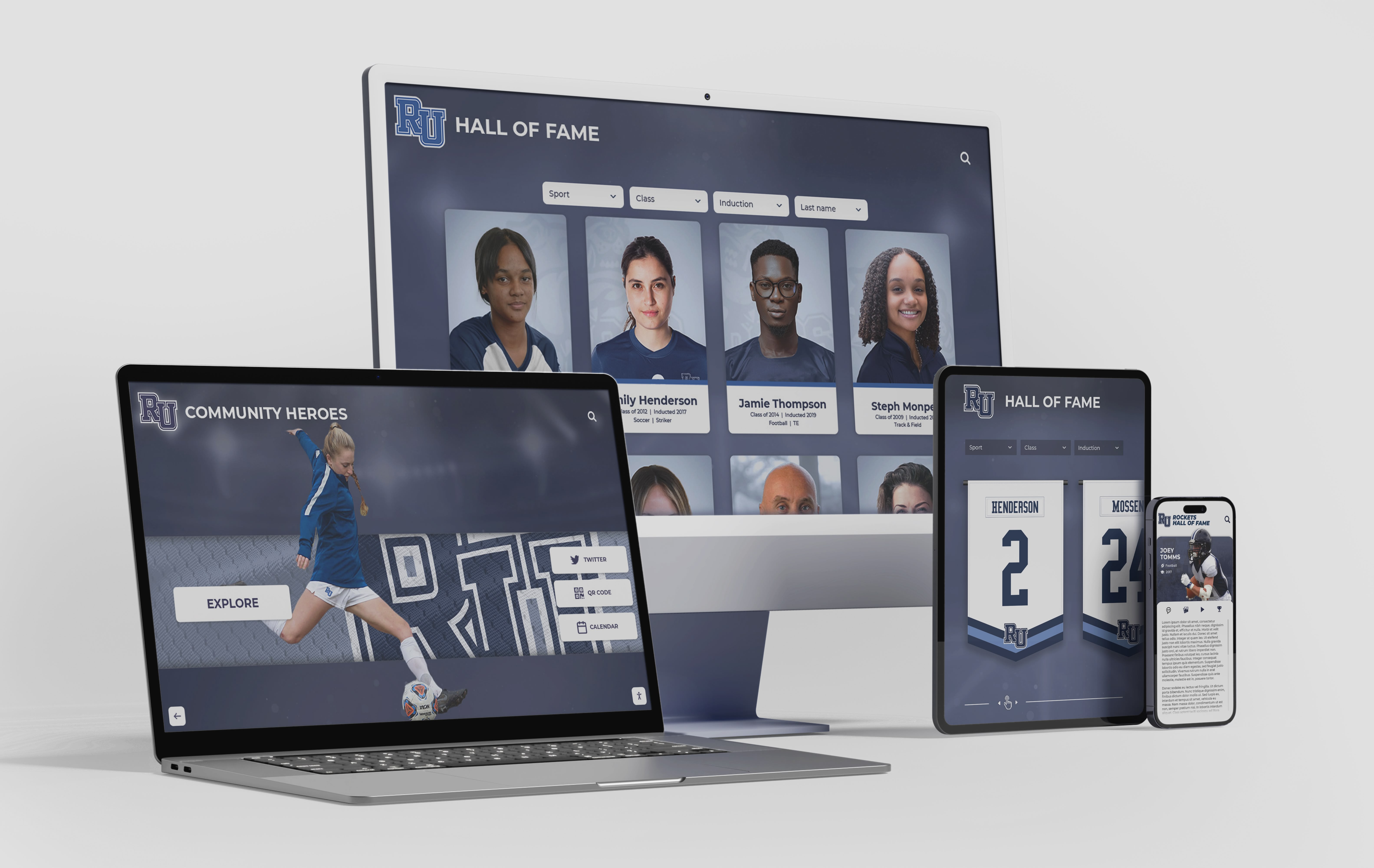
Modern digital record boards eliminate the space constraints, update delays, and limited capacity problems plaguing traditional recognition approaches. Auto-ranking maintains current leaderboards without manual intervention. Unlimited capacity honors every achievement without forcing impossible choices about whose excellence receives visibility. QR unlock features enable instant profile updates from any mobile device. ADA-compliant interfaces ensure universal accessibility. Schedule a Zoom demo to see how solutions like Rocket Alumni Solutions transform sales recognition from occasional acknowledgment into sustained cultural drivers motivating performance while preserving organizational history permanently.
The Sales Recognition Problem Most Organizations Never Address
Walk through typical corporate headquarters and notice what receives prominent recognition: company founding stories, product milestones, maybe community service achievements. Sales excellence—the revenue generation funding everything the organization accomplishes—often remains invisible beyond finance department spreadsheets and quarterly earnings reports that employees rarely see or understand.
This visibility disparity communicates unintended but powerful messages about organizational values. When sales professionals observe minimal public acknowledgment of their contributions while other departments receive visible celebration, they naturally conclude that their demanding work matters less than activities generating no revenue. This perception affects motivation, retention decisions, and the fundamental culture organizations create around sales roles and revenue responsibilities.
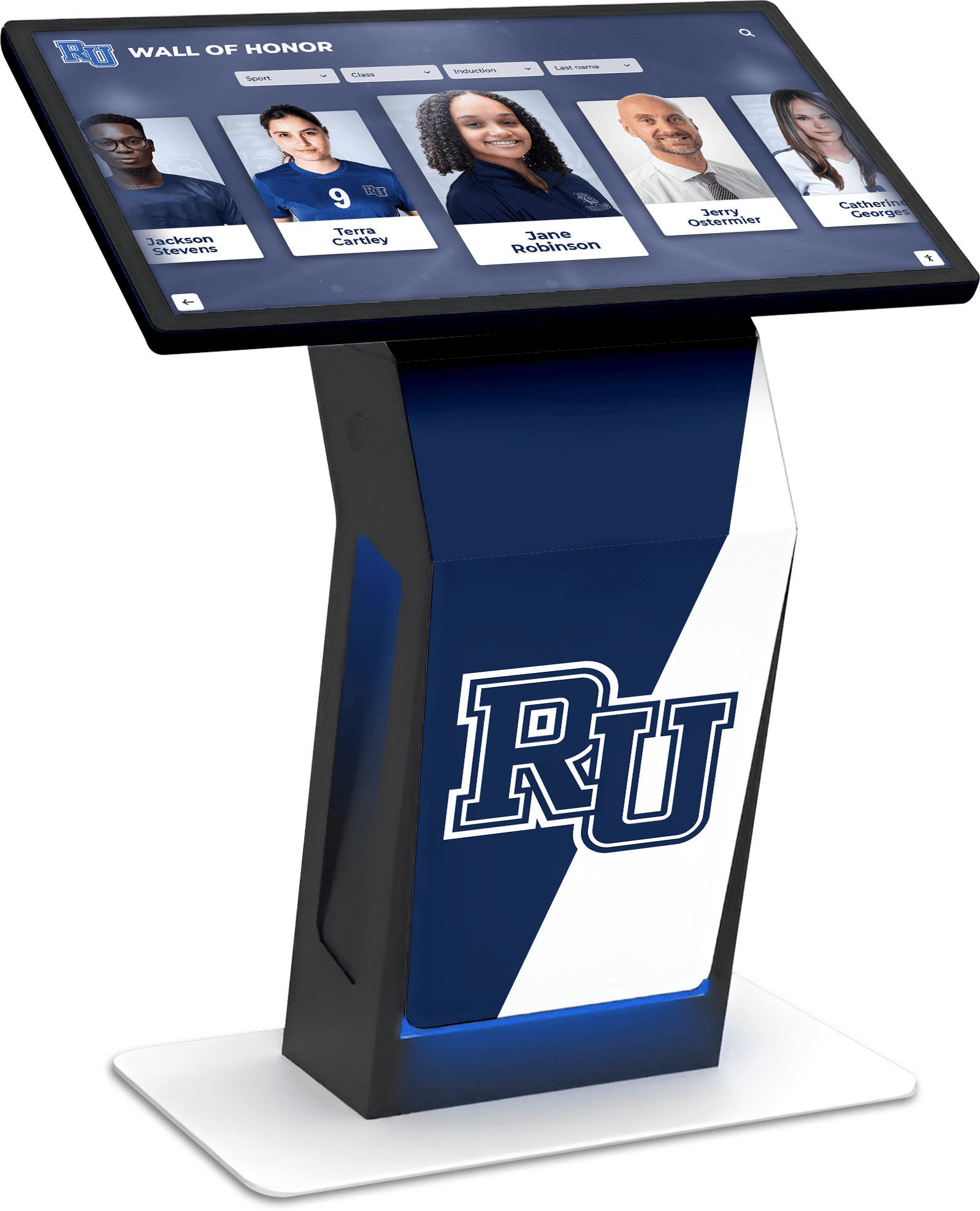
Space Limitations Force Impossible Recognition Choices
Traditional recognition approaches require physical space—wall areas for mounted plaques, trophy cases for awards, bulletin boards for certificates. These space constraints force impossible decisions about which achievements deserve permanent display and which must be stored away or discarded. When recognition capacity remains finite, organizations typically default to acknowledging only absolute top performers, leaving the broader team—including strong contributors who consistently meet or exceed quotas—without meaningful public recognition.
Physical space limitations also create practical barriers to comprehensive recognition. A single President’s Club class might include 15-20 high performers, yet traditional displays accommodate only limited plaques before becoming cluttered or requiring expansive wall space unavailable in most facilities. Annual awards accumulate quickly, meaning multi-year recognition requires either removing older honorees to make space for current achievers or accepting that recognition becomes increasingly abbreviated as programs continue over time.
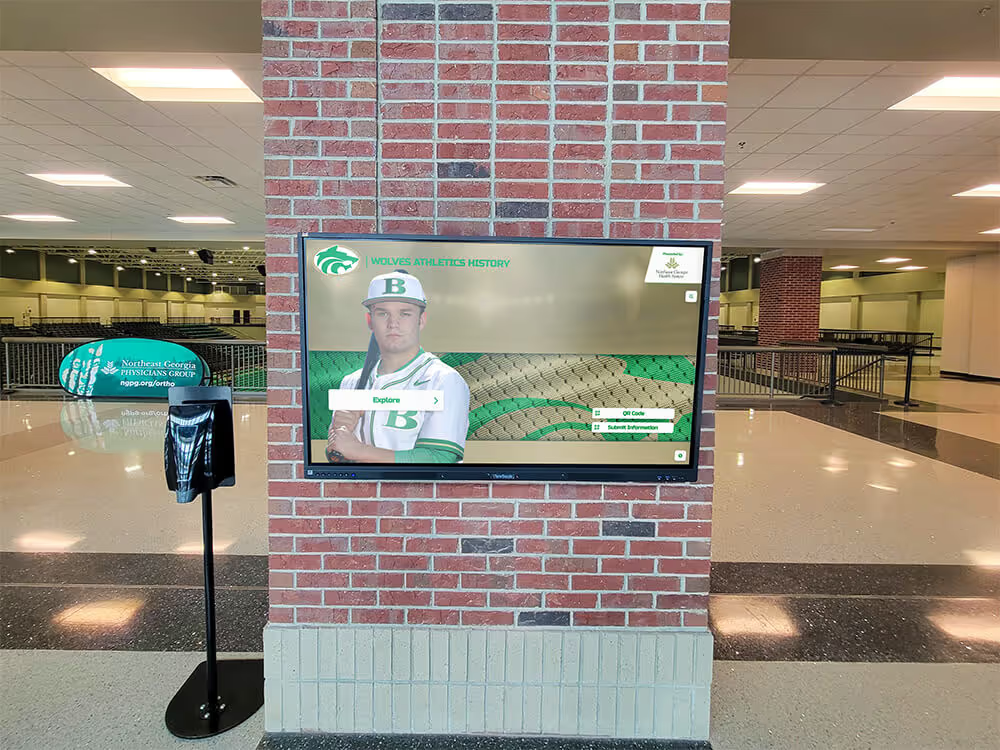
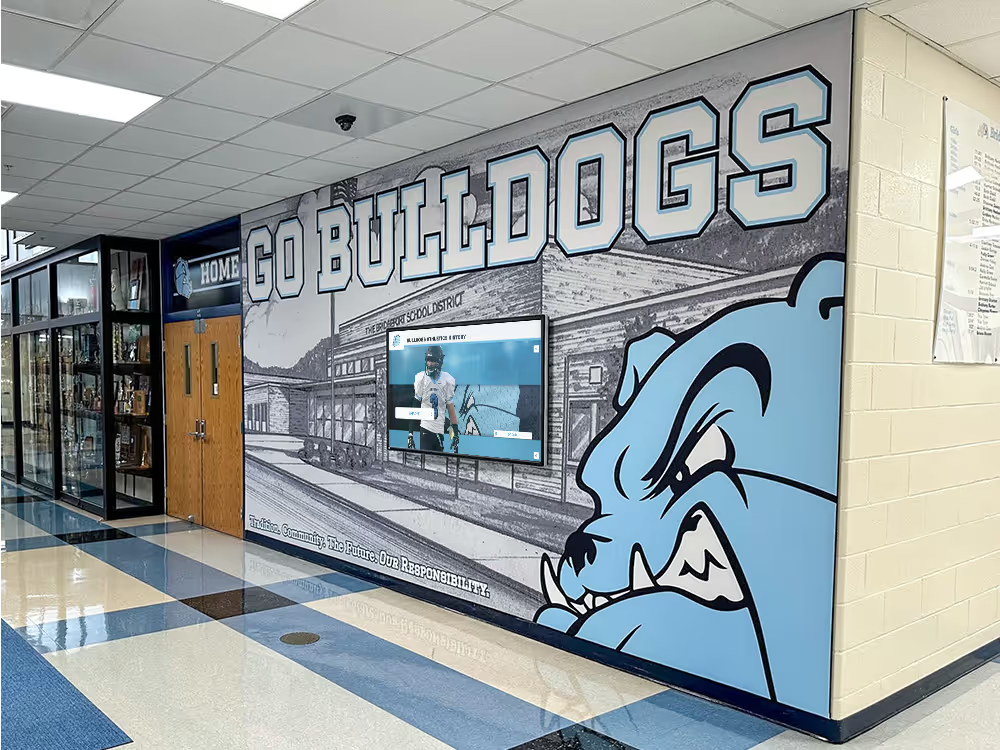
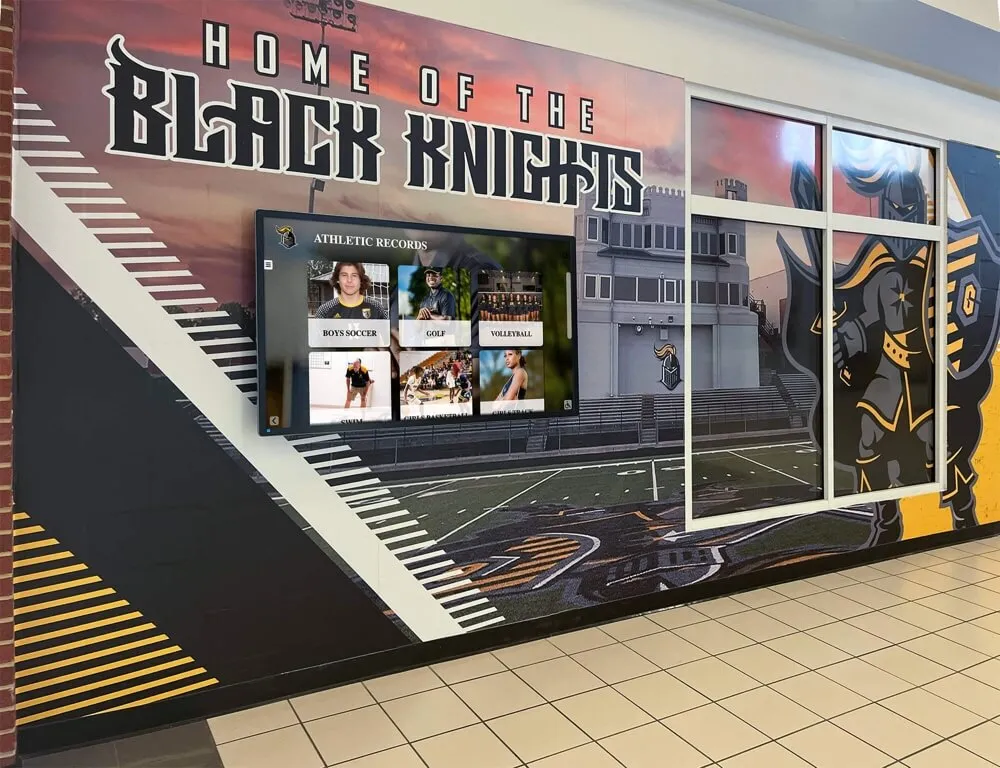
According to research from ScreenCloud’s digital sales board implementation guide, modern digital displays eliminate these space constraints entirely. A single 55-inch touchscreen accommodates comprehensive profiles for thousands of sales professionals—content requiring dozens of traditional wall displays to present. This unlimited digital capacity enables organizations to recognize every worthy achievement without space-driven prioritization that undervalues consistent excellence.
Update Delays Diminish Recognition Impact
Traditional recognition methods involve frustrating production timelines that delay acknowledgment for weeks or months after achievements occur. Physical plaques require ordering, engraving, and installation—processes taking 4-8 weeks under normal conditions, longer during busy periods or when approval processes create bottlenecks. During these delays, recognition momentum fades, achievement excitement diminishes, and the motivational impact of timely acknowledgment evaporates entirely.
Delayed recognition also communicates that organizations don’t prioritize sales excellence sufficiently to provide timely acknowledgment. When a salesperson closes a career-defining deal in January but receives physical recognition in April, the disconnect between achievement and acknowledgment undermines program effectiveness. Peers who witnessed the accomplishment have moved on to current priorities. The honoree feels the recognition comes too late to matter much. The organization misses the opportunity to leverage fresh achievement excitement for maximum motivational and cultural impact.
Interactive digital recognition platforms enable immediate updates without production delays or physical installation requirements. New achievements can appear on recognition displays within hours of occurrence—while excitement remains fresh, peer awareness stays current, and motivational impact achieves maximum effectiveness. Digital display best practices from Crown TV emphasize that real-time recognition delivers substantially stronger motivational outcomes than identical acknowledgment delayed by weeks or months.
Traditional Displays Fail to Engage Modern Sales Teams
Contemporary sales professionals grew up with smartphones, interactive tablets, and social media platforms delivering rich multimedia experiences. Recognition through static printed lists or unchanging plaques feels dated and disengaging compared to the interactive visual experiences professionals encounter daily through personal technology use and customer-facing sales presentations.
Static recognition also becomes instantly outdated. Printed leaderboards reflect only specific time periods, immediately obsolete when new performance data posts. Traditional displays rarely update, meaning current achievements often go unacknowledged for extended periods until someone finds time to produce new plaques or update bulletin boards. This stagnation prevents recognition from serving its motivational purpose while communicating that sales excellence doesn’t warrant the attention required to maintain current acknowledgment.
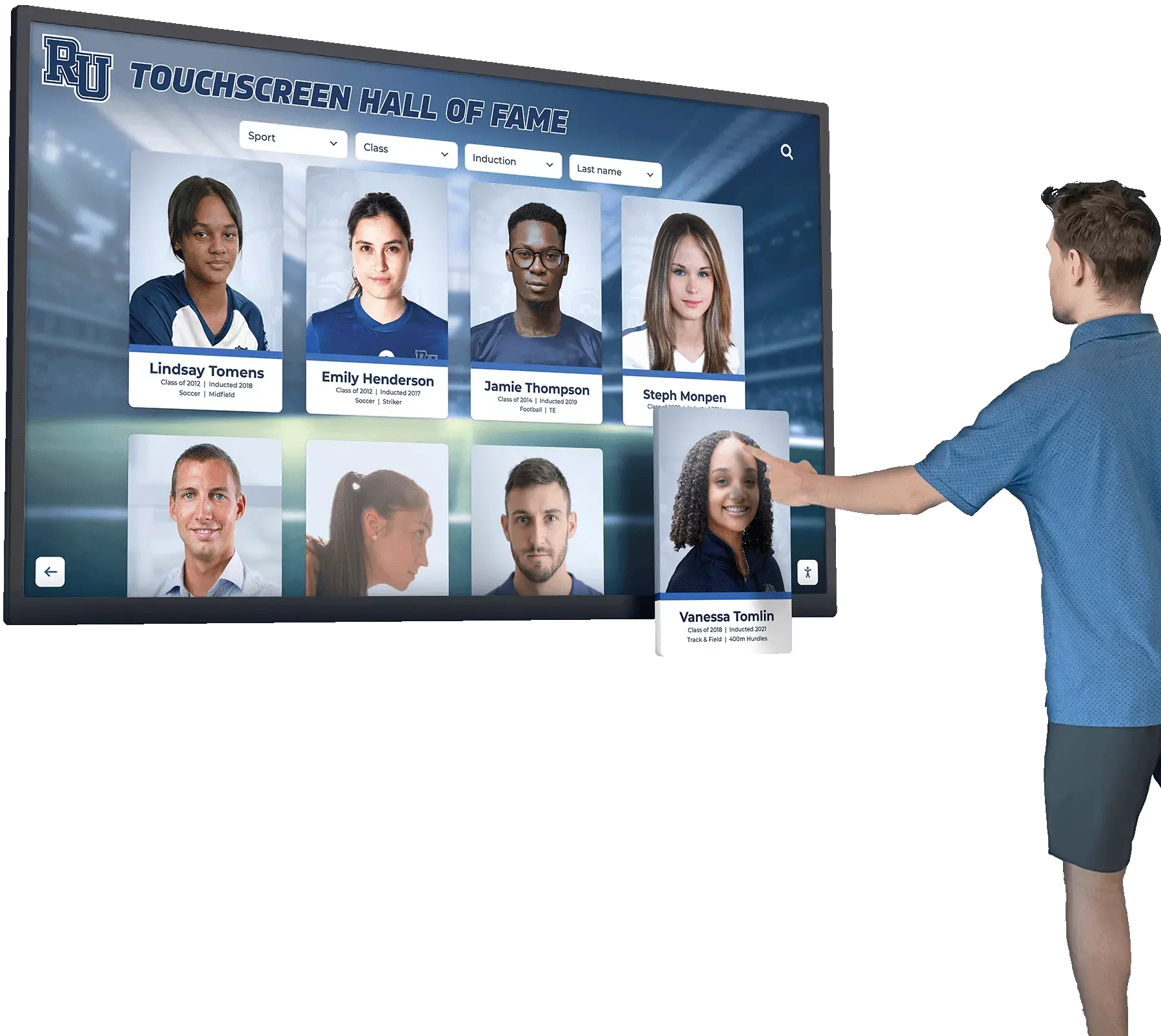
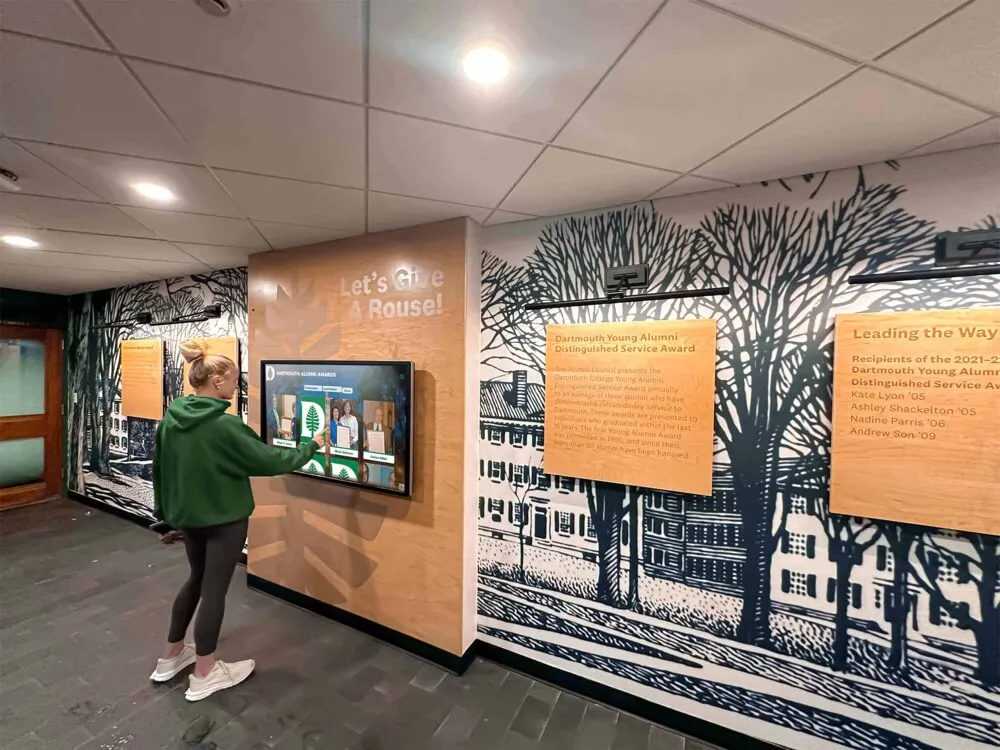
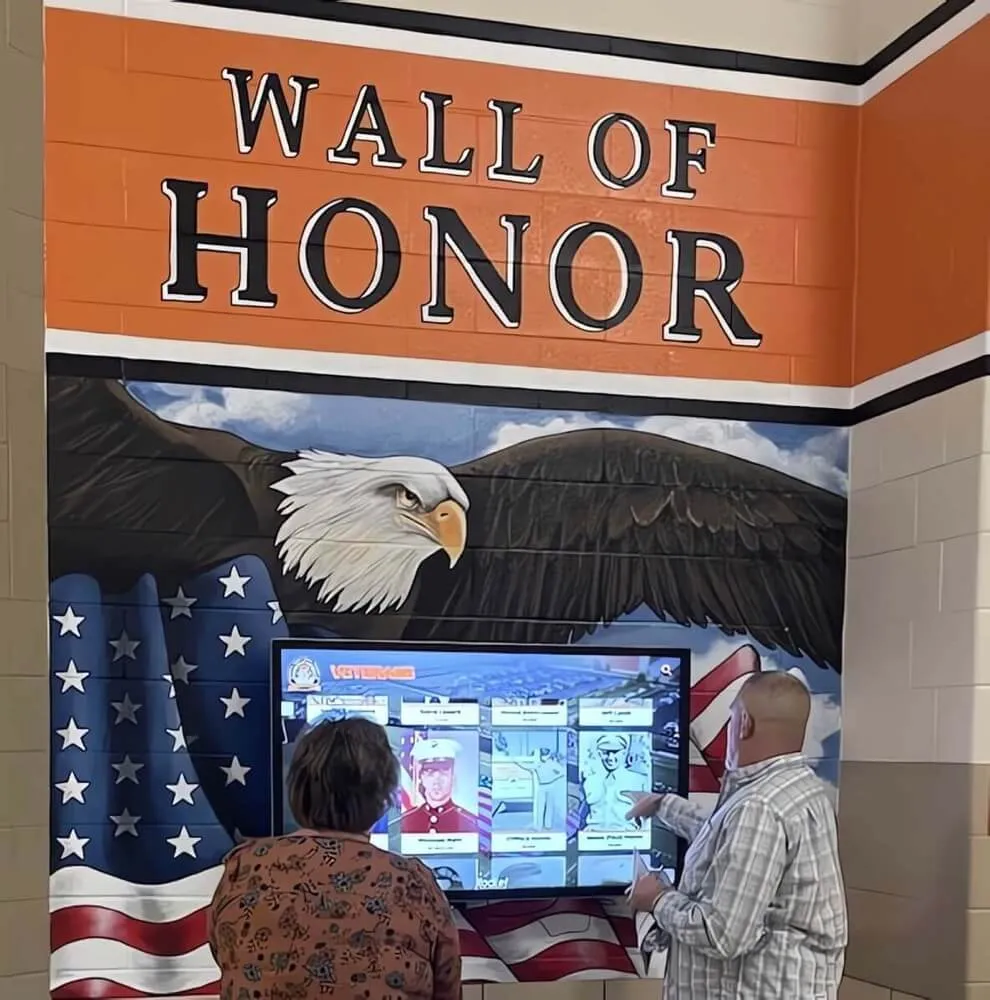
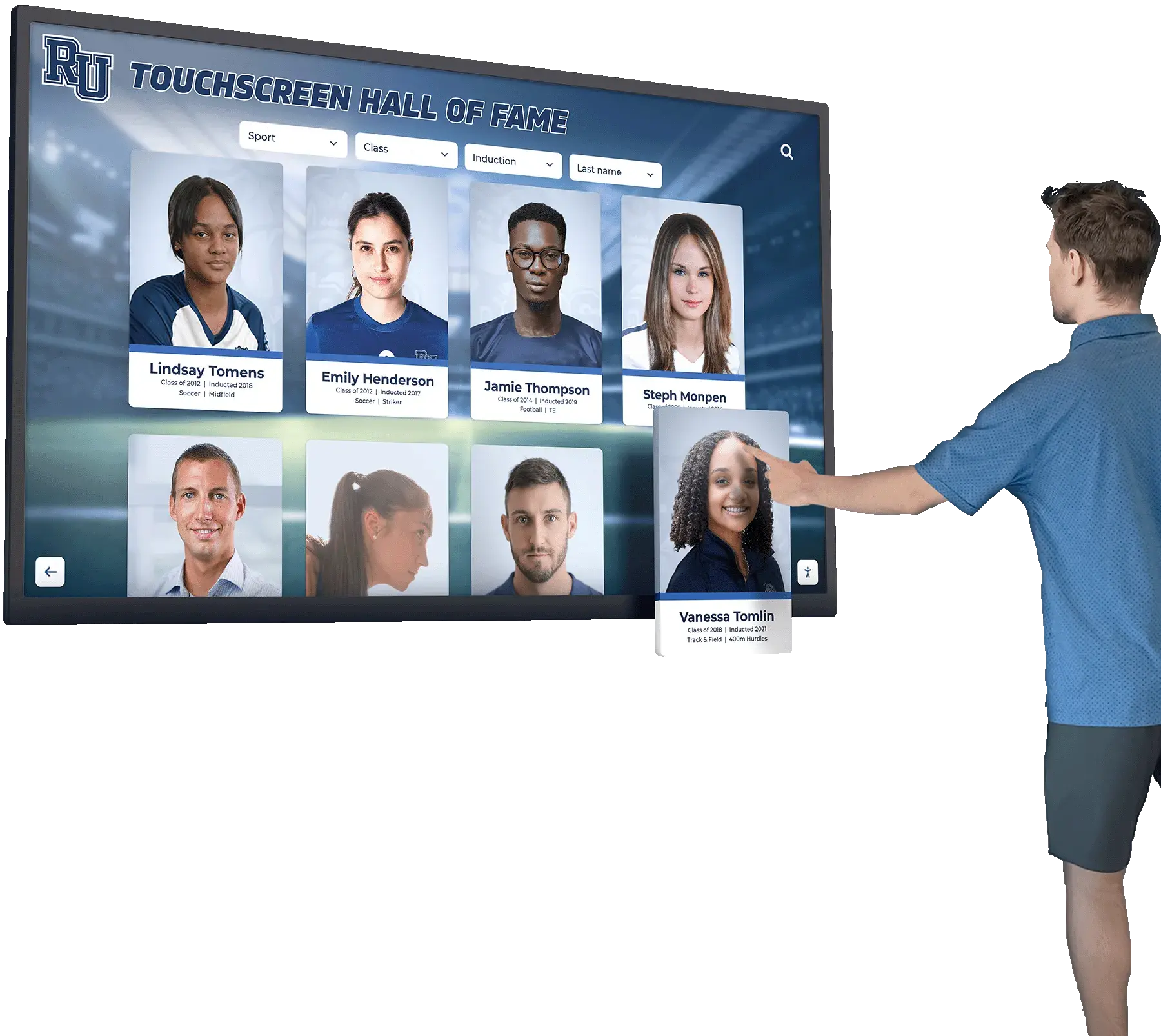
Touchscreen recognition displays transform how organizations celebrate sales achievement by creating engaging exploratory experiences generating substantially higher engagement than static traditional displays. Interactive platforms allow team members to search for specific colleagues, filter by achievement category, explore detailed accomplishment profiles including deal specifics and client testimonials, discover career progression narratives, and share recognition through personal social networks. This active exploration creates genuine engagement impossible with passive traditional display viewing.
Core Requirements for Effective Sales Recognition Displays
Successful recognition systems share fundamental characteristics distinguishing truly motivational programs from token acknowledgment generating minimal impact on performance or culture.
Recognition Must Honor Diverse Excellence Forms
Sales organizations encompass diverse roles requiring different capabilities and generating varied value types. New business development demands prospecting persistence, relationship building, and opportunity creation. Account management excellence requires deep client knowledge, retention focus, and expansion identification within existing relationships. Complex solution selling necessitates technical understanding, consultative capabilities, and multi-stakeholder coordination. Territory building involves market development, brand establishment, and strategic planning across geographic regions.
Comprehensive recognition displays acknowledge this excellence diversity through multiple achievement categories rather than single “top seller” designations. Organizations implementing category-specific recognition report broader team engagement, reduced resentment about recognition “unfairness,” and stronger motivation across varied roles when professionals see realistic pathways to acknowledgment aligned with their specific responsibilities and contribution types.
Effective Recognition Categories:
- Revenue Achievement: Absolute sales performance, quota attainment percentage, year-over-year growth
- New Business Development: New client acquisition, first-time deals, market entry successes
- Account Management Excellence: Client retention rates, expansion revenue, relationship duration
- Complex Deal Execution: Large transaction closings, multi-party negotiations, strategic partnerships
- Territory Development: Market establishment, competitive displacement, geographic expansion
- Product Expertise: Specialized solution knowledge, technical selling capability, subject matter leadership
- Team Collaboration: Cross-functional partnership, knowledge sharing, mentorship contribution
- Client Satisfaction: Testimonial collection, referral generation, satisfaction survey excellence
This categorical approach ensures more professionals receive recognition while validating that excellence manifests differently across sales roles and market contexts. Research on employee recognition effectiveness demonstrates that category-diverse programs generate stronger motivational impact than narrow single-metric approaches recognizing only absolute revenue leaders.
Criteria Must Balance Aspiration and Achievability
Recognition standards significantly affect program motivational effectiveness. Thresholds set impossibly high—recognizing only the single top performer or requiring unrealistic achievement levels—discourage rather than inspire the broader team who perceive acknowledgment as unattainable regardless of effort. Conversely, indiscriminate recognition lacking meaningful standards devalues genuine accomplishment and fails to inspire excellence pursuit.
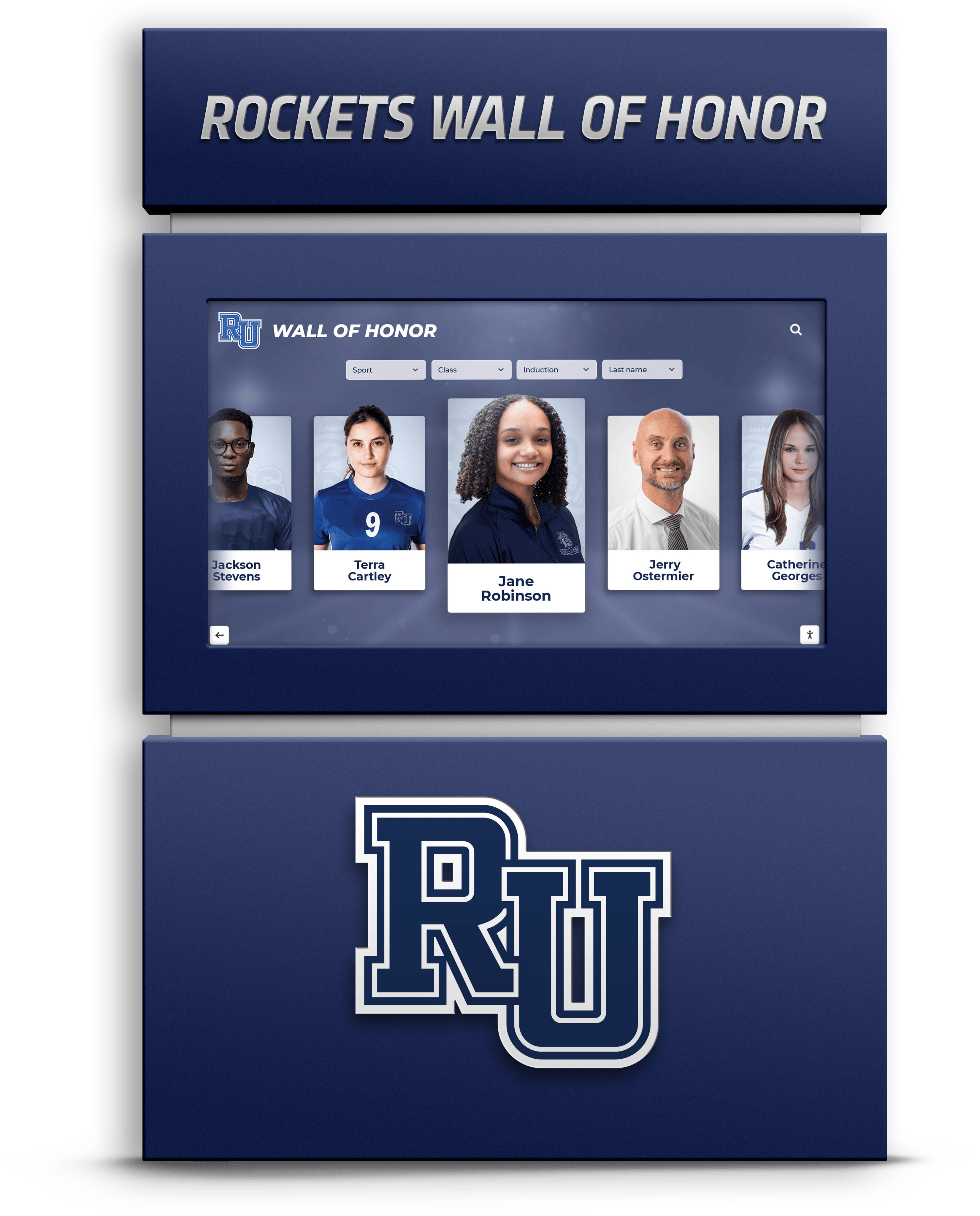
Most effective programs establish tiered recognition systems acknowledging different performance levels while maintaining distinction between achievement tiers. Recognition structures might include elite status for top 10% of performers demonstrating exceptional excellence, excellence tier for top 25% showing strong consistent performance, and achievement level for top 40% representing solid quota attainment and contribution. These tiered approaches create multiple accessible pathways to recognition while preserving meaningfulness through clear performance distinctions.
Time-based flexibility also enhances recognition accessibility and fairness. Quarterly recognition provides more frequent acknowledgment opportunities and accommodates the reality that different professionals peak during different periods based on territory characteristics, market timing, and personal circumstances. Annual comprehensive recognition celebrates sustained excellence across full business cycles. Combining multiple time horizons ensures varied professionals experience recognition rather than allowing single measurement periods to determine all acknowledgment.
Technology Platforms Must Support Comprehensive Content
Recognition display technology fundamentally shapes what programs can accomplish and how effectively they serve sales teams and broader organizational stakeholders. Generic digital signage systems require extensive customization and technical expertise for effective sales recognition implementation. Purpose-built recognition platforms designed specifically for organizational acknowledgment provide intuitive content management, proven templates, and features addressing common recognition requirements without requiring IT department dependency.
Essential Technology Platform Capabilities:
- Unlimited Profile Capacity: Accommodate comprehensive recognition across years without per-profile charges limiting program scope
- Intuitive Content Management: Non-technical staff can independently add profiles, update achievements, and manage displays without IT support
- Rich Multimedia Support: High-resolution photography, video testimonials, detailed narratives, career timelines, and achievement documentation
- Powerful Search and Discovery: Name search, role filtering, achievement category organization, year navigation, and keyword capabilities
- Auto-Ranking Features: Automatic leaderboard updates based on performance data integrations eliminating manual maintenance burden
- Mobile Responsiveness: Recognition accessible through smartphones and tablets enabling anywhere exploration by remote teams
- Social Sharing Integration: One-click sharing to LinkedIn, Facebook, and professional networks amplifying acknowledgment reach
- ADA Compliance: Screen reader compatibility, keyboard navigation, appropriate contrast ratios ensuring universal accessibility
- QR Unlock Capabilities: Instant profile updates via mobile device without accessing content management systems
- Analytics and Reporting: Comprehensive engagement data showing who interacts with recognition and how they explore content
Platforms like Rocket Alumni Solutions provide purpose-built recognition systems combining physical touchscreen displays for high-visibility workplace locations with web-based accessibility extending acknowledgment reach to remote teams, clients, recruits, and families. This multi-platform approach maximizes engagement while accommodating diverse user preferences and access contexts. Book a digital record board demo to explore how modern recognition technology transforms sales acknowledgment from static wall displays into engaging interactive experiences.
Implementing Digital Sales Performance Recognition Displays
Successful recognition initiatives require systematic planning addressing both technical implementation and cultural integration ensuring programs achieve intended impact while remaining sustainable across leadership changes and organizational evolution.
Strategic Placement for Maximum Visibility and Impact
Recognition display location dramatically affects program impact and team engagement. Strategic placement decisions should consider daily traffic patterns, target audiences for specific content types, and symbolic messaging about sales excellence value within organizational priorities.
High-Impact Placement Locations:
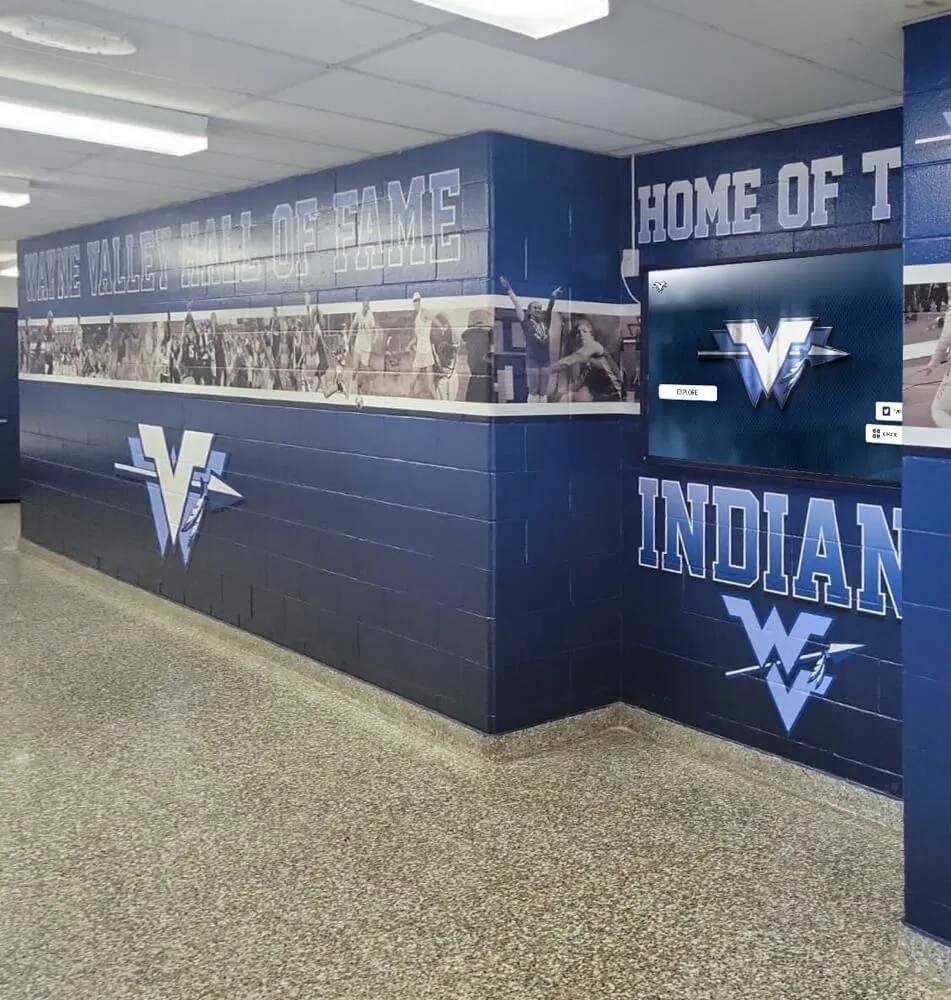
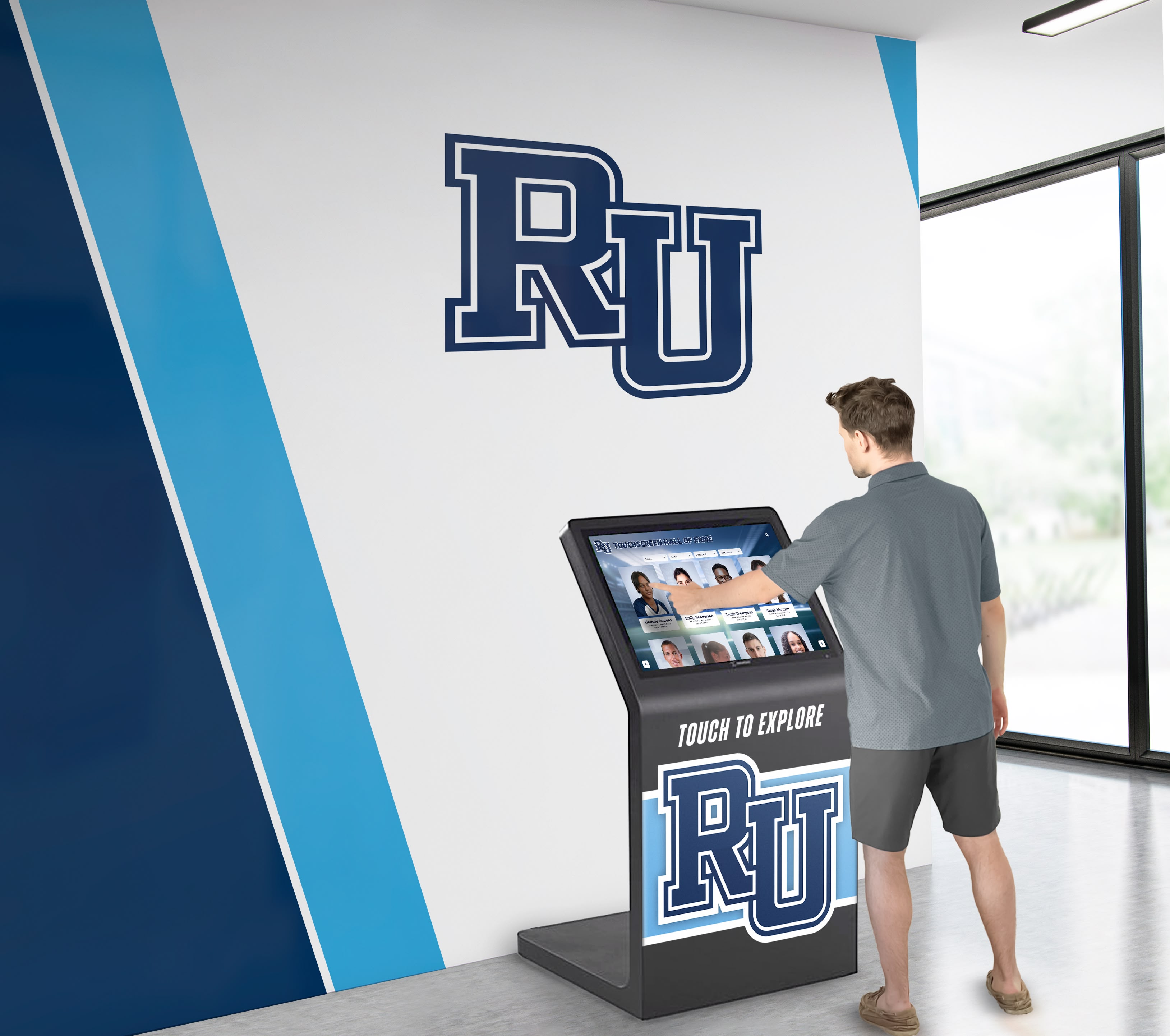
- Main Lobby and Reception Areas: Entry locations capture all employee traffic, visitor attention, client impressions, and prospective recruit observations while establishing sales recognition as prominent institutional priority
- Sales Floor and Team Areas: Locations providing constant visibility to sales professionals themselves, reinforcing achievement culture and creating ambient inspiration throughout workdays
- Executive Corridors: Strategic placement near senior leadership communicates organizational commitment while ensuring executive awareness of sales excellence and recognition program investment
- Training and Onboarding Spaces: Locations where new hires receive initial impressions and developing professionals gather for skill building, establishing recognition importance from career beginnings
- Client Meeting Areas: When appropriate for organizational context, recognition visibility to clients demonstrates organizational success while validating purchasing decisions through evidence of sales excellence and client satisfaction
- Cafeteria and Common Spaces: High-traffic gathering locations providing extended viewing time and casual exploration opportunities during breaks and informal interactions
Multiple distributed displays throughout facilities often prove more effective than single concentrated installations, ensuring recognition maintains omnipresent visibility across entire organizations rather than requiring deliberate visits to specific recognition locations that busy professionals might rarely access during normal workflows.
Content Development: Bringing Sales Excellence to Life
Rich content transforms simple name acknowledgment into meaningful celebration inspiring and motivating sales teams while strengthening organizational culture around revenue excellence and customer success.
Essential Profile Elements for Sales Recognition:
- Professional Photography: High-resolution images creating immediate visual connection and personal recognition beyond simple text listings
- Achievement Details: Specific accomplishments including revenue milestones, quota attainment percentages, deals closed, clients acquired, and year-over-year growth metrics
- Career Progression Narrative: Timeline showing professional growth from initial role through current position demonstrating advancement pathways
- Territory or Specialization Context: Geographic markets, product lines, client segments, or solution areas providing achievement context
- Tenure Recognition: Years with organization acknowledging sustained commitment alongside performance excellence
- Recognition History: Previous awards, multi-year achievements, and consistent excellence demonstrating sustained performance rather than single-period success
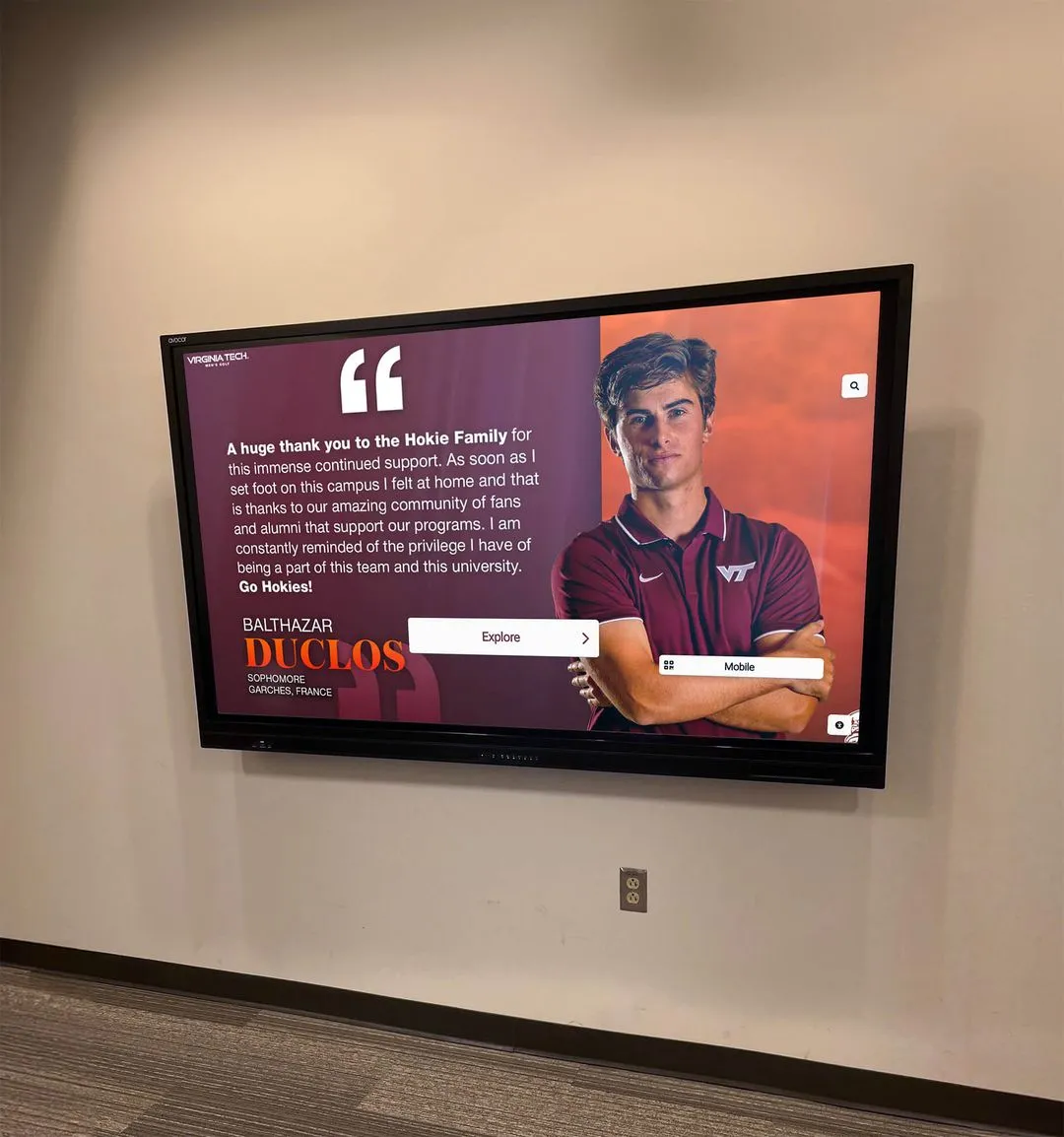
- Professional Philosophy Statement: Brief quotes about sales approach, client relationships, success factors, or advice for developing professionals
- Client Testimonials: When appropriate and approved, customer feedback highlighting relationship quality and value delivery
- Team Contributions: Leadership roles, mentorship activities, process innovations, or collaborative achievements beyond individual quota
Additional valuable content elements include personal interests humanizing professionals beyond work context, community involvement demonstrating values alignment, industry recognition showcasing external validation and thought leadership, educational background and certifications demonstrating expertise foundation, and career advice offering wisdom for colleagues pursuing similar paths. This comprehensive content approach transforms recognition from simple data points into engaging narratives celebrating complete professional excellence.
Systematic content gathering ensures comprehensive information collection without creating overwhelming workload. Effective approaches include achievement questionnaires distributed to recognized professionals requesting specific details, brief interviews producing quotes and narrative content, manager input highlighting contributions and impact observations, peer recognition capturing colleague perspectives, and performance data integration automatically populating quantitative achievements. These structured processes distribute workload while ensuring consistent profile quality across all recognized professionals.
Launch Strategy and Ongoing Program Management
Recognition programs require thoughtful introduction creating initial engagement followed by sustainable management approaches ensuring displays remain current and effective across years without degrading into outdated installations undermining program credibility.
Effective Launch Approaches:
Coordinate recognition system unveiling with natural business milestones like annual sales kickoff meetings, quarterly business reviews, President’s Club events, or fiscal year beginnings when organizational attention naturally focuses on performance and achievement. This strategic timing leverages existing momentum while establishing recognition as central cultural element rather than isolated administrative initiative.
Build awareness through multi-channel promotion including advance communications generating anticipation, leadership messaging explaining program purpose and encouraging exploration, launch event providing formal unveiling and celebration, and direct outreach to initially recognized professionals ensuring they feel honored and understand how to engage with their profiles. Consider involving company executives, board members, or prominent alumni in launch ceremonies, creating gravitas and demonstrating organizational commitment level to sales recognition.
Gather immediate feedback following launch through brief surveys or informal conversations assessing initial reactions, understanding engagement barriers, and identifying enhancement opportunities. This early feedback enables rapid iteration addressing concerns before they become entrenched perceptions while demonstrating responsiveness to team input about program design and functionality.
Sustainable Management Practices:
Establish regular update cycles aligned with performance review and recognition timing—typically quarterly for performance-based recognition, annually for comprehensive career acknowledgment, and immediately for milestone achievements like major deal closings or career revenue thresholds. Predictable update schedules create team expectations about recognition currency while ensuring acknowledgment momentum never fades through extended periods without new profile additions.
Designate specific staff responsibility with clear accountability for program management rather than treating recognition as unassigned additional duty competing with other priorities. Most organizations assign recognition oversight to sales operations specialists, HR professionals supporting sales teams, or marketing personnel managing internal communications. Providing dedicated time allocation and explicit performance expectations ensures recognition receives appropriate attention rather than becoming neglected initiative gradually declining through benign inattention.
Create documented procedures enabling program continuity across personnel transitions. Comprehensive operational guides covering content gathering processes, profile creation workflows, display management procedures, and troubleshooting common issues ensure new team members can maintain recognition programs effectively without requiring extensive knowledge transfer or relying on departed employees’ institutional memory. This documentation investment protects program sustainability across inevitable staffing changes.
Monitor engagement analytics tracking touchscreen interactions, web traffic patterns, search behaviors, content popularity, and social sharing frequency. These quantitative metrics reveal program usage, identify content types generating strongest engagement, and demonstrate recognition value to leadership stakeholders evaluating continued investment. Quarterly reviews examining engagement trends enable evidence-based optimization rather than relying on assumptions about how teams actually interact with recognition displays.
Recognition Content That Drives Sales Performance
While basic acknowledgment provides value, strategic content approaches maximize recognition’s motivational impact while strengthening specific organizational priorities and cultural objectives.
Highlighting Diverse Paths to Excellence
Recognition displays should deliberately showcase varied achievement pathways demonstrating that sales excellence manifests through different approaches, styles, and strengths rather than single prescribed formula everyone must replicate. This diversity validation proves particularly important for developing professionals seeking role models whose success paths feel personally accessible and replicable given individual strengths and circumstances.
Intentionally feature professionals who achieved success through relationship-building excellence, demonstrating that deep client partnerships create sustained revenue. Highlight technical specialists whose solution expertise enables complex deal execution. Showcase territory pioneers who built markets from minimal presence through persistent cultivation. Acknowledge collaborative contributors whose team support and knowledge sharing elevate collective performance. Celebrate customer-centric professionals whose satisfaction focus generates referrals and retention.
This intentional diversity prevents recognition from feeling exclusive to specific personality types, selling styles, or market contexts that don’t apply broadly across entire teams. When varied professionals see themselves reflected in recognized excellence, engagement broadens beyond narrow subgroups feeling recognized paths align with their personal approaches and strengths. Comprehensive recognition approaches demonstrate how acknowledging diverse excellence forms strengthens motivation across broader organizational populations.
Connecting Recognition to Performance Development
Transform recognition from passive acknowledgment into active professional development resource by capturing and sharing the insights, strategies, and approaches underlying recognized excellence.
Include structured advice sections where honored professionals share specific tactics contributing to their success—prospecting strategies, qualification approaches, objection handling techniques, relationship building practices, or time management systems. These concrete recommendations provide actionable guidance for colleagues seeking to improve performance rather than merely acknowledging that excellence occurred without explaining how.
Document significant deals or client relationships through brief case studies highlighting challenge context, solution approach, stakeholder navigation, competitive displacement, or objection resolution. These narratives transform abstract achievement numbers into concrete examples illuminating how professionals actually execute complex sales processes and overcome common obstacles. Developing team members gain practical wisdom otherwise accessible only through direct mentorship relationships with top performers.
Capture career progression insights where recognized professionals reflect on pivotal moments, key learnings, mistakes avoided, and advice for colleagues at earlier career stages. These retrospective reflections provide perspective that newer sales professionals cannot yet develop from limited experience while validating that excellence builds progressively through sustained effort rather than requiring innate gifts beyond ordinary professional capability.
Leveraging Recognition for Recruitment and Employer Brand
Sales recognition displays serve strategic recruitment functions beyond internal motivation and cultural reinforcement. Comprehensive visible recognition programs communicate organizational values to prospective candidates evaluating whether companies genuinely appreciate sales contributions or view salespeople as interchangeable quota-fillers replaced when performance falters.
During candidate interviews and facility tours, guide prospects through recognition displays highlighting achievement diversity, career progression examples, and organizational investment in honoring excellence. This tangible evidence speaks more persuasively than recruiting promises about “recognition culture” or “valuing top performers.” Candidates directly observe how the organization actually treats sales professionals rather than relying on aspirational claims potentially disconnected from reality.
Enable social sharing from recognition profiles allowing honored professionals to distribute acknowledgment through LinkedIn, Facebook, and professional networks. This organic promotion amplifies organizational reputation as destination employer for sales talent while providing third-party credibility through authentic employee enthusiasm rather than corporate recruiting messaging that candidates naturally discount. Employee recognition best practices emphasize social amplification as cost-effective strategy for strengthening employer brand and attracting quality candidates.
Feature recognition prominently on career pages and recruiting materials demonstrating that sales excellence receives genuine sustained acknowledgment rather than brief mentions quickly forgotten. Link to online recognition platforms from recruiting outreach enabling candidates to explore actual sales professional profiles, read achievement details, and assess whether organizational recognition feels meaningful or perfunctory. This transparency builds trust while attracting professionals specifically seeking recognition-rich cultures valuing their contributions appropriately.
Measuring Sales Recognition Display Effectiveness
Systematic assessment demonstrates program value while identifying improvement opportunities ensuring recognition initiatives achieve intended goals and justify resource investment across fiscal years and leadership transitions.
Quantitative Engagement and Business Metrics
Digital recognition platforms provide comprehensive analytics revealing how sales teams, leadership, and broader stakeholder groups engage with acknowledgment content.
Key Performance Indicators:
- Total Unique Visitors: Individual users accessing recognition displays or web platforms establishing baseline engagement
- Visit Frequency: Percentage of return visitors versus one-time views indicating sustained interest versus cursory initial exploration
- Session Duration: Average time spent exploring recognition content per visit revealing genuine engagement depth
- Search Patterns: Most common search terms, filters used, and discovery behaviors showing how users actually navigate content
- Content Engagement: Which achievement categories, individual profiles, or time periods generate greatest interest informing content priorities
- Social Sharing Metrics: Frequency and reach of recognition shared through professional networks quantifying amplification beyond direct display access
- Device Distribution: Desktop versus mobile access patterns informing optimization priorities for responsive design
Track recognition engagement trends over time rather than evaluating single-period snapshots. Quarterly reviews identify seasonal patterns, assess content addition impacts on engagement, and reveal whether interest sustains or gradually declines suggesting need for content refresh or program enhancements. Baseline measurements following initial implementation establish benchmarks for tracking program evolution and demonstrating ongoing value to leadership stakeholders evaluating continued investment.
Business Outcome Correlations:
Beyond direct engagement metrics, monitor whether broader organizational performance indicators show favorable trends potentially reflecting recognition program motivational impact:
- Retention Rates: Compare turnover among recognized professionals versus non-recognized peers assessing whether acknowledgment influences retention decisions
- Performance Trends: Examine whether recognition correlates with sustained or improved results suggesting motivational impact
- Recruitment Metrics: Track candidate quality, acceptance rates, and time-to-fill when recognition receives recruiting emphasis
- Referral Program Success: Monitor whether recognized professionals recommend organization to peer networks at higher rates
- Sales Team Survey Results: Assess engagement, satisfaction, and cultural perceptions before and after recognition implementation
- Revenue per Sales Professional: Track productivity trends that might reflect enhanced motivation from recognition programs
While direct causation proves difficult to establish definitively given multiple variables affecting business outcomes, positive correlations support recognition value arguments justifying continued investment. According to research from the Incentive Research Foundation, organizations implementing comprehensive recognition programs report retention improvements of 31% among top performers and productivity gains averaging 14% across broader sales teams.
Qualitative Feedback and Cultural Assessment
Quantitative metrics reveal engagement patterns but don’t fully capture whether recognition achieves intended cultural and emotional impacts. Systematic qualitative feedback collection provides essential insights about program effectiveness beyond measurable engagement statistics.
Recognized Professional Perspectives:
Survey honored professionals about recognition program meaningfulness through questions exploring whether acknowledgment influenced career satisfaction and retention decisions, whether profiles accurately reflected contributions and felt appropriately comprehensive, what enhancements would strengthen recognition meaningfulness and personal connection, and how recognition affected sense of organizational appreciation relative to previous acknowledgment approaches. Anonymous feedback enables honest critique helping organizations refine approaches beyond what professionals might communicate directly to leadership.
Broader Team Reactions:
Recognition programs must motivate beyond honored individuals alone. Gather input from non-recognized team members about whether recognition inspires performance improvement efforts, whether criteria feel fair and achievement pathways seem accessible, whether recognition creates positive motivation versus potential resentment, and what would enhance program inclusiveness while maintaining meaningful standards. These perspectives ensure recognition serves its inspirational purpose across entire teams rather than creating divisiveness between recognized elite and feeling-overlooked majority.
Leadership Observations:
Sales managers and executives provide valuable assessment about recognition’s influence on team dynamics, recruitment conversations where recognition affected candidate decisions, client reactions when recognition appears during facility visits, and cultural evolution toward greater achievement focus and excellence celebration. Leadership perspectives also inform program evolution ensuring acknowledgment aligns with strategic priorities and broader organizational objectives beyond isolated HR initiative operating independently from business strategy.
Overcoming Common Sales Recognition Display Challenges
Organizations implementing recognition programs encounter predictable obstacles that experienced approaches address effectively before challenges undermine program success and stakeholder confidence.
Challenge: Maintaining Recognition Currency and Timeliness
Recognition that appears months after achievements occur loses motivational impact while creating outdated displays undermining program credibility. Yet many organizations struggle with update burden given competing priorities and limited staff capacity for ongoing content development.
Solutions:
Choose user-friendly technology platforms dramatically reducing management burden through intuitive interfaces requiring no technical expertise, template systems streamlining profile creation, bulk import tools enabling efficient multi-person additions, and automated data integrations populating performance metrics without manual entry. When content updates feel quick and straightforward, staff actually maintain currency rather than allowing displays to become outdated through update avoidance.
Establish systematic workflows distributing content gathering across relevant stakeholders rather than burdening single individuals with entire responsibility. Sales operations teams export performance data, recognized professionals complete achievement questionnaires, managers provide nomination narratives, and HR or communications staff assemble final profiles. This distributed approach prevents bottlenecks while ensuring comprehensive information collection from most knowledgeable sources.
Set realistic update frequencies aligned with performance review cycles and recognition program timing rather than attempting continuous real-time updates creating unsustainable workload. Quarterly recognition additions aligned with business reviews provide reasonable currency while manageable staff investment. Immediate updates for exceptional achievements like major deal closings or milestone accomplishments supplement scheduled quarterly additions for special recognition warranting expedited acknowledgment.
Challenge: Balancing Individual and Team Recognition
Sales organizations face inherent tension between celebrating individual excellence driving competitive performance and acknowledging collaborative contribution strengthening team culture and knowledge sharing.
Solutions:
Implement parallel recognition tracks explicitly honoring both individual achievement and team collaboration. Individual recognition celebrates personal quota attainment, deal execution, and revenue generation. Team recognition acknowledges collective goals, cross-functional partnership, mentorship contribution, and collaborative culture building. This dual approach communicates that organizations value competitive excellence and supportive teamwork equally rather than positioning individual and team success as competing priorities.
Create collaboration-specific recognition categories including mentorship excellence, knowledge sharing contribution, cross-functional partnership, new hire onboarding support, and team culture building. These categories ensure collaborative behaviors receive explicit acknowledgment rather than only individual metrics determining all recognition. When professionals observe that contribution beyond personal quota earns visible recognition, cultural evolution toward collaboration strengthens naturally.
Feature team achievement prominently within individual profiles. Personal recognition might highlight how professionals supported colleague success, contributed to team performance, shared strategies benefiting broader groups, or demonstrated values through collaborative behaviors. This integration shows that individual excellence and team contribution represent complementary dimensions of comprehensive professional success rather than contradictory approaches requiring choice.
Challenge: Addressing Privacy Concerns and Recognition Preferences
Some sales professionals feel uncomfortable with public recognition, particularly in online formats potentially accessible to competitors, clients, or broader professional networks. Balancing recognition benefits against privacy considerations requires thoughtful approaches respecting individual preferences while maintaining program effectiveness.
Solutions:
Establish clear opt-out mechanisms enabling professionals to decline recognition participation when strong privacy preferences exist. Most organizations default to inclusion—treating sales recognition similarly to standard business practices where professional success receives appropriate public acknowledgment—while respecting opt-out requests from individuals with compelling privacy concerns. This approach ensures recognition reaches maximum audience while accommodating legitimate privacy requirements.
Limit personally sensitive information beyond professional achievements, avoiding home addresses, personal contact information, detailed compensation data, or family details unnecessary for professional recognition. Focus recognition content on business accomplishments, career progression, professional philosophy, and achievement specifics rather than personal life details raising legitimate privacy concerns.
Provide profile content approval before publication enabling professionals to review recognition accuracy, request modifications to narratives or descriptions, and ensure comfort with public presentation. This approval process prevents recognition surprises while demonstrating respect for individual preferences about how professional accomplishments receive presentation to colleagues, clients, and broader professional communities.
Control web accessibility through authentication when organizational context requires limiting recognition visibility. While public accessibility maximizes reach and engagement, some sales organizations prefer restricting recognition to authenticated employees, limiting external visibility for competitive or strategic reasons. Modern recognition platforms accommodate varied visibility preferences through flexible access controls balancing engagement goals with privacy requirements.
Future Evolution of Sales Performance Recognition Technology
Understanding emerging trends helps organizations make forward-looking recognition investments remaining effective across years while serving evolving workforce expectations and technological capabilities.
Integration with Sales Performance Management Systems
Recognition platforms increasingly connect with broader sales technology ecosystems creating seamless data flows eliminating manual entry burden while ensuring recognition reflects current accurate performance information.
Emerging Capabilities:
Direct integrations with CRM systems like Salesforce automatically surface deal closings, opportunity creation, pipeline advancement, and client relationship metrics for recognition profile population. Performance management platform connections sync quota attainment data, achievement milestones, and ranking information without requiring manual exports or data transformation. Compensation system linkage enables automated recognition triggering when specific earnings thresholds or accelerator levels occur. These integrations reduce staff workload dramatically while ensuring recognition maintains currency and accuracy reflecting real-time performance data.
According to digital sales board implementation research, organizations implementing integrated recognition systems report 67% reduction in administrative time requirements compared to manual recognition management while achieving higher recognition currency and improved data accuracy. This efficiency gain enables program sustainability even within resource-constrained organizations previously unable to maintain recognition programs requiring substantial manual effort.
Artificial Intelligence Content Enhancement
AI capabilities will transform recognition experiences through natural language generation creating engaging achievement narratives from performance data, intelligent personalization adapting content based on viewer interests, automated image enhancement ensuring professional visual quality, and predictive analytics suggesting recognition categories or criteria refinements based on engagement patterns.
AI-powered search enables conversational queries like “Show me top performers in the Western region who specialize in enterprise accounts” rather than requiring structured database filters. Natural language processing analyzes achievement questionnaires automatically extracting key accomplishments and organizing information into professional profile narratives. These AI enhancements reduce content development burden while creating richer more personalized recognition experiences that engagement analytics demonstrate resonate more powerfully with sales professionals and broader organizational audiences.
Virtual and Augmented Reality Recognition Experiences
Emerging immersive technologies will enable three-dimensional recognition experiences transcending flat-screen displays and traditional web interfaces. Virtual reality recognition galleries allow remote exploration of achievement halls accessible from home offices and distributed locations. Augmented reality features overlay recognition content onto physical environments through smartphone cameras. Holographic displays project three-dimensional achievement profiles creating dramatic lobby installations impossible with traditional screens.
While these technologies remain early-stage for mainstream business deployment, forward-thinking organizations experiment with immersive recognition experiences that younger sales professionals raised on gaming platforms and virtual environments find naturally engaging. As technology maturity advances and implementation costs decline, immersive recognition will transition from novelty to expectation among professionals comfortable with extended reality technologies in personal and professional contexts.
Creating Sales Recognition Programs That Drive Excellence
Effective sales performance recognition displays share fundamental characteristics distinguishing truly motivational systems from token acknowledgment generating minimal cultural or performance impact: comprehensive categories celebrating diverse achievement types beyond narrow revenue metrics, clear transparent criteria applied consistently ensuring fairness perceptions, engaging presentation formats resonating with contemporary professionals, meaningful content depth capturing complete accomplishment stories, inclusive approaches ensuring varied professionals see realistic recognition pathways, strong connections to organizational values and strategic priorities, active family and stakeholder engagement amplifying acknowledgment reach, continuous improvement based on evidence and feedback, and sustained institutional commitment across leadership transitions and organizational evolution.
When organizations invest in comprehensive recognition thoughtfully designed and effectively implemented, dividends prove substantial: enhanced motivation and achievement-seeking behavior, improved retention among top performers representing disproportionate value, elevated organizational reputation attracting quality sales talent, strengthened sales culture celebrating excellence appropriately, greater family engagement in professional accomplishments, more effective recruitment through tangible culture demonstration, increased knowledge sharing as recognized professionals mentor developing talent, and fundamentally healthier relationships between sales professionals and organizations genuinely appreciating their critical revenue contributions.
Intent: Buy
Ready to transform sales recognition from occasional acknowledgment into sustained cultural driver? Schedule a Zoom demo to explore how Rocket Alumni Solutions delivers purpose-built digital record board platforms specifically designed for professional recognition. Discover how unlimited capacity eliminates space constraints forcing impossible recognition choices. Experience auto-ranking features maintaining current leaderboards without manual burden. Explore QR unlock capabilities enabling instant profile updates from any mobile device. Learn how ADA-compliant interfaces ensure universal accessibility while commercial-grade equipment provides reliability across years of continuous operation. See how template-driven content management enables non-technical staff to maintain recognition independently without IT dependency.
Your sales professionals close deals funding organizational operations, build client relationships sustaining long-term revenue, and dedicate careers to competitive excellence deserving recognition matching contribution significance. Modern digital record boards provide the comprehensive, engaging, sustainable recognition platforms ensuring every achievement receives appropriate celebration while inspiring continued excellence, preserving organizational history permanently, and building sales cultures where professionals feel genuinely valued for their demanding work and sustained commitment to revenue success.
Sales recognition represents far more than occasional awards or generic plaques—it’s fundamental tool for shaping organizational culture, strengthening retention, attracting quality talent, and communicating authentic appreciation. When recognition celebrates diverse excellence, employs engaging technology eliminating traditional limitations, maintains meaningful standards while creating accessible achievement pathways, and operates sustainably across time, organizations create environments where sales excellence flourishes and every professional’s contributions receive the acknowledgment they deserve while driving the revenue success and business sustainability benefiting entire organizations and broader stakeholder communities.
Sources:
- 25 Sales Award Wording Examples for 2026 - Award Maven
- How to Run a Top Performer Award Program at Work - Assembly
- Using Recognition to Reward Star Sales Performers - Inspirus
- What Are Digital Sales Boards? Setup, Benefits & Real Examples - PosterBooking
- Create a Digital Sales Board in 10 Steps - ScreenCloud
- 5 Ways to Elevate Employee Recognition with Digital Signage - Crown TV