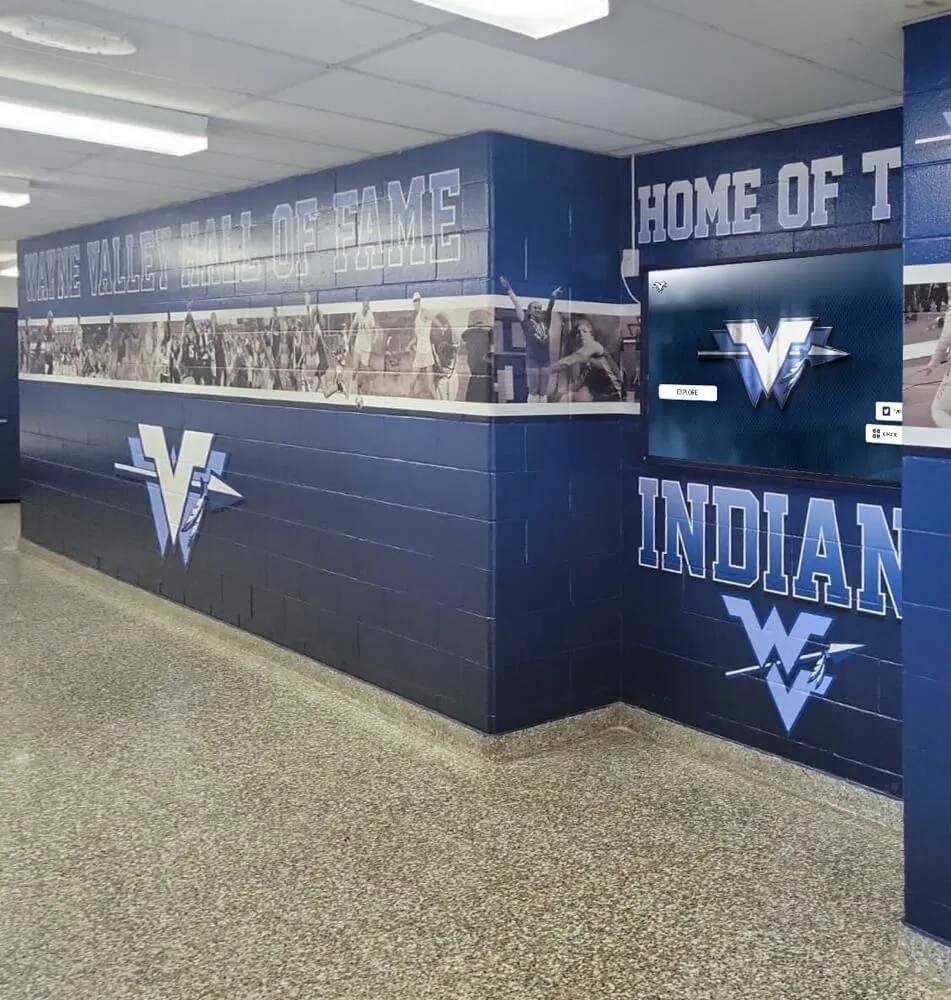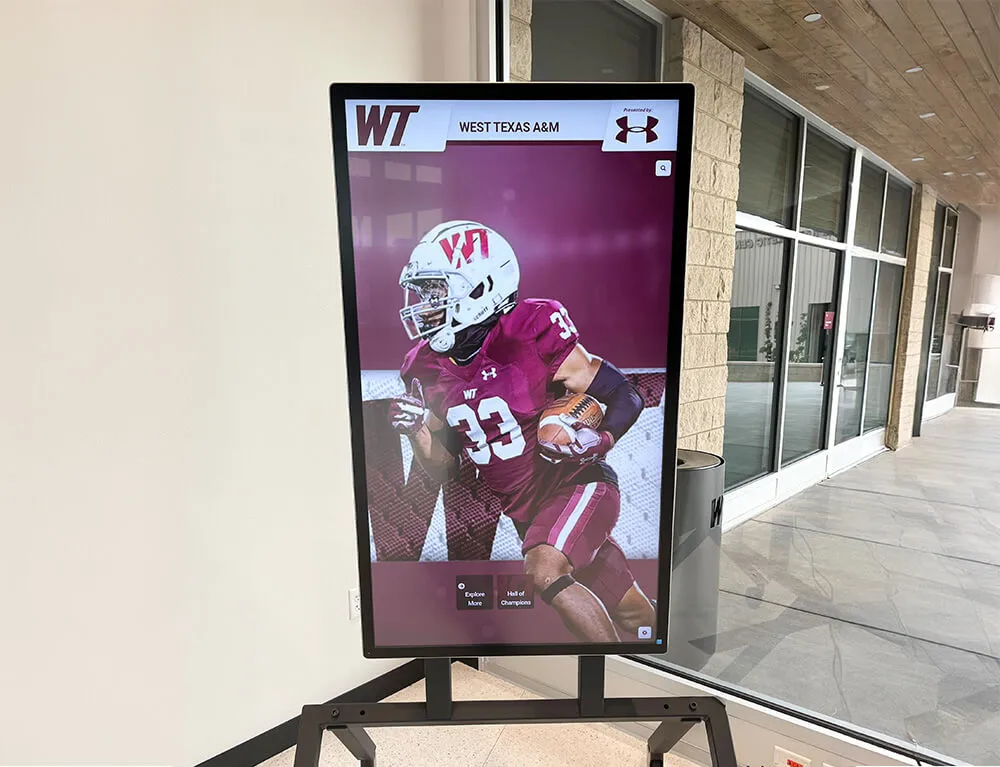




When elite student-athletes commit to your school’s athletic program, that moment represents far more than a signature on a letter of intent. Top recruits embody hope for championship seasons, bring validated talent that elevates team performance, and signal to other prospects that your program attracts excellence. Yet many schools celebrate these pivotal commitments with brief social media posts and temporary displays that fade quickly from memory—missing strategic opportunities to maximize the recruiting, cultural, and motivational value these elite athletes provide.
Top recruit recognition done effectively creates powerful ripple effects throughout athletic programs. Current team members see tangible proof that excellence attracts excellence, generating motivation to elevate their own performance. Prospective athletes researching your program discover evidence of your ability to recruit top talent, making your program more attractive. Alumni and boosters witness program momentum, strengthening support and engagement. Community pride builds as residents follow elite athletes choosing local schools.
Why Top Recruit Recognition Transforms Athletic Programs
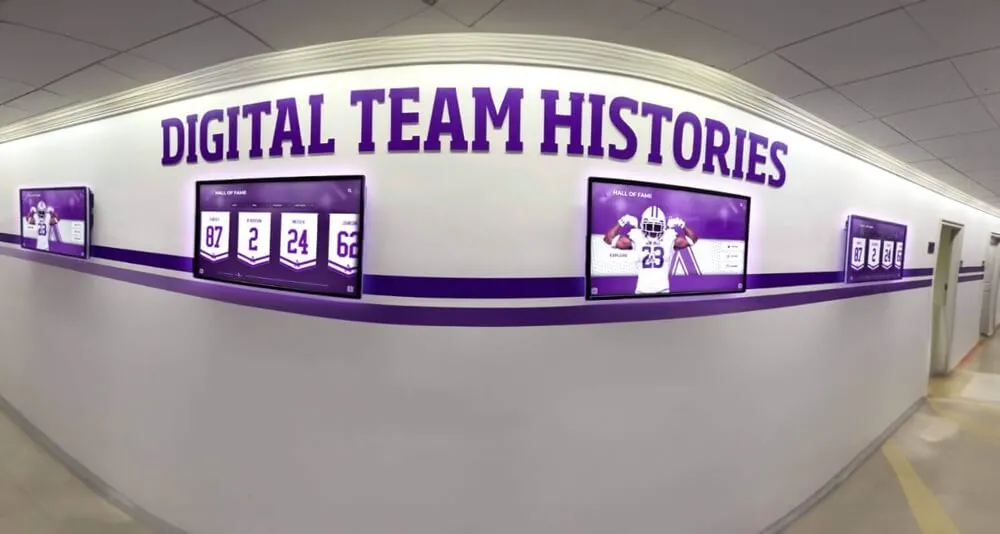
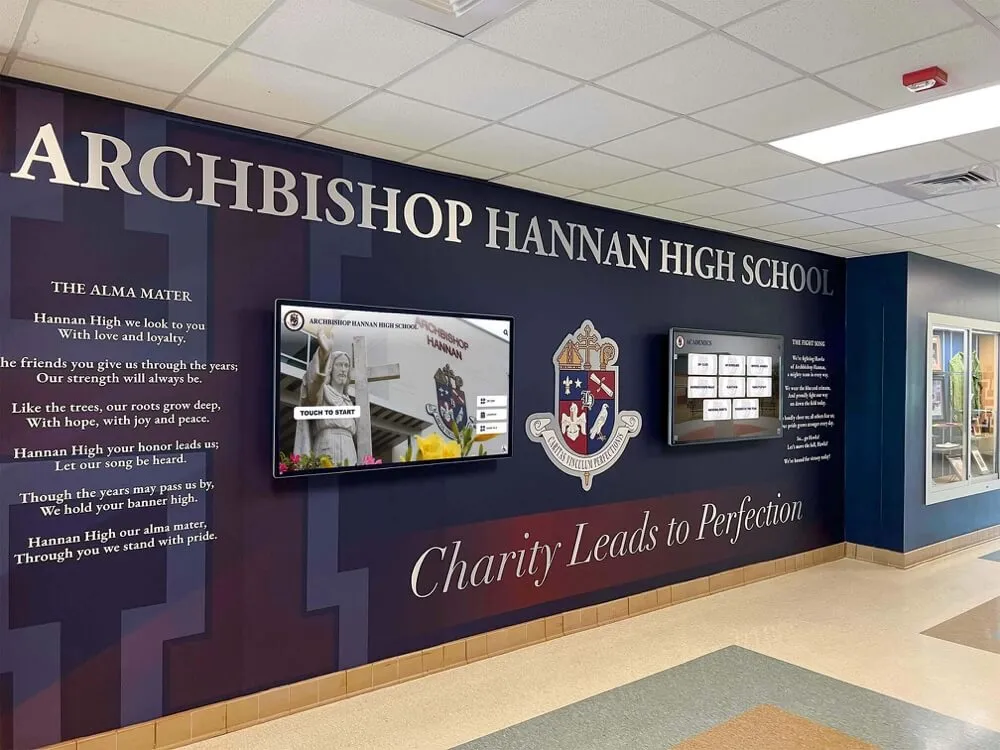
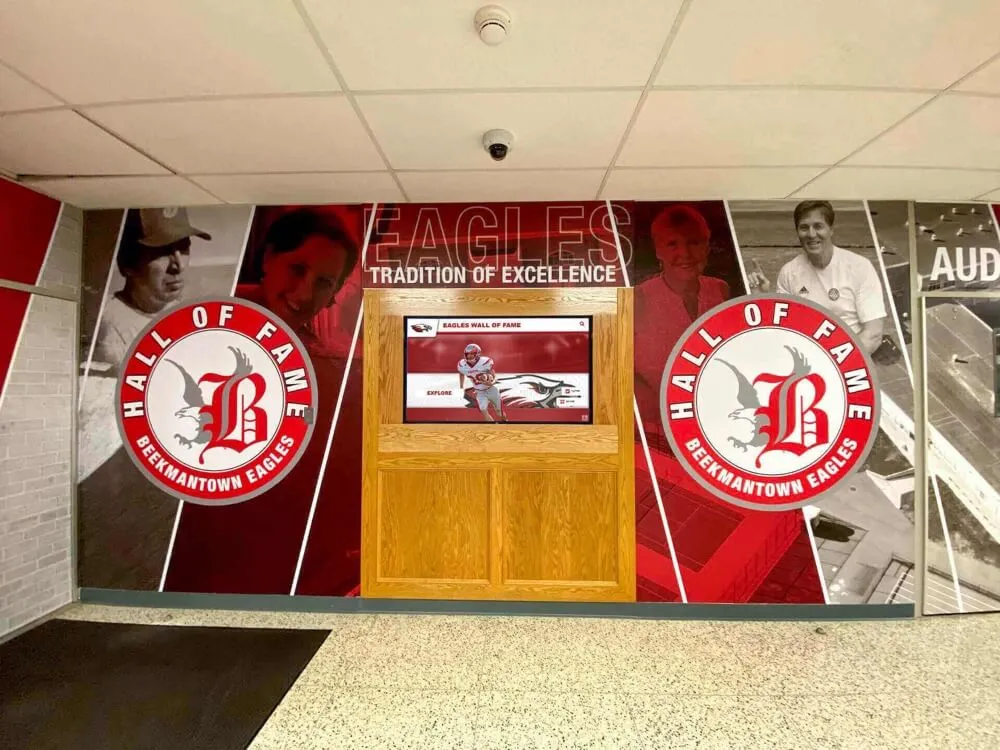
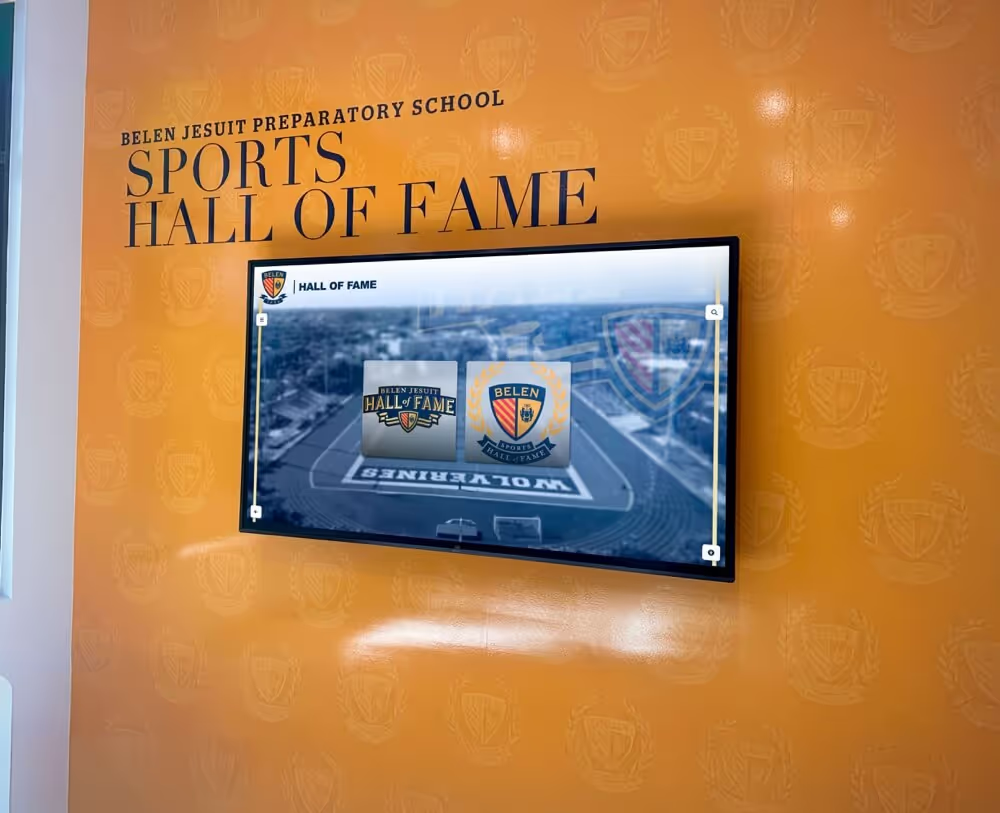
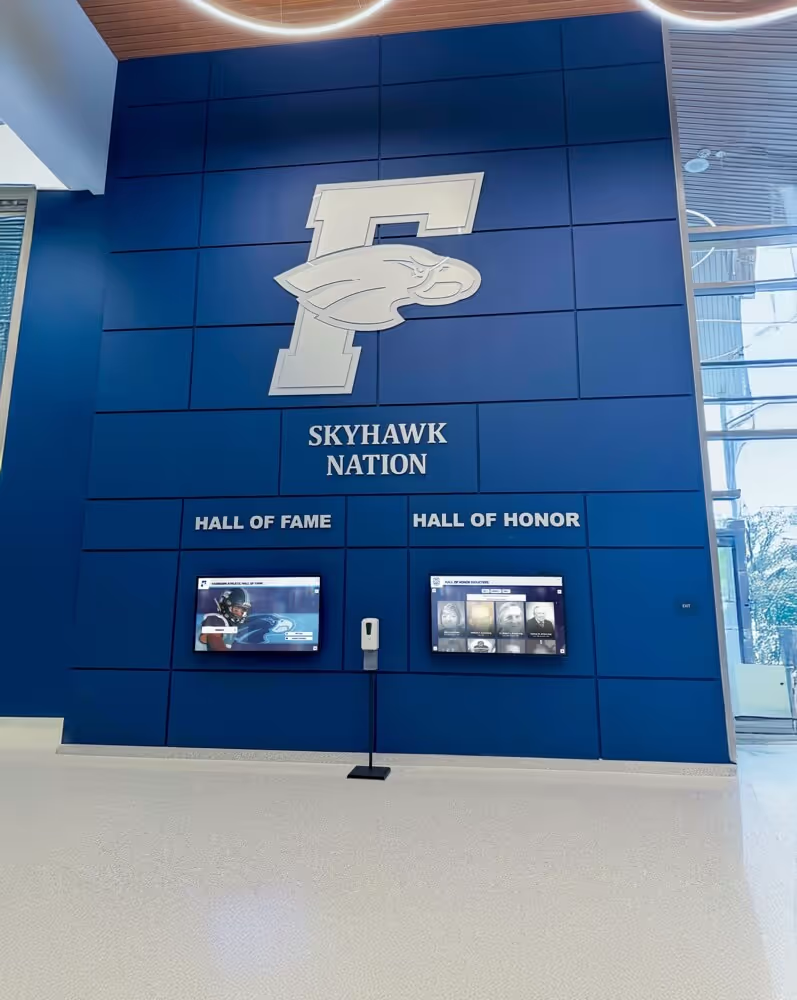
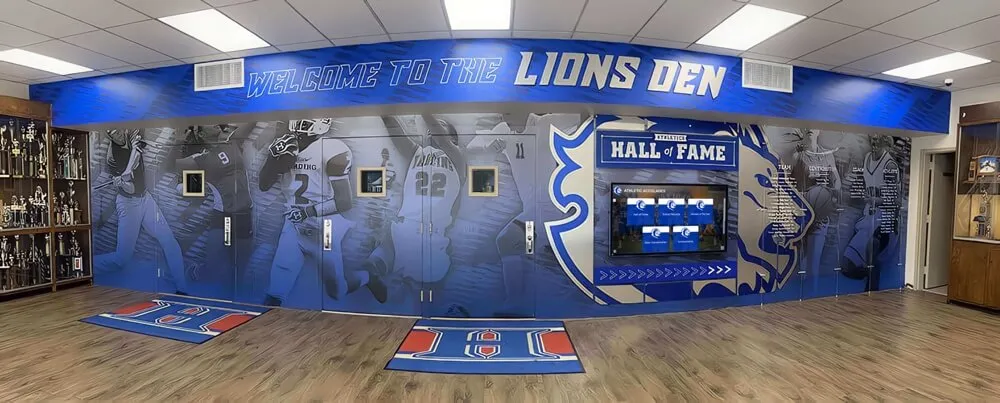
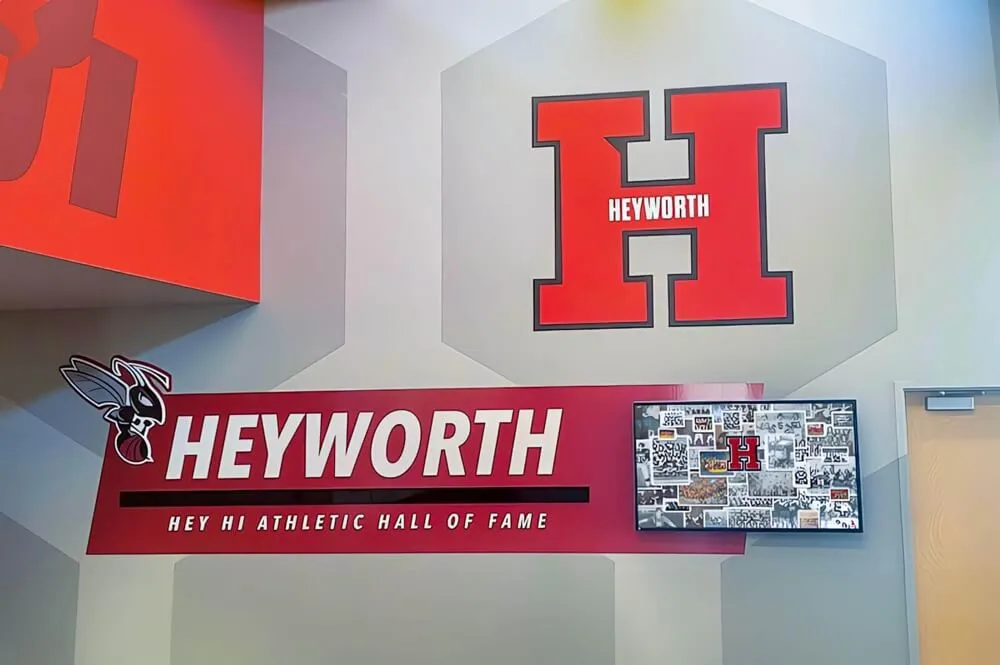
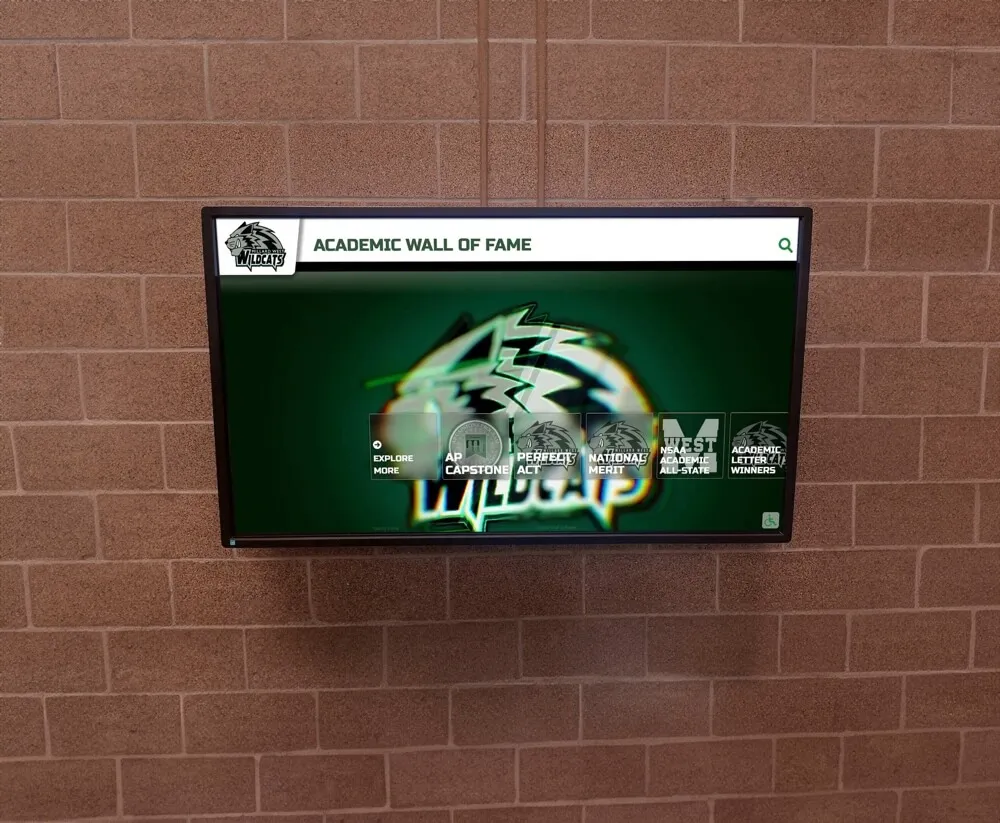
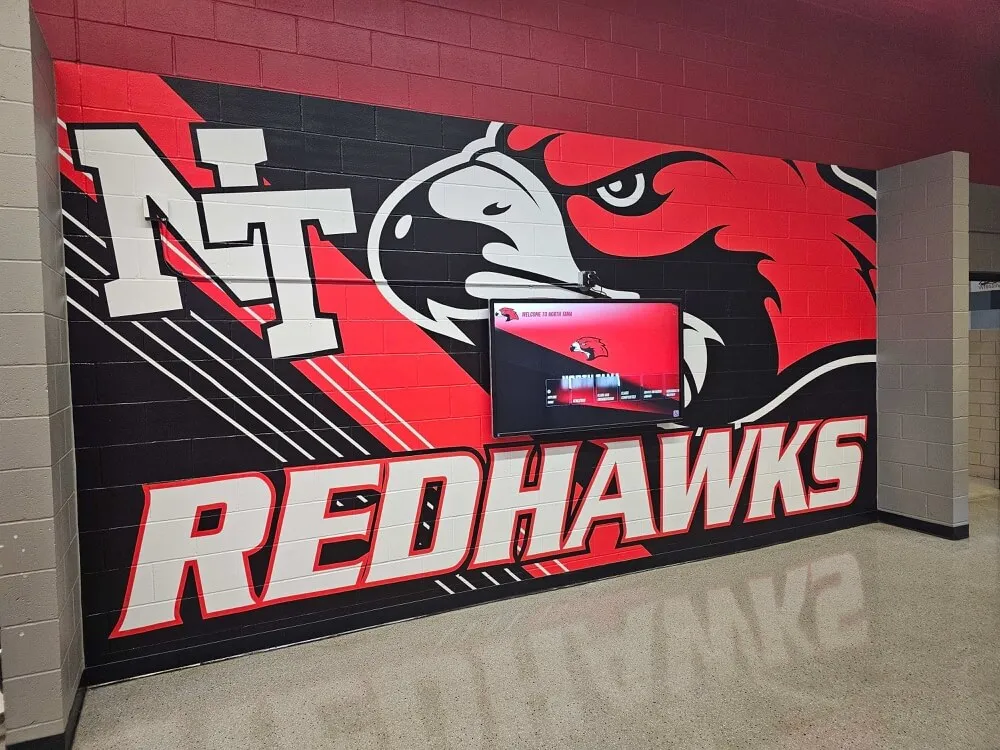
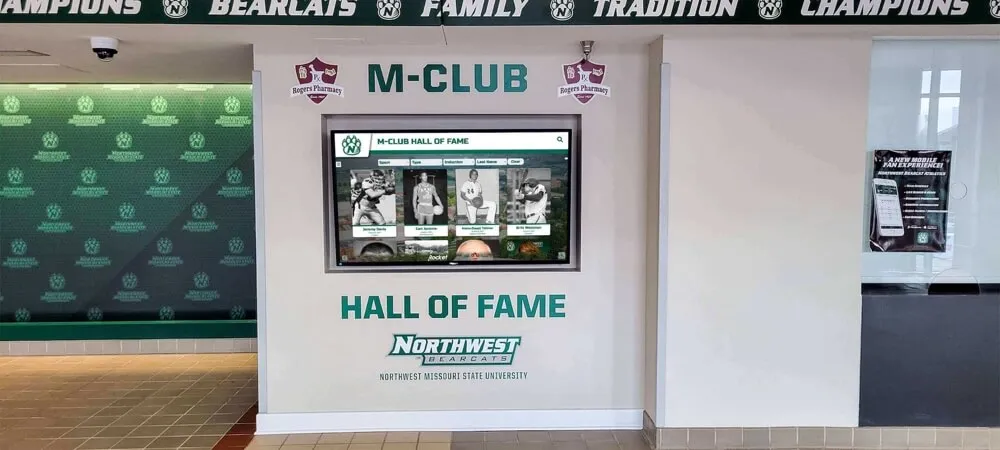
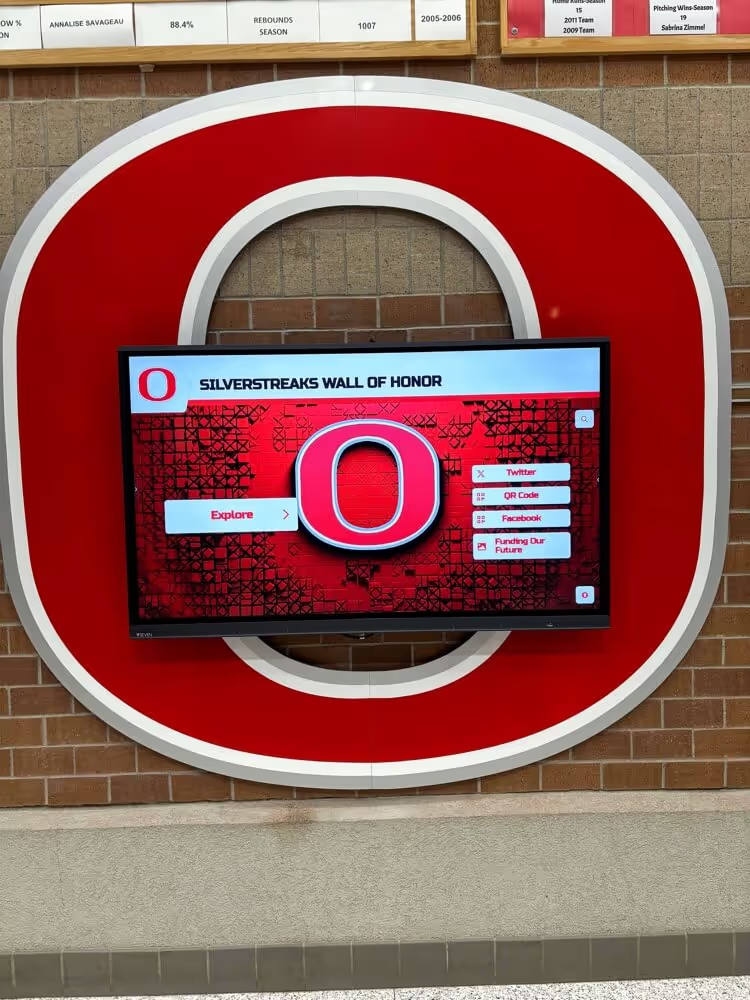
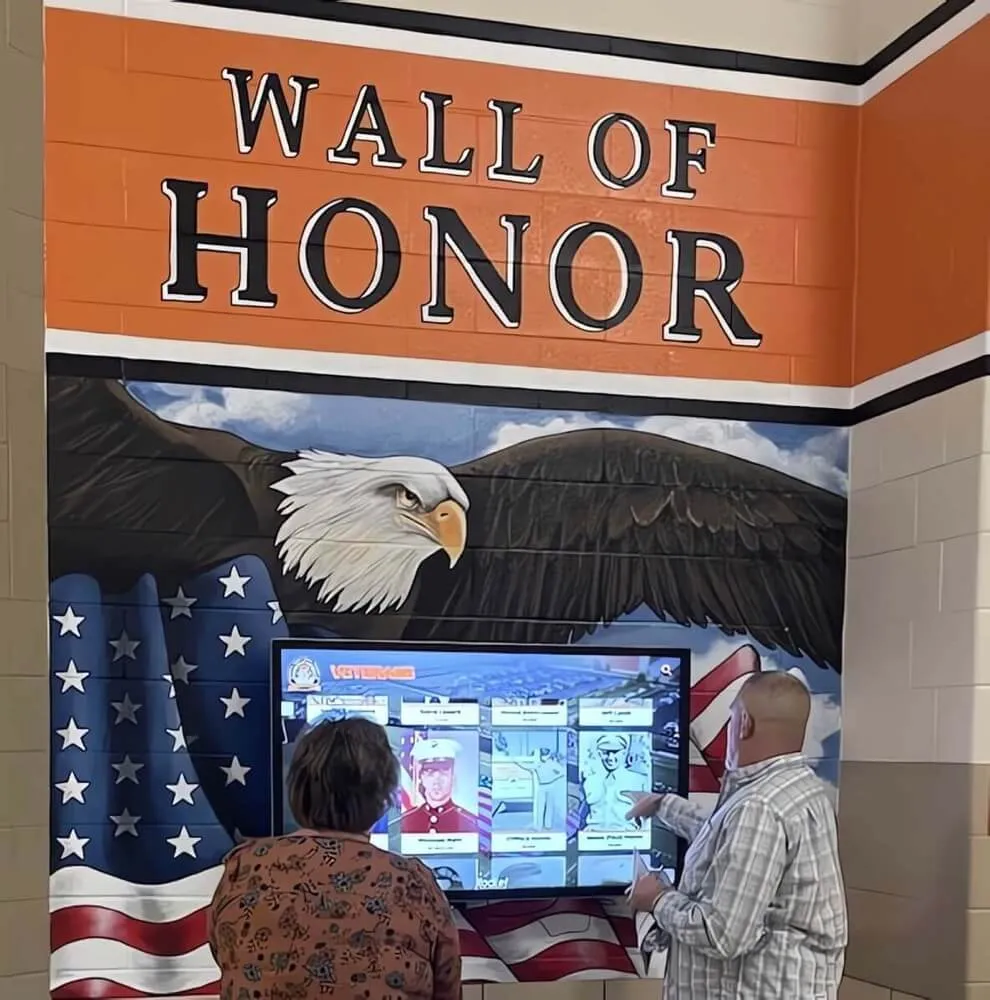
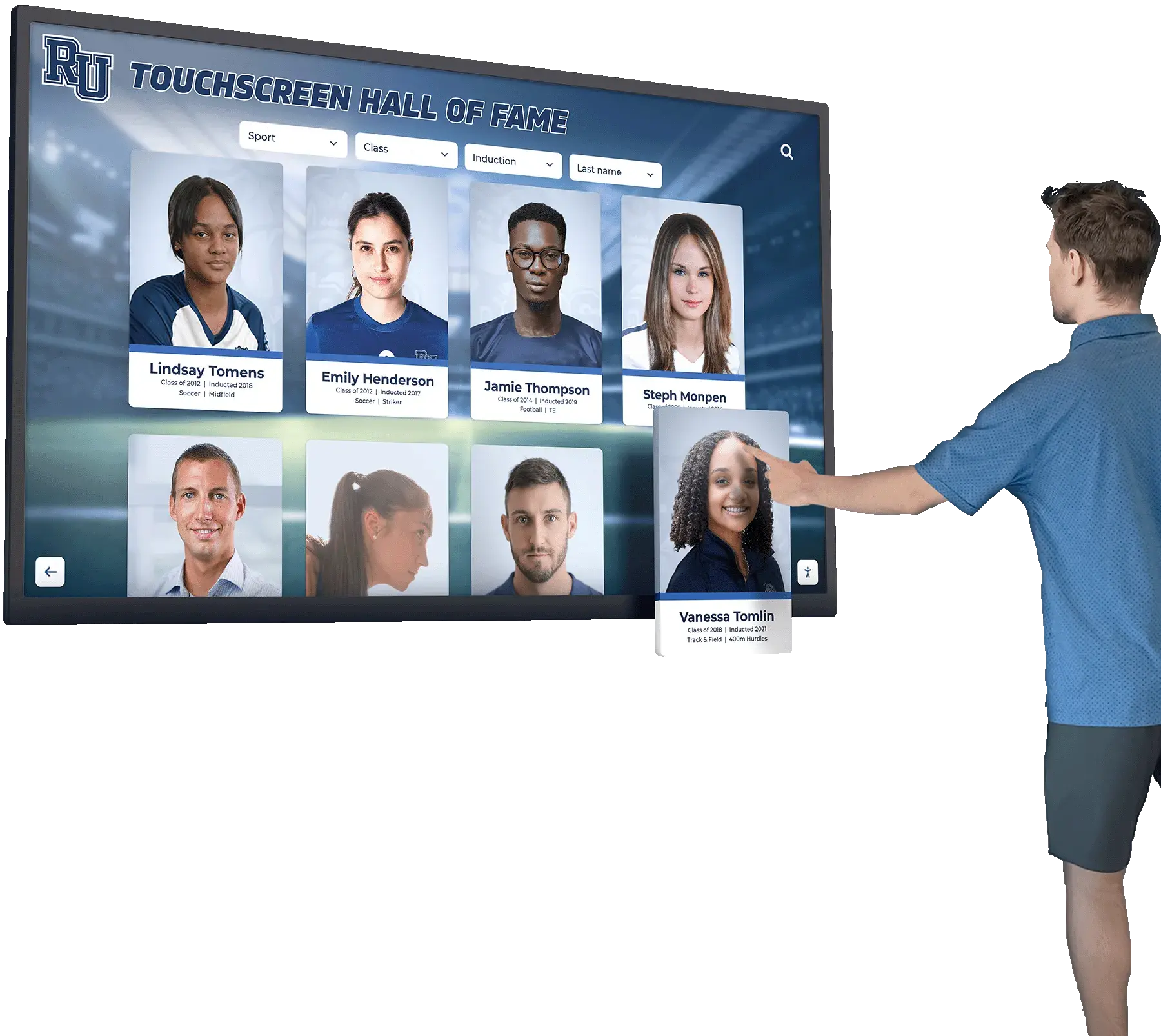
Modern digital recognition displays provide schools with powerful tools to celebrate top recruits appropriately—creating permanent, visible acknowledgment that honors individual achievement while strategically supporting broader program objectives. Whether through interactive touchscreen systems or comprehensive online platforms, effective top recruit recognition strengthens recruiting momentum, builds championship culture, and creates lasting institutional value far beyond initial signing day excitement.
Understanding Top Recruit Recognition in Modern Athletics
The concept of recognizing elite athletic recruits has evolved dramatically alongside changes in recruiting dynamics, media coverage, and institutional recognition practices.
Defining “Top Recruits” Across Different Contexts
The definition of elite recruiting success varies significantly based on institutional context, competitive level, and sport-specific dynamics.
Division I Programs: At the highest competitive levels, top recruits typically include athletes with national recruiting rankings, multiple Power Five conference offers, all-American designations from respected services, documented interest from professional scouts or development programs, and elite camp or showcase performances against top competition.
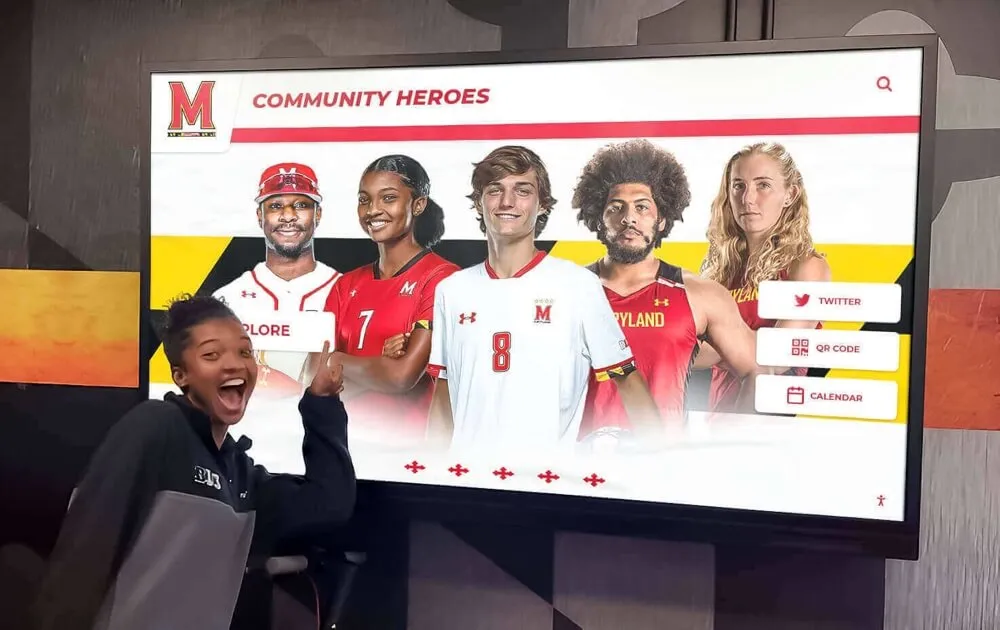
Division II and III Programs: For these institutions, top recruits might be defined as athletes with all-state or all-conference high school recognition, documented interest from higher-division programs, strong academic-athletic balance meeting institutional standards, leadership qualities and character consistent with program values, and potential for immediate competitive contribution.
High School Programs: Elite high school recruits include athletes transferring from other programs with established track records, incoming freshmen with exceptional youth sports achievement, multi-sport athletes with demonstrated versatility and work ethic, athletes from feeder programs with consistent excellence, and students choosing your school specifically for athletic opportunities.
Understanding what constitutes a “top recruit” in your specific context ensures recognition standards remain realistic and meaningful rather than aspirational or disconnected from achievement reality.
The Evolution of Recruit Recognition Practices
Historical approaches to recruit recognition differed dramatically from contemporary best practices, reflecting technological changes and evolving understanding of recognition’s strategic value.
Traditional Recognition: For decades, schools celebrated recruiting success through brief newspaper announcements, signing day photos in trophy cases, mentions in annual athletic department publications, coach announcements at booster club meetings, and informal verbal acknowledgment among athletic department staff.
These traditional approaches created limited visibility beyond immediate stakeholders and provided minimal lasting value once initial excitement faded. Recognition remained reactive and transactional rather than strategic and sustained.
Modern Digital Recognition: Contemporary approaches leverage technology to transform recruit recognition into ongoing strategic assets through permanent digital profiles accessible 24/7, rich multimedia content including signing day coverage and athlete interviews, integration with broader athletic recognition ecosystems, social media amplification extending reach exponentially, and data analytics revealing recognition engagement and impact.
Solutions like Rocket Alumni Solutions enable schools to implement sophisticated recognition systems that honor top recruits while serving multiple institutional objectives simultaneously.
Core Benefits: Why Top Recruit Recognition Matters
Strategic recognition of elite recruits delivers measurable value across multiple institutional priorities when implemented thoughtfully.
Building Recruiting Momentum and Competitive Advantages
Top recruit recognition creates powerful momentum effects that compound over successive recruiting cycles.
Social Proof Influence: When prospective athletes research your program and discover that you consistently attract top talent, psychological social proof dynamics strengthen your recruiting position. Elite athletes want to compete with other elite athletes. Visible evidence that your program successfully recruits top talent makes subsequent elite recruiting easier as prospects perceive your program as one where excellence congregates.
According to research on athletic recruiting patterns, programs that prominently showcase successful elite recruiting see an average 30-40% increase in subsequent recruiting inquiry volume from highly-ranked prospects within two recruiting cycles. This momentum effect accelerates program development far more efficiently than incremental improvements through player development alone.
Competitive Differentiation: When multiple programs compete for the same top recruit, recognition of previous elite commitments can serve as meaningful differentiation. Recruits evaluating similar scholarship offers, competitive opportunities, and coaching staffs often make final decisions based on cultural factors and peer dynamics. Programs that celebrate previous top recruits demonstrate that they value and honor excellence—an attribute that resonates powerfully with achievement-oriented athletes and their families.
Resources on college recruitment and digital recognition demonstrate how comprehensive recognition systems create measurable recruiting advantages for programs at all competitive levels.
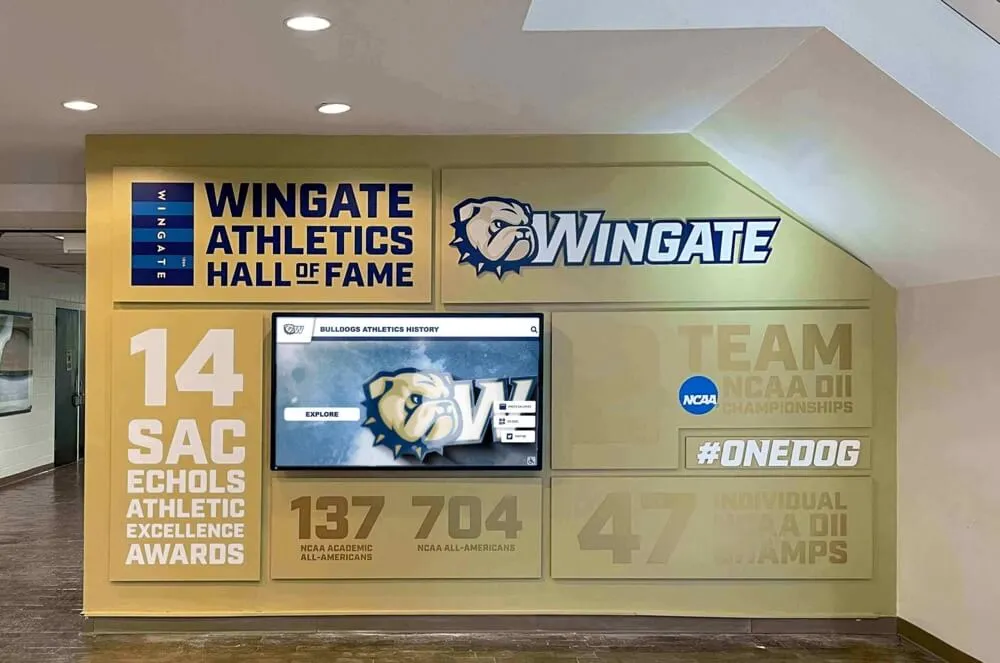
Alumni Ambassador Network: Top recruits who receive appropriate recognition often become program ambassadors long after their playing careers conclude. They speak positively about programs in media interviews, recommend your program to younger athletes they encounter, contribute to fundraising and facility improvement initiatives, and return for campus events strengthening current athlete connections to program tradition.
This ambassador network creates recruiting pipelines that generate value for decades beyond initial signing decisions.
Creating Championship Culture and Performance Standards
Recognition of elite recruits establishes visible performance standards that shape team culture powerfully.
Aspirational Motivation: Current team members who see new elite recruits joining programs receive clear signals about institutional expectations and competitive standards. This visible raising of the bar motivates athletes to elevate their own training commitment, technical skill development, tactical understanding, and mental preparation—knowing they must perform at higher levels to compete for playing time and maintain relevance.
The performance effects of this aspirational motivation often manifest before elite recruits ever step foot on campus. Returning athletes recognize they face enhanced competition and adjust accordingly, generating immediate team improvement.
Excellence Normalization: In programs where top recruit recognition becomes consistent rather than occasional, excellence shifts from exceptional to expected. Team cultures develop where elite performance represents the standard rather than the outlier. This cultural normalization of excellence creates environments where mediocrity feels uncomfortable and continuous improvement becomes intrinsic team identity.
Championship programs across all sports share this common characteristic—excellence feels normal, expected, and perpetually pursued rather than occasionally celebrated and temporarily achieved.
Insights on how recognition increases school pride and performance demonstrate measurable correlations between visible recognition of excellence and subsequent team performance improvements.
Strengthening Stakeholder Engagement and Support
Top recruit recognition affects audiences far beyond athletes themselves, influencing key stakeholders whose support determines program resources and sustainability.
Booster and Donor Engagement: Athletic program supporters want to witness progress and momentum. Elite recruiting success provides tangible evidence that programs are improving and competing effectively. When boosters see that programs attract top talent, confidence increases that resource investments will generate returns through competitive success.
Many schools report that prominent recognition of top recruits correlates with increased booster engagement including higher event attendance, elevated giving levels, more volunteer hours contributed, and greater willingness to support facility improvements or program enhancements. This enhanced support creates virtuous cycles where recruiting success generates resources that enable further recruiting success.
Community Pride and Identity: In many communities, local athletic programs serve as sources of collective identity and pride. When elite athletes choose local schools over regional or national competitors, community members experience validation and pride in their institutions. This community pride manifests through increased game attendance, positive word-of-mouth promotion, local media coverage amplification, business community support, and enhanced overall institutional reputation.
Administrative Support: School administrators balancing competing resource priorities often allocate support based on visible program success and momentum. Elite recruiting provides administrators with objective evidence that athletic programs are succeeding and worthwhile investments. This administrative support becomes particularly critical during budget allocation processes, facility improvement decisions, staffing discussions, and schedule optimization conversations.
The connection between recognizing excellence and generating institutional support demonstrates how strategic recognition influences stakeholders across entire institutional ecosystems.

Strategic Approaches to Top Recruit Recognition
Effective recognition requires thoughtful planning that balances appropriate celebration with cultural fit and program values.
Recognition Timing and Milestone Identification
Strategic timing maximizes recognition impact while respecting recruit preferences and institutional protocols.
Commitment Announcement: Initial recognition should occur immediately upon commitment when excitement peaks and media attention focuses on the decision. This immediate acknowledgment includes social media announcements across institutional channels, press releases to local and relevant regional media, updates to program websites and recruiting pages, internal announcements to current team members and athletic department staff, and preliminary entry into recognition display systems.
Immediate recognition demonstrates that programs value commitments and respond professionally to athlete decisions.
Signing Day Ceremonies: Formal signing events provide opportunities for enhanced recognition through public ceremonies celebrating multiple signees, individual photo opportunities with coaches and family, presentation of program apparel or other symbolic items, media availability for interviews, and real-time social media coverage generating community engagement.
Some schools create elevated experiences for top recruits including special recognition within signing ceremonies, private meetings with institutional leadership, facility tours showcasing program resources, and introductions to current team leaders.
Arrival and Integration Milestones: Recognition continues beyond initial commitment through acknowledgment when athletes report to campus, formal introduction to current team members, inclusion in team marketing and media materials, updates to recognition displays with new photos and information, and celebration of early achievements in new programs.
This sustained recognition trajectory demonstrates that initial commitment celebration wasn’t performative but reflects genuine program culture that consistently honors achievement.
Content Development for Recruit Recognition Profiles
Comprehensive recognition profiles tell complete stories about elite recruits while respecting privacy and maintaining appropriate boundaries.
Essential Profile Elements: Effective recruit recognition includes athlete name, hometown, and high school or previous institution, sport and position with relevant physical measurements when appropriate, high school or transfer achievement highlights, recruiting rankings or external recognition when available, reasons for choosing your program (when athletes consent to sharing), academic interests or intended major (when appropriate), and signing date and enrollment timeline.
Multimedia Integration: Rich content significantly enhances recognition impact through professional signing day photography, video interviews with recruits discussing their decisions, highlight reels showcasing athletic abilities, family celebration photos (with permission), and graphics featuring recruiting rankings or honors.
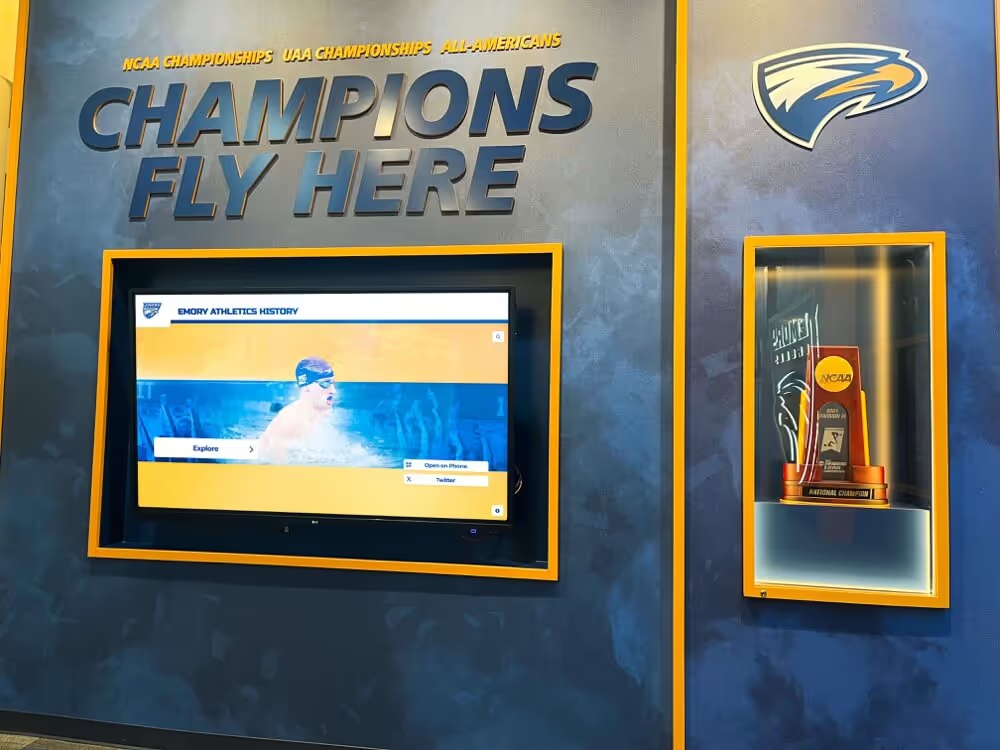
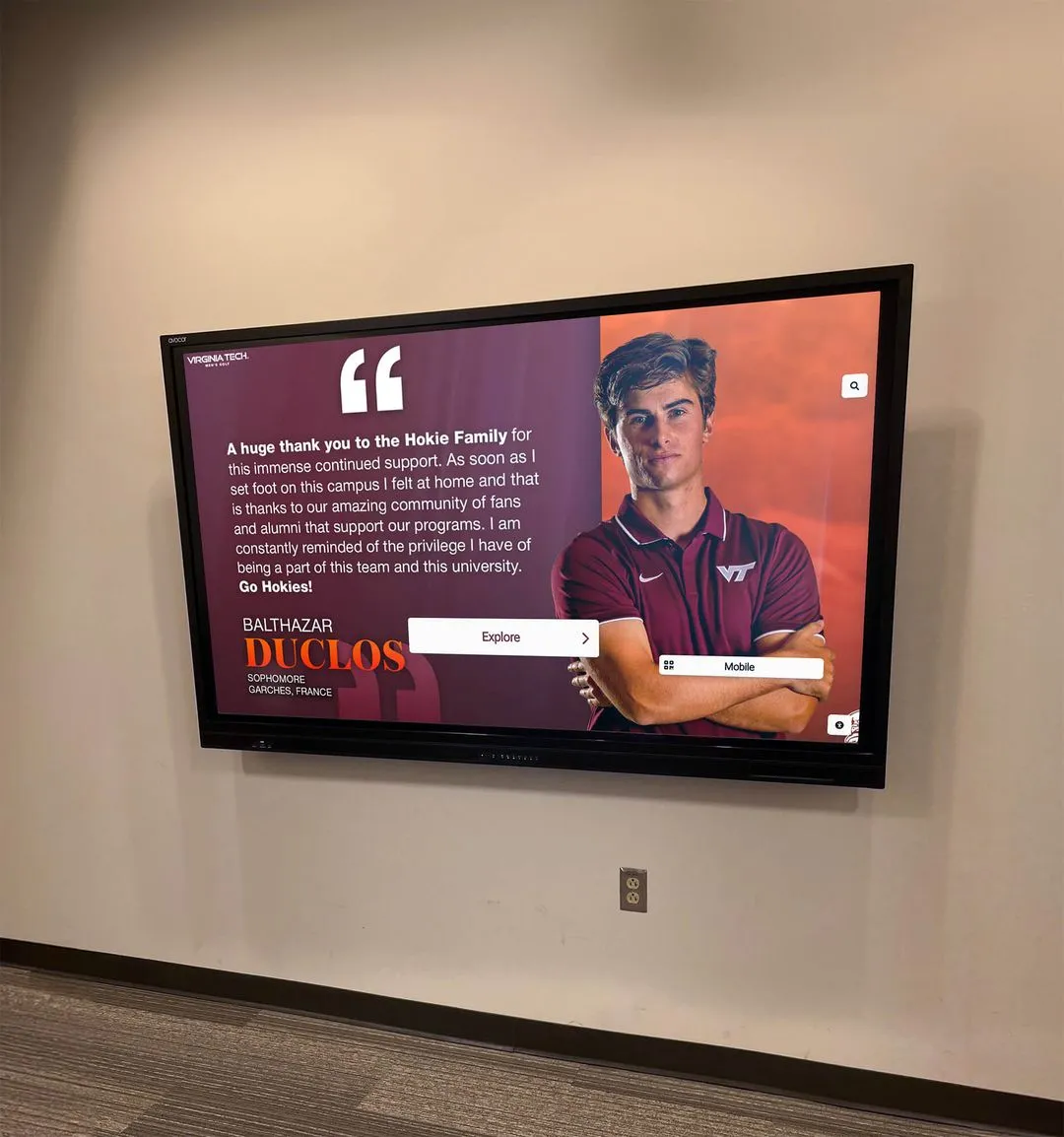
Voice and Perspective: The most engaging recognition includes recruit voice and perspective through direct quotes about program choice, reflections on recruiting process, goals and aspirations, appreciation for family support, and messages to program supporters and fans.
These personal elements transform recognition from simple data presentation into compelling narratives that audiences connect with emotionally.
Ongoing Profile Updates: Recognition profiles should evolve beyond initial commitment including updates when athletes arrive on campus, addition of early achievement milestones, documentation of career progression, and long-term tracking of post-eligibility success.
Resources on storytelling through digital recognition provide frameworks for developing compelling recognition content that honors individuals while serving institutional objectives.
Integration with Broader Athletic Recognition Systems
Top recruit recognition achieves maximum value when integrated within comprehensive recognition ecosystems rather than functioning as isolated initiatives.
Connection to Current Athlete Recognition: Link top recruit profiles to current roster information, statistics and achievement tracking, honors and awards received, and career development progression.
These connections demonstrate program pathways from recruitment through achievement, helping current team members and prospective recruits visualize their own potential trajectories.
Alumni and Program History Integration: Position recruit recognition within broader program context by connecting new recruits to successful program alumni, highlighting how current recruits join ongoing traditions of excellence, featuring programs’ consistent recruiting success patterns, and celebrating multi-generational family connections when they exist.
This integration creates continuity and tradition that enhance program appeal while honoring institutional history.
Academic and Character Recognition Balance: Ensure recognition systems celebrate comprehensive student-athlete excellence by featuring academic achievements alongside athletic success, highlighting community service and leadership, acknowledging character and values alignment, and demonstrating institutional commitment to holistic development.
This balanced recognition appeals to families and recruits who prioritize education and character development alongside competitive opportunity.
Essential Features of Effective Digital Recognition Platforms
Technology selection significantly affects recognition program functionality, sustainability, and impact.
User-Friendly Content Management Systems
Recognition platforms must enable non-technical staff to create and maintain content efficiently without specialized expertise or extensive training.
Intuitive Interfaces: Look for systems offering drag-and-drop content organization, visual editing with real-time preview, template-based profile creation, simple media upload and management, and straightforward publishing workflows.
Administrative burden often determines whether recognition programs remain current and valuable or become outdated and neglected. User-friendly systems dramatically improve sustainability.
Role-Based Access Control: Effective platforms support multiple user levels including administrative access for athletic directors, sport-specific editing for individual coaches, content contributor roles for communications staff, and approval workflows when institutional review requires multiple stakeholders.
This access structure enables distributed content development while maintaining appropriate oversight and quality control.
Mobile Management Capability: Modern recognition requires anytime-anywhere content updates through fully-functional mobile interfaces, photo upload directly from smartphones, quick edits from any device, and real-time publishing from athletic events.
Mobile capability ensures that recognition remains timely even when staff work outside traditional office environments.
Powerful Display and Discovery Features
Recognition creates value only when audiences can discover and engage with content effectively.
Intuitive Navigation: Well-designed systems provide multiple discovery pathways including browsing by sport, class year, or achievement type, powerful search across all content, filtering by various criteria, related content suggestions, and featured content rotation highlighting recent additions.
These varied navigation options accommodate different user preferences and discovery behaviors.
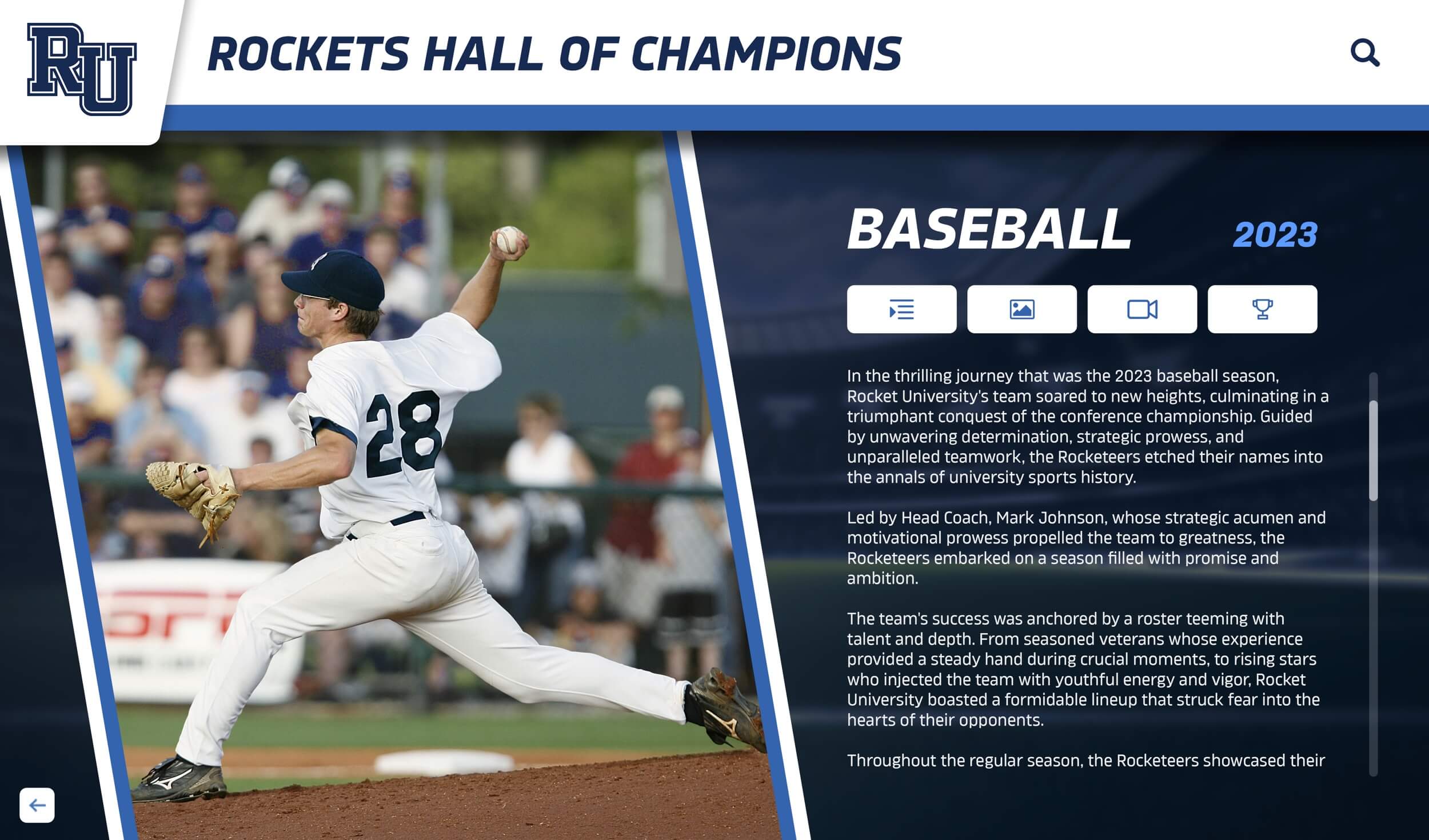
Rich Media Display: Modern platforms support comprehensive multimedia presentation including high-resolution photo galleries, embedded video content, audio interviews or podcasts, PDF documents like press clippings, and external content links.
Rich media transforms recognition from simple text listings into engaging multimedia experiences that capture attention and create emotional connections.
Social Sharing Integration: Recognition value extends dramatically when content easily shares across social platforms through one-click sharing to major social networks, embed codes for external websites, direct links to individual profiles, and automated social post generation.
This sharing capability amplifies recognition reach from physical display visitors to potentially unlimited digital audiences.
Analytics and Engagement Measurement
Data-driven platforms enable continuous improvement based on actual usage patterns rather than assumptions about what content resonates.
Usage Tracking: Valuable analytics include total visitor counts and unique users, session duration and depth, most-viewed profiles and content, popular search terms, and peak engagement times.
This data reveals what content attracts attention and how audiences interact with recognition systems.
Performance Insights: Advanced analytics identify high-performing content characteristics, underperforming profiles requiring enhancement, content gaps in historical coverage, and opportunities for feature additions or improvements.
These insights enable strategic optimization ensuring recognition programs continuously improve rather than remaining static after initial implementation.
ROI Demonstration: For programs requiring institutional justification, analytics provide objective evidence of recognition value through documented engagement levels, social media amplification metrics, comparative performance against similar programs, and correlation analysis with recruiting outcomes or attendance patterns.
Frameworks for measuring digital recognition impact help programs demonstrate return on recognition investments to administrators and stakeholders.
Implementation Best Practices for Top Recruit Recognition
Successful recognition programs result from systematic planning addressing technology, content, placement, and ongoing management.
Phase 1: Planning and Objective Setting
Begin with clear understanding of recognition program goals and success criteria.
Objective Definition: Articulate specific recognition purposes including primary audiences (recruits, current athletes, boosters, community), key messages to communicate, success metrics for evaluation, and integration with broader athletic department goals.
Clear objectives ensure recognition program design aligns with institutional needs rather than implementing technology for technology’s sake.
Stakeholder Engagement: Involve key perspectives early including athletic director input on priorities and resources, coach feedback on recruiting value and practical operation, communications staff guidance on messaging and media coordination, IT department consultation on technical requirements and support, and potentially athletes or recent alumni providing user perspective.
Broad stakeholder engagement generates buy-in while improving program design through diverse viewpoints.
Budget and Resource Planning: Develop realistic financial plans addressing initial technology investment, content development costs, ongoing maintenance and updates, staff time allocation, and contingency reserves for unexpected needs.
Comprehensive budget planning prevents mid-implementation surprises that could derail programs before achieving objectives.
Phase 2: Technology Selection and Content Strategy
Choose platforms and develop content approaches aligned with institutional needs and resources.
Platform Evaluation: Assess recognition technology options against weighted criteria including ease of use for your specific staff, total cost including all ongoing expenses, vendor support quality and responsiveness, scalability for future growth, integration capabilities with existing systems, and customization options supporting your brand and needs.
Many schools benefit from specialized athletic recognition platforms designed specifically for educational environments rather than generic digital signage or website solutions.
Content Development Approach: Plan systematic content creation processes including identification of recruits to recognize, information gathering from athletes and families, photography and video production, writing and editing workflows, and quality assurance review.
Systematic approaches prevent content development from becoming overwhelming or inconsistent across different athletes.
Phased Rollout Strategy: Consider staged implementation beginning with current recruiting cycle as pilot, expanding to recent historical recruits, systematically adding historical depth, and continuous addition of new recruits ongoing.
Phased approaches enable manageable progress while demonstrating value that justifies continued resource allocation.
Phase 3: Launch and Promotion
Strategic launches generate awareness and establish engagement patterns supporting long-term success.
Soft Launch Testing: Limited preview releases before full public launch enable testing with select stakeholders for feedback, verification of all functionality and content, identification and resolution of issues, refinement based on early input, and confirmation that analytics tracking works correctly.
This testing prevents public launches with obvious problems that could undermine credibility and adoption.
Public Launch Events: Formal unveiling generates momentum through ceremonies recognizing recent top recruits, media coverage and publicity, demonstration of system features, engagement of key stakeholders, and establishment of recognition importance within institutional culture.
Launch events signal that recognition programs represent significant institutional commitments worthy of attention and engagement.
Ongoing Promotion: Recognition requires sustained visibility beyond initial launches through regular communications highlighting new additions, social media featuring individual recruit profiles, integration with recruiting events and campus tours, athletic event promotion during games and competitions, and alumni outreach connecting former athletes to current recruits.
Sustained promotion ensures recognition remains visible and relevant rather than becoming background infrastructure audiences ignore.
Maintaining Recognition Excellence Long-Term
Recognition programs require ongoing attention maintaining relevance, accuracy, and engagement across years.
Regular Content Updates and Expansion
Recognition currency demands systematic processes keeping information fresh and comprehensive.
New Recruit Addition Workflows: Establish predictable processes for recognizing new commitments including immediate social media acknowledgment, timely profile development and publication, coordination with signing day events, media outreach and publicity, and celebration at athletic events.
Systematic workflows ensure new recruits receive consistent recognition regardless of when commitments occur or which coaches manage specific sports.
Profile Enhancement Cycles: Beyond initial recognition, plan ongoing profile updates including addition of new achievement milestones, enhanced media as professional photos become available, expansion of content based on recruit feedback, correction of any errors or outdated information, and long-term tracking of athletic career progression.
Evolving profiles demonstrate sustained institutional interest rather than one-time acknowledgment at commitment.
Historical Expansion Projects: Continuously broaden recognition coverage through dedicated research periods filling gaps, alumni outreach requesting information, student project involvement in historical research, and prioritization of underrepresented athletes or eras.
Historical expansion creates comprehensive recognition that honors all program contributors rather than only recent memory.
Quality Control and Accuracy Verification
Recognition credibility depends on information accuracy and professional presentation.
Fact Verification: Cross-reference all achievements, statistics, and biographical information across multiple authoritative sources before publication. Information errors discovered by athletes or families damage program credibility and professional reputation.
Consistency Standards: Establish style guidelines ensuring consistent presentation across all profiles including writing style and tone, photo quality and specifications, format and structure, terminology and naming conventions, and achievement documentation standards.
Consistency creates professional polish that elevates perception of entire athletic program.
Regular Audits: Schedule periodic comprehensive reviews catching accumulated errors, ensuring ongoing consistency, verifying link functionality, and confirming appropriate content across all profiles.
Systematic audits maintain quality standards over time as systems grow and multiple contributors add content.
Engagement Analytics and Continuous Improvement
Data-informed management ensures recognition programs continuously improve based on actual engagement patterns.
Regular Analytics Review: Establish routines for examining usage data including monthly volume and trend analysis, quarterly deep dives identifying top and bottom performers, annual comprehensive impact assessments, and special analyses around recruiting events or promotional campaigns.
Regular review transforms analytics from background information into actionable insights driving program improvement.
User Feedback Collection: Complement quantitative analytics with qualitative insights through periodic surveys assessing satisfaction, suggestion forms collecting improvement ideas, informal conversations with coaches and athletes, and recruit feedback during campus visits or commitment discussions.
Qualitative feedback often reveals opportunities or issues that quantitative metrics miss entirely.
Iterative Enhancement: Use insights to guide continuous improvement including feature additions addressing common requests, content improvements for underperforming profiles, navigation enhancements based on usage patterns, and visual refreshes maintaining contemporary aesthetics.
Programs that embrace continuous improvement maintain relevance and effectiveness decade after decade rather than becoming outdated within years of implementation.
Avoiding Common Recognition Program Pitfalls
Schools implementing recruit recognition should anticipate and avoid predictable challenges.
Over-Promising or Exaggerating Achievement
Authenticity creates trust while embellishment destroys credibility.
Honest Representation: Ensure all recruit recognition accurately reflects achievement without inflation, provides appropriate context for rankings or ratings, acknowledges when offers were from lower-division programs honestly, and never implies greater recruiting success than actually occurred.
Sophisticated audiences including competing programs, media members, and recruits themselves verify claims. Discovered exaggerations permanently damage program reputation far beyond any temporary benefit misleading information might provide.
Context and Comparison: When highlighting recruiting achievements, provide honest comparative context including appropriate benchmarks from previous recruiting cycles, comparisons with peer institutions when relevant, acknowledgment of recruiting challenges or disappointments, and realistic assessment of recruiting class quality.
This honest contextualization demonstrates confidence and maturity while building credibility that enhances rather than undermines recruiting pitches.
Creating Equity Issues Across Sports
Recognition programs that favor certain sports over others generate resentment and cultural problems.
Equitable Treatment: Ensure recognition provides comparable quality and prominence across all sponsored sports including similar profile depth and media quality, equivalent promotional attention, proportional featured content rotation, and consistent updating frequency regardless of sport profile.
Equity doesn’t require identical treatment but demands comparable quality and attention relative to sport size and institutional significance.
Gender Equity Awareness: Title IX compliance requires equivalent treatment across men’s and women’s sports. Recognition programs must demonstrate equitable resourcing, visibility, quality, and institutional attention.
Beyond legal compliance, gender equity reflects values that influence recruiting appeal for all athletes and families who prioritize institutional culture and values.
Neglecting Non-Star Recruits and Role Players
Recognition focused exclusively on elite recruits risks alienating other team members whose contributions prove equally essential to program success.
Comprehensive Recognition Philosophy: Develop recognition approaches that celebrate top recruits appropriately while also acknowledging contributions from walk-on athletes who exceed expectations, role players who embrace team needs, improved athletes who maximize potential, and leadership regardless of statistics or rankings.
This comprehensive philosophy creates cultures where all contributions receive appreciation, improving retention and team chemistry.
Category-Based Recognition: Consider recognition structures celebrating diverse achievement types including elite recruiting designations, development and improvement awards, leadership and character recognition, academic excellence honors, and community service contributions.
Multiple recognition categories ensure athletes with different strengths and roles all find pathways to acknowledgment and appreciation.
The Future of Recruit Recognition Technology
Recognition technology continues evolving with emerging capabilities promising enhanced engagement and expanded applications.
Artificial Intelligence and Personalization
AI integration enables sophisticated features improving content and discovery.
Intelligent Content Suggestions: Future systems may automatically recommend related recruit profiles based on viewing history, generate personalized recognition feeds adapting to individual interests, create natural language summaries of recruiting classes, and identify content gaps requiring attention.
Automated Updates: AI could potentially track recruit social media providing automatic profile updates, monitor news mentions generating alert notifications, analyze recruiting announcement patterns optimizing timing, and predict optimal content types based on engagement data.
These capabilities reduce manual content management burden while improving currency and relevance.
Enhanced Interactivity and Engagement
Advanced interactive features will create more engaging recognition experiences.
Virtual Reality Campus Tours: VR technology may soon enable remote recruits to experience campus facilities and recognition displays as if physically present, participate in virtual signing ceremonies from distant locations, explore team facilities from first-person perspectives, and interact with coaches and current athletes in virtual environments.
Augmented Reality Overlays: AR applications might allow campus visitors to point smartphones at facilities accessing contextual recruit information, view virtual representations of recruits in competition venues, access enhanced media content overlaid on physical displays, and participate in interactive recognition experiences blending physical and digital elements.
These immersive technologies could dramatically enhance emotional engagement with recognition content while extending access to remote audiences.
Blockchain and Verified Credentials
Emerging credential verification technologies may address authenticity concerns in recognition claims.
Authenticated Achievement Records: Blockchain-based systems could provide cryptographically-verified achievement documentation eliminating questions about information accuracy, portable credential records athletes control across institutions, and transparent verification enabling instant fact-checking.
Early adoption of verified credential systems would signal transparency and honesty building trust with recruits, families, and competing programs.
Conclusion: Recognition as Strategic Recruiting and Culture Investment
Top recruit recognition represents far more than celebratory acknowledgment of signing day success. Strategic recognition programs transform momentary recruiting victories into sustained competitive advantages through momentum effects that compound across recruiting cycles, cultural impacts that elevate team performance standards, stakeholder engagement strengthening institutional support, and comprehensive documentation preserving institutional history.
The most successful recognition programs share common characteristics including appropriate timing throughout recruitment and integration processes, comprehensive content telling complete recruit stories, professional presentation matching institutional brand standards, broad accessibility through physical displays and digital platforms, equitable treatment across all sports and athlete roles, and continuous improvement based on engagement analytics and stakeholder feedback.
For institutions beginning new recognition programs or modernizing existing approaches, specialized athletic recognition platforms like Rocket Alumni Solutions provide purpose-built solutions designed specifically for educational environments. These comprehensive systems combine intuitive content management enabling staff without technical expertise, professional display hardware creating impressive physical installations, powerful discovery features helping audiences find relevant content, engagement analytics demonstrating program value, and reliable support ensuring long-term success.
Beyond immediate recognition purposes, effective top recruit programs create lasting benefits including enhanced recruiting competitiveness attracting subsequent elite talent, elevated team performance standards, stronger stakeholder support and engagement, comprehensive institutional history documentation, and cultural traditions connecting current athletes to program legacy.
Every elite recruit who chooses your program represents tremendous opportunity. Every recognition program becomes either a strategic asset maximizing that opportunity or a missed chance to build momentum, culture, and institutional support. Modern top recruit recognition—whether through sophisticated digital displays, comprehensive online platforms, or hybrid approaches combining both—makes these aspirations achievable for athletic programs committed to celebrating excellence while building lasting competitive advantages.
Ready to transform how your program recognizes top recruits while strengthening recruiting competitiveness and team culture? Explore how Rocket Alumni Solutions delivers comprehensive recognition platforms designed specifically for schools and athletic programs seeking to celebrate elite athletes without technical complexity or unsustainable resource requirements.