



Receiving a scholarship represents far more than financial assistance. It signals that someone believes in your potential, invests in your future, and trusts you to make meaningful contributions through education. Yet the generous individuals and organizations funding these opportunities rarely receive adequate acknowledgment for their life-changing generosity. A thoughtful thank you letter to scholarship donors bridges this gap, creating personal connections that validate philanthropic decisions while inspiring continued support for future students.
This comprehensive guide provides proven templates, compelling examples, and strategic insights helping scholarship recipients craft genuine appreciation letters that resonate with donors, strengthen institutional relationships, and fulfill the often-overlooked obligation of expressing meaningful gratitude for transformative educational opportunities.
Why Thank You Letters Matter to Scholarship Donors
Scholarship donors contribute from deeply personal motivations—honoring loved ones, supporting communities, creating opportunities they lacked, or paying forward assistance they received. Thank you letters complete the philanthropic circle by demonstrating impact, validating decisions, and creating emotional connections between donors and the students their generosity supports. Research consistently shows personalized acknowledgment significantly increases donor retention and future giving likelihood, making thoughtful appreciation letters essential both ethically and practically.
Understanding Donor Motivations and Recognition Expectations
Effective thank you letters acknowledge the specific reasons donors establish scholarships while demonstrating genuine understanding of their philanthropic intentions.
Common Scholarship Donor Motivations
Most scholarship programs emerge from one of several core motivations that should inform your appreciation approach.
Memorial Scholarships: Families establish memorial scholarships honoring deceased loved ones, creating living legacies that continue making positive differences long after loss. These donors find comfort knowing their family member’s memory inspires achievement and creates opportunities for students pursuing fields or interests the honoree valued.
When thanking memorial scholarship donors, acknowledge the person being honored by name, express awareness that the scholarship represents a meaningful tribute to their legacy, and share how receiving support in their name carries special significance that you’ll honor through your educational pursuits and future contributions.
Alumni Giving Back: Alumni who benefited from educational opportunities often establish scholarships supporting students facing similar circumstances, attending the same institutions, or pursuing fields they found meaningful. These donors appreciate learning how their support creates experiences comparable to those that shaped their own lives.
Thank alumni donors by connecting your experience to theirs when appropriate, demonstrating how their investment perpetuates the institutional culture they valued, and expressing intention to continue the cycle of support when your own circumstances allow future giving.
Community Investment: Local businesses, civic organizations, and community foundations fund scholarships as investments in regional development, supporting students who may return to strengthen local economies, provide professional services, or contribute civic leadership. These donors focus on tangible community impact rather than individual student narratives.
Express appreciation to community donors by acknowledging their broader vision, explaining how your education will benefit the community they serve, and demonstrating understanding that scholarship support represents strategic investment rather than simple charity.
Cause-Specific Support: Organizations and individuals passionate about particular fields, populations, or social issues establish targeted scholarships advancing specific objectives—increasing diversity in underrepresented professions, supporting first-generation college students, or encouraging study in critical areas like STEM, education, or healthcare.
Thank cause-specific donors by demonstrating alignment with their mission, sharing how the scholarship enables pursuit of goals advancing their identified priorities, and expressing commitment to the values their philanthropy promotes.
What Donors Actually Want from Thank You Letters
Research and donor feedback reveal consistent themes about appreciation letter effectiveness that should guide your writing approach.
Personal Connection Over Generic Templates: Donors immediately recognize mass-produced, impersonal letters that could apply to any recipient. Effective thank you letters include specific details demonstrating the writer actually understands who the donor is, why they established the scholarship, and what they hope to accomplish through educational philanthropy.
Specific Impact Rather Than General Gratitude: Statements like “your scholarship helps me afford college” lack the concrete detail that makes impact tangible. Donors respond to specific examples—courses you can take that seemed financially out of reach, reduced work hours enabling focus on demanding academic programs, or elimination of debt burdens that would have followed graduation for years.
Future Vision Alongside Current Gratitude: While thanking donors for current support remains essential, sharing aspirations and explaining how scholarship assistance makes future goals achievable demonstrates investment in opportunities their generosity creates. Donors want to know they’re investing in potential, not simply covering expenses.
Authentic Voice and Genuine Emotion: Stilted, overly formal language feels insincere compared to genuine expressions using natural voice and conveying real emotion. Donors established scholarships to make differences in actual students’ lives—they want letters from real people, not corporate communications.
Essential Elements of Effective Scholarship Thank You Letters
Successful donor appreciation letters include specific components that work together creating compelling, meaningful communication.
Professional Yet Personal Formatting
Thank you letters should maintain professional appearance while conveying personal warmth and genuine emotion.
Use institutional letterhead when available, demonstrating official connection to the school or organization administering the scholarship. If letterhead isn’t accessible, include your full contact information at the top of the letter following standard business letter format.
Address donors formally using appropriate titles unless you have clear indication they prefer informal address. When uncertain about names or titles, contact the scholarship office for accurate information rather than guessing.
Date your letter and mail it promptly—ideally within two weeks of receiving scholarship notification. Timely acknowledgment demonstrates respect and appreciation, while delayed letters suggest the gift wasn’t particularly meaningful or urgent to you.
Opening Paragraph Setting Grateful Tone
The first paragraph should immediately express sincere appreciation while identifying the specific scholarship by name, establishing context for the entire letter.
Strong opening examples include:
“I am writing to express my heartfelt gratitude for being selected as the 2026 recipient of the James and Margaret Thompson Memorial Scholarship. Your family’s generosity provides far more than financial assistance—it represents belief in my potential that inspires me to pursue ambitious academic goals I might otherwise have considered beyond reach.”
“Thank you sincerely for establishing the Future Educators Scholarship that is making my dream of becoming a teacher financially possible. Your commitment to supporting the next generation of educators demonstrates understanding that great teachers emerge from students who receive both excellent preparation and meaningful encouragement along the way.”
Avoid generic openings like “I am writing to thank you for the scholarship” that lack specific detail and personal engagement. Name the scholarship explicitly, reference the donors when known, and immediately convey genuine emotion beyond obligatory politeness.
Personal Background Creating Connection
Donors appreciate understanding who they’re supporting beyond academic statistics and demographic categories. Share relevant background helping donors see you as a real person pursuing meaningful goals.
Include information about your educational journey, family circumstances when relevant to scholarship criteria, challenges you’ve overcome that make educational opportunities especially meaningful, or formative experiences that shaped your academic and career aspirations.
Frame personal information around themes relevant to scholarship criteria. If you received a scholarship for first-generation college students, explain what pursuing higher education means in your family context. For scholarships supporting particular fields, share experiences that drew you to those disciplines.
Balance vulnerability with dignity. Sharing challenges you’ve faced creates authentic connection, but detailed descriptions of hardships that seem designed to elicit pity often backfire. Focus on resilience, determination, and forward-looking perspective rather than dwelling extensively on difficulties.
Specific Scholarship Impact Demonstration
The most compelling section of thank you letters provides concrete examples of how scholarship support makes tangible differences in your educational experience and future possibilities.
Avoid vague statements like “your scholarship helps me afford college” in favor of specific impact examples:
“Your scholarship enables me to reduce my work schedule from 30 hours weekly to 15 hours, giving me time to participate in the research laboratory that’s teaching me practical skills I’ll need for medical school while maintaining the academic performance necessary for competitive graduate school applications.”
“The financial support you’ve provided eliminates the student loan debt I was facing, which means I’ll be able to accept the lower-paying teaching position in an underserved community that aligns with my commitment to educational equity rather than feeling forced to choose higher-paying alternatives to manage loan obligations.”
“Your generosity makes it possible for me to purchase required textbooks at the beginning of each semester rather than waiting until I can afford them or trying to make do with library copies that other students are constantly using. This seemingly small difference dramatically improves my ability to keep up with reading assignments and come to class prepared for discussion.”
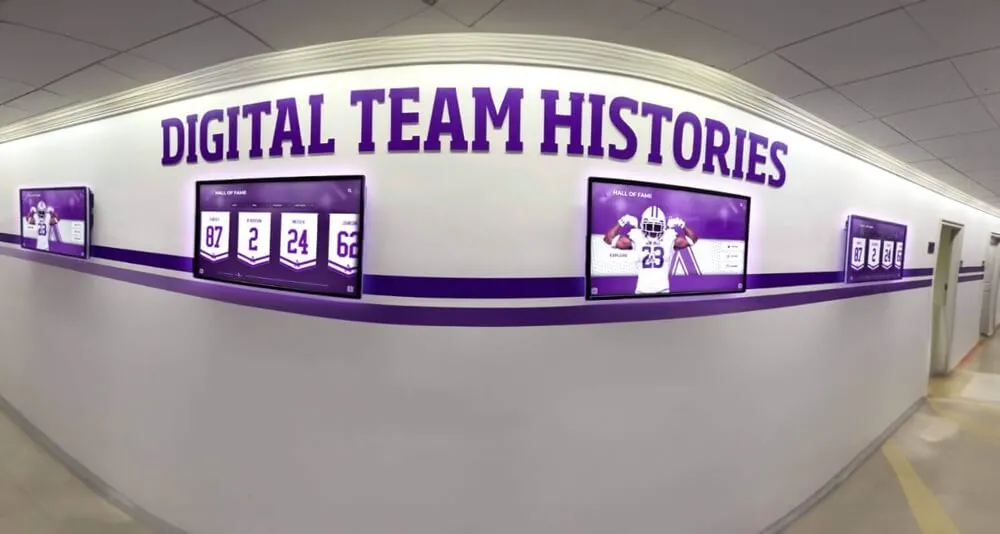
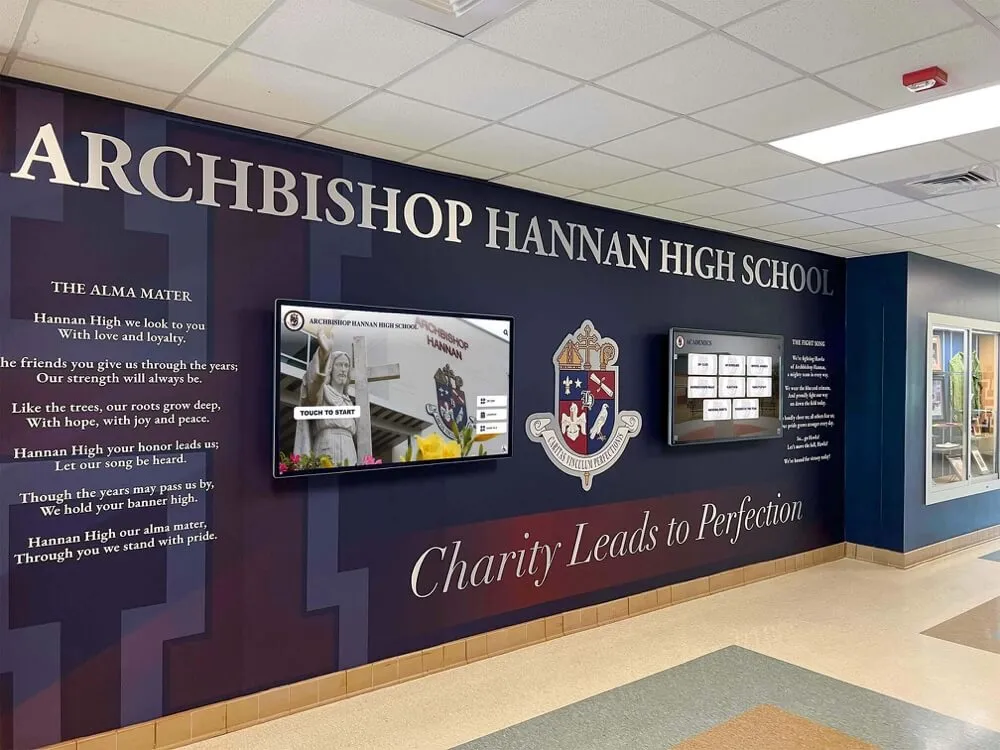
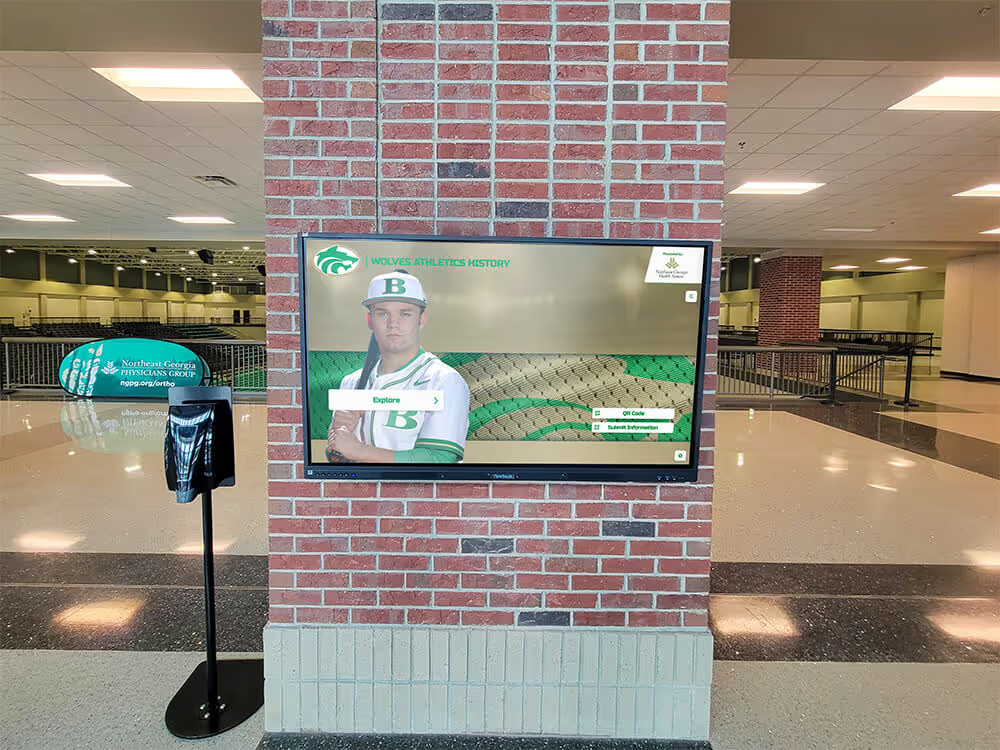
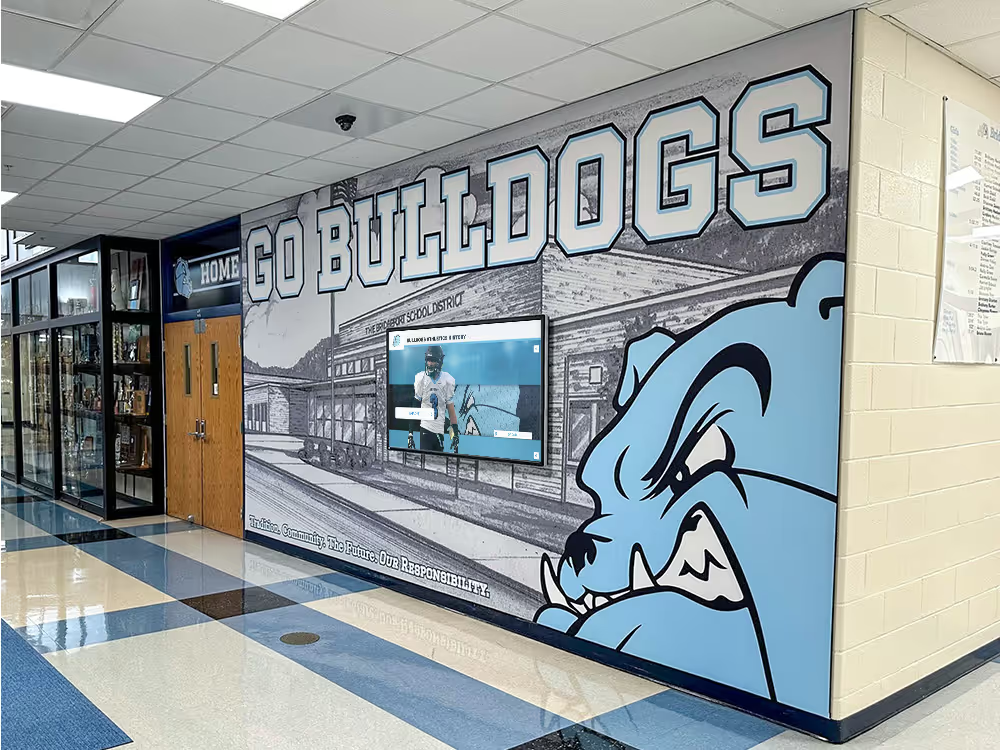
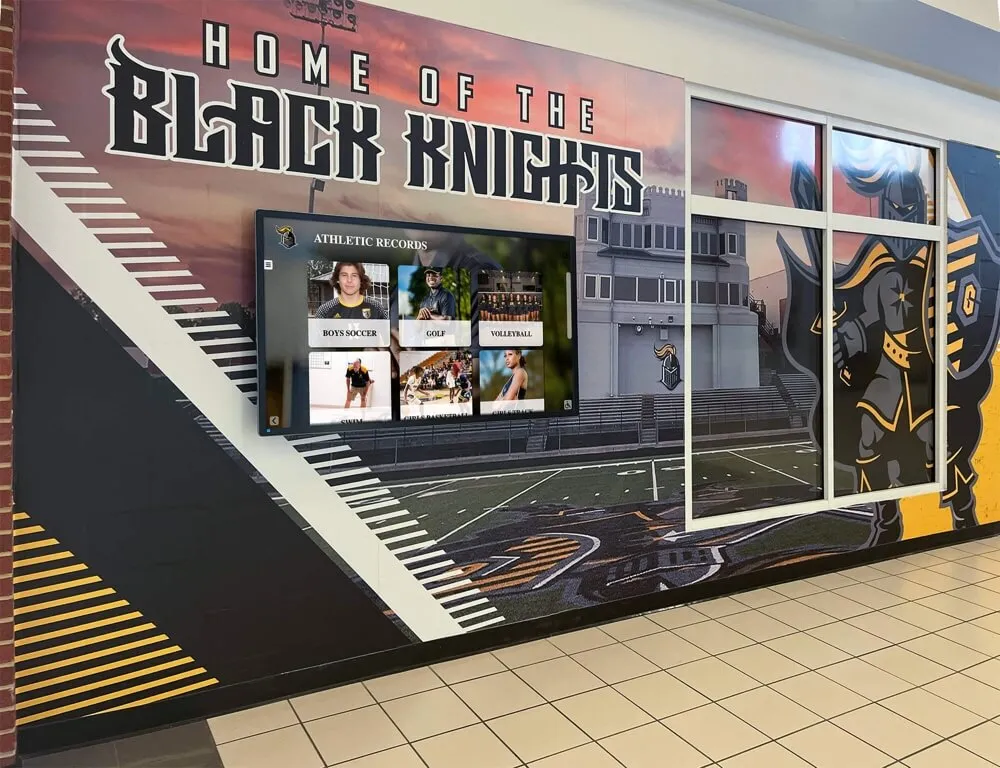
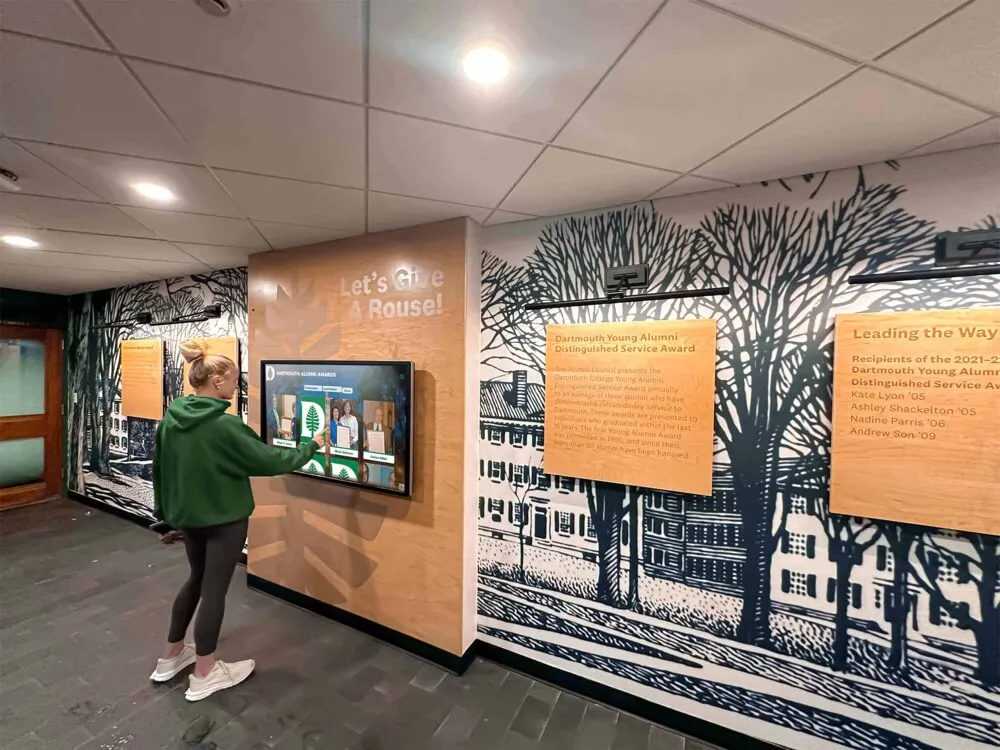
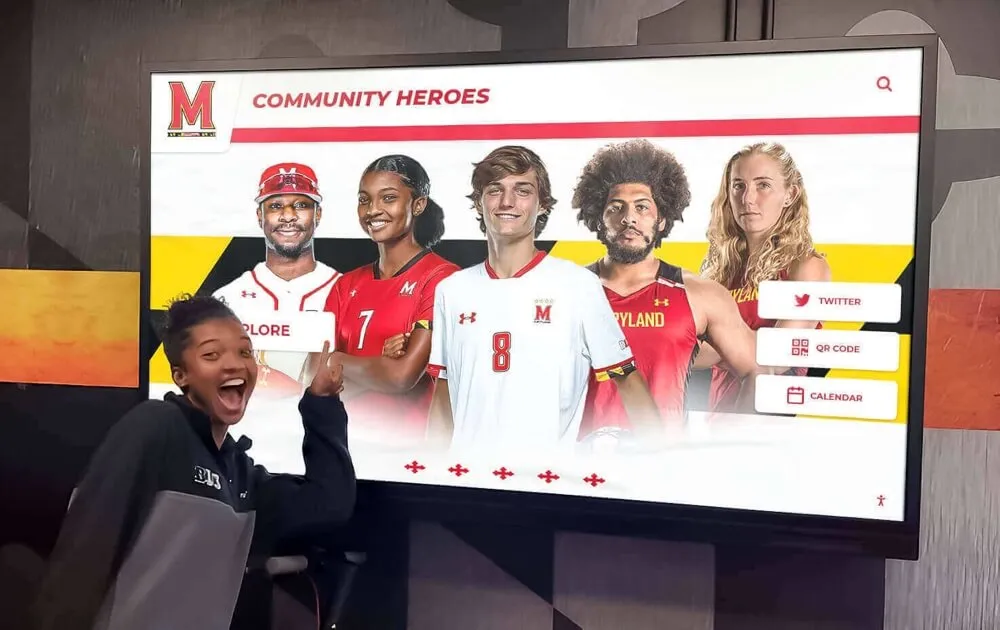
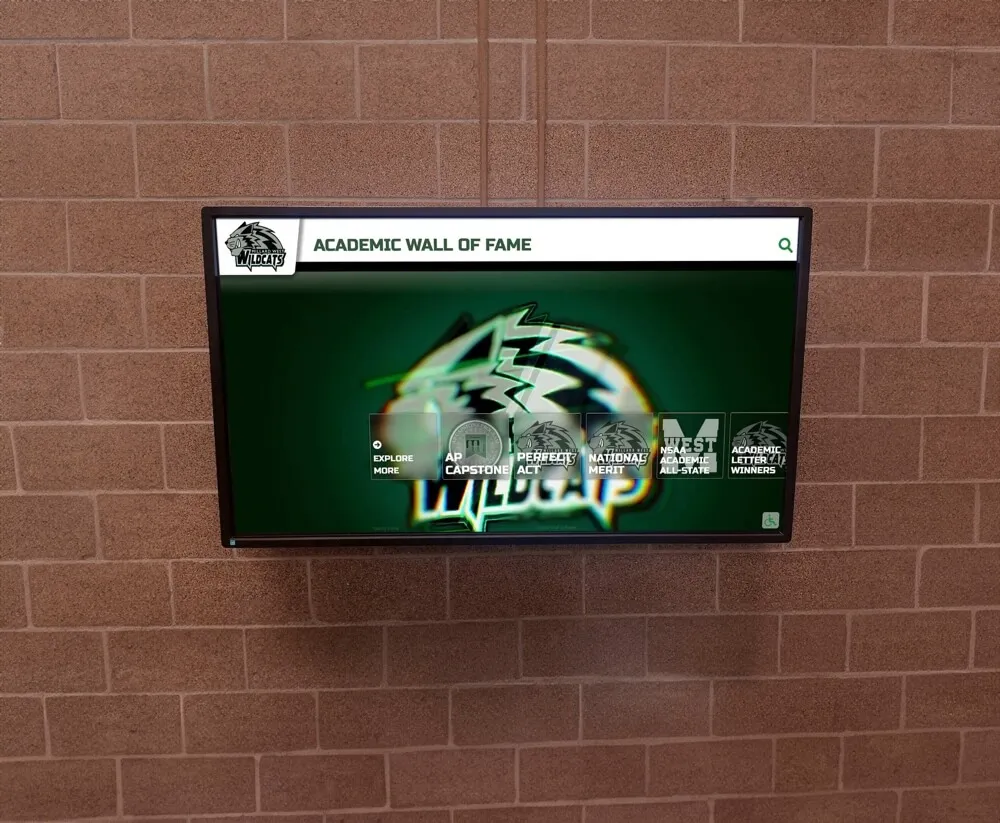
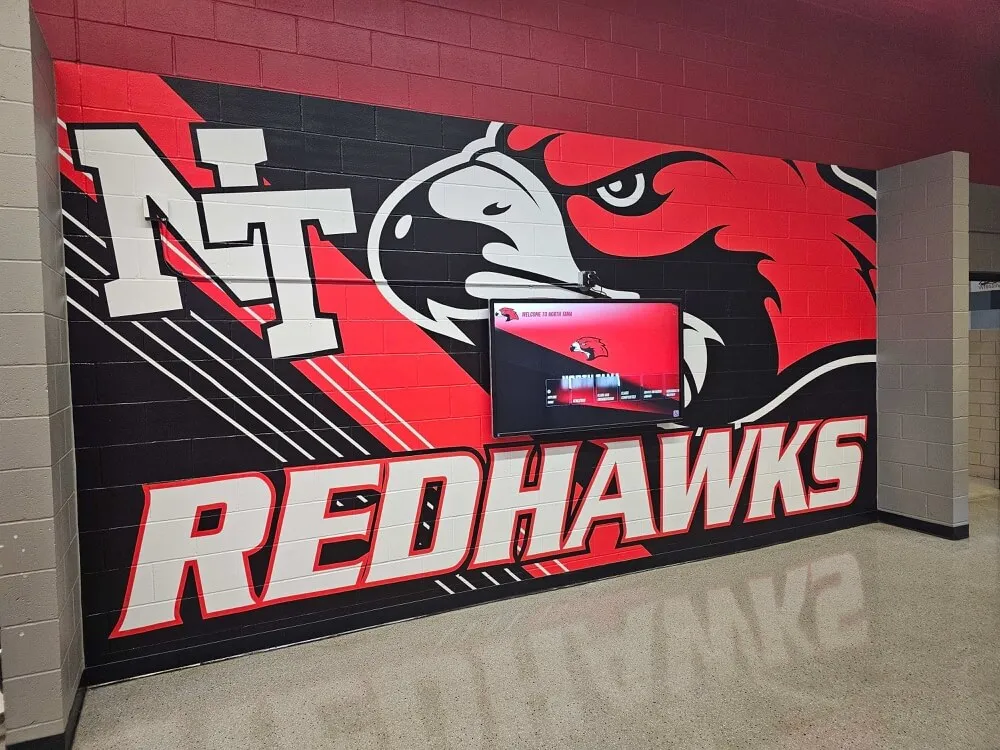
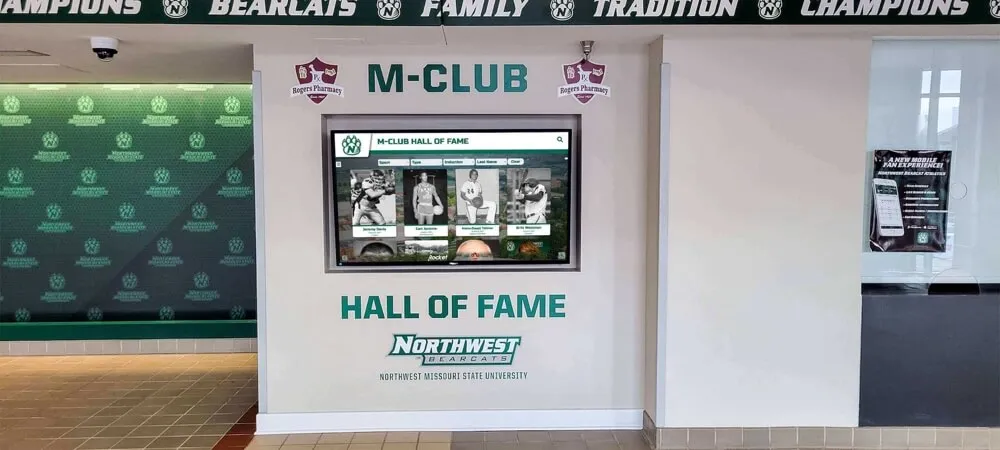
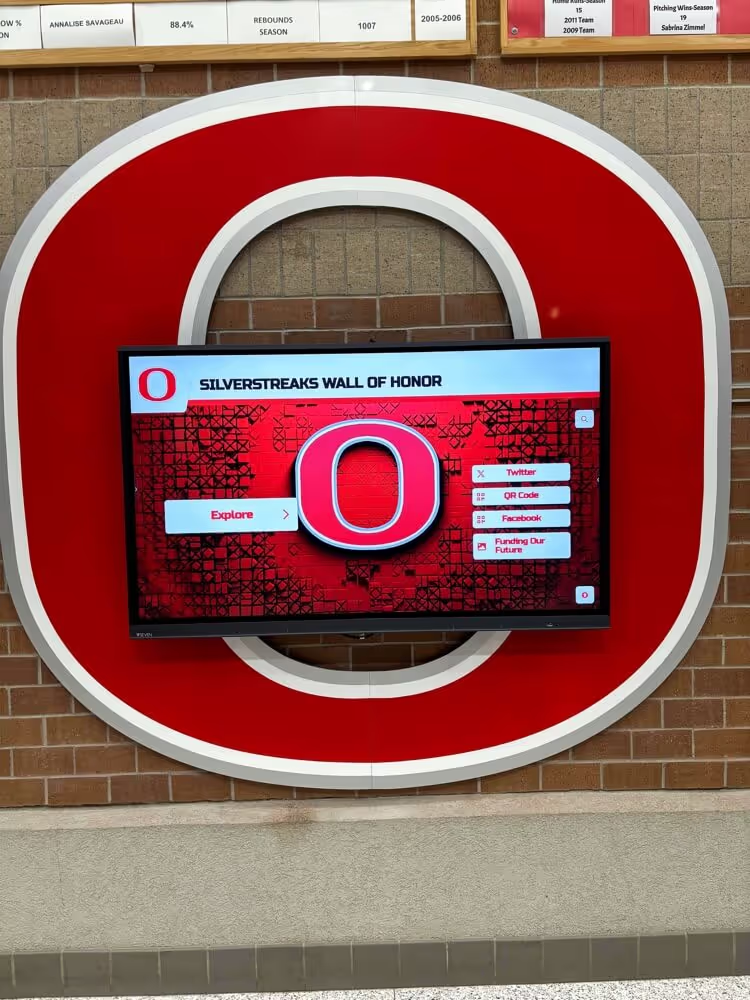
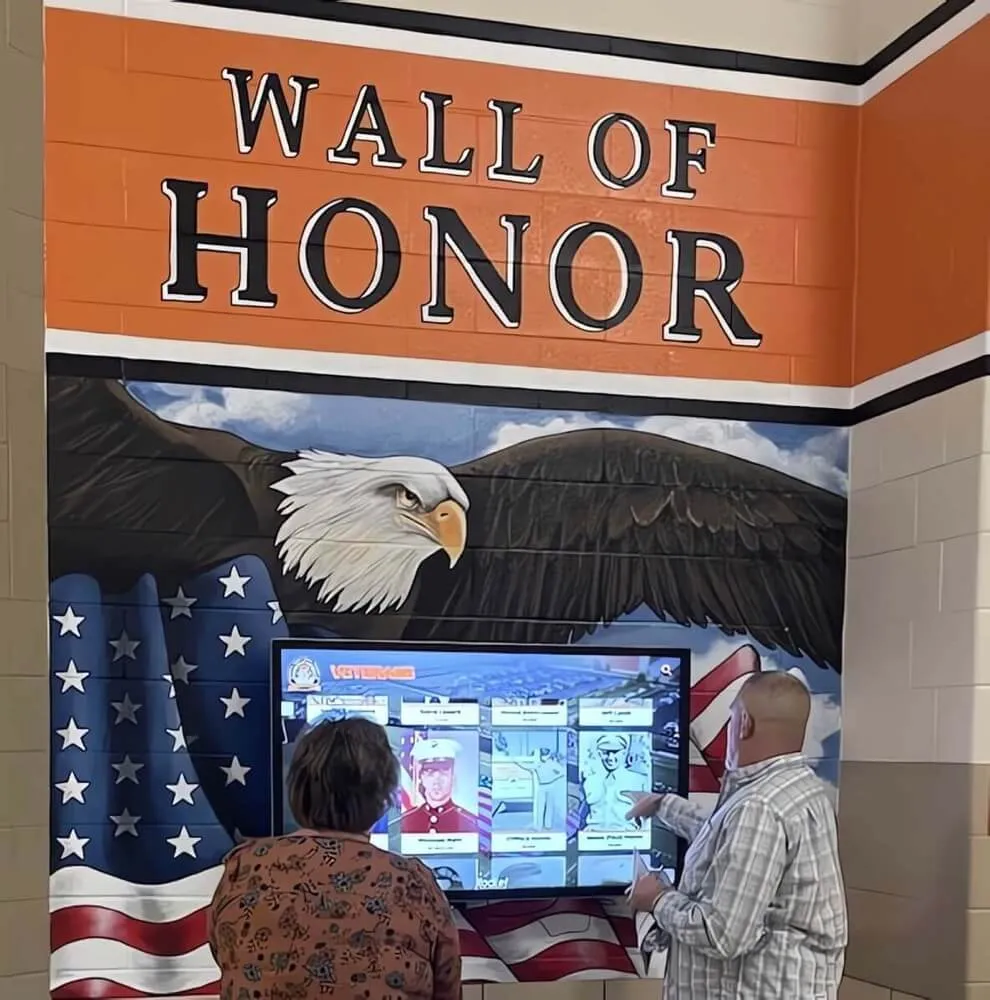
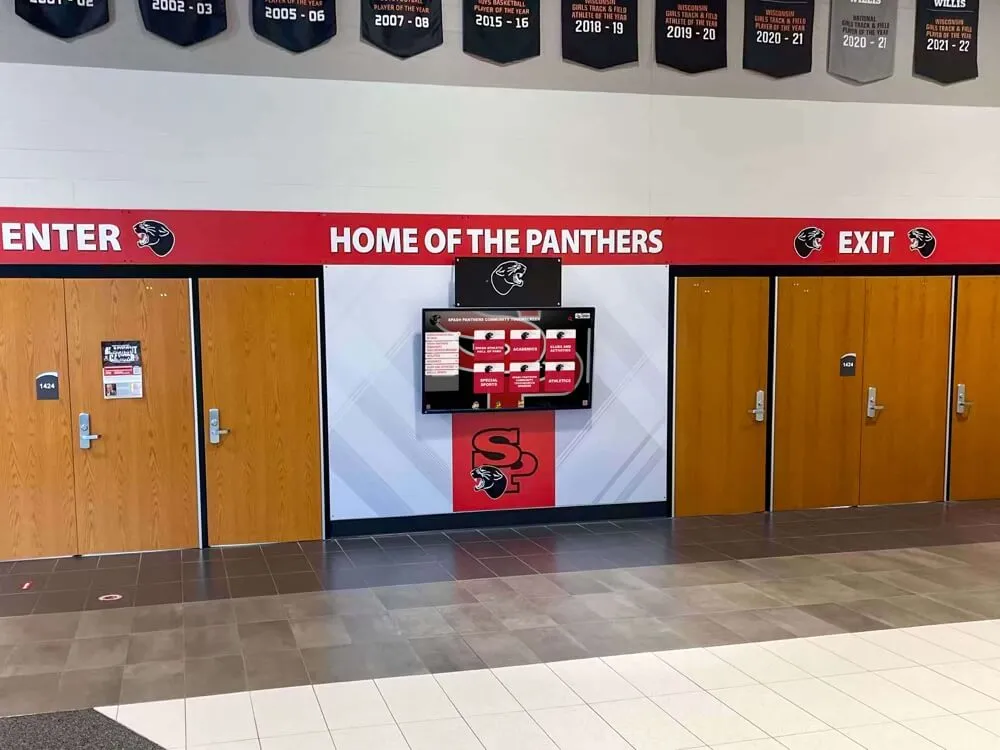
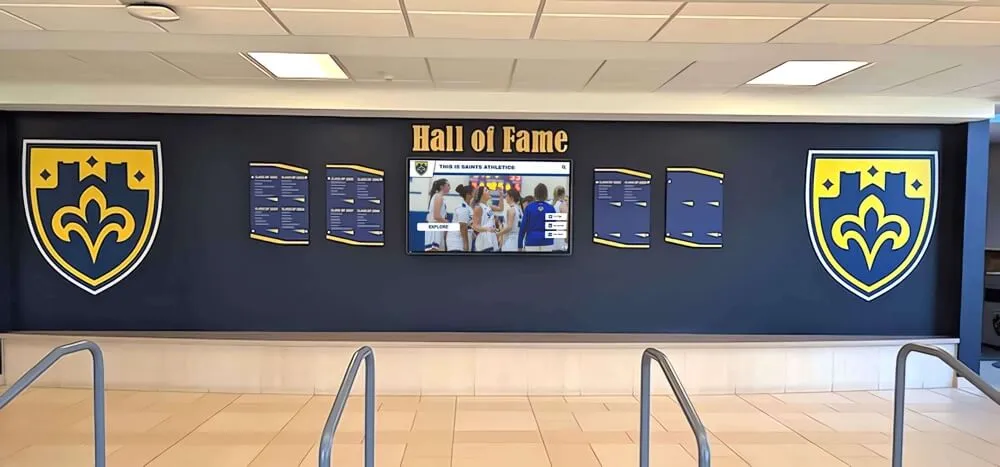
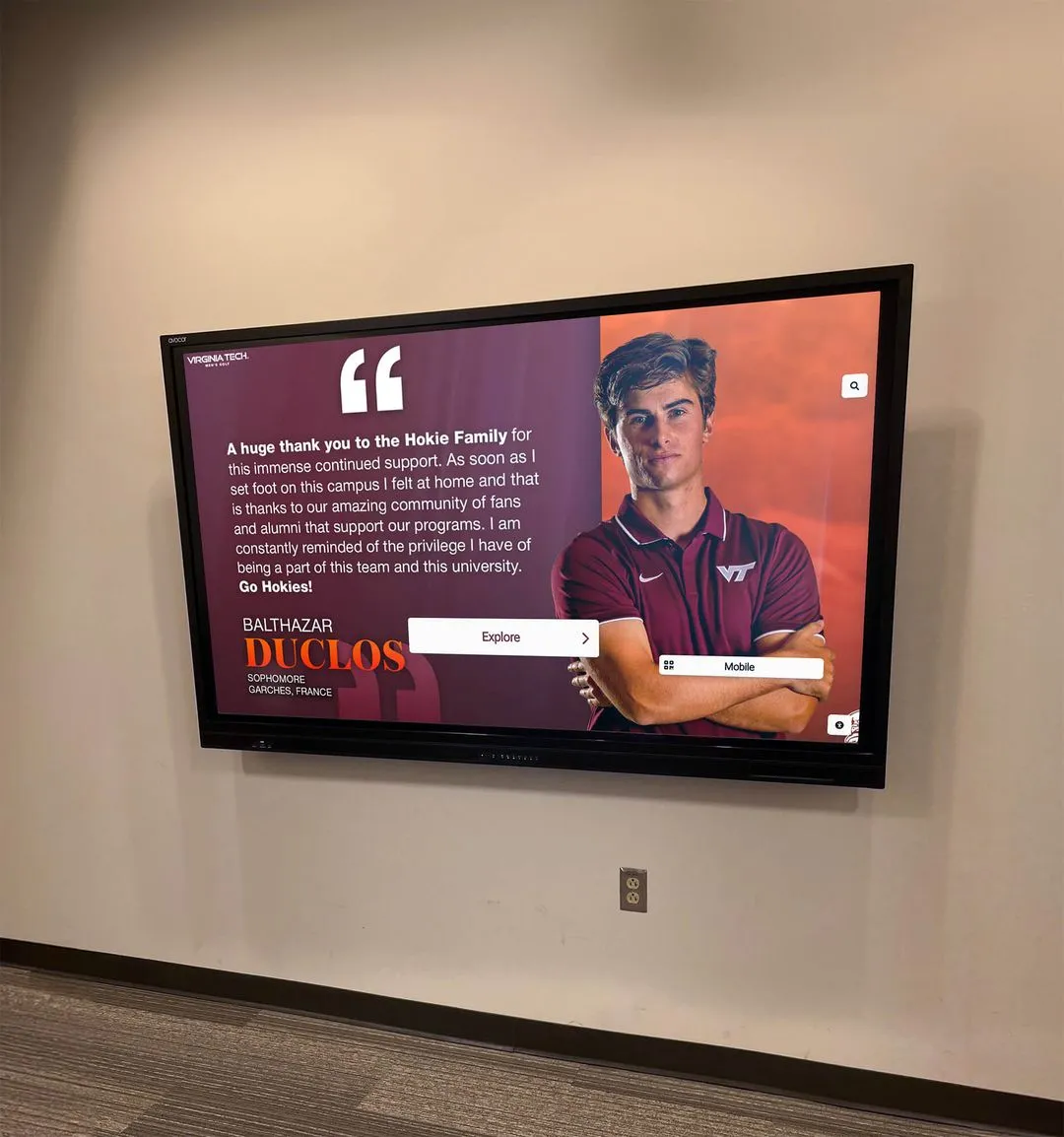
Many schools now use digital recognition displays that honor scholarship donors while showcasing the students they support, creating visible connections between generosity and impact that complement personal correspondence.
Academic and Career Aspirations
Donors invest in your future—share where you’re headed and how their support advances meaningful goals.
Explain your academic major and why you chose it, career objectives and the preparation required to achieve them, graduate or professional school plans when applicable, and how your intended field addresses needs or creates value you find personally significant.
Connect aspirations to scholarship criteria when relevant. Memorial scholarship donors established in honor of engineers want to hear about your engineering goals. Scholarships for students pursuing public service careers warrant discussion of your commitment to community contribution.
Demonstrate thoughtful planning rather than vague aspirations. Specific career goals with clear pathways sound more credible than generic statements about “wanting to help people” or “making a difference” without defined approaches.
Closing With Future Connection
Conclude letters by reiterating gratitude, acknowledging the responsibility you feel to honor the scholarship through your efforts, and—when appropriate—expressing openness to future communication.
Strong closing examples include:
“Thank you again for your extraordinary generosity. I take seriously the responsibility to make the most of the opportunities your scholarship creates, and I look forward to the day when I can similarly support deserving students pursuing their educational dreams.”
“Your family’s kindness in my time of need means more than I can adequately express. I promise to honor Mr. Thompson’s memory through my commitment to the engineering excellence he exemplified and by one day helping other students the way you’ve helped me.”
“I would welcome any opportunity to update you on my academic progress or to meet in person if that would be of interest. Thank you for believing in my potential and making my educational goals achievable.”
Close with an appropriate signature, typed name, contact information if not in letterhead, and academic classification or anticipated graduation date when relevant to scholarship terms.
Template Examples for Different Scholarship Types
Different scholarship categories warrant slightly different approaches emphasizing themes most meaningful to specific donor types.
Template for Memorial Scholarships
[Your Address]
[City, State ZIP]
[Date]

[Donor Name]
[Address]
[City, State ZIP]

Dear [Mr./Mrs./Dr.] [Donor Last Name]:

I am writing to express my profound gratitude for being selected as the [Year] recipient of the [Full Scholarship Name] established in memory of [Honoree Name]. Learning about [his/her/their] remarkable [accomplishments/character/contributions] has been deeply inspiring, and I am honored to receive educational support given in [his/her/their] name.

[Personal background paragraph relevant to scholarship criteria and the honoree's legacy]

Your scholarship provides critical financial support that [specific impact examples—reduced work hours, eliminated debt, enabled participation in specific opportunities]. More significantly, knowing that this assistance honors [Honoree Name]'s memory reminds me daily that education represents not simply personal advancement but responsibility to use knowledge and skills in ways that create positive impact for others.

I am currently majoring in [your major] with plans to [career goals], a path that I hope would make [Honoree Name] proud and reflects the values your family has chosen to honor through educational philanthropy. [Specific connection between your goals and the honoree's interests/career/values when applicable]

Thank you for transforming your family's loss into opportunities for students like me. I promise to honor [Honoree Name]'s legacy through my commitment to academic excellence and my dedication to [relevant values or goals]. Your generosity means more than financial assistance—it represents faith in my potential that I will work diligently to deserve.

With sincere appreciation,

[Handwritten Signature]
[Typed Name]
[University Name, Class of Year]
Template for Alumni Donor Scholarships
[Your Address]
[City, State ZIP]
[Date]

[Donor Name]
[Address]
[City, State ZIP]

Dear [Mr./Mrs./Dr.] [Donor Last Name]:

Thank you sincerely for establishing the [Scholarship Name] that is making my [University Name] education financially possible. As a fellow [school mascot/alumnus connection], your commitment to supporting current students demonstrates the kind of institutional loyalty and generosity that makes our school community exceptional.

[Background paragraph explaining your circumstances and why you chose this institution]

Your scholarship enables me to [specific impact examples]. Knowing that you once sat in the same classrooms, walked the same campus paths, and faced similar challenges creating your own future makes your support especially meaningful. I hope to make you proud to have invested in a fellow [school nickname].

I am majoring in [your major] and plan to [career goals]. [Connection to donor's career field or interests when known]. I am also involved in [relevant campus activities], trying to make the most of the complete college experience your generosity makes possible rather than being consumed entirely by work obligations.

Learning about successful alumni like you who remain committed to giving back inspires me to follow your example. I look forward to the day when I can similarly support future [school mascot] pursuing their educational dreams, continuing the cycle of generosity you exemplify.

Thank you again for your investment in my future and your loyalty to our shared institution.

With sincere gratitude,

[Handwritten Signature]
[Typed Name]
[University Name, Class of Year]
Template for Organization or Foundation Scholarships
[Your Address]
[City, State ZIP]
[Date]

[Organization Name]
[Attention: Scholarship Committee]
[Address]
[City, State ZIP]

Dear Scholarship Committee:

I am honored to have been selected as a [Year] recipient of the [Scholarship Name]. Your organization's commitment to [supporting education/advancing specific cause/investing in local students] creates opportunities that transform individual lives while strengthening our entire community.

[Background paragraph relevant to scholarship criteria]

Your scholarship provides [specific impact examples]. More importantly, your support demonstrates belief in my potential that motivates me to pursue ambitious goals I might otherwise have considered beyond reach. [Specific examples of how the scholarship enables participation in opportunities aligned with the organization's mission]

As a [your major] major planning to [career goals], I am committed to [connection to organization's mission or values]. Your investment in my education represents more than assistance to one student—it's a strategic contribution to [community development/field advancement/cause the organization supports] that will yield returns as I apply my education in service of [relevant objectives].

I would welcome any opportunity to update your committee on my academic progress or to participate in events where I might represent the students your organization supports. Thank you for your vision in investing in education and for the confidence you've shown in my potential.

With sincere appreciation,

[Handwritten Signature]
[Typed Name]
[University Name, Class of Year]
Template for Field-Specific or Cause-Based Scholarships
[Your Address]
[City, State ZIP]
[Date]

[Donor Name or Organization]
[Address]
[City, State ZIP]

Dear [Name/Selection Committee]:

Thank you for selecting me as a recipient of the [Scholarship Name] supporting students pursuing [specific field/cause]. Your commitment to advancing [field/cause] through educational support demonstrates understanding that the next generation of [professionals/advocates/leaders] requires both quality preparation and meaningful encouragement.

I have been passionate about [field/cause] since [formative experience that shaped your interest]. [Specific background explaining your commitment to this field and what draws you to it]

Your scholarship makes it possible for me to [specific impact examples particularly relevant to preparation in this field—research opportunities, specialized equipment, reduced work hours enabling demanding coursework, internships, etc.]. These opportunities directly advance my goal of [career objective in the field], positioning me to contribute meaningfully to [field advancement/cause support] throughout my career.

[Specific plans, coursework, or experiences relevant to the scholarship's focus area]

I recognize that your investment in my education represents more than support for one student—it's a strategic contribution to [field/cause advancement] that I take seriously. I promise to honor your confidence through my commitment to excellence and my dedication to using my education in service of [values or goals aligned with scholarship purpose].

Thank you for your vision in supporting the next generation of [field professionals]. I hope to make you proud of your investment.

With sincere gratitude,

[Handwritten Signature]
[Typed Name]
[University Name, Class of Year]
Common Mistakes That Undermine Thank You Letter Effectiveness
Even well-intentioned appreciation letters can fail to resonate when they include common errors that donors find off-putting or insincere.
Generic Language That Could Apply to Anyone
Form letters with minimal personalization immediately signal that the thank you represents obligatory compliance rather than genuine gratitude. Donors spot generic phrases like “your generosity means so much to me” or “I couldn’t afford college without this scholarship” that reveal minimal thought or effort.
Personalize every letter by naming the scholarship specifically, referencing the donor or honoree by name, connecting your background to scholarship criteria, and including specific details that demonstrate you actually understand who established the scholarship and why.
Excessive Focus on Financial Hardship
While donors appreciate understanding your circumstances, letters that dwell extensively on financial difficulties, catalog hardships in excessive detail, or seem designed primarily to elicit pity often backfire by making donors uncomfortable or creating impressions of victimhood rather than resilience.
Frame challenges you’ve faced in terms of context and determination rather than dwelling on difficulties. Focus primarily on aspirations and how scholarship support makes meaningful goals achievable rather than detailed descriptions of hardship.
Absence of Specific Impact Examples
Vague statements about scholarships “helping with college costs” or “making education possible” lack the concrete detail that makes impact tangible and memorable. Donors want to understand precisely how their support makes practical differences in your daily life and educational experience.
Include specific examples—courses you can take, reduced work hours, eliminated debt, research participation, study abroad opportunities, or any other concrete ways the scholarship changes your educational experience beyond general tuition assistance.
Spelling and Grammar Errors
Thank you letters containing spelling mistakes, grammatical errors, or sloppy formatting suggest carelessness that can offend donors who made substantial financial investments in your education. If you can’t proofread a simple letter, donors may question whether you’ll approach academic work with the diligence their support deserves.
Review letters multiple times, use spell-check tools, ask others to proofread, and ensure professional formatting before sending. Your thank you letter represents the only direct communication many donors receive—make it reflect the quality they’re funding.
Missing or Delayed Acknowledgment
Failing to send thank you letters at all represents the most serious error, suggesting either ingratitude or lack of awareness about basic professional and social obligations. Similarly, letters sent months after receiving scholarship notification appear as afterthoughts rather than genuine appreciation.
Send thank you letters within two weeks of scholarship notification whenever possible. If scholarship offices provide specific deadlines or guidelines, follow them precisely. If you genuinely forgot or missed deadlines, send letters anyway with brief acknowledgment of the delay rather than assuming it’s too late.
Beyond Letters: Comprehensive Donor Recognition and Appreciation
While personal thank you letters remain essential, many institutions implement additional recognition approaches that complement individual correspondence while honoring donors publicly.
Digital Recognition Displays
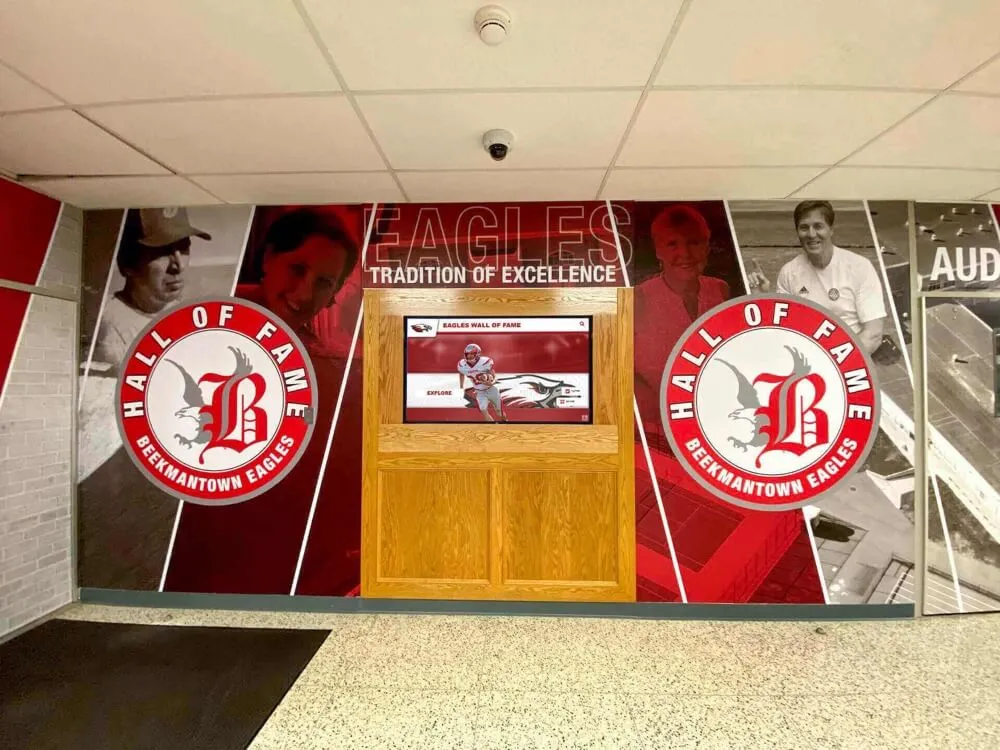
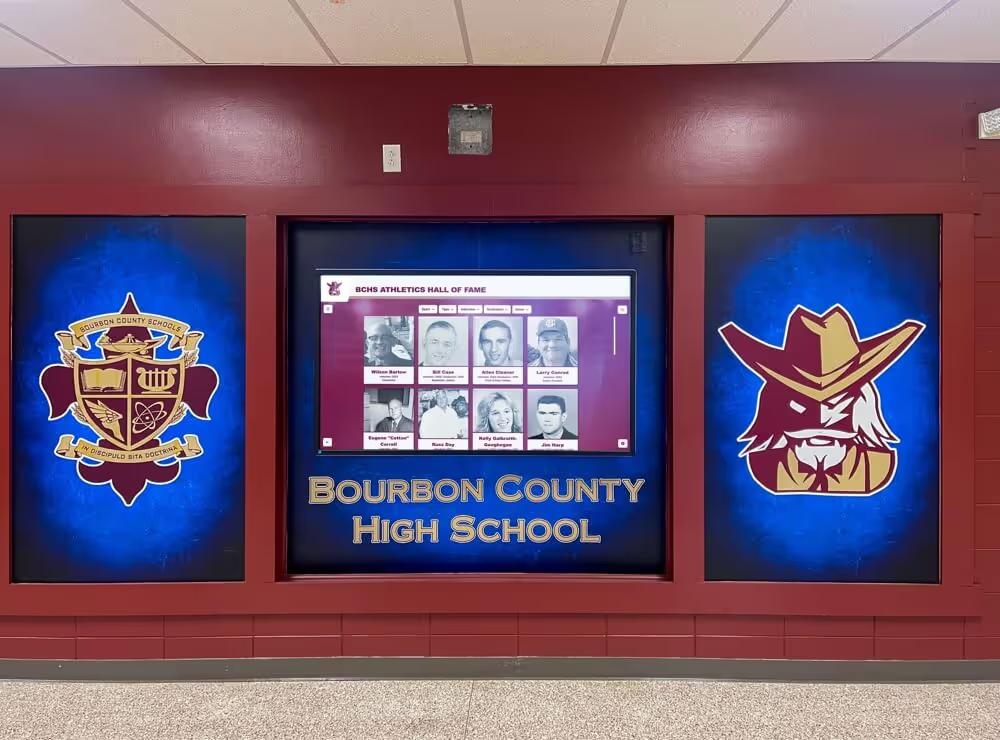
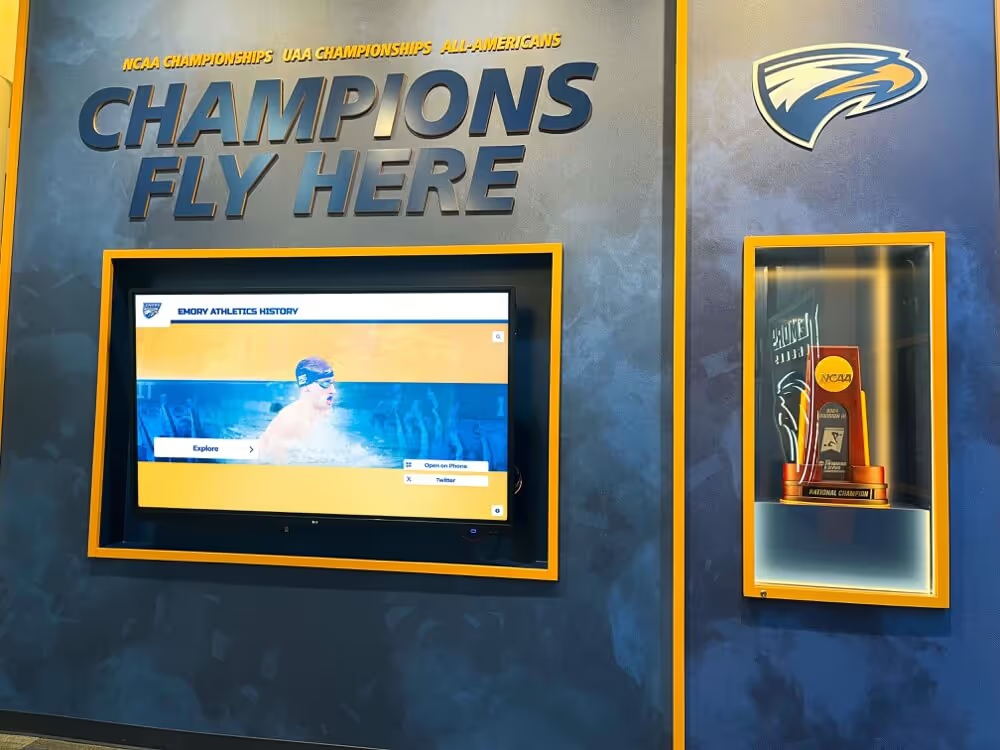
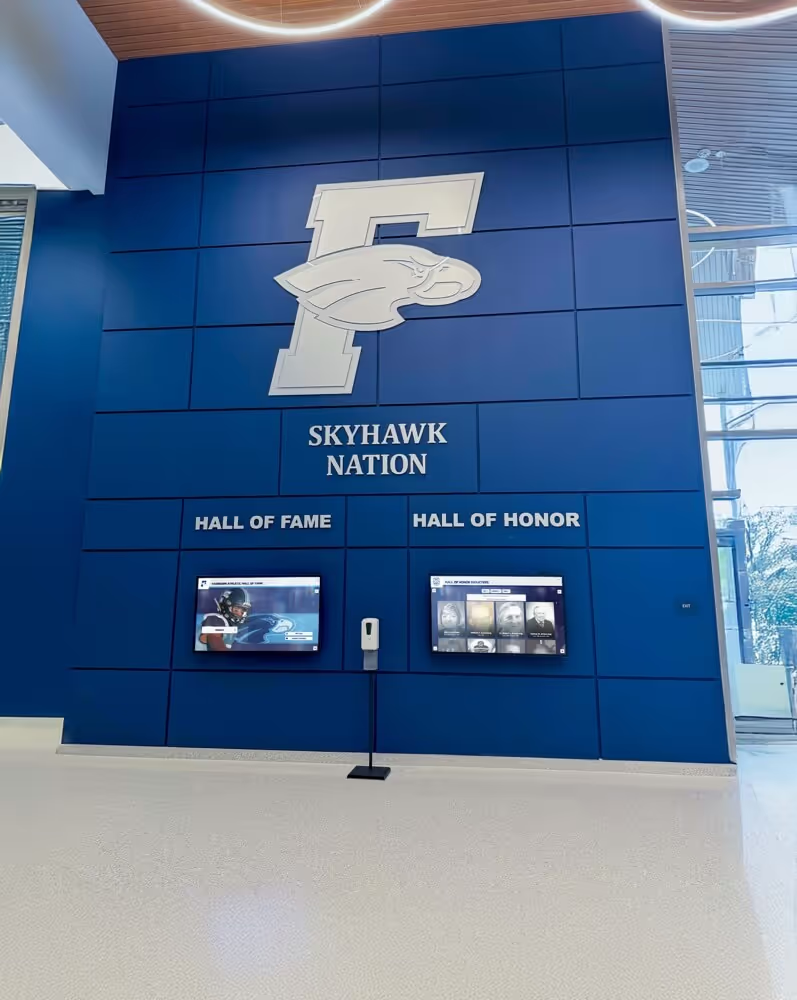
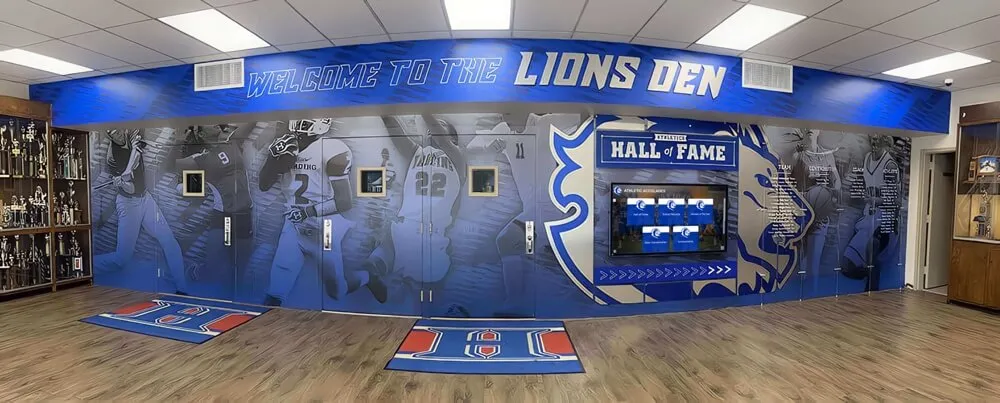
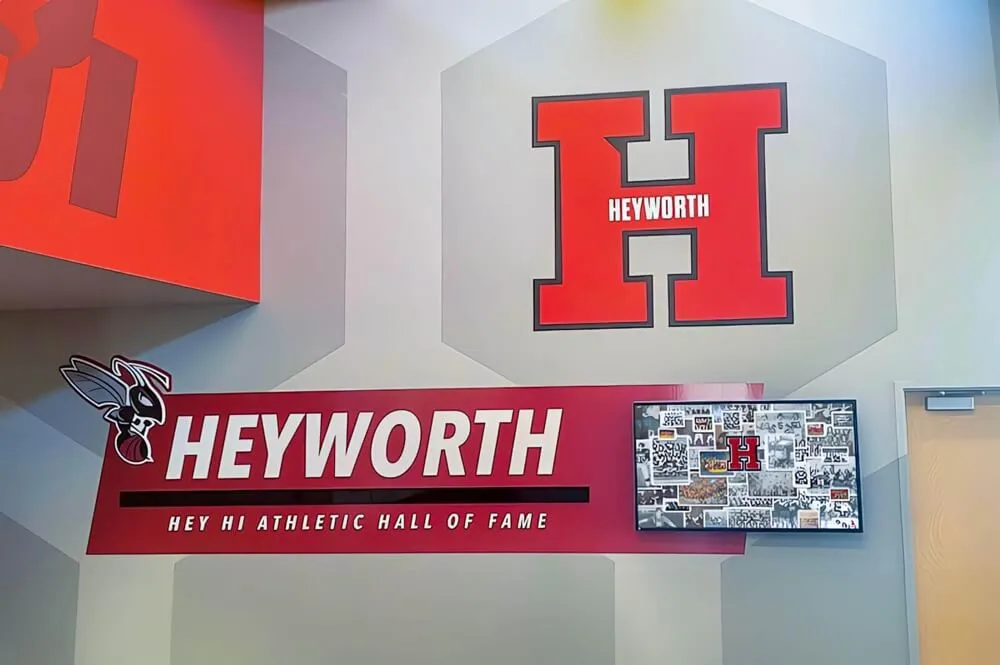
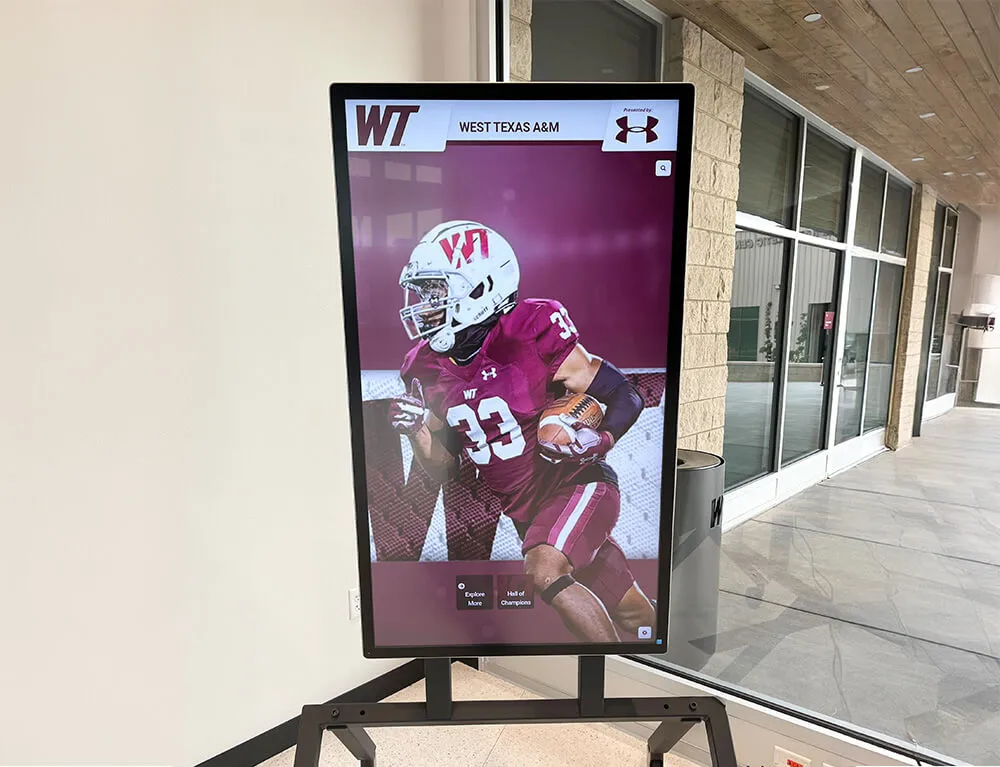
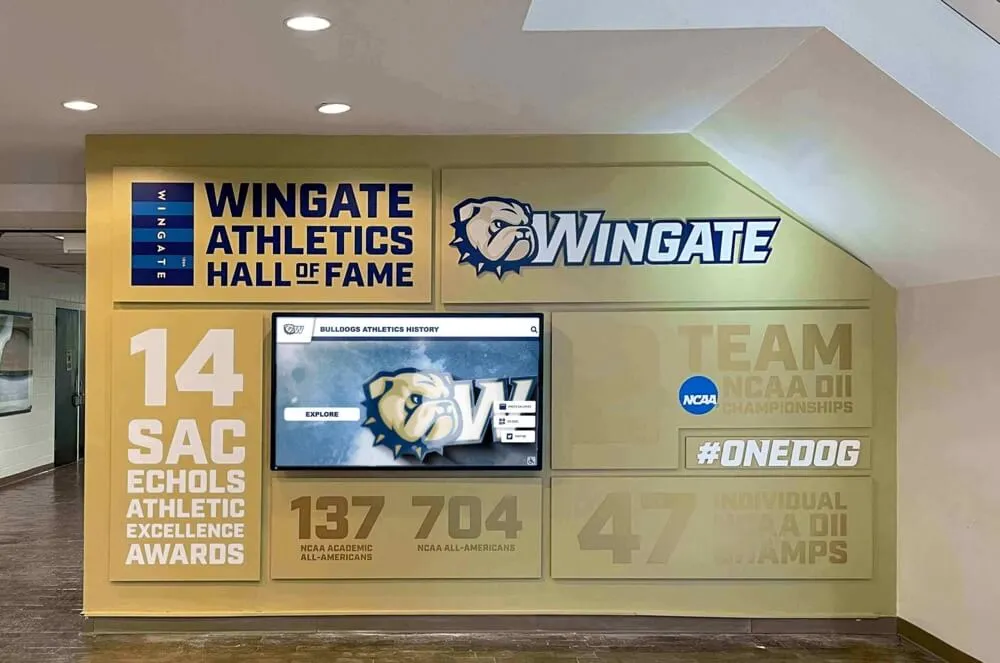
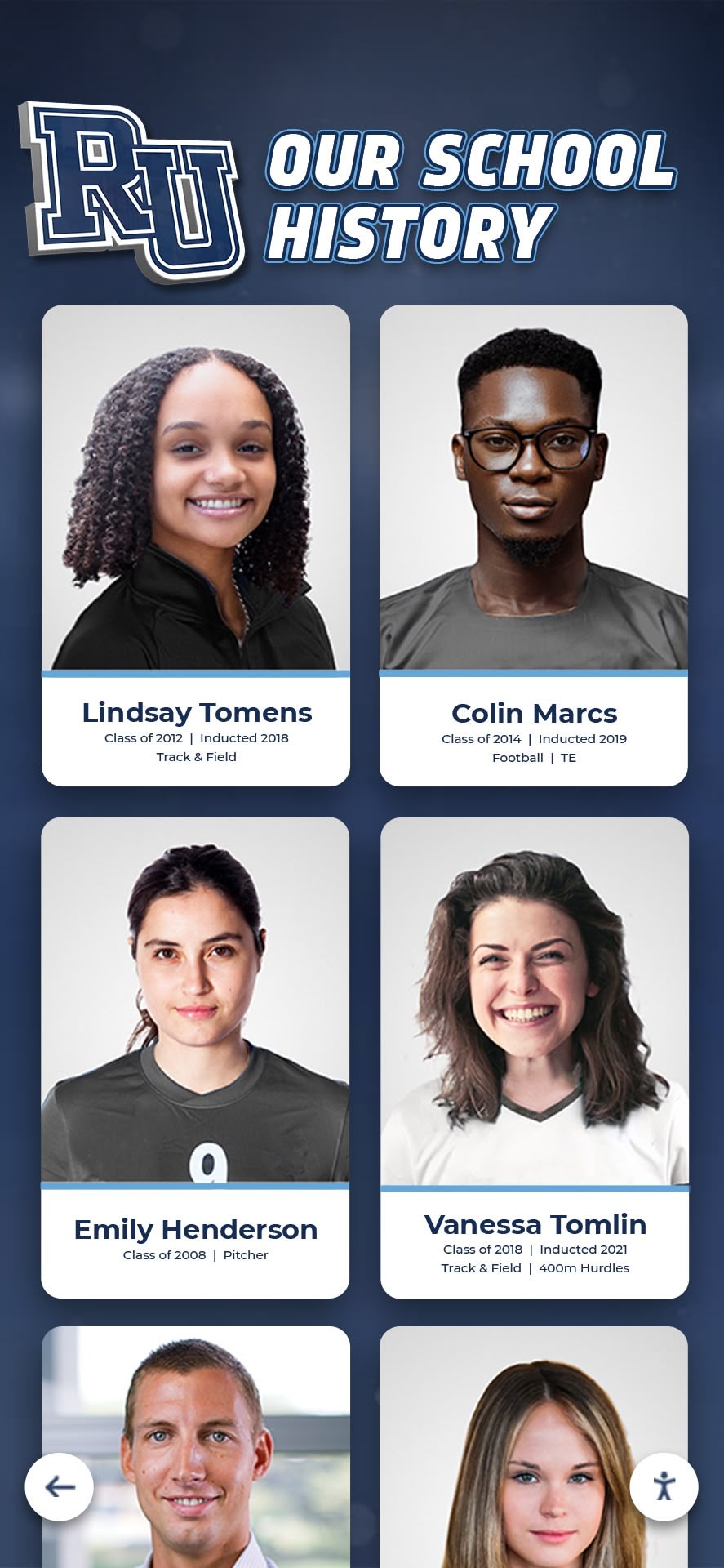
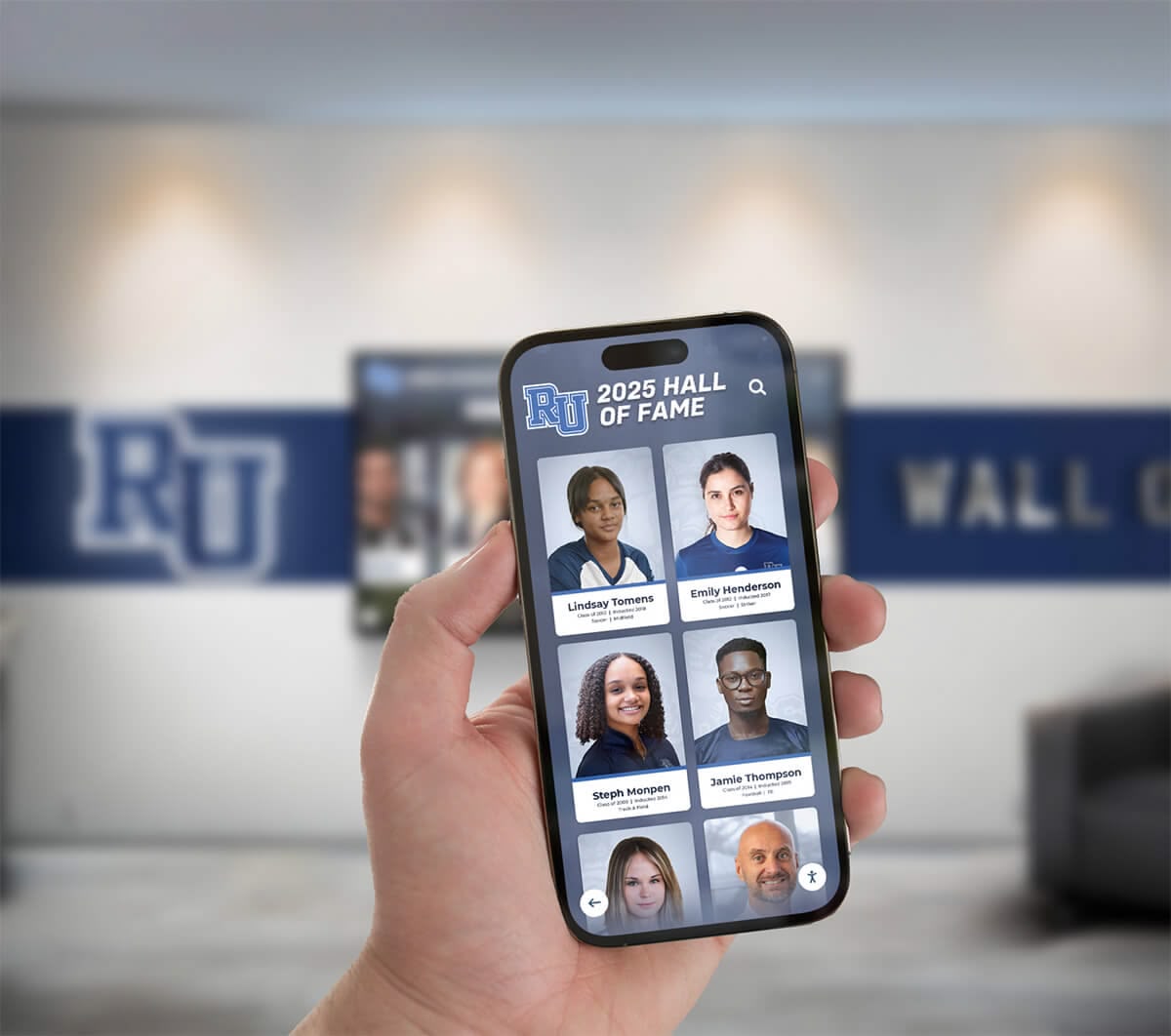
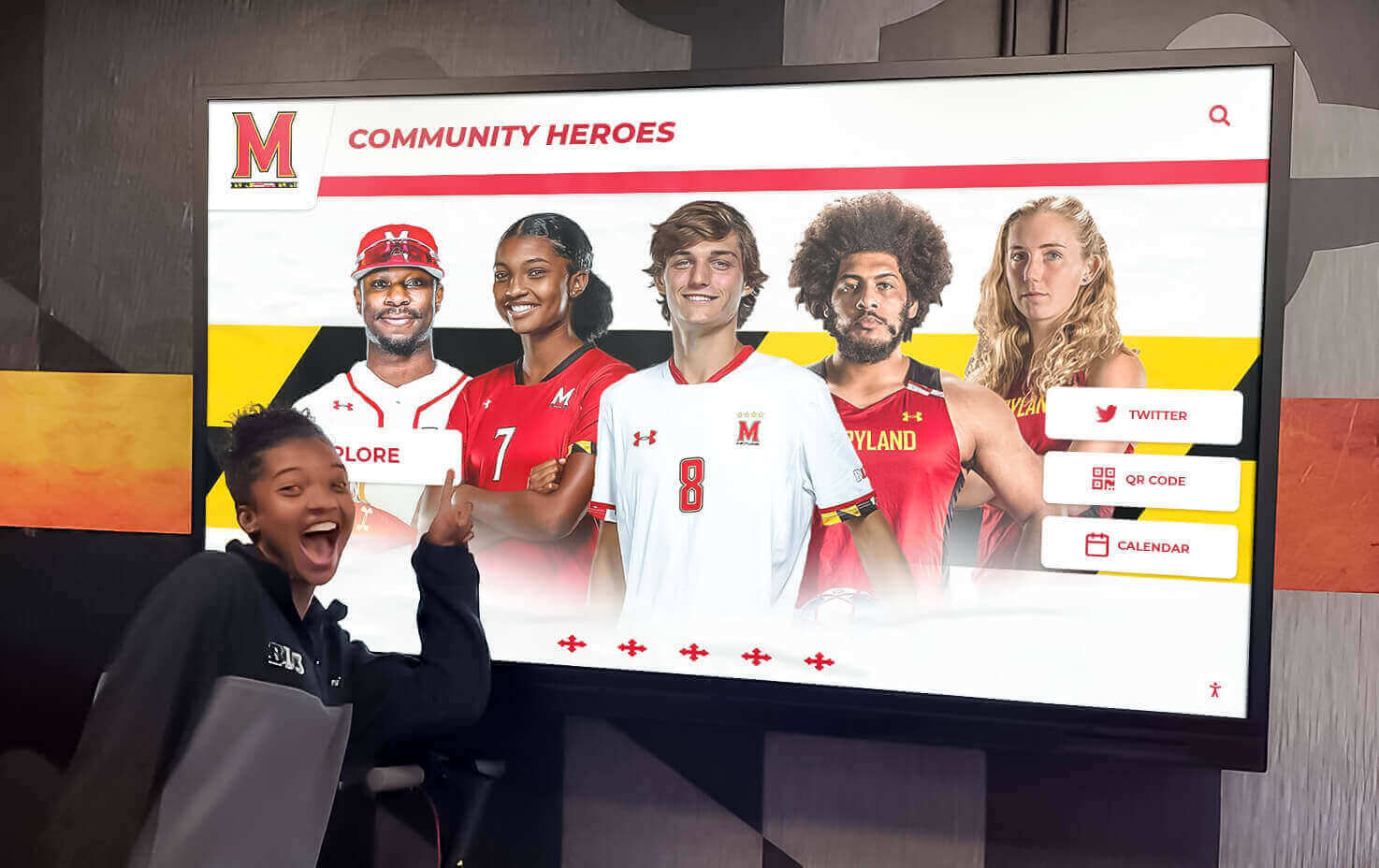
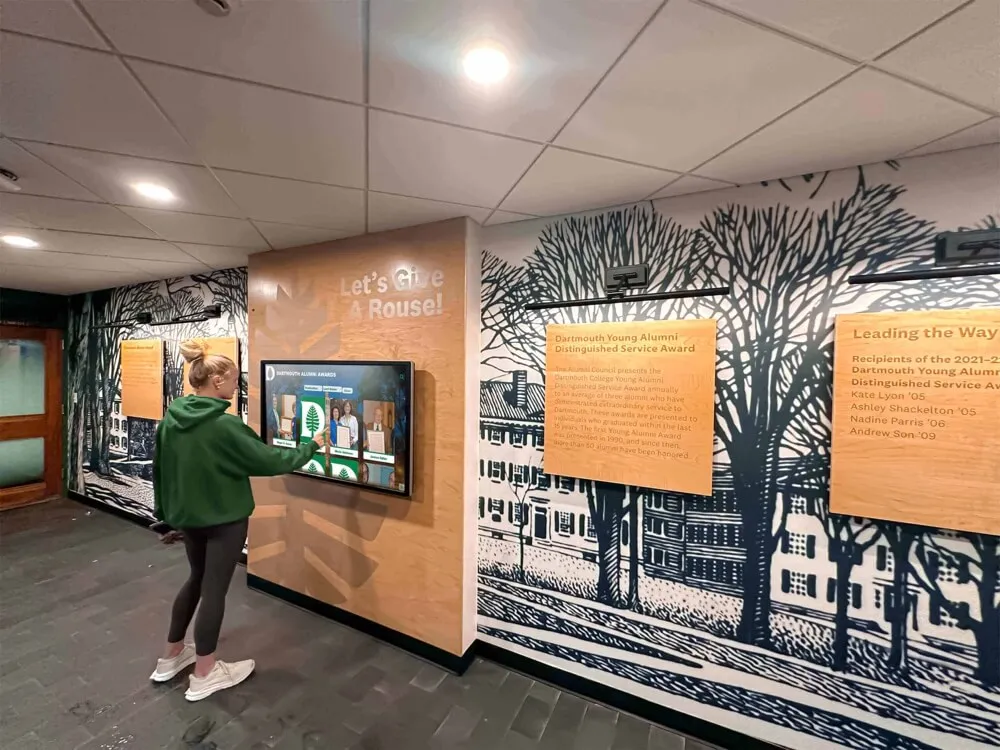
Modern schools and universities increasingly implement interactive digital recognition displays showcasing scholarship donors alongside the students they support. These systems create visible connections between philanthropy and impact while ensuring donor contributions receive lasting acknowledgment beyond temporary plaques or static displays.
Solutions like Rocket Alumni Solutions enable institutions to maintain comprehensive donor recognition databases that can showcase unlimited donors without physical space constraints, update automatically as new scholarships are established or students are selected, and create compelling visual presentations that engage campus visitors while honoring generosity appropriately.
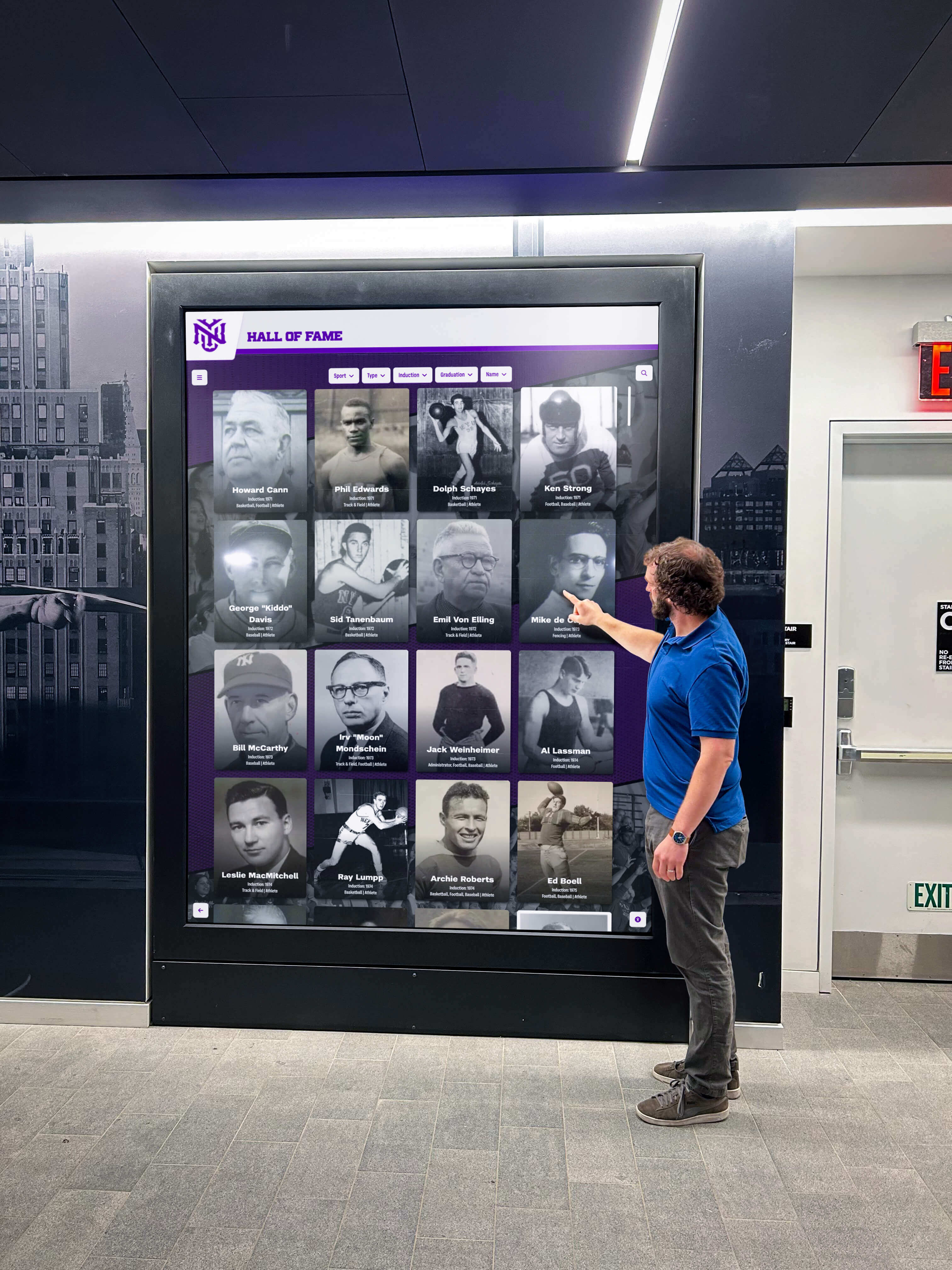
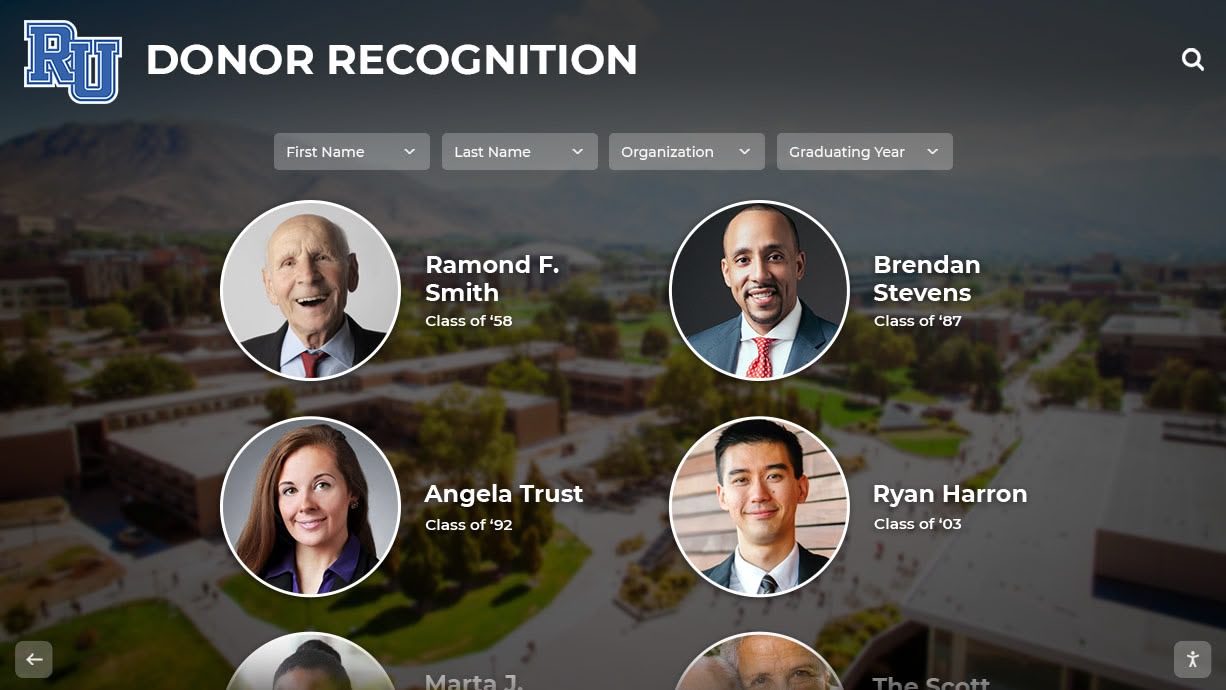
Digital displays offer several advantages over traditional recognition approaches including capacity for rich multimedia content featuring donor profiles, scholarship criteria, and recipient stories; searchable databases enabling visitors to find specific donors or explore by scholarship type; and remote access allowing donors to view recognition from anywhere rather than requiring campus visits.
Annual Donor Recognition Events
Many institutions host events bringing scholarship recipients and donors together for personal interaction that deepens relationships beyond written correspondence. These gatherings provide opportunities for face-to-face gratitude, enable donors to see firsthand the students they support, and create memorable experiences for both parties.
Recognition events often incorporate academic achievement celebrations that honor both donors and recipients while demonstrating the caliber of students benefiting from philanthropic support. These combined approaches efficiently acknowledge multiple constituencies while creating inspiring atmospheres that often motivate increased giving.
Progress Updates and Continued Communication
The most sophisticated donor stewardship programs extend beyond initial thank you letters to include periodic progress updates, graduation announcements, and post-graduation success stories that demonstrate long-term impact of scholarship support.
Regular communication might include semester updates sharing academic achievements, summer emails describing internships or research experiences, graduation announcements with photos and future plans, and post-graduation messages explaining career paths and expressing continued appreciation for foundational support.
Some scholarship programs incorporate structured touchpoints requiring annual reports or updates as conditions of continued support. Even when not required, voluntary updates strengthen donor relationships and increase likelihood of expanded support or referrals to other potential donors.
Student Involvement in Fundraising and Awareness
Advanced donor appreciation strategies sometimes involve scholarship recipients in fundraising activities or awareness campaigns, creating authentic testimonials that inspire additional giving while giving students experience in philanthropic processes.
Appropriate involvement might include speaking at donor events about scholarship impact, participating in fundraising campaign communications with permission, contributing written testimonials for institutional publications, or meeting with prospective donors to share firsthand experiences about scholarship program benefits.
Guidelines for Required vs. Voluntary Thank You Letters
Understanding institutional policies and requirements helps ensure compliance while enabling you to exceed minimum expectations when appropriate.
Meeting Institutional Requirements
Most scholarship programs through schools or universities include thank you letter requirements as conditions of award acceptance. These requirements typically specify submission deadlines, length expectations, required content elements, and submission processes.
Review scholarship award letters carefully for acknowledgment requirements, noting any specific deadlines, content guidelines, or submission procedures. Some institutions require submission to scholarship offices rather than direct mailing to donors. Others provide donor contact information for direct correspondence.
When requirements exist, meeting them precisely demonstrates professionalism and respect. Failure to submit required acknowledgment can jeopardize future scholarship eligibility or create uncomfortable situations with donors who expected communication.
Exceeding Minimum Expectations
Meeting requirements represents baseline obligation. Thoughtful recipients often exceed minimums through additional gestures demonstrating genuine appreciation beyond compliance.
Consider handwriting notes rather than typing when appropriate, particularly for smaller local scholarships from individual donors. Handwritten correspondence feels more personal and demonstrates extra effort that many donors appreciate.
Include semester or annual updates even when not required, sharing academic achievements, interesting courses, or relevant experiences. Continued communication demonstrates that scholarship support created lasting impact beyond single-semester tuition assistance.
When graduating, send final thank you notes acknowledging how scholarship support contributed to degree completion and explaining how you’ll apply your education. Graduation represents natural closure to scholarship relationships while leaving positive final impressions.
Private Scholarship Communication Guidelines
Private scholarships awarded directly by organizations, businesses, or individuals rather than through institutional programs may lack formal requirements but still warrant thoughtful acknowledgment.
When scholarship communications don’t specify acknowledgment requirements, send thank you letters anyway within two weeks of notification. Assume donors expect appreciation even when not explicitly requesting it.
If donor contact information isn’t provided, ask scholarship administrators whether thank you letters are appropriate and how they should be submitted. Some donors prefer privacy and may request institutions not share contact details, in which case route correspondence through program administrators.
Writing Tips for Non-Native English Speakers
International students or non-native English speakers sometimes feel anxious about writing thank you letters in English, worrying that language limitations might prevent effective expression of sincere gratitude.
Authenticity Outweighs Perfect Grammar
Donors value genuine emotion and personal voice far more than grammatical perfection. A heartfelt letter with minor language imperfections resonates more powerfully than a technically perfect but impersonal form letter.
Write in your natural voice rather than attempting overly complex language that might sound awkward or forced. Straightforward, simple expressions of genuine appreciation prove more effective than elaborate phrases that don’t sound authentic to your actual communication style.
Utilizing Writing Resources Appropriately
Many resources can help improve letter quality without undermining authenticity. University writing centers often assist with scholarship acknowledgment letters, providing feedback on organization, clarity, and grammar while helping you maintain your genuine voice.
Grammar checking tools like Grammarly identify technical errors without changing your fundamental message. Asking fluent English-speaking friends to review letters catches mistakes while enabling you to keep control over content and tone.
Avoid having others write letters for you entirely or using AI tools to generate complete content. Donors can typically detect when letters don’t reflect genuine student voice, and discovering inauthenticity severely damages relationships and can jeopardize scholarship continuation.
Highlighting International Perspective
Your international background often provides unique perspective that enriches thank you letters rather than creating disadvantages. Donors supporting international students typically value global perspectives and cross-cultural exchange.
Share relevant aspects of your background, explain what studying in a new country means to you, describe how scholarship support enables international education that wouldn’t otherwise be financially feasible, and express appreciation for opportunities to pursue education in environments different from your home country.
Many institutions feature end-of-year student celebrations that highlight diverse student achievements and international perspectives, creating additional contexts for donor appreciation beyond individual correspondence.
Special Considerations for Different Career Paths
Different career trajectories warrant slightly different approaches to sharing aspirations and demonstrating how scholarship support advances meaningful goals.
Students Pursuing Advanced Degrees
For recipients planning graduate or professional school following undergraduate completion, acknowledge the extended educational pathway and explain how current scholarship support creates foundation for future study.
Explain what advanced degrees you’re pursuing and why they’re necessary for career goals, describe how undergraduate scholarship support enables strong applications through reduced work obligations and increased academic focus, and express awareness that educational investment spans multiple degree levels requiring sustained commitment and support.
First-Generation College Students
Students whose parents didn’t attend college bring unique perspectives that many donors find particularly compelling, especially those funding scholarships specifically supporting first-generation students.
Share what pursuing higher education means in your family context, explain challenges you’ve navigated without family members who understand college systems and expectations, describe how scholarship support eliminates financial barriers that might otherwise prevent degree completion, and express understanding that your success creates pathway for younger siblings or future generations.
Career Changers and Non-Traditional Students
Adult learners returning to education after time in the workforce or pursuing career transitions bring valuable perspective and seriousness of purpose that donors appreciate.
Explain what prompted your decision to pursue education now, describe sacrifices involved in returning to school while managing family or financial obligations, detail how scholarship support makes career transition financially feasible, and demonstrate mature commitment and clear purpose distinguishing you from traditional students who may be less certain about goals.
Students in Service-Oriented Fields
Recipients pursuing careers in education, social work, ministry, public service, or other fields characterized by modest compensation but significant social contribution should emphasize mission alignment over earning potential.
Explain why you’ve chosen paths focused on service rather than financial gain, describe how scholarship support enables pursuit of meaningful work without excessive debt forcing compromise of values for higher-paying alternatives, and demonstrate understanding that donors supporting these fields typically share commitment to service values and want to see those values reflected in recipient communication.

These varied recognition approaches, from personal letters to interactive donor appreciation displays, create comprehensive stewardship programs that honor generosity appropriately while building lasting relationships benefiting future students.
Maintaining Donor Relationships After Graduation
The most thoughtful scholarship recipients recognize that donor relationships needn’t end at graduation, and continued connection creates value for both parties while potentially supporting future students.
Graduation Announcements and Final Thanks
As you approach graduation, send final thank you notes to scholarship donors acknowledging how their support contributed to degree completion, sharing what you’ll do next and how education prepared you for those steps, and expressing lasting appreciation for belief in your potential during formative educational years.
Include graduation announcements when appropriate, particularly for donors who showed personal interest in your progress or attended recognition events where you met. Seeing tangible outcomes of their investment provides satisfying conclusion to scholarship relationships.
Career Milestone Updates
Consider sending brief updates when you achieve significant career milestones that demonstrate education value—first professional position, graduate degree completion, promotion to leadership role, or community contribution that reflects values donors promoted through scholarship support.
These updates needn’t be lengthy or frequent, but occasional communication demonstrating that scholarship investment yielded meaningful returns creates satisfaction for donors while modeling the kind of stewardship you may practice when your own circumstances enable giving.
Becoming Future Donors
The ultimate expression of scholarship appreciation involves establishing your own educational philanthropy when circumstances allow, continuing the cycle of support that made your achievements possible.
Even modest contributions to scholarship funds while building careers demonstrate commitment to paying forward opportunities you received. Many scholarship programs welcome small donor contributions that accumulate over time into meaningful support for future students.
Consider establishing named scholarships honoring those who supported your journey—memorial scholarships for influential teachers or mentors, recognition of donors whose support proved particularly meaningful, or cause-specific scholarships advancing fields or values important to your own development.
The Broader Impact of Thoughtful Donor Appreciation
Effective scholarship acknowledgment creates value extending far beyond individual donor-recipient relationships, influencing institutional fundraising success, future student opportunities, and philanthropic culture broadly.
Increasing Donor Retention and Expanded Giving
Research consistently demonstrates that donors who receive meaningful acknowledgment, see tangible impact of contributions, and develop personal connections with recipients give more frequently, in larger amounts, and over longer periods than donors receiving minimal or generic appreciation.
Thoughtful thank you letters contribute directly to donor retention that benefits future scholarship applicants. Donors who feel valued and see clear impact of current scholarships often increase giving, establish additional scholarships, or encourage others to support similar programs.
Supporting Institutional Advancement Objectives
Individual scholarship recipient thank you letters support broader institutional fundraising by providing authentic testimonials demonstrating educational impact, creating compelling stories for development communications and fundraising campaigns, building donor loyalty that extends beyond specific scholarships to general institutional support, and generating positive word-of-mouth that attracts additional donors.
Development professionals consistently identify scholarship recipient stories as among the most powerful fundraising tools, making your thoughtful communication valuable far beyond simple courtesy.
Building Culture of Gratitude and Stewardship
When institutions emphasize donor appreciation and students internalize values of gratitude and stewardship, broader cultural benefits emerge including increased alumni giving rates as former recipients remember scholarship support they received, stronger community connections as students recognize local investment in their success, and enhanced institutional reputation for valuing donors appropriately.
Schools implementing comprehensive academic recognition programs that include donor appreciation alongside student achievement celebration create environments where gratitude and excellence reinforce each other, strengthening overall community culture.
Practical Writing Process and Timeline
Approaching thank you letter writing systematically ensures you produce thoughtful, effective correspondence without unnecessary stress or last-minute rushing.
Gathering Necessary Information
Before beginning to write, collect all information needed for personalized, specific letters:
- Complete, accurate scholarship name
- Donor name(s) with correct spelling and appropriate titles
- Donor address for direct mailing or submission instructions for institutional routing
- Deadline for submission when required
- Any specific content requirements or length guidelines
- Information about the donor, honoree, or organization when available through scholarship descriptions, institutional websites, or development office resources
Having complete information before starting prevents interruptions and enables focused writing producing better results.
Drafting and Revision Process
Effective letters rarely emerge perfect in first drafts. Plan for systematic development:
Initial Draft: Write freely without excessive self-editing, focusing on genuine expression of key points—gratitude, impact, aspirations, and connection to donor motivations. Don’t worry about perfect phrasing or exact length during initial drafting.
Revision for Content: Review your draft asking whether it includes specific rather than generic detail, demonstrates genuine understanding of who the donor is and why they give, conveys authentic emotion and personal voice, and provides concrete examples of scholarship impact.
Editing for Clarity and Polish: After content feels strong, edit for clear, concise expression, correct grammar and spelling, appropriate tone and formality level, and professional formatting.
Final Review: Before submitting or mailing, read the entire letter aloud to catch awkward phrasing or errors you might miss when reading silently, verify all names and titles are spelled correctly, confirm you’ve included all required elements, and ensure signature is added for handwritten letters.
Submission and Follow-Up
Submit letters through required channels by specified deadlines. When mailing directly to donors, use appropriate postage, ensure legible handwriting if addressing envelopes manually, and consider using quality stationery when available rather than basic printer paper.
Keep copies of all thank you letters you send for future reference when writing updates or subsequent acknowledgments. Note any responses from donors, particularly if they encourage continued communication or offer mentorship opportunities.
Leveraging Modern Recognition Technology for Comprehensive Donor Stewardship
While personal thank you letters remain irreplaceable, progressive institutions complement individual correspondence with comprehensive recognition systems ensuring donors receive appropriate public acknowledgment alongside private appreciation.
Digital recognition platforms like those from Rocket Alumni Solutions enable schools to showcase scholarship donors through interactive displays in prominent campus locations, creating visible honor for generosity that complements personal student correspondence. These systems can feature unlimited donor profiles without space constraints, include detailed scholarship descriptions and selection criteria, showcase current and past recipients when donors approve such recognition, and update automatically as new scholarships are established or existing programs are funded.
When combined with thoughtful personal letters from recipients, comprehensive donor recognition approaches create powerful stewardship programs honoring generosity appropriately while building relationships that support sustained philanthropy benefiting future students.
Final Thoughts on Meaningful Scholarship Acknowledgment
Writing thank you letters to scholarship donors represents far more than fulfilling administrative requirements or displaying basic courtesy. Thoughtful appreciation letters create personal connections between generous individuals and the students their philanthropy supports, validate philanthropic decisions through demonstrated impact, inspire continued and expanded giving benefiting future students, and model values of gratitude and stewardship that scholarship recipients can carry forward throughout their lives.
The templates and examples provided offer starting frameworks, but the most effective letters reflect your genuine voice, specific circumstances, and authentic appreciation for support that makes meaningful differences in your educational journey. Donors established scholarships to impact real students pursuing meaningful goals—your letter should help them see you as that real person, understand precisely how their generosity creates tangible differences, and feel confident their investment supports someone who will make the most of opportunities their philanthropy creates.
Whether you’re writing your first scholarship thank you letter or continuing relationships with long-term supporters, approach correspondence thoughtfully, personalize extensively, provide specific detail demonstrating genuine impact, and express sincere appreciation for belief in your potential. These simple practices create powerful connections that honor generosity appropriately while contributing to philanthropic cultures supporting educational opportunity for generations to come.
Ready to implement comprehensive donor recognition that complements personal appreciation with visible public acknowledgment? Explore how Rocket Alumni Solutions creates interactive digital displays honoring scholarship donors while showcasing the students they support, building recognition programs that inspire continued philanthropy while celebrating educational achievement comprehensively.