



Texas high school football represents far more than athletic competition. In communities across the Lone Star State, Friday night football functions as cultural cornerstone, social gathering point, and source of intense civic pride. When teams advance through the playoff bracket toward state championships, entire towns rally behind their athletes. Understanding the Texas high school football playoff system helps coaches, athletic directors, families, and communities appreciate the achievement levels these playoff runs represent—and why schools invest significantly in preserving these championship memories permanently.
This comprehensive guide breaks down the Texas high school football playoff structure, explains how teams qualify and advance, details the championship path across different classifications, and explores how modern schools celebrate and memorialize playoff success through recognition systems that honor these achievements for generations.
Understanding the UIL Classification System
The University Interschastic League (UIL) governs Texas high school athletics, including football playoff structure. Texas divides football programs into six classification levels based on school enrollment, creating competitive balance while ensuring schools compete against similarly-sized institutions.
The Six Classification Divisions
Conference 6A comprises the state’s largest schools with enrollments typically exceeding 2,220 students. These programs often feature state-of-art facilities, extensive coaching staffs, and community resources that support high-level athletic development. Conference 6A playoffs showcase Texas’s most competitive football, with programs that routinely send players to major college programs and occasionally to professional ranks.
Conference 5A includes schools with enrollments between approximately 1,230-2,219 students. These programs maintain high competitive standards while operating at slightly smaller scales than 6A schools. Many 5A programs demonstrate exceptional football tradition despite serving moderately smaller student populations.
Conference 4A represents schools enrolling roughly 515-1,229 students. This classification produces intensely competitive football across regions while maintaining community connection that larger programs sometimes sacrifice. Many 4A programs function as primary community identity sources in their regions.
Conference 3A encompasses schools with approximately 225-514 students. These programs often represent smaller towns where football serves as central community gathering point. Despite limited enrollment, 3A schools frequently produce exceptional talent while demonstrating remarkable community investment in athletic programs.
Conference 2A includes schools enrolling roughly 105-224 students. These small-school programs exemplify Texas football culture at grassroots levels, where entire communities commit resources to supporting athletic success despite modest school sizes.
Conference 1A represents the state’s smallest football programs with enrollments under 105 students. Many 1A schools participate in six-man football rather than traditional eleven-player competition, adapting the game to available player populations while maintaining competitive opportunity.
Division Structure Within Classifications
To accommodate Texas’s extensive number of football programs, UIL subdivides larger classifications into Division I and Division II brackets. Generally, larger schools within each classification compete in Division I while smaller schools within that same classification compete in Division II.
This division system ensures fairness by preventing the smallest 6A school (with perhaps 2,220 students) from facing the largest 6A school (potentially exceeding 5,000 students) in early playoff rounds. Each division crowns separate state champions, effectively doubling championship opportunities while maintaining competitive equity.
Texas Football Playoff Qualification Structure
Unlike some states where only district champions advance to playoffs, Texas employs an expansive qualification system that rewards both regular season excellence and provides opportunities for teams demonstrating late-season improvement.
District Play and Playoff Seeds
Texas divides each classification into geographic districts, typically comprising 8-10 schools competing for district standings through regular season play. The number of playoff qualifiers per district varies by classification and region, but most districts send their top four teams to postseason competition.
District Champions earn the highest playoff seeds and typically receive first-round home games. Winning district championships carries significant prestige while providing competitive advantages through home playoff contests and favorable bracket positioning.
Runner-Up Teams qualify as second seeds, maintaining strong playoff positioning despite not securing district titles. Second-place teams often host opening round games depending on district strength and opponent seeding.
Third and Fourth Place Teams represent wild card qualifiers who secured playoff berths through season-long consistency despite not finishing among district leaders. These teams typically face difficult opening round matchups against district champions from opposing districts, though upsets occur frequently enough that experienced coaches never underestimate lower-seeded opponents.
Bi-District Round: The Opening Playoff Stage
The bi-district round matches teams from adjacent districts, pairing district champions against fourth-place finishers from neighboring districts while second-place teams face third-place opponents. This cross-district structure creates regional playoff pods that gradually consolidate as teams advance through subsequent rounds.
Home field advantage for bi-district games typically goes to higher seeds, though geographic considerations and facility capacity occasionally require neutral site selection. Winning bi-district games validates season-long work while advancing programs into deeper playoff competition where community excitement intensifies significantly.
The Road to State: Playoff Advancement Path
After surviving bi-district competition, teams advance through progressively challenging playoff rounds as the bracket consolidates toward regional finals and eventual state championship games.
Area Round: Second Playoff Weekend
Area round matchups pair bi-district winners in contests that separate legitimate championship contenders from teams satisfied with simply making playoffs. At this stage, every remaining team demonstrated capability by winning opening round games, increasing competition intensity significantly.
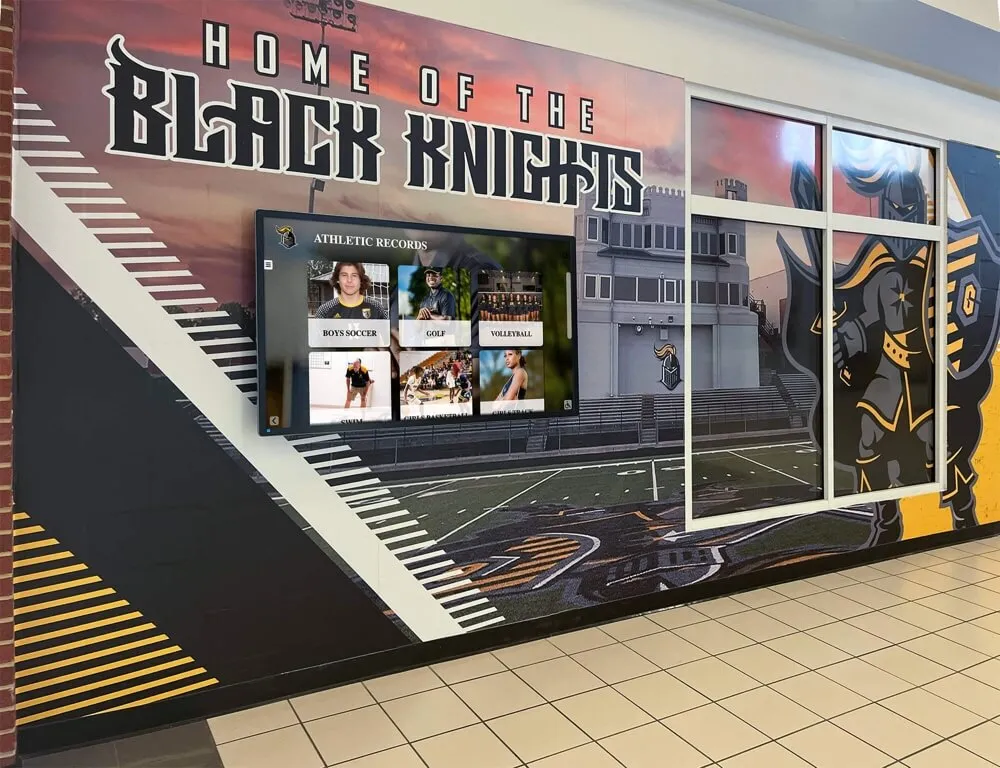
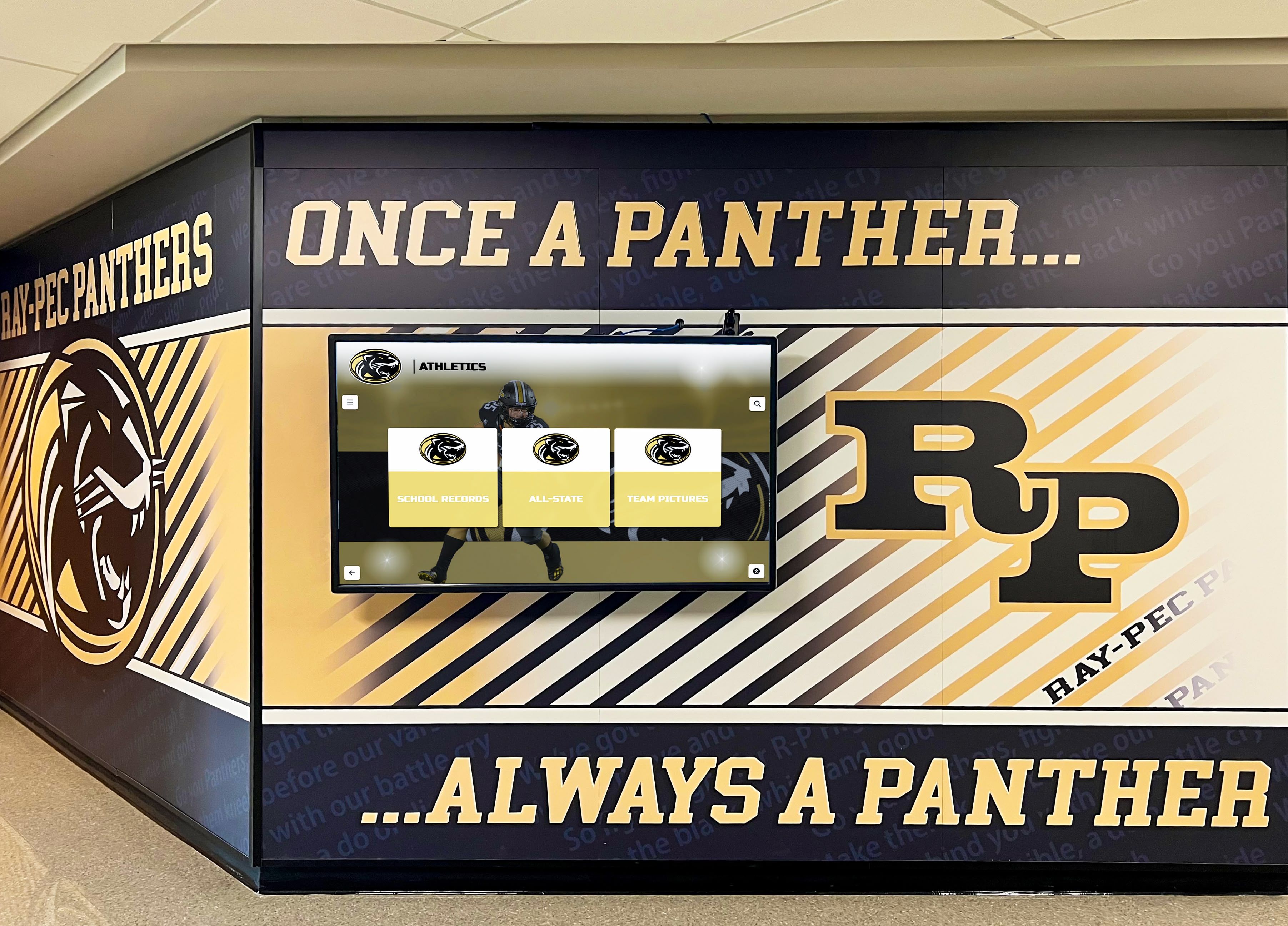
Schools advancing past the area round achieve recognition levels that merit permanent commemoration. Making the third round of Texas playoffs represents exceptional achievement that most programs experience infrequently. Communities rally around teams reaching this stage, with digital recognition displays becoming increasingly popular for celebrating these accomplishments.
Regional Round: Quarterfinal Competition
The regional round reduces the field to the state’s elite eight programs per classification/division. Teams reaching regional competition demonstrate sustained excellence across multiple playoff victories against increasingly formidable opponents.
At this stage, playoff games often occur at neutral site stadiums capable of accommodating thousands of fans from both communities. The spectacle intensifies as programs mobilize entire towns for playoff travel, creating atmosphere that approximates college game-day experiences.
Regional Finals: State Semifinal Berths
Regional championship games determine which four teams per classification/division advance to state semifinal competition. These contests typically occur at major college or professional stadiums, providing high school athletes opportunity to compete on premier facilities.
Winning regional finals represents achievement levels that define coaching careers and become permanent program legacy markers. Schools reaching this stage invest significantly in commemorating these accomplishments through permanent recognition that extends beyond traditional trophy cases.
State Semifinals: Four Teams Remain
State semifinal games pit the final four programs against each other at neutral sites, typically major stadiums in Dallas, Houston, or other metropolitan areas. At this stage, every remaining team achieved remarkable playoff success that warrants lasting recognition.
The atmosphere surrounding state semifinal weekends creates memories that athletes, families, and communities remember for lifetimes. Programs use interactive digital recognition systems to preserve these moments, ensuring future generations understand the achievement levels their schools reached.
State Championship Games: The Ultimate Goal
UIL hosts state championship games at AT&T Stadium in Arlington, home of the Dallas Cowboys. Playing for state titles in this iconic facility represents the pinnacle of Texas high school football achievement.
State championship games attract thousands of spectators, extensive media coverage, and create lasting legacies for winning programs. Schools cherish these championships for decades, with permanent digital displays ensuring these accomplishments remain visible and accessible long after championship teams graduate.

Celebrating and Preserving Playoff Achievements
Texas communities invest heavily in celebrating football success, understanding these playoff runs create shared memories that strengthen community bonds. Modern recognition approaches extend far beyond traditional trophy cases, embracing digital solutions that provide comprehensive, accessible celebration of athletic achievement.
Traditional Recognition Challenges
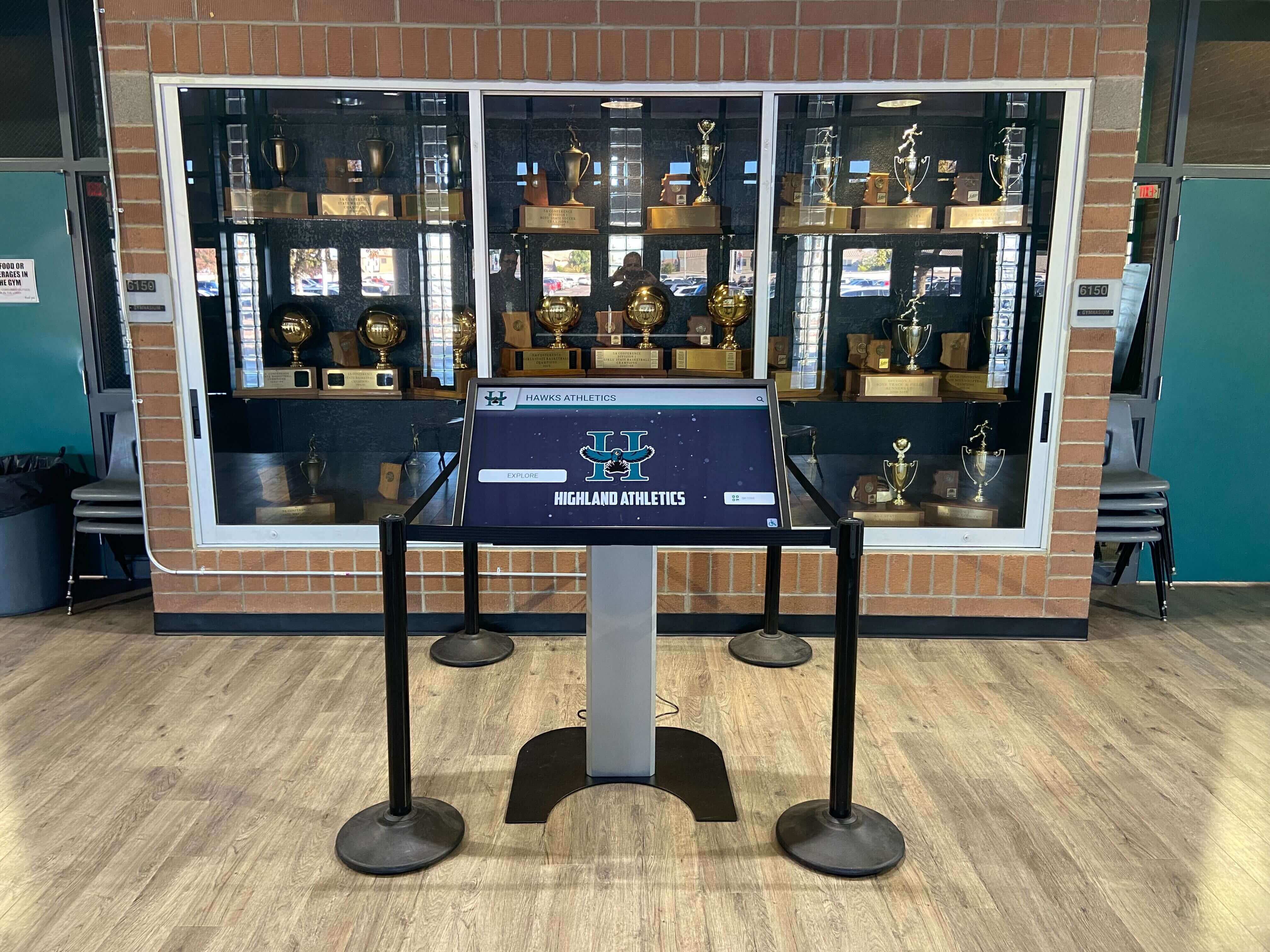
Conventional trophy cases face fundamental limitations when attempting to honor playoff achievements comprehensively. Physical space constraints force difficult decisions about which accomplishments receive prominent display versus storage in back rooms where few people see them. Traditional plaques become outdated as programs add new achievements, requiring expensive replacements or resulting in inconsistent visual presentations.
Championship banners hanging in gymnasiums provide visibility but offer limited context about the athletes, coaches, and moments that defined those successful seasons. Younger students and community members see the banners but lack deeper understanding of what those championship runs meant and who contributed to those achievements.
Digital Recognition Advantages for Playoff Celebrations
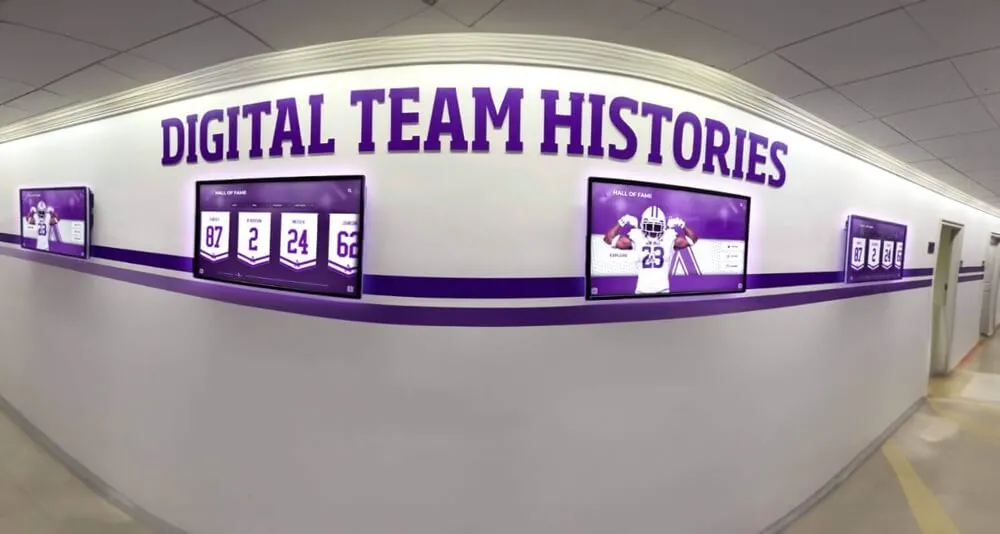
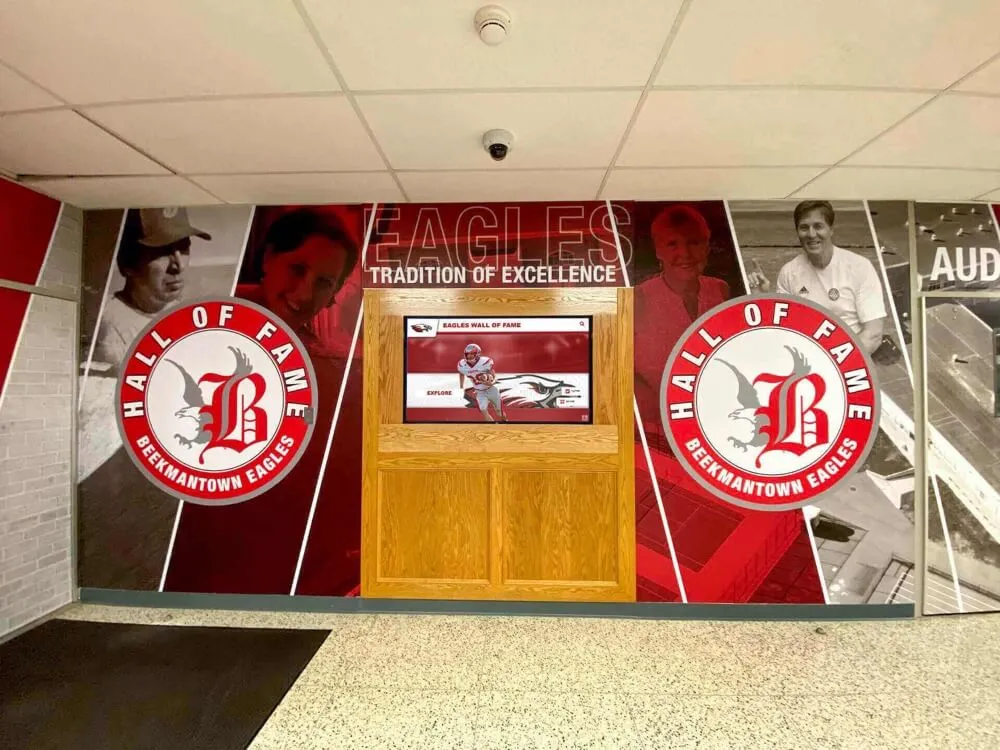
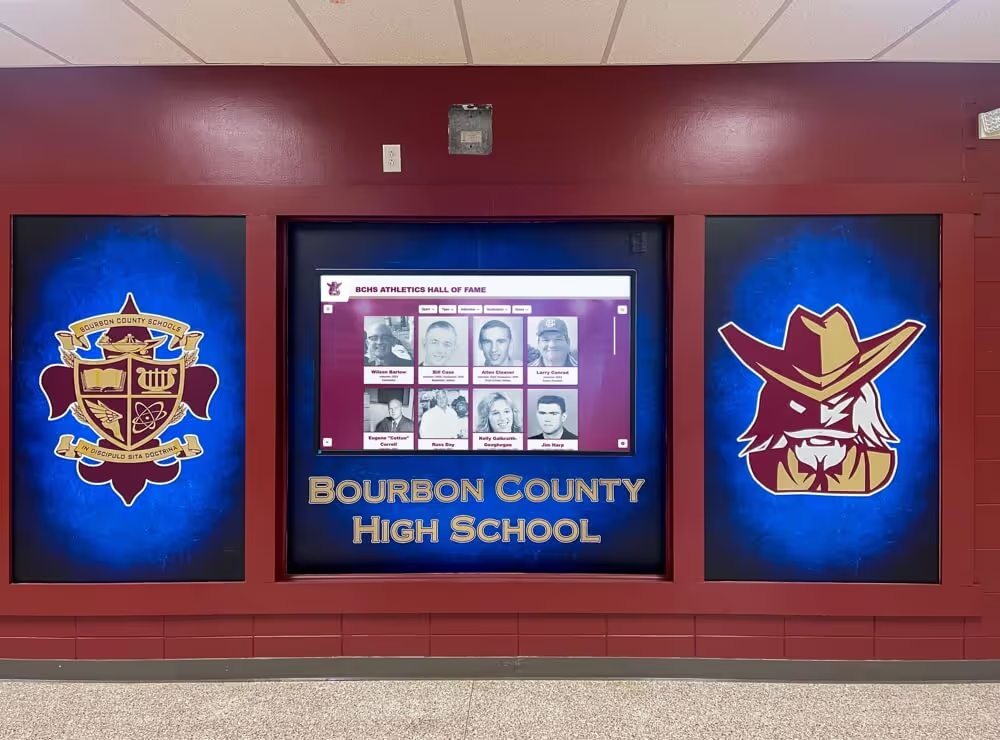
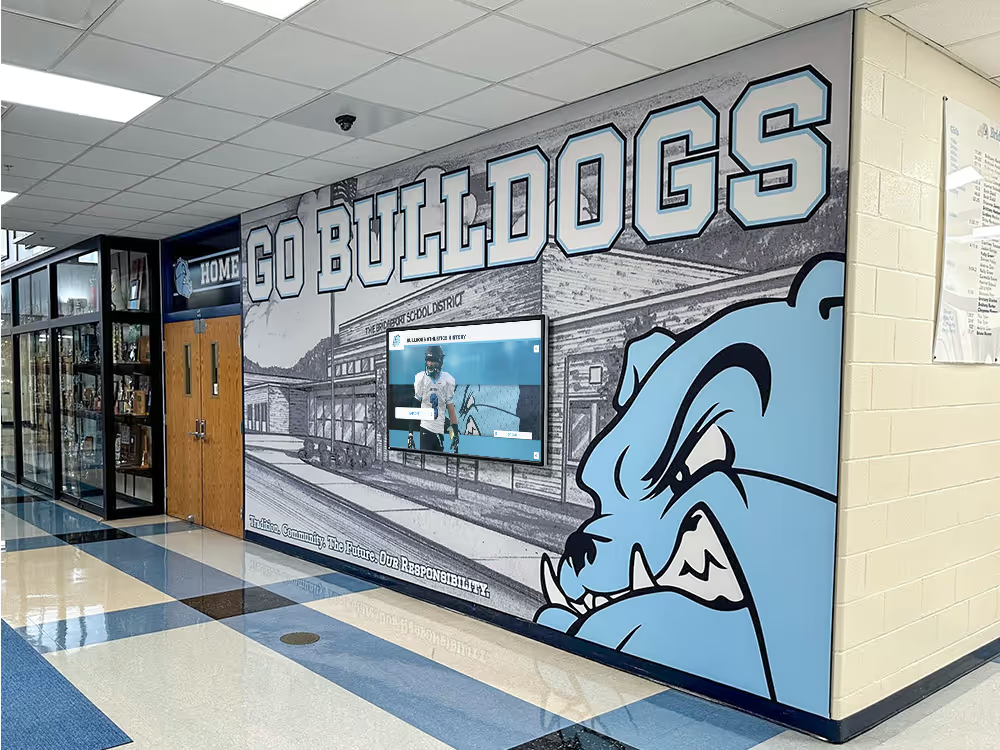
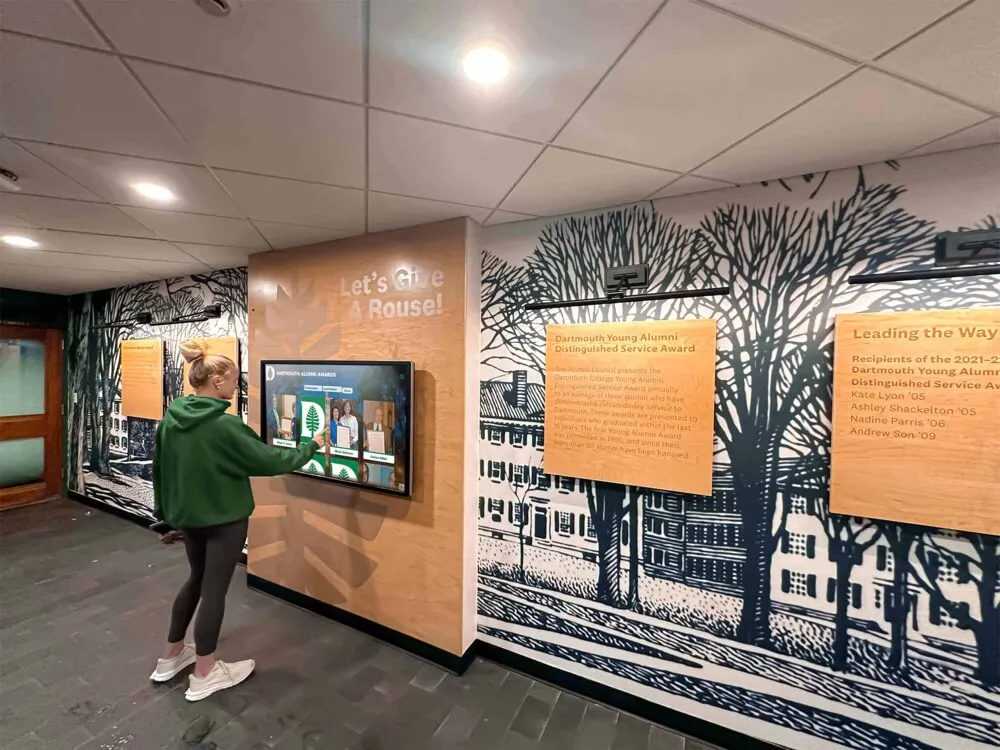
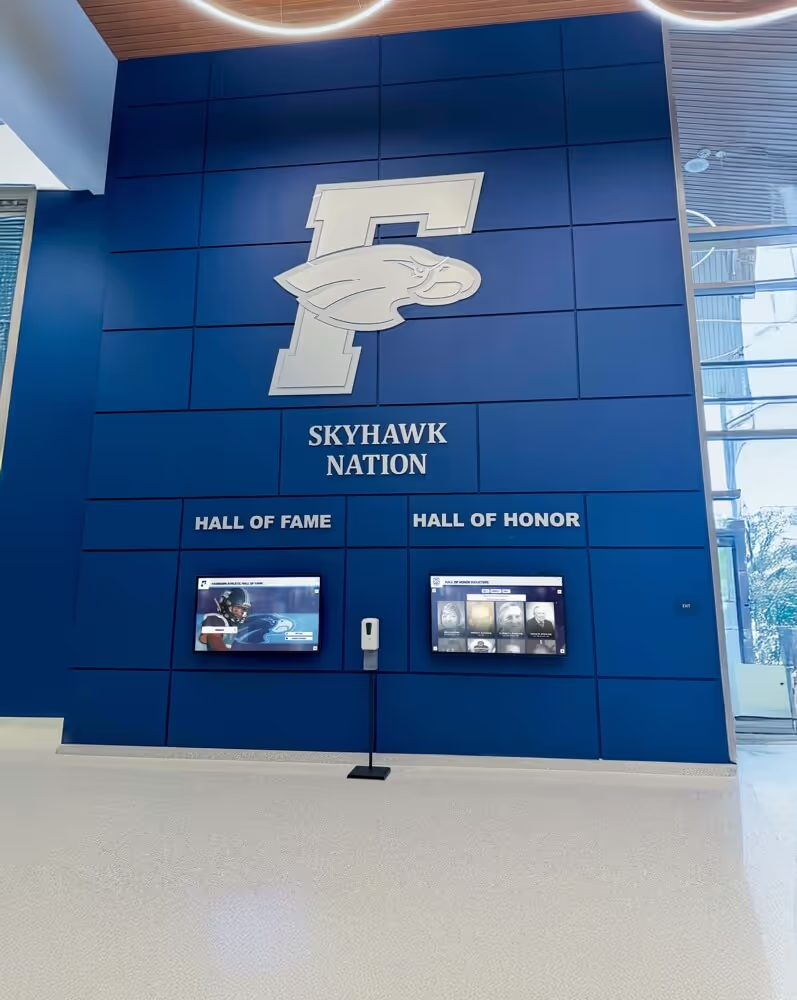
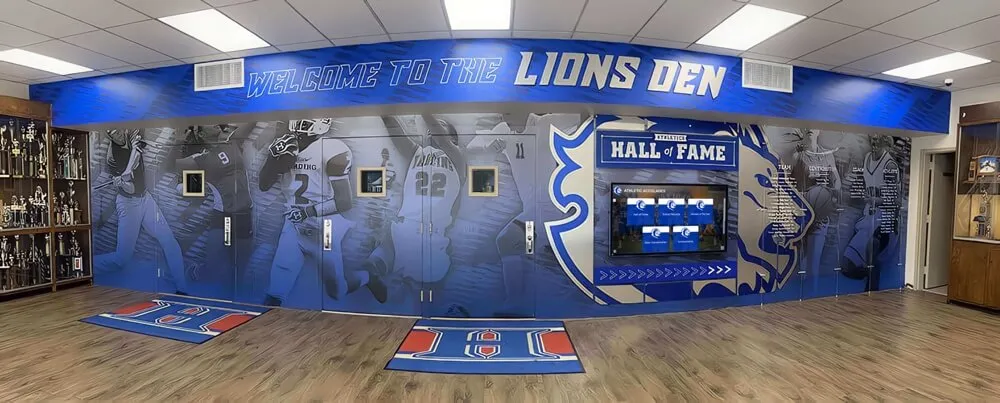
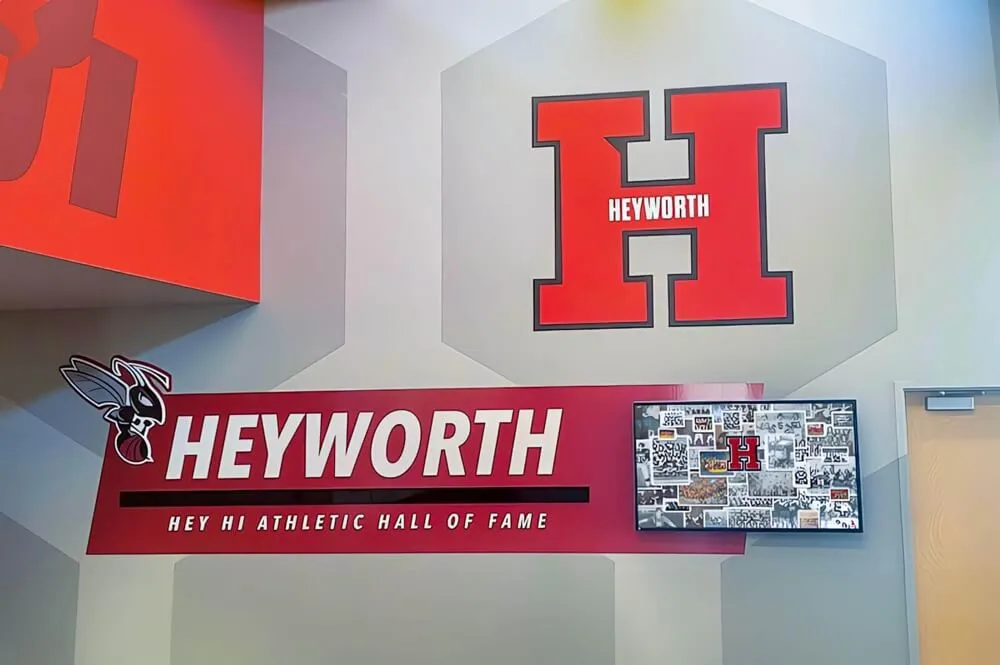
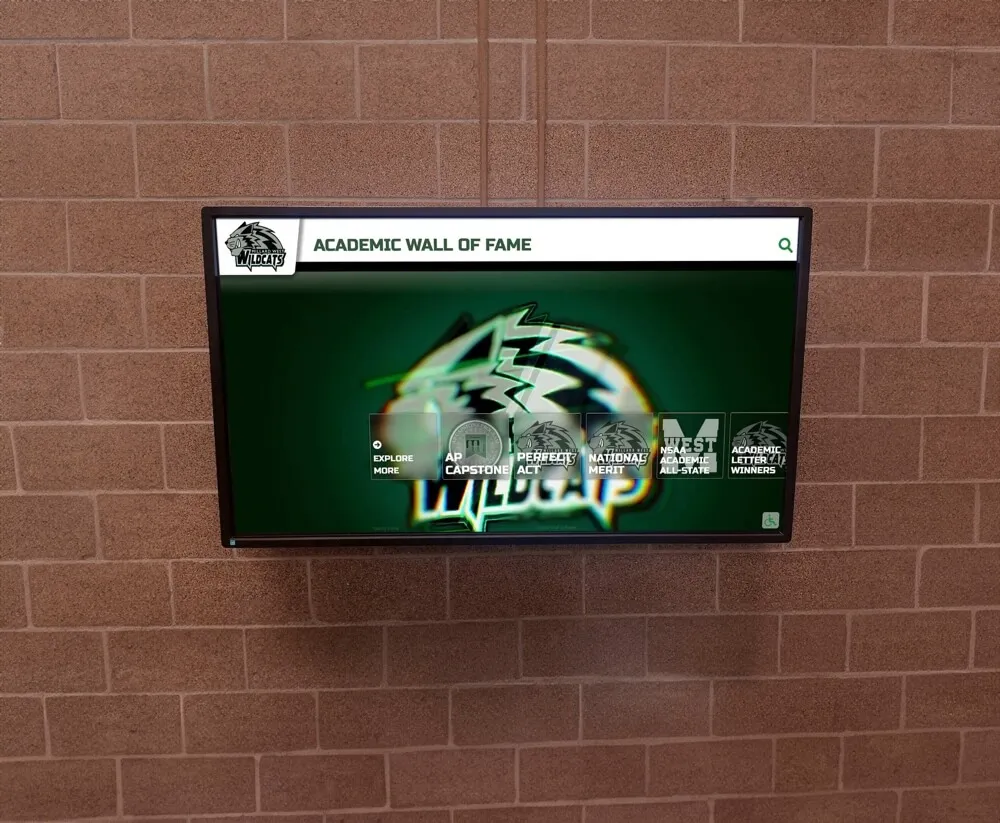
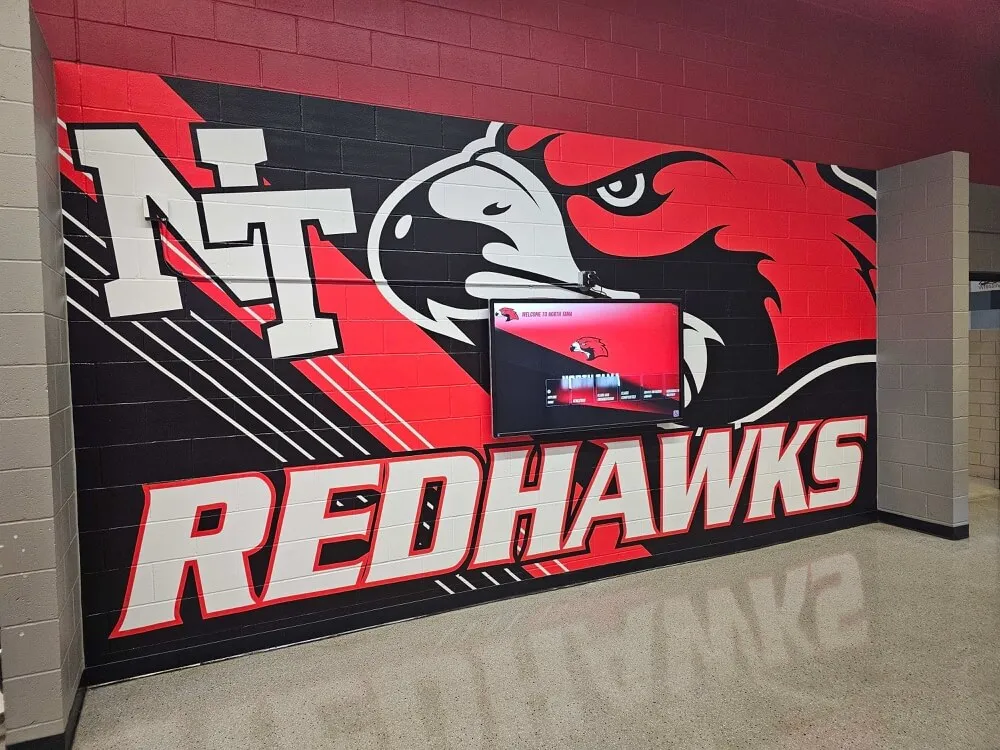
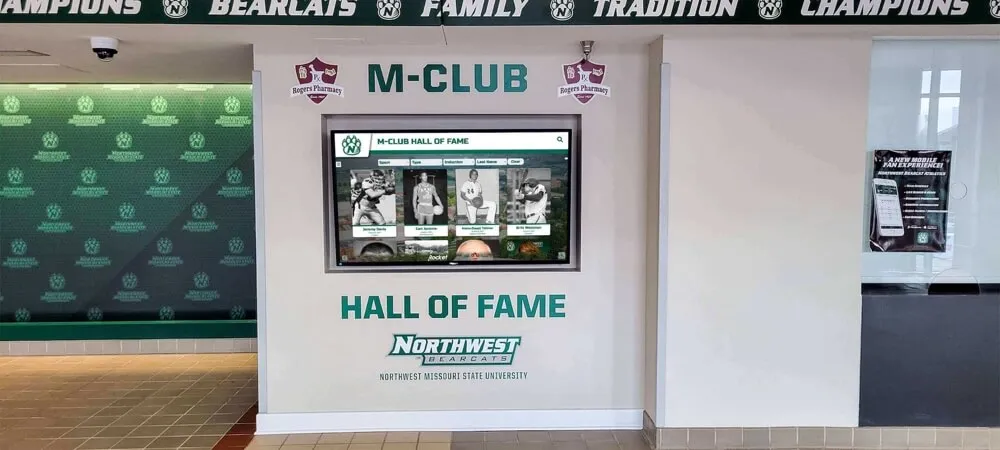
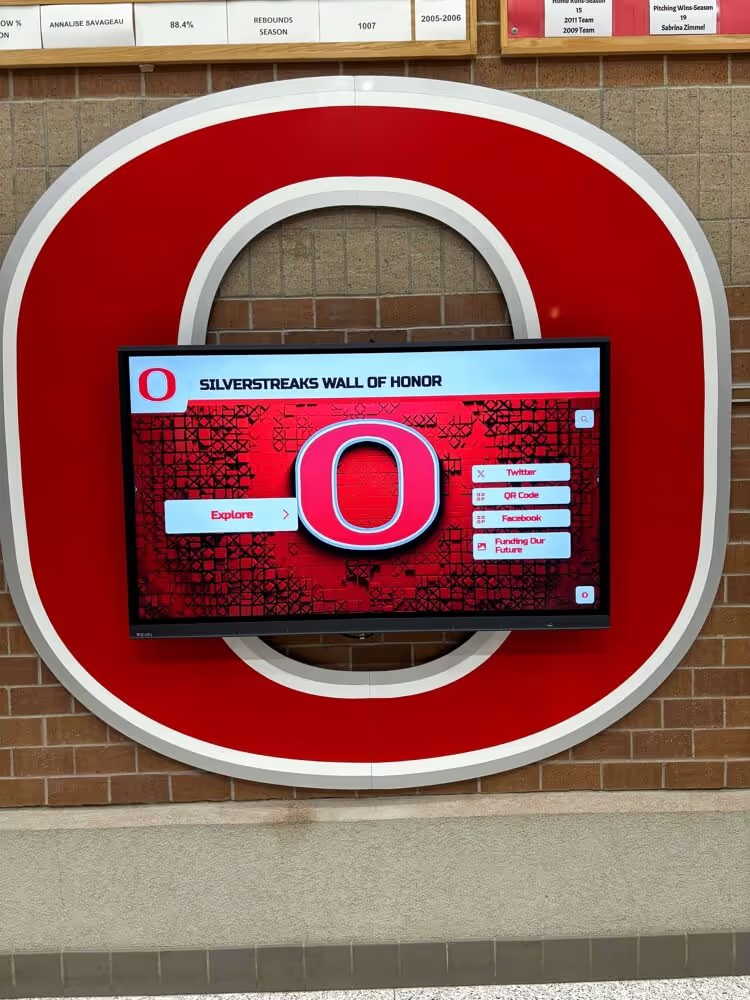
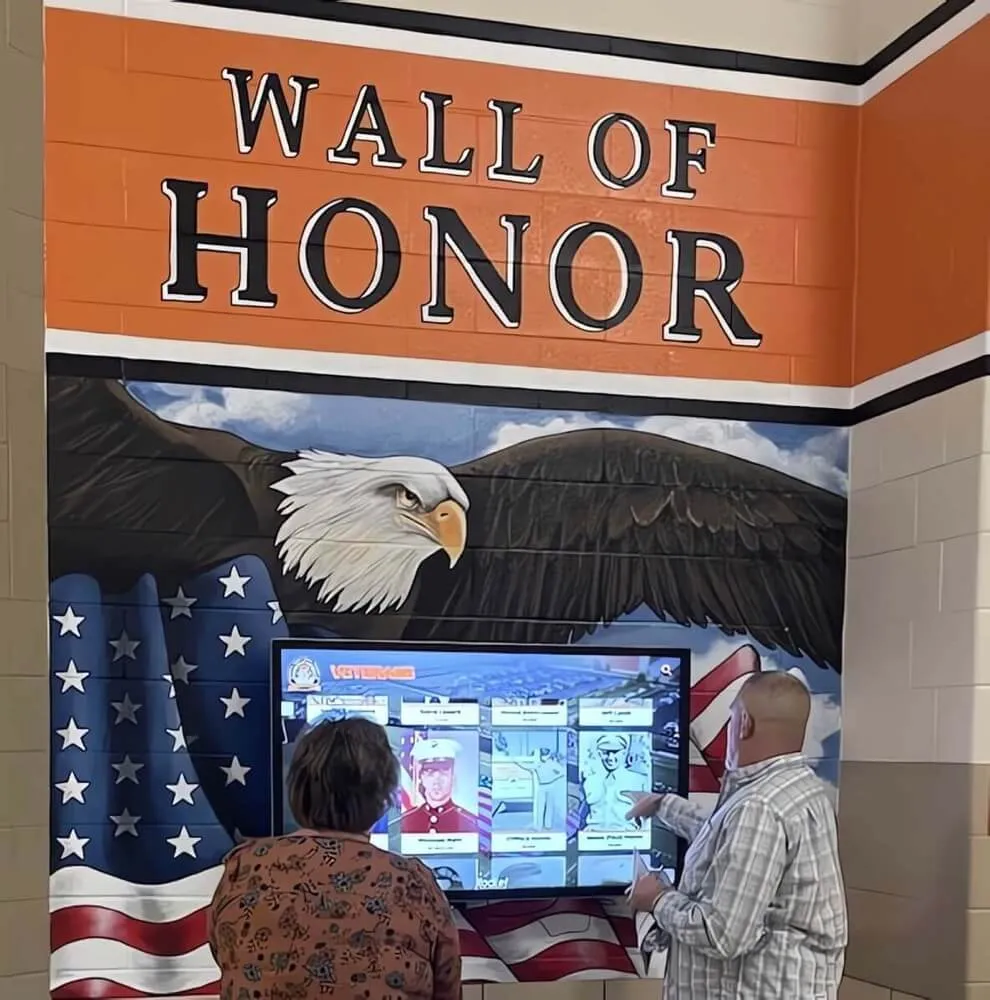
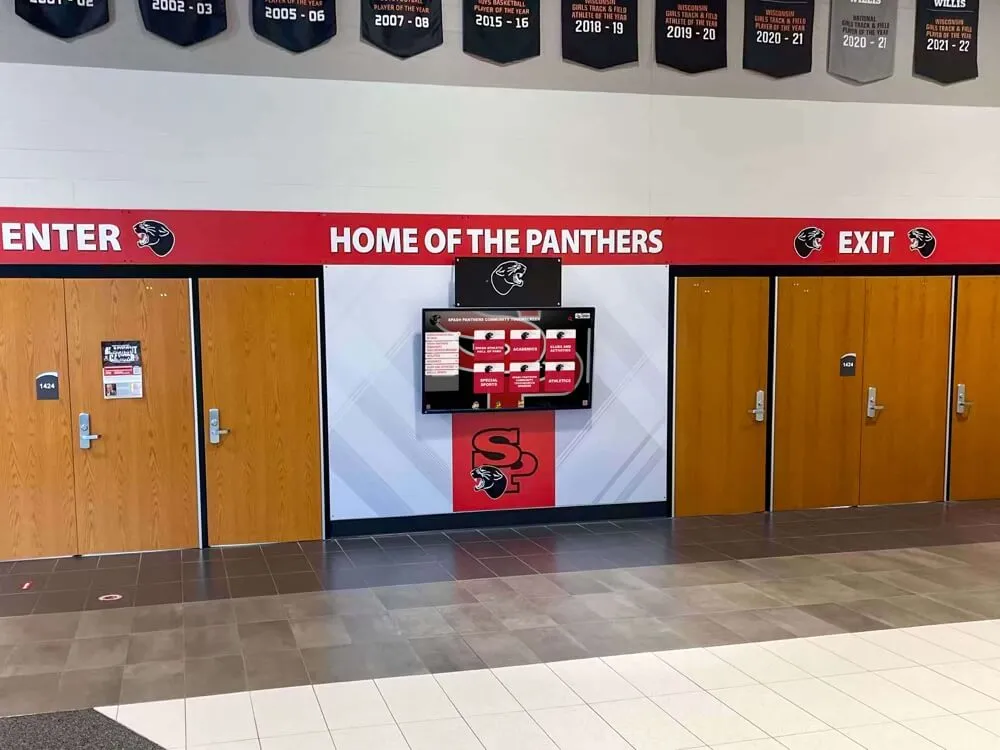
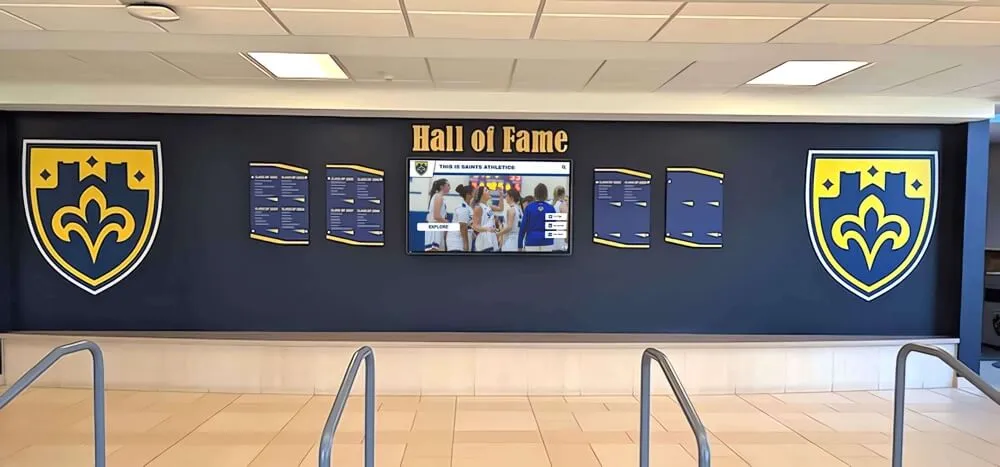
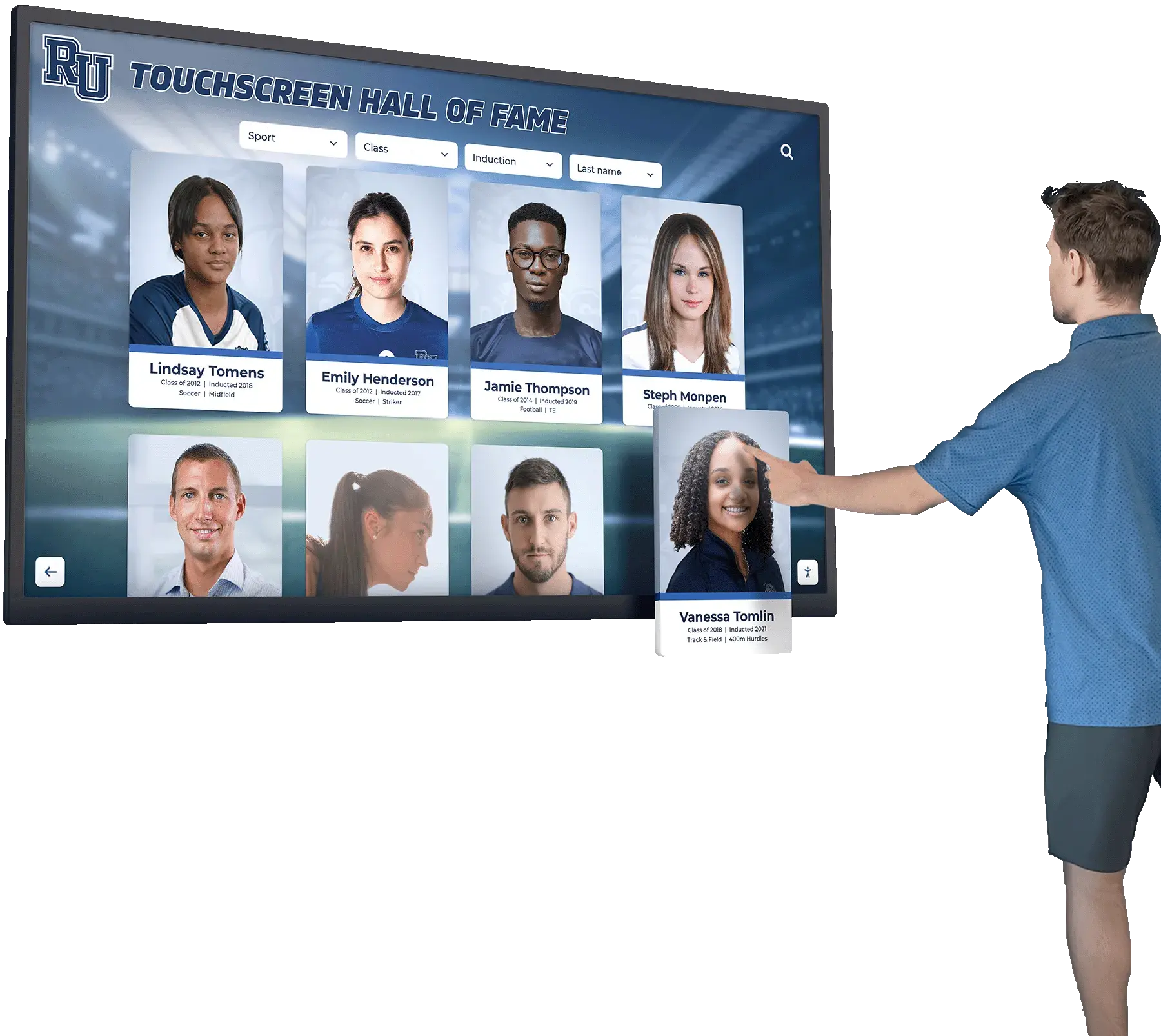
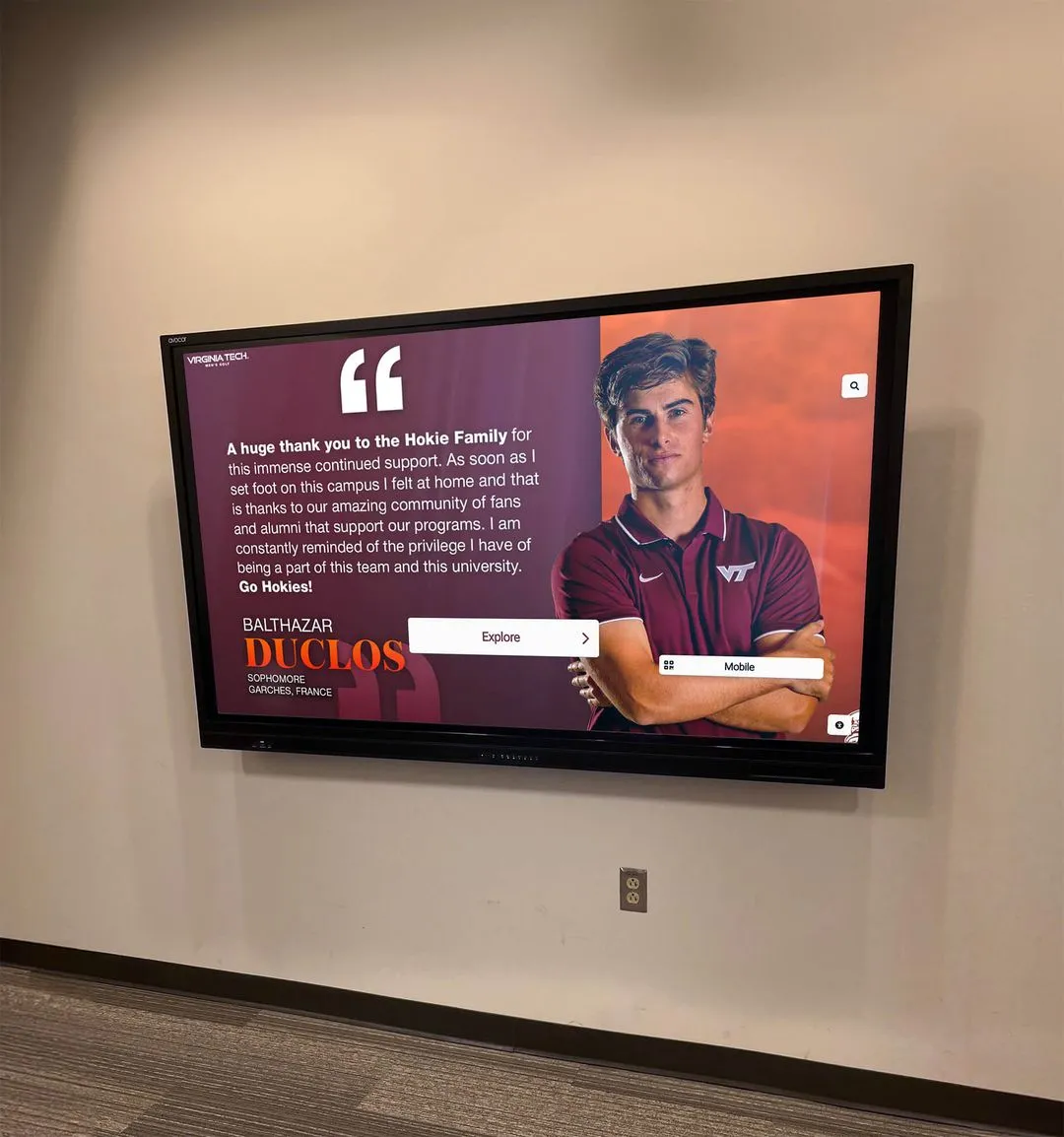
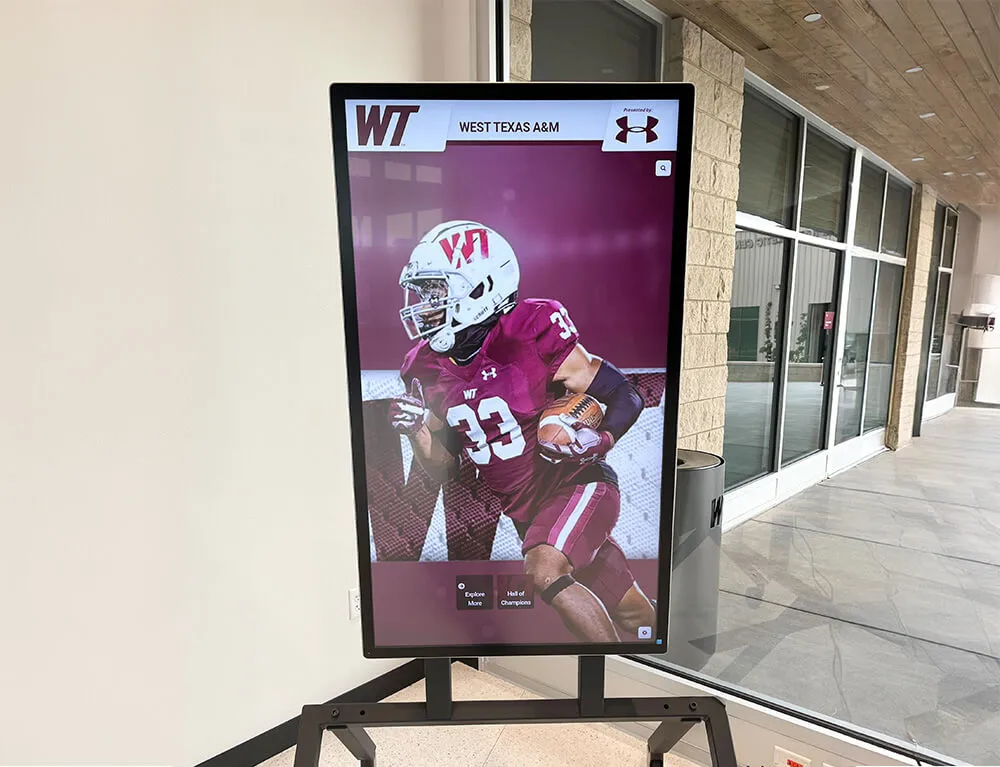
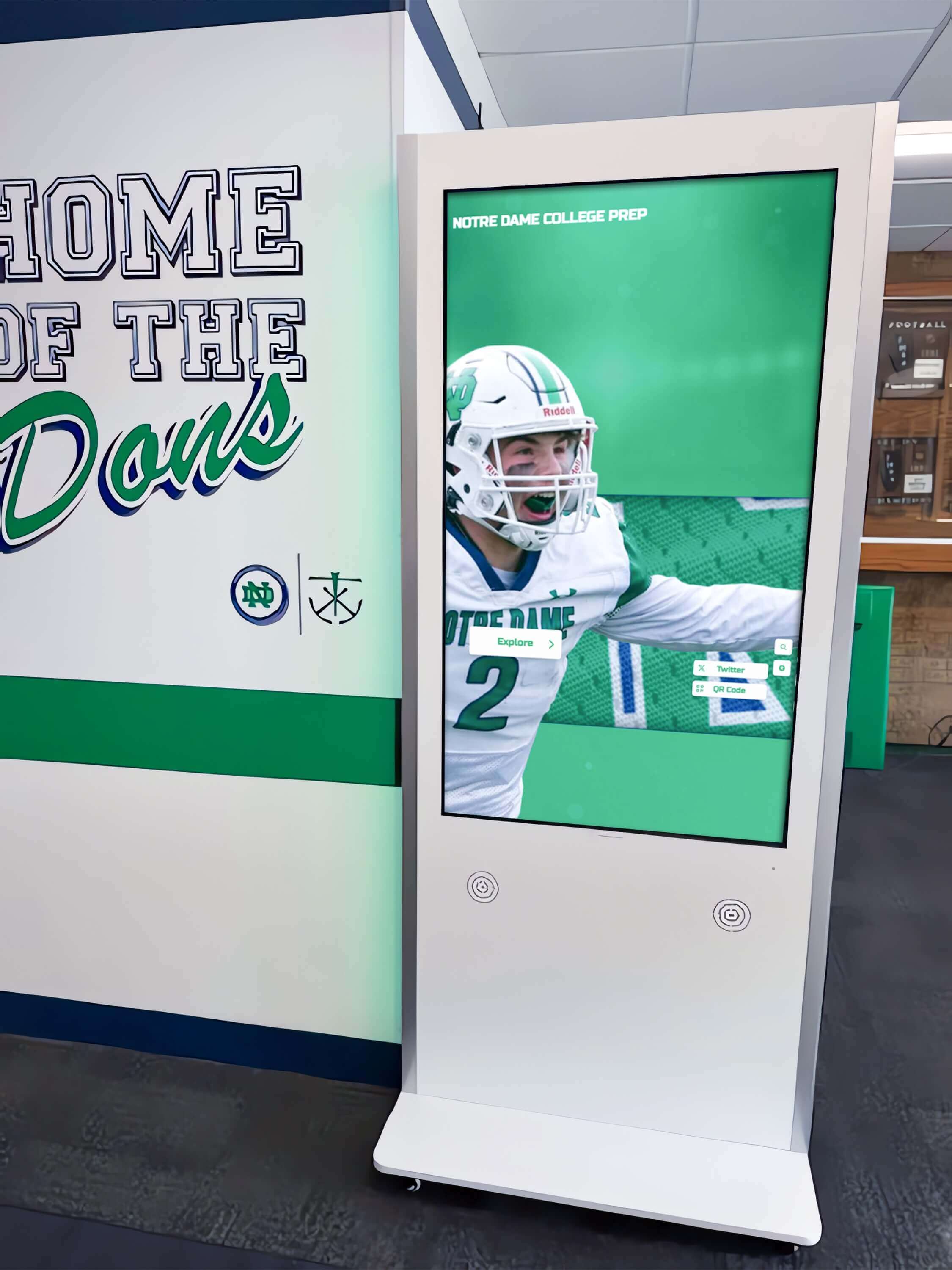
Solutions like Rocket Alumni Solutions transform how schools celebrate football playoff success by providing unlimited digital space for comprehensive achievement documentation. Rather than choosing which championships to display prominently, schools can showcase every playoff appearance, regional final, and championship run in program history.
Digital record boards enable programs to feature complete team rosters from championship seasons, individual player statistics, game-by-game playoff results, and photos capturing moments from these historic runs. This comprehensive approach ensures every contributor receives recognition rather than limiting acknowledgment to headline stars.
Interactive displays allow alumni who participated in playoff runs to revisit their achievements years later, exploring team photos, viewing their individual statistics, and sharing these memories with family members. This accessibility strengthens alumni connection to schools while demonstrating to current athletes that their accomplishments will be honored permanently.
Showcasing Multi-Year Playoff Tradition
Programs that consistently reach playoffs can document this sustained excellence through digital systems that organize achievements chronologically, by season, or by classification level. Visitors can explore how programs evolved over decades, comparing different eras of success and understanding how current teams build upon historical foundations.
This historical context provides valuable perspective for current athletes who understand they represent the latest chapter in ongoing program narratives. Seeing how previous teams navigated playoff challenges inspires current players while building appreciation for program traditions they inherit.
Real-Time Playoff Updates
During active playoff runs, digital recognition systems enable real-time updates that keep school communities engaged throughout postseason competition. Athletic departments can immediately post game results, updated statistics, playoff bracket information, and celebration photos after victories.
This immediate recognition maintains community excitement between playoff games while building anticipation for upcoming contests. Rather than waiting weeks or months to update static displays, digital systems ensure current achievements receive instant visibility that matches the community excitement these playoff runs generate.

Key Factors in Texas Playoff Success
Understanding what separates playoff teams from district also-rans helps programs build sustainable success while providing context for appreciating playoff achievement difficulty.
Depth and Program Development
Successful Texas football programs invest years developing player depth through comprehensive youth programs, effective strength and conditioning systems, and coaching consistency. Deep playoff runs require withstanding injuries, managing player fatigue across grueling playoff schedules, and maintaining performance quality regardless of which specific athletes take the field.
Programs reaching regional finals typically feature 30-40 players capable of contributing meaningful snaps rather than depending exclusively on starting eleven players. This depth results from sustained program development across multiple grade levels, not single-season talent evaluation.
Coaching Experience and Preparation
Texas playoff football rewards coaching excellence as experienced staffs navigate increasingly complex strategic challenges each playoff round. Effective game planning against unfamiliar opponents, making critical in-game adjustments, and managing player emotions through high-pressure situations separate programs that advance from those eliminated early.
Coaches who consistently guide teams through deep playoff runs demonstrate remarkable preparation quality, player development skill, and competitive leadership. These coaching contributions deserve recognition alongside player achievements when schools commemorate playoff success.
Community Support and Resources
Successful playoff runs require comprehensive community investment that extends far beyond Friday night attendance. Booster clubs funding quality equipment, community members volunteering countless hours, local businesses supporting program needs, and families sacrificing significantly all contribute to creating environments where playoff success becomes achievable.
Recognizing this community contribution when celebrating playoff achievements acknowledges the collective effort required for championship-level success. Digital displays can feature community supporter recognition alongside player and coach acknowledgment, demonstrating appreciation for comprehensive program support.
Mental Toughness and Championship Character
Deep playoff runs test mental resilience as teams face adversity, overcome deficits, and navigate pressure situations that expose character weaknesses. Programs advancing to regional finals and beyond demonstrate psychological toughness that transcends physical talent.
This mental strength often develops through program culture established by coaching staffs who prioritize character development alongside football skill training. Recognizing the leadership, determination, and competitive character that enable playoff success tells complete stories about what these achievements represent.
Notable Aspects of Texas High School Football Playoffs
Several unique elements distinguish Texas high school football playoffs from other states’ systems, contributing to the special significance playoff success holds in Texas communities.
Scale and Intensity
Texas crowns twelve football state champions annually (six classifications with two divisions each), yet reaching state championship games remains extraordinarily difficult given the number of quality programs competing. The state’s massive population and intense football culture create exceptional competitive depth where hundreds of programs legitimately pursue championships.
This competitive intensity means advancing through multiple playoff rounds represents genuine achievement that merits lasting recognition. Unlike states where playoff qualification occurs almost automatically, Texas playoff berths and advancement reflect sustained excellence against formidable competition.
The AT&T Stadium Experience
Playing state championship games at AT&T Stadium creates unique experiences for Texas high school athletes. Competing on NFL facilities, in front of crowds exceeding 20,000 spectators, with professional-level production quality creates memories that define athletic careers.
Schools preserve these experiences through comprehensive documentation—photos, videos, and detailed achievement records—displayed through digital recognition systems that allow future generations to appreciate these remarkable moments.

Community Identity and Pride
In many Texas communities, particularly smaller towns, football playoff success functions as primary source of civic identity and pride. Championship runs create shared experiences that unite communities across demographic divisions while providing positive narratives that last decades.
This community significance explains why Texas schools invest substantially in preserving playoff memories. When football success represents central community identity elements, ensuring these achievements remain visible and accessible becomes institutional priority that extends far beyond athletics departments.
Multi-Generational Legacy Building
Texas football programs operate on generational timelines where current athletes follow fathers, uncles, and grandfathers who wore the same uniforms. Playoff achievements become family legacies passed through generations, creating continuity that strengthens program traditions.
Digital recognition systems support this multi-generational connection by preserving complete program histories accessible to all community members. Alumni can share their playoff experiences with younger family members through interactive exploration of comprehensive achievement archives that maintain living connections between past and present.
Implementing Comprehensive Playoff Recognition
Schools seeking to celebrate playoff achievements effectively should consider implementation strategies that maximize recognition impact while ensuring sustainable long-term operation.
Planning Recognition During Active Seasons
Rather than waiting until seasons conclude to plan recognition, programs should document achievements continuously throughout playoff runs. Assign staff or volunteers to capture photos, record statistics, collect player and coach quotes, and document moments that might otherwise be forgotten in championship excitement.
This real-time documentation creates richer recognition content while distributing workload across extended periods rather than overwhelming staff during intense post-season periods. Systems like Rocket Alumni Solutions enable easy content updates, allowing immediate posting of achievements as they occur.
Including Comprehensive Participant Recognition
Effective playoff recognition extends beyond starting players to include every team member, coaching staff, trainers, managers, and support personnel who contributed to playoff success. Backup players who prepared starters through quality practice competition deserve acknowledgment alongside headline performers.
Digital systems provide unlimited space for comprehensive recognition, eliminating the difficult choices traditional displays require about who receives prominent acknowledgment. When schools recognize all contributors, they strengthen program culture while demonstrating values that transcend individual statistics.
Contextualizing Achievements Historically
Place current playoff achievements within historical program context by showing how recent success compares to previous playoff runs, championship seasons, and program evolution over decades. This context helps current students appreciate tradition they inherit while demonstrating to alumni how programs have developed since their playing days.
Comparative displays showing progression—from first playoff appearances to consistent playoff participation to deep playoff runs—tell compelling stories about program growth that resonate with communities who supported development across years or decades.
Maintaining Accessible, Current Content
Digital recognition systems succeed when schools maintain current, accurate content that reflects latest achievements while preserving historical accomplishments. Establish clear responsibility for content management, whether through athletics staff, communications personnel, or dedicated volunteers.
Regular updates ensure displays remain relevant community resources rather than becoming outdated installations that fail to reflect current program status. Rocket Alumni Solutions provides intuitive management interfaces that simplify content maintenance, enabling non-technical staff to keep recognition current without requiring extensive training.
Celebrate Your Football Playoff Achievements Permanently
Transform how your school honors football playoff success by implementing digital recognition that showcases every championship run, regional final appearance, and playoff victory in program history. Rocket Alumni Solutions provides comprehensive systems that celebrate all contributors—players, coaches, and community supporters—while maintaining accessible archives that strengthen alumni connection and inspire current athletes.
Building Playoff Culture Through Recognition
How schools recognize playoff achievements influences program culture development and shapes athlete motivation in powerful ways.
Setting Excellence Standards
When schools prominently showcase playoff success—particularly deep playoff runs and championships—they establish clear excellence standards for current and future athletes. Visible recognition demonstrates what program leadership values while providing tangible goals that inspire commitment.
Athletes who see comprehensive documentation of previous teams’ playoff achievements understand the legacy they inherit and standards they must uphold. This creates positive competitive pressure that elevates training commitment and competitive intensity.
Honoring Sacrifice and Commitment
Playoff runs require extraordinary sacrifice from athletes who dedicate countless hours to preparation, manage demanding academic loads while training intensely, and prioritize team success over individual recognition. Permanent recognition honors these sacrifices, validating the commitment required for championship-level achievement.
When athletes understand their playoff contributions will be recognized permanently rather than briefly acknowledged then forgotten, it reinforces that sacrifice produces lasting value. This strengthens culture where athletes embrace difficult preparation required for playoff success.
Connecting Current Athletes to Program Legacy
Digital recognition systems that showcase complete program histories create powerful connections between current athletes and previous generations who built program traditions. Current players see themselves as continuing stories that extend decades, not starting fresh narratives with each season.
This historical connection builds program identity that transcends individual classes or coaching tenures. Athletes feel responsibility to honor those who preceded them while building legacy for those who follow—creating cultural continuity that sustains programs through personnel changes.
Demonstrating Institutional Commitment
How schools recognize athletic achievement signals institutional priorities to athletes, families, and communities. Programs investing in comprehensive, high-quality recognition systems demonstrate genuine commitment to honoring athletic excellence—not merely rhetorical appreciation but tangible institutional investment.
This demonstrated commitment influences recruiting by showing prospective athletes that program values and recognizes achievement. Families evaluating school options notice recognition quality, understanding it reflects how programs treat athletes and whether achievements receive lasting appreciation.
Understanding Playoff Impact Beyond Football Season
Texas playoff runs create impacts extending far beyond final games, influencing schools, athletes, and communities in lasting ways that justify recognition investment.
Alumni Engagement and Connection
Successful playoff runs become shared experiences that bond alumni across graduation years. Alumni who experienced playoff success—whether as players, students, or community supporters—maintain strong emotional connections to schools and often demonstrate higher engagement levels in alumni programming.
Digital recognition systems facilitate this ongoing connection by providing platforms where alumni revisit playoff memories, share experiences with younger community members, and maintain relationships with schools long after graduation. These sustained connections benefit schools through alumni support, mentorship opportunities, and community advocacy.
Recruiting and Program Development
Schools with visible playoff success histories attract athletes seeking competitive programs and championship opportunities. Comprehensive recognition that showcases playoff tradition demonstrates program quality while building reputation that extends beyond immediate geographic areas.
Prospective athletes evaluating programs notice recognition quality, understanding it reflects how schools value athletic achievement. Programs with impressive digital recognition systems position themselves advantageously in competitive recruiting environments where perception significantly influences commitment decisions.
School Pride and Community Identity
Playoff success strengthens school pride among students, staff, and community members who share collective achievement. This elevated pride influences school culture, student enrollment decisions, community support levels, and overall institutional reputation.
When schools maintain visible, accessible recognition of playoff achievements, they keep these positive narratives active in community consciousness rather than allowing them to fade from collective memory. This sustained recognition maximizes the return on investment that playoff success represents.
Inspiring Future Generations
Young athletes who see comprehensive recognition of playoff achievements develop aspirations to earn similar acknowledgment. This inspiration influences youth program participation, athletic commitment levels during developmental years, and long-term program pipeline strength.
Schools with strong recognition systems that showcase complete playoff histories create visible achievement targets that motivate athletes throughout multi-year development processes. Rather than abstract goals, these athletes see specific accomplishments—documented comprehensively—that they aim to match or exceed.
Conclusion: Honoring the Journey to State
Texas high school football playoffs represent far more than athletic competition. These playoff runs create memories, build character, strengthen communities, and establish legacies that last generations. Understanding the playoff structure—from bi-district rounds through state championship games at AT&T Stadium—helps appreciate the achievement levels these playoff appearances represent.
Schools honoring playoff success effectively recognize not only on-field accomplishments but the comprehensive commitment, sacrifice, and community support that enable championship-level achievement. Modern digital recognition systems provide tools for celebrating these achievements permanently, ensuring every contributor receives lasting acknowledgment while maintaining accessible archives that strengthen program tradition and inspire future athletes.
Texas football culture places extraordinary emphasis on playoff success because these achievements reflect community values, demonstrate sustained excellence, and create shared experiences that unite diverse populations around common purpose. Schools investing in comprehensive playoff recognition understand they’re preserving cultural history, not merely documenting athletic results.
For athletic directors, coaches, and school administrators seeking to honor football playoff achievements appropriately, digital recognition solutions like Rocket Alumni Solutions provide comprehensive platforms that celebrate playoff success while building permanent archives accessible to current students, alumni, and future generations. These systems ensure that playoff achievements—from first-round victories to state championships—receive recognition proportional to the commitment required to achieve them.
The road to state represents a journey that defines athletic careers, strengthens communities, and creates legacies that endure far beyond final whistles. Schools that recognize this journey comprehensively demonstrate genuine appreciation for the athletes, coaches, and supporters who make playoff success possible—ensuring these remarkable achievements remain visible, accessible, and celebrated for decades to come.