




After decades of shaping young minds, inspiring countless students, and contributing to school communities, retiring teachers deserve recognition that honors both their daily dedication and lasting impact. Yet many schools struggle to identify retirement gifts that feel appropriate to the magnitude of careers spent building student futures while remaining practical within budget constraints and organizational capabilities.
The challenge extends beyond simply purchasing items. Meaningful teacher retirement recognition requires thoughtfulness that acknowledges individual contributions, preserves professional legacy, connects retiring educators to ongoing institutional memory, and demonstrates genuine appreciation from students, colleagues, and communities whose lives teachers touched throughout their careers.
Schools approaching teacher retirements strategically—viewing these transitions as opportunities to celebrate excellence, preserve institutional knowledge, and reinforce cultural values around educator appreciation—create memorable recognition experiences that honor retiring teachers while inspiring current faculty and demonstrating to prospective educators the institution’s commitment to valuing teaching professionals.
Understanding What Makes Teacher Retirement Gifts Meaningful
Before exploring specific gift options, understanding what retiring teachers actually value helps guide selection toward recognition that resonates rather than simply checking ceremonial boxes.
Elements Retiring Teachers Appreciate Most
Personal Connection and Thoughtfulness
Generic plaques purchased from catalogs communicate obligation rather than genuine appreciation. Teachers recognize thoughtful recognition reflecting knowledge of their specific contributions, teaching specialties, passions, and personality. Gifts demonstrating that colleagues noticed and valued their unique approach to education create emotional impact that expensive generic items cannot match.
Effective recognition acknowledges specific contributions—the reading program a teacher pioneered, the struggling students they mentored to success, the after-school clubs they sustained for years, or the innovative curriculum they developed that others still implement.
Legacy Preservation and Lasting Recognition
Many teachers express concern that their contributions will be forgotten shortly after retirement—that decades of work simply vanish when they leave buildings. Recognition demonstrating that schools will remember and honor their impact addresses these concerns meaningfully.
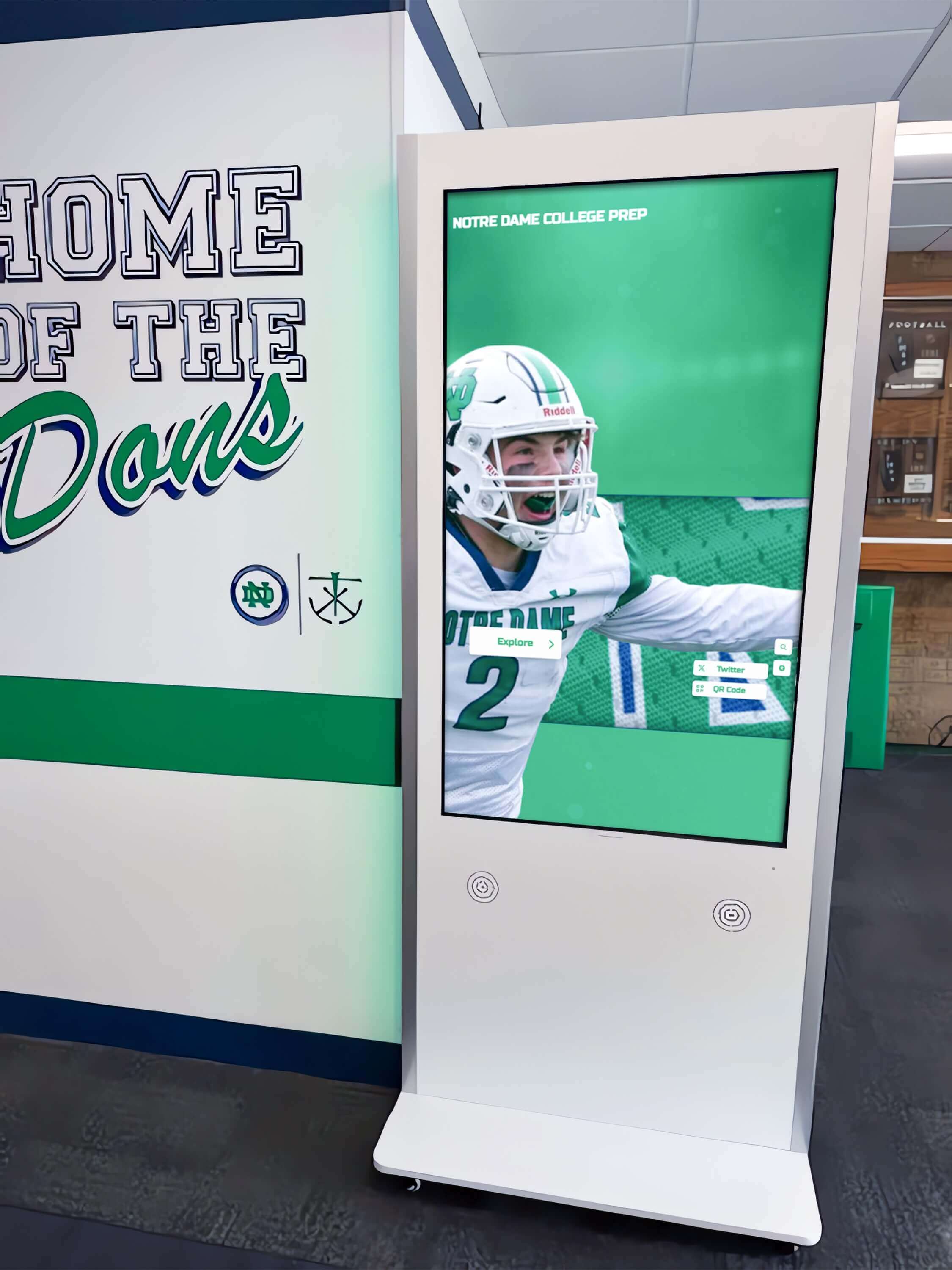
Permanent recognition through physical spaces, digital displays, or institutional programs carrying retiring teachers’ names communicates that their influence extends beyond employment duration. This proves particularly meaningful for career educators whose professional identities deeply connect to school communities and student relationships built over decades.
Connection to Students and Alumni
Retiring teachers often cite relationships with students as their career’s most rewarding aspect. Recognition incorporating student voices—testimonials from current students, messages from former students, or displays documenting students taught across career spans—creates powerful emotional connections that material gifts cannot replicate.
Digital recognition platforms enable schools to gather contributions from hundreds of former students who would never know about retirement without social media outreach and digital contribution systems making participation accessible to geographically distributed alumni.
Practical Value or Purposeful Meaning
Teachers appreciate gifts offering genuine utility in retirement activities or serving meaningful purposes connecting to new life chapters. Items supporting hobbies, facilitating travel, or enabling volunteer activities demonstrate understanding that retirement represents new beginnings rather than simply career endings.
Alternatively, symbolic recognition acknowledging teaching philosophy, favorite literary references, subject area specialties, or career defining moments creates lasting meaning connecting gifts to professional identity.
Traditional Teacher Retirement Gift Categories
Understanding classic approaches provides foundation for developing comprehensive recognition plans incorporating multiple elements.
Personalized Plaques and Awards
Engraved Recognition Pieces
Traditional plaques remain popular because they provide tangible, displayable recognition suitable for home or office environments. Effective plaques move beyond generic templates to include specific language acknowledging individual accomplishments, memorable quotes the teacher regularly shared, or inscriptions reflecting their unique contributions.
Consider materials matching teacher preferences—wood for those valuing traditional aesthetics, glass for contemporary tastes, or specialty materials connecting to subject areas like periodic table designs for science teachers or vintage map themes for history educators.
Custom Awards Reflecting Teaching Specialties
Subject-specific awards demonstrate understanding of what made individual teachers exceptional in their fields. Mathematics teachers might appreciate elegantly designed geometric sculptures, English teachers could value literary-themed recognition incorporating favorite author quotes, art teachers might treasure custom ceramics, while physical education teachers could appreciate athletic-themed recognition.
Working with local artists or craftspeople to create unique pieces adds personal touches while supporting community businesses. Many alumni who became professional artists enthusiastically contribute custom work honoring former teachers who influenced their creative development.
Memory Books and Student Tributes
Compiled Student Messages
Collections of student messages, letters, drawings, and reflections create deeply personal recognition that retiring teachers consistently rank among most treasured gifts. Digital platforms enable schools to gather contributions from current students, recent graduates, and even alumni from decades past who learn about retirements through school communications.
Organize contributions chronologically showing career progression, thematically by subject area or grade level, or as narrative journeys documenting teaching impact across generations. Include photographs of student work, classroom moments, and significant events throughout careers.
Video Tribute Collections
Video messages enable expression and emotional connection impossible through written notes alone. Former students can share specific memories, describe how teachers influenced their lives, acknowledge lessons that proved valuable years later, or simply express gratitude for support during difficult times.
Professional editing creates polished presentations suitable for retirement ceremonies while providing lasting digital keepsakes that teachers can share with families. Consider incorporating historical photos, vintage classroom footage if available, and background music reflecting teacher preferences.
Understanding effective recognition program best practices helps schools develop comprehensive approaches honoring teachers while reinforcing institutional cultures valuing educator contributions.
Monetary Gifts and Gift Cards
Retirement Fund Contributions
Cash gifts or contributions toward retirement accounts provide practical value that teachers can apply toward financial goals. Staff contributions pooled together often accumulate to meaningful amounts while allowing all colleagues to participate regardless of individual budget constraints.
Present monetary gifts with context explaining their purpose—funding dream vacations, supporting new hobbies, or contributing to causes teachers care about—rather than simply handing checks without thoughtful framing connecting money to retirement aspirations.
Experience-Based Gift Cards
Gift cards for restaurants, entertainment venues, travel bookings, or hobby supplies enable retiring teachers to enjoy specific experiences rather than accumulating more possessions. Consider teachers’ known interests when selecting—gardening supply stores for avid gardeners, bookstore cards for passionate readers, or travel vouchers for adventure seekers.
Presentation matters significantly. Rather than handing generic gift card envelopes, create thoughtful packaging including notes explaining why specific gifts were selected, how they connect to teacher interests, or memories colleagues associate with these activities.
Contemporary and Meaningful Retirement Recognition Approaches
Modern schools increasingly implement recognition strategies that extend beyond traditional gift-giving to create lasting legacy preservation and ongoing connection.
Digital Recognition and Legacy Preservation
Interactive Wall of Fame Displays
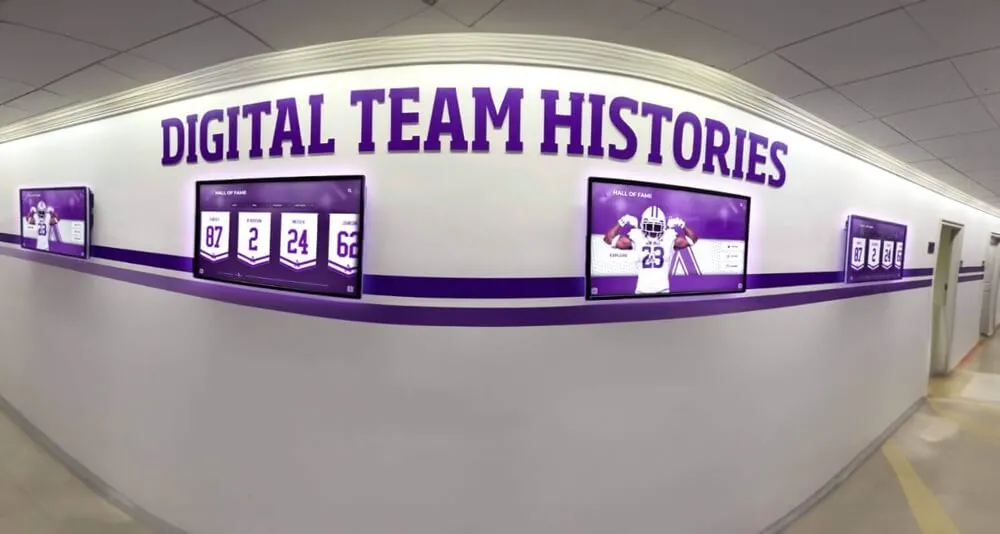
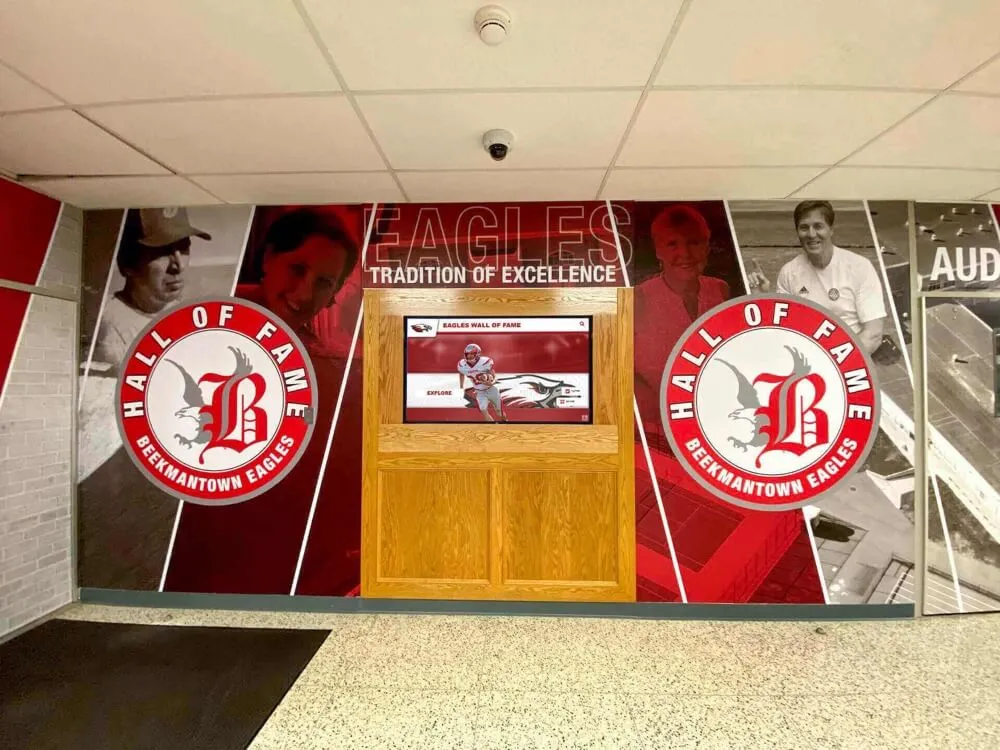
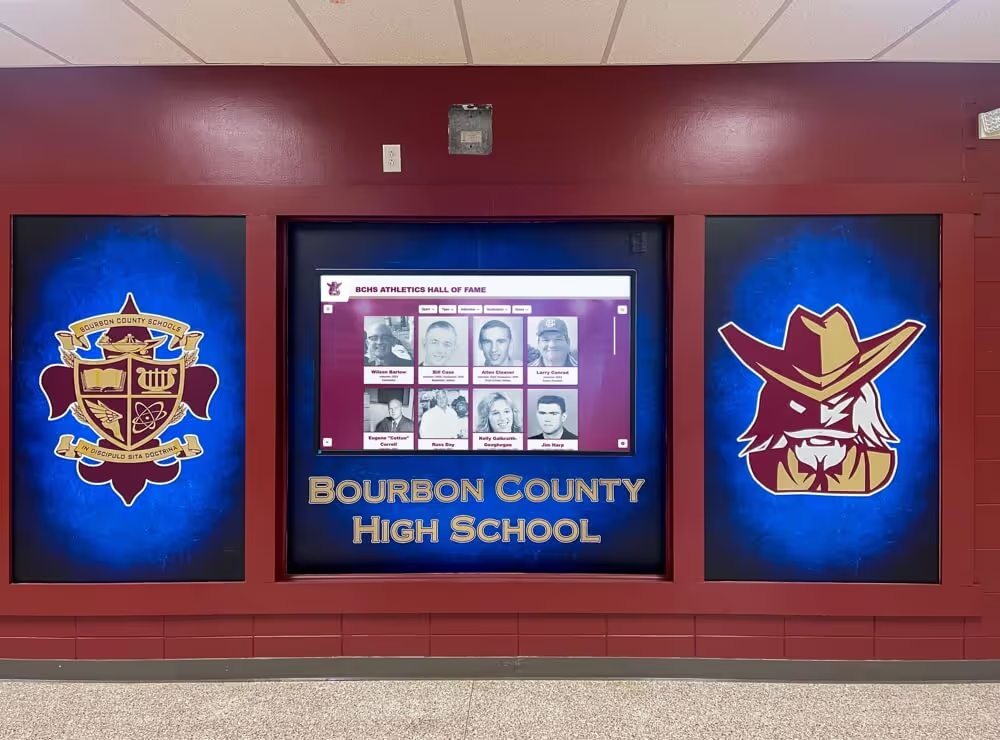
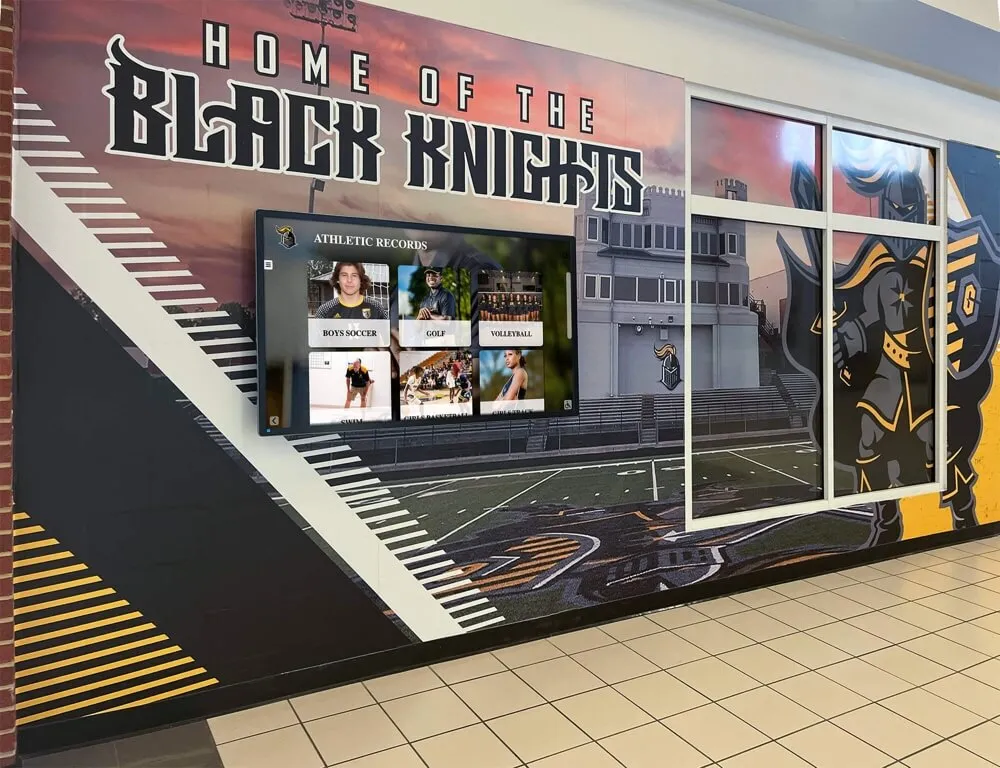
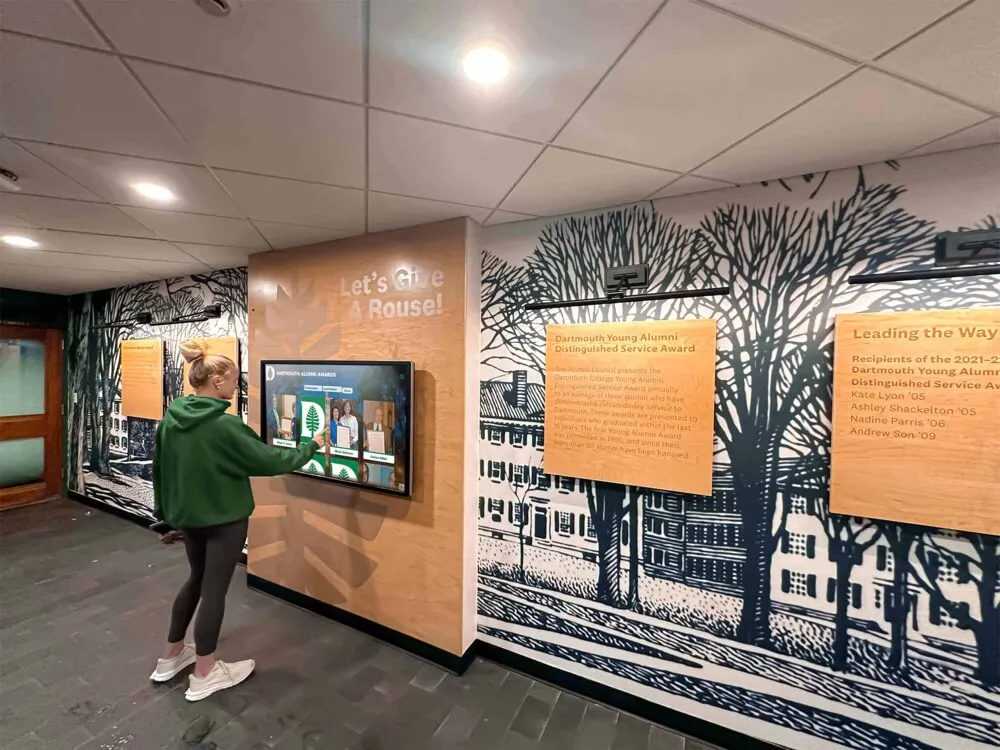
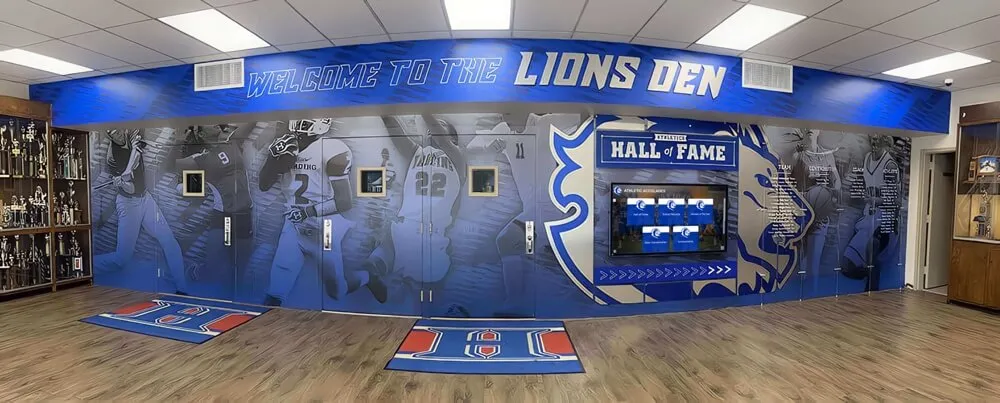
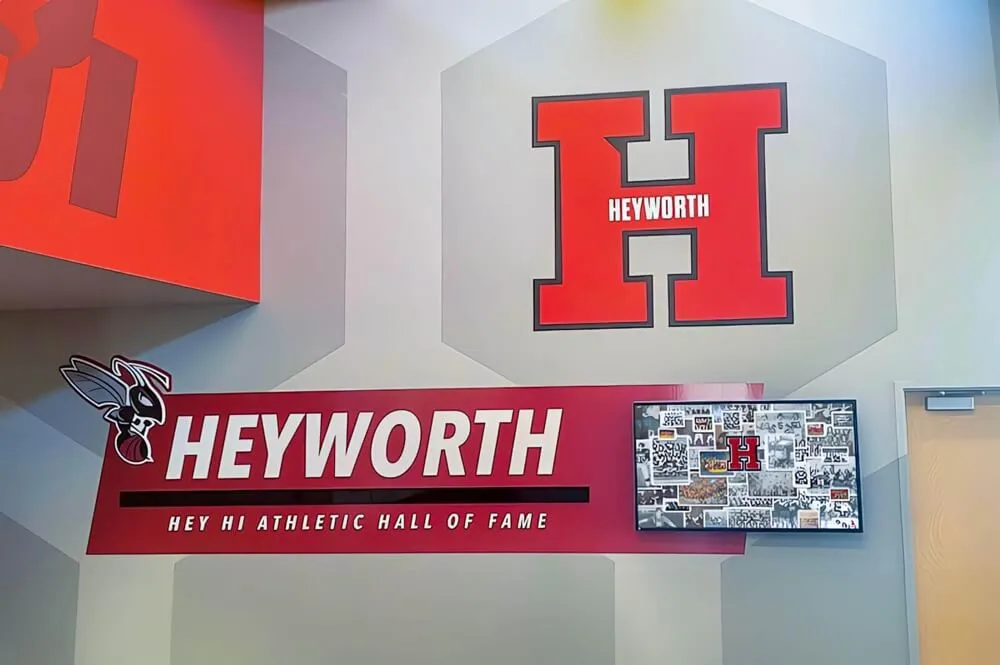
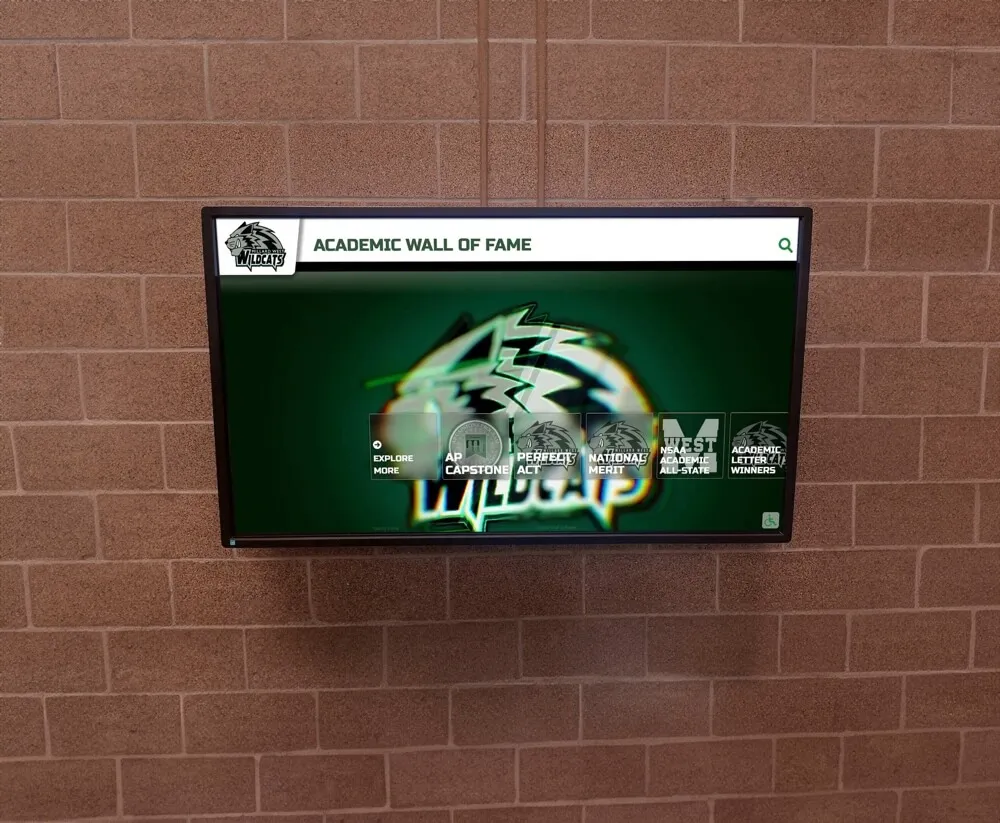
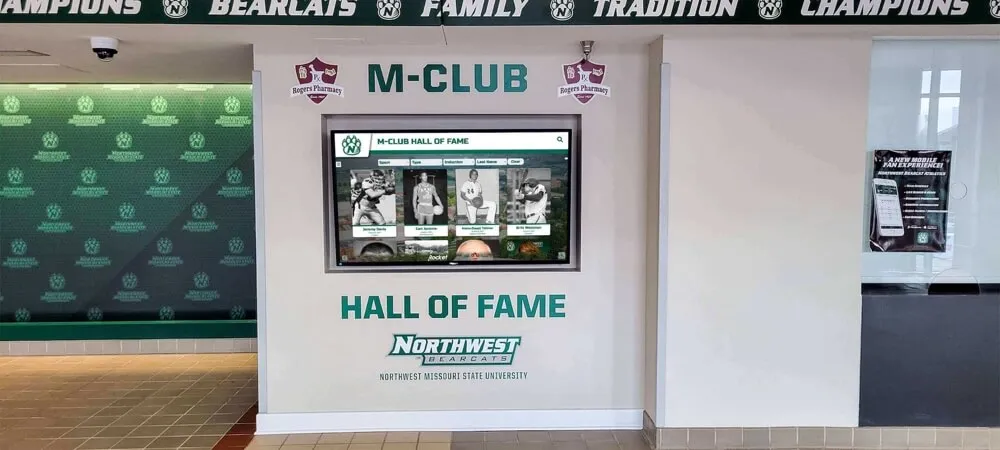
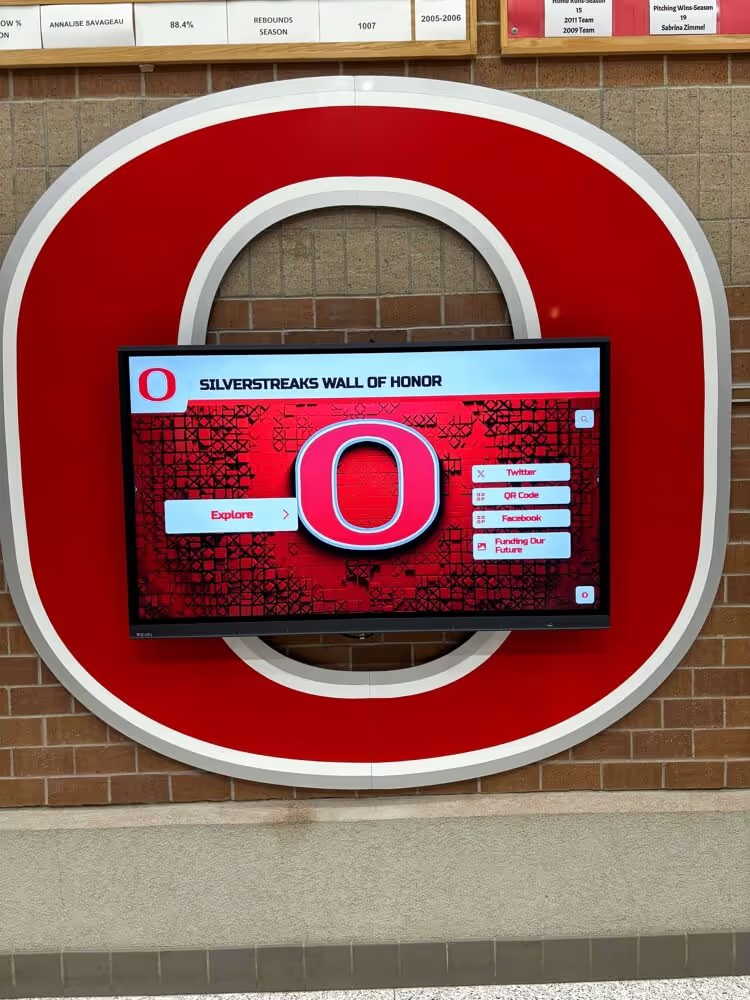
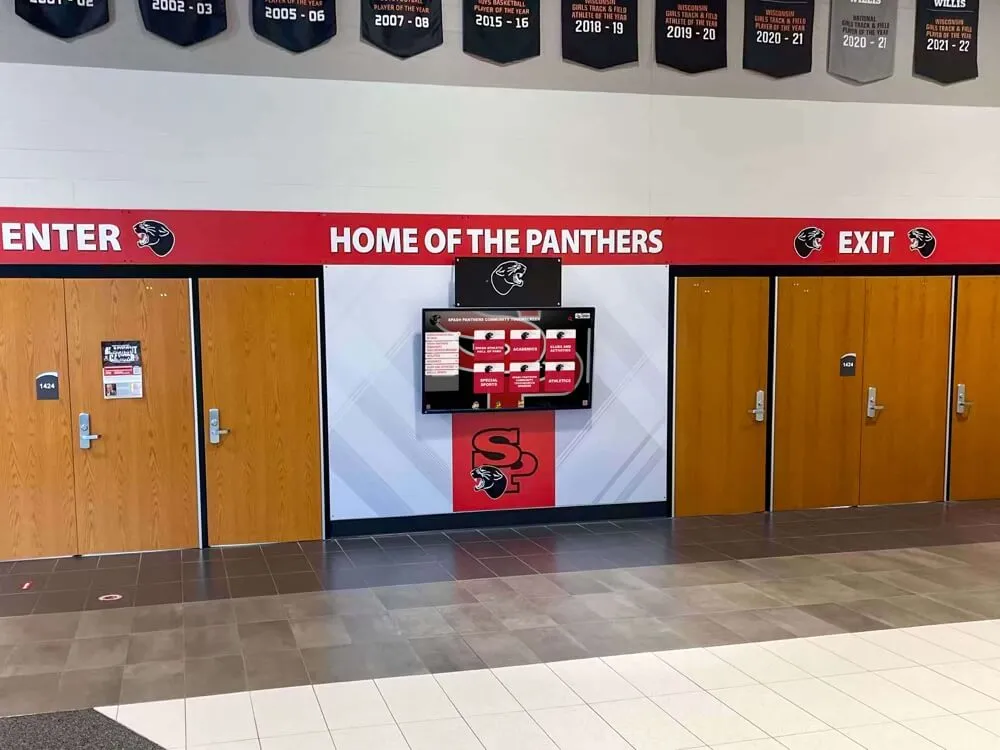
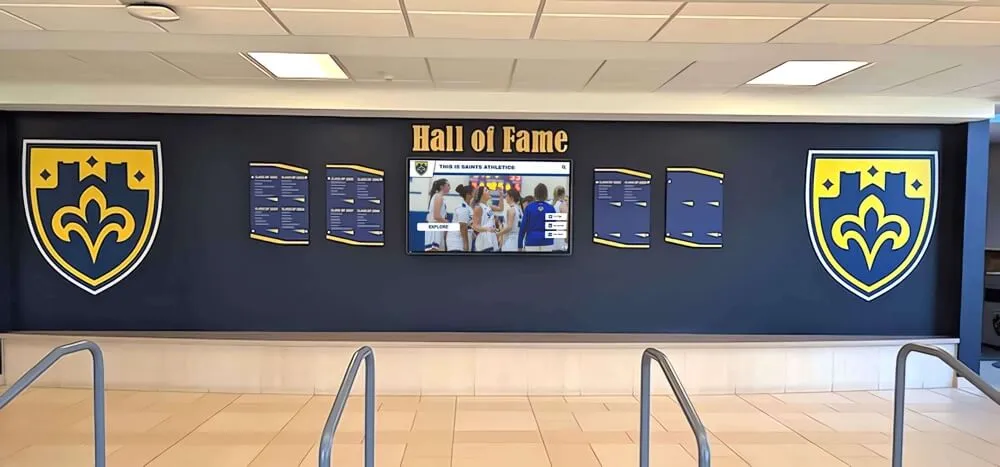
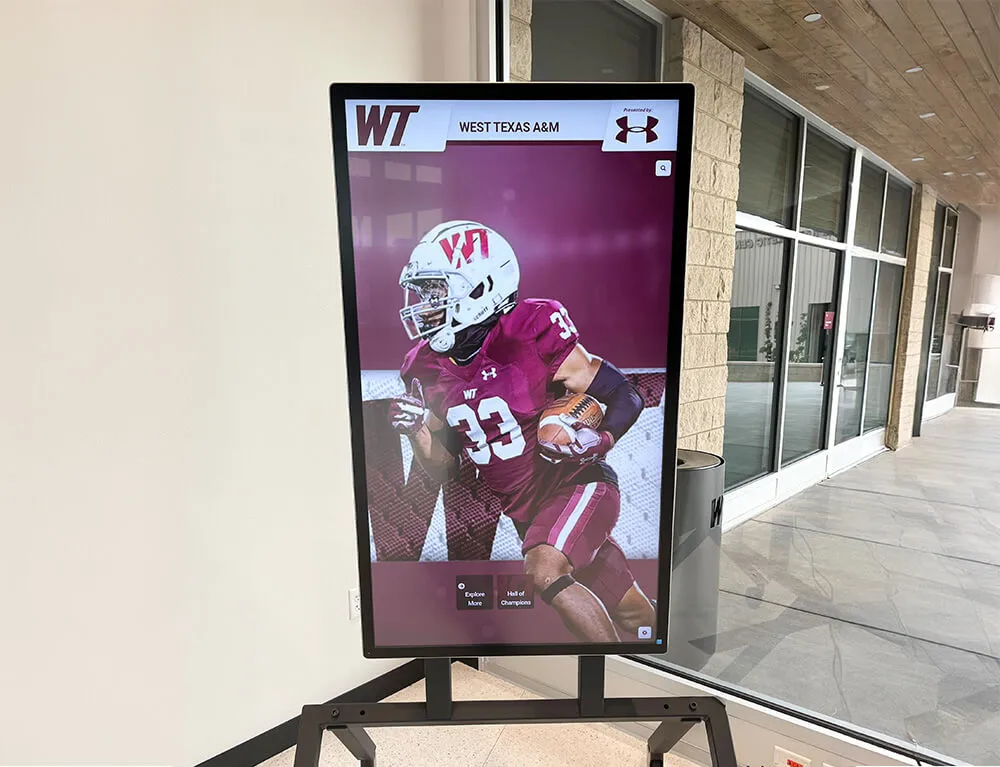
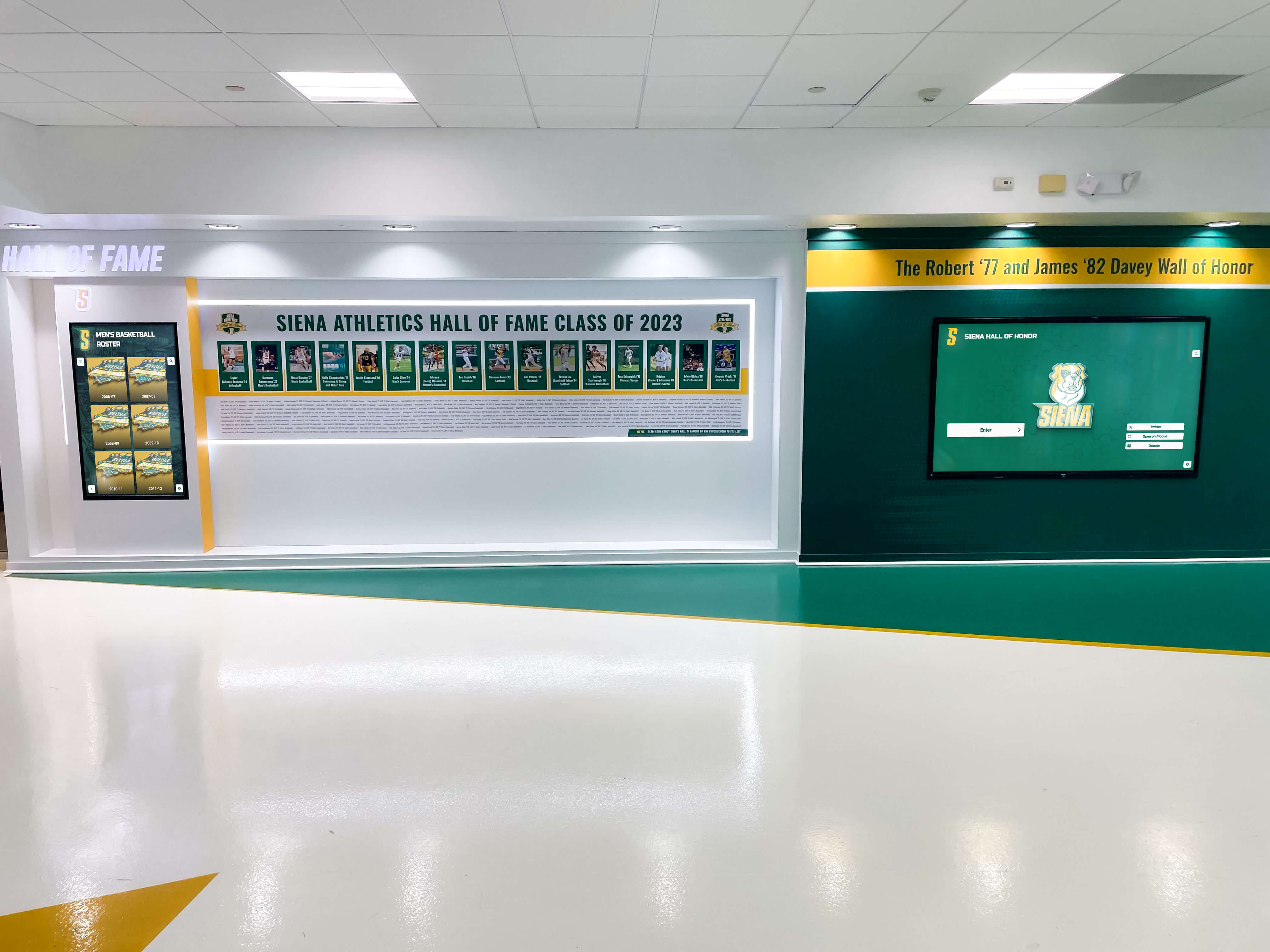
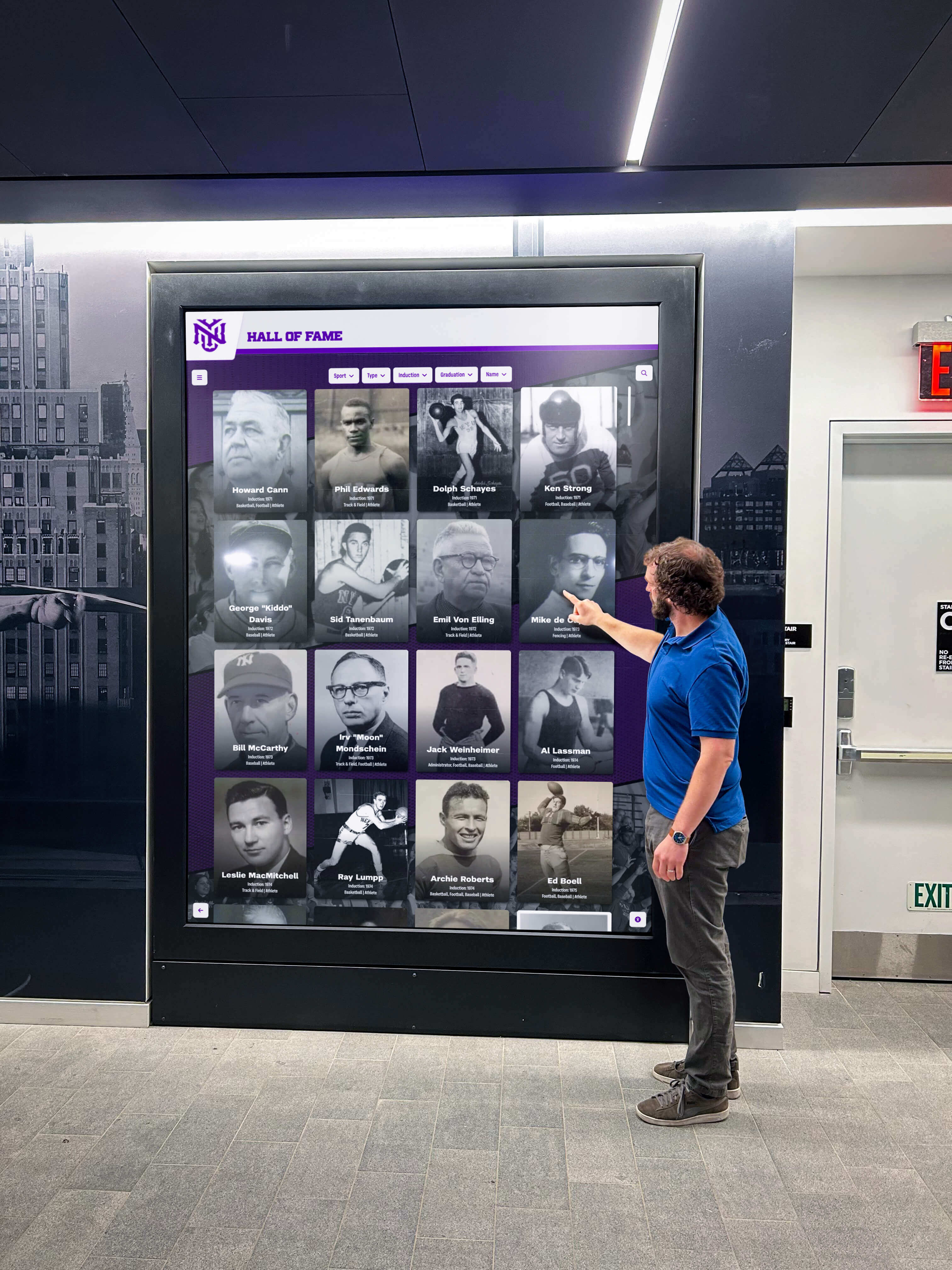
Digital recognition displays positioned permanently in schools enable retiring teachers to remain visible institutional presences long after leaving classrooms. These interactive platforms showcase career highlights, teaching philosophy, notable student achievements, photographs documenting decades of contributions, and testimonials from students and colleagues.

Unlike physical plaques with limited information capacity, digital displays enable comprehensive storytelling through video interviews, photo galleries spanning entire careers, searchable achievement databases, and regularly updated content keeping recognition current as schools gather additional alumni testimonials over time.
Solutions like Rocket Alumni Solutions provide schools with professional platforms purpose-built for educational recognition needs, enabling intuitive content management requiring no technical expertise while creating engaging displays that honor retiring teachers alongside student achievements, athletic accomplishments, and institutional history.
Permanent Profile Pages
Digital recognition extends beyond physical display installations through web-based platforms enabling retiring teachers to receive permanent profile pages accessible to anyone, anywhere. Alumni living across the country can discover former teachers honored in school systems, read about their contributions, view career photographs, and potentially reconnect years after graduation.
This ongoing accessibility creates recognition that continues growing in value over time as more alumni discover pages, contribute additional memories, and share recognition links through social media networks keeping teachers connected to communities they served.
Virtual Time Capsules
Digital archives compiling decades of teaching materials, curriculum innovations, student projects, classroom photos, and institutional documents created by retiring teachers preserve professional legacies while providing valuable historical resources for schools. These curated collections demonstrate the scope of educator contributions while creating references that benefit future teachers building on foundations established by predecessors.
Schools implementing comprehensive recognition programs discover that celebrating retiring teachers strengthens overall school culture while inspiring current educators through visible appreciation of teaching excellence.
Named Recognition Opportunities
Scholarship Programs
Establishing scholarships in retiring teachers’ names creates meaningful ongoing impact directly supporting students—the ultimate expression of teaching values. Annual scholarship awards keep teachers’ names prominent in school communities while providing tangible benefits to recipients long after retirements.
Schools can initiate scholarship funds through initial contributions supplemented by continuing donations from alumni, colleagues, and community members inspired by teachers’ legacies. Even modest annual scholarships become significant when awarded consistently across decades.
Physical Space Dedications
Naming classrooms, laboratories, libraries, or outdoor spaces after retiring teachers provides permanent physical recognition that generations of future students will experience. Dedication ceremonies involving students, families, and communities create meaningful public celebration while permanently associating teachers with institutional spaces.
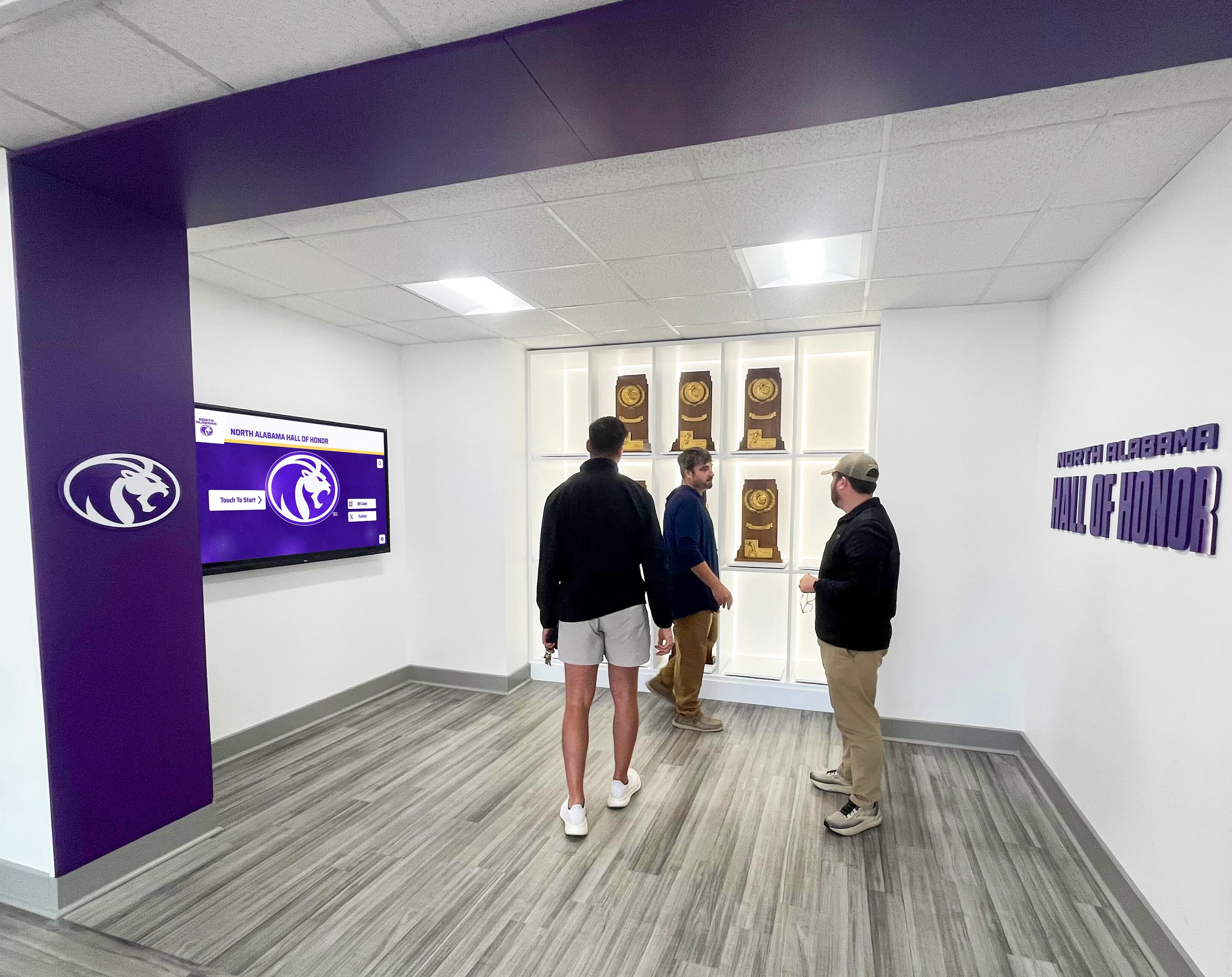
Consider spaces connecting meaningfully to teacher specialties—science labs for biology teachers, music rooms for band directors, athletic facilities for coaches, or library sections for English teachers. Include plaques or digital displays at named locations explaining dedication rationale and highlighting career contributions.
Program and Award Naming
Annual teaching awards, program recognitions, or competitions named for retiring teachers keep their influence active in ongoing school operations. The “Smith Excellence in Mathematics Award” or “Johnson Creative Writing Competition” ensures teachers remain institutional presences inspiring future excellence in their specialized areas.
These named recognitions provide natural opportunities for retired teachers to return to schools as guest presenters, judges, or honored attendees at award ceremonies, maintaining connections to communities they served.
Experience-Based Retirement Gifts
Curated Travel Experiences
Many retiring teachers prioritize travel after decades of schedule constraints around academic calendars. Gift contributions toward specific dream trips—national park tours, international adventures, educational travel programs, or domestic getaways—demonstrate understanding of retirement aspirations while providing memorable experiences.
Create presentation materials documenting planned trips with maps, itineraries, historical information about destinations, or travel journals for recording adventures. This thoughtful packaging transforms cash contributions into tangible anticipation of experiences ahead.
Hobby Startup Packages
Teachers often discuss hobbies they’ll pursue in retirement but never found time for during demanding careers. Organized gifts supporting these interests—complete photography equipment packages, woodworking tool sets, gardening supplies with landscaping consultations, art supplies with class registrations, or musical instruments with lessons—help retiring teachers transition from teaching to learning new skills themselves.
Coordinate with families to ensure hobby gifts align with actual retirement plans rather than assumptions about teacher interests. Spouses or adult children can provide invaluable guidance about genuine retirement intentions versus casual classroom conversation.
Organizing Group Recognition and Contributions
Effective retirement recognition typically involves coordination among multiple stakeholders each wanting to contribute appropriately.
Staff Contribution Coordination
Transparent Collection Systems
Establish clear processes for colleague contributions specifying suggested amounts, contribution deadlines, and planned gift allocation. Transparency about how funds will be used ensures contributors understand their participation value while preventing confusion about recognition plans.
Consider tiered contribution suggestions accommodating different budget realities—newer teachers with student loans face different financial situations than veteran teachers with established careers. Voluntary participation prevents obligation feelings while enabling generous contributions from those able to give more.
Planning Committee Formation
Designate small committees responsible for retirement planning rather than burdening single individuals with entire organizational responsibility. Distribute tasks across multiple people—gift research and purchasing, event planning, student contribution coordination, communications management, and ceremony organization.
Include representatives from different departments and career stages ensuring diverse perspectives inform planning. Long-time colleagues contribute historical knowledge while newer staff might suggest contemporary approaches the retiring teacher would appreciate.
Alumni and Community Engagement
Outreach Campaign Development
Leverage social media, email communications, and school websites to inform alumni communities about upcoming retirements, enabling former students to participate in recognition regardless of current geographic location. Many alumni living far from schools enthusiastically contribute messages, attend virtual recognition events, or make financial contributions toward retirement gifts when made aware of opportunities.
Create dedicated web pages or social media groups where alumni can share memories, post photos, and coordinate surprise attendance at retirement events. These digital gathering spaces often generate unexpected connections between former students from different decades who discovered shared appreciation for retiring teachers.
Community Business Partnerships
Local businesses often support teacher retirement recognition through donated services, discounted pricing, or facility use for retirement celebrations. Restaurants might host retirement receptions at reduced rates, printers could provide professional programs, photographers might donate services, or venues could offer spaces for large gatherings.
Acknowledge business contributions publicly during events and through school communications, providing valuable community exposure while expressing genuine gratitude for support making enhanced recognition possible.
Understanding how digital signage content strategies support ongoing recognition helps schools implement permanent infrastructure honoring retiring teachers while serving broader community engagement goals.
Planning Memorable Retirement Celebrations
Recognition gifts achieve greatest impact when presented within thoughtfully planned celebrations honoring retiring teachers’ contributions.
Retirement Ceremony Best Practices
Intimate vs. Large-Scale Events
Consider retiring teachers’ preferences when planning celebration scales. Some educators appreciate large public ceremonies with extensive community attendance, speeches, and formal recognition. Others prefer intimate gatherings with close colleagues, favorite students, and families avoiding attention-focused public events.
Consult with families or close colleagues when unsure about teacher preferences. Well-intentioned surprise celebrations sometimes create discomfort for private individuals uncomfortable with public attention despite genuine appreciation for recognition sentiment.
Program Development
Effective retirement programs balance honoring teachers with respecting attendee time and attention. Include brief welcome remarks, highlights of career accomplishments, student or alumni testimonials, gift presentations, and opportunities for retiring teachers to address attendees if desired.
Incorporate multimedia elements—photo slideshows documenting career progression, video messages from unable-to-attend alumni, or historical footage showing teachers in action—creating engaging visual content while evoking emotional responses and memories among attendees.
Student and Alumni Participation
Prioritize student involvement in retirement celebrations enabling teachers to hear directly from young people whose lives they influenced. Current students can perform musical pieces, read original poetry, present artwork, or deliver speeches expressing appreciation for retiring teachers.
Alumni attendance creates particularly powerful moments as successful adults credit former teachers with shaping their trajectories. Former students now practicing medicine, teaching themselves, leading businesses, or serving communities offer tangible evidence of educational impact.
Creating Lasting Memory Documentation
Professional Photography and Videography
Document retirement celebrations through professional photography and video recording creating lasting records of recognition events. These materials become treasured keepsakes while providing content for digital recognition displays, social media sharing, and institutional archives.
Ensure documentation captures not just formal speeches and presentations but candid moments—conversations between teachers and former students, emotional responses during testimonials, laughter during memory sharing, and interactions among colleagues celebrating together.
Guest Book and Message Collections
Provide opportunities for celebration attendees to leave written messages, advice for retirement, or specific memories in guest books or digital message platforms. These compilations become reference materials that retiring teachers return to repeatedly, discovering new messages and appreciating recognition from colleagues they may not have spoken with during events.
Digital collection platforms enable participation from individuals unable to attend physically while creating searchable databases organized by time period, relationship type, or content theme.
Budget-Conscious Recognition Approaches
Meaningful teacher retirement recognition need not require substantial financial investment when schools apply creativity and thoughtfulness.
High-Impact Low-Cost Recognition Ideas
Student Art and Creative Projects
Student-created recognition—original artwork, compiled poetry collections, handmade crafts, or performance pieces—demonstrates genuine appreciation while costing virtually nothing. These personalized creations often mean more to retiring teachers than expensive purchased items because they represent student time, creativity, and emotional investment.
Art students can create portrait paintings, collaborative murals, or ceramic pieces. English students might compile original writing inspired by teacher lessons. Music students could compose and perform original pieces. Consider how students’ talents can generate unique recognition impossible to purchase.
Time Capsule Compilations
Gather representative materials from throughout teaching careers—sample lesson plans, student work examples, photographs from each decade, curriculum documents, memorable notes from students or parents, awards received, and institutional materials documenting school evolution during employment years.

These curated collections create powerful historical records requiring only organizational effort rather than financial resources. Present materials in quality binders or archival boxes with professional labeling creating polished presentations despite minimal cost.
Legacy Documentation Projects
Video record retiring teachers discussing teaching philosophy, memorable student stories, curriculum development insights, and advice for new teachers. These recorded interviews preserve institutional knowledge while creating personal legacy documents that families treasure and schools can reference when training new educators.
Include historical context interviews where retiring teachers describe school evolution, cultural changes witnessed across careers, and institutional traditions they helped establish or maintain.
Combining Multiple Small Contributions
Layered Recognition Approach
Rather than single expensive gifts, combine multiple smaller recognition elements creating comprehensive appreciation experiences. Pair personalized plaques with student message compilations, modest monetary gifts with named scholarship fund initiations, and retirement ceremony recognition with permanent digital display inclusion.
This multifaceted approach demonstrates thorough consideration while remaining budget-conscious through distributed smaller investments rather than concentrated large expenditures.
Technology-Enhanced Recognition Systems
Modern digital platforms enable recognition capabilities impossible through traditional approaches while providing ongoing value extending far beyond retirement dates.
Interactive Touchscreen Displays
Permanent Institutional Recognition
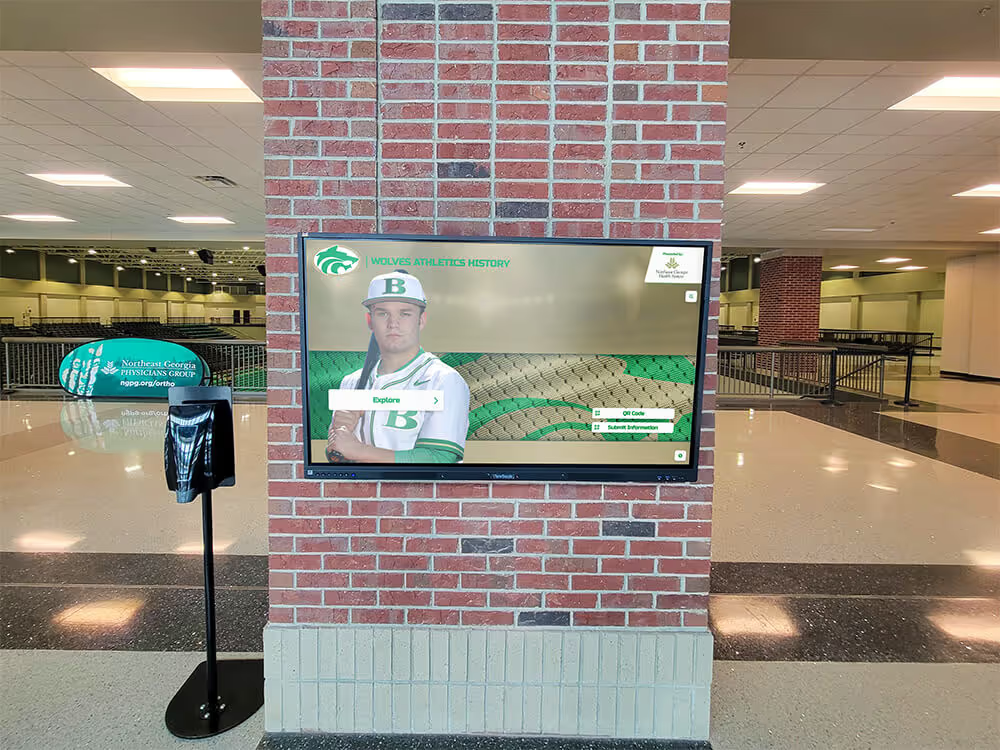
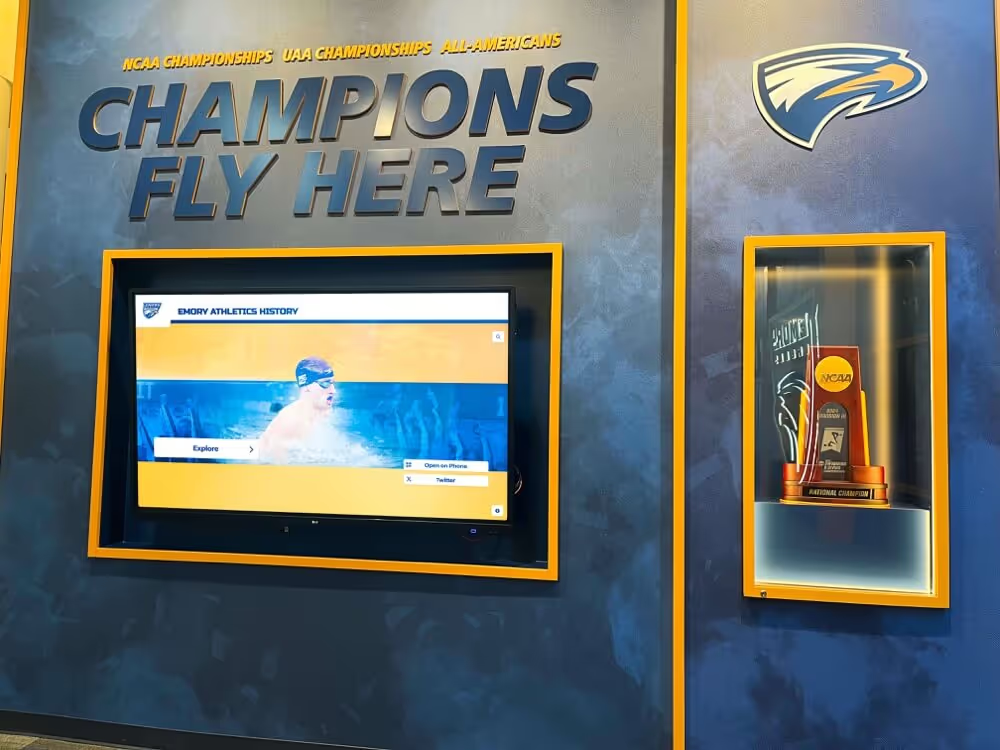
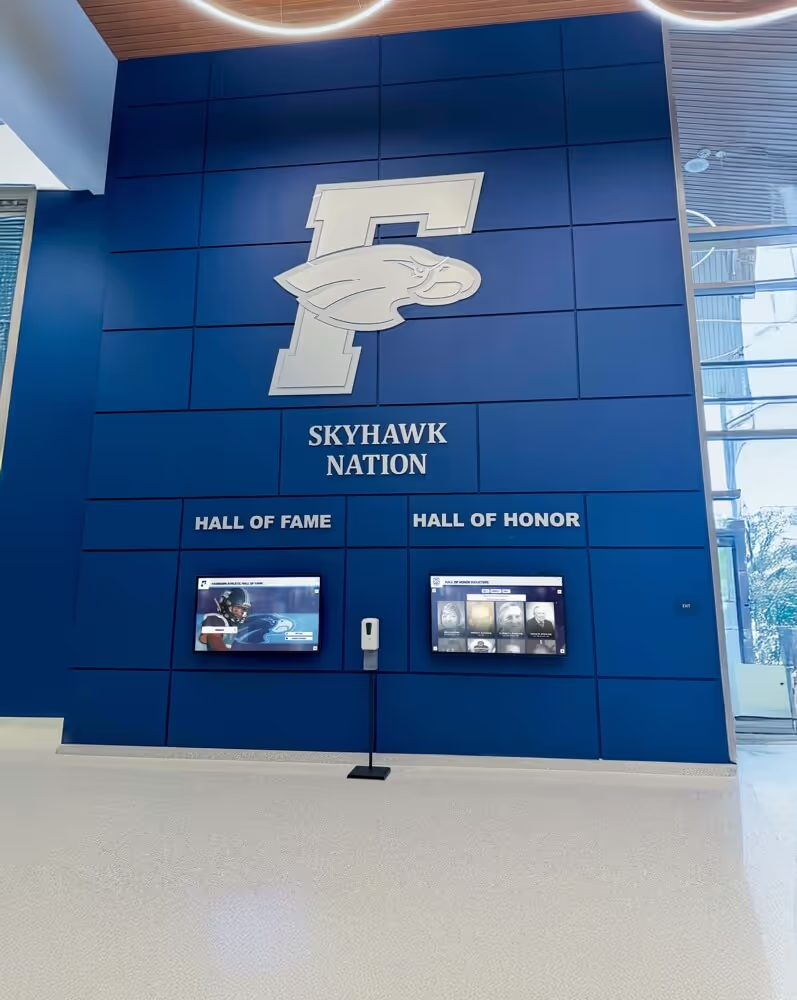
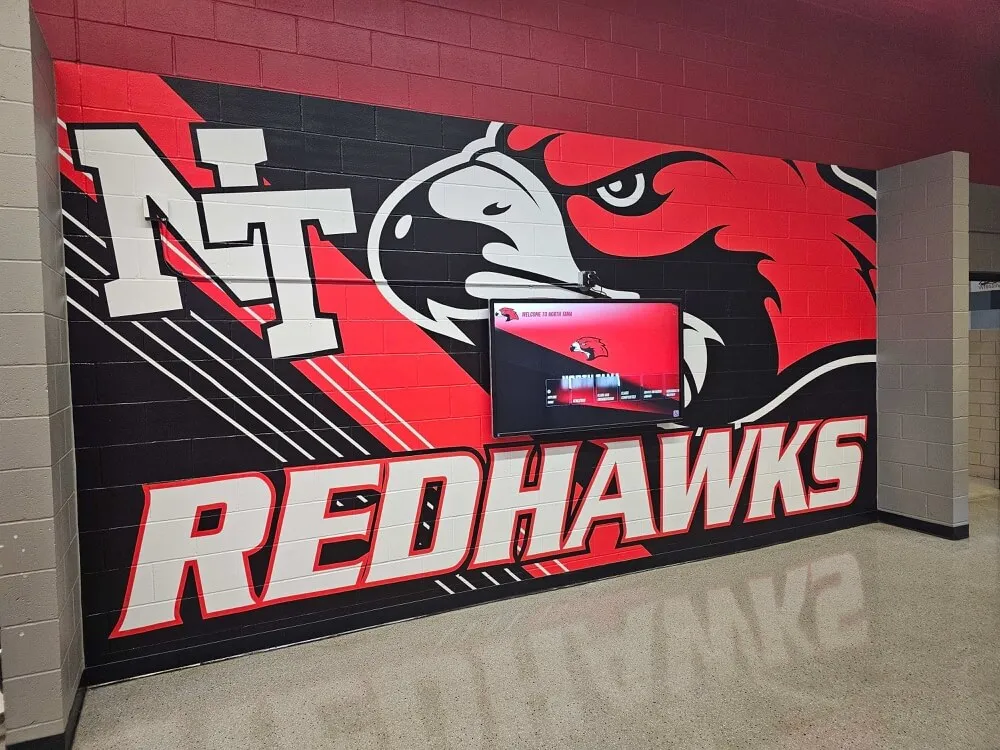
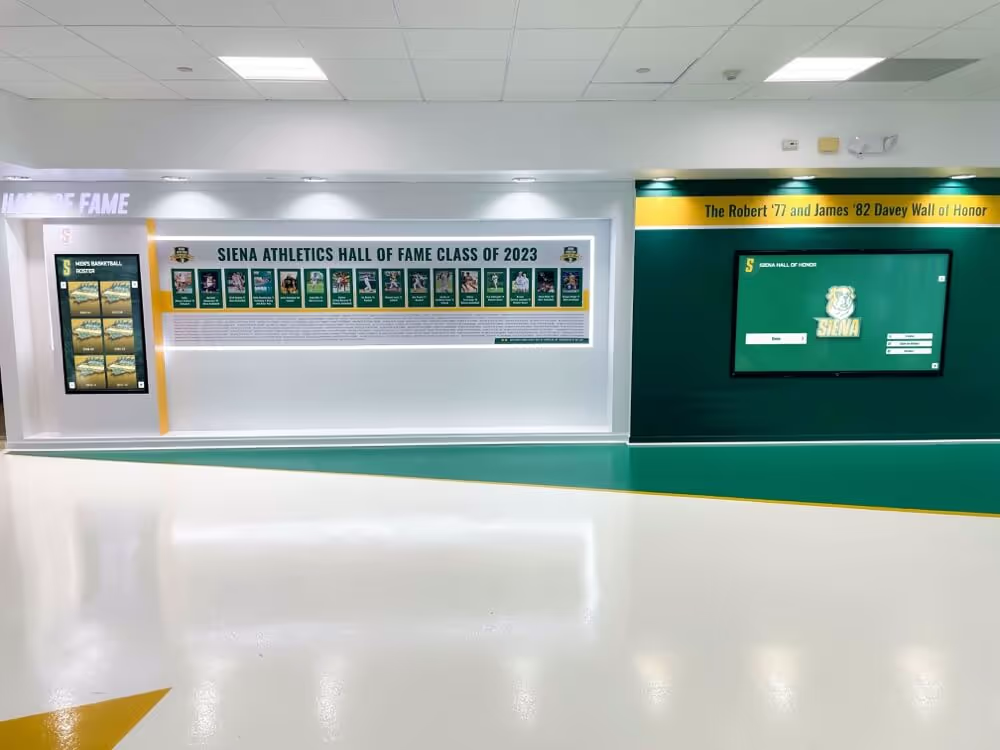
Digital recognition displays installed in school common areas—main lobbies, library entrances, athletic facilities, or administrative corridors—create permanent platforms honoring retiring teachers alongside ongoing student achievements, institutional history, and community celebrations.
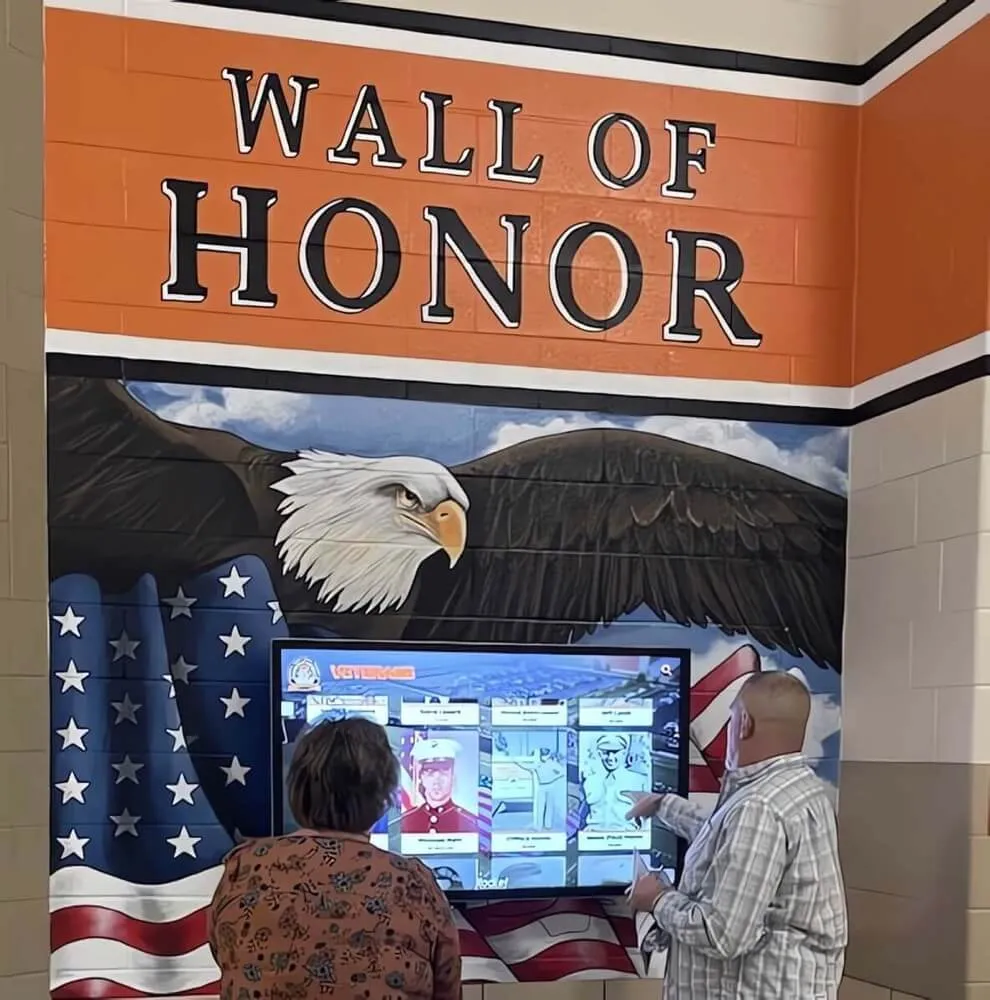
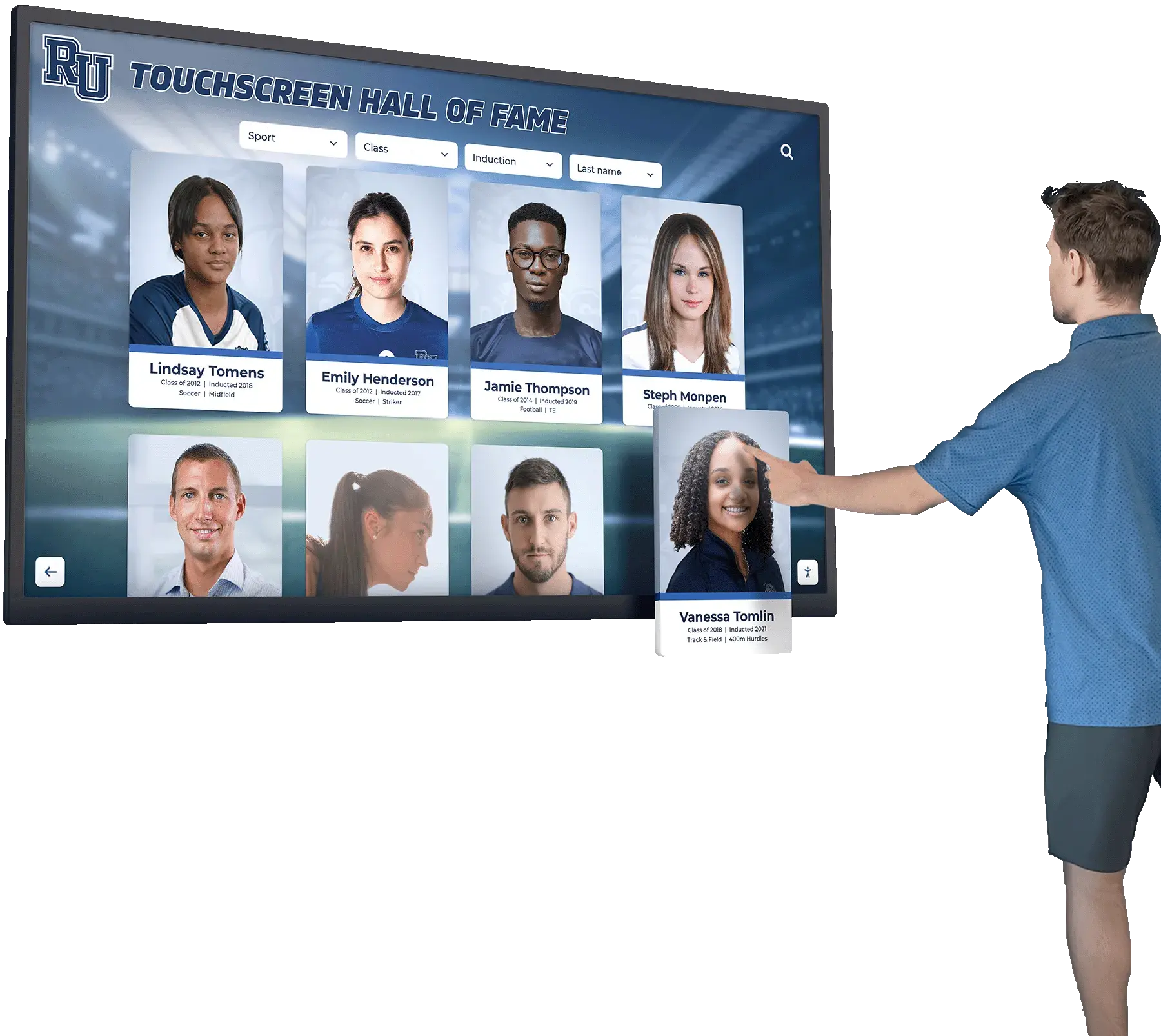
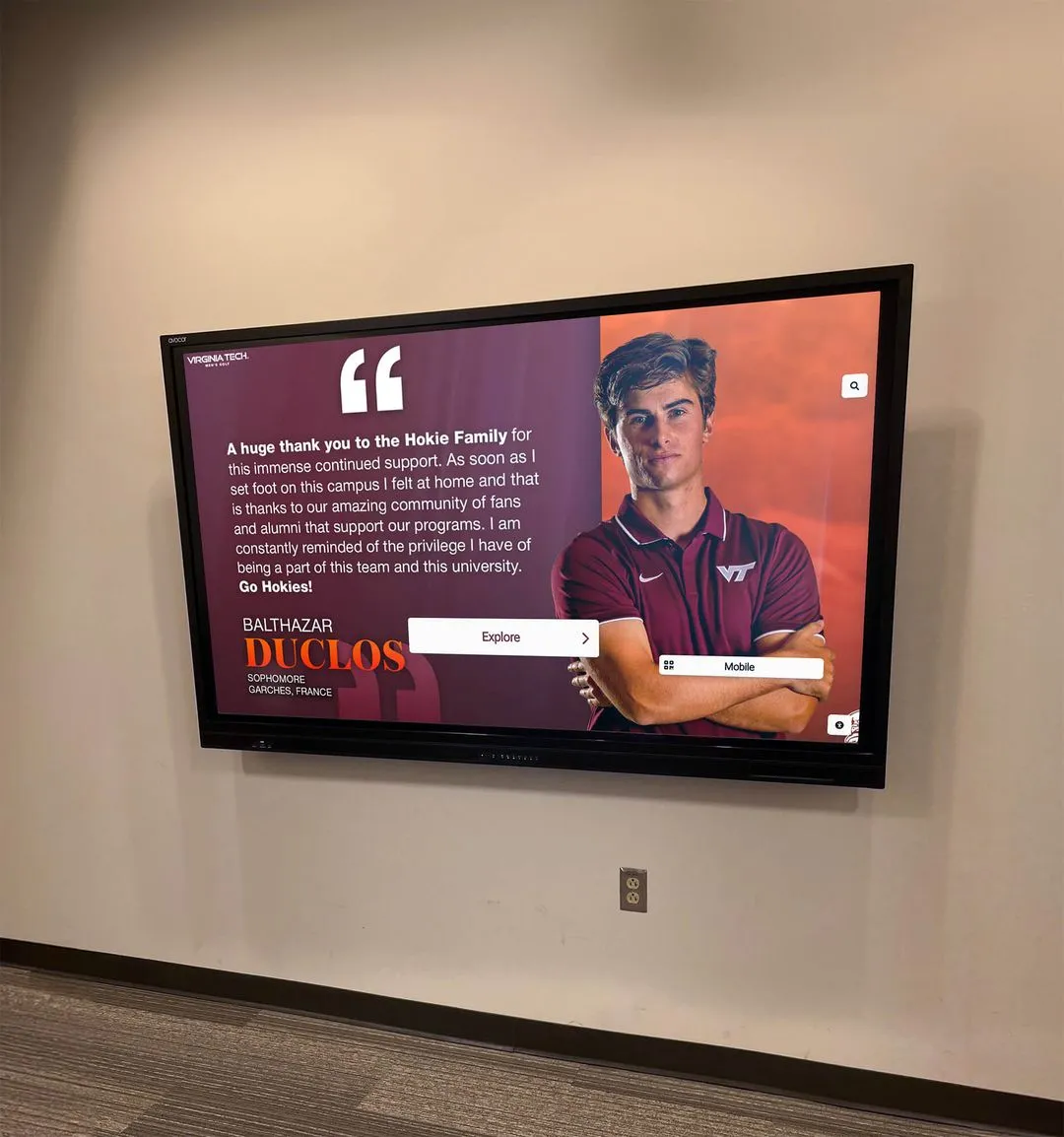
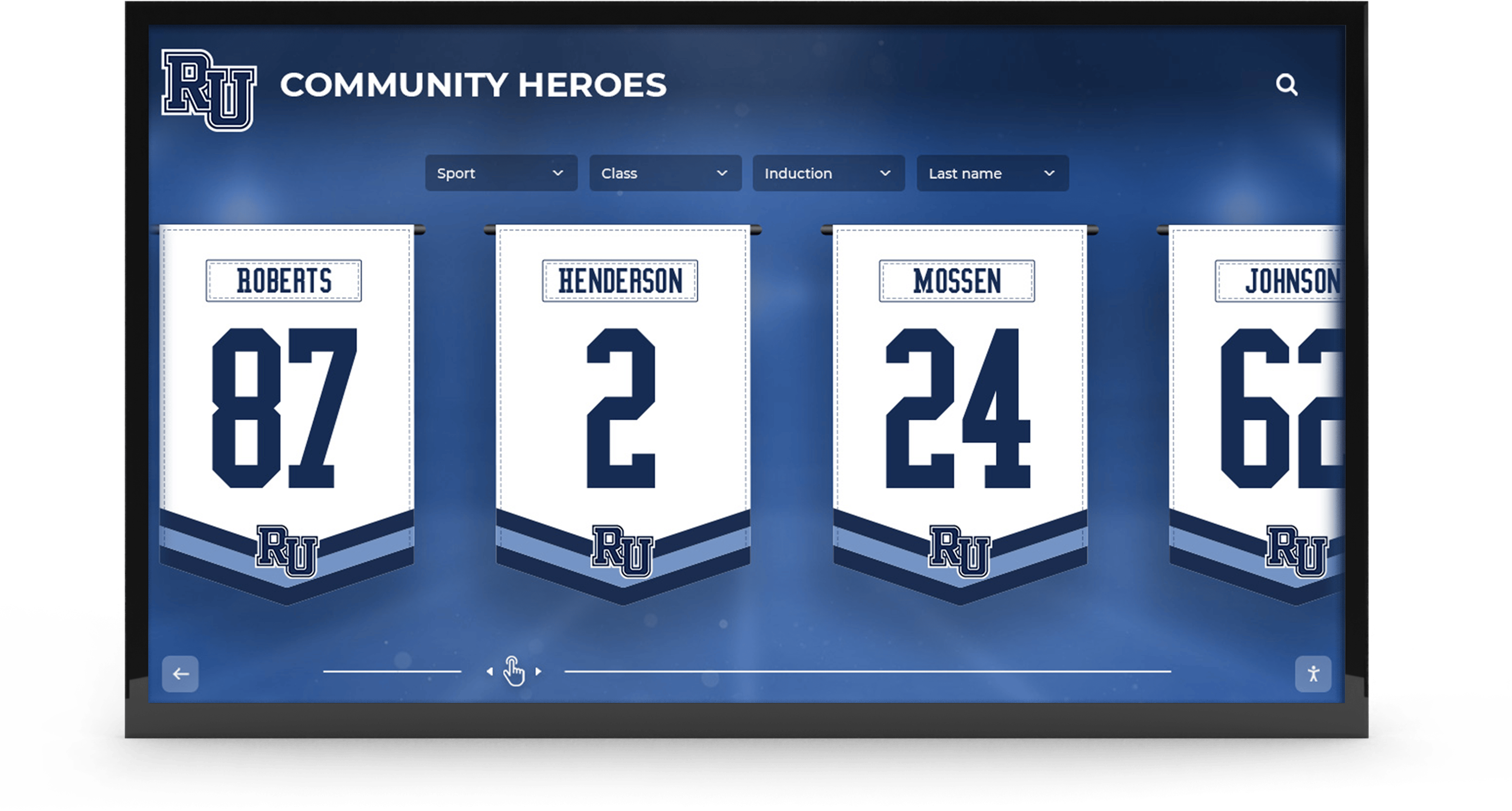
Touchscreen interfaces enable visitors to explore comprehensive profiles including biographical information, career highlights, teaching philosophy statements, photo galleries, video interviews, and messages from students and colleagues accumulated over time.
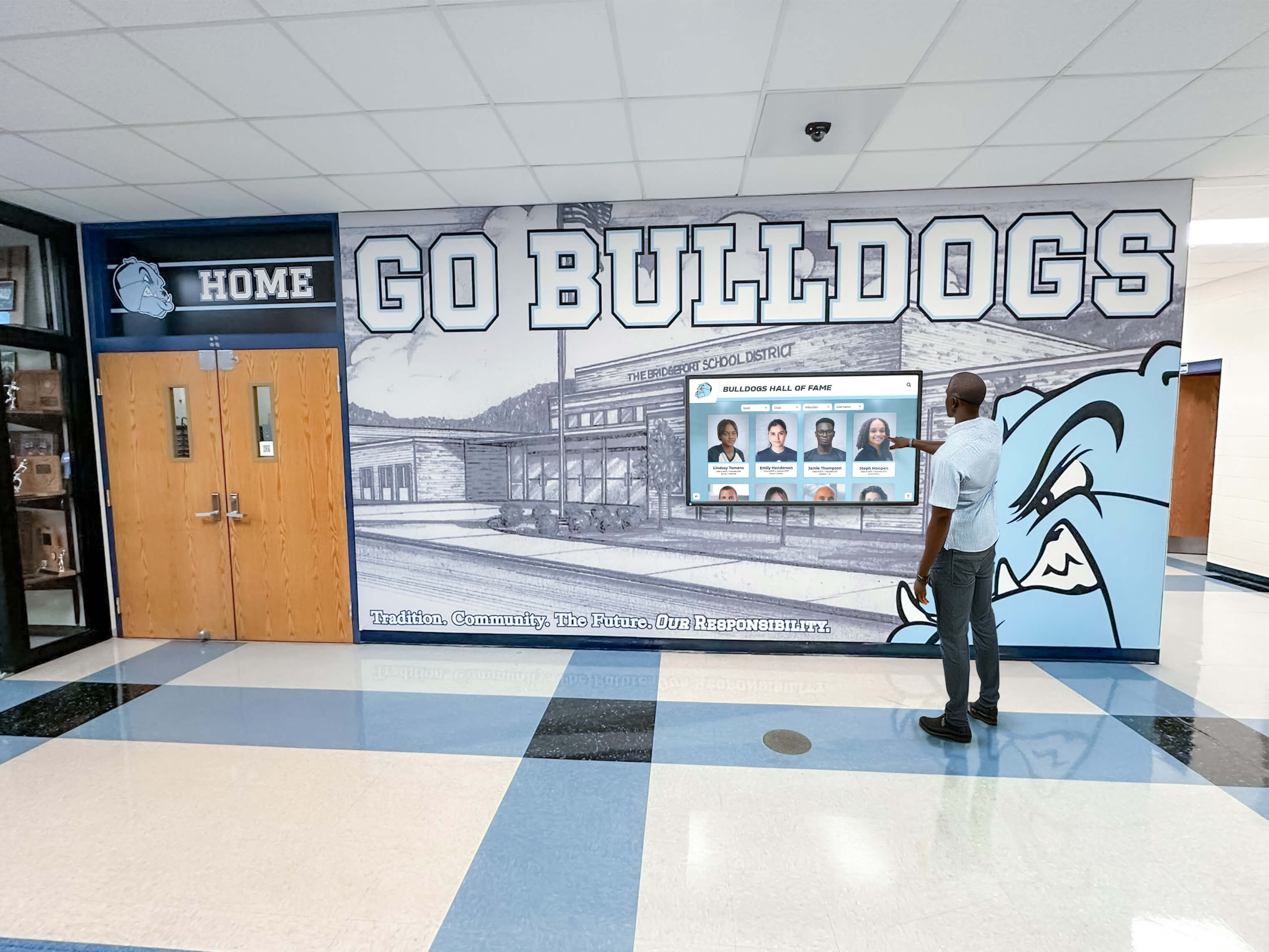
These systems serve multiple recognition purposes simultaneously—honoring retiring teachers, celebrating current student achievements, documenting athletic records, preserving institutional history, and engaging alumni—justifying initial technology investment through diverse ongoing utility.
Modern platforms like Rocket Alumni Solutions provide turnkey solutions requiring no technical expertise while delivering professional results that reflect positively on institutional commitment to recognition excellence.
Searchable Legacy Databases
Digital platforms enable creation of searchable databases documenting decades of teaching contributions, curriculum innovations, student achievements, and institutional service. Alumni can search for former teachers, explore career accomplishments, view historical photographs, and leave testimonial messages years after retirements.
This dynamic recognition evolves continuously as schools add content, alumni contribute memories, and institutional historians identify additional documentation worth including.
Web-Based Recognition Platforms
Accessible-Anywhere Profiles
Complement physical display installations with web-based platforms enabling recognition access from anywhere globally. This proves particularly valuable for geographically distributed alumni communities who may never physically visit schools again but maintain strong emotional connections to former teachers.
Web platforms enable social sharing, allowing alumni to post recognition links through personal social networks, potentially reaching thousands of former students who otherwise wouldn’t learn about retirement recognition or have opportunities to contribute appreciation messages.
Ongoing Content Updates
Digital recognition platforms enable continuous enhancement long after initial retirement dates. Schools can add newly discovered historical photos, incorporate alumni testimonials received years later, update biographical information documenting post-retirement activities, and maintain current contact information if retiring teachers consent to alumni connection.
This living recognition stands in stark contrast to static physical plaques that never change after initial installation, making digital approaches increasingly popular for honoring teachers whose influence extends across decades and generations.
Resources explaining employee recognition program best practices help schools develop comprehensive approaches applicable to educator retirement recognition.
Cultural Considerations and Personalization
Effective teacher retirement recognition respects individual preferences, cultural backgrounds, and personal circumstances that influence how retiring educators experience appreciation.
Understanding Individual Preferences
Public vs. Private Recognition
Some teachers thrive on public celebration and feel honored by large-scale recognition events. Others find extensive public attention uncomfortable despite appreciating colleagues’ good intentions. Understanding where individual teachers fall on this spectrum ensures recognition matches preferences rather than creating stress during already emotional transitions.
Consult with close colleagues, family members, or the retiring teachers themselves about preferred recognition approaches. Direct conversations often reveal preferences while demonstrating respect for individual comfort levels.
Cultural Sensitivity
Cultural backgrounds significantly influence how individuals experience and interpret recognition gestures. Some cultures view elaborate public praise as appropriate while others consider it boastful or uncomfortable. Gift-giving customs, speech expectations, and celebration formats vary across cultural contexts.

When honoring teachers from cultural backgrounds different from majority school demographics, research appropriate recognition customs or consult with cultural community representatives ensuring celebration approaches feel respectful and honoring rather than awkward or inappropriate.
Disability Accommodation
Ensure retirement celebrations and recognition elements remain fully accessible to teachers with disabilities. Physical event locations should accommodate mobility limitations, audiovisual presentations should include captions for hearing impairment, and recognition materials should be available in formats accessible to teachers with visual impairments.
Digital recognition platforms properly designed for accessibility enable teachers with various disabilities to fully engage with recognition content while ensuring compliance with legal accessibility requirements.
Long-Term Recognition Maintenance
Effective teacher recognition extends beyond retirement moments to create lasting institutional memory and ongoing connection.
Annual Recognition Traditions
Emeritus Faculty Programs
Establish formal emeritus faculty designations enabling retired teachers to maintain official school connections, receive communications about institutional developments, attend special events, and potentially provide occasional guest teaching or mentoring services.
These ongoing relationships benefit both retiring teachers who maintain meaningful community connections and schools that preserve access to experienced educators’ wisdom and institutional knowledge.
Anniversary Acknowledgments
Mark significant post-retirement milestones—5, 10, 20 years since retirement—with communications acknowledging these anniversaries and updating teachers about current school developments, former students’ accomplishments, and institutional changes since their departures.
These periodic touchpoints demonstrate that schools continue valuing retired teachers beyond initial retirement celebrations while maintaining community bonds across years.
Physical Space Maintenance
Recognize that physical recognition displays require ongoing maintenance ensuring continued quality representation. Plaques need cleaning, display cases require updating, and named spaces deserve preservation maintaining original dedication intent.
Assign responsibility for retired teacher recognition maintenance ensuring these important community elements don’t deteriorate through neglect over time.
Understanding approaches used in academic recognition programs helps schools develop comprehensive frameworks applicable to educator retirement recognition.
Making Retirement Recognition Meaningful for All Stakeholders
Effective teacher retirement recognition serves multiple purposes beyond simply honoring individual educators.
Inspiring Current Faculty
Visible, meaningful recognition of retiring teachers demonstrates to current faculty members that their institutions genuinely value teaching excellence and will honor their contributions when career transitions eventually arrive. This knowledge influences retention, motivation, and professional satisfaction among teachers observing how colleagues receive retirement recognition.
Schools establishing reputations for honoring retiring teachers find recruitment advantages as prospective faculty candidates evaluate potential employers partially based on how institutions treat long-serving staff during career transitions.
Engaging Students in Appreciation Culture
Involving students in retirement recognition planning and execution teaches important lessons about gratitude, professional respect, and honoring service to communities. These experiences shape students’ understanding of appropriate workplace culture and interpersonal respect applicable far beyond school settings.
Students participating in recognizing beloved teachers develop deeper appreciation for education’s value and teaching profession’s importance, potentially influencing future career considerations and certainly shaping how they treat educators throughout remaining educational experiences.
Strengthening Alumni Connections
Teacher retirements provide natural opportunities for alumni engagement as former students enthusiastically participate in honoring educators who influenced their lives. These engagement opportunities often reconnect alumni who lost touch with schools, potentially leading to ongoing involvement through mentoring, fundraising, or community support extending beyond specific retirement recognition.
Alumni participation in teacher recognition also benefits current students by demonstrating long-term educational impact and illustrating how teacher-student relationships continue mattering decades after classroom experiences end.
Schools implementing comprehensive digital recognition systems discover unexpected benefits as platforms designed initially for specific purposes like teacher retirement recognition prove valuable for broader community engagement applications.
Common Retirement Recognition Mistakes to Avoid
Understanding potential pitfalls helps schools plan recognition that honors rather than unintentionally undermines retiring teachers.
Generic Recognition Without Personalization
Cookie-cutter plaques, form letters, and standardized ceremonies communicate that schools fulfilled obligations rather than genuinely honoring individuals. Teachers immediately recognize generic recognition requiring minimal thought or effort despite potentially significant financial investment.
Avoid recognition approaches that could apply to literally any retiring teacher regardless of their specific contributions, teaching specialties, or personal characteristics. Meaningful recognition must reflect knowledge of and appreciation for who specific teachers were to school communities.
Last-Minute Planning
Rushing retirement recognition due to inadequate planning timelines prevents thoughtful consideration, limits participation opportunities, reduces gift quality, and communicates that honoring teachers wasn’t sufficiently important to warrant advance preparation.
Begin planning at least one semester before anticipated retirement dates—ideally earlier—allowing time for alumni outreach, student contribution gathering, gift selection and customization, and proper event organization.
Ignoring Teacher Preferences
Well-intentioned recognition mismatched to teacher preferences can create uncomfortable situations despite genuine appreciation motivating actions. Some teachers treasure public celebrations while others prefer private acknowledgment. Some appreciate sentimental gifts while others value practical items.
Whenever possible, learn about retiring teachers’ preferences regarding recognition approaches rather than assuming what they’ll appreciate. Simple conversations with close colleagues or family members reveal valuable insights guiding appropriate recognition planning.
Insufficient Budget Allocation
Schools sometimes underestimate costs associated with meaningful recognition, resulting in inadequate funding for appropriate gifts, quality events, or professional recognition products. This creates last-minute scrambling or disappointingly modest recognition not reflecting teachers’ career significance.
Establish realistic budgets early in planning processes, identifying funding sources and contribution expectations enabling quality recognition within financial constraints. Better to plan appropriately scaled recognition than promise elaborate celebrations impossible to deliver.
Conclusion: Creating Recognition That Honors Teaching Legacy
Teacher retirement recognition succeeds when it moves beyond obligation fulfillment to genuine celebration of careers dedicated to student success and institutional excellence. The most meaningful recognition combines thoughtful personal touches acknowledging individual contributions with lasting legacy preservation ensuring retiring educators remain part of institutional memory long after classroom departures.
Effective approaches balance traditional recognition elements that teachers expect—personalized awards, colleague appreciation, formal ceremonies—with contemporary digital solutions providing ongoing visibility, searchable career documentation, and platforms enabling continuous alumni contribution regardless of geographic location or time elapsed since retirement.
No single recognition formula works universally. Teachers vary in preferences, personalities, contributions, and circumstances surrounding retirements. However, fundamental principles apply across contexts: honor teachers specifically rather than generically, involve students and alumni in recognition processes, create both immediate celebration experiences and lasting legacy preservation, respect individual preferences regarding public versus private recognition, and demonstrate genuine appreciation through thoughtful rather than perfunctory approaches.
Schools establishing cultures of meaningful teacher retirement recognition benefit through enhanced faculty morale, stronger alumni engagement, improved recruitment of talented educators who observe how institutions honor teaching excellence, and reinforced values around appreciating dedicated service to student and community welfare.
Your retiring teachers shaped countless student lives, influenced institutional culture, and contributed decades of professional expertise to educational missions. They deserve recognition reflecting the significance of their service—thoughtful, personalized, lasting, and genuinely honoring of teaching legacies that continue influencing students, colleagues, and communities long after final classroom bells ring.
Ready to create lasting recognition honoring retiring teachers while building permanent infrastructure celebrating educational excellence across your entire school community? Rocket Alumni Solutions provides comprehensive digital recognition platforms enabling schools to honor retiring educators through interactive displays, searchable career databases, and engaging web-based profiles accessible to alumni worldwide—all managed through intuitive systems requiring no technical expertise while creating professional recognition reflecting your commitment to celebrating teaching excellence.