



When a beloved teacher announces their retirement, schools face an important challenge: how do you properly honor decades of dedication, countless students impacted, and a lifetime of educational excellence? The right retirement recognition does more than mark an ending—it celebrates a legacy, inspires current educators, and demonstrates that teaching excellence receives the appreciation it deserves.
Traditional retirement gifts like engraved plaques, gift baskets, or desk accessories often feel inadequate for recognizing careers spanning 20, 30, or even 40 years in the classroom. Today’s schools are discovering more meaningful approaches that create lasting tributes while connecting retiring educators’ legacies to future generations of students and teachers.
Why Teacher Retirement Recognition Matters
Teacher retirement celebrations serve vital institutional and cultural purposes beyond honoring individual educators. Meaningful recognition demonstrates that schools value long-term commitment, creates visible examples of career-long dedication inspiring current teachers, preserves institutional memory and teaching excellence for future educators, strengthens school culture around professional pride and accomplishment, and connects alumni and community members to the teachers who shaped their lives. Modern approaches using solutions like Rocket Alumni Solutions enable schools to create permanent, engaging tributes that honor retiring educators appropriately while building lasting connections across generations.
Understanding What Makes Retirement Recognition Meaningful
Before exploring specific gift ideas, it’s important to understand what retiring teachers truly value in recognition. Decades of research on educator appreciation reveals consistent themes that should guide retirement tribute planning.
The Personal Connection: Recognizing Individual Impact
Teachers spend their careers building relationships with thousands of students, many of whom they’ll never see again after graduation. Retirement gifts that reconnect educators with former students—through letters, video messages, or reunion events—prove profoundly meaningful because they demonstrate that their influence extended beyond classroom walls and grade books.

Former student testimonials create powerful recognition when systematically gathered and presented. Schools might reach out to alumni through social media, email lists, or reunion networks requesting written messages, video testimonials, or letters describing how the retiring teacher influenced their lives, careers, or character development. These authentic voices provide validation that teaching made lasting differences in real lives.
Many schools discover that the most meaningful retirement tributes aren’t expensive items but rather comprehensive documentation of impact—collections of student stories demonstrating that years of dedication created ripples extending far beyond any single school year or classroom.
Legacy Preservation: Ensuring Teachers Aren’t Forgotten
One of retiring educators’ most common concerns involves being forgotten after they leave. Teachers who dedicated decades to schools worry that their contributions will fade from institutional memory once they’re no longer walking the hallways daily. Recognition that creates permanent visibility addresses this concern while honoring career-long commitment appropriately.
Permanent recognition displays ensure retiring teachers remain visible parts of school communities long after retirement. Rather than plaques stored in offices or tucked away in storage rooms, prominent displays in high-traffic areas communicate that these educators’ contributions merit ongoing celebration and remembrance.
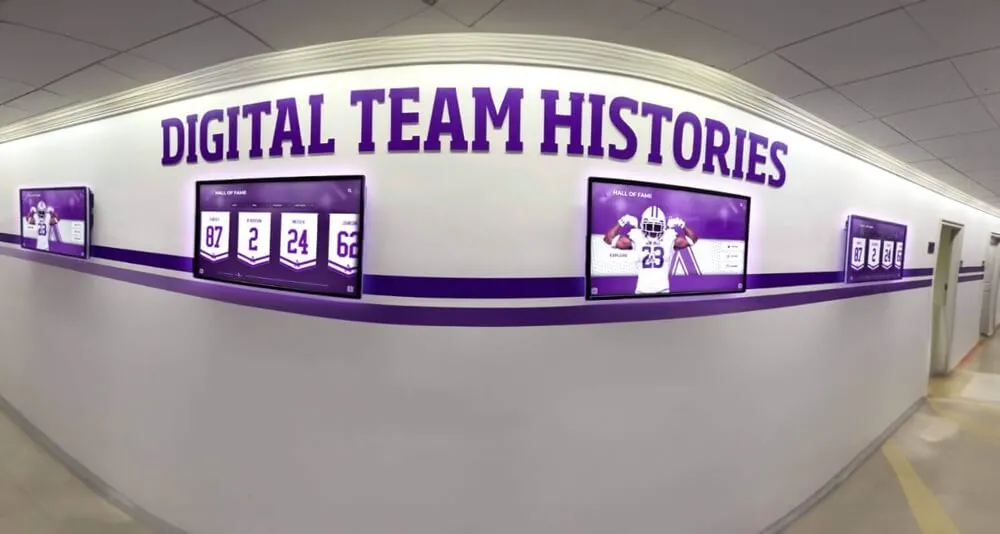
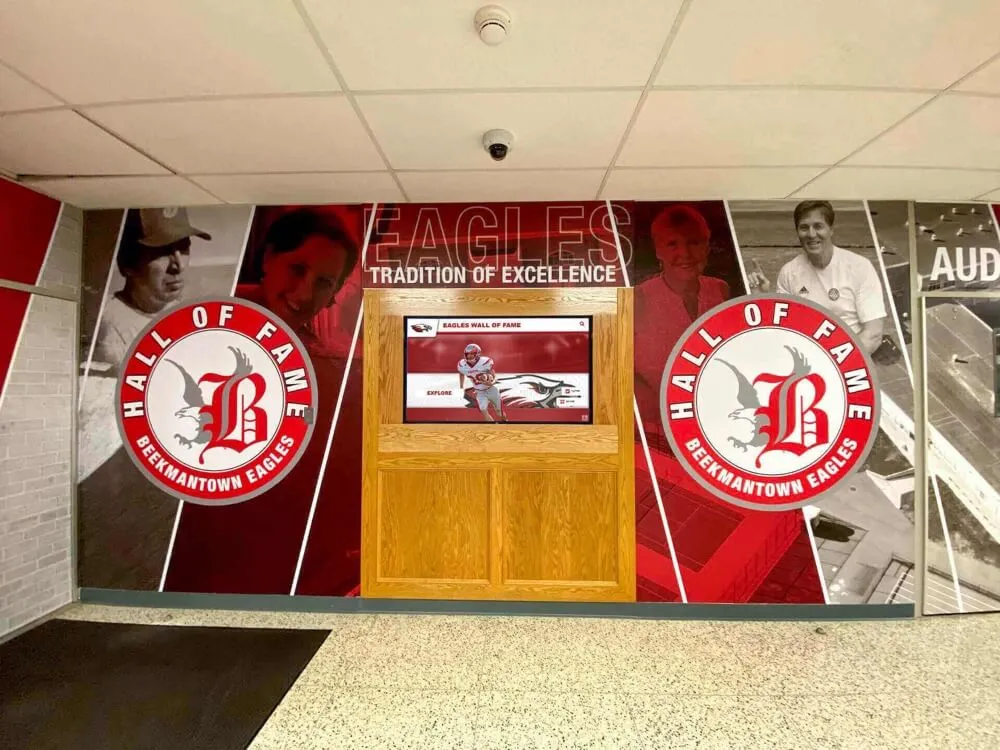
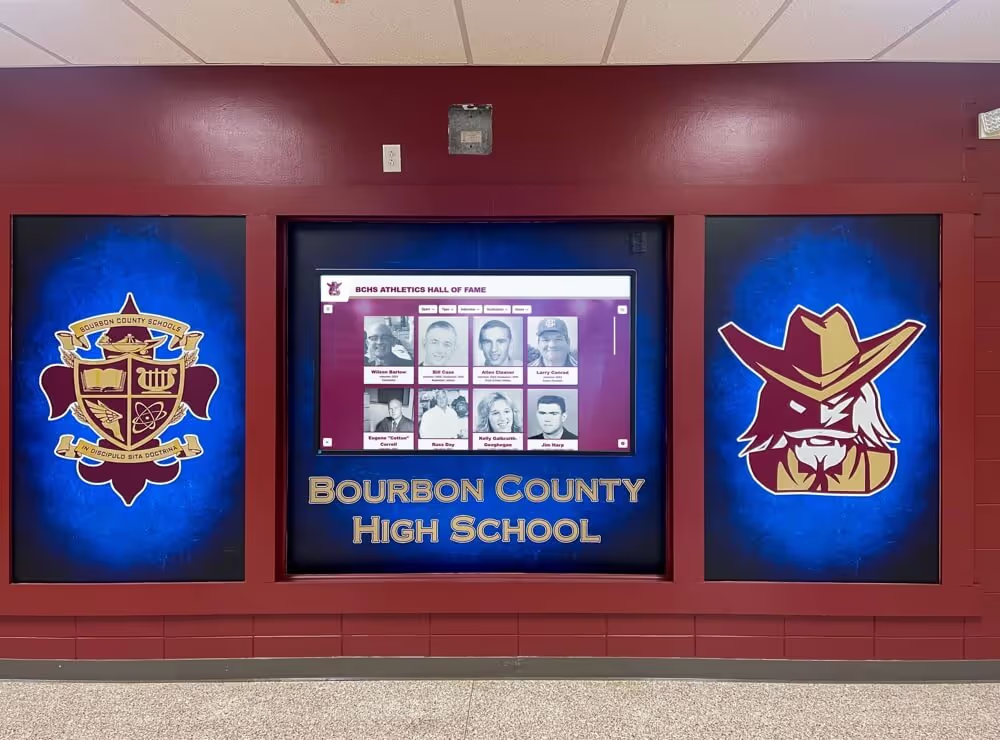
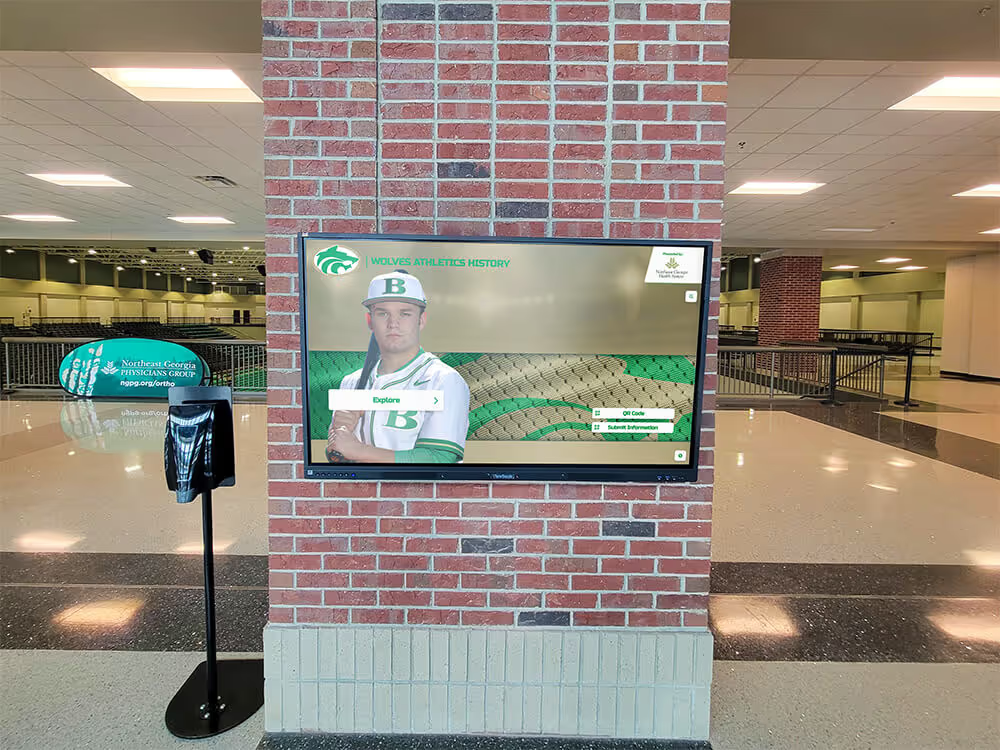
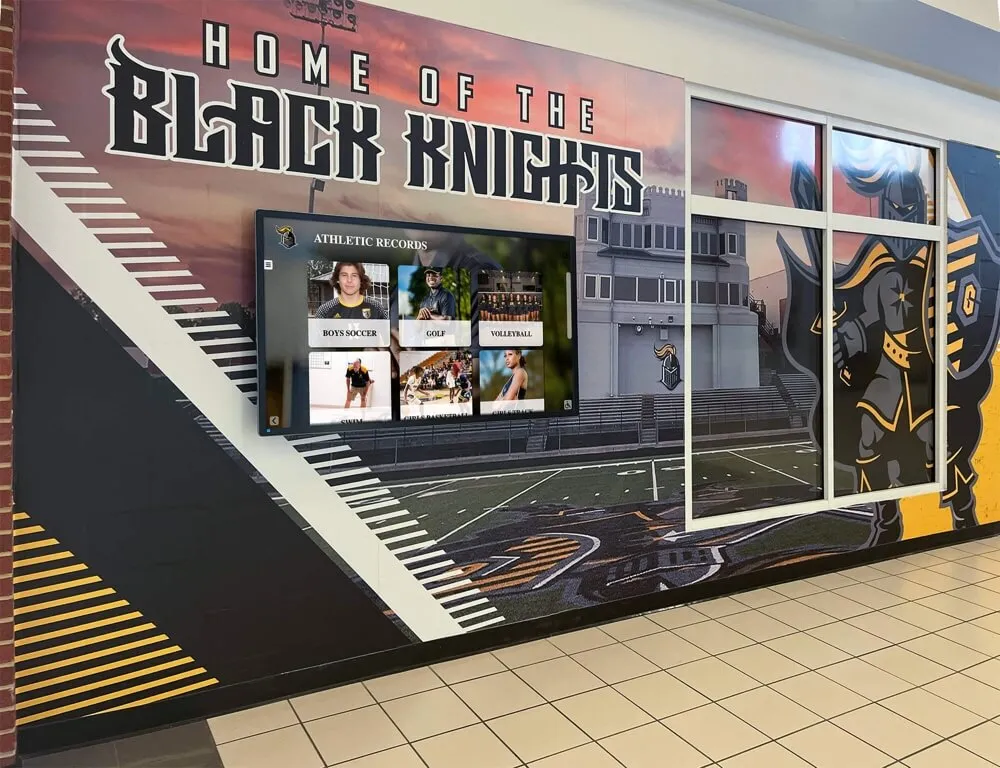
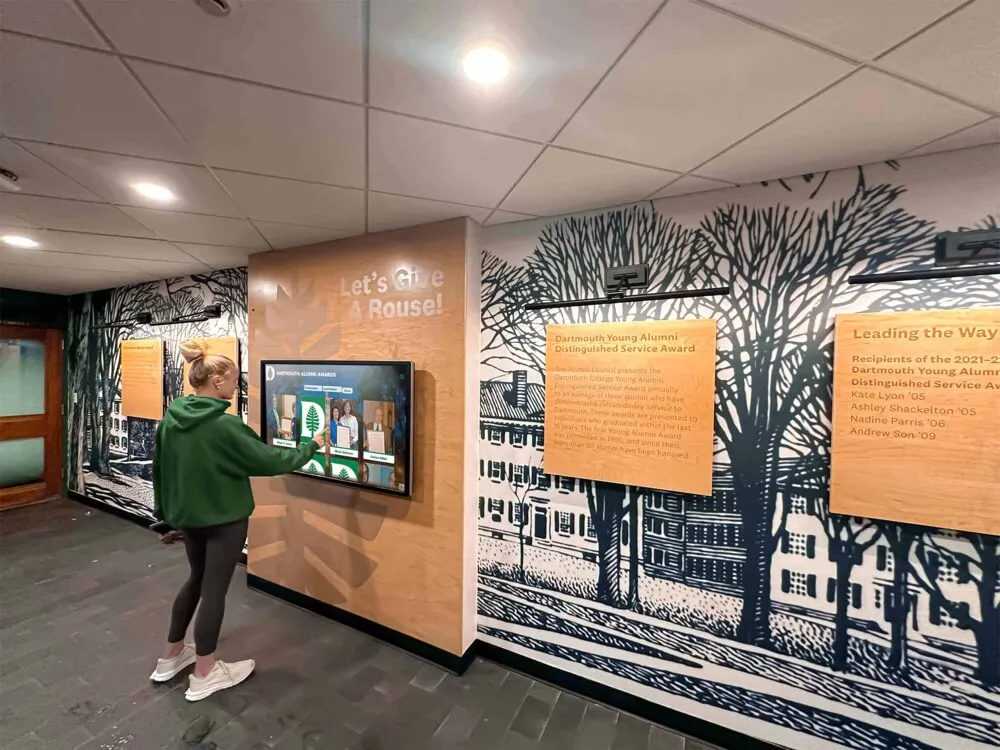
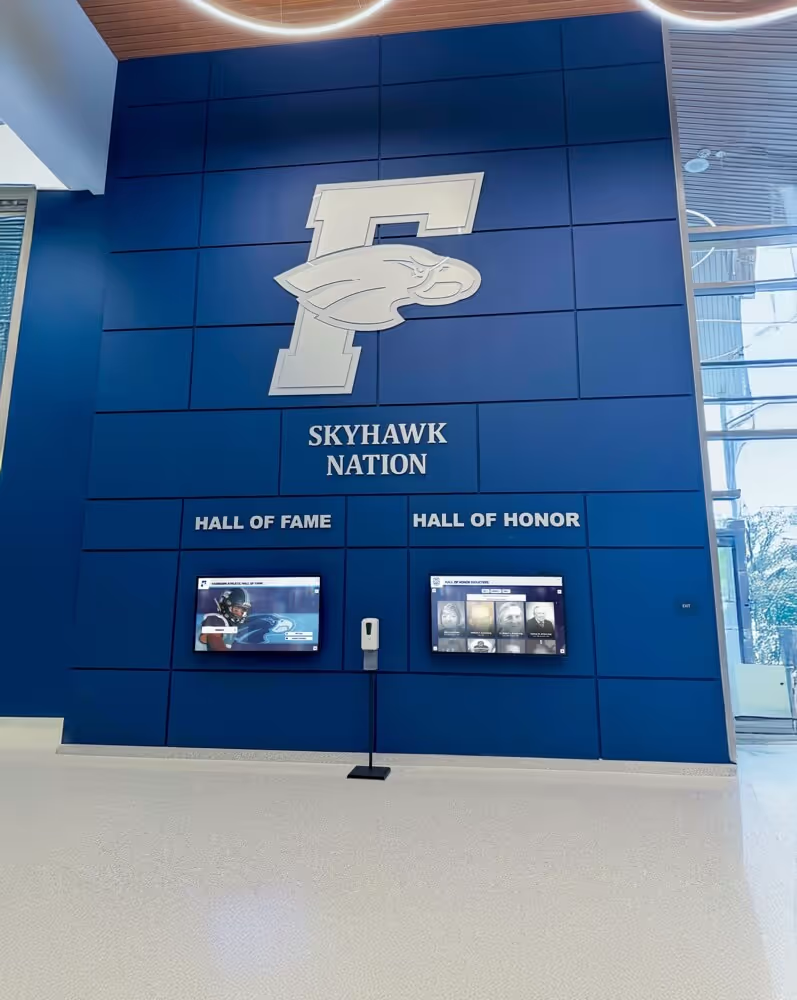
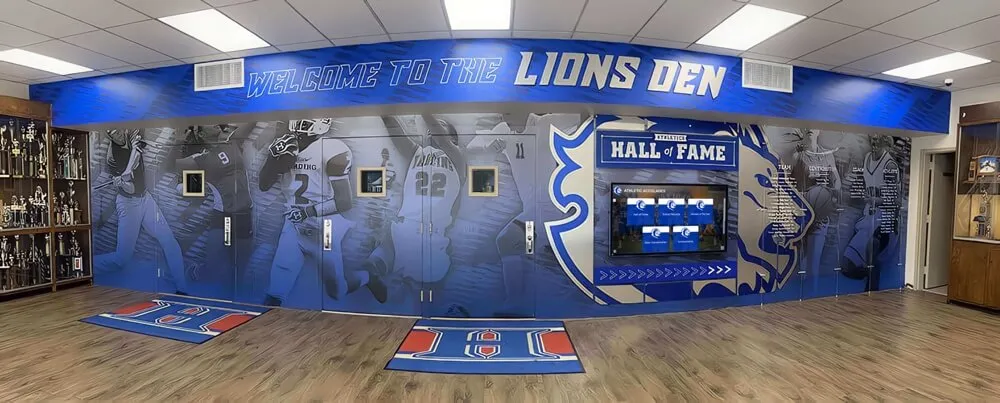
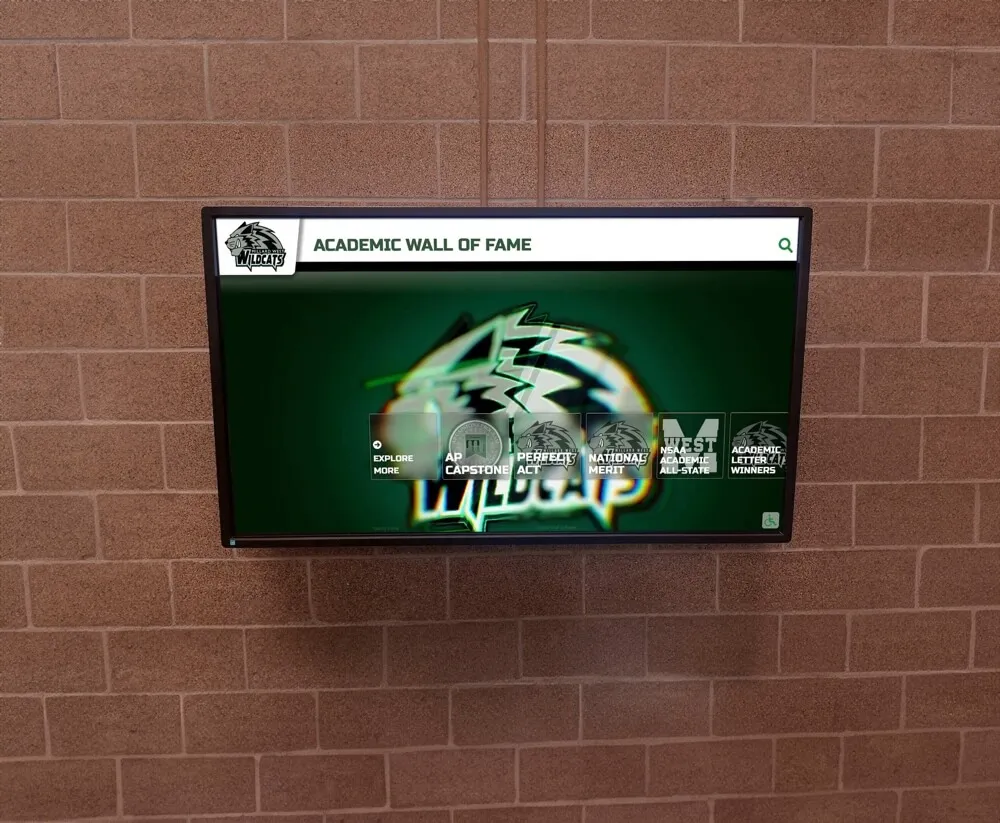
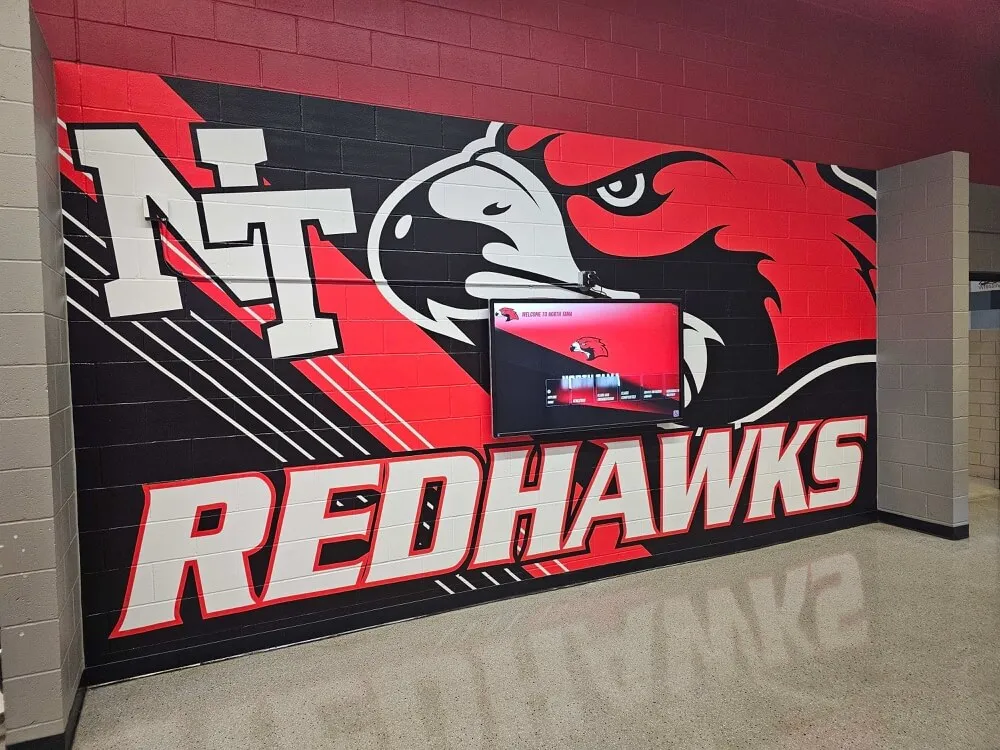
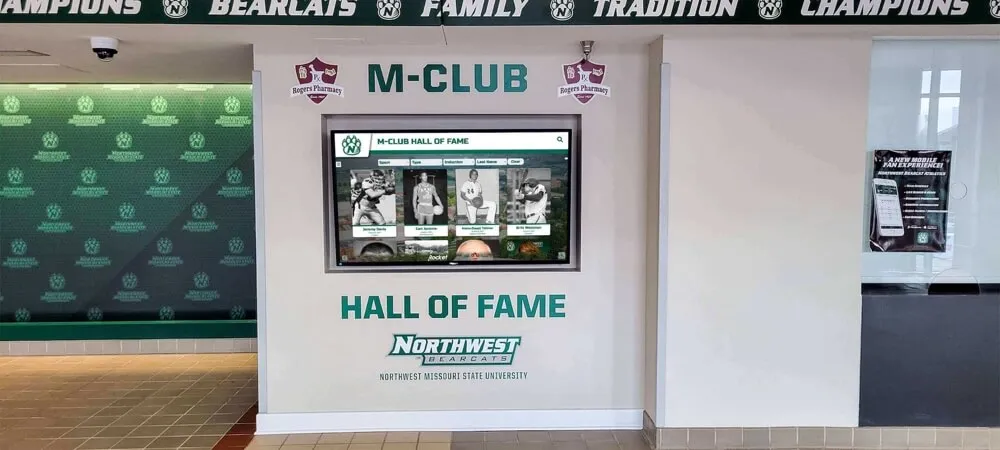
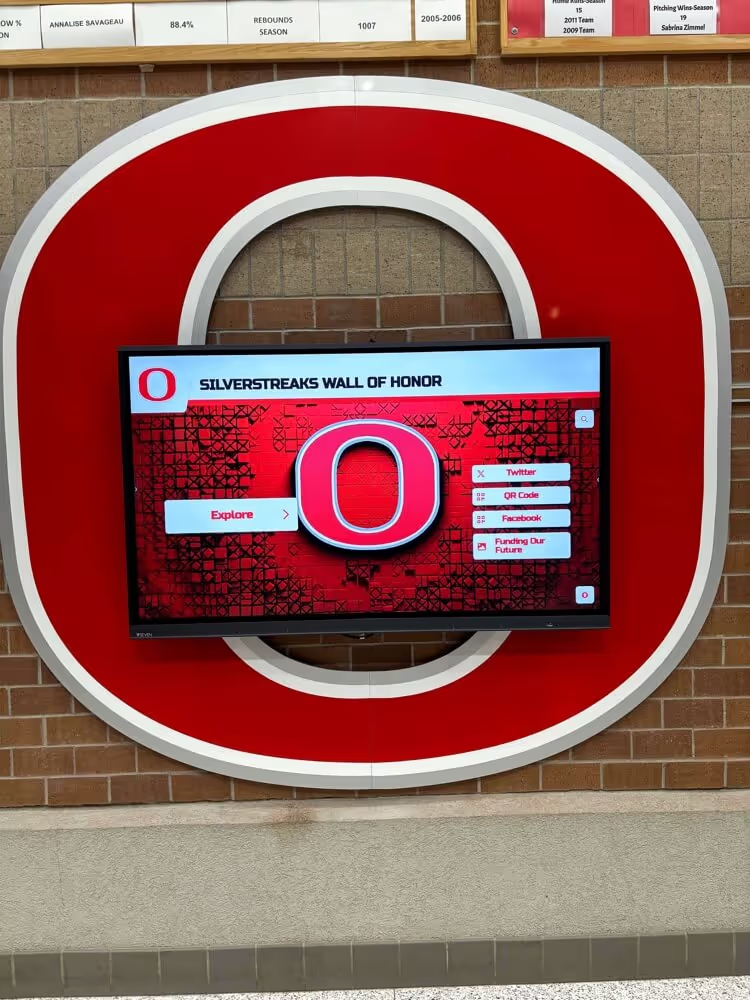
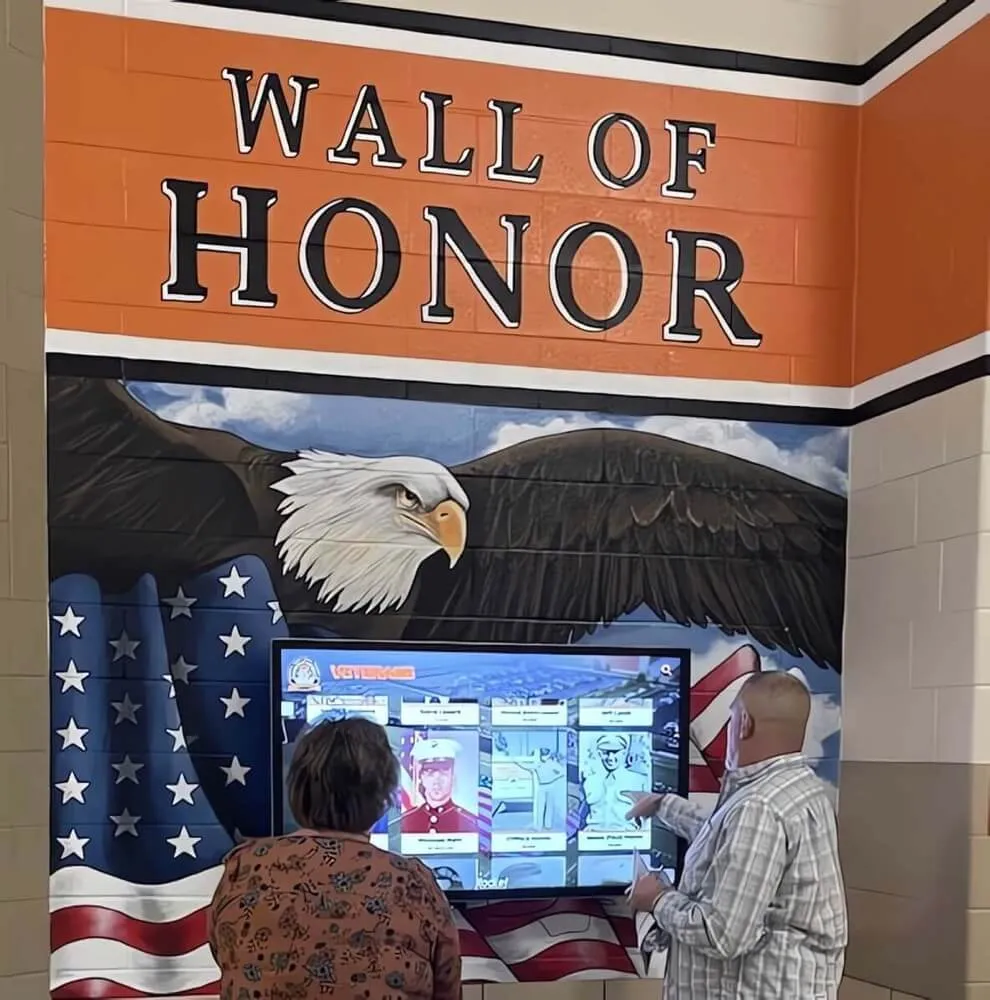
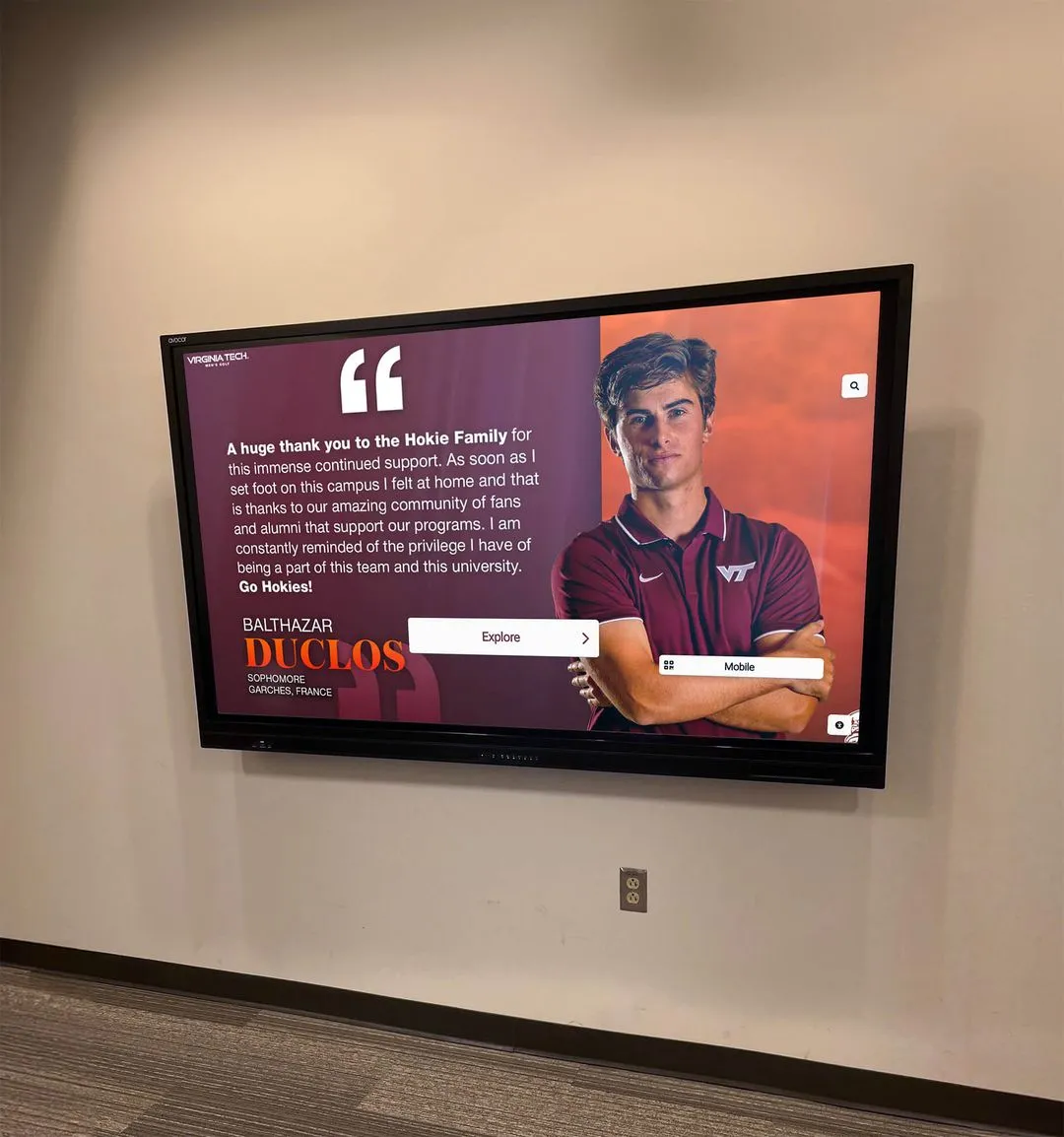
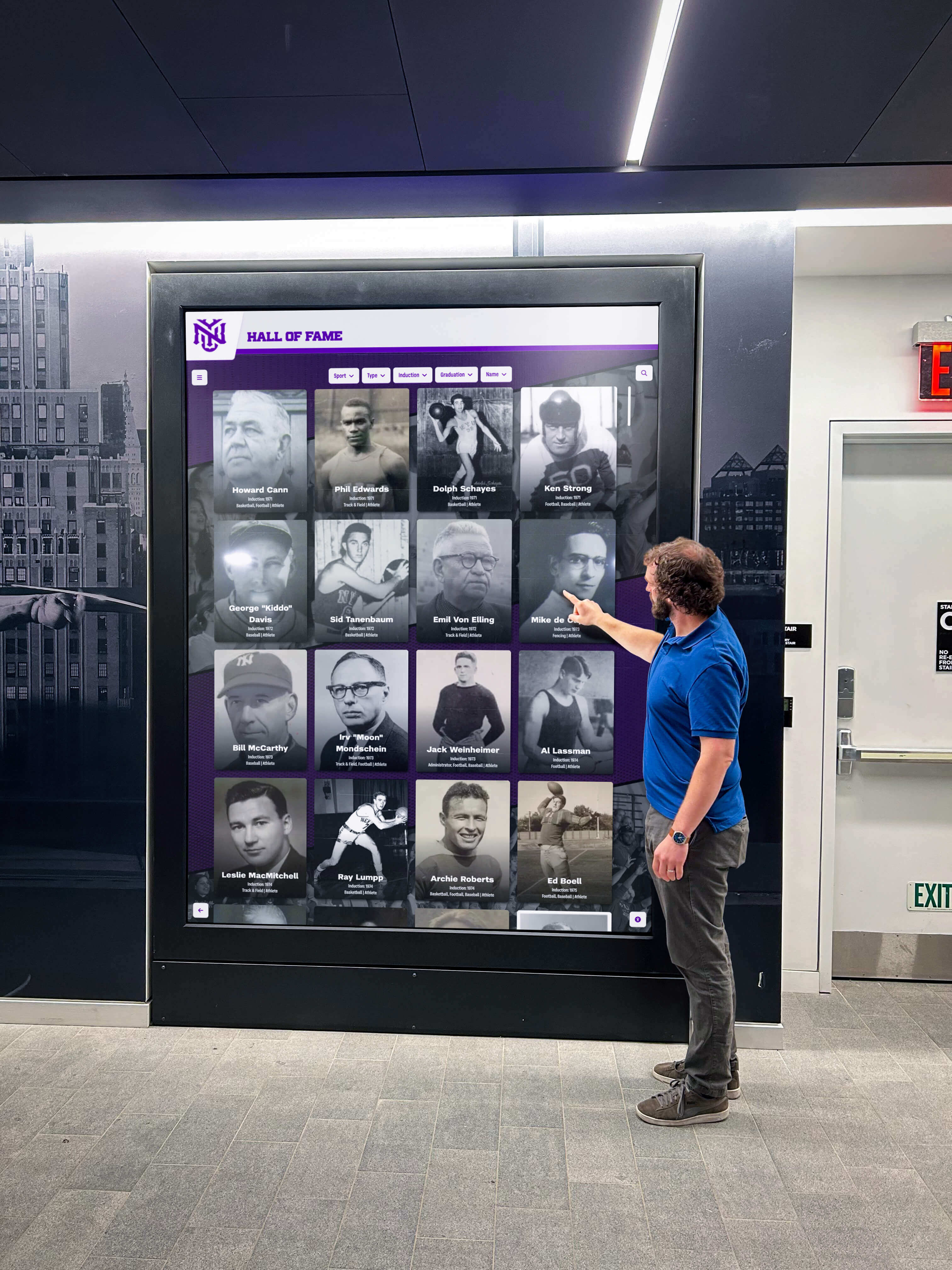
Digital recognition systems transform how schools preserve and showcase retiring teacher legacies. Interactive touchscreen displays enable comprehensive profiles featuring career timelines, student testimonials, teaching philosophy statements, photo galleries documenting decades of classroom moments, and achievement highlights—creating rich tributes impossible with traditional static plaques.
Community Celebration: Involving Those Who Mattered
Retirement recognition becomes more meaningful when it involves the broader community of students, families, colleagues, and alumni who experienced the retiring teacher’s influence firsthand. Individual gifts from administrators feel less impactful than recognition demonstrating collective appreciation from everyone whose lives intersected with the educator’s career.

Community-sourced tributes might include memory books collecting written reflections from current students, colleagues, parents, and alumni; video montages featuring dozens of short appreciation messages from diverse voices; social media campaigns inviting public appreciation posts with dedicated hashtags; and retirement celebrations designed as open houses where community members can attend and share personal appreciation directly.
The breadth of participation communicates recognition magnitude—when hundreds or even thousands of people contribute to retirement tributes, retiring educators receive powerful confirmation that their work touched countless lives and mattered profoundly to entire communities.
Traditional Teacher Retirement Gift Ideas with Modern Enhancements
While innovative approaches like digital recognition displays represent the future of teacher retirement tributes, traditional gift categories remain valuable when thoughtfully executed and personalized to honor specific educators appropriately.
Personalized Keepsakes and Memory Items
Engraved awards and plaques serve as traditional retirement staples, but quality and personalization separate meaningful tributes from generic recognition. Rather than standardized retirement plaques, consider custom designs incorporating school colors, mascots, or imagery reflecting the retiring teacher’s specific subject area or interests. Detailed engravings should include full career span dates, specific accomplishments or signature teaching approaches, and meaningful quotes or phrases associated with the educator.
Memory books and scrapbooks compiled by students and colleagues create treasured keepsakes documenting relationships and impact. Professional-quality books might include sections organized by decade or school year, student letters and artwork from various grade levels or classes, colleague reflections describing collaboration and friendship, photographs spanning entire careers from first year to retirement, and documentation of special projects, field trips, or memorable classroom moments.

Classroom legacy items preserve connections to teaching spaces where educators spent thousands of hours. Consider professionally framed classroom photographs capturing the retiring teacher’s space, custom name plaques from their classroom door mounted in shadow boxes, or collections of student work representing different eras of their career. These tangible connections to daily teaching life prove deeply meaningful to educators whose professional identities centered on their classroom environments.
Experience-Based Retirement Gifts
Many retiring teachers value experiences and opportunities more than physical objects, particularly when they’ve already accumulated decades of awards, plaques, and recognition items.
Travel opportunities appeal to educators who spent careers adhering to rigid school calendars and now suddenly enjoy freedom to travel during previously restricted times. Group gifts might fund specific trips retiring teachers mentioned wanting to take, contribute to extended travel funds supporting retirement adventures, or provide experiences like cruise packages, national park passes, or international tour memberships.
Professional development funding honors educators committed to lifelong learning by supporting continuing education pursuits in retirement. Consider conference registrations for professional interests, workshop enrollments for personal hobbies or skills, university course funding for advanced degrees or personal enrichment, or membership fees for professional organizations related to teaching specialties.
Hobby and interest support demonstrates recognition of retiring teachers’ lives beyond education. Thoughtful gifts aligned with known interests—art supplies for teachers who paint, golf club memberships for golf enthusiasts, cooking classes for culinary hobbyists, or gardening tools for green thumbs—communicate that schools see educators as complete individuals beyond their teaching roles.
Technology and Convenience Gifts
Practical technology gifts help retiring teachers stay connected to school communities while enjoying retirement convenience and entertainment.
Digital devices and subscriptions might include tablet computers preloaded with photos and videos from retirement celebrations, e-reader devices with gift card credits for book purchases, streaming service subscriptions for entertainment, or digital photo frames preloaded with classroom photos and student images. These practical items serve daily use while maintaining connections to teaching careers.
Creating Permanent Recognition: The Most Meaningful Retirement Tribute
While personalized gifts and experiences prove valuable, the most impactful teacher retirement recognition creates permanent institutional visibility ensuring educators’ legacies remain accessible to future generations long after they leave campus.
Why Permanent Recognition Matters Most
Traditional retirement gifts eventually get stored away, damaged, lost, or become separated from their context. A plaque in a retired teacher’s home office means nothing to the hundreds of future students who might benefit from knowing about that educator’s excellence, approaches, and impact. Permanent school-based recognition serves purposes that personal keepsakes cannot.
Institutional memory preservation ensures teaching excellence doesn’t disappear when individuals retire. Schools lose critical organizational knowledge when veteran educators leave without systematic documentation of their approaches, innovations, and hard-won wisdom. Permanent recognition systems that capture teaching philosophies, methodologies, and career reflections preserve this institutional knowledge for current and future teachers.
Inspiration for current educators results when schools prominently showcase career-long teaching excellence. New teachers particularly need visible examples of what sustained teaching careers look like—the progression from beginning teacher to master educator, the evolution of teaching approaches over decades, and the deep satisfaction that comes from career-long commitment to student development. Teacher appreciation recognition programs demonstrate how permanent displays inspire colleagues while building professional pride throughout entire faculties.
Student connections to school history and excellence happen when retiring teachers remain visible parts of school culture. Students benefit from knowing which teachers their parents or older siblings learned from, understanding teaching excellence standards their school values, and seeing concrete examples of career dedication deserving recognition and appreciation.
Implementing Digital Recognition Displays for Retiring Teachers
Modern technology enables schools to create sophisticated, engaging retirement tributes far exceeding traditional plaque capabilities while maintaining permanent visibility and accessibility.
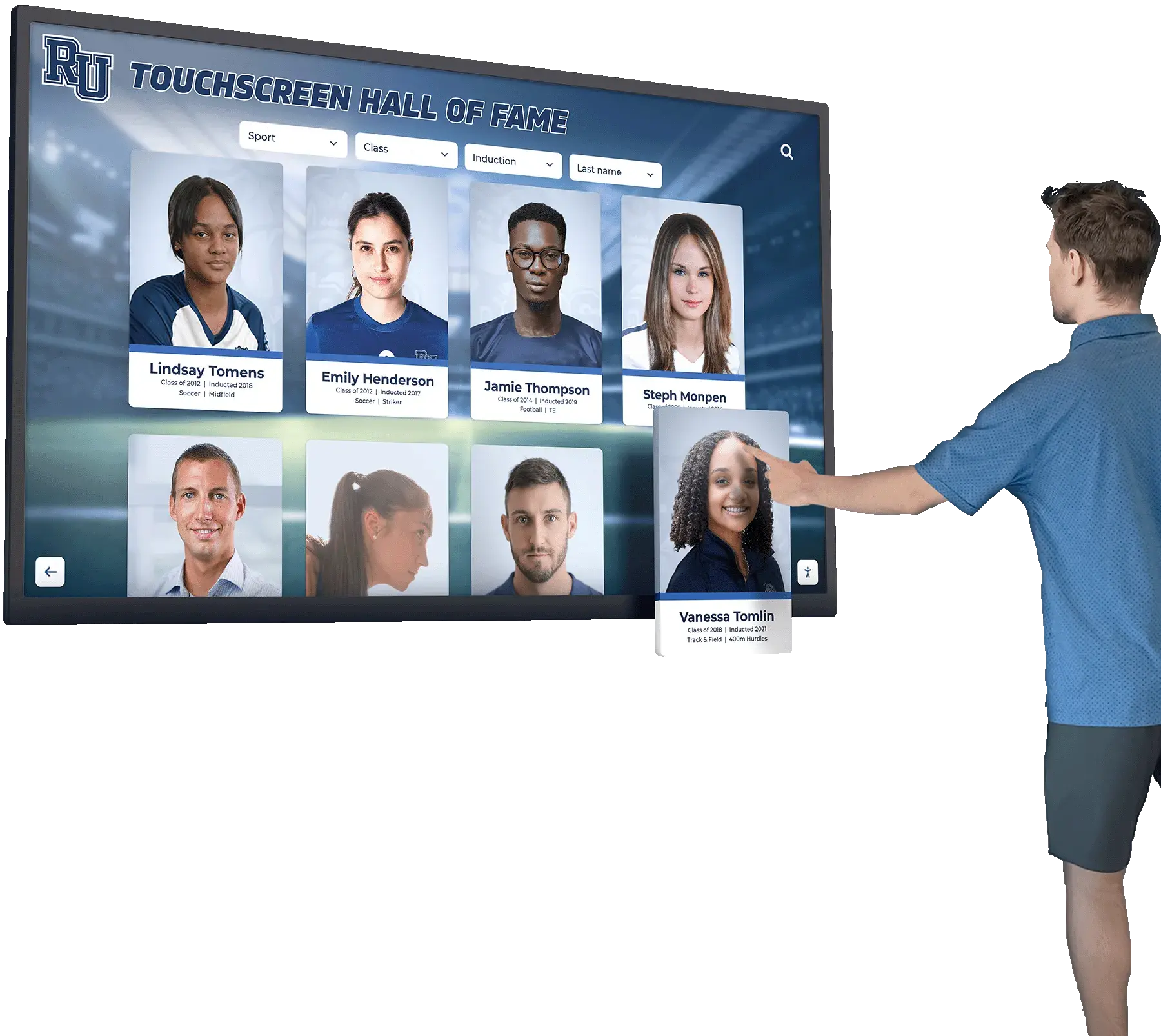
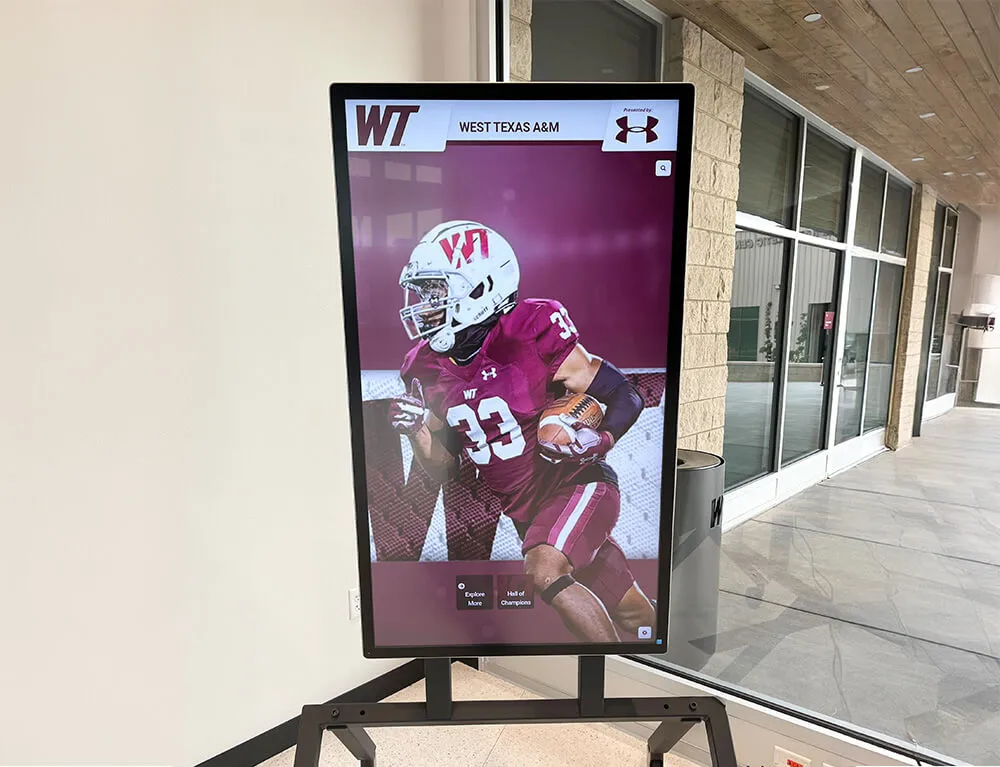
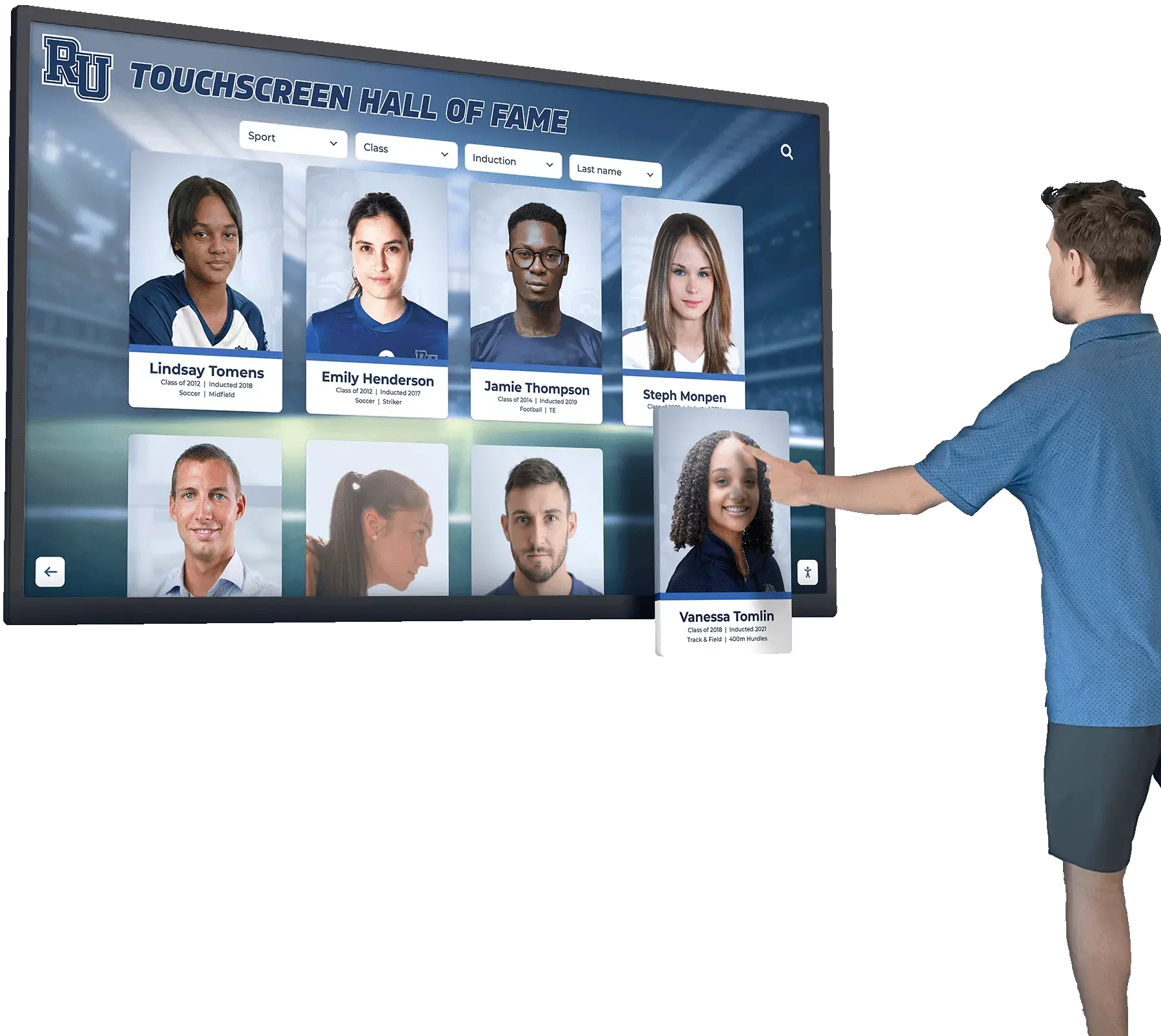
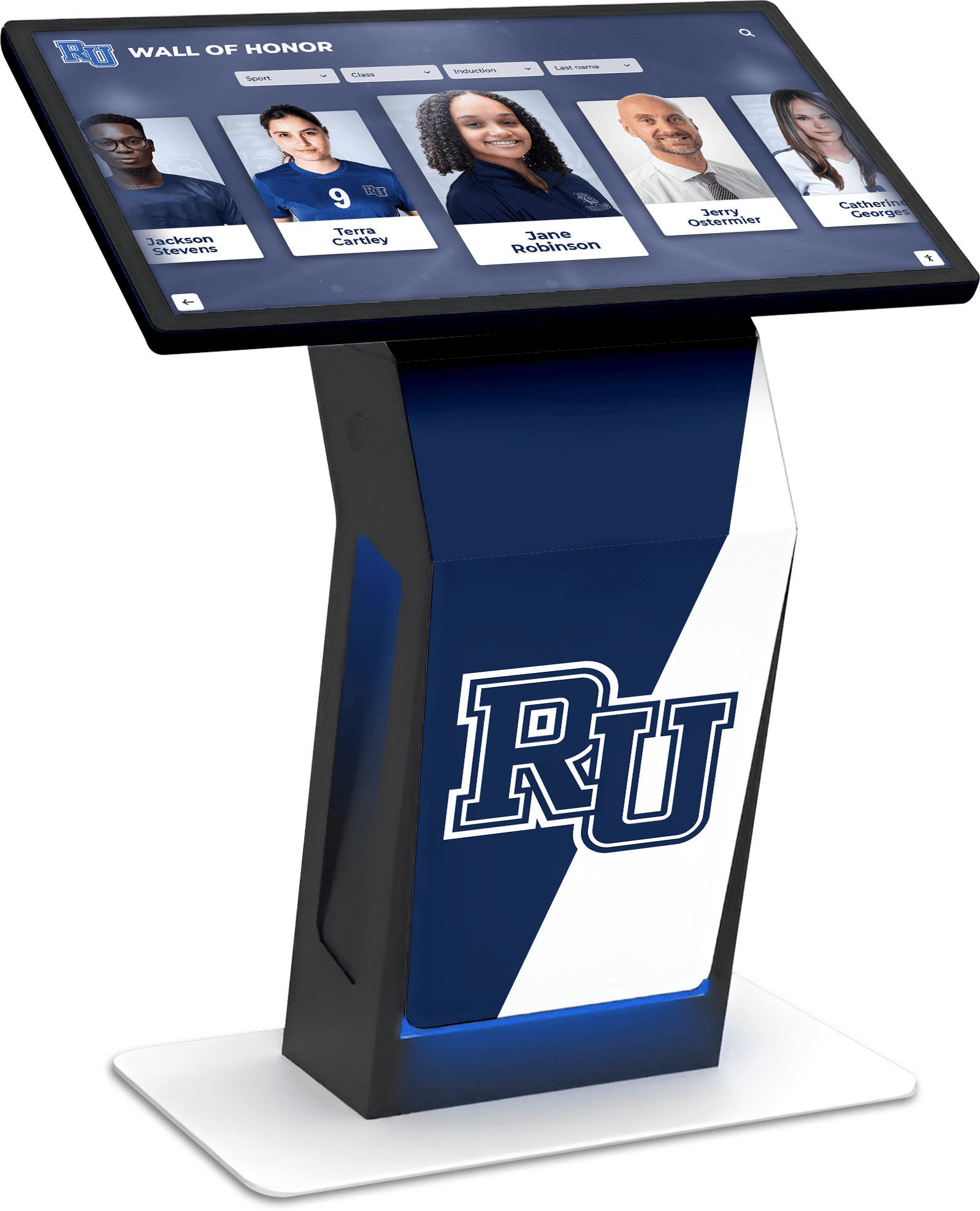
Interactive touchscreen systems provide comprehensive platforms for celebrating retiring educators through unlimited profile capacity accommodating decades of retiree tributes, rich multimedia integration including photos, videos, and audio recordings, searchable databases enabling easy discovery of specific teachers, regular content updates reflecting ongoing retiree achievements and life updates, and web-based accessibility extending recognition beyond physical campus locations.

Comprehensive retirement profiles might include professional portrait photography showing educators in classroom settings, complete career timelines documenting progression from new teacher to retirement, video interviews capturing teaching philosophy and career reflections, classroom footage showing teaching approaches and student interactions, student testimonial compilations from current students and alumni, achievement documentation highlighting innovations and accomplishments, and post-retirement updates showing continued involvement with school communities.
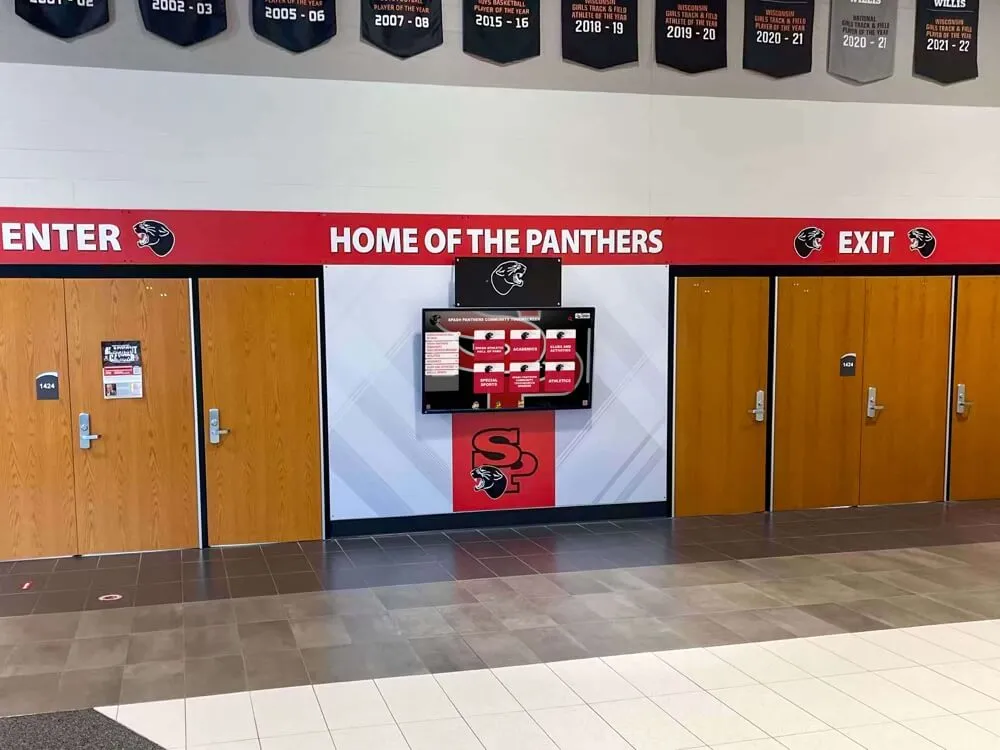
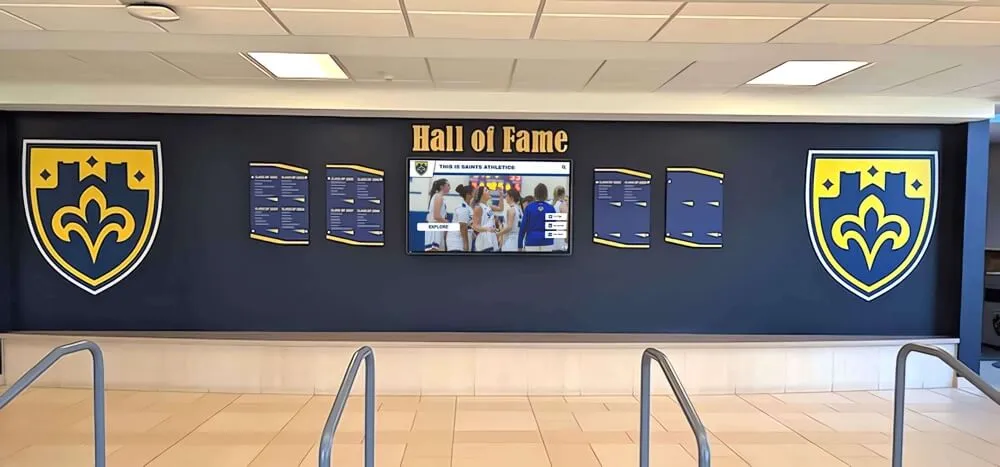
Strategic display placement maximizes recognition impact and visibility. High-traffic locations such as main entrance lobbies ensure students, staff, visitors, and prospective families encounter retired teacher tributes prominently. Faculty workrooms or professional development spaces provide inspiration for current educators. Administrative areas communicate to community members and stakeholders that the school values teacher dedication and excellence.
Many schools implement digital recognition walls for faculty and staff that combine tributes to current Teacher of the Year recipients with permanent profiles of retired educators, creating comprehensive celebration of teaching excellence across past and present.
Content Development for Retiring Teacher Tributes
Creating meaningful permanent recognition requires systematic content gathering documenting careers comprehensively rather than superficially.
Retirement profile components should include complete career histories listing all positions held, schools served, grade levels or subjects taught, and special roles or responsibilities; teaching philosophy statements in educators’ own words describing their approaches, beliefs about education, and what mattered most in their teaching; signature practices or innovations that distinguished their teaching from others; student impact stories demonstrating learning outcomes and personal influence; colleague testimonials describing collaboration, mentorship, and professional contributions; and personal interests and hobbies showing educators as complete individuals beyond teaching roles.
Gathering comprehensive content requires planning several months before actual retirement dates. Schools should conduct detailed retirement interviews exploring teaching careers, most memorable moments, greatest challenges overcome, proudest achievements, advice for new teachers, and reflections on career satisfaction. These conversations provide rich source material for profiles that capture educators’ essence rather than just listing basic facts.
Multimedia collection strategies might include student video testimonials recorded during final semesters, classroom footage documenting teaching approaches in action, photographs spanning entire careers from first year to final day, audio recordings of favorite lessons or teaching moments, and scans of meaningful student work, letters, or artifacts representing teaching impact.
Approaches detailed in academic recognition programs provide frameworks for developing rich recognition content that honors individual excellence while inspiring others.
Retirement Celebration Events: Honoring Careers Appropriately
Beyond gifts and permanent recognition, retirement celebrations create important moments for communities to express appreciation collectively while giving retiring teachers opportunities to reflect on careers and relationships.
Planning Meaningful Retirement Ceremonies
Strategic timing affects attendance and impact significantly. Schools might schedule retirement celebrations at year-end events when community attendance is high, during dedicated retirement ceremonies honoring multiple educators together, or at specially planned events specifically for individual retirees with particularly long or impactful tenures.
Event formats vary based on retiring teacher preferences, school cultures, and practical considerations. Options include formal ceremonies in auditoriums with program elements and speeches, casual receptions in faculty spaces or cafeterias enabling informal conversations, surprise celebrations organized without retiree knowledge, or combined events recognizing multiple retiring educators simultaneously while providing individual recognition moments.
Program elements should balance formality with warmth while providing appropriate recognition scope. Effective retirement ceremonies typically include administrator remarks providing institutional context and appreciation, colleague testimonials describing professional relationships and admiration, student or alumni testimonials sharing impact stories and gratitude, retiring teacher remarks allowing educators to share reflections and appreciation, multimedia presentations featuring photos and videos documenting careers, and reception time enabling informal appreciation conversations with many community members.
Involving Former Students and Alumni
The most meaningful retirement celebrations often include participation from former students who can articulate long-term impact from adult perspectives that current students cannot yet provide.
Alumni outreach strategies might include social media campaigns announcing retirement and requesting alumni attendance, email invitations sent through school databases reaching former students, reunion network notifications leveraging existing alumni communications, and local media announcements reaching community members including former students. The broader the outreach, the more likely significant alumni participation becomes.
Alumni participation opportunities include in-person attendance at retirement events for local former students, video testimonials from distant alumni unable to attend, written letters or cards compiled into memory books, social media appreciation posts creating public recognition campaigns, and contribution to retirement gifts through crowdfunding platforms enabling alumni financial participation.
Many schools discover that retiring teacher celebrations generate unexpectedly high alumni engagement when former students learn about retirements, often traveling significant distances to attend events honoring educators who influenced their lives profoundly. Approaches to engaging alumni through recognition programs demonstrate how retirement tributes strengthen alumni connections while honoring retiring educators.
Post-Retirement Ongoing Recognition
Meaningful recognition doesn’t end when retirement ceremonies conclude. The most thoughtful schools maintain connections with retired educators through ongoing engagement and continued appreciation.
Emeritus programs formalize ongoing relationships with retired teachers by establishing official emeritus status for retiring educators, creating benefits like campus facility access and event invitations, providing email addresses maintaining institutional connection, offering continued professional development access when desired, and organizing annual emeritus gatherings bringing retired educators together for connection and updates.
Ongoing updates to permanent recognition displays keep retired teacher profiles current and accurate. Schools might regularly update profiles with significant post-retirement achievements, milestones, or life events; add newly discovered photos or documents from alumni or colleagues; incorporate additional testimonials that emerge after retirement; and maintain accuracy of contact information enabling alumni outreach when appropriate.
Anniversary recognition honors significant retirement milestones like 5-year, 10-year, and 25-year retirement anniversaries through updated recognition displays, invitation to school anniversary events and celebrations, and special communications acknowledging milestone years and continued importance to institutional history.
Budget-Friendly Teacher Retirement Recognition Options
Schools with limited budgets still can provide meaningful retirement recognition by focusing on personal touches, community involvement, and creative approaches rather than expensive purchases.
Low-Cost High-Impact Recognition Ideas
Student-created tributes cost little financially but provide immense emotional value. Consider class-written appreciation letters compiled into bound books, student artwork creating custom retirement gifts, video montages featuring student messages recorded on phones or tablets, or performance tributes through songs, poems, or skits created and presented by students.

Volunteer-led projects leverage community talent and enthusiasm rather than financial resources. Parent volunteers might coordinate memory book development, organize and manage retirement celebrations, reach out to alumni for testimonials and participation, or create photo displays or video presentations documenting careers. When community members contribute skills, time, and effort, schools create meaningful recognition without significant budget requirements.
Digital recognition platforms provide cost-effective permanent visibility compared to expensive traditional options. While physical bronze plaques, engraved bricks, or custom furniture can cost thousands of dollars, digital recognition systems enable comprehensive profiles for unlimited retirees at fraction of traditional costs. Modern digital donor walls and recognition displays demonstrate how schools create impressive, permanent tributes through affordable technology platforms rather than expensive custom construction.
Crowdfunding and Community Contributions
Group gift initiatives enable meaningful retirement recognition through collective rather than individual funding. Schools might organize staff contribution campaigns pooling modest individual donations into substantial group gifts, launch parent fundraising efforts inviting family financial participation, or create alumni crowdfunding campaigns reaching former students globally through online platforms.
Dedicated retirement funds established through booster clubs, PTAs, or education foundations provide ongoing resources for honoring retiring educators consistently rather than scrambling for resources each time retirements occur. Small annual contributions from hundreds of families create substantial funds ensuring every retiring teacher receives appropriate recognition regardless of timing or individual circumstances.
Choosing the Right Retirement Recognition Approach
With numerous options available, schools must consider various factors when selecting appropriate retirement recognition approaches for specific educators and contexts.
Factors to Consider in Recognition Planning
Individual teacher preferences should guide recognition planning significantly. Some educators prefer public celebration and visibility, while others feel uncomfortable with attention and prefer quieter acknowledgment. Before planning elaborate ceremonies or permanent displays, consider the retiring teacher’s personality, preferences about recognition, comfort with public attention, and desire for ongoing involvement with school communities.
Career length and impact appropriately influence recognition scope. Teachers retiring after 10 years merit meaningful appreciation, but those completing 30- or 40-year careers deserve correspondingly more comprehensive tributes reflecting their longer commitment and broader impact. Recognition approaches should scale appropriately with career length while maintaining basic dignity and appreciation for all retiring educators regardless of tenure duration.

Institutional resources and capacity realistically constrain recognition possibilities. Schools must balance desire to honor retiring teachers appropriately against competing budget demands, staff time availability for recognition planning, existing recognition infrastructure or need for new systems, and sustainability ensuring all retiring educators receive comparable recognition rather than inconsistent treatment depending on available resources when specific retirements occur.
Cultural context and traditions within specific school communities affect what recognition feels appropriate and meaningful. Some schools have long traditions of elaborate retirement celebrations warranting continuation and enhancement, while others maintain quieter cultures where modest recognition feels more natural. Understanding specific institutional contexts prevents recognition approaches that feel incongruent with existing school cultures.
Combining Multiple Recognition Approaches
The most comprehensive retirement recognition often combines several approaches creating layered appreciation rather than relying on single methods.
Comprehensive recognition packages might include immediate personal gifts like memory books or experience opportunities providing tangible retirement presents, celebration events enabling community expression of appreciation and collective goodbye moments, permanent recognition displays ensuring long-term institutional visibility and legacy preservation, and ongoing engagement structures maintaining connections through emeritus programs or continued involvement opportunities.
This multi-faceted approach addresses different needs: personal gifts honor individuals directly, ceremonies enable community participation and expression, permanent displays preserve legacies institutionally, and ongoing engagement prevents complete separation from communities that defined career identities for decades.
Frameworks from school recognition program planning demonstrate how layered recognition strategies create meaningful, comprehensive appreciation systems.
Creating Retirement Recognition Systems for Long-Term Success
Rather than treating each retirement as isolated event requiring fresh planning, successful schools develop systematic approaches ensuring consistent, appropriate recognition for all retiring educators.
Establishing Recognition Committees and Processes
Dedicated retirement recognition committees provide ongoing infrastructure managing retirement tributes consistently. Effective committees typically include administrator representatives providing institutional support and resources, teacher representatives across various grade levels or departments, support staff offering diverse school perspectives, parent or PTA representatives connecting to family communities, and rotating membership ensuring fresh perspectives while maintaining institutional knowledge.
Standard operating procedures guide consistent recognition execution. Documented processes should address notification timelines informing committees when retirements approach, budget allocation clarifying available resources for each retiree, content gathering workflows ensuring systematic interview and documentation procedures, event planning responsibilities specifying who manages various ceremony elements, and permanent display protocols maintaining consistency in how retiree profiles get created and displayed.
Multi-year planning allows recognition committees to work proactively rather than reactively. Schools typically know about most retirements months or even years in advance, enabling early planning that reduces stress, improves quality, allows thorough content development, provides time for alumni outreach and participation, and ensures adequate budget allocation without emergency funding requests.

Integrating Technology Solutions for Sustainable Recognition
Permanent digital recognition systems provide long-term infrastructure supporting indefinite numbers of retiring educator tributes without space constraints or production costs that physical displays impose. Digital platforms enable schools to honor unlimited retirees, update content as post-retirement achievements occur, provide searchable access to decades of institutional history, maintain consistent quality across all profiles, and extend accessibility globally rather than limiting visibility to on-campus visitors.
Solutions like Rocket Alumni Solutions provide purpose-built platforms specifically designed for educational institutions, combining physical touchscreen displays for prominent campus recognition with web-based accessibility ensuring students, alumni, families, and community members worldwide can explore retired educator profiles. User-friendly content management systems enable non-technical staff to create and maintain comprehensive recognition profiles without IT department dependency or specialized technical knowledge.
Implementation planning ensures successful technology adoption. Schools should evaluate multiple platform options comparing educational-specific features against generic digital signage, plan strategic display locations maximizing visibility and traffic, develop content creation workflows ensuring systematic profile development, train designated staff thoroughly on content management systems, and establish sustainability plans maintaining recognition currency across personnel changes and leadership transitions.
Many schools implementing comprehensive digital recognition systems discover unexpected benefits beyond retiring teacher appreciation, including strengthened alumni engagement when graduates discover former teachers’ profiles, enhanced recruitment when prospective teachers see institutional commitment to honoring long careers, and improved school culture as current educators witness that excellence receives lasting recognition rather than being forgotten at retirement. Resources on implementing digital recognition programs provide detailed guidance for successful technology adoption.
Measuring Retirement Recognition Program Success
Systematic assessment demonstrates program effectiveness while identifying improvement opportunities ensuring recognition achieves intended purposes.
Quantitative Success Indicators
Participation metrics reveal program reach and engagement including retirement celebration attendance rates, alumni participation in events or tribute contributions, content submission volume from students and colleagues, and permanent display interaction frequency tracked through digital analytics.
Cultural indicators connect retirement recognition to broader institutional health including teacher retention rates showing whether recognition culture affects career commitment, recruitment applicant volume and quality measuring reputation effects, staff satisfaction survey results addressing recognition and appreciation, and exit interview data from departing teachers about recognition adequacy.
Qualitative Impact Assessment
Retiring teacher feedback provides critical insight into recognition meaningfulness. Surveys or conversations should explore whether recognition felt genuine and appropriate, what specific elements proved most meaningful, whether permanent displays feel honoring versus uncomfortable, and how programs might improve for future retirees.
Current teacher perspectives reveal whether retirement recognition inspires broader faculty or creates unintended issues. Focus groups might examine whether retiring teacher tributes increase professional pride and satisfaction, affect retirement timing decisions or willingness to continue teaching, inspire similar excellence pursuit, or create any concerns about fairness or exclusion.
Community responses from students, families, and alumni demonstrate whether retirement recognition successfully communicates institutional values. Stakeholder feedback can assess awareness of retiring teacher tributes, emotional responses to recognition displays, increased alumni engagement resulting from retired educator profiles, and overall perception of school commitment to honoring teaching excellence.
Conclusion: Honoring Those Who Shaped Generations
Teacher retirement represents significant institutional moments—ends of careers that influenced thousands of students across decades, transitions requiring schools to acknowledge contributions while maintaining connections to valued educators, and opportunities to demonstrate that teaching excellence receives recognition warranting its fundamental importance.
The most meaningful teacher retirement gift ideas share common characteristics: they honor individuals personally while serving broader institutional purposes, create permanent visibility rather than ephemeral acknowledgment, involve communities whose lives intersected with retiring educators’ careers, preserve legacies for future generations, demonstrate proportionate appreciation matching career length and impact, and maintain sustainability ensuring all retiring teachers receive appropriate recognition consistently.

Traditional retirement gifts like plaques, memory books, and personal keepsakes provide meaningful individual acknowledgment, particularly when thoughtfully personalized and connected to specific educators’ careers, interests, and impact. Celebration events enable communities to express collective appreciation while giving retiring teachers opportunities to reflect on relationships and contributions. Ongoing engagement through emeritus programs maintains valued connections preventing complete separation from communities that defined career identities.
Yet permanent recognition displays provide the most significant and lasting tribute—ensuring retiring educators remain visible parts of school communities indefinitely, preserving teaching excellence examples for current and future educators, creating accessible institutional memory connecting generations, and demonstrating that long careers receive proportionate appreciation through tributes extending far beyond individual retirement dates.
Every school honoring retiring teachers has opportunities to transform traditional recognition into comprehensive tribute systems that genuinely celebrate teaching excellence while strengthening educational cultures where long careers receive appreciation they deserve. The investment in meaningful retirement recognition pays dividends through improved teacher retention, enhanced recruitment, stronger school culture, and visible demonstration that teaching excellence matters profoundly across entire careers—not just during active service.
Ready to create permanent, engaging tributes for retiring teachers through sophisticated digital recognition displays that preserve legacies while inspiring current educators? Explore how Rocket Alumni Solutions delivers purpose-built platforms specifically designed for educational institutions, combining intuitive content management with compelling recognition experiences that honor teaching excellence appropriately while strengthening school communities. Your retiring educators deserve recognition matching their decades of dedication and impact—recognition that extends far beyond retirement ceremonies to create lasting tributes accessible to generations of students, families, and alumni whose lives they influenced profoundly.