



Planning and hosting a swim meet requires meticulous coordination of facilities, officials, timing equipment, team logistics, and safety protocols that distinguish aquatic competitions from most other high school athletic events. Athletic directors and swim coaches organizing their first meet often underestimate the complexity involved—from managing heat sheets and psych sheets days before competition to coordinating lane timers, stroke and turn judges, meet marshals, and electronic timing systems during frantic competition hours when dozens of athletes cycle through warm-ups, races, and cool-downs in rapid succession.
Successful swim meet execution depends on systematic planning that addresses facility readiness, regulatory compliance, personnel coordination, technology deployment, and athlete experience. Whether hosting a dual meet with one opposing team, an invitational featuring eight or more schools, or championship meets determining conference or state qualifiers, the fundamental planning principles remain consistent while scale and complexity increase with meet size. Schools that develop comprehensive meet hosting protocols create competitive environments that showcase their aquatic programs while building reputations as capable hosts that officials, coaches, and visiting teams appreciate.
Why Effective Swim Meet Planning Matters
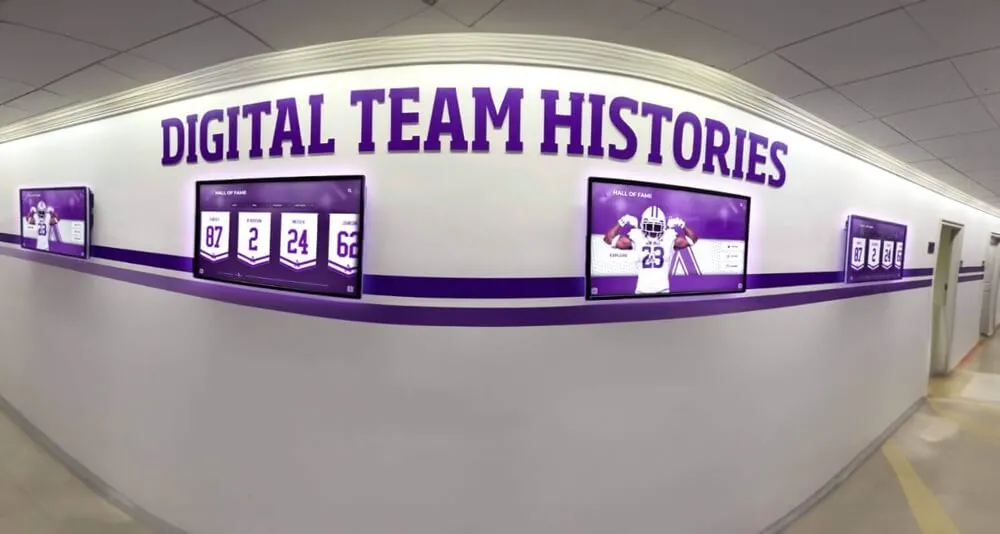
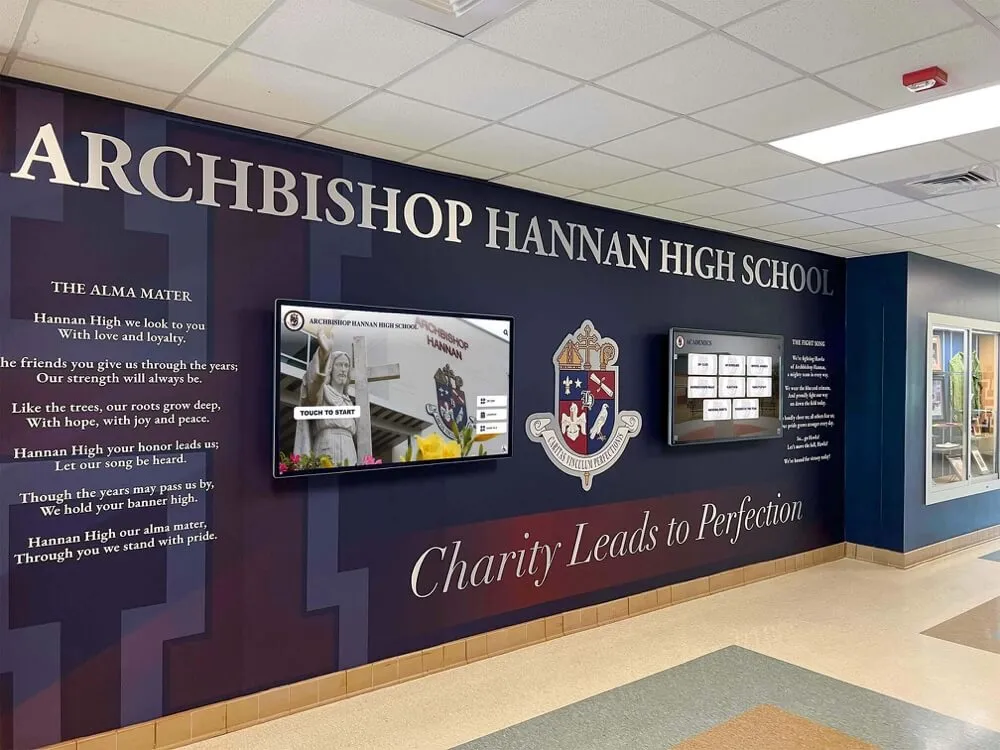
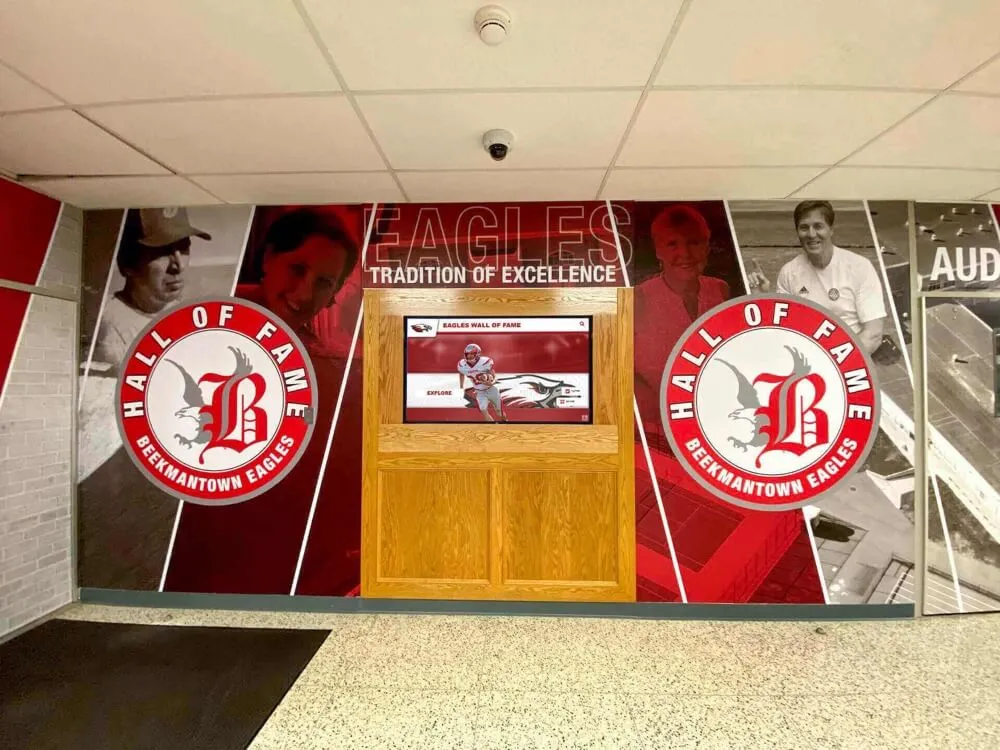
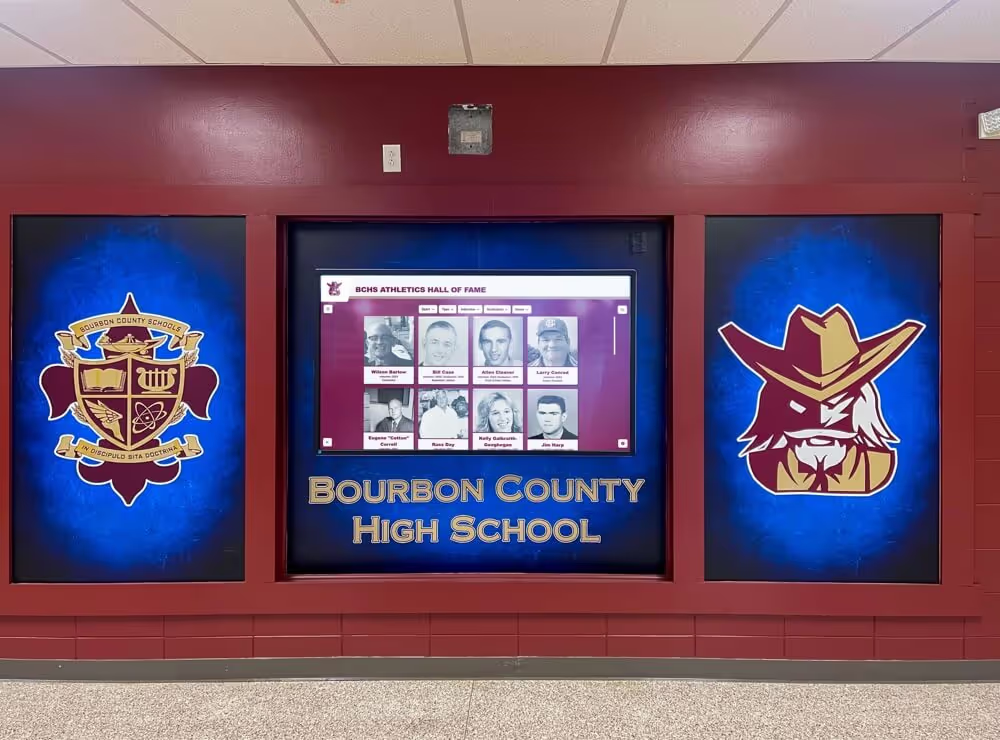
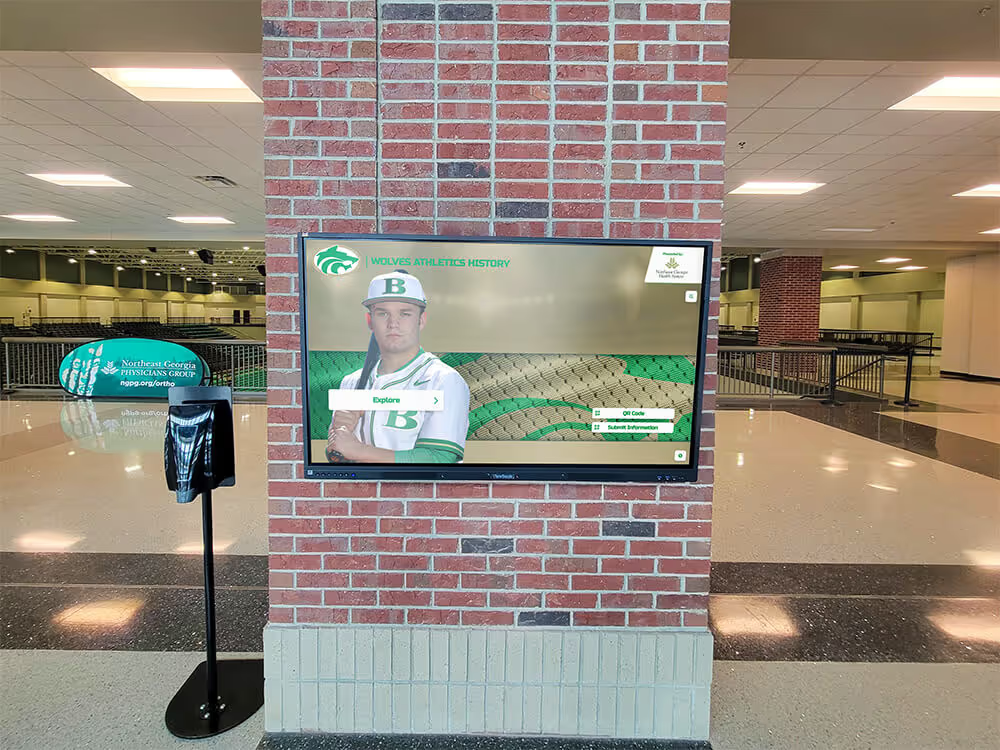
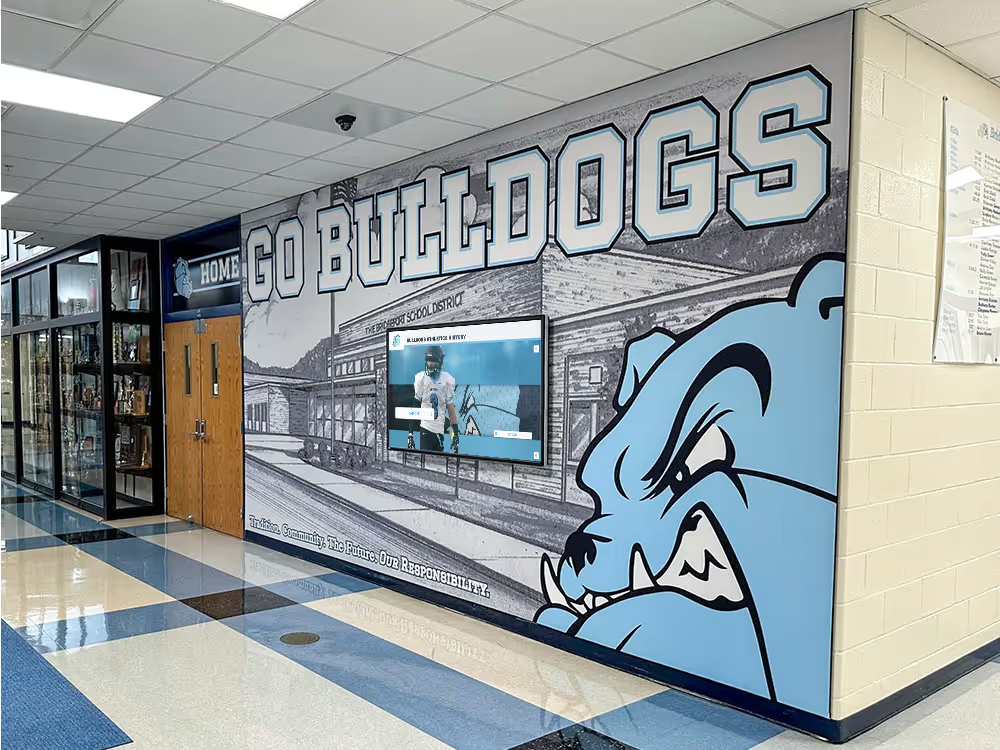
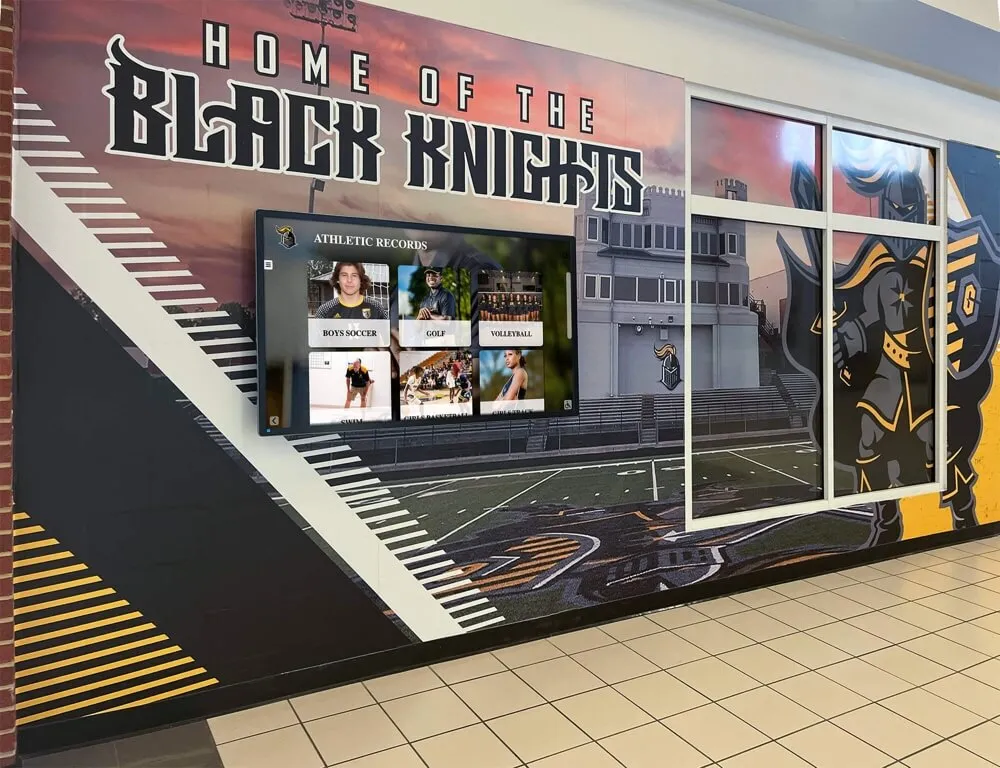
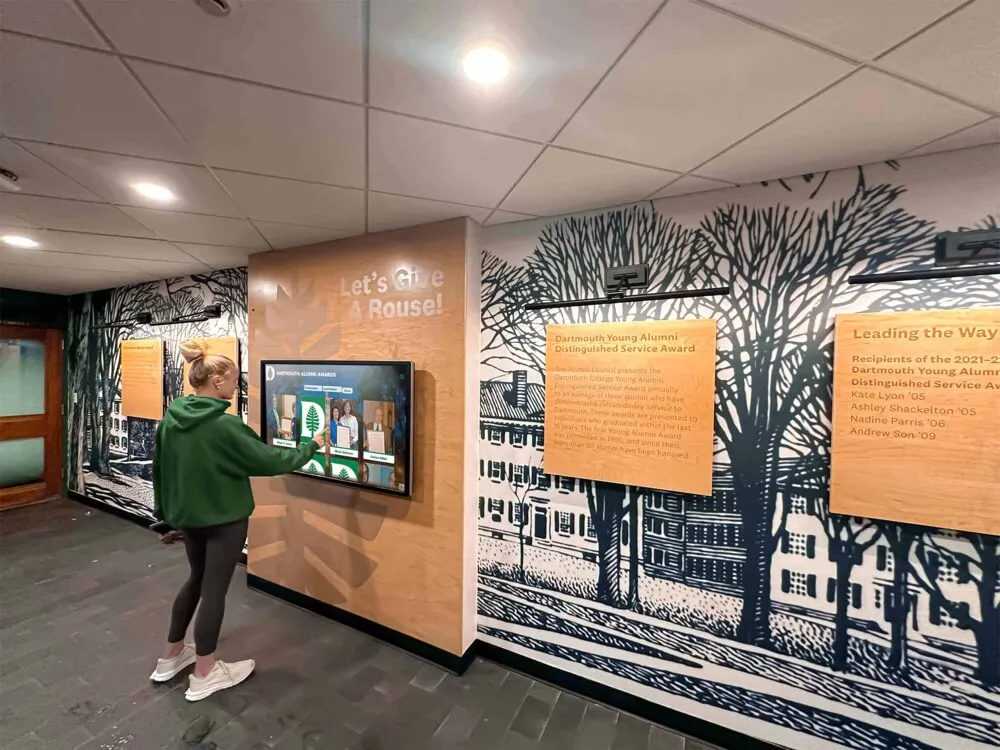
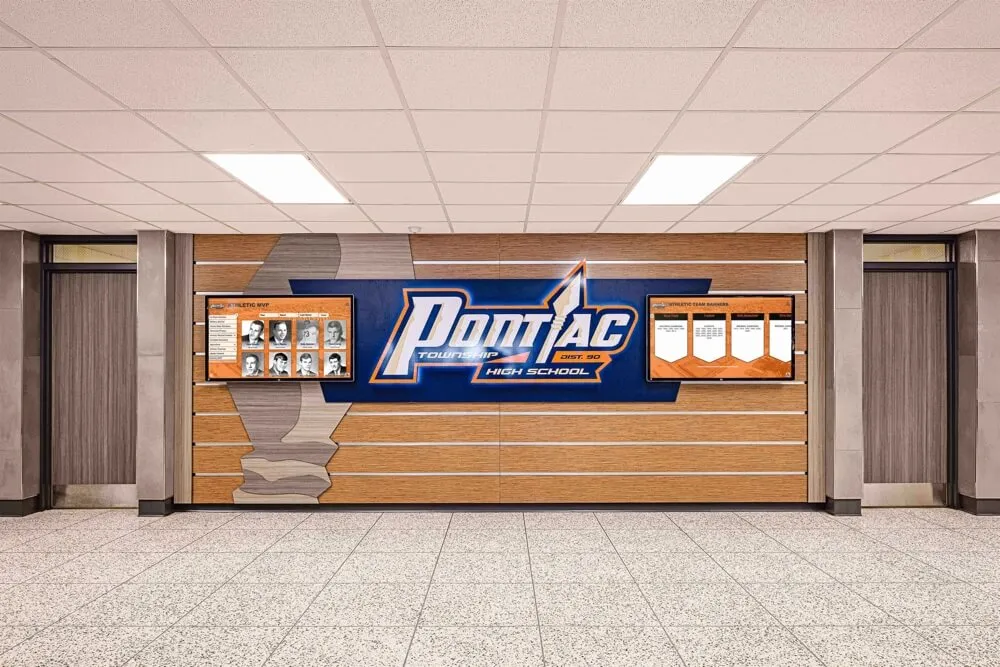
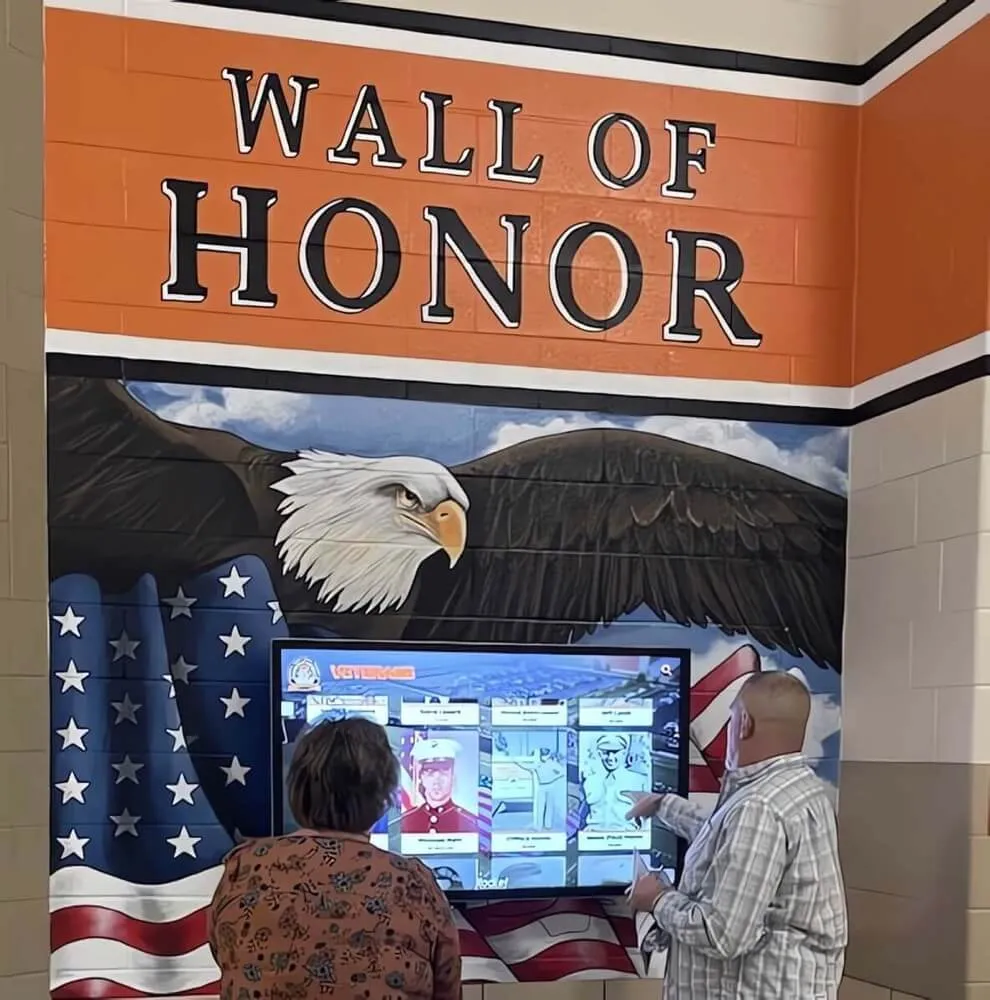
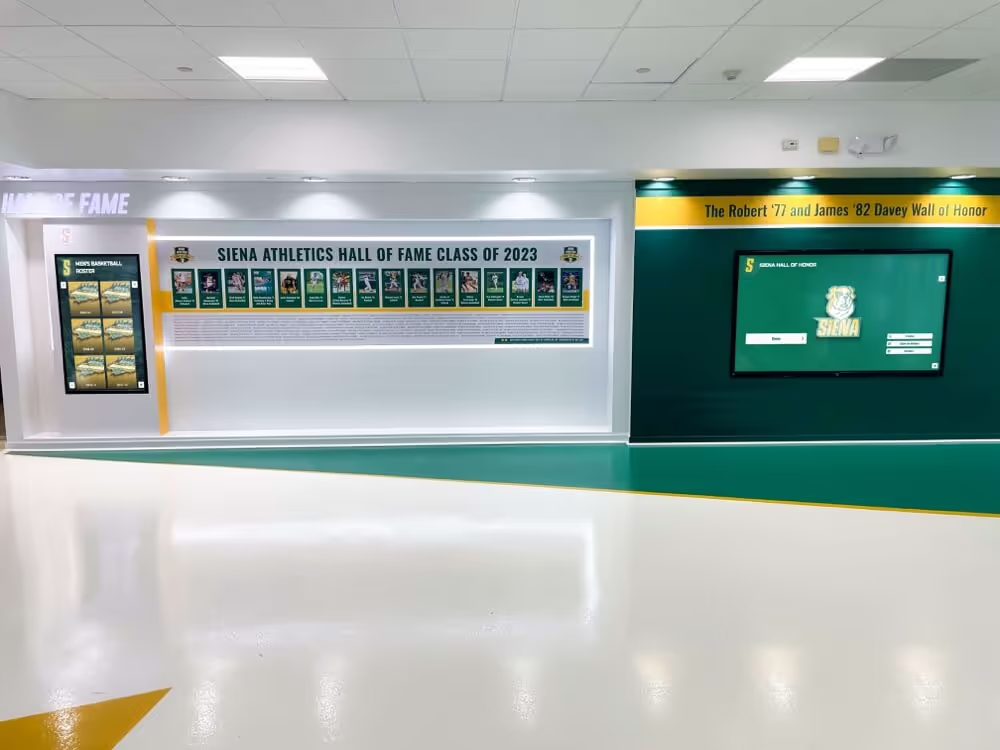
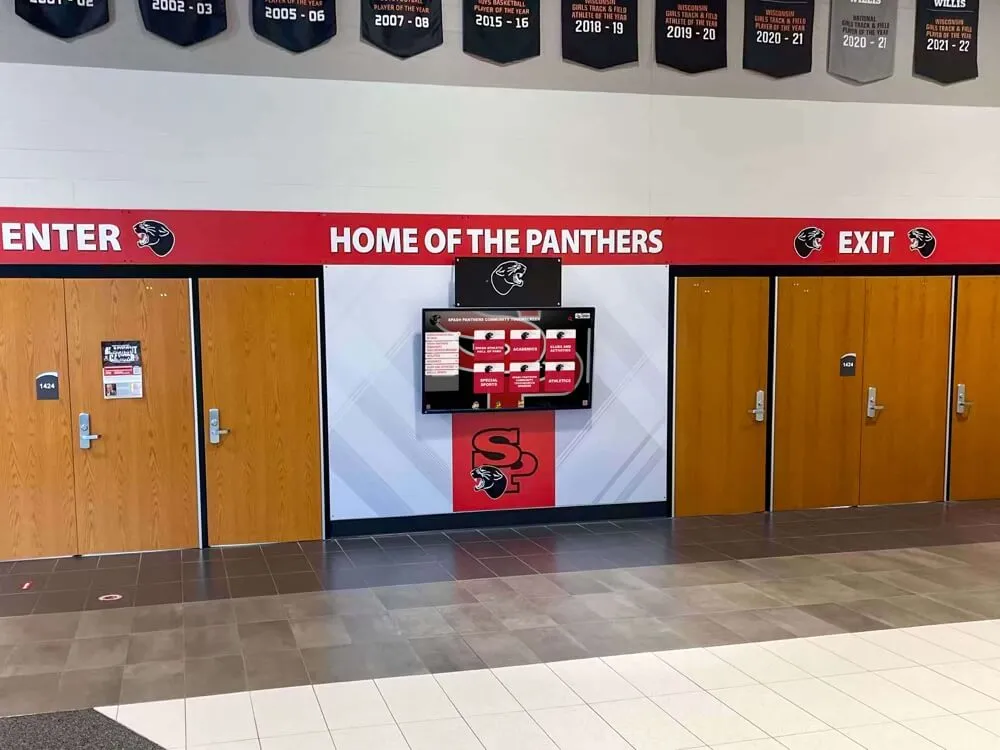
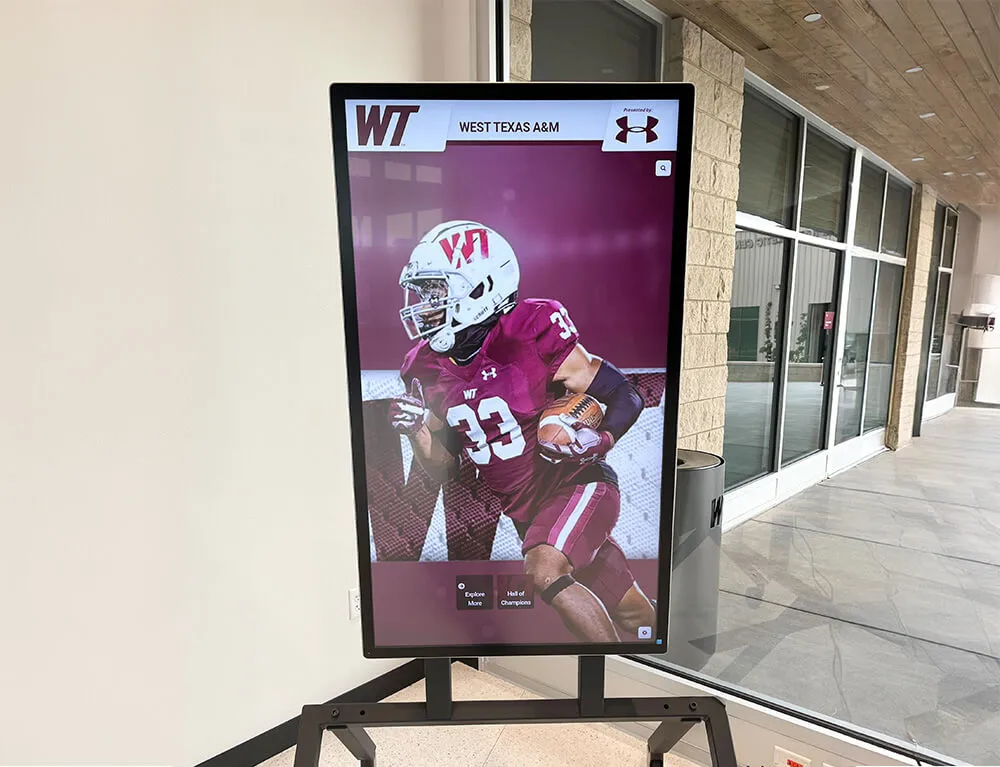
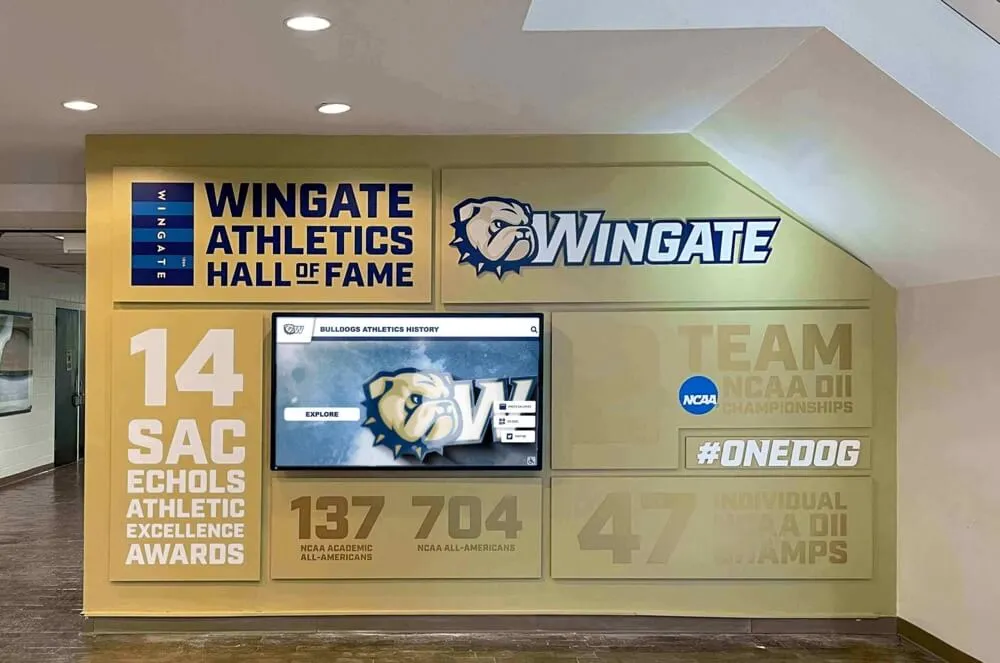
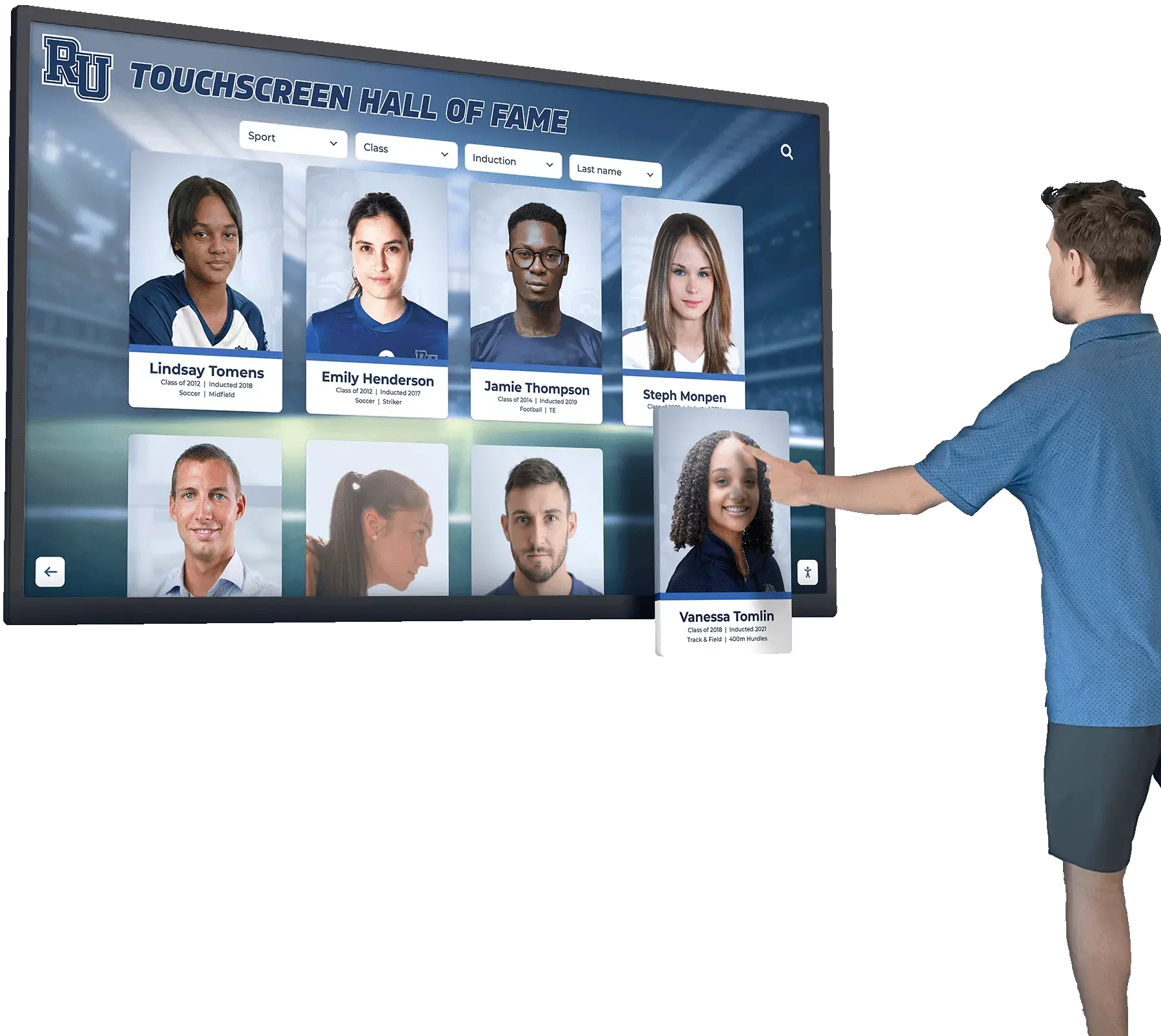
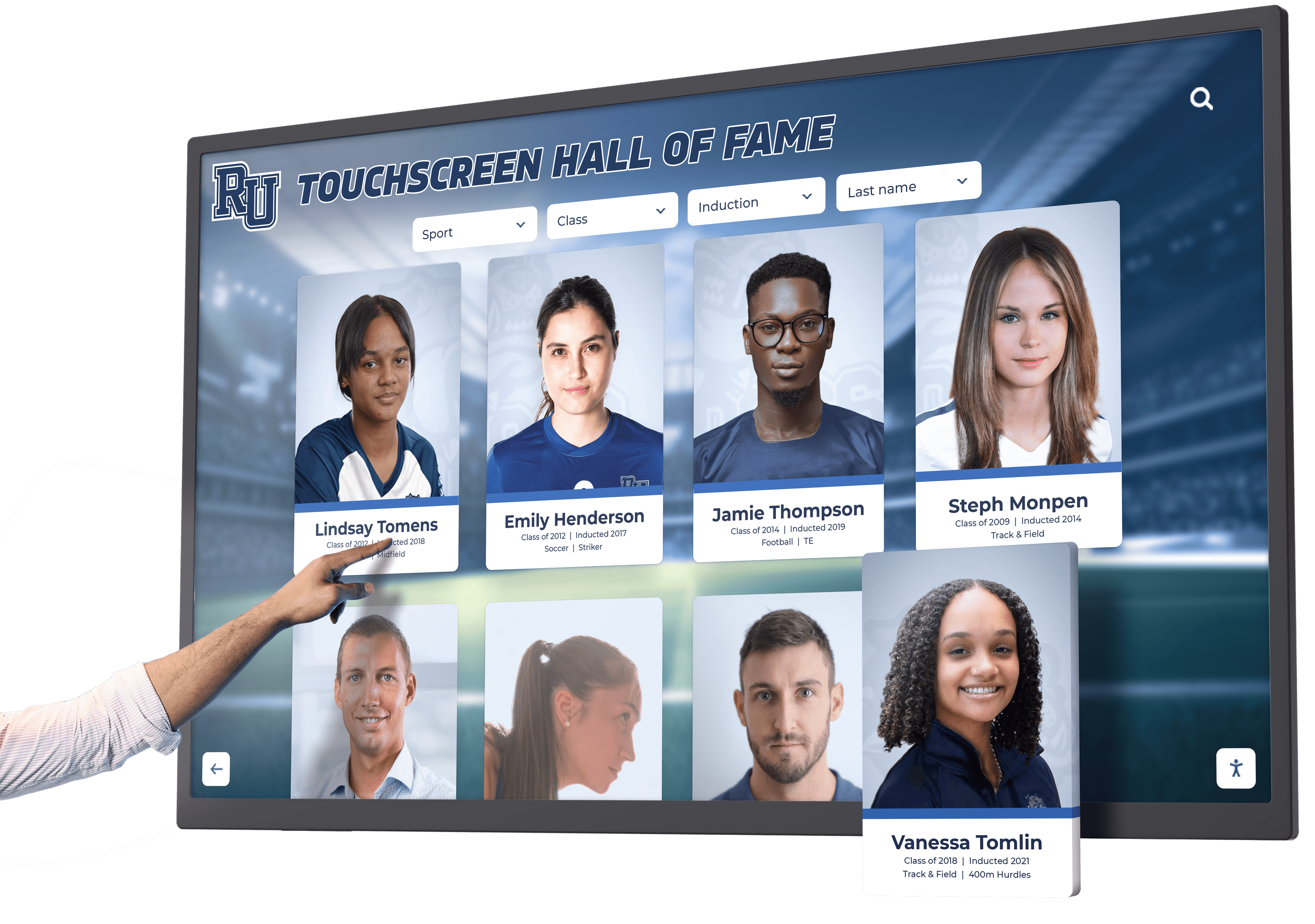
Well-organized swim meets deliver benefits extending beyond single-day competitions. They demonstrate program professionalism that attracts quality officials and visiting teams, create positive athlete experiences that foster lifelong swimming passion, establish safety standards protecting participants and spectators, generate community engagement showcasing school facilities and athletic excellence, and build institutional knowledge ensuring consistent quality across seasons. Schools implementing systematic planning frameworks transform intimidating logistical challenges into manageable processes that make hosting swim meets rewarding rather than overwhelming. Modern technology including digital record board solutions helps programs celebrate achievements immediately while maintaining comprehensive historical performance documentation.
Pre-Meet Planning Timeline and Logistics
Successful swim meets result from planning beginning weeks before competition day, with critical decisions and preparations following structured timelines ensuring nothing gets overlooked.
Establishing Meet Schedule and Format
The foundation of meet planning involves defining basic parameters determining all subsequent logistics.
Meet Type Selection: Different meet formats require distinct planning approaches. Dual meets featuring two teams create straightforward scheduling with alternating events moving quickly. Triangular or quad meets increase complexity with multiple team scoring and extended competition duration. Invitational meets hosting six to twelve teams demand sophisticated heat management, extended timelines, and expanded facility resources. Championship meets include qualifying standards, scratch procedures, and formalized protest protocols adding administrative layers.
Event Selection and Order: Standard high school swim meets typically include eleven individual events plus three relays, though variations exist. The conventional sequence—200 medley relay, 200 freestyle, 200 individual medley, 50 freestyle, diving if applicable, 100 butterfly, 100 freestyle, 500 freestyle, 200 freestyle relay, 100 backstroke, 100 breaststroke, and 400 freestyle relay—alternates stroke disciplines preventing consecutive events demanding identical muscle groups while managing meet pacing.
Timing Considerations: Estimate meet duration by calculating number of heats multiplied by average time per heat (typically 8-12 minutes including awards) plus warm-up periods. Dual meets often conclude in 90-120 minutes, while large invitationals may span 4-6 hours. Schedule competition times considering warm-up protocols, facility availability, official commitment windows, and spectator convenience.
Entry Deadlines: Establish clear entry deadlines providing sufficient time for heat sheet generation, timeline adjustments, and official assignments. Standard practice sets entry deadlines 3-5 days before competition for dual meets and 7-10 days for larger invitationals requiring more complex seeding.
Creating comprehensive event schedules and planning ceremonial athletic events share similar systematic approaches ensuring all stakeholders understand timing expectations.
Facility Preparation and Safety Protocols
Pool facilities require specific preparations ensuring competitive readiness and participant safety.
Pool Specifications Verification: Confirm pool dimensions meet competition standards—typically 25 yards for high school short course meets, with lane widths of 7-8 feet and minimum depth requirements. Verify lane lines function properly without tangling, backstroke flags position correctly at 5 yards from each wall, and starting blocks meet safety standards with proper non-slip surfaces. Document water temperature (77-82°F optimal for competition) and ensure adequate depth under starting blocks for dive safety.
Equipment Inventory and Testing: Comprehensive equipment checks prevent meet day failures. Test electronic timing systems including touchpads, backup buttons, starting systems, and display boards several days before competition. Verify sufficient lane timer clipboards and stopwatches (minimum three per lane) with fresh batteries. Confirm availability of pace clocks, recall ropes, stroke and turn flags for officials, and backstroke ledge indicators if used. Assemble first aid kits, AED units, rescue equipment, and emergency action plans with posted emergency contact information.
Deck Organization: Arrange team areas with designated spaces for visiting teams, coaching positions with clear views of full pool, official stations at appropriate locations, timing equipment positioning, awards presentation area, and spectator flow patterns preventing deck congestion. Mark restricted areas clearly, establish entry/exit protocols, and ensure adequate spacing between team areas preventing equipment confusion.
Locker Room Coordination: Schedule locker room access times for visiting teams, ensure facilities are clean and adequately stocked with essentials, designate secure areas for team valuables, and confirm shower functionality with appropriate water temperatures. Larger meets may require rotating locker room access or designating separate facilities for multiple teams.
Spectator Accommodations: Prepare bleacher seating if applicable, ensure adequate restroom access, designate concession areas if providing refreshments, establish parking protocols accommodating visiting team buses and increased vehicle volume, and post directional signage guiding visitors from parking to pool facilities.
Resources on event display board planning demonstrate facility preparation approaches applicable to athletic competition settings.
Officials Recruitment and Assignment
Qualified officials ensure fair competition while meeting state athletic association requirements.
Official Requirements: State high school athletic associations mandate minimum official certifications and quantities based on meet size. Typical dual meet requirements include one referee (head official), one starter, two stroke and turn judges (minimum one per side of pool), and administrative clerk. Larger meets require expanded official teams with multiple stroke and turn judges, designated chief judges, diving judges if applicable, and additional administrative support.
Recruitment Strategies: Schools build official pools through multiple channels including state swimming official associations providing certified members, parent volunteers willing to complete certification training, retired coaches maintaining active official certifications, and reciprocal arrangements with other schools’ official pools. Begin recruiting officials 3-4 weeks before meets, with earlier recruitment for championship competitions.
Official Compensation: Budget for official compensation following state association guidelines and local practices. Standard dual meet official payments range $40-75 per official, with championship meets often paying higher rates. Some schools provide meal vouchers or refreshments in addition to or instead of monetary compensation.
Pre-Meet Official Communication: Distribute official assignments, meet timeline, facility parking and entry information, dress code expectations (typically white shirt, dark pants/skirt), and special procedures or rule emphases. Provide pool diagrams showing official positions, emergency procedures, and communication protocols. Schedule pre-meet briefing time (typically 30 minutes before scheduled warm-ups) for referee to review procedures with all officials.

Entry Management and Heat Sheet Generation
Accurate entry processing and heat sheet production form the technical foundation enabling smooth meet operations.
Entry Collection Systems: Establish clear entry submission processes specifying required information—athlete name, graduation year, seed time, and event entries. Electronic entry systems like HyTek Meet Manager or SwimTopia streamline collection while reducing manual data entry errors. Set entry limits per athlete (typically 3-4 individual events plus relays) consistent with state association rules and meet format.
Seeding Procedures: Seed athletes into heats following standard protocols placing fastest swimmers in later heats with lane assignments positioning top seeds in center lanes (lanes 3-4 in six-lane pools, lanes 4-5 in eight-lane pools). For championship finals formats, conduct preliminary heats in morning sessions determining fastest qualifiers advancing to evening finals. Apply state association tiebreaker procedures when identical seed times create seeding conflicts.
Heat Sheet Production: Generate heat sheets listing all events with athlete names, team affiliations, lanes, seed times, and heat numbers. Include relay team composition when available. Distribute heat sheets to all teams, officials, and timing personnel at least one day before competition or upon meet check-in. Electronic distribution via email or meet management platforms accelerates distribution while reducing paper costs.
Psyche Sheet Publication: For championship meets, publish psyche sheets listing all entered athletes ranked by seed time within each event. Coaches use psyche sheets for strategic planning regarding event scratches, relay compositions, and tactical approaches. Post psyche sheets on meet websites or distribution platforms 3-5 days before competition.
Scratch Procedures: Establish clear scratch deadlines and procedures allowing athletes to withdraw from events without penalty before scratch deadlines while enforcing penalties for post-deadline scratches or no-shows. Championship meets typically require scratches 30-60 minutes before event start times, with specific protocols for relay scratches affecting other team lineups.
Meet Day Operations and Management
Competition day transforms weeks of planning into executed reality, requiring coordinated personnel management and real-time problem solving.
Warm-Up Protocols and Safety
Structured warm-ups accommodate all teams while maintaining safety in crowded pool conditions.
Warm-Up Scheduling: Designate specific warm-up periods preventing pool overcrowding. Typical protocols include general warm-up period (30-45 minutes before competition start) allowing all swimmers simultaneous access, followed by continuous warm-up/warm-down area in designated lanes during competition. Championship meets often schedule team-specific warm-up rotations or separate warm-up/competition pools when available.
Lane Assignment During Warm-Ups: Implement circle swimming patterns with designated lanes for different training intensities—sprint lanes for race-pace work, moderate pace lanes for aerobic swimming, and pace lanes for technique work. Post clear signage indicating lane purposes and swimming directions. Larger meets may designate certain lanes or pool sections for specific teams during staged warm-up rotations.
Diving Well Protocols: If facilities include separate diving wells, establish clear protocols for diving well access during warm-ups versus competition. Coordinate diving warm-ups preventing conflicts with swimming warm-up schedules. Ensure qualified diving coaches supervise all diving activities.
Safety Monitoring: Assign dedicated lifeguards (beyond timing and official personnel) monitoring warm-up activities. Position guards at pool ends with rescue equipment immediately accessible. Enforce rules prohibiting diving in shallow areas, regulating backstroke start practices requiring spotter supervision, and preventing horseplay compromising safety.
Systematic approaches to showcasing championship teams extend to meet-day recognition opportunities celebrating team achievements publicly.
Timing Systems and Personnel Coordination
Accurate timing represents the most critical operational component determining competitive outcomes.
Electronic Timing Systems: Modern swim meets employ automatic timing systems using touchpads at each lane’s finish end connected to timing consoles. Athletes touching pads trigger precise time recording (typically accurate to 1/100th second) displayed on scoreboards and recorded electronically. Backup systems include button-operated electronic timers activated by designated officials providing secondary timing in case touchpad failures occur.
Lane Timer Procedures: Despite electronic systems, meets require manual timers (typically three per lane) providing backup timing. Recruit reliable volunteers or parent supporters, provide clear instructions about watch start procedures synced with starting signal, recording times at swimmer finish, and reporting procedures to head timer. Emphasize that backup timing only becomes official if primary electronic timing fails, but accurate backup timing remains essential for meet validity.
Timing Chief Responsibilities: Designate experienced timing chief coordinating all timing personnel, troubleshooting equipment malfunctions, resolving timing discrepancies, communicating with referee regarding timing questions, and ensuring backup procedures activate immediately if primary systems fail. The timing chief maintains official meet results coordinating with officials regarding disqualifications, relay exchanges, and final placements.
Touchpad Testing and Calibration: Test all touchpads before competition confirming sensitivity sufficient to record touches without requiring excessive pressure that might affect finishing technique. Verify touchpad connections to timing console with test starts. Keep backup touchpads or replacement cables immediately available for rapid deployment if failures occur mid-meet.
Running Events and Maintaining Schedule
Meet flow depends on efficient event progression while maintaining fairness and safety.
Event Progression Management: Announce upcoming events giving athletes sufficient notice (typically calling three heats before their scheduled swim). Implement marshaling procedures moving athletes from team areas to starting blocks efficiently. Maintain target pace of 8-12 minutes per heat including time for starts, competition, and result recording. Monitor actual versus scheduled timeline, adjusting warm-up lane access or break periods if substantial delays occur.
Starting Procedures: Referees and starters follow standardized protocols for race starts. Long whistle signals swimmers to step onto blocks, short whistle initiates swimmer preparation (assume starting position), and electronic horn or traditional start gun signals race commencement. False start protocols follow state association rules—typically one false start disqualifies the responsible swimmer or team, though specific rules vary.
Stroke and Turn Judging: Officials monitor swimmers for legal strokes (freestyle, backstroke, breaststroke, butterfly requiring specific movement patterns), legal turns (different requirements for each stroke), legal relay exchanges (departing swimmers not leaving blocks before incoming swimmers touch), and legal finishes (specific touch requirements for breaststroke and butterfly). Officials signal observed violations using flag or card systems, reporting infractions to referee who makes final disqualification decisions.
Disqualification Procedures: When officials observe rule violations, they follow formal reporting procedures. Written disqualification slips document the observed infraction, lane number, and official signature. Referees review reports, confirm disqualifications, and notify affected swimmers and coaches promptly. Coaches may request clarification (not protest unless specific protest procedures exist in championship meets) to understand violations and prevent future infractions.
Break Management: Schedule brief breaks between certain events allowing spectators restroom access, officials rotation, and facility maintenance. Typical break points occur midway through meet (often after 500 freestyle) for 5-10 minutes. Use breaks for facility deck clearing, lane line adjustments if needed, and timing system verification.
Awards and Recognition
Timely recognition enhances athlete experience and maintains meet energy.
Award Distribution Systems: Different meet formats employ various award approaches. Dual meets typically award individual event winners and top relay teams immediately following each event, creating continuous recognition maintaining spectator engagement. Invitational meets might distribute awards after each event, after designated groups of events, or compile awards for distribution at meet conclusion—each approach involves tradeoffs between immediate recognition and overall meet duration.
Award Types and Procurement: Standard awards include medals for top finishers (typically 1st through 3rd or 1st through 8th depending on meet prestige), ribbons for consolation placements (4th through 16th), and team trophies for overall meet winners. Order awards several weeks in advance ensuring adequate inventory for all placing positions across all events. Consider special recognition categories like sportsmanship awards, record-breaking achievements, or improvement awards adding dimensions beyond pure competitive placement.
Record Recognition Procedures: When athletes break school records, league records, or meet records during competition, implement special recognition protocols. Announce record achievements immediately, present special recognition certificates or awards, capture photos documenting the moment, and update digital record displays promptly. These spontaneous celebrations create memorable moments athletes treasure for years.
Resources on highlighting student accomplishments provide frameworks applicable to swim meet recognition ceremonies.
Technology Integration and Results Management
Modern swim meets leverage technology streamlining operations while enhancing participant and spectator experiences.
Meet Management Software
Comprehensive software platforms transform meet administration from manual processes to integrated digital systems.
HyTek Meet Manager: The industry-standard platform manages entries, seeds heats, interfaces with electronic timing systems, generates real-time results, tracks team scores, and produces final meet reports. The software integrates with timing systems automatically recording finish times, calculating splits for relay events, and flagging potential disqualifications based on unusual times. Investment in meet management software returns dividends through reduced administrative burden and increased accuracy.
SwimTopia and Team Management Platforms: Web-based platforms like SwimTopia handle online entry collection, roster management, meet scheduling, communication distribution, and basic meet management. These systems work well for smaller programs or developmental levels. Some coaches prefer dedicated desktop applications like HyTek for complex championship meets while using web platforms for regular season dual meets.
Integration Requirements: Ensure selected software integates with your timing hardware. Most systems support major timing manufacturers including Colorado Timing Systems, Daktronics, and Omega, but verify compatibility before purchasing or upgrading equipment. Software requiring specialized hardware connections may necessitate specific computer configurations or adapter cables.
Live Results Publishing: Modern meet management software enables real-time results publishing to web platforms allowing parents, alumni, and distant supporters to follow meet progress remotely. Services like MeetMobile provide mobile apps displaying live results, heat sheets, and team scores during competition. This connectivity extends meet reach beyond physical facility limitations.
Timing Equipment Options and Investment
Timing system selection represents significant capital investment requiring careful evaluation.
Full Automatic Timing Systems: Professional-grade systems include touchpads for each lane, central timing console, starting system integration, scoreboard displays, and backup button systems. Complete eight-lane systems range from $15,000 to $40,000+ depending on features and capabilities. These systems deliver timing accuracy, automatic result recording, reduced personnel requirements, and professional presentation appropriate for championship hosting.
Semi-Automatic Systems: Budget-conscious programs might employ semi-automatic approaches combining electronic starting systems with manual timing using electronic stopwatches and backup button systems. While less expensive ($3,000-8,000), these systems require more volunteer timers, create manual result recording burden, and lack automatic scoring integration that full systems provide.
Rental Options: Schools hosting infrequent meets or lacking capital for equipment purchase can rent timing systems. Specialty companies provide complete timing packages including equipment delivery, setup, technical support, and retrieval. Rental costs typically range $1,500-3,000 per meet depending on system sophistication and rental duration. While eliminating large upfront investment, frequent hosting makes rental costs exceed ownership costs over multiple seasons.
Maintenance and Calibration: Budget for annual timing system maintenance ensuring accuracy and reliability. Professional calibration services verify timing precision, inspect touchpad sensitivity, test backup systems, update software, and replace worn components. Preventive maintenance prevents meet-day failures that damage program reputation.
Approaches to event technology integration share principles with swim meet timing and results systems requiring user-friendly interfaces and reliable performance.
Results Distribution and Communication
Prompt, accurate results distribution completes successful meet execution.
Immediate Results Posting: Post results prominently in spectator viewing areas immediately following each event. Printouts from timing systems provide quick posting options, or utilize scoreboard displays if available. Spectators appreciate knowing placements and times without waiting for meet conclusion.
Digital Results Files: Generate standard results file formats (SDIF or HyTek .HY3) enabling coaches to import results directly into their team management systems. Distribute files via email within hours of meet completion. These standardized formats allow coaches to update seasonal progression tracking, identify qualifying times for championship meets, and maintain comprehensive athlete performance records.
Website Publishing: Post complete meet results on school athletic websites within 24 hours of competition. Include individual event results, relay results, team scores, records broken, and notable performances. Results remain accessible indefinitely, creating searchable historical performance database.
Social Media Highlights: Share meet highlights, record performances, team victories, and standout individual achievements via school athletic social media channels. Photos, brief video clips, and congratulatory posts extend meet recognition beyond participants to broader school community. Tag participating schools and athletes (when appropriate and permitted) amplifying reach.
State Association Reporting: Submit required results and reports to state athletic associations following their timelines and format requirements. Some states maintain centralized performance databases tracking seasonal progression toward state championship qualifying standards. Timely accurate reporting ensures your athletes’ performances receive proper consideration for rankings and qualifying determinations.
Post-Meet Follow-Up and Improvement
Systematic post-meet processes ensure continuous improvement while completing administrative requirements.
Financial Reconciliation
Swimming meet hosting involves various expenses and revenues requiring accounting.
Revenue Sources: Meet hosting generates revenue through entry fees charged per athlete or team, spectator admission charges, concession sales if offered, program advertising for larger invitationals, and sponsorship arrangements if applicable. Dual meets typically involve minimal revenue, while large invitationals or championship meets can generate several thousand dollars supporting program budgets.
Expense Categories: Budget for official compensation, facility rental if applicable, timing equipment rental or maintenance, awards and recognition items, administrative supplies, meet program printing, hospitality provisions for officials and visiting coaches, and technology costs including meet management software subscriptions. Detailed expense tracking informs future meet budgeting and pricing decisions.
Final Accounting: Reconcile all meet-related income and expenses within two weeks of competition. Document financial outcomes for athletic department records, analyze profitability or losses informing future planning, and identify cost savings opportunities or revenue enhancement strategies. Transparent financial management builds administrative support for continued meet hosting.
Facility Assessment and Equipment Inventory
Post-meet facility review identifies maintenance needs and equipment losses.
Facility Inspection: Conduct thorough post-meet facility inspection noting any damage requiring repair, equipment needing maintenance or replacement, and facility improvements enhancing future hosting capability. Address urgent repairs immediately while documenting longer-term improvement needs for capital planning.
Equipment Accounting: Inventory all timing equipment, official supplies, lane lines, backstroke flags, and auxiliary materials. Note missing items requiring replacement and equipment showing wear necessitating eventual replacement. Maintain organized equipment storage preventing damage and facilitating efficient setup for future meets.
Technology Review: Assess timing system performance noting any malfunctions, software issues, connectivity problems, or operator difficulties. Document technical support needs and schedule required maintenance before next meet. Technology issues identified promptly prevent recurring problems.
Stakeholder Feedback and Continuous Improvement
Systematic feedback collection drives progressive improvement.
Official Feedback: Solicit input from officials regarding facility quality, meet organization, communication effectiveness, and improvement opportunities. Officials experience numerous venues providing comparative perspective valuable for identifying enhancement opportunities. Positive official relationships encourage their return for future meets.
Visiting Coach Feedback: Request feedback from visiting coaches about their team’s experience including facility access, team areas adequacy, communication clarity, meet flow efficiency, and hospitality quality. Strong host reputations attract quality opponents for future scheduling.
Parent and Spectator Input: Gather spectator feedback through informal conversation, brief surveys, or social media monitoring. Spectator experience influences community perception and attendance at future events. Common concerns include parking adequacy, seating availability, facility temperature, concession options, and results visibility.
Internal Team Review: Conduct debriefing with your coaching staff, team leadership, parent volunteers, and administrative support identifying what worked well, what challenges arose, how problems were addressed, and what improvements would enhance future meets. Document lessons learned while memory remains fresh, creating institutional knowledge that survives staff turnover.
Comprehensive feedback approaches similar to those used in academic recognition programs ensure continuous improvement cycles.
Displaying Swim Records with Digital Solutions
Swim programs accumulating performance data across seasons benefit tremendously from modern digital record display systems that traditional physical record boards cannot match.
Advantages of Digital Record Boards for Swimming
Swimming’s data-intensive nature makes it ideal for digital recognition platforms.
Unlimited Record Capacity: Swimming programs track numerous events across boys and girls teams, individual and relay categories, short course and long course variations, and historical progressions spanning decades. Digital platforms accommodate unlimited records without physical space constraints that force difficult prioritization decisions about what displays on limited wall or plaque space.
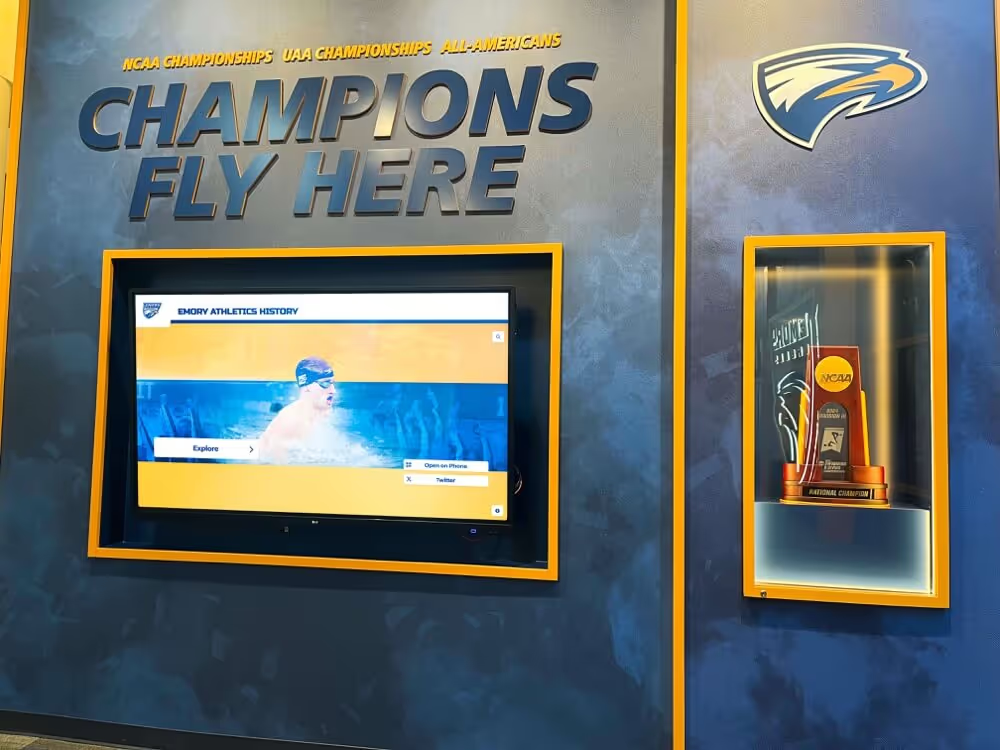
Instant Updates After Meets: When swimmers break records during meets, digital displays update immediately with new record holders, times, dates, and performance details. No waiting weeks or months for plaque engraving or banner production. This real-time capability enables celebration while achievement excitement remains high, maximizing motivational impact on current team members.
Rich Performance Context: Digital systems integrate comprehensive information impossible on physical plaques including swimmer progression across multiple seasons, splits for individual medley and distance events, relay team compositions with individual split times, photos from record-breaking performances, video highlights of signature swims, and comparative historical context showing how current records compare to past eras.
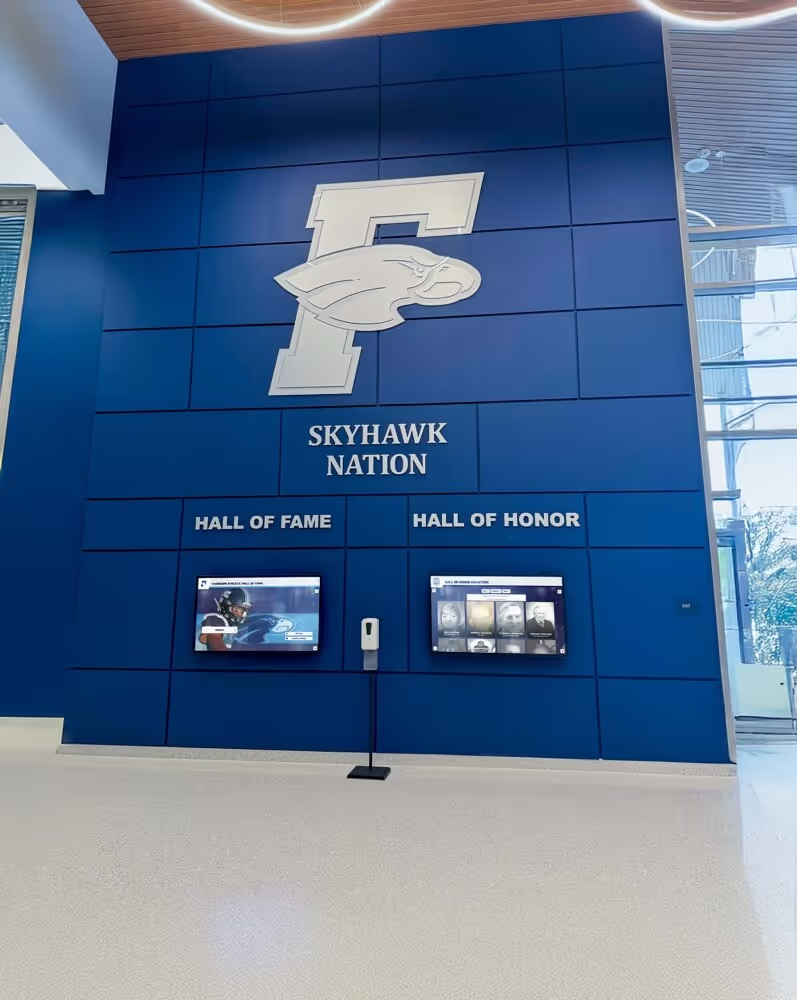
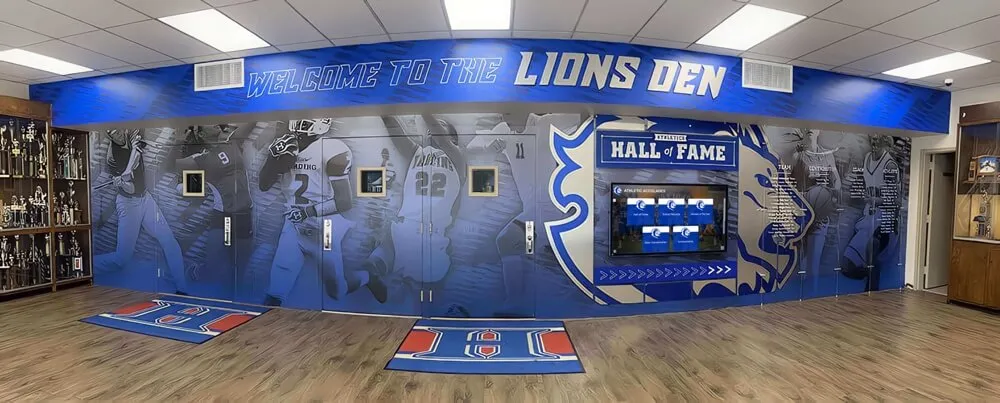
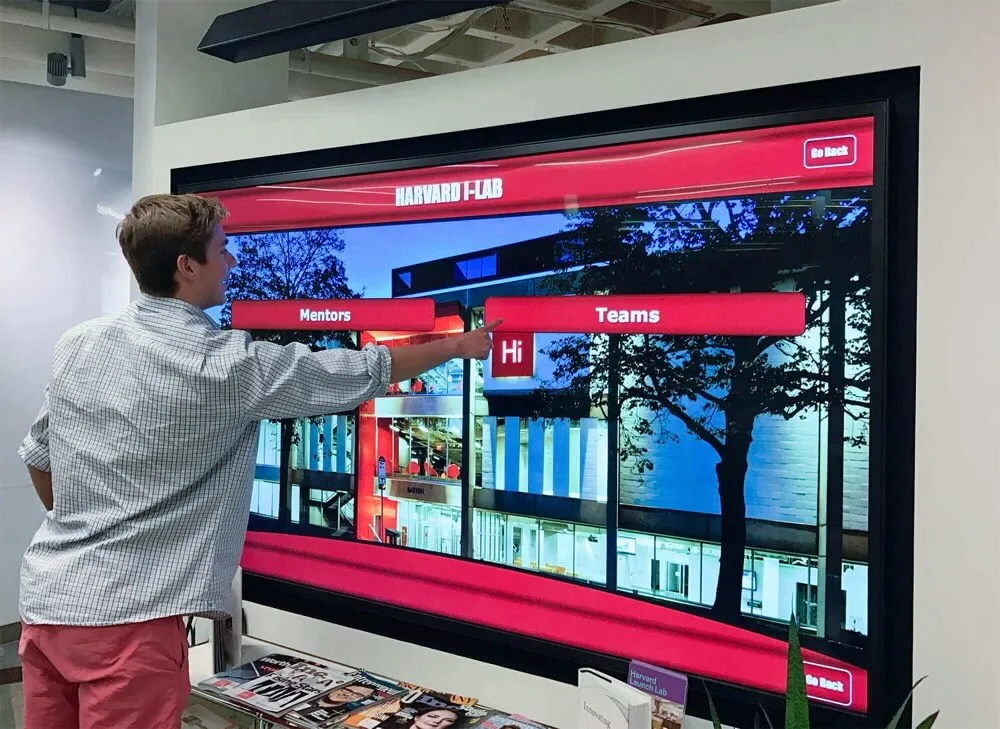
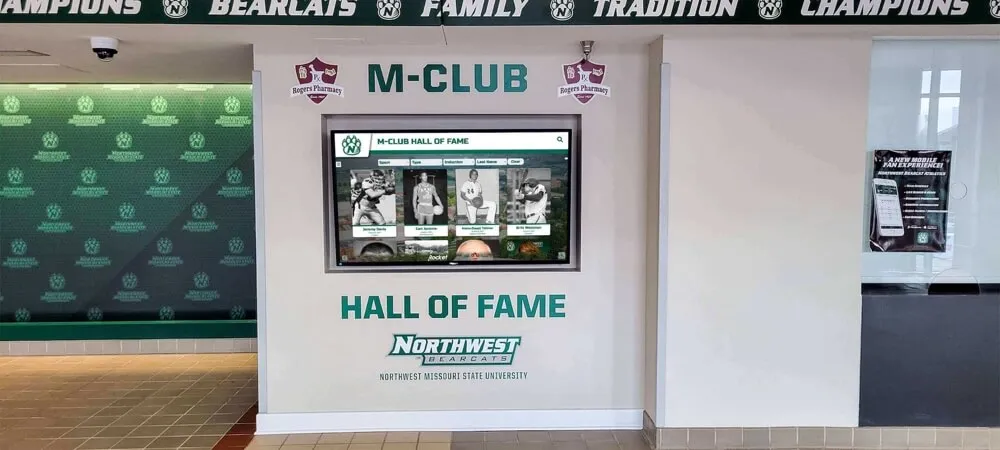
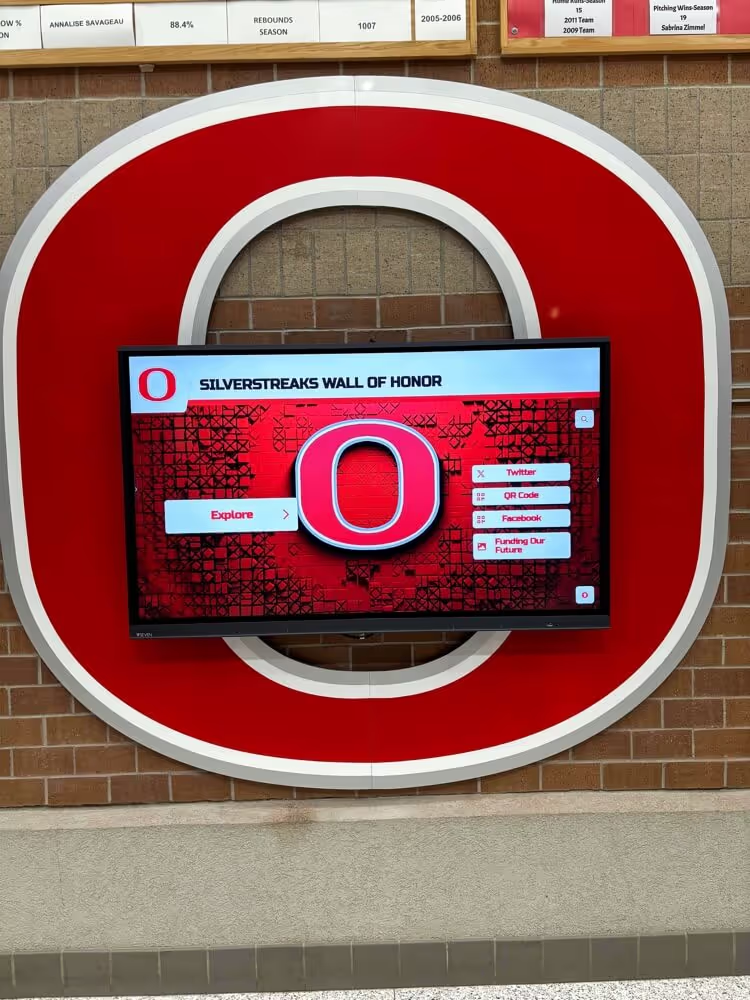
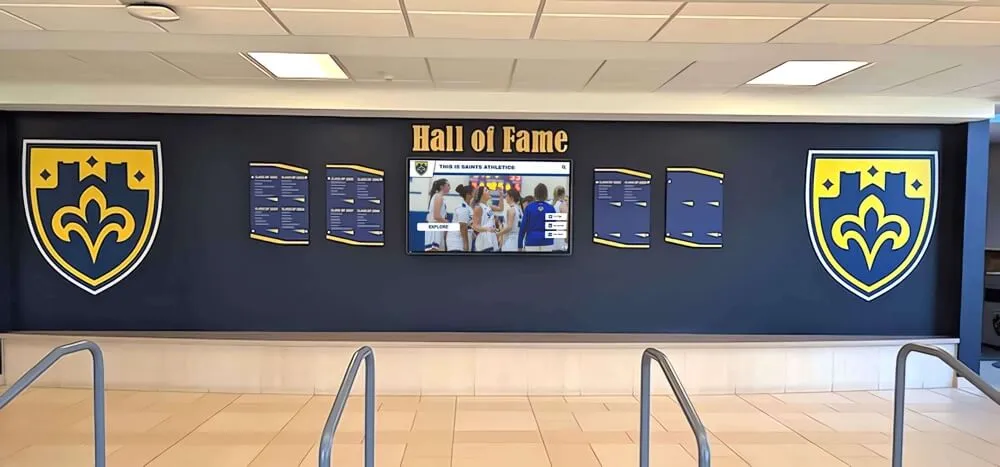
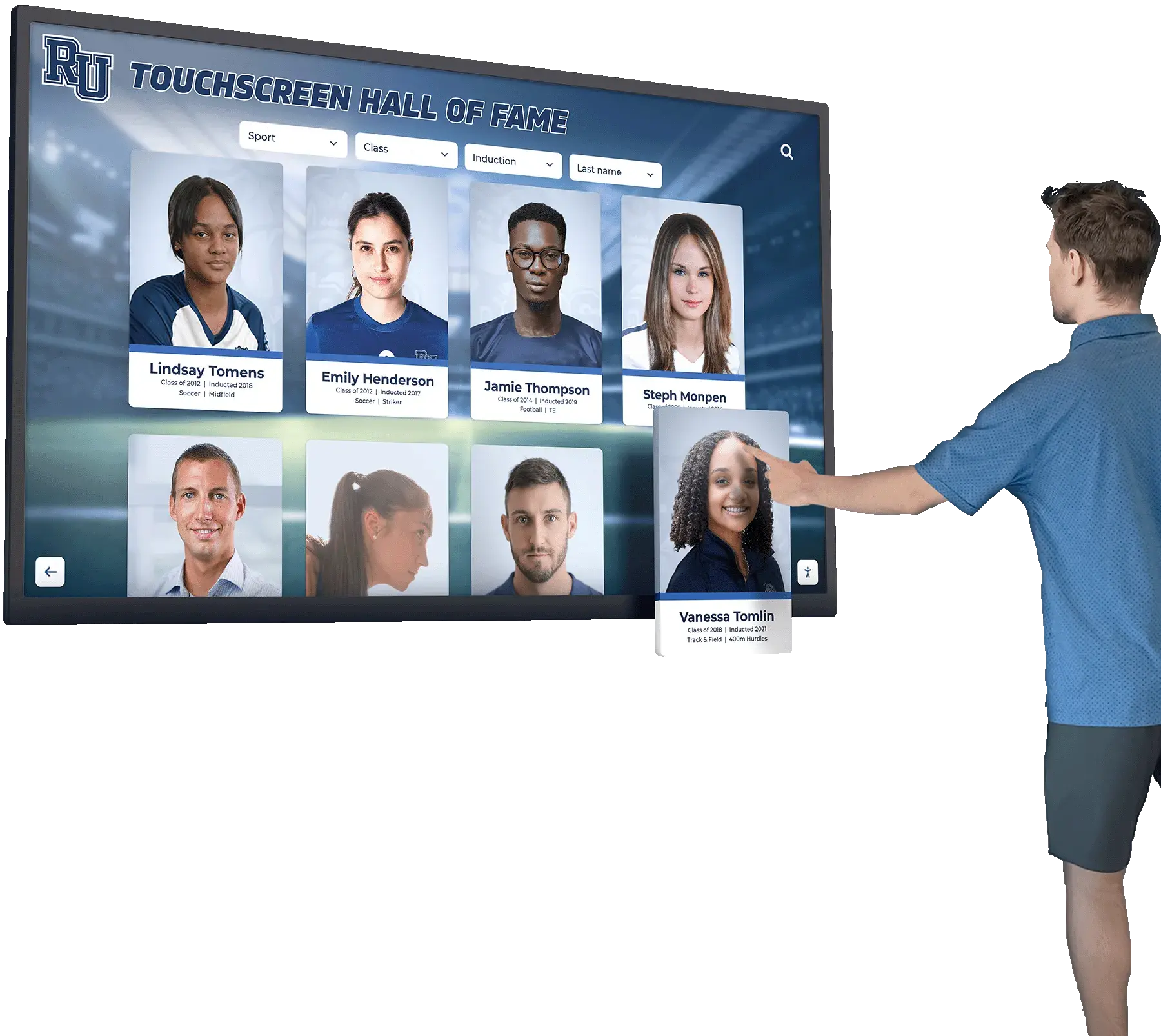
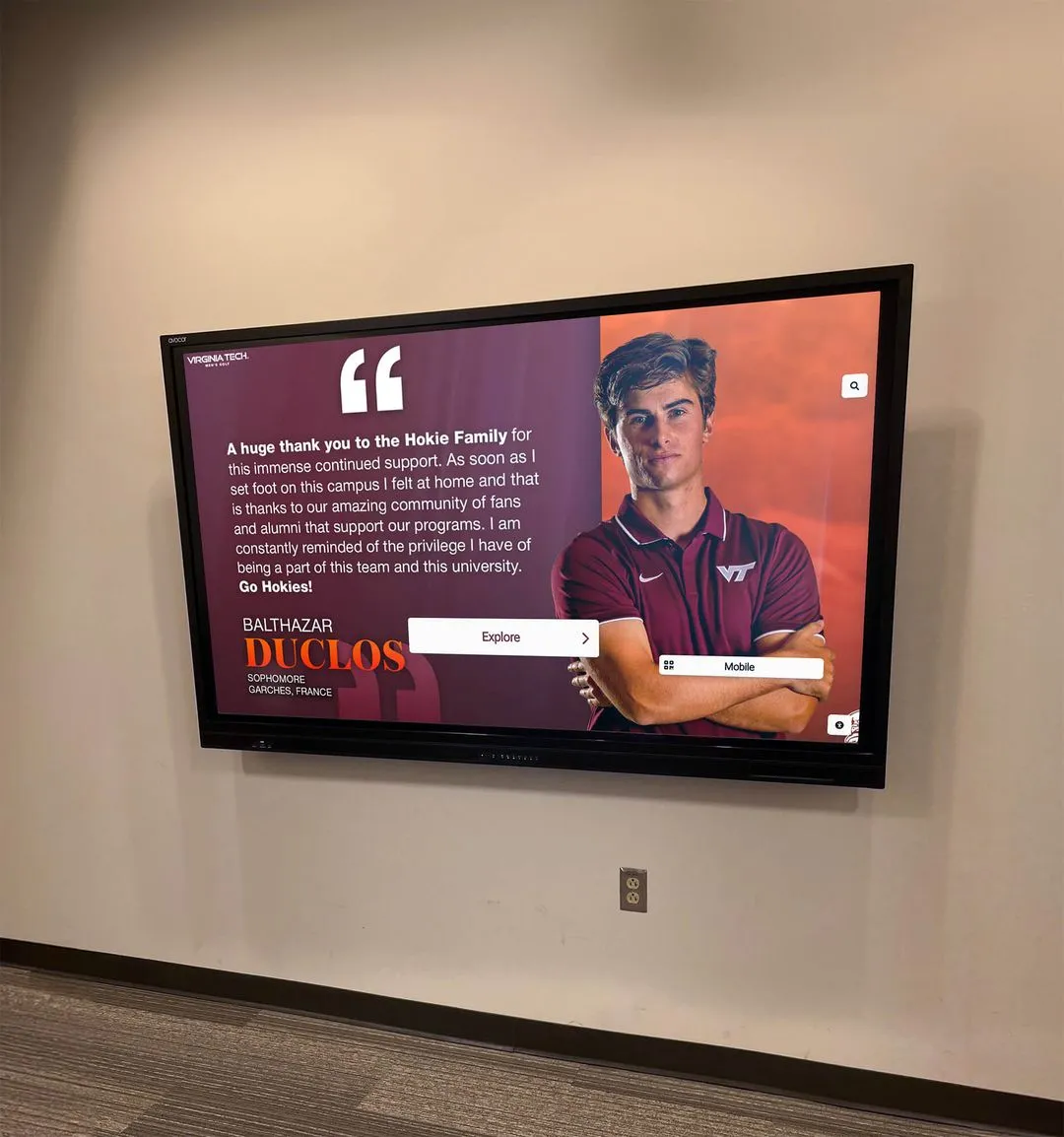
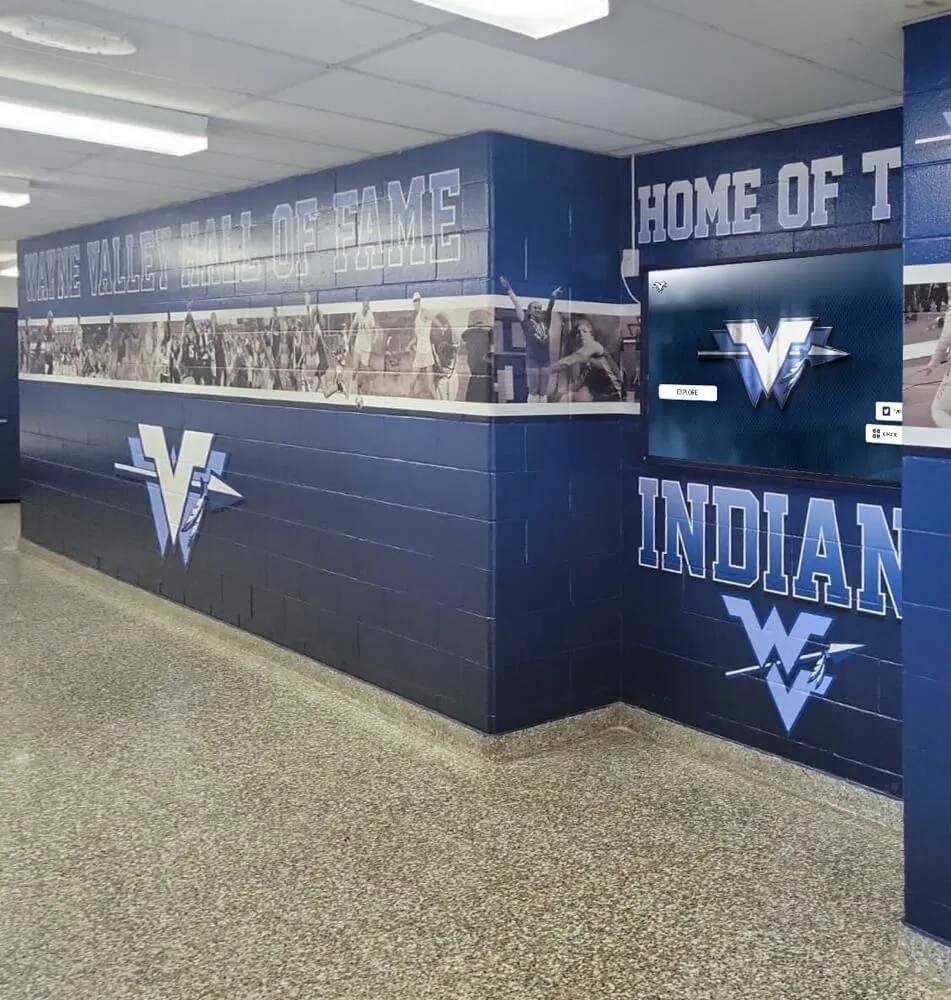
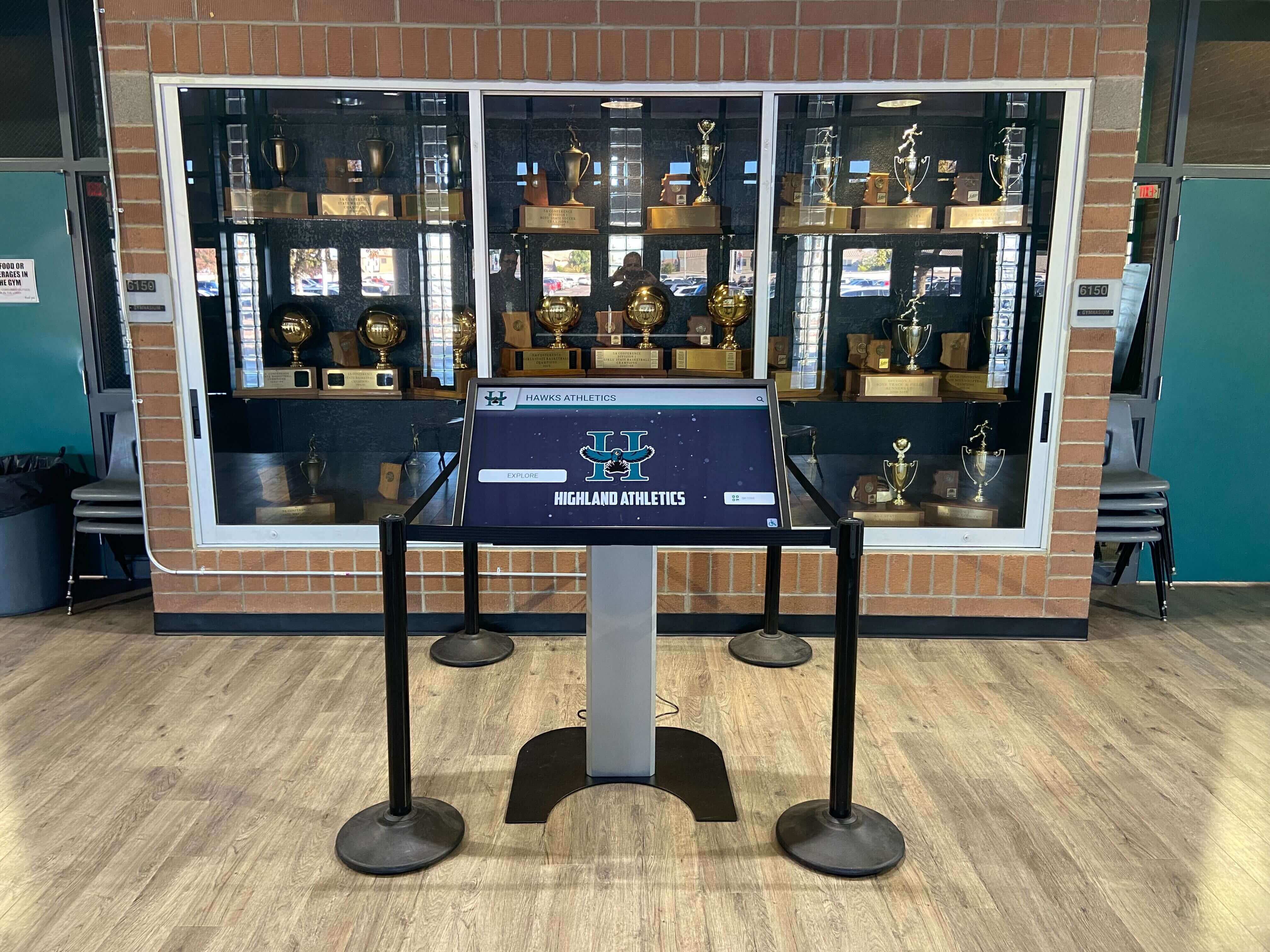
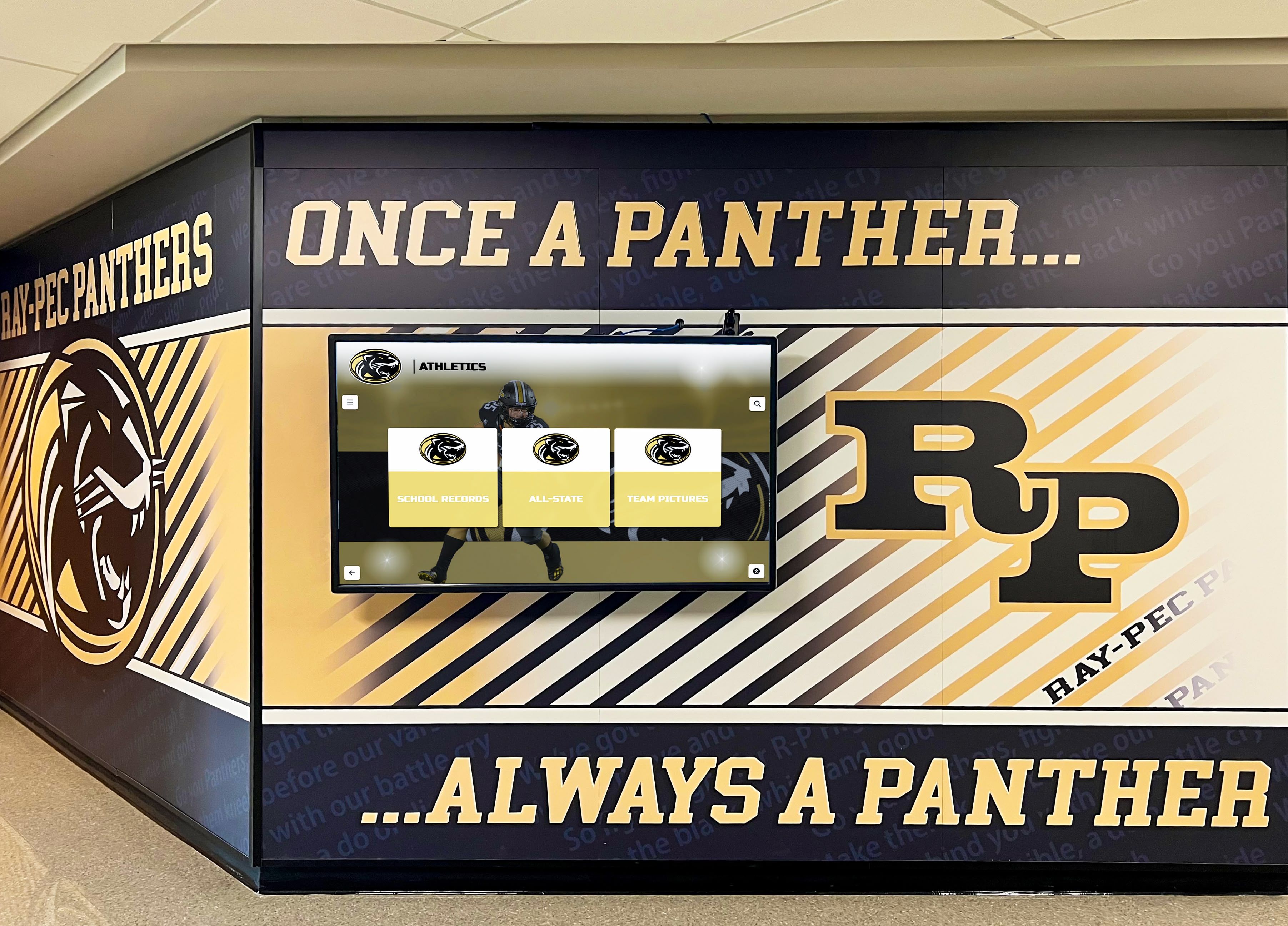
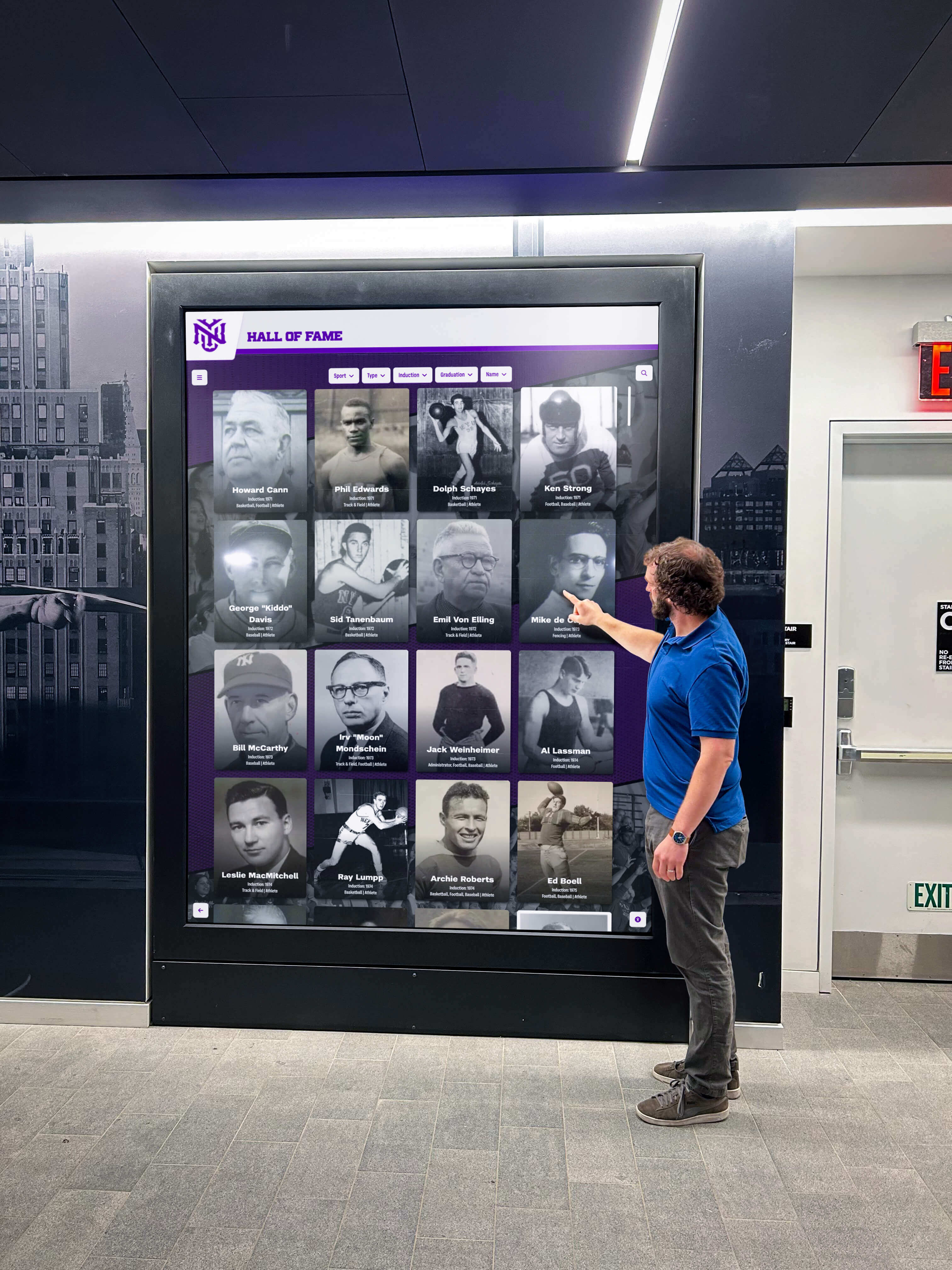
Interactive Exploration Features: Touchscreen displays let users search for specific swimmers, filter records by event or era, compare times across different seasons, view complete team histories, and browse achievements chronologically. This exploration encourages extended engagement from athletes, alumni, visiting teams, and recruiting families impossible with static displays.
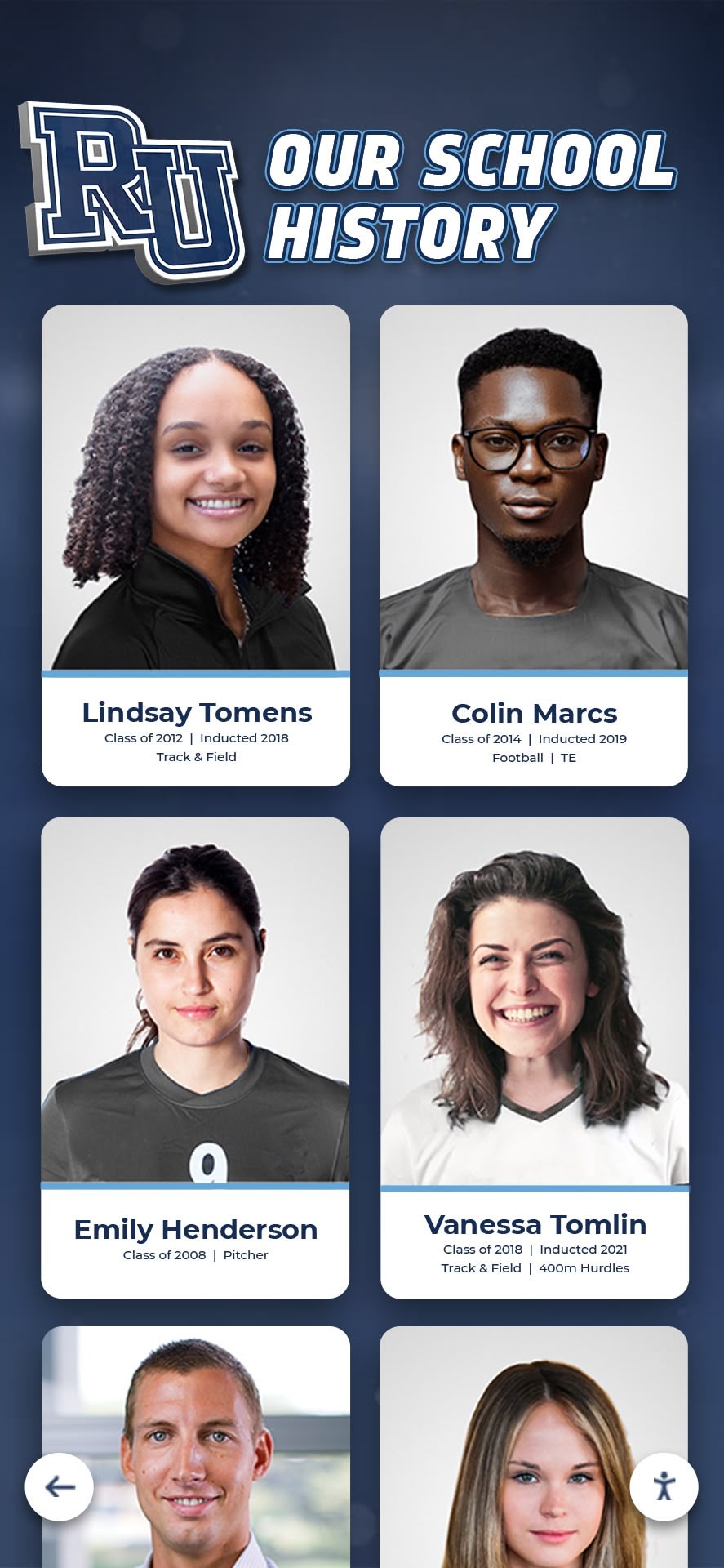
Multi-Location Access: Web-integrated systems extend recognition beyond pool facilities. Alumni can access program records remotely, recruits research program history during school selection, media easily access information for coverage, and athletes view records on personal devices for motivation. This connectivity amplifies recognition value exponentially beyond single physical location.
Programs interested in comprehensive swim record display should explore solutions like those from Rocket Alumni Solutions, designed specifically for schools seeking to honor athletic achievement through professional digital platforms requiring no technical expertise.
Implementing Digital Record Systems for Aquatics Programs
Successful implementation follows structured approaches.
Content Development: Compile comprehensive swim records across all events, gender divisions, and historical periods. Gather swimmer photos, performance details, and contextual information. Organize content logically by event categories, chronological periods, and achievement types. Most platforms provide templates specifically designed for swimming enabling quick deployment with professional appearance.
Hardware Selection: Choose commercial-grade touchscreen displays appropriate for pool facility environments. Consider mounting locations offering high visibility near pool entries, locker room corridors, or athletic facility lobbies. Ensure displays feature adequate brightness for spaces with significant natural lighting and protective measures if mounted near pool deck areas with humidity concerns.
Integration with Meet Results: Many digital record platforms integrate directly with meet management software, automatically flagging potential record performances and streamlining update processes. This integration eliminates manual record checking after every meet, ensuring nothing gets overlooked while reducing administrative burden.
Multi-Sport Expansion: Schools implementing digital record boards for swimming often expand to other athletic programs. Unified platforms displaying records from swimming, track and field, cross country, and other sports create consistent recognition experiences across programs while demonstrating institutional commitment to comprehensive athletic achievement celebration.
Frameworks for college commitment recognition demonstrate how digital platforms accommodate diverse athletic achievements beyond competitive records.
Building Program Culture Through Successful Meet Hosting
Schools developing reputations as excellent meet hosts build program prestige extending beyond competitive success.
Host Reputation Benefits
Strong hosting capabilities deliver strategic advantages.
Scheduling Leverage: Programs known for excellent meet hosting attract quality opponents eager to compete in well-run events. This leverage helps secure desirable dual meet matchups and invitational participants during scheduling negotiations. Competitive scheduling strengthens program development by exposing athletes to high-quality competition.
Official Relationships: Officials appreciate well-organized meets with proper facilities, clear communication, appropriate compensation, and respectful treatment. Positive relationships ensure official availability for your meets while building networks valuable when you need recommendations or guidance on complex situations.
Recruiting Enhancement: Prospective swimmers and families evaluating programs notice facility quality, organizational professionalism, and competitive environment. Hosting meets showcases your program to recruits during authentic competition rather than artificial recruiting presentations. First-hand experience with program culture, coaching quality, and team atmosphere influences commitment decisions.
Community Engagement: Home meets attract family members, community supporters, and alumni back to school facilities. These gatherings strengthen community connections, generate positive publicity, create fundraising opportunities, and build broader institutional support for athletic programs. Swimming attracts dedicated parent involvement that meet hosting channels productively.
Revenue Generation: Successful invitationals generate meaningful revenue supporting program budgets. Entry fees, spectator admission, concession sales, and potential sponsorships offset hosting costs while funding equipment purchases, facility improvements, team travel, or other program priorities. Financial sustainability enables program ambitions not dependent solely on school athletic budget allocations.
Creating Signature Events
Ambitious programs develop signature invitational meets becoming annual traditions.
Event Branding: Develop distinctive meet identity through creative naming, consistent marketing materials, unique awards or recognition traditions, and quality execution creating positive associations. Signature events build program visibility and prestige while creating traditions athletes value.
Progressive Enhancement: Expand meet quality annually through facility improvements, enhanced awards, improved technology, expanded fields, or special recognition features. Continuous improvement maintains enthusiasm from returning participants while attracting new teams discovering your meet’s reputation.
Historical Documentation: Preserve meet history through records archives, championship team photos, performance progression tracking, and alumni recognition. Historical continuity creates tradition linking current participants to program legacy while demonstrating institutional commitment to excellence.
Conclusion: Transforming Meet Planning Challenges Into Program Strengths
Planning and hosting swim meets demands significant effort coordinating facilities, officials, technology, safety protocols, and operational logistics that distinguish aquatic competitions from other high school sports. However, schools investing in systematic planning frameworks transform intimidating complexity into manageable processes that create competitive environments showcasing program quality while building reputations as capable hosts.
Success begins with comprehensive pre-meet planning establishing clear timelines, securing qualified officials, preparing facilities properly, managing entries systematically, and communicating effectively with all stakeholders. Meet day operations require coordinated personnel management, reliable timing systems, efficient event progression, fair officiating, and timely recognition creating positive athlete experiences. Post-meet follow-up including financial reconciliation, facility assessment, stakeholder feedback, and continuous improvement ensures progressive enhancement across successive seasons.
Modern technology transforms meet administration and recognition. Meet management software streamlines operations while reducing errors. Electronic timing systems deliver precision and efficiency. Live results publishing extends meet reach to distant supporters. And digital record display solutions like those from Rocket Alumni Solutions enable comprehensive recognition celebrating swimmer achievements immediately while preserving program history permanently through professional displays engaging athletes, alumni, and community members far more effectively than traditional physical record boards.
Schools developing strong meet hosting capabilities build program culture extending beyond competitive success. Excellent hosting attracts quality opponents, maintains positive official relationships, enhances recruiting appeal, strengthens community engagement, and generates revenue supporting program sustainability. The investment in systematic meet planning frameworks returns dividends across multiple dimensions—competitive, financial, cultural, and developmental—that strengthen programs for years to come.
Swimming teaches discipline, perseverance, goal-setting, and teamwork while creating communities united by shared pursuit of excellence. Well-planned swim meets provide stages where these lessons manifest through competitive achievement celebrated appropriately. Programs committing to excellence in meet hosting demonstrate institutional values that athletes, families, and communities recognize and appreciate, building legacies transcending individual seasons or competitive results.