



The final meet is over. Championship relays have been swum. Personal bests recorded. Season times logged. Now comes one of the most important events on any swim team’s calendar—the end-of-season swim banquet that celebrates months of early morning practices, demanding workouts, and competitive achievements while honoring the athletes who gave everything to their sport and teammates.
An effective swim banquet does far more than distribute awards and serve dinner. It provides closure to the season, recognizes diverse contributions beyond podium finishes, strengthens bonds among teammates and families, honors graduating seniors appropriately, and creates lasting memories that swimmers carry long after their competitive careers end. Whether planning for a small recreational team or a large competitive program, thoughtful banquet planning transforms routine recognition ceremonies into meaningful celebrations that validate the extraordinary commitment swimming demands.
Why Swim Banquets Matter for Team Culture
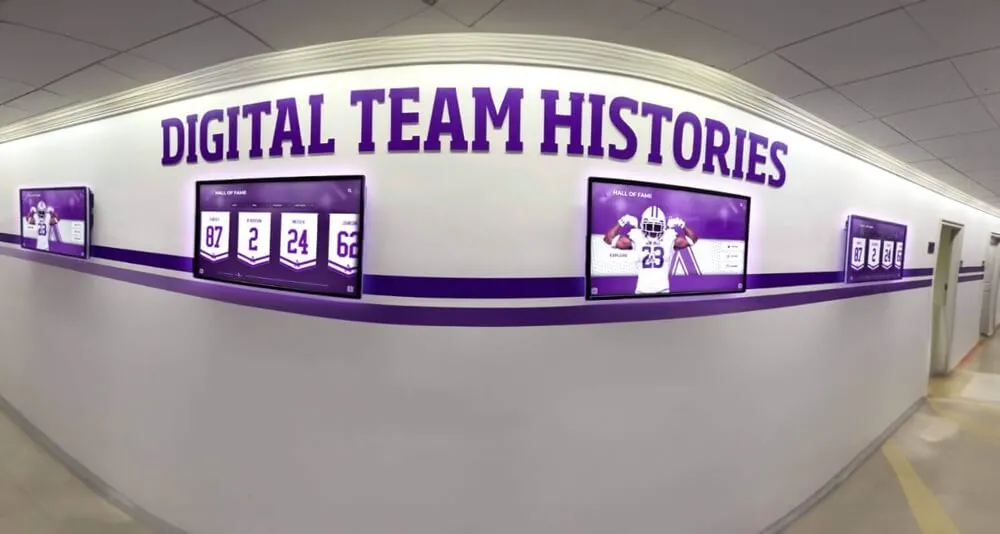
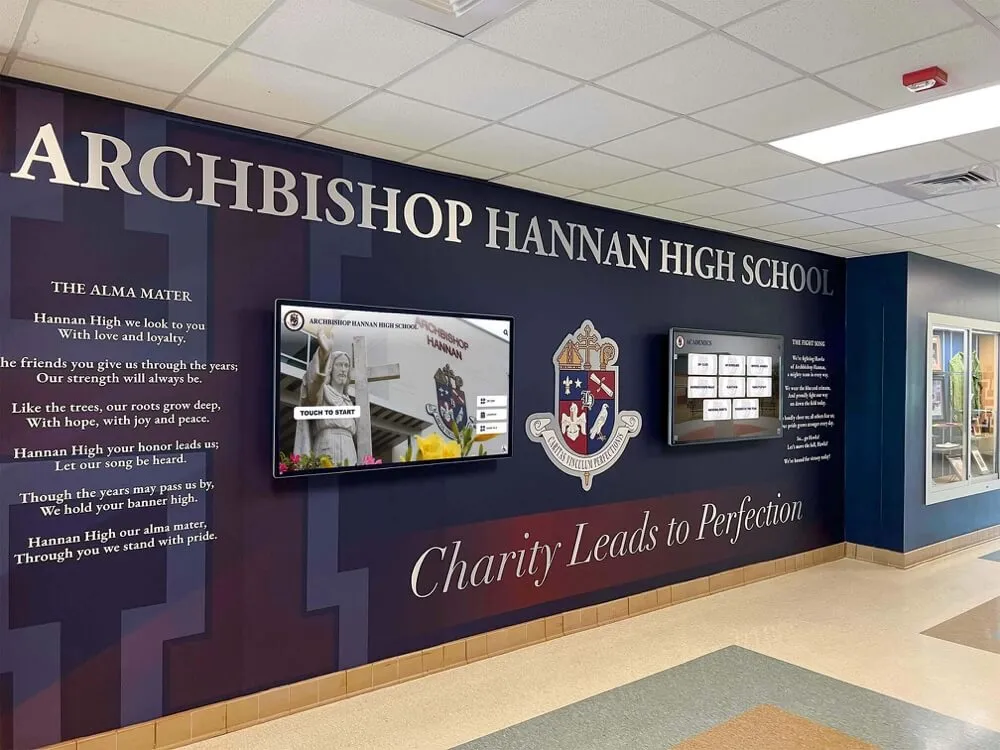
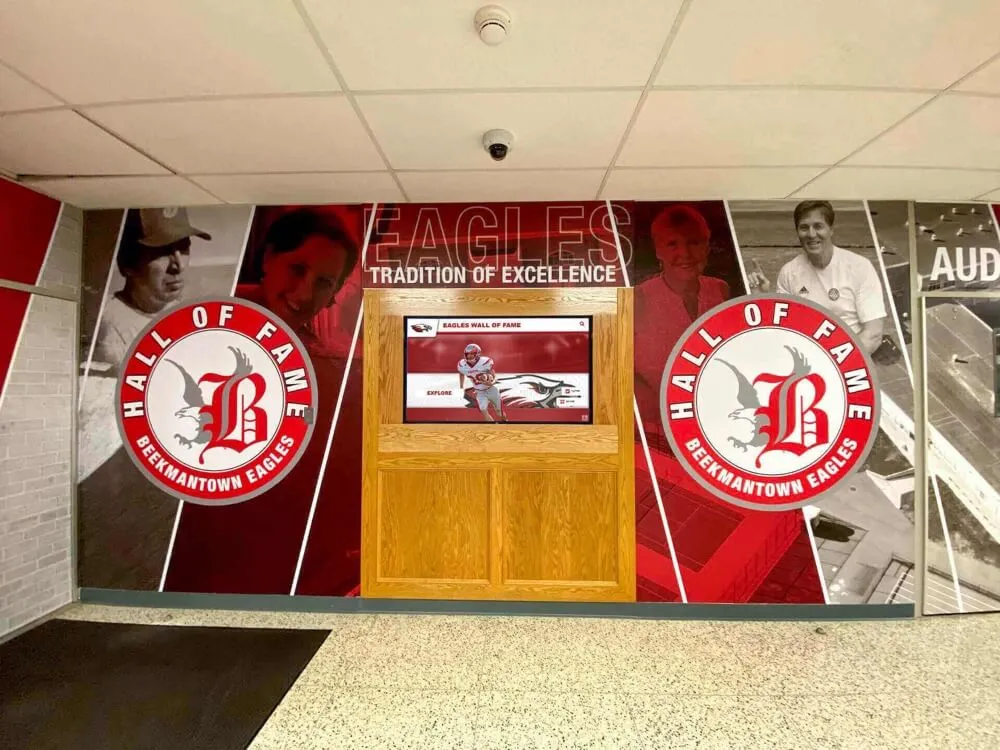
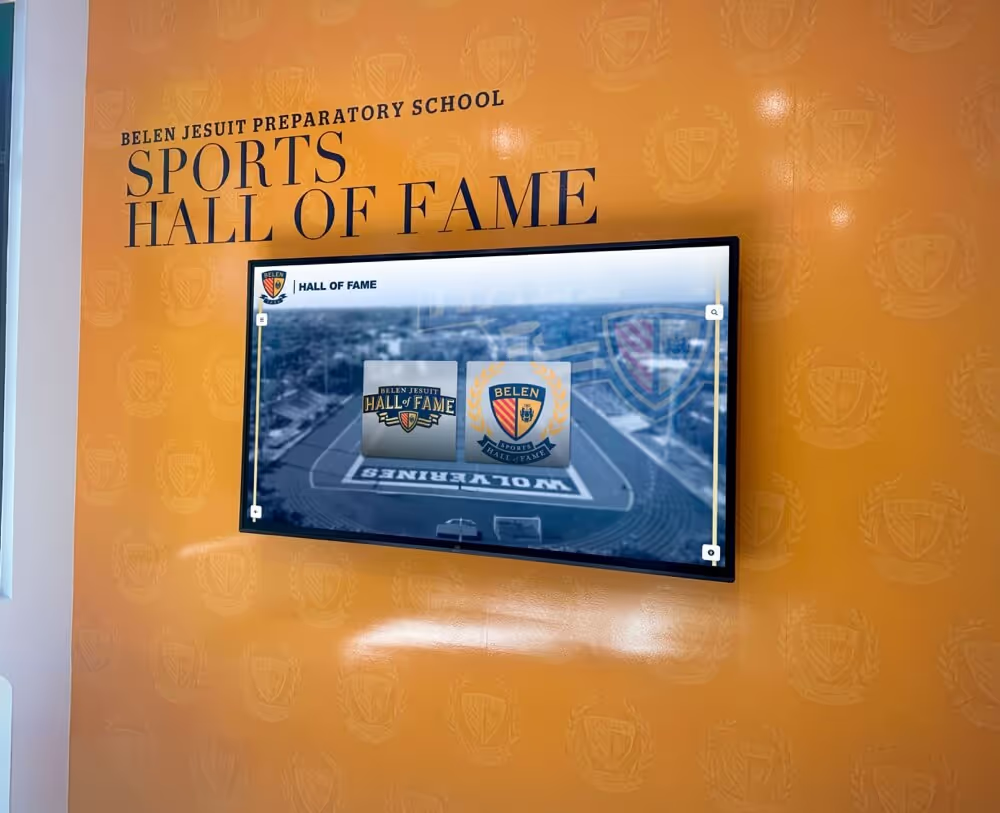
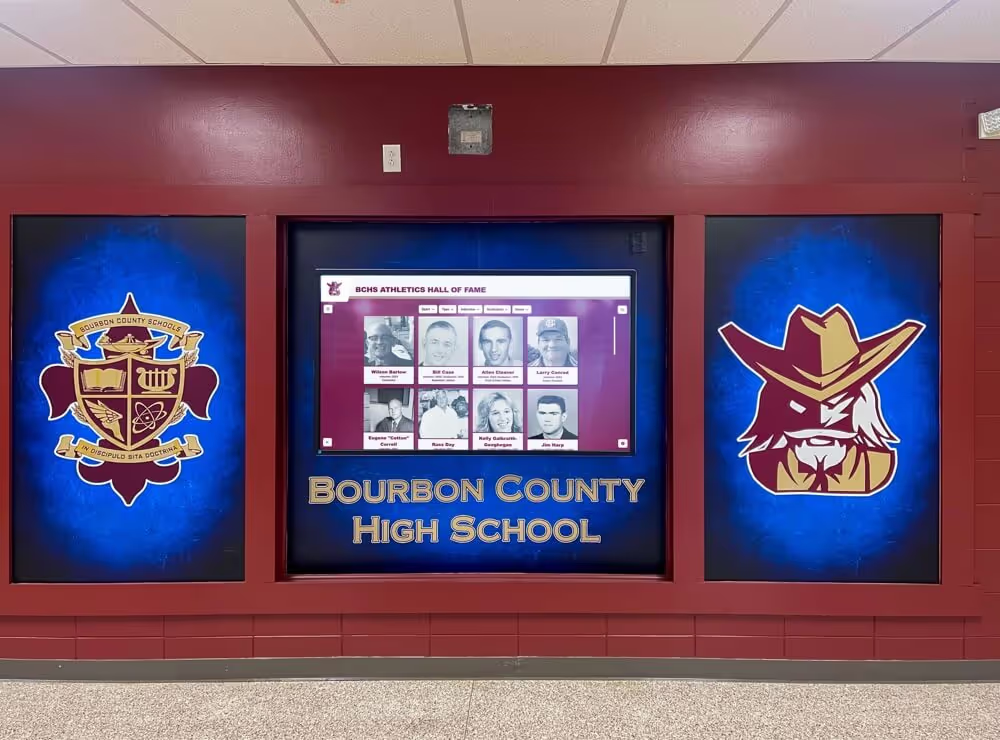
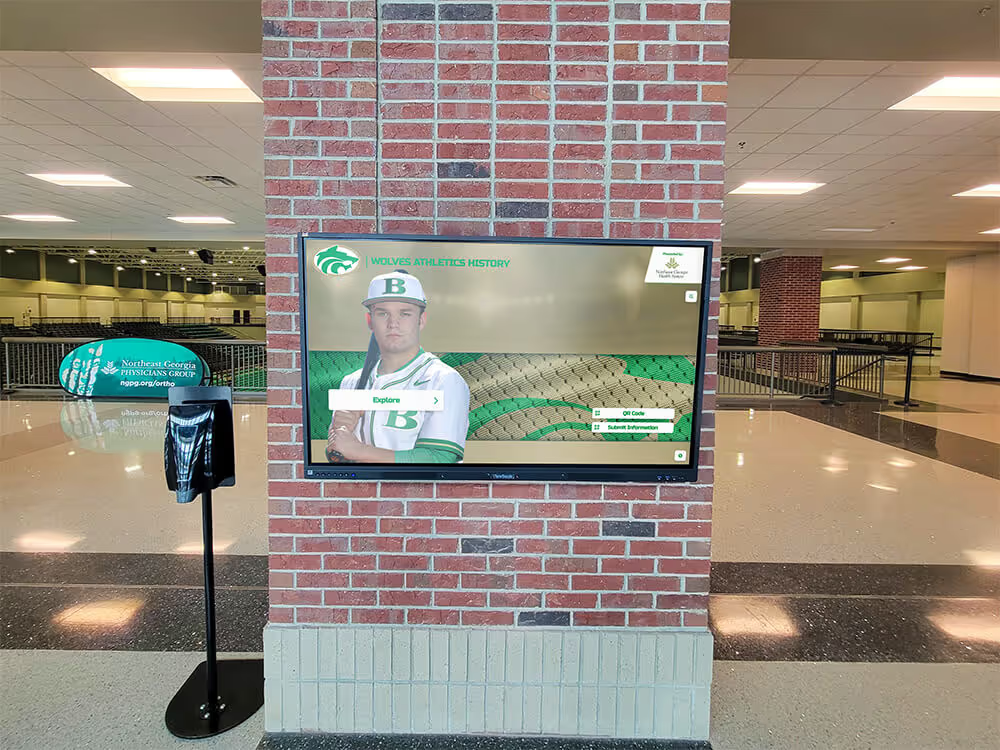
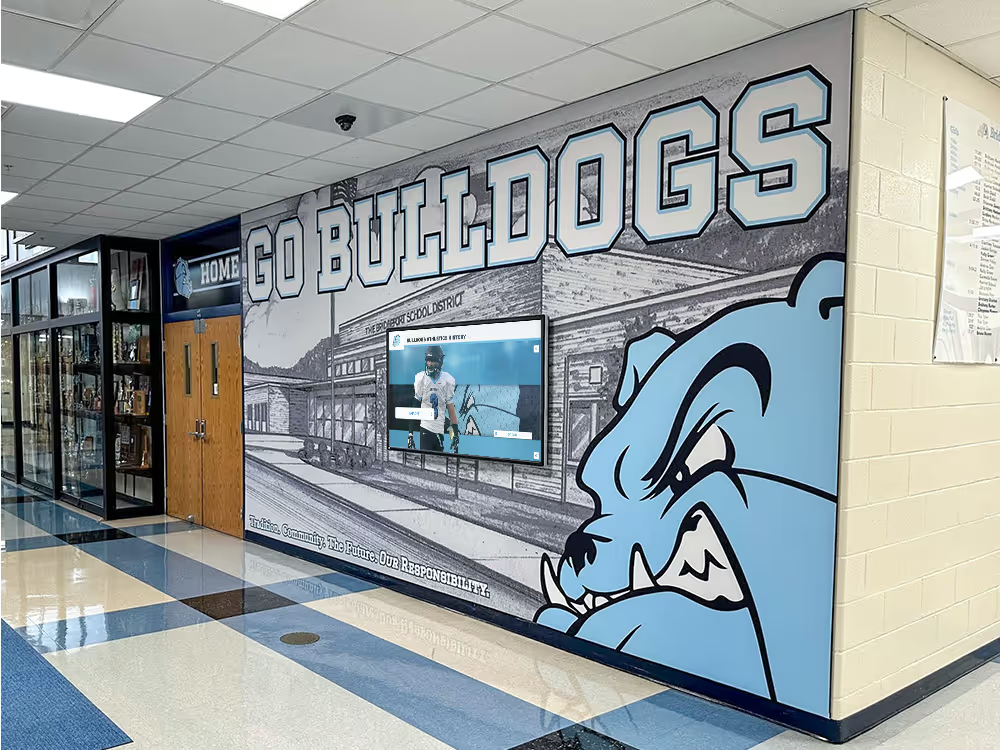
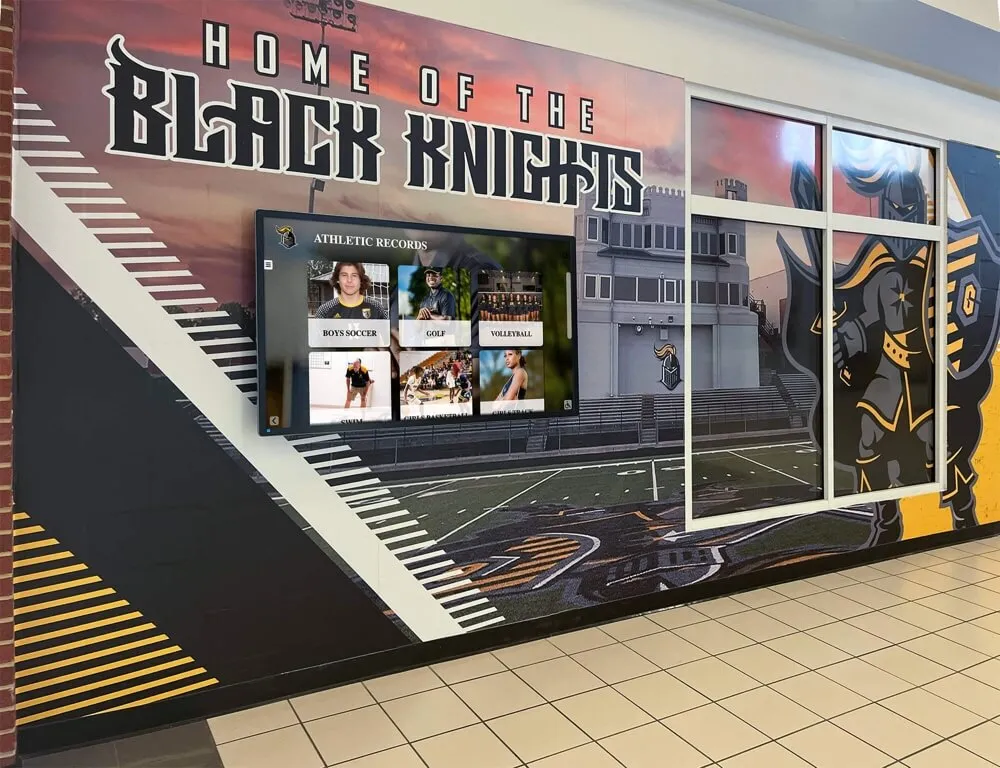
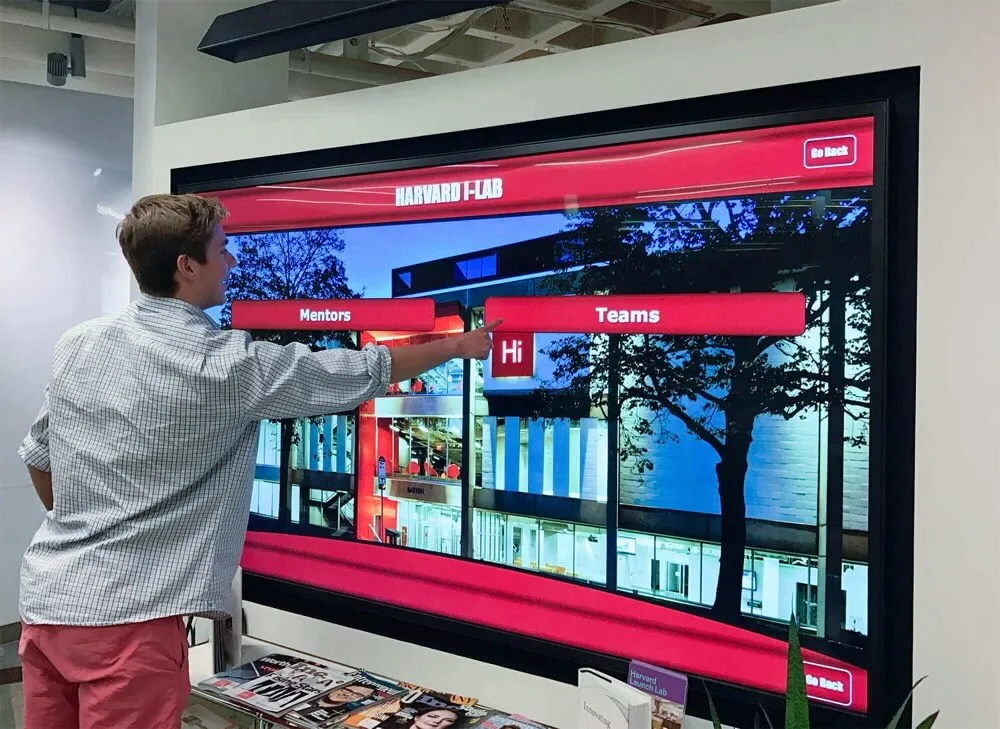
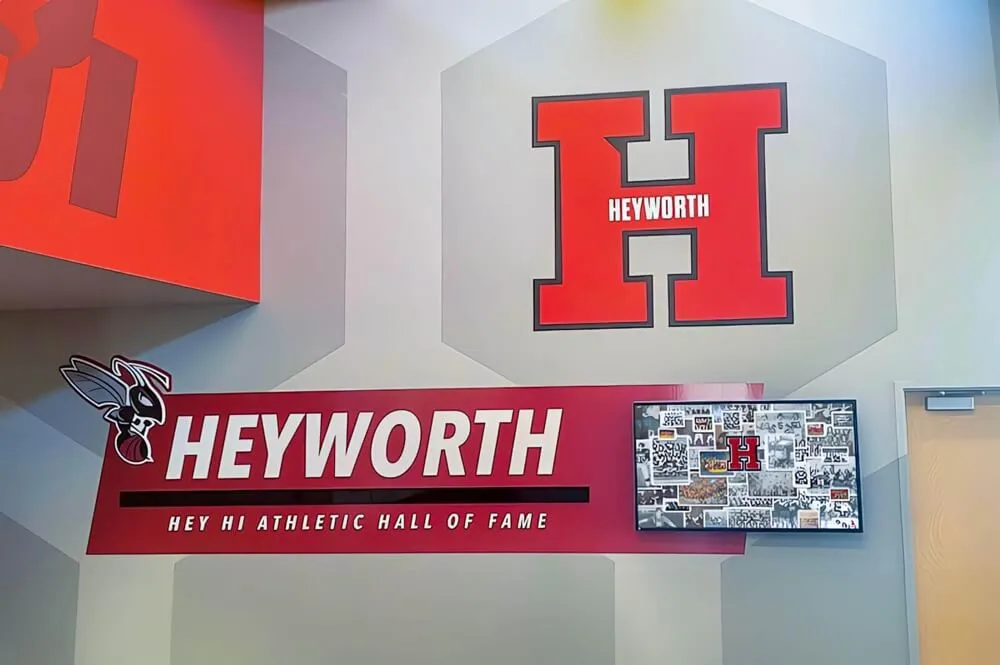
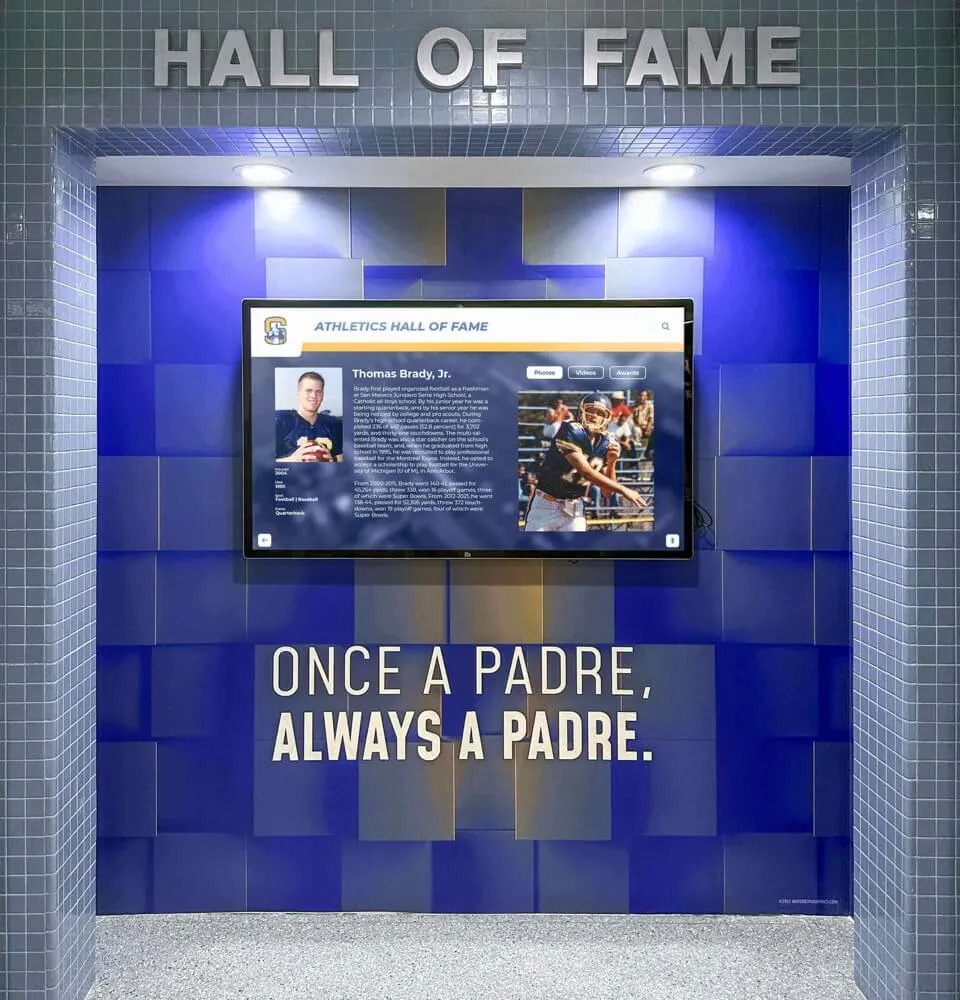
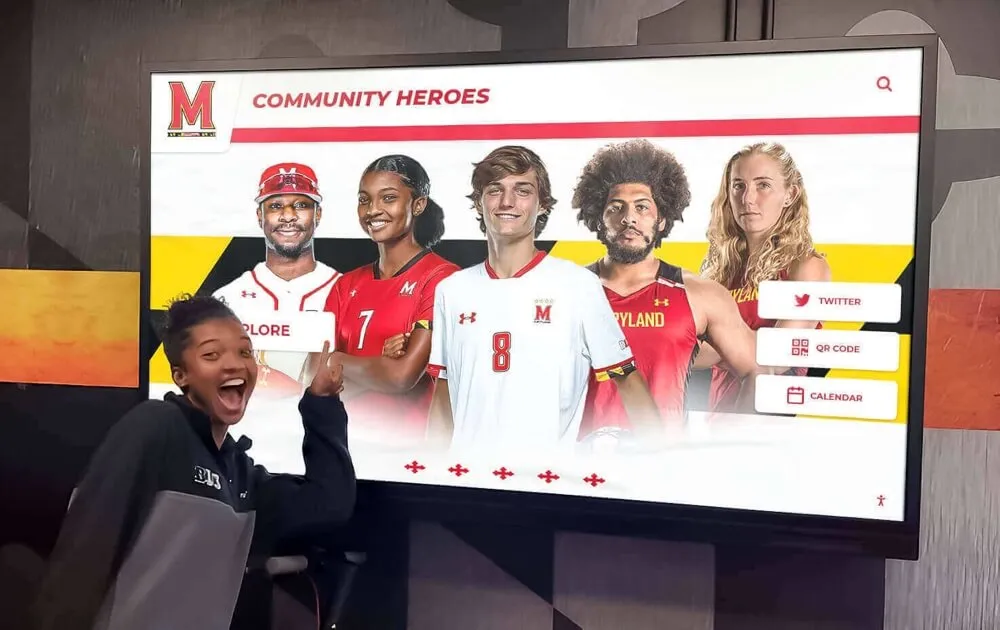
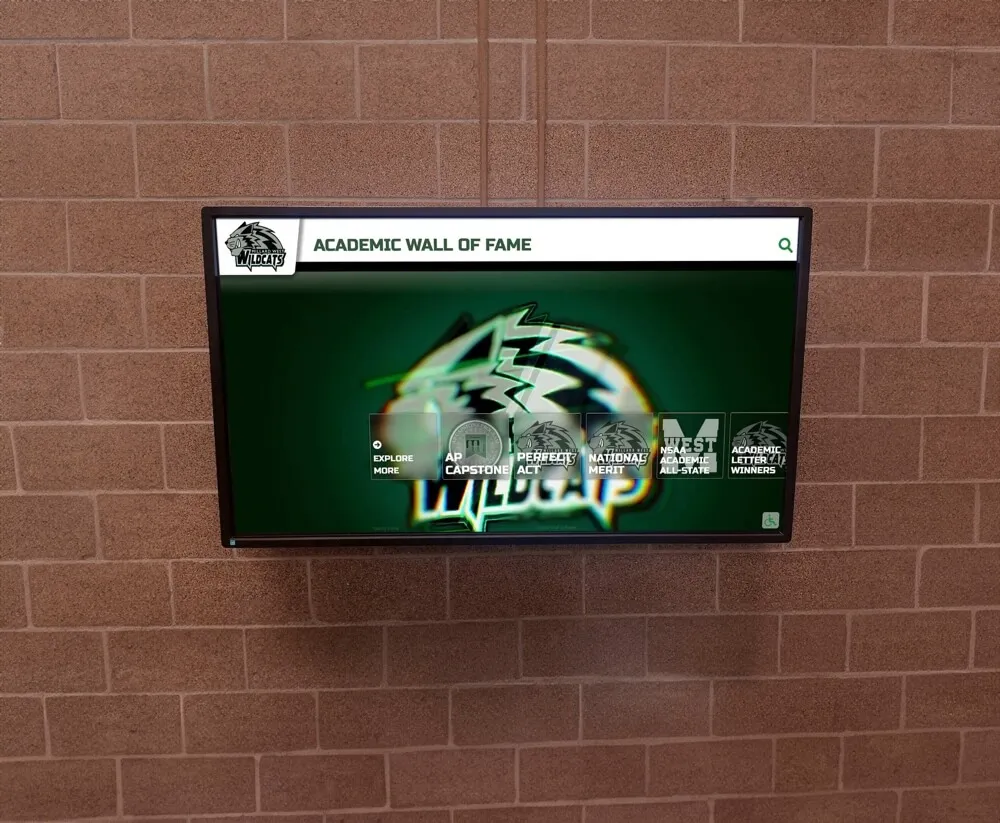
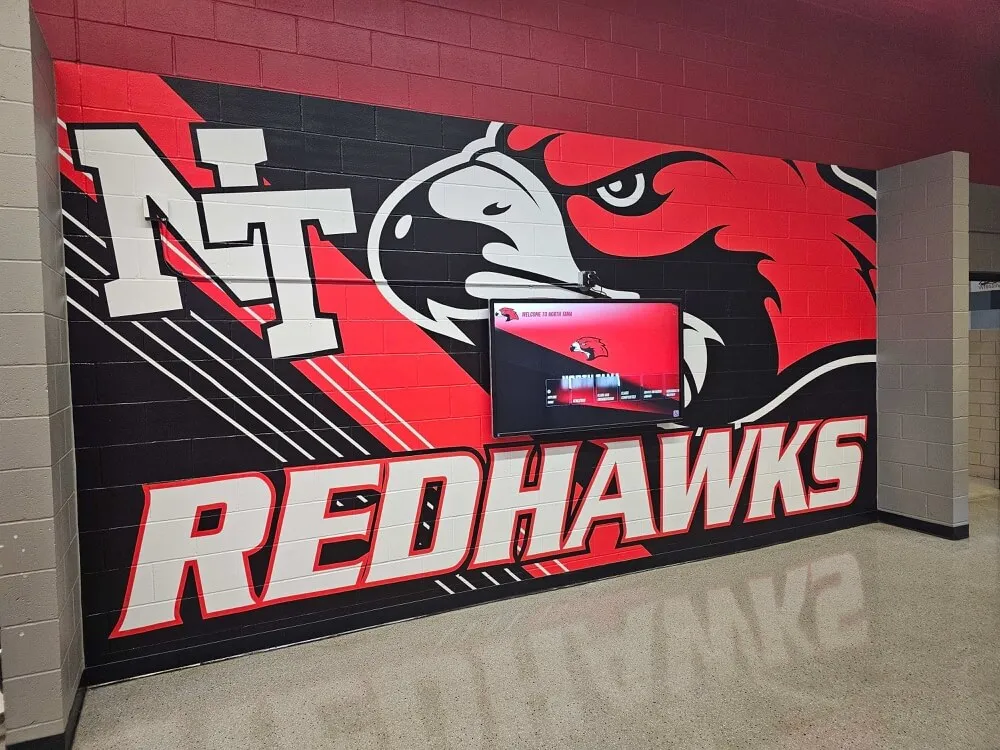
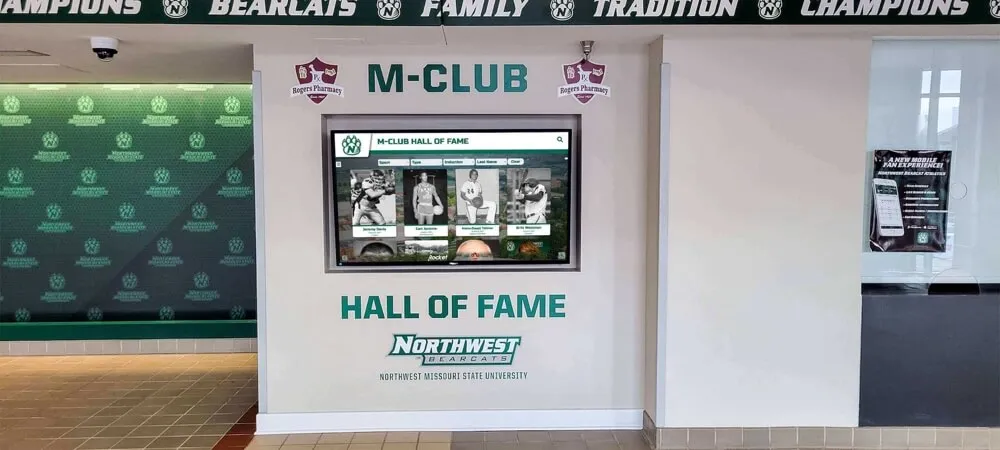
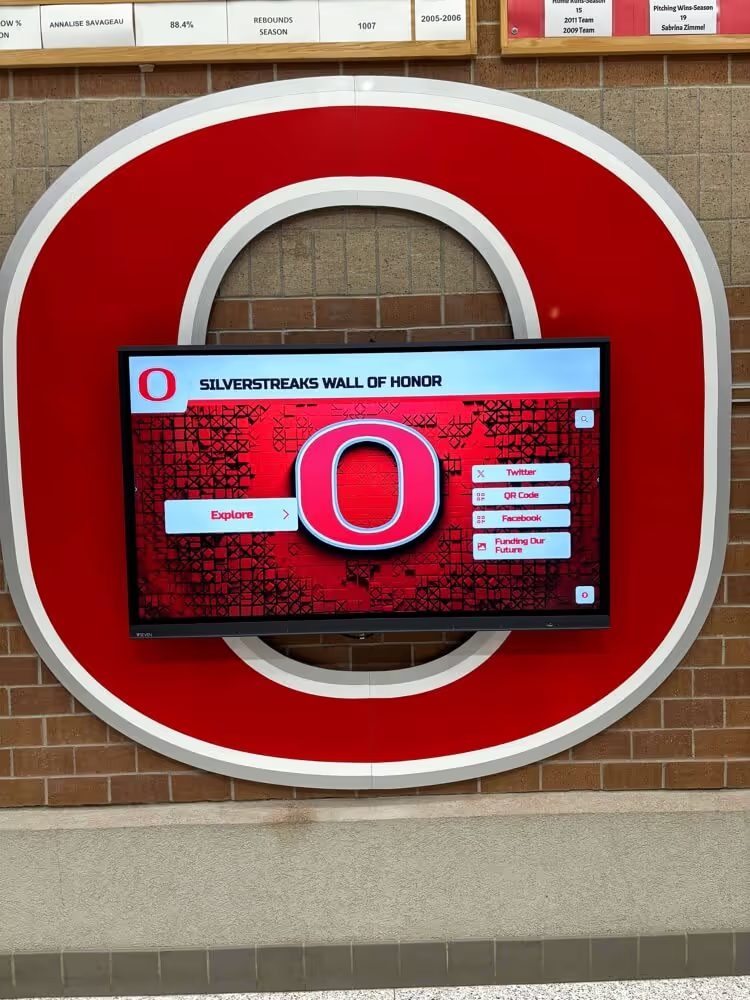
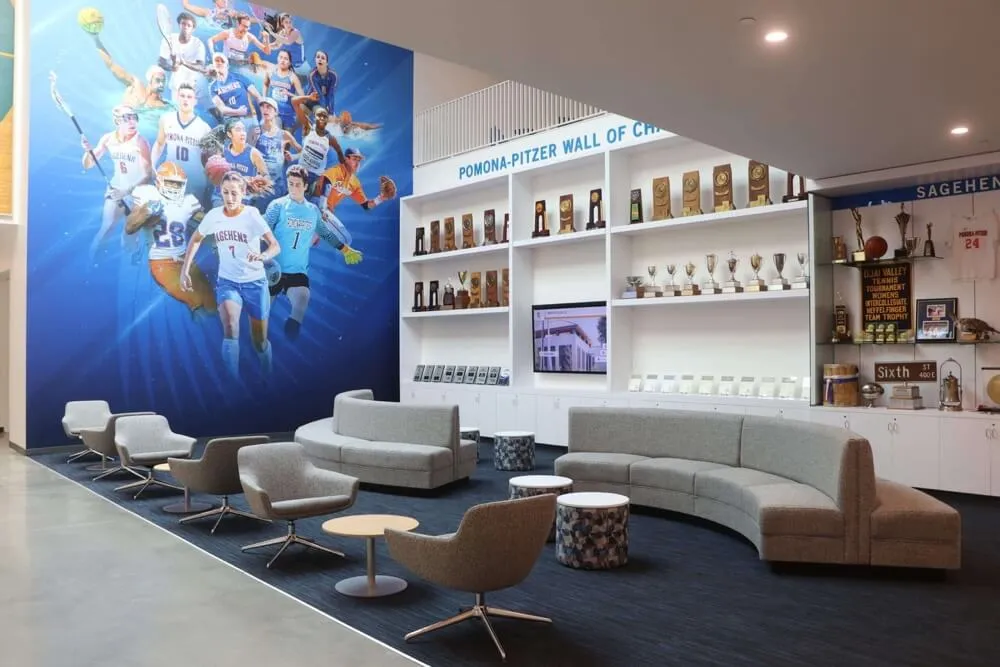
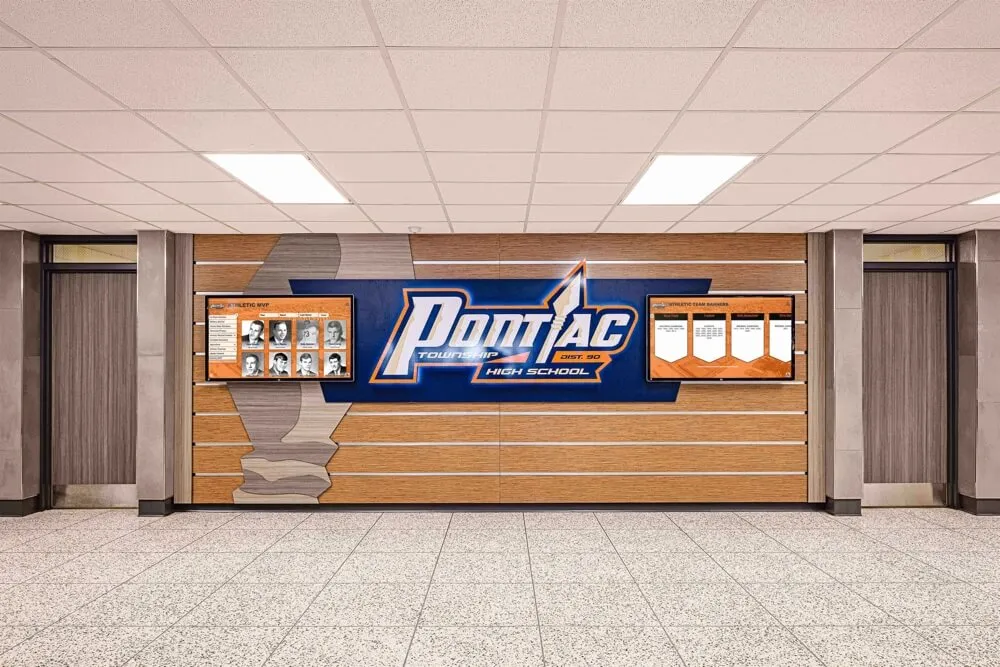
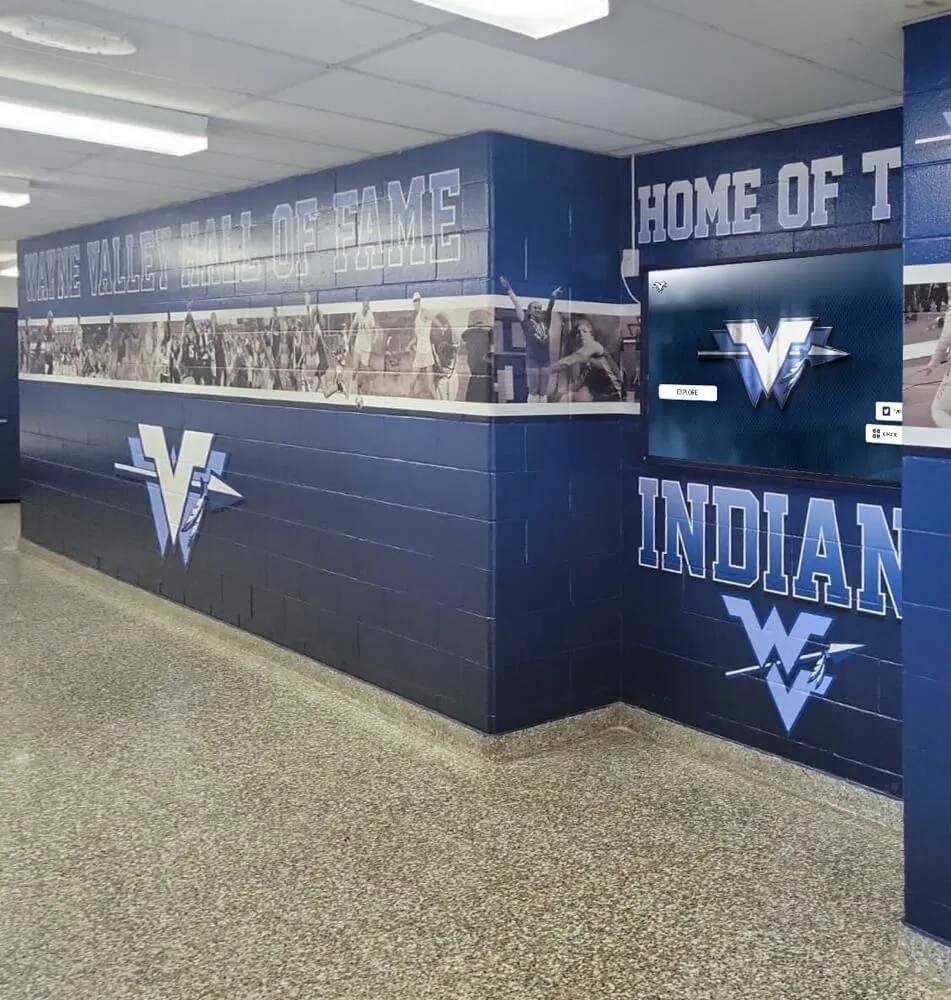
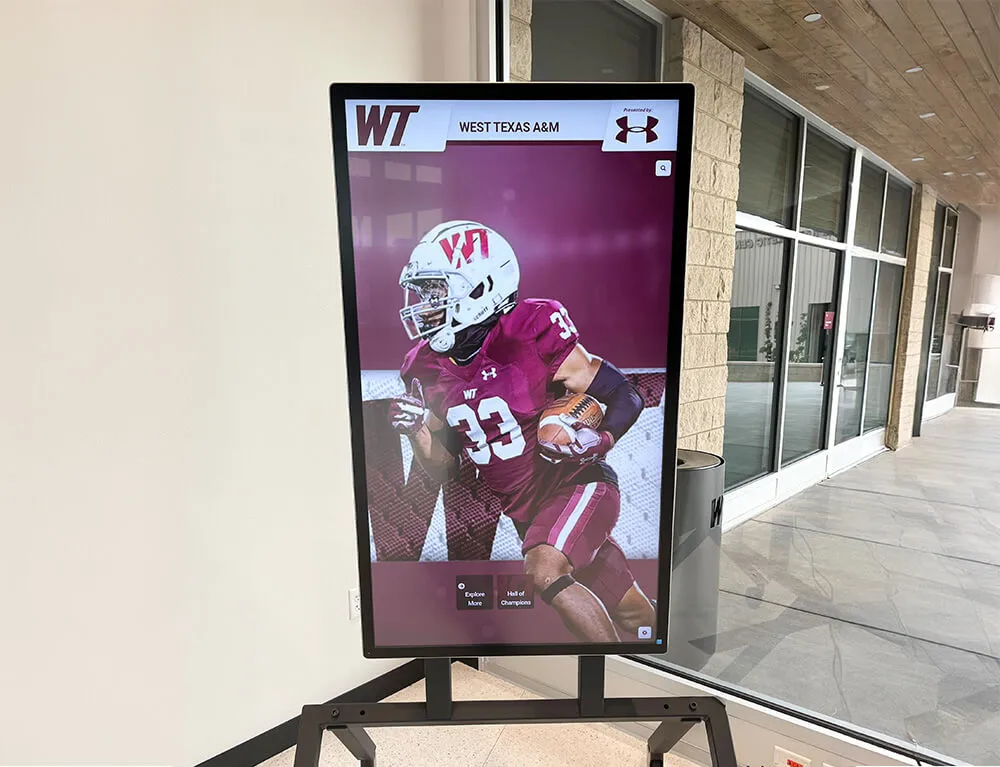
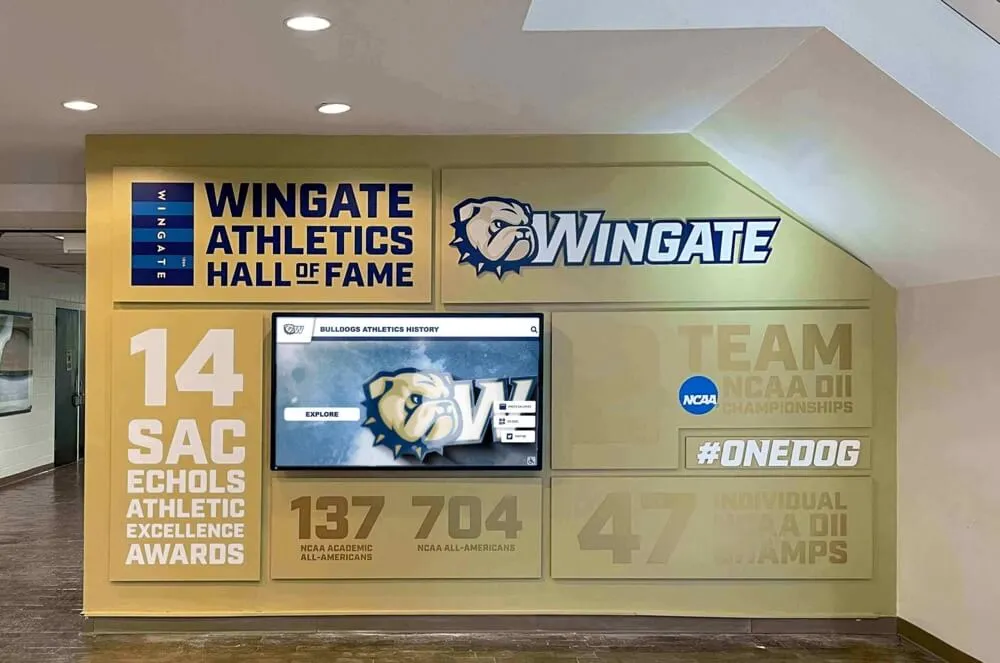
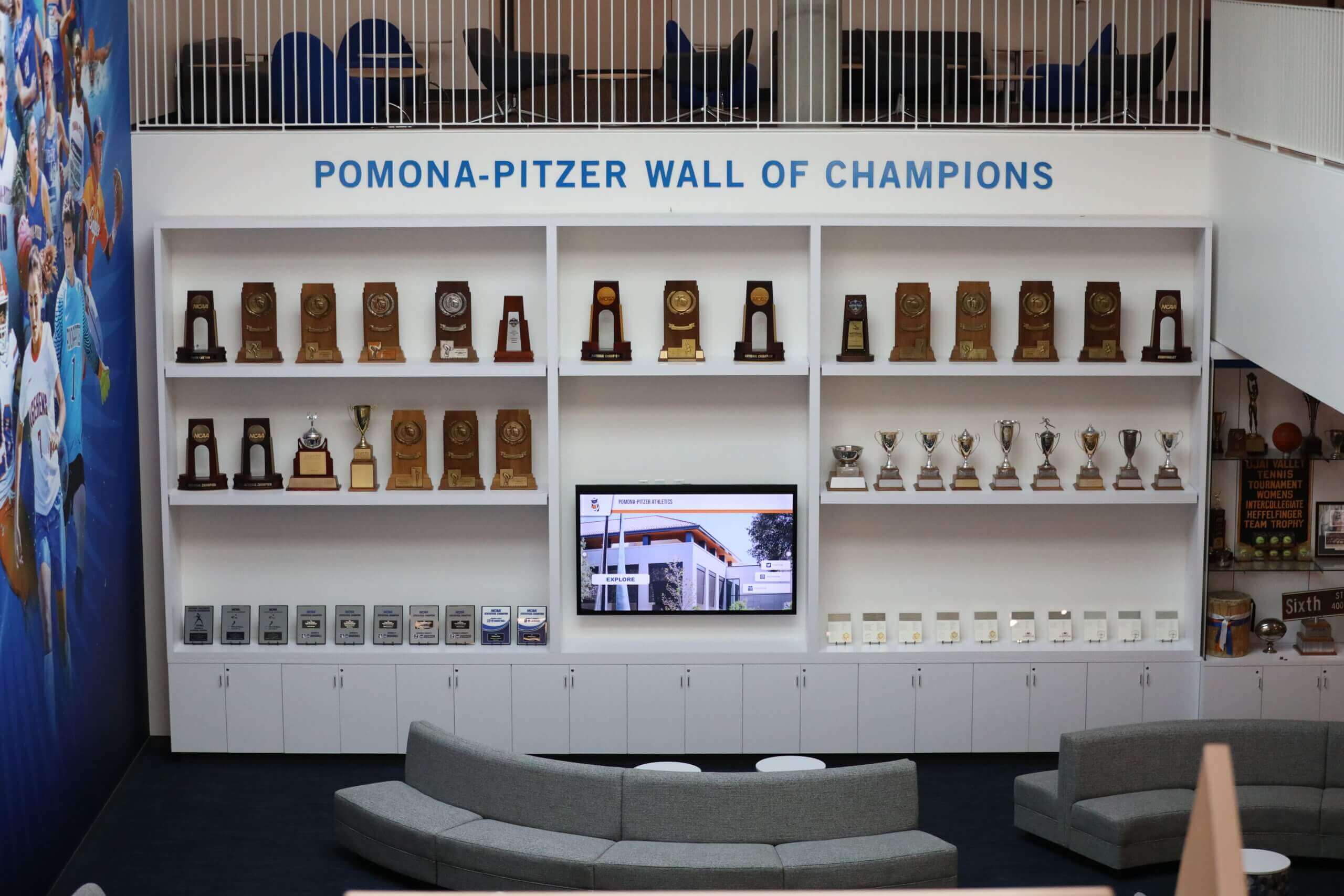
End-of-season celebrations serve vital functions for swim programs beyond simple formality. Banquets validate the demanding sacrifices swimmers make throughout seasons, celebrate achievements across all skill levels and event specialties, provide formal closure marking seasonal transitions, strengthen relationships among athletes, coaches, and families, and honor graduating seniors who shaped team culture and mentored younger swimmers. Modern recognition approaches including digital displays showcasing swim achievements enable programs to extend banquet recognition beyond single evenings into year-round celebration that keeps accomplishments visible and inspiring for entire programs.
Understanding the Unique Nature of Swim Banquets
Before diving into planning specifics, recognizing what makes swim team celebrations distinctive helps coaches and organizers create events that resonate authentically with swimming culture and participant expectations.
The Swimming Community’s Special Character
Swimming creates unique team dynamics that banquet planning should acknowledge and celebrate appropriately.
Individual sport within team framework: Unlike purely team sports where everyone plays defined positions contributing to collective outcomes, swimming remains fundamentally individual—each swimmer competes in their own lane, achieves personal times, and earns individual recognition. Yet training happens collectively, relay success demands perfect teamwork, and team scoring combines individual performances into shared victories. Effective banquets honor both individual excellence and collective identity, recognizing personal achievements while celebrating team culture.
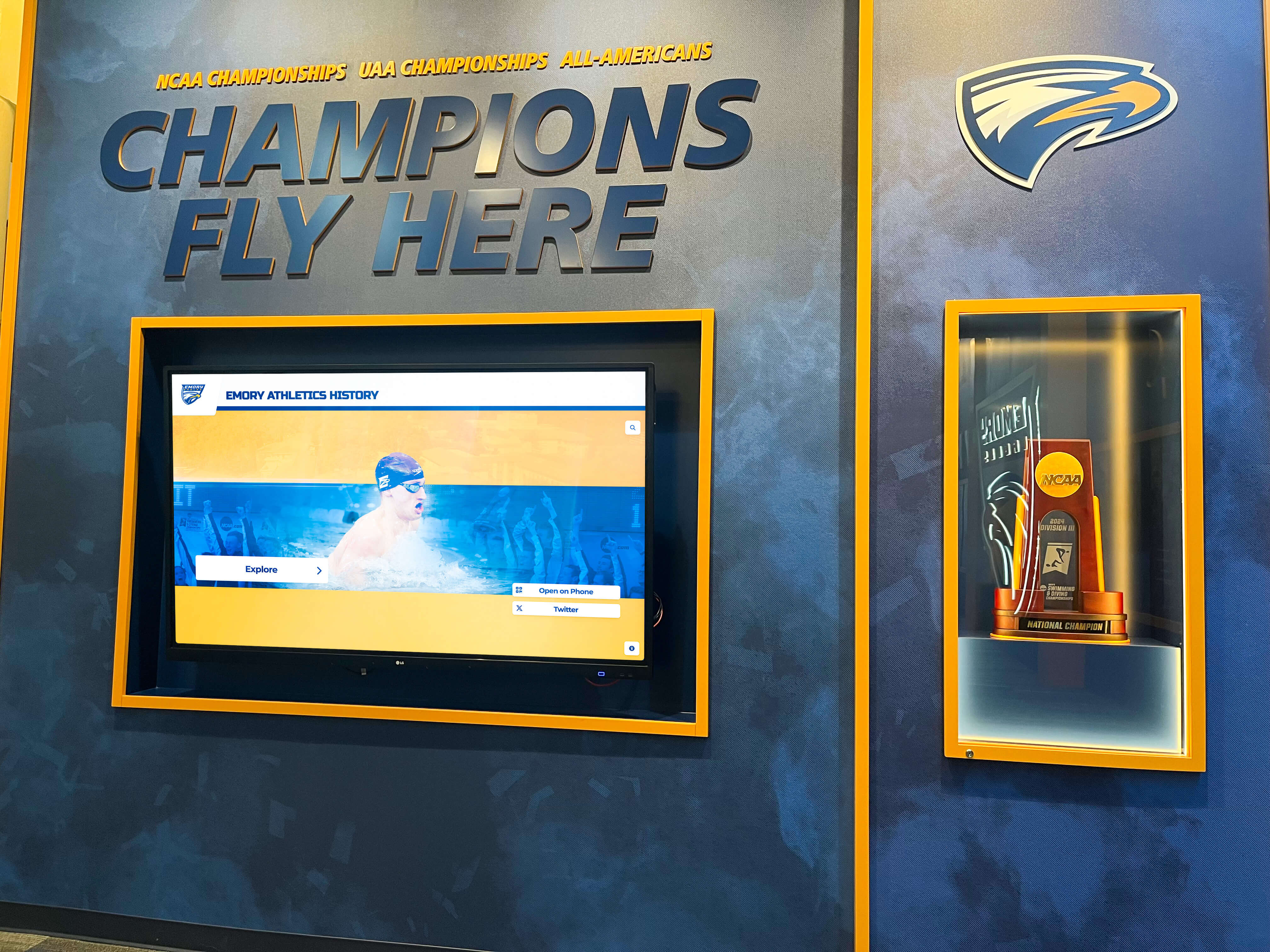
Wide performance range within single teams: Most swim teams span enormous skill ranges from beginners learning stroke fundamentals to elite competitors pursuing national qualifying times. This diversity means recognition must celebrate improvement and effort alongside championship performances. Banquets honoring only top finishers alienate the participation-focused swimmers whose enthusiasm and team spirit often define program culture more powerfully than elite achievements alone.
Family commitment and involvement: Swimming demands extraordinary family dedication—early morning pool dropoffs, weekend travel to distant meets, significant financial investment in fees and equipment, and schedule sacrifices accommodating demanding training. Parents become deeply invested stakeholders deserving recognition alongside athletes. Successful banquets acknowledge family contributions explicitly, creating inclusive celebrations rather than athlete-only events that ignore the support systems enabling participation.
Seasonal closure with multi-season continuity: Unlike fall sports concluding before winter or spring sports ending at school year’s close, swimming often spans multiple seasons or year-round training with shifting competitive emphases. Banquets must provide seasonal closure and achievement recognition while maintaining excitement for ongoing training and future competitions. This balance proves particularly important for club programs where swimmers immediately transition into next training cycles.
Common Banquet Planning Challenges
Swim coaches and parent organizers consistently encounter predictable challenges that strategic planning addresses effectively.
Venue selection for diverse team sizes: Small teams of 20-30 swimmers fit comfortably in restaurant private rooms or community centers, while large programs with 100+ athletes require substantial spaces accommodating hundreds when families attend. Venue capacity, cost, amenities, and accessibility all factor into selection decisions affecting event success significantly.
Budget constraints balancing quality with affordability: Swim programs operate on tight budgets where every dollar spent on banquets reduces resources available for equipment, facility rental, coaching, or competition entry fees. Families already invest heavily in participation fees, making expensive per-plate banquet charges unpopular. Effective planning delivers memorable experiences within realistic budgets through strategic resource allocation and creative approaches reducing costs without sacrificing quality.
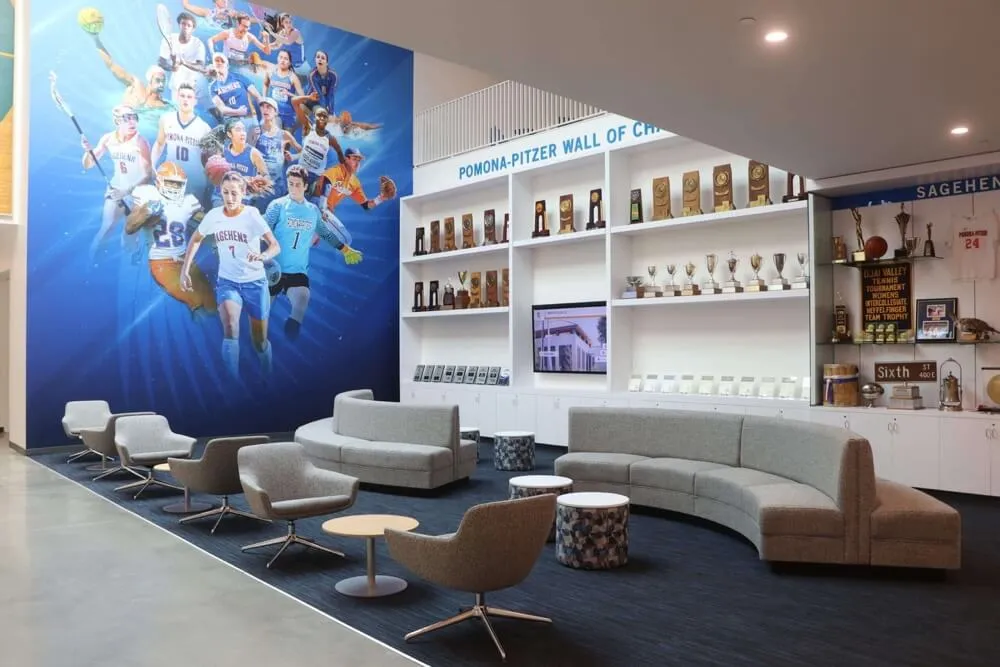
Award category development recognizing diverse contributions: Traditional “fastest swimmer” awards honor obvious excellence but ignore the dedicated participants who improve dramatically, demonstrate exceptional work ethic, mentor teammates, or embody team values despite never reaching podiums. Comprehensive award structures celebrate diverse contributions ensuring all swimmers receive appropriate recognition for their participation and growth.
Senior recognition balancing emotion with celebration: Honoring graduating seniors creates emotional high points as teams acknowledge athletes departing and reflect on their contributions across multiple seasons. However, excessive senior focus risks overshadowing younger swimmers’ achievements and creating uncomfortable emotional intensity. Effective banquets appropriately honor departing athletes while maintaining celebratory energy and recognizing returning team members whose achievements deserve equal enthusiasm.
Timing coordination with academic and athletic calendars: Scheduling banquets proves surprisingly complex. Too soon after season’s end may conflict with ongoing championships or spring break travel. Too late loses momentum and conflicts with other spring activities. Finding dates when venues are available, key speakers can attend, and most families can participate requires early planning and flexibility.
Resources on planning athletic celebrations and recognition events provide frameworks applicable to swim banquets while addressing common planning obstacles that affect all seasonal athletic recognition.
Essential Elements of Successful Swim Banquets
While every program customizes celebrations reflecting local culture and resources, certain core elements consistently appear in effective swim team banquets that create meaningful experiences for participants and families.
Venue Selection and Setup
Physical space dramatically impacts banquet atmosphere, logistics, and participant experience, making venue selection among the most consequential planning decisions.
School or pool facility spaces offer cost-effective options for budget-conscious programs. School cafeterias, gyms, or natatoriums themselves can host banquets with appropriate setup. These venues provide zero or minimal rental costs, familiar comfortable environments for athletes and families, easy access to team equipment for displays, and built-in audiovisual capabilities for presentations. However, they require significant setup and cleanup effort, may lack the special-occasion atmosphere restaurant venues provide, and acoustics can prove challenging for speeches and presentations.
Restaurant private rooms deliver turnkey experiences with food, service, and ambiance included. These venues handle all meal preparation and cleanup, provide professional atmosphere appropriate for formal recognition, offer simplified planning requiring less volunteer coordination, and create special-occasion feeling beyond everyday school spaces. Costs run higher per person, however, and capacity limitations may exclude these options for large programs or force multi-session banquets dividing teams.
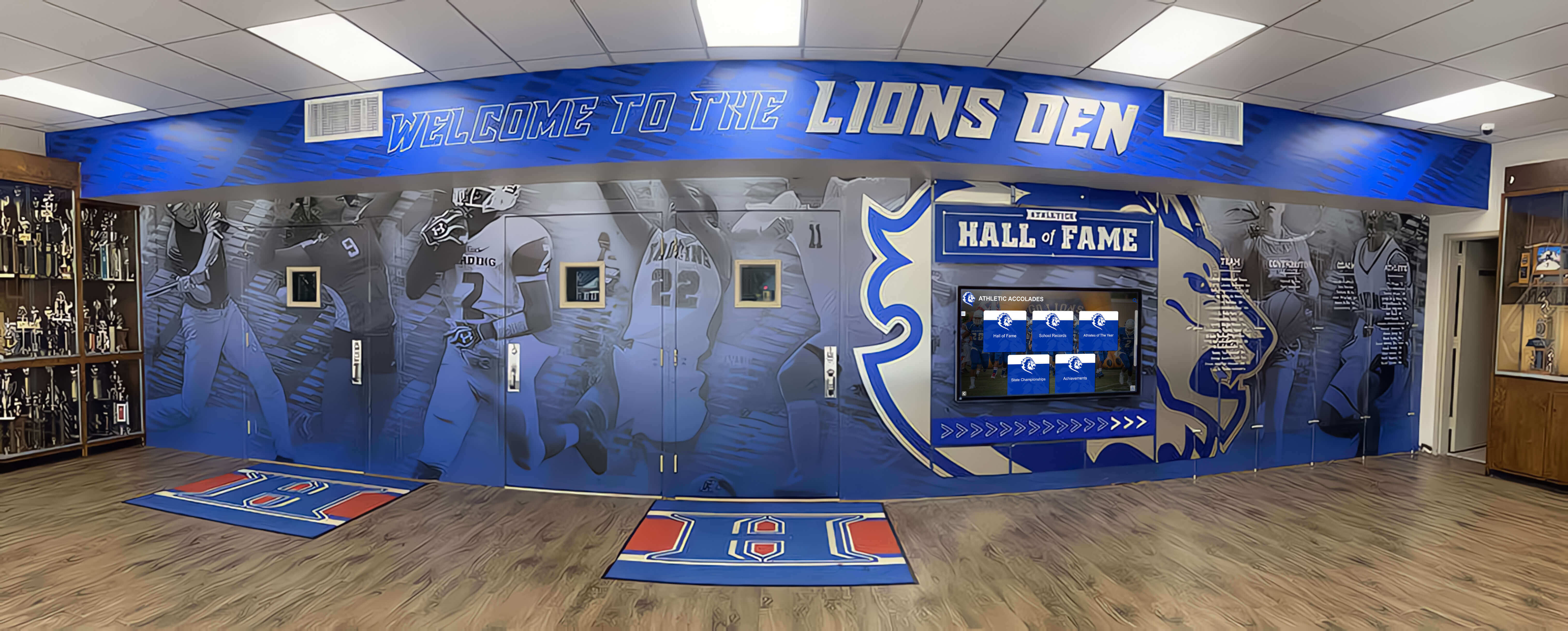
Community centers and event spaces split the difference between school venues and restaurants. These locations provide dedicated event facilities at reasonable rental rates, neutral spaces creating special-occasion atmosphere, sufficient capacity for large groups, and flexibility for custom setup and decoration. They require separate catering arrangement and more volunteer coordination than restaurants but cost less while offering more polish than school spaces.
Outdoor venues suit mild-climate programs celebrating spring seasons. Parks, pavilions, or outdoor pool decks enable casual celebration styles. These spaces accommodate large groups inexpensively, facilitate relaxed social interaction, and connect celebrations to the aquatic environment central to team identity. Weather risks, however, require backup plans and seasonal limitations restrict viability for many programs.
Setup considerations maximize venue effectiveness regardless of location. Table arrangements should facilitate conversation while ensuring all attendees see presentation areas. Recognition displays featuring season highlights, record boards, photo collages, and achievement summaries create visual interest and conversation starters. Audiovisual equipment must deliver clear sound for speeches and video presentations. Registration or check-in areas should welcome families efficiently. Photo opportunity spaces with team banners or backdrops create lasting memories families eagerly capture.
Award Categories That Celebrate Diverse Excellence
Comprehensive recognition structures honor the full spectrum of contributions and achievements characterizing swim teams, ensuring all participants receive appreciation appropriate to their efforts and accomplishments.
Performance-based awards recognize measurable achievement including fastest times across different events and age groups, most improved swimmers showing greatest seasonal progression, record breakers establishing new team standards, championship performances at conference or state competitions, and relay team recognition for combined achievements. These awards celebrate athletic excellence while acknowledging that success takes many forms beyond simply being fastest overall.
Character and contribution awards honor less quantifiable but equally valuable qualities including most valuable swimmer demonstrating leadership and consistent excellence, coaches’ awards recognizing athletes exemplifying program values, most inspirational teammate uplifting others through encouragement and example, hardest worker showing extraordinary practice dedication and effort, and team spirit award for enthusiasts energizing teammates and creating positive culture. These recognitions validate that team value extends far beyond pool performance.
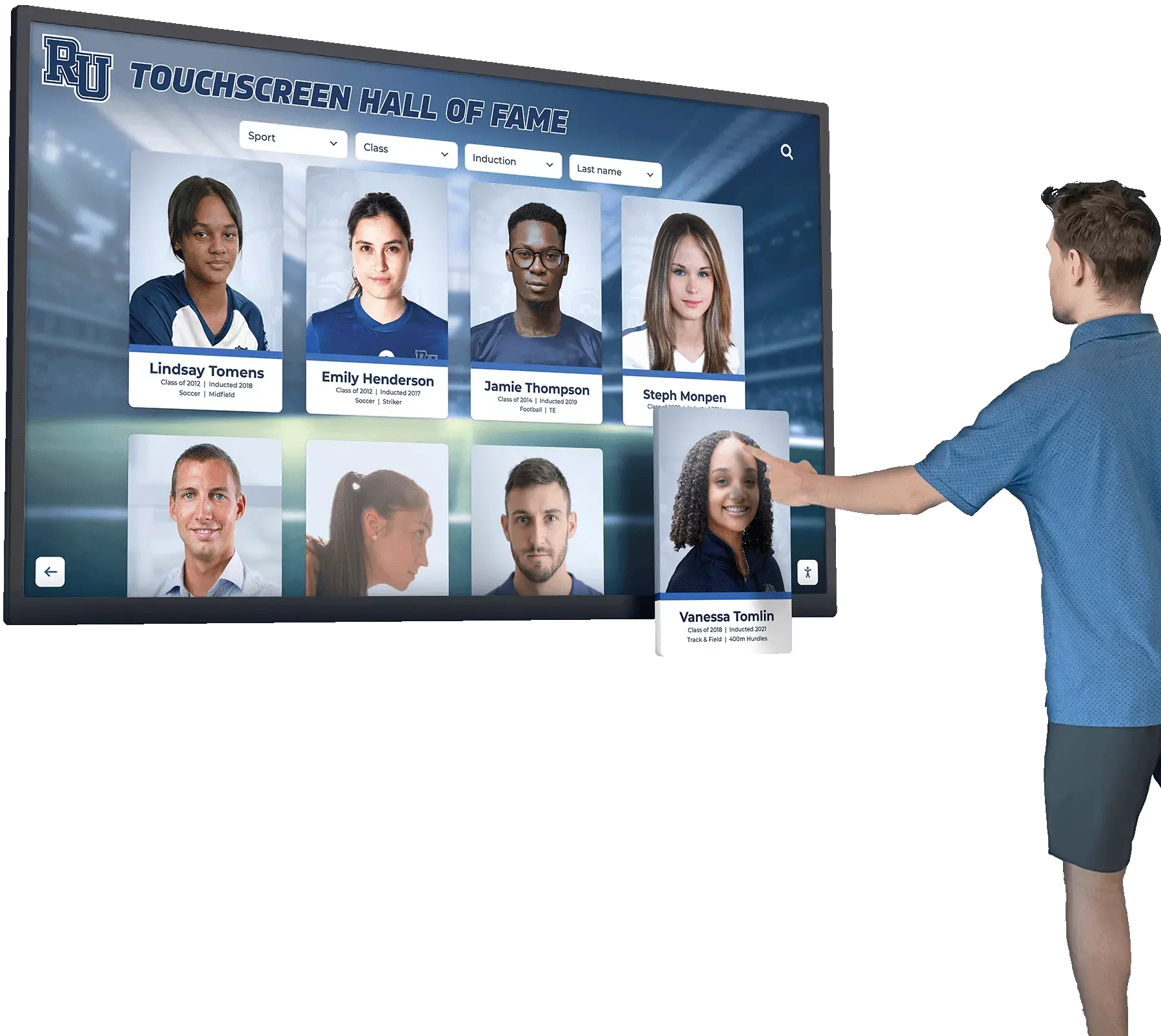
Milestone recognition acknowledges participation longevity and accumulated achievement including senior tributes for graduating athletes, multi-year participation honors, personal best achievement celebrations, qualifying time achievements for championship meets, and first-time competition participation recognition. These awards celebrate growth across time rather than single-season performance alone.
Specialized awards reflecting team culture might include categories unique to specific programs such as “early morning warrior” for athletes never missing 5:30am practices, “technical excellence” for swimmers with exceptional stroke mechanics, “versatility” for athletes competing successfully across multiple stroke types, “leadership” for captains guiding team culture, or “comeback” for athletes overcoming injuries or setbacks. Custom categories reflect what individual programs value while creating recognition opportunities beyond standard templates.
Presentation approaches affect award impact significantly. Simple certificate distribution feels perfunctory, while thoughtful presentations creating context and sharing specific examples transform recognition into meaningful experiences. Having coaches share brief stories highlighting why recipients earned awards, inviting teammates to contribute recognition comments, or showing video clips of award-worthy performances personalizes recognition making it genuinely meaningful rather than merely procedural.
Senior Recognition and Tribute
Graduating swimmers deserve special acknowledgment for their accumulated contributions and impending departures, creating emotional centerpieces for many swim banquets.
Senior tribute presentations might include individual recognition with photo montages and accomplishment summaries, coach testimonials sharing how each senior contributed to program development, parent speeches or written statements celebrating their swimmer’s journey, teammate comments from younger athletes mentored by departing seniors, and senior speeches where graduating swimmers share reflections on their experiences. These tributes validate senior contributions while demonstrating to younger swimmers that their eventual graduations will receive equal honor.
Symbolic tradition elements create memorable moments marking transitions. Passing team captain designations to next year’s leaders, giving seniors small gifts or mementos from the team, creating “senior legacy” statements where departing athletes articulate advice for teammates, or symbolic gestures like relay baton passing represent continuity as leadership transitions. Such traditions, when authentic rather than forced, strengthen team identity across graduating classes.
Appropriate emotional tone balances celebration with acknowledgment of bittersweet transitions. While some tears naturally accompany farewells, excessively maudlin focus on loss can overwhelm younger swimmers and create uncomfortable intensity. Effective tributes honor seniors warmly while maintaining primarily celebratory atmosphere recognizing that graduation represents achievement and opportunity, not merely loss. Keeping individual tributes relatively concise (2-4 minutes per senior for smaller teams, briefer for large graduating classes) maintains engagement and respects everyone’s time.
Guidance on student athlete recognition and awards provides frameworks for developing comprehensive award programs celebrating diverse achievements beyond purely competitive success.
Creative Banquet Themes and Presentation Ideas
While traditional banquet formats serve most teams well, creative approaches add engagement and memorability that elevate celebrations from routine to remarkable.
Theme-Based Celebrations
Coordinated themes provide organizational frameworks making decoration, presentation, and overall atmosphere more cohesive and polished.
Olympic celebration themes leverage swimming’s highest competitive profile. Decoration might include Olympic rings, torch replicas, flag displays, and podium photo opportunities. Award presentations can adopt medal ceremony style. Video presentations might compare team achievements to Olympic performances or show Olympic highlights inspiring young swimmers. This theme works particularly well for competitive programs emphasizing elite achievement.
Beach or tropical themes create relaxed, fun atmospheres appropriate for recreational or age-group teams. Decorations featuring beach balls, tropical colors, palm trees, and nautical elements establish casual celebratory moods. Food can incorporate beach-themed elements. Photo opportunities with beach props or surfboard backdrops create shareable memories. This approach suits programs prioritizing fun and participation alongside competition.
Decades or retro themes (80s, 90s, specific era) add playful elements while enabling creative decoration and presentation. Music from featured eras, costume elements, and period-specific references create distinctive experiences. Showing how swimming or team history evolved over decades adds educational elements while highlighting program longevity and tradition.
“Awards show” formats present banquets as productions with hosts, categories, nominees, and theatrical presentation. Red carpet arrivals, paparazzi photo opportunities, presenter rotation, and video packages introducing categories elevate formality while adding entertainment value. This format suits larger, more formal programs with resources supporting elaborate production.
Understated “team family dinner” approaches emphasize intimacy and authenticity over production value. Casual settings, family-style meals, and informal sharing circles where everyone contributes recognition create warmth and connection. This style suits smaller teams where elaborate productions feel incongruous with program scale and culture.
Multimedia Presentations and Entertainment
Visual presentations transform banquets from speech-heavy events into engaging multimedia experiences showcasing season highlights and achievements.
Season highlight videos compile meet footage, practice clips, behind-the-scenes moments, and championship performances into cohesive narratives. Set to music and edited professionally (or by tech-savvy team volunteers), these videos provide entertaining season recaps while giving every swimmer screen time. Duration should remain reasonable (8-12 minutes for most teams) maintaining engagement without testing attention spans.
Photo slideshows offer simpler alternatives requiring less technical expertise. Collecting photographs from practices, meets, team bonding activities, and candid moments throughout seasons, then presenting them with music creates nostalgic impact. Including captions highlighting memories or inside jokes personalizes presentations. Digital displays can show continuously running slideshows during social portions of banquets before formal programs begin.
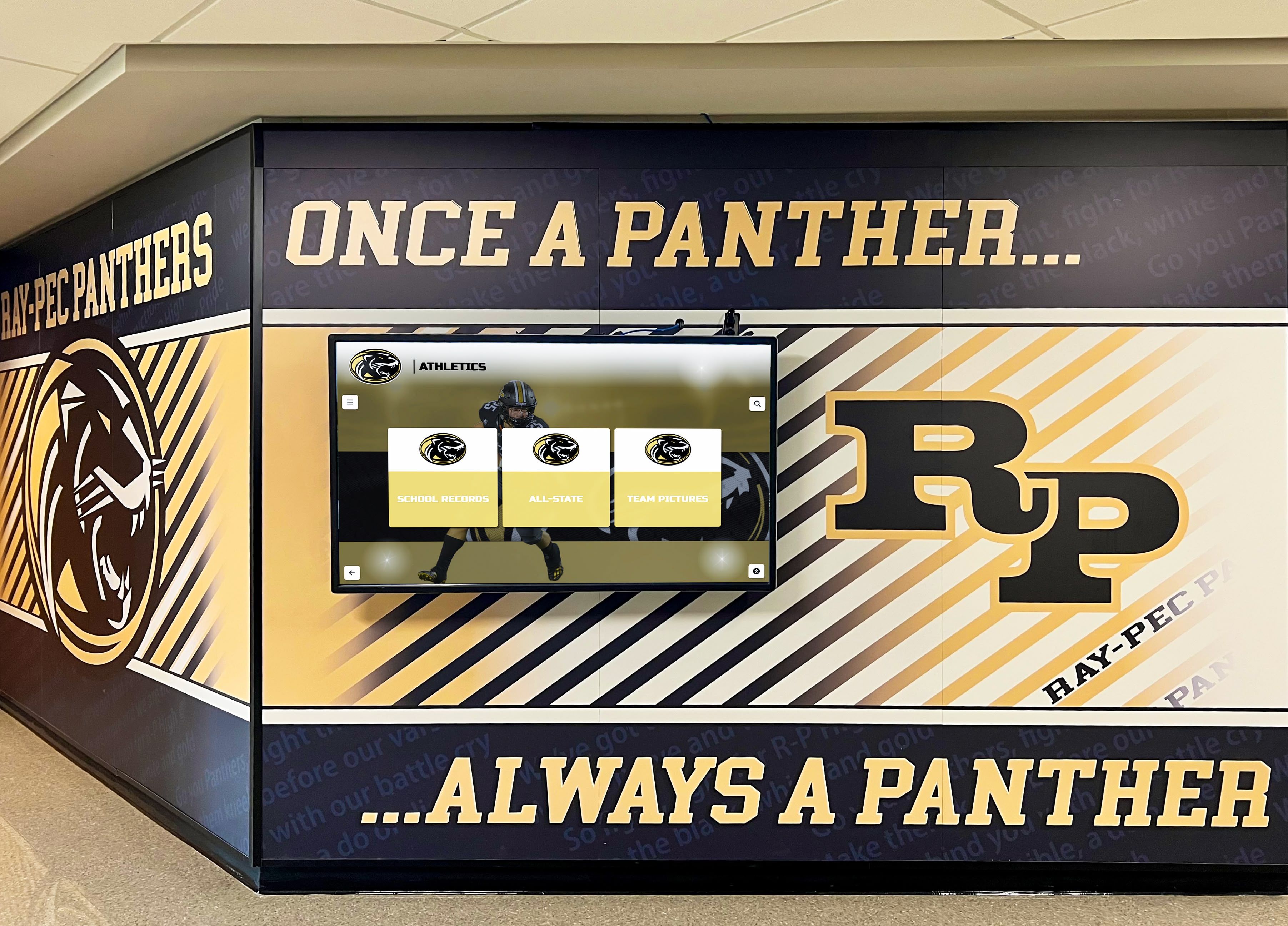
Record progression animations visualize achievement by showing how team or individual records improved over seasons. Bar graphs, timelines, or animated sequences showing times dropping create compelling ways to illustrate progress that raw statistics alone cannot convey. These presentations work particularly well highlighting record-breaking performances or program development over multiple years.
Interactive elements increase engagement beyond passive viewing. Live polling where attendees vote on awards like “best team moment” or “funniest practice memory,” trivia contests testing knowledge of season events and results, or social media integration displaying real-time photos and comments from attendees creates participation opportunities beyond simply watching presentations.
Guest speakers add external perspectives and inspiration. Alumni returning to share post-swimming experiences and how team participation influenced their development, local competitive swimmers from elite programs discussing their journeys, sports psychologists or training specialists sharing performance insights, or community leaders expressing appreciation for team contributions elevate banquets beyond internal recognition into broader conversations about swimming’s value in personal development.
Food and Catering Considerations
Meals serve functional purposes feeding attendees while creating social environments supporting relationship building and celebration.
Dinner banquets represent traditional formal approaches. Plated meals or buffets provide substantial dining experiences appropriate for evening events where meals become focal points. Food quality matters significantly to overall satisfaction, making catering selection important. Options should accommodate common dietary restrictions (vegetarian, gluten-free, allergy considerations). Service timing must coordinate with program flow ensuring meals don’t drag while allowing adequate dining time before formal presentations begin.
Dessert receptions offer budget-friendly alternatives perfect for afternoon or early evening events. Cake, cookies, fruit, and beverages cost substantially less than full meals while providing adequate refreshment for 60-90 minute events. This approach suits programs where many families travel distances to attend and plan separate dinners, or when budget constraints make per-plate meal costs prohibitive for large teams.
Potluck or family-contribution models dramatically reduce costs while increasing participation. Assigning categories (appetizers, sides, desserts, beverages) prevents redundancy while ensuring variety. This approach builds community as families share favorite recipes and specialties. It requires coordination and cannot guarantee meal quality or quantity but creates informal, welcoming atmospheres emphasizing community over formal service.
Themed food matching banquet concepts adds cohesive touches. Beach themes might feature tropical fruit, seafood, and colorful beverages. Olympic themes could incorporate international cuisine representing different countries. Casual celebrations might feature pizza, barbecue, or other accessible favorites. Food matching themes demonstrates attention to detail while creating immersive experiences.
Timing and flow coordination ensures smooth experiences. Cocktail or social periods before formal programs allow families to mingle, view displays, and photograph while stragglers arrive. Serving meals early prevents restless hunger during presentations. Dessert with or after awards maintains energy and gives families reasons to linger for socializing after formal programs conclude.
Digital Recognition Extending Banquet Impact
Traditional banquets create powerful moments but exist as single-evening experiences. Modern digital recognition extends celebration and visibility throughout seasons and across years, amplifying banquet impact exponentially.
Interactive Displays Showcasing Swim Achievements
Digital recognition systems transform how swim programs celebrate and preserve achievements, making recognition continuously accessible rather than limited to annual banquet events.
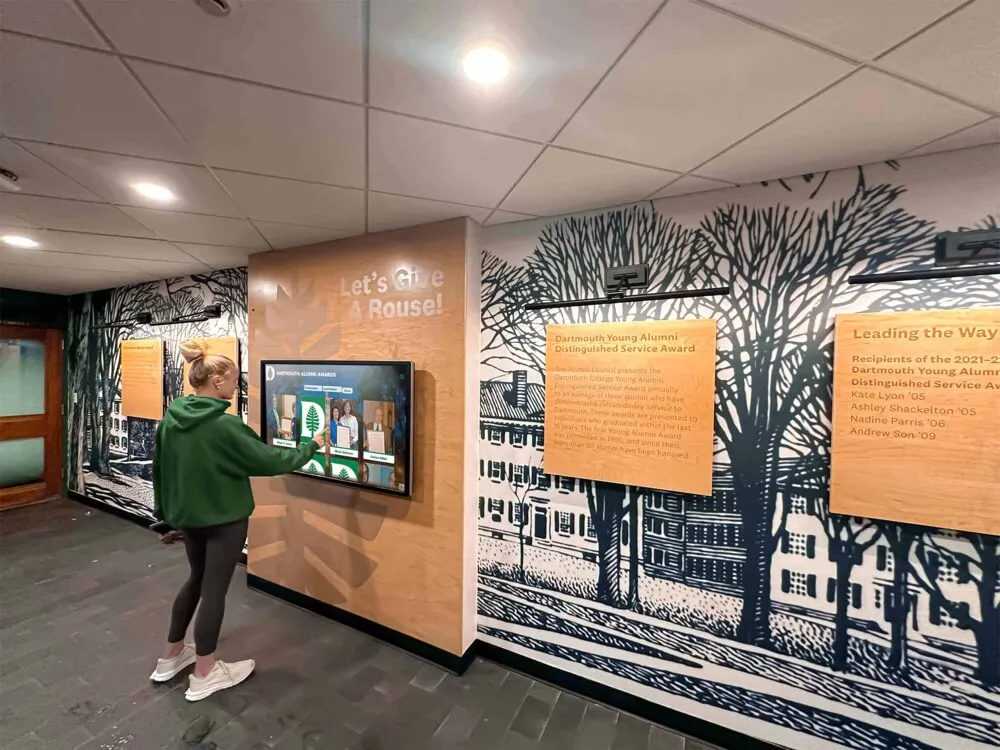
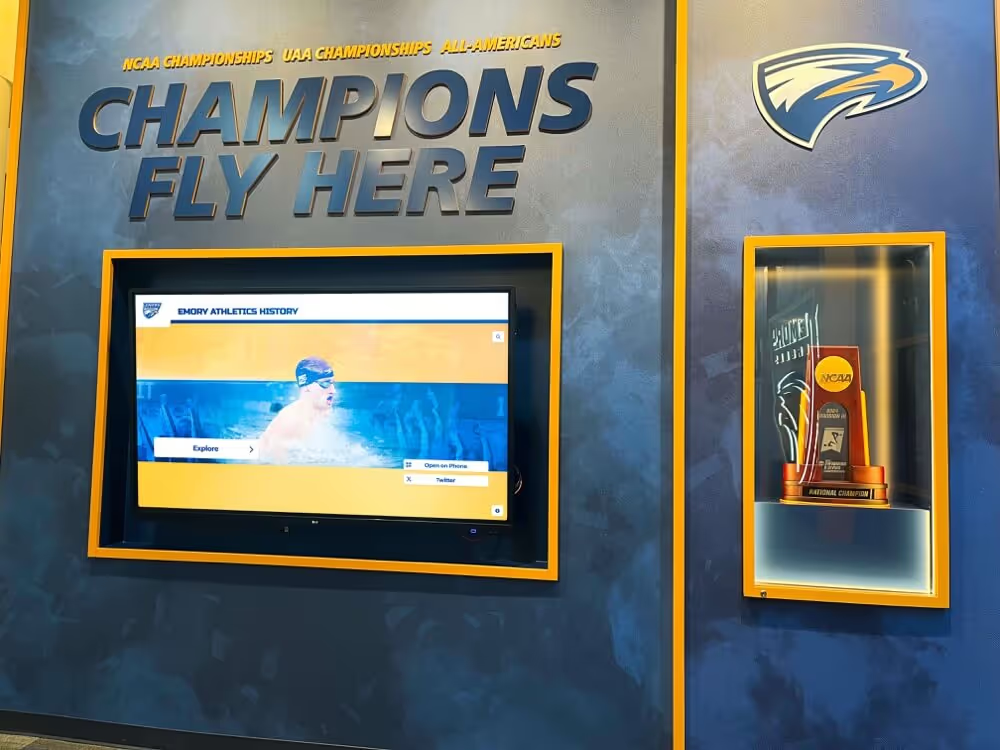
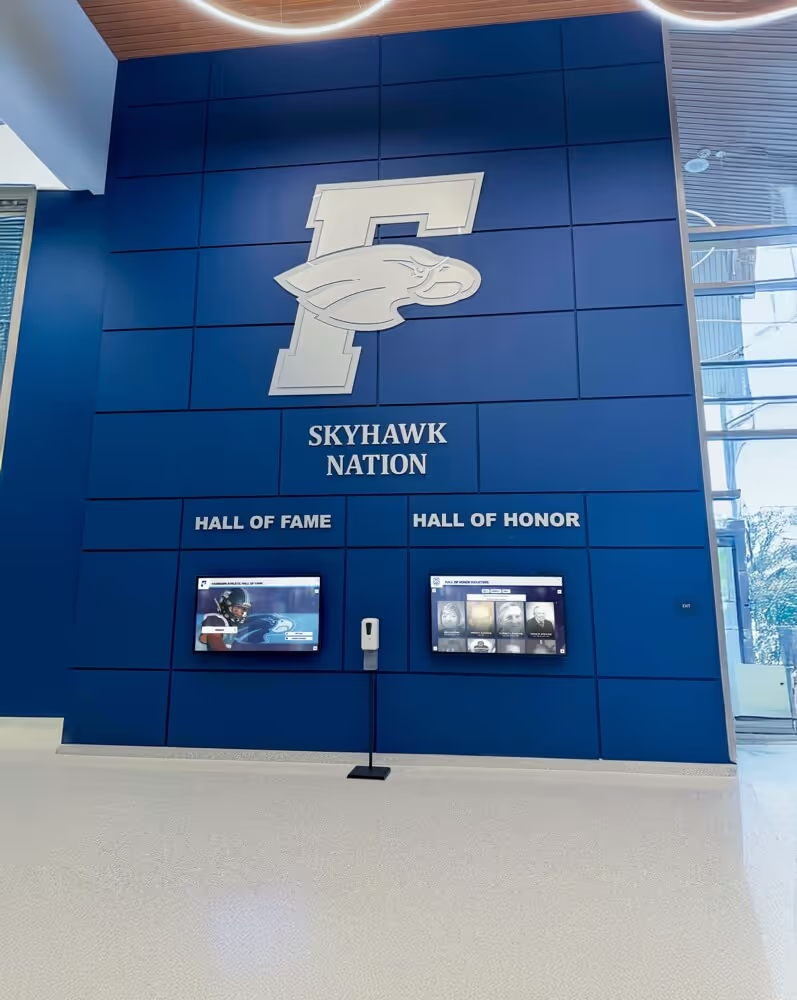
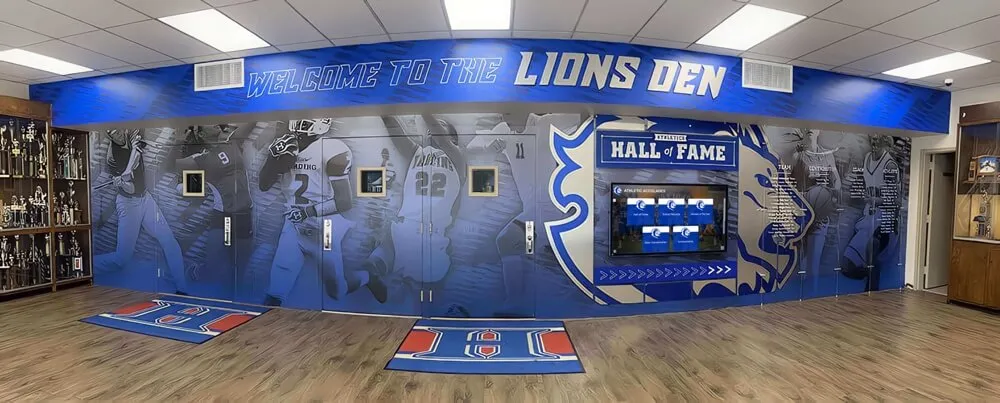
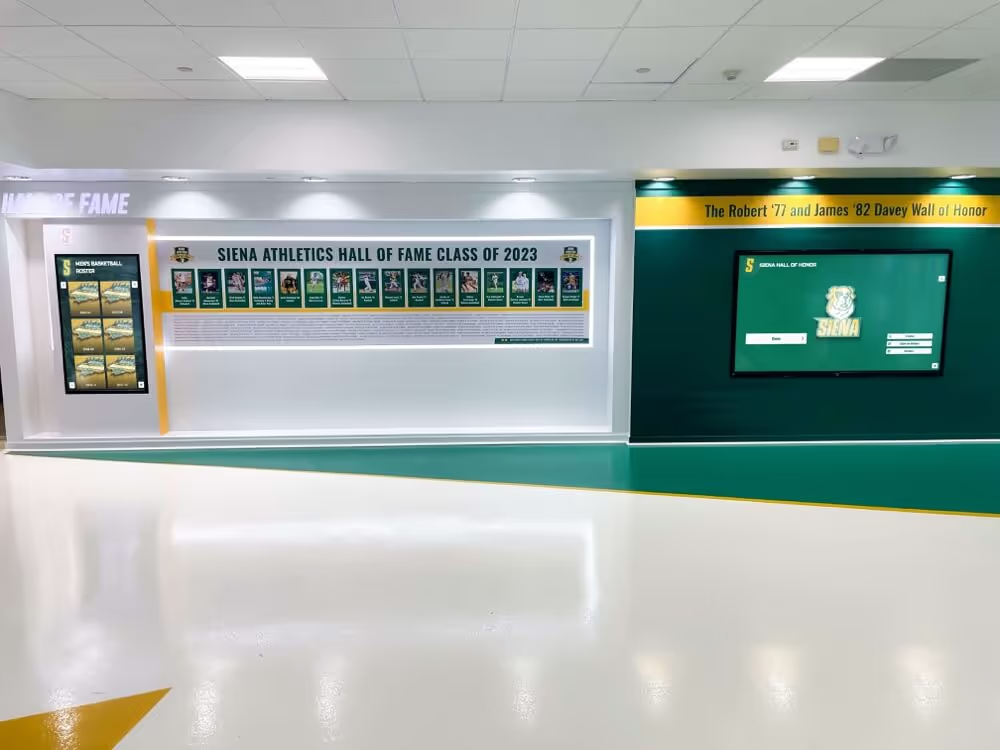
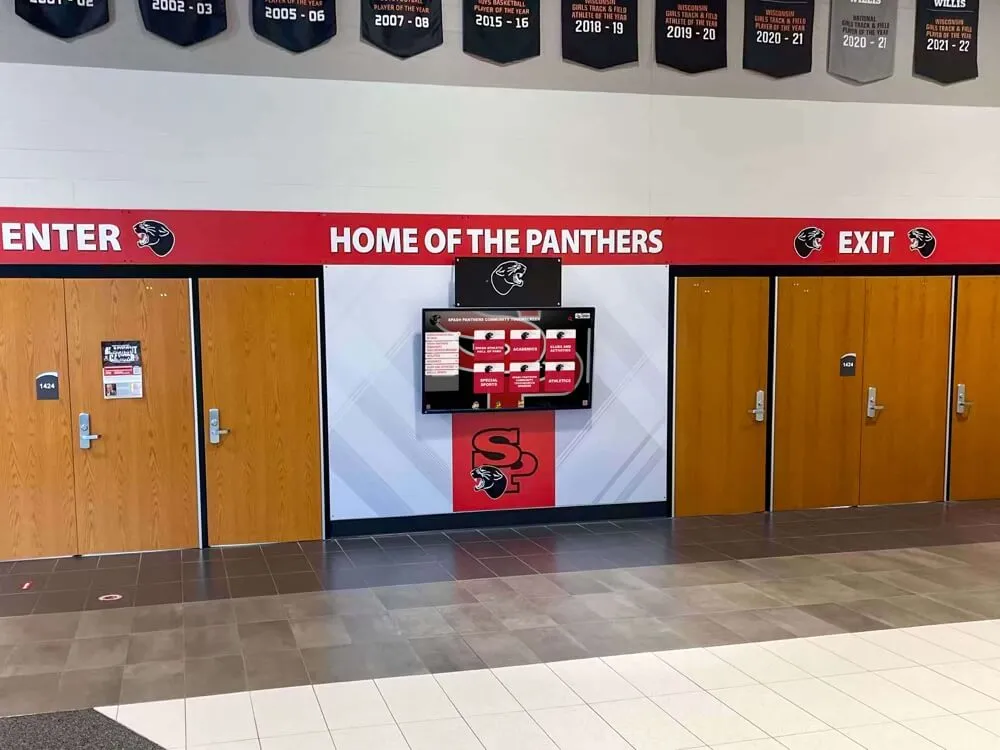
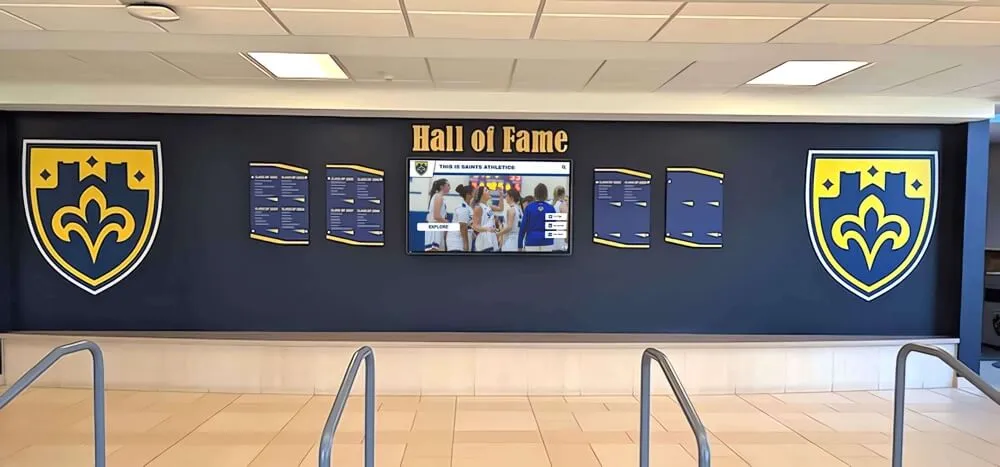
Year-round achievement visibility means records, championships, and individual accomplishments remain visible in pool facilities every day rather than being acknowledged once annually then forgotten. Digital displays in natatoriums or school hallways showcase current record holders, championship teams, and season highlights creating ongoing inspiration for athletes while demonstrating program excellence to visitors, parents, and prospective swimmers.
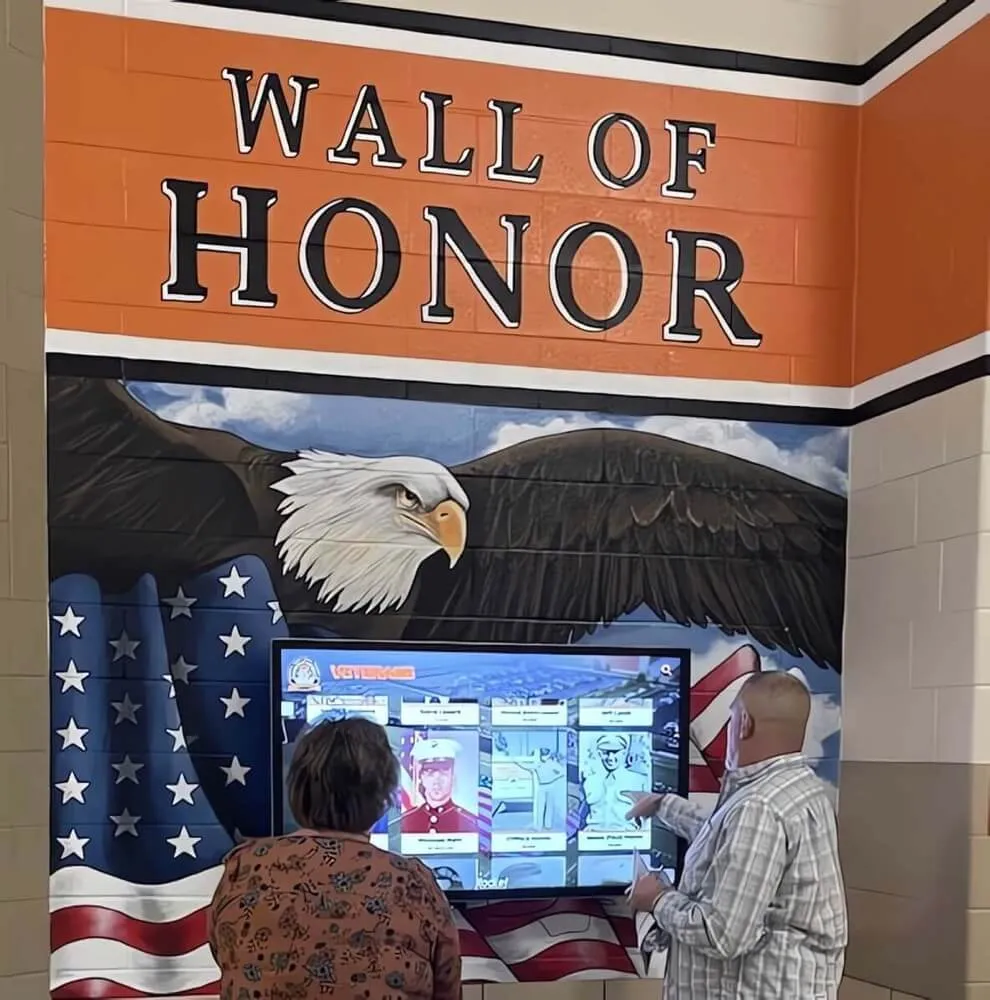
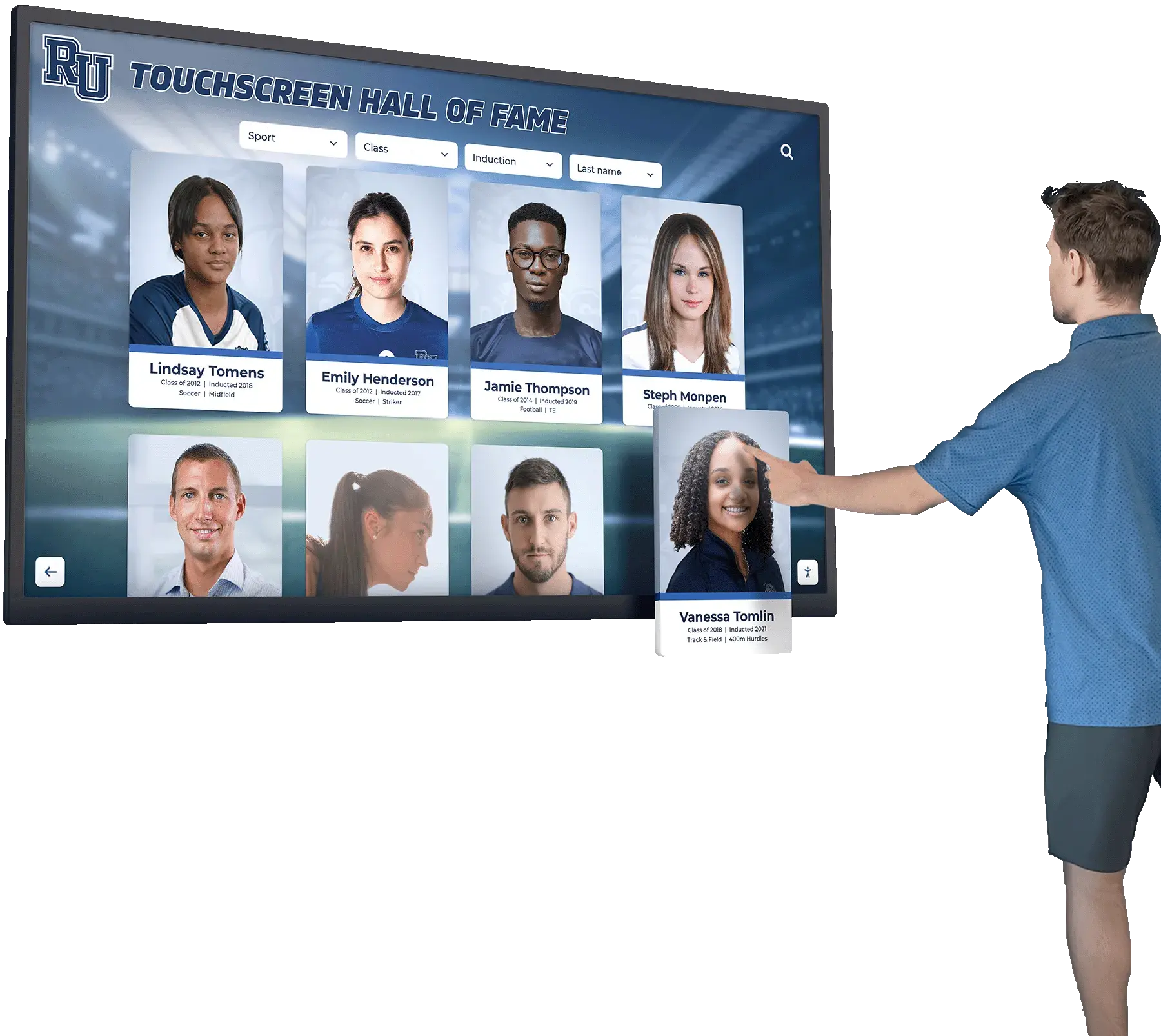
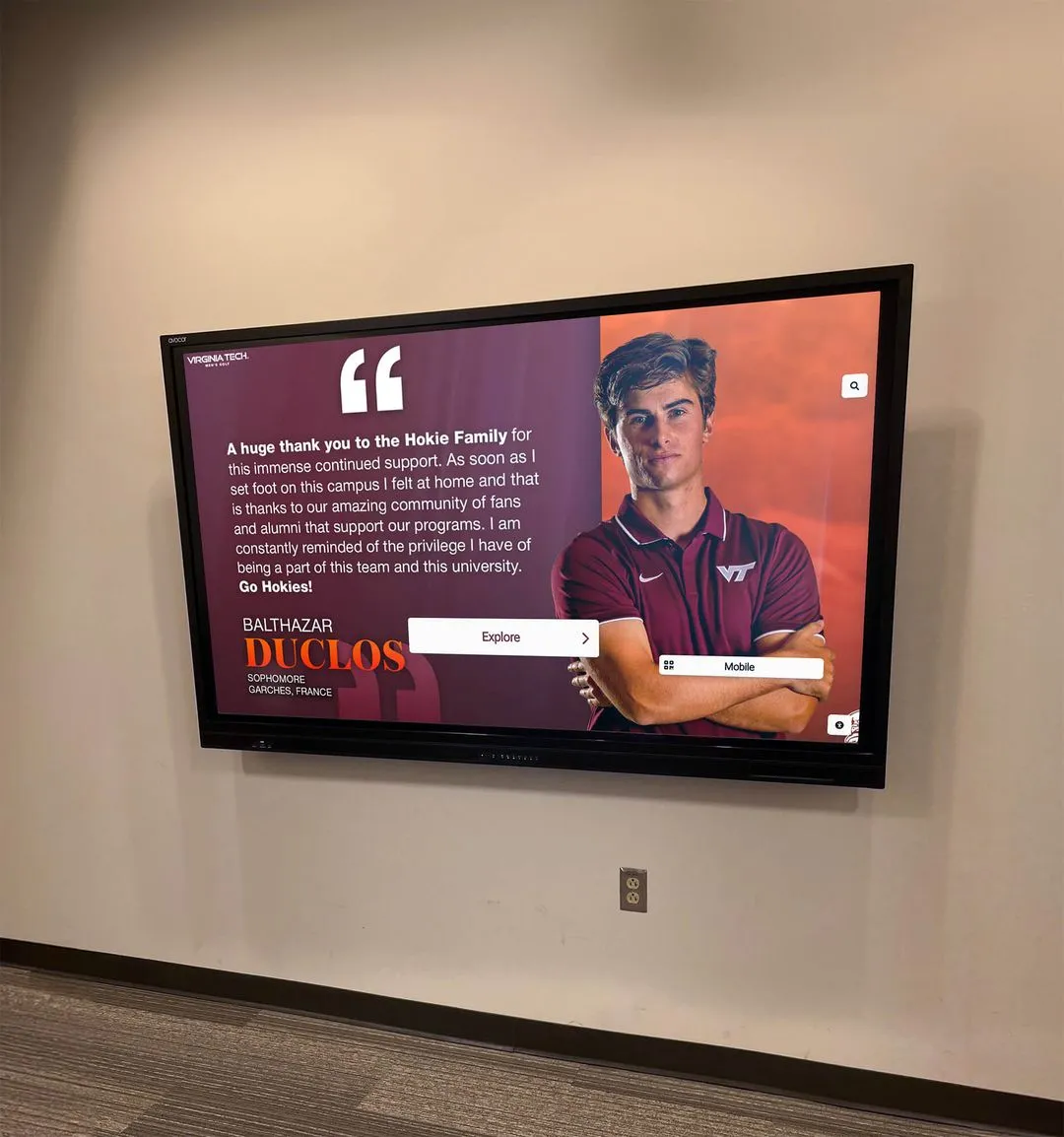
Comprehensive swimmer profiles capture complete competitive histories impossible to present at time-limited banquets. Digital platforms can include detailed statistics for every swimmer across their careers, meet results and performance progressions, photos from competitions and team events, personal statements and athlete reflections, and post-swimming updates showing where graduated athletes continue their journeys. This depth honors individual swimmer stories comprehensively rather than reducing careers to brief banquet mentions.
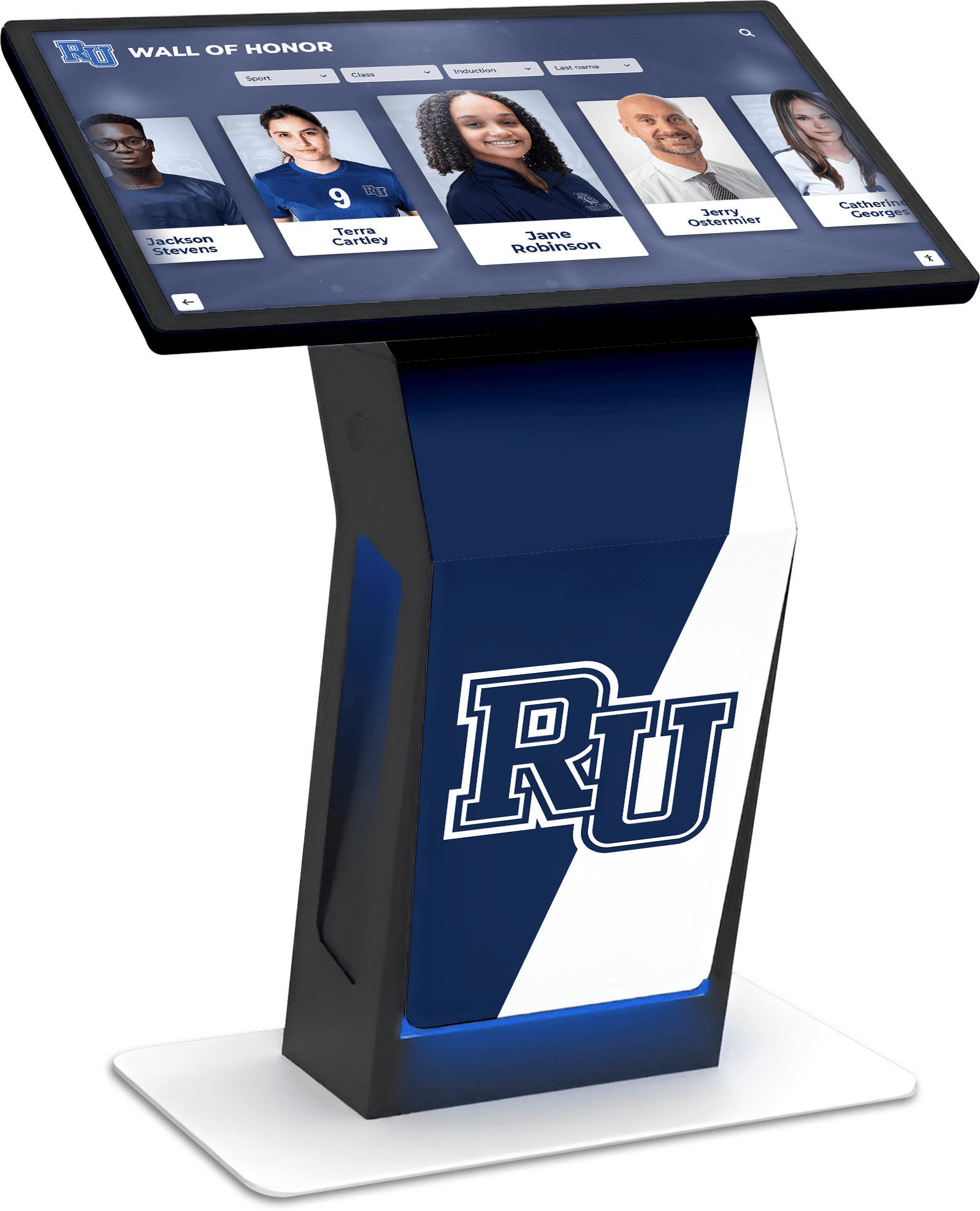
Searchable record databases enable anyone to explore program history discovering connections and tracking achievement evolution. Parents can find their swimmer’s specific events and times, alumni can locate their own records and teams from decades past, prospective swimmers can research program competitive levels, and current athletes can see exactly what records they’re pursuing and how their performances compare historically. This accessibility democratizes recognition making achievement information available to everyone interested rather than limited to those attending banquets.
Automatic updates mean records update immediately when broken rather than waiting until year-end banquets for acknowledgment. When a swimmer establishes a new team record during competition, that achievement can appear on digital displays within hours, creating immediate recognition while excitement remains fresh. Cloud-based management enables coaches or designated volunteers to update content from anywhere without requiring technical expertise or physical access to display hardware.
Alumni connection and engagement strengthens when graduated swimmers can access program recognition remotely through web interfaces. Alumni anywhere can view current team achievements, search for their own historical records, discover which of their marks still stand, and maintain connection to programs shaping their development. This sustained engagement often translates into alumni support, mentorship availability, and financial contributions supporting future swimmers.
Solutions like Rocket Alumni Solutions provide purpose-built platforms specifically designed for swim program recognition, combining intuitive content management with engaging displays that honor achievements year-round while reducing ongoing maintenance burdens for volunteer-dependent programs.
Integrating Digital Recognition with Banquet Celebrations
Strategic integration between physical banquets and digital recognition systems creates cohesive programs where both elements reinforce and amplify each other.
Unveiling digital displays at banquets creates exciting moments and tangible demonstrations of program investment in recognition. Revealing new digital recognition systems during banquets, demonstrating functionality with real swimmer profiles, and showing families how to access content remotely generates enthusiasm while educating community members about available resources. This launch timing ensures maximum awareness and engagement from the start.
Using digital content in banquet presentations enriches ceremonies with comprehensive information readily available through recognition platforms. Presenting digital award categories during speeches, displaying statistical achievements from databases during recognition moments, and showing digital profiles for honored swimmers creates seamless integration while demonstrating platform value and capabilities.
Creating digital counterparts to physical awards means every achievement recognized at banquets also receives permanent digital acknowledgment. Physical trophies and certificates presented at banquets can be photographed and uploaded to digital profiles, award descriptions and selection criteria can be documented digitally, and ceremony moments can be captured through photos and video preserved within recognition systems. This pairing ensures banquet recognition extends beyond evenings themselves into permanent documentation accessible years later.
Directing ongoing engagement to digital platforms during banquets plants seeds for continued interaction. Encouraging attendees to explore displays, promoting web access for remote viewing, demonstrating how to search for specific swimmers or records, and explaining how to submit photos or updates for inclusion sustains engagement and awareness beyond initial banquet excitement.
Resources on athletic record board displays and recognition systems demonstrate how digital platforms transform recognition from sporadic events into continuous celebration strengthening program culture and community connection.
Budget-Friendly Banquet Planning Strategies
Financial constraints affect most swim programs, but strategic approaches deliver meaningful celebrations without excessive spending that burdens families or diverts resources from core program needs.
Cost-Effective Venue and Meal Options
Creative location selection dramatically affects per-person costs while still providing appropriate celebration settings.
Utilizing school or pool facility spaces eliminates venue rental costs entirely. School cafeterias, gyms, pool decks (weather permitting), or multi-purpose rooms provide zero-cost alternatives. While requiring more setup effort and decoration to create special-occasion atmosphere, savings can be redirected toward food, awards, or other elements improving overall experience. Volunteer committees handling decoration transform utilitarian spaces into celebratory environments with modest decoration budgets.
Timing flexibility reducing venue costs means seeking less popular dates and times when facilities offer lower rental rates. Late Sunday afternoons, weekday evenings, or other less-demanded time slots often cost substantially less than prime Friday or Saturday evening slots. While scheduling logistics become more complex, cost savings can prove significant for budget-limited programs.
Partnership venues through team connections leverage parent professional networks and community relationships. Families owning restaurants, businesses with meeting spaces, or community organization connections might provide free or discounted venue access. These arrangements require careful handling ensuring hosts don’t feel exploited, but appropriate recognition and gratitude can create mutually beneficial arrangements where venues gain positive community visibility while teams save significantly.
Simplified meal approaches deliver adequate food and refreshment without premium catering costs. Pizza parties provide accessible crowd-pleasing options at a fraction of plated meal costs, potluck contributions eliminate catering expenses entirely while building community, dessert-focused receptions cost far less than full meals while remaining celebratory, or partnering with fast-casual restaurants for group ordering provides quality food at reasonable prices. For many teams, especially younger age groups, pizza and cake suit atmosphere better than formal sit-down dinners while dramatically reducing per-person costs.
Affordable Award and Recognition Alternatives
Meaningful recognition doesn’t require expensive trophies or elaborate physical awards, particularly when thoughtful presentation and digital documentation preserve achievement acknowledgment permanently.
Certificates and printed recognition cost pennies per award while providing tangible acknowledgment swimmers cherish. Quality design, personalized content, and professional printing create impressive presentations despite minimal costs. Framing certificates adds minimal expense while significantly increasing perceived value. Having coaches personally sign awards adds meaningful personal touches cost-free.
Team photo and memory books provide lasting keepsakes at reasonable costs. Compiling season photographs, meet results, personal best progressions, and team rosters into bound photo books gives every swimmer tangible season memories. Digital printing services offer affordable options, especially for bulk orders. These books often prove more valued long-term than trophies because they capture complete season experiences rather than single awards.
Digital awards and recognition eliminate physical trophy costs entirely while creating permanent acknowledgment. Designing digital award graphics for social media sharing, creating web-based athlete profiles documenting achievements, or presenting digital certificates accessible indefinitely costs virtually nothing while providing shareable recognition swimmers can distribute across their social networks reaching exponentially larger audiences than physical trophies sitting in bedrooms.
Selective premium awards balance budget management with meaningful physical recognition. Rather than purchasing trophies for every category, teams might reserve physical awards for highest honors (championships, records, senior tributes) while using certificates or digital recognition for other categories. This strategic allocation makes premium awards more special while controlling overall costs.
Handmade or customized awards create unique recognition reflecting specific programs and individual achievements. Coaches or parent committees creating personalized awards, team-decorated items incorporating inside jokes or meaningful symbols, or custom items reflecting specific accomplishments demonstrate thought and effort often appreciated more than generic purchased trophies.
Guidance on youth sports awards and recognition approaches provides additional frameworks for creating meaningful recognition within limited budgets while ensuring all participants receive appropriate appreciation.
Planning Timeline and Organizational Checklist
Successful banquets require months of advance planning coordinating multiple logistics simultaneously. Systematic timelines and comprehensive checklists prevent overlooked details while distributing workload manageably.
Three-Month Planning Timeline
8-12 weeks before banquet:
- Form planning committee distributing responsibilities
- Establish budget based on expected attendance and available resources
- Select and reserve venue securing desired date and space
- Determine banquet format, theme, and general program structure
- Begin award category development and selection criteria establishment
- Send save-the-date communications to families
6-8 weeks before banquet:
- Finalize menu or catering arrangements
- Design and order printed materials (programs, certificates, signage)
- Organize decoration procurement and preparation plans
- Develop detailed program schedule and timeline
- Request RSVPs from families enabling accurate attendance counts
- Begin compiling season statistics, photos, and content for presentations
- Identify and confirm any guest speakers or special participants
4-6 weeks before banquet:
- Finalize award selections for performance-based categories
- Create or compile video presentations and multimedia content
- Purchase awards, trophies, and recognition items
- Confirm audiovisual equipment availability and functionality
- Develop detailed setup plans including table arrangements and decoration layouts
- Send formal invitations with RSVP deadlines and any cost information
- Coordinate volunteer assignments for setup, registration, photography, and cleanup
2-4 weeks before banquet:
- Finalize attendance numbers and communicate with caterers or food coordinators
- Complete all printed materials ensuring accuracy
- Conduct final program reviews with coaches and committee members
- Create detailed setup checklists and volunteer assignment sheets
- Test all audiovisual presentations and technical equipment
- Confirm timing details with venue staff or facility coordinators
- Prepare registration materials and name tags if using
1 week before banquet:
- Send final reminders to families with arrival time and location details
- Complete all food preparation or confirm final catering arrangements
- Assemble awards, certificates, and recognition items for distribution
- Organize decoration materials and setup supplies
- Brief all volunteers on responsibilities and timing
- Conduct final walkthrough of venue planning setup logistics
- Prepare contingency plans for common issues (technical difficulties, late arrivals, schedule adjustments)
Day of banquet:
- Arrive early for setup ensuring adequate time before guest arrival
- Test all audiovisual equipment and make necessary adjustments
- Arrange registration area, decoration, displays, and seating
- Brief volunteers on procedures and troubleshooting approaches
- Greet families warmly creating welcoming atmosphere from arrival
- Execute program following planned timeline while remaining flexible for necessary adjustments
- Capture photographs and video documenting celebration
- Conduct cleanup and venue restoration ensuring space returned appropriately
Delegation and Volunteer Management
Distributed responsibilities prevent coordinator burnout while engaging more families in program support creating broader investment and ownership.
Essential committee roles include overall coordinator overseeing all planning and ensuring timeline adherence, treasurer managing budget and payments, venue coordinator handling facility arrangements and logistics, food/catering coordinator managing meal planning and execution, decoration coordinator organizing aesthetic elements and setup, awards coordinator developing categories and managing selections, program coordinator organizing ceremony flow and presentations, communications coordinator managing invitations and family notifications, and volunteer coordinator recruiting and organizing helper assignments.
Clear role definition with documented responsibilities prevents confusion and gaps while empowering committee members to make decisions within their domains without requiring constant coordinator consultation. Regular committee meetings throughout planning processes maintain coordination and enable problem-solving as issues emerge.
Volunteer recruitment taps broader parent pools for specific tasks not requiring months-long commitments. Setup and decoration volunteers, registration table staffing, photography and video documentation, serving or food coordination, and cleanup crews distribute workload while creating participation opportunities for families wanting to help but unable to serve on planning committees.
Effective volunteer management includes clear expectation communication, adequate notice enabling schedule planning, appropriate training or briefing, visible appreciation and recognition for contributions, and post-event thank you communications acknowledging specific contributions.
Senior Night and In-Season Recognition
While end-of-season banquets provide comprehensive celebration opportunities, complementary recognition during seasons strengthens ongoing team culture and provides additional meaningful moments honoring achievements as they occur.
Senior Night Celebrations
Dedicated senior recognition events during regular season competitions provide special acknowledgment for graduating athletes and their families in settings where competitive excellence and team tradition intersect.
Timing considerations vary by program structure. Teams with defined regular season finales might hold senior nights at final home meets, while programs with longer competitive schedules could schedule dedicated senior recognition meets mid-season or reserve multiple competitions for staggered recognition ensuring all seniors receive equal prominence. The key involves coordinating with competition calendars ensuring adequate attendance and appropriate competitive context.
Recognition elements might include pre-meet ceremonies presenting seniors with flowers, gifts, or commemorative items, public address announcements sharing each senior’s accomplishments and future plans, photo opportunities with coaches, teammates, and families, special uniforms or accessories (ribbons, sashes, cap decorations) identifying honorees, and reserved seating or special areas for senior families during competitions.
Balancing emotion with competition proves important as excessive ceremony can disrupt meet schedules or distract from competitive focus. Concise, well-planned recognition maintains appropriate tone while respecting competition priorities and other teams’ schedules. Saving detailed tributes for end-of-season banquets prevents senior night ceremonies from becoming unwieldy.
Resources on senior night celebration planning provide frameworks applicable across sports for honoring graduating athletes appropriately while maintaining focus on competitive excellence and team unity.
Ongoing Recognition Throughout Seasons
Continuous acknowledgment of achievements, improvements, and positive contributions reinforces desired behaviors and creates consistent culture of appreciation rather than concentrating all recognition at season conclusions.
Weekly or meet-based recognition might highlight swimmer of the week selections based on performance, effort, or improvement, record breakers immediately acknowledged when marks fall, qualifying time achievements celebrated when standards are met, and personal best celebrations when swimmers achieve lifetime-best performances. These immediate recognitions maintain motivation and demonstrate that coaches notice and value all achievements, not just championship outcomes.
Social media recognition extends appreciation beyond team members to families and broader communities. Posting swimmer spotlights, sharing meet results and highlights, celebrating milestones and achievements, and featuring behind-the-scenes practice or preparation moments creates ongoing positive narrative while giving families shareable content. Consistent social presence during seasons maintains engagement and program visibility.
Visible recognition displays in pool facilities create constant reminders of program excellence and achievement standards. Current record boards displaying times to beat, season highlight boards updated throughout competitive periods, and personal best progression charts showing improvement patterns provide daily motivation while celebrating ongoing success publicly.
Guidance on coach and team appreciation strategies offers additional approaches for maintaining positive recognition culture consistently throughout seasons rather than limiting appreciation to isolated banquet events.
Making Your Swim Banquet Unforgettable
The most memorable swim banquets share common characteristics regardless of budget, team size, or competitive level. They authentically celebrate achievements while honoring the human elements—relationships, growth, perseverance, and joy—that make swimming meaningful beyond times and placements.
Authenticity matters more than production value. Sincere, heartfelt recognition delivered simply resonates more powerfully than elaborate productions feeling forced or impersonal. Coaches sharing specific memories and observations about individual swimmers, teammates contributing recognition for each other, and families expressing gratitude create emotional resonance that professional entertainment cannot match.
Inclusivity ensures everyone feels valued. When recognition spans performance levels, achievement types, and participation styles, all swimmers find their contributions acknowledged. The fastest competitors receive appropriate recognition for elite achievement while improving beginners celebrating new skills and participating enthusiasts energizing team culture receive equal honor. Comprehensive recognition strengthens entire programs rather than creating hierarchies validating only top performers.
Humor and joy balance formality. While appropriate seriousness honors significant achievements and transitions, excessive gravity creates uncomfortable intensity. Inside jokes, funny season moments, blooper videos, and lighthearted elements maintain celebratory atmosphere while preventing events from becoming overly somber or self-important.
Forward focus alongside backward reflection means celebrating completed seasons while building excitement for future challenges. Announcing next season’s schedule, introducing new team leadership, revealing program improvements or goals, and emphasizing continuing team relationships ensures banquets provide closure while maintaining momentum rather than feeling definitively final.
Family inclusion creates shared experiences. Swimming demands family sacrifice and support making parents and siblings genuine team members deserving inclusion in celebrations. Events structured as family celebrations rather than athlete-only affairs honor complete support systems while creating memories families share together for years afterward.
Every swimmer deserves recognition honoring their commitment and celebrating their achievements. Every season deserves appropriate closure acknowledging what was accomplished while creating excitement for what comes next. Every team benefits from celebrations strengthening bonds, reinforcing values, and creating memories that outlast competitive careers. Whether planning intimate gatherings for small recreational teams or elaborate productions for large competitive programs, thoughtful banquets validate the extraordinary dedication swimming demands while demonstrating that programs value athletes as complete people beyond their competitive contributions.
Ready to extend your swim banquet recognition beyond single evenings into year-round celebration? Explore how Rocket Alumni Solutions delivers purpose-built platforms specifically designed for swim program recognition, combining intuitive record management with engaging displays that honor every achievement appropriately while strengthening program culture and community connection. Transform how your team celebrates excellence while preserving history and inspiring future swimmers to reach new heights.