



Walking across the graduation stage, hearing “summa cum laude” announced alongside your name represents one of higher education’s highest honors. Yet beyond the ceremonial moment, many students, families, and educators lack clear understanding of what these prestigious Latin designations actually mean, how institutions determine who earns them, or why they carry such weight in academic and professional contexts.
The phrase “summa cum laude” translates directly from Latin as “with highest honor” or “with highest praise”—a recognition reserved for students whose academic performance places them at the absolute pinnacle of their graduating class. This distinction, along with magna cum laude (“with great honor”) and cum laude (“with honor”), forms a tiered system of Latin honors universities have used for centuries to acknowledge exceptional scholarly achievement.
Understanding Latin honors proves essential for students setting academic goals, families interpreting achievement significance, and educational institutions designing recognition programs that appropriately celebrate scholarly excellence. These designations influence graduate school admissions, employment opportunities, scholarship eligibility, and lifelong professional credentials—making them far more than ceremonial traditions.
Why Latin Honors Recognition Matters
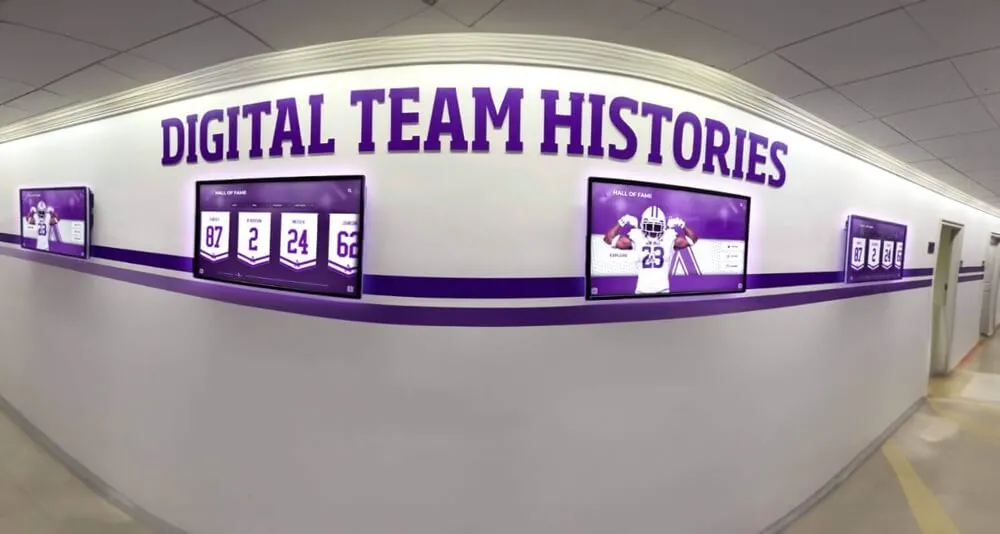
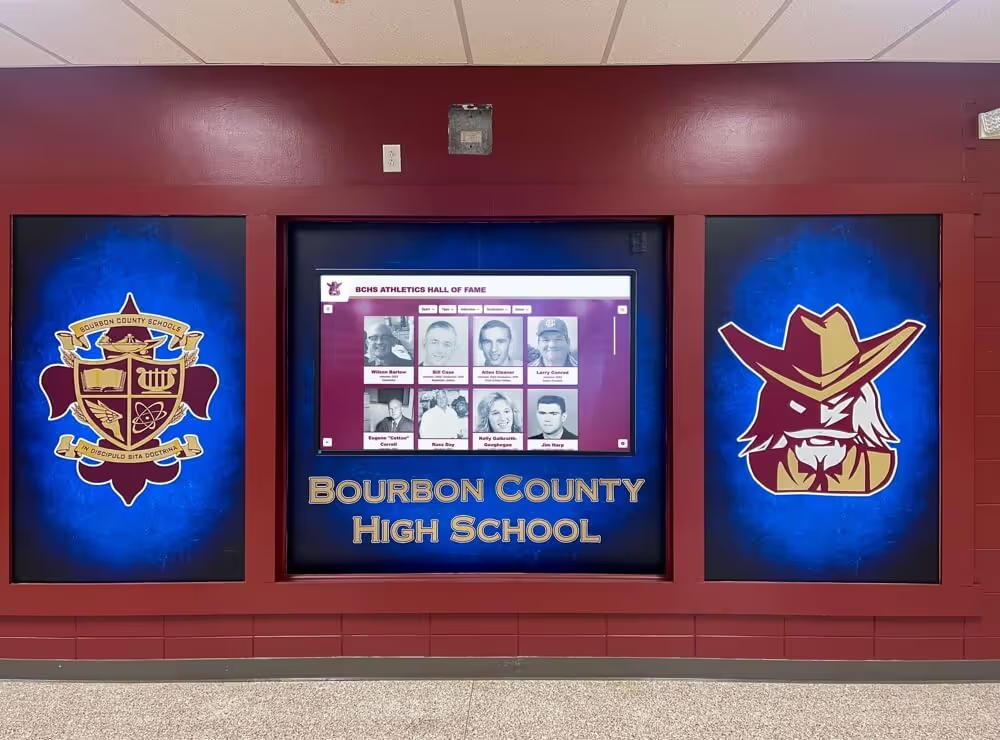
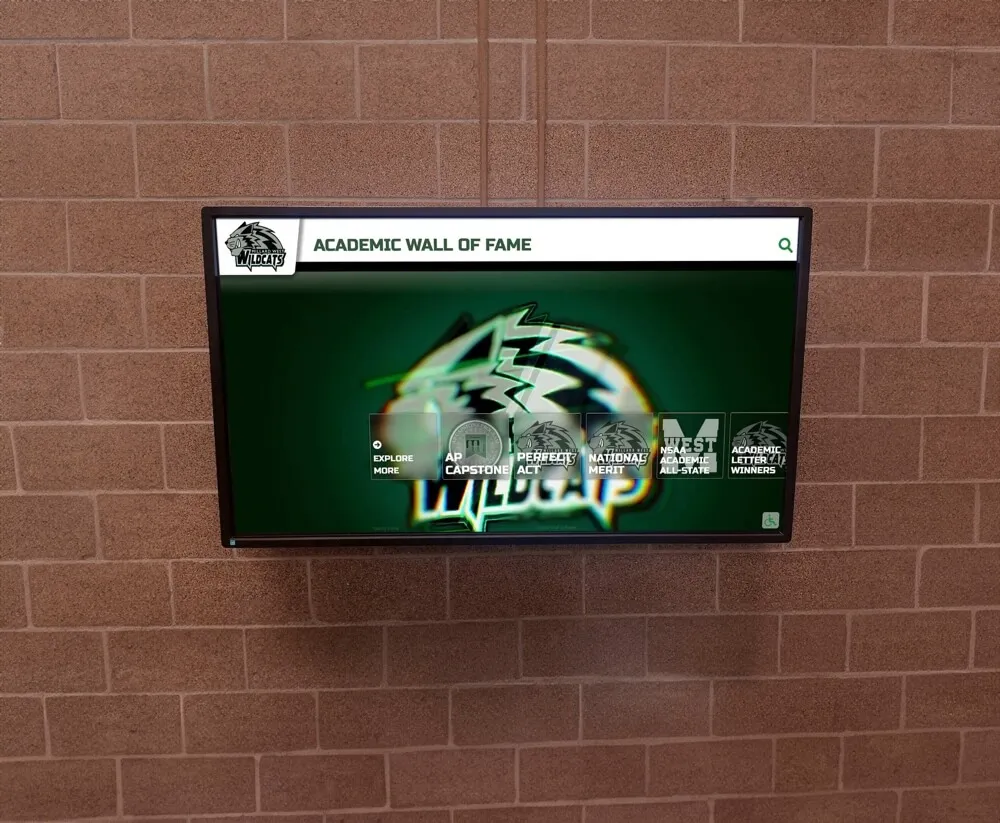
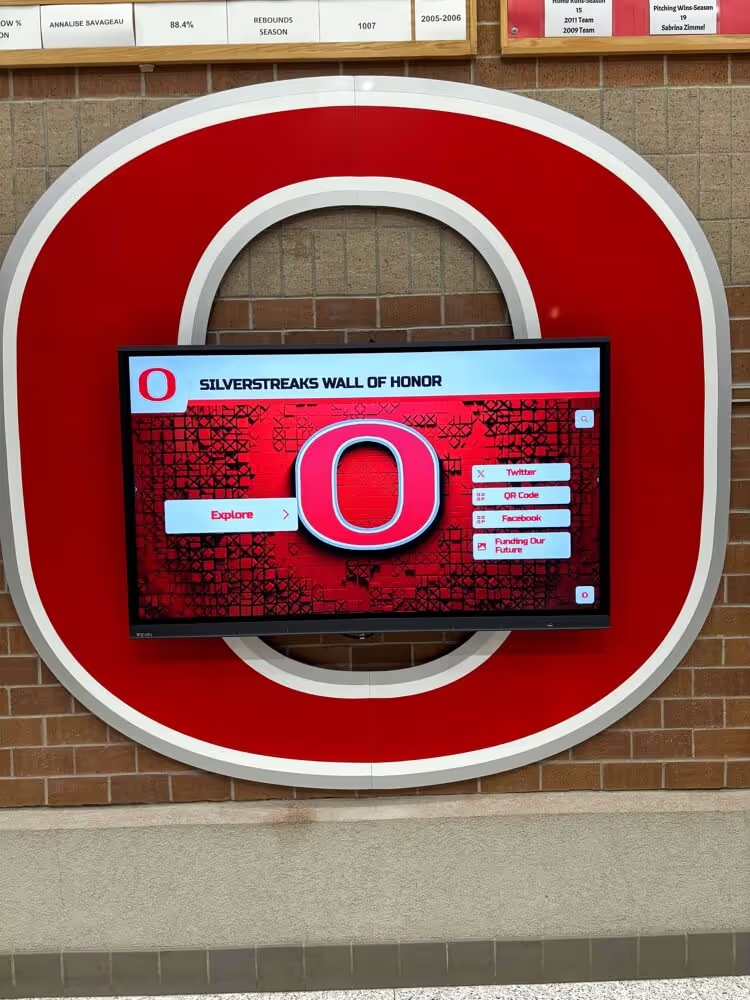
Latin honors represent institutions' most distinguished academic accolades, yet many schools struggle to give these achievements the prominent visibility they deserve beyond graduation ceremonies. Modern digital recognition solutions enable universities to celebrate summa cum laude recipients and other Latin honors through engaging displays that inspire current students while permanently preserving institutional academic excellence. Solutions like Rocket Alumni Solutions provide purpose-built platforms specifically designed for educational institutions, offering unlimited capacity to showcase Latin honors recipients through interactive displays that maintain recognition currency, accessibility, and inspiration throughout entire academic communities.
Understanding Latin Honors: Definitions and Distinctions
Latin honors follow a hierarchical structure rooted in centuries of academic tradition, with each tier representing progressively higher levels of scholarly achievement.
Summa Cum Laude: The Pinnacle of Academic Excellence
Summa cum laude meaning: This highest Latin honor translates as “with highest honor” or “with highest praise.” Universities typically award summa cum laude to students whose grade point averages place them in the top 1-5% of their graduating class, though exact criteria vary significantly across institutions.

Typical Summa Cum Laude Requirements:
- GPA Threshold: Most institutions require 3.85-4.0 GPA on a 4.0 scale, though some use percentage-based thresholds like top 2-3% of class rather than absolute GPA requirements
- Credit Minimums: Universities often specify minimum credit hours completed at the institution (typically 60-90 credits) to ensure honors reflect sustained performance rather than brief enrollment
- Course Rigor Considerations: Some schools factor course difficulty, requiring minimum numbers of upper-level or honors courses to prevent GPA inflation through easier coursework selection
- Consistency Requirements: Certain institutions mandate consistent performance across all semesters rather than allowing poor early performance compensated by later improvement
Students earning summa cum laude typically demonstrate exceptional academic capabilities: sustained scholarly dedication across entire undergraduate careers, mastery across diverse subject areas and requirements, superior intellectual engagement beyond minimum expectations, and consistent excellence despite increasing course difficulty through progression toward graduation.
Magna Cum Laude: Great Honor and Distinction
Magna cum laude translates as “with great honor,” representing the second tier of Latin honors. This distinction typically acknowledges students whose academic performance places them approximately in the top 5-10% of their graduating class.
Typical Magna Cum Laude Requirements:
- GPA Range: Most institutions require 3.70-3.84 GPA, though percentile-based systems might set thresholds at top 5-8% of class
- Credit Requirements: Similar institutional credit minimums as summa cum laude, ensuring honors reflect substantial work at the degree-granting institution
- Academic Standards: Comprehensive academic performance without the absolute pinnacle achievement summa cum laude demands
- Progressive Achievement: Demonstrated strong performance throughout academic career rather than isolated high-performing semesters
Magna cum laude recipients exhibit exceptional academic strength: consistent high performance across curriculum requirements, strong engagement with challenging coursework, intellectual capability preparing them for advanced study or professional excellence, and scholarly dedication placing them well above typical graduation standards.

Cum Laude: Honor and Academic Achievement
Cum laude means “with honor,” representing the entry-level Latin distinction. This recognition typically acknowledges students performing in approximately the top 10-25% of their graduating class.
Typical Cum Laude Requirements:
- GPA Standards: Common thresholds include 3.50-3.69 GPA or top 15-20% of graduating class, depending on institutional policies
- Minimum Credits: Standard institutional credit requirements ensuring honors reflect adequate academic work at the degree-granting university
- Baseline Excellence: Performance demonstrating consistent strong scholarship without reaching exceptional levels required for higher honors
- Sustained Achievement: Academic records showing ongoing engagement and accomplishment across degree requirements
Cum laude graduates demonstrate commendable academic accomplishment: performance notably above institutional averages, dedication to scholarly success throughout degree programs, intellectual engagement preparing them for graduate education or professional careers, and achievement deserving public recognition and institutional acknowledgment.
Institutional Variation in Latin Honors Standards
Understanding that Latin honors criteria vary substantially across institutions proves essential for interpreting their meaning:
Variation Factors:
- Academic Rigor: Highly selective institutions with exceptional student bodies may use higher absolute GPA thresholds since percentile-based systems would create unrealistically high standards when nearly all students achieve exceptional performance
- Grade Inflation: Schools experiencing grade inflation over decades often raise Latin honors thresholds periodically to maintain historical selectivity and distinction meaningfulness
- Institutional Philosophy: Some universities emphasize absolute achievement standards while others prioritize relative performance within specific graduating classes
- Departmental Differences: Certain institutions allow individual colleges or departments to establish distinct honors criteria recognizing differing grading practices across disciplines
Students, families, and employers should verify specific institutional policies rather than assuming standardized criteria across all universities. Resources on comprehensive academic recognition approaches provide frameworks for understanding diverse honors systems across educational institutions.
The History and Tradition of Latin Honors
Latin honors trace their origins to centuries-old academic traditions, though their modern implementation reflects relatively recent educational developments.
European Academic Origins
Medieval European universities established precedents for graduating students with distinctions acknowledging exceptional scholarship. Early academic traditions included public disputations where students demonstrated mastery, thesis defenses requiring faculty approval, and selective recognition for students achieving beyond minimum degree requirements.

However, formalized Latin honors systems as currently understood developed primarily in 19th-century American higher education rather than originating directly from European traditions. American universities adapted various European practices—including Latin terminology reflecting higher education’s classical roots—into standardized recognition systems appropriate for growing American academic institutions.
American Adoption and Standardization
Harvard University claims among the earliest systematic implementations of Latin honors in American higher education, establishing formalized distinctions in the early 1870s. Other prestigious institutions rapidly followed, creating cascading adoption throughout American higher education by early 20th century.
Factors Driving Latin Honors Adoption:
- Expanding Higher Education: Growing numbers of college graduates created needs for distinguishing exceptional performers from typical degree recipients
- Professional Credentials: Increasing importance of academic credentials in professional qualification made honors systems valuable for signaling exceptional preparation
- Academic Competition: Rising competition among universities for prestige drove adoption of prestigious-sounding recognition systems borrowed from European tradition
- Alumni Distinction: Latin honors provided permanent credentials alumni could reference throughout careers, strengthening institutional pride and alumni connections
By mid-20th century, Latin honors became standard practice across American higher education, with most four-year institutions implementing some form of graduated academic distinction for exceptional students.
Modern Evolution and Contemporary Practices
Contemporary Latin honors practices continue evolving in response to educational changes and institutional priorities:
Recent Developments:
- Grade Inflation Adjustments: Many universities periodically raise Latin honors thresholds maintaining selectivity as average GPAs increase across decades
- Departmental Honors Addition: Institutions increasingly supplement university-wide Latin honors with department-specific recognition acknowledging exceptional achievement within majors
- Transparency Requirements: Growing emphasis on publicly documenting honors criteria ensuring clear communication about achievement standards
- Digital Recognition: Modern technology enables institutions to showcase Latin honors recipients through interactive digital displays extending recognition beyond graduation ceremonies
Understanding this historical context helps institutions design recognition programs honoring tradition while adapting to contemporary educational environments and technological capabilities.
How Universities Determine Latin Honors Recipients
Behind the simple GPA thresholds lies complex calculation processes determining which graduates earn Latin distinctions.
GPA Calculation Methodologies
Universities employ varied approaches for calculating the grade point averages determining Latin honors eligibility:
Calculation Components:
- Credit Weighting: Standard GPA calculations weight each course by credit hours, so performance in 4-credit courses affects GPA more substantially than 1-credit courses
- Transfer Credit Treatment: Institutions handle transfer credits differently—some exclude transfer grades entirely from Latin honors calculations, others include all transfer work, and some count only transfer credits from specific institutional types
- Grade Scales: Most schools use 4.0 scales, but calculation of plus/minus grades varies (A+ might equal 4.0 or 4.3 depending on institutional policy)
- Repeated Courses: Policies differ on whether both attempts count, only the higher grade counts, or attempts are averaged when students repeat courses
- Pass/Fail Options: Treatment of pass/fail courses—whether they’re excluded entirely, counted at minimum passing grade, or handled through special calculations—affects final GPAs

Residency Requirements:
Nearly all institutions require minimum credit hours completed in residence (at the degree-granting institution rather than through transfer) before students qualify for Latin honors. Common thresholds include 60 semester credits (approximately half the typical 120-credit bachelor’s degree) or 90 credits (approximately three-quarters of degree requirements).
These residency requirements ensure Latin honors reflect sustained achievement at the awarding institution rather than brief enrollment following substantial work elsewhere. Transfer students must typically complete majority of their degree programs at the institution to receive its highest academic distinctions.
Percentile-Based vs. Absolute GPA Systems
Universities implement Latin honors using two primary approaches:
Absolute GPA Thresholds:
Many institutions establish fixed GPA requirements—for example, summa cum laude requires 3.90+, magna cum laude requires 3.75-3.89, cum laude requires 3.60-3.74. These absolute systems provide clear, predictable standards students can target from degree program commencement.
Advantages: Clear targets enabling goal-setting, consistency across graduating classes, transparency in requirements, and administrative simplicity.
Disadvantages: Potential for substantial year-to-year variation in honors recipients as class performance fluctuates, inability to account for grade inflation over time, and possible inconsistency with historical honors distribution patterns.
Percentile-Based Systems:
Other universities use ranking approaches where summa cum laude goes to top 3%, magna cum laude to next 7%, and cum laude to next 15% (percentages vary by institution). These relative systems ensure consistent honors distribution across graduating classes regardless of absolute performance levels.
Advantages: Consistent honors proportions across years, automatic adjustment for grade inflation or deflation, and maintenance of historical selectivity standards.
Disadvantages: Uncertainty until final GPA rankings determine cutoffs, potential for very high or very low absolute GPA thresholds depending on class performance, and competitive atmosphere where students compete directly for limited honors positions.
Neither approach proves universally superior—institutions select methods aligning with their academic philosophies and institutional cultures.
Honors Calculation Timing and Final Verification
The technical process of determining Latin honors recipients involves careful timing and verification:
Calculation Timeline:
Universities typically finalize Latin honors approximately 6-8 weeks before commencement ceremonies, allowing time for verifying transcripts, calculating final GPAs including last semester coursework, resolving disputed grades or incomplete coursework, printing diplomas and commencement programs with appropriate honors designations, and coordinating with registrar offices, ceremony planners, and academic departments.
Some students completing degree requirements in summer sessions after spring commencement receive diplomas and honors recognition retroactively based on final summer grades, though they may have participated in ceremonies without knowing final honors status.
Verification Processes:
Registrar offices conduct multiple verification steps ensuring accuracy: automated GPA calculations through student information systems, manual reviews of edge cases near honors thresholds, verification of residency requirements and credit minimums, checking for academic integrity violations potentially affecting honors eligibility, and final review by academic deans or honors committees for unusual situations.
These careful processes ensure Latin honors maintain integrity and accuracy, preserving their value as credible academic distinctions. Resources on implementing academic excellence recognition provide frameworks for systematic honors determination and verification.
How Schools Celebrate and Recognize Latin Honors
Beyond noting honors on diplomas and transcripts, universities employ diverse approaches for celebrating and showcasing these achievements.
Graduation Ceremony Recognition
Commencement ceremonies provide the most visible Latin honors acknowledgment:
Ceremony Recognition Elements:

- Verbal Announcements: Individual graduate names announced including Latin honors designations, creating public acknowledgment before families and communities
- Distinction Cords: Many institutions provide honor cords in school colors worn during ceremonies visually distinguishing honors recipients
- Diploma Notations: Latin honors printed directly on diplomas creating permanent official documentation of achievement
- Program Listings: Commencement programs typically list all graduates with honors designations published
- Special Seating: Some universities group honors recipients in ceremony seating, creating visible recognition sections
- President’s Recognition: Certain institutions include brief remarks acknowledging overall honors recipients and their collective achievement
Ceremony recognition provides important public acknowledgment moment where graduates receive validation before assembled families, friends, faculty, and community members. This recognition marks academic journey culmination while launching graduates into professional careers where Latin honors may provide ongoing credential value.
Physical Recognition Displays and Monuments
Traditional permanent recognition includes various physical installation approaches:
Physical Recognition Methods:
- Honors Plaques: Wall-mounted plaques listing annual Latin honors recipients, though space limitations often restrict how many years can be displayed
- Trophy Case Recognition: Dedicated display sections acknowledging recent honors recipients alongside other academic achievements
- Honor Society Induction: Phi Beta Kappa and other prestigious honor societies often align membership with summa cum laude achievement
- Departmental Recognition: College-specific or major-specific displays acknowledging top performers within academic units
- Library or Student Union Displays: Prominent campus locations featuring honors recipient acknowledgment
However, physical recognition faces inherent limitations: space constraints forcing rotation or removal of previous years’ recognition, production delays meaning acknowledgment may not appear until months after graduation, static displays providing minimal engagement beyond simple name reading, and limited accessibility restricted to campus visitors rather than global alumni networks.

Modern Digital Recognition Systems
Contemporary institutions increasingly supplement traditional recognition with digital platforms offering significant advantages:
Digital Recognition Benefits:
- Unlimited Capacity: Digital systems accommodate comprehensive honors recipient profiles across decades without physical space constraints
- Rich Content: High-resolution graduate photographs, detailed achievement narratives, major and departmental information, post-graduation accomplishments, and searchable databases enabling exploration
- Global Accessibility: Web-based platforms extend recognition beyond campus, allowing graduates to share achievements with employers, graduate programs, family, and professional networks worldwide
- Permanent Preservation: Complete honors history remaining accessible indefinitely rather than being replaced, removed, or archived away from visibility
- Engagement Analytics: Tracking how alumni, prospective students, and community members engage with honors recognition demonstrating program value
- Social Sharing: Graduates can distribute recognition through personal social media and professional networks, dramatically amplifying acknowledgment reach
Solutions like Rocket Alumni Solutions provide purpose-built recognition platforms specifically designed for educational institutions. These systems combine physical touchscreen displays for high-visibility campus locations with web accessibility ensuring all graduates and their networks can explore achievements regardless of geographic location.
Strategic Digital Display Placement:
Maximizing recognition impact requires thoughtful display positioning: main university entrances capturing all daily campus traffic and visitor attention, libraries and academic commons where students focus on scholarly activities, student union buildings providing extended viewing during social gatherings, administrative buildings frequented by prospective students and families, and alumni centers celebrating institutional academic heritage.
Multiple distributed displays throughout campus often prove more effective than single concentrated installations, ensuring Latin honors recognition maintains high visibility across entire university rather than requiring deliberate visits to specific locations. Universities can enhance their college residence hall displays to include academic honors recognition, reaching students in their daily living environments.
Transcript and Official Documentation
Beyond ceremonial and display recognition, Latin honors appear on permanent official records:
Official Documentation:
- Diplomas: Actual degree documents include Latin honors designations creating permanent certification
- Transcripts: Official academic transcripts note Latin honors, providing verification for graduate programs and employers
- Digital Credentials: Increasingly, institutions provide verifiable digital badges and credentials documenting honors recognition
- Academic Verification Services: Third-party verification systems can confirm honors for background checks and credential verification
These official documentations ensure Latin honors provide ongoing value throughout graduates’ careers, supporting graduate school applications, employment opportunities, professional licensing requirements, and lifetime credential presentation.
Comprehensive approaches to showcasing academic achievements combine traditional ceremonial recognition with modern digital preservation creating multi-dimensional acknowledgment systems serving varied audiences across time. Many institutions find that implementing digital recognition displays provides scalable solutions adaptable across different academic levels and achievement types.
The Impact and Value of Latin Honors
Understanding Latin honors significance requires examining their practical implications for graduates’ academic and professional trajectories.
Graduate School Admissions Advantages
Latin honors provide substantial benefits for students pursuing advanced degrees:
Graduate Admissions Impact:
Admissions committees evaluating thousands of applications use Latin honors as efficient screening mechanisms identifying top undergraduate performers. Summa cum laude designation immediately signals exceptional academic capability, intellectual discipline, and scholarly preparation valuable for rigorous graduate study.

According to graduate program directors, Latin honors carry particular weight when evaluating candidates from institutions unfamiliar to admissions committees—the standardized designation helps contextualize academic performance across varied undergraduate institutions. However, honors from more selective institutions may carry greater significance than identical designations from less competitive schools.
Specific Graduate Program Advantages:
- Fellowship Competition: Many prestigious fellowship programs prioritize or exclusively consider summa cum laude recipients for competitive funding
- Honors Program Admission: Graduate honors programs and accelerated tracks often establish Latin honors as baseline eligibility criteria
- Research Opportunities: Faculty seeking research assistants frequently prioritize students with exceptional undergraduate records evidenced by Latin honors
- Recommendation Strength: Latin honors strengthen faculty recommendation letters by providing concrete evidence supporting qualitative assessments
Resources on recognizing academic all-Americans and top scholars demonstrate how institutions showcase exceptional academic achievement creating pathways to advanced opportunities.
Professional Career Benefits
Latin honors influence employment outcomes and early career trajectory:
Employment Advantages:
Employers, particularly in competitive fields like consulting, finance, technology, and law, frequently screen candidates by academic achievement including Latin honors. While practical experience eventually outweighs academic credentials, Latin honors provide valuable advantages for recent graduates with limited professional track records.
Career-Specific Value:
- Competitive Industries: Fields with many qualified applicants use Latin honors for initial screening and interview selection
- Academic-Adjacent Careers: Research positions, educational technology, publishing, and academic administration value Latin honors particularly highly
- Graduate Degree Requirements: Many professional careers require graduate degrees where Latin honors provide admissions advantages indirectly supporting professional goals
- Credential Signaling: Latin honors provide lifelong credential usable on resumes, professional profiles, and biographical materials
However, honors importance diminishes over career progression—established professionals rely primarily on work accomplishments rather than academic credentials from years prior. Latin honors matter most in early career phases when academic performance represents primary achievement evidence.
Scholarship and Financial Aid Opportunities
Latin honors unlock various financial opportunities:
Scholarship Access:
Numerous organizations establish scholarship eligibility criteria including Latin honors requirements or preferences. Graduate school merit scholarships, professional association awards, community organization support, and employer tuition assistance programs may prioritize or exclusively serve students with exceptional undergraduate achievement evidenced by Latin honors.
Some universities provide automatic graduate school scholarship consideration for summa cum laude recipients, creating substantial financial value beyond the recognition itself. Over career lifespans, financial benefits from honors-enabled scholarships and opportunities may total tens of thousands of dollars.
Personal Achievement and Academic Identity
Beyond tangible benefits, Latin honors provide meaningful personal validation:
Personal Significance:
For students investing years in rigorous academic pursuit, Latin honors represent formal institutional validation that dedication produced genuine exceptional achievement. This recognition contributes to academic identity development, confidence in intellectual capabilities, and sense of accomplishment supporting future ambitious goal pursuit.
Many summa cum laude recipients cite their honors as career-shaping achievements influencing self-perception and willingness to tackle challenging opportunities. The recognition signals not just to external audiences but to recipients themselves that they possess intellectual capabilities enabling success in demanding environments. Schools can learn from senior college decision display approaches that celebrate students’ academic achievements alongside their future educational plans.
Creating Recognition Programs That Inspire Excellence
Educational institutions seeking to maximize Latin honors recognition impact should consider comprehensive approaches combining ceremony, digital preservation, and strategic communication.
Comprehensive Recognition Strategy Elements
Multi-Channel Recognition Approach:
Effective programs combine traditional ceremony recognition, prominent digital displays showcasing honors recipients, web-accessible platforms enabling global recognition visibility, social media celebration amplifying achievement visibility, official documentation ensuring permanent credential value, and departmental recognition within specific colleges or majors.

This multi-layered approach ensures Latin honors receive acknowledgment comparable to athletic championships or other highly visible achievements, communicating that institutions value scholarly excellence as primary mission rather than secondary concern.
Prominent Visibility Standards:
Recognition should occupy prime campus real estate: main entrances and high-traffic corridors, academic buildings and libraries, student gathering spaces, administrative reception areas, and online institutional platforms including main websites and social media.
When Latin honors recognition receives visibility matching athletic achievements or other celebrated accomplishments, institutions send powerful messages about educational priorities and values. Students observing prominent academic recognition naturally conclude scholarly excellence matters deeply to their institutions, potentially influencing motivation and effort allocation. Institutions can also implement school lobby design concepts that prominently feature academic honors among their welcoming displays.
Technology Selection for Honors Recognition
Institutions implementing digital recognition should evaluate platforms based on specific criteria:
Essential Platform Capabilities:
- Comprehensive Content Management: Intuitive interfaces allowing non-technical staff to manage recognition content without IT dependency
- Multimedia Support: Rich photo galleries, detailed narratives, searchable databases, and video integration creating engaging experiences
- Unlimited Capacity: Ability to showcase unlimited honors recipients across decades without per-profile charges limiting recognition scope
- Global Accessibility: Web-based access extending recognition beyond campus to worldwide alumni networks, prospective students, and professional connections
- Mobile Responsiveness: Recognition displaying effectively across smartphones, tablets, and desktop computers
- Analytics and Insights: Comprehensive engagement data showing who interacts with recognition and how they explore content
- Integration Capabilities: Connections to student information systems, alumni databases, and institutional websites
Purpose-built educational recognition platforms like those offered through Rocket Alumni Solutions provide these capabilities specifically designed for academic institutions rather than generic digital signage requiring extensive customization.
Content Development for Engaging Recognition
Simply listing names provides minimal engagement—rich content creates inspiring recognition experiences:
Comprehensive Profile Elements:
Graduate profiles should include high-resolution photographs creating visual connection, graduation year and degree earned, specific Latin honors designation clearly stated, major and minor fields of study, notable academic achievements during undergraduate career, post-graduation accomplishments and career paths, student statements about academic journey or future goals, and faculty testimonials highlighting exceptional qualities when available.
This rich storytelling helps current students understand pathways to honors achievement while providing meaningful acknowledgment for recipients that extends far beyond simple name listing. Resources on recognizing National Honor Society scholars provide frameworks for developing compelling academic recognition content. Similarly, high school end-of-year award programs demonstrate effective strategies for comprehensive academic celebration.
Maintaining Recognition Currency and Accuracy
Latin honors recognition programs require systematic management ensuring ongoing accuracy and timeliness:
Operational Requirements:
Establish clear workflows for collecting graduate information annually, coordinating with registrar offices for official honors lists, gathering photographs and biographical information from graduating students, creating or updating digital profiles within weeks of commencement, verifying information accuracy before publication, and archiving previous years’ recognition while highlighting recent graduates.
Designate specific staff responsibility for honors recognition management—typically registrar staff, alumni relations professionals, or communications teams with appropriate database access and institutional knowledge. Sustainable programs survive personnel changes through systematic approaches documented in operational procedures rather than depending on single individuals’ institutional memory. Universities should consider how campus directory touchscreen displays can be enhanced to include academic honors recognition alongside wayfinding functionality.
Summa Cum Laude and the Future of Academic Recognition
Latin honors tradition continues evolving alongside changing educational landscapes and technological capabilities:
Emerging Recognition Trends
Digital Credentials and Blockchain Verification:
Institutions increasingly implement comprehensive digital credential systems creating verifiable achievement records graduates can share throughout careers. Blockchain-based verification ensures credential authenticity while providing permanent, portable documentation extending beyond traditional transcript verification.
Competency-Based Recognition:
As education evolves toward competency-based models emphasizing mastery demonstration over credit hour accumulation, recognition systems will increasingly acknowledge specific competency attainment alongside or instead of traditional GPA-based honors.

Enhanced Storytelling and Context:
Modern recognition platforms enable richer storytelling about academic journeys—not just final GPAs but obstacles overcome, growth demonstrated, research contributions made, and distinctive scholarly pathways followed. This narrative approach provides more complete pictures of academic achievement than numerical designations alone convey.
Global Recognition Networks:
Digital platforms enable creation of searchable databases connecting honored graduates across institutions, creating professional networks based on shared academic excellence. These networks may provide ongoing value connecting summa cum laude recipients for collaboration, mentorship, and career opportunities.
Preserving Tradition While Embracing Innovation
Effective recognition programs honor centuries-old Latin honors traditions while leveraging contemporary technology creating engaging, accessible acknowledgment reaching global audiences:
Balancing Tradition and Innovation:
Maintain traditional ceremony recognition, diploma notations, and honor society inductions preserving meaningful rituals while adding digital platforms extending recognition beyond single events. Use modern technology to amplify rather than replace traditional practices, ensuring Latin honors receive acknowledgment matching their historical significance and contemporary value.
Institutions successfully navigating this balance report benefits including enhanced institutional pride, increased student motivation toward academic excellence, stronger alumni engagement, improved recruitment of high-achieving students, and enriched campus cultures celebrating scholarly achievement prominently. Educational institutions looking for inspiration can explore alumni recognition program strategies that showcase comprehensive approaches to celebrating graduate achievements.
Creating Recognition That Truly Honors Academic Excellence
Latin honors—summa cum laude, magna cum laude, and cum laude—represent centuries of academic tradition acknowledging exceptional scholarly achievement. These distinctions provide tangible value for graduates while symbolically communicating institutional priorities and educational values.
Yet traditional recognition approaches often fail to give Latin honors the prominent, lasting visibility their significance deserves. Brief ceremony mentions, diploma notations viewed only occasionally, and limited physical displays restricted by space constraints cannot match the comprehensive recognition athletic achievements or other visible accomplishments routinely receive.
Modern digital recognition solutions transform how institutions celebrate Latin honors by creating engaging experiences accessible to global audiences, preserving complete honors history across decades, providing unlimited capacity unconstrained by physical space, enabling rich storytelling beyond simple name lists, supporting social sharing amplifying recognition reach, and demonstrating institutional commitment to academic excellence through prominent visibility.
When universities invest in comprehensive Latin honors recognition combining traditional ceremony with innovative digital preservation, the benefits extend throughout educational communities: current students inspired by visible examples of achievable excellence, graduates receiving meaningful acknowledgment throughout careers, alumni maintaining strong institutional connections, prospective students attracted by cultures celebrating scholarship, and institutions strengthening reputations as places where academic achievement receives appropriate celebration.
Your summa cum laude recipients, magna cum laude graduates, and cum laude scholars achieved remarkable excellence through years of sustained intellectual dedication. Ensure these accomplishments receive recognition matching their significance through modern systems that inspire continued excellence, honor diverse academic talents, create lasting institutional pride, and build educational communities where scholarly achievement receives the prominent celebration it truly deserves.
Ready to transform how your institution celebrates Latin honors and academic excellence? Rocket Alumni Solutions provides purpose-built recognition platforms designed specifically for educational institutions, offering intuitive content management requiring no technical expertise, engaging interactive displays creating memorable recognition experiences, unlimited capacity accommodating comprehensive honors recognition across decades, proven approaches helping schools and universities build excellence cultures, and ongoing support ensuring successful implementation and sustained program success.
Academic recognition represents far more than printing diplomas and listing names—it’s a fundamental tool for shaping institutional culture, motivating student achievement, and communicating educational values. When recognition celebrates diverse achievement levels, employs engaging technology, maintains meaningful standards, and operates sustainably across time, educational institutions create environments where learning flourishes and every Latin honors recipient’s academic journey receives the lasting acknowledgment it truly deserves.