



Student achievement deserves celebration that matches the effort, dedication, and excellence students demonstrate daily. Whether recognizing academic milestones, athletic accomplishments, artistic achievements, leadership contributions, or service excellence, effective recognition programs inspire continued growth while building school culture that values diverse forms of success. Yet many schools struggle with recognition systems that feel incomplete, inequitable, or administratively burdensome—honoring some achievements prominently while others receive minimal visibility, if acknowledged at all.
The challenge administrators face centers on creating recognition systems that celebrate comprehensively without becoming unmanageable. Traditional approaches using bulletin boards, trophy cases, and certificate presentations provide value but encounter inherent limitations: physical space constraints force selective recognition, manual updates consume staff time, static displays lack engagement, and accessibility barriers prevent students and families from experiencing recognition beyond brief school visits.
Modern Student Recognition Systems That Scale
Digital recognition platforms transform how schools celebrate student achievement by eliminating physical space constraints while providing instant updates, multimedia storytelling, and accessibility extending far beyond building walls. Solutions like Rocket Alumni Solutions offer purpose-built systems designed specifically for educational institutions, delivering comprehensive recognition across academics, athletics, arts, leadership, and service. These platforms enable schools to honor every deserving student equitably while reducing administrative burden through intuitive management tools requiring no technical expertise—creating engaging displays that inspire excellence while preserving institutional achievement history permanently.
Why Comprehensive Student Recognition Matters
Effective recognition programs serve multiple essential purposes within educational communities, extending far beyond simple acknowledgment of achievement.
Building Achievement Culture
Recognition creates visible evidence that excellence matters. When students see peers celebrated for academic achievement, athletic success, artistic accomplishment, leadership contribution, or service dedication, they receive clear messages about institutional values and priorities. This visibility shapes school culture by reinforcing desired behaviors and outcomes, demonstrating pathways to success through concrete examples, creating aspirational targets motivating younger students, and building collective pride in institutional excellence.
Schools with strong recognition cultures report measurably higher student engagement, improved academic performance, enhanced participation in extracurricular activities, and stronger community support. Recognition doesn’t create achievement alone, but it amplifies motivation and reinforces behaviors leading to success.
Ensuring Equity Across Achievement Types
Traditional recognition often prioritized visible achievements—championship teams, academic valedictorians, major scholarships—while providing limited acknowledgment for equally significant accomplishments in areas attracting less attention. This creates equity concerns as students excelling in less prominent domains feel undervalued despite comparable dedication and achievement.
Comprehensive recognition addresses these disparities through unlimited capacity supporting diverse achievement types, equivalent multimedia capabilities providing rich documentation regardless of achievement category, identical search and discovery mechanisms ensuring all recognition receives equal accessibility, systematic processes preventing inadvertent bias toward specific achievement domains, and transparent criteria demonstrating fairness across recognition categories.
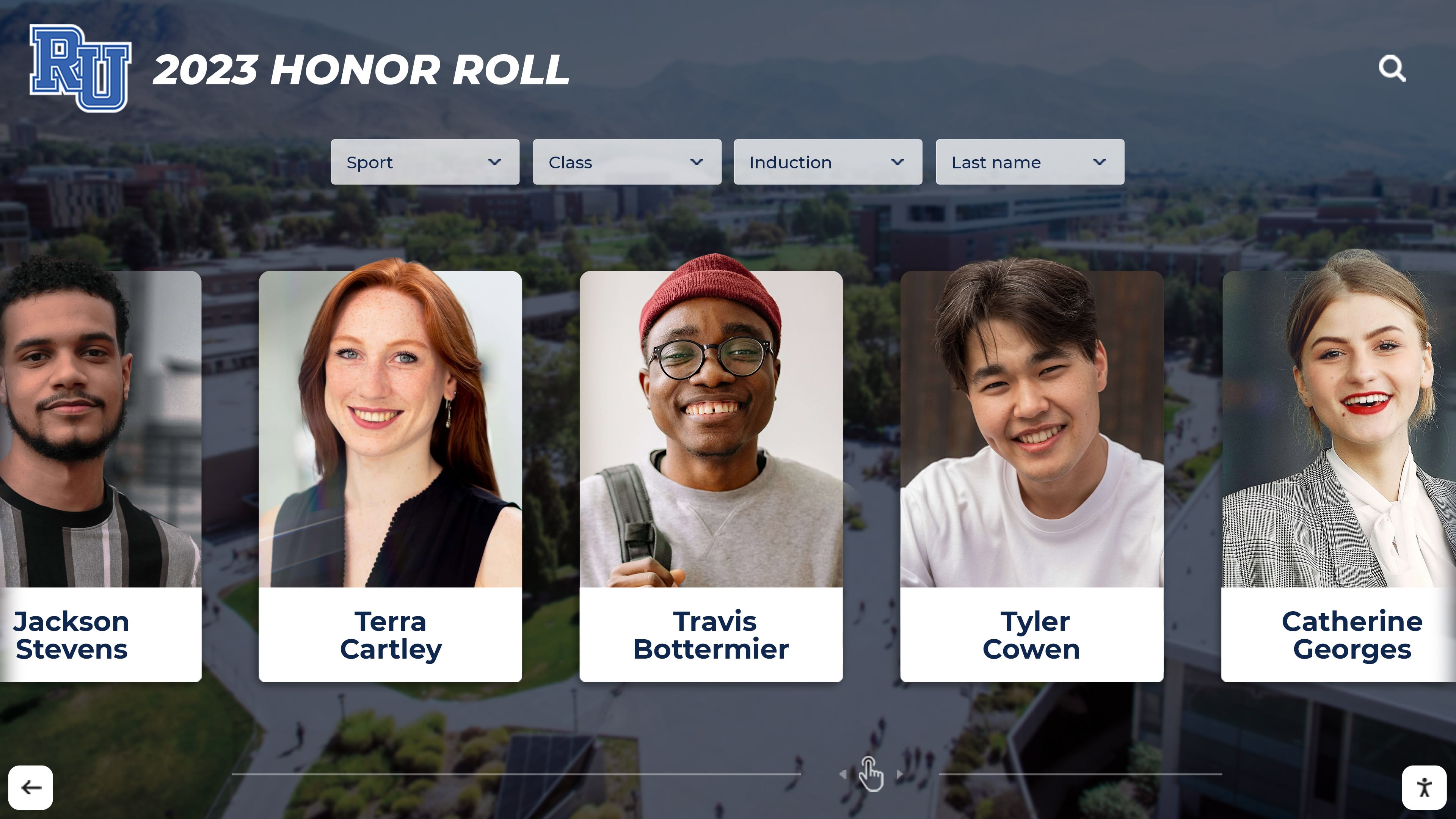
Digital recognition systems particularly excel at equity by eliminating physical space constraints historically forcing selective visibility. Every achievement type—from robotics competition success to community service milestones, from honor roll qualification to exceptional attendance—receives equivalent treatment and permanent documentation.
Resources on academic recognition programs demonstrate frameworks for equitable achievement celebration across diverse student accomplishments.
Supporting Student Development and Motivation
Recognition provides formative feedback helping students understand achievement expectations and their progress toward goals. When students receive acknowledgment for improvement, dedication, or milestone accomplishment, they gain confidence and motivation to continue pursuing excellence.
Particularly for students from backgrounds where family circumstances limit external validation opportunities, school recognition becomes critically important. For many students, teacher acknowledgment or public school recognition represents rare affirmation that their efforts matter and produce meaningful results. This validation can fundamentally influence student persistence, aspiration development, and long-term educational trajectories.
Establishing Effective Recognition Criteria
Clear, transparent criteria form the foundation of credible recognition programs earning student respect and achieving intended motivational purposes.
Defining Achievement Categories
Comprehensive programs recognize diverse excellence forms reflecting institutional priorities and student opportunity diversity:
Academic Achievement Recognition
Academic excellence merits systematic recognition through multiple achievement levels:
- Honor Roll Programs: Semester or quarterly recognition for students meeting GPA thresholds, typically including highest honors (4.0 or equivalent), high honors (3.75-3.99), and standard honors (3.5-3.74) tiers
- Subject-Specific Excellence: Recognition for exceptional performance in particular disciplines—mathematics, science, language arts, social studies, world languages, arts
- Academic Competition Success: Quiz bowl participation, spelling bee achievement, science olympiad medals, math competition placement
- Advanced Coursework Completion: AP Scholar designations, dual enrollment success, honors program participation
- Standardized Testing Milestones: ACT scores above 30, SAT achievement levels, state assessment proficiency
- Academic Growth Recognition: Improvement awards celebrating significant GPA increases or skill development regardless of absolute achievement level
Athletic Achievement Recognition
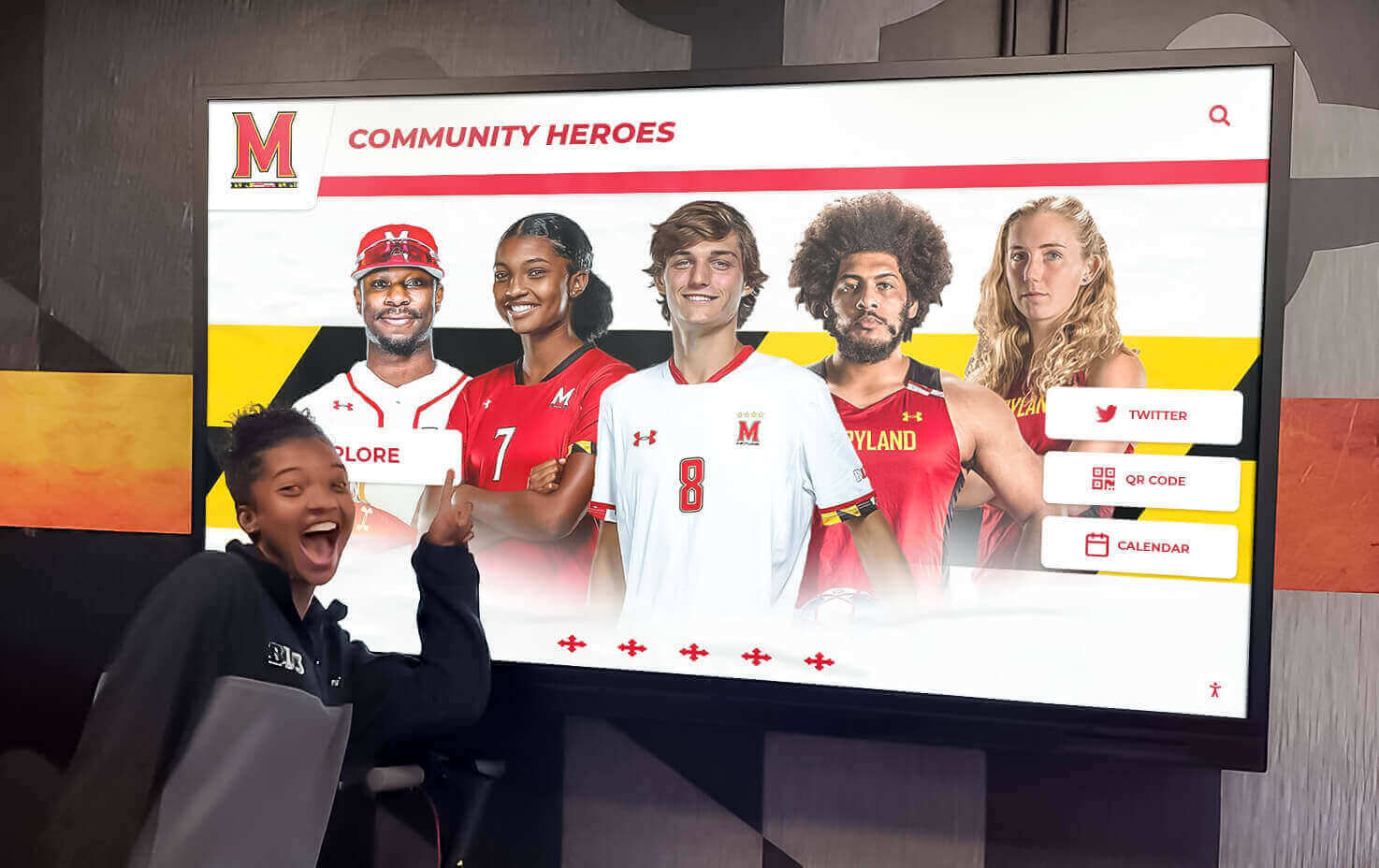
Sports accomplishments deserve comprehensive documentation including individual milestone achievements such as scoring records and career statistics, team championship participation and conference titles, all-conference, all-state, and all-American selections, athletic recruitment and college commitment recognition, leadership positions and team captain designations, sportsmanship awards and character recognition, and improvement honors celebrating development and dedication.
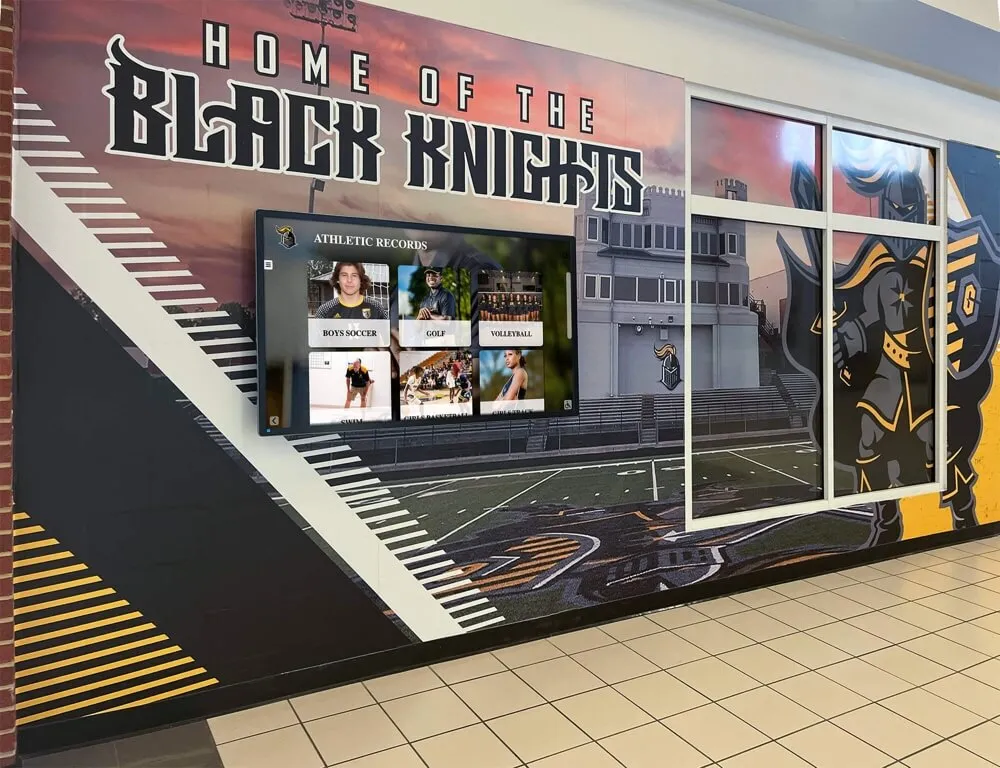
Athletic recognition should extend beyond high-profile sports to ensure equity across all programs. Wrestling, swimming, track and field, golf, tennis, and other sports deserve equal recognition visibility compared to football, basketball, and baseball programs. Digital record boards eliminate space constraints enabling comprehensive athletic recognition across all sports and achievement levels.
Arts and Performance Excellence
Creative achievements merit celebration including musical performance awards at district, state, or national levels, theatrical production participation and leading role recognition, visual arts competition success and exhibition selection, creative writing awards and publication achievements, debate and speech team accomplishments, and performance arts leadership positions.
Arts recognition often receives less visibility than athletics despite requiring comparable dedication, skill development, and achievement. Comprehensive recognition systems ensure equivalent treatment across all excellence domains.
Leadership and Service Contributions
Student contributions beyond academic and extracurricular achievement deserve recognition including student government leadership and elected positions, club and organization officer roles, peer mentorship and tutoring participation, community service hour milestones, volunteer leadership with external organizations, National Honor Society membership, and character awards recognizing integrity and citizenship.
Service recognition acknowledges that excellence extends beyond competitive achievement to include contributions benefiting communities and supporting peers.
Setting Achievable Yet Meaningful Standards
Recognition criteria must balance accessibility and selectivity—standards should inspire effort without seeming unattainably difficult while maintaining sufficient rigor that recognition feels meaningful rather than automatic.
Tiered Recognition Levels
Multiple recognition tiers accommodate diverse achievement levels:
- Universal Recognition: Celebrate all students meeting basic standards, such as semester honor roll inclusion or participation completion
- Distinction Levels: Higher tiers for exceptional achievement, such as highest honors, championship participation, or competitive selection
- Elite Recognition: Special acknowledgment for truly exceptional accomplishment, such as state championships, national recognition, or unprecedented milestone achievement
Tiered approaches ensure broad participation while providing aspirational targets motivating continued excellence pursuit.
Improvement-Based Recognition
Achievement recognition based solely on absolute performance levels disadvantages students starting from lower baselines. Improvement-based recognition addresses this by celebrating significant GPA increases regardless of absolute levels, skill development demonstrated through assessment growth, participation expansion into new challenge areas, and persistence through difficulty leading to eventual success.
Improvement recognition particularly benefits students from disadvantaged backgrounds, those with learning differences, or individuals overcoming personal challenges. This acknowledgment demonstrates that effort and growth matter independent of starting points or raw ability levels.
Resources on high school end-of-year awards provide comprehensive frameworks for establishing diverse recognition categories celebrating varied student achievements.
Implementing Recognition Delivery Methods
Recognition effectiveness depends not only on who receives acknowledgment but how recognition reaches students, families, and communities.
Public Recognition Ceremonies and Events
Formal recognition ceremonies create memorable moments celebrating achievement while building community awareness of student excellence.
Quarterly or Semester Honor Roll Assemblies
Regular academic recognition assemblies maintain consistent visibility for scholastic achievement. Effective formats include grade-level assemblies keeping programs appropriately scaled, certificate or ribbon distribution providing tangible recognition artifacts, brief achievement highlighting without excessive length, and integration with other school programming maximizing attendance.
Short, frequent recognition events typically prove more effective than rare, lengthy ceremonies. Students remain engaged when programs run 20-30 minutes, and regular frequency ensures timely acknowledgment rather than delayed recognition losing motivational impact.
Annual Awards Ceremonies
Year-end recognition events celebrate cumulative achievement across academic years. Comprehensive ceremonies might include academic departmental awards recognizing subject excellence, athletic awards for season and career accomplishments, arts awards celebrating creative achievement and performance excellence, service awards honoring community contribution, special recognition for senior class leaders and scholars, and scholarship award announcements celebrating post-secondary opportunities.
Year-end events often include family attendance, creating shared celebration moments and enabling parent participation in student achievement recognition.
Sport-Specific Recognition Events
Athletic banquets and award ceremonies provide dedicated focus on team accomplishments and individual athletic excellence. Season-ending events create natural conclusion points celebrating team achievements, individual milestone recognition, coach acknowledgment of specific contributions, and senior athlete celebration as they conclude high school careers.
Sport-specific events build team culture and family engagement while ensuring adequate time for comprehensive recognition impossible during broader school-wide ceremonies.
Digital Display Recognition Systems
Physical displays in high-traffic areas create persistent visibility ensuring recognition extends beyond brief ceremony moments.
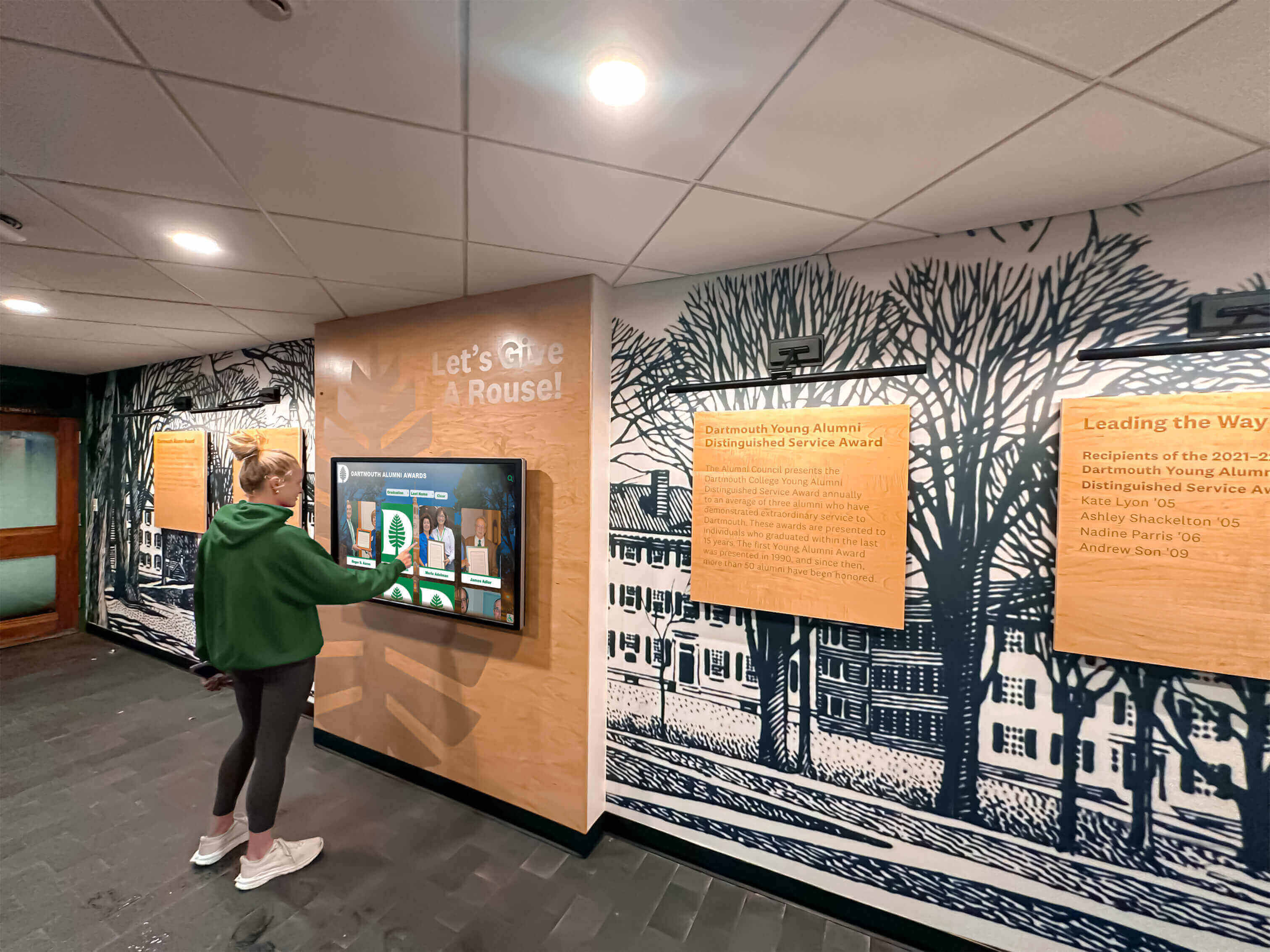
Interactive Touchscreen Displays
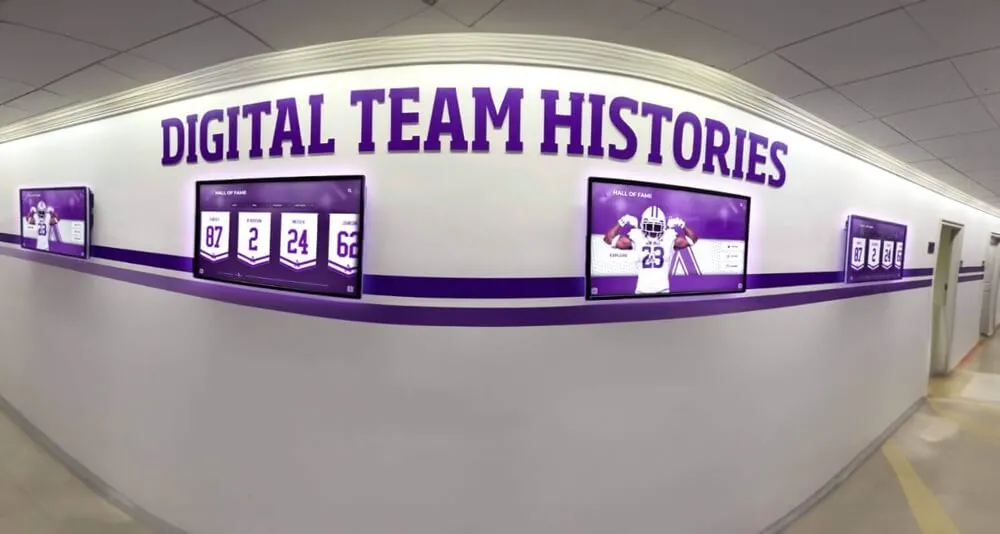
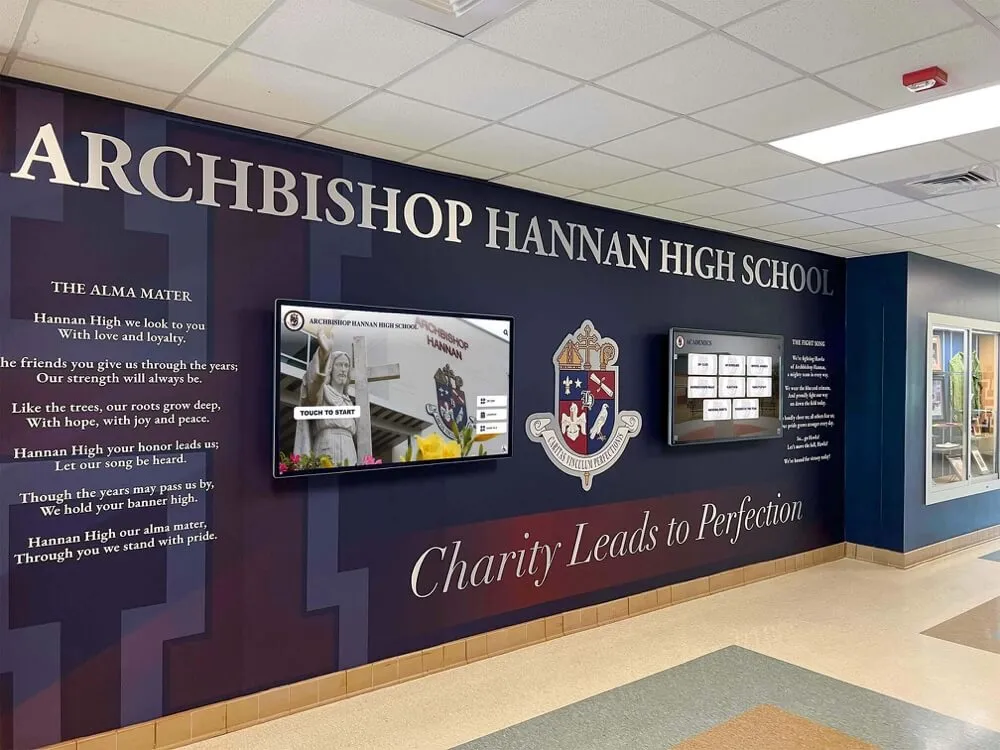
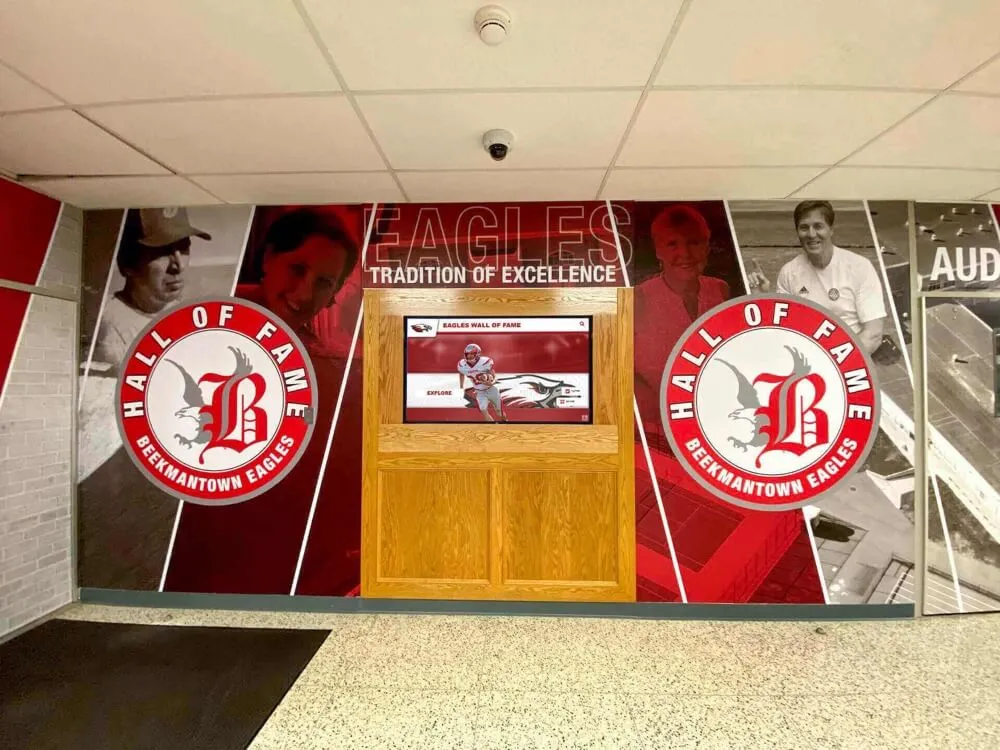
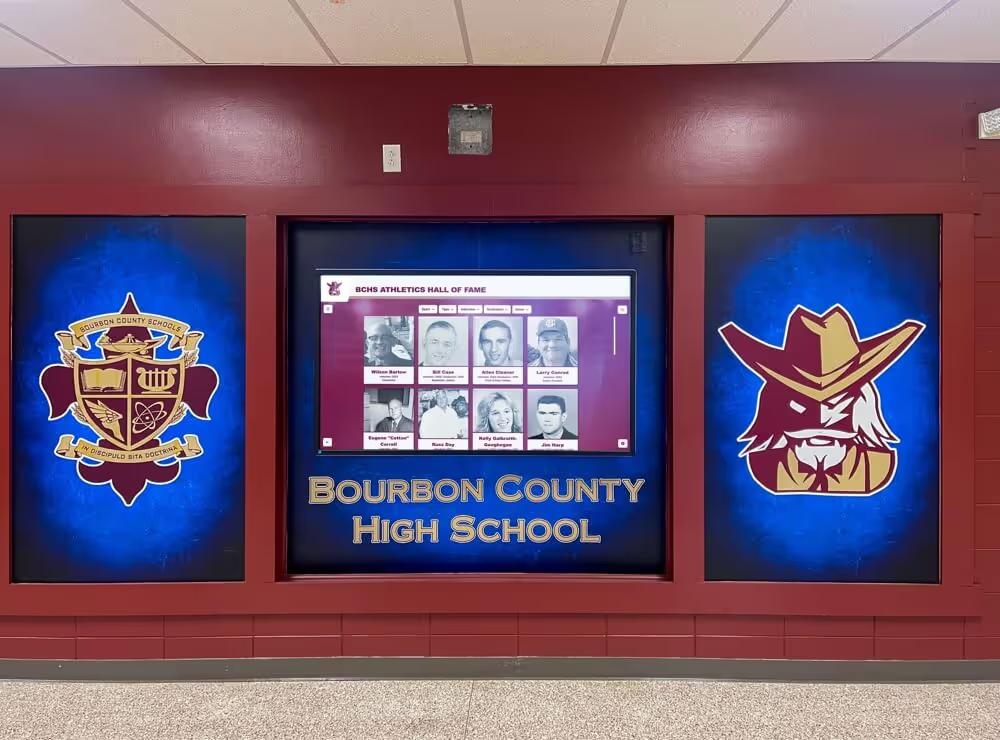
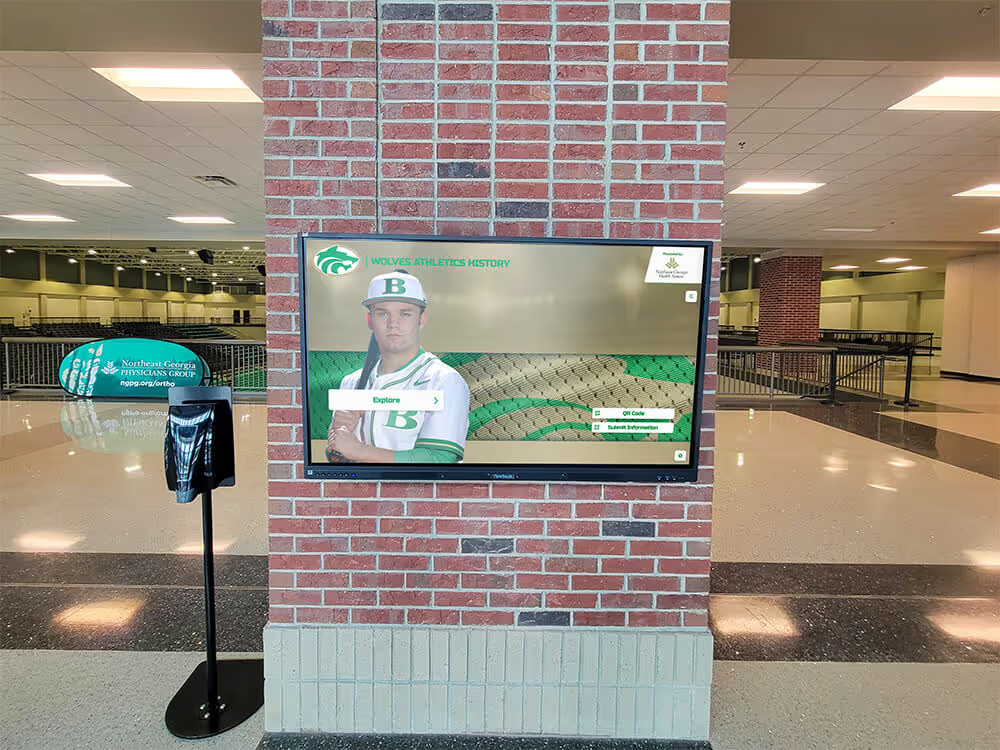
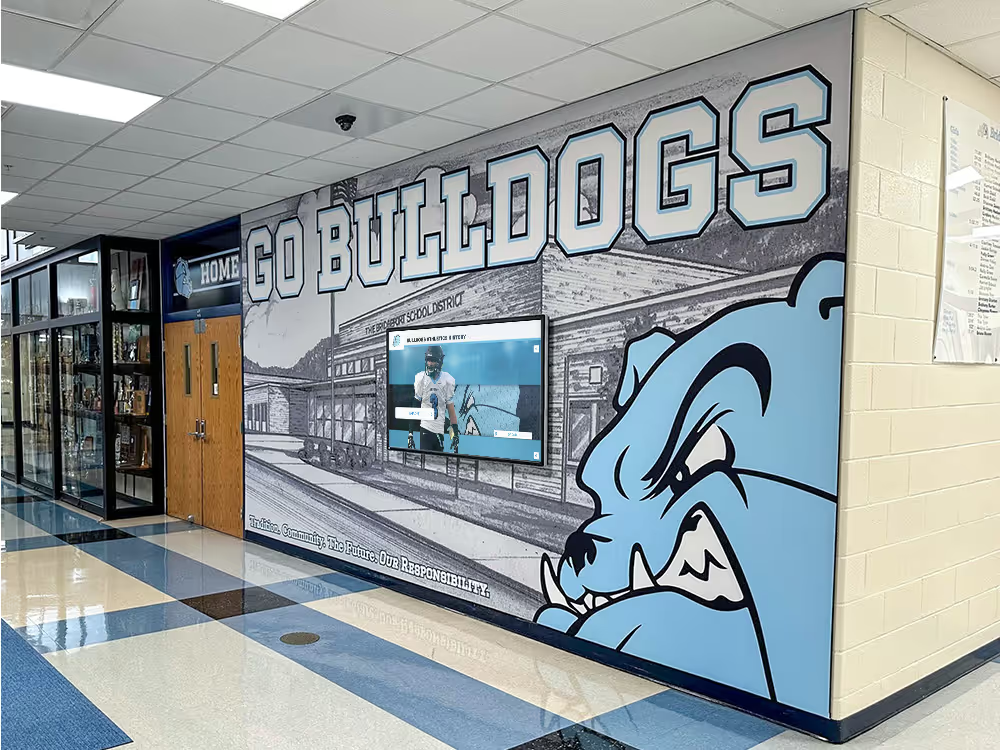
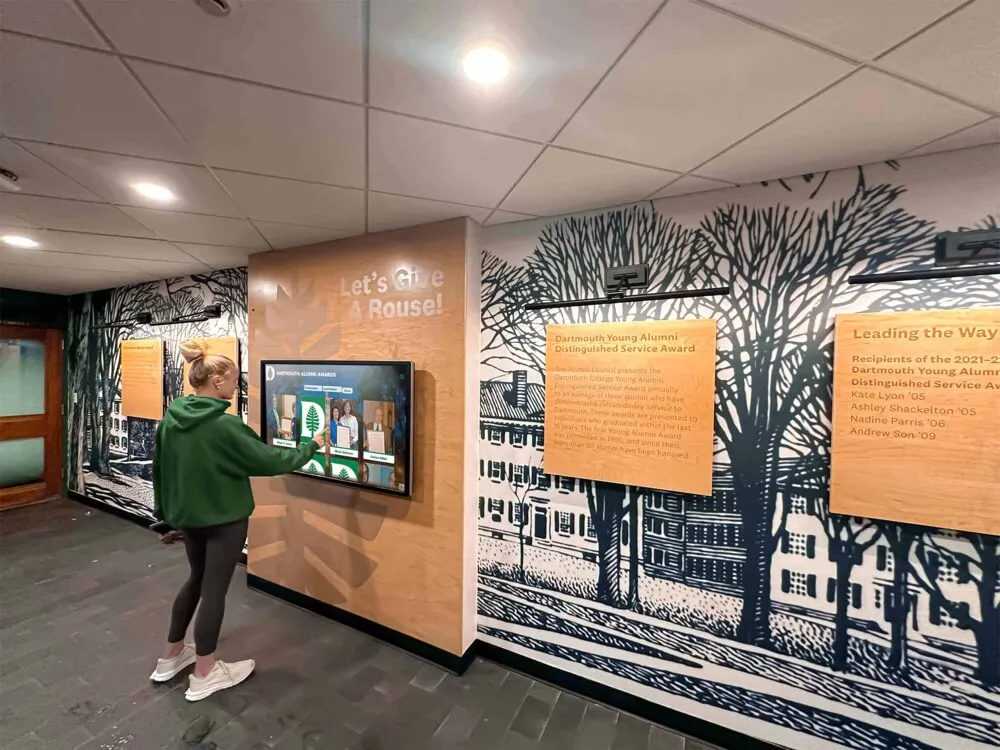
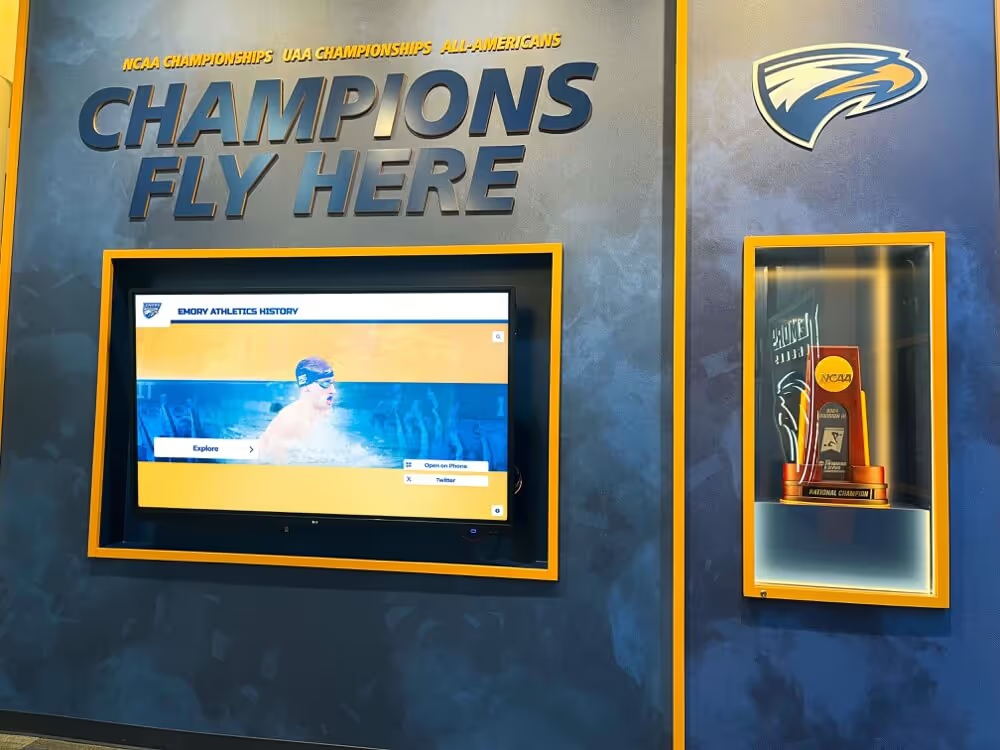
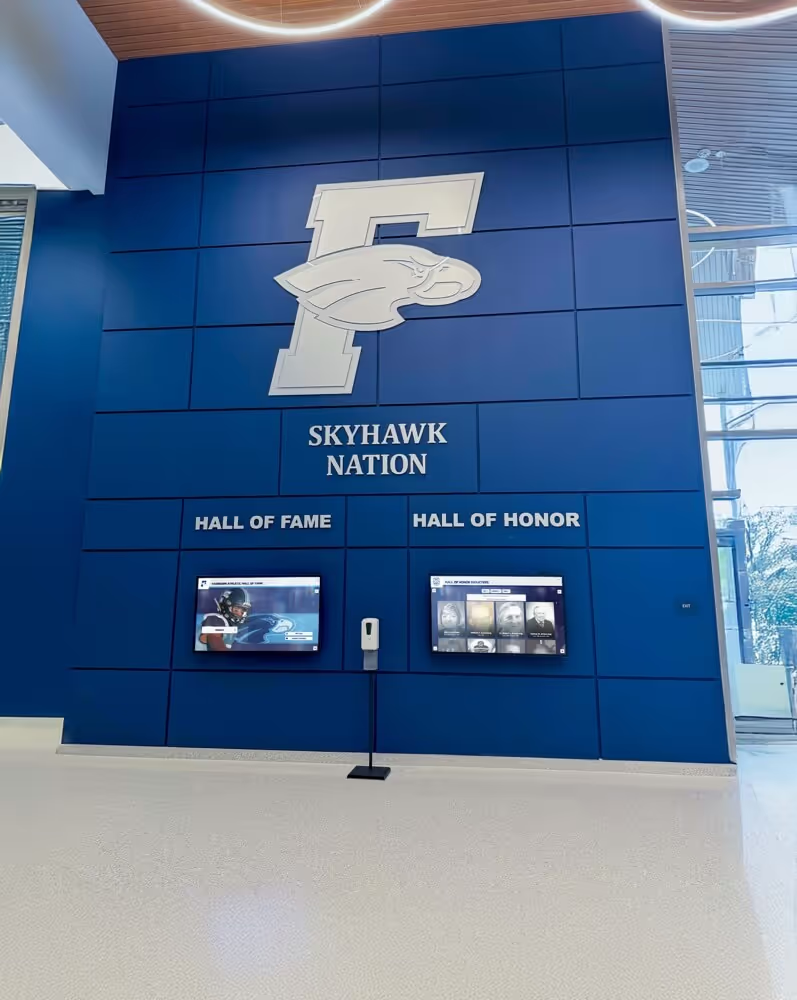
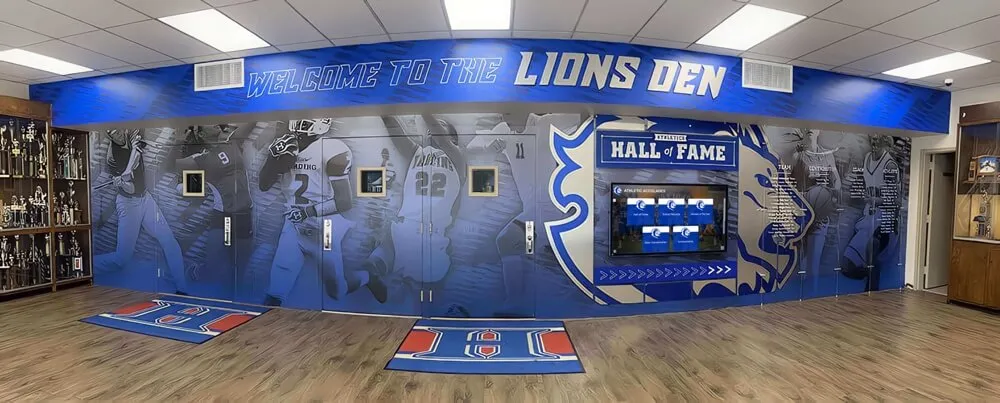
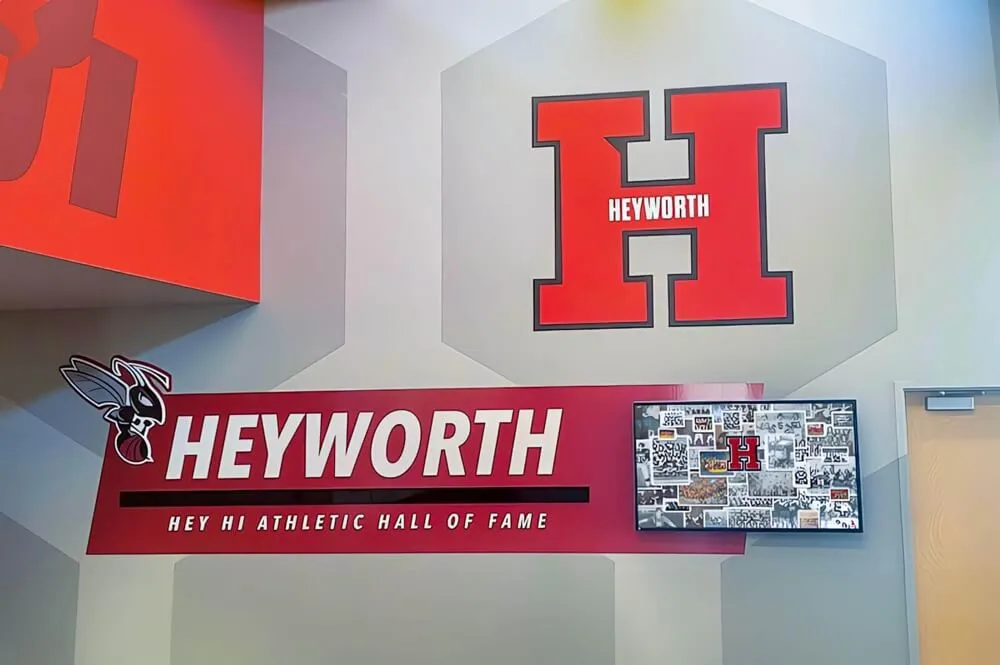
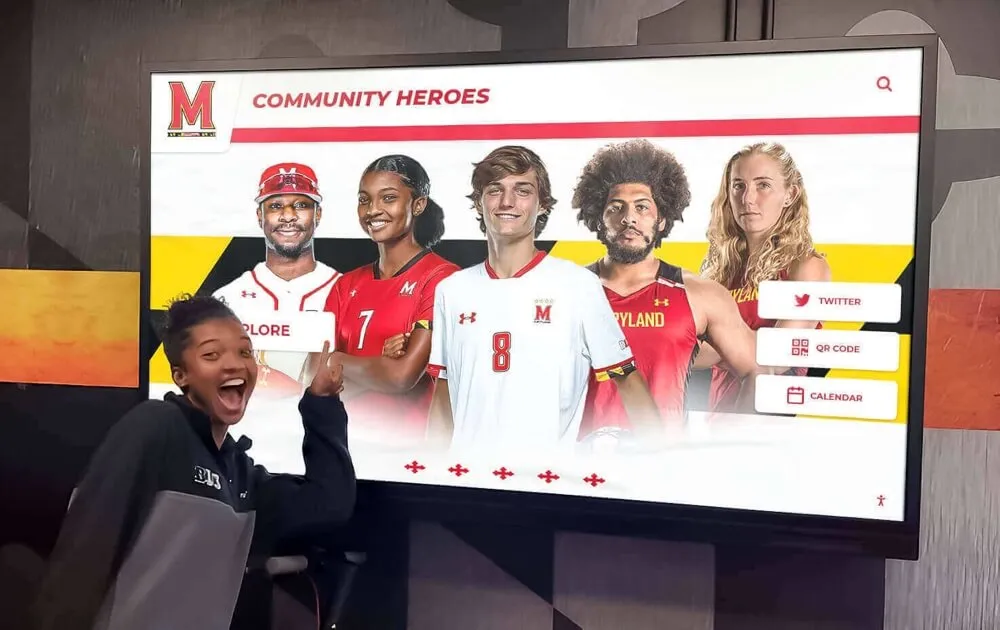
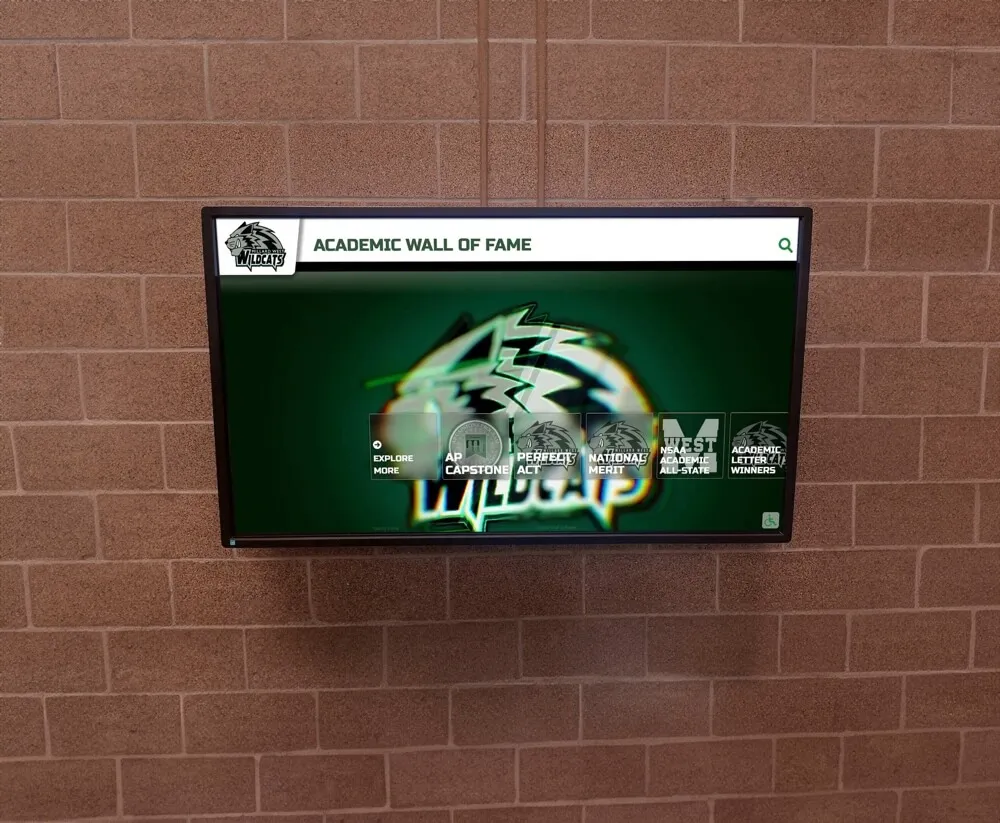
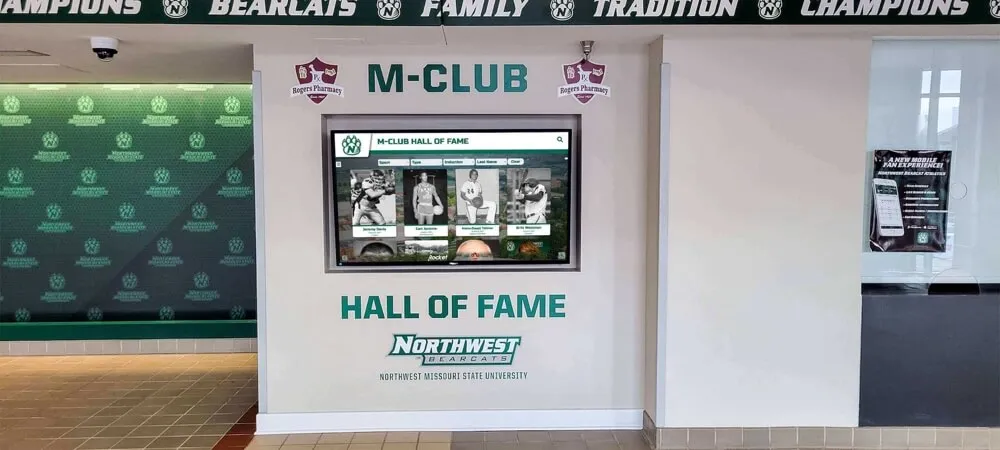
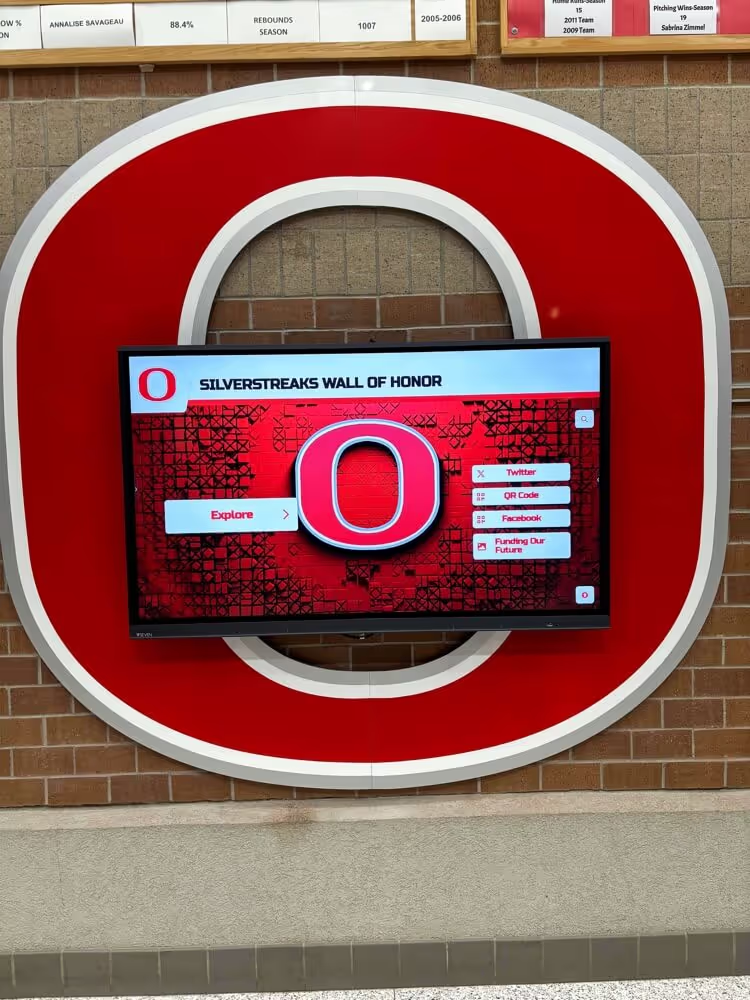
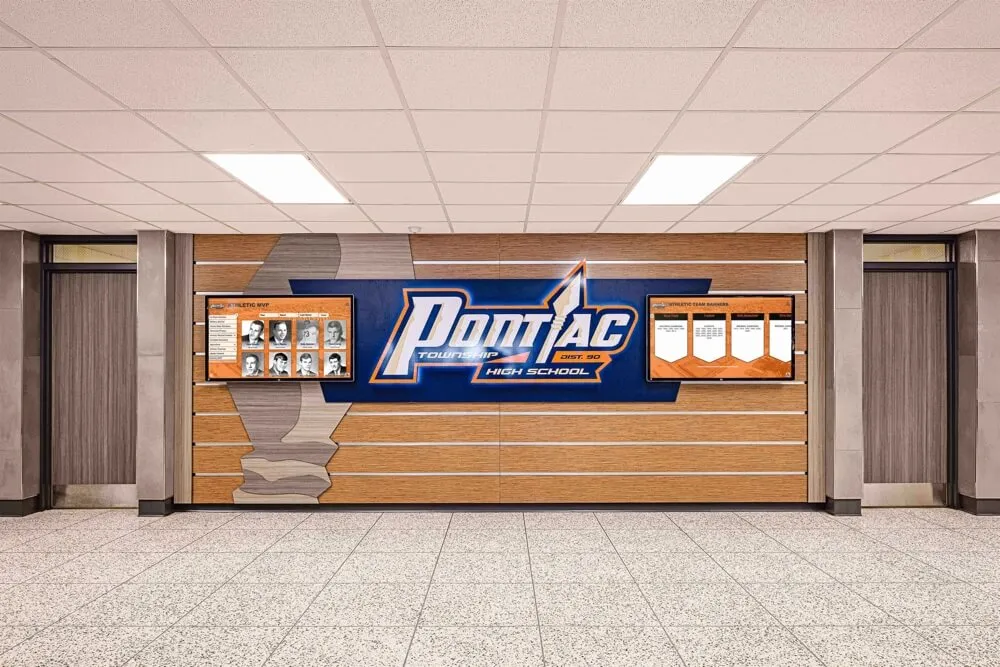
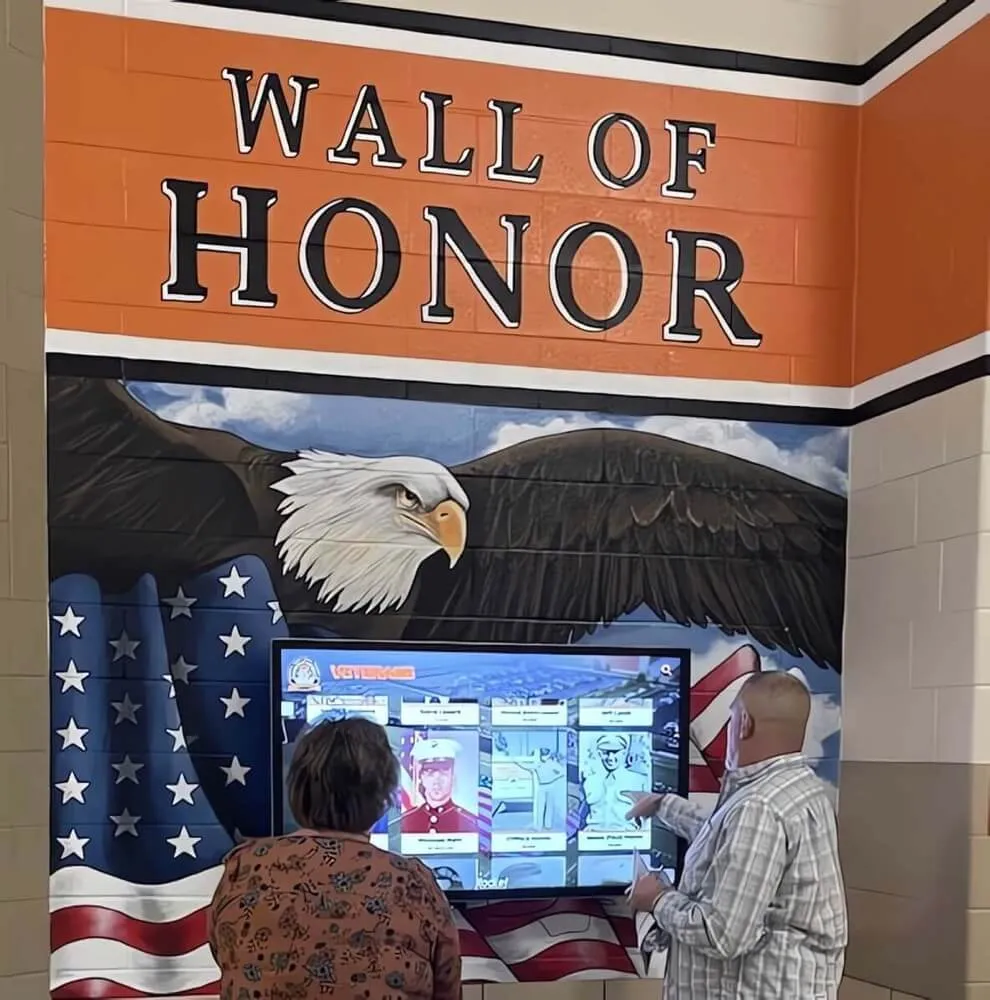
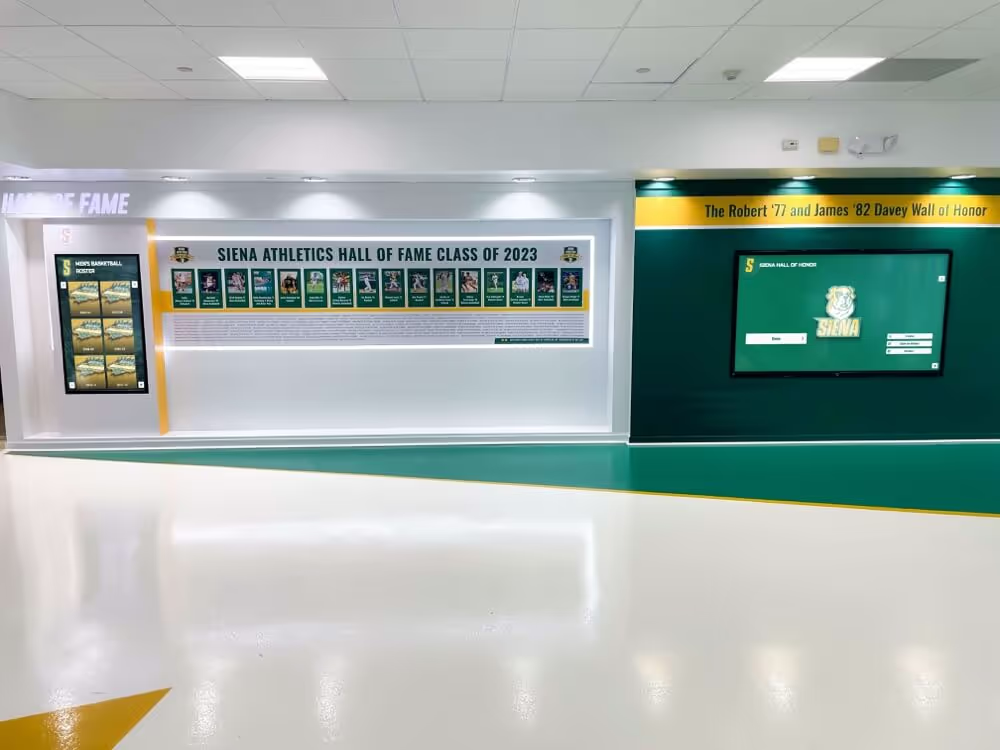
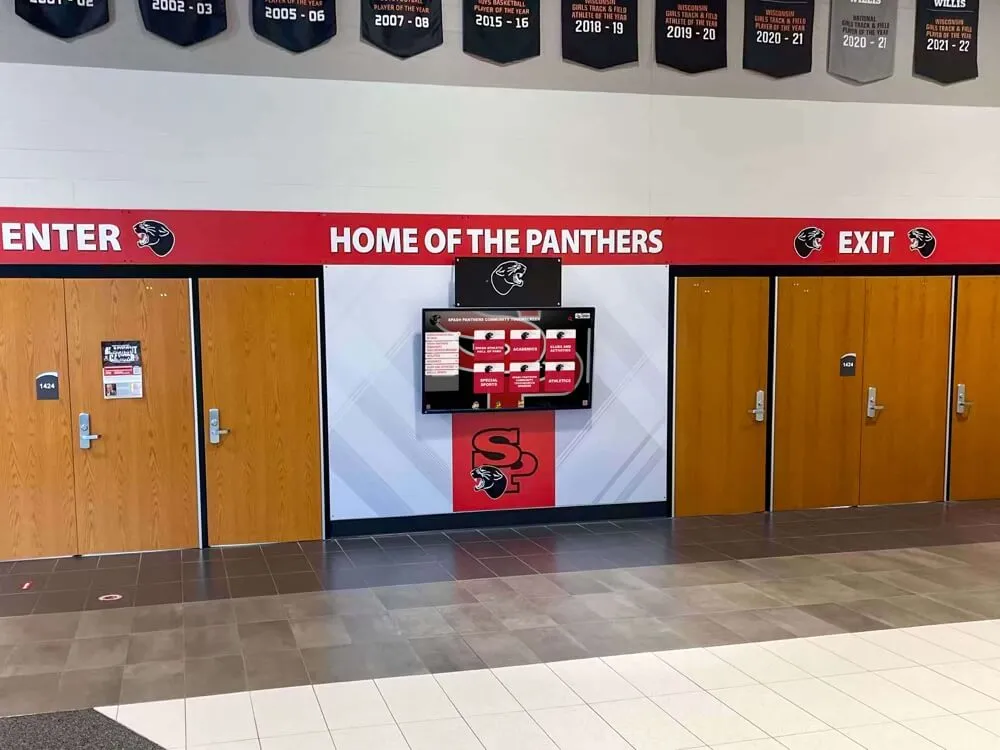
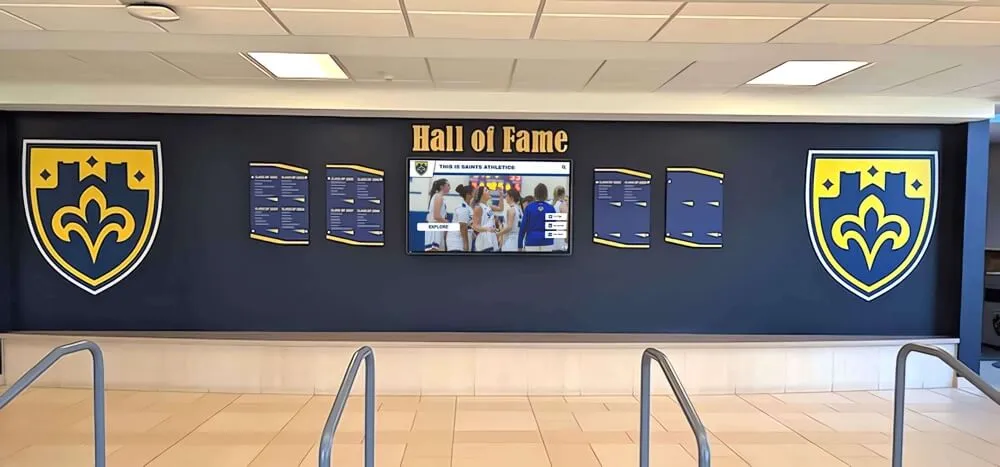
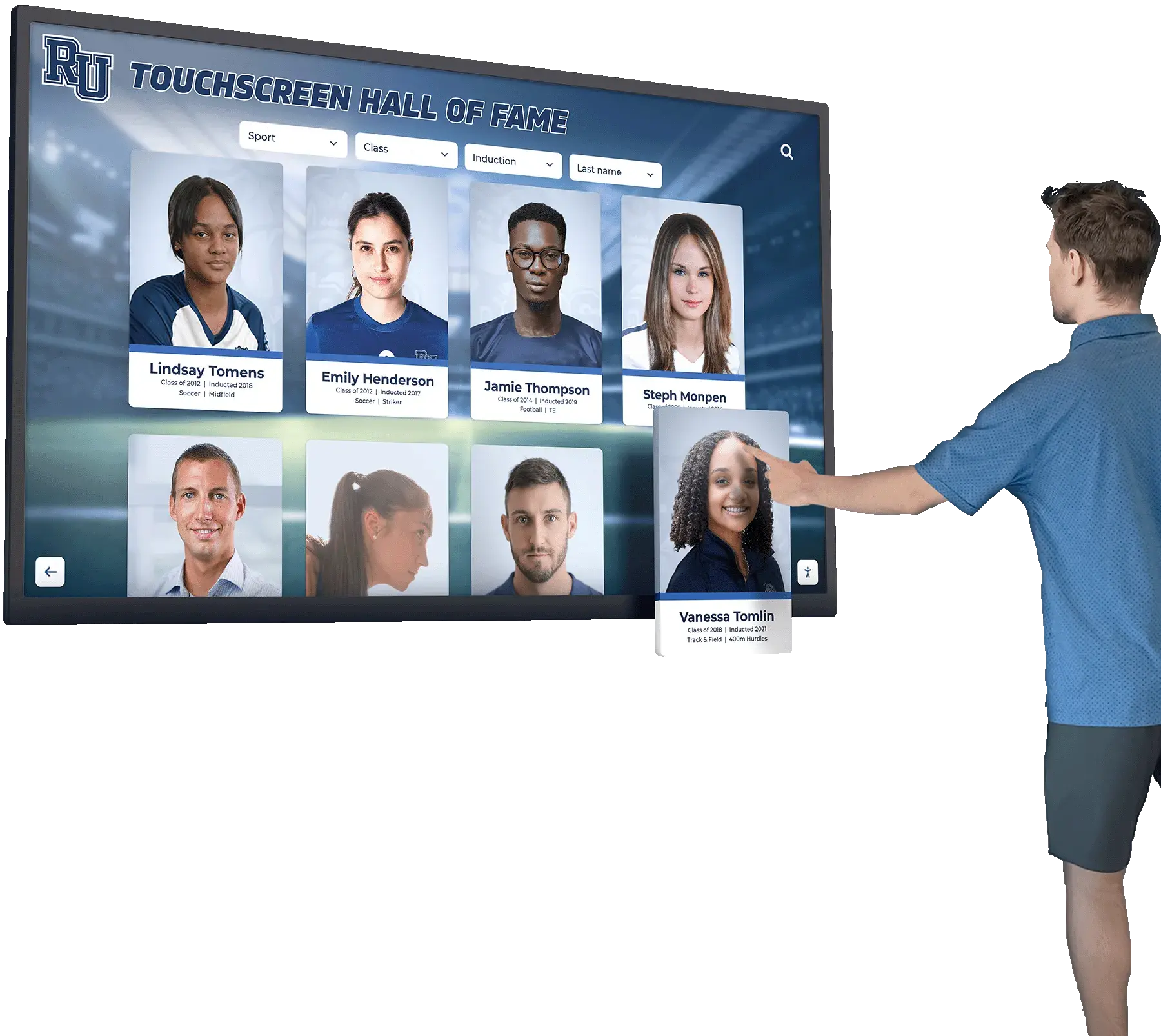
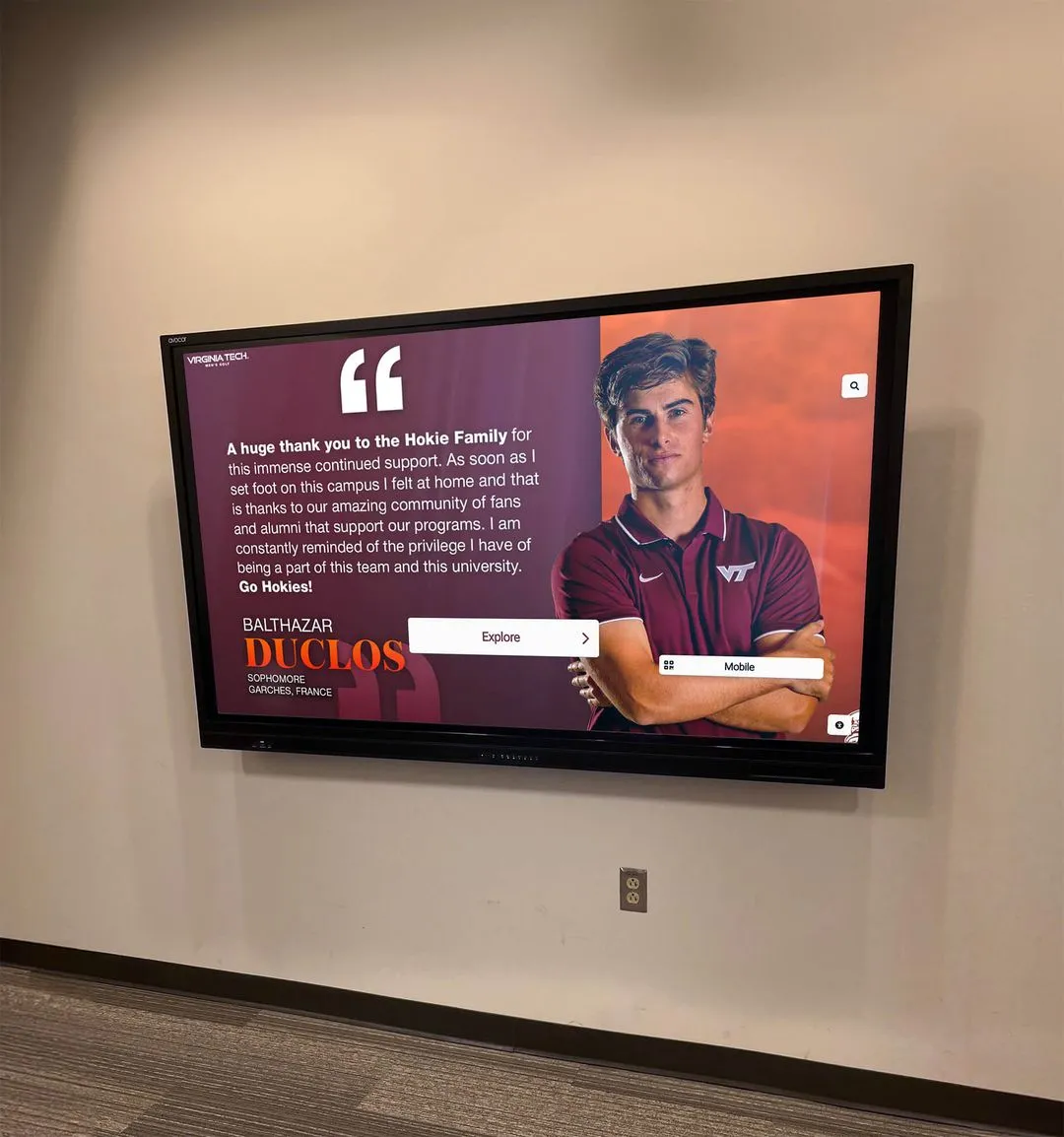
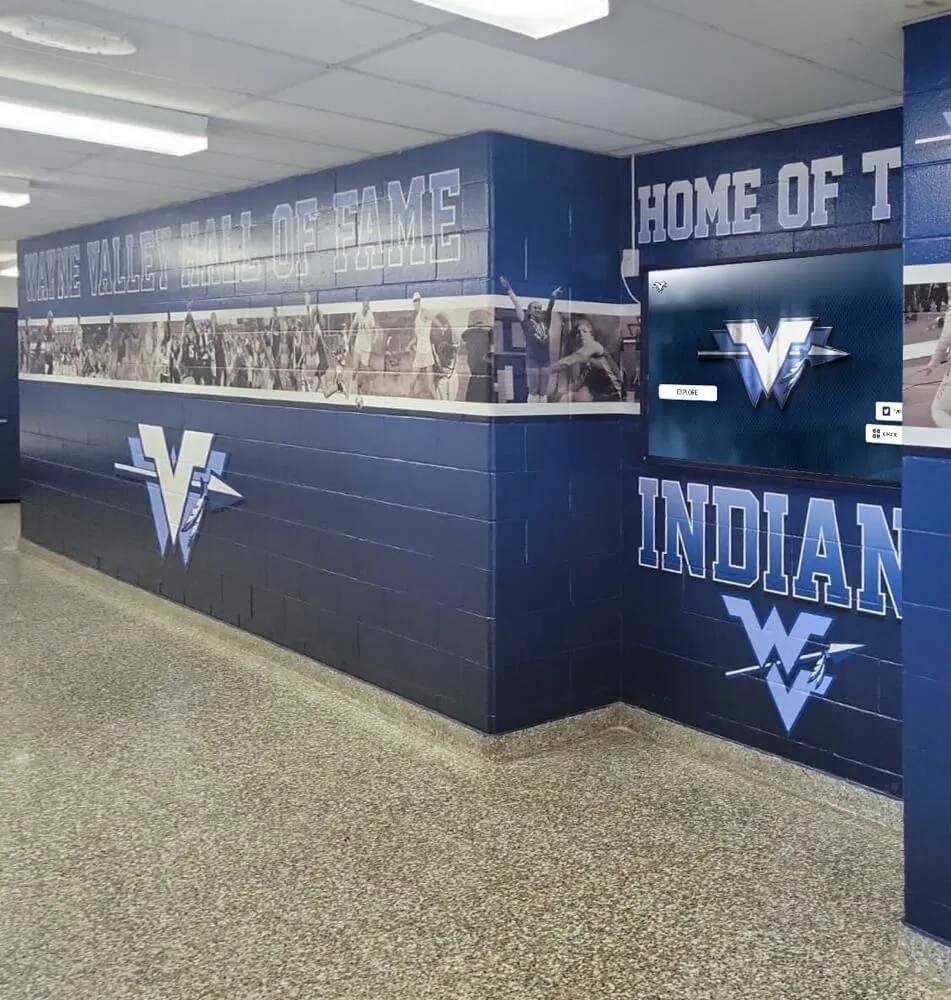
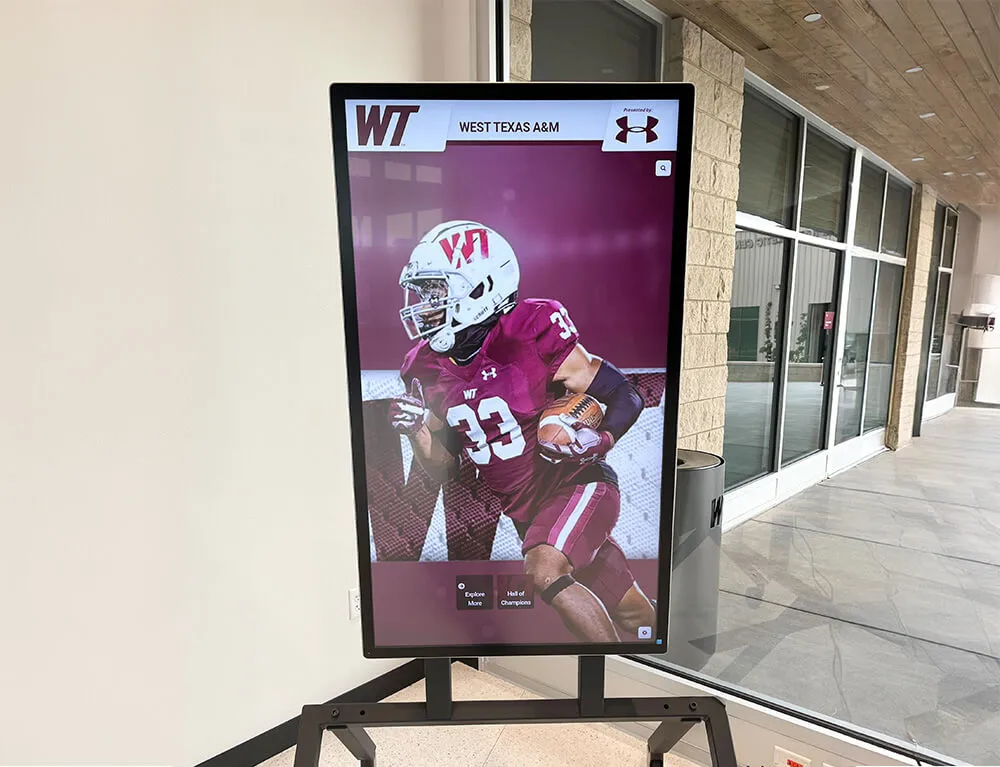
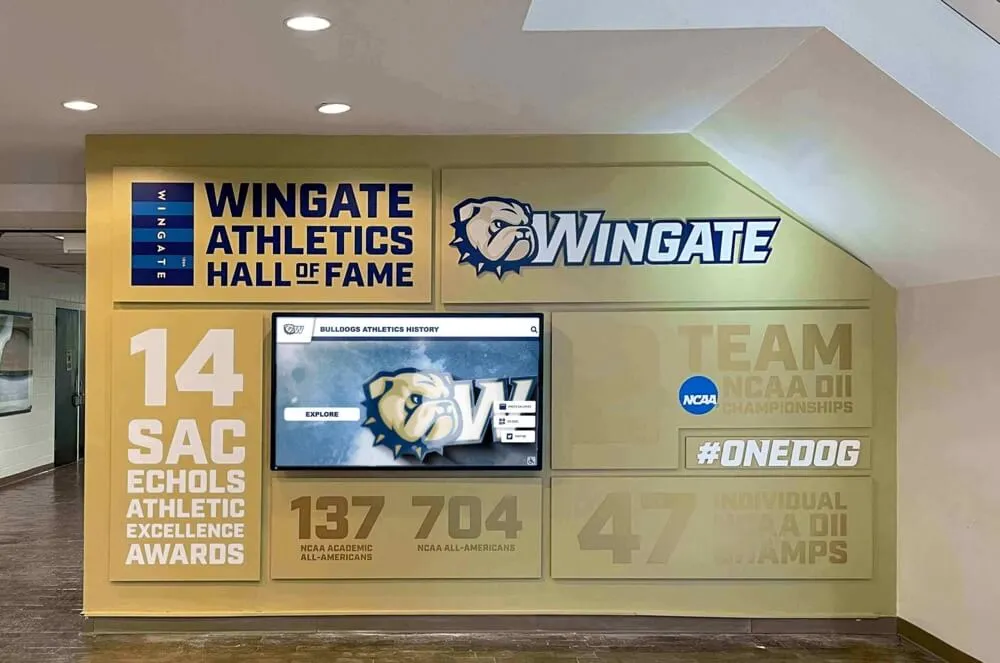
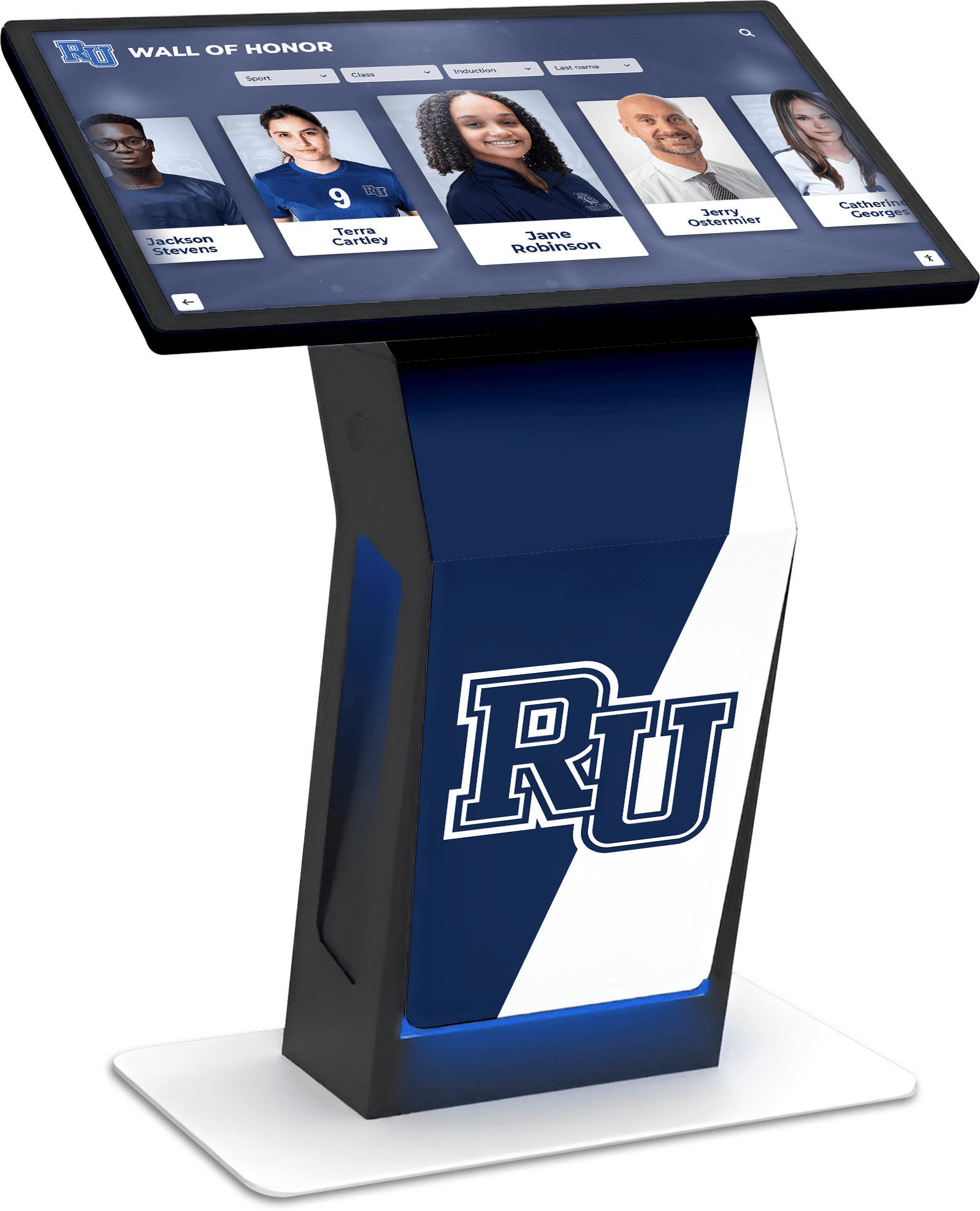
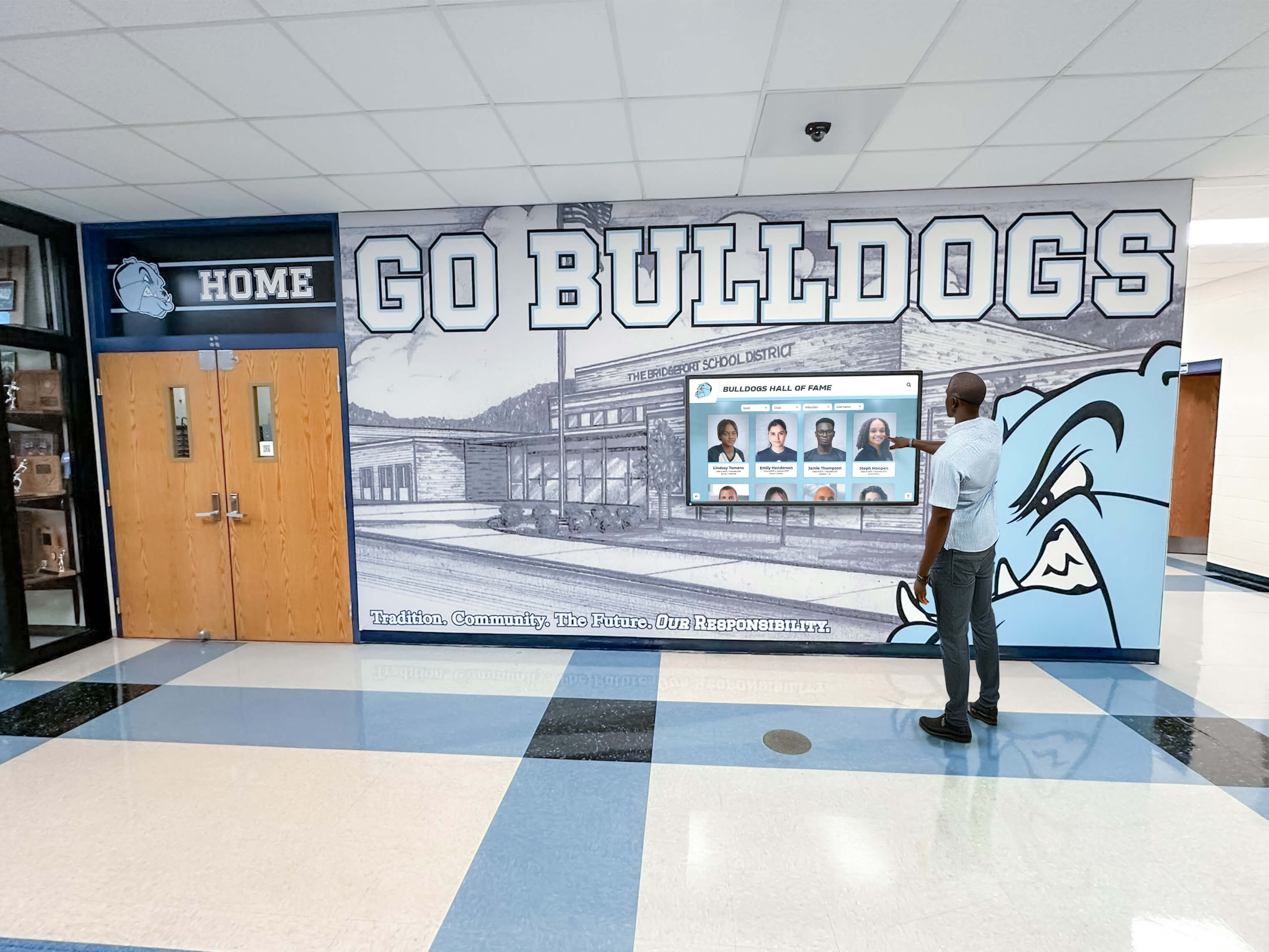
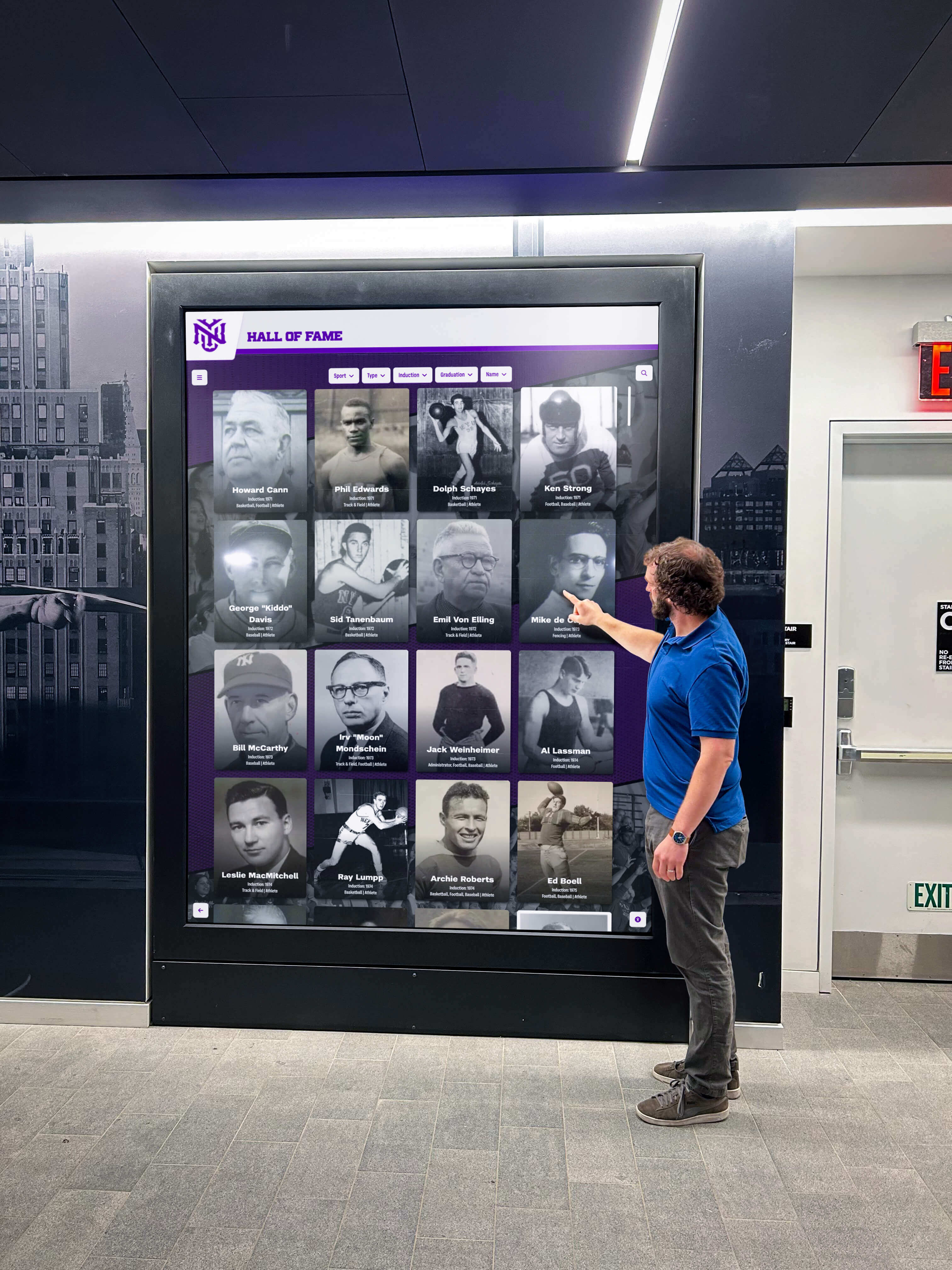
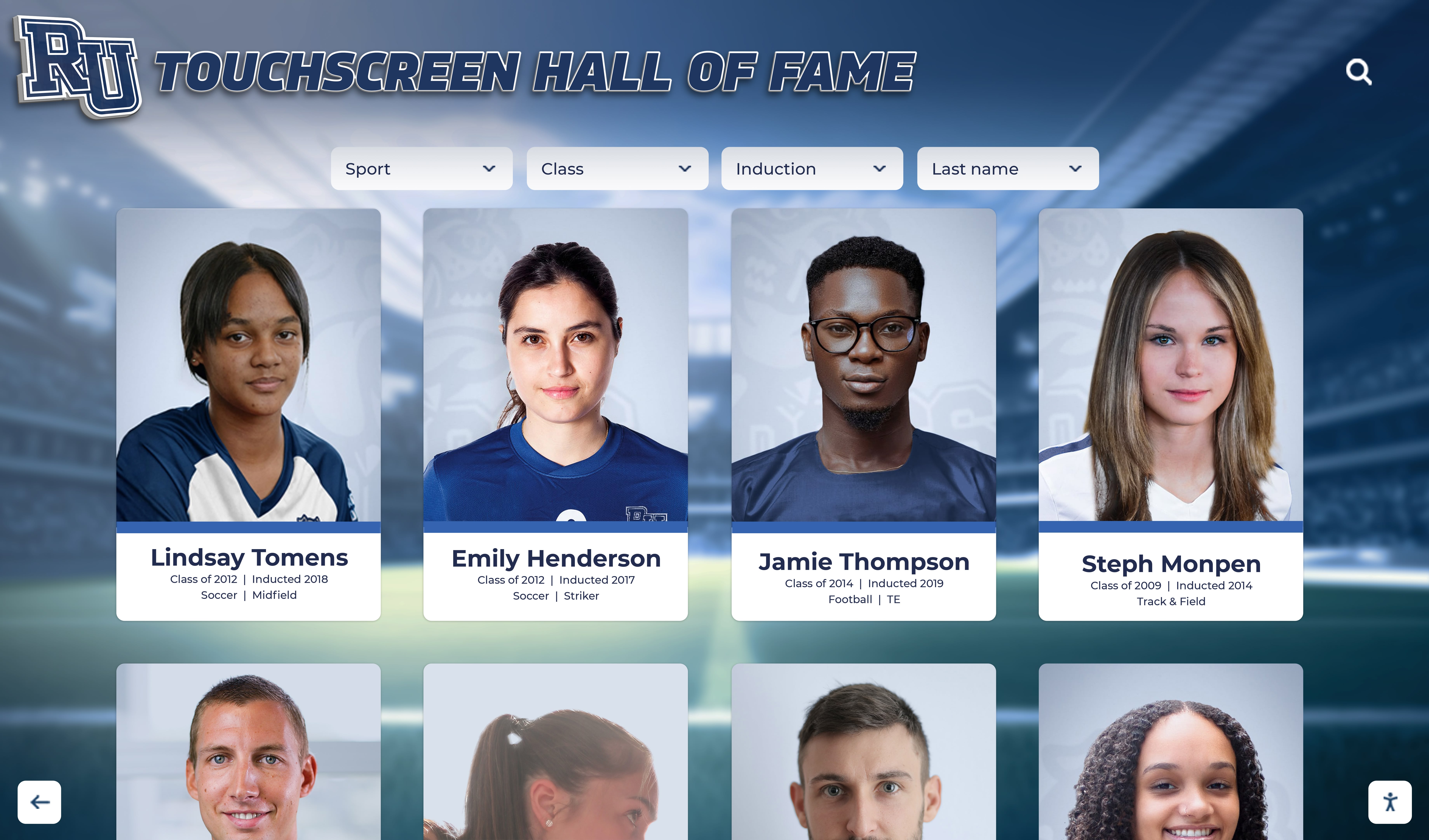
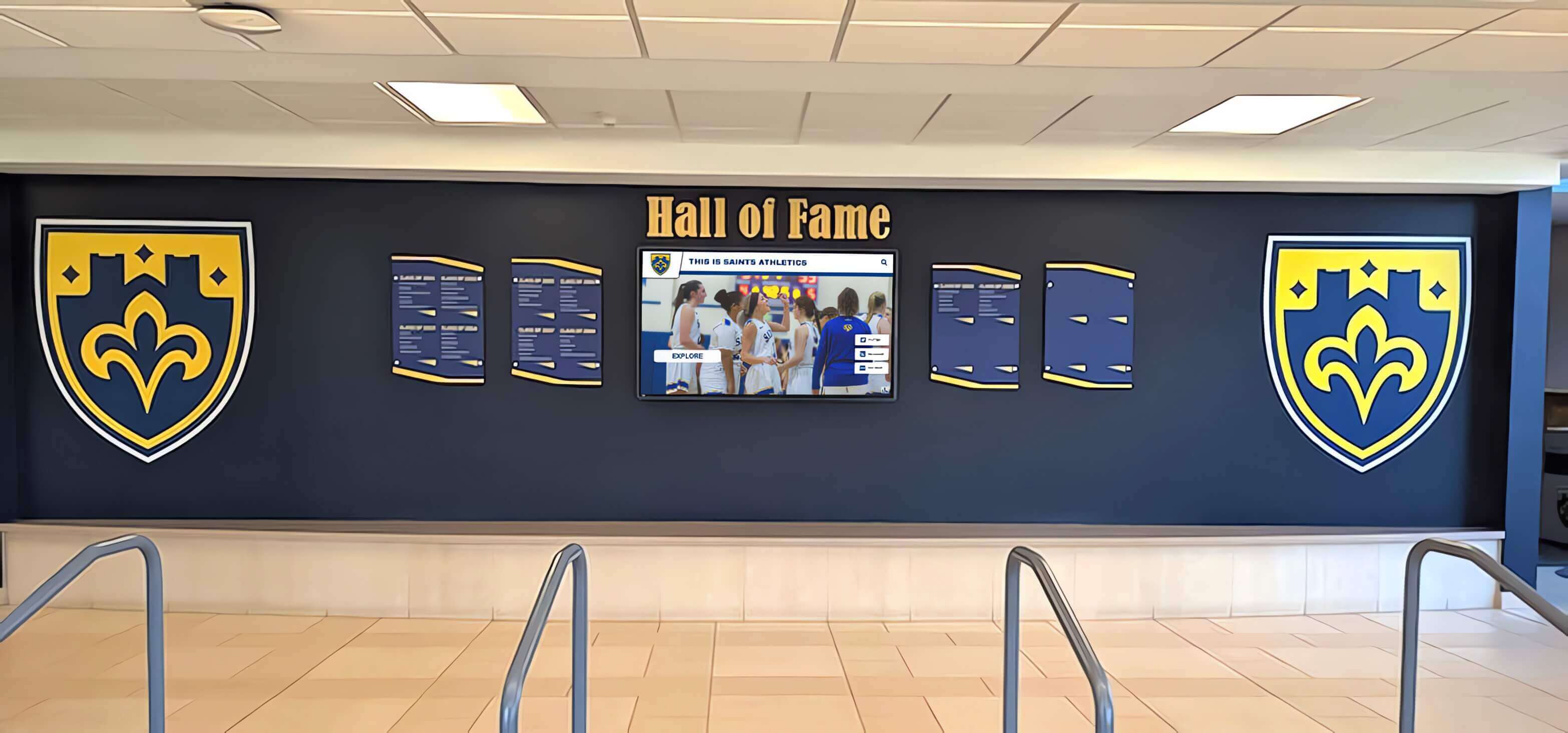
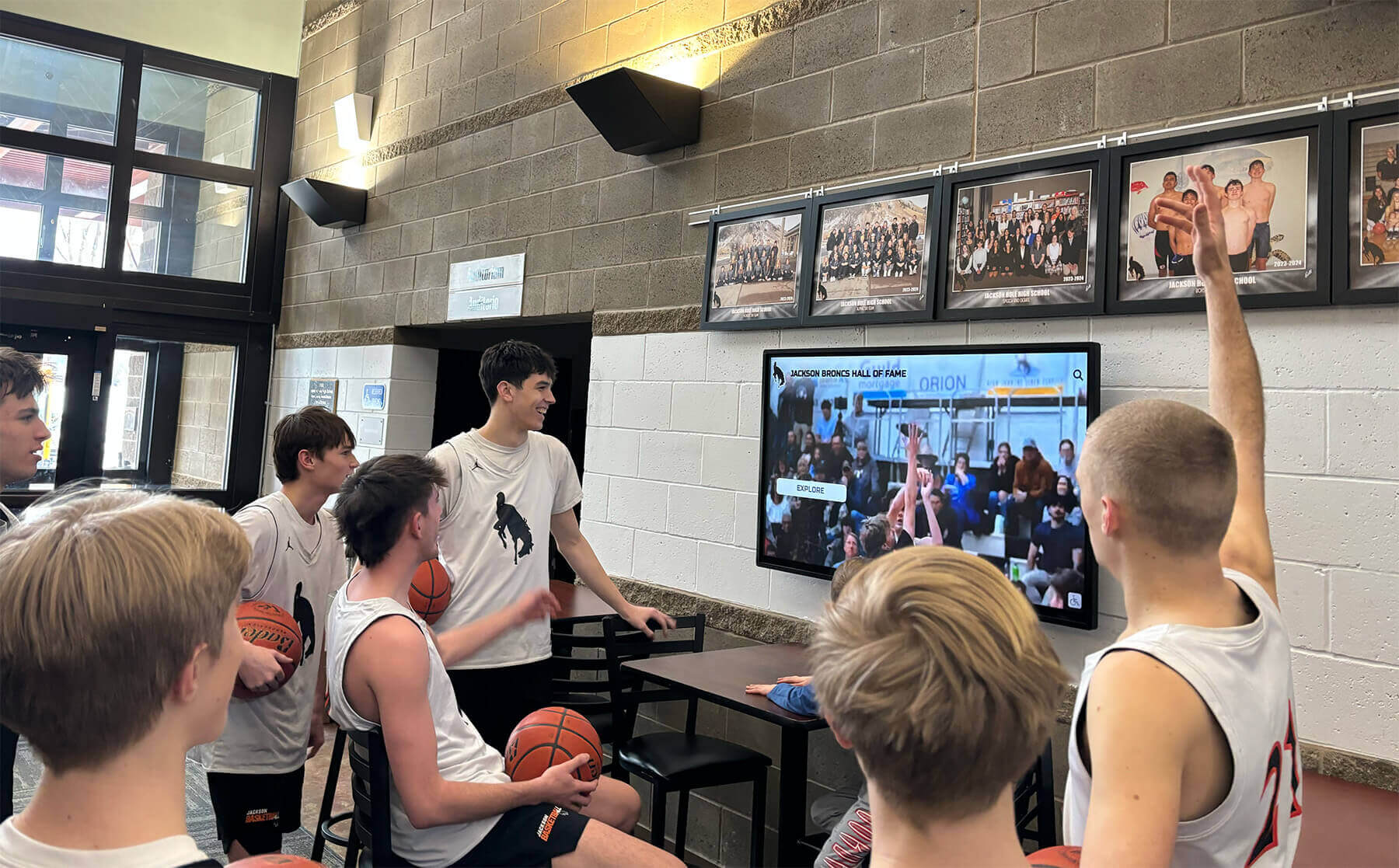
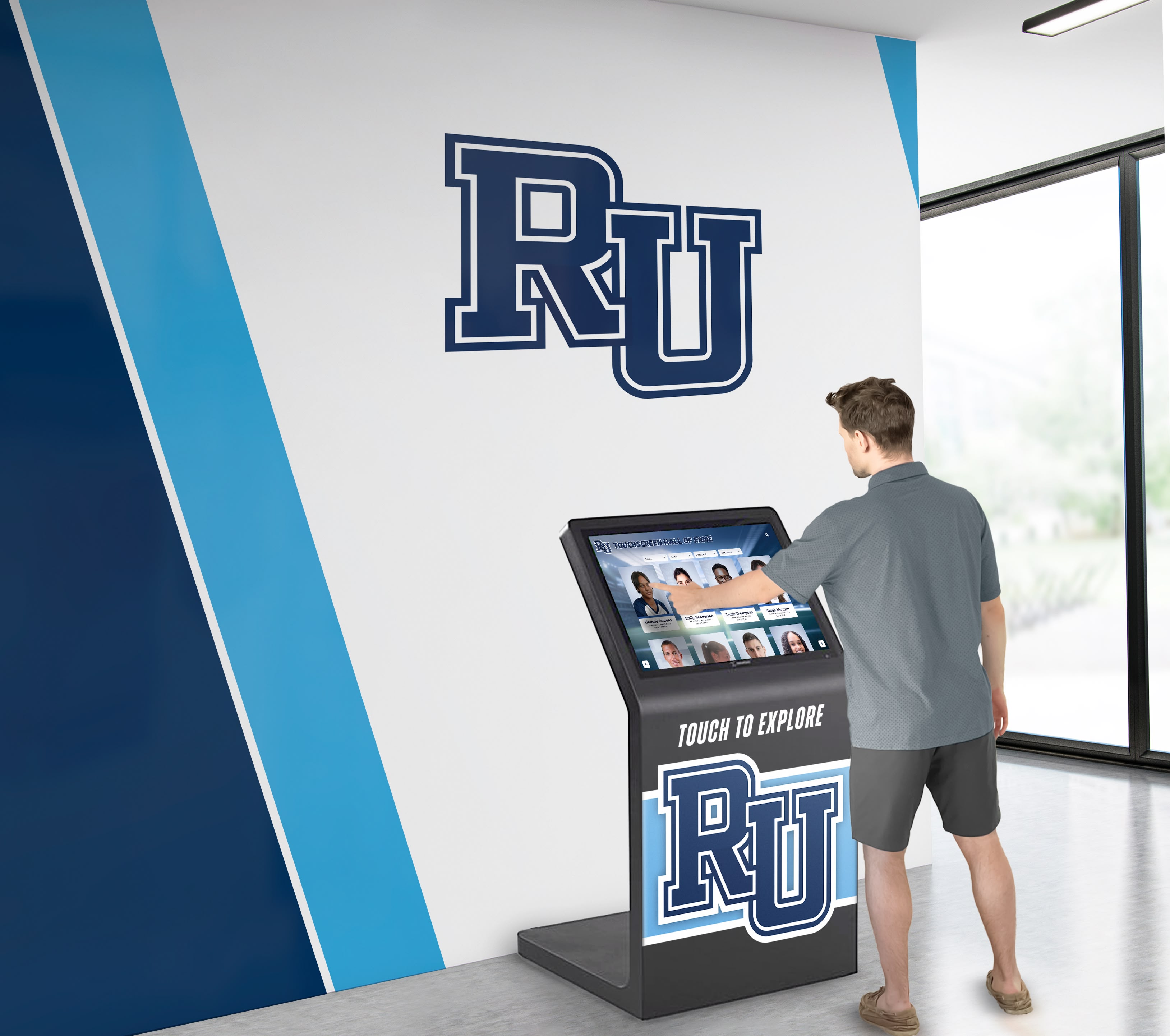
Commercial-grade touchscreen systems mounted in prominent locations enable comprehensive recognition exploration. These displays typically feature 43-75 inch screens with responsive touch interfaces, searchable databases enabling filtering by achievement type, name, year, or category, rich multimedia profiles including photos, achievement descriptions, and statistics, cloud-based content management enabling instant remote updates, and commercial reliability supporting years of continuous operation.
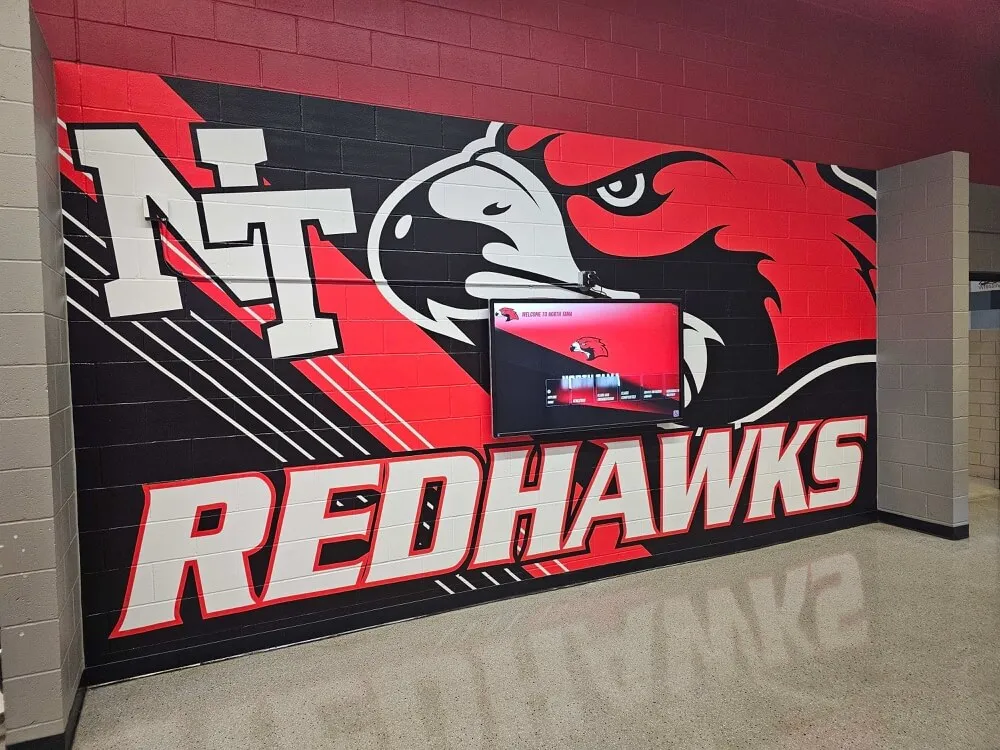
Interactive displays work particularly well in school main entrances showcasing excellence to all visitors, cafeterias and common areas where students gather regularly, athletic facilities highlighting sports achievements, performing arts centers celebrating creative accomplishments, and library media centers emphasizing academic excellence.
Unlike static trophy cases or bulletin boards with finite capacity, digital displays accommodate unlimited recognition while providing engagement through interactivity that static displays cannot match. Students spend minutes exploring digital content versus brief glances at traditional displays.
Digital Signage and Rotating Displays
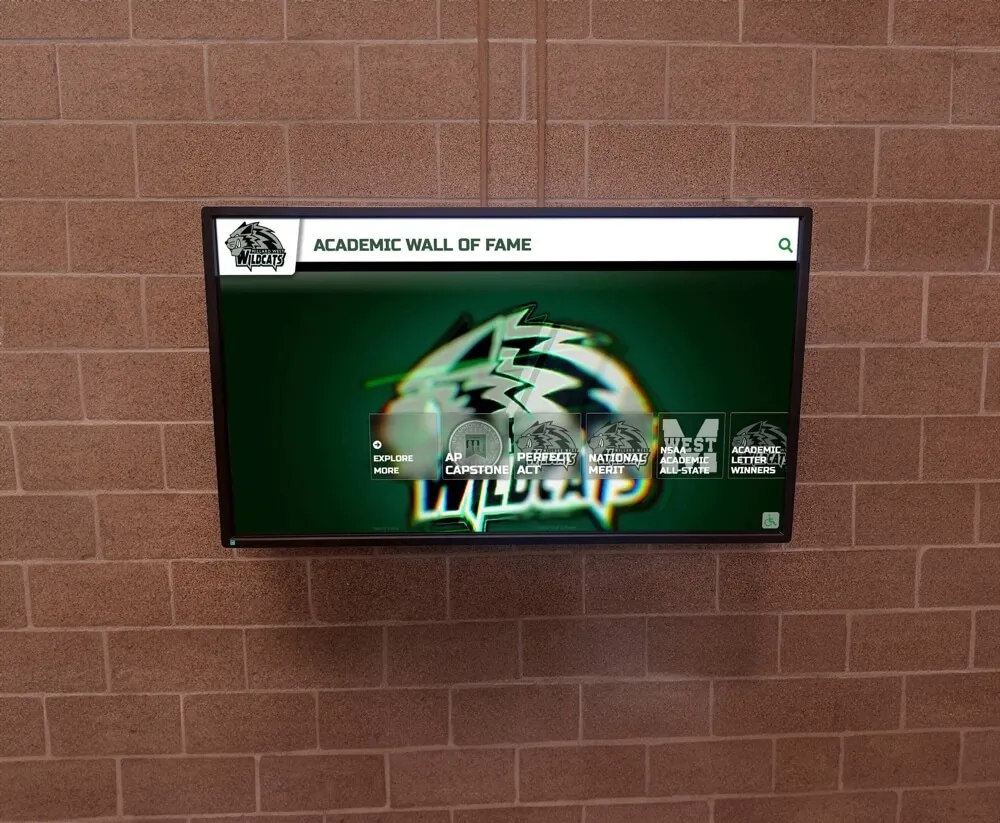
Digital signage provides dynamic content rotation showcasing multiple students on single screens. Unlike interactive touchscreens requiring user engagement, digital signage automatically cycles through recognition content ensuring broad visibility without interaction requirements.
These systems excel in locations where people gather but don’t stop for extended periods, such as hallway displays showing rotating achievements as students pass between classes, morning announcement screens highlighting recent accomplishments, athletic facility scoreboards celebrating records and achievements, and event space displays recognizing relevant excellence during competitions or performances.
Cloud-based content management enables scheduling specific recognition content for particular times—displaying fall academic honors during first semester, winter sport achievements during competition season, and spring recognition as school year concludes.
Resources on interactive display technology for schools demonstrate how modern recognition systems transform school environments.
Online Recognition Platforms
Web-based recognition extends visibility beyond school buildings, reaching families, alumni, and broader communities regardless of geographic location.
Dedicated Recognition Websites and Portals
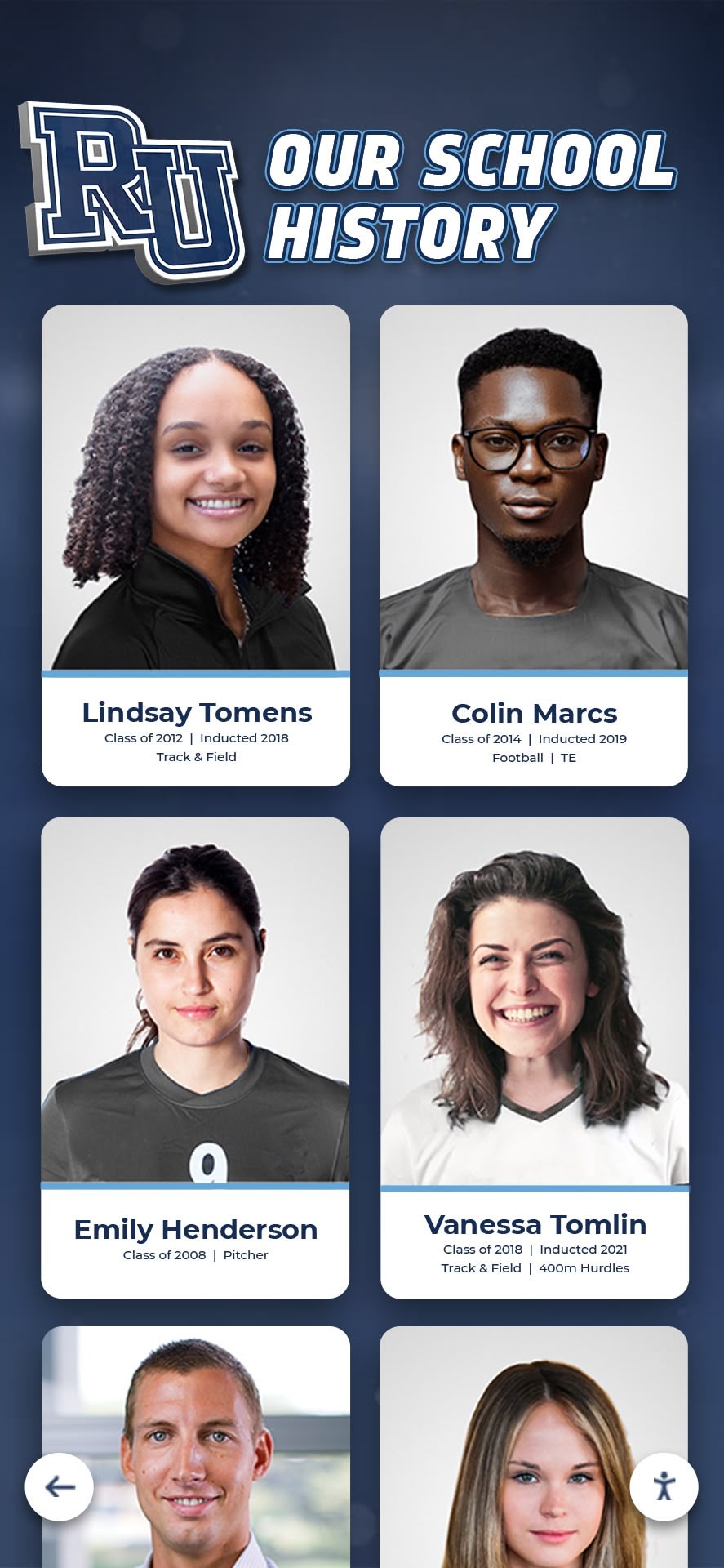
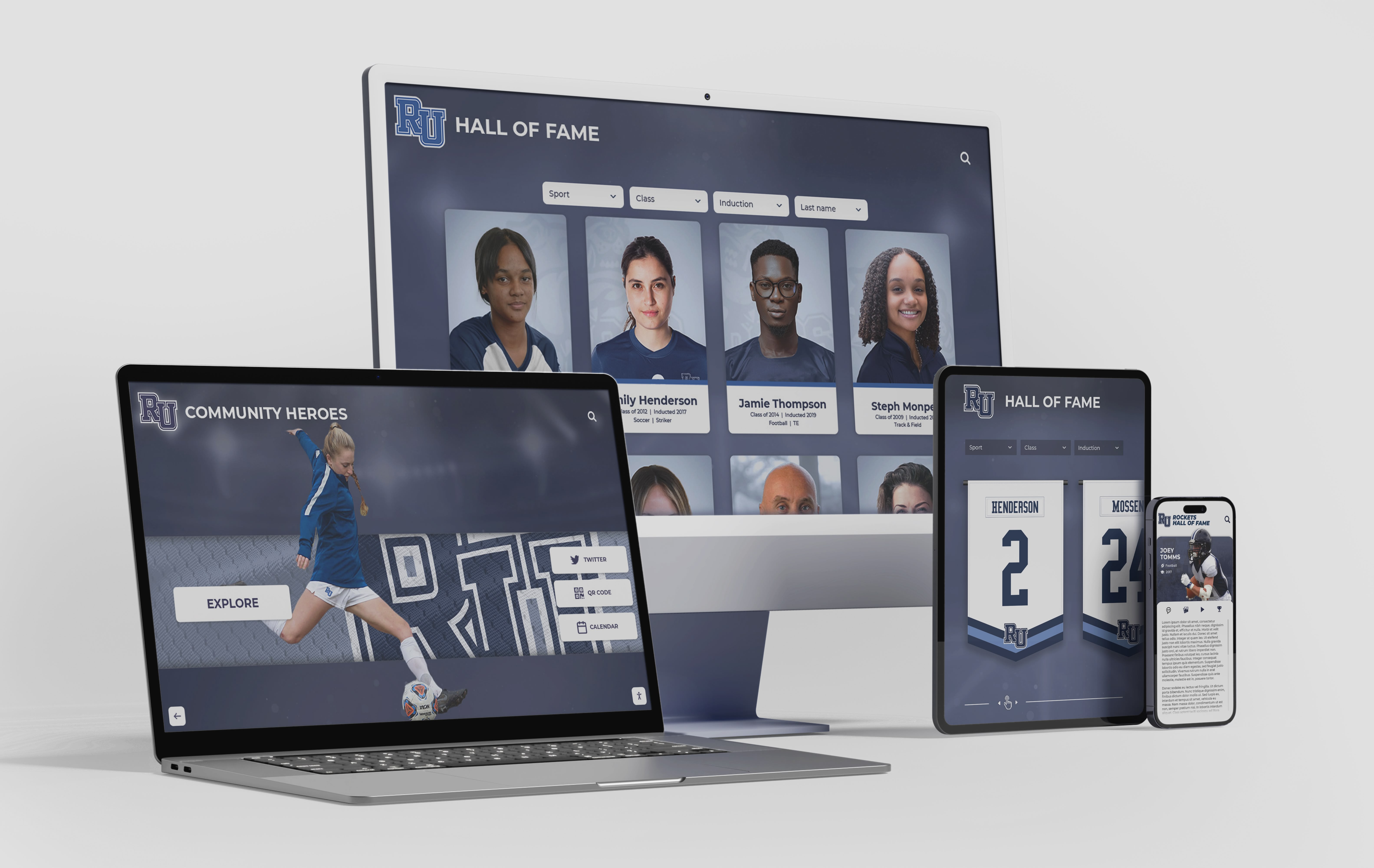
Comprehensive online platforms provide searchable achievement databases accessible from any device. Effective systems incorporate intuitive navigation enabling content discovery by student name, achievement type, academic year, or category, mobile-responsive design functioning smoothly on smartphones and tablets, regular content updates maintaining current recognition information, multimedia content including photos and achievement descriptions, and social sharing capabilities enabling families to celebrate accomplishments with extended networks.
Online platforms particularly benefit families unable to frequently visit schools, alumni maintaining connection to institutional excellence, prospective families researching school achievement culture, and students themselves who can access personal recognition documentation for college applications or scholarship submissions.
School Digital Archives and Historical Recognition
Beyond current recognition, digital archives preserve institutional achievement history providing historical context and demonstrating recognition continuity across decades. Archives enable alumni to access their historical recognition years after graduation, current students to explore institutional excellence tradition, researchers to study achievement patterns over time, and communities to appreciate cumulative institutional impact.
Permanent digital archives create lasting value extending far beyond immediate recognition purposes, building institutional memory and connecting past achievement to present excellence.
Social Media Recognition
Social media platforms provide immediate recognition reach extending visibility through network sharing and algorithmic distribution.
Strategic Social Media Recognition
Effective social media recognition requires systematic approaches including consistent posting schedules maintaining regular recognition flow, achievement criteria determining what receives social acknowledgment, photo and content quality standards ensuring professional presentation, appropriate hashtag strategies improving discoverability, student and family tagging (with permission) enabling personal sharing, and platform selection matching audience preferences and demographics.
Different platforms serve distinct recognition purposes. Instagram excels for visual recognition through achievement photos and graphics, Facebook reaches broader age ranges including families and community supporters, Twitter provides real-time milestone celebration during competitions or events, and LinkedIn helps senior students showcase achievements for college and career purposes.
Brief video content generates particularly strong engagement—student interviews discussing achievements, competition highlights, or achievement announcement videos all outperform static image posts in reach and sharing metrics.
Privacy considerations require obtaining student and family consent before posting recognition content, particularly for younger students. Clear policies establishing appropriate content types and sharing practices protect all parties while maximizing recognition benefits.
Creating Engaging Recognition Content
Technology enables recognition delivery, but content quality determines whether implementation inspires and engages students, families, and communities.
Photography and Visual Content Standards
Quality visuals dramatically impact recognition effectiveness and emotional resonance.
Professional Photography Guidelines
Recognition photos should meet standards including high resolution suitable for large displays and print materials, consistent lighting ensuring quality across diverse capturing conditions, appropriate backgrounds avoiding distracting elements, action shots when possible showing students engaged in achievement activities, diverse representation ensuring all recognized students receive quality imagery, and regular photo capture integrated into school activities rather than after-the-fact attempts.
Many schools establish annual photo days for honor roll students, athletic team photos, and club group images, creating systematic visual documentation supporting recognition programs. Volunteer parent photographers or student media programs often provide quality imagery when professional photography budgets prove limited.
Graphic Design for Recognition Materials
Professional graphics enhance recognition through consistent branding using school colors, logos, and design elements, achievement callouts visually highlighting specific accomplishments, statistical infographics communicating achievement context compellingly, timeline designs showing progression toward goals or milestones, and comparison graphics contextualizing achievements within program or institutional history.
Free design tools including Canva and Adobe Express enable quality graphic creation without professional design expertise. Template libraries provide starting points requiring only specific achievement information addition and school branding customization.
Written Content That Tells Achievement Stories
Effective recognition extends beyond names and categories to include narratives explaining achievement significance and celebrating student journeys.
Achievement Narrative Development
Compelling recognition content incorporates specific accomplishment descriptions explaining what students achieved, challenge context describing obstacles overcome or competition faced, dedication and effort acknowledgment recognizing work leading to success, achievement significance explanation helping audiences appreciate accomplishment importance, post-achievement impact describing how success influenced student development or future opportunities, and brief student quotes or reflections when available providing personal perspective.
Narrative content transforms recognition from simple data listing into engaging storytelling that resonates emotionally while informing audiences about achievement meaning and significance.
Balancing Brevity and Depth
Recognition content must balance comprehensiveness with brevity appropriate for format and audience attention. Quick-view formats like social media posts or digital signage slides require concise content—achievement description in 50-100 words focusing on core accomplishment details. Detailed profile formats like touchscreen displays or website pages accommodate longer content—comprehensive achievement descriptions, full statistics, extended narratives, and multimedia elements providing rich documentation.
Tiered content approaches work effectively: brief summaries visible initially with “learn more” options accessing comprehensive documentation for interested audiences.
Resources on trophy display case ideas demonstrate how traditional recognition approaches adapt to modern digital platforms.
Ensuring Recognition Program Sustainability
Initial recognition program establishment proves easier than sustaining excellence across academic years and leadership transitions. Systematic approaches ensure long-term success.
Establishing Clear Administrative Responsibility
Effective programs designate specific individuals with explicit accountability for recognition program management including primary program coordinator with ultimate responsibility for recognition comprehensiveness and quality, nomination and selection process management ensuring fair systematic evaluation, content development responsibility for gathering photos, information, and creating recognition materials, technology platform management maintaining digital systems and ensuring accessibility, and ceremony planning coordination managing logistics for recognition events.
Role clarity prevents diffused responsibility where everyone assumes someone else handles tasks, resulting in program neglect during busy periods or leadership transitions.
Building Recognition Into Operating Calendars
Systematic scheduling ensures consistent program operation through regular cycles including fall semester: beginning-of-year excellence goal communication, mid-semester progress recognition, and end-of-semester honor roll and achievement celebration; winter/spring semester: winter achievement recognition, spring progress acknowledgment, and end-of-year comprehensive awards programs; and summer planning: criteria review and refinement, content system maintenance, and next-year recognition planning.
Regular cycles create institutional routines reducing likelihood of programs losing momentum during leadership transitions or competing priority periods.
Creating Scalable Nomination and Selection Processes
Recognition programs grow more complex as they mature and embrace comprehensive achievement acknowledgment. Scalable processes prevent administrative burden overwhelming staff including clear nomination criteria and forms standardizing information collection, distributed responsibility engaging teachers, coaches, and staff in identification, technology platforms automating tracking and workflow, student involvement through peer nomination or leadership roles, and periodic process review identifying efficiency improvements and burden reduction opportunities.
Many schools implement digital nomination forms automatically populating recognition databases, dramatically reducing manual data entry while ensuring information completeness and accuracy.
Resources on school digital signage and interactive displays provide implementation guidance for technology-enabled recognition programs.
Measuring Recognition Program Effectiveness
Data-driven evaluation demonstrates program value while identifying improvement opportunities including participation metrics tracking percentage of student body receiving recognition across categories, engagement analytics for digital platforms measuring profile views and interaction rates, student and family satisfaction assessed through surveys or feedback mechanisms, program awareness measured via community knowledge of recognition systems, achievement impact analysis examining whether recognition correlates with continued excellence or participation increases, and budget efficiency comparing program costs against perceived benefits and outcomes.
Systematic assessment enables evidence-based program refinement while demonstrating recognition program value to administrators, school boards, and funding decision-makers.
Addressing Common Recognition Program Challenges
Administrative foresight regarding predictable obstacles enables proactive solutions preventing problems from undermining program effectiveness.
Challenge: Limited Time and Resources
Recognition programs compete with countless other priorities for staff time and financial resources.
Solutions: Leverage technology platforms dramatically reducing manual update burden compared to physical displays. Distribute responsibility engaging multiple staff members rather than concentrating burden on single coordinators. Establish minimum viable recognition programs starting with core categories and expanding as capacity permits. Seek volunteer support from parent organizations, student groups, or community members for specific tasks like photography, graphic design, or ceremony logistics. Pursue targeted funding through booster organizations, grant applications, or specific fundraising campaigns for recognition system establishment.
Many schools find that initial digital platform investment significantly reduces ongoing time requirements compared to maintaining traditional recognition approaches requiring constant physical updates and space management.
Challenge: Ensuring Equity Across Achievement Types and Student Demographics
Recognition patterns may inadvertently favor specific achievement types or student populations.
Solutions: Conduct regular equity audits analyzing recognition distribution across achievement categories, demographic groups, and program areas. Establish representation targets ensuring broad student population recognition. Create specialized recognition categories specifically acknowledging historically underrepresented achievement types or student groups. Implement improvement-based recognition criteria benefiting students from disadvantaged starting points. Seek diverse input through selection committee composition representing varied perspectives and experiences.
Transparent criteria and systematic process documentation help identify unintended bias while demonstrating commitment to equitable recognition across all deserving students.
Challenge: Maintaining Student Privacy While Celebrating Achievement
Recognition inherently involves publicizing student information and accomplishments, creating tension with privacy protection responsibilities.
Solutions: Establish clear privacy policies determining what information gets publicly shared in recognition contexts. Obtain explicit consent from students and families before including personal information, photos, or achievements in public recognition systems. Provide opt-out mechanisms for students or families preferring privacy. Limit shared information to relevant achievement details avoiding unnecessary personal data. Regularly review privacy practices ensuring compliance with FERPA and institutional policies while balancing recognition purposes.
Most families appreciate recognition, but flexible policies accommodating varied privacy preferences demonstrate respect for individual choices while maintaining comprehensive recognition programs.
Challenge: Recognizing Achievement Without Creating Excessive Pressure or Competition
Effective recognition motivates excellence without generating unhealthy stress or undermining collaborative learning environments.
Solutions: Emphasize personal growth and improvement alongside absolute achievement levels. Implement varied recognition categories ensuring multiple pathways to acknowledgment. Celebrate collaborative achievements and team successes alongside individual accomplishments. Avoid public comparison creating perceived winners and losers beyond recognition contexts. Maintain focus on learning and development as primary goals with recognition as affirmation rather than primary objective. Provide private recognition options for students uncomfortable with public acknowledgment.
Recognition should enhance educational environments by affirming excellence rather than creating anxiety about constantly achieving recognition status.
Resources on academic excellence celebration offer frameworks for recognition programs supporting healthy achievement motivation.
Technology Solutions Enabling Comprehensive Recognition
Modern digital platforms transform recognition program possibilities by eliminating traditional constraints while providing capabilities impossible with historical approaches.
Digital Recognition Display Platforms
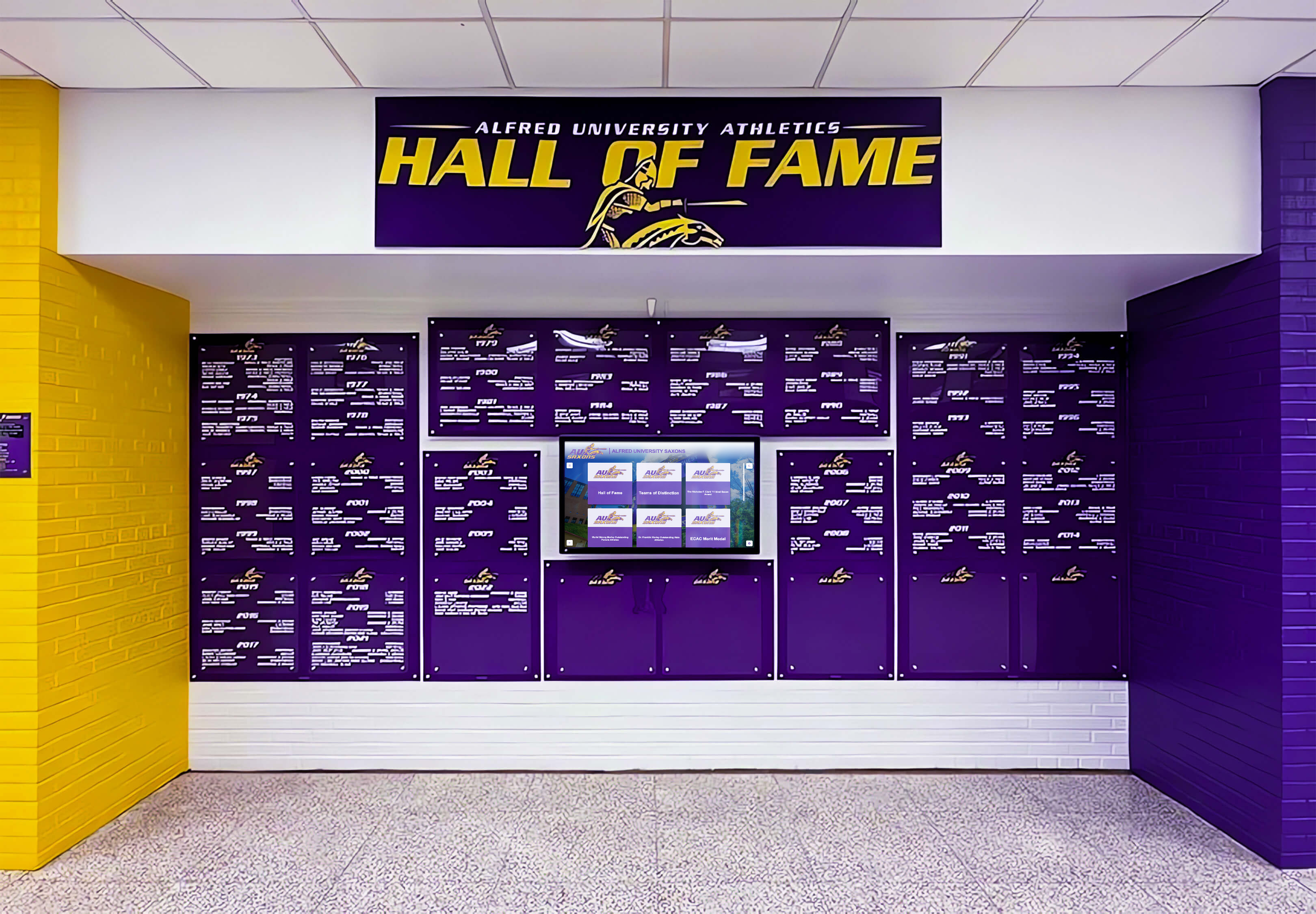
Purpose-built recognition systems designed specifically for educational institutions provide comprehensive solutions including unlimited capacity accommodating all deserving students without physical space limitations, instant remote updates enabling recognition addition within minutes of achievement occurrence, rich multimedia profiles supporting photos, videos, statistics, and detailed narratives, intuitive content management requiring no technical expertise for daily operation, searchable databases enabling discovery by name, category, year, or achievement type, analytics tracking providing engagement insights and program effectiveness data, web accessibility extending recognition beyond school building to global audiences, and mobile responsiveness ensuring smooth functionality across all device types.
Solutions like Rocket Alumni Solutions deliver turnkey recognition platforms specifically designed for school environments, combining hardware, software, content templates, implementation support, and ongoing maintenance into comprehensive packages eliminating technical challenges while ensuring sustained program success.
Integration With Existing School Systems
Effective recognition platforms integrate with institutional technology ecosystems including student information systems for automated achievement data import, grade management platforms enabling honor roll automatic population, athletic management software providing statistics and roster information, communication platforms distributing recognition announcements, social media management tools enabling cross-platform sharing, and website content management systems embedding recognition into school digital presence.
Integration dramatically reduces manual data entry burden while ensuring accuracy and comprehensiveness through systematic data flow from achievement recording to recognition publication.
Accessibility and Compliance Features
Quality recognition systems incorporate accessibility capabilities ensuring universal access including screen reader compatibility for visually impaired users, keyboard navigation enabling access without pointing devices, color contrast meeting WCAG standards for color-blind accessibility, captioned video content supporting hearing-impaired audiences, multiple language support serving diverse communities, and responsive design ensuring functionality across device types and screen sizes.
Accessibility demonstrates institutional commitment to inclusion while ensuring legal compliance with disability accommodation requirements.
Building Recognition Programs That Inspire Excellence
Comprehensive student recognition represents institutional commitment to celebrating achievement across all forms and levels while building school culture valuing excellence, effort, and contribution. Effective programs demonstrate that diverse pathways to success deserve acknowledgment, achievement comes through dedication and persistence, excellence exists across academic, athletic, artistic, leadership, and service domains, individual accomplishment merits celebration regardless of visibility or audience size, and institutional commitment extends to honoring all student contributions equitably and permanently.
Recognition alone doesn’t create achievement, but it amplifies motivation, reinforces valued behaviors, and builds community appreciation for student excellence. When schools implement systematic, equitable, engaging recognition programs, they create environments where student success receives the celebration it genuinely deserves—immediately, completely, and permanently.
Modern recognition technology eliminates historical constraints that forced selective acknowledgment due to physical space limitations, reduced administrative burden through automated systems and intuitive management platforms, enabled rich storytelling through multimedia content impossible with traditional static displays, extended accessibility beyond school buildings to global audiences, and created permanent archives preserving achievement history across generations.
Whether schools currently lack systematic recognition programs or seek to enhance existing approaches, comprehensive digital recognition solutions provide capabilities transforming how institutions celebrate student achievement. The question isn’t whether students deserve recognition—that’s self-evident—but rather whether institutions implement systems ensuring every deserving student receives acknowledgment reflecting their dedication, effort, and accomplishment.
Your students work hard, overcome challenges, and achieve remarkable success across academics, athletics, arts, leadership, and service. They deserve recognition that honors these accomplishments comprehensively, equitably, and permanently—creating lasting documentation while inspiring continued excellence. Modern recognition platforms make comprehensive acknowledgment possible for institutions of all sizes and resources.
Ready to transform how your school celebrates student achievement? Schedule a demo to explore how digital recognition systems can honor every deserving student through engaging displays, intuitive management, and permanent documentation that preserves achievement history while inspiring future generations toward their own paths to excellence.