



Student council represents one of the most powerful leadership opportunities available during your school years. Whether you’re considering running for office, already serving as an officer, or looking for fresh ideas to engage your school community, understanding how to effectively lead through student government creates skills and experiences that extend far beyond graduation day.
Successful student council participation—from initial campaign planning through implementing meaningful projects—requires combining genuine leadership vision with practical organizational skills. The most impactful student councils move beyond simply planning dances and spirit weeks to become authentic voices for student bodies while developing real-world leadership competencies in communication, collaboration, problem-solving, and community building. These experiences appear on college applications, scholarship essays, and job interviews throughout your life while shaping school cultures in meaningful, lasting ways.
Why Student Council Matters
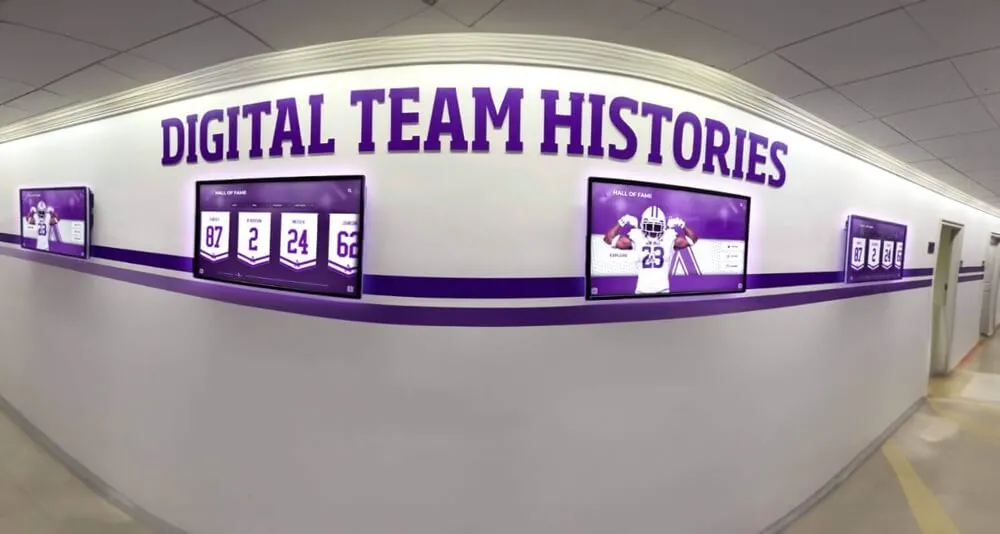
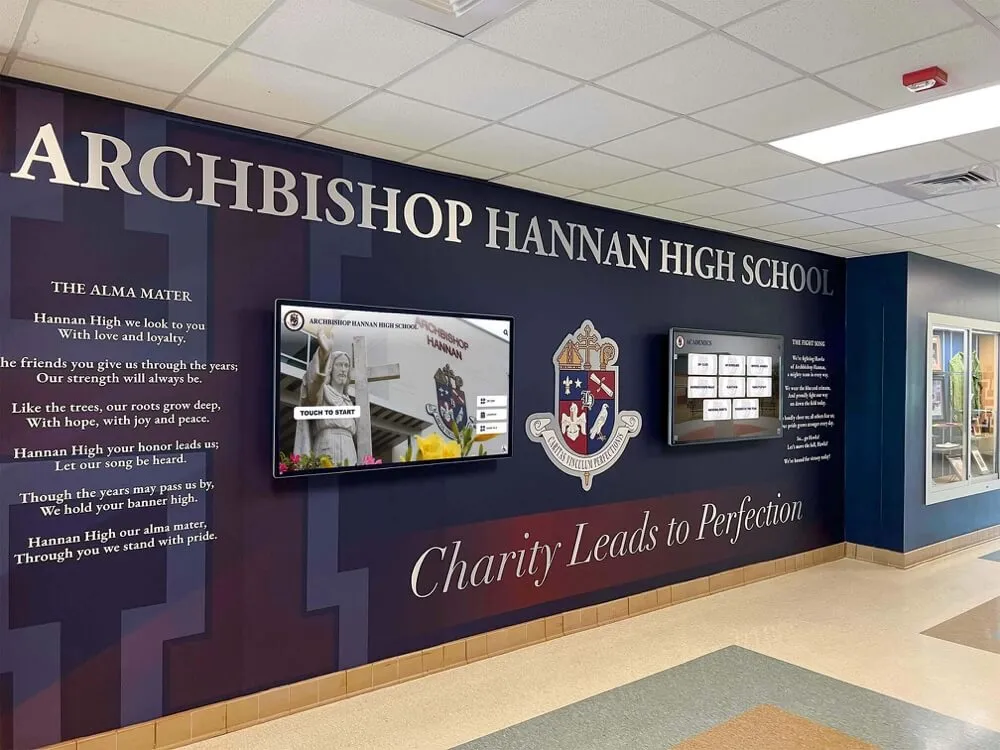
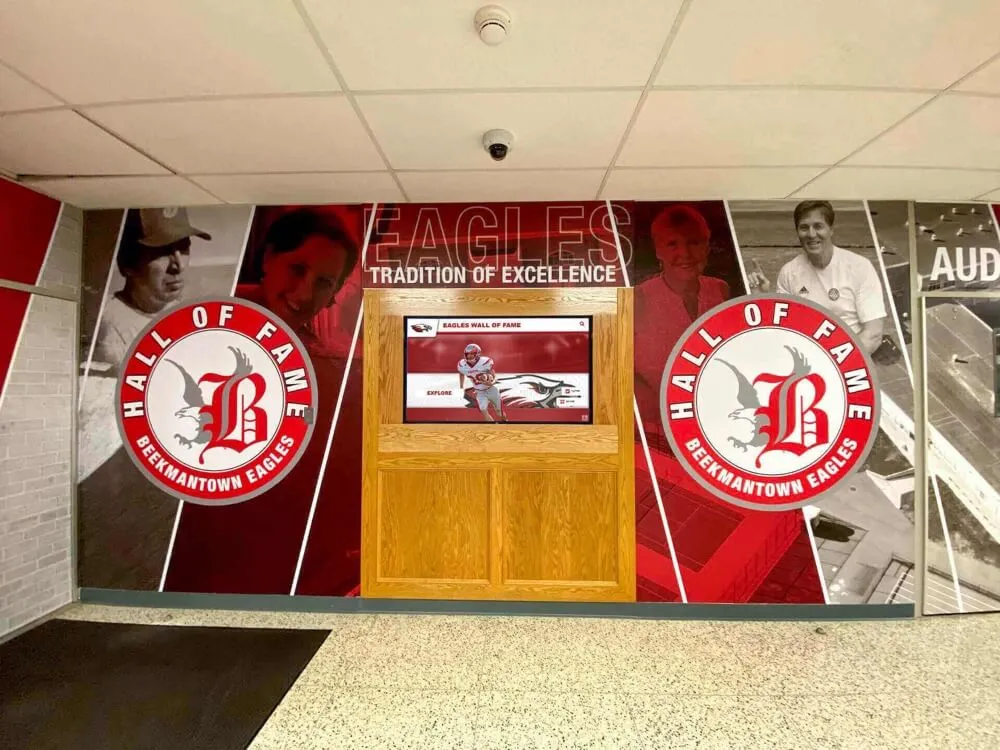
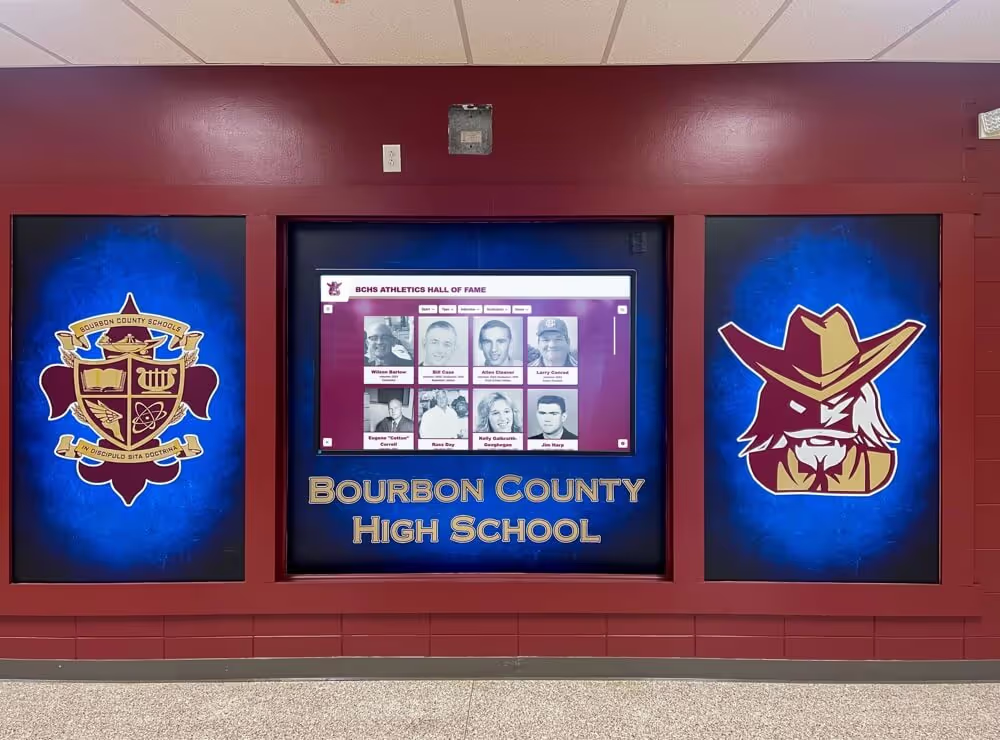
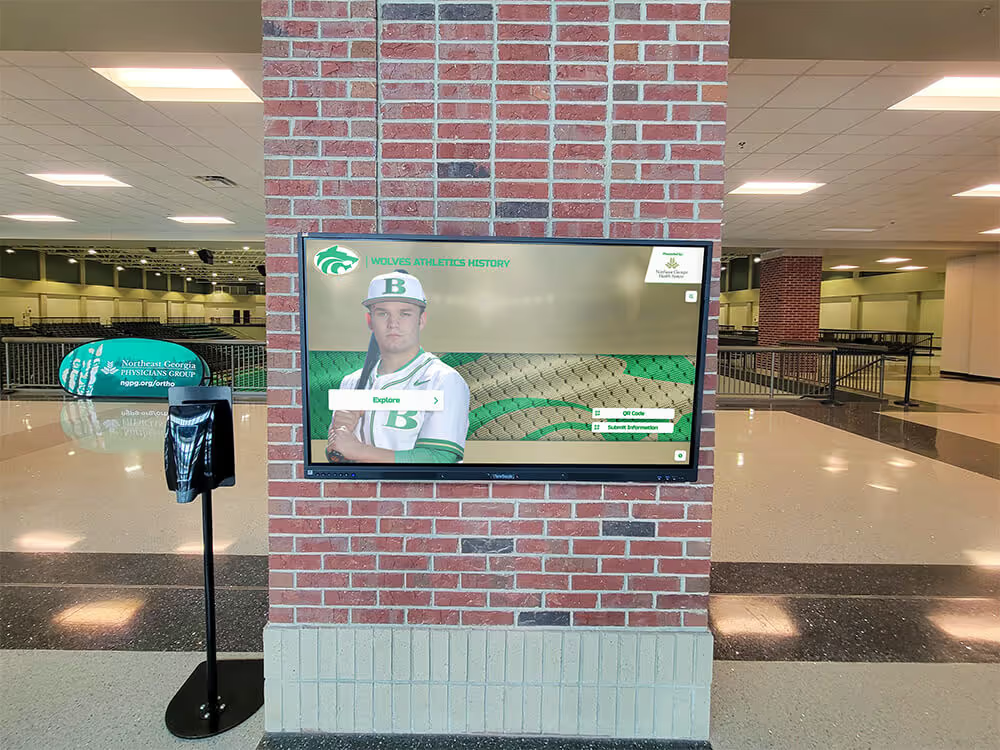
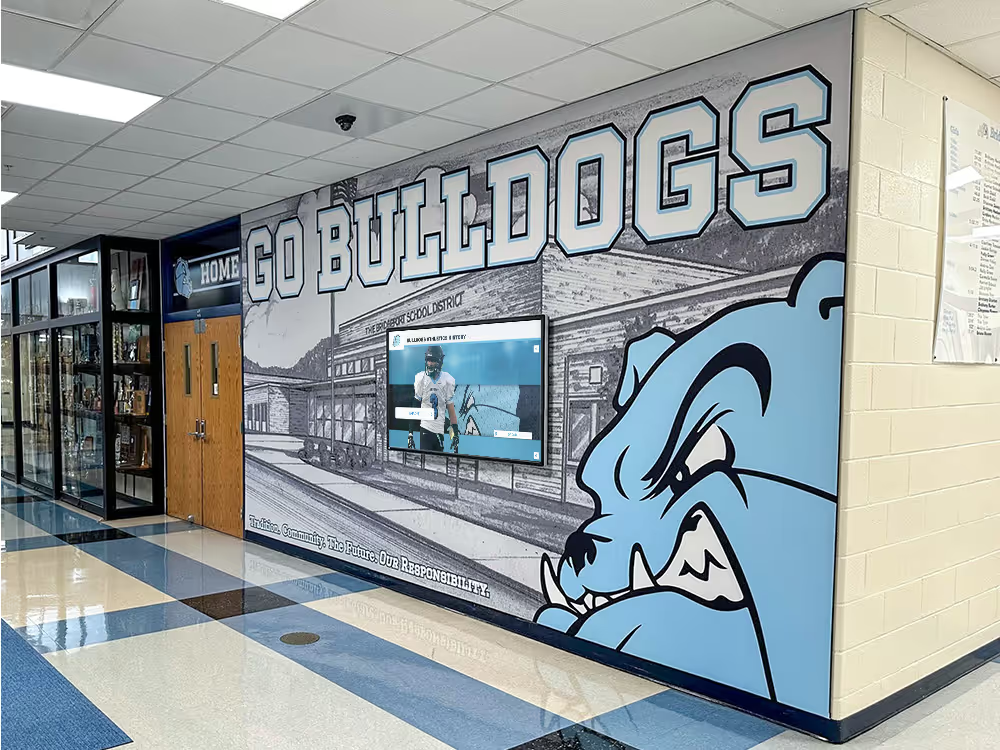
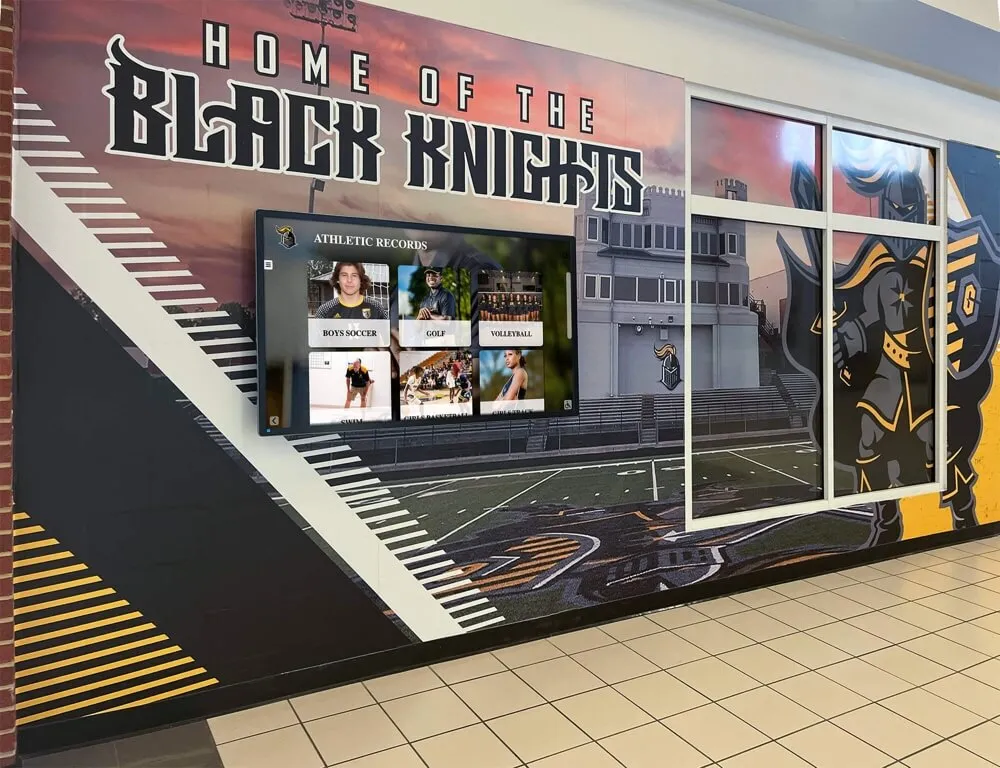
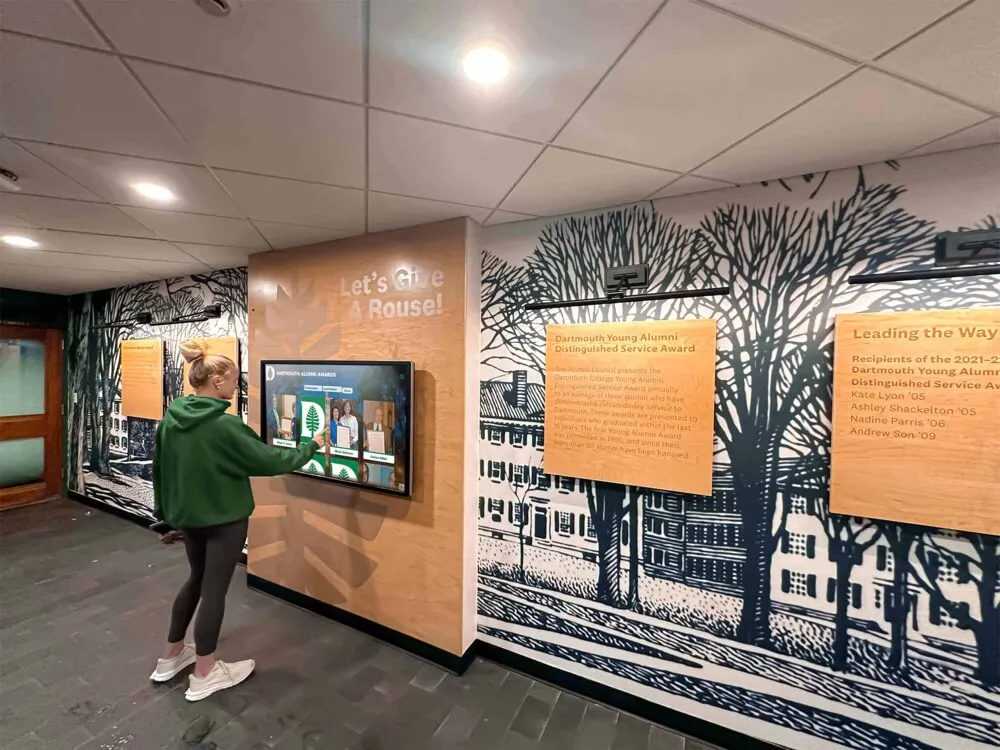
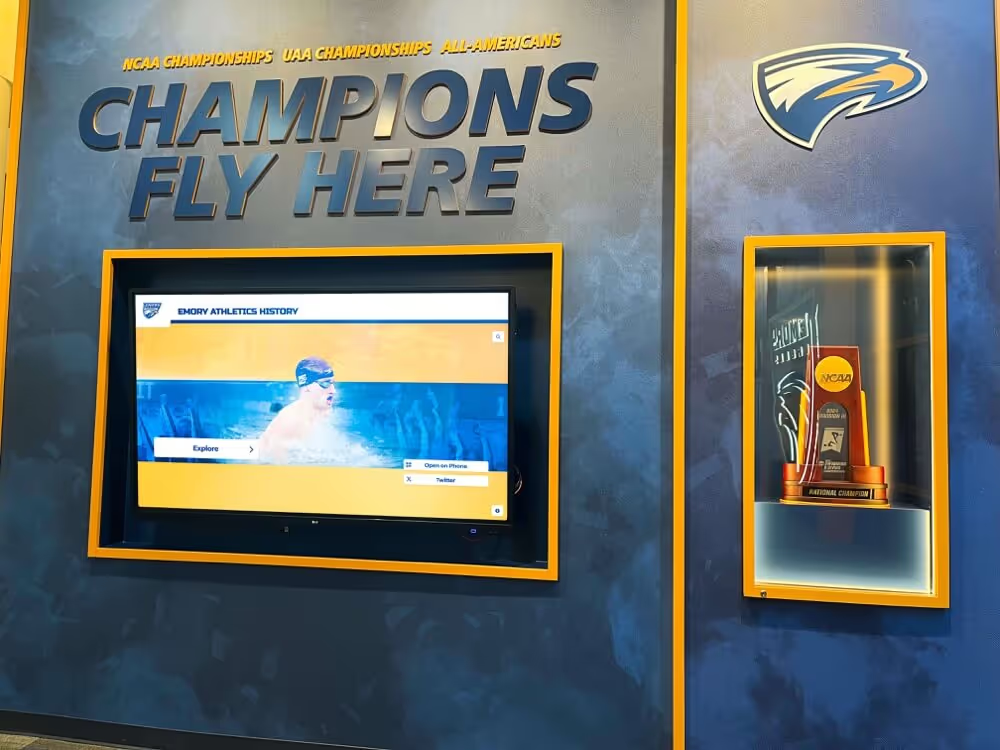
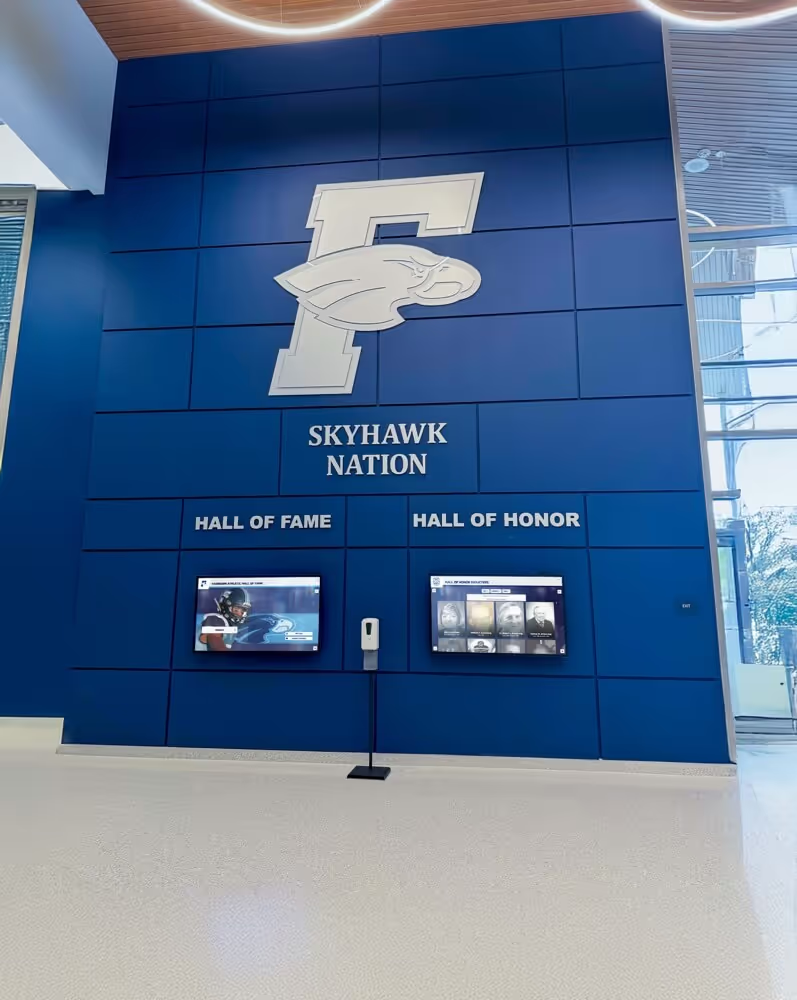
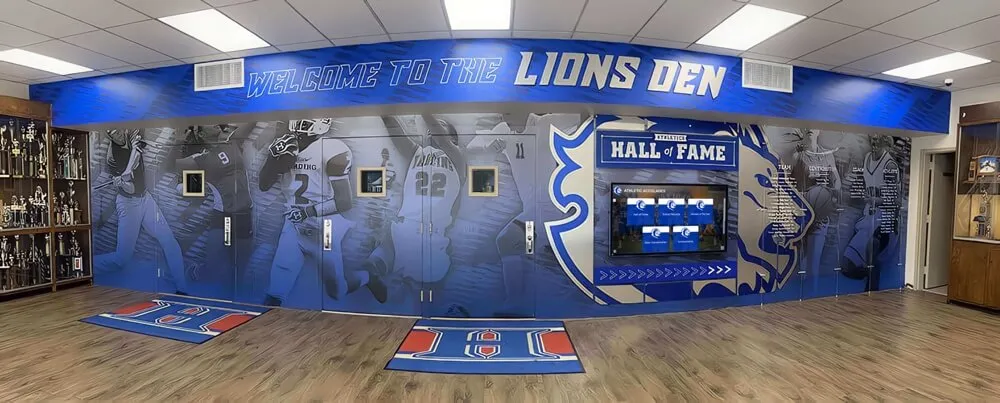
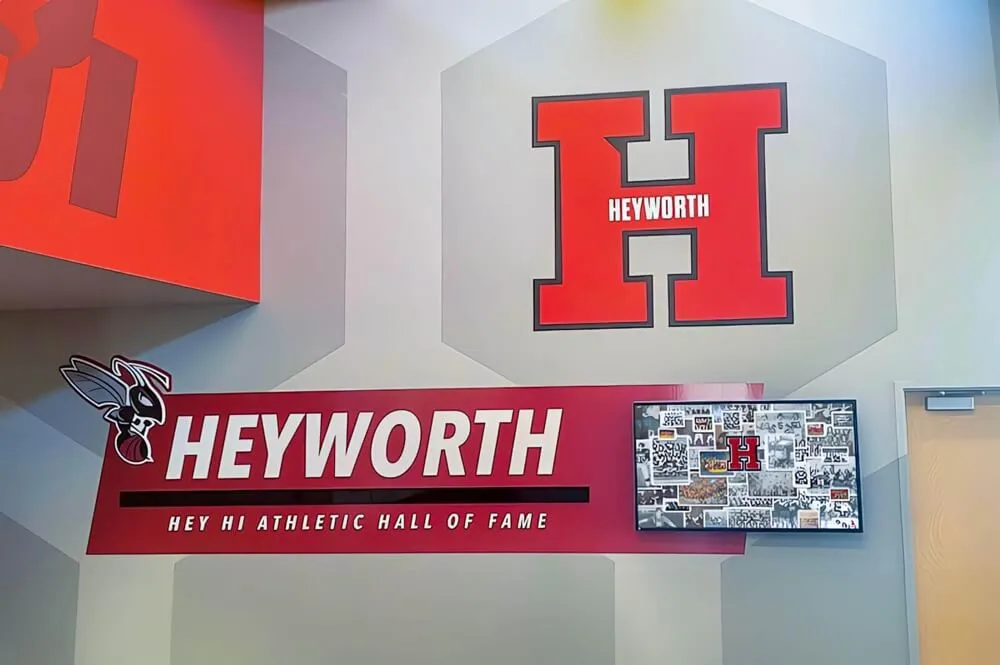
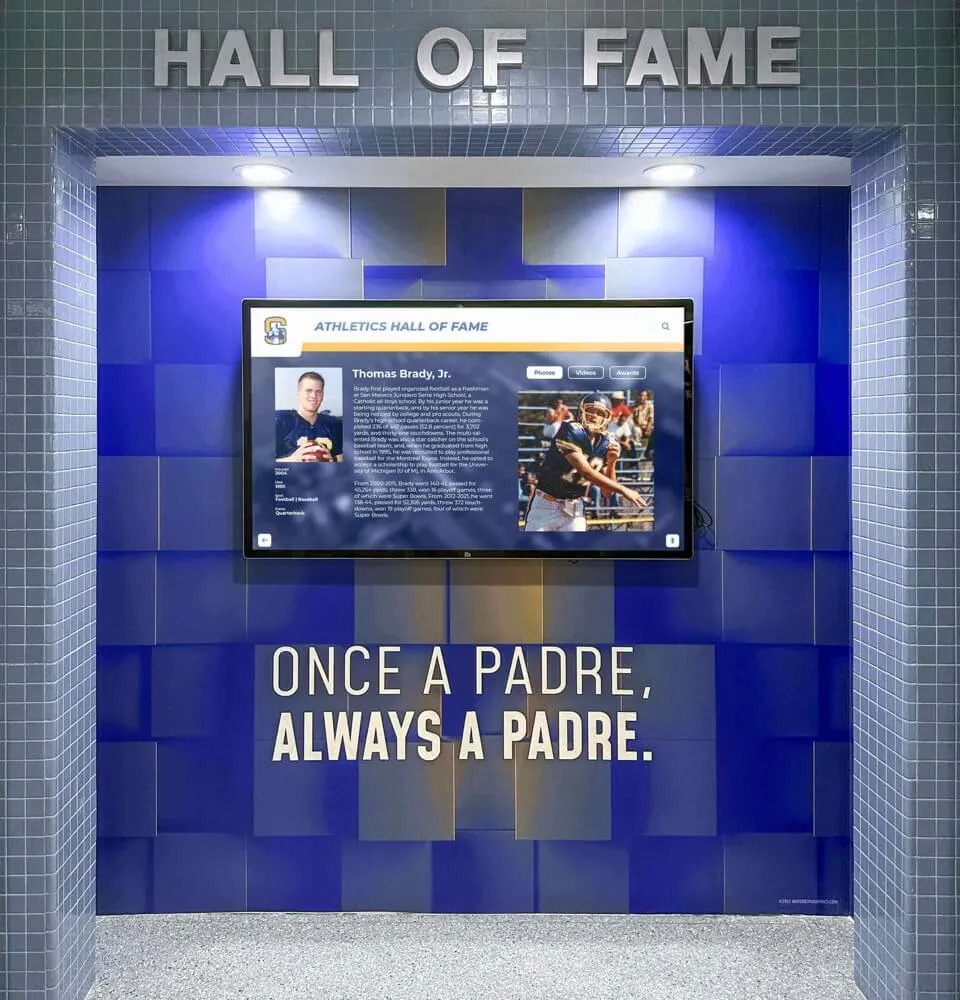
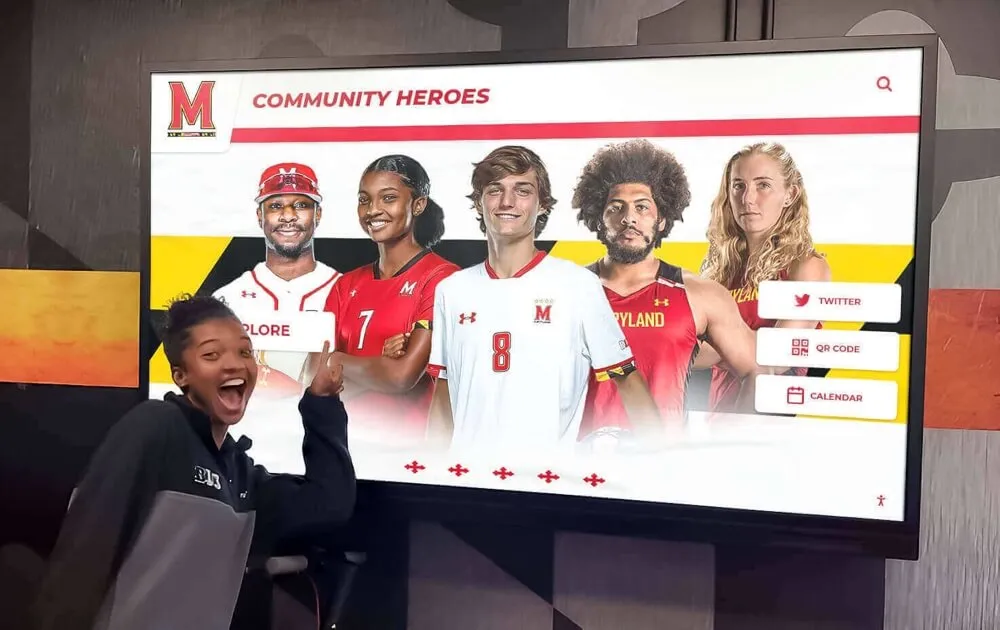
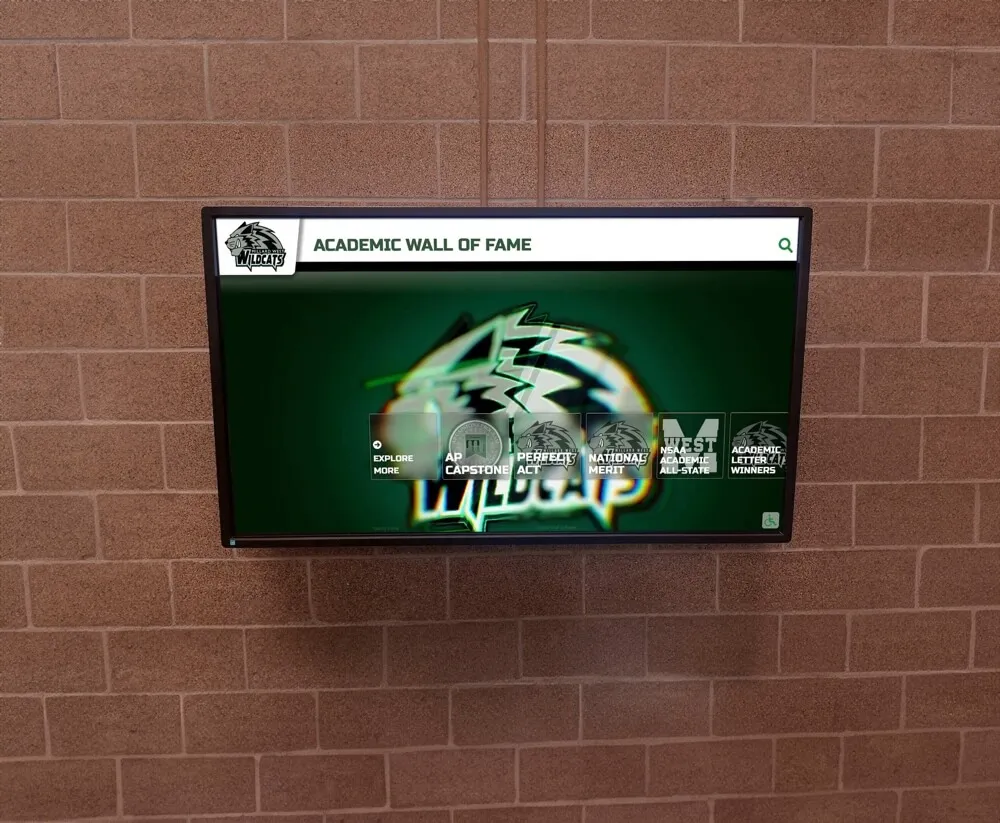
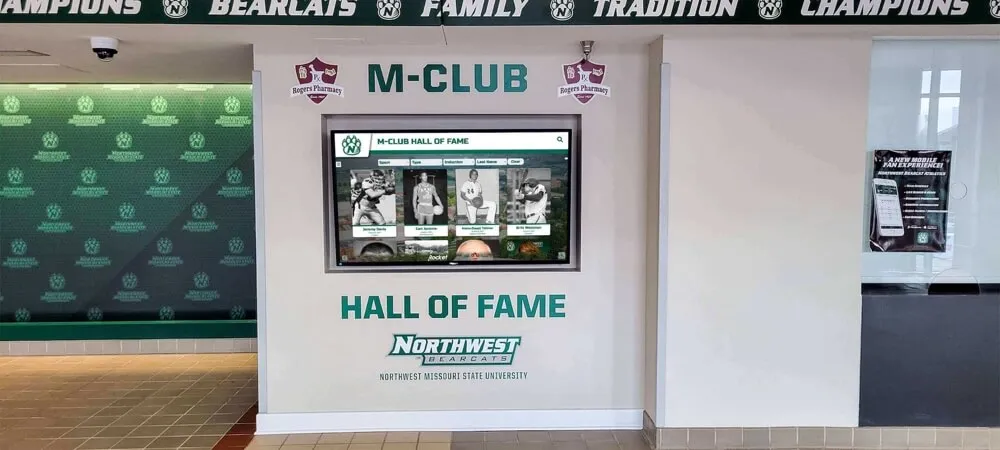
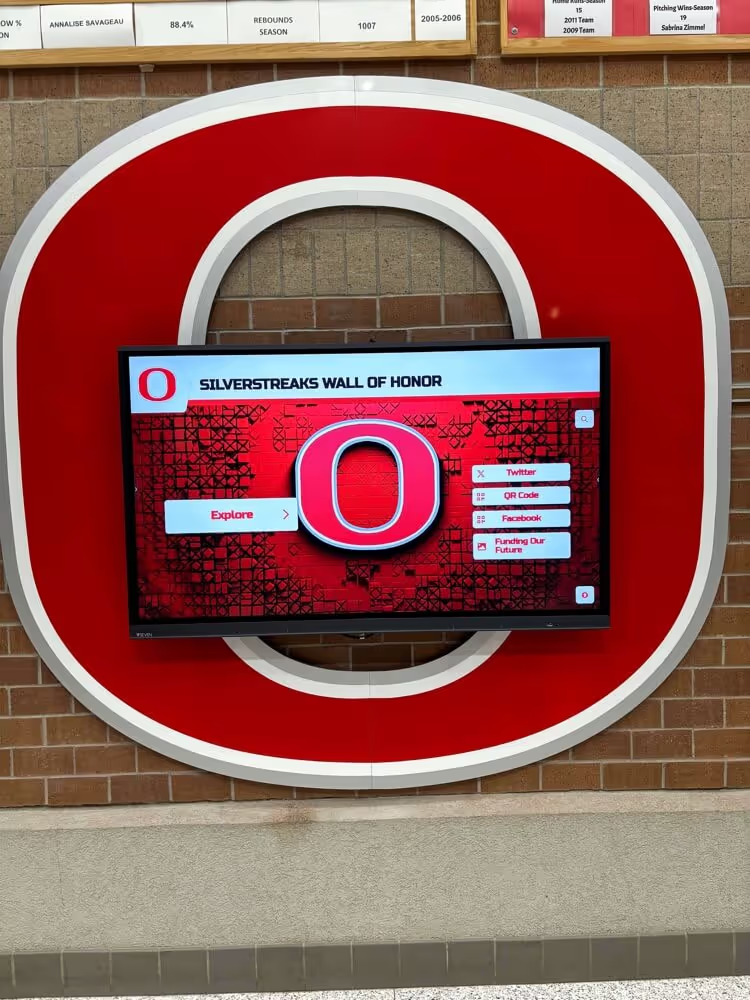
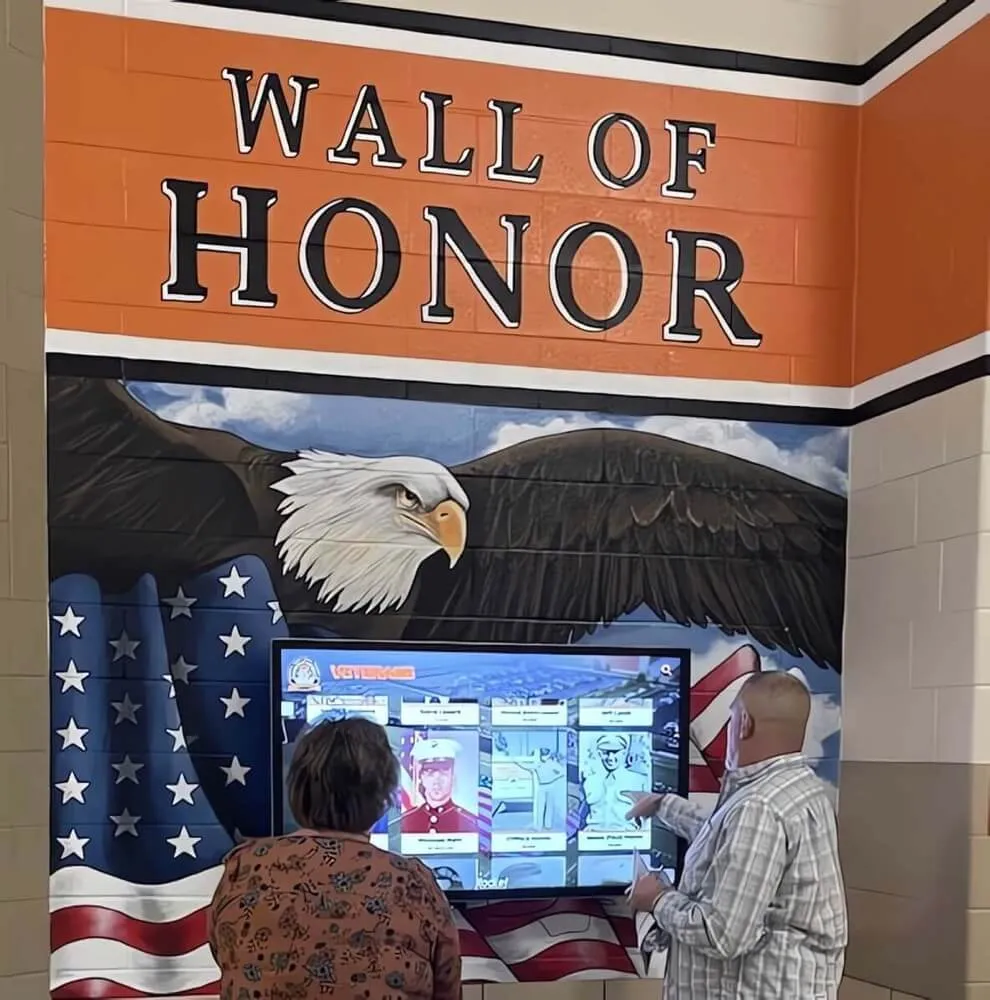
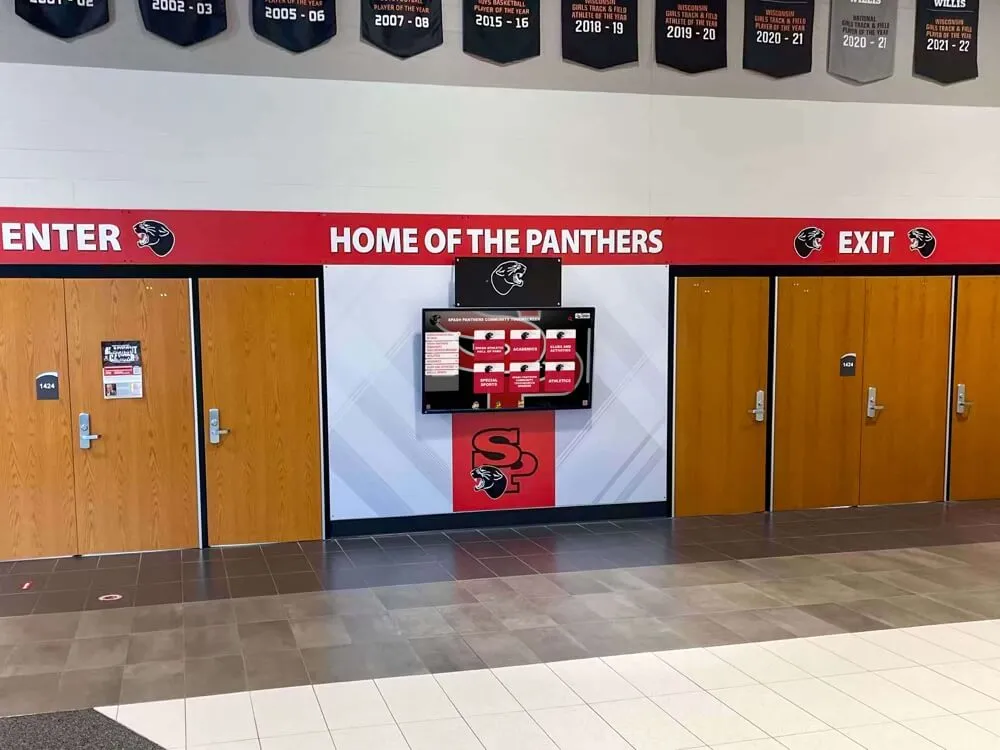
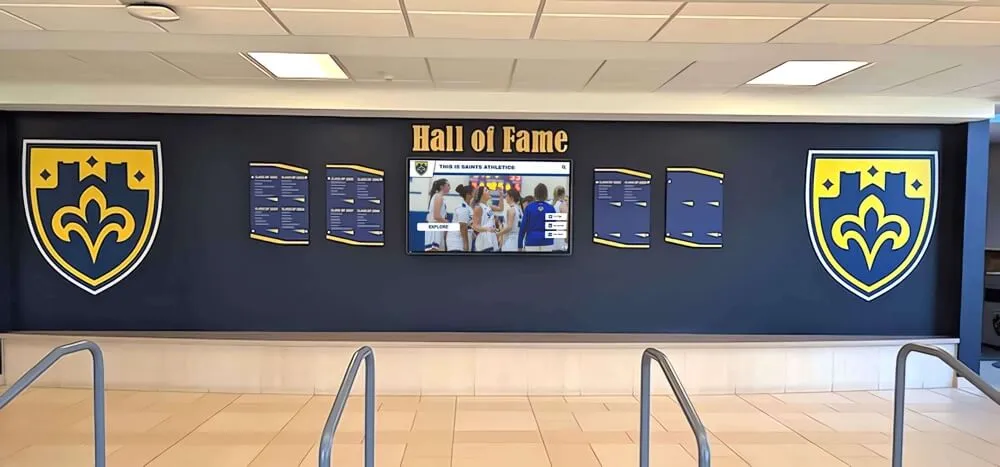
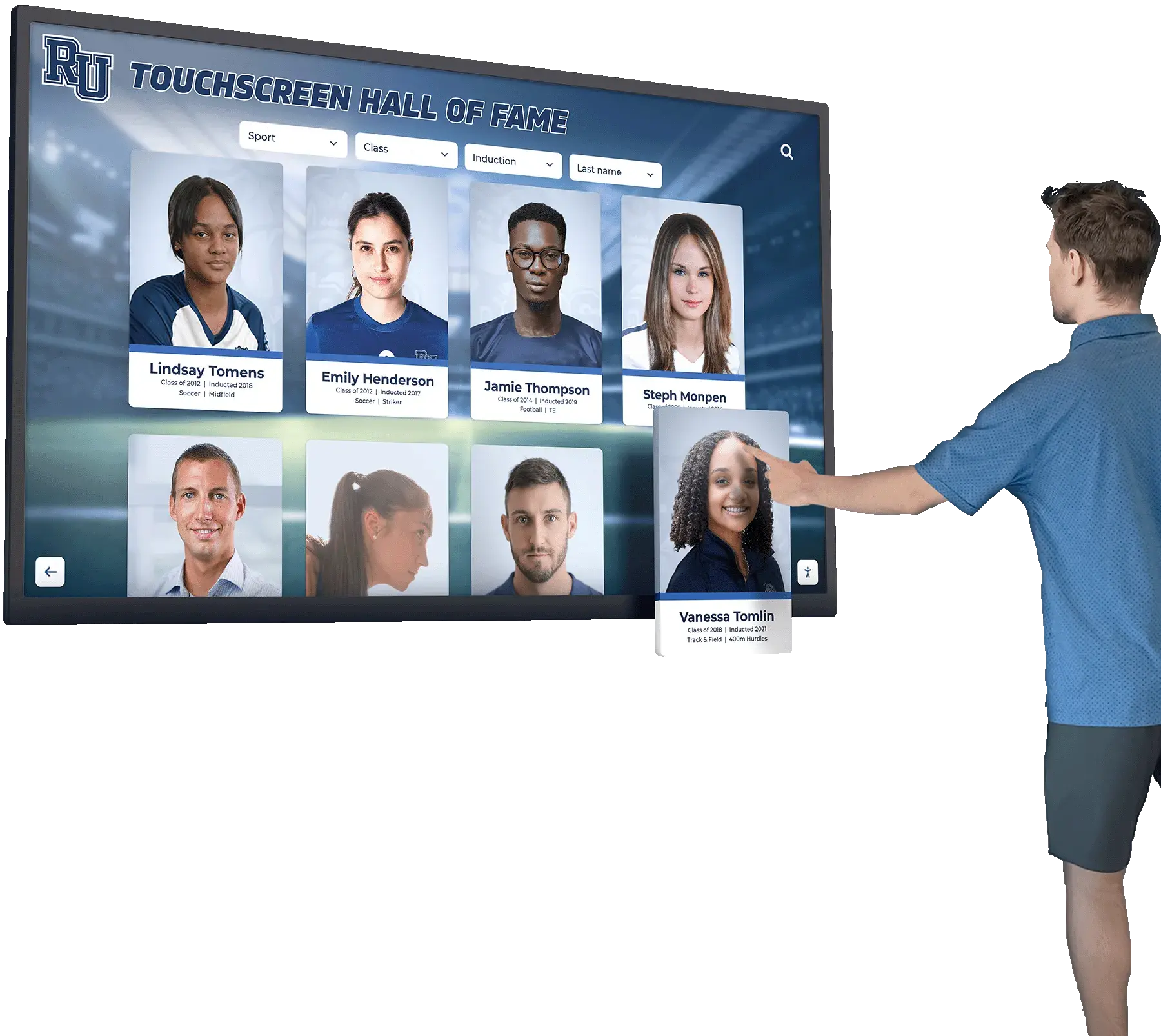
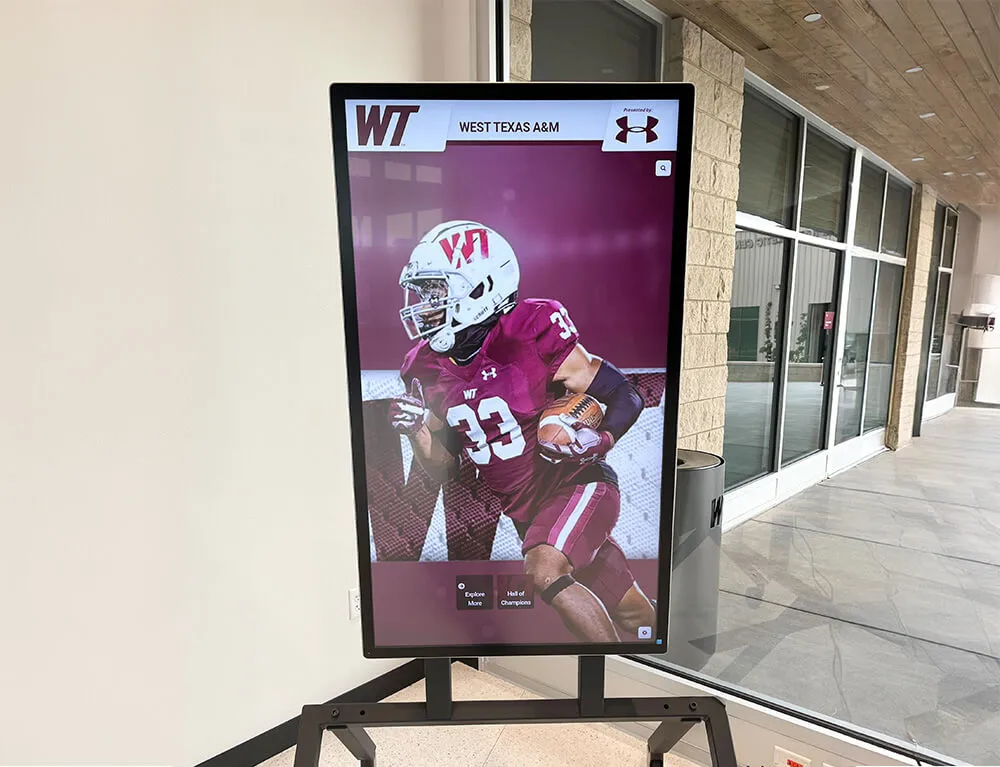
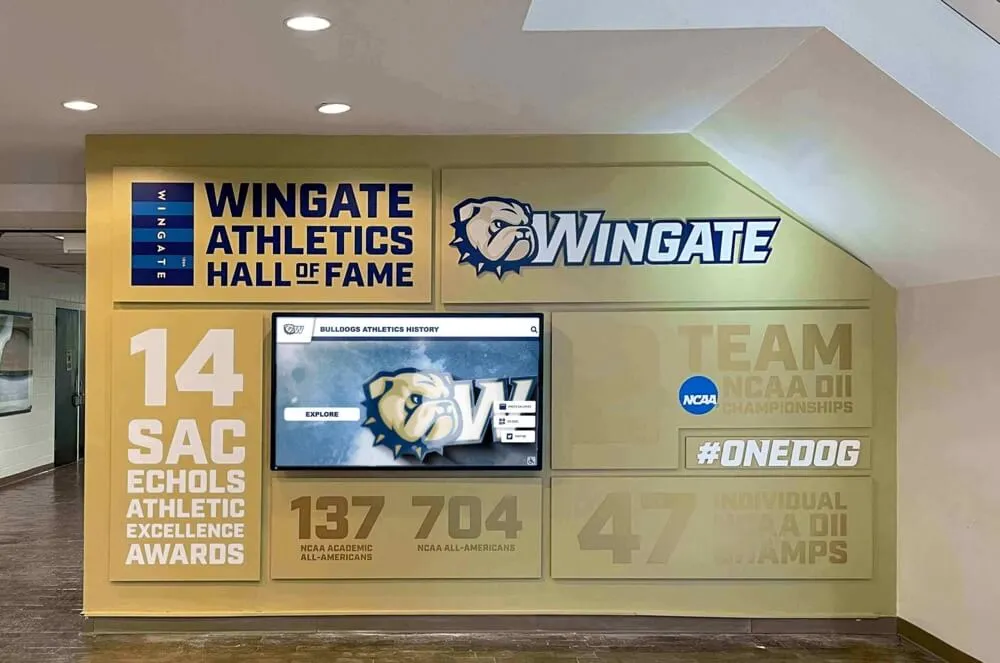
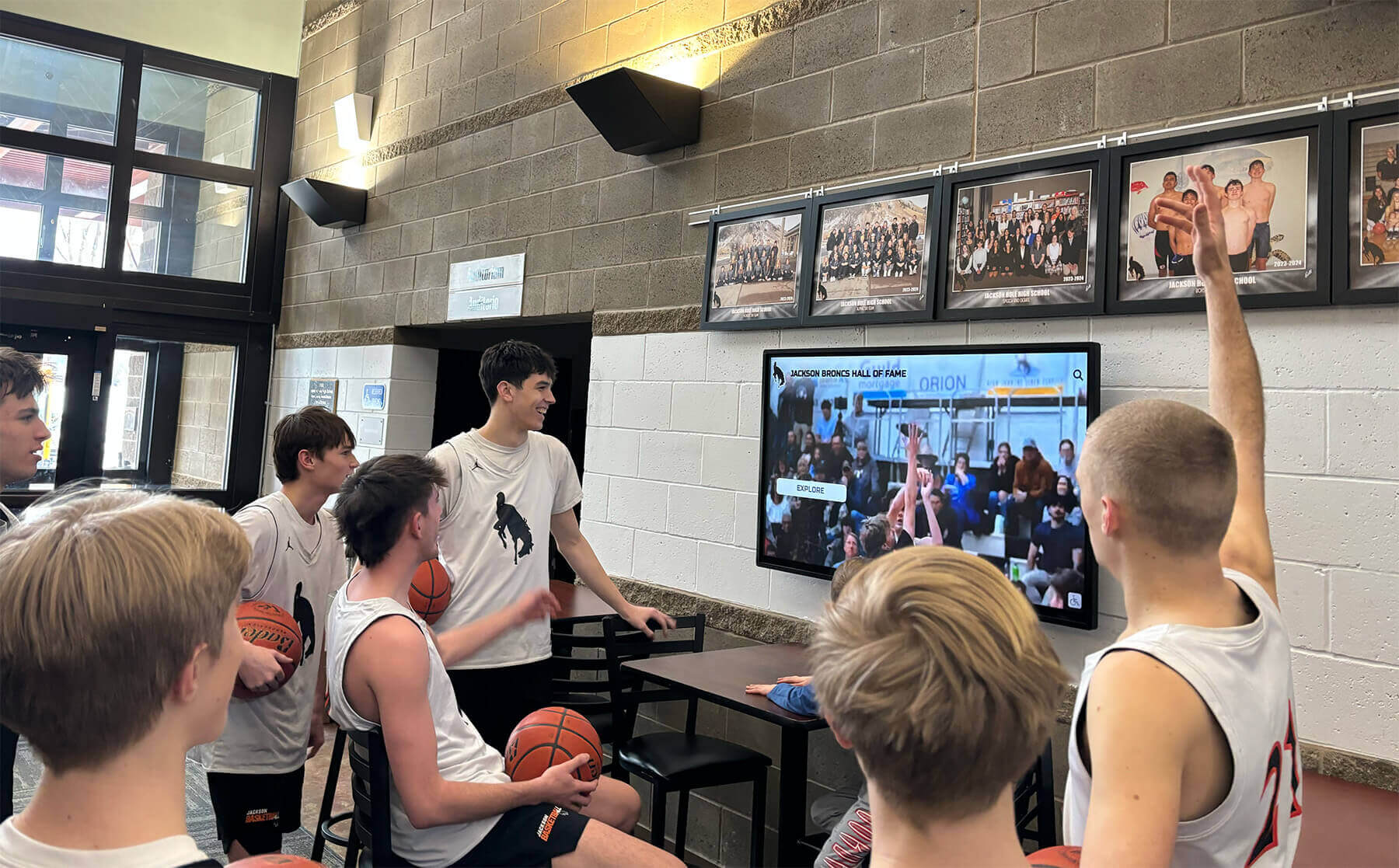
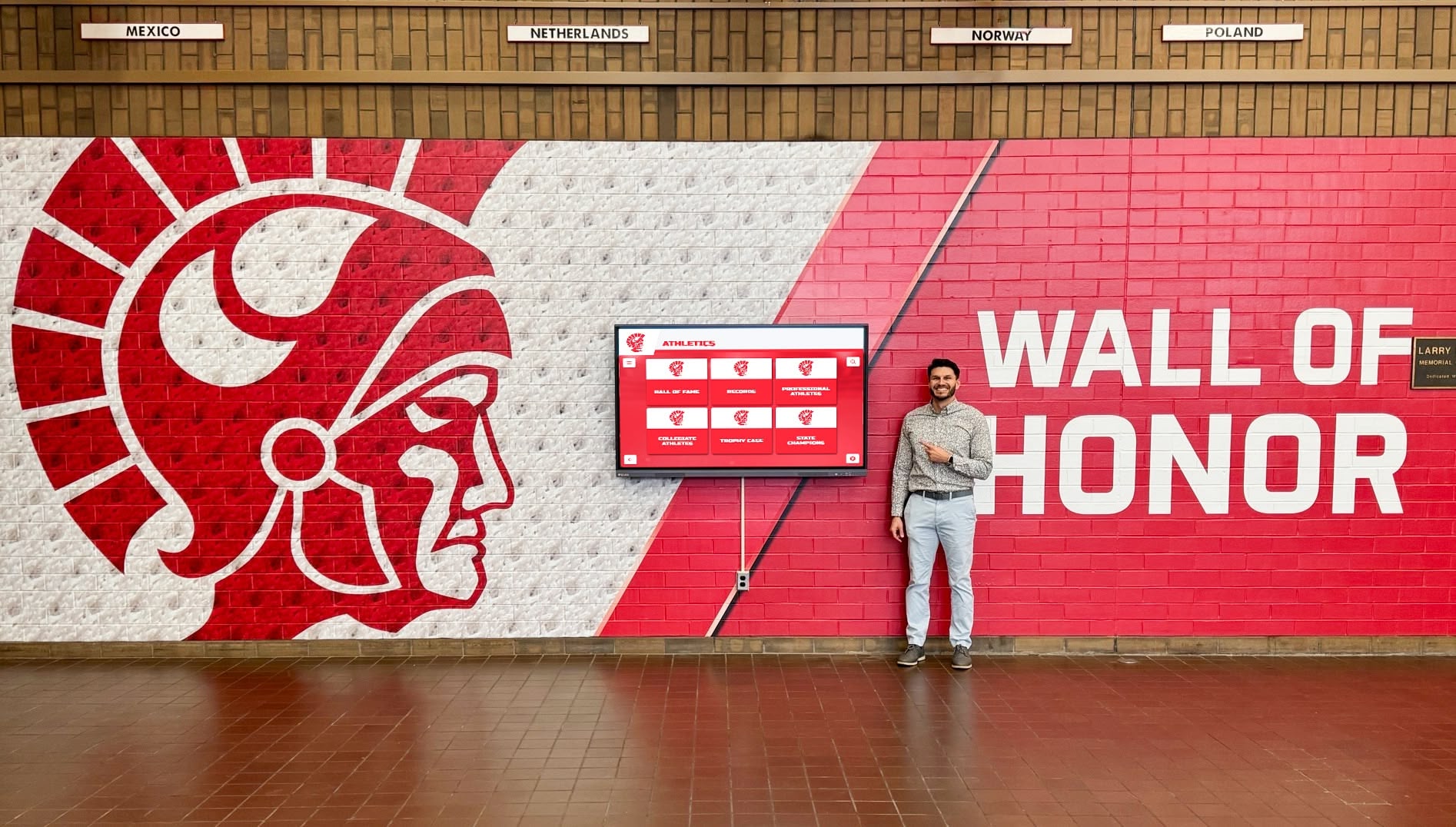
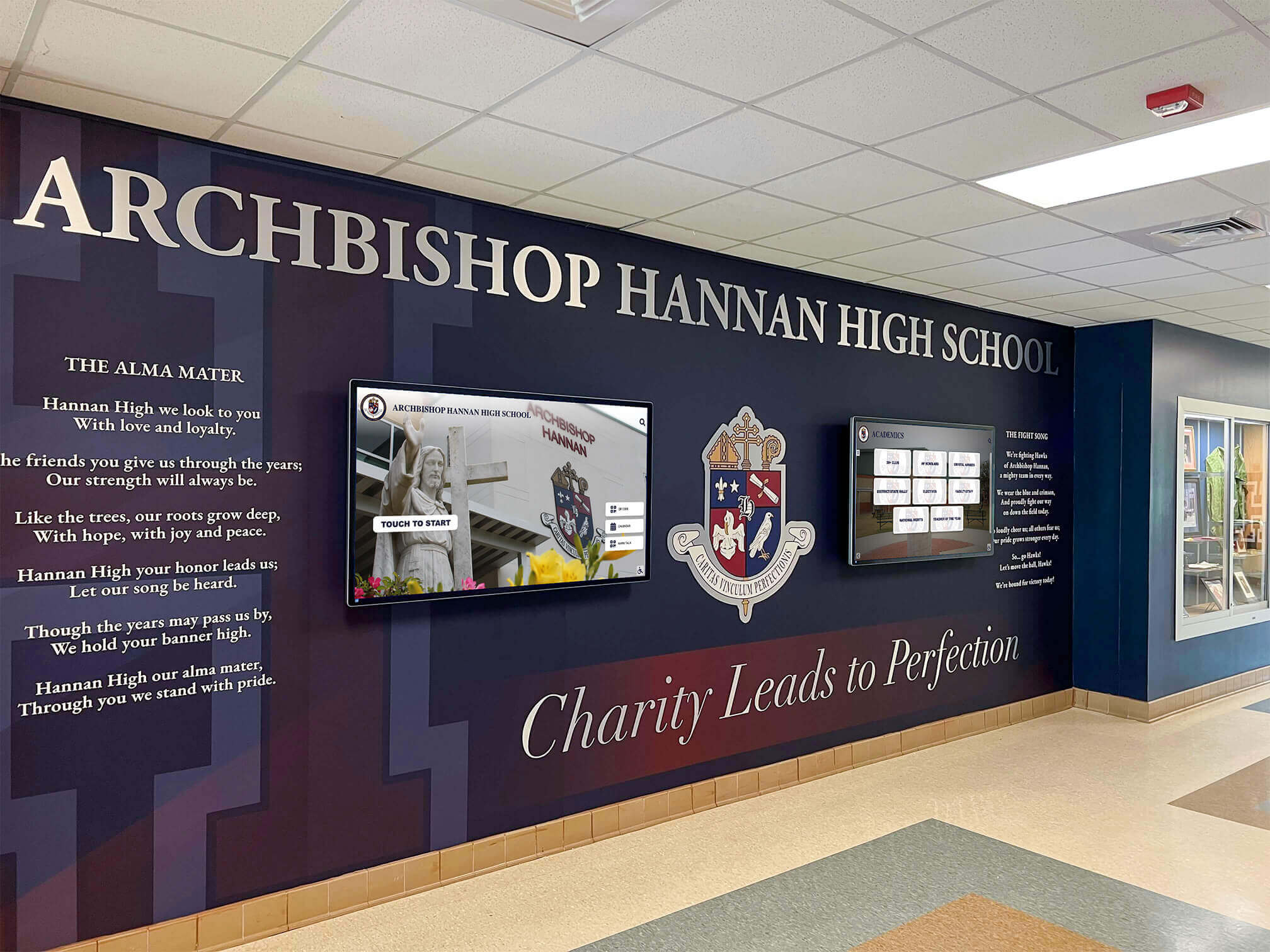
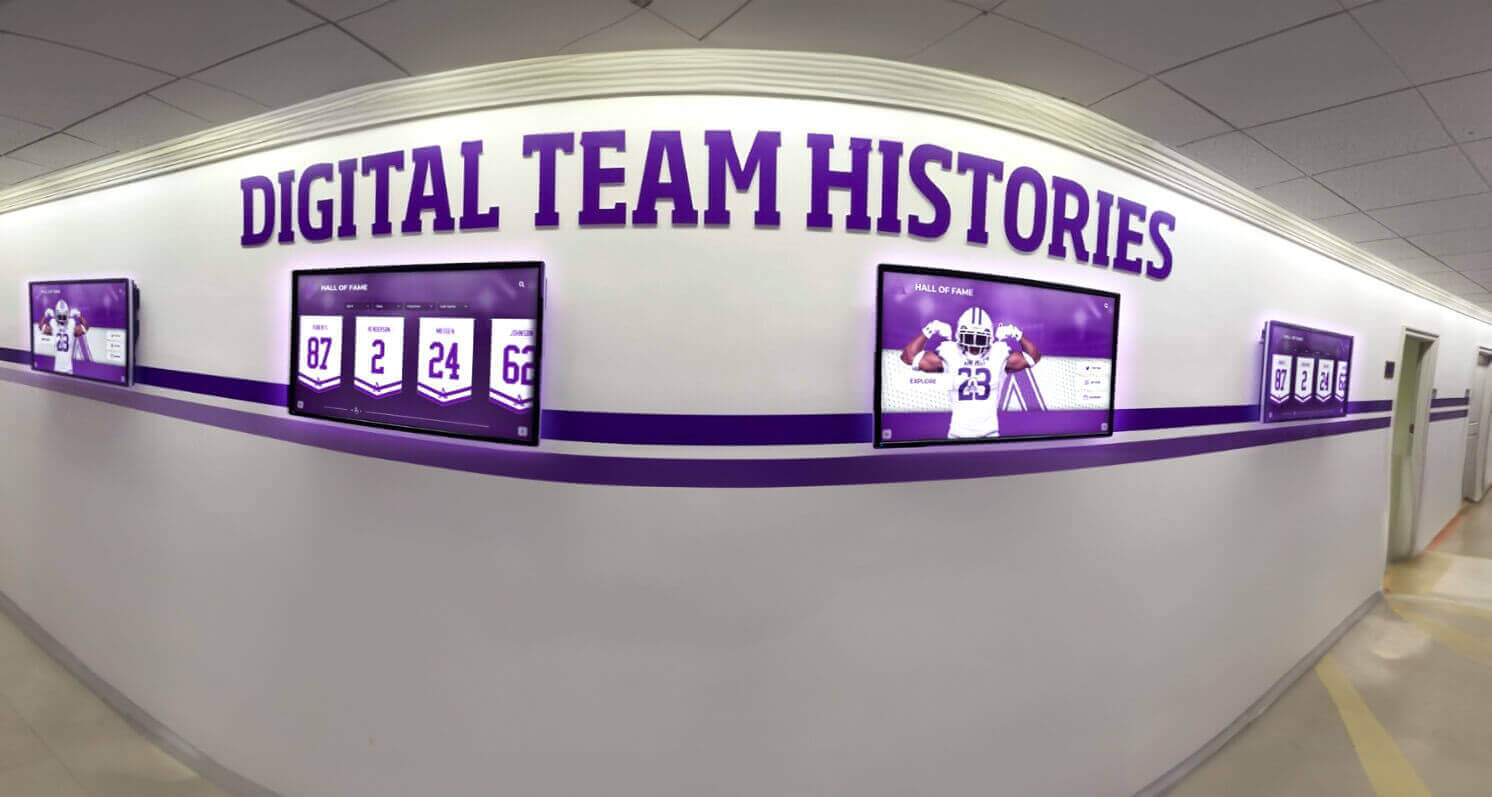
Student council participation builds critical leadership skills including public speaking, project management, collaborative decision-making, and strategic planning. Council members gain unique opportunities to represent peer voices, shape school policies, plan events affecting entire communities, develop professional networks, and create visible impact through initiatives improving school life. These experiences demonstrate leadership capacity to colleges and employers while teaching civic engagement lessons applicable throughout adult life. Modern schools increasingly recognize student government achievement through digital showcase displays that celebrate leadership alongside academic and athletic excellence.
Understanding Student Council Structure and Roles
Before launching your campaign or planning council initiatives, understand how student government typically functions and what different leadership positions entail.
Common Student Council Positions and Responsibilities
Most school student councils include several core officer positions, each carrying distinct responsibilities that require different skill sets.
President: The student body president serves as the primary student leader, representing student voices to administration, leading council meetings, overseeing project implementation, coordinating officer responsibilities, and serving as the public face of student government. Presidents need strong communication skills, organizational abilities, and capacity to balance multiple stakeholder perspectives while maintaining clear vision for student priorities.
Vice President: Vice presidents typically support presidential responsibilities while assuming leadership during presidential absence, often managing specific initiatives or committees, coordinating class representatives, and stepping into presidential roles when needed. This position develops crucial support leadership skills and prepares individuals for top executive roles.
Secretary: Secretaries maintain organizational systems including meeting minutes and records, communication with student body through newsletters or announcements, documentation of decisions and resolutions, attendance tracking, and archive management. This role suits detail-oriented individuals who excel at written communication and organizational systems.
Treasurer: Treasurers manage student council finances including budget development and monitoring, fundraising coordination, expense tracking and reporting, allocation recommendations for various initiatives, and financial reporting to advisors and administration. Financial literacy, mathematical skills, and responsible stewardship matter significantly in this position.
Class Representatives: Representatives connect student council to specific grade levels, bringing class-specific concerns and ideas to council leadership, communicating council decisions back to classmates, organizing grade-level activities, and ensuring all students feel represented. Representatives need strong peer relationships and genuine commitment to representing diverse perspectives.
How Student Council Functions Within School Structure
Student councils exist within broader school governance systems, operating alongside administration, faculty, and other organizational structures. Understanding these relationships proves essential for effective leadership.
Effective student councils develop collaborative relationships with school administrators who approve major initiatives and budgets, guide councils around policy and regulatory constraints, provide adult perspective and experience, and connect student ideas to institutional resources and capabilities. Rather than viewing administration as obstacles, successful student leaders build partnerships recognizing that administrators want student success while managing broader institutional responsibilities.
Faculty advisors serve critical mentorship roles, providing guidance without controlling decisions, teaching leadership and organizational skills, ensuring compliance with school policies, facilitating connections to resources and support, and offering continuity as student leaders graduate. Strong advisor relationships dramatically increase council effectiveness and leadership development opportunities.
Deciding to Run: Is Student Council Right for You?
Running for student council requires significant time commitment and genuine leadership interest. Carefully consider whether this path aligns with your goals, capabilities, and availability.
Evaluating Your Leadership Readiness
Successful student council candidates typically demonstrate several readiness indicators including genuine desire to serve classmates rather than seeking prestige, willingness to commit substantial time beyond classes and other activities, ability to communicate effectively with diverse audiences, organizational skills managing multiple projects simultaneously, resilience handling criticism and setbacks constructively, and openness to collaboration rather than individual recognition.
If you’re primarily attracted to leadership titles without interest in actual service work, student council likely proves frustrating and ineffective. The most successful student leaders genuinely care about improving school experiences for everyone, deriving satisfaction from collective achievements rather than personal accolades.
Understanding the Time Commitment
Student council participation requires consistent time investment including weekly or bi-weekly council meetings, additional officer meetings for executive positions, event planning and execution time, communication with classmates and administration, special projects requiring extended effort, and availability during evenings and weekends for events. Plan to invest 5-10 hours weekly for general council membership, with officer positions often requiring 10-15+ hours weekly during busy periods.
Honestly assess whether you can sustain this commitment alongside academic responsibilities, other extracurricular activities, family obligations, and part-time jobs. Overcommitment leads to poor performance across all areas and eventual burnout affecting your wellbeing and disappointing those counting on your leadership.
Assessing How Council Aligns With Your Goals
Consider how student council participation supports your broader objectives. Student government particularly benefits those planning careers in law, politics, public service, education, nonprofit management, or business leadership. The skills developed—public speaking, strategic planning, consensus building, project management—transfer directly to countless professional contexts while college applications and scholarship committees view substantive student government involvement very favorably.
If your primary interests lie elsewhere—say deep STEM research or intensive arts development—you might achieve goals more effectively through activities directly aligned with those passions rather than spreading efforts across competing priorities.
Preparing Your Campaign: Research and Strategy
Successful student council campaigns begin long before election week with thorough preparation addressing why you’re running, what you’ll accomplish, and how you’ll connect with voters.
Identifying Issues That Matter to Students
Winning campaigns address genuine student concerns rather than imposing your priorities regardless of broader interest. Identify issues through informal conversations with classmates across different social groups, surveys gathering systematic input on priorities, observation of recurring complaints and suggestions, discussions with student council alumni about perennial concerns, and analysis of what peer schools successfully address.
Common student priorities include food service quality and options, scheduling preferences and academic flexibility, facilities improvements for comfort and pride, mental health and wellness support, equity and inclusion initiatives, meaningful voice in decisions affecting students, engaging events and activities beyond traditional formats, environmental sustainability initiatives, and recognition programs celebrating diverse achievements. Understanding which issues resonate most with your specific student body allows targeting campaign messages effectively.
Developing Your Leadership Platform
Transform identified concerns into concrete platform proposals. Effective platforms include specific, achievable goals rather than vague promises, clear action steps demonstrating feasibility, acknowledgment of constraints and realistic implementation, differentiation from competing candidates, and authentic alignment with your genuine interests and capabilities.
For example, rather than promising “better school spirit,” propose “establishing quarterly community service events connecting school spirit to meaningful local impact, with specific partnership ideas and implementation timelines.” Specificity demonstrates serious thought and increases credibility substantially compared to generic slogans.
Understanding Election Rules and Procedures
Each school maintains specific election procedures governing campaigns, eligibility, and voting. Thoroughly understand requirements including GPA minimums or academic standing requirements, signatures needed for nomination, campaign timeline and key dates, spending limits or material restrictions, approved campaign activities and prohibited behaviors, debate or speech requirements, and voting procedures.
Violating rules—even unintentionally—can result in disqualification, wasting all campaign effort while creating negative reputation. When uncertain about rule interpretation, ask advisors for clarification rather than assuming.
Crafting Your Campaign Message and Materials
Successful campaigns communicate clear, compelling messages through diverse materials reaching voters effectively.
Developing Campaign Slogans and Messaging
Strong campaign messages combine memorable phrasing with substantive meaning. Effective slogans typically feature brevity enabling easy recall, connection to candidate name through alliteration or rhyme, clear value proposition about what you offer, positive framing around improvement and opportunity, and authentic representation of your genuine personality and vision.
Avoid slogans that sound impressive but communicate nothing concrete (“Leading Tomorrow Today”) or make promises you cannot possibly keep (“Free Pizza Fridays for Everyone”). Students recognize empty rhetoric quickly, damaging credibility more than generic campaigns.
Your broader messaging should consistently reinforce several key themes including why you’re qualified for the position, what specific improvements you’ll pursue, how you’ll represent all students effectively, what differentiates you from other candidates, and why students should trust you with leadership responsibility.
Creating Effective Campaign Materials
Campaign materials provide tangible reminders of your candidacy while communicating key messages. Standard campaign materials include posters for high-traffic hallway locations, palm cards or flyers for hand distribution, social media graphics for digital sharing, presentation slides if speeches are required, and buttons or stickers within budget limits.
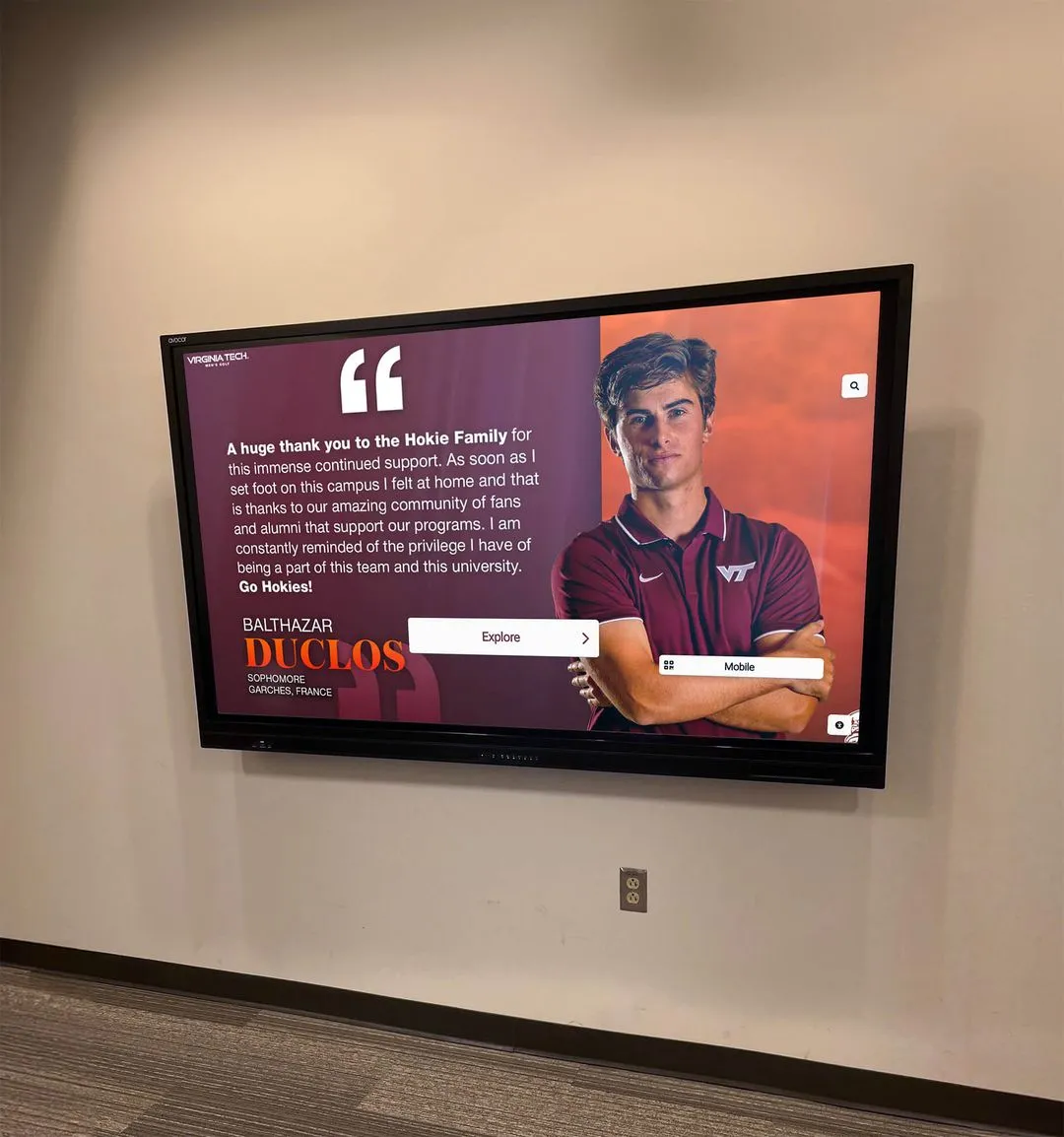
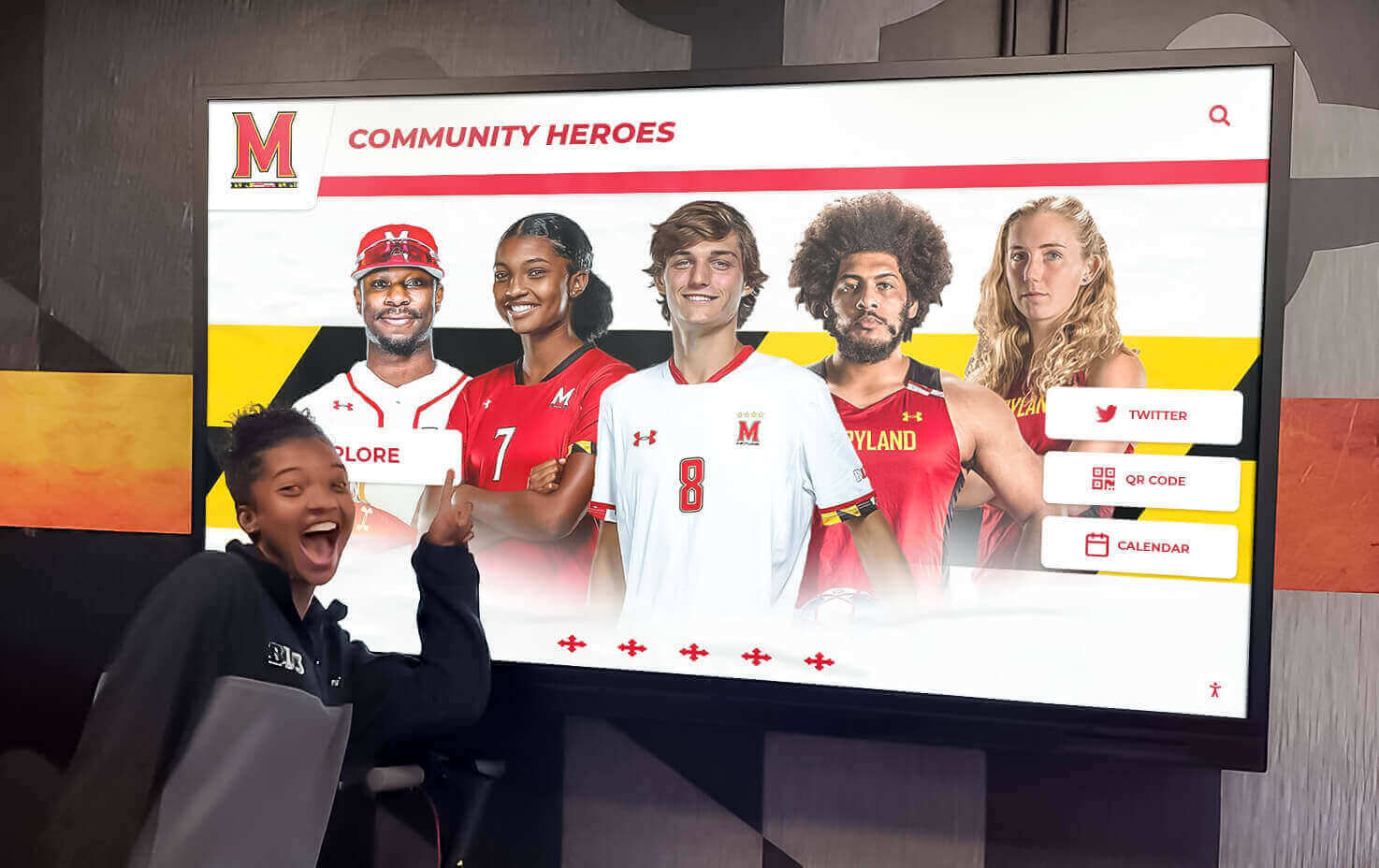
Design materials with visual consistency using repeated colors, fonts, and graphics creating professional cohesion. Include your name prominently, your position sought, key slogans or promises, relevant qualifications or experience, and contact information or social media handles. Many schools now showcase student leadership through digital recognition displays alongside other student achievements, providing models for effective visual presentation.
Balance professional appearance with authentic personality. Overly slick materials may appear inauthentic while sloppy execution suggests you won’t take the actual position seriously. The goal remains demonstrating that you’re organized and capable while remaining approachable and genuine.
Leveraging Social Media Strategically
Social media provides powerful campaign tools reaching students efficiently while enabling two-way communication impossible through posters alone. Effective social media strategies include regular content posting maintaining visibility, behind-the-scenes content humanizing your campaign, response to comments and questions demonstrating engagement, peer endorsements from respected students, creative content (videos, memes, challenges) generating shares, and platform-appropriate messaging for Instagram versus TikTok.
Maintain positivity throughout social media presence, avoiding negative attacks on opponents which typically backfire with student voters. Use social media to amplify your positive vision rather than creating drama that overshadows substantive messages.
Campaign Strategies: Connecting With Voters
Materials and messages matter less than genuine connections with classmates whose votes determine outcomes. Prioritize personal engagement throughout campaigns.
Retail Politicking: Personal Connections
The most effective campaign strategy remains old-fashioned personal contact—talking with classmates individually and in small groups about their concerns and your vision. Systematic voter contact includes conversations during lunch periods in cafeterias, presence at after-school activities and events, discussion in shared classes before or after instruction, participation in club meetings when appropriate, and availability before and after school in common areas.
Listen at least as much as you talk during these interactions. Ask what issues matter most to students, what improvements they’d like seeing, and what concerns they have about school. When students feel genuinely heard, they’re far more likely supporting candidates demonstrating authentic interest in their perspectives rather than simply seeking their votes.
Public Speaking and Debate Performance
Most schools require campaign speeches or debates allowing candidates to present platforms to assembled student bodies. These high-visibility moments significantly influence undecided voters and create lasting impressions.
Effective speech preparation includes writing and practicing extensively beforehand, memorizing key points while maintaining natural delivery, opening with attention-grabbing hooks, organizing content clearly around 2-3 main themes, incorporating specific examples and stories, closing with strong calls to action, and anticipating potential questions or challenges.
During debates, balance substantive policy discussion with engaging delivery. Overly serious approaches risk losing audience attention while purely entertainment-focused performances undermine credibility. The strongest debate performances demonstrate both competence and personality, showing you can lead effectively while remaining relatable to peers.

Building Coalition Support
Individual candidates rarely win elections alone—successful campaigns build coalitions of supporters amplifying messages and mobilizing voters. Strategic coalition building includes recruiting campaign team members managing different activities, engaging friends to spread word within their social circles, securing endorsements from respected students and organizations, partnering with clubs and groups supporting platform priorities, and involving diverse students ensuring broad appeal across demographics.
Be strategic about whose support you seek. Endorsement from students widely respected across different groups carries significant weight while association with controversial or unpopular individuals may hurt more than help, however personally loyal you feel.
Winning the Election: Final Stretch Strategies
As election day approaches, intensify efforts while maintaining energy and positivity through the final campaign stages.
Get Out the Vote (GOTV) Efforts
Elections are decided by who actually votes, not who supports you theoretically. Final days should focus intensely on turnout including reminders to supporters about voting logistics, assistance understanding voting procedures if electronic or complex, physical presence near voting locations during election day, social media mobilization throughout voting period, and personal appeals to undecided voters still considering options.
Low turnout advantages candidates with small but highly motivated support bases while high turnout generally benefits those with broader appeal. If your platform resonates with majority interests, maximize participation encouraging everyone to vote.
Maintaining Momentum and Energy
Campaigns often lose momentum as initial enthusiasm fades and fatigue sets in. Counter this through varied activities maintaining freshness, high-energy events generating excitement, surrogates sharing campaign load, celebration of milestones maintaining morale, and self-care preventing burnout.
Remember that most voters decide late in campaigns—students who seemed disengaged early often pay attention as elections approach. Continuing strong efforts through final moments rather than coasting after strong starts often determines outcomes.
Handling Election Day
Election day brings excitement and anxiety simultaneously. Maintain focus by knowing voting procedures and rules thoroughly, staying visible and positive around voting areas, thanking supporters for their help, respecting opponents and their campaigns, and preparing emotionally for either outcome.
Avoid aggressive last-minute tactics that appear desperate. Students making final decisions respond better to confident, positive appeals than to panic or negativity suggesting your campaign lacks confidence.
Leading Effectively: First Steps After Winning
Winning elections marks the beginning rather than culmination of student council leadership. Transition quickly from campaign mode to effective governance.
Transitioning From Candidate to Leader
After election victories, shift approaches from campaigning to governing. This transition includes thanking all students including those supporting other candidates, reaching out to election opponents offering roles in council work, meeting with outgoing officers learning from their experiences, connecting with advisors establishing working relationships, and immediately beginning work on campaign promises demonstrating seriousness.
Avoid extended victory celebrations that alienate losing candidates’ supporters. Gracious winners who quickly pivot to inclusive leadership build broader support than those appearing to gloat over electoral success.
Building Your Leadership Team
Even in top positions, you cannot lead effectively alone. Assemble strong teams by delegating responsibilities matching individual strengths, including diverse perspectives in decision-making, establishing clear communication systems, setting regular meeting schedules, and creating accountability measures ensuring follow-through.
The strongest student council teams combine different skill sets—creative thinkers generating ideas, detail-oriented organizers ensuring execution, people-focused communicators building support, and analytical problem-solvers addressing obstacles. Recognize that teammates with different approaches aren’t opposing your vision but strengthening implementation through complementary capabilities.
Establishing Productive Relationships With Administration
Student council effectiveness depends significantly on positive relationships with school administrators who control resources, approve initiatives, and provide institutional support. Build these relationships through respect for administrative responsibilities and constraints, professional communication in meetings and correspondence, preparation bringing well-developed proposals not vague requests, openness to feedback and compromise, and consistent follow-through on commitments.
Understand that administrators balance countless priorities beyond student council needs. Frame requests around how initiatives benefit entire school communities rather than simply serving student council preferences. This strategic approach increases approval likelihood substantially.
Student Council Project Ideas: Making Meaningful Impact
The most memorable student council achievements come from projects providing genuine value to school communities beyond traditional events and activities.
School Spirit and Community Building Initiatives
Building school spirit and community remains core student council responsibility. Effective initiatives include spirit week activities with creative daily themes, pep rally planning incorporating diverse talents, grade-level competitions building friendly rivalry, community service days connecting spirit to purpose, and recognition programs celebrating achievements across academics, arts, athletics, and service.
Spirit initiatives work best when genuinely inclusive rather than only engaging traditionally popular students. Consider how activities welcome newcomers, quiet students, and those not involved in athletics or traditional social scenes.
Student Wellness and Support Programs
Students increasingly prioritize mental health and wellness support. Student councils can champion initiatives including mental health awareness campaigns reducing stigma, peer support networks and mentoring programs, stress reduction activities during exam periods, wellness spaces for quiet breaks, and advocacy for professional counseling resources. Schools implementing comprehensive recognition programs often see positive cultural impacts when students receive acknowledgment for challenges overcome alongside traditional achievements.
These programs demonstrate student council leadership extending beyond entertainment to address genuine needs affecting learning and wellbeing.
Academic Support and Success Initiatives
Student councils can promote academic excellence through peer tutoring program coordination, study space improvement advocacy, test preparation sessions before major exams, academic recognition events celebrating diverse achievements, and workshops addressing study skills and time management. Effective academic honor programs celebrate student achievements comprehensively rather than limiting recognition to athletics alone.
Academic initiatives often receive strong administrative support since they directly align with institutional educational missions while demonstrating student council seriousness beyond social programming.

School Improvement and Facilities Projects
Student councils can advocate effectively for physical improvements addressing student needs including locker room and bathroom upgrades, common space furniture and layout improvements, outdoor seating and recreation areas, vending machine and food service enhancements, and school beautification through art installations or landscaping.
Approach facilities projects systematically by documenting specific needs and student support, researching costs and implementation requirements, proposing funding sources including fundraising or grants, presenting professional proposals to administration, and offering student volunteer support for appropriate components. Well-developed proposals demonstrating serious planning receive consideration while vague requests for “better facilities” get dismissed quickly.
Community Service and Social Impact Projects
Connecting student council to broader community service builds purpose beyond school boundaries while developing civic engagement. Meaningful service projects include food and clothing drives supporting local organizations, fundraising campaigns for community causes, volunteer coordination at nonprofit organizations, environmental initiatives like cleanups or recycling programs, and partnerships with elementary schools through mentoring or tutoring.
Service projects demonstrate to administration, families, and community members that student council represents more than social events, building support for other initiatives while creating genuine positive impact beyond school walls.
Diversity, Equity, and Inclusion Initiatives
Student councils can champion equity and inclusion through cultural celebration events honoring diverse heritages, equity audits examining school policies and practices, safe space creation for marginalized students, education programs addressing bias and discrimination, and advocacy ensuring all students feel valued and included.
These initiatives often spark controversy requiring courage and persistence. The strongest approach combines education about why equity matters with specific, achievable actions demonstrating genuine commitment beyond symbolic gestures.
Running Effective Student Council Meetings
Regular meetings form student council’s operational foundation. Effective meetings maintain engagement while accomplishing necessary business.
Meeting Structure and Parliamentary Procedure
Structured meetings run more efficiently than informal gatherings. Consider basic parliamentary procedure including meeting opening with roll call and agenda review, officer reports updating council on responsibilities, old business addressing ongoing initiatives, new business introducing proposals and ideas, discussion and debate on action items, voting on decisions requiring approval, announcements and reminders, and adjournment at scheduled ending time.
Balance structure with accessibility—overly formal procedures intimidate less experienced members while complete lack of structure leads to chaotic, unproductive meetings accomplishing little while frustrating participants.
Keeping Members Engaged and Productive
Meeting engagement requires intentional facilitation by leadership including rotating responsibilities beyond just officers, interactive activities preventing pure lecture format, clear action items with responsible parties and deadlines, celebration of accomplishments maintaining motivation, and problem-solving discussions generating solutions not just complaints.
If members consistently appear disengaged or skip meetings, examine whether meetings provide value worth their time investment. Meetings that simply share information available via email waste participants’ time—use gatherings for activities requiring real-time discussion and collaborative decision-making.
Documentation and Follow-Through
Effective councils maintain clear documentation tracking decisions, action items with deadlines and responsible parties, budget expenditures and approvals, communication templates and archives, and historical records informing future leadership.
Assign clear responsibility for documentation—typically secretary—and establish systems ensuring consistent follow-through rather than good intentions lost amid competing priorities.
Fundraising for Student Council Initiatives
Many student council projects require funding beyond allocated budgets. Effective fundraising provides resources enabling ambitious initiatives while building valuable skills.
Diverse Fundraising Approaches
Successful fundraising combines multiple approaches including traditional product sales (candy, merchandise), event fundraisers (dances, tournaments, shows), restaurant partnership nights sharing meal proceeds, crowdfunding campaigns for specific projects, corporate sponsorships with recognition benefits, and grant applications to education foundations.
Select fundraisers strategically based on effort required versus potential return, alignment with school policies and community norms, student interest and participation likelihood, and overlap with other school fundraising efforts. Market saturation from too many simultaneous fundraisers reduces effectiveness for everyone.
Building Sustainable Funding Models
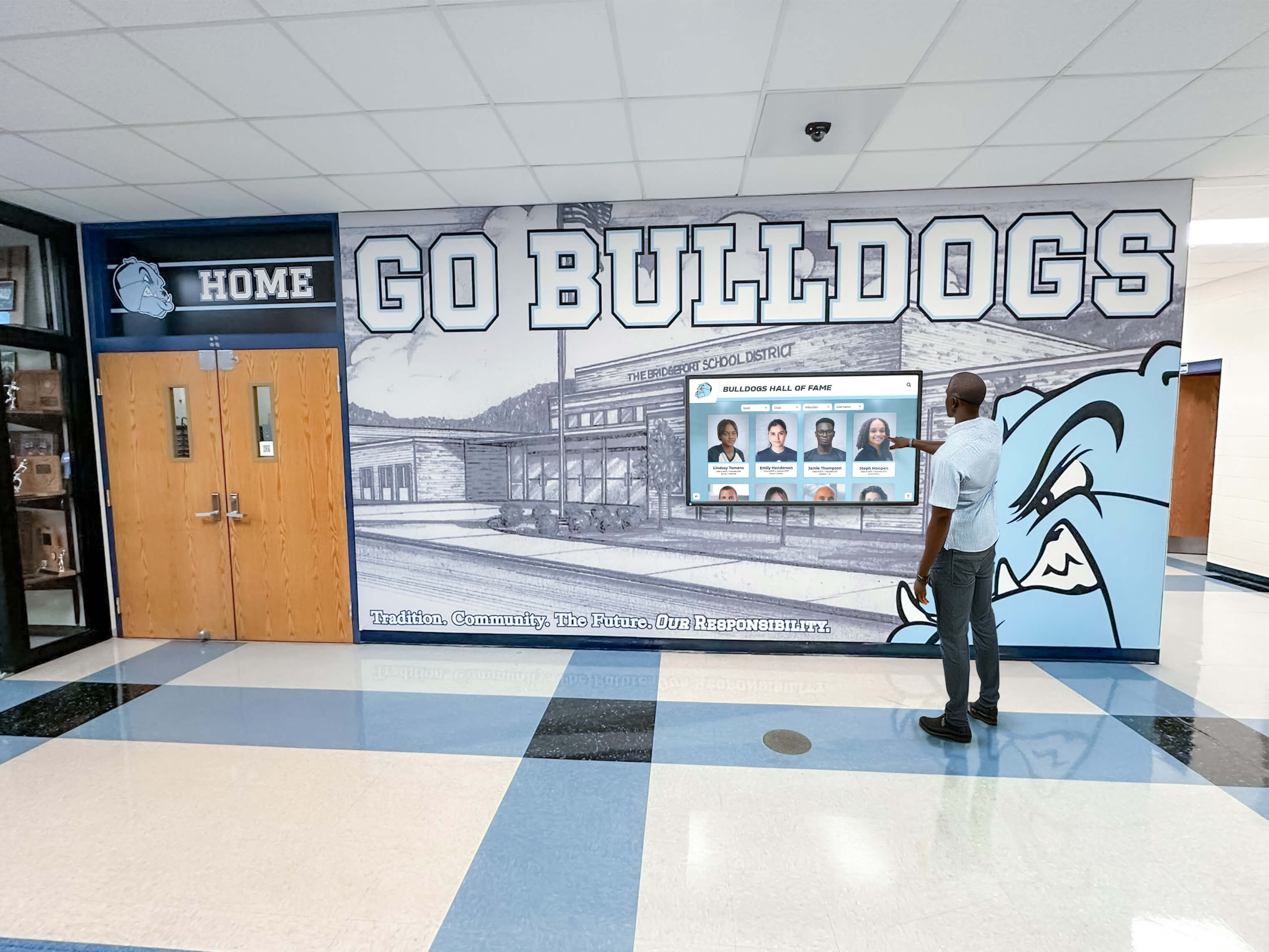
Rather than constant fundraising creating donor fatigue, consider sustainable approaches including annual signature events building tradition and anticipation, planned giving programs from alumni and supporters, endowment development for long-term support, sponsorship packages offering ongoing recognition, and fee structures for premium programming. Schools implementing donor recognition displays for student council supporters create visible appreciation that encourages continued contributions.
Sustainability allows planning multi-year initiatives rather than limiting vision to what can be funded through immediate campaigns alone.
Communication Strategies: Keeping Students Informed and Engaged
Effective student councils maintain consistent communication keeping broader student bodies informed about activities, decisions, and opportunities for involvement.
Multi-Channel Communication Approaches
Students consume information through varied channels requiring diverse communication strategies including social media updates across Instagram, Twitter, TikTok platforms, email newsletters to school addresses, morning announcements in advisory or homeroom, posters and flyers in high-traffic locations, website content maintaining current information, and text messaging for time-sensitive updates to opted-in audiences.
No single channel reaches everyone—comprehensive communication combines multiple approaches ensuring broad visibility. Monitor which channels generate most engagement and adjust strategies accordingly.
Building Authentic Student Voice
Communication works best when authentic rather than scripted by advisors or administration. Allow student leaders to communicate in natural voices reflecting how students actually talk while maintaining appropriate professionalism. Authentic communication builds trust and engagement that overly polished, adult-written messaging cannot achieve.
Balance transparency with discretion—share information about decisions and activities while respecting confidentiality when discussions involve personnel matters or sensitive situations requiring discretion.
Gathering Student Feedback and Input
Communication flows both directions—effective councils actively solicit student input through regular surveys on priorities and satisfaction, suggestion boxes (physical and digital), open forums and town halls, social media polling and questions, focus groups with diverse student segments, and class representative feedback gathering.
Actually acting on gathered feedback proves essential. Students who feel consistently heard but ignored eventually stop participating in feedback processes, losing the intelligence that helps councils remain relevant and effective.
Leadership Development and Skill Building
Student council participation develops crucial competencies applicable throughout life. Maximize leadership growth through intentional skill development.
Key Leadership Competencies to Develop
Focus development on public speaking and presentation skills, collaborative decision-making and consensus building, project management and execution, conflict resolution and mediation, strategic planning and priority setting, financial management and budgeting, event planning and logistics coordination, delegation and team management, and advocacy and negotiation with authority figures.
These competencies transfer directly to college leadership, career success, and civic participation throughout adult life while appearing prominently on applications and resumes demonstrating leadership beyond holding titles.
Learning Opportunities and Growth Mindset
Approach challenges as learning opportunities rather than threatening failures. When initiatives don’t work as planned or conflicts arise, reflect on what went wrong, what you’d do differently, what you learned from the experience, and how you’ll apply those lessons moving forward.
Leadership growth requires making mistakes in relatively low-stakes contexts like student council where failures create learning opportunities without catastrophic consequences. Students who avoid all risk rarely develop capabilities handling more significant adult responsibilities.
Mentorship and Guidance
Seek mentorship from advisors understanding student leadership development, current or former student council leaders sharing practical experience, teachers recognizing your potential and offering guidance, community leaders providing adult perspective, and peers with complementary strengths and approaches.
Mentorship accelerates leadership development by learning from others’ experiences rather than discovering every lesson through personal trial and error. The strongest leaders remain perpetual learners open to guidance regardless of their current position or success level.
Overcoming Common Student Council Challenges
Even well-led councils encounter predictable obstacles. Anticipating challenges and developing response strategies increases leadership effectiveness substantially.
Managing Conflict Within Council
Disagreements among council members create some of most challenging leadership situations. Address conflict constructively through private conversations before public confrontation, focus on interests underlying positions rather than just stated demands, search for solutions meeting multiple needs simultaneously, involve neutral parties mediating when helpful, and separate personal relationships from professional disagreements.
Recognize that healthy conflict about ideas and approaches strengthens decisions while personal attacks and grudges damage councils and relationships. Create culture where disagreement is expected and respected rather than avoided or punished.
Dealing With Low Participation and Engagement
Student apathy challenges many councils despite best efforts generating involvement. Address engagement through genuine student voice in decisions affecting them, visible impact from council initiatives demonstrating value, inclusive activities welcoming diverse students, consistent communication maintaining visibility, recognition of volunteers and participants, and honest assessment of whether planned activities genuinely interest students or simply repeat traditions nobody questions.
Sometimes low engagement reflects that proposed activities genuinely don’t interest most students. Willingness to abandon unsuccessful initiatives and try different approaches demonstrates responsiveness rather than failure.
Navigating Administration and Policy Constraints
Student councils sometimes clash with administration when student priorities conflict with policy, budget, or practical constraints. Navigate these challenges through thorough understanding of actual constraints versus perceived limitations, well-developed proposals demonstrating feasibility, openness to compromise achieving partial goals, strategic timing of requests, and persistence when issues genuinely matter.
Distinguish battles worth fighting from those better abandoned. Spending political capital demanding changes administration cannot or will not provide wastes resources better deployed advancing achievable goals. Strategic leaders choose their battles carefully.
Balancing Council Work With Other Commitments
Student council leadership combined with academics, other activities, family obligations, and social life creates significant time pressure. Manage commitments through honest assessment of capacity limits, delegation spreading responsibility beyond just you, time management systems and planning tools, saying no to additional commitments when already stretched, and prioritization focusing on highest-impact activities.
Attempting everything guarantees doing nothing well. The strongest leaders focus energy on priorities where they create greatest value rather than spreading themselves so thin that all commitments suffer.
Showcasing Leadership and Building Your Record
Student council participation provides significant value for college applications, scholarships, and future opportunities when effectively documented and presented.
Documenting Your Achievements and Impact
Maintain records of council accomplishments including specific initiatives you led or contributed to significantly, quantifiable impact (funds raised, students served, improvements achieved), skills developed through experiences, recognition received, leadership positions held, and challenges overcome.
Documentation proves far more persuasive than vague claims about leadership. “Served as student council president” conveys less than “Led 15-member student council implementing new peer tutoring program serving 75 students, raising $12,000 through fundraising campaign, and organizing community service day with 300 student participants.”

Leveraging Leadership for College Applications
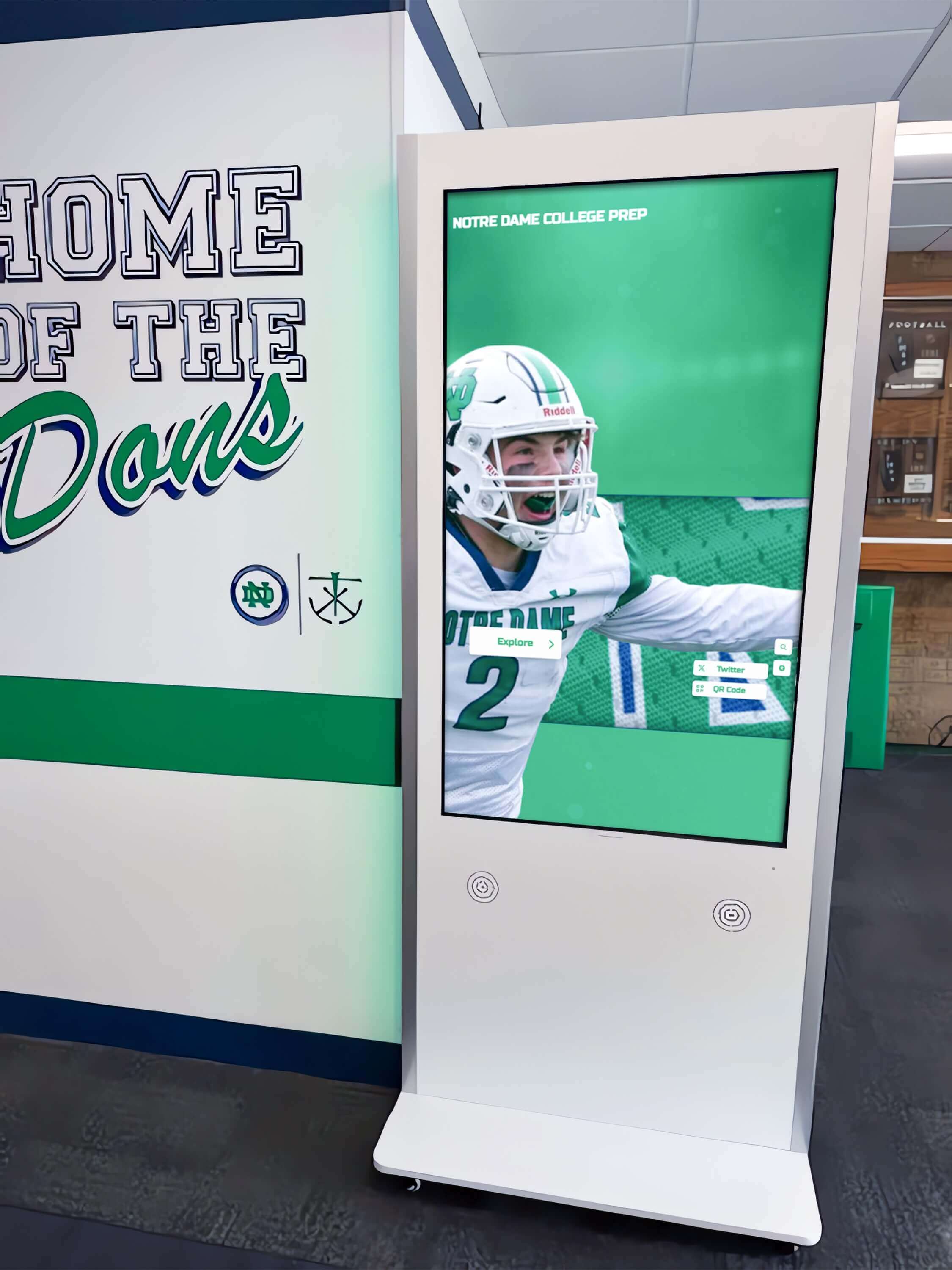
Student council leadership particularly benefits college applications by demonstrating sustained commitment over multiple years, increasing responsibility progression from member to officer, tangible impact through initiatives and projects, collaborative leadership working with diverse groups, and initiative launching new programs or approaches. Many schools now feature student government leaders on digital recognition displays alongside other student achievements, providing visible documentation of leadership contributions.
When writing application essays, focus on specific stories illustrating leadership growth and impact rather than listing activities without narrative context. Admissions officers read countless essays about student council—distinguish yours through authentic reflection and specific examples showing genuine learning and development.
Building Professional Skills and Networks
Student council develops competencies and relationships valuable far beyond school years including public speaking comfort applicable to career presentations, project management experience transferring to professional contexts, negotiation skills useful throughout life, relationship-building with diverse stakeholders, and networks with peers, advisors, and administrators providing references and connections.
Treat student council as professional development opportunity not just school activity. The habits, skills, and relationships you develop now establish foundations for lifelong success in countless contexts requiring leadership and collaboration.
Preparing Your Successors: Transition Planning
Responsible student leaders ensure smooth transitions to successor leadership rather than leaving councils without institutional knowledge and systems.
Documenting Processes and Institutional Knowledge
Create resources for future leaders including comprehensive handbooks explaining procedures and systems, contact lists for key stakeholders, budget templates and financial guidelines, event planning documents and timelines, communication templates and brand guidelines, and lessons learned from your term including successes and mistakes.
Written documentation proves far more reliable than expecting new officers to remember everything from verbal transitions during busy end-of-year periods.
Training and Mentoring New Officers
Invest time developing successor competence through formal training sessions before official transition, shadowing opportunities during your final term, introductions to key contacts and relationships, guidance on common challenges and solutions, and ongoing availability as resource even after leaving office.
Your legacy includes not just what you accomplish during your term but how well you prepare councils for continued success after your departure. Generous investment in successor development demonstrates genuine commitment to institutions rather than personal acclaim.
The Lasting Impact of Student Council Leadership
Student council participation creates ripples extending far beyond graduation day. The leadership competencies you develop, relationships you build, impact you create on school communities, confidence you gain addressing challenges, and civic engagement habits you establish shape trajectories throughout adult life.
Whether your student council experience leads directly to careers in politics, public service, education, nonprofit management, or business leadership, the skills and self-understanding you develop prove invaluable across countless contexts requiring collaboration, communication, strategic thinking, and genuine service orientation. The students whose school experiences you improve may never thank you personally, but you’ll know that you made real differences in real communities during formative years—accomplishments carrying meaning that transcends titles or recognition.
Essential Principles for Student Council Success:
- Begin with genuine motivation to serve rather than seeking prestige or resume builders
- Run campaigns addressing real student concerns through specific, achievable proposals
- Build broad coalitions rather than narrow support bases
- Transition quickly from campaign mode to collaborative governance after elections
- Delegate responsibilities matching team members’ strengths and interests
- Maintain consistent communication keeping student bodies informed and engaged
- Pursue diverse initiatives balancing entertainment with meaningful impact projects
- Develop professional relationships with advisors and administrators
- Document achievements specifically for applications and reflections
- Prepare successors thoroughly ensuring continued council effectiveness
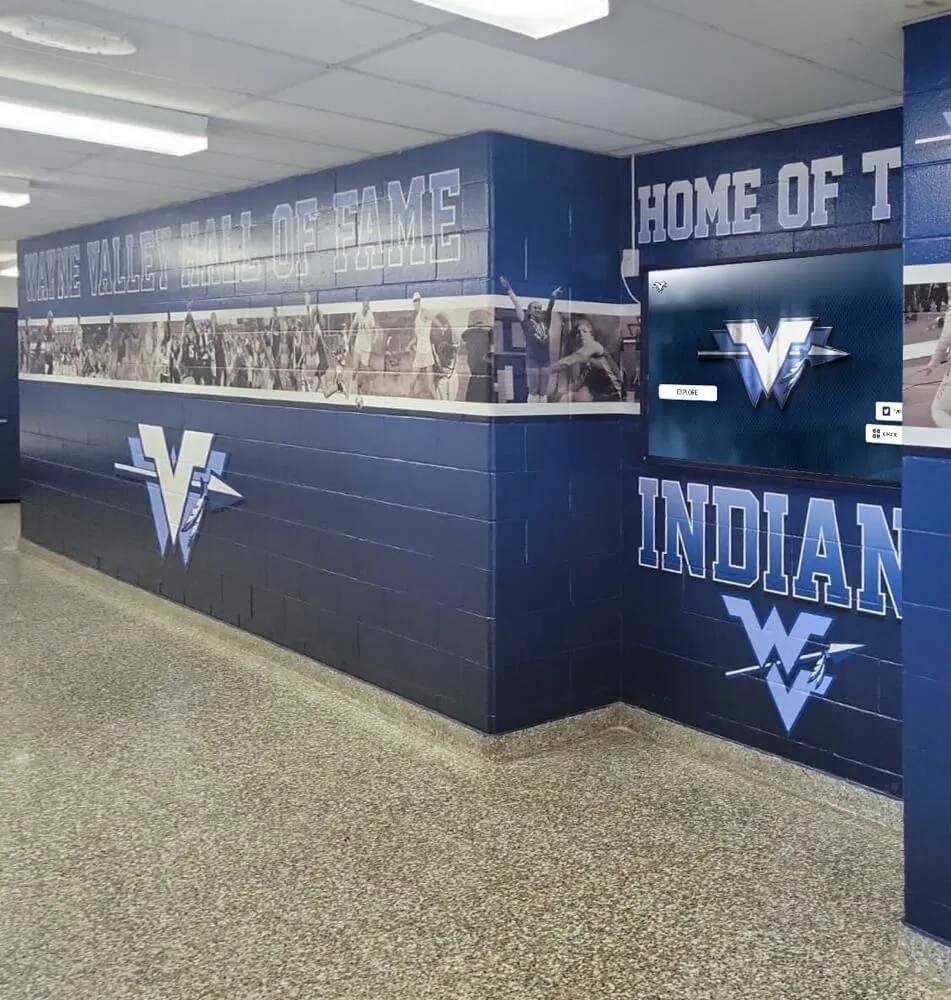
Modern schools increasingly recognize student leadership through comprehensive recognition systems celebrating excellence across academics, athletics, arts, and governance. Solutions like Rocket Alumni Solutions provide platforms showcasing student council officers and achievements alongside other school accomplishments, creating visible appreciation that motivates continued leadership while preserving institutional history. These systems demonstrate that schools value student government seriously enough to feature leaders prominently in recognition displays visible to entire communities.
Ready to showcase student council achievements and inspire future leadership? Explore how digital recognition displays celebrate student government effectively while building school pride and community engagement year-round.