



Student athletes face unique pressures extending far beyond typical academic demands. Balancing rigorous training schedules, competitive expectations, academic requirements, and social development creates stress levels few non-athletes experience during high school and college years. The mental health challenges affecting student athletes require attention equal to physical conditioning and skill development—yet many athletic programs lack systematic approaches addressing psychological wellbeing comprehensively.
Recent research reveals concerning statistics. According to the NCAA, approximately 30 percent of college athletes report symptoms of depression, while anxiety affects similar percentages. High school athletes face comparable challenges, with competitive pressure starting younger than previous generations. Performance anxiety, fear of failure, identity struggles, social isolation from time demands, and recovery stress from injuries create mental health risks demanding proactive intervention from coaches, athletic directors, and support staff.
Supporting student athlete mental health represents both ethical responsibility and strategic necessity. Athletes struggling mentally perform poorly, experience higher injury rates, face academic difficulties, and demonstrate elevated dropout rates from sports programs. Comprehensive mental health support improves performance outcomes while developing resilient, balanced individuals prepared for challenges extending far beyond athletic careers.
Understanding the Unique Mental Health Challenges Athletes Face
Student athletes navigate pressures distinct from general student populations. Athletic identity often becomes central to self-worth, creating vulnerability when performance wavers or injuries occur. Public performance scrutiny adds stress dimensions academic work typically lacks. Training time demands limit social relationship development, potentially creating isolation. Physical exhaustion compounds mental fatigue, reducing resilience against anxiety and depression. Understanding these unique challenges enables programs to implement targeted support addressing root causes rather than merely treating symptoms after crises emerge.
Recognizing Warning Signs of Mental Health Struggles
Early identification of mental health challenges enables intervention before situations escalate to crisis levels. Coaches and athletic staff occupy positions allowing regular athlete observation, creating opportunities to notice behavioral and performance changes signaling distress.
Performance and Behavioral Indicators
Declining athletic performance often signals underlying mental health challenges. Athletes previously performing consistently who experience sudden skill regression, decreased motivation, or practice attendance issues may struggle with depression or anxiety rather than physical conditioning problems.
Warning signs include persistent performance decline despite adequate physical preparation, increased practice tardiness or absences without clear explanation, withdrawn behavior during team activities, irritability or emotional outbursts uncharacteristic for the individual, difficulty concentrating during practice or games, and physical complaints without clear medical cause such as persistent headaches, stomach issues, or fatigue.
Sleep disturbances frequently accompany mental health struggles. Athletes reporting insomnia, excessive sleeping, or irregular sleep patterns may experience anxiety or depression. Since quality sleep directly impacts athletic performance and recovery, sleep issues create cycles where mental health problems cause poor sleep, which further degrades mental wellbeing and performance.
Changes in eating patterns warrant attention. Significant weight fluctuation, avoidance of team meals, or excessive concern with diet beyond performance nutrition may indicate eating disorders or anxiety disorders. Athletes in weight-sensitive sports including wrestling, gymnastics, and rowing face elevated risks requiring particular vigilance.
Social and Academic Red Flags
Mental health challenges extend beyond athletic performance, manifesting in social interactions and academic achievement. Coaches should notice social withdrawal from teammates, declining academic performance reported by teachers or counselors, increased conflict with teammates or coaches, loss of interest in previously enjoyed activities outside sports, and expressions of hopelessness, worthlessness, or excessive self-criticism.
Substance use changes, including increased alcohol consumption or drug use, often indicate attempts to cope with mental health struggles. While coaches may not directly observe substance use, changes in behavior, appearance, or social circles might suggest concerning developments warranting intervention.
Athletes verbalizing thoughts about self-harm or suicide require immediate action. Even casual comments about death, not wanting to live, or self-harm should trigger immediate response through school counselors, mental health professionals, or emergency services depending on urgency.
Creating Psychologically Safe Team Environments
Team culture significantly influences athlete mental health. Environments prioritizing psychological safety enable athletes to express struggles, seek help, and develop resilience without fear of judgment, stigma, or consequences.
Establishing Open Communication Norms
Athletic programs should normalize mental health discussions as standard elements of athlete development rather than taboo topics discussed only during crises. Regular team meetings incorporating mental health topics demonstrate institutional prioritization.
Effective approaches include coaching staff sharing their own stress management strategies and challenges, inviting mental health professionals to present during team meetings, creating anonymous question channels enabling athletes to raise concerns privately, and conducting periodic wellbeing check-ins beyond performance discussions.
Language choices matter substantially. Coaches using stigmatizing language about mental health or dismissing emotional struggles as weakness create environments where athletes hide problems rather than seeking support. Conversely, validating emotional experiences and framing help-seeking as strength encourages appropriate intervention.
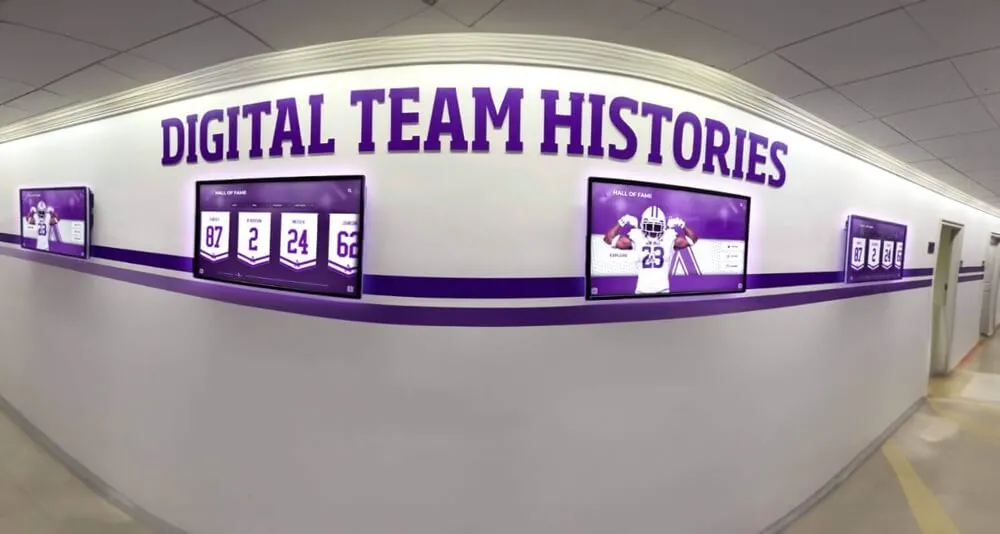
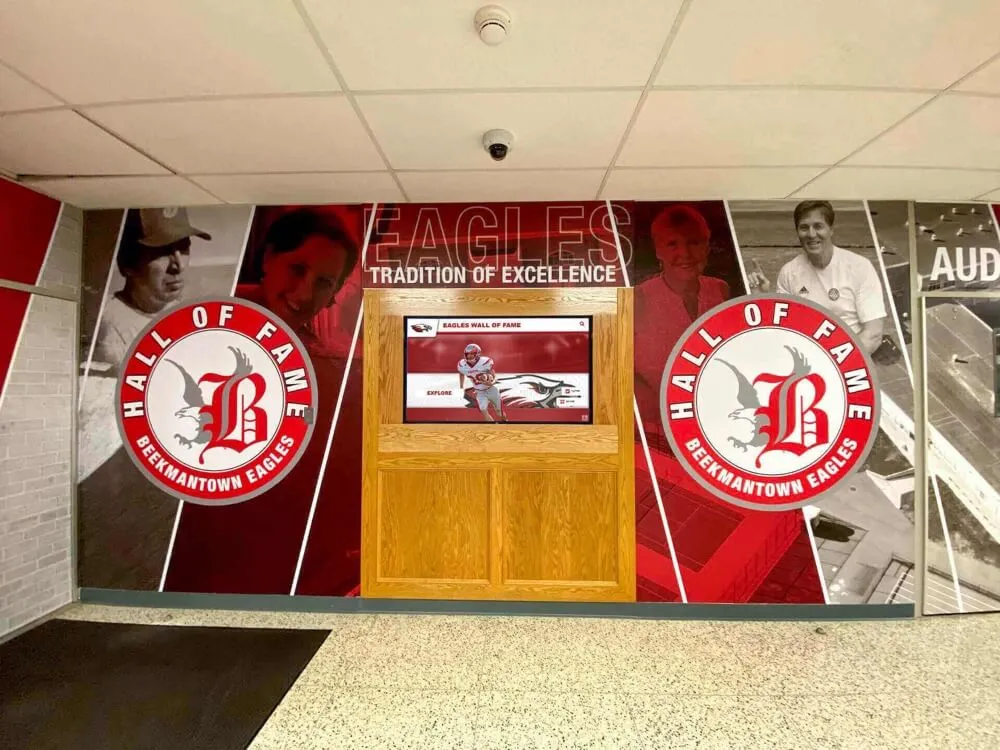
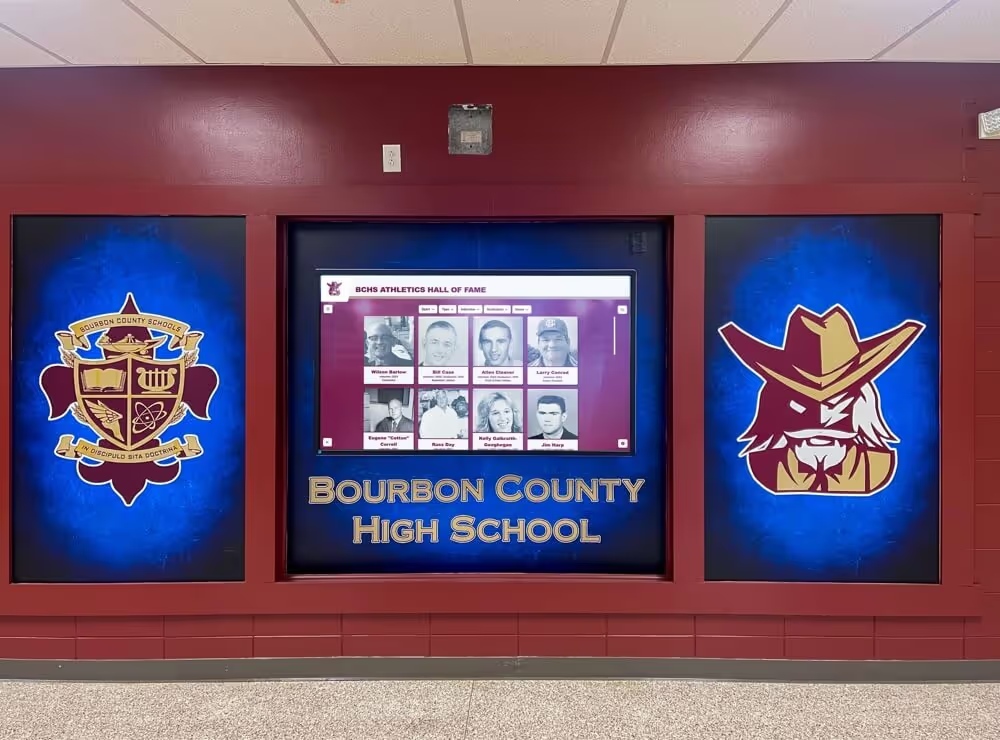
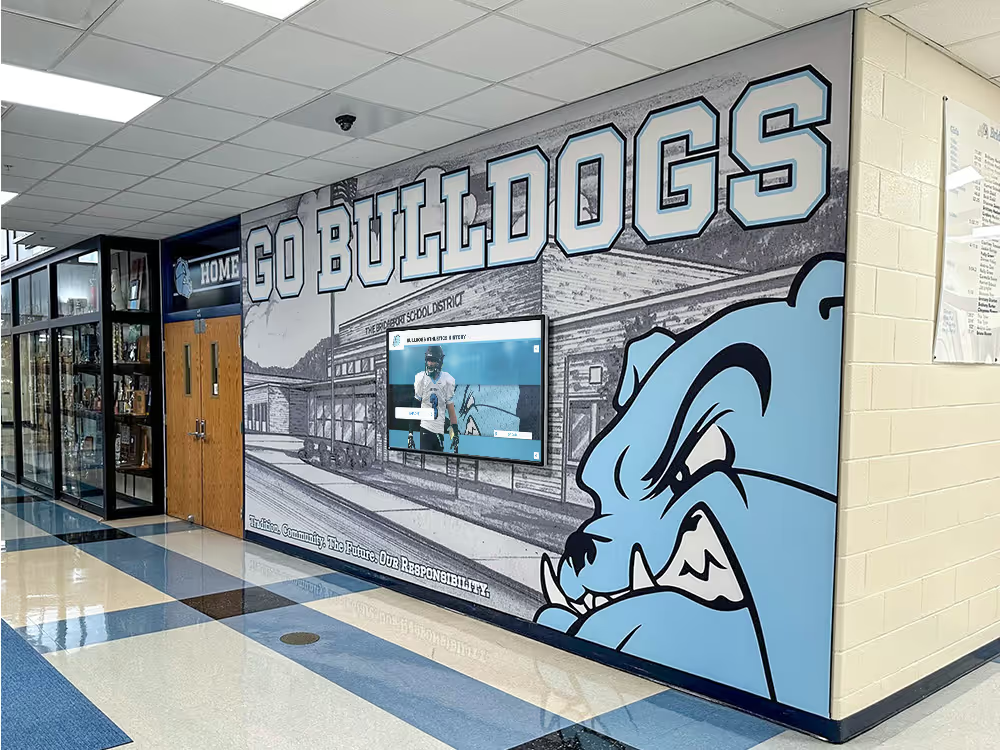
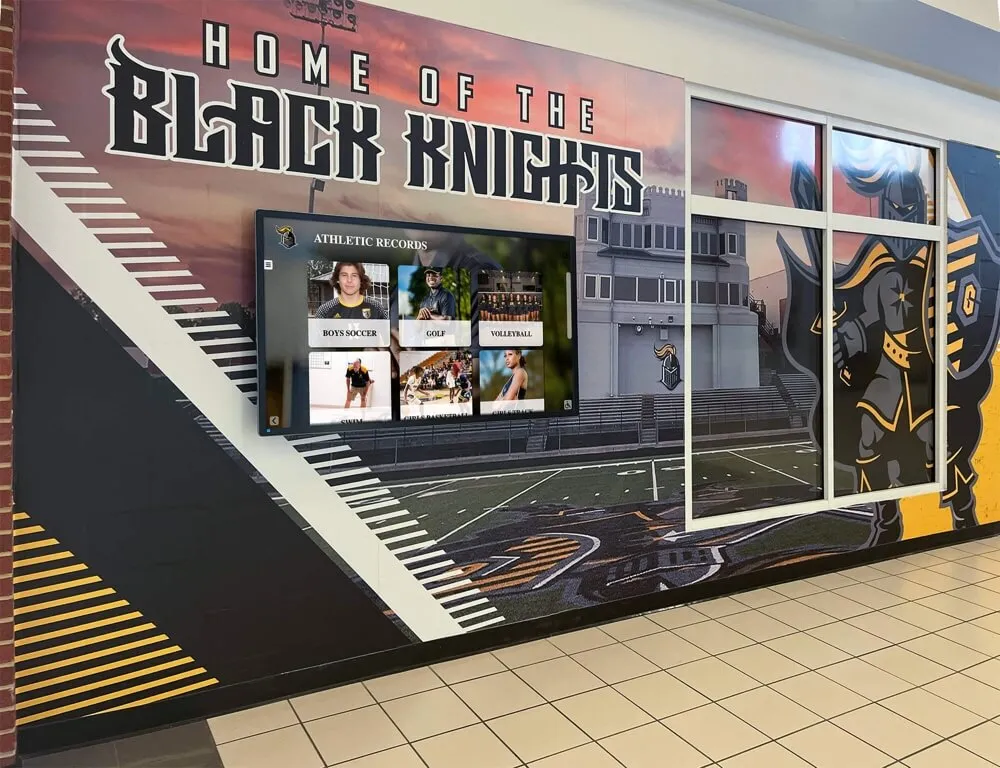
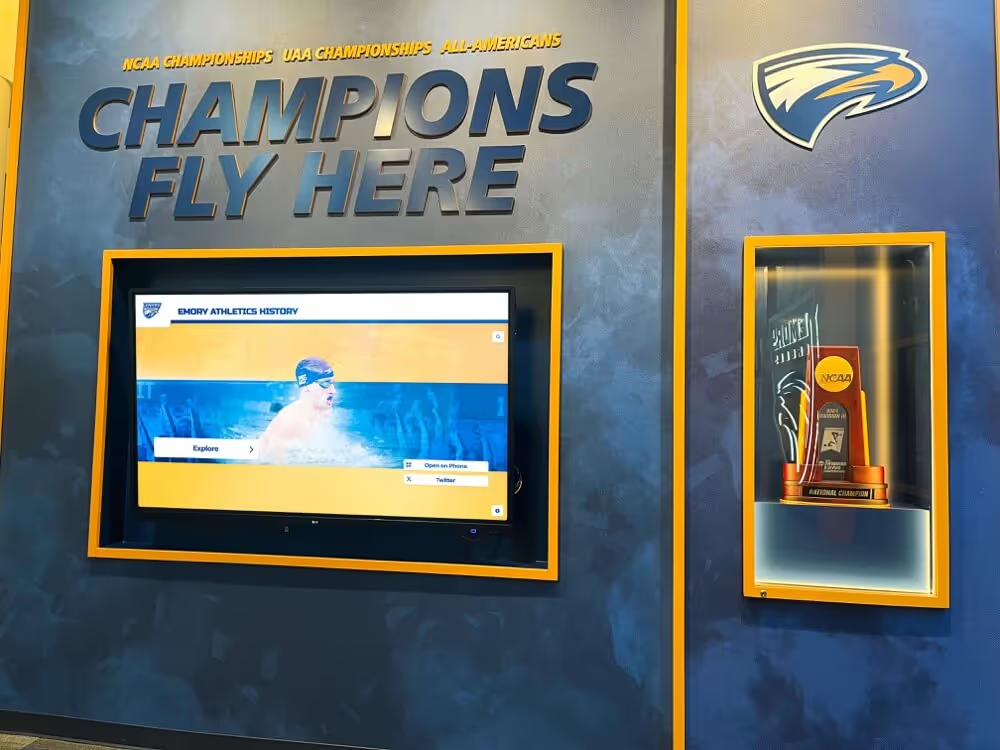
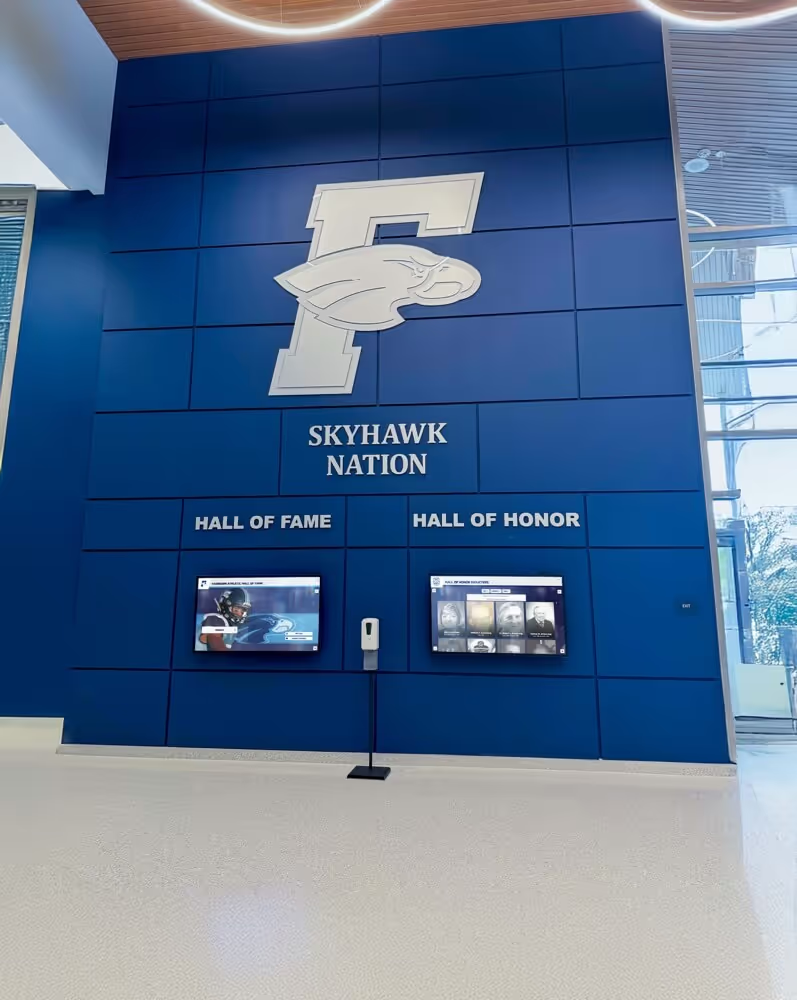
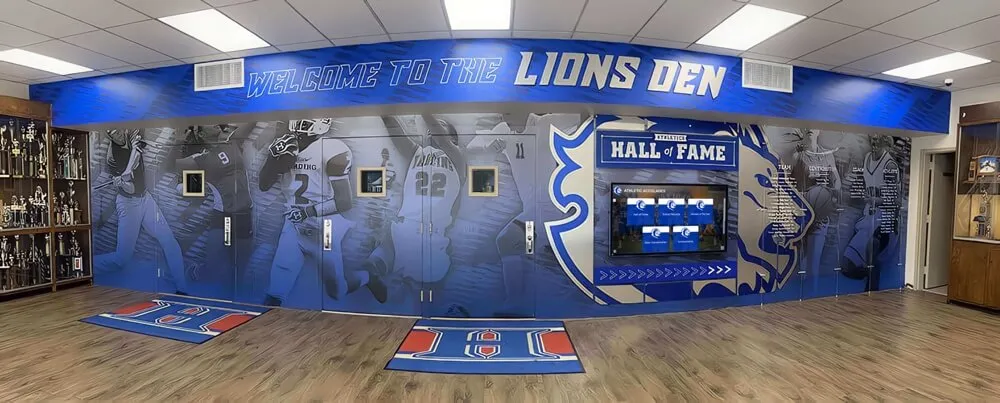
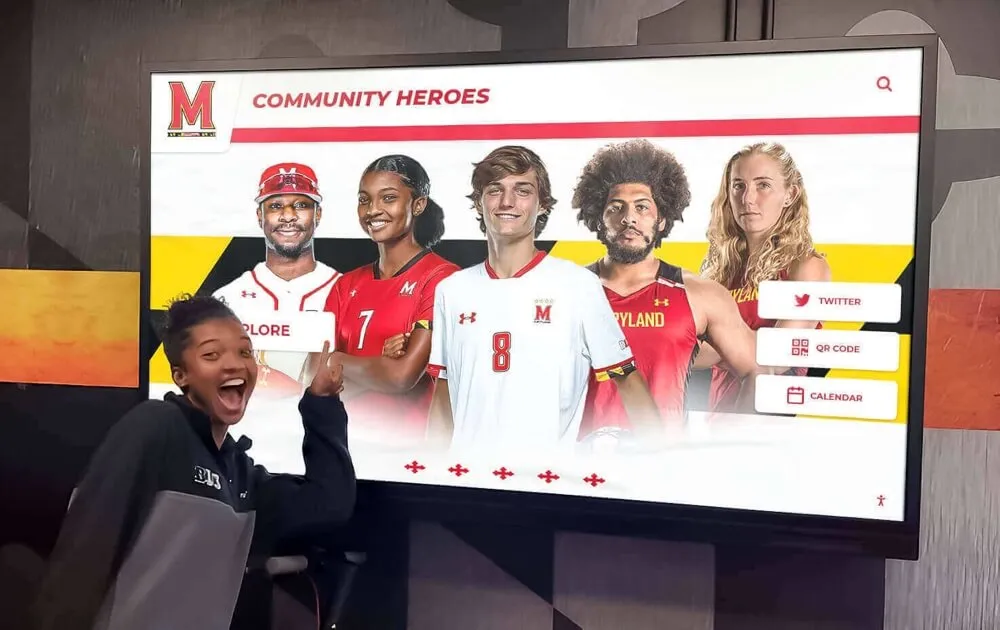
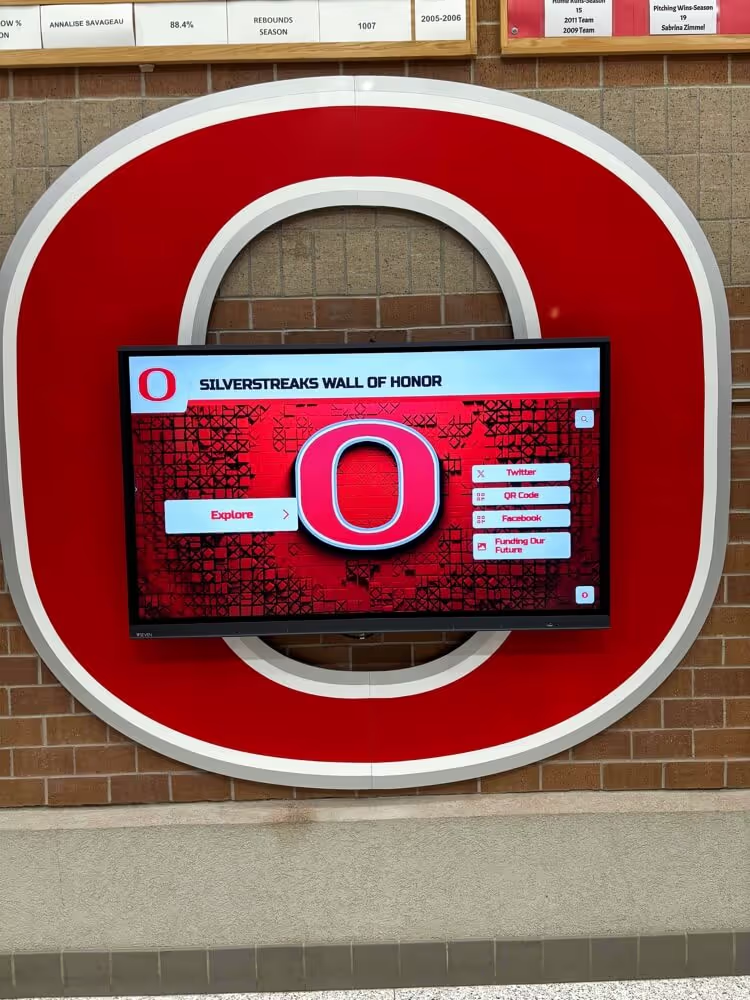
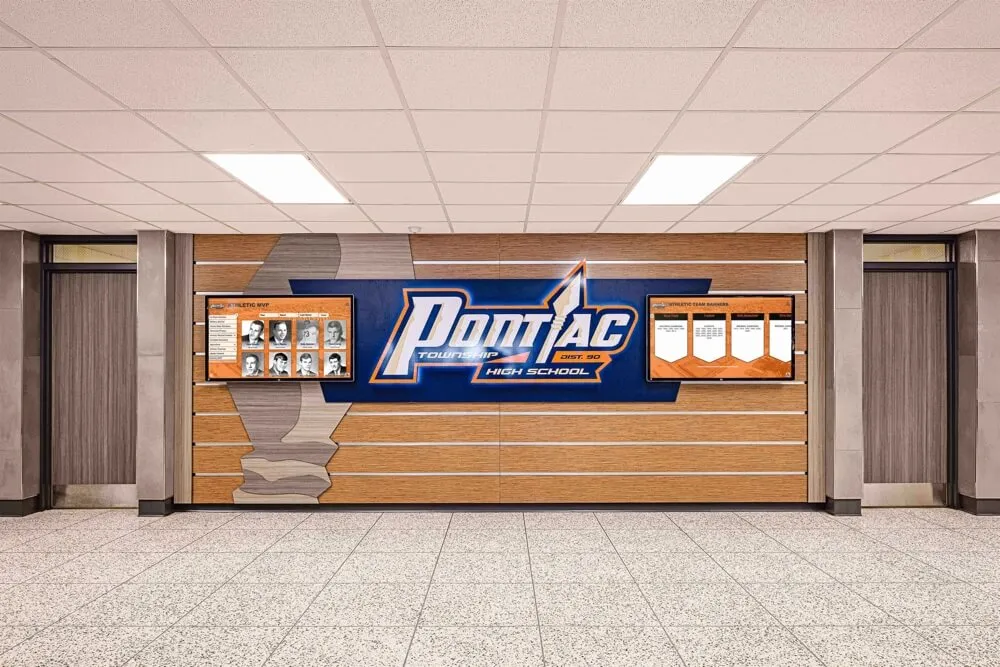
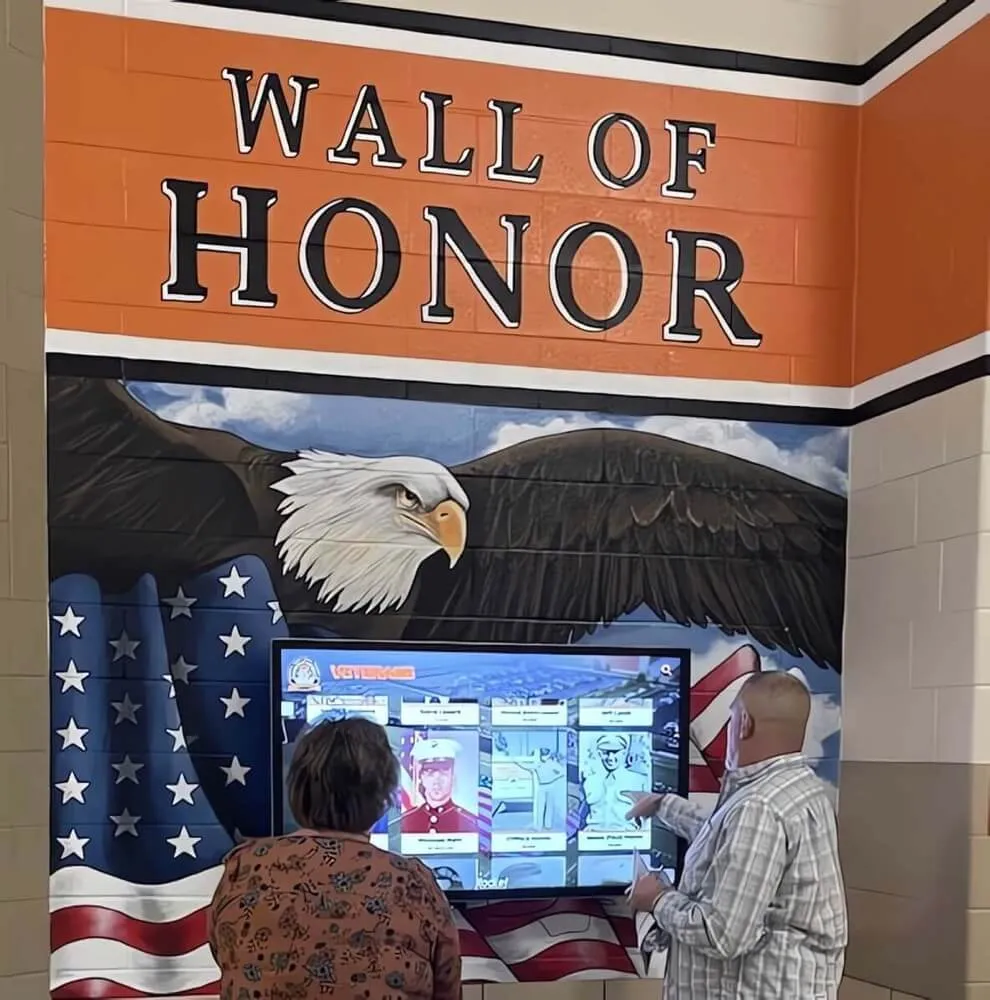
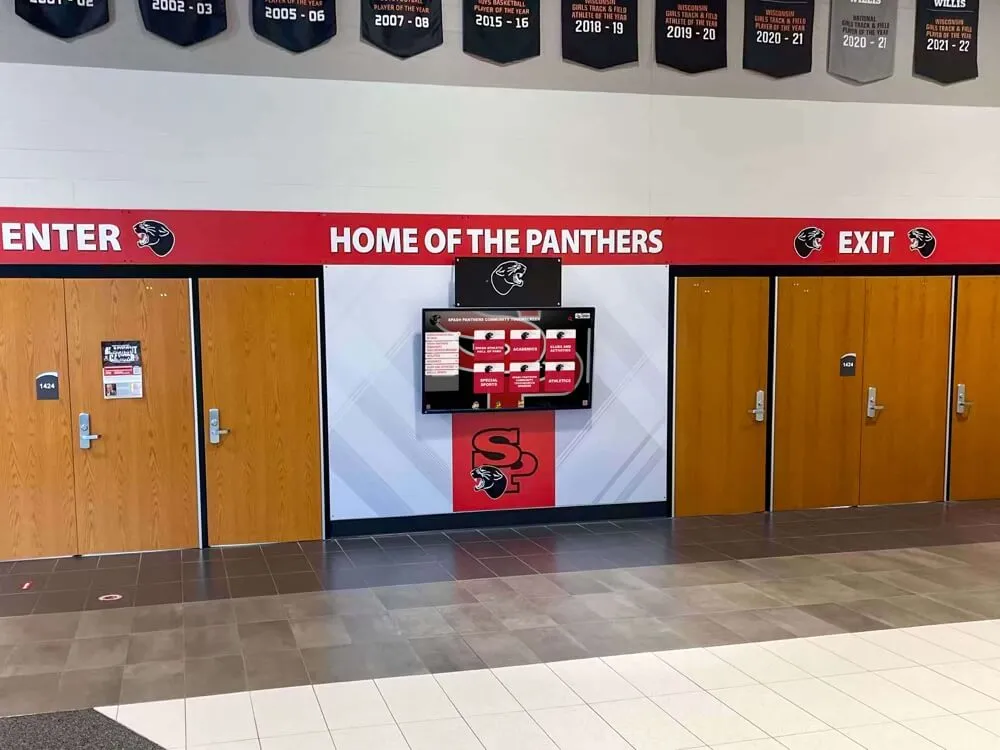
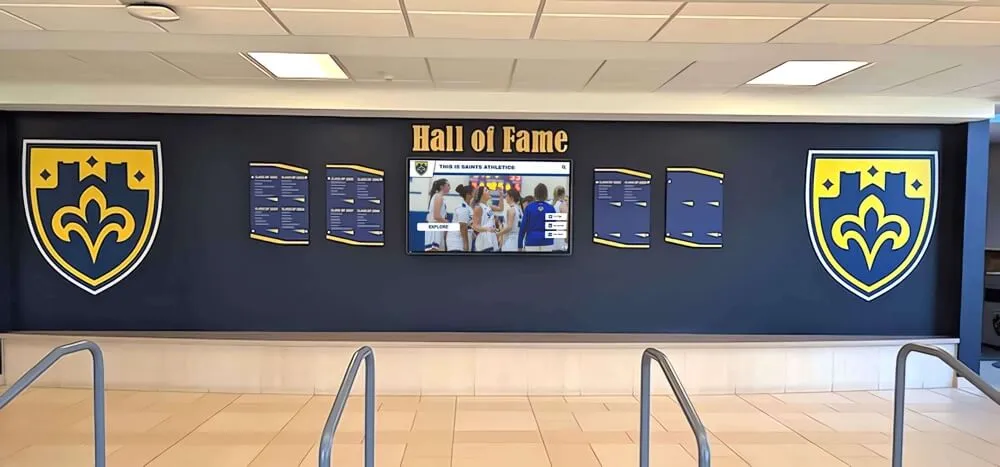
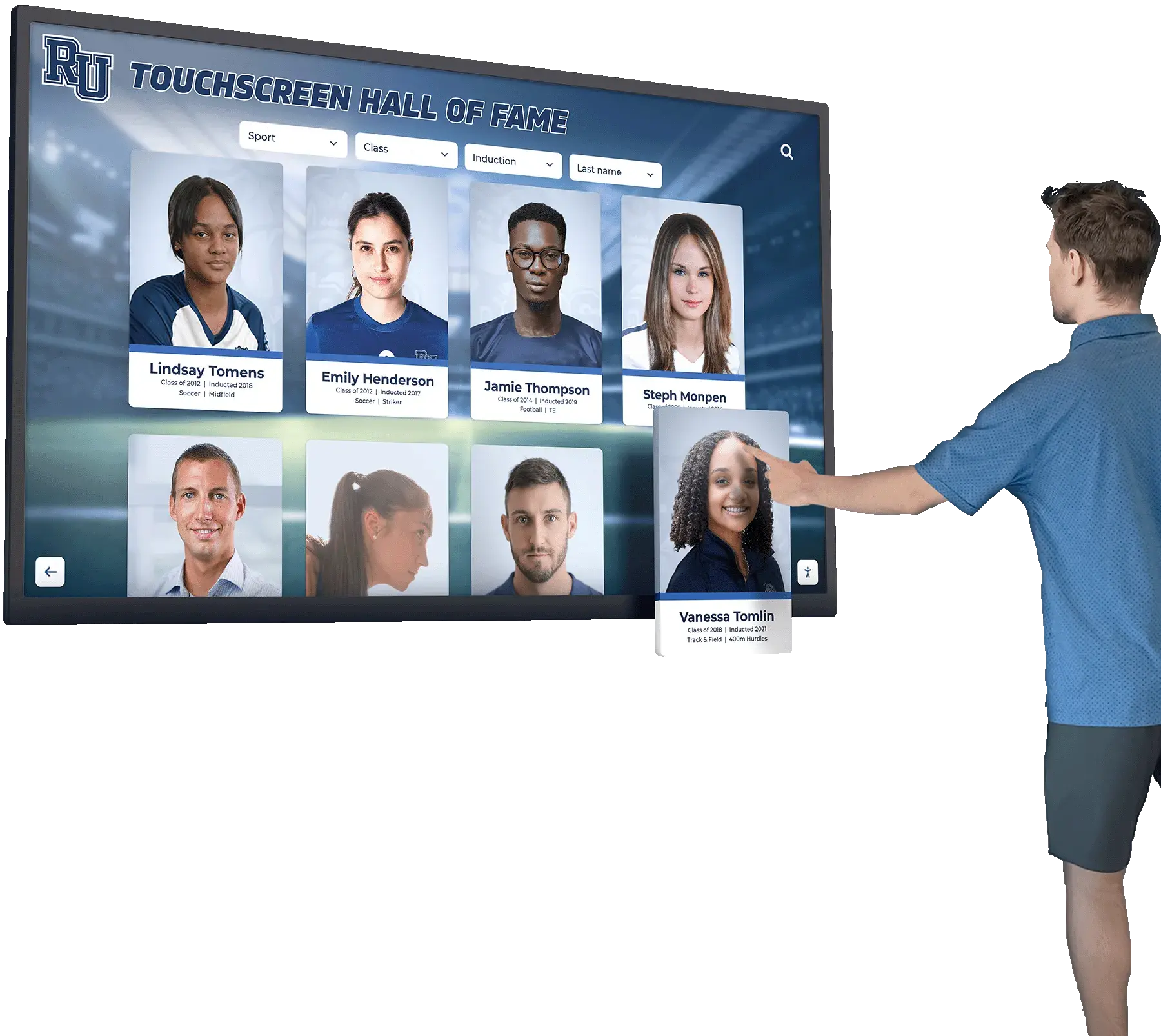
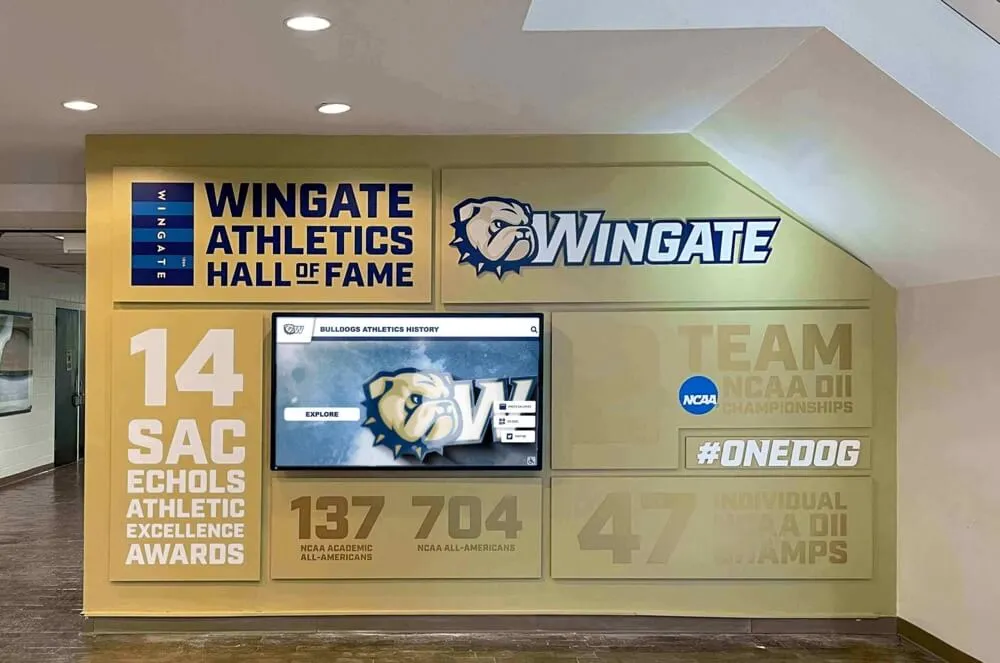
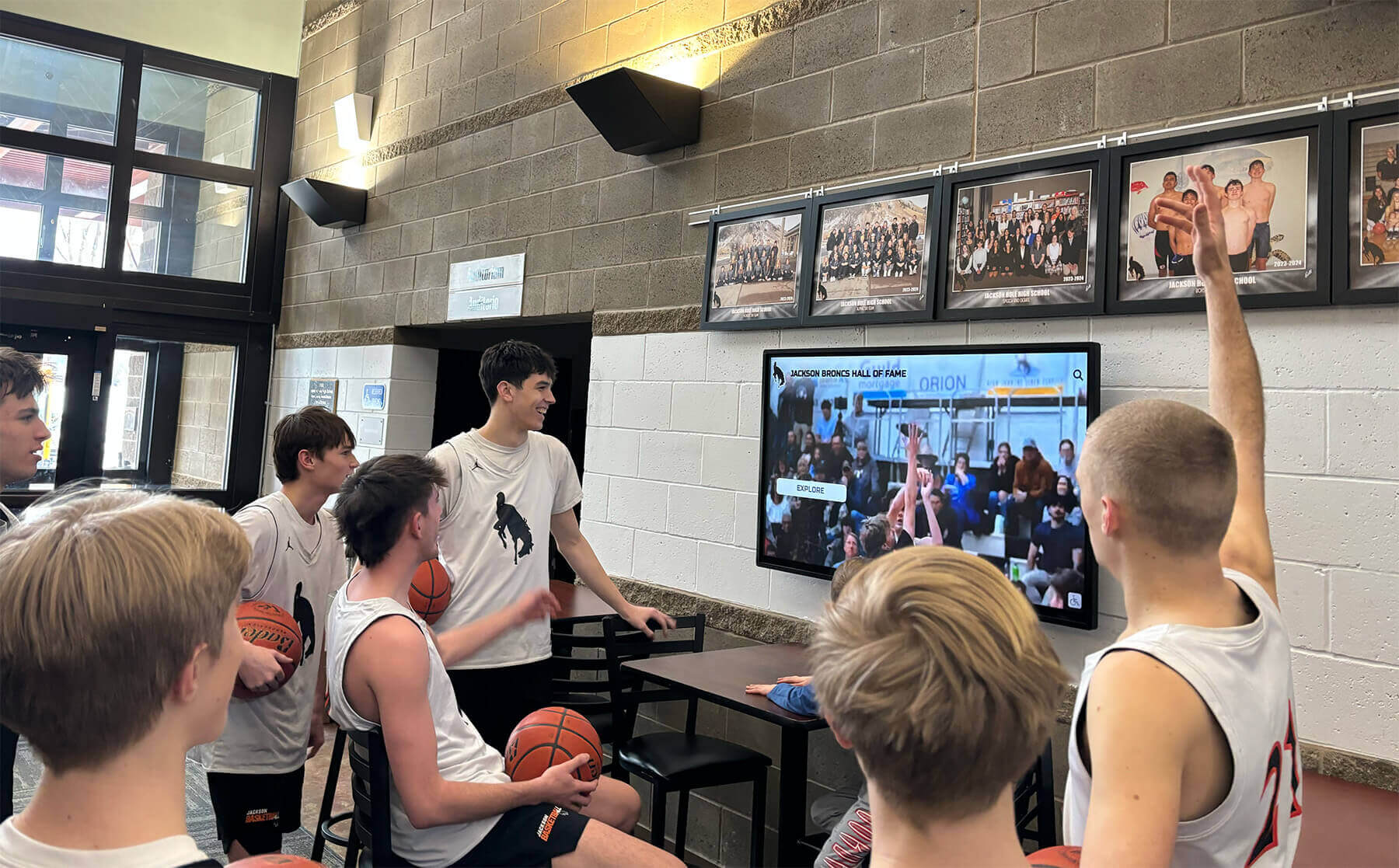
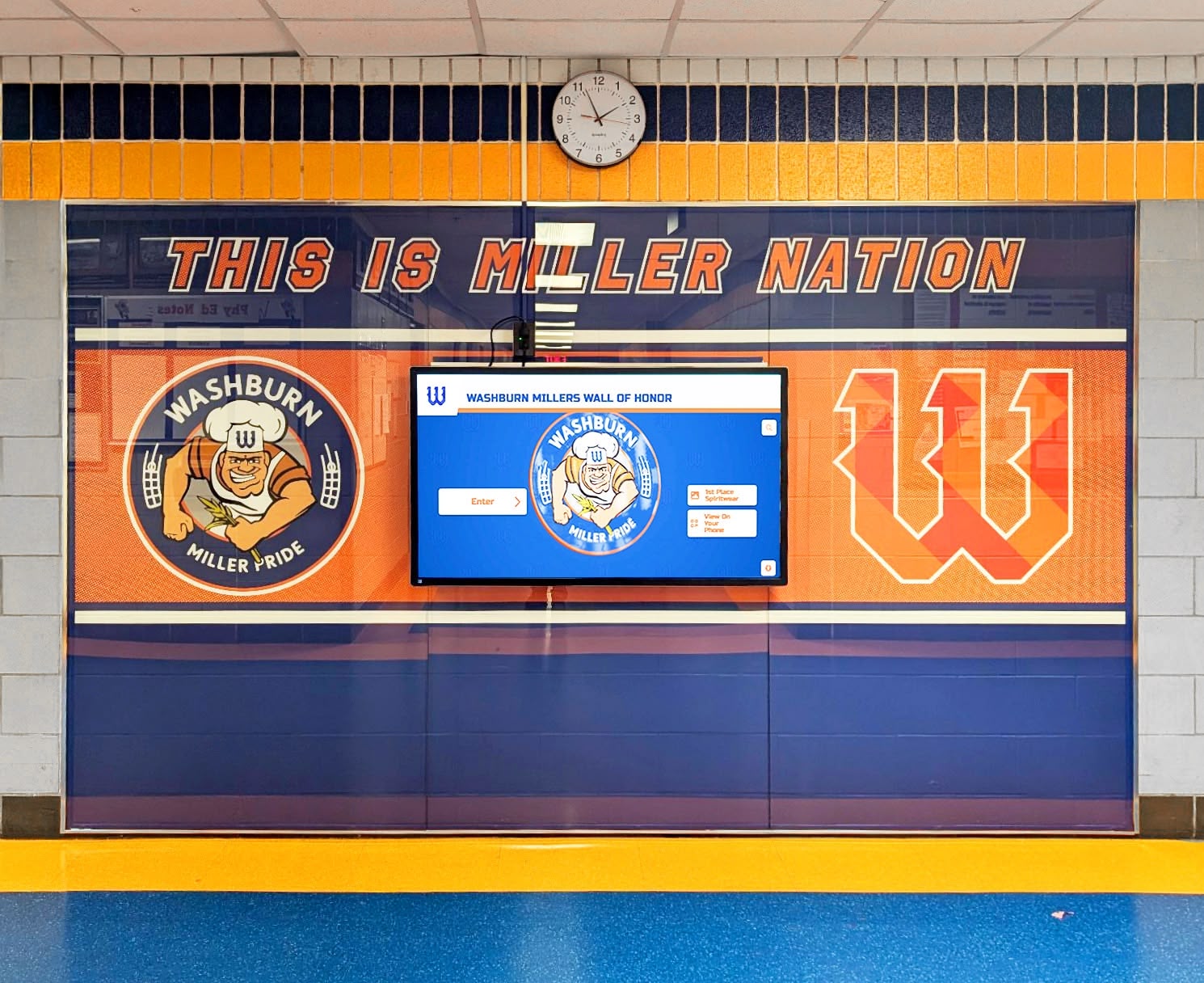
Recognition programs celebrating not just victories but also resilience, improvement, and character development send powerful messages about what institutions value. Solutions like Rocket Alumni Solutions enable comprehensive recognition highlighting diverse achievement types including leadership, sportsmanship, and overcoming challenges—reinforcing that athlete worth extends beyond statistics and championships.
Developing Team Support Systems
Peer support represents powerful protective factors against mental health challenges. Programs fostering strong teammate relationships create networks where athletes notice struggles and provide informal support before situations require professional intervention.
Team-building activities emphasizing connection beyond athletics strengthen relationships. Community service projects, non-competitive team outings, mentorship programs pairing upperclassmen with younger athletes, and facilitated team discussions about shared challenges all build cohesion supporting mental wellness.
Captains and team leaders benefit from specific training recognizing mental health concerns and encouraging teammates to seek help. These student leaders occupy unique positions of trust and observation, making them valuable early warning systems when properly prepared.
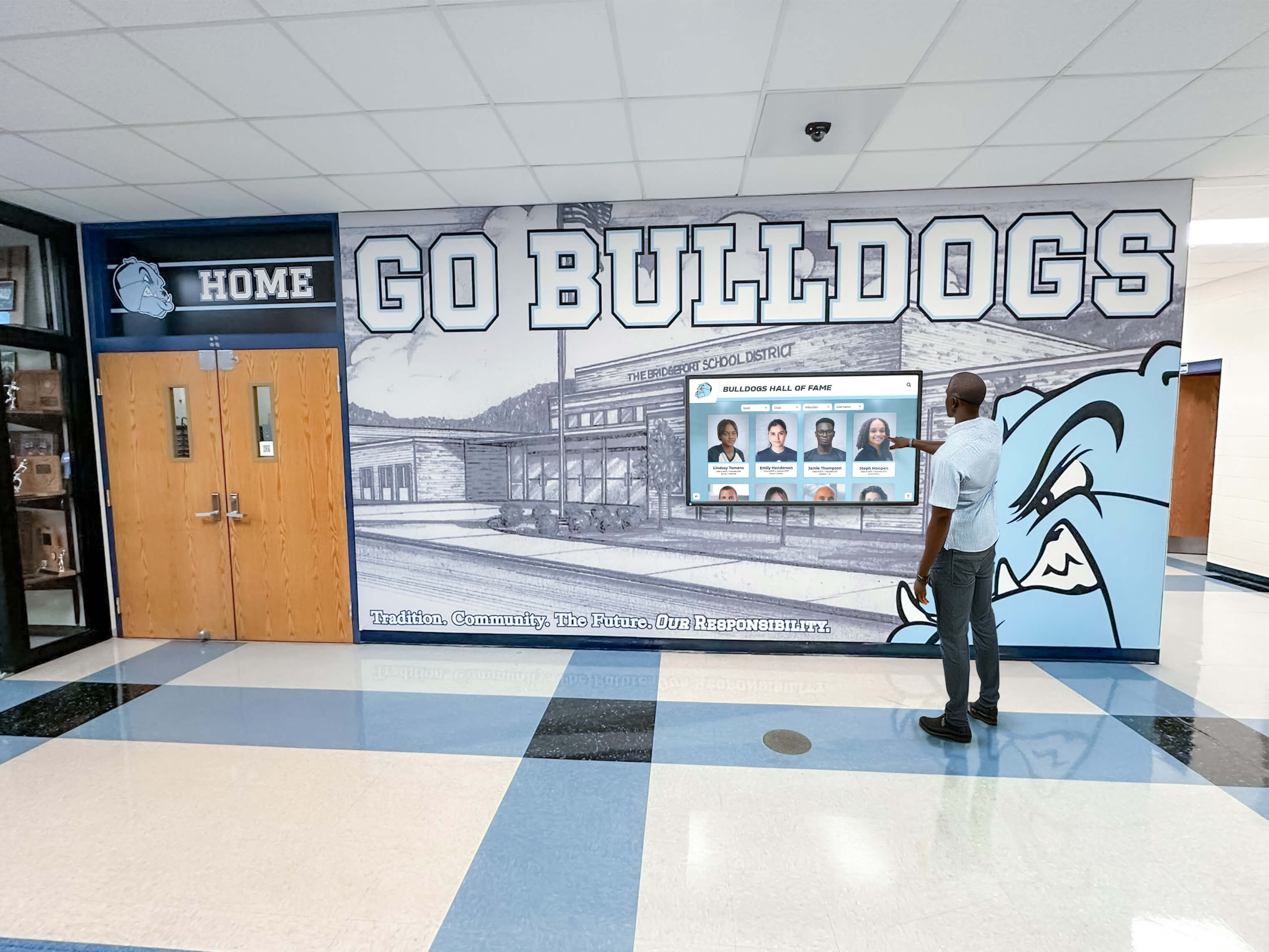
The importance of inclusive recognition extends to mental health support. Programs recognizing achievements across all sports equally demonstrate institutional commitment to all athletes regardless of sport visibility. Digital recognition platforms enable equitable celebration of diverse athletic programs, reducing the feelings of undervaluation that can contribute to athlete distress.
Implementing Comprehensive Mental Health Resources
Recognition and supportive culture require complementary professional resources addressing clinical needs beyond coaching expertise. Athletic programs should establish clear pathways connecting athletes with qualified mental health support.
Connecting Athletes with Professional Support
Schools should maintain relationships with mental health professionals familiar with athletic populations. Sports psychologists, licensed counselors, and social workers understanding performance pressure, injury psychology, and athletic identity issues provide specialized expertise standard therapists may lack.
Resource networks should include school counselors available for immediate consultation, external mental health providers accepting referrals, sports psychology consultants addressing performance anxiety, substance abuse counselors when needed, and crisis hotlines for emergency situations.
Accessibility matters substantially. Athletes with demanding practice schedules struggle accessing traditional counseling during school hours. Evening and weekend appointment availability, teletherapy options, and campus-based counselors reduce barriers to accessing support.
Financial considerations affect access. Schools should identify resources accepting insurance, school-funded counseling services, sliding-scale providers accommodating various economic situations, and community mental health centers offering free or low-cost services.

Developing Mental Skills Training Programs
Preventive mental skills training builds resilience reducing mental health risk while improving performance. These programs teach practical strategies managing stress, anxiety, and pressure inherent to competitive athletics.
Effective mental skills training covers stress management techniques including breathing exercises and progressive muscle relaxation, goal-setting frameworks creating achievable objectives, visualization and mental rehearsal practices, self-talk strategies replacing negative thought patterns, attention and focus training improving concentration under pressure, and mindfulness practices reducing anxiety and enhancing present-moment awareness.
Many programs integrate mental skills training into regular practice schedules. Brief five to ten-minute sessions teaching specific techniques demonstrate coaching prioritization of mental preparation equal to physical conditioning.
Technology can support mental skills development. Mobile applications like Headspace, Calm, and sports-specific platforms provide guided exercises athletes access independently. While not replacing professional support for clinical issues, these tools supplement comprehensive mental health strategies.
Addressing Performance Anxiety and Pressure
Performance anxiety represents one of the most common mental health challenges affecting student athletes. The pressure to perform consistently, meet expectations, and avoid disappointing teammates, coaches, and families creates psychological stress potentially debilitating athletic execution.
Understanding Performance Pressure Sources
Student athletes face pressure from multiple sources, each contributing to overall stress levels. External pressure comes from coaches emphasizing winning and perfect execution, parents investing significant resources and emotional energy in athletic success, college recruiting processes creating high-stakes performance evaluation, social media amplifying public scrutiny and comparison, and peer expectations within competitive team environments.
Internal pressure often proves more challenging than external sources. Athletes develop perfectionist tendencies, tie self-worth entirely to athletic achievement, fear failure more than they desire success, and compare themselves constantly to teammates and competitors.
Recognizing pressure sources enables targeted intervention. Coaches controlling team culture can moderate certain external pressures while helping athletes develop perspective managing internal and unavoidable external pressures more effectively.

Teaching Anxiety Management Strategies
Practical anxiety management techniques provide athletes with concrete tools reducing performance stress. Pre-competition routines creating consistency and control, breathing exercises activating parasympathetic nervous systems, positive self-talk replacing catastrophic thinking, process-focused attention concentrating on controllable actions rather than outcomes, and progressive exposure to anxiety-provoking situations building tolerance all help athletes perform despite pressure.
Reframing pressure represents powerful cognitive strategy. Rather than viewing pressure as threat, athletes learning to interpret physiological arousal as excitement and readiness often perform better in high-stakes situations. This reappraisal doesn’t eliminate stress but changes its psychological impact.
Post-performance reflection should emphasize learning and improvement rather than exclusively outcome evaluation. Athletes developing growth mindsets viewing setbacks as learning opportunities rather than defining failures demonstrate greater resilience and reduced anxiety over time.
Supporting Athletes Through Injury Recovery
Injuries create significant mental health risks for student athletes. Physical pain combines with frustration, fear of reinjury, identity challenges when unable to participate, and concern about losing position or opportunities. Comprehensive injury support addresses psychological dimensions alongside physical rehabilitation.
Psychological Impact of Athletic Injuries
Serious injuries trigger grief responses as athletes mourn temporary or permanent loss of physical capabilities and competitive opportunities. The emotional trajectory often mirrors grief stages including denial, anger, bargaining, depression, and acceptance.
Injured athletes commonly experience isolation from teams during practices and competitions they cannot join, loss of identity when athletic participation central to self-concept disappears, fear about full recovery and return to previous performance levels, frustration with rehabilitation progress and physical limitations, and depression as prolonged recovery extends without participation.
Rehabilitation adherence improves substantially when psychological support accompanies physical therapy. Athletes understanding emotional responses to injury and receiving validation for those experiences demonstrate better motivation maintaining rehabilitation protocols.
Mental health support during recovery should address realistic goal-setting for rehabilitation milestones, strategies maintaining team connection despite physical limitations, techniques managing fear during return to play, and identity exploration beyond athletic roles.
Maintaining Team Connection During Recovery
Injured athletes benefit from continued team involvement even when unable to practice or compete. Coaches can encourage attendance at practices and games when physically possible, assign meaningful roles supporting teammates such as filming practice or providing encouragement, include injured athletes in team meetings and activities, recognize rehabilitation progress publicly demonstrating value beyond on-field contribution, and maintain regular individual check-ins preventing isolation.
Recognition systems highlighting comeback stories and resilience during recovery demonstrate that institutional value of athletes extends beyond immediate performance. Digital recognition platforms enable celebrating diverse achievements including successful injury recovery, maintaining academic excellence during challenging periods, and leadership demonstrated while physically unable to compete.
Balancing Athletic and Academic Pressures
Student athletes managing dual demands of athletic excellence and academic achievement face time management challenges and stress levels exceeding single-domain students. Programs addressing academic-athletic balance reduce mental health risks while improving outcomes in both areas.
Time Management and Workload Challenges
The time demands of competitive athletics frequently conflict with academic requirements. Athletes spending twenty to thirty hours weekly on practice, competition, and strength training face limited time for studying, completing assignments, and exam preparation.
Travel for competitions creates particular academic challenges. Missing classes during competition days, attempting to study during bus rides, and completing assignments in hotel rooms all compromise learning quality and increase stress.
Athletic programs can support academic success through coordinated scheduling minimizing class conflicts, designated study halls ensuring protected academic time, academic advisors familiar with athletic demands, tutor programs providing subject-specific support, and communication systems connecting coaches with teachers about workload and scheduling conflicts.
Coaches demonstrating genuine prioritization of academics beyond minimum eligibility requirements send powerful messages about long-term wellbeing. While athletics provide valuable experiences and opportunities, few student athletes pursue professional careers, making academic development critical for post-athletic success.

Preventing Burnout Through Balance
Burnout emerges when chronic stress depletes physical and psychological resources faster than recovery replenishes them. Student athletes particularly vulnerable to burnout benefit from intentional balance promoting recovery and diverse identity development.
Prevention strategies include enforcing off-season periods allowing physical and mental recovery, encouraging participation in activities unrelated to athletics, respecting rest days without practice or training, monitoring workload ensuring adequate sleep and recovery time, and validating athlete interests and identities beyond sports participation.
Multi-sport athletes sometimes face burnout when transitioning immediately between seasons without breaks. While multi-sport participation offers benefits, programs should coordinate with other coaches ensuring adequate rest periods preventing year-round athletic demands.
Recognizing academic achievement alongside athletic accomplishments reinforces balanced identity development. Academic honor recognition demonstrates that institutions value student athletes as complete individuals rather than exclusively athletic performers. This holistic recognition supports mental health by reducing pressure to derive all self-worth from athletic success.
Building Resilience and Coping Skills
Mental health support extends beyond crisis intervention to include proactive resilience building. Teaching coping strategies and psychological skills equips athletes to handle challenges effectively, reducing both the frequency and severity of mental health struggles.
Developing Healthy Coping Mechanisms
Coping strategies exist on spectrums from healthy to unhealthy. Student athletes benefit from explicit instruction about effective stress management rather than developing potentially harmful approaches independently.
Healthy coping mechanisms include physical activity beyond sport participation such as recreational exercise, creative expression through art, music, or writing, social connection with friends and family, mindfulness and meditation practices, adequate sleep and nutrition, and help-seeking from appropriate support resources.
Unhealthy coping that programs should actively discourage includes substance use as stress management, social withdrawal and isolation, excessive training overriding appropriate rest, restrictive eating or disordered eating patterns, and aggressive behavior or lashing out at others.
Coaches modeling healthy coping strategies provide powerful examples. Sharing how they personally manage stress, discussing mistakes and failures openly, and demonstrating work-life balance all teach implicit lessons about psychological wellness.
Teaching Growth Mindset Principles
Athletes with growth mindsets believing abilities develop through effort and learning demonstrate better mental health outcomes than those viewing talent as fixed and unchangeable. Growth mindset athletes interpret failures as temporary setbacks and learning opportunities rather than permanent judgments of worth.
Developing growth mindsets requires intentional coaching language and feedback structures. Praising effort, strategy, and improvement rather than exclusively outcome and innate talent, framing mistakes as learning opportunities during practice, encouraging appropriate risk-taking and experimentation, sharing stories of successful athletes who overcame failures, and avoiding comparisons between athletes emphasizing instead individual progress all foster growth-oriented thinking.
Recognition systems can reinforce growth mindsets by celebrating diverse achievement types. Awards for most improved player, best teammate, hardest worker, and overcoming adversity alongside traditional statistical achievements demonstrate multiple pathways to value and success. Digital platforms enabling comprehensive recognition help programs honor the full spectrum of excellence beyond championship trophies.
Addressing Sport-Specific Mental Health Risks
Different sports create unique psychological challenges requiring tailored support approaches. Understanding sport-specific risks enables more targeted intervention and prevention.
Individual Versus Team Sport Considerations
Athletes in individual sports including tennis, swimming, track, and wrestling often experience intense pressure as sole responsible parties for performance outcomes. Without teammates sharing responsibility, these athletes bear psychological burdens that can feel isolating.
Individual sport athletes benefit from peer support groups with athletes in similar sports, emphasis on personal best performances rather than exclusively competitive outcomes, particular attention to perfectionist tendencies, and strategies managing performance pressure independently.
Team sport athletes face different challenges including navigating complex team dynamics and conflicts, managing playing time and position competition, balancing individual goals with team needs, and handling collective failure or success psychologically.
Team cohesion building and conflict resolution training become particularly important for team sport mental health. Clear communication about roles, playing time decisions, and team expectations reduces uncertainty and interpersonal stress.
Weight-Sensitive Sport Considerations
Sports emphasizing weight classes, body composition, or aesthetic presentation including wrestling, rowing, gymnastics, figure skating, and dance create elevated eating disorder and body image concern risks.
Athletes in these sports require particular attention to weight-related conversations and practices, mandatory education about disordered eating warning signs, access to sports dietitians providing evidence-based nutrition guidance, prohibition of team weigh-ins that can trigger unhealthy behaviors, and immediate intervention when concerning eating or exercise patterns emerge.
Coaches should never comment negatively on athlete bodies or suggest weight loss without medical and dietitian involvement. Even well-intentioned comments can trigger destructive patterns in vulnerable individuals.
Creating Systemic Change in Athletic Programs
Individual interventions support specific athletes, but systemic changes addressing culture, policy, and resources create sustainable mental health support benefiting all participants.
Developing Comprehensive Mental Health Policies
Athletic departments should formalize mental health commitment through written policies establishing expectations and procedures. Comprehensive policies address screening protocols for identifying at-risk athletes, clear referral pathways connecting athletes with appropriate resources, confidentiality protections encouraging help-seeking, return-to-play guidelines after mental health crises, staff training requirements ensuring competence in mental health support, and anti-stigma language and practices throughout programming.
Policy development should include input from mental health professionals, athletes, coaches, administrators, and families ensuring perspectives from all stakeholders inform final frameworks.
Regular policy review ensures continued relevance as understanding of mental health and best practices evolves. Annual evaluation identifying gaps and improvement opportunities maintains program effectiveness.
Training Coaches as Mental Health Allies
Coaches occupy unique positions of influence and observation enabling early intervention when mental health concerns emerge. However, coaches require training to recognize warning signs, respond appropriately, and connect athletes with professional resources without overstepping expertise boundaries.
Coach training should cover basic mental health literacy including common disorders, recognizing warning signs and risk factors, communication skills for discussing sensitive topics, referral processes and available resources, boundary awareness distinguishing coaching from clinical intervention, self-care preventing coach burnout and compassion fatigue, and legal and ethical responsibilities regarding athlete welfare.
Many organizations provide mental health training specifically designed for coaches. The NCAA offers Mental Health Best Practices resources, the NFHS provides courses on mental health awareness, and various sports psychology organizations offer workshops and certifications.
Ongoing education rather than one-time training maintains and updates knowledge as understanding of athlete mental health evolves. Annual refresher sessions, access to current resources, and consultation opportunities with mental health professionals support continued coach development.
Leveraging Recognition to Support Mental Wellness
Recognition programs, when designed thoughtfully, contribute significantly to athlete mental health by building self-worth, creating belonging, and demonstrating institutional value of athletes as complete individuals.
Comprehensive Recognition Beyond Statistics
Traditional athletic recognition often emphasizes statistics, championships, and records—creating hierarchies where top performers receive visibility while others feel undervalued despite significant dedication and improvement.
Comprehensive recognition celebrates diverse contributions and achievements including most improved athlete awards, sportsmanship and character recognition, academic excellence honors, leadership and mentorship acknowledgment, overcoming adversity celebrations, and team culture contributions.
This breadth demonstrates that multiple pathways exist to value and excellence. Athletes who never lead statistical categories still receive meaningful recognition for dedication, character, and impact—supporting mental health by validating their contributions beyond performance metrics.
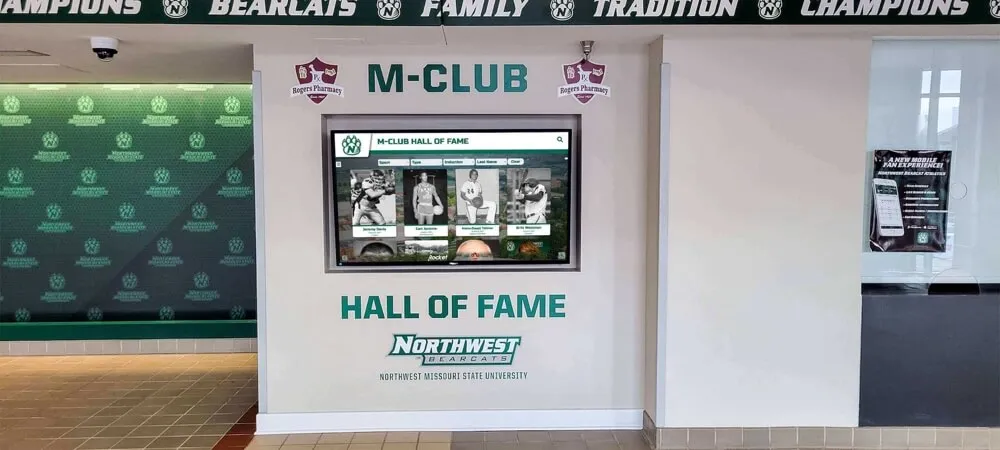
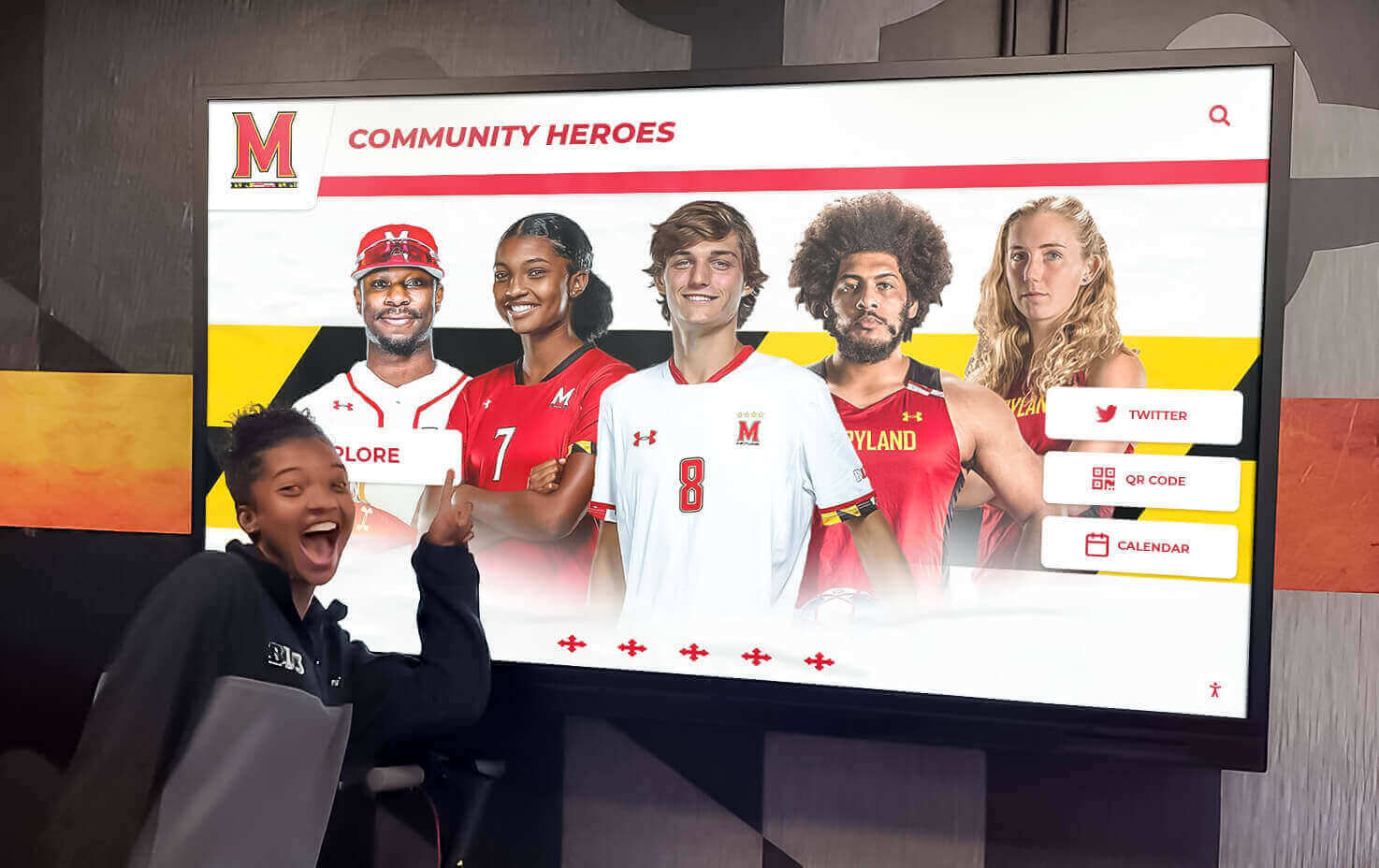
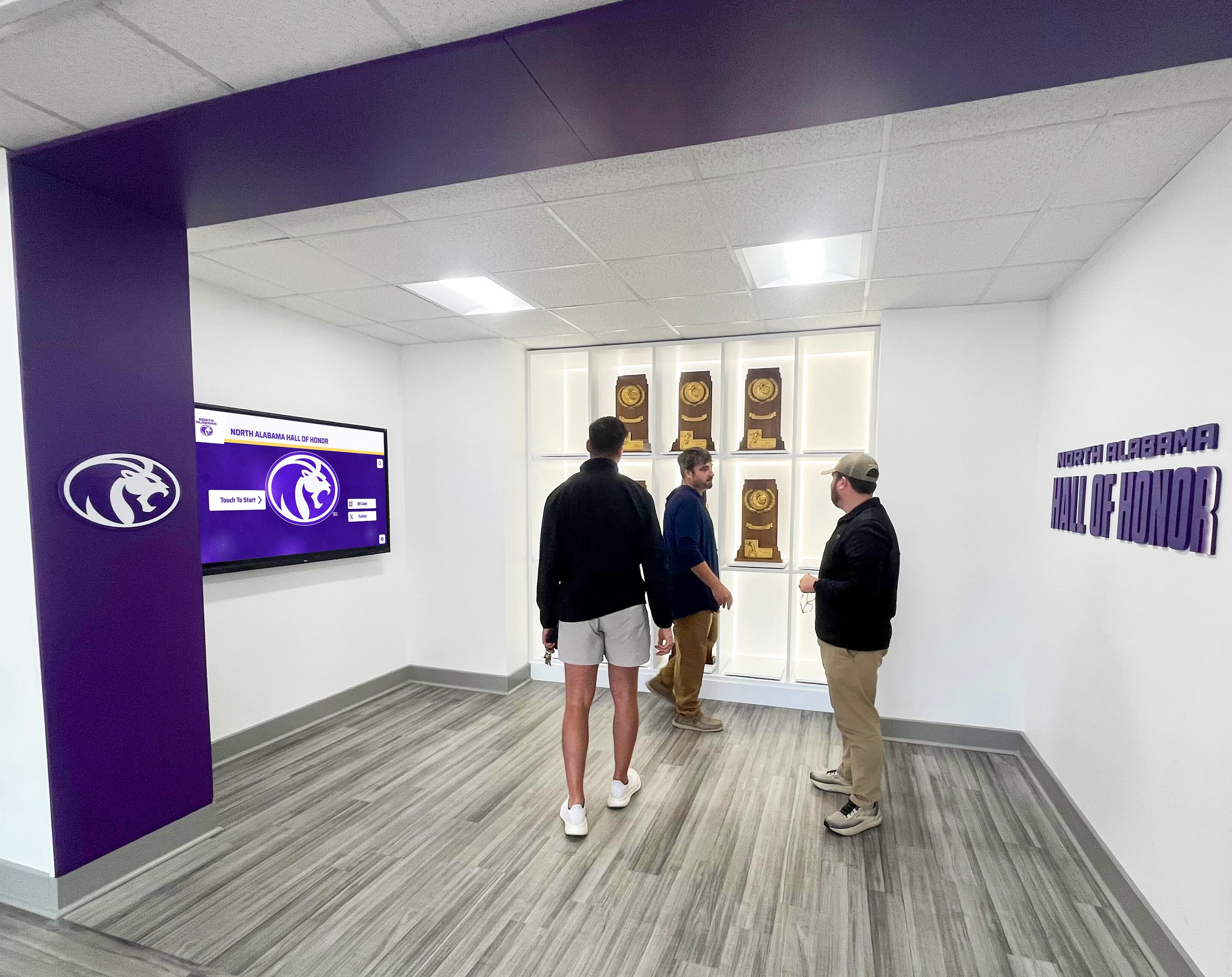
Modern recognition platforms enable this comprehensiveness through unlimited capacity. Unlike physical trophy cases with space constraints forcing selectivity, digital systems can honor all achievement types across all sports equitably. Solutions like Rocket Alumni Solutions provide the infrastructure celebrating every athlete appropriately, supporting mental wellness through institutional validation.

Creating Visible Success Stories
Sharing stories of athletes who overcame challenges, persevered through setbacks, and succeeded despite obstacles provides hope and inspiration for current athletes facing difficulties. These narratives normalize struggle while demonstrating that challenges represent temporary barriers rather than permanent limitations.
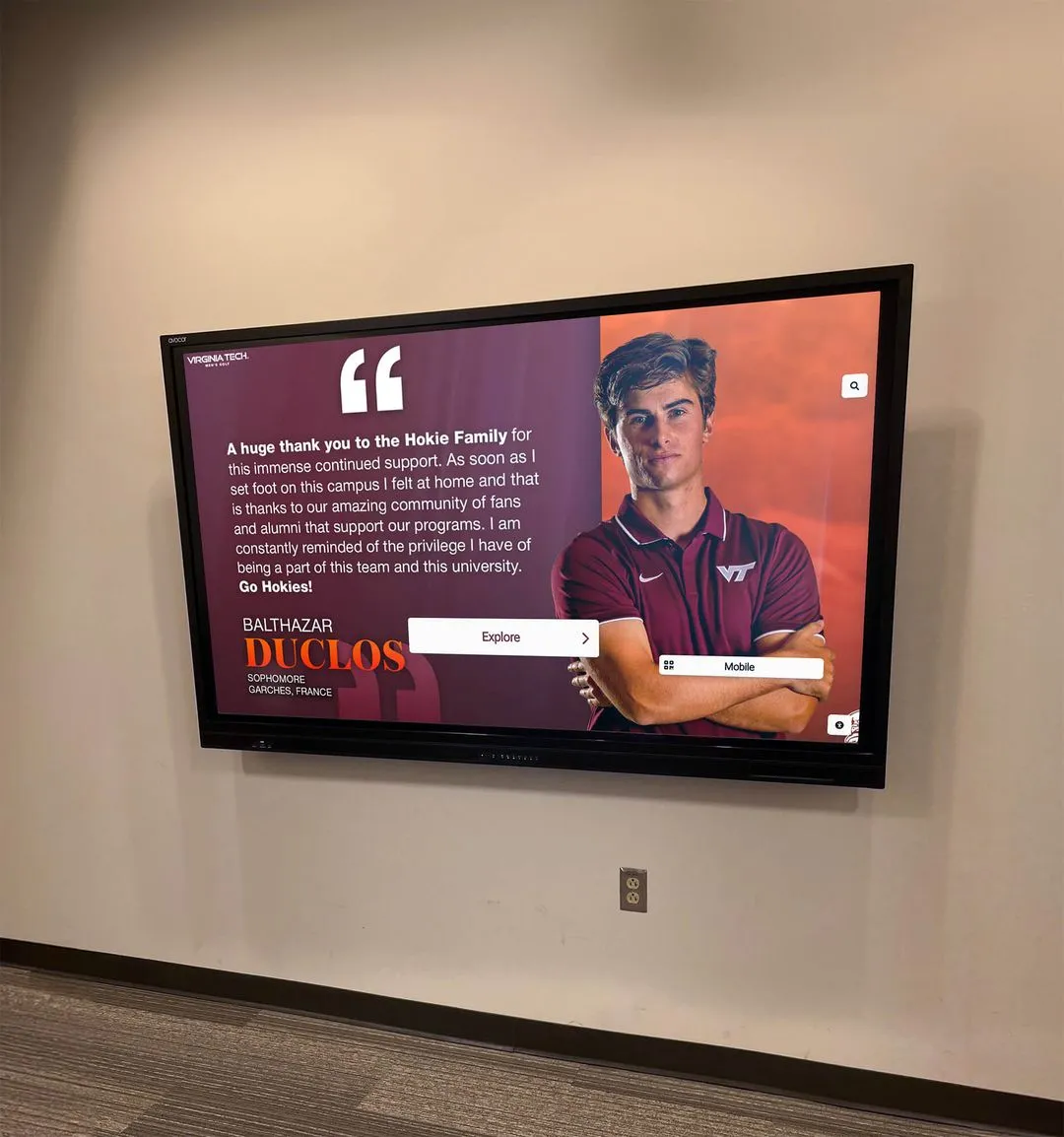
Recognition platforms can feature comeback stories, profiles of athletes who balanced athletics with mental health treatment successfully, alumni sharing how they managed pressure during their careers, and testimonials about seeking help and the positive outcomes that followed.
Visibility of these stories reduces stigma by demonstrating that mental health challenges affect all athletes including successful ones. When respected athletes share their experiences with anxiety, depression, or other struggles, current athletes feel less alone and more willing to seek support.
Digital platforms providing ongoing engagement enable alumni to share their journeys and mentor current athletes, creating cross-generational support networks reinforcing that struggles are temporary and support is available.
Measuring Mental Health Program Effectiveness
Athletic departments implementing mental health initiatives should evaluate effectiveness ensuring resources produce desired outcomes and identifying improvement opportunities.
Key Metrics and Indicators
Measuring mental health program success requires multiple data sources capturing both utilization and outcomes. Valuable metrics include counseling service utilization rates, athlete satisfaction surveys regarding mental health support, academic performance trends as improved mental health often correlates with better grades, athletic performance indicators potentially improving with better mental wellness, retention rates as athletes with good mental health support stay in programs longer, and critical incident frequency with effective programs experiencing fewer crises.
Confidentiality concerns require careful data handling. Aggregate, de-identified data can demonstrate program impact without compromising individual privacy essential for encouraging help-seeking.
Regular athlete surveys asking about stress levels, coping strategies, awareness of resources, comfort seeking help, and team climate provide valuable feedback informing program adjustments. Anonymous surveys increase honest response rates about sensitive topics.
Continuous Improvement Processes
Data collection should inform iterative program improvement rather than serving merely as justification for existing practices. Annual program reviews examining what works well, what needs improvement, what gaps remain, what new evidence suggests about best practices, and how resource allocation can better support mental health all drive continuous enhancement.
Athlete input proves invaluable for improvement. Focus groups, suggestion mechanisms, and representation on planning committees ensure those most affected by programs contribute to their design and evolution.
Comparing programs across schools through conferences and professional networks enables learning from peers. Sharing successes and challenges accelerates improvement across athletic programs broadly.
Partnering with Families for Comprehensive Support
Parents and families represent critical partners in supporting student athlete mental health. Effective programs engage families appropriately while respecting athlete autonomy and developmental needs.
Family Education and Communication
Many families lack understanding of mental health challenges or how to support struggling athletes effectively. Educational programming for parents covering signs of mental health struggles, available resources and how to access them, how families can support without enabling, balance between involvement and autonomy, and communication strategies for discussing sensitive topics all empower families as support resources.
Family education can occur through parent meetings before seasons begin, email newsletters sharing mental health resources and information, workshops featuring mental health professionals, and individualized communication when specific concerns arise regarding particular athletes.
Communication should balance transparency with appropriate confidentiality. While families deserve general information about program approaches to mental health, specific details about individual athletes receiving services generally require athlete consent except in safety-critical situations.
Navigating Family Pressure Dynamics
Sometimes family pressure contributes significantly to athlete stress and mental health challenges. Parents investing heavily emotionally and financially in athletic success may unconsciously create pressure through expectations, reactions to performance, or identity investment in athlete success.
Programs can address family pressure dynamics through education about appropriate parent behavior at competitions, clear communication about coaching decisions reducing parent-coach conflicts, perspective-building regarding realistic college recruitment expectations, and intervention when family dynamics appear harmful to athlete wellbeing.
Difficult conversations with parents sometimes become necessary when family pressure significantly affects athlete mental health. Mental health professionals, school counselors, and athletic directors can support coaches navigating these sensitive discussions.
Planning for Transitions and Life After Sports
Athletic careers eventually end for all student athletes. Retirement from sport—whether voluntary or involuntary, expected or sudden—creates identity transitions affecting mental health significantly. Programs should prepare athletes for life beyond competition proactively rather than waiting until retirement looms.
Supporting Athletic Identity Transitions
Athletes who define themselves primarily through sport face psychological risks when that identity source disappears. Injury forcing retirement, not making college teams, choosing to stop competing, or completing eligibility all trigger adjustments requiring mental health support.
Transition preparation includes encouraging identity development beyond athletics through diverse activities and relationships, explicitly discussing athletic career finite nature, connecting athletes with former athletes who successfully transitioned, helping athletes identify transferable skills developed through sport, and supporting exploration of post-athletic interests and goals.
Recognition programs can support healthy identity development by celebrating multifaceted excellence. Showcasing achievements across academics, leadership, community service, and athletics reinforces that athlete worth and identity encompass multiple dimensions rather than sport alone.
Senior athletes particularly benefit from deliberate transition support. Programs can facilitate senior reflections on their athletic journeys, alumni panels discussing life after sport, assistance with college planning and life skill development, and recognition emphasizing character developed and relationships built through athletics alongside competitive achievements.
Conclusion: Comprehensive Mental Health Support as Program Priority
Student athlete mental health represents both moral imperative and practical necessity for athletic programs pursuing sustainable excellence. Athletes struggling psychologically cannot perform optimally, face elevated injury risk, experience academic difficulties, and may leave sports prematurely—outcomes harming individuals and programs simultaneously.
Comprehensive mental health support requires systematic approaches addressing multiple dimensions including recognition of warning signs and early intervention, psychologically safe team cultures normalizing help-seeking, professional resource access providing clinical support, resilience building through mental skills training, sport-specific considerations addressing unique challenges, systemic policies formalizing institutional commitment, family partnerships engaging support networks, and transition preparation supporting life beyond competitive athletics.
These elements work synergistically rather than independently. Culture encouraging vulnerability enables earlier help-seeking. Professional resources provide expertise coaches lack. Recognition validating diverse contributions supports multiple identity sources. Family education strengthens home support systems. Collectively, comprehensive approaches create environments where student athletes develop mental wellness alongside athletic and academic skills.
The return on investment extends far beyond immediate athletic performance. Student athletes learning stress management, developing resilience, establishing healthy coping mechanisms, and experiencing appropriate support build psychological foundations serving entire lifetimes. Programs prioritizing mental health contribute to developing healthy adults prepared for challenges across life domains—not merely better competitors.
Recognition represents one component of comprehensive mental health support, but an important one. When athletes feel genuinely valued for who they are rather than merely what they achieve statistically, mental wellbeing improves substantially. Modern recognition platforms enable this comprehensive celebration efficiently and equitably.
Solutions like Rocket Alumni Solutions provide athletic programs with tools celebrating every athlete appropriately—not just champions and record holders, but also improvers, leaders, scholars, teammates, and individuals who persevere through challenges. This comprehensive recognition reinforces that programs value athletes as complete people, supporting the mental wellness essential for both immediate performance and lifelong thriving.
Student athlete mental health deserves priority equal to physical training, skill development, and competitive preparation. Programs implementing comprehensive support systems honor their responsibility to athletes while building cultures producing resilient individuals and sustainable excellence. The question isn’t whether to prioritize mental health, but rather how quickly programs can implement systemic support ensuring every athlete receives the mental wellness resources they deserve.