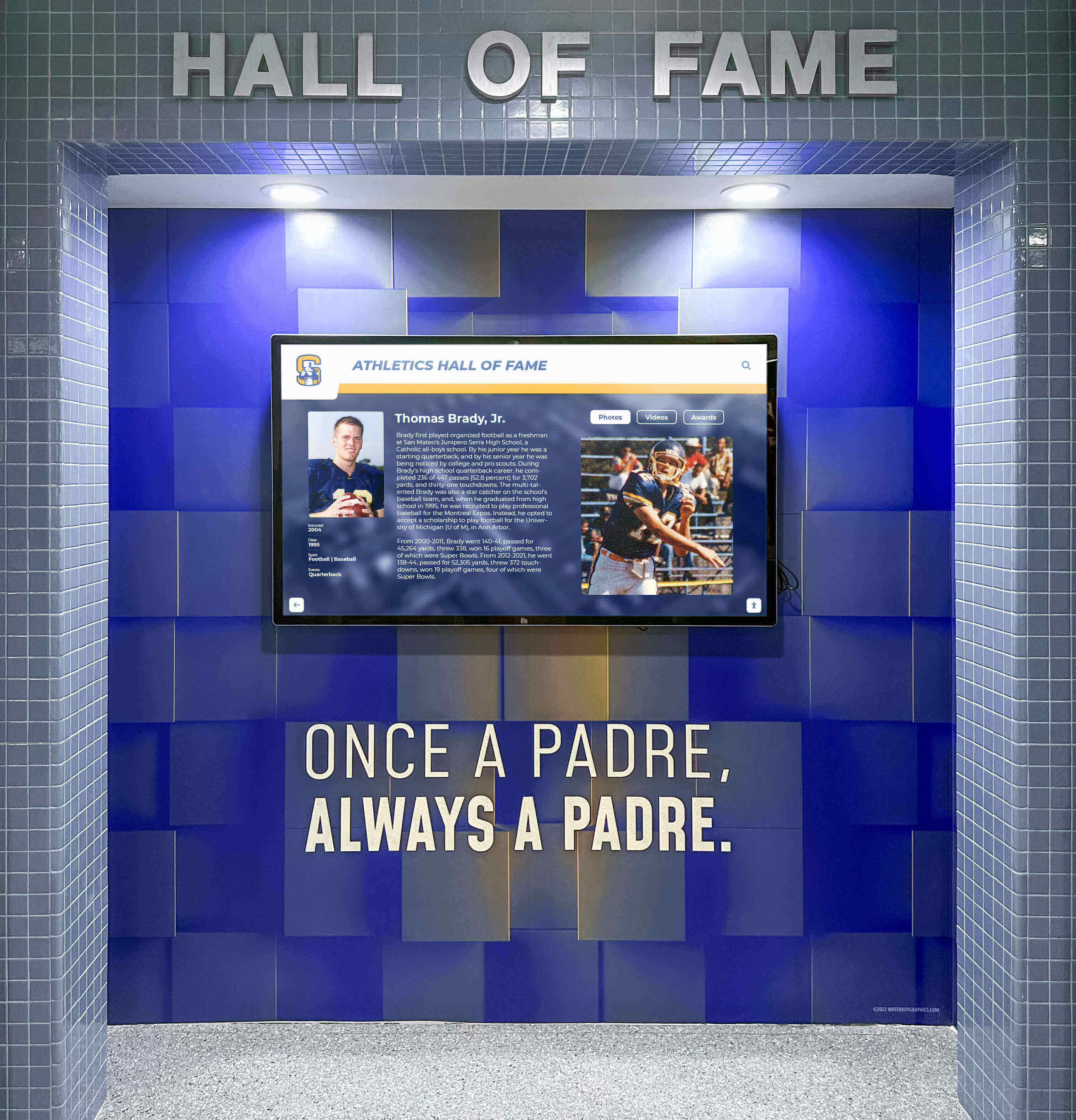




The state wrestling tournament represents the pinnacle of high school competition—months of grueling training, weight management, and tactical preparation culminating in championship moments that define athletic careers. Wrestling champions who reach the podium, particularly state titlists who stand atop weight class classifications, achieve recognition deserving permanent celebration. Yet many schools struggle to honor wrestling excellence appropriately, relegating champion acknowledgment to aging trophy cases or vinyl banners that fade and deteriorate, eventually losing the history of remarkable individual and team accomplishments.
Athletic directors and coaches understand that wrestling produces some of the most dedicated student-athletes in educational sports programs. The discipline required for weight management, technical skill development, competitive mental toughness, and season-long commitment creates champions whose achievements merit prominent, lasting recognition. Schools that properly celebrate state wrestling tournament success build program pride, motivate current wrestlers toward championship pursuits, and preserve competitive history honoring athletes whose sacrifices earned state-level distinction.
Modern Wrestling Recognition for Championship Programs
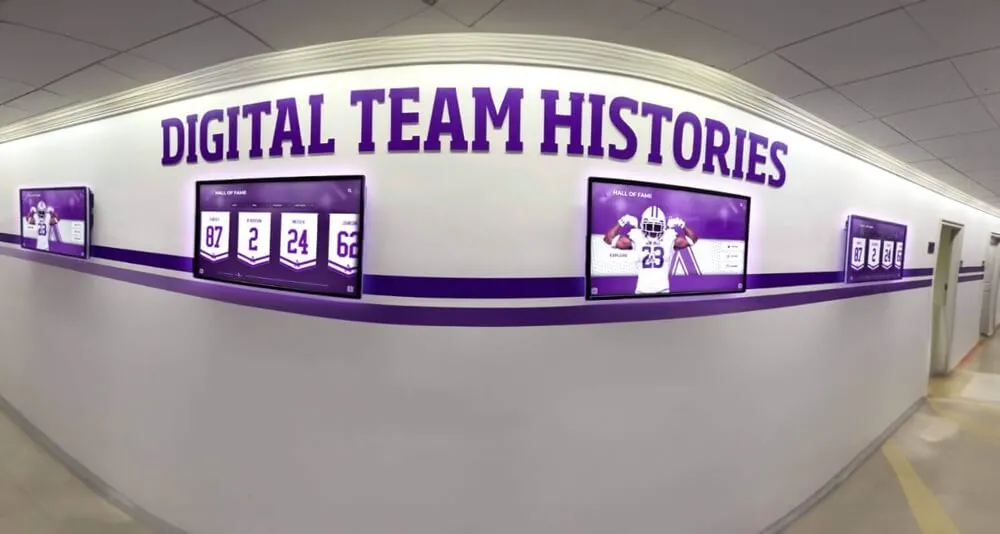
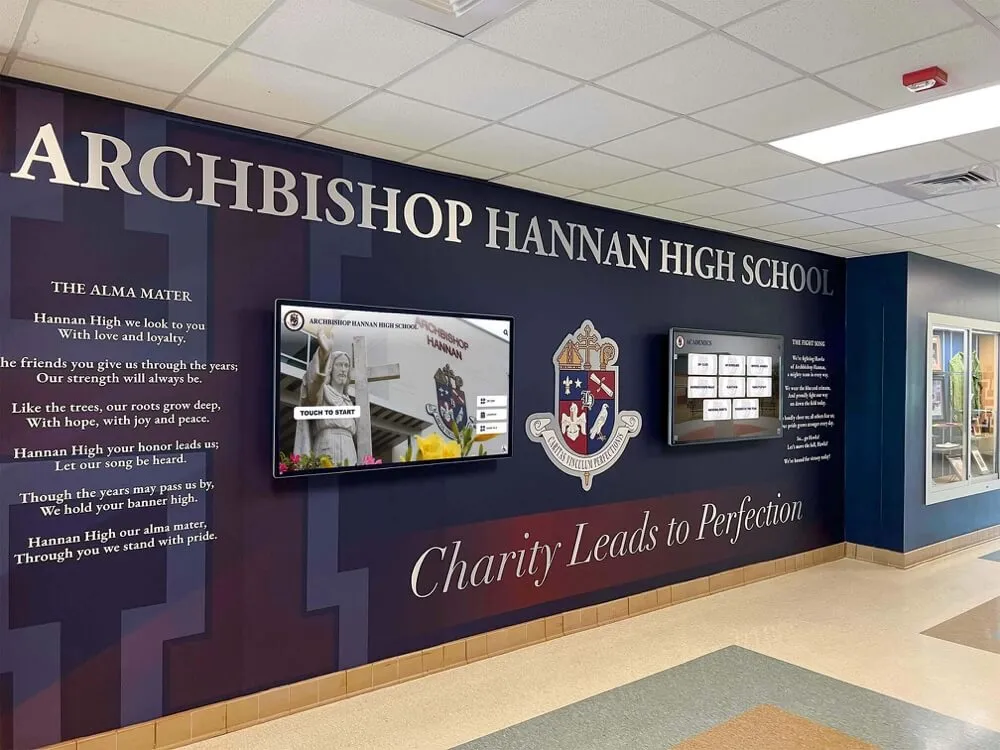
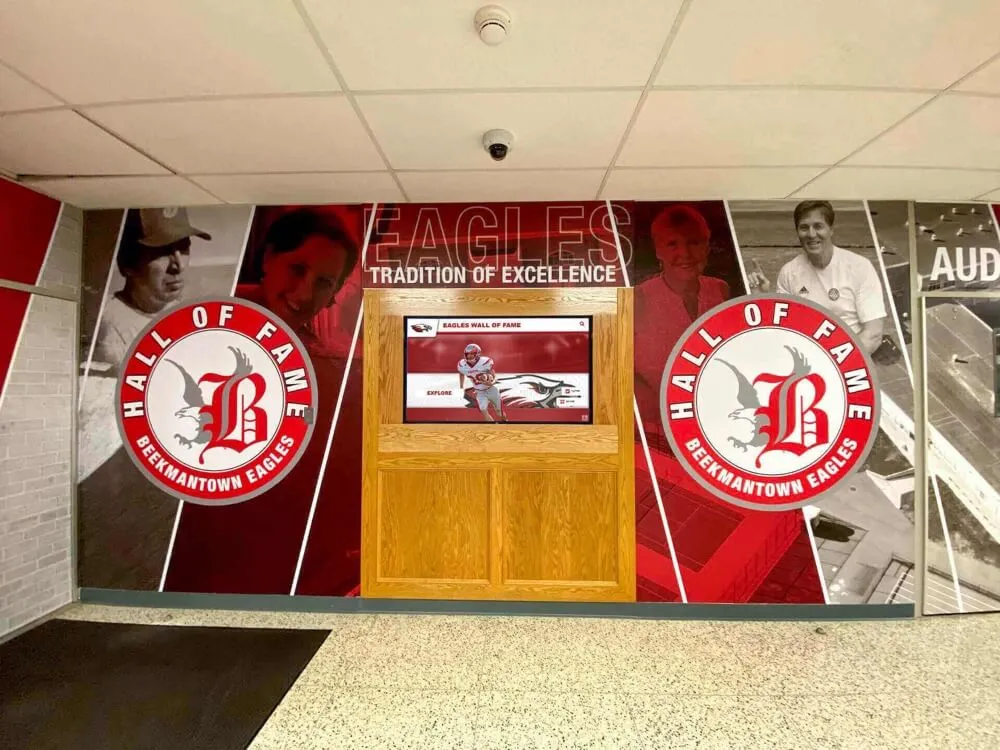
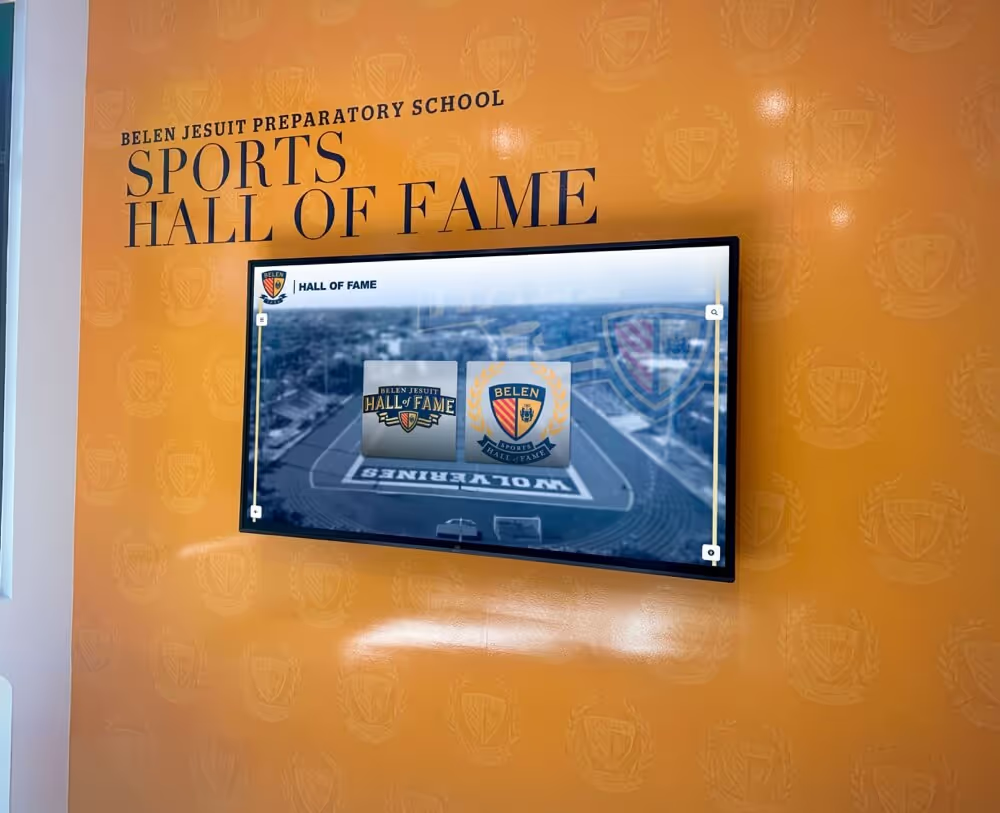
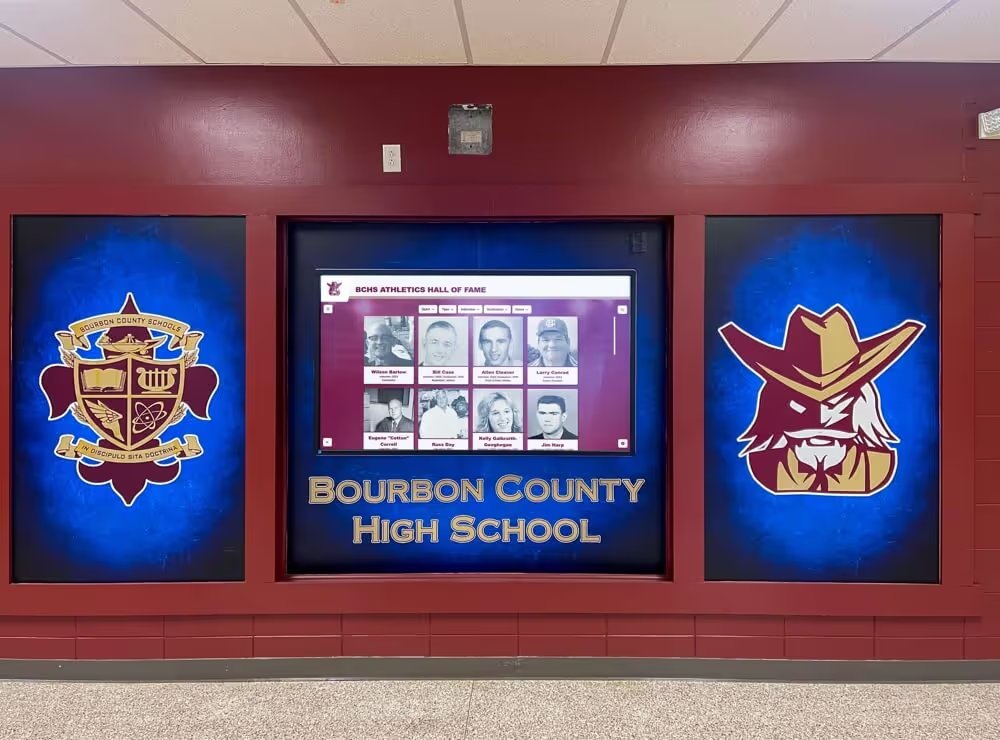
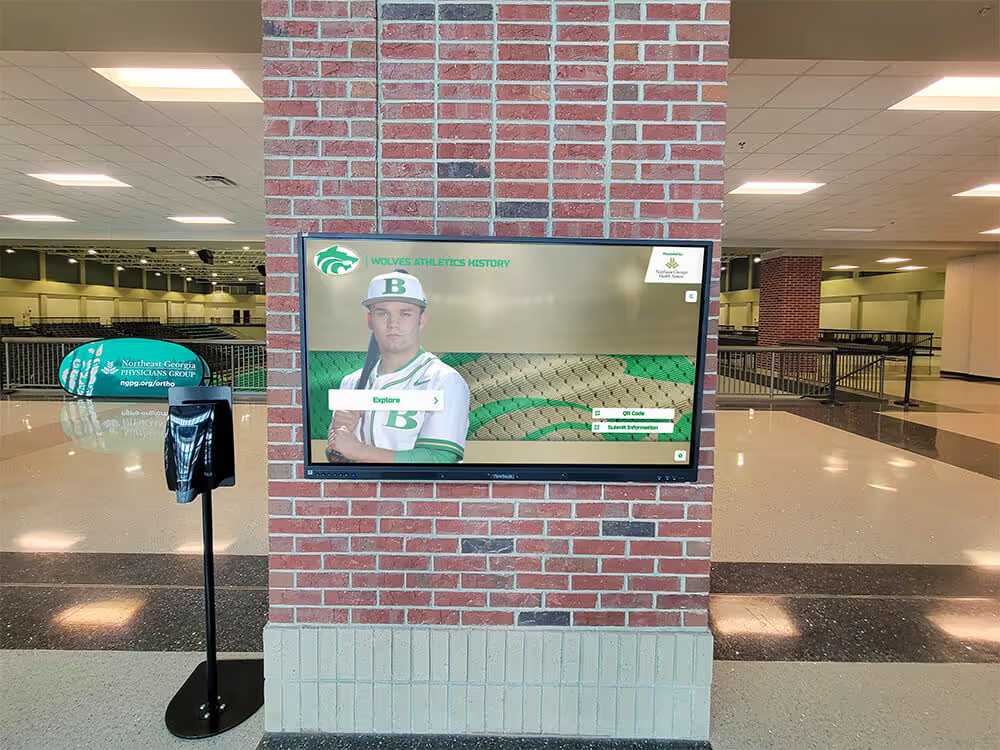
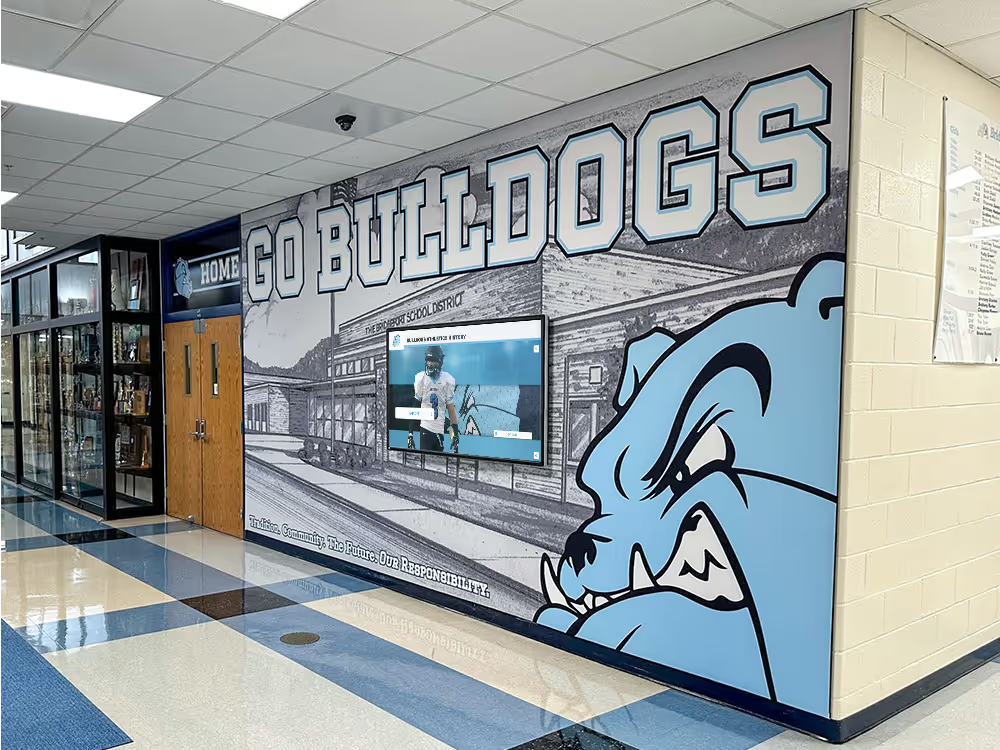
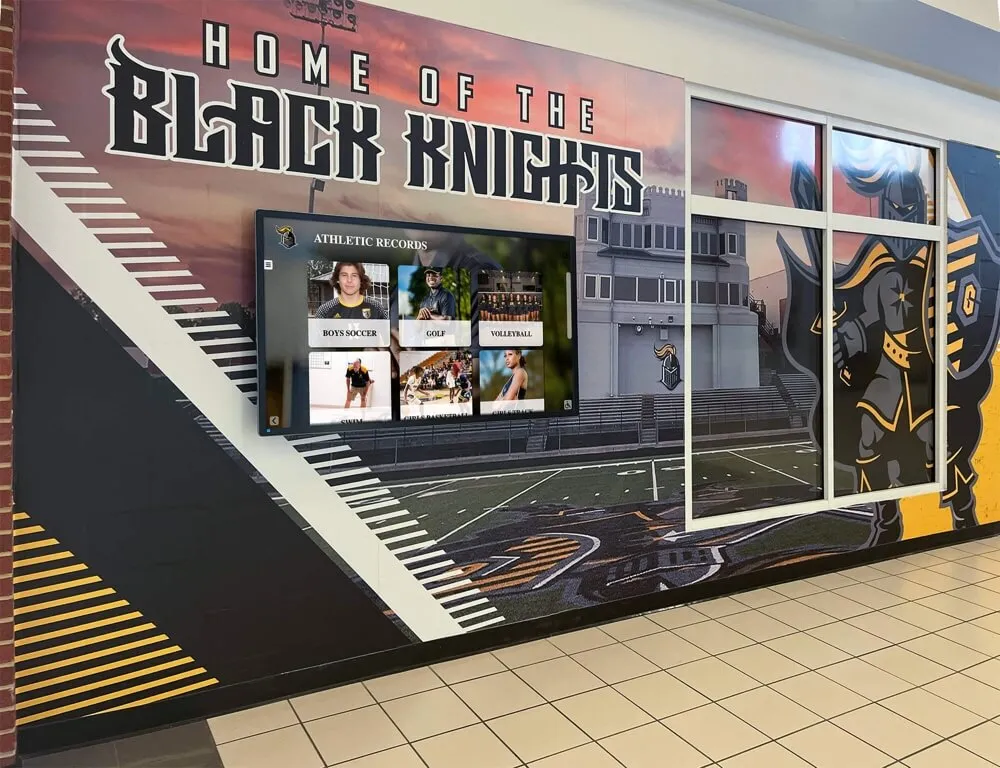
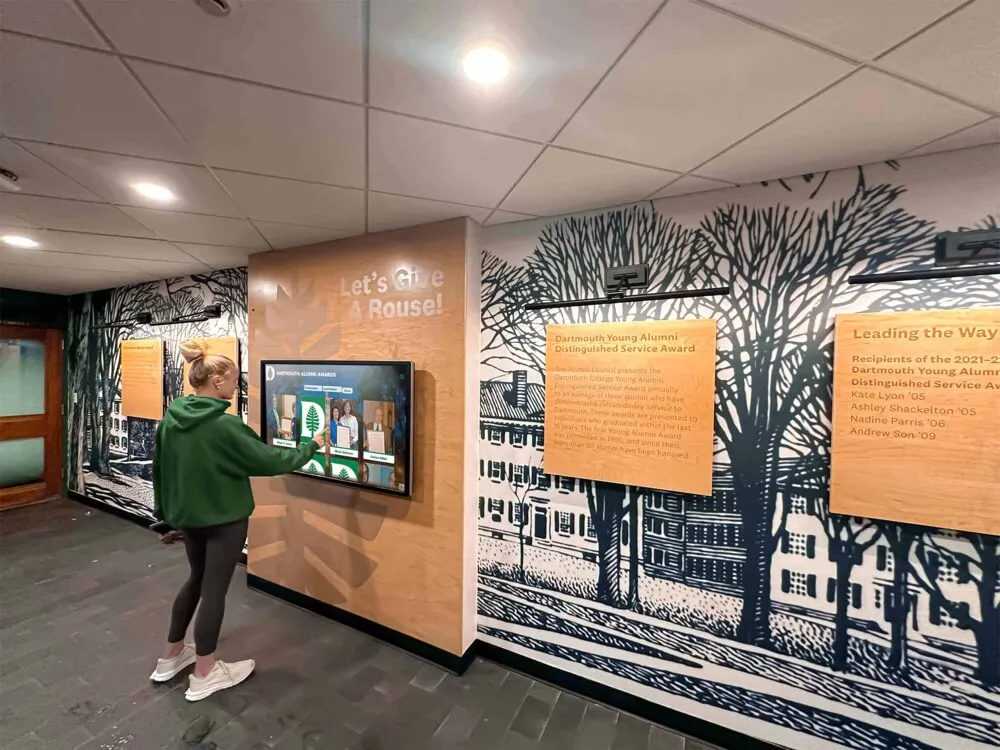
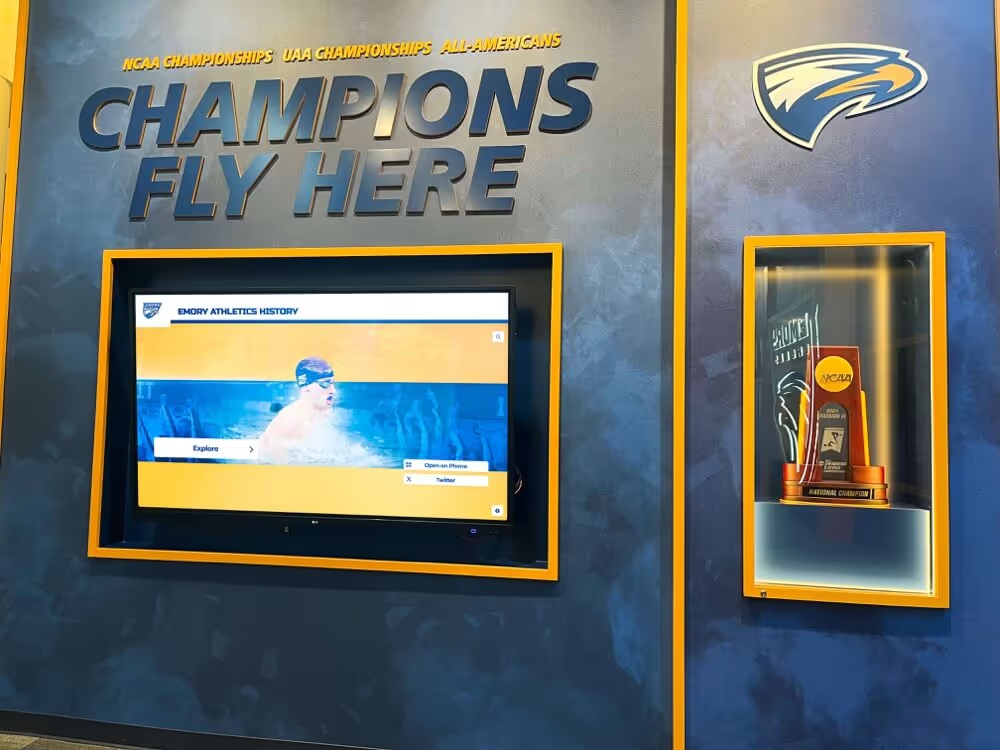
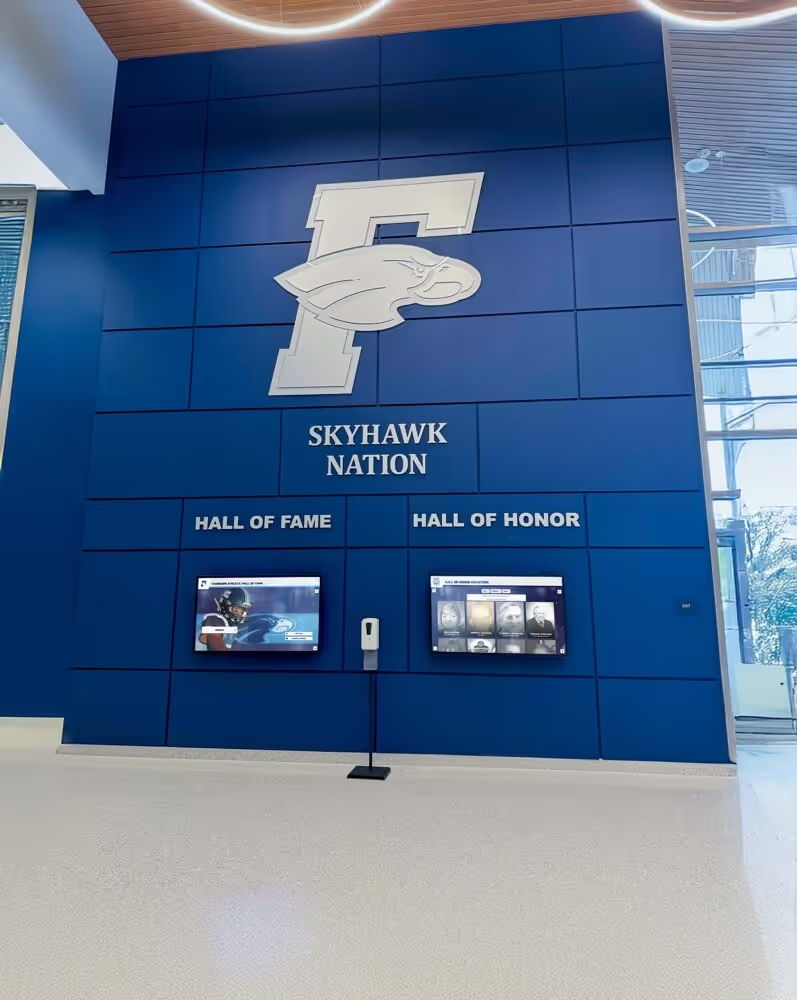
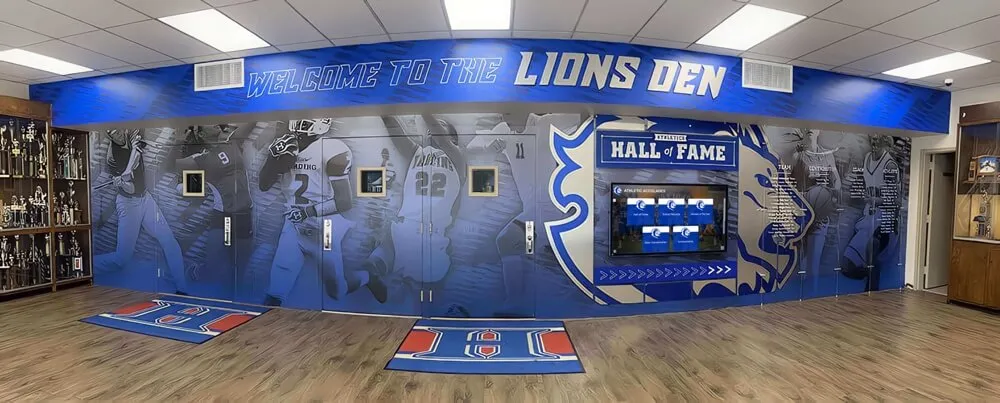
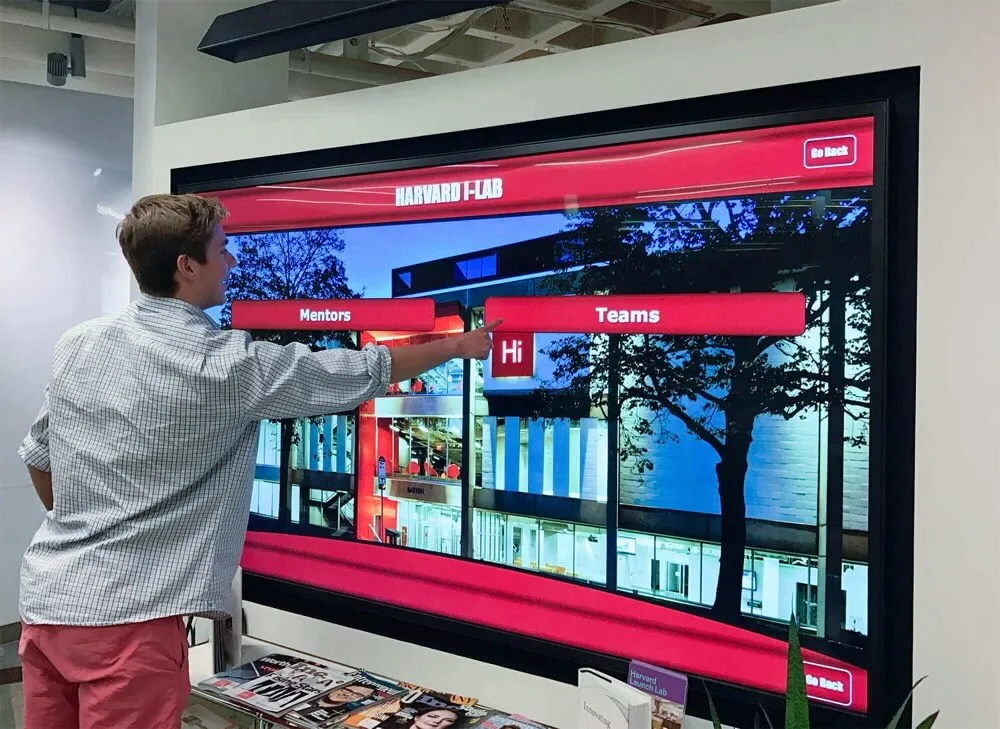
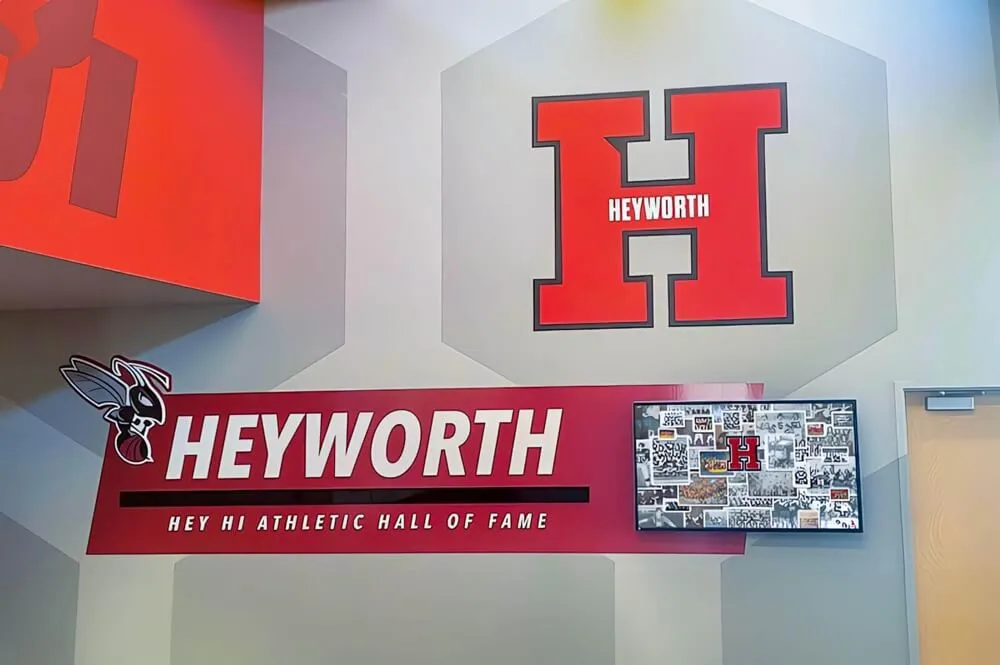
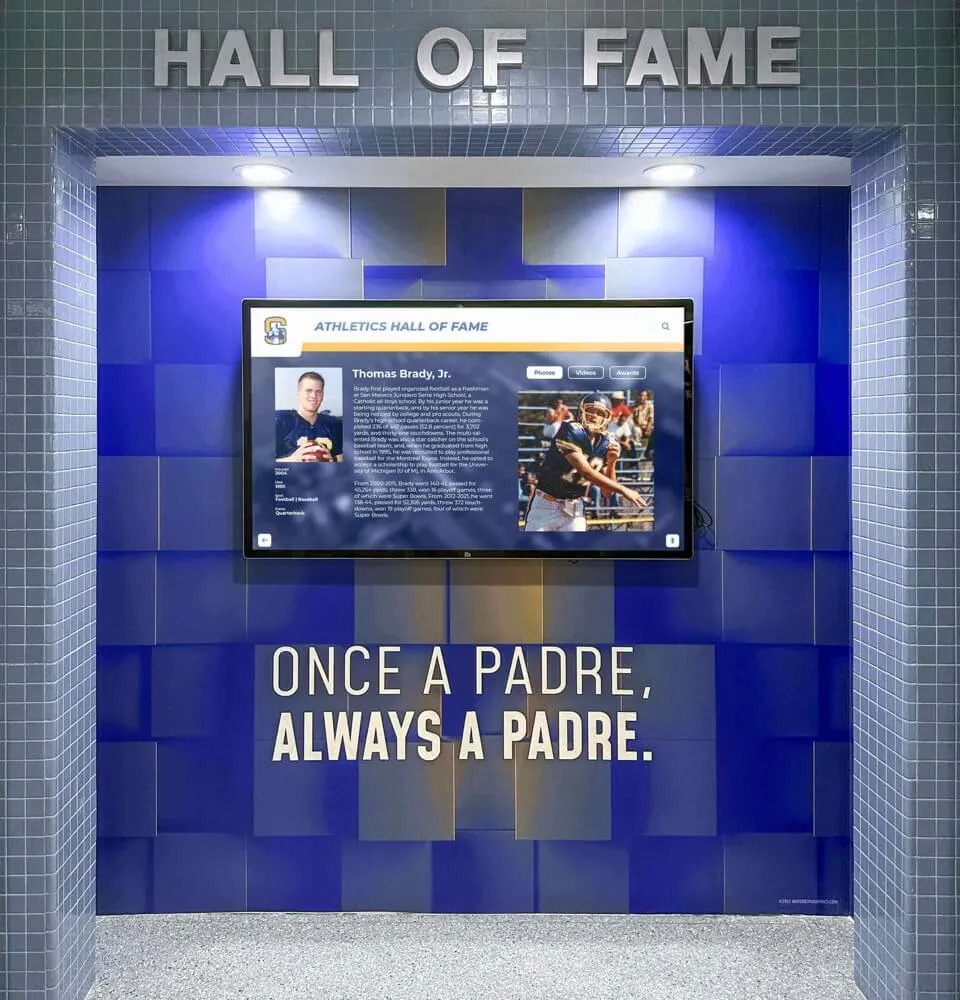
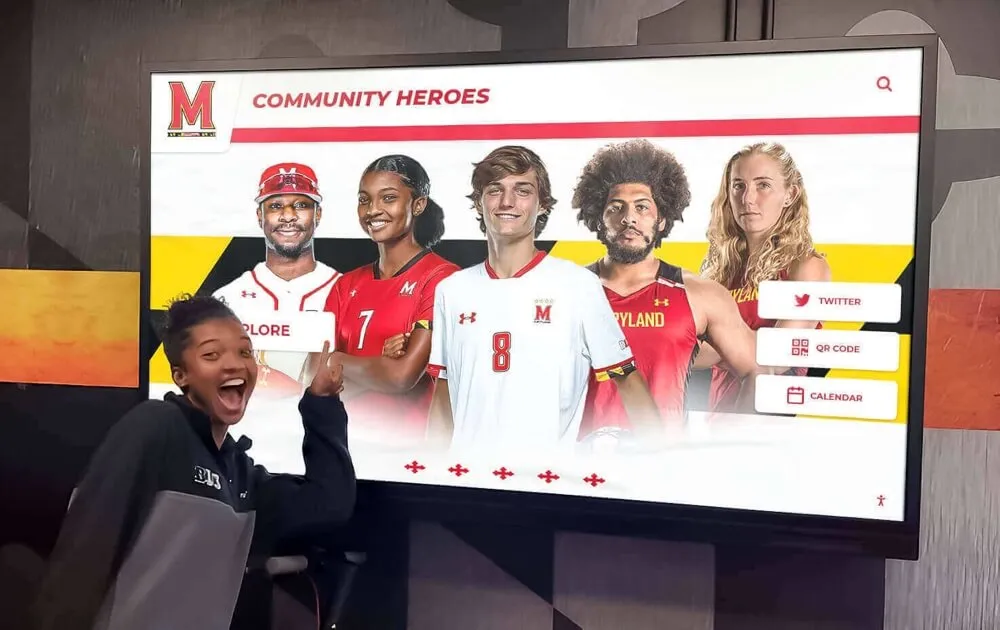
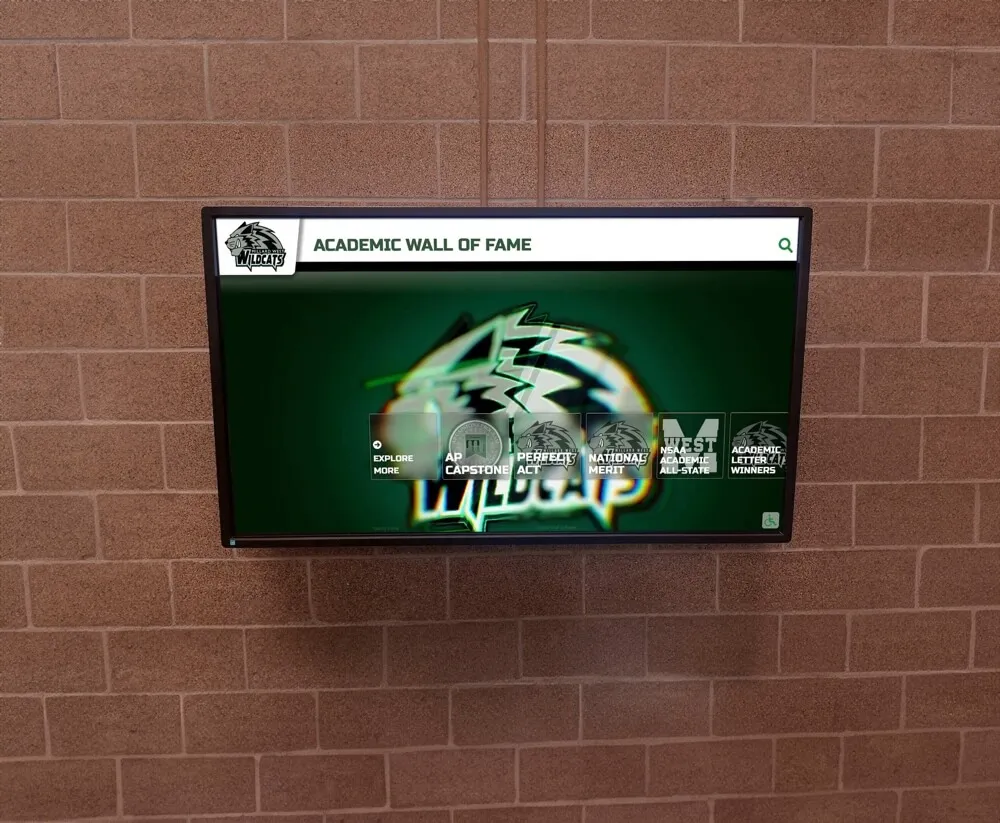
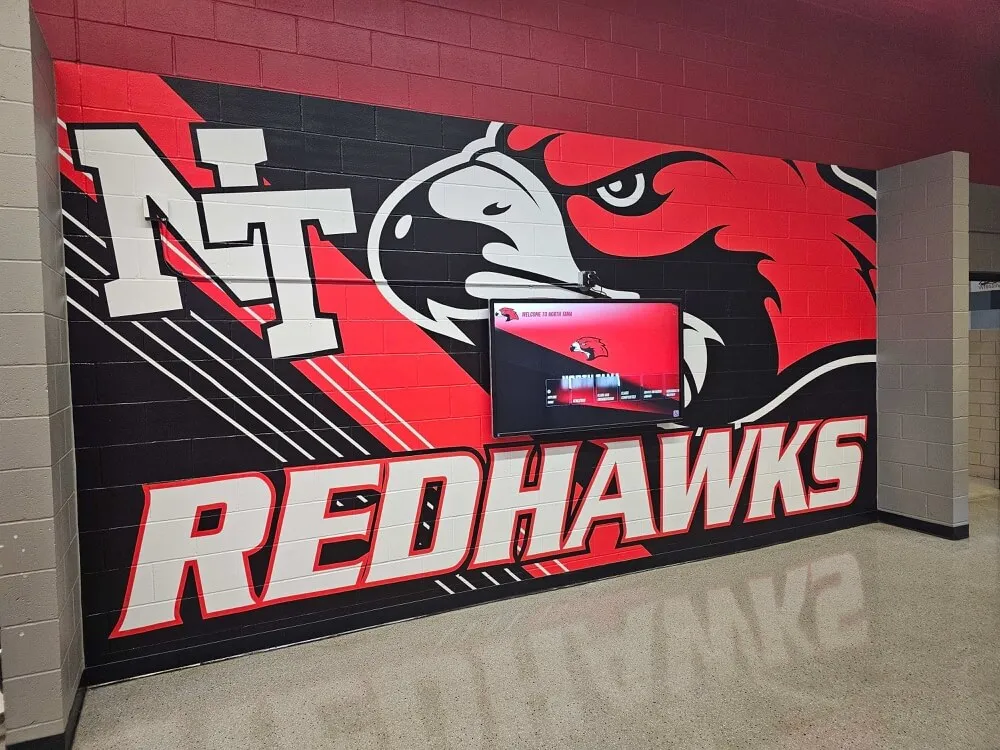
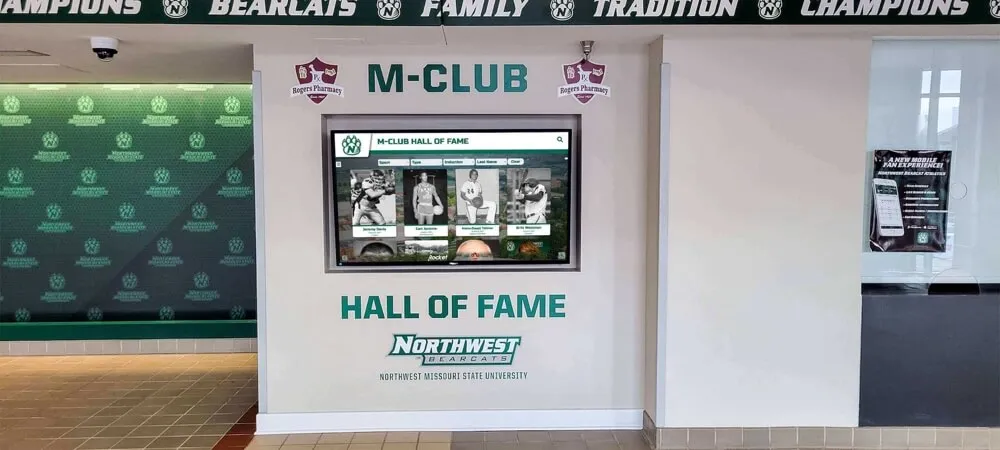
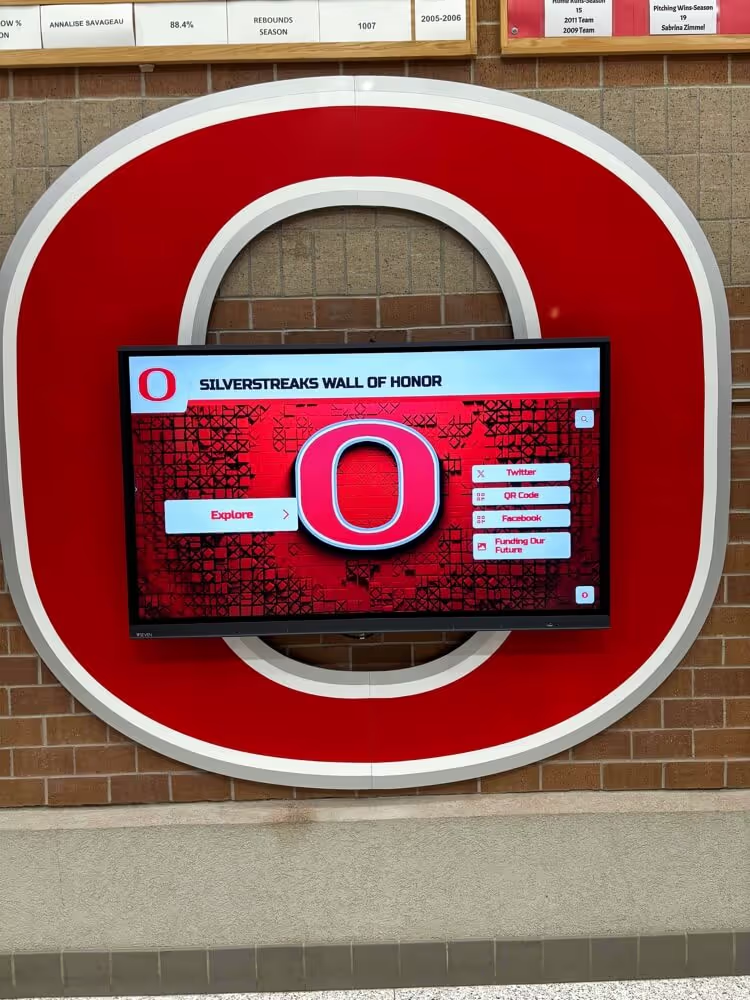
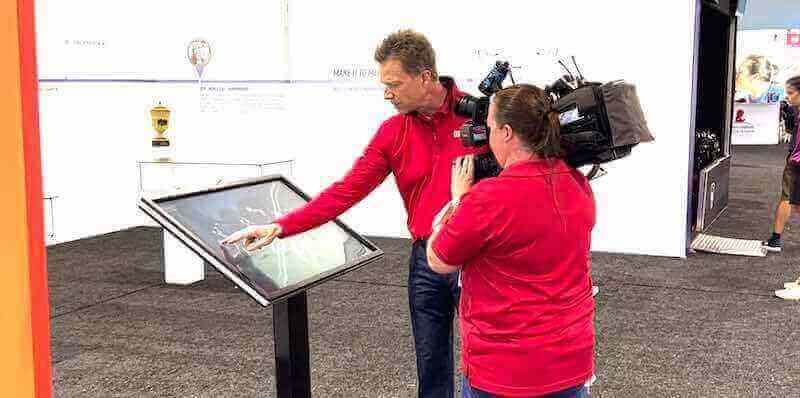
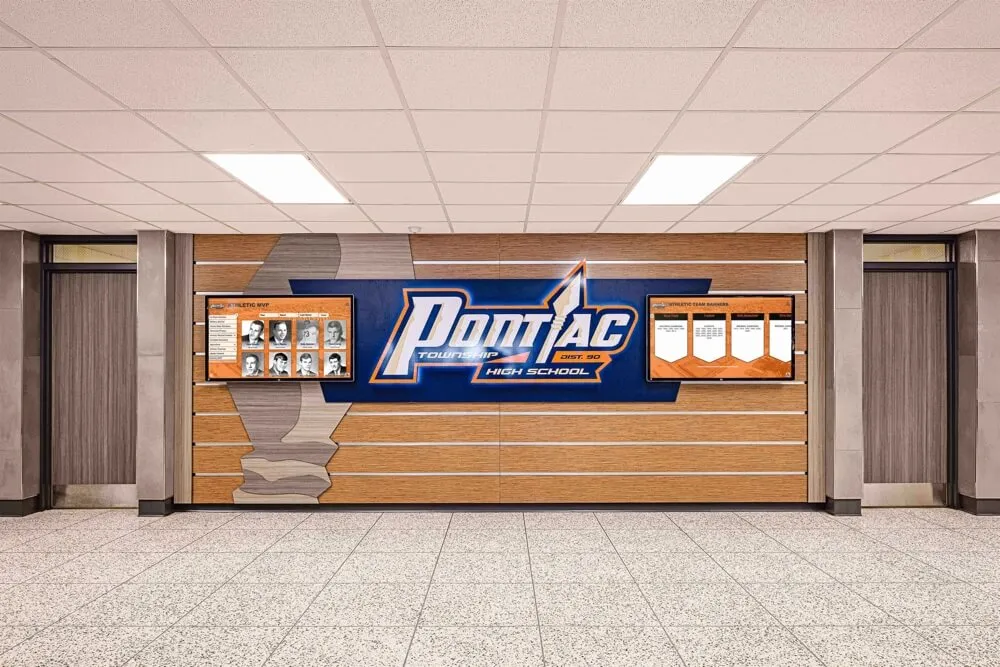
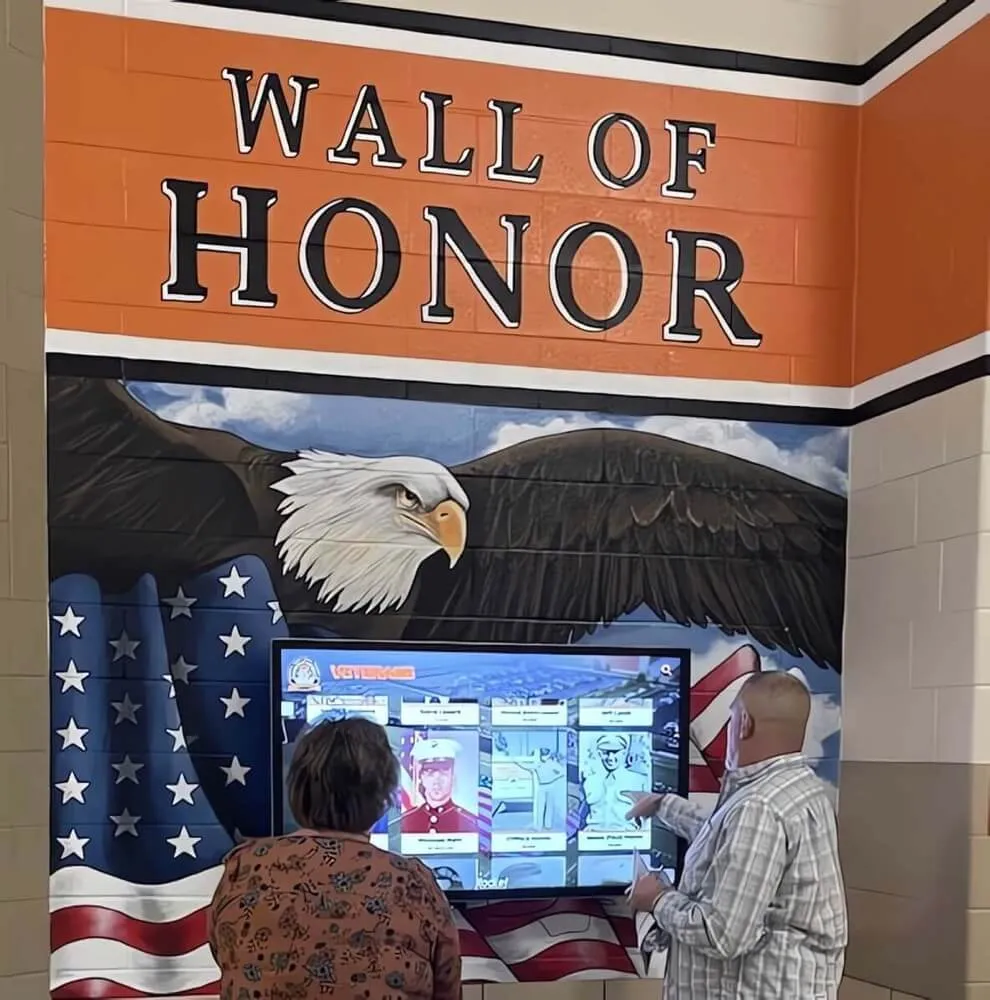
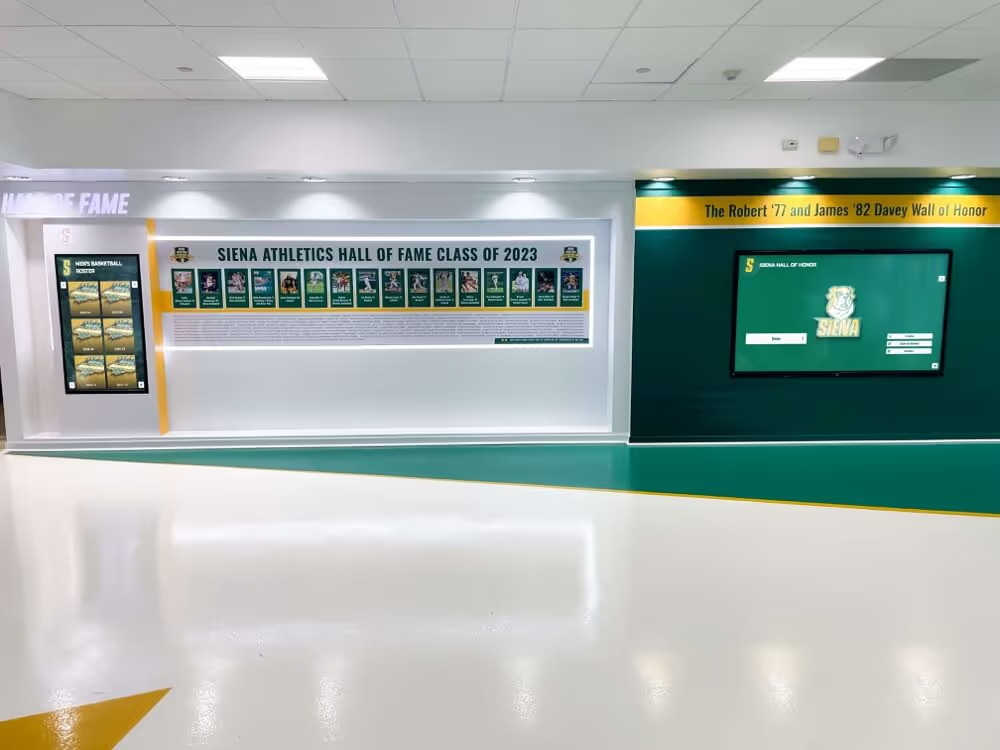
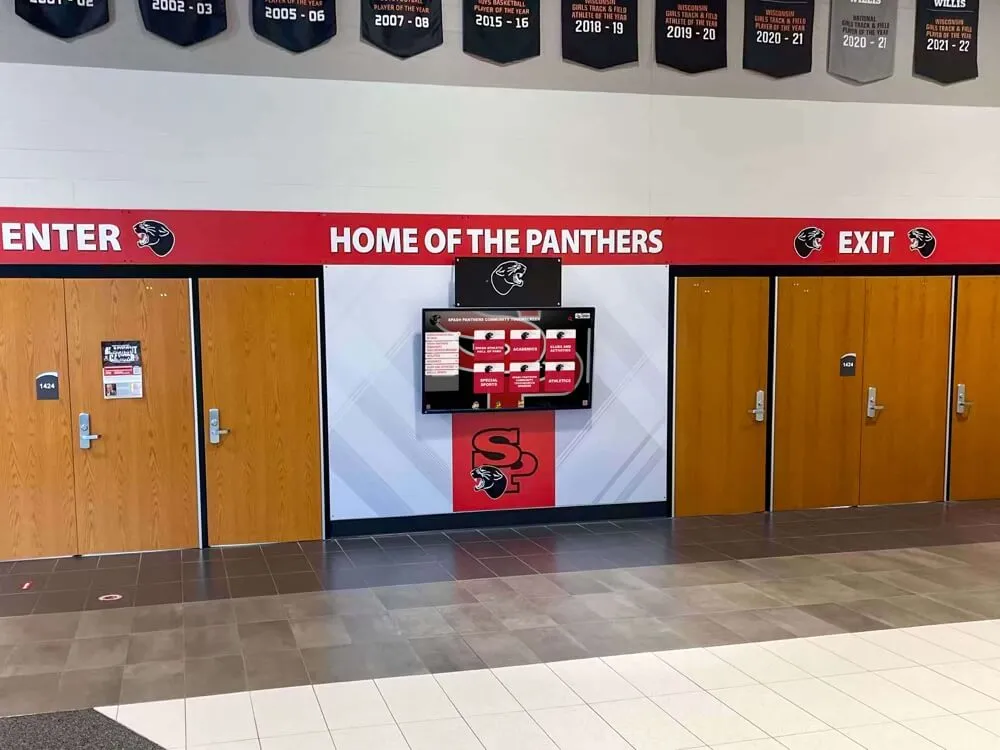
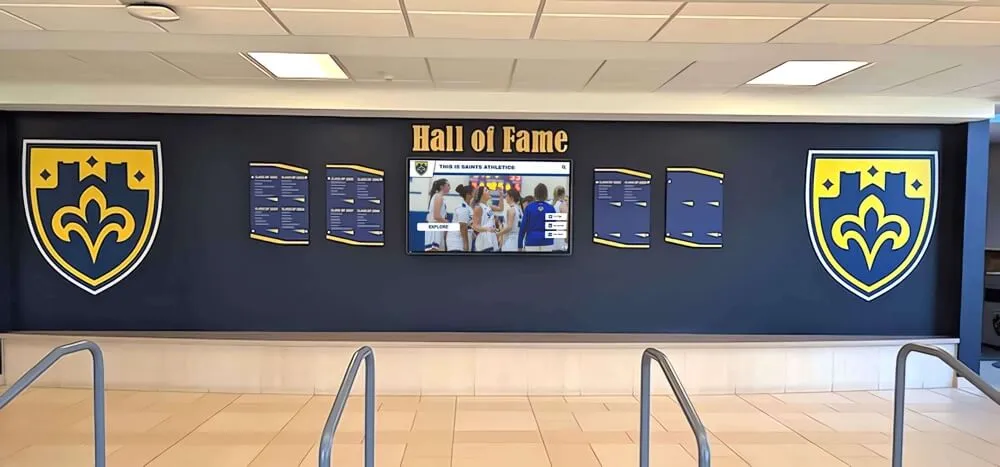
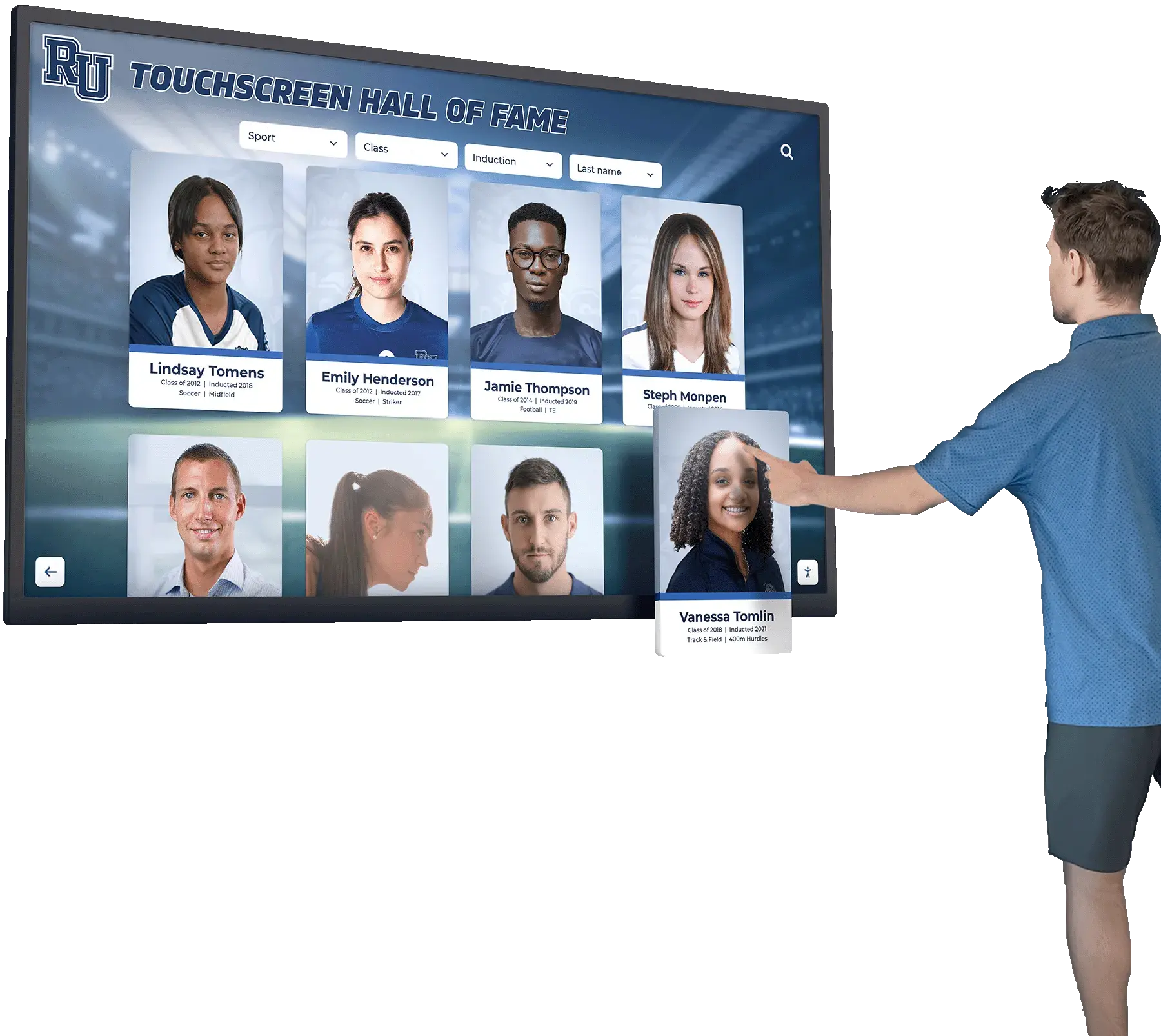
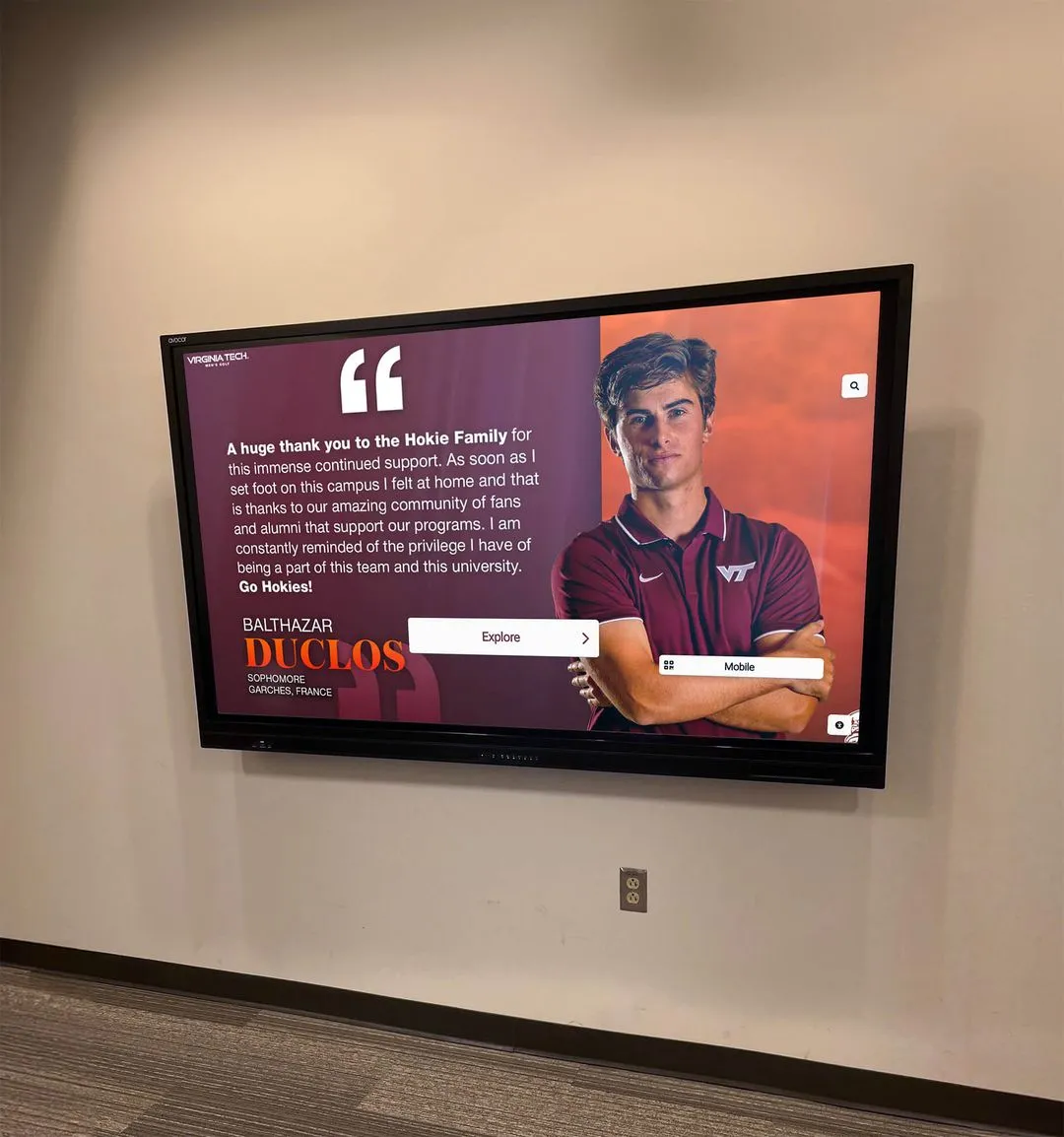
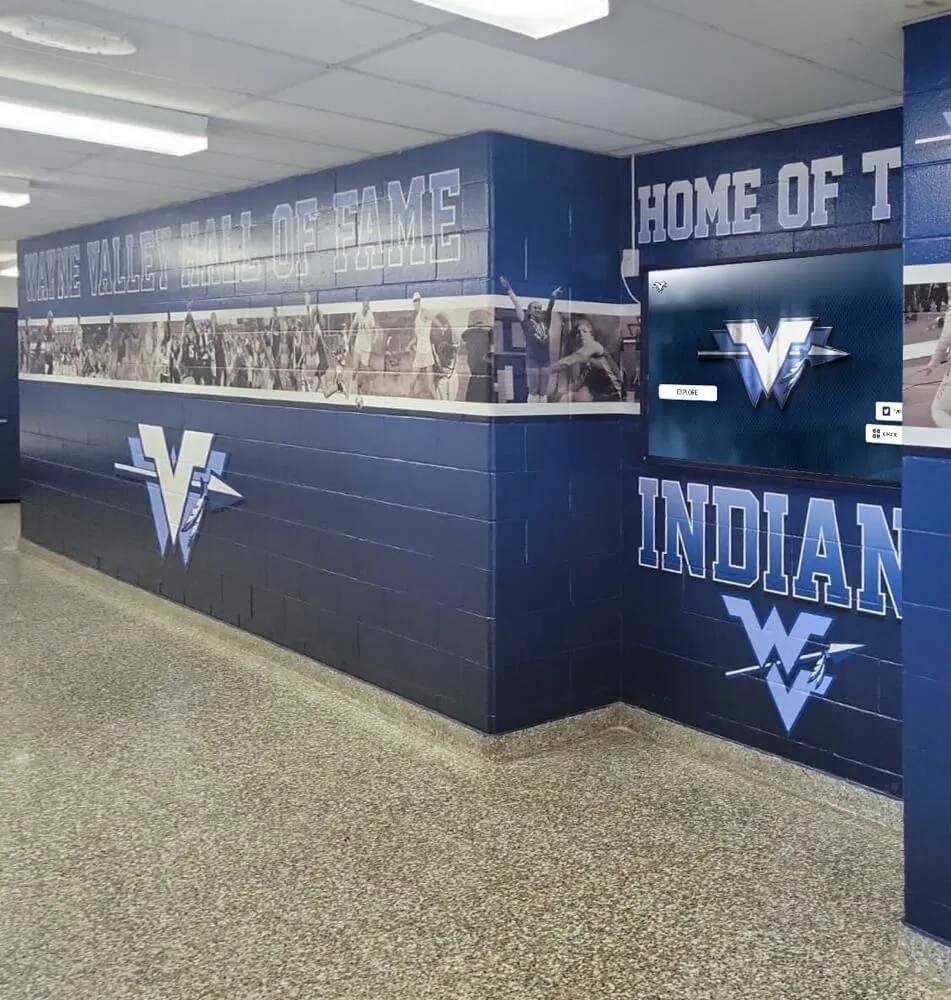
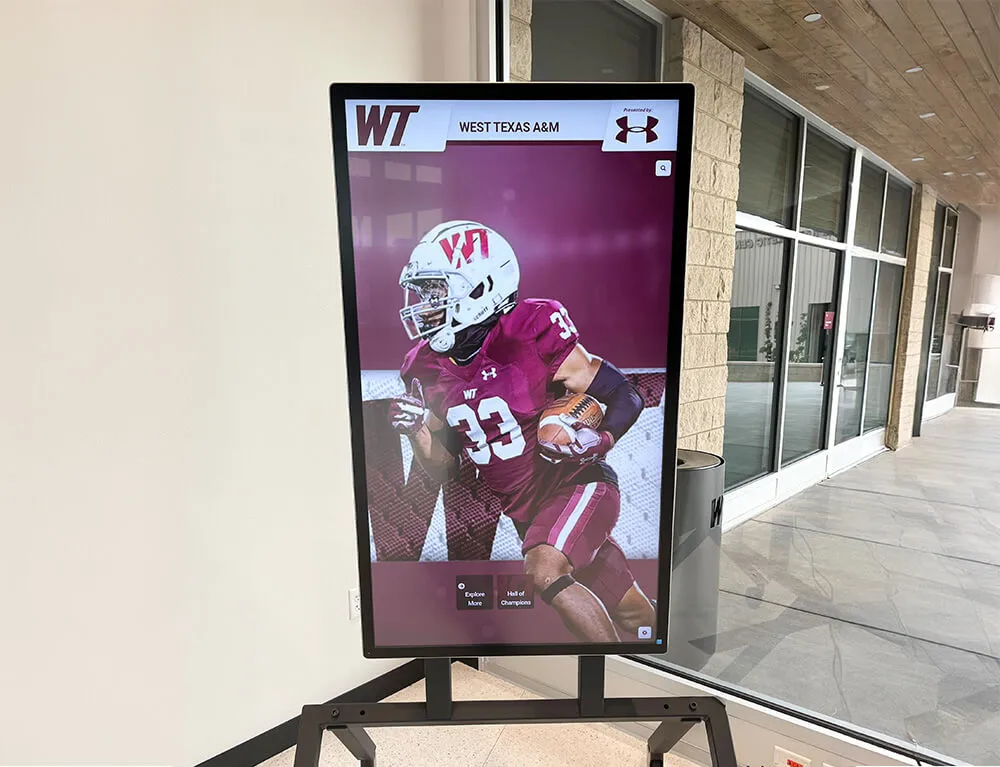
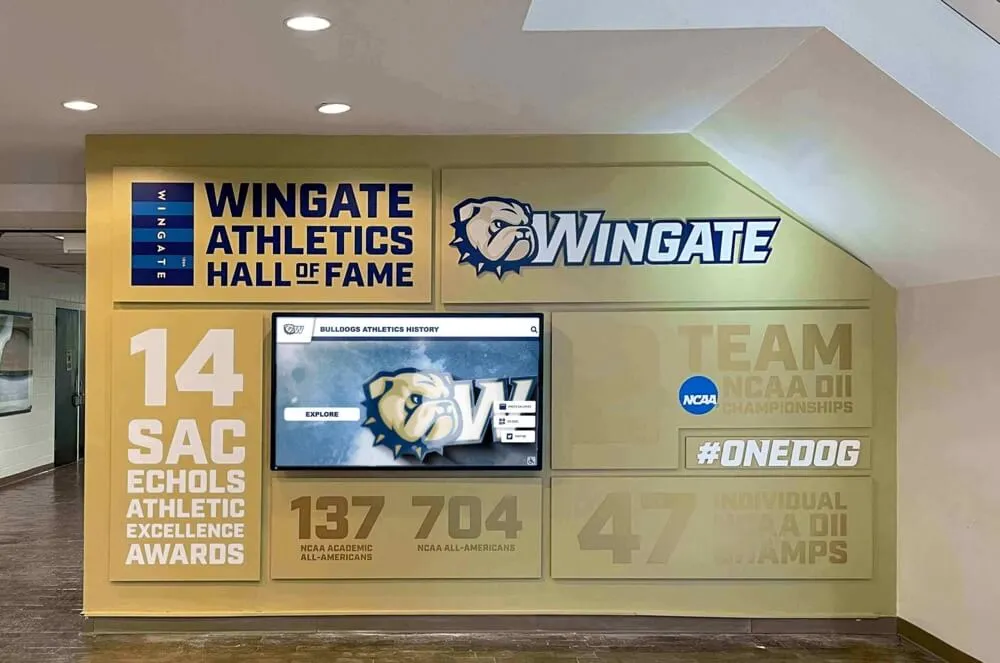
Traditional wrestling recognition approaches—plaques mounted in distant hallways, paper certificates filed away, or vinyl banners eventually removed—fail to provide championship-caliber acknowledgment matching athlete achievement. Digital athletic recognition systems transform how schools celebrate state wrestling tournament champions by creating unlimited capacity for honoring all qualifiers, medalists, and titlists across decades; displaying rich multimedia content including match highlights, tournament brackets, and championship photos; enabling instant updates after each state tournament without physical installation requirements; and ensuring global accessibility through web platforms allowing wrestlers, families, and alumni to explore accomplishments from anywhere. Solutions like Rocket Alumni Solutions provide purpose-built platforms designed specifically for wrestling programs, delivering engaging recognition experiences that preserve championship history while inspiring current athletes toward state tournament excellence.
Understanding State Wrestling Tournament Structure
State wrestling tournaments follow systematic structures determining champion recognition categories and achievement levels schools should celebrate appropriately.
Weight Class Competition Format
Most state wrestling tournaments organize competition by weight classifications ensuring fair matchups between similarly sized athletes. Standard high school weight classes typically include 14 divisions ranging from 106 pounds to heavyweight (often 285 pounds or unlimited), though specific classifications vary by state athletic associations and competitive divisions.
Championship Bracket Systems
State tournaments typically use elimination bracket formats where wrestlers compete through preliminary rounds, quarterfinals, semifinals, and finals to determine champions. Wrestlers losing before finals often compete in consolation brackets determining third through eighth place finishers, with top finishers across brackets earning all-state recognition and podium medals.
Understanding tournament structure helps schools recognize that state qualification alone represents significant achievement requiring acknowledgment, while podium finishes and championships merit especially prominent celebration.
Division and Classification Systems
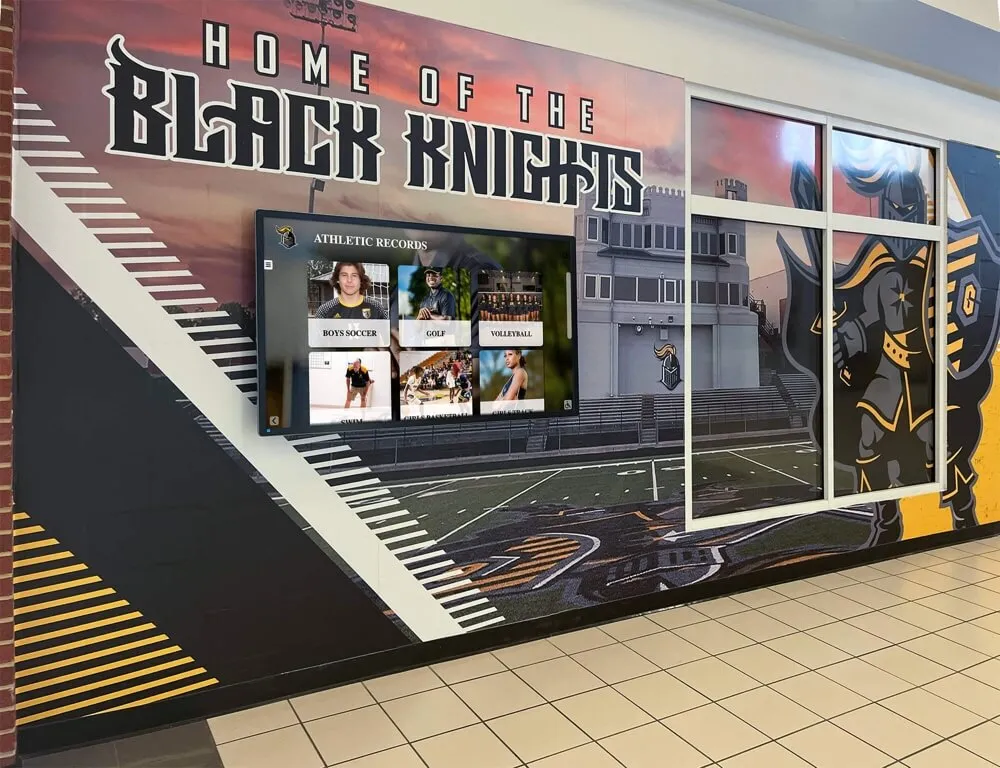
State athletic associations typically organize schools into competitive divisions based on enrollment size, creating multiple state championship classifications. Large-school divisions feature deeper talent pools making championships exceptionally competitive, while smaller-school classifications provide championship opportunities for athletes at schools with limited enrollment.
Recognition Considerations
Schools should celebrate state championships across all classifications equally, recognizing that each represents the pinnacle achievement within the relevant competitive context. A Division III state champion from a small rural school achieved comparable excellence within their classification as a Division I champion from a large suburban program.
Resources on wrestling awards and recognition programs provide comprehensive frameworks for celebrating individual and team accomplishments across competitive levels.
Team vs. Individual State Recognition
Wrestling features both individual weight class championships and team competitions where cumulative points across weight classes determine state championship teams. Schools should develop recognition systems celebrating both achievement types appropriately.
Individual State Champions
Wrestlers winning individual state titles demonstrate ultimate excellence at their weight classifications, often completing seasons with minimal losses and defeating the state’s best competitors in their divisions. Individual champions merit prominent permanent recognition celebrating personal achievement.
State Championship Teams
Team state championships require depth across multiple weight classes, with consistent point production throughout lineups. Championship teams represent collective excellence and program culture deserving recognition celebrating unified achievement rather than individual accomplishments alone.
Traditional Wrestling Recognition Approaches
Schools have long celebrated state wrestling tournament success through various physical recognition methods, each offering advantages alongside significant limitations.
Trophy Cases and Awards Displays
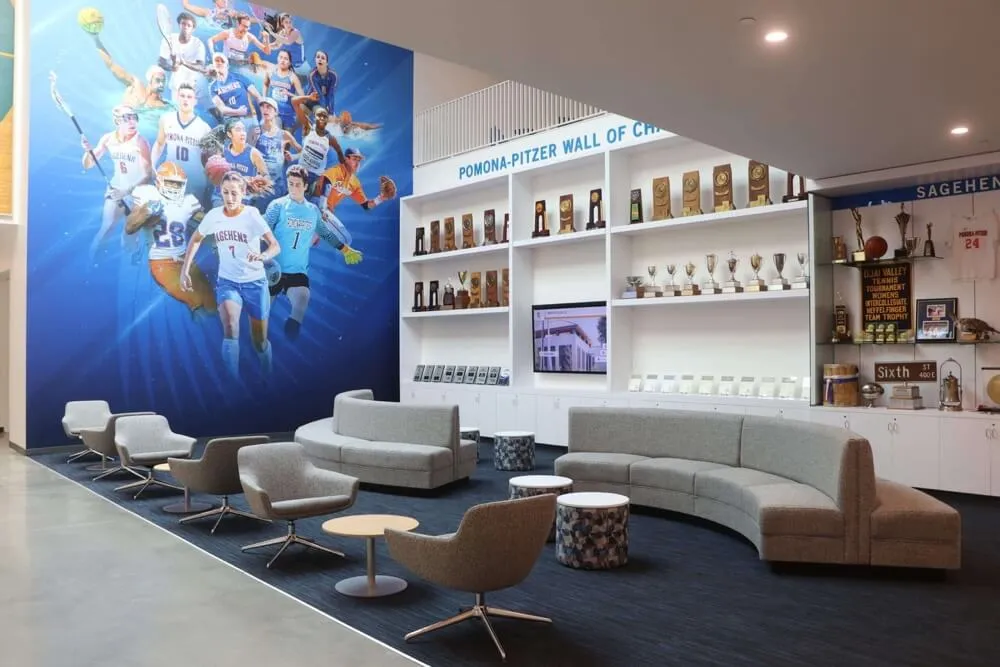
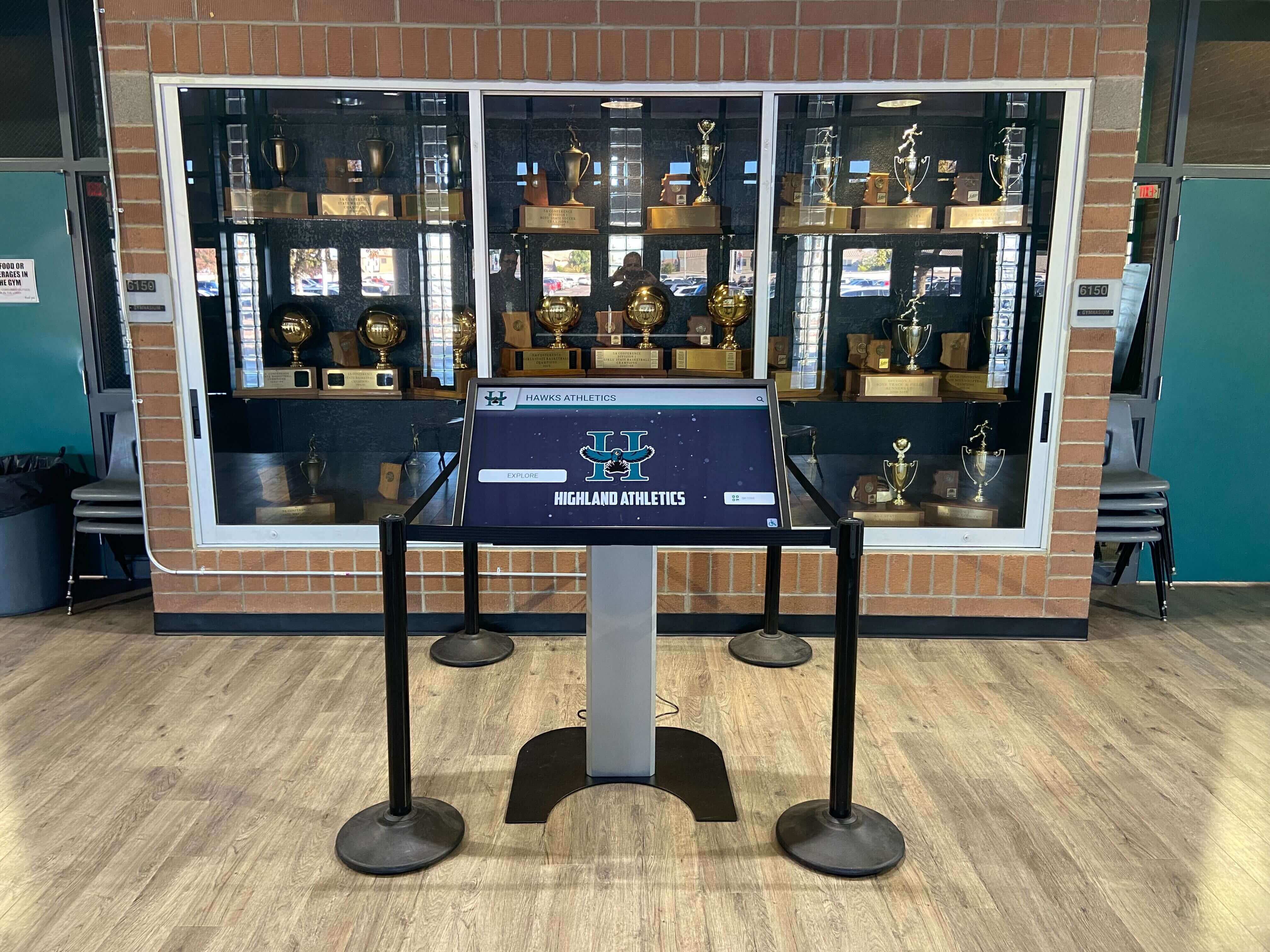
Trophy cases in athletic facilities or school entrances provide centralized locations displaying championship hardware—individual trophies, team awards, medals, and brackets documenting tournament success.
Trophy Case Advantages
Physical trophies create tangible evidence of championship achievement, providing visible reminders that motivate current wrestlers while honoring past champions. Trophy cases near gymnasiums or wrestling rooms enable daily exposure keeping accomplishments front-of-mind for active programs.
Trophy Case Limitations
Space constraints force selective recognition as cases fill, requiring removal of older awards to accommodate new championships. Limited capacity means only the most prominent achievements receive display while qualifier recognition, runner-up finishes, and comprehensive program history get excluded. Physical trophies provide minimal context—names, years, and basic achievement details without photos, statistics, or biographical information bringing accomplishments to life.
Wrestling Championship Banners
Many wrestling programs hang championship banners in gymnasiums or wrestling rooms celebrating state titles, conference championships, and tournament victories. Banners provide highly visible recognition that dominates facility aesthetics.
Banner Recognition Benefits
Prominent gymnasium placement ensures wrestlers, opponents, spectators, and recruits observe championship history creating immediate impact. Banner programs build visual tradition with accumulating banners demonstrating sustained program excellence over decades.
Banner Program Challenges
Ceiling and wall space eventually fills requiring difficult decisions about which championships merit banner recognition versus storage or removal. Vinyl and fabric materials fade, tear, and deteriorate requiring replacement to maintain professional appearance. Banner recognition typically limits acknowledgment to team championships or exceptional individual accomplishments, excluding comprehensive individual qualifier and medalist recognition. Production and installation costs multiply across years as programs add championships.
Resources on digital alternatives to traditional banners demonstrate how modern systems preserve championship visibility while eliminating physical limitations and maintenance requirements.
Wall Plaques and Athletic Recognition Walls
Dedicated wrestling recognition walls featuring mounted plaques listing state qualifiers, placers, and champions provide permanent acknowledgment in athletic facilities or school hallways.
Plaque Wall Advantages
Wall installations create formal permanent recognition demonstrating institutional commitment to honoring wrestling excellence. Unlike trophies that get stored or banners that deteriorate, quality plaques maintain appearance for decades with minimal maintenance.
Plaque System Constraints
Available wall space limits total recognition capacity, eventually forcing programs to stop adding new champions or relocate earlier recognition. Physical installation requirements create delays and costs every time schools add new state tournament qualifiers. Limited space on individual plaques restricts information to basic details—names, years, placements—without room for photos, match details, or biographical content enriching recognition.
Modern Digital Recognition for State Wrestling Champions
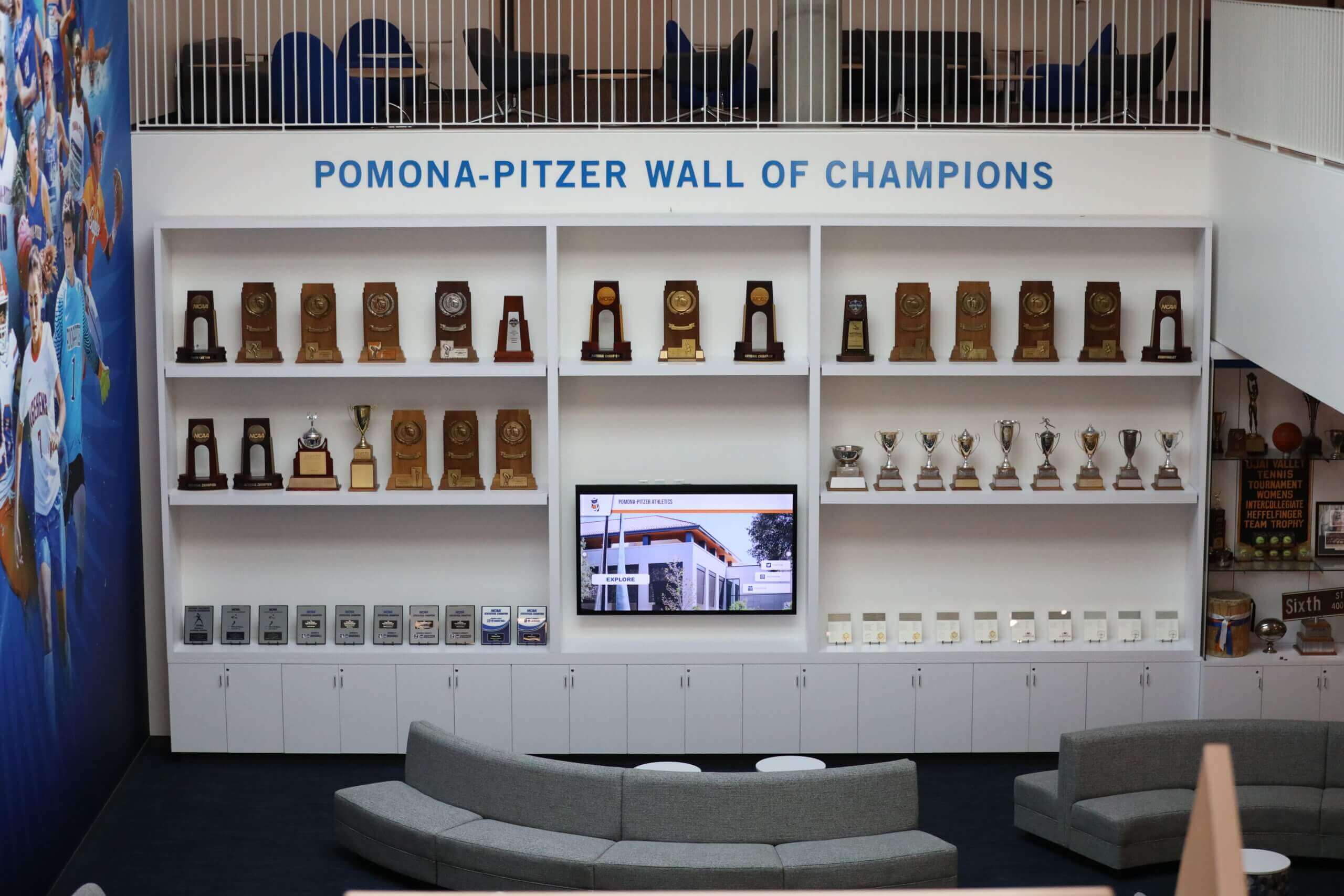
Digital platforms eliminate traditional recognition limitations while providing substantially enhanced capabilities for celebrating state wrestling tournament excellence.
Unlimited Champion Recognition Capacity
Digital systems accommodate unlimited state tournament qualifiers, placers, and champions across unlimited years without physical space constraints. Schools can honor every wrestler who reached state competitions regardless of final placement, ensuring comprehensive program history preservation.
Inclusive Recognition Philosophy
Rather than selective acknowledgment limited by space, digital platforms enable programs to celebrate state qualification itself as significant achievement alongside podium finishes and championships. This inclusive approach ensures all wrestlers who earned state tournament berths receive permanent recognition validating their accomplishments.
Scalable Historical Archives
As wrestling programs add state tournament competitors annually, digital recognition grows infinitely without requiring physical expansion, installation scheduling, or capacity concerns. Programs with rich championship traditions spanning decades can honor complete historical records alongside contemporary achievements.
Rich Multimedia Wrestling Profiles
Digital recognition transcends basic name listings by incorporating comprehensive content bringing championship achievements to life through multiple media formats.
Championship Match Highlights
Video integration enables wrestling programs to preserve and display state tournament match footage—championship finals, dramatic comeback victories, technical excellence demonstrations—creating engaging storytelling impossible with physical recognition. Wrestlers, families, and alumni can relive defining competitive moments through embedded highlight reels.
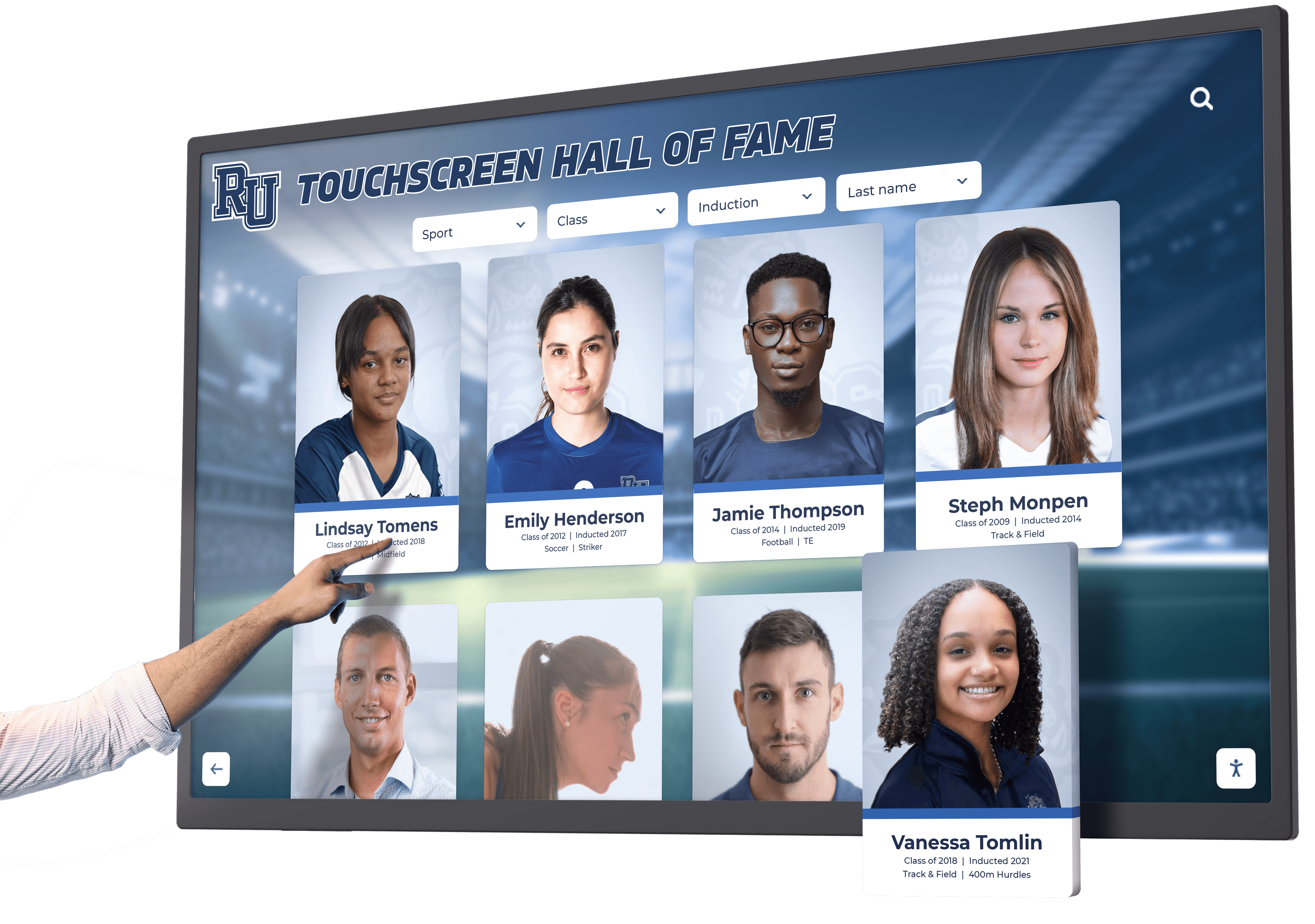
Tournament Brackets and Results
Digital platforms display complete state tournament brackets showing paths to championships—opponents faced, match scores, fall times—documenting the journey to podium finishes. This contextual information helps viewers appreciate the difficulty of championship runs through visualization of competitive fields and progressive rounds.
Wrestling Career Statistics
Beyond state tournament results alone, comprehensive profiles can include season records, career win totals, technical fall percentages, quickest pins, notable victories, and other statistics demonstrating sustained excellence throughout high school wrestling careers.
Action Photography
High-resolution photos capturing wrestlers in competition—executing throws, celebrating victories, receiving medals, standing on podium platforms—create visual engagement that text listings and trophies cannot match. Multiple images per wrestler enable visual storytelling across competitive careers.
Personal Statements and Reflections
Digital recognition can include wrestler reflections on state tournament experiences, memorable matches, training sacrifices, coach influences, and teammate bonds, adding personal dimension beyond competitive results. These narratives humanize accomplishments while preserving institutional memory as decades pass.
Solutions like Rocket Alumni Solutions provide intuitive content management enabling wrestling programs to develop rich multimedia profiles without requiring technical expertise, creating engaging recognition experiences celebrating championship achievements comprehensively.
Instant Updates After State Tournaments
Digital platforms enable immediate recognition following state wrestling tournaments without physical installation delays or vendor scheduling requirements.
Real-Time Champion Addition
Within hours of state finals concluding, athletic directors or coaches can add new state qualifiers, medalists, and champions to digital recognition systems from any location with internet access. This immediate acknowledgment capitalizes on competitive excitement and community celebration while events remain timely and relevant.
Dynamic Content Modification
Unlike permanent plaques or printed banners, digital content remains editable enabling corrections of errors, updates to biographical information as wrestlers continue athletic careers, and enhancement of profiles as additional photos or video become available.
Social Media Integration
Digital recognition content easily integrates with social media platforms enabling schools to share champion profiles, tournament results, and historical achievements with broader communities, amplifying recognition beyond physical facility boundaries.
Guidance on athletic recognition display implementation demonstrates how wrestling programs transition from traditional approaches to modern systems providing enhanced capabilities.
State Wrestling Tournament Recognition Categories
Comprehensive recognition systems celebrate diverse achievement levels acknowledging that excellence exists across multiple tournament performance tiers.
State Qualifier Recognition
Reaching state wrestling tournaments itself represents remarkable achievement earned through season-long excellence, conference championships, district victories, or regional qualifications. Many wrestlers conclude careers never qualifying for state competitions, making state tournament berths worthy of permanent acknowledgment.
Qualification Significance
State qualifiers defeated numerous opponents throughout seasons, survived district or regional elimination tournaments, and earned positions among the state’s best wrestlers in their weight classes and divisions. This accomplishment merits recognition even for wrestlers who lose early state tournament matches.
Comprehensive Historical Records
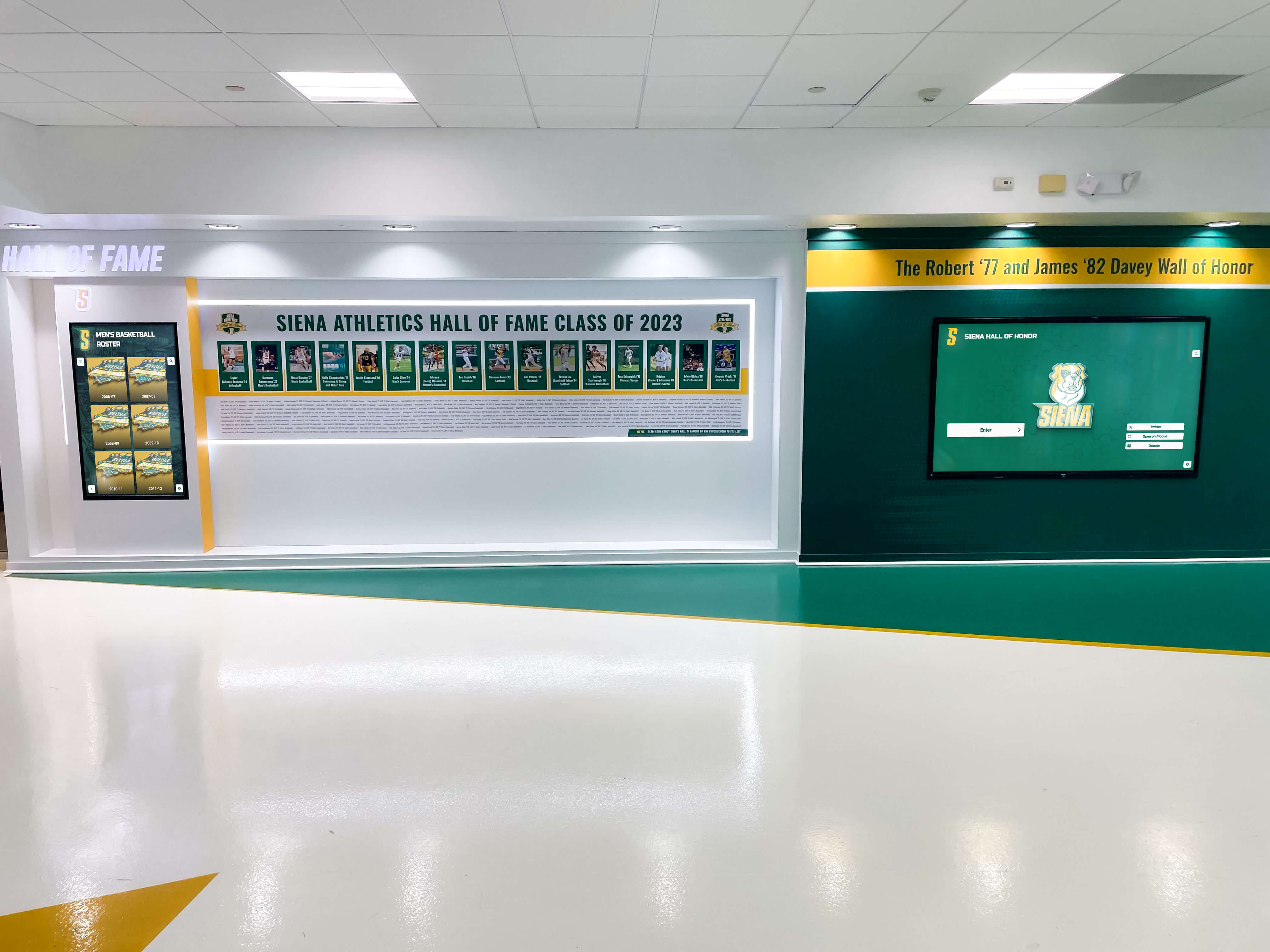
Digital recognition systems enable schools to document all state qualifiers across program history, creating complete institutional memory rather than selective acknowledgment limited to placers and champions. This inclusive approach ensures no athlete’s achievement in reaching state competitions gets lost to time.
State Medalist and Podium Finisher Celebration
Wrestlers finishing within top positions at state tournaments—typically top six or eight depending on bracket structure—earn medals and all-state recognition representing elite competitive achievement deserving prominent celebration.
Medalist Achievement Levels
State tournament medalists defeated multiple quality opponents, survived preliminary and quarterfinal rounds, and competed deep into championship brackets. Even wrestlers placing sixth through eighth demonstrated excellence earning podium recognition among their weight class’s best competitors statewide.
All-State Recognition
Many state athletic associations designate medalists as all-state selections, representing official acknowledgment as among the state’s elite wrestlers. Schools should prominently feature all-state recognition in athlete profiles celebrating this distinguished honor.
State Champion and Runner-Up Recognition
State champions and runner-up finishers represent the ultimate individual achievement in high school wrestling, reaching state finals and competing for titles against the weight class’s best wrestler.
State Championship Excellence
State champions often complete seasons with exceptional records, minimal losses, and dominant tournament performances. Championship victories in state finals represent career-defining moments deserving the most prominent recognition wrestling programs can provide.
Runner-Up Acknowledgment
Wrestlers finishing second at state tournaments reached finals competing for championships, often losing close matches against exceptional opponents. Runner-up finishes represent elite achievement meriting recognition approaches nearly equivalent to champions themselves.
Multiple-Time Champion Celebration
Wrestlers winning multiple state championships across years demonstrate sustained excellence rare in competitive high school athletics. Programs should specially recognize multi-time champions whose repeated success establishes them among program legends.
Resources on athletic wall of honor design provide frameworks for creating prominent recognition celebrating wrestling champions alongside achievements in other sports.
Team State Championship Recognition
Wrestling team state championships require cumulative excellence across weight classes with wrestlers throughout lineups contributing points through wins, bonus points, and podium finishes.
Team Championship Components
Championship teams typically feature multiple state qualifiers, several medalists, and at least one or two individual champions, combined with consistent point production from wrestlers throughout lineups. Team titles represent collective excellence and program culture.
Historical Team Recognition
Schools should maintain comprehensive team championship records displaying rosters, cumulative point totals, key contributors, and tournament brackets showing how team championships were achieved. This team-level recognition complements individual wrestler acknowledgment.
Implementing Effective Wrestling Recognition Systems
Strategic planning ensures wrestling recognition maximizes impact while maintaining sustainable administration across athletic director and coaching transitions.
Recognition Display Placement Strategy
Physical location significantly affects recognition visibility, engagement, and motivational impact on current wrestlers and broader school communities.
Wrestling Room Installation
Placing digital recognition displays in dedicated wrestling practice facilities ensures daily exposure for current athletes. Wrestlers see championship history during practices and training sessions, creating constant reminders of program standards and achievement expectations.
Gymnasium Lobby Positioning
Main gymnasium entrances receive traffic from multiple sports, events, and activities throughout school years. Digital displays in these locations provide wrestling recognition visibility beyond just wrestling community while showcasing athletic achievement to diverse audiences.
School Main Entrance Placement
Installing recognition in main school entrances ensures entire student bodies, faculty, visitors, and prospective families encounter wrestling accomplishments, building broader awareness and school pride in championship athletics.
Multiple Location Strategy
Schools with significant wrestling traditions and budgets may implement recognition in multiple locations—wrestling rooms for athlete motivation, main entrances for school pride, and athletic lobbies for comprehensive sports recognition—ensuring maximum program visibility.
Information on strategic display placement helps schools determine optimal locations for wrestling recognition achieving intended engagement and motivational purposes.
Content Development and Profile Creation
Comprehensive wrestler profiles require systematic information gathering, content organization, and media compilation creating engaging recognition experiences.
Essential Profile Components
Every state tournament qualifier should receive profiles including full name, graduation year, weight class(es), state tournament year(s), final placement, season record, notable victories, and biographical information. This foundational content ensures basic acknowledgment.
Enhanced Profile Elements
Programs investing additional effort can develop enriched profiles incorporating action photos from competitions, match highlight videos, tournament bracket results, career statistics, personal reflections, post-high school accomplishments, and current life updates creating deeper engagement.
Historical Research Requirements
Wrestling programs with long traditions face challenges documenting state tournament qualifiers from decades past. Historical research through yearbooks, newspaper archives, state athletic association records, and alumni outreach helps reconstruct comprehensive program history even when complete records weren’t systematically maintained.
Systematic Annual Updates
Establish processes for adding new state tournament qualifiers immediately following tournaments each year, capitalizing on readily available information, fresh photos, and competitive excitement. Regular annual updates prevent content backlogs and ensure current recognition.
Recognition Program Promotion and Community Engagement
Digital recognition provides greatest impact when wrestling programs actively promote systems and encourage community exploration and engagement.
Ceremony Integration
Feature digital recognition prominently at wrestling banquets, senior nights, and state qualifier send-off events. Demonstrate new profiles for recent state tournament competitors during these celebrations, creating awareness and generating excitement about permanent recognition.
Social Media Sharing
Regularly feature state tournament qualifier profiles through social media platforms, particularly after state tournaments when community interest peaks. Share historical champion profiles periodically maintaining awareness of program tradition and wrestling recognition system existence.
Alumni Communication
Notify wrestling alumni when new state tournament competitors join recognition displays or when historical profiles for past wrestlers are developed. Alumni appreciate acknowledgment and often share recognition with their networks, expanding program visibility.
Recruitment Showcasing
Incorporate wrestling recognition prominently in facility tours for prospective wrestlers and families, demonstrating program commitment to celebrating athlete achievement. Recognition systems showing decades of state tournament success signal established winning culture.
Wrestling Recognition System Administration
Sustainable recognition requires designated responsibility, protected time, and systematic processes ensuring programs maintain quality and currency across years.
Administrative Role Definition
Primary Recognition Coordinator
Designate specific individuals—typically head wrestling coaches or athletic directors—with formal responsibility for maintaining wrestling recognition content. Clear accountability prevents diffused responsibility where no one ultimately ensures updates and accuracy.
Assistant Content Contributors
Assistant coaches, team statisticians, or parent volunteers can support content development gathering photos, compiling statistics, and researching historical information. Distributed workload makes comprehensive profile development feasible despite limited primary coordinator time.
Technical Support Resources
Identify technology coordinators or vendor support contacts available to address technical issues, software updates, or display hardware problems. Knowing whom to contact prevents recognition system neglect when technical challenges arise.
Content Quality Standards
Accuracy Verification
Implement review processes ensuring all state tournament results, match records, and biographical information are accurate before publication. Errors undermine credibility and create awkward situations requiring corrections.
Photo Quality Requirements
Establish minimum image resolution and composition standards ensuring wrestling photos reproduce clearly on display systems. Poor quality images degrade recognition presentation and reflect badly on programs.
Consistency Maintenance
Develop profile templates ensuring all wrestlers receive similar information depth and formatting. Consistent presentation demonstrates fairness while creating professional appearance across complete recognition systems.
Regular Content Audits
Periodically review wrestling recognition content checking for outdated information, broken media links, or gaps in coverage. Systematic audits prevent gradual degradation in content quality as years pass.
Resources on digital recognition management provide best practices for maintaining long-term content quality and system effectiveness.
Celebrating Wrestling Beyond State Tournaments
Comprehensive recognition extends beyond state tournament results to celebrate broader wrestling excellence and program culture.
Conference and District Championship Recognition
Many wrestlers achieve conference or district championships without reaching state podiums. These accomplishments deserve acknowledgment as significant achievements within local competitive contexts.
Conference Champion Celebration
Conference championships often require defeating quality opponents from multiple schools across competitive seasons. Digital recognition can document conference champions alongside state tournament achievers, preserving complete competitive history.
District and Regional Recognition
Wrestlers winning district or regional titles to qualify for state tournaments demonstrated excellence in preliminary competitions. Including these achievements in profiles provides comprehensive career documentation.
Career Milestone Recognition
Wrestling career achievements beyond single tournament performances merit acknowledgment celebrating sustained excellence across high school careers.
Career Win Milestones
Wrestlers reaching significant career win totals—100 wins, 150 wins, 200 wins—demonstrate exceptional longevity and sustained competitive success deserving special recognition within digital displays.
Consecutive Win Streaks
Long winning streaks represent remarkable competitive dominance. Highlighting notable win streaks within wrestler profiles adds achievement dimension beyond state tournament results alone.
Technical Achievement Recognition
Wrestlers demonstrating exceptional technical skills—high fall percentages, technical fall rates, quick pin averages—can receive recognition celebrating wrestling excellence beyond tournament placements.
Information on comprehensive athletic recognition demonstrates how wrestling programs can celebrate diverse achievement types creating complete celebration of program excellence.
Team Season and Career Achievements
Beyond individual wrestler recognition, celebrating team accomplishments builds collective pride and program culture.
Dual Meet Championship Recognition
Teams winning conference dual meet championships demonstrate sustained excellence throughout regular seasons. These team achievements merit prominent recognition alongside state tournament success.
Tournament Team Titles
Many wrestling programs compete in invitational tournaments throughout seasons. Teams consistently winning tournament team titles establish competitive identity deserving acknowledgment.
Historical Win Records
Document season win-loss records and all-time program statistics creating historical archives showing competitive evolution across decades. Team performance trends provide context for individual achievements.
Building Wrestling Tradition Through Recognition
Effective wrestling recognition transcends simple acknowledgment becoming cultural force shaping program identity, athlete motivation, and competitive standards.
Motivational Impact on Current Wrestlers
Visible recognition of past champions creates powerful psychological effects on current team members training toward their own state tournament aspirations.
Standard Setting Through Examples
When wrestlers see comprehensive displays of state champions, medalists, and qualifiers, they develop concrete understanding of achievement levels their program produces. This visibility establishes mental models of attainable excellence.
Personal Connection to Tradition
Wrestlers who observe profiles of former teammates, family members, or local athletes they know personally develop stronger emotional connections to program tradition. These personal links strengthen motivation toward earning similar recognition.
Daily Inspiration During Training
Recognition displays in wrestling rooms provide constant exposure during grueling practice sessions, serving as visual reminders of why wrestlers endure difficult training. When exhaustion sets in, championship recognition inspires continued commitment.
Alumni Engagement and Program Support
Wrestling recognition strengthens connections with program alumni who achieved state tournament success, often catalyzing ongoing engagement and financial support.
Emotional Reconnection
Former state qualifiers and champions appreciate institutions that remember and honor their achievements decades later. This acknowledgment creates goodwill and emotional investment in current program success.
Mentorship and Giving Back
Wrestling alumni who receive prominent recognition often develop mentoring relationships with current wrestlers or provide financial support for program development. Recognition catalyzes alumni investment in program continuation.
Reunion and Celebration Opportunities
Digital recognition systems provide focal points for wrestling reunion events where alumni gather to celebrate program history, view their profiles, and reconnect with teammates. These events build community while generating advancement opportunities.
Resources on alumni engagement through recognition demonstrate how wrestling programs leverage champion celebration to build lasting relationships supporting competitive excellence.
Recruitment and Program Marketing
Prospective wrestlers and families evaluating programs consider commitment to recognizing athlete achievement when making high school selection or participation decisions.
Competitive Culture Demonstration
Comprehensive displays of state tournament qualifiers, medalists, and champions signal to prospective wrestlers that programs have established winning traditions and cultures supporting championship aspirations.
Family Confidence Building
Parents evaluating wrestling programs appreciate seeing that schools properly acknowledge athlete achievements through professional permanent recognition. This commitment signals that programs value wrestlers and celebrate their accomplishments appropriately.
Comparative Advantage
When multiple schools compete for talented wrestlers, prominent recognition systems provide differentiation demonstrating superior commitment to celebrating athlete excellence compared to programs with minimal or no wrestling acknowledgment.
Future Trends in Wrestling Recognition
Understanding emerging developments helps wrestling programs make forward-looking recognition decisions maximizing long-term value and engagement.
Enhanced Video Integration
Video technology advances enable increasingly sophisticated wrestling content integration within recognition systems:
Match Film Archives: Complete tournament match recordings preserved within digital systems enabling comprehensive competitive documentation beyond highlight clips.
Multi-Angle Coverage: Future systems may integrate multiple camera angles providing different perspectives on championship matches and signature moves.
Interactive Video Controls: Viewers exploring wrestler profiles could control video playback, reviewing specific match moments or techniques at their own pace.
Performance Analytics Display
Advanced statistics and biomechanical analysis create new recognition content possibilities:
Strength and Conditioning Metrics: Document physical development across wrestling careers showing weight room progression, conditioning improvements, and athletic testing results.
Technical Skill Analysis: Quantify technical abilities through successful move percentages, takedown rates, escape efficiencies, and other advanced metrics demonstrating wrestling proficiency.
Comparative Historical Analysis: Enable viewers to compare wrestlers across eras using standardized statistical measures, enriching historical perspective.
Virtual and Augmented Reality Experiences
Emerging technologies may transform how communities engage with wrestling recognition:
Virtual Wrestling Room Tours: Remote visitors could explore wrestling facilities virtually, encountering champion recognition in digital space mimicking physical presence.
Augmented Reality Profiles: Mobile devices scanning physical spaces could overlay digital champion information and video content onto actual wrestling rooms through AR technology.
Immersive Match Replays: Future platforms might enable viewers to experience championship matches through virtual reality placing them courtside during historic competitive moments.
Conclusion: Championship Recognition Matching Championship Achievement
State wrestling tournament champions demonstrate exceptional dedication, technical mastery, mental toughness, and competitive excellence. Their achievements represent pinnacle accomplishments in high school athletics deserving recognition approaches matching the significance of their success. Schools that implement comprehensive, prominent, permanent wrestling recognition honor athletes appropriately while building program culture, inspiring current competitors, preserving institutional history, and strengthening community pride in championship athletics.
The most effective state wrestling tournament recognition systems share core characteristics: celebrating diverse achievement levels from qualification through championships ensuring all state tournament participants receive acknowledgment; providing rich multimedia content bringing competitive accomplishments to life through photos, video, and comprehensive biographical information; enabling unlimited capacity accommodating growing program history across decades without space limitations; maintaining ease of administration through intuitive content management requiring no technical expertise; and creating engaging experiences encouraging exploration, inspiring current athletes, and connecting communities to wrestling tradition.
Traditional recognition approaches—physical trophies, vinyl banners, wall plaques—served programs adequately when alternatives didn’t exist. Today, digital recognition platforms purpose-built for athletic programs eliminate historical limitations while providing substantially enhanced capabilities. Modern systems ensure every state qualifier, every medalist, every champion receives permanent prominent recognition preserving accomplishments indefinitely and making wrestling history accessible to current athletes, families, alumni, and prospective wrestlers evaluating programs.
Ready to transform how your school celebrates state wrestling tournament champions? Digital recognition solutions designed specifically for wrestling programs enable athletic directors and coaches to honor unlimited state tournament competitors through engaging multimedia displays, manage content efficiently through platforms requiring no technical expertise, provide global accessibility through web-based systems extending recognition beyond facility boundaries, and ensure sustainable long-term operation through intuitive administration matching educational workflows.
Your wrestling program has produced state qualifiers who sacrificed, trained relentlessly, and competed with heart earning their place among the state’s elite wrestlers. These athletes deserve recognition that permanently celebrates their championship achievements, inspires current wrestlers toward similar excellence, preserves program history honoring those who came before, and demonstrates your school’s commitment to celebrating athletic achievement appropriately. Modern recognition systems ensure wrestling champions receive the prominent, comprehensive, lasting acknowledgment their accomplishments genuinely deserve.
Explore digital wrestling recognition solutions and discover how your school can create championship-caliber celebration of state tournament excellence building wrestling tradition that motivates athletes, preserves history, and honors champions across generations.