



State championship rings represent one of the most enduring traditions in American high school athletics—tangible symbols players carry for decades marking the pinnacle achievement of their competitive careers. These rings commemorate not just victories but complete seasons of sacrifice, early morning workouts, playoff battles, community support, and the unique chemistry transforming talented individuals into championship teams. For many athletes, the state championship ring remains their most prized possession years after graduation, a constant reminder of the moment when preparation, talent, and determination converged into something extraordinary.
Athletic directors, coaches, and booster organizations face important decisions when championship seasons create ring ordering opportunities. What design elements best capture team identity and the specific championship achievement? How do schools balance tradition with personalization preferences? What budget approaches make rings accessible while maintaining quality? How can programs permanently showcase championship teams beyond individual rings that eventually scatter as athletes graduate and relocate? What alternatives exist for programs seeking meaningful recognition within tighter budget constraints?
Modern Championship Recognition Systems
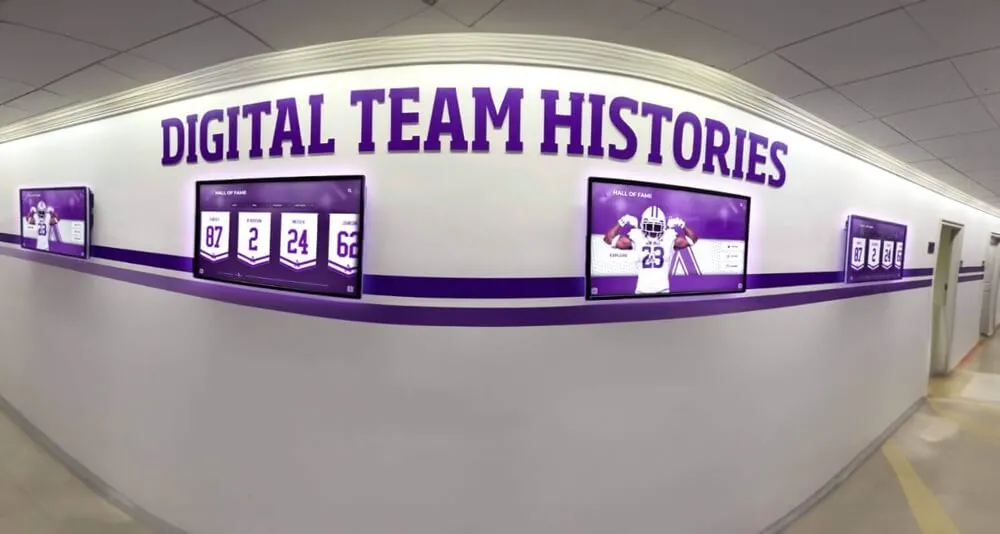
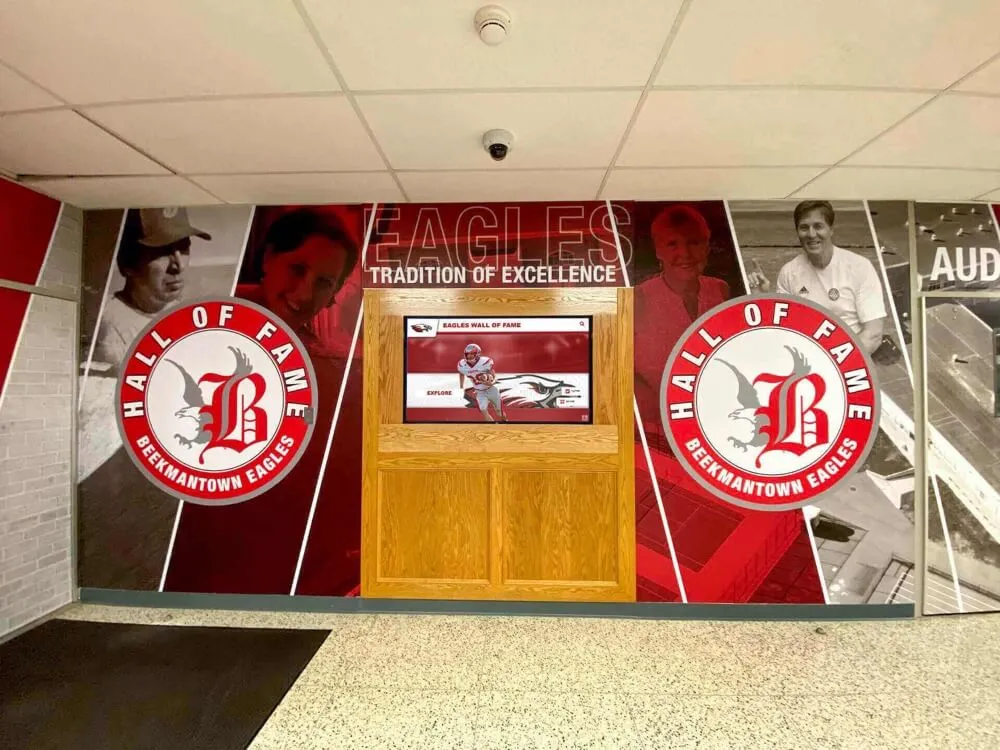
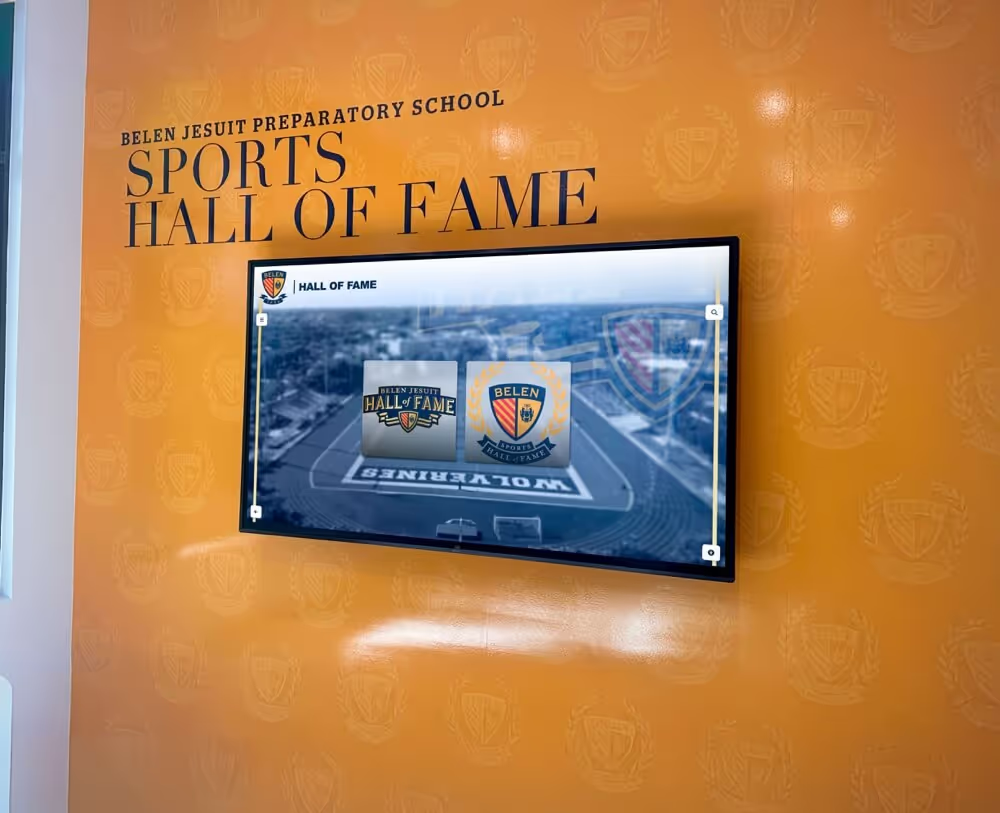
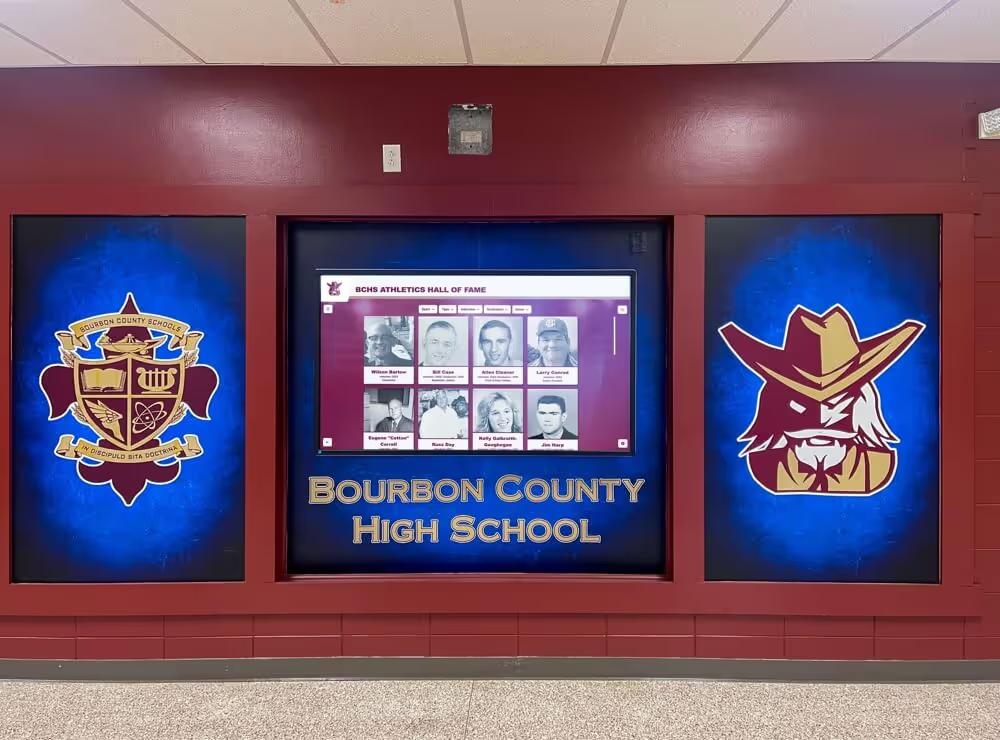
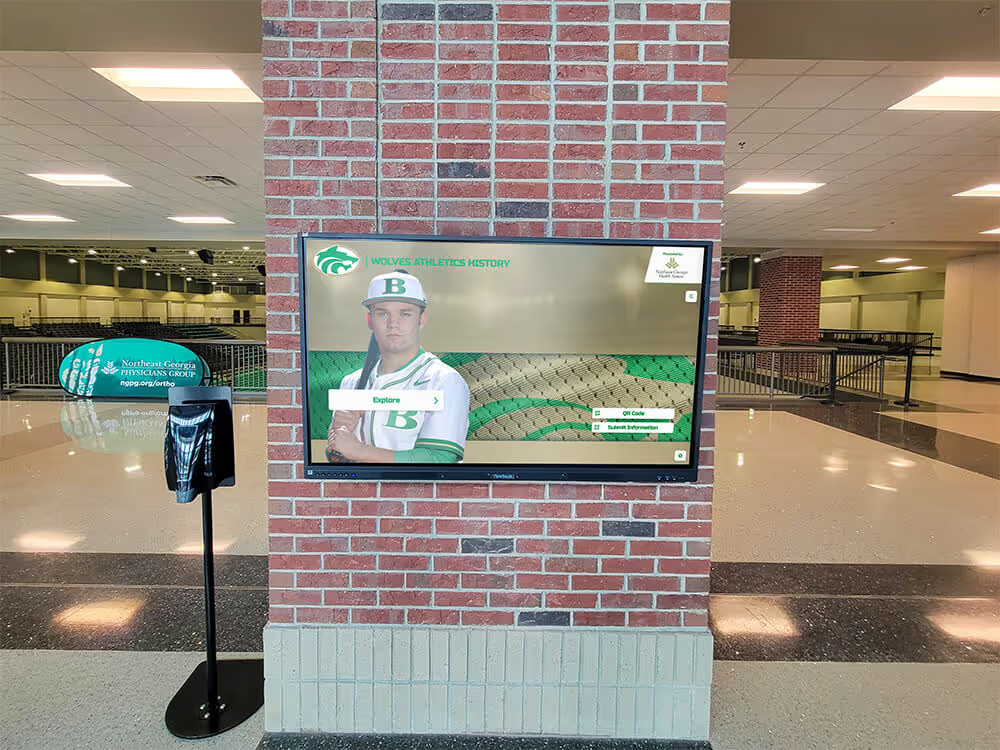
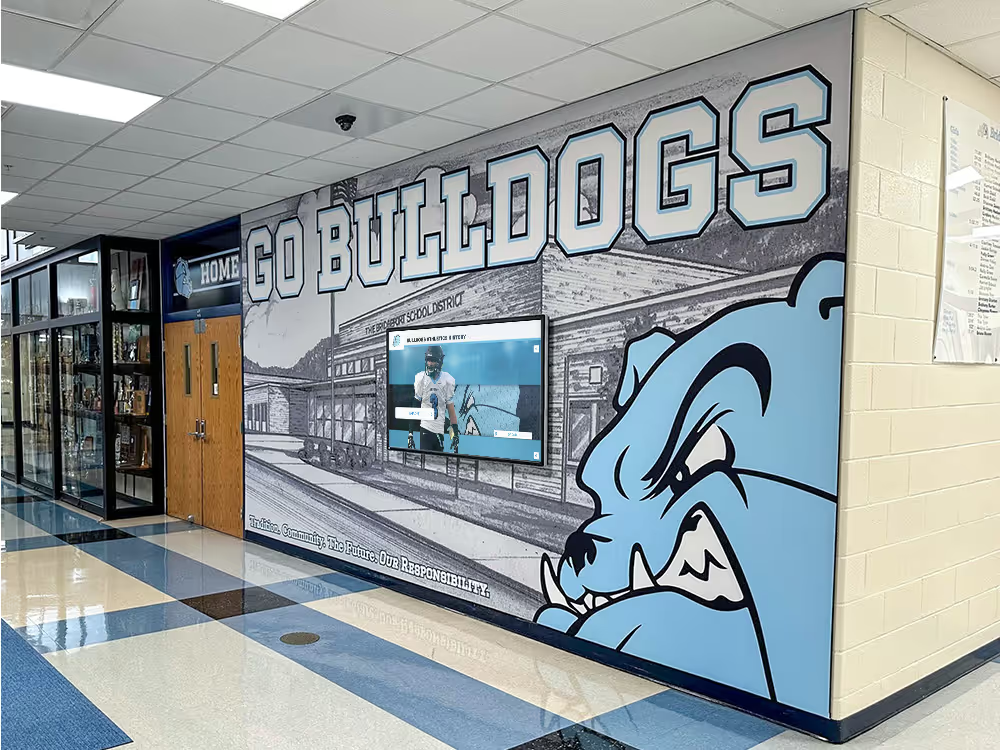
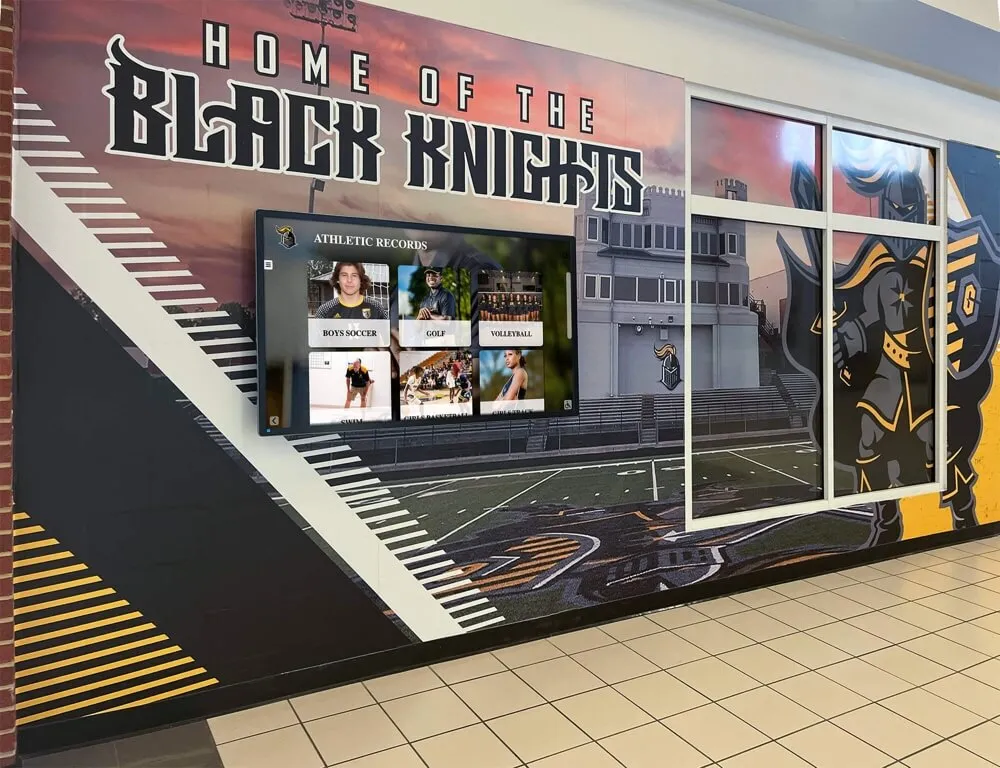
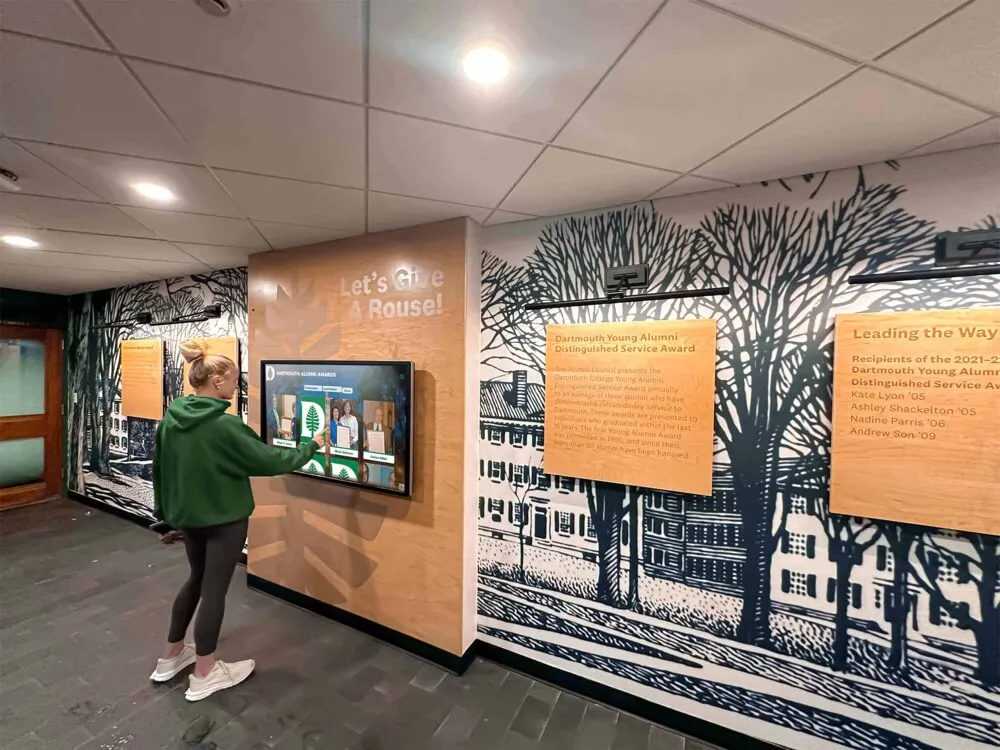
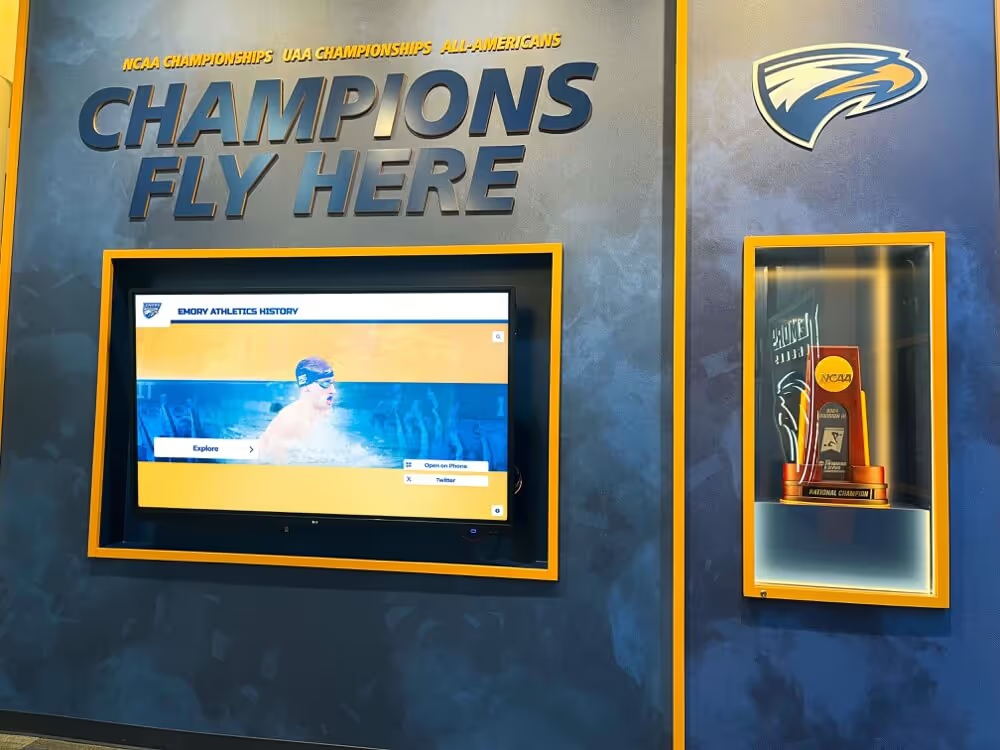
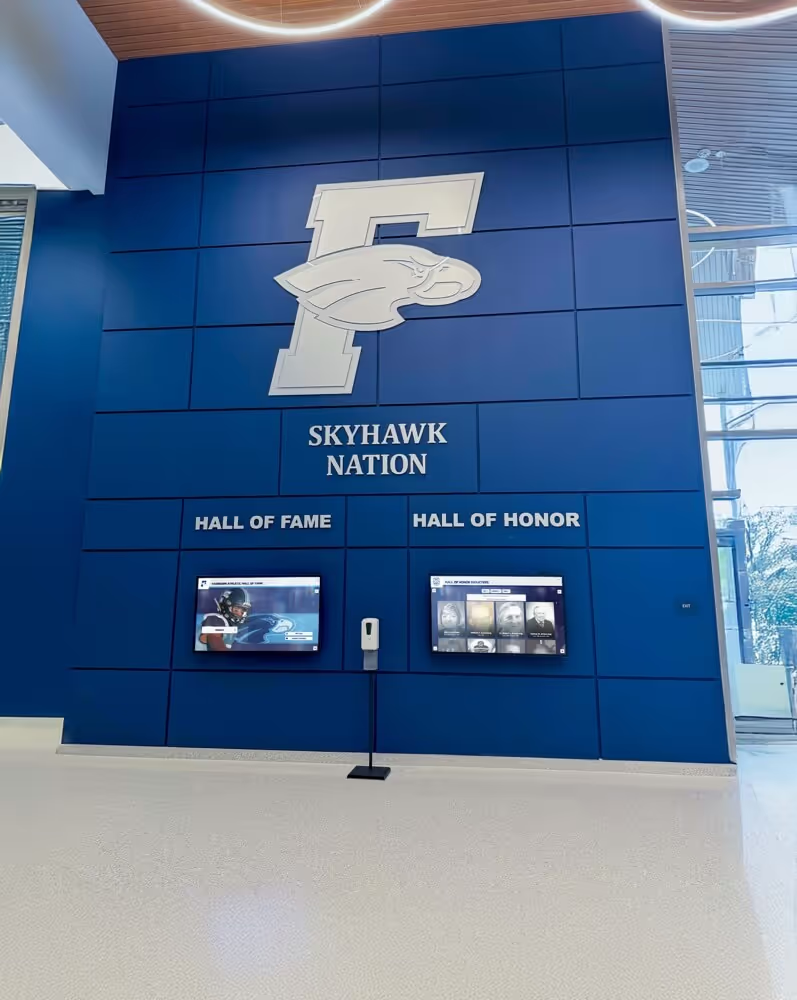
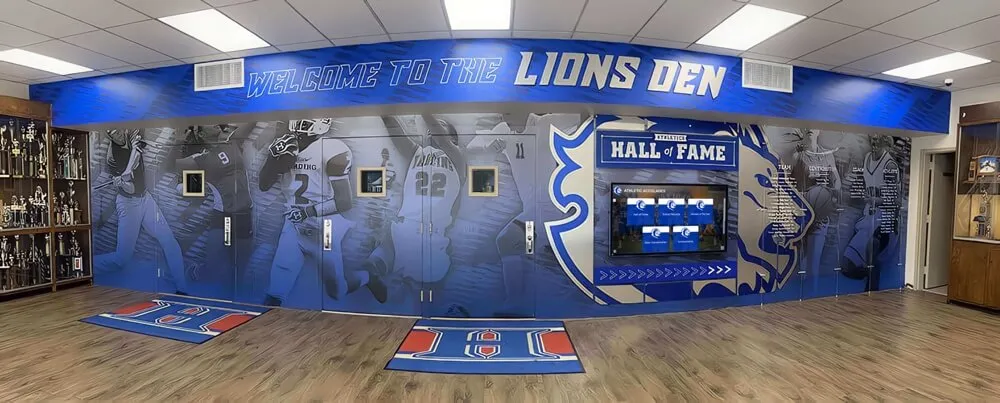
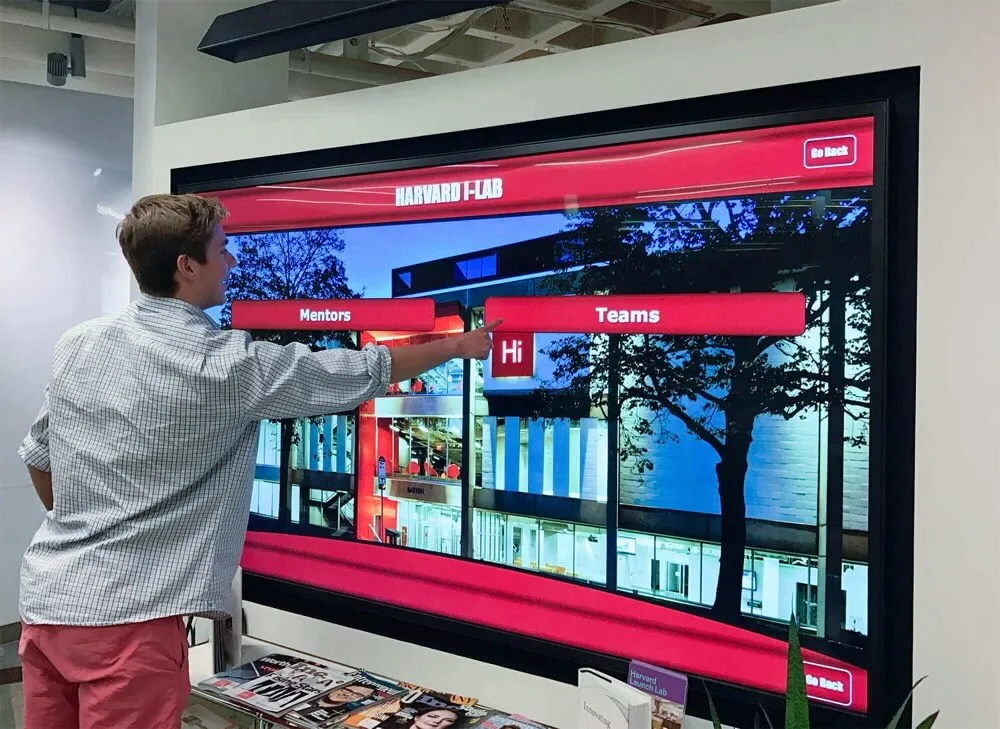
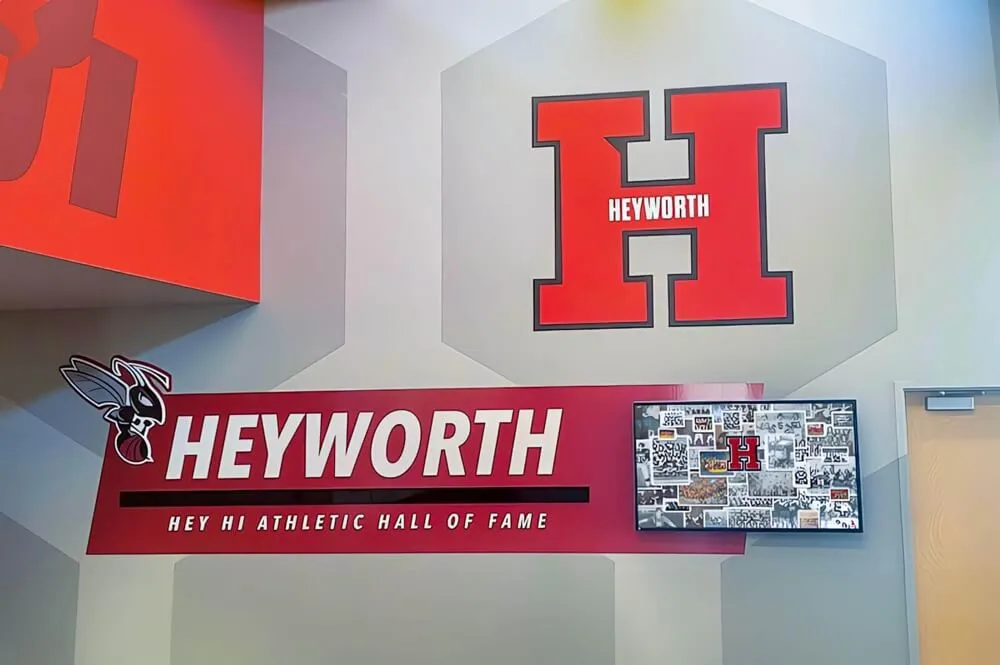
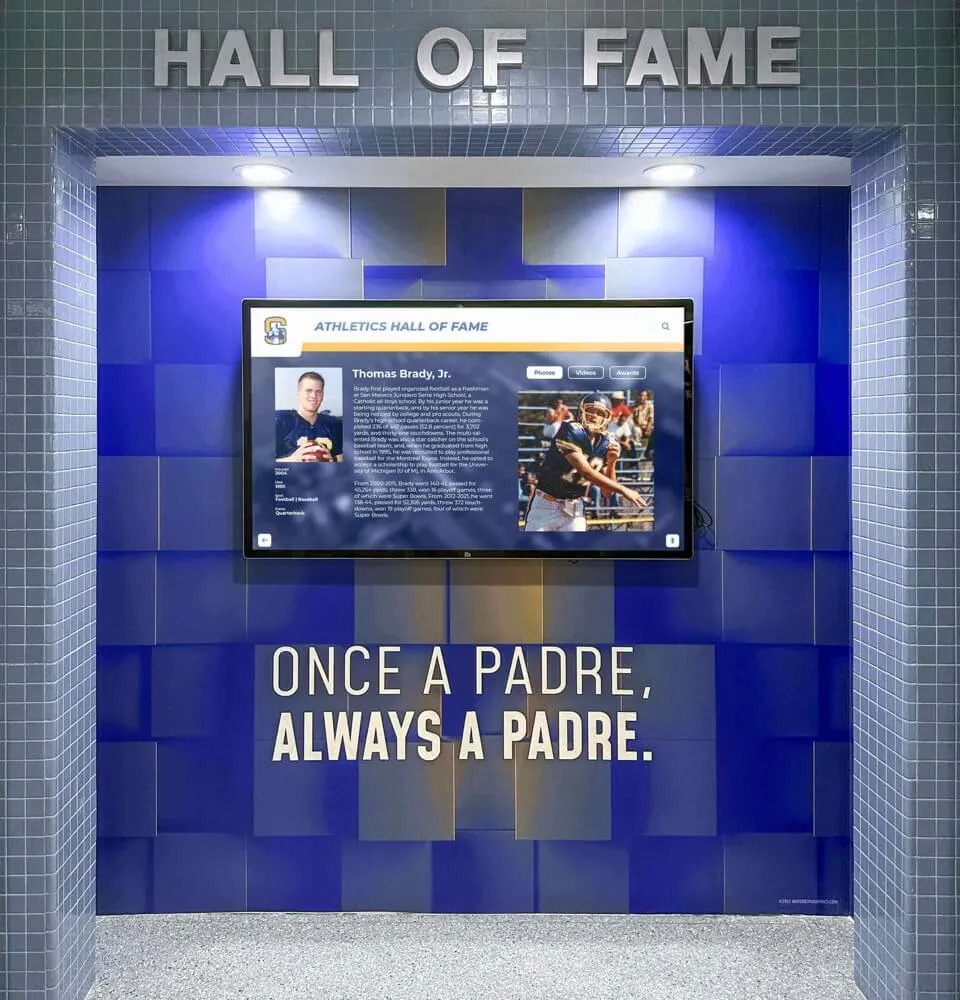
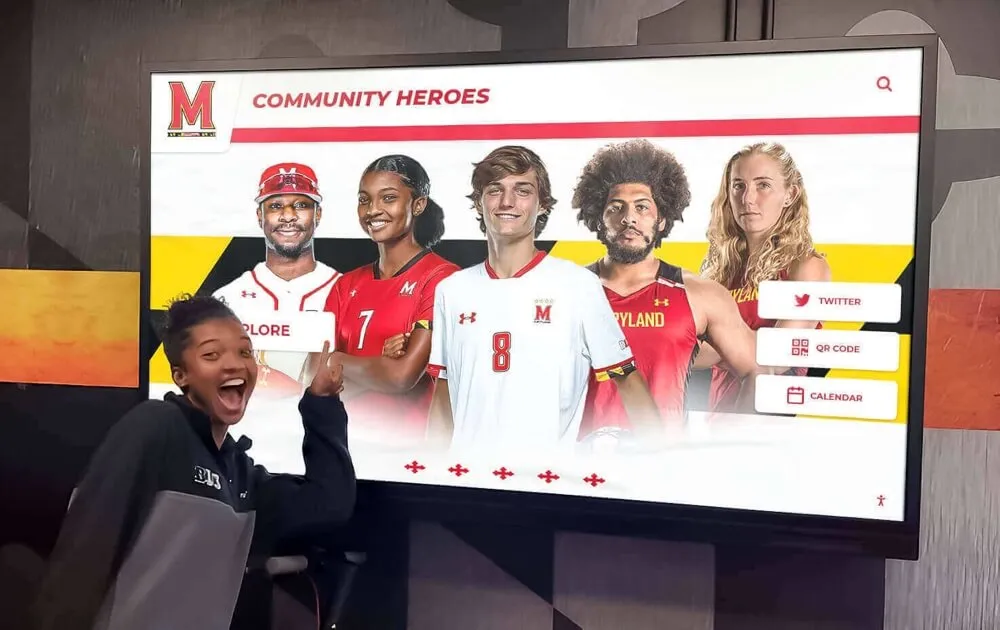
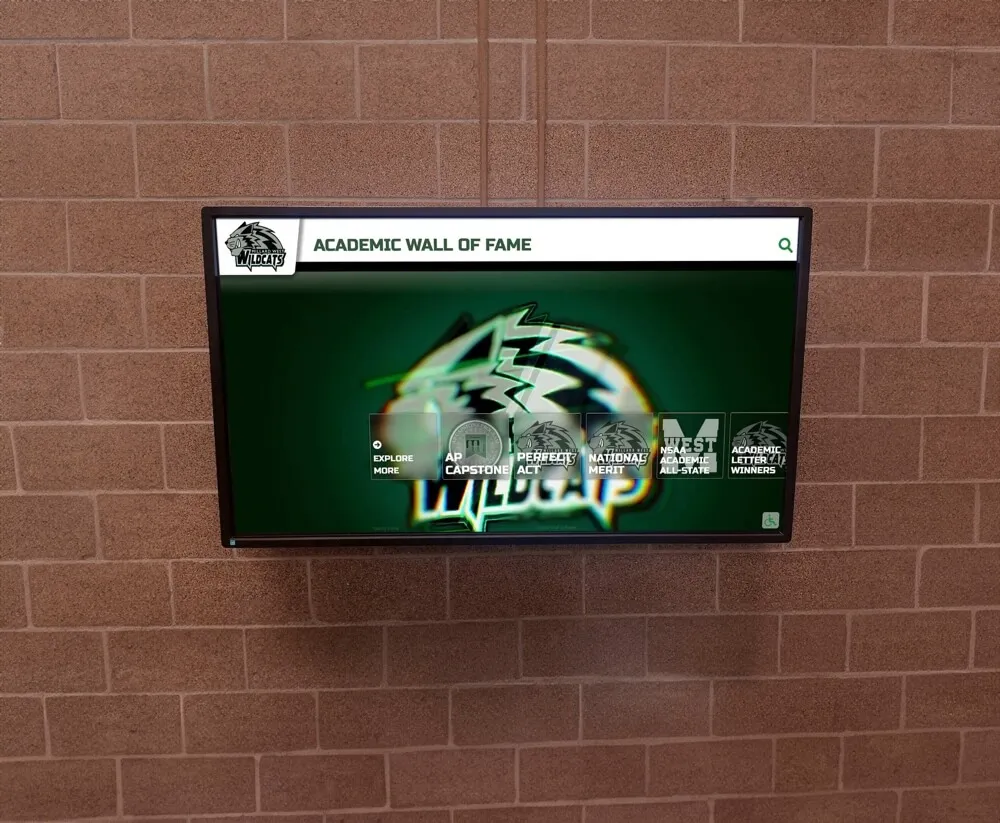
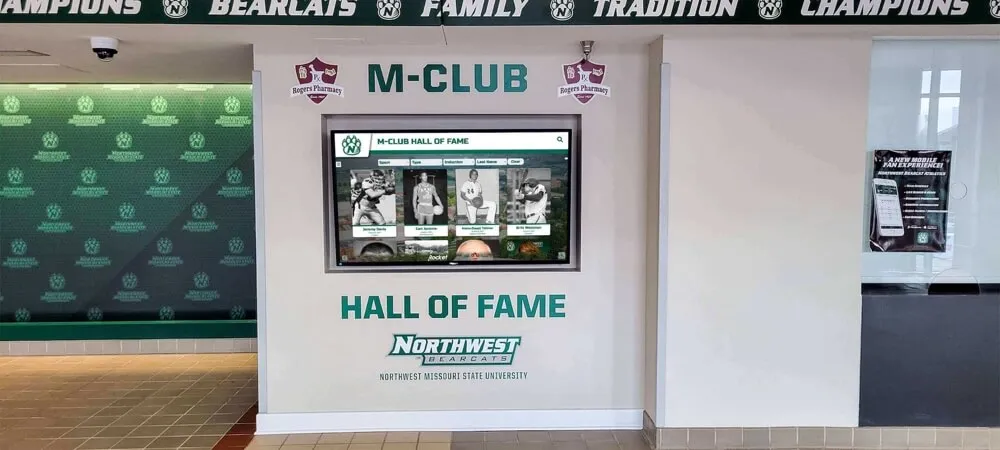
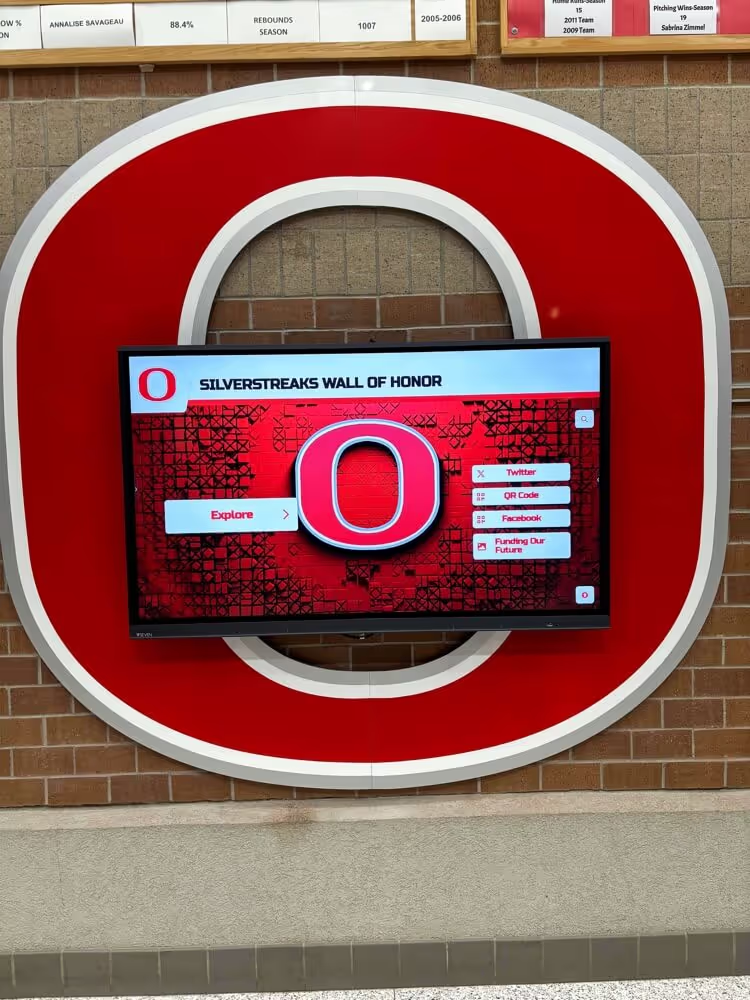
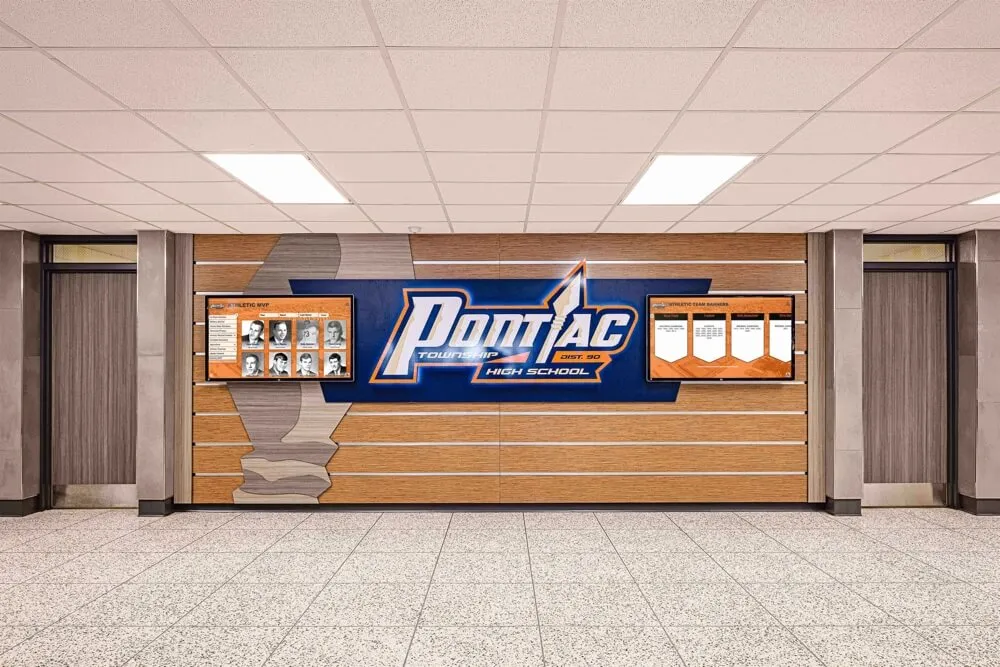
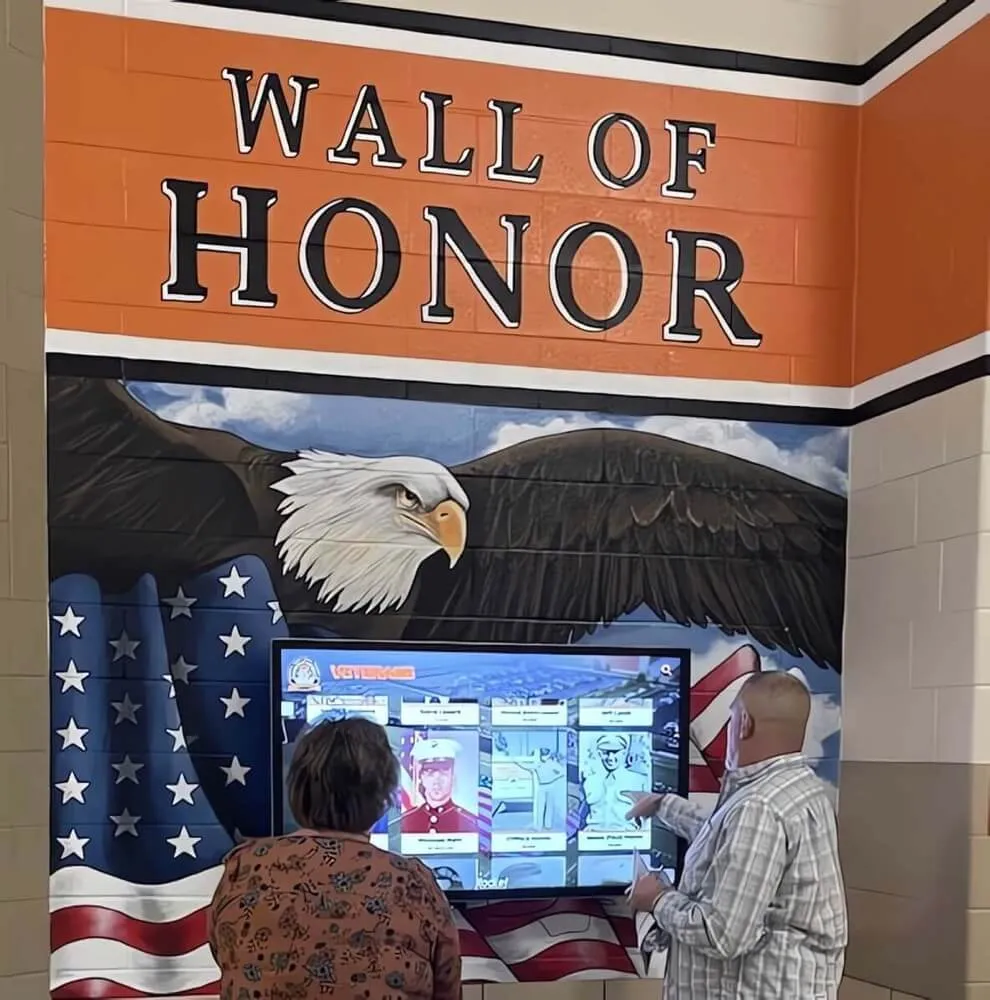
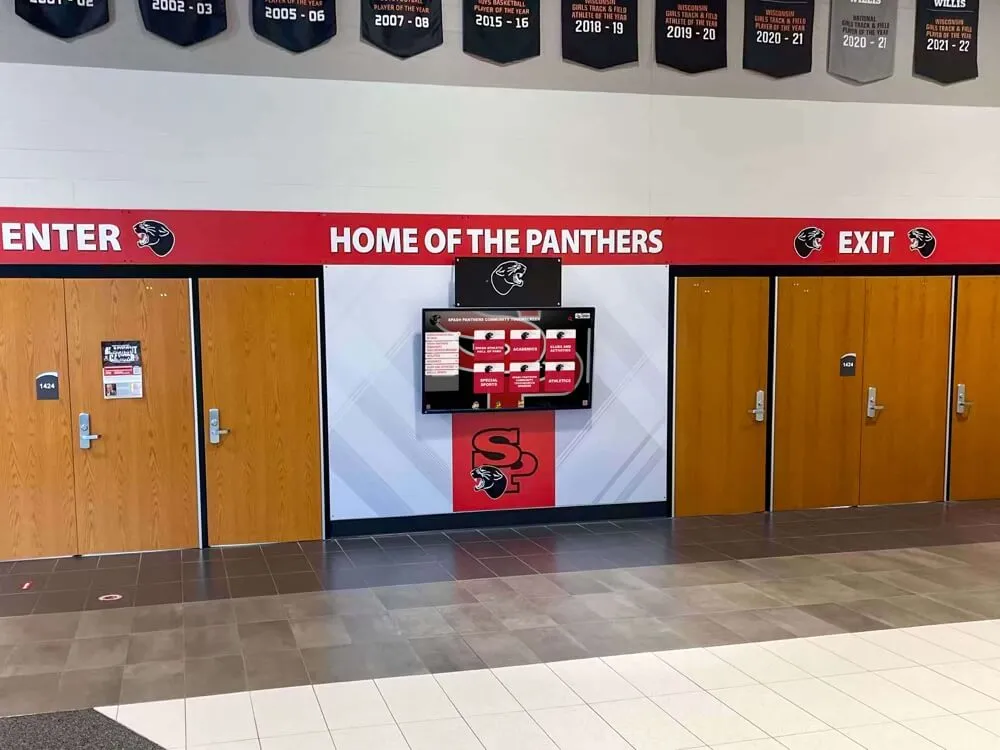
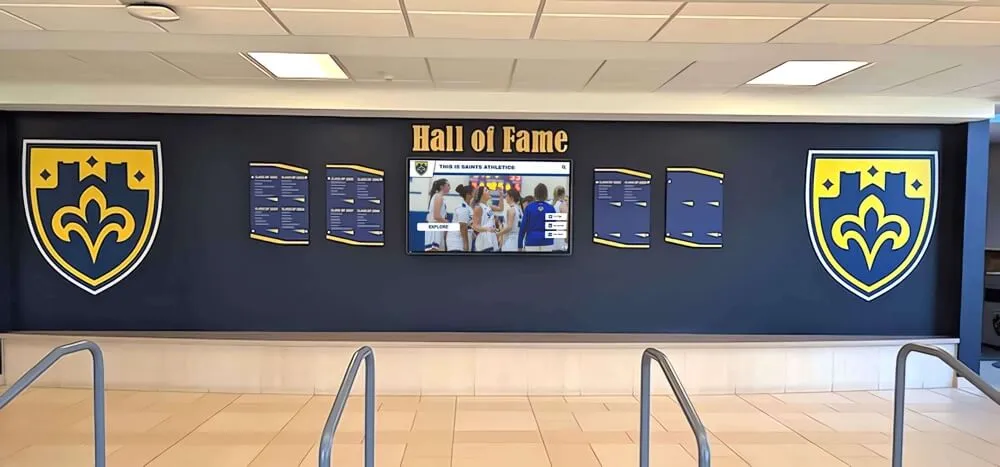
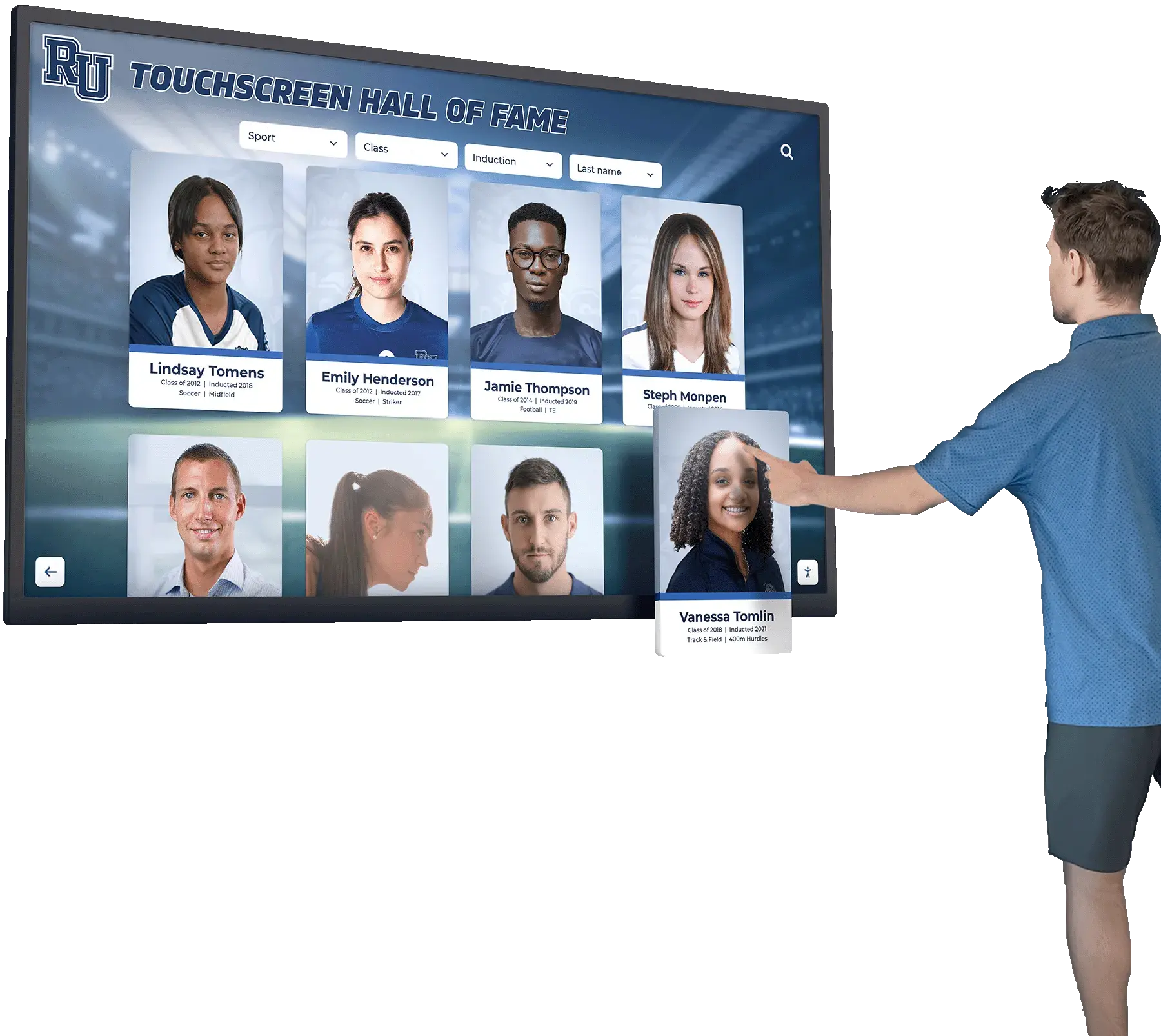
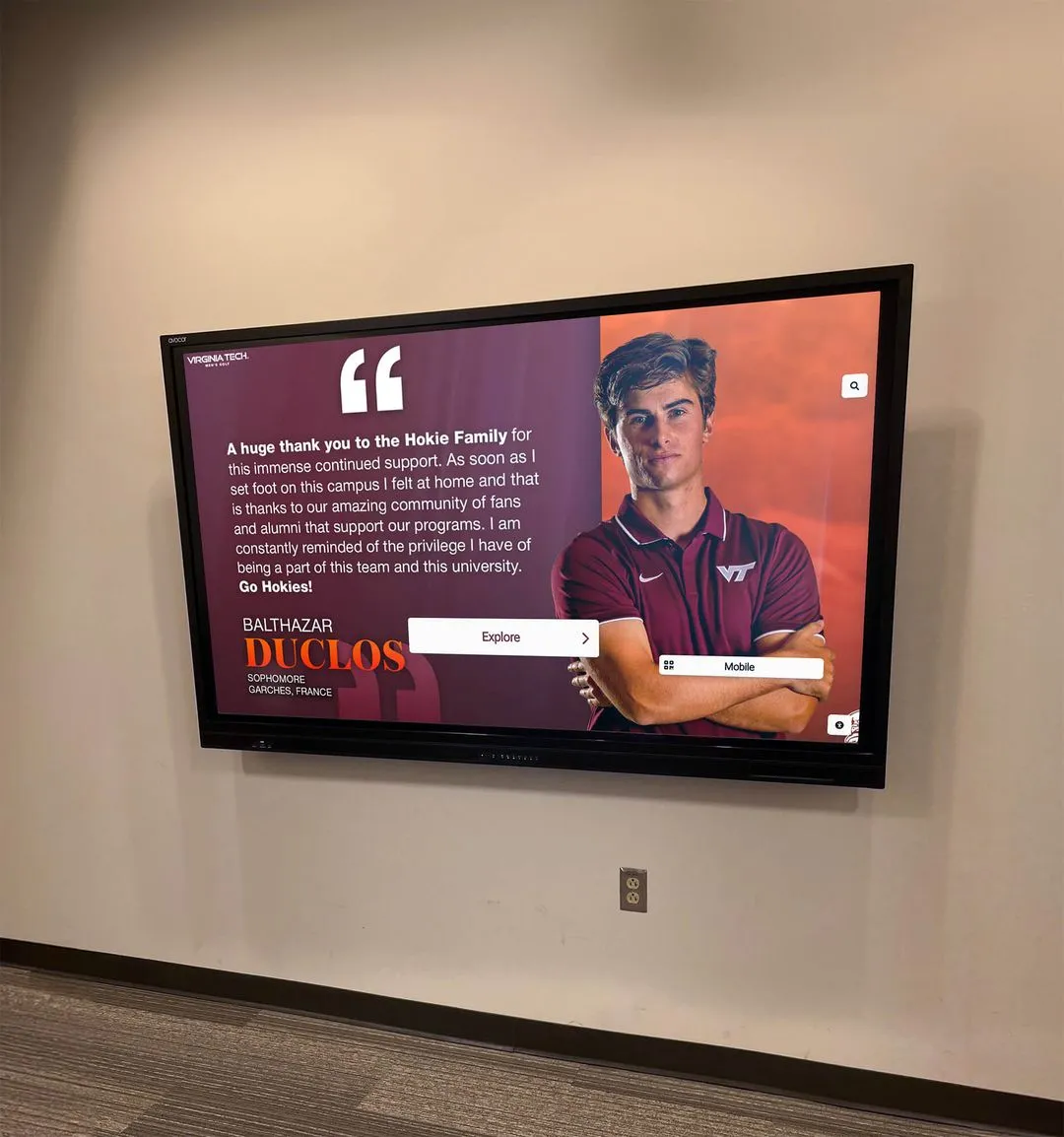
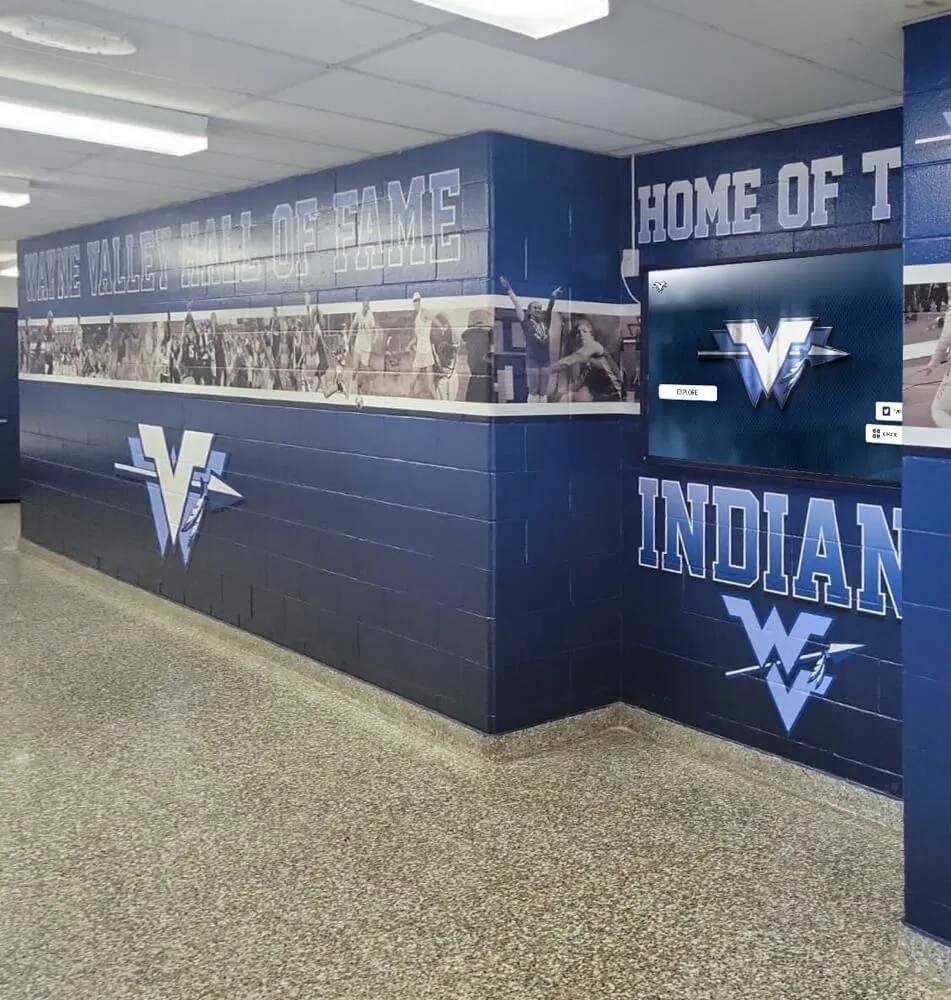
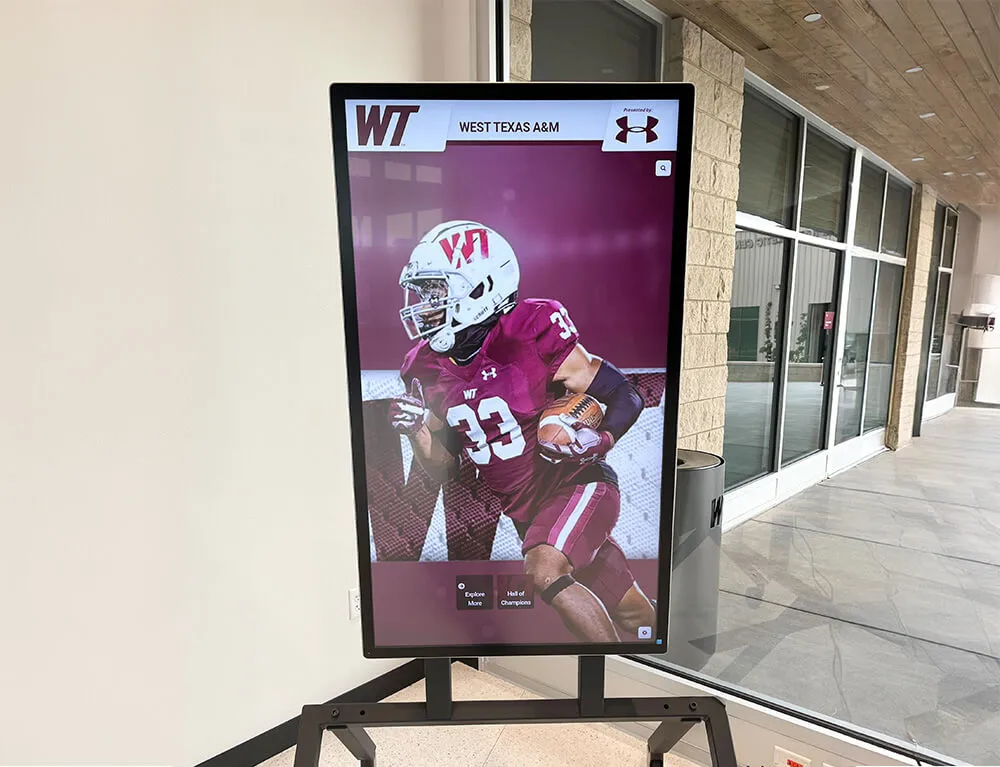
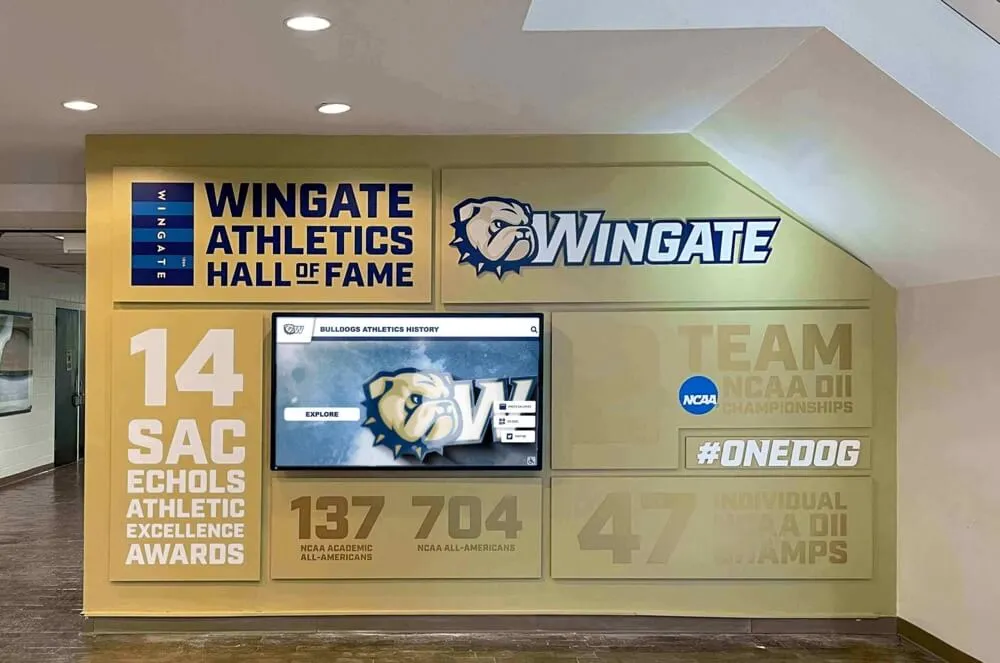
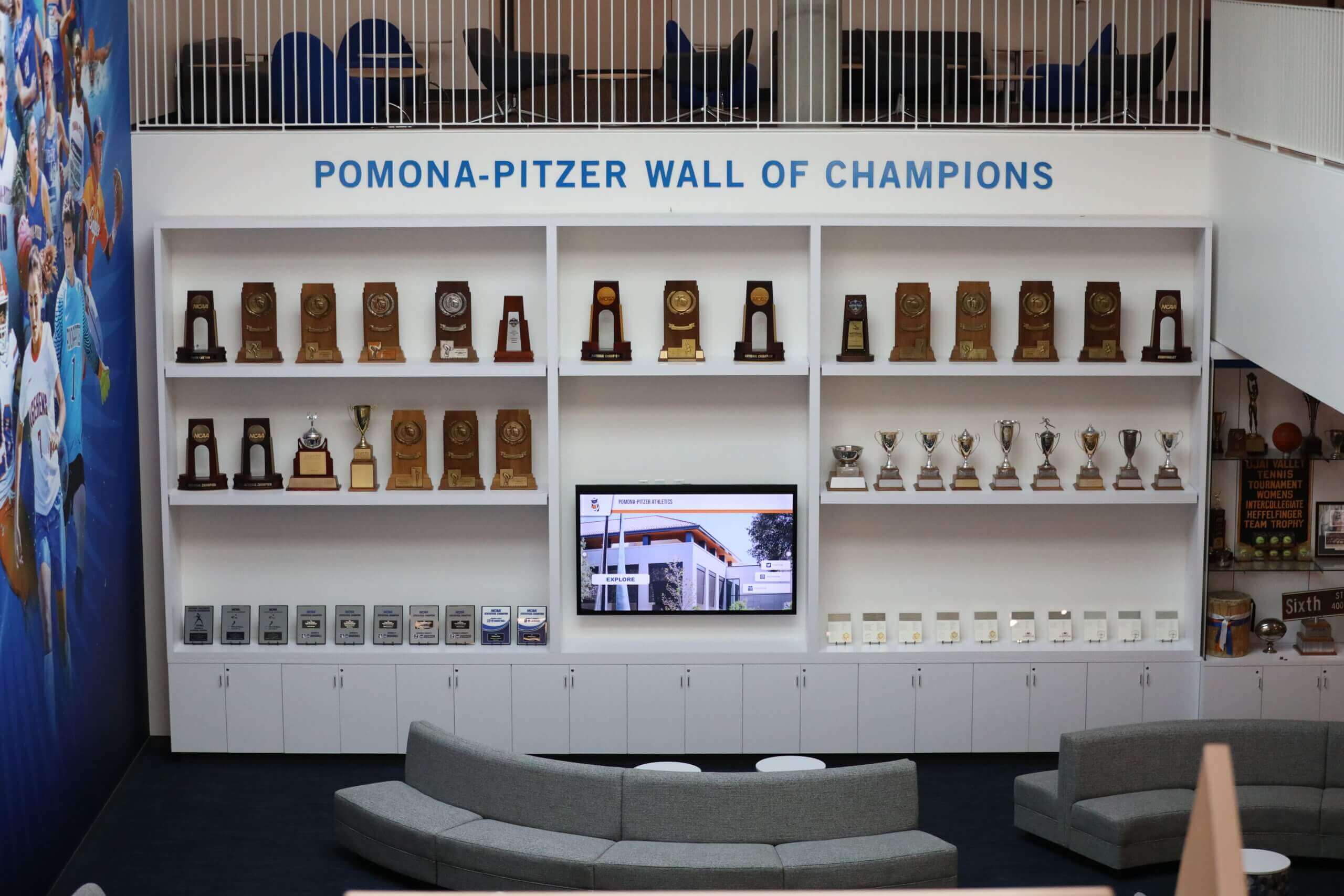
While championship rings provide personal mementos for individual team members, schools increasingly complement rings with permanent recognition systems honoring championship teams, individual achievements, and program history comprehensively. Digital championship displays enable schools to showcase every championship team with complete rosters, season statistics, playoff runs, team photos, and championship game highlights—creating permanent legacy presentations that inspire current athletes while preserving program history. Solutions like Rocket Alumni Solutions provide schools with interactive displays featuring unlimited capacity for championship teams across all sports and eras, automatic record-keeping and statistics, searchable databases connecting alumni with team history, multimedia integration including photos and videos, and remote updating capabilities eliminating ongoing maintenance costs while creating engaging presentations that honor championship traditions permanently.
The History and Evolution of Championship Rings
Championship rings trace their origins to professional sports traditions, eventually becoming standard recognition symbols across competitive athletics at all levels.
From Professional Sports to High School Traditions
Championship rings emerged as professional sports recognition standards during the early-to-mid 20th century, with baseball teams among the first to commission custom rings for World Series victors. The practice reflected both the significance of championship achievements and the financial resources of professional franchises capable of providing expensive personalized jewelry to entire rosters.
Migration to College and High School Athletics
The tradition gradually expanded beyond professional ranks as colleges and high schools adopted similar recognition practices for championship teams. By the 1970s and 1980s, state championship rings had become expected recognition elements for high school championship teams in many regions, particularly for high-profile sports like football, basketball, and baseball.
This expansion reflected several cultural factors: increased commercialization of high school athletics, growing booster organizations with fundraising capacity to support ring purchases, the ring industry’s development of more affordable production methods making rings accessible beyond professional sports, and the recognition that high school championships often represent athletes’ highest competitive achievements—unlike professional athletes who may win multiple championships.
Regional and Sport-Specific Variations
Championship ring traditions vary significantly by region, sport, and school culture. Some states and communities consider rings essential championship recognition while others emphasize alternative forms of acknowledgment. Football and basketball programs most consistently provide rings, while other sports may receive rings selectively based on budget availability and program traditions.
The expectation around rings has intensified in recent decades as enhanced manufacturing capabilities have made custom ring production more accessible, social media has amplified championship celebrations where rings feature prominently, and recruiting considerations have made championship tradition showcasing increasingly important for competitive programs.
Championship Ring Design Elements and Symbolism
State championship rings follow recognizable design conventions while allowing considerable customization reflecting team identity and specific achievements.
Standard Ring Components
Most championship rings incorporate consistent structural elements:
Face Design represents the ring’s primary visual element, typically featuring school logos, mascot imagery, championship emblems (trophy icons, state outlines, etc.), sport-specific symbols (footballs, basketballs, etc.), and the championship year. Face designs balance recognizable team branding with championship-specific elements creating immediate visual identification of the achievement.
Side Panels provide additional customization space for team-specific information including season records, playoff results, memorable scores, team mottos or slogans, and individual personalization (player names, numbers, positions). Side panels allow storytelling beyond basic championship acknowledgment, capturing the specific journey of individual championship seasons.
Interior Engravings offer personal touches invisible to external observers but meaningful to wearers. Common interior engravings include player names, jersey numbers, championship dates, and inspirational phrases or Bible verses significant to teams or individuals.
Material Choices and Quality Levels
Ring manufacturers offer various material and quality options affecting both appearance and cost:
Metal Selections typically include base metal with gold or silver plating (most economical option), sterling silver (mid-range quality and cost), 10-karat or 14-karat gold (premium options with significant cost increases), and white gold or alternative metals for aesthetic variation. Metal choice substantially impacts ring cost and durability, with gold rings maintaining appearance better over decades compared to plated options that may show wear.
Stone and Accent Elements provide additional customization including cubic zirconia or synthetic stones (standard affordable options), genuine birthstones or team-color stones (moderate premium), and genuine diamonds or precious stones (premium additions significantly increasing cost). Many programs reserve genuine stone upgrades for coaching staff rings while providing standard options for player rings managing overall costs.
Resources on athletic award ceremony ideas include ring presentation traditions and celebration planning.
The Championship Ring Ordering Process
Schools navigating ring ordering for the first time benefit from understanding typical processes, timelines, and decision points.
Selecting Ring Vendors and Gathering Proposals
Championship ring ordering typically begins with vendor research and proposal gathering.
Identifying Ring Companies
Multiple companies specialize in championship ring production for high school athletics. Established vendors include Jostens (largest provider with extensive high school presence), Balfour (another major supplier with school relationship networks), Herff Jones (provider serving many high school markets), and specialized sports ring companies focusing exclusively on athletic championship rings. Each vendor offers different design capabilities, customization options, pricing structures, and support services.
Many schools begin with vendors already serving their programs for class rings, letterman jackets, or other recognition products, leveraging existing relationships and potentially negotiating package discounts. Other programs solicit competitive proposals from multiple vendors comparing design capabilities and pricing.
Design Consultation Process
Ring vendors typically assign sales representatives working with schools through design development. This process includes reviewing design templates and customization options, creating digital mockups visualizing proposed ring designs, gathering team input on design preferences (coaches, captains, team votes), revising designs based on feedback, and finalizing specifications including sizes, materials, and personalization elements.
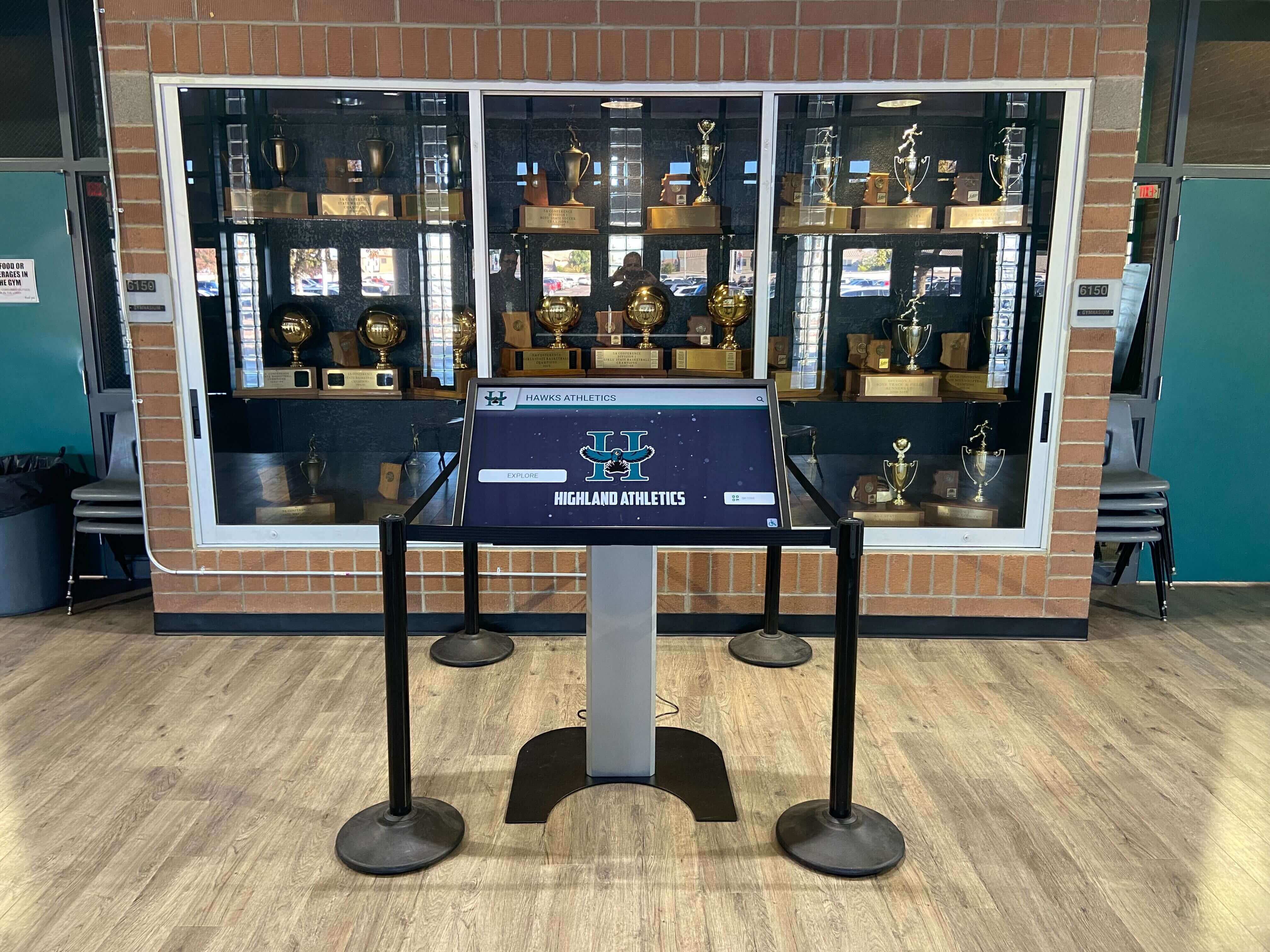
Design development timelines vary but typically require 2-4 weeks from initial consultation to final approval depending on revision rounds and decision-making processes.
Gathering Sizing and Personalization Information
Once designs are approved, vendors need individual information for each ring recipient. This includes accurate ring sizes (vendors typically provide sizing kits), name spellings for interior engraving, jersey numbers or position designations, and any individual customization options offered. Collecting this information requires coordination ensuring all team members provide accurate details avoiding costly sizing errors or engraving mistakes.
Budgeting, Funding, and Cost Management
Championship rings represent significant expenses requiring careful financial planning.
Typical Cost Ranges
Championship ring costs vary dramatically based on design complexity, material choices, and order quantities:
Basic Rings with plated metals and synthetic stones typically range $75-150 per ring. These entry-level options provide recognizable championship rings within modest budgets while sacrificing some durability and premium aesthetics.
Mid-Range Rings featuring better materials, more design detail, and quality construction typically cost $150-300 per ring. This range represents common choice points balancing quality with cost management for most programs.
Premium Rings with gold construction, genuine stones, and extensive customization easily exceed $300-500+ per ring. These options suit programs with strong booster support or special championship circumstances (program’s first championship, perfect season, national recognition, etc.).
Coaching staff rings often receive upgrades compared to player rings, with head coaches sometimes receiving significantly more elaborate versions acknowledging leadership roles.
Funding Approaches
Schools employ various strategies funding ring purchases:
Booster Organization Fundraising represents the most common approach, with athletic boosters covering partial or complete ring costs through established fundraising mechanisms. This approach positions rings as team recognition rather than individual purchases.
Player/Family Contributions where families pay established amounts toward ring costs (often with boosters covering portions) creating shared investment models. This approach works when presented as optional enhancement rather than requirement, ensuring budget limitations don’t exclude athletes from receiving championship recognition.
School Budget Allocations where districts dedicate athletic budget resources to championship recognition including rings. This approach ensures consistent recognition standards but may face budget constraint challenges.
Sponsorship Support where local businesses sponsor ring purchases in exchange for recognition, typically through naming on ring boxes, presentation ceremony acknowledgment, or inclusion in championship celebration materials.
Information about team celebration ideas covers ring presentation ceremonies and broader championship recognition events.
Production Timelines and Delivery
Understanding production schedules helps schools plan appropriate ring ordering and presentation timing.
Typical Production Timeframes
From final order approval to delivery, championship ring production typically requires 6-10 weeks depending on design complexity, vendor production schedules (busy seasons following major sports championships create longer waits), material availability (genuine stones or precious metals may extend timelines), and order sizes (larger orders may process faster due to production efficiencies).
Schools should account for these timelines when planning ring presentations. Many programs prefer presenting rings during athletic banquets, special ceremonies, or the following season’s home games creating public celebration moments. Working backward from desired presentation dates ensures ordering occurs with sufficient lead time.
Quality Control and Corrections
Ring orders occasionally include errors requiring vendor correction—wrong sizes, misspelled engravings, incorrect design elements, or quality defects. Reputable vendors replace defective rings or correct errors without additional charges, but correction processes add weeks to delivery timelines. Careful proofing of all specifications before final approval minimizes correction needs.
Alternative Recognition Methods and Complementary Traditions
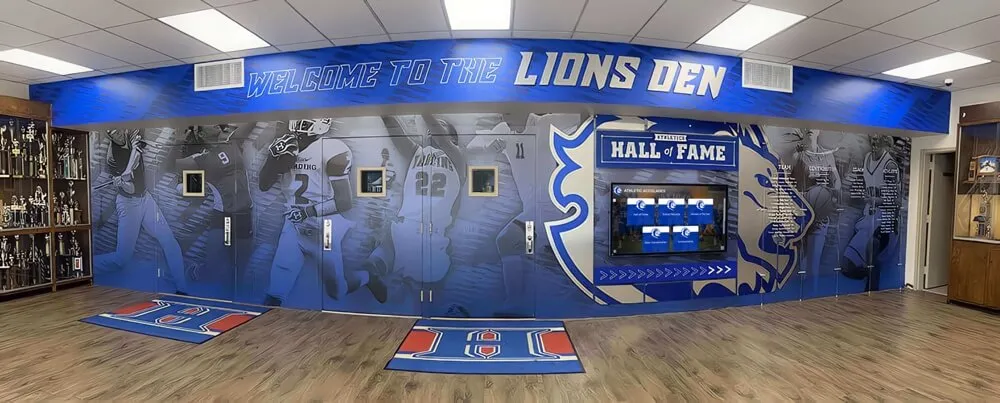
While rings remain popular championship recognition, schools also employ alternative or supplementary approaches honoring championship achievements.
Traditional Alternative Recognition Items
Various alternatives provide championship recognition for programs where rings don’t fit budget realities or cultural preferences.
Championship Watches
Some programs provide custom watches featuring team logos, championship engravings, and personalized elements. Watches often cost less than rings while providing lasting wearable recognition. This tradition sees particular use in some regional markets and specific sports where watch traditions have developed.
Championship Pendants and Necklaces
Pendant jewelry on chains offers another wearable alternative, particularly popular for women’s sports where ring traditions may be less established. Pendants can incorporate similar design elements to rings—team logos, championship years, sport symbols—at typically lower costs while remaining meaningful personal items.
Letterman Jacket Championship Patches
Many schools provide special championship patches for letterman jackets marking state title achievements distinctly from standard letter awards. These patches create visible recognition athletes wear throughout school careers while costing significantly less than rings.
Championship Plaques or Frames
Individual plaques or framed certificates commemorating championship participation provide wall-displayable recognition. While less portable than jewelry, quality plaques or frames with team photos and achievement details create lasting keepsakes families often display prominently in homes.
Guidance on end-of-season athletic awards covers various recognition options beyond rings.
Permanent Team Recognition Displays
Beyond individual items, schools create permanent installations honoring championship teams collectively.
Traditional Trophy Cases and Plaques
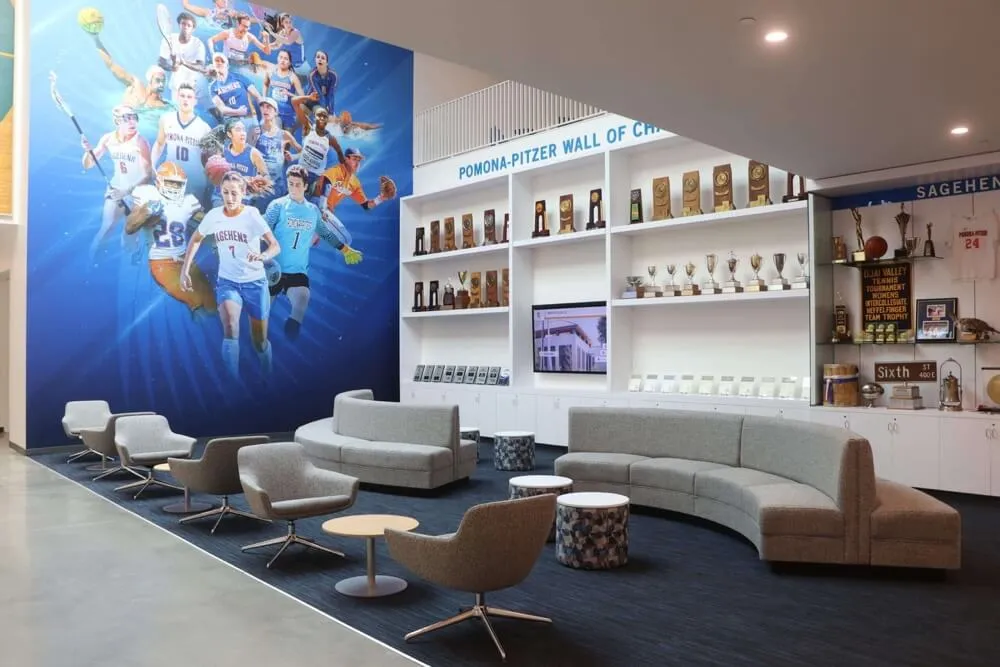
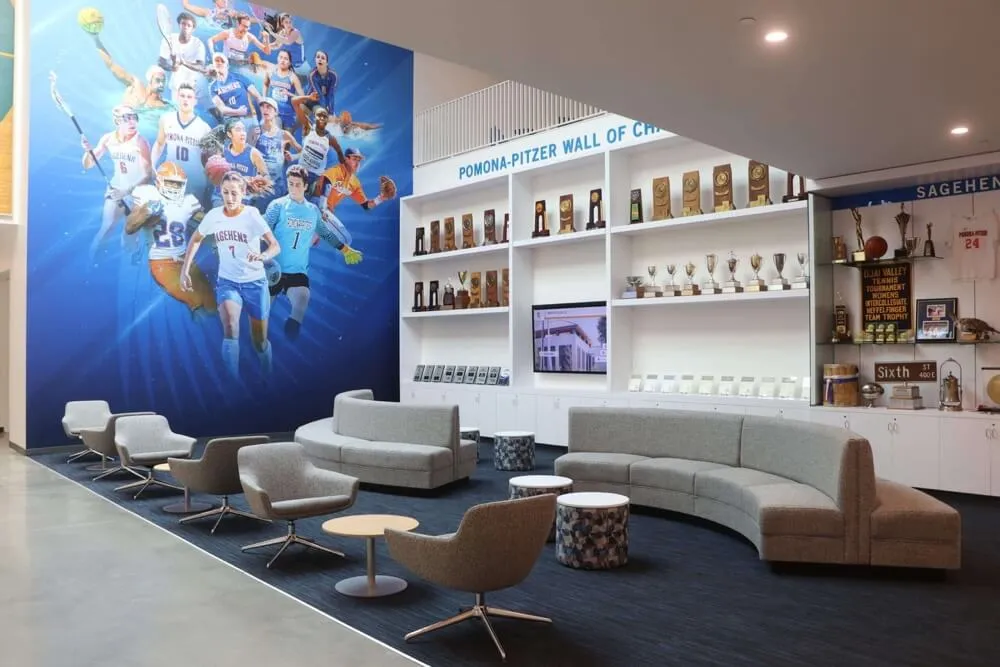
Trophy cases displaying championship trophies, team photos, and roster plaques represent standard recognition approaches. These displays create permanent school installations celebrating championship achievements for current students, visitors, and alumni.
Traditional trophy cases face space limitations as successful programs accumulate championships across multiple sports and decades. Schools frequently struggle determining which achievements receive prime display space and how to accommodate new championships without removing historical recognition.
Championship Banners and Gym Displays
Hanging championship banners in gymnasiums creates highly visible recognition celebrating team achievements. Banner traditions vary by sport and region, with some schools hanging banners for all championships while others reserve banners for specific achievement levels (state championships vs. conference titles).
Banner displays provide excellent visibility during athletic events while requiring minimal space compared to trophy cases. However, banners offer limited information capacity—typically just sport, year, and achievement level without team details, rosters, or achievement context.
Digital Championship Recognition Systems
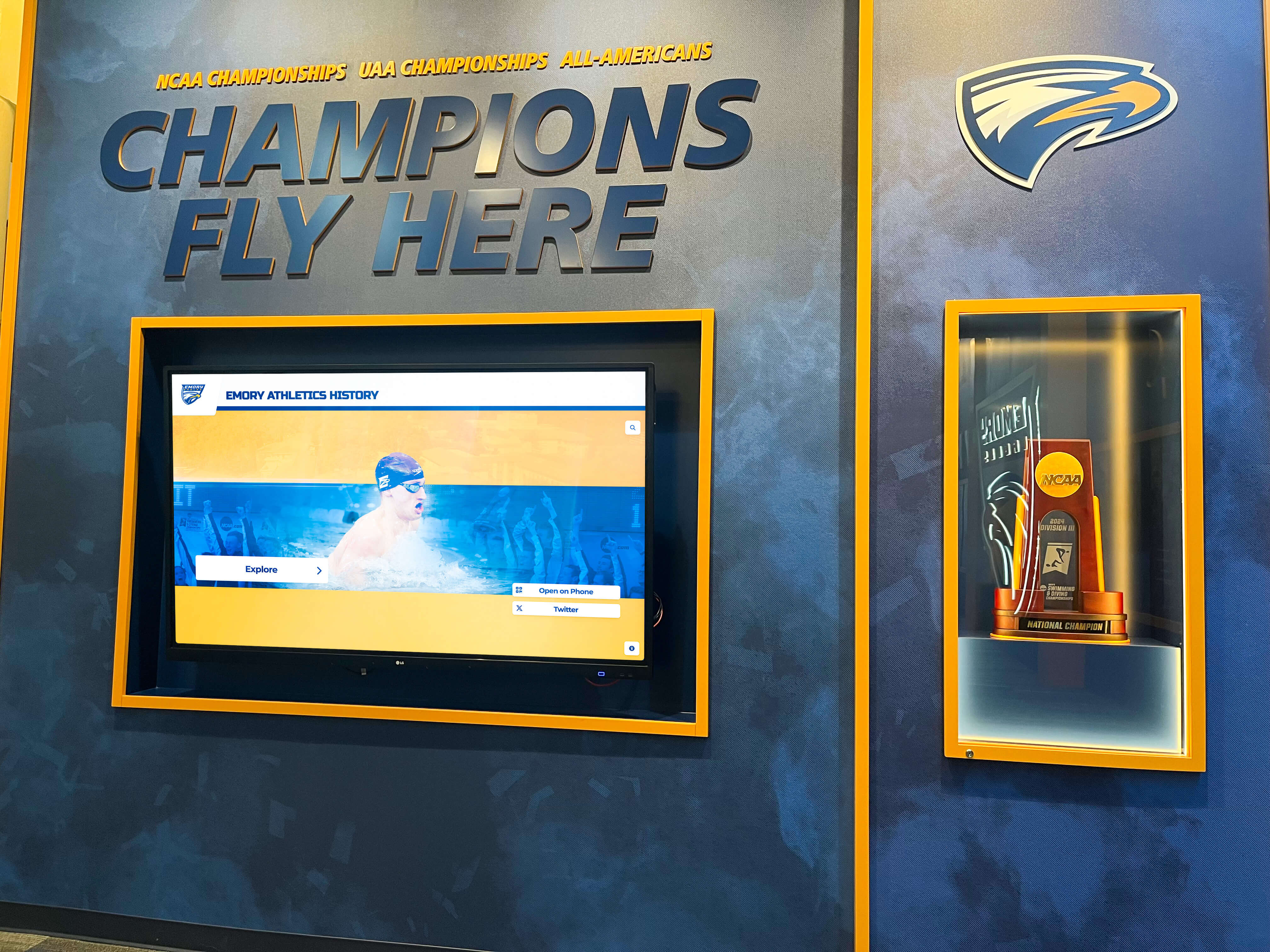
Modern schools increasingly implement digital displays providing comprehensive championship recognition with advantages traditional approaches cannot match. Digital systems offer unlimited capacity accommodating all championship teams regardless of program success levels, complete team information including full rosters, coaches, season statistics, and playoff results, multimedia capability incorporating team photos, championship game highlights, and historical context, searchable databases allowing visitors to find specific teams, athletes, or achievements quickly, and remote updating adding new championships without physical installation work.
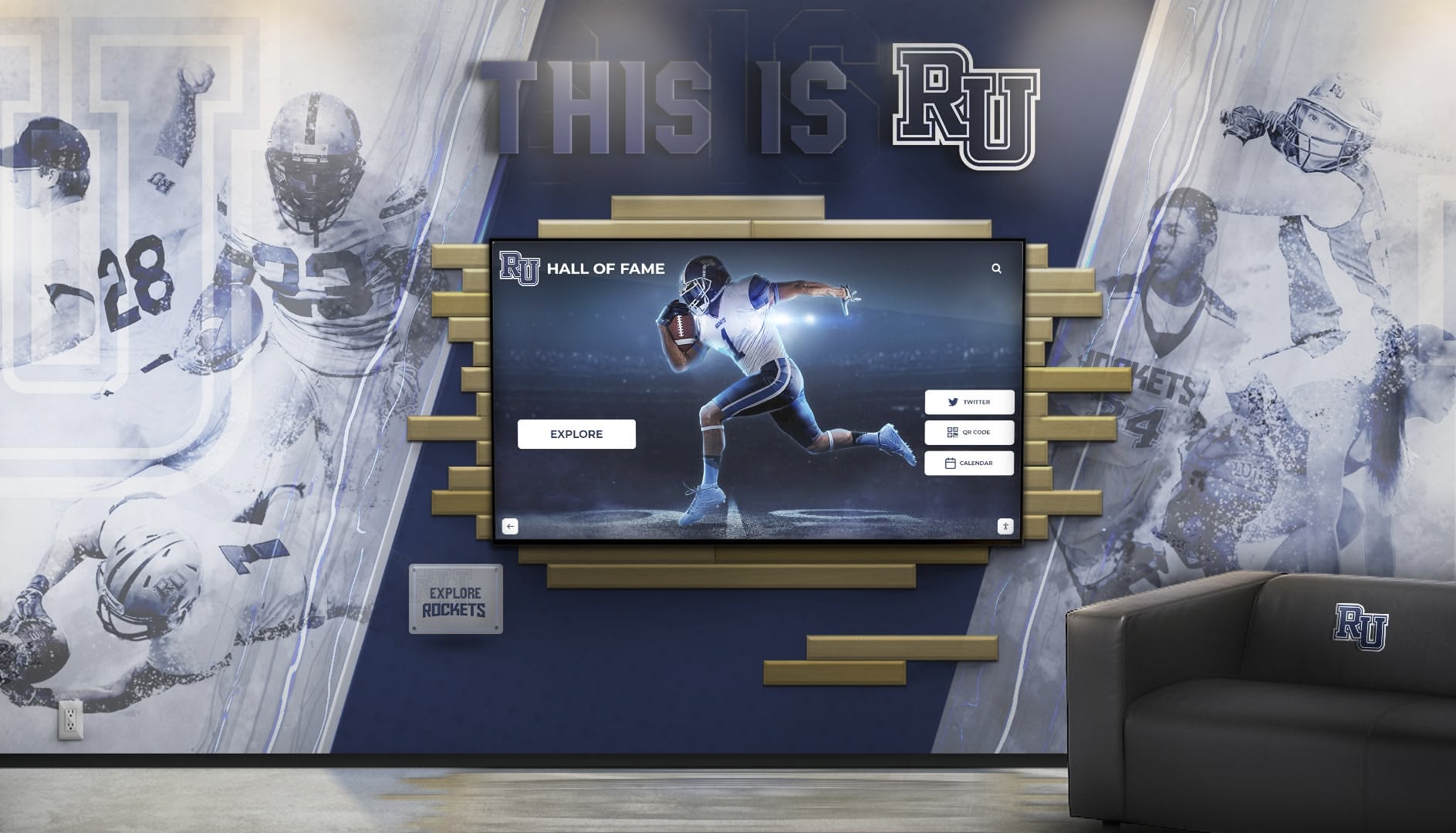
Digital recognition platforms transform championship celebration from static displays into dynamic engagement tools. Visitors can explore championship team details, watch highlight videos, read about historic playoff runs, and understand program evolution over decades—creating richer recognition experiences than traditional approaches allow.
These systems complement rather than replace individual recognition like rings. While rings provide personal mementos athletes keep throughout life, digital displays ensure championship teams receive permanent institutional recognition accessible to all school community members and visitors regardless of when achievements occurred.
Details about interactive trophy case kiosks explain modern digital recognition technology for athletic programs.
Championship Ring Traditions and Presentation Ceremonies
The presentation ceremony transforming rings from ordered items into cherished symbols represents an important tradition requiring thoughtful planning.
Timing Ring Presentations for Maximum Impact
Schools employ different approaches timing ring distributions to create meaningful presentation moments.
End-of-Season Athletic Banquets
Many programs present rings during post-season athletic banquets celebrating team achievements. This timing allows championship season reflection while emotions remain fresh, creates ceremonial moments during established celebration events, and enables presentation to complete teams including seniors before graduation.
Banquet presentations work particularly well when championships occur late in school years (winter or spring sports) allowing reasonable production timelines before school years end.
Following Season Home Events
Programs frequently present rings during the following season’s home games, particularly for fall sports where spring delivery timelines make sense. This approach creates public celebration moments before home crowds, connects current teams with recent championship tradition, and provides visible recognition inspiring current athletes.
Game presentations require careful ceremony planning ensuring appropriate moments without disrupting competition flow or extending events excessively.
Special Ring Ceremonies
Some schools host dedicated ring presentation events separate from banquets or games. This approach creates focused celebration moments without competing priorities, allows extended ceremony time for speeches and recognition, and provides flexibility scheduling when rings arrive and participants can attend.
Dedicated ceremonies work particularly well for programs where multiple teams earned championships creating combined celebration opportunities.
Creating Meaningful Presentation Experiences
Thoughtful ceremony planning elevates ring presentations beyond simple distribution.
Involving School and Community Leadership
Effective presentations often include participation from school principals, district athletic directors, booster organization leaders, and community officials, creating broader institutional recognition of championship achievements. Leadership involvement demonstrates school-wide pride and validates athletic achievement significance.
Documenting Presentation Moments
Many schools arrange professional photography or videography documenting presentation ceremonies. These materials serve multiple purposes including social media sharing celebrating championships, website and facility display content, and historical documentation preserving championship memories. Quality documentation extends presentation impact beyond attendees to broader communities.
Personal Recognition Elements
Beyond distributing rings, effective presentations often incorporate individual athlete recognition, championship season highlight videos, coach reflections on team journey and achievement, and senior tributes for graduating athletes. These elements create emotional depth transforming presentations from administrative tasks into memorable celebrations honoring both collective achievement and individual contributions.
Information on athletic signing day ceremonies provides additional event planning guidance for athletic celebrations.
Managing Expectations and Equity Considerations
Championship ring decisions raise important equity and expectation questions requiring thoughtful policy approaches.
Establishing Consistent Recognition Standards
Schools benefit from clear policies governing championship recognition across all sports.
Sport-by-Sport Consistency
Programs should establish whether all state championship teams receive rings regardless of sport, or if recognition varies by program tradition, budget availability, or other factors. Inconsistent policies where football championships receive rings while other sports don’t create perception problems suggesting unequal value placed on different athletic achievements.
Many schools adopt universal policies: all state championship teams receive designated recognition (whether rings or alternatives) ensuring equitable treatment across sports regardless of profile differences or revenue generation.
Achievement Level Definitions
Clear definitions help determine which achievement levels merit ring recognition. Questions include whether conference championships receive rings or if recognition reserves for state-level achievements, whether consolation championships or runner-up finishes receive recognition, and how individual championships in sports like wrestling, track, or swimming are acknowledged compared to team championships.
Consistent achievement level standards prevent confusion and ensure athletes understand recognition expectations from season outset.
Including All Team Contributors
Determining ring recipient lists beyond varsity athletes requires consideration.
Coaching Staff and Support Personnel
Most programs extend ring recognition beyond players to include head coaches, assistant coaches, athletic trainers, team managers, and other support roles contributing to championship achievements. These inclusions acknowledge that championships require complete team efforts beyond just competitive participants.
Junior Varsity and Practice Squad Contributions
Programs sometimes face questions about recognizing JV players who contributed to program success through practice competition, or practice squad members who supported varsity preparation throughout championship seasons. Policies vary significantly, with some programs limiting rings to varsity roster members while others extend recognition more broadly acknowledging developmental contributions.
Budget constraints often influence these decisions, with broader inclusion requiring additional expenditures. Some programs create tiered recognition where varsity receives rings while JV and support staff receive alternative items like pendants or plaques acknowledging contributions within budget realities.
Long-Term Championship Recognition and Legacy Building
Championship rings represent individual recognition, but comprehensive programs also emphasize permanent institutional memory of championship achievements.
Maintaining Complete Championship Records
Successful programs systematically document championship achievements ensuring complete historical records.
Essential Championship Documentation
Permanent championship records should include complete team rosters with athletes, coaches, and support staff, season statistics and records, playoff brackets and results showing championship paths, championship game summaries with scores, key performances, and memorable moments, team photos and individual portraits, and relevant context about team significance, program milestones, or historical importance.
This documentation serves multiple purposes including supporting future recognition displays, providing information for media requests and program promotion, enabling alumni connections to championship history, and preserving institutional memory as personnel change over decades.
Resources on school history software solutions explain systems for maintaining comprehensive athletic records.
Creating Engaging Historical Presentations
Championship history gains greatest impact through accessible, engaging presentations rather than archived file storage.
Traditional Approaches and Limitations
Historic trophy cases, photo collages, and plaque walls represent standard recognition approaches but face significant limitations. These displays offer limited capacity requiring difficult decisions about featured content, static presentations providing minimal information and context, no accommodation for multimedia elements like videos or extended narratives, and difficult updates requiring physical installation work.
As programs accumulate championships over decades, traditional approaches increasingly struggle accommodating complete championship history comprehensively and engagingly.
Modern Digital Recognition Platforms
Digital championship recognition systems address traditional limitations while creating significantly enhanced engagement experiences. These platforms provide unlimited capacity displaying every championship team regardless of total quantity, rich multimedia presentations including photos, videos, statistics, and detailed narratives, searchable interfaces allowing visitors to find specific teams, athletes, or achievements instantly, and easy remote updates adding new championships and updating historical information without facility access.
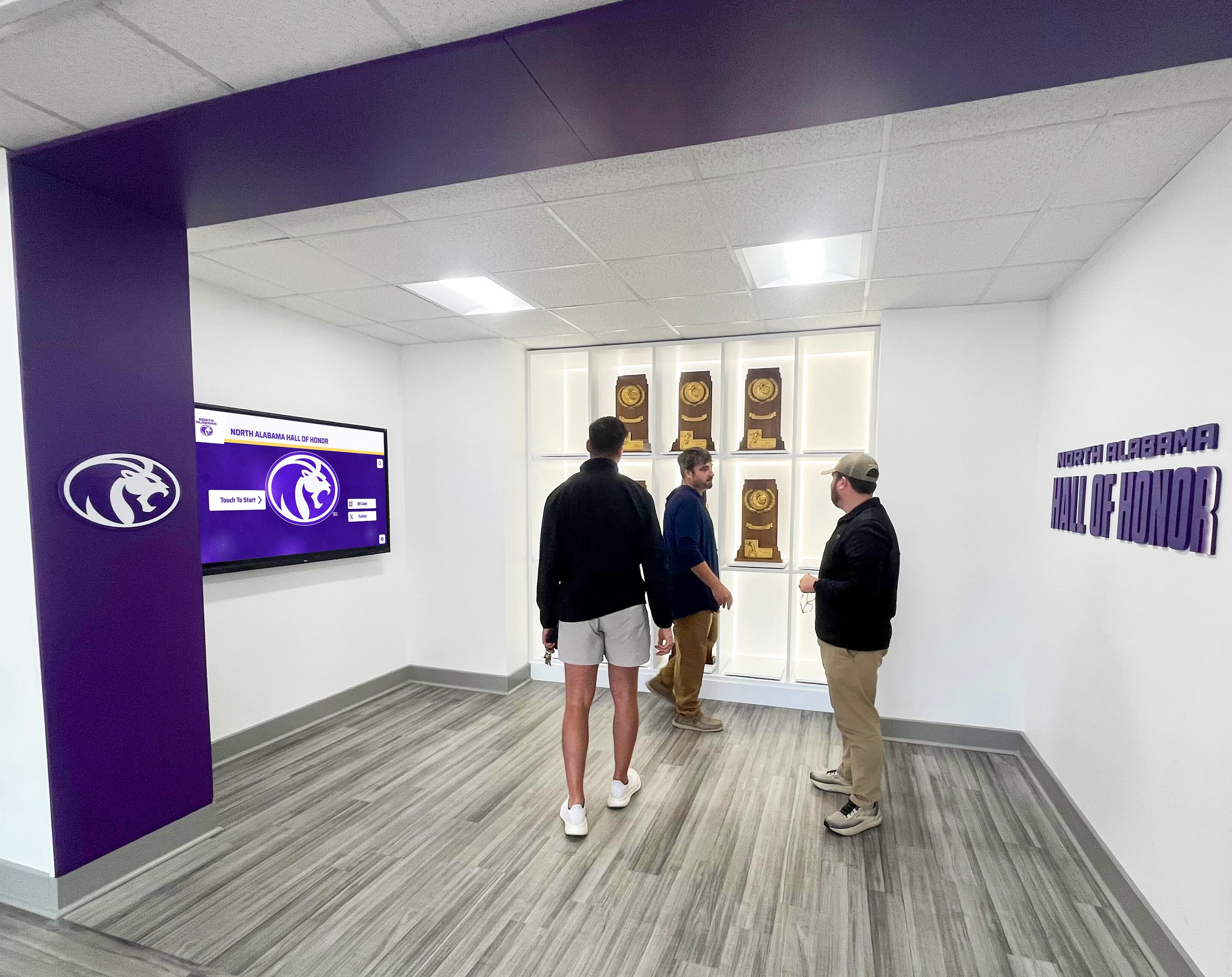
Beyond static information display, modern platforms create interactive exploration encouraging deeper engagement with program history. Visitors can watch championship game highlights from decades past, explore individual athlete profiles and career statistics, track program evolution across eras and coaching tenures, and discover connections between current athletes and historical championship teams.
This enhanced engagement serves multiple stakeholder groups: current athletes gain inspiration from program tradition and championship legacy, prospective athletes and families evaluate program excellence during recruitment, alumni reconnect with their championship teams and former teammates, and community members access comprehensive program history celebrating local athletic achievement.
Digital platforms also solve practical challenges traditional approaches create. When new championships occur, updating digital systems requires simple content additions through administrative interfaces rather than facility work, contractor coordination, and physical space reallocation. This efficiency ensures championship recognition remains current while minimizing ongoing maintenance requirements.
Guidance on digital trophy case solutions explains implementation approaches for comprehensive championship recognition systems.
Conclusion: Honoring Championship Achievements Meaningfully
State championship rings represent powerful personal recognition symbols athletes treasure throughout life—tangible reminders of achievement pinnacles reached through dedication, sacrifice, and team excellence. These rings connect championship team members across decades, create conversation pieces sparking story-sharing about memorable seasons, and symbolize the special status championship athletes hold within program histories.
Yet rings represent just one element of comprehensive championship recognition. The most successful programs balance personal recognition items athletes keep individually with permanent institutional displays honoring championship teams collectively, accessible presentations connecting current athletes with program tradition and legacy, systematic documentation preserving complete championship records for future generations, and consistent recognition policies ensuring equitable treatment across all sports and achievement levels.
Modern recognition technology enables schools to preserve championship history comprehensively while creating engaging presentations that honor tradition, inspire current athletes, and celebrate program excellence in ways traditional approaches cannot match. By combining personal recognition like rings with sophisticated institutional displays, schools ensure championship achievements receive the multifaceted recognition these special moments deserve—honoring individual participants while preserving collective team legacy permanently.
Preserve Your Championship Legacy
While championship rings honor individual team members, comprehensive digital recognition ensures your program's championship tradition remains permanently accessible and engaging for athletes, alumni, and community members for generations to come.
Rocket Alumni Solutions provides interactive digital displays specifically designed for athletic programs, featuring unlimited capacity for championship teams across all sports and eras, multimedia presentations including photos and highlight videos, searchable databases connecting alumni with team history, and simple remote updates requiring no facility access or ongoing maintenance.