



When principals ask staff members what gifts they’d most appreciate during Teacher Appreciation Week or year-end celebrations, the answers often surprise administrators expecting requests for coffee mugs or generic gift cards. The truth is that school employees—teachers, administrators, support staff, cafeteria workers, custodians, and paraprofessionals—value recognition that demonstrates genuine understanding of their contributions, respects their professional expertise, and provides lasting acknowledgment rather than token gestures that feel obligatory.
Understanding what staff members actually want requires moving beyond assumptions about “nice gestures” toward thoughtful appreciation that addresses the realities of working in education: limited budgets for classroom supplies, emotional exhaustion from demanding work, need for professional respect, and desire for meaningful acknowledgment that their daily efforts matter to students, families, and communities.
This comprehensive guide explores staff appreciation gift ideas that school employees genuinely value, practical approaches for administrators working within tight budgets, strategies for creating recognition programs that build lasting morale, and ways to balance individual gifts with systemic appreciation that strengthens entire school cultures.
Why Thoughtful Staff Appreciation Matters
School employees face extraordinary demands: managing diverse learner needs, adapting to constant policy changes, addressing student mental health crises, communicating with concerned families, and maintaining enthusiasm despite limited resources. When appreciation efforts feel genuine and thoughtful rather than perfunctory, they provide the emotional sustenance that helps dedicated professionals persevere through challenging work.
Generic recognition that fails to acknowledge specific contributions or understand actual needs can backfire, leaving staff feeling their work is neither understood nor truly valued. Conversely, appreciation that demonstrates real understanding—acknowledging specific achievements, providing resources that address genuine needs, or creating lasting recognition—builds the morale and loyalty that benefits entire school communities.
Understanding What School Staff Actually Value
Before exploring specific gift ideas, understanding what school employees genuinely appreciate helps ensure recognition efforts resonate authentically.
The Psychology of Meaningful Appreciation
Research on workplace recognition reveals several psychological factors that determine whether appreciation feels meaningful or perfunctory:
Specificity Over Generality: Vague praise—“Thanks for all you do”—feels less meaningful than specific acknowledgment: “Your patience helping Marcus master fraction concepts transformed his confidence and academic trajectory.” Specific recognition demonstrates genuine awareness of individual contributions.
Timeliness and Frequency: Recognition provided immediately following achievements creates stronger impact than delayed acknowledgment. Similarly, frequent smaller recognition moments throughout years build more sustained morale than single annual gestures.

Public Versus Private Acknowledgment: Different individuals prefer different recognition styles. Some appreciate public celebration while others find public attention uncomfortable. Understanding individual preferences ensures recognition lands positively.
Usefulness and Practicality: Gifts addressing genuine needs or solving real problems demonstrate more thoughtfulness than decorative items with limited utility. School employees appreciate recognition that makes their work easier or their lives more comfortable.
Lasting Recognition: Temporary gestures—catered meals, single-day celebrations—create brief positive moments but fade quickly. Recognition systems providing ongoing acknowledgment create sustained appreciation that employees return to repeatedly, finding renewed encouragement in permanent institutional recognition of their contributions.
Common Appreciation Mistakes to Avoid
Well-intentioned administrators sometimes implement recognition approaches that miss the mark:
One-Size-Fits-All Approaches: Assuming all staff members want identical gifts ignores individual preferences, needs, and circumstances. Personalization demonstrates genuine thought even when working within limited budgets.
Forgetting Non-Teaching Staff: Appreciation programs focusing exclusively on teachers while overlooking custodians, cafeteria workers, office staff, paraprofessionals, and maintenance personnel create resentment and undermine morale among essential team members.
Obligation Without Resources: Asking staff to contribute financially to appreciation events for colleagues, or requiring participation in recognition activities during limited planning time, transforms appreciation into additional burden rather than genuine gift.
Generic Corporate Gifts: Logo-branded items, motivational posters, or impersonal merchandise feel more like marketing materials than genuine appreciation, particularly when staff members need classroom supplies or professional development resources.
Appreciation Instead of Fair Compensation: Recognition programs cannot substitute for competitive salaries, adequate planning time, reasonable class sizes, or appropriate benefits. While appreciation matters deeply, it complements rather than replaces fair treatment and professional respect.
Understanding these pitfalls helps administrators design appreciation initiatives that genuinely honor staff contributions.
Practical Staff Appreciation Gift Ideas That Resonate
The following categories reflect gifts that school employees consistently identify as meaningful and valuable.
1. Classroom and Professional Supplies
Teachers and support staff working with limited budgets deeply appreciate gifts that directly support their work:
Classroom Supply Gift Cards: Amazon, Target, Scholastic, Lakeshore Learning, or other educational retailers enable teachers to purchase exactly what their classrooms need rather than receiving predetermined items that may not fit their specific requirements.
Quality Professional Tools: High-quality planners, organizational systems, technology accessories (document cameras, charging stations, wireless mice), laminating supplies, or professional books relevant to specific teaching areas demonstrate understanding of daily work realities.
Flexible Seating and Organization Solutions: Storage containers, classroom organization systems, comfortable seating options, or flexible learning furniture transform classroom environments while addressing practical needs teachers face when creating effective learning spaces.
Technology and Digital Resources: Subscriptions to educational technology platforms, licenses for digital resources, or upgraded classroom technology acknowledges that modern education requires quality digital tools.
Practical gifts that make daily work easier or more effective demonstrate genuine understanding of staff needs while providing lasting utility extending far beyond single appreciation events.
2. Time and Reduced Workload
For exhausted educators balancing overwhelming responsibilities, gifts of time and reduced workload often rank as most valuable appreciation:
Substitute Coverage for Planning: Providing substitute teacher coverage allowing dedicated planning time without student responsibilities gifts time—the scarcest resource teachers possess. Full planning days without interruption enable teachers to catch up, plan ahead, or prepare materials without stolen moments.
Reduced Duty Assignments: Temporarily eliminating bus duty, lunch monitoring, hallway supervision, or other assigned responsibilities for appreciation periods gifts back valuable minutes that accumulate into meaningful breaks from exhausting schedules.
Grading or Administrative Assistance: Hiring temporary assistants for grading objective assessments, processing paperwork, organizing materials, or handling administrative tasks removes specific burdens while demonstrating understanding of time constraints teachers face.
Extended Breaks or Early Release: When feasible within contract and supervision requirements, gifting early release on specific days or extended break periods provides rest and recovery that supports long-term sustainability and prevents burnout.
Professional Development Choice: Allowing staff members to attend conferences, workshops, or training of their choosing—covering registration, travel, and substitute costs—demonstrates trust in their professional judgment while providing growth opportunities they value.
Time represents the most precious commodity in education. Administrators who find creative ways to gift time back to exhausted staff provide appreciation that addresses fundamental needs rather than adding more items to crowded lives.
3. Personalized Recognition and Acknowledgment
Thoughtful recognition acknowledging specific contributions creates lasting emotional impact:
Handwritten Personal Notes: Specific letters from administrators describing observed impacts, particular student success stories, or meaningful contributions create keepsakes staff members treasure throughout careers. Generic printed certificates cannot match handwritten personal acknowledgment.
Peer Recognition Programs: Systems enabling colleagues to nominate one another for recognition awards, appreciation acknowledgment, or visibility opportunities create powerful peer validation that often means more than top-down administrative recognition alone.
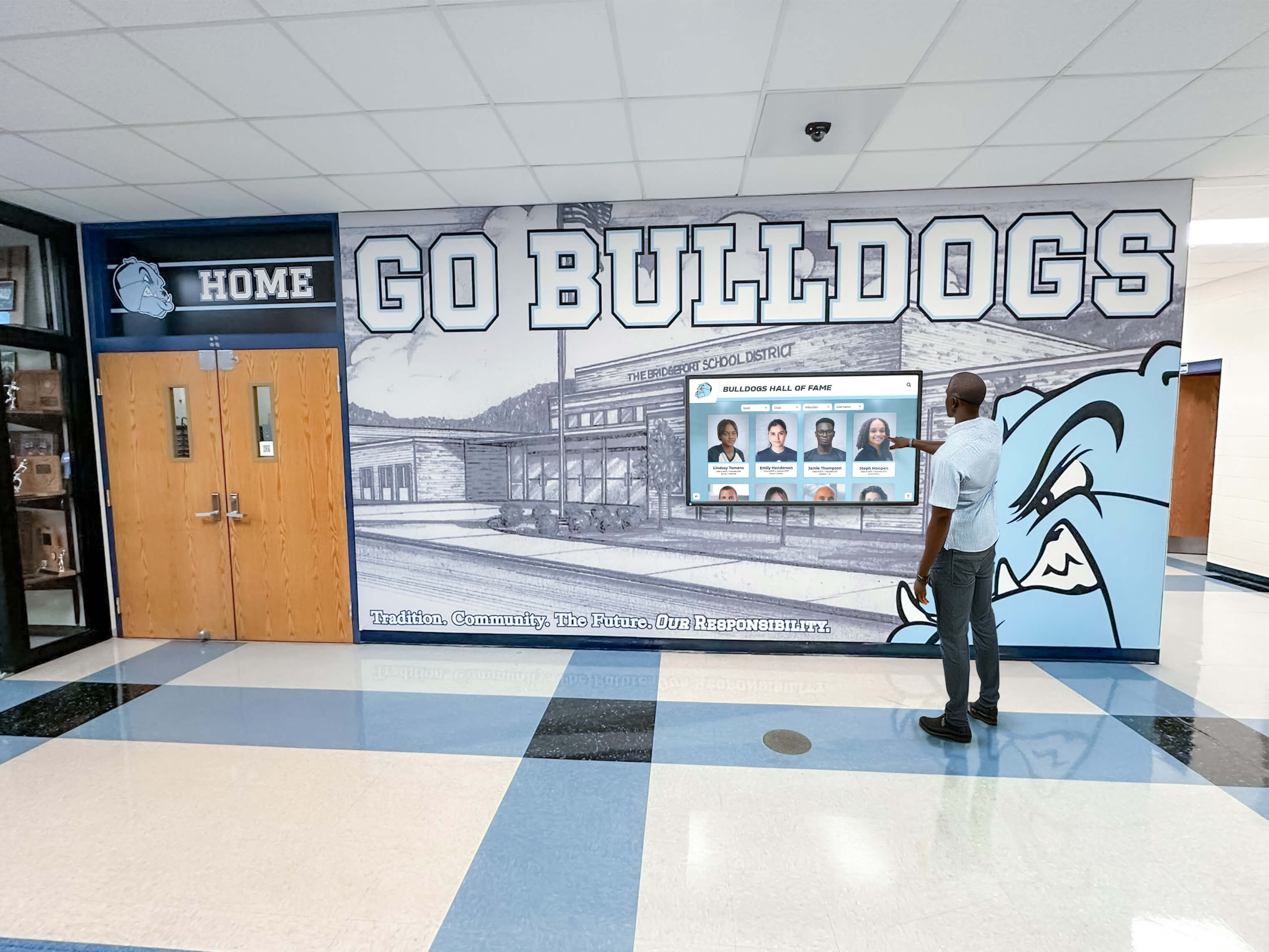
Public Celebration of Specific Achievements: Board meeting recognition, social media spotlights, newsletter features, or community newspaper coverage highlighting specific teacher accomplishments—student success stories, innovative programs, community contributions—provides public acknowledgment that validates professional expertise.
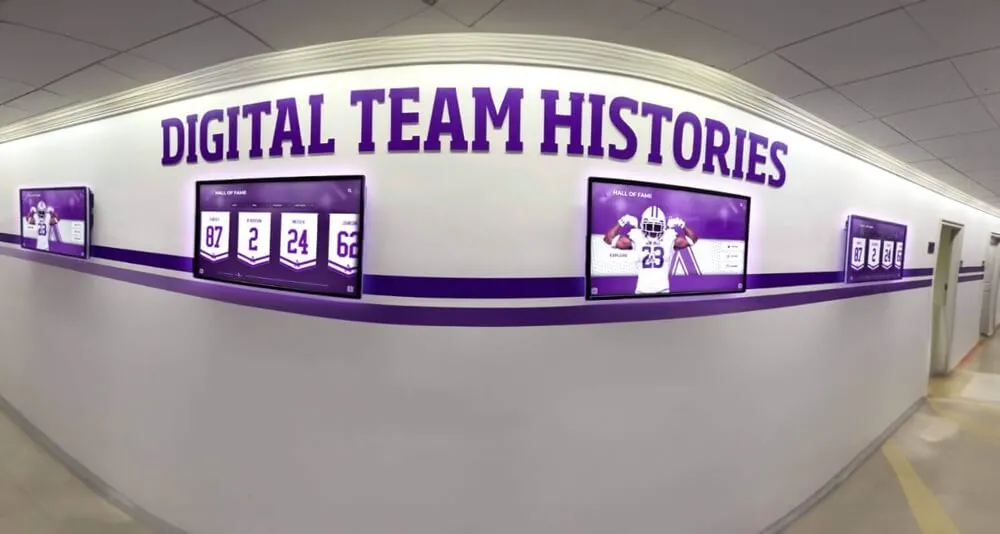
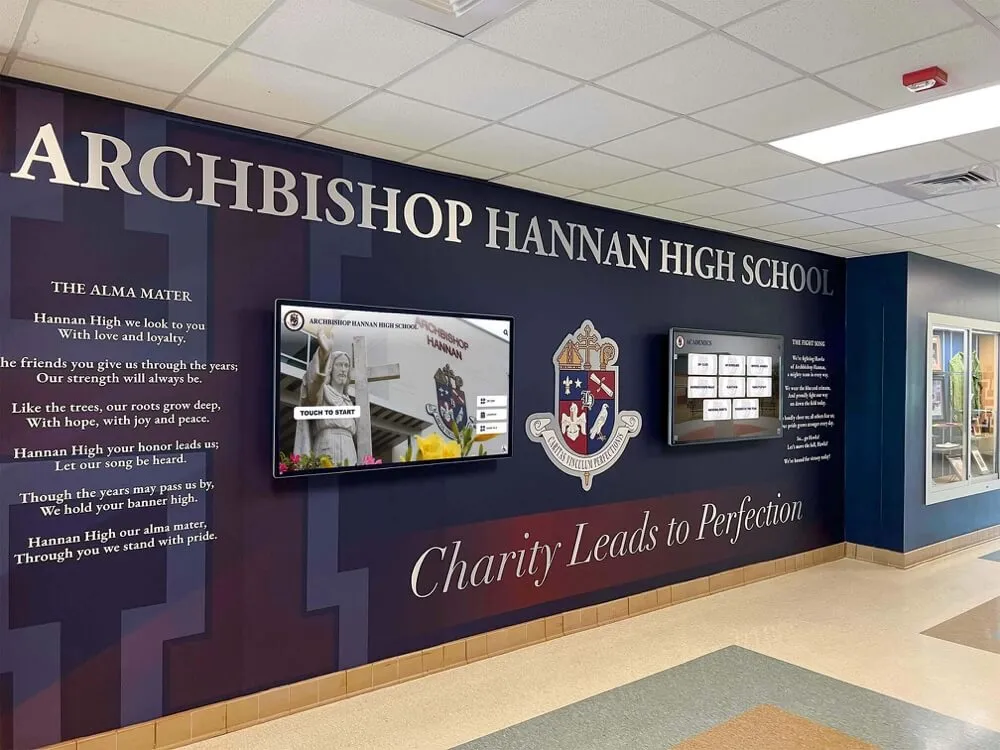
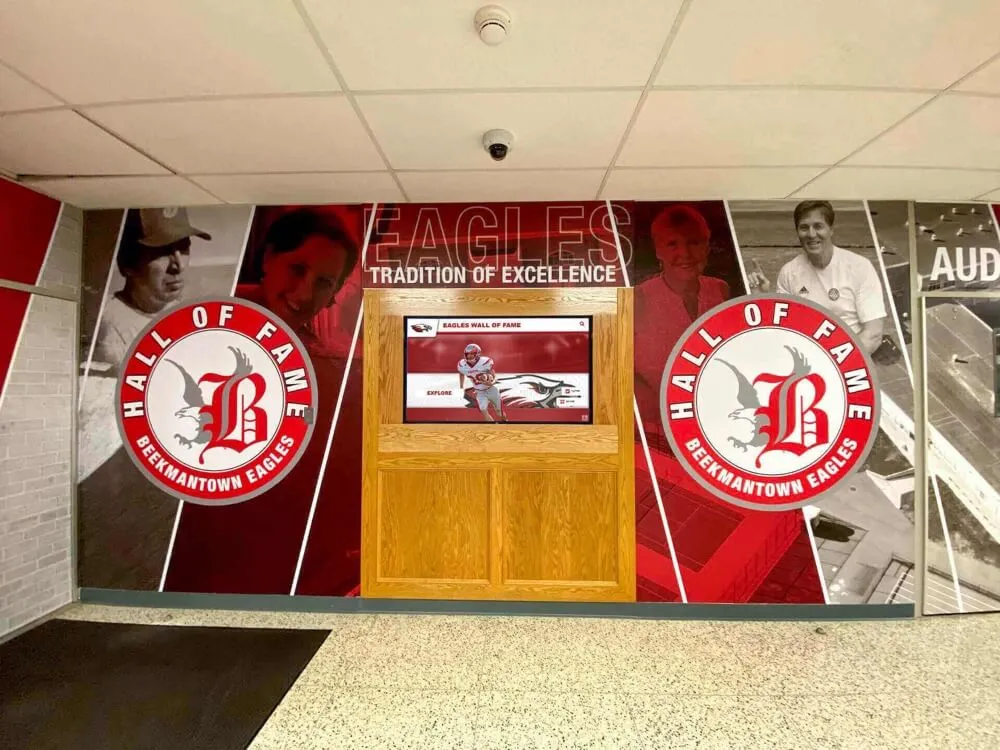
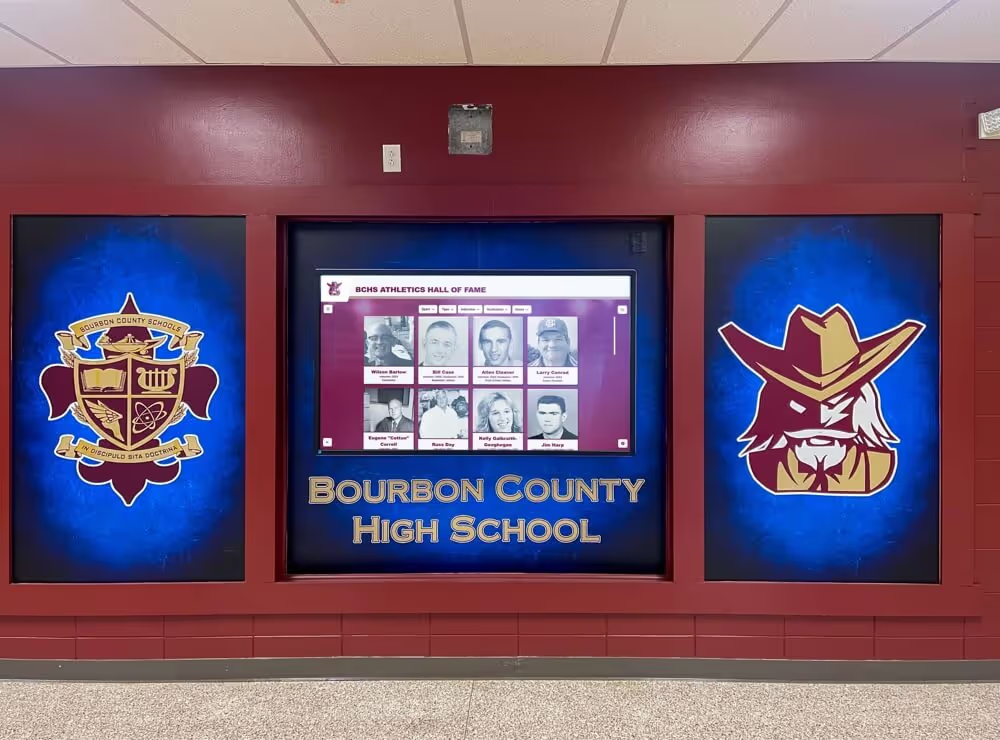
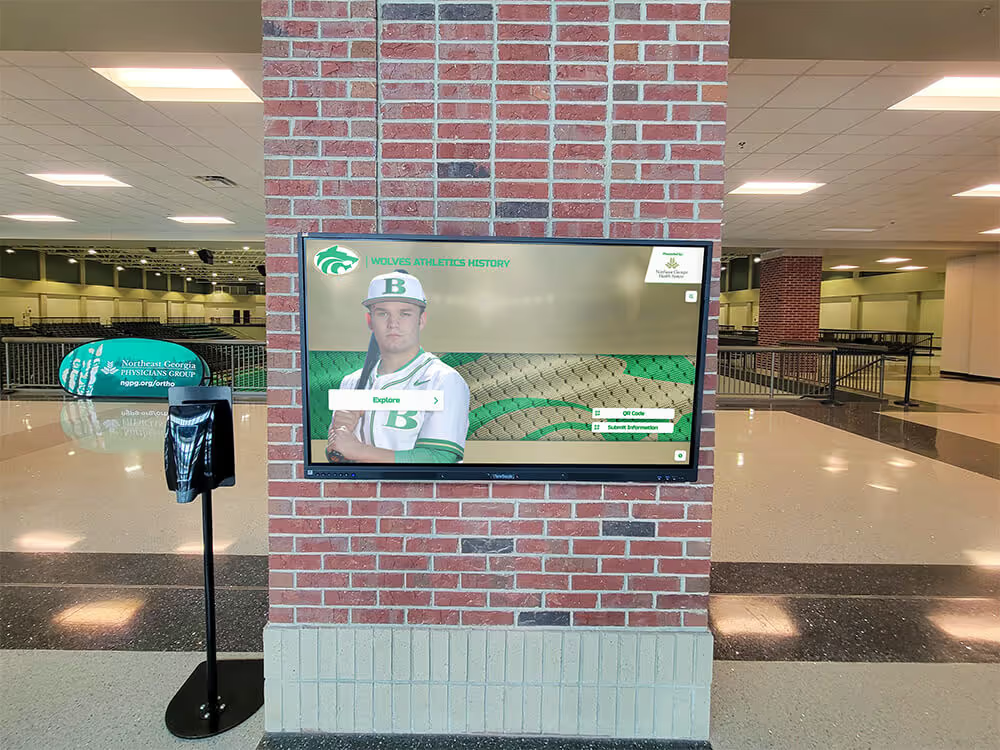
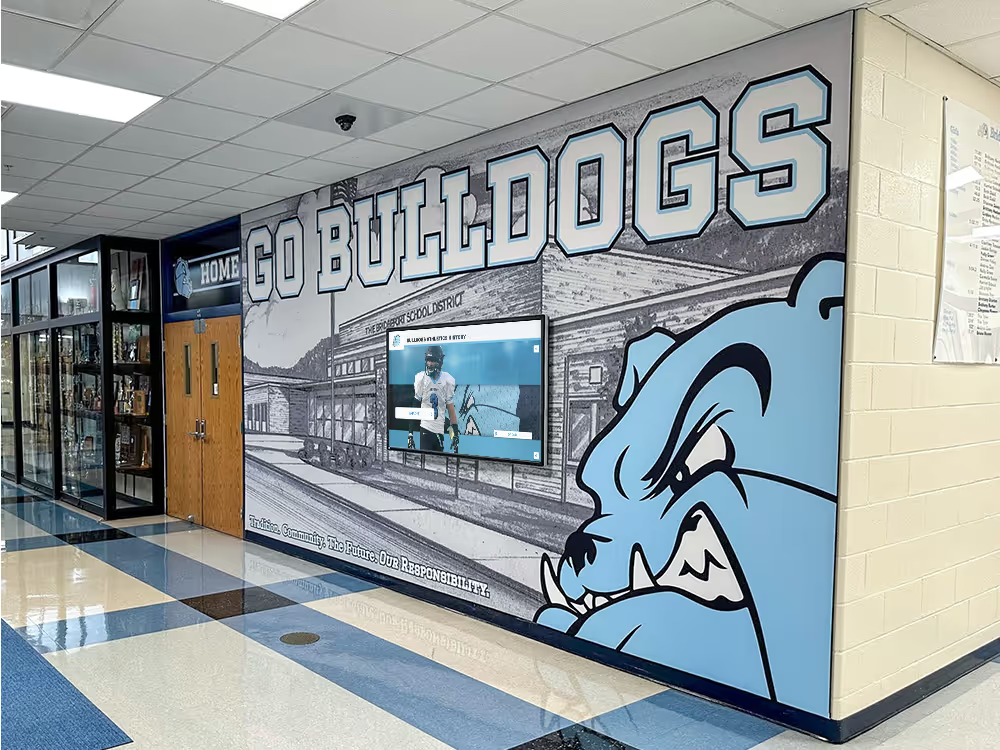
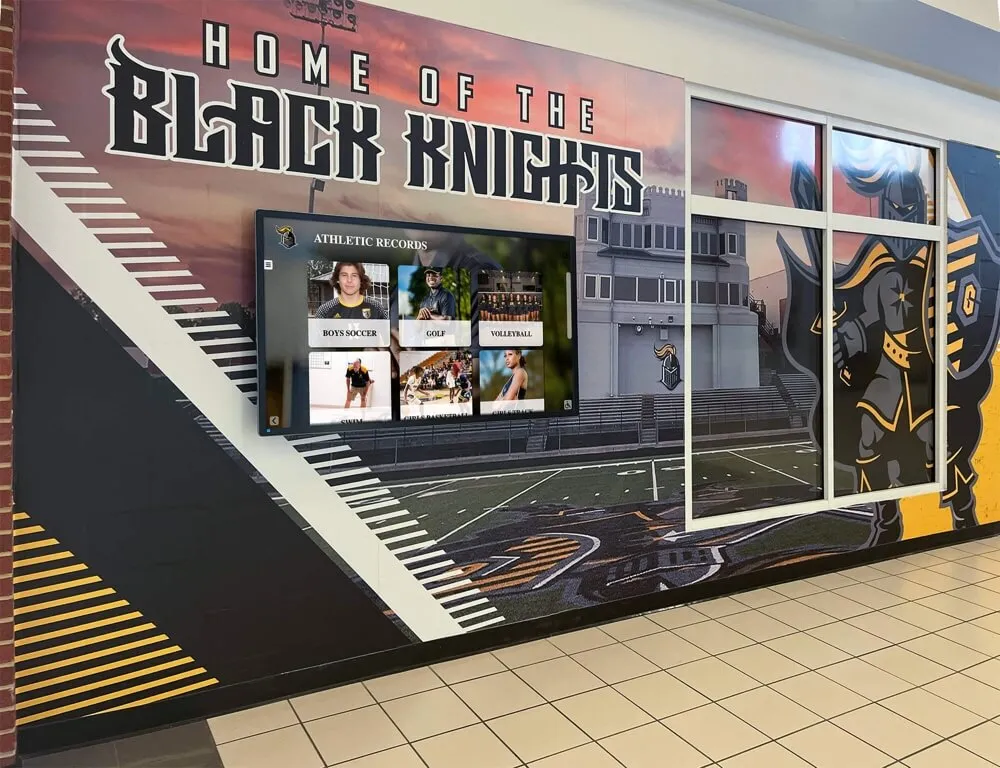
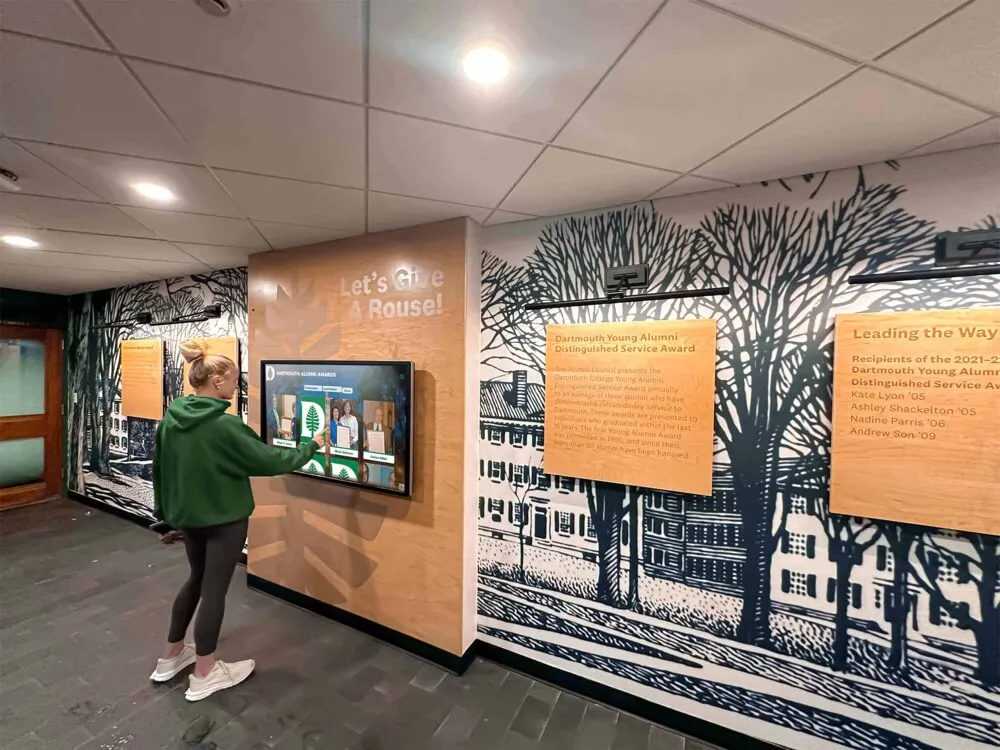
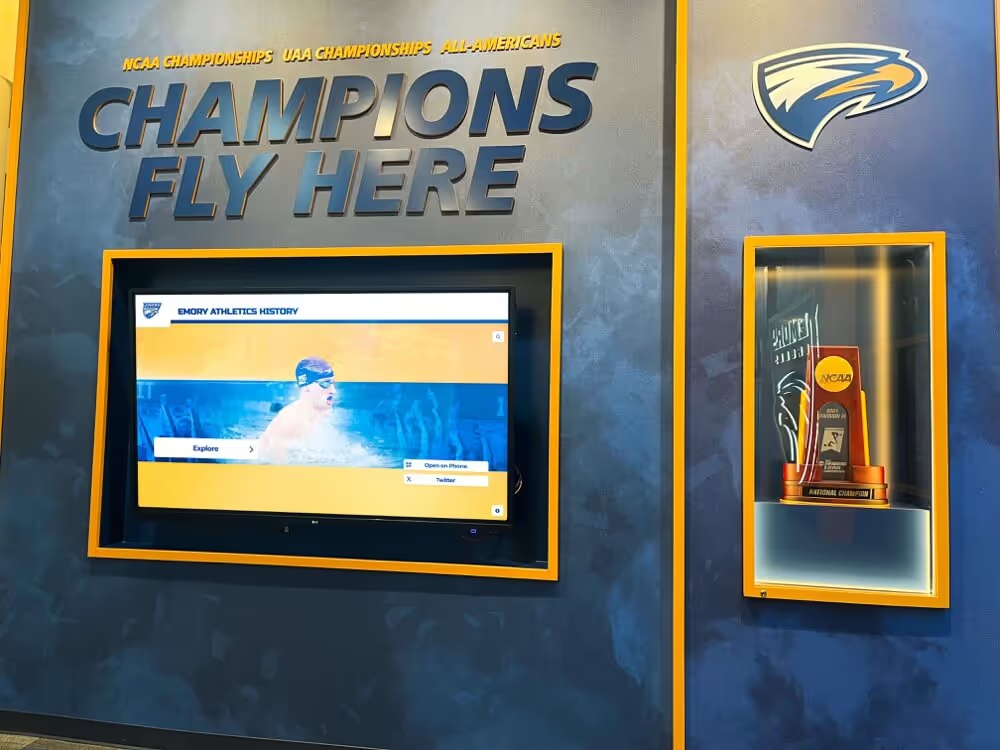
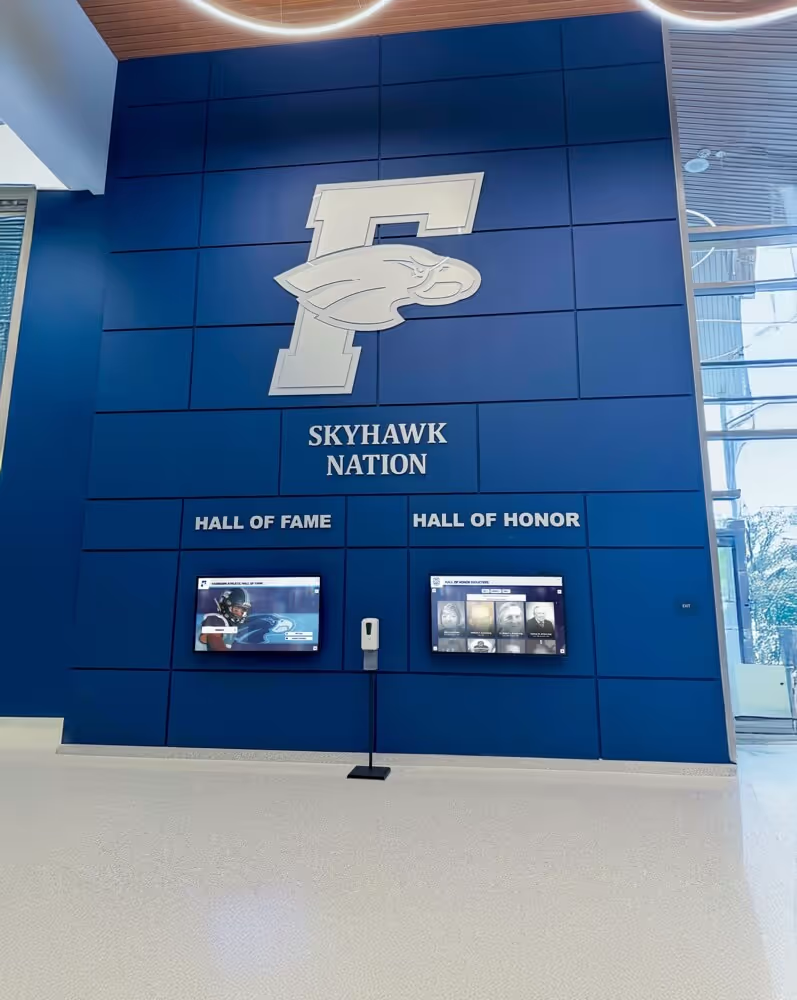
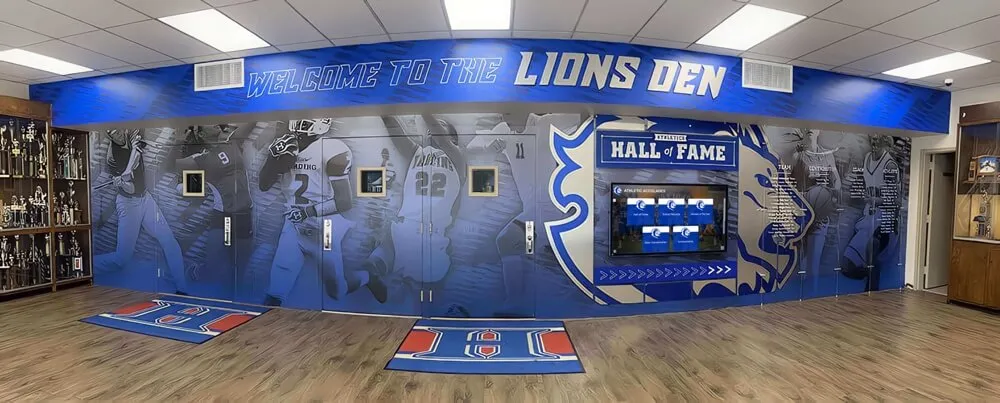
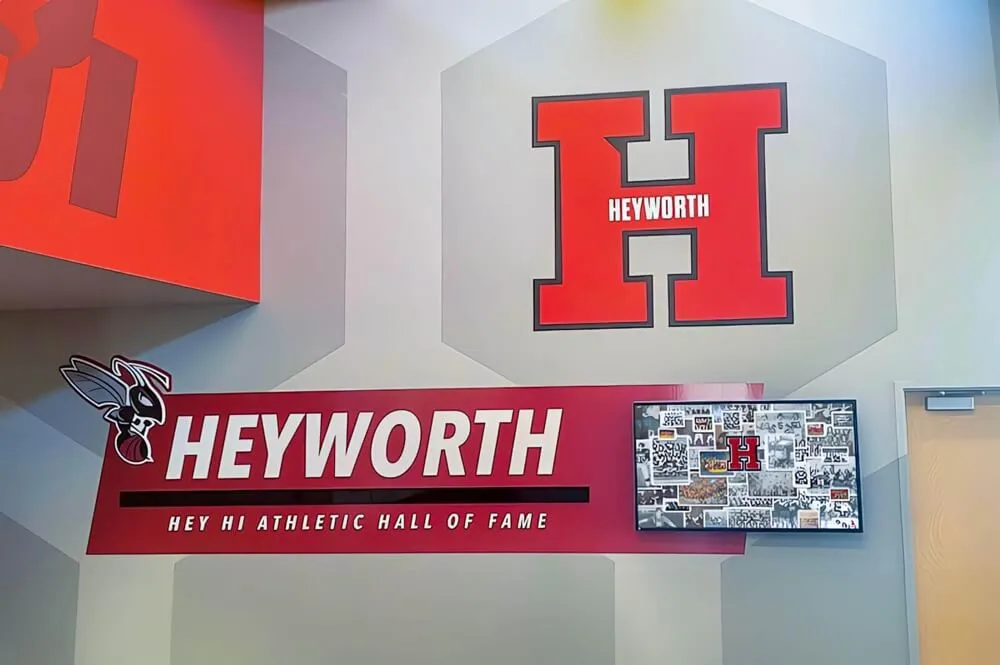
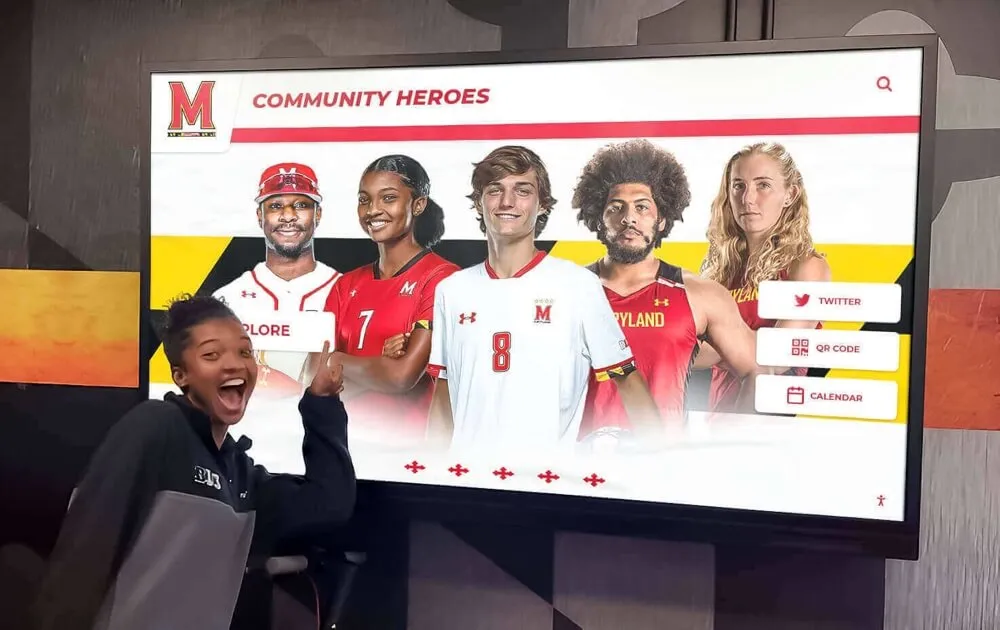
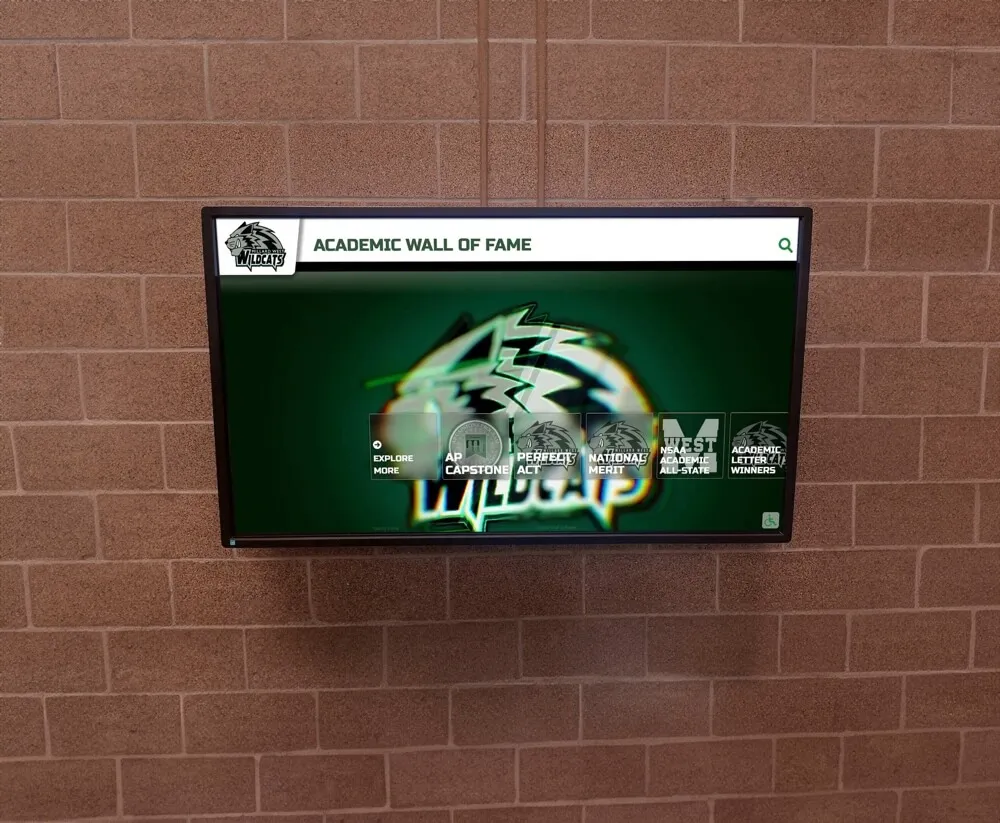
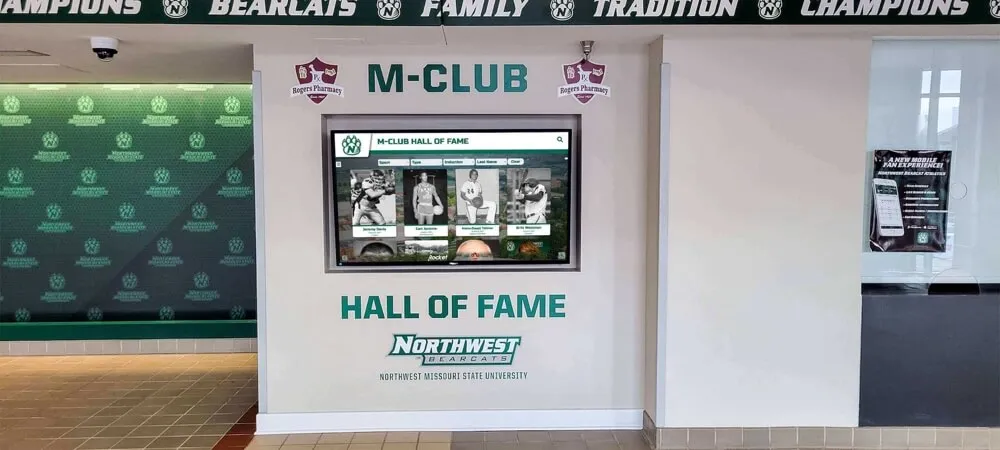
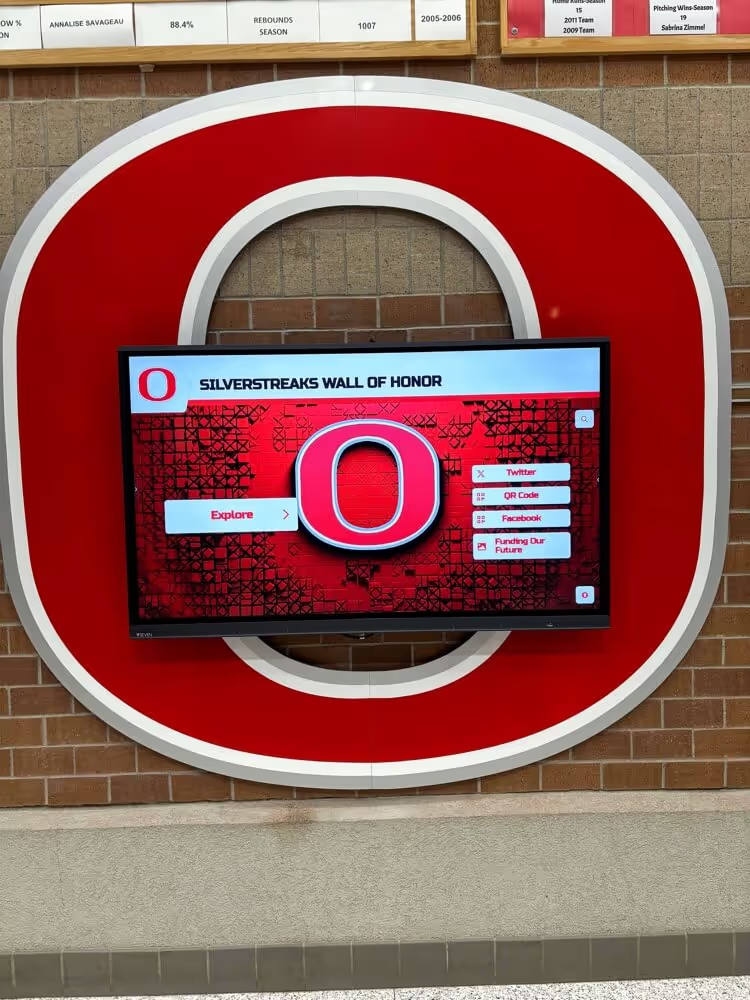
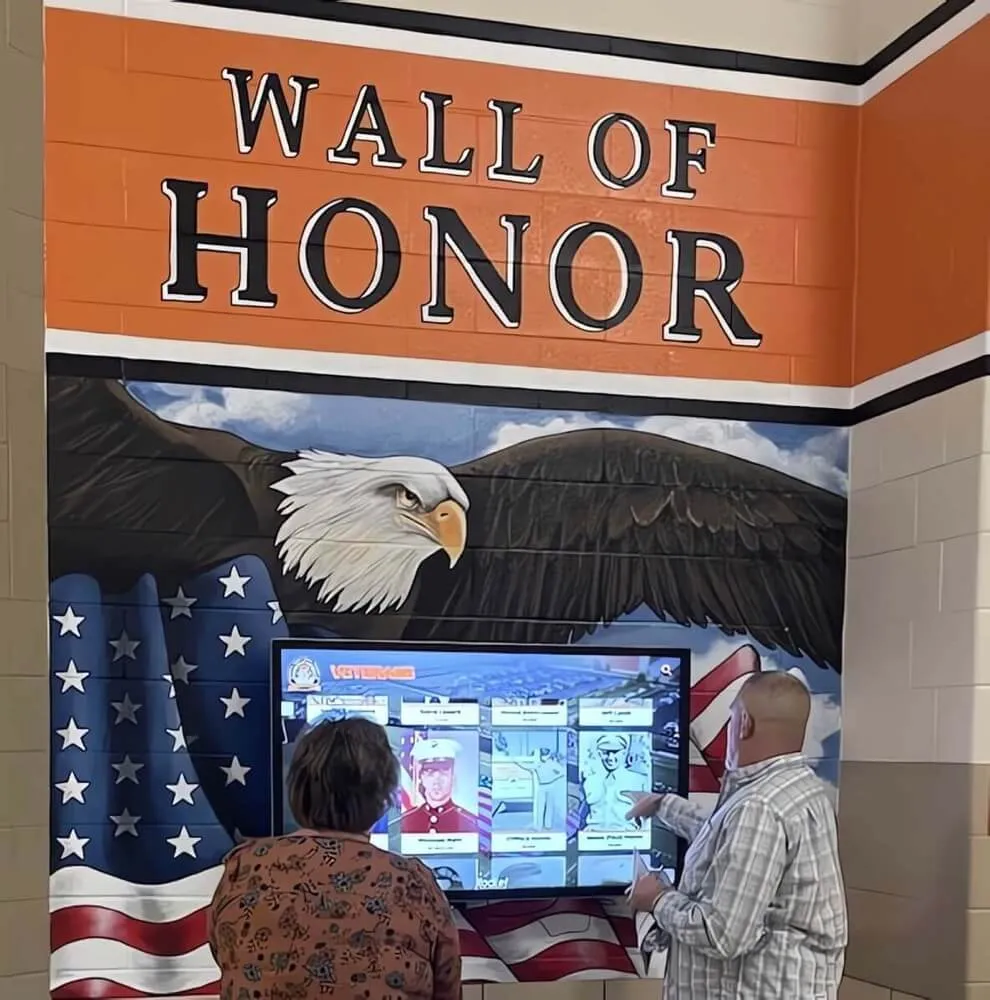
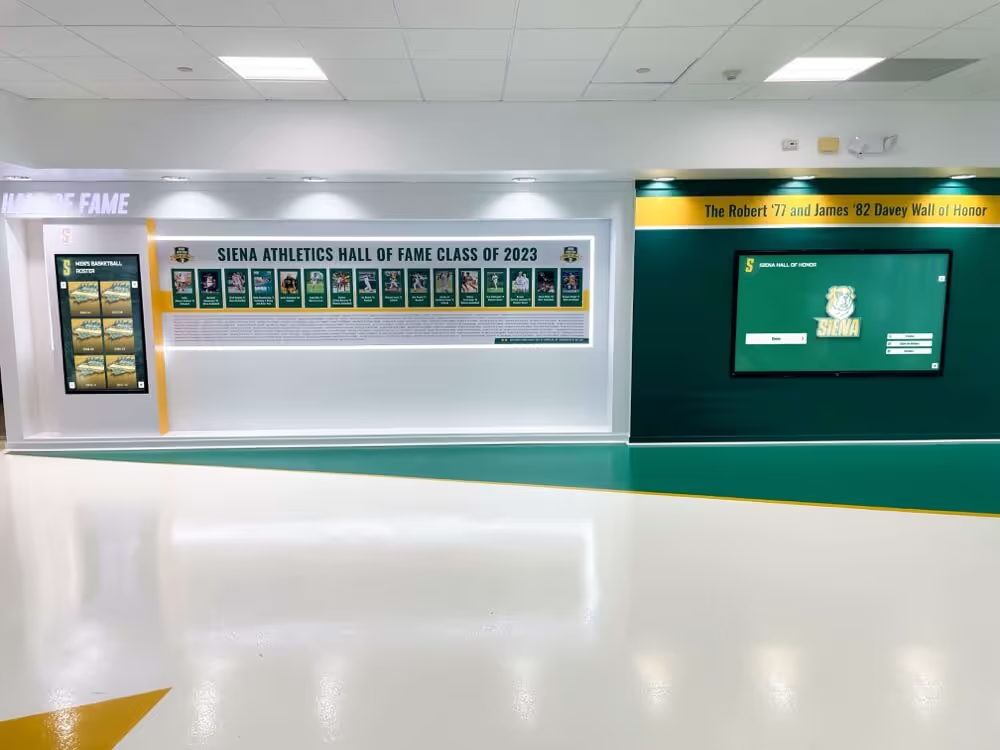
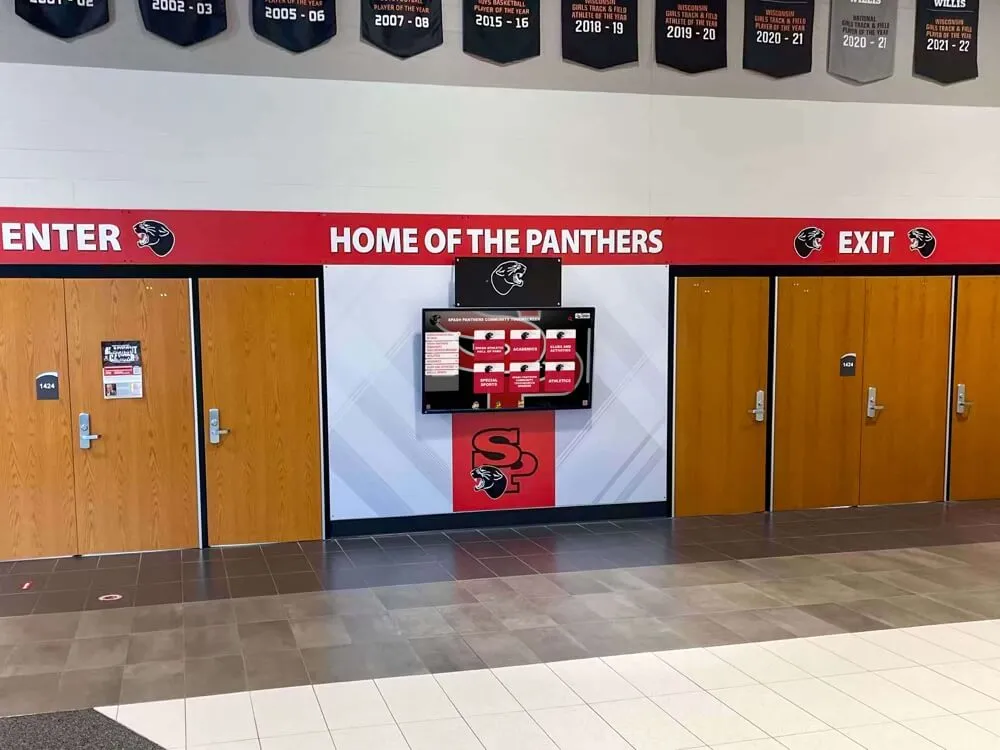
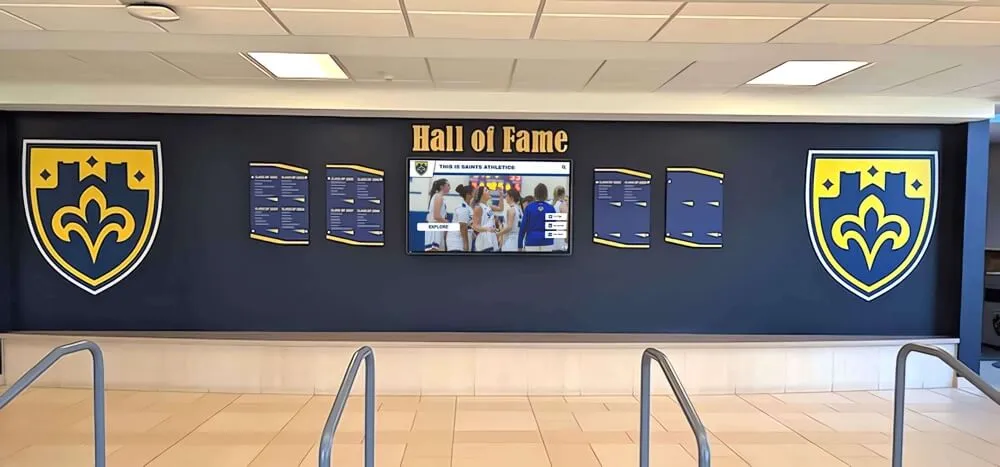
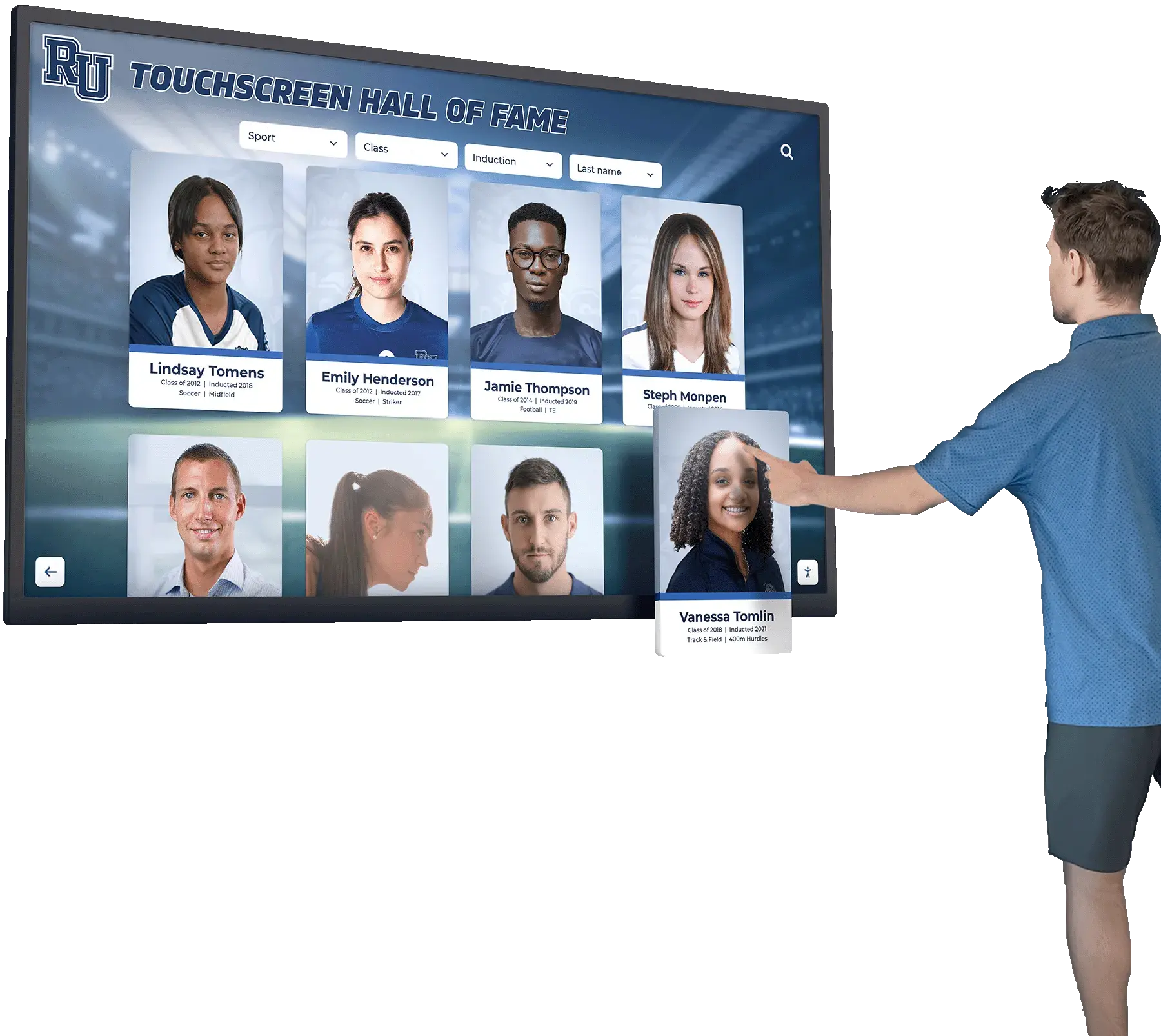
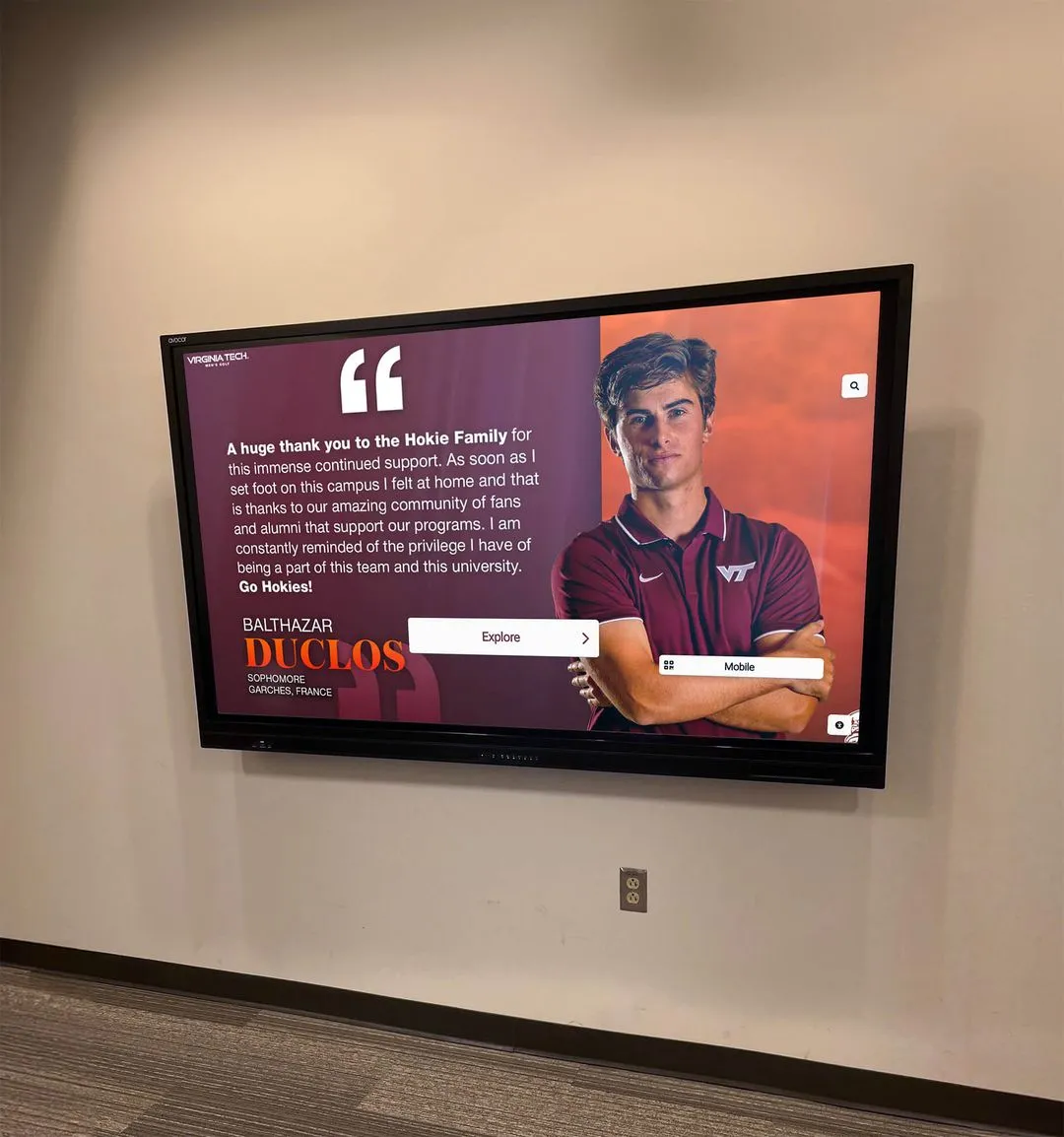
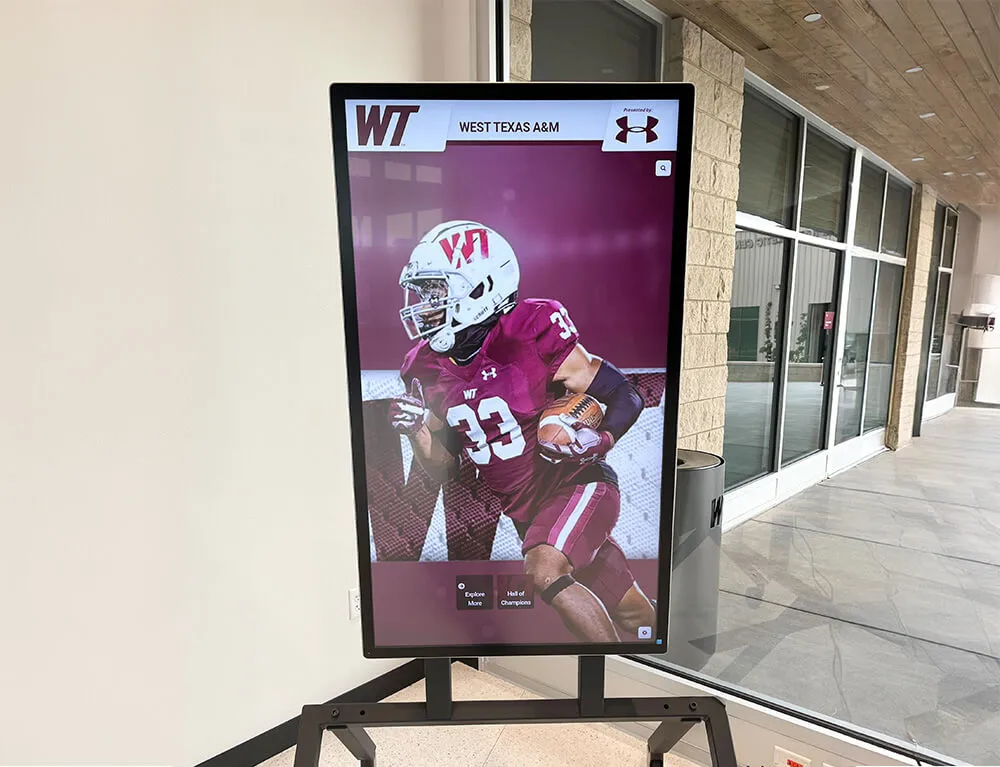
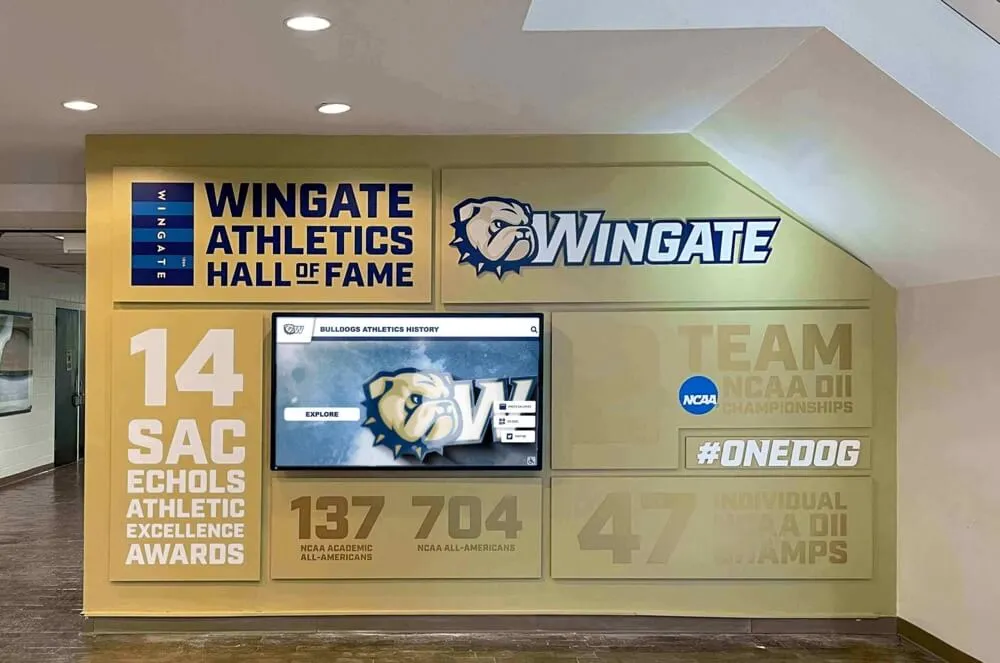
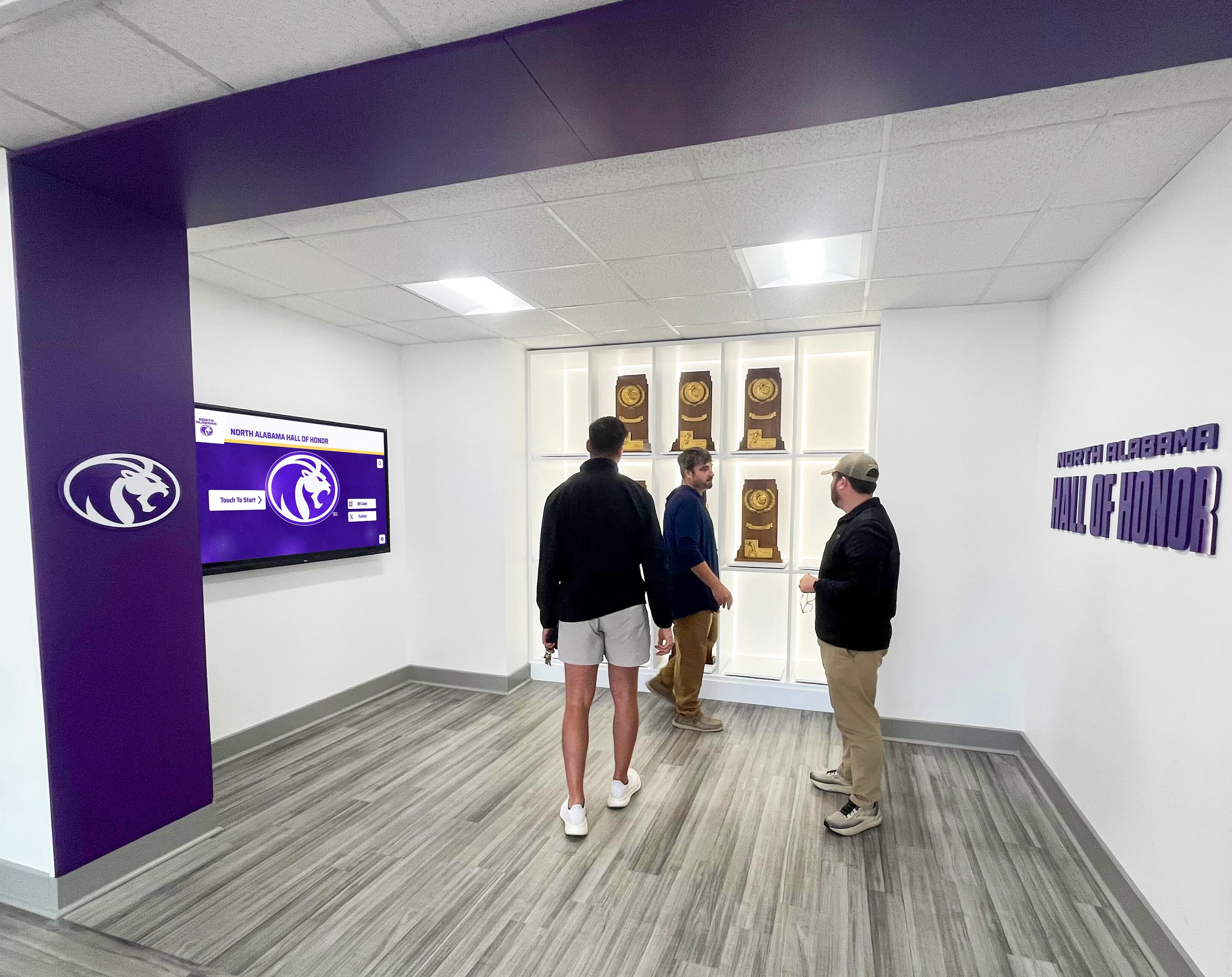
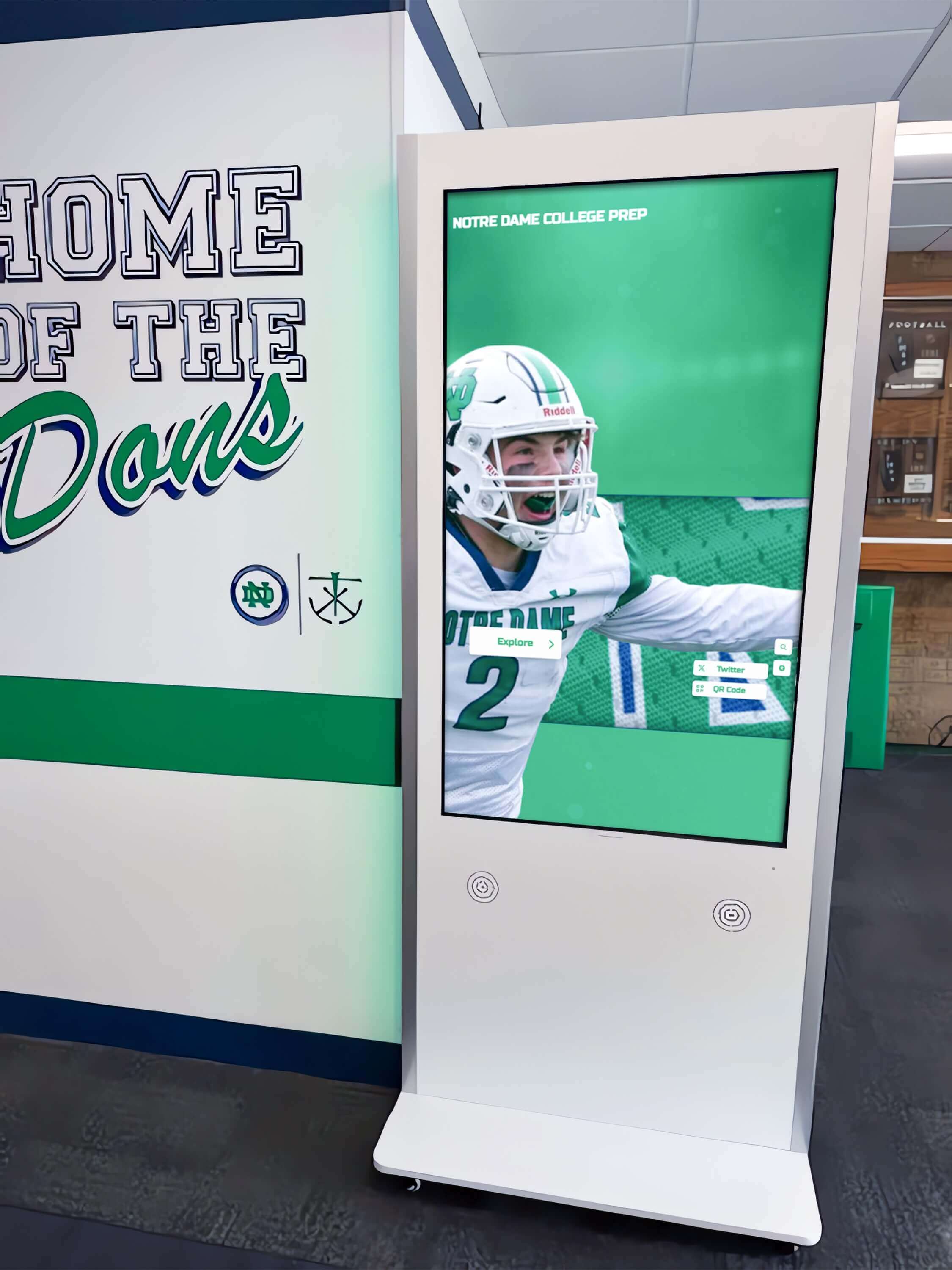
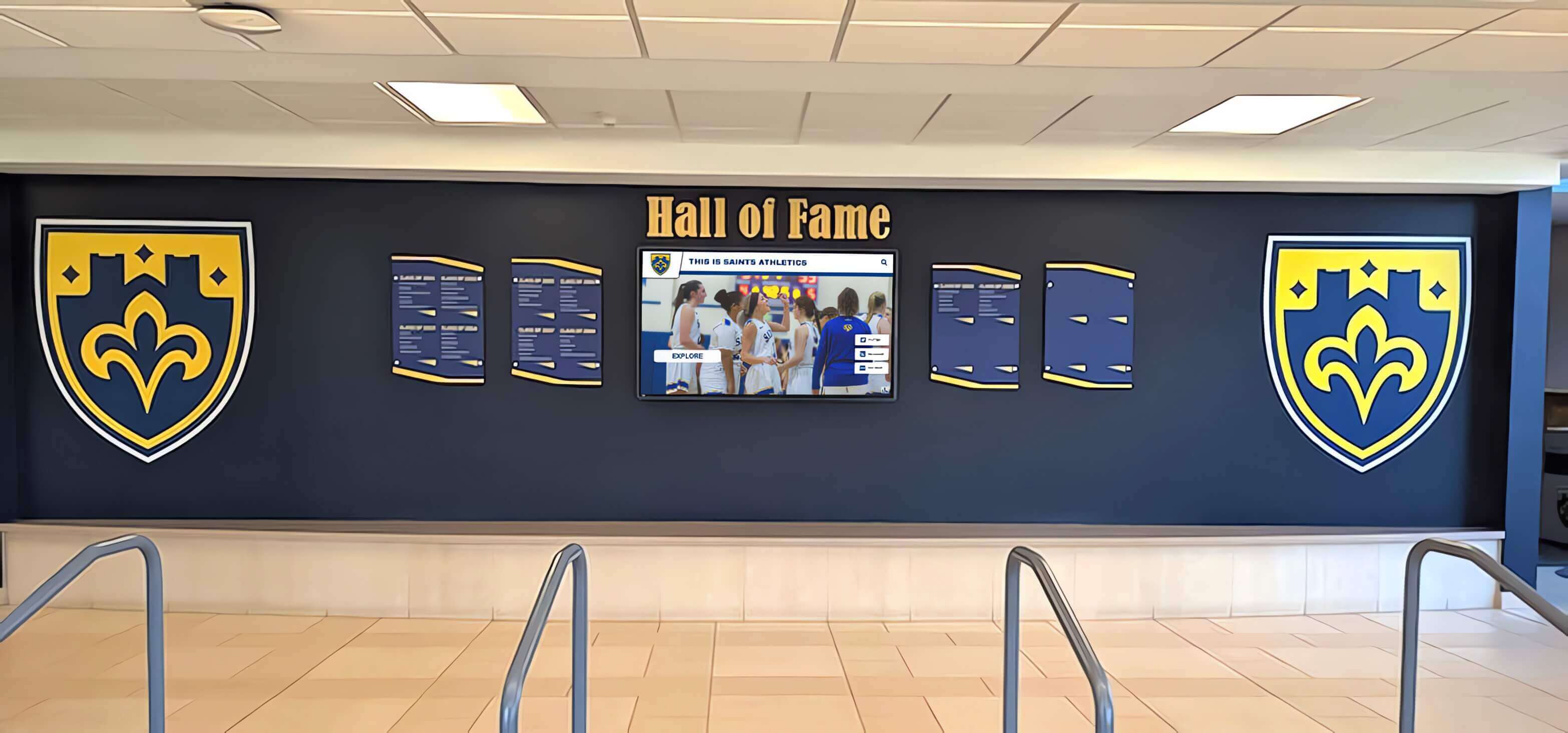
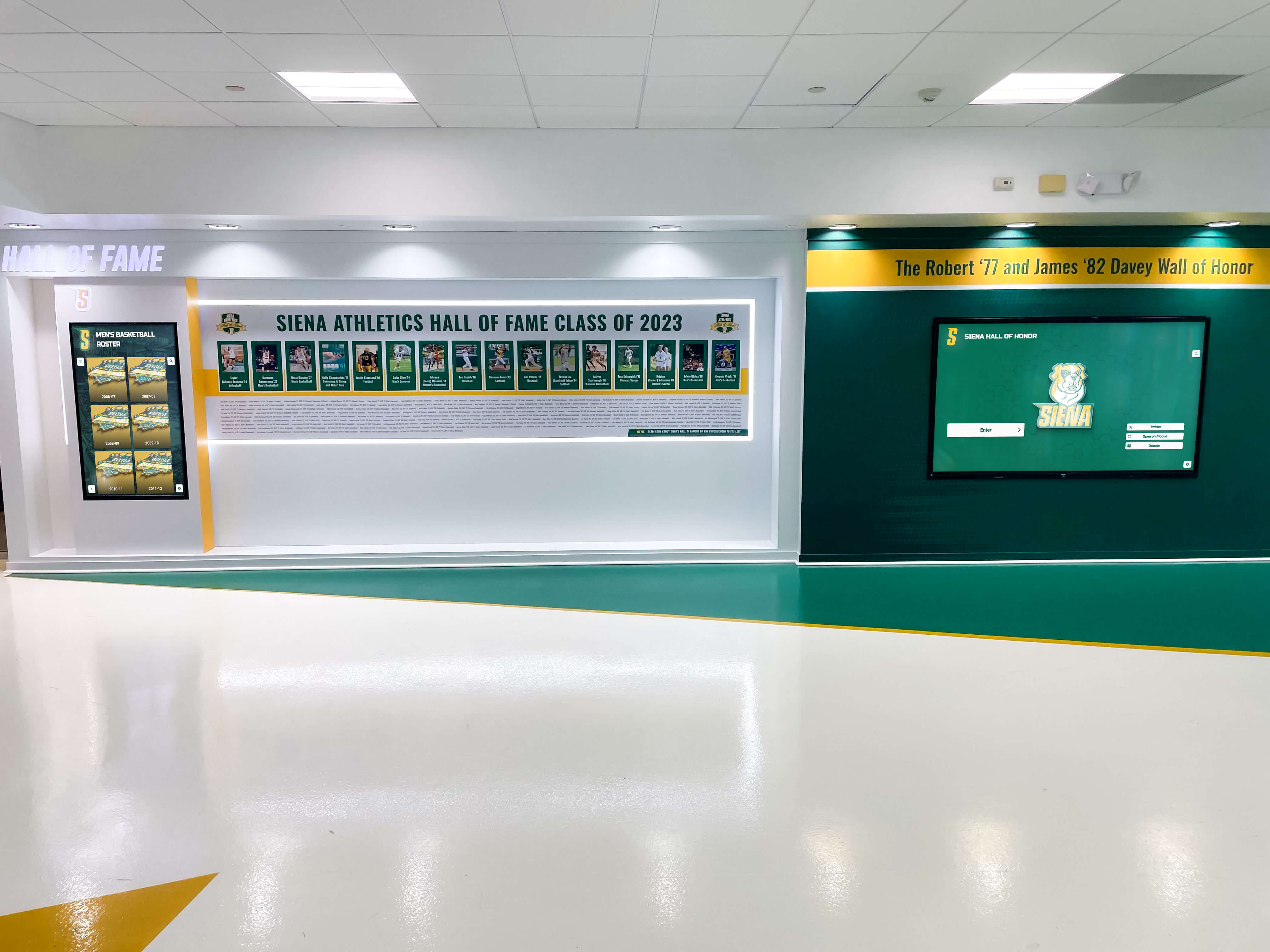
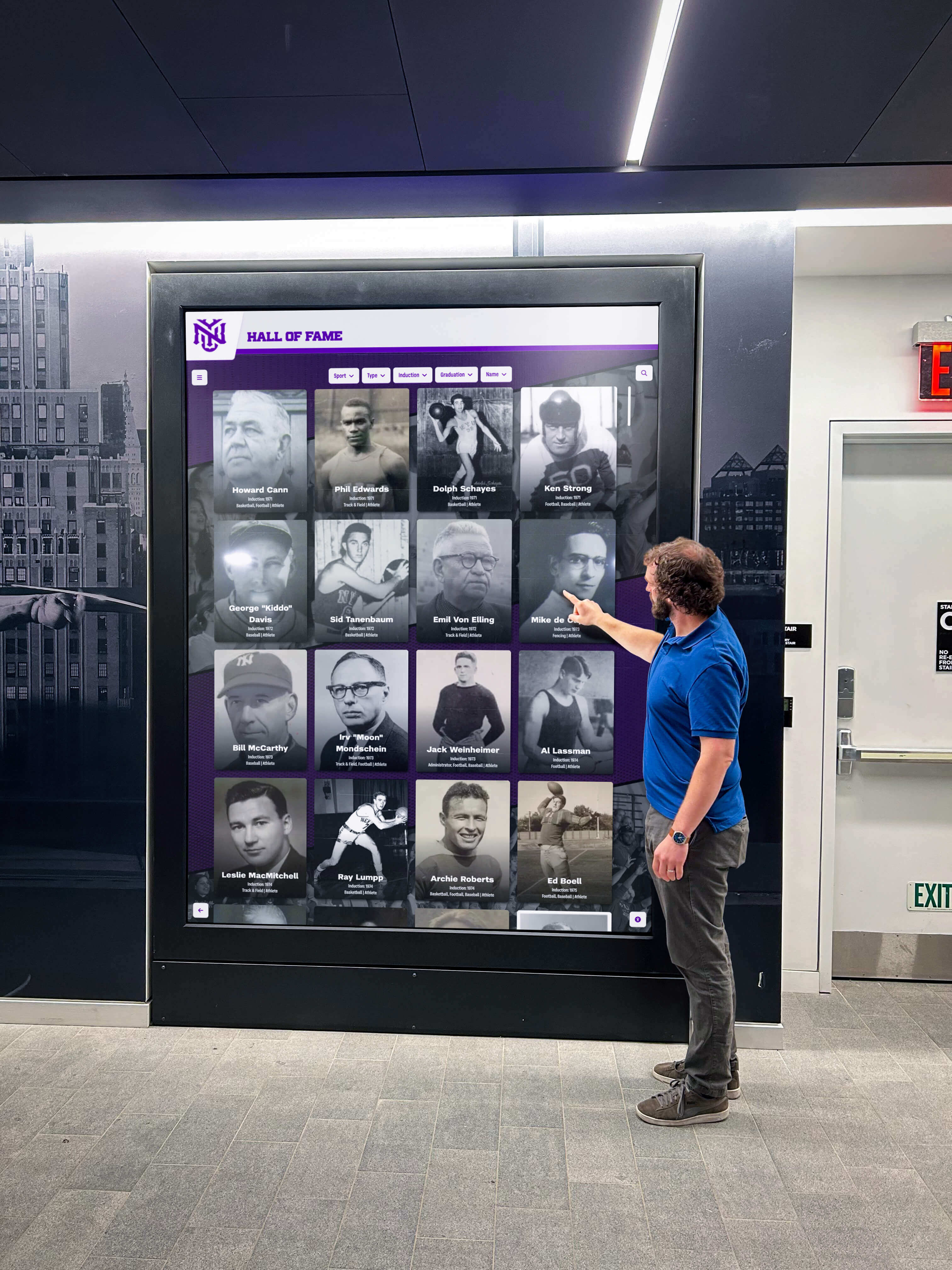
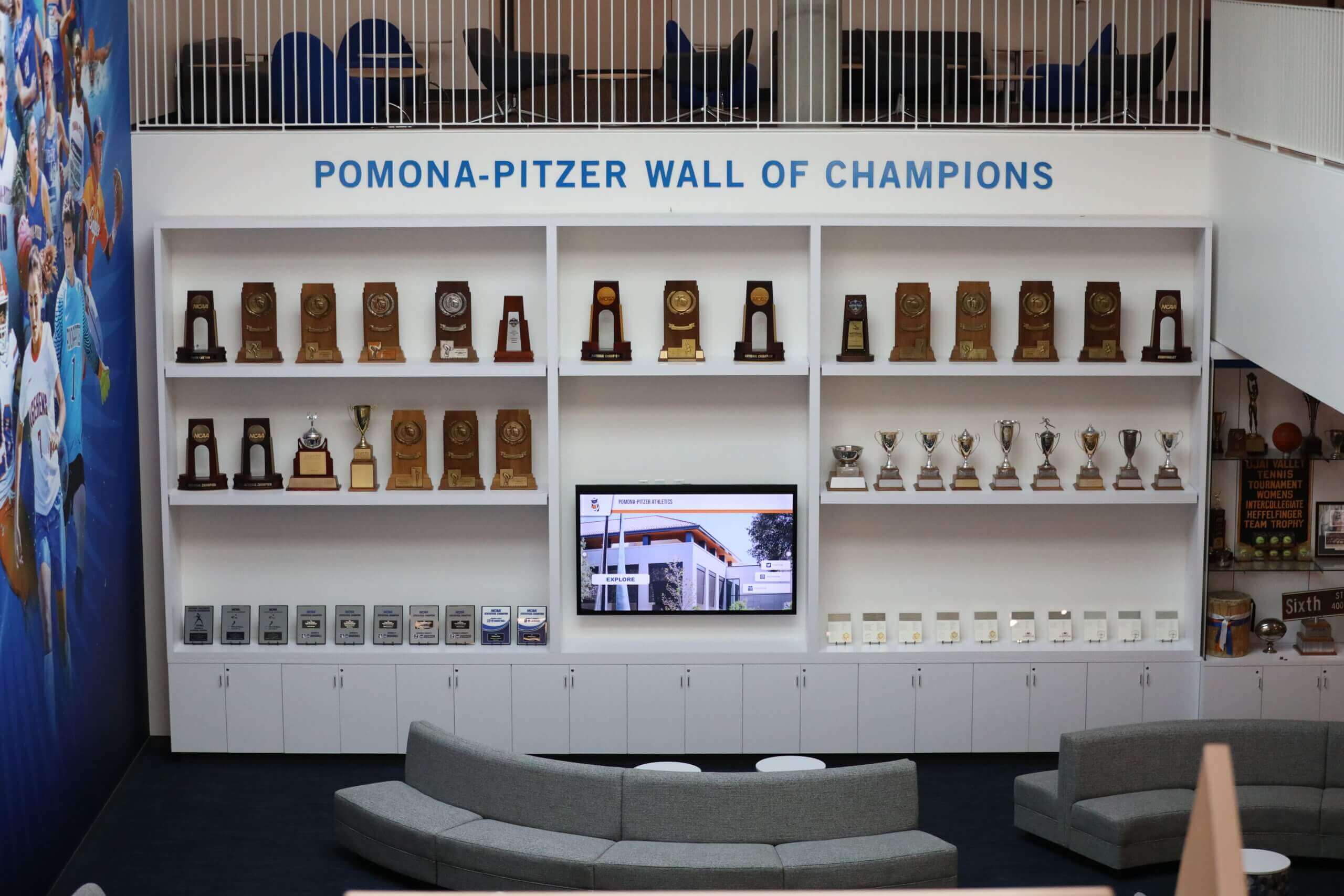
Digital Recognition Displays: Permanent interactive recognition systems featuring staff achievements, years of service milestones, special contributions, and professional accomplishments create lasting institutional acknowledgment that students, families, and visitors see regularly. Unlike temporary bulletin boards or single-event recognition, permanent digital displays provide ongoing visibility that staff members show visiting family members and return to throughout careers.
Student and Family Testimonials: Compiled letters, videos, or digital presentations featuring student and family testimonials about specific teachers’ impacts create powerful emotional gifts that remind educators why their work matters when facing difficult days.
Personalized recognition that acknowledges specific individuals’ unique contributions demonstrates genuine attention and creates more meaningful impact than generic appreciation gestures.
4. Wellness and Self-Care Support
School work creates significant stress. Gifts supporting physical and emotional wellness demonstrate care for whole persons rather than only professional roles:
Spa and Wellness Gift Certificates: Massage therapy, spa treatments, yoga class passes, fitness memberships, or meditation app subscriptions support physical and mental health that demanding work often compromises.
Quality Coffee, Tea, and Beverage Subscriptions: Local coffee shop gift cards, premium tea collections, or beverage service subscriptions acknowledge that caffeine sustains many educators through long days while providing small daily luxuries that feel indulgent.
Healthy Meal Services or Catering: Providing healthy lunches during appreciation weeks, meal delivery service subscriptions, or catered quality meals during long professional development days acknowledges that teachers often skip meals or eat poorly when juggling demanding schedules.
Mental Health and Counseling Support: Employee assistance program access, mental health days, counseling services, or stress management resources demonstrate institutional commitment to emotional wellness that education work significantly taxes.
Comfortable Break Spaces: Upgrading staff lounges with comfortable furniture, quality coffee machines, relaxation areas, or appealing décor creates daily environments where staff can decompress rather than eating lunch in classrooms surrounded by work reminders.
Wellness-focused gifts communicate that administrators recognize the toll that educational work creates on physical and emotional health while supporting staff in maintaining long-term sustainability.
5. Professional Growth and Development Opportunities
Career-minded educators appreciate recognition that invests in their professional advancement:
Conference and Workshop Attendance: Covering costs for professional conferences, specialized training, or educational workshops that staff members choose demonstrates trust in their professional judgment while supporting continued growth. Understanding professional development priorities helps align opportunities with actual interests.
Advanced Degree or Certification Support: Tuition assistance, textbook reimbursement, or study materials for educators pursuing advanced degrees or additional certifications provides tangible support for professional advancement that benefits both individuals and institutions.
Leadership Development Programs: Nomination for prestigious leadership programs, mentorship opportunities, or administrative pathway support demonstrates belief in staff members’ potential while preparing future school leaders.
Curriculum Development Time and Stipends: Compensating teachers for summer curriculum writing, materials development, or instructional planning honors professional expertise while creating resources benefiting students and colleagues.
Peer Collaboration and Observation Opportunities: Funding release time for visiting other schools, observing exemplary colleagues, or participating in professional learning communities supports professional growth through peer learning.
Professional development recognition demonstrates that administrators view staff members as growing professionals deserving investment rather than interchangeable workers requiring only generic appreciation.
6. Flexible and Practical Gift Options
When individual preferences vary significantly, flexible options ensure everyone receives something meaningful:
Choice Boards or Gift Menus: Offering selections from curated gift options—spa certificate, restaurant gift card, bookstore credit, classroom supply funds, extra planning period—enables personalization within budget constraints while respecting individual preferences.
Unrestricted Gift Cards: While less personal than tailored gifts, quality gift cards to versatile retailers (Amazon, Target, local restaurants) provide flexibility enabling recipients to choose what they actually need or want rather than receiving predetermined items that may not fit.
Charitable Donation Options: Some staff members prefer gifts made to causes they support rather than receiving personal items. Offering charitable donation options respects these values while still providing meaningful recognition.
Experience Certificates: Movie tickets, museum passes, local attraction admissions, or entertainment venue gift certificates provide experience-based gifts that create memories rather than accumulating physical items.
Practical Household Items: Quality practical items—insulated water bottles, lunch containers, comfortable shoes, or everyday essentials—serve genuine needs while demonstrating thoughtfulness about daily life realities.
Flexible options acknowledge that staff members have diverse preferences, needs, and values, ensuring appreciation efforts resonate across varied individuals.
Creating Lasting Recognition Programs Beyond One-Time Gifts
While thoughtful gifts provide important appreciation moments, systemic recognition programs create sustained culture changes that support long-term morale and retention.
Establishing Comprehensive Staff Recognition Systems
Multi-Tier Recognition Framework: Develop recognition systems acknowledging different achievement types and service levels—daily informal appreciation, monthly recognition programs, annual awards, milestone celebrations, and retirement recognition. Comprehensive frameworks ensure consistent appreciation rather than sporadic gestures.
Years of Service Milestones: Create meaningful recognition for service milestones—5, 10, 15, 20, 25+ years—with increasingly significant acknowledgment reflecting dedication and institutional contribution. Permanent displays featuring long-serving staff members honor commitment while inspiring newer employees.
Innovation and Excellence Awards: Establish awards recognizing specific excellence categories—instructional innovation, student mentorship, community engagement, collaborative leadership, or support service excellence. Category-based recognition ensures diverse contributions receive acknowledgment beyond traditional teaching awards alone.
Student and Family Nomination Programs: Enable students and families to nominate staff members for recognition, creating bottom-up appreciation that complements administrative acknowledgment. Student and family voices often identify impacts that administrators don’t directly observe.
Peer Recognition Systems: Implement structures enabling staff members to recognize colleagues’ contributions, collaborative support, or daily kindnesses that create positive workplace culture. Peer validation builds team cohesion while distributing appreciation beyond hierarchical top-down models.
Leveraging Technology for Ongoing Recognition
Modern recognition technology enables more comprehensive, visible, and sustained appreciation than traditional approaches:
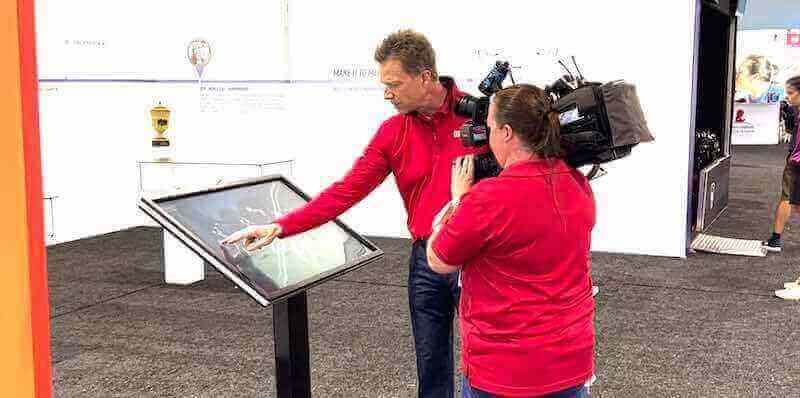
Digital Recognition Displays: Interactive displays positioned in lobbies, staff areas, or community spaces showcase staff achievements, service milestones, professional accomplishments, and institutional contributions through engaging multimedia presentations. Solutions like Rocket Alumni Solutions provide permanent infrastructure for celebrating staff excellence that students, families, and visitors see regularly, creating ongoing visibility that reinforces appreciation throughout years rather than single moments.
Social Media Recognition: Strategic social media spotlights celebrating individual staff members’ achievements, classroom innovations, or student impact stories extend recognition beyond school walls while building positive institutional reputation. Regular features create sustained appreciation patterns rather than isolated acknowledgments.
Digital Communication Platforms: School apps, email newsletters, or internal communication systems featuring regular staff spotlights, appreciation messages, or achievement announcements keep recognition visible throughout years rather than limiting appreciation to designated weeks.
Recognition Analytics: Digital systems providing data about who receives recognition, which achievement types get acknowledged, and whether recognition reaches diverse staff populations ensure equitable appreciation across entire workforces rather than repeatedly honoring same individuals.
Virtual Recognition Walls: Online platforms where students, families, staff, and community members share appreciation messages, testimonial stories, or gratitude expressions create accumulated acknowledgment that staff members revisit during difficult moments. Understanding how digital recognition platforms strengthen community demonstrates technology’s role in sustained appreciation cultures.
Technology-enabled recognition combines permanence, visibility, multimedia richness, and accessibility that traditional plaques or bulletin boards cannot match, creating appreciation infrastructure supporting sustained morale.
Building Recognition Into Organizational Culture
The most effective appreciation extends beyond gifts and programs into fundamental organizational culture:
Leadership Modeling: Administrators who consistently express specific gratitude, acknowledge contributions publicly, and demonstrate genuine interest in staff wellbeing create culture where appreciation becomes organizational norm rather than occasional gesture.
Peer Appreciation Norms: Encouraging staff members to regularly thank colleagues, share appreciation notes, celebrate one another’s successes, and support each other through challenges builds collegial culture where everyone feels valued rather than only selected individuals receiving occasional recognition.
Student Involvement in Appreciation: Teaching students to express genuine gratitude, write thank-you notes, acknowledge staff kindness, and recognize behind-the-scenes work that makes schools function creates multi-directional appreciation where staff receive acknowledgment from those they directly serve.
Family Engagement in Recognition: Creating easy mechanisms for families to share appreciation—suggestion boxes, online forms, gratitude boards, appreciation events—enables those benefiting from staff dedication to express thanks that carries significant emotional weight.
Transparency About Constraints: When budget limitations prevent desired recognition, honest communication about constraints while demonstrating creative appreciation within limits builds trust. Staff members appreciate genuine effort more than elaborate gestures revealing misallocated priorities.
Systematic cultural integration ensures appreciation becomes continuous reality rather than sporadic performative gesture, creating sustainable morale supporting long-term retention and engagement.
Budget-Conscious Appreciation Strategies
Meaningful recognition doesn’t require enormous budgets. Creative approaches provide authentic appreciation within tight fiscal constraints:
High-Impact Low-Cost Recognition Ideas
Handwritten Personal Notes: Time investment costs nothing financially while creating meaningful keepsakes staff members treasure throughout careers. Specific acknowledgment of observed impacts creates disproportionate emotional return on minimal monetary investment.
Duty Coverage Swaps: Administrators covering bus duty, lunch supervision, or hallway monitoring for specific staff members gifts time without requiring substitute budgets while building relationships through shared experiences.
Parking Space Privileges: Designating premium parking spots for monthly recognition recipients, service milestone celebrations, or rotating appreciation acknowledgment costs nothing while providing daily tangible benefits.
Student-Created Appreciation: Organizing students to create artwork, write letters, perform songs, or develop presentations expressing gratitude costs minimal money while generating powerful emotional impact. Understanding how students can recognize staff contributions provides implementation ideas.
Professional Growth Opportunities: Providing leadership responsibilities, committee participation, peer mentorship roles, or special project assignments costs nothing while demonstrating trust and supporting career development.
Flexible Schedule Accommodations: When possible within contractual and supervision requirements, allowing early departure on specific days, compressed work weeks, or schedule adjustments provides valued flexibility without direct costs.
Public Board Recognition: Monthly board meeting acknowledgment of specific staff achievements costs nothing while providing public validation that staff members share with families and communities.
Social Media Spotlights: Regular staff member features on school social media accounts celebrating contributions, sharing classroom innovations, or highlighting behind-the-scenes work reaches broader audiences while requiring only time investment.
Creative administrators find countless ways to provide meaningful recognition without significant budget expenditures, demonstrating that genuine appreciation stems from thoughtful attention rather than spending levels.
Leveraging Community Partnerships
Strategic partnerships extend appreciation resources beyond limited school budgets:
Local Business Sponsorships: Many local businesses enthusiastically support staff appreciation through donated gift certificates, products, services, or meal catering in exchange for visible acknowledgment and community goodwill.
Parent Organization Support: Active parent-teacher organizations often fund appreciation initiatives through fundraising, direct contributions, or volunteer coordination when presented with specific needs and plans.
Grant Opportunities: Educational foundations, community foundations, or corporate giving programs sometimes provide grants specifically supporting teacher appreciation, staff development, or recognition program establishment.
Service Organization Partnerships: Rotary clubs, Lions clubs, chambers of commerce, or other civic organizations frequently seek meaningful community service projects and may enthusiastically support staff appreciation initiatives.
Alumni Contributions: School alumni grateful for educational experiences often support current staff appreciation through financial contributions, donated services, or recognition program funding when asked meaningfully.
Community partnerships transform limited institutional budgets into comprehensive appreciation resources while building broader support networks benefiting schools in multiple ways beyond immediate recognition programs.
Addressing Diverse Staff Member Needs
Effective appreciation acknowledges that school workforces include diverse roles, personalities, and preferences requiring tailored approaches:
Recognizing All Staff Roles Equitably
Beyond Teacher-Focused Recognition: Comprehensive appreciation programs equally honor administrators, counselors, librarians, nurses, office staff, custodians, cafeteria workers, bus drivers, paraprofessionals, technology support, and maintenance personnel. Each role contributes essentially to student success and deserves equivalent recognition visibility.
Role-Appropriate Appreciation: Recognition that acknowledges specific contributions of different positions demonstrates genuine understanding. Custodians appreciate acknowledgment of clean safe environments they maintain. Office staff value recognition of efficient systems they manage. Tailored appreciation resonates more authentically than generic gestures.
Behind-the-Scenes Visibility: Many essential staff members work largely invisible to students, families, and communities. Intentional visibility efforts—social media features, newsletter spotlights, board meeting recognition, or interactive displays showcasing all staff roles—ensure everyone receives deserved acknowledgment.
Compensation Equity Considerations: While appreciation matters, recognition cannot substitute for fair compensation across all position types. Advocacy for equitable pay while providing meaningful appreciation demonstrates genuine respect for all workforce members.
Respecting Individual Preferences and Personalities
Public Versus Private Recognition: Some individuals thrive on public celebration while others find public attention uncomfortable or anxiety-inducing. Understanding individual preferences ensures recognition lands positively rather than creating unintended discomfort.
Introverted and Extroverted Appreciation: Introverts may prefer handwritten notes, one-on-one conversations, or behind-the-scenes acknowledgment while extroverts enjoy public celebration and group recognition events. Varied recognition approaches accommodate different personality types.
Cultural Considerations: Cultural backgrounds influence how individuals experience recognition. Some cultures emphasize collective acknowledgment over individual singling-out. Cultural sensitivity ensures appreciation honors rather than inadvertently offends recipients.
Personal Circumstances: Staff members facing personal challenges—health issues, family crises, financial stress—may appreciate different recognition forms than those in stable circumstances. Flexible options respect varied situations without requiring public disclosure of private matters.
Personalized appreciation acknowledging individual differences demonstrates authentic thoughtfulness distinguishing meaningful recognition from generic token gestures.
Special Occasion Recognition Beyond Routine Appreciation
While consistent ongoing appreciation builds fundamental morale, special occasions provide opportunities for enhanced recognition:
Teacher Appreciation Week Excellence
Theme-Based Daily Recognition: Creating daily themes throughout appreciation week—Monday classroom supply gifts, Tuesday wellness focus, Wednesday staff lunch, Thursday professional development opportunities, Friday student-led appreciation—provides varied recognition appealing to different preferences.
Student-Led Appreciation Activities: Coordinating students to create hallway decorations, write thank-you cards, perform appreciation songs, deliver treats, or organize surprise celebrations involves those directly benefiting from teacher dedication while teaching gratitude expression.
Family Engagement Campaigns: Encouraging families to send appreciation notes, share social media testimonials using school hashtags, or participate in appreciation events extends recognition beyond school communities while demonstrating broad gratitude. Resources on comprehensive appreciation week planning provide implementation frameworks.
Community Partner Involvement: Engaging local businesses, community organizations, and civic groups in providing services, gifts, meals, or recognition messages demonstrates community-wide gratitude extending beyond school boundaries.
Media Coverage and Visibility: Coordinating local media coverage, social media campaigns, or community newspaper features during appreciation week amplifies recognition while building positive institutional reputation.
Retirement and Career Transition Recognition
Comprehensive Career Retrospectives: Creating multimedia presentations, compiled testimonial books, video montages from students and colleagues, or interactive digital features showcasing career highlights and impacts honors decades of service meaningfully.
Legacy Recognition Programs: Establishing permanent recognition through named scholarships, endowed positions, facility dedications, or digital recognition displays featuring distinguished career acknowledgment creates lasting institutional memory of significant contributions.
Meaningful Retirement Gifts: Beyond standard plaques, personalized gifts reflecting individual interests, compiled memories from colleagues and students, or contributions to causes retirees support create more meaningful recognition than generic corporate awards.
Celebration Events: Retirement parties enabling current and former colleagues, students, families, and community members to gather and express gratitude provide closure and celebration that honors career service appropriately.
Milestone Achievement Recognition
Years of Service Celebrations: Formal recognition at 5, 10, 15, 20, 25+ year milestones acknowledging cumulative dedication and institutional impact demonstrates long-term appreciation rather than taking sustained service for granted.
Professional Achievement Acknowledgment: Celebrating advanced degrees earned, National Board Certification achieved, significant awards received, or professional recognition obtained honors professional growth and accomplishment deserving institutional celebration.
Significant Life Events: Appropriate acknowledgment of marriages, births, adoptions, personal achievements, or family milestones demonstrates that institutions care about whole persons rather than only professional roles.
Special occasion recognition provides punctuation moments in ongoing appreciation efforts, creating memorable highlights that employees remember throughout careers while reinforcing continuous appreciation cultures.
Measuring Appreciation Program Effectiveness
Systematic assessment ensures recognition efforts achieve desired morale and retention impacts:
Staff Feedback and Satisfaction Surveys
Anonymous Appreciation Surveys: Regular surveys asking staff members about recognition satisfaction, preference for different appreciation types, suggestions for improvement, and feelings of being valued provide direct feedback enabling program refinement.
Focus Group Conversations: Small group discussions exploring recognition experiences, gathering qualitative insights about what works well and what could improve, and identifying unmet needs reveal nuances that quantitative surveys miss.
Exit Interview Analysis: Departing staff member interviews often reveal whether insufficient recognition contributed to departure decisions. Pattern analysis identifies systemic recognition gaps requiring attention.
Stay Interview Insights: Conversations with successful long-term employees about what keeps them engaged often highlight appreciation elements that effectively build loyalty and satisfaction.
Retention and Morale Indicators
Staff Retention Rates: Tracking whether retention improves following recognition program implementation or declines when appreciation efforts wane provides quantitative effectiveness measures.
Morale and Climate Surveys: Regular organizational climate assessments measuring staff morale, job satisfaction, feeling valued, and institutional pride enable tracking whether appreciation initiatives produce desired cultural impacts.
Participation in Voluntary Activities: Staff engagement in optional events, committee service, extracurricular sponsorship, or professional development opportunities often correlates with morale levels affected by appreciation quality.
Absenteeism Patterns: Chronic absenteeism sometimes reflects low morale and disengagement. Improved attendance following enhanced appreciation efforts suggests positive program impacts.
Understanding comprehensive recognition program assessment frameworks ensures appreciation initiatives produce measurable benefits justifying continued investment and program refinement.
Conclusion: Building Cultures of Genuine Appreciation
Meaningful staff appreciation extends far beyond generic gifts distributed during designated appreciation weeks. The recognition that school employees genuinely value acknowledges specific contributions, demonstrates understanding of actual needs and preferences, provides practical support making demanding work more sustainable, honors professional expertise deserving continued investment, and creates lasting institutional acknowledgment rather than temporary gestures quickly forgotten.
Administrators who approach appreciation strategically—combining thoughtful individual gifts with systematic recognition programs, leveraging technology for sustained visibility, building appreciation into organizational culture, and continuously gathering feedback enabling refinement—create work environments where staff members feel genuinely valued rather than merely tolerated until burnout forces departure.
The most impactful appreciation often costs less than administrators assume. Handwritten personal notes acknowledging specific observed impacts, creative duty coverage providing precious time, student-led gratitude expressions, flexible schedule accommodations, professional growth opportunities, and peer recognition systems all provide meaningful appreciation requiring more thoughtfulness than budget expenditure.
However, some appreciation investments—particularly permanent digital recognition systems showcasing staff achievements, service milestones, and institutional contributions—create lasting infrastructure supporting ongoing morale that temporary gifts cannot match. These systems provide visibility that students, families, and communities see regularly, creating sustained acknowledgment that staff members show visiting family members and return to throughout careers when needing encouragement during difficult periods.
Building genuine appreciation cultures requires sustained commitment extending beyond temporary initiatives or sporadic gestures. Yet schools that make this investment—viewing staff recognition as essential infrastructure supporting retention, morale, and institutional effectiveness rather than optional nicety—create work environments where dedicated professionals thrive, students benefit from stable experienced staff, and entire communities recognize and celebrate the extraordinary individuals who shape young lives daily.
Your staff members deserve recognition reflecting the profound importance of their work. Whether through thoughtful individual gifts, comprehensive recognition programs, permanent digital displays celebrating contributions, or systematic cultural transformation embedding appreciation into daily operations, authentic acknowledgment of staff dedication creates the morale and loyalty benefiting students, families, and entire school communities for years ahead.
Ready to create lasting staff recognition infrastructure that provides ongoing appreciation extending far beyond single gift-giving occasions? Explore how Rocket Alumni Solutions provides comprehensive digital recognition platforms perfect for showcasing staff achievements, service milestones, professional accomplishments, and institutional contributions through interactive displays that students, families, and visitors see regularly—creating sustained appreciation that honors the extraordinary educators and staff members who make excellent schools possible.