



The final buzzer sounds, the last pitch crosses the plate, or the championship game concludes—and athletic seasons transition from competition to celebration. Sports banquets represent capstone events honoring months of dedication, recognizing achievement, and creating lasting memories that athletes carry far beyond their competitive years. For athletic directors and coaches, planning successful banquets requires balancing logistical complexity, budget constraints, recognition meaningfulness, and event execution that makes every participant feel genuinely valued.
This comprehensive guide presents proven strategies for planning sports banquets that athletes, families, and communities remember as highlights of athletic seasons. Whether managing youth recreation programs, competitive high school athletics, or elite travel organizations, these frameworks help create celebration events that appropriately honor athletic commitment while strengthening program culture and building traditions extending across generations.
Why Sports Banquets Matter More Than End-of-Season Obligations
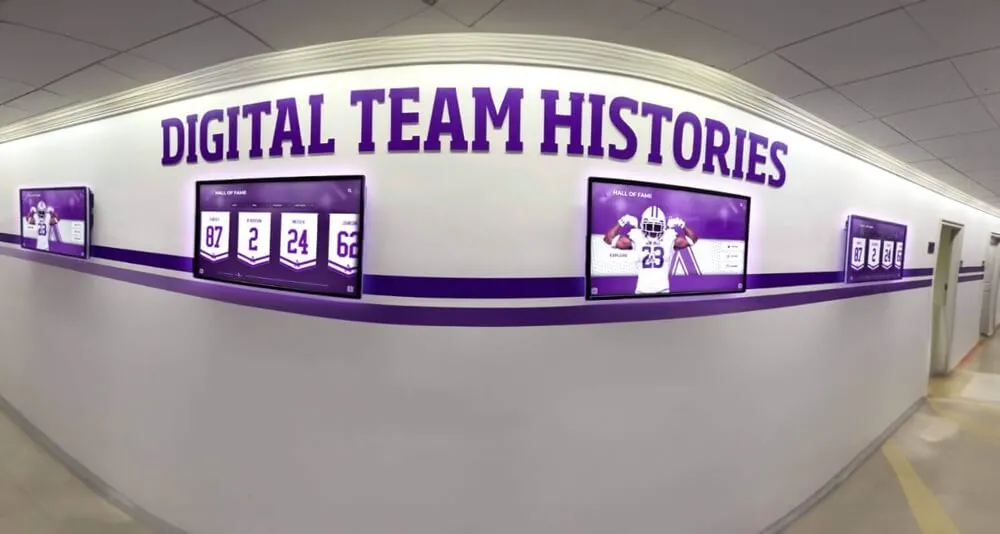
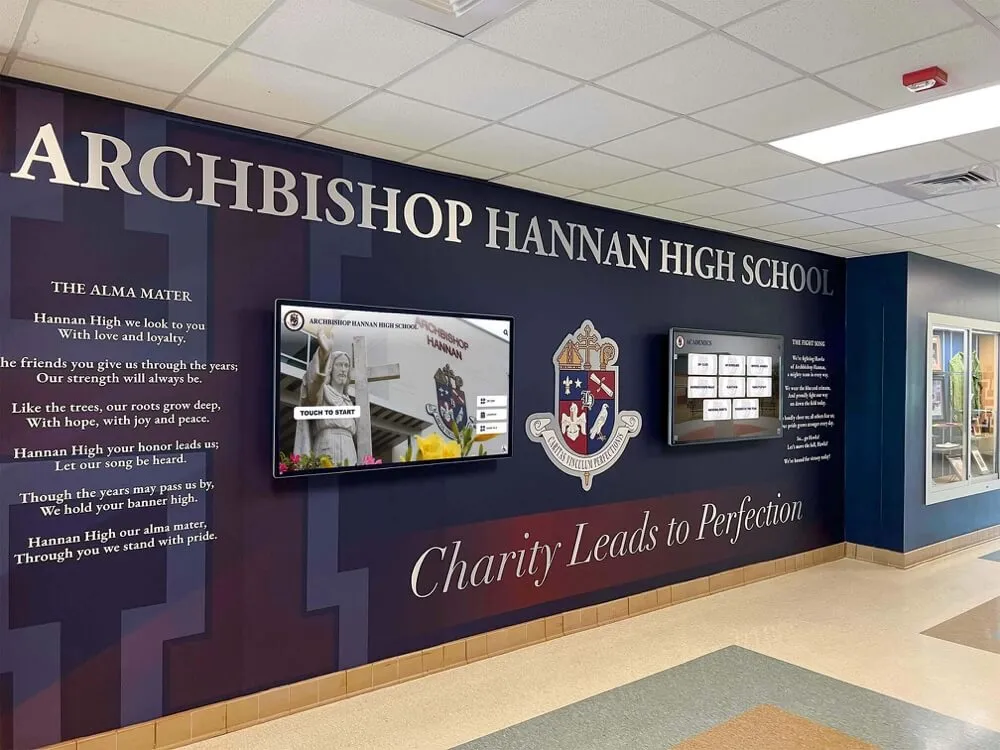
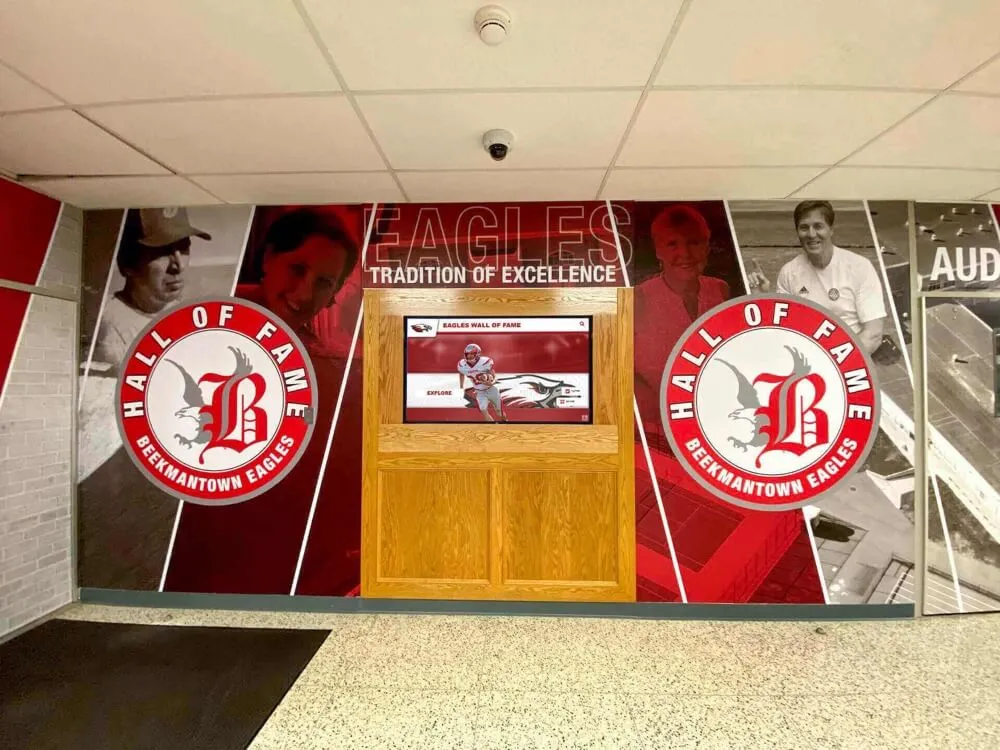
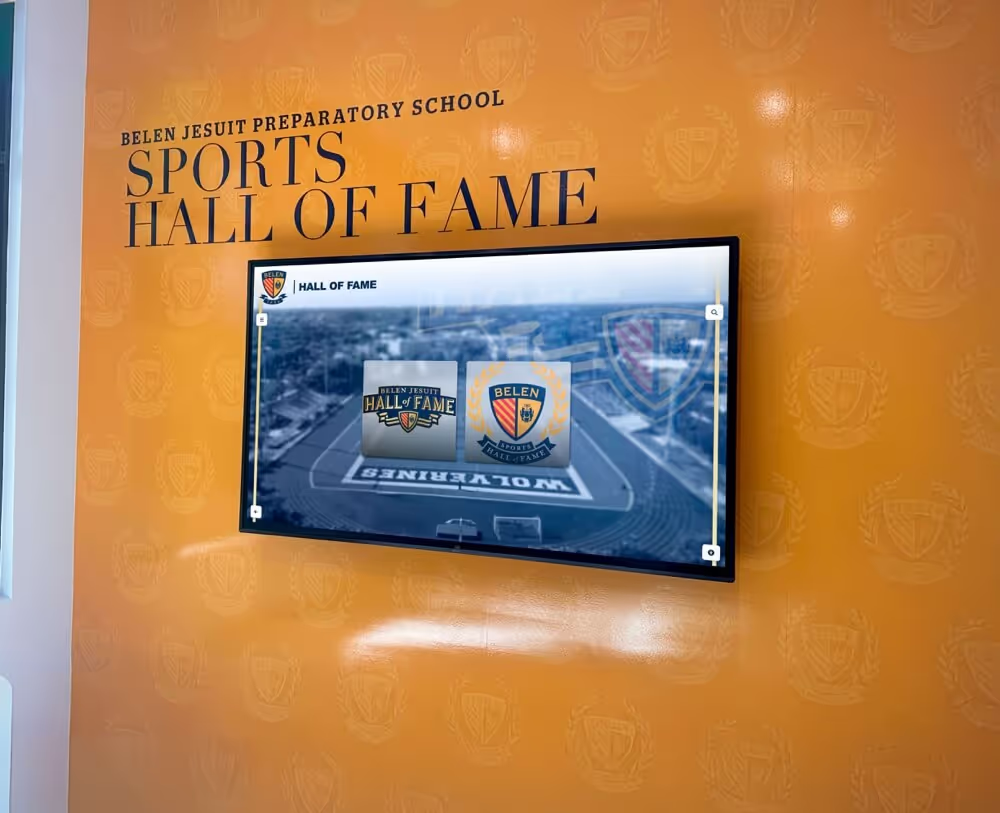
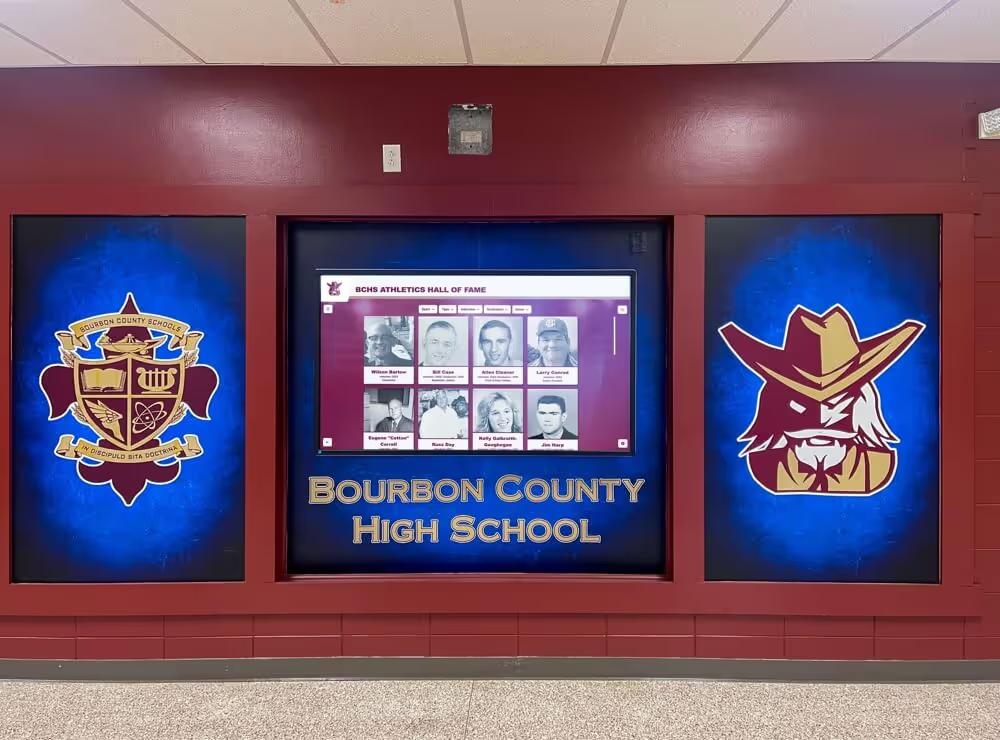
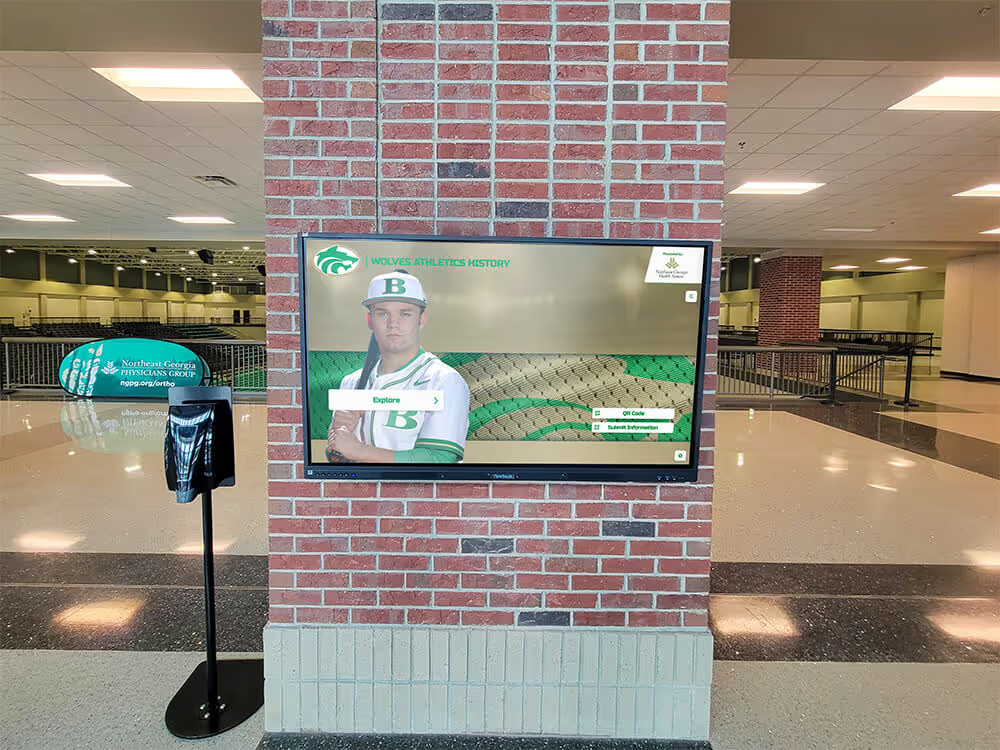
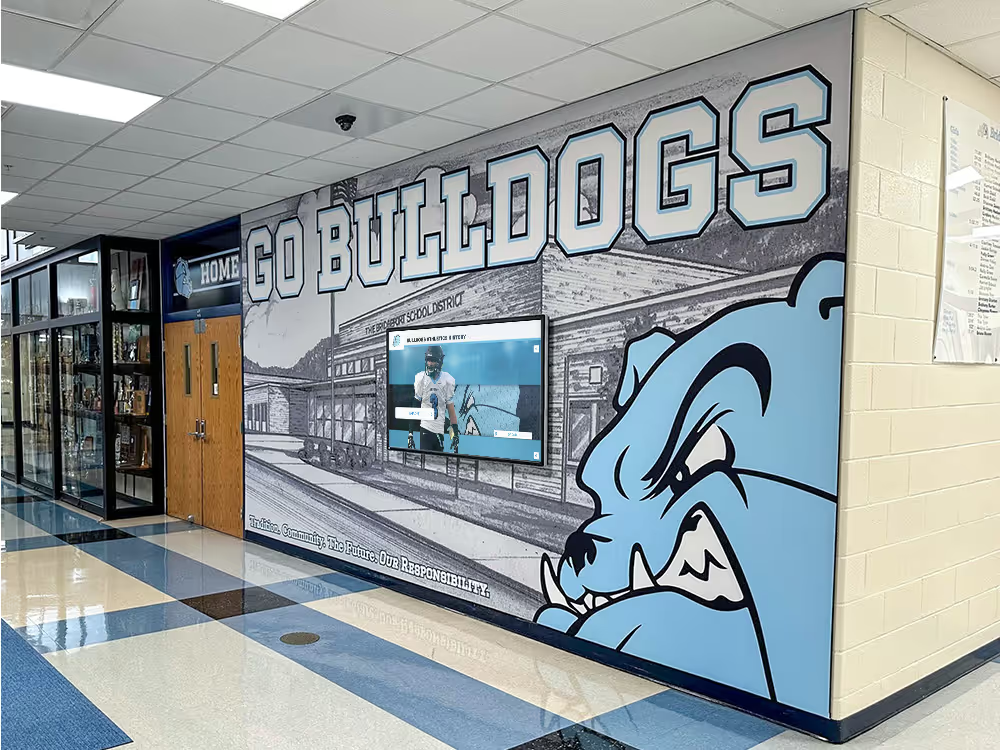
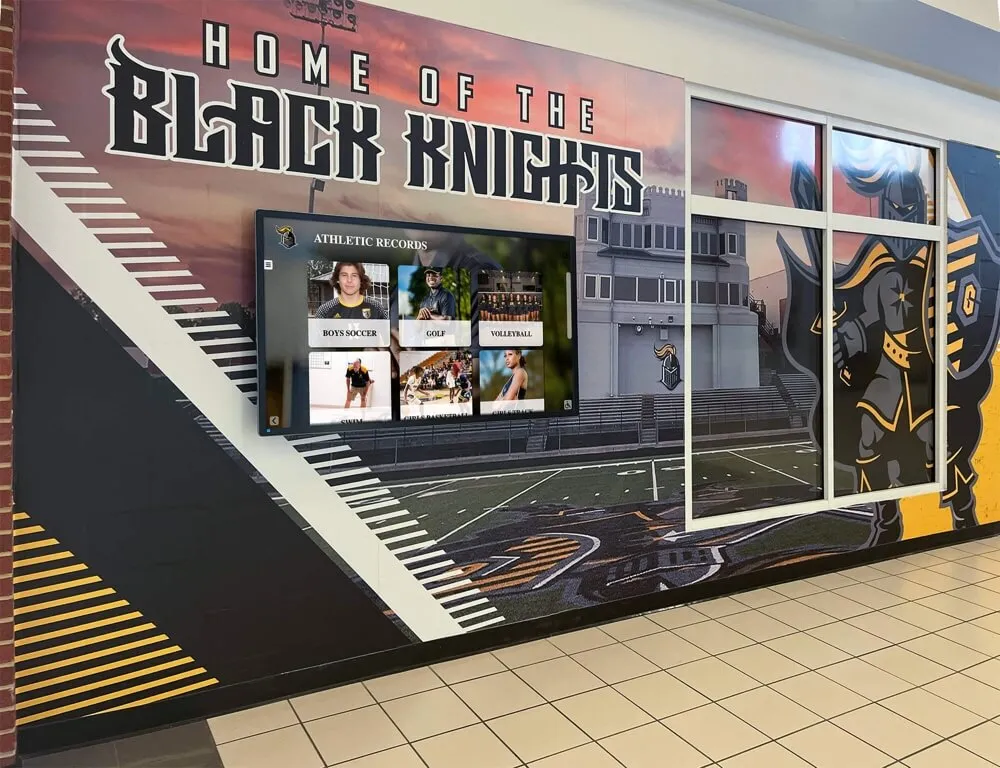
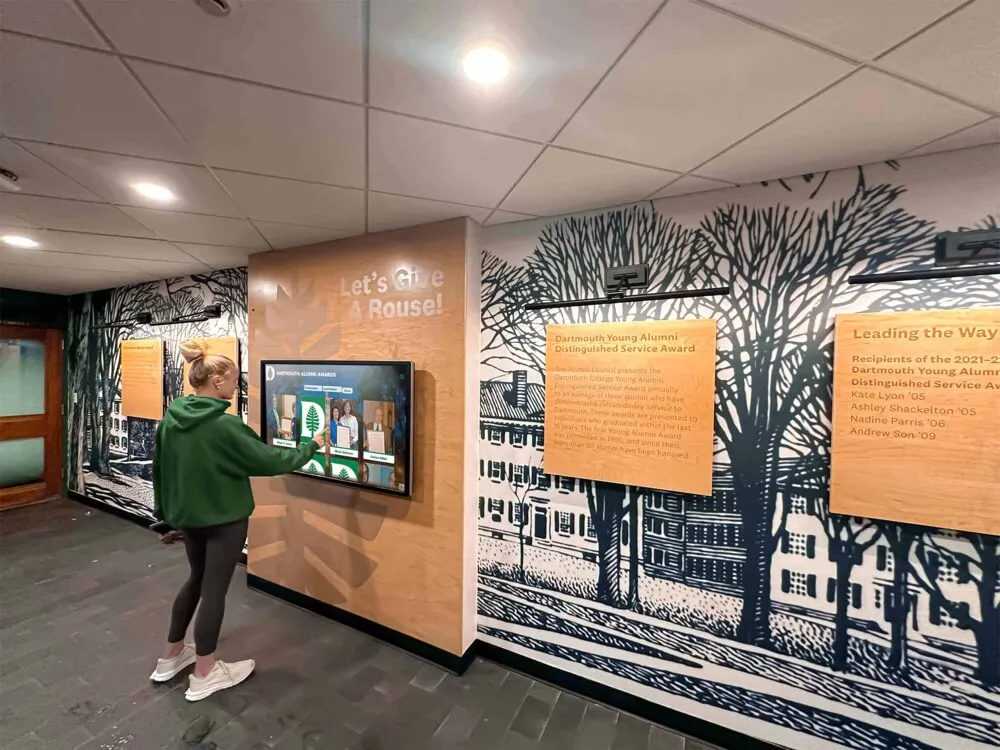
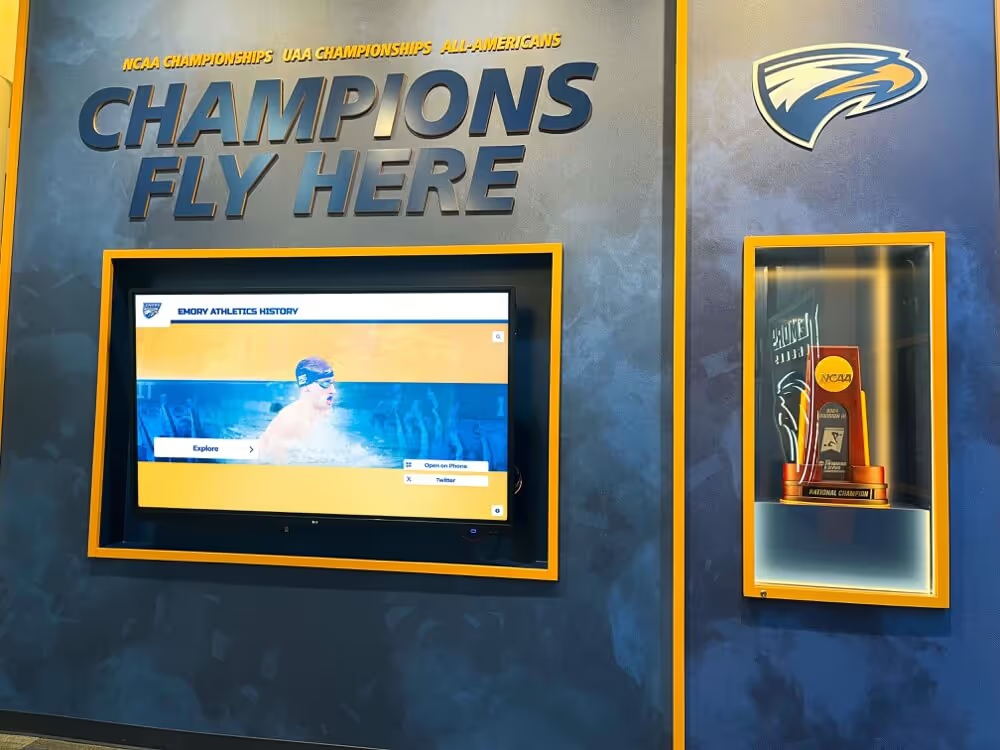
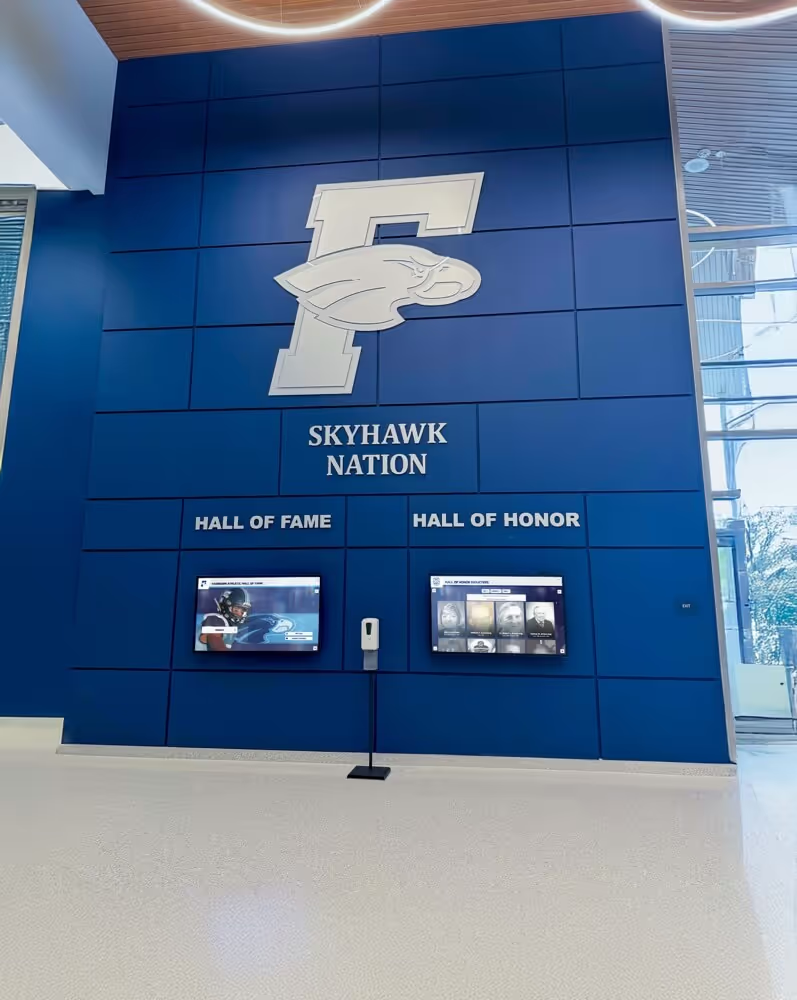
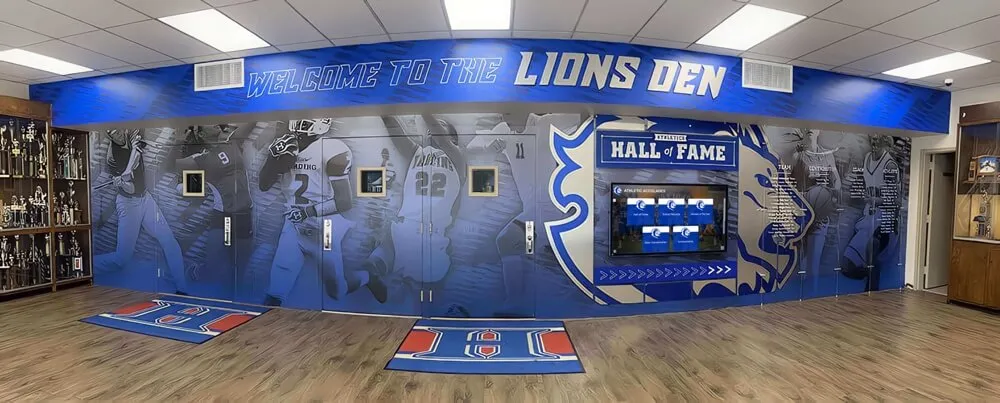
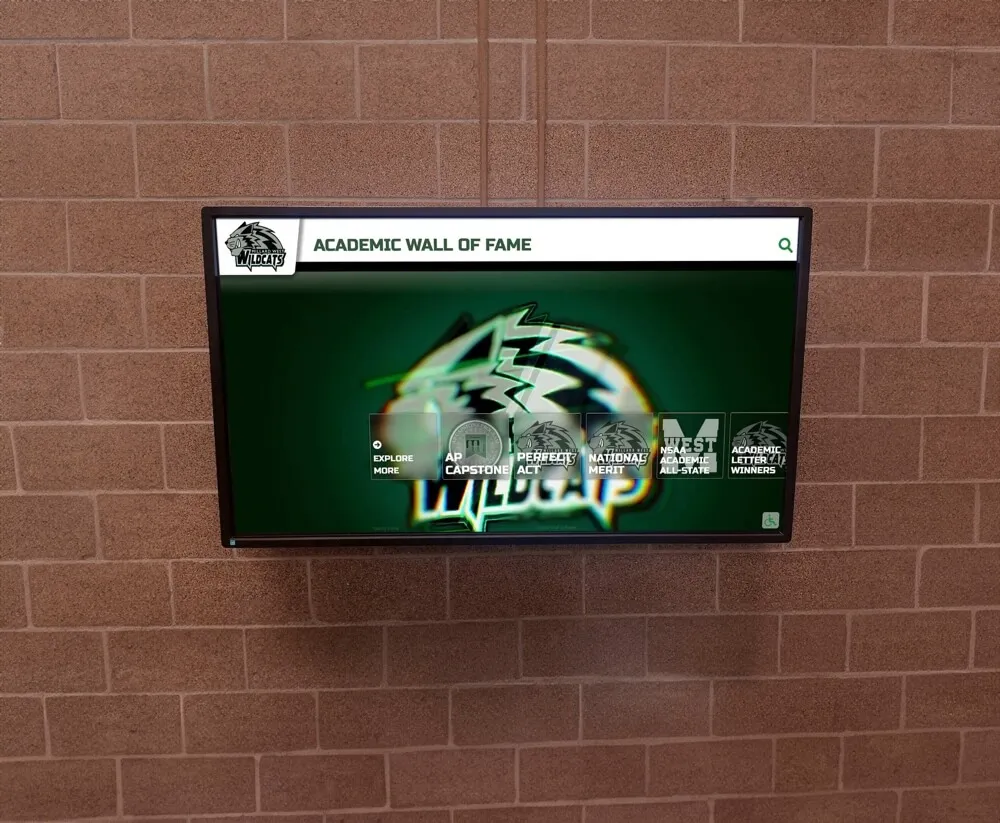
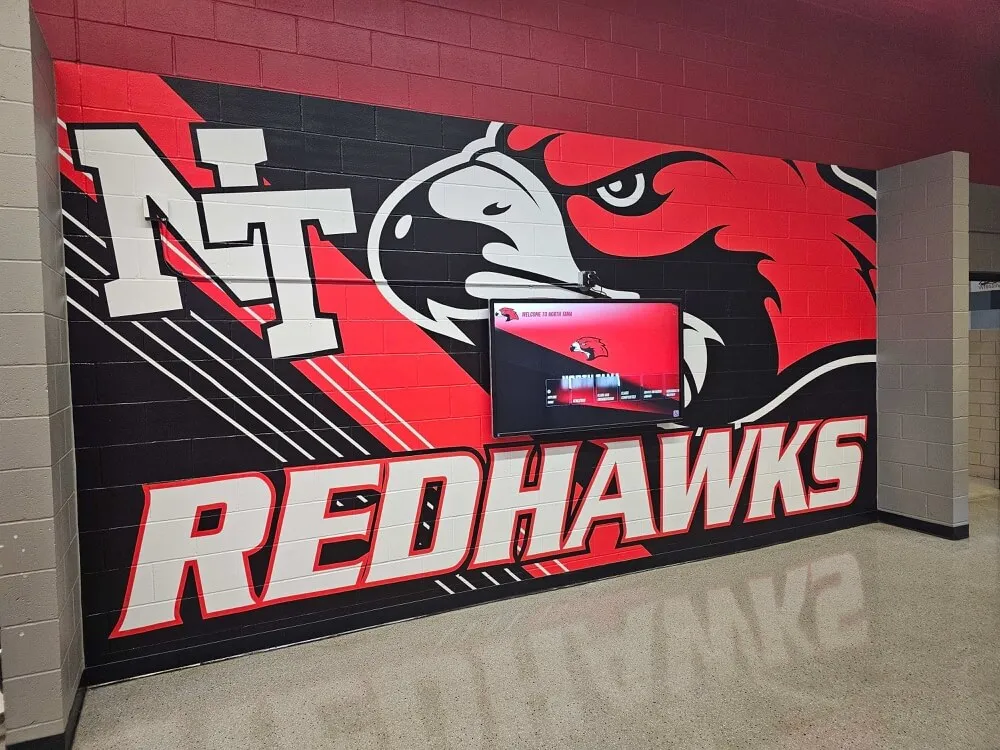
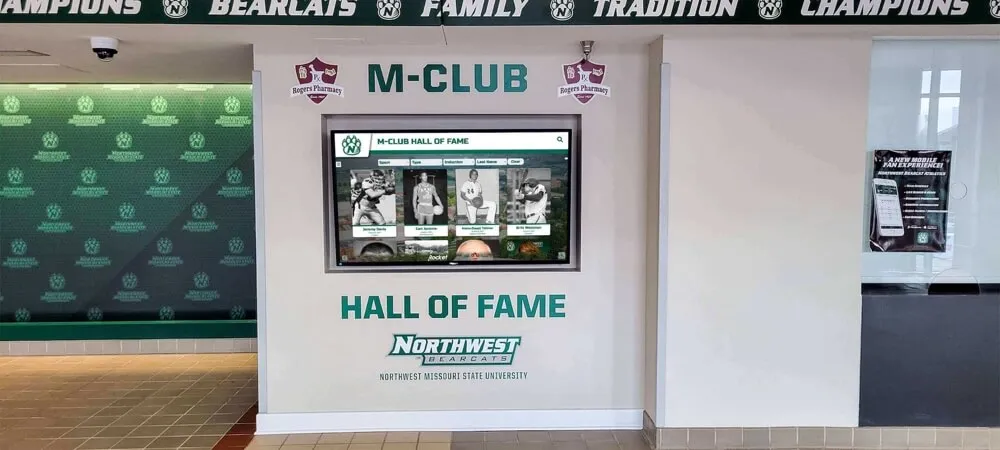
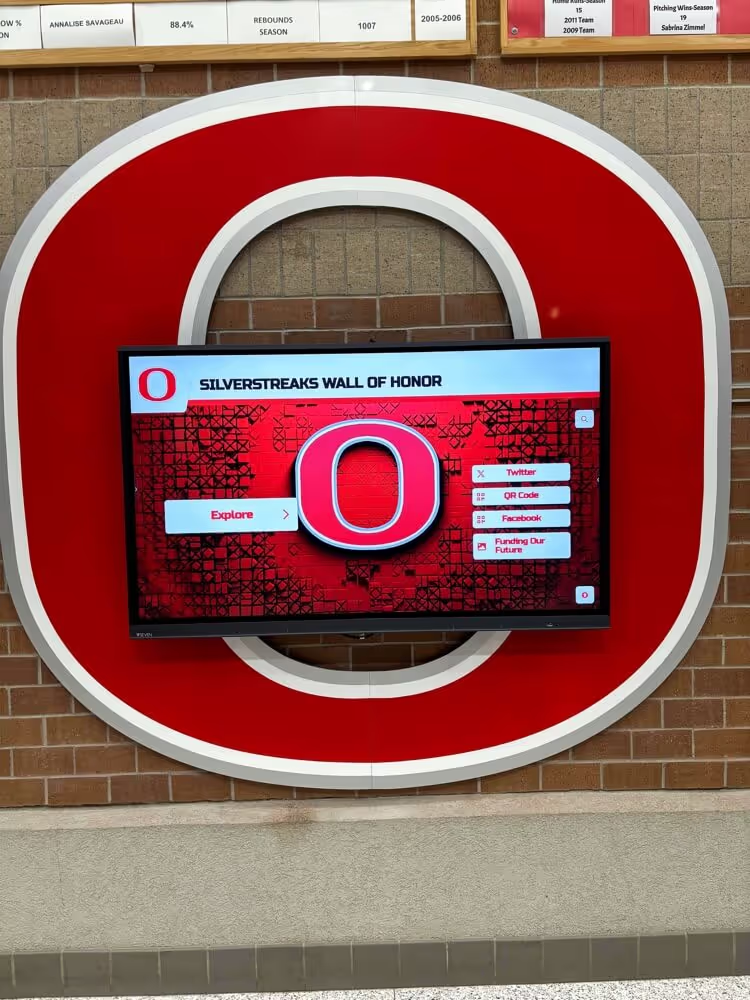
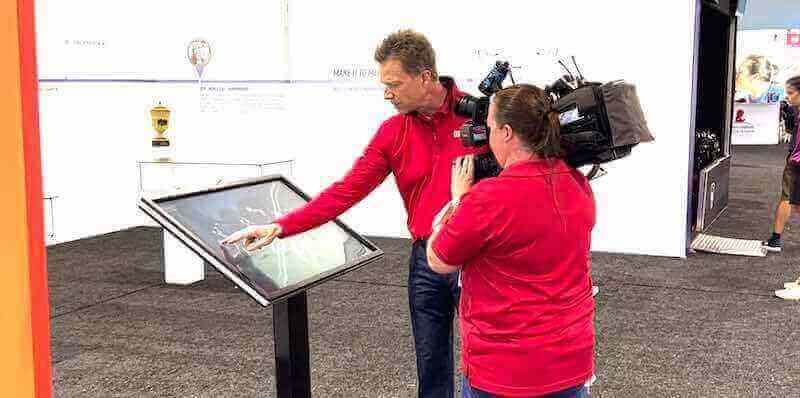
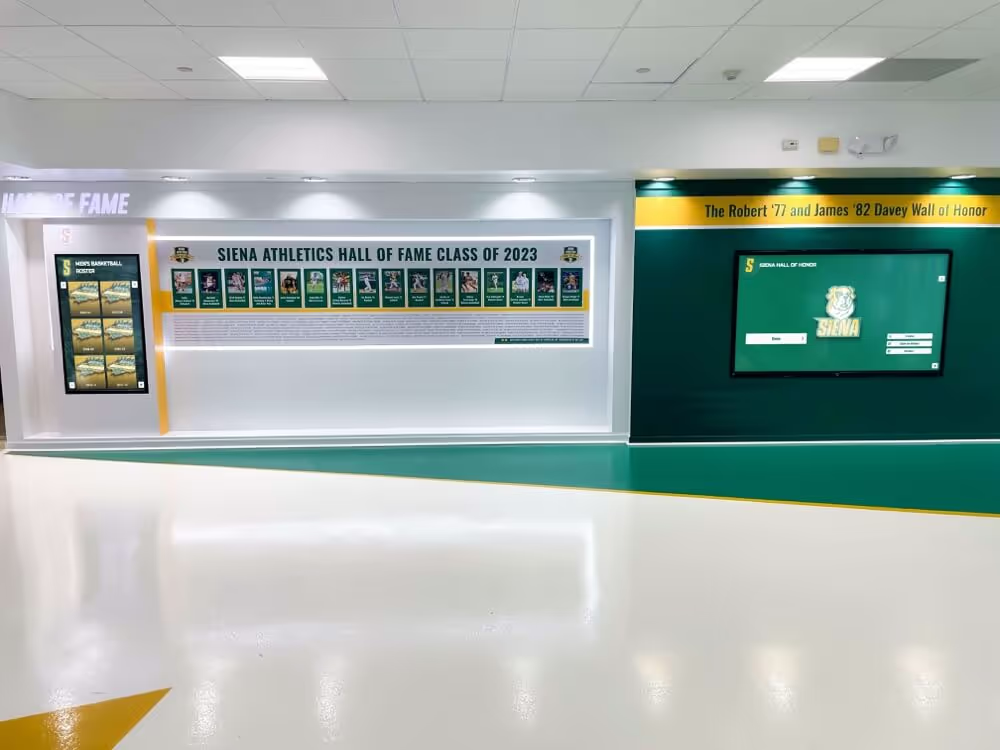
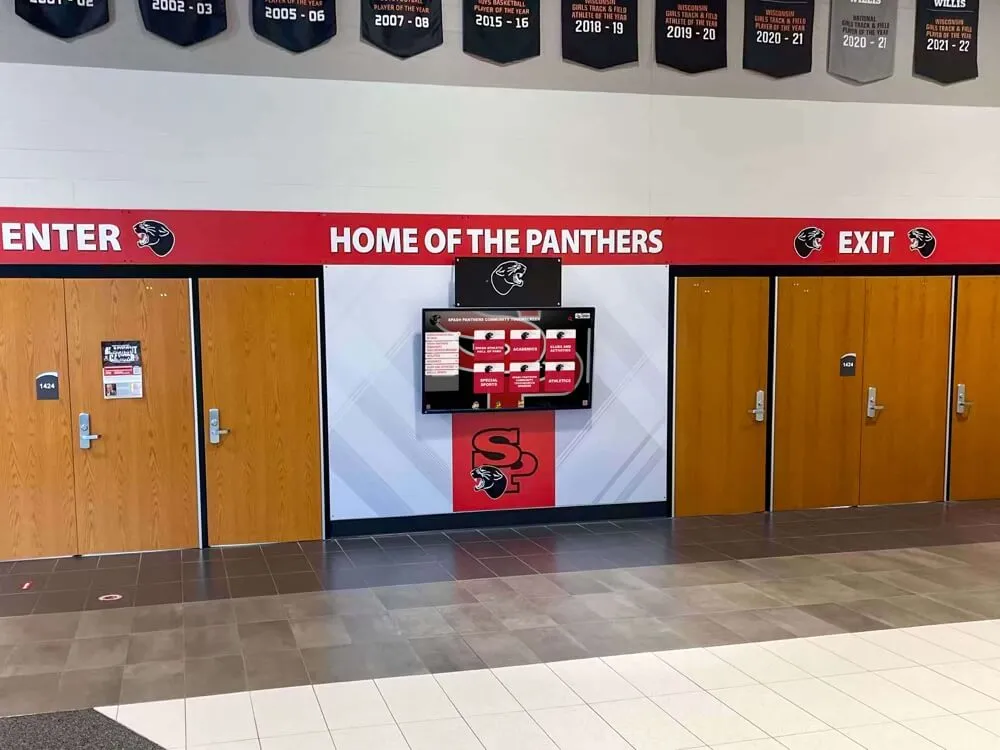
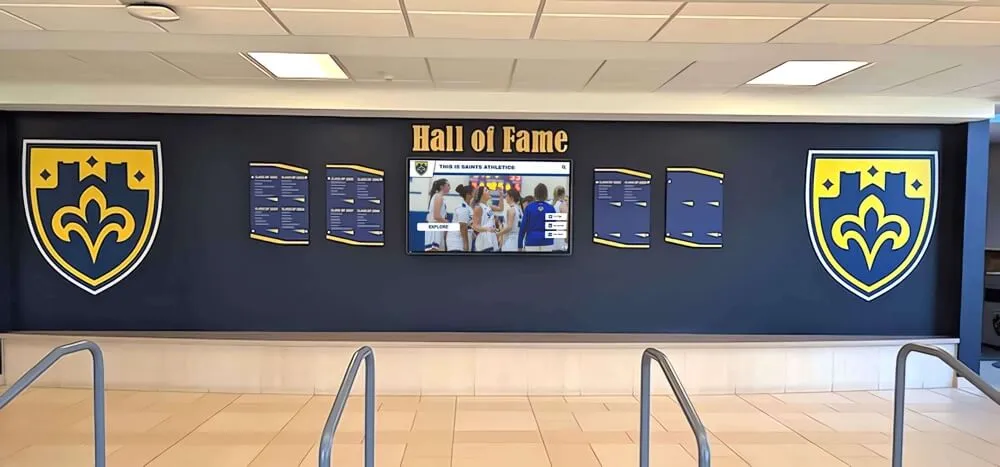
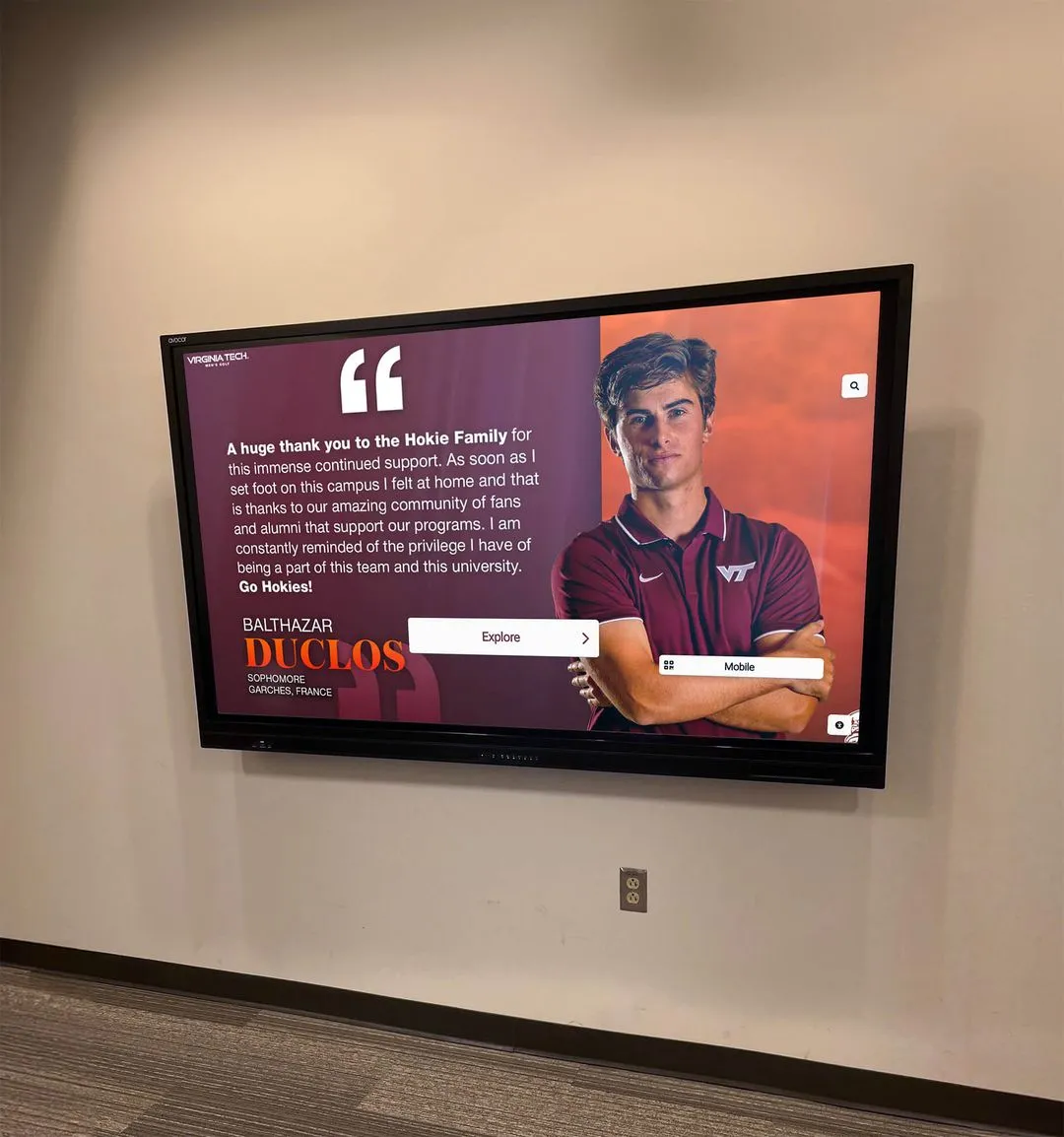
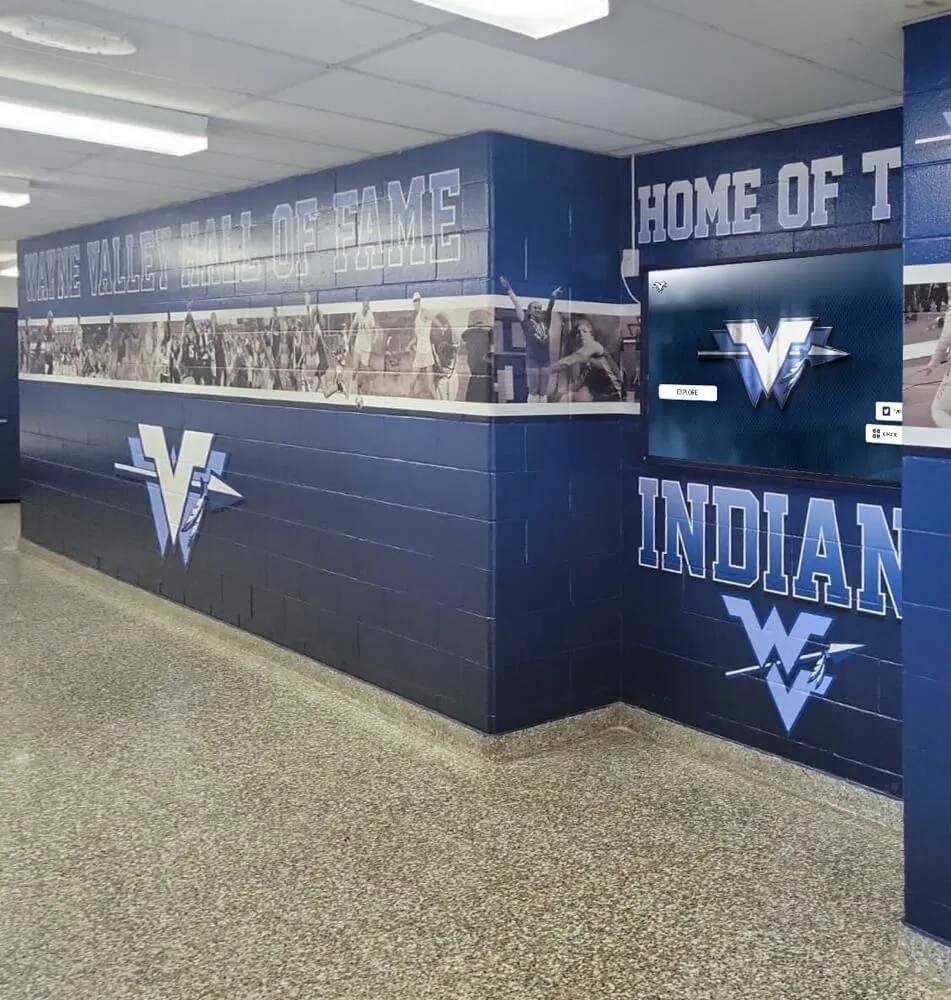
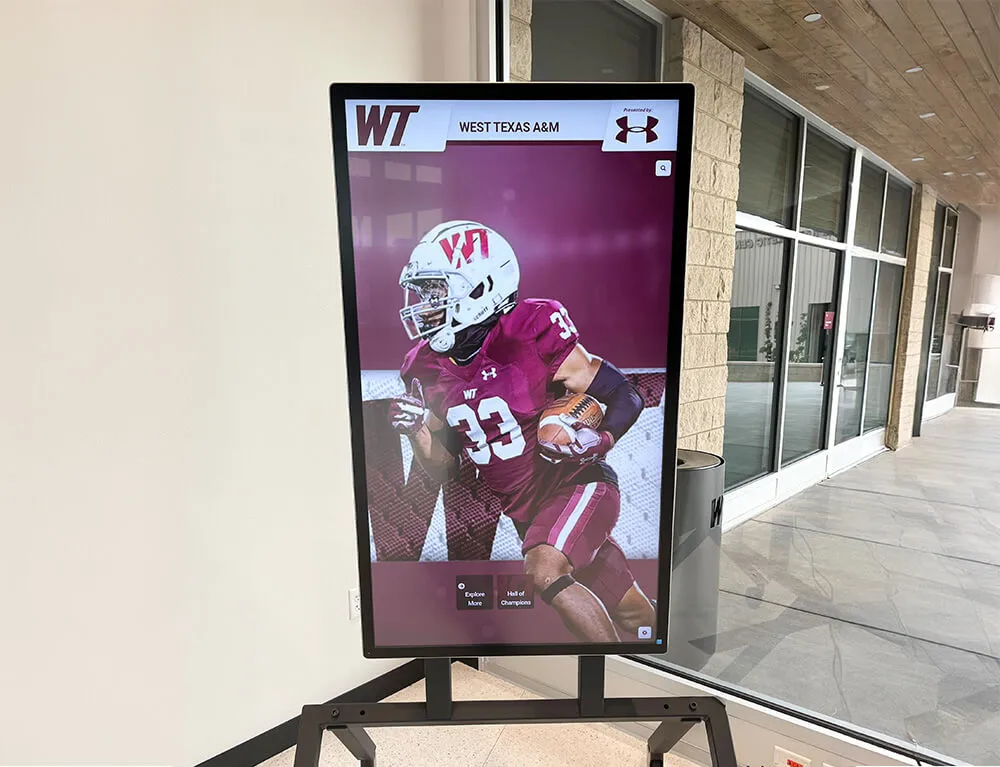
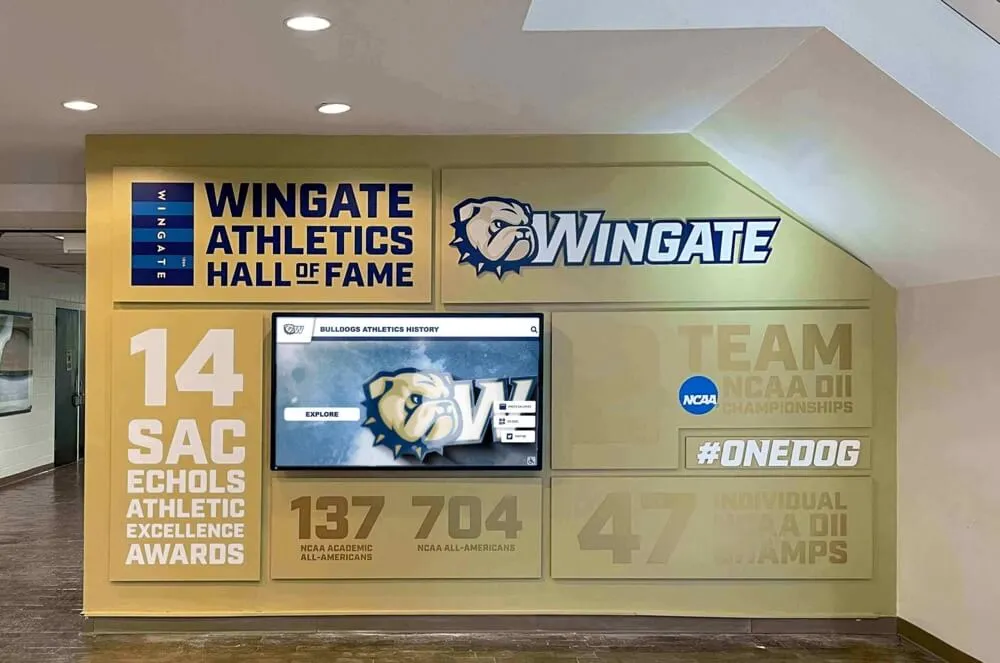
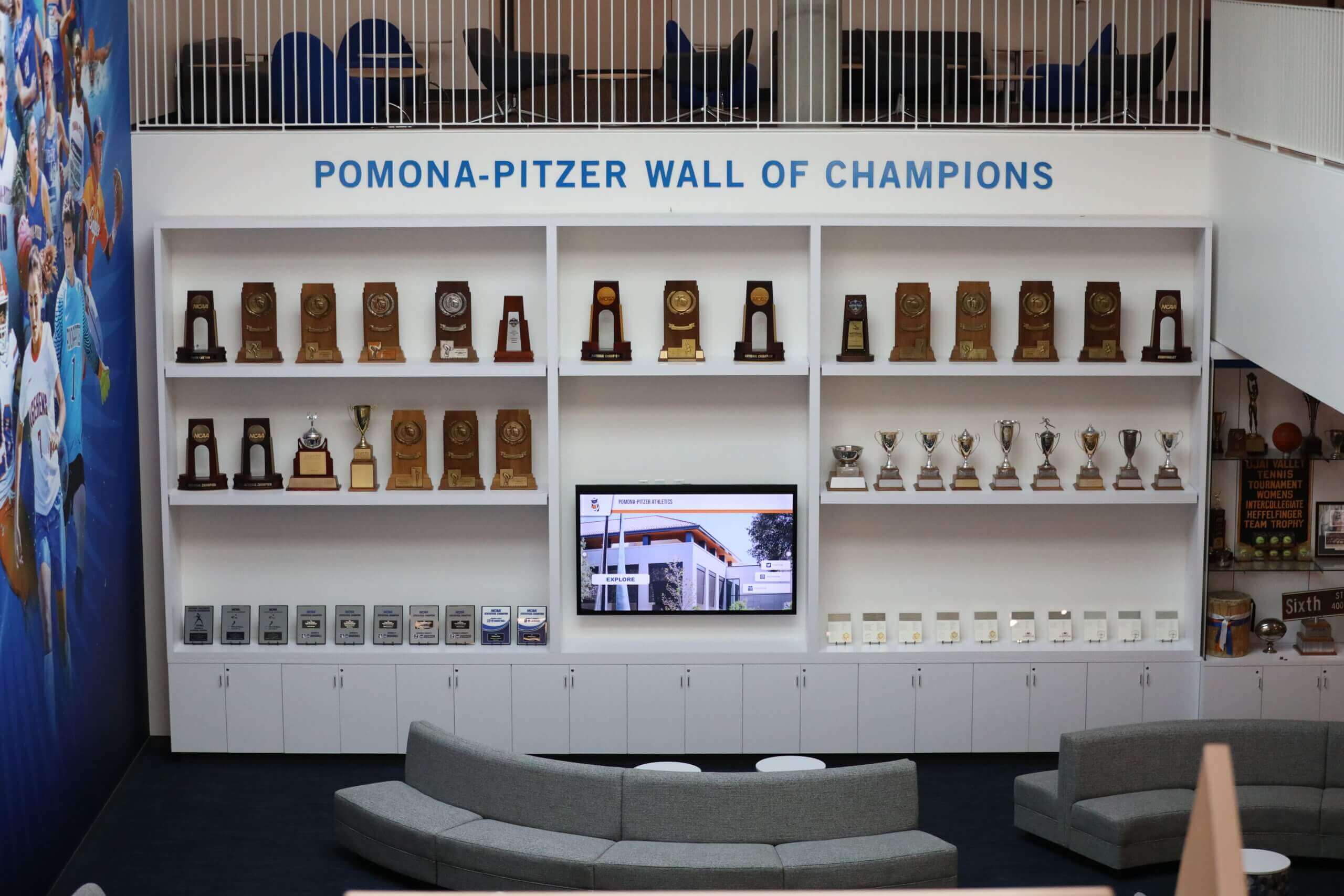
Sports banquets serve purposes extending far beyond ceremonial obligations marking season conclusions. These celebrations publicly validate the sacrifices athletes and families made throughout demanding seasons, create formal closure providing psychological transition from competition to off-season, establish program traditions connecting current teams to historical excellence, demonstrate organizational values regarding recognition and appreciation, and provide recruitment showcases helping prospective athletes and families evaluate program culture. Well-executed banquets generate emotional connections influencing alumni engagement for decades while reinforcing for current athletes that their commitment receives genuine appreciation. Solutions like Rocket Alumni Solutions enable programs to extend banquet recognition beyond single-night events through digital platforms creating permanent celebration of athletic accomplishments that remain accessible for years.
Planning Timeline: When to Start and What to Schedule
Successful sports banquets require substantial advance planning distributing workload across weeks rather than concentrating preparation in final days when execution challenges multiply and quality suffers from compressed timelines.
8-10 Weeks Before Banquet
Early planning establishes foundational decisions determining event scope, budget parameters, and organizational structure guiding detailed preparation work.
Select Banquet Date and Time: Choose dates avoiding major holidays, standardized testing periods, conflicting school events, or competing athletic seasons. Consider whether weeknight evenings, weekend afternoons, or Sunday timing maximizes family attendance for your specific community. Survey team families regarding date preferences if schedule flexibility exists.
Establish Budget Parameters: Determine available funding from booster clubs, athletic department budgets, parent contributions, sponsorships, or ticket sales. Create preliminary budget allocating resources across venue rental, catering, awards, decorations, audiovisual needs, and program materials. Budget clarity prevents overspending while ensuring appropriate resource allocation for priority elements.
Form Planning Committee: Recruit volunteers from coaching staff, parent representatives, booster club members, and athletic department personnel to distribute planning responsibilities. Assign specific roles including venue coordination, catering management, awards procurement, program development, decoration planning, and day-of-event execution. Committee structure prevents single individuals from becoming overwhelmed while leveraging diverse skills and perspectives.
Reserve Venue: Secure facility reservations early, particularly for desirable venues with limited availability. Consider school cafeterias or gymnasiums for budget-conscious programs, community centers offering accessible rental rates, restaurants with private banquet rooms, hotels providing professional catering and facilities, or outdoor pavilions for end-of-summer season celebrations.
Understanding athletic banquet planning frameworks helps programs establish timelines preventing common planning pitfalls that undermine event quality and create unnecessary stress.
6-8 Weeks Before Banquet
Mid-range planning addresses operational details requiring vendor coordination, content development, and logistical arrangements needing lead time for quality execution.
Secure Catering Services: If venues don’t provide in-house catering, obtain quotes from multiple caterers comparing pricing, menu options, service inclusions, and references. Finalize catering contracts specifying exact menu, guest count estimates, service timing, setup requirements, and contingency plans for attendance variations. Consider dietary restrictions including vegetarian options, allergy accommodations, and cultural food preferences ensuring all attendees can participate comfortably.
Design Awards Program: Determine award categories ensuring comprehensive recognition across performance excellence, character development, statistical achievement, and team contribution. Establish clear selection criteria communicating how recipients will be chosen. Begin collecting nominee information and making selection decisions allowing time for thoughtful evaluation rather than rushed last-minute determinations.
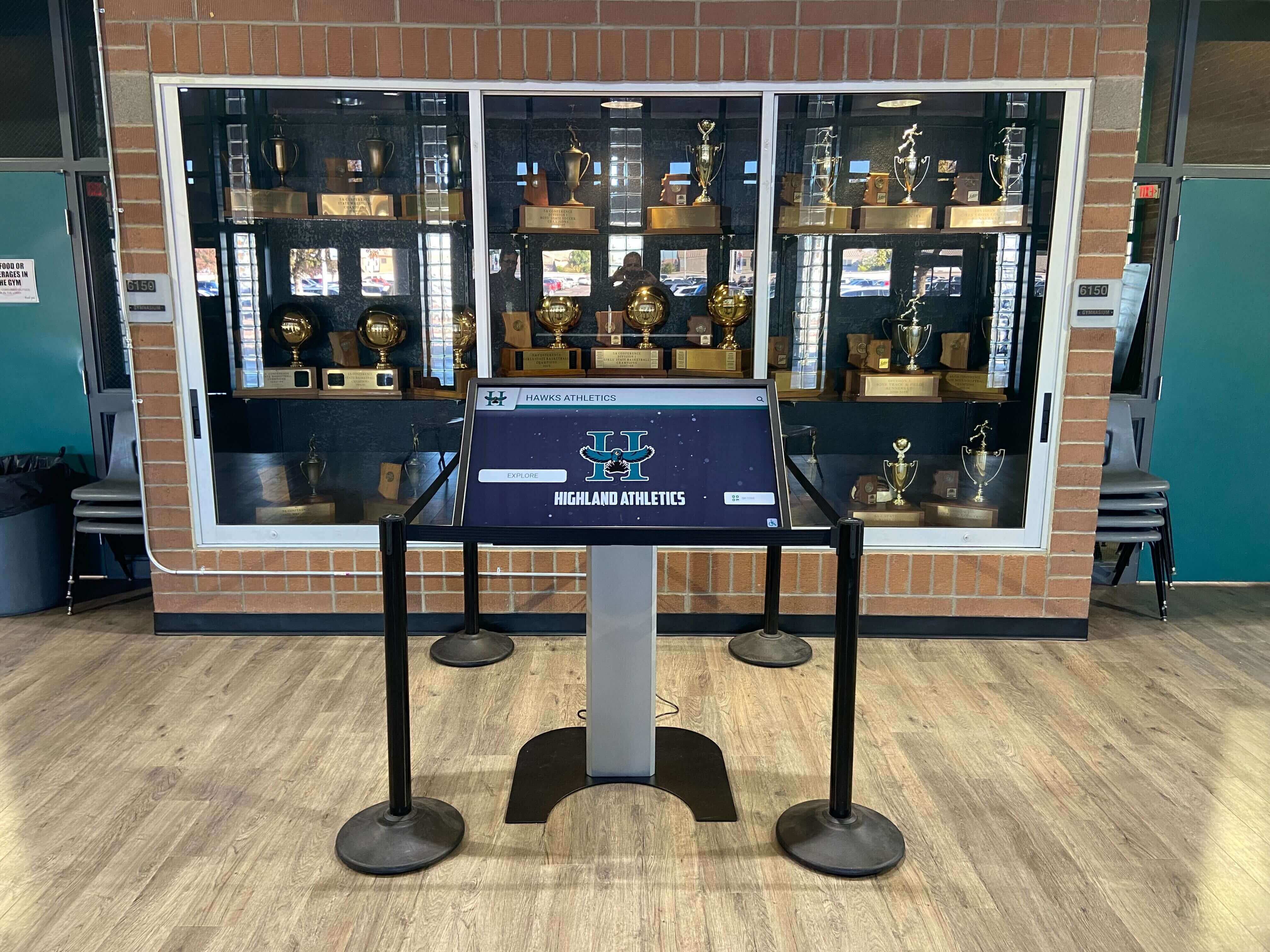
Order Physical Awards: Procure trophies, plaques, medals, certificates, or commemorative items requiring production time. Provide vendors with complete award details including recipient names, achievement descriptions, and presentation dates. Factor 2-4 week production timelines into ordering schedules preventing last-minute delivery issues. Consider digital recognition solutions complementing physical awards with permanent digital displays ensuring accomplishments receive ongoing visibility beyond brief banquet presentations.
Develop Communications Plan: Create invitation materials informing families about banquet dates, times, locations, costs, RSVP deadlines, and any special instructions regarding attire, parking, or program participation. Establish multiple communication channels including email distributions, team websites, social media announcements, and direct coach communications ensuring information reaches all families consistently.
Plan Audiovisual Content: Begin developing highlight videos, photo slideshows, or multimedia presentations showcasing season moments. Collect game footage, practice photos, candid team images, and action shots throughout seasons rather than scrambling for content during final weeks. Consider creating individual senior tribute videos, team accomplishment compilations, or season journey documentaries adding entertainment value while providing keepsakes families treasure.
4-6 Weeks Before Banquet
Detailed planning refines operational logistics, finalizes content development, and addresses specific execution requirements ensuring smooth event delivery.
Finalize Guest Count: Establish RSVP deadlines providing accurate attendance numbers for catering, seating arrangements, and program material quantities. Follow up with non-responding families ensuring comprehensive attendance tracking. Build modest cushion into catering orders (typically 5-10% above confirmed attendance) accommodating last-minute additions while minimizing waste and unnecessary expense.
Develop Ceremony Program: Create detailed run-of-show documents specifying event timing, speaker sequences, award presentation order, multimedia playback schedules, and transition logistics between program elements. Well-structured programs maintain appropriate pacing preventing ceremonies from dragging while ensuring each element receives adequate time and attention. Plan 90-120 minute total duration for most team banquets balancing comprehensive recognition with audience engagement sustainability.
Coordinate Venue Logistics: Confirm facility access times for setup, event duration, and breakdown. Understand venue policies regarding decorations, audiovisual equipment usage, parking arrangements, accessibility accommodations, and any restrictions affecting event execution. Schedule venue walkthrough reviewing room layout, table configurations, audiovisual infrastructure, and identifying any potential logistical challenges requiring solutions.
Design Printed Materials: Create banquet programs featuring team rosters, coaching staff recognition, season highlights, award recipient listings, and sponsor acknowledgments. Develop table decorations, centerpieces, or visual displays celebrating team identity and season accomplishments. Order printing allowing adequate production time without incurring rush fees.
Arrange Audiovisual Equipment: Confirm availability of projectors, screens, sound systems, microphones, and playback equipment necessary for presentations and videos. Test equipment compatibility with your content formats preventing technical difficulties during events. Designate technically proficient volunteers managing audiovisual operations throughout ceremonies ensuring smooth transitions and troubleshooting capability if issues emerge.
2-3 Weeks Before Banquet
Final planning addresses execution details, confirms arrangements, and prepares participants for specific roles ensuring coordinated event delivery.
Conduct Speaker Preparation: Brief coaches, administrators, or special guests presenting remarks about time limits, content expectations, and ceremony context. Prepare athlete speakers if including player speeches or recognition. Rehearse complex transitions or multimedia integrations preventing awkward pauses or confusion during live events.
Create Seating Arrangements: Develop seating plans considering family groups, team cohesion, special recognition attendees, and logistical flow for award presentations. Reserve front tables for seniors or special honorees when appropriate. Ensure adequate aisle space facilitating award presentations without disrupting other guests.
Finalize Award Presentations: Verify all awards are received, correctly engraved, and ready for presentation. Organize awards in presentation order preventing delays searching for specific items during ceremonies. Prepare presenter notes including recipient names, achievement descriptions, and any relevant context making recognition more meaningful and personal.
Confirm Vendor Arrangements: Reconfirm catering delivery timing, venue access schedules, and any third-party service providers participating in events. Verify contact information for day-of-event coordination if questions or issues emerge requiring immediate attention.
Week of Banquet
Final week focuses on execution preparation, last-minute confirmations, and ensuring all participants understand their roles and responsibilities.
Conduct Final Headcount: Confirm attendance numbers accounting for any last-minute changes. Communicate final count to caterers meeting their notification requirements. Prepare contingency plans for unexpected attendance variations.
Organize Setup Logistics: Recruit volunteers for facility setup including table arrangement, decoration installation, audiovisual equipment positioning, registration table preparation, and award organization. Create setup timeline ensuring completion before guest arrivals. Assign specific volunteers to greeting guests, managing registration, and providing directional assistance.
Prepare Contingency Plans: Develop backup approaches for potential issues including technical failures, presenter absences, timing variations, or unexpected logistical challenges. Designate problem-solving leaders empowered to make real-time decisions addressing emerging issues without requiring committee consensus during active events.
Brief All Participants: Communicate final details to coaches, speakers, award presenters, volunteers, and athlete participants ensuring everyone understands schedules, roles, and expectations. Provide contact information for day-of-event coordination.
Resources on senior night planning and end-of-season celebrations provide additional frameworks for organizing successful athletic recognition events across different sports and competitive levels.
Venue Selection: Finding the Right Space for Your Team
Venue selection significantly influences event atmosphere, logistical complexity, budget requirements, and overall banquet success. Different venue types offer distinct advantages matching varied program needs, budget constraints, and community contexts.
School Facilities
School cafeterias, gymnasiums, or commons areas provide convenient, cost-effective venues particularly suitable for programs with limited budgets or large attendance requiring substantial space.
Advantages: Minimal or zero rental costs preserving budget for other priorities, familiar locations requiring minimal directional guidance, ample parking and accessibility, facilities already equipped with basic tables and chairs, and convenient access for setup and breakdown.
Considerations: May lack formal banquet atmosphere compared to dedicated event venues, limited catering options potentially requiring external food service coordination, competing event schedules potentially constraining date flexibility, and basic audiovisual infrastructure possibly requiring equipment rentals.
Best For: Youth programs prioritizing budget conservation, large attendance events requiring significant space, teams wanting to emphasize program identity through school-based celebration, and organizations with strong volunteer capacity managing logistics independently.
Restaurant Banquet Rooms
Restaurants offering private dining rooms or banquet spaces provide turnkey solutions minimizing logistical coordination while delivering professional food service and atmosphere.
Advantages: Professional food preparation and service eliminating catering coordination burden, formal dining atmosphere elevating event prestige, included tables, chairs, and basic setup reducing volunteer requirements, experienced staff managing service logistics, and varied menu options accommodating dietary preferences.
Considerations: Higher per-person costs compared to self-catered options, capacity limitations potentially excluding large-attendance events, limited audiovisual infrastructure requiring equipment arrangements, restricted decoration flexibility due to permanent venue aesthetics, and specific timing requirements accommodating restaurant operational needs.
Best For: Smaller team celebrations (20-50 attendees), programs with adequate budget for professional catering, organizations prioritizing convenience over extensive customization, and events emphasizing formal recognition atmosphere.
Community Centers and Civic Buildings
Municipal recreation centers, community buildings, or civic facilities provide middle-ground venues balancing affordability with professional amenities and flexibility.
Advantages: Reasonable rental rates with nonprofit or educational organization discounts, flexible spaces accommodating varied event scales, adequate parking and accessibility, neutral community settings, and often including basic audiovisual equipment and furniture.
Considerations: Require coordination of external catering services, generic aesthetic lacking distinctive character requiring decoration investment, potential community events competing for prime dates, and varied facility quality depending on community investment and maintenance.
Best For: Mid-sized programs (50-150 attendees), organizations wanting customization flexibility, teams with volunteer capacity managing catering coordination, and programs serving community-wide populations appreciating accessible neutral venues.
Hotels and Conference Centers
Hotels provide comprehensive banquet facilities combining professional food service, dedicated event staff, and high-quality amenities creating formal recognition atmosphere.
Advantages: All-inclusive service packages minimizing planning complexity, professional catering with diverse menu options, high-quality audiovisual equipment and technical support, elegant formal atmosphere, experienced event coordination staff, and ample parking typically included.
Considerations: Premium pricing representing highest venue category costs, potentially impersonal corporate atmosphere lacking distinctive character, minimum guest requirements for certain facilities, standardized packages limiting unique customization, and locations possibly requiring significant travel for some families.
Best For: Large programs with substantial budgets, organizations prioritizing professional full-service execution, championship celebrations deserving premium recognition, and programs wanting to minimize volunteer coordination burden through comprehensive service packages.
Understanding student recognition event planning helps programs evaluate venue options matching specific needs, constraints, and celebration objectives across different organizational contexts and budget realities.
Ceremony Structure: Creating Engaging Recognition Programs
Ceremony structure determines whether banquets feel engaging and meaningful or become tedious obligations attendees endure rather than enjoy. Thoughtful program design maintains appropriate pacing, balances entertainment with recognition, and ensures every participant feels valued throughout events.
Pre-Event Social Period (15-30 Minutes)
Build informal gathering time before formal ceremonies enabling families to mingle, athletes to celebrate together, and late arrivals to join without disrupting programs.
Registration and Greeting: Establish clear registration areas where families check in, receive programs, and get seating directions. Position greeters welcoming attendees and providing basic orientation. Use registration to collect final attendance data and distribute any take-home materials.
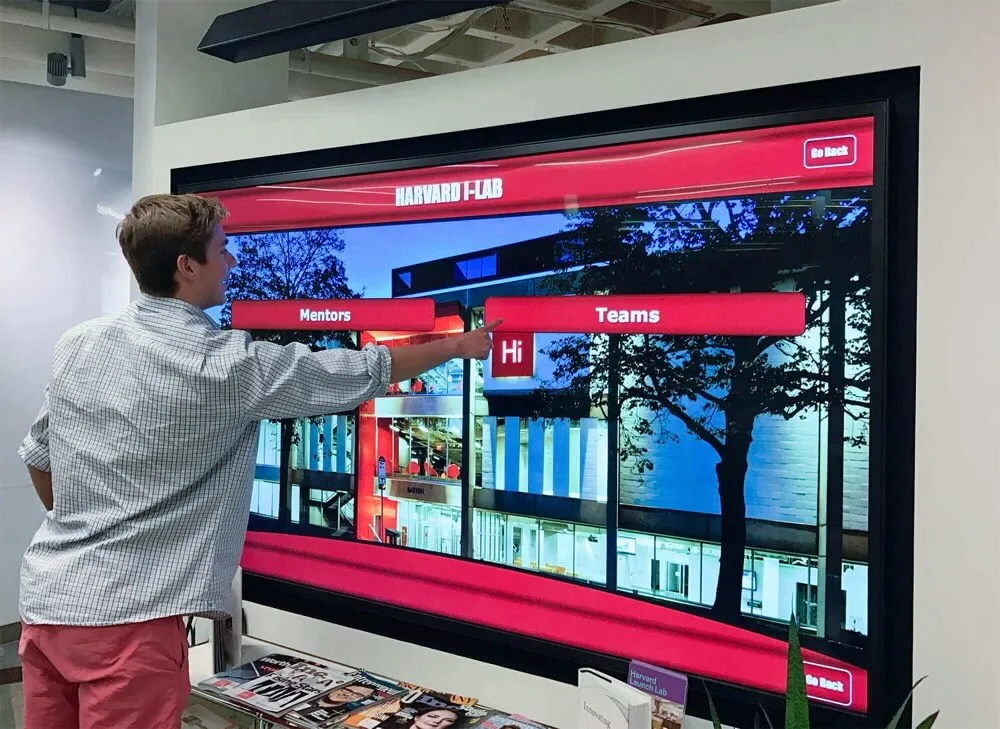
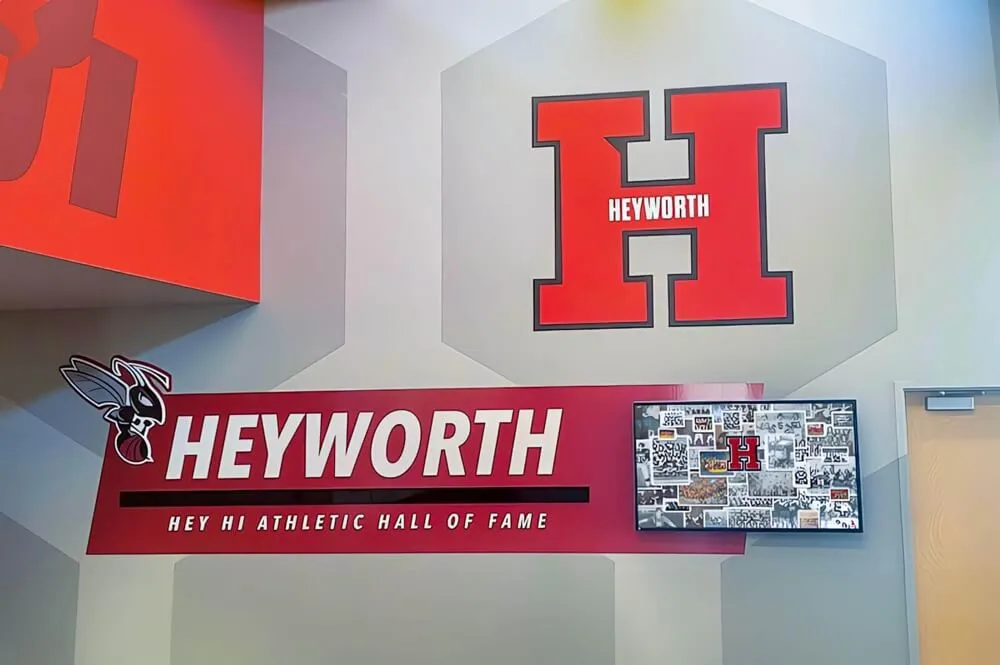
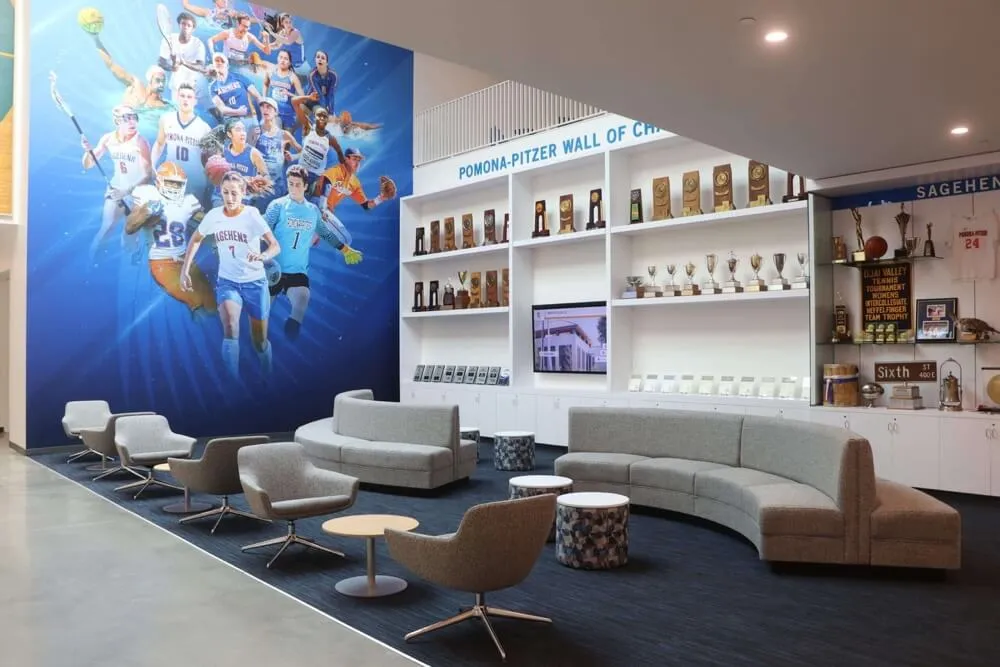
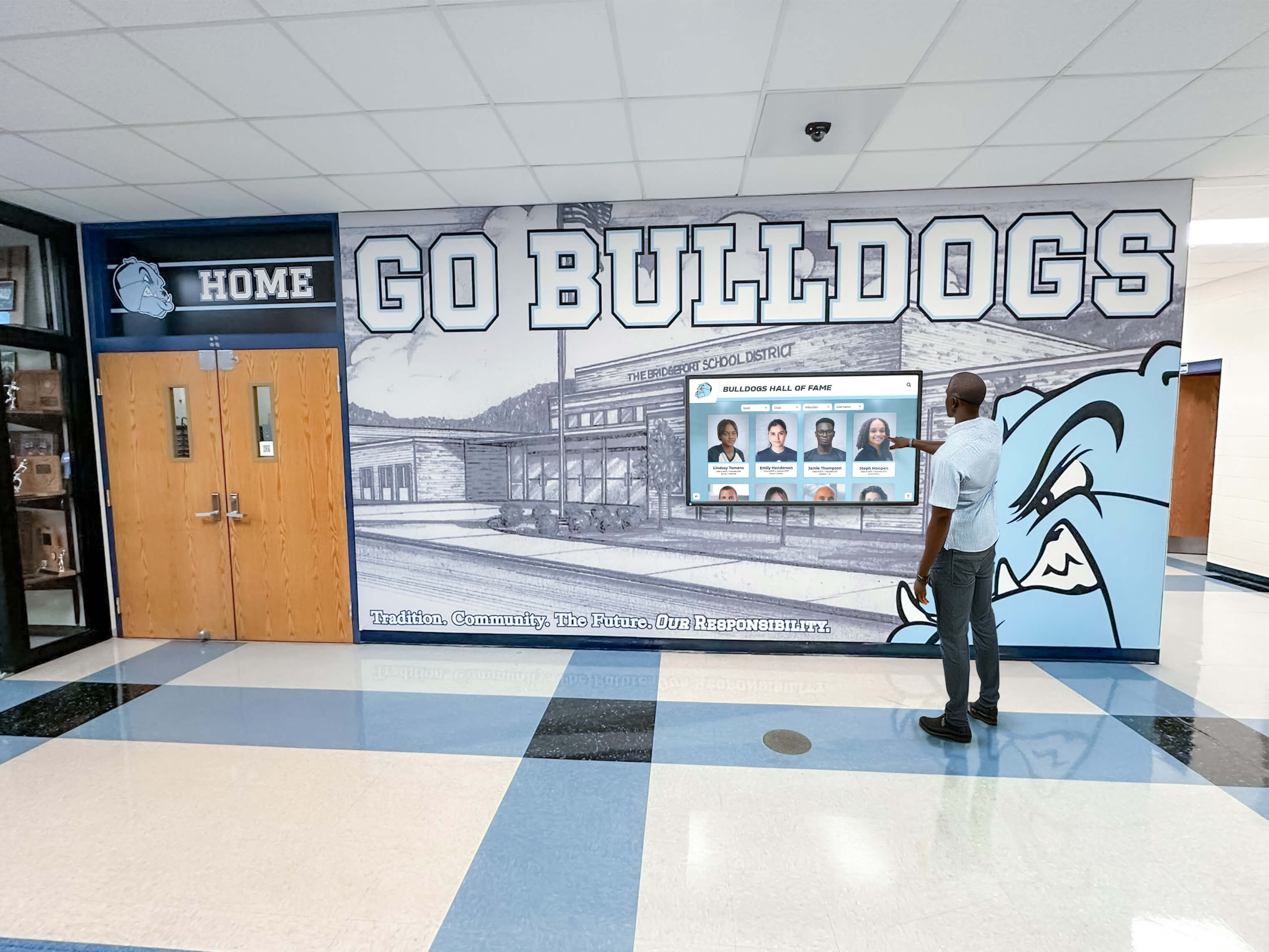
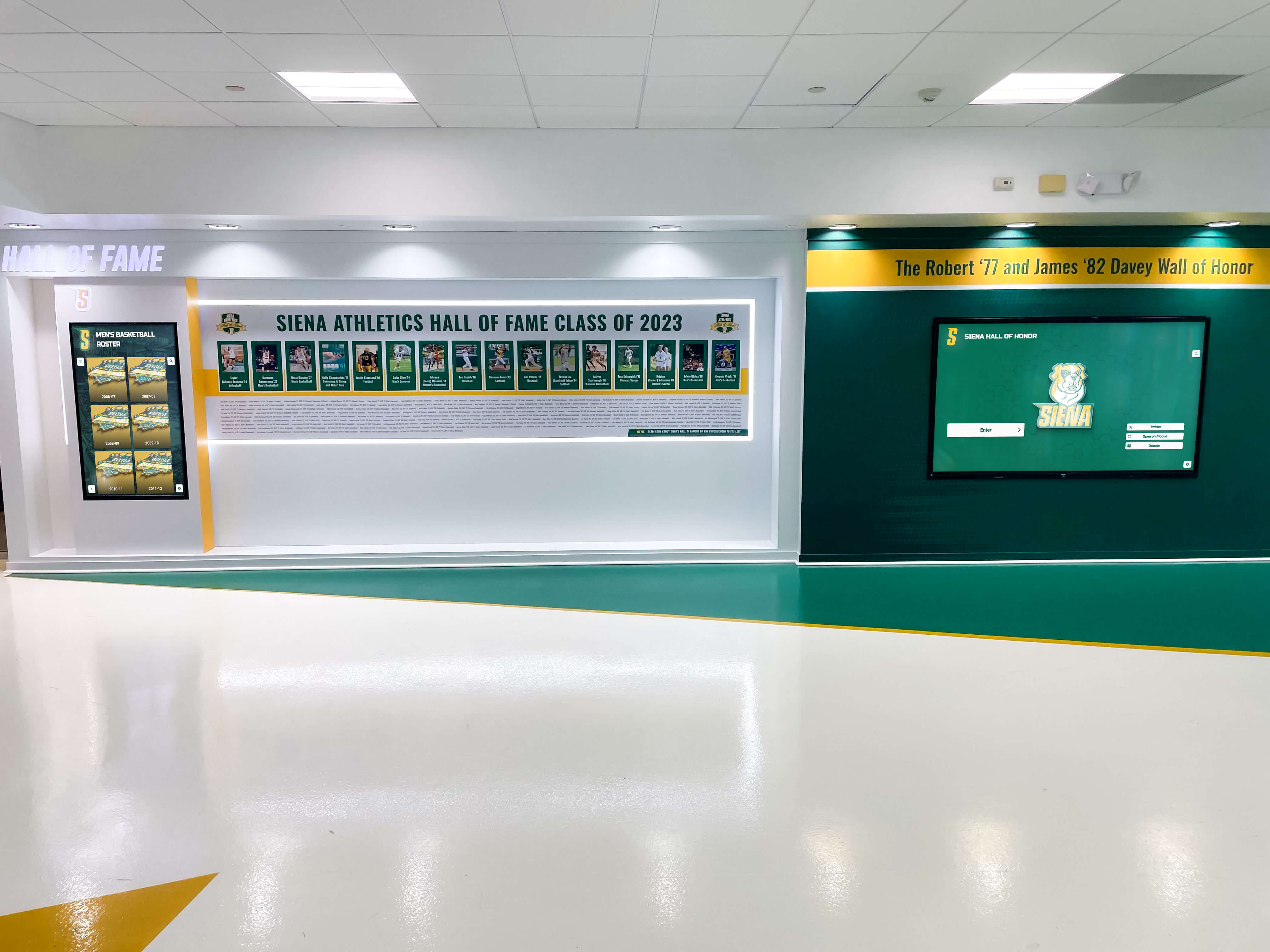
Display Areas and Photo Opportunities: Create visual displays featuring season photos, championship trophies, statistical leaders, or team accomplishments providing entertainment and conversation topics during pre-event socializing. Set up photo backdrop areas with team branding encouraging family photos preserving banquet memories. Consider displaying digital recognition content on screens showing season highlights, athlete profiles, or program history engaging early arrivals.
Background Music: Play appropriate background music creating energy and atmosphere without overwhelming conversation. Select music reflecting team preferences or using playlists athletes contributed to creating sense of ownership and personalization.
Welcome and Introductions (5-10 Minutes)
Formal program commencement establishes tone, provides necessary context, and transitions from social mingling to structured recognition.
Opening Remarks: Brief welcoming statements from head coach, athletic director, or booster president thank attendees for participating and preview program elements. Keep introductions concise focusing on gratitude rather than lengthy administrative messaging. Acknowledge special guests, program supporters, or notable attendees warranting recognition.
Team Introduction: Consider creative team introductions beyond simply reading roster names. Options include individual player introductions with senior class receiving extended recognition, position group acknowledgments with coach comments about unit contributions, or video introduction sequences featuring action footage and personal statements from athletes.
Meal Service (45-60 Minutes)
Meal service provides natural pacing break in formal programming while enabling family interaction and athlete socialization creating community connection beyond competition.
Concurrent Entertainment: Consider light entertainment during meal service preventing dead time. Options include background slideshow presentations featuring season photos, video compilation showing game highlights or behind-scenes moments, background music maintaining energy, or brief interview segments with athletes or coaches played on screens.
Table Activities: Provide table activities during meal service particularly valuable for events including younger siblings. Memory book stations where attendees write messages to team, prediction cards forecasting next season outcomes, or trivia contests based on season events encourage participation while managing pacing.
Strategic Timing: Coordinate meal service completion before starting major award presentations preventing servers from disrupting recognition moments or attendees from being distracted by ongoing food service. Brief meal service transition pause allows table clearing and participant preparation for ceremony resumption.
Coach Remarks and Season Reflection (10-15 Minutes)
Coaching staff perspectives provide context about season journey, team development, and program values while recognizing specific contributions and memorable moments beyond statistical achievement.
Season Overview: Recap season highlights including championship success, unexpected victories, adversity overcome, or development breakthroughs demonstrating growth and progress. Balance competitive results recognition with attention to cultural development, character growth, and team cohesion evolution.
Specific Recognition: Acknowledge particular athletes, parents, or program supporters deserving special thanks. Coaches often identify contributions that statistical leaders don’t capture—role players providing practice intensity, teammates demonstrating exceptional character, or families making unusual sacrifices supporting programs.
Program Vision and Values: Briefly reinforce program philosophies regarding competition, sportsmanship, development, and team culture. Connect specific season examples to broader program values showing how teams lived principles beyond abstract ideals. This teaching moment helps younger athletes understand expectations while validating current team behaviors exemplifying program standards.
Entertainment Balance: While coaching remarks hold importance, monitor length preventing extended speeches that lose audience attention. 10-15 minute remarks appropriately convey meaningful content without becoming tedious. Save detailed reflections for written program materials supplementing verbal presentation.
Guidance on athletic ceremony planning provides additional frameworks for designing engaging recognition programs maintaining audience attention while appropriately honoring athletic accomplishment across different sports and competition levels.
Award Presentations (30-45 Minutes)
Award presentations represent ceremony centerpieces requiring thoughtful pacing, clear recognition criteria explanation, and presentation approach making recipients feel genuinely honored rather than processing through routine obligations.
Award Organization and Pacing: Present awards in strategic sequence building toward most prestigious recognition. Start with fun or creative awards establishing lighthearted tone, progress through statistical and performance categories, and conclude with major individual honors and senior recognition maintaining engagement and anticipation throughout presentations. Consider breaking award segments into 10-15 minute blocks separated by video content or brief transitions preventing monotonous back-to-back presentations becoming tedious.
Personalized Recognition: Provide specific examples explaining why recipients earned recognition rather than generic praise. Personal detail increases meaning while demonstrating thoughtful selection processes. Rather than “Most Improved Player goes to…” followed by name alone, explain “Sarah started the season coming off the bench averaging 4 points per game. Through dedication to skill development and extra shooting sessions with coaches, she ended the season as our starting point guard averaging 12 points and 6 assists. Most Improved Player: Sarah Johnson.”
Multimedia Enhancement: Integrate short video clips, action photos, or statistical graphics accompanying award presentations creating visual interest while providing additional context about accomplishments. Brief (15-30 second) video clips showing award-winning plays or moments add entertainment value while honoring recipients through highlight celebration. Programs implementing digital athletic recognition often create comprehensive content archives enabling seamless multimedia integration across banquet presentations and permanent digital displays.
Photo Documentation: Photograph each award presentation capturing moment for program archives, social media sharing, and family keepsakes. Designate photographer specifically focused on award presentations ensuring complete documentation without disrupting ceremony flow. Establish photo area with appropriate lighting and background minimizing awkward staging delays.
Inclusive Recognition: Ensure award programs recognize diverse contributions beyond statistical leaders. Include character awards, effort recognition, team contribution acknowledgments, and improvement awards ensuring every team member receives specific recognition validating their participation value. Athletes contributing primarily through practice intensity, positive attitudes, or defensive excellence deserve acknowledgment equal to statistical leaders.
Senior or Graduating Athlete Recognition (15-25 Minutes)
Graduating class recognition provides ceremony emotional highlights validating cumulative commitment while creating meaningful closure for athletes concluding competitive careers.
Individual Senior Tributes: Provide each senior with individual recognition time beyond brief name reading. Options include video tributes showing career progression, personalized written biographies read by coaches or teammates highlighting specific memories and accomplishments, or senior speeches allowing athletes to share personal reflections and express gratitude to supporters. Balance individual attention appropriately—typically 1-3 minutes per senior depending on class size and overall program duration constraints.
Senior Parent Recognition: Acknowledge that athletic achievement reflects family sacrifice and support beyond individual athlete effort. Consider inviting senior parents forward during recognition, presenting flowers or small tokens appreciating their support, including parent quotes or messages in senior tributes, or featuring parent interviews in video content. Many programs find parent recognition creates ceremony’s most emotional moments while demonstrating appreciation for comprehensive family commitment.
Senior Legacy Projects: Consider incorporating senior legacy initiatives where graduating classes contribute lasting program improvements or establish traditions benefiting future teams. Announce legacy projects during recognition explaining how seniors left programs better than they found them through equipment donations, facility enhancements, mentorship programs, or community service initiatives. This frames senior recognition around service and program building beyond exclusively personal achievement.
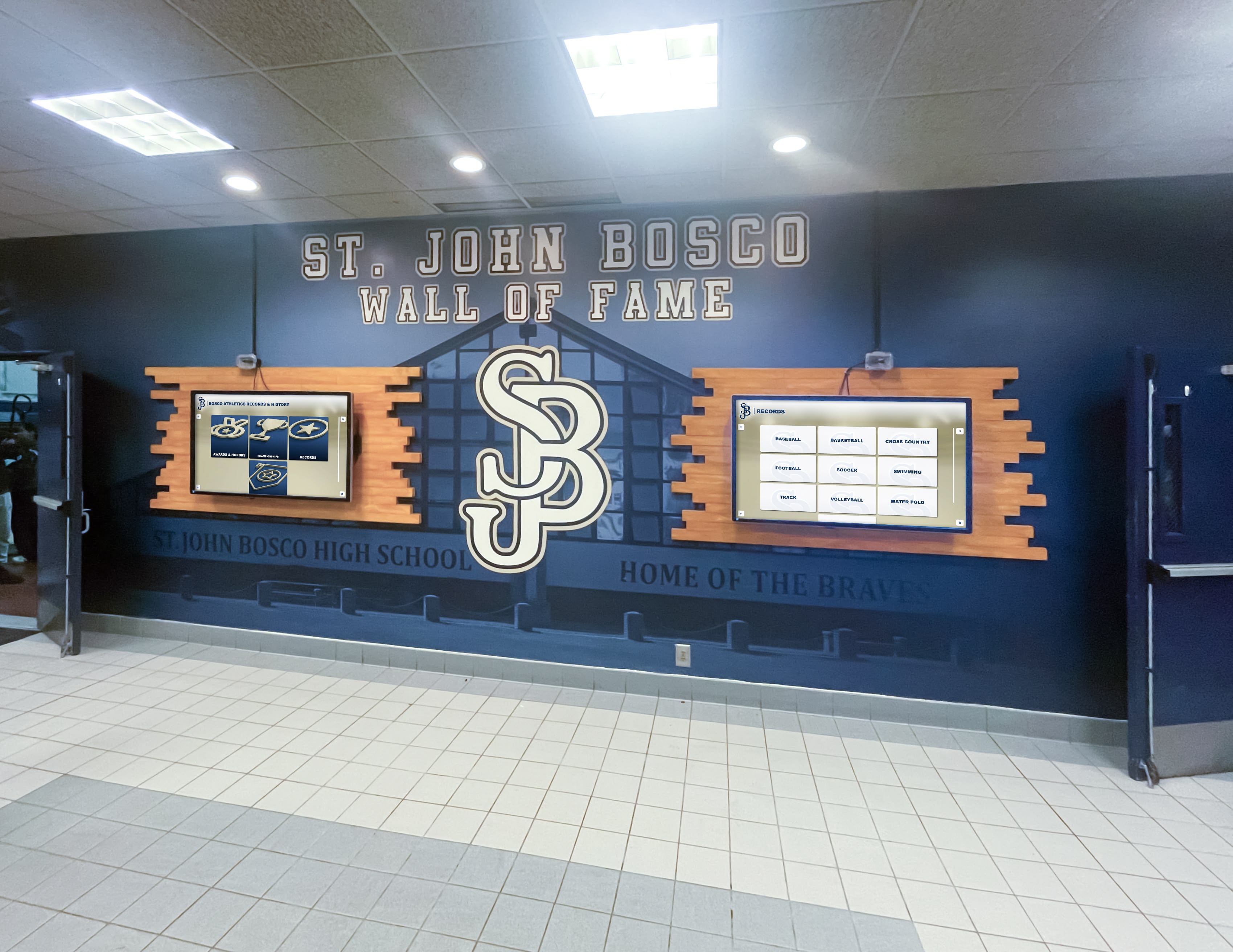
Permanent Recognition: Create lasting senior acknowledgment extending beyond single-night ceremonies through digital recognition platforms maintaining comprehensive senior profiles featuring statistics, photos, achievements, and personal statements remaining accessible indefinitely. Programs implementing Rocket Alumni Solutions enable graduating athletes to revisit their profiles years later while providing current teams and prospective recruits opportunities to explore program history connecting present achievements to decades of tradition.
Closing Remarks and Future Outlook (5-10 Minutes)
Ceremonies conclude with forward-looking perspectives connecting season accomplishments to ongoing program development while thanking participants and supporters making athletic success possible.
Program Acknowledgments: Thank essential contributors including assistant coaches, parent volunteers, booster club supporters, athletic department staff, officials and tournament directors, facility maintenance personnel, community sponsors, and anyone else enabling program operation. Public appreciation validates support while encouraging continued involvement.
Future Season Preview: Briefly preview upcoming season including returning athlete core, program goals, schedule highlights, or facility improvements generating excitement for continued program development. Balance optimism with realistic expectations avoiding creating pressure or unreasonable anticipation.
Team Unity Closing: Consider closing ritual reinforcing team bonds—team chant or cheer, final moment of silence reflecting on season, or brief recessional where team exits together. Ceremonial closing creates psychological transition from formal banquet to informal socializing or departure.
Post-Ceremony Social Time (15-30 Minutes)
Informal time following formal program enables extended family interaction, additional photo opportunities, and gradual departure preventing abrupt ceremony conclusion feeling rushed or incomplete.
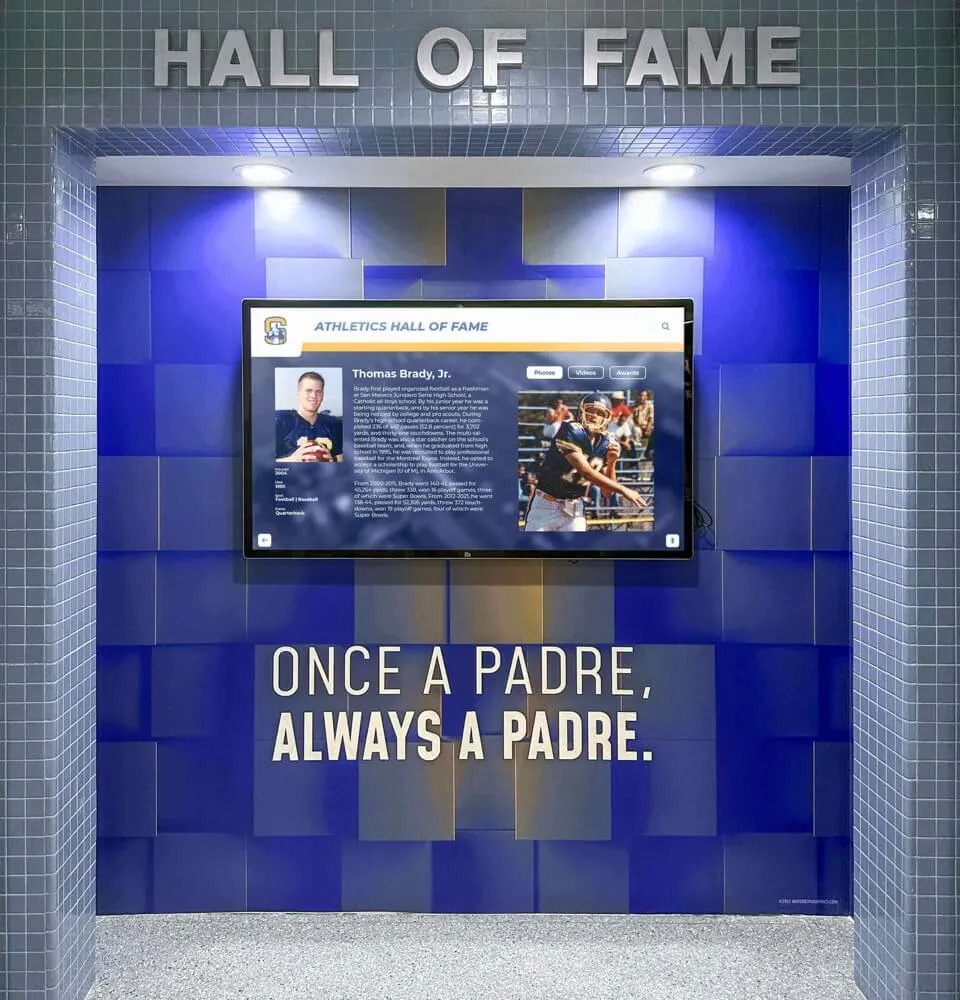
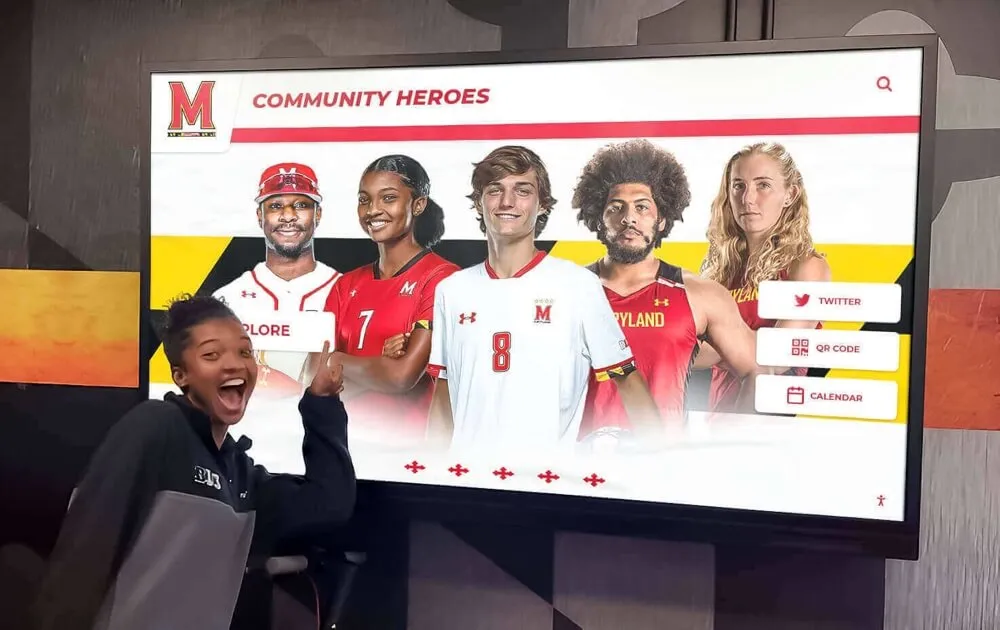
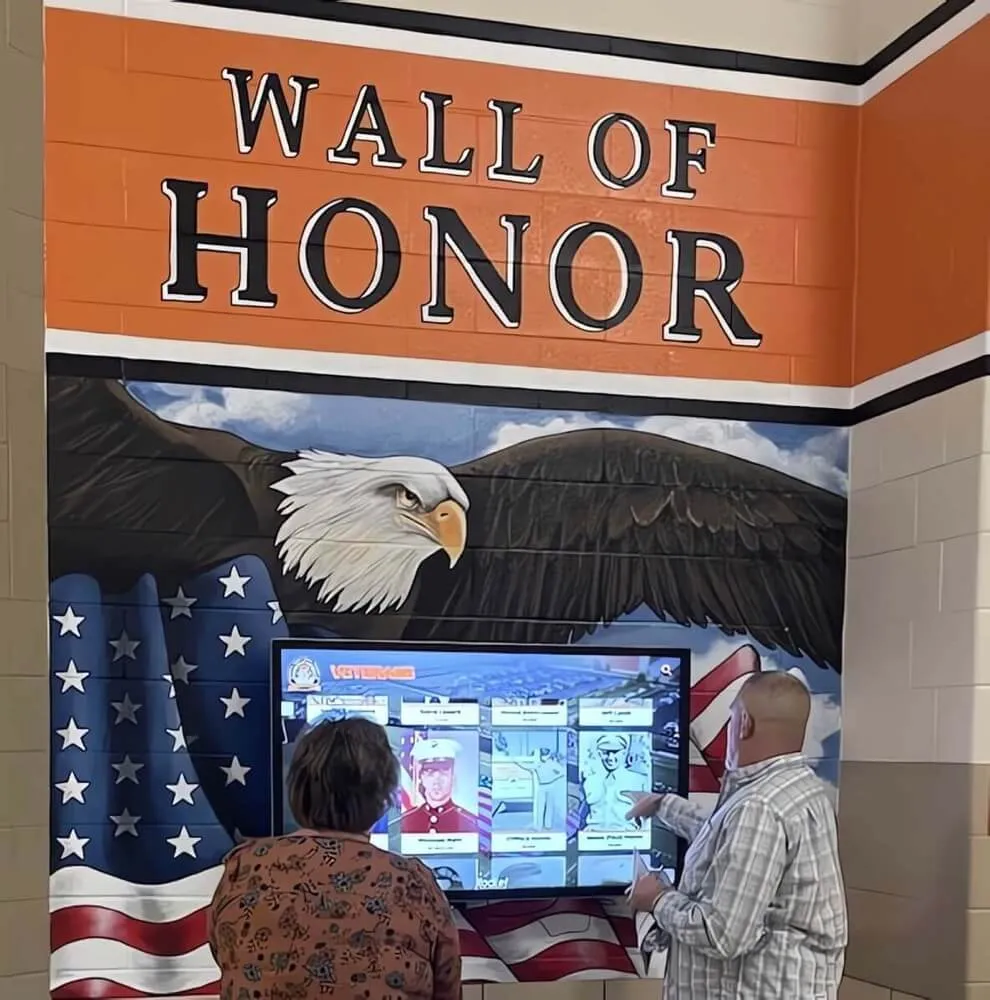
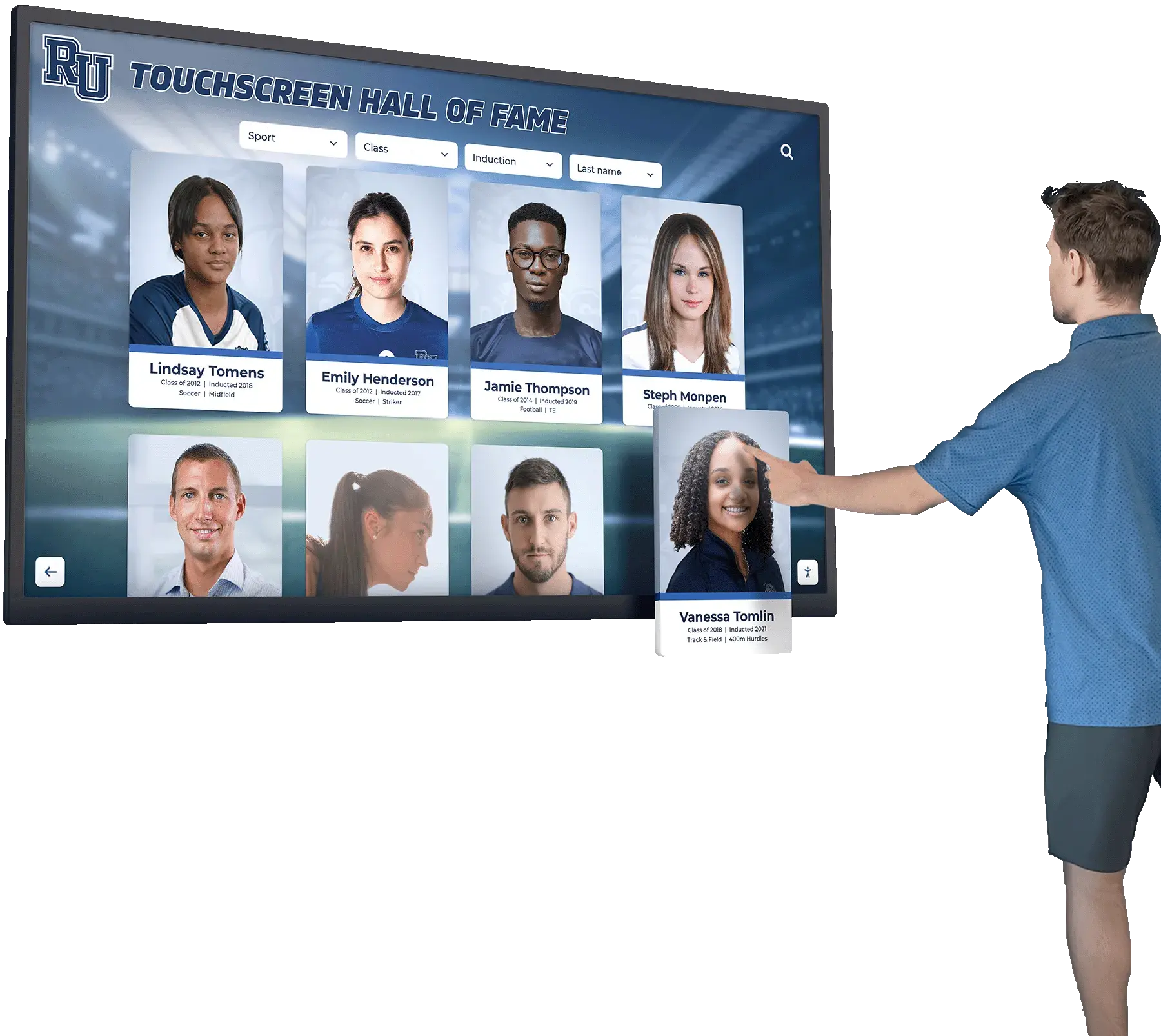
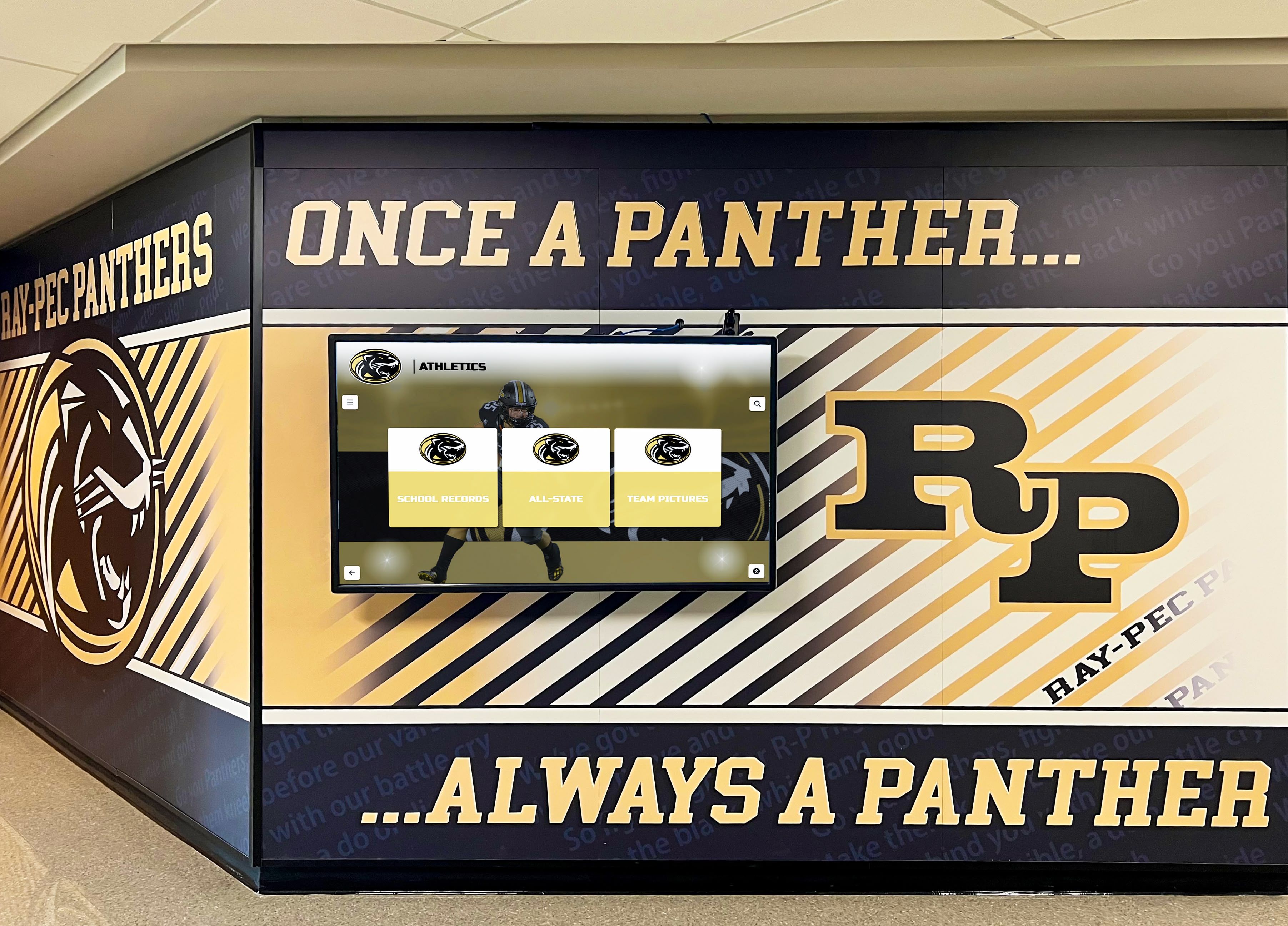
Continued Display Access: Keep photo displays, recognition boards, or video content playing enabling families to explore at their own pace without ceremony time constraints. Interactive digital displays allow families to search for specific athletes, explore comprehensive profiles, and share content via smartphones while socializing.
Coach Accessibility: Ensure coaching staff remains available for brief individual conversations with families wanting to discuss season experiences, ask questions about player development, or express appreciation personally. These informal interactions often hold more meaning than formal ceremony remarks for families seeking individual connection.
Memory Preservation: Maintain photo opportunities enabling families to capture memories with athletes in formal attire holding awards. Consider creating memory book stations where attendees write messages to team members providing tangible keepsakes athletes preserve beyond event conclusion.
Budget Management: Maximizing Impact Within Financial Constraints
Sports banquet budgets vary dramatically from minimal expense potlucks to elaborate catered affairs, but all programs can create meaningful recognition events by strategically allocating available resources toward elements generating strongest impact while finding creative alternatives for less critical components.
Typical Budget Categories and Cost Ranges
Understanding common expense categories helps programs create realistic budgets accounting for all necessary components without overlooking hidden costs that derail financial planning.
Venue Rental: School facilities ($0-500), community centers ($200-800), restaurant banquet rooms ($500-2000), hotels and conference centers ($1000-5000+). Costs typically correlate with facility quality, included amenities, and professional service levels.
Catering and Food Service: Self-organized potlucks ($0-200 for supplies), casual buffet catering ($12-20 per person), plated dinner service ($25-45 per person), premium catering with full service ($50-80+ per person). Dietary accommodations and beverage service significantly influence final costs.
Physical Awards: Basic certificates ($1-3 per athlete), standard trophies ($15-30 per award), quality plaques ($40-75 each), custom trophies ($50-150+), medals and ribbons ($5-15 per athlete). Award quality and customization substantially affect expense ranges.
Digital Recognition Investment: Professional digital display systems ranging $15,000-40,000 for complete installations including commercial-grade touchscreen hardware, cloud-based content management software, professional installation, and ongoing platform access. While representing higher initial investment, digital systems provide unlimited ongoing recognition capacity eliminating recurring physical award production costs while creating permanent athletic accomplishment archives. Organizations implementing Rocket Alumni Solutions report 3-5 year return on investment through eliminated physical plaque production and dramatically enhanced recognition effectiveness.
Audiovisual Equipment: Basic DIY setup using existing equipment ($0-100), professional audiovisual rentals ($300-800), full production services ($1000-3000+). Costs depend on presentation complexity and technical support requirements.
Printing and Materials: Simple photocopied programs ($50-100), professionally designed and printed programs ($200-500), decorations and centerpieces ($100-400), photo printing and displays ($50-200). Design quality and quantity significantly influence expenses.
Photography and Videography: Volunteer parent photographers ($0-50 for printing costs), semi-professional services ($200-500), full professional photography and videography ($800-2500+). Documentation quality affects family satisfaction and program archives.
Cost-Saving Strategies Maintaining Quality
Budget constraints shouldn’t prevent meaningful recognition when programs employ strategic approaches maximizing impact within financial limitations.
Leverage Volunteer Capacity: Parent and booster club volunteers provide substantial value through decoration creation, setup and breakdown assistance, program development, photography services, and logistical coordination reducing paid service requirements. Clear volunteer role definition and appreciation for contributed time encourages participation while distributing workload preventing individual burnout.
Secure Business Sponsorships: Local businesses often sponsor athletic banquets receiving recognition in programs, signage, or verbal acknowledgment during events. Sponsorship approaches include complete event sponsorship covering venue and catering, category sponsorships funding specific awards or program elements, in-kind contributions providing food, printing, or services, and merchandise donations offering gift certificates or products for athlete recognition. Develop sponsorship packages clearly explaining benefits while maintaining authentic appreciation rather than creating commercialized events undermining recognition authenticity.
Implement Tiered Recognition Approach: Provide elaborate trophies for major prestigious awards (MVP, championship team recognition, senior honors) while using quality certificates for broader recognition categories. This balanced approach maintains budget control while ensuring most significant achievements receive tangible physical recognition that athletes display proudly. Supplement physical awards with comprehensive digital recognition providing unlimited acknowledgment capacity without per-award costs.
Strategic Venue Selection: School facilities minimize venue costs while providing ample space and familiar convenient locations. Transform generic cafeterias or gymnasiums through thoughtful decoration, appropriate lighting, and strategic layout converting everyday spaces into celebration venues. Investment in temporary decoration elements creates formal atmosphere without premium venue rental costs.
Potluck or Simplified Menu: Organized potluck dinners where families contribute dishes dramatically reduce catering expenses while building community participation. Alternatively, simplified menus featuring pasta dishes, BBQ, or pizza reception styles provide adequate food service at fraction of plated dinner costs. Focus budget on meaningful awards and recognition rather than elaborate catering when resources require prioritization.
Bulk Award Purchasing: Order awards in larger quantities or establish relationships with trophy suppliers negotiating volume discounts reducing per-item costs. Consider standardizing award formats across multiple seasons enabling larger orders and more favorable pricing. Balance customization desires with cost efficiency when budget constraints require compromise.
Digital-First Award Approach: Consider digital recognition as primary acknowledgment supplemented by selective physical awards for most prestigious categories. This inverted approach provides comprehensive unlimited recognition through digital platforms while reducing physical award production costs. Athletes receive permanent easily accessible acknowledgment they can share digitally with extended networks generating substantially broader visibility than physical trophies displayed in individual homes.
Resources on athletic recognition program budgeting provide detailed frameworks for managing financial constraints while maintaining recognition quality and program impact across varied organizational contexts.
Award Program Design: Recognizing Diverse Contributions Meaningfully
Award programs determine whether recognition feels inclusive and meaningful or creates inequity and resentment. Thoughtful award structures ensure diverse contribution types receive appropriate acknowledgment while maintaining standards making recognition genuinely significant.
Performance-Based Award Categories
Performance awards recognize competitive excellence and statistical achievement celebrating athletes whose on-field production drove team success.
Most Valuable Player: Honors the athlete whose comprehensive contribution—statistical production, leadership, clutch performance, and team impact—proved most valuable to program success. Consider separate MVP awards for different position groups, gender teams, or competition levels when team structures warrant multiple recognition opportunities.
Offensive/Defensive Player Awards: Recognizes specialists excelling in particular game aspects. Offensive awards honor scoring, playmaking, or attacking excellence while defensive awards celebrate athletes preventing opponent success through defensive intensity, positioning, and execution.
Statistical Leader Recognition: Acknowledges athletes leading teams in specific measurable categories—points scored, rebounds, assists, goals, strikeouts, tackles, or sport-specific statistics. Statistical awards provide objective recognition based on documented achievement reducing selection subjectivity.
Championship Performance Awards: Honors athletes whose tournament or playoff performances proved critical to championship success. These awards recognize ability to elevate performance under pressure when stakes reach highest levels.
Understanding comprehensive approaches to youth sports recognition helps programs design award structures appropriately balancing performance recognition with character acknowledgment across different competitive levels and developmental stages.
Character and Leadership Recognition
Character awards acknowledge that athletic value extends beyond statistics to include leadership, sportsmanship, and influence on team culture and organizational character.
Captain’s Leadership Award: Recognizes formal or informal leaders whose influence shapes program culture through example-setting, teammate mentorship, and responsibility acceptance. Leadership recognition validates non-statistical contribution that proves equally vital to program success.
Sportsmanship and Integrity Award: Celebrates athletes competing with class, treating opponents and officials respectfully, and representing programs with dignity regardless of competitive outcomes. Sportsmanship recognition teaches that character matters more than wins alone.
Teammate Award: Honors athletes whose encouragement, support, and positive energy make them exceptional teammates. Consider peer voting for this category as teammates best understand daily interactions and genuine support provision. Teammate awards validate contribution types that don’t appear in game statistics but prove essential to positive team chemistry.
Heart and Hustle Recognition: Acknowledges athletes competing with maximum effort, diving for loose balls, sprinting on every play, and demonstrating relentless intensity. Hustle awards show that effort and attitude receive recognition equal to talent and achievement.
Development and Growth Awards
Development awards celebrate improvement and progress validating dedication to growth while recognizing that enhancement matters regardless of starting performance level.
Most Improved Player: Recognizes athletes demonstrating remarkable development from season start to conclusion. Improvement awards prove particularly meaningful for developing athletes or late bloomers showing that dedication to skill enhancement receives genuine appreciation.
Dedication Award: Honors consistent practice attendance, extra training commitment, and sacrificial dedication to improvement. These awards validate the daily work underlying eventual achievement while recognizing that process commitment deserves acknowledgment beyond outcome-focused recognition.
Comeback Player Recognition: Celebrates athletes overcoming injuries, personal challenges, or adversity to make meaningful contributions. Comeback awards acknowledge resilience and determination while providing public recognition for private struggles teammates and coaches understand but broader audiences might not appreciate.
Inclusive Recognition Ensuring All Athletes Feel Valued
Comprehensive award programs ensure every participant receives specific acknowledgment rather than limiting recognition to statistical leaders alone.
Role Player Recognition: Acknowledges athletes whose contributions come through practice intensity, backup readiness, specialized role execution, or consistent support despite limited playing time. Role player awards demonstrate that programs value all contributions regardless of statistical prominence.
Academic Excellence Awards: Honors student-athletes excelling academically while managing demanding athletic schedules. Academic recognition reinforces that classroom performance matters equally to competitive success while celebrating dual achievement requiring exceptional time management and discipline.
Community Service Recognition: Celebrates athletes using athletic platform for positive community impact through volunteer work, youth mentorship, or charitable initiative leadership. Service awards teach that influence and responsibility extend beyond sports into broader community contribution.
Perfect Attendance Awards: Recognizes consistent practice and game attendance demonstrating reliability and commitment. Attendance recognition values dependability and responsibility beyond performance-based achievement.
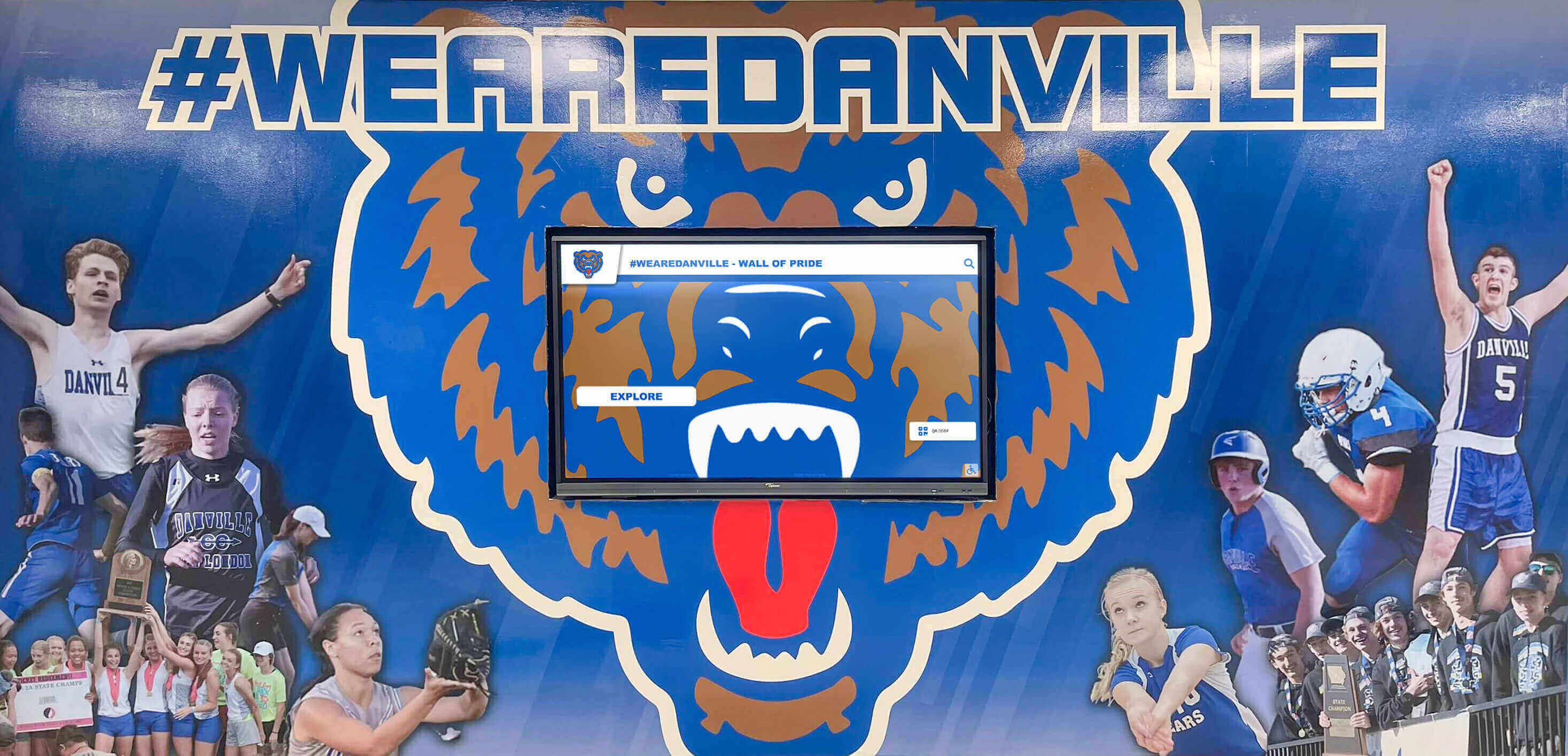
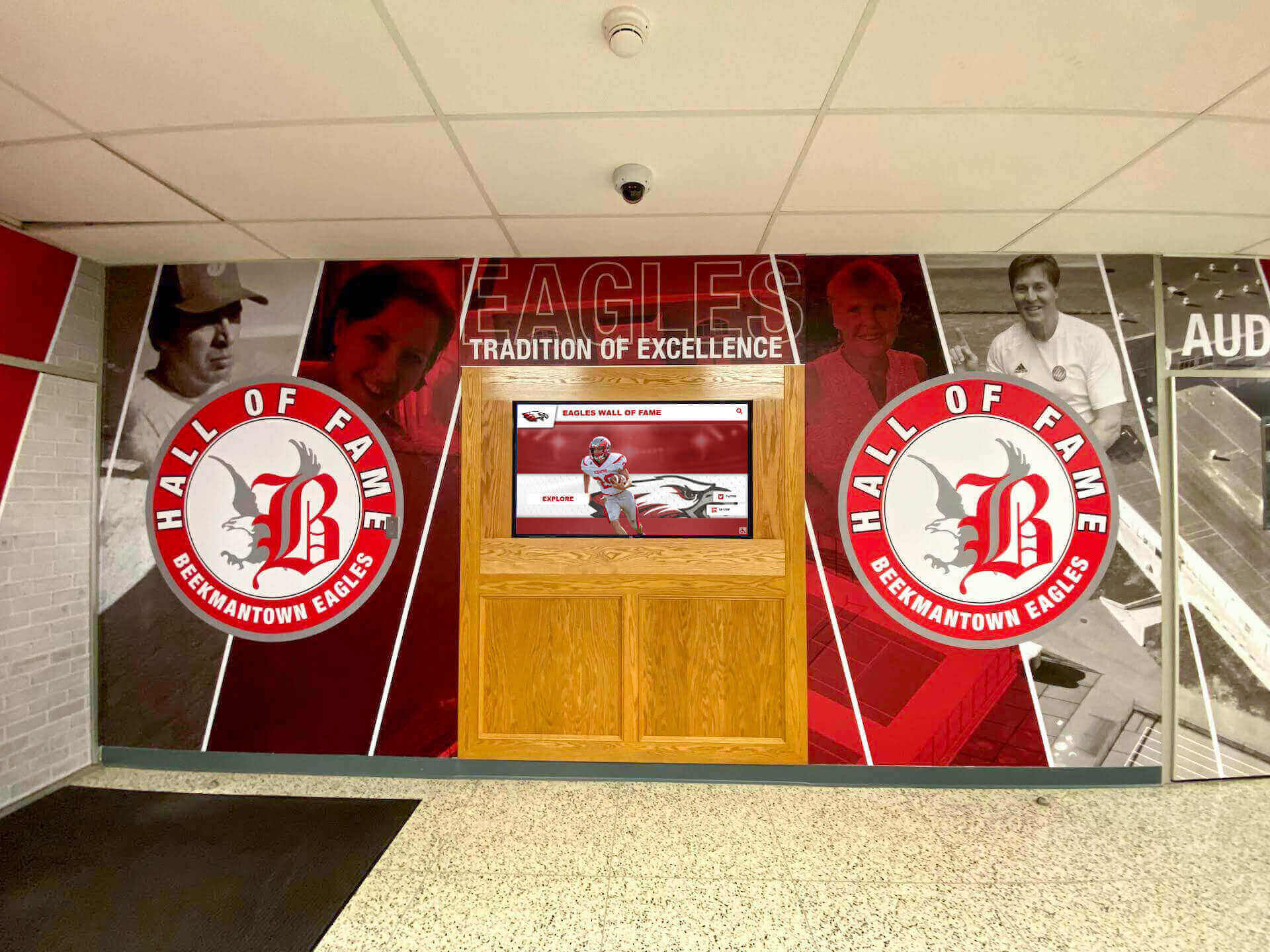
Programs implementing comprehensive recognition through digital athletic displays can acknowledge unlimited athletes across unlimited categories without space constraints that force traditional programs to limit recognition due to physical display capacity constraints or physical award budget limitations.
Creating Lasting Recognition Beyond Single-Night Events
Traditional banquets provide meaningful single-night celebration, but most valuable recognition extends beyond brief ceremonies through permanent acknowledgment that athletes, families, and prospective recruits can access for years creating ongoing program value far exceeding single-event impact.
Digital Recognition Platforms for Athletic Programs
Modern recognition technology enables athletic programs to create comprehensive permanent achievement celebration extending banquet recognition while solving fundamental limitations of traditional physical award approaches.
Unlimited Recognition Capacity: Digital platforms accommodate complete team rosters across unlimited seasons without space constraints forcing choices about whose achievements to remove. Programs can recognize every athlete regardless of playing time, preserve complete historical records without discarding older recognition, and maintain growing archives documenting program excellence evolution across decades without facility modifications or equipment additions.
Multimedia Storytelling: Beyond basic name and award listings, digital recognition includes game highlight videos, season statistics, action photography, comprehensive athlete biographies, achievement progression timelines, and personal statements creating engaging narratives impossible through static plaques. Rich multimedia content generates substantially stronger emotional connection and recognition impact than text-based acknowledgment alone.
Immediate Content Updates: Digital systems enable real-time recognition appearing on displays within hours of achievement occurrence while excitement remains fresh and motivation achieves maximum impact. Content administrators update recognition from any internet-connected device without requiring facility access or physical installation. Changes synchronize automatically across distributed displays and web portals ensuring consistent current acknowledgment throughout organizations.
Web Accessibility Extending Recognition Reach: Physical displays limit visibility to facility visitors, but web-based recognition portals extend acknowledgment to remote families sharing achievements with extended relatives, alumni exploring program evolution since graduation, prospective recruits evaluating program culture, and distributed communities unable to attend in-person banquets. Web accessibility creates 10-20× visibility expansion compared to physical displays alone while requiring no additional content development since identical material serves both channels.
Permanent Historical Archives: Digital platforms preserve complete program history indefinitely enabling current teams to explore predecessor achievements, alumni to rediscover their athletic careers, and families to access recognition years after athletic participation concludes. Historical preservation creates powerful tradition connection linking current athletes to decades of program excellence while demonstrating sustained organizational commitment to lasting appreciation.
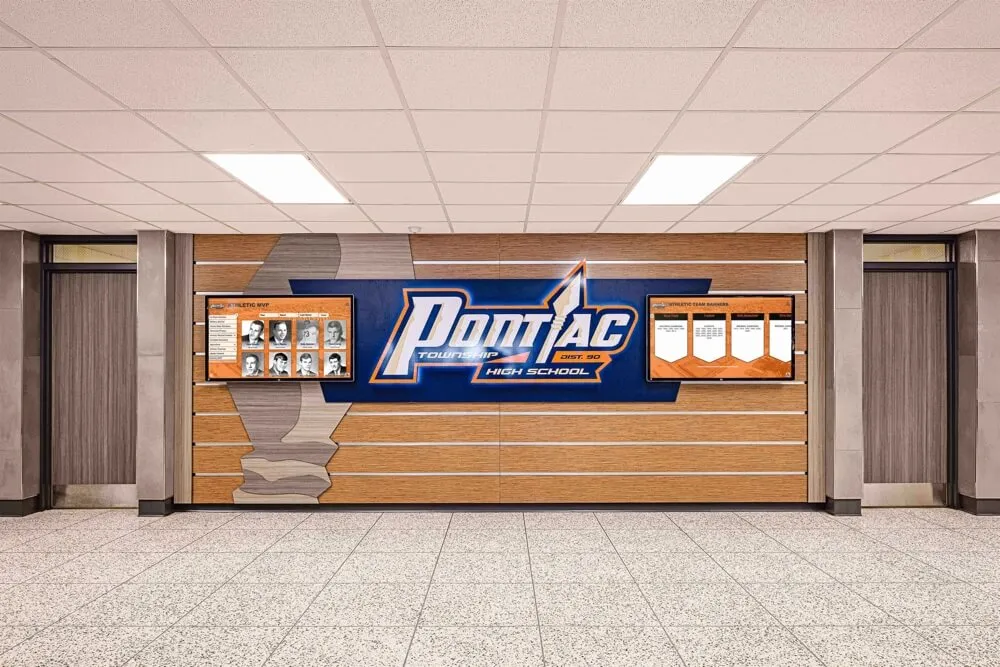
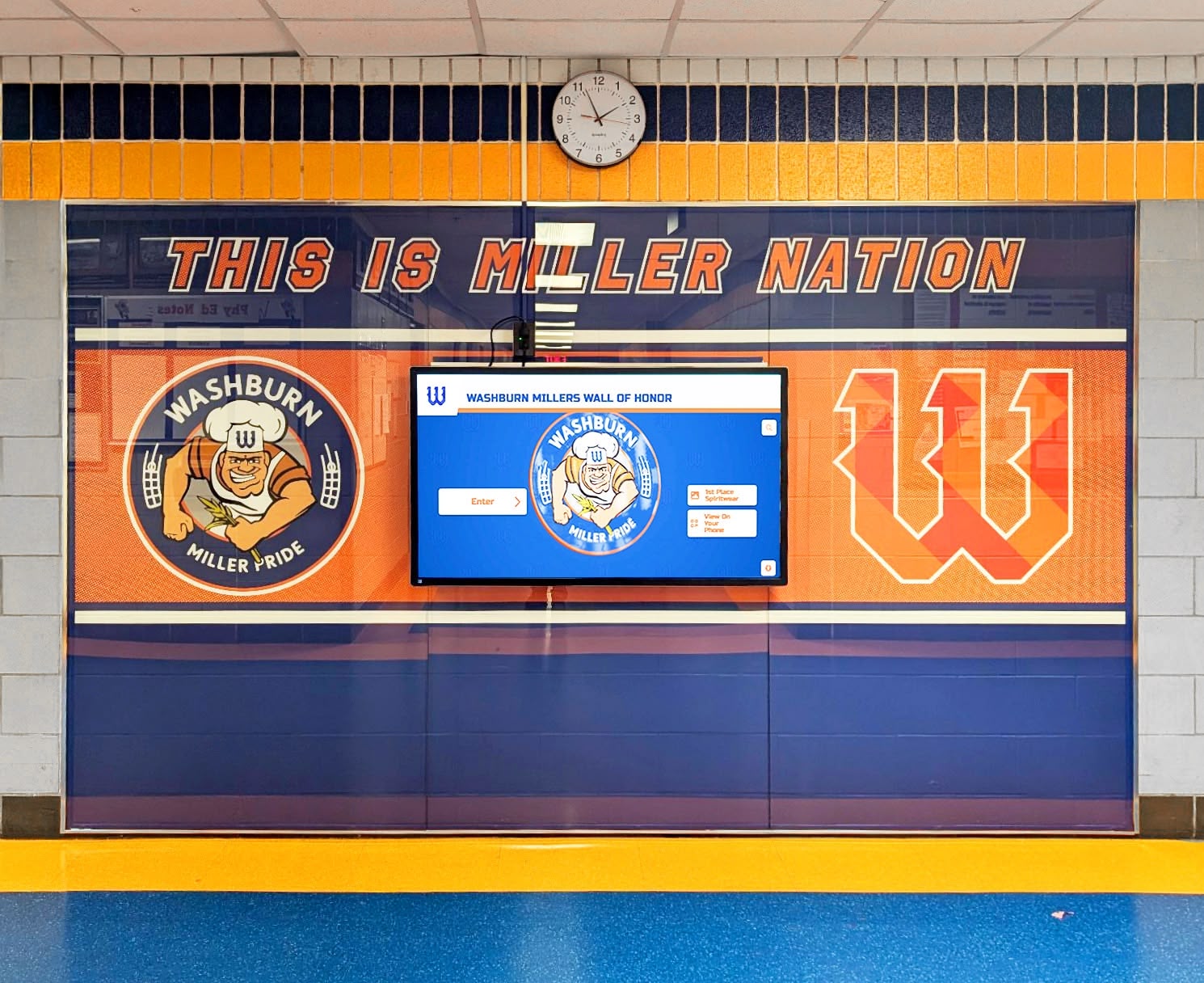
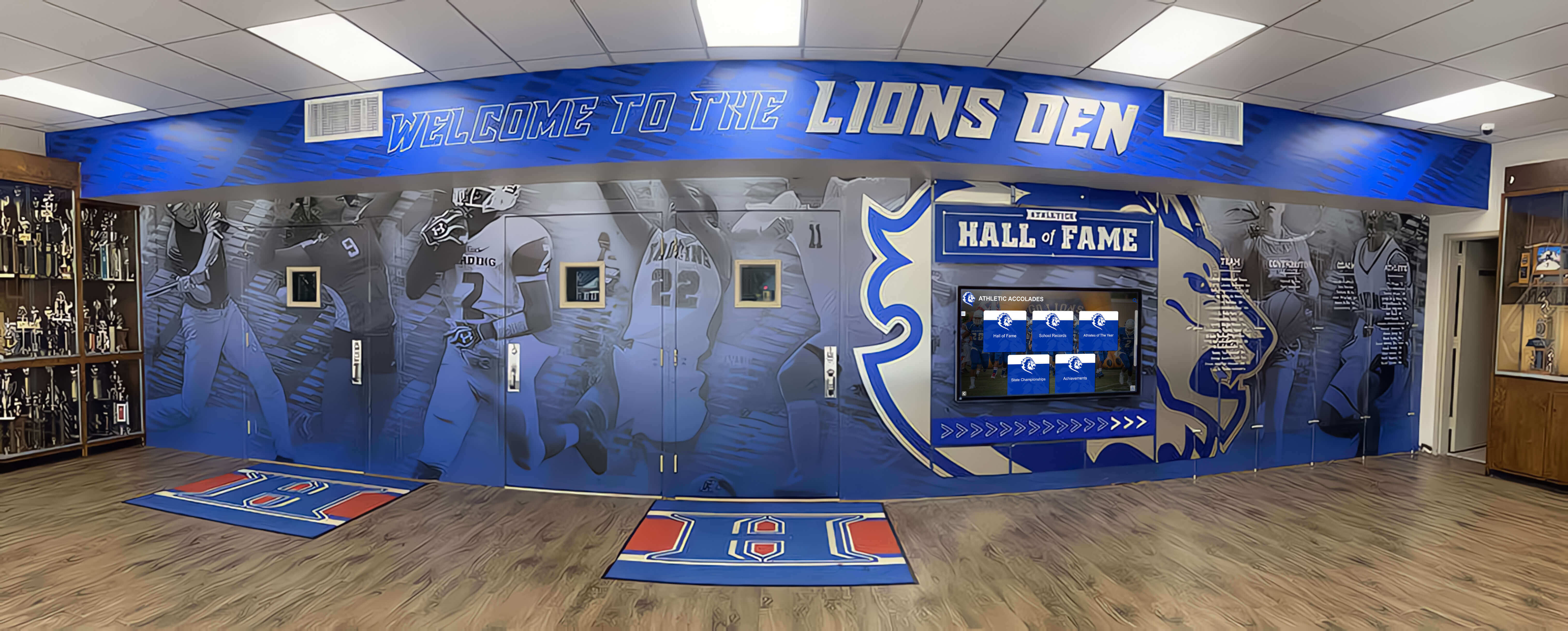
Programs implementing Rocket Alumni Solutions’ digital recognition displays create year-round athletic recognition that continually honors team accomplishments rather than limiting acknowledgment to brief annual banquet moments. These systems solve fundamental space limitations, production delays, and visibility constraints inherent in traditional physical recognition while providing engaging interactive experiences that strengthen program culture and alumni engagement for generations.
Integrating Digital Recognition With Traditional Banquets
Digital platforms complement rather than replace traditional banquets by extending single-night celebration through permanent accessible acknowledgment while enhancing banquet presentations through rich multimedia content.
Pre-Banquet Promotion: Use digital displays to promote upcoming banquets through countdown timers, season highlight previews, and previous banquet retrospectives building anticipation and attendance. Feature nomination announcements or award category previews generating interest while maintaining suspense about specific recipients.
During-Banquet Enhancement: Integrate digital content into ceremony presentations through highlight video playback, statistical graphics accompanying award announcements, athlete profile displays during recognition moments, and interactive exploration enabling early arrivals or post-ceremony attendees to discover comprehensive team information. Programs report that multimedia integration increases ceremony engagement while providing professional presentation quality elevating event prestige.
Post-Banquet Extension: Immediately following events, update digital recognition with banquet photos, award recipient announcements, ceremony highlights, and complete season achievement documentation. This immediate update transforms banquet recognition from isolated event into launching point for permanent celebration while recognition momentum and community attention remain elevated.
Recruitment Impact: Prospective athletes and families evaluating programs encounter comprehensive documentation of recognition commitment through digital platforms showing complete banquet history, award winner archives, and extensive athlete celebration demonstrating authentic appreciation culture. This concrete evidence proves substantially more convincing than recruiting promises unsupported by visible recognition infrastructure.
Alumni Engagement: Digital recognition creates ongoing connection points for graduated athletes who explore updated content discovering current team achievements, reconnect with their archived profiles, and share athletic accomplishments with personal and professional networks. Sustained engagement strengthens alumni relationships benefiting programs through volunteer support, financial contributions, and community advocacy.
Resources on implementing digital athletic recognition provide comprehensive frameworks for programs transitioning from exclusively traditional approaches toward integrated recognition strategies maximizing both immediate banquet impact and sustained long-term program value.
Special Considerations for Different Sports and Programs
Different sports, competitive levels, and organizational structures require adapted banquet approaches reflecting unique sport characteristics, team sizes, season timing, and program cultures.
Team Sport vs. Individual Sport Recognition
Team Sports (basketball, football, soccer, volleyball) emphasize collective achievement alongside individual recognition. Banquets should balance team awards celebrating championship success, defensive excellence, or collective milestones with individual honors acknowledging statistical leaders, MVP selection, and personal development. Team sport banquets typically include complete roster recognition ensuring every participant receives acknowledgment regardless of playing time or statistical contribution.
Individual Sports (track, swimming, tennis, wrestling) require recognition structures acknowledging both individual achievement and team scoring contribution. Consider separate recognition for individual event champions, personal record achievements, and state qualifier status alongside team point contributors, relay participants, and athletes whose performances enabled team scoring success. Individual sport awards often include more granular achievement categories reflecting sport-specific accomplishments beyond basic win/loss records.
Multi-Team Combined Banquets vs. Single-Team Events
Combined Multi-Team Banquets serve entire athletic programs or gender-grouped sports (all boys teams, all girls teams) creating comprehensive celebration while managing costs through shared venues and reduced per-team coordination. Combined events require careful timing ensuring appropriate recognition balance across all teams without allowing larger programs to dominate ceremonies while smaller sports receive abbreviated acknowledgment. Benefits include improved cost efficiency, comprehensive program celebration, and cross-team community building.
Individual Team Banquets provide focused celebration specific to single sports enabling deeper recognition detail, sport-specific award categories, and intimate team culture emphasis impossible in large combined events. Single-team approaches require greater per-athlete cost but deliver more personalized recognition and stronger team cohesion emphasis. Consider individual banquets for high-profile sports with substantial participation or programs with adequate budget supporting multiple annual events.
Youth Recreation vs. Competitive High School vs. Elite Travel Programs
Youth Recreation Programs emphasize participation, enjoyment, and fundamental development over competitive outcomes. Banquets should provide inclusive recognition celebrating all participants, acknowledge improvement and effort over winning, include fun awards maintaining lighthearted atmosphere, and minimize competitive comparison focusing instead on personal growth and skill development. Keep events brief (60-90 minutes) matching shorter attention spans while maintaining energy and engagement.
Competitive High School Programs balance performance recognition with character development and academic achievement. Banquets acknowledge statistical excellence and championship success while maintaining substantial focus on sportsmanship, leadership, academic accomplishment, and community contribution. Include senior recognition honoring graduating athletes’ cumulative commitment. Events typically run 90-120 minutes providing comprehensive recognition across diverse award categories and athlete acknowledgment.
Elite Travel and Club Programs often emphasize competitive excellence and individual development supporting college recruitment. Banquets highlight tournament success, showcase improvement, feature college commitment announcements, and provide comprehensive statistical recognition demonstrating player development. Consider including college placement information in athlete profiles and recognition content supporting recruitment process documentation useful for athletes still pursuing opportunities.
Understanding sport-specific and program-level variations helps organizations design appropriate banquet approaches matching unique contexts rather than applying generic frameworks that might not fit specific circumstances.
Post-Banquet Follow-Up: Extending Recognition Impact
Banquet impact shouldn’t end when events conclude. Thoughtful follow-up extends recognition influence while strengthening relationships, gathering improvement feedback, and documenting events for future planning and promotional purposes.
Documentation and Content Distribution
Within one week following banquets, provide families and team members with comprehensive event documentation preserving memories while extending recognition reach through content sharing.
Professional Photography: Distribute complete photo galleries including ceremony highlights, award presentations, team photos, and candid celebration moments. Provide easy download access through cloud storage or program websites enabling families to obtain and share images freely. High-quality photography serves program archives while giving families tangible keepsakes they treasure for years.
Video Recordings and Highlight Packages: Share complete ceremony recordings or edited highlight packages featuring major moments, award presentations, and coach remarks. Video content allows absent family members to experience events while providing athletes with keepsakes they revisit repeatedly. Consider creating individual athlete video compilations featuring their specific recognition moments, award presentations, and season highlights providing personalized content they share through social media.
Award Recipient Lists and Recognition Archives: Publish complete award recipient lists through program websites, social media, and digital recognition platforms ensuring permanent accessible documentation. Written archives serve program historical records while providing content for future promotional materials, recruiting communications, and program tradition documentation.
Thank You Communications and Appreciation
Express gratitude to everyone contributing to banquet success reinforcing relationships while encouraging continued involvement and support.
Volunteer Appreciation: Send personal thank you messages to parent volunteers, booster club members, and staff contributors who enabled successful events. Specific appreciation noting particular contributions demonstrates genuine recognition for support beyond generic mass acknowledgments. Consider small thank you gifts or certificates for volunteers providing substantial assistance.
Sponsor Recognition: Thank business sponsors through formal letters, social media acknowledgments, or personal visits from coaching staff and athlete representatives. Maintain sponsor relationships beyond single-season support cultivating ongoing partnerships benefiting programs across years. Share event photos and attendance information demonstrating sponsorship value through community visibility.
Athlete and Family Appreciation: Send brief messages to team families thanking them for participation, acknowledging season commitment, and expressing appreciation for their athletes’ contributions. Personal coach communications strengthen relationships while demonstrating genuine care extending beyond competitive outcomes toward comprehensive development and wellbeing.
Feedback Collection for Continuous Improvement
Gather systematic feedback informing future banquet planning and program improvement demonstrating commitment to excellence and responsiveness to community input.
Anonymous Satisfaction Surveys: Distribute brief surveys (5-10 questions) evaluating event satisfaction, gathering suggestions for improvement, and identifying particularly successful elements worth repeating. Anonymous format encourages honest constructive feedback more valuable than universally positive responses avoiding criticism. Consider digital survey distribution through email links or QR codes maximizing response rates through convenient access.
Specific Improvement Questions: Include targeted questions about venue appropriateness, ceremony pacing, award program comprehensiveness, food quality, and timing suitability. Specific feedback generates actionable insights beyond generic satisfaction measures enabling concrete planning adjustments for future events.
Coach and Planning Committee Debrief: Conduct internal review sessions with coaching staff and planning committee members identifying operational successes, addressing encountered challenges, and documenting lessons learned while experiences remain fresh. Written debriefs create institutional memory preventing knowledge loss as volunteers rotate or staff transitions occur.
Understanding frameworks for comprehensive athletic recognition programs helps organizations develop sustained excellence approaches integrating annual banquets within broader recognition strategies spanning multiple touchpoints and year-round engagement opportunities.
Common Sports Banquet Challenges and Solutions
Recognizing frequent problems helps programs avoid issues undermining banquet effectiveness while implementing proven solutions addressing common challenges.
Challenge: Poor Attendance and Family Participation
Low attendance undermines recognition impact, creates awkward atmosphere, and wastes resources invested in event preparation.
Solutions: Schedule events at times maximizing family availability considering work schedules, religious observances, and competing activities. Survey families regarding preferred dates and timing when flexibility exists. Provide substantial advance notice (6-8 weeks minimum) enabling calendar planning. Communicate clear event value proposition explaining recognition elements and celebration approach generating attendance motivation. Consider reducing costs through budget-friendly venues and simplified catering removing financial barriers preventing participation.
Challenge: Ceremonies Running Excessively Long
Poorly paced ceremonies lose audience attention regardless of content quality, causing early departures and creating tedious experiences attendees resent rather than enjoy.
Solutions: Establish 90-120 minute maximum duration targets for most programs, adjusting based on team size and award comprehensiveness. Create detailed run-of-show documents specifying time allocations for each program element. Limit speech lengths through clear expectations communicated to speakers beforehand. Break lengthy award presentations into segments separated by video content or brief transitions maintaining engagement. Rehearse complex transitions or multimedia integrations preventing awkward delays. Assign timekeeper monitoring program pacing with authority to signal speakers nearing time limits.
Challenge: Awards Concentrating on Star Athletes While Role Players Feel Overlooked
Recognition programs sometimes shower statistical leaders with multiple awards while overlooking role players, defenders, and contribution types not generating impressive statistics.
Solutions: Implement diverse award categories ensuring various contribution types receive recognition. Character awards, effort recognition, improvement acknowledgments, and role player honors balance performance-based awards ensuring comprehensive roster recognition. Review award distribution before finalizing selections verifying whether recognition spreads appropriately across team rather than clustering on few individuals. Consider establishing minimum award requirements ensuring every participant receives at least one specific recognition beyond generic participation acknowledgment.
Challenge: Budget Constraints Limiting Recognition Quality
Financial limitations create tension between recognition desires and budget realities potentially forcing uncomfortable compromises undermining event quality.
Solutions: Prioritize budget allocation toward elements generating strongest impact—particularly meaningful awards for major recognition categories and quality food service ensuring comfortable social experience. Leverage volunteer capacity for decoration, setup, logistics, and content development reducing paid service requirements. Secure business sponsorships through well-developed proposals clearly explaining community visibility benefits and recognition opportunities. Consider digital recognition investments providing long-term value through unlimited ongoing capacity reducing per-athlete costs across years while creating comprehensive permanent acknowledgment impossible through traditional physical-only approaches.
Challenge: Logistical Complexity Overwhelming Planning Committees
Banquet coordination involves numerous moving parts creating substantial coordination burden particularly when responsibility concentrates on few individuals rather than distributing appropriately across planning teams.
Solutions: Form planning committees early in processes distributing responsibilities across multiple volunteers with clear role definitions preventing individual burnout. Create detailed planning checklists and timelines ensuring systematic progress rather than last-minute scrambling. Maintain regular committee meetings providing coordination, progress monitoring, and problem-solving forums. Document planning processes creating institutional knowledge benefiting future years and preventing repeated learning curves as volunteer teams change. Consider turnkey venue options with comprehensive service packages minimizing logistical coordination when volunteer capacity is limited or budget allows professional services.
Conclusion: Creating Sports Banquets That Build Lasting Program Culture
Sports banquets represent far more than obligatory season-ending formalities. These celebrations provide final opportunities to demonstrate program values regarding recognition, create meaningful memories that athletes and families preserve for lifetimes, establish traditions connecting current teams to historical excellence, and build culture that strengthens program identity while supporting recruitment, retention, and sustained organizational success.
The most impactful sports banquets share several characteristics regardless of budget scale or organizational complexity: comprehensive recognition ensuring diverse contributions receive appropriate acknowledgment, thoughtful ceremony structure maintaining engagement while appropriately honoring achievement, genuine personalization demonstrating specific attention to individual athletes rather than generic processing through routine obligations, appropriate celebration atmosphere balancing formality with enjoyment, and lasting documentation extending recognition beyond single-night events through permanent accessible acknowledgment.
Digital recognition solutions like Rocket Alumni Solutions enable athletic programs to transform sports banquets from isolated annual events into launching points for comprehensive year-round recognition creating permanent celebration of athletic accomplishment. These platforms provide unlimited acknowledgment capacity eliminating space constraints, enable immediate content updates maintaining current recognition, support rich multimedia storytelling impossible through traditional plaques, extend reach through web accessibility serving distributed populations, and create engaging interactive experiences strengthening program culture and alumni engagement for generations.
Whether programs manage youth recreation leagues emphasizing participation and development or elite competitive programs pursuing championships, commitment to meaningful thoughtful recognition creates positive cultures where athletes feel genuinely valued, families appreciate program investment in comprehensive development, and communities recognize athletic excellence as worthy celebration deserving institutional support. By implementing proven banquet planning strategies and considering modern recognition technologies extending acknowledgment beyond traditional limitations, athletic programs demonstrate authentic appreciation commitments transforming seasonal obligations into memorable celebrations that athletes, families, and communities treasure as highlights of athletic journeys—moments when programs showed that effort matters, achievement deserves celebration, and every contribution holds genuine value.
Transform Your Sports Banquet Recognition Beyond Single-Night Events
Create lasting celebration of athletic accomplishments extending banquet recognition through comprehensive digital platforms showcasing unlimited athletes, preserving complete program history, and providing engaging interactive experiences accessible year-round. Rocket Alumni Solutions enables athletic programs to honor every athlete permanently while building traditions connecting current teams to decades of excellence.
Schedule Your Athletic Recognition Consultation